5. The Genealogy and Prevalence of the Mathematical Names in India: A Qualitative and Quantitative Analysis
In order to better understand the genealogy and the prevalence of ‘mathematical names’ in India, six distinct categories have been created, namely Geometry, Trigonometry, Number system, Arithmetic, Algebra, and Mathematics in the Vedic/Indian tradition and their name recurrence factors are designated by , and respectively. Of these, the last category is in fact a miscellany of not just the evolution of mathematics in the Vedic period, but also some unique terms that got introduced and absorbed in the Indian tradition of mathematics. In the sections that follow, we produce a running text on these distinct sub-categories as it pertains to mathematics in the Indian tradition, with the underpinning ‘mathematical terms’ being underlined, when every term appears for the first time in the text. Later, all these names are collated in a tabular format with an example of a name corresponding to both genders, and a quantitative analysis then follows.
5.1. Geometry
The description on the geometry may begin with emptiness (
rikt) and next a point (
bindu), which, in Euclidean geometry is an exclusively primitive concept upon which the foundation of geometry is built, and which has been treated only by axioms (Gerla 1995). When two such “invisible points” are concerned, as per the second postulate of Birkhoff’s metric geometry, there exists one and only one such unique line that connects them (Birkhoff 1932). In the Indian tradition of geometry, a line has been referred to as ‘
rekha’, which connects two fixed points and thus has a finite length (
vistara). However, if one of the points i.e., the vertex (
sheersh) is fixed, whereas the other can hypothetically lie at infinity, a ray (‘
kiran’) results, possibly bearing an allusion to the rays of the sun that extend infinitely into deep space. It is possible that the two rays can touch at a common endpoint and in such a case, an angle (‘
kon’) results. These angles could be of different magnitudes. It could be a straight angle (
riju), acute angle, right angle or an obtuse angle (
adhik kona). The word angle owes its genesis to its Latin equivalent
angulus meaning “corner” (equivalent to Sanskrit
“kon”) and its linguistic cognates such as
ankylos in Greek, meaning “curved” and the English word “ankle”. Both the Greek and English cognates are linked to the Proto-Indo-European root
“ank”, meaning a “bow” (Slocum 2007). Interestingly, the Sanskrit equivalent for a bow is “
dhanu” or “
chaap”, which is used to refer to an arc in Hindu geometry. The measure of the ratio of the length of a circular arc to its radius is the estimate of an angle, which is described to a considerable level of accuracy in Hindu geometry. For instance, Surya-siddhanta (Gangooly and Burgess 1997) gives the angle measurements in text 128 as –
Sixty vikalas make up a kalaaand sixty kalaas comprise a bhaag. Thirty of such bhaag constitute a rashi, and a spherical revolution, bhagana consists of twelve such rashis.
It is worth noting that the current system of measurement of angles is precisely similar to that mentioned in Surya-Siddhanta, where a minute consists of sixty seconds, a degree consists of sixty minutes, and 30 x 12 = 360 such degrees make up a revolution. A degree in Hindu geometry is sometime also referred to as ansh. Moreover, in his Siddhanta-Shiromani, while computing the instantaneous motion of a planet, Bhaskaracharya notes that the timespan between consecutive positions of the planet is no greater than a truti, or 1/33,750 of a second, and he gives the measures of the velocity in terms of this small unit of time (Joseph 2010).
After discussing basic shapes such as a line and a ray and the angles between them, construction (Rachna) of a curve (Vakra) is of cardinal interest in geometry. However, these may sometimes be a closed curve (Aakriti), and in such a scenario, the boundary (Seema) and its length, or the perimeter (Parimap) and area (Kshetra) are quantities of natural interest. Kshetra primarily refers to a closed figure, but can also denote the area of a figure (Amma 1999). Thus, different kinds of closed geometrical shapes, also called polygons may be looked into, beginning from a triangle (Tribhuj), quadrilateral (Chaturbhuj), square (Varg/ Kriti/ Karani), rectangle (Ayat), pentagon (Panchakarn), octagon (Ashtbhuj) to any n-sided polygons (Bahubhuj), etc. The sides of polygons have been mentioned as rashmi. Of the geometrical shapes possible, the triangles, quadrilaterals, and circles can be examined in some greater detail, owing to their simplicity and thus pervasiveness in all kinds of practical applications.
In his Aryabhata
Ganitapda 6
, Aryabhata discusses the calculation of area of a triangle in these words –
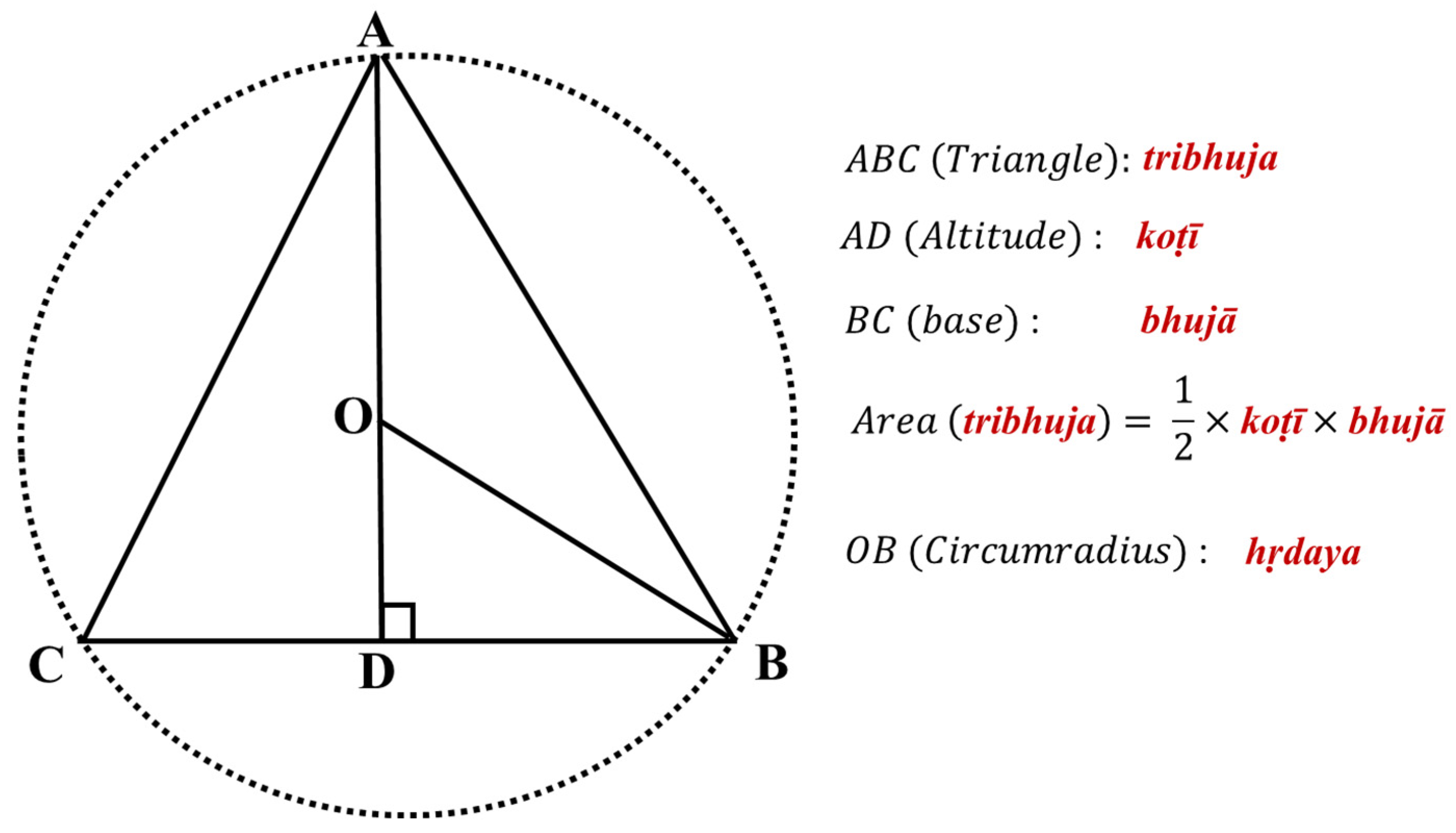
The result of the perpendicular (from opposite vertex) and its product with half the length of the side is its area. As illustrated in
Figure 3, here, Aryabhata refers to the base of the triangle as the
bhuja, whereas the perpendicular from the base (
dal) is referred to as
koti. This altitude of a triangle has also been referred to as
isuby Katyayana (Amma 1999), although conventionally
isu (meaning arrow) has been used to denote height of an arc, which is denoted by
chaapor
dhanu. Bhaskaracharya describes this in his Leelavati (Text 141)
In a right-angled triangle, one of the sides is called the base (bhujaor bahu), and the side perpendicular to it is called the altitude, koti (Patwardhan et al. 2006).
Next, a quadrilateral is referred to as
chaturbhuja (or
Chaturasra) and can be a parallelogram, rhombus, rectangle (
Ayat), or a square (
Vargaor
Kriti). The Shulbasutras provide a clear understanding between lengths and areas. Apastamba (Ap. Sl. III. 6-7) says –
“With two four, with three nine. As many units as there are in a cord, so many squares are produced by it” (Srinivasachar and Narasimhachar, 1931).
The square root from four sets of half the sum of the sides respectively diminished by the sides and multiplied together is the exact area. Or, half the sum of the base and the face multiplied by the altitude, but not in a
vishama quadrilateral. This is ample evidence that Mahavira knew that the expression
holds good for isosceles trapezium, although he does not state this to apply to scalene trapezium too. Brahmagupta in his
Brahma-sphuta-Siddhanta highlights some other properties of trapezium, although he does not comment upon its area.
In quadrilaterals other than the
vishama, the square root of the sum of the products of the opposite sides is the diagonal. The square of the diagonal less the square of half the sum of the base and the face is the altitude (Sharma et al. 1966). Rectangles are addressed differently, sometimes as
visama chaturasra or Ayat as well, as shown in the text below:
Mathematicians like Maskari, Purana, and Putana show the rationale of the areas of all figures in rectangular figures.
The diagonal of a square or a rectangle is denoted by
karna, karanam, vikarnaor
shruti, all referring to ear, although the semantic basis for this usage is not exactly clear (Amma 1999). The Sanskrit word
karani means “producer” or “that which makes”, and gradually it came to represent the sides of a rectilinear geometrical figure of any shape, and later, more specifically, the side of a square. Katyayana Shulbasutra (II. 15-18) describes –
“The one-third maker is expounded by this. The division of the measure (of the area) is into nine parts. One-third of the karanii.e., the side of the square makes one-ninth (of the area). Three ninth parts have one-third as its karani or maker”(Amma 1999). Further, Katyayana also discusses the construction and properties of pentalaterals or panchakarna(Datta 1932).
Mandalaor
Parimandaladenotes a circle, and
Parinahastands for circumference, although it is less commonly used. The other word for the circumference is
paridhi, as can also be seen in the
Lilavati text 201 by Bhaskaracharya –
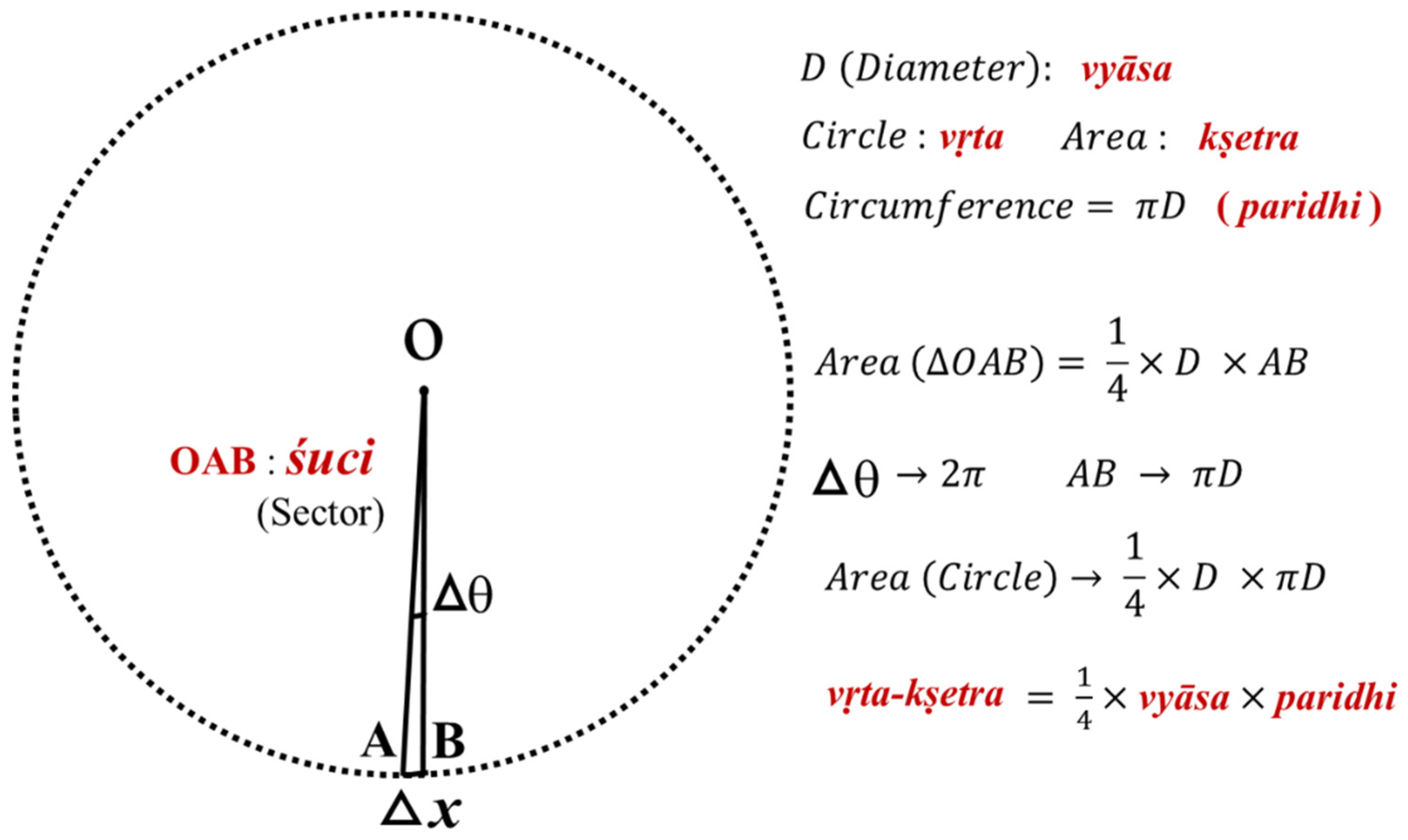
“In a circle, the circumference multiplied by one-fourth the diameter is the area, which multiplied by four, is its surface area going round it like a net round a ball. This (surface area) multiplied by the diameter and divided by six is the volume inside the sphere (Amma 1999).” Indeed, as illustrated in
Figure 4, the area of a circle (
) is identical to circumference (
So, does the surface area of a sphere (
correspond to the area of the great circle (
Finally, the surface area (
is equivalent to (
, the volume of a sphere. At this point, it may also be important to notice the usage of
parinaha for circumference by Aryabhata in Aryabhata Ganitpada in a text, which also gives an approximate value of
“Four more (of) hundred, times eight, likewise (more) of sixty-two thousand, nears the circumference of a circle of diameter 20000.” In other words, the approximate value of , as suggested by Aryabhata is , or 3.1416. The radius and diameter of a circle are represented by trijyaand vyas(or viskambha) respectively. Shuchi refers to the sector of a circle, and jeev to its chord. Hridaya refers to the circumradius and jya refers to the sine in trigonometry.
Moreover, Indian mathematicians have extensively elaborated on three-dimensional surfaces as well, and some relevant terminologies worth indicating are the allusion to a three-dimensional surface by
falak, the reference to a sphere by
gola, annulus by
nirgama, part of an annulus by
nemi,and a cone by a
shanku. The list of extant names of people from geometry in the Indian context is practically endless, although some more examples are presented in a later section on names specific to the practice of mathematics in the Vedic tradition. It is worth mentioning that the mathematical pretext provided above is not to provide an exhaustive account of the developments of geometry in India, which would be a cumbersome task. Rather, the goal is to merely point out a sample of terminologies pertaining to geometry which pervasively appear as names of individuals in India.
Table 1 enlists all the terminologies introduced above, with examples of the verifiable names of the individuals in the Indian subcontinent currently. As the table presents, names based on geometry exist in all the sub-categories of fundamental geometrical concepts, arc and angle measurements, curves and its characteristics, triangles, quadrilaterals, polygons, circles, and three-dimensional surfaces. Further, for all the suggested terms in geometry, names can be found to exist in both genders, barring a few exceptions, when only feminine names have been found. That such an observation could be made in the Indian society may not just seem counter-intuitive, but may even come as a surprise to those who have subscribed to the usual tirade of deprivation meted out to women in terms of basic education, much less, a subject such as geometry. However, if so were to be the case that women in India were not taught a subject such as geometry, it is highly unlikely that their names would be associated with it, when they had to be supposedly kept away from it. At any rate, such names would not be at par, or greater than the male names. Needless to say at this point that such naming among the females isn’t a recent phenomenon brought about by the westernization in education and society.
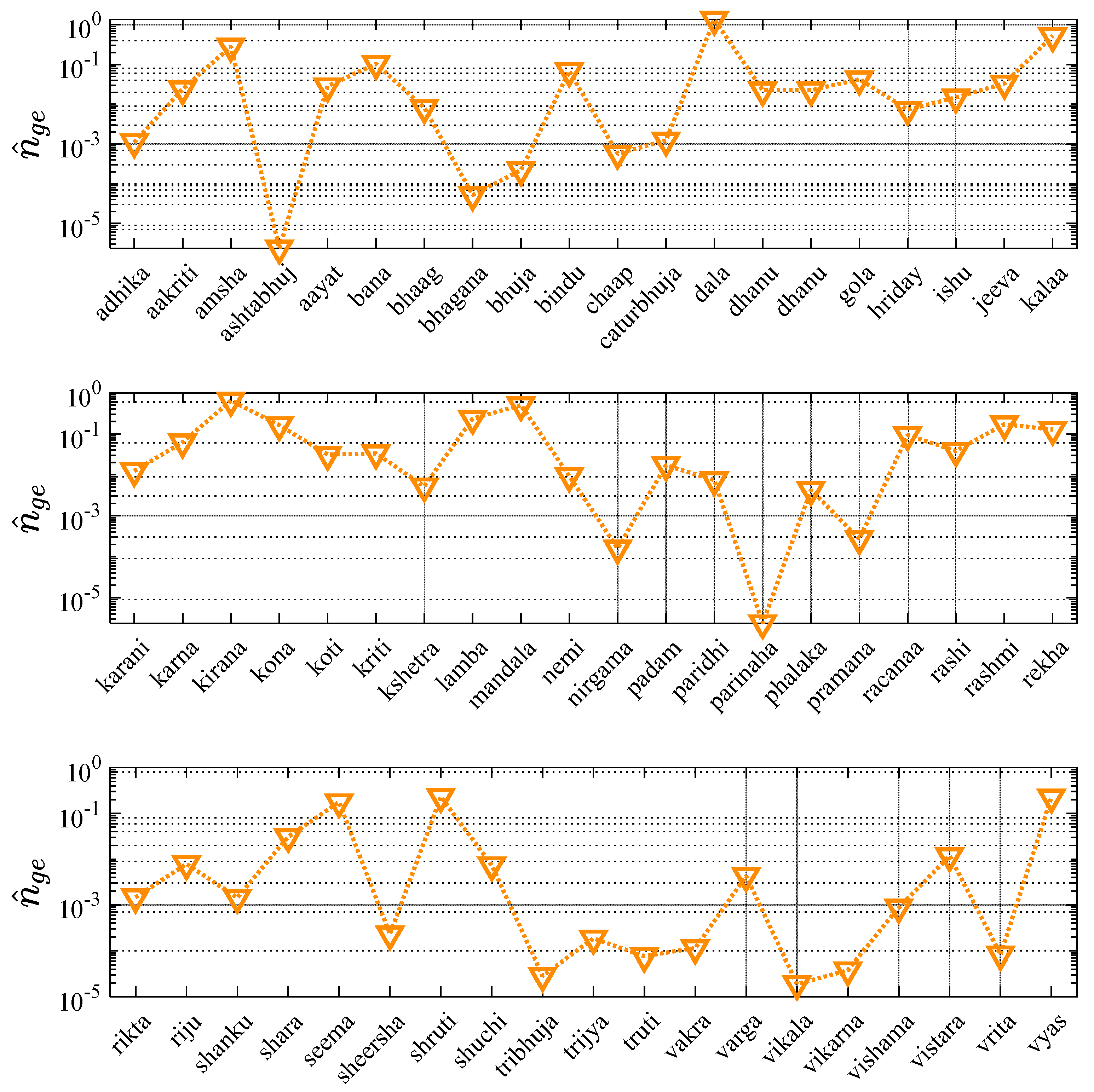
Figure 5 furnishes the quantitative evidence of the recurrence of the names based on geometry as presented in
Table 1, from the LI dataset. It presents the specific name recurrence fraction for sixty-three names based on geometry,
in an alphabetical fashion. As the figure shows, the left axis denotes name recurrence factor in the LI dataset, which multiplied by a hundred yields ‘recurrence percentage’. This figure demonstrates that
varies between 2.37x10
-6 to 1.36, or in other words, between 0.0002 % to 136%. It is not surprising to find a percentage value corresponding to the term ‘
dala’ attain a value greater than cent percent, since ‘
dala’ is a name in multiple cultures apart from Indian. Thus, the LI dataset yields a greater count for ‘
dala’ than the normalizing “most ubiquitous Indian name” say, ‘Rahul’ which is a name mostly in India and southern Asia. Further, some of the terms with highest
are ‘
dala’, ‘
kirana’, ‘
kala’, ‘
mandala’ and ‘
amsha’ with
corresponding to 1.36, 0.64. 0.52, 0.50 and 0.28 respectively. On the other hand, terms like
parinaha,
astabhuja,
vikala,
tribhuj and
vikarna fare very low on the
value. Other terms which occur in the high frequency range are
sruti, vyas, seema, rashmi, kona, rekha, bana, rachna, rashi etc. – names that can be very commonly heard in the Indian setting.
5.2. Trigonometry
The original Hindu name for the science of trigonometry is
jyotpatti, which is a compound term made of ‘
jya’ (implying ‘Sine’) and ‘
utpatti’ (meaning construction) and thus it connotes ‘The science of the construction of the Sines’ (Dutta and Singh 1983). This term can very easily be traced back to as early as Brahma-sphuta-siddhanta of Brahmagupta (628 CE), although the science per se can be dated to be much older. In fact, the reference to this science as trikonamiti is of much recent origin, after the literal translation of its Grecian counterpart. As per the earliest extant records available in the Surya-siddhanta, the Hindus typically utilized three trigonometrical functions (‘
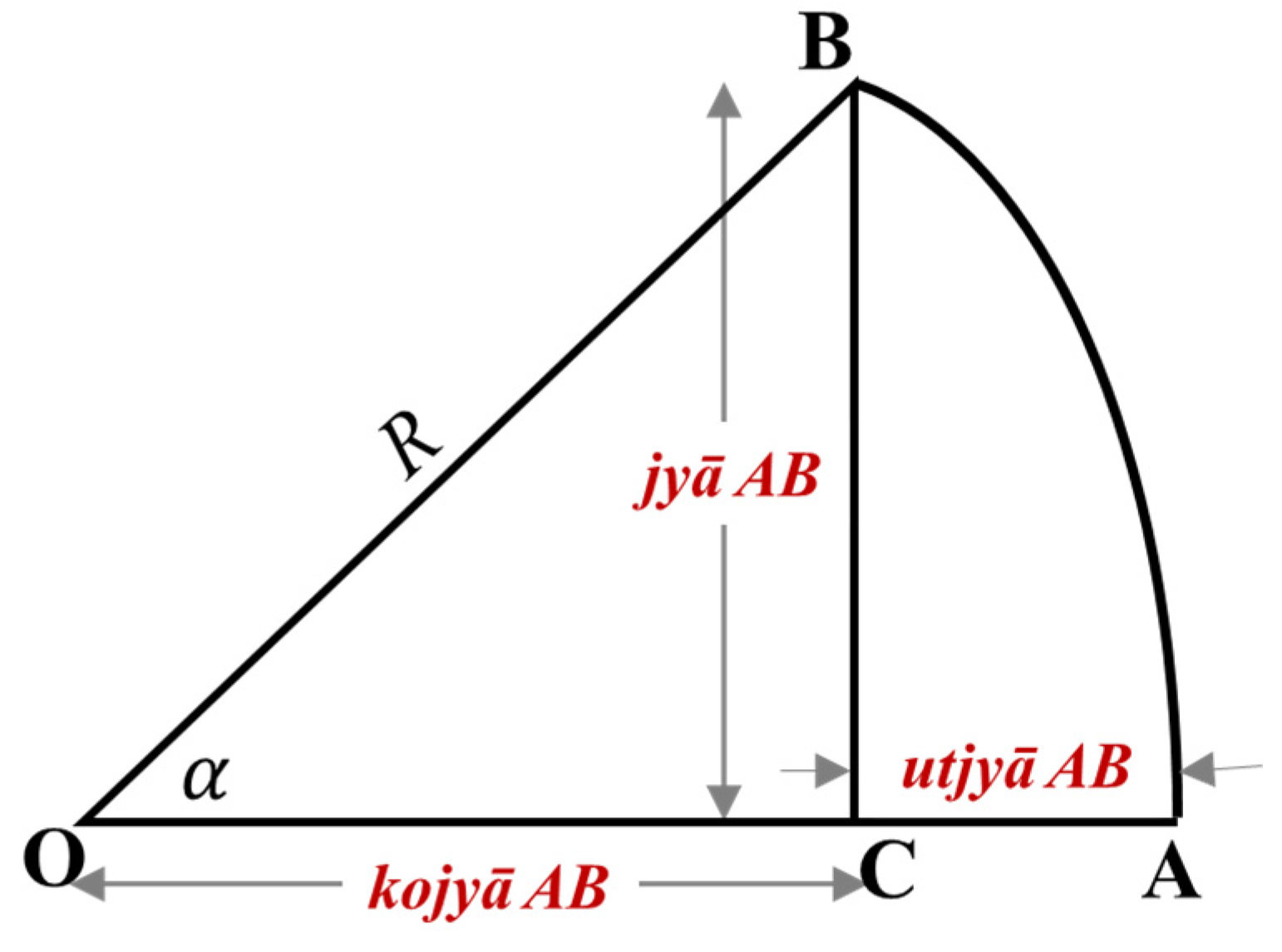
phalan’) of an arc of a circle: jyā, koti-jyā and utkrama-jyā as presented in
Figure 6. From
Figure 6, it is clearly evident that if AB be an arc of a circle centered at O, then BC, OC and AC are denoted by jyā AB, koti-jyā AB (abbreviated as
kojyā) and
utkrama-jyā AB (shortened as
utjyā), respectively. Further, when normalized by the radius of the arc (trijya) R, these yield sin α, cos α and versin α (= 1 - cos α), respectively where α is the angle subtended by the arc at the centre O.
An etymological account of the metamorphosis of the modern ‘sine’ is an interesting tale in itself. Incidentally, the modern sine derives from the Hindu term for chord jyā or jīvā, which was transliterated as jībā in Arabic, and abbreviated as “jb” since Arabic is not written with short vowels. Later in the 12th century, during the translation of these Arabic texts into Latin, “jb” was interpreted as “jaib” implying chest, so the Latin equivalent for ‘bosom’ was employed and the term “sinus” was suggested. Thus, the modern sine was introduced in the 1590s. Moreover, since jyā evolved into sine, naturally kojyāgot transformed into kosine, or the cosine. Similar degeneration and alteration of the term kramajyā occurred upon its translation into Arabic, where it appears as karaja or kardaja and later as kardaga, karkaya, gardaga etc. in Latin (Dutta and Singh 1983).
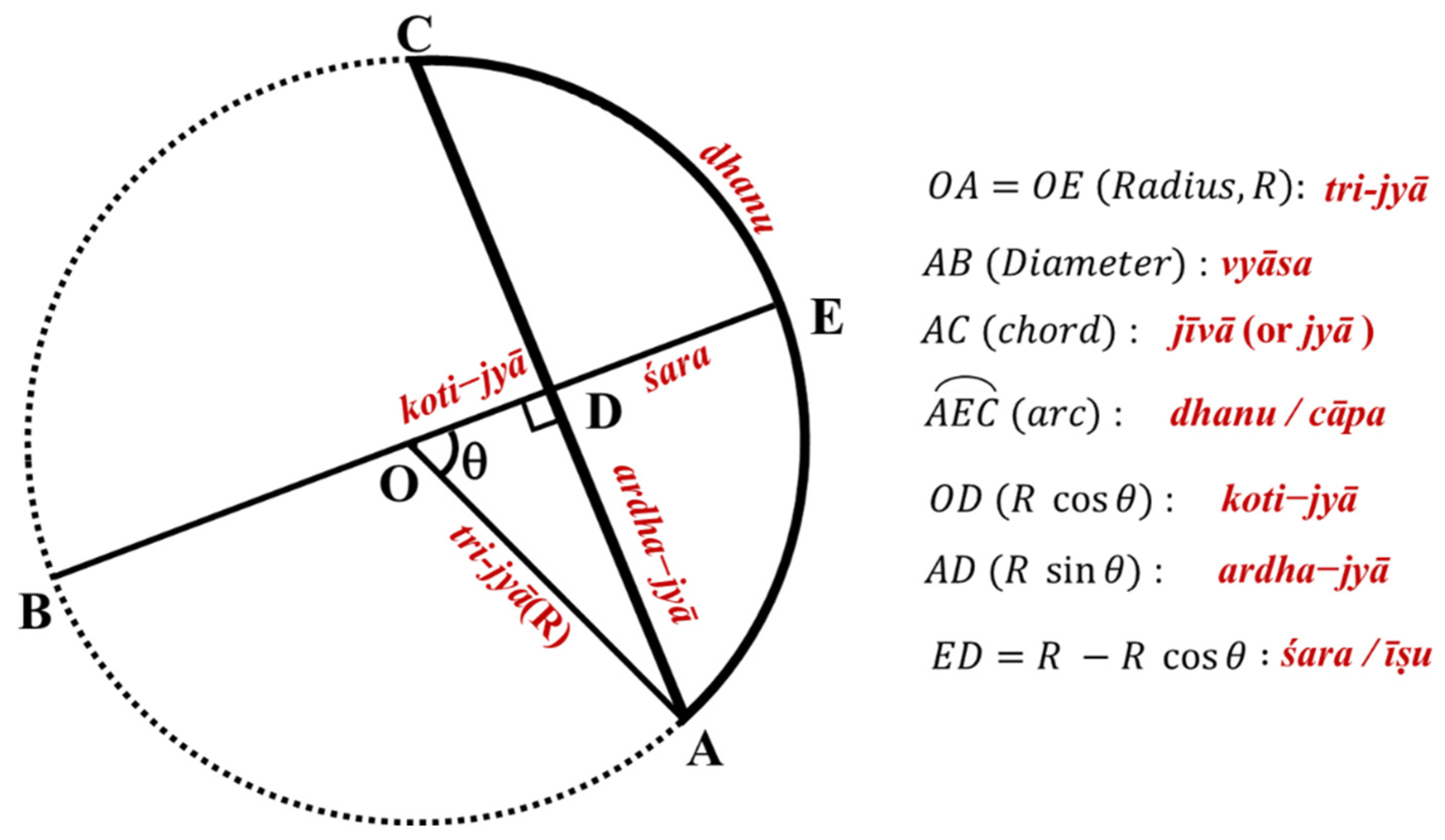
In an attempt to understand the various terminologies pertaining to trigonometry, an analogy of a bow first must be grasped.
Figure 7 further explicates these terminologies using modern trigonometric notations. The arc of a circle (AEC), because of its sheer resemblance to a bow is often called
chapa or dhanu.The sanskrit word
jyā meaning “the string of a bow” literally represents the chord of an arc (AC) formed by connecting the extremities of an arc (A and C). This “full-chord” is termed as
samasta-jyā,
maurvī, siñjinī or
jīvā. Half of this length is called a “half-chord” (AD) and half of the arc AEC (i.e., arc AE) is called the bow of the half chord AD. This half-chord or
ardha-jyā, for brevity, is simply referred to as
jyā by mathematicians. To distinguish it from the full chord, it is also sometimes stated as
krama-jyā, meaning ‘direct Sine’ or ‘direct half-chord’, i.e.,
R. Next,
koti denotes the complement of an arc to 90
o, and hence
koti-jyā (
kojyā) represents ‘the
jyā of the complementary arc’, or
agra, as stated in the
Vateshvara-Siddhanta (Shukla 1986). Put differently,
agra connotes the
jyā of the
poorak kona (complementary angle) and accordingly,
kojyā (OD) is identical to the modern
R. Finally,
utkrama-jyā (
utjyā or by Sanskrit liaison,
ujjyā) literally means “reversed sine” and is computed as
, or simply put, the difference between
tri-jyā (
R) and
kojyā (
R). It is also referred to as ‘
viloma-jyā ‘ or ‘
vyasta-jyā’ and owing to its similarity to an arrow placed over a bow, it is alternatively called as ‘
śara’, ‘
īṣu’ or ‘
bāṇa’. In Hindu trigonometry, although tangent and secant functions were utilized in astronomical calculations, no express recognition was given to these functions. Needless to say, these geometrical functions can easily be represented in terms of
jyā and ko
jyā.
In Hindu trigonometry, a circle is divided into four equal parts by two perpendicular lines intersecting at the centre, usually the east-to-west (
prācī) and the north-to-south (
udīchī). The resulting four quadrants (vrit-pada) are categorized into odd (
ayugma) and even (
yugma). According to Bhaskaracharya, proceeding from the east-point (prachi), the quadrants should be labeled as odd and even successively (Dutta and Singh 1983). It is worth noting that the Hindu system of quadrants is identically alike to the modern system. Further, one can get a fair idea of how much the developments in modern trigonometry owe their genesis to the Hindu mathematicians by even a cursory study of the treatises of Aryabhata, Lallacharya, Bhaskara I, Bhaskaracharya, Varahamihira, Madhava, Sripati, Manjula, Kamalakara, Brahmagupta, Paramesvara, Balabhadra, Munisvara among others.
Table 2 presents a comparison between the trigonometry identities as proposed by Hindu mathematicians when these are juxtaposed with their modern trigonometric counterparts. It should suffice to say that some of these salient examples should patently establish to any reader of their cardinal contributions to trigonometry, be it the basic relation between functions such as sine and cosine (#1), functions of a complement (#2), change of sign of a function in different quadrants (#3), functions of multiple and submultiple angles (#4-7), addition and subtraction rules for sines and cosines (#8-9), values of functions for particular angles, the law of Sines ordinarily used in the solution of triangles (#10), trigonometrical tables in astronomy, technique of interpolation for getting function of any arc, various approximation of functions (#11), infinite series of sine (#12), cosine (#13) and spherical trigonometry.
Some typical references may be produced here for the sake of illustration of the usage of these terminologies in the Indian texts. Although possible, for the sake of brevity, a text corresponding to every term is not being produced, rather a few are being cited. For instance, the approximation of the value of the arc in terms of the chord given by the Aryabhata school is attributed to Nilkantha Somyaji in Aryabhata Ganitapada -
Or, the square root of the sum of one and one-third the square of the arrow and the square of the (sine) chord is nearly equal to arc.
A commentary on
Tantrasamgraha explains:
“The mutual product of the sine chords divided by the radius is regarded as the altitude” (Amma 1999).
Bhaskaracharya in his Jyotpatti, which occurs in an appendix to the Siddhanta-Siromani-Goladhyay provides an exact value of Sine of 18 degrees, as follows:
“Subtract the radius from the square root of the product of the radius-square and five, and divide by four; that becomes the true Sine of the eighteen degrees”. In other words,
Or,
Table 3 enlists all the terminologies in trigonometry introduced above, with examples of the verifiable names of the individuals in the Indian subcontinent currently. As the table presents, names based on trigonometry span across arc, chord, sine, cosine, versin, quadrants, etc. Further, as before, for all the suggested terms in geometry, names can be found to exist in both genders, barring a few exceptions, when only feminine names have been found. That such an observation could be made in the Indian society may not just seem counter-intuitive, but may even come as a surprise to those who have subscribed to the usual tirade of deprivation meted out to women in terms of basic education, much less, a subject such as trigonometry. However, if so were to be the case that women in India were not taught a subject such as trigonometry, it is highly unlikely that their names would be associated with it, when they had to be supposedly kept away from it. At any rate, such names would not be at par, or greater than the male names. Needless to say at this point that such naming among the females isn’t a recent phenomenon brought about by the westernization in education and society.
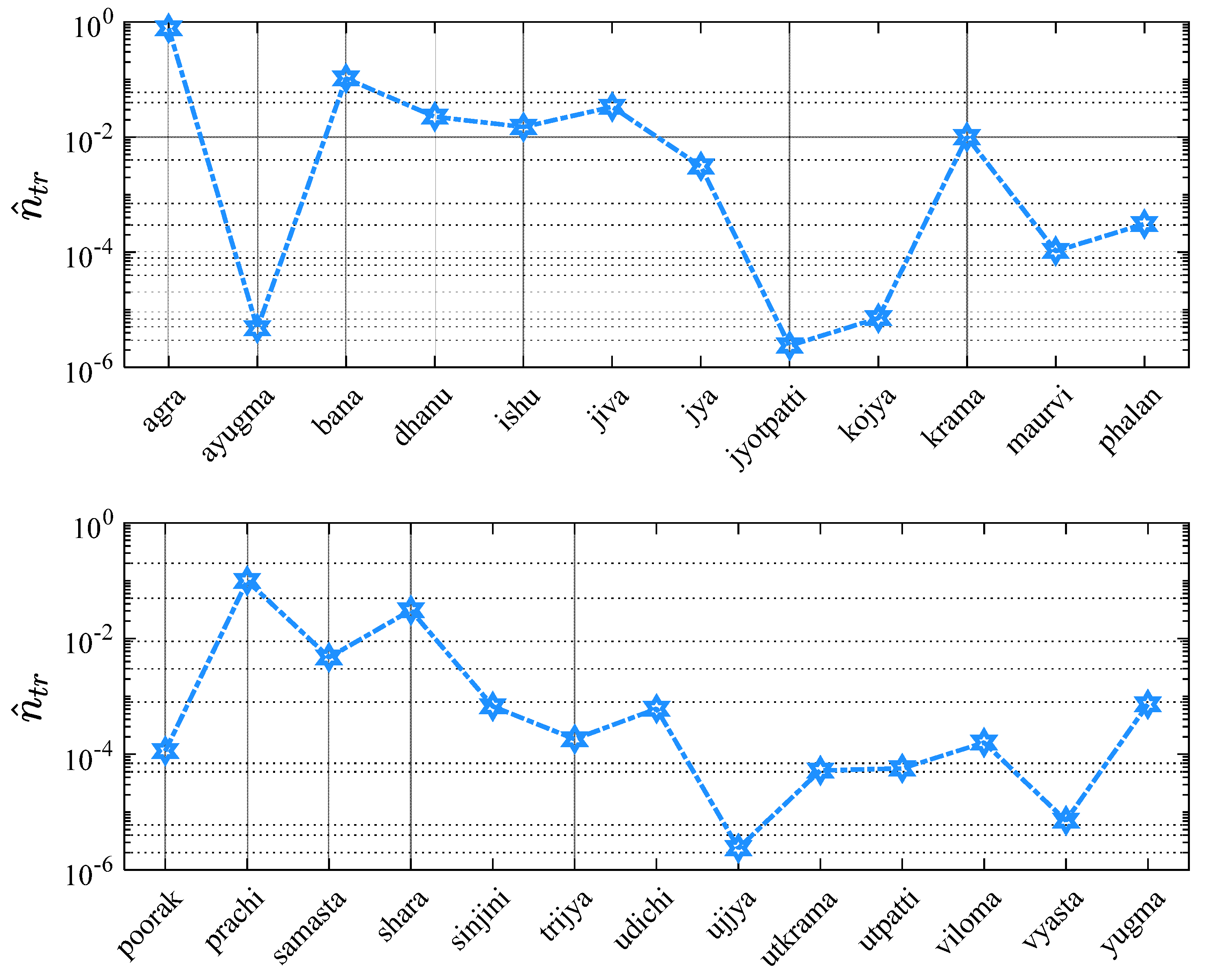
Figure 8 provides the quantitative evidence of the recurrence of the names based on trigonometry as presented in
Table 3, from the LI dataset. It presents the specific name recurrence fraction for twenty-four names based on trigonometry,
in an alphabetical fashion. As the figure shows, the left axis denotes the name recurrence factor in the LI dataset, which multiplied by a hundred yields ‘recurrence percentage’. This figure demonstrates that
varies between 2.37x10
-6 to 0.77, or in other words, between 0.0002 % to 77.4%. Further, some of the terrms with highest
are ‘
agra’, ‘
bana’, ‘
prachi’, ‘
jiva’ and ‘
shara’ with
corresponding to 0.77, 0.10, 0.099, 0.033 and 0.03, respectively. On the other hand, terms like
ujjya, ayugma, vyasta, kojya and
utkrama fare very low on the
value. In general, names under this division are somewhat uncommon to be heard, particularly in the North Indian setting. For instance, names like
yugma, sinjini, udichi, phalan, trijya, maurvi and
utpatti fall under this category. However, there is a point worth taking into account – any conclusion regarding the mathematical traditions of India can’t be just gauged and summarized from a limited perspective of a particular region, be it Kerala, Bihar, Ujjain, Bengal or Gujarat. Rather, the influence of mathematics upon the entire Indian kaleidoscope has to be observed. Thus, terms such as
sinjini and
udichi may not appear a befitting name of an individual in north and west regions of India such as Punjab, Rajasthan, or Delhi – but appears as a name in West Bengal. This observation further underscores the need for a comprehensive study such as this.
5.3. Numeration
The description of the number system and its standing tradition in India may befittingly begin with the description of the invention of zero, also called shunya. The earliest description of zero can be found in Gayatri Chanda by Pingala Acharya in at least 300 BCE:
“In Gayatri-chanda, one pada has six letters. When that is made into half, it becomes three. Remove one from it and make it half to get one. Remove one from it and put a zero (Shunyam).” However, it was Brahmagupta, who in his Brahma-Sphuta-Siddhanta, written in 628 CE, introduced the seminal concept of zero as a number in its own right, a conceptual leap from what had been done before him. The Sanskrit equivalent for one is pratham or ekam, both of which figure out commonly as Indian names in various forms. The Sanskrit root for two is dvi, which can be heard most commonly in the surname dwivedi, which literally means ‘the knower of the two vedas’. Along the same lines, of the four vedas, Rgveda, Samveda, Yajurveda and Atharvaveda, one who knows only one may be termed vedi, or presumably in its colloquial form as bedi. Similarly, the knower of the three vedas are called trivedi and the knower of all the four Vedas are chaturvedi. Colloquially, the word for two is ‘dwitiya’. The sense of ‘two’ is also captured in the words advaita and dvaita, i.e., non-dual and dual, most certainly due to the existence of these schools of spiritual tradition as enunciated and taught by Adi Shankaracharya and Madhvacharya, respectively. Other names representing three such as trayee or tritiya also exist as feminine names. Chatur which is a root meaning four occur as names in its root form, or in other forms described earlier such as chaturth, chaturthi, chturbhuja and chaturvedi. In the same way, panch also occurs in its root form, as well as another colloquial form panchama or panchami. Names pertaining to six to ten appear frequently, in the names of shad, sapt, ashta, nava and dash, respectively or in a feminine sense shashthi, saptami, ashtami, navami and dashmi. The names eleven to fourteen such as Ekadashi, dvadashi, trayodashi, chaturdashi etc. correspond to the eleventh, twelvth, thirteenth, and fourteenth day from the new/full moon and appear in both genders, most probably due to the repeated reinforcement caused in the collective Indian social consciousness by the existing lunar calendar. A similar is the case with shodashi, which typically connotes a sixteen-syllable incantation (mantra). Next, the numeric names can only be found in multiples of ten, such as twenty (Vinshti), thirty (trinsh), sixty (shashtih), seventy (saptati), eighty (ashiti), ninty (navati), and hundred (shata). It may also be pointed out that hundred and thousand are frequently used to denote large quantities in mundane and ordinary transactions, and thus it is not surprising to find many other derivatives of these units such as Shatakshi (meaning one with hundred eyes) and Sahasrabudhe (One with a thousand-fold intelligence). Post hundred, the names can be found in the exponents of ten – and some variations can be found in how different powers of ten are described in Jaina tradition, by Hindu mathematicians such as Aryabhata and in ancient texts such as Valmiki Ramayana. However, the focus of the current paper is not to dwell on the correctness, exactitude, origin, or even pre-eminence of any system of numeration, but solely to focus on the terminologies which are extant as names in modern India, irrespective of the mathematical tradition from which it is derived.
In the decimal place-value system of numerals in India, which is a remarkable scientific gift to the civilized mankind, ten has been the base for counting since Vedic times. Ranging from hundred (10
3), and thousand (10
3), the higher exponents such as
ayuta (10
4),
niyuta (10
5) and
prayuta (10
6) referring to a million are also common. Another frequent alternative to
niyuta is
laksha. In fact, several non-decimal scales of numeration were current in India for practical enumeration up to very large numbers, and one of such schemes as presented in the Valmiki Ramayana describes the laksha-scale numeration system in these twelve lines (Gupta 2008):
“A hundred of hundred thousand is said to be koti by the learned, a hunderd of thousand koti is termed shanku, a hundred of thousand shanku is known as mahashanku, a hundred of thousand mahashanku is called vrinda, a hundred of thousand vrinda is known as mahavrinda, a hundred of thousand mahavrinda is called padma, a hundred of thousand padma is known as mahapadma, a hundred of thousand mahapadma is called kharva, a hundred of thousand kharva is known as mahakharva, thousand mahakharva is termed samudra, a hundred of thousand samudra is termed ogha, a hundred of thousand ogha is heard to be mahaugha.”
To sum it up, 10
7 is referred to as
koti, 10
8 as
dashkoti and 10
9 (a billion) as
shatakoti. Billion and trillion (10
12) are also referred to as
arbuda and
shanku, respectively.
Shankha and
Vrinda denote 10
17 and 10
22 respectively and
Padma denotes a quadrillion (10
32). Extremely large quantities such as 10
42, 10
50 and 10
55 have been represented by
kharva,
samudra and
ogha and finally
poorna connotes unlimitedly large numbers, whereas
ananta symbolizes infinity. In fact, zero, infinity, and finite but extremely large numbers owe their genesis to Hinduism, Buddhism and Jainism because of their rich metaphysical traditions (Aczel 2015). The concept of infinity has fascinated many Hindu mathematicians and Bhaskaracharya refers to it as
khahara (Zero divisor) and while commenting upon its invariability, likens it to God Visnu. The invocation mantra of īśopaniṣad refers to this inifinite whole as
poorna and states that when poorna is subtracted from poorna, what remains is still poorna.
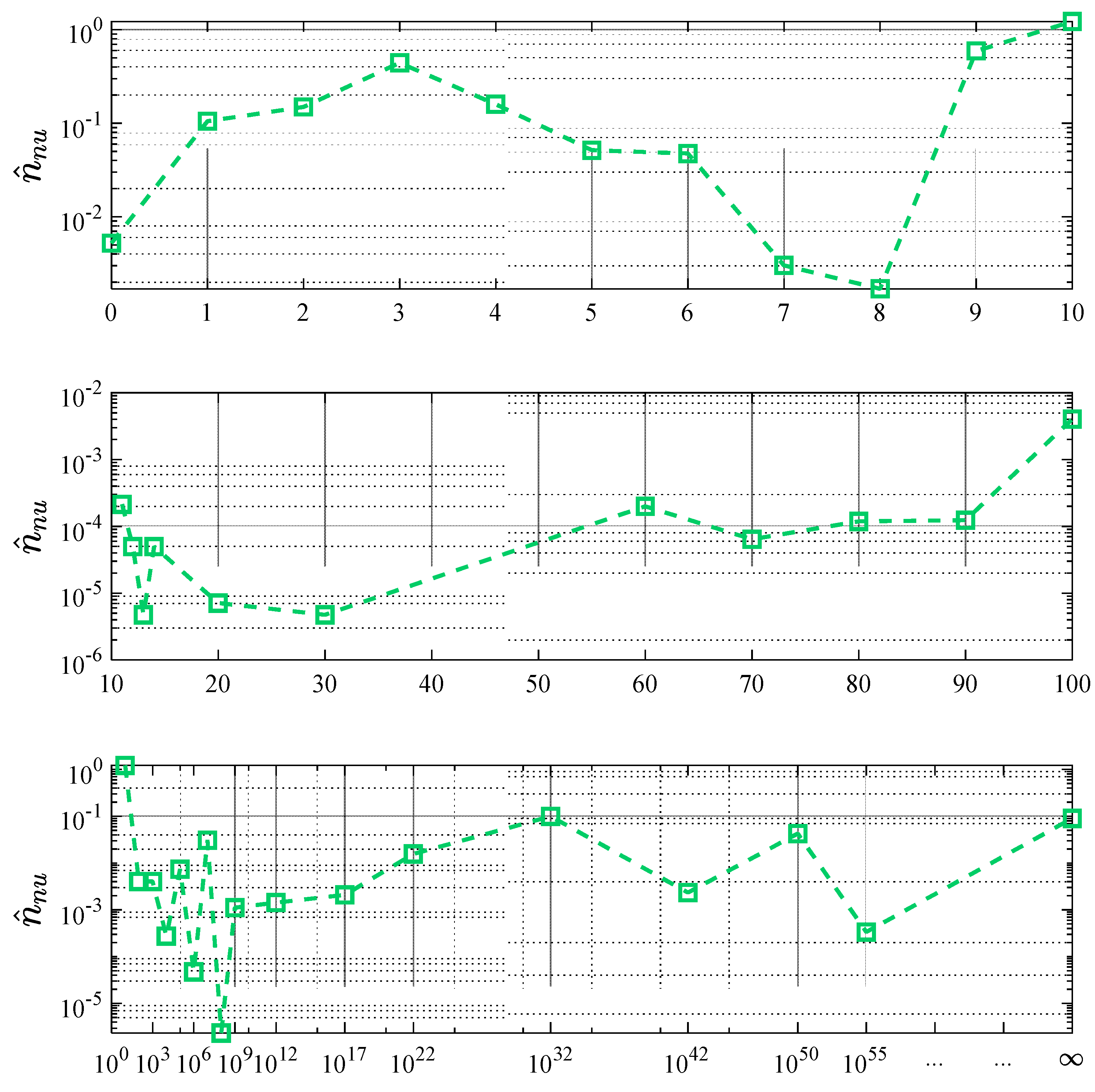
It is worth noting that there are varying nomenclatures for numeration in India (particularly of large numbers), and here we only focus on the terms existing in mathematics that are extant in societal parlance through the usage of mathematical names. It is interesting to note, however, that there was no concept of denoting such large numbers in the contemporary works of other nations: the Greeks managed a maximum up to 104 (myriad), whereas the Roman terminology ended with 103(mile).
Table 4 enlists all the terminologies in the numeration introduced above, with examples of the verifiable names of the individuals in the Indian subcontinent currently. As the table presents, names based on numeration spans the entire range of the number line from zero to infinity. Further, as before, for all the numbers, be it zero, a single-digit number, a double-digit number, or greater exponents of ten, names can be found to exist in both genders, barring a few exceptions, when only feminine names have been found. That such an observation could be made in the Indian society may not just seem counter-intuitive, but may even come as a surprise to those who have subscribed to the usual tirade of deprivation meted out to women in terms of basic education, much less, a subject such as the study of numbers. However, if so were to be the case that women in India were not taught a subject such as numeration or number theory, it is highly unlikely that their names would be associated with it, when they had to be supposedly kept away from it. At any rate, such names would not be at par, or greater than the male names. Again, we wish to reiterate that such naming among the females isn’t a recent phenomenon brought about by the westernization in education and society.
Figure 9 demonstrates the quantitative evidence of the recurrence of the names based on numeration as presented in
Table 4, from the LI dataset. It presents the specific name recurrence fraction for forty-six names based on numeration,
. As the figure shows, the left axis denotes the name recurrence factor in the LI dataset, which multiplied by a hundred yields ‘name recurrence percentage’. In presenting this figure, however, a different methodology has been followed as compared to before. All the terms corresponding to a particular number have been grouped together and their numeric values have been summed up. For instance, for the number 2, all the terms such as
dvi, dvitiya, dvaita, advaita etc. have been clubbed together. This figure demonstrates that
varies between 2.37x10
-6 to 1.2, or in other words, between 0.0002 % to 122%. It is not surprising to find a percentage value corresponding to the term ‘
dash’ attain a value greater than cent percent, since ‘
dash’ is a name in multiple cultures apart from Indian. Thus, the LI dataset yields a greater count for ‘
dash’ than the normalizing “most ubiquitous Indian name” say, ‘Rahul’ which is a name mostly in India and southern Asia. Further, some of the terrms with highest
are ‘
dash’, ‘
nava’, ‘
dvi’ (e.g.,
dvivedi), ‘
tri’ (e.g.,
trivedi) and ‘
padma’ with
corresponding to 1.22, 0.59. 0.14, 0.14 and 0.1 respectively. On the other hand, terms like
dashkoti, khahara, trinsha, trayodashi, vimshati etc. fare very low on the
value. Other terms which occur in the high frequency range are
eka, ananta, shad, prathama, samudra, pancha, purna, etc. – names that can be very commonly heard in the Indian setting.
Moreover, a system existed and was perfected in India of expressing numbers by words arranged as in place-value notation, called the bhūtasaṃkhyā system, or the “word-numeral” system as referred to by Datta and Singh (1935). In this scheme, the numerals are denoted by names of objects, beings, or concepts which naturally in accordance with the scriptural understanding, connote numbers. Some associations are universal (for instance, ‘eyes’ and ‘ears’ for two) while others are deeply rooted in aspects of Indian culture, traditions, cosmology, and cosmogony (Yano 2006). For instance, zero could be represented by words that mean void, sky, etc. ‘One’ could be denoted by something that is truly unique such as the moon or the earth, and its synonyms (Datta and Singh, 1935 p. 55). ‘Two’ could be denoted by eyes, arms, hands, ears, thighs, ashvini or yamala; ‘Three’ could be represente by guna, loka etc.’ ‘Four’ by the Vedas, shruti etc.; ‘Five’ by the senses (indriya), mahabhuta (five gross material elements) or Pandava; ‘Six’ by rasa, rtu (season); ‘Seven’ by parvata, shaila etc.; ‘Eight’ by vasu; ‘Nine’ by dvara, nidhi, Durga etc.; ‘Ten’ by dik, disha etc.; ‘Eleven’ by Rudra; ‘Twelve’ by Aditya, ‘Fourteen’ by Manu, vidya, ‘Fifteen’ by tithi, dina, paksha, etc. and so on. However, if these names were included, the actual list of ‘mathematical names’ would be truly sizable. It is indeed possible that many of these names (such as indu, triguna etc.) may have been reinforced in the societal cognizance on account of veneration for mathematics, it would be very difficult to extricate the fraction of such naming that occurred because of it owing to the simultaneous existence of what we could call as “involutory mathematical names”. The import of the “involutory mathematical names” can be understood by a two-fold process: first, when the pervasive natural names evolved and got absorbed into the mathematical semantics, and the later process of involution in which these names were again codified in the society, possibly with a tinge of mathematical symbolism. At any rate, this bhūtasaṃkhyā system led Yano (2006) to concede that the existence of such a system indicates that the ancient Indians were extremely number-conscious.
5.4. Arithmetic
In fact, arithmetic in Hindu mathematics is called ‘rashi-vidya’ (Datta and Singh, 1935, p.4), since rashi refers to a sum or a number for a mathematical operation. The fundamental quantity is a digit (anka) ranging from zero, one, two etc. to nine, any of which can combine to form a number (sankhya). Hindu mathematicians have dealt extensively with real numbers (Vaastavik sankhya), which can be categorized into rational (Parimeya) and irrational numbers. Irrational numbers such as and were known to the ancient Indians about three millennia ago and more exact approximations to them have been proposed by several mathematicians over the centuries, although it is a matter of conjecture as to whether the concept of irrationality was known to the ancient Indians (Kannan 2014). However, a lot has been reported on the concept and characteristics of rational numbers. Rational numbers can be classified as integers or fractions (bhinna sankhya). Integers can be negative (ṛṇa sankhya), zero (shunya) or positive (dhana sankhya), these terminologies of seeing negative numbers as ‘debt’ and positive numbers as ‘property’, enunciated by Brahmagupta. The set of positive integers ranging from one to infinity can be termed as natural numbers (prākṛta sankhya) and its assortment with zero are the whole numbers (poorna sankhya). Further, the whole numbers can be classified as either odd (viṣama) or even (sama) – depending upon whether it yields a whole number upon division by two. Similarly, natural numbers could also be classified as prime or composite (sanyukta) numbers. Composite numbers have more than two factors, whereas prime numbers do not. Apart from integers, fractions (bhinnaor kalā) could also form a part of rational number. Fraction typically refers to the number of parts in a whole – it is denoted by the number of parts selected or, numerator (ansh) and total number of parts in a whole, denominator (hara) separated by a line. Fractions could be of multiple types: such as a simple (saral), mixed (miśra), equivalent (tulya) or composite (sanyukta). One could even refer to a combination of fractions asprabhāga. Moreover, one can also talk about other kinds of numbers such as a perfect number (saṃpūrṇa saṃkhyā) which in number theory refers to a positive integer that equals the addition of its positive divisors, apart from the number itself. Any finite quantity may be referred to as parimit sankhya. In the Hindu mathematics, many times, the numbers are arranged in a row (pankti) for a mathematical operation, and the numbers may need to be placed in the increasing (ārohana) or decreasing order (avarohana).
Arithmetic usually involves four basic operations: addition, subtraction, multiplication, and division although Hindu mathematicians such as Brahmagupta and Bhaskara II have discussed the squares/cubes and square and cube roots in the same vein (Patwardhan et al. 2006). The process of adding two numbers is denoted by yoga, which means the union, and which follows the additive identity (tat-samaka) as well as closure property (sanvrit). On the other hand, the process of subtracting two numbers is referred to as viyogaor kanitaand the difference is called antara. In a typical multiplication (sanvarga) operation of , a and b are called multiplicands (gunakara) whereas c is known as the product (gunaja). When both the multiplicands are identical, the resulting product is a square (varg), and in the case of three identical multiplicands, the product is a cube (ghana). To put the same thing conversely, a and b are factors (karak) of c ; and c is a multiple (bahuguna) of a and b. Similarly, a division operation (bhaag) of m/n yields a quotient, q (labdhior labdha) and a remainder, r (śeṣa) where m is called dividend (hārya or bhājya) and n is known as the divisor (bhājakaor hara). Abhyāsadenotes an addition or a multiplication operation and the square root of a number (maybe a surd) is called karani. Moreover, arithmetic usually forms the backbone of day-to-day ordinary transactions of profit (laabh) and loss.
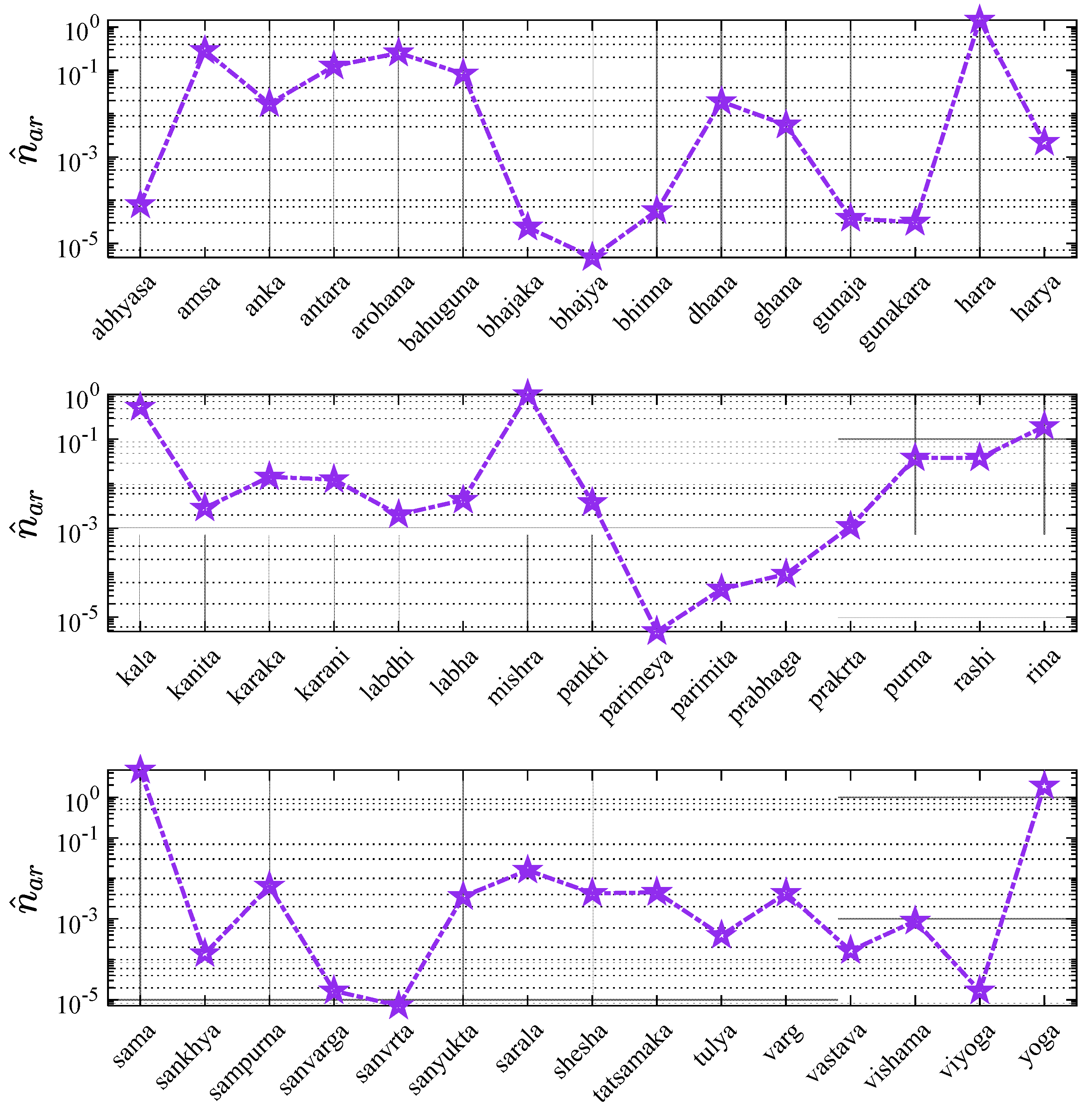
Figure 10 shows that the quantitative evidence of the recurrence of the names based on arithmetic as presented in
Table 5, from the LI dataset. It presents the specific name recurrence fraction for forty-six names based on arithmetic,
in an alphabetical fashion. As the figure shows, the left axis denotes the name recurrence factor in the LI dataset, which multiplied by a hundred yields ‘recurrence percentage’. This figure evidently demonstrates that
varies between 2.37x10
-6 to 4.7. It is not surprising to find a fractional value corresponding to the term ‘
dash’ larger than unity, since ‘
dash’ is a name in multiple cultures apart from Indian. Thus, the LI dataset yields a greater count for ‘
dash’ than the normalizing “most ubiquitous Indian name” say, ‘Rahul’ which is a name mostly in India and southern Asia. Further, some of the terms with highest
are ‘
sama’, ‘
yoga’, ‘
hara’, ‘
mishra’ and ‘
kalaa’ with
corresponding to 4.70, 1.89. 1.44, 1.01 and 0.52 respectively. On the other hand, terms like
parimeya, bhajya, samvrita, viyoga and
samvarga fare very low on the
value. Other terms which occur in the high frequency range are
amsha, arohana, rina, antara, bahuguna, purna, rashi etc. – names that can be very commonly heard in the Indian setting.
5.5. Algebra
Unlike Arithmetic which is the most basic branch of mathematics, that deals with the basic counting of numbers with operations like addition, subtraction, multiplication, and division, algebra, on the other hand, deals with similar operations but with variables and numbers. Algebra has been referred to as ‘
Bijaganita’ by Hindu mathematicians, literally alluding to “mathematics by the means of seeds (
bija)”.
Bijaganita is so called since it employs algebraic equations (
samee, saamyaor
samika) and analysis, which, similar to seeds (
bija) of plants have the potential to generate solutions to mathematical problems (Hayashi 2013). Since it deals with unknown quantities expressed in symbols (
varna / cara), it is also called
avyakta-ganita, or “mathematics of unknown quantities”. In such problems, a
sami-karana (equation) is laid out to find the solution (
hala), i.e., value (
maana) of a desired quantity (called
kamika or vancha). Usually, such algebraic relations are expressed with polynomials (
bahupad) on the two sides (
paksha) of the equality (
samtaa), or inequality (when such quantities are called
atulya) and the ratio of two variables is called
anupat. In
bijaganita, the unknown numers are represented by symbols which are the initial syllables of the word यावत् – तावत् (
yāvat-tāvat) or the color names such as
kālaka (black)
, nīlaka (blue) and
pīta (yellow) as per Aryabhata’s
gulikā. A combination of the initials of terms such as
varga (square),
ghana (cube), and
ghāta (product) is used to denote the powers of the unknown numbers and their coefficients are placed to the right of the symbol, with the both sides of the equation being placed one above the other. Negative coefficients are written with a dot above the numbers and the absolute terms in an equation are denoted by the initial of
rūpa, which means an integer (also called as
dṛśya). Joseph (2013) noted that Indian mathematicians were the first to use symbols to denote unknown quantities. For instance, in Prthudakaswami’s commentary on
Brahma Sphuta-siddhanta, an illustration of
yavat-tavat representation is given. As per his illustration, an equation such as
would be expressed as:
,
The product of two different unknowns is known as
bhāvita(produced) and denoted by its initial letter as in
yākābhā 5 for 5
xy (Hayashi 2013). Bhaskaracharya, however, did not use the
yavat-tavat system for solving equations, although it was well developed during his time. For instance, in his book, Leelavati, he gives many methods for solving equations, such as the method of transition (
Sankramana) in text 61 -
This text states the Sankramana method, by which one can obtain two unknown numbers whose sum and differences are known – by adding and subtracting the numbers and dividing them by two. Similarly, the rule of concurrence is known as sankrama.
Aryabhata used gulikāas a term for unknown numbers in his rule for solving linear equations of the type mx + c = px + q in his Aryabhatiya (499 CE). Brahmagupta, on the other hand, suggested many theorems for the indeterminate equations of the second degree, also called varga-prakriti(literally meaning ‘square nature’) by Hindu mathematicians, later called (incorrectly) as the Pell’s equation: Nx2 + z = y2 (where N, z are integers). The coefficient N is called gunaka (multiplier) and z is called ksepa(additive). Brahmagupta’s bhāvanā (lemma) combines two solutions (x1, y1, z1) and (x2, y2, z2) of the varg-prakriti Nx2 + z = y2 to produce a third solution (x3, y3, z3) which are given as x3 = x1 y2 + x2 y1, y3 = N x1 x2 + y1 y2 , z3 = z1 z2. In general, bhāvanā was used by ancient Indian algebraists to refer to a principle of “composition” introduced by Brahmagupta, by which two mathematical objects of a certain type can be combined to yield a third object of the same type (Dutta 2017). For instance, the Samasa-bhavana (additive composition) provides infinitely many integral solutions to the equation Nx2 + 1 = y2 from a given non-trivial integral solution. Brahmagupta’s novel concepts also led to the discovery of the cakravala(cyclic) algorithm, which is a perfect error-free method for obtaining minimum positive integral solutions to Nx2 + 1 = y2 for any N (Dutta 2002).
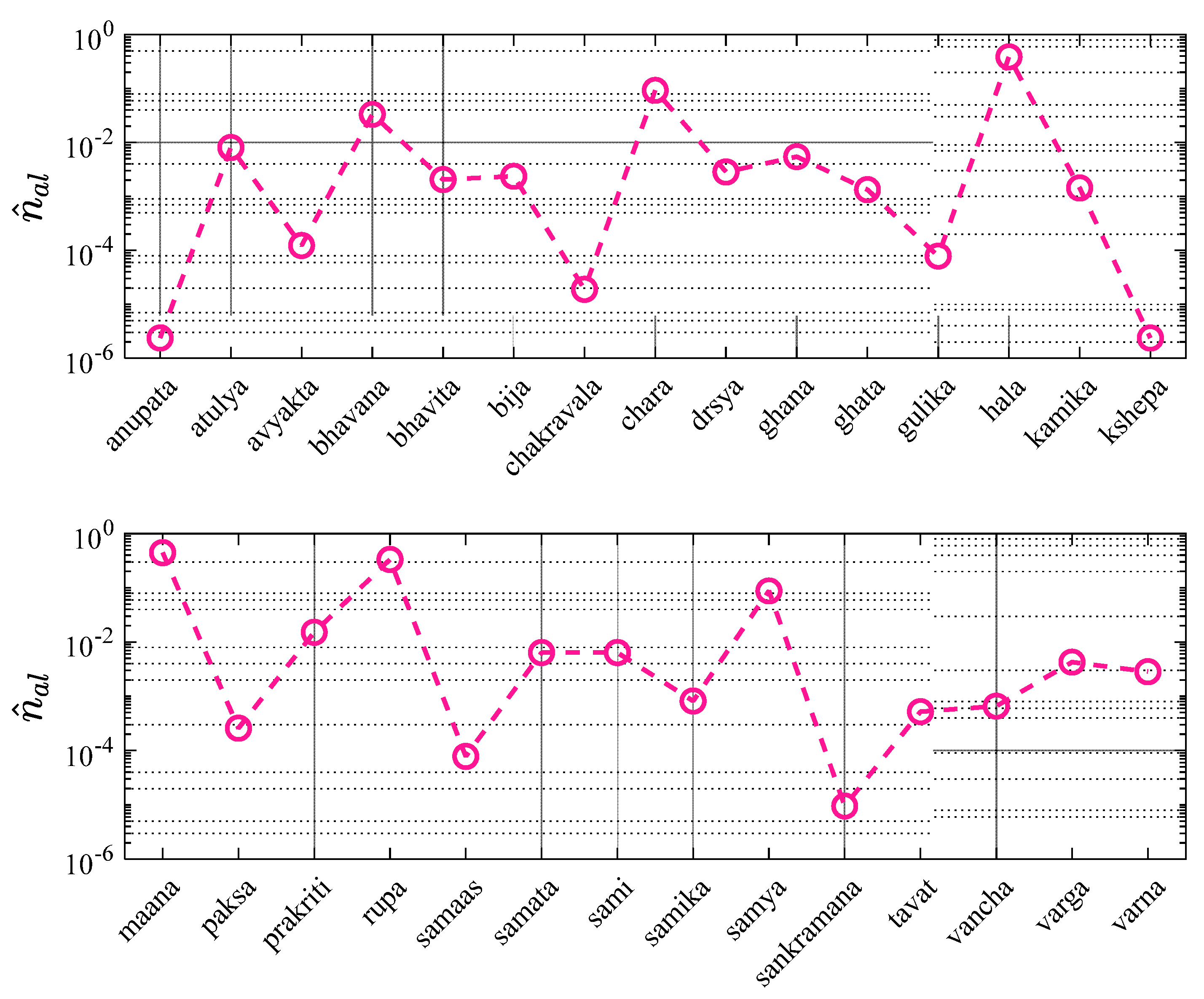
Figure 11 shows that the quantitative evidence of the recurrence of the names based on algebra as presented in
Table 6, from the LI dataset. It presents the specific name recurrence fraction for thirty names based on algebra,
in an alphabetical fashion. As the figure shows, the left axis denotes the name recurrence factor in the LI dataset, which multiplied by a hundred yields ‘recurrence percentage’. This figure evidently demonstrates that
varies between 2.37x10
-6 to 0.44. It is worth noting that the upper bound on
is by far the least, as observed for names based on algebra, although it must be incumbent on the classification of terms between algebra and arithmetic as well. Further, some of the terms with the highest
are ‘
mana’, ‘
hala’, ‘
rupa’, ‘
chara’ and ‘
samya’ with
corresponding to 0.44, 0.38. 0.33, 0.09 and 0.08 respectively. On the other hand, terms like
kshepa, anupata, sankramana, chakravala and
samaas fare very low on the
value. Other terms which occur in the high-frequency range are
bhavana, prakriti, atulya, samataa, sami, ghana, varga etc. – names that can be commonly heard in the Indian setting.
5.6. Mathematics and Mathematicians in the Vedic/Indian Tradition
The incipient stages of mathematics (ganita) and its development witnessed two imbricated schools – that of geometry as well as that of arithmetic and algebra. Incidentally, both of these schools of mathematics were greatly cultivated and nurtured in India. In fact, A Seidenberg, a pre-eminent historian of mathematics traced the origin of advanced mathematics to the Rig-vedic rituals (Seidenberg 1978; Seidenberg 1983). Truly, one of the most primeval texts in mathematics are the shulba-sutras, which are compendiums or handbooks that illustrate the methodology of altar construction for the sacrifices of the Vedic Hindus. At present, only seven shulba-sutras are known: Vadhula shulba, of Baudhayana, Apastamba, Varaha, Manava, Maitrayana from Krsna-Yajur Veda and Katyayana Shulba sutra from Shukla yajur Veda. In ancient India, the construction of fire altars of proper sizes and shapes had to be done with great accuracy for the purpose of sacrifices, and thus arose the problems of geometry, algebra, and arithmetic. This is akin to how the study of astronomy (khagola) in India originated from the need to conduct such Vedic sacrifices at the proper time (Dutta 1932). The pervasiveness of the science of astrology (jyotisha) in India and the preparation of astrological charts (panchanga) by such sound principles, may also be understood in the same context.
In the title ‘shulba-sutra’, ‘sutra’ just refers to an aphorism or a ‘pithy rule’ and is indicative only of the style of the composition, and not the actual content. In fact, Katyayana’s second part of the work titled shulba parishishta (‘Appendix to the Shulba’) and shulbi-kriya (‘The practice of the Shulba’) definitively establishes that the true name of this science of geometry is shulba. Geometry was also oftentimes referred to as ‘Rajju’, meaning a rope or a cord. Etymologically, shulba means ‘to measure’ or an act of measurement, and in the shulbas, the measuring tape is called rajju. One of the connotations of the word Shulba is a line (or a surface) which is the result obtained by measuring, and thus is a later work on Shilpa-shashtras, the surveyor is alluded to as as a sutra-dhara ("rope-holder") or as an expert in alignment (rekha-jna) or one who knows the line (Datta 1932). Not surprisingly, geometry is commonly also referred to as ‘Rekha-ganita’ or jyamiti.
The sulbasutras enunciated a scheme of linear measurement units, based on the magnitudes and proportions of the human body, which later evolved into traditional units that became popular across India. For instance,
14 anus (millet grain size) → 1 angula
3 angulas → 1 parva
12 angulas → 1 pradesha (/vitasti)
15 angulas → 1 pada
24 angulas → 1 aratni (/hasta)
30 angulas → 1 prakrama
96 angulas → 1 danda
120 angulas → 1 purusa
An angula in Sanskrit refers to a finger or a finger’s breadth which is typically identical to fourteen millet grains (anu) or eight barleycorns. Three angulas form a parva, four such parvas constitute a pradeshaor vitasti, i.e., a span and fifteen angulas make a pada. Twice the vitasti is also called an aratnior hastai.e., a cubit. Further, a prakramacomprises of thirty angulas, a danda of ninty-six angulas and one hundred twenty angulas make up a purusa, which is identical to the height of a man. The ancient Indian unit of length, ‘danda’ has been identified equivalent to the modern ‘metre’ (Dongre 1994).
In Vedic India, the accurate construction of the fire altars (
vedior
chiti) for sacrifices required geometrical operations of very complex nature. Among fire altars, the most ancient and primitive one is the
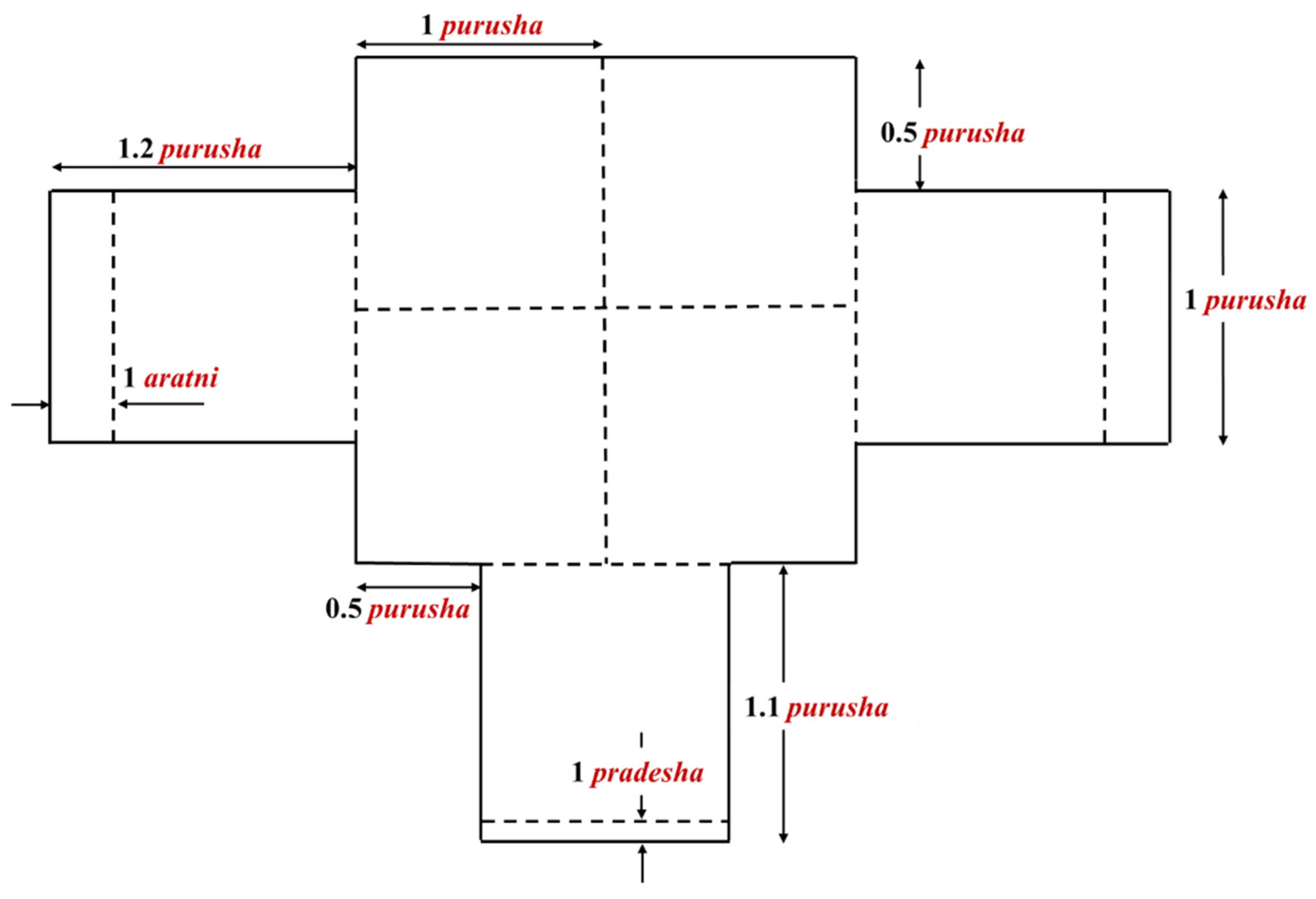
shyena-cit (or the altar of the form of the falcon) having 16 corners (
shroni) which is shown in
Figure 12. The body of this altar consists of four squares of one square
purusaeach, whereas its wings are rectangles of one
purusa by one
purusa and one
aratni (i.e., 1.2
purusa). Its tail comprises of a rectangle of one
purusa by one
purusa and one
pradesha (i.e., 1.1
purusa). This altar is often known as सप्तविधा-सारत्नि-प्रदेश-चतुरश्र-श्येनचित् since it is made up of square bricks and its symmetrical (
samamit) shape resembles that of a falcon with an area of 7.5 square
purusas (Datta 1932).
Saumiki-vedi or
Mahavedi is an isosceles trapezium with face length 24
padas (or
prakramas), base 30
padas and altitude 36
padas. The
Sautramani vedi and
Paitriki vedi are similar in shape to a
Mahavedi, but with an area equaling one third and one-twenty seventh of the
Mahavedi, respectively (Datta 1932).
Januis yet another unit of measurement, used frequently in the Vedic tradition, as are
Varuniand
Marutivedis different kinds of sacrificial altars.
The understanding of the east-west line (
Prachi) is crucial to the construction of all the altars and fireplaces in the Vedic literature, and this is very a fundamental concept discussed by Katyayana, unlike Baudhayana and Apastamba. Katyayana describes the
Prachi thus:
Fixing a pin (or gnomon) on level ground and drawing a circle with a cord measured by the gnomon, he fixes pins at points on the line (of the circumference) where the shadow (
chhaya) of the tip of the gnomon falls. That is the
prachi (Amma 1999). Aryabhata in his
Ganitapada (Text 16) discusses further on
chhaya:
The distance between the tips of the shadows multiplied by the length of the shadow and divided by the difference between the two shadows is the koti. This koti multiplied by the length of the gnomon and divided by the length of the shadow gives the length of the bhuja (Amma 1999).
The terms
visesa and
savisesa appear frequently in the vedic mathematical tradition and deserves mention here. A reference to
Vishesha can be seen in the Apastamba Shulbasutra II.2 in these words (Srinivasachar and Narasimhachar 1931):
Fixing pins at the ends and middle of the
prsthya one should add to a cord of half the length its
visesa, make a mark there and then add half the side again. Making nooses at the ends, and fixing the side with the
visesa to the middle pin. It is worth noting that in the
Shulba-sutras, of any length is called its
visesa. Another similar term
savishesha appears in both the Baudhayana Shulbasutra (I.61-62) and Apastamba Shulbasutras (I.5):
The measure of the side of a square (
pramaan) is to be increased by the third and this third again by its own fourth, followed by reduction with its thirty-fourth part; this is (the value of) the diagonal of a square (Kannan 2014). This is tantamount to saying that
In the Shulba, the calculated value of the diagonal of a square is technaically called the savishesha of its side. Datta (1932) has extensively discussed the terminologies visehesha and savishesha in light of the commentaries by prior historians of mathematics and his own analysis and concludes that it is that measure by which the diagonal (dvi-karani) exceeds the measure of one side of the square. It may quickly be added here that pramaan also conventionally signifies proof of a theorem (prameya or siddhanta).
The mainstay of the Plane geometry rests on two important factors: first, the relationship between base, height, and hypotenuse of a right triangle (erroneously known as the Pythagoras theorem), and second, the properties of similar figures (Dutta 2002). However, before we take a look at the
shulba sutra statement of the so-called ‘Pythagoras theorem’, some terminologies need some mention. In the
shulba, rajju has been used to refer to a line. For instance,
Aksnya rajju refers to a diagonal line,
tiryakmani refers to the transverse measure and
parshvamanito the side measure, respectively.
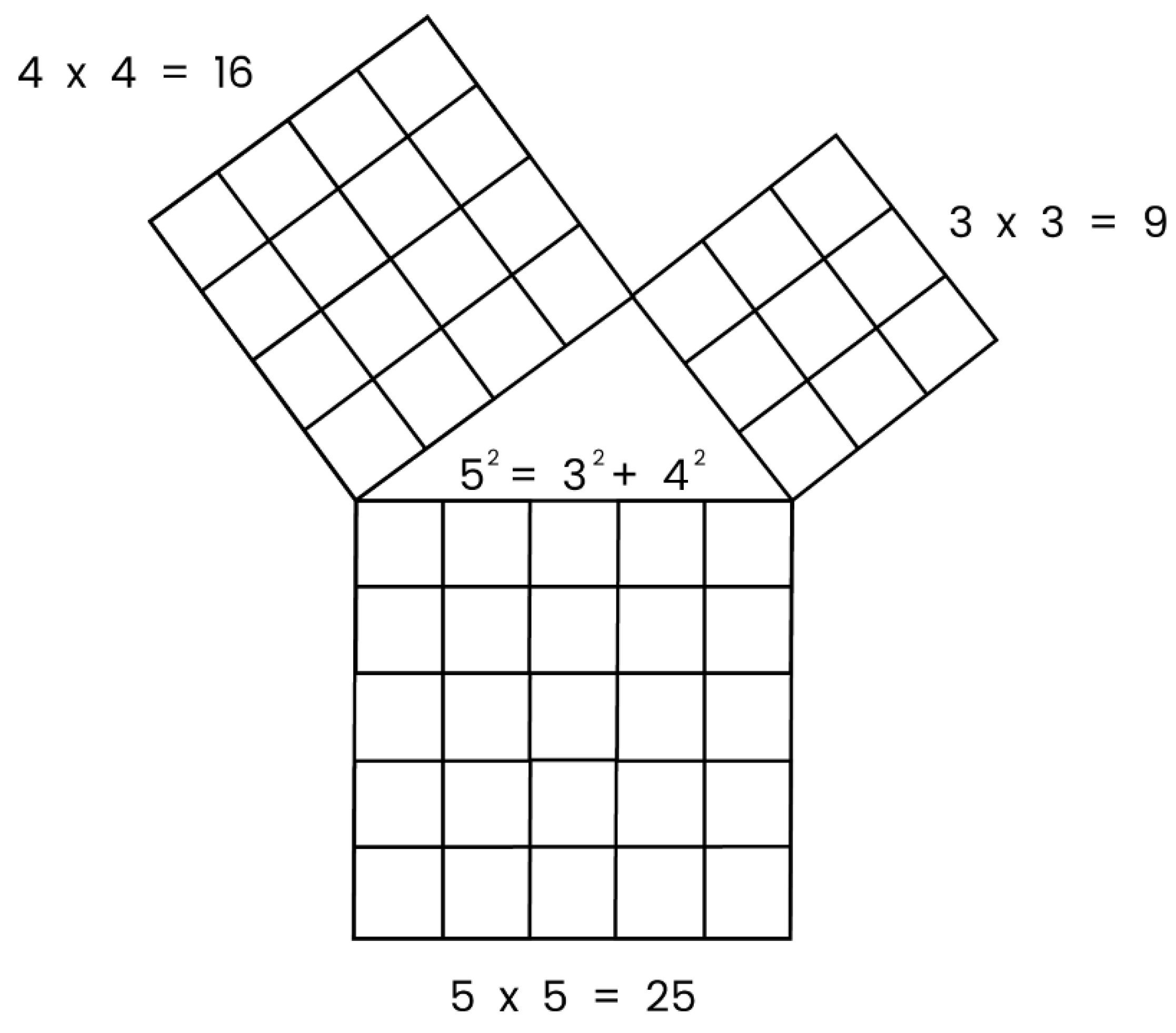
Figure 13 produces a visual demonstration of the
shulbasutra theorem of the diagonal, which reads thus -
“The area of the square formed by the diagonal line equals the sum of the areas of squares produced by both the transverse and the side measure.”
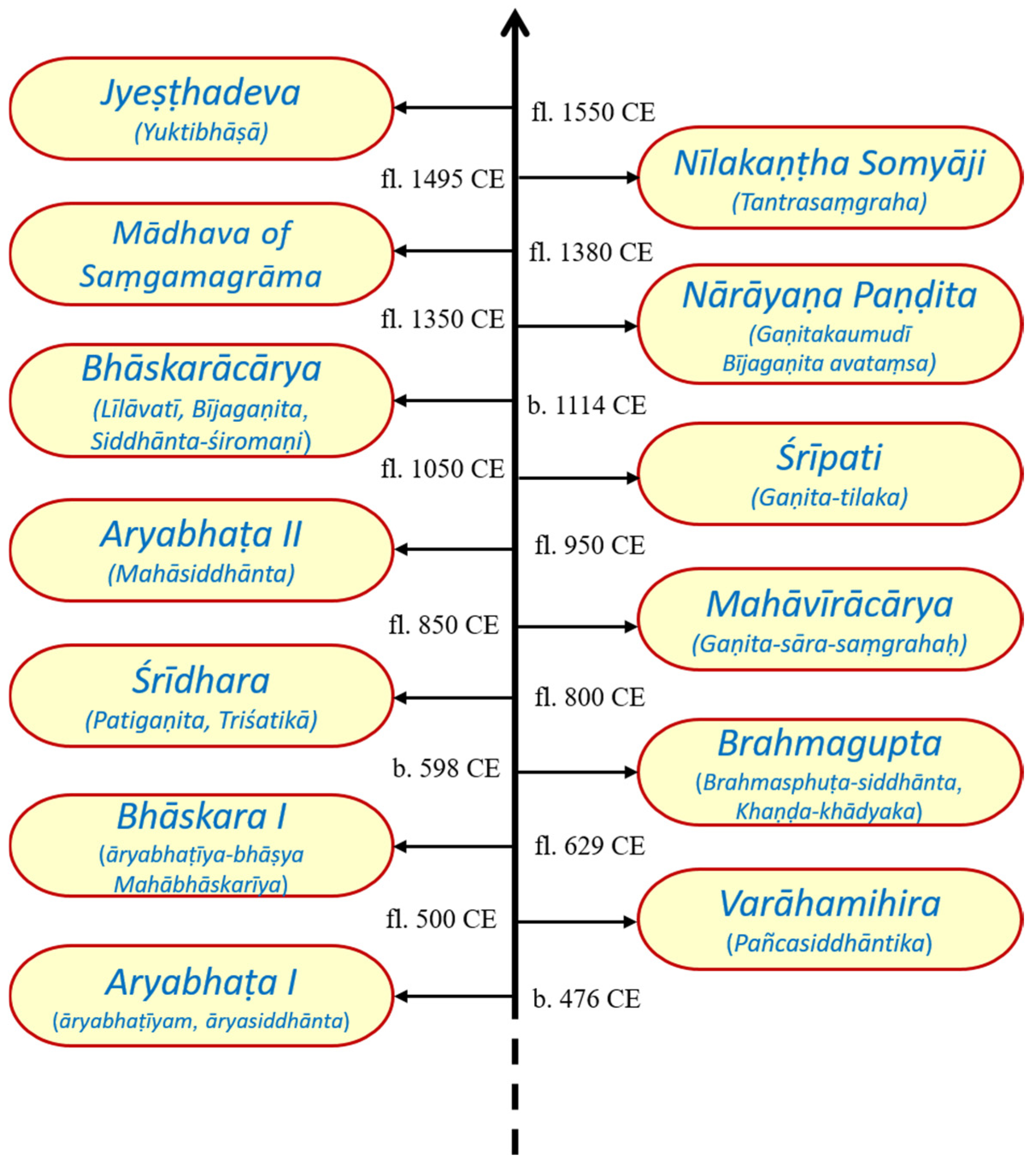
Finally, it must be pointed out that the names of the stalwart proponents of mathematics in ancient India have registered in the Indian social psyche, which surfaces as the modern Indian names, albeit less frequently as compared to the concepts enunciated by them. The Indians have held such great exponents of mathematics in high regard. This overwhelming veneration naturally reflected in Indians naming their children based on their names, names of their treatises, or even their students sometimes, who were equally gifted and blessed by their knowledge of mathematics. For instance, modern India to date revers the name of
Aryabhata, Brahmagupta, Baudhayana, Varaha-Mihira, Bhaskara as well as their treatises such as
Trishatika(by Sridhara) and
Leelavati(by Bhaskara II) . Among many
acharyas of India, the names of these mathematicians are clearly unique, and upon finding someone of a similar name, it would not be an exaggeration to trace back its source. Such has been their impact and their contribution that their indelible impressions on the Indian society continues to remain, and possibly grow. A growing resurgence in such an awakening can be seen in the way India’s first earth satellite was named
Aryabhata, and a subsequent satellite was named Bhaskara-II by ISRO, or for that matter, the
Leelavati award being instituted by the International Mathematical Union. Truly, no account of Indian mathematicians would ever be complete without the mention of the author of
Leelavati, Bhaskaracharya. Bhaskara II, as he is frequently called, will be forever regarded in the history of Indian mathematical tradition, for his compendiums including
Siddhānta-Śiromaṇī and
Karaṇa-kutūhala. And, of the various masterpieces of mathematics that he penned down,
Līlāvatī deserves a special mention. Bhaskaracharya’s
Leelavati is an exquisite compendium of not just mathematics, but also of an amazing pedagogy in mathematics education that continues to inspire mathematicians and teachers alike. His contribution in making mathematics interesting and available to the common man has been exemplary and has survived generations. And of the entire
Līlāvatī, the last text is right to the point, as regards the current manuscript in question. The text reads thus:
“This Līlāvatī clearly explains fractions, simple fractions, multiplication etc. It also beautifully describes problems in day-to-day transactions. Rules are transparent and examples are beautifully worded. Those who master this Līlāvatī will be happy and prosperous.”
Is that all? What makes this this text so special? Here is what: this text is actualy a double-entendre. The allusion to Līlāvatī in this text obviouly refers to the book Līlāvatī composed by Acharya Bhaskara. But, it also refers to the person Līlāvatī as well – the daughter of Acharya Bhaskara. Here is an alternative meaning to the same text:
“Girl Līlāvatī is born in a respectable family, stands out in any group of enlightened persons and has mastered idioms and proverbs. Whomsoever she embraces (marries) will be happy and prosperous.”
This suffices to establish that Leelavati today is a common name in modern India, despite it not being a short and pithy one. It can truly be argued extensively whether Leelvati in the current setting is a mathematical name, or it is an instance of involution phenomenon, since Bhaskara II named his text upon his daughter’s name. Be that as it may, the impact of the text Leelavati on the collective Indian social consciousness has been tremendous over centuries, and to suggest that the text itself may have inspired the names of individuals is a possibility that can be asserted with some certitude.
This is not all. While the current manuscript focuses on such instances of ‘mathematical names’ within the ambits of geometry, numeration, arithmetic, algebra, and the Vedic tradition, etc., a careful student of mathematics of the Indian tradition can very well extricate such names from virtually every aspect of mathematics such as statistics (viz. varg/antaraal: an interval; seema: upper/lower limit of an interval), probability (sanyog: probability), astronomy or astrology (prithvi: earth, yantraraj: astrolabes used for measuring astronomical measurements such as altitudes of celestial bodies and for calculation of latitudes in navigation), etc.
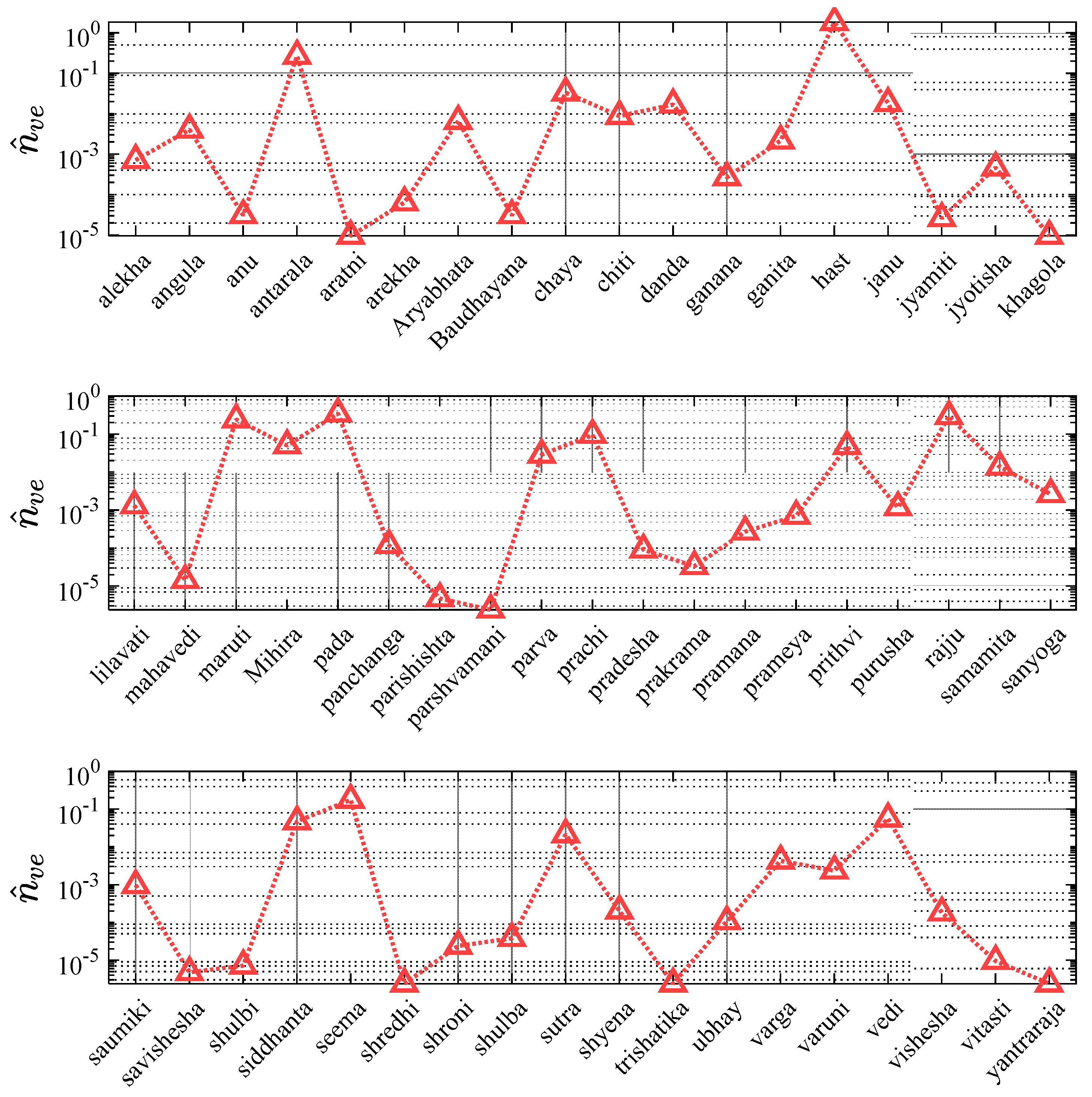
Figure 14 shows the quantitative evidence of the recurrence of the names based on mathematics in the Vedic/Indian tradition, as presented in
Table 7, from the LI dataset. It presents the specific name recurrence fraction for fifty-one names based on terms from Vedic/Indian tradition,
in an alphabetical fashion. As the figure shows, the left axis denotes the name recurrence factor in the LI dataset, which multiplied by a hundred yields ‘recurrence percentage’. This figure evidently demonstrates that
varies between 2.37x10
-6 to 0.34. Further, some of the terms with the highest
are ‘
pada’, ‘
rajju’, ‘
maruti’, ‘
seema’ and ‘
prachi’ with
corresponding to 0.34, 0.29. 0.24, 0.17 and 0.09 respectively. On the other hand, terms like
yantraraja, shredhi, savishesha, parshvamani, parishishta, and
shulbi fare very low on the
value. Other terms which occur in the high-frequency range are
vedi, mihira, prithvi, siddhanta, chaya, sutra, janu, etc. – names that can be very commonly heard in the Indian setting.
5.7. General Comments on All Six Categories
Considering the broad nature of these sub-categories, which are at times imbricated, it is difficult to provide an exact estimate of the mean and median occurrences for them. However, some general comparisons could be made based on the terms introduced in this paper.
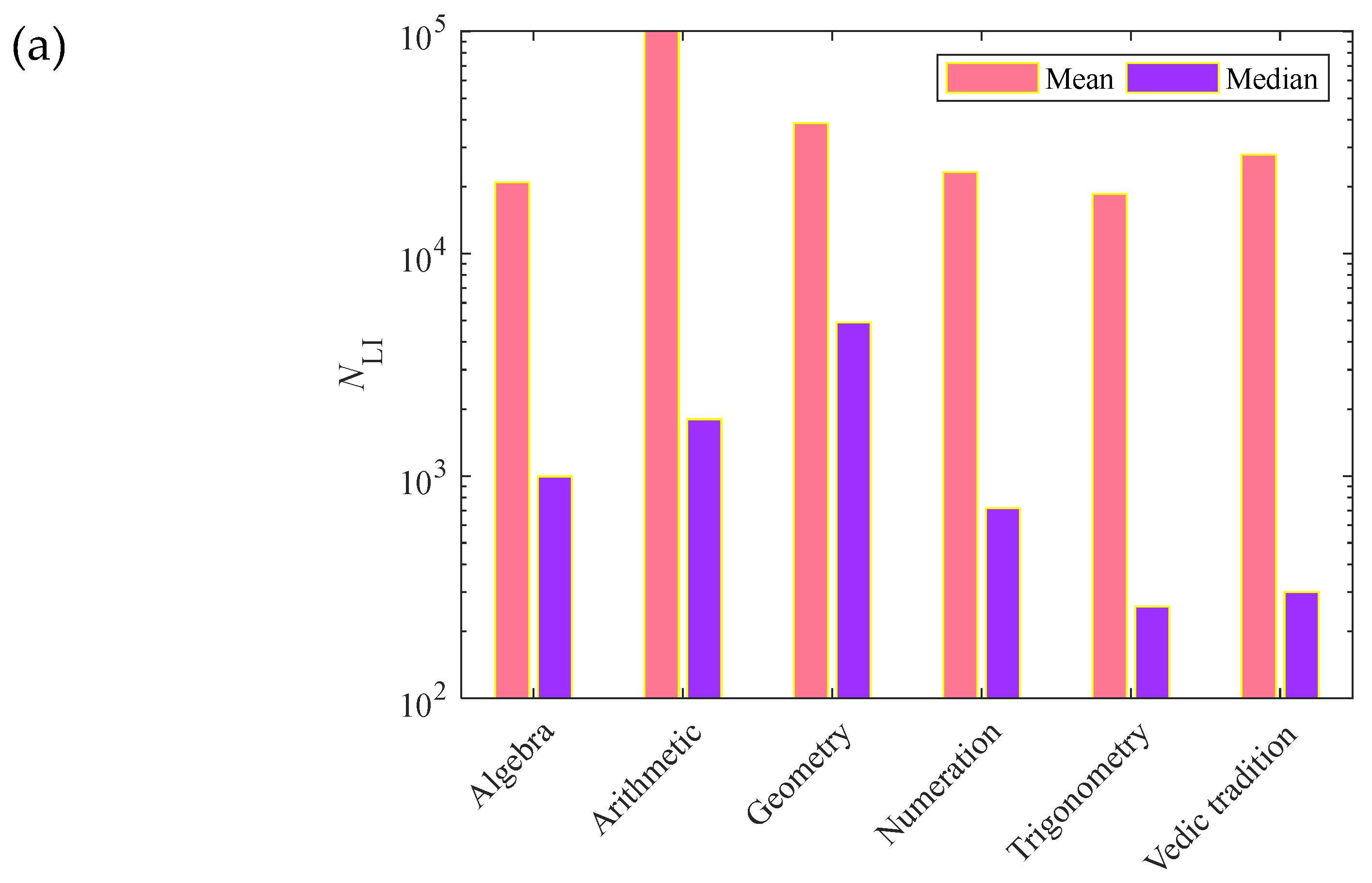
Figure 15a presents a comparison of the mean and median of the counts in each of these sub-categories. As the figure shows, the mean counts are maximum for arithmetic, with a value of 100370, followed by geometry (38526), mathematics in the Vedic tradition (27818), numeration (23203), algebra (20959), and trigonometry (18547). The median counts for algebra, arithmetic, geometry, numeration, trigonometry, and Vedic tradition are 995, 1800, 4900, 716, 258, and 301, respectively. Clearly, there is a slight difference in the median counts, with the values peaking for geometry. Although the mean counts for arithmetic exceed that of geometry because of a few names having large counts because of cross-cultural occurrence of names, but the considerably greater median count for geometry indicates that there exist more names that have a larger number of counts. Some more comparative insights could be gleaned from
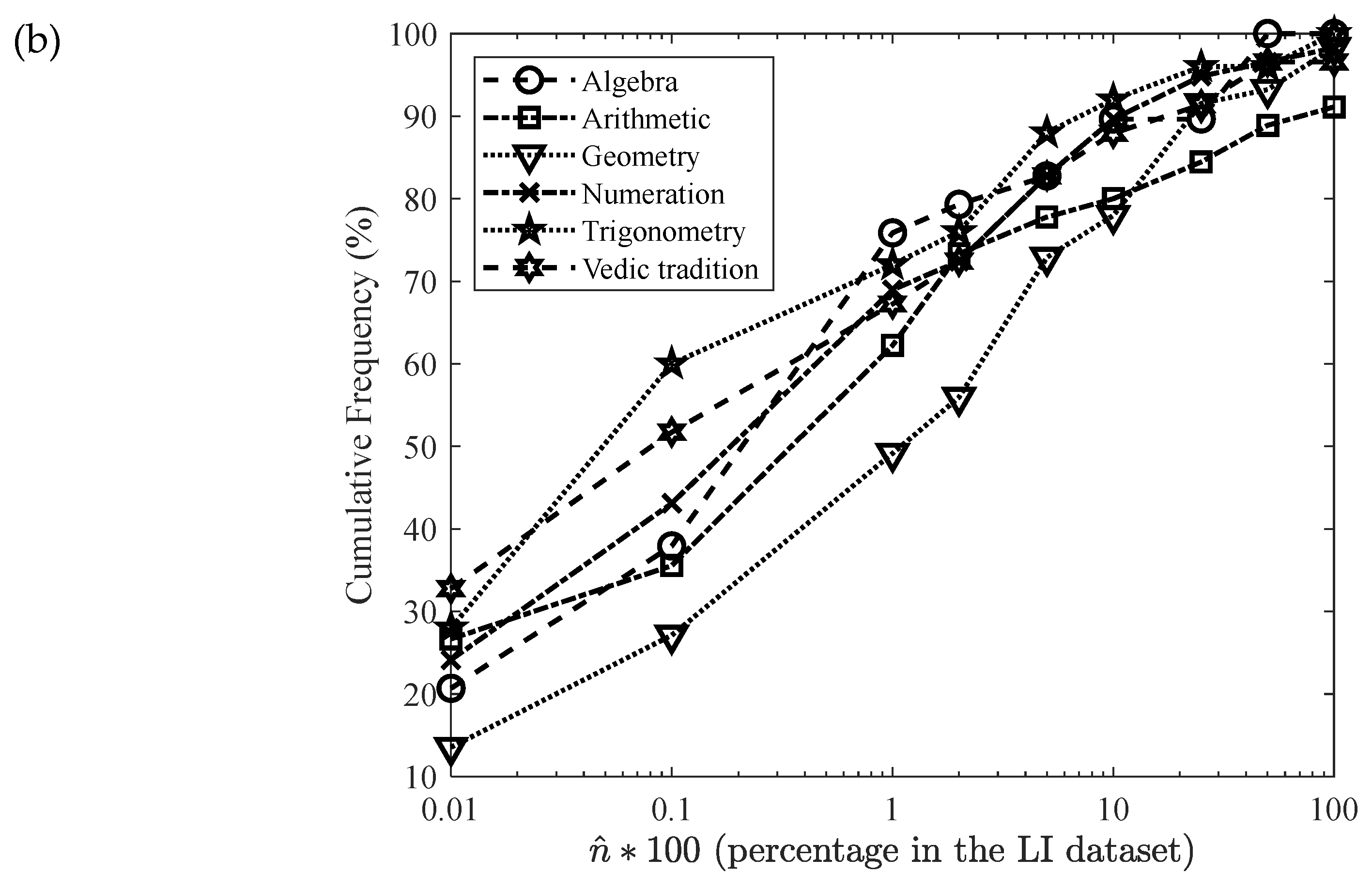
Figure 15b. The figure presents a cumulative frequency plot with ‘percentage in the LI dataset’ on the abscissa. It denotes what fraction (or percentage) of the total names within a sub-category are less than the percentage value on any point on the abscissa. For instance, the first point on the horizontal axis, at 0.01% represents the fraction of the number of names that are less than 0.01% in the LI dataset. It is obvious that around 12% of all the names in the ‘geometry’ category appear less than 0.01% in the LI dataset, whereas 30% of all the names in the ‘Vedic tradition’ division appear less than 0.01%. Another similar observation could be made at an x-axis value of 4%. In such a scenario, approximately 72% of the geometrical names appear less than 4% in the LI dataset, while for trigonometry based names, this number is as high as 92%. This observation also substantiates the greater prevalence of the names on geometrical concepts.
Finally, some more understanding can be gleaned from the responses collected from the bearers of such ‘mathematical names’. Interviews conducted with several students from higher educational institutions confirmed either explicit or implicit links between names and various life scripts especially mathematical consciousness and awareness; either of their own, their parents or whosoever named them. A significant population strongly feel and believe that the meaning and attributes attached to a name by virtue of the field of its origin (mathematics in this case) have an imprint on the person’s behavioral inclination because a majority of the names in Indian culture have deeper meanings are not merely ‘proper nouns’ with no meaning attached to it. A child is consciously made aware of his/her name right from childhood either by asking his/her name and by letting them know their meaning afterward. Subconsciously, this practice kept the mathematical consciousness alive over centuries which is evident from some of the responses like, ‘Now that I know that my name is mathematical/scientific, it feels so exciting’. It was interesting to note that in some cases, a person was named by his/her elder sibling who later happened to excel better in maths than the named person though the named person also has an inkling of interest and veneration for mathematics. An analysis of the survey results indicated that more than half of the participants (53%) thought that the name influenced their lives and shaped their life trajectories in subtle ways. Since it is relatively uncommon to possess a mathematical name, and much less with complete cognizance of it, such names are a significant element behind increasing self-confidence, as many interviewees remarked ‘‘It is amazing to know that I have such a rare and beautiful name,’’. Many others affirm to be aware of the mathematical overtones that permeate their name, and they feel unique about their name. More than 90% of the interviewees contend that they are happy with their names, and would not exchange it for something else, for instance on social media platforms. For almost the same percentage of people, such mathematical names serve as a tenuous link between them and the Indian culture they have not known much about. In about 60% of the participants who have such mathematical names, a discussion on their names brings about cultural reminiscences of their region and religion within their families or their own very selves, establishing that such mathematical names are indeed intrinsically grounded in Indian culture and are not mere chance events. Although most of the participants agree that in trying to name a ‘child’, they would choose a name that is pleasant and has positive connotations – and mathematical names provide them with a ‘positive explanation’ behind the rationale of their names. However, for some, life did not always pan out as intended at the moment of their naming, for instance, in cases where mothers and fathers were negotiating issues of difference and belonging in bringing up the children (Edwards and Caballero 2008). Thus, this study suggests the need for further empirical research into the life script formation in the context of such mathematical names. It would be worthwhile quantitatively exploring the extent of the impact a mathematical name has towards his or her general appreciation and aptitude in mathematics. Equally important is the investigation of how the attitude of individuals towards his or her name is a repercussion of the mathematical interest in individuals. Further research could reveal reflective, formative, and mutual relationships among names, life scripts, and particular behavior and aptitude in mathematics.