

Submitted:
12 November 2026
Posted:
17 November 2026
You are already at the latest version
Abstract
This study proposes an improved Direct Torque Control (DTC) strategy for Double-Stator Induction Machines (DSIM) using Space Vector Modulation (SVM) and an Artificial Neural Network (ANN), called ANN-DTC-SVM. The neural network enhances the controller’s ability to handle nonlinearities and parameter variations, improving dynamic performance and robustness under changing load conditions. Simulation results show better speed regulation, more accurate torque control, smoother flux trajectories, and reduced torque and stator flux ripples compared with conventional DTC and SVM methods, demonstrating the effectiveness of the proposed approach for high-performance multiphase DSIM drives. The Matlab-Simulink environment is used to validate the proposed command.
Keywords:
double-stator induction machine (DSIM)
; direct torque control (DTC)
; space vector modulation (SVM)
; six-phase voltage (SPV)
; artificial neural network
; (ANN) controller
1. Introduction
Given the high torque dynamics of the DTC structure, the various algorithms we have proposed are obtained. In this section, we consider their application to control a dual-stator machine, which meets the needs of a high-power application. We will therefore develop a simplified model on which we will evaluate our control strategy [1].
Our work focuses on a simple model of the dual-stator induction machine, which offers several advantages, such as robustness and reliability, and meets better performance criteria than the simple machine because it reduces electromagnetic torque ripples and improves the power factor. Furthermore, in the event of problems, half-motor operation is possible to ensure continuous operation.As with the simple machine, we will see that the dual-stator drive also offers an alternative to flux-oriented rotor (FOC) vector control.
The main difficulty in controlling induction machines lies in the complex coupling between the field and the torque. The major drawback of conventional control algorithms, such as PI controllers, lies in their sensitivity to motor parameter variations. For this control, the main problem lies in the need to use a mechanical sensor. This generates additional cost and increases the complexity of the assembly. To solve these problems, neural control using a vector PWM is proposed.
The objective of this work is to present a robust control of the double-stator asynchronous machine using NN-DTC-SVM control. The problem of using the classic DTC control strategy causes the appearance of ripples at the level of the different quantities characterizing the DSIM. To remedy this problem, the ANN-DTC-SVM control is proposed. According to the results obtained, the proposed control is more robust regarding the minimization of ripples, monitoring of setpoint, response time, and rate of harmonic distortion (THD).
2. Machine Modeling
The double-stator induction machine (DSIM) presents a complex dynamic system characterized by a set of nine coupled differential equations, whose coefficients vary periodically with time [2]. To facilitate the analysis and resolution of these equations, the Park transformation is employed, allowing the development of a mathematical model that accurately captures the dynamic behavior of both electrical and electromagnetic phenomena within the machine [3]. The resulting model comprises a system of nonlinear differential equations and supports multiple classes of state-space representations. These representations are selected based on various factors, including the specific control objectives (such as torque, speed, or position regulation), the type of power supply employed (voltage- or current-source), the reference frame adopted for analysis (e.g., stationary or rotating), and the chosen state variables (such as stator current or magnetic flux). This modeling framework enables a more tractable and structured approach to control system design for DSIM [4].
3. Machine Model in Subspace
As illustrated in Figure 1, the system comprises two sets of stator windings, denoted as As1, Bs1, Cs1 and As2, Bs2, Cs2, which are phase-shifted by an angle of α = 30°. In addition, the rotor consists of three phases, labeled Ar, Br, and Cr, as described in [5].
By applying the Park transformation to the rotor variables, the dynamic model of the machine can be expressed in a reference frame aligned with the stator. This transformation facilitates the decoupling of the machine’s equations and simplifies their representation. The resulting mathematical model, formulated in the stator reference frame, is described by the following set of equations [5]:
4. Vector Model of the Two-Level Six-Phase Inverter
Figure 1 illustrates the schematic diagram of the six-phase voltage source inverter used to supply the double-stator induction machine (DSIM). The inverter consists of two sets of three-phase half-bridges, with the upper switches labeled as Sa1, Sb1, Sc1 for stator 1, and Sa2, Sb2, Sc2 for stator 2. The points n1 and n2 represent the neutral connections of stator 1 and stator 2, respectively, while point ooo corresponds to the neutral of the DC power source. The phase voltages of the machine can be decomposed as follows [6,7]:
Under standard machine operating conditions, the α-β components of φs2 lead those of φs1 by an angle of 30°.
The two stators are independently supplied by separate inverters, which are governed using the Direct Torque Control (DTC) strategy based on the estimation of the stator fluxes and the electromagnetic torque produced by the machine [8,9]. The magnitudes of the individual fluxes, φs1 and φs2, are assumed to be equal to half the magnitude of the resultant flux, φs[10].
The stator fluxes are estimated using the same open-loop model previously described. Accordingly, their magnitudes are determined as follows:
5. Direct Torque Control Using Neural Networks (ANN-DTC-SVM)
A reference voltage vector Vr_ref is computed overall and approximated over a modution period Ts by an average voltage vector Vr_moy. This average vector is generated by applying the two adjacent active voltage vectors along with the zero vectors V0 and V7. The eight voltage vectors, defined by different switch combinations, are illustrated in the (α, β) plane in Figure 3.
The identification of the appropriate sector is carried out by determining the position of the reference voltage vector Vr_refwithin the complex plane defined by the (αr-βr) axes. The location of this vector is characterized by its phase angle θ, which is used to ascertain the corresponding sector. The phase angle θ\thetaθ is defined by the following relationship:
Table 1 determines the sector Z (i) with (i = 1, ..., 6) for the different angles θ.
These issues primarily stem from the use of hysteresis comparators and switching tables. To address these drawbacks, this section investigates a direct torque control approachbased on Neural Networks (ANNs), aimed at enhancing the performance of traditional DTC schemes. In the proposed method, conventional comparators and the switching table are replaced by a neural network controller, which regulates the output variables of the double-stator induction Machine to follow their reference values within a fixed time interval [11].
Numerical simulations are conducted to evaluate the performance of the proposed neural-based DTC method (ANN-DTC-SVM). The structure of the direct neural torque control system for an double-stator induction machine is illustrated in Figure 2. The training of the neural network, including the updating of weights and biases, is performed using a back propagation algorithm known as the Levenberg–Marquardt (LM) algorithm [12].
In this revised control strategy, the d and q components of the reference voltage vector are directly computed based on the states of the torque and flux regulators.
The stator equations expressed in the d-q reference frame are as follows [13]:
We used one ANN controllers to control the speed, electromagnetic torque and both stator flux of stator 1 and 2 (Figure 4).
The choice of neural network architecture is based on the mean squared error (MSE) obtained during learning. The following figure shows the structure of neural networks for two-level neurons [14].
Determining the optimal architecture of a neural network to achieve the best performance is inherently challenging and cannot be fixed a priori. It is well-established that a neural network with a single hidden layer possesses the capability to approximate any continuous function, according to the universal approximation theorem. However, certain structural parameters of artificial neural networks (ANNs)—such as the number of hidden layers and the number of neurons within those layers—cannot be precisely derived through analytical analysis of the system being modeled. These parameters are typically selected through empirical methods, based on iterative testing and performance evaluation [15].
Considering all these factors, it becomes evident that empirical experimentation and extensive testing play a crucial role in determining the appropriate number of neurons and, more precisely, in identifying the optimal neural network architecture for a specific problem. The general feedforward structure, as illustrated in Figure 3, comprises three layers: an input layer, a hidden layer, and an output layer, containing n, m, and k neurons respectively.
The block diagram of the Artificial Neural Network (ANN) controller is presented in Figure 6.
6. Simulation Results and Discussion
The Direct Torque Control (NN-DTC-SVM) strategy applied to an DSIM is simulated using the MATLAB/Simulink environment. The simulation is carried out under the following conditions: the hysteresis band for the torque comparator is set to ±0.1 Nm, while that for the flux comparator is fixed at ±0.001 Wb. The reference stator flux magnitude is defined as φref = 1.2 Wb.
As illustrated in Figure 7, the resultant flux closely follows its reference trajectory, demonstrating high tracking accuracy. The system exhibits a rapid dynamic response, achieving convergence to the reference value within approximately 14 ms. This fast response time indicates the effectiveness of the control scheme in ensuring precise flux regulation, which is critical for maintaining optimal machine performance, particularly during transient operating conditions.
The rotor flux components along both the direct (d) and quadrature (q) axes accurately track their respective reference values, each converging to a steady-state magnitude of 1.2 Wb. This indicates effective flux regulation by the control strategy, ensuring that the flux linkage in both axes remains consistent with the desired operating conditions. The close adherence to the reference values demonstrates the system’s ability to maintain magnetic field orientation and amplitude, which is essential for optimal torque production and overall machine performance (Figure 8 and Figure 9).
In the ANN-based Direct Torque Control (ANN-DTC-SVM), the trajectory of the stator flux vector tip remains confined within a circular band, indicating operation under constant flux conditions with minimal ripple. This behavior confirms the effectiveness of the control strategy in maintaining flux stability, as illustrated in Figure 10.The electromagnetic torque closely tracks its reference value and stabilizes at 20 N·m following a transient period of approximately 0.65 seconds. During this transient phase, the torque exhibits a peak value of 55 N.m at around 0.08 seconds, indicating a brief overshoot before settling. This dynamic behavior reflects the system’s response to initial conditions or disturbances and demonstrates the controller’s capability to regulate the torque effectively toward its desired steady-state value (Figure 11).
Based on the obtained simulation results, it can be concluded that the speed of the double-stator induction machine (DSIM) is effectively regulated to its reference value of 115 rad/s. The system achieves this target speed within a response time of approximately 0.6 seconds, exhibiting a smooth transition without any overshoot. This indicates a well-damped dynamic response and highlights the effectiveness of the implemented control strategy in achieving precise and stable speed regulation (Figure 12). The speed remains constant at its reference value. This justifies the robustness and performance of this control. However, the spectral analysis of current harmonics presented in Figure 13 shows a good performance than the proposed ANN-DTC-SVM strategy in terms of reducing the current harmonic rate (THD).
7. Conclusions
Conventional direct torque control (DTC) is commonly used to control dual-stator induction motors (DSIMs). However, this method has several limitations, particularly for high-performance applications. Notable drawbacks include difficulties in precisely controlling electromagnetic flux and torque at very low speeds, significant torque and current ripple, variable switching frequency, high acoustic noise levels at low speeds, and the lack of DC control capability. To overcome these difficulties, an adaptive torque control strategy is required. In this context, a neural network-based DTC with spatial vector modulation (ANN-DTC-SVM) is proposed as an improvement over conventional DTC. The integration of intelligent neural network techniques enables optimized sector selection within the DTC algorithm, thereby improving the dynamic performance of the induction machine. This includes better control of rotor speed, torque, and stator flux, especially under varying load and speed conditions. The effectiveness of the proposed method was validated by simulations carried out with MATLAB/Simulink.
Author Contributions
Conceptualization,M.N.I. and M.H.A.; methodology, M.N.I.; software, M.N.I.; validation, M.N.I. and M.H.A.; formal analysis, M.N.I. and M.H.A.; investigation, M.N.I. and M.H.A.; resources, M.H.A.; data curation, M.N.I.; writing—original draft preparation, M.N.I.; writing—review and editing, M.H.A.; visualization, M.H.A.; supervision, M.H.A.; project administration, M.H.A.; funding acquisition, M.H.A. All authors have read and agreed to the published version of the manuscript.
Funding
This research received no external funding.
Data Availability Statement
The original contributions presented in this study are included in the article. Further inquiries can be directed to the corresponding author.
Conflicts of Interest
The authors declare no conflicts of interest.
References
- Aroussi, H. A.; Ziani, E.; Bouderbala, M.; Bossoufi, B. Improvement of direct torque control applied to doubly fed induction motor under variable speed. Int. J. Power Electron. Drive Syst. 2020, vol. 11(no. 1), 97–106. [Google Scholar] [CrossRef]
- Maroua, B.; Laid, Z.; Benbouhenni, H.; Elbarbary, Z. M. S.; Colak, I.; Alammar, M. M. Genetic algorithm type 2 fuzzy logic controller of microgrid system with a fractional-order technique. Sci. Rep. 2025, vol. 15(no. 1), 6318. [Google Scholar] [CrossRef] [PubMed]
- ABDELWANIS, M. I.; ZAKY, A. A. MAXIMUM POWER POINT TRACKING IN A PEROVSKITE SOLAR PUMPING SYSTEM WITH A SIX-PHASE INDUCTION MOTOR. Rev. Roum. DES Sci. Tech. — SÉRIE ÉLECTROTECHNIQUE ET ÉNERGÉTIQUE 2024, vol. 69(no. 1), 15–20. [Google Scholar] [CrossRef]
- Sadouni, R.; Sahnoun, M.; Zababe, I.; Reghioui, H. Direct Torque Control of Dual Three Phase Induction Motor fed by Direct Power Control Rectifier using Fuzzy Logic Speed Controller. Sci. Eng. Technol. 2025, vol. 5(no. 1). [Google Scholar] [CrossRef]
- Hellali, L.; Belhamdi, S.; Benyettou, L. DTC-SVM based on interval type-2 fuzzy logic controller of double stator induction machine fed by six-phase inverter. Int. J. Image Graph. Signal Process. (IJIGSP) 2019, 11(7), 48–57. [Google Scholar] [CrossRef]
- BELAL, R.; FLITTI, M.; ZEGAI, M. L. TUNING OF PI SPEED CONTROLLER IN DIRECT TORQUE CONTROL OFDUAL STAR INDUCTION MOTOR BASED ON GENETIC ALGORITHMS AND NEURO-FUZZY SCHEMES. Rev. Roum. DES Sci. Tech. — SÉRIE ÉLECTROTECHNIQUE ET ÉNERGÉTIQUE 2024, vol. 69(no. 1), 9–14. [Google Scholar] [CrossRef]
- ABDELWANIS, M. I.; ZAKY, A. A. MAXIMUM POWER POINT TRACKING IN A PEROVSKITE SOLAR PUMPING SYSTEM WITH A SIX-PHASE INDUCTION MOTOR. Rev. Roum. DES Sci. Tech. — SÉRIE ÉLECTROTECHNIQUE ET ÉNERGÉTIQUE 2024, vol. 69(no. 1), 15–20. [Google Scholar] [CrossRef]
- YETGIN, A.S.I.M. G.Ö.K.H.A.N.; TEZCAN, M.E.H.M.E.T. M.U.R.A.T. EFFECT OF THE LAMBDA PARAMETER ON THREE-PHASE INDUCTION MOTOR DESIGN BY ANALYTICAL AND MAGNETIC METHODS. Rev. Roum. Sci. Techn.– Électrotechn. Et. Énerg. 2025, Vol. 70(4), 435–440. [Google Scholar] [CrossRef]
- EL-GHALIA BOUDISSA, MOHAMED BOUNEKHLA, FATIHA HABBI, ENHANCED SPIRAL DYNAMIC ALGORITHM WITH APPLICATION TO INDUCTION MOTOR PARAMETERS IDENTIFICATION. Rev. Roum. Sci. Techn.– Électrotechn. Et. Énerg. 2025, Vol. 70(4), 441–446. [CrossRef]
- Hamdan, M. M. M.; Youssef; Noureldeen, O. Influence of interval type-2 fuzzy control approach for a grid-interconnected doubly-fed induction generator driven by wind energy turbines in variable-speed system. SN Appl. Sci. 2023, vol. 5(no. 1), 25. [Google Scholar] [CrossRef]
- YAICHI; SEMMAH, A.; WIRA, P. CONTROL OF DOUBLY FED INDUCTION GENERATOR USING ARTIFICIAL NEURAL NETWORK CONTROLLER. Rev. Roum. DES Sci. Tech. — SÉRIE ÉLECTROTECHNIQUE ET ÉNERGÉTIQUE 2023, vol. 68(no. 1), 46–51. [Google Scholar] [CrossRef]
- Adjati; Rekioua, T.; Rekioua, D. Use of the Dual Stator Induction Machine in Photovoltaic - Wind Hybrid Pumping. J. Eur. Des. Systèmes Autom. 2021, vol. 54(no. 1), 115–124. [Google Scholar] [CrossRef]
- Djeriri, Y. Lyapunov-based robust power controllers for a doubly fed induction generator. Iran. J. Electr. Electron. Eng. 2020, vol. 16(no. 4), 551–558. [Google Scholar] [CrossRef]
- Yaichi; Semmah, A.; Wira, P. Control of Doubly Fed Induction Generator with Maximum Power Point Tracking for Variable Speed Wind Energy Conversion Systems. Period. Polytech. Electr. Eng. Comput. Sci. 2019, vol. 64(no. 1), 87–96. [Google Scholar] [CrossRef]
- Hamitouche, K.; Chekkal, S.; Amimeur, H.; Aouzellag, D. A New Control Strategy of Dual Stator Induction Generator with Power Regulation. J. Eur. Des. Systèmes Autom. 2020, vol. 53(no. 4), 469–478. [Google Scholar] [CrossRef]
- Himour, K.; Yahiaoui, A.; Iffouzar, K. Comparison of Different Control Strategies of Multilevel Inverters Used to Fed a Dual Star Induction Machine. J. Eur. Des. Systèmes Autom. 2020, vol. 53(no. 4), 525–532. [Google Scholar] [CrossRef]
Figure 1.
Dual star winding representation.
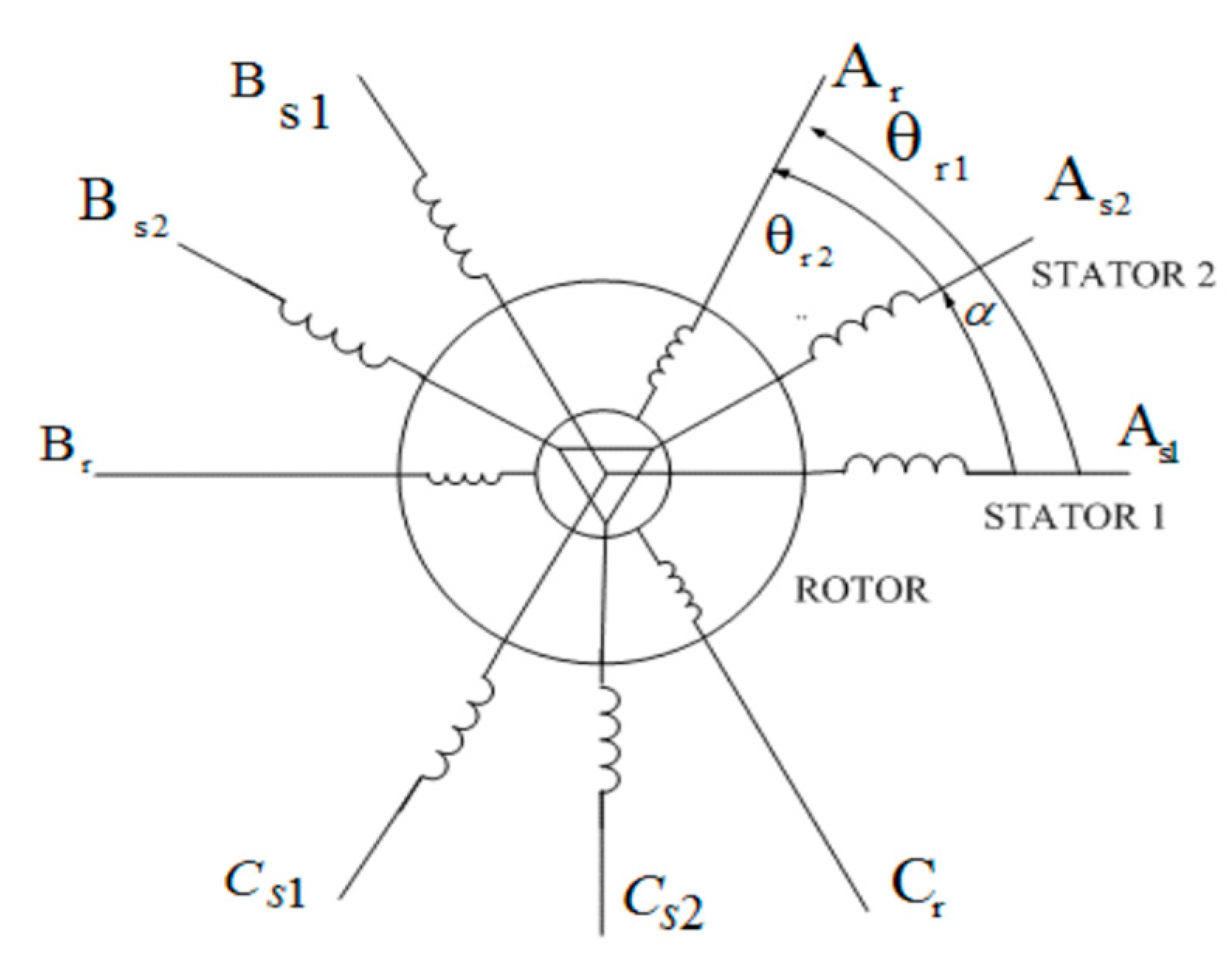
Figure 2.
Schematic Representation of a Six-Phase Voltage Source Inverter Feeding a DSIM.
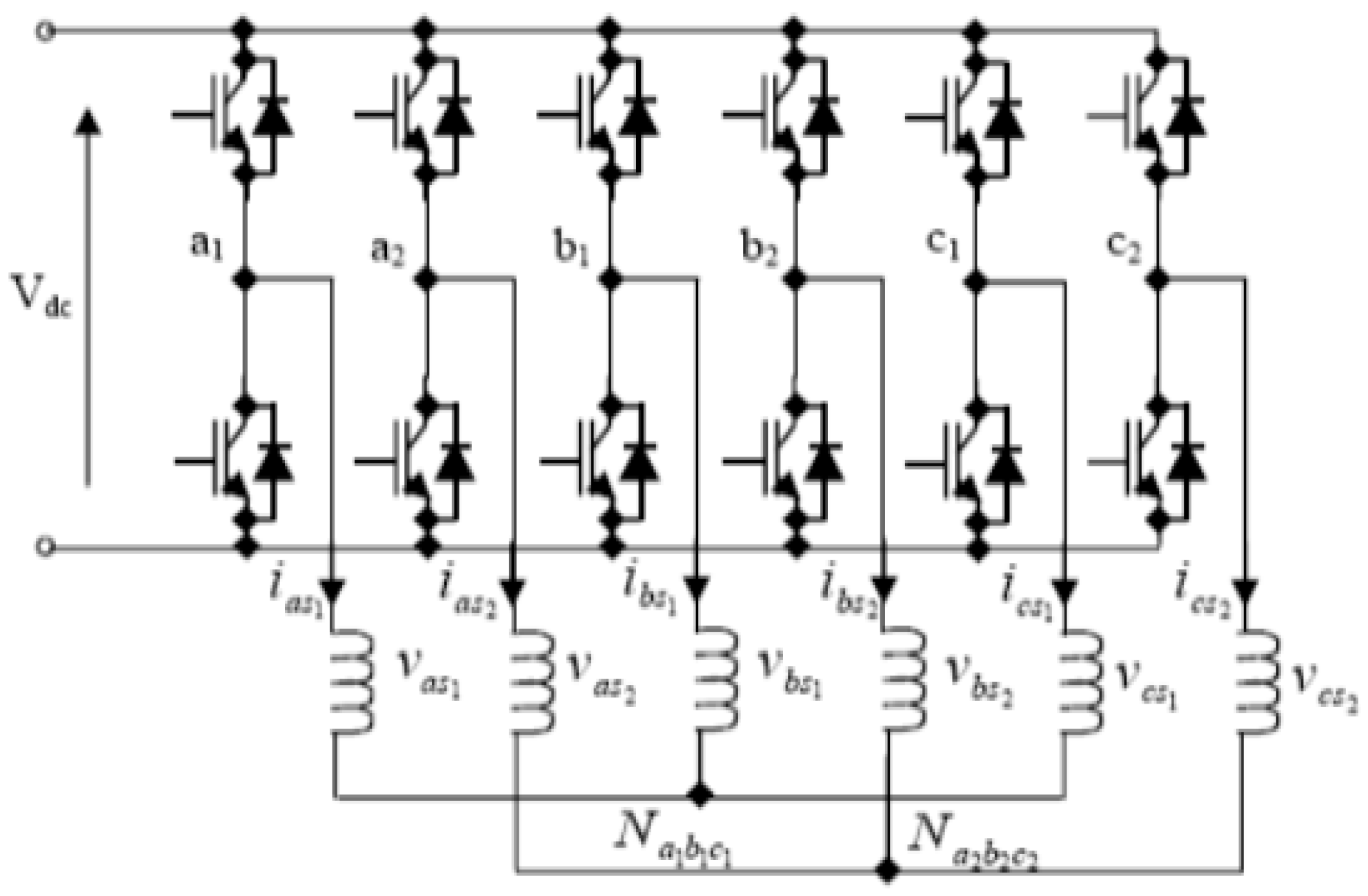
Figure 3.
Voltage vector representation in the (α, β) reference frame.
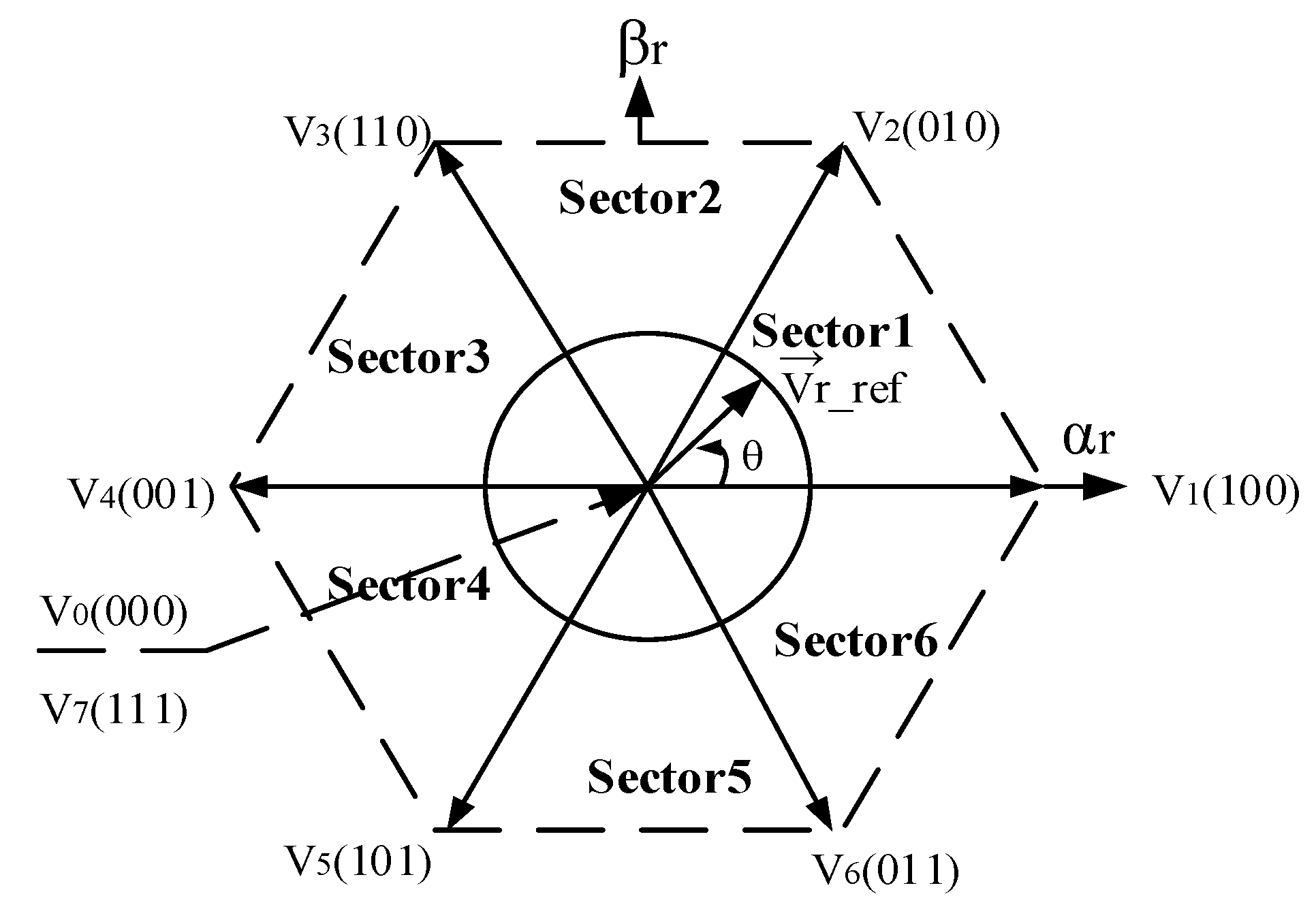
Figure 4.
Direct torque control of DFIM based on Neural Network.
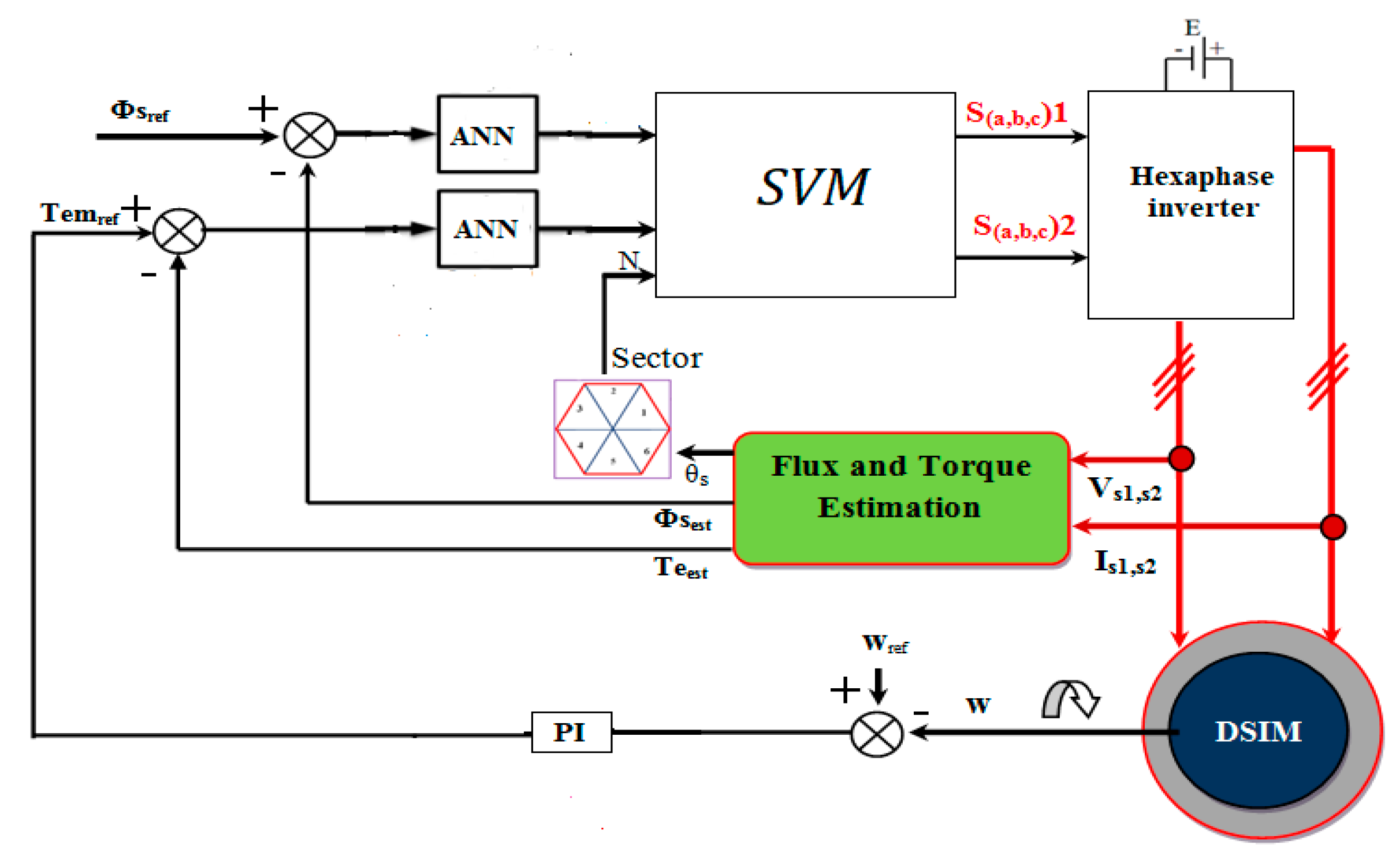
Figure 5.
Architecture of a Neural Network.
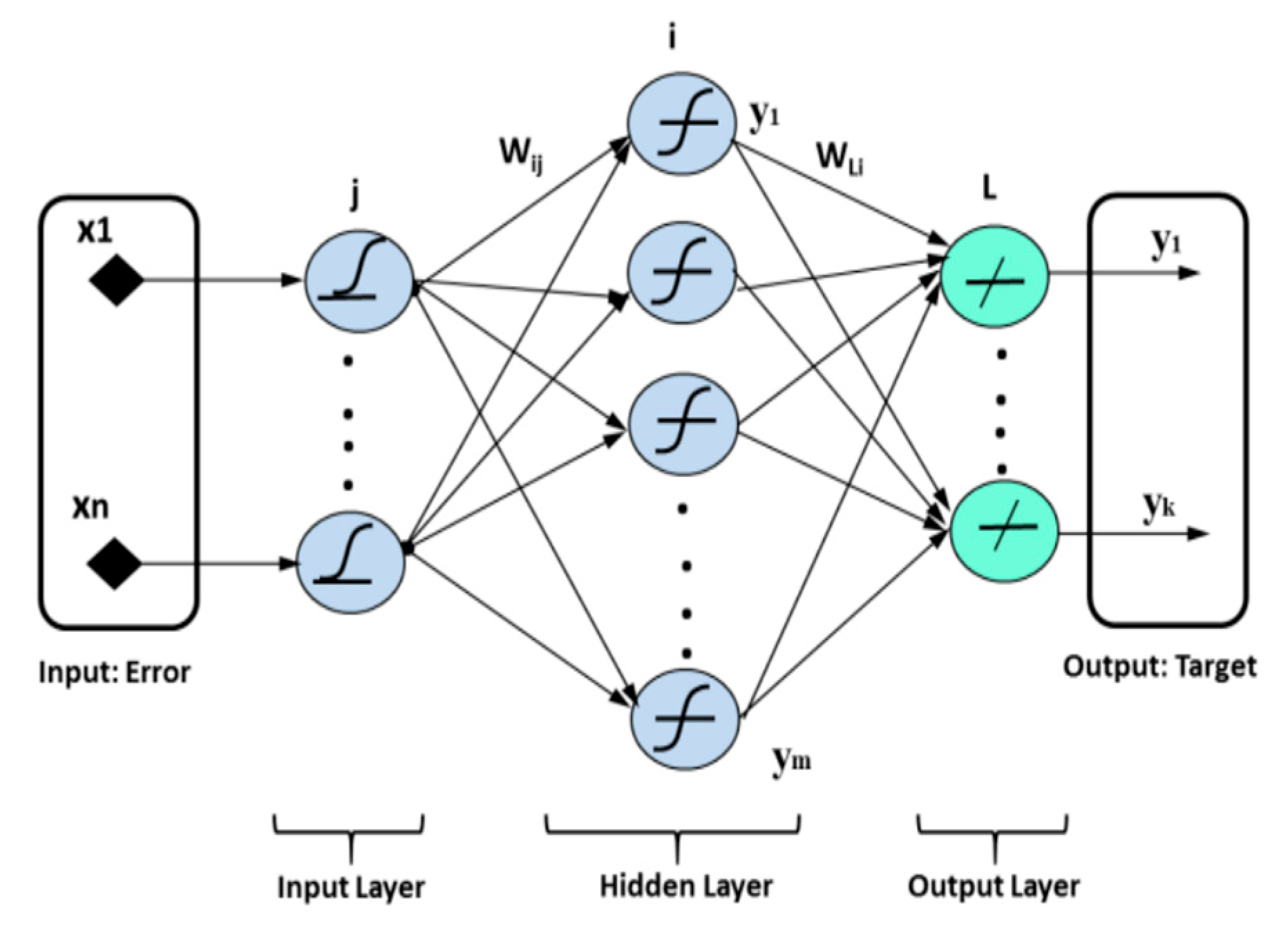
Figure 6.
Block diagram of the ANN controller.
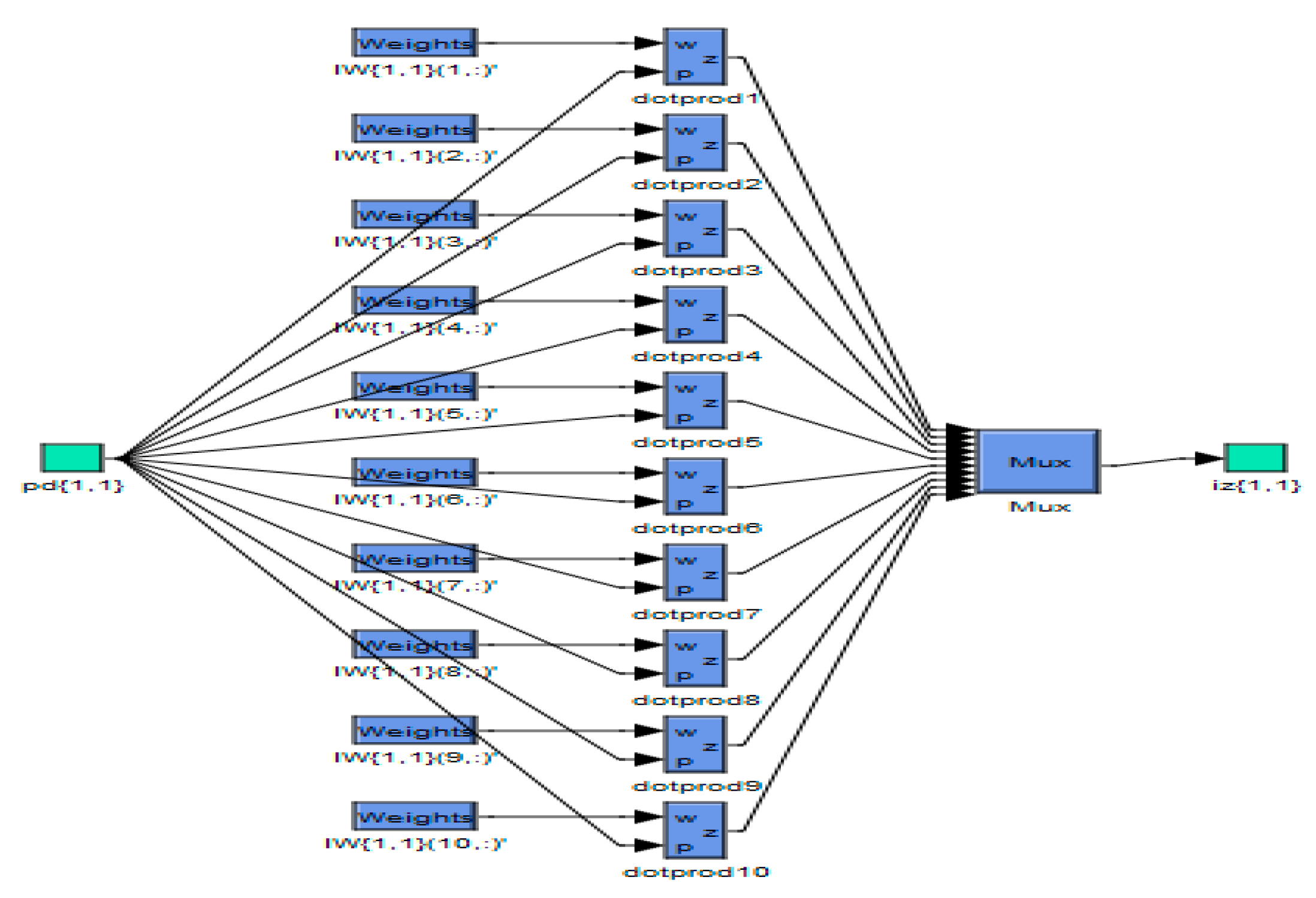
Figure 7.
Flux of DFIM.
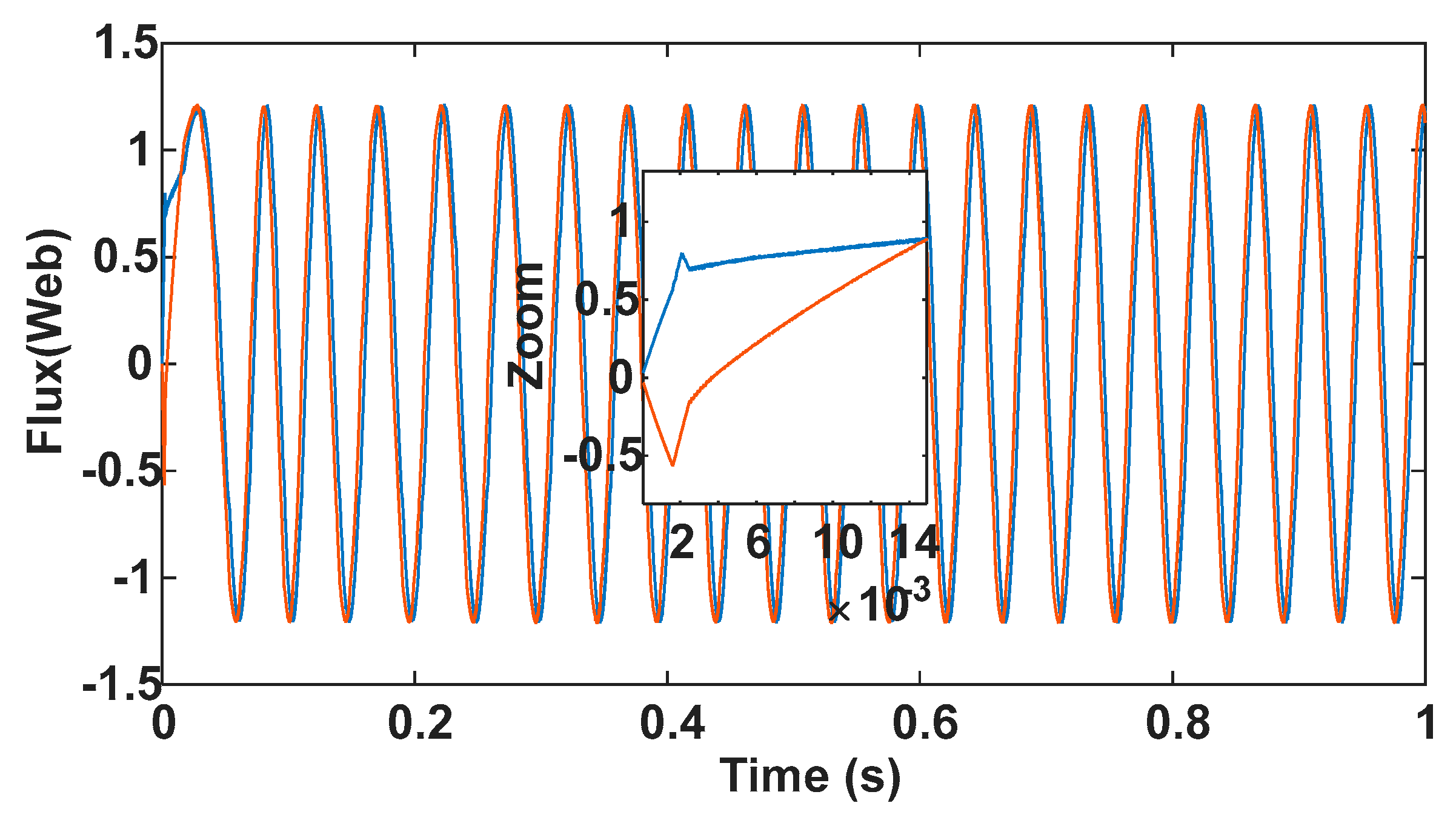
Figure 8.
Flux obtained from stator 1.
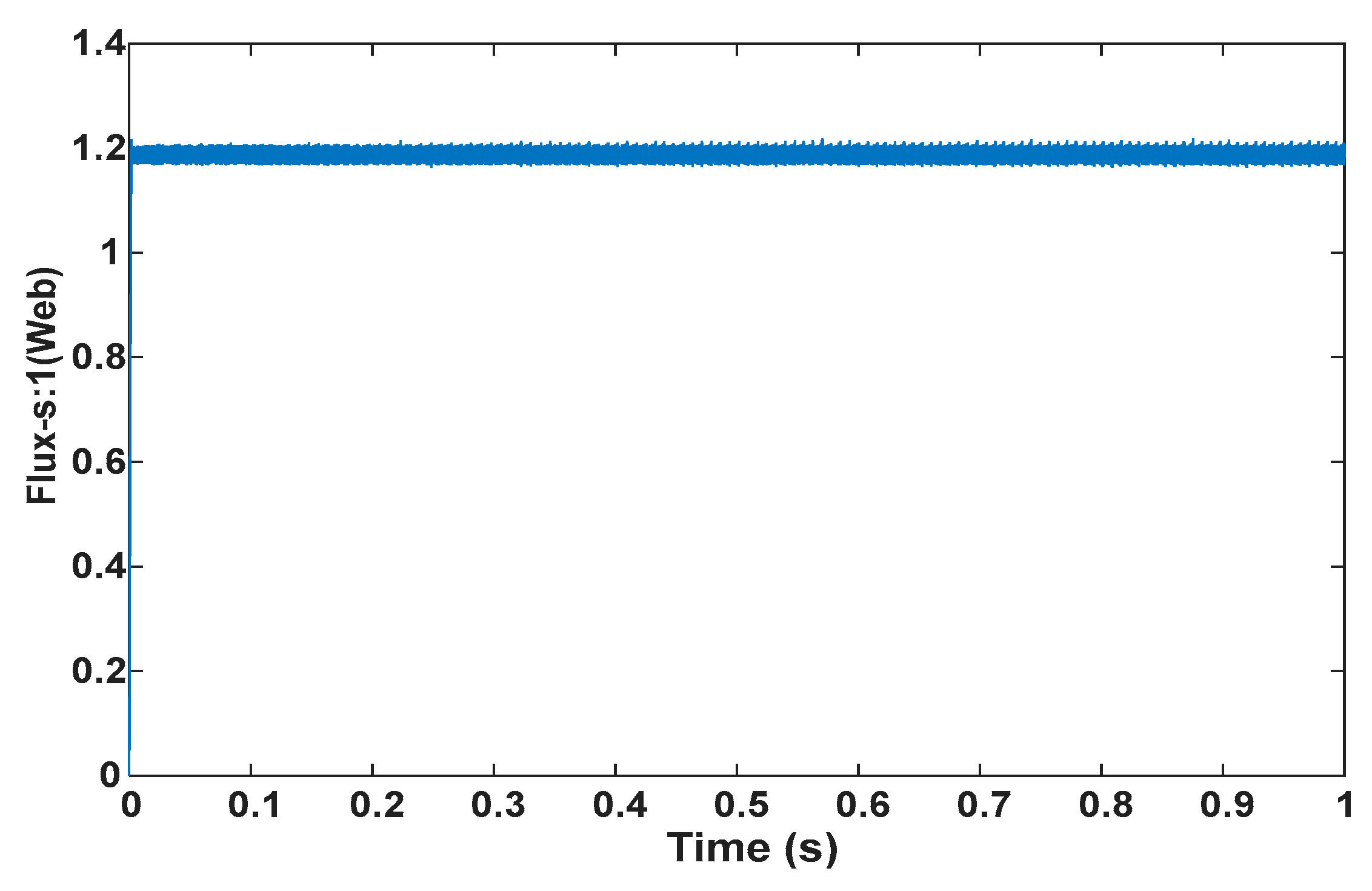
Figure 9.
Flux obtained from stator 2.
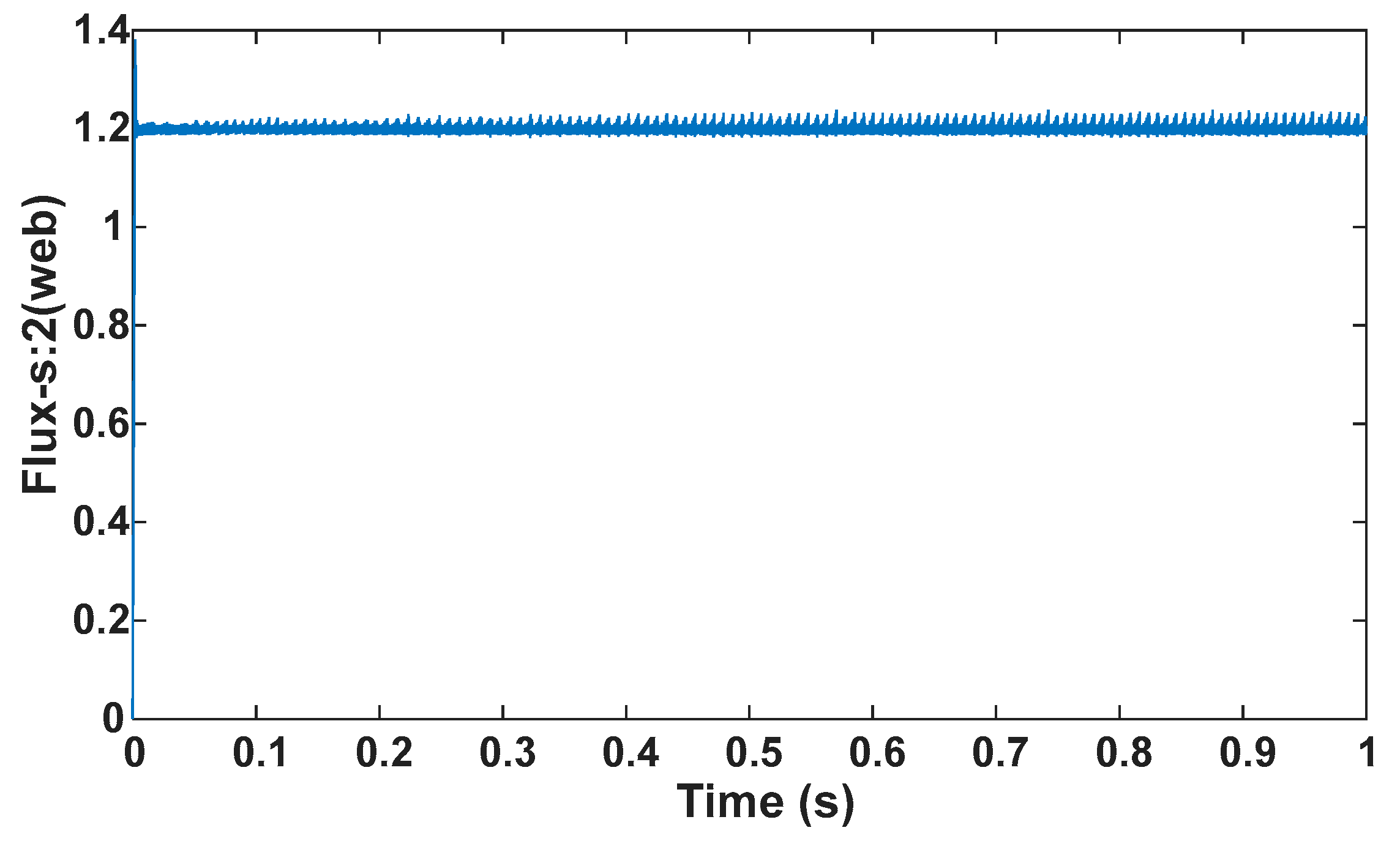
Figure 10.
Stator flux trajectory.
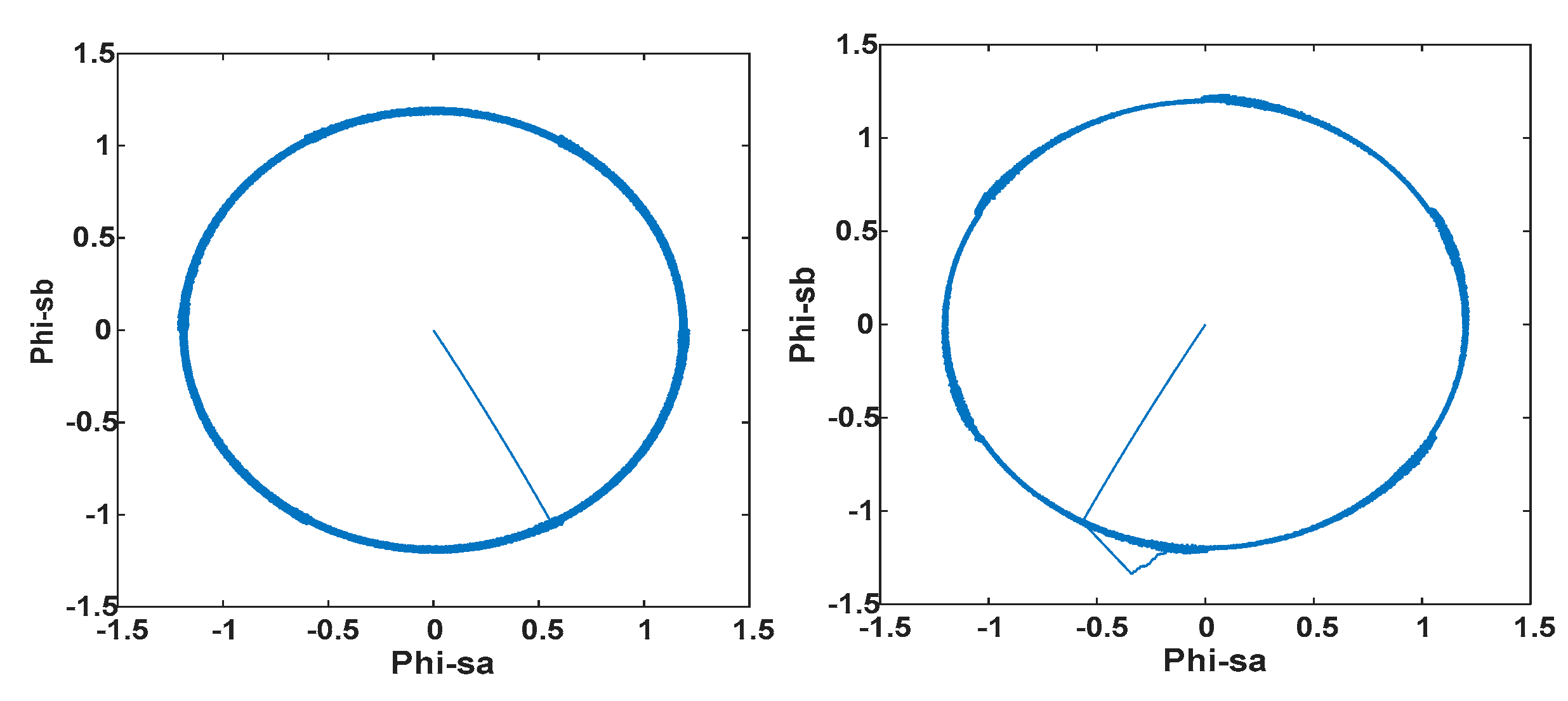
Figure 11.
Electromagnetic torque.
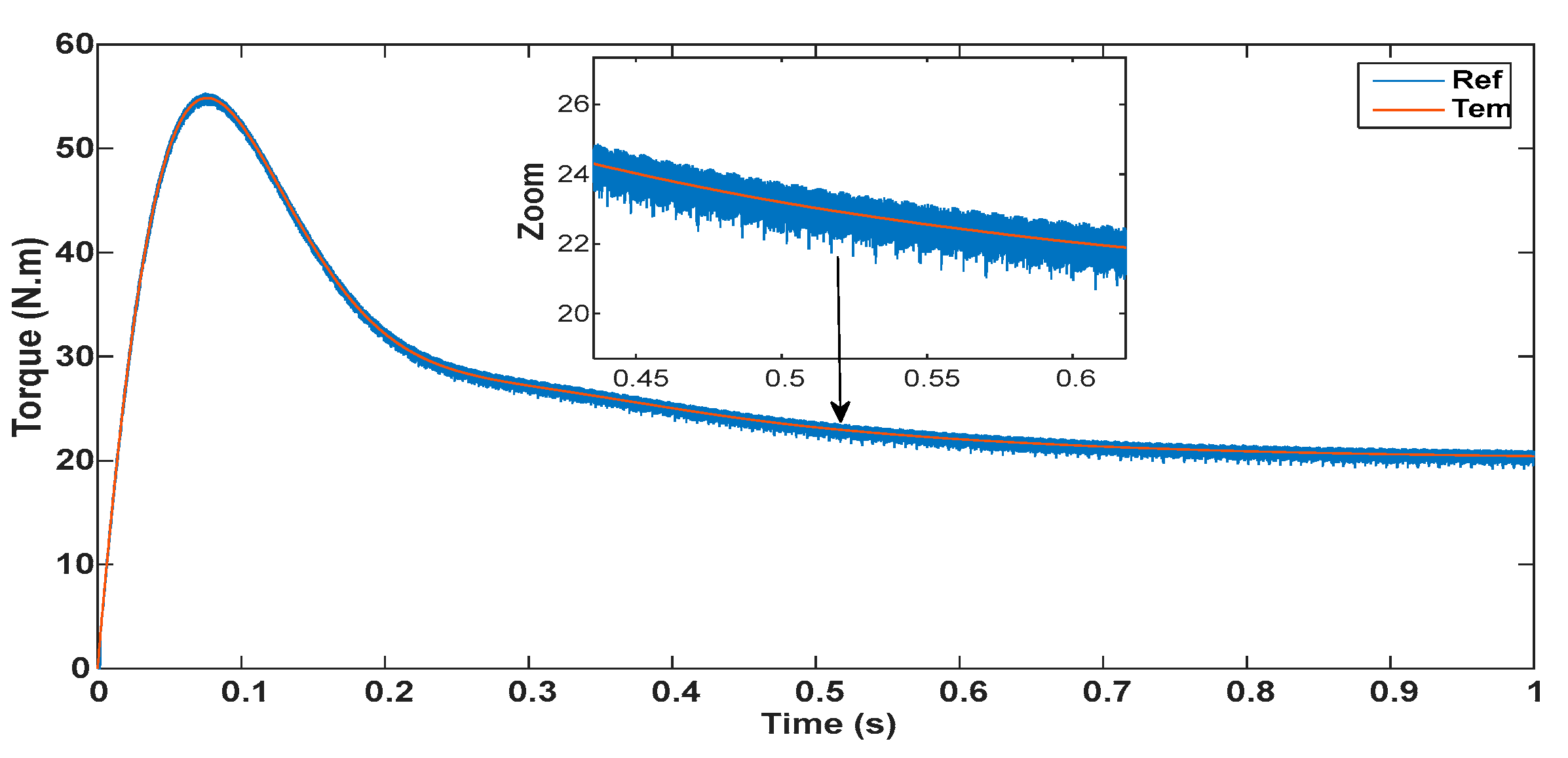
Figure 12.
Rotation speed (DFIM).
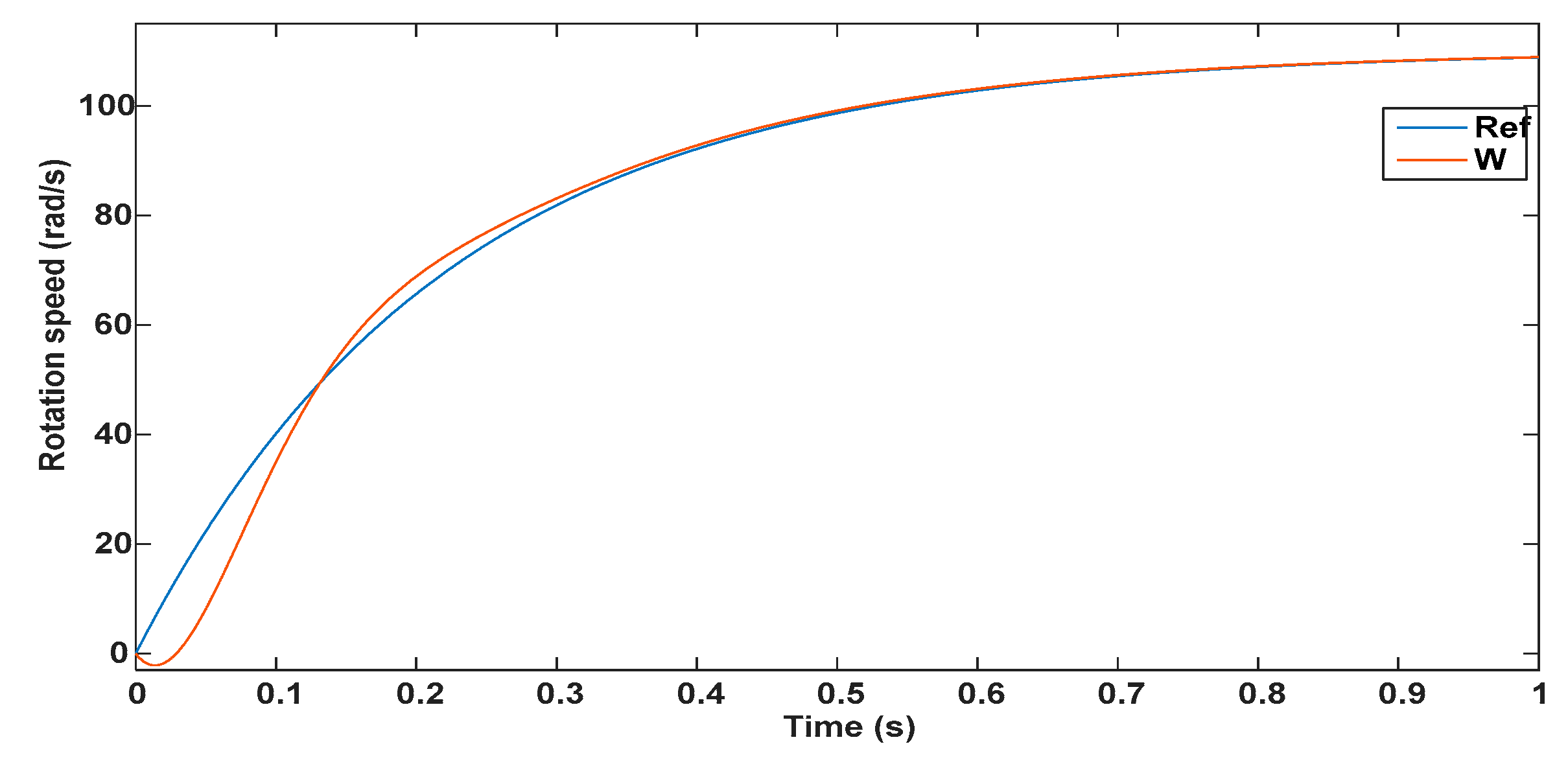
Figure 13.
Spectral analysis of current harmonics.
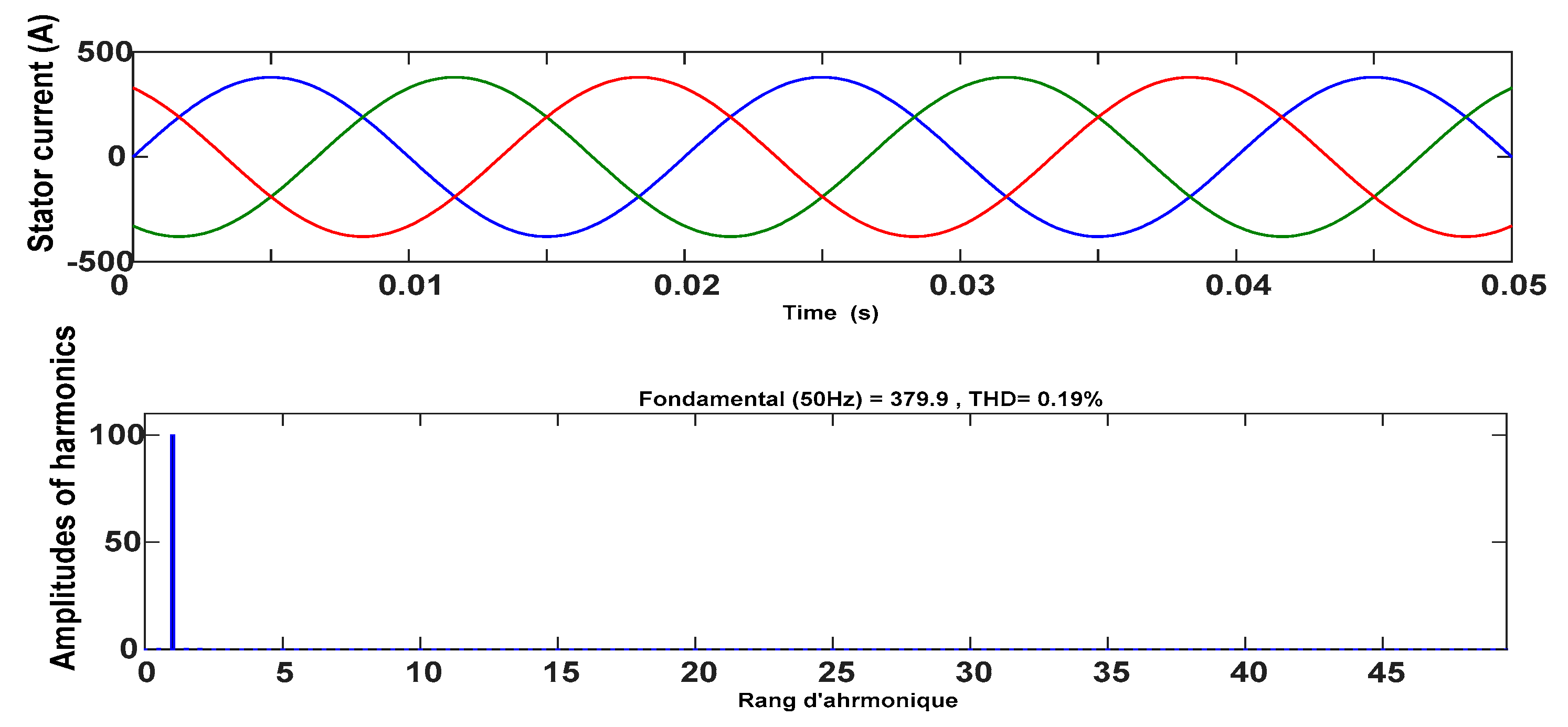

Table 1.
Sector identification.
| θ | 0≤ θ ≤ | ≤θ≤ | ≤θ≤π | π≤θ≤ | ≤θ ≤ | ≤θ≤2π |
|---|---|---|---|---|---|---|
| Z |
Sector1 |
Sector2 |
Sector3 |
Sector4 |
Sector5 |
Sector6 |
Disclaimer/Publisher’s Note: The statements, opinions and data contained in all publications are solely those of the individual author(s) and contributor(s) and not of MDPI and/or the editor(s). MDPI and/or the editor(s) disclaim responsibility for any injury to people or property resulting from any ideas, methods, instructions or products referred to in the content. |
© 2026 by the authors. Licensee MDPI, Basel, Switzerland. This article is an open access article distributed under the terms and conditions of the Creative Commons Attribution (CC BY) license (http://creativecommons.org/licenses/by/4.0/).
Copyright: This open access article is published under a Creative Commons CC BY 4.0 license, which permit the free download, distribution, and reuse, provided that the author and preprint are cited in any reuse.