

Submitted:
13 November 2026
Posted:
16 November 2026
You are already at the latest version
Abstract
Antimicrobial resistance (AMR) is framed as a defining global health crisis, yet its conceptual boundaries remain artificially narrow. By focusing primarily on antibiotics, current paradigms ignore a broader reality: microorganisms continuously respond to the full spectrum of human and animal pharmaceuticals in both patients and the environment. This oversight obscures critical dimensions of drug action and resistance mechanisms. We propose PharmacoMicrobiology (PM) and PharmacoMicrobioResistance (PMR) to redefine microbial–drug interactions beyond traditional antimicrobials, specifically accounting for multiple simultaneous drug exposures. Microbes actively transform, degrade, and resist diverse non-antibiotic drugs, potentially undermining therapeutic efficacy across multiple distinct medical fields. Shaped by environmental contamination, microbiome dynamics, and horizontal gene transfer, resistance to these non-antibiotic drugs may already be emerging entirely unnoticed. Ignoring this expanded resistome risks repeating past failures. Integrating PM and PMR into comprehensive One Health frameworks, powered by advanced artificial intelligence, is essential to anticipate, detect, and prevent drug resistance.
Keywords:
microbe-drug interaction
; microbiome
; non-antibiotic pharmaceuticals
; biodegradation
; pharmaceuticals resistance
; One Health
; mobile genetic elements
; personalized medicine
1. Introduction
Antimicrobial resistance (AMR) has been globally acknowledged as one of the most pressing public health threats of the 21st century [1]. However, the term “antimicrobial” itself narrows the scope of concern to antibiotics and other microbe-targeting agents and ignores the broader and significant interactions between other drugs and microorganisms that occur in contaminated environments as well as within human and animal microbiotas.
From an evolutionary perspective, these interactions are unlikely to be a recent phenomenon. Like antibiotics, which are naturally produced by microorganisms and have shaped microbial evolution for millions of years [2,3,4], numerous bioactive compounds with pharmacological properties are naturally synthesized by plants, fungi, and other organisms, and should likewise be regarded as long-standing ecological drivers of microbial evolution. Long before the development of modern medicine, microorganisms inhabiting soils, aquatic ecosystems, plant-associated niches, animal and human microbiotas were continuously exposed to this vast chemical diversity [5,6]. Moreover, microorganisms have been chronically exposed to plant-derived bioactive molecules through both natural ecosystems and the consumption of plant-based diets by animals and humans, including through the consumption of medicinal plants and other plant-derived bioactive compounds. Consequently, they have likely evolved diverse adaptive strategies, including enzymatic transformation or degradation, target modification, efflux systems, metabolic adaptation, stress-response pathways, and ecological or behavioral changes, to tolerate, exploit, neutralize, or escape these compounds. Thus, the evolutionary interplay between microbes and non-antibiotic bioactive molecules is probably as ancient as that between microbes and natural antibiotics.
The transition from traditional to modern medicine has profoundly altered the chemical landscape encountered by microorganisms by increasing both the diversity and environmental abundance of pharmaceuticals, creating an ecologically significant polluting Pharmacosphere (Panel 1). Many drugs used in modern medicine, such as antibiotics including antifungals, statins used in cardiology, anticancer compounds, psychoactive compounds, antidiabetics, anti-inflammatory steroids, immunosuppressants, and antimalarial agents, originate from naturally occurring bioactive molecules that living organisms have encountered and adapted to over evolutionary timescales [7]. In recent times, the production and release of industrial pharmaceutical active ingredients is estimated at over 100,000 tons per year (German Environment Agency, Pharmaceuticals in the environment: the global perspective. www.umweltbundesamt.de). Shortly after the introduction of antibiotics, microbiological research began to focus on the failure of antimicrobial therapies, greatly advancing our understanding of AMR mechanisms while overlooking the broader capacity of bacteria to adapt to other pharmacologically active compounds [8,9]. Consequently, the potential for non-antibiotic drugs to exert selective pressures on bacterial populations and to promote the emergence of bacterial adaptation mechanisms, despite being recognized a long time ago [10], has remained largely unexplored [11].
This concept paper aims to recapitulate and broaden the conceptual framework of bacterial drug adaptation and resistance beyond the AMR paradigm by investigating how non-antibiotic pharmacological compounds can act as selective pressures shaping bacterial evolution.
2. The Concepts of PharmacoMicrobiology (PM) and PharmacoMicrobioResistance (PMR)
2.1. Expanding the Pharmacology at the Microbial Level Beyond Antimicrobials
Pharmacology is a branch of biomedical sciences that studies drugs and their interactions with living organisms. The term “Pharmacology” is traditionally used with a strong anthropocentric bias and is primarily applied to the study of drugs acting on human and animal cells, which are eukaryotic. However, its definition also encompasses interactions between drugs and prokaryotic organisms, including bacteria. By contrast, drug–microbe interactions are generally considered only in the context of antimicrobial agents (to offending microbes in human and animal prokaryotic infections, overlooking the broader and potentially important effects of non-antimicrobial drugs on prokaryotes (Figure 1).
In their natural habitat, whether human, animal, or environmental, microbes are exposed to a wide spectrum of antibiotic and non-antibiotic drugs, including analgesics, antidiabetics, antidepressants, antipsychotics, and cardiovascular drugs consumed during human and veterinary therapy and excreted unchanged or as active metabolites into the environment as major pollutants [12]. These drugs can exert significant biological effects on microbes [13]. In the environment, they shape microbial communities, select for resistance, and alter microbial functions (Figure 2) [14,15]. In humans, a large proportion of orally administered drugs, beyond antibiotics, are associated with gastrointestinal adverse effects and drug-induced dysbiosis, providing clinical evidence of drug–microbiota interactions (Figure 2) [16]. Moreover, several non-antimicrobial drugs exhibit antimicrobial activity and were proposed for repurposing, further demonstrating that they could exert selective pressure on microbial populations (Figure 2) [17]. Overall, microorganisms, whether residing in human or animal microbiomes or in the environment, are indifferent to human-defined drug classifications, i.e., antibiotics versus non-antibiotics [18]. Despite this, the role of non-antimicrobial drugs on microbial evolution remains poorly investigated.
Here, we introduce the concept of PharmacoMicrobiology (PM) (Panel 1), a subfield of Pharmacology dedicated to understanding how all drugs, whether antimicrobial or non-antimicrobial, interact with, affect, and shape microbial life (Figure 2).
2.2. From Pharmacomicrobiology (PM) to PharmacoMicrobioResistance (PMR)
The term ‘pharmacology’, derived from the Greek φάρμα, pharma (drug), in particular its pharmacodynamic branch, is closely associated with the concept of pharmacoresistance, which refers to a reduction or a complete loss of responsiveness of a biological organism, following adaptive mechanisms such as genetic mutations, altered drug targets, enhanced drug efflux, and metabolic adaptation [19,20,21]. Pharmacoresistance is widely studied in cancer chemotherapy [22], as well as in epilepsy and psychiatric diseases [23,24]. In microbes, pharmacoresistance has long been conceptualized through the framework of antimicrobial resistance (AMR) [25], whereas a broader pharmacological framework encompassing all drug–microbe interactions is still lacking (Figure 1). Microbes respond to these selective pressures through molecular strategies like those used against classical antibiotics, including genetic adaptation with target modification, efflux systems, and enzymatic degradation, which are not captured by AMR surveillance [26]. As a result, microbial adaptations that reduce susceptibility to non-antimicrobial drugs remain largely invisible. Recently, the term Antechology, being antecho (αντέχω), the Greek term for “resistance,” was coined in the context the study of the dynamics and kinetics of drug-resistance molecules [27,28]. However, if “Antechology” was first proposed for antibiotic-resistance molecules, nothing precludes the term from encompassing resistance to any other drug (non-primarily antibiotic) able to reduce bacterial fitness, or drug combinations. We therefore introduce PharmacoMicrobioResistance (PMR) (Panel 1) as a conceptual framework encompassing microbial adaptive responses to all drugs, whether antimicrobial or non-antimicrobial (Figure 2). PMR can be defined as the ability of microorganisms to resist, inactivate, transform, or metabolize drugs, irrespective of their therapeutic classification. In non-infectious diseases, PMR challenges the traditional drug–host paradigm by introducing a third biological actor - the microbe - which can modify drug availability, activity, or efficacy before the compound reaches its intended eukaryotic target. The fields of PM and PMR have been considered recently elsewhere under the name of pharmacomicrobiomics [29] , but essentially oriented to the interactions of drugs with the human microbiome [30]. Like AMR, PMR is a natural evolutionary process driven by genetic variation and selection, but its emergence and spread may be strongly accelerated by anthropogenic pharmaceutical use and environmental contamination, placing PMR within a One Health framework (Figure 3).
3. Overlapping Resistance Mechanisms Between Antibiotic and Non-Antibiotic Drugs
Microbes from human, animal, and environmental sources have evolved several strategies to resist the toxic effects of drugs. These mechanisms overlap substantially with canonical AMR determinants [31]. First, efflux pumps, such as those from the Small Multidrug Resistance (SMR), Major Facilitator Superfamily (MFS), and ATP-binding cassette (ABC pumps), can expel a broad range of pharmaceuticals from the microbial cell [32]. These pumps are not drug-specific and often confer cross-resistance to both antibiotics and non-antibiotic drugs [32,33]. Second, many microbes exhibit remarkable metabolic plasticity, enabling them to interact with a wide array of pharmaceutical compounds [34,35,36,37]. As highlighted in a recent comprehensive analysis on microbial drug transformation [34], microbes act as remarkable versatile chemists, possessing enzymatic systems capable of breaking virtually all types of chemical bonds found in drug structures, including esters, amides, glycosides, and even more stable aromatic or heterocyclic moieties. These transformations may result in either partial degradation into simpler metabolites or complete metabolization, depending on environmental conditions, microbial diversity and microbial genomic repertoire [34,37]. Here, we refer to the genes encoding such enzymatic activities as PMR genes, due to their role in microbial survival and adaptation in drug-containing environments. These enzymes encompass a wide array of catalytic functions, including oxidoreductases (e.g., azoreductases, nitroreductases, monooxygenases), hydrolases (e.g., esterases, β-glucuronidases, proteases, beta-lactamases, lactonases, sulfatases, deaminases), transferases (e.g., acetylases, phosphorylases), and lyases (e.g., decarboxylases), among others [28,34,35,36,37]. Rather than passively tolerating drug exposure, microbes actively transform these chemicals, using them as nutrient sources or detoxifying them to mitigate toxicity, a capability with profound implications for environmental biodegradation (namely bioremediation) (Figure 2), clinical resistance dynamics, and even personalized pharmacotherapy [34,36]. Moreover, various microbes have evolved to use drugs as nutrient sources, utilizing them as sources of carbon, nitrogen, sulfur, or energy [35]. Notably, drugs such as metformin, ibuprofen, paracetamol, carbamazepine, aspirin, diclofenac, naproxen and gemfibrozil, among the most widely prescribed and frequently detected pharmaceutical pollutants [12], have been shown to be biodegraded and used as the sole carbon or nitrogen source by a broad spectrum of bacteria, including Aminobacter sp. and Ectopseudomonas mendocina [38,39,40,41], Klebsiella pneumoniae and Mycolicibacterium aubagnense [42], Stenotrophomonas maltophilia, Pseudomonas aeruginosa and Cupriavidus necator [43,44], Gordonia polyisoprenivorans and Labrys portucalensis [45,46], Pseudomonas putida [47], Achromobacter spanius, Achromobacter piechaudii and P. aeruginosa [48], Planococcus sp. [49], and Bacillus sp. [50], respectively. While several of these species, including P. aeruginosa, S. maltophilia, and K. pneumoniae, are known human or opportunistic pathogens, others may act as environmental reservoirs for PMR genes.
4. How Do Non-Antimicrobials Shape Microbial Genomic Plasticity?
4.1. Role of the Mobile Elements in PMR Dissemination
In environmental settings, microbes are persistently exposed to complex mixtures of drugs at sublethal concentrations, conditions that may favor the selection, evolution, and dissemination of PMR genes. Whereas drug-degrading microorganisms are beneficial from an environmental remediation perspective, a critical One Health concern arises when such microbes, or the drug-degrading genes they carry (e.g., PMR genes), disseminate into the human microbiome, particularly the gut, where they could compromise drug activity and treatment success. The possibility that PMR genes, initially evolving in environmental bacteria, could be transferred to clinical pathogens is far from theoretical. The environment is widely recognized as a vast evolutionary reservoir of antibiotic resistance genes from which novel resistance determinants continually emerge and spread into human pathogens [51]. By analogy, environmental microbiomes are likely to constitute an equally important reservoir of PMR genes, with the potential to disseminate into clinically relevant bacteria through HGT. Mobile genetic elements (MGEs) such as plasmids, transposons and integrative and conjugative elements (ICEs), which frequently carry AMR genes [52], have also been shown to harbor genes encoding non-antibiotic drug-degrading enzymes [53]. A particularly concerning aspect of PMR dissemination is that the same MGEs often mediate the spread of classical AMR genes [54]. This molecular convergence creates the potential for co-localization and co-selection of resistance determinants against both antibiotics and non-antibiotic drugs on shared genetic platforms.
4.2. Co-Selective Pressures and Shared AMR and PMR Vectors
Co-selection and co-transfer of both AMR and PMR genes on shared MGEs is an emerging reality that may impact therapeutic success across both infectious and non-infectious disease treatments in healthcare settings (Figure 3). A similar phenomenon is already well documented for heavy metals and biocides, for which environmental exposure has been shown to promote the co-selection of resistance genes located on MGEs [55,56]. By analogy, drugs that are biodegraded by environmental or gut microbes may exert similar co-selective pressures, facilitating the persistence and dissemination of multi-resistance phenotypes in both environmental and clinical microbial communities. This reinforces the idea that pharmaceutical pollutants may act as hidden evolutionary drivers of complex resistance networks in microbial ecosystems (Figure 3).
4.3. Non-Antibiotic Drugs Enhance Horizontal Gene Transfer and Microbial Mutagenesis
Non-antibiotic drugs, along with biocides and heavy metals, can actively promote HGT of AMR genes [57]. Non-antibiotic drugs such as carbamazepine, ibuprofen, naproxen and propranolol, at environmentally relevant concentrations, have been shown to enhance the conjugation of plasmid-borne multidrug resistance genes within microbial communities, facilitating their acquisition by opportunistic pathogens such as Acinetobacter, Legionella, Escherichia-Shigella, Pseudomonas, Mycobacterium, and Clostridium [58]. These compounds, along with diclofenac and gemfibrozil, have been reported to facilitate both intra- and inter-genus plasmid transfer [59,60,61], and bacterial transformation with exogenous resistance genes in vitro [61,62]. Beyond HGT, recent work has extended these observations to mutational resistance [63]. Chen et al. demonstrated that ibuprofen and acetaminophen, at gut-relevant concentrations, enhanced the emergence of ciprofloxacin-resistant E. coli by increasing mutational events over antibiotic exposure [63]. The mutations affected gyrA and marR and acrR regulators that modulate the AcrAB-TolC efflux pump [63], providing a mechanistic basis for the increased resistance to different chemical compounds. Although these findings stem from controlled experimental models, they suggest that complex mixtures of antibiotic and non-antibiotic drugs polluting the environment and host-associated contexts (e.g., polypharmacy in humans, particularly in the elderly and in intensive care units) may amplify the emergence and spread of multidrug resistance [64]. This reinforces the need to integrate non-antibiotic drugs into resistance surveillance frameworks, creating a full antechological vigilance.
5. Clinical Threats and Computational Approaches to PMR Monitoring
If human-associated or pathogenic gut bacteria acquire drug-degrading genes through HGT, this may contribute to interindividual variability in the efficacy of non-antibiotic therapies. More alarmingly, the co-occurrence of PMR and AMR determinants within the same bacterial population may accelerate the emergence of multidrug-resistant (MDR) strains exhibiting resistance to both antibiotics and non-antibiotic drugs (Figure 3). Despite growing evidence of ecological conditions and microbial genetic capacities promoting PMR, this research field remains poorly explored and unmonitored. Furthermore, current diagnostic tools that screen only for AMR risk miss this “silent” resistance, which may become an urgent issue in critical care. Considering this, metagenomic analyses of patients receiving long-term drug treatments for non-communicable diseases, such as diabetes, cancer, or psychiatric conditions, could help uncover emerging PMR genes in the human microbiome, enabling early detection and proactive clinical monitoring.
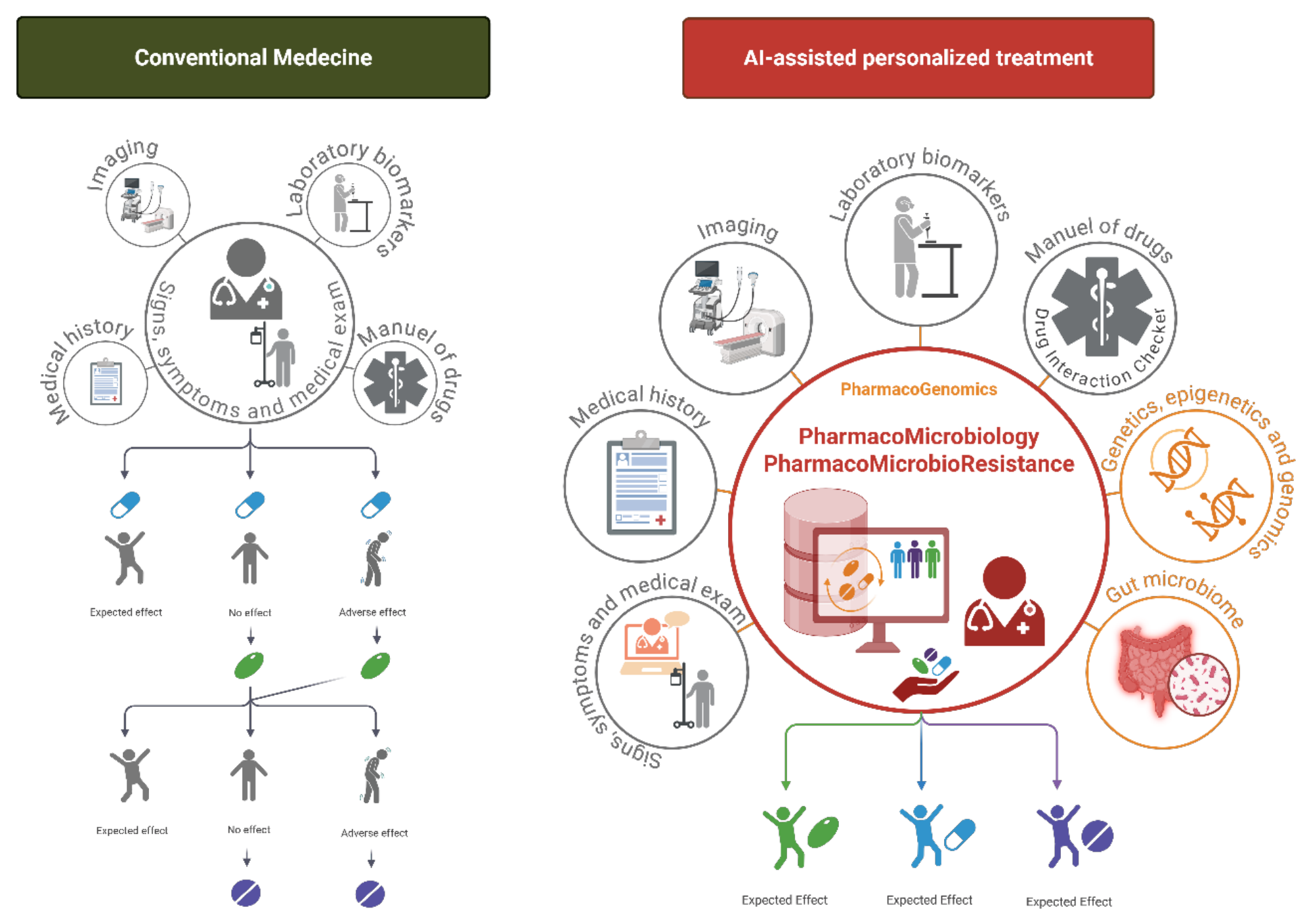
Recent advances in machine learning (ML) and artificial intelligence (AI) offer promising avenues for PM and PMR research. ML algorithms can identify novel drug-degrading enzymes, predict microbiome–drug interactions, and assess resistance potential across diverse microbial communities [65,66]. Furthermore, AI-driven models trained on large-scale metagenomic and metatranscriptomic data can also detect emerging resistance trends and infer biodegradation pathways relevant to both environmental and clinical contexts [67]. These tools can highlight resistance “hotspots” and support early-warning systems for drug resistance threats. The complexity and volume of microbiome-drug interaction data are growing exponentially; integrating AI and ML into PMR research will be essential for guiding risk assessment, drug design, and surveillance efforts within the One Health framework, complementing current AMR surveillance systems and strategies (Figure 3). Integrating PMR into One Health programs would expand resistance gene monitoring beyond antibiotics, encourage pharmaceutical developers to consider microbial biodegradability and resistance potential during drug design. It would also enhance understanding of pharmacomicrobiomics [36], and personalized medicine (Figure 4), and inform better infection control practices in healthcare settings.
6. Next Steps
The introduction of PM and PMR raises several key research and policy priorities that should guide future investigations. A priority is to determine how widespread PMR determinants are across environmental and clinical microbial communities and whether microbial transformation of non-antibiotic drugs can contribute to therapeutic failure in patients. Understanding the genetic basis of PMR will also require identifying the most common MGEs carrying both AMR and PMR determinants and assessing the extent to which gene flow occurs between environmental reservoirs and clinical settings. In parallel, ecological studies are needed to clarify how chronic exposure to sublethal concentrations of drugs in contaminated environments shapes the evolution and selection of PMR traits. Advances in computational biology may also play a critical role, as ML approaches could help predict PM/PMR metabolic pathways and identify resistance hotspots within large metagenomic datasets. From a translational perspective, it will be important to evaluate whether pharmaceutical development pipelines should incorporate PM/PMR risk assessment during early drug design and safety evaluation, and to develop biomarkers or diagnostic tools capable of detecting PMR mechanisms in clinical microbiology laboratories. In this context, integrating PM and PMR knowledge into clinical decision-making could support personalized treatment strategies by accounting for microbiome-mediated drug transformation and resistance (Figure 4). At the surveillance level, One Health frameworks may need to be adapted to systematically incorporate PMR monitoring across environmental, animal, and human sectors (Figure 3). Addressing the potential public health implications of PMR will likely require coordinated regulatory and policy adjustments at both national and global levels to limit pharmaceutical pollution, monitor emerging resistance determinants, and mitigate the spread of PMR across ecosystems.
7. Concluding Remarks
Recognizing PMR as an emerging dimension of microbial adaptation may fundamentally reshape how resistance, drug efficacy, and microbiome-host interactions are conceptualized across clinical, animal, and environmental systems. Beyond expanding current views of resistance biology, PMR provides a conceptual framework linking microbiology, pharmacology, ecology, and clinical sciences, disciplines that often remain siloed under existing approaches. As pharmaceutical exposure continues to increase worldwide, understanding PMR may become essential for preserving therapeutic efficacy and anticipating future resistance threats.
Acknowledgments
This work was supported by a grant from the French Government managed by the National Research Agency under the “Investissements d’avenir (Investments for the Future)” programme with the reference ANR-10-IAHU-03 (Méditerranée Infection), by the Contrat Plan Etat-Région and the European funding FEDER IHUPERF. During the preparation of this manuscript the authors used ChatGPT to improve the grammar of some sentences. After using this service, the authors reviewed and edited the content as needed and took full responsibility for the content of the publication.
Conflicts of Interest
No interests are declared.
Key Definitions
Pharmacosphere refers to the global reservoir of pharmaka, bioactive anthropogenic chemicals, circulating through human, animal, and environmental ecosystems. Pharmacomicrobiology is the scientific discipline that investigates the interactions between these pharmaka and microbial communities. Pharmacomicrobioresistance describes the evolutionary and ecological processes through which pharmaka select, maintain, and disseminate microbial resistance.
References
- Naghavi, M.; Vollset, S.E.; Ikuta, K.S.; et al. Global burden of bacterial antimicrobial resistance 1990–2021: a systematic analysis with forecasts to 2050. The Lancet 2024, 404, 1199–226. [Google Scholar] [CrossRef]
- Allen, H.K.; Donato, J.; Wang, H.H.; Cloud-Hansen, K.A.; Davies, J.; Handelsman, J. Call of the wild: antibiotic resistance genes in natural environments. Nat. Rev. Microbiol. 2010, 8, 251–9. [Google Scholar] [CrossRef]
- Waglechner, N.; Culp, E.J.; Wright, G.D. Ancient Antibiotics, Ancient Resistance. EcoSal Plus 2021, 9. [Google Scholar] [CrossRef]
- Baquero, F.; Cantón, R.; Herencias, C.; Gama, J.A.; Coque, T.M. Molecular war and peace: the concurrent path to antibiosis and antibiotic resistance. Front Microbiol. 2026, 17. [Google Scholar] [CrossRef]
- Pang, Z.; Chen, J.; Wang, T.; et al. Linking Plant Secondary Metabolites and Plant Microbiomes: A Review. Front Plant Sci. 2021, 12. [Google Scholar] [CrossRef]
- Perry, E.K.; Meirelles, L.A.; Newman, D.K. From the soil to the clinic: the impact of microbial secondary metabolites on antibiotic tolerance and resistance. Nat. Rev. Microbiol. 2022, 20, 129–42. [Google Scholar] [CrossRef]
- Newman, D.J.; Cragg, G.M. Natural Products as Sources of New Drugs over the Nearly Four Decades from 01/1981 to 09/2019. J. Nat. Prod. 2020, 83, 770–803. [Google Scholar] [CrossRef]
- Abdelsalam, N.A.; Ramadan, A.T.; ElRakaiby, M.T.; Aziz, R.K. Toxicomicrobiomics: The Human Microbiome vs. Pharmaceutical, Dietary, and Environmental Xenobiotics. Front Pharmacol. 2020, 11. [Google Scholar] [CrossRef]
- Giambò, F.; Costa, C.; Teodoro, M.; Fenga, C. Role-Playing Between Environmental Pollutants and Human Gut Microbiota: A Complex Bidirectional Interaction. Front Med. 2022, 9. [Google Scholar] [CrossRef]
- Kristiansen, J. E. The antimicrobial activity of non-antibiotics. Report from a congress on the antimicrobial effect of drugs other than antibiotics on bacteria, viruses, protozoa, and other organisms. APMIS Suppl. 1992, 30, 7–14. [Google Scholar]
- Davies, J.; Davies, D. Origins and Evolution of Antibiotic Resistance. Microbiol. Mol. Biol. Rev. 2010, 74, 417–33. [Google Scholar] [CrossRef]
- Wilkinson, J.L.; Boxall, A.B.A.; Kolpin, D.W.; et al. Pharmaceutical pollution of the world’s rivers. Proc. Natl. Acad. Sci. 2022, 119. [Google Scholar] [CrossRef]
- Noto Guillen, M.; Li, C.; Rosener, B.; Mitchell, A. Antibacterial activity of nonantibiotics is orthogonal to standard antibiotics. Science 1979) 2024, 384, 93–100. [Google Scholar] [CrossRef]
- Świacka, K.; Maculewicz, J.; Kowalska, D.; Grace, M.R. Do pharmaceuticals affect microbial communities in aquatic environments? A review. Front Environ. Sci. 2023, 10. [Google Scholar] [CrossRef]
- Pinto, I.; Simões, M.; Gomes, I.B. An Overview of the Impact of Pharmaceuticals on Aquatic Microbial Communities. Antibiotics 2022, 11, 1700. [Google Scholar] [CrossRef]
- Zimmermann, M.; Patil, K.R.; Typas, A.; Maier, L. Towards a mechanistic understanding of reciprocal drug–microbiome interactions. Mol. Syst. Biol. 2021, 17, MSB202010116. [Google Scholar] [CrossRef]
- Tiwana, G.; Cock, I.E.; Taylor, S.M.; Cheesman, M.J. Beyond Antibiotics: Repurposing Non-Antibiotic Drugs as Novel Antibacterial Agents to Combat Resistance. Int. J. Mol. Sci. 2025, 26, 9880. [Google Scholar] [CrossRef]
- Drew, L. Are non-antibiotic drugs contributing to antimicrobial resistance? Nature 2026, 653, S12–3. [Google Scholar] [CrossRef]
- Hughes, D.; Andersson, D.I. Evolutionary consequences of drug resistance: shared principles across diverse targets and organisms. Nat. Rev. Genet 2015, 16, 459–71. [Google Scholar] [CrossRef]
- Evans, W.E.; Johnson, J.A. Pharmacogenomics: The Inherited Basis for Interindividual Differences in Drug Response. Annu Rev. Genom. Hum. Genet 2001, 2, 9–39. [Google Scholar] [CrossRef]
- Meyer, U.A. Pharmacogenetics and adverse drug reactions. The Lancet 2000, 356, 1667–71. [Google Scholar] [CrossRef]
- Holohan, C.; Van Schaeybroeck, S.; Longley, D.B.; Johnston, P.G. Cancer drug resistance: an evolving paradigm. Nat. Rev. Cancer 2013, 13, 714–26. [Google Scholar] [CrossRef]
- Tang, F.; Hartz, A.M.S.; Bauer, B. Drug-Resistant Epilepsy: Multiple Hypotheses, Few Answers. Front Neurol. 2017, 8. [Google Scholar] [CrossRef]
- Kwan, P.; Brodie, M.J. Early Identification of Refractory Epilepsy. N. Engl. J. Med. 2000, 342, 314–9. [Google Scholar] [CrossRef]
- Darby, E.M.; Trampari, E.; Siasat, P.; et al. Molecular mechanisms of antibiotic resistance revisited. Nat. Rev. Microbiol. 2023, 21, 280–95. [Google Scholar] [CrossRef]
- Seeger, M.; Turner, R.J.; González, M. An exploration of microbial response to stressors with Prof. Claudio C. Vásquez Guzmán. Biol. Res. 2022, 55, 25. [Google Scholar] [CrossRef]
- Baquero, F.; Cantón, R.; Alves Gama, J.; Rodríguez-Beltrán, J. Antechokinetics, the kinetics of antimicrobial resistance molecules. Front Pharmacol. 2026, 17. [Google Scholar] [CrossRef]
- Baquero, F.; Cantón, R.; Pérez-Cobas, A.E.; Coque, T.M.; Levin, B.; Rodríguez-Beltrán, J. Antechodynamics and Antechokinetics: Dynamics and Kinetics of Antibiotic Resistance Biomolecules. Biomolecules 2025, 15, 823. [Google Scholar] [CrossRef]
- Gronich, N.; Geva-Zatorsky, N.; Herren, R.; et al. Pharmacomicrobiomics. Clin. Pharmacol. Ther. 2025, 118, 1366–77. [Google Scholar] [CrossRef]
- Nagao, I.; Kim, H.J. Engineering human Gut-on-a-Chip culturomics for predictive pharmacomicrobiomics of first-pass metabolism. npj Biomed. Innov. 2026, 3, 41. [Google Scholar] [CrossRef]
- Wang, Y.; Yang, J.; Zhao, R.; Zhang, S.; Guo, J.; Wang, J. Nonantibiotic Pharmaceuticals Exhibit Antibacterial Activity and Enhance Bacterial Evolution toward Antibiotic Resistance. ACS ES&T Water 2024, 4, 1701–10. [Google Scholar] [CrossRef]
- Barabote, R.D.; Thekkiniath, J.; Strauss, R.E.; Vediyappan, G.; Fralick, J.A.; Francisco, M.J.S. Xenobiotic Efflux Bact. Fungi A Genom. Update 2011, 237–306.
- Maier, L.; Pruteanu, M.; Kuhn, M.; et al. Extensive impact of non-antibiotic drugs on human gut bacteria. Nature 2018, 555, 623–8. [Google Scholar] [CrossRef]
- Martinelli, F.; Thiele, I. Microbial metabolism marvels: a comprehensive review of microbial drug transformation capabilities. Gut Microbes 2024, 16. [Google Scholar] [CrossRef]
- Shah, B.A.; Malhotra, H.; Papade, S.E.; et al. Microbial degradation of contaminants of emerging concern: metabolic, genetic and omics insights for enhanced bioremediation. Front Bioeng. Biotechnol. 2024, 12. [Google Scholar] [CrossRef]
- Zhao, Q.; Chen, Y.; Huang, W.; Zhou, H.; Zhang, W. Drug-microbiota interactions: an emerging priority for precision medicine. Signal Transduct. Target Ther. 2023, 8, 386. [Google Scholar] [CrossRef]
- Timmis, K.; Baquero, F.; Timmis, J.K.; Douglas, M. Microbes are life, the biological core of One Health and Health in All Policies. microLife 2025, 6. [Google Scholar] [CrossRef]
- Li, T.; Xu, Z.-J.; Zhou, N.-Y. Aerobic Degradation of the Antidiabetic Drug Metformin by Aminobacter sp. Strain NyZ550. Environ. Sci. Technol. 2023, 57, 1510–9. [Google Scholar] [CrossRef]
- Chaignaud, P.; Gruffaz, C.; Borreca, A.; et al. A Methylotrophic Bacterium Growing with the Antidiabetic Drug Metformin as Its Sole Carbon, Nitrogen and Energy Source. Microorganisms 2022, 10, 2302. [Google Scholar] [CrossRef]
- Martinez-Vaz, B.M.; Dodge, A.G.; Lucero, R.M.; et al. Wastewater bacteria remediating the pharmaceutical metformin: Genomes, plasmids and products. Front Bioeng. Biotechnol. 2022, 10. [Google Scholar] [CrossRef]
- Hillmann, K.B.; Niehaus, T.D. Genome Sequences of Two Pseudomonas Isolates That Can Use Metformin as the Sole Nitrogen Source. Microbiol. Resour. 2022, 11. [Google Scholar] [CrossRef]
- Lara-Moreno, A.; Costa, M.C.; Vargas-Villagomez, A.; Carlier, J.D. New bacterial strains for ibuprofen biodegradation: Drug removal, transformation, and potential catabolic genes. Environ. Microbiol. Rep. 2024, 16. [Google Scholar] [CrossRef]
- Zhang, L.; Hu, J.; Zhu, R.; Zhou, Q.; Chen, J. Degradation of paracetamol by pure bacterial cultures and their microbial consortium. Appl. Microbiol. Biotechnol. 2013, 97, 3687–98. [Google Scholar] [CrossRef]
- GEORGE HAIKAL, N.K.K.; RAZALI, I.A.; WAN HANAFI, W.N.; et al. Sustainable bioremediation of acetaminophen using bacteria: a critical review. J. Sustain Sci. Manag 2023, 18, 149–60. [Google Scholar] [CrossRef]
- Wang, Y.; Gao, J.; Zhou, S.; Lian, M. Microbial degradation of carbamazepine by a newly isolated of Gordonia polyophrenivorans. Environ. Technol. Innov. 2023, 32, 103322. [Google Scholar] [CrossRef]
- Bessa, V.S.; Moreira, I.S.; Murgolo, S.; Mascolo, G.; Castro, P.M.L. Carbamazepine is degraded by the bacterial strain Labrys portucalensis F11. Sci. Total Environ. 2019, 690, 739–47. [Google Scholar] [CrossRef]
- Parales, R.E.; Navara, R.; Gettys, R.; Huang, J.J. Genome Sequence of Pseudomonas putida Strain ASAD, an Acetylsalicylic Acid-Degrading Bacterium. Genome Announc 2017, 5. [Google Scholar] [CrossRef]
- Mohamed, M.S.M.; Asair, A.A.; Fetyan, N.A.H.; Elnagdy, S.M. Complete Biodegradation of Diclofenac by New Bacterial Strains: Postulated Pathways and Degrading Enzymes. Microorganisms 2023, 11, 1445. [Google Scholar] [CrossRef]
- Domaradzka, D.; Guzik, U.; Hupert-Kocurek, K.; Wojcieszyńska, D. Cometabolic Degradation of Naproxen by Planococcus sp. Strain S5. Water Air Soil Pollut. 2015, 226, 297. [Google Scholar] [CrossRef]
- Kjeldal, H.; Zhou, N.A.; Wissenbach, D.K.; von Bergen, M.; Gough, H.L.; Nielsen, J.L. Genomic, Proteomic, and Metabolite Characterization of Gemfibrozil-Degrading Organism Bacillus sp. GeD10. Environ. Sci. Technol. 2016, 50, 744–55. [Google Scholar] [CrossRef]
- Larsson, D.G.J.; Flach, C.-F. Antibiotic resistance in the environment. Nat. Rev. Microbiol. 2022, 20, 257–69. [Google Scholar] [CrossRef]
- Botelho, J.; Schulenburg, H. The Role of Integrative and Conjugative Elements in Antibiotic Resistance Evolution. Trends Microbiol. 2021, 29, 8–18. [Google Scholar] [CrossRef]
- Vo, T.; Merhej, V.; Isber, C.; Pontarotti, P.; Bittar, F.; Rolain, J.-M. Global lessons from antibiotic resistance: metformin-hydrolyzing genes in transposable elements, a new threat for type II diabetic patients? J. Glob. Antimicrob. Resist published online. 2026. [Google Scholar] [CrossRef]
- Vo, T.; Merhej, V.; Isber, C.; Pontarotti, P.; Bittar, F.; Rolain, J.-M. Global lessons from antibiotic resistance: metformin-hydrolyzing genes in transposable elements, a new threat for type II diabetic patients? published online. 2025. [Google Scholar] [CrossRef]
- Li, L.-G.; Xia, Y.; Zhang, T. Co-occurrence of antibiotic and metal resistance genes revealed in complete genome collection. ISME J. 2017, 11, 651–62. [Google Scholar] [CrossRef]
- Li, X.; Rensing, C.; Vestergaard, G.; et al. Metagenomic evidence for co-occurrence of antibiotic, biocide and metal resistance genes in pigs. Environ. Int. 2022, 158, 106899. [Google Scholar] [CrossRef]
- Zhu, S.; Yang, B.; Wang, Z.; Liu, Y. Augmented dissemination of antibiotic resistance elicited by non-antibiotic factors. Ecotoxicol. Environ. Saf. 2023, 262, 115124. [Google Scholar] [CrossRef]
- Wang, Y.; Yu, Z.; Ding, P.; et al. Non-antibiotic pharmaceuticals promote conjugative plasmid transfer at a community-wide level. Microbiome 2022, 10, 124. [Google Scholar] [CrossRef]
- Wang, Y.; Lu, J.; Mao, L.; et al. Antiepileptic drug carbamazepine promotes horizontal transfer of plasmid-borne multi-antibiotic resistance genes within and across bacterial genera. ISME J. 2019, 13, 509–22. [Google Scholar] [CrossRef]
- Wang, Y.; Lu, J.; Zhang, S.; et al. Non-antibiotic pharmaceuticals promote the transmission of multidrug resistance plasmids through intra- and intergenera conjugation. ISME J. 2021, 15, 2493–508. [Google Scholar] [CrossRef]
- Jiang, Q.; Feng, M.; Ye, C.; Yu, X. Effects and relevant mechanisms of non-antibiotic factors on the horizontal transfer of antibiotic resistance genes in water environments: A review. Sci. Total Environ. 2022, 806, 150568. [Google Scholar] [CrossRef]
- Wang, Y.; Lu, J.; Engelstädter, J.; et al. Non-antibiotic pharmaceuticals enhance the transmission of exogenous antibiotic resistance genes through bacterial transformation. ISME J. 2020, 14, 2179–96. [Google Scholar] [CrossRef]
- Chen, H.; Sapula, S.A.; Turnidge, J.; Venter, H. The effect of commonly used non-antibiotic medications on antimicrobial resistance development in Escherichia coli. npj Antimicrob. Resist. 2025, 3, 73. [Google Scholar] [CrossRef]
- Nagata, N.; Nishijima, S.; Miyoshi-Akiyama, T.; et al. Population-level Metagenomics Uncovers Distinct Effects of Multiple Medications on the Human Gut Microbiome. Gastroenterology 2022, 163, 1038–52. [Google Scholar] [CrossRef]
- McCoubrey, L.E.; Thomaidou, S.; Elbadawi, M.; Gaisford, S.; Orlu, M.; Basit, A.W. Machine Learning Predicts Drug Metabolism and Bioaccumulation by Intestinal Microbiota. Pharmaceutics 2021, 13, 2001. [Google Scholar] [CrossRef]
- Algavi, Y.M.; Borenstein, E. A data-driven approach for predicting the impact of drugs on the human microbiome. Nat. Commun. 2023, 14, 3614. [Google Scholar] [CrossRef]
- Malwe, A.S.; Sharma, V.K. Application of artificial intelligence approaches to predict the metabolism of xenobiotic molecules by human gut microbiome. Front Microbiol. 2023, 14. [Google Scholar] [CrossRef]
Figure 1.
Conceptual framework linking pharmacology, microbiology, and drug resistance. Drugs and chemicals can be broadly divided into antimicrobials, which are designed to target microorganisms, and non-antimicrobial drugs, which are primarily developed to act on human molecular targets. In classical pharmacology, the interaction between non-antimicrobial drugs and the human host underlies therapeutic efficacy and toxicity. Adaptive changes in the human organism that reduce or abolish drug efficacy give rise to pharmacoresistance, a well-established concept describing diminished responsiveness to therapeutic agents through mechanisms such as target alterations, enhanced drug metabolism, or compensatory biological pathways. Conversely, the interaction between antimicrobials and microorganisms constitutes the foundation of antimicrobial therapy, with antimicrobial resistance (AMR) resulting from microbial genetic and physiological adaptations that reduce susceptibility to antimicrobial agents. In contrast, the interaction between non-antimicrobial drugs and microorganisms has not previously been unified within a conceptual framework. We propose the term PharmacoMicrobiology (PM) to describe the bidirectional interactions between microorganisms and all drugs. Within this framework, PharmacoMicrobioResistance (PMR) is introduced as the ability of microorganisms to adapt to non-antimicrobial drugs through different mechanisms that reduce, neutralize, evade, or metabolize these compounds, potentially affecting their bioavailability, therapeutic efficacy, and environmental persistence. PMR thus complements the established concepts of pharmacoresistance and antimicrobial resistance by extending resistance biology to all drugs. This figure was created in BioRender: Bittar, F. (2026): https://BioRender.com/ndxy1ry.
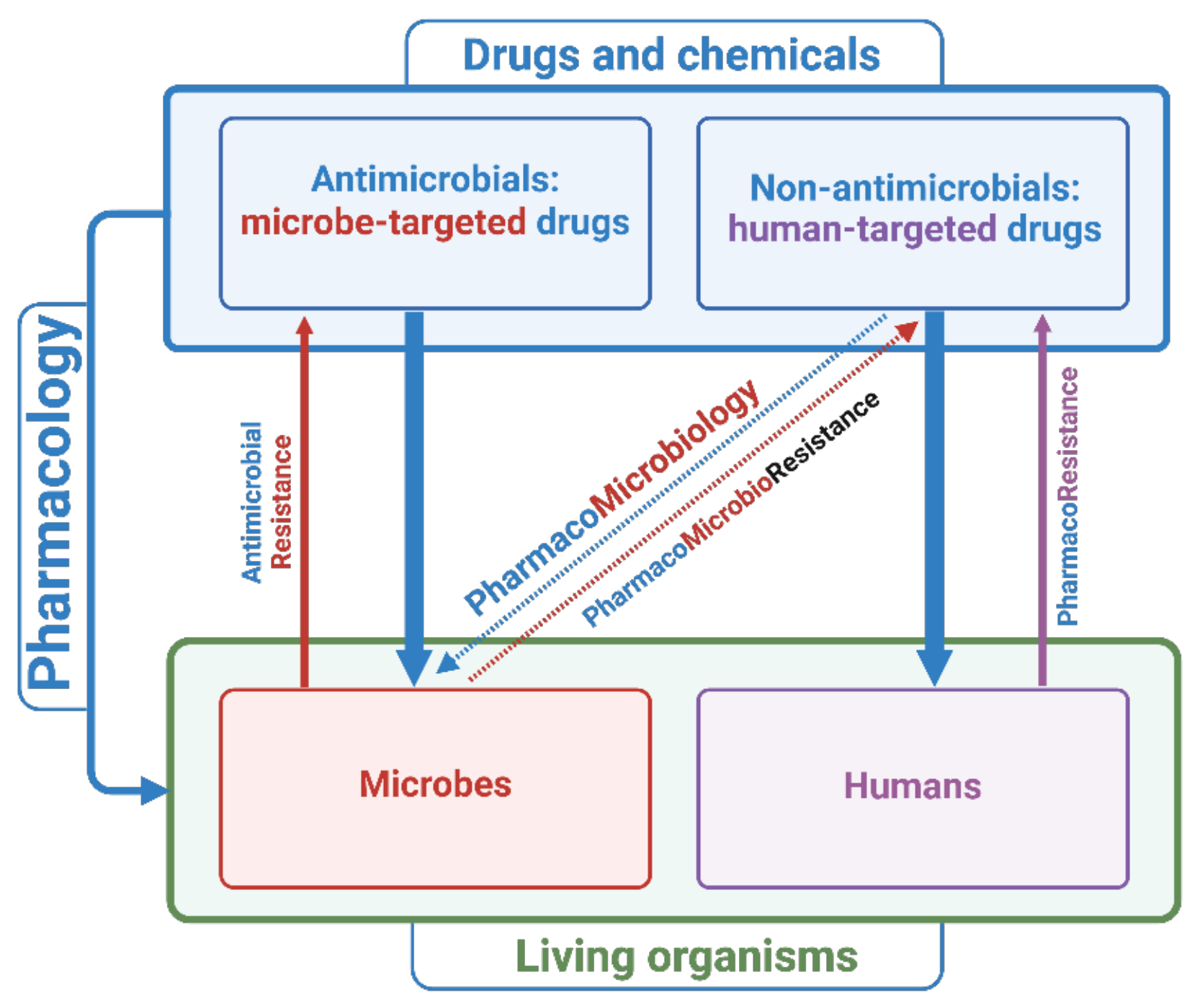
Figure 2.
Conceptual framework of PharmacoMicrobiology (PM). PharmacoMicrobiology (PM) is proposed as an interdisciplinary subfield encompassing the diverse interactions between microorganisms and drugs across clinical and environmental contexts. Unlike the traditional antimicrobial resistance (AMR) paradigm, which focuses primarily on antibiotics, PM integrates the effects of a broad spectrum of drugs, including non-antimicrobial drugs on microbial systems. These compounds enter microbial ecosystems through human and veterinary use and subsequent environmental dissemination. Microorganisms respond to these xenobiotics through conserved mechanisms, including efflux pumps, enzymatic degradation, and genetic adaptation, which may contribute to resistance development. PM also encompasses microbial-mediated biotransformation and biodegradation of drugs, as well as drug–microbiome interactions that influence pharmacokinetics, efficacy, and host health. At the ecosystem level, pharmaceutical pollutants shape microbial diversity, community structure, and functional potential. Altogether, PM provides a unified framework linking microbial responses in the human microbiome and the environment, highlighting the need to expand the concept of resistance beyond antimicrobials to all drug exposures. This figure was created in BioRender: Bittar, F. (2026) https://BioRender.com/lle871p.
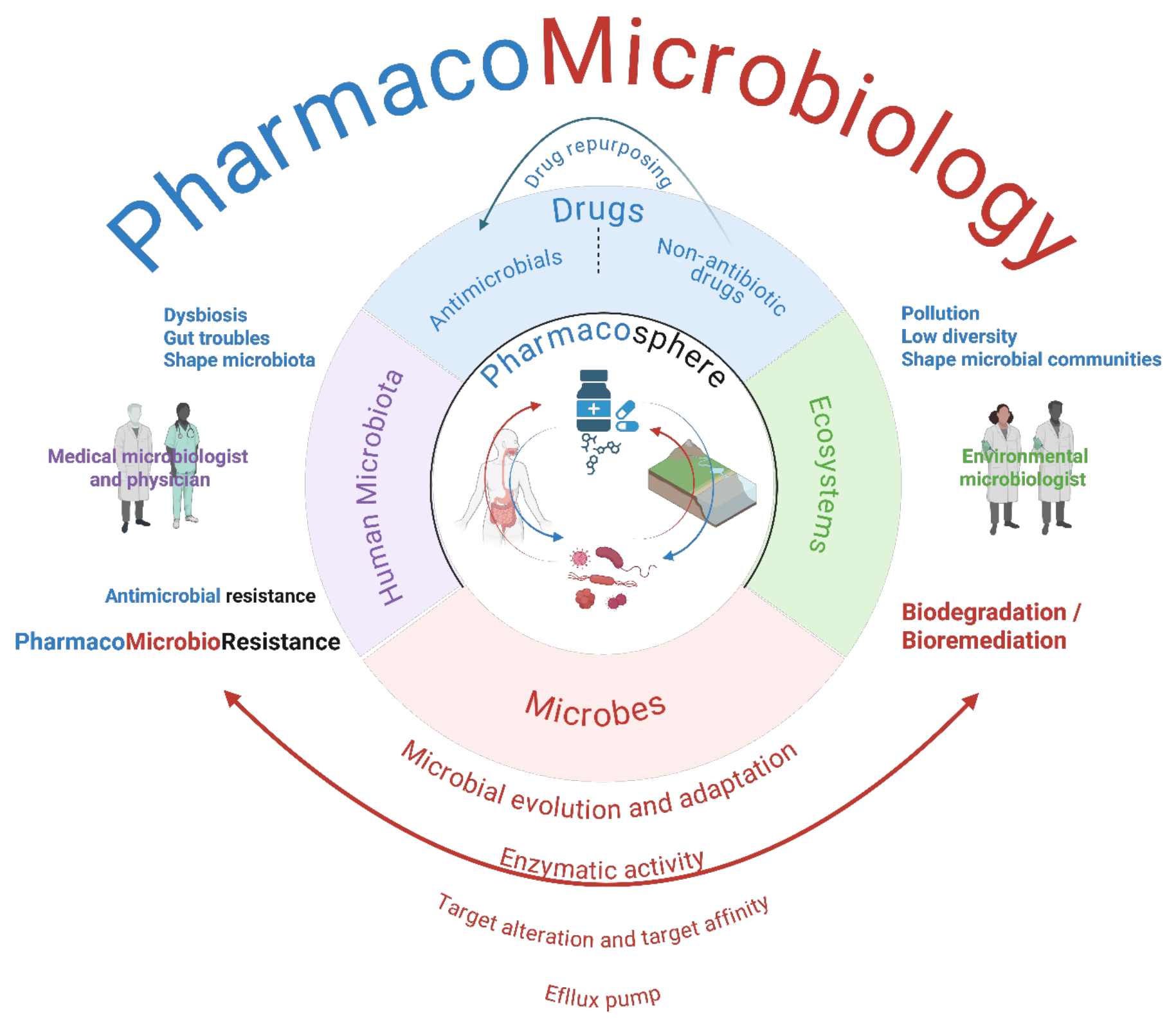
Figure 3.
The PharmacoMicrobioResistance (PMR) Concept: expanding the horizon of microbial resistance beyond antimicrobials in the One Health and pharmaceutical pollution eras. Microbes in the environment and in the human or animal gut are continuously exposed to a wide range of anthropogenic pollutants, including antibiotics, non-antibiotic drugs, biocides, heavy metals, plastics, and other chemical wastes. While the One Health approach acknowledges the interconnectedness of human, animal, and environmental health, its focus primarily remained on antimicrobials and antimicrobial-resistant microbes. The proposed PharmacoMicrobioResistance (PMR) concept expands this perspective by recognizing that microbes can also adapt to, resist, and even metabolize non-antibiotic drugs through mechanisms like those used against antibiotics. Importantly, these resistance traits can be horizontally transferred via mobile genetic elements, posing a potential risk for the emergence of multidrug-resistant pathogens in clinical settings. This figure was created in BioRender: Bittar, F. (2025) https://BioRender.com/ihvmjan.
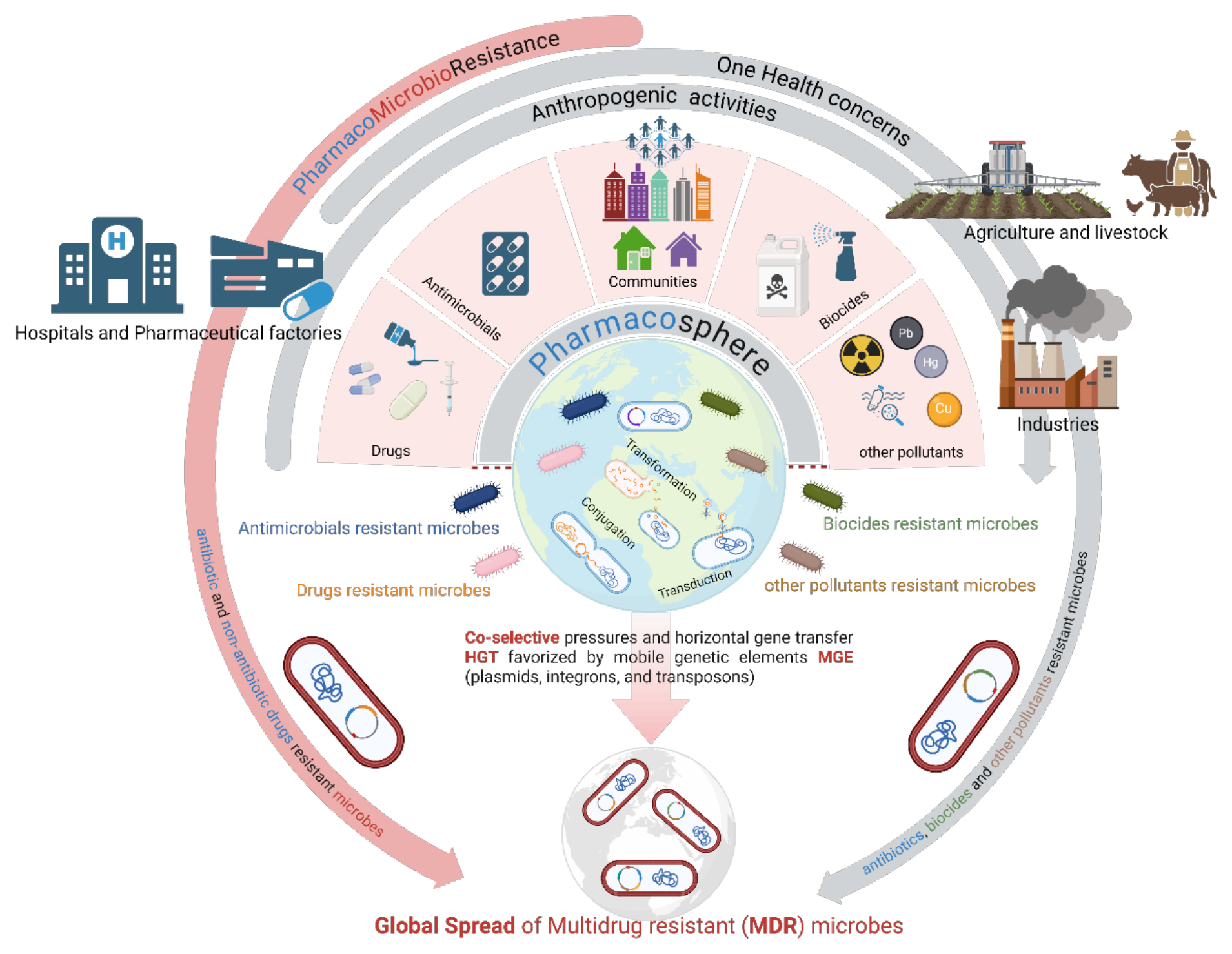
Figure 4.
From conventional medicine to AI-assisted personalized treatment: the role of PharmacoMicrobiology (PM) and PharmacoMicrobioResistance (PMR). This figure illustrates the transition from traditional “one-size-fits-all” medical approaches to AI-assisted personalized treatment strategies. In conventional medicine, clinical decision-making is primarily based on patient signs and symptoms, physical examination, medical history, imaging data, laboratory biomarkers, and standardized drug guidelines, often resulting in variable outcomes across patients, including therapeutic success, lack of efficacy, or adverse effects. In contrast, AI-assisted personalized medicine integrates these conventional clinical parameters with high-dimensional patient-specific data, including gut microbiome composition and host molecular profiles (genetics, epigenetics, and genomics). Within this framework, PharmacoMicrobiology (PM) and Pharmacomicrobioresistance (PMR), together with PharmacoGenomics, are analyzed using advanced computational approaches to capture drug–microbiome–host interactions and microbial drug transformation or resistance mechanisms. This integrative approach enables clinicians to better predict drug response, optimize therapeutic selection, and tailor treatments to individual patients, thereby increasing the likelihood of efficacy while minimizing adverse effects. This figure was created in BioRender: Bittar, F. (2026) https://BioRender.com/xrq7wn9.
Disclaimer/Publisher’s Note: The statements, opinions and data contained in all publications are solely those of the individual author(s) and contributor(s) and not of MDPI and/or the editor(s). MDPI and/or the editor(s) disclaim responsibility for any injury to people or property resulting from any ideas, methods, instructions or products referred to in the content. |
© 2026 by the authors. Licensee MDPI, Basel, Switzerland. This article is an open access article distributed under the terms and conditions of the Creative Commons Attribution (CC BY) license (http://creativecommons.org/licenses/by/4.0/).
Copyright: This open access article is published under a Creative Commons CC BY 4.0 license, which permit the free download, distribution, and reuse, provided that the author and preprint are cited in any reuse.