
Submitted:
11 November 2026
Posted:
13 November 2026
You are already at the latest version
Abstract
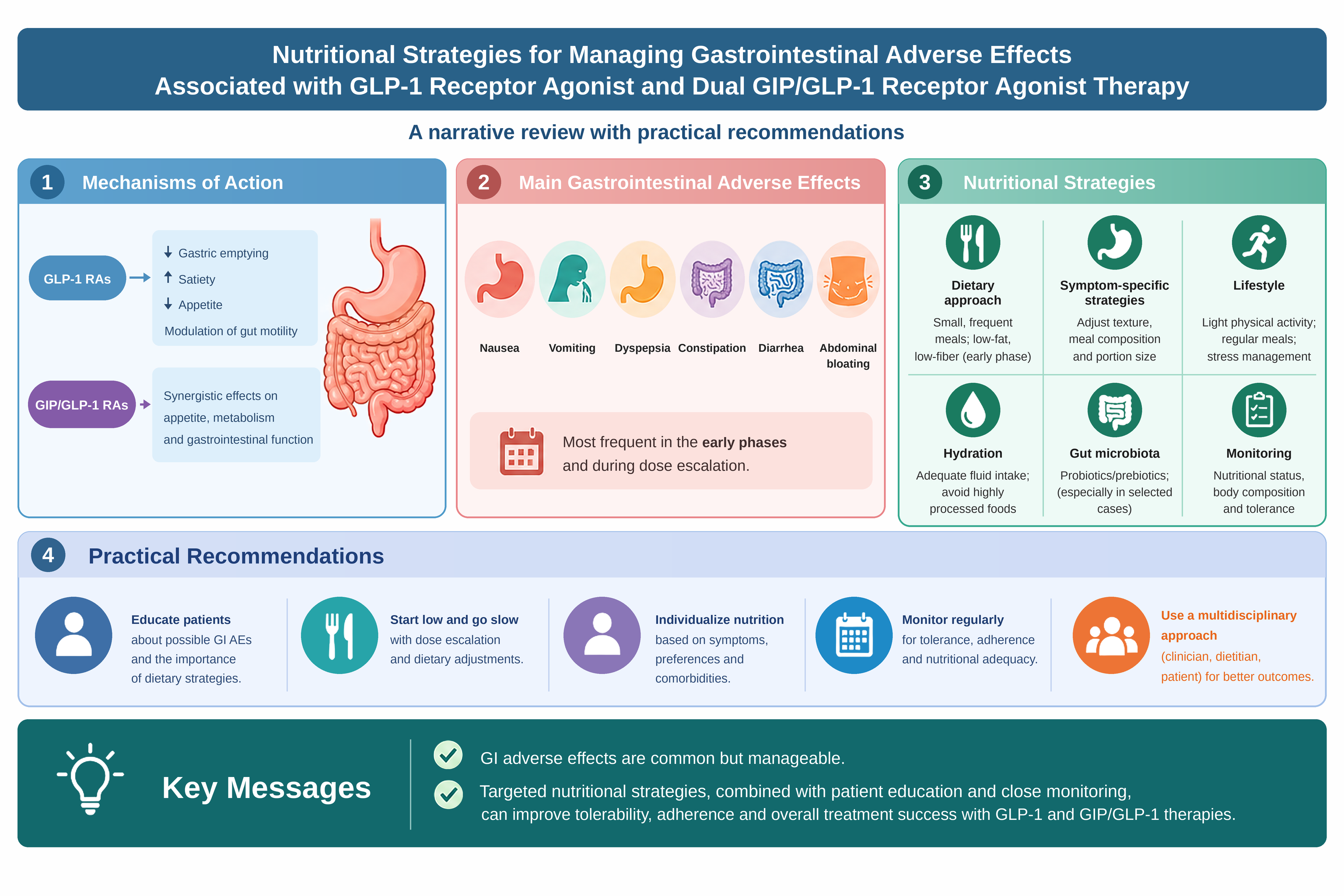
Incretin-based therapies have marked a turning point in the treatment of obesity, because of their demonstrated effects on body weight and beyond, including numerous cardi-ometabolic outcomes. Within obesity management, glucagon-like peptide-1 receptor agonists (GLP-1 RAs) and dual glucose-dependent insulinotropic polypeptide (GIP)/GLP-1 receptor agonists (GIP/GLP-1 RAs) are, to date, the most effective pharma-cological strategies. A growing body of evidence, however, points to limited tolerability caused by gastrointestinal adverse effects, which may impair treatment adherence and reduce both quality of life and the nutritional adequacy of patients’ diets. These effects, which include nausea, vomiting, dyspepsia, constipation, diarrhea, and abdominal bloating, are often observed in the early phases of treatment and during dose escalation. Yet the dietary recommendations available for their management remain fragmentary and inaccurate. This narrative review sets out to analyze the main pathophysiological mechanisms un-derlying the gastrointestinal manifestations of incretin-based therapies and to gather the available evidence on nutritional strategies for their prevention and management. We address the contribution of the GLP-1 and GIP systems to the modulation of gastroin-testinal motility, appetite, and clinical tolerability, with attention to the differences cur-rently recognized between selective GLP-1 RAs and dual GIP/GLP-1 RAs. We then present practical, symptom-specific recommendations covering meal distribution, mod-ulation of fat and fiber intake, hydration, food choices, and the overall quality of diet and lifestyle. Finally, we discuss the key role of nutrition in preservation adequate energy and protein intake, preventing micronutrient deficiencies, and conserving muscle mass throughout treatment with incretin-based therapies. A structured, personalized, symptom-oriented nutritional approach could improve the tolerability of these therapies, optimize clinical outcomes, and support their efficacy over the long term.
Keywords:
GLP‐1 receptor agonists
; GIP/GLP‐1 dual agonists
; gastrointestinal adverse events
; nutritional management
1. Introduction
The advent of incretin-based pharmacotherapies has profoundly transformed the treatment of obesity, enabling degrees of weight loss that were previously difficult to achieve with medical therapy alone [1,2,3,4], while simultaneously providing substantial benefits in glycemic control and cardiometabolic risk [5,6,7]. Glucagon-like peptide-1 receptor agonists (GLP-1 RAs) and, more recently, dual glucose-dependent insulinotropic polypeptide/glucagon-like peptide-1 receptor agonists (GIP/GLP-1 RAs) have therefore become central components of the pharmacological management of obesity and its associated complications [1,8,9,10].
The increasing efficacy of these therapies has, however, brought treatment tolerability into more perceptive clinical focus. Nausea, vomiting, dyspepsia, gastro-esophageal reflux, constipation, diarrhea, and abdominal bloating and distension are common, particularly during treatment initiation and dose escalation, and may adversely affect treatment adherence and quality of life [11,12,13,14]. Importantly, these adverse effects are not merely incidental consequences of therapy but reflect, at least in part, the same gastrointestinal and neuroendocrine mechanisms through which incretin receptor activation modulates gastrointestinal motility, satiety, and food intake [15,16,17,18]. However, nausea and vomiting are not necessary for therapeutic weight loss: analyses of semaglutide and tirzepatide trials indicate that gastrointestinal adverse events explain only a small component of the weight response [11,19].
Within this context, nutrition assumes a role that extends beyond its traditional contribution to weight management. Reduced appetite may help patients achieve an energy deficit, but persistent gastrointestinal symptoms can also impair hydration and dietary adequacy. The substantial spontaneous reduction in energy intake [20,21], particularly when compounded by gastrointestinal symptoms, may further restrict protein and micronutrient intake and contribute to loss of lean mass [22,23,24,25], creating a need to reconcile gastrointestinal tolerability with nutritional adequacy [26,27,28]. The clinical task is to preserve sufficient fluid, protein, and micronutrient intake while adapting food volume and composition to tolerability. Despite this clinical relevance, currently available dietary recommendations remain heterogeneous and are rarely structured according to individual gastrointestinal symptoms [29,30].
Accordingly, this narrative review aims to critically appraise the available evidence on nutritional strategies for the prevention and management of gastrointestinal adverse effects associated with GLP-1 and dual GIP/GLP-1 receptor agonism. Specifically, it seeks to (i) summarize the mechanisms underlying upper and lower gastrointestinal symptoms, (ii) translate these insights into symptom-specific dietary recommendations, (iii) discuss the consequences of reduced food intake for energy and protein adequacy, micronutrient status, lean mass preservation, and overall diet quality, including the role of the Mediterranean dietary pattern, and (iv) propose a practical approach for nutrition and healthcare professionals across the initiation, titration, and maintenance phases of treatment. The overarching aim is to provide a pragmatic and clinically applicable nutritional framework that integrates symptom control with preservation of diet quality and nutritional status, thereby supporting treatment tolerability, adherence, and the long-term sustainability of incretin-based therapy.
To this end, a literature search was conducted in PubMed/MEDLINE, Scopus, Web of Science, Google Scholar, and the Cochrane Library for publications available up to August 2026. Search terms combined keywords related to incretin-based therapies (e.g., “GLP-1 receptor agonist”, “semaglutide”, “liraglutide”, “tirzepatide”, “GIP/GLP-1 dual agonist”), gastrointestinal adverse events (e.g., “nausea”, “vomiting”, “dyspepsia”, “gastroesophageal reflux”, “constipation”, “diarrhea”, “bloating”), and nutritional aspects (e.g., “dietary intervention”, “nutritional management”, “medical nutrition therapy”, “protein intake”, “lean mass”, “micronutrient deficiencies”, “Mediterranean diet”, “dietary fiber”, “ginger”). The reference lists of relevant articles were also screened manually to identify additional sources. The sources considered included randomized and non-randomized clinical trials, systematic reviews and meta-analyses, observational and real-world studies, narrative reviews, expert consensus statements, clinical practice guidelines, and mechanistic and preclinical studies. Publications were selected based on their relevance to the aims of the review, giving priority to the most recent and highest-level evidence. Given the narrative nature of this review, a formal PRISMA-based selection process and a formal risk-of-bias assessment were not performed. The evidence was synthesized qualitatively and organized by symptom and treatment phase, in order to provide practical, individualized, symptom-specific nutritional recommendations.
2. Pathophysiological Mechanisms of Gastrointestinal Effects Associated with GLP-1 RAs and GIP/GLP-1 RAs
2.1. The Role of the GLP-1 System in Novel Incretin-Based Therapies
Great therapeutic effects on body weight management and obesity-related outcomes have been shown with the use of incretin hormones and their derivatives, while also significantly improving glycemic and cardiorenal profiles. These therapies utilize glucose-dependent insulinotropic polypeptide (GIP), glucagon-like peptide-1 (GLP-1), and glucagon. Beyond their metabolic impact, they trigger a greater insulin secretory response after oral glucose administration than with an isoglycemic intravenous glucose infusion, with an identical glycemic stimulus [8]. These hormones are produced by intestinal cells during meals, upon the arrival of food; however, they can also be synthesized in other regions of the body, particularly within the brain stem, while stimulating insulin release from pancreatic -cells. Increased gastrointestinal glucose levels lead to the synthesis of these hormones, which are produced in the distal small intestine in the case of GLP-1, and in the proximal small intestine regarding GIP [1].
GLP-1 is a 30-amino-acid peptide derived from the cleavage of proglucagon. This peptide exhibits a remarkably short half-life of just 2 to 3 minutes and it is synthesized within three main anatomical sites: enteroendocrine L cells located in the distal ileum and colon, the pancreatic -cells, and the central nervous system (CNS). Its rapid clearance is driven by renal excretion and enzymatic degradation by dipeptidyl peptidase-4 (DPP-4). DPP-4 cleaves the active peptide into a metabolite that is inactive and no longer capable of binding to or activating the GLP-1 receptor (GLP-1R) [2].
GLP-1R is a G protein-coupled receptor, part of the glucagon receptor family. When activated, its Gαs subunit triggers adenylate cyclase, raising cyclic AMP levels, mobilizing intracellular calcium, and ultimately driving glucose-dependent insulin secretion from pancreatic β-cells [31]. GLP-1Rs are expressed in specific cell populations, including pancreatic β-cells and selected neurons in the central and enteric nervous systems. Additional sites of expression include duodenal Brunner’s glands, sinoatrial node myocytes, and vascular smooth muscle cells in selected vascular beds. Receptor distribution varies across species and anatomical sites [32].
The release of GLP-1 from intestinal L cells, triggered by the arrival of chyme in the intestine, generates an inhibitory hormonal feedback signal that physiologically slows gastric motility. Food remains in the stomach for varying lengths of time depending on the meal's composition and macronutrient makeup. Gastric emptying results from a complex interaction between gastric pacemaker cells, coordinated contraction and relaxation of GI smooth muscle, and neurohormonal regulation, including the inhibitory hormonal feedback of GLP-1. Following mechanical breakdown of solids into small particles of 1–2 mm, the resulting distension of the antrum and proximal stomach signals fullness to the brain and helps suppress further food intake [15].
In GLP-1 RA-treated patients, activation of GLP-1R also affects neuroenteric circuits and vagal pathways, contributing to nausea, vomiting, early satiety, and, in some cases, constipation or diarrhea [16]. Several mechanisms account for this: delayed gastric emptying, which prolongs gastric retention and promotes distension, nausea, and early satiety; reduced intestinal motility, which slows peristalsis and increases the risk of constipation and bloating; activation of central satiety circuits in the CNS, responsible for the anorexigenic effect and often accompanied by GI discomfort, particularly during treatment initiation or dose escalation; and modulation of the enteric and vagal nervous systems, which alters visceral perception and facilitates nausea and abdominal discomfort. Overall, these mechanisms show how the same pathways driving the therapeutic effects of GLP-1 RAs also underlie their typical gastrointestinal side effects [33]. Notably, gastric emptying, postprandial fullness, nausea, and weight loss are related but distinct outcomes. In a randomized trial in adults with obesity, semaglutide 2.4 mg reduced appetite, energy intake, and body weight without evidence of delayed gastric emptying at week 20, as assessed indirectly by paracetamol absorption [34]. By contrast, a small placebo-controlled trial in 20 women with obesity and polycystic ovary syndrome demonstrated delayed solid-meal emptying using scintigraphy after 12 weeks of semaglutide 1.0 mg treatment [35]. Differences in study populations, doses, treatment duration, and assessment methods limit direct comparison.
GLP-1 RA-related gastrointestinal side effects tend to follow a clear dose-response pattern, with symptoms occurring commonly at the start of treatment or when the dose is being increased. This is because higher drug exposure amplifies the drug's pharmacological action on gastric emptying and intestinal motility. Consequently, escalating the dose too quickly raises the risk of nausea, vomiting, early satiety, diarrhoea, and constipation. For this reason, a slow, stepwise titration schedule is preferred to give the body time to physiologically adjust to the medication, thereby improving overall tolerability [33,36].
2.2. The Role of the GIP System in Novel Incretin-Based Therapies
2.2.1. Physiology of GIP
Glucose-dependent insulinotropic polypeptide (GIP), originally referred to as gastric inhibitory polypeptide, is a 42-amino acid incretin hormone secreted predominantly by enteroendocrine K cells located in the duodenum and proximal jejunum in response to nutrient ingestion, particularly dietary fat and carbohydrates, with a smaller contribution from protein intake [37]. Together with glucagon-like peptide-1 (GLP-1), GIP accounts for the incretin effect, namely the amplification of glucose-stimulated insulin secretion observed after oral compared with intravenous glucose administration. In healthy individuals, approximately 50–70% of postprandial insulin secretion is attributable to the coordinated action of these two incretin hormones [37,38].
GIP exerts its biological actions through the GIP receptor (GIPR), a class B G protein-coupled receptor widely expressed not only on pancreatic β-cells but also in adipose tissue, the central nervous system, bone, the gastrointestinal tract, and several cardiovascular tissues [39]. Activation of GIPR stimulates cyclic AMP production, enhances glucose-dependent insulin secretion, promotes β-cell survival, and supports β-cell proliferation under experimental conditions. Unlike GLP-1, native GIP has not consistently been shown to delay gastric emptying or suppress appetite in human infusion studies. However, these findings should be distinguished from the effects of sustained pharmacological GIP receptor activation during treatment with a dual agonist. In a mechanistic study combining animal experiments and a short clinical trial, a long-acting GIP analogue neither delayed gastric emptying nor enhanced semaglutide-induced gastric slowing in mice. In healthy participants, tirzepatide delayed gastric emptying, assessed indirectly through paracetamol absorption, to a similar extent as dulaglutide, with attenuation after repeated dosing [40].
GIP also contributes to the regulation of nutrient handling in adipose tissue. In small studies in lean humans, GIP infusion in the presence of elevated insulin increased subcutaneous adipose tissue blood flow, lipid uptake, and fatty acid re-esterification, thereby facilitating triglyceride storage [41]. These observations initially led to the hypothesis that GIP might promote adiposity. However, enhanced postprandial lipid storage in adipose tissue does not, by itself, establish a chronic obesity-promoting effect. Rather, GIP’s metabolic actions depend on nutritional state, insulin availability, insulin sensitivity, the tissues engaged, and the duration of receptor activation [42,43,44].
In individuals with obesity and type 2 diabetes, the insulinotropic response to endogenous GIP is markedly attenuated, whereas responsiveness to GLP-1 is largely preserved. This phenomenon contributed for many years to the perception that GIP was a less attractive therapeutic target than GLP-1. However, subsequent studies demonstrated that sustained pharmacological stimulation of GIPR can restore, at least partially, GIP responsiveness and exert beneficial metabolic effects, particularly when combined with GLP-1 receptor activation. Experimental evidence further suggests that GIP may enhance insulin sensitivity, improve adipose tissue function, reduce systemic inflammation, and modulate central pathways involved in appetite regulation, thereby contributing to the remarkable efficacy observed with dual GIP/GLP-1 receptor agonists [45,46,47].
Beyond glucose homeostasis, increasing evidence suggests that GIP may exert pleiotropic effects on multiple organ systems. GIP receptors have been identified in bone, where receptor activation appears to reduce bone resorption and promote bone formation, and in the central nervous system, where GIP signaling may contribute to neuroprotection and cognitive function. Although many of these findings derive from preclinical studies, they support the concept that GIP is a multifunctional metabolic hormone whose physiological role extends well beyond its classical incretin activity [9,48].
2.2.2. Differences Between GLP-1 and GIP and Rationale for Dual GIP/GLP-1 Receptor Agonism
Although glucagon-like peptide-1 (GLP-1) and glucose-dependent insulinotropic polypeptide (GIP) are both incretin hormones that potentiate glucose-dependent insulin secretion after meal ingestion, they differ substantially in their sites of secretion, receptor distribution, physiological actions, and therapeutic potential [17,37,39].
GLP-1 exerts additional effects that include suppression of glucagon secretion, delayed gastric emptying, activation of hypothalamic and brainstem satiety pathways, and a consequent reduction in food intake and body weight [17,39,45]. For many years, GIP was considered a less attractive therapeutic target because its insulinotropic activity is markedly reduced in individuals with obesity and type 2 diabetes. This concept has subsequently been challenged by experimental and clinical evidence demonstrating that pharmacological GIP receptor (GIPR) activation differs substantially from physiological GIP signaling. Sustained GIPR agonism appears to restore β-cell responsiveness, improve insulin sensitivity, regulate adipose tissue metabolism, and modulate central pathways involved in energy homeostasis, particularly when combined with GLP-1 receptor activation[42,43,44,46].
The rationale for dual GIP/GLP-1 receptor agonism therefore lies in the complementary and potentially synergistic actions of the two incretin pathways rather than in simple additive effects. GLP-1 primarily reduces energy intake through delayed gastric emptying and activation of central satiety circuits, whereas GIP appears to potentiate metabolic responses by acting on pancreatic islets, adipose tissue, and the central nervous system. Emerging evidence suggests that GIP receptor activation enhances adipose tissue lipid buffering capacity, reduces ectopic lipid deposition, improves metabolic flexibility, and promotes a more efficient partitioning of nutrients during weight loss. These effects may contribute to preserving lean tissue while maximizing fat mass reduction, although the underlying mechanisms remain incompletely understood [10,42,43,46].
An additional and particularly intriguing hypothesis is that GIP receptor activation may improve the tolerability of GLP-1 receptor agonism. Preclinical studies indicate that GIP signaling modulates neuronal activity within the area postrema (AP) and the nucleus tractus solitarii (NTS), brain regions critically involved in nausea and emesis. Consequently, simultaneous activation of GIPR may attenuate GLP-1-induced nausea without diminishing its anorexigenic effects, thereby allowing greater therapeutic efficacy through higher levels of incretin receptor stimulation. Although the precise neurobiological mechanisms remain under investigation, this hypothesis is increasingly supported by both experimental and clinical observations and represents one of the most distinctive pharmacological features of dual incretin receptor agonists [42,43,49].
These mechanistic insights provided the biological foundation for the development of tirzepatide; the first dual GIP/GLP-1 receptor agonist approved for the treatment of type 2 diabetes and obesity. While the relative contribution of GIP receptor activation to these clinical benefits remains incompletely defined, current evidence suggests that GIP acts primarily as a potentiator of GLP-1 signaling rather than as an independent weight-loss pathway. Accordingly, dual incretin receptor agonism represents an important evolution in incretin-based pharmacotherapy, expanding the therapeutic potential of this drug class beyond that achievable through selective GLP-1 receptor activation alone [10,42,43,46,49,50].
2.2.3. Available Evidence on Tirzepatide
Tirzepatide is the first-in-class dual GIP and GLP-1 receptor agonist approved for the treatment of type 2 diabetes mellitus and obesity. By simultaneously targeting both incretin pathways, tirzepatide represents a major advance in incretin-based pharmacotherapy, achieving unprecedented improvements in glycemic control, body weight reduction, and overall cardiometabolic health compared with previous incretin-based therapies [42,45,46].
Tirzepatide has demonstrated substantial weight reduction in the SURMOUNT program [4,6]. Within this review, gastrointestinal tolerability, appetite, body composition, and treatment continuation are particularly relevant because they inform the practical goals of nutritional care: maintaining adequate intake despite appetite suppression or gastrointestinal symptoms, monitoring changes in lean tissue and physical function, and supporting sustainable weight management.
In SURMOUNT-5, 751 adults with obesity without diabetes received maximum tolerated doses of tirzepatide or semaglutide for 72 weeks. Weight reduction was greater with tirzepatide, while gastrointestinal adverse events were common with both treatments, generally mild to moderate, and occurred predominantly during dose escalation [51]. The SURMOUNT-1 DXA substudy demonstrated that weight reduction comprises losses of both fat and lean tissue [52]. These findings support assessing body composition alongside nutritional intake and physical function, rather than judging treatment response solely by body weight. However, the substudy did not test whether a specific protein prescription or exercise intervention prevents lean-tissue loss.
Randomized withdrawal and extension studies have further highlighted the chronic nature of obesity. Continued treatment is associated with sustained weight loss and maintenance of metabolic benefits, whereas treatment discontinuation frequently results in substantial weight regain, consistent with the concept that obesity is a chronic condition requiring long-term management [53].
These studies also inform long-term nutritional counseling and treatment planning. SURMOUNT-4 demonstrated substantial weight regain after switching from tirzepatide to placebo despite continued lifestyle intervention[53]. Similarly, the STEP-1 extension documented regain after semaglutide withdrawal, although structured lifestyle support was also discontinued [54] . These findings support discussing weight maintenance and possible treatment discontinuation early, and caution against assuming that dietary counseling alone will reliably prevent regain.
Overall, current evidence identifies tirzepatide as one of the most effective pharmacological therapies currently available for obesity and type 2 diabetes. Nevertheless, its clinical efficacy should not be considered independently of lifestyle interventions. Rather, pharmacological treatment should be integrated with individualized medical nutrition therapy, regular physical activity, behavioral support, and long-term clinical follow-up to maximize therapeutic benefits, preserve lean body mass, optimize treatment adherence, and improve long-term cardiometabolic outcomes. This integrated approach is increasingly recognized as a cornerstone of comprehensive obesity care and provides the rationale for the nutritional strategies discussed in the following sections [7,30,55,56].
2.2.4. Possible Impact of GIP on Gastrointestinal Tolerability and Nutritional Implications
As previously highlighted, GIPR activation in combination with GLP-1R is responsible for a reduction in GLP-1–induced GI symptoms, without diminishing its anorexigenic effects, thereby allowing progressive up-titration of incretin receptor stimulation with greater therapeutic effects [42].
A post-hoc analysis explored the relationship between GI adverse events during tirzepatide treatment and weight reduction in the global phase 3 SURMOUNT 1-4 trials. The data obtained show that nausea, diarrhea, and vomiting are the most common GI adverse events, occurring more frequently in the tirzepatide treatment arm and during the dose-escalation phases, with dyspepsia and constipation also present. At the same time, weight loss was similar regardless of the presence or absence of GI adverse events and was therefore only marginally affected by this symptomatology [11]. These results provide an important clinical message: patients do not need to experience gastrointestinal illness to benefit from treatment. In addition, in preclinical models the use of GIP RAs led to a reduction in peptide YY-induced nausea; however, despite this finding, nausea and other GI adverse events were not shown to be less frequent with tirzepatide compared with semaglutide in the head-to-head SURPASS-2 trial [57]. That said, although dual GLP-1/GIP receptor agonists are thought to be better tolerated than GLP-1 alone in terms of GI adverse effects, the evidence remains limited, and further studies are needed to confirm this hypothesis [58].
It is necessary to consider that treatment with GIP and GLP-1 receptor agonists also carries nutritional implications. Given the estimated 16-39% reduction in daily caloric intake among patients, there is an increased likelihood of developing micronutrient deficiencies [22,59]. Moreover, the daily intake of individual nutrients often falls below the dietary reference intakes considered as reference values for avoiding deficiencies, particularly for key nutrients such as calcium, iron, vitamin D, vitamin E, and vitamin A [22]. Considering that during the initial stages of treatment some patients may consume fewer than 800 kcal/day, a consequent risk of sarcopenia, metabolic dysfunction, and reduced treatment adherence is likely, owing to prolonged energy and protein deficits. To this must be added the aforementioned risk of developing deficiencies due to reduced dietary variety, dehydration (linked to GI symptoms and hypodipsia), and rare but serious cases of ketoacidosis, with a higher risk for older adults, individuals with low baseline muscle mass, and those with restrictive eating patterns [26]. Patients appear to be more predisposed to developing micronutrient deficiencies due to the reduced sense of hunger, delayed gastric emptying, and altered absorption induced by these drugs. In particular, deficiencies in vitamin D, iron, and B group vitamins are common, mainly due to their reduced intake relative to individual daily requirements [23]. This underscores the importance of maintaining a balanced intake of macronutrients and micronutrients, with particular attention to protein intake, given the substantial risk of lean mass loss and, consequently, skeletal muscle mass loss [24]. Furthermore, in patients experiencing rapid weight loss, persistent vomiting, or reduced food intake during therapy, thiamine deficiency may be present, constituting a medical emergency requiring prompt intervention with adequate supplementation to prevent irreversible neurological damage [23]. These findings, although still limited, provide a basis for understanding the importance of consistent, structured nutritional monitoring, which should also include the assessment of blood parameters for potential deficiencies that may emerge over the long term, to prevent the onset of malnutrition.
2.2.5. Future Perspectives
Recently, new perspectives have emerged regarding the future use of both GIPR agonists and antagonists. The latter are supported by studies in mice and humans that have identified loss-of-function genetic mutations in GIPR associated with weight loss. Preclinical studies and new data further demonstrate that chronic GIPR antagonism enhances the weight-loss effects of GLP-1R agonists [60].
However, GIPR agonism remains supported in the treatment of obesity and metabolic disease, as within the central nervous system (CNS) it attenuates nausea and suppresses hunger, thereby facilitating the negative energy balance promoted by GLP-1 receptor agonists. The action of GIPR in adipose tissue is also advantageous, as it protects against ectopic fat distribution and increases fat oxidation, thereby favoring insulin sensitivity [61].
While the clinical efficacy of dual GLP-1R/GIPR agonists is now well established, the paradox represented by GIPR antagonists, which appear to lead to similar outcomes in terms of weight loss, remains to be fully elucidated. One hypothesis proposed to explain this paradox is that chronic stimulation of the GIP receptor may, in fact, translate into functional antagonism: in primary adipocytes, prolonged exposure to an acylated GIP receptor agonist induces marked desensitization to subsequent ligand-mediated stimulation [62]. This phenomenon may partly explain why, as previously highlighted, both chronic GIPR agonism and GIPR antagonism reduce body weight and inhibit fat accumulation in adipose tissue, while nevertheless maintaining a substantial difference: only agonism is able to enhance insulin secretion, underscoring the still-unresolved complexity of this receptor axis [49].
3. Nutritional Management of Upper Gastrointestinal Symptoms
Table 1 summarizes the most frequently reported gastrointestinal adverse reactions in the pooled STEP 1–3 trials of semaglutide 2.4 mg and the pooled SURMOUNT-1–2 trials of tirzepatide[63,64]. It includes both upper (nausea, vomiting, dyspepsia, GERD) and lower (diarrhea, constipation, abdominal distension) symptoms. This section focuses on upper symptoms; lower symptoms are addressed in Section 4.
3.1. Nausea
Nausea is the most common gastrointestinal adverse event in patients initiating GLP-1 receptor agonist (GLP-1 RA) or dual GIP/GLP-1 receptor agonist therapy, with a prevalence ranging from 15% to 50% across clinical trials [12,13]. Although symptoms are generally mild to moderate and transient, typically resolving within 8 days of onset or shortly after reaching the maintenance dose, they represent one of the main barriers to treatment adherence and quality of life [13,18]. Understanding the underlying mechanisms and implementing evidence-based dietary strategies is therefore essential.
3.1.1. Pathophysiological Mechanisms
GLP-1 RA-induced nausea is mediated through both peripheral and central mechanisms. At the gastrointestinal level, activation of GLP-1 receptors delays gastric emptying and reduces intestinal motility, leading to increased postprandial fullness and predisposing patients, particularly those with pre-existing functional gastrointestinal disorders, to dyspepsia and nausea [9,18,65].
Centrally, GLP-1 receptor-expressing neurons located in the AP and NTS play a pivotal role. Because the AP lacks a complete blood–brain barrier, it can directly detect circulating signals and activate emetic pathways [9,12,66].
Preclinical studies have demonstrated that stimulation of GLP-1 receptors on excitatory neurons within the AP promotes nausea and emesis-like behaviors, whereas activation of GIP receptors on adjacent inhibitory GABAergic neurons attenuates these responses without compromising the anorectic or glucose-lowering effects of GLP-1 [66,67]. These findings suggest that the GIP component of dual agonists may partially mitigate nausea while preserving the metabolic efficacy of GLP-1. Overall, GLP-1 RA-induced nausea arises from the interaction between delayed gastric emptying, activation of central pathways regulating satiety and emesis, and GIP-dependent modulation of brainstem emetic circuits.
3.1.2. Recommended Dietary Strategies
Dietary management should be individualized and proactive to prevent and manage nausea in patients treated with GLP-1RAs and dual GIP/GLP-1 receptor agonists, focusing not only on caloric restriction (typically ranging from 16% to 39%) but also on the physical and chemical characteristics of meals [13,18,27,65].
To optimize gastric tolerability and accommodate delayed gastric emptying, several evidence-based nutritional management strategies are recommended. Regarding meal fractionation and eating behavior, daily food intake should be divided into 4–6 small meals consumed slowly and thoroughly chewed. In this context, patients should be encouraged to recognize early satiety and stop eating at the first sensation of fullness, before painful gastric distension develops, while strictly avoiding lying down immediately after meals [13].
In terms of food selection and macronutrient composition, the diet should emphasize easily digestible, bland, dry-textured foods (e.g., crackers, toast, rice, apples) combined with lean protein sources such as chicken, fish, tofu, or Greek yogurt. Conversely, fried foods, foods rich in saturated fat, spicy foods, alcohol, and rich desserts should be limited [13]. Although overall dietary fat intake should be moderated to avoid further delaying gastric emptying, extra-virgin olive oil added raw remains the preferred fat source due to its high digestive tolerance and favorable fatty acid profile [65]. Attention must also be paid to food viscosity, temperature, and sensory triggers. It may be beneficial to avoid highly viscous foods or foods consumed at extremely low temperatures, as both may further delay gastric emptying and exacerbate nausea [27,65]. Likewise, limiting exposure to strong food odors and excessively sweet or elaborate dishes may help reduce activation of chemosensory pathways involved in nausea [13].
From the perspective of chrononutrition and evening meal management, because nausea often worsens during the evening, dinner should be particularly light. Cooked
vegetables that are peeled, seedless, and low in fiber (e.g., zucchini, pumpkin, Swiss chard) are generally better tolerated, whereas whole-grain products may be temporarily limited at dinner to avoid excessive gastric workload during the night. Soups and broths may also be poorly tolerated in symptomatic patients [65].
Finally, concerning the timing of fluid and fruit intake, in patients with persistent nausea, fluids should ideally be consumed separately from solid meals (approximately 30–60 minutes before or after eating) in small, frequent sips, while carbonated beverages should be avoided [13]. Similarly, fresh fruit may be better tolerated when consumed as a snack between meals rather than together with main meals, thereby reducing the combined gastric volume and fiber intake in a digestive process already slowed by the medication [27,65] (Table 2).
3.1.3. Potential Role of Ginger and Other Complementary Approaches
Ginger (Zingiber officinale) has been widely studied for managing nausea in contexts such as postoperative recovery [68] and pregnancy[69], showing modest-to-moderate efficacy in meta-analyses and systematic reviews. However, there are currently no specific clinical trials evaluating the efficacy of ginger in GLP-1RA- or GIP/GLP-1 dual agonist-induced nausea. Nevertheless, practical recommendations for patients on these therapies include consuming ginger-, mint-, or apple-based foods or beverages to relieve mild symptoms, provided at least 30 minutes have elapsed since the last medication dose [13].
In addition, several non-pharmacological complementary approaches may further support symptom management. Specifically, environmental adjustments such as ensuring fresh air and adequate ventilation during meals or acute episodes of nausea can help reduce sensory activation [13]. Light postprandial exercise, including a 10–15 minute walk, can encourage natural gastric emptying and lessen the sensation of fullness [13,65]. Furthermore, behavioral techniques, such as eating slowly, avoiding a supine position immediately after meals, and maintaining a food diary to identify specific dietary triggers, represent valuable adjunct measures [65]. Although promising, these non-pharmacological approaches require further validation in randomized controlled trials specifically targeting patients treated with GLP-1RAs or GIP/GLP-1 dual agonists. Overall, the most effective measure to mitigate gastrointestinal adverse events remains starting at low initial doses and advancing via gradual dose titration to facilitate patient adaptation [18].
3.2. Vomiting
Vomiting is a less frequent adverse event than nausea, with an incidence typically ranging between 5% and 20% in clinical trials [13]. Although it tends to be transient, generally resolving within 1 to 8 days from onset, it must be interpreted clinically as a sign of severe intolerance to the current drug dose [13]. As proposed by Alhazmi and le Roux, the onset of gastrointestinal symptoms can be conceptually compared to dose-dependent adverse events observed in other therapeutic areas: nausea may represent an early warning sign of reduced tolerability, whereas vomiting indicates greater compromise at the current dose. This scenario warrants a re-evaluation of the titration scheme, necessitating an immediate dose adjustment to preserve patient tolerability and treatment adherence [18].
3.2.1. Prevention of Gastric Overdistension and Portion Control
The cornerstone preventive strategy relies on managing delayed gastric emptying and altered motility, which render the stomach less adaptable to large volumes [13,18]. In this context, the primary preventive pillar lies in dietary behavior education and counseling. Patients must be trained to recognize early satiety cues and stop eating at the very first sign of gastric fullness, as overeating beyond this threshold almost inevitably leads to discomfort and vomiting [13,18]. Regarding meal fractionation and kinetics, consuming smaller portions while increasing meal frequency to 4–6 small meals per day is strongly recommended. Furthermore, eating slowly is crucial to allow sufficient time for satiety signals to reach the brain and to facilitate gastric accommodation [13,65].
Because emetic symptoms often manifest in the evening, careful dietary selection for dinner is decisive. Similar to strategies used for nausea, low-fiber refined carbohydrates (such as pasta, white bread, and crackers) are preferred, as an excess of dietary fiber in the evening can trigger overdistension. Protein should come from lean sources, including poultry and white fish, while avoiding foods high in saturated fats that further inhibit motility. Vegetables should be cooked, peeled, and deseeded, such as zucchini or pumpkin[65]. Attention must also be paid to physical factors that affect gastric tolerance. Liquid foods such as soups and broths should be avoided in the evening, as they can paradoxically increase fullness and discomfort. Additionally, very cold foods should be limited because they may alter gastric motility and delay transit[65]. Finally, practical and postural adjustments play a complementary role: to prevent increasing intra-abdominal pressure, wearing excessively tight clothing, bands, or belts should be avoided, while encouraging natural motility through a brief postprandial walk after main meals is recommended, avoiding a supine position in the hours that follow [65] (Table 1).
3.2.2. Rehydration Strategies
Maintaining fluid and electrolyte homeostasis is an absolute clinical priority to prevent renal complications, such as acute kidney injury (AKI) [13,27]. Regarding fluid composition, although specific evidence regarding oral rehydration solutions (ORS) in patients treated with GLP-1RAs or GIP/GLP-1 dual agonists is lacking, their use should be considered in mild-to-moderate dehydration secondary to gastrointestinal losses. Indeed, ORS represents an established first-line strategy for managing dehydration associated with vomiting or diarrhea [70]. In terms of administration kinetics, to optimize gastric tolerance, fluid intake must occur exclusively in small, frequent sips throughout the day. This prevents excess liquid volume from overloading a stomach characterized by delayed gastric emptying, especially when fluids are spaced away from solid food [13,65]. Finally, in severe cases requiring emergency interventions where vomiting is accompanied by signs of advanced dehydration, such as orthostatic hypotension, dizziness, confusion, or extreme weakness, intravenous rehydration and electrolyte replacement in a clinical setting become necessary to prevent acute renal failure [12,13].
3.3. Dyspepsia and Gastroesophageal Reflux Disease (GERD)
Although less frequent than nausea, dyspeptic symptoms and gastroesophageal reflux affect a significant proportion of patients undergoing therapy with GLP-1RAs and GIP/GLP-1 dual agonists. Dyspepsia affects approximately 8% of patients receiving GLP-1-based therapies, with a higher incidence reported for multi-target agents such as tirzepatide and retatrutide [12], whereas gastroesophageal reflux is reported in approximately 5% of treated patients[27] and has been associated with more than a twofold increased risk compared with placebo (RR 2.19) [14]. These symptoms are thought to result primarily from delayed gastric emptying and reduced antroduodenal motility [13,14,65]. In patients with obesity, who already have a high baseline prevalence of GERD due to increased intra-abdominal pressure [71], the transient delay in gastric transit induced by these agents may initially exacerbate pre-existing reflux symptoms [13]. In patients with baseline reflux or dyspepsia, meal-related symptoms may worsen during escalation. Persistent symptoms require standard diagnostic and therapeutic assessment rather than an assumption that all reflux is caused by gastric retention.
3.3.1. Impact of Meal Composition
Meal composition plays a central role in reducing gastric distension and minimizing reflux episodes. To reduce reflux-triggering foods in symptomatic patients, limiting items known to lower esophageal sphincter (LES) tone or stimulate gastric acid secretion may help reduce heartburn. These include coffee (including decaffeinated coffee), tea, spicy foods, carbonated or cola-based beverages, chocolate, and mint [13,27]. Furthermore, attention should be directed toward mucosal irritants and food viscosity. Foods with high intrinsic acidity or irritating properties, such as raw tomatoes and citrus fruits, may worsen symptoms by directly irritating an already distended gastric mucosa [13]. In addition, highly viscous foods or foods consumed at very low temperatures may prolong gastric residence time and increase postprandial fullness; therefore, meals are preferably consumed warm or at room temperature [65].
3.3.2. Role of Dietary Fat
Dietary fat is one of the principal nutritional factors contributing to dyspepsia and reflux because of its potent effects on gastrointestinal motility [13,65].
Regarding the hormonal inhibition of gastric motility, the presence of fatty acids in the duodenum stimulates the release of enterogastrones, particularly cholecystokinin (CCK), which exerts inhibitory feedback on gastric motility [65]. In patients already experiencing pharmacologically induced hypomotility, excessive fat intake further prolongs gastric retention, increases fundic distension, and promotes transient lower esophageal sphincter relaxations (TLESRs). In terms of fat selection and quality, fried foods, foods rich in saturated fats, processed meats, and ultra-processed foods should be strictly limited [13,65]. However, dietary fat should not be eliminated altogether but rather consumed in moderation. Extra-virgin olive oil, preferably added raw, remains the lipid source of choice because of its favorable fatty acid composition, as well as its antioxidant and anti-inflammatory properties [27,65]. Finally, consideration must be given to accompanying protein sources. Lean protein sources, including poultry, fish, and low-fat fresh cheeses, should be preferred over fatty red meats and aged cheeses, which combine a high fat content with slower gastric digestion [65].
3.3.3. Meal Timing and Eating Behavior
Both meal timing and eating behavior are important for minimizing gastric stasis and reducing reflux symptoms, particularly in the evening. Through volumetric meal fractionation, dividing daily food intake into 4–6 small meals may help preventing excessive gastric distension and ensures that the reduced accommodation capacity of the stomach is not exceeded, thereby preventing gastric contents from refluxing into the esophagus. Regarding evening meal timing, dinner should consistently be the lightest meal of the day, and patients should avoid consuming large meals or lying down within 2–3 hours before bedtime[13,65]. Careful fluid management during the evening is equally important. Liquid or semi-liquid foods, such as soups, minestrone, and broths, should be avoided during the evening meal because they can abruptly increase intragastric volume and worsen reflux[65]. Instead, water intake should be evenly distributed throughout the day in small sips and, when possible, consumed approximately 30–60 minutes before or after solid meals [13,65]. Finally, specific behavioral and postural measures complete the nutritional management approach. Slow and thorough chewing facilitates the mechanical breakdown of food particles, easing the workload of a stomach slowed by medication. From a mechanical standpoint, wearing tight clothing, belts, or corsets that compress the epigastric region should be avoided to minimize intra-abdominal pressure. Following main meals, a brief walk can actively promote gastrointestinal motility, whereas high-impact physical activity or bending over immediately after eating should be strictly avoided [13,65] (Table 1).
4. Nutritional Management of Lower Gastrointestinal Symptoms
4.1. Constipation
Constipation is an adverse event that generally occurs with a frequency ranging from 4% to 12%, making it less common than other gastrointestinal adverse events associated with GLP-1 receptor agonists. However, some clinical trials have reported a substantially higher prevalence, reaching up to 25–35% among individuals with obesity [13]. In the STEP 1 trial evaluating semaglutide (2.4 mg), the incidence of constipation was 23.4% [72]. Regarding tirzepatide, the SURMOUNT-1 trial reported rates ranging from 11.7% to 17.1% depending on the dose [4], whereas other meta-analyses have estimated an average incidence of 2.54%[73], with peaks of up to 8.86% [74]. In the pooled semaglutide STEP analysis, the median duration of constipation events was 47 days[19]. Symptom onset generally occurs within the first 16 weeks of treatment, with the highest likelihood during the first month of therapy [13]. Unlike other gastrointestinal adverse events, constipation tends to persist for a longer period: among patients with obesity, the median duration of symptoms was approximately 47 days [13].
GLP-1 and GIP receptor agonists promote satiety through central nervous system mechanisms while significantly delaying gastric emptying [13]. This process leads to a spontaneous reduction in food intake, resulting in decreased mechanical stimulation of intestinal motility [13]. The sensation of gastric fullness may also discourage fluid consumption, thereby further contributing to the development of constipation [13].
Adequate hydration, consisting of approximately 1.5–2 L of water or sugar-free fluids per day, represents the first-line intervention to maintain stool softness and facilitate intestinal transit [75]. Patients frequently reduce their fluid intake because of the sensation of fullness induced by treatment [13]. Clinical efficacy appears to be particularly evident with magnesium- and sulfate-rich mineral waters, which exert an osmotic laxative effect by drawing water into the intestinal lumen [75]. Likewise, bicarbonate-alkaline mineral waters appear to promote intestinal motility through activation of the serotonergic system and enhancement of colonic reflexes [75]. It has been demonstrated that the effectiveness of a high-fiber diet is significantly enhanced when combined with a controlled daily fluid intake of 2 L [75].
Dietary fiber exerts its effects by increasing stool bulk and through bacterial fermentation, which produces short-chain fatty acids (SCFAs) and gases capable of accelerating colonic transit [76]. Soluble fibers (such as psyllium or ispaghula) should be preferred because they are better tolerated and are recommended for the relief of global symptoms [77]. Conversely, insoluble fibers (such as wheat bran) may exacerbate bloating and abdominal distension in these patients [75,78]. Fiber should be introduced very slowly and gradually to avoid excessive intestinal loading, which, in combination with the drug-induced delay in gastric emptying, may cause additional gastrointestinal discomfort. If bowel obstruction is suspected, bulk-forming fiber should not be initiated or increased, and prompt medical assessment is required [75].
In addition to dietary measures, increasing physical activity (such as walking) is recommended, as moderate exercise facilitates intestinal gas clearance and stimulates gastrointestinal motility [75,79]. Physiological studies have shown that engaging in even light physical activity is associated with propulsive colonic mass movements compared with resting conditions. This benefit appears to be particularly pronounced in specific populations, including middle-aged and older adults [79]. When lifestyle modifications are insufficient, clinicians may recommend the use of stool softeners or, in persistent cases, consider a temporary reduction in the medication dose [13,80] (Table 1).
4.2. Diarrhea
Diarrhea is a common clinical manifestation associated with the use of GLP-1 and GIP receptor agonists [13]. Its frequency varies across clinical trials, generally ranging between 5% and 25% [13]. Data from the STEP 1 trial evaluating semaglutide (2.4 mg) reported a specific incidence of 31.5% [72]. Regarding tirzepatide, the SURMOUNT-1 trial documented diarrhea in 18.7% to 23.0% of participants depending on the dose administered [4]. Symptom onset occurs predominantly within the first four weeks of treatment, whereas its incidence tends to decrease significantly with continued therapy [13]. Among patients with obesity receiving these agents, the average duration of diarrheal episodes has been estimated at approximately three days [13].
Diarrhea may result from a direct effect of these medications on intestinal GLP-1 receptors [13]. Furthermore, treatment may exacerbate diarrhea in patients already receiving metformin, particularly when combined with proton pump inhibitors such as omeprazole [13]. In individuals with chronic kidney disease, especially in the presence of albuminuria, the risk of developing this adverse event may be increased and symptoms may present with greater severity [13].
During acute episodes, implementation of a bland diet is essential [13]. Consumption of dairy products, caffeine, alcoholic beverages, carbonated drinks, and excessively cold or hot foods should be temporarily avoided [13]. Attention should be paid to avoiding products such as candies or chewing gum containing polyols (sorbitol, mannitol, xylitol, maltitol) because of their well-known osmotic laxative effects [13]. The use of isotonic sports drinks is also discouraged [13].
Temporary reduction of insoluble fiber intake (found in whole grains, fruit peels, and legumes) is recommended, as these may further accelerate intestinal transit[13]. Conversely, soluble fibers (such as psyllium) are generally better tolerated and are recommended by clinical guidelines for the management of global symptoms [77]. Foods considered suitable during this phase include white rice, boiled carrots, chicken broth, and very ripe peeled fruits such as bananas [13]. Once symptoms have improved, fiber should be reintroduced into the diet in an extremely slow and gradual manner [13] (Table 1).
4.3. Abdominal Bloating and Distension
Abdominal distension represents an important clinical manifestation during treatment with GLP-1 and GIP receptor agonists, differing from bloating in its objective nature: whereas bloating is a subjective sensation of internal pressure, distension refers to a measurable increase in abdominal circumference [78]. During therapy with these agents, abdominal distension is often associated with delayed gastrointestinal transit and impaired intestinal gas clearance [78].
Data regarding the frequency of abdominal distension are particularly detailed for tirzepatide. A meta-analysis of ten clinical trials demonstrated a clear dose-dependent relationship, with incidence rates increasing from 8.28% at the 5 mg dose, to 11.95% at 10 mg, and reaching 16.29% among patients receiving the maximum 15 mg dose [74]. In the pivotal SURMOUNT-1 trial evaluating tirzepatide, related symptoms such as eructation and dyspepsia (which may clinically manifest as bloating and abdominal distension) were confirmed at frequencies higher than placebo, affecting up to 11.3% of participants [4].
Regarding semaglutide (2.4 mg), the STEP 1 trial reported that gastrointestinal disorders overall affected 74.2% of patients, with dyspepsia specifically occurring in 10.3% of cases [72]. Importantly, abdominal distension, similarly to other gastrointestinal adverse events, occurs predominantly during the dose-escalation phase and is generally transient in nature, resolving after achievement of the maintenance dose [4,72].
The slowing of gastric motility induced by GLP-1 and GIP receptor agonists is a transient phenomenon that reaches its maximum intensity during the first 4–5 weeks of treatment [13]. This delay in gastric emptying results in prolonged retention of food within the stomach lumen and may clinically manifest as postprandial fullness, frequent belching, and heartburn [13]. Such manifestations are usually confined to the initial dose-escalation phase and tend to improve with continuation of therapy [4,72]. Furthermore, delayed transit and impaired intestinal gas clearance resulting from this mechanism are directly associated with the development of objective abdominal distension [78].
To reduce bloating, it is advisable to identify and temporarily limit foods that tend to ferment or produce gas, namely FODMAPs (Fermentable Oligosaccharides, Disaccharides, Monosaccharides, and Polyols), which are poorly or slowly absorbed in the small intestine [81] . These compounds exert an osmotic effect by drawing water into the intestinal lumen and are rapidly fermented by intestinal microbiota, generating gases such as hydrogen, methane, and carbon dioxide. Reduction of these fermentable substrates has been shown to significantly decrease symptoms and improve quality of life [78]. A structured low-FODMAP intervention may therefore be considered for selected patients with persistent symptoms and a clinical presentation consistent with a disorder of gut–brain interaction, particularly IBS. Preferably supervised by a dietitian, it should comprise a short restriction phase lasting no more than 4–6 weeks, followed by systematic reintroduction and dietary personalization [82]. In parallel, selecting the appropriate type of dietary fiber is of crucial importance: clinical guidelines recommend the use of soluble fibers (such as psyllium or ispaghula) to improve global symptoms, while advising avoidance of insoluble fibers such as wheat bran [77].
Patients should be encouraged to eat slowly, chew food thoroughly, and consume meals without distractions [13,80]. Reducing portion sizes and replacing large meals with smaller, more frequent ones may help decrease the gastrointestinal burden [13] and patients should be advised to stop eating as soon as satiety is reached, even if the meal has not been finished [13]. Foods that are high in fat, fried, or heavily seasoned should be avoided, as they are more difficult to digest and may further delay gastric emptying [13]. Likewise, patients should avoid lying down immediately after meals and instead engage in light physical activity, such as a short walk, to facilitate digestion [13]. In cases of persistent nausea or bloating, consuming fluids between meals, or at least 30–60 minutes before or after eating, may improve symptom control [13]. In parallel, soluble fibers (such as psyllium) should be preferred over insoluble fibers (such as wheat bran), as they promote bowel regularity by increasing stool bulk while producing minimal gas, thus reducing the likelihood of bloating [78]. Carbonated beverages should also be avoided to prevent the introduction of additional exogenous gas into the gastrointestinal tract and to minimize further intestinal distension [78] (Table 1).
5. Nutritional Adequacy During GLP-1 and GIP/GLP-1 RA Therapy
Among their major effects, the novel GLP-1RA and GIP/GLP-1 RA therapies exert a direct hypothalamic action that reduces hunger and enhances satiety, manifesting as a spontaneous reduction in energy intake in treated patients [83]. These therapies appear to improve the appetite feedback control loop, leading to more efficient weight loss compared with that achieved through caloric restriction alone [84]. As a result, in addition to weight reduction, these therapies lead to improved glycemic control, partly through a reduction in spontaneous energy intake, which remains subject to considerable interindividual variability among patients [28,85,86].
Mechanistic trials illustrate these effects on eating behavior. In a 55-participant phase 1 trial conducted alongside calorie restriction, Ravussin and colleagues found lower appetite and ad libitum test-meal energy intake with tirzepatide than placebo[20] . In a separate 114-participant randomized trial, Martin and colleagues demonstrated reductions in food intake, hunger, food cravings, and susceptibility to environmental food cues [87].
This reduced sense of hunger makes it essential to consume nutrient-dense foods, particularly those rich in vitamins and minerals, to prevent nutritional deficiencies [28]. When daily energy intake falls below 1200 kcal/day in women and 1800 kcal/day in men, vitamin and mineral intake may become inadequate relative to individual requirements, potentially compromising nutritional status. This phenomenon is of particular concern in patients with obesity, who are already at increased risk of micronutrient deficiencies due to chronic low-grade inflammation, which reduces micronutrient bioavailability, and to an unbalanced diet [25].
Although available data remain limited, several studies have investigated the reduction in energy intake among patients treated with GLP-1RAs or GIP/GLP-1RAs. A review by Christensen et al. reported a 16–39% reduction in total caloric intake across the studies analyzed, although it was not possible to determine the macro- and micronutrient composition of dietary intake [21]. Martin et al., in a randomized trial of 55 patients treated with tirzepatide versus placebo, reported reduced dietary intake alongside decreased appetite and hunger and increased satiety [20].
A reduced caloric intake exposes patients not only to a risk of micronutrient deficiency but also to inadequate protein intake. This should not be underestimated, given that all weight-loss interventions (whether dietary, surgical, or pharmacological) simultaneously induce a loss of lean mass, corresponding on average to 25% of the total weight lost [88]. Furthermore, it should be considered that recurrent weight loss cycles, frequently undergone by patients with obesity, highly predispose individual patients to sarcopenic obesity [89]. Conversely, adherence to a high-protein diet appears to exert a protective effect against lean mass loss during weight-loss interventions [90].
All of this underscores the need to manage patients within a multidisciplinary team, supported by a nutrition professional who can provide personalized counseling, guiding patients from the outset of treatment toward informed dietary choices that help prevent nutritional deficiencies[91].
GLP-1RA and GIP/GLP-1RA therapies improve insulin sensitivity and exert an insulinotropic action, with indirect beneficial effects on muscle mass and muscle health [45,92]. In particular, they promote muscle remodeling through increased aerobic oxidation and mitochondrial biogenesis, enhance muscle protein synthesis in the presence of postprandial hyperaminoacidemia, increase microvascular blood flow, and improve insulin resistance through body weight reduction [93,94]. Nevertheless, these treatments are associated with a loss of lean mass, albeit to a lesser extent than the loss of fat mass [89]. In the STEP-1 trial of semaglutide, supplementary DXA data reported that lean mass decreased by 6.92 kg (13.2%), alongside a weight reduction of 15.3 kg (14.9%), with lean mass accounting for 45.2% of the total weight lost [72]. Similarly, tirzepatide therapy in the SURMOUNT-1 DXA substudy, led to a lean mass reduction of 5.67 kg (10.9%), alongside a weight reduction of 22.1 kg (20.9%), with lean mass accounting for 25.7% of the total weight lost [4]. Approximately three quarters of the weight lost with tirzepatide was fat mass and one quarter lean tissue [52]. However, lean-tissue loss does not necessarily indicate deterioration in muscle function, and comparisons across trials cannot establish the relative muscle-sparing effects of different agents. In the prospective SEMALEAN study, 106 patients completed 12 months of semaglutide treatment. Lean mass decreased by approximately 3 kg during the first 7 months and subsequently stabilized, while handgrip strength improved and the prevalence of sarcopenic obesity decreased from 49% to 33% [95].
Complementary evidence comes from the STEP UP MRI substudy, which included 55 participants receiving semaglutide 7.2 or 2.4 mg (pooled, n = 49) or placebo (n = 6). At week 72, semaglutide reduced thigh muscle fat infiltration versus placebo (estimated treatment difference −0.92 percentage points; 95% CI −1.41 to −0.42; p = 0.001), indicating reduced myosteatosis and improved morphological muscle quality [96]. Sit-to-stand performance was maintained in both groups.
Together, these findings suggest that reductions in lean tissue or muscle volume can coexist with improved muscle composition and maintained or improved function. Interpretation remains limited by SEMALEAN’s uncontrolled design and the small STEP UP MRI sample with pooled doses. Importantly, DXA-derived lean mass includes water and non-muscle tissues and is not equivalent to skeletal muscle mass or strength. Its decline alone does not establish sarcopenia, which requires assessment of muscle strength and muscle quantity or quality. Patients at risk should therefore undergo functional assessment, such as handgrip strength or chair-stand testing, alongside individualized nutritional care and progressive resistance exercise.
It therefore becomes essential to complement dietary intervention with strategies aimed at minimizing this phenomenon. In particular, the EASO, EFAD, and ECPO consensus statement recommends a protein intake of 1.0–1.5 g/kg of adjusted body weight, defined as reference body weight + (0.33 × [actual body weight – reference body weight]), where reference body weight corresponds to body weight at a BMI of 25 kg/m². The statement further recommends a minimum intake of 60 g/day, with high-quality protein evenly distributed across main meals and snacks [97].
The case series by Tinsley et al. highlighted the importance of an integrated approach to minimize muscle mass loss through increased protein intake, combined with a structured exercise program including both aerobic exercise and resistance training [98]. Similarly, Ceasovschih et al. emphasize the importance of moderate-to-intense physical activity combined with an increased daily protein intake. The role of physical exercise in positively modulating microbiota composition is also emphasized, owing to the bidirectional interplay between the gut-muscle axis and the gut-brain axis: molecules released by skeletal muscle during exercise stimulate intestinal L-cells to produce GLP-1, with all the beneficial effects on muscle described above [99].
5.1. Quality of Diet and Adherence to the Mediterranean Dietary Pattern
Beyond ensuring adequate energy and protein intake, attention should also be directed toward the overall quality of the diet. Although evidence regarding the optimal dietary pattern during treatment with glucagon-like peptide-1 receptor agonists (GLP-1RAs) or dual GIP/GLP-1 receptor agonists remains limited, the adoption of a nutrient-dense dietary pattern represents a key strategy to preserve nutritional adequacy during pharmacological weight-loss interventions. Recent systematic evidence has highlighted that optimal nutritional strategies to be integrated with next-generation incretin-based therapies remain poorly defined, underscoring the need to develop personalized dietary approaches tailored to individual patient characteristics and therapeutic goals [29]. Similarly, a systematic review of randomized controlled trials investigating liraglutide, semaglutide, and tirzepatide identified substantial gaps in the reporting of dietary changes associated with pharmacological interventions, limiting the ability to determine the specific contribution of dietary modification to clinical outcomes [30].Within this context, the Mediterranean diet represents one of the dietary patterns with the strongest scientific support for the prevention and management of cardiometabolic diseases[100,101]. Its high intake of vegetables, fruits, legumes, whole grains, nuts, and extra-virgin olive oil, combined with moderate consumption of fish and dairy products and limited intake of processed foods, has been associated with improvements in insulin sensitivity, glycemic control, lipid profile, and systemic inflammatory status[100,101]. Furthermore, its high content of dietary fiber, vitamins, minerals, unsaturated fatty acids, antioxidants, and polyphenols contributes to maintaining nutritional adequacy and may promote favorable modulation of gut microbiota composition [100].These characteristics are particularly relevant in patients receiving incretin-based therapies, in whom spontaneous reductions in energy intake may result in a lower absolute intake of essential nutrients. Therefore, emphasizing dietary quality rather than focusing exclusively on caloric restriction may contribute to preserving nutritional status while simultaneously supporting the metabolic improvements induced by treatment. The importance of integrating pharmacological therapy with lifestyle modification has recently been highlighted by Nguyen et al., who, in a prospective cohort of individuals with type 2 diabetes enrolled in the VA Million Veteran Program, investigated the combined associations of GLP-1 receptor agonist use and adherence to a healthy lifestyle with cardiovascular outcomes. The authors reported that the combination of GLP-1RA treatment and favorable lifestyle behaviors was associated with a greater reduction in cardiovascular risk compared with either intervention alone, suggesting a complementary effect between pharmacological treatment and behavioral modifications [102]. Consistent with this concept, recent real-world evidence has begun to investigate the specific role of Mediterranean diet adherence among patients treated with tirzepatide. Paternò et al. reported that greater adherence to the Mediterranean dietary pattern was associated with improvements in adiposity indices and insulin resistance, suggesting that dietary quality may contribute to the metabolic effects of therapy beyond weight reduction alone [103]. However, gastrointestinal adverse events, which are particularly common during the early phases of treatment or following dose escalation, may temporarily reduce tolerance to some high-fiber foods characteristic of the Mediterranean dietary pattern, including legumes, whole grains, and certain vegetables. In these circumstances, nutritional strategies should be individualized according to symptom severity, avoiding unnecessary prolonged exclusion of nutrient-dense foods and promoting their gradual reintroduction as tolerated. Overall, nutritional management during treatment with GLP-1RAs and dual GIP/GLP-1 receptor agonists should extend beyond the prevention of protein and micronutrient deficiencies. Promoting a high-quality dietary pattern characterized by adequate nutrient density, alignment with Mediterranean dietary principles, and individual adaptation according to treatment phase and symptom burden represents a fundamental strategy to preserve nutritional status, improve adherence, and optimize long-term clinical outcomes. This approach is consistent with recommendations from major scientific societies, which emphasize the importance of a personalized and multidisciplinary management strategy for individuals with diabetes and obesity, integrating nutritional interventions, physical activity, pharmacological treatment, and continuous clinical monitoring [55]. In particular, recent reviews have highlighted the central role of Medical Nutrition Therapy as an integral component of obesity management during treatment with semaglutide and other incretin-based therapies, emphasizing the need for a multidisciplinary approach aimed at maximizing therapeutic benefits while preserving body composition [56].
6. Practical Recommendations for Clinical Practice
6.1. Nutritional Approach in the Early Stages of Treatment
The first weeks of therapy with GLP-1 RAs and combined GIP/GLP-1 agonists represent the phase in which gastrointestinal adverse effects are most frequent, particularly during dose titration (for a comprehensive overview of the phased pathway, see Figure 1). During this phase, nutritional counseling should precede the initiation of pharmacological therapy, with the aim of preparing the patient for changes in appetite and for the possible onset of nausea, early satiety, vomiting, gastroesophageal reflux, diarrhea, and constipation. Adequate initial education improves patient awareness, promotes treatment adherence, and reduces the risk of early treatment discontinuation [46,56].
A baseline nutritional assessment should always be performed, including the analysis of dietary habits, nutritional status, energy and protein intake, hydration, body composition, and the possible presence of nutritional deficiencies or disordered eating behaviors. This makes it possible to identify patients at greatest risk of malnutrition, excessive lean mass loss, or inadequate protein intake during the rapid weight loss induced by therapy, and to prevent related adverse effects[56].
From a practical standpoint, the main nutritional recommendations include dividing food intake into small, frequent meals, consumed slowly and with thorough chewing, avoiding large portions that may exacerbate gastric distension resulting from delayed gastric emptying. It is also advisable to stop eating once a sense of fullness is reached, without forcing further food intake. During the first weeks, it is preferable to favor simple, easily digestible foods, temporarily limiting high-fat meals, ultra-processed foods, and particularly spicy preparations, which are frequently associated with a worsening of gastrointestinal symptoms [45].
Particular attention should be paid to hydration and adequate protein intake. Spontaneous reduction in food intake may in fact lead to insufficient energy and protein consumption, increasing the risk of muscle mass loss during weight reduction⁸⁴. For this reason, the most recent recommendations suggest early monitoring of nutritional intake and personalizing the dietary plan, tailoring it to individual tolerability and to the evolution of symptoms[56].
All major guidelines agree that pharmacological treatment should be integrated into a multidisciplinary pathway that includes nutritional counseling, promotion of physical activity, and regular follow-up. The involvement of a nutritionist helps support patients in adopting the necessary dietary modifications, improving treatment tolerability and favoring long-term treatment persistence [97].
6.2. Approach During the Maintenance Phase
Once the titration phase has been completed and a stable therapeutic dose has been reached, the nutritional pathway should evolve from managing gastrointestinal effects to promoting strategies aimed at consolidating weight loss while preserving body composition. The maintenance phase indeed requires a dynamic and personalized approach, in which the dietary plan is progressively adapted to the patient's clinical needs, changes in body composition, and the evolution of gastrointestinal tolerability[98].
During follow-up, it is essential to periodically reassess nutritional status by monitoring body weight, body composition, energy and protein intake, hydration, and the possible onset of micronutrient deficiencies. In patients presenting with a marked reduction in food intake or particularly rapid weight loss, these assessments allow for the early identification of malnutrition, lean mass loss, or reduced muscle function, enabling timely adjustment of the nutritional intervention [93].
Protein intake represents one of the central elements of the maintenance phase. The most recent recommendations suggest ensuring an adequate intake of high biological quality protein, distributed across the day's meals, combined with regular physical activity programs. This approach helps limit the muscle mass loss associated with weight reduction, preserve muscle strength, and improve long-term metabolic outcomes[79].
From a dietary standpoint, once gastrointestinal tolerability has improved, it is advisable to gradually reintroduce foods that may have been limited during the early stages of therapy, promoting a balanced dietary pattern rich in minimally processed foods, whole grains, legumes, fruit, vegetables, lean protein sources, and unsaturated fats. Any dietary restrictions should be maintained only in patients who continue to experience persistent symptoms, avoiding unnecessary limitations that could compromise diet quality and increase the risk of nutritional deficiencies [99].
During the maintenance phase, behavioral support also takes on particular importance. The nutritionist should reinforce the patient's dietary education, fostering the acquisition of skills in meal planning, portion management, and the recognition of physiological hunger and satiety cues. Regular monitoring of treatment adherence, food preferences, and physical activity allows for the early identification of any critical issues and for adapting the nutritional pathway according to clinical progress [48].
Finally, the maintenance phase should include long-term planning, particularly in patients for whom a dose reduction or discontinuation of pharmacological therapy is anticipated. Available evidence indeed shows that continuing nutritional counseling, combined with a regular exercise program and multidisciplinary follow-up, represents one of the key elements in limiting weight regain and sustaining over time the metabolic benefits achieved during treatment with GLP-1 receptor agonists and combined GIP/GLP-1 agonists [100].
7. Nutraceutical Approaches for Gastrointestinal Symptom Management During GLP-1 Receptor Agonist Therapy
Gastrointestinal adverse events are the leading cause of treatment discontinuation and reduced adherence to incretin therapy. Although gradual dose escalation and personalized nutritional counselling remain the cornerstones of management, certain nutraceutical interventions can be used as symptomatic support [13,104,105]. To date, the available evidence is limited and derives almost exclusively from studies conducted in other clinical contexts, including pregnancy-related nausea, GERD, chronic constipation and other gastrointestinal conditions.
Among gastrointestinal adverse events, nausea is the most frequently reported gastrointestinal symptom, particularly during treatment initiation and dose escalation. Besides optimization of the therapeutic regimen and dietary modifications, several phytocompounds have been proposed as adjunctive supportive strategies [13]. Among these, ginger (Zingiber officinale) has the strongest biological rationale [106,107]. Its main bioactive compounds, gingerols and shogaols, appear to exert antiemetic effects through modulation of 5-hydroxytryptamine-3 (5-HT3) receptors while promoting gastric motility, mechanisms that have been extensively investigated in pregnancy-related nausea, chemotherapy-induced nausea and vomiting and postoperative nausea [108]. Although no clinical trials have specifically evaluated ginger supplementation in patients receiving GLP-1 receptor agonists, the recent international multidisciplinary consensus includes ginger among the supportive options that may be considered in patients with mild-to-moderate nausea within a multimodal management strategy [105]. Likewise, vitamin B6 has been proposed because of its established efficacy in pregnancy-related nausea [109]. There is no scientific evidence supporting the use of nutraceuticals in patients with persistent vomiting; careful monitoring of hydration status and electrolyte balance remains essential.
Constipation represents another common adverse event during incretin-based therapy, likely resulting from delayed gastrointestinal transit, reduced food intake and lower fluid consumption. Among available interventions, supplementation with soluble fibers, particularly psyllium and partially hydrolyzed guar gum (PHGG), has the strongest scientific support, although evidence derives primarily from studies on chronic functional constipation [110,111]. These fibers increase stool water content, improve stool consistency, and promote bowel regularity while producing less intestinal gas than insoluble fibers. Fiber supplementation should therefore be considered when adequate dietary intake cannot be achieved through food alone, with gradual titration according to individual tolerance[104]. Magnesium may represent an additional option in patients with persistent constipation because of its osmotic activity, provided that renal function and overall clinical status are carefully assessed [110].
Growing interest has also focused on the role of probiotics, particularly because gastrointestinal symptoms associated with GLP-1 RAs frequently coexist with alterations in intestinal transit. Evidence from systematic reviews and meta-analyses in patients with chronic functional constipation indicates that selected strains belonging to the Lactobacillus and Bifidobacterium genera may improve bowel movement frequency, shorten intestinal transit time and improve stool consistency, probably through modulation of gut microbial composition, increased production of short-chain fatty acids and reinforcement of intestinal barrier function[28,112,113]. Similar mechanisms have led to the hypothesis that probiotics may also contribute to the management of diarrhea by restoring microbial homeostasis and promoting recovery of intestinal barrier integrity [13].
Evidence supporting nutraceutical interventions for upper gastrointestinal symptoms remains very limited.
The evidence currently available to support the use of nutraceuticals for gastrointestinal adverse events associated with GLP-1 RAs remains limited and largely indirect. Future clinical studies are therefore needed to determine the efficacy, safety and optimal use of nutraceuticals in this rapidly expanding therapeutic setting.
8. Conclusions
GLP-1 receptor agonists and dual GIP/GLP-1 receptor agonists have transformed obesity treatment, delivering substantial weight reduction and cardiometabolic benefits. Their clinical value also depends on gastrointestinal tolerability, nutritional adequacy, physical function, and treatment persistence. Gastrointestinal adverse events, particularly during initiation and dose escalation, can interfere with food and fluid intake and require timely, individualized management. Nutritional care should be integrated from treatment initiation and adapted as symptoms and dietary intake change. Initial assessment should identify pre-existing nutritional vulnerabilities, followed by proportionate monitoring during escalation and maintenance. Smaller meals, slower eating, adequate hydration, and temporary adjustments to dietary fat and fiber can be tailored to the predominant symptoms. Restrictions should be reassessed as tolerability improves, with progressive restoration of dietary variety and quality. Persistent or worsening symptoms warrant clinical review, including assessment of alternative causes and concomitant medicines. Beyond symptom relief, nutritional management should ensure that appetite suppression produces an appropriate energy deficit without compromising protein and micronutrient intake. Nutrient-dense foods, individualized protein targets, and progressive resistance exercise are practical priorities. Changes in lean tissue should be interpreted alongside muscle strength and physical function: available evidence suggests that lean-tissue loss can coexist with reduced myosteatosis and maintained or improved functional performance. These observations support assessing the quality and functional consequences of weight loss rather than equating every decline in lean mass with sarcopenia. During maintenance, dietary advice should support a varied, sustainable eating pattern, consistent where tolerated with Mediterranean dietary principles. Nutrition professionals can support this process through assessment, education, symptom-specific counseling, and monitoring, in coordination with the prescribing clinician and other specialists when needed. However, many proposed dietary strategies remain informed by expert consensus or extrapolation from other gastrointestinal conditions. Evidence for nutraceutical interventions is particularly limited, and preclinical findings suggesting antiemetic effects of GIP receptor activation do not establish superior clinical tolerability of dual agonists. Trials conducted specifically during incretin-based treatment are needed to evaluate nutritional interventions, protein and exercise strategies, and their effects on symptoms, nutritional status, physical function, and treatment continuation. The goal is sustained improvement in health, with weight reduction accompanied by adequate nutrition, manageable symptoms, and preserved physical function. Personalized nutritional support should therefore form part of longitudinal obesity care, with its intensity guided by individual needs and treatment response.
Author Contributions
Conceptualization, A.C. (Andrea Costantino), G.B. and N.S.; methodology, A.C. (Andrea Costantino); validation, M.V., F.C., F.M., A.D., L.E., A.C. (Antonio Cilona) and L.R.; writing—original draft preparation, G.B., N.S., L.F., L.P. (Laura Passera), C.D., R.R., B.R., L.P. (Luca Pozzi), F.C., L.R., A.S. and V.L.; writing—review and editing, A.C. (Andrea Costantino) and G.B.; supervision, A.C. (Andrea Costantino) and N.S. All authors have read and agreed to the published version of the manuscript.
Funding
This study was partially funded by the Italian Ministry of Health—current research, IRCCS year 2026 and University of Milan.
Institutional Review Board Statement
Not applicable.
Informed Consent Statement
Not applicable.
Data Availability Statement
The original contributions presented in the study are included in the article, further inquiries can be directed to the corresponding author.
Data Availability Statement
The original contributions presented in the study are included in the article, further inquiries can be directed to the corresponding author.
Conflicts of Interest
The authors declare no conflicts of interest.
References
- Rosen, C.J.; Ingelfinger, J.R. GLP-1 Receptor Agonists. N Engl. J. Med. 2026, 394, 1313–1324. [Google Scholar] [CrossRef]
- Kusminski, C.M.; Perez-Tilve, D.; Müller, T.D.; et al. Transforming obesity: The advancement of multi-receptor drugs; Epub ahead of print 2024; Cell; p. 187. [CrossRef]
- Panichella, G.; Gentile, F.; Nannipieri, M.; et al. The evolving role of metabolic and bariatric surgery in contemporary clinical practice. Eur. J. Prev. Cardiol. Epub ahead of print 2025. [CrossRef]
- Jastreboff, A.M.; Aronne, L.J.; Ahmad, N.N.; et al. Tirzepatide Once Weekly for the Treatment of Obesity. N. Engl. J. Med. 2022, 387, 205–216. [Google Scholar] [CrossRef]
- Frías, J.P.; Davies, M.J.; Rosenstock, J.; et al. Tirzepatide versus Semaglutide Once Weekly in Patients with Type 2 Diabetes. N. Engl. J. Med. Epub ahead of print 2021. 385. [CrossRef]
- Garvey, W.T.; Frias, J.P.; Jastreboff, A.M.; et al. Tirzepatide once weekly for the treatment of obesity in people with type 2 diabetes (SURMOUNT-2): a double-blind, randomised, multicentre, placebo-controlled, phase 3 trial. The Lancet Epub ahead of print 2023. 402. [CrossRef]
- Nicholls, S.J.; Pavo, I.; Bhatt, D.L.; et al. Cardiovascular Outcomes with Tirzepatide versus Dulaglutide in Type 2 Diabetes. N. Engl. J. Med. Epub ahead of print 2025. 393. [CrossRef]
- Nauck, M.A.; Müller, T.D. Incretin hormones and type 2 diabetes; Epub ahead of print 2023; Diabetologia; p. 66. [CrossRef]
- Liu, Q.K. Mechanisms of action and therapeutic applications of GLP-1 and dual GIP/GLP-1 receptor agonists. In Front Endocrinol (Lausanne); Epub ahead of print 24 July 2024. [CrossRef]
- Min, T.; Bain, S.C. The Role of Tirzepatide, Dual GIP and GLP-1 Receptor Agonist, in the Management of Type 2 Diabetes: The SURPASS Clinical Trials. In Diabetes Therapy; Epub ahead of print 2021; p. 12. [CrossRef]
- Rubino, D.M.; Pedersen, S.D.; Connery, L.; et al. Gastrointestinal tolerability and weight reduction associated with tirzepatide in adults with obesity or overweight with and without type 2 diabetes in the SURMOUNT-1 to -4 trials. Diabetes Obes. Metab. 2025, 27. [Google Scholar] [CrossRef]
- Xie, X.; Yang, S.; Deng, S.; et al. Comparative gastrointestinal adverse effects of GLP-1 receptor agonists and multi-target analogs in type 2 diabetes: a Bayesian network meta-analysis. Front. Pharmacol. 2025, 16. [Google Scholar] [CrossRef]
- Gorgojo-Martínez, J.J.; Mezquita-Raya, P.; Carretero-Gómez, J.; et al. Clinical Recommendations to Manage Gastrointestinal Adverse Events in Patients Treated with Glp-1 Receptor Agonists: A Multidisciplinary Expert Consensus. J. Clin. Med. Epub ahead of print 1 January 2023. 12. [CrossRef]
- Chiang, C.H.; Jaroenlapnopparat, A.; Colak, S.C.; et al. Glucagon-Like Peptide-1 Receptor Agonists and Gastrointestinal Adverse Events: A Systematic Review and Meta-Analysis. Gastroenterology 2025, 169, 1268–1281. [Google Scholar] [CrossRef]
- Jalleh, R.J.; Rayner, C.K.; Hausken, T.; et al. Gastrointestinal effects of GLP-1 receptor agonists: mechanisms, management, and future directions. In The Lancet Gastroenterology and Hepatology; Epub ahead of print 2024; p. 9. [CrossRef]
- Zhang, T.; Perkins, M.H.; Chang, H.; et al. An inter-organ neural circuit for appetite suppression. Cell 2022, 185. [Google Scholar] [CrossRef]
- Drucker, D.J. Mechanisms of Action and Therapeutic Application of Glucagon-like Peptide-1. In Cell Metabolism; Epub ahead of print 2018; p. 27. [CrossRef]
- Alhazmi, A.; le Roux, C.W. Do no harm: managing nausea and vomiting in GLP-1 based obesity therapies. Front. Endocrinol. 2026, 17. [Google Scholar] [CrossRef]
- Wharton, S.; Calanna, S.; Davies, M.; et al. Gastrointestinal tolerability of once-weekly semaglutide 2.4 mg in adults with overweight or obesity, and the relationship between gastrointestinal adverse events and weight loss. Diabetes Obes. Metab. 2022, 24. [Google Scholar] [CrossRef]
- Ravussin, E.; Sanchez-Delgado, G.; Martin, C.K.; et al. Tirzepatide did not impact metabolic adaptation in people with obesity, but increased fat oxidation. In Cell Metab; Epub ahead of print 2025; p. 37. [CrossRef]
- Christensen, S.; Robinson, K.; Thomas, S.; et al. Dietary intake by patients taking GLP-1 and dual GIP/GLP-1 receptor agonists: A narrative review and discussion of research needs. In Obesity Pillars; Epub ahead of print 2024; p. 11. [CrossRef]
- Scott Butsch, W.; Sulo, S.; Chang, A.T.; et al. Nutritional deficiencies and muscle loss in adults with type 2 diabetes using GLP-1 receptor agonists: A retrospective observational study. In Obesity Pillars; Epub ahead of print 2025; p. 15. [CrossRef]
- Urbina, J.; Salinas-Ruiz, L.E.; Valenciano, C.; et al. Micronutrient and Nutritional Deficiencies Associated With GLP-1 Receptor Agonist Therapy: A Narrative Review. In Clinical Obesity; Epub ahead of print 2026; p. 16. [CrossRef]
- Neeland, I.J.; Linge, J.; Birkenfeld, A.L. Changes in lean body mass with glucagon-like peptide-1-based therapies and mitigation strategies. In Diabetes Obes Metab; Epub ahead of print 2024; p. 26. [CrossRef]
- Kerlikowsky, F.; Krämer, K.; Eggersdorfer, M.; et al. GLP-1 Receptor Agonists – Good for Body Weight, Bad for Micronutrient Status? Curr. Dev. Nutr. Epub ahead of print 2025. 9. [CrossRef]
- Al-Najim, W.; Raposo, A.; BinMowyna, M.N.; et al. Unintended Consequences of Obesity Pharmacotherapy: A Nutritional Approach to Ensuring Better Patient Outcomes; Epub ahead of print 2025; Nutrients. [CrossRef]
- Mozaffarian, D.; Agarwal, M.; Aggarwal, M.; et al. Nutritional priorities to support GLP-1 therapy for obesity: A joint Advisory from the American College of Lifestyle Medicine, the American Society for Nutrition, the Obesity Medicine Association, and The Obesity Society. Obesity 2025, 33, 1475–1503. [Google Scholar] [CrossRef]
- Almandoz, J.P.; Wadden, T.A.; Tewksbury, C.; et al. Nutritional considerations with antiobesity medications; Epub ahead of print 2024; Obesity; p. 32. [CrossRef]
- Spreckley, M.; Ruggiero, C.F.; Brown, A. Nutrition Strategies for Next-Generation Incretin Therapies: A Systematic Scoping Review of the Current Evidence. In Obesity Reviews; 2026; p. 27. [Google Scholar] [CrossRef]
- Jansson, A.K.; Gómez-Martín, M.; Hedin, L.; et al. A Systematic Review Identifying Critical Evidence Gaps in Reporting Dietary Change in Randomized Controlled Trials Prescribing Liraglutide, Semaglutide, or Tirzepatide. In Obesity Reviews; Epub ahead of print 2026; p. 27. [CrossRef]
- McLean, B.A.; Wong, C.K.; Campbell, J.E.; et al. Revisiting the Complexity of GLP-1 Action from Sites of Synthesis to Receptor Activation. In Endocrine Reviews; 2021; p. 42. [Google Scholar] [CrossRef]
- Salvador, J. GLP-1-based medications: Mechanisms involved in obesity treatment. Med. Clin. 2025, 165. [Google Scholar] [CrossRef]
- Zheng, Z.; Zong, Y.; Ma, Y.; et al. Glucagon-like peptide-1 receptor: mechanisms and advances in therapy. In Signal Transduction and Targeted Therapy; Epub ahead of print 2024; p. 9. [CrossRef]
- Friedrichsen, M.; Breitschaft, A.; Tadayon, S.; et al. The effect of semaglutide 2.4 mg once weekly on energy intake, appetite, control of eating, and gastric emptying in adults with obesity. Diabetes Obes. Metab. Epub ahead of print 2021. 23. [CrossRef]
- Jensterle, M.; Ferjan, S.; Ležaič, L.; et al. Semaglutide delays 4-hour gastric emptying in women with polycystic ovary syndrome and obesity. In Diabetes Obes Metab; Epub ahead of print 2023; p. 25. [CrossRef]
- Federici, M.O.; McQuillan, J.; Biricolti, G.; et al. Utilization Patterns of Glucagon-Like Peptide-1 Receptor Agonists in Patients with Type 2 Diabetes Mellitus in Italy: A Retrospective Cohort Study. In Diabetes Therapy; Epub ahead of print, 2018; p. 9. [Google Scholar] [CrossRef]
- Nauck, M.A.; Meier, J.J. Incretin hormones: Their role in health and disease. In Diabetes, Obesity and Metabolism; Epub ahead of print 2018; p. 20. [CrossRef]
- Campbell, J.E.; Drucker, D.J. Islet α cells and glucagon—critical regulators of energy homeostasis. Nat. Rev. Endocrinol. 2015, 11, 329–338. [Google Scholar] [CrossRef]
- Holst, J.J. The physiology of glucagon-like peptide 1. In Physiological Reviews; Epub ahead of print 2007; p. 87. [CrossRef]
- Urva, S.; Coskun, T.; Loghin, C.; et al. The novel dual glucose-dependent insulinotropic polypeptide and glucagon-like peptide-1 (GLP-1) receptor agonist tirzepatide transiently delays gastric emptying similarly to selective long-acting GLP-1 receptor agonists. Diabetes Obes. Metab. 2020, 22. [Google Scholar] [CrossRef]
- Asmar, M.; Simonsen, L.; Madsbad, S.; et al. Glucose-dependent insulinotropic polypeptide may enhance fatty acid re-esterification in subcutaneous abdominal adipose tissue in lean humans; Epub ahead of print 2010; Diabetes; p. 59. [CrossRef]
- Samms, R.J.; Coghlan, M.P.; Sloop, K.W. How May GIP Enhance the Therapeutic Efficacy of GLP-1? Trends Endocrinol. Metab. Epub ahead of print 2020. 31. [CrossRef]
- Adriaenssens, A.E.; Gribble, F.M.; Reimann, F. The glucose-dependent insulinotropic polypeptide signaling axis in the central nervous system; Epub ahead of print 2020; Peptides; p. 125. [CrossRef]
- Finan, B.; Müller, T.D.; Clemmensen, C.; et al. Reappraisal of GIP Pharmacology for Metabolic Diseases. In Trends in Molecular Medicine; Epub ahead of print 2016; p. 22. [CrossRef]
- Müller, T.D.; Finan, B.; Bloom, S.R.; et al. Glucagon-like peptide 1 (GLP-1). In Molecular Metabolism; Epub ahead of print 2019; p. 30. [CrossRef]
- Holst, J.J.; Rosenkilde, M.M. GIP as a Therapeutic Target in Diabetes and Obesity: Insight from Incretin Co-agonists. J. Clin. Endocrinol. Metab. 2020, 105. [Google Scholar] [CrossRef]
- Nauck, M.A.; Quast, D.R.; Wefers, J.; et al. GLP-1 receptor agonists in the treatment of type 2 diabetes – state-of-the-art. In Molecular Metabolism; Epub ahead of print 2021; p. 46. [CrossRef]
- Anastasilakis, A.D.; Paccou, J.; Palermo, A.; et al. The effects of anti-obesity medications on bone metabolism: A critical appraisal. In Diabetes, Obesity and Metabolism; 2025; p. 27. [Google Scholar] [CrossRef]
- Rosenkilde, M.M.; George, J.T.; Véeniant, M.M.; et al. GIP Receptor Antagonists in the Pharmacotherapy of Obesity: Physiologic, Genetic, and Clinical Rationale; Epub ahead of print 2025; Diabetes; p. 74. [CrossRef]
- Tschöp, M.H.; Finan, B.; Clemmensen, C.; et al. Unimolecular Polypharmacy for Treatment of Diabetes and Obesity. In Cell Metabolism; Epub ahead of print 2016; p. 24. [CrossRef]
- Aronne, L.J.; Horn, D.B.; le Roux, C.W.; et al. Tirzepatide as Compared with Semaglutide for the Treatment of Obesity. N. Engl. J. Med. 2025, 393. [Google Scholar] [CrossRef]
- Look, M.; Dunn, J.P.; Kushner, R.F.; et al. Body composition changes during weight reduction with tirzepatide in the SURMOUNT-1 study of adults with obesity or overweight. Diabetes Obes. Metab. Epub ahead of print 2025. 27. [CrossRef]
- Aronne, L.J.; Sattar, N.; Horn, D.B.; et al. Continued Treatment with Tirzepatide for Maintenance of Weight Reduction in Adults with Obesity: The SURMOUNT-4 Randomized Clinical Trial. JAMA Epub ahead of print 2024. 331. [CrossRef]
- Wilding, J.P.H.; Batterham, R.L.; Davies, M.; et al. Weight regain and cardiometabolic effects after withdrawal of semaglutide: The STEP 1 trial extension. In Diabetes Obes Metab; Epub ahead of print, 2022; p. 24. [Google Scholar] [CrossRef]
- Blonde, L.; Umpierrez, G.E.; Reddy, S.S.; et al. American Association of Clinical Endocrinology Clinical Practice Guideline: Developing a Diabetes Mellitus Comprehensive Care Plan—2022 Update. In Endocrine Practice; Epub ahead of print 2022; p. 28. [CrossRef]
- Barrea, L.; Annunziata, G.; Verde, L.; et al. A Multidisciplinary Perspective on Semaglutide Treatment and Medical Nutrition Therapy in Obesity Management. In Current Obesity Reports; 2025; p. 14. [Google Scholar] [CrossRef]
- Patel, D.; Smith, A. Patient initiation and maintenance of GLP-1 RAs for treatment of obesity. In Expert Review of Clinical Pharmacology; Epub ahead of print 2021; p. 14. [CrossRef]
- Fahim, S.A.; Attia, Y.M.; Messiha, A.; et al. Comparative safety and side effects of semaglutide and tirzepatide: Implications for clinical decision-making in obesity management. In Biomedicine and Pharmacotherapy; Epub ahead of print 2025; p. 193. [CrossRef]
- Melis, P.; Lucijanic, M.; Kranjcec, B.; et al. The effect of semaglutide on intestinal iron absorption in patients with type 2 diabetes mellitus—A pilot study. In Diabetes, Obesity and Metabolism; 2025; p. 27. [Google Scholar] [CrossRef]
- Campbell, J.E.; Drucker, D.J. Therapeutic Targeting of the GIP Receptor—Revisiting the Controversies; Epub ahead of print 2025; Diabetes; p. 74. [CrossRef]
- Samms, R.J.; Sloop, K.W. A Contemporary Rationale for Agonism of the GIP Receptor in the Treatment of Obesity; Epub ahead of print 2025; Diabetes; p. 74. [CrossRef]
- Killion, E.A.; Chen, M.; Falsey, J.R.; et al. Chronic glucose-dependent insulinotropic polypeptide receptor (GIPR) agonism desensitizes adipocyte GIPR activity mimicking functional GIPR antagonism. In Nature Communications; 2020; p. 11. [Google Scholar] [CrossRef]
- Novo Nordisk Inc. Wegovy (semaglutide) US Prescribing Information. Revised June 2026. Section 6.1, Table 3. Accessed. (accessed on 28 October 2026).
- Eli Lilly and Company. Zepbound (tirzepatide) US Prescribing Information. Revised August 2026. Section 6.1, Table 1. Accessed. (accessed on 28 October 2026).
- Gentinetta, S.; Sottotetti, F.; Manuelli, M.; et al. Dietary Recommendations for the Management of Gastrointestinal Symptoms in Patients Treated with GLP-1 Receptor Agonist. Diabetes Metab. Syndr. Obes. 2024, 17, 4817–4824. [Google Scholar] [CrossRef]
- Hayes, M.R.; Borner, T.; De Jonghe, B.C. The Role of GIP in the Regulation of GLP-1 Satiety and Nausea. Diabetes 2021, 70, 1956–1961. [Google Scholar] [CrossRef]
- Borner, T.; Geisler, C.E.; Fortin, S.M.; et al. GIP Receptor Agonism Attenuates GLP-1 Receptor Agonist–Induced Nausea and Emesis in Preclinical Models. Diabetes 2021, 70, 2545–2553. [Google Scholar] [CrossRef]
- Tóth, B.; Lantos, T.; Hegyi, P.; et al. Ginger (Zingiber officinale): An alternative for the prevention of postoperative nausea and vomiting. A meta-analysis. Phytomedicine 2018, 50, 8–18. [Google Scholar] [CrossRef]
- Tan, M.-Y.; Shu, S.-H.; Liu, R.-L.; et al. The efficacy and safety of complementary and alternative medicine in the treatment of nausea and vomiting during pregnancy: A systematic review and meta-analysis. Front Public Health Epub ahead of print 9 March 2023. 11. [CrossRef]
- Shane, A.L.; Mody, R.K.; Crump, J.A.; et al. 2017 Infectious Diseases Society of America Clinical Practice Guidelines for the Diagnosis and Management of Infectious Diarrhea. Clin. Infect. Dis. 2017, 65, e45–e80. [Google Scholar] [CrossRef]
- Richter, J.E.; Rubenstein, J.H. Presentation and Epidemiology of Gastroesophageal Reflux Disease. Gastroenterology 2018, 154, 267–276. [Google Scholar] [CrossRef]
- Wilding, J.P.H.; Batterham, R.L.; Calanna, S.; et al. Once-Weekly Semaglutide in Adults with Overweight or Obesity. N. Engl. J. Med. 2021, 384, 989–1002. [Google Scholar] [CrossRef]
- Karrar, H.R.; Nouh, M.I.; Nouh, Y.I.; et al. Tirzepatide-Induced Gastrointestinal Manifestations: A Systematic Review and Meta-Analysis. Cureus Epub ahead of print. 2023. [Google Scholar] [CrossRef]
- Mishra, R.; Raj, R.; Elshimy, G.; et al. Adverse Events Related to Tirzepatide. J. Endocr. Soc. Epub ahead of print 1 April 2023. 7. [CrossRef]
- Bellini, M.; Tonarelli, S.; Barracca, F.; et al. Chronic constipation: Is a nutritional approach reasonable? Nutrients Epub ahead of print. 2021, 13. [Google Scholar] [CrossRef]
- Markland, A.D.; Palsson, O.; Goode, P.S.; et al. Association of low dietary intake of fiber and liquids with constipation: Evidence from the national health and nutrition examination survey. Am. J. Gastroenterol. 2013, 108, 796–803. [Google Scholar] [CrossRef]
- Lacy, B.E.; Pimentel, M.; Brenner, D.M.; et al. ACG Clinical Guideline: Management of Irritable Bowel Syndrome. Am. J. Gastroenterol. 2021, 116, 17–44. [Google Scholar] [CrossRef]
- Foley, A.; Burgell, R.; Barrett, J.S.; et al. Management Strategies for Abdominal Bloating and Distension; priva di DOI nativo nelle tue note: Nota, 2014. [Google Scholar]
- Wilson, P.B. Associations between physical activity and constipation in adult Americans: Results from the National Health and Nutrition Examination Survey. In Neurogastroenterology and Motility; Epub ahead of print 1 May 2020; p. 32. [CrossRef]
- Saha, B.; Kamalumpundi, V.; Codipilly, D.C. GLP1 and GIP Receptor Agonists: Effects on the Gastrointestinal Tract and Management Strategies for Primary Care Physicians. Mayo Clin. Proc. 2025, 100, 2228–2236. [Google Scholar] [CrossRef]
- Pessarelli, T.; Sorge, A.; Elli, L.; et al. The low-FODMAP diet and the gluten-free diet in the management of functional abdominal bloating and distension. In Frontiers in Nutrition; 2022. [Google Scholar] [CrossRef]
- Chey, W.D.; Hashash, J.G.; Manning, L.; et al. AGA Clinical Practice Update on the Role of Diet in Irritable Bowel Syndrome: Expert Review; Epub ahead of print 2022; Gastroenterology; p. 162. [CrossRef]
- Yabut, J.M.; Drucker, D.J. Glucagon-like Peptide-1 Receptor-basedTherapeutics for Metabolic Liver Disease. In Endocrine Reviews; Epub ahead of print 2023; p. 44. [CrossRef]
- Hall, K.D. Physiology of the weight-loss plateau in response to diet restriction, GLP-1 receptor agonism, and bariatric surgery; Epub ahead of print 2024; Obesity; p. 32. [CrossRef]
- Flint, A.; Raben, A.; Astrup, A.; et al. Glucagon-like peptide 1 promotes satiety and suppresses energy intake in humans. J. Clin. Investig. Epub ahead of print 1998. 101. [CrossRef]
- Astrup, A. Reflections on the discovery GLP-1 as a satiety hormone: Implications for obesity therapy and future directions. Eur. J. Clin. Nutr. Epub ahead of print 2024. 78. [CrossRef]
- Martin, C.K.; Carmichael, O.T.; Carnell, S.; et al. Tirzepatide on ingestive behavior in adults with overweight or obesity: a randomized 6-week phase 1 trial. In Nat Med; 2025; p. 31. [Google Scholar] [CrossRef]
- Tinsley, G.M.; Heymsfield, S.B. Fundamental Body Composition Principles Provide Context for Fat-Free and Skeletal Muscle Loss with GLP-1 RA Treatments. J. Endocr. Soc. Epub ahead of print 2024. 8. [CrossRef]
- Anyiam, O.; Ardavani, A.; Rashid, R.S.A.; et al. How do glucagon-like Peptide-1 receptor agonists affect measures of muscle mass in individuals with, and without, type 2 diabetes: A systematic review and meta-analysis. Obes. Rev. 2025, 26. [Google Scholar] [CrossRef]
- Pasiakos, S.M.; Cao, J.J.; Margolis, L.M.; et al. Effects of high-protein diets on fat-free mass and muscle protein synthesis following weight loss: A randomized controlled trial. FASEB J. Epub ahead of print 2013. 27. [CrossRef]
- Hassapidou, M.; Vlassopoulos, A.; Kalliostra, M.; et al. European Association for the Study of Obesity Position Statement on Medical Nutrition Therapy for the Management of Overweight and Obesity in Adults Developed in Collaboration with the European Federation of the Associations of Dietitians. In Obesity Facts; Epub ahead of print 2023; p. 16. [CrossRef]
- Heise, T.; Mari, A.; DeVries, J.H.; et al. Effects of subcutaneous tirzepatide versus placebo or semaglutide on pancreatic islet function and insulin sensitivity in adults with type 2 diabetes: a multicentre, randomised, double-blind, parallel-arm, phase 1 clinical trial. Lancet Diabetes Endocrinol. 2022, 10. [Google Scholar] [CrossRef]
- Wu, L.; Zhou, M.; Li, T.; et al. GLP-1 regulates exercise endurance and skeletal muscle remodeling via GLP-1R/AMPK pathway. Biochim Biophys. Acta Mol. Cell Res. Epub ahead of print 2022. 1869. [CrossRef]
- Abdulla, H.; Phillips, B.E.; Wilkinson, D.J.; et al. Glucagon-like peptide 1 infusions overcome anabolic resistance to feeding in older human muscle. In Aging Cell; Epub ahead of print 2020; p. 19. [CrossRef]
- Alissou, M.; Demangeat, T.; Folope, V.; et al. Impact of Semaglutide on fat mass, lean mass and muscle function in patients with obesity: The SEMALEAN study. Diabetes Obes. Metab. Epub ahead of print 2026. 28. [CrossRef]
- Hjelmesæth, J.; Bhat, S.; Garvey, W.T.; et al. Effect of Semaglutide on Thigh Skeletal Muscle Volume, Fat Infiltration and Physical Function in People With Obesity: Secondary Analysis of STEP UP. Diabetes Obes. Metab. Epub ahead of print 2026. [CrossRef]
- Dobbie, L.J.; Tolvanen, L.; Alves, D.; et al. Nutritional, functional, and psychological considerations for incretin-based therapies in adults—an EASO, EFAD, and ECPO Consensus Statement. Lancet Diabetes Endocrinol. Epub ahead of print July 2026. [CrossRef]
- Tinsley, G.M.; Nadolsky, S. Preservation of lean soft tissue during weight loss induced by GLP-1 and GLP-1/GIP receptor agonists: A case series. In SAGE Open Med Case Rep; 2025; p. 13. [Google Scholar] [CrossRef]
- Ceasovschih, A.; Asaftei, A.; Lupo, M.G.; et al. Glucagon-like peptide-1 receptor agonists and muscle mass effects. In Pharmacological Research; 2025; p. 220. [Google Scholar] [CrossRef]
- Martín-Peláez, S.; Fito, M.; Castaner, O. Mediterranean diet effects on type 2 diabetes prevention, disease progression, and related mechanisms. A review; Epub ahead of print 2020; Nutrients. [CrossRef]
- Toi, P.L.; Anothaisintawee, T.; Chaikledkaew, U.; et al. Preventive role of diet interventions and dietary factors in type 2 diabetes mellitus: An umbrella review; Epub ahead of print 2020; Nutrients. [CrossRef]
- Xuan-Mai, T. Nguyen YLSCNRSCHBLYLHBRCDDWDRGJMGWCWPWFWKCFBH. Combined associations of GLP-1 receptor agonists and a healthy lifestyle with cardiovascular outcomes among individuals with type 2 diabetes: a prospective cohort study. Lancet Diabetes Endocrinol. Nota: il DOI non era specificato in questa stringa grezza. 2026, 14, 317–326. [Google Scholar] [CrossRef]
- Paternò, V.; Geraci, G.; Piticchio, T.; et al. Mediterranean diet adherence and tirzepatide: real-world evidence on adiposity indices and insulin resistance beyond weight loss. Front Endocrinol. Epub ahead of print 2026. 16. [CrossRef]
- Facciorusso, A.; Giannini, E.G.; Tacelli, M.; et al. Practical management of glucagon-like peptide-1 receptor agonists in gastroenterology: a position paper by the Italian Society of Gastroenterology (SIGE). Dig. Liver Dis. 2026, 58, 737–746. [Google Scholar] [CrossRef]
- Sievenpiper, J.L.; Ard, J.; Blüher, M.; et al. Nutritional and lifestyle supportive care recommendations for management of obesity with GLP-1 - based therapies: An expert consensus statement using a modified Delphi approach. Obes. Pillars 2026, 17, 100228. [Google Scholar] [CrossRef]
- Ernst, E.; Pittler, M.H. Efficacy of ginger for nausea and vomiting: a systematic review of randomized clinical trials. Br. J. Anaesth. 2000, 84, 367–371. [Google Scholar] [CrossRef]
- Nikkhah Bodagh, M.; Maleki, I.; Hekmatdoost, A. Ginger in gastrointestinal disorders: A systematic review of clinical trials. Food Sci. Nutr. 2019, 7, 96–108. [Google Scholar] [CrossRef]
- Marx, W.; Ried, K.; McCarthy, A.L.; et al. Ginger—Mechanism of action in chemotherapy-induced nausea and vomiting: A review. Crit. Rev. Food Sci. Nutr. 2017, 57, 141–146. [Google Scholar] [CrossRef]
- Matthews, A.; Haas, D.M.; O’Mathúna, D.P.; et al. Interventions for nausea and vomiting in early pregnancy. In Cochrane Database of Systematic Reviews; Epub ahead of print 8 September 2015; 2015. [Google Scholar] [CrossRef]
- Chang, L.; Chey, W.D.; Imdad, A.; et al. American Gastroenterological Association-American College of Gastroenterology Clinical Practice Guideline: Pharmacological Management of Chronic Idiopathic Constipation. Gastroenterology 2023, 164, 1086–1106. [Google Scholar] [CrossRef]
- Scarpellini, E.; Roselli, F.; Scarcella, M.; et al. Guar Gum, Partially Hydrolyzed Guar Gum, and Human Gut Health: A Narrative Review. In Rev Recent Clin Trials; Epub ahead of print 12 June 2026; p. 21. [CrossRef]
- Ding, F.; Hu, M.; Ding, Y.; et al. Efficacy in bowel movement and change of gut microbiota on adult functional constipation patients treated with probiotics-containing products: a systematic review and meta-analysis. BMJ Open 2024, 14, e074557. [Google Scholar] [CrossRef]
- Miller, L.E. Effects of probiotic-containing products on stool frequency and intestinal transit in constipated adults: systematic review and meta-analysis of randomized controlled trials. Ann. Gastroenterol. 2017. [Google Scholar] [CrossRef]
Figure 1.
Phased nutritional care pathway for the prevention and management of gastrointestinal adverse effects during incretin-based therapy, from pre-treatment assessment to long-term planning. Figure created by the authors based on the evidence discussed in this review.
Figure 1.
Phased nutritional care pathway for the prevention and management of gastrointestinal adverse effects during incretin-based therapy, from pre-treatment assessment to long-term planning. Figure created by the authors based on the evidence discussed in this review.
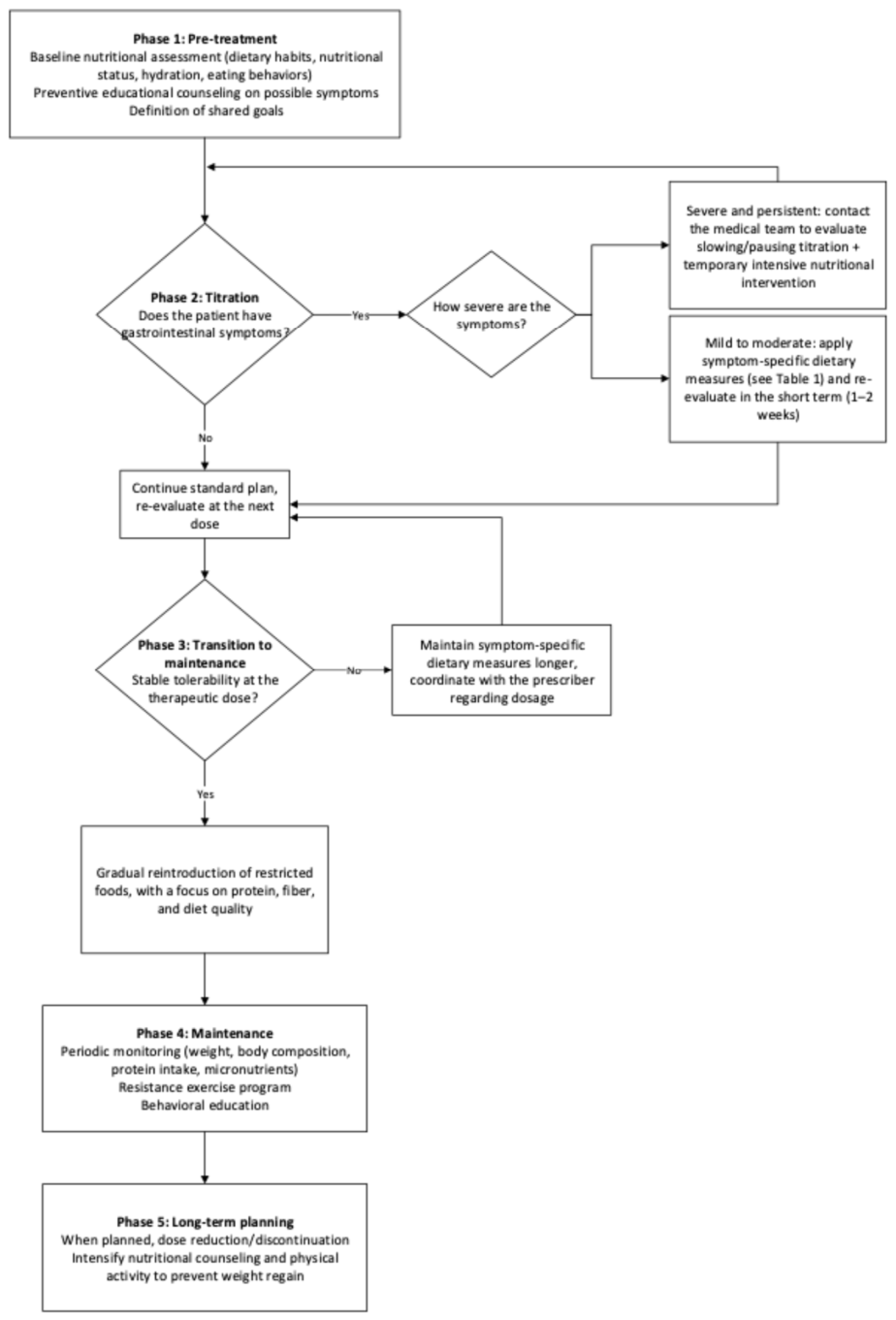

Table 1.
Participants reporting selected gastrointestinal adverse events in pooled weight-management trials.
Table 1.
Participants reporting selected gastrointestinal adverse events in pooled weight-management trials.
| Population or event | Semaglutide 2.4 mg [19,63]* | Placebo STEP 1–3 [19,63]* | Tirzepatide 5 mg [64]** | Tirzepatide 10 mg [64]** | Tirzepatide 15 mg [64]** | Placebo SURMOUNT 1–2 [64]** |
| Safety population, n*** | 2116 | 1261 | 630 | 948 | 941 | 958 |
| Treatment duration, weeks | 68 | 68 | 72 | 72 | 72 | 72 |
| Nausea, % | 44 | 16 | 25 | 29 | 28 | 8 |
| Diarrhea, % | 30 | 16 | 19 | 21 | 23 | 8 |
| Vomiting, % | 24 | 6 | 8 | 11 | 13 | 2 |
| Constipation, % | 24 | 11 | 17 | 14 | 11 | 5 |
| Dyspepsia, % | 9 | 3 | 9 | 9 | 10 | 4 |
| GERD, % | 5 | 3 | 4 | 4 | 5 | 2 |
| Abdominal distension, % | 7 | 5 | 3 | 3 | 4 | 2 |
* Semaglutide: pooled safety data from STEP 1–3, with treatment for up to 68 weeks and a 7-week off-drug follow-up; STEP 2 included participants with type 2 diabetes [63]. Wharton et al. provide a complementary analysis of gastrointestinal tolerability in these trials[19]. ** Tirzepatide: pooled safety data from SURMOUNT-1 and SURMOUNT-2, with treatment for up to 72 weeks and a 4-week off-drug follow-up. SURMOUNT-2 included type 2 diabetes. The 5 mg arm derives only from SURMOUNT-1; the 10 mg, 15 mg and placebo groups combine both trials [64]. *** The values and safety-population denominators presented here follow the prescribing information [63,64]. These are separate trial pools with different populations and reporting conventions; numerical differences do not establish comparative tolerability. GERD = gastroesophageal reflux disease.
Table 2.
Symptom-specific summary table: nutritional management of GI adverse events during GLP-1RA / GIP-GLP-1 dual agonist therapy.
Table 2.
Symptom-specific summary table: nutritional management of GI adverse events during GLP-1RA / GIP-GLP-1 dual agonist therapy.
| Symptom | Key dietary recommendations | Foods/behaviors to limit | Clinical notes |
| Nausea |
• 4–6 small meals/day, eaten slowly, chewed thoroughly • Stop at first sign of fullness; avoid lying down after meals • Bland, dry, easily digestible foods (crackers, bread, rice, apples) and lean protein • Raw extra-virgin olive oil as preferred fat source • Light dinner: peeled, seedless, low-fiber cooked vegetables (zucchini, pumpkin, chard) • Fluids separate from meals (30–60 min before or after), small frequent sips • Fruit as between-meal snack rather than with main meals • Ginger-, mint-, or apple-based foods/drinks (≥30 min after dosing) • Fresh air/ventilation; light 10–15 min walk after meals |
• Fried, fatty, spicy foods, alcohol, rich desserts • Highly viscous or very cold foods • Strong odors, overly sweet or elaborate dishes • Whole grains and soups/broths at dinner (temporary) • Carbonated beverages |
Nausea is the most frequent GI adverse event; main driver of early discontinuation. No dedicated ginger trials in GLP-1RA/GIP-GLP-1 population. |
| Vomiting |
• Portion control: recognize early satiety, stop eating immediately • 4–6 small meals/day; eat slowly to allow satiety signals to register • Light dinner: low-fiber refined carbs (pasta, white bread, crackers), lean poultry/white fish • Cooked, peeled, deseeded vegetables (zucchini, pumpkin) • Oral rehydration solutions (ORS) for mild-moderate dehydration • Fluids in small frequent sips, spaced from solid meals •Short postprandial walk; avoid tight clothing/belts and lying down |
• Large meal volumes; excess evening fiber • Saturated-fat-rich foods • Soups/broths and very cold foods in the evening • Supine position after meals |
Re-evaluate titration scheme (Alhazmi & le Roux analogy). Seek emergency IV rehydration if orthostatic hypotension, dizziness, confusion, or extreme weakness occur (AKI risk). |
| Dyspepsia/ GERD |
• Meals warm or at room temperature, not very cold/viscous • Lean protein: poultry, fish, low-fat fresh cheeses • Raw extra-virgin olive oil as preferred fat, used in moderation • 4–6 small meals; lightest meal at dinner • No large meals or lying down within 2–3h of bedtime • Slow, thorough chewing; short walk after main meals • Water in small sips through the day, 30–60 min from solid meals |
• Coffee (incl. decaf), tea, chocolate, mint • Spicy foods, carbonated/cola drinks • Raw tomatoes, citrus fruits • Fried foods, saturated fats, processed/ultra-processed meats, aged cheeses • Soups/minestrone/broths in the evening • Tight clothing/belts; bending over or vigorous activity after eating |
Dietary fat is a key driver via CCK-mediated inhibition of gastric motility and TLESRs; moderate, do not eliminate fat entirely. |
| Constipation |
• 1.5–2 L/day water or sugar-free fluids • Magnesium/sulfate-rich or bicarbonate-alkaline mineral waters • Soluble fiber (psyllium/ispaghula), introduced slowly and gradually • High-fiber diet combined with controlled 2 L/day fluid intake • Regular physical activity (e.g., walking) to stimulate motility |
• Insoluble fiber (e.g., wheat bran) — may worsen bloating/distension • Abrupt/large fiber increases |
If lifestyle measures insufficient: consider stool softeners or, in persistent cases, temporary dose reduction. |
| Diarrhea |
• Bland diet during acute episodes • Temporary reduction of insoluble fiber (whole grains, fruit peel, legumes) • Soluble fiber (psyllium) generally well tolerated once improving • Suitable foods: white rice, boiled carrots, chicken broth, ripe peeled fruit (banana) • Very slow, gradual fiber reintroduction after recovery |
• Dairy, caffeine, alcohol, carbonated drinks • Very cold or very hot foods • Polyol-containing candies/gum (sorbitol, mannitol, xylitol, maltitol) • Isotonic sports drinks |
Watch for exacerbation with concurrent metformin/PPI use; closer monitoring needed in chronic kidney disease. |
| Abdominal bloating and distension |
• Identify and temporarily limit high-FODMAP foods • Soluble fiber (psyllium/ispaghula) preferred • Small, frequent meals; eat slowly without distractions • Stop eating at first satiety, even if meal unfinished • Light activity/short walk after meals • Fluids between meals or 30–60 min from eating |
• High-FODMAP foods (fermentable oligo/di/mono-saccharides and polyols) • Insoluble fiber (e.g., wheat bran) • Fried, fatty, or heavily seasoned foods • Carbonated beverages • Lying down immediately after meals |
FODMAP reduction shown to significantly decrease symptoms and improve quality of life. |
Disclaimer/Publisher’s Note: The statements, opinions and data contained in all publications are solely those of the individual author(s) and contributor(s) and not of MDPI and/or the editor(s). MDPI and/or the editor(s) disclaim responsibility for any injury to people or property resulting from any ideas, methods, instructions or products referred to in the content. |
© 2026 by the authors. Licensee MDPI, Basel, Switzerland. This article is an open access article distributed under the terms and conditions of the Creative Commons Attribution (CC BY) license.
Copyright: This open access article is published under a Creative Commons CC BY 4.0 license, which permit the free download, distribution, and reuse, provided that the author and preprint are cited in any reuse.