

Submitted:
26 October 2026
Posted:
28 October 2026
You are already at the latest version
Abstract
Purpose: To present a case of mirtazapine associated seizures in an adolescent boy and to conduct a systematic review of published cases of seizures occurring in association with mirtazapine use. Methods: We presented our case and conducted a systematic search, following the PRISMA Statement, in the PubMed and Scopus databases for mirtazapine associated seizure cases, until 12th September 2026. Results: A 15-year-old patient arrived at the emergency department of our hospital via ambulance due to a generalized tonic-clonic seizure occurring 15 minutes prior. The toxicology report of his urine sample was positive for mirtazapine metabolites. He was self-administering mirtazapine for an unknown amount of time. This was the most likely cause of the generalized tonic-clonic seizures. No further seizures occurred during hospitalization. Our systematic search yielded 7 published cases. The median age was 50 years. The dosage of mirtazapine ranged from 7.5 mg to 60 mg per day. Excluding one case with an overdose, seizures presented a few days after mirtazapine initiation or dosage escalation—three cases presented with focal seizures and 3 cases with generalized seizures. Two cases had a positive history of epilepsy, and 4 cases were on other medications that can lower the seizure threshold. In most cases, withdrawal of mirtazapine was sufficient for seizure resolution. Conclusion: The available evidence cannot establish a causative relationship between mirtazapine and seizures. The temporal association observed in several cases suggests that physicians should remain vigilant for seizure occurrence, particularly in individuals with pre-existing epilepsy or other potential seizure risk factors.
Keywords:
mirtazapine
; seizures
; adolescent
; drug-related side effects and adverse reactions
1. Introduction
Mirtazapine is an atypical antidepressant primarily prescribed to treat major depressive disorder with a favorable safety profile [1]. This drug was first synthesized in 1989 and received approval in the Netherlands in 1994. Mirtazapine was approved in the USA by the Food and Drug Administration (FDA) for adults in 1996 as a treatment for moderate and severe depression, while it has not yet been FDA-approved for pediatric patients [2,3].
Mirtazapine inhibits central presynaptic α2-adrenergic receptors, increasing serotonin and norepinephrine release. It also acts as a potent antagonist of histamine-1 (H1) receptors and 5-hydroxytryptamine receptor 2A (5-HT2A), 5-hydroxytryptamine receptor 2C (5-HT2C), and 5-hydroxytryptamine receptor 3 (5-HT3) serotonin receptors [4]. Mirtazapine also demonstrates a moderate to weak antagonist effect on peripheral α1-adrenergic and muscarinic receptors.
Unlike many other antidepressants, mirtazapine does not inhibit the reuptake of serotonin, dopamine, or norepinephrine. Unlike most tricyclic antidepressants (TCA), mirtazapine demonstrates little to no activity as a sodium or calcium channel blocker or as an anticholinergic [5,6].
Controlled clinical trials have established the efficacy of mirtazapine at a dosage of 15-45 mg daily [5]. The mean elimination half-life of mirtazapine ranges from 20 to 40 hours. Metabolites of the drug are excreted primarily via urine (75%) and feces (15%) [7].
Mirtazapine exhibits a broad spectrum of adverse effects, including drowsiness, increased appetite, weight gain, and xerostomia [2]. Mirtazapine is considered an especially favorable antidepressant in epileptic patients with an extremely low incidence of seizures (0,04-0,08%) [1,8]. However, there have been reports of mirtazapine induced seizures in the adult population over the last 20 years [9,10].
We present the first case report, to the best of our knowledge, of mirtazapine associated seizures in a pediatric patient. Moreover, we conducted a systematic review of similar case reports.
2. Case Presentation
A 15-year-old boy arrived at the emergency department of our hospital via ambulance due to a generalized tonic-clonic seizure occurring 15 minutes prior. The incident was described as loss of consciousness with upward deviation of the eyes and tonic-clonic movements of the upper and lower extremities, lasting approximately 30 seconds. There was no post-ictal phase and no reported urinary or fecal incontinence. The patient was well oriented in time and space. Before the episode, the patient reported diaphoresis.
The personal medical history revealed a viral upper respiratory infection one week prior, as well as a brain magnetic resonance imaging (MRI) scan one year before, showing no pathological findings, following a neurological evaluation for frontal headache, photophobia-phonophobia, bilateral decreased visual acuity, and a single episode of emesis. Lifestyle habits included smoking for the past two years and daily consumption of energy drinks and alcohol. The family history reports that the father had committed suicide a year ago.
On physical examination, the neurological assessment revealed drooping of the right corner of the mouth, hypoesthesia of the right hemiface and tongue, and end-gaze horizontal nystagmus, with no other pathological findings.
The initial diagnostic evaluation included complete blood count, Erythrocyte sedimentation rate, C-reactive protein, biochemical profile, coagulation profile, and urinalysis, with no abnormal findings (Table 1).
Additionally, a brain computed tomography (CT) was obtained to exclude acute structural, vascular, or other intracranial pathology. After further consultation with a Neurologist, a fundoscopic examination and lumbar puncture were performed. The cerebrospinal fluid (CSF) studies included CSF cell count and differential, glucose, protein, Gram stain, and bacterial culture, with findings within normal reference ranges. Furthermore, an MRI was obtained that revealed no evidence of acute pathology.
Since no cause for the seizure was found, the urine sample was sent for a toxicology report, which was positive for mirtazapine metabolites. The patient was not prescribed mirtazapine; however, members of his family were. The patient had been self-administering the medication without informing his family due to heightened psychological distress. The dosage and duration of administration could not be ascertained. During his hospitalization, no other seizure incidence was observed, and he was discharged with instructions to follow up with a neurologist. A month later, another urine sample was collected for a toxicology report that yielded negative results.
3. Systematic Review
3.1. Methods
Our systematic overview’s methods and results are in accordance with the Preferred Reporting Items for Systematic Reviews and Meta-Analyses (PRISMA) Statement [13]. The review protocol has been registered with the International Prospective Register of Systematic Reviews (PROSPERO) with ID Number: CRD420261507061 [14].
3.1.1. Search Strategy
We developed a search strategy based on the Exposure and Outcome components of the PEO framework, without applying population-specific search terms [15]. We reviewed Medical Subject Headings (MeSH) to identify appropriate keywords. We translated the search strategy across databases using the Polyglot Search Translator [16]. We conducted a systematic literature search in the PubMed/ MEDLINE and Scopus abstract and citation databases. The search strategies are depicted in Table 2. The search was completed on 12th September 2026.
3.1.2. Eligibility Criteria
We considered all studies with a published abstract in English, in which seizures were induced by mirtazapine in people of all ages. Studies with case presentations were considered (Table 3).
3.1.3. Study Selection
Two reviewers (A.F. and G.K.) independently screened the literature according to the aforementioned search strategy. Assessment for duplicates was done with Zotero (Version 9.0.3), and the remaining records were screened by title and abstract. Where an abstract was not available, the full text was assessed for inclusion/exclusion criteria. Finally, a full-text review of the remaining records followed to assess eligibility. When an electronic copy of the record could not be found, we contacted the authors via e-mail. We considered for analysis all studies deemed eligible by at least one of the reviewers.
3.1.4. Data Extraction
Data extraction was done independently by A.F. and G.K., and any discrepancies were resolved by a third reviewer (K.B.). For all studies, we extracted the following data: surname of the first author if more than 2 authors participated in the published study or the surnames of both authors in studies that were conducted by 2 authors, year of publication, country where the study was conducted, age of presented case, dosage of mirtazapine, clinical manifestation, onset of symptoms, co-medication, management, outcome.
3.1.5. Critical Appraisal and Risk of Bias Assessment
The methodological quality and risk of bias of all included case reports were independently evaluated by two reviewers (A.F. and G.K.) using the Joanna Briggs Institute (JBI) Critical Appraisal Checklist for Case Reports. This 8-item standardized instrument assesses key domains of reporting and clinical validity: patient’s demographics, history/timeline, clinical condition, diagnostics, intervention, post-intervention, adverse events, and the takeaway lesson [17].
3.1.6. Data Synthesis
We conducted a systematic review of studies deemed eligible according to the inclusion and exclusion criteria. Qualitative synthesis for all study types was conducted together. In case of missing data, we proceeded with a 3-time contact attempt by e-mail with the authors. The last attempt was made before submission of the manuscript.
We presented continuous variables with Means (± standard deviation, SD) or Median (interquartile range, IQR) according to their normality of distribution, respectively. Dichotomous variables were presented with absolute numbers and percentages. Clinical heterogeneity was handled by dividing the studies into subgroups by study type, country of origin, age group of cases, and co-existence of other medications that could induce seizures. Any statistical analysis was performed with jamovi (version 2.7.38; The jamovi project, Sydney, Australia) [18,19].
3.2. Results
Initial search results per database and the PRISMA Flow Diagram are shown in Figure 1.
After removing 180 duplicates, we screened 583 records for eligibility by Title and Abstract. Finally, we reviewed 6 studies (9,10,18–21) in full text and found them eligible for inclusion in our study, totaling 7 cases of mirtazapine associated seizures.
3.2.1. Study Characteristics
3.2.2. Critical Appraisal and Risk of Bias Assessment
The demographic characteristics of the patients and their presenting clinical conditions were clearly described in all seven cases [9,10,20,21,22,23] (Table 5).
In contrast, the clinical history and temporal relationship between mirtazapine exposure and seizure occurrence were adequately reported in most cases [9,20,21,23]. Diagnostic assessment was sufficiently described in most reports (10,18,19,21), while limited information was reported in conference abstracts [9,22]. Therapeutic interventions and post-intervention clinical outcomes were clearly reported in the more detailed case reports [10,20,21,23], whereas these domains were less comprehensively described in the conference abstracts [9,22]. Information regarding adverse or unanticipated events was inconsistently reported, particularly in the shorter publications [9,22]. Finally, the clinical implications or key takeaway lessons were identifiable across the included cases [9,10,20,21,22,23].
Overall, the JBI appraisal indicated generally adequate reporting of the clinical characteristics, diagnostic evaluation, and clinical course of the cases, while limitations were mainly related to incomplete reporting of treatment, follow-up, and adverse events in the conference-abstract publications. Importantly, domains for which information was not sufficiently reported were classified as “unclear” rather than “no”, as absence of reporting does not necessarily indicate absence of the corresponding clinical information.
3.2.3. Qualitative Synthesis
The median age of the cases was 50 years, with an IQR of 48.5-58.3 years (N: 8, Shapiro–Wilk W: 0.863, p-value: 0.2). The male-to-female ratio was 3:4. The dosage of mirtazapine was not reported in 3 cases [9,10], while one case started on 7.5 mg/d [23], one case started on 15 mg/d [22], one case was on 60 mg/d for 2 days after a couple of days of 30 mg/d [20], and one case received an overdose of > 300 mg [21]. The onset of symptoms varies from a few hours to a few days after initiation of treatment [9,21,23] to 2-3 days after a dosage increase [9,20]. If we exclude the case that received an overdose [21], the symptoms started a few days after initiation or dosage increase of mirtazapine [9,10,20,22,23]. Three cases presented with focal seizures [9,23], 3 cases presented with generalized seizures [20,21,22], while in one case [10], due to missing data, we could not classify the type of induced seizures. One case was simultaneously on phenytoin [23]; one case was on olanzapine that precipitated quetiapine [20]; one case was on escitalopram, amlodipine, candesartan, furosemide, and vromazepam [10]; and the case that received an overdose was on mirtazapine 60 mg/d, propranolol, and zolpidem [21]. Only 2 cases [9,23] had a positive history of epilepsy. In one case, an electroencephalogram was conducted, which showed transient abnormalities [9]. In the case that received an overdose, magnetic resonance imaging of the brain showed hyperintense signals in the bilateral occipital, parietal, and left frontal lobes, receiving the diagnosis of serotonin syndrome associated with posterior reversible encephalopathy syndrome (PRES) [21]. In most cases [10,20,22,23], withdrawal of mirtazapine was sufficient for seizure resolution, while in the case of the overdose [21], intravenous lorazepam and lacosamide were needed for status epilepticus resolution. The management and outcome were not reported in 2 cases [9].
4. Discussion
We presented the case of a 15-year-old patient who was self-administering mirtazapine for an unknown amount of time due to elevated psychological distress after his father’s suicide. This was the most likely cause of exhibiting generalized tonic-clonic seizures.
According to research, 34% of adolescents globally, aged 10-19 years, are at risk of developing clinical depression, which exceeds the reported estimates of individuals aged 18 to 25 years. There was a notable increase in the prevalence of elevated depressive symptoms among adolescents, from 24% [95% confidence interval (CI): 0.19-0.28] between 2001 and 2010 to 37% (95% CI: 0.32-0.42) between 2011 and 2020 [24].
Mirtazapine is indicated for major depression and anxiety, but in adults rather than children and adolescents; little is known about its application in pediatric populations. Several studies have evaluated its safety and efficacy in pediatric populations across different clinical scenarios [25,26,27]. One 8-week open-label pilot study of mirtazapine in children with social phobia aged 8-17 years found that mirtazapine was associated with a 56% response to treatment, with 17% achieving full remission [26]. One 4-week, open-label study examined 26 autistic subjects, aged 3.8- 23.5 years. An improvement was observed in 34.6% of the subjects, mostly in aggression, self-injury, irritability, hyperactivity, anxiety, depression, and insomnia. Adverse effects were minimal and included increased appetite, irritability, and transient sedation [25]. Another open-label study found mirtazapine useful in managing excessive masturbation or inappropriate sexual behaviors in 8 of 10 subjects (80%) with autism, aged 5.2-16.4 years. Mirtazapine was well tolerated, with the most common side effects being increased appetite, weight gain, and sedation [27].
According to the current literature, mirtazapine is associated with a very low incidence of seizures (0.035%) compared with other antidepressants [1] such as tricyclic antidepressants (up to 4%), arnfebutamone (bupropion) (2.3% with high doses), or maprotiline (up to 15.6%) [28]. One systematic review on seizures under treatment with substances licensed for major depression found no evidence of an increase in seizures with mirtazapine [29]. In another analysis of data from FDA Phase II and III clinical trials between 1985 and 2004, the incidence of seizures for mirtazapine was 0,04% [30]. Moreover, in a large cohort study of people aged 65 and over, diagnosed as having depression, the absolute risk over 1 year for seizures was 0,33% [31]. In a 1999 prospective study with three different antidepressants (mirtazapine, citalopram, reboxetine) in 75 patients with temporal lobe epilepsy, 15 different antiepileptic drugs were given in multiple combinations. The researchers could not detect any serious adverse events due to an interaction between antidepressant and anticonvulsant medication. There was no increase in frequency or severity of seizures with either antidepressant, including mirtazapine [32].
Regarding the possibility of de novo seizure induction, animal studies have failed to demonstrate any effect of mirtazapine on induced seizures [33], thus raising a serious question about this possibility. However, indirect evidence suggests that mirtazapine increases the excitability of neurons. The evidence comes from the decrease in active motor threshold on transcranial magnetic stimulation studies and induction of epileptiform activities in the electroencephalogram of patients treated with mirtazapine [34]. This can be seen as a gross manifestation of its subtle property of increasing firing rates of frontocortical dopaminergic and corticolimbic adrenergic neurons observed in some rat studies, and enhancement of noradrenergic locus coeruleus and serotonergic raphe nucleus cell firing [3,35]. This increase in firing rate had been observed from the first day of drug administration, which is compatible with the timing of seizures in 3 of the case reports [9,21,23]. It seems that mirtazapine can cause increased firing rates of neurons, but seizure precipitation is largely an outcome of predisposition for seizures. It thus seems reasonable to conclude that precaution should be exercised with adequate consideration of predisposing factors before administering mirtazapine in an epileptic depressed patient.
Future research needs to clarify any potential association between mirtazapine exposure and seizure occurrence by establishing prospective observational studies and well-designed safety and efficacy studies that could help identify potential risk factors and assess the influence of dosage, dose escalation, age, pre-existing epilepsy, concomitant medications, and possible drug interactions. Moreover, any future case report should also provide detailed information regarding the temporal relationship between drug exposure and seizure onset, dosage changes, co-medications, neurological investigations, treatment, and follow-up.
This study has a few strengths. To the best of our knowledge, we presented the first case of mirtazapine-induced seizures in an adolescent. Second, the qualitative synthesis of other published cases allowed us to systematically assess the clinical importance of mirtazapine-induced seizures. Nevertheless, this study has also several limitations. First, our systematic review yielded only 7 other published cases, which limits generalizability. Second, case reports cannot establish any causative relationship or quantify the incidence of seizures in patients who are on mirtazapine. Finally, the restriction to English-language publications could have resulted in publication bias. Considering the aforementioned limitations, our results need to be interpreted cautiously.
5. Conclusions
Mirtazapine-associated seizures appear to be very rare but have been reported across different age groups and clinical settings, including treatment initiation, dosage escalation, and overdose. Our case presents, to the best of our knowledge, the first reported adolescent with a seizure associated with mirtazapine exposure. The available evidence cannot establish a causative relationship between mirtazapine and seizures. Nevertheless, the temporal association observed in several cases, together with the presence of potential predisposing factors in some patients, suggests that physicians should remain vigilant for seizure occurrence, particularly in individuals with pre-existing epilepsy or other potential seizure risk factors. Further prospective observational studies are needed to illuminate the relationship between mirtazapine exposure and seizures.
Funding
This research received no external funding.
Conflicts of Interest
The authors declare no conflicts of interest.
Ethics Approval
Ethical review and approval were waived for this study, due to its non-experimental case report design and absence of deviation from standard clinical practice.
Informed Consent
Written informed consent for publication was obtained from the mother of the patient.
Data Availability Statement
All data generated or analyzed during this study are included in this article. Further inquiries can be directed to the corresponding author.
Authors’ Contributions
Conceptualization, G.K.; methodology, A.F. and G.K.; software, A.F. and G.K.; validation, G.K.; formal analysis, A.F. and G.K.; investigation, K.B., C.B. and A.M. and E.D.; resources, A.F., G.K., K.B., C.B., A.M. and E.D.; data curation, A.F., G.K. and K.B.; writing—original draft preparation, A.F. and G.K.; writing—review and editing, G.K. and E.O.; visualization, V.V. and E.O.; supervision, G.K., V.V. and E.O.; project administration, G.K. All authors have read and agreed to the published version of the manuscript.
Abbreviations
The following abbreviations are used in this manuscript:
| 5-HT2A | 5-hydroxytryptamine receptor 2A |
| 5-HT2C | 5-hydroxytryptamine receptor 2C |
| 5-HT3 | 5-hydroxytryptamine receptor 3 |
| ALT | alanine transaminase |
| aPTT | activated partial thromboplastin time |
| AST | aspartate aminotransferase |
| CK-MB | creatine kinase myocardial band |
| CRP | C-reactive protein |
| CSF | cerebrospinal fluid |
| CT | computed tomography |
| dL | deciliter |
| E | Exposure |
| FDA | Food and Drug Administration |
| g | grams |
| h | Hour |
| H1 | Histamine-1 |
| INR | international normalized ratio |
| IQR | interquartile range |
| IU | international units |
| JBI | Joanna Briggs Institute |
| MeSH | Medical Subject Headings |
| mg | milligrams |
| mmol | millimole |
| MRI | magnetic resonance imaging |
| L | Liter |
| LDH | lactate dehydrogenase |
| PRISMA | Preferred Reporting Items for Systematic Reviews and Meta-Analyses |
| PROSPERO | International Prospective Register of Systematic Reviews |
| PT | prothrombin time |
| SD | standard deviation |
| sec | Seconds |
| TCA | tricyclic antidepressants |
| U | Units |
| μL | microliter |
References
- Montgomery, S.A. Safety of Mirtazapine: A Review. Int Clin Psychopharmacol 1995, 10 Suppl 4, 37–45. [CrossRef]
- Watanabe, N.; Omori, I.M.; Nakagawa, A.; Cipriani, A.; Barbui, C.; Churchill, R.; Furukawa, T.A. Mirtazapine versus Other Antidepressive Agents for Depression. Cochrane Database Syst Rev 2011, 2011, CD006528. [CrossRef]
- de Boer, T. The Pharmacologic Profile of Mirtazapine. J Clin Psychiatry 1996, 57 Suppl 4, 19–25.
- Schwasinger-Schmidt, T.E.; Macaluso, M. Other Antidepressants. Handb Exp Pharmacol 2019, 250, 325–355. [CrossRef]
- Anttila, S.A.; Leinonen, E.V. A Review of the Pharmacological and Clinical Profile of Mirtazapine. CNS Drug Rev 2001, 7, 249–264. [CrossRef]
- Gorman, J.M. Mirtazapine: Clinical Overview. J Clin Psychiatry 1999, 60 Suppl 17, 9–13; discussion 46-48.
- Timmer, C.J.; Sitsen, J.M.; Delbressine, L.P. Clinical Pharmacokinetics of Mirtazapine. Clin Pharmacokinet 2000, 38, 461–474. [CrossRef]
- Barry, J.J. The Recognition and Management of Mood Disorders as a Comorbidity of Epilepsy. Epilepsia 2003, 44 Suppl 4, 30–40. [CrossRef]
- Jacobson, M.; Haneef, Z.; Vendrame, M. Mirtazapine Induced Complex Partial Epilepsy. In Proceedings of the AES Proceedings. 61st Annual Meeting of the American Epilepsy Society; Epilepsia, October 1 2007; Vol. 48, p. 17.
- Giannas, R.; Alexandrou, S.; Ntoumou, E.; Adamidou, S.; Skafida, E.; Tzortzi, M. A Case of Serotoninergic Syndrome. Archives of Hellenic Medicine 2024, 41, 555–557.
- Calihan, J. Hematology. In The Harriet Lane Handbook; Elsevier: Philadelphia, 2021; pp. 328-367.e5 ISBN 978-0-323-67407-2.
- McDaniel, L. Blood Chemistry and Body Fluids. In The Harriet Lane Handbook; Elsevier: Philadelphia, 2021; pp. 641-652.e2 ISBN 978-0-323-67407-2.
- Moher, D.; Liberati, A.; Tetzlaff, J.; Altman, D.G.; The PRISMA Group Preferred Reporting Items for Systematic Reviews and Meta-Analyses: The PRISMA Statement. PLoS Med 2009, 6, e1000097. [CrossRef]
- Katsaras, G.; Filippidou, A. Mirtazapine Induced Seizures. A Case-Based Systematic Review. [CRD420261507061] Available online: https://www.crd.york.ac.uk/PROSPERO/view/CRD420261507061 (accessed on 15 September 2026).
- Capili, B. How Does Research Start? Am J Nurs 2020, 120, 41–44. [CrossRef]
- Clark, J.M.; Sanders, S.; Carter, M.; Honeyman, D.; Cleo, G.; Auld, Y.; Booth, D.; Condron, P.; Dalais, C.; Bateup, S.; et al. Improving the Translation of Search Strategies Using the Polyglot Search Translator: A Randomized Controlled Trial. jmla 2020, 108. [CrossRef]
- JBI Manual for Evidence Synthesis; Aromataris, E., Lockwood, C., Porritt, K., Pilla, B., Jordan, Z., Eds.; JBI, 2024; ISBN 978-0-6488488-2-0.
- The Jamovi Project (2025). Jamovi. (Version 2.7) [Computer Software] Available online: https://www.jamovi.org/index.html (accessed on 15 September 2026).
- R Core Team (2025). R: A Language and Environment for Statistical Computing. (Version 4.5) [Computer Software] Available online: https://cran.r-project.org/ (accessed on 15 September 2026).
- Spyridi, S.; Sokolaki, S.; Nimatoudis, J.; Iacovides, A.; Kaprinis, G. Status Epilepticus in a Patient Treated with Olanzapine and Mirtazapine. Int J Clin Pharmacol Ther 2009, 47, 120–123. [CrossRef]
- Tsai, M.-C.; Lin, W.-H. Posterior Reversible Encephalopathy Syndrome Induced by Mirtazapine Overdose: A Case Report. Case Reports in Neurological Medicine 2025, 2025, 4690032. [CrossRef]
- Teo, L. P-1116 - Seizures Associated with Mirtazapine: A Case Report and Review of Literature. In Proceedings of the 20th European Congress of Psychiatry; European Psychiatry, January 1 2012; Vol. 27, p. 1.
- Zia Ul Haq, M.; Prakash, R.; Akhtar, S. Mirtazapine Precipitated Seizures: A Case Report. Prog Neuropsychopharmacol Biol Psychiatry 2008, 32, 1076–1078. [CrossRef]
- Shorey, S.; Ng, E.D.; Wong, C.H.J. Global Prevalence of Depression and Elevated Depressive Symptoms among Adolescents: A Systematic Review and Meta-Analysis. Br J Clin Psychol 2022, 61, 287–305. [CrossRef]
- Posey, D.J.; Guenin, K.D.; Kohn, A.E.; Swiezy, N.B.; McDougle, C.J. A Naturalistic Open-Label Study of Mirtazapine in Autistic and Other Pervasive Developmental Disorders. J Child Adolesc Psychopharmacol 2001, 11, 267–277. [CrossRef]
- Mrakotsky, C.; Masek, B.; Biederman, J.; Raches, D.; Hsin, O.; Forbes, P.; de Moor, C.; DeMaso, D.R.; Gonzalez-Heydrich, J. Prospective Open-Label Pilot Trial of Mirtazapine in Children and Adolescents with Social Phobia. J Anxiety Disord 2008, 22, 88–97. [CrossRef]
- Coskun, M.; Karakoc, S.; Kircelli, F.; Mukaddes, N.M. Effectiveness of Mirtazapine in the Treatment of Inappropriate Sexual Behaviors in Individuals with Autistic Disorder. J Child Adolesc Psychopharmacol 2009, 19, 203–206. [CrossRef]
- Rosenstein, D.L.; Nelson, J.C.; Jacobs, S.C. Seizures Associated with Antidepressants: A Review. J Clin Psychiatry 1993, 54, 289–299.
- Steinert, T.; Fröscher, W. Epileptic Seizures Under Antidepressive Drug Treatment: Systematic Review. Pharmacopsychiatry 2018, 51, 121–135. [CrossRef]
- Alper, K.; Schwartz, K.A.; Kolts, R.L.; Khan, A. Seizure Incidence in Psychopharmacological Clinical Trials: An Analysis of Food and Drug Administration (FDA) Summary Basis of Approval Reports. Biol Psychiatry 2007, 62, 345–354. [CrossRef]
- Coupland, C.; Dhiman, P.; Morriss, R.; Arthur, A.; Barton, G.; Hippisley-Cox, J. Antidepressant Use and Risk of Adverse Outcomes in Older People: Population Based Cohort Study. BMJ 2011, 343, d4551. [CrossRef]
- Kühn, K.U.; Quednow, B.B.; Thiel, M.; Falkai, P.; Maier, W.; Elger, C.E. Antidepressive Treatment in Patients with Temporal Lobe Epilepsy and Major Depression: A Prospective Study with Three Different Antidepressants. Epilepsy Behav 2003, 4, 674–679. [CrossRef]
- Yilmaz, I.; Sezer, Z.; Kayir, H.; Uzbay, T.I. Mirtazapine Does Not Affect Pentylenetetrazole- and Maximal Electroconvulsive Shock-Induced Seizures in Mice. Epilepsy Behav 2007, 11, 1–5. [CrossRef]
- Münchau, A.; Langosch, J.M.; Gerschlager, W.; Rothwell, J.C.; Orth, M.; Trimble, M.R. Mirtazapine Increases Cortical Excitability in Healthy Controls and Epilepsy Patients with Major Depression. Journal of Neurology, Neurosurgery and Psychiatry 2005, 76, 527–533. [CrossRef]
- Millan, M.J.; Gobert, A.; Rivet, J.M.; Adhumeau-Auclair, A.; Cussac, D.; Newman-Tancredi, A.; Dekeyne, A.; Nicolas, J.P.; Lejeune, F. Mirtazapine Enhances Frontocortical Dopaminergic and Corticolimbic Adrenergic, but Not Serotonergic, Transmission by Blockade of Alpha2-Adrenergic and serotonin2C Receptors: A Comparison with Citalopram. Eur J Neurosci 2000, 12, 1079–1095. [CrossRef]
Figure 1.
Flow diagram of PRISMA results.
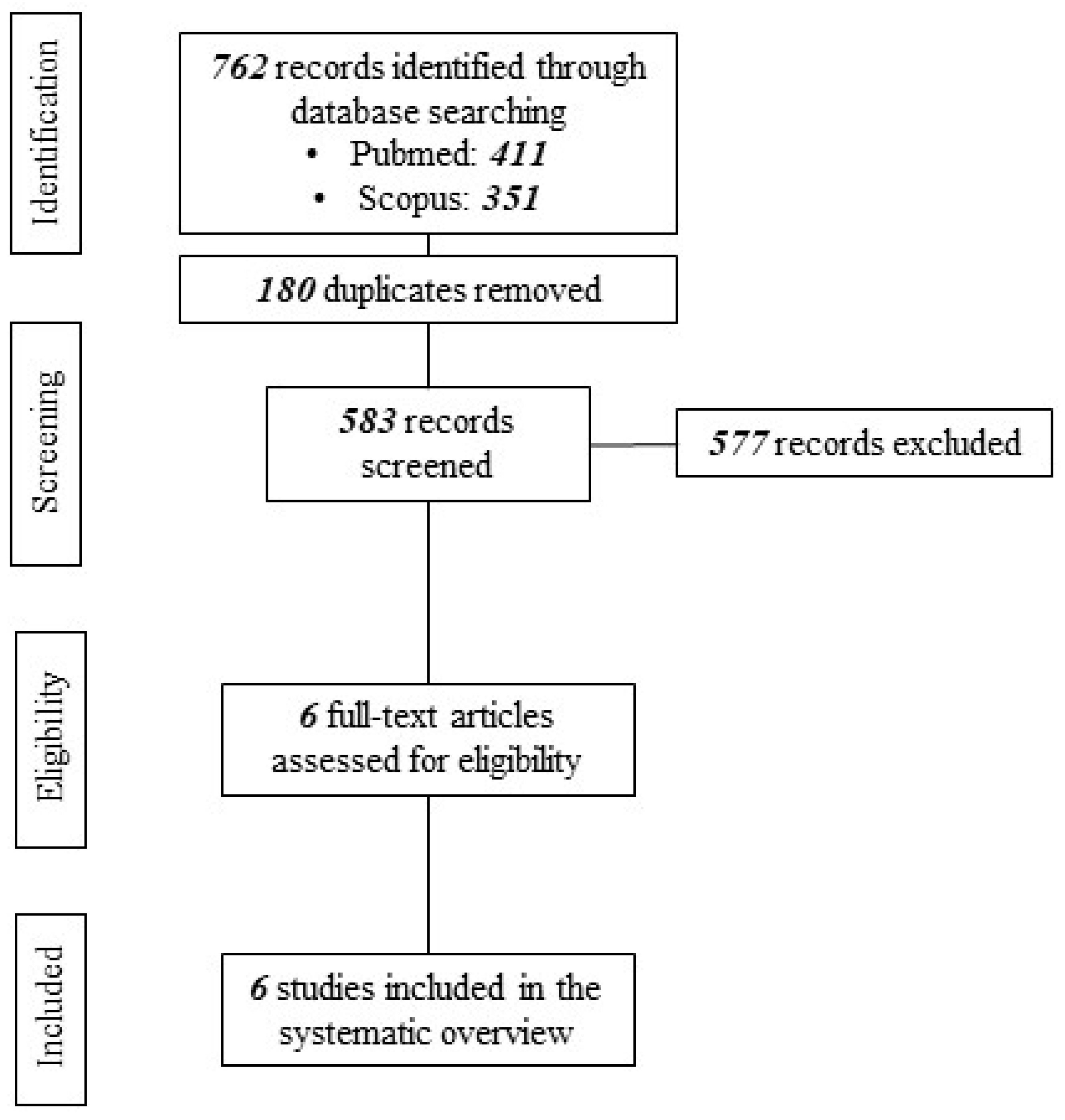

Table 1.
Laboratory examinations of our case.
| Patient’s values | Reference ranges [11,12] | |
|---|---|---|
| Blood sample | ||
| White Blood Cells | 7.4 x 10³ /L | 7.8 (4.5–13.5) x 103 /L |
| Neutrophils | 5.37 x 10³ /L | 4.4 (1.8–8) x 103 /L |
| Lymphocytes | 1.52 x 10³ /L | 2.8 (1.2–5.2) x 103 /L |
| Monocytes | 0.41 x 10³ /L | 0.4 x 10⁹ /L * |
| Eosinophils | 0.07 x 10³ /L | 0.2 x 10⁹ /L * |
| Red Blood Cells | 4.57 x 10¹² /L | |
| Hemoglobin | 13.0 g/dL | 14 (13) g/d ^ |
| Hematocit | 38.5% | 43 (36) % ^ |
| Platelets | 210 x 10 9 /L | 150-350 x 109 /L |
| Sedimentation Rate | 11 mm/h | 0-15 mm/h |
| Glucose | 93 mg/dl | 74-106 mg/dl |
| Urea | 16.3 mg/dl | 7.3–21 mg/dl |
| Creatinine | 0.64 mg/dl | 0.62–1.08 mg/dl |
| Pottasium | 4.76 mmol/L | 3.5-5.1 mmol/L |
| Sodium | 142 mmol/L | 137-143 mmol/L |
| Uric acid | 5.0 mg/dl | 2.6–7.6 mg/dl |
| AST | 21 IU/L | 13-26 IU/L |
| ALT | 13 IU/L | 9-24 IU/L |
| ALP | 174 IU/L | 89–365 IU/L |
| CRP | 1.4 mg/L | 0.1-1.7 mg/L |
| LDH | 205 U/L | 130–250 U/L |
| CK-MB | 21 U/L | <24 U/L |
| PT | 12.5 sec | 13.8 (12.7–16.1) sec |
| INR | 1.07 | 1.08 (0.97–1.30) |
| aPTT | 31.3 sec | 39.5 (33.9–46.1) sec |
| D-Dimers | 245 ng/ml | 0.27 (0.16–0.39) |
| Cerebrospinal fluid | ||
| White Blood Cells | 3 cells/μL | |
| Red Blood Cells | 1 cells/μL | |
| Monocytes | 0.3 cells/μL | |
| Neutrophils | 0 | |
| Total Cell Number | 3 cells/μL | |
| Glucose | 63 mg/dl | 60-80 mg/dl |
| Urinalysis | ||
| Specific Gravity | 1006 | 1015-1025 |
| pH | 6.0 | 5-7 |
| Hemoglobin | (-) | |
| Protein | (-) | |
| Glucose | (-) | |
| Ketones | (-) | |
| Bilirubin | (-) | |
| Urobilinogen | 0.2 mg/dl | |
| Nitrites | (-) | |
| Leukocytes | (-) | |
* Mean. ^ Mean (-2 SD). Abbreviations: ALT, alanine transaminase; aPTT, activated partial thromboplastin time; AST, aspartate aminotransferase; CK-MB, creatine kinase myocardial band; CRP, C-reactive protein; dL, deciliter; g, grams; h, hour; INR, international normalized ratio; IU, international units; mg, milligrams; mmol, millimole; L, liter; LDH, lactate dehydrogenase; PT, prothrombin time; SD, standard deviation; sec, seconds; U, units; uL, microliter.
Table 2.
Search strings in PubMed/ MEDLINE and Scopus databases.
| Database | PubMed/ MEDLINE | Scopus |
| E | (((((((((((((Mirtazapine[Title/Abstract]) OR (Remeron[Title/Abstract])) OR (Zispin[Title/Abstract])) OR (Zispin[Title/Abstract])) OR (Remergil[Title/Abstract])) OR (ORG 3770[Title/Abstract])) OR (ORG 3770[Title/Abstract])) OR (ORG3770[Title/Abstract])) OR (Rexer[Title/Abstract])) OR (Esmirtazapine[Title/Abstract])) OR ((S)-Mirtazapine[Title/Abstract])) OR (Org 50081[Title/Abstract])) OR ((N-Methyl-11C)mirtazapine[Title/Abstract])) | (((((((((((((TITLE-ABS(Mirtazapine)) OR (TITLE-ABS(Remeron))) OR (TITLE-ABS(Zispin))) OR (TITLE-ABS(Zispin))) OR (TITLE-ABS(Remergil))) OR (TITLE-ABS(“ORG 3770”))) OR (TITLE-ABS(“ORG 3770”))) OR (TITLE-ABS(ORG3770))) OR (TITLE-ABS(Rexer))) OR (TITLE-ABS(Esmirtazapine))) OR (TITLE-ABS(S-Mirtazapine))) OR (TITLE-ABS(“Org 50081”))) OR ((N-Methyl-11C) TITLE-ABS(mirtazapine))) |
| O | ((((Seizures[Mesh Terms]) OR (Chemically-Induced Disorders[Mesh Terms])) OR (adverse effects[Title/Abstract])) OR (poisoning[Mesh Terms])) | ((((INDEXTERMS(Seizures)) OR (INDEXTERMS(“Chemically-Induced Disorders”))) OR (TITLE-ABS(“adverse effects”))) OR (INDEXTERMS(poisoning))) |
Abbreviations: E, exposure; O, outcome.
Table 3.
Eligibility criteria.
| Inclusion criteria | Exclusion criteria | |
|---|---|---|
| Definition | Mirtazapine induced seizures | Other adverse events induced by mirtazapine |
| Study type | Case reports, case series, letters to the Editor, conference abstracts of case reports | Other |
| Outcome | Resolution of seizures or not | Other |
| Language | English | Other |
Table 4.
Study characteristics.
| Author (year) | Study type | Country | Age/ Gender | Mirtazapine dosage | Onset | Manifestation | Other medications | History of Epilepsy | MRI | EEG | Management | Outcome |
|---|---|---|---|---|---|---|---|---|---|---|---|---|
| Jacobson MP et al. (2007) [9] | Conference Abstract | USA | 61/M | N/A | 3 days after dosage increase | Acute transient confusion and impaired language capacity followed by witnessed automatisms | N/A | no | N/A | N/A | N/A | N/A |
| 40/M | N/A | A few days after initiation | Visual imagery of rain falling on his right hemi-field while driving his car, progressing to tonic-clonic activity | N/A | yes | N/A | Transient abnormalities | N/A | N/A | |||
| Zia Ul Haq et al. (2008) [23] | Letter to the Editor | India | 50/F | 7.5 mg/d | After 1st and 2nd dose | Partial motor seizures with secondary generalized tonic–clonic seizures | Phenytoin 200 mg/d | yes | N/A | N/A | Withdrawal of mirtazapine and initiation of Escitalopram (5-10 mg/d) | Resolution |
| Spyridi S et al. (2009) [20] | Case Report | Greece | 48/F | 30 mg/d for 2 d, 60 mg for 2 d | 2 d after dosage increase | Generalized tonic-clonic seizures that progressed to Status epilepticus | 2 days before the incident, the treatment switched from quetiapine to olanzapine | no | N/A | N/A | Withdrawal of olanzapine | Resolution |
| Teo L (2012) [22] | Conference Abstract | Singapore | middle aged /M | 15 mg/d | N/A, possibly after 1st dose | Generalised tonic clonic seizures | N/A | no | N/A | no | Withdrawal of mirtazapine | Resolution |
| Giannas R et al. (2024) [10] | Case Report | Greece | 82/F | N/A | N/A | Epileptic seizures | Escitalopram, Amlodipin, Cadesartan, Furosemide, Vromazepam | no | N/A | N/A | Withdrawal of mirtazapine and escitalopram | Resolution |
| Tsai M-C and Lin W-H (2025) [21] | Case Report | Taiwan | 50/F | > 300mg | Hours after dosage | Generilized status epilepticus.Myoclonus, tremor, and hyperreflexia (Serotonin syndrome) | Mirtazapine 60 mg/day, propranolol 10 mg/ day, and zolpidem 20 mg/day | no | Hyperintense signals in the bilateral occipital, parietal, and left frontal lobes (Posterior reversible encephalopathy syndrome, PRES) | N/A | Intravenous lorazepam 2 mg stat and intravenous lacosamide 200 mg twice daily (Status epilepticus). Cyproheptadine 4 mg x 3 /d (serotonin syndrome–associated PRES). | Resolution |
Table 5.
Joanna Briggs Institute (JBI) Critical Appraisal for Case Reports.
| Author (year) | Were the patient’s demographic characteristics clearly described? |
Was the patient’s history clearly described and presented as a timeline? |
Was the current clinical condition of the patient on presentation clearly described? |
Were diagnostic tests or assessment methods and the results clearly described? |
Was the intervention(s) or treatment procedure(s) clearly described? |
Was the post-intervention clinical condition clearly described? |
Were adverse events (harms) or unanticipated events identified and described? |
Does the case report provide takeaway lessons? |
|---|---|---|---|---|---|---|---|---|
| Jacobson MP et al. (2007) [9] | ||||||||
| case 1 | yes | yes | yes | unclear | unclear | unclear | unclear | yes |
| case 2 | yes | yes | yes | unclear | unclear | unclear | unclear | yes |
| Zia Ul Haq et al. (2008) [23] | yes | yes | yes | yes | yes | yes | unclear | yes |
| Spyridi S et al. (2009) [20] | yes | yes | yes | yes | yes | yes | unclear | yes |
| Teo L (2012) [22] | yes | unclear | yes | unclear | yes | yes | unclear | yes |
| Giannas R et al. (2024) [10] | yes | unclear | yes | yes | yes | yes | yes | yes |
| Tsai M-C and Lin W-H (2025) [21] | yes | yes | yes | yes | yes | yes | yes | yes |
Disclaimer/Publisher’s Note: The statements, opinions and data contained in all publications are solely those of the individual author(s) and contributor(s) and not of MDPI and/or the editor(s). MDPI and/or the editor(s) disclaim responsibility for any injury to people or property resulting from any ideas, methods, instructions or products referred to in the content. |
© 2026 by the authors. Licensee MDPI, Basel, Switzerland. This article is an open access article distributed under the terms and conditions of the Creative Commons Attribution (CC BY) license (http://creativecommons.org/licenses/by/4.0/).
Copyright: This open access article is published under a Creative Commons CC BY 4.0 license, which permit the free download, distribution, and reuse, provided that the author and preprint are cited in any reuse.