
Submitted:
09 October 2026
Posted:
10 October 2026
You are already at the latest version
Abstract
In the Philippines, science education is currently focused on three domains: (1) demonstrating scientific inquiry skills, (2) understanding and applying scientific knowledge, and (3) developing and demonstrating scientific attitudes and values (DepEd, 2016). This paper investigated whether citizen science projects (CSPs), specifically a plants-focused CSP using PlantNet and iNaturalist, can be integrated across basic science education in the country. To accomplish this, the ILO framework developed by The Cornell Lab of Ornithology, a pioneer in the development of citizen science, was adopted and aligned with the domains mentioned. Paired t-test analysis revealed a significant difference in students' scientific inquiry skills (p< 0.001), motivation (p=0.04), interest (p=0.05), self-efficacy (p=0.009), and mastery of taxonomy concepts (p< 0.001) between pre-and post-tests. SWOT analysis of the responses of participants in the follow-up interview yielded promising results. The fun and engaging nature of the intervention was recognized as a strength by the participants; the demand for time and resources, as well as the limited information that can be provided by the application used, were identified as weaknesses; application performance and information availability were identified as areas that can be improved; threats included student safety. Although these findings cannot be generalized to all CSPs, they met the Department of Education's three domains of scientific education; thus, citizen science projects, particularly those focused on biodiversity, can be integrated into K-12 science classes across the country.
Keywords:
citizen science
; science education
; formal education
; pre-service science teachers
; PlantNet
; iNaturalist
; BioBlitz
Introduction
In an international exam for math and science given to grade 4 learners, the Trends in International Mathematics and Science Study (TIMSS) revealed that Filipino pupils lagged behind students from other nations. The Philippines received only 297 points in mathematics and 249 points in science, which is "much lower" than any other country. In both examinations, the country received the lowest score out of the 58 countries (Mullis et al., 2020). Furthermore, the Philippines also scored poorly in the Program for International Student Assessment (PISA) conducted in 2018 for mathematics and science, receiving 353 and 357 points, respectively, compared to the OECD average of 489 for both categories (OECD, 2018).
This is alarming considering the long-term importance of science and mathematics proficiency in nation-building, particularly economic development. Several literatures have previously emphasized the vitality of science literacy. For example, according to Laetsch (1987), science literacy allows for better political judgments and economic returns. Furthermore, the US National Research Council (2007) noted that the country's economic competitiveness and national needs are based on people’s technological and scientific abilities. People from the government, corporate sector, and academia in the Philippines, on the other hand, recognized the value of science because of its linkages to technology and industry, which are high-priority growth areas from a national standpoint (SEI-DOST & UP-NISMED, 2011).
Given the problem with regards to the performance of Filipino students in the mentioned international assessments, the Department of Education immediately ordered to review the Philippines’ primary education curriculum (Reysio-Cruz, 2019). Currently, science education in the country is centered around three domains, namely, (1) demonstrating scientific inquiry skills, (2) understanding and applying scientific knowledge, and (3) developing and demonstrating scientific attitudes and values (DepEd, 2016). In totality, the science education curriculum in the country aims to develop Filipinos who are scientifically, technologically, and environmentally literate. To acquire these domains, the Department of Education encourages instructional approaches such as the inquiry-based approach, problem/issue-based learning, contextual learning, science-technology-society approach, and multi/interdisciplinary approach.
Over the years, citizen science projects (CSPs) have increased in popularity (Conrad & Hilchey, 2011; Sullivan et al., 2014). Citizen science projects involve the participation of the public in conducting scientific studies. CSPs are considered contributary because citizens collect and submit data for scientists or researchers (Bonney et al., 2009). At the same time, great emphasis has been placed on evaluating and improving the scientific validity of these programs [for instance, in Lucky et al., 2014; Bonter and Cooper, 2012], the educational benefits of citizen science involvement have received less attention. In the Philippines, no literature discusses CSPs in the context of formal education, although some tackle it in the informal education context [for example, in Dem et al., 2018; Araujo et al., 2017].
The Cornell Lab of Ornithology, a pioneer in the development of citizen science, has created a roadmap for assessing citizen science project outputs, outcomes, and impacts (Phillips et al., 2014). Individual learning outcomes (ILOs) are the focus of their framework. Specifically, these ILOs are (1) Interest in Science and the environment, (2) Self-Efficacy, (3) Motivation, (4) Knowledge of the Nature of Science, (5) Skills of Science Inquiry, and (6) Behavior and Stewardship. The framework seeks to address crucial concerns for analyzing a project's efficacy, such as whether it helps volunteers learn knowledge, promotes interest in science, or changes attitudes’’, using these specific ILOs. Comparing with the domains from the science education curriculum in the Philippines, it is assumed in this paper that ‘interest in science and the environment, ‘motivation,’ and ‘behavior and stewardship’ coincides with the ‘developing and demonstrating scientific attitudes and values’ domain. On the other hand, ‘skills of science inquiry’ match the ‘demonstrating scientific inquiry skills’ domain. Meanwhile, ‘self-efficacy’ coincides with the ‘understanding and applying scientific knowledge’ domain. To note, only skills of scientific inquiry, interest, motivation, and self-efficacy were measured in this study. However, since self-efficacy only pertains to ‘perceived’ mastery of concepts, content mastery was included.
Considering the state of science education in the country, this study would investigate the effects of integrating a citizen science intervention in formal science classrooms in the Philippines. Mainly, this paper will focus on the impact of CSPs on students’ learning outcomes as suggested by Philips et al. (2014) and based on the science education curriculum provided by the country’s Department of Education. The results of this paper can help Filipino science educators improve their pedagogy by incorporating an inquiry-based learning approach in the form of citizen science projects.
Objectives of the Study
The primary goal of this research is to look into the effects of incorporating a citizen science program into formal science education in the Philippines. Specifically, this paper aims to investigate the impact of incorporating a plants-focused and Pl@ntNet- and iNaturalist-based BioBlitz project on students' (a) scientific inquiry skills, (b) interest, (c) motivation, (3) perceived mastery of Taxonomy concepts, and (d) content mastery of Taxonomy concepts, which were based on the individual learning outcomes (ILOs) proposed by Philipps et al. (2014) and the three domains of science education curriculum provided by the Department of Education.
Methods
Research Design
The mixed-method research approach was used in this study. A mixed-method research project combines qualitative and quantitative research and data (Creswell & Creswell, 2017). This mixed-method design is recommended for science education research because it improves the usefulness and comprehension of findings (Johnson & Onwuegbuize, 2004; Newman & Benz, 1998). The quantitative data in this study came from responses to survey questionnaires distributed to respondents. Details about these survey instruments are covered in greater detail in a separate section (Data Collection). Given this, a quasi-experimental design was used wherein a treatment group and control group was used to investigate the effects of the intervention used. Meanwhile, qualitative data were gathered from a follow-up interview held at the implementation of the citizen science intervention. A phenomenological design was also used in this study to demonstrate both the multitude and distinctiveness of responses while also generating themes that reveal the overall shared experience in a group (Creswell, 2012).
Research Respondents
This study included thirty-six third-year pre-service science teachers from Mindoro State University's Calapan City Campus. These respondents were chosen on purpose because they would be the batches of teacher education students to graduate who had received science education as part of the K–12 curriculum in the Philippines. Also, concepts in taxonomy are included in their Environmental Science course. These would be a significant factor to consider when gathering qualitative data and formulating science teaching implications for this paper.
To create one treatment group and one control group, these respondents were divided into two groups (each with 18 students). The intervention was given to the treatment group but not to the control group to investigate whether it improved more than its controlled counterpart. Students included in the treatment group were chosen based on gadget availability and internet connectivity, both of which would be required for the citizen science intervention to be carried out. Finally, ten respondents from the treatment group were randomly selected for a follow-up interview.
Research Instrument
The survey instruments for all the variables (except content mastery) mentioned were adopted from Cornell Lab of Ornithology, available for download via their website. Meanwhile, two 10-item objective tests about concepts in Taxonomy were formulated. The questions given on the post-test for both groups were higher in difficulty than those provided on the pre-test.
Reliability and Validity of the Instrument
The survey instruments used were created with research supported by the National Science Foundation, and their reliability was already tested (Cornell Lab of Ornithology, n.d.).
Data Collection
Before the intervention’s implementation, participants in the treatment group were instructed to download Pl@ntNet and iNaturalist on their smartphones or tablets. These applications would be the participants’ tools in conducting the BioBlitz activity. A BioBlitz is a short-term event that focuses on finding and identifying as many species as possible in a specific area (National Geographic, n.d.). While conventional BioBlitzes emphasizes biodiversity as a whole, a modified form of this activity was used in this study, considering the current health and educational climate. In this modified form, participants were instructed to record and identify the cultivated plants near their households. BioBlitz also includes a post-activity in which students investigate and analyze local [plant] biodiversity using iNaturalist observations. They investigate observations and taxonomic identification in small groups. After that, the students create a data class graph and conclude [plant] biodiversity, invasive species, and endangered species in their area (National Geographic, n.d.). National Geographic provided a pre-made post-BioBlitz worksheet, which was adopted and slightly modified in this study.
Pl@ntNet is a citizen science project available as an app (Pl@nNet, n.d.). It is a collaborative research and educational platform for collecting, organizing, and disseminating botanical observational data. It was founded in 2009 and is based on a web and mobile computational infrastructure that allows for the identification of plants through automatic visual recognition (Bonnet et al., 2020). Currently, plants in the Asian regions are covered in the applications’ database. Similarly, iNaturalist is a “crowdsourced species identification system” and an “organism occurrence recording tool” (iNaturalist, n.d.). The application also works as a social networking site where citizen scientists can share biodiversity information for educational purposes. The California Academy of Sciences and the National Geographic Society collaborated on the development of iNaturalist.
Both applications currently contribute to research by allowing scientists to find and use data shared by their users; thus, participants are labeled citizen scientists. iNaturalist, for example, shares findings with scientific data repositories such as the Global Biodiversity Information Facility. Pl@ntNet, on the other hand, claims that its users' data "contribute to computer science and ecological research" (Pl@ntNet, n.d.). Pl@ntNet served as the research participants' identification tool in this study. Meanwhile, iNaturalist served as the primary data bank because it has a feature that allows for creating a project and as a social networking site for participants to interact. By completing a project page, research participants can accumulate all of the data they collected in one place and evaluate and comment on each other’s observations.
As previously stated, a modified version of BioBlitz was used in this paper to accommodate the constraints imposed by the current health crisis. The procedures were adopted and changed from National Geographic’s BioBlitz Program. National Geographic included iNaturalist as one of their collaborators; thus, this paper uses the said application. The standard procedures adopted were listed in the organization’s Conducting a Class BioBlitz and Analyzing BioBlitz Data webpages. The tasks completed by participants in the BioBlitz activity are depicted in the chart below.
Figure 1.
Progression of tasks in the modified BioBlitz activity.
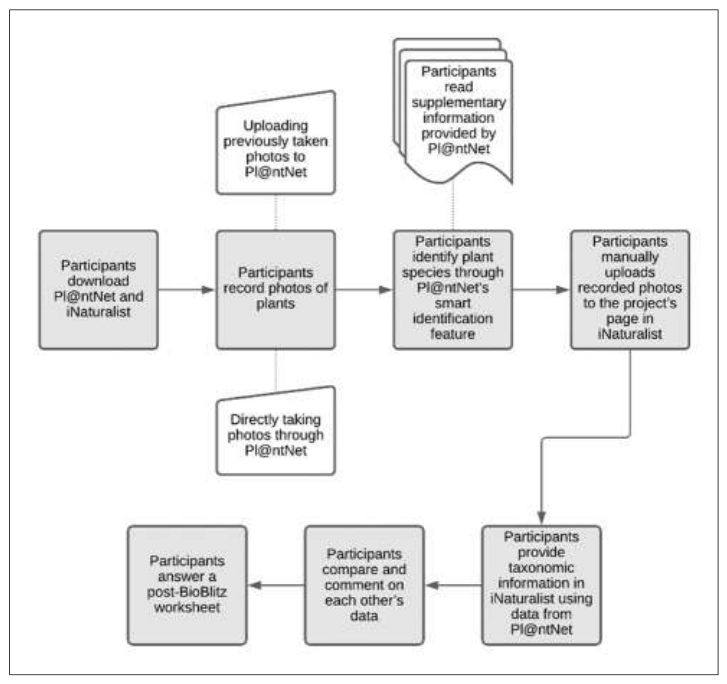
Pre- and post-assessments were given to research participants to measure the changes in their (a) scientific inquiry skills, (b) interest, (c) motivation, (3) perceived mastery of Taxonomy concepts, and (d) content mastery of Taxonomy concepts. Students who belong in the treatment group were briefed about the project's objectives, how to use the applications, and the research data gathering procedures before the intervention was implemented as it may affect their initial interest and motivation. These orientation sessions are done online through a video conference meeting. Survey questionnaires were distributed online to participants via Google Forms. Also, the follow-up interview was done online.
Data Analysis
Students’ mean opinion ranks and objective test results were compared between the pre-and post- examinations using paired t-tests. Computations were done using Microsoft Excel 2019. Thematic coding (Auerbach & Silverstein, 2003) was used to look for repeated elements in the interview prompts. This method made it possible to present common patterns. Text passages from the interviews were classified according to the topic (categorization). This process gave meaning to the data by revealing the relevant features in the material. The findings were described and summarized in quotes from the respondents. SWOT analysis was also used.
Results and Discussion
At the end of the intervention, participants in the treatment group were able to collect a total of 80 observations of 50 plant species, as shown in Figure 2.
Figure 2.
Overview of the project page in iNaturalist.
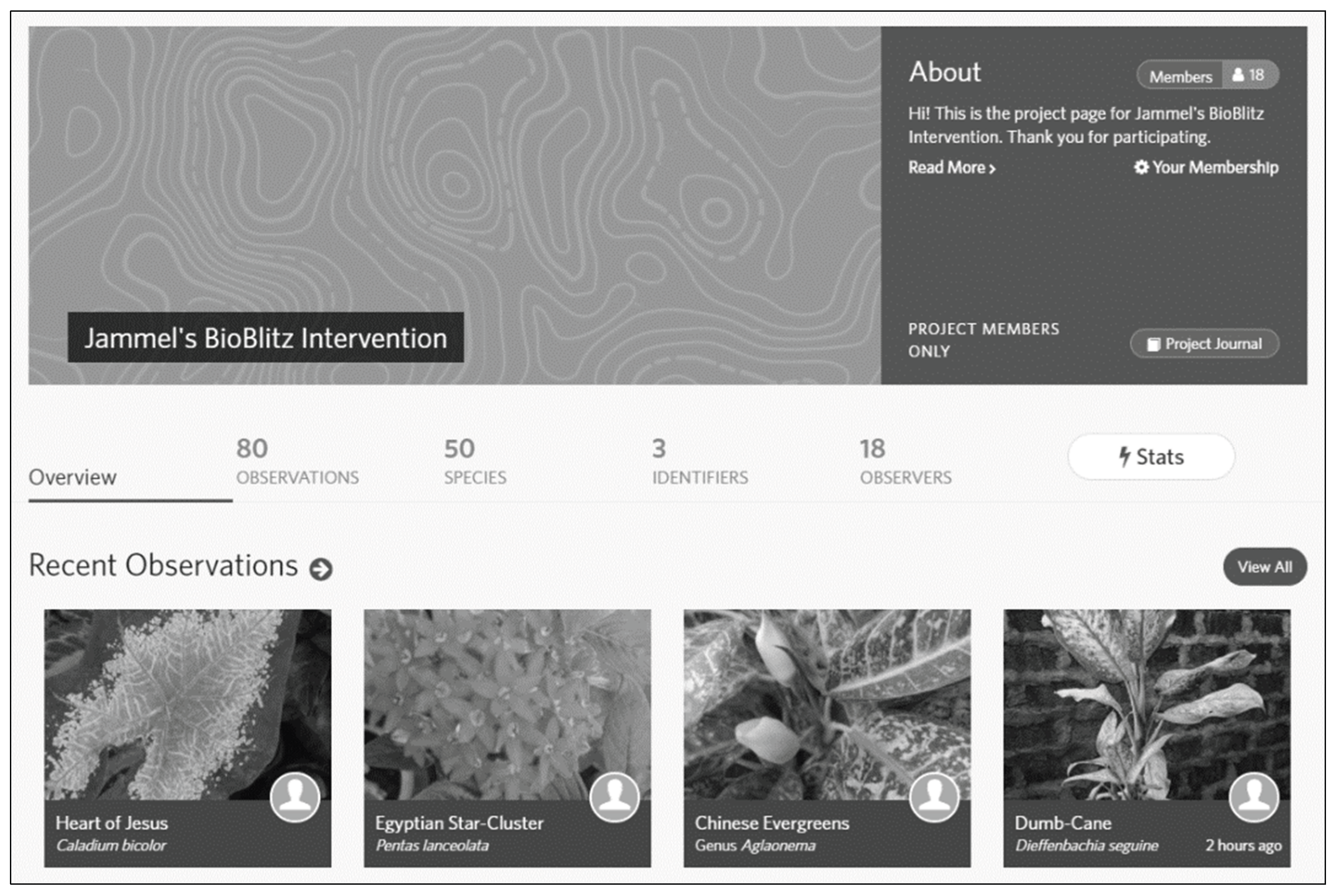
Figure 3.
Paired box plots showing difference in scientific inquiry skills for control (C) and treatment (T) groups during pre- (PR) and post- (PO) tests.
Figure 3.
Paired box plots showing difference in scientific inquiry skills for control (C) and treatment (T) groups during pre- (PR) and post- (PO) tests.
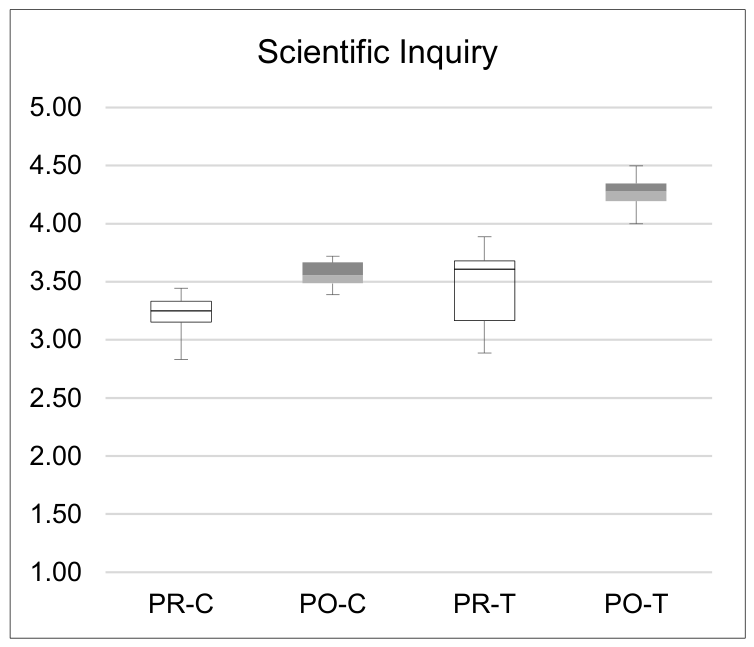
The first section of the questionnaire assessed students' procedural skills, such as asking questions, designing studies, collecting, analyzing, and interpreting data, experimenting, argumentation, synthesis, technology use, communication, and critical thinking for both the control and treatment groups. Pre- and post-assessments were given to see any changes in their responses, especially in the treatment group that received the intervention. All respondents used a five-point Likert scale to rate their agreement with questions about scientific inquiry skills and all other variables, which were later interpreted with numerical values, statistical limits, and verbal descriptions: 1.00-1.79: very low; 1.80-2.59: low; 3.00-3.39: moderate; 3.40-4.19: high; and 4.20-5.00: very high. The treatment group's overall mean increased from 3.46 in the pre-test to 4.26 in the post-test. This post-test mean exceeds the pre-test mean by a significant margin (p<0.001). Similarly, there was a significant difference in scientific inquiry skills for the control group (p<0.001). The pre-test score increased from 3.23 to 3.56 in the post-test. Nonetheless, the treatment group experienced a greater overall increase (18%) than the control group (9%). This showed that the intervention was successful in increasing students’ skills in scientific inquiry.
Among all the scientific inquiry skills considered, students' ability to identify plant species and train others increased the most, as reflected in Figure 4. The mean score for both items increased by 14.6%. This contrasts with the conclusions of a publication (Brossard, et al., 2005) showing the deployed citizen science initiative The Birdhouse Network did not improve participants' comprehension of the scientific process. However, a direct comparison between the findings of this study and those of Brossard et al. is impossible because the two citizen science initiatives differ in design and setting. To be clear, the BioBlitz intervention allowed participants to practice and improve their skills in observing, recording, identifying, analyzing, and communicating results, all of which are aspects of the scientific method.
Furthermore, unlike when The Birdhouse Network study was undertaken, the BioBlitz intervention's usage of smartphones and the internet-enabled easy to conduct the aforementioned activities. Also, as a paper (Cronje et al., 2011) noted, Brossard et al. (2005) used only one of the open-ended scientific understanding items from the multiple-item SEI instrument to assess citizen scientific literacy. The assessment for scientific inquiry in this research, on the other hand, was a multiple-item instrument.
An increase in the scientific procedural skills of students as a result of the intervention shows a favorable implication in science education. A scientific investigation is an essential tool in science education because it teaches science using reliable scientific methods and processes (Fitriani et al., 2016; Mareta, 2016). Students can predict, observe, describe, explain, and discuss natural phenomena in this manner and evaluate the quality of information based on the source (Purwati et al., 2021). These abilities help students develop adequate knowledge of appropriate attributes in all sectors of society, social responsibility, and the ability to solve real-world problems (Habiby et al., 2020). Several papers have reported the same scientific skill improvement and acquisition results following a citizen science intervention. For example, Haywood et al. (2016) and Sickler et al. (2014) reported that participants were able to accurately identify species as a result of participating in a citizen science project. Furthermore, Fernandez-Gimenez et al. (2008) and Bela et al. (2016) reported positive changes but did not specify which scientific skill/s were improved.
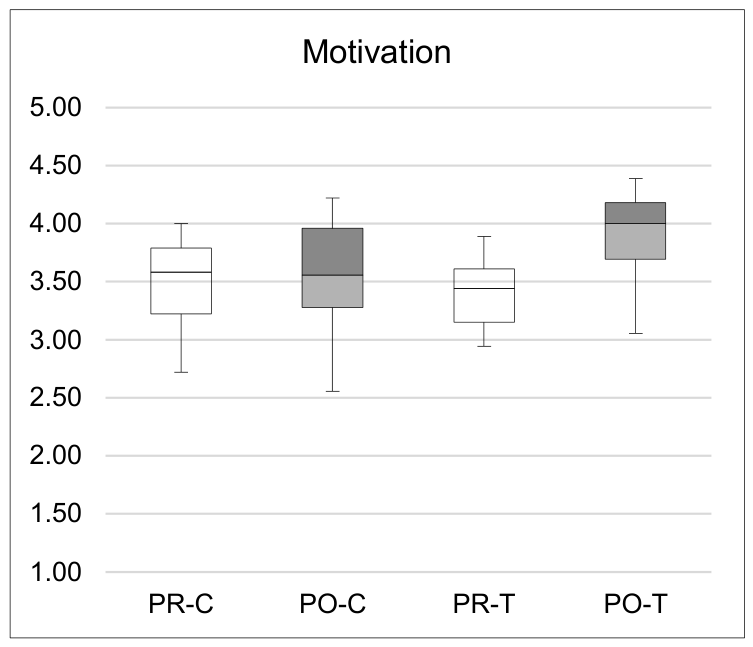
The second section of the questionnaire was intended to assess the intervention's impact on student's motivation to learn and do science. Questions about extrinsic and intrinsic motivations are included in both categories. The treatment group's overall mean increased from 3.51 in the pre-test to 3.89 in the post-test, indicating a significant difference (p=0.04) in the responses. The control group, on the other hand, showed no significant difference (p=0.50).

Table 1.
Mean agreement of respondents to questions about motivation in learning and doing science.
| In general, why do you choose to learn and understand taxonomy topics? | Mean | Remarks | |
|---|---|---|---|
| Learning | |||
| Intrinsic | Because I like learning about taxonomy topics. | 4 | |
| Because understanding taxonomy will help me achieve things that are important to me. | 4.17 | ||
| Because it’s fun to learn about taxonomy topics. | 4.17 | ||
| Because I believe that understanding taxonomy topics will help me in some way. | 4.28 | ||
| Extrinsic | For the recognition or respect, I'll get from others. | 3.06 | |
| Because I am required to understand taxonomy topics. | 4.06 | ||
| Because people I look up to think it's good to learn about taxonomy topics. | 3.89 | ||
| Because I want others to think I'm good at understanding taxonomy topics. | 3.39 | ||
| Overall Mean | 3.88 | High | |
| ME-MI | 0.56 | Intrinsic-dominated | |
| Doing | |||
| Intrinsic | Because taxonomy-related activities are fun to do. | 4.33 | |
| Because doing taxonomy-related activities will help me achieve things that are important to me. | 4.22 | ||
| Because I enjoy doing taxonomy-related activities. | 4 | ||
| Because I believe that doing taxonomy-related activities will help me in some way. | 4.38 | ||
| Extrinsic | Because I want others to think I'm good at doing taxonomy-related activities. | 3.17 | |
| Because people I look up to think it's good to engage in taxonomy-related activities. | 3.94 | ||
| Because I am required to do taxonomy-related activities. | 3.78 | ||
| For the recognition or respect, I'll get from others. | 3.44 | ||
| Overall Mean | 3.9 | High | |
| ME-MI | 0.65 | Intrinsic-dominated | |
Extrinsic motivation questions received an average score of 3.59 in the treatment group, while intrinsic motivation questions received a score of 4.19. A difference of 0.6 indicates that inherent motivations are primarily at work in influencing students' overall motivation to learn and do science due to the intervention. This result is consistent with the findings of Phillips et al. (2019), who discovered that participants in contributory and collaborative projects are more intrinsically motivated. The importance of motivation in supporting student accomplishment cannot be overstated. It should be mentioned that reason is critical in developing a platform for long-term learning. Extrinsic as well as intrinsic motives can motivate students to learn.
Elton (1988) noted that Intrinsic motivation allows a person to work independently and passionately. Serin (2018) emphasized that it is critical to implement engaging activities to develop intrinsically motivated learners. Also, another effective technique for increasing intrinsic motivation is to create a learning environment in which students compete with one another. This being said, the use of an intervention such as a citizen science project in the form of a technology-assisted BioBlitz increased students' motivation because this type of activity involves engaging tasks such as going outside, taking photos of plants, and classifying them using an app, all of which are ways to promote an exciting learning experience. For instance, Mackenzie et al. (2018) found that participants reported significantly higher levels of engagement, intrinsic motivation, enjoyment, self-determination, and physical activity during the outdoor adventure-based science course compared to pre-and post-school settings.
Figure 6.
Paired box plots showing difference in interest for control (C) and treatment (T) groups during pre- (PR) and post- (PO) tests.
Figure 6.
Paired box plots showing difference in interest for control (C) and treatment (T) groups during pre- (PR) and post- (PO) tests.
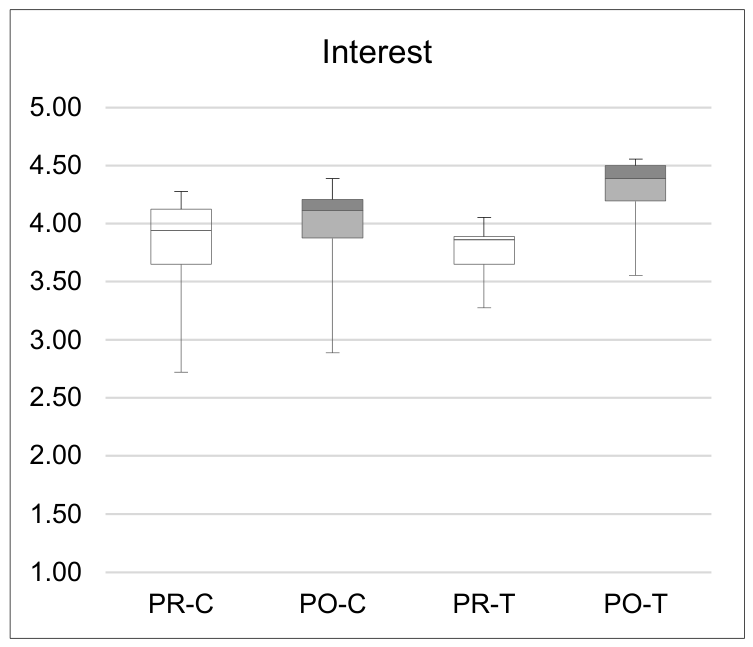
The third part of the questionnaire was intended to assess students’ interest in science. After implementing the intervention, the treatment group’s overall mean increased by a significant difference of 3.99 in the pre-test to 4.29 in the post-test, which indicates a significant difference (p=0.05). On the other hand, no significant difference was observed for the control group (p=0.78). According to a report (Kelemen-Finan et al., 2018), the high interest in science following participation in a citizen science intervention could be attributable to the fact that it involved ‘soft science,' such as investigating attractive species in familiar outdoor surroundings. This is consistent with the findings of another study (Kelemen-Finan et al., 2013), which found that being outside was the most appealing component of CS projects for students.
Figure 7.
Paired box plots showing difference in self-efficacy for control (C) and treatment (T) groups during pre- (PR) and post- (PO) tests.
Figure 7.
Paired box plots showing difference in self-efficacy for control (C) and treatment (T) groups during pre- (PR) and post- (PO) tests.
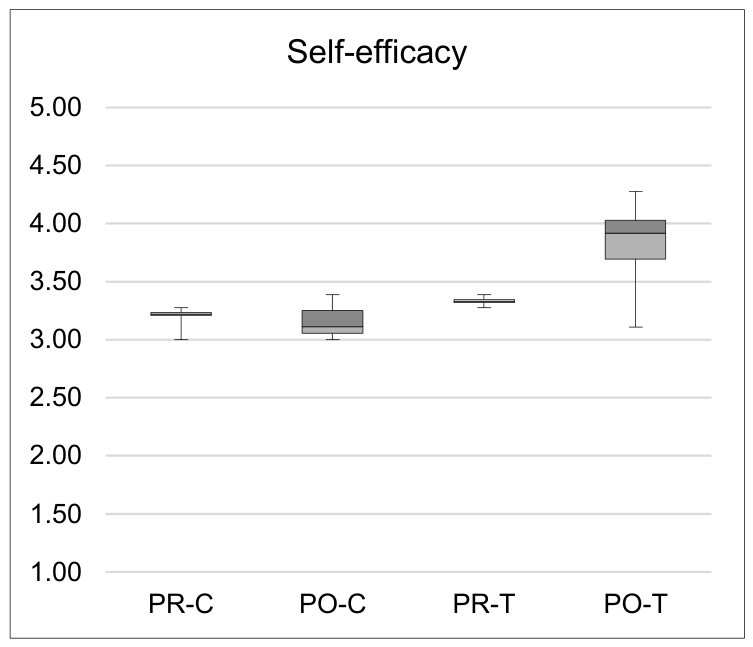
On the other hand, the fourth part was intended to measure students’ perception of mastery of taxonomic concepts. The treatment’s overall mean increased from 3.16 in the pre-test to 3.79 in the post-test. This indicates a significant difference (p=0.009). The overall mean of the control group also recorded an increase from 3.20 in the pre-test to 3.33 in the post-test, which indicates a significant difference as well (p=0.002).
The level of self-efficacy influences behavioral changes because those with higher self-efficacy are more likely to persevere in achieving success, regardless of difficulty. They view these tasks as problems to be addressed (Bandura, 1989; Tuan et al., 2005). Low self-efficacy beliefs harm academic performance and, over time, can "produce self-fulfilling prophecies of failure and learned helplessness that can damage psychological well-being” (Linnenbrink & Pintrich, 2002). Many studies have also concluded that a significant correlation exists between self-efficacy and academic performance (Pajares, 2002; Britner, 2008; Singh et al., 2002; Juan et al., 2014; Sabah & Hammouri, 2010). Moreover, students' enthusiasm for science and the value they place on its practical application might influence their dedication and drive to pursue the topic (Hassan, 2008).
Figure 8.
Paired box plots showing difference in scores for control (C) and treatment (T) groups during pre- (PR) and post- (PO) objective tests.
Figure 8.
Paired box plots showing difference in scores for control (C) and treatment (T) groups during pre- (PR) and post- (PO) objective tests.
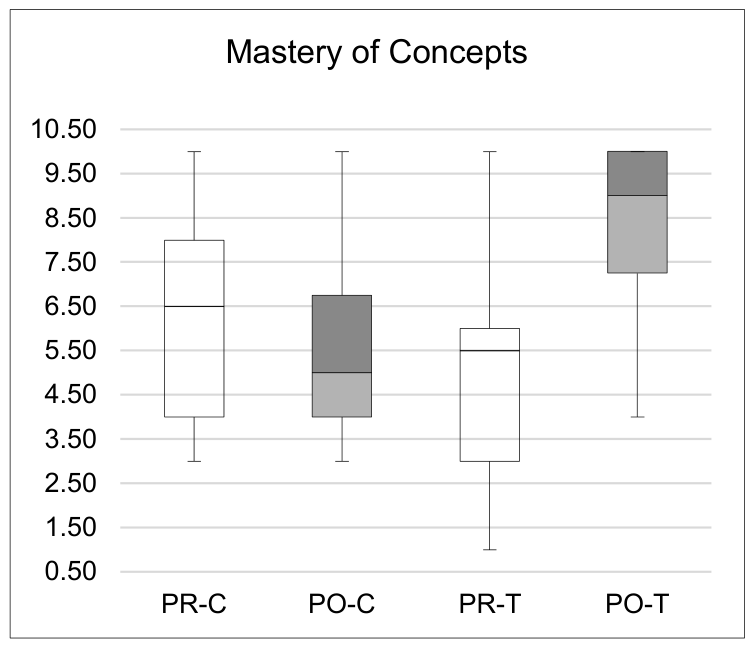
Finally, students’ mastery of concepts was measured using a ten-item objective test. The exam given at the post-test was more complex than the one shown at the pre-test. This is to ensure that the intervention was genuinely practical. Also, it was a way to guarantee the results’ validity, considering that the exam was administered using Google Forms. The students may secure a copy and search for responses from external sources before taking the post-exam. Despite a change in difficulty, the treatment group was able to score higher in the post-test. Mean scores increased from 5.56 in the pre-test to 8.33 in the post-test, which indicates a significant difference (p=<0.001). Although a decline in score was observed in the control group as scores were recorded to be 6.06 in the pre-test to 5.22 in the post-test, there was no significant change (p=0.32) in the scores. This showed that the intervention was successful in increasing students’ mastery of concepts in taxonomy.
Positive Perceptions
When asked how they felt about the intervention, most of the interviewees said it was enjoyable, thrilling, informative, and novel.
“For me, it was really fun and exciting, especially on the part where we need to take photos of different plants and make ourselves familiar with their common and scientific names. It was a really nice activity.”
“It was great. I'm not really familiar with the plants in our home, so it's fun that I get to explore them with this intervention.”
“It is amazing to learn from the BioBlitz intervention since I am not that [sic] a fan of taxonomy related topics, but with that intervention I gained a lot of information which [sic] helped me in determining the class, species, family, etc. of the different plants located in my surrounding.”
Meanwhile, the majority of those interviewed felt satisfied that they could help scientists by uploading data to PlantNet and iNaturalist, which are then shared with data repositories like the Global Information Facility.
“I am happy to hear that … I will be able to help and contribute with other scientists out there.”
“I feel proud that my simple act of just participating in someone else's research project, I also got to help others on a global scale.”
“I feel great that I was able to participate in interventions like this and help them obtain data.”
Strengths, Weaknesses, Opportunities, and Threats
Table 2.
SWOT (Strengths — Weaknesses — Opportunities — Threats) analysis resulting from the follow-up interview.
Table 2.
SWOT (Strengths — Weaknesses — Opportunities — Threats) analysis resulting from the follow-up interview.
Strengths
|
Weaknesses
|
Opportunities
|
Threats
|
Strengths
When asked what the intervention's strengths would be if they used it in their future teaching practice, most respondents said it is fun and engaging. This could be because the intervention required participants to go outside to find plants to record and identify. When students were only presented with pictures and textual information, the citizen science BioBlitz would increase students' interest in learning and doing science. This is mirrored in the quantitative results of this study for good (see Figure 5).
“I think my students would find it interesting and fun to do. This will give them the chance to be explorers, creative, and participants of conserving species. It is good for them to be able to experience new way of learning instead of merely reading.”
“I think the strength of this intervention makes the students more responsible in their own learning and positively effect [sic] the interest of the learners.”
“The students will feel more engagement to the subject, and it is not difficult to do.”
Weaknesses
Meanwhile, most respondents' perceptions of the intervention's potential flaws if implemented in the classroom include concerns about the resources and time required. Furthermore, data are scarce, and some plants may go unidentified. Similarities in the appearance of some plants are also a source of concern.
“…it requires so much time and resources….”
“Sometimes there is information that this intervention [PlantNet and iNaturalist] cannot provide.”
“Students will rely solely on the applications since information is readily available. Some students may mistake a specific type of plant as another's due to some similarities it depicts.”
Opportunities
The performance of the applications in terms of uploading speed and information availability were the main things that respondents thought could be improved.
“Yes, it has great potential. I wish the apps could be more improved, especially on the part when uploading images of plants, it's quite slow based on my experience, well maybe it's because of my internet connection or the app itself. Another thing is that the availability of information for a specific plant should be improved.”
“Yes, it can be improved if the two apps give every information about the specific plants. Because based on my experienced, there's some information needed to answer the worksheet that I cannot find from the two apps.”
“It really has a great potential in the classroom learning set up. I think data about the species should be improved because some are incomplete but probably it is for the reason that it is still being studied besides that is the purpose of BioBlitz to get the information of species living on certain areas.”
Threats
Finally, the main challenge that would be faced if this intervention is integrated into formal education is student safety.
“…the safety of the students that will be involved in the intervention, especially when gathering data.”
“Students may encounter dangerous plants out of curiosity.”
“Some students may acquire different types of plants that should not be cultivated.”
Conclusion
Students' scientific inquiry skills (p<0.001), motivation (p=0.04), interest (p=0.05), self-efficacy (p=0.009), and mastery of taxonomy concepts (p<0.001) were all significantly different between pre-and post-tests, according to paired t-test analysis. The results of a SWOT analysis of the participant's responses in the follow-up interview were promising. The participants identified the fun and engaging nature of the intervention as a strength; the demand for time and resources, as well as the limited information that the application can provide, were identified as weaknesses; application performance and information availability were identified as areas that could be improved, and threats included student safety. These positive findings conformed to the Department of Education's three domains of scientific education: (1) demonstrating scientific inquiry skills, (2) understanding and applying scientific knowledge, and (3) developing and demonstrating scientific attitudes and values. Thus, citizen science projects, particularly those focusing on biodiversity, can be integrated into K-12 science classes across the country.
Recommendations
It was suggested that the number of respondents is increased. It would also be interesting to investigate how motivation, interest, and self-efficacy affect content mastery in the context of citizen science intervention informal education.
Declarations
Conflict of Interest
The authors declare no competing interests.
Ethical approval
All methods in studies involving human subjects were carried out in line with the institutional and/or national research committee's ethical standards, as well as the 1964 Helsinki statement and its subsequent revisions or similar ethical standards. All materials and techniques are used in compliance with the instructions and rules, and this work has been authorized by Mindoro State University's research committee.
Consent to participate
All individual participants in the research gave their informed permission.
Acknowledgments
The authors acknowledge the support from the Research and Development Unit of Mindoro State University.
Author Contributions
LCM: conceptualization, methodology, investigation, formal analysis, writing-original draft, writing-review & editing, supervision; data curation, validation, writing-original draft, writing-review & editing, funding acquisition, resources, data visualization. JASR: investigation, formal analysis, project administration, writing-original draft, resources.
Funding
This research received no funding.
Survey Instruments
- Phillips, T., Porticella, N., Bonney, R., and Grack-Nelson, A. (2015). Interest in Science and Nature Scale (Adult Version). Technical Brief Series. Cornell Lab of Ornithology, Ithaca NY.
- Phillips, T., Porticella, N., and Bonney, R. (2017). Skills for Science Inquiry Scale (Custom). Technical Brief Series. Cornell Lab of Ornithology, Ithaca NY.
- Porticella, N., Phillips, T., and Bonney, R. (2017). Motivation for Doing and Learning Science Scale (Custom). Technical Brief Series. Cornell Lab of Ornithology, Ithaca NY.
- Porticella, N., Phillips, T., Bonney, R. (2017). Self-Efficacy for Learning and Doing Science Scale (SELDS, Custom). Technical Brief Series. Cornell Lab of Ornithology, Ithaca NY.
References
- Araujo, G.; Snow, S.; So, C. L.; Labaja, J.; Murray, R.; Colucci, A.; Ponzo, A. Population structure, residency patterns, and movements of whale sharks in Southern Leyte, Philippines: results from dedicated photo-ID and citizen science. Aquat. Conserv. Mar. Freshw. Ecosyst. 2017, 27, 237–252. [Google Scholar] [CrossRef]
- Auerbach, C.; Silverstein, L. B. Qualitative Data: An Introduction to Coding and Analysis; NYU Press: New York, NY, U.S.A., 2003. [Google Scholar]
- Bandura, A. (1989). Human Agency in Social Cognitive Theory", American Psychologist, EE. UU., vol. 44, núm. 9, pp. 1175-1184.(1993). Perceived Self-Efficacy in Cognitive Development and Functioning", Educational Psychologist, Reino Unido, 28(2), 117-148.
- Berchiolli, B.; Movahedzadeh, F.; Cherif, A. Assessing student success in a project-based learning biology course at a community college. Am. Biol. Teach. 2018, 80, 6–10. [Google Scholar] [CrossRef]
- Bela, G.; Peltola, T.; Young, J. C.; Balázs, B.; Arpin, I.; Pataki, G.; Hauck, J.; Kelemen, E.; Kopperoinen, L.; Van Herzele, A.; et al. Learning and the transformative potential of citizen science. Conserv. Biol. 2016, 30, 990–999. [Google Scholar] [CrossRef] [PubMed]
- Bonnet, P.; Joly, A.; Faton, J. M.; Brown, S.; Kimiti, D.; Deneu, B.; Servajean, M.; Affouard, A.; Lombardo, J.-C.; Mary, L.; et al. How citizen scientists contribute to monitor protected areas thanks to automatic plant identification tools. Ecol. Solut. Evid. 2020, 1, e12023. [Google Scholar] [CrossRef]
- Bonney, R.; Ballard, H.; Jordan, R.; McCallie, E.; Phillips, T.; Shirk, J.; Wilderman, C. C. Public participation in scientific research: Defining the field and assessing its potential for informal science education. A CAISE inquiry group report; Center for Advancement of Informal Science Education (CAISE): Washington, DC, 2009. [Google Scholar]
- Bonter, D. N.; Cooper, C. B. ‘Data validation in citizen science: a case study from Project FeederWatch’. Front. Ecol. Environ. 2012, 10, 305–307. [Google Scholar] [CrossRef]
- Brossard, D.; Lewenstein, B.; Bonney, R. Scientific knowledge and attitude change: The impact of a citizen science project. Int. J. Sci. Educ. 2005, 27, 1099–1121. [Google Scholar] [CrossRef]
- Britner, S. L. Motivation in high school science students: A comparison of gender differences in life, physical, and earth science classes. J. Res. Sci. Teach. 2008, 45, 955–970. [Google Scholar] [CrossRef]
- Conrad, C. C.; Hilchey, K. G. A review of citizen science and community-based environmental monitoring: Issues and opportunities. Environ. Monit. Assess. 2011, 176, 273–291. [Google Scholar] [CrossRef] [PubMed]
- Costa-Silva, D.; Côrtes, J. A.; Bachinski, R. F.; Spiegel, C. N.; Alves, G. G. Teaching cell biology to dental students with a project-based learning approach. J. Dent. Educ. 2018, 82, 322–331. [Google Scholar] [CrossRef] [PubMed]
- Creswell, J. W.; Creswell, J. D. Research design: Qualitative, quantitative, and mixed methods approaches; Sage publications, 2017. [Google Scholar]
- Creswell, John W. Qualitative inquiry and research design: Choosing among five approaches; Sage, 2012. [Google Scholar]
- Cronje, R.; Rohlinger, S.; Crall, A.; Newman, G. Does participation in citizen science improve scientific literacy? A study to compare assessment methods. Appl. Environ. Educ. Commun. 2011, 10, 135–145. [Google Scholar] [CrossRef]
- Dem, E. S.; Rodríguez-Labajos, B.; Wiemers, M.; Ott, J.; Hirneisen, N.; Bustamante, J. V.; Bustamante, M.; Settele, J. Understanding the relationship between volunteers’ motivations and learning outcomes of Citizen Science in rice ecosystems in the Northern Philippines. Paddy Water Environ. 2018, 16, 725–735. [Google Scholar] [CrossRef]
- DepEd. K to 12 Science Curriculum Guide. August 2016. Available online: https://www.deped.gov.ph/wp-content/uploads/2019/01/Science-CG_with-tagged-sci-equipment_revised.pdf.
- Fernandez-Gimenez, M. E.; Ballard, H. L.; Sturtevant, V. E. Adaptive management and social learning in collaborative and community-based monitoring: a study of five community-based forestry organizations in the western USA. Ecol. Soc. 2008, 13. [Google Scholar] [CrossRef]
- Fitriani, N. R.; Widiyatmoko, A.; Khusniati, M. THE EFFECTIVENESS OF CTL MODEL GUIDED INQUIRI-BASED IN THE TOPIC OF CHEMICALS IN DAILY LIFE TO IMPROVE STUDENTS’LEARNING OUTCOMES AND ACTIVENESS. J. Pendidik. IPA Indones. 2016, 5, 278–283. [Google Scholar]
- Habiby, I.; Hernani, H.; Suwandi, T. Junior High School Students' Understanding of The Nature of Science. J. Pendidik. Progresif 2020, 10, 154–161. [Google Scholar] [CrossRef]
- Haywood, B. K.; Parrish, J. K.; Dolliver, J. Place-based and data-rich citizen science as a precursor for conservation action. Conserv. Biol. 2016, 30, 476–486. [Google Scholar] [CrossRef] [PubMed]
- Johnson, R.; Onwuegbuize, A. Mixed Methods Research: A Research Paradigm Whose Time has Come. Educ. Res. 2004, 33, 14–26. [Google Scholar] [CrossRef]
- Juan, A. L.; Reddy, V.; Hannan, S. Attitudes to science: part of the puzzle to improve educational achievement? Afr. Agenda 2014, 2014, 13–16. [Google Scholar]
- Laetsch, W.M. A basis for better public understanding of science. In Communicating science to the public; GIBA Foundational Conference, Ed.; John Wiley & Sons: New York, 1987; pp. 1–18. [Google Scholar]
- Linnenbrink, E. A.; Pintrich, P. R. Motivation as an enabler for academic success. Sch. Psychol. Rev. 2002, 31, 313–327. [Google Scholar] [CrossRef]
- Kortam, N.; Basheer, A.; Hofstein, A.; Hugerat, M. How Project-Based Learning promotes 7th grade students' motivation and attitudes towards studying biology. Action Res. Innov. Sci. Educ. 2018, 1, 9–17. [Google Scholar] [CrossRef]
- Lucky, A.; Savage, A. M.; Nichols, L. M.; Castracani, C.; Shell, L.; Grasso, D. A.; Mori, A.; Dunn, R. R. ‘Ecologists, educators, and writers collaborate with the public to assess backyard diversity in The School of Ants Project’. Ecosphere 2014, 5, art78. [Google Scholar] [CrossRef]
- Mackenzie, S. H.; Son, J. S.; Eitel, K. Using outdoor adventure to enhance intrinsic motivation and engagement in science and physical activity: An exploratory study. J. Outdoor Recreat. Tour. 2018, 21, 76–86. [Google Scholar] [CrossRef]
- MARETTA, Y. Preparing prospective teachers in integrating science and local wisdom through practicing open inquiry. J. Turk. Sci. Educ. 2016, 13, 3–14. [Google Scholar]
- Milla, D.; Jufri, A. W.; Soepriyanto, H. The effectiveness pf project-based learning for biology class in developing the science processing skills and creativity of high school students. Unnes Sci. Educ. J. 2019, 8. [Google Scholar]
- Mullis, I. V. S.; Martin, M. O.; Foy, P.; Kelly, D. L.; Fishbein, B. TIMSS 2019 International Results in Mathematics and Science. Retrieved from Boston College, TIMSS & PIRLS International Study Center website. 2020. Available online: https://timssandpirls.bc.edu/timss2019/international-results/.
- National Research Council. Taking science to school: Learning and teaching science in grades K-8; National Academies Press, 2007. [Google Scholar]
- Newman, I.; Benz, C. R. Qualitative-quantitative research methodology: Exploring the interactive continuum; Southern Illinois University Press: Carbondale, IL, 1998. [Google Scholar]
- OECD Programme for International Student Assessment. PISA 2018 Results. 2018. Available online: https://www.oecd.org/pisa/publications/pisa-2018-results.htm.
- Pajares, F. Gender and perceived self-efficacy in self-regulated learning. Theory Pract. 2002, 41, 116–125. [Google Scholar] [CrossRef] [PubMed]
- Phillips, T. B.; Ferguson, M.; Minarchek, M.; Porticella, N.; Bonney, R. User’s guide for evaluating learning outcomes in citizen science; Cornell Lab of Ornithology.: Ithaca, NY, 2014; 58p, Available online: http://www.birds.cornell.edu/citscitoolkit/evaluation.
- Purwati, R.; Liestari, S. P.; Suwandi, T.; Wulan, A. R.; Utari, S. Profile of Learning Experiences and Students' Scientific Inquiry Skills in Science Subjects. In International Conference on Educational Assessment and Policy (ICEAP 2020); 2021; Atlantis Press; pp. 22–28. [Google Scholar]
- Reysio-Cruz, M. Worst PH ranking in math, science, reading prompts DepEd review. INQUIRER.Net. 5 December 2019. Available online: https://newsinfo.inquirer.net/1198208/worst-ph-ranking-in-math-science-reading-prompts-deped-review.
- Sabah, S.; Hammouri, H. Does subject matter matter? Estimating the impact of instructional practices and resources on student achievement in science and mathematics: Findings from TIMSS 2007. Eval. Res. Educ. 2010, 23, 287–299. [Google Scholar] [CrossRef]
- SEI-DOST; UP NISMED. Science framework for philippine basic education; SEI-DOST & UP NISMED: Manila, 2011. [Google Scholar]
- Serin, H. The use of extrinsic and intrinsic motivations to enhance student achievement in educational settings. Int. J. Soc. Sci. Educ. Stud. 2018, 5, 191–194. [Google Scholar] [CrossRef]
- Sickler, J.; Cherry, T. M.; Allee, L.; Smyth, R. R.; Losey, J. Scientific value and educational goals: Balancing priorities and increasing adult engagement in a citizen science project. Appl. Environ. Educ. Commun. 2014, 13, 109–119. [Google Scholar] [CrossRef]
- Singh, K.; Granville, M.; Dika, S. Mathematics and science achievement: Effects of motivation, interest, and academic engagement. J. Educ. Res. 2002, 95, 323–332. [Google Scholar] [CrossRef]
- Sullivan, B. L.; Aycrigg, J. L.; Barry, J. H.; Bonney, R. E.; Bruns, N.; Cooper, C. B.; Damoulas, T.; Dhondt, A.A.; Dietterich, T.; Farnsworth, A.; et al. The eBird enterprise: An integrated approach to development and application of citizen science. Biol. Conserv. 2014, 169, 31–40. [Google Scholar] [CrossRef]
- Tuan, H. L.; Chin, C. C.; Shieh, S. H. The development of students’ motivation toward science learning questionnaire. Int. J. Sci. Educ. 2005, 27, 639–654. [Google Scholar] [CrossRef]
- Yustina, Y.; Syafii, W.; Vebrianto, R. The Effects of Blended Learning and Project-Based Learning on Pre-Service Biology Teachers’ Creative Thinking Skills through Online Learning in the Covid-19 Pandemic. J. Pendidik. IPA Indones. 2020, 9, 408–420. [Google Scholar] [CrossRef]
Figure 4.
Paired histograms showing changes in student responses to questions pertaining to scientific inquiry skills in both control and treatment groups.
Figure 4.
Paired histograms showing changes in student responses to questions pertaining to scientific inquiry skills in both control and treatment groups.
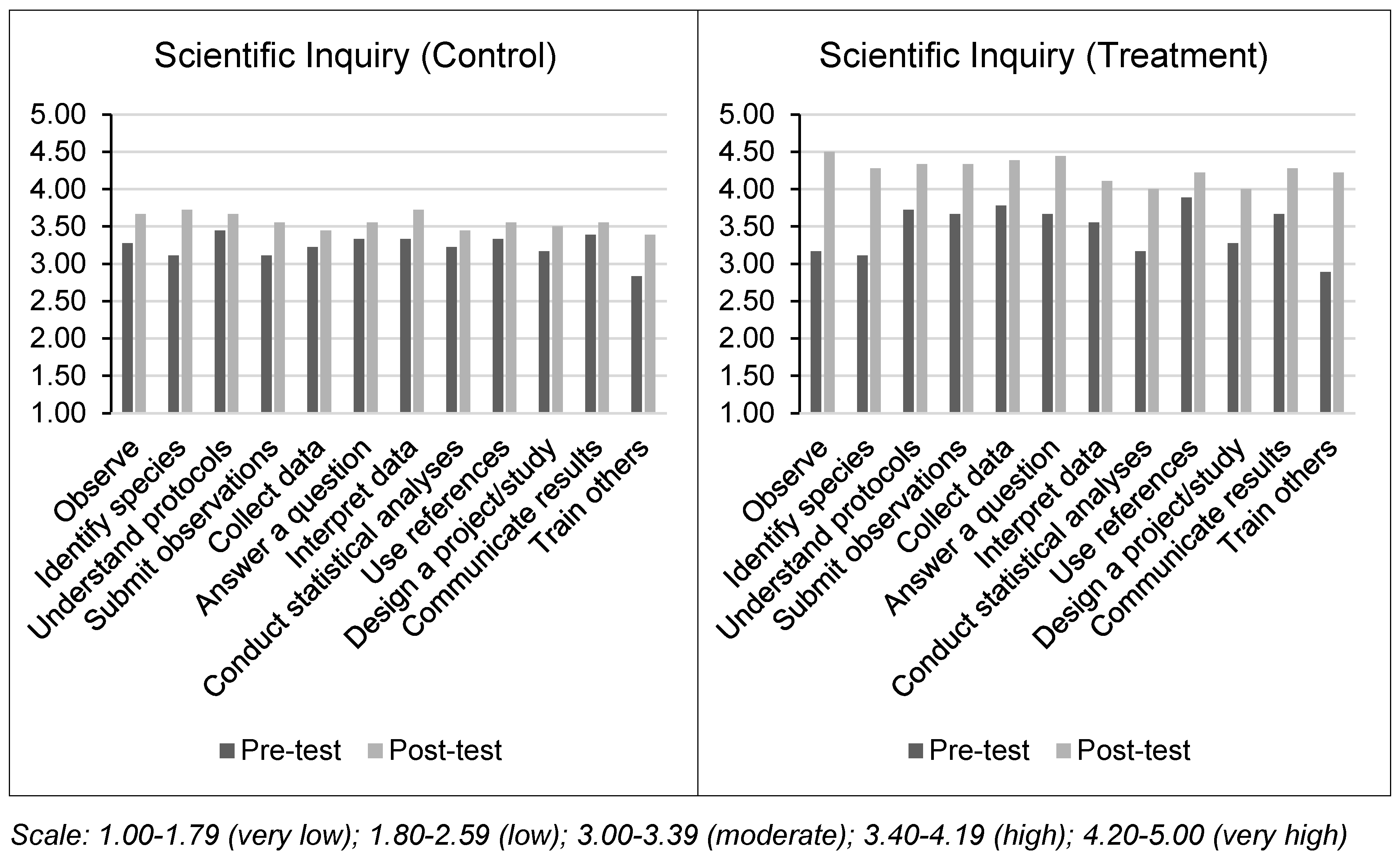
Figure 5.
Paired box plots showing difference in motivation for control (C) and treatment (T) groups during pre- (PR) and post- (PO) tests.
Figure 5.
Paired box plots showing difference in motivation for control (C) and treatment (T) groups during pre- (PR) and post- (PO) tests.
Disclaimer/Publisher’s Note: The statements, opinions and data contained in all publications are solely those of the individual author(s) and contributor(s) and not of MDPI and/or the editor(s). MDPI and/or the editor(s) disclaim responsibility for any injury to people or property resulting from any ideas, methods, instructions or products referred to in the content. |
© 2026 by the authors. Licensee MDPI, Basel, Switzerland. This article is an open access article distributed under the terms and conditions of the Creative Commons Attribution (CC BY) license (http://creativecommons.org/licenses/by/4.0/).
Copyright: This open access article is published under a Creative Commons CC BY 4.0 license, which permit the free download, distribution, and reuse, provided that the author and preprint are cited in any reuse.