

Submitted:
28 September 2026
Posted:
29 September 2026
You are already at the latest version
Abstract
Background: Carpal tunnel syndrome (CTS) is a common condition in the third trimester due to hormonal changes, fluid retention, and weight gain, and is associated with pain, numbness, and impaired hand function. Home-based exercise programs support symptom relief, adherence, and continuous remote monitoring. Aim: To evaluate the effect of a home-based exercise protocol on pain and hand function among pregnant women with de novo carpal tunnel syndrome. Methods: A pre-experimental design (one-group pretest–posttest design) was utilized in the present study. A purposive sample of 50 pregnant women diagnosed with de novo CTS was recruited from outpatient prenatal clinics at Minia University Hospital for Maternity and Children. Data were collected using a structured interview questionnaire, the Boston Carpal Tunnel Syndrome Questionnaire, the Numerical Pain Rating Scale, and the Women’s Satisfaction Likert Scale. Participants followed a structured home-based exercise protocol comprising hand and wrist exercises, stretching and strengthening exercises, and wrist splint use, practiced regularly at home. Pain intensity, symptom severity, and hand function were assessed before and after the intervention. Results: The mean age was 31.75 ± 12.46 years and mean gestational age was 31.2 ± 4.3 weeks. Wrist pain, symptom severity, and hand function improved significantly after the intervention (p <0 .001). Mean symptom severity score decreased from 4.20 ± 0.79 to 1.76 ± 0.76, and mean functional status score decreased from 4.12 ± 0.75 to 1.71 ± 0.72. Exercise adherence was strongly negatively correlated with symptom severity (r = −.894, p = .001) and functional impairment (r = −.887, p = 0.001). Overall, 88% of participants reported high satisfaction with the intervention. Conclusion: A home-based exercise protocol significantly reduced pain and symptom severity and improved hand function in pregnant women with de novo CTS, with high adherence-linked benefit and participant satisfaction. Nurses can integrate structured, remotely monitored exercise protocols into routine prenatal care for CTS management.
Keywords:
carpal tunnel syndrome
; hand function
; home-based exercise
; pain
; pregnancy
1. Introduction
Pregnancy-related carpal tunnel syndrome (PRCTS) is the most common peripheral entrapment neuropathy affecting the upper extremity during pregnancy. It results from compression of the median nerve within the carpal tunnel at the wrist (Movaghar et al., 2023). The condition is primarily associated with physiological changes during pregnancy, including hormonal fluctuations, fluid retention, and increased soft-tissue edema. Elevated estrogen and progesterone levels contribute to fluid accumulation and swelling of the synovial tissues surrounding the flexor tendons, increasing pressure within the confined space of the carpal tunnel and subsequently compressing the median nerve (Padua et al., 2024).
The clinical manifestations of PRCTS include pain, numbness, tingling sensations, nocturnal discomfort, hand weakness, and reduced manual dexterity. Symptoms commonly affect the thumb, index finger, middle finger, and radial half of the ring finger, corresponding to the sensory distribution of the median nerve. As symptom severity increases, women may experience difficulty performing daily activities, including personal care, household tasks, and infant-related activities, which can adversely affect their quality of life and functional independence (Keskin et al., 2020; Movaghar et al., 2023).
Pregnancy-related CTS is typically identified when symptoms first develop during gestation, particularly during the third trimester. Reported prevalence rates vary considerably across studies, ranging from less than 1% to more than 60%, depending on diagnostic criteria, assessment methods, and study populations. Nevertheless, evidence consistently indicates that the incidence of CTS increases substantially during late pregnancy, making it a significant maternal health concern (Mansiz Kaplan et al., 2021). The high prevalence observed among third-trimester women highlights the need for effective and accessible management strategies.
Management of PRCTS is predominantly conservative because pharmacological and surgical interventions are generally limited during pregnancy. Recommended approaches include wrist splinting, therapeutic exercises, ergonomic modifications, patient education, and activity adjustments aimed at reducing median nerve compression and improving hand function. Previous studies have demonstrated that exercise-based interventions and night splinting can significantly reduce pain, improve symptom severity, and enhance functional outcomes among pregnant women with CTS (Keskin et al., 2020; Movaghar et al., 2023).
Recent advances in digital health technologies have created new opportunities for delivering healthcare services remotely. Digital nursing interventions, including tele-nursing, mobile health applications, video consultations, instant messaging platforms, and remote patient monitoring, have demonstrated effectiveness in improving patient engagement, self-management, treatment adherence, and healthcare accessibility across various clinical conditions (Braga et al., 2024). Such approaches may be particularly valuable during pregnancy, when mobility limitations, transportation challenges, and frequent healthcare visits may hinder access to continuous care.
Digital nursing-guided exercise programs offer a promising strategy for managing pregnancy-related CTS by combining evidence-based rehabilitation with convenient remote support. Through continuous monitoring, personalized education, and timely professional guidance, digital platforms may enhance adherence to prescribed exercises while promoting symptom management and functional recovery. Consequently, integrating digital nursing care into the management of PRCTS may improve maternal outcomes while reducing barriers to healthcare access.
Therefore, the present study was conducted to evaluate the effect of a home-based exercise protocol on pain reduction and hand function among third-trimester pregnant women with carpal tunnel syndrome.
1.1. Study Rationale and Unique Contribution
While conservative management is widely recommended as the first-line approach for carpal tunnel syndrome (CTS), most existing evidence on exercise-based interventions derives from non-pregnant populations with chronic or idiopathic CTS, and cannot be assumed to generalize to pregnancy. Pregnancy-related CTS differs mechanistically from idiopathic CTS, driven by transient hormonal fluid shifts rather than repetitive strain, yet is typically managed with the same generic advice (wrist splinting, activity modification) without protocols tailored to its self-limiting, pregnancy-specific course. Moreover, pharmacological and surgical options are largely contraindicated or deferred during pregnancy, narrowing the field to conservative strategies whose effectiveness in this population remains poorly quantified. To date, no identified study has evaluated a structured, nurse-delivered home-based exercise protocol combining hand/wrist exercises, stretching and strengthening, and splint use specifically for de novo CTS arising during pregnancy, nor examined its feasibility when delivered and monitored remotely through digital nursing platforms (e.g., WhatsApp, video calls, secure messaging). This gap is clinically significant: untreated CTS symptoms can impair a woman’s ability to perform infant care and daily activities in the peripartum period, while prenatal care visits offer limited time for hands-on symptom management. This study addresses this gap by evaluating a structured, remotely monitored home-based exercise protocol designed specifically for pregnant women with de novo CTS, contributing novel evidence on a feasible, non-pharmacological, nurse-led approach to symptom management in a population for whom treatment options are otherwise constrained.
1.2. Aim of the Study
To evaluate the effect of a home-based exercise protocol on pain and hand function among pregnant women with de novo carpal tunnel syndrome (CTS).
Research Hypothesis
H1.
Pregnant women with de novo carpal tunnel syndrome who follow the home-based exercise protocol will demonstrate significantly lower mean pain scores at the 3rd, 6th, 9th, and 12th weeks compared with baseline.
H2.
Pregnant women with de novo carpal tunnel syndrome who follow the home-based exercise protocol will demonstrate significantly lower mean Symptom Severity Scale (SSS) scores at the 3rd, 6th, 9th, and 12th weeks compared with baseline.
H3.
Pregnant women with de novo carpal tunnel syndrome who follow the home-based exercise protocol will demonstrate significantly lower mean Functional Status Scale (FSS) scores at the 3rd, 6th, 9th, and 12th weeks compared with baseline, indicating improved hand function.
2. Methods
2.1. Research Design
A pre-experimental design (one-group pretest–posttest design) was utilized in the present study. This design involves measuring a single group of participants before and after the implementation of an intervention to determine whether changes in the outcome variables can be attributed to the intervention. The design does not include random assignment or a control group; therefore, participants serve as their own controls by comparing pre-intervention and post-intervention measurements. It is commonly used in nursing and health sciences research when randomization is impractical or ethically challenging (Campbell, & Stanley, 1963).
2.2. Setting
The study was conducted in the outpatient prenatal clinics of Minia University Hospital for Maternity and Children, a tertiary care teaching hospital. The hospital serves as a major referral center for maternal and child health services, providing comprehensive antenatal, intrapartum, and postnatal care to women from both urban and rural areas of the governorate and surrounding regions. The outpatient prenatal clinics offer routine antenatal follow-up, health assessment, counseling, screening, and management of pregnancy-related conditions. These clinics receive a large number of pregnant women daily, making them an appropriate setting for recruiting participants and implementing interventions aimed at improving maternal health outcomes. The selection of this setting facilitated access to pregnant women diagnosed with carpal tunnel syndrome during routine antenatal visits and ensured the feasibility of follow-up throughout the study period.
2.3. Sample and Sampling
A purposive sampling technique was used in the current study. Participants were recruited from the outpatient antenatal clinics at Minia University Hospital during routine antenatal follow-up visits. Inclusion criteria were pregnant women between 24 and 40 weeks of gestation with de novo pregnancy-related carpal tunnel syndrome (CTS), defined as the first onset of characteristic CTS symptoms during the current pregnancy, with no history of CTS or related symptoms before pregnancy. The diagnosis was established by an obstetrician based on clinical history and physical examination. Clinical criteria included pain, numbness, tingling, or paresthesia in the median nerve distribution of the hand, supported by a positive Phalen’s and/or Tinel’s provocative test. These provocative tests were used to support the clinical diagnosis rather than as standalone confirmatory tests. Women were also required to be willing to participate and able to follow the home-based exercise protocol.
2.4. Sample Size
An a priori sample-size calculation was performed using G*Power (Perugini, Gallucci, & Costantini, 2018). The original calculation was based on a within-subject comparison of pre- and post-intervention outcomes, assuming a large standardized effect size (Cohen’s d = 0.80), a significance level of α = 0.05, statistical power of 80%, and a two-tailed test. In the absence of sufficiently comparable previous studies from which an intervention-specific effect size could be derived, Cohen’s conventional threshold of d = 0.80 for a large standardized effect was used as an a priori assumption. The study ultimately included 50 participants. Outcomes were assessed at five time points (baseline and weeks 3, 6, 9, and 12); therefore, the original sample-size calculation was based on the planned pre–post comparison rather than specifically accounting for the repeated-measures analysis across all five assessment points.
2.5. Data Collection Procedures
Following approval from the Research Ethics Committee of Minia University, data were collected between February and April 2025. Study procedures were conducted in four phases: baseline assessment, intervention preparation, implementation of the home-based exercise protocol, and outcome evaluation.
Phase I: Baseline Assessment
Eligible pregnant women with de novo CTS during the third trimester were recruited from the outpatient prenatal clinics. After providing written informed consent, participants completed the structured interview questionnaire. Baseline pain intensity was assessed using the Numeric Pain Rating Scale (NPRS), while symptom severity and functional status were assessed using the Boston Carpal Tunnel Syndrome Questionnaire (BCTQ).
Phase II: Intervention Preparation
A structured 12-week home-based exercise protocol was developed based on available evidence and clinical recommendations for conservative CTS management. The protocol consisted of CTS education, ergonomic and activity modification, nocturnal wrist splinting, tendon-gliding exercises, median nerve-gliding exercises, wrist mobility exercises, stretching, and hand-strengthening exercises.
Home-Based Exercise Protocol
The home-based exercise protocol was developed and delivered under the supervision of a physical therapist in collaboration with the primary researcher (a maternity/nursing researcher). The physical therapist contributed to designing the exercise protocol and provided training to the research team on proper exercise technique, while the researcher conducted participant recruitment, education, and remote follow-up/monitoring throughout the intervention period. It consisted of tendon-gliding, median nerve-gliding, wrist mobility, stretching, and hand-strengthening exercises, together with nocturnal neutral-position wrist splinting. Participants were instructed and individually trained to perform each exercise correctly before starting the home program. The researcher provided illustrated instructions and instructional videos to support correct performance.
The exercise protocol included the following components:
1. Wrist Bending: Participants performed forward and backward flexion of the wrist while seated with the forearm supported, holding each position for 5 seconds. Ten repetitions per set were completed, with three sets in total (Figure 1).
2. Wrist Lift: One hand was placed on the table, palm down, fingers bent upward, while the other hand applied downward pressure across the knuckles at a 90-degree angle. Participants resisted the pressure by lifting the bottom hand, then alternated hands. Three sets were completed (Figure 2) (American Academy of Orthopaedic Surgeons, 2018).
3. Wrist Flex: Forward and backward stretches were performed with one arm extended, palm down. The opposite hand gently pulled the fingers toward the body, holding each stretch for 15–30 seconds. Each set included both forward and backward stretches, with three sets per wrist (Figure 3).
4. Finger Bending: Participants flexed only the middle knuckles toward the palm, holding for 5 seconds, then returned to the starting position. Each set included 10 repetitions, with three sets in total (Figure 4).
5. Hand Squeezing: A rubber ball was squeezed firmly for 5 seconds per repetition, with 10 repetitions per set, across three sets (Figure 5).
6. Median Nerve Gliding Exercises: Sequential movements were performed including making a fist, fully opening the hand, bending the wrist palm-up, pointing the thumb outward, rotating the wrist palm-away, and gently pulling the thumb down. Three sets were completed per session (Figure 6).
7. Hand Splinting: The wrist was maintained in a neutral position using a splint during overnight periods to provide continuous support and reduce strain (Figure 7).
Follow-up and adherence: Follow-up was provided through WhatsApp and telephone/video calls. Participants received regular reminders regarding exercise performance and nocturnal splint use. Follow-up contacts were used to assess symptoms, reinforce correct exercise technique, address questions or difficulties, and encourage adherence. Participants completed a daily exercise checklist documenting exercise sessions and wrist-splint use.
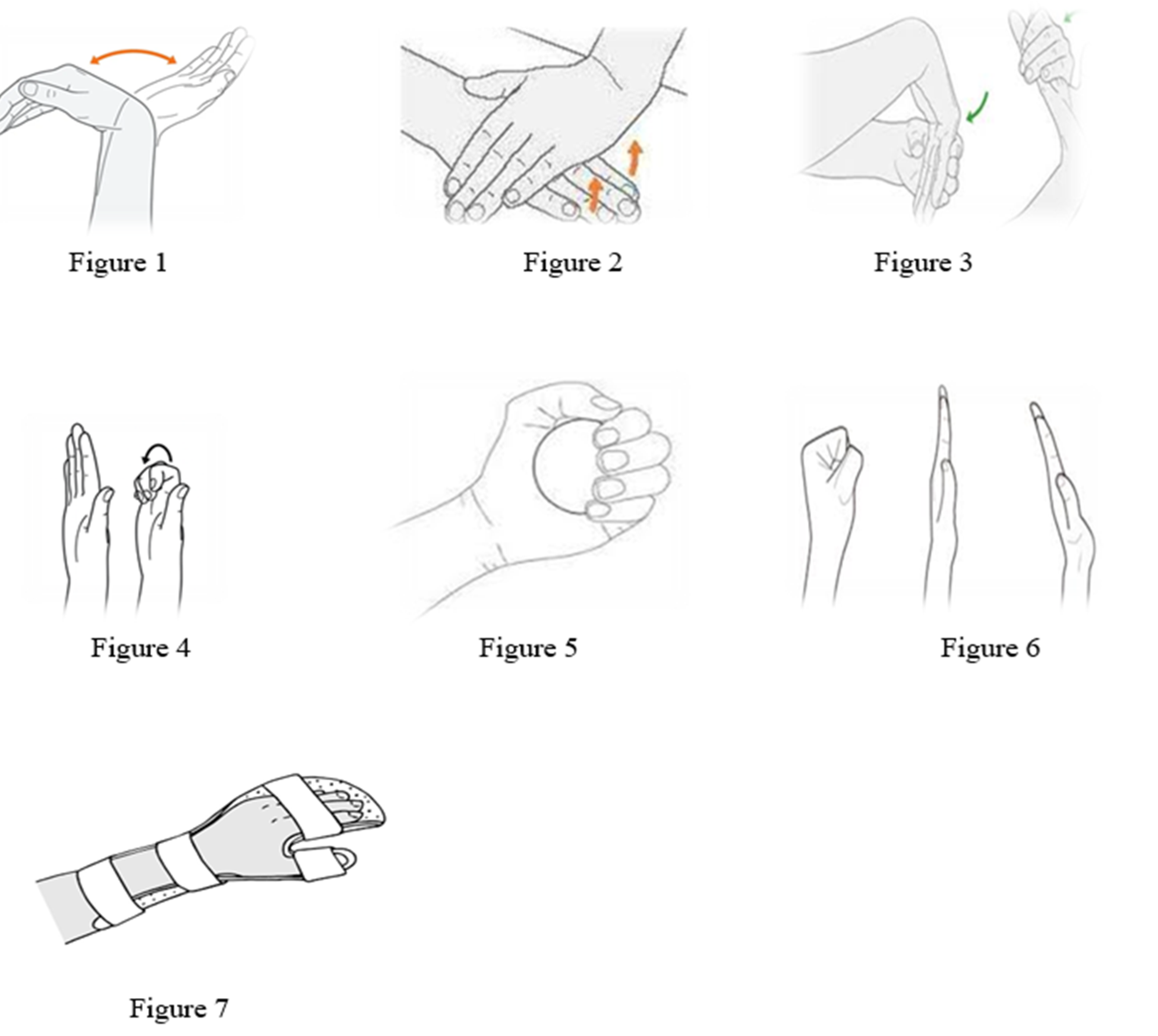
Locatted at: Sevy, J. O., Sina, R. E., & Varacallo, M. (2025). Carpal Tunnel Syndrome. [Updated 2023 Oct 29]. StatPearls [Internet]. Treasure Island (FL): StatPearls Publishing
2.6. Measures
Data were collected by the researchers using information from: a structured interview questionnaire, the Numeric Pain Rating Scale (NPRS), the Boston Carpal Tunnel Syndrome Questionnaire (BCTQ), and the Women’s Satisfaction Likert Scale.
1. A structured interview questionnaire was developed by the researchers after reviewing the related literature. It included three parts:
Part I: Demographic Characteristics included the following: maternal age, residence, educational background, occupation, income level, and family history. Part II: The obstetrics and medical factors among pregnant women included: gestational age, gravidity, & Body Mass Index.
Part III: Wrist pain characteristics. This part included questions related to the presence and the site of wrist pain (right, left, or bilateral).
2. The Numeric Pain Rating Scale (NPRS)
It is a standardized tool developed by McCaffery & Beebe (1989) to assess pain intensity. It uses a 0–10 scale, where 0 indicates no pain, and 10 represents the worst possible pain. Pain is categorized as mild (1–2), moderate (3–4), severe (5–6), very severe (7–8), and worst (9–10). Each level is accompanied by a facial expression illustration to help participants accurately report their pain. Cronbach’s alpha values range from 0.86 to 0.95, indicating strong consistency in measuring pain intensity across items.
3. Boston Carpal Tunnel Syndrome Questionnaire (BCTQ)
It is a standardized tool developed by Levine et al. (1993) to assess symptom severity and functional status in individuals with Carpal Tunnel Syndrome, and in this study, it was used for third-trimester pregnant women with CTS. It is a self-administered questionnaire consisting of two subscales: Symptom Severity Scale (SSS). It consists of 11 items evaluating multiple aspects of CTS symptoms, including daytime and nocturnal pain, symptom duration, numbness, weakness, nighttime tingling, frequency of nocturnal symptoms, and fine motor skill impairment. Scoring system: Each item on the scale is rated using a 5-point Likert scale, where 1 indicates no symptoms, 2 represents mild symptoms, 3 corresponds to moderate symptoms, 4 denotes severe symptoms, and 5 signifies the most extreme level of symptom severity. The total score ranges from 11 to 55; higher scores indicate greater symptom severity.
Functional Status Scale (FSS): It consists of 8 items assessing the impact of CTS on daily activities, including writing, buttoning clothes, holding a book, using the phone, household chores, opening jars, carrying groceries, and bathing/dressing. Scoring system: Each activity on the scale is rated on a 5-point scale of difficulty, where 1 indicates no difficulty, 2 represents mild difficulty, 3 corresponds to moderate difficulty, 4 denotes severe difficulty, and 5 signifies an inability to perform the activity. The total score ranges from 8 to 40, with higher scores reflecting greater functional impairment. Cronbach’s alpha coefficient was 0.89.
4. The Women’s Satisfaction Likert Scale.
It was adapted from Farrag & Metwely (2016) and used to assess pregnant women’s satisfaction with digital nursing care services. The instrument included fourteen statements rated on a three-point Likert scale, evaluating aspects such as the accessibility of digital nursing care services, their effectiveness as an educational method, and their role in saving time, effort, and money. The scale also measured the service’s perceived effectiveness in improving hand function and reducing pain for third-trimester pregnant women with De Novo carpal tunnel syndrome. Additional items assessed whether participants found the digital approach useful in emergencies, appropriate throughout pregnancy, and capable of providing confidential and accurate information. Scoring system: Each item is scored from 1 to 3, where 1 = not satisfied, 2 = moderately satisfied, and 3 = satisfied. The total score ranges from 1 to 42, with higher scores indicating greater satisfaction. Satisfaction levels were categorized as not satisfied (<60%, 1–24), moderately satisfied (60–74%, 25–31), and satisfied (≥75%, 32–42). Cronbach’s alpha is 0.89.
2.7. Ethical Considerations.
Ethical approval for the study was obtained from the Research Ethics Committee, Minia University. Official permissions were also secured from the directors of the outpatient clinic at Minia University IRB (REC202523 -2/2025). Written informed consent was obtained from each participating mother after providing a complete explanation of the study purpose, procedures, benefits, and potential risks. Participation was entirely voluntary, and mothers were informed of their right to withdraw from the study at any time without any consequences for their children’s care.
Confidentiality and anonymity were ensured by coding all collected data and excluding personal identifiers from the data collection forms. All study data were stored securely on a password-protected computer accessible only to the research team. Data were used exclusively for scientific research purposes and will be securely destroyed five years after publication. The study was conducted in accordance with the ethical principles outlined in the Declaration of Helsinki and the ethical standards for nursing research in Minia University.
2.8. Statistical Analyses
Data were coded, entered, and analyzed using the Statistical Package for the Social Sciences (SPSS), version 26.0. Descriptive statistics, including frequencies, percentages, means, and standard deviations, were used to summarize participants’ demographic, obstetric, and clinical characteristics.
The Friedman test was applied to assess changes in ordinal and non-normally distributed variables across the five measurement points (baseline and 3, 6, 9, and 12 weeks post-intervention). Repeated-measures analysis of variance (ANOVA) was used to evaluate changes in mean symptom severity, functional status, and total scores over time. Pearson’s correlation coefficient (r) was employed to examine the relationship between adherence to home-based exercises and clinical outcomes. Statistical significance was considered at a p-value of less than 0.05, while a p-value of less than 0.001 was considered highly statistically significant.
3. Results
Table 1 demonstrates that nearly half of the participants (46%) were aged 28–32 years. The mean age of the study sample was 31.75 ± 5.46 years. More than half of the women (58%) resided in urban areas, and an equal proportion had completed secondary education, while approximately one-third (32%) had attained a university-level education. Regarding occupation, two-thirds of the participants (66%) were housewives. Slightly more than half (54%) reported having enough family income.
Table 2 shows that nearly three-quarters of the women (74%) reported a positive family history of carpal tunnel syndrome. The mean gestational age was 31.2 ± 4.3 weeks. Gravidity varied among participants, with 42% having experienced more than four pregnancies. In addition, 38% of the participants were classified as overweight (Figure 1).
Table 3 reveals statistically significant improvements in wrist pain characteristics across all assessment periods, as demonstrated by the Friedman test (p < 0.001). Both pain frequency and pain severity decreased progressively following the intervention, accompanied by a substantial increase in the proportion of women reporting no pain, particularly at weeks 9 and 12.
Table 4 illustrates significant reductions in hand and wrist symptom severity over time. Significant improvements were observed in pain intensity, frequency, duration, and numbness across the five assessment points (baseline and 3, 6, 9, and 12 weeks post-intervention). The Friedman test confirmed highly significant differences over time for all symptom dimensions (p < 0.001), indicating the effectiveness of the intervention in alleviating carpal tunnel syndrome symptoms.
Table 5 and Table 6 demonstrate marked improvements in symptom severity, functional status, and total scores throughout the follow-up period. Repeated-measures ANOVA revealed highly significant differences across all assessment points (p = 0.001). The mean symptom severity score declined from 4.20 ± 0.786 at baseline to 1.76 ± 0.755 after 12 weeks (F = 82.8, p = 0.001). Similarly, the total score decreased from 4.08 ± 0.790 to 1.74 ± 0.740 (F = 85.2, p = 0.001), reflecting substantial overall improvement. Functional status also improved significantly, with mean scores decreasing from 4.12 ± 0.753 at baseline to 1.71 ± 0.721 at week 12 (F = 92.7, p = 0.001), indicating an enhanced ability to perform daily activities (Figure 2).
Table 7 indicates a strong and statistically significant inverse relationship between adherence to home-based exercises and both symptom severity and functional limitations following the rehabilitation intervention. Higher levels of exercise adherence were associated with lower symptom severity scores (r = −0.894, p = 0.001) and better functional status (r = −0.887, p = 0.001). The accompanying figure further demonstrates a steady decline in symptom severity and functional status scores throughout the intervention period.
Table 8 highlights a high level of participant satisfaction with digital nursing services. Most women reported that the services facilitated convenient communication (90%), provided continuous accessibility (82%), and offered greater flexibility than traditional care approaches (88%). Furthermore, 90% perceived digital nursing services as effective in reducing pregnancy-related carpal tunnel syndrome symptoms. Savings in time, effort, and cost were reported by 84% of participants. High levels of agreement were also observed regarding the suitability of digital nursing care services during pregnancy (92%), encouragement for continued use (88%), and the maintenance of privacy and information accuracy (90%). Overall satisfaction was high, with 88% of participants expressing satisfaction, 8% reporting moderate satisfaction, and only 4% indicating unsatisfied
4. Discussion
The present study evaluated the effect of a home-based exercise delivered by digital nursing services among pregnant women with carpal tunnel syndrome (CTS). The findings demonstrated significant improvements in pain intensity, symptom severity, functional status, and overall satisfaction with digital nursing services. These findings support the growing body of evidence indicating that conservative rehabilitation interventions can effectively alleviate CTS symptoms during pregnancy (Keskin et al., 2020; Movaghar et al., 2023).
The majority of participants were in their third trimester of pregnancy, with a mean gestational age of 31.2 weeks. This finding is consistent with previous studies reporting that CTS symptoms commonly emerge or worsen during late pregnancy because of hormonal changes, fluid retention, and increased pressure on the median nerve (Movaghar et al., 2023). Furthermore, a considerable proportion of participants were overweight, which may have contributed to symptom development, as increased body mass has been identified as a risk factor for CTS.
The current study demonstrated a significant reduction in wrist pain frequency and severity throughout the 12-week intervention period. Pain scores progressively decreased, while the proportion of women reporting no pain increased markedly at later follow-up assessments. These findings are in agreement with Keskin et al. (2020), who reported that home-based exercise programs significantly reduced pain and improved clinical outcomes among pregnant women with CTS. Similarly, Movaghar et al. (2023) found that conservative therapeutic interventions during pregnancy significantly improved pain and symptom outcomes.
Significant improvements were also observed in all dimensions of symptom severity, including pain intensity, frequency, duration, and numbness. The continuous decline in symptom severity across follow-up assessments suggests that sustained participation in the rehabilitation program yielded cumulative therapeutic benefits. These findings are consistent with those of Núñez-Cortés et al. (2023), who demonstrated that exercise-based telerehabilitation programs significantly reduced symptom severity and improved patient-reported outcomes among individuals with CTS. The observed improvements may be attributed to reduced median nerve compression, enhanced circulation, and improved wrist mobility resulting from regular exercise practice.
The intervention was equally effective in improving functional status. Participants reported significant improvements in their ability to perform daily activities, with functional limitation scores decreasing steadily over time. These findings concur with previous research showing that reductions in CTS symptoms are accompanied by improvements in hand function and daily performance (Keskin et al., 2020; Movaghar et al., 2023). Improved hand function is particularly important during pregnancy, as CTS symptoms may negatively affect self-care activities, household responsibilities, and occupational performance.
A noteworthy finding of the current study was the strong inverse relationship between adherence to home-based exercises and both symptom severity and functional limitation. Women who demonstrated greater adherence to the prescribed exercises experienced fewer symptoms and better functional outcomes. This finding highlights the critical role of patient engagement and self-management in successful rehabilitation. Similar associations between symptom severity and functional status have been reported by Asal et al. (2024), who emphasized the importance of behavioral and self-management factors in improving CTS outcomes.
The study also revealed a high level of satisfaction with digital nursing services. Most participants perceived the services as convenient, accessible, flexible, and effective in reducing CTS symptoms. The majority expressed willingness to continue using tele-nursing services and considered them appropriate for pregnancy care. These findings align with previous studies indicating that telerehabilitation and remote healthcare services are associated with high patient satisfaction, improved accessibility, and enhanced continuity of care (Braga et al., 2024; Özden et al., 2024). The high satisfaction levels observed in the present study may be attributed to the continuous support, ease of communication, and reduced need for in-person healthcare visits.
Overall, the findings of the present study demonstrate that home-based exercise interventions delivered through digital nursing services constitute an effective and well-accepted strategy for the management of pregnancy-related carpal tunnel syndrome (CTS). The intervention was associated with significant reductions in symptom severity, improvements in hand function, and high levels of participant satisfaction. These results highlight the potential value of integrating digitally supported exercise programs into routine antenatal care to optimize maternal health outcomes and enhance the management of CTS during pregnancy.
Limitations
Several limitations should be considered when interpreting these findings. First, the study employed a pre-experimental, one-group pretest–posttest design without a control or comparison group, which limits the ability to establish causal relationships between the exercise protocol and the observed improvements in pain and hand function; changes may partly reflect the natural course of pregnancy-related CTS, regression to the mean, or testing effects rather than the intervention alone. Second, the relatively small sample size and use of purposive sampling from a limited number of outpatient settings restrict the generalizability of the findings to broader populations of pregnant women with CTS. Third, some participants required repeated follow-up contacts to complete data collection, which may have introduced a degree of attrition bias and could have selectively retained more motivated or adherent participants. Fourth, outcomes were assessed using self-reported measures, which are inherently subject to recall bias, reporting bias, and variation in individual interpretation of symptoms. Fifth, the study evaluated only short-term outcomes, so the durability of symptom relief and functional improvement beyond the immediate post-intervention period remains unknown. Finally, because the intervention was delivered and monitored remotely, differences in participants’ access to smartphones, internet connectivity, and digital applications may have influenced adherence to the exercise protocol and consistency of follow-up, potentially introducing a digital-access bias not fully captured by the study design.
Strengths
Despite these limitations, the study has notable strengths. It addresses a clinically meaningful and previously underexamined gap by evaluating a structured, non-pharmacological intervention specifically tailored to de novo CTS in pregnancy, a population for whom pharmacological and surgical options are largely unsuitable. The intervention was delivered through accessible digital nursing platforms, demonstrating a feasible and low-cost model for extending nurse-led symptom management beyond routine prenatal visits. Standardized, validated instruments including the Boston Carpal Tunnel Syndrome Questionnaire and the Numerical Pain Rating Scale were used to assess outcomes, strengthening measurement reliability. The consistent and statistically significant improvements observed across multiple outcome measures (pain, symptom severity, and hand function), together with the strong correlation between adherence and symptom improvement, lend practical credibility to the protocol’s clinical utility even within the constraints of the study design.
Recommendations for Future Research
Future studies should build on these findings using randomized controlled or quasi-experimental designs with an appropriate control or comparison group to strengthen causal inference regarding the intervention’s effects. Larger, multi-site samples recruited through probability sampling methods would improve the generalizability of results across diverse populations and healthcare settings. Longitudinal follow-up extending into the postpartum period is needed to determine whether symptom relief and functional gains are sustained after delivery, when hormonal and fluid-related contributors to CTS typically resolve. Incorporating objective measures of hand function and adherence (e.g., wearable sensors, electrodiagnostic testing) alongside self-report tools would help reduce reporting bias. Finally, future research should explore strategies to mitigate digital-access barriers such as offering low-bandwidth or offline intervention formats to ensure equitable delivery of remote, nurse-led interventions across populations with varying levels of digital access.
Implications for Nursing Practice/ Research
The findings of this study carry several practical implications for maternity and community health nursing. Given that pregnant women with de novo CTS often receive limited guidance beyond generic advice on wrist splinting or activity modification, prenatal care nurses are well positioned to incorporate structured, protocol-based hand and wrist exercise programs into routine antenatal counseling, particularly during the second and third trimesters when CTS symptoms typically emerge. For nursing research, this study provides preliminary evidence to justify more rigorous evaluation of home-based, digitally supported exercise interventions for pregnancy-related CTS. Future research should build on this foundation by testing the protocol within randomized or quasi-experimental designs that include a control group, to confirm whether the improvements observed here can be attributed specifically to the intervention. Researchers should also examine the protocol’s effectiveness across more diverse clinical and sociodemographic populations, its durability into the postpartum period, and its cost-effectiveness relative to standard conservative care, to build a stronger evidence base for integrating structured, nurse-delivered exercise protocols into standard prenatal practice guidelines.
5. Conclusions
A structured, home-based exercise protocol was associated with meaningful reductions in pain, symptom severity, and numbness, alongside improved hand function, among pregnant women with de novo carpal tunnel syndrome. Higher adherence to the protocol was linked to greater symptom improvement, and participants reported high satisfaction with the intervention. These findings support home-based exercise programs in routine antenatal care as a feasible, non-pharmacological approach to managing pregnancy-related carpal tunnel syndrome, pending confirmation through controlled trial designs.
Funding
This research received no external funding.
Institutional Review Board Statement
The study was conducted in accordance with the Declaration of Helsinki and approved by the Research Ethics Committee, Minia University (approval no. REC20253-2/2025).
Informed Consent Statement
Written informed consent was obtained from all participants involved in the study.
Data Availability Statement
The data that support the findings of this study are available from the corresponding author upon reasonable request.
Public Involvement Statement
No public involvement in any aspect of this research.
Use of Artificial Intelligence
Generative artificial intelligence was used to support language editing, manuscript organization, and reference-list consistency checking. It was not used to collect, generate, or analyze study data. The author critically reviewed, edited, and verified all AI-assisted output and accepts full responsibility for the accuracy, originality, and integrity of the final manuscript.
Conflicts of Interest
The authors declare no conflicts of interest.
References
- Asal, M. G. R.; Atta, M. H. R.; Abdelaliem, S. M. F.; El-Sayed, A. A. I.; El-Deeb, H. A. A. Perceived stress, coping strategies, symptoms severity and function status among carpal tunnel syndrome patients: A nurse-led correlational study. BMC Nurs. 2024, 23(83), 1–12. [Google Scholar] [CrossRef] [PubMed]
- Braga, L. W.; Oliveira, S. B.; Souza, L. M. N. Telerehabilitation from the perspective of patients and healthcare providers: A 3-year follow-up study. NeuroRehabilitation 2024, 55(1), 1–11. [Google Scholar] [CrossRef] [PubMed]
- Farrag, S.; Metwely, N. Development and validation of a tool to assess patient satisfaction with telenursing services among pregnant women. J. Nurs. Educ. Pract. 2016, 6(5), 45–53. [Google Scholar]
- Keskin, Y.; Kilic, G.; Taspinar, O.; Posul, S. O.; Halac, G.; Eren, F.; Erol, E.; Urkmez, B.; Aydin, T. Effectiveness of home exercise in pregnant women with carpal tunnel syndrome: A randomized controlled trial. J. Pak. Med. Assoc. 2020, 70(2), 202–207. [Google Scholar] [PubMed]
- Keskin, Y.; Kilic, G.; Taspinar, O.; Posul, S. O.; Halac, G.; Eren, F.; Erol, E.; Urkmez, B.; Aydin, T. Effectiveness of home exercise in pregnant women with carpal tunnel syndrome: Randomized control trial. J. Pak. Med. Assoc. 2020, 70(2), 202–207. [Google Scholar] [PubMed]
- Levine, D. W.; Simmons, B. P.; Koris, M. J.; Daltroy, L. H.; Hohl, G.; Fossel, A. H.; Katz, J. N. A self-administered questionnaire for the assessment of severity of symptoms and functional status in carpal tunnel syndrome. J. Bone Jt. Surg. 1993, 75(11), 1585–1592. [Google Scholar] [CrossRef] [PubMed]
- Mansiz Kaplan, B.; Yuce, T.; Yuce, M. Carpal tunnel syndrome in pregnancy: Frequency, severity, and associated risk factors. Neurol. Sci. 2021, 42(8), 3265–3272. [Google Scholar] [CrossRef]
- McCaffery, M.; Beebe, A. Pain: Clinical manual for nursing practice, 2nd ed.; Mosby, 1989. [Google Scholar]
- Movaghar, S.; Roostayi, M. M.; Naimi, S. S.; Daryabor, A.; Akbari, N. J.; Mehreganfar, B. Comparison of 4 weeks of cupping and kinesio taping on clinical and ultrasound outcomes of carpal tunnel syndrome during pregnancy. J. Bodyw. Mov. Ther. 35 2023, 57–63. [Google Scholar] [CrossRef]
- Núñez-Cortés, R.; Cruz-Montecinos, C.; Torreblanca-Vargas, S.; Tapia, C.; Gutiérrez-Jiménez, M.; Torres-Gangas, P.; Calatayud, J.; Pérez-Alenda, S. Effectiveness of adding pain neuroscience education to telerehabilitation in patients with carpal tunnel syndrome: A randomized controlled trial. Musculoskelet. Sci. Pract. 67 2023, 102835. [Google Scholar] [CrossRef] [PubMed]
- Özden, F.; Özkeskin, M.; Ekici, E.; Tümtürk, İ.; Ekmekci, Ö.; Yüceyar, N. Opinions, satisfaction and expectations of individuals with multiple sclerosis about telerehabilitation services. Clin. Neurol. Neurosurg. 237 2024, 108162. [Google Scholar] [CrossRef] [PubMed]
- Padua, L.; Coraci, D.; Erra, C.; Pazzaglia, C.; Paolasso, I.; Loreti, C.; Caliandro, P.; Hobson-Webb, L. D. Carpal tunnel syndrome: Clinical features, diagnosis, and management. Lancet Neurol. 2024, 23(2), 177–188. [Google Scholar] [CrossRef]
- Perugini, M.; Gallucci, M.; Costantini, G. A practical primer to power analysis using GPower 3.1*. Front. Psychol. 2018, 9, 1–12. [Google Scholar]
- Campbell, D. T.; Stanley, J. C. Experimental and quasi-experimental designs for research. In Handbook of research on teaching; Gage, N. L., Ed.; Rand McNally, 1963; pp. 171–246. [Google Scholar]
- Sevy, J. O.; Sina, R. E.; Varacallo, M. Carpal Tunnel Syndrome. In StatPearls [Internet]; Updated; StatPearls Publishing.: Treasure Island (FL), 2025. [Google Scholar]
Figure 1.
Frequency distribution of the study sample related to BMI categories.
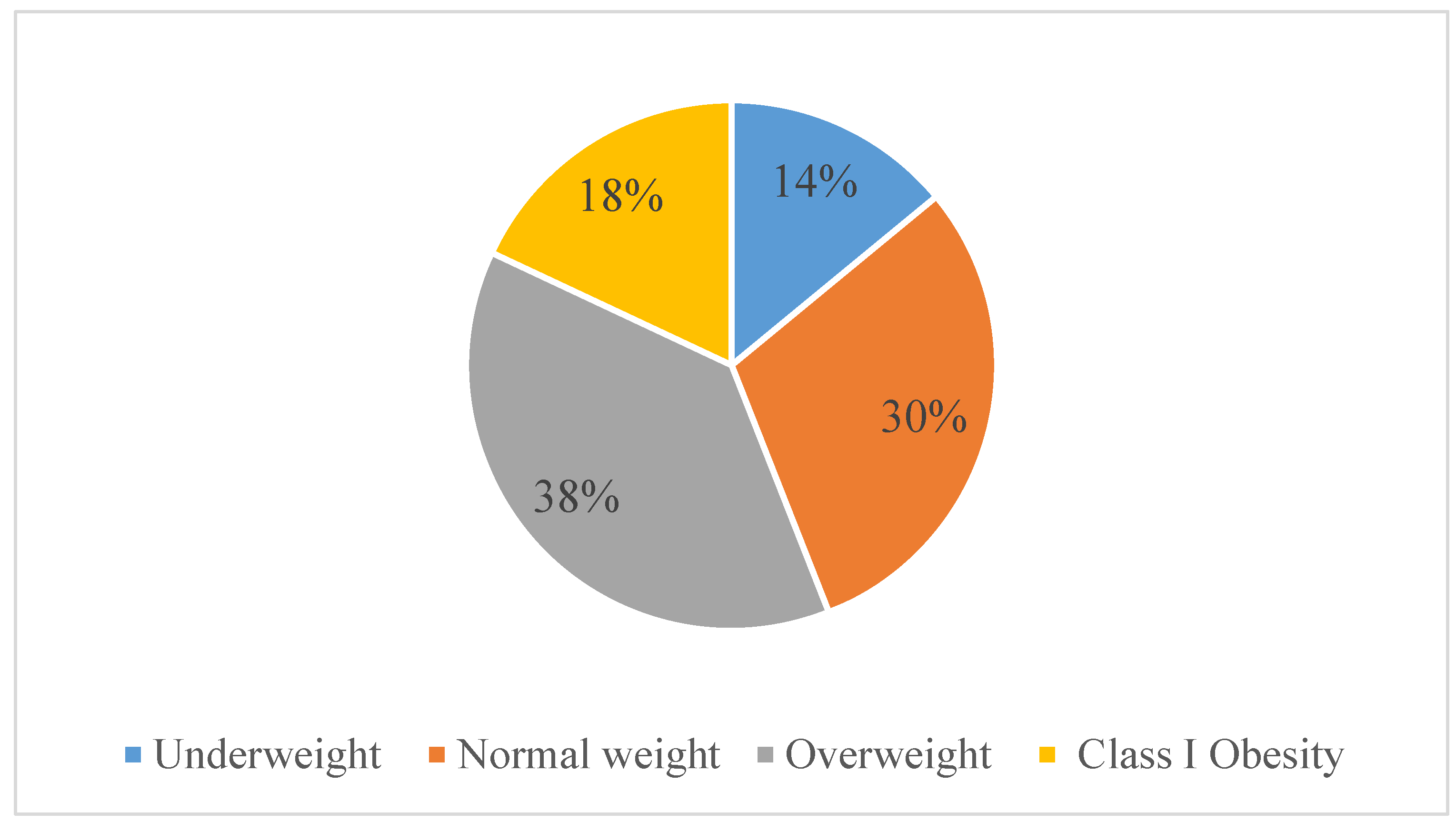
Figure 2.
Mean Score of Study Sample Responses’ to Boston Carpal Tunnel Questionnaire before and after Intervention (n=50).
Figure 2.
Mean Score of Study Sample Responses’ to Boston Carpal Tunnel Questionnaire before and after Intervention (n=50).
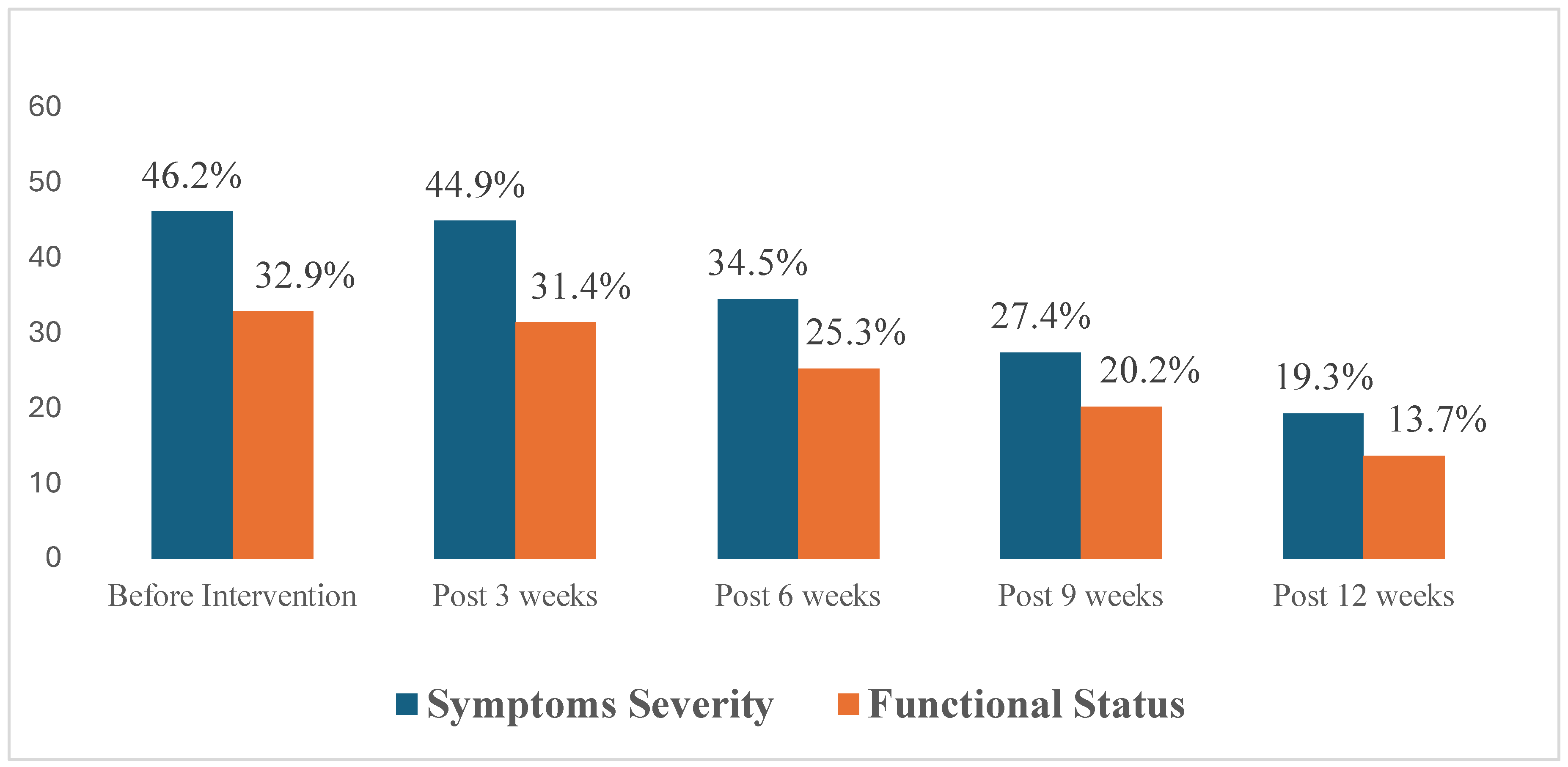
Figure 3.
Frequency distribution of the study sample regarding total satisfaction rate.
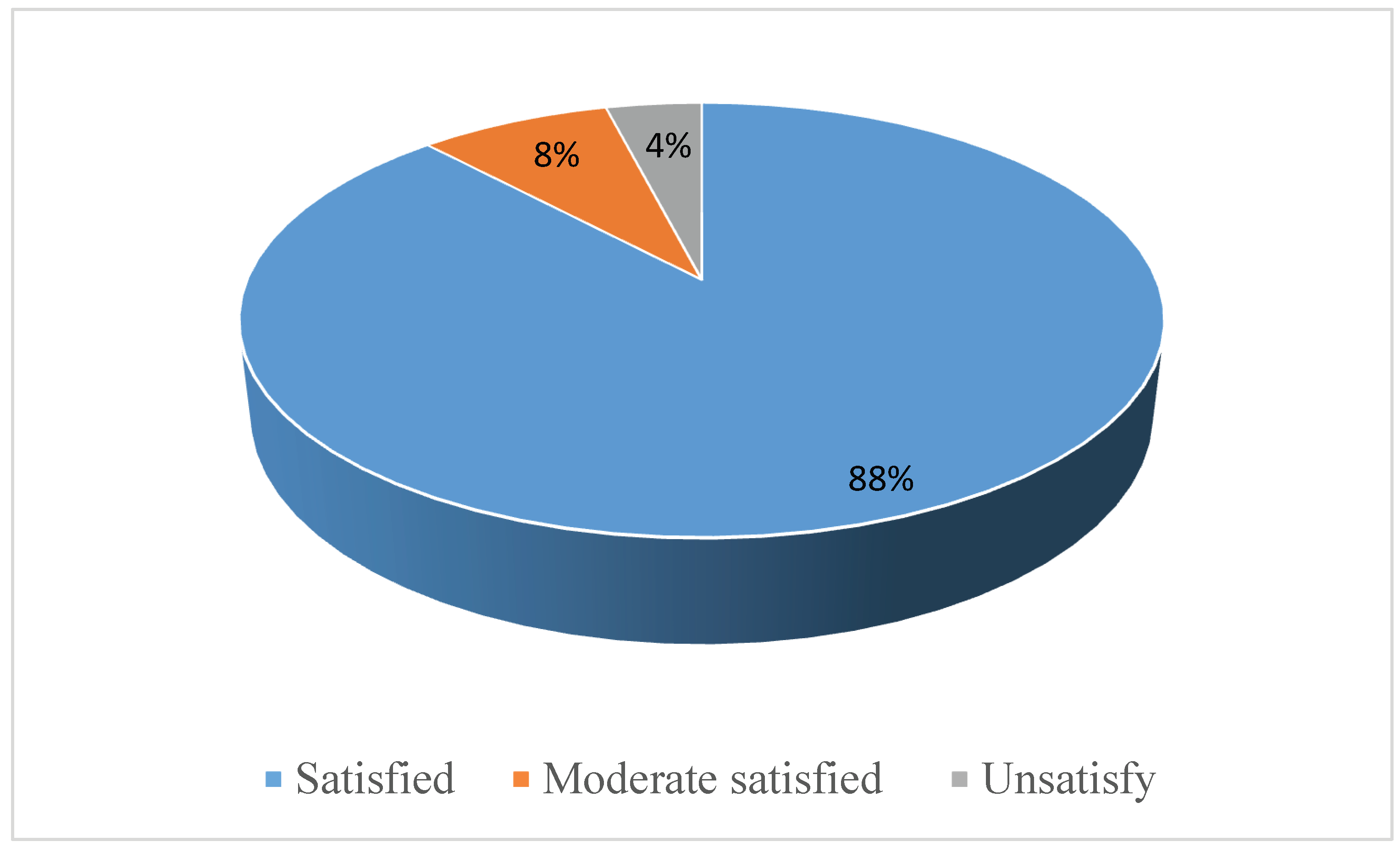

Table 1.
Frequency and Percentage Distribution of Study Sample regarding their Demographic Characteristics (n=50).
Table 1.
Frequency and Percentage Distribution of Study Sample regarding their Demographic Characteristics (n=50).
| Demographic Characteristics | Study (n=50) | |
| Freq. | % | |
| Maternal Age | ||
|
11 | 22 |
|
23 | 46 |
|
9 | 18 |
|
7 | 14 |
| M ±SD 31.75 ± 5.46 years | ||
| Residence | ||
|
21 | 42 |
|
29 | 58 |
| Educational level | ||
|
5 | 10 |
|
29 | 58 |
|
16 | 32 |
| Occupational level | ||
|
33 | 66 |
|
17 | 34 |
| Income | ||
|
27 | 54 |
|
23 | 46 |
Table 2.
Frequency and Percentage Distribution of Study Sample regarding their Obstetrics and Medical Data (n=50).
Table 2.
Frequency and Percentage Distribution of Study Sample regarding their Obstetrics and Medical Data (n=50).
| Obstetrics and Medical Data | Study (n=50) | |
| Freq. | % | |
| Family History | ||
|
13 | 26 |
|
37 | 74 |
| Gestational Age | ||
|
14 | 28 |
|
19 | 38 |
|
9 | 18 |
|
8 | 16 |
| M ±SD weeks 31.2± 4.3 | ||
| Gravidity | ||
|
17 | 34 |
|
12 | 24 |
|
21 | 42 |
Table 3.
Frequency and Percentage Distribution of Study Sample regarding Site of Wrist Pain and its Score before and after Intervention (n=50).
Table 3.
Frequency and Percentage Distribution of Study Sample regarding Site of Wrist Pain and its Score before and after Intervention (n=50).
| Variables | Study (n=50) | ||||
| Before Intervention | Post 3 weeks | Post 6 weeks | Post 9 weeks | Post 12 weeks | |
|
Freq. (%) |
Freq. (%) | Freq. (%) |
Freq. (%) |
Freq. (%) | |
| Site of Wrist Pain | |||||
|
12 (24) | 17 (34) | 18 (36) | 12 (24) | 9 (18) |
|
11 (22) | 19 (38) | 23 (46) | 14 (28) | 12 (24) |
|
27 (54) | 14 (28) | 9 (18) | 5 (10) | 0 (0) |
|
0 (0) | 0 (0) | 0 (0) | 19 (38) | 29 (58) |
| Friedman test (P value) | 115 (0.001) | ||||
| Pain Score | |||||
|
0 (0) | 0 (0) | 0 (0) | 19 (38) | 29 (58) |
|
13 (26) | 13 (26) | 15 (30) | 23 (46) | 19 (38) |
|
14 (28) | 19 (38) | 19 (38) | 8 (16) | 2 (4) |
|
23 (46) | 16 (32) | 16 (32) | 0 (0) | 0 (0) |
| Friedman test (P value) | 107.8 (0.001) | ||||
Table 4.
(a): Frequency and Percentage Distribution of Study Sample Regarding their Responses to Boston Carpal Tunnel Questionnaire (1st part Symptom Severity Scale) before and after Intervention (n=50). (b): Frequency and Percentage Distribution of Study Sample Regarding their Responses to Boston Carpal Tunnel Questionnaire (1st part Symptom Severity Scale) before and after Intervention (n=50).
Table 4.
(a): Frequency and Percentage Distribution of Study Sample Regarding their Responses to Boston Carpal Tunnel Questionnaire (1st part Symptom Severity Scale) before and after Intervention (n=50). (b): Frequency and Percentage Distribution of Study Sample Regarding their Responses to Boston Carpal Tunnel Questionnaire (1st part Symptom Severity Scale) before and after Intervention (n=50).
| (a) | |||||||||||
| Variables | Study (n=50) |
Friedman test (p-value) |
|||||||||
| Before Intervention | Post 3 weeks | Post 6 weeks | Post 9 weeks | Post 12 weeks | |||||||
| Freq. (%) | Freq. (%) | Freq. (%) | Freq. (%) | Freq. (%) | |||||||
| |||||||||||
|
0 (0) | 0 (0) | 0 (0) | 7 (14) | 19 (38) |
98.9 (0.001)** |
|||||
|
0 (0) | 0 (0) | 9 (18) | 9 (18) | 11 (22) | ||||||
|
5 (10) | 10 (20) | 16 (32) | 19 (38) | 10 (20) | ||||||
|
15 (30) | 19 (38) | 13 (26) | 11 (22) | 6 (12) | ||||||
|
30 (60) | 21 (42) | 12 (24) | 4 (8) | 4 (8) | ||||||
| |||||||||||
|
0 (0) | 0 (0) | 0 (0) | 12 (24) | 21 (42) |
80.2 (0.001)** |
|||||
|
0 (0) | 0 (0) | 12 (24) | 4 (8) | 18 (36) | ||||||
|
9 (18) | 11 (22) | 13 (26) | 21 (42) | 11 (22) | ||||||
|
18 (36) | 18 (36) | 16 (32) | 8 (16) | 0 (0) | ||||||
|
23 (46) | 21 (42) | 9 (18) | 5 (10) | 0 (0) | ||||||
| |||||||||||
|
0 (0) | 0 (0) | 0 (0) | 14 (28) | 23 (46) |
84.2 (0.001)** |
|||||
|
0 (0) | 0 (0) | 14 (28) | 9 (18) | 19 (38) | ||||||
|
12 (24) | 14 (28) | 15 (30) | 15 (30) | 8 (16) | ||||||
|
18 (36) | 17 (34) | 12 (24) | 9 (18) | |||||||
|
20 (40) | 19 (38) | 9 (18) | 3 (6) | 0 (0) | ||||||
|
|||||||||||
|
0 (0) | 0 (0) | 0 (0) | 12 (24) | 23 (46) |
87.4 (0.001)** |
|||||
|
0 (0) | 0 (0) | 19 (38) | 9 (18) | 15 (30) | ||||||
|
11 (22) | 14 (28) | 6 (12) | 16 (32) | 12 (24) | ||||||
|
16 (32) | 15 (30) | 21 (42) | 13 (26) | 0 (0) | ||||||
|
23 (46) | 21 (42) | 4 (8) | 0 (0) | 0 (0) | ||||||
| |||||||||||
|
0 (0) | 0 (0) | 0 (0) | 15 (30) | 28 (56) |
90.1 (0.001)** |
|||||
|
0 (0) | 0 (0) | 21 (42) | 12 (24) | 11 (22) | ||||||
|
7 (14) | 18 (36) | 6 (12) | 19 (38) | 11 (22) | ||||||
|
19 (38) | 11 (22) | 19 (38) | 4 (8) | 0 (0) | ||||||
|
24 (48) | 21 (42) | 4 (8) | 0 (0) | 0 (0) | ||||||
| |||||||||||
|
0 (0) | 0 (0) | 0 (0) | 14 (28) | 24 (48) |
83.6 (0.001)** |
|||||
|
0 (0) | 0 (0) | 19 (38) | 10 (20) | 18 (36) | ||||||
|
13 (26) | 14 (28) | 11 (22) | 17 (34) | 8 (16) | ||||||
|
16 (32) | 19 (38) | 12 (24) | 6 (12) | 0 (0) | ||||||
|
21 (42) | 17 (34) | 8 (16) | 3 (6) | 0 (0) | ||||||
| (b) | |||||||||||
| Symptom Severity Scale (SSS) | Study (n=50) |
Friedman test (p-value) |
|||||||||
| Before Intervention | Post 3 weeks | Post 6 weeks | Post 9 weeks | Post 12 weeks | |||||||
| Freq. (%) | Freq. (%) | Freq. (%) | Freq. (%) | Freq. (%) | |||||||
|
|||||||||||
|
0 (0) | 0 (0) | 0 (0) | 16 (32) | 26 (52) |
83.5 (0.001)** |
|||||
|
0 (0) | 2 (4) | 21 (42) | 11 (22) | 19 (38) | ||||||
|
13 (26) | 9 (18) | 13 (26) | 17 (34) | 5 (10) | ||||||
|
14 (28) | 21 (42) | 13 (26) | 6 (12) | 0 (0) | ||||||
|
23 (46) | 18 (36) | 3 (6) | 0 (0) | 0 (0) | ||||||
|
|||||||||||
|
0 (0) | 0 (0) | 0 (0) | 13 (26) | 23 (46) |
88.2 (0.001)** |
|||||
|
0 (0) | 0 (0) | 21 (42) | 14 (28) | 22 (44) | ||||||
|
15 (30) | 17 (34) | 7 (14) | 19 (38) | 5 (10) | ||||||
|
14 (28) | 16 (32) | 12 (24) | 4 (8) | 0 (0) | ||||||
|
21 (42) | 17 (34) | 8 (16) | 0 (0) | 0 (0) | ||||||
|
|||||||||||
|
0 (0) | 0 (0) | 0 (0) | 15 (30) | 21 (42) |
86.1 (0.001)** |
|||||
|
0 (0) | 0 (0) | 23 (46) | 12 (24) | 23 (46) | ||||||
|
19 (38) | 21 (42) | 7 (14) | 16 (32) | 6 (12) | ||||||
|
12 (24) | 12 (24) | 12 (24) | 7 (14) | 0 (0) | ||||||
|
19 (38) | 17 (34) | 8 (16) | 0 (0) | 0 (0) | ||||||
| |||||||||||
|
0 (0) | 0 (0) | 0 (0) | 12 (24) | 19 (38) |
80.5 (0.001)** |
|||||
|
0 (0) | 0 (0) | 15 (30) | 4 (8) | 21 (42) | ||||||
|
12 (24) | 13 (26) | 10 (20) | 19 (38) | 10 (20) | ||||||
|
15 (30) | 16 (32) | 16 (32) | 11 (22) | 0 (0) | ||||||
|
23 (46) | 21 (42) | 9 (18) | 4 (8) | 0 (0) | ||||||
| |||||||||||
|
0 (0) | 0 (0) | 19 (38) | 17 (34) | 22 (44) |
87.9 (0.001)** |
|||||
|
0 (0) | 0 (0) | 8 (16) | 12 (24) | 21 (42) | ||||||
|
19 (38) | 18 (36) | 18 (36) | 18 (36) | 7 (14) | ||||||
|
11 (22) | 15 (30) | 5 (10) | 3 (6) | 0 (0) | ||||||
|
20 (40) | 17 (34) | 0 (0) | 0 (0) | 0 (0) | ||||||
**Highly statistically significant differences.
Table 5.
Frequency and Percentage Distribution of Study Sample Responses to the Boston Carpal Tunnel Questionnaire (2nd part Functional Status Scale) Before and After Intervention (n=50.
Table 5.
Frequency and Percentage Distribution of Study Sample Responses to the Boston Carpal Tunnel Questionnaire (2nd part Functional Status Scale) Before and After Intervention (n=50.
|
Friedman test p-value |
Post 12 weeks | Post 9 weeks | Post 6 weeks | Post 3 weeks | Before Intervention | Items |
| Freq. (%) | Freq. (%) | Freq. (%) | Freq. (%) | Freq. (%) | ||
| Writing | ||||||
| 87.1 (0.001)** | 23 (46) | 14 (28) | 11 (22) | 0 (0) | 0 (0) | No difficulty |
| 21 (42) | 15 (30) | 12 (24) | 0 (0) | 0 (0) | Mild difficulty | |
| 6 (12) | 19 (38) | 17 (34) | 12 (24) | 5 (10) | Moderate Difficulty | |
| 0 (0) | 2 (4) | 10 (20) | 23 (46) | 22 (44) | Severe Difficulty | |
| 0 (0) | 0 (0) | 0 (0) | 15 (30) | 23 (46) | Inability to perform task | |
| Buttoningclothing | ||||||
| 90.1 (0.001)** | 21 (42) | 19 (38) | 17 (34) | 0 (0) | 0 (0) | No difficulty |
| 19 (38) | 11 (22) | 20 (40) | 0 (0) | 0 (0) | Mild difficulty | |
| 10 (20) | 20 (40) | 13 (26) | 19 (38) | 22 (44) | Moderate Difficulty | |
| 0 (0) | 0 (0) | 0 (0) | 15 (30) | 11 (22) | Severe Difficulty | |
| 0 (0) | 0 (0) | 0 (0) | 16 (32) | 17 (34) | Inability to perform task | |
| Holding a book while reading | ||||||
| 86.8 (0.001)** | 22 (44) | 15 (30) | 15 (30) | 0 (0) | 0 (0) | No difficulty |
| 16 (32) | 13 (26) | 17 (34) | 8 (16) | 4 (8) | Mild difficulty | |
| 12 (24) | 15 (30) | 12 (24) | 11 (22) | 22 (44) | Moderate Difficulty | |
| 0 (0) | 7 (14) | 6 (12) | 19 (38) | 13 (26) | Severe Difficulty | |
| 0 (0) | 0 (0) | 0 (0) | 12 (24) | 11 (22) | Inability to perform task | |
| Using a telephone | ||||||
| 89..4 (0.001)** | 26 (52) | 19 (38) | 0 (0) | 0 (0) | 0 (0) | No difficulty |
| 18 (36) | 8 (16) | 18 (36) | 0 (0) | 0 (0) | Mild difficulty | |
| 6 (12) | 18 (36) | 12 (24) | 19 (38) | 18 (36) | Moderate Difficulty | |
| 5 (10) | 12 (24) | 14 (28) | 11 (22) | Severe Difficulty | ||
| 0 (0) | 0 (0) | 8 (16) | 17 (34) | 21 (42) | Inability to perform task | |
| Opening jars | ||||||
| 86.6 (0.001)** | 21 (42) | 13 (26) | 0 (0) | 0 (0) | 0 (0) | No difficulty |
| 24 (48) | 15 (30) | 12 (24) | 6 (12) | 0 (0) | Mild difficulty | |
| 5 (10) | 16 (32) | 18 (36) | 10 (20) | 9 (18) | Moderate Difficulty | |
| 0 (0) | 6 (12) | 12 (24) | 18 (36) | 22 (44) | Severe Difficulty | |
| 0 (0) | 0 (0) | 8 (16) | 16 (32) | 19 (38) | Inability to perform task | |
| Performing Household chores | ||||||
| 73.1 (0.001**) | 23 (46) | 16 (32) | 0 (0) | 0 (0) | 0 (0) | No difficulty |
| 22 (44) | 15 (30) | 14 (28) | 0 (0) | 0 (0) | Mild difficulty | |
| 5 (10) | 13 (26) | 18 (36) | 16 (32) | 11 (22) | Moderate Difficulty | |
| 6 (12) | 10 (20) | 18 (36) | 21 (42) | Severe Difficulty | ||
| 0 (0) | 0 (0) | 8 (16) | 16 (32) | 18 (36) | Inability to perform task | |
| Carrying grocery bags | ||||||
| 70.8 (0.001)** | 19 (38) | 6 (12) | 0 (0) | 0 (0) | 0 (0) | No difficulty |
| 21 (42) | 13 (26) | 2 (8) | 0 (0) | 0 (0) | Mild difficulty | |
| 8 (16) | 10 (20) | 6 (12) | 12 (24) | 8 (16) | Moderate Difficulty | |
| 2 (4) | 12 (24) | 19 (38) | 21 (42) | 13 (26) | Severe Difficulty | |
| 0 (0) | 9 | 21 (42) | 17 (34) | 29 (58) | Inability to perform task | |
| Bathing or dressing | ||||||
| 71.9 (0.001)** | 26 (52) | 7 (14) | 0 (0) | 0 (0) | 0 (0) | No difficulty |
| 14 (28) | 12 (24) | 0 (0) | 0 (0) | 0 (0) | Mild difficulty | |
| 10 (20) | 10 (20) | 12 (24) | 21 (42) | 11 (22) | Moderate Difficulty | |
| 0 (0) | 12 (24) | 23 (46) | 14 (28) | 18 (36) | Severe Difficulty | |
| 0 (0) | 9 (18) | 15 (30) | 15 (30) | 21 (42) | Inability to perform task | |
**Highly statistically significant differences.
Table 6.
Mean Score of Study Sample Responses to Boston Carpal Tunnel Questionnaire before and after Intervention (n=50). **Highly statistically significant differences.
Table 6.
Mean Score of Study Sample Responses to Boston Carpal Tunnel Questionnaire before and after Intervention (n=50). **Highly statistically significant differences.
| Site and Pain Score | Study (n=50) | ||||
| Before Intervention | Post 3 weeks | Post 6 weeks | Post 9 weeks | Post 12 weeks | |
| Mean ± SD | Mean ± SD | Mean ± SD | Mean ± SD | Mean ± SD | |
|
4.20 ± 0.786 | 4.08 ± 0.785 | 3.14 ± 1.03 | 2.49 ± 1.07 | 1.76 ± 0.755 |
| Annova (P value) | 82.8 (0.001)** | ||||
|
4.12 ± 0.753 | 3.93 ± 0.841 | 3.17 ± 0.864 | 2.52 ± 1.08 | 1.71 ± 0.721 |
| Annova (P value) | 92.7 (0.001)** | ||||
|
4.08 ± 0.790 | 3.70 ± 0.811 | 2.88 ± 1.05 | 2.50 ± 1.07 | 1.74 ± 0.740 |
| Annova (P value) | 85.2 (0.001)** | ||||
Table 7.
Correlation between Practicing Home-Based Exercises and Carpal Tunnel Syndrome Symptoms Severity and Function Status among Study Women after Intervention (n=50).
Table 7.
Correlation between Practicing Home-Based Exercises and Carpal Tunnel Syndrome Symptoms Severity and Function Status among Study Women after Intervention (n=50).
| Items | Study (n = 50) | |
| After Intervention | ||
| R | P | |
| Symptoms Severity Score | - 0.894 | 0.001** |
| Function Status Score | - 0.887 | 0.001** |
** P value is < 0.01 (highly statistically significant differences.
Table 8.
Frequency and Percentage distribution of the study group’s satisfaction regarding the effect of Home-based Exercise (n=50).
Table 8.
Frequency and Percentage distribution of the study group’s satisfaction regarding the effect of Home-based Exercise (n=50).
| Items | Satisfied | Moderate Satisfied | Unsatisfied | |||
| Freq. | % | Freq. | % | Freq. | % | |
| The home-based exercise program was convenient and easy to follow. | 45 | 90.0 | 3 | 6.0 | 2 | 4.0 |
| The home-based exercises were flexible and could be easily incorporated into my daily routine. | 44 | 88.0 | 5 | 10.0 | 1 | 2.0 |
| The home-based exercise instructions were accessible whenever I needed them. | 41 | 82.0 | 7 | 14.0 | 2 | 4.0 |
| The home-based exercise program provided an appealing way to learn how to manage carpal tunnel syndrome during pregnancy. | 45 | 90.0 | 2 | 4.0 | 3 | 6.0 |
| Performing the exercises at home saved time, effort, and transportation costs. | 42 | 84.0 | 4 | 8.0 | 4 | 8.0 |
| The home-based exercises helped reduce pain associated with carpal tunnel syndrome during pregnancy. | 45 | 90.0 | 4 | 8.0 | 1 | 2.0 |
| The home-based exercise program helped me manage my carpal tunnel syndrome symptoms independently. | 43 | 86.0 | 6 | 12.0 | 1 | 2.0 |
| I was encouraged to continue performing the home-based exercises. | 44 | 88.0 | 5 | 10.0 | 1 | 2.0 |
| I felt confident performing the recommended exercises at home. | 47 | 94.0 | 2 | 4.0 | 1 | 2.0 |
| The home-based exercises were suitable and comfortable to perform during pregnancy. | 46 | 92.0 | 3 | 6.0 | 1 | 2.0 |
| The exercise instructions were clear and easy to understand. | 45 | 90.0 | 3 | 6.0 | 2 | 4.0 |
| The guidance provided by the nursing team helped me perform the exercises correctly. | 42 | 84.0 | 4 | 8.0 | 4 | 8.0 |
| The home-based exercises helped reduce difficulties in performing daily hand activities. | 47 | 94.0 | 3 | 6.0 | 0 | 0.0 |
| I would recommend the home-based exercise program to other pregnant women experiencing carpal tunnel syndrome. | 46 | 92.0 | 3 | 6.0 | 1 | 2.0 |
Disclaimer/Publisher’s Note: The statements, opinions and data contained in all publications are solely those of the individual author(s) and contributor(s) and not of MDPI and/or the editor(s). MDPI and/or the editor(s) disclaim responsibility for any injury to people or property resulting from any ideas, methods, instructions or products referred to in the content. |
© 2026 by the authors. Licensee MDPI, Basel, Switzerland. This article is an open access article distributed under the terms and conditions of the Creative Commons Attribution (CC BY) license (http://creativecommons.org/licenses/by/4.0/).
Copyright: This open access article is published under a Creative Commons CC BY 4.0 license, which permit the free download, distribution, and reuse, provided that the author and preprint are cited in any reuse.