

Submitted:
17 September 2026
Posted:
17 September 2026
You are already at the latest version
Abstract
Background: Extreme obesity is associated with difficult airway management, impaired respiratory mechanics, atelectasis, and difficult ventilator weaning. Postoperative infection and sepsis further increase management complexity. Case Report: A 27-year-old man with extreme obesity (BMI 60.97 kg/m²) developed Staphylococcus aureus bloodstream infection and sepsis after bariatric surgery. He was admitted to the ICU with respiratory failure and fluctuating consciousness. Multidisciplinary team (MDT) management was structured using an ABCDE-F framework centered on respiratory failure (F), together with analgesia and sedation (A), body position (B), circulation and perfusion (C), diet and nutrition (D), and early mobilization (E). This goal-directed approach supported successful extubation, infection control, and recovery. Conclusions: An MDT-based”five-dimensional integration”model may offer a practical framework for standardized, goal-directed management of critically ill patients with extreme obesity.
Keywords:
extreme obesity
; bariatric surgery
; bloodstream infection
; sepsis
; goal
; standardized management
; case report
Obesity is a major global health problem. In China, the prevalence of overweight and obesity is 34.8% and 14.1%, respectively [1], and the use of bariatric surgery continues to increase [2]. Although generally effective, bariatric surgery may be complicated by pulmonary events, thromboembolism, bleeding, and infection [3]. Extreme obesity (BMI ≥50 kg/m²) is associated with increased perioperative risk [4,5]. Critically ill patients with obesity are particularly susceptible to respiratory failure, atelectasis, and difficult ventilator weaning [6,7,8].
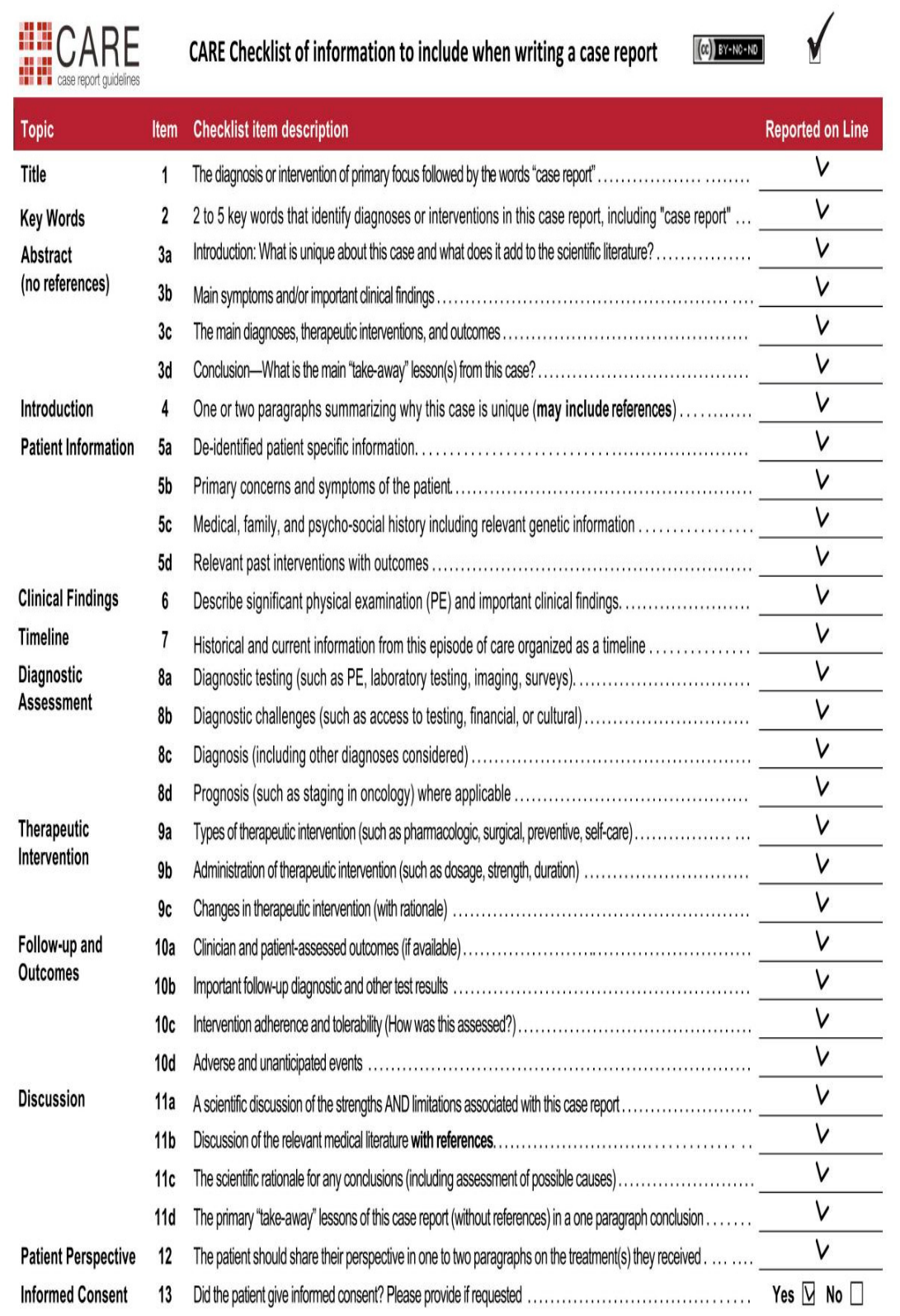
We report a patient with a BMI of 60.97 kg/m² who developed bloodstream infection and sepsis after bariatric surgery. Because of marked clinical fluctuations and competing management priorities, we implemented an MDT-based “five-dimensional integration” model using the ABCDE-F framework. This study was approved by the Ethics Committee of Liaocheng People’s Hospital (Approval No. 2025087).Written informed consent was obtained from the patient for publication of this case report and accompanying images.
Patient’s Treatment Course and Clinical Data
1) Condition before and after bariatric surgery
The patient was a 27-year-old man with grade III central-type extreme obesity,no significant family history was noted. Six months before admission, his BMI was 68.15 kg/m². A supervised diet and exercise program reduced his BMI by 8% to 60.97 kg/m², after which further weight loss plateaued. He was subsequently admitted for planned bariatric surgery. His diagnoses included metabolic syndrome, obesity, and obstructive sleep apnea syndrome; left ventricular ejection fraction was 61%. Following preoperative MDT assessment, planned postoperative ICU observation was arranged.
On hospital day 4, laparoscopic sleeve gastrectomy was performed uneventfully. Cefazolin was administered preoperatively, an internal jugular central venous catheter was placed, and low-dose norepinephrine was used intraoperatively. He was transferred to the ICU because of extreme obesity and the need for close postoperative monitoring.
2) Condition on admission to the ICU
On ICU admission, his temperature was 36.8°C, pulse 94 beats/min, respiratory rate 30/min, and blood pressure 150/70 mmHg while receiving norepinephrine 0.2ug/kg/min. He was not fully awake, was agitated, and showed ventilator dyssynchrony. Given the known difficult airway, possible laryngeal edema, hemodynamic instability, and impaired consciousness, premature extubation was considered high risk. Combined analgesia and sedation achieved a RASS score of −3 and a CPOT score of 0.
Mechanical ventilation was delivered in assist-control mode. One hour later, arterial blood gas analysis showed pH 7.35, PaCO₂40 mmHg, PaO₂ 71 mmHg on FiO₂60%, and lactate 1.5 mmol/L. The WBC count was 14.85×10⁹/L and PCT was 0.21 ng/mL. Within 4 hours, his temperature rose to 39°C. Sputum, ascitic fluid, and blood cultures were obtained, cefoperazone/sulbactam was initiated, and active temperature control was instituted.
3) Five-dimensional integration management model
MDT rounds involved intensivists, respiratory therapists, nutritionists, rehabilitation physicians, pharmacists, traditional Chinese medicine practitioners, and nurses. Management was structured around ABCDE-F (Figure 1).
A—Analgesia and sedation: Drug accumulation was minimized, and benzodiazepine exposure was reduced where possible [9,10]. Analgesia and sedation were titrated to reduce dyssynchrony while avoiding unnecessary deep sedation, with a target RASS of approximately −2.
B—Body position: Beach-chair and reverse Trendelenburg positions were used to optimize respiratory mechanics [11,12]. Positioning was individualized according to intra-abdominal pressure and plateau pressure (<30 cmH2O).
C—Circulation and perfusion: Fever, leukocytosis, neutrophilia, impaired oxygenation, and organ dysfunction supported the diagnosis of sepsis [13]. Restrictive, goal-directed fluid management was guided by blood pressure and lactate, and blood cultures subsequently confirmed bloodstream infection.
D—Diet and nutrition: The NRS-2002 score was 4. Because of recent gastrointestinal surgery, parenteral nutrition was initiated after hemodynamic stabilization, targeting protein intake of 1.3 g/kg corrected body weight/day with vitamin and trace-element supplementation [14].
E—Early mobilization: Rehabilitation was initiated when vital signs permitted to improve diaphragmatic function and ventilation and potentially shorten mechanical ventilation [15,16,17]. Because anticoagulation was limited during the early postoperative period, individualized non-pharmacological thromboprophylaxis was used [18].
F—Failure of respiration: Tidal volume was based on predicted body weight (6–8 mL/kg), with individualized PEEP and pressure support [19]. Respiratory status and the potential contributions of pulmonary edema and infection were reassessed daily.
4) Disease progression and clinical improvement
On hospital day 2, blood cultures grew Staphylococcus aureus. Vancomycin was added and adjusted using therapeutic drug monitoring; sputum and ascitic fluid cultures remained negative. Infection markers gradually declined. Several key challenges complicate circulatory and volume monitoring in critically ill obese patients. These include impaired cardiopulmonary interactions due to elevated intraabdominal pressure, limited image quality and feasibility of bedside ultrasound, and poor reliability of dynamic indices for predicting volume responsiveness.Guided by lactate and blood pressure, initial resuscitation was followed by a transition to negative fluid balance on day 4 (Figure 2). Daily sedation interruption was attempted. Conjunctival edema developed on day 4 and improved with diuresis after major neurologic events were excluded. Ventilation was gradually transitioned to pressure support, oxygenation improved, and cardiac, hepatic, and renal function remained stable.
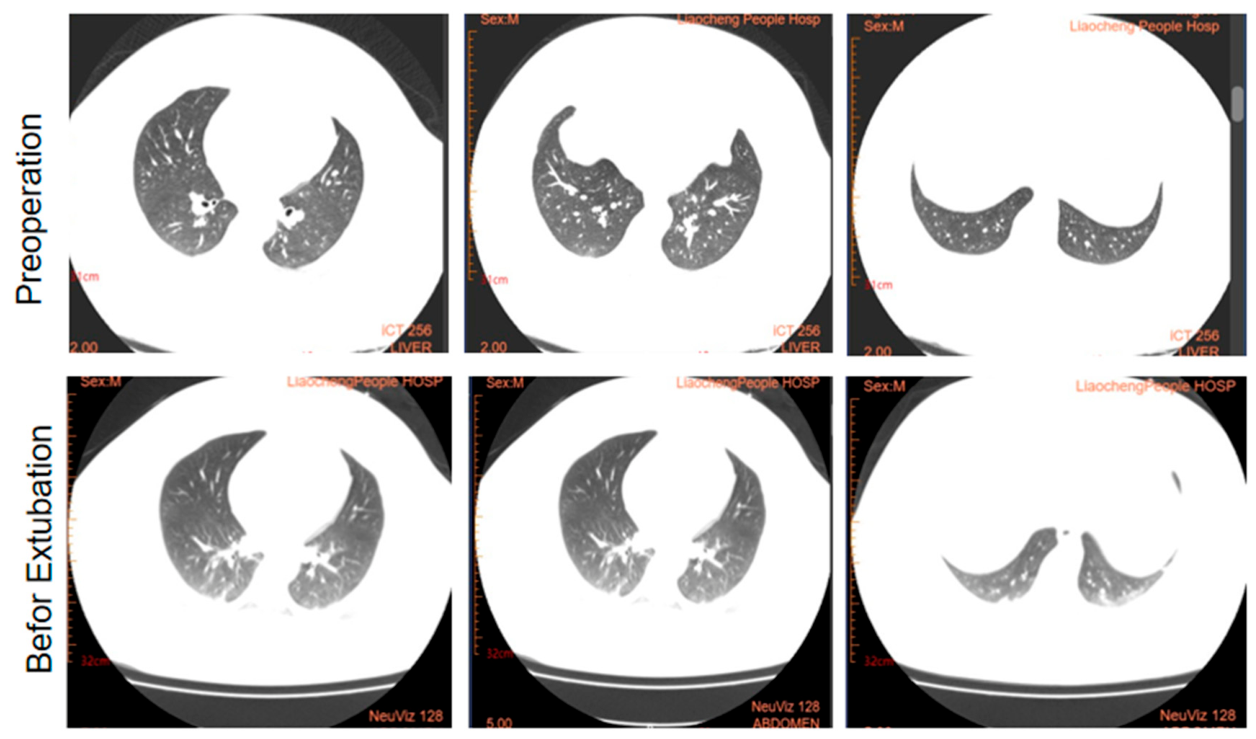
By ICU day 4, infection and circulation had improved, organ function was stable, and the cuff leak test was negative (Figure 3). Extubation nevertheless remained challenging because of agitation during sedation reduction, a difficult airway, and recurrent fever. The MDT considered the patient’s young age and preserved baseline organ function favorable factors. After sedatives were discontinued, he opened his eyes and moved his limbs within 2–3 hours. The negative cuff leak test and chest CT findings suggested a lower risk of acute airway obstruction (Figure 4). Extubation preparation included diuresis, corticosteroids, a customized NIV mask, and the standby presence of intensivists, anesthesiologists, and otolaryngologists.
On ICU day 5, sedation was discontinued and methylprednisolone 80 mg was administered. Two hours later, he followed commands, had an adequate cough, and remained hemodynamically stable. After passing a spontaneous breathing trial with low-level pressure support, he was successfully extubated under MDT supervision and immediately received NIV. Transient agitation and tachypnea were managed with corticosteroids, positioning, temperature control, and low-dose dexmedetomidine. Six hours later, he was fully awake with stable respiration and circulation. HFNC was initiated the following day and later transitioned to conventional oxygen. Fever resolved, and repeat blood cultures were negative.The patient reported no significant pain, expressed high satisfaction with the overall treatment, and noted that the body positioning adjustments made him feel comfortable during his ICU stay.
After transfer to the ward, respiratory therapists continued daily follow-up and positioning guidance. Vancomycin was continued for 12 days. The patient tolerated oral intake, lost 8 kg before discharge, and was discharged with an individualized nutrition and follow-up plan.
Discussion
Careful assessment of postoperative complications and individualized decisions regarding ICU admission are essential after bariatric surgery. The severity and distribution of obesity influence postoperative complications and mortality [20]. ICU admission should therefore be risk-based, particularly for patients with severe OSA, a difficult airway, cardiopulmonary dysfunction, or acute complications such as bleeding or infection [21,22].
Sepsis in patients with obesity may be difficult to recognize and monitor because obesity is associated with systemic inflammation, reduced organ reserve, and increased risks of sepsis and organ dysfunction [23,24,25,26]. Fluid management is especially challenging because of altered fluid distribution, limited cardiovascular reserve, and poor tolerance of volume overload. Goal-directed fluid management may reduce cardiopulmonary complications [27,28,29], although objective hemodynamic assessment is often technically difficult. In this case, volume management was guided by lactate and blood pressure, using stepwise resuscitation followed by target-oriented diuresis [30]. Goal-directed principles were also applied to sedation, antimicrobial dosing, and position adjustment.
Critically ill patients with extreme obesity often require coordinated multidisciplinary care. MDT involvement can improve obesity management [31]. Our “five-dimensional integration” model uses ABCDE-F to provide a concise structure for risk avoidance, early intervention, refined treatment, and complication prevention. In this case, the framework improved team consensus and treatment sequencing while maintaining respiratory failure as the central management priority.
Conclusions
The increasing prevalence of obesity and the growing use of bariatric surgery highlight the need for optimized critical care strategies. In patients with extreme obesity, early recognition of postoperative complications, risk-based ICU admission, goal-directed treatment, and MDT collaboration are important. In this case, the ABCDE-F “five-dimensional integration” model supported standardized, process-oriented care and may provide a practical framework for similar patients. At 5-month follow-up, the patient had returned to a normal diet and work and had lost a total of 51 kg.
Limitations
This is a single case, and multiple factors may have contributed to the favorable outcome. The proposed model is a conceptual framework rather than a universally applicable protocol. Management should remain individualized according to patient characteristics, available resources, and local practice. Further studies are needed to evaluate the generalizability and effectiveness of this approach.
References
- Chen, K.; Shen, Z.; Gu, W.; et al. Meinian Investigator Group. Prevalence of obesity and associated complications in China: A cross-sectional, real-world study in 15.8 million adults. Diabetes Obes. Metab. 2023, 25(11), 3390–3399. [Google Scholar] [CrossRef] [PubMed]
- Chinese Society for Metabolic and Bariatric Surgery (CSMBS); Chinese Society for Integrated Health of Metabolic and Bariatric Surgery (CSMBS IH); Chinese Obesity and Metabolic Surgery Collaborative (COMES Collaborative). Chinese Obesity and Metabolic Surgery Database: Annual Report 2023[J/OL]. Chin. J. Obes. Metab. Dis. (Electronic Edition) 2024, 10(02), 73–83. [Google Scholar] [CrossRef]
- Carlsson, L.M.S.; Sjöholm, K.; Jacobson, P.; et al. Life Expectancy after Bariatric Surgery in the Swedish Obese Subjects Study. N Engl. J. Med. 2020, 383(16), 1535–1543. [Google Scholar] [CrossRef] [PubMed] [PubMed Central]
- Pompilio, C.E.; Pelosi, P.; Castro, M.G. The Bariatric Patient in the Intensive Care Unit: Pitfalls and Management. Curr. Atheroscler. Rep. 2016, 18(9), 55. [Google Scholar] [CrossRef] [PubMed]
- Fernandez, A.Z., Jr.; Demaria, E.J.; Tichansky, D.S.; et al. Multivariate analysis of risk factors for death following gastric bypass for treatment of morbid obesity. Ann. Surg. 2004, 239(5), 698–703. [Google Scholar] [CrossRef] [PubMed]
- Thille, A.W.; Cortés-Puch, I.; Esteban, A. Weaning from the ventilator and extubation in ICU. Curr. Opin. Crit. Care 2013, 19(1), 57–64. [Google Scholar] [CrossRef] [PubMed]
- Singer, P.; Blaser, A.R.; Berger, M.M.; et al. ESPEN practical and partially revised guideline: Clinical nutrition in the intensive care unit. Clin. Nutr. Epub. 2023, 42(9), 1671–1689. [Google Scholar] [CrossRef] [PubMed]
- Ward, Z.J.; Bleich, S.N.; Cradock, A.L.; et al. State-Level Prevalence of Adult Obesity and Severe Obesity. N Engl. J. Med. 2019, 381(25), 2440–2450. [Google Scholar] [CrossRef] [PubMed]
- Jung, B.; Belafa, F.; Cisse, M.; et al. Immediate interruption of sedation compared with usual sedation care in critically ill postoperative patients (SOS-Ventilation): a randomised, parallel-group clinical trial. Lancet Respir. Med. 2017, 5, 795–805. [Google Scholar] [CrossRef] [PubMed]
- Erstad, B.; Barletta, J. Drug dosing in the critically ill obese patient - A focus on sedation, analgesia, and delirium. Crit. Care 2020, 24, 1–8. [Google Scholar] [CrossRef] [PubMed]
- Varon, J.; Marik, P. Management of the obese critically ill patient. Crit. Care Clin. 2001, 17(1), 187–200. [Google Scholar] [CrossRef] [PubMed]
- Bihari, S.; Wiersema, U.F. Changes in Respiratory Mechanics With Trunk Inclination Differs Between Patients With ARDS With and Without Obesity. Chest 2024, 165(3), 583–589. [Google Scholar] [CrossRef] [PubMed]
- Evans, L.; Rhodes, A.; Alhazzani, W.; et al. Surviving Sepsis Campaign: International Guidelines for Management of Sepsis and Septic Shock 2021. Crit. Care Med. 2021, 49(11), e1063–e1143. [Google Scholar] [CrossRef] [PubMed]
- Dobner, J.; Kaser, S. Body mass index and the risk of infection - from underweight to obesity. Clin. Microbiol. Infect. Epub. 2018, 24(1), 24–28. [Google Scholar] [CrossRef] [PubMed]
- Ding, N.; Zhang, Z.; Zhang, C.; et al. What is the optimum time for initiation of early mobilization in mechanically ventilated patients? A network meta-analysis. PLoS ONE 2019, 14, e0223151. [Google Scholar] [CrossRef] [PubMed]
- Wrigge, H.; Zinserling, J.; Neumann, P.; et al. Spontaneous breathing with airway pressure release ventilation favors ventilation in dependent lung regions and counters cyclic alveolar collapse in oleic-acid-induced lung injury: a randomized controlled computed tomography trial. Crit. Care 2005, 9(6), R780–9. [Google Scholar] [CrossRef] [PubMed] [PubMed Central]
- Wang, Y.T.; Lang, J.K.; Haines, K.J.; et al. Physical Rehabilitation in the ICU: A Systematic Review and Meta-Analysis. Crit. Care Med. 2022, 50(3), 375–388. [Google Scholar] [CrossRef] [PubMed]
- Zhu, S.; Song, Y.; Chen, X.; et al. Traditional Chinese and western medicine for the prevention of deep venous thrombosis after lower extremity orthopedic surgery: a meta-analysis of randomized controlled trials. J. Orthop. Surg. Res. 2018, 13(1), 79. [Google Scholar] [CrossRef] [PubMed] [PubMed Central]
- De Jong, A.; Wrigge, H.; Hedenstierna, G.; et al. How to ventilate obese patients in the ICU. Intensive Care Med. 2020, 46(12), 2423–2435. [Google Scholar] [CrossRef] [PubMed] [PubMed Central]
- Kraljevic, M.; Süsstrunk, J.; Wölnerhanssen, B.K.; et al. Long-Term Outcomes of Laparoscopic Roux-en-Y Gastric Bypass vs Laparoscopic Sleeve Gastrectomy for Obesity: The SM-BOSS Randomized Clinical Trial. JAMA Surg. Epub ahead of print. 2025, e247052. [Google Scholar] [CrossRef] [PubMed] [PubMed Central]
- Morgan, D.J.R.; Ho, K.M.; Armstrong, J.; et al. Incidence and risk factors for intensive care unit admission after bariatric surgery: a multicentre population-based cohort study. Br. J. Anaesth. 2015, 115(6), 873–82. [Google Scholar] [CrossRef] [PubMed]
- Aceto, P.; De Cicco, R.; Calabrese, C.; et al. Obesity Surgery Mortality Risk Score as a Predictor for Intensive Care Unit Admission in Patients Undergoing Laparoscopic Bariatric Surgery. J. Clin. Med. Published. 2024, 13(8), 2252. [Google Scholar] [CrossRef] [PubMed]
- Rubino, F.; Cummings, D.E.; Eckel, R.H.; et al. Definition and diagnostic criteria of clinical obesity. Lancet Diabetes Endocrinol. 2025, 13(3), 221–262. [Google Scholar] [CrossRef] [PubMed]
- Endocrinology Branch of Chinese Medical Association. Guideline for chronic weight management and clinical practice of anti-obesity medications (2024 version). Chin. J. Endocrinol. Metab. 2024, 40(7), 545–564. [Google Scholar] [CrossRef]
- Hu, J.; Gan, Q.; Zhou, D.; et al. Evaluating the risk of sepsis attributing to obesity: a two-sample Mendelian randomization study. Postgrad. Med. J. 2023, 99(1178), 1266–1271. [Google Scholar] [CrossRef] [PubMed]
- Soto, G.J.; Frank, A.J.; Christiani, D.C.; et al. Body mass index and acute kidney injury in the acute respiratory distress syndrome. Crit. Care Med. 2012, 40(9), 2601–8. [Google Scholar] [CrossRef] [PubMed] [PubMed Central]
- Garvey, W.T.; Mechanick, J.I.; Brett, E.M.; et al. Reviewers of the AACE/ACE Obesity Clinical Practice Guidelines. American Association of Clinical Endocrinologists and American College of Endocrinology Comprehensive Clinical Practice Guidelines for Medical Care of Patients with Obesity. Endocr. Pract. 2016, 22 Suppl 3, 1–203. [Google Scholar] [CrossRef] [PubMed]
- Salminen, P.; Kow, L.; Aminian, A.; et al. IFSO Consensus on Definitions and Clinical Practice Guidelines for Obesity Management-an International Delphi Study. Obes. Surg. 2024, 34(1), 30–42. [Google Scholar] [CrossRef] [PubMed] [PubMed Central]
- Mühlbacher, J.; Luf, F.; Zotti, O.; Herkner, H.; et al. Effect of Intraoperative Goal-Directed Fluid Management on Tissue Oxygen Tension in Obese Patients: a Randomized Controlled Trial. Obes. Surg. 2021, 31(3), 1129–1138. [Google Scholar] [CrossRef] [PubMed] [PubMed Central]
- Taniguchi, T.M.; Taniguchi, L.U. Fluid management in sepsis: 5 reasons why less fluid might be more rational. Crit. Care Sci. 2024, 36, e20240111en. [Google Scholar] [CrossRef] [PubMed] [PubMed Central]
- Medical Administration Department of the National Health Commission of the People’s Republic of China. Guidelines for Diagnosis and Treatment of Obesity in China (2024 Edition) [J]. Peking. Union Med. Coll. J. 2025, 16(1), 90–108. [Google Scholar] [CrossRef]
Figure 1.
The standardized “five-dimensional integration” management model. Respiratory failure (F) was the central management priority, supported by A (analgesia and sedation), B (body position), C (circulation and perfusion), D (diet and nutrition), and E (early mobilization).
Figure 1.
The standardized “five-dimensional integration” management model. Respiratory failure (F) was the central management priority, supported by A (analgesia and sedation), B (body position), C (circulation and perfusion), D (diet and nutrition), and E (early mobilization).
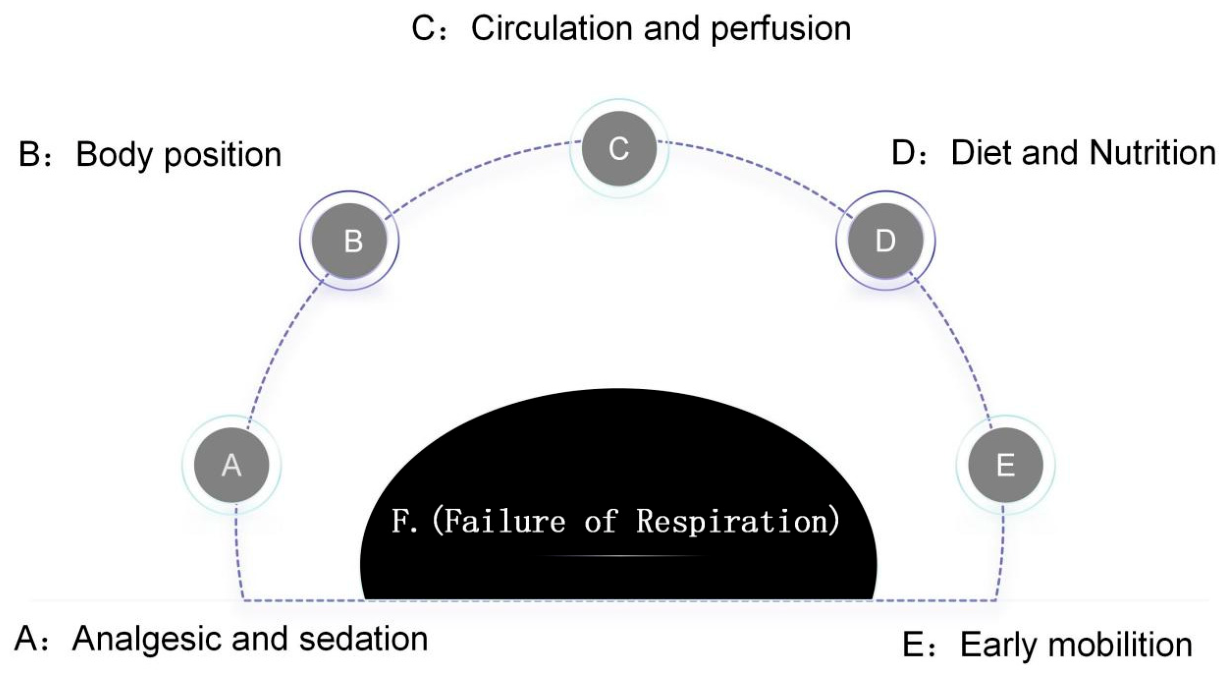
Figure 2.
Goal-directed fluid management targeting lactate and MAP. Volume management was guided by lactate and blood pressure targets, maintaining MAP at 85–95 mmHg and lactate below 1.5 mmol/L. Norepinephrine was discontinued on day 2, and furosemide was used to achieve target volume status.
Figure 2.
Goal-directed fluid management targeting lactate and MAP. Volume management was guided by lactate and blood pressure targets, maintaining MAP at 85–95 mmHg and lactate below 1.5 mmol/L. Norepinephrine was discontinued on day 2, and furosemide was used to achieve target volume status.
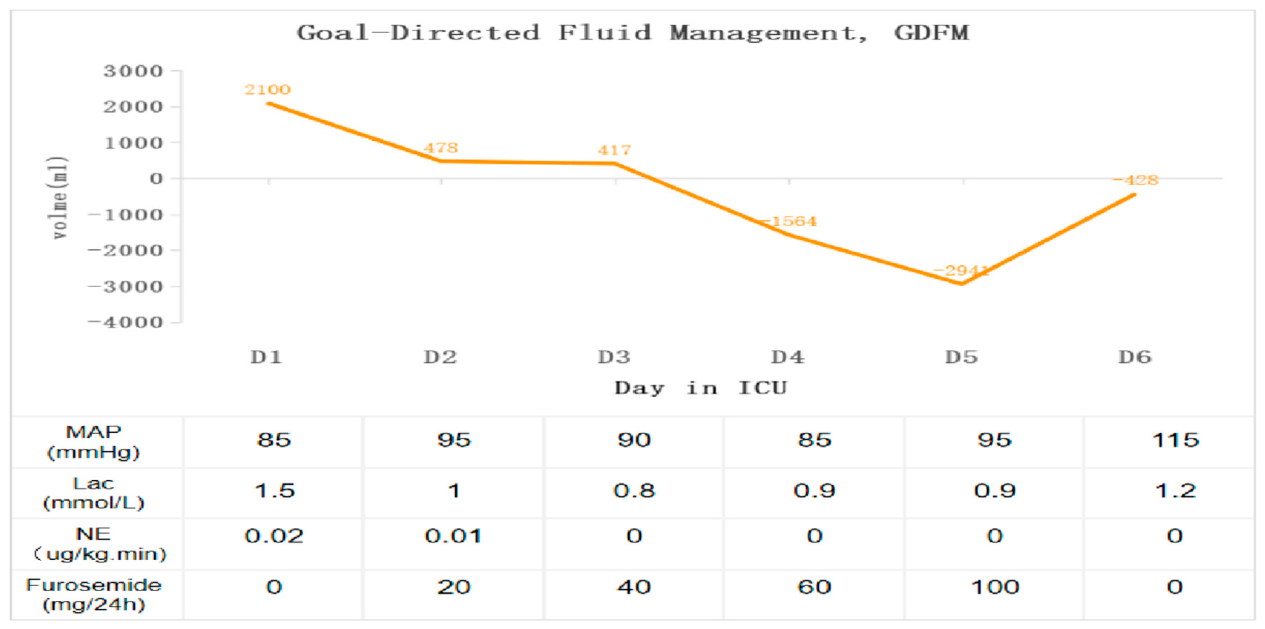
Figure 3.
Trends showing gradual improvement and stabilization of vital signs, organ function, and infection indicators during treatment.
Figure 3.
Trends showing gradual improvement and stabilization of vital signs, organ function, and infection indicators during treatment.
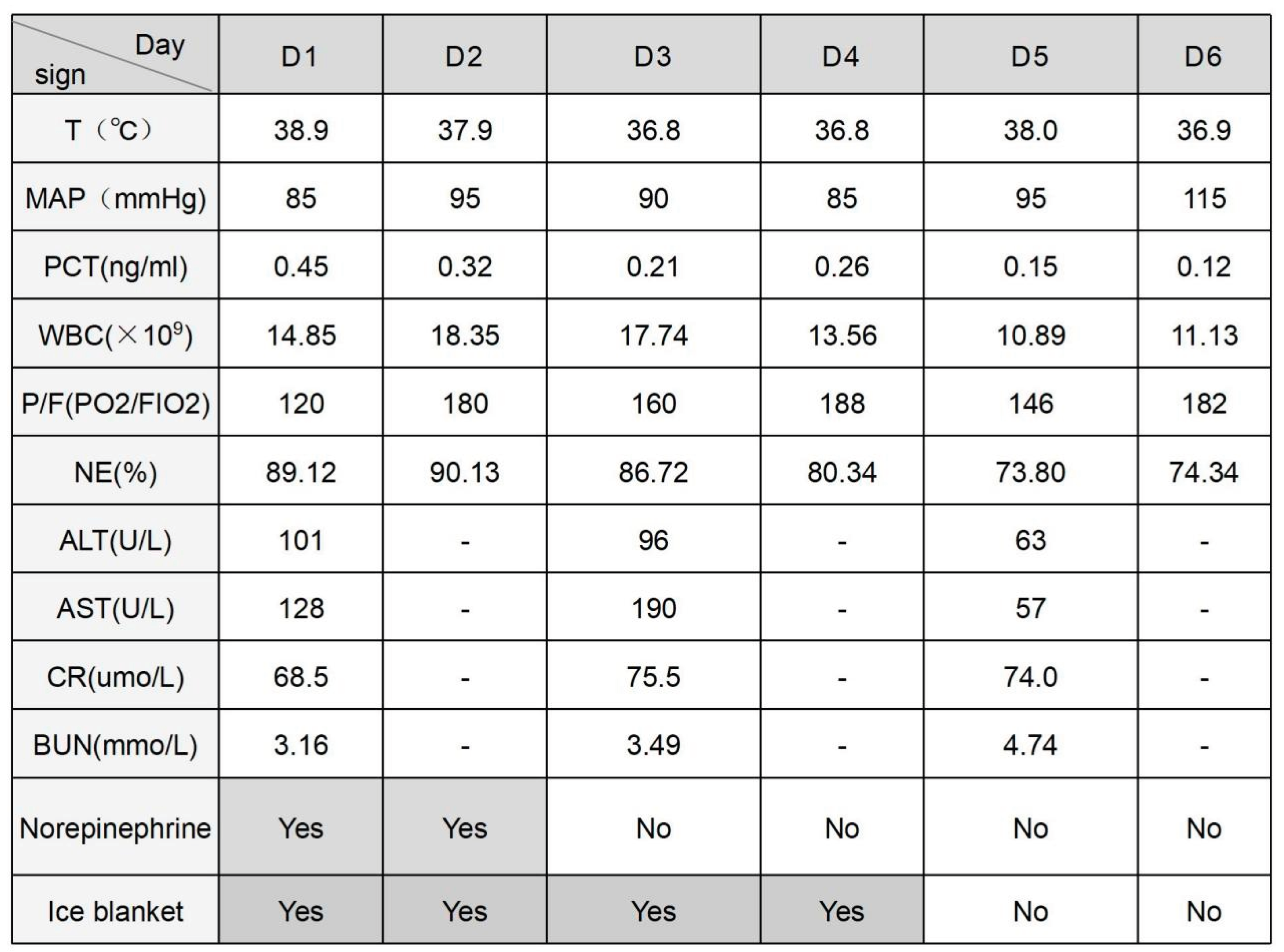
Figure 4.
Chest CT scans before surgery and before extubation. The preoperative CT showed essentially normal transparency in both lungs; the CT obtained before extubation showed scattered areas of high density in both lungs.
Figure 4.
Chest CT scans before surgery and before extubation. The preoperative CT showed essentially normal transparency in both lungs; the CT obtained before extubation showed scattered areas of high density in both lungs.
Disclaimer/Publisher’s Note: The statements, opinions and data contained in all publications are solely those of the individual author(s) and contributor(s) and not of MDPI and/or the editor(s). MDPI and/or the editor(s) disclaim responsibility for any injury to people or property resulting from any ideas, methods, instructions or products referred to in the content. |
© 2026 by the authors. Licensee MDPI, Basel, Switzerland. This article is an open access article distributed under the terms and conditions of the Creative Commons Attribution (CC BY) license (http://creativecommons.org/licenses/by/4.0/).
Copyright: This open access article is published under a Creative Commons CC BY 4.0 license, which permit the free download, distribution, and reuse, provided that the author and preprint are cited in any reuse.