
Submitted:
14 September 2026
Posted:
16 September 2026
You are already at the latest version
Abstract
Hair follicle function depends on the coordinated interaction of endocrine regulation, structural integrity, inflammatory-redox homeostasis, mitochondrial function, vascular support, and regenerative signaling. Oxidative stress is closely interconnected with chronic inflammation, mitochondrial dysfunction, cellular senescence, and impaired tissue regeneration, suggesting that redox imbalance may represent an important biological interface in the progressive loss of follicular resilience. Nutraceuticals may influence these interconnected processes through pleiotropic rather than isolated molecular mechanisms. This review critically integrates mechanistic, translational, and clinical evidence on nutraceutical compounds relevant to hair health, with particular emphasis on redox-sensitive pathways and their interaction with broader physiological networks. Polyphenols, oligomeric proanthocyanidins, vitamins, trace elements, structural nutrients, hormonal modulators, and mitochondrial-supportive compounds may influence complementary processes involving oxidative defense, inflammatory signaling, KEAP1–NRF2 regulation, mitochondrial homeostasis, androgen signaling, keratin synthesis, microvascular function, and regenerative signaling. To organize this biological complexity, we propose a systems-oriented framework comprising four complementary domains: endocrine regulation, structural integrity, inflammatory-redox homeostasis, and metabolic-regenerative competence. Within this framework, follicular resilience is conceptualized as an emergent property of interacting biological networks rather than the consequence of a single dominant pathway. Available clinical studies suggest that selected nutraceutical interventions may improve hair density, growth, shaft characteristics, shedding, or overall hair quality. However, the strength of evidence varies considerably among compounds, and mechanistic plausibility should not be equated with demonstrated clinical efficacy. Collectively, current evidence supports a transition from reductionist interpretations of nutraceutical action toward a systems-oriented model of hair follicle biology. Prospective studies integrating standardized clinical outcomes with validated biological biomarkers are required to determine whether this framework can improve patient stratification, treatment selection, and monitoring of nutraceutical interventions for long-term hair health.
Keywords:
hair follicle resilience
; redox homeostasis
; oxidative stress
; nutraceuticals
; hair health
; follicular aging
; systems biology
; NRF2
; inflammation
1. Introduction
Bioactive dietary compounds and nutraceuticals have emerged as important modulators of human physiology because they can influence interconnected biological processes involved in metabolism, inflammation, oxidative stress, mitochondrial function, vascular biology, tissue regeneration, and healthy aging [1,2]. Many nutraceuticals exert pleiotropic effects across complementary physiological systems, making their systems-level activity increasingly relevant to nutritional science, redox biology, systems biology, and precision nutrition [3,4].
Among these processes, redox homeostasis represents an important interface between cellular metabolism, inflammatory signaling, mitochondrial function, stress adaptation, and tissue regeneration. Reactive oxygen species (ROS) serve physiological signaling functions at controlled concentrations, whereas persistent oxidative imbalance may promote macromolecular damage, mitochondrial dysfunction, inflammatory activation, cellular senescence, and impaired regenerative capacity [5,6,7]. Redox-sensitive pathways, including nuclear factor erythroid 2-related factor 2 (NRF2) and nuclear factor kappa B (NF-κB), participate in broader regulatory networks linking antioxidant defense with inflammatory and metabolic responses [8,9,10]. Nutraceutical compounds capable of influencing these pathways may therefore exert biological effects extending beyond direct antioxidant activity [11,12].
Hair growth provides a particularly relevant biological context in which to examine these interactions. The hair follicle is a highly dynamic mini-organ characterized by cyclical growth, extensive cellular proliferation, tissue remodeling, and substantial metabolic demands. Normal follicular function depends on the integration of endocrine regulation, structural protein synthesis, mitochondrial energy production, inflammatory-redox homeostasis, vascular supply, growth-factor signaling, stem-cell activity, and tissue regeneration. Disruption of these interconnected processes may impair anagen maintenance, follicular regeneration, and hair-shaft production, thereby contributing to progressive deterioration of follicular function [13,14,15].
Oxidative stress has been implicated in several forms of hair loss and in age-associated changes of the hair follicle [16,17]. However, redox imbalance should not be interpreted as an isolated pathogenic mechanism. Oxidative stress interacts bidirectionally with inflammatory signaling, mitochondrial dysfunction, metabolic dysregulation, cellular senescence, and impaired regenerative responses. These interactions provide a biological rationale for considering inflammatory-redox homeostasis within a broader systems-level model of follicular function [5,7,18].
Hair disorders are common and can substantially affect psychological well-being and quality of life. Although established therapeutic strategies effectively target specific mechanisms in selected hair-loss disorders, the multifactorial biology of follicular growth provides a rationale for investigating complementary nutritional approaches. Nutraceuticals and food-derived bioactive compounds have consequently attracted increasing interest as strategies for supporting hair health. Vitamins, minerals, amino acids, phytosterols, polyphenols, botanical extracts, and multicomponent formulations have been investigated in mechanistic, observational, and interventional studies, with reported effects on follicular processes and clinical outcomes including hair shedding, density, growth, shaft characteristics, and hair quality [19,20,21]. However, the nature and strength of this evidence vary considerably among compounds, formulations, and hair-loss conditions.
Several nutraceutical classes may influence complementary biological processes relevant to follicular function. Polyphenols and oligomeric proanthocyanidins can modulate antioxidant defense, endothelial function, and cellular stress responses [11,22,23]; vitamins and trace elements contribute to endogenous antioxidant systems and metabolic homeostasis [21,24]; structural nutrients support keratin synthesis and tissue integrity; and other bioactive compounds may influence endocrine regulation, mitochondrial function, inflammatory signaling, and microvascular physiology [3,12]. Their biological effects therefore cannot be adequately characterized by assigning individual compounds to isolated molecular targets. Rather, nutraceuticals may influence partially overlapping networks in which redox regulation interacts with endocrine, structural, inflammatory, metabolic, vascular, and regenerative processes [2,3].
Current evidence nevertheless remains largely organized according to individual ingredients, isolated mechanisms, or specific clinical interventions, making it difficult to determine how biologically distinct nutraceuticals may converge across physiological processes and hair-related outcomes [21]. To our knowledge, previous reviews have not systematically integrated mechanistic, biomarker, histopathological, translational, and clinical evidence across nutraceutical classes within a unified systems biology framework for hair health. Such integration may provide a more comprehensive understanding of how nutraceutical interventions interact with redox-sensitive and complementary physiological systems supporting follicular function.
The objective of this review is therefore to critically synthesize mechanistic, translational, and clinical evidence on nutraceutical interventions for hair health, with particular attention to redox homeostasis and its interactions with complementary physiological systems. To organize this biological complexity, nutraceutical activities are integrated within four domains: endocrine regulation, structural integrity, inflammatory-redox homeostasis, and metabolic-regenerative competence. This Four-Pillar Model of Hair Health is proposed as an integrative framework rather than a novel pathogenic theory, providing a systems-level structure for examining biological convergence across nutraceutical classes and conceptualizing follicular resilience as the capacity of the hair follicle to maintain growth, regeneration, and functional integrity in the presence of intrinsic and extrinsic biological stressors. The framework is intended to generate testable hypotheses regarding the relationships among nutritional status, nutraceutical activity, redox regulation, physiological resilience, and long-term follicular function.
1.1. Literature Search and Evidence Selection
This article was designed as a narrative and integrative review. Relevant publications were identified through targeted searches of PubMed, Scopus, Web of Science, and Google Scholar, complemented by examination of the reference lists of pertinent reviews and primary studies. Search terms included combinations of “hair follicle,” “hair loss,” “androgenetic alopecia,” “follicular aging,” “oxidative stress,” “redox homeostasis,” “inflammation,” “NRF2,” “mitochondrial function,” “microcirculation,” “nutraceuticals,” “polyphenols,” “proanthocyanidins,” “vitamins,” “trace elements,” “Serenoa repens,” and “hair growth.” Priority was given to peer-reviewed mechanistic studies, human observational studies, controlled clinical trials, systematic reviews, and meta-analyses relevant to hair-follicle biology, nutraceutical interventions, and the physiological processes incorporated into the proposed framework. Evidence derived from experimental or non-hair-specific research was included only when it provided mechanistic context and is identified as indirect or hypothesis-generating evidence. Because of substantial heterogeneity in study populations, interventions, formulations, treatment duration, and clinical endpoints, no quantitative meta-analysis was undertaken. The purpose of the literature synthesis was to critically integrate current mechanistic, translational, and clinical evidence rather than to provide a systematic assessment of treatment efficacy.
2. Hair Follicle Biology and the Hair Growth Cycle
The hair follicle is a highly dynamic mini-organ that continuously undergoes cycles of growth (anagen), regression (catagen), and rest (telogen). During anagen, rapid proliferation of matrix keratinocytes requires a continuous supply of amino acids, micronutrients, oxygen, and ATP, making the hair follicle one of the most metabolically active tissues in the human body [14,15].
Normal hair growth depends on the coordinated interaction of multiple physiological systems, including endocrine regulation, keratin synthesis, mitochondrial energy production, inflammatory-redox homeostasis, extracellular matrix remodeling, endothelial function, microcirculation, growth-factor signaling, stem-cell activity, and tissue regeneration. Within this network, redox homeostasis is particularly relevant because the high proliferative and metabolic activity of the growing follicle requires effective control of reactive oxygen species and maintenance of endogenous antioxidant defense. Disturbances affecting these interconnected processes may shorten anagen duration, impair follicular regeneration, reduce hair shaft quality, and contribute to progressive hair thinning and hair loss [17,21,25].
Many nutraceuticals investigated for hair health may influence several of these physiological processes simultaneously. Their biological activities can extend beyond correction of isolated nutritional deficiencies to include modulation of inflammatory-redox signaling, mitochondrial function, cellular metabolism, structural maintenance, vascular support, and regenerative pathways. The functional interdependence of these processes provides the biological basis for examining nutraceutical activity within an integrated systems framework and may help explain why compounds with different molecular compositions can produce partially overlapping biological and clinical effects, as illustrated in Figure 1.
3. Why a Systems-Based Classification of Nutraceuticals?
Hair growth depends on the coordinated regulation of multiple biological processes rather than on a single signaling pathway [13,14,15,21]. Accordingly, the biological activity of nutraceuticals cannot always be adequately characterized by assigning individual compounds to isolated molecular targets. Many nutraceuticals exhibit pleiotropic activities across interconnected physiological systems, including pathways involved in redox regulation, inflammation, cellular metabolism, structural maintenance, and regenerative signaling [1,26,27].
Most reviews classify nutraceuticals primarily according to individual ingredients or predominant mechanisms of action [20,21]. Although this approach is useful for describing compound-specific effects, it provides limited insight into the biological overlap among nutraceutical classes or into why interventions with different molecular compositions may produce partially convergent biological and clinical outcomes. Systems biology offers a complementary perspective by emphasizing interactions among biological networks and the emergence of physiological function from their coordinated regulation [1,26,28].
To facilitate interpretation of this complexity, the present review organizes the biological activities of nutraceuticals into four complementary physiological domains: endocrine regulation, structural integrity, inflammatory-redox homeostasis, and metabolic-regenerative competence. These domains are not intended as independent therapeutic targets or mutually exclusive categories but as an integrative classification for organizing current mechanistic and clinical evidence. Within this framework, redox regulation represents an important interface across domains because oxidative stress and endogenous antioxidant defense interact with inflammatory signaling, mitochondrial function, cellular metabolism, and regenerative capacity. This systems-based classification therefore provides the conceptual structure for examining how biologically distinct nutraceuticals may influence interconnected processes relevant to follicular homeostasis and resilience.
4. Biological Targets of Nutraceuticals Supporting Hair Health
The four physiological domains encompass a broad network of biological processes required for follicular growth, cycling, and regeneration. Endocrine regulation includes androgen metabolism and receptor-mediated signaling; structural integrity depends on adequate substrates for keratin synthesis and extracellular matrix maintenance; inflammatory-redox homeostasis involves the balance between reactive oxygen species generation, endogenous antioxidant defense, and redox-sensitive inflammatory signaling; and metabolic-regenerative competence encompasses mitochondrial bioenergetics, nutrient utilization, endothelial and microvascular function, growth-factor signaling, and tissue regeneration [14,15,21].
These processes are functionally interconnected. Oxidative stress can influence inflammatory signaling, mitochondrial function, vascular homeostasis, and regenerative capacity, while mitochondrial dysfunction and chronic inflammation may further increase oxidative burden. Similarly, endocrine signaling, structural substrate availability, cellular energy metabolism, and microvascular support interact in maintaining the high proliferative and biosynthetic demands of the growing hair follicle. Consequently, modulation of a single pathway alone is unlikely to account for the range of biological effects associated with diverse nutraceutical classes [1,26].
Many nutraceuticals reviewed in this article may therefore influence more than one physiological domain. Antioxidant and redox-modulatory compounds may affect endogenous cellular defense and inflammatory signaling; structural nutrients provide substrates required for hair-shaft formation; endocrine-active compounds may influence androgen-dependent pathways; and metabolic or vascular-active nutrients may support mitochondrial, endothelial, and regenerative processes. These overlapping activities provide the biological basis for the four-domain framework used throughout this review and for examining nutraceuticals as modulators of interconnected physiological networks rather than isolated molecular targets [2,3].
5. Nutraceutical Modulation of Endocrine Regulation
Endocrine regulation represents one of the principal physiological systems influenced by nutraceuticals supporting hair health. Hair follicles continuously integrate endocrine signals originating from both systemic circulation and local follicular metabolism to regulate hair-cycle progression, cellular proliferation, differentiation, pigmentation, and tissue remodeling [13,29].
Among endocrine pathways, androgen signaling has been investigated most extensively. Androgenetic alopecia (AGA), the most common form of hair loss, affects approximately 50% of men by the age of 50 years and up to 80% by the age of 70 years, while female pattern hair loss affects approximately 30–40% of women during their lifetime [20,30,31]. Genetic predisposition largely determines follicular sensitivity to dihydrotestosterone (DHT), making androgen signaling a major driver of follicular miniaturization, shortening of the anagen phase, and progressive transformation of terminal hairs into finer vellus-like hairs [29,32].
Although the clinical efficacy of finasteride confirms the importance of this pathway, considerable variability in treatment response indicates that endocrine regulation alone does not fully determine long-term follicular function [20,33].
Consequently, increasing attention has focused on nutraceuticals capable of supporting hormonal homeostasis through complementary biological mechanisms [19,21]. Among the best-investigated compounds are Serenoa repens (Saw Palmetto) and β-sitosterol, which may attenuate DHT-mediated signaling while simultaneously exerting anti-inflammatory, antioxidant, and metabolic effects [34,35]. These pleiotropic biological activities illustrate that nutraceuticals frequently extend beyond endocrine modulation alone and influence several interconnected physiological systems relevant to long-term hair health [1,2,3]. Their mechanistic basis and clinical evidence are discussed in the following sections.
6. Nutraceutical Support of Structural Integrity and Hair Shaft Formation
Structural integrity represents another major physiological system through which nutraceuticals contribute to hair health. Hair shaft formation, mechanical stability, thickness, and long-term hair quality depend on the continuous availability of structural substrates together with coordinated keratin synthesis, extracellular matrix maintenance, cellular metabolism, and tissue regeneration [21,36].
The hair shaft consists predominantly of keratin proteins, accounting for approximately 80–95% of its composition. Extensive disulfide cross-linking provides mechanical stability, elasticity, tensile strength, and resistance to physical and chemical stress. Among the amino acids present in human hair, cysteine is particularly abundant (15–18%) and plays a central role in disulfide bond formation, making sulfur-containing amino acids indispensable for maintaining normal hair structure [36,37].
Because hair production is one of the most metabolically demanding anabolic processes in the human body, continuous keratin synthesis requires an adequate supply of amino acids, micronutrients, oxygen, and ATP. Deficiencies of cysteine, methionine, iron, zinc, selenium, copper, biotin, vitamin D, and other essential nutrients compromise protein synthesis, weaken hair shaft formation, increase hair fragility, and impair long-term follicular function [25,38,39,40,41].
Accordingly, numerous nutraceuticals investigated for hair health support multiple biological processes involved in maintaining structural integrity, including protein synthesis, extracellular matrix organization, cellular proliferation, mitochondrial metabolism, and tissue regeneration. Experimental and clinical evidence further indicates that age-associated declines in protein synthesis, mitochondrial function, regenerative capacity, and nutrient utilization contribute to thinner hair shafts, reduced tensile strength, increased brittleness, and progressive deterioration of hair quality [42,43].
Importantly, structural integrity cannot be explained by nutrient availability alone. Keratin synthesis is closely integrated with endocrine regulation, inflammatory-redox homeostasis, mitochondrial function, vascular supply, and cellular metabolism [14,15,21]. Consequently, many nutraceuticals preserve hair quality by simultaneously supporting several interconnected physiological systems required for normal hair shaft formation and sustained follicular function [1,19,26].
7. Nutraceutical Modulation of Inflammation, Oxidative Stress, and Follicular Aging
Maintenance of inflammatory-redox homeostasis represents one of the principal physiological systems through which nutraceuticals support hair health. Chronic low-grade inflammation, oxidative stress, impaired antioxidant defense, and cellular stress responses are closely interconnected processes that influence follicular physiology throughout the hair cycle [14,15,42]. Persistent disruption of this balance promotes cumulative cellular damage, impairs regenerative signaling and tissue remodeling, and may progressively contribute to follicular aging [42,44]. These processes also overlap with recognized hallmarks of biological aging, including chronic inflammation, mitochondrial dysfunction, stem-cell exhaustion, and declining regenerative capacity [7,45,46].
This biological interdependence provides a rationale for nutraceuticals with anti-inflammatory, antioxidant, and cytoprotective properties. Bioactive dietary compounds, including polyphenols, oligomeric proanthocyanidins (OPCs), carotenoids, vitamins, and related phytochemicals, can modulate inflammatory signaling, activate endogenous cytoprotective pathways, limit reactive oxygen species (ROS) accumulation, and strengthen antioxidant defenses [9,12,24,47]. Through these complementary actions, nutraceuticals may help maintain an inflammatory-redox environment favorable to sustained follicular function.
7.1. Microinflammation as a Therapeutic Target for Nutraceuticals
Microinflammation is increasingly recognized as an important contributor to progressive follicular dysfunction and therefore represents a relevant target for nutraceutical intervention. Histopathological studies have demonstrated perifollicular inflammatory infiltrates in androgenetic alopecia, alopecia areata, and age-associated follicular decline, suggesting that persistent low-grade inflammation may actively contribute to impaired follicular function rather than merely represent a secondary consequence of tissue damage [42,48].
Pro-inflammatory cytokines influence follicular cycling, tissue remodeling, and regenerative activity. In particular, interleukin-1β (IL-1β) and tumor necrosis factor-α (TNF-α) have been shown to inhibit human hair follicle growth and have been implicated in follicular regression and catagen-associated processes [14,15,49,50]. More broadly, dysregulated inflammatory signaling, including altered cytokine activity, has been associated with inflammatory hair disorders and age-related changes in follicular function [17]. Nutraceutical modulation of inflammatory pathways may therefore help limit persistent perifollicular inflammation and preserve conditions favorable to normal follicular cycling [2,4,12].
7.2. NF-κB: A Central Molecular Target of Nutraceutical Intervention
NF-κB represents a major molecular target through which nutraceuticals may modulate inflammatory-redox homeostasis. As a central regulator of inflammatory signaling, NF-κB controls the expression of numerous genes involved in inflammation, oxidative stress, apoptosis, tissue remodeling, and cellular stress responses [9,51].
Activation of NF-κB induces pro-inflammatory mediators including interleukin-1β (IL-1β), interleukin-6 (IL-6), tumor necrosis factor-α (TNF-α), cyclooxygenase-2 (COX-2), inducible nitric oxide synthase (iNOS), and matrix metalloproteinases (MMPs). Persistent activation may thereby promote a pro-inflammatory follicular microenvironment associated with impaired tissue remodeling, altered follicular cycling, and reduced regenerative activity. Reactive oxygen species (ROS) can further activate NF-κB, establishing reciprocal signaling between oxidative and inflammatory pathways [9,44,51].
Persistent NF-κB signaling is also implicated in inflammaging and multiple age-related disorders, highlighting its broader relevance to chronic tissue dysfunction [46,52,53]. Several nutraceutical classes, particularly polyphenols, oligomeric proanthocyanidins, carotenoids, and related phytochemicals, have been shown to attenuate NF-κB signaling and associated inflammatory responses [4,47]. Modulation of this pathway therefore represents a biologically plausible mechanism through which nutraceuticals may help limit persistent inflammatory signaling within the follicular microenvironment.
7.3. Oxidative Stress and Redox Imbalance
Preservation of redox homeostasis is essential for normal follicular function. Oxidative stress develops when the generation of reactive oxygen species (ROS) exceeds the capacity of endogenous antioxidant defense systems, resulting in progressive cellular damage [54]. Hair follicles may be particularly susceptible because the rapid cellular proliferation, keratin synthesis, and metabolic activity characteristic of anagen require effective antioxidant protection to maintain physiological redox balance [15,25].
Excessive ROS can damage lipids, proteins, mitochondria, and DNA and thereby compromise follicular function [54,55]. Clinical studies have reported increased markers of oxidative stress in androgenetic alopecia and alopecia areata, including elevated malondialdehyde (MDA), reduced total antioxidant capacity (TAC), and altered activities of endogenous antioxidant enzymes such as superoxide dismutase (SOD) and glutathione peroxidase (GPx) [16]. These observations support an association between impaired redox homeostasis and follicular dysfunction.
Nutraceuticals with antioxidant and cytoprotective properties may counter these processes by limiting excessive ROS accumulation and strengthening endogenous antioxidant defenses [12,24,47]. Importantly, these effects extend beyond direct radical scavenging and include modulation of cellular antioxidant and stress-response pathways, providing a mechanistic basis for nutritional strategies aimed at maintaining follicular redox homeostasis.
7.4. Mitochondrial Dysfunction at the Interface of Oxidative Stress and Follicular Bioenergetics
Mitochondria represent an important interface between redox homeostasis and follicular bioenergetics. The high metabolic activity of the hair follicle requires continuous mitochondrial ATP production to support matrix keratinocyte proliferation, protein synthesis, differentiation, and tissue remodeling [5,25].
Mitochondrial dysfunction can impair respiratory activity and membrane potential while increasing the generation of reactive oxygen species (ROS). Conversely, excessive oxidative stress can damage mitochondrial proteins, membranes, and DNA, creating a reciprocal relationship between mitochondrial impairment and redox imbalance [56,57]. Nutraceuticals with antioxidant and mitochondrial-supportive properties may help interrupt this interaction by limiting oxidative mitochondrial damage and supporting cellular bioenergetic function [47,58].
The broader contribution of mitochondrial function to follicular energy metabolism, regenerative capacity, and metabolic competence is discussed in Section 8.
7.5. NRF2 Activation: An Endogenous Cytoprotective Mechanism of Nutraceuticals
Activation of nuclear factor erythroid 2-related factor 2 (NRF2) represents a major endogenous cytoprotective mechanism through which nutraceuticals may reinforce inflammatory-redox homeostasis. NRF2 regulates a broad transcriptional network of cytoprotective genes involved in glutathione synthesis, detoxification, antioxidant defense, and cellular adaptation to oxidative stress [8,10,12].
Experimental evidence indicates that impaired NRF2 signaling increases cellular susceptibility to oxidative injury, whereas activation of NRF2-dependent pathways strengthens endogenous antioxidant defenses and limits cumulative oxidative damage [11,12,59]. Several nutraceutical classes, including polyphenols, oligomeric proanthocyanidins (OPCs), carotenoids, and curcuminoids, can activate NRF2 signaling and thereby enhance endogenous cytoprotective responses [11,24,60,61].
Together, modulation of NF-κB and activation of NRF2 illustrate two complementary mechanisms through which nutraceuticals can influence inflammatory-redox homeostasis: attenuation of pro-inflammatory signaling and reinforcement of endogenous cytoprotective defense [12].
7.6. Nutraceutical Support of Stem-Cell Function and Cellular Senescence
Preservation of stem-cell function and limitation of cellular senescence represent additional mechanisms through which nutraceuticals may support long-term follicular function. Cellular senescence is characterized by stable growth arrest and the acquisition of a senescence-associated secretory phenotype (SASP), through which senescent cells release pro-inflammatory cytokines, matrix metalloproteinases, and other mediators capable of altering the surrounding tissue environment [18,62].
Age-related changes in the follicular stem-cell niche can impair regenerative activity and hair-cycle renewal. Experimental studies have linked follicular aging to alterations in stem-cell maintenance and activation, impaired anagen regeneration, and progressive follicular dysfunction [44,63,64]. These observations identify preservation of the regenerative cellular compartment as an important component of long-term hair health.
Although direct evidence for nutraceutical modulation of follicular stem-cell senescence remains limited, nutritional compounds that influence oxidative stress, inflammatory signaling, and endogenous cytoprotective pathways may indirectly support a tissue environment favorable to stem-cell maintenance and regenerative function [7,12,45]. Further studies are required to determine the extent to which these mechanisms translate into clinically relevant preservation of follicular regenerative capacity.
7.7. Inflammaging and Healthy Hair Aging
Inflammaging provides a broader biological context linking chronic low-grade inflammation and impaired cellular homeostasis with progressive tissue aging [7,46,53]. Similar age-associated processes occur within the hair follicle and may contribute to shortened anagen duration, impaired regenerative activity, follicular miniaturization, and declining hair density and quality [17,42,64].
From this perspective, nutraceutical modulation of inflammatory-redox homeostasis may have relevance beyond individual molecular targets. By attenuating persistent inflammatory signaling while reinforcing endogenous antioxidant and cytoprotective defenses, nutraceuticals may help preserve a follicular environment more conducive to sustained function during aging. This systems-level interpretation provides a biological framework for considering nutritional support as one component of strategies aimed at maintaining follicular resilience and promoting healthy hair aging.
7.8. Biomarkers of Nutraceutical Activity in Inflammatory Hair Loss
Biomarkers may provide an objective link between the biological mechanisms implicated in hair loss and the physiological effects of nutritional interventions. Inflammatory and oxidative markers are therefore of potential value for characterizing follicular stress and, prospectively, for monitoring biological responses to nutraceutical interventions [2].
Studies of different hair-loss disorders have reported alterations in inflammatory mediators such as interleukin-6 (IL-6), tumor necrosis factor-α (TNF-α), interleukin-1β (IL-1β), and C-reactive protein (CRP), together with increased markers of oxidative damage, including malondialdehyde (MDA). Changes in total antioxidant capacity (TAC) and antioxidant enzymes such as superoxide dismutase (SOD) and glutathione peroxidase (GPx) further suggest impaired endogenous antioxidant defense in selected patient populations [16,17,24].
However, these biomarkers are not specific to hair disorders, and their clinical utility for assessing nutraceutical efficacy remains to be established [21,42]. Differences among hair-loss phenotypes, disease severity, systemic comorbidities, nutritional status, and analytical methods further limit direct comparison across studies [20,21]. Prospective longitudinal studies integrating biomarker profiles with standardized clinical hair outcomes will therefore be required to determine whether such measures can support biological phenotyping, treatment monitoring, or individualized nutritional strategies [28,65]. The integration of validated biomarkers with clinical outcomes represents a promising direction for future research and may help clarify which patients are most likely to benefit from specific nutraceutical interventions.
8. Nutraceutical Support of Metabolic-Regenerative Competence
Sustained hair growth requires substantial metabolic and regenerative capacity. During anagen, rapid matrix keratinocyte proliferation, keratin synthesis, mitochondrial respiration, and tissue remodeling generate high energetic and biosynthetic demands. Follicular function therefore depends on the coordinated availability of metabolic substrates, oxygen, nutrients, and regulatory signals required to support ATP production, protein synthesis, and tissue renewal [14,15,21,25].
Within this metabolic-regenerative domain, mitochondrial bioenergetics, microcirculatory support, nutrient utilization, and growth-factor signaling represent complementary determinants of follicular activity. Nutraceuticals may influence several of these processes through effects on cellular metabolism, vascular and endothelial function, and regulatory signaling pathways, providing a biological rationale for nutritional support of follicular growth and regeneration [3,4].
8.1. Follicular Microcirculation and Nutrient Delivery
Efficient follicular microcirculation is essential for delivering oxygen, nutrients, hormones, and metabolic substrates to the rapidly proliferating cells of the hair bulb and dermal papilla. The perifollicular microvascular network therefore contributes directly to the metabolic support required during active hair growth [25,66].
Experimental and histological studies indicate that vascular support is closely linked to hair-cycle activity. Vascular endothelial growth factor (VEGF)-dependent angiogenesis increases during anagen, whereas impaired vascular support may restrict oxygen and substrate availability and compromise follicular growth [66,67]. These observations identify microcirculatory function as a relevant component of the follicular metabolic environment.
Several bioactive dietary compounds, including oligomeric proanthocyanidins (OPCs), polyphenols, and related phytochemicals, have been shown to influence endothelial function and vascular responsiveness through mechanisms that include modulation of nitric oxide bioavailability and endothelial signaling [3,23,47]. Although direct evidence linking these vascular effects to improved follicular perfusion remains limited, support of endothelial function provides a plausible mechanism through which nutraceuticals may contribute to the metabolic conditions required for hair growth.
8.2. Endothelial Function and Nitric Oxide Signaling
Endothelial function is an important determinant of tissue perfusion and nutrient exchange. Nitric oxide (NO), primarily generated by endothelial nitric oxide synthase (eNOS), regulates vascular tone and contributes to physiological microvascular blood flow and tissue oxygenation [68].
Endothelial dysfunction reduces NO bioavailability and is associated with aging, oxidative stress, insulin resistance, smoking, and cardiometabolic disease [69,70]. Although the specific contribution of endothelial dysfunction to human hair loss remains incompletely defined, impaired vascular responsiveness could influence the delivery of oxygen and metabolic substrates to metabolically active follicles.
Several nutraceutical classes, particularly polyphenols and flavonoids, have been shown to improve endothelial function and NO bioavailability in experimental and human studies [3,23,47]. Modulation of endothelial NO signaling therefore represents a plausible vascular mechanism through which nutritional interventions may support the microenvironment required for follicular metabolism.
8.3. Cellular Metabolism and Metabolic Health
Hair growth places substantial demands on cellular energy metabolism, nutrient utilization, and biosynthetic activity. Epidemiological studies have reported associations between androgenetic alopecia and cardiometabolic abnormalities, including insulin resistance, obesity, metabolic syndrome, and impaired glucose metabolism, suggesting a potential relationship between systemic metabolic health and follicular biology [17,71,72].
Insulin signaling contributes to nutrient sensing, glucose utilization, anabolic metabolism, protein synthesis, and growth-related signaling. Impaired insulin sensitivity can therefore alter substrate utilization and cellular energy homeostasis, although the extent to which these systemic metabolic disturbances directly determine follicular dysfunction remains incompletely understood [7,45].
These observations provide a rationale for investigating whether nutritional strategies that improve metabolic health may also influence follicular function. Nutraceuticals capable of supporting metabolic homeostasis and nutrient utilization may be particularly relevant in individuals with concomitant metabolic dysfunction; however, prospective studies linking improvements in systemic metabolic parameters with standardized hair outcomes are required to establish their clinical relevance.
8.4. Growth-Factor Signaling and Follicular Regeneration
Growth-factor signaling is essential for coordinating follicular proliferation, differentiation, angiogenesis, and hair-cycle progression. Among the regulatory mediators involved, insulin-like growth factor-1 (IGF-1) and vascular endothelial growth factor (VEGF) play particularly important roles in supporting anagen maintenance and the metabolic and vascular adaptations required for active hair growth [14,21,73].
IGF-1 promotes follicular cell proliferation and survival and contributes to maintenance of the anagen phase, whereas VEGF stimulates perifollicular angiogenesis and thereby supports the increased vascular requirements of actively growing follicles [66,73]. Additional mediators, including fibroblast growth factors (FGFs), platelet-derived growth factor (PDGF), and hepatocyte growth factor (HGF), participate in epithelial–mesenchymal signaling and further contribute to regulation of follicular growth and regeneration [13,15].
Nutritional status and cellular metabolism can influence growth-factor signaling, providing a mechanistic link between nutrient availability, metabolic competence, and follicular regeneration. Certain bioactive nutrients and phytochemicals may additionally modulate signaling pathways associated with IGF-1, VEGF, and related regenerative mediators. These interactions provide a biological rationale for considering growth-factor signaling as part of the metabolic-regenerative effects of nutraceutical interventions, although the magnitude and clinical relevance of direct nutraceutical effects on these pathways require further investigation.
8.5. Metabolic Aging of the Hair Follicle
Aging is accompanied by progressive changes in mitochondrial function, nutrient sensing, vascular physiology, anabolic signaling, and regenerative capacity [7,45,53]. Related alterations have been described in aging hair follicles, including changes in cellular metabolism, vascular support, growth-factor responsiveness, and stem-cell function that may progressively reduce the capacity to sustain repeated cycles of active growth [15,44].
Clinically, follicular aging is associated with reduced hair density, decreased shaft diameter and growth rate, increased fragility, altered pigmentation, and deterioration of overall hair quality. These changes illustrate how declining metabolic and regenerative competence can contribute to the phenotype of aging hair [42,43].
From a nutritional perspective, preservation of metabolic-regenerative competence provides a framework for integrating mitochondrial bioenergetics, vascular support, nutrient utilization, and regenerative signaling. Nutraceuticals that influence these complementary processes may therefore contribute to maintaining the physiological capacity of the follicle to support hair growth across the lifespan.
8.6. Biomarkers Associated with Metabolic-Regenerative Competence
Biomarkers of metabolic, vascular, regenerative, and nutritional status may provide complementary information on biological processes relevant to follicular function and could contribute to future biomarker-guided nutritional strategies. Potential markers include indices of glucose metabolism and insulin sensitivity, circulating growth factors, endothelial and vascular parameters, and biomarkers of nutritional status. Measures such as fasting glucose and HOMA-IR may help characterize systemic metabolic dysfunction, while circulating IGF-1 and selected vascular markers may provide information on growth-related and endothelial physiology [17,68,71]. Nutritional biomarkers, including ferritin, vitamin D, and zinc, provide additional information on nutrient availability relevant to normal follicular metabolism and hair growth [21,41,74].
However, most of these biomarkers are neither specific to follicular function nor validated for monitoring nutraceutical interventions in hair disorders. Their interpretation is further influenced by age, metabolic health, nutritional status, comorbidities, and analytical methodology. Prospective studies integrating standardized biomarker panels with objective clinical hair outcomes are therefore needed to determine whether metabolic-regenerative profiling can improve patient stratification, treatment selection, or monitoring of nutritional interventions.
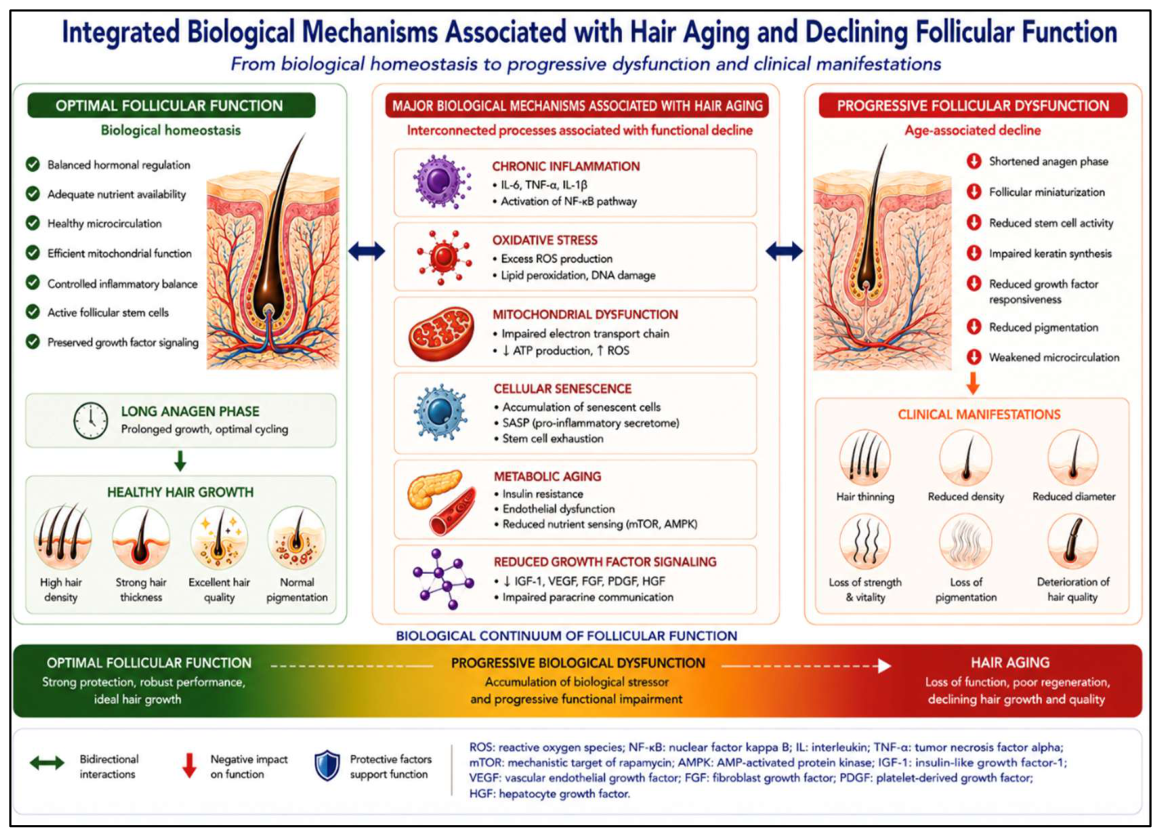
Figure 2.
Integrated biological mechanisms associated with hair aging and declining follicular function. The figure illustrates the transition from physiological follicular homeostasis toward progressive functional impairment through interconnected age-associated processes involving chronic inflammation, oxidative stress, mitochondrial dysfunction, cellular senescence, metabolic dysregulation, and reduced growth-factor signaling. These processes interact bidirectionally and may collectively impair follicular cycling, regenerative capacity, keratin synthesis, microvascular function, pigmentation, and hair-shaft formation, contributing to clinically observable changes in hair density, diameter, strength, pigmentation, and overall quality. The biological continuum emphasizes that hair aging reflects the progressive accumulation of interacting physiological disturbances rather than dysfunction of a single pathway. The relative contribution of individual mechanisms may vary among individuals. Arrows indicate conceptual relationships and interactions and do not imply direct causality.
Figure 2.
Integrated biological mechanisms associated with hair aging and declining follicular function. The figure illustrates the transition from physiological follicular homeostasis toward progressive functional impairment through interconnected age-associated processes involving chronic inflammation, oxidative stress, mitochondrial dysfunction, cellular senescence, metabolic dysregulation, and reduced growth-factor signaling. These processes interact bidirectionally and may collectively impair follicular cycling, regenerative capacity, keratin synthesis, microvascular function, pigmentation, and hair-shaft formation, contributing to clinically observable changes in hair density, diameter, strength, pigmentation, and overall quality. The biological continuum emphasizes that hair aging reflects the progressive accumulation of interacting physiological disturbances rather than dysfunction of a single pathway. The relative contribution of individual mechanisms may vary among individuals. Arrows indicate conceptual relationships and interactions and do not imply direct causality.
9. Nutraceutical Classes Supporting Hair Health
Growing mechanistic, translational, and clinical evidence indicates that nutraceuticals may support hair health through biological activities extending beyond the correction of nutritional deficiencies. Diverse nutraceutical classes influence physiological processes involved in endocrine regulation, structural integrity, inflammatory-redox homeostasis, and metabolic-regenerative competence, although the strength and nature of the supporting evidence vary considerably among individual compounds and formulations [2,3,21].
To facilitate interpretation, the nutraceuticals reviewed in this article are organized according to their predominant biological activities within these four complementary physiological domains. This classification is functional rather than exclusive, as many compounds influence more than one domain. The following sections summarize their principal mechanisms, representative clinical evidence, and reported effects on hair-related outcomes as illustrated in Figure 3.
9.1. Clinical Evidence for Nutraceutical Strategies Supporting Hair Health
Ultimately, the clinical relevance of nutraceutical interventions depends on their ability to improve meaningful hair-related outcomes rather than isolated changes in laboratory biomarkers. Relevant clinical endpoints include hair density and count, hair shaft diameter, hair shedding, hair growth, and patient-perceived hair quality [20,75].
The available clinical evidence varies considerably among nutraceutical classes with respect to study design, sample size, intervention duration, and outcome assessment. It ranges from observational and prospective studies to randomized controlled trials, systematic reviews, and meta-analyses. The following sections therefore summarize the representative clinical evidence for the principal nutraceutical classes, with particular emphasis on objectively measured and patient-relevant hair outcomes [21,76].
9.2. Clinical Evidence for Nutraceuticals Supporting Endocrine Regulation
Among nutraceuticals investigated for hair health, compounds influencing androgen signaling have generated a substantial body of clinical evidence. Pharmacological inhibition of dihydrotestosterone (DHT) has established androgen signaling as a central therapeutic target in androgenetic alopecia, providing a mechanistic rationale for nutraceutical compounds with 5α-reductase-modulating activity [32,33].
The strongest clinical evidence within this domain is available for Serenoa repens and β-sitosterol. Prospective studies, randomized controlled trials, and systematic reviews have reported improvements in hair count, density, visible hair coverage, hair quality, and stabilization of androgenetic alopecia, although study designs, formulations, and outcome measures vary considerably [19,34,35,76]. Collectively, these findings support androgen-modulating nutraceuticals as a potentially beneficial component of nutritional strategies for androgenetic alopecia.
9.3. Clinical Evidence for Nutraceuticals Supporting Inflammatory-Redox Homeostasis
Altered inflammatory and oxidative markers have been reported in several hair-loss disorders, providing a biological rationale for nutraceutical interventions targeting inflammatory-redox homeostasis. Studies in androgenetic alopecia and alopecia areata have described increased oxidative damage and impaired antioxidant defense, including alterations in malondialdehyde (MDA), total antioxidant capacity (TAC), superoxide dismutase (SOD), and glutathione peroxidase (GPx) [16,17].
Among nutraceuticals investigated within this domain, oligomeric proanthocyanidins (OPCs) and related procyanidins have demonstrated hair-specific biological activity. Experimental studies have reported stimulation of hair follicle and dermal papilla cell growth, while a human clinical study of topically administered procyanidin B-2 reported increased hair growth in men with androgenetic alopecia [77,78]. These findings support the potential biological relevance of procyanidins to hair growth; however, the available clinical evidence remains limited, and evidence from topical administration should not be extrapolated directly to oral nutraceutical supplementation.
Saffron provides complementary, but predominantly indirect, evidence. Human intervention studies outside the specific context of hair-loss treatment have reported modulation of inflammatory biomarkers and psychological stress-related outcomes [79,80]. These findings support the broader anti-inflammatory and stress-modulating properties of saffron but do not establish a direct clinical effect on hair growth. Hair-specific intervention studies are therefore required to determine its relevance to inflammatory-redox modulation in hair disorders.
9.4. Clinical Evidence for Nutraceuticals Supporting Metabolic-Regenerative Competence
Clinical and epidemiological studies have reported associations between androgenetic alopecia and cardiometabolic abnormalities, including insulin resistance, obesity, metabolic syndrome, dyslipidemia, hypertension, and impaired glucose metabolism [17,42]. Although these associations do not establish causality, they support further investigation of systemic metabolic health as a potential modifier of follicular function.
Vitamin D is among the most extensively investigated nutritional factors in hair disorders. Observational studies and meta-analyses have reported lower serum 25-hydroxyvitamin D concentrations and a higher prevalence of vitamin D deficiency in several forms of hair loss, including alopecia areata, androgenetic alopecia, female pattern hair loss, and telogen effluvium [21]. Vitamin D signaling also participates in epithelial differentiation and hair-follicle cycling, providing a biological rationale for correcting deficiency when present [40]. However, evidence that supplementation improves hair outcomes in individuals without deficiency remains limited.
Other bioactive compounds may influence vascular and metabolic processes relevant to follicular function. Oligomeric proanthocyanidins (OPCs), for example, have demonstrated effects on endothelial function and vascular responsiveness in experimental and human studies, while hair-specific investigations have reported increased hair growth following procyanidin-containing interventions [22,23,77,78]. Together, these findings support metabolic and vascular pathways as biologically relevant targets for nutritional intervention, while highlighting the need for studies directly linking changes in metabolic-regenerative parameters with standardized clinical hair outcomes.
9.5. Biological Convergence Across Nutraceutical Classes
Taken together, the evidence reviewed across nutraceutical classes reveals substantial convergence in both biological targets and reported hair-related outcomes. Nutraceuticals with distinct molecular compositions influence different combinations of endocrine, structural, inflammatory-redox, and metabolic-regenerative processes, while clinical studies report overlapping outcomes, including reduced hair shedding and improvements in hair density, growth, shaft characteristics, and hair quality [21,76]. This convergence provides the basis for the integrative systems biology framework illustrated in Figure 4 and explored further in the Discussion.
10. Discussion
The evidence synthesized in this review supports an integrated interpretation of nutraceutical activity in hair health in which redox regulation represents an important biological interface between multiple processes involved in follicular function. Although the nutraceutical classes investigated differ substantially in molecular composition and predominant biological targets, many influence overlapping pathways related to oxidative stress, inflammatory signaling, mitochondrial function, cellular metabolism, vascular homeostasis, structural integrity, and regenerative capacity. At the clinical level, these biologically distinct interventions are associated with partially convergent outcomes, including reduced hair shedding and improvements in hair density, growth, shaft characteristics, and hair quality [20,21]. This convergence suggests that the biological effects of nutraceuticals cannot be adequately understood through isolated molecular targets alone but should be considered within the interconnected physiological networks that maintain follicular homeostasis.
Oxidative stress is particularly relevant within this network because redox imbalance both influences and is influenced by several processes implicated in hair-follicle dysfunction [17,42]. Excessive reactive oxygen species (ROS) can promote lipid, protein, mitochondrial, and DNA damage while activating redox-sensitive inflammatory pathways, including NF-κB-dependent signaling [9,54]. Conversely, chronic inflammatory activity can increase ROS generation, creating a reciprocal inflammatory-redox cycle capable of amplifying cellular stress [9,51]. Mitochondrial dysfunction may further reinforce this process through impaired energy production and altered ROS handling, while age-related reductions in antioxidant defense and stress-response capacity may progressively compromise cellular homeostasis [5,7]. These reciprocal interactions provide a biological rationale for considering inflammatory-redox regulation not as an isolated mechanism but as a functional interface connecting cellular stress, metabolism, inflammation, and regeneration.
This perspective is particularly relevant to nutraceuticals with antioxidant and redox-modulatory properties. Polyphenols, flavonoids, proanthocyanidins, vitamins, trace elements, and other bioactive compounds may influence redox homeostasis through complementary mechanisms, including modulation of oxidative processes, support of endogenous antioxidant enzyme systems, regulation of mitochondrial function, and activation of cytoprotective signaling pathways [12,22,24]. Among these, the NRF2 pathway is of particular interest because it coordinates the transcriptional regulation of a broad network of antioxidant, detoxification, and cellular defense genes [8,10,12]. Rather than functioning simply as exogenous radical scavengers, nutraceuticals capable of modulating NRF2 and related stress-response pathways may therefore influence the endogenous capacity of follicular cells to adapt to oxidative and inflammatory challenges [11,12]. However, the extent to which these mechanistic effects translate into clinically meaningful improvements in human hair disorders remains insufficiently established and requires direct investigation.
From a systems biology perspective, redox regulation extends beyond the inflammatory-redox domain itself. Hair-follicle growth requires coordinated endocrine signaling, continuous availability of structural substrates, mitochondrial energy production, microvascular support, and regenerative signaling throughout repeated cycles of anagen, catagen, and telogen [7,13,14,17,53]. Oxidative stress may interfere with several of these processes, whereas effective cellular antioxidant and stress-response systems may contribute to their preservation [10,42]. Redox homeostasis may therefore represent one of the biological interfaces through which otherwise distinct physiological domains become functionally interconnected.
Within this context, the proposed Four-Pillar Model of Hair Health is intended not as a novel pathogenic theory but as an integrative framework organizing current evidence into four complementary physiological domains: endocrine regulation, structural integrity, inflammatory-redox homeostasis, and metabolic-regenerative competence. These domains should not be interpreted as independent biological compartments. Rather, extensive cross-talk connects them through redox-sensitive signaling, inflammatory regulation, mitochondrial metabolism, vascular function, structural maintenance, endocrine signaling, and regenerative capacity [5,7,10]. The principal contribution of the model is therefore to organize these interacting mechanisms within a common biological structure and to provide a framework for understanding how disturbances across multiple physiological systems may collectively influence follicular function.
The framework may also have implications for the development of nutritional and antioxidant strategies for hair health. Multicomponent formulations containing compounds with complementary antioxidant, anti-inflammatory, metabolic, structural, or endocrine activities provide a biologically plausible approach to the multifactorial nature of follicular dysfunction [20,21]. Nevertheless, biological plausibility should not be equated with demonstrated therapeutic superiority. Direct evidence showing that multimodal formulations are more effective than appropriately selected single-component interventions remains limited, and the relative contribution of antioxidant or redox-modulatory mechanisms to observed clinical outcomes is rarely established. Future intervention studies should therefore combine standardized clinical hair endpoints with validated measures of oxidative stress, endogenous antioxidant defense, inflammatory activity, mitochondrial function, metabolic status, and nutritional availability. Such designs could help determine whether changes in redox biology mediate or predict clinical responses to nutraceutical interventions.
Several limitations of the current evidence should be acknowledged. Available studies differ substantially in design, nutraceutical formulation, treatment duration, patient population, and outcome assessment, limiting quantitative comparison and preventing definitive conclusions regarding the relative efficacy of individual interventions [21,76]. Evidence strength also varies considerably among nutraceutical classes, and mechanistic antioxidant activity demonstrated in experimental systems should not be interpreted as equivalent to clinical efficacy in human hair disorders. Moreover, relatively few studies have simultaneously assessed oxidative or inflammatory biomarkers and standardized hair outcomes, making it difficult to establish causal relationships between redox modulation and clinical improvement. These limitations emphasize the need for well-designed prospective and randomized studies integrating objective hair measurements with mechanistic biomarkers and provide the basis for the concept of follicular resilience considered below.
10.1. Redox Homeostasis and Follicular Resilience
The evidence synthesized throughout this review supports the concept of follicular resilience as the integrated capacity of the hair follicle to maintain growth, regeneration, and structural and functional integrity in the presence of intrinsic and extrinsic biological stressors. Rather than representing an additional pathogenic mechanism, follicular resilience describes an emergent property arising from coordinated interactions among endocrine regulation, structural and nutritional support, inflammatory control, redox homeostasis, mitochondrial function, vascular competence, and regenerative signaling. Progressive impairment of follicular function may therefore reflect cumulative disturbances across several of these interconnected systems rather than dysfunction of a single dominant pathway.
Redox homeostasis represents an important component of follicular resilience because follicular cells must continuously balance ROS generation with endogenous antioxidant defense while maintaining mitochondrial energy production, inflammatory regulation, and regenerative activity [5,10]. The relationship is likely to be bidirectional: increased oxidative burden and impaired antioxidant defense may promote cellular and mitochondrial dysfunction, whereas mitochondrial impairment, chronic inflammatory activation, and cellular senescence may further increase oxidative stress [5,7,18]. Such reciprocal interactions provide a plausible mechanism through which disturbances originating within one physiological domain may propagate across interconnected systems and progressively compromise follicular homeostasis. Within this adaptive network, NRF2-dependent cytoprotective signaling and endogenous antioxidant systems may contribute to the capacity of follicular cells to respond to biological stress [8,10,12].
Importantly, this resilience-based interpretation does not replace established pathogenic mechanisms of hair loss and does not imply that oxidative stress represents a universal primary cause of hair disorders. Rather, it positions redox regulation within a broader network of interacting physiological processes that may influence the ability of the follicle to preserve function over time. This distinction avoids a reductionist “antioxidant deficiency” model while providing a rationale for investigating whether redox-modulatory nutraceuticals can support endogenous cellular defense and adaptive mechanisms as part of a broader physiological strategy [11,12].
A critical next step will be to determine whether follicular resilience can be operationalized and prospectively validated. Integrated biomarker profiles incorporating oxidative damage, endogenous antioxidant defense, inflammatory activity, mitochondrial function, metabolic status, and nutritional availability should be evaluated alongside standardized measures of hair density, shaft diameter, shedding, growth, and cycling. Such studies could determine whether redox disturbances identify biologically distinct patient subgroups, whether changes in redox homeostasis predict clinical responses to nutraceutical interventions, and ultimately whether follicular resilience represents a measurable biological characteristic rather than solely a conceptual framework [28,65].
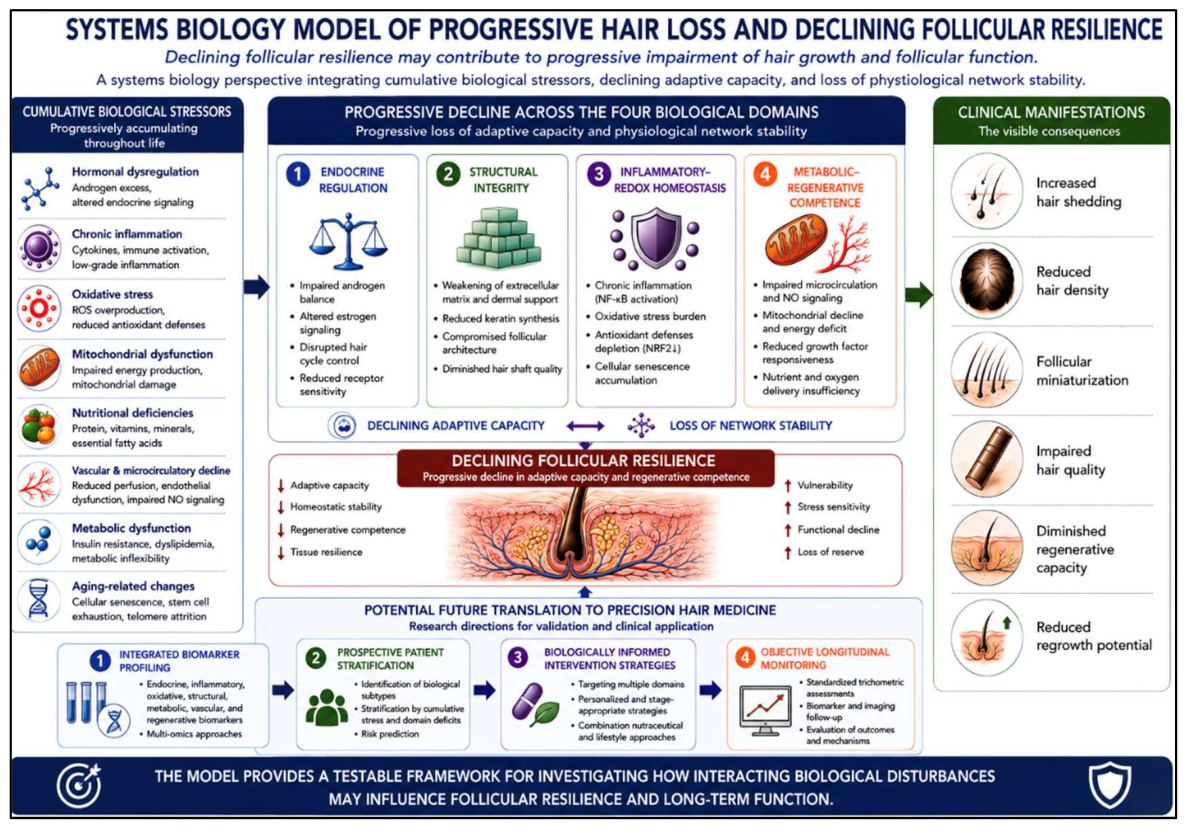
Figure 5.
Systems biology model of progressive impairment of follicular resilience and its potential clinical manifestations. The figure illustrates a conceptual framework in which cumulative biological stressors—including endocrine dysregulation, chronic inflammation, oxidative stress, mitochondrial dysfunction, nutritional insufficiency, vascular and microcirculatory decline, metabolic dysfunction, and age-related cellular changes—may progressively affect four interconnected physiological domains: endocrine regulation, structural integrity, inflammatory–redox homeostasis, and metabolic–regenerative competence. Disturbances across these domains may reduce adaptive capacity and physiological network stability, thereby contributing to declining follicular resilience and clinically observable changes in hair shedding, density, follicular miniaturization, hair quality, regenerative capacity, and regrowth potential. The lower panel outlines potential future translational approaches, including integrated biomarker profiling, prospective patient stratification, biologically informed intervention strategies, and objective longitudinal monitoring. These applications remain hypotheses for prospective validation and should not be interpreted as established clinical strategies. The model is intended as an integrative and testable systems-biology framework rather than a novel pathogenic theory, and the depicted relationships do not imply direct causality.
Figure 5.
Systems biology model of progressive impairment of follicular resilience and its potential clinical manifestations. The figure illustrates a conceptual framework in which cumulative biological stressors—including endocrine dysregulation, chronic inflammation, oxidative stress, mitochondrial dysfunction, nutritional insufficiency, vascular and microcirculatory decline, metabolic dysfunction, and age-related cellular changes—may progressively affect four interconnected physiological domains: endocrine regulation, structural integrity, inflammatory–redox homeostasis, and metabolic–regenerative competence. Disturbances across these domains may reduce adaptive capacity and physiological network stability, thereby contributing to declining follicular resilience and clinically observable changes in hair shedding, density, follicular miniaturization, hair quality, regenerative capacity, and regrowth potential. The lower panel outlines potential future translational approaches, including integrated biomarker profiling, prospective patient stratification, biologically informed intervention strategies, and objective longitudinal monitoring. These applications remain hypotheses for prospective validation and should not be interpreted as established clinical strategies. The model is intended as an integrative and testable systems-biology framework rather than a novel pathogenic theory, and the depicted relationships do not imply direct causality.
10.2. Future Directions
Future research should prioritize prospective validation of the systems-oriented framework proposed in this review, with particular emphasis on the role of redox regulation in follicular function and resilience. Longitudinal cohort studies and randomized controlled trials are needed to determine how oxidative stress and endogenous antioxidant defense interact with endocrine regulation, structural integrity, inflammatory signaling, mitochondrial function, and regenerative capacity, and how these interactions relate to clinical hair outcomes and therapeutic responsiveness. Such studies should also examine whether coordinated modulation of multiple physiological processes provides measurable advantages over interventions targeting individual nutritional or biological factors [7,20,21].
A major priority will be the development and validation of biomarker-guided approaches linking redox biology to clinically relevant hair outcomes. Markers of oxidative damage and endogenous antioxidant defense should be integrated with selected inflammatory, metabolic, vascular, regenerative, and nutritional biomarkers and standardized measures of hair density, shaft diameter, shedding, growth, and cycling [17,21]. Particular attention should be given to determining whether lipid peroxidation, antioxidant enzyme activity, total antioxidant capacity, mitochondrial function, and redox-sensitive signaling pathways such as NRF2 provide reproducible information regarding biological status or treatment response [8,10,12]. Establishing the specificity, temporal stability, and predictive value of these biomarkers will be essential before redox phenotyping can contribute meaningfully to patient stratification or individualized nutraceutical strategies.
An equally important objective will be to distinguish mechanistic antioxidant activity from clinically meaningful redox modulation. Antioxidant properties demonstrated in chemical assays or experimental models do not necessarily establish biological or clinical efficacy within the human hair follicle. Future intervention studies should therefore determine whether nutraceutical administration produces measurable changes in endogenous antioxidant defense, oxidative damage, inflammatory-redox signaling, mitochondrial function, or related adaptive pathways and whether these changes correlate with objective improvements in hair outcomes. Particular attention should be directed toward NRF2-dependent cytoprotective signaling and the reciprocal interactions among ROS generation, NF-κB-mediated inflammation, mitochondrial dysfunction, and cellular senescence [5,9,10,12].
Advances in multi-omics, computational biology, and quantitative imaging may further enable integration of molecular, redox, and clinical data. Genomic, epigenomic, transcriptomic, proteomic, and metabolomic information combined with longitudinal biomarker profiles and standardized digital hair measurements could help identify biologically distinct hair-loss phenotypes, characterize interindividual differences in susceptibility to oxidative stress, and identify predictors of response to antioxidant and other nutraceutical interventions [28,65].
The hair follicle may additionally provide an accessible translational model for investigating broader mechanisms of tissue aging and biological resilience. Its cyclical regeneration, dependence on stem-cell activity, high metabolic demands, and sensitivity to oxidative, inflammatory, vascular, metabolic, and endocrine influences make it particularly suitable for studying interactions between cellular stress responses, regenerative capacity, and biological aging [7,45,53]. Ultimately, rigorous prospective validation will be required to determine whether follicular resilience can be translated from a conceptual construct into a measurable biological characteristic and whether redox biomarkers and the Four-Pillar Model provide predictive or clinically actionable information beyond their current value as an integrative framework.
11. Conclusion
The evidence synthesized in this review supports a systems-oriented interpretation of nutraceutical activity in hair health in which redox homeostasis represents an important biological interface between multiple physiological processes governing follicular function. Hair growth depends on coordinated interactions among endocrine regulation, structural integrity, inflammatory-redox homeostasis, and metabolic-regenerative competence rather than on any single biological pathway. Within this network, oxidative stress interacts bidirectionally with inflammatory signaling, mitochondrial function, cellular metabolism, vascular regulation, and regenerative capacity, providing a biological rationale for considering redox regulation within the broader physiological context of follicular homeostasis.
Nutraceuticals with distinct molecular compositions may influence different combinations of these interconnected processes. Polyphenols, flavonoids, proanthocyanidins, vitamins, trace elements, and other bioactive compounds may affect oxidative processes and endogenous cellular defense mechanisms, including antioxidant enzyme systems, mitochondrial redox function, and NRF2-dependent cytoprotective signaling. Their biological relevance may therefore extend beyond direct radical scavenging to modulation of the cellular capacity to respond and adapt to oxidative and inflammatory stress. Clinical studies across different nutraceutical classes report partially overlapping hair-related outcomes, although the specific contribution of redox modulation to these effects remains to be established.
This biological convergence provides the basis for the Four-Pillar Model of Hair Health proposed in this review, integrating endocrine regulation, structural integrity, inflammatory-redox homeostasis, and metabolic-regenerative competence within a common systems-level framework. The model conceptualizes follicular resilience as an emergent property of coordinated physiological regulation and the capacity of the hair follicle to maintain growth, regeneration, and functional integrity in the presence of biological stressors. It is not intended to replace established pathogenic mechanisms or to position oxidative stress as a universal cause of hair loss, but rather to provide an integrative structure for investigating how interacting physiological disturbances may collectively influence follicular function.
Prospective validation will be required to determine the clinical relevance of this framework. Integrating standardized hair outcomes with validated redox, inflammatory, metabolic, mitochondrial, and nutritional biomarkers may clarify whether follicular resilience can be operationalized as a measurable biological characteristic and whether redox phenotyping can contribute to patient stratification or prediction of treatment response. Ultimately, establishing direct relationships between nutraceutical-induced changes in redox biology and objective clinical hair outcomes will determine whether targeted modulation of endogenous antioxidant and cytoprotective mechanisms can contribute meaningfully to the preservation of long-term follicular function.
Author Contributions
Conceptualization, F.H. and D.H.-G.; literature review and evidence synthesis, F.H. and D.H.-G.; development of the systems-oriented framework, F.H. and D.H.-G.; writing—original draft preparation, F.H.; writing—review and editing, F.H. and D.H.-G.; visualization, F.H. and D.H.-G. All authors have read and agreed to the published version of the manuscript.
Funding
This research received no external funding.
Institutional Review Board Statement
Not applicable. This article is a narrative review of previously published literature and did not involve human participants or animals.
Informed Consent Statement
Not applicable.
Data Availability Statement
No new data were generated or analyzed in this study. All information discussed in this review was obtained from the published literature cited in the manuscript.
Acknowledgments
During the preparation of this manuscript, the authors used DeepL to support language editing and improve readability. ChatGPT (OpenAI) was used to assist in the graphical refinement of figures based exclusively on concepts, content, and specifications defined by the authors. The scientific concepts, literature selection and interpretation, and intellectual content of the review were developed and critically evaluated by the authors. The authors reviewed and revised the entire manuscript and all figures and take full responsibility for the accuracy, integrity, and content of the published work.
Conflicts of Interest
Fred Harms and Dorothee Harms-Gänshirt are founders and shareholders of BENEGANIC AG, a company engaged in the development and commercialization of nutraceuticals addressing areas of high medical need. Over the past 15 years, the authors have developed and evaluated scientific concepts in this field, including during their academic activities at the Institute for Preventive Medicine at Sigmund Freud University Vienna between 2013 and 2024. No specific commercial product of BENEGANIC AG or any other company is evaluated, endorsed, or promoted in this review. BENEGANIC AG had no role in the selection, assessment, or interpretation of the literature; the development of the conceptual framework proposed in this article; the preparation or revision of the manuscript; or the decision to submit the article for publication. The authors declare their relationship with BENEGANIC AG for full transparency.
References
- Barabási, A.L.; Gulbahce, N.; Loscalzo, J. Network medicine: A network-based approach to human disease. Nat. Rev. Genet. 2011, 12, 56–68. [Google Scholar] [CrossRef] [PubMed]
- Carlberg, C.; Blüthner, A.; Schoeman-Giziakis, I.; Oosting, A.; et al. Modulating Biological Aging with Food-Derived Signals: A Systems and Precision Nutrition Perspective. npj Aging 2025, 11, 76. [Google Scholar] [CrossRef] [PubMed]
- Badimon, L.; Vilahur, G.; Padro, T. Systems biology approaches to understand the effects of nutrition and promote health. Br. J. Clin. Pharmacol. 2017, 83, 38–45. [Google Scholar] [CrossRef] [PubMed]
- Calder, P.C. Omega-3 fatty acids and inflammatory processes. Nutrients 2017, 9, 1283. [Google Scholar] [CrossRef] [PubMed]
- Sun, N.; Youle, R.J.; Finkel, T. The mitochondrial basis of aging. Mol. Cell 2016, 61, 654–666. [Google Scholar] [CrossRef] [PubMed]
- Sies, H.; Berndt, C.; Jones, D.P. Oxidative Stress. Annu. Rev. Biochem. 2017, 86, 715–748. [Google Scholar] [CrossRef] [PubMed]
- López-Otín, C.; Blasco, M.A.; Partridge, L.; Serrano, M.; Kroemer, G. Hallmarks of aging: an expanding universe. Cell 2023, 186, 243–278. [Google Scholar] [CrossRef] [PubMed]
- Kensler, T.W.; Wakabayashi, N.; Biswal, S. Cell survival responses to environmental stresses via the KEAP1–NRF2–ARE pathway. Annu. Rev. Pharmacol. Toxicol. 2007, 47, 89–116. [Google Scholar] [CrossRef] [PubMed]
- Hayden, M.S.; Ghosh, S. Regulation of NF-κB by TNF Family Cytokines. Semin. Immunol. 2014, 26, 253–266. [Google Scholar] [CrossRef] [PubMed]
- Yamamoto, M.; Kensler, T.W.; Motohashi, H. The KEAP1–NRF2 system: A thiol-based sensor-effector apparatus for maintaining redox homeostasis. Physiol. Rev. 2018, 98, 1169–1203. [Google Scholar] [CrossRef] [PubMed]
- Hybertson, B.M.; Gao, B.; Bose, S.K.; McCord, J.M. Oxidative stress in health and disease: The therapeutic potential of NRF2 activation. Mol. Asp. Med. 2011, 32, 234–246. [Google Scholar] [CrossRef] [PubMed]
- Baird, L.; Yamamoto, M. The Molecular Mechanisms Regulating the KEAP1–NRF2 Pathway. Mol. Cell Biol. 2020, 40, 00099–20. [Google Scholar] [CrossRef] [PubMed]
- Paus, R.; Cotsarelis, G. The biology of hair follicles. N. Engl. J. Med. 1999, 341, 491–497. [Google Scholar] [CrossRef] [PubMed]
- Stenn, K.S.; Paus, R. Controls of hair follicle cycling. Physiol. Rev. 2001, 81, 449–494. [Google Scholar] [CrossRef] [PubMed]
- Schneider, M.R.; Schmidt-Ullrich, R.; Paus, R. The hair follicle as a dynamic miniorgan. Curr. Biol. 2009, 19, R132–R142. [Google Scholar] [CrossRef] [PubMed]
- Prie, B.E.; Voiculescu, V.M.; Ionescu-Bozdog, O.B.; Petrutescu, B.; Iosif, L.; Gaman, L.E.; Clatici, V.G.; Stoian, I.; Giurcaneanu, C. Oxidative stress and alopecia areata. J. Med. Life 2015, 8, 43. [Google Scholar] [PubMed]
- Shin, H.; Won, C.H.; Lee, S.H.; Kwon, O.S.; Kim, K.H.; Eun, H.C. Hair follicle aging and anti-aging strategies. Int. J. Mol. Sci. 2021, 22, 11841. [Google Scholar] [CrossRef] [PubMed]
- He, S.; Sharpless, N.E. Senescence in health and disease. Cell 2017, 169, 1000–1011. [Google Scholar] [CrossRef] [PubMed]
- Rossi, A.; Mari, E.; Scarno, M.; et al. Comparative effectiveness of Serenoa repens and finasteride. Int. J. Immunopathol. Pharmacol. 2012, 25, 1167–1173. [Google Scholar] [CrossRef] [PubMed]
- Gupta, A.K.; Mays, R.R.; Dotzert, M.S.; Versteeg, S.G.; Shear, N.H.; Piguet, V. Efficacy of non-surgical treatments for androgenetic alopecia: a systematic review and network meta-analysis. J. Eur. Acad. Dermatol. Venereol. 2018, 32, 2112–2125. [Google Scholar] [CrossRef] [PubMed]
- Almohanna, H.M.; Ahmed, A.A.; Tsatalis, J.P.; Tosti, A. The role of vitamins and minerals in hair loss: A review. Dermatol. Ther. 2019, 9, 51–70. [Google Scholar] [CrossRef] [PubMed]
- Bagchi, D.; Sen, C.K.; Ray, S.D.; Das, D.K.; Bagchi, M.; Preuss, H.G.; Vinson, J.A. Molecular mechanisms of cardioprotection by a novel grape seed proanthocyanidin extract. Mutat. Res. 2003, 523, 87–97. [Google Scholar] [CrossRef]
- Rodriguez-Mateos, A.; Heiss, C.; Borges, G.; Crozier, A. Berry polyphenols and cardiovascular health. J. Agric. Food Chem. 2014, 62, 3842–3851. [Google Scholar] [CrossRef] [PubMed]
- Brigelius-Flohé, R.; Flohé, L. Regulatory Phenomena in the Glutathione Peroxidase Superfamily. Antioxid. Redox Signal. 2020, 33, 498–516. [Google Scholar] [CrossRef] [PubMed]
- Paus, R.; Foitzik, K. In search of the “hair cycle clock”: A guided tour. Differentiation 2004, 72, 489–511. [Google Scholar] [CrossRef] [PubMed]
- Kitano, H. Systems biology: A brief overview. Science 2002, 295, 1662–1664. [Google Scholar] [CrossRef] [PubMed]
- Ordovas, J.M.; Ferguson, L.R.; Tai, E.S.; Mathers, J.C. Personalised nutrition and health. BMJ 2018, 361. [Google Scholar] [CrossRef] [PubMed]
- Hood, L.; Friend, S.H. Predictive, personalized, preventive, participatory (P4) cancer medicine. Nat. Rev. Clin. Oncol. 2011, 8, 184–187. [Google Scholar] [CrossRef] [PubMed]
- Randall, V.A. Androgens and hair growth. Dermatol. Ther. 2008, 21, 314–328. [Google Scholar] [CrossRef] [PubMed]
- Birch, M.P.; Messenger, J.F.; Messenger, A.G. Hair density, hair diameter and the prevalence of female pattern hair loss. Br. J. Dermatol. 2001, 144, 297–304. [Google Scholar] [CrossRef] [PubMed]
- Sinclair, R. Male androgenetic alopecia. J. Men’s Health Gend. 2005, 2, 319–327. [Google Scholar] [CrossRef]
- Kaufman, K.D. Androgens and alopecia. Mol. Cell. Endocrinol. 2002, 198, 89–95. [Google Scholar] [CrossRef] [PubMed]
- Kaufman, K.D.; Olsen, E.A.; Whiting, D.; et al. Finasteride in the treatment of men with androgenetic alopecia. J. Am. Acad. Dermatol. 1998, 39, 578–589. [Google Scholar] [CrossRef] [PubMed]
- Prager, N.; Bickett, K.; French, N.; Marcovici, G. A randomized, double-blind, placebo-controlled trial to determine the effectiveness of botanically derived inhibitors of 5-alpha-reductase in the treatment of androgenetic alopecia. J. Altern. Complement. Med. 2002, 8, 143–152. [Google Scholar] [CrossRef]
- Wessagowit, V.; Tangjaturonrusamee, C.; Kootiratrakarn, T.; et al. Treatment of male androgenetic alopecia with topical products containing Serenoa repens extract. Australas. J. Dermatol. 2016, 57, e76–e82. [Google Scholar] [CrossRef] [PubMed]
- Rushton, D.H. Nutritional factors and hair loss. Clin. Exp. Dermatol. 2002, 27, 396–404. [Google Scholar] [CrossRef] [PubMed]
- Robbins, C.R. Chemical and Physical Behavior of Human Hair, 5th ed.; Springer: Berlin/Heidelberg, Germany, 2012. [Google Scholar] [CrossRef]
- Rushton, D.H.; Norris, M.J.; Dover, R.; Busuttil, N. Causes of hair loss and the developments in hair rejuvenation. Int. J. Cosmet. Sci. 2002, 24, 17–23. [Google Scholar] [CrossRef]
- Lengg, N.; Heidecker, B.; Seifert, B.; Trüeb, R.M. Dietary supplement increases anagen hair rate in women with telogen effluvium: results of a double-blind, placebo-controlled trial. Therapy 2007, 4, 59–65. [Google Scholar] [CrossRef]
- Bikle, D.D. Vitamin D and the skin. J. Bone Miner. Metab. 2012, 30, 117–130. [Google Scholar] [CrossRef] [PubMed]
- Patel, D.P.; Swink, S.M.; Castelo-Soccio, L. A review of the use of biotin for hair loss. Skin. Appendage Disord. 2017, 3, 166–169. [Google Scholar] [CrossRef] [PubMed]
- Trüeb, R.M. Aging of hair. J. Cosmet. Dermatol. 2009, 8, 60–72. [Google Scholar] [CrossRef] [PubMed]
- Tobin, D.J. Age-related hair changes and follicular aging. Curr. Probl. Dermatol. 2015, 47, 128–138. [Google Scholar] [CrossRef] [PubMed]
- Bahta, A.W.; Farjo, N.; Farjo, B.; Philpott, M.P. Premature Senescence of Balding Dermal Papilla Cells in Androgenetic Alopecia. J. Investig. Dermatol. 2008, 128, 1088–1094. [Google Scholar] [CrossRef] [PubMed]
- Kennedy, B.K.; Berger, S.L.; Brunet, A.; Campisi, J.; Cuervo, A.M.; Epel, E.S.; Franceschi, C.; Lithgow, G.J.; Morimoto, R.I.; Pessin, J.E.; Rando, T.A.; Richardson, A.; Schadt, E.E.; Wyss-Coray, T.; Sierra, F. Geroscience: Linking Aging to Chronic Disease. Cell 2014, 159, 709–713. [Google Scholar] [CrossRef] [PubMed]
- Franceschi, C.; Garagnani, P.; Parini, P.; Giuliani, C.; Santoro, A. Inflammaging: A new immune–metabolic viewpoint for age-related diseases. Nat. Rev. Endocrinol. 2018, 14, 576–590. [Google Scholar] [CrossRef] [PubMed]
- Del Rio, D.; Rodriguez-Mateos, A.; Spencer, J.P.E.; Tognolini, M.; Borges, G.; Crozier, A. Dietary (Poly)phenolics in Human Health: Structures, Bioavailability, and Evidence of Protective Effects Against Chronic Diseases. Antioxid. Redox Signal. 2013, 18, 1818–1892. [Google Scholar] [CrossRef] [PubMed]
- Mahé, Y.F.; Michelet, J.F.; Billoni, N.; Jarrousse, F.; Buan, B.; Commo, S.; Saint-Léger, D.; Bernard, B.A. Androgenetic alopecia and microinflammation. Int. J. Dermatol. 2000, 39, 576–584. [Google Scholar] [CrossRef] [PubMed]
- Philpott, M.P.; Sanders, D.A.; Bowen, J.; Kealey, T. Effects of interleukins, colony-stimulating factor and tumour necrosis factor on human hair follicle growth in vitro: a possible role for interleukin-1 and tumour necrosis factor-alpha in alopecia areata. Br. J. Dermatol. 1996, 135, 942–948. [Google Scholar] [CrossRef] [PubMed]
- Hoffmann, R.; Eicheler, W.; Wenzel, E.; Happle, R. Interleukin-1beta-induced inhibition of hair growth in vitro is mediated by cyclic AMP. J. Investig. Dermatol. 1997, 108, 40–42. [Google Scholar] [CrossRef] [PubMed]
- Lawrence, T. The nuclear factor NF-κB pathway in inflammation. Cold Spring Harb. Perspect. Biol. 2009, 1, a001651. [Google Scholar] [CrossRef] [PubMed]
- Salminen, A.; Huuskonen, J.; Ojala, J.; Kauppinen, A.; Kaarniranta, K.; Suuronen, T. Activation of Innate Immunity System During Aging: NF-κB Signaling Is the Molecular Culprit of Inflammaging. Ageing Res. Rev. 2008, 7, 83–105. [Google Scholar] [CrossRef] [PubMed]
- Ferrucci, L.; Fabbri, E. Inflammageing: Chronic inflammation in ageing, cardiovascular disease, and frailty. Nat. Rev. Cardiol. 2018, 15. [Google Scholar] [CrossRef] [PubMed]
- Birch-Machin, M.A.; Bowman, A. Oxidative stress and ageing. Br. J. Dermatol. 2016, 175, 26–29. [Google Scholar] [CrossRef] [PubMed]
- Briganti, S.; Picardo, M. Antioxidant activity, lipid peroxidation and skin diseases. What’s new. J. Eur. Acad. Dermatol. Venereol. 2003, 17, 663–669. [Google Scholar] [CrossRef] [PubMed]
- Balaban, R.S.; Nemoto, S.; Finkel, T. Mitochondria, oxidants, and aging. Cell 2005, 120, 483–495. [Google Scholar] [CrossRef] [PubMed]
- Nunnari, J.; Suomalainen, A. Mitochondria: In sickness and in health. Cell 2012, 148, 1145–1159. [Google Scholar] [CrossRef] [PubMed]
- Picca, A.; Calvani, R.; Coelho-Junior, H.J.; Landi, F.; Bernabei, R.; Marzetti, E. Mitochondrial Dysfunction, Oxidative Stress, and Neuroinflammation: Intertwined Roads to Neurodegeneration. Antioxidants 2018, 7, 181. [Google Scholar] [CrossRef] [PubMed]
- Knatko, E.V.; Ibbotson, S.H.; Zhang, Y.; et al. NRF2 activation protects against oxidative damage in skin and epithelial tissues. Free Radic. Biol. Med. 2015, 88, 253–267. [Google Scholar] [CrossRef] [PubMed]
- Zhang, Y.; Gordon, G.B. A strategy for cancer prevention: Stimulation of the NRF2-ARE signaling pathway. Mol. Cancer Ther. 2004, 3, 885. [Google Scholar] [CrossRef] [PubMed]
- Tonelli, C.; Chio, I.I.C.; Tuveson, D.A. Transcriptional regulation by NRF. Antioxid. Redox Signal. 2018, 29, 1727–1745. [Google Scholar] [CrossRef] [PubMed]
- Campisi, J. Aging, cellular senescence, and cancer. Annu. Rev. Physiol. 2013, 75, 685–705. [Google Scholar] [CrossRef] [PubMed]
- Garza, L.A.; Yang, C.C.; Zhao, T.; et al. Bald scalp in men with androgenetic alopecia retains hair follicle stem cells but lacks CD200-rich and CD34-positive hair follicle progenitor cells. J. Clin. Investig. 2011, 121, 613–622. [Google Scholar] [CrossRef] [PubMed]
- Matsumura, H.; Mohri, Y.; Binh, N.T.; et al. Hair follicle aging is driven by transepidermal elimination of stem cells via COL17A1 proteolysis. Science 2016, 351, aad4395. [Google Scholar] [CrossRef] [PubMed]
- Collins, F.S.; Varmus, H. A new initiative on precision medicine. N. Engl.J.Med. 2015, 372, 793–795. [Google Scholar] [CrossRef] [PubMed]
- Yano, K.; Brown, L.F.; Detmar, M. Control of hair growth and follicle size by VEGF-mediated angiogenesis. J. Clin. Investig. 2001, 107, 409–417. [Google Scholar] [CrossRef] [PubMed]
- Goldman, B.E.; Fisher, D.M.; Ringler, S.L. Transcutaneous PO₂ of the scalp in male pattern baldness: a new piece to the puzzle. Plast. Reconstr. Surg. 1996, 97, 1109–1116; discussion 1117. [Google Scholar] [CrossRef] [PubMed]
- Moncada, S.; Higgs, E.A. The discovery of nitric oxide and its role in vascular biology. Br. J. Pharmacol. 2006, 147, S193–S201. [Google Scholar] [CrossRef] [PubMed]
- Deanfield, J.E.; Halcox, J.P.; Rabelink, T.J. Endothelial Function and Dysfunction: Testing and Clinical Relevance. Circulation 2007, 115, 1285–1295. [Google Scholar] [CrossRef] [PubMed]
- Donato, A.J.; Morgan, R.G.; Walker, A.E.; Lesniewski, L.A. Cellular and molecular biology of aging endothelial cells. J. Mol. Cell. Cardiol. 2015, 89, 122–135. [Google Scholar] [CrossRef] [PubMed]
- Hirsso, P.; Rajala, U.; Hiltunen, L.; et al. Association of insulin resistance linked diseases and hair loss. Int. J. Dermatol. 2007, 46, 606–610. [Google Scholar] [CrossRef] [PubMed]
- Su, L.H.; Chen, T.H. Association of androgenetic alopecia with metabolic syndrome in men: A community-based survey. Br. J. Dermatol. 2010, 163, 371–377. [Google Scholar] [CrossRef] [PubMed]
- Weger, N.; Schlake, T. Igf-I signalling controls the hair growth cycle and the differentiation of hair shafts. J. Investig. Dermatol. 2005, 125, 873–882. [Google Scholar] [CrossRef] [PubMed]
- Trost, L.B.; Bergfeld, W.F.; Calogeras, E. The diagnosis and treatment of iron deficiency and its potential relationship to hair loss. J. Am. Acad. Dermatol. 2006, 54, 824–844. [Google Scholar] [CrossRef] [PubMed]
- Varothai, S.; Bergfeld, W.F. Androgenetic alopecia: An evidence-based treatment update. Am. J. Clin. Dermatol. 2014, 15, 217–230. [Google Scholar] [CrossRef] [PubMed]
- Gupta, A.K.; Talukder, M.; Bamimore, M.A. Natural products for male androgenetic alopecia. Dermatol. Ther. 2022, 35, e15323. [Google Scholar] [CrossRef] [PubMed]
- Takahashi, T.; Kamimura, A.; Yokoo, Y.; Honda, S.; Watanabe, Y. The first clinical trial of topical procyanidin B-2 for androgenetic alopecia. J. Investig. Dermatol. 2001, 116, 708–710. [Google Scholar] [CrossRef]
- Kamimura, A.; Takahashi, T. Procyanidin B-2, extracted from apples, promotes hairgrowth: A laboratory study. Br. J. Dermatol. 2002, 146, 51. [Google Scholar] [CrossRef]
- Hausenblas, H.A.; Saha, D.; Dubyak, P.J.; Anton, S.D. Saffron (Crocus sativus L.) and major depressive disorder: a meta-analysis of randomized clinical trials. J. Integr. Med. 2013, 11, 377–383. [Google Scholar] [CrossRef] [PubMed]
- Lopresti, A.L.; Drummond, P.D. Saffron for depression and stress-related symptoms. Hum. Psychopharmacol. 2014, 29, 517–527. [Google Scholar] [CrossRef] [PubMed]
Figure 1.
Systems-oriented integration of mechanistic and clinical evidence across major biological domains relevant to nutraceutical support of hair health. The framework integrates four complementary physiological domains—endocrine regulation, structural integrity, inflammatory–redox homeostasis, and metabolic–regenerative competence—with mechanistic and clinical evidence relevant to follicular function. Mechanistic findings from molecular, biomarker, histological, cellular, animal, genetic, and omics studies are considered alongside evidence from clinical investigations and objective hair-related outcomes. The model illustrates how nutraceuticals may influence multiple interconnected biological processes that converge on follicular homeostasis and resilience. Redox regulation represents an important interface within this network through its interactions with inflammatory signaling, mitochondrial function, cellular metabolism, and endogenous cytoprotective mechanisms. Arrows indicate conceptual relationships and integration across biological domains and levels of evidence and do not imply direct causality.
Figure 1.
Systems-oriented integration of mechanistic and clinical evidence across major biological domains relevant to nutraceutical support of hair health. The framework integrates four complementary physiological domains—endocrine regulation, structural integrity, inflammatory–redox homeostasis, and metabolic–regenerative competence—with mechanistic and clinical evidence relevant to follicular function. Mechanistic findings from molecular, biomarker, histological, cellular, animal, genetic, and omics studies are considered alongside evidence from clinical investigations and objective hair-related outcomes. The model illustrates how nutraceuticals may influence multiple interconnected biological processes that converge on follicular homeostasis and resilience. Redox regulation represents an important interface within this network through its interactions with inflammatory signaling, mitochondrial function, cellular metabolism, and endogenous cytoprotective mechanisms. Arrows indicate conceptual relationships and integration across biological domains and levels of evidence and do not imply direct causality.
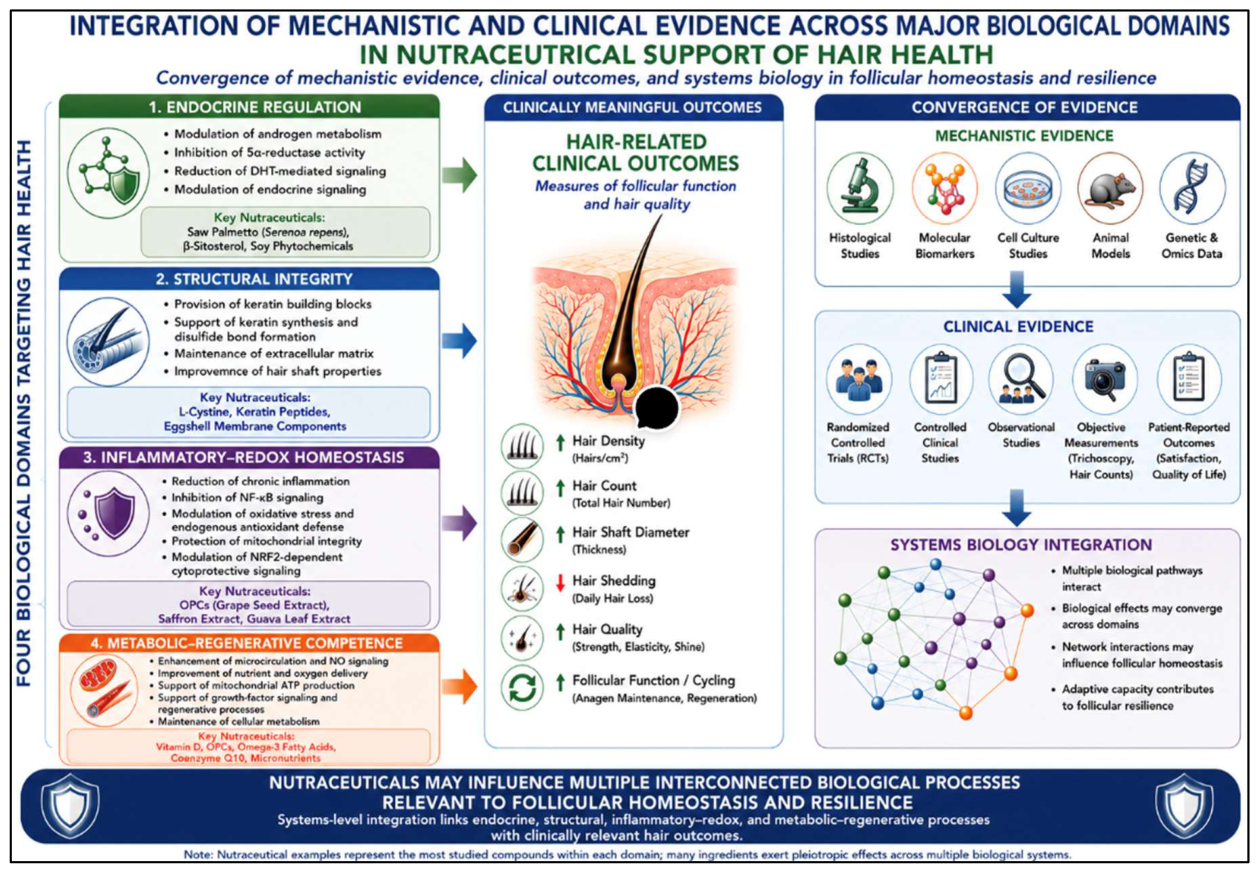
Figure 3.
Major nutraceutical classes and their biological targets supporting hair health. The figure presents a systems-oriented overview of selected nutraceutical classes and their predominant biological targets across four complementary physiological domains: endocrine regulation, structural integrity, inflammatory–redox homeostasis, and metabolic–regenerative competence. Nutraceuticals within these domains may influence interconnected processes involving androgen signaling, keratin synthesis and extracellular matrix support, inflammatory and redox regulation, endogenous antioxidant defense, NRF2-dependent cytoprotective signaling, mitochondrial function, microvascular physiology, cellular metabolism, and regenerative signaling. The convergence of these biological activities provides a conceptual basis for considering nutraceutical effects within an integrated framework of follicular homeostasis and resilience rather than as isolated molecular mechanisms. The relative contribution and clinical evidence for individual compounds and pathways vary considerably. Arrows indicate conceptual relationships and biological convergence and do not imply direct causality.
Figure 3.
Major nutraceutical classes and their biological targets supporting hair health. The figure presents a systems-oriented overview of selected nutraceutical classes and their predominant biological targets across four complementary physiological domains: endocrine regulation, structural integrity, inflammatory–redox homeostasis, and metabolic–regenerative competence. Nutraceuticals within these domains may influence interconnected processes involving androgen signaling, keratin synthesis and extracellular matrix support, inflammatory and redox regulation, endogenous antioxidant defense, NRF2-dependent cytoprotective signaling, mitochondrial function, microvascular physiology, cellular metabolism, and regenerative signaling. The convergence of these biological activities provides a conceptual basis for considering nutraceutical effects within an integrated framework of follicular homeostasis and resilience rather than as isolated molecular mechanisms. The relative contribution and clinical evidence for individual compounds and pathways vary considerably. Arrows indicate conceptual relationships and biological convergence and do not imply direct causality.
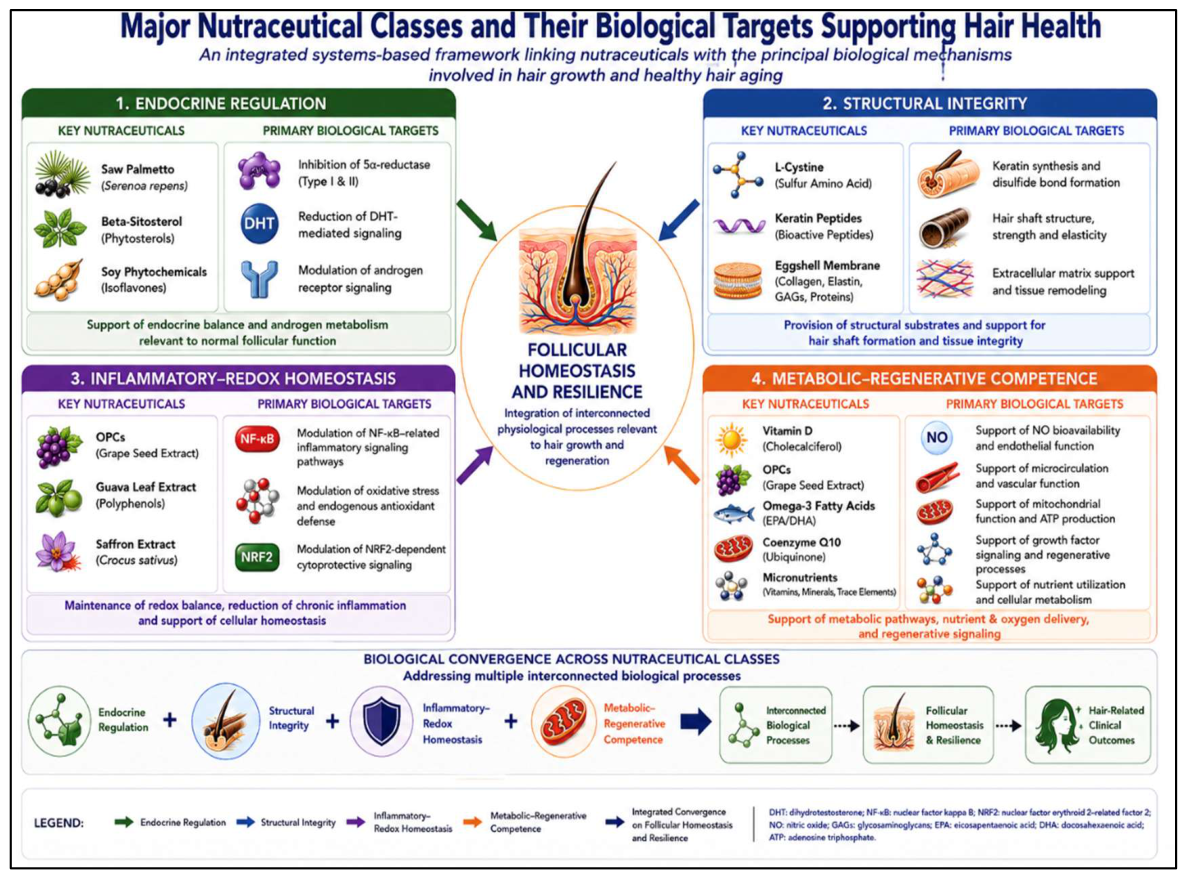
Figure 4.
Integrated systems framework linking nutraceutical classes to biological mechanisms, physiological domains, follicular resilience, and reported hair-related clinical outcomes. Representative nutraceutical classes may influence multiple and partially overlapping biological activities that map onto four complementary physiological domains: endocrine regulation, structural integrity, inflammatory–redox homeostasis, and metabolic–regenerative competence. Convergence across these domains provides a systems-level framework for understanding how nutraceutical interventions may influence interconnected processes relevant to follicular homeostasis and resilience. Reported clinical outcomes include changes in hair density, hair shaft diameter, hair shedding, hair growth, and hair quality; however, the strength and nature of the supporting evidence vary considerably among individual compounds and formulations. Biological convergence should therefore not be interpreted as evidence of equivalent clinical efficacy or superiority of multicomponent interventions. Arrows indicate conceptual relationships and integration across domains and do not imply direct causality.
Figure 4.
Integrated systems framework linking nutraceutical classes to biological mechanisms, physiological domains, follicular resilience, and reported hair-related clinical outcomes. Representative nutraceutical classes may influence multiple and partially overlapping biological activities that map onto four complementary physiological domains: endocrine regulation, structural integrity, inflammatory–redox homeostasis, and metabolic–regenerative competence. Convergence across these domains provides a systems-level framework for understanding how nutraceutical interventions may influence interconnected processes relevant to follicular homeostasis and resilience. Reported clinical outcomes include changes in hair density, hair shaft diameter, hair shedding, hair growth, and hair quality; however, the strength and nature of the supporting evidence vary considerably among individual compounds and formulations. Biological convergence should therefore not be interpreted as evidence of equivalent clinical efficacy or superiority of multicomponent interventions. Arrows indicate conceptual relationships and integration across domains and do not imply direct causality.
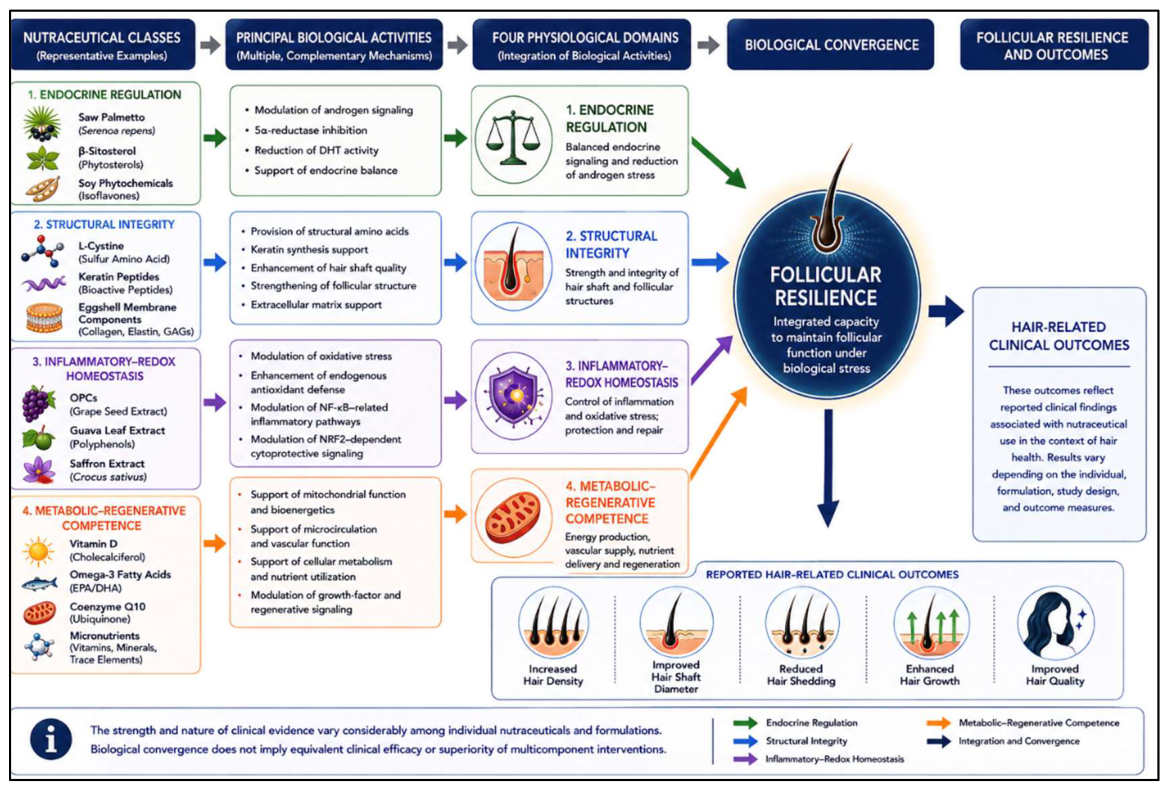
Disclaimer/Publisher’s Note: The statements, opinions and data contained in all publications are solely those of the individual author(s) and contributor(s) and not of MDPI and/or the editor(s). MDPI and/or the editor(s) disclaim responsibility for any injury to people or property resulting from any ideas, methods, instructions or products referred to in the content. |
© 2026 by the authors. Licensee MDPI, Basel, Switzerland. This article is an open access article distributed under the terms and conditions of the Creative Commons Attribution (CC BY) license.
Copyright: This open access article is published under a Creative Commons CC BY 4.0 license, which permit the free download, distribution, and reuse, provided that the author and preprint are cited in any reuse.