

Submitted:
12 September 2026
Posted:
14 September 2026
You are already at the latest version
Abstract
The global growth of concrete is a strong indication of the urgent need for sustainable construction materials to reduce carbon footprints and reuse industrial waste. In this work, we study the combined effect of mixing two industrial by-products, silica fume and mill scale. The concrete mixes were prepared with combined substitution levels of 0, 20, 25, and 30%. Fresh properties were evaluated by slump, flow table, and compaction factor tests. Hardened performance was studied by compressive, flexural, splitting tensile, and non-destructive ultrasonic pulse velocity (UPV) tests. The long-term chemical durability of the combinations was studied by exposure for 91 days to magnesium sulfate (MgSO₄), sulfuric acid (H₂SO₄), and NaCl conditions. The performance of the trial indicated that a moderate replacement level of 20% is optimum for the fresh properties, resulting in the highest slump and flow values due to paste modification and improved particle packing. The result of non-destructive testing showed that the mix with 25% replacement achieved the highest UPV, which means the microstructure was highly dense and the interfacial transition zone was improved. The modified mixes exhibited better resistance against the mass loss of sulfuric acid when exposed to aggressive chemical environments than the control mix. The maximum acid resistance was found to be highest in the 30% substitution due to the decreased reserves of Ca(OH)₂. The 25% mix showed the best microstructural density and steady long-term development of compressive strength under sulfate and marine conditions. However, the high replacement (30%) resulted in a high dilution of cement clinker and a major decrease in mechanical performance and workability. The study shows that, in general, a replacement rate of 20% to 25% provides a good compromise between environmental sustainability and waste management, on one hand, and good mechanical performance and chemical durability, on the other, concerning modern concrete architecture.
Keywords:
mill scale
; silica fume
; sustainable concrete
; workability properties
; mechanical properties
; chemical attack
1. Introduction:
Traditionally, the building industry has depended on conventional resources like cement, sand and aggregates to make concrete. However, the rapid urbanization and infrastructure development globally have led to a large increase in concrete demand with concomitant increase in the natural resources consumption and environmental impacts [1,2]. Because of these issues, researchers and industry experts have gradually been focusing on sustainable alternatives such as the utilization of industrial by-products and waste materials in the production of concrete. These initiatives not only help in conservation of natural resources but also give practical solutions for industrial waste management thereby supporting more sustainable construction practices [3,4]. Li et al. (2021) there are many by-products produced in industry and both mill scale and silica fume have shown a lot of potential to be used as replacements of traditional concrete ingredients. Mill scale, a by-product of steel production, is mostly composed of iron oxides that collect on the surface of hot rolled steel during its manufacture. Therefore, the waste material, and has disposal problems for steel companies [5]. On the other hand, silica fume is a by-product from the production of silicon and ferrosilicon alloys. It is known as a very reactive pozzolanic material, due to its very small particles and its high silica content. Used properly, both ingredients can enhance the performance characteristics of concrete, particularly in terms of mechanical strength and longevity [6].
The use of these materials aligns with the international goals for sustainability and the concepts of the circular economy, encouraging the reuse of industrial waste as valuable [7]. In several previous works the individual effects of silica fume or mill scale on the concrete properties have been studied. Silica fume is widely used for the great improvement in microstructure of concrete through reduction in porosity and improving the compressive and tensile strength [8]. It also improves durability by reducing permeability and enhancing resistance to harsh environmental conditions. Mill scale has not been widely studied, but has been investigated in terms of its high iron content and possible partial replacement of fine aggregates or cement. According to the study of Nuaklong et al. (2021) and Rasikbhai Thoriya et al. (2023), the initial results indicate its realiable effect under the defined limitations on parts of mechanical properties [9,10].
However, very few published research studies have directly addressed the combined usage of mill scale and silica fume in various mix formulations. Using the two different materials separately, the possible synergistic interaction that could develop as a result could give a range of related properties as enhanced performance that would not be possible if each material was used by itself from the other. For example, silica fume has a very small particulate makeup that may be utilized as an effective filler in the gaps in the concrete matrix while mill scale has a heavier particulate makeup that could be used to produce a denser packing arrangement and enhance the overall strength of the concrete. In addition, the combination of both components may allow some of the detrimental impacts of either material alone, such as a loss of workability or a bigger rise in brittleness, to be lessened [11,12].
The fresh and early-age mechanical properties of new concrete mixtures need to be characterized but the real test of any sustainable material is its durability over time [13,14]. As P. Kumar Mehta & Paulo J. M. Monteiro (2012) pointed out, structural concrete elements are rarely subjected to benign circumstances but have to resist harsh chemical environments for their specified service lives [15]. Coastal infrastructure, industrial manufacturing plants, harbour foundations and wastewater treatment systems are under constant attack by hostile ions that enter the concrete matrix and cause catastrophic internal deterioration. Thus, it is important to evaluate the resistance of concrete with mill scale and silica fume in extreme chemical environments to ensure the structural integrity and prevent early service failure [1,3]. Some of the most devastating chemical dangers to concrete structures are sulfate attack, acid attack and marine environment. The sulfate ions (SO42-) chemically react with the aluminate phases and free Ca(OH)2 in the hydrated cement paste and create the expansive secondary gypsum and ettringite crystals when the groundwater or soils containing magnesium sulfate invade the concrete. The pressure from within the developing crystals produces micro-cracking, spalling and progressive mass loss. In the same time, magnesium ions (Mg2+) attack the C-S-H gel directly, substituting calcium to produce non-binder magnesium silicate hydrate (M-S-H), which leads to the full destabilization of the cohesive strength of the paste [4].
Other studies presented that the sulfuric acid environments (H2SO4) are another highly aggressive chemical threat that authors such as [15]. Sulfuric acid environments are a common occurrence in industrial waste streams and sewer systems where bacterial action is present. Sulfuric acid destroys concrete through a strong acid-base neutralization reaction. The hydrogen ions (H+) destroy the main hydration products, and their calcium salts are transformed into highly soluble calcium salts and expansive gypsum. This results in total loss of alkaline buffering capacity and rapid structural softening, severe scaling and huge reductions in cross sectional capacity [4]. In a similar way, marine ecosystems provide a complex chemical cocktail including chloride (Cl-), sulfate (SO42-), sodium (Na+) and magnesium (Mg2+) ions. The simultaneous entry of these ions initiates paired degradation mechanisms of chemical modification of the paste matrix and physical crystallization pressures [15]. Long-term exposure testing is a must to properly understand the behavior of alternative concretes under these hostile conditions. In these chemical solutions, researchers observe changes in mass, residual mechanical strength and structural integrity of concrete specimens under long term exposure. Information presented by Zhang et al. (2022) are important for indicating these additive materials from laboratory to real-world civil engineering applications [16].
The present work has been carried out to fill the research gap by studying the combined effects of mill scale and silica fume on the properties of fresh and cured concrete. In the study, the effect of different substitution levels (0%, 20%, 25% and 30%) on the workability and mechanical properties of concrete is determined in particular. Workability is studied with the help of established techniques including slump tests, flow table test and compaction factor evaluation while mechanical qualities are identified through testing for compressive strength, splitting tensile strength and flexural strength. Other goal of this study to present the performance and feasibility of concrete mixes with varying proportions of mill steel and silica fume as partial replacement of traditional concrete. The specific objectives are to: (i) identify the optimum mix proportions for improving both mechanical properties and workability, (ii) study the effect of each by-product on the properties of fresh and hardened concrete, and (iii) promote the sustainable use and recycling of industrial by-products in concrete production. (iv) This comprises the monitoring of mass stability, structural deterioration and residual strength retention under the influence of 5% MgSO4 solution, 5% H2SO4 solution and artificial seawater environment. These goals are intended to help greatly towards the development of more sustainable and energy efficient construction materials. The projected outcomes are intended to provide useful insights for engineers, materials scientists and policy makers interested in promoting innovation in the development of superior concrete solutions that emphasize sustainability and usefulness.
2. Methodology and Experimental Works
2.1. Materials
2.1.1. Mill Scale
In this work, mill scale chemical analysis was done using X-ray fluorescence test in Daqiq Azmaye Sinaye Novin Laboratory – Erbil - Iraq. The results showed that iron (Fe) made up 96. 13% of the whole sample. The significant percentage indicates that mill scale could be a useful resource for inclusion in concrete, especially as a partial replacement of fine particles as indicated in Table 1. Also mill scale was employed as alternative of fine aggregates and the particle size distribution curve is depicted in Figure 1.
2.1.2. Silica Fume
The silica fume used in this investigation was collected as a by-product of silicon and ferrosilicon alloy production processes. It was obtained in a condensed form, i.e. a densification approach was previously applied and was used in the context of the present investigation without any further processing or alteration of the process step. Silica fume is characterized by the very small size of the siliceous particles created or manufactured, frequently sub-micron in size, and its amorphous nature. This combination of properties gives a major contribution to the high pozzolanic reactivity when the material is added to cementitious materials, as clearly stated and presented in Figure 2. Table 2 and Table 3 present the physical and chemical properties of the type of silica fume used in this investigation, furnishing essential information regarding their characteristics.
2.2.3. Cement
The new research was based on Portland-type cement, i.e., Portland CEM I 42. 5R. This grade of cement has a Blaine fineness of 326 m2/kg and a specific gravity of 3.15 gm/cm3. Also, the related chemical and physical properties of these materials are described and may be found in Table 4.
2.2. Proportioning of the Concrete Mixture
Four different concrete mix designs were developed for the present study to investigate the combined effect of using silica fume as partial replacement of cement and mill scale as partial replacement of sand. The ratio of water to cement (w/c) was 0.55 for each batch. The mix proportions for each batch are given in Table 5. In addition, the mix code CS100-SM0 means the mix composition of 100% cement and natural sand with no substitution of silica fume or mill scale. Thus, the control mixture (M1) consisted of cement only. Mixtures M2, M3 and M4 consisted of silica fume replacing cement at 20%, 25% and 30% respectively. Similarly, sand was substituted by mill scale in similar quantities to maintain the same percentages in all blends. The elements were mixed separately with the mechanical concrete mixer to guarantee homogeneity of the constituents for each batch. The fresh concrete was molded three times and compacted to remove air spaces. After 24 hours, the specimens were removed from the molds and were kept in clean potable water for curing. The specimens were kept submerged till the required testing age as shown in Figure 3.
2.3 Test methods
2.3.1. Fresh Properties
Slump test
Slump testing is a simple and regularly used method to determine the consistency or workability of fresh concrete, as seen in Figure 4. This technique is helpful for assessing the mixability, placing and finishing capabilities of the concrete. The testing technique employs a conical metal mold popularly known as a slump cone which is filled with newly mixed concrete in three different stages. Each layer is tamped in turn and the cone is then elevated vertically. Then, the findings are analyzed according to Table 6. The resulting decrease in concrete height, called the “slump,” is measured in millimeters ASTM C1012/C1012M-15 [17]. Slump is tested on site and is very important to check for quality and consistency of the concrete before it is placed.
Flow Table test
The flow table test is used to measure the fluidity of fresh concrete and its consistency and workability properties. According to EN 12350-5 [18], the flow table method is widely used in civil and construction engineering to determine the ability of concrete to deform and fill under its own weight. Figure 5 shows that this methodology is an excellent technique of evaluating the spreading and filling capacity of the mixture in the formwork, thereby proving its acceptability for different structural and construction uses.
Compaction factor test
The compaction factor test is a laboratory test to determine the workability of concrete during the course of its use. The compaction factor is the ratio of the weights of the concrete which is partially compacted to that which is fully compacted. This testing method was created by the construction methods lab at Erbil Polytechnic University to assess the workability of concrete as illustrated in Figure 6. In addition, findings of concrete mixtures with low workability and not properly evaluated by slump test were compared to the ones presented in Table 7.
2.3.2. Mechanical Properties
Compressive strength test
One of the essential tests in concrete technology is the compression strength test. The test is done to find out the force that the concrete can resist (Figure 7). In this test, a concrete cube is placed between two plates of a machine and the force is slowly increased until the cube breaks. At the same time a number of samples of cylinders and cubes are prepared for side-by-side testing. The compressive strength was estimated by dividing the highest force that the specimen could withstand by the cross-sectional area of the specimen, and this number is important in establishing the quality, longevity and structural soundness of the concrete. These tests are important for quality checks and design validation to ensure that the concrete mix meets the specified criteria. According to the BS EN 12390-3 [19] it has been applied for cylinders which specify how the load needs to be applied, the size and shape the specimen with the loading rate to obtain consistent and reliable results.
Flexural strength test
The apparatus shown is a device for bending tests to find out the bending strength (which is also known as the modulus of rupture) of a concrete beam sample. In this setup, the concrete block is placed on two rollers, and a force is applied straight downward in the center, similar to the four-point testing method illustrated in Figure 8. When the beam breaks, this load creates stretching forces at the bottom section of the beam, and the highest load reached is used to determine the bending strength through the following equation:
Where P is the applied load, L the span length, b the width of the specimen, and d the depth. Bending strength is important for building parts such as roads, beams, airport runways, and concrete slabs where bending causes significant stretching forces. The testing process follows global standards from codes such as (third-point loading) ASTM – C78 [20], which set specific measurements for the width and depth of the test sample, the length between supports, and the speed of applying the load to ensure the test results are steady and trustworthy.
Splitting tensile strength
Another method to evaluate the concrete’s capacity to withstand stress is the Brazilian test, which measures splitting tensile strength. This feature is difficult to measure directly due to challenges with holding and aligning the material. In this method, a cylindrical concrete sample, typically 150 mm in diameter and 300 mm in height, is positioned between the plates of a compression test equipment and forced on its vertical center part. The applied force induces even tensile stresses in the opposite direction of the loading causing the sample to break apart by splitting as per ASTM – C0496 [21] as shown in Figure 9. This property is very important to measure the ability of the material to resist cracking and durability, especially for construction purposes such as roads, floors and structures that hold water, where the resistance to stretching is significantly less than the resistance to squeezing.
Ultrasonic plus velocity (UPV)
The ultrasonic pulse velocity (UPV) test is a commonly used non-destructive technology, which is used to check the quality, homogeneity and integrity of concrete. This measurement is done by determining the time taken by ultrasonic pulses to pass through the test specimen. The transmitting transducer produces ultrasonic waves through the concrete and these waves are detected by a sensor at a pre-determined distance as shown in Figure 10. The pulse velocity is then determined according to the formula given:
V stands for speed, L refers to the distance traveled, and T indicates how long the travel takes. In general, the higher the speed, the more solid and thick the concrete; lower speeds can suggest cracks, voids, uneven surfaces or wear and tear. Evaluation can be done directly, semi-directly, or indirectly, and the direct method yields the most reliable results. This approach is widely used for quality control, identification of internal defects, estimation of the strength of in-situ concrete (after calibration of the test) and monitoring of the wear of existing buildings. The standard ASTM - C597, (2022) [22] contains the detailed testing procedures, and Table 8 offers a summary of the required tools, the steps of the procedure and the guidelines for interpreting the results.
2.3.3. Chemical Attack
The chemical durability of the sustainable concrete with different replacement of mill scale and silica fume specimens was assessed following the general protocols described in (ASTM C267–01)[23]. Currently, there is no standard approach for measuring the durability of concrete exposed to chemical attack. This guideline provides a sufficient foundation for the assessment. Three chemical solutions were created, 5% magnesium sulfate (MgSO4), 5% sulfuric acid (H2SO4) and 5% seawater (NaCl) solution by weight. The specimens were totally submerged in each solution for a total of 105 days.
All specimens were submerged in water for 24 h, then air dried for 2 h at a controlled temperature of 23 ± 2°C to determine the original mass before chemical exposure. During the exposure time specimens were taken out from the chemical solutions after weekly intervals, rinsed with clean water to wash out the leftover reaction products from their surfaces and then dried for 2h at 23 ± 2°C and weighed. Further, weekly visual examinations were carried out to evaluate surface deterioration and to identify any indication of degradation. The cumulative percentage change in the mass of the specimen was computed after each measurement using the following equation:
Where Mc is the cumulative change in weight from initial to weight at time t, Wi is the initial weight of the specimen before immersing in the chemical solution (in Kg), Wt is the weight of the specimen at time t (in Kg).
3. Results and Discussion
3.1. Workability Properties
3.1.1. Slump Test
The results of the slump test are presented in Figure 11 and clearly indicate the differences in workability of the different concrete mixes by the different replacement levels of mill scale and silica fume. The control mix (CS100–MS0), had a recorded slump measurement of around 205 mm, which is considered as a well degree within the high workability range. Interestingly, the 20% replacement level (CS80–MS20) had the largest slump value of about 225 mm. According to the results, the optimum replacement of mill scale and silica fume improved the workability of the by-product concrete mix which could be attributed to the improved particle packing and the cohesive nature of silica fume. On the other hand, when the replacement amount was increased to 25%, represented by CS75–MS25, a considerable reduction was noticed leading to the lowest slump measurement of roughly 165 mm. Such a reduction is a significant loss of workability and this can be explained by the high surface area and water demand of silica fume, especially when paired with the angularity of the mill scale particles. For a replacement level of 30%, labelled CS70–MS30, a modest rise in slump to 185 mm was seen, but still lower than the control mix, suggesting that although some recovery has achieved, too much substitution still has an effect on fluidity. Overall, the results show that an optimum balance between strength and workability is noted at about 20% replacement level and greater replacement levels negatively affect the fresh qualities of concrete. This is similar with prior study reported by Juenger & Siddique (2015) and Siddique, (2011). It points out important information on how these materials interact in concrete formulations [8,24].
3.1.2. Flow Table Test
The flow table values shown in Figure 12 clearly indicate the change in fluidity of concrete with the varied amounts of substitution of silica fume and mill scale. According to the present results, the control mix (CS100–MS0) exhibited a flow of around 475 mm, whereas the mix with 20% replacement (CS80–MS20) had the highest flow value of almost 490 mm. This denotes enhanced workability at moderate replacement percentages. This improvement because of the filler effect of silica fume refining the paste mold, and the better improvement shows with the mill scale at lower substitution ratios, which improves flow [6,11]. On the other side, at 25% replacement (CS75–MS25) the flow was decreased to approximately 435 mm, which indicates a decrease in fluidity because of the higher presence of silica fume that leads to increasing the water demand while decreasing the free water content in the sustainable concrete mixture [25]. At 30% substitution (CS70–MS30), the flow decreased drastically to about 140 mm, which shows a marked decline in workability due to the over-addition of these by-products. This large drop is consistent with recent studies that showed that too much silica fume may cause reduced flexibility of the mix. On the other hand, increased mill scale content increases the inter particle friction, both detrimental to spread-bility [26]. In conclusion, the results confirm that the ideal substitution level of about 20% improves the flow of concrete whereas greater substitution levels result in poor workability.
3.1.3. Compaction Factor Test
The values of compaction factor as shown in Figure 13 clearly point out the workability is better at modest substitutes and the workability decreases with higher levels of silica fume and mill scale incorporation. Table 7 shows that the control mix (CS100-MS0) had a compaction factor of about 0.95, which is linked with medium to high workability. The maximum value of around 0.99 was obtained for the 20% replacement mix (CS80–MS20) and this indicates that modest substitution promotes compact-ability due to the filling qualities of silica fume which permit better particle arrangement. But at the level of substitution of 25% and 30% the compaction factors were lower (around 0. 95 and 0. 947 respectively). This shows that too much silica fume and mill scale reduce the free water available and increases the internal friction and so reduces the workability. V. Yogendran (1987) also reported similar results where an increase in the silica fume content increases the cohesiveness but reduces the workability and pointed out the precise balance between particle refinement and water requirements [12]. This tendency is in agreement with the standards given by Indian Standards, (1959) [27], which classifies the mixes with compaction factors close to 0. 95 as having medium workability which can be used in reinforced concrete. Overall, the results show that the best performance is obtained at 20% substitution, while higher substitution levels tend to decrease the compaction efficiency.
3.2. Mechanical Properties
3.2.1. Compressive Strength Test
The results of the compressive strength are presented in Figure 14. The control mix (CS100–MS0) provided the highest values of about 18 MPa at 7 days and 28 MPa at 28 days, which is consistent with the general performance of ordinary Portland cement. The other side, the blend with 20% replacement (CS80–MS20) had slightly lower strengths of 17 MPa at 7 days and 23 MPa at 28 days. This shows that the moderate substitutions of mill scale and silica fume can still obtain a satisfactory strength due to the improved packing density and the pozzolanic effect of silica fume which contributes over time. However, the compressive strengths were significantly reduced with the increase of replacement levels (CS75-MS25 and CS70-MS30) to record about 16 MPa and only 13 MPa at 28 days. This reduction can be due to an excess dilution of the cement, the insufficient calcium hydroxide needed for the pozzolanic reactions and the reduction in the efficiency of the hydration caused by the increase in the surface area of the silica fume. Similar results were reported by Nili & Afroughsabet, (2010), who found that while silica fume improves the long-term compressive strength, too much substitution may lead to lower strength values [28]. Also, Bai & wild, (2020) stated that pozzolanic materials require sufficient cement content to ensure continuous strength gains, and that a lower binder content will result in lower performance [29]. M. Thomas, (2007) also mentioned that the best substitution ratios improve workability; however, any reduction after this point will decrease workability and compressive strength [30]. The results indicate that in general ~20% is a good compromise between sustainability and compressive strength, with higher percentages having a negative effect on strength development.
3.2.2. Flexural Strength Test
The values of flexural strength detailed in Figure 15 indicate a significant decreasing in strength with each increase in the substitution levels of mill scale and silica fume. The control mix (CS100–MS0) provided the highest values that ranged from 4.1 MPa to 4.2 MPa for 7 and 28 days, respectively. These values demonstrate the high resistance of the normal concrete to the bending efforts. Therefore, the remarkable capacity of the normal concrete to withstand the bending efforts. At 20% substitution (CS80–MS20), the flexural strength was still quite high, 2.8 MPa at 7 days and increasing to almost 3.9 MPa at 28 days, which means that moderate substitution leads to sufficient bonding quality and matrix density. However, the results show a significant decrease in the bonding and tensile strength at the ages of 28 days for the higher substitution ratios (CS75–MS25 and CS70–MS30), with the values reaching about 2.0 – 2.9 MPa. The degradation can be explained by the increase in brittleness due to the increase in silica fume and the angular character of mill scale which interferes with the uniformity of the matrix. Sumathi & S. R. Mohan, (2022) reported that the silica fume improves flexural performance [31]. It supports the claim. While, Oliveira et al., (2010) found that negative fiber-matrix interaction reduces flexural strength as substitution ratios increase [32]. Moreover, the optimal pozzolanic substitution improves the fracture resistance, but flexural toughness could be decreased when it is not applied optimally. To conclude, the results confirm acceptable flexural capability at substitution level up to 20%, while higher levels have a detrimental effect on bending strength.
3.2.3. Splitting Tensile Strength
Figure 16 details the results of splitting tensile strength. It can be seen that the tensile performance of the material is decreased clearly with an increased amount of mill scale and silica fume levels. The control mix (CS100–MS0) gain the maximum result with about 3.9 MPa at 7 days and 3.1 MPa at 28 days, which is a good tensile resistance as expected for standard concrete. However, at a 20% substitution level (CS80–MS20), the values fell to about 1.9 MPa (7 days) and 2.8 MPa (28 days), indicating that moderate substitution still gave acceptable performance because of some degree of matrix densification. Conversely, substitution levels of 25% and 30% resulted in significant declines with strengths falling to about 1.7 – 1.8 MPa at 7 days and declining to 0.5 – 1.2 MPa at 28 days. This is indicative of a loss of bond strength and an increase in brittleness. The observed trend can be attributed to dilution of cementitious materials, which is due to insufficient formation of C-S-H gel, which is required for tensile strength. Supporting results from [33] have shown that tensile strength is more sensitive to microstructural change in comparison to compressive strength while Z. Li & Ding, (2003) pointed out that a large amount of mineral admixture will cause a reduction in resistance to crack under tension [34]. Moreover, Hooton, (1993) stressed that although silica fume can improve density, excess of silica fume can have a detrimental effect on fiber-matrix adhesion and tensile performance [35]. In general, the results show that the splitting tensile strength significantly decreases with increased substitution levels, with very little improvement at medium levels.
3.2.4. Ultrasonic Sonic Plus Velocity (UPV)
From the results of ultrasonic pulse velocity (UPV) measurements in Figure 17, the reference mix CS100-MS0 had a velocity of about 4.53 km/sec which is in Good quality category as discussed in Table 8. In contrast, mixes containing CS80-MS20, CS75-MS25 and CS70-MS30 achieved velocities above 4. 58 km/sec and were therefore categorized as Excellent quality concretes. Specifically, the highest UPV was seen for CS75-MS25 with 4.82 km/sec showing denser microstructure and superior concrete quality followed by CS70-MS30 with 4.72 km/sec and CS80-MS20 with 4.63 km/sec. These findings emphasize the concept that the partial replacement of cement with silica fume greatly improves concrete quality by refining pore structures, enhancing density, and improving the interfacial transition zone [36]. However, the substitution of 25% was the most effective, but there was no improvement with the increased substitution of 30%. This may indicate the existence of an upper limit, beyond which there may be a reduction in workability and other properties as presented in Table 7. According to the previous studies, the results are in acceptable with the studies and standards that are present available, which indicate that UPV values greater than 4.5 km/sec are represents of high-quality concrete which has a greater durability and low porosity [37].
3.3. Chemical Attack
The durability of concrete mixes with mill scale and silica fume was evaluated by exposing the specimens to three aggressive environments; MgSO4, H2SO4 and sea water for 91 days. The metrics for the evaluation were the percentage mass change and the evolution of compressive strength at 7, 28 and 90 days.
3.3.1. Magnesium Sulfate (MgSO4)
As illustrated in Figure 18a, all the concrete mixes generally exhibited a mass gain when immersed in the MgSO4 solution for the 91-day period. The control mix (CS100-SM00) showed a relatively low mass gain until day 77, followed by a sharp rise to a maximum of around 1.6%. In contrast, modified mixes (CS80-SM20, CS75-SM25 and CS70-SM30) exhibited early and steady increase in mass. The CS70-SM30 mix exhibited the highest intermediate mass gain, stabilized at about 1.3% at 56 days. The progressive increase in the compressive strength of the four concrete designs from 7 days to 90 days was also observed even under sulfate attack as shown in Figure 18b. The control mix (CS100-SM00) had the maximum compressive strength at 90 days of about 46.5 MPa. CS75-SM25 showed the best performance at 90 days (~36.5 MPa) among the modified mixes followed by CS80-SM20 (~35.2 MPa) while the lowest strength (~32 MPa) was observed in CS70-SM30.
The increase in mass for all specimens is due to the absorption of sulfate solution and the formation of expansive crystalline sub-products such as gypsum and ettringite in the pore structure of the concrete. The abrupt mass jump after 77 days in the control mix indicates late-stage internal micro-cracking that allows rapid ingress of solution. This phenomenon is in line with classical theories of concrete durability where sulfate ions react with the calcium hydroxide Ca(OH)2 and tricalcium aluminate (C3A) present in ordinary Portland cement causing internal stresses due to volume expansion [38]. The addition of silica fume and mill scale in the modified mixes help to densify the matrix thru pozzolanic reactions. This limits early deep penetration, but results in a steady, controlled fill of capillary pores. The silica fume reacts with the susceptible Ca(OH)2 to generate more calcium silicate hydrate (C-S-H) gel, which physically blocks the pore connectivity [39]. The microstructural densification is supported by 90-day compressive strength data. The CS75-SM25 mix performs better than the other modified variants confirming earlier results that 25% replacement is an optimal microstructural density that can sustain mechanical capacity under sulfate exposure. Nevertheless, the lowered total strengths of the modified mixes relative to the control imply the dilution of cement clinker, reducing the total volume of the primary hydration products available to offset long-term chemical degradation [40].
3.3.2. Sulfuric Acid (H2SO4)
Figure 19a Resented the exposure of a highly aggressive H2SO4 environment resulted in a severe mass loss to all tested concrete mixes with time. The control mix (CS100-SM00) was the most vulnerable one with a rapid and continuous loss in mass that stabilized at a maximum loss of about -8.1% at day 56. The addition of mill scale and silica fume had a significant effect in reducing this degradation. The resistance was the highest in the CS70-SM30 mix with the total mass loss of about -4.5% at 91 days followed by CS80-SM20 (-5.5%). Later stages of sulfuric acid exposure caused serious damage to the mechanical performance of concrete. As seen in Figure 19b, while the majority of mixes showed a modest increase in strength from day 7 to day 28 due to continued hydration, a rapid decline was noted by day 90. For example, the CS80-SM20 mixture achieved a maximum of 25.3 MPa at 28 days, but dropped to only 11.3 MPa at 90 days. The control mix and the CS75-SM25 and CS70-SM30 mixes achieved 90-day strengths of approximately 18.3 MPa, 14.1 MPa and 14.1 MPa, respectively.
During the study of Somwanshi et al., (2026), the attack of sulfuric acid on concrete is a damaging dual mechanism of acid base neutralization reaction alongside the dissolution of hydration products and aggressive sulfate attack [41]. The acid then reacts directly with Ca(OH)2 forming calcium sulfate dihydrate (gypsum) which is easily washed away leading to severe surface peeling and scaling. The dramatic mass loss of the control mix is a direct reflection of the rapid leaching of calcium compounds. The modified mixes show a substantially lower mass loss as a consequence of the high pozzolanic reactivity of the silica fume, which greatly reduces the initial Ca(OH)2 content and converts it to secondary C-S-H gel, which is acid resistant. The highest replacement level (CS70-SM30) gave the best results in stopping mass loss. However, this chemical protection was not sufficient to maintain mechanical integrity even at 90 days. On day 90, there was a drastic reduction in compressive strength for all mixes, showing that although the outer surface of the modified concrete remained intact (low mass loss), the low pH solution did eventually penetrate deep into the concrete core, breaking down the core binding matrix and causing a dramatic increase in specimen brittleness [42].
3.3.3. Sea Water:
The concrete mixes show a large variation in the change of their mass profiles after exposure to sea water (Figure 20a). The net mass gain of the control mix (CS100-SM00) and CS75-SM25 mix plateaued at around 1.0 to 1.3% at the 91st day. The CS70-SM30 mixture showed a slight progressive increase in mass, which was around 0.6%. Unexpectedly, the CS80-SM20 mix was gaining mass in the first days until day 28 and then steadily losing mass, entering the negative range after day 35, ending with a net loss of mass of approximately -0.43% at the end of the timeline. Conversely, the Figure 20b showed that all mixes maintained and increased their compressive strengths during the 90-day marine exposure The control mix yielded the greatest strength of 41.5 MPa. Among the blended configurations, the highest 90-day strength was achieved by CS75-SM25 (36.8 MPa), followed by CS80-SM20 (36.0 MPa) and CS70-SM30 (30.1 MPa).
Exposure to seawater attacks concrete with a complex mix of chloride, sulfate and magnesium ions. The continuous increase in mass in the control (CS100-SM00) and CS75-SM25 mixtures suggests an ongoing crystallization of salts and the formation of Friedel’s salt, which is the result of chloride ions reacting with the aluminate phases (C3A) in the cement paste. This crystallization first serves to block capillary pathways and densify the internal matrix [43]. The continuous gain in compressive strength up to 90 days confirms that sea water exposure did not initiate destructive internal cracking in this time frame. And also, the continuous increase of the compressive strength up to 90 days shows that there was no internal destructive cracking during this period caused by the sea water exposure. In addition, the atypical mass loss pattern of the CS80-SM20 mix after 28 days indicates a localized surface leaching or minor scaling process that removed physical mass without compromising the core structural framework of the specimen, with its 90-day compressive strength being highly competitive (36.0 MPa). According to the results of substitution of magnesium ions for calcium, surface leaching occurs [44]. This occurs when the outer surface is covered by soluble magnesium salts or soft magnesium silicate hydrates (M-S-H). It has been reported that the sustainable concrete mix CS75-SM25 achieved the highest mechanical durability. The result shows that the highest pore refinement, required to make the material resistant to aggressive marine ions, is obtained by replacing the mill scale and silica fume by 25%. The cementitious matrix CS70-SM30 had very low concentration and consequently the lowest strength profile and the lowest primary binders for the material.
4. Conclusion
The present study examined the combined effect of mill scale and silica fume as fine aggregate and cement replacement material in the production of concrete at replacement levels of 20%, 25% and 30%. The experimental data showed that their addition had a significant effect on the behavior of fresh, hardened, and durability properties of concrete. The study attempted to evaluate the use of mill scale and silica fume as an eco-friendly material that addresses both the problem of waste disposal and the reduction of the ecological footprint, while maintaining adequate structural behavior.
The fresh properties evaluations such as slump, flow table and compaction factor tests revealed that the degree of workability is highly dependent upon the degree of replacement. The control mix (CS100–MS0) set a remarkable workability standard. In contrast, the 20% replacement mix (CS80–MS20) outperformed all other mixes in terms of the highest slump and flow values. This improvement has been attributed to the filler effect of silica fume and the improved particle arrangements by the addition of mill scale at moderate replacement levels. However, the workability was considerably affected at 25% and 30% replacement levels due to the high surface volume and water requirements and the angularity of the mill scale particles which both limited compactibility and restricted flow.
The mechanical performance tests indicated that the control mix had maximum compressive, flexural and split tensile strength which is a remark of the dependability of traditional concrete. However, the 20% replacement mix showed competitive strength values with minor reductions which were within acceptable structural requirements. This suggests that using an adequate amount of mill scale and silica fume may be a good trade-off between sustainability and performance. However, the 25% and 30% replacement levels resulted in a significant decrease in strength properties, due to the over-dilution of the cement and the insufficient calcium hydroxide to induce the pozzolanic reaction, as well as the increased brittleness of the matrix.
Non-destructive testing using ultrasonic pulse velocity (UPV) was conducted to obtain additional information on the internal quality of the concrete. The control mix had a velocity of 4.53 km/sec which is considered as good quality concrete. However, the replacement mixes of 20%, 25% and 30% all achieved speeds greater than 4.58 km/sec and therefore are classified as excellent quality. The highest UPV was obtained in the 25% replacement mix with the densest microstructure and the strongest interfacial transition zone. However, the marginal decrease of UPV at 30% substitution level showed that excessive replacement may disturb the optimum density and quality of microstructure.
Results showed the significant effect of these by-products on the change in mass and compressive strength during chemical exposure. During the exposure to MgSO₄, all mixtures showed a gradual increase in mass, mainly due to the absorption of sulfate solution and the formation of expansive products in the pore structure. Despite the control concrete exhibiting the highest compressive strength at 90 days (46.5 MPa), the modified CS75-SM25 exhibited the best performance among the blended mixtures (36.5 MPa at 90 days). The combination of mill scale and silica fume helped in densification of matrix and increased resistance to sulfate penetration.
H2SO4 exposure caused significantly more severe deterioration than MgSO4 and seawater. All mixtures showed mass loss and a significant decrease in compressive strength at later ages. The control mixture was the most sensitive with a mass loss of about 8.1% while the CS70-SM30 mixture had the least mass loss of about 4.5% after 91 days. The use of silica fume and mill scale reduced surface degradation particularly at higher replacement levels. However, the substantial reduction in compressive strength after 90 days indicates that the enhanced resistance to mass loss did not necessarily correspond to preservation of the internal mechanical integrity of the concrete. Thus, the most aggressive exposure condition studied was sulfuric acid.
Deterioration due to exposure to H2SO4 was much more severe than that due to MgSO4 and seawater. All mixtures experienced mass loss and large loss of compressive strength at later ages. The control mixture was the most sensitive and lost about 8.1% of its mass, while the CS70-SM30 mixture had the least mass loss, about 4.5%, after 91 days. The addition of silica fume and mill scale reduced the surface deterioration especially at higher replacement levels. However, the significant decrease in compressive strength after 90 days showed that the improved resistance to mass loss did not necessarily translate to the preservation of the internal mechanical integrity of the concrete. Thus, the most aggressive exposure condition studied was sulfuric acid.
The current research is limited to the durability properties of these materials, and future work should be directed at extending the durability properties such as chloride ingress, carbonation, freeze-thaw cycling, and sulfate attack to establish the sustainability of these materials under extreme exposure conditions. Furthermore, the study of hybrid systems with the inclusion of mill scale, silica fume and other supplementary cementitious materials such as fly ash, slag or metakaolin may result in a better understanding by optimizing the performance. Furthermore, researchers need to carry out life cycle assessment (LCA) studies to present the environmental benefits of utilization of these by-products as a substitute of cement and fine aggregates. Furthermore, it will be necessary to extend the experimental investigation to field trials so as to evaluate the practical problems related to the mixing, placement and transport of these concrete substitutes. Finally, the development of prediction models and optimization tools for the proportioning of multi-component mixtures can help engineers and practitioners design high-performance, durable, and sustainable concrete solutions for different structural applications. Moreover, Future studies should investigate long-term chemical exposure, optimized mill scale to silica fume ratios, microstructural changes and field performance under aggressive environmental conditions.
Acknowledgments
The experimental study of this present paper has been conducted at the Construction and Materials Technology Engineering Laboratory of Erbil Polytechnic University. The authors would like to present their gratitude to the anonymous reviewers for carefully reviewing the manuscript and providing valuable comments.
References
- Hubacek, K.; Feng, K.; Minx, J.C.; Pfister, S.; Zhou, N. Teleconnecting Consumption to Environmental Impacts at Multiple Spatial Scales. J. Ind. Ecol. 2014, 18, 7–9. [Google Scholar] [CrossRef]
- Scrivener, K.L.; John, V.M.; Gartner, E.M. Eco-Efficient Cements: Potential Economically Viable Solutions for a Low-CO2 Cement-Based Materials Industry. Cem. Concr. Res. 2018, 114, 2–26. [Google Scholar] [CrossRef]
- Naik, T.R. Sustainability of Concrete Construction. Pract. Period. Struct. Des. Constr. 2008, 13, 98–103. [Google Scholar] [CrossRef]
- Siddique, R. Waste Materials and By-Products in Concrete; Springer Berlin Heidelberg: Berlin, Heidelberg, 2010; ISBN 978-3-540-74293-7. [Google Scholar]
- Li, Y.; Deng, Y.G. Mechanical Properties and Corrosion Resistance of High Performance Fiber-Reinforced Concrete with Steel or Amorphous Alloy Fibers. Mater. Res. Express 2021, 8, 095201. [Google Scholar] [CrossRef]
- Aïtcin, P.-C. High Performance Concrete; CRC Press, 1998; ISBN 9780429204074. [Google Scholar]
- Habert, G.; Miller, S.A.; John, V.M.; Provis, J.L.; Favier, A.; Horvath, A.; Scrivener, K.L. Environmental Impacts and Decarbonization Strategies in the Cement and Concrete Industries. Nat. Rev. Earth Environ. 2020, 1, 559–573. [Google Scholar] [CrossRef]
- Siddique, R. Utilization of Silica Fume in Concrete: Review of Hardened Properties. Resour. Conserv. Recycl. 2011, 55, 923–932. [Google Scholar] [CrossRef]
- Nuaklong, P.; Boonchoo, N.; Jongvivatsakul, P.; Charinpanitkul, T.; Sukontasukkul, P. Hybrid Effect of Carbon Nanotubes and Polypropylene Fibers on Mechanical Properties and Fire Resistance of Cement Mortar. Constr. Build. Mater. 2021, 275, 122189. [Google Scholar] [CrossRef]
- Rasikbhai Thoriya, K.; Singh, A.; Agrawal, V.; Chandra Gupta, R. Preliminary Study on Utilization of Steel Mill Scale in Concrete. Mater. Today Proc. 2023. [Google Scholar] [CrossRef]
- Bentz, D.P.; Ferraris, C.F. Rheology and Setting of High Volume Fly Ash Mixtures. Cem. Concr. Compos. 2010, 32, 265–270. [Google Scholar] [CrossRef]
- Yogendran, V. B.W.L.M.N.H. and M.A.W. Silica Fume in High-Strength Concrete. ACI Mater. J. 1987, 84. [Google Scholar] [CrossRef] [PubMed]
- Miah, M.J.; Huaping, R.; Paul, S.C.; Babafemi, A.J.; Li, Y. Long-Term Strength and Durability Performance of Eco-Friendly Concrete with Supplementary Cementitious Materials. Innov. Infrastruct. Solut. 2023, 8, 255. [Google Scholar] [CrossRef]
- Reza, M. The Effect of Micro Silica on Permeability and Chemical Durability of Concrete Used in the Corrosive Environment 2005, Vol. 24.
- Mehta, P. Kumar. Paulo J. M. Monteiro. Concr. Third Ed. 2012. [Google Scholar] [CrossRef]
- Zhang, P.; Gao, Z.; Wang, J.; Guo, J.; Wang, T. Influencing Factors Analysis and Optimized Prediction Model for Rheology and Flowability of Nano-SiO2 and PVA Fiber Reinforced Alkali-Activated Composites. J. Clean. Prod. 2022, 366, 132988. [Google Scholar] [CrossRef]
- ASTM C1012/C1012M-15 Standard Test Method for Length Change of Hydraulic-Cement Mortars Exposed to a Sulfate Solution. ASTM International, West Conshohocken, PA 2015, 11, 5–9. [CrossRef]
- EN 12350-5 Toaz.Info-Bs-En-12350-5-Pr_37c784d38831aca2347e9c4f1f83c428. 2009. [PubMed]
- BS EN 12390-3:2019 Testing Hardened Concrete. Part 3, Compressive Strength of Test Specimens BSI, 2019; ISBN 9780580984426.
- ASTM - C78 Test Method for Flexural Strength of Concrete (Using Simple Beam with Third-Point Loading) 2018.
- ASTM – C0496; Splitting Tensile Strength of Cylindrical Concrete Specimens 1. 2017.
- ASTM - C597 Test Method for Pulse Velocity Through Concrete 2022.
- ASTM C267–01 Standard Test Methods for Chemical Resistance of Mortars, Grouts, and Monolithic Surfacings and Polymer Concretes 1.
- Juenger, M.C.G.; Siddique, R. Recent Advances in Understanding the Role of Supplementary Cementitious Materials in Concrete. Cem. Concr. Res. 2015, 78, 71–80. [Google Scholar] [CrossRef]
- Amandeep, S.; Navdeep, S. Mechanical Properties of Silica Fume Based Concrete: A Review. Mater. Today Proc. 2024. [Google Scholar] [CrossRef]
- Krauss, P.; Paret, T. Review of Properties of Concrete, 5th Ed., by A. M. NevillePrentice Hall, Pearson, San Francisco, CA; 2012; ISBN 0273755803 and 978-0273755807; 846 Pp.; $160 (Paperback). J. Perform. Constr. Facil. 2014, 28, 630–630. [Google Scholar] [CrossRef]
- Indian Standards, B. IS 1199 (1959): Methods of Sampling and Analysis of Concrete; 1959.
- Nili, M.; Afroughsabet, V. The Effects of Silica Fume and Polypropylene Fibers on the Impact Resistance and Mechanical Properties of Concrete. Constr. Build. Mater. 2010, 24, 927–933. [Google Scholar] [CrossRef]
- Bai, J.; Wild, S. Investigation of the Temperature Change and Heat Evolution of Mortar Incorporating PFA and Metakaolin. Cem. Concr. Compos. 2002, 24, 201–209. [Google Scholar] [CrossRef]
- Thomas, M. Optimizing the Use of Fly Ash in Concrete; 2007. [Google Scholar]
- Sumathi, A.; Saravana Raja Mohan, K. Effect of Silica Fume and Steel Fiber on Mechanical Characteristics of High-Strength Concrete; 2022; pp. 419–431. [Google Scholar]
- Oliveira; Borges; Danin; Machado; Araújo; El Debs; Rodrigues. Stress-Strain Curves for Steel Fiber-Reinforced Concrete in Compression. Matéria (Rio de Janeiro) 2010, 15, 260–266. [Google Scholar] [CrossRef]
- Harikaran, M.; Gokulakannan, S.; Loganathan, A.; Chandiran, R.D.; Ajith, M.; Dhanasekar, V. Metakaolin Cement Concrete Evaluation Using Industrial By-Products as Fine Aggregate. Mater. Today Proc. 2023. [Google Scholar] [CrossRef]
- Li, Z.; Ding, Z. Property Improvement of Portland Cement by Incorporating with Metakaolin and Slag. Cem. Concr. Res. 2003, 33, 579–584. [Google Scholar] [CrossRef]
- Hooton, R.D. Influence of Silica Fume Replacement of Cement on Physical Properties and Resistance to Sulfate Attack, Freezing and Thawing, and Alkali-Silica Reactivity. ACI Mater. J. 1993, 90. [Google Scholar] [CrossRef] [PubMed]
- Rahman, M.A.; Zawad, M.F.S.; Priyom, S.N. POTENTIAL USE MICROSILICA Concr. A Crit. Rev. 2021. [CrossRef]
- Lencis, U.; Udris, A.; Kara De Maeijer, P.; Korjakins, A. Methodology for Determining the Correct Ultrasonic Pulse Velocity in Concrete. Buildings 2024, 14, 720. [Google Scholar] [CrossRef]
- Khushefati, W.H.; Ahmed, E.A.; Shihata, A.; Demirboga, R. Advancing Eco-Friendly Concrete with Locally Sourced Natural Pozzolana. Front. Built Environ. 2026, 11. [Google Scholar] [CrossRef]
- Wang, S.; Zhao, P.; Tian, Y. Effect of Wet-Ground Silica Fume on High-Strength Steam-Cured Cement Concrete. Materials 2025, 18, 1105. [Google Scholar] [CrossRef] [PubMed]
- Huang, H.; Yang, L.; Pan, K.; Jiang, W.; Chen, Y.; Hou, X. Properties of Ultra-High Performance Geopolymer Concrete: Influence of Silica Fume. Front. Mater. 2026, 13. [Google Scholar] [CrossRef]
- Somwanshi, R.B.; Nardey, A.R.; Gadge, P.A. Optimized Mix Framework for Accelerated Carbonation Concrete by Ground Granulated Blast Furnace Slag and Silica Fume. Sigma J. Eng. Nat. Sci. 2026, 44, 1153–1171. [Google Scholar] [CrossRef]
- Beddoe, R.E.; Dorner, H.W. Modelling Acid Attack on Concrete: Part I. The Essential Mechanisms. Cem. Concr. Res. 2005, 35, 2333–2339. [Google Scholar] [CrossRef]
- Ullah, M.F.; Tang, H.; Ullah, A.; Khan, K. Synergistic Effects of Rice Husk Ash and Extracted Microsilica on the Performance of High-Strength Concrete. Sci. Rep. 2025, 15. [Google Scholar] [CrossRef] [PubMed]
- Pratiwi, W.D.; Putra, F.D.D.; Triwulan; Tajunnisa, Y.; Husin, N.A.; Wulandari, K.D. A Review of Concrete Durability in Marine Environment. IOP Conf. Ser. Mater. Sci. Eng. 2021, 1175, 012018. [Google Scholar] [CrossRef]
Figure 1.
Particle size distribution curve of mill scale.
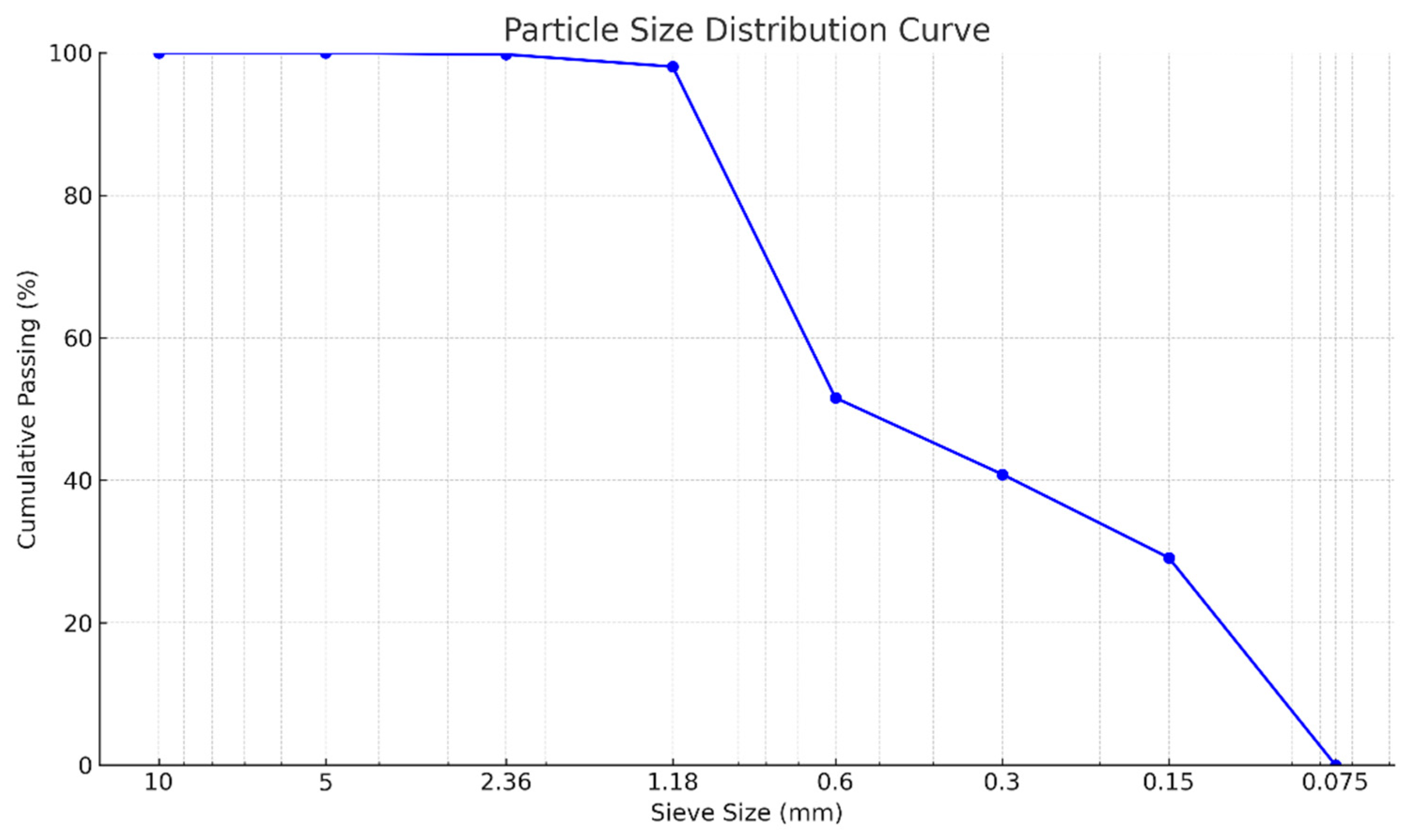
Figure 2.
Silica Fume; (a) real picture, (b) XRD picture.
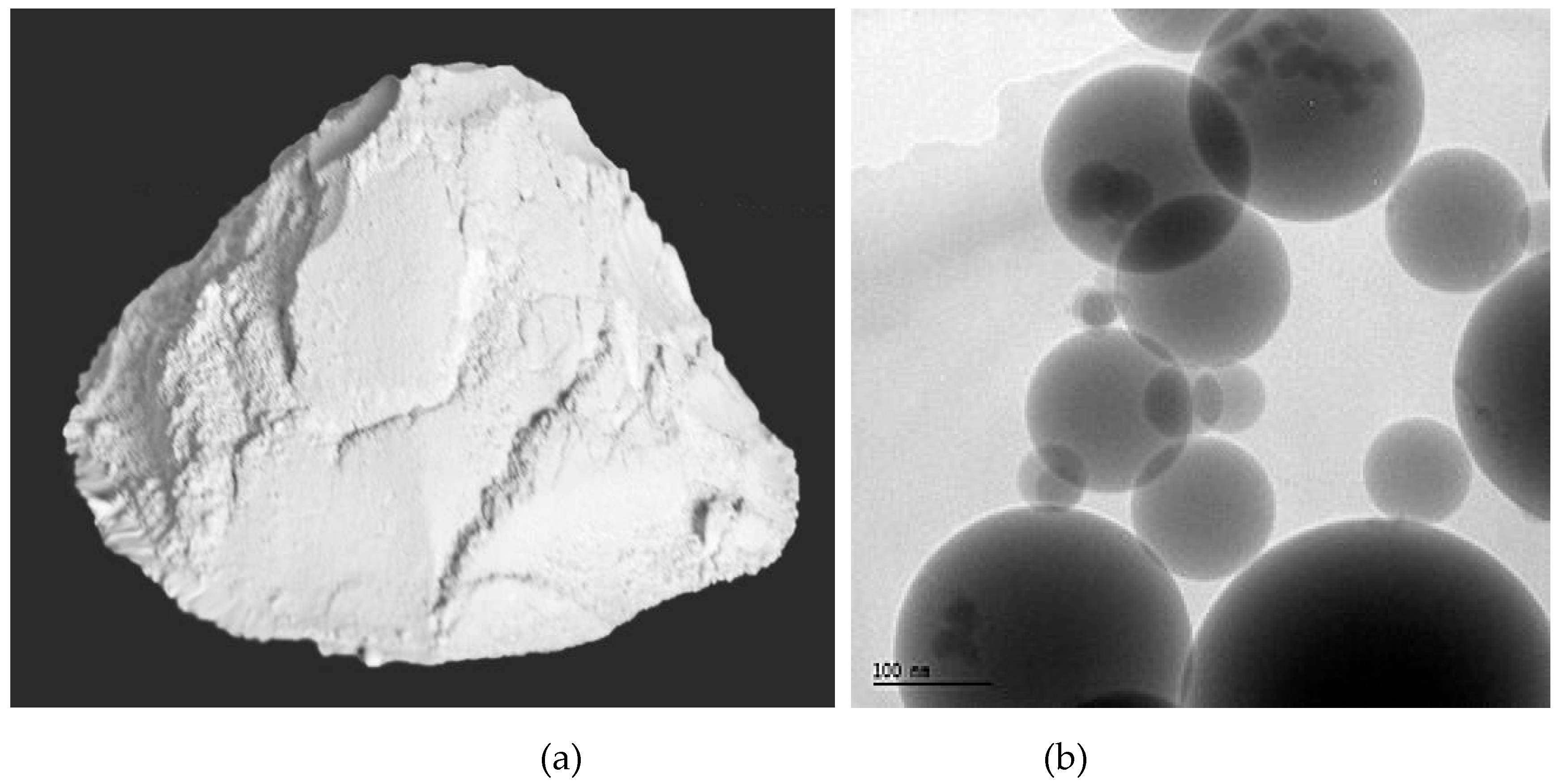
Figure 3.
The sample preparation of concrete specimens for periods of 7 and 28 days; a) Casting of Samples, b) Curing of concrete.
Figure 3.
The sample preparation of concrete specimens for periods of 7 and 28 days; a) Casting of Samples, b) Curing of concrete.
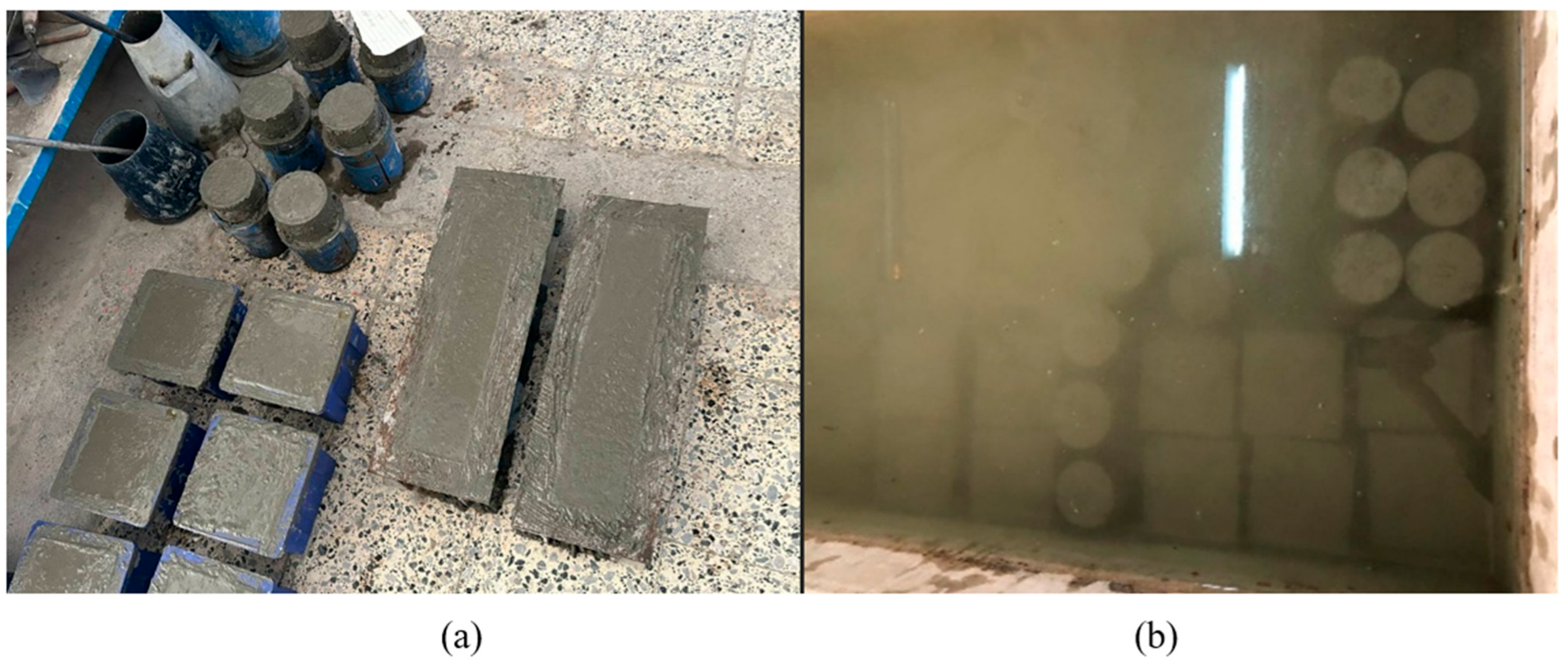
Figure 4.
Slump test of present study.
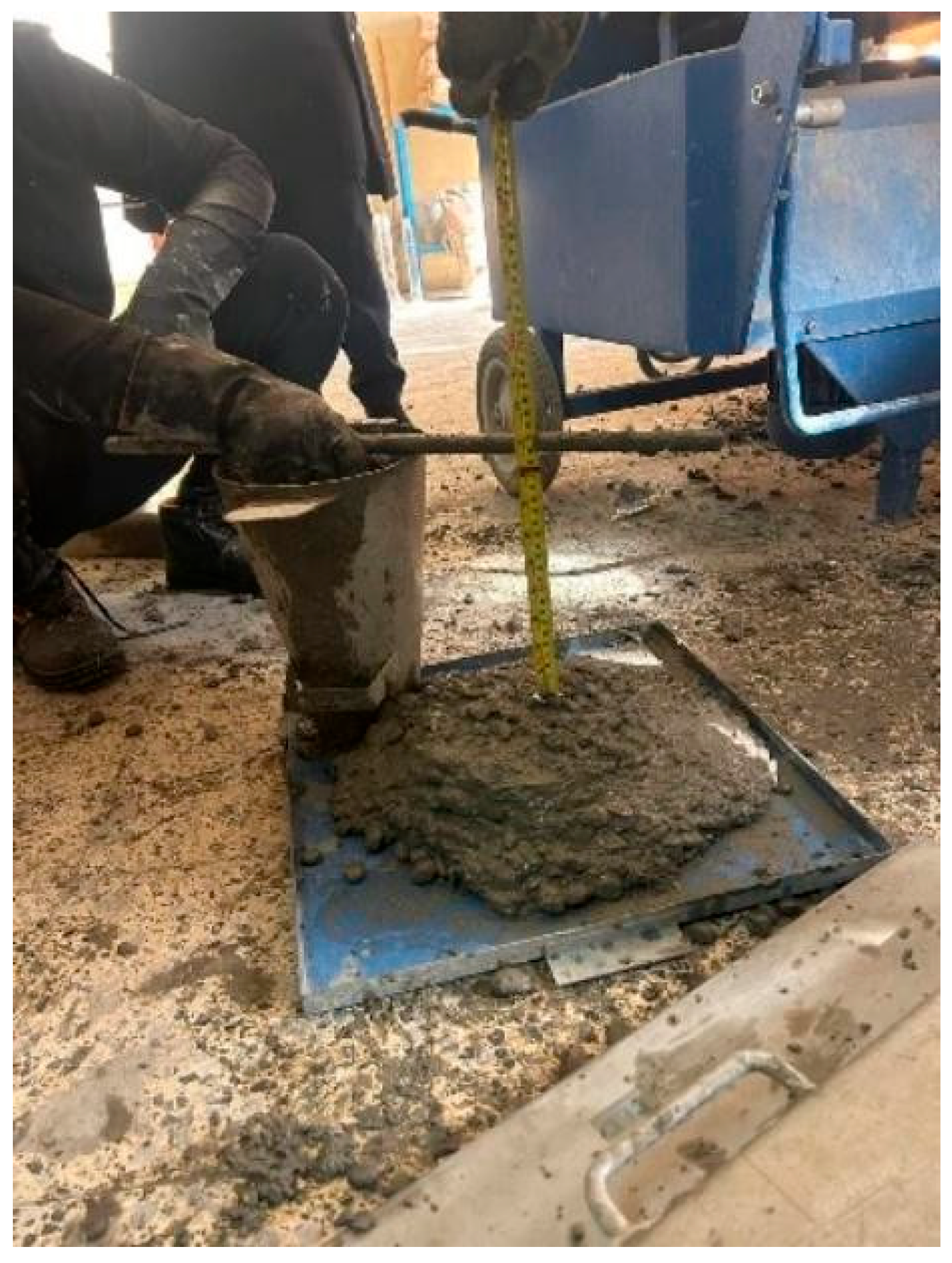
Figure 5.
Flow table test of concrete; a) Test tools, b) Laboratory test.
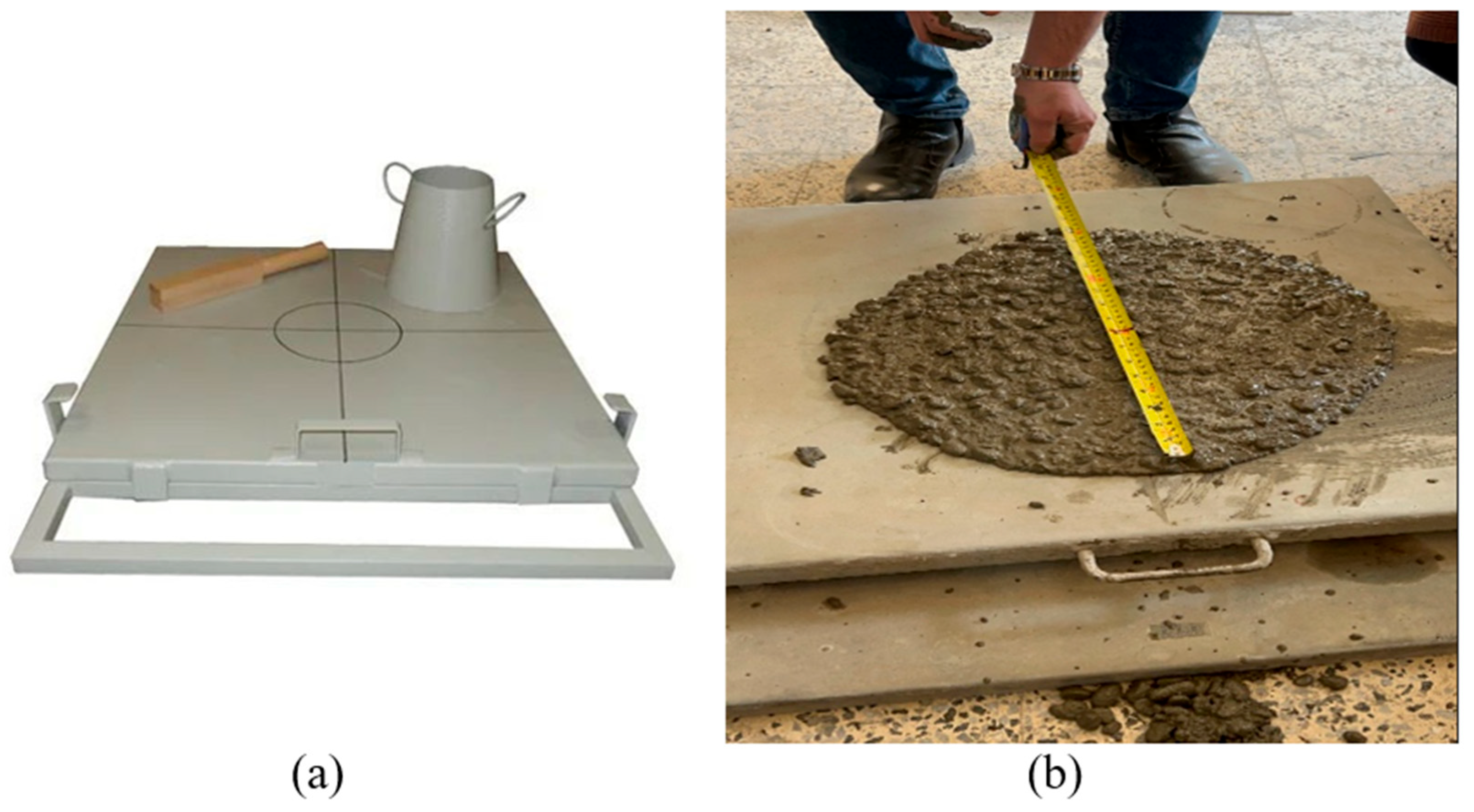
Figure 6.
Compaction factor test of concrete; a) Test tools, b) Laboratory test.
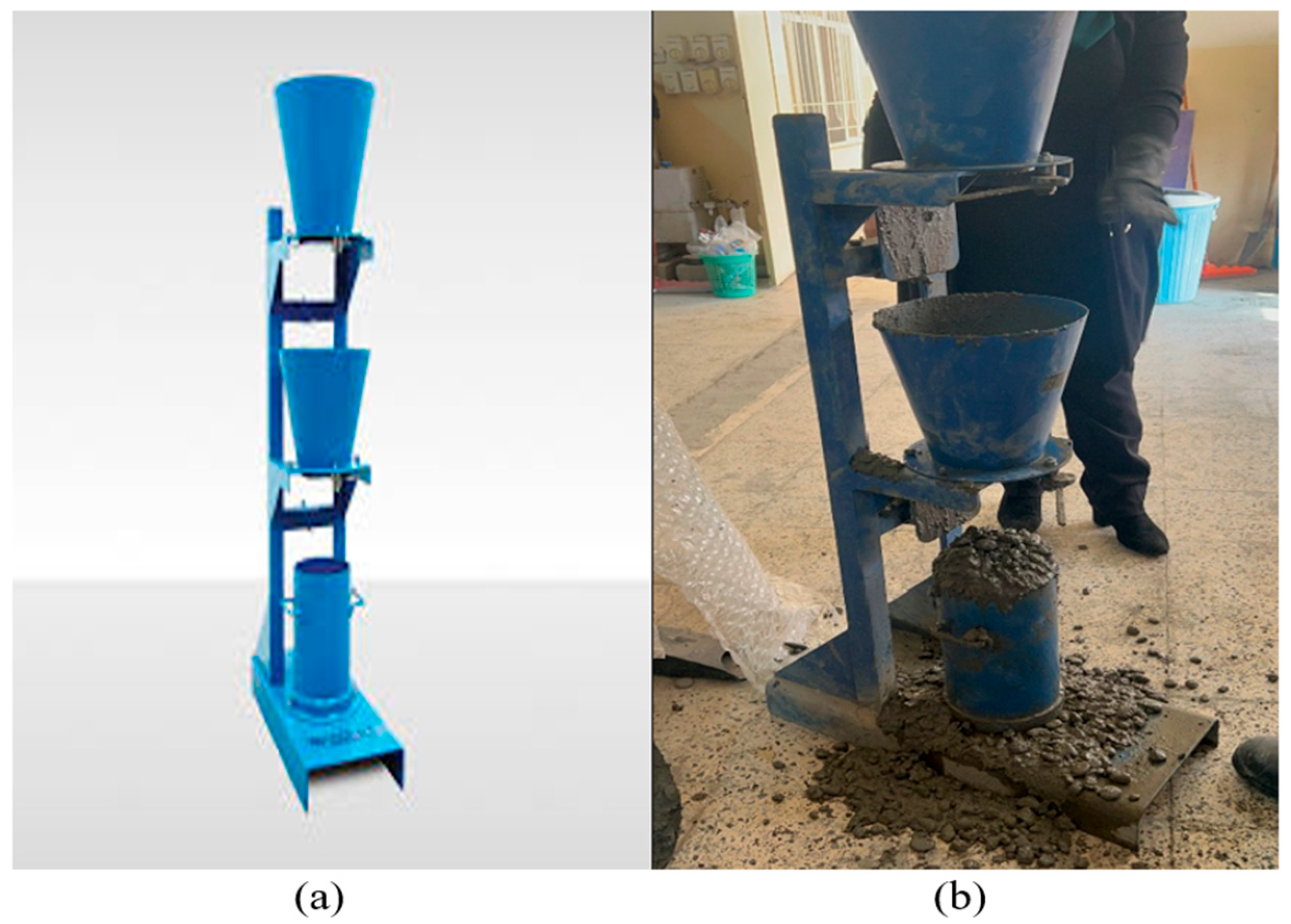
Figure 7.
Compressive strength machine of concrete.
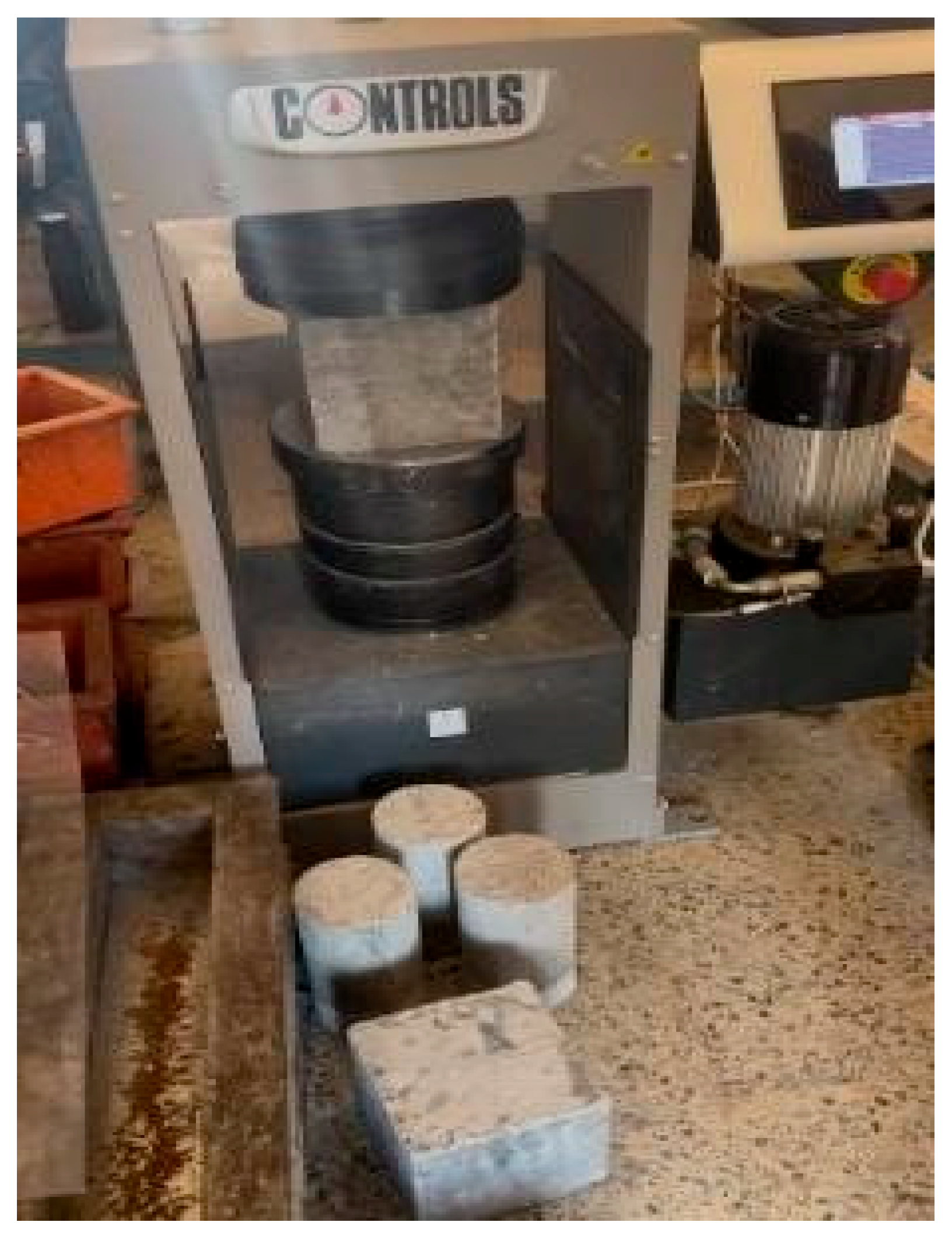
Figure 8.
Flexural strength test of concrete.
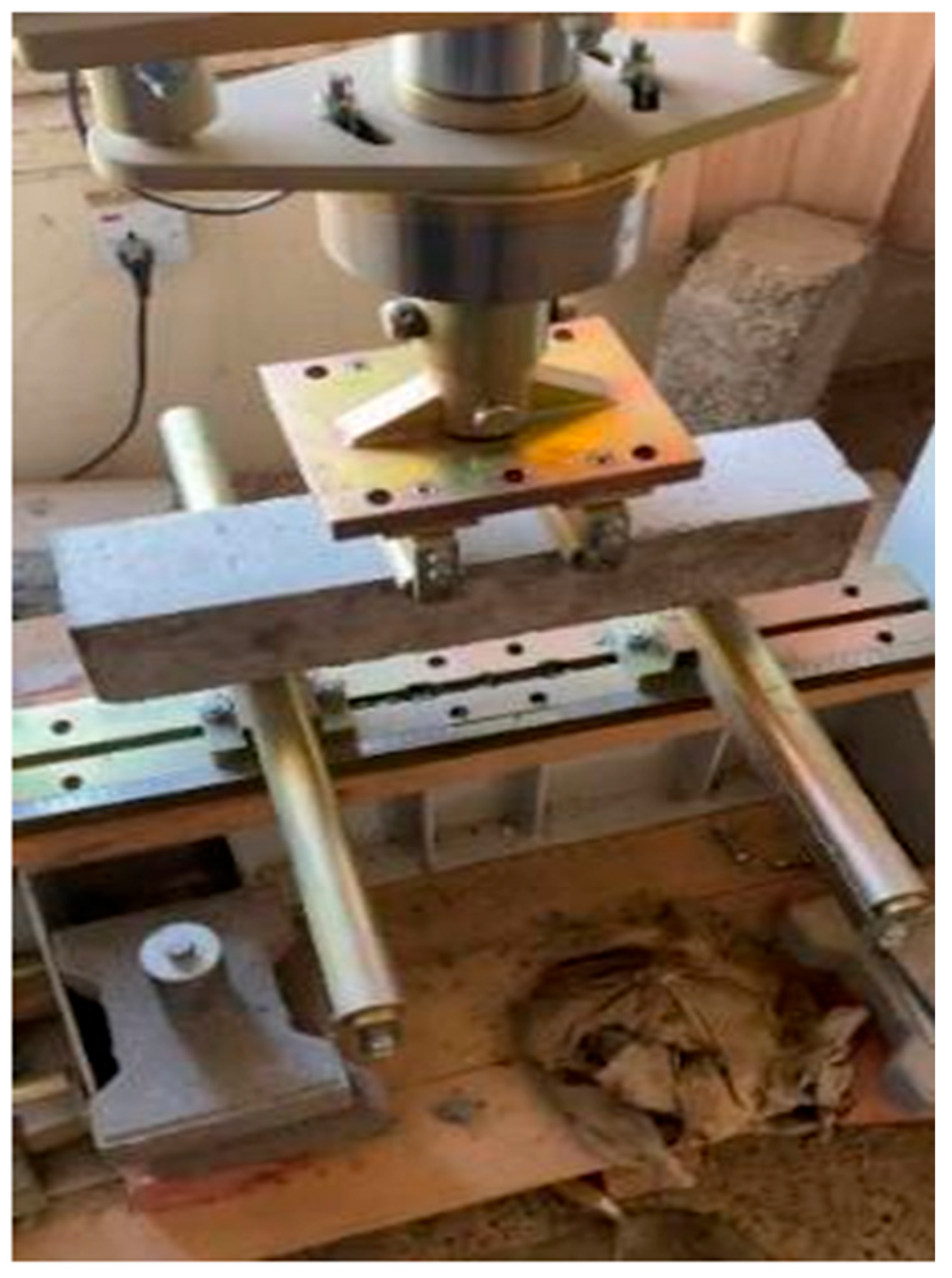
Figure 9.
Splitting tensile strength of the concrete.
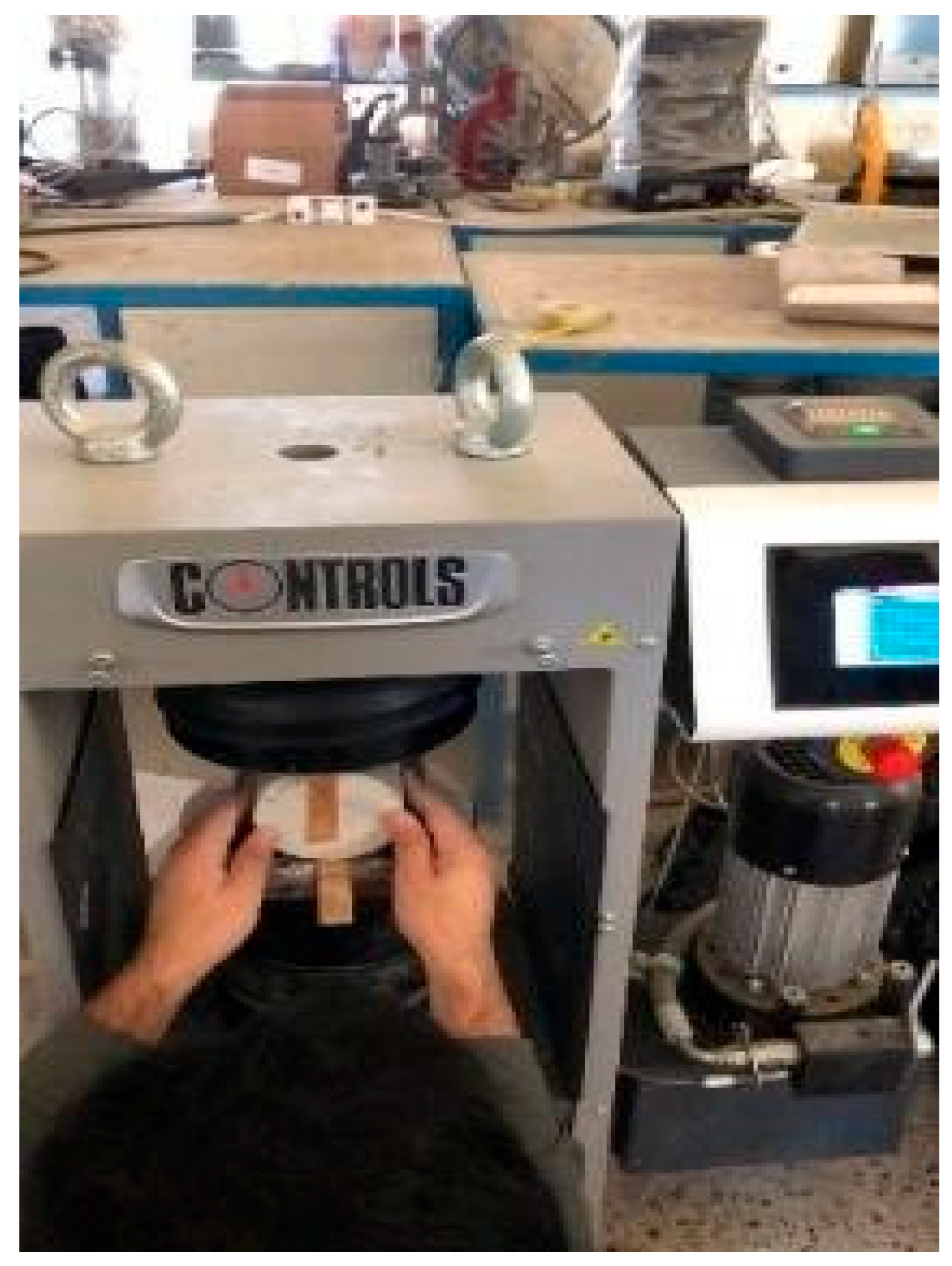
Figure 10.
UPV test of the concrete.
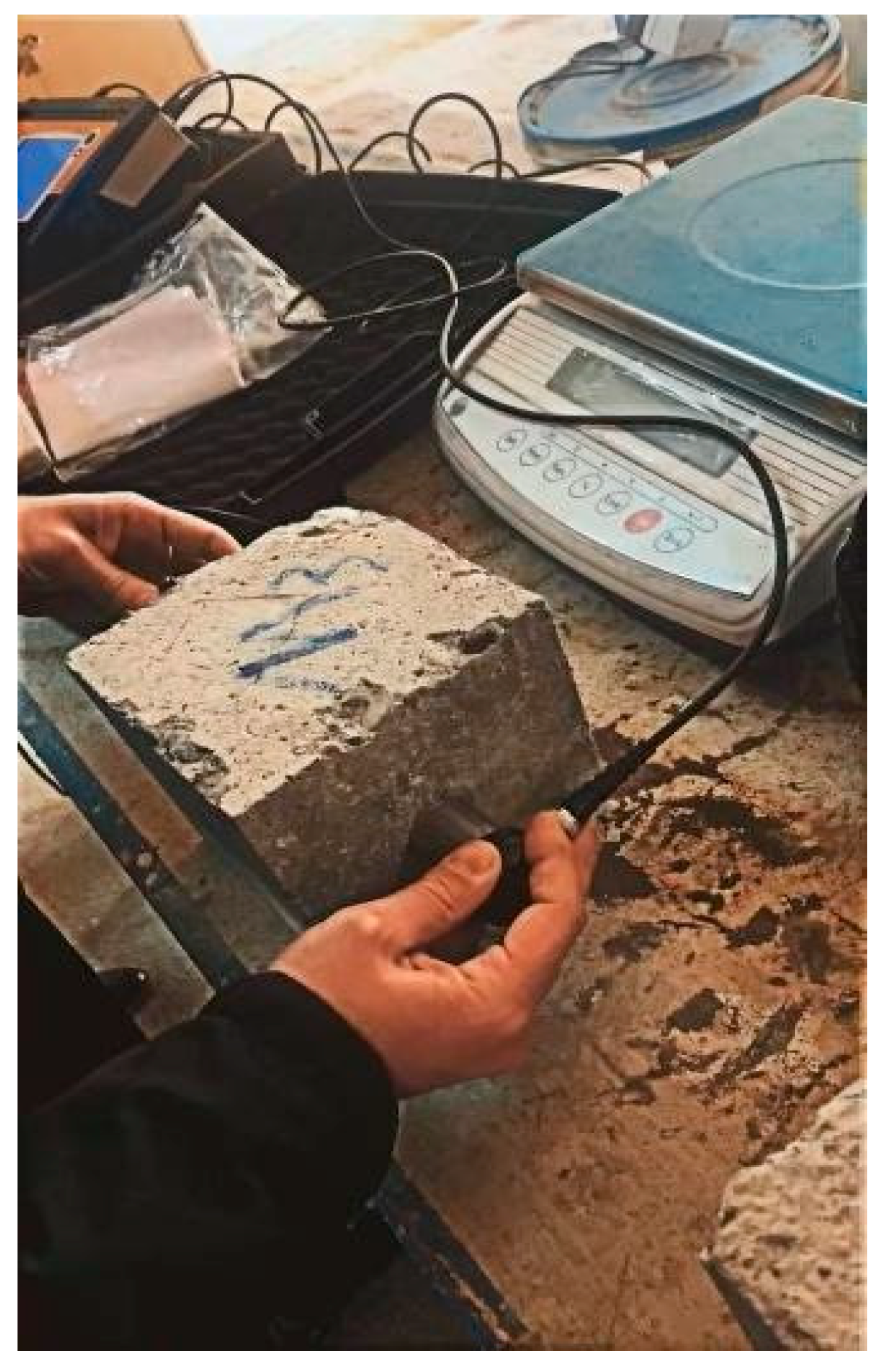
Figure 11.
Slump value for various replacement levels.
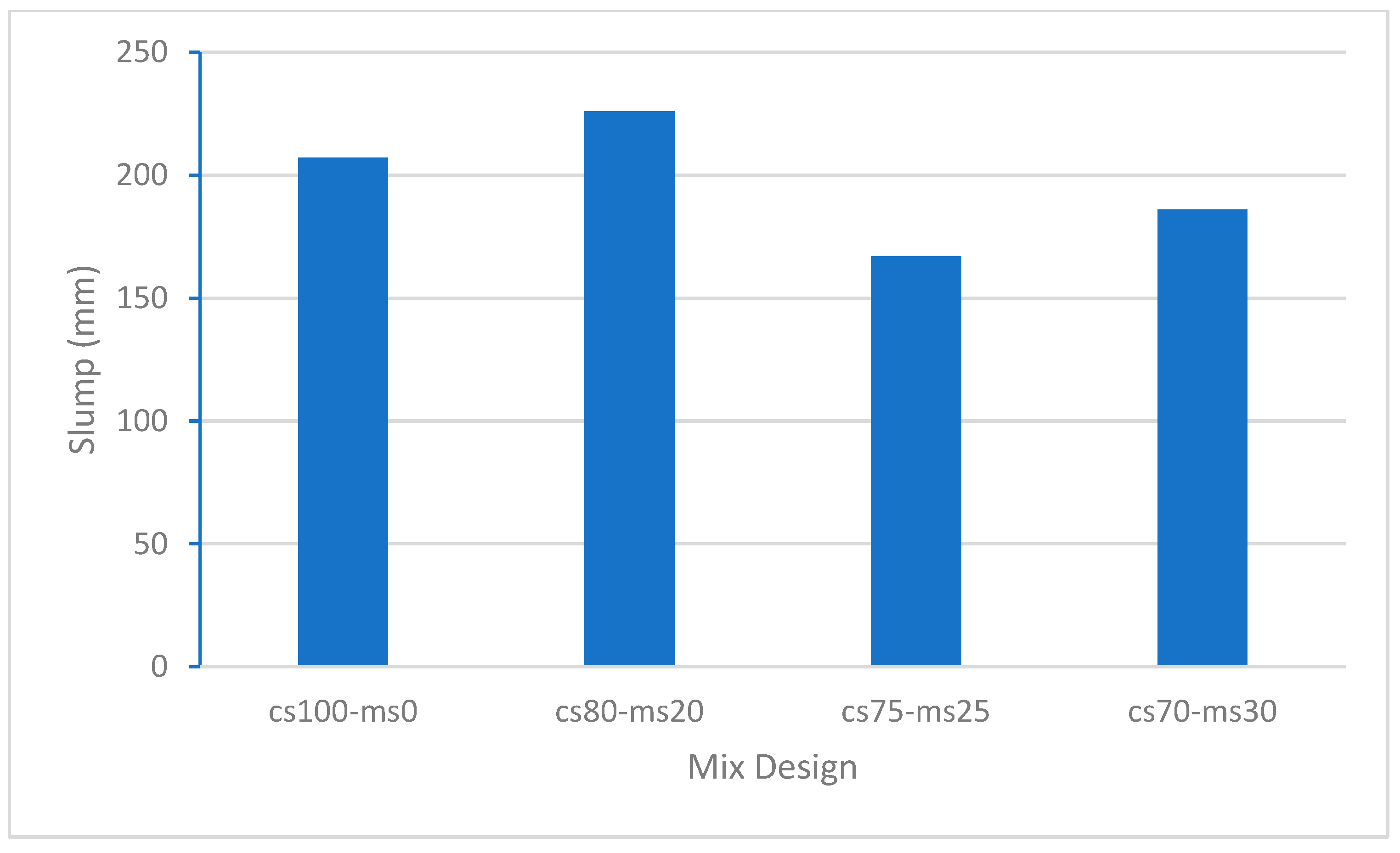
Figure 12.
Flow value for various replacement levels.
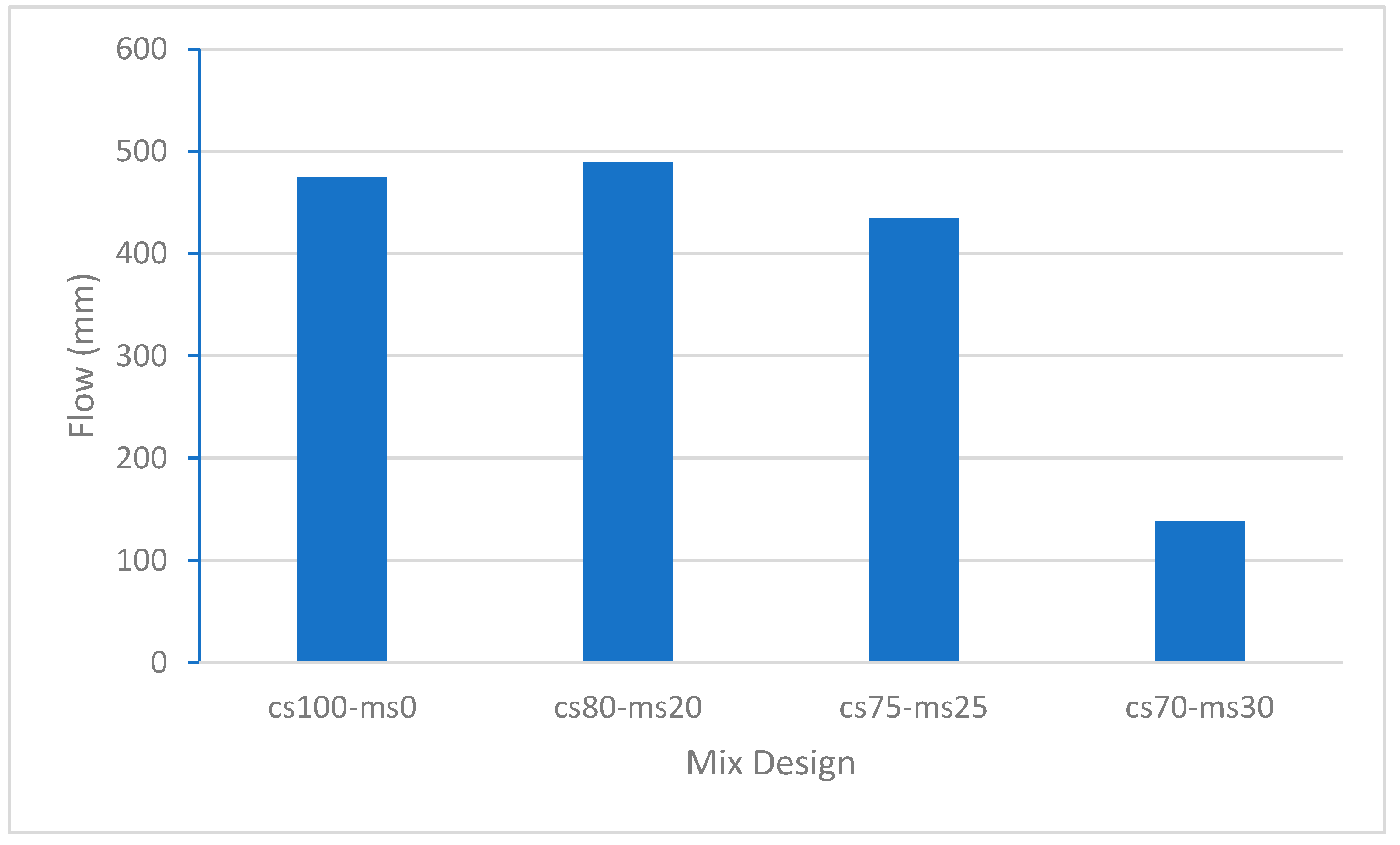
Figure 13.
Compaction factor for various replacement levels.
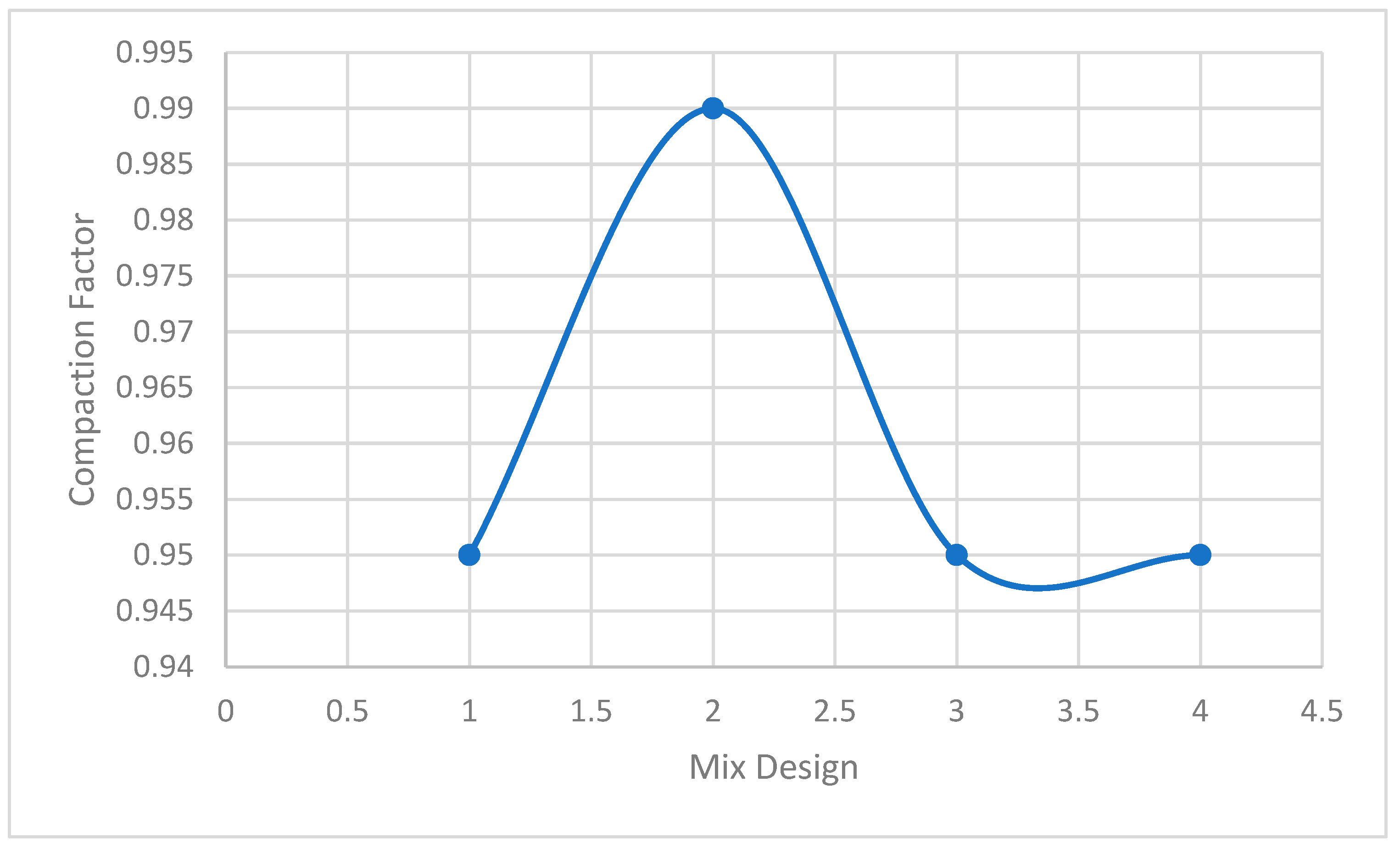
Figure 14.
Compressive strength versus replacement level of concrete for 7 and 28 days.
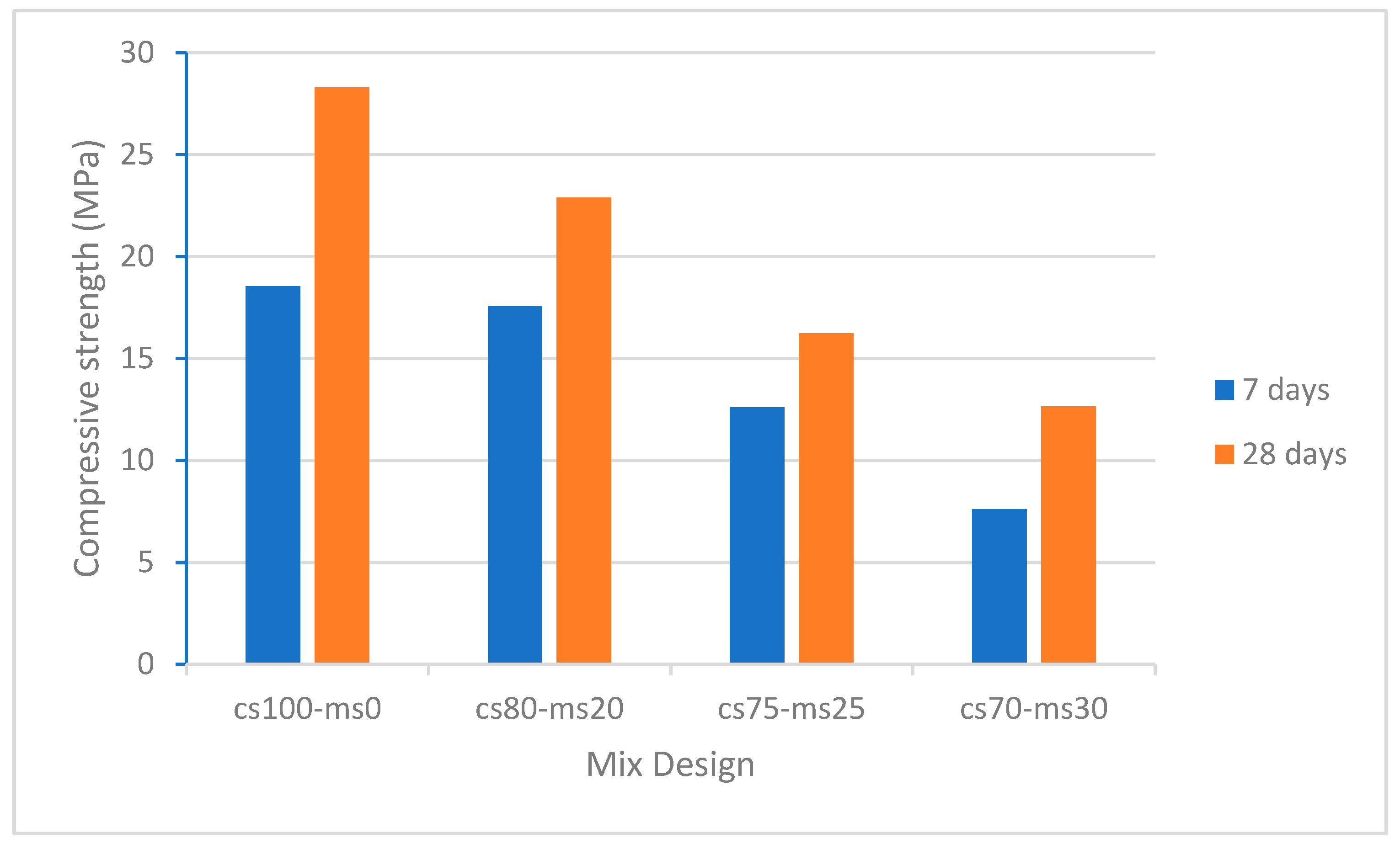
Figure 15.
Flexural strength versus replacement levels of concrete for 7 and 28 days.
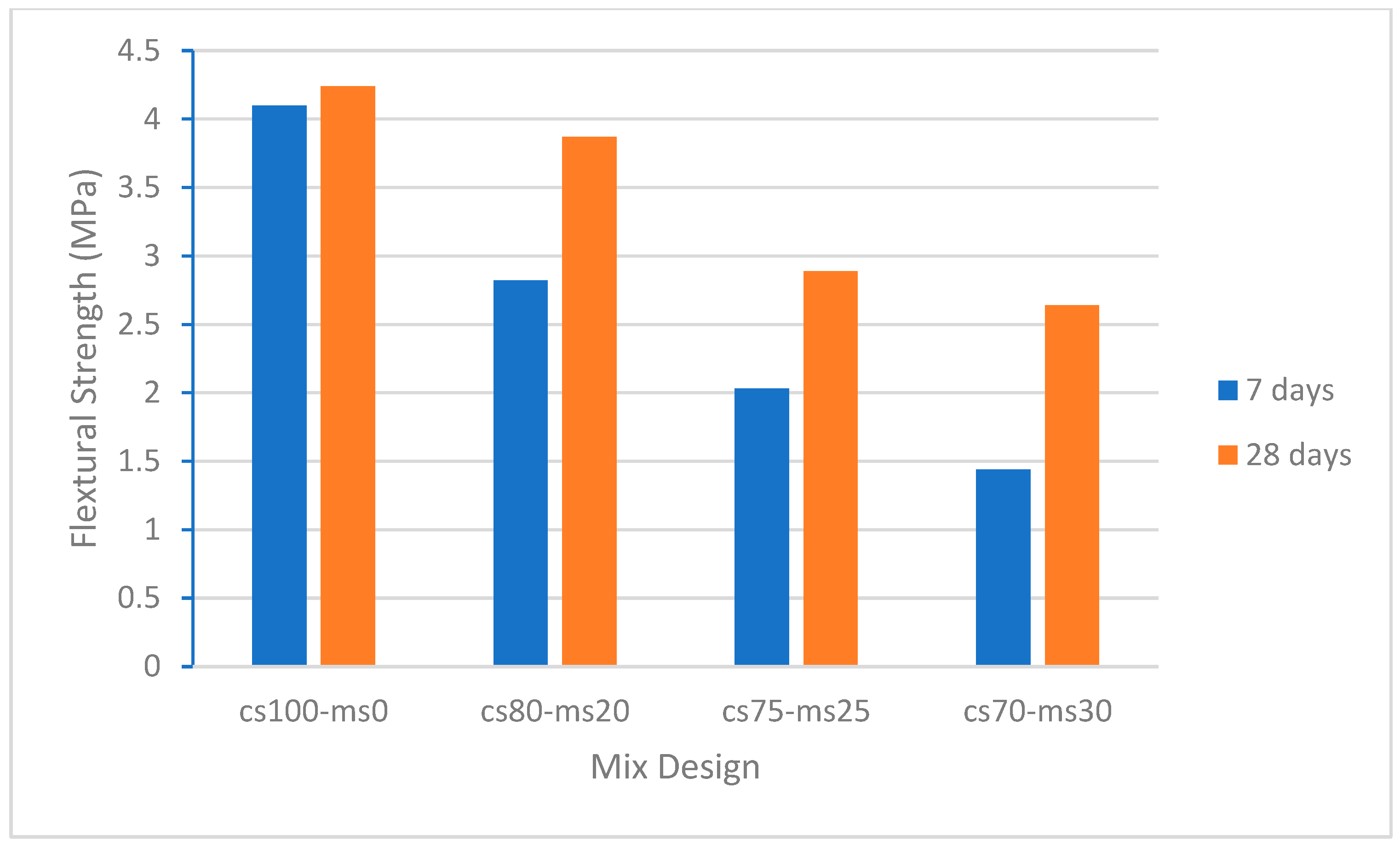
Figure 16.
Splitting tensile strength versus replacement levels of concrete for 7 and 28 days.
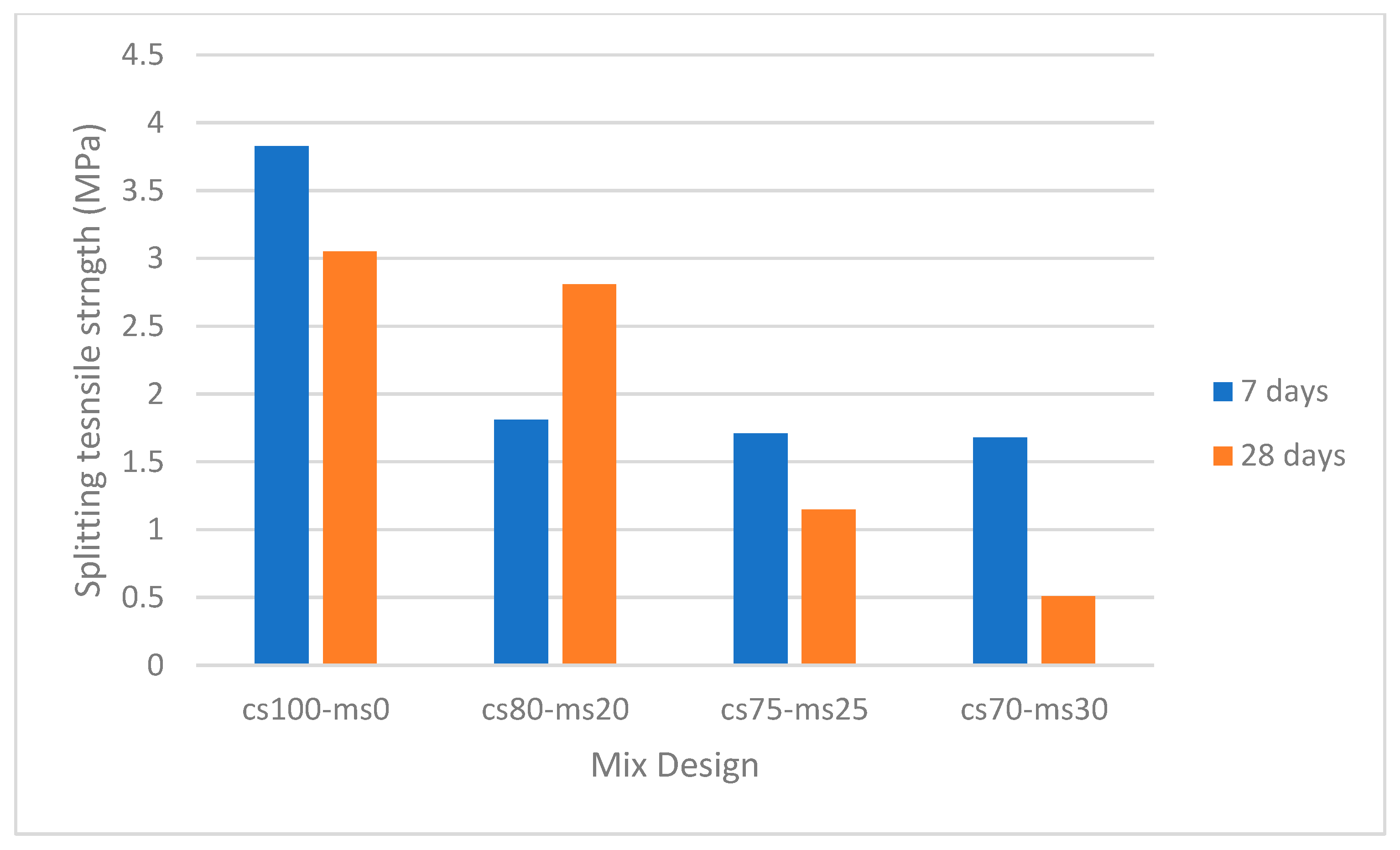
Figure 17.
Ultrasonic plus velocity results versus replacement levels of concrete.
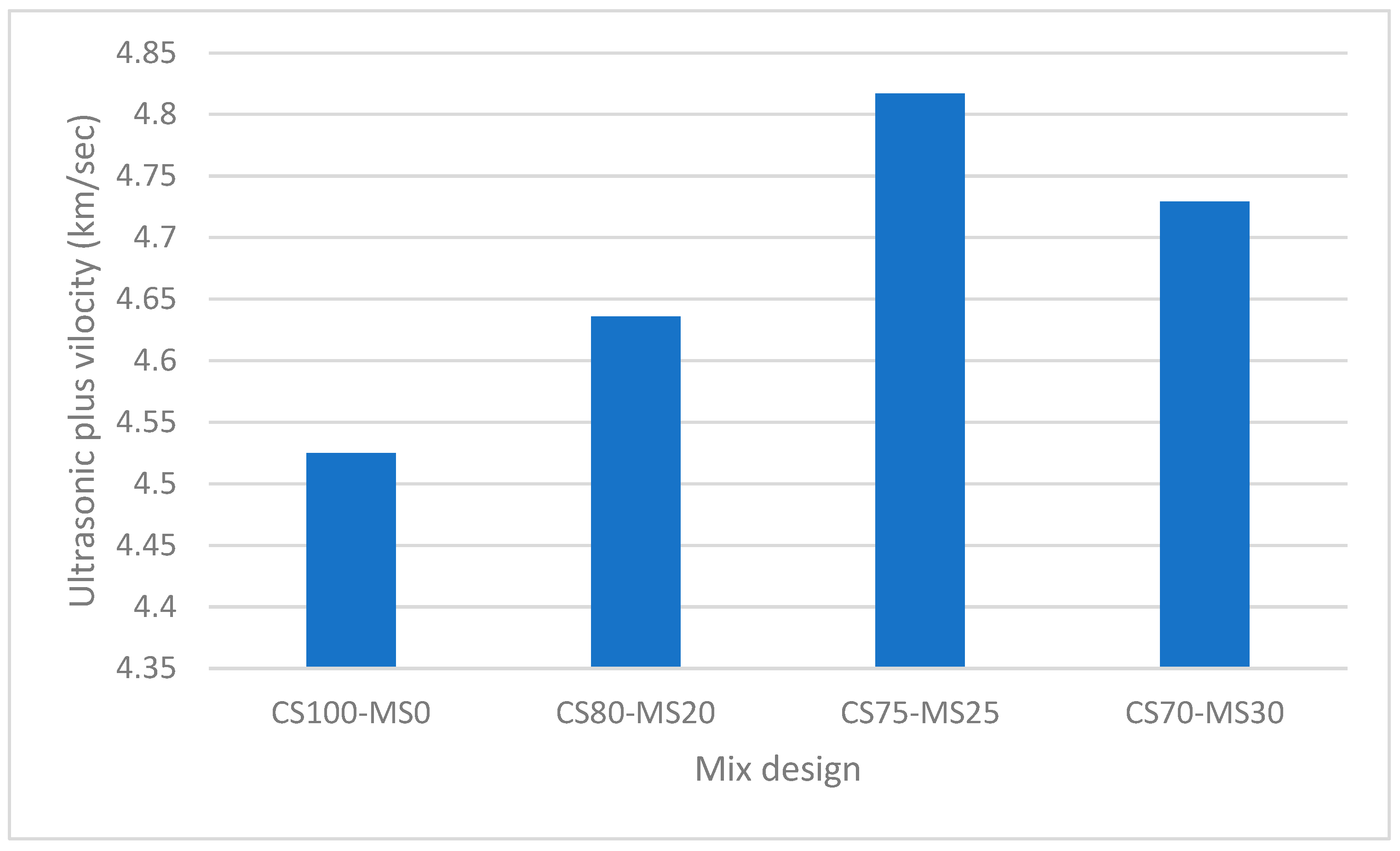
Figure 18.
By-products-mill scale and silica fume concrete exposure to MgSO4 for 7, 28, and 90 days; (a) Mass change, (b) Compressive strength.
Figure 18.
By-products-mill scale and silica fume concrete exposure to MgSO4 for 7, 28, and 90 days; (a) Mass change, (b) Compressive strength.
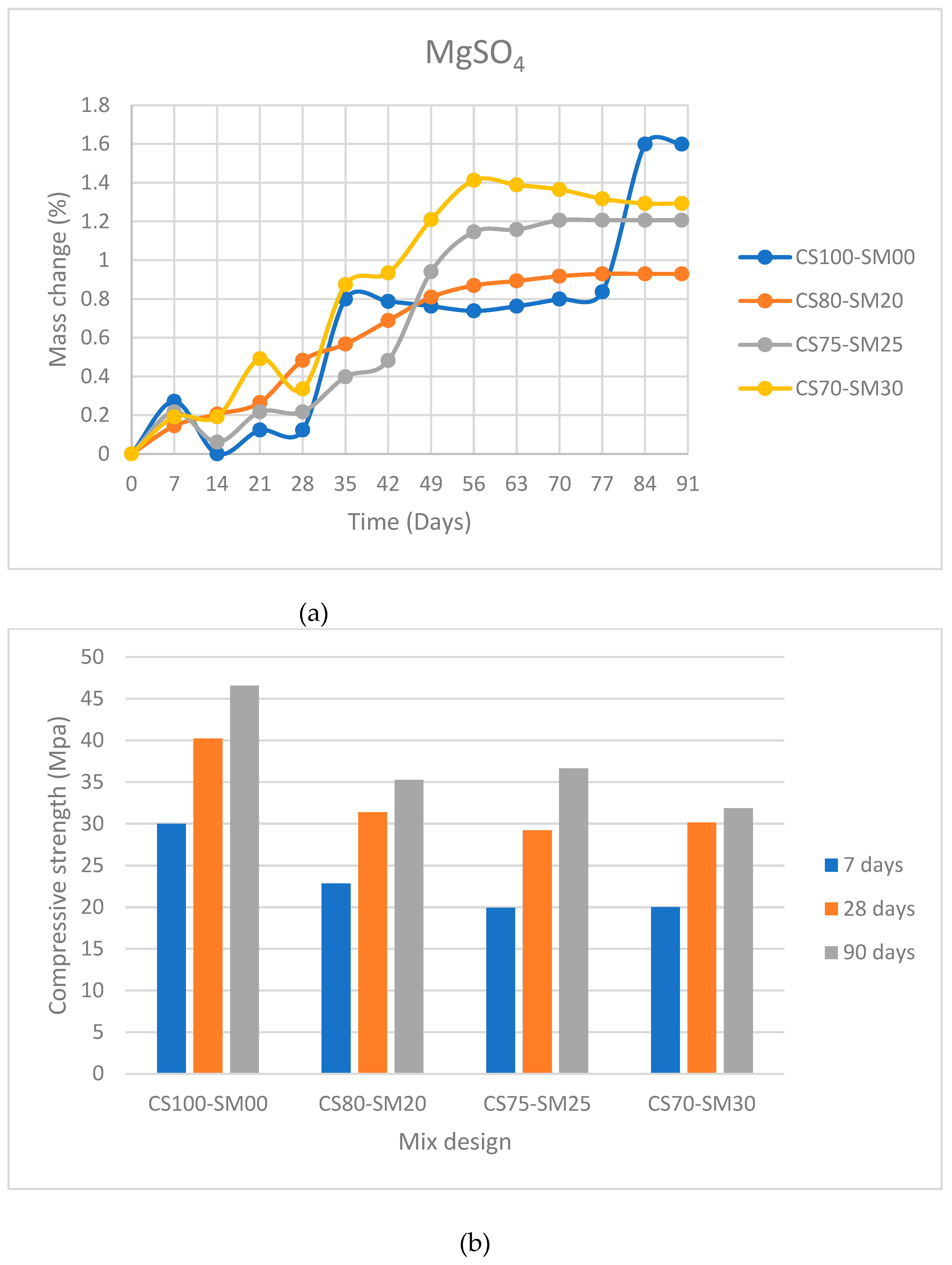
Figure 19.
By-products-mill scale and silica fume concrete exposure to exposure to H2SO4 for 7, 28, and 90 days; (a) Mass change, (b) Compressive strength.
Figure 19.
By-products-mill scale and silica fume concrete exposure to exposure to H2SO4 for 7, 28, and 90 days; (a) Mass change, (b) Compressive strength.
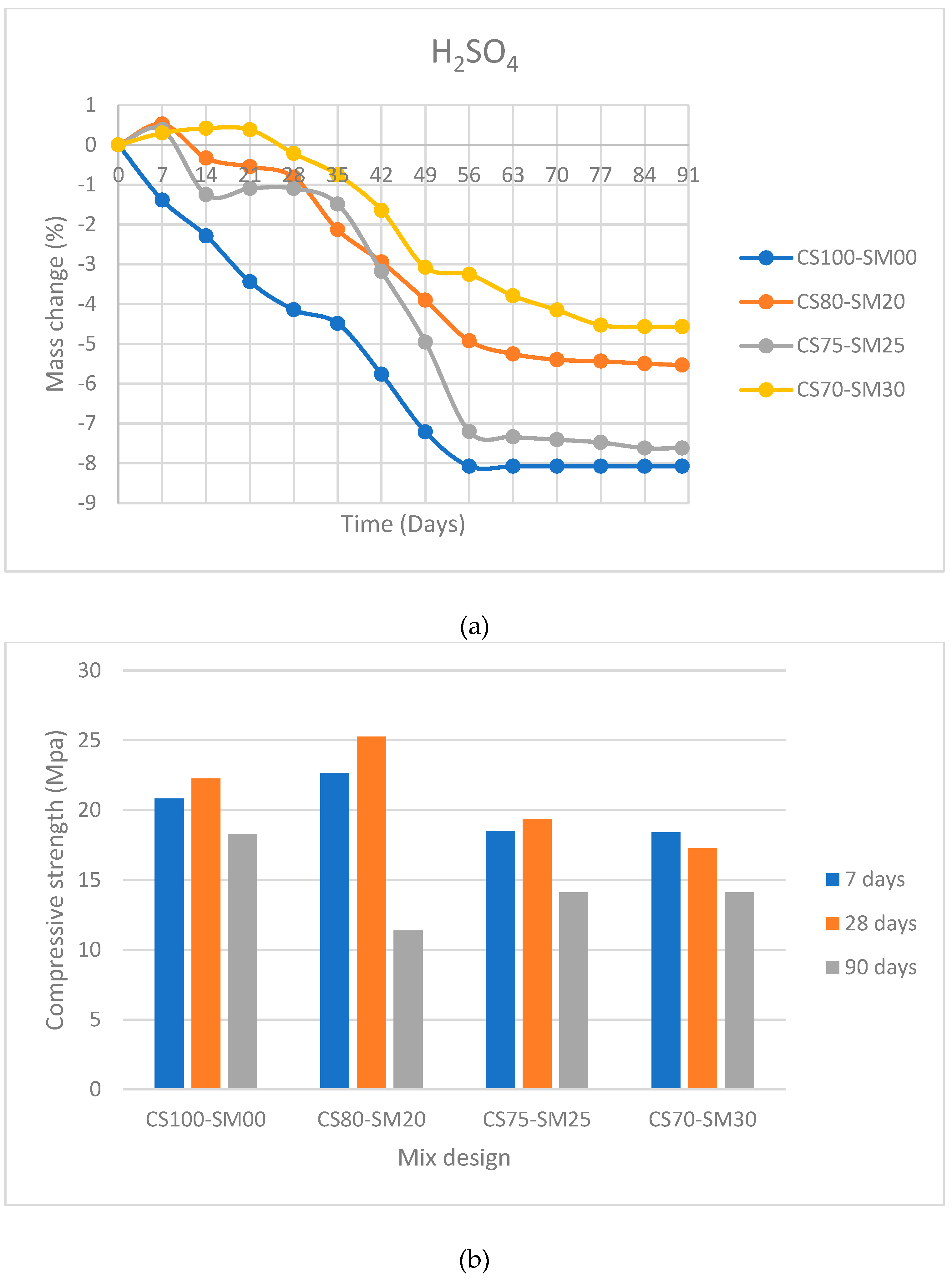
Figure 20.
By-products-mill scale and silica fume concrete exposure to exposure to seawater for 7, 28, and 90 days; (a) Mass change, (b) Compressive strength.
Figure 20.
By-products-mill scale and silica fume concrete exposure to exposure to seawater for 7, 28, and 90 days; (a) Mass change, (b) Compressive strength.
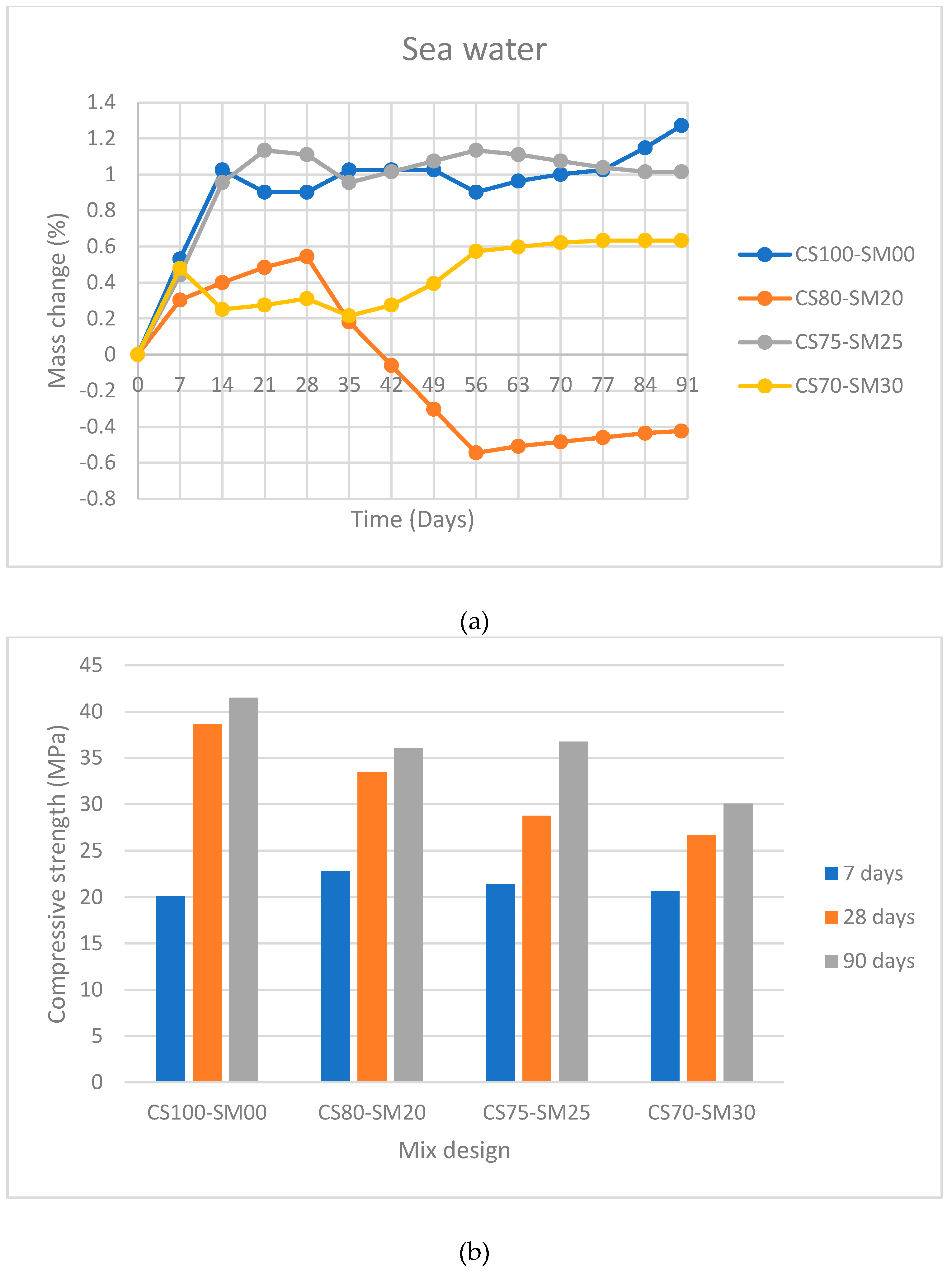

Table 1.
Chemical Composition of Mill Scale (XRF Analysis).
| Element | Symbol | Content (%) |
| Iron | Fe | 96.13 |
| Silicon | Si | 1.94 |
| Manganese | Mn | 0.72 |
| Copper | Cu | 0.53 |
| Vanadium | V | 0.17 |
Table 2.
Physical Properties of Silica Fume.
| Property | Description |
| State | Amorphous, sub-micron powder |
| Color | Gray to medium gray |
| Specific Gravity | 2.10 to 2.40 |
| Solubility | Insoluble |
| Bulk Density | 600 to 700 kg/m³ (Densified form) |
Table 3.
Specifications Silica Fume.
| Specifications | ||
| Chemical Requirements | ASTM C-1240 | ONYX Microsilica |
| Silicon Dioxide (Si02) % | 85.0 % Minimum | 93.47 % |
| Moisture Content % | 3.0 % Maximum | 0.27 % |
| Loss on Ignition (LOI) % | 6.0 % Maximum | 4.82 % |
| Physical Requirements | ASTM C-1240 | ONYX Microsilica |
| Oversize percent retained on 45um (325 sieve) | 10.0 % Maximum | 6.54 % |
| Specific Surface | 15 m2/g Minimum | 22.28 m2/g |
Table 4.
Chemical composition and physical properties of cementitious materials used.
| Specification | Item | Portland cement |
| Chemical | Cao (%) | 62.58 |
| SiO2 (%) | 20.25 | |
| Al2O3 (%) | 5.31 | |
| Fe2O3 (%) | 4.04 | |
| MgO (%) | 2.82 | |
| SO3 (%) | 2.73 | |
| K2O (%) | 0.92 | |
| Na2O (%) | 0.22 | |
| Physical | Loss on ignition | 3.02 |
| Specific gravity (gm/cm3) | 3.15 | |
| Specific surface area (m2/kg) | 326 |
Table 5.
Mix design of the present study.
| Mix No. | Mix ID | Cement (%) | Silica Fume (%) | Sand (%) | Mill Scale (%) | Coarse Aggregate (%) |
| M1 | CS100-SM0 | 100 | 0 | 100 | 0 | 100 |
| M2 | CS80-SM20 | 80 | 20 | 80 | 20 | 100 |
| M3 | CS75-SM25 | 75 | 25 | 75 | 25 | 100 |
| M4 | CS70-SM30 | 70 | 30 | 70 | 30 | 100 |
Table 6.
Degree of workability of concrete.
| Degree of Workability | Slump (mm) |
| Very low | 0-25 mm |
| Low | 25-50 mm |
| Medium | 50-100 mm |
| High | 100-175 mm |
| Very high | Collapsed |
Table 7.
Degree of workability according to IS 456 Standard.
| Degree of Workability | Compacting Factor |
| Very low | 0.75 to 0.8 |
| Low | 0.8 to 0.85 |
| Medium | 0.85 to 0.92 |
| High | 0.92 & above |
Table 8.
The ultrasonic pulse velocity classification for concrete quality based on ASTM - C597, (2022).
Table 8.
The ultrasonic pulse velocity classification for concrete quality based on ASTM - C597, (2022).
| Concrete quality category | Velocity (km/sec) |
| Excellent | ≥ 4.58 |
| Good | 3.66 – 4.57 |
| Doubtful | 3.05 – 3.66 |
| Poor | 2.14 – 3.00 |
| Very poor | ≤ 2.14 |
Disclaimer/Publisher’s Note: The statements, opinions and data contained in all publications are solely those of the individual author(s) and contributor(s) and not of MDPI and/or the editor(s). MDPI and/or the editor(s) disclaim responsibility for any injury to people or property resulting from any ideas, methods, instructions or products referred to in the content. |
© 2026 by the authors. Licensee MDPI, Basel, Switzerland. This article is an open access article distributed under the terms and conditions of the Creative Commons Attribution (CC BY) license (http://creativecommons.org/licenses/by/4.0/).
Copyright: This open access article is published under a Creative Commons CC BY 4.0 license, which permit the free download, distribution, and reuse, provided that the author and preprint are cited in any reuse.