

Submitted:
22 August 2026
Posted:
25 August 2026
You are already at the latest version
Abstract
Acute severe ulcerative colitis (ASUC) is a medical emergency in which inflammation, bloody diarrhea, anorexia, protein loss, dehydration, treatment toxicity, and the prospect of urgent surgery can rapidly turn a previously well-nourished person into a nutritionally fragile patient. Nutrition is therefore part of active supportive care, but it is not a stand-alone induction therapy, and it must never delay intravenous corticosteroids, rescue therapy, infection assessment, venous thromboembolism prophylaxis, or timely colectomy. Current guidance favors early nutritional screening, continued oral intake when safe, enteral nutrition when oral intake is inadequate and the gut is usable, and parenteral nutrition only when enteral feeding is impossible, contraindicated, or insufficient. The evidence base remains uneven: most studies pool inflammatory bowel disease phenotypes, include non-severe disease, or report nutritional endpoints rather than colectomy, steroid response, infection, or functional recovery. Older trials support enteral nutrition as the safer default compared with parenteral nutrition when the gut functions, and a small randomized trial suggests that seven days of exclusive enteral nutrition alongside standard therapy may improve early steroid response, though this signal has not yet become a universal standard. A 2025 meta-analysis of adults with ulcerative colitis found exclusive enteral nutrition well tolerated but found no statistically reliable reduction in steroid failure or colectomy in acute severe disease. Refeeding risk, electrolyte depletion, anemia, vitamin D deficiency, zinc deficiency, and steroid-related bone risk all require deliberate monitoring. Probiotics, prebiotics, synbiotics, fecal microbiota approaches, curcumin, and other microbiome-directed strategies remain adjunctive and should not be presented as substitutes for evidence-based medical or surgical treatment. Beyond the acute admission, this review also considers dietitian-led care, body composition, nutrition-related inequity, perioperative preparation, and the transition from hospital to home. Future research should prioritize ASUC-specific populations, phenotype-specific trial design, and patient-centered outcomes—including nutritional adequacy, muscle function, infection, rescue therapy, colectomy, functional recovery, affordability, and postdischarge sustainability.
Keywords:
acute severe ulcerative colitis
; nutritional support
; enteral nutrition
; parenteral nutrition
; malnutrition
; refeeding syndrome
; micronutrients
; probiotics
; microbiome
; colectomy
; dietetics
This review addresses nutrition as supportive care during acute severe ulcerative colitis (ASUC). It does not replace established ASUC protocols for intravenous corticosteroids, infection assessment, rescue therapy, venous thromboembolism prophylaxis ([25]), or early colorectal surgical consultation ([24]).
Methodology
The evidence was updated by adding the 2024 AGA Clinical Practice Update, the 2025 ECCO consensus on dietary management, and the 2025 systematic review and meta-analysis of EEN in adults with UC. These documents were used to calibrate the strength of recommendations, especially where older trials used bowel rest or total PN as comparators. The review treats a guideline statement, a small ASUC trial, and a mechanistic microbiome study as different kinds of evidence; they are not given equal weight.
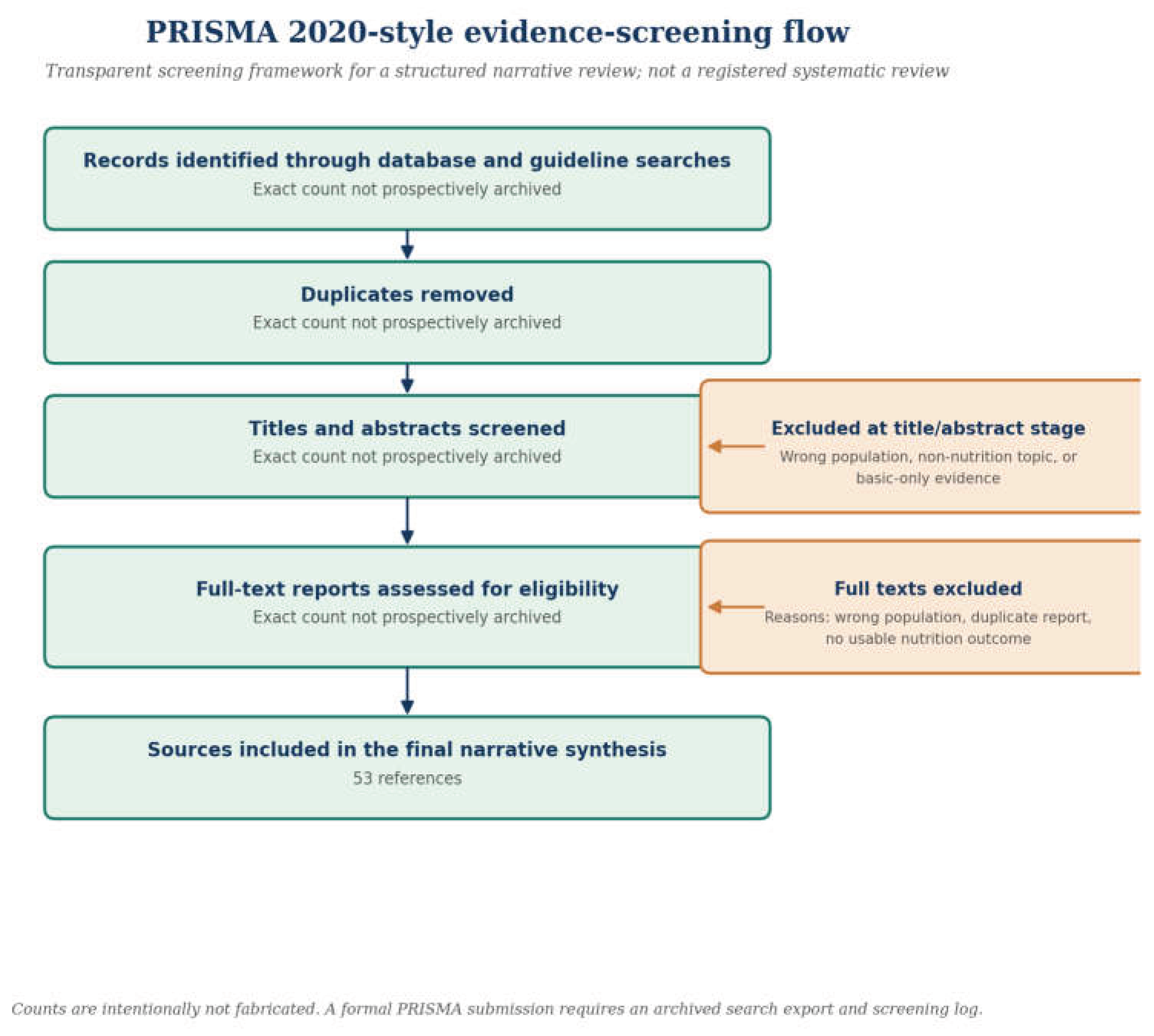
This is an updated narrative review with a structured evidence-mapping approach. Searches were conducted in July 2026 in PubMed/MEDLINE, Scopus-indexed literature available through publisher and society pages, and guideline repositories. Search concepts combined “acute severe ulcerative colitis,” “fulminant colitis,” “nutrition,” “enteral,” “parenteral,” “malnutrition,” “refeeding,” “micronutrient,” “probiotic,” “prebiotic,” and “microbiome.” I prioritized guidelines and consensus documents, randomized trials, systematic reviews, and contemporary cohort studies. Studies were considered directly applicable when they included hospitalized adults with ASUC; broader IBD and Crohn’s disease studies were retained only for general nutrition principles, perioperative care, or mechanistic context. Data were extracted narratively for population, setting, intervention, comparator, route, duration, clinical outcomes, nutritional outcomes, adverse effects, and major limitations. Evidence was then classified as direct ASUC evidence, indirect IBD evidence, or mechanistic/early evidence. I did not perform a de novo meta-analysis, and the search was not registered as a systematic review. The updated synthesis incorporates the 2024 AGA Clinical Practice Update, the 2025 ECCO dietary consensus, and the 2025 adult EEN meta-analysis. The screening audit is summarized in Figure 1; the flow is provided for transparency and should not be interpreted as evidence that the review followed a registered systematic-review protocol.
Introduction
A further reason to avoid simplistic nutrition rules is that ASUC care is time-sensitive. A patient can be simultaneously underfed, fluid overloaded after resuscitation, hypoalbuminemic because of inflammation, and at risk of colectomy. In that setting, the best nutrition plan is one that is explicit about its purpose: correcting a deficit, preventing refeeding, supporting wound healing, or bridging an operation. The plan should be revised as the purpose changes. The 2025 ECCO consensus specifically cautions against treating EEN or PEN as induction therapy for UC, while acknowledging that the evidence base for ASUC-specific nutritional support remains thin ([1]).
ASUC is usually defined by frequent bloody stools together with systemic toxicity, commonly operationalized using the Truelove and Witts criteria [27]. The clinical problem is not simply that the colon is inflamed. Patients may lose protein into the gut, burn energy through systemic inflammation, eat less because food appears to worsen stool frequency, and become volume depleted through diarrhea. Corticosteroids, antibiotics, bowel preparation, fasting for procedures, and the emotional burden of a possible colectomy further disrupt intake. Low albumin is common, but it is a marker of inflammation and protein loss as well as nutrition; it should not be used alone to diagnose malnutrition [2,3].
The central practical question is often framed too narrowly as “Should the patient be kept nil by mouth?” For most patients, the better question is: what is the safest, least restrictive route that can provide enough energy, protein, fluid, and micronutrients while the ASUC pathway proceeds? Historical bowel rest and routine total PN have not improved core outcomes and may expose patients to avoidable line and infectious complications [4,5,6]. Conversely, forced feeding without attention to aspiration risk, ileus, toxic megacolon, severe electrolyte depletion, or imminent surgery is also unsafe
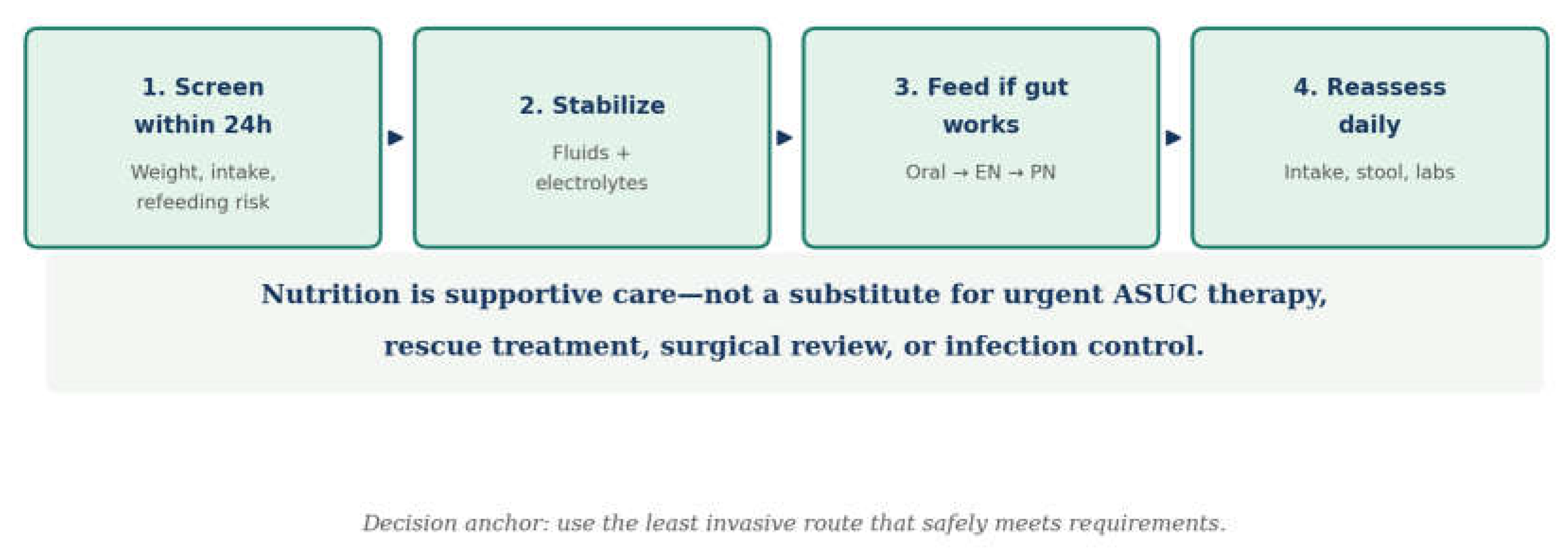
Figure 2.
A practical nutrition pathway embedded within ASUC care. Nutrition support is parallel care, not a reason to postpone rescue therapy or surgery.
Figure 2.
A practical nutrition pathway embedded within ASUC care. Nutrition support is parallel care, not a reason to postpone rescue therapy or surgery.
Malnutrition Burden and Screening
In practical terms, screening should lead to an action rather than a score recorded in isolation. A patient with more than 5% unintentional weight loss in one month, less than half of usual intake for several days, visible muscle wasting, or a high refeeding risk warrants prompt dietitian review and a documented route-of-feeding plan. Serum albumin and prealbumin should not be used to “prove” malnutrition because both move with inflammation and fluid shifts. The AGA instead recommends clinical assessment of weight change, edema, fat loss, and muscle loss, followed by a fuller dietetic assessment when risk is present ([7]).
Malnutrition in UC is dynamic and easy to miss. Some patients have a normal or high body mass index but have lost muscle, reduced intake, or developed micronutrient deficiencies. Others arrive after weeks of self-imposed restriction. Inflammation can lower albumin and transferrin, alter iron indices, and cause edema, making weight and single laboratory values difficult to interpret. Screening should occur at admission and be repeated during prolonged hospitalization, using a validated tool where available and followed by a fuller assessment when risk is identified [8,9].
A practical assessment includes recent weight trajectory, percentage of usual intake, nausea or pain, stool volume, swallowing safety, disease-related losses, prior diet restrictions, food insecurity, muscle function, edema, and the expected duration of inadequate intake. Calf circumference, handgrip strength, ultrasound, CT-derived muscle area, or bioimpedance may add useful information when feasible. The Global Leadership Initiative on Malnutrition framework is useful because it requires both a phenotypic feature and an etiologic driver; active inflammation and reduced intake are often both present in ASUC ([8]).

Table 1.
Malnutrition screening domains in ASUC.
| Domain | What to ask or measure | Why it matters in ASUC |
| Intake | Usual intake, current intake, nausea, pain, food avoidance | Identifies energy/protein deficit and feeding barriers |
| Weight/body composition | Recent loss, edema, sarcopenia, function | BMI can conceal muscle loss; edema can conceal weight loss |
| Inflammatory burden | CRP, fever, stool frequency, albumin interpreted in context | Signals catabolism and protein loss; not a stand-alone nutrition diagnosis |
| GI safety | Ileus, megacolon, vomiting, aspiration risk, surgery plan | Determines whether oral/EN is safe |
| Social and cultural context | Food access, affordability, preferred foods, language | Improves adherence and equity after discharge |
Enteral Nutrition
The 2025 meta-analysis is important because it tempers enthusiasm generated by single-center trials. Across 10 studies and 334 adults, EEN was well tolerated, with a pooled discontinuation rate of about 3%, but it did not significantly reduce remission failure, corticosteroid failure, or colectomy in the available comparisons ([10]). This does not make EEN useless. It supports a narrower, safer interpretation: EEN can be offered to selected patients who are motivated, can tolerate the formula, and understand that standard ASUC treatment continues in parallel. It is particularly attractive when oral food is not meeting requirements and a short, supervised formula course is more realistic than prolonged fasting.
EN should be understood broadly: oral food, oral nutritional supplements, and tube feeding. In a patient who can swallow safely and has no obstruction, ileus, uncontrolled vomiting, or urgent operative indication, oral intake is generally preferable. A soft, lower-residue texture may be temporarily more tolerable during intense diarrhea, but blanket elimination of dairy, gluten, fruit, vegetables, or all fiber is not evidence-based and can worsen restriction. Small, frequent meals and energy-dense protein sources may be easier than large meals. Oral supplements can bridge the gap when food alone is not enough [2,9,16].
When oral intake remains inadequate, tube EN is usually favored over PN if the gastrointestinal tract is functioning. A standard polymeric formula is a reasonable starting point; there is no convincing ASUC-specific evidence that elemental or disease-specific formulas are routinely superior. Continuous pump administration is often better tolerated than large boluses in a weak patient. Nasogastric feeding can be considered after aspiration assessment and discussion with the patient. In severe colitis, the tube itself does not treat the inflammation; it is a route for rehabilitation and should be reviewed daily.
Evidence for EN as a primary treatment of adult ASUC is limited. Older controlled work did not show a consistent advantage of nutritional bowel rest over ordinary feeding or PN [4,5]. More recent practice has been influenced by a small randomized study in hospitalized ASUC suggesting that seven days of exclusive EN alongside standard therapy improved early steroid response and some short-term outcomes [10,11]. The result is biologically plausible but not definitive: sample size, formula composition, adherence, center expertise, and co-interventions all matter. EN should therefore be offered as a supported option for selected patients, not as a replacement for intravenous steroids or timely rescue therapy.
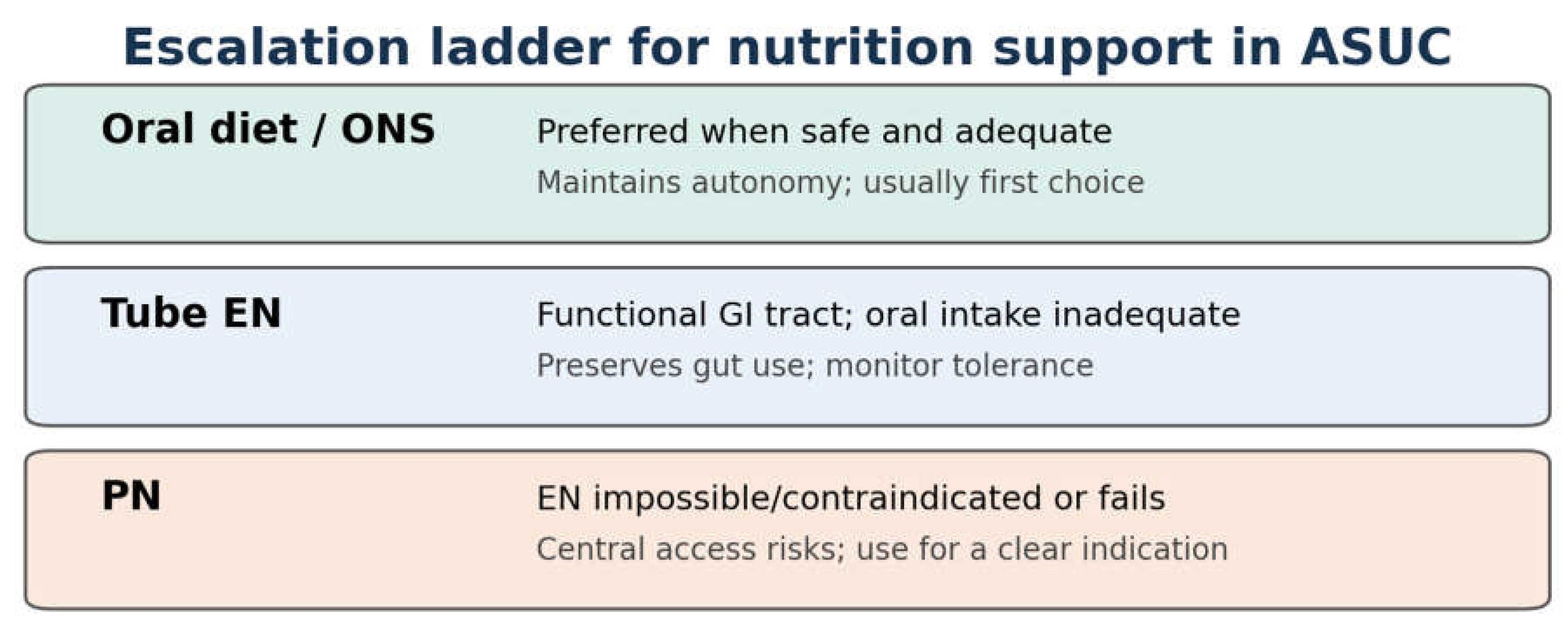
Figure 3.
Route selection. Oral intake and oral supplements are preferred when safe; tube EN is preferred over PN when the gut is usable; PN has a defined rescue role.
Figure 3.
Route selection. Oral intake and oral supplements are preferred when safe; tube EN is preferred over PN when the gut is usable; PN has a defined rescue role.
Parenteral Nutrition
The AGA advice is helpful in drawing a line between supportive PN and reflexive PN. PN is reasonable when severe malnutrition coexists with failed or impossible oral/EN feeding, prolonged ileus, high-output fistula, short-bowel physiology, or a planned period of at least several days without usable enteral intake ([7]). In ASUC, the decision should be revisited if rescue therapy succeeds, if surgery becomes imminent, or if EN becomes possible. A clear stop or transition plan reduces the chance that a temporary line becomes an indefinite intervention.
PN is appropriate when the gut cannot be used safely or cannot meet requirements. In ASUC, this may occur with toxic megacolon, ileus, uncontrolled vomiting, severe intolerance to EN, high-output fistula, bowel obstruction, short bowel, or a perioperative strategy in a severely malnourished patient. It can also be used as supplemental PN when EN provides only part of the requirement. “Bowel rest” alone is not an indication for routine PN [6,9].
PN should be prescribed by a nutrition support team whenever possible. The prescription needs a documented energy and protein target, fluid and sodium plan, glucose and lipid strategy, access plan, and monitoring schedule. Central PN is required for concentrated solutions; peripheral PN is a short-term option only when osmolarity and duration permit. Catheter necessity should be reassessed every day because bloodstream infection, thrombosis, hyperglycemia, liver dysfunction, and metabolic complications are real harms. In the setting of likely colectomy, PN can improve nutritional delivery when oral/EN routes are not feasible, but it should not create a false sense that surgery can be safely deferred indefinitely ([12]).
Table 2.
Route selection by clinical situation in ASUC.
| Clinical situation | Preferred route | Practical point |
| Safe swallow, some intake | Oral diet ± ONS | Do not impose clear liquids without a specific reason |
| Inadequate oral intake, functioning gut | Tube EN | Start cautiously; use continuous delivery if needed |
| EN contraindicated or impossible | PN | Define indication, access, and stop/review criteria |
| Partial EN achievement | Supplemental PN | Avoid waiting for profound depletion if needs remain unmet |
| Pre-operative severe malnutrition | EN if possible; PN if needed | Coordinate with surgeon; optimize without delaying emergency care |
Emerging and Adjunct Dietary Strategies
The newest consensus also supports a “least restrictive effective diet” principle. During active symptoms, food texture may need to be softened, peeled, blended, or temporarily reduced in bulking fiber. Once urgency and bleeding improve, the diet should widen rather than remain trapped in a low-residue pattern. A patient who leaves hospital believing that fruit, pulses, dairy, or all vegetables are permanently dangerous may be nutritionally safer in the short term but more vulnerable to long-term deficiency and anxiety. Advice should therefore distinguish a temporary comfort measure from a treatment claim [1,7].
The most defensible dietary advice during ASUC is individualized and non-punitive: eat what is tolerated, preserve protein and energy, and avoid unnecessary restriction. Once inflammation settles, a Mediterranean-style pattern—vegetables, fruit, legumes, whole grains as tolerated, fish, nuts, olive oil, and less red or processed meat—fits general cardiometabolic health and the direction of current IBD consensus, but it should not be advertised as a proven induction treatment for ASUC [1,13].
Low-fiber or low-residue eating may reduce stool bulk for a short period, particularly when urgency is severe, but it is not a long-term treatment and should be liberalized as symptoms allow. A low-FODMAP diet can help IBS-like symptoms in quiescent IBD; it is not a treatment for active colonic inflammation and can be nutritionally restrictive without dietitian supervision ([14]). Omega-3 supplements have not consistently prevented relapse. Curcumin has an encouraging but still limited signal in mild-to-moderate UC, with questions about formulation, dose, interactions, and product quality ([15]). QingDai may have activity in UC but has safety concerns, including pulmonary hypertension and liver injury, and should not be self-prescribed ([1]).
Refeeding Risk
Risk assessment should include the amount and duration of recent intake, not only the admission laboratory result. A normal phosphate concentration can fall after calories are restarted. Conversely, a low phosphate level may reflect ongoing losses rather than refeeding alone. Nursing observations are crucial: new weakness, edema, tachycardia, breathlessness, confusion, or a sudden increase in fluid requirement should prompt an immediate review of the feed, electrolytes, and thiamine plan.
Refeeding syndrome is a predictable metabolic response to restarting nutrition after prolonged undernutrition. Insulin-driven shifts can rapidly lower phosphate, potassium, and magnesium and can precipitate arrhythmia, respiratory failure, weakness, delirium, or heart failure. ASUC patients at risk include those with substantial recent weight loss, minimal intake for several days, low BMI, alcoholism, malabsorption, or low baseline electrolytes. The risk is not removed by choosing EN rather than PN; the speed and composition of refeeding matter [17,26].
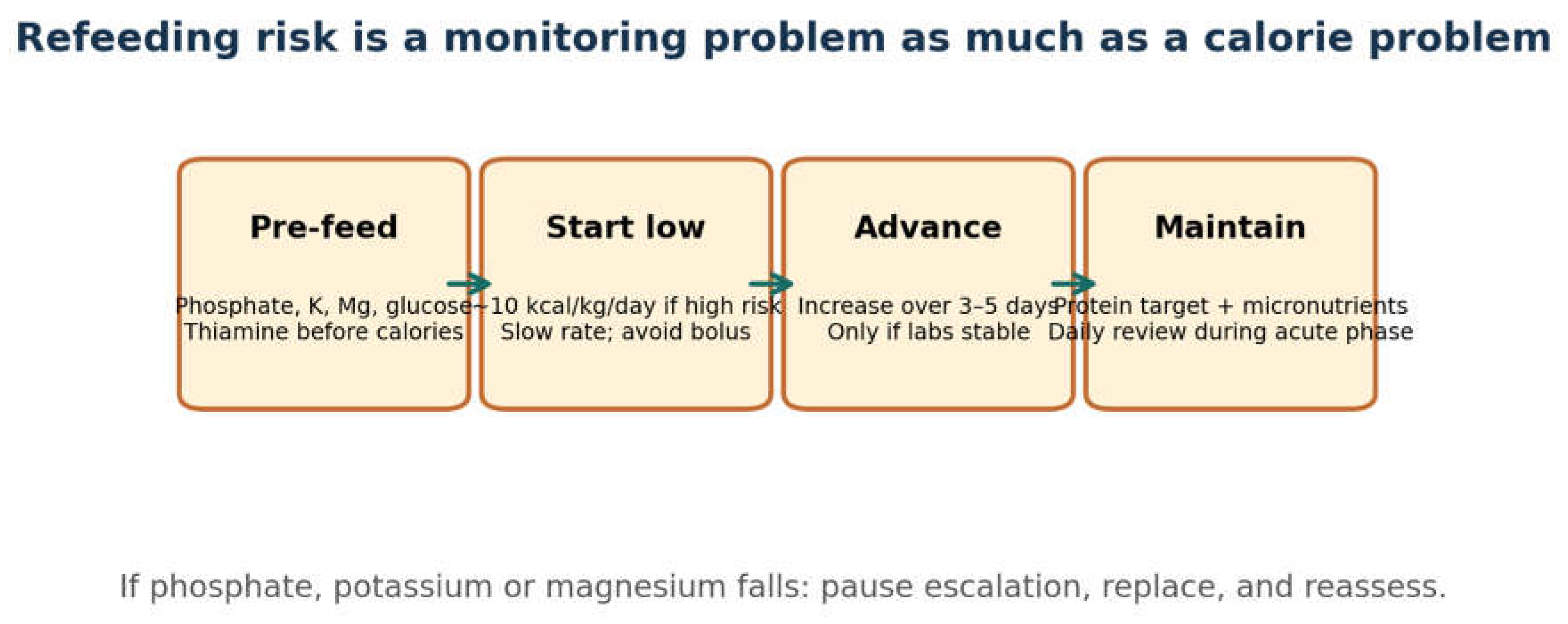
Before feeding, check phosphate, potassium, magnesium, glucose, renal function, fluid status, and thiamine risk. Give thiamine before and during early feeding when risk is significant. For high-risk patients, begin around 10 kcal/kg/day, or lower in extreme cases, and advance over four to seven days as clinical and biochemical monitoring allows. Replace electrolytes promptly according to local protocol. If phosphate, potassium, or magnesium falls substantially, stop advancing calories, replace the deficit, and reassess. The exact calorie prescription should be individualized; the safe principle is cautious escalation with frequent review [9,26].
Figure 4.
Refeeding safety sequence. Electrolyte correction and thiamine are part of feeding, not optional add-ons.
Figure 4.
Refeeding safety sequence. Electrolyte correction and thiamine are part of feeding, not optional add-ons.
Micronutrient and Electrolyte Management
The 2025 ECCO consensus recommends that iron and vitamin D receive routine attention, with vitamin B12 added when ileal disease, ileal surgery, or an ileal pouch creates a meaningful risk. In a patient with active inflammation, testing can be falsely reassuring or difficult to interpret; repeating selected tests during biochemical improvement often gives a clearer picture. In practice, a nutrition prescription that contains calories but no explicit plan for iron, vitamin D, electrolytes, and bone protection is incomplete ([1]).
Blood loss and inflammation make iron deficiency and anemia central concerns. Ferritin may be falsely reassuring during inflammation, so interpretation should combine hemoglobin, ferritin, transferrin saturation, CRP, reticulocyte response, and clinical context. Intravenous iron is often preferred in active IBD, significant anemia, intolerance or failure of oral iron, or when rapid replacement is needed; oral iron can be reasonable in mild anemia with quiescent disease ([18]).
Diarrhea, poor intake, steroid exposure, and PN can produce or unmask deficiencies in potassium, magnesium, phosphate, zinc, folate, vitamin B12, vitamin D, calcium, and thiamine. Vitamin D and calcium deserve special attention because inflammation and glucocorticoids increase bone risk. Zinc should be considered with prolonged high-output diarrhea, while folate is important in patients taking sulfasalazine or with restricted intake. Selenium, copper, and fat-soluble vitamins are more relevant when malabsorption, prolonged PN, or extensive intestinal disease is present. Replacement should be laboratory-guided where possible, avoid megadoses, and account for renal function and drug interactions [2,9].
Table 3.
Micronutrient and electrolyte problems, assessment, and management.
| Problem | Assessment | Management principle |
| Iron-deficiency or mixed anemia | Hb, ferritin, TSAT, CRP; consider reticulocytes | Treat active blood loss/inflammation; use IV iron when clinically indicated |
| Hypophosphatemia, hypokalemia, hypomagnesemia | Baseline and daily during high-risk feeding | Replace promptly; do not advance calories while unstable |
| Vitamin D/calcium deficit | 25-OH vitamin D, calcium, diet, steroid exposure | Supplement and address bone health; consider DEXA by risk |
| Zinc loss | Diet, diarrhea duration, serum zinc if useful | Replace in prolonged/high-output diarrhea; avoid chronic excess |
| Folate/B12 | CBC, folate, B12; medication and surgical history | Replace confirmed or high-risk deficiency; check causes |
Probiotics, Prebiotics, Microbiome-Targeted Adjuncts
The 2024 overview of systematic reviews illustrates the central problem: pooled analyses can suggest benefit, yet the certainty of evidence varies substantially and many trials involve mild-to-moderate UC rather than ASUC. Product identity, dose, viability, background mesalamine or steroid therapy, and the endpoint used all influence the result ([19]). For an acutely ill inpatient, the practical priority is safety and treatment timing. A probiotic should be stopped if it causes intolerance, complicates infection assessment, or is being used to justify delaying proven rescue therapy.
The term probiotic covers very different organisms and products; effects cannot be generalized from one strain or formulation to another. Some multi-strain preparations have shown benefit in mild-to-moderate UC or maintenance settings, and systematic reviews report a possible improvement in remission outcomes, but study quality, heterogeneity, publication bias, and limited ASUC enrollment reduce certainty [19,20,21,28].
There is no persuasive evidence that a probiotic, prebiotic, synbiotic, or commercially marketed microbiome product should delay corticosteroids, biologic rescue, colectomy, or nutrition support. In critically ill or severely immunocompromised patients, rare invasive infections have been reported with live organisms, so risk assessment matters. Prebiotics may increase gas and diarrhea, which can be counterproductive during an acute flare. Fecal microbiota transplantation is an investigational or highly selected intervention in UC; protocols vary in donor screening, route, dosing, and antibiotic use, and it is not established therapy for ASUC [22,23].
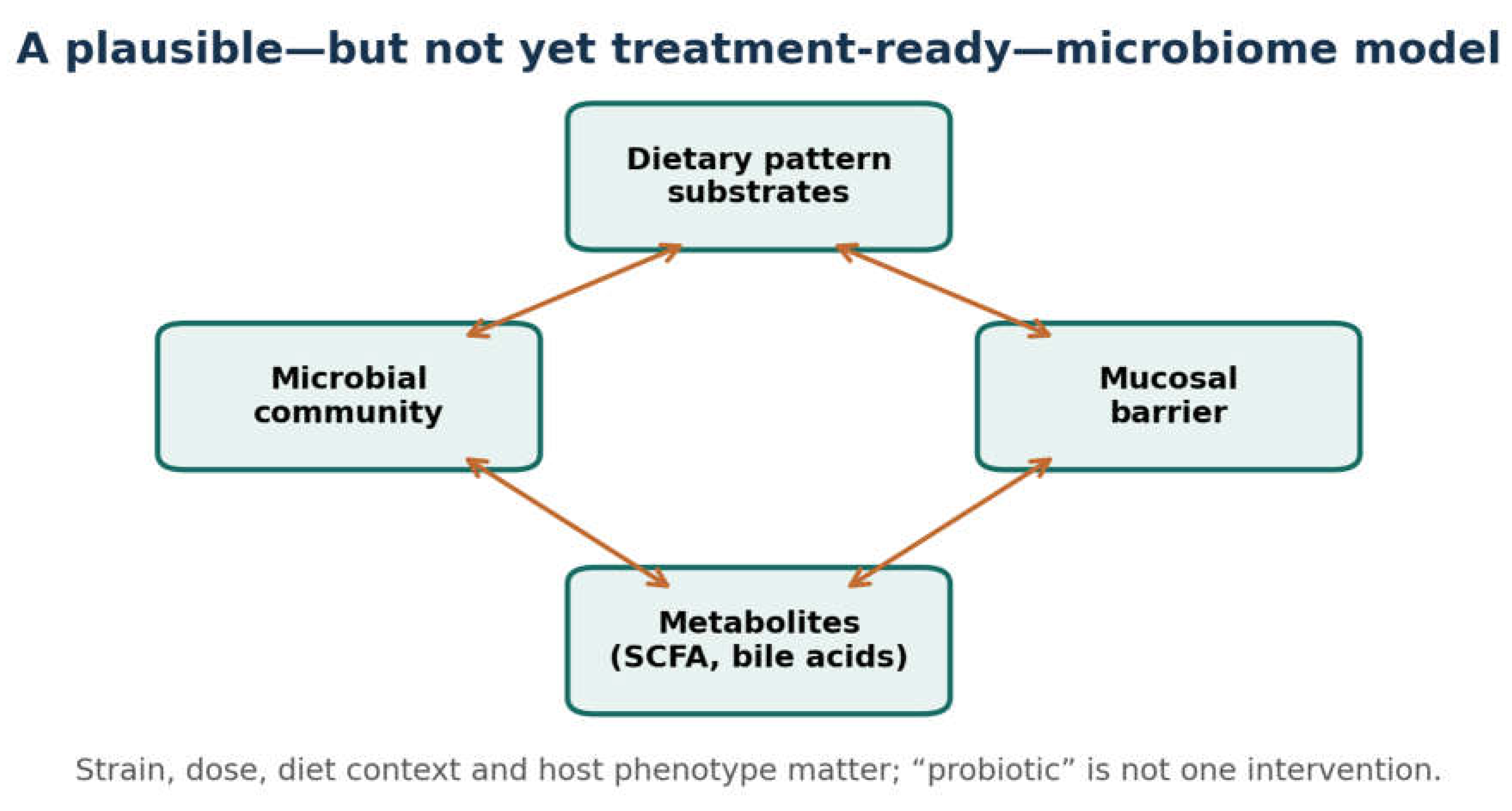
Figure 5.
Conceptual microbiome model. Biological plausibility is not the same as a proven bedside intervention.
Figure 5.
Conceptual microbiome model. Biological plausibility is not the same as a proven bedside intervention.
Gaps and Future Directions
A particularly important unanswered question is whether nutrition modifies the trajectory of ASUC through mechanisms that are independent of weight gain. Future trials should collect stool microbiome and metabolite data, but pair them with clinically meaningful outcomes and transparent diet-adherence measures. Albumin alone is not enough; neither is a short-term fall in CRP. Trials should report how many patients reached at least 60% of estimated energy and protein requirements, how long this took, whether feeding was interrupted for procedures, and whether patients could maintain adequate intake after discharge.
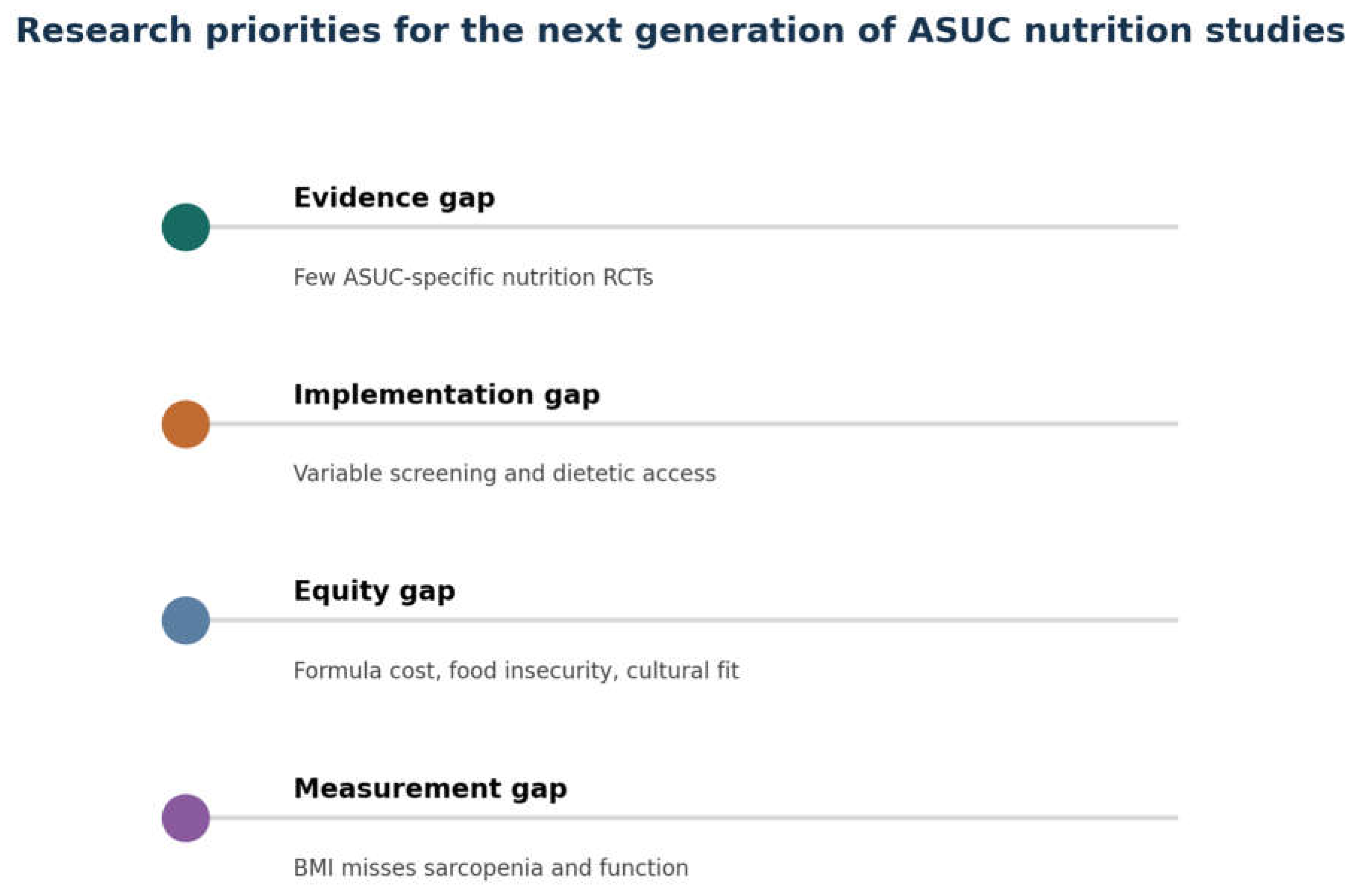
The first gap is evidence specificity. ASUC is often folded into broader IBD cohorts, even though patients in hospital have different risks, goals, and competing treatments. Trials should stratify by disease severity, steroid response, baseline malnutrition, and surgical risk. They should compare pragmatic feeding strategies—usual oral intake, early EN, exclusive EN, supplemental PN, and route-escalation pathways—while measuring colectomy, rescue therapy, infections, length of stay, readmission, functional recovery, patient experience, and cost, not only albumin or CRP.
The second gap is implementation. A guideline can recommend screening, but hospitals still vary in access to dietitians, weekend feeding support, formula availability, and refeeding protocols. Quality-improvement work should test admission bundles, electronic prompts, culturally appropriate menus, standardized electrolyte pathways, and shared decisions about feeding during possible surgery. Research in South Asia and other lower-resource settings should address affordability, locally available foods, safe formula alternatives, and the impact of food insecurity.
The third gap is measurement. BMI is insufficient. Future studies should include muscle mass, handgrip or other function, dietary adequacy, patient-reported fatigue, and recovery after discharge. Microbiome trials need strain-level characterization, metabolomics, antibiotic exposure, diet context, and long-term safety. Finally, patient priorities deserve a central place: many people want clear advice about what to eat, fear that food worsens diarrhea, and may arrive with restrictive diets that are invisible in routine medical histories [1,3].
Figure 6.
Interlocking evidence, implementation, equity, and measurement gaps.
Follow-up should reassess weight trajectory, intake, stool burden, anemia, vitamin D and iron status, steroid exposure, and body function. If a low-FODMAP or other restrictive approach is used for persistent IBS-like symptoms after inflammation is controlled, it should have a defined trial and reintroduction phase. Restriction without a reintroduction plan is not a complete intervention [1,7].
Advice should fit the patient’s household and culture. In Pakistan and other settings where commercial formulas are expensive, an individualized plan using accessible foods—such as eggs, yogurt when tolerated, lentils in a suitable texture, fish, chicken, rice, potatoes, bananas, and fortified products—may be more sustainable than a formula-only prescription. Food safety, lactose tolerance, religious preferences, budget, and the availability of refrigeration all matter. Humanized nutrition care is not simply gentler wording; it is the practical work of making the plan possible.
Multidisciplinary, Perioperative, and Prehabilitation Nutrition
When a patient is listed for surgery, the route should be discussed with the surgeon rather than decided by habit. Oral or EN feeding may remain appropriate until the operation if tolerated. PN may be valuable when enteral intake is not possible or when requirements cannot be met, but central access introduces its own risk. The best perioperative plan is therefore explicit about what is being optimized, how success will be measured, and when the plan will stop.
Prehabilitation is broader than calories. It includes restoring hydration, correcting anemia and electrolytes, protecting muscle through adequate protein and mobilization, reducing unnecessary fasting, and preparing the patient psychologically for a possible stoma or postoperative diet. In elective surgical settings, nutrition support is often provided for at least 7–14 days when severe malnutrition is present; in ASUC, the available window may be much shorter, so the team must balance optimization against the risks of ongoing inflammation and delayed surgery [1,12].
Nutrition decisions in ASUC are rarely made by one person. The gastroenterology team defines disease severity and rescue thresholds; surgeons clarify operative timing; nurses document stool, intake, tolerance, and line safety; pharmacists identify medication–nutrient interactions; and dietitians translate requirements into a feeding plan the patient can actually follow. This is especially important when the patient is malnourished and surgery is possible. A nutrition plan should never be used to postpone emergency colectomy, but it can improve the quality of the interval before a planned operation when the clinical situation allows.
Hospital-to-Home Transition and Patient-Centered Implementation
Discharge is a second nutrition risk point. Appetite may still be poor, bowel frequency may remain high, and patients often leave with a long list of foods they believe they must avoid. Before discharge, the team should confirm that the patient can obtain food or supplements, understands the difference between expected symptoms and warning signs, and knows whom to contact if intake falls. A written plan should state the short-term texture, protein strategy, fluid approach, supplements, and date of laboratory or dietitian follow-up.
Table 4.
Discharge risk and feeding safety checklist.
| Risk signal | What to do before feeding | What to monitor |
| Minimal intake or major weight loss | Give thiamine; check phosphate, K, Mg, glucose; start cautiously | Electrolytes before and after initiation; fluid balance |
| Low phosphate, potassium, or magnesium | Replace according to local protocol; do not rapidly advance calories | Repeat levels and assess weakness, arrhythmia, edema |
| High aspiration or GI intolerance risk | Use supervised oral/continuous EN or PN if contraindicated | Respiratory status, vomiting, abdominal distension, stool output |
| Electrolyte fall after feeding starts | Pause escalation; replace; reassess calorie and fluid prescription | Clinical response and repeat labs until stable |
Table 5.
Discharge planning checklist.
| Discharge element | Minimum content | Review trigger |
| Food and texture plan | Foods likely to be tolerated; gradual texture liberalization; protein at each meal | Intake below target, worsening bleeding, vomiting, obstruction symptoms |
| Supplement plan | Name, dose, duration, and what to do if not tolerated | Diarrhea, cost barrier, or no improvement in intake |
| Laboratory follow-up | CBC/iron, vitamin D, electrolytes and B12 when indicated | Fatigue, paresthesia, cramps, edema, recurrent dehydration |
| Access and equity | Affordable alternatives, culturally familiar foods, contact details | Food insecurity or inability to obtain formula |
| Team follow-up | Dietitian, gastroenterology, and surgical review if relevant | Weight loss, readmission, persistent high stool burden |
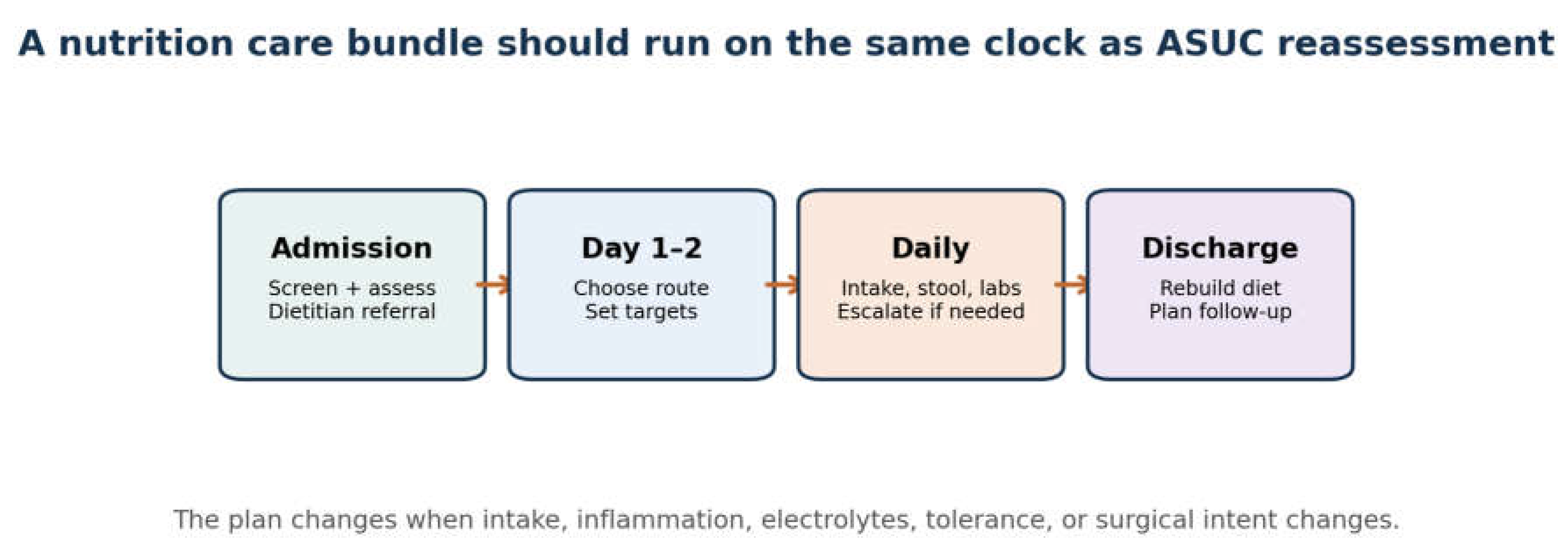
Figure 7.
A nutrition care bundle that aligns admission assessment, daily ASUC review, feeding decisions, and discharge planning.
Figure 7.
A nutrition care bundle that aligns admission assessment, daily ASUC review, feeding decisions, and discharge planning.
Evidence Appraisal and Quantitative Interpretation
Overall certainty is high for the principle that severe malnutrition and micronutrient depletion require assessment and treatment, moderate for choosing EN over PN when the gut is functional, low for EEN as a disease-modifying intervention in adult ASUC, and very low for probiotic, prebiotic, synbiotic, or microbiome products as acute inpatient therapy. These certainty judgments are clinical translations of consistency, directness, precision, and risk of bias; they are not formal GRADE ratings.
The older González-Huix trial compared total EN with isocaloric, isonitrogenous PN in 42 patients with severe UC after 48 hours of corticosteroid therapy. Remission and colectomy outcomes were similar, while postoperative infections were more frequent with PN. The study supports EN as the safer default when the gut is usable, but its age, small sample, and historical treatment context limit direct translation to contemporary biologic- and JAK-inhibitor-era ASUC care ([5]).
In the 2025 meta-analysis, the pooled discontinuation rate was approximately 3%, supporting feasibility. However, for ASUC, EEN did not significantly change corticosteroid failure or colectomy, and the confidence intervals were compatible with benefit, no important difference, or harm. The most defensible conclusion is therefore “feasible, nutritionally useful in selected patients, disease-modifying effect uncertain.” This wording is more scientifically accurate than either calling EEN ineffective or describing it as a proven steroid-sparing treatment ([10]).
The 2021 Sahu trial randomized 62 hospitalized adults to seven days of semi-elemental EEN plus standard care or standard care alone. Corticosteroid failure was 25% with EEN versus 43% with standard care in the intention-to-treat analysis (P = .051), and 19% versus 43% in the per-protocol analysis (P = .04). Colectomy during the index admission was not significantly different, and the trial was stopped early during the COVID-19 period. These numbers justify further trials and cautious clinical use; they do not justify presenting EEN as established rescue therapy ([11]).
The evidence should be read in layers. The strongest direct nutrition evidence in ASUC comes from a small randomized trial of 62 adults and an older randomized comparison of enteral versus parenteral nutrition. The recent adult EEN meta-analysis broadened the evidence base to 10 studies involving 334 participants, but most studies were small, heterogeneous, and short. The pooled estimates did not demonstrate a statistically significant reduction in remission failure, corticosteroid failure, or colectomy. That result is not evidence of no effect; it is evidence that the present literature is too imprecise to establish a reliable effect.
Table 6.
Direct and near-direct nutrition evidence in adult ASUC.
| Evidence source | Population/intervention | Main quantitative findings | Interpretation |
| González-Huix et al., 1993 | 42 severe UC; total EN vs isocaloric/isoprotein PN after 48 h steroids | Remission and colectomy similar; postoperative infection more frequent with PN | Supports EN as default when gut is usable; historical study |
| Sahu et al., 2021 | 62 adults with ASUC; 7-day semi-elemental EEN + standard care vs standard care | Steroid failure 25% vs 43% ITT (P=.051); 19% vs 43% per protocol (P=.04); colectomy not significantly different | Signal of benefit; small, open label, stopped early |
| Chu et al., 2025 | 10 adult UC studies; 334 participants; EEN vs comparators | Discontinuation about 3%; no significant pooled reduction in remission failure, steroid failure, or colectomy in ASUC | Feasible; efficacy uncertain; heterogeneity limits certainty |
Table 7.
Evidence certainty and bedside translation.
| Clinical question | Best-supported conclusion | Certainty | Bedside translation |
| Should all ASUC patients receive EEN as induction therapy? | No; current adult evidence is insufficient and 2025 ECCO does not recommend EEN/PEN as UC induction therapy | Low | Offer only as selected adjunctive nutrition strategy, never instead of rescue therapy |
| Should oral/EN feeding be preferred to PN when safe? | Yes; EN is associated with fewer line-related and infectious harms and preserves gut use | Moderate | Use oral intake or EN when swallowing and GI function permit |
| Does malnutrition assessment matter? | Yes; undernutrition, sarcopenia, anemia, and deficiencies affect recovery and treatment tolerance | Moderate | Screen early; assess body composition/function; refer to dietetics |
| Do probiotics treat ASUC? | No convincing direct evidence; effects are product- and context-specific | Very low | Do not delay steroids, rescue therapy, or surgery for microbiome products |
| Can low-residue eating be used temporarily? | Yes, for comfort or stool-volume reduction in selected patients, not as long-term therapy | Low | Use the least restrictive texture and liberalize as tolerated |
Most nutrition studies in IBD are not designed around ASUC outcomes. They frequently combine UC and Crohn’s disease, include different severities, use different definitions of remission, and report albumin or weight without reporting colectomy, rescue therapy, infection, functional recovery, or patient experience. Formula composition and feeding duration are also inconsistent. The review therefore avoids converting nutritional improvements into claims of mucosal healing unless a study measured endoscopic or validated inflammatory outcomes.
Limitations of the Evidence Base
Publication bias and selective reporting remain plausible, particularly for small probiotic and dietary studies.
Conclusion
The most credible update is not a new “best diet.” It is a better care process: identify risk early, involve a dietitian, feed the gut when safe, use PN selectively, monitor the metabolic consequences of feeding, and keep the plan aligned with the ASUC clock. The 2025 evidence supports restraint about EEN as a disease-modifying treatment for adult UC, while still supporting its role as a feasible nutritional strategy for carefully selected patients.
Nutrition in ASUC is best treated as active supportive medicine. Screen early, assess beyond BMI, continue oral intake when safe, use EN when the gut works but oral intake is inadequate, and reserve PN for a clear indication. Monitor phosphate, potassium, magnesium, glucose, fluid balance, anemia, vitamin D, zinc, and other deficiencies according to risk. Treat refeeding as a preventable complication. Do not use bowel rest or a fashionable diet as a substitute for timely ASUC therapy. Probiotics, prebiotics, synbiotics, FMT, curcumin, and other microbiome-directed approaches may be scientifically interesting and occasionally useful in carefully selected contexts, but they remain adjuncts. The most important practice improvement is often simple: a nutrition professional involved early, a feeding plan documented clearly, and a daily decision about whether the patient is receiving enough safely.
Tables and Figures: Quick Clinical Summary
The following condensed checklist can be used at the bedside, alongside local ASUC and nutrition-support protocols.
Table 8.
Quick clinical summary checklist.
| First 24 hours | During feeding | Before discharge |
| Screen weight loss, intake, muscle function, refeeding risk, GI safety | Review intake against target; check electrolytes; adjust route | Reassess weight/function; restore dietary variety; document supplements |
| Order CBC, CRP, electrolytes, Mg, phosphate, glucose, iron studies as appropriate | Replace deficiencies; give thiamine when indicated; watch glucose and fluid balance | Give individualized iron/vitamin D/folate/B12/zinc plan as needed |
| Discuss goals and possible surgery with gastroenterology, surgery, nursing, and dietetics | Do not let feeding delay rescue therapy or operation | Provide written, culturally appropriate advice and follow-up |
References
- Svolos, V.; Gordon, H.; Lomer, M. C. E.; Aloi, M.; Bancil, A.; Day, A. S.; ... and; Halmos, E. P. European Crohn’s and Colitis Organisation consensus on dietary management of inflammatory bowel disease. J. Crohn’s Colitis 2025, 19(9), jjaf122. [Google Scholar] [CrossRef]
- Forbes, A.; Escher, J.; Hébuterne, X.; Kłęk, S.; Krznarić, Ž.; Schneider, S.; ... and; Bischoff, S. C. ESPEN guideline: Clinical nutrition in inflammatory bowel disease. Clin. Nutr. 2017, 36(2), 321–347. [Google Scholar] [CrossRef] [PubMed]
- Hill, R. J. Nutritional support and dietary interventions for patients with ulcerative colitis: Current insights. Nutr. Diet. Suppl. 2016, 8, 41–49. [Google Scholar] [CrossRef]
- Gassull, M. A.; Fernández-Bañares, F.; Cabré, E.; Papo, M.; Giaffer, M. H.; Sánchez-Lombraña, J. L.; Richart, C.; Malchow, H.; González-Huix, F.; Esteve, M. Fat composition may be a clue to explain the primary therapeutic effect of enteral nutrition in Crohn’s disease: Results of a double-blind randomized multicentre European trial. Gut 2002, 51(2), 164–168. [Google Scholar] [CrossRef] [PubMed]
- González-Huix, F.; Fernández-Bañares, F.; Esteve-Comas, M.; Abad-Lacruz, A.; Cabré, E.; Acero, D.; ... and; Gassull, M. A. Enteral versus parenteral nutrition as adjunct therapy in acute ulcerative colitis. Am. J. Gastroenterol. 1993, 88(2), 227–232. [Google Scholar] [CrossRef]
- Harbord, M.; Eliakim, R.; Bettenworth, D.; Karmiris, K.; Katsanos, K.; Kopylov, U. European Crohn’s and Colitis Organisation Third European evidence-based consensus on diagnosis and management of ulcerative colitis. J. Crohn’s Colitis 2017, 11(7), 769–784. [Google Scholar] [CrossRef] [PubMed]
- Hashash, J. G.; Elkins, J.; Lewis, J. D.; Binion, D. G. AGA clinical practice update on diet and nutritional therapies in patients with inflammatory bowel disease: Expert review. Gastroenterology 2024, 166(3), 521–532. [Google Scholar] [CrossRef]
- Cederholm, T.; Jensen, G. L.; Correia, M. I. T. D.; Gonzalez, M. C.; Fukushima, R.; Higashiguchi, T.; ... and; Compher, C. GLIM criteria for the diagnosis of malnutrition. Clin. Nutr. 2019, 38(1), 1–9. [Google Scholar] [CrossRef] [PubMed]
- Bischoff, S. C.; Escher, J.; Hébuterne, X.; Kłęk, S.; Krznarić, Ž.; Schneider, S.; ... and; Forbes, A. ESPEN practical guideline: Clinical nutrition in inflammatory bowel disease. Clin. Nutr. 2022, 41(2), 352–379. [Google Scholar] [CrossRef] [PubMed]
- Chu, M. K. W.; Day, A. S.; Broad, L.; Costello, S. P.; Edwards, S.; Bryant, R. V. Meta-analysis: Exclusive enteral nutrition in adults with ulcerative colitis. Aliment. Pharmacol. Ther. 2025, 61(5), 756–775. [Google Scholar] [CrossRef]
- Sahu, P.; Kedia, S.; Vuyyuru, S. K.; Bajaj, A.; Markandey, M.; Singh, N.; ... and; Ahuja, V. Randomised clinical trial: Exclusive enteral nutrition versus standard of care for acute severe ulcerative colitis. Aliment. Pharmacol. Ther. 2021, 53(5), 568–576. [Google Scholar] [CrossRef]
- Weimann, A.; Braga, M.; Carli, F.; Higashiguchi, T.; Hübner, M.; Klek, S.; ... and; Singer, P. ESPEN practical guideline: Clinical nutrition in surgery. Clin. Nutr. 2021, 40(7), 4745–4761. [Google Scholar] [CrossRef] [PubMed]
- Levine, A.; Wine, E.; Assa, A.; Sigall Boneh, R.; Shaulski, K.; Milman, P.; ... and; Turner, D. Crohn’s disease exclusion diet plus partial enteral nutrition induces remission in mild-to-moderate Crohn’s disease. Gastroenterology 2019, 157(2), 440–450. [Google Scholar] [CrossRef] [PubMed]
- Cox, S. R.; Lindsay, J. O.; Fromentin, S.; Stagg, A. J.; McCarthy, N. E.; Galleron, N.; ... and; Whelan, K. Effects of low FODMAP diet on symptoms and fecal microbiome in inflammatory bowel disease. Gastroenterology 2020, 158(1), 176–188. [Google Scholar] [CrossRef] [PubMed]
- Lang, A.; Salamon, N.; Wu, J. C. Y.; Lang, E. V.; Hamilton, M. J.; Korzenik, J. R. Curcumin in combination with mesalamine induces remission in patients with mild-to-moderate ulcerative colitis. Clin. Gastroenterol. Hepatol. 2015, 13(8), 1444–1449. [Google Scholar] [CrossRef] [PubMed]
- Silva, M.; et al. Nutritional management of hospitalized patients with inflammatory bowel disease. Crohn’s Colitis 360 DOI: Not identified in Crossref/PubMed; verify whether a DOI was assigned. 2020, 2(4), otaa059. [Google Scholar]
- National Institute for Health and Care Excellence. Nutrition support for adults: Oral nutrition support, enteral tube feeding and parenteral nutrition (CG32). NICE DOI: Not identified in Crossref/PubMed; verify whether a DOI was assigned. 2006. [Google Scholar]
- Dignass, A. U.; Gasche, C.; Bettenworth, D.; Birgegård, G.; Danese, S.; Gisbert, J. P.; ... and; Stein, J. European consensus on the diagnosis and management of iron deficiency and anaemia in inflammatory bowel diseases. J. Crohn’s Colitis 2015, 9(3), 211–222. [Google Scholar] [CrossRef] [PubMed]
- Estevinho, M. M.; et al. Efficacy and safety of probiotics in inflammatory bowel disease: An overview of systematic reviews and updated meta-analysis of randomized controlled trials. United Eur. Gastroenterol. J. 2024, 12, 1–18. [Google Scholar] [CrossRef] [PubMed]
- Ghouri, Y. A.; Richards, D. M.; Rahimi, E. F.; Krill, J. T.; Jelinek, K. A.; DuPont, A. W. Systematic review of randomized controlled trials of probiotics, prebiotics, and synbiotics in inflammatory bowel disease. Clin. Exp. Gastroenterol. 2014, 7, 473–487. [Google Scholar] [CrossRef] [PubMed]
- Derwa, Y.; Gracie, D. J.; Hamlin, P. J.; Ford, A. C. Systematic review with meta-analysis: The efficacy of probiotics in inflammatory bowel disease. Aliment. Pharmacol. Ther. 2017, 46(4), 389–400. [Google Scholar] [CrossRef] [PubMed]
- Paramsothy, S.; Kamm, M. A.; Kaakoush, N. O.; Walsh, A. J.; van den Bogaerde, J.; Samuel, D.; ... and; Borody, T. J. Multidonor intensive faecal microbiota transplantation for active ulcerative colitis. Lancet 2017, 389(10075), 1218–1228. [Google Scholar] [CrossRef] [PubMed]
- Costello, S. P.; Hughes, P. A.; Waters, O.; Bryant, R. V.; Kamm, M. A.; Andrews, J. M.; ... and; Bampton, P. A. Effect of fecal microbiota transplantation on 8-week remission in patients with ulcerative colitis. JAMA 2019, 321(2), 156–164. [Google Scholar] [CrossRef] [PubMed]
- Adamina, M.; Bonovas, S.; Raine, T.; Spinelli, A.; Warusavitarne, J.; Burisch, J.; ... and; European Crohn’s and Colitis Organisation. ECCO guidelines on therapeutics in ulcerative colitis: Surgical treatment. J. Crohn’s Colitis DOI: Not identified in Crossref/PubMed; verify whether a DOI was assigned. 2022, 16(2), 179–189. [Google Scholar] [CrossRef] [PubMed]
- Bergqvist, D.; Dahlgren, S.; Järnerot, G. Thromboembolic complications in inflammatory bowel disease. Am. J. Gastroenterol. DOI: Not identified in Crossref/PubMed; verify whether a DOI was assigned. 1987, 82(4), 338–340. [Google Scholar]
- da Silva, J. S. V.; Seres, D. S.; Sabino, K.; Adams, S. C.; Berdahl, G. J.; Citty, S. W.; ... and; Walker, R. N. ASPEN consensus recommendations for refeeding syndrome. Nutr. Clin. Pract. 2020, 35(2), 178–195. [Google Scholar] [CrossRef] [PubMed]
- TrueLove, S. C.; Witts, L. J. Cortisone in ulcerative colitis: Final report on a therapeutic trial. Br. Med. J. DOI: Not identified in Crossref/PubMed; verify whether a DOI was assigned. 1955, 2(4947), 1041–1048. [Google Scholar] [PubMed]
- Miele, E.; Pascarella, F.; Giannetti, E.; Quaglietta, L.; Baldassano, R. N.; Staiano, A. Effect of a multispecies probiotic preparation (VSL#3) on remission rate and fecal microbiota in children with active ulcerative colitis. Am. J. Gastroenterol. 2009, 104(2), 437–443. [Google Scholar] [CrossRef]
Figure 1.
PRISMA 2020-style transparency framework for the structured evidence map. Exact record counts are intentionally not asserted because the search was not prospectively registered and a complete screening log was not archived. Before formal journal submission, the author should replace the qualitative boxes with verified counts from database exports and a reproducible screening log.
Disclaimer/Publisher’s Note: The statements, opinions and data contained in all publications are solely those of the individual author(s) and contributor(s) and not of MDPI and/or the editor(s). MDPI and/or the editor(s) disclaim responsibility for any injury to people or property resulting from any ideas, methods, instructions or products referred to in the content. |
© 2026 by the authors. Licensee MDPI, Basel, Switzerland. This article is an open access article distributed under the terms and conditions of the Creative Commons Attribution (CC BY) license (http://creativecommons.org/licenses/by/4.0/).
Copyright: This open access article is published under a Creative Commons CC BY 4.0 license, which permit the free download, distribution, and reuse, provided that the author and preprint are cited in any reuse.