

Submitted:
10 August 2026
Posted:
12 August 2026
You are already at the latest version
Preprints on COVID-19 and SARS-CoV-2
Abstract
Diabetes mellitus is highly prevalent in the United States and increases the risk of severe illness in patients with COVID-19. We compared outcomes in hospitalized COVID-19 patients with and without diabetes using the National Inpatient Sample (2020-2022), adjusting for confounders via multivariable logistic regression. Among 5,934,565 hospitalizations for COVID-19, 2,155,978 (36.3%) had concomitant diabetes. The diabetes group had higher unadjusted in-hospital mortality (13.5% vs. 10.1%), but was not independently associated with mortality after adjustment (aOR 0.98; 95% CI 0.97-1.00). However, diabetes was independently associated with higher incidence of acute respiratory failure (46.1% vs 42.3%, aOR 1.29; 95% CI: 1.27-1.30), greater need for invasive mechanical ventilation (aOR 1.22; 95% CI 1.20-1.24) and non-invasive ventilation (aOR 1.27; 95% CI 1.25-1.29). These patients also had higher rates of ARDS, acute kidney injury, renal replacement therapy, sepsis, septic shock, and vasopressor use, along with longer length of hospital stay and higher total charges of hospitalization. Mortality among COVID-19 patients with diabetes declined through 2020-2022 (15.8% to 8.4%). Diabetes was not independently associated with in-hospital mortality but was associated with greater respiratory, renal, hemodynamic complications and hospital resource utilization. Early recognition and management of diabetes is warranted in patients with COVID-19.
Keywords:
COVID-19
; diabetes mellitus
; hospital resource utilization in COVID-19
; outcomes of diabetes mellitus and COVID-19 infection
; hemodynamic complications in COVID-19
; population level analysis
1. Introduction
COVID-19, caused by SARS-CoV-2, was declared a pandemic by the World Health Organization in March 2020 [1]. Over the subsequent three years, the United States experienced multiple waves of infection, resulting in millions of hospitalizations and substantial mortality [2]. Although treatments such as dexamethasone and evolving inpatient management strategies reduced the severity of acute illness, hospitalized patients continued to experience considerable morbidity and required resource-intensive care through 2022 [3].
Diabetes is highly prevalent in the United States, affecting a substantial proportion of adults and increasing the risk for both cardiovascular and kidney disease [4]. According to the Centers for Disease Control and Prevention (CDC), approximately 40.1 million Americans, or 12% of the population, have diabetes, including 29.1 million with diagnosed diabetes [4]. During the early stages of the pandemic, diabetes was a frequent comorbidity among hospitalized COVID-19 patients and was associated with adverse outcomes [5,6,7]. Chronic hyperglycemia impairs immune function and promotes inflammation, potentially exacerbating the severity of COVID-19 [7,8]. Furthermore, diabetes frequently coexists with obesity, hypertension, chronic kidney disease, and cardiovascular disease; conditions independently linked to adverse COVID-19 outcomes, making it challenging to isolate the specific contribution of diabetes from the broader cardiometabolic risk profile [5,6,9].
Early studies identified diabetes as an independent predictor of severe COVID-19 outcomes; however, these findings were largely based on limited data collected while hospital protocols were rapidly evolving [5,6,7]. The widespread adoption of new treatments and vaccinations after 2020 substantially altered the clinical landscape [3,10]. Consequently, it remains uncertain whether diabetes continued to independently influence in-hospital mortality as the pandemic progressed.
The National Inpatient Sample (NIS), maintained by the Agency for Healthcare Research and Quality, is the largest publicly available all-payer inpatient database in the United States and enables large-scale analysis across multiple years of the pandemic [11]. In this study, using the 2020–2022 NIS, our primary aims were to: (1) characterize the demographic, socioeconomic, and clinical features of adults hospitalized with COVID-19, comparing those with and without diabetes; (2) assess and compare in-hospital outcomes, including mortality, respiratory failure, acute respiratory distress syndrome, vasopressor use, septic shock, acute kidney injury, renal replacement therapy, and length of stay, for COVID-19 patients with and without diabetes, both before and after multivariable adjustment; and (3) examine annual trends from 2020 to 2022 in mortality rates and hospitalization volumes among adults with COVID-19 and diabetes.
2. Methods
2.1. Study Design and Data Source:
A retrospective cohort study was conducted using the National Inpatient Sample (NIS) database that covered the study period from January 1, 2020, to December 31, 2022. The NIS database is derived from billing data submitted by hospitals to statewide data organizations across the USA, covering more than 97% of the US population. The NIS is the largest all-payer dataset among publicly available inpatient databases in the United States.
2.2. Study Population:
International Classification of Diseases, 10th revision (ICD-10) codes were used to identify the patients admitted between January 2020 and December 2022 with the diagnosis of diabetes mellitus and COVID-19 infection. The patients of diabetes mellitus were identified by ICD-10 codes E10, E11, E13, while those with COVID-19 infection were identified using code U07.1. Two cohort groups in our study included: patients of COVID-19 infection with diabetes mellitus and patients of COVID-19 infection without diabetes mellitus.
2.3. Outcomes and Variables:
The main aim of this study was to investigate the association of diabetes mellitus with outcomes among COVID-19 hospitalizations, which appears understudied in the literature. The primary outcome studied included in-hospital mortality among hospitalized patients. We also extensively studied secondary outcomes such as need for Invasive Mechanical Ventilation, and Non-Invasive Ventilation (NIV), vasopressor use, acute respiratory failure, acute kidney injury (AKI), sepsis, septic shock, acute respiratory distress syndrome (ARDS), as well as needs for renal replacement therapy (RRT), vasopressor, and extracorporeal membrane oxygenation (ECMO), and Length of hospital stay (LOS) in days and total charges in United States Dollars (USD). We also assessed annual trends in hospitalization volume and in-hospital mortality from 2020 through 2022. Patient-level variables included baseline demographic characteristics such as age, sex, race, median household income, and primary insurance payer. The comorbidity burden was assessed using the Charlson Comorbidity Index, which categorizes patients by the number (categorized as 0, 1, 2, >=3) and severity of their conditions. Hospital-level characteristics included geographic region, hospital location/teaching status, and hospital bed size.
2.4. Statistical Analysis
All data analyses were conducted using Stata/BE version 17.0 (StataCorp LLC, College Station, TX, USA). The NIS database is built on a complex design that incorporates stratification, clustering, and weighting of patient- and hospital-level data; this structure was maintained throughout our analysis to ensure the estimates generated were nationally representative. To compare groups, we used survey-weighted linear regression alongside adjusted Wald tests, while categorical/dichotomous variables were reported as weighted percentages and evaluated using the Rao–Scott corrected chi-square test.
Survey-weighted univariable regression analyses were performed initially to estimate crude associations between concurrent COVID-19 infection and each study outcome. From there, multivariable logistic regression analyses were used to calculate adjusted odds ratios (aOR) for mortality, invasive ventilation, non-invasive ventilation, acute respiratory failure, sepsis, septic shock, AKI, RRT, ECMO, and vasopressor use, while adjusted mean difference (aMD) for length of stay and total charges were examined using multivariable linear regression. Across all multivariate models, we adjusted for age, sex, race, median household income quartile, insurance status, Charlson Comorbidity Index, hospital region, hospital location/teaching status, and hospital bed size. A p-value <0.05 was considered statistically significant.
3. Results
A total of 5,934,565 weighted adult COVID-19 hospitalizations were identified from the 2020–2022 National Inpatient Sample (NIS) database. Patients hospitalized with COVID-19 were categorized according to the presence or absence of diabetes mellitus (DM). Among these, 3,778,587 patients (63.7%) had COVID-19 without DM, whereas 2,155,978 patients (36.3%) had concomitant DM (Figure 1).
Baseline demographic and hospital characteristics are summarized in Table 1. Patients with DM and concomitant COVID-19 were older than those without DM (mean age 66.0 vs 60.8 years, p< 0.001). Sex distribution differed significantly between the cohorts (p < 0.001). Among the non-DM group, females comprised a slight majority (50.9% vs. 49.1%), whereas males were the majority in the DM group (53.7% vs 46.7%). Caucasians constituted the largest racial group in the non-DM group (63.0%), with an equal representation among African American (15.1%) and Hispanic patients (15.1%). Similarly, the DM group predominantly had Caucasians (54.5%). Distribution among African Americans was slightly higher than in Hispanics (19.5% vs 18.1%). The largest proportion of DM group patients belonged to the lowest household income quartile (35.2% vs. 30.5%), and the lowest representation was seen from the highest income quartile (15.1% vs. 19.0%, p<0.001). Medicare was the most common insurance payer in both groups, though it was substantially more common among the DM group (60.9% vs 49.1%, p<0.001). Other insurance types were less represented in the DM group.
Most DM patients had a Charlson Comorbidity Index of ≥3 (54.1% vs. 19.1%), whereas lower comorbidity scores were seen in the non-DM group, including CCI 1 (26.2% vs. 22.7%) and CCI 2 (19.7% vs. 13.6% (p<0.001). Most hospitalizations occurred in the Southern region for both groups (42.5% vs. 41.3%), with the South Atlantic division accounting for the highest regional representation. Most patients were admitted to urban teaching hospitals (70.2% vs. 70.6%, p=0.04) and to large hospitals (45.6% vs. 45.4%, p=0.01), indicating a concentration of critical care resources and referral patterns.
3.1. Clinical Outcomes and Resource Utilization
Compared with patients with COVID-19 infection without DM, those with concomitant DM had significantly poorer clinical outcomes across most measured parameters (p<0.001, Figure 2, Figure 3 and Figure 4). On multivariate analysis and after adjusting for potential confounding variables, DM was identified as an independent risk factor for severe clinical complications and critical care interventions in COVID-19 (Figure 5).
This was significantly notable in the development of Acute Kidney Injury (AKI), affecting 36.5% of the DM group compared to 23.0% of the non-DM group (aOR 1.14; 95% CI:1.13-1.15). The requirement for Renal Replacement Therapy (RRT) was also significantly higher in patients with DM (7.7% vs 2.8%, aOR 1.35; 95% CI: 1.31-1.38). Patients with COVID-19 and DM had a higher incidence of acute respiratory failure (46.1% vs 42.3%, aOR 1.29; 95% CI: 1.27-1.30). This was reflected in a higher requirement of both Non-Invasive Ventilation (NIV) (8.5% vs 5.7%, aOR 1.27; 95% CI: 1.25-1.29) and Invasive Ventilation (12.7% vs 9.2%, aOR 1.22; 95% CI:1.20-1.24) in patients with COVID-19 and DM. This aligns with an increased rate of Acute Respiratory Distress Syndrome (ARDS) within the DM group (6.8% vs 5.1%, aOR 1.40; 95% CI: 1.37-1.43). ARDS demonstrated the strongest positive association with a 40% higher adjusted odds in the DM group. Sepsis (17.6% vs 14.8% aOR 1.08; 95% CI:1.07-1.10) was higher in patients in the COVID-19 and DM group. Septic shock (7.8% vs 5.6% aOR 1.04; 95% CI:1.02-1.06) was also higher in patients in the COVID-19 and DM group. Similarly, vasopressor use was higher in the DM group (3.0% vs 2.2%, aOR 1.04; 95% CI:1.01-1.07). ECMO utilization remained low across both groups and was not significantly associated with diabetes after adjustment (0.1% for DM vs 0.2% for non-DM aOR 0.94, 95% CI:0.82-1.07).
All-cause mortality was significantly higher in the DM group 13.5% vs 10.1% in the non-DM group. However, no statistically significant independent association was observed between DM and overall inpatient mortality (aOR 0.98 95% CI:0.97-1.00 p=0.15). The length of hospital stay was slightly longer for patients with diabetes (8.9 days vs 7.7 days; aMD 0.13; 95% CI: 0.08-0.19 days). The total charges were significantly higher for patients with diabetes ($109,064 vs $90,384; aMD 3287; 95% CI: 2168-4406).
3.2. Temporal Trends in Patients with COVID-19 and DM
Temporal analysis from 2020 to 2022 demonstrated a decline in in-hospital mortality among patients with COVID-19 and DM. Mortality remained relatively stable between 2020 and 2021 (15.8% vs. 15.7%) but declined substantially in 2022 to 8.4% (Figure 6).
Hospitalization trends showed similar patterns in both cohorts. Among patients without DM, hospitalizations increased from 26.4% in 2020 to 40.9% in 2021, followed by a decline to 32.7% in 2022. Similarly, hospitalizations among patients with COVID-19 and DM increased from 30.7% in 2020 to 39.0% in 2021, before decreasing to 30.3% in 2022 (Figure 7).
4. Discussion
In this national study of adult patients hospitalized with COVID-19 infection in the United States between 2020 and 2022, diabetes mellitus was common and was associated with a more complicated hospital course. Of 5,934,565 adult COVID-19 hospitalizations, 2,155,978 patients had diabetes mellitus, accounting for more than one-third of the study population. Patients with diabetes were older, more often male, and had a greater burden of comorbid illness. They were also more frequently represented among racial and socioeconomic groups that were heavily affected during the pandemic. These differences are important, as they show that the relationship between diabetes and COVID-19 outcomes is not explained solely by diabetes, but also by age, chronic illness, access to care and social determinants of health.
On unadjusted analysis, patients with COVID-19 and diabetes had worse outcomes than those without diabetes. Mortality was higher in the diabetes group, at 13.5% compared with 10.1% in patients without diabetes. They also had higher rates of non-invasive ventilation, invasive mechanical ventilation, vasopressor use, septic shock, acute respiratory distress syndrome, acute kidney injury, renal replacement therapy, and longer length of stay. However, after adjusting for demographic characteristics, income, insurance status, hospital factors and comorbidities, diabetes was not independently associated with higher in-hospital mortality. The adjusted odds ratio for mortality was 0.98, with a 95% confidence interval of 0.97–1.00. This suggests that the higher crude mortality observed in patients with diabetes may be driven largely by older age, greater comorbidity burden, socioeconomic disadvantage and other coexisting risk factors rather than by diabetes itself. This finding is worth noting because many earlier studies, especially those published during the first year of the pandemic, reported diabetes as an independent predictor of death in patients with COVID-19 [7,12,13,14,15,16,17,18]. There are a few possible reasons why our results differ from some of those earlier reports. First, many early studies were based on the initial pandemic waves, when hospital systems faced substantial strain, clinical protocols were still evolving, treatment options were limited, and mortality was generally higher [19,20,21]. Second, our study includes hospitalizations through 2022, which captures later phases of the pandemic. By that time, clinicians had more experience treating COVID-19 and therapies such as corticosteroids, anticoagulation strategies, antiviral agents and supportive care protocols had become more widely used [3,22,23]. Vaccination, prior infection, and changes in dominant viral variants may also have altered the risk of death among hospitalized patients. Third, diabetes often coexists with other major risk factors like chronic kidney disease, obesity, cardiovascular disease, hypertension and older age. Once these factors are considered in the analysis, the independent effect of diabetes on mortality may become less apparent.
Although diabetes was not independently associated with higher adjusted mortality, it remained strongly associated with several important complications. Patients with diabetes had higher adjusted odds of needing non-invasive ventilation and invasive mechanical ventilation. They also had higher adjusted odds of acute respiratory distress syndrome. This suggests that diabetes may still play an important role in the severity of pulmonary disease among hospitalized patients with COVID-19. Chronic hyperglycemia is known to impair immune function and is associated with endothelial dysfunction, inflammation, and a prothrombotic state [7,12,16]. These abnormalities may worsen the inflammatory lung injury and vascular damage seen in severe COVID-19. In addition, many patients with diabetes have obesity, cardiovascular disease, or reduced physiologic reserve, which may make respiratory decompensation more likely during acute infection [12,17,18].
Kidney-related complications were also more frequent among patients with diabetes. Diabetes was associated with higher adjusted odds of acute kidney injury and renal replacement therapy. This finding is clinically expected, as diabetes is one of the leading causes of chronic kidney disease and may leave patients more vulnerable to kidney injury during acute illness. In COVID-19 infection, this risk may be further increased by hypoxemia, systemic inflammation, hemodynamic instability, sepsis, nephrotoxic medications, and critical illness [24,25]. The higher rate of renal replacement therapy in patients with diabetes highlights the need for early kidney function monitoring, careful medication review, avoidance of nephrotoxins when possible and timely nephrology involvement in high-risk patients.
Patients with diabetes also had higher adjusted odds of septic shock and vasopressor use, although the strength of these associations was modest. Even so, the higher odds of vasopressor use, sepsis and septic shock suggest that patients with diabetes may be more likely to experience severe hemodynamic instability during hospitalization.
The year-by-year trend in mortality provides another important finding. Among patients with both COVID-19 and diabetes, mortality was high and nearly unchanged in 2020 and 2021, at 15.8% and 15.7%, respectively. In 2022, mortality decreased substantially to 8.4%. This decline likely reflects several changes that occurred over the course of the pandemic. These include improved inpatient treatment, greater clinician experience, broader use of evidence-based therapies, vaccination, prior infection-related immunity, and the emergence of different SARS-CoV-2 variants [3,22,23,26]. The persistently high mortality in 2020 and 2021 may reflect the severity of disease during the early pandemic and Delta-predominant periods. The decline in 2022 is consistent with broader national trends showing improved outcomes during later phases of the pandemic [23,26]. However, patients with diabetes continued to have high rates of complications and resource use despite this improvement in survival.
This study adds to the current literature in several ways. Many prior studies were limited to single-center cohorts, regional data, or early pandemic time periods [19,20,21]. In contrast, our study used a large national inpatient database and included three years of hospitalizations, allowing us to examine outcomes across different phases of the pandemic [11]. This broader timeframe is important because COVID-19 care changed significantly between 2020 and 2022. Our findings suggest that, in the later pandemic era, diabetes may be better understood as a marker of complicated hospitalization and organ-support needs rather than as an independent driver of in-hospital mortality.
From a clinical standpoint these findings support careful monitoring of hospitalized patients with COVID-19 and diabetes. Even when adjusted mortality is not increased, patients with COVID-19 and DM remain at higher risk for respiratory failure, ARDS,, acute kidney injury, renal replacement therapy, sepsis, septic shock, longer hospital stays and higher total charges of hospitalisation which led to greater hospital resource utilisation. Early recognition of this risk may help guide respiratory monitoring, glycemic management, renal-protective strategies and overall inpatient care. The findings also reinforce the importance of prevention in patients with diabetes, including vaccination, early outpatient treatment when appropriate, optimization of chronic disease control and timely access to care [9].
5. Limitations
This study has several limitations. First, the National Inpatient Sample is an administrative database and depends on ICD-10-CM diagnosis and procedure codes. Because of this, coding errors, undercoding, or misclassification of COVID-19 infection, diabetes mellitus, comorbidities and clinical outcomes may have occurred [11]. Second, the database does not include laboratory data, imaging findings, oxygen requirements, body mass index, hemoglobin A1c, inpatient glucose levels, diabetes duration, diabetes type or medication use. Therefore, we could not examine whether poor glycemic control, insulin use, diabetic ketoacidosis or specific antidiabetic medications influenced outcomes.
Third, the NIS provides hospitalization-level data rather than patient-level longitudinal data. As a result, repeat admissions by the same patient cannot be identified. The database also does not capture outcomes after discharge like 30-day mortality, readmission, long COVID symptoms, persistent kidney dysfunction or functional recovery [11]. Fourth, important COVID-19-specific variables are not available, including vaccination status, prior infection, SARS-CoV-2 variant type, antiviral use, corticosteroid exposure, monoclonal antibody treatment and timing of therapy. These factors changed substantially from 2020 to 2022 and may have affected outcomes.
Finally, because this was a retrospective observational study, causality cannot be established. The associations seen in this study should be interpreted as relationships between diabetes status and hospital outcomes, not as proof that diabetes directly caused these complications.
6. Conclusions
In this large United States National Inpatient Sample analysis of adult patients hospitalized with COVID-19 infection from 2020 to 2022, diabetes mellitus was associated with greater inpatient morbidity and healthcare resource use. Patients with diabetes had higher adjusted odds of respiratory support, acute respiratory distress syndrome, vasopressor use, sepsis, septic shock, acute kidney injury, renal replacement therapy, and a slightly longer hospital stay and significantly higher total charges. Although crude mortality was higher among patients with diabetes, diabetes was not independently associated with increased in-hospital mortality after adjustment for demographic, socioeconomic, hospital-level and comorbidity factors. Mortality among patients with both COVID-19 and diabetes declined substantially in 2022 compared with 2020 and 2021. This likely reflects changes in pandemic patterns, treatment strategies, vaccination and clinical experience. Overall, these findings suggest that patients with diabetes remain a high-risk inpatient group and may benefit from early monitoring, renal and respiratory risk reduction and continued preventive care during COVID-19 and future respiratory viral outbreaks.
Funding
This research received no external funding.
Institutional Review Board Statement
All data were obtained through a request to the Online Healthcare Cost and Utilization Project (HCUP) Central Distributor, which administers the database (certificate HCUP-28M71GVP5). We followed all AHRQ guidelines (https://hcup-us.ahrq.gov/db/publishing.jsp, accessed on 15 March 2026) and were exempt from IRB review as the National Inpatient Sample is a publicly available, deidentified dataset.
Informed Consent Statement
Patient consent was waived due to the study analyzing secondary data from the NIS database; patients and the public were not involved directly. And all data in the NIS database are de-identified.
Data Availability Statement
The datasets analyzed during the current study are available from the Healthcare Cost and Utilization Project (HCUP) National Inpatient Sample (NIS) database and can be obtained as requested.
Conflicts of Interest
The authors declare no conflicts of interest.
References
- Cucinotta, D.; Vanelli, M. WHO declares COVID-19 a pandemic. Acta Biomed. 2020, 91(1), 157–160. [Google Scholar] [CrossRef]
- Centers for Disease Control and Prevention. COVID Data Tracker: COVID-19 surveillance data [Internet]; US Department of Health and Human Services: Atlanta (GA), 2026; Available online: https://covid.cdc.gov/covid-data-tracker.
- RECOVERY Collaborative Group; Horby, P.; Lim, W.S.; Emberson, J.R.; Mafham, M.; Bell, J.L.; et al. Dexamethasone in hospitalized patients with Covid-19. N Engl. J. Med. 2021, 384(8), 693–704. [Google Scholar] [CrossRef] [PubMed]
- Centers for Disease Control and Prevention. National Diabetes Statistics Report [Internet]. US Department of Health and Human Services: Atlanta (GA), 21 Jan 2026. Available online: https://www.cdc.gov/diabetes/php/data-research/index.html.
- Mantovani, A.; Byrne, C.D.; Zheng, M.H.; Targher, G. Diabetes as a risk factor for greater COVID-19 severity and in-hospital mortality. Nutr. Metab. Cardiovasc Dis. 2020, 30(8), 1236–1248. [Google Scholar] [CrossRef] [PubMed]
- Kompaniyets, L.; Pennington, A.F.; Goodman, A.B.; Rosenblum, H.G.; Belay, B.; Ko, J.Y.; et al. Underlying medical conditions and severe illness among 540,667 adults hospitalized with COVID-19, March 2020-March 2021. Prev. Chronic Dis. 2021, 18, E66. [Google Scholar] [CrossRef] [PubMed]
- Zhu, L.; She, Z.G.; Cheng, X.; Qin, J.J.; Zhang, X.J.; Cai, J.; et al. Association of blood glucose control and outcomes in patients with COVID-19 and pre-existing type 2 diabetes. Cell Metab. 2020, 31(6), 1068–1077.e3. [Google Scholar] [CrossRef] [PubMed]
- Wang, J.; Meng, W. COVID-19 and diabetes: the contributions of hyperglycemia. J. Mol. Cell Biol. 2020, 12(12), 958–962. [Google Scholar] [CrossRef] [PubMed]
- Centers for Disease Control and Prevention. Underlying conditions and the higher risk for severe COVID-19 [Internet]; CDC: Atlanta (GA), 6 Feb 2025; Available online: https://www.cdc.gov/covid/hcp/clinical-care/underlying-conditions.html.
- Baker, T.B.; Bolt, D.M.; Smith, S.S.; Piasecki, T.M.; Conner, K.L.; Bernstein, S.L.; et al. The relationship of COVID-19 vaccination with mortality among hospitalized patients. J. Gen. Intern Med. 2023, 38, 1248–1255. [Google Scholar] [CrossRef] [PubMed]
- Agency for Healthcare Research and Quality. HCUP National Inpatient Sample (NIS) Overview [Internet]. Rockville (MD): Healthcare Cost and Utilization Project (HCUP). 2024. Available online: https://www.hcup-us.ahrq.gov/nisoverview.jsp.
- Apicella, M.; Campopiano, M.C.; Mantuano, M.; Mazoni, L.; Coppelli, A.; Del Prato, S. COVID-19 in people with diabetes: understanding the reasons for worse outcomes. Lancet Diabetes Endocrinol. 2020, 8(9), 782–792. [Google Scholar] [CrossRef] [PubMed]
- Barron, E.; Bakhai, C.; Kar, P.; Weaver, A.; Bradley, D.; Ismail, H.; et al. Associations of type 1 and type 2 diabetes with COVID-19-related mortality in England: a whole-population study. Lancet Diabetes Endocrinol. 2020, 8(10), 813–822. [Google Scholar] [CrossRef] [PubMed]
- Holman, N.; Knighton, P.; Kar, P.; O'Keefe, J.; Curley, M.; Weaver, A.; et al. Risk factors for COVID-19-related mortality in people with type 1 and type 2 diabetes in England: a population-based cohort study. Lancet Diabetes Endocrinol. 2020, 8(10), 823–833. [Google Scholar] [CrossRef] [PubMed]
- Cariou, B.; Hadjadj, S.; Wargny, M.; Pichelin, M.; Al-Salameh, A.; Allix, I.; et al. Phenotypic characteristics and prognosis of inpatients with COVID-19 and diabetes: the CORONADO study. Diabetologia 2020, 63(8), 1500–1515. [Google Scholar] [CrossRef] [PubMed]
- Bode, B.; Garrett, V.; Messler, J.; McFarland, R.; Crowe, J.; Booth, R.; et al. Glycemic characteristics and clinical outcomes of COVID-19 patients hospitalized in the United States. J. Diabetes Sci. Technol. 2020, 14(4), 813–821. [Google Scholar] [CrossRef] [PubMed]
- Kumar, A.; Arora, A.; Sharma, P.; Anikhindi, S.A.; Bansal, N.; Singla, V.; et al. Is diabetes mellitus associated with mortality and severity of COVID-19? A meta-analysis. Diabetes Metab. Syndr. 2020, 14(4), 535–545. [Google Scholar] [CrossRef] [PubMed]
- Gregory, J.M.; Slaughter, J.C.; Duffus, S.H.; Smith, T.J.; LeStourgeon, L.M.; Jaser, S.S.; et al. COVID-19 severity is tripled in the diabetes community: a prospective analysis of the pandemic's impact in type 1 and type 2 diabetes. Diabetes Care 2021, 44(2), 526–532. [Google Scholar] [CrossRef] [PubMed]
- Huang, C.; Wang, Y.; Li, X.; Ren, L.; Zhao, J.; Hu, Y.; et al. Clinical features of patients infected with 2019 novel coronavirus in Wuhan, China. Lancet 2020, 395(10223), 497–506. [Google Scholar] [CrossRef] [PubMed]
- Guan, W.J.; Ni, Z.Y.; Hu, Y.; Liang, W.H.; Ou, C.Q.; He, J.X.; et al. Clinical characteristics of coronavirus disease 2019 in China. N Engl. J. Med. 2020, 382(18), 1708–1720. [Google Scholar] [CrossRef] [PubMed]
- Richardson, S.; Hirsch, J.S.; Narasimhan, M.; Crawford, J.M.; McGinn, T.; Davidson, K.W.; et al. Presenting characteristics, comorbidities, and outcomes among 5700 patients hospitalized with COVID-19 in the New York City area. JAMA 2020, 323(20), 2052–2059. [Google Scholar] [CrossRef] [PubMed]
- WHO Rapid Evidence Appraisal for COVID-19 Therapies Working Group; Sterne, J.A.C.; Murthy, S.; Diaz, J.V.; Slutsky, A.S.; Villar, J.; et al. Association between administration of systemic corticosteroids and mortality among critically ill patients with COVID-19: a meta-analysis. JAMA 2020, 324(13), 1330–1341. [Google Scholar] [CrossRef] [PubMed]
- Adjei, S.; Hong, K.; Molinari, N.A.M.; Bull-Otterson, L.; Ajani, U.A.; Gundlapalli, A.V.; et al. Mortality risk among patients hospitalized primarily for COVID-19 during the Omicron and Delta variant pandemic periods — United States, April 2020-June 2022. MMWR Morb. Mortal. Wkly. Rep. 2022, 71(37), 1182–1189. [Google Scholar] [CrossRef] [PubMed]
- Hirsch, J.S.; Ng, J.H.; Ross, D.W.; Sharma, P.; Shah, H.H.; Barnett, R.L.; et al. Acute kidney injury in patients hospitalized with COVID-19. Kidney Int. 2020, 98(1), 209–218. [Google Scholar] [CrossRef] [PubMed]
- Cheng, Y.; Luo, R.; Wang, K.; Zhang, M.; Wang, Z.; Dong, L.; et al. Kidney disease is associated with in-hospital death of patients with COVID-19. Kidney Int. 2020, 97(5), 829–838. [Google Scholar] [CrossRef] [PubMed]
- Arumairaj, A.; Dhanani, D.; Veluswamy, A.S.; Mariswamy Arun Kumar, A.K.; Moscoso, J.A.P.; Mittal, J.; Prajapati, V.; Korpu, D.; Dhorajiya, P. Trends and outcomes of acute liver failure in patients with COVID-19 infection: Insights from United States National Inpatient Sample analysis 2020-2022. Livers 2026, 6, 70. [Google Scholar] [CrossRef]
Figure 1.
Flowchart of patient distribution in this study.
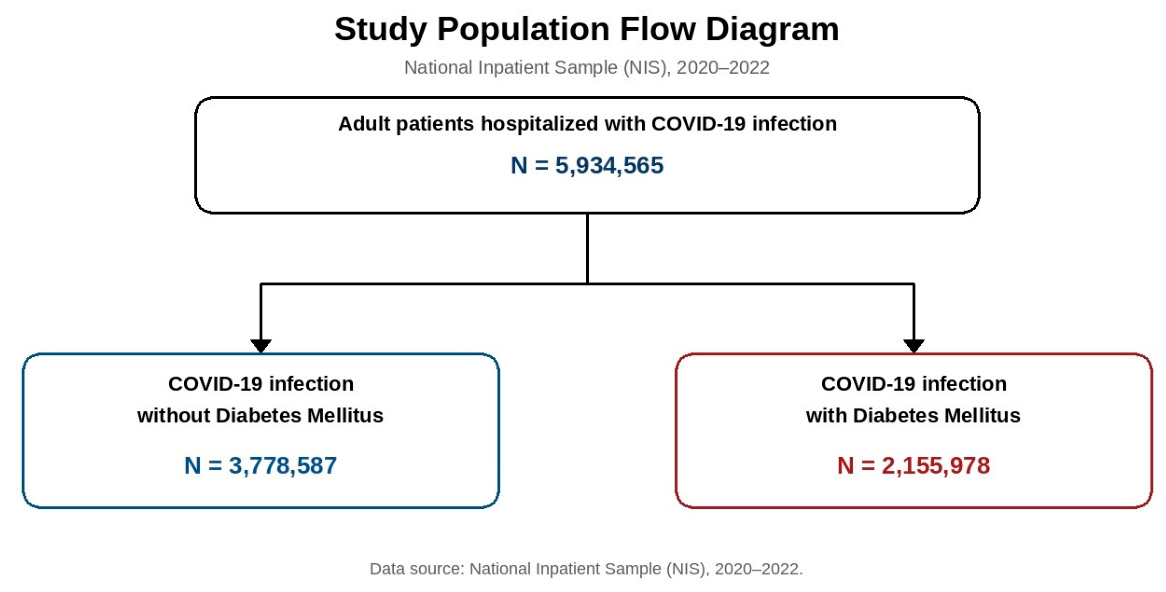
Figure 2.
Clinical outcomes comparing Mortality, Acute respiratory failure, Non-invasive ventilation, Invasive Ventilation, vasopressor usage and sepsis in patients with COVID-19 infection, with and without Diabetes Mellitus.
Figure 2.
Clinical outcomes comparing Mortality, Acute respiratory failure, Non-invasive ventilation, Invasive Ventilation, vasopressor usage and sepsis in patients with COVID-19 infection, with and without Diabetes Mellitus.
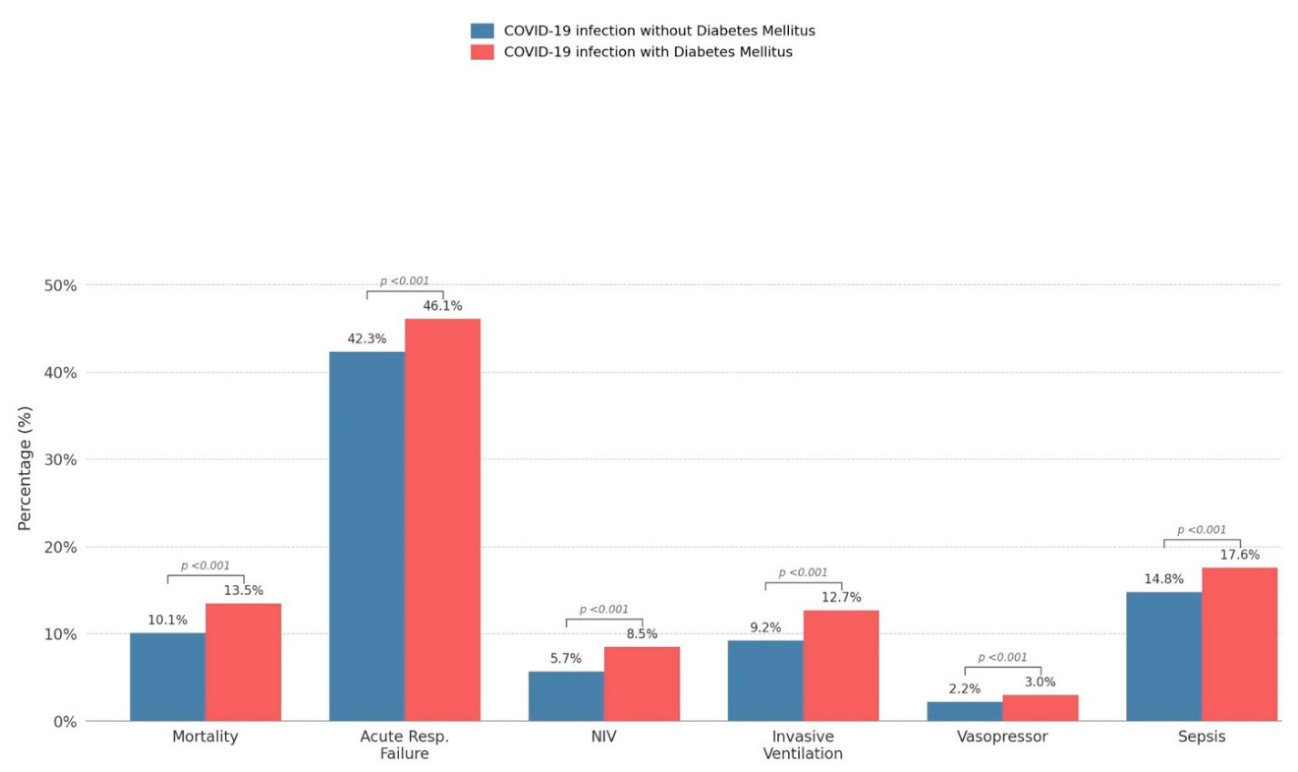
Figure 3.
Clinical outcomes comparing Septic shock, Acute respiratory distress syndrome, Extracorporeal membrane oxygenation, Acute kidney injury and Renal replacement therapy in patients with COVID-19 infection, with and without Diabetes Mellitus.
Figure 3.
Clinical outcomes comparing Septic shock, Acute respiratory distress syndrome, Extracorporeal membrane oxygenation, Acute kidney injury and Renal replacement therapy in patients with COVID-19 infection, with and without Diabetes Mellitus.
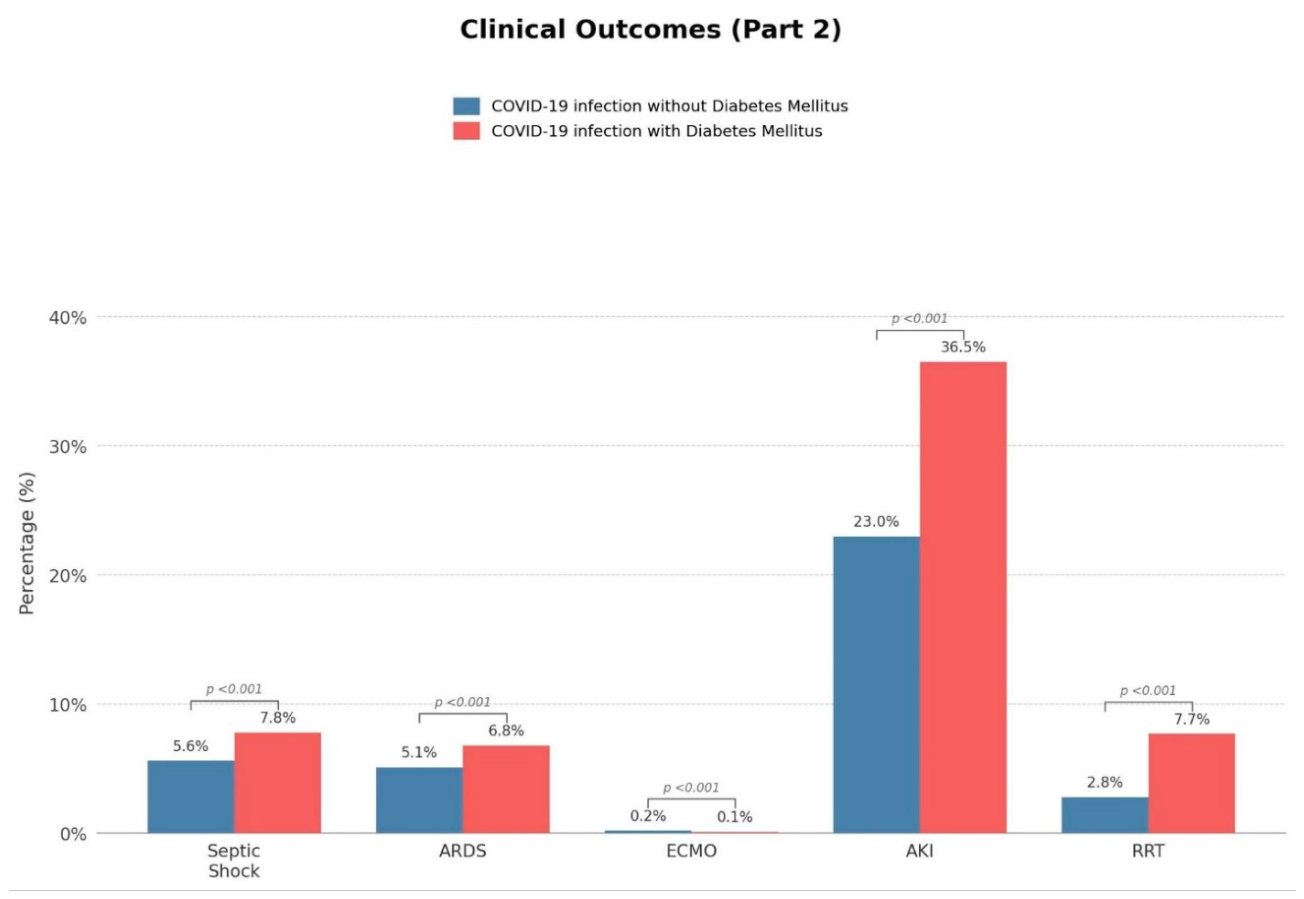
Figure 4.
Length of hospital stay and Total hospital charges for patients hospitalized with COVID-19 infection, without and with Diabetes Mellitus.
Figure 4.
Length of hospital stay and Total hospital charges for patients hospitalized with COVID-19 infection, without and with Diabetes Mellitus.
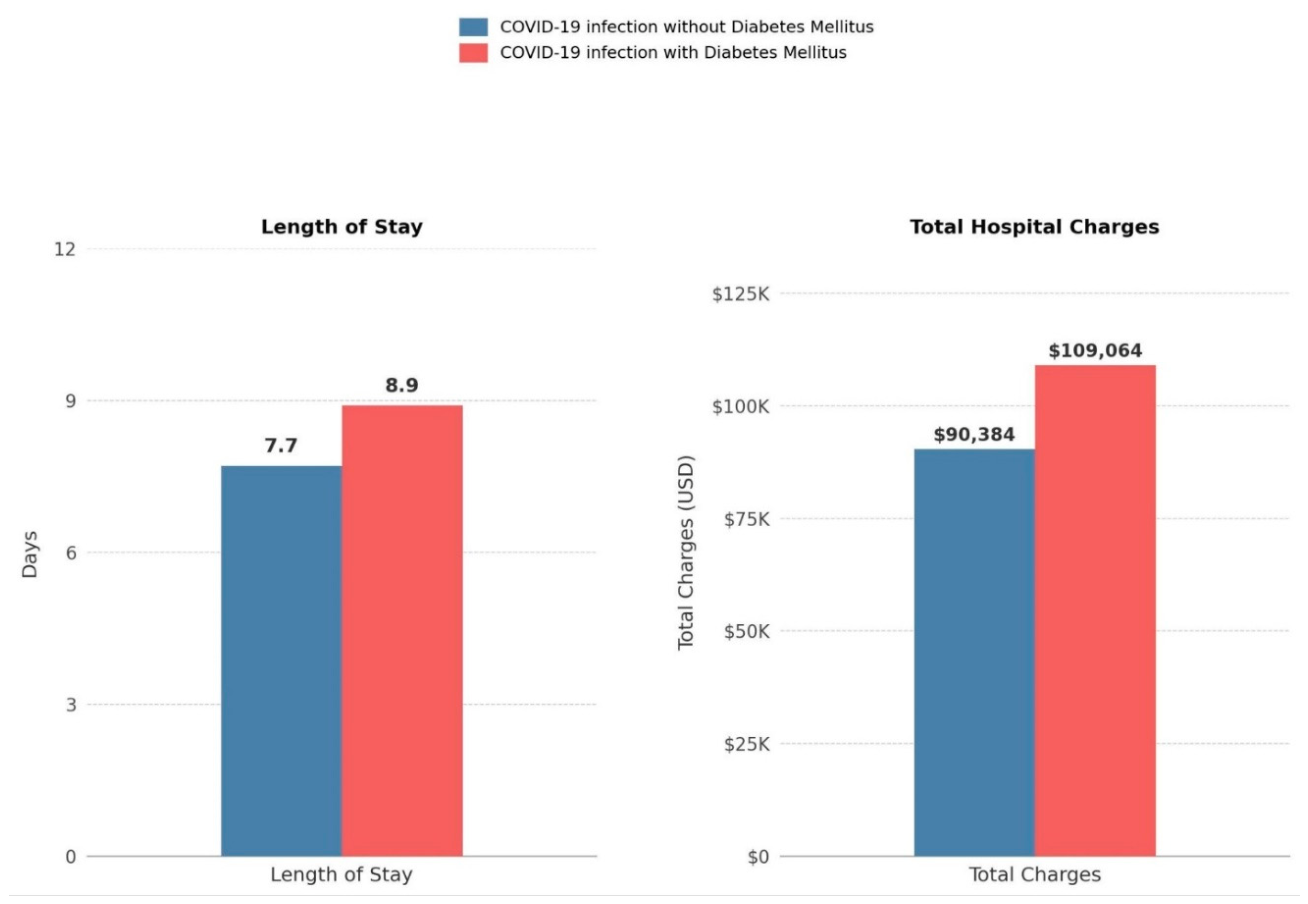
Figure 5.
Forest Plot depicting Adjusted Odds Ratios and Adjusted Mean Differences for patients with COVID-19 infection and Diabetes Mellitus.
Figure 5.
Forest Plot depicting Adjusted Odds Ratios and Adjusted Mean Differences for patients with COVID-19 infection and Diabetes Mellitus.
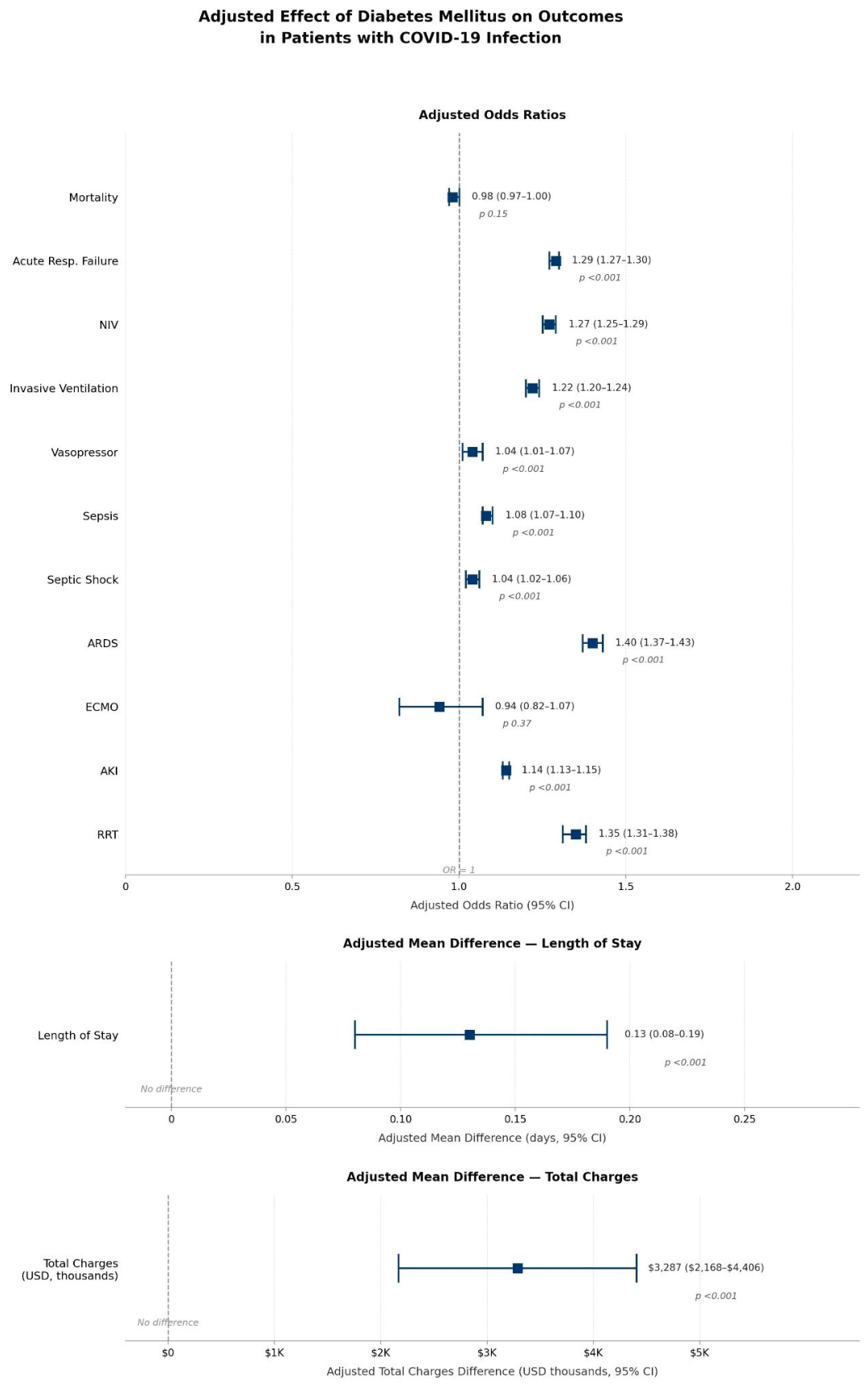
Figure 6.
Mortality trends in patients with Diabetes Mellitus and concomitant COVID-19 from the years 2020-2022.
Figure 6.
Mortality trends in patients with Diabetes Mellitus and concomitant COVID-19 from the years 2020-2022.
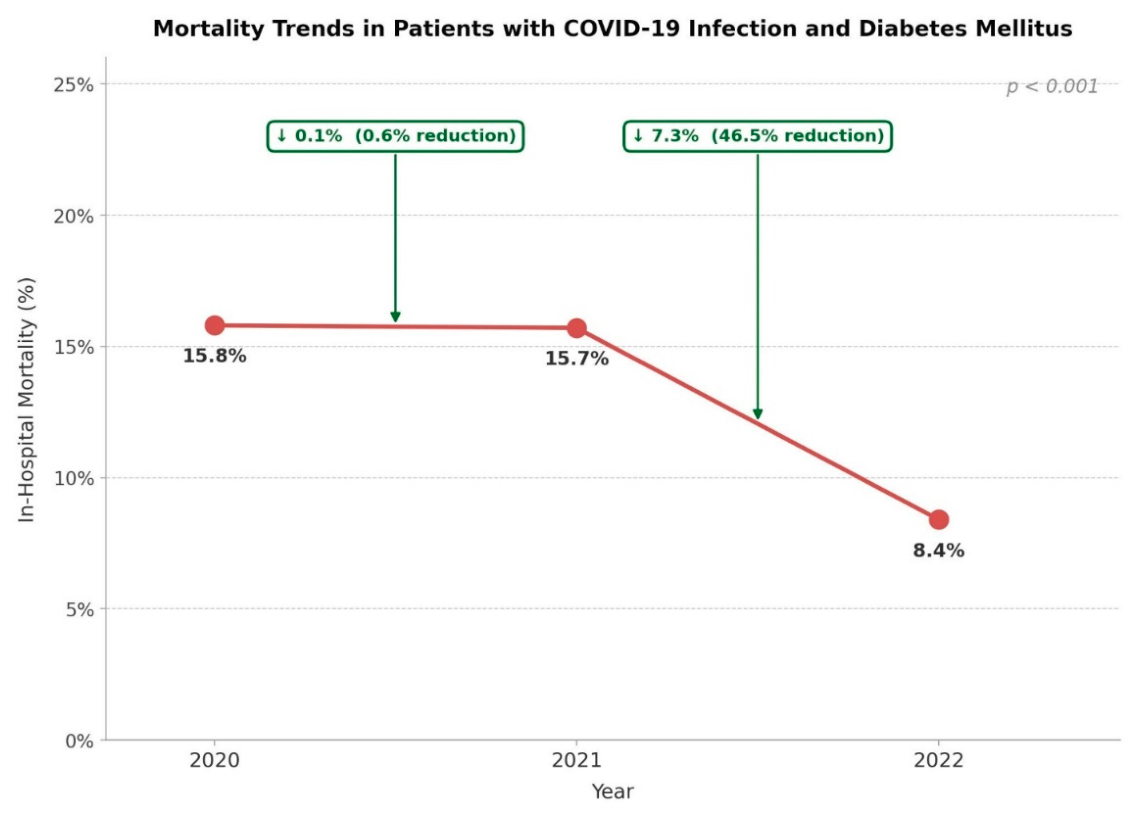
Figure 7.
Distribution of patients with Diabetes Mellitus with concomitant COVID-19 infection from the years 2020-2022.
Figure 7.
Distribution of patients with Diabetes Mellitus with concomitant COVID-19 infection from the years 2020-2022.
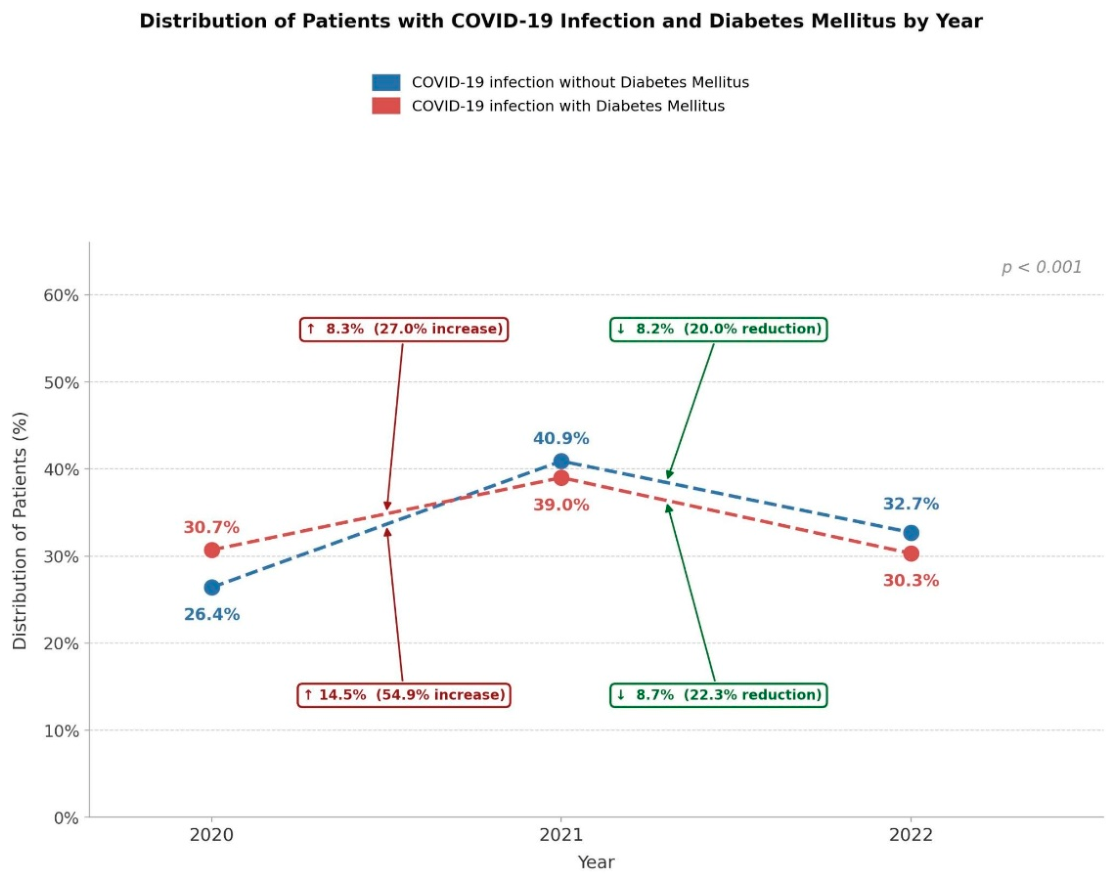

Table 1.
Demographic and Clinical Characteristics of Hospitalized Patients with COVID-19 infection, stratified by Diabetes Mellitus.
Table 1.
Demographic and Clinical Characteristics of Hospitalized Patients with COVID-19 infection, stratified by Diabetes Mellitus.
| Variable | COVID-19 infection without DM (n =3,778,587) |
COVID-19 infection with DM (n =2,155,978) |
P-Value |
| Age, mean (years) | 60.8 | 66.0 | <0.001 |
| Sex | <0.001 | ||
| Male | 49.1% | 53.7% | |
| Female | 50.9% | 46.7% | |
| Race | <0.001 | ||
| Caucasian | 63.0% | 54.5% | |
| African American | 15.1% | 19.5% | |
| Hispanic | 15.1% | 18.1% | |
| Asian/Pacific Islander | 2.6% | 3.4% | |
| Native American | 0.7% | 1.0% | |
| Other | 3.4% | 3.4% | |
| National Income Quartile | <0.001 | ||
| 1–$38,999 | 30.5% | 35.2% | |
| $39,000–$47,999 | 26.6% | 27.3% | |
| $48,000–$62,999 | 23.9% | 22.4% | |
| >$63,000 | 19.0% | 15.1% | |
| Insurance | <0.001 | ||
| Medicare | 49.1% | 60.9% | |
| Medicaid | 17.1% | 13.6% | |
| Private | 29.6% | 22.5% | |
| Uninsured | 4.1% | 3.0% | |
| Charlson Comorbidity Index | <0.001 | ||
| 0 | 44.5% | 0% | |
| 1 | 22.7% | 26.2% | |
| 2 | 13.6% | 19.7% | |
| ≥3 | 19.1% | 54.1% | |
| Hospital Region | <0.001 | ||
| Northeast | 18.5% | 17.1% | |
| Mid-West | 21.2% | 21.1% | |
| South | 41.3% | 42.5% | |
| West | 19.0% | 19.3% | |
| Hospital Location & Teaching Status | 0.043 | ||
| Rural | 10.6% | 10.7% | |
| Urban, Non-Teaching | 18.8% | 19.1% | |
| Urban, Teaching | 70.6% | 70.2% | |
| Hospital Bed Size | 0.01 | ||
| Small | 25.5% | 25.0% | |
| Medium | 29.1% | 29.4% | |
| Large | 45.4% | 45.6% | |
| Hospital Division | <0.001 | ||
| New England | 4.2% | 3.6% | |
| Middle Atlantic | 14.4% | 13.6% | |
| East North Central | 14.8% | 15.3% | |
| West North Central | 6.4% | 5.8% | |
| South Atlantic | 21.9% | 22.0% | |
| East South Central | 6.6% | 6.8% | |
| West South Central | 12.8% | 13.7% | |
| Mountain | 6.9% | 6.2% | |
| Pacific | 12.0% | 13.0% |
NIS = National Inpatient Sample; DM = Diabetes Mellitus; COVID-19 = Coronavirus Disease 2019.
Disclaimer/Publisher’s Note: The statements, opinions and data contained in all publications are solely those of the individual author(s) and contributor(s) and not of MDPI and/or the editor(s). MDPI and/or the editor(s) disclaim responsibility for any injury to people or property resulting from any ideas, methods, instructions or products referred to in the content. |
© 2026 by the authors. Licensee MDPI, Basel, Switzerland. This article is an open access article distributed under the terms and conditions of the Creative Commons Attribution (CC BY) license.
Copyright: This open access article is published under a Creative Commons CC BY 4.0 license, which permit the free download, distribution, and reuse, provided that the author and preprint are cited in any reuse.