

Submitted:
03 August 2026
Posted:
04 August 2026
You are already at the latest version
Abstract
Background: Psychotropic medications are frequently prescribed off-label in individuals with intellectual disability (ID) and other neurodevelopmental disorders to manage challenging behaviors (CBs), often in the absence of a clearly defined psychiatric condition. Although antipsychotics and benzodiazepines may reduce acute behavioral dysregulation, long-term use is associated with significant adverse effects and may contribute to functional suppression rather than adaptive regulation. Increasing attention has therefore been directed toward integrated treatment models combining behavioral interventions with systematic psychopharmacological review and deprescribing strategies. Case presentation: We report the case of a 26-year-old woman with ID, severe CBs, and a history of long-term psychotropic polypharmacy admitted to a high-intensity behavioral residential care setting. At admission, the patient presented with severe aggression, self-injurious behavior, property destruction, mutism, psychomotor slowing, and marked social disengagement while receiving haloperidol, diazepam, and valproate. A multidisciplinary intervention based on Applied Behavior Analysis (ABA) and functional assessment was implemented within a “Tandem Treatment” framework integrating behavioral intervention with gradual psychotropic deprescribing. Behavioral procedures included functional communication training, differential reinforcement, environmental modulation, and structured skill acquisition programs. Over the course of treatment, antipsychotic medication was discontinued and benzodiazepines were progressively reduced without behavioral deterioration or rebound phenomena. Concurrently, severe challenging behaviors showed a marked and sustained reduction, while adaptive functioning, participation in daily activities, sleep regulation, social responsiveness, and quality-of-life indicators improved substantially. Conclusions: This case suggests that, in selected individuals with ID and severe CBs, integrated behavioral treatment may support the safe reduction of psychotropic medications while improving adaptive and clinical outcomes. The findings highlight the importance of function-based behavioral assessment, multidisciplinary coordination, and data-driven psychopharmacological monitoring in the management of complex neurodevelopmental conditions. Further controlled studies are needed to clarify the role of integrated deprescribing models in this population.
Keywords:
intellectual disability
; challenging behavior
; psychotropic deprescribing
; applied behavior analysis
; neurodevelopmental disorders
; antipsychotics
; behavioral intervention
; case report
Background
Neurodevelopmental disorders (NDDs), including autism spectrum disorder (ASD), attention-deficit/hyperactivity disorder (ADHD), and intellectual disability (ID), are characterized by early-onset impairments affecting cognitive, adaptive, behavioral, and social functioning. Although traditionally conceptualized as distinct diagnostic entities, increasing evidence supports the existence of shared neurobiological and developmental mechanisms across NDDs, including abnormalities in synaptic functioning, neural connectivity, and emotional regulation pathways. Individuals with NDDs frequently present with complex clinical profiles and high rates of psychiatric and behavioral comorbidity, often requiring long-term multidisciplinary support.
Among the most clinically burdensome manifestations observed in this population are challenging behaviors (CBs), including aggression, self-injury, property destruction, severe oppositional behaviors, and persistent dysregulation. These behaviors significantly interfere with quality of life, social participation, educational opportunities, and access to community-based services, while also increasing caregiver burden, hospitalization risk, and the likelihood of restrictive interventions [1,2]. Current evidence suggests that CBs occur in approximately 30–50% of individuals with NDDs, with higher prevalence among those with severe ID, limited communicative abilities, and co-occurring psychiatric conditions [3,4,5].
Psychotropic medications are widely prescribed in individuals with NDDs, particularly in the presence of severe CBs. Antipsychotics, benzodiazepines, antidepressants, and mood stabilizers are frequently used to manage aggression, irritability, impulsivity, anxiety, sleep disturbances, and emotional dysregulation, often beyond formally approved indications [6,7]. Recent evidence indicates that a substantial proportion of psychotropic prescriptions in individuals with ID and ASD occur off-label and in the absence of a clearly established psychiatric diagnosis [8,9]. Antipsychotic medications, in particular, are commonly used as behavioral containment strategies rather than as targeted treatments for psychotic or mood disorders [5].
Although psychotropic medications may contribute to short-term behavioral stabilization in acute or high-risk conditions, their long-term use remains controversial. Individuals with NDDs appear to be particularly vulnerable to adverse effects, including sedation, metabolic complications, extrapyramidal symptoms, emotional blunting, and reduced adaptive engagement [10,11]. Furthermore, communication difficulties and cognitive impairments may limit the individual’s ability to report subjective adverse experiences, increasing the risk of diagnostic overshadowing and inappropriate dose escalation. Concerns regarding chronic polypharmacy, reduced quality of life, and limited evidence supporting long-term effectiveness have therefore led to growing interest in psychopharmacological review and deprescribing approaches in this population [12].
Alongside pharmacological management, behavioral interventions based on Applied Behavior Analysis (ABA) are considered among the most effective evidence-based approaches for addressing CBs in individuals with NDDs. Contemporary ABA-based interventions emphasize function-based assessment, environmental modification, functional communication training, differential reinforcement, and the development of adaptive replacement behaviors. Rather than focusing exclusively on symptom suppression, these approaches aim to identify the communicative and regulatory functions underlying CBs and to promote long-term functional autonomy and social participation.
In recent years, increasing attention has been directed toward integrated and multidisciplinary treatment models combining behavioral interventions with systematic psychopharmacological monitoring. Within this framework, psychotropic medication is conceptualized not as an isolated intervention, but as one component of a broader individualized treatment plan guided by continuous behavioral observation and functional assessment. This perspective has contributed to the development of deprescribing-oriented approaches in which gradual medication reduction may become feasible once environmental supports, communication strategies, and adaptive repertoires are sufficiently established to maintain behavioral stability [13].
Available case-based evidence remains limited, but previous reports have suggested that psychotropic reduction in individuals with ID and severe challenging behaviors may be more feasible when embedded within coordinated neurobehavioral or positive behavioral support frameworks [14,15,16,17,18]. Case series and single-case studies have described integrated psychopharmacological and behavioral approaches, withdrawal of long-term antipsychotic treatment, and deprescribing supported by individualized behavioral planning, although detailed longitudinal documentation of medication reduction alongside adaptive skill acquisition remains scarce.
The present case report describes the clinical trajectory of a 26-year-old woman with ID, severe CBs, and long-term psychotropic polypharmacy admitted to a high-intensity behavioral residential care setting. The intervention was consistent with the “Tandem Treatment” framework proposed by Wachtel and Hagopian [14], integrating intensive ABA-based behavioral intervention, multidisciplinary monitoring, and gradual psychotropic deprescribing. The primary aim of this report is to describe the behavioral, functional, and clinical changes observed during the reduction of antipsychotic and benzodiazepine treatment within a structured behavioral framework. In addition to the reduction of severe CBs, particular attention was devoted to adaptive skill acquisition, sleep regulation, social responsiveness, and quality-of-life indicators, with the broader objective of exploring the feasibility and clinical implications of integrated deprescribing approaches in complex neurodevelopmental conditions.
To our knowledge, few published case reports have documented the combined use of intensive behavioral intervention and structured psychotropic deprescribing in adults with ID and severe CBs within residential settings [13]. This case is clinically relevant because it illustrates how a data-driven and function-based multidisciplinary approach may support not only behavioral stabilization, but also the progressive replacement of pharmacological containment with adaptive and communicative competencies. By documenting the temporal relationship between behavioral intervention, medication reduction, and functional outcomes, this report aims to contribute to the emerging discussion on ethical, individualized, and least-restrictive models of care for people with complex NDDs.
Case Presentation
A 26-year-old woman with ID and a long history of severe CBs was admitted to a high-intensity behavioral residential care facility following referral from the local mental health and disability services. Prior to admission, the patient had experienced multiple episodes of behavioral destabilization characterized by physical aggression, self-injurious behavior, property destruction, emotional dysregulation, and severe functional impairment, resulting in substantial limitations in daily living and social participation. The severity and chronicity of the behavioral presentation had progressively compromised both family management and access to community-based support services.
At the time of admission, the patient required continuous supervision due to the frequency and intensity of aggressive outbursts, which included hitting, kicking, biting, and object throwing. Episodes of crying, prolonged fixed gaze, psychomotor slowing, mutism, and marked environmental disengagement were also frequently observed. The overall clinical presentation was characterized by profound behavioral dysregulation associated with severe limitations in communication, adaptive functioning, and emotional self-regulation.
Baseline Psychopharmacological Treatment and Observed Clinical Effects
At admission, the patient was receiving long-term psychotropic polypharmacy consisting of valproate (500 mg twice daily), haloperidol (3.5 mg in the morning and afternoon, and 5 mg in the evening), and diazepam (5 drops in the morning and afternoon, and 10 drops in the evening), with additional as-needed administration of clotiapine and diazepam during behavioral crises. According to caregivers and clinical documentation, pharmacological treatment had progressively increased over time in response to recurrent aggressive episodes and behavioral instability.
Despite this intensive pharmacological regimen, severe CBs remained highly frequent and clinically significant. In addition, the patient presented with marked psychomotor slowing, reduced spontaneous interaction, mutism, marked reduction in facial expressiveness, emotional flattening, rigidity, and limited responsiveness to environmental stimuli. These features raised concerns regarding the possible contribution of chronic psychotropic exposure to behavioral suppression and reduced adaptive engagement. Sleep dysregulation, fluctuating alertness, and daytime sedation were also frequently observed during the initial assessment phase.
Assessment Phase and Functional Analysis
Following admission, an initial observation and assessment phase was implemented to facilitate environmental adaptation, establish therapeutic rapport, and identify the functional characteristics of the patient’s behavior. Daily structured observations were conducted by a multidisciplinary team including psychiatrists, psychologists, behavior analysts, educators, and residential care staff. Behavioral monitoring focused on the frequency, intensity, duration, and antecedent-consequence relationships of CBs using continuous recording procedures and applied behavior analytic functional assessment principles.
The assessment phase suggested that the most severe CBs were predominantly maintained by escape and attention-related functions, although emotional dysregulation and environmental overstimulation also appeared to contribute to behavioral escalation. Functional impairments in communication and adaptive coping strategies were evident, with CBs frequently emerging in situations involving demands, transitions, frustration, or reduced access to preferred stimuli.
Psychopathological screening was conducted using the Systematic Psychopathological Assessment for Persons with Intellectual and Developmental Disabilities – General Screening for Adults (SPAIDD-G) [19,20], which identified clinically significant scores in domains related to impulse-control dysregulation, attention-deficit/hyperactivity symptoms, anxiety, mood instability, and personality-related behavioral dysregulation. Simultaneously, sleep-wake patterns, participation in daily activities, emotional responsivity, and behavioral indicators associated with well-being and distress were systematically monitored throughout the baseline phase.
Intervention and Deprescribing Process
After completion of the baseline assessment, an intensive individualized behavioral intervention program based on ABA principles was progressively implemented within the residential setting. The intervention included functional communication training, differential reinforcement procedures, structured prompting strategies, environmental modulation, de-escalation techniques, and the systematic teaching of adaptive alternative behaviors. Intervention goals focused not only on the reduction of severe CBs, but also on increasing participation in daily activities, emotional regulation, tolerance to requests, and functional autonomy.
The behavioral program was integrated within a multidisciplinary “Tandem Treatment” framework combining continuous behavioral monitoring with gradual psychopharmacological review. Importantly, medication reduction was initiated only after the patient had achieved a relative behavioral stabilization within the structured therapeutic environment. Psychotropic deprescribing was conducted progressively and under close clinical supervision in order to minimize the risk of withdrawal effects or behavioral rebound phenomena. However, during the course of deprescribing, the persistent mood instability and recurrent affective fluctuations observed during the clinical course led to a clinical diagnosis of co-occurring mood disorder. Consequently, considering the complexity of the presentation and the persistence of affective and behavioral symptoms, lamotrigine was initiated as a targeted mood stabilizer and gradually titrated up to 100 mg/day [21,22].
Throughout the intervention, all medication changes and behavioral fluctuations were systematically documented through direct observation, weekly team reviews, and continuous data collection procedures.
Clinical Outcomes
During the intervention period, a progressive and sustained reduction in the frequency and severity of CBs was observed. Severe CBs progressively decreased during the intervention period in parallel with psychotropic reduction (Figure 1). Episodes of physical aggression, self-injurious behavior, and property destruction gradually decreased over time, with no clinically significant rebound effects following antipsychotic discontinuation and benzodiazepine reduction. Behavioral stabilization was accompanied by increased participation in structured activities, improved tolerance to daily demands, and greater environmental engagement.
Concurrently, the patient demonstrated gradual acquisition of adaptive and communicative skills across multiple domains. Progressive acquisition of adaptive targets was observed throughout treatment (Figure 2). Improvements were observed in emotional responsiveness, social interaction, sleep regulation, and compliance with daily routines.
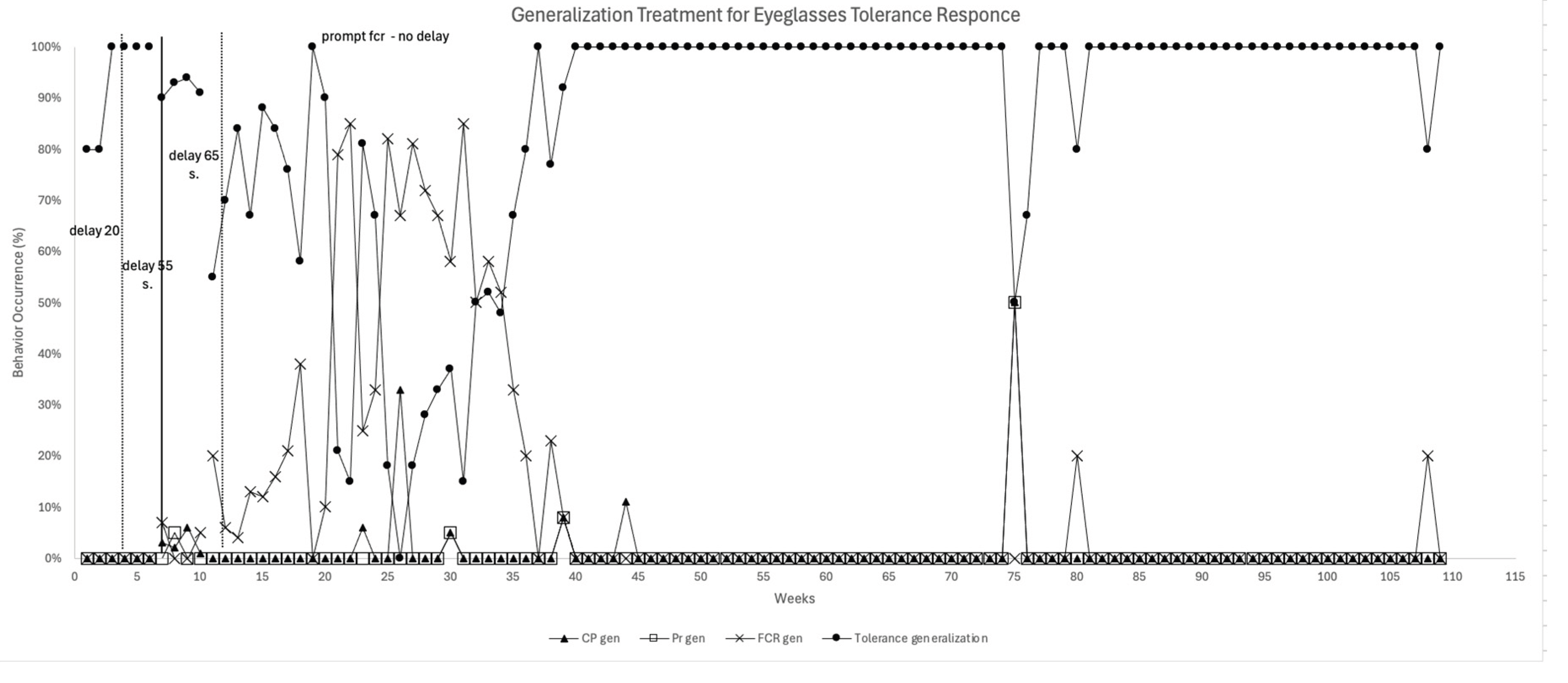
Functional gains were also documented in task participation and tolerance to previously aversive situations through structured generalization procedures. Generalization procedures also resulted in progressive improvement in tolerance to previously aversive stimuli, including eyeglass use (Figure 3). Indicators associated with well-being, including positive affect, spontaneous interaction, and engagement in preferred activities, progressively increased throughout treatment.
The overall clinical trajectory suggested a transition from a predominantly containment-based management model toward a more function-oriented and supportive therapeutic framework centered on adaptive regulation and quality of life. Regular family contact and environmental enrichment interventions were maintained throughout the treatment process and were not associated with behavioral destabilization.
Methods
Setting and Clinical Context
The intervention was conducted within a high-intensity behavioral residential care facility specialized in the treatment of individuals with NDDs and severe CBs. The residential program was based on a multidisciplinary model involving psychiatrists, psychologists, behavior analysts, educators, and direct-care staff working within a coordinated therapeutic framework. The setting provided continuous behavioral monitoring, structured daily routines, individualized educational programming, and intensive environmental support aimed at promoting behavioral stabilization and adaptive functioning.
The patient was admitted following referral from local mental health and disability services due to severe behavioral dysregulation that could no longer be safely managed within previous community and family contexts. Upon admission, the treatment team implemented a comprehensive assessment and intervention plan integrating behavioral, psychiatric, functional, and environmental components. Particular attention was devoted to minimizing restrictive practices and promoting individualized support strategies compatible with the patient’s communication profile, adaptive level, and clinical needs.
Experimental Design
A single-case experimental design with A-B structure and extended longitudinal follow-up was adopted to evaluate the clinical effects of the integrated intervention. Phase A consisted of baseline observation under stable pharmacological treatment conditions, during which behavioral, functional, and clinical data were systematically collected without introducing major modifications to the existing therapeutic regimen. Phase B corresponded to the implementation of the intensive behavioral intervention combined with gradual psychotropic deprescribing within the multidisciplinary treatment framework.
The use of an A-B design was primarily guided by ethical and safety considerations. Given the severity of the patient’s aggressive and self-injurious behaviors prior to admission, the reintroduction of baseline conditions through treatment withdrawal or pharmacological reinstatement was considered clinically inappropriate and potentially harmful for both the patient and care staff. For this reason, reversal procedures typically used in experimental single-case methodologies were not implemented.
Although this design limits definitive causal inference regarding the relative contribution of each intervention component, the systematic temporal association between behavioral intervention, medication reduction, and longitudinal clinical improvement allowed detailed observation of treatment-related changes over time. Continuous behavioral monitoring and repeated multidisciplinary evaluations were used throughout the study period to strengthen the clinical reliability of the observational findings.
Outcome Measures and Data Collection
Behavioral and clinical data were collected continuously throughout both study phases by trained residential staff and members of the multidisciplinary team. The primary outcome measure consisted of the frequency and severity of severe CBs, including physical aggression, self-injurious behavior, and property destruction. Behavioral events were recorded through direct observation procedures integrated into routine clinical monitoring and reviewed on a weekly basis during multidisciplinary supervision meetings.
Secondary outcome measures included participation in daily activities, tolerance to environmental demands, acquisition of adaptive and communicative skills, sleep-wake regulation, and observational indicators associated with emotional well-being and distress. Functional skill acquisition programs were monitored through cumulative learning data and structured generalization procedures. Sleep patterns, social engagement, responsiveness to interaction, and participation in preferred activities were also longitudinally documented throughout treatment.
Psychopathological assessment during the baseline phase included administration of the Systematic Psychopathological Assessment for Persons with Intellectual and Developmental Disabilities – General Screening for Adults (SPAIDD-G) [19,20], which was used to support clinical characterization of psychiatric and behavioral symptoms within the context of ID. Pharmacological modifications, adverse effects, behavioral fluctuations, and crisis episodes were systematically recorded throughout the deprescribing process.
Data Reliability and Ethical Considerations
To enhance observational reliability, behavioral data collection procedures were standardized across staff members through regular team supervision and shared operational definitions of target behaviors. Clinical observations and behavioral recordings were reviewed periodically by the multidisciplinary team, including psychiatrists, psychologists, educators, and behavior analysts, in order to evaluate consistency across observers and monitor the temporal relationship between intervention phases, medication adjustments, and behavioral outcomes. Continuous review of clinical and behavioral data also informed ongoing modifications to the individualized intervention plan.
All interventions described in this report were implemented as part of routine clinical care within the residential treatment program. Clinical decision-making regarding psychopharmacological review and behavioral intervention was guided by the patient’s safety, quality of life, and functional needs. Given the severity of the patient’s previous behavioral presentation, particular attention was devoted to minimizing restrictive practices and ensuring gradual, closely monitored treatment modifications throughout the deprescribing process.
Written informed consent for publication of anonymized clinical information was obtained from the patient's legal representative. The interventions and data collection procedures described in this report were conducted as part of routine clinical care and not as part of a prospective research protocol. According to local institutional requirements, formal ethics committee approval was not required for the publication of a single anonymized case report. All potentially identifiable information has been removed to protect patient confidentiality.
Particular ethical attention was devoted to balancing behavioral safety, clinical stabilization, and the patient’s right to the least restrictive and most functionally supportive form of care. All pharmacological modifications were introduced gradually and only after the implementation of structured environmental and behavioral supports aimed at minimizing distress and reducing the risk of behavioral escalation. The treatment process was continuously reviewed within the multidisciplinary team in order to ensure proportionality of interventions and ongoing evaluation of potential risks and benefits.
Discussion
Main Findings
This case report describes the clinical course of a woman with ID, severe CBs, and long-term psychotropic polypharmacy who underwent an integrated treatment program combining intensive behavioral intervention with gradual psychotropic variation including haloperidol and benzodiazepine deprescription within a residential care setting. Over the course of treatment, a marked and sustained reduction in severe CBs was observed alongside discontinuation of antipsychotic medication and progressive reduction of benzodiazepine use. Importantly, medication reduction was not associated with clinically significant behavioral rebound, acute destabilization, or increased safety concerns.
In parallel with behavioral improvement, the patient demonstrated progressive gains in adaptive functioning, social engagement, participation in daily activities, sleep regulation, and emotional responsiveness. These changes suggest that the intervention may have contributed not only to behavioral stabilization, but also to a broader improvement in functional and quality-of-life outcomes. The longitudinal observation of behavioral and clinical changes within a structured multidisciplinary framework represents one of the most clinically relevant aspects of the present case.
Interpretation of Behavioral Improvement and Role of Behavioral Intervention
The observed clinical improvement appears to support the relevance of function-based behavioral intervention in the management of severe CBs in individuals with NDDs and complex support needs. Functional assessment suggested that many of the patient’s aggressive and dysregulated behaviors were maintained by escape-related and attention-mediated contingencies, compounded by limited communicative repertoires and poor emotional self-regulation. Within this framework, the implementation of functional communication training, environmental structuring, differential reinforcement, and proactive de-escalation strategies may have reduced the need for maladaptive behavioral responses by increasing predictability, communicative efficacy, and adaptive coping opportunities.
Importantly, behavioral improvement was accompanied by increased environmental participation and social responsiveness rather than by further behavioral suppression. This distinction is clinically relevant because reductions in CBs alone do not necessarily correspond to improvements in psychological well-being or adaptive functioning. In the present case, the progressive emergence of spontaneous interaction, activity engagement, and tolerance to daily routines suggests that the intervention may have facilitated a shift from predominantly reactive behavioral management toward more functional and socially mediated forms of regulation.
Deprescribing Implications and Psychopharmacological Considerations
An important aspect of this case concerns the relationship between psychotropic deprescribing and behavioral stabilization. The progressive reduction of antipsychotic and benzodiazepine treatment did not result in worsening behavioral dysregulation, suggesting that at least part of the patient’s clinical presentation may not have been primarily sustained by an underlying psychotic or severe affective disorder requiring long-term high-intensity pharmacological management. Instead, the persistence of CBs despite extensive psychotropic treatment, together with the subsequent improvement observed during behavioral intervention, raises the possibility that chronic pharmacological exposure may have contributed more to behavioral suppression than to functional regulation.
This observation is consistent with findings from a recent systematic review by Adams and colleagues [13] (2023), which reported that psychotropic deprescribing may be feasible in selected individuals with intellectual disabilities, particularly when embedded within interdisciplinary care models and supported by non-pharmacological interventions. The review also highlighted that successful medication reduction is more likely when behavioral and environmental supports remain actively available throughout the deprescribing process [13].
When compared with the limited case-based literature, the present report shares several important features with previous descriptions of integrated pharmacological and behavioral management, but also adds clinically relevant elements. Wachtel and Hagopian [14] described three individuals with ID and severe CBs treated through a coordinated neurobehavioral model combining psychopharmacology and applied behavioral analysis. As in the present case, their work emphasized that severe Cbs should not be interpreted exclusively as psychiatric symptoms requiring pharmacological suppression, but should also be examined in relation to environmental contingencies, communication deficits, and adaptive skill limitations. However, whereas their case series primarily illustrated the value of collaboration between psychiatric and behavioral disciplines, the present case provides a more detailed longitudinal description of psychotropic deprescribing occurring in parallel with intensive ABA-based intervention, direct behavioral monitoring, and progressive acquisition of adaptive and communicative repertoires.
The historical experimental work by Marholin and colleagues [15] also offers an important point of comparison. In their study, the withdrawal of chronic chlorpromazine in institutionalized adults with ID produced heterogeneous outcomes, with some individuals showing the emergence of more adaptive behavior after medication discontinuation. This finding is consistent with the clinical hypothesis raised by the present case, namely that long-term antipsychotic exposure may sometimes contribute to behavioral suppression, reduced environmental engagement, or diminished adaptive responsiveness. Nevertheless, the present report differs from that earlier work because medication reduction was not examined as an isolated pharmacological manipulation, but was embedded within a structured behavioral treatment plan including functional assessment, functional communication training, differential reinforcement, environmental modulation, and generalization procedures.
More recent case-based reports, including the deprescribing of psychotropic medication in a 30-year-old man with ID described by Adams and Sawhney [16], and the case of a youth with ID, autism, CBs, and medication-related obesity described by McLennan [18], further support the clinical relevance of individualized psychotropic review in people with NDD. These cases highlight that deprescribing may be clinically feasible and may reduce medication-related burden, particularly when adverse effects or limited ongoing benefit are suspected. However, they provide less detailed information on the behavioral mechanisms supporting clinical stabilization. In contrast, the present case documents not only medication reduction, but also the behavioral and functional processes that may have made reduction possible, including increased communicative efficacy, tolerance to demands, participation in daily activities, sleep regulation, and social responsiveness.
Descriptions of Positive Behavioural Support (PBS) as an alternative or adjunct to medication, such as those reported by Lee, Rhodes, and Gerrard [17], are also relevant because they emphasize the role of individualized behavioral support, staff training, environmental adaptation, and person-centered planning in reducing reliance on psychotropic medication. The present case is aligned with this PBS-oriented literature in its least-restrictive and function-based rationale, but is more specifically grounded in an intensive ABA framework and provides repeated behavioral outcome data across the deprescribing process. Taken together, these comparisons suggest that successful deprescribing in individuals with ID and severe CBs is unlikely to depend on medication tapering alone. Rather, it appears to require the simultaneous development of alternative regulatory, communicative, and adaptive competencies within a stable multidisciplinary context.
At the same time, caution is warranted in interpreting these findings. The present report does not suggest that psychotropic medications are inherently inappropriate in individuals with ID or severe CBs. Pharmacological treatment may remain essential in the presence of clearly defined psychiatric disorders, acute behavioral crises, severe anxiety, mood instability, epilepsy, or conditions associated with a significant risk of harm. In the present case, clinical observation together with the results of the SPAIDD assessment suggested the presence of a mood disorder characterized by marked affective instability and behavioral dysregulation. For this reason, treatment with lamotrigine was introduced and gradually titrated to 100 mg/day. Following its introduction, a clinically meaningful stabilization of mood fluctuations and behavioral manifestations was observed. Valproate and lamotrigine were maintained throughout the deprescribing process because the combination had been clinically stable and well tolerated. Lamotrigine may have contributed to mood stabilization and affective regulation, whereas valproate provided ongoing antiepileptic and mood-stabilizing coverage. Particular attention was paid to the known pharmacokinetic interaction between the two agents, as valproate inhibits lamotrigine metabolism and may increase the risk of adverse effects, including serious skin reactions. No clinically significant adverse events attributable to this combination were observed during follow-up. Rather, this case highlights the importance of continuous psychopharmacological reassessment within a multidisciplinary framework in which medication decisions are guided by direct behavioral observation, functional analysis, and longitudinal monitoring of both benefits and adverse effects. These findings are in line with previous evidence supporting usefulness of integrated models of care [23].
Quality of Life, Adaptive Functioning, and Ethical Implications
Beyond the reduction of severe CBs, the intervention was associated with clinically meaningful improvements in adaptive functioning and indicators related to quality of life. As psychotropic treatment was progressively simplified, the patient showed increased participation in daily routines, greater emotional responsiveness, improved sleep regulation, and enhanced engagement in social and recreational activities. These changes are particularly relevant in the context of NDDs, where excessive pharmacological sedation may unintentionally reduce opportunities for learning, communication, and environmental interaction [24].
From an ethical perspective, this case also raises broader considerations regarding restrictive treatment practices in individuals with severe ID and limited communicative abilities. In highly complex clinical situations, psychotropic medications may progressively become part of long-term containment strategies despite limited evidence supporting sustained functional benefit [25]. The present case suggests that systematic behavioral assessment and individualized environmental support may help identify situations in which pharmacological burden can be safely reconsidered. Within this perspective, deprescribing is not conceptualized as the simple removal of medication, but rather as part of a broader process aimed at promoting autonomy, participation, and the least restrictive form of care compatible with clinical safety.
Limitations and Future Directions
Several limitations should be considered when interpreting the findings of this report. First, the study describes a single clinical case within a highly specialized residential setting, limiting the generalizability of the observed outcomes to other populations and care environments. Second, the use of an A-B single-case design without reversal or multiple baseline procedures does not allow definitive causal conclusions regarding the relative contribution of behavioral intervention, environmental modification, therapeutic relationship factors, and psychotropic deprescribing to the observed improvements. Ethical and safety considerations prevented the implementation of withdrawal or reversal phases, given the severity of the patient’s previous aggressive and self-injurious behaviors.
Additionally, some outcome measures, particularly those related to emotional well-being and quality-of-life indicators, were based on observational clinical assessment and may therefore be partially influenced by observer interpretation. Nevertheless, the longitudinal consistency of the behavioral data, the temporal association between intervention phases and clinical changes, and the multidisciplinary monitoring process strengthen the clinical relevance of the findings.
Future research should further investigate integrated deprescribing models in individuals with NDDs using more rigorous experimental designs, standardized outcome measures, and larger samples. Particular attention should be devoted to identifying clinical predictors of successful psychotropic reduction, as well as to evaluating long-term outcomes related to adaptive functioning, mental health, caregiver burden, and quality of life.
Conclusions
This case report illustrates the potential clinical value of an integrated multidisciplinary approach combining intensive behavioral intervention with systematic psychopharmacological review in an adult with ID and severe CBs. Within a structured residential setting, the implementation of function-based behavioral strategies was associated with a progressive reduction in severe aggression and dysregulation alongside the gradual discontinuation of antipsychotic medication and reduction of benzodiazepine treatment, without clinically significant rebound phenomena.
The findings support the importance of continuous functional assessment, individualized environmental support, and longitudinal behavioral monitoring in guiding pharmacological decision-making in complex neurodevelopmental conditions. In the present case, the reduction of psychotropic burden occurred in parallel with improvements in adaptive functioning, social participation, emotional responsiveness, and quality-of-life, suggesting that behavioral stabilization may be achievable through interventions aimed at increasing communicative and regulatory competencies rather than relying exclusively on pharmacological containment.
Although conclusions are necessarily limited by the single-case design, this report contributes to the growing discussion regarding the role of deprescribing-oriented models in the management of CBs and ID. Further research using controlled and longitudinal methodologies is needed to better define the clinical conditions under which integrated behavioral and psychopharmacological approaches may safely reduce long-term psychotropic exposure while promoting functional and person-centered outcomes.
Ethics approval and consent to participate
This study was conducted within a Public Health Department as part of a quality improvement, service delivery. According to applicable Italian legislation and national regulations governing quality improvement and service evaluation activities, this project did not require approval from an Ethics Committee or Institutional Review Board (IRB). Participants and/or their caregivers received written information describing the purpose of the study, the procedures involved, the potential benefits and risks, the processing of personal data, confidentiality safeguards, and the right to withdraw at any time without any consequences. Written informed consent for the processing of personal data was obtained from caregivers prior to participation. Where required by applicable legislation or institutional procedures, written informed consent to participate was also obtained. When pre-existing organizational datasets were used, they were processed exclusively within the scope of the original authorizations under which they had been collected and in accordance with applicable legal and institutional requirements. The study was conducted in accordance with the principles of the Declaration of Helsinki where applicable, the European Union General Data Protection Regulation (EU) 2016/679 (GDPR), the Italian Legislative Decree No. 196/2003 as amended by Legislative Decree No. 101/2018, and the provisions of the Italian Data Protection Authority concerning the processing of personal data for scientific research purposes. All data were handled in accordance with the principles of voluntary participation, data minimization, transparency, confidentiality, and privacy protection.
Funding
This research did not receive funding.
Conflicts of Interest
There is no conflict of interest.
References
- Allen, D.G.; Lowe, K.; Moore, K.; Brophy, S. Predictors, costs and characteristics of out of area placement for people with intellectual disability and challenging behaviour. J. Intellect. Disabil. Res. 2007, 51 Pt 6, 409–16. [Google Scholar] [CrossRef]
- Hastings, R.P.; Allen, D.; Baker, P.; Gore, N.J.; Hughes, J.C.; McGill, P.; Noone, S.J.; Toogood, S. A conceptual framework for understanding why challenging behaviours occur in people with developmental disabilities. Int. J. Posit. Behav. Support. 2013, 3(2), 5–13. [Google Scholar]
- McClintock, K.; Hall, S.; Oliver, C. Risk markers associated with challenging behaviours in people with intellectual disabilities: A meta-analytic study. J. Intellect. Disabil. Res. 2003, 47(6), 405–416. [Google Scholar]
- Rojahn, J.; Rowe, E.W.; Sharber, A.C.; Hastings, R.; Matson, J.L.; Didden, R.; Kroes, D.B.; Dumont, E.L. The Behavior Problems Inventory-Short Form for individuals with intellectual disabilities: part I: development and provisional clinical reference data. J. Intellect. Disabil. Res. 2012, 56(5), 527–545. [Google Scholar] [CrossRef] [PubMed]
- Deb, S.; Unwin, G.; Cooper, S.A.; Rojahn, J. Problem Behaviour. In Textbook of Psychiatry for Intellectual Disability and Autism Deb;Ethical Prescribing of Psychotropic Medications for People with Neurodevelopmental Disorders. Adv Neurodev Disord.; Bertelli, M.O., Deb, S., Munir, K., Hassiotis, A., Salvador-Carulla, L., Eds.; 2024; Volume 8, pp. 198–207. [Google Scholar] [CrossRef]
- Sheehan, R.; Hassiotis, A.; Walters, K.; Osborn, D.; Strydom, A.; Horsfall, L. Mental illness, challenging behaviour, and psychotropic drug prescribing in people with intellectual disability: UK population based cohort study. BMJ 2015, 351, h4326. [Google Scholar] [CrossRef] [PubMed]
- Song, M.; Rubin, B.S.; Ha, J.W.; Ware, R.S.; Doan, T.N.; Harley, D. Use of psychotropic medications in adults with intellectual disability: A systematic review and meta-analysis. Aust. N Z. J. Psychiatry 2023, 57(5), 661–674. [Google Scholar] [CrossRef] [PubMed]
- Di Sarro, R.; Varrucciu, N.; Di Santantonio, A.; Natali, F.; Kaleci, S.; Bianco, A.; Cappai, M.; Lucchi, F.; Bertelli, M.O. Appropriateness of psychopharmacological therapies to psychiatric diagnoses in persons with autism spectrum disorder with or without intellectual disabilities: a cross-sectional analytic study. Expert Opin. Drug Saf. 2023, 22(12), 1271–1281. [Google Scholar] [CrossRef] [PubMed]
- Bertelli, M.O. Psychotropic medication for problem behaviours in intellectual disability and autism spectrum disorder: the need for caution. BJPsych Adv. 2023, 29(5), 334–6. [Google Scholar] [CrossRef]
- Scheifes, A.; Walraven, S.; Stolker, J.J.; Nijman, H.L.; Egberts, T.C.; Heerdink, E.R. Adverse events and the relation with quality of life in adults with intellectual disability and challenging behaviour using psychotropic drugs. Res. Dev. Disabil. 2016, 49-50, 13–21. [Google Scholar] [CrossRef] [PubMed]
- Singappuli, P.; Sonuga-Barke, E.; Kyriakopoulos, M. Antipsychotic long-term treatment in children and young people: a systematic review and meta-analysis of efficacy and tolerability across mental health and neurodevelopmental conditions. CNS Spectr. 2022, 27(5), 570–587. [Google Scholar] [CrossRef] [PubMed]
- Laermans, P.; Morisse, F.; Claes, C.; Lombardi, M.; Vandevelde, S.; Audenaert, K.; Persoons, P.; de Kuijper, G. Less antipsychotics, more Quality of Life tapering strategies for adults with intellectual disabilities and challenging behaviour. Res. Dev. Disabil. 2025, 162, 105020. [Google Scholar] [CrossRef] [PubMed]
- Adams, D.; Hastings, R.P.; Maidment, I.; Shah, C.; Langdon, P.E. Deprescribing psychotropic medicines for behaviours that challenge in people with intellectual disabilities: a systematic review. BMC Psychiatry 2023, 23(1), 202. [Google Scholar] [CrossRef] [PubMed]
- Wachtel, L.E.; Hagopian, L.P. Psychopharmacology and applied behavioral analysis: tandem treatment of severe problem behaviors in intellectual disability and a case series. Isr. J. Psychiatry Relat. Sci. 2006, 43(4), 265–274. [Google Scholar] [PubMed]
- Marholin, D., 2nd; Touchette, P.E.; Stewart, R.M. Withdrawal of chronic chlorpromazine medication: an experimental analysis. J. Appl. Behav. Anal. 1979, 12(2), 159–171. [Google Scholar] [CrossRef] [PubMed]
- Adams, D.; Sawhney, I. Deprescribing of psychotropic medication in a 30-year-old man with learning disability. Eur. J. Hosp. Pharm. 2017, 24(1), 63–64. [Google Scholar] [CrossRef] [PubMed]
- Lee, R.M.; Rhodes, J.A.; Gerrard, D. Positive Behavioural Support as an alternative to medication. Tizard Learn. Disabil. Rev. 2019, 24(1), 1–8. [Google Scholar] [CrossRef]
- McLennan, J.D. Deprescribing in a youth with an intellectual disability, autism, behavioural problems, and medication-related obesity: a case study. J. Can. Acad. Child Adolesc. Psychiatry 2019, 28(3), 141–146. [Google Scholar] [PubMed]
- Bertelli, M. SPAIDD-G systematic psychopathological assessment for persons with intellectual and developmental disabilities – general screening. In Manual; Giunti Psychometrics S.r.l.: Firenze, 2019. [Google Scholar]
- Bertelli, M.; Scuticchio, D.; Ferrandi, A.; Lassi, S.; Mango, F.; Ciavatta, C.; et al. Reliability and validity of the SPAID-G checklist for detecting psychiatric disorders in adults with intellectual disability. Res. Dev. Disabil. 2012, 33(2), 382–90. [Google Scholar] [CrossRef] [PubMed]
- Branford, D.M.L.; Gangadharan, S.K.; Barrett, M.; Alexander, R.T. (Eds.) Copyright page. In The Frith Prescribing Guidelines for People with Intellectual Disability; Cambridge University Press: Cambridge, 2024; p. iv. [Google Scholar]
- Cuomo, A.; Amore, M.; Vampini, C.; Fagiolini, A. Lamotrigina nel disturbo bipolare: prevenire la depressione per curare la malattia. Riv. Psichiatr. 2021, 56(1), 1–11. [Google Scholar] [CrossRef] [PubMed]
- de Kuijper, G.; Jonker, J.; Kouwer, K.; Hoekstra, P.J.; de Bildt, A. Integrative Care for Challenging Behaviors in People with Intellectual Disabilities to Reduce Challenging Behaviors and Inappropriate Psychotropic Drug Prescribing Compared with Care as Usual: A Cluster-Randomized Trial. Int. J. Env. Res. Public Health 2024, 21(7), 950. [Google Scholar] [CrossRef] [PubMed]
- Bertelli, M.O.; Bianco, A.; Piva Merli, M.; Vescio, M.S.; Rossi, M.; Buonaguro, E.F. Personal Quality of Life as an Outcome Measure of Antipsychotic Drug Management of Problem Behaviours in Adults with Intellectual Developmental Disorders with or Without Autism Spectrum Disorder. Brain Sci. 2025, 15(3), 316. [Google Scholar] [CrossRef] [PubMed] [PubMed Central]
- Sheehan, R.; Hassiotis, A. Reduction or discontinuation of antipsychotics for challenging behaviour in adults with intellectual disability: a systematic review. Lancet Psychiatry 2017, 4(3), 238–256. [Google Scholar] [CrossRef] [PubMed]
Figure 1.
Longitudinal reduction of severe challenging behaviors during psychotropic deprescribing and behavioral intervention. Figure 1 legend: Weekly frequency of severe challenging behaviors (R1), including physical aggression, self-injurious behavior, and property destruction, across the intervention period. The graph also illustrates the progressive reduction of haloperidol and diazepam dosage over time. A marked and sustained decrease in severe behavioral episodes was observed following implementation of the integrated behavioral intervention and gradual psychotropic deprescribing, without clinically significant rebound phenomena.
Figure 1.
Longitudinal reduction of severe challenging behaviors during psychotropic deprescribing and behavioral intervention. Figure 1 legend: Weekly frequency of severe challenging behaviors (R1), including physical aggression, self-injurious behavior, and property destruction, across the intervention period. The graph also illustrates the progressive reduction of haloperidol and diazepam dosage over time. A marked and sustained decrease in severe behavioral episodes was observed following implementation of the integrated behavioral intervention and gradual psychotropic deprescribing, without clinically significant rebound phenomena.
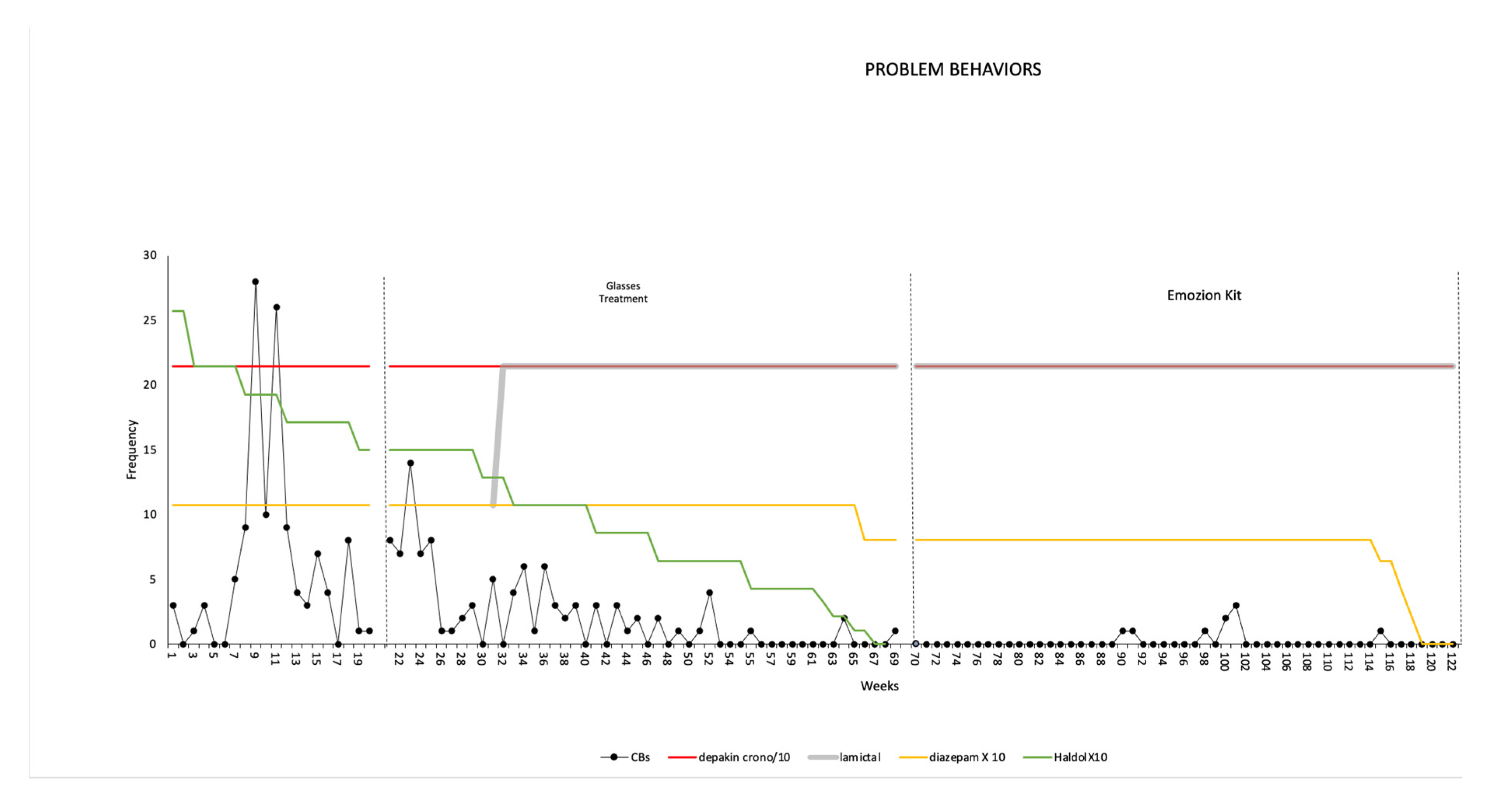
Figure 2.
Cumulative acquisition of adaptive and communicative targets across intervention sessions. Figure 2 legend: The graph illustrates the cumulative number of adaptive targets acquired over the course of the intervention sessions. A progressive and stable increase in skill acquisition was observed throughout treatment, without prolonged regression phases or major interruptions, suggesting sustained learning and increasing behavioral tolerance within the structured therapeutic setting.
Figure 2.
Cumulative acquisition of adaptive and communicative targets across intervention sessions. Figure 2 legend: The graph illustrates the cumulative number of adaptive targets acquired over the course of the intervention sessions. A progressive and stable increase in skill acquisition was observed throughout treatment, without prolonged regression phases or major interruptions, suggesting sustained learning and increasing behavioral tolerance within the structured therapeutic setting.
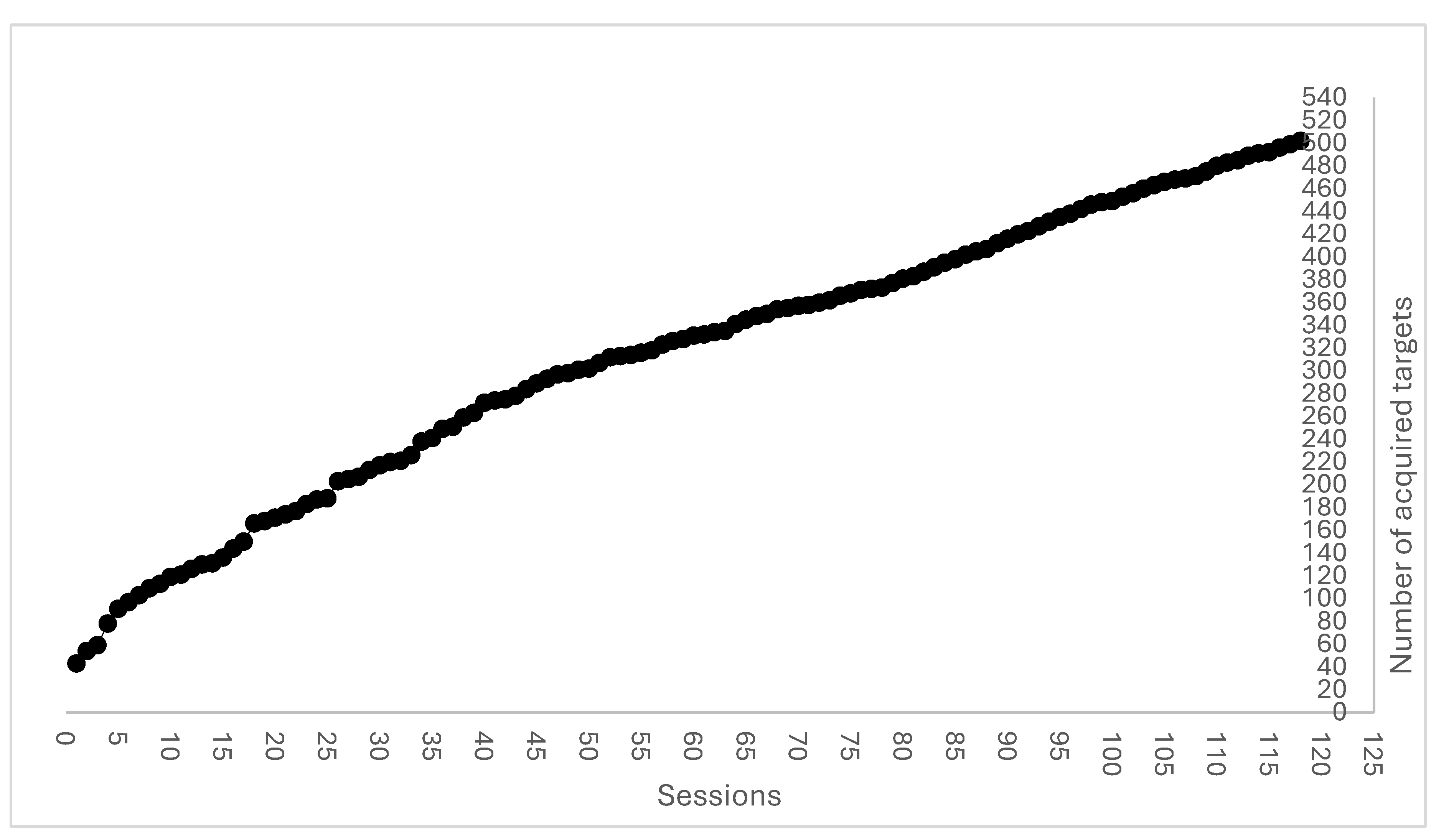
Figure 3.
Generalization of eyeglass tolerance across treatment phases. Figure 3 legend: The graph illustrates the progression of tolerance to eyeglass use during the intervention period across different prompting and delay conditions. Over time, tolerance progressively increased and stabilized at near-complete levels despite gradual fading of external supports, suggesting successful acquisition and generalization of the target behavior.
Figure 3.
Generalization of eyeglass tolerance across treatment phases. Figure 3 legend: The graph illustrates the progression of tolerance to eyeglass use during the intervention period across different prompting and delay conditions. Over time, tolerance progressively increased and stabilized at near-complete levels despite gradual fading of external supports, suggesting successful acquisition and generalization of the target behavior.
Disclaimer/Publisher’s Note: The statements, opinions and data contained in all publications are solely those of the individual author(s) and contributor(s) and not of MDPI and/or the editor(s). MDPI and/or the editor(s) disclaim responsibility for any injury to people or property resulting from any ideas, methods, instructions or products referred to in the content. |
© 2026 by the authors. Licensee MDPI, Basel, Switzerland. This article is an open access article distributed under the terms and conditions of the Creative Commons Attribution (CC BY) license (http://creativecommons.org/licenses/by/4.0/).
Copyright: This open access article is published under a Creative Commons CC BY 4.0 license, which permit the free download, distribution, and reuse, provided that the author and preprint are cited in any reuse.