

Submitted:
29 July 2026
Posted:
31 July 2026
You are already at the latest version
Abstract
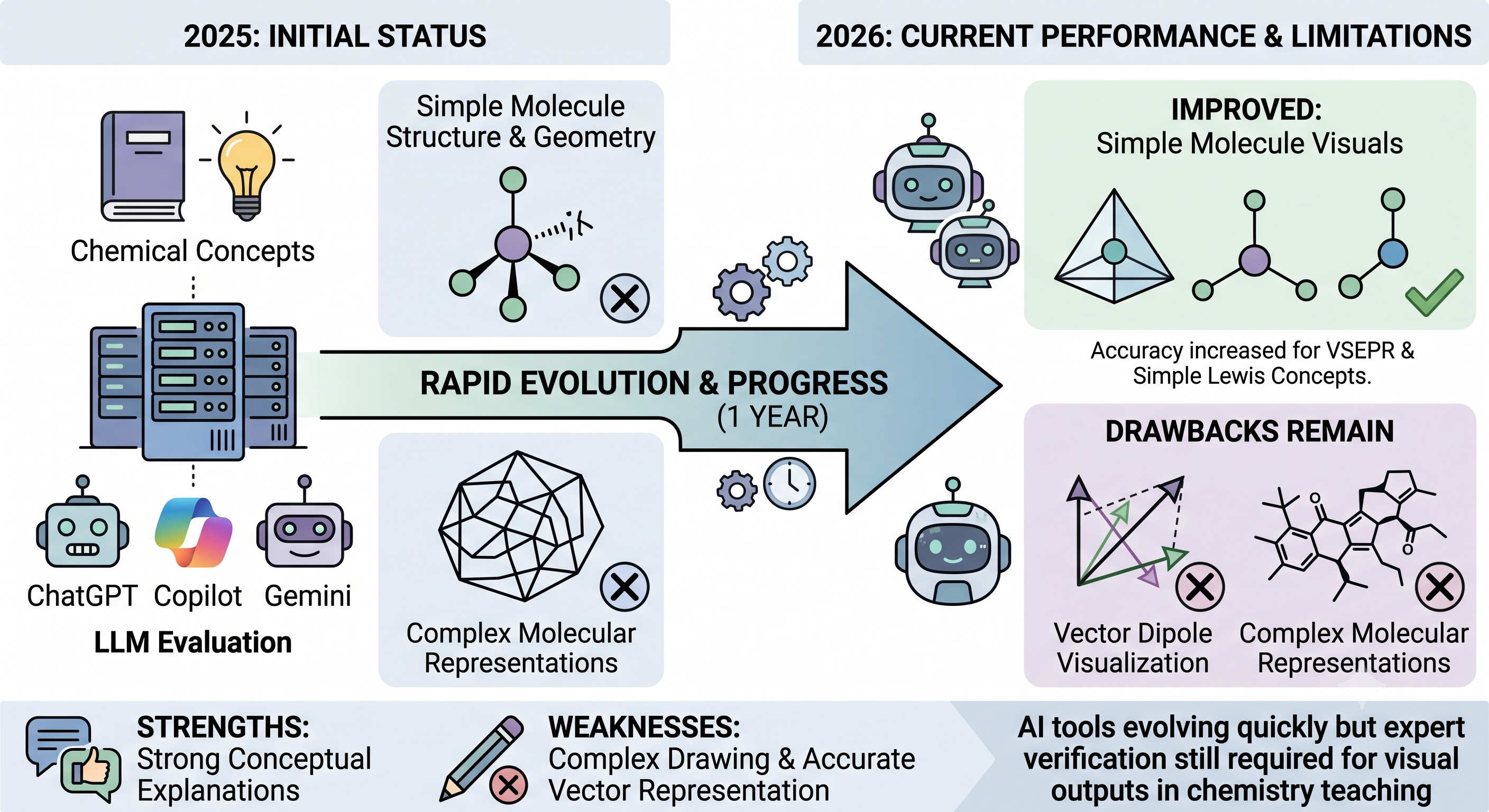
Large language models (LLMs) have recently acquired multimodal capabilities that enable them to generate chemical images in addition to text, yet the accuracy of these visual representations remains poorly understood. This study evaluated the ability of ChatGPT, Gemini, and Copilot to generate chemical representations commonly used in chemistry education, including Lewis structures, molecular geometry, stereochemistry, and molecular polarity. Using identical prompts, the performance of the models was compared between 2025 and 2026 to assess the evolution of their image-generation capabilities. All three LLMs showed substantial improvements in generating Lewis structures and VSEPR geometries for simple molecules while maintaining accurate conceptual explanations of stereochemistry and molecular polarity. However, important limitations remained. The models were unable to consistently generate chemically correct structures for complex molecules and frequently failed to accurately illustrate bond dipole vector addition, despite providing correct textual explanations. These findings demonstrate the rapid evolution of multimodal LLMs for generating chemical representations while highlighting the need for expert verification before AI-generated images are used in chemistry teaching.
Keywords:
large language models
; artificial intelligence
; ChatGPT
; Copilot
; Gemini
1. Introduction
The advent of Large Language Models (LLMs) has marked a transformative era in artificial intelligence, particularly in their capacity to reshape digital interactions across healthcare, education, and economic sectors.[1] Within educational contexts specifically, these AI systems have introduced paradigm-shifting capabilities in personalized instruction, adaptive tutoring, and dynamic content creation. Contemporary LLM implementations - including ChatGPT (OpenAI), Gemini (Google), Copilot (Microsoft), - have achieved remarkable linguistic fluency, enabling natural language interactions accessible through common digital platforms. Their integration into learning ecosystems offers significant pedagogical advantages: facilitating immediate formative feedback, enhancing learner motivation, and providing intuitive access to complex problem-solving across STEM and humanities disciplines - all through conversational interfaces requiring no technical specialization.[2]
In chemistry education, LLMs offer a compelling yet underexplored opportunity. Chemistry is inherently multimodal: learning often depends on interpreting symbolic, visual, and spatial information. Students are expected to construct and decode molecular structures, Lewis diagrams, orbital representations, and reaction mechanisms—skills that require both conceptual understanding and visual literacy.[3,4,5,6,7] While LLMs excel in linguistic tasks and factual recall, their ability to process or generate chemical imagery accurately remains a significant limitation.[8,9]
Recent studies suggest that although LLMs can describe chemical principles correctly, they frequently struggle with visual conventions and structural accuracy. For example, when prompted to generate Lewis structures or stereoisomeric diagrams, models often produce distorted or chemically invalid results.[10,11] This discrepancy raises concerns about the pedagogical reliability of these tools, particularly in introductory courses where students rely heavily on accurate visual aids to develop foundational understanding.[12]
At the same time, the integration of image input and interpretation capabilities in modern LLMs introduces promising pathways for chemistry education. Multimodal models—capable of processing both text and images—can now identify functional groups in chemical diagrams, recognize reaction types from schemes, and classify molecular properties from image prompts .[13,14] These features may be particularly useful in visual tasks such as distinguishing between polar and nonpolar molecules, understanding the significance of conjugated systems in natural dyes, or interpreting organic transformations like reduction and hydrolysis. Such affordances point to a future where AI could serve as a conceptual scaffold, enabling students to explore chemical ideas interactively, even if the model lacks perfect visual precision.[15,16]
Despite their educational potential, large language models (LLMs) continue to exhibit limitations in solving general chemistry problems that require multistep reasoning, including stoichiometry, significant figures, electron configurations, and Lewis structures.[17] Nevertheless, LLMs have already been incorporated into undergraduate chemistry instruction. For example, students have used ChatGPT as an information source to review and revise their responses during laboratory experiments involving the oxidation of aldehydes and ketones with Tollens’ and Fehling’s reagents. [18] More recently, studies have demonstrated that LLMs such as ChatGPT, Gemini, and Copilot can support a wide range of chemistry and chemometric tasks, highlighting their growing potential as educational and scientific tools. [19,20] However, despite these advances, little is known about how accurately current multimodal LLMs generate chemical representations that are essential for chemistry learning, such as Lewis structures, molecular geometries, and molecular polarity. This gap motivated the present study, which evaluates the image-generation capabilities of ChatGPT, Gemini, and Copilot using representative chemistry tasks.
Despite these advances, there remains limited evidence regarding how effectively current LLMs generate chemical visualizations that are essential for chemistry teaching. Accurate representations of Lewis structures, molecular geometry, and molecular polarity are central to developing students’ representational competence, yet the reliability of AI-generated chemical images has not been systematically evaluated. Furthermore, the rapid evolution of LLMs suggests that their visual capabilities may be improving at a pace that has not been documented. Therefore, this study investigates the ability of three widely available LLMs—ChatGPT, Gemini, and Copilot—to generate and explain chemical representations commonly encountered in introductory chemistry. By comparing their performance over a one-year period (2025–2026), this work provides insight into the progress of multimodal LLMs and identifies their current strengths and limitations for chemistry education.
2. Materials and Methods
The LLMs used in this study were described in Table 1. The same prompts (Q1-Q6) were submitted to each chatbot in June 2025 and again in July
3. Results and Discussion
3.1. Building Thalidomide Structure
Q1: generate thalidomide Lewis structure and show the enantiomers
This section aimed to evaluate whether LLMs can generate chemical structures. As a model compound, thalidomide was selected due to its well-known role in stereochemistry education [21]. Thalidomide exists as two enantiomers: the (R)-thalidomide, which exhibits sedative properties, and the (S)-thalidomide, which is teratogenic and responsible for severe birth defects. Its historical and pharmacological significance makes it a common example for illustrating the importance of chirality in drug development.
Q1 evaluated the LLMs ability in generating the Lewis structure of an important pharmaceutical
In June 2025, ChatGPT (Figure 1) and Copilot (Figure 2) generated incorrect structures. In July 2026, the LLM still generated incorrect structures, Copilot (Figure 3), Gemini (Figure 4), ChatGPT (Figure 5) generated incorrect structures.
This outcome suggests that LLMs are not yet capable of accurately generating molecular structures, particularly for stereoisomeric compounds. However, LLMs correctly identified the pharmacological differences between the (R)- and (S)-enantiomers of thalidomide, consistently recognizing the teratogenic effect of the (S)-enantiomer and the sedative property of the (R)-enantiomer.
3.2. Building the Simple Molecules Lewis Structure
Constructing Lewis structures and analyzing molecular geometry and hybridization are fundamental topics in general chemistry. In this section, Q2 evaluated the ability of LLMs to generate Lewis structures for a selection of molecules commonly taught at the introductory level,
Q2: generate Lewis structures for BF3, CH4, NH3, PCl3, PCl5, SF4, SF6, XeF2, and XeF4.
In July 2025, the LLMs were prompted multiple times—up to seven attempts per molecule in some cases—to assess their consistency and accuracy. However, none of the tools reliably produced correct or pedagogically useful Lewis structures. Many responses contained structural errors, misplaced electron pairs, or nonstandard representations that deviated from accepted conventions in chemistry education. Additionally, the visual formatting of the diagrams was often confusing, making them unsuitable for instructional purposes.
As illustrated in Figure 6, ChatGPT’s generated Lewis structures displayed several inaccuracies, including incorrect electron distributions and ambiguous bond placements. These flaws could potentially mislead students or obstruct their conceptual understanding of molecular structure and bonding.
In July 2026. The LLMs were able to produce the Lewis structures of these simple molecules. ChatGPT (Figure 7) committed a mistake showing the Lewis structure of SF4, but Gemini (Figure 8) and Copilot (Figure 9) generated all structures correctly
After the LLMs generated the correct Lewis structures, they were asked in Question 3 to determine and illustrate the corresponding molecular geometries.
Q3. Illustrate the molecular geometry of each molecule.
Among the three LLMs evaluated, ChatGPT (Figure 10) correctly generated the molecular geometries for all molecules except SF4, which was incorrectly represented rather than adopting the expected seesaw geometry. Furthermore, it failed to depict the lone pair on the central sulfur atom. Conversely, Gemini (Figure 11) and Copilot (Figure 12) accurately represented all molecular geometries, including the appropriate bond angles and lone pairs, in agreement with VSEPR theory.
3.3. Comparing NH3 and NF3 Polarities
Comparing the polarities of NH3 and NF3 is a classic exercise in general chemistry that illustrates how molecular geometry and bond dipoles together determine the overall molecular dipole moment. To evaluate the ability of LLMs to explain this concept and generate appropriate molecular representations, the following prompt was used:
Q4. Show the molecular geometry and dipole moments of NH3 and NF3. Illustrate their Lewis structures and indicate the direction and magnitude of the molecular dipole moment.
All three LLMs correctly identified NH3 as the more polar molecule. Their explanations consistently attributed this result to the higher electronegativity of fluorine relative to hydrogen and the vectorial addition of the bond dipoles, which leads to reinforcement of the molecular dipole in NH3 and partial cancellation in NF3. The reported dipole moments (July 2025) were also consistent with literature values, approximately 1.47 D for NH3 and 0.23 D for NF3.
Despite providing conceptually correct explanations, none of the LLMs generated chemically accurate Lewis structures for these relatively simple molecules. As illustrated in Figure 13, the structure produced by ChatGPT contained formatting artifacts and incorrect bonding patterns that could mislead students and compromise their understanding of fundamental concepts such as Lewis structures, molecular geometry, and molecular polarity. Similar structural inaccuracies were observed in the outputs generated using Gemini and Copilot, indicating that, although current LLMs can successfully explain chemical concepts and retrieve quantitative information, they remain unreliable for generating chemically accurate structural diagrams without expert verification.
In July 2026, ChatGPT (Figure 14) and Copilot (Figure 15) correctly generated the Lewis structures and molecular geometries of NH3 and NF3, and both identified that NF3 is less polar than NH3. However, neither AI system adequately illustrated the vector addition responsible for the molecular dipole moments. Specifically, they did not clearly demonstrate that the N–H bond dipoles reinforce the lone-pair contribution in NH3, producing a relatively large net dipole moment, whereas in NF3 the N–F bond dipoles oppose the lone-pair contribution, resulting in substantial cancellation and a much smaller molecular dipole moment. In contrast, Gemini (Figure 16) accurately illustrated the vector addition and cancellation of the bond dipoles relative to the nitrogen lone pair, providing a clear visual explanation of why NH3 is more polar than NF3.
3.4. Comparing Methylene Chlorides Polarity
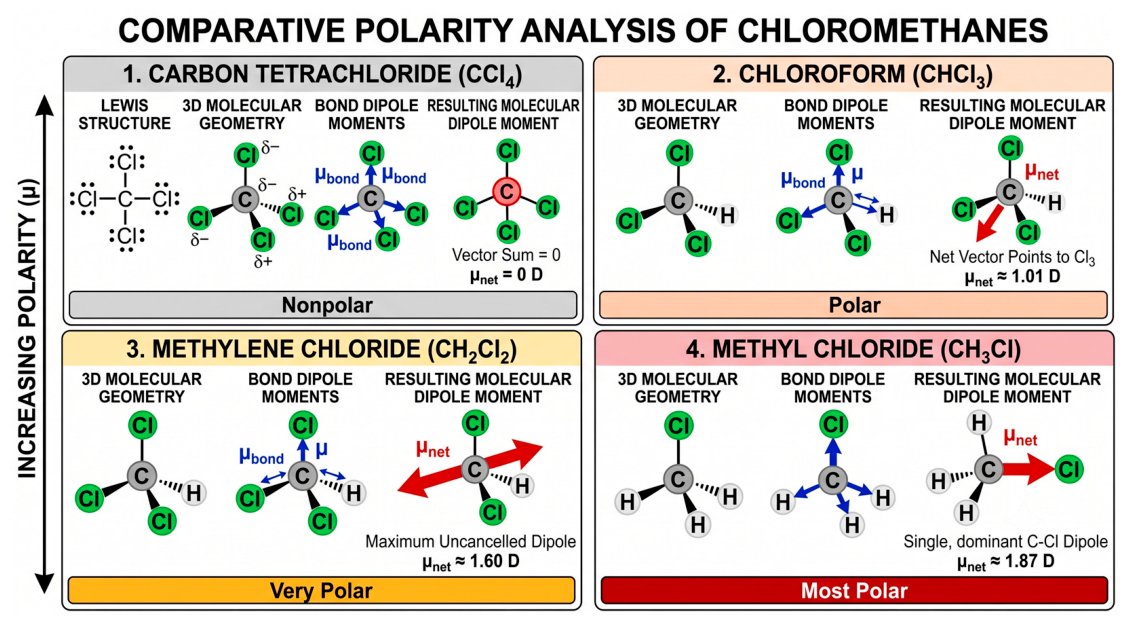
Q5 addressed the polarity of the chloromethane series, a topic that is widely taught in introductory general chemistry courses because molecular polarity is a fundamental concept underlying intermolecular forces, solubility, and molecular reactivity. All three LLMs correctly predicted the polarity trend of the chloromethane series, CH3Cl > CH2Cl2 > CHCl3 > CCl4, and generated molecular dipole moments consistent with the expected values of 1.87 D, 1.60 D, 1.04 D, and 0 D, respectively. However, ChatGPT (Figure 17) and Copilot (Figure 18) had difficulty accurately illustrating the vector addition and cancellation of the bond dipole moments responsible for the resultant molecular dipole moment. In contrast, Gemini (Figure 18) clearly represented the individual bond dipole vectors and their vector summation, providing a more effective visual explanation of how molecular symmetry determines the overall polarity of the chloromethane series.
Q5: Compare the polarity of the methylene chlorides (CCl4, CHCl3, CH2Cl2, and CH3Cl). Generate their Lewis structures, illustrate the molecular geometry and bond dipole moments, and indicate the direction and magnitude of the resulting molecular dipole moment for each compound
Figure 17.
Comparison of the polarity of CCl4, CHCl3, CH2Cl2, and CH3Cl,. Generated using ChatGPT (2026; GPT 5-5).
Figure 17.
Comparison of the polarity of CCl4, CHCl3, CH2Cl2, and CH3Cl,. Generated using ChatGPT (2026; GPT 5-5).
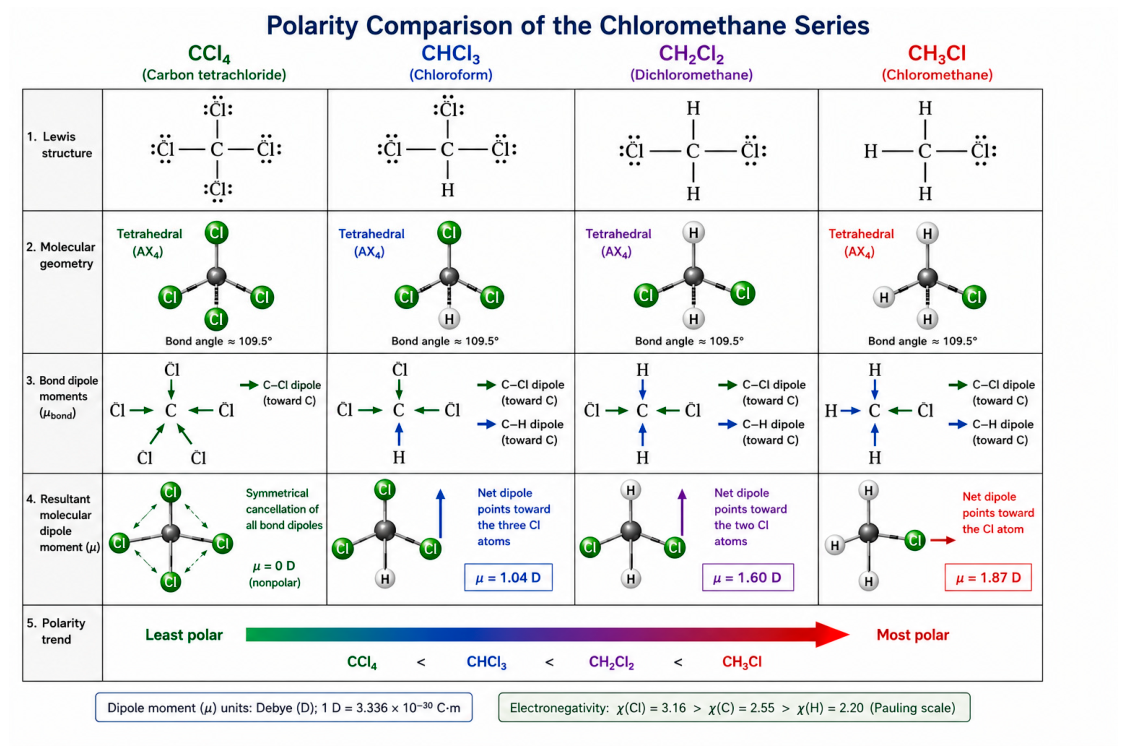
Figure 18.
Comparison of the polarity of CCl4, CHCl3, CH2Cl2, and CH3Cl Generated using Copilot (2026; GPT-5.6 Think).
Figure 18.
Comparison of the polarity of CCl4, CHCl3, CH2Cl2, and CH3Cl Generated using Copilot (2026; GPT-5.6 Think).
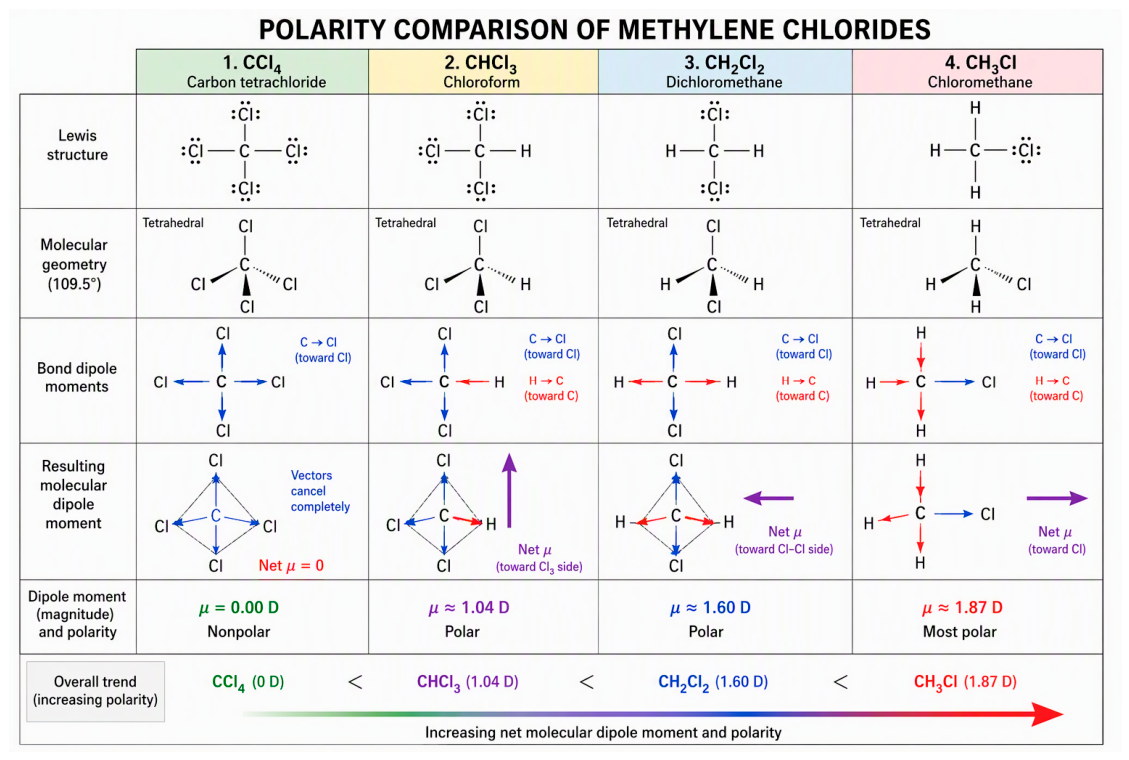
Figure 19.
Comparison of the polarity of CCl4, CHCl3, CH2Cl2, and CH3Cl,. Generated using Gemini (2026; 3.1 Pro).
Figure 19.
Comparison of the polarity of CCl4, CHCl3, CH2Cl2, and CH3Cl,. Generated using Gemini (2026; 3.1 Pro).
3.5. DDT
Q6: Generate the chemical structure of DDT and identify its stereogenic center
DDT was selected because of its historical importance in organic chemistry and environmental science. Once widely used as an insecticide, DDT was banned in many countries after its persistence in the environment and biomagnification were linked to severe ecological impacts, including the dramatic decline of bald eagle populations due to eggshell thinning.[22] Q6 was intentionally designed as a distractor by asking students to identify a stereogenic center, although DDT does not contain one. Therefore, the correct response required recognizing the absence of a stereogenic center rather than assuming one was present. ChatGPT (Figure 20) and Copilot (Figure 21) correctly generated the molecular structure of DDT and identified that the molecule does not contain a stereogenic center. Gemini (Figure 22) also generated the correct molecular structure and identified a minor component associated with DDT that has stereogenic center.
4. Conclusions
This study evaluated the ability of ChatGPT, Gemini, and Copilot to generate and interpret chemical representations that are fundamental to chemistry education, including Lewis structures, molecular geometry, stereochemistry, and molecular polarity. Comparing the responses produced in 2025 and 2026 revealed a remarkably rapid improvement in the visual capabilities of multimodal large language models. Within a single year, all three systems progressed from generating largely unreliable chemical images to accurately producing Lewis structures and VSEPR geometries for many simple molecules while maintaining strong conceptual explanations of molecular structure and polarity.
Despite these advances, important limitations remain. The evaluated models were still unable to consistently generate chemically correct structures for more complex molecules, such as thalidomide, and frequently failed to illustrate vector addition of bond dipoles accurately, despite providing correct textual explanations of molecular polarity. These findings indicate that current multimodal LLMs can explain chemical concepts more reliably than they can generate chemically rigorous visual representations, highlighting the need for expert verification before AI-generated figures are used in instructional materials.
The rapid improvements observed over only one year suggest that multimodal LLMs are evolving from text-based assistants into increasingly capable tools for generating chemical representations. Although they cannot yet replace dedicated molecular drawing software or textbook-quality illustrations, they have considerable potential to support interactive learning, visualization, and conceptual discussion in chemistry education. Because these systems continue to evolve rapidly, periodic benchmarking will be essential to monitor their capabilities, identify persistent weaknesses, and establish evidence-based recommendations for their effective and responsible integration into chemistry teaching.
Funding
The authors acknowledge financial support and fellowships from the Brazilian agencies FAPESC (Fundação de Amparo a Pesquisa do Estado de Santa Catarina), CNPq (Conselho Nacional de Desenvolvimento Científico e Tecnológico), and CAPES (Coordenação de Aperfeiçoamento de Pessoal de Nível Superior).
Conflicts of Interest
The author declared no conflicts of interest.
References
- Madsen, D.Ø.; Toston, D.M. ChatGPT and Digital Transformation: A Narrative Review of Its Role in Health, Education, and the Economy. Digital 2025, 5, 24. [CrossRef]
- Lear, B.J. Using ChatGPT-4 to Teach the Design of Data Visualizations. J. Chem. Educ. 2024, 101, 2749–2756. [CrossRef]
- Schuessler, K.; Rodemer, M.; Giese, M.; Walpuski, M. Organic Chemistry and the Challenge of Representations: Student Difficulties with Different Representation Forms When Switching from Paper–Pencil to Digital Format. J. Chem. Educ. 2024, 101, 4566–4579. [CrossRef]
- Murillo, D.; Enderle, B.; Pham, J. Teaching Formal Charges of Lewis Electron Dot Structures by Counting Attachments. J. Chem. Educ. 2025, 102, 112–118. [CrossRef]
- Buzzolani, S.P.; Mistretta, M.J.; Bugajczyk, A.E.; Sam, A.J.; Elezi, S.R.; Silverio, D.L. Effective Visualization of Implicit Hydrogens with Prime Formulae. J. Chem. Educ. 2025, 102, 508–515. [CrossRef]
- Nayyar, P.; Young, J.D.; Dawood, L.; Lewis, S.E. Evaluating an Intervention to Improve General Chemistry Students’ Perceptions of the Utility of Chemistry. J. Chem. Educ. 2025, 102, 1389–1397. [CrossRef]
- Cooper, M.M.; Grove, N.; Underwood, S.M.; Klymkowsky, M.W. Lost in Lewis Structures: An Investigation of Student Difficulties in Developing Representational Competence. J. Chem. Educ. 2010, 87, 869–874. [CrossRef]
- Alasadi, E.A.; Baiz, C.R. Multimodal Generative Artificial Intelligence Tackles Visual Problems in Chemistry. J. Chem. Educ. 2024, 101, 2716–2729. [CrossRef]
- Nascimento Júnior, W.J.D.; Morais, C.; Girotto Júnior, G. Enhancing AI Responses in Chemistry: Integrating Text Generation, Image Creation, and Image Interpretation through Different Levels of Prompts. J. Chem. Educ. 2024, 101, 3767–3779. [CrossRef]
- Yik, B.J.; Dood, A.J. ChatGPT Convincingly Explains Organic Chemistry Reaction Mechanisms Slightly Inaccurately with High Levels of Explanation Sophistication. J. Chem. Educ. 2024, 101, 1836–1846. [CrossRef]
- West, J.K.; Franz, J.L.; Hein, S.M.; Leverentz-Culp, H.R.; Mauser, J.F.; Ruff, E.F.; Zemke, J.M. An Analysis of AI-Generated Laboratory Reports across the Chemistry Curriculum and Student Perceptions of ChatGPT. J. Chem. Educ. 2023, 100, 4351–4359. [CrossRef]
- Pradhan, T.; Gupta, O.; Chawla, G. The Future of ChatGPT in Medicinal Chemistry: Harnessing AI for Accelerated Drug Discovery. ChemistrySelect 2024, 9. [CrossRef]
- Berber, S.; Brückner, M.; Maurer, N.; Huwer, J. Artificial Intelligence in Chemistry Research─Implications for Teaching and Learning. J. Chem. Educ. 2025, 102, 1445–1456. [CrossRef]
- Nayyar, P.; Teran, O.A.; Lewis, S.E. Artificial Intelligence as a Catalyst for Promoting Utility Value Perceptions of Chemistry. J. Chem. Educ. 2025. [CrossRef]
- Hrubeš, J.; Jaroš, A.; Nemirovich, T.; Teplá, M.; Petrželová, S. Integrating Computational Chemistry into Secondary School Lessons. J. Chem. Educ. 2024, 101, 2343–2353. [CrossRef]
- Clark, T.M.; Tafini, N. Exploring the AI–Human Interface for Personalized Learning in a Chemical Context. J. Chem. Educ. 2024, 101, 4916–4923. [CrossRef]
- Lopez-Perez, K.; Benjamin, S.-A.; Veige, M.K. Outsmarting ChatGPT in Chemistry: Using Student-Formulated Questions for Critical AI Evaluation. J. Chem. Educ. 2026, 103, 3989–3995. [CrossRef]
- Kadayıfçı, H.; Ekici, F.; Işık, B. Students’ Use of ChatGPT as a Source of Information in the Experiment on Oxidation of Aldehydes and Ketones with Tollens and Fehling Reagents. J. Chem. Educ. 2026, 103, 1270–1277. [CrossRef]
- Hernández Rodríguez, M.F.; Borges, E.M. Teaching Statistics and Chemometrics Using Large Language Models: The Palmer Penguins Case Study. J. Chem. Educ. 2026, 103, 2302–2310. [CrossRef]
- Pereira, N.C.P.; Bedouch, M.B.; Borges, E.M. Leveraging Microsoft Copilot (GPT-5) for Calculations and Interactive Data Visualization. Digital 2026, 6, 16. [CrossRef]
- Tokunaga, E.; Yamamoto, T.; Ito, E.; Shibata, N. Understanding the Thalidomide Chirality in Biological Processes by the Self-Disproportionation of Enantiomers. Sci. Rep. 2018, 8, 17131. [CrossRef]
- Gkaltemi, E.; Korakas, D.; Stylos, G.; Kotsis, K.T. Chemophobia Misconceptions among Greek Science Teachers. J. Chem. Educ. 2026, 103, 779–788. [CrossRef]
Figure 1.
Thalidomide structure generated using ChatGPT (2025; GPT-4o).
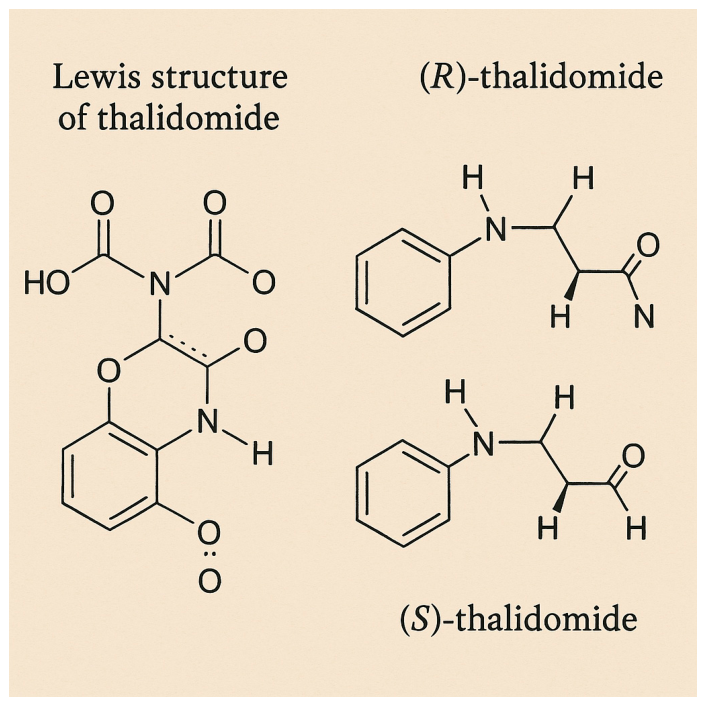
Figure 2.
Thalidomide structures produced by Copilot (2025; GPT-4o).
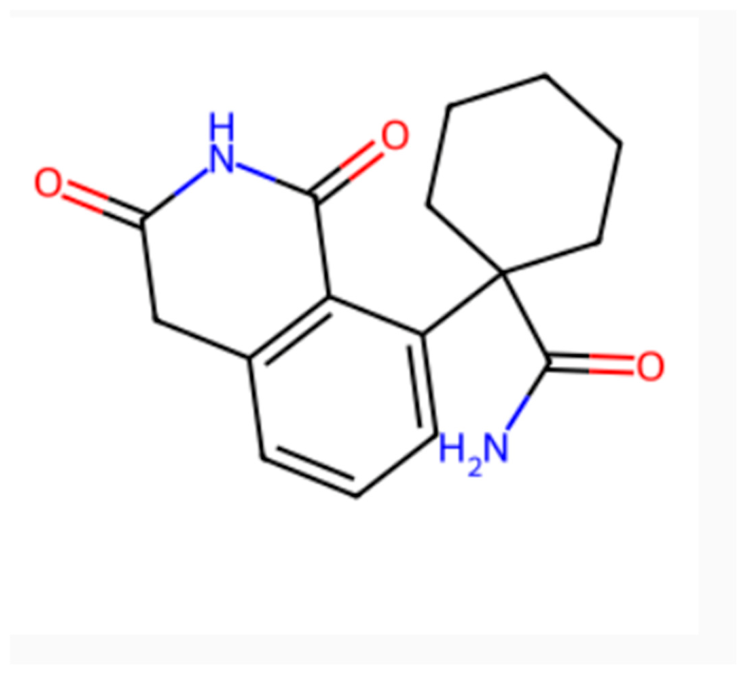
Figure 3.
Lewis structure of thalidomide generated using Copilot (2026; GPT 5.6 Think).
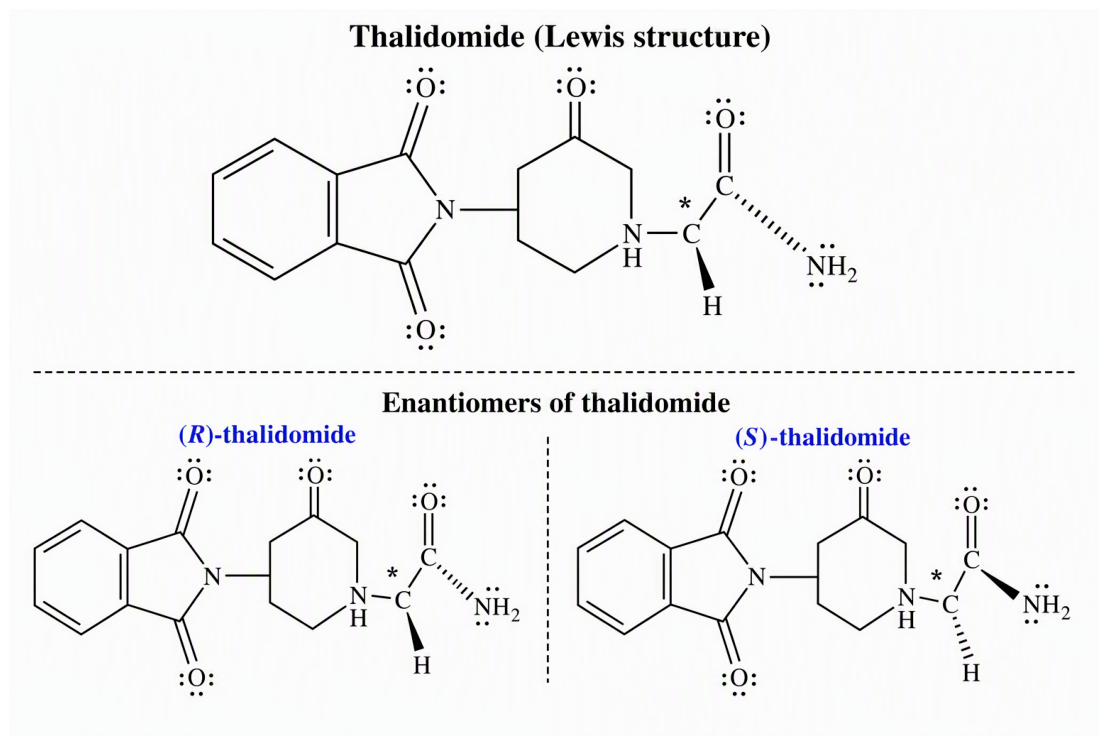
Figure 4.
Lewis structure of thalidomide generated using Gemini (2026; 3.1 Pro).
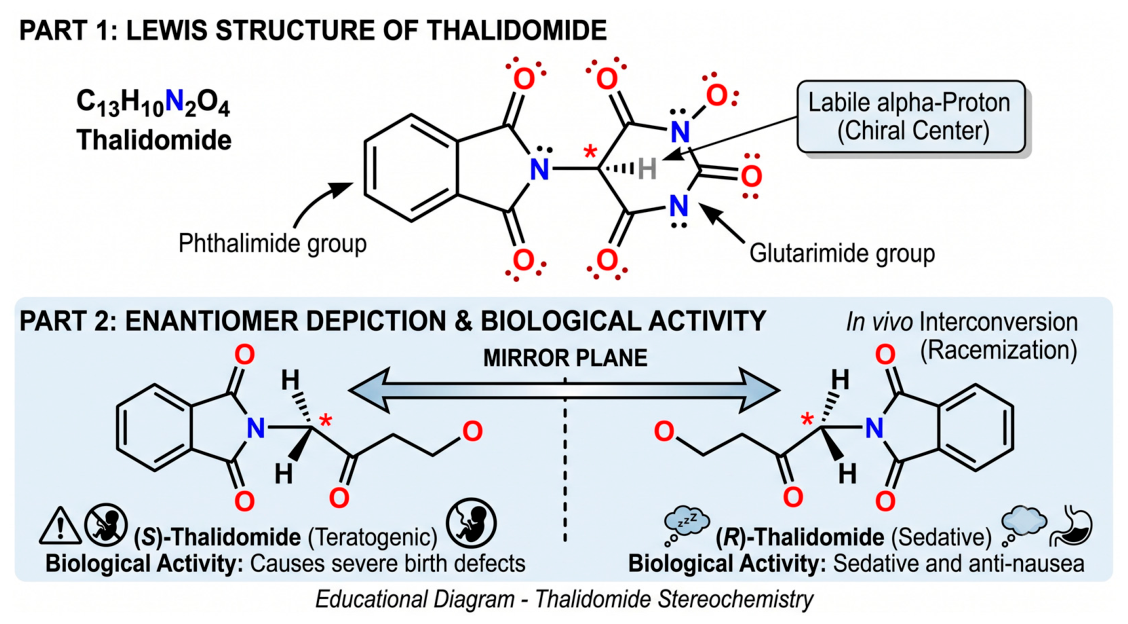
Figure 5.
Lewis structure of thalidomide generated using ChatGPT (2026; GPT-5.5).
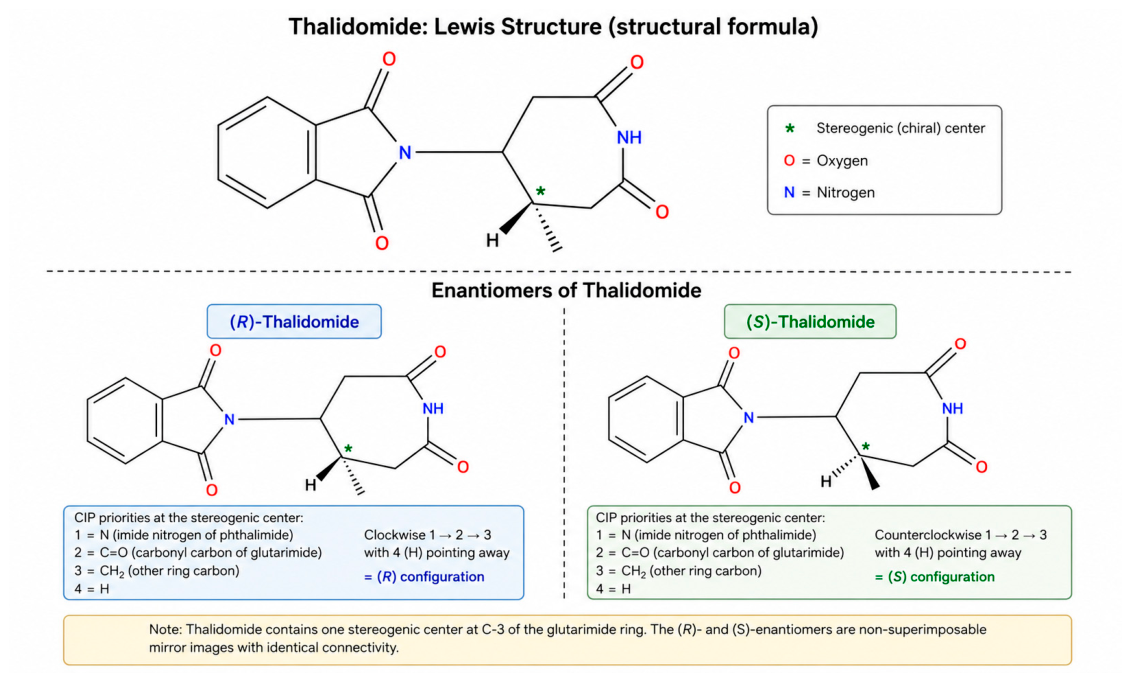
Figure 6.
Lewis structures produced by ChatGPT (2025; GPT-4o).
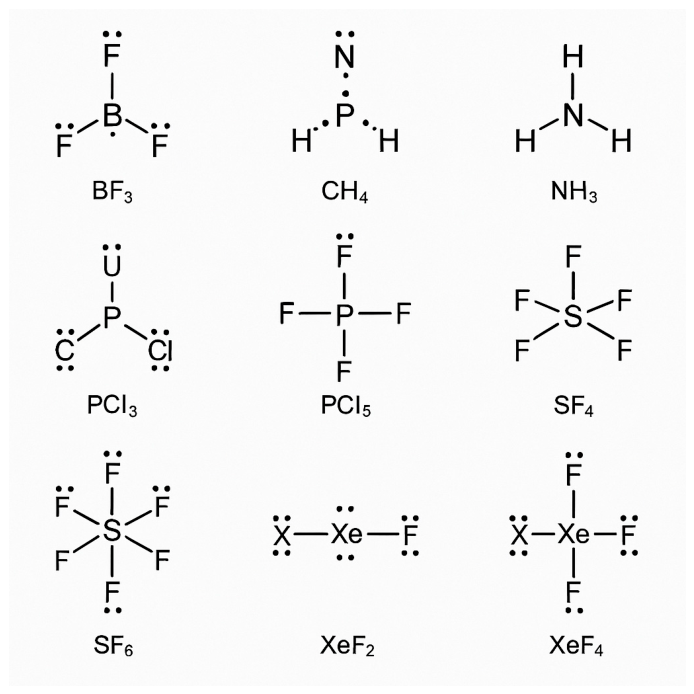
Figure 7.
Lewis structures produced by ChatGPT (GPT-5.5).
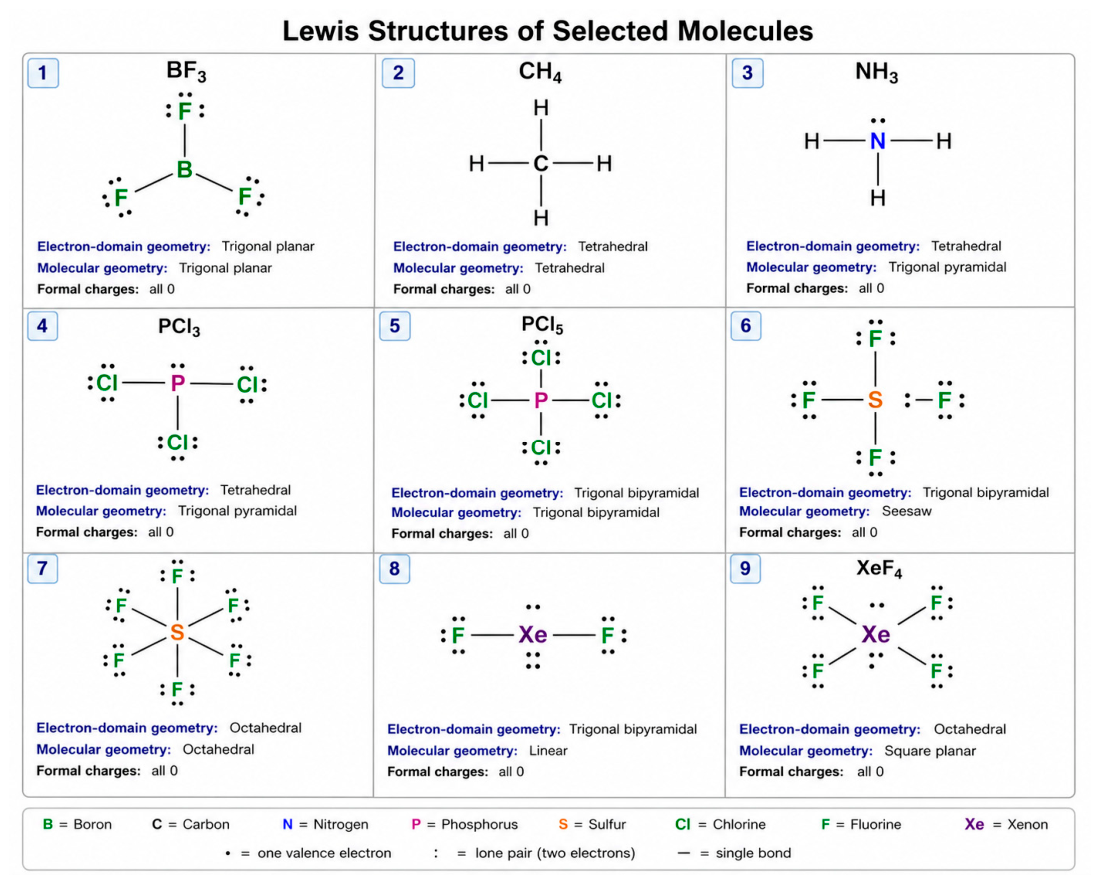
Figure 8.
Lewis structures produced by Gemini (3.1 Pro).
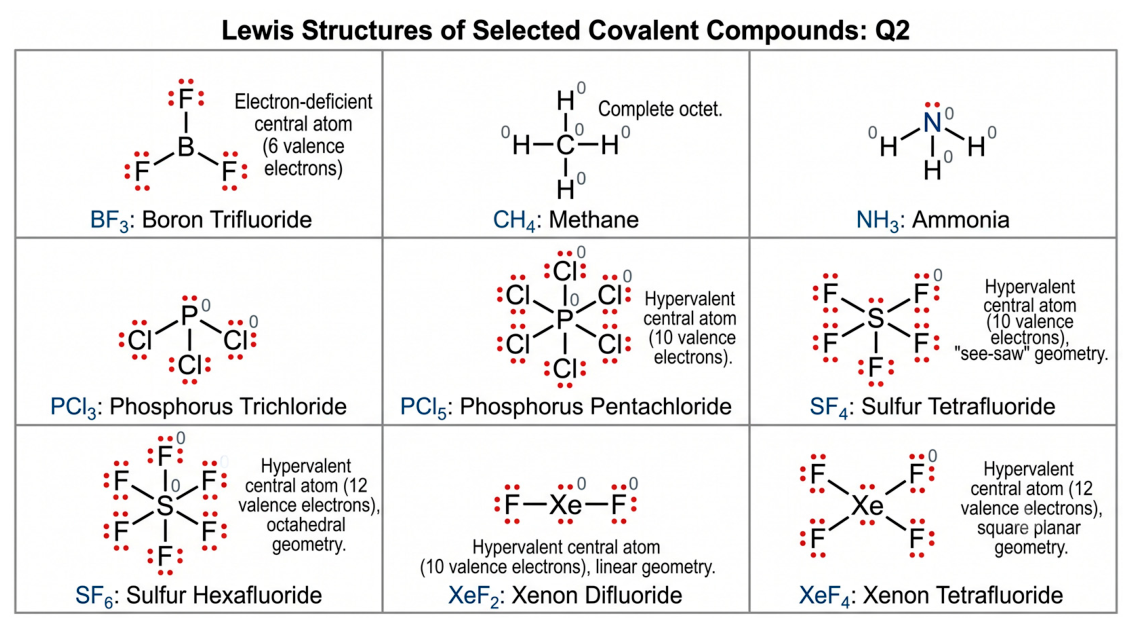
Figure 9.
Lewis structures produced by Copilot (GPT-5.6 Think).
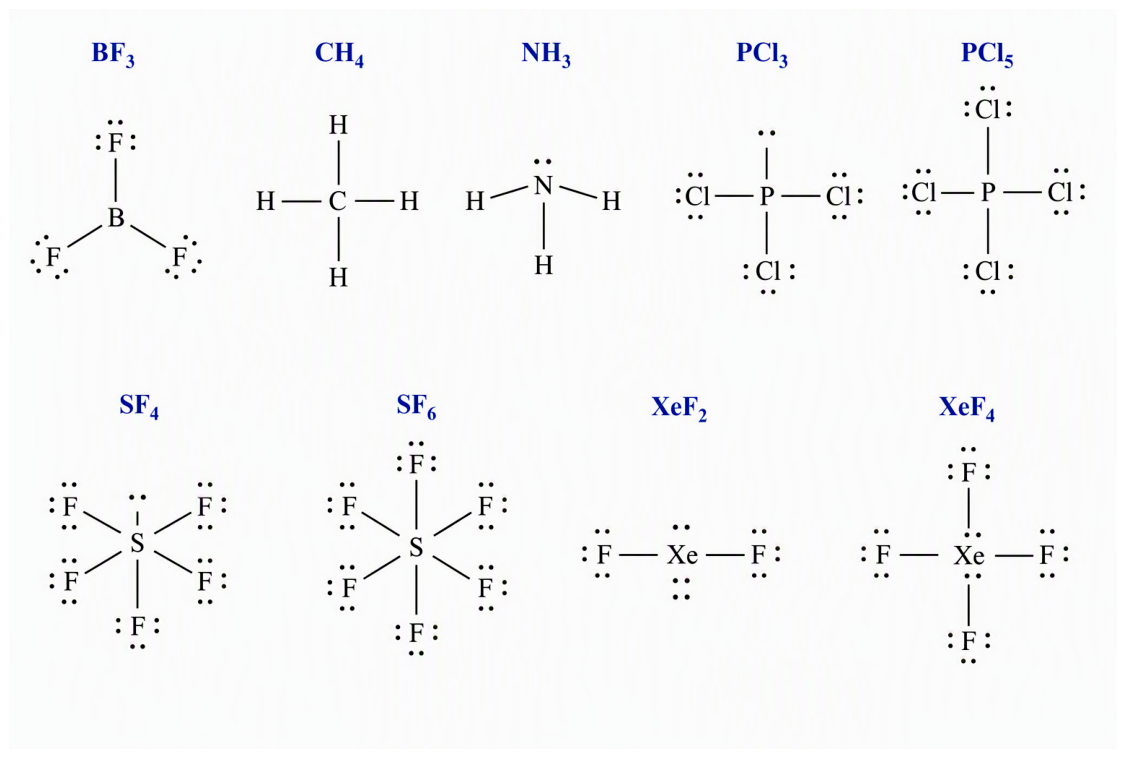
Figure 10.
Geometry of BF3, CH4, NH3, PCl3, PCl5, SF4, SF6, XeF2, and XeF4. Generated using ChatGPT (2026; GPT-5.5).
Figure 10.
Geometry of BF3, CH4, NH3, PCl3, PCl5, SF4, SF6, XeF2, and XeF4. Generated using ChatGPT (2026; GPT-5.5).
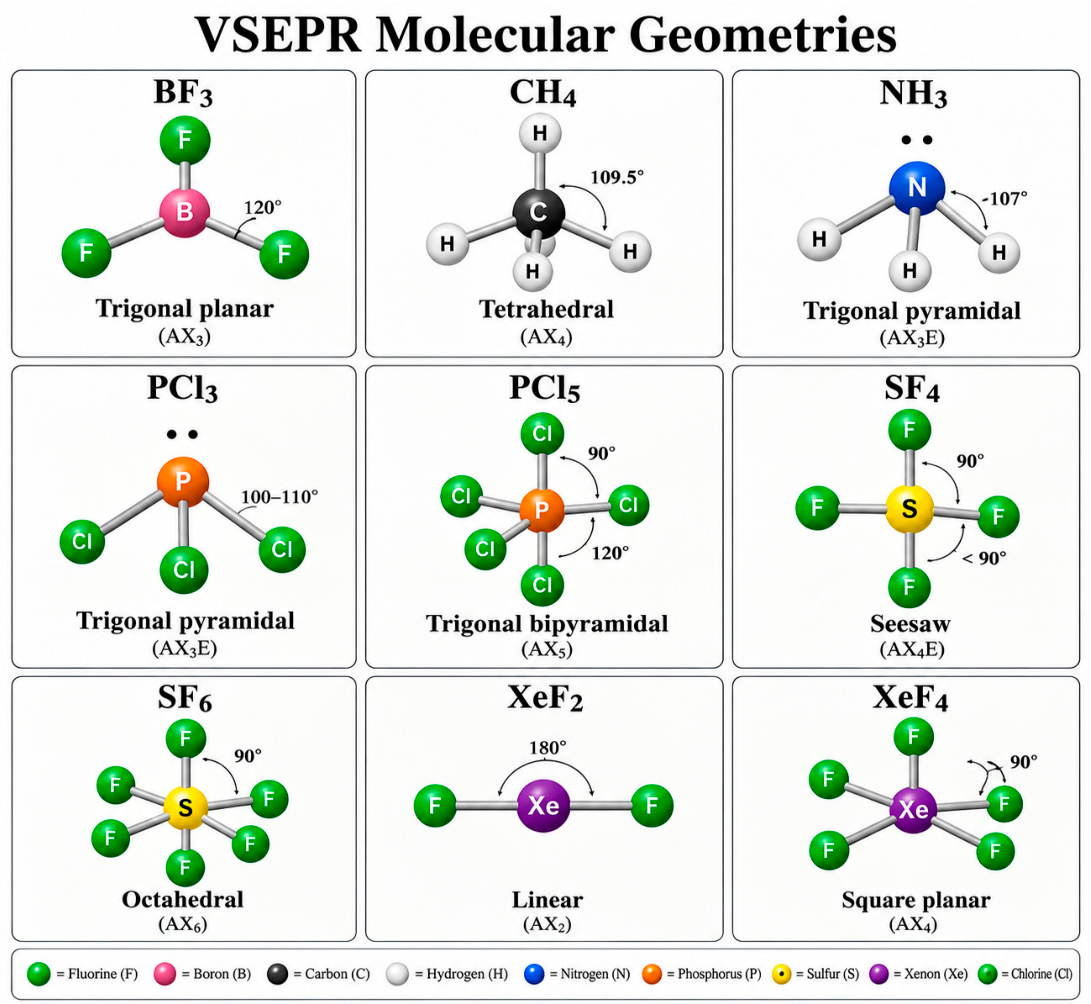
Figure 11.
Geometry of BF3, CH4, NH3, PCl3, PCl5, SF4, SF6, XeF2, and XeF4. Generated using Gemini (2026; 3.1 Pro).
Figure 11.
Geometry of BF3, CH4, NH3, PCl3, PCl5, SF4, SF6, XeF2, and XeF4. Generated using Gemini (2026; 3.1 Pro).
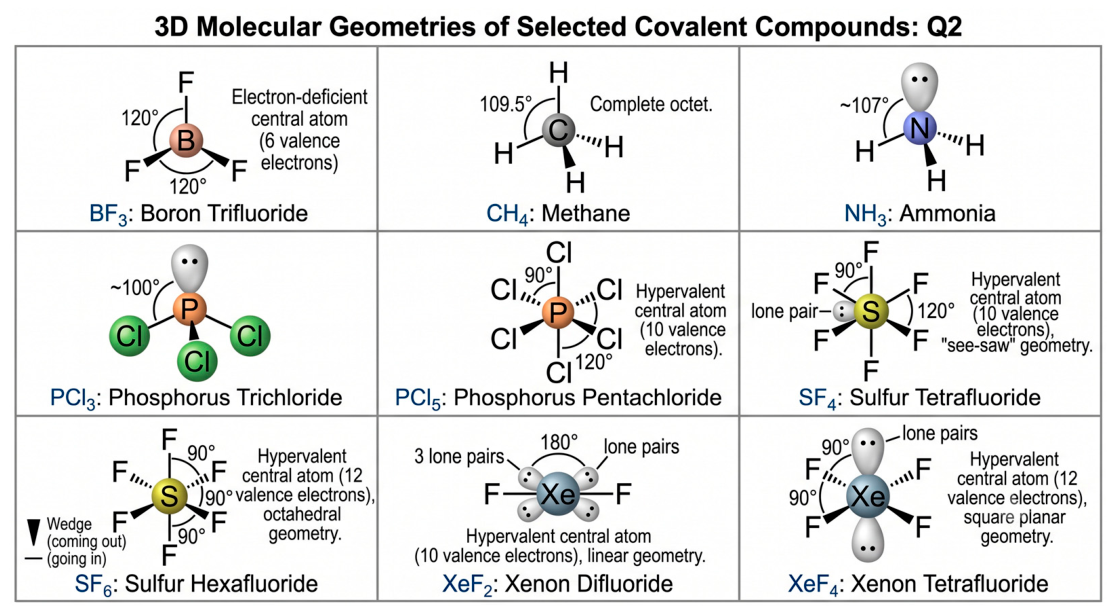
Figure 12.
Geometry of BF3, CH4, NH3, PCl3, PCl5, SF4, SF6, XeF2, and XeF4. Generated using Copilot (2026; GPT-5.6 Think).
Figure 12.
Geometry of BF3, CH4, NH3, PCl3, PCl5, SF4, SF6, XeF2, and XeF4. Generated using Copilot (2026; GPT-5.6 Think).
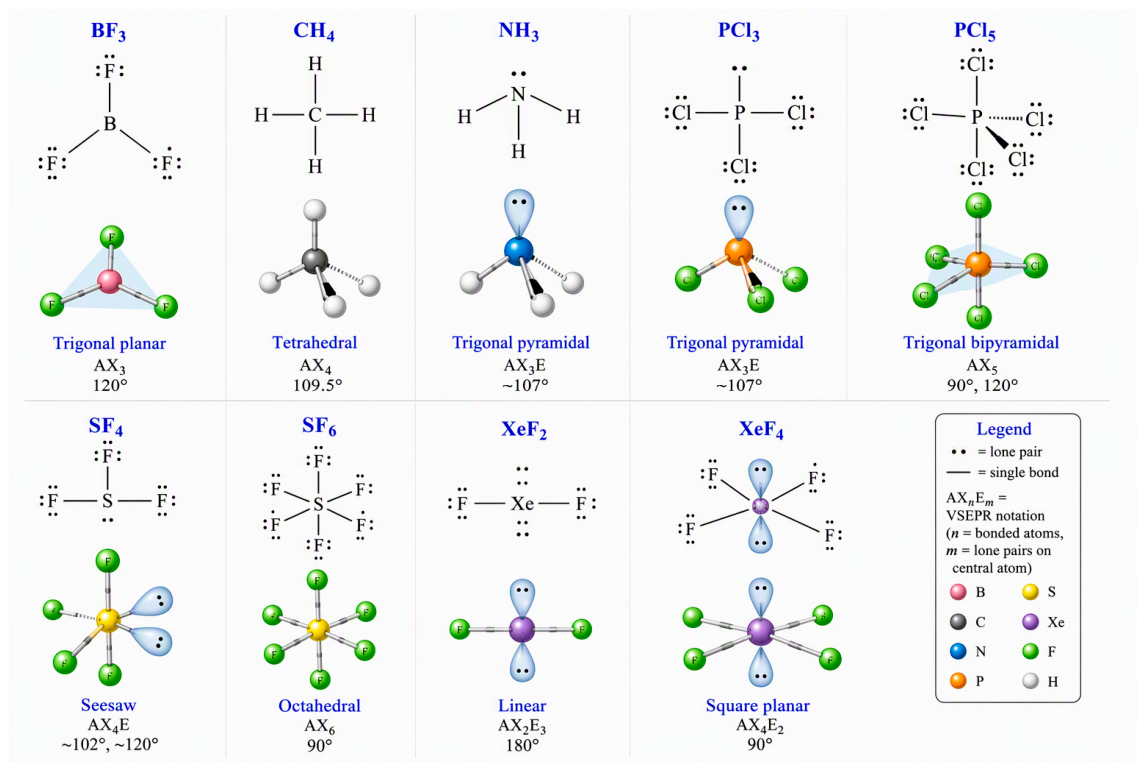
Figure 13.
Lewis structures for NH3 and NF3 provided by ChatGPT (2025; GPT-5-4o).
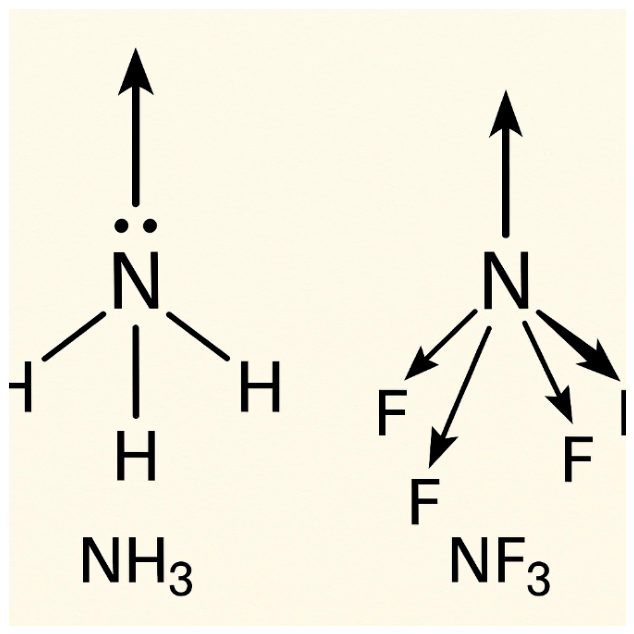
Figure 14.
Lewis structures for NH3 and NF3 provided by ChatGPT (2026; GPT-5.5).
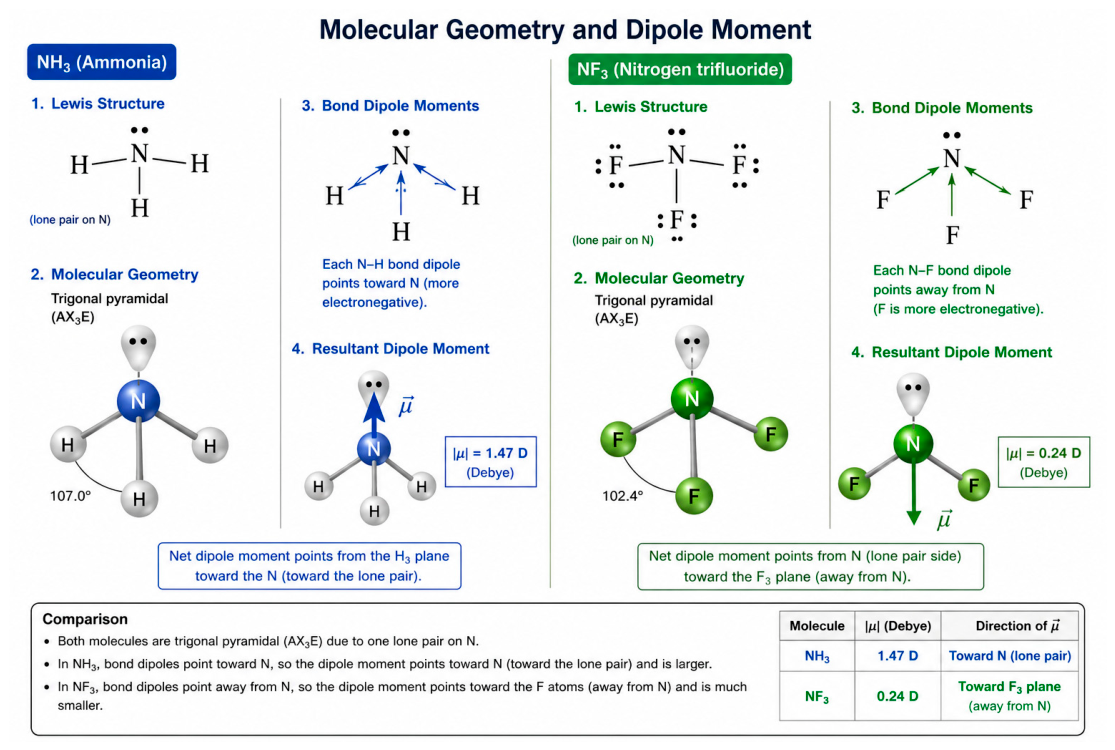
Figure 15.
Lewis structures for NH3 and NF3 provided by Copilot (2026; GPT-5-6 Think).
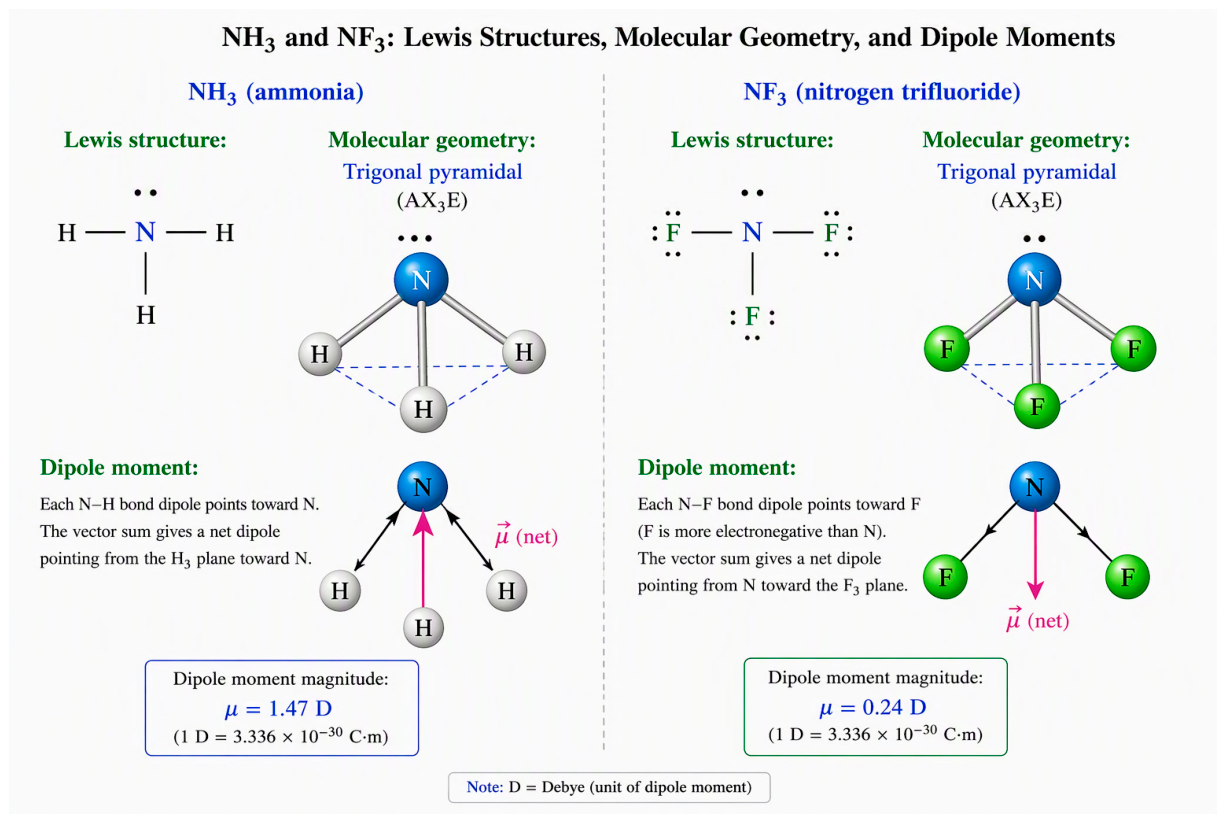
Figure 16.
Lewis structures for NH3 and NF3 provided by Gemini (2026; 3.1 Pro).
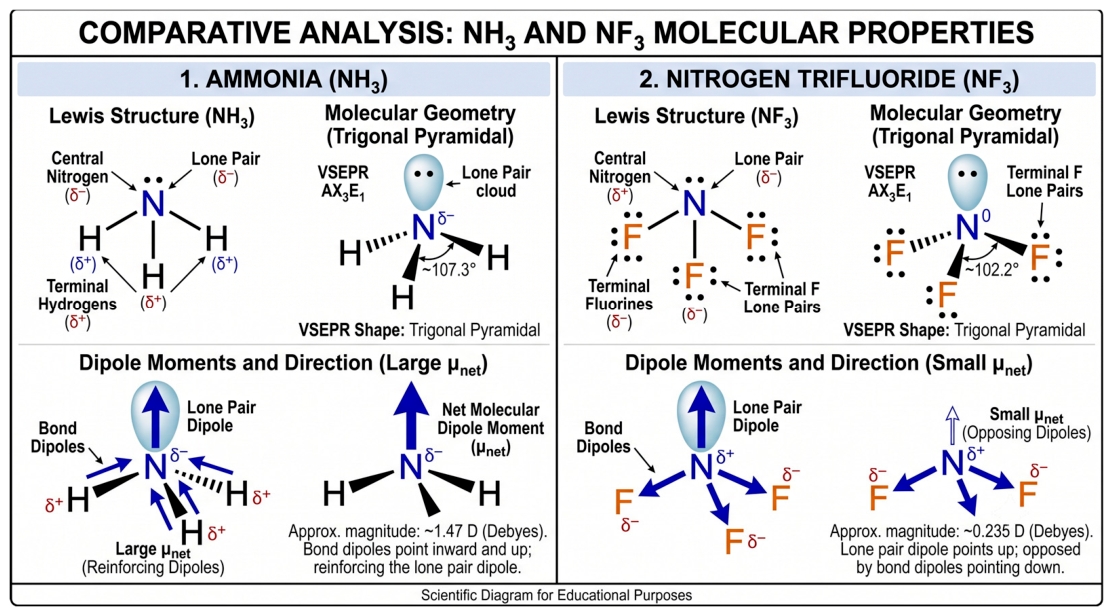
Figure 20.
DDT structure generated using ChatGPT (2026; GPT-5.5).
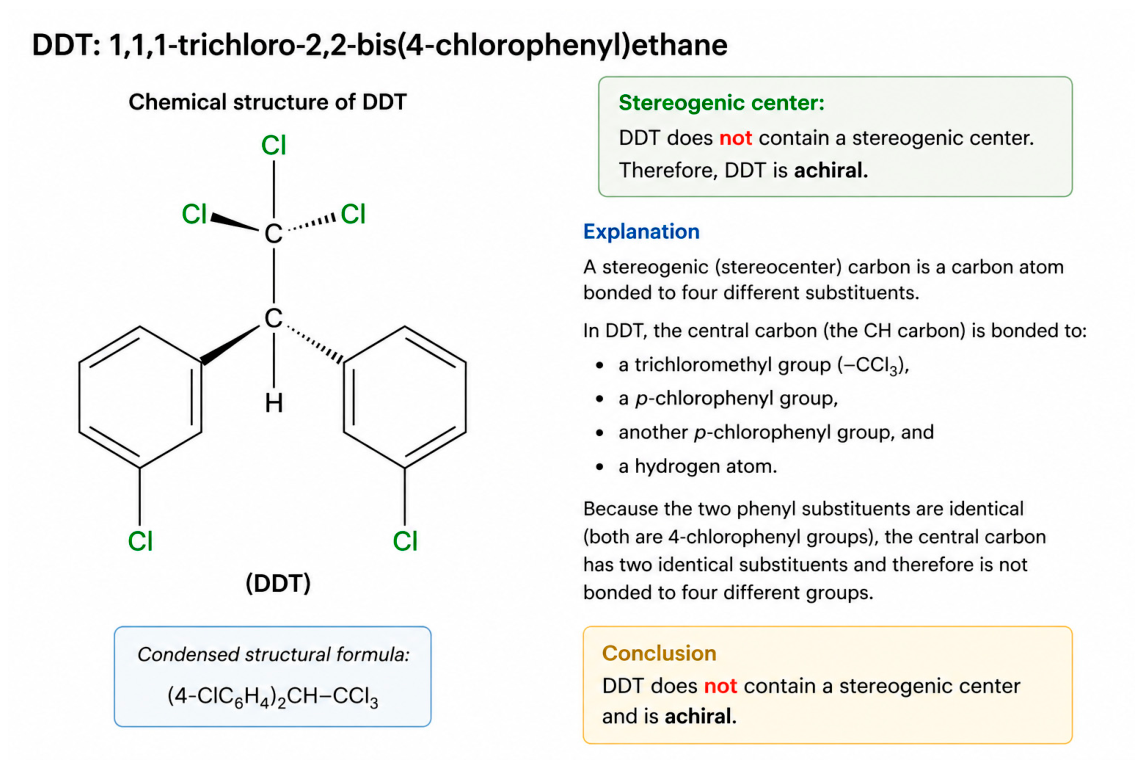
Figure 21.
DDT structure generated using Copilot (2026; GPT-5.6 Think).
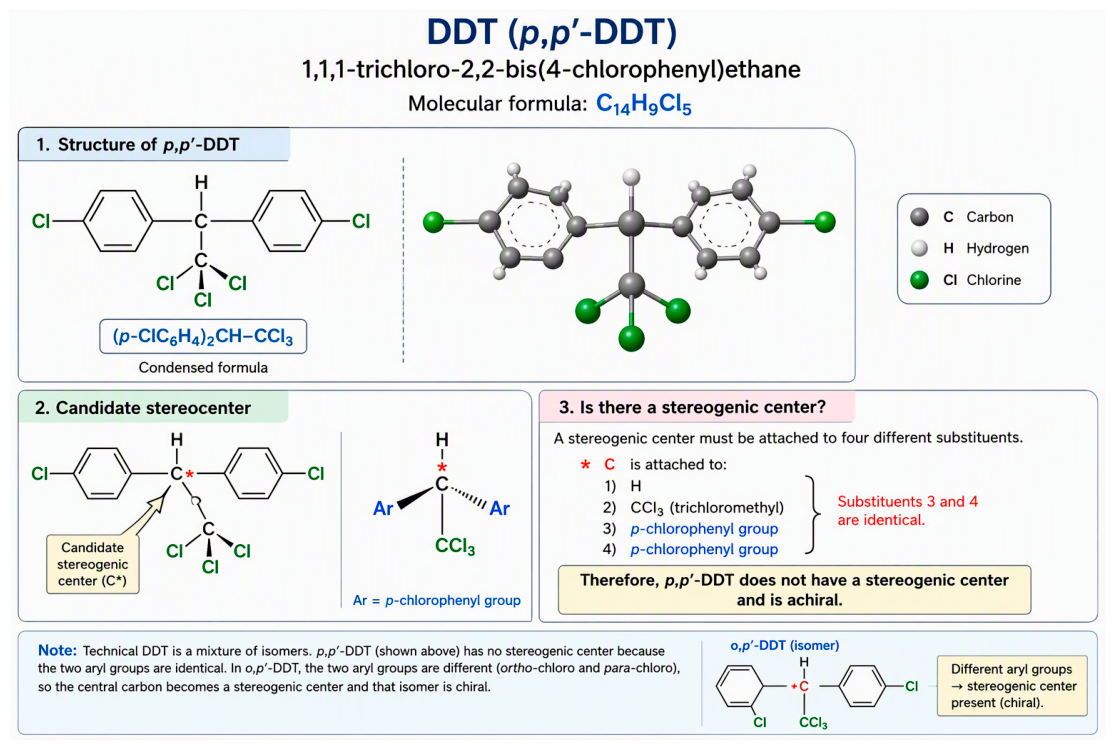
Figure 22.
DDT structure generated using Gemini (2026; 3.1 Pro).
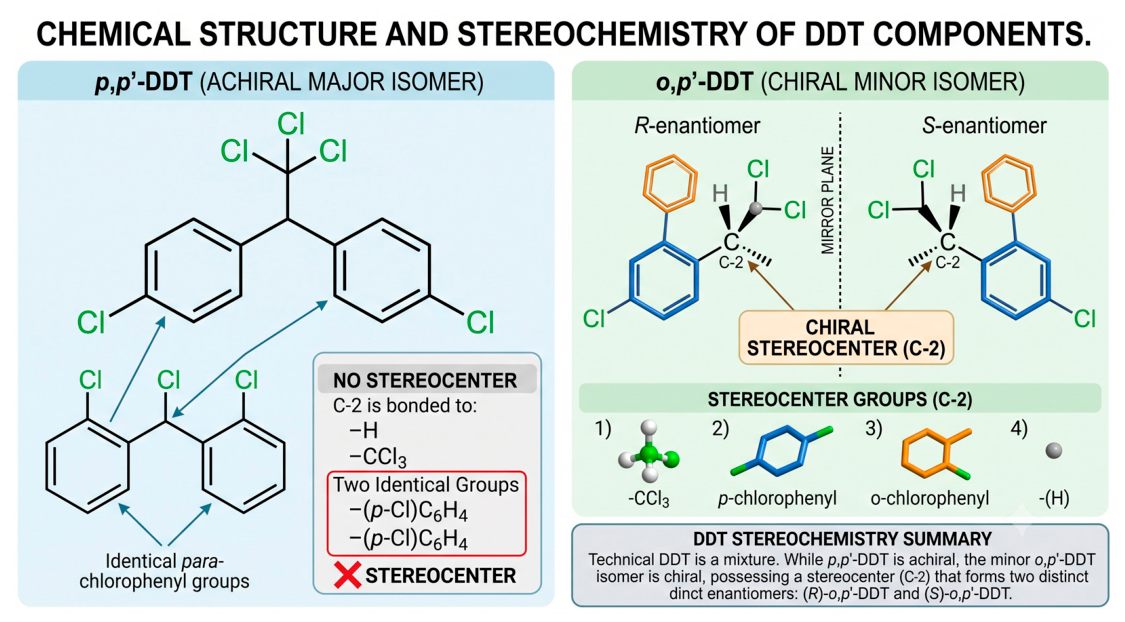

Table 1.
Versions of Freely Accessible Large Language Models Employed in This Study (June 2025).
| Tool | Version (June 2025) | Version (July 2026) |
| ChatGPT | GPT-4o | GPT-5.5 |
| Gemini | Gemini 2.5 Flash | Gemini 3.1 Pro |
| Copilot | Copilot (GPT-4o) | GPT-5.6 Think |
Disclaimer/Publisher’s Note: The statements, opinions and data contained in all publications are solely those of the individual author(s) and contributor(s) and not of MDPI and/or the editor(s). MDPI and/or the editor(s) disclaim responsibility for any injury to people or property resulting from any ideas, methods, instructions or products referred to in the content. |
© 2026 by the authors. Licensee MDPI, Basel, Switzerland. This article is an open access article distributed under the terms and conditions of the Creative Commons Attribution (CC BY) license (http://creativecommons.org/licenses/by/4.0/).
Copyright: This open access article is published under a Creative Commons CC BY 4.0 license, which permit the free download, distribution, and reuse, provided that the author and preprint are cited in any reuse.