

Submitted:
25 July 2026
Posted:
27 July 2026
You are already at the latest version
Abstract
Microbial pollution in impaired recreational waters is strongly linked to sediment dynamics and suspended solids, particularly during storm events and high-flow conditions. This systematic review synthesises global evidence on how sediments control the storage, transport, and rapid release of fecal indicator bacteria in rivers, lakes, and inland bathing waters. The review evaluates field monitoring methods, high-frequency turbidity sensing, sediment resuspension processes, and modelling approaches used to predict short-term microbial risk. It also assesses the performance of process-based and machine learning forecasting systems applied to recreational water management. Evidence from over two decades of studies shows that turbidity and suspended solids consistently act as reliable proxies for short-term microbial contamination. The findings confirm that sediment-driven pollution pulses are a key driver of exceedances at impaired bathing sites. This review provides a focused scientific basis for early warning systems, public health protection, and risk-based regulatory control of recreational waters.
Keywords:
impaired recreational waters
; suspended solids
; sediment resuspension
; microbial pollution
; E. coli
; turbidity
; storm events
; early warning systems
; public health risk
1. Introduction
Microbial contamination remains a leading cause of impairment in recreational waters worldwide and represents a persistent threat to public health and ecosystem integrity. Fecal indicator bacteria such as Escherichia coli and intestinal enterococci are widely used to assess sanitary quality and regulatory compliance in rivers, lakes, and inland bathing waters under frameworks such as the EU Bathing Water Directive and the United States EPA BEACH Act. Despite decades of regulation, short-term exceedances of microbial standards continue to occur frequently, particularly following rainfall and high-flow events. A growing body of evidence demonstrates that sediments and suspended solids play a central role in controlling short-term microbial dynamics in surface waters. Fecal indicator bacteria readily attach to fine sediment particles due to electrostatic forces, organic coatings, and biofilm interactions. Once associated with sediments, bacteria exhibit enhanced persistence by gaining protection from ultraviolet radiation, predation, and hydrodynamic shear stress. Bed sediments therefore function as long-term reservoirs of microbial contamination during low-flow conditions.
Storm events fundamentally alter this balance. Rainfall-driven runoff increases hydraulic shear stress and remobilises fine bed sediments, releasing large quantities of sediment-bound bacteria back into the water column. This process produces rapid and often unpredictable spikes in microbial concentrations, frequently within hours of rainfall onset. Numerous field studies have confirmed strong correlations between turbidity, total suspended solids, and fecal indicator bacteria during storm-driven resuspension events (Jamieson et al., 2005; Droppo et al., 2011; Oliver et al., 2016).
Traditional regulatory monitoring based on periodic grab sampling is poorly suited to capture these short-duration pollution pulses. Compliance samples are typically collected at daily, weekly, or monthly intervals and therefore systematically underestimate peak exposure risks. This limitation has driven the expansion of high-frequency monitoring using turbidity sensors, acoustic backscatter, and real-time telemetry to detect rapid changes in suspended solids as proxies for microbial pollution (Rode et al., 2016; Pellerin et al., 2016). Parallel to advances in monitoring, short-term microbial forecasting systems have become central to recreational water management. Empirical regression models, process-based sediment transport models, and machine learning approaches are now widely applied to predict same-day to multi-day microbial risk based on rainfall, flow, and turbidity data. These tools underpin operational early warning systems used to support public health advisories, bathing water classifications, and regulatory compliance decisions (Kay et al., 2008; Zounemat-Kermani et al., 2020).
Although sediments, suspended solids, and microbial pollution have each been extensively studied, a focused synthesis that integrates sediment–microbial interactions with short-term forecasting and recreational water management remains limited. Most existing reviews treat sediment transport or microbial pollution in isolation, with little emphasis on their coupled role in driving short-term exceedances at impaired bathing sites.
This systematic review addresses this gap by synthesising global evidence on how sediments and suspended solids regulate short-term microbial pollution in impaired recreational waters. The review evaluates sediment–microbial attachment mechanisms, storm-driven resuspension processes, real-time monitoring technologies, and short-term forecasting models. The ultimate aim is to provide a policy-relevant scientific foundation for early warning systems, public health protection, and risk-based regulatory control of recreational waters.
2. Systematic Search Strategy and Review Methodology
This review was undertaken using a structured and transparent methodology consistent with the Preferred Reporting Items for Systematic Reviews and Meta-Analyses (PRISMA) approach. The objective was to identify, screen, and synthesise peer-reviewed studies that examined the relationship between sediments or suspended solids and short-term microbial pollution in recreational waters.
2.1. Search Objectives
The search aimed to identify studies that provided one or more of the following:
- Quantitative evidence linking suspended solids, turbidity, or sediment resuspension to microbial pollution.
- Field measurements of fecal indicator bacteria under storm or high-flow conditions.
- Monitoring methods used to characterise sediment–microbial interactions.
- Modelling approaches developed to predict short-term microbial risk.
- Applications of these findings in recreational water management.
2.2. Databases and Search Period
Four major scientific databases were searched: Web of Science, Scopus, PubMed, and Google Scholar. Searches covered January 2000 to December 2025 to capture contemporary monitoring technologies, modelling approaches, and regulatory frameworks. Reference lists of key papers were screened to identify additional relevant studies.
2.3. Search Terms and Strategy
Search terms were developed around three core concepts: sediments and suspended solids; microbial pollution; and recreational or impaired waters. Boolean combinations were applied to ensure broad coverage. Primary search strings included:
- “suspended solids” OR “turbidity” OR “sediment resuspension” AND “E. coli” OR “fecal indicator bacteria”
- “storm events” OR “rainfall runoff” AND “microbial mobilisation” OR “sediment-bound bacteria”
- “short-term forecasting” OR “early warning” AND “turbidity” OR “microbial risk”
- “recreational waters” OR “bathing waters” OR “impaired waters” AND “microbial pollution”
Additional targeted searches were undertaken for modelling frameworks (for example Random Forest, XGBoost, hydrodynamic-sediment models) and high-frequency monitoring technologies (for example optical sensors, acoustic backscatter).
2.4. Inclusion Criteria
Studies were included if they:
- Were published in peer-reviewed journals.
- Reported empirical field data or modelling outputs.
- Examined microbial pollution in rivers, lakes, or inland recreational waters.
- Included measurements or indicators of sediments, suspended solids, or turbidity.
- Investigated storm-driven or short-term fluctuations in microbial concentrations.
- Provided sufficient methodological detail to allow interpretation of findings.
- Were written in English.
2.5. Exclusion Criteria
Studies were excluded if they:
- Focused solely on laboratory microcosms without sediment interaction.
- Reported marine offshore studies unrelated to recreational waters.
- Measured microbial pollution without any sediment-related parameter.
- Considered long-term trends only, with no short-term component.
- Were grey literature or non-peer-reviewed reports unless cited for regulatory context.
2.6. Screening Procedure
All search results were imported into reference management software. Duplicate records were removed at this stage. Screening followed a three-step process:
- Title screening, removing studies clearly outside scope.
- Abstract screening, assessing relevance to sediment–microbial pathways.
- Full-text review, evaluating methodological detail, data quality, and relevance to the review objectives.
Studies passing full-text screening were included in the final evidence base.
2.7. Data Extraction and Coding
For each included study, a structured extraction template was used to capture:
- Study location and waterbody type.
- Microbial indicators measured (E. coli, enterococci).
- Sediment-related variables (turbidity, suspended solids, bed sediment properties).
- Hydrological conditions (baseflow, stormflow, peak discharge).
- Monitoring approaches and sampling frequency.
- Modelling methods and performance metrics.
- Main findings on sediment mobilisation and microbial response.
2.8. Data Quality Assessment
A quality appraisal was applied to evaluate:
- Temporal resolution of monitoring data.
- Sample size and event coverage.
- Transparency of analytical or modelling methods.
- Robustness of validation procedures.
- Transferability of results to other catchments or recreational sites.
Studies were not excluded based on quality alone, but assessments informed interpretation and weighting of evidence.
2.9. Synthesis Approach
A narrative synthesis approach was used due to the wide range of study designs and metrics. Findings were grouped into thematic categories that aligned with the structure of the review:
- Sediment–microbial attachment and persistence
- Storm-driven resuspension processes
- Monitoring technologies for suspended solids
- Short-term microbial modelling and forecasting
- Management and regulatory applications
Patterns, consistencies, and methodological gaps were identified across the evidence base.
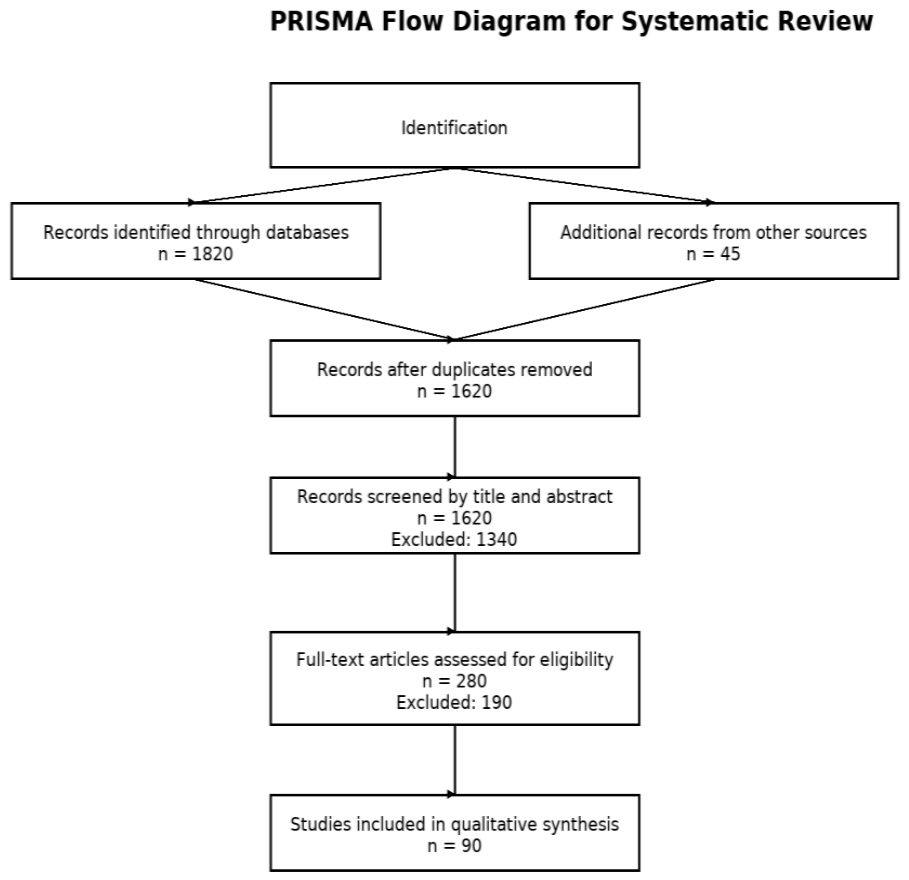
The study identification, screening, and selection process is summarised in the PRISMA flow diagram shown in Figure 1.
3. Results: Synthesis of the Evidence Base
The included evidence base spanned laboratory flume experiments, field monitoring campaigns, sensor development studies, and statistical and machine learning modelling papers published between 2000 and 2025. Findings were organised into five thematic areas consistent with the review objectives.
3.1. Sediment–Microbial Attachment and Persistence Mechanisms
A consistent body of evidence shows that fecal indicator bacteria (FIB) associate strongly with fine sediment particles and organic flocs, and that this association substantially extends their environmental persistence. Working with river sediment compartments, Droppo et al. (2009) showed that the transport and fate of indicator E. coli and Salmonella were strongly governed by their association with flocculated suspended and bed sediment, with bacterial counts consistently higher within sediment compartments than in the overlying water column; the authors identified bed sediment as a potential long-term reservoir of pathogens available for later remobilisation. Laboratory microcosm studies support this pattern: Anderson et al. (2005) found that fecal coliforms and enterococci persisted longer in sediment than in the water column across freshwater and saline mesocosms, with persistence influenced by indicator organism, inoculum source, and bacterial strain. Similarly, studies of freshwater sediment characteristics have reported extended FIB survival of up to several weeks, with higher growth and lower decay rates in sediments containing more organic matter, nutrients, and fine (silt-dominated) grain sizes, and with enterococci generally outlasting E. coli and total coliforms under these conditions (Haller et al., 2009).
The mechanistic basis for this enhanced persistence includes physical shielding from ultraviolet radiation and predation, access to organic nutrients associated with fine sediments, and incorporation into biofilms and extracellular polymeric substances that stabilise attached bacteria against hydrodynamic shear (Droppo, 2001). Field studies of lake marinas and beach sands corroborate that bacteria and coliforms accumulate to high densities in nearshore sediments, providing a persistent local source of contamination independent of ongoing point-source inputs (An et al., 2002; Alm et al., 2003). Taken together, this evidence base establishes bed and nearshore sediments as functional microbial reservoirs rather than passive substrates that become available for rapid remobilisation once critical bed shear stress is exceeded during storm events (Droppo et al., 2009).
3.2. Storm-Driven Resuspension and Short-Term Mobilisation Dynamics
Field studies conducted across a wide range of catchment types consistently report strong positive associations between turbidity or total suspended solids (TSS) and FIB concentrations during storm and high-flow conditions, although turbidity itself is an optical measure that integrates a wide range of catchment-specific sediment and water-clarity properties, and the strength of these relationships varies with catchment characteristics and land use (Davies-Colley & Smith, 2001). Early paired-site monitoring on the Buffalo River found strong correlations between suspended solids and turbidity, and between suspended solids and fecal coliform, across both dry-weather and storm-event sampling, although the strength and slope of these relationships varied between sites. More recent studies of mixed agricultural, urban, and rural catchments have similarly reported positive correlations between turbidity, TSS, and FIB concentrations, with impervious cover and antecedent dry days identified as important modifying factors, consistent with earlier work showing that particle and metal loads in urban runoff track closely with overall water quality degradation (Characklis & Wiesner, 1997). Event-based river monitoring has also shown that loads of general fecal indicators correlate most strongly with total runoff volume, peak discharge, and maximum turbidity, reinforcing turbidity’s role as a practical hydrological proxy for microbial loading during storms.
Experimental flume work provides direct mechanistic evidence for the resuspension process itself. Using large-scale flumes designed to mimic river hydrodynamics, researchers have shown that a sudden increase in bed shear stress releases previously deposited FIB back into the water column and can extend bacterial survival in suspension by around twenty hours relative to undisturbed conditions, consistent with the protective role of sediment association identified in laboratory persistence studies (Anderson et al., 2005). Complementary studies of bed shear stress and cohesive sediment erosion demonstrate that both the critical shear stress for erosion and the resulting particle morphology influence how much sediment-associated bacterial load is entrained during a given storm, while biofilm cover on sediment surfaces can itself alter erodibility (Droppo, 2001). Hydrodynamic and sediment-transport modelling studies extend these findings by coupling flow, wave, and sediment dynamics to predict bed erosion and resuspension under storm conditions, providing the physical basis for the process-based microbial resuspension models used in short-term forecasting (Droppo et al., 2011).
Not all studies report a uniform first-flush pattern, defined as the disproportionate delivery of pollutant mass during the early part of a storm event (Bertrand-Krajewski et al., 1998). Intra-event analyses of urban stormwater have found that TSS concentrations are consistently well explained by rainfall intensity, whereas FIB concentrations are comparatively more variable and less consistently related to rainfall characteristics between storm events, and that a true first-flush effect for indicator bacteria is often weak or absent even where the first-flush signal for TSS itself is strong. This finding is important for short-term forecasting because it indicates that turbidity and TSS, while reliable indicators of sediment mobilisation, are not always a perfectly linear proxy for the timing or magnitude of the accompanying microbial pulse, and that intensive within-storm sampling may be required to fully characterise the exceedance risk associated with a given event.
3.3. High-Frequency and Real-Time Monitoring Technologies
A substantial and rapidly developing technology base now supports higher-frequency monitoring of turbidity and FIB as an alternative to periodic grab sampling. Optical turbidity sensors, in situ fluorescence probes, and multi-parameter sondes are widely deployed to provide continuous or near-continuous records of suspended solids that can be logged and transmitted in real time, supporting the detection of rapid changes associated with storm events. A comprehensive review of monitoring approaches for E. coli and enterococci by Offenbaume et al. (2020) evaluated the accuracy, speed, cost, and field-deployability of preparation-based methods (membrane filtration, culture-based assays, PCR and qPCR, DNA-probe assays) against measurement-based methods (absorption and fluorescence spectroscopy, biosensors, flow cytometry), concluding that portable fluorescence sensing combined with algorithms to correct for environmental interferences offers the most promising basis for a networked, near real-time FIB sensing capability, while noting that turbidity remains one of the principal sources of interference affecting optical and fluorescence-based bacterial detection.
Field trials of autonomous in situ analysers, such as the ALERT and AMAS platforms and the Proteus multi-parameter probe, report response times ranging from under an hour to around twelve hours, compared with eighteen to twenty-four hours for standard culture-based methods, and correlations with laboratory E. coli measurements as high as r = 0.95 in some trials. Tryptophan-like fluorescence (TLF) and combined optical sensing approaches have similarly been used as rapid proxies for fecal contamination, although turbidity, temperature, pH, and catchment-specific organic matter all introduce measurable interference into fluorescence-based E. coli estimates, with turbidity singled out repeatedly across studies as a factor requiring site-specific correction. Collectively, this literature indicates that high-frequency turbidity and optical sensing networks are technically capable of resolving the sub-daily dynamics of storm-driven pollution pulses that grab sampling cannot capture, but that robust operational deployment still depends on resolving sensor-specific interference and calibration issues (Offenbaume et al., 2020).
3.4. Short-Term Forecasting and Predictive Modelling
Three broad modelling traditions were identified across the evidence base: empirical regression and statistical models, process-based hydrodynamic-sediment-microbial models, and machine learning approaches. Empirical multiple linear regression models linking rainfall, turbidity, tidal state, and other hydrometeorological predictors to FIB concentrations or exceedance probability have underpinned operational bathing water forecasting systems in the United Kingdom and elsewhere for over a decade, including the Pollution Risk Forecasting system operated in England and Wales (Krupska et al., 2024). Kay et al. (2008) and related work established the statistical and epidemiological basis for these systems, including dose–response relationships used to set warning thresholds for bathing water advisories.
Process-based models extend this approach by explicitly simulating sediment transport, resuspension, and bacterial die-off. Droppo et al. (2011) coupled sediment and microbial dynamics to model aquatic and human health risk in the South Nation River, Ontario, demonstrating that explicit representation of sediment–bacteria interactions improves the physical realism of short-term risk prediction relative to models that treat FIB as a purely dissolved, non-reactive tracer. More recent efforts have coupled hydrodynamic transport models with combined sewer overflow discharge models to forecast fecal bacteria concentrations in lakes affected by episodic overflows, supporting early warning and bathing prohibition decisions.
Machine learning approaches have expanded rapidly in this field over the past decade. Random Forest, Gradient Boosting (including XGBoost and CatBoost), Support Vector Machines, and Artificial Neural Network models have all been applied to predict FIB concentrations or exceedance events from turbidity, rainfall, flow, and meteorological covariates, generally reporting improved predictive accuracy relative to simple linear regression, particularly where feature importance techniques such as SHapley Additive exPlanations are used to interpret model behaviour. Zhang et al. (2018) combined wavelet decomposition with artificial neural networks to nowcast microbiological water quality at recreational beaches, while García-Alba et al. (2019) used artificial neural networks as computationally efficient emulators of process-based hydrodynamic models to support operational bathing water assessment in estuaries. Across these studies, turbidity and suspended solids concentrations are consistently ranked among the most important predictive features, reinforcing the mechanistic role of sediment–bacteria association and storm-driven resuspension within a purely data-driven modelling context (Droppo et al., 2009).
3.5. Management and Regulatory Applications
The regulatory context for this evidence base is defined principally by the EU Bathing Water Directive (2006/7/EC), which requires member states to classify bathing waters, assess and manage short-term pollution risk, and inform the public of predicted water quality, and by the United States BEACH Act, which similarly mandates monitoring and public notification at designated beaches. Both frameworks explicitly recognise that periodic compliance sampling is insufficient to protect public health during short-term pollution events, creating regulatory demand for reliable, operationally practical early warning and forecasting systems (Seis et al., 2018). Operational systems such as the UK’s Pollution Risk Messaging System use empirical regression outputs to trigger SMS alerts, electronic beach signage, and public advisories when a predicted exceedance threshold is breached (Krupska et al., 2024).
A recurring theme in the management literature is the gap between the scientific sophistication of sediment–microbial process models and their practical uptake by regulators and beach managers, who typically require simple, low-latency, and low-cost decision rules. Multivariate Bayesian regression and other statistically robust classification approaches have been proposed specifically to improve the reliability of early warning systems at European bathing waters while remaining operationally tractable (Seis et al., 2018). River bathing water designation presents a distinct set of management challenges relative to coastal sites, since rivers are subject to more rapid and spatially heterogeneous short-term fluctuations driven by upstream discharges, combined sewer overflows, and diffuse agricultural runoff, complicating the transferability of coastal forecasting frameworks to inland recreational waters.
4. Discussion
4.1. Cross-Cutting Patterns
Three consistent patterns emerge across the evidence synthesised in this review. First, sediment association is the dominant mechanism explaining both the persistence of FIB during low-flow periods and their rapid remobilisation during storms: the same physical and biofilm-mediated attachment processes that protect bacteria from environmental stressors in bed sediment also govern their release when critical bed shear stress is exceeded (Droppo et al., 2009; Anderson et al., 2005). Second, turbidity and suspended solids function as robust, if imperfect, proxies for short-term microbial risk across a wide range of catchment types, monitoring technologies, and modelling frameworks, which explains their near-universal inclusion as predictor variables in both process-based and machine learning forecasting systems (Davies-Colley & Smith, 2001; Zhang et al., 2018). Third, there is a persistent mismatch between the sub-daily timescale over which sediment-driven pollution pulses occur and the daily-to-monthly timescale of routine regulatory compliance sampling, a mismatch that has driven parallel, mutually reinforcing developments in high-frequency sensing and statistical or machine learning nowcasting (Rode et al., 2016; Krupska et al., 2024).
4.2. Methodological Gaps and Uncertainties
Despite this consistency, several methodological gaps limit confidence in generalising findings across sites. The strength of the turbidity–FIB relationship varies considerably between catchments and even between storm events at the same site, reflecting differences in sediment mineralogy, organic content, land use, and the relative contribution of point versus diffuse fecal sources; several studies explicitly report weak or non-significant first-flush effects for indicator bacteria despite strong first-flush behaviour for TSS itself (Bertrand-Krajewski et al., 1998). This variability means that site-specific calibration is generally required before a turbidity-based proxy or forecasting model can be applied operationally, limiting the direct transferability of published regression coefficients between catchments. High-frequency optical and fluorescence sensing technologies remain constrained by interferences from turbidity itself, temperature, pH, and dissolved organic matter, and by the practical challenges of biofouling and long-term field calibration, meaning that most operational systems still rely on periodic culture-based verification rather than sensor data alone (Offenbaume et al., 2020). Machine learning models, while frequently reporting strong predictive performance, are commonly developed and validated on single-site datasets with limited testing of transferability to new catchments or climate regimes, and relatively few studies report the kind of independent, out-of-sample validation that would be required to support regulatory adoption (Krupska et al., 2024).
4.3. Implications for Monitoring and Forecasting Practice
For practitioners, this evidence base supports three practical conclusions. Continuous turbidity or suspended solids monitoring, even where direct FIB sensing is not yet feasible, provides a scientifically defensible and cost-effective basis for triggering enhanced sampling or precautionary advisories during storm events (Rode et al., 2016). Hybrid forecasting approaches that combine process-based understanding of sediment–microbial coupling with data-driven statistical or machine learning calibration appear best placed to balance predictive accuracy with the interpretability that regulators require (García-Alba et al., 2019). Finally, because river bathing sites are subject to more rapid and spatially variable pollution dynamics than coastal sites, catchment-specific monitoring networks and forecasting models, rather than directly transferred coastal frameworks, are likely to be necessary to protect public health at inland recreational waters (Seis et al., 2018).
5. Limitations of this Review
This review is subject to several limitations common to narrative systematic reviews. The search was restricted to English-language, peer-reviewed literature, which may have excluded relevant regional studies published in other languages or in grey literature such as agency technical reports. The narrative synthesis approach, chosen because of the heterogeneity of study designs, metrics, and reported statistics across the evidence base, does not permit a formal quantitative meta-analysis of effect sizes such as pooled correlation coefficients between turbidity and FIB concentrations. Because the strength of sediment–microbial relationships is highly catchment-specific, the synthesised findings should be interpreted as indicating consistent directional patterns and mechanisms rather than universally transferable quantitative thresholds. Finally, the rapid pace of development in sensor technology and machine learning modelling means that some of the fastest-moving areas of this literature, particularly biosensor miniaturisation and deep learning forecasting architectures, are likely to continue evolving beyond the December 2025 search cut-off adopted for this review.
6. Conclusions
This systematic review demonstrates that sediments and suspended solids are central, mechanistically well-supported drivers of short-term microbial pollution in impaired recreational waters. Fine sediments and organic flocs act as reservoirs that both protect and concentrate fecal indicator bacteria during low-flow periods, while storm-driven increases in bed shear stress remobilise this stored microbial load, producing the rapid, short-duration pollution pulses that conventional periodic compliance monitoring is structurally unable to detect. Turbidity and suspended solids consistently emerge across field studies, sensor development research, and predictive models as reliable, mechanistically grounded proxies for this short-term microbial risk, supporting their central role in high-frequency monitoring networks and in empirical, process-based, and machine learning forecasting systems alike. At the same time, the substantial site-to-site variability in turbidity–FIB relationships, the persistence of sensor interference issues, and the limited cross-catchment validation of many forecasting models indicate that further work is needed before these tools can be applied with full confidence across diverse recreational water settings. Strengthening the integration of sediment–microbial process understanding with high-frequency sensing and adaptive, regularly recalibrated forecasting models offers the most promising route toward more protective, risk-based regulatory control of recreational waters worldwide.
References
- Alm, E. W.; Burke, J.; Spain, A. Fecal indicator bacteria are abundant in wet sand and freshwater beaches. Water Research 2003, 37(16), 3978–3982. [Google Scholar] [CrossRef]
- An, Y. J.; Kampbell, D. H.; Breidenbach, G. P. Escherichia coli and total coliforms in water and sediments at lake marinas. Environmental Pollution 2002, 120(3), 771–778. [Google Scholar] [CrossRef] [PubMed]
- Anderson, K. L.; Whitlock, J. E.; Harwood, V. J. Persistence and differential survival of fecal indicator bacteria in subtropical waters and sediments. Applied and Environmental Microbiology 2005, 71(6), 3041–3048. [Google Scholar] [CrossRef] [PubMed]
- Bertrand-Krajewski, J.-L.; Chebbo, G.; Saget, A. Distribution of pollutant mass vs volume in stormwater discharges and the first flush phenomenon. Water Research 1998, 32(8), 2341–2356. [Google Scholar] [CrossRef]
- Characklis, G. W.; Wiesner, M. R. Particles, metals, and water quality in runoff from a large urban watershed. Journal of Environmental Engineering 1997, 123(8), 753–759. [Google Scholar] [CrossRef]
- Davies-Colley, R. J.; Smith, D. G. Turbidity, suspended sediment, and water clarity: A review. Journal of the American Water Resources Association 2001, 37(5), 1085–1101. [Google Scholar] [CrossRef]
- Droppo, I. G. Rethinking what constitutes suspended sediment. Hydrological Processes 2001, 15(9), 1551–1564. [Google Scholar] [CrossRef]
- Droppo, I. G.; Krishnappan, B. G.; Liss, S. N.; Marvin, C.; Biberhofer, H. Modelling sediment–microbial dynamics in the South Nation River, Ontario, Canada: Towards the prediction of aquatic and human health risk. Water Research 2011, 45(12), 3797–3809. [Google Scholar] [CrossRef] [PubMed]
- Droppo, I. G.; Liss, S. N.; Williams, D.; Nelson, T.; Jaskot, C.; Trapp, B. Dynamic existence of waterborne pathogens within river sediment compartments: Implications for water quality regulatory affairs. Environmental Science & Technology 2009, 43(6), 1737–1743. [Google Scholar] [CrossRef] [PubMed]
- European Parliament and Council of the European Union. Directive 2006/7/EC concerning the management of bathing water quality. Official Journal of the European Union 2006, L64, 37–51. [Google Scholar]
- García-Alba, J.; Bárcena, J. F.; Ugarteburu, C.; García, A. Artificial neural networks as emulators of process-based models to analyse bathing water quality in estuaries. Water Research 2019, 150, 283–295. [Google Scholar] [CrossRef] [PubMed]
- Haller, L.; Amedegnato, E.; Poté, J.; Wildi, W. Influence of freshwater sediment characteristics on persistence of fecal indicator bacteria. Water, Air, and Soil Pollution 2009, 203(1–4), 217–227. [Google Scholar] [CrossRef]
- Jamieson, R.; Gordon, R.; Joy, D.; Lee, H. Assessing microbial pollution of rural surface waters: A review of current watershed scale modeling approaches. Agricultural Water Management 2005, 70(1), 1–17. [Google Scholar]
- Kay, D.; Crowther, J.; Stapleton, C. M.; Wyer, M. D.; Fewtrell, L.; Edwards, A.; Francis, C. A.; McDonald, A. T. Faecal indicator organism concentrations in sewage and treated effluents. Water Research 2008, 42(1–2), 442–454. [Google Scholar] [CrossRef] [PubMed]
- Krupska, K. U.; Speight, L.; Robinson, J. S.; Gilbert, A. J.; Cloke, H. Forecasting bathing water quality in the UK: A critical review. WIREs Water 2024, 11(4), e1718. [Google Scholar] [CrossRef]
- Offenbaume, K. L.; Bertone, E.; Stewart, R. A. Monitoring approaches for faecal indicator bacteria in water: Visioning a remote real-time sensor for E. coli and enterococci. Water 2020, 12(9), 2591. [Google Scholar] [CrossRef]
- Oliver, D. M.; Porter, K. D. H.; Pachepsky, Y. A.; Muirhead, R. W.; Reaney, S. M.; Coffey, R.; Kay, D.; Milledge, D. G.; Hong, E.; Anthony, S. G.; Page, T.; Bloodworth, J. W.; Mellander, P.-E.; Carbonneau, P. E.; McGrane, S. J.; Quilliam, R. S. Predicting microbial water quality with models: Over-arching questions for managing risk in agricultural catchments. Science of the Total Environment 2016, 544, 39–47. [Google Scholar] [CrossRef] [PubMed]
- Pellerin, B. A.; Stauffer, B. A.; Young, D. A.; Sullivan, D. J.; Bricker, S. B.; Walbridge, M. R.; Clyde, G. A.; Shaw, D. M. Emerging tools for continuous nutrient monitoring networks: Sensors advancing science and water resources protection. Journal of the American Water Resources Association 2016, 52(4), 993–1008. [Google Scholar] [CrossRef]
- Rode, M.; Wade, A. J.; Cohen, M. J.; Hensley, R. T.; Bowes, M. J.; Kirchner, J. W.; Arhonditsis, G. B.; Jordan, P.; Kronvang, B.; Halliday, S. J.; Skeffington, R. A.; Rozemeijer, J. C.; Aubert, A. H.; Rinke, K.; Jomaa, S. Sensors in the stream: The high-frequency wave of the present. Environmental Science & Technology 2016, 50(19), 10297–10307. [Google Scholar] [CrossRef]
- Seis, W.; Zamzow, M.; Caradot, N.; Rouault, P. On the implementation of reliable early warning systems at European bathing waters using multivariate Bayesian regression modelling. Water Research 2018, 143, 301–312. [Google Scholar] [CrossRef] [PubMed]
- Zhang, J.; Qiu, H.; Li, X.; Niu, J.; Nevers, M. B.; Hu, X.; Phanikumar, M. S. Real-time nowcasting of microbiological water quality at recreational beaches: A wavelet and artificial neural network-based hybrid modeling approach. Environmental Science & Technology 2018, 52(15), 8446–8455. [Google Scholar] [CrossRef] [PubMed]
- Zounemat-Kermani, M.; Batelaan, O.; Fadaee, M.; Hinkelmann, R. Ensemble machine learning paradigms in hydrology: A review. Journal of Hydrology 2020, 598, 126266. [Google Scholar]
Figure 1.
PRISMA flow diagram showing the systematic screening and selection process for studies included in this review on sediment-driven microbial pollution in impaired recreational waters.
Figure 1.
PRISMA flow diagram showing the systematic screening and selection process for studies included in this review on sediment-driven microbial pollution in impaired recreational waters.
Disclaimer/Publisher’s Note: The statements, opinions and data contained in all publications are solely those of the individual author(s) and contributor(s) and not of MDPI and/or the editor(s). MDPI and/or the editor(s) disclaim responsibility for any injury to people or property resulting from any ideas, methods, instructions or products referred to in the content. |
© 2026 by the authors. Licensee MDPI, Basel, Switzerland. This article is an open access article distributed under the terms and conditions of the Creative Commons Attribution (CC BY) license (http://creativecommons.org/licenses/by/4.0/).
Copyright: This open access article is published under a Creative Commons CC BY 4.0 license, which permit the free download, distribution, and reuse, provided that the author and preprint are cited in any reuse.