

Submitted:
18 July 2026
Posted:
20 July 2026
You are already at the latest version
Abstract
“Tertulias” (Spanish for “conversational gatherings”) was a study to test a novel peer support group intervention with the purpose of reducing depression and social isolation, and increasing empowerment and resilience, for participants who were women immigrants from Mexico. Tertulias integrated group shared reading (SR) and arts-based research (ABR) activities as novel components of the peer support model being tested. Tertulias was a large, randomized control trial involving 252 participants followed over 12 months, which fills a key gap in SR and ABR research. Results demonstrate that these two practices resulted in unique outcomes that would not have been obtained using traditional health promotion approaches and they revealed novel insights that would not have been able to be discerned using standard research techniques, including using standard community-engaged research techniques. Here, we describe SR and ABR in the outcomes of the study and what we learned about them as novel community practices. The experience of Tertulias with using and integrating SR and ABR demonstrates the valuable potential of these two approaches, used alone or together, for enhancing social connectedness among participants, deepening our understanding of the process and outcomes, and for strengthening community practice in the context of Community-Engaged Research.
Keywords:
arts-based research (ABR)
; group-based shared reading (SR)
; creative works
; peer support
; empowerment
; Mexican immigrants
; women
1. Introduction
On Group Shared Reading:
by Anonymous Tertulias Participant
When we read, we lived the internal life of the characters. It has taught me to live. In this study, we have learned how to live differently. We were all doing this together, studying ourselves and each other at the same time—private investigators.
On Arts-Based Research:
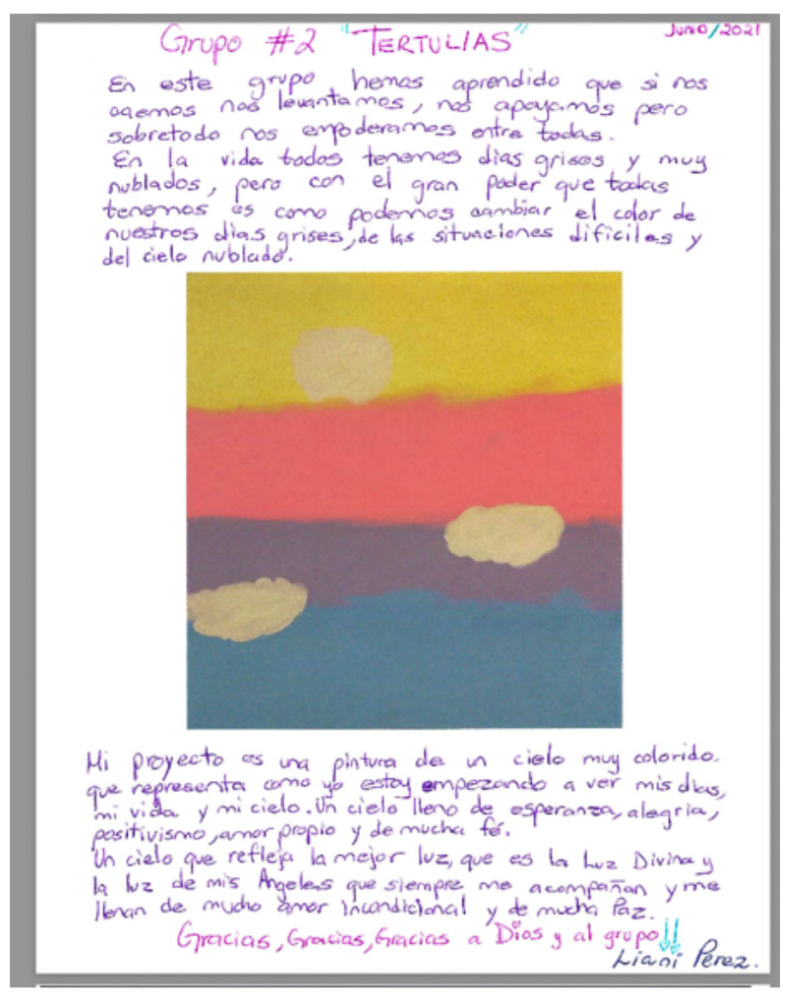
The “Peace Within Me” by Liani Perez
In this group we have learned that if we fall, we get up, we support each other, but most importantly we empower one another. In life, we all have gray and cloudy days, but with all the power we all have it is how we can change the color of our gray days, from difficult situations and cloudy skies. My painting is a painting of a colorful sky that represents how I have begun to see my days, my life and my sky. A sky full of hope, happiness, and positivity, self-love and a lot of faith. A sky that reflects the best lighting, that it is the divine light and the light of my angels who always accompany me and fill me with a lot of unconditional love and a lot of peace. Thank you, thank you, thanks to God and the to the group!!!Figure 1. The Peace Within Me by Liani Perez.
Group Shared Reading (SR)
Over the past two decades, there has been increasing recognition of the need to move beyond the bio-medical model in the design of health promotion initiatives to include not only novel interventions but also novel research methods for gathering data on outcomes. Out-loud reading in group settings has been proposed as a feasible and cost-effective strategy that can be implemented in hospital, clinic, or community settings, including libraries [1,2,3,4,5,6,7,8,9,10,11]. Although the terms bibliotherapy and out-loud group Shared Reading (SR) are often used interchangeably, the concept of bibliotherapy has focused primarily on targeting specific populations such as individuals with dementia, caregivers, or as prevention for individuals at risk of developing an illness or condition, and reading is not necessarily done out-loud. Bibliotherapy reading activities are designed to help participants improve health, develop skills, and achieve personal insights related to illness and wellness [7,12,13,14]. Outcomes of bibliotherapy have included behavioral and cognitive shifts, enhanced social support, and improved ability to goal-set and problem-solve.
Alternatively, group Shared Reading (SR) uses participatory, facilitated, group-based, out-loud reading of works from literature as a community practice to promote health through a strengths-based lens centered on wellbeing and assets rather than a deficits-based approach focused on disease and illness [2,3,6,15,16,17,18]. SR has been associated with a variety of positive health benefits, including improving memory [16] and reducing depression [2,3,5]. But there are suggestions that the benefits of SR go further, with broad emotional, interpersonal, and social impacts such as increases in self-esteem, empathy, self-reflectiveness, and social cohesion (e.g.,[6,15]. Several studies have begun to identify and catalogue the characteristics and mechanisms of SR [2,6,15,19]. Some key dynamics of the “intrinsic benefits of shared reading practice” [15] (p. 124) include “joint focus” on the reading, collaborative meaning-making, and positive changes in participant self-perception and perspective—what Gustafsson and colleagues [15] (p. 123) call the “intricate dance of inter-subjectivity.” In SR, these dynamics that occur between readers in interpretive discussions of the reading also accrue positive social impacts from belonging to a group that help to create connectivity and reduce social isolation. However, the body of literature related to SR is still nascent, with most of this work having been conducted in the United Kingdom, and studies done have been based on small sample sizes, relatively short duration, and most have lacked systematic scientific controls or designs. Still, results have been promising, and they align with community-driven, community-engaged practices [20].
Arts-Based Research (ABR)
Arts-Based Research (ABR) is the use of any artistic activity as part of the research process [21,22,23]. But ABR specifically as a participatory methodological approach has gained interest over the past two decades, especially among researchers who work with populations that have been excluded from research (e.g.,[24,25,26,27,28,29,30]), and as a way to promote participation and engagement in the research enterprise (e.g.,[31]). The focus of ABR differs from art therapy as a form of treatment, where the purpose of the creative process is to heal individual patients [32,33,34]. The focus of ABR is more about creating processes for socially engaged research, incorporating art as an “other way of knowing” [24] in order make inquiry in health and health sciences more participatory, and producing broader social wellbeing beyond individual benefit [29,30,35,36,37]. Using arts-informed methods can offer participants new ways of viewing their own participation in the research, new ways of experiencing the research, and new ways of expressing their ideas and interpretations.
ABR encompasses literary methods (such as poetry, narrative writing, and fiction), video and photographic methods (such as digital storytelling, photovoice, and animation), performance art (such as theatre and dance), sound art (such as music or “soundscapes”), visual art (such as murals, drawings, and paintings), manual art (such as quilting, beadwork, and handwork of all types), or crossover methods that combine multiple methods (such as “zines”) [38,39]. Since ABR is so diverse, a number of studies have attempted to scope, review, catalogue, and categorize different types of ABR (e.g., [27,28,30,37,40]). ABR approaches have been shown to increase empowerment [41] and resilience [42,43,44,45], and to enhance feelings of community [46] and social connectedness [47]. From the perspective of science, ABR can enhance and deepen our understanding of complex issues or outcomes, while fostering co-creation in the research process and increase accessibility of research to be more inclusive for patients, community members, and community partners. However, although artistic expression and creative works have become embedded as part of community health promotion and practice [27,48,49], they continue to be underappreciated in mainstream biomedical health contexts either as therapeutic strategy or as research method. In 2012, Clift [50] called for moving ABR toward being considered an “evidence-based practice,” but we are not there yet.
SR and ABR as Community Practice: Enhanced Impact and Novel Insights
While the results of SR and ABR are promising, previous research using these approaches has been limited by small sample size and limited follow-up, and few studies have used rigorous scientific design. Therefore, despite both enthusiasm and interest, SR and ABR are still seen by most funders and reviewers as even more “fluffy” and subjective than other qualitative approaches—not “real” science. However, we incorporated both activities as novel components in “Tertulias” (Spanish for “conversational gatherings”), a study we conducted to test a novel peer support group intervention with the purpose of reducing depression and social isolation, and increasing empowerment and resilience, for participants who were women immigrants from Mexico. Tertulias was a large, rigorously designed randomized control trial involving 252 participants in four cohorts followed over 12 months. Therefore, this study fills a key gap in SR and ABR research and evidence. Results of the study demonstrate benefits that accrued from both practices, but also these two practices and their joint integration into the study resulted in unique outcomes that would not have been obtained using traditional health promotion approaches, and they revealed novel insights that would not have been able to be discerned using standard research techniques, including using commonly employed community-engaged research techniques. Here, we describe SR and ABR in the outcomes of the study and what we learned about them as novel community practices.
2. Materials and Methods
Study Design & Theory
Tertulias is described in detail in our publications (AUTHORS). We designed the study to align with a theoretical “architecture” combining three theoretical frameworks:
Patient and Public Involvement Statement
Tertulias used a Community-Driven, Community-Engaged Research (CD-CEnR) approach with participation across the life of the research. Community members not only engaged with Tertulias but actively drove and shaped the intervention into something that aligned with their own identified interests. The original impetus for study came from community partners who identified the research questions and hypotheses (AUTHORS). A pilot study in 2014 involved participation at every step of the research, including as paid members of the research team and co-authorship of publications (AUTHORS). Using results of the pilot study, partners and researchers worked with a paid community advisory board of six participants from the pilot study plus members of our community partner agencies to develop the Tertulias study which was conducted from 2020 to 2024. This group continued to convene quarterly throughout the investigation. Individuals from the community of study (female Mexican immigrants from low-income households) participated as paid members of the research team and were involved in recruitment, implementation, data collection, data analysis, translation of materials, interpretation of results, presentation of outcomes, authorship, and publication (AUTHORS). In addition, as described below, we convened a group of nine paid participants from the Tertulias study to lead planning and curation of a public exhibition of participant creative works discussed here. Participants continue to be involved in multiple ways as we move forward into future stages of the research, including several participants who have been hired as research or implementation team members with our projects or other projects.
Inclusion Criteria
As per study inclusion criteria, all participants self-identified as adult women who were born in Mexico, spoke and understood Spanish fluently, and self-reported income below 250% of the Federal Poverty Level (i.e., low-income). All participant-facing activities and components of the study were conducted in Spanish. All participants provided signed informed consent, including with respect to the use of their names, photos, and creative works.
Recruitment
We recruited 252 participants. Each participant was enrolled in the study for 12 months and there were four annual cohorts of approximately 60 women from 2020 and 2024. Participants were randomly assigned with equal allocation between two study arms. The intervention was a weekly, two-hour peer support group for 10 months that, because of pandemic social distancing requirements, was held remotely using Zoom, and included a WhatsApp chat group. Each year in the intervention arm, participants were divided into three peer support groups of approximately 10 women each. The control was a placebo, receiving no intervention.
Data Collection
As described in detail in our published protocol (AUTHORS), we gathered data at baseline and 12-months through demographic and health questions; validated surveys about depression, social support, stress, resilience, and empowerment; Social Network Analysis (SNA) questions, paired Retrospective Pre-Test questions based on identified domains of interest, post-intervention evaluation questions, and hair samples to test for hair cortisol as a biomarker of chronic stress. Ongoing throughout the study, we gathered data on recruitment, attrition, attendance, and unmet social needs and requests for assistance, and through meeting notes, facilitator observations, debriefs, and summaries, WhatsApp chat streams, group evaluation discussions, interviews, focus groups, and Ripple Effects Mapping (REM) [55,56,57]. Here, we focus specifically on outcomes and implications of two components of the project: SR and ABR.
Tertulias SR. As per our use of a Women’s Funds of Knowledge theoretical framework [51], a key component of the Tertulias peer support group model involved storytelling and valuation of women’s knowledge from lived experience. In the model, the experiential knowledge and skills that participants brought to the intervention, regardless of educational level, were acknowledged and valued. Information shared between participants often took the form of stories, individual testimonials, and narratives with which other participants were able to relate and empathize. As a group, participants also engaged is SR, reading stories and excerpts from literature out loud as a group. The facilitator shared the text being read on the Zoom screen, and when feasible, the participants were also given a paper or electronic copy prior to the meeting. Members of the group volunteered and took turns reading out loud. The group then considered the reading in relation to their own lives, experiences, and memories, and discussed what they thought about the story, how it made them feel, and what they learned.
Tertulias ABR. ABR was another component of our model that aligned with our Women’s Funds of Knowledge approach. As part of the Tertulias group process, intervention participants were invited to develop a creative project of their choice in the form of a written story, poem, reflection, painting, drawing, photograph, recipe, photo, handcraft, or other manual art, and to present their work to the others in their group. The focus was on expressing themselves through the creation of a narrative, visual, or in one case musical representation of the participant’s unique personal experience and life journey. If possible and appropriate, participants were encouraged to connect their project to their experience of participation in Tertulias. We provided each intervention participant with a binder containing copies of the creative works from all three groups in their cohort year.
Data on SR and ABR. Transcripts from group discussions/presentations of participant creative works, group evaluation discussions, interviews, and REM all contained questions or explicit discussion of SR and/or ABR activities. In addition, team member participant observation notes and all creative works and narrative descriptions of creative works submitted by participants were included as qualitative data.
Data Analysis
As described in detail elsewhere (AUTHORS), we analyzed quantitative data using standard statistical methods, social network questions using SNA, and qualitative data using accepted qualitative methods. We also triangulated and integrated data gathered using different methods including through team discussions and the use of “joint displays” [58,59,60,61,62] and participant-generated “Ripple Effects Maps” [55,56,57] that helped us to visualize correspondence and discordance, to identify patterns, and to better understand and interpret the data (AUTHORS). The team and the PI have extensive experience with these forms of analyses.
3. Results
Elsewhere (AUTHORS), we describe our pilot study, methods we used, and interim and final results in detail. Outcomes of the intervention were compelling. In alignment with our theoretical architecture and hypotheses as described in our published protocol, the intervention consistently produced positive, meaningful, and powerful outcomes as compared to the control arm in which no such impact was observed. Tertulias improved participants’ mental and emotional health including reducing social isolation and depression, and had a positive impact on social networks and access to/knowledge about resources. We also documented personal growth and increased resilience and sense of empowerment. Here we discuss results and impacts of the SR and ABR components of the Tertulias model related to five domains:
- Transformation and personal growth
- The key role of stories
- Finding beauty in the mundane
- Re-connecting with childhood
- Creativity as empowerment.
After reviewing participants’ creative works submitted by Cohort #1, we decided to amend our IRB protocol, and we obtained approval to hold a public exhibition of the creative works at the end of the study. All participants provided signed informed consent for their work to be displayed and used, they indicated whether or not they wanted their name associated with their work, and they provided consent regarding use of their photo. One participant wanted us to only use her initials rather than her name, four participants wanted us to use only their first name, and six participants requested that we use their first name and last initial. All wanted to be identified in some way with their creative work, and none declined to consent to the use of their photo or their creative work.
We called the bilingual (Spanish/English) gala exhibition of the creative works from the Tertulias project, “Tertulias: Women Constructing Other Women: Social Practice, Co-Construction, and Self-Discovery Through Creative Works in the Tertulias Peer Support Project with Women Immigrants from Mexico.” We obtained funding from the Alfonso Ortiz Center for Intercultural Studies at [BLINDED] to support all physical aspects of creating an exhibition (e.g., NHCC site set-up fee, graphic design for event posters, printing posters and programs, display supplies such as small easels) and the Ortiz Center award allowed us to convene and provide stipends to a group of nine participants to plan and curate the event over a 9-month period. We also received funding through the Society for Applied Anthropology (SFAA) for our team and the event planning group to attend the SFAA Annual Conference in March 2024 in Santa Fe, New Mexico. Our event planning group was invited to give a panel presentation discussing the Tertulias project, their participation in it, and the Tertulias model for peer support (Figure 2 and Figure 3).
4. Discussion
Transformation & Cementing
An important common facet of SR and ABR is that in asking participants to use shared readings to evoke memories and to produce creative projects representative of their lived experience, the result was that participants created and engaged with concrete, tangible manifestations of their own inner thoughts and feelings, and the ways in which those were being transformed through their experience in Tertulias. Psychologist Tobin Hart [63] discusses the process of self-transformation, writing that that “the process of human transformation is activated by the force of creativity or creation and by an expansion of awareness (p. 157).” Such self-transformation requires entering the depths of oneself and becoming more introspective and self-knowledgeable. The creative force or process starts with an original act, which is an event that originates from within, extends outward, and is then reflected back in consideration of the created work [64]. This process reshapes perspectives, minds, realities, and ultimately, the creator themself. As this change takes place, the experience of art-making and the interaction between the creator and the work of art—along with the dialogue that emerges from their relationship—all play key roles in this transformational journey. Psychiatrist and researcher Dr. Michael Krausz [65] explains this phenomenon as he considers his own journey with art-making and self-transformation: “What I produce has affected my ways of experiencing. I think of my art-making as a process in which who I am is enriched and transformed. In short, my art-production fosters my self-transformation, and my self-transformation fosters my art-making.” This transformative quality that happens through creative expression has been described elsewhere in the literature as poesis, autoethnographic expression, and transformative artistic practice [66,67,68].
In Tertulias, SR and ABR allowed thoughts, feelings, and transformations to be clearly articulated in a way which made them become actualized and more real for the participants. The concept of “concretizing” has been used to describe the process of when an idea, or the idea of a thing, is transmuted into something tangible and concrete [69]. In the context of Tertulias, we have coined the term “cementing” to capture what happened in the act of participants creating interpretations of readings, a physical piece of creative expression, or a written narrative to represent and characterize their personal experience or internal transformation. These acts inherently memorialize that experience or transformation, actualizing feelings and memories, making them become “real,” and revealing personal change. For some participants, the inner transformation reflected in their creative works served as a visual reminder to stay true to themselves and to continue that journey, “cementing” the positive changes that occurred and providing a visual impetus to carry those positive changes further forward. In her creative project, “Virtuous,” (Figure 6) M.G. describes her drawing of a woman with creativity and experiences flowing out of her head as, "In this drawing I express how my mind opened up again and not just to remember but to put in practice the gifts God gave me." In a separate but remarkably similar creative work, “Flourishing Women in the Face of Life’s Adversities,” (Figure 7) Patricia Escajeda created a sculptural image of a woman’s head with emergent emotions and experiences to represent how Tertulias gave her resilience and the tools to heal her personal traumas.
Martha Gutierrez included a photo of herself, transcendently reaching up into the sky as her creative project, “Me…& My Dreams” (Figure 8), as a depiction of power and liberation:
I dream of reaching beyond, to be accomplished in many areas and reach new goals…after dreaming so much, I am finding the path to myself, to my essence, to what I was always meant to be, but without all the lived experiences, I would not be who I am now... I included this picture because it represents for me many lived experiences. I imagine my last day, my last minute with my hands raised up and with my best smile grateful for what I had to be and what I chose to be. From now on after my last breath, my story will be told differently by everyone who had the luck and pleasure of KNOWING ME.
Martha’s image serves as concrete proof of her strength and resolve, and the lived experiences that she now embodies and firmly stands upon. But she also explains that the photo is both a reminder and a projection into the future of what she hopes for herself as she continues to embrace change and move forward. Another participant, Mary, created a narrative work she called “Survival and Overcoming,” in which she used the metaphor of the bamboo plant as a symbol of “strength, flexibility, and growth” that changes while staying fixed and straight. She admonishes us the power of perseverance:
Currently, I feel that with the support of all my friends from the Tertulias group, I have learned to make the space I need for myself. I learn to set limits for the people around me. Woman, I want to tell you, if you are going through a situation, a difficulty, a problem, God willing, you need to have patience and look for help. Don’t rush to make a decision because everything gets resolved on its own time. At the present time, I can’t promise that there will not be any problems, but one of your teachings could be the one from the bamboo. Have patience and perseverance in your objectives. Work and establish the base to reach your goals.
The idea of participants undergoing a process or journey in which they must maintain resilience, determination, and endurance is reflected in depictions of challenges that the women have faced either individually or together as Mexican women. SR and ABR gave Tertulias participants new ways to understand this transformation—to cement it—and to enact it more concretely in their lives.
The Key Role of Stories
Telling One’s Own story
Storytelling is a practice that is a “narrative way of knowing.” Stories are a powerful way of conveying information and have been used in many initiatives aimed at women’s empowerment [70,71,72,73]. As described in detail in our previous publications (AUTHORS), telling one’s story and listening to the stories of others are essential components to peer support and were core to the Tertulias model. In Tertulias, storytelling in the form of group discussion, SR, and through creative expression was deeply impactful for participants as they learned to tell their own stories as well as to connect with the stories of others. Sharing one’s story entails self-reflection, and listening to the stories told by other group members provided participants with a different perspective on their own lives and situations. Participants’ self-reflections, the advice and wisdom provided by other participants, and listening to others’ stories gave them new ways of thinking about how to approach their own lives. Learning about the challenges faced by others often made them realize their own struggles were small in comparison. Once a safe space for sharing was established, participants began to open-up to the rest of the group regarding their own experiences. As one participant explained:
Sharing stories from our lives helps… When we get together like this as a group, knowing the situations that each of us is experiencing strengthens us. It strengthens us in the sense of being strong ourselves and also of having the strength to support those who are going through a difficult situation with our words.
By creating a safe space, participants began to process life’s traumas, both large and small, by sharing their experiences with other members of the group, thereby taking a sense of ownership and autonomy over the telling of their stories and how they survived and overcame events outside of the scope of their control. As we will discuss below, the group read a book of humorous folktales by Joe Hayes called Watch Out for Clever Women! (1996) that made participants laugh approvingly about women in the stories repeatedly overcoming challenges by transcending the cultural positioning of women as timid, weak, and unintelligent, and instead, getting the better of wealthy, powerful, lazy, or deceitful men in very clever and often surprising ways. Despite the light-heartedness of the narratives, discussion of the stories went deep and explored the ways that these folktales reflected and gave voice to serious and meaningful dynamics in their own lives. This is exemplified in Ernestina Mendez’ narrative project, “Being a Clever Woman in Desolation,” (emphasis added) which is a brave and poignant play on Joe Hayes’ trope of the “clever woman” in her personal story and journey of overcoming domestic violence (AUTHORS):
My life changed completely. My life took a 360-degree turn, I became homeless… How hard and difficult to believe, without a home, no friends, without knowing anybody, with 17 dollars in my pocket…a bleeding wound on my head… bruises on multiple places on my body from being punched. With the most important thing–God’s hand, Jesus Christ in my mind and in my heart–with my 3-year-old son and my 6-month-old triplets, we began a new life.
One of the participants described the healing quality of sharing personal stories:
[Tertulias] is a support group. It’s almost like a cocktail. Everyone puts in a little of their own ingredients and the result has been excellent, delicious for everyone. We have let off steam, we have de-stressed, we have laughed, and for me personally, sometimes with the stories … my heart crumbles, right? Of things that one has not lived, yet others have. Sharing our experiences has been very healing.
Of interest, several participants elected to do narrative writing for their project. Carlotta Chavez wrote a reflection on her life prior to Tertulias, considering how her participation in Tertulias changed her perspective and outlook:
I got married at 17-years-old…the lack of self-esteem didn’t allow me to think how to move ahead, grow or be somebody…I was trapped in my own world. But my world was very small. I was a very negative person. When I had thoughts to do something, the negativity or insecurity would take over me and I would repeat to myself over and over again ‘you don’t even know how to drive, you don’t know how to speak, you have never worked. How are you going to find a job?’ Nobody would encourage me. I didn’t have any friends…Tertulias helps me to dream. Yes, to dream big. Now at my age I see the sunshine in the middle of many fears. I want to be a woman of high confidence to help other women. Tertulias has given me hope. I see better horizons not taking my age into account. It’s never too late to start. There are new chicks to hatch and new plants to grow and I hope to see the harvest soon. And continue to share my stories.
For Carlotta, as for many of the participants, engaging in introspection and verbalizing how she had grown as a result of her experience in Tertulias not only allowed her to reflect on and outwardly represent a powerful internal transformation, but also provided her with a means of encouraging other women through her story and what she had learned—what Rosalba Ramirez refers to below in the next section as “going back for the rest” (Figure 9 below).
Hearing and Reading Other Peoples’ Stories
As indicated above, another unique aspect of the Tertulias approach was the integration of SR of works of literature alongside personal storytelling. Participants not only shared their own experiences but also read and discussed works ranging from short stories and folk tales to children’s books and novels. Facilitators used texts like the Watch Out for Clever Women folktales (Hayes 1996), short stories like Can’t You Hear the Dogs Barking and We’re Very Poor by celebrated Mexican author, Juan Rulfo [74,75], simple children’s books like Love You Forever [76], and novels like The House on Mango Street [77], to spark reflection, with members taking turns reading aloud and connecting the stories to their own lives. Even simple readings proved deeply evocative, leading to powerful discussions.
SR provided a safe and indirect way to reflect personal stories, stepping outside of participants’ own pain or shame while resonating with participants' lived experience, emotions, and feelings in new ways that they found surprising. Participants discovered that the stories intertwined with their own experiences and that through the readings, they were able to move beyond judgment of the characters and recognize that every person’s choices and way of life stems from their own story. This process nurtured empathy and compassion for the struggles of others, including better understanding of the behaviours and choices of their own parents and grandparents. This process also helped them move beyond self-blame for their own past choices or experiences that may have had negative consequences in their own lives, and instead, to embrace and celebrate their own stories and histories. As indicated above, this was a theme that was explored in group readings of Joe Hayes’ folktales, Watch out for Clever Women! The readings spoke to participants’ own experiences, feelings, and emotions in a way that was evocative. Some participants chose to engage even further with the readings by incorporating them directly into their creative projects. This was true of Ernestina Mendez’s use of the clever woman folktales to tell her story of trauma and overcoming. Similarly, many of the women found that The House on Mango Street by Sandra Cisneros was deeply resonant. One participant described why she felt this way,
Each person has their own favorite story—The House on Mango Street--it got me to heal my inner child. It took me back to my childhood and I identified things in the book with my childhood and when the trauma had started—even though I took therapy for years, through this book I healed myself (emphasis in original statement).
In her project, Norma Terrazas paraphrased several quotes from the novel, “I want to be like the waves of the sea…free on the fields with the wind. Without fear of being stopped…One day I will jump out of my skin. The skin that was adapted to me. I will make the sky tremble like thunder.” She then reflected that “[these quotes] are what Tertulias is for me. Without fear of expressing myself and to always receive words of encouragement. That is how Tertulias is, together we can surpass any great storm.” Yet another participant, Rosalba Ramirez, created an image she called “Remember to Come Back for the Others,” representing a different quote from the book as shown in Figure 9, and also embracing the responsibility she felt that her transformation through Tertulias had created for her to ensure that other women have a similar opportunity—that she pay it forward.
The inclusion of quotes from literature as part of these participants’ creative projects speaks to the power that words can have in eliciting strong feelings and emotions across audiences. Personal resonance with a literary text proved to be a deeply poignant and generative experience for these women as they not only saw aspects of their lives reflected and illuminated in Sandra Cisneros’ writing but then held on to the words in their memory for use in their creative projects and their lives more broadly. This suggests that for these women, the connection they made to the writing impacted them in a way that went much deeper than simply enjoying the text– they took the words and incorporated them into a method of personal expression that they strongly identified with and wished to share with others. The “joint focus” of the group out-loud reading proved valuable to engage with literature in a group setting, but through incorporating aspects of the reading into their own creative projects, they continued the dialogue. Through this process, they learned how different perspectives lead to different interpretations of the same text, encouraging deeper reflection on how lived experience shapes present reactions and perceptions. One participant explained why this was so impactful during a group evaluation discussion:
We each have our own way of reading… each one of us had our different point of view and we captured different things and understood many things [in the story] differently… it is true that thousands of people can read the book, the same book, or the same story, but each one of us is going to take something different to learn.
The open-ended nature of stories allowed for individual interpretation and reflection, and subsequently sharing these interpretations in a group setting allowed for participants to not only learn in greater depth about the others in the group but then to also empathize with them, and importantly, to self-reflect and learn about themselves.
Identification with and Self-Recognition in the Art and Stories of Others
In alignment with the power and key role of storytelling in the Tertulias group process, several creative projects were based on, or were centered around, pieces of art or written words that were not part of the SRs or produced directly by the participant themselves. Participants alluded to, used, incorporated, or included the stories, art, and creative work of others, suggesting that within other people’s work, as viewers and consumers of art, the participants were able to recognize and identify aspects of their own identity and experience that resonated with them, and that spoke powerfully to their own life trajectories and emotional landscapes. The fact that this internal recognition or realization was elicited by an outside perspective is testament to the power of the shared stories, readings, and creative works, and the fact that many aspects of human existence are relatable if they are shared. Jenny Vasquez shared a well-known painting, saying: “This painting is called ‘Seated Woman Holding a Fan’ by Pablo Picasso. The exposed breast represents maternity; her eyes looking down represent modesty and humbleness; the fan represents vanity and her curves represent beauty.” Claudia Mata blended her own experience and words with those of other women by adapting and paraphrasing a quote often attributed to Frida Kahlo (but which originated with the artist, Oroma Elewa), adding popular affirmations as she explained her choice to include as part of her creative project an image she downloaded from the internet of a confident and bold, feminine-presenting woman proudly holding a Mexican flag above her head:
For you, woman. I am my own muse. I am the person I want to know best. I am the person I want to make better. Being capable of capturing my own beauty, to feel admiration for myself, to identify the good I have and what I can make better, is essential….I am strong, I am worthy and valuable. I am beautiful, I am imperfect. I am me. Like women in general, empowering each other, loving each other, and motivating each other is essential. It gives you satisfaction to have someone to provide you with support without judgement. Sometimes all we need is for someone to listen without even offering their opinion. Only listening to us. I give thanks to the each of you, Tertulias “hostesses,” for sharing your stories and for listening to mine. This is why it is so beautiful and important that this type of group exists for us to know each other and to support each other. (Claudia Mata)
Taking this further, for her creative project entitled “Awareness of Domestic Violence,” Patricia Bustillos Ramírez chose to use an adapted version of a poignant poem written by a survivor of domestic violence:
And it wasn’t Mother’s Day or any other special day; Last night he beat me again, and it was worse than all of the other times; If I leave him, what will I do? How will I take care of the kids? What about money? I’m afraid of him, but I’m too scared and dependent to leave him! But he must be sorry; Because he sent me flowers today. I got flowers today...Today was a special day—it was the day of my funeral; Last night he killed me; If only I would have gathered the courage and strength to leave him; I would have not received flowers today..." (adapted from a poem by Paulette Kelly, domestic violence survivor, https://www.ardfky.org/sites/ardfky.org/files/Suzanne%20Jones%20(Attachment)%20-%20Poem.pdf)
The experience of encountering art that gives voice and language to convey previously unarticulated emotions or thoughts has been explored in psychology, philosophy, and literary theory. When we consider or contemplate art and other forms of creative work, we can reveal aspects of experience that we may not have been consciously aware of, making the invisible visible [78]. This phenomenon proved to be a meaningful mechanism for participants as they sought to characterize and qualify their own experiences and emotions. Identifying aspects of one’s own inner world in the creative production of another person also appeared to be a deeply impactful experience for participants to undergo as it further contributed to a sense of connectedness and shared experience, ultimately decreasing isolation and reminding participants that they are not alone.
With New Eyes: Observing and Finding Beauty in the Everyday & Mundane
Another interesting theme that emerged within several creative projects was that of the beauty and significance that participants began to discover in the everyday or the mundane. When asked to create something representative of their experience in Tertulias, a few participants took inspiration from their jobs or daily household tasks. It was almost as if their inner transformation was so significant that their perception of their external environment or daily activities became laden with new meaning. Many of the participants created works that were recipes, instructions on how to can fruit, or pictures of household plants. In her piece, “Burn the Ships, ‘No Turning Back,’” (Figure 10) Guadalupe Hernández included a before-and-after picture of her work renovating old, dilapidated apartment buildings:
The picture is a representation of my life, that everything can be cleaned but it needs to happen from the inside out, from the heart. When I arrived at Albuquerque, I found wonderful people that helped me in my process of cleanliness. My first job was to clean empty apartments that were remodeled to be rented again and on occasions were left in very bad conditions. That is how we are as human beings. There are times, we are extremely damaged, but we have to help ourselves to find the people that can make us feel better. I love my work because when I come in and see that apartment in bad shape, instead of complaining, I take a positive attitude. I love to see my work when I’m done. I feel proud of myself, and I say, “I did it!”
In “Clean Your Life Because You are the Reflection of Your Home,” Yesenia Rascón wrote about how her participation in Tertulias was similar to cleaning an old, cluttered house.
When we began in the Tertulias group, we began cleaning our lives. We began to bring out our pain, our mistrusts, our sadness…The Tertulias group taught us to value ourselves, to love ourselves, to trust ourselves. They took us by the hand, uplifted us, and taught us how to walk and to fight for ourselves because we are priceless as women, as friends, as moms. I want to help [other women] to take out what they don’t need anymore. To motivate them to clean their homes, their lives; to change the curtains; to open the windows to let the sun in; to take out all those things that we bring in and that we don’t realize live in our homes and in our lives and that they hurt us every day.
There is a sense of power in these quotidian metaphors as participants (many of whom are primarily responsible for household upkeep and/or hold jobs in domestic labor) reclaim and assert their autonomy and dignity through their professions and through their everyday life and work, including their “funds of knowledge” and work such as cooking, cleaning, and “homemaking” that for women, are routinely undervalued and ignored.
Imagination and Re-Connecting with Childhood: Re-Imagining Past & Present
A unique aspect of SR and ABR that repeatedly appeared within participant’s creative projects and in discussions of the readings was that of reconnecting with one’s own childhood. The activity of engaging in creative thought or creative expression is often highly encouraged in childhood– a normalized outlet for childlike wonder and imagination that often becomes diminished or suppressed in adulthood. For many participants, the request to read narratives that had a folktale format (e.g., Beware Clever Women), were from a children’s picture book (e.g., Love You Forever) or explored what it is like to be a child (e.g., the narrator in The House on Mango Street) or to be creative and produce a project, allowed them to re-engage with skills and feelings that they might have initially developed and fostered in childhood and then lost touch with as they got older. As Elia Hernandez explains in her “My Therapy” creative work, “this project helped me to regain part of my life, of the skills that I had set aside for a while. Because of this project, I began to embroider again. I learned to embroider because of my grandma, my mom and school.” In “Coral Reef,” Maria Cristina Sánchez explains that for her creative project, she was celebrating something as seemingly mundane and valueless as a breadcrumb. She chose to recreate a dough recipe using breadcrumbs that she remembers making as a little girl:
This project was made out of fresh breadcrumbs. I used the breadcrumbs in a mixture of white bread, glue, lime juice, Vaseline, and food-coloring. Since I was a child, I have loved to do arts and crafts, and I chose the breadcrumbs because it is an inexpensive material that goes a long way, allowing you to make beautiful pieces of art. Children can use this material, which helps them stimulate and develop their creativity. By handling it, they can create unique pieces of art. Regardless of age, anybody holding a piece of bread crumb will not withstand the desire to put their creativity into action. Even if they don’t have any experience in handcrafts, they will surely make at least a little ball.
Moreover, connecting to childhood memories further enabled participants to consider their own personal evolution along their life trajectory. For many, acknowledging and accepting past versions of themselves and linking their adult selves to their child selves proved to be a helpful part of a healing process. In “The Night of Tomorrow / Old Cobbler Patchworker” (Figure 11), Norma Ochoa used a childhood story about a cobbler living in a patched-up boot as a metaphor for her immigration experience. She explained that for her, her cobbler’s boot is the childlike sense of wonder and joy that she lost upon immigrating to the United States. Participating in Tertulias felt to her like taking her boot out again. She likened opening-up and sharing her inner wounds and feelings within the group to taking out her boot and acknowledging the rips and tears in it. As she started to heal and process her trauma she began metaphorically patching-up and renewing her boot–the part of her that resembles joy and happiness–emotions she associated with her childhood, prior to her immigration.
Delfina Alvidréz, in her piece, “Little Cow” (Figure 12), shared a handcraft of a cow that she remembered from her childhood, saying that “to remember is to live again”.
My project consists of a handcraft of a cow since there is a saying that says “to remember is to live again” and this is a memory from my childhood. Since in my family we had animals like a ranch, there were chickens, horses, cows, pigs, turkeys and house pets as dogs and cats.I used to love the breakfast my mother gave me in the mornings and at night she would give us fresh milk and eggs. We also had planting fields, in which we harvested tomatoes, zucchini, corn, and everything for our nourishment. But now since time has passed, all of that has ended, and all that is left is our memories. I liked this little animal because we had them in my family.Nowadays with the pandemic, and being enclosed in, I made this handcraft. That is how I spent my time and did not get depressed or stressed. I hope you like it. It can also be used as a vase or to store other things, aside from being cute. It was made with an empy wine bottle, dry and clean and with yarn and black and pink felt and plastic moving eyes. I loved my project and I hope you liked it too.
Yet another important implication of participants reflecting on their childhoods was how recognition of common experiences in youth served as further means of bringing participants together and creating a sense of connectedness and community. Discussion of what it was like growing up in Mexico elicited strong ties between participants as they described vivid memories through which they could then relate to each other. In her creative project, Maria A. made a collage of Mexican comic books she called “Sentimental” (Figure 13). In her narrative description of the work and its meaning, she described her continued love of Mexican comics since her early teenage years, and that her project:
…is about some cut outs of phrases and thoughts within mini novelas or Mexican comics called “El Libro Sentimental” and “El Libro Semanal,” that have always been sold in booths on the corners of streets. I have collected these thoughts and phrases since I was 14 years-old…The lady that sold the mini novelas in the corner booth by my house would keep them for me and each Friday I would pass by to pick them up. I used to sit under a blackberry tree and read them. I would spend hours with the mini novelas until I would reach the end and cut out the phrases and thoughts. I loved them, well, I still do!
In “Tortillas from Urireo Guanajuato,” (Figure 14) Maribel G. described her memory evoking a morning when she was growing up on her parents’ farm in Mexico:
The ladies would start at 3:00 am to grind the nixtamal (cooked corn) to make tortillas for breakfast/lunch. They would start the fire with petroleum and firewood that they picked from open fields. They made café de jarro (Mexican traditional coffee) and the beans could never be missing with a delicious salsa made with a molcajete (mortar and pestle). After grinding the nixtamal (cooked corn) in a mill, they would regrind it again in a metate (grinding stone), they grinded the corn masa a little more and made handmade tortillas and finally they would put them in a tazcal (large steel griddle)...I have beautiful memories of my childhood, some that I keep deep in my heart.
The selected readings and short stories similarly helped serve as an impetus for participants to remember and connect through memories of shared upbringings and traditions. In the evaluation discussion, one participant recounted that, “I really liked the stories because there were moments that made us travel back in time to precious things, to very beautiful memories…I felt feelings of joy, melancholy, happiness, and I really liked that.” Another participant explained why this was so:
for me it was very nice…when we all remembered the readings of The House on Mango Street. Out of our problems and everything we became like children again. We sat down like children to listen to a story and like children we remembered each other, and we went to our past from our childhood, and it was very nice!
Pike & Crocker [79] explore such nostalgia for childhood and one’s past in the context of immigration. They find that for many, this nostalgia operates as a protective blanket of personal experience, comforting and healing, in a way of that confronts and disrupts solitude and loneliness. In Tertulias, the SR and ABR components created opportunities for participants to connect with that nostalgia in a way that contributed to their sense of wellbeing and hope for the future, and at the same time to share these feelings with the group and to co-experience the comfort of nostalgic memory.
Creative Works & Art: To Create is to Feel Empowered
As we describe elsewhere (AUTHORS), empowerment and confidence are topics that frequently emerged as Tertulias participants explained how the group enabled them to gain confidence in their skills, knowledge, and abilities, while also allowing them to appreciate their accomplishments in overcoming significant past challenges and obstacles. On post-intervention survey questions about the group and empowerment, using the Trauma Informed Practice Scales [80,81], intervention arm participants scored extremely high, across the four measured subscales. The subscales include “agency” (max score=27), “information” (max score=15), “strengths” (max score=9), and “connection” (max score= 9). The 100 participants who completed this assessment had a mean (SD) agency score of 25.9 (3.4), information was 14.3 (1.9), strengths was 8.7 (1.2), and connections was 8.6 (1.5). On post-intervention evaluation questions regarding the benefit of the Tertulias experience, 97% rated their experience participating in the Tertulias group as good or very good (4 or 5 out of a maximum of 5, respectively), and 92% of participants said their experience in the group made them feel a lot or extremely empowered personally (4 or 5 out of a maximum of 5, respectively). The creative projects allowed participants to represent increased empowerment and inner transformation through imagery and written word. Participants had full autonomy in selecting the theme or experience they wished to explore and develop in their projects. By maintaining control over both their subject matter and creative techniques, they were able to engage with the research process on their own terms—determining what they found meaningful from their unique perspectives and expressing themselves beyond the constraints of a research-driven agenda.
Strength and empowerment were themes that permeated both small group conversations and the content of creative projects. Participants explained that Tertulias made them feel powerful and liberated. A recurring metaphor was that of the “guerrera” or female warrior in relation to this feeling of empowerment. This was a symbol that reflected participants’ sense that they had overcome negative life circumstances including the odyssey of immigration, concentrating the emotions of such a transformation into a singular, meaningful focus of a woman with power. One participant described how what she learned in the group allowed to finally say “no” to other people in her life, and that this experience made her feel “free, free, free!” Another said that Tertulias had made her feel like “Wonder Woman.” In her project, “Female Warrior,” Linda told us:
The warriors become stronger thanks to the won battles, daily life battles, such as go out to work, bring food home, motivate our children to move ahead and create a future for them. My fight began years back when I allowed for people to humiliate me, to abuse me psychologically, and to allow for my dignity as a woman to be stepped on. In my fight, there was darkness, isolation, and a lot of sorrow. I didn’t know how to overcome those. I did not believe someone could help me nor did I trust others and I couldn’t share what was going on with me. That is how my life was until I was invited to a group called “Tertulias.” … It helped me come out of my confinement and my loneliness. I learned to feel hope and motivation and now I am stronger. I now have weapons to fight, get up and defend myself against any adversity. In the group I met a great friend called Blanca. She has given me a lot of advice. She tells me that I am very strong and I am overcoming. We chat, laugh together, go shopping, talk on the phone, try to take care of our health, and both of us have found the support we needed. Even though my battles have been many and from some of them I have come out very hurt, I have noticed that I have healed internally. I came to terms with my past and healed my hurting inner child. Even though I kept the scars of the pain I suffered, I don’t give up and keep on fighting because I want to be happy. I want to move ahead, achieve my goals, and for my children to feel proud of being the children of a warrior. I want to support other women who are also carrying their internal fights. I am a Mexican woman. I came here with a positive attitude to keep on going. Sometimes I had to hold up to three jobs to demonstrate to myself that I could have success. I am now. I am a successful woman with my own company and even though is a small business, I know it will continue to grow because we make the opportunities ourselves. I want to put my two cents into the mix and motivate other women as I have been motivated by the women in my Tertulias group. I want to motivate them to begin their own businesses, to stop being afraid, to acknowledge all of their qualities, to feel validated, valuable, and proud to be Mexican women warriors. I feel so privileged to be part of this group of Tertuias warriors!
The enduring power of the woman warrior is like cement—women are not only strong and resilient, they are the ones who hold families and relationships together. The metaphor of the guerrera not only signifies a woman who has fought with dignity and strength against all odds, but a woman who will continue to move forward and meet current or unknown future challenges with resolve and power. In “They, Women of Faith, Tireless Warriors,” Denysse Rangel dedicated her work to the memory of her “Two Greatest Tireless Warriors”—her mother and grandmother, who “never gave up.” This specific conceptualization of the woman warrior was reiterated in several creative projects as participants elected to include imagery of powerful women in armor and arms, or just describing the strength and resilience of their mothers or grandmothers, or the strength and resilience they were finding within themselves and that they saw in all women, celebrating the interplay of femininity with strength and liberation.
The very act of engaging in creative expression was found to be even further empowering. Participants who were not as comfortable with modes of creative expression such as painting, drawing, or handicraft found that engaging in such activities and subsequently succeeding to create something meaningful and worthwhile increased their confidence even further. One example comes from Carmen Cardenas in her painting, “A Dance to Life” (Figure 15 & 16):
I had never done a painting or drawing before. I did it not thinking that I could do a drawing but to see that I did it is like something that came out of me—I can’t explain it—I didn’t know how to draw. I realized I could do it. The picture is of a woman dancing liberated —the music and movement are flowing through her. To have this energy, this magic—that God has given to women as “witches,” but we know we are women—we can transmit this. I had to correct it as I went. I had to figure out the colors. To see it now makes me really like it. Thank you for letting me express something that I didn't have anyone to share with (emphasis in the original oral presentation by the author).
The public-engagement aspect of the projects and the fact that they were to be exhibited in a public space was even further empowering for participants (Figure 16) Art in this sense became activism as participants shared their experiences in an exhibition venue and saw that their journeys and perspectives were not only sought out and considered by visitors but also lifted up and celebrated as being beautiful, deserving of attention, and valuable—as creative works of “art.”
Cementing Resilience, Change, and Growth
Resilience was a recurring theme in the group discussions and the projects. As indicated above in Figure 7, Patricia Escajeda’s sculpture of “Flourishing Women in the Face of Life’s Adversities” was fixed to a platform labelled “Resilience.” Participants developed several tangible and positive coping strategies from facilitators and fellow group members during Tertulias, which supported their personal resilience and resulted in a sense of personal change and growth as a result of the intervention. It is not surprising that among the quantitative variables that were influenced by the intervention, resilience as measured using the Connor-Davidson Resilience Scale increased by 5.1 points (SE=1.4) over the course of their participation. This corresponds to a Cohen’s d effect size of 0.36 when compared to control group participants in the Tertulias study. Group participants described gaining a profound sense of purpose–often surprising themselves as they explored and redefined their ability to be introspective and to cultivate self-perception throughout the intervention. Reflecting on the transformative nature of change that they experienced, with its enhanced resilience, they expressed how the process felt healing. Many also noted positive personal growth and increased confidence in their ability to communicate and articulate their emotions.
SR and ABR added valuable, additional layers of insight to the self-transformation participants underwent as a result of Tertulias, cementing the change. As discussed above, in order to use art and creative expression to explore or portray one’s inner feelings, a reader, artist, or viewer must be introspective. They must be able to first identify what and how they are feeling so that they can then express those concepts in a way that evokes personal meaning and feels true to them. The shared readings and creative projects provided an opportunity for participants to pause and reflect on their lives and experience related to their own change and growth as a result of Tertulias. The additional knowledge that readings were done out-loud as a group, that the creative projects were to be shared in a group setting, and that the creative projects would be exhibited publicly at the end of the project further characterized group discussions of the readings and the projects as something to be perceived and understood by others, with the ultimate intent of conveying the message of the reader and creator to a broader audience in an empathetic way.
The use of metaphor as a modality for self-expression inherent to the creative process proved to be a powerful means of exploring and solidifying inner change and growth for participants as they reflected on their life trajectories and subsequent experience in Tertulias. For metaphors to resonate, there must be a deep understanding of what the metaphor represents by the person utilizing the metaphor to elicit meaning as well as by the audience interpreting the metaphor within a broader social context. The benefits of the project are evident.
One of the most simple but elegant and powerful metaphors, was Angélica Borja Holguín’s use of 3-D string art in her piece called “Threadwork” to express how participating in Tertulias changed her life (Figure 18). She described that she developed the idea for her art as she was considering how Tertulias had worked to unite the group members and how this idea was embedded in both the visual image she created but also in the materials she used and the way that she combined them:
One day we find ourselves alone, depressed, and feeling that the world and its circumstances is drowning us; but suddenly, a tiny light reaches us and little by little gives us back our faith, our dreams and the desire to continue moving forward. It gives us life, color, and harmony, and all those things that together remind us that we are a divine creation from God. That is how one day the Tertulias group came to my life with its saving light. In my mind, Tertulias is all the materials I used for my work. The board is the base that represents the coordinators, the nails are all of us—the participants, and the threads are all the sessions that went on uniting us on a weekly basis and giving us color. That is how all of us together form this beautiful work called “Threadwork.”
Marisol Mejia likened her participation in Tertulias to a tree, creating a drawing in which the names of the group facilitators formed the trunk of a tree and the names of the group members made up the leaves, and the “fruit” of the tree were the impacts of Tertulias on the lives of the participants. She writes, “Harvesting the fruit of dedication, love, compassion, friendship, preparation is a balm for the tormented soul and a refuge in the storm. We are the fruit and you are the support.” (Figure 19).
Perhaps the most recurring theme throughout the data, including group discussions, creative projects, facilitator notes and reflections, and individual participant commentaries was the butterfly, symbolizing their sense that participating in Tertulias had been transformative. Edaísa wrote a beautiful and lengthy fairy tale that she called “Princesses & Butterflies” about “the butterfly princess” that represented women from the group. Others created similar metaphors and images as shown in Figure 20, Figure 21 and Figure 22:
The transformation of life begins when you are a small caterpillar that through the passing of time grows and goes through a lot of changes and crawls and when you least expect it, emerges and becomes a beautiful butterfly filling its world with love and color, flying through mountains, beaches and deserts and transforming the fields. This thought reminds me when I was a child and I played in the fields catching butterflies with my cousins (emphasis added).
Thank you for the opportunity to belong to this group to continue learning new stuff from each of my peers and to share our stories, some of them good and others not so good. I feel thankful with each one of you for your trust. I admire each and every one of you that even through adversities you keep on going, strong women, warriors, keep and keep on shining, you are very strong people. We have to know how to value people who do good to us, the ones that listen to us, the ones that even through silence can comprehend us but above all the ones that stay with us regardless of how much we have changed. They are usually very few, but without a doubt they are the most valuable ones (emphasis added).
I drew this butterfly because I am her. I had to go through a process of change to be the woman that I am now. And just like her, where she is beautiful now, one day I was also a cocoon that had to walk slow and that every time the process of transformation happened it was very painful. In my process of change, I was also being hurt. I was made to feel ugly inside and out, but little by little, I began my transformation. It started six months ago, as a woman and as a person. The colors I used have their own meaning. The black represents the pain I went through to get here. The blue are my children, my life, what motivates me to keep on being a better mother, a better person and a great woman. The white dots represent every one of my dreams. There are many because I am a dreamer. I thank Tertulias for the support I received and when I would break down, they would encourage me to keep on going. They’re a great team of great women who construct other women...A butterfly, that is what I am now. I have my wings wide open because I know I am beautiful inside and out. If you see something beautiful in a person, let them know. There are people who live a war in their head that keeps them from seeing their own beauty, like the butterflies, that don’t see their own beautiful wings…(emphasis added).
Figure 22. “Metamorphosis” by Laura Venegas.
5. Conclusions
SR and ABR helped participants reflect, express, and share their experiences in a new way. Connecting their everyday lives and personal histories to the research and their experience participating in it, gave them a sense of ownership and engagement that is novel. The creative projects produced as part of the research became powerful representations of the participants themselves. Stories and storytelling are a key component of both SR and ABR. Telling their own stories and hearing and reading stories of other group members and from literature created a generative space that allowed participants to identify with and see themselves as interconnected. It gave them a new perspective on their everyday lives; it helped to connect them with both positive and negative aspects of their past in ways that were healing and promoted resilience. Together, these two approaches took our peer support group model beyond providing social support to personal growth. Participants found this experience to be empowering and transformative.
Incorporating SR and ABR into the Tertulias study had a notable impact on participants and their experience of the peer group process. These two practices enhanced the impact of the intervention in positive ways that would likely not have been achieved otherwise. Integrating the use of these two story-based methods deepened and enhanced this dynamic. Using these two approaches as research methods provided insights and helped us to interpret what we were seeing in the data in new ways. Both were strikingly endorsed by participants. The content and quality of the reading discussions and the creative projects was beyond exceptional, with participants, many of whom had little formal education, being able to express and articulate deeply emotional and self-reflective ideas and concepts in ways that were brilliantly poetic, complex, and impactful. The 400+ attendees of the Women Constructing Other Women exhibition were amazed and impressed. Dozens of people who attended the event told us that they were moved to tears reading the stories and words of the participants and seeing the depth of artistic creativity in their work—aligning with and validating our Women’s Funds of Knowledge theoretical framework. The experience of Tertulias with using and integrating SR and ABR demonstrates the valuable potential of these two approaches for enhancing community practice in the context of Community-Driven, Community-Engaged Research (CD-CEnR) and suggests that it could and should be more widely used with the potential for great effect.
Author Contributions
All authors have made substantial contributions to the manuscript and have approved the final version for submission. Megan Rivera: Conceptualization, Data curation, Formal analysis, Validation, Visualization, Writing – original draft, Writing – review and editing. Evelyn Lozano: Conceptualization, Data curation, Formal analysis, Writing – review and editing. Lidia Regino: Conceptualization, Formal analysis, Funding acquisition, Investigation, Methodology, Project administration, Resources, Supervision, Validation, Visualization, Writing – review and editing. Maria Tellez: Conceptualization, Formal analysis, Investigation, Project administration, Supervision, Validation, Writing – review and editing. Daniel Perez Rodriguez: Data curation, Project administration, Validation, Writing – review and editing. Camille Vasquez: Conceptualization, Data curation, Formal analysis, Writing – review and editing. Alejandro Aragon: Formal analysis, Validation. Cristina Murray-Krezan: Conceptualization, Formal analysis, Funding acquisition, Investigation, Methodology, Validation, Writing – review and editing. Janet Page-Reeves: Conceptualization, Data curation, Formal analysis, Funding acquisition, Investigation, Methodology, Project administration, Resources, Supervision, Validation, Visualization, Writing – original draft, Writing – review and editing.
Funding
This research was funded by the National Institute of Minority Health and Health Disparities, grant number #1R01MD014153-01 (Page-Reeves, PI), and supported by an award from the National Center for Advancing Translational Sciences, National Institutes of Health under grant number #UL1TR001449 (Page-Reeves, PI). Additional funding was received to support a public exhibition of the creative works discussed here at the National Hispanic Cultural Center (NHCC): The Alfonzo Ortiz Center for Intercultural Studies at the University of New Mexico under grant number #FP00014220 (Regino PI), plus a space usage fee waiver from the National Hispanic Cultural Center (NHCC). Team members Lidia Regino and Maria Tellez did all of the translation of the 84 participant narratives and all of the posters and documents for the event, which was a huge effort. A grant from the Society for Applied Anthropology (SFAA) (Jayaram PI: National Science Foundation award #2333784) supported our team and a group of 9 participants to attend the Annual SFAA Meeting that was held in March 2024 in Santa Fe, New Mexico to conduct a panel presentation about the Tertulias project and about their work to plan and curate the gala exhibition of creative works at the NHCC that is discussed here.
Institutional Review Board Statement
The study was conducted in accordance with the Declaration of Helsinki. All procedures were performed in compliance with relevant laws and institutional guidelines and have been approved by the appropriate institutional committee(s). The study was approved by the Human Research Protections Office of the University of New Mexico (protocol code #19-160, 9-18-2019).
Informed Consent Statement
All participants provided written, signed informed consent regarding participation in the study and the submission of their creative works for use as part of study data, and included instructions of if or how they wanted their name associated with their creative work. Participants provided signed consent for the public display, publication, and use of their creative works, and provided instruction on whether or not they wanted their name associated with their creative work. They also provided consent for the use of their photographs.
Sex Gender-Based Analysis
This study was funded through a mechanism designed to investigate health issues among immigrants. The focus of the study was on women immigrants from Mexico and the specific challenges they face. The inclusion criteria were that participants had to be adult women born in Mexico, who spoke Spanish fluently, and who self-reported household income below 250% of the Federal Poverty Level. All participants who were enrolled self-identified as female, adult women and all participants self-referred using she/her/hers pronouns. As such, we follow this practice in how we refer to them in our presentation of their participation in the study and their work.
Data Availability Statement
Data discussed here are qualitative and contain extensive information that would identify the participants. Cleaning/removing these identifiers would remove important information and context and make the information unusable for scientific purposes. As such, data is not available to be shared.
Conflicts of Interest
None of the authors have any competing interests to declare. The funders had no role in the design of the study; in the collection, analyses, or interpretation of data; in the writing of the manuscript, or in the decision to publish the results. The funders had no role in the design of the study; in the collection, analyses, or interpretation of data; in the writing of the manuscript; or in the decision to publish the results.
Acknowledgments
We would like to thank all of the women who participated in the aspects of the study discussed here, especially to acknowledge the contributions of the women who formed our planning committee for the Gala Exhibition Event we held at the National Hispanic Cultural Center (NHCC) to display the creative works from this project in October 2024, and all of the participants and their family members who assisted with setting-up the event and to make it a success. We thank the participants who allowed us to share their creative works here in this article. We are also grateful to the Alfonzo Ortiz Center for Intercultural Studies at the University of New Mexico for the financial support that provided the resources that made the NHCC event possible, and we thank the Society for Applied Anthropology (SFAA) for the financial support and the invitation for our event planning committee to present at the SFAA annual meeting that was held in Santa Fe, New Mexico in March 2024. We would also like to recognize the six members of our Community Advisory Board and the six members of our Data Safety Management Board (DSMB) who provided insights and recommendations that helped us as we implemented this study. Additionally, we would like to thank our partner organizations, the Hopkins Center for Children and Families and its parent organization, Centro Sávila, and One Hope Centro de Vida Health Center. Team members Lidia Regino and Maria Tellez translated all 84 participant narratives from their creative works from Spanish to English for this publication. Lidia Regino, Maria Tellez, and Megan Rivera translated meeting notes and transcripts.
Abbreviations
The following abbreviations are used in this manuscript:
| ABR | Arts-Based Research |
| SR | Group-based shared reading |
| CD-CEnR | Community-Driven, Community-Engaged Research |
| REM | Ripple Effects Mapping |
| SNA | Social Network Analysis |
| SFAA | Society for Applied Anthropology |
| NHCC | National Hispanic Cultural Center |
References
- Kristensen, M.M.; et al. ‘You come as a human being…’: exploring sense of equality in arts interventions through an ethnographic study of Shared Reading. Med. Humanit. 2025, 51(1), 4–12. [Google Scholar] [PubMed]
- Dowrick, C.; et al. Get into Reading as an intervention for common mental health problems: exploring catalysts for change. Med. Humanit. 2012, 38(1), 15–20. [Google Scholar] [CrossRef] [PubMed]
- Pihl, M.E.L.; et al. Approaching literary connectivity: Early reflections on a Shared Reading intervention in the light of postcritical thought. Orb. Litt. 2024, 79(2), 145–153. [Google Scholar]
- Billington, J.; et al. An investigation into the therapeutic benefits of reading in relation to depression and well-being.; The Reader Organization, Liverpool Health Inequalities Research Centre: Liverpool, 2010. [Google Scholar]
- Billington, J.; et al. A comparative study of cognitive behavioural therapy and shared reading for chronic pain. Med. Humanit. 2017, 43(3), 155–165. [Google Scholar] [PubMed]
- Longden, E.; et al. Shared Reading: assessing the intrinsic value of a literature-based health intervention. Med. Humanit. 2015, 41(2), 113–120. [Google Scholar] [CrossRef] [PubMed]
- Gualano, M.R.; et al. The long-term effects of bibliotherapy in depression treatment: Systematic review of randomized clinical trials. Clin. Psychol. Rev. 2017, 58, 49–58. [Google Scholar] [CrossRef] [PubMed]
- Davis, J. The art of medicine Enjoying and enduring: groups reading aloud for wellbeing; ELSEVIER SCIENCE INC 360 PARK AVE SOUTH: NEW YORK, NY 10010-1710 USA, 2009; pp. 714–715. [Google Scholar]
- Barry, M.J.; et al. Screening for depression and suicide risk in adults: US Preventive Services Task Force recommendation statement. Jama 2023, 329(23), 2057–2067. [Google Scholar] [CrossRef] [PubMed]
- Forrest, M.E. Recent developments in reading therapy: a review of the literature. Health Libr. Rev. 1998, 15(3), 157–164. [Google Scholar] [CrossRef] [PubMed]
- Zanal Abidin, N.S.; Shaifuddin, N.; Wan Mohd Saman, W.S. Systematic literature review of the Bibliotherapy practices in public libraries in supporting communities’ mental health and wellbeing. Public Libr. Q. 2023, 42(2), 124–140. [Google Scholar]
- Brewster, L.; McNicol, S. Bibliotherapy in practice: a person-centred approach to using books for mental health and dementia in the community. Med. Humanit. 2021, 47(4), e12–e12. [Google Scholar] [PubMed]
- Canty, N. Bibliotherapy: Its processes and benefits and application in clinical and developmental settings. Logos 2017, 28(3), 32–40. [Google Scholar] [CrossRef]
- Al Habsy, B.; et al. A LITERATURE REVIEW OF BIBLIOTHERAPY METHODS IN GROUP GUIDANCE . J. Kaji. Pendidik. Dan Psikol. 2024, 2(2), 10–26. [Google Scholar] [CrossRef]
- Gustafsson, A.W.; et al. An intricate dance of intersubjectivity: The social and cognitive benefits of a digital shared reading group. Sci. Study Lit. 2022, 12(1-2), 103–132. [Google Scholar] [CrossRef]
- Tangerås, T.M. Moments of meeting: A case study of Shared Reading of poetry in a care home. Front. Psychol. 2022, 13, 965122. [Google Scholar] [CrossRef] [PubMed]
- Blundell, J. S. Poole, Poetry in a pandemic. Digital shared reading for wellbeing. J. Poet. Ther. 2023, 36(3), 197–209. [Google Scholar]
- Mcardle, S.; Byrt, R. Fiction, poetry and mental health: expressive and therapeutic uses of literature. J. Psychiatr. Ment. Health Nurs. 2001, 8(6), 517–524. [Google Scholar] [CrossRef] [PubMed]
- Järvholm, K.; et al. Shared reading as an intervention to improve health and well-being in adults: a scoping review. Front. Psychol. 2025, 16, 1484839. [Google Scholar] [CrossRef] [PubMed]
- Conrad, D.; Sinner, A. Creating together: Participatory, community-based, and collaborative arts practices and scholarship across Canada; Wilfrid Laurier Univ. Press, 2015. [Google Scholar]
- Rikou, E. E. Yalouri, The art of research practices between art and anthropology. Field. A J. Soc.-Engaged Art. Crit. 2018, 11. [Google Scholar]
- McNiff, S. Art-based research . Handb. Arts Qual. Res. Perspect. Methodol. Ex. Issues 2008, 29–40. [Google Scholar] [CrossRef]
- McNiff, S. Art-based research; Jessica Kingsley Publishers, 1998. [Google Scholar]
- Leavy, P. Research design: Quantitative, qualitative, mixed methods, arts-based, and community-based participatory research approaches; Guilford publications, 2022. [Google Scholar]
- Leavy, P. Method meets art: Arts-based research practice; Guilford publications, 2020. [Google Scholar]
- Finley, S.; Messinger, T.D.; Mazur, Z.A. Arts-based research; SAGE Publications Ltd, 2020. [Google Scholar]
- Coemans, S.; Hannes, K. Researchers under the spell of the arts: Two decades of using arts-based methods in community-based inquiry with vulnerable populations. Educ. Res. Rev. 2017, 22, 34–49. [Google Scholar] [CrossRef]
- Coemans, S.; et al. The use of arts-based methods in community-based research with vulnerable populations: Protocol for a scoping review. Int. J. Educ. Res. 2015, 71, 33–39. [Google Scholar] [CrossRef]
- Gilbert, M.A.; et al. Portrait of a process: arts-based research in a head and neck cancer clinic. Med. Humanit. 2016, 42(1), 57–62. [Google Scholar] [CrossRef] [PubMed]
- White, M. Establishing common ground in community-based arts in health . J. R. Soc. Promot. Health 2006, 126(3), 128–133. [Google Scholar] [CrossRef] [PubMed]
- Furman, E.; et al. “A space where people get it”: A methodological reflection of arts-informed community-based participatory research with nonbinary youth. Int. J. Qual. Methods 2019, 18, 1609406919858530. [Google Scholar] [CrossRef]
- Huet, V.; Kapitan, L. International advances in art therapy research and practice: The emerging picture; Cambridge Scholars Publishing, 2021. [Google Scholar]
- Schnitzer, G.; Holttum, S.; Huet, V. A systematic literature review of the impact of art therapy upon post-traumatic stress disorder . Int. J. Art. Ther. 2021, 26(4), 147–160. [Google Scholar] [CrossRef]
- Shafir, T.; et al. The state of the art in creative arts therapies . Front. Psychol. 2020, 11, 68. [Google Scholar] [CrossRef] [PubMed]
- Høybye, M.; et al. Being invited into another: transforming bodily awareness through co-creative movement after cancer illness. Med. Humanit. 2025. [Google Scholar] [CrossRef] [PubMed]
- Haan, M.; et al. Bridging comic art and research: lessons from an interdisciplinary collaboration project in a palliative care context. Med. Humanit. 2024, 50(3), 475–485. [Google Scholar] [CrossRef] [PubMed]
- Wang, Q.; et al. Arts-based methods in socially engaged research practice: A classification framework . Art/Research Int. A Transdiscipl. J. 2017, 2(2), 5–39. [Google Scholar] [CrossRef]
- Al-Jawad, M.; Chawla, G.; Singh, N. Creating comics, songs and poems to make sense of decolonising the curriculum: a collaborative autoethnography patchwork. Med. Humanit. 2024, 50(1), 1–11. [Google Scholar] [CrossRef] [PubMed]
- Atalay, S.; et al. Ethno/graphic storytelling: Communicating research and exploring pedagogical approaches through graphic narratives, drawings, and zines. Am. Anthropol. 2019, 121(3), 769–772. [Google Scholar] [CrossRef]
- Majid, U.; Kandasamy, S. The rationales for and challenges with employing arts-based health services research (ABHSR): a qualitative systematic review of primary studies. Med. Humanit. 2021, 47(3), 266–273. [Google Scholar] [CrossRef] [PubMed]
- Allen, J.; Allen, M. The social determinants of health, empowerment, and participation; Oxford textbook of creative arts, health, and wellbeing, international perspectives on practice, policy, and research, 2016; pp. 27–32. [Google Scholar]
- Kremer, S.E. Seeing Resilience: A Qualitative and Arts-Based Research Study to Understand Images Made in a Photography-Based Mentoring Program; Notre Dame de Namur University, 2020. [Google Scholar]
- Vaart, G.v.d.; Hoven, B.v.; Huigen, P.P. Creative and arts-based research methods in academic research: Lessons from a participatory research project in the Netherlands. In Forum Qualitative Sozialforschung/Forum: Qualitative Social Research; DEU, 2018. [Google Scholar]
- Barton, G.; et al. Introduction: Defining and theorising key concepts of resilience and well-being and arts-based research, in Arts-based research, resilience and well-being across the lifespan; Springer, 2020; pp. 1–12. [Google Scholar]
- McKay, L.; et al. Arts-based research, resilience and well-being across the lifespan; Springer, 2020. [Google Scholar]
- Lee, L.; et al. Journey to hope, self-expression and community engagement: Youth-led arts-based participatory action research. Child. Youth Serv. Rev. 2020, 109, 104581. [Google Scholar] [CrossRef]
- Perkins, R.; et al. Arts engagement supports social connectedness in adulthood: findings from the HEartS Survey. BMC Public Health 2021, 21(1), 1208. [Google Scholar] [CrossRef] [PubMed]
- Stahl, D. D.G. Stahl, Seeing illness in art and medicine: a patient and printmaker collaboration. Med. Humanit. 2016, 42(3), 155–159. [Google Scholar] [CrossRef] [PubMed]
- Putland, C. Lost in translation: the question of evidence linking community-based arts and health promotion. J. Health Psychol. 2008, 13(2), 265–276. [Google Scholar] [PubMed]
- Clift, S. Creative arts as a public health resource: moving from practice-based research to evidence-based practice. Perspect. Public Health 2012, 132(3), 120–127. [Google Scholar] [CrossRef] [PubMed]
- Moll, L.C.; Soto-Santiago, S.L.; Schwartz, L. Funds of knowledge in changing communities . In International handbook of research on children's literacy, learning, and culture; 2013; pp. 172–183. [Google Scholar]
- Caxaj, C.S.; Gill, N.K. Belonging and mental wellbeing among a rural Indian-Canadian diaspora: Navigating tensions in “finding a space of our own”. Qual. Health Res. 2017, 27(8), 1119–1132. [Google Scholar] [CrossRef] [PubMed]
- Fullagar, S.; O'Brien, W. Rethinking women's experiences of depression and recovery as emplacement: Spatiality, care and gender relations in rural Australia. J. Rural Stud. 2018, 58, 12–19. [Google Scholar] [CrossRef]
- Trickett, E.J.; et al. Advancing the science of community-level interventions . Am. J. Public Health 2011, 101(8), 1410–1419. [Google Scholar] [CrossRef] [PubMed]
- Chazdon, S.; et al. A field guide to ripple effects mapping. 2017. [Google Scholar] [CrossRef]
- Kollock, D.H.; et al. Ripple effect mapping: A" radiant" way to capture program impacts . J. Ext. 2012, 50(5), 33. [Google Scholar] [CrossRef]
- Hansen, D.; Higgins, L.; Sero, R. Advanced facilitator guide for in-depth Ripple Effects Mapping. 2018. [Google Scholar] [PubMed]
- Fetters, M.D.; Guetterman, T.C. Development of a joint display as a mixed analysis, in The Routledge reviewer’s guide to mixed methods analysis; Routledge, 2021; pp. 259–276. [Google Scholar]
- Fetters, M.D.; Tajima, C. Joint displays of integrated data collection in mixed methods research . Int. J. Qual. Methods 2022, 21, 16094069221104564. [Google Scholar] [CrossRef]
- Guetterman, T.C.; Fetters, M.D.; Creswell, J.W. Integrating quantitative and qualitative results in health science mixed methods research through joint displays. Ann. Fam. Med. 2015, 13(6), 554–561. [Google Scholar] [CrossRef] [PubMed]
- Moseholm, E.; Fetters, M.D. Conceptual models to guide integration during analysis in convergent mixed methods studies . Methodol. Innov. 2017, 10(2), 2059799117703118. [Google Scholar] [CrossRef]
- Younas, A.; Pedersen, M.; Durante, A. Characteristics of joint displays illustrating data integration in mixed-methods nursing studies. J. Adv. Nurs. 2020, 76(2), 676–686. [Google Scholar] [CrossRef] [PubMed]
- Hart, T. Transformation as process and paradox . J. Transpers. Psychol. 2000. [Google Scholar] [CrossRef]
- Jaroch, B.-M. The dialogue between the artist and the clay: A heuristic study of self-transformation; Institute of Transpersonal Psychology, 2009. [Google Scholar]
- Krausz, M.; Dutton, D.; Bardsley, K. The idea of creativity; Brill, 2009; Vol. 28. [Google Scholar]
- Hanrahan, S. Poesis, in Thinking Through Art; Routledge, 2013; pp. 143–155. [Google Scholar]
- Dreyfus, H.; Kelly, S.D. Open. Limits. [CrossRef] [PubMed]
- Zittoun, T. Commentary: Poesis and Imagination, in Poetry and imagined worlds; Springer, 2018; pp. 81–95. [Google Scholar]
- Urton, G. The History of a Myth: Pacariqtambo and the Origin of the Inkas; University of Texas Press, 2011. [Google Scholar]
- Labonté, R. Reflections on stories and a story/dialogue method in health research . Int. J. Soc. Res. Methodol. 2011, 14(2), 153–163. [Google Scholar] [CrossRef]
- Lohr, A.M.; et al. The use of digital stories as a health promotion intervention: a scoping review. BMC Public Health 2022, 22(1), 1180. [Google Scholar] [CrossRef] [PubMed]
- Plummer, K. Telling sexual stories: Power, change and social worlds; Routledge, 2002. [Google Scholar]
- Nadar, S. “Stories are data with soul” 1: Lessons from black 2 feminist epistemology, in The Routledge handbook of contemporary feminism; Routledge, 2019; pp. 34–45. [Google Scholar]
- Rulfo, J. No oyes ladrar los perros . In El llano en llamas; 2000; Volume 2, pp. 147–153. [Google Scholar]
- Rulfo, J.; Stavans, I. It's Because We're So Poor. Agni 2010, 71, 95–98. [Google Scholar]
- Munsch, R.N.; Munsch, R. Love you forever; Random House, 2001. [Google Scholar]
- Cisneros, S. The house on mango street; New York Random House, 1991. [Google Scholar]
- Carman, T. Merleau-ponty; Routledge, 2019. [Google Scholar]
- Pike, I.L.; Crocker, R.M. “My own corner of loneliness:” Social isolation and place among Mexican immigrants in Arizona and Turkana pastoralists of Kenya. Transcult. Psychiatry 2020, 57(5), 661–672. [Google Scholar] [CrossRef] [PubMed]
- Goodman, L.A.; et al. Development and validation of the trauma -informed practice scales . J. Community Psychol. 2016, 44(6), 747–764. [Google Scholar] [CrossRef]
- Sullivan, C.M.; Goodman, L. Sullivan, C.M. and L. Goodman, A guide for using the trauma-informed practice (TIP) scales. Retrieved November, 2015. 5: p. 2021. [PubMed]
Figure 2.
Event Planning Committee.
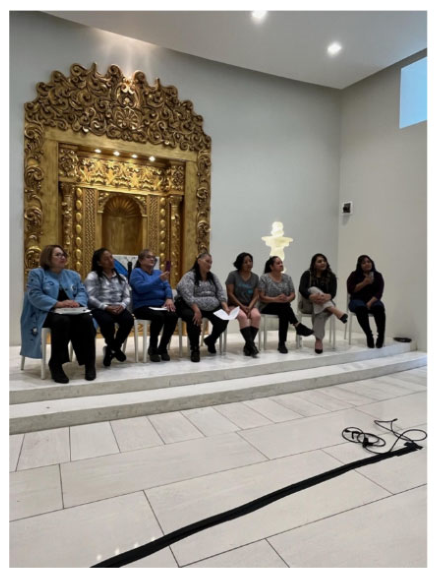
Figure 3.
Event Planning Committee.
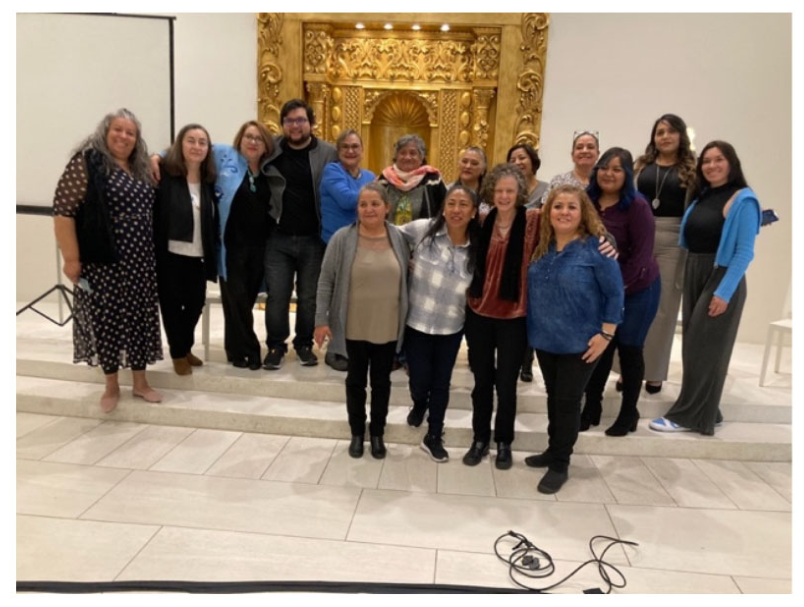
Figure 4.
Image of the Exhibition at the NHCC in October 2024.
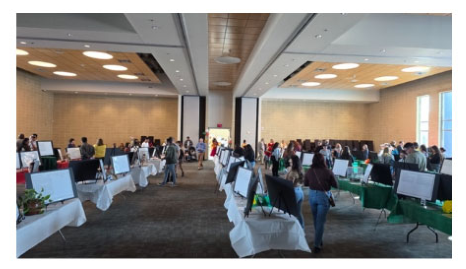
Figure 5.
Image of the Exhibition at the NHCC in October 2024.
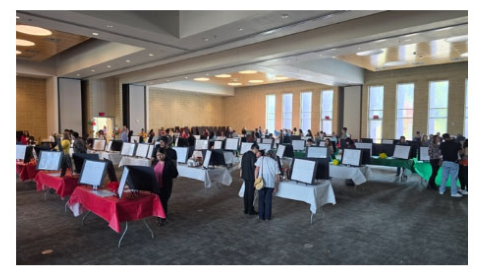
Figure 6.
“Virtuous” by M.G.
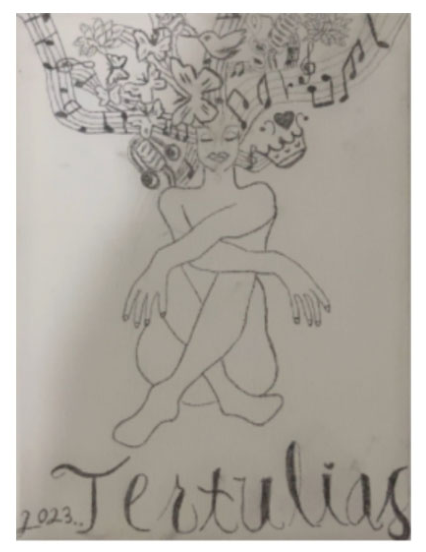
Figure 7.
“Flourishing women in the Face of Life’s Adversities” by Patricia Escajeda.
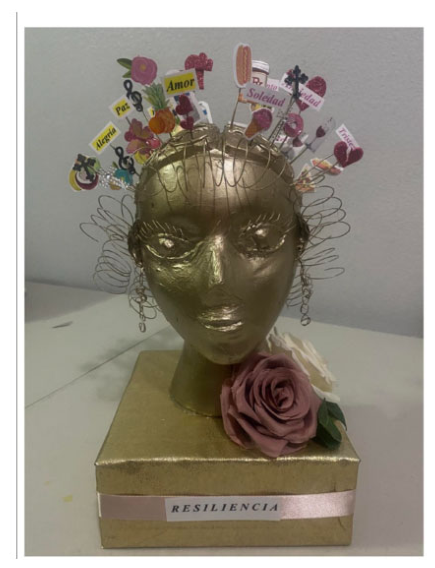
Figure 8.
Me…& My Dreams by Martha Guiterrez.
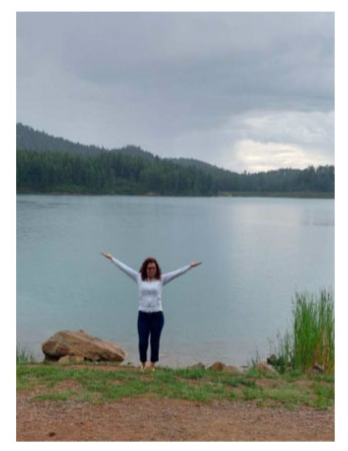
Figure 9.
“Remember to Come Back for the Others” by Rosalba Ramirez.
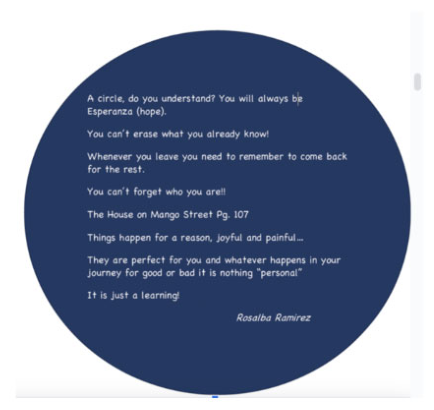
Figure 10.
Burn the Ships, ‘No Turning Back,” by Guadalupe Hernández.
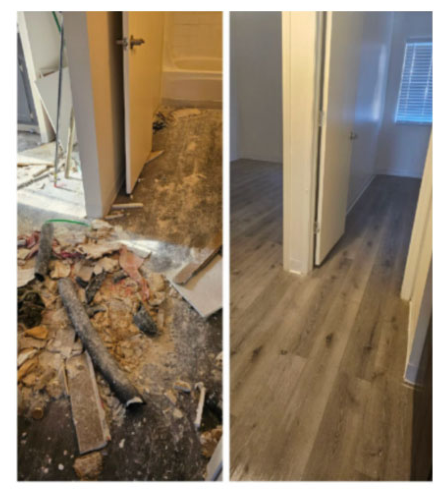
Figure 11.
The Night of Tomorrow / Old Cobbler Patchworker,” by Norma Ochoa.
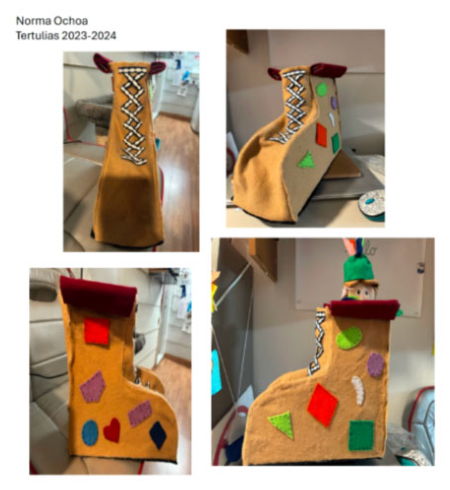
Figure 12.
Little Cow by Delfina Alvidréz.
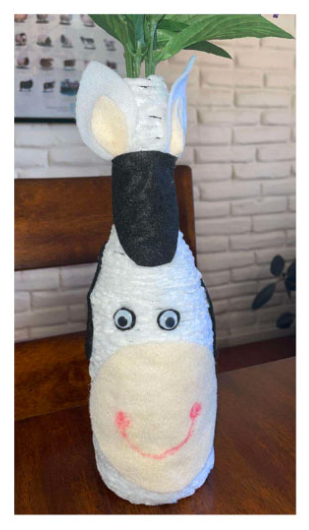
Figure 13.
Sentimental by Maria A.
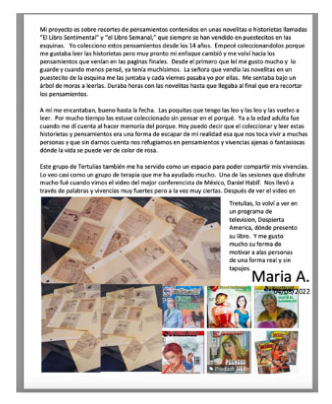
Figure 14.
Tortillas from Urireo Guanajuato by Maribel G.
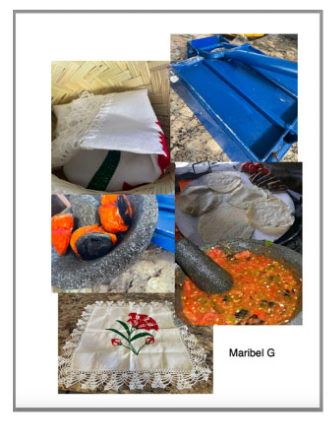
Figure 15.
A Dance to Life by Carmen Cardenas.
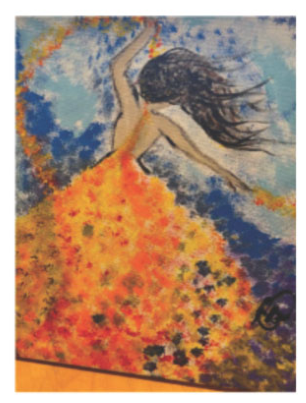
Figure 16.
Public Display of A Dance to Life by Carmen Cardenas.
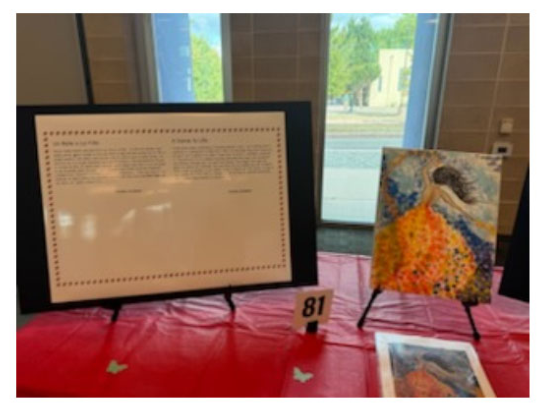
Figure 18.
Threadwork by Angélica Borja Holguín.
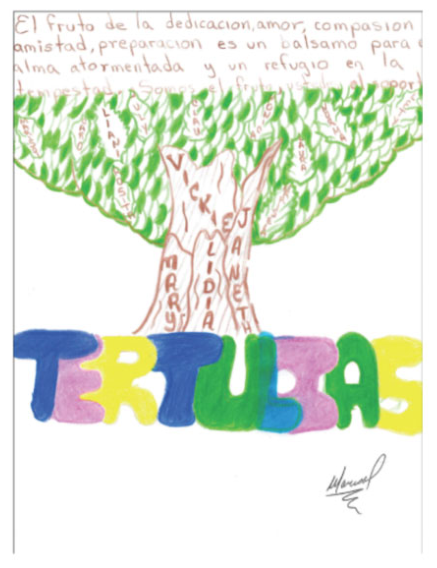
Figure 19.
“Tertulias” by Marisol Mejia.
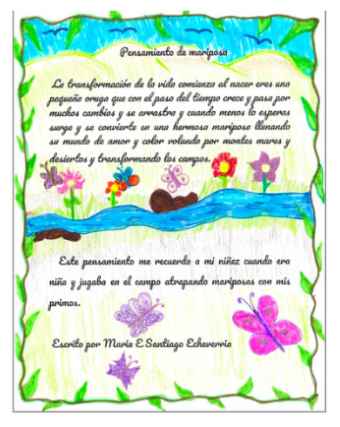
Figure 20.
“Thoughts of a Butterfly,” by Maria E. Santiago Echeverria.
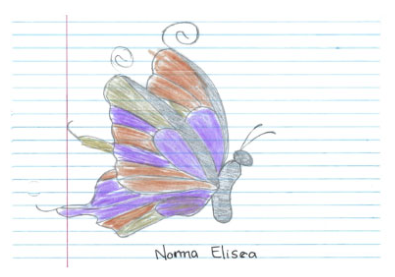
Figure 21.
“Strengthening Together” by Norma Elisea.
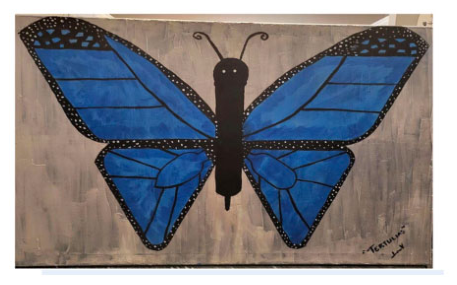
Disclaimer/Publisher’s Note: The statements, opinions and data contained in all publications are solely those of the individual author(s) and contributor(s) and not of MDPI and/or the editor(s). MDPI and/or the editor(s) disclaim responsibility for any injury to people or property resulting from any ideas, methods, instructions or products referred to in the content. |
© 2026 by the authors. Licensee MDPI, Basel, Switzerland. This article is an open access article distributed under the terms and conditions of the Creative Commons Attribution (CC BY) license (http://creativecommons.org/licenses/by/4.0/).
Copyright: This open access article is published under a Creative Commons CC BY 4.0 license, which permit the free download, distribution, and reuse, provided that the author and preprint are cited in any reuse.