

Submitted:
12 July 2026
Posted:
13 July 2026
You are already at the latest version
Abstract
This article presents the results of a research study aimed at designing and evaluating sustainable housing (SH) in post-disaster contexts in Juchitán de Zaragoza, Oaxaca, Mexico, following the 2017 earthquakes. The proposed model integrates four funda-mental dimensions: i) housing design using traditional architecture; ii) analysis of the environmental impact of materials using indicators of CO2 emissions, energy consump-tion, and thermal performance; iii) comparative evaluation of construction costs relative to conventional housing (CH); and iv) implementation of a Social Production of Habitat (SPH) approach. A mixed-methods design was adopted, involving literature review, data collection through an environmental and hygrothermal impact study, comparative cost estimates, and semi-structured interviews. The findings show that the use of local, low-impact materials, together with participatory processes, not only reduces costs and environmental externalities but also strengthens the social fabric and contributes to a more equitable reconstruction that is contextualized within traditional architecture. The housing model developed is proposed as a replicable alternative in areas affected by natural disasters, not only in Mexico but also in other countries.
Keywords:
sustainable housing
; Social Production of Habitat
; environmental impact
; post-disaster resilience
; participatory design
1. Introduction
In recent years, natural disasters around the world have highlighted the need to rethink housing models for the reconstruction phase, particularly in contexts of high socio-environmental vulnerability. One such approach is to intervene in this phase with a sustainable focus that integrates not only physical recovery but also the improvement of people’s living conditions and the reduction of future risks [1,3].
The earthquakes that occurred in September 2017 in Mexico severely affected housing infrastructure in several regions of the Isthmus of Tehuantepec. According to the department of Agrarian, Territorial, and Urban Development, 63,335 cases of housing damage were reported in Oaxaca, particularly in municipalities such as Juchitán de Zaragoza, Santo Domingo Tehuantepec, and Ciudad Ixtepec [4]. This situation highlighted the need to design and build housing models based on criteria of sustainability, resilience, and community participation [5,7].
Recent research examining reconstruction processes following high-intensity natural disasters has highlighted the importance of integrating environmental (such as climate resilience), economic (access and local employment), and social (well-being and cohesion) into the design of sustainable housing, as well as the use of local construction materials and techniques to reduce environmental impact, and even more so, the importance of valuing the social production processes of housing during the reconstruction phase to strengthen community values and resilience [8,9].
In Mexico, post-earthquake housing reconstruction in the Isthmus of Tehuantepec after 2017 faced challenges such as the use of unsustainable materials that increased costs and the environmental footprint, to the detriment of local alternatives such as bamboo, bajareque, or reinforced adobe [10,12]. Most interventions during this phase relied on standardized solutions using industrialized and prefabricated materials that do not always address the cultural or climatic needs of communities, while also ignoring both cultural conditions and ecological benefits, thereby perpetuating cycles of dependency and high costs [2,13].
In this context, Social Production of Habitat (SPH, PSH in Spanish literature) emerges as an approach that promotes active community participation, integrates local knowledge, sustainable materials, and collective processes, generating not only livable spaces but also a resilient social fabric [14]. This perspective is based on principles such as democracy, inclusion, equity, and solidarity, promoting the participation of diverse social actors to ensure housing and livable spaces that respect the environment and adapt to local and territorial characteristics, fostering sustainability [15,16].
This study presents the design of a sustainable housing (SH) model for Juchitán de Zaragoza, Oaxaca, Mexico, resulting from applied research that validated its level of sustainability using indicators of environmental impact, construction costs, and the building process under the participatory approach of SPH. The relevance of this study lies in its interdisciplinary approach, which links local findings with global debates, providing input for public policies in regions with high disaster exposure.
1.1. The 2017 Earthquakes in the Isthmus of Tehuantepec
Mexico is located between the Pacific, Caribbean, Cocos, Rivera, and North American tectonic plates. The states of Chiapas and Oaxaca are among the most seismically active states in Mexico, and their seismic activity is generated by the interaction of three tectonic plates: the Cocos Plate, the North American Plate, and the Caribbean Plate. The Cocos Plate subducts beneath the North American Plate, and a left-lateral strike-slip fault develops at the boundary between this plate and the Caribbean Plate.
This orographic situation frequently gives rise to intense earthquakes, such as the one that occurred on September 7, 2017, at 23:49:17 (04:49 UTC) with a magnitude of 8.2 in the Gulf of Tehuantepec, located 133 km southwest of Pijijiapan, Chiapas. This significant event had an impact on the area; one of the most affected cities was Juchitán de Zaragoza, where 59% of inhabited homes were damaged, representing approximately 14,918 damaged properties out of a total of 25,184 [17].
Figure 1.
Epincenter of September 7, 2017, earthquake on the Modified Mercalli seismic intensitity map (Mw= 8.2).
Figure 1.
Epincenter of September 7, 2017, earthquake on the Modified Mercalli seismic intensitity map (Mw= 8.2).
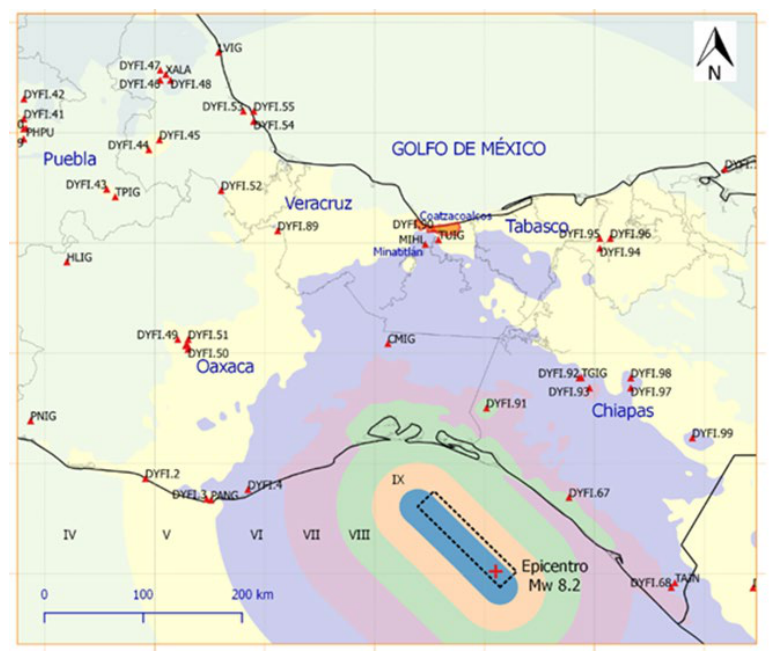
Damage to homes ranged from small cracks to total structural collapse. The extent of the damage was directly related to the construction methods used, with unconfined masonry and adobe being the predominant materials—both of which are highly vulnerable to high-intensity seismic activity [18].
During the housing reconstruction phase in the Isthmus of Tehuantepec, government, private, and community efforts were combined, but this initiative faced structural and social constraints. The federal government implemented conditional cash transfers for self-construction and direct subsidies, but these measures were not well-received due to their standardized approach and lack of adaptation to local needs [19,20]. The imposition of urban solutions in rural contexts generated problems of cultural and technical relevance, while community participation was limited, affecting the sustainability of the process [21]. The private sector and civil society organizations contributed resources, but their impact was insufficient to bridge institutional gaps [22]. Studies on this situation indicate that reconstruction was uneven and delayed, with households excluding or receiving low-quality solutions, in contrast to successful cases of participatory reconstruction that strengthened community resilience [23].
1.2. The Research Site
The city of Juchitán de Zaragoza is located in the Isthmus of Tehuantepec region, in the southwestern part of the state of Oaxaca, Mexico, at coordinates 16° 26’ 00”north latitude and 95° 01’ 10” west longitude, at an elevation of 30 meters above sea level. It covers an area of approximately 414.62 km² (Figure 2). According to the Köppen climate classification, the climate of this region is of the Aw type, characterized by being warm and humid, with precipitation ranging from 150 to 260 mm and average annual temperatures of 27 °C.
2. Materials and Methods
A mixed-methods approach was adopted for this research, combining quantitative and qualitative techniques. These techniques included a literature review, direct observation, and semi-structured interviews, as well as assessments of costs and environmental impacts related to the designed sustainable housing. The triangulation of sources allowed for the validation of information and a deeper exploration of the social, environmental, and economic dimensions of the sustainable approach.
The research was divided into three phases (Figure 3):
2.1. Architectural Design
The architectural concept for the sustainable housing project was developed based on a site assessment that integrated a historical review of traditional housing in the Isthmus and fieldwork involving photographic and video documentation. Information was gathered from primary sources, and interviews were conducted with residents of traditional homes, supplemented by architectural surveys and technical data sheets on materials and construction systems. This process aimed to identify and analyze the ritual, aesthetic, social, and cultural components that shape the identity of “Zapotec” housing, with an emphasis on ways of living and religious practices.
Concurrently, the housing design was structured based on sustainability criteria [24] and participatory design approaches that involved residents in spatial decision-making [25,26]. Within this framework, co-design workshops were conducted with residents of the city of Juchitán to identify issues, prioritize the needs of the damaged housing stock, and translate them into design guidelines for the housing project.
2.2. Bioclimatic Study
The methodology used to define the housing’s bioclimatic design strategies was that of Rincón [27]; in addition to the comfort triangle method [28] and Mahoney’s tables [29], which allowed for the identification of climatic elements such as solar radiation, ventilation, humidity, and rainfall in the city of Juchitán. To this end, data were analyzed from the weather station in the town of Santo Domingo Tehuantepec, Oaxaca—the location closest to the study area—from which climatological norms were obtained from the National Meteorological Service (SMN) [30].
Regarding the selection of construction systems and materials for the housing model, an analysis was conducted of the techniques used in the reconstruction processes of the municipality through a specialized literature review combined with fieldwork focused on direct observation of the construction solutions implemented in the reconstructed homes. The information obtained was evaluated based on criteria of structural safety, thermal comfort, and local availability of materials. Likewise, priority was given to low-cost systems that could be executed by regional labor with minimal construction experience, thus ensuring the technical, economic, and social viability of the housing model.
To integrate and analyze the information collected for the architectural design of the VS, both in the office and in the field, the methodology of Cruz et al. [31], was adopted. This approach involves a partial retrospective, where data collection begins with a literature review and is subsequently enriched with information obtained through fieldwork, allowing for data triangulation and ensuring the validity and robustness of the assessment.
2.3. Environmental Impact Assessment of Materials
To analyze the environmental impact of the materials used in the construction of the SH, the methodology of Arguello & Cuchí [32] was employed. They investigated the impact of construction materials based on the metaBase database of the Institute of Construction Technology of Catalonia, Spain, which considers energy consumption from manufacturing to the site of use, as well as CO2 emissions generated during the process.
To obtain comparative values for the energy impact indicators of the SH relative to a conventional housing (CH), the model promoted by the National Workers’ Housing Fund Institute of Mexico (INFONAVIT)—which is responsible for social housing construction—was used. This dwelling has a floor area of 65 m² and is constructed with masonry walls, slabs, and reinforced concrete structures.
For both the SH and the CH, construction budgets were made to identify the breakdown of the main materials by weight, using the kilogram (kg) as the unit of measurement. Table 1 lists the materials for both housings under analysis, along with their corresponding energy costs and CO2 emissions released into the environment.
2.4. Evaluation of the Thermal Performance of the SH
To evaluate the thermal performance of the materials used to construct the SH, a climate analysis of the study area was conducted by collecting temperature data from weather station number 20048, located in the Juchitán de Zaragoza substation. Using the analyzed climatological data, the comfort zone was calculated using the model by Nicol & Humphreys [33].
In this phase, the thermal performance of the SH designed for the Eleazar family in Juchitán was evaluated; this housing was constructed with red brick walls and a hybrid roof of wood and reinforced mortar. To conduct this study, the SH was equipped with HOBO U12-006 sensors, which include HOBOware Pro software and a calibration kit capable of storing 43,000 measurements with a sampling range of 1 s to 18 h. Indoor and outdoor air temperatures were monitored at hourly intervals from February 2022 to January 2023. The measured values were then compared with local thermal comfort thresholds and outdoor environmental conditions.
2.5. Comparative Cost Study
For the comparative cost study between SH and CH, construction budgets were prepared using Neodata software, considering nine construction categories: preliminaries, foundation, structure, masonry, roof, finishes, carpentry, electrical installation, and plumbing installation.
For comparative purposes, in the case of the CH, the contemporary housing prototype with a progressive design from the National Fund for Workers’ Housing of Mexico (INFONAVIT) [34] was used. The construction characteristics of the SH and CH are shown in Table 2.
To guarantee the validity and international comparability of the results, construction costs originally expressed in Mexican pesos were converted to U.S. dollars. The conversion was based on the average exchange rate for the U.S. dollar in 2023, which ensures consistency over time and avoids biases resulting from specific exchange rate fluctuations. The use of the dollar as a reference reflects its status as the standard currency in international economic studies, allowing the findings to be interpreted and compared by researchers from different geographic and academic contexts.
2.6. Social Participation in the Construction of the SH
The social dimension of the SH model was addressed through participatory co-design workshops with the Eleazar family in Juchitán de Zaragoza, who were selected as beneficiaries after the total loss of their house following the 2017 earthquakes. Construction funding was provided by the organization Micro AID International [20]. The Social Production of Habitat approach was implemented based on the methodology of Comunal & Ríos [35] in the construction, which distinguishes three lines of action: self-production with self-construction, self-production with local crews, and mixed self-production. Based on the community assessment and the identified needs, the latter line of action was chosen, which integrates social, environmental, and economic approaches.
Prior to the start of construction, housing planning was developed by involving the beneficiary family in construction tasks that did not require specialized masonry skills or prior training and allowed for their participation.
3. Results
3.1. Architectural Conceptualization
The sustainable housing (SH) was named “Guenda Racaneé Saá” (GRS) in the Zapotec language, which translates to “Mutual Aid” in Spanish, and was conceptualized based on a study of the Juchitán worldview, understanding the house not as a product but as a ritual process invested with meaning and religiosity, in which the “Yoo Bido”—the house of the saint—serves as the guiding element of the domestic space. It is a single-story dwelling with a total floor area of 62 m² (Figure 4), oriented north-south. The architectural program comprises a private zone, where the “Yoo Bido” is in a double-height space, and a social area that integrates the kitchen and the service zone (bathroom, shower, and laundry area). Likewise, the traditional architectural typology was respected, highlighting the traditional “Yoo de Yuu” tile roof, laid over wooden elements (beams and rafters morillos and “biliguanas”), which reinforces the continuity with the Zapotec vernacular dwelling.
3.2. Bioclimatic Design of the SH
For the climate of Juchitán de Zaragoza, according to the comfort triangle Evans method [28], the designed housing model requires ventilation to achieve comfortable conditions for most of the year; and according to Mahoney’s method [36], the bioclimatic design strategies for the SH model were: red brick walls with high thermal mass (over 8 hours) that are fully and permanently protected from radiation, lightweight and insulated roofs with clay tile; as well as constant ventilation with open spaces and openings at occupant height (Figure 5).
The psychrometric chart used as the third method in the bioclimatic design of the SH with the ASHRAE 55 comfort model yielded strategies such as window protection (33.10%) and cooling and dehumidification (61.30%); both strategies achieve 94.40% of hours of adequate climatic comfort for the Isthmus of Tehuantepec region.
3.3. Participatory Design
The co-design workshops yielded substantive information for the design of the “ideal home,” which, according to the participants, should resemble the traditional houses of Juchitán, combining thermal comfort, symbolism, and family memories (Figure 6). As a qualitative finding, the collected narratives indicate that the home to be built for them “must have high, cool rooms, high ceilings, tile roofs, and good ventilation,” as well as preserve the traditional biliguanas and a front porch “so we can receive visitors and enjoy the fresh air.” Likewise, the need to incorporate a “special place for the altar” was emphasized, which highlights the centrality of religiosity and family rituals in the housing spatial configuration.
Regarding building materials, an elderly female participant expressed a preference for “materials from the past” and vintage furniture, reflecting a strong desire for continuity of identity, a sense of belonging, and pride in the built environment. Such expressions are linked to processes of appropriation and self-construction of the living environment, in which the revival of traditional techniques and materials is associated both with the preservation of collective memory and with local strategies of resistance and post-disaster reconstruction.

Table 3.
Relationship between preferences of people and the design of the SH.
| Dimension | Expressed preference | Socio-cultural meaning |
|---|---|---|
| Form and climate | High ceilings, tile roofs, coolness | Comfort and climate adaptation |
| Social space | Hallway, double doors | Social interaction, threshold between home and street |
| Symbolism | Altar space | Religiosity and worldview |
| Memory | Antique materials and furniture | Identity and family continuity |
The narratives gathered from the workshops show that families are not only asking for a “functional home,” but for a dwelling that carries on the “Juchiteca” tradition: airy, open, ritualized, and steeped with material memory. These preferences reflect characteristics inherent to vernacular architecture and the appropriation of the built environment, where form, materials, and furnishings are key expressions of identity, worldview, and daily well-being.
3.4. Selection of Materials for Building the SH
The selection of materials for the construction of the SH was based on a review of the literature and fieldwork on traditional Isthmus houses, which were built with fired brick walls, plastered with lime mortar, river stone foundations, and high ceilings made of wood and tiles (Table 4).
The selection of lime-fired brick walls, lightweight hybrid roofs combining wood, “biliguanas”, and recycled handmade tiles, along with reinforced concrete reinforcements, is based on experiences such as those of Cooperación Comunitaria [13], and on Latin American research showing that the combination of local materials, reuse, bioclimatic design, and moderate seismic reinforcement enables sustainable housing that preserves the traditional Isthmus typology, reduces environmental impact, and improves seismic safety.
Figure 7.
Isometric section presenting the construction system of sustainable housing.
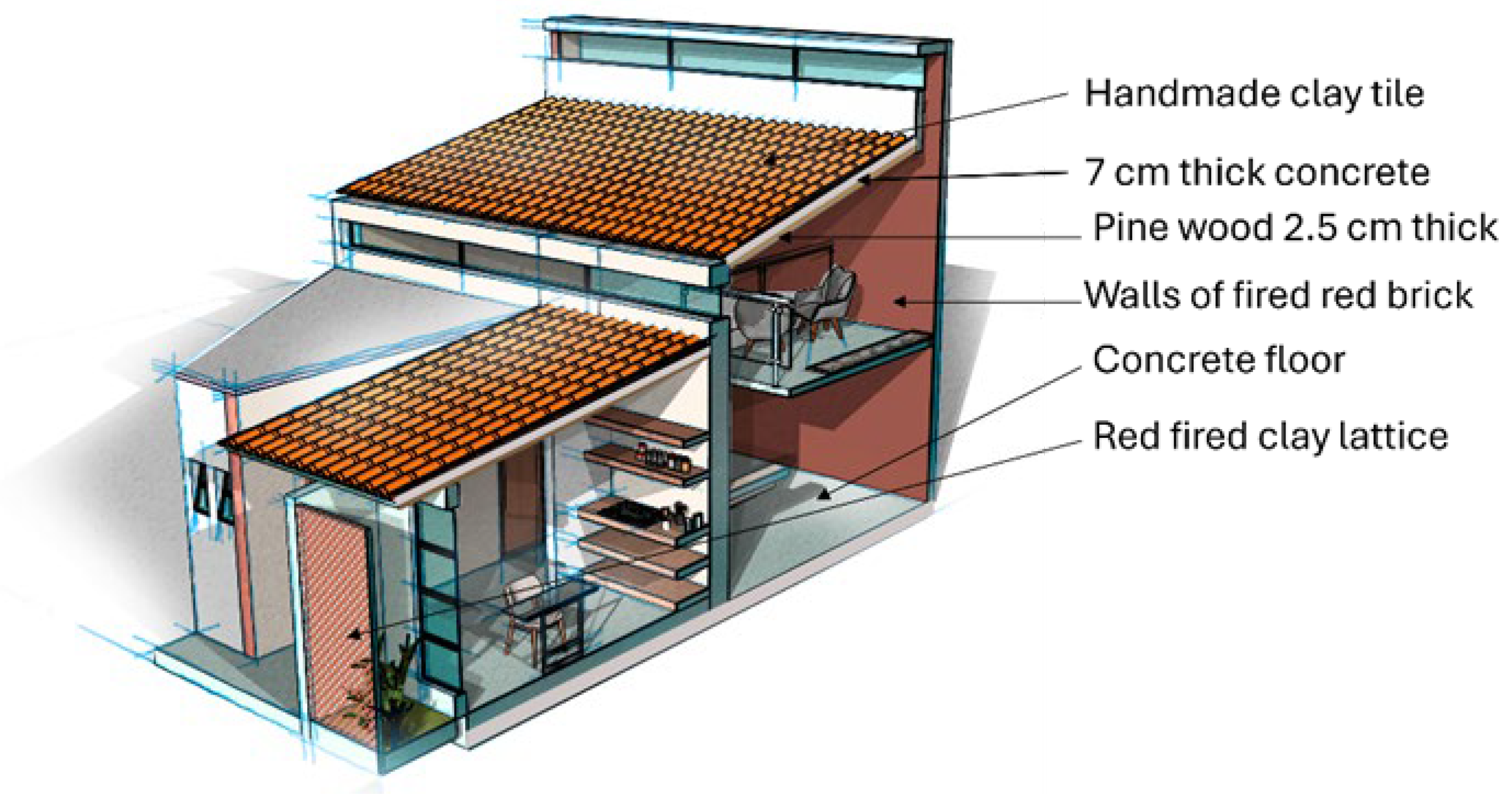
Table 5 and Table 6 report the analysis results of environmental impact indicators (CO₂ emissions and energy cost) in the studied housing units.
Regarding the CO₂ indicator for material manufacturing, the SH emits 9,365.01 kg into the atmosphere, while the CH of 17,140. 18 kg of CO₂, with the latter emitting 7,775.17 kg more CO₂ due to greater use of industrialized materials (cement and steel) for the construction of structural elements and the roof slab of its building envelope. From the above, it follows that the SH emits 45% less CO₂ compared to the CH.
Figure 8 presents the comparative graphs showing that, in the sustainable housing model, the materials with the greatest environmental impact are steel and cement, with emissions of 3,958.68 kg and 3,586.63 kg of CO₂, respectively. In the conventional housing, by contrast, cement accounts for 7,407.84 kg of CO₂ and steel for 7,236.78 kg.
3.5. Embodied Energy
When comparing the grey energy of the primary materials used in housing construction, the difference between the two is outstanding; while in the SH it is 112,716.5 MJ, the CH has a value of 205,468.60 MJ, with a difference of 92,752.10 MJ in favor of the sustainable housing model designed in the study.
The higher steel consumption in the CH is due to the massive amount of reinforcement required for the structural elements and the slab, unlike the SH, whose hybrid roof system of reinforced mortar and wood uses only a layer of hexagonal mesh (“chicken wire”) for reinforcement (Figure 9). From an environmental perspective, the advantages of the designed model are primarily linked to the red brick wall system and the use of handmade tiles and wood in the lightweight roof, materials that have lower energy consumption compared to the cinder block walls and reinforced concrete slab of conventional housing, which requires significantly greater amounts of steel, cement, and aggregates. These results demonstrate that the selection of local, lower-carbon-intensity materials allows for a substantial reduction in the house’s environmental footprint.
3.6. Thermal Performance of the SH
As a result of the thermal characterization analysis of the SH after construction, data were obtained for the months with the highest and lowest temperatures, which were May and February 2022, respectively.
The Figure 10 illustrates the experimental values for the SH for the month of February 2022. The experimental temperatures ranged from 25.36 °C to 32.16 °C, with an average of 28.6 °C.
Figure 11 outlines the experimental air temperature values for May 2022. The experimental temperatures ranged from 29.77 °C to 36.01 °C, with an average of 32.38 °C.
3.6.1. Monthly Thermal Performance of the SH
Figure 12 shows experimental results for the SH, indicating that, over a four-month period (April, May, July, and August), the average temperatures inside the dwelling remained above the thermal comfort range. This result indicates that, for most of the year, temperatures remain within the thermal comfort zone.
3.7. Economic Analysis
Table 7 reveals the total costs of compared housing, broken down into nine construction categories. The costs were converted from Mexican pesos to U.S. dollars at the average exchange rate for the year 2022.
The comparison of the budgets revealed a total difference of $5,651.21 usd between the sustainable housing model vs. conventional model with economic advantages for the former. The cost per square meter also highlights the difference, as it is $228.78 usd/m² for the SH, while it is $318.21 usd/m² for the CH. These results indicate that the cost of the SH is estimated to be approximately 28% lower than that of a CH, confirming the economic viability of the housing model designed in this research.
The documented analysis showed that the highest cost overruns in the CH are concentrated in the foundation, roof, and masonry, associated with the construction system used for masonry walls and reinforced structures. In contrast, the SH employs construction techniques using wood, red brick, and handmade tiles—local materials from the Isthmus of Tehuantepec—noting that recycled tiles from homes demolished after the 2017 earthquakes incur virtually no costs (Figure 13). These findings point out the potential of local materials to significantly reduce reconstruction costs.
3.8. Construction of the SH Under the Social Production of Habitat Approach
The construction process of the sustainable housing unit (SH=VGRS) clearly aligns with the Social Production of Habitat approach. First, the assisted self-construction model, with the active participation of the Eleazar family and their relatives, strengthened management capacity, technical learning, and ownership of the domestic space, in line with experiences of mutual aid and self-management in projects with this approach carried out in Latin America [39,40].
Hiring a crew from Juchitán knowledgeable in traditional construction systems, combined with specialized technical supervision, brought together local knowledge and professional assistance, which allowed for improved construction quality without breaking with the material culture or the building practices characteristic of the region. These strategies have been identified as an effective way to reconcile structural safety, cultural relevance, and the continuity of grassroots self-construction processes.
For its part, the solidarity-based financing provided by the Micro AID organization resembles microfinance schemes and housing cooperatives where families’ contributions of labor and materials are recognized as part of the project’s “savings,” consolidating alternative housing production circuits outside of conventional real estate development [39,40]. Adopting together, these elements constitute an empirical case that brings to life the principles of the Social Production of Habitat: participation, self-management, solidarity-based technical and financial support, and roots in local building cultures (Table 8).
The case of the SH model (“Guenda Racaneé Saá”) confirms that the social production of housing—through assisted self-construction, family participation, local labor with traditional knowledge, and solidarity-based financial support—is a relevant strategy for post-earthquake reconstruction. This approach allows for the reconstruction of safe and culturally appropriate housing, while simultaneously strengthening community organization, local capacities, and social control over the housing process.
4. Discussion
The research findings align an international trend showing that the design of sustainable, context-specific, and participatory housing is a key strategy in post-disaster reconstruction, both for its environmental and economic performance and for its long-term social impacts. Several reviews on post-disaster housing warn that standardized and prefabricated models, imposed from outside, often fail because they are culturally inappropriate and poorly accepted by communities [49,50]. In contrast, it is noted that the use of reinforced traditional construction systems allows for the reconciliation of structural safety with cultural identity and the urban landscape, contributing to a more comprehensive recovery [38,49].
Likewise, studies on shelters and temporary housing highlight that solutions based on local systems better respond to living practices, improve comfort, and reduce conflicts of use, compared to decontextualized industrial prototypes [50,51,52]. The SH, designed based on traditional Isthmus architecture, aligns with a reconstruction approach centered on heritage and vernacular elements, which the literature identifies as a prerequisite for lasting resilience [38,49,51].
Research comparing technologies for post-disaster housing shows that optimized traditional techniques, such as adobe and wood masonry, can achieve higher sustainability indices than conventional systems, with lower CO₂ emissions, lower energy consumption, and better thermal performance, while maintaining adequate safety levels [53][38].
Furthermore, life-cycle assessments of shelters and emergency housing confirm that solutions based on local materials and reuse reduce environmental impact and better align with circular economy criteria than prefabricated systems with high industrial content [50,51,54,55]. The evaluation of the SH using indicators of CO₂, embodied energy, and hygrothermal performance places this housing model among environmentally designed and measurable proposals.
The comparative cost assessment between sustainable housing (VGRS) and conventional housing empirically confirms that sustainability and affordability are not conflicting objectives; rather, the use of local materials and the reduction of transportation and industrial processes can lower construction costs, consistent with findings from studies in Iran, Peru, and other seismic contexts [38,53,56].
Also, reviews of post-disaster housing emphasize that purely technical approaches, focused on speed and standardization, tend to ignore social and cultural dimensions, resulting in inappropriate solutions with negative long-term impacts [50,57]. In response, the coordination of participatory, community-based, and co-design processes is promoted, where affected populations participate in decisions and in the production of their habitat [50,58]. The Social Production of Habitat approach applied to the model of designed sustainable housing—through processes of assisted self-construction, community work, the use of local knowledge, and support from social organizations—aligns with these experiences: it links technical sustainability (low impact, lower cost, better performance) with social sustainability based on participation, cultural roots, and equity.
Global reviews on post-disaster shelters and housing conclude that the most sustainable models are those that combine sustainability criteria (environmental, economic, and social), adaptation to the local context, user participation, and reuse/circularity strategies [49,50,51,54]. The housing model resulting from this research clearly falls within this group of proposals by integrating traditional architecture, rigorous environmental assessment, economic analysis, and SPH, and has the potential to be adapted to other contexts with a strong vernacular identity and high vulnerability to disasters.
5. Conclusions
The housing model developed in this study successfully integrated traditional architecture from the study area, environmental assessment, cost analysis, and Social Production of Habitat approach, specifically addressing the climatic, cultural, and social conditions of Juchitán following the 2017 earthquakes. This focus aligns with experiences in Oaxaca, Mexico, and other rural contexts where the integration of sustainability variables and the social construction of habitat generate more relevant and resilient proposals.
The SH design, which incorporates traditional architecture, not only preserves cultural identity and ways of living but also aligns with approaches that highlight the need to prevent the loss of culturally appropriate buildings in rural areas, promoting flexible, localized, and sustainable solutions that reinforce the concept of “adequate housing” as a component of sustainable development in the cities of Oaxaca.
The analysis of CO₂, energy consumption, and thermal performance shows that the use of local, low-impact materials can significantly reduce environmental externalities compared to conventional solutions, as demonstrated in research on sustainable housing and resource efficiency in Mexico and Latin America, which highlights that sustainable construction—with a life-cycle perspective and use of local resources—reduces water and energy consumption and associated emissions.
A comparative cost evaluation of the proposed housing model versus conventional models indicates that sustainability can be economically viable—and even more affordable—when local resources are utilized and processes are optimized. Studies on energy efficiency and green housing report that small design improvements and passive systems achieve significant reductions in consumption with minimal or moderate cost increases, proving cost-effective in the medium term.
The implementation of a SPH approach in the housing model resulting from research—which incorporates participatory processes and the potential for assisted self-construction—demonstrates that housing can be a factor in community empowerment. Research on self-production and participatory processes indicates that the incorporation of traditional knowledge through active community participation strengthens local capacities, fosters a sense of ownership of the built environment, and promotes constructive empowerment, triggering changes that respect traditional ways of living.
The balanced integration of environmental, economic, social, and cultural dimensions allows the designed housing to be proposed as a replicable model in other areas affected by natural disasters, provided it is adapted to the vernacular architectures and materials of each region. The literature on sustainable reconstruction in seismic zones shows that reinforced traditional techniques can achieve high sustainability indices, at a lower cost and with less environmental impact than industrialized systems.
Taken together, the research findings demonstrate that the objective of designing a sustainable housing model provided empirical evidence and an applicable solution for the post-disaster context in Juchitán, as it comprehensively delivered an appropriate solution for an emergency situation that respects local architecture, reduces costs and environmental impacts, and is based on Social Production of Habitat processes that strengthen the social cohesion and community resilience.
Author Contributions
Conceptualization, J.L.C-M., G.A-H. and R.A-R.; methodology, J.L.C-M., G.A-H. and R.A-R.; software, R.A-R. M.A.S-M. and E.C.; validation, R.A-R., E.C. and D.E.R-G.; formal analysis, J.L.C.M. and M.A.S-M.; investigation, J.L.C-M, G.A-H., M.R-C; data curation, E.C, RA-R and M.R-C.; writing—original draft preparation, J.L.C-M. and G.A-H.; writing—review and editing, J.L.C-M; supervision, R.A-R. and D.E.R-G.; project administration, J.L.C-M. and M.R-C. All authors have read and agreed to the published version of the manuscript.
Funding
This research was funded by Instituto Politécnico Nacional, SIP project: 20231392. “Implementación del modelo de producción social del hábitat para la construcción de viviendas en territorios afectados por desastres naturales”.
Data Availability Statement
The original contributions presented in the study are included in the article; further inquiries can be directed to the corresponding author.
Acknowledgments
The authors wish to express their sincere thanks to the Instituto Politécnico Nacional (IPN) for the financial support to carry out the present work. To Jon Ross, founder of Micro Aid International, for supporting the construction of the “Guenda Racané Saa” housing for Eleazar family from Juchitán de Zaragoza, Oaxaca, Méx., as beneficiaries of the Foundation.
Conflicts of Interest
The authors declare no conflicts of interest.
Abbreviations
The following abbreviations are used in this manuscript:
| SPH | Social Production of Habitat |
| SH | Sustainable Housing |
| CH | Conventional Housing |
References
- UN-Habitat. Urban resilience in the face of climate change and disasters. United Nations Human Settlements Programme. 2020. Available online: https://unhabitat.org.
- Barenstein, J. D. Post-disaster reconstruction and Change Communities; CRC Press: Florida, USA, 2013. [Google Scholar]
- Chelleri, L.; Waters, J. J.; Olazabal, M.; Minucci, G. Resilience trade-offs: Addressing multiple scales and temporal aspects of urban resilience. Environ. Urban. 2024, 27, 181–198. [Google Scholar] [CrossRef]
- Sánchez, M.; Islas, I. Recuento de los daños 7S y 19S: a un mes de la tragedia, Instituto Belisario Domínguez, Senado de la República, (in Spanish) (PDF) Damages observed in locations of Oaxaca due to the Tehuantepec Mw8.2 earthquake, Mexico. 2017. Available online: https://www.researchgate.net/publication/334449025_Damages_observed_in_locations_of_Oaxaca_due_to_the_Tehuantepec_Mw82_earthquake_Mexico (accessed on 02 Oct 2025).
- Charlesworth, E.; Ahmed, I. Sustainable Housing Reconstruction: Designing resilient housing after natural disasters; Routledge: New York, USA, 2015. [Google Scholar]
- Pozos-Estrada, A.; Chávez, M. M.; Jaimes, M. Á.; Arnau, O.; Guerrero, H. Damages observed in locations of Oaxaca due to the Tehuantepec Mw8.2 earthquake, Mexico. Nat. Hazards. 2019, 97, 623–641. Available online: http://link.springer.com/10.1007/s11069-019-03662-9. [CrossRef]
- Abeldaño -Zúñiga, R. A.; González- Villoria, R. A. M. Social participation strategies and resilience in Mexican population affected by the 2017 earthquakes. Disaster Med. Public Health Prep. 2020, 14, 335–342. [Google Scholar] [CrossRef] [PubMed]
- Gkoumas, I.; Mavridou, T.; Seymour, V.; Nanos, N. Post-disaster housing and social considerations: A literature review. J. Disaster Risk Reduct. 2025, 52, 101971. [Google Scholar] [CrossRef]
- Zea, E.; Habert, G. Global or local construction materials for post-disaster reconstruction? Sustainability assessment of twenty post-disaster shelter designs. Build. Environ. 2015, 92, 692–702. [Google Scholar] [CrossRef]
- Rocha-Tamayo, A.; García-Troncoso, N.; Josa, I.; de la Fuente, A. Sustainability-based comparison of local bahareque and conventional reinforced concrete structural system for social housing construction. Front. Sustain. Cities. 2025, 7, 1634678. [Google Scholar] [CrossRef]
- Bredenoord, J. Bamboo as a Sustainable Building Material for Innovative, Low-Cost Housing Construction. Sustainability 2024, 16, 2347. [Google Scholar] [CrossRef]
- Mendonca, P.; Vieira, C. Embodied carbon and economic cost analysis of a contemporary house design using local and reused materials. Sustain. Futur. 2022, 4, 100100. [Google Scholar] [CrossRef]
- Guerrero, L.; Hastings, I. Transferencia de técnicas sostenibles de conservación para la construcción de viviendas de adobe en Ixtepec, Oaxaca, México. Rev. Arquit. 2020, 22, 36–51. Available online: https://dialnet.unirioja.es/servlet/articulo?codigo=7667670.
- Comunal arquitectura. Escuela Rural Productiva y reconstrucción social del hábitat en Ixtepec, México. ARQ 2022, 111, 60–73. [Google Scholar] [CrossRef]
- Olivera, A.; González, G. Enfoque multidimensional de la reconstrucción post-desastre de la vivienda social y el hábitat en países en vías de desarrollo: Estudios de casos en Cuba. Rev. Constr. 2010, 9, 53–62. [Google Scholar] [CrossRef]
- Guzmán-Ramírez, A.Y.; Guzmán-Salas, J.A. La Producción Social del hábitat: Nuevos esquemas participativos hacia un equilibrio socio-ambiental y comunitario. Tlamati Sabiduría 2021, 12, 5–12. Available online: https:// tlamati.uagro.mx/images/todos_los_volumenes/Revista_Completa/Tlamati_Volumen_12.pdf. [CrossRef]
- Instituto Nacional de Estadística Geografía e Informática (INEGI). Encuesta Intercensal 2015. [CrossRef]
- Godínez, A.; Tena, A.; Pérez, E.; Archundia, H.I.; Gómez, A.; Ruiz, R.P.; Escamilla, J.L. The September 7, 2017 Tehuantepec, Mexico, earthquake: Damage assessment in masonry structures for housing. Int. J. Disaster Risk Reduct. 2021, 56, 102123. [Google Scholar] [CrossRef]
- Torres, G. A.; Flores, R. M. “If we rebuild the kitchen, we rebuild the heart”: Post-relief transformational politics in the Isthmus of Tehuantepec, Mexico. Hum. Geogr. 2025, 18, 198–212. [Google Scholar] [CrossRef]
- Vera Castillo, J. de D. Intervención sostenible en viviendas afectadas por sismos en el Istmo de Tehuantepec, Oaxaca, con enfoque de Reconstrucción Integral y Solidaria. Tesis de maestría, Instituto Politécnico Nacional, CIIDIR Oaxaca, 2021. [Google Scholar]
- López, D.; Hooper, M. Disaster planning across scales: Lessons from post-earthquake rubble management in Oaxaca, Mexico. Plan. J. 2020, 5, 221–250. [Google Scholar] [CrossRef]
- Audrefoy, J.F. The Axes of Resilience: The Case of the Earthquakes of September 7 and 19, 2017 in México. Adv. Civ. Eng. Tech. 2020, 1, 102–104. [Google Scholar] [CrossRef]
- Hastings, I. Here’s what an 8.2 magnitude earthquake taught us about reconstruction. Glob. Giving Viewp 2021. Available online: https://www.globalgiving.org/learn/mexico-earthquake-before-and-after. [CrossRef]
- Barajas Hernández, J.; Pérez García, J. C.; Olivera Pérez, E.; Díaz Montagner, E. A. Evaluación de la vivienda sustentable en México a través de una propuesta de modelo teórico con las variables de mayor impacto. J. Cienc. Ing. 14, 1–20. [CrossRef]
- Dou, R. Understanding Participatory Design of Public Housing Renewal in Singapore: From the Perspectives of History, Strategy and Reflection. Athens J. Arch. 2020, 6, 79–96. [Google Scholar] [CrossRef]
- Ravina, D.; Rowell, S.; Medvegy, G. Community architecture: the use of participatory design in the development of a community housing project in the Philippines. Period. Polytech. Archit. 2018, 13, 207–217. [Google Scholar] [CrossRef]
- Rincón, J.Y.; Fuentes, V. Bioclimatic Analysis Tool (BAT); Edit. ANES: Queretaro, México, 2014. [Google Scholar]
- Evans, J. The Comfort Triangles: A New Tool for Bioclimatic Design; Technische Universiteit Delft, 2007. [Google Scholar]
- Elshafei, G.; Zelenakova, M.; Katunsky, D.; Negm, A. Architectural Design Recommendations Based on Bioclimatic Features Using Climate Consultant and Mahoney Tables Strategies. Civ. Environ. Eng. 2024, 20, 600–620. [Google Scholar] [CrossRef]
- Servicio Meteorológico Nacional (SMN). Normales climatológicas; Comisión Nacional del Agua (CONAGUA), 2019; Available online: https://smn.conagua.gob.mx/es/climatologia/informacion-climatologica/normales-climatologicas-por-estacionsmn.
- Cruz Cortés, J.J.; Fraga Berdugo y, J.; Munguía Rosas, M. A. Evolución de la Vivienda Vernácula en una Comunidad Rural (Sotuta, Yucatán); Universidad Autónoma de Campeche: Cinvestav-Mérida, 2019. [Google Scholar]
- Argüello, T.; Cuchí, B. Análisis del impacto ambiental asociado a los materiales de construcción empleados en las viviendas de bajo coste del programa 10 x 10 con Techo-Chiapas del CYTED. Inf. Constr. 2008, 60, 35–44. [Google Scholar] [CrossRef]
- Nicol, J. F.; Humphreys, M. A. Adaptive thermal comfort and sustainable thermal standards for buildings. Energy Build. 2010, 34, 563–572. [Google Scholar] [CrossRef]
- Comunal; Rios X. Manual de autoconstrucción. 2020. Available online: https://www.comunaltaller.com/manualautoconstruccion.
- INFONAVIT. Manual de vivienda progresiva [PDF]. 2020. Available online: https://portalmx.infonavit.org.mx/wps/wcm/connect/c11c637a-b04d-4da4-bdef-fcadade5373b/Manual+Casa+4-LR.pdf.
- Mahoney, C. Bioclimatic design resources: The Mahoney tables and the comfort triangles; Instituto de Arquitectura Tropical, University College Environmental Research Group (UCL-ERG), 1971. [Google Scholar]
- Martínez, B.; Colina, J.; Honorato, L. Un acercamiento de valoración cultural, fortaleza participativa y autoproducción del hábitat. Caso de estudio Santiago Niltepec, Oaxaca. Hábitat Soc. 2021, 14, 185–206. [Google Scholar] [CrossRef]
- Cárdenas-Gómez, J.; Gonzales, M.; Lazo, C. Evaluation of Reinforced Adobe Techniques for Sustainable Reconstruction in Andean Seismic Zones. Sustainability 2021, 13, 4955. [Google Scholar] [CrossRef]
- Jiménez, R. Análisis de vigencia del sistema constructivo LAD-MA para la autoconstrucción asistida de viviendas progresivas. Inf. Constr. 2020, 72, e367. [Google Scholar] [CrossRef]
- Díaz García, V. Vivienda colaborativa: Ayuda mutua, cooperativismo y participación en las políticas de promoción pública de vivienda. Arquit. Sur. 2023, 41, 22–37. [Google Scholar] [CrossRef]
- García, S.; Torán, S.; Bozzo, L. Hacer vivienda es hacer ciudad. Cómo se hace ciudad en el Plan Juntos de Montevideo, entre 2012-2022. In Seminario Internacional de Investigación en Urbanismo; 2024. [Google Scholar] [CrossRef]
- Ruiz, J.; Hernández, C.; López, R.; Hernández, R. Diseño de un sistema autoconstructivo a base de tapial y bahareque de bajo costo e impacto ambiental para una vivienda. Tóp. Investig. Cienc. Tierra Mater. 2020, 7, 68–78. [Google Scholar] [CrossRef]
- Diaz, F. Rural productivity alternatives from earthen construction: transition to autonomy in deep Colombia. Int. J. Archit. Technol. Sustain. 2025, 7, 225–236. [Google Scholar] [CrossRef]
- Grubbauer, M. Assisted Self-help Housing in Mexico: Advocacy, (Micro)Finance and the Making of Markets. Int. J. Urban Reg. Res. 2020, 44, 947–966. [Google Scholar] [CrossRef]
- Li, Q.; Wumaier, K.; Osamu, K. Post-Earthquake Housing Reconstruction Management and Implementation in Rural Areas: Review and Lessons from Dujiangyan, Wenchuan Earthquake. Buildings 2023, 13, 2251. [Google Scholar] [CrossRef]
- Lehner, J.; Gerscovich, A. Contrasting housing microfinance with the social production of habitat in the city of Buenos Aires, Argentina. Int. J. Hous. Polic. 2021, 21, 592–611. [Google Scholar] [CrossRef]
- Escobar, L.; Grubbauer, M. Housing microfinance, saving and credit cooperatives, and community development in low-income settings in Mexico. Community Dev. J. 2020, 56, 141–160. [Google Scholar] [CrossRef]
- Grubbauer, M.; Escobar, L. World Bank experiments in housing: microfinance for self-organised housing in Mexico in the era of financial inclusion. Int. J. Hous. Polic. 2021, 21, 534–558. [Google Scholar] [CrossRef]
- Wang, J.; Yung, N. Post-earthquake housing recovery with traditional construction: A preliminary review. Prog. Disaster Sci. 2023, 18, 100283. [Google Scholar] [CrossRef]
- Alshawawreh, L.; Pomponi, F.; D’Amico, B.; Snaddon, S.; Guthrie, P. Qualifying the Sustainability of Novel Designs and Existing Solutions for Post-Disaster and Post-Conflict Sheltering. Sustainability 2020, 12, 890. [Google Scholar] [CrossRef]
- Kahvecioğlu, B.; Selçuk, S. Review of sustainable temporary housing and reuse strategy for post-disaster architectures: current trends and strategic gaps. J. Eng. Appl. Sci. 2025, 72, 1–25. [Google Scholar] [CrossRef]
- Tucker, S.; Gamage, A.; Wijeyesekera, C. Some design aspects of sustainable post-disaster housing. Int. J. Disaster Resil.Built Environ. 2014, 5, 163–181. [Google Scholar] [CrossRef]
- Hosseini, S.; Farahzadi, L.; Pons, O. Assessing the sustainability index of different post-disaster temporary housing unit configuration types. J. Build. Eng. 2021, 42, 102806. [Google Scholar] [CrossRef]
- Montalbano, G.; Santi, G. Sustainability of Temporary Housing in Post-Disaster Scenarios: A Requirement-Based Design Strategy. Buildings 2023, 13, 2952. [Google Scholar] [CrossRef]
- Karimi, R.; Shirowzhan, S.; Sepasgozar, S. Architectural Design Criteria Considering the Circular Economy and Buildability for Smart Disaster Relief Shelter Prototyping. Buildings 2023, 13, 1777. [Google Scholar] [CrossRef]
- Hosseini, S.; Fuente, A.; Pons, O. Multi-criteria decision-making method for assessing the sustainability of post-disaster temporary housing units technologies: A case study in Bam, 2003. Sustain. Cities Soc. 2016, 20, 38–51. [Google Scholar] [CrossRef]
- Ghasemzadeh, B.; Fathebaghali, A.; Rahbaripour, K.; Pouyafar, H. A Literature Review on Analyzing the Architectural Design Process of Post-Disaster Houses. Energy Environ. Res. 2013, 3, 180–185. [Google Scholar] [CrossRef]
- Chohan, A.; Awad, J.; Jung, C.; Sher, B. Enhancing Climate Resilience Against Flooding in Housing Design Through Synergistic Strategies in Pakistan. Future Cities Environ. 2024, 10, 1–25. [Google Scholar] [CrossRef]
Figure 2.
Location of the study area.
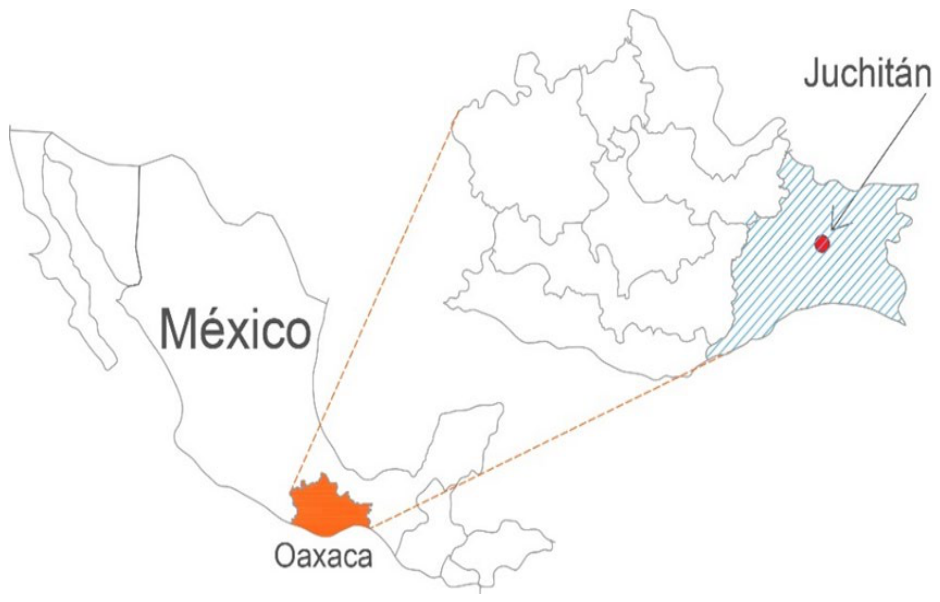
Figure 3.
Research methodology.
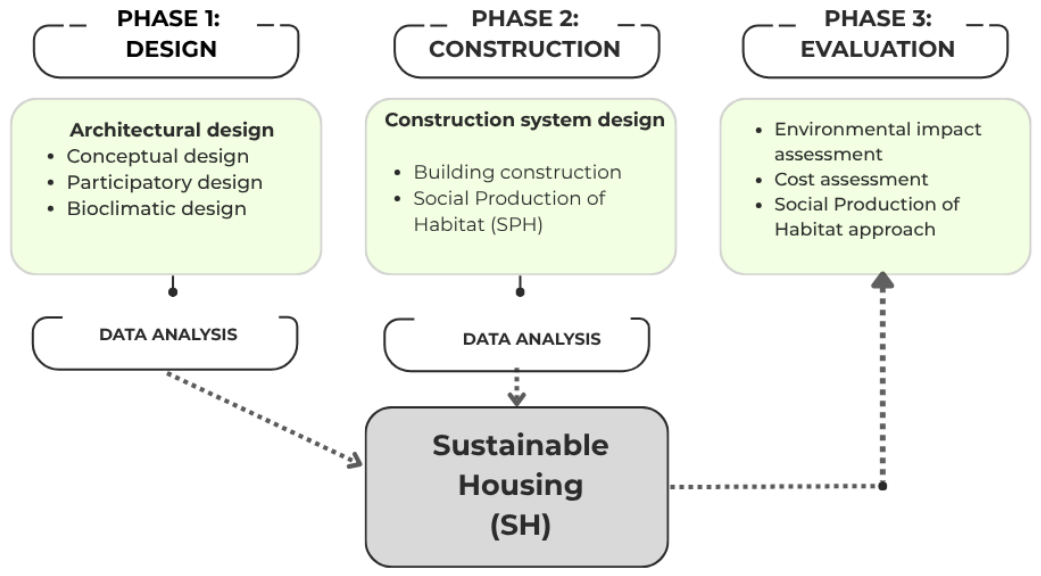
Figure 4.
Sustainable housing- “Guenda Racaneé Saá” (GRS): a) architectural floor plan; b) isometric section.
Figure 4.
Sustainable housing- “Guenda Racaneé Saá” (GRS): a) architectural floor plan; b) isometric section.
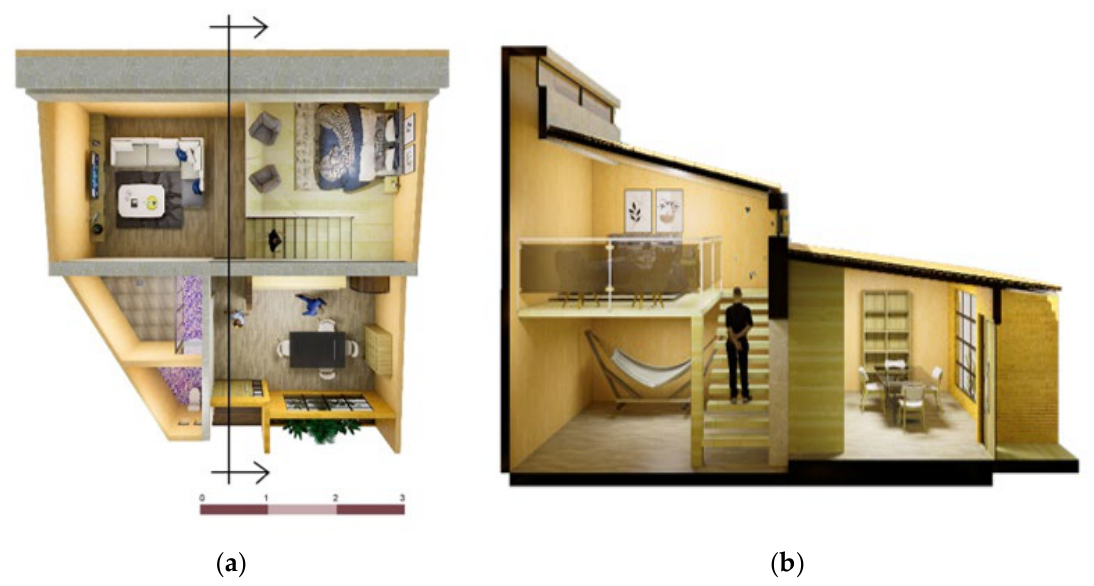
Figure 5.
Bioclimatic strategies implemented in sustainable housing.
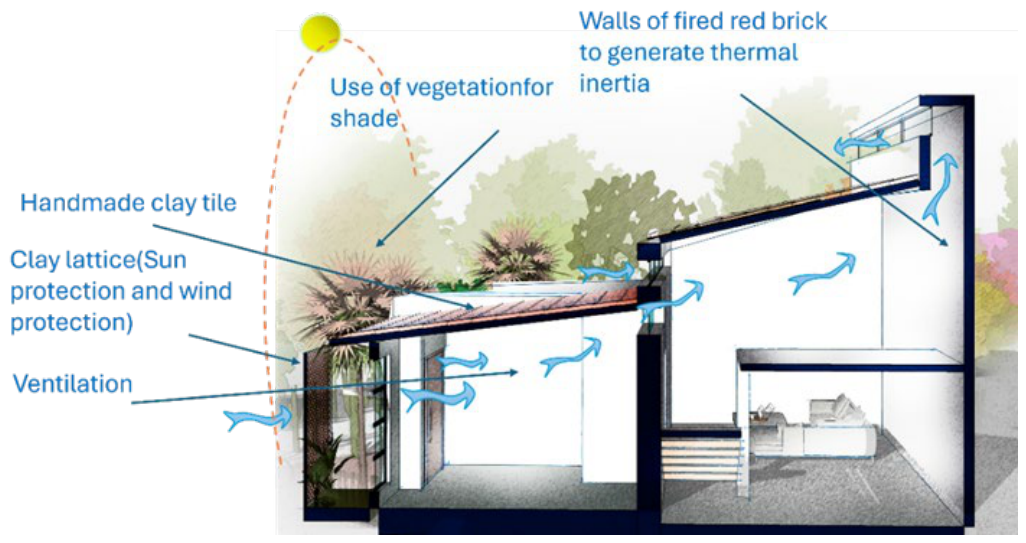
Figure 6.
Facade design of sustainable housing preserving local architecture.
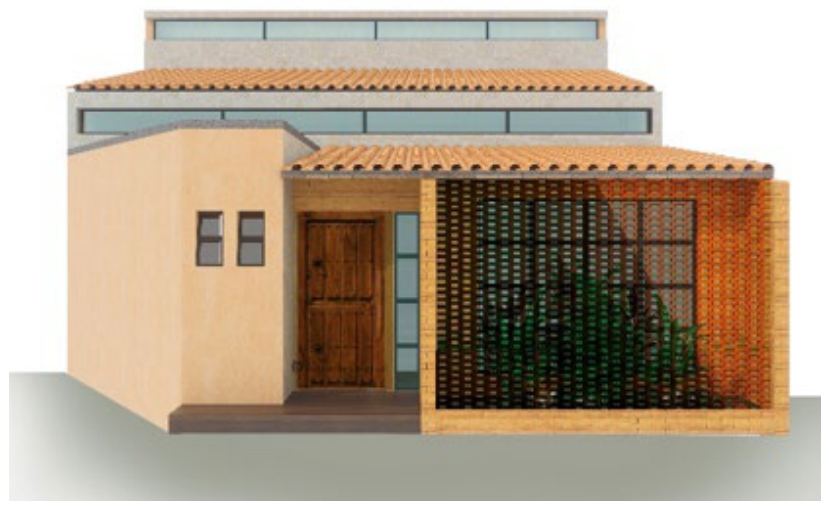
Figure 8.
CO₂ emission comparative values for SH and CH housing types.
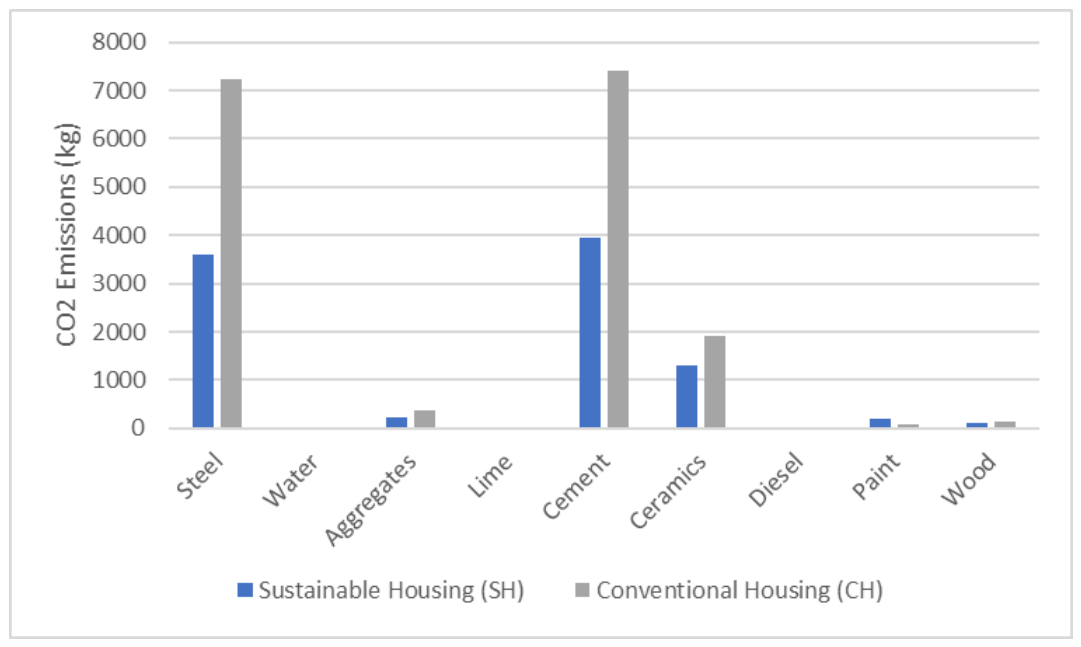
Figure 9.
Energy cost comparative values for SH and CH housing types.
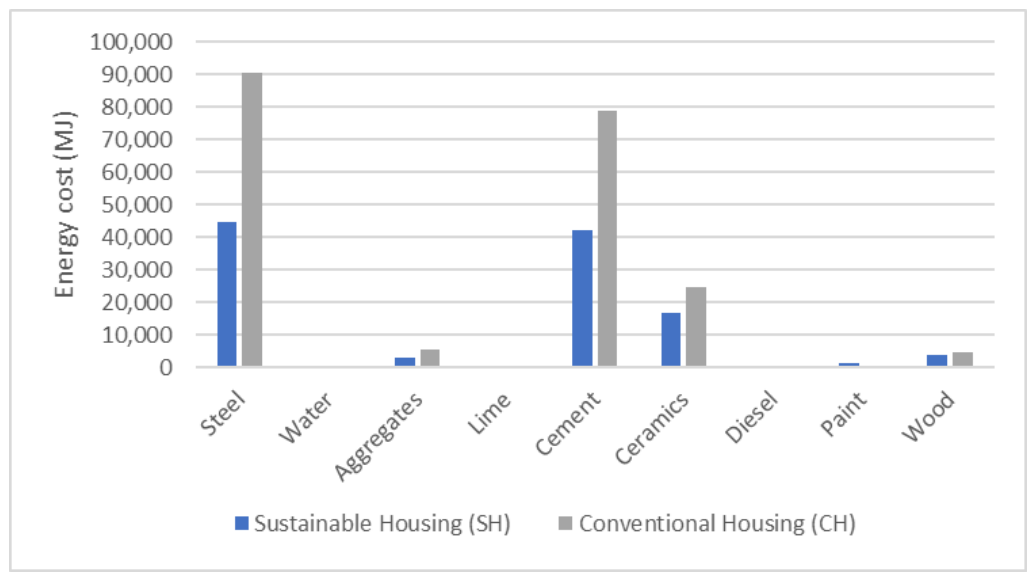
Figure 10.
Indoor temperature measurements of the sustainable housing (February 2022).
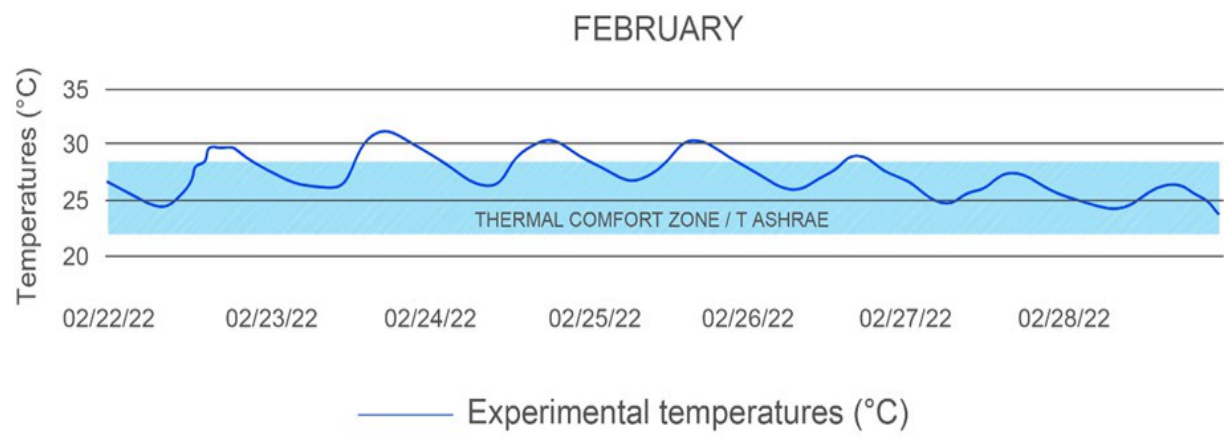
Figure 11.
Indoor temperature measurements of sustainable housing (may 2022).
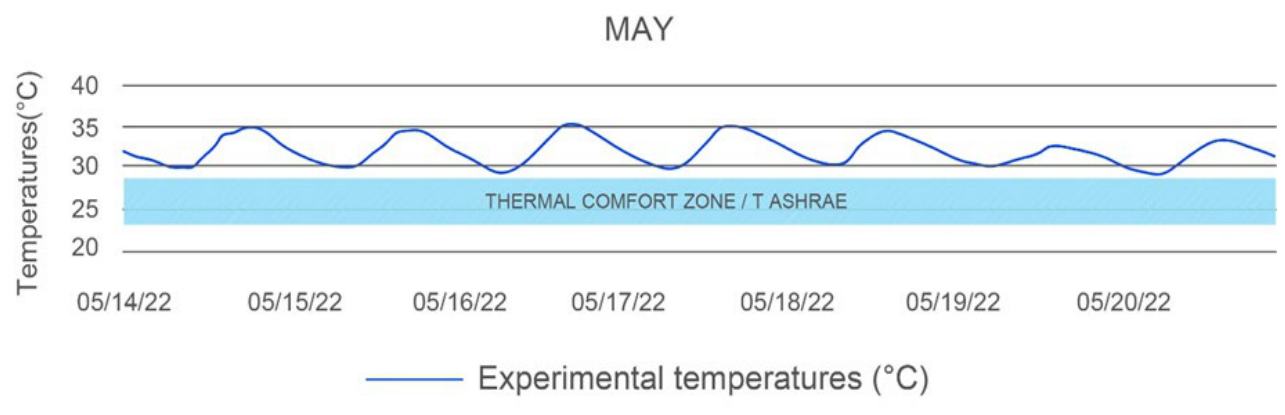
Figure 12.
Annual record of indoor temperatures to establish comfort zone months in sustainable housing.
Figure 12.
Annual record of indoor temperatures to establish comfort zone months in sustainable housing.
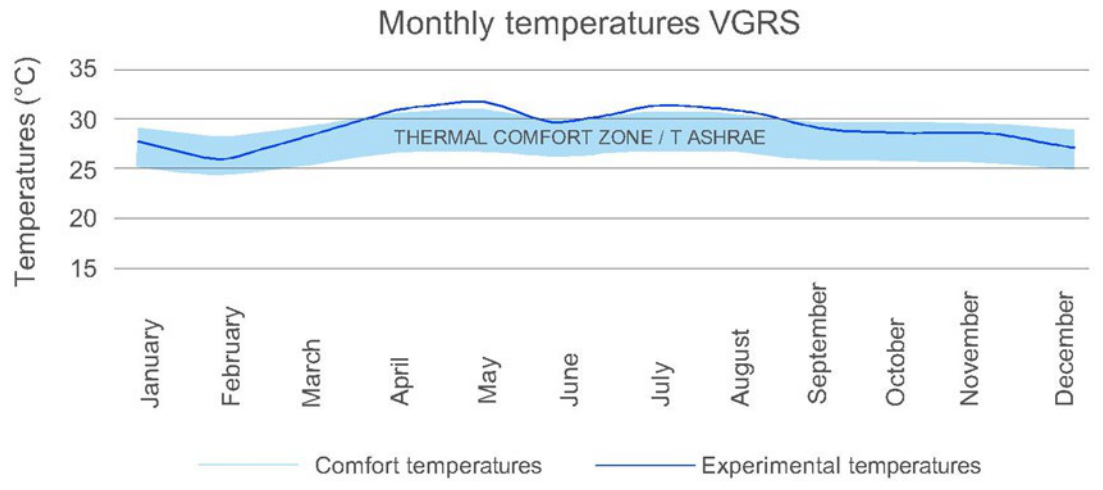
Figure 13.
Comparison of construction costs for SH and CH by building components.
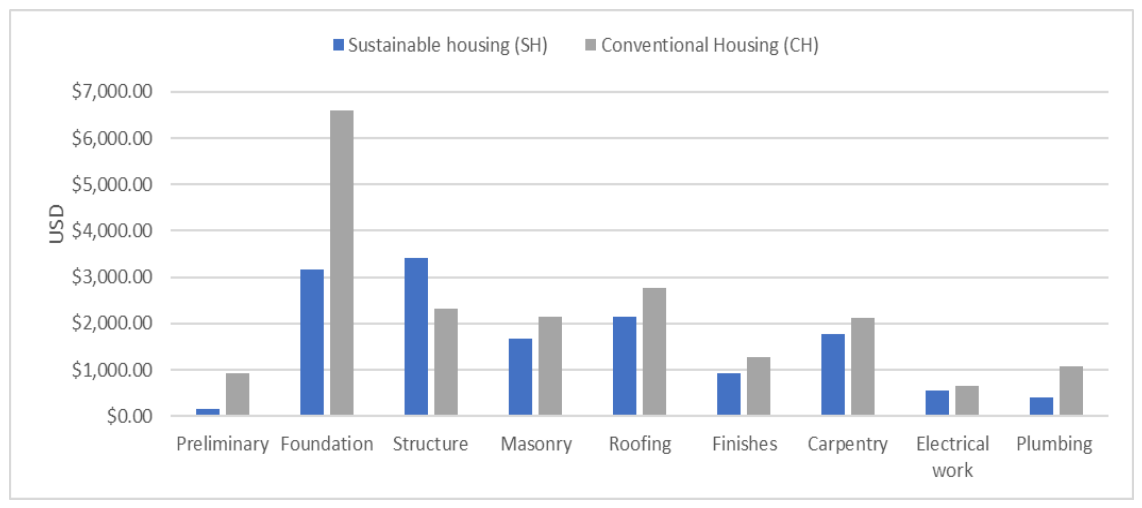
Table 1.
Main materials used in the SH and CH.
| Main materials used in the construction of the HS and HC | Energy costs per kg of material (MJ) | CO2 emissions per kg of material |
|---|---|---|
| Steel | 35,000 | 0.410 |
| Cement | 4,360 | 0.410 |
| Lime | 3,430 | 0.320 |
| Ceramics | 2,321 | 0.180 |
| Wood | 2,100 | 0.060 |
| Aggregates | 0.100 | 0.007 |
| Paint | 24,700 | 3.640 |
| Water | 0.050 | 0.000 |
Table 2.
Construction characteristics of the homes under study (SH-CH).
| Item | SH | CH |
|---|---|---|
| Preliminaries | Clearing, staking out, and grading of the site. Excavation and backfilling of tree stumps by hand |
Clearing, staking out, and leveling the site. Excavation and backfilling of foundations pits by hand |
| Foundation | Strip footing foundation system | Strip footing foundation systems |
| Structure | Reinforced concrete beam and column system and handmade red brick walls | Reinforces concrete column, beams,a nd girder system with cement block walls |
| Masonry | Lime mortar screeds and plain concrete floors | Cement mortar screeds and concrete subfloor |
| Roofing | Hybrid slab system of wood, reinforces mortar, and handmade tiles | 12 cm reinforced concrete slab |
| Finishes | Paint and tile | Paint, tile, and waterproofing |
| Carpentry | Wooden windows and doors | Wooden windows and doors |
| Electrical installation | Light fixtures, lamps, wiring, outlets, and lights switches | Light fixtures, lamps, wiring, outlets,and light switches |
| Plumbing | Shower, toilet, sink, washbasin, water tank, pipes | Shower, toilet, sink, washbasin, water tank, pipes |
Table 4.
Selected Materials for SH Construction.
| Proposed component | Support from research/projects | Citations |
|---|---|---|
| Fired brick walls and lime mortar | Traditional Isthmus typology restores and replicated following the 2017 earthquakes. | [13] |
| Lime plaster | Recommended for soil and masonry restoration due to their compatibility and lower environmental impact compared to cement. | [13] |
| Lightweight wooden roof + “biliguanas” + reinforces mortar + handmade tiles | Traditional and contemporary hybrid system; maintains interior height, ventilation, and bioclimatic comfort, use of local and reused materials. | [13] |
| Reuse of tiles from damaged homes | Recovery of up to 98% of materials in reconstruction; circular economy approach to vernacular heritage. | [13,37] |
| Reinforcement of walls with reinforced concrete | Reinforcement strategies to improve seismic performance in traditional construction techniques (adobe, masonry, wattle-and-daub). | [10,38] |
Table 5.
Environmental impact indicators for the SH.
| Material | Inputs used in SH | Energy cost | CO2 emissions | |
| Kg | Porcentaje | MJ | Kg | |
| Steel | 1280.94 | 2.20% | 44,833 | 3586.63 |
| Water | 6188.66 | 10.61% | 309.43 | 0 |
| Aggregates | 32084.98 | 55.03% | 3,208.50 | 224.59 |
| Lime | 12.45 | 0.02% | 42.69 | 3.98 |
| Cement | 9655.32 | 16.56% | 42,097.20 | 3958.68 |
| Ceramics | 7193.20 | 12.34% | 16,695.42 | 1294.78 |
| Diesel | 48.77 | 0.08% | 492.61 | 0.15 |
| Paint | 51.89 | 0.09% | 1,281.64 | 188.87 |
| Wood | 1788.60 | 3.07% | 3,756.06 | 107.32 |
| Total | 58,304.81 | 100% | 112,716.5 | 9,365.01 |
| Source: By the auhor | ||||
Table 6.
Environmental impact indicators for the CH.
| Material | Inputs used in the CH | Energy cost | CO2 emissions | |
| Kg | Porcentaje | MJ | Kg | |
| Steel | 2,584.56 | 2.62% | 90,460 | 7,236.78 |
| Water | 10,704.17 | 10.87% | 535.21 | 0.00 |
| Aggregates | 54,272.80 | 55.10% | 5,427.28 | 379.91 |
| Lime | 0 | 0 | 0.01 | 0.00 |
| Cement | 18,067.91 | 18.34% | 78,776.09 | 7,407.84 |
| Ceramics | 10,636.32 | 10.80% | 24,686.91 | 1,914.54 |
| Diesel | 55.10 | 0.06% | 556.49 | 0.17 |
| Paint | 19.53 | 0.02% | 482.49 | 71.10 |
| Wood | 2,163.98 | 2.20% | 4,544.37 | 129.84 |
| Total | 98,504.38 | 100% | 205,468.6 | 17,140.18 |
| Source: By the author | ||||
Table 7.
Comparative analysis of housing costs.
| Code | Concept | SH (USD) | CH (USD) |
|---|---|---|---|
| A1 | Preliminary | $167.59 | $929.72 |
| A2 | Foundation | $3,161.90 | $6,585.73 |
| A3 | Structure | $3,423.08 | $2,326.10 |
| A4 | Masonry | $1,662.55 | $2,153.60 |
| A5 | Roofing | $2,149.12 | $2,773.45 |
| A6 | Finishes | $938.54 | $1,278.25 |
| A7 | Carpentry | $1,771.27 | $2,122.86 |
| A8 | Electrical work | $559.85 | $647.95 |
| A9 | Plumbing installation | $403.21 | $1,070.64 |
| Total costs by housing type | $ 14,237.10 | $19,888.31 | |
Table 8.
Convergence between the case study and Social Production of Habitat approach.
| Element in the “Guenda Racaneé Saá” Housing | SPH approach | Citations |
|---|---|---|
| Assisted self-construction (family + work crew) | Self-management and mutual aid programs that combine beneficiary labor and technical support | [37,39,41] |
| Use of local knowledge in traditional systems | Processes where vernacular systems and community knowledge form the basis for habitat improvement | [37,41,42,43] |
| Supervision and technical oversight | Technical assistance critical for structural quality and proper use of resources in self-construction | [39,44,45] |
| Social organization financing (Micro AID) | Microfinance and cooperatives aligned with social housing production and the solidarity economy | [44,46,47,48] |
Disclaimer/Publisher’s Note: The statements, opinions and data contained in all publications are solely those of the individual author(s) and contributor(s) and not of MDPI and/or the editor(s). MDPI and/or the editor(s) disclaim responsibility for any injury to people or property resulting from any ideas, methods, instructions or products referred to in the content. |
© 2026 by the authors. Licensee MDPI, Basel, Switzerland. This article is an open access article distributed under the terms and conditions of the Creative Commons Attribution (CC BY) license (http://creativecommons.org/licenses/by/4.0/).
Copyright: This open access article is published under a Creative Commons CC BY 4.0 license, which permit the free download, distribution, and reuse, provided that the author and preprint are cited in any reuse.