
Submitted:
08 July 2026
Posted:
10 July 2026
You are already at the latest version
Abstract
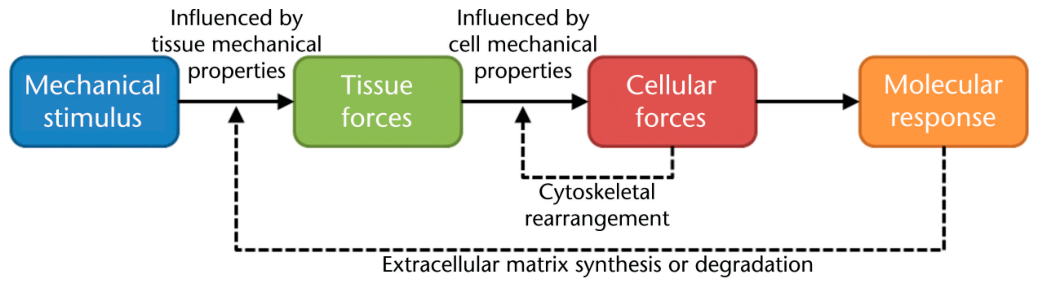
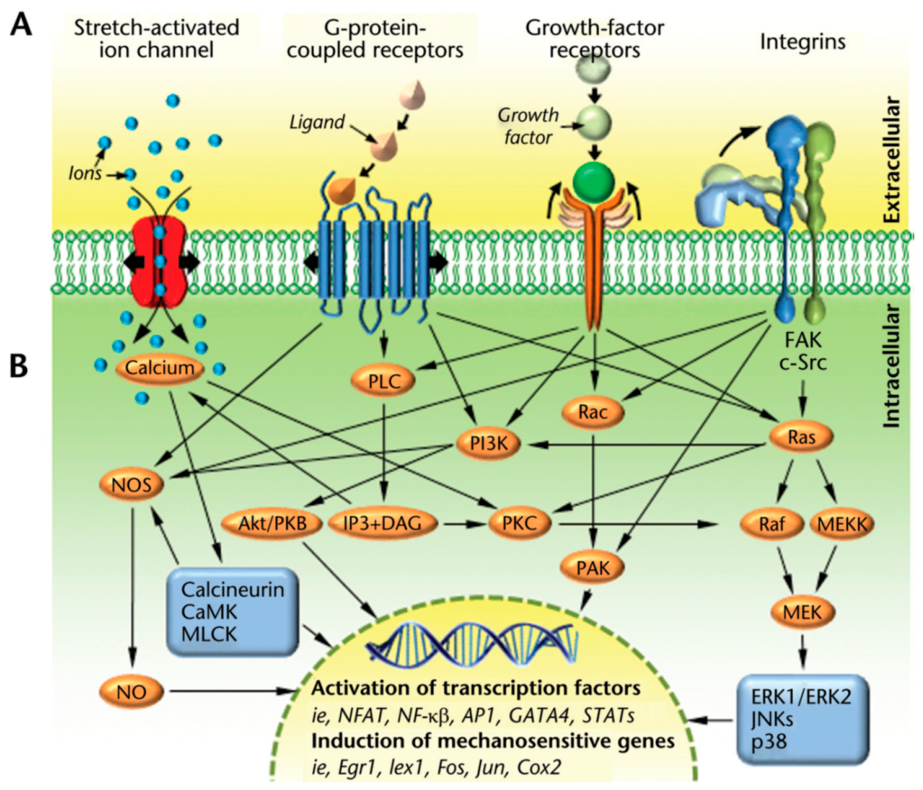
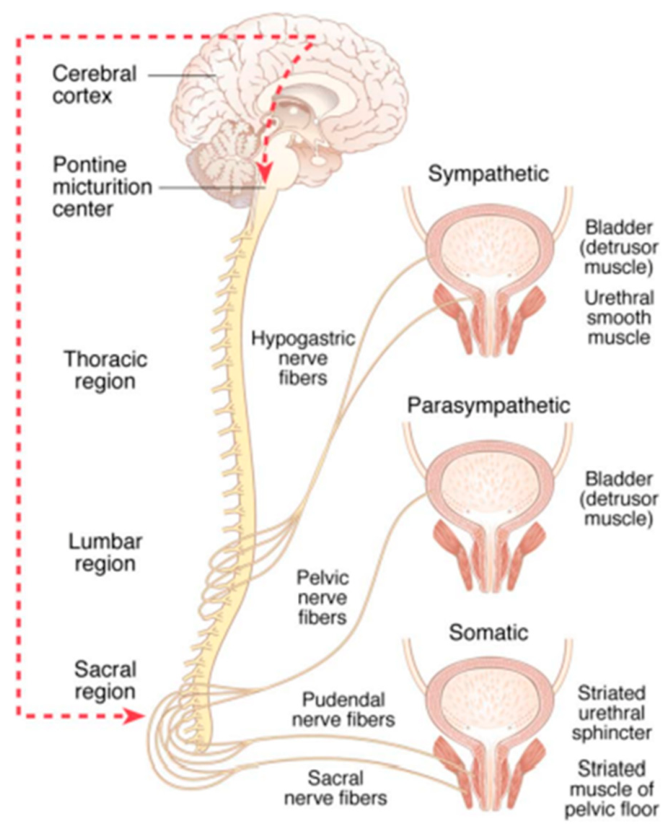
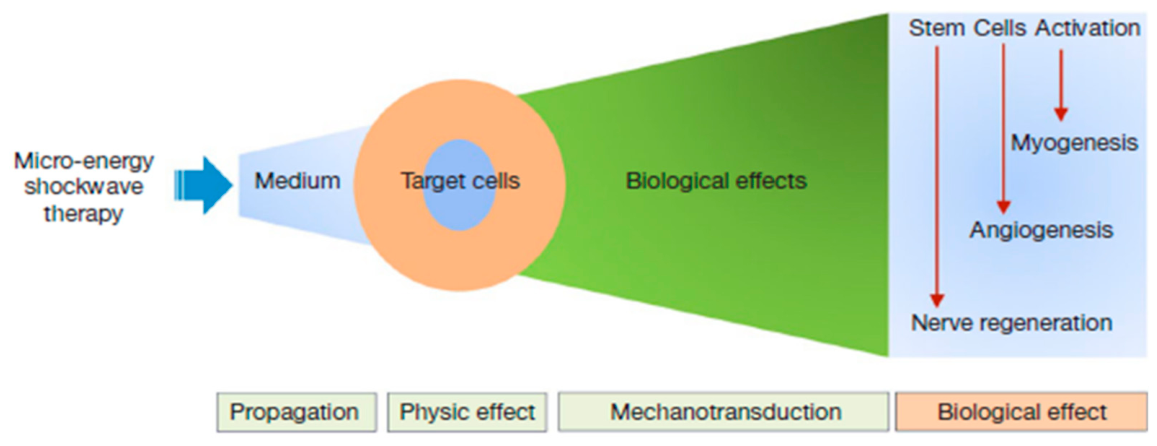
Background: Urinary incontinence (UI) is very common, affecting 421 million women and men worldwide. There are three types of UI: stress, urge and mixed. UI is associated with poor quality of life. There are numerous non-surgical treatments available. This paper reviews the mechanisms and clinical evidence for mechanotherapy gleaned from peer-reviewed literature. Mechanisms: The human body responds to various forms mechanical stimuli that direct cellular tissue forces, resulting in molecular responses that facilitate growth, remodeling and repair. Mechanotransduction is the basis for mechanotherapy, characterized by complex chemical signaling and neural signaling. Two modalities of mechanotherapy have been investigated in published studies. Mechanical Vibration: Vibration caused by oscillatory motion stimulates stretch sensitive mechanoreceptors in the pelvic floor muscle (PFM) spindles, resulting in afferent nerve impulses to the sacral plexus and centers in the brain. Resulting efferent signals cause motor unit activation. Types of vibration delivery include intra-vaginal, whole-body, and local transcutaneous. Acoustical Wave Stimulation: Acoustic energy generated by piezoelectric crystals modify molecules as the waves are transmitted from one molecule to another. This type of mechanotherapy includes four stages: propagation, physical effect, mechanotransduction and biological effect. Most published research studies utilized low intensity extracorporeal shock waves (LiESWT) in their protocols. Conclusion: Mechanotherapy provides powerful physiologic stimulation that has been shown in many studies to improve clinical symptoms of UI and improve QoL. It is a promising, emerging, non-invasive option for inclusion in the clinical armamentarium for treating patients with all forms of UI.
Keywords:
Introduction
Mechanisms of Action
Clinical Evidence
Intravaginal Mechanical Vibration
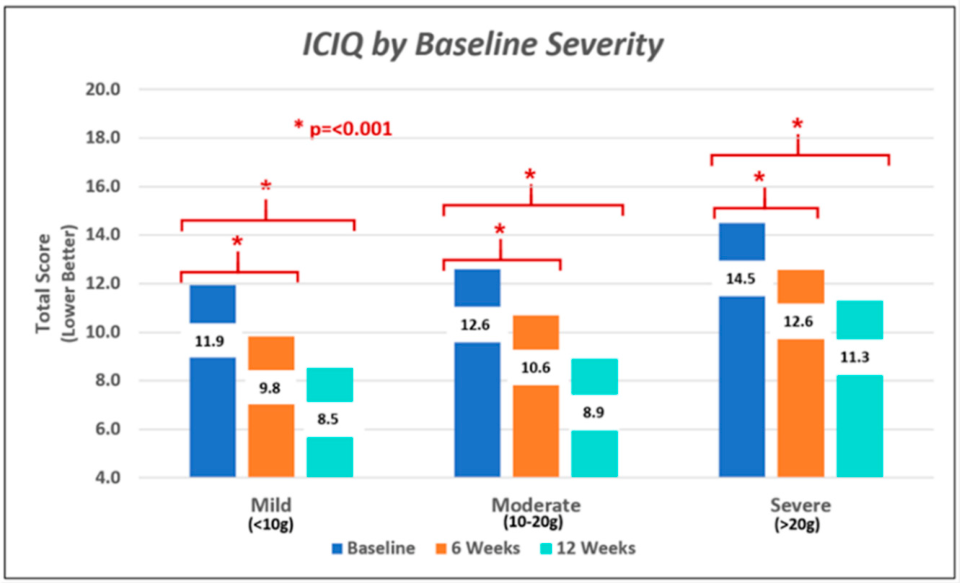
Whole Body Vibration
Local Transcutaneous Vibration
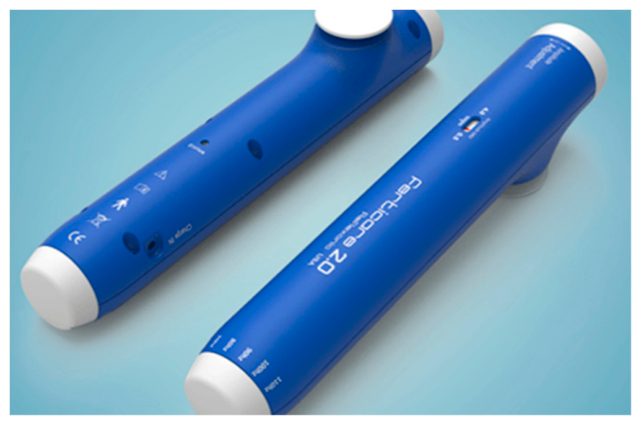
Discussion and Conclusion
References
- Qaseem A, Dallas P, Forciea MA, Starkey M, Denberg TD, Shekelle P, Clinical Guidelines Committee of the American College of Physicians. Nonsurgical management of urinary incontinence in women: a clinical practice guideline from the American College of Physicians. Annals of internal medicine. 2014 Sep 16;161(6):429-40.
- Bartoli S, Aguzzi G, Tarricone R. Impact on quality of life of urinary incontinence and overactive bladder: a systematic literature review. Urology. 2010 Mar 1;75(3):491-500.
- Pizzol D, Demurtas J, Celotto S, Maggi S, Smith L, Angiolelli G, Trott M, Yang L, Veronese N. Urinary incontinence and quality of life: a systematic review and meta-analysis. Aging clinical and experimental research. 2021 Jan;33(1):25-35.Milsom I, Gyhagen M. The prevalence of urinary incontinence. Climacteric. 2019 May 4;22(3):217-22.
- Kwon BE, Kim GY, Son YJ, Roh YS, You MA. Quality of life of women with urinary incontinence: a systematic literature review. International neurourology journal. 2010 Oct 31;14(3):133.
- Pizzol D, Demurtas J, Celotto S, Maggi S, Smith L, Angiolelli G, Trott M, Yang L, Veronese N. Urinary incontinence and quality of life: a systematic review and meta-analysis. Aging clinical and experimental research. 2021 Jan;33(1):25-35.
- Minassian VA, Devore E, Hagan K, Grodstein F. Severity of urinary incontinence and effect on quality of life in women by incontinence type. Obstetrics & Gynecology. 2013 May 1;121(5):1083-90.
- Didyk N. Urinary incontinence in aging: what to know when you can’t wait to go. https://betterhealthwhileaging.net/urinary-incontinence-in-aging/#:~:text=Incontinence%20is%20more%20than%20inconvenient,and%20loss%20of%20independent%20function.
- Minassian VA, Stewart WF, Wood GC. Urinary incontinence in women: variation in prevalence estimates and risk factors. Obstetrics & Gynecology. 2008 Feb 1;111(2 Part 1):324-31.
- Minassian VA, Drutz HP, Al-Badr A. Urinary incontinence as a worldwide problem. International Journal of Gynecology & Obstetrics. 2003 Sep 1;82(3):327-38.
- Milsom I, Gyhagen M. The prevalence of urinary incontinence. Climacteric. 2019 May 4;22(3):217-22.
- Patel UJ, Godecker AL, Giles DL, Brown HW. Updated Prevalence of Urinary Incontinence in Women: 2015-2018 National Population-Based Survey Data. Female Pelvic Med Reconstr Surg. 2022 Apr 1;28(4):181-187. Epub 2022 Jan 12. PMID: 35030139. [CrossRef]
- Grzybowska ME, Wydra D, Smutek J. Analysis of the usage of continence pads and help-seeking behavior of women with stress urinary incontinence in Poland. BMC Womens Health. 2015 Sep 30;15:80. [CrossRef]
- Syan R, Brucker BM. Guideline of guidelines: urinary incontinence. BJU international. 2016 Jan;117(1):20-33.
- Sussman RD, Syan R, Brucker BM. Guideline of guidelines: urinary incontinence in women. BJU international. 2020 May 1;125(5).
- Thompson WR, Scott A, Loghmani MT, Ward SR, Warden SJ. Understanding mechanobiology: physical therapists as a force in mechanotherapy and musculoskeletal regenerative rehabilitation. Physical therapy. 2016 Apr 1;96(4):560-9.
- Ingber DE. Tensegrity: the architectural basis of cellular mechanotransduction. Annual review of physiology. 1997 Mar;59(1):575-99.
- Dunn SL, Olmedo ML. Mechanotransduction: Relevance to physical therapist practice—Understanding our ability to affect genetic expression through mechanical forces. Physical therapy. 2016 May 1;96(5):712-21.
- Ingber D. Mechanobiology and diseases of mechanotransduction. Annals of medicine. 2003 Jan 1;35(8):564-77.
- Fulker A, Kovela S, Mianulli M. Transvaginal mechanotherapy for stress urinary incontinence: Principles, cellular and neuromuscular mechanisms of action, and comparison to current gold standard treatments. Continence Reports. 2025 Mar 1;13:100077.
- Riemann BL, Myers JB, Lephart SM. Sensorimotor system measurement techniques. Journal of athletic training. 2002 Jan;37(1):85.
- de Groat WC. Neural Control and Neuromodulation Lower Urinary Traction Function. National Institute of Health Common Fund. Available: https://commonfund.nih.gov/sites/default/files/SPARCdeGroat-UPitt-Sess1.pdf. (Accessed 15 May 2026).
- Asavasopon S, Rana M, Kirages DJ, Yani MS, Fisher BE, Hwang DH, Lohman EB, Berk LS, Kutch JJ. Cortical activation associated with muscle synergies of the human male pelvic floor. J Neurosci. 2014 Oct 8;34(41):13811-8. PMID: 25297107; PMCID: PMC4188976. [CrossRef]
- Sønksen J, Ohl DA, Bonde B, Læssøe L, McGuire EJ. Transcutaneous mechanical nerve stimulation using perineal vibration: a novel method for the treatment of female stress urinary incontinence. The Journal of urology. 2007 Nov 1;178(5):2025-8.
- Cardinale MA, Wakeling J. Whole body vibration exercise: are vibrations good for you?. British journal of sports medicine. 2005 Sep 1;39(9):585-9.
- Amiez N, Beaulieu LD, Paizis C, Lapole T, Rienzo FD. Muscle tendon vibration revisited: Why tonic vibration reflex and kinaesthetic illusions matter. The Journal of Physiology. 2026 Apr;604(8):3231-52.
- Kalaoglu E, Bucak OF, Kokce M, Ozkan M, Cetin M, Atasoy M, Ayture L, Karacan I. Whole body vibration activates the tonic vibration reflex during voluntary contraction. Journal of Physical Therapy Science. 2023;35(6):408-13.
- Nilsen I, Rebolledo G, Acharya G, Leivseth G. Mechanical oscillations superimposed on the pelvic floor muscles during Kegel exercises reduce urine leakage in women suffering from stress urinary incontinence: A prospective cohort study with a 2-year follow up. Acta Obstet Gynecol Scand. 2018 Oct;97(10):1185-1191. Epub 2018 Aug 2. PMID: 29923602. [CrossRef]
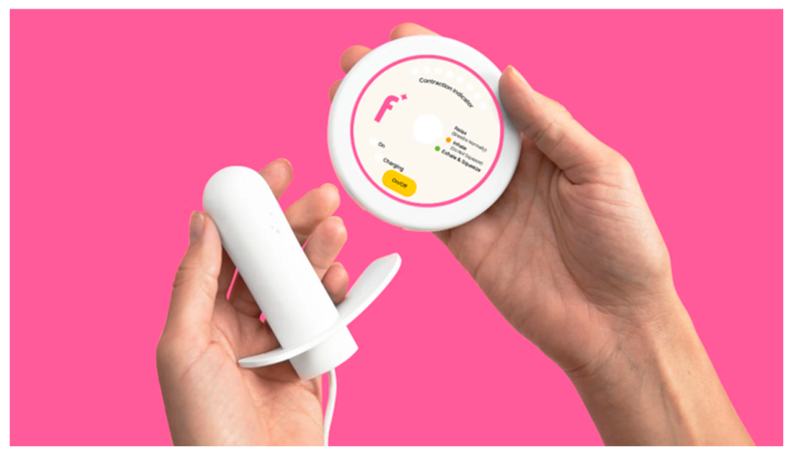
- Nakib N, Sutherland S, Hallman K, Mianulli M, R Boulware D. Randomized trial of mechanotherapy for the treatment of stress urinary incontinence in women. Ther Adv Urol. 2024 Feb 6;16:17562872241228023. PMID: 38328552; PMCID: PMC10848796. [CrossRef]
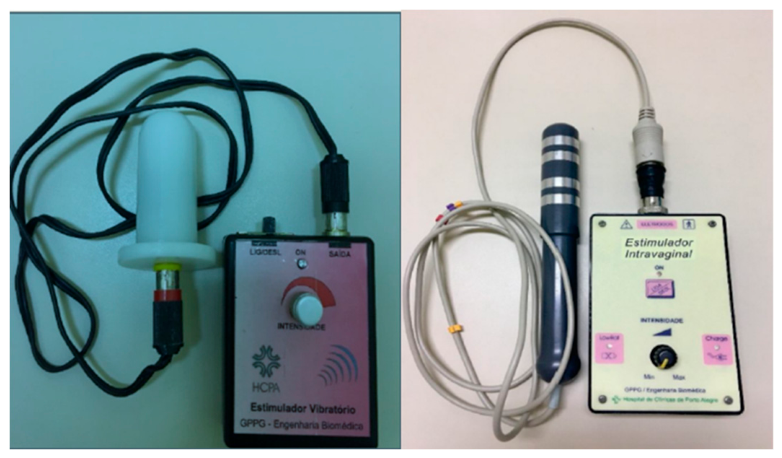
- Rodrigues MP, Barbosa LJ, Paiva LL, Mallmann S, Sanches PR, Ferreira CF, Ramos JG. Effect of intravaginal vibratory versus electric stimulation on the pelvic floor muscles: a randomized clinical trial. European journal of obstetrics & gynecology and reproductive biology: X. 2019 Jul 1;3:100022.
- Pollock RD, Woledge RC, Martin FC, Newham DJ. Effects of whole body vibration on motor unit recruitment and threshold. J Appl Physiol (1985). 2012 Feb;112(3):388-95. Epub 2011 Nov 17. PMID: 22096119; PMCID: PMC3289430. [CrossRef]
- Lauper M, Kuhn A, Gerber R, Luginbühl H, Radlinger L. Pelvic floor stimulation: what are the good vibrations?. Neurourology and Urodynamics: Official Journal of the International Continence Society. 2009 Jun;28(5):405-10.Stania.
- Stania M, Chmielewska D, Kwaśna K, Smykla A, Taradaj J, Juras G. Bioelectrical activity of the pelvic floor muscles during synchronous whole-body vibration–a randomized controlled study. BMC urology. 2015 Oct 24;15(1):107.
- Luginbuehl H, Lehmann C, Gerber R, Kuhn A, Hilfiker R, Baeyens JP, Radlinger L. Continuous versus intermittent stochastic resonance whole body vibration and its effect on pelvic floor muscle activity. Neurourology and urodynamics. 2012 Jun;31(5):683-7.
- de Oliveira Guedes-Aguiar E, de Sá-Caputo DD, Moreira-Marconi E, de Macêdo Uchôa SM, de Barros PZ, Valentin EK, Bergmann A, Taiar R, Bernardo-Filho M. Effect of whole-body vibration exercise in the pelvic floor muscles of healthy and unhealthy individuals: a narrative review. Translational Andrology and Urology. 2019 Aug;8(4):395.
- Farzinmehr A, Moezy A, Koohpayehzadeh J, Kashanian M. A Comparative Study of Whole Body Vibration Training and Pelvic Floor Muscle Training on Women’s Stress Urinary Incontinence: Three- Month Follow- Up. J Family Reprod Health. 2015 Nov;9(4):147-54. PMID: 27047560; PMCID: PMC4818376.
- Tantawy SA, Elgohary HM, Abdelbasset WK, Kamel DM. Effect of 4 weeks of whole-body vibration training in treating stress urinary incontinence after prostate cancer surgery: a randomised controlled trial. Physiotherapy. 2019 Sep 1;105(3):338-45.
- Poenaru D, Cinteza D, Petrusca I, Cioc L, Dumitrascu D. Local Application of Vibration in Motor Rehabilitation - Scientific and Practical Considerations. Maedica (Bucur). 2016 Sep;11(3):227-231. PMID: 28694858; PMCID: PMC5486165.
- Sønksen J, Ohl DA, Bonde B, Læssøe L, McGuire EJ. Transcutaneous mechanical nerve stimulation using perineal vibration: a novel method for the treatment of female stress urinary incontinence. The Journal of urology. 2007 Nov 1;178(5):2025-8.
- Fode M, Sønksen J. Penile vibratory stimulation in the treatment of post-prostatectomy incontinence: A randomized pilot study. Neurourology and Urodynamics. 2015 Feb;34(2):117-22.
- Heredia J AH, Tapia Q K, Cabrera L MD, Barrientos C G, Ambrosio L RC, Moreno M M. Non-invasive Ultrasonic Stimulator Applied in the Treatment of Urinary Incontinence in Women. InLatin American Conference on Biomedical Engineering 2019 Oct 1 (pp. 543-547). Cham: Springer International Publishing.
- Susset J, Galea G, Manbeck K, Susset A. A predictive score index for the outcome of associated biofeedback and vaginal electrical stimulation in the treatment of female incontinence. The Journal of urology. 1995 May;153(5):1461-6.
- Yamanishi T, Yasuda K. Electrical stimulation for stress incontinence. International Urogynecology Journal. 1998 Sep;9(5):281-90.
- Lin G, Lue TF. Microenergy shockwave therapies for female stress urinary incontinence. Translational Andrology and Urology. 2024 Aug 31;13(8):1687-94.
- Long CY, Lin KL, Lee YC, Chuang SM, Lu JH, Wu BN, Chueh KS, Ker CR, Shen MC, Juan YS. Therapeutic effects of Low intensity extracorporeal low energy shock wave therapy (LiESWT) on stress urinary incontinence. Scientific reports. 2020 Apr 2;10(1):5818.
- Lin KL, Chueh KS, Lu JH, Chuang SM, Wu BN, Lee YC, Wu YH, Shen MC, Sun TW, Long CY, Juan YS. Low intensity extracorporeal shock wave therapy as a novel treatment for stress urinary incontinence: a randomized-controlled clinical study. Medicina. 2021 Sep 8;57(9):947.
- Barassi G, Bellomo RG, Frondaroli F, Frondaroli S, Santarelli A, Di Felice PA, Supplizi M, Palermo T, Saggini R. Integrated rehabilitation approach with manual and mechanic-acoustic vibration therapies for urinary incontinence. InAdvancements and Innovations in Health Sciences 2019 Aug 30 (pp. 41-50). Cham: Springer International Publishing.
- Lu JH, Chueh KS, Chuang SM, Wu YH, Lin KL, Long CY, Lee YC, Shen MC, Sun TW, Juan YS. Low intensity extracorporeal shock wave therapy as a potential treatment for overactive bladder syndrome. Biology. 2021 Jun 16;10(6):540.Chueh.
- Paolucci T, Bellomo RG, Pezzi L, Frondaroli F, Frondaroli S, Santarelli A, Barbato C, Porreca A, Saggini R. A novel rehabilitative protocol in the treatment of mixed urinary incontinence in women: the effects of focused mechano-acoustic vibration. BioResearch Open Access. 2019 Dec 20;8(1):biores-2019.Lee.
- Lee YC, Chuang SM, Lin KL, Chen WC, Lu JH, Chueh KS, Shen MC, Liu LW, Long CY, Juan YS. Low-intensity extracorporeal shock wave therapy ameliorates the overactive bladder: a prospective pilot study. BioMed Research International. 2020;2020(1):9175676.
- Wu JM, Matthews CA, Conover MM, Pate V, Jonsson Funk M. Lifetime risk of stress urinary incontinence or pelvic organ prolapse surgery. Obstet Gynecol. 014;123(6):1201–6. [CrossRef]
- Allafi A, Al-Johani A, Babukur R M, et al. (October 11, 2024) The Link Between Menopause and Urinary Incontinence: A Systematic Review. Cureus 16(10): e71260. [CrossRef]
Disclaimer/Publisher’s Note: The statements, opinions and data contained in all publications are solely those of the individual author(s) and contributor(s) and not of MDPI and/or the editor(s). MDPI and/or the editor(s) disclaim responsibility for any injury to people or property resulting from any ideas, methods, instructions or products referred to in the content. |
© 2026 by the authors. Licensee MDPI, Basel, Switzerland. This article is an open access article distributed under the terms and conditions of the Creative Commons Attribution (CC BY) license (http://creativecommons.org/licenses/by/4.0/).