

Submitted:
07 July 2026
Posted:
08 July 2026
You are already at the latest version
Preprints on COVID-19 and SARS-CoV-2
Abstract
Abstract Coronavirus disease 2019 (COVID-19) and influenza share key pathogenic mechanisms, including viral invasion, dysregulated innate immune activation, and the development of severe systemic complications. A central mediator of disease progression in both infections is the hyperactivation of the NLRP3 inflammasome, which drives excessive production of pro-inflammatory cytokines, immunothrombosis, multiorgan injury, and increased mortality. Colchicine possesses a unique pharmacokinetic property of preferential accumulation within myeloid cells, where sufficiently high intracellular concentrations inhibit NLRP3 inflammasome activation. This mechanism provides a biological rationale for preventing the cytokine storm and its downstream consequences when colchicine is administered early during infection. Available pharmacokinetic, toxicological, and clinical evidence suggests that loading doses of colchicine up to approximately 0.05 mg/kg body weight can be administered safely in appropriately selected patients, provided that clinically significant drug–drug interactions and hepatic or renal impairment are carefully excluded. The widely accepted belief that total doses of 7–7.5 mg are inherently lethal appears to reflect historical cases complicated by drug interactions and/or hepatic or renal impairment, rather than toxicity attributable to colchicine dose alone. These observations support reconsideration of current guideline recommendations regarding colchicine dosing. In particular, cumulative doses below 0.1 mg/kg appear to be consistently safe, whereas doses between 0.1 and 0.2 mg/kg are associated with only a low risk of toxicity and rarely with severe intoxication. Reassessment of colchicine dosing strategies may therefore be warranted to optimize NLRP3 inflammasome inhibition and improve outcomes in patients with COVID-19 and influenza.
Keywords:
NLRP3 Inflammasome
; COVID-19
; Infuenza
; Colchicine
; Cytokine storm
; immunothrombosis
Key Points
- Hyperactivation of the NLRP3 inflammasome is increasingly recognized as a central upstream mechanism contributing to the excessive inflammatory response, endothelial dysfunction, immunothrombosis, and multiorgan injury associated with severe COVID-19 and influenza.
- Early pharmacological modulation of the NLRP3 inflammasome, including with colchicine, represents a biologically plausible therapeutic strategy for limiting progression to severe disease.
- The available evidence suggests that the therapeutic efficacy of colchicine may depend critically on both the timing of treatment initiation and cumulative drug exposure.
- Clinical studies reviewed in this article indicate that higher-dose colchicine regimens were associated with favorable outcomes, including lower in-hospital mortality and reduced hospitalization when initiated early in the outpatient setting. These findings require confirmation in adequately powered randomized controlled trials.
- Review of the published toxicological literature indicates that assessment of colchicine toxicity should account for clinically significant drug–drug interactions, hepatic and renal dysfunction, body weight, and other patient-specific factors, rather than relying solely on the absolute ingested dose.
- The available evidence reviewed suggests that cumulative colchicine doses below 0.1 mg/kg are generally well tolerated in patients without major contraindications, whereas doses between 0.1 and 0.2 mg/kg may produce toxicity but have not been convincingly associated with fatal outcomes in the absence of major predisposing factors.
- The commonly cited concept that absolute colchicine doses of 7–7.5 mg are intrinsically lethal is not well supported by the available evidence. Published fatalities at these doses were generally accompanied by important confounding factors, including clinically significant drug–drug interactions and/or hepatic or renal impairment, highlighting the need for a more individualized assessment of colchicine toxicity.
- The available mechanistic, clinical, and toxicological evidence supports further investigation of bromhexine for the prevention of COVID-19 and influenza and of optimized higher-dose colchicine regimens for both outpatient and hospitalized patients in adequately powered randomized clinical trials.
1. Introduction
The COVID-19 pandemic has resulted in profound global health, economic, and societal consequences. Beyond the millions of deaths attributed directly or indirectly to SARS-CoV-2 infection, a substantial proportion of survivors have experienced persistent symptoms and long-term health complications collectively referred to as Long COVID. The pandemic has also adversely affected mental health, education, social cohesion, economic development, and political systems [1,2].
COVID-19 has become the most intensively studied diseases in medical history. By 2024, more than two million researchers had contributed to the COVID-19 scientific literature, generating over ten million citations. This unprecedented scientific response has produced an enormous body of evidence spanning virology, epidemiology, therapeutics, vaccines, public health interventions, and the broader socioeconomic consequences of the pandemic [3,4].
Therapeutic research has been particularly extensive. Several hundred drugs have been evaluated in clinical studies for COVID-19, while thousands of compounds have undergone preclinical investigation. By 2025–2026, major clinical trial registries and evidence databases listed more than 12,000 registered COVID-19-related clinical trials. Despite this extraordinary research effort and the substantial financial resources invested, relatively few pharmacological interventions have demonstrated clear and consistent clinical benefits. Many initially promising therapeutic approaches ultimately failed to confirm efficacy in large randomized controlled trials [5].
This discrepancy between the unprecedented scale of scientific activity and the limited number of highly effective therapeutic options highlights both the complexity of COVID-19 pathophysiology and the challenges of translating preliminary findings into robust clinical evidence.
Despite the unprecedented volume of research, only a limited number of interventions have received recommendations from the World Health Organization (WHO) for the prevention or treatment of COVID-19. These include vaccines; antiviral agents such as nirmatrelvir/ritonavir (Paxlovid), remdesivir, and molnupiravir; anti-inflammatory treatment with dexamethasone; immunomodulatory agents including tocilizumab and baricitinib; anticoagulation with heparin in appropriately selected hospitalized patients; and optimized supportive care, particularly oxygen therapy and intensive care management [6].
Among these interventions, systemic corticosteroids—most notably dexamethasone—have emerged as one of the most consistently supported treatments for severe and critical COVID-19. Randomized clinical trials and subsequent meta-analyses have demonstrated significant reductions in mortality among patients requiring supplemental oxygen or respiratory support, with relative risk reductions generally estimated at approximately 20–35%. These findings established dexamethasone as a cornerstone of treatment for severe COVID-19 and represent one of the most important therapeutic advances achieved during the pandemic [7].
Vaccines provide substantial protection against severe COVID-19, hospitalization, and death. Their effectiveness in preventing SARS-CoV-2 infection, however, is only partial and varies according to circulating variants, prior immunity, and time since vaccination. The World Health Organization continues to emphasize that vaccinated individuals who develop COVID-19 generally experience a milder disease course and a lower risk of severe outcomes [8].
Evidence regarding the effectiveness of antiviral therapies remains heterogeneous. The clinical value of nirmatrelvir/ritonavir (Paxlovid), the WHO’s preferred antiviral agents, has become the subject of increasing debate. This discussion is likely to intensify following the publication of the combined PANORAMIC (United Kingdom) and CanTreatCOVID (Canada) trials in the New England Journal of Medicine. In these two open-label randomized trials, nirmatrelvir–ritonavir did not significantly reduce the incidence of hospitalization or death among vaccinated, higher-risk outpatients with SARS-CoV-2 infection [9,10].
Molnupiravir has not received centralized marketing authorization from the European Medicines Agency (EMA). Nevertheless, the World Health Organization continues to issue a conditional recommendation for its use in selected high-risk patients with non-severe COVID-19, while emphasizing the limited safety data and the need for careful patient selection and pharmacovigilance. Concerns regarding potential genotoxicity and reproductive toxicity have contributed to restrictions on its use, particularly in pregnant women and children [11]. Remdesivir has shown limited practicality in outpatient settings and uncertain clinical benefit in hospitalized patients, while concerns regarding adverse effects have also been reported [12].
The evidence supporting immunomodulatory therapies is similarly heterogeneous. Results for tocilizumab have been inconsistent across clinical studies. Although the large randomized RECOVERY trial demonstrated a statistically significant reduction in mortality, the absolute benefit was modest, corresponding to an absolute mortality reduction of approximately 4% [13].
2. Contemporary Integrated Model of Severe COVID-19
Current evidence indicates that severe COVID-19 is not the consequence of a single pathogenic event, such as an isolated “cytokine storm,” but rather represents the culmination of multiple interconnected biological processes that collectively drive disease progression. Accordingly, severe COVID-19 is increasingly conceptualized as a complex syndrome resulting from the dynamic interplay among viral cytopathic injury, immune dysregulation, endothelial dysfunction, and thromboinflammation [14,15].
Several major pathogenic pathways contribute to this integrated model. These include direct virus-mediated tissue injury, activation of pro-inflammatory cytokine networks, dysregulation of the bradykinin signaling pathway, excessive accumulation of hyaluronan within the pulmonary interstitium, endothelial injury and dysfunction, and activation of coagulation pathways leading to microvascular thrombosis and systemic coagulopathy [14,15,16,17,18,19].
Importantly, these mechanisms do not operate independently but constitute a highly interconnected biological network sustained by multiple positive feedback loops. Viral tissue injury amplifies inflammatory responses, while inflammation promotes endothelial activation and coagulation. In turn, endothelial dysfunction and microvascular thrombosis exacerbate tissue hypoxia and organ damage, further intensifying inflammatory signaling. The result is the establishment of self-perpetuating cycles of inflammation, vascular injury, and thrombosis that may persist even after the initial viral burden has begun to decline [14,20].
In susceptible individuals, particularly those with advanced age, obesity, diabetes mellitus, cardiovascular disease, or pre-existing chronic inflammatory conditions, these self-amplifying processes may lead to rapid clinical deterioration. Progressive impairment of pulmonary gas exchange can culminate in severe hypoxemia, diffuse alveolar damage, acute respiratory distress syndrome (ARDS), and ultimately respiratory failure. Furthermore, systemic endothelial injury and widespread immunothrombosis contribute to multiorgan dysfunction, a defining feature of critical COVID-19 [21].
Tissue Factor (TF) is increasingly recognized as a central molecular mediator linking NLRP3 inflammasome activation to the coagulation cascade. This signaling axis places the inflammasome at the center of contemporary models of thromboinflammation in severe COVID-19 by integrating inflammatory, endothelial, and hemostatic disturbances into a unified pathogenic framework. NLRP3 activation also promotes neutrophil extracellular trap (NET) formation through IL-1β-dependent mechanisms. NETs further amplify immunothrombosis by carrying and exposing Tissue Factor, enhancing TF expression in monocytes, and providing a structural scaffold for platelet adhesion and fibrin deposition [22,23,24].
Taken together, contemporary concepts of severe COVID-19 support the view that disease progression results from the convergence of viral pathogenicity, dysregulated host immune responses, endothelial dysfunction, and thromboinflammatory mechanisms. This integrated pathogenic framework has important therapeutic implications, suggesting that successful management of severe COVID-19 may require simultaneous modulation of multiple interconnected pathways rather than targeting a single inflammatory mediator (Figure 1) [14,15,16,17,18,19].
Current evidence supports the concept that severe COVID-19 results from the convergence of multiple interdependent biological processes rather than from a single dominant pathogenic mechanism. Central to this integrated model is the interaction among SARS-CoV-2-induced disruption of the ACE2 axis, dysregulation of the kallikrein–kinin system, activation of the NLRP3 inflammasome, and downstream thromboinflammatory responses (Figure 1).
Following SARS-CoV-2 binding and internalization of ACE2, the physiological degradation of des-Arg<sup>9</sup>-bradykinin (DABK) is impaired, leading to its accumulation and the development of a so-called “bradykinin storm.” Elevated DABK levels produce sustained activation of the bradykinin B1 receptor (B1R), resulting in increased vascular permeability and enhanced production of pro-inflammatory cytokines. The consequent endothelial hyperpermeability facilitates inflammatory cell infiltration while promoting plasma leakage into the pulmonary interstitium [16,25].
Bradykinin-mediated endothelial dysfunction acts synergistically with NLRP3 inflammasome activation. It not only potentiates inflammasome-driven cytokine responses but also facilitates the extravasation of plasma constituents, including hyaluronan precursors, into the alveolar compartment as a consequence of increased capillary permeability. Simultaneously, NLRP3 activation promotes the maturation and release of IL-1β and IL-18, which upregulate the expression of hyaluronan synthase-2 (HAS2). This, in turn, drives excessive synthesis and accumulation of hyaluronan within the pulmonary interstitium and alveolar spaces, a phenomenon increasingly described as a “hyaluronan storm.” Owing to its highly hydrophilic properties, hyaluronan retains large amounts of water, thereby amplifying pulmonary edema, impairing gas diffusion, and aggravating hypoxemia [15,19].
These interconnected mechanisms establish a self-reinforcing pathogenic network in which bradykinin-mediated vascular leakage, inflammasome-driven hyperinflammation, and hyaluronan accumulation reciprocally amplify one another. This network is further integrated into the broader framework of COVID-19-associated thromboinflammation, in which NLRP3 activation promotes endothelial dysfunction, Tissue Factor expression, neutrophil extracellular trap (NET) formation, and immunothrombosis [20,24,26].
Within this integrated framework, SARS-CoV-2-induced ACE2 dysregulation initiates activation of the kallikrein–kinin system while simultaneously priming inflammatory and coagulation pathways through NLRP3 inflammasome activation. The convergence of these processes culminates in progressive endothelial barrier disruption, alveolar flooding, microvascular thrombosis, impaired pulmonary gas exchange, and ultimately severe respiratory failure.
Collectively, severe COVID-19 can be conceptualized as a multi-axis pathogenic syndrome driven by the coordinated dysregulation of three tightly interconnected biological systems:
- The bradykinin axis, promoting vascular permeability and pulmonary edema;
- The NLRP3 inflammasome axis, driving cytokine amplification, pyroptosis, and induction of hyaluronan synthase-2 (HAS2);
- The immunothrombotic axis, characterized by endothelial injury, Tissue Factor activation, NET formation, and microvascular thrombosis.
The convergence of these three pathogenic axes provides a unified mechanistic framework for the rapid progression to severe hypoxemia, acute respiratory distress syndrome (ARDS), and multiorgan dysfunction that characterizes critical COVID-19.
3. Overview of the NLRP3 Inflammasome
Inflammasomes are cytosolic multiprotein complexes of the innate immune system that assemble in response to pathogen-associated molecular patterns (PAMPs) and danger-associated molecular patterns (DAMPs). Their activation leads to the recruitment and activation of caspase-1, which mediates the proteolytic maturation and secretion of the pro-inflammatory cytokines interleukin (IL)-1β and IL-18, as well as the cleavage of gasdermin D, thereby inducing pyroptotic cell death. By coordinating inflammatory responses to microbial infection and sterile cellular stress, inflammasomes play a central role in host defense, tissue homeostasis, and immune regulation. Conversely, dysregulated inflammasome activation contributes to the pathogenesis of numerous inflammatory, autoimmune, metabolic, cardiovascular, and neurodegenerative disorders, making these complexes attractive therapeutic targets. Among the currently identified inflammasomes, NLRP3 is by far the most extensively investigated because of its ability to respond to an exceptionally broad spectrum of infectious and sterile stimuli [27,28].
The NLRP3 inflammasome is a central effector of innate immune signaling and consists of three core components: the sensor protein NLRP3, the adaptor protein apoptosis-associated speck-like protein containing a caspase recruitment domain (ASC), and the effector zymogen pro-caspase-1. Structurally, NLRP3 comprises three functional domains: a C-terminal leucine-rich repeat (LRR) domain involved in sensing cellular stress signals, a central NACHT domain responsible for ATP-dependent oligomerization, and an N-terminal pyrin (PYD) domain that mediates protein–protein interactions required for inflammasome assembly. This modular organization enables NLRP3 to function as a molecular switch, remaining inactive under physiological conditions while rapidly responding to diverse danger signals. Although NLRP3 activation has been studied predominantly in myeloid cells, its expression has also been demonstrated in a variety of non-myeloid cell types, including bronchial epithelial cells and lung fibroblasts, highlighting its broader role in tissue homeostasis and inflammatory disease [29,30,31].
Given its pivotal role in numerous pathological processes, NLRP3 inflammasome activity is subject to exceptionally complex and tightly coordinated regulation. Multiple layers of control govern its activation, including protein interactors; microRNAs (miRNAs); long non-coding RNAs (lncRNAs); post-translational modifications such as phosphorylation, ubiquitination, SUMOylation, S-nitrosylation, ADP-ribosylation, acetylation, O-GlcNAcylation, Tyr861 nitration, glycosylation, and palmitoylation; as well as metabolites, lipids, ions, and diverse small-molecule modulators. Based on the literature available through 2025–2026, more than 300 individual molecules have been reported to directly or indirectly regulate NLRP3 inflammasome activation or function, underscoring the remarkable complexity of the molecular networks governing this signaling platform [31,32].
5. Therapeutic Implications of Targeting the NLRP3 Inflammasome
The purpose of this review is to summarize the mechanistic rationale and available evidence supporting pharmacological modulation of the NLRP3 inflammasome as a strategy for preventing severe COVID-19 and influenza, with particular emphasis on colchicine-based approaches. Increasing evidence identifies NLRP3 as a central upstream regulator linking inflammatory, endothelial, and coagulation pathways. Through its ability to coordinate cytokine production, pyroptosis, endothelial activation, NET formation, Tissue Factor expression, and immunothrombosis, the NLRP3 inflammasome occupies a pivotal position within the integrated pathophysiological framework of severe viral respiratory disease [26,35,46].
This integrated model suggests that early modulation of NLRP3 activity may attenuate multiple downstream pathogenic processes simultaneously. In contrast, antiviral therapies primarily suppress viral replication without directly targeting inflammasome activation, while therapeutic strategies directed against individual downstream mediators, such as IL-6, may provide only partial control of inflammation if persistent upstream NLRP3 activation continues to drive cytokine production and thromboinflammatory responses [10,15,31,47,48,49].
Taken together, these observations suggest that early pharmacological modulation of excessive NLRP3 inflammasome activation may represent an important strategy for preventing progression to severe COVID-19 and influenza.
Although numerous compounds have demonstrated inhibitory effects on NLRP3 activation in experimental models, only a limited number have shown favorable efficacy and safety profiles in vivo, and no selective direct NLRP3 inhibitor has yet received regulatory approval for clinical use [32]. Among the most promising repurposed agents is colchicine, a well-established anti-inflammatory drug currently approved for the treatment of acute gout, familial Mediterranean fever, Behçet’s disease, recurrent pericarditis, and several other inflammatory disorders [50].
Colchicine inhibits NLRP3 inflammasome activation at micromolar concentrations in vitro and possesses pharmacokinetic characteristics that distinguish it from many experimental NLRP3 inhibitors. Notably, colchicine preferentially accumulates within myeloid cells, where intracellular concentrations may substantially exceed those measured in plasma. Because myeloid cells are major mediators of hyperinflammation and express high levels of NLRP3, preferential intracellular accumulation may permit pharmacologically relevant modulation of inflammasome activity despite relatively low circulating drug concentrations. In addition, emerging evidence suggests that colchicine may exert antiviral effects while modulating inflammatory responses without producing broad immunosuppression [47,48].
Collectively, the available mechanistic evidence, together with the existing clinical data, supports further investigation of colchicine-mediated modulation of the NLRP3 inflammasome as a strategy to reduce severe complications of COVID-19 and influenza. Although definitive confirmation from adequately powered randomized clinical trials remains necessary, the biological rationale for targeting this upstream inflammatory pathway is compelling.
6. Clinical Observations Following High-Dose Colchicine in Severe and Critical COVID-19
6.1. Case Series
During the early phase of the COVID-19 pandemic, when mortality was high and effective therapeutic options were limited, we hypothesized that administering high loading doses of colchicine—comparable to those previously evaluated in randomized clinical trials—might achieve intracellular drug concentrations within myeloid cells sufficient to inhibit NLRP3 inflammasome activation. Because colchicine preferentially accumulates in leukocytes, this strategy was intended to attenuate the excessive inflammatory response underlying severe COVID-19. The favorable clinical responses observed prompted further clinical application of this regimen, and several representative cases were subsequently published.
Our published case series describes several patients with severe or critical COVID-19 who experienced rapid clinical improvement following administration of high-dose colchicine. Although these observations cannot establish causality, they provide hypothesis-generating clinical evidence supporting further investigation of this therapeutic approach.
One representative case involved a patient with extensive bilateral COVID-19 pneumonia and acute respiratory distress syndrome (ARDS). Chest computed tomography demonstrated diffuse pulmonary involvement, with only approximately 10% of the lung parenchyma remaining unaffected. Despite the extremely poor prognosis, the patient recovered following treatment with high-dose colchicine [15].
Patients with severe obesity (body mass index [BMI] >40 kg/m²) represent one of the highest-risk populations for progression to critical COVID-19. One patient weighing 120 kg, with morbid obesity, hypertension, type 2 diabetes mellitus, and gout, was admitted to hospital on the third day after diagnosis with an oxygen saturation of 89%. Despite standard treatment, his respiratory status progressively deteriorated, with oxygen saturation declining to 74%. Administration of a 6 mg loading dose of colchicine on the eighth day of illness was followed by rapid clinical improvement and subsequent recovery [51].
A second patient, a 34-year-old man weighing 184 kg with insulin resistance, was managed as an outpatient until day 7 of illness, when he developed the abrupt respiratory deterioration characteristic of severe COVID-19. Following consultation with our group, he received a 5 mg loading dose of colchicine. High fever and severe myalgia resolved rapidly after treatment, followed by progressive clinical recovery. Two additional patients with morbid obesity (BMI >50 and >60 kg/m²) likewise demonstrated rapid clinical improvement after receiving a single 5 mg loading dose of colchicine [52].
Another notable case involved a 101-year-old man weighing 70 kg who was recovering in the intensive care unit after two surgical procedures. Following nosocomial SARS-CoV-2 infection, he received colchicine immediately at a dose of 4 mg (0.06 mg/kg) and subsequently recovered despite his exceptionally high-risk clinical profile [53].
Collectively, these cases illustrate favorable clinical outcomes across diverse high-risk patient populations, including individuals with advanced age, morbid obesity, multiple comorbidities, and severe pulmonary involvement.
An additional illustrative observation involved a married couple who both developed bilateral COVID-19 pneumonia during the same period. The two patients were admitted to different hospitals employing different therapeutic protocols. The wife was treated in a center where high-dose colchicine formed part of the institutional treatment strategy and recovered, whereas her husband, treated at another institution without colchicine, died from COVID-19 [54]. Although this anecdotal observation does not permit conclusions regarding treatment efficacy, it illustrates the marked differences in clinical outcomes that may occur under different management approaches.
Interestingly, isolated reports have described favorable outcomes following inadvertent colchicine overdoses (12.5–15 mg), including complete resolution of COVID-19-associated pericardial effusion [54,55]. Although such observations should be interpreted with considerable caution because of the well-recognized toxicity of colchicine at high doses, they raise the hypothesis that sufficiently high intracellular drug exposure may produce biological effects distinct from those achieved with conventional dosing regimens.
Overall, these clinical observations should be regarded as exploratory and hypothesis-generating rather than confirmatory. Nevertheless, together with the growing mechanistic understanding of NLRP3 inflammasome biology, they provide additional justification for rigorous evaluation of optimized colchicine dosing strategies in adequately powered randomized clinical trials.
6.2. Clinical Evidence for High-Dose Colchicine in Outpatient and Hospital Settings
To further evaluate the potential clinical effects of high-dose colchicine in patients with COVID-19, we conducted a multicenter observational study involving both hospitalized and outpatient populations. Rather than a randomized controlled design, the study employed a historical comparison, evaluating clinical outcomes before and after the introduction of high-dose colchicine into routine practice. Although this design cannot eliminate the influence of temporal or other confounding factors, it provided an opportunity to assess treatment outcomes under real-world clinical conditions.
6.2.1. Hospitalized Patients
The inpatient cohort included 795 patients treated in four hospitals in Bulgaria. Before implementation of the high-dose colchicine protocol, hospital mortality was comparable to the national average among hospitalized patients with COVID-19. Following introduction of the protocol, patients received cumulative colchicine doses ranging from 10 to 20 mg over five days.
Implementation of high-dose colchicine was associated with a substantial reduction in in-hospital mortality, with the magnitude of benefit increasing across higher cumulative dose categories. Furthermore, cumulative colchicine dose demonstrated a statistically significant inverse association with mortality [56,57].
An important limitation affecting treatment outcomes was the timing of hospital admission. Patients who died despite colchicine treatment generally presented considerably later in the course of illness than those who recovered, emphasizing the importance of initiating therapy before the development of advanced hyperinflammation. These observations are consistent with the hypothesis that early modulation of NLRP3 inflammasome activation may be more effective than intervention after extensive cytokine amplification and thromboinflammatory injury have become established. Favorable outcomes were observed across patients with advanced age, obesity, diabetes mellitus, and multiple comorbidities, although the observational nature of the study precludes definitive conclusions regarding treatment efficacy within specific risk groups [51,52,53].
6.2.2. Outpatient Observations
Our outpatient analyses likewise demonstrated favorable clinical associations with high-dose colchicine treatment. Increasing cumulative colchicine exposure was associated with a lower risk of hospitalization, while longer treatment duration correlated with reduced hospitalization rates and a lower frequency of persistent post-COVID-19 symptoms [54].
From a mechanistic perspective, colchicine differs from currently recommended antiviral therapies, including nirmatrelvir/ritonavir, remdesivir, and molnupiravir. Whereas antiviral agents primarily inhibit viral replication, colchicine targets host inflammatory pathways by modulating NLRP3 inflammasome activation and downstream thromboinflammatory responses. Consequently, its potential therapeutic effects may extend beyond the antiviral phase of disease and remain relevant during both outpatient management and hospitalization.
Colchicine also offers several practical advantages. It has a well-established safety profile when used appropriately, predictable and generally manageable adverse effects, low cost, and worldwide availability, characteristics that make it an attractive candidate for repurposing, particularly in resource-limited healthcare settings [49].
6.3. Comparison with Subsequent Clinical Studies
Subsequent evidence has provided additional support for evaluating higher-dose colchicine regimens. A randomized, double-blind clinical trial reported that a cumulative colchicine dose of 10 mg administered over five days was associated with significantly lower mortality than standard care (6.6% versus 25.0%, p = 0.006) [58].
Similarly, in our multicenter observational study, a cumulative five-day dose of 9.5 mg was associated with a statistically significant reduction in mortality (relative risk 0.423; 95% confidence interval 0.253–0.707; p = 0.001), corresponding to an estimated relative risk reduction of 57.7% [57].
Additional clinical studies employing cumulative five-day colchicine doses between 6 and 7.5 mg have also reported favorable outcomes, including reduced mortality, delayed clinical deterioration, shorter duration of supplemental oxygen therapy and hospitalization, reduced intensive care unit stay, decreased need for mechanical ventilation, and more rapid clinical recovery [59,60,61,62].
Taken together, the currently available observational studies and randomized clinical data suggest that colchicine dosing may represent an important determinant of therapeutic efficacy. Although further adequately powered randomized controlled trials are required to define the optimal treatment regimen, the existing evidence supports continued investigation of higher-dose colchicine strategies for patients with COVID-19.
7. The World Health Organization Living Guideline Recommends Against Colchicine for COVID-19: Is Reappraisal Warranted?
The current World Health Organization (WHO) living guideline recommends against the use of colchicine for the treatment of COVID-19, primarily on the basis of evidence derived from large randomized controlled trials (RCTs) and subsequent meta-analyses [63,64,65]. Overall, the available clinical evidence has been inconsistent, with individual trials reporting both positive and negative findings [64].
Among these studies, the RECOVERY trial, the largest randomized clinical trial evaluating colchicine in hospitalized patients with COVID-19, has had the greatest influence on the overall interpretation of the evidence and, consequently, on subsequent meta-analyses and international treatment recommendations (Figure 2) [63,64,65].
However, an important question remains insufficiently explored. Do the predominantly negative findings indicate that colchicine is intrinsically ineffective for COVID-19, or could they instead reflect limitations related to the timing of treatment initiation, dose selection, treatment duration, patient selection, or other aspects of trial design?
Addressing this question is essential because the biological activity of colchicine is closely linked to intracellular drug accumulation and modulation of host inflammatory pathways rather than direct antiviral effects. Consequently, therapeutic efficacy may depend critically on whether treatment is initiated before irreversible hyperinflammation and thromboinflammatory injury become established. The following sections therefore examine the principal randomized clinical trials of colchicine in COVID-19 with particular emphasis on dosing strategies, timing of administration, and their relationship to the current understanding of NLRP3 inflammasome biology.
The RECOVERY trial enrolled approximately 40% of all participants included in pooled randomized analyses of colchicine for COVID-19 (11,340 of 28,249 participants) [64,65]. Owing to its substantially larger sample size, RECOVERY exerts considerable statistical influence on pooled effect estimates and has therefore had a major impact on subsequent meta-analyses and the development of clinical practice guidelines. The remaining evidence base comprises multiple smaller randomized controlled trials that reported heterogeneous findings.
Schematic illustration. The relative sizes of the graphical elements are proportional to study sample size. Colors indicate the overall direction of the reported treatment effect (favorable, neutral, or unfavorable) and are intended for illustrative purposes only; they do not represent the magnitude of treatment effect or statistical significance.
As we have previously discussed, the interpretation of the RECOVERY trial requires careful consideration of the specific treatment regimen that was evaluated. The authors concluded that “To date there has been no convincing evidence of the effect of colchicine on clinical outcomes in patients admitted to hospital with COVID-19” [65]. However, this conclusion should be interpreted within the context of the trial design, which evaluated colchicine initiated in hospitalized patients using a relatively low-dose regimen rather than early intervention or higher-dose treatment strategies [47].
Our findings do not challenge the internal validity of the RECOVERY trial but instead address a different therapeutic hypothesis. The RECOVERY trial provides strong evidence that low-dose colchicine initiated after hospitalization does not improve clinical outcomes in COVID-19. In contrast, our observational studies and the emerging evidence from higher-dose clinical trials suggest that the timing of treatment initiation and cumulative colchicine exposure may be critical determinants of therapeutic efficacy [57,58]. Specifically, early administration before the onset of advanced hyperinflammation, together with higher cumulative dosing, may produce substantially different clinical outcomes than the regimen evaluated in RECOVERY. This hypothesis warrants prospective evaluation in adequately powered randomized clinical trials.
8. Colchicine Toxicity in Clinical Practice
The safety profile of colchicine at higher doses is of considerable clinical interest in light of emerging evidence suggesting potential therapeutic benefits of optimized dosing strategies in severe COVID-19 [47,58] and, potentially, influenza [31]. Accurate assessment of colchicine toxicity therefore requires careful interpretation of the available clinical evidence, including recognition of factors that may substantially modify toxicity risk.
Several recent analyses have emphasized that the risk of severe colchicine toxicity is strongly influenced by patient-specific factors, particularly clinically significant drug–drug interactions and underlying hepatic or renal dysfunction [66,67]. Accordingly, interpretation of older reports describing fatal intoxication should consider whether these important predisposing factors were present. For example, cases involving reported fatal doses of 7–7.5 mg, originally described by Finkelstein and colleagues, were subsequently re-evaluated and found to involve major contributing factors, including severe pharmacokinetic drug interactions and hepatic impairment, rather than colchicine exposure alone [47,66,69].
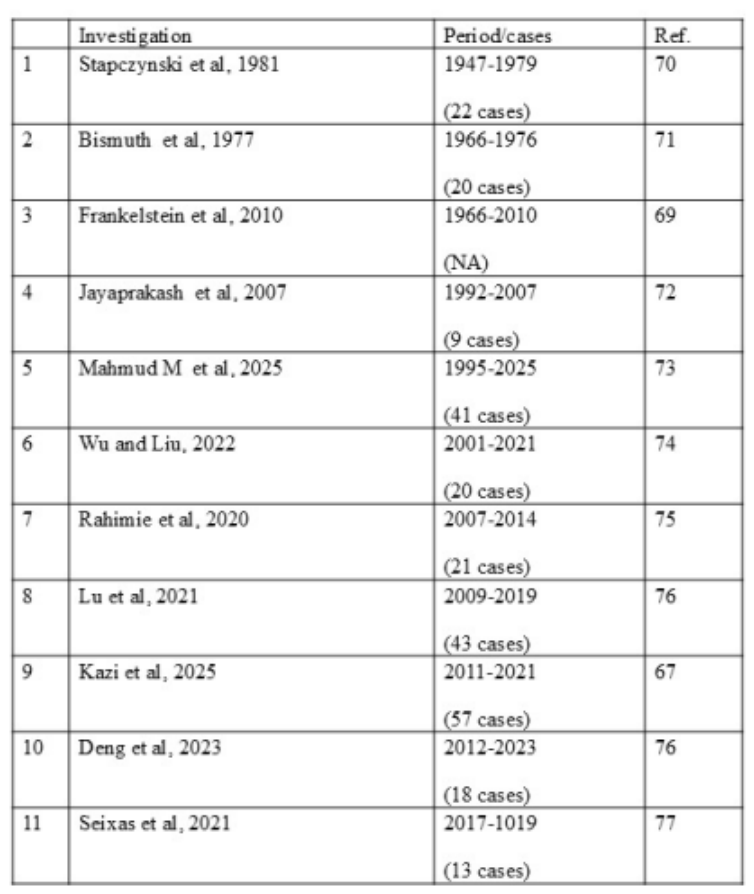
A systematic review of published case reports spanning the period from 1947 to 2025 (Table 1) suggests that, after excluding patients with clinically significant drug–drug interactions or substantial hepatic or renal impairment, no fatal colchicine intoxications have been documented at doses below 0.2 mg/kg [66,67]. Within the available literature, doses below 0.1 mg/kg have generally been well tolerated, whereas exposures between 0.1 and 0.2 mg/kg have occasionally been associated with toxicity but, in the absence of major predisposing factors, have not been linked to fatal outcomes [66,67].
These observations should be interpreted cautiously, as they are derived primarily from published case reports and observational evidence rather than prospective dose-escalation studies. Nevertheless, they suggest that patient characteristics, comorbidities, organ function, and concomitant medications are likely to be major determinants of colchicine toxicity and should be carefully considered when evaluating the safety of higher-dose treatment strategies.
For example, reported fatalities at approximately 0.17 mg/kg have occurred in patients with significant predisposing factors, including chronic kidney disease [78] or concomitant administration of cyclosporine, resulting in a clinically relevant drug–drug interaction [79].
One reported fatal case involving ingestion of 5 mg of colchicine was attributed by the authors to “delayed elimination and accumulation.” The patient, a 70-year-old woman, died after 12 days of intensive care, with a postmortem blood colchicine concentration of 5 ng/mL. While the prolonged elimination profile is suggestive of impaired drug clearance, potentially related to hepatic and/or renal dysfunction, the report does not provide information regarding body weight, comorbidities, organ function, or concomitant medications. These missing data preclude a full assessment of contributing risk factors that may have influenced the outcome [76].
An acute overdose of 18 mg (approximately 0.25 mg/kg) has been reported to result in multiorgan failure and death, with an antemortem blood colchicine concentration of 14 ng/mL measured 18.5 hours after ingestion [80]. Consistent with pharmacokinetic data, clinically significant toxicity is generally associated with serum colchicine concentrations exceeding 3.0 ng/mL [81].
Another published conference report describes a fatal outcome following ingestion of 10 mg of colchicine over approximately one hour in a patient with severe hepatic impairment and unspecified comorbidities [82]. In the absence of information on body weight and detailed clinical characteristics, the relationship between the ingested dose and the fatal outcome cannot be reliably interpreted.
Similarly, a brief report describes the death of a 37-year-old woman following ingestion of 15 mg of colchicine [83]. However, limited clinical information is available, including data on body weight, concomitant medications, alcohol use, and hepatic or renal function, which restricts interpretation of potential contributing factors.
The frequently cited case of fatal colchicine toxicity following ingestion of 18 mg (approximately 0.2 mg/kg) in a 48-year-old patient was also associated with relevant predisposing factors, including hepatic impairment and possible drug–drug interactions, which may have contributed to the clinical course [84].
Another fatal case involved a 16-year-old girl of unknown body weight who ingested 12.5 mg of colchicine in combination with five additional medications, making it difficult to disentangle the potential contribution of concomitant drug exposure to the outcome [85].
In several published reports, body weight is not provided, preventing calculation of weight-adjusted exposure. This limitation is important, as absolute dose alone may be misleading. For instance, ingestion of 11 mg in a patient of unknown body weight does not allow reliable estimation of mg/kg exposure [86]. Conversely, in another fatal case involving a 15-year-old boy, ingestion of 18 mg corresponded to an estimated dose of approximately 0.4 mg/kg, illustrating the importance of weight-adjusted dosing in toxicological interpretation [87].
Overall, these reports highlight the substantial heterogeneity in clinical context, data completeness, and predisposing risk factors across published cases of colchicine toxicity. This variability limits direct dose–outcome comparisons based on absolute ingested amounts alone.
Detailed information regarding concomitant medications is frequently unavailable, particularly in reports of intentional overdose associated with suicide attempts. Similarly, hepatic and renal function, as well as relevant comorbidities, are often inadequately documented. Notably, in nearly all reported fatalities following relatively low colchicine doses, clinically significant drug–drug interactions, pre-existing hepatic and/or renal impairment, or both, were identified or strongly suspected as important contributing factors.
In a substantial proportion of published cases, the ingested colchicine dose is not reported [72,73,77]. In addition, case descriptions are often limited in scope and omit clinically important variables such as body weight, comorbidities, concomitant medications, and organ function. This limitation is particularly relevant in reports of intentional self-poisoning, in which co-ingestion of other substances, including alcohol and other medications, is frequently documented incompletely or not at all, thereby limiting reliable interpretation of the clinical course [72,76,82,83,88,89].
Historical reports have also contributed to widely cited assumptions regarding colchicine toxicity thresholds. In Colchicine overdose: the devil is in the detail, Jayaprakash et al. [72] discussed early regulatory recommendations that were largely based on the 1947 report Hypersensitivity to colchicine [68]. However, careful examination of the original article reveals a critical “detail”: the patient had been receiving mercury concurrently with colchicine. The authors attributed the adverse outcome to an “increased sensitivity to colchicine,” but the potential contribution of concomitant mercury exposure cannot be excluded. The claim of “increased sensitivity to colchicine” proposed by Macleod and Phillips [68] was challenged as early as 1979 in a report describing death after ingestion of 7.5 mg of colchicine (0.125 mg/kg) [90]. In that report, however, another important “detail” emerges: the 41-year-old woman had been chronically taking the veterinary drug phenylbutazone, which is capable of causing hepatic and renal injury and has been prohibited for human use in the United States since 2003. In addition, she had consumed “five or six glasses of vodka.” These two classic reports therefore represent typical examples of drug–drug interactions and underlying organ dysfunction and should not be cited as evidence for the lowest toxic or lethal dose of colchicine [66]. Taken together, these two classic reports illustrate that many of the historical cases underpinning current perceptions of colchicine toxicity involved concomitant exposures or conditions capable of substantially modifying colchicine pharmacokinetics and toxicity. Consequently, they should not be regarded as reliable evidence for defining the lowest toxic or lethal dose of colchicine.
Across the published literature, it remains difficult to identify well-documented cases of fatal colchicine poisoning at doses below 0.2 mg/kg in the absence of clinically significant drug–drug interactions or pre-existing hepatic or renal impairment. This observation is consistent with available paediatric data, in which fatal outcomes below this threshold are not well substantiated [67].
Finkelstein et al. state that “the lowest reported lethal doses of oral colchicine are 7–26 mg” [69]. However, this work does not present an original patient cohort and does not constitute a systematic quantitative analysis of individual cases. Rather, it represents a narrative synthesis of heterogeneous reports with variable methodological quality, many of which lack essential clinical information, including comorbidities, concomitant medications, and other determinants of toxicity.
Taken together, the available evidence suggests that colchicine toxicity is strongly influenced by patient-specific and context-specific factors, particularly drug–drug interactions and organ dysfunction. In this context, cumulative doses below 0.1 mg/kg are generally reported to be well tolerated in the absence of major risk factors, whereas doses between 0.1 and 0.2 mg/kg may be associated with toxicity in selected cases but have not been convincingly linked to fatal outcomes [66,67,91].
The preference for low-dose colchicine in current WHO recommendations and other clinical guidelines appears to be influenced by two main considerations. First, there has been a longstanding perception that colchicine doses in the range of 7–15 mg are inherently associated with severe toxicity, often without full consideration of the contribution of drug–drug interactions and underlying hepatic or renal impairment to reported fatal outcomes. Second, a randomized trial comparing low- and high-dose colchicine for acute gout demonstrated no significant difference in the primary clinical endpoint between dosing strategies, thereby supporting the use of lower doses in that clinical context [92].
However, as discussed above, available evidence suggests that cumulative colchicine doses below 0.1 mg/kg are generally well tolerated in the absence of major contraindications. Importantly, the pathophysiology of acute gout cannot be directly extrapolated to COVID-19, which is characterized by systemic endothelial dysfunction, thromboinflammation, and dysregulated innate immune activation. For this reason, higher-dose colchicine regimens have received limited systematic evaluation in COVID-19, while most randomized trials have focused on low-dose regimens, followed by meta-analyses yielding heterogeneous and sometimes conflicting results [47].
From a methodological perspective, future clinical trials in COVID-19 could consider evaluating a broader range of dosing strategies, including both low- and higher-cumulative-dose regimens, in order to more fully characterize potential dose–response relationships. Such an approach may be particularly relevant given the known intracellular accumulation of colchicine in myeloid cells, which are key mediators of the inflammatory response in severe COVID-19.
In the pre-COVID-19 era, the use of low-dose colchicine for acute gout flares was well supported by randomized clinical trials demonstrating similar efficacy between low- and higher-dose regimens [92]. However, extrapolation of these findings to COVID-19 is limited by substantial differences in disease pathophysiology and clinical trajectory.
Taken together, a more comprehensive dose-ranging trial design in COVID-19—incorporating multiple colchicine dosing cohorts—could potentially have provided a more detailed understanding of both efficacy and safety across different stages of disease. Such an approach would have allowed a more robust characterization of colchicine’s therapeutic window in the context of severe viral inflammation, although the optimal design of such studies remains to be established.
9. You Have COVID-19—What Comes Next?
At the beginning of the COVID-19 pandemic, this question was often associated with considerable uncertainty and concern. Epidemiological data indicated that approximately 80% of infected individuals experienced mild disease and recovered without hospitalization, whereas around 20% required hospital care and approximately 5% developed critical illness. Despite the use of standard-of-care therapies, including dexamethasone, anticoagulation, immunomodulatory agents such as tocilizumab, supplemental oxygen, and antibiotics for secondary bacterial infections, a proportion of patients with severe disease continued to experience poor outcomes.
A similar, although generally less severe, pattern is observed in seasonal influenza. Despite advances in supportive care and vaccination strategies, both COVID-19 and influenza continue to cause substantial morbidity and mortality globally, particularly among older adults and individuals with comorbidities such as obesity, diabetes mellitus, and cardiovascular disease.
From a mechanistic perspective, both SARS-CoV-2 and influenza viruses rely on host proteases, including TMPRSS2, for efficient cellular entry. This has led to the investigation of host-directed strategies targeting viral entry pathways. Bromhexine, a compound proposed to modulate TMPRSS2 activity, has been evaluated in both prophylactic and early therapeutic settings in limited clinical studies. Preliminary observations have suggested potential effects on clinical outcomes; however, these findings require confirmation in adequately powered randomized controlled trials [31,54,93,94,95].
In parallel, colchicine has been proposed as a host-directed anti-inflammatory agent with potential relevance to early-stage disease. Its mechanism of action involves modulation of microtubule dynamics and inhibition of NLRP3 inflammasome activation, which may be relevant to the dysregulated inflammatory response observed in severe viral infections. Experimental data also suggest possible effects on intracellular viral trafficking, although the clinical relevance of these mechanisms remains to be fully established.
Based on these mechanistic considerations, it has been hypothesized that early intervention strategies combining modulation of viral entry pathways and host inflammatory responses could influence disease progression. However, the timing of intervention, patient selection, and optimal dosing strategies require systematic evaluation in prospective clinical trials.
From a public health perspective, the development of effective, affordable, and widely accessible therapeutic options for early outpatient management of respiratory viral infections remains an important goal. Given the continuous evolution of SARS-CoV-2 and influenza viruses and the occurrence of presymptomatic transmission, host-directed therapies could, in principle, complement existing preventive and treatment strategies. The prevention of COVID-19 and influenza with bromhexine, together with the use of higher-dose colchicine regimens in both outpatient and hospitalized patients, warrants further evaluation in adequately powered randomized controlled trials.
Funding
The work was funded by Project BG-RRP-2.004-0004-C01, financed by the Bulgarian National Science Fund. The research is financed by the Bulgarian National Plan for Recovery and Resilience.
References
- Davis, H.E.; McCorkell, L.; Vogel, J.M.; Topol, E.J. Long COVID: Major findings, mechanisms and recommendations. Nat. Rev. Microbiol. 2023, 21, 133–146. [Google Scholar] [CrossRef] [PubMed]
- Nübel, J.; Beyer, A.K.; Kümpel, L.; Eckert, G.; Yessimova, D.; Heldt, K.; Mikolajewska, A.; Sarganas, G. Long COVID in adults—A review. J. Health Monit. 2026, 11, 02. [Google Scholar] [CrossRef] [PubMed]
- Liew, Y.Y.; Dong, Q.; Lakshman, N.; Khajuria, A. The 100 most-cited articles in COVID-19: A bibliometric analysis. Eur. J. Public Health 2024, 34, 744–752. [Google Scholar] [CrossRef] [PubMed]
- Ioannidis, J.P.A.; Collins, T.A.; Bendavid, E.; Baas, J. Massive COVIDization and subsequent deCOVIDization of the scientific literature involved 2 million authors. J. Clin. Epidemiol. 2025, 180, 111705. [Google Scholar] [CrossRef] [PubMed]
- Boesen, K.; Hemkens, L.G.; Hirt, J. Clinical trial databases in COVID-19 research. Clin. Trials 2026, 23, 198–209. [Google Scholar] [CrossRef] [PubMed]
- World Health Organization. Therapeutics and COVID-19: Living Guideline; World Health Organization: Geneva, Switzerland, 2025. [Google Scholar]
- RECOVERY Collaborative Group. Dexamethasone in hospitalized patients with COVID-N. Engl. J. Med. 2021, 384, 693–704. [Google Scholar] [CrossRef] [PubMed]
- World Health Organization. Coronavirus Disease (COVID-19) Fact Sheet; World Health Organization: Geneva, Switzerland, 2025. [Google Scholar]
- Butler, C.C.; Pinto, A.D.; Harris, V.; Holmes, J.; Rahman, N.M.; Cureton, L.; Hayward, G.; Richards, D.B.; Lowe, D.M.; Standing, J.F.; et al. PANORAMIC Trial and CanTreatCOVID Trial Collaborative Groups. Oral nirmatrelvir-ritonavir for COVID-19 in higher-risk outpatients. N. Engl. J. Med. 2026, 394, 1583–1594. [Google Scholar] [CrossRef] [PubMed]
- Mitev, V. Comparison of treatment of COVID-19 with inhaled bromhexine, higher doses of colchicine and hymecromone with WHO-recommended Paxlovid, molnupiravir, remdesivir, anti-IL-6 receptor antibodies and baricitinib. Pharmacia 2023, 70, 1177–1193. [Google Scholar] [CrossRef]
- World Health Organization. WHO Recommends Molnupiravir for COVID-19 Patients at Highest Risk; World Health Organization: Geneva, Switzerland, 2025. [Google Scholar]
- WHO Solidarity Trial Consortium. Remdesivir and three other drugs for hospitalized patients with COVID-N. Engl. J. Med. 2021, 384, 497–511. [Google Scholar] [CrossRef] [PubMed]
- RECOVERY Collaborative Group. Tocilizumab in patients admitted to hospital with COVID-19 (RECOVERY): A randomised, controlled, open-label, platform trial. N. Engl. J. Med. 2021, 384, 1491–1502. [Google Scholar] [CrossRef] [PubMed]
- Merad, M.; Blish, C.A.; Sallusto, F.; Iwasaki, A. Immunol. Immunopathol. COVID-Science 2022, 375, 1122–1127. [CrossRef] [PubMed]
- Mondeshki, T.; Bilyukov, R.; Tomov, T.; Mihaylov, M.; Mitev, V. Complete, rapid resolution of severe bilateral pneumonia and acute respiratory distress syndrome in a COVID-19 patient: Role for a unique therapeutic combination of inhalations with bromhexine, higher doses of colchicine, and hymecromone. Cureus 2022, 14, e30269. [Google Scholar] [CrossRef] [PubMed]
- Garvin, M.R.; Alvarez, C.; Miller, J.I.; Prates, E.T.; Walker, A.M.; Amos, B.K.; Mast, A.E.; Justice, A.; Aronow, B.; Jacobson, D. A mechanistic model and therapeutic interventions for COVID-19 involving a RAS-mediated bradykinin storm. eLife 2020, 9, e59177. [Google Scholar] [CrossRef] [PubMed]
- Kadiyska, T.; Tourtourikov, I.; Dabchev, K.; Cherneva, R.; Stoynev, N.; Hadjiolova, R.; Mitev, V.; Spandidos, D.A.; Adamaki, M.; Zoumpourlis, V. Role of endothelial dysfunction in the severity of COVID-19 infection (Review). Mol. Med. Rep. 2022, 26, 367. [Google Scholar] [CrossRef] [PubMed]
- Dodd, R.J.; Allen, J.E.; Day, A.J. Hyaluronan in COVID-19: A matrix for understanding lung disease. mBio 2024, 15, e02609-24. [Google Scholar] [CrossRef] [PubMed]
- Hellman, U.; Karlsson, M.G.; Engström-Laurent, A.; Cajander, S.; Dorofte, L.; Ahlm, C.; Laurent, C.; Blomberg, A. Presence of hyaluronan in lung alveoli in severe COVID-19: An opening for new treatment options? J. Biol. Chem. 2020, 295, 15418–15422. [Google Scholar] [CrossRef] [PubMed]
- Ackermann, M.; Verleden, S.E.; Kuehnel, M.; Haverich, A.; Welte, T.; Laenger, F.; Vanstapel, A.; Werlein, C.; Stark, H.; Tzankov, A.; et al. Pulmonary vascular endothelialitis, thrombosis, and angiogenesis in COVID-N. Engl. J. Med. 2020, 383, 120–128. [Google Scholar] [CrossRef] [PubMed]
- Zhou, F.; Yu, T.; Du, R.; Fan, G.; Liu, Y.; Liu, Z.; Xiang, J.; Wang, Y.; Song, B.; Gu, X.; et al. Clinical course and risk factors for mortality of adult inpatients with COVID-19 in Wuhan, China: A retrospective cohort study. Lancet 2020, 395, 1054–1062. [Google Scholar] [CrossRef] [PubMed]
- Grover, S.P.; Mackman, N. Tissue factor biology. Thromb. Res. 2018, 163, 144–154. [Google Scholar] [CrossRef] [PubMed]
- Middleton, E.A.; He, X.Y.; Denorme, F.; Campbell, R.A.; Ng, D.; Salvatore, S.P.; Mostyka, M.; Baxter-Stoltzfus, A.; Borczuk, A.C.; Loda, M.; et al. Neutrophil extracellular traps contribute to immunothrombosis in COVID-19 acute respiratory distress syndrome. Blood 2020, 136, 1169–1179. [Google Scholar] [CrossRef] [PubMed]
- Bonaventura, A.; Vecchié, A.; Dagna, L.; Martinod, K.; Dixon, D.L.; Van Tassell, B.W.; Dentali, F.; Montecucco, F.; Massberg, S.; Levi, M.; et al. Endothelial dysfunction and immunothrombosis as key pathogenic mechanisms in COVID-Nat. Rev. Immunol. 2021, 21, 319–329. [Google Scholar] [CrossRef] [PubMed]
- van de Veerdonk, F.L.; Netea, M.G.; van Deuren, M.; van der Meer, J.W.M.; de Mast, Q.; Brüggemann, R.J.; van der Hoeven, H. Kallikrein-kinin blockade in patients with COVID-19 to prevent acute respiratory distress syndrome. eLife 2020, 9, e57555. [Google Scholar] [CrossRef] [PubMed]
- Vora, S.M.; Lieberman, J.; Wu, H. Inflammasome activation at the crux of severe COVID-Nat. Rev. Immunol. 2021, 21, 694–703. [Google Scholar] [CrossRef] [PubMed]
- Swanson, K.V.; Deng, M.; Ting, J.P.-Y. The NLRP3 inflammasome: Molecular activation and regulation to therapeutics. Nat. Rev. Immunol. 2019, 19, 477–489. [Google Scholar] [CrossRef] [PubMed]
- Fu, J.; Schroder, K.; Wu, H. Mechanistic insights from inflammasome structures. Nat. Rev. Immunol. 2024, 24, 518–535. [Google Scholar] [CrossRef] [PubMed]
- Duan, Y.; Wang, J.; Cai, J.; Kelley, N.; He, Y. The leucine-rich repeat domain of NLRP3 is required for NLRP3 inflammasome activation in macrophages. J. Biol. Chem. 2022, 298, 102717. [Google Scholar] [CrossRef] [PubMed]
- Akbal, A.; Dernst, A.; Lovotti, M.; Mangan, M.S.J.; McManus, R.M.; Latz, E. How location and cellular signaling combine to activate the NLRP3 inflammasome. Cell. Mol. Immunol. 2022, 19, 1201–1214. [Google Scholar] [CrossRef] [PubMed]
- Mitev, V. Prevention and treatment of COVID-19 and influenza with bromhexine and high doses of colchicine. Trends Immunother. 2025, 9. [Google Scholar] [CrossRef]
- Vande Walle, L.; Lamkanfi, M. Drugging the NLRP3 inflammasome: From signalling mechanisms to therapeutic targets. Nat. Rev. Drug Discov. 2024, 23, 43–66. [Google Scholar] [CrossRef] [PubMed]
- Junqueira, C.; Crespo, Â.; Ranjbar, S.; de Lacerda, L.B.; Lewandrowski, M.; Ingber, J.; Parry, B.; Ravid, S.; Sander, C.; Abraham, J.; et al. FcγR-Mediated SARS-CoV-2 Infection of Monocytes Activates Inflammation. Nature 2022, 606, 576–584. [Google Scholar] [CrossRef]
- Tate, M.D.; Ong, J.D.H.; Dowling, J.K.; McAuley, J.L.; Robertson, A.B.; Latz, E.; Drummond, G.R.; Cooper, M.A.; Hertzog, P.J.; Mansell, A. The NLRP3 Inflammasome in Influenza Virus Infection. Viruses 2016, 8, 304. [Google Scholar] [CrossRef] [PubMed]
- Rodrigues, T.S.; de Sá, K.S.G.; Ishimoto, A.Y.; Becerra, A.; Oliveira, S.; Almeida, L.; Gonçalves, A.V.; Perucello, D.B.; Andrade, W.A.; Castro, R.; et al. Inflammasomes are activated in response to SARS-CoV-2 infection and are associated with COVID-19 severity in patients. J. Exp. Med. 2021, 218, e20201707. [Google Scholar] [CrossRef] [PubMed]
- Ferreira, A.C.; Soares, V.C.; de Azevedo-Quintanilha, I.G.; Dias, S.D.S.G.; Fintelman-Rodrigues, N.; Sacramento, C.Q.; Mattos, M.; de Freitas, C.S.; Temerozo, J.R.; Teixeira, L.; et al. SARS-CoV-2 engages inflammasome and pyroptosis in human primary monocytes. Cell Death Discov. 2021, 7, 43. [Google Scholar] [CrossRef] [PubMed]
- Pan, P.; Shen, M.; Yu, Z.; Ge, W.; Chen, K.; Tian, M.; Xiao, F.; Wang, Z. Recent Progress and Future Prospects in the NLRP3 Inflammasome as a New Therapeutic Target for COVID-Front. Pharmacol. 2021, 12, 739807. [Google Scholar] [CrossRef]
- Gallo, O.; Locatello, L.G.; Mazzoni, A.; Novelli, L.; Annunziato, F. The central role of the airway epithelium and inflammasome in COVID-19 and influenza. Front. Immunol. 2021, 12, 750250. [Google Scholar] [CrossRef]
- Barros de Lima, G.; Nencioni, E.; Thimoteo, F.; Perea, C.; Pinto, R.F.A.; Sasaki, S.D. TMPRSS2 as a Key Player in Viral Pathogenesis: Influenza and Coronaviruses. Biomolecules 2025, 15, 75. [Google Scholar] [CrossRef] [PubMed]
- Yin, M.; Marrone, L.; Peace, C.G.; O’Neill, L.A.J. NLRP3, the inflammasome and COVID-19 infection. QJM 2023, 116, 502–507. [Google Scholar] [CrossRef] [PubMed]
- Vora, S.M.; Lieberman, J.; Wu, H. Inflammasome activation at the crux of severe COVID-19. Nat. Rev. Immunol. 2021, 21, 694–703. [Google Scholar] [CrossRef] [PubMed]
- Potere, N.; Del Buono, M.G.; Caricchio, R.; Cremer, P.C.; Vecchié, A.; Porreca, E.; Dalla Gasperina, D.; Dentali, F.; Abbate, A.; Bonaventura, A. Interleukin-1 and the NLRP3 inflammasome in COVID-19: Pathogenetic and therapeutic implications. EBioMedicine 2022, 85, 104299. [Google Scholar] [CrossRef] [PubMed]
- Bell, T.J.; Brand, O.J.; Morgan, D.J.; Salek-Ardakani, S.; Jagger, C.; Fujimori, T.; Cholewa, L.; Tilakaratna, V.; Östling, J.; Thomas, M.; et al. Defective lung function following influenza virus is due to prolonged, reversible hyaluronan synthesis. Matrix Biol. 2019, 80, 14–28. [Google Scholar] [CrossRef] [PubMed]
- Teuwen, L.A.; Geldhof, V.; Pasut, A.; Carmeliet, P. COVID-19: The vasculature unleashed. Nat. Rev. Immunol. 2020, 20, 389–391. [Google Scholar] [CrossRef] [PubMed]
- Flerlage, T.; Boyd, D.F.; Meliopoulos, V.; Thomas, P.G.; Schultz-Cherry, S. Influenza virus and SARS-CoV-2: Pathogenesis and host responses in the respiratory tract. Nat. Rev. Microbiol. 2021, 19, 425–441. [Google Scholar] [CrossRef] [PubMed]
- Freeman, T.L.; Swartz, T.H. Targeting the NLRP3 Inflammasome in Severe COVID-19. Front. Immunol. 2020, 11, 1518. [Google Scholar] [CrossRef] [PubMed]
- Mitev, V. Colchicine—The Divine Medicine against COVID-19. J. Pers. Med. 2024, 14, 756. [Google Scholar] [CrossRef] [PubMed]
- Mitev, V.; Momekov, G. Colchicine only inhibits in higher doses hyperactivated NLRP3 inflammasome—the main respondent for complications in COVID-19 and influenza. Front. Biosci. (Landmark Ed.) 2025, 30, 44744. [Google Scholar] [CrossRef]
- Mitev, V.; Marinov, K.; Tiholov, R.; Tashkov, K.; Bilyukov, R.; Lilov, A.I.; Palaveev, K.R.; Miteva, A.; Miteva, I.; Dimitrova, V.S.; et al. T.High Colchicine Doses Are More Effective in COVID-19 Outpatients than Nirmatrelvir/Ritonavir, Remdesivir, and Molnupiravir. Pharmacia 2025, 72, e162569. [Google Scholar] [CrossRef]
- Reyes, A.Z.; Hu, K.A.; Teperman, J.; Wampler Muskardin, T.L.; Tardif, J.C.; Shah, B.; Pillinger, M.H. Anti-Inflammatory Therapy for COVID-19 Infection: The Case for Colchicine High doses of colchicine act as “silver bullets” against severe COVID-19. In Ann. Rheum. Dis.;Cureus; Lilov, A., Palaveev, K., Mitev, V., Eds.; 2021; Volume 80 16, pp. 550–557.51 e54441. [Google Scholar]
- Lilov, A.; Palaveev, K.; Mitev, V. High doses of colchicine act as “silver bullets” against severe COVID-19. Cureus 2024, 16, e54441. [Google Scholar] [CrossRef] [PubMed]
- Mondeshki, T.; Mitev, V. High-dose colchicine: Key factor in the treatment of morbidly obese COVID-19 patients. Cureus 2024, 16, e58164. [Google Scholar] [CrossRef] [PubMed]
- Bulanov, D.; Yonkov, A.; Arabadzhieva, E.; Mitev, V. Successful treatment with high-dose colchicine of a 101-year-old patient diagnosed with COVID-19 after an emergency cholecystectomy. Cureus 2024, 16, e63201. [Google Scholar] [PubMed]
- Marinov, K.; Mondeshki, T.; Georgiev, H.; Dimitrova, V. S.; Mitev, V. Effects of long-term prophylaxis with bromhexine hydrochloride and treatment with high colchicine doses in COVID-19. Pharmacia 2025, 72, 1–10. [Google Scholar] [CrossRef]
- Mondeshki, T.; Bilyukov, R.; Mitev, V. Effect of an accidental colchicine overdose in a COVID-19 inpatient with bilateral pneumonia and pericardial effusion. Cureus 2023, 15, e35909. [Google Scholar] [CrossRef] [PubMed]
- Mitev, V.; Mondeshki, T.; Marinov, K.; Bilukov, R. Colchicine, bromhexine, and hymecromone as part of COVID-19 treatment—cold, warm, hot. In Current Overview on Disease and Health Research; Khan, B. A., Ed.; BP International: London, UK, 2023; Vol. 10, pp. 106–113. [Google Scholar] [CrossRef]
- Tiholov, R.; Lilov, A. I.; Georgieva, G.; Palaveev, K. R.; Tashkov, K.; Mitev, V. Effect of increasing doses of colchicine on the treatment of 333 COVID-19 inpatients. Immunol. Inflamm. Dis. 2024, 12, e1273. [Google Scholar] [CrossRef] [PubMed]
- Damanpak-Moghadam, V.; Ghorbani, M.; Ahmadi, A.; Heidarifar, R. Investigating the effectiveness of colchicine tablets on the outcomes of mechanically ventilated patients with COVID-19: A randomized clinical trial. Int. J. Afr. Nurs. Sci. 2026, 101009. [Google Scholar] [CrossRef]
- Alsultan, M.; Obeid, A.; Alsamarrai, O.; Anan, M.T.; Bakr, A.; Soliman, N.; Kurdy, M.; Hag Mosa, M.; Saleh, Z.; Hujij, F. Efficacy of colchicine and budesonide in improvement outcomes of patients with coronavirus infection 2019 in Damascus, Syria: A randomized control trial. Interdiscip. Perspect. Infect. Dis. (PMC). 2021, 2021, 2129006. [Google Scholar] [CrossRef] [PubMed]
- Deftereos, S.G.; Giannopoulos, G.; Vrachatis, D.A.; Siasos, G.D.; Giotaki, S.G.; Gargalianos, P.; Metallidis, S.; Sianos, G.; Baltagiannis, S.; Panagopoulos, P.; et al. Effect of colchicine vs standard care on cardiac and inflammatory biomarkers and clinical outcomes in patients hospitalized with coronavirus disease 2019: The GRECCO-19 randomized clinical trial. JAMA Netw. Open 2020, 3, e2013136. [Google Scholar] [CrossRef] [PubMed]
- Lopes, M.I.; Bonjorno, L.P.; Giannini, M.C.; Amaral, N.B.; Menezes, P.I.; Dib, S.M.; Gigante, S.L.; Benatti, M.N.; Rezek, U.C.; Emrich-Filho, L.L.; et al. Beneficial effects of colchicine for moderate to severe COVID-19: A randomized, double-blinded, placebo-controlled clinical trial. RMD Open 2021, 7, e001455. [Google Scholar] [CrossRef] [PubMed]
- El Sayed, R.G.; Hafez, A.F.; Mohammed Haggag, A.M.A.; Alhadidy, M.A. Effect of combined use of ivermectin and colchicine in COVID-19 patients. Egypt J. Anaesth. 2022, 38, 365–372. [Google Scholar] [CrossRef]
- World Health Organization. Therapeutics guideline update. 2025.
- Cheema, H.A.; Jafar, U.; Shahid, A.; Masood, W.; Usman, M.; Hermis, A.H.; Naseem, M.A.; Sahra, S.; Sah, R.; Lee, K.Y. Colchicine for COVID-19: Updated systematic review and meta-analysis. BMJ Open 2024, 14, e074373. [Google Scholar] [CrossRef] [PubMed]
- RECOVERY Collaborative Group. Colchicine inpatient trial. Lancet Respir. Med. 2021. [Google Scholar] [CrossRef] [PubMed]
- Mitev, V. What is the lowest lethal dose of colchicine? Biotechnol. Biotechnol. Equip. 2023, 37, 1. [Google Scholar] [CrossRef]
- Kazi, B.; Gray, L.; Thanacoody, H.K.R.; Pucci, M.; Tuthill, D. Paediatric colchicine poisoning in the UK: A 10-year retrospective case series from the National Poisons Information Service. Arch. Dis. Child. (mdpi.com)). 2026. [Google Scholar] [CrossRef] [PubMed]
- Macleod, J.G.; Phillips, L. Hypersensitivity to colchicine. Ann. Rheum. Dis. 1947, 6, 224–229. [Google Scholar] [CrossRef]
- Finkelstein, Y.; Aks, S.E.; Hutson, J.R.; Juurlink, D.N.; Nguyen, P.; Dubnov-Raz, G.; Pollak, U.; Koren, G.; Bentur, Y. Colchicine poisoning: The dark side of an ancient drug. Clin. Toxicol. 2010, 48, 407–414. [Google Scholar] [CrossRef] [PubMed]
- Stapczynski, J.S.; Rothstein, R.J.; Wallace, A.G.; Niemann, G.T. Overdose cases: Report of two cases and review of the literature. Ann. Emerg. Med. 1981, 10, 364–369. [Google Scholar] [CrossRef]
- Bismuth, C.; Gaultier, M.; Conso, F. Aplasie medullaire apres intoxication aigue a la colchicine. Nouv. Presse Med. 1977, 6(19), 1625–1629. [Google Scholar] [PubMed]
- Jayaprakash, V.; Ansell, G.; Galler, D. Colchicine overdose: The devil is in the detail. N. Z. Med. J. 2007, 120(1248), U2402. [Google Scholar] [PubMed]
- Mahmud, M.; Stier, M.T.; Casey, J.D.; Bruccoleri, R.E.; Stollings, J.L. Early whole bowel irrigation to treat colchicine overdose: A brief review of 30 years of decontamination strategies. J. Pharmacol. Pharmacother. 2025. [Google Scholar] [CrossRef]
- Wu, J.; Liu, Z. Progress in the management of acute colchicine poisoning in adults. Intern. Emerg. Med. 2022, 17, 2069–2081. [Google Scholar] [CrossRef] [PubMed]
- Rahimi, M.; Alizadeh, R.; Hassanian-Moghaddam, H.; Zamani, N.; Kargar, A.; Shadnia, S. Clinical manifestations and outcomes of colchicine poisoning cases: A cross-sectional study. Arch. Acad. Emerg. Med. 2020, 8, e53. [Google Scholar] [PubMed]
- Deng, H.; Xiang, P.; Zhang, S.; Wu, H.; Liu, W.; Yan, H. Delayed elimination in humans after ingestion of colchicine: Two fatal cases of colchicine poisoning. J. Forensic Sci. 2023, 68, 1425–1430. [Google Scholar] [CrossRef] [PubMed]
- Seixas, R.; Lopes, D.; Couto, M.; Pereira, J.; Paiva, J. Severe colchicine intoxication: A case report and review of literature in adults. Cureus 2021, 13, e19151. [Google Scholar] [CrossRef] [PubMed]
- Fu, M.; Zhao, J.; Li, Z.; Zhao, H.; Lu, A. Clinical outcomes after colchicine overdose: A case report. Medicine 2019, 98, e16580. [Google Scholar] [CrossRef] [PubMed]
- Kim, S.W.; Lee, S.D.; Im, T.H. Death following colchicine poisoning: A case report. J. Korean Soc. Emerg. Med. 2004, 15, 612–616. [Google Scholar]
- McCabe, D.J.; Wilson, B.Z.; Radke, J.B.; Bottei, E.M. A fatal colchicine ingestion with antemortem blood concentration. Am. J. Forensic Med. Pathol. 2022, 43, 253–255. [Google Scholar] [CrossRef] [PubMed]
- Robinson, P.C.; Terkeltaub, R.; Pillinger, M.H.; Shah, B.; Karalis, V.; Karatza, E.; Liew, D.; Imazio, M.; Cornel, J.H.; Thompson, P.L.; et al. Consensus statement regarding the efficacy and safety of long-term low-dose colchicine in gout and cardiovascular disease. Am. J. Med. 2022, 135, 32–38. [Google Scholar] [CrossRef] [PubMed]
- Stringfellow, H.F.; Howat, A.J.; Temperley, J.M.; Phillips, M. Waterhouse–Friderichsen syndrome resulting from colchicine overdose. J. R. Soc. Med. 1993, 86, 680. [Google Scholar] [PubMed]
- Dickinson, M.; Juneja, S. Haematological toxicity of colchicine. Br. J. Haematol. 2009, 146, 465. [Google Scholar] [CrossRef] [PubMed]
- Arroyo, M.P.; Sanders, S.; Yee, H.; Schwartz, D.; Kamino, H.; Strober, B.E. Toxic epidermal necrolysis-like reaction secondary to colchicine overdose. Br. J. Dermatol. 2004, 150, 581–588. [Google Scholar] [CrossRef] [PubMed]
- Harris, R.D.; Gillett, M.J. Colchicine poisoning—Overview and new directions. Emerg. Med. 1998, 10, 161–167. [Google Scholar] [CrossRef]
- Stahl, N.; Weinberger, A.; Benjamin, D.; Pinkhas, J. Fatal colchicine poisoning in a boy with familial Mediterranean fever. Am. J. Med. Sci. 1979, 278, 77–81. [Google Scholar] [CrossRef] [PubMed]
- Hobson, C.H.; Rankin, A.P.N. A fatal colchicine overdose. Anaesth. Intensive Care 1986, 14, 453–455. [Google Scholar] [CrossRef] [PubMed]
- Powell, H.; Wolf, P. Neutrophilic leukocyte inclusions in colchicine intoxication. Arch. Pathol. Lab. Med. 1976, 100, 136–138. [Google Scholar] [PubMed]
- Hill, R.N.; Spragg, R.G.; Wedel, M.K.; Moser, K.M. Adult respiratory distress syndrome associated with colchicine intoxication. Ann. Intern. Med. 1975, 83, 523–524. [Google Scholar] [CrossRef] [PubMed]
- Jarvie, D.; Park, J.; Stewart, M.J. Estimation of colchicine in a poisoned patient by high-performance liquid chromatography. Clin. Toxicol. 1979, 14, 375–381. [Google Scholar] [CrossRef] [PubMed]
- Niel, E.; Scherrmann, J.M. Colchicine today. Jt. Bone Spine 2006, 73, 672–678. [Google Scholar] [CrossRef] [PubMed]
- Terkeltaub, R.A.; Furst, D.E.; Bennett, K.; Kook, K.A.; Crockett, R.S.; Davis, M.W. High versus low dosing of oral colchicine for early acute gout flare: Twenty-four-hour outcome of the first multicenter, randomized, double-blind, placebo-controlled study. Arthritis Rheum. 2010, 62, 1060–1068. [Google Scholar] [CrossRef] [PubMed]
- Mitev, V.; Mondeshki, T.; Miteva, A.; Tachkov, K.; Dimitrova, V. COVID-19 prophylactic effect of bromhexine hydrochloride. Immun. Inflamm. Dis. 2026, 14, e70438. [Google Scholar] [CrossRef] [PubMed]
- Mitev, V.; Dimitrova, V.S.; Miteva, I.; Tiholov, R.; Marinov, K.; Miteva, A.; Lilov, A.; Bilyukov, R.; Mihaylova, Z.; Ishkitiev, N.; et al. Pilot Survey Among Patients Taking Bromhexine Prophylactically Against Influenza. Preprints 2025, 2025111871. [Google Scholar] [CrossRef]
- Petrova, G.; Mitev, V. Pharmacoeconomic analysis of bromhexine for prophylaxis of influenza A and B. Pharmacia 2026, 73, 1–11. [Google Scholar] [CrossRef]
Figure 1.
Integrated Pathophysiological Framework in Severe COVID-19: Interplay Between the NLRP3 Inflammasome, Cytokine Storm, Bradykinin Dysregulation, Hyaluronan Accumulation, and Immunothrombosis.
Figure 1.
Integrated Pathophysiological Framework in Severe COVID-19: Interplay Between the NLRP3 Inflammasome, Cytokine Storm, Bradykinin Dysregulation, Hyaluronan Accumulation, and Immunothrombosis.
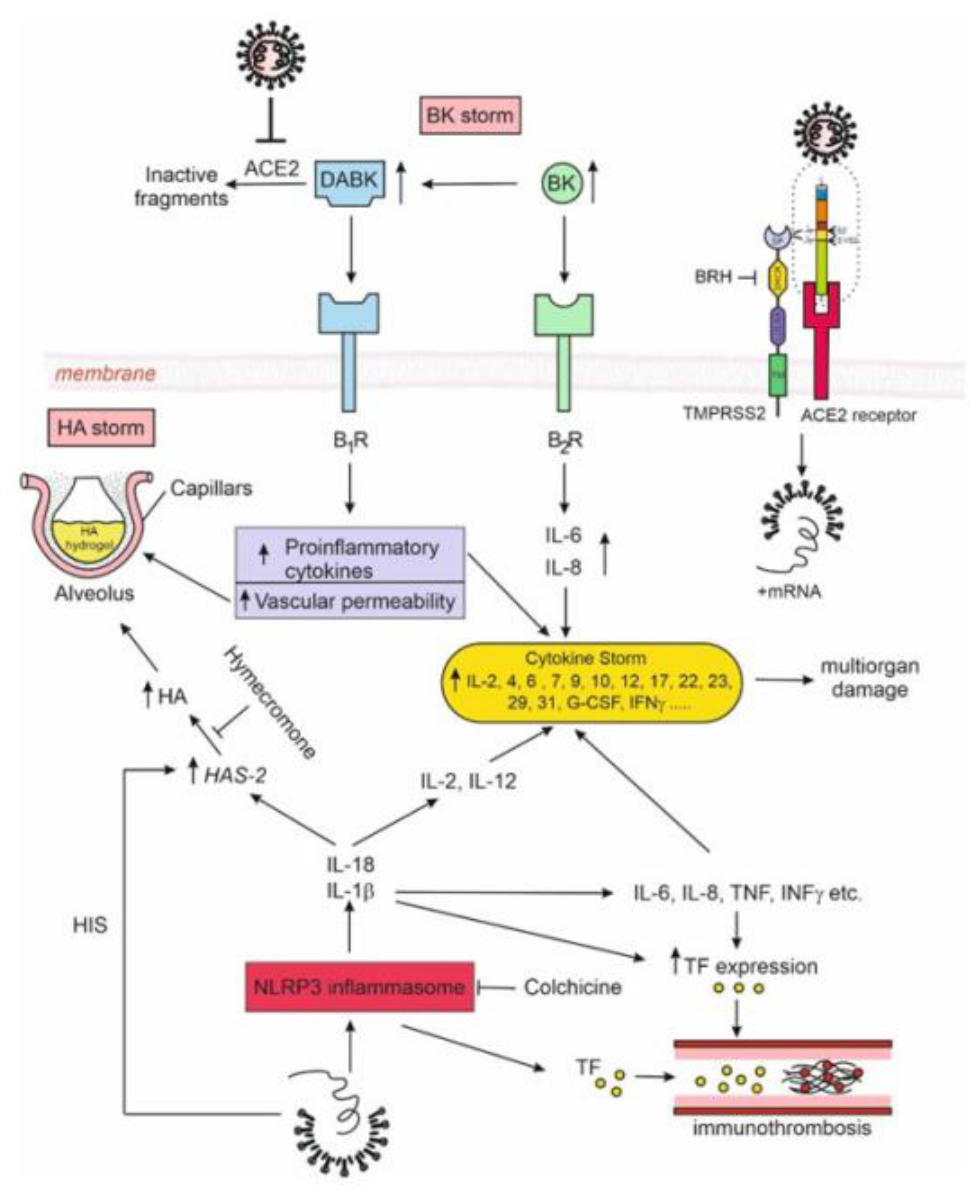
Figure 2.
Contribution of the RECOVERY Trial to the Randomized Evidence Base Evaluating Colchicine for COVID-19.
Figure 2.
Contribution of the RECOVERY Trial to the Randomized Evidence Base Evaluating Colchicine for COVID-19.
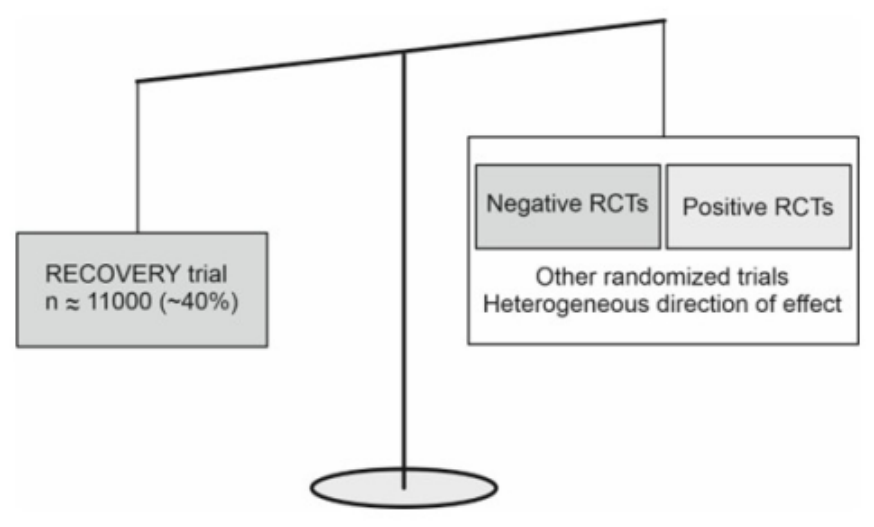

Table 1.
Landmark Studies on Colchicine Poisoning Published Over the Past Eight Decades.
 |
Disclaimer/Publisher’s Note: The statements, opinions and data contained in all publications are solely those of the individual author(s) and contributor(s) and not of MDPI and/or the editor(s). MDPI and/or the editor(s) disclaim responsibility for any injury to people or property resulting from any ideas, methods, instructions or products referred to in the content. |
© 2026 by the authors. Licensee MDPI, Basel, Switzerland. This article is an open access article distributed under the terms and conditions of the Creative Commons Attribution (CC BY) license (http://creativecommons.org/licenses/by/4.0/).
Copyright: This open access article is published under a Creative Commons CC BY 4.0 license, which permit the free download, distribution, and reuse, provided that the author and preprint are cited in any reuse.


