
Submitted:
04 July 2026
Posted:
06 July 2026
You are already at the latest version
Abstract
Artificial Intelligence (AI) has emerged as a transformative paradigm for enhancing the modeling, optimization, and operational control of renewable energy systems characterized by intermittency, nonlinearity, and stochastic behavior. Despite significant advances, existing modeling approaches remain fragmented across individual technologies and algorithmic domains, limiting cross-sector applicability and system-level insight. This review addresses this gap by providing a comprehensive synthesis of AI techniques—including machine learning, deep learning, reinforcement learning, and fuzzy logic—applied across solar, hydropower, and wind energy systems. The analysis reveals that deep learning-based approaches dominate forecasting applications, achieving reductions in error of up to 50%, while reinforcement learning and hybrid AI–physics models enable adaptive control and real-time decision-making under uncertainty. Furthermore, hybrid frameworks demonstrate superior trade-offs between predictive accuracy, interpretability, and computational feasibility. By aligning AI techniques with core functional roles—forecasting, optimization, and control—this review identifies transferable modeling principles and deployment constraints across energy sectors. The findings highlight that AI-driven energy system models significantly enhance forecasting accuracy, operational reliability, and system adaptability, enabling more resilient and intelligent energy infrastructures. Finally, key challenges related to data availability, computational cost, and governance are critically assessed, with future directions emphasizing explainable AI, hybrid modeling architectures, and scalable deployment strategies, particularly for data-constrained environments.
Keywords:
artificial intelligence
; renewable energy systems
; energy system modeling
; predictive maintenance
; energy forecasting
; optimization
1. Introduction
Renewable energy sources such as solar, wind, and hydropower play a vital role in addressing climate change and reducing dependence on fossil fuels [1]. These technologies account for a substantial and growing share of the global energy market, contributing approximately 30% of global electricity generation, with renewables representing over 80% of newly installed power capacity in recent years [2,3]. In addition to their increasing market share, renewable energy systems significantly reduce greenhouse gas emissions, lower air and water pollution, and mitigate environmental degradation by decreasing reliance on carbon-intensive fuels [2,4]. However, despite these environmental and economic benefits, renewable energy sources remain inherently dependent on meteorological conditions, resulting in intermittent, stochastic power generation. This variability introduces significant challenges in accurately forecasting energy output and maintaining grid stability, particularly in systems with high penetration of renewable resources [5].
Recent developments in energy systems modeling increasingly emphasize integrating optimization, machine learning, and system-level engineering to address complex, nonlinear, and data-intensive problems. Studies applying optimization algorithms such as particle swarm optimization and multi-objective genetic algorithms demonstrate how intelligent search strategies can enhance system efficiency and operational decision-making in engineering domains beyond energy systems, providing transferable methodological insights for renewable energy modeling [6,7,8]. The intermittent and stochastic nature of renewable energy generation leads to uncertainty in energy output, making it difficult to maintain grid stability and ensure a reliable energy supply [2]. These challenges significantly affect energy system modeling, particularly in accurately forecasting generation and maintaining stable grid operation under dynamic conditions. Conventional modeling approaches often struggle to represent the nonlinear, dynamic, and stochastic characteristics of renewable energy systems, thereby limiting real-time decision-making and operational planning capabilities [9]. In parallel, advances in energy-related technologies—including alternative fuels, electrified transport systems, and hybrid energy infrastructures—highlight the growing need for adaptive and data-driven modeling approaches. Empirical studies on biofuel performance and electrified mobility systems illustrate how variability in operational conditions necessitates advanced modeling techniques for prediction, optimization, and system integration [10,11,12].
To address these challenges, Artificial Intelligence (AI) has emerged as a promising solution by leveraging data-driven approaches to enhance energy system modeling. AI techniques enable the analysis of large and complex datasets to improve forecasting accuracy, system optimization, and adaptive control. These capabilities support more efficient and reliable energy management, offering significant advantages over traditional model-based approaches in handling complex system behavior [13,14].
From a policy and systems perspective, energy transition pathways are increasingly shaped by governance mechanisms and national frameworks that require data-informed decision-making. Recent policy-oriented analyses demonstrate how regulatory alignment, infrastructure deployment, and technology adoption influence system-level outcomes, underscoring the importance of integrating AI-enhanced modeling frameworks into national energy strategies [15,16]. Despite the growing body of literature on AI applications in renewable energy, existing review studies remain fragmented, often focusing either on individual technologies (e.g., solar or wind) or on specific algorithmic approaches without establishing cross-sector integration. This fragmentation limits the ability to extract transferable insights and constrains the development of unified, system-level modeling frameworks. Moreover, limited attention has been given to the functional alignment of AI techniques—particularly in forecasting, optimization, and control—within operational energy systems. Addressing this gap is essential for advancing scalable, adaptive, and real-world-deployable AI-driven energy models, as shown in Figure 1.
Figure 1 illustrates the integrated architecture of AI-driven renewable energy modeling by mapping the relationship between forecasting, optimization, and control functions. It highlights how different AI techniques contribute to system performance and demonstrates the transition from fragmented algorithm-based approaches to unified system-level modeling.
Beyond documenting algorithmic advances, this review offers an energy-system-level synthesis of how artificial intelligence is applied across solar, hydropower, and wind energy systems to support forecasting, optimization, predictive maintenance, and real-time control. By aligning AI techniques with key functional roles—forecasting, optimization, and control—while also considering deployment constraints such as data availability, computational burden, and grid integration, the review identifies transferable modeling principles and operational trade-offs that are often fragmented across sector-specific studies. This integrative perspective clarifies where different AI paradigms, including machine learning, deep learning, reinforcement learning, and fuzzy logic, are most effective in practice and where their limitations remain, thereby enhancing the practical relevance of AI-driven renewable energy modeling [13,14,17,18].
In addition, this review comprehensively examines the role of AI-driven solutions in renewable energy system modeling by highlighting how these approaches improve system efficiency, reliability, and operational performance. It synthesizes current AI techniques for energy generation, forecasting, optimization, and predictive maintenance, and evaluates their practical effectiveness through representative case studies. Through this combined analytical and application-oriented perspective, the review contributes a clearer understanding of how AI can support the development of more adaptive, efficient, and sustainable renewable energy systems.
2. Review Methodology
This study presents a comprehensive review of AI applications for modeling energy systems across major renewable energy sectors. The structured classification and synthesis approach adopted in this review aligns with established methodologies used in multidisciplinary engineering analyses, where systematic evaluation of data-driven optimization and modeling techniques ensures robustness and reproducibility. Similar approaches have been successfully employed in studies involving simulation-driven design, predictive analytics, and performance optimization across various engineering applications [19,20,21]. As illustrated in Figure 2, the review framework focuses on three primary renewable energy systems: solar, hydro, and wind. For each sector, existing literature and case examples were analyzed and further categorized according to their primary functional applications across three core topics:
- Optimization and Energy Management
- Predictive Maintenance and Fault Detection
- Forecasting and Predictive Modeling
2.1. Study Selection and Scope Clarification
Literature sources for this review paper were collected from the ScienceDirect and Scopus databases, prioritizing studies published between 2015 and 2026. To improve consistency, duplicate records were removed prior to screening, as shown in the PRISMA-style workflow (Figure 3). Titles and abstracts were initially reviewed for relevance, followed by full-text assessment using predefined inclusion and exclusion criteria. Consequently, 88 studies were selected for the final review synthesis, meeting the following baseline criteria:
- 4.
- Addressed system-level renewable energy modeling rather than isolated algorithm benchmarking.
- 5.
- Demonstrated practical application to clean energy forecasting, optimization, automated control, or maintenance operations.
- 6.
- Reported clear quantitative performance metrics or operational implications of the deployed AI techniques.
In addition to these core parameters, supplementary studies were also selected from the broader engineering literature if they directly addressed critical socio-technical and framework integration gaps:
- Explored how AI optimization techniques, advanced machine learning architectures, or simulation models from parallel engineering fields enhance system reliability and performance transferability.
- Evaluated the regulatory, infrastructure, and governance frameworks, as well as deployment barriers in diverse geographic regions, necessary to implement AI models in practical operational environments.
This selection strategy prioritizes modeling utility and deployment relevance, acknowledging that the rapidly evolving AI literature may yield additional studies beyond the considered review window. Through this dual-layered classification, the study systematically evaluates how advanced computational paradigms improve system efficiency, operational reliability, predictive capability, and real-time decision-making across different renewable energy applications, providing a clearer operational path forward for modern energy system modeling.
3. AI Techniques for Renewable Energy System Modeling
The primary objective of integrating AI into energy system modeling is to develop data-driven frameworks that accurately represent, predict, and optimize the behavior of complex renewable energy systems [22]. For instance, in a wind power system, AI models can analyze historical wind patterns and real-time meteorological data to predict short-term power output and adjust turbine operation or energy dispatch accordingly, allowing operators and engineers to make better decisions and match supply with demand despite fluctuating wind conditions [13].
AI-driven modeling in energy systems primarily addresses three core tasks: forecasting, optimization, and control. These tasks are enabled through different learning models, including machine learning (ML), deep learning (DL), reinforcement learning (RL), and fuzzy logic. Each technique offers distinct advantages depending on the nature of the problem and the availability of data [14,22].
3.1. Machine Learning
As computational resources and data availability improved during the 1990s and early 2000s, machine learning techniques gained prominence for time-series forecasting of energy demand and renewable generation [22]. Among AI approaches, ML techniques are widely adopted in renewable energy systems due to their strong predictive and analytical capabilities. Their ability to process large-scale datasets and capture nonlinear relationships has significantly improved forecasting accuracy and overall system performance [23]. Applications in robotics, industrial automation, and intelligent control systems further demonstrate how ML algorithms can support real-time adaptation, predictive capabilities, and complex system optimization, providing methodological parallels transferable to renewable energy applications [24,25,26].
3.2. Deep Learning
More recently, deep learning approaches have become increasingly dominant due to their ability to process high-dimensional datasets and extract complex temporal and spatial features, making them highly effective for renewable energy forecasting and smart grid applications [17,27]. Deep neural network architectures, such as Long Short-Term Memory (LSTM) models, have demonstrated superior performance in short-term load and renewable energy forecasting compared to traditional statistical approaches [27]. In addition, AI-based models have been used to reduce the computational burden associated with complex energy simulations, with studies reporting reductions of approximately 60–65% in computational time while maintaining high prediction accuracy [28]. These advantages make DL techniques particularly suitable for large-scale, data-intensive renewable energy systems, where real-time analysis and accurate forecasting are essential.
Similarly, advancements in intelligent sensing, computer vision, and material optimization illustrate the expanding role of deep learning in complex engineering environments. Studies integrating deep learning with physical system design have demonstrated improvements in predictive accuracy and system responsiveness, highlighting the potential of similar approaches in renewable energy systems [29,30,31].
3.3. Reinforcement Learning
Reinforcement learning emerged during the 2000s and 2010s for applications in energy management and demand response, particularly in systems that require adaptive, sequential decision-making [32,33]. Reinforcement learning offers strong capabilities for sequential decision-making and real-time control, making it highly suitable for applications including microgrid energy management and demand-side optimization [18,33]. However, its practical implementation is often constrained by extensive computational and training requirements, as well as challenges related to safe deployment in real-world power systems.
3.4. Fuzzy Logic
Early applications of fuzzy logic during the late 1980s and early 1990s focused primarily on power system control and load forecasting because of its ability to handle imprecise inputs and linguistic rules [34,35]. However, the reliance of fuzzy logic systems on predefined rule sets limited their scalability in highly dynamic, large-scale energy environments. Fuzzy logic remains effective in handling uncertainty and imprecision, particularly in control-based applications. Nevertheless, its reliance on expert-defined rules limits adaptability in highly dynamic, data-intensive environments [35,36].
3.5. Hybrid AI–Physics Models
Consequently, the growing implementation of hybrid modeling further supports the integration of AI into renewable energy systems. Hybrid frameworks that combine multi-physics simulations with machine learning optimization techniques have been successfully applied in thermal systems, motor design, and fluid dynamics [37,38,39]. These applications demonstrate the capability of hybrid AI models to improve computational efficiency, predictive performance, and system optimization in complex engineering problems. As a result, similar hybrid implementations show strong potential for renewable energy modeling, particularly in applications involving integrated energy systems, smart grids, and large-scale renewable energy networks. However, despite the widespread adoption of ML and DL methods, other AI techniques such as reinforcement learning and fuzzy logic remain relevant in specialized applications. Overall, there are inherent trade-offs among AI techniques, as shown in Figure 4. Predictive accuracy, interpretability, and computational feasibility vary significantly.
Consequently, selecting an appropriate AI approach depends on the specific application, operational requirements, and characteristics of the available data. Understanding the strengths and limitations of these techniques is essential for effectively implementing AI-driven solutions in renewable energy systems and provides the foundation for examining their applications across different renewable energy sectors in the following section.
4. Applications of AI Across Renewable Energy Sectors
4.1. Solar Energy
AI techniques have been extensively utilized in solar energy systems to enhance forecasting accuracy, optimize system performance, and improve operational reliability. Machine learning and deep learning models are widely applied to solar irradiance and photovoltaic (PV) power forecasting, enabling more accurate predictions of energy output under varying meteorological conditions [18,36].
4.1.1. Optimization of PV Energy Output Through Maximum Power Point Tracking (MPPT)
Maximum Power Point Tracking (MPPT) is a component of photovoltaic (PV) systems and uses machine learning (ML), which influences how solar energy generation is modeled in energy systems. It involves continuously adjusting the operating point to ensure maximum power extraction under uncertain environmental conditions. Due to the nonlinear current–voltage and power–voltage characteristics of PV systems, the maximum power point (MPP) shifts dynamically with changes in irradiance and temperature, making accurate modeling of this behavior essential for realistic power output estimation and modeling an energy system [40,41]. AI-based MPPT provides a more accurate and realistic representation of PV generation by capturing real-time variability. An example is the use of dual Artificial Neural Networks (ANNs) as shown in Figure 5. Instead of directly measuring environmental variables such as solar irradiance and temperature, the system uses voltage and current measurements from the PV panel as inputs [42]. These electrical signals inherently contain information about the system’s operating conditions. The dual ANN then estimates the hidden environmental variables (irradiance and temperature) based on these inputs. Once these values are predicted, they are used in photovoltaic (PV) model equations to determine the maximum power point (MPP) [42,43]. Deep learning models, particularly those capable of handling temporal data, further improve this representation by incorporating historical patterns and short-term dynamics into the modeling process [36,40,41].
As a result, AI-driven MPPT models outperform conventional approaches by reducing tracking errors, improving energy yield estimation, and enabling predictive control strategies. These improvements lead to more efficient energy dispatch, making AI a critical enabler for advanced, intelligent models of energy systems. AI-driven optimization and predictive modeling approaches for solar energy systems align with advancements in materials engineering and photovoltaic design. Data-driven optimization of perovskite solar cells and hybrid energy systems demonstrates how machine learning enhances both performance prediction and system efficiency, reinforcing the role of AI in improving the accuracy of renewable energy modeling [34,44,45].
4.1.2. AI Integration in Predictive Maintenance Through Fault Detection in PV Systems
Fault detection in photovoltaic (PV) systems is essential for maintaining system efficiency and optimal performance [46]. In modeling an energy system, integrating AI enhances fault detection by enabling real-time monitoring and the identification of deviations from expected behavior [47,48,49]. A relevant example is a study that proposes a data-driven approach combining IoT-based monitoring with deep learning for fault detection in PV water pump systems [47]. In this setup, real-time operational parameters, such as voltage, current, temperature, and solar irradiance, are collected by embedded sensors installed on the PV modules. These signals are then processed and transformed into representations suitable for deep learning analysis.
As illustrated in Figure 6, the process flow involves converting time-series electrical signals into higher-dimensional feature representations, which are subsequently analyzed using a convolutional neural network (CNN), specifically GoogLeNet, to identify patterns associated with normal and faulty operating conditions. The model can detect and localize faults, such as shading, with high classification accuracy [19,47]. This approach demonstrates how AI advances energy modeling by enabling a shift from purely physics-based models to hybrid, data-driven frameworks. By learning the behavior of nonlinear systems from real-world data, AI enhances the accuracy and adaptability of system simulations.
As a result, energy systems benefit from improved fault detection, reduced downtime, and more efficient operation, supporting the development of more intelligent and resilient renewable energy infrastructures. The integration of AI in predictive maintenance frameworks for solar systems reflects broader trends in intelligent diagnostics and structural monitoring. Applications of nondestructive testing algorithms and intelligent monitoring systems demonstrate how AI enables early fault detection and improvements in system reliability across engineering domains [21,50].
4.1.3. AI-Enhanced Solar Energy Forecasting and Optimization Using ANN and LSTM Models
Introduction of AI improved solar energy systems by integrating Artificial Neural Networks (ANNs), Long Short-Term Memory (LSTM) networks, and hybrid AI models for energy forecasting and operational optimization [51]. By incorporating AI-integrated numerical weather forecasting, the proposed framework significantly enhanced prediction accuracy, reducing absolute forecasting error by 51.7%, hourly prediction variations by 9–20%, and Root Mean Square Error (RMSE) by 18–20% [51]. LSTM networks were particularly effective at modeling time-series solar generation patterns by learning tendencies from historical weather and energy data, whereas ANNs captured nonlinear relationships between environmental variables and PV system output [36]. These forecasting capabilities enabled the energy system model to perform real-time energy balancing, optimize storage and dispatch decisions, and improve overall operational efficiency, resulting in reduced energy costs, enhanced grid reliability, and more sustainable integration of solar power into the energy system.
4.2. Hydropower Energy
Hydropower systems are highly dependent on changing environmental and hydrological conditions, such as streamflow, precipitation, reservoir levels, and climate variability. These factors introduce uncertainty in power generation and water resource management, making accurate forecasting and operational control essential for maintaining reliable energy production. To address these challenges, AI-driven models have been integrated into hydropower systems to improve forecasting accuracy and operational efficiency. By analyzing streamflow, precipitation, reservoir conditions, and historical hydrological data, AI techniques enhance hydropower generation prediction, optimize reservoir operations, and improve energy dispatch [52]. Consequently, AI integration supports more efficient energy production, better water resource allocation, and improved system reliability under dynamic environmental conditions.
Furthermore, the application of AI in hydropower systems is consistent with broader developments in intelligent modeling and physical system optimization across engineering disciplines. Studies on biomass-based energy conversion and fluidized bed optimization demonstrate how data-driven approaches improve efficiency and operational performance in large-scale systems, providing transferable insights for hydropower modeling and optimization [53,54].
4.2.1. Real-Time Optimization of AI and Physics-Based Hybrid Simulation
AI techniques, such as deep reinforcement learning (DRL), have been applied to optimize hydropower unit scheduling, achieving faster, more accurate decisions than traditional methods, such as dynamic programming [55]. These traditional programming systems eventually became computationally expensive and less effective for real-time decision-making, especially given the constant need to adapt to changing energy prices [56]. However, with the use of AI, hydropower systems are easier to predict, enabling optimized energy generation and real-time control decisions, especially in modeling energy systems, resulting in increased income and better management of intraday constraints under uncertain weather conditions [56].
An example is the application of AI-driven digital twins in hydropower systems, integrating machine learning, deep learning, and reinforcement learning to model reservoir behavior, water flow, turbine performance, and energy generation in real time [57]. AI-enabled digital twins continuously analyze operational and real-time environmental data, such as reservoir levels, flow conditions, and energy demand, to simulate hydropower system behavior and optimize energy dispatch and load balancing. This continuous analysis of real-time data enables improved decision-making and can also reduce water consumption in hydropower systems. For instance, a rolling optimization method applied to cascade hydropower systems in China successfully reduced water consumption while maintaining power equilibrium, thereby improving operational flexibility, resource utilization, and overall system efficiency [58].
Furthermore, the concepts of digital twins and hybrid modeling in hydropower systems are supported by analogous applications in mechanical system optimization and structural design. Studies integrating simulation-based optimization demonstrate the effectiveness of combining physical modeling with AI-driven learning to enhance system performance [59,60]. The study also emphasized integrating hybrid modeling approaches that combine physics-based models with AI-driven data analytics to improve the accuracy and adaptability of hydropower energy system models, as shown in Figure 7 [57]. Where physics-based simulations, such as thermodynamic and fluid-flow models, provide realistic representations of turbine dynamics, reservoir operations, and hydraulic behavior, AI techniques learn complex nonlinear patterns and account for uncertainties from real-time operational data.
By merging these approaches, hybrid digital twins can perform more accurate forecasting, predictive maintenance, and adaptive control compared to traditional standalone models. This hybrid AI-physics framework enables real-time simulation of “what-if” scenarios, allowing hydropower systems to optimize energy production, anticipate system disturbances, and support scalable intelligent decision-making under varying environmental conditions [57].
4.2.2. Predictive Maintenance and Fault Diagnosis in Hydropower Energy Systems Through AI Networks
AI-based predictive maintenance approaches in hydropower systems are aligned with broader applications in mechanical diagnostics and reliability analysis. Optimization and fault identification techniques in mechanical systems demonstrate how AI enhances predictive accuracy and operational efficiency across complex engineered systems [8,61]. An example of AI utilized predictive maintenance in hydropower energy systems was demonstrated at the Nam Ngum 1 Hydropower Plant in Laos, where deep learning models, including Recurrent Neural Networks (RNN), Gated Recurrent Units (GRU), and Long Short-Term Memory (LSTM) networks, were applied to predict generator stator winding temperature trends using SCADA-based operational data [62]. The AI models continuously analyzed real-time parameters such as power output, voltage, current, and cooling system temperatures to identify abnormal thermal behavior and forecast potential equipment degradation before failures occurred. Among the tested models, the LSTM algorithm achieved the highest prediction accuracy of 98.7% due to its superior ability to capture both short- and long-term temporal dependencies, enabling more reliable early fault detection and maintenance scheduling.
Similarly, another study applied a Genetic Algorithm–Backpropagation (GA-BP) neural network model for predictive maintenance and fault diagnosis of hydro-turbine generating units, identifying 19 mechanical, hydraulic, and electrical fault types using operational symptom data from the hydropower system [52,63]. By integrating genetic algorithms with backpropagation neural networks, the model improved diagnostic speed, learning capability, and fault detection accuracy compared to conventional BP models, enabling earlier detection of equipment abnormalities and enhancing maintenance planning. These studies demonstrate how AI-driven predictive maintenance frameworks minimize unexpected downtime, reduce maintenance costs, and enhance the overall efficiency and sustainability of hydropower energy systems.
4.2.3. GRU-MFSA Hybrid Modeling for Hydropower Generation and Energy Forecasting
This study emphasized the use of AI in modeling hydropower energy systems by integrating a Gated Recurrent Unit (GRU) neural network with a Modified Future Search Algorithm (MFSA) to forecast electricity consumption and hydropower generation in a smart power grid [64]. The AI-driven model used climatic, economic, and social data, including precipitation, temperature, streamflow, population growth, and electricity demand, to simulate and predict long-term energy generation and consumption patterns with greater accuracy and reliability. Through the GRU network’s ability to learn temporal dependencies from energy data and the MFSA’s optimization of model parameters, the system achieved more accurate forecasting and enhanced energy distribution efficiency, enabling better resource allocation, grid stability, and operational planning in hydropower systems. The study demonstrated that AI-based forecasting models can effectively support energy system modeling by reducing prediction errors, improving decision-making, and enabling sustainable and scalable management of renewable energy systems [64].
4.3. Wind Energy
AI has significantly advanced the wind energy sector by improving forecasting accuracy, optimizing turbine design and placement, and enabling predictive maintenance. These innovations have led to increased energy efficiency, reduced operational costs, and enhanced reliability in energy production. AI-driven wind energy optimization benefits from methodologies developed in aerodynamic modeling and computational fluid dynamics. Studies on wind turbine design and airflow optimization demonstrate how data-driven modeling improves performance prediction and operational efficiency in dynamic environmental conditions [65,66].
In addition, advancements in intelligent transportation and autonomous systems highlight the role of AI in managing dynamic, real-time decision-making environments. These developments provide relevant analogs for adaptive control and predictive modeling in wind energy systems [67,68].
4.3.1. Optimization of Wind Energy Systems Through AI-Driven Models
AI has become an essential technology in optimizing wind power systems by improving forecasting accuracy, turbine control, energy conversion efficiency, and grid stability. AI models such as Long Short-Term Memory (LSTM), Gated Recurrent Units (GRU), Convolutional Neural Networks (CNN), and hybrid deep learning approaches to accurately predict wind speed and power generation, allowing wind turbines to dynamically adjust their operations and maximize energy output while minimizing power losses [69]. Similarly, AI-based fuzzy logic control and neural network control techniques significantly enhanced the performance of doubly fed induction generator (DFIG) wind turbine systems by reducing active power ripples by more than 70% and reactive power ripples by approximately 77% [70]. These AI techniques improve the quality and stability of electricity delivered to the grid while enabling more responsive and adaptive turbine operation under varying wind conditions.
The use of AI in these studies directly relates to energy system modeling, as renewable energy systems require continuous prediction, optimization, and real-time control to maintain stability and efficiency. AI-based models process large volumes of meteorological and operational data to forecast wind behavior and regulate active and reactive power, thereby improving smart grid integration [69]. The DFIG-based study further showed that AI-controlled systems can effectively manage all wind turbine operating modes, including synchronous, sub-synchronous, super-synchronous, and overspeed conditions, while maintaining stable power quality even under random wind speed variations [70]. Therefore, AI-enhanced modeling enables more accurate simulation of renewable energy behavior, improved grid reliability, reduced operational costs, and more efficient integration of wind energy into sustainable power systems.
4.3.2. Machine Learning and Reinforcement Learning Applications for Predictive Maintenance
AI has significantly improved predictive maintenance optimization, as shown in the process flow in Figure 8, enabling modern wind energy systems to make real-time monitoring, fault detection, and adaptive decision-making for critical infrastructure such as wind turbines. AI and machine learning (ML) algorithms have become essential in grid-connected wind turbine control systems, improving wind speed prediction, power forecasting, mechanical fault detection, and operational control while minimizing downtime and maximizing power generation efficiency [71]. The study highlights how techniques such as Artificial Neural Networks (ANNs), Support Vector Machines (SVMs), Long Short-Term Memory (LSTMs), reinforcement learning, and deep learning are increasingly used for gearbox monitoring, bearing fault detection, wind power prediction, and intelligent control of wind farms. Furthermore, the paper explains that AI-driven monitoring systems can analyze SCADA sensor data, vibration patterns, gearbox temperatures, and operational conditions to predict mechanical failures before they occur, making predictive maintenance a critical component of renewable energy management [71]. Similarly, a physics-informed reinforcement learning framework that integrates physical models, degradation dynamics, and operational data to develop an intelligent maintenance strategy that optimizes both economic performance and equipment reliability.
By combining degradation-temperature coupling models with reinforcement learning algorithms, the AI system achieved zero-failure operation over a simulated 19-year lifecycle, with economic performance improvements of 109.3% and 54.5% compared to conventional periodic and threshold-based maintenance strategies, while significantly reducing maintenance costs and improving wind farm operational efficiency [72].
These studies demonstrate how AI can integrate operational, environmental, and economic variables into predictive models that simulate the behavior of renewable energy systems under changing conditions. In wind energy systems, AI models are used to analyze wind speed variability, wake turbulence, gearbox degradation, temperature fluctuations, and electrical fault behavior to optimize control strategies and maintenance scheduling [72]. Predictive maintenance optimization through AI enhances energy system modeling by reducing downtime, extending equipment lifespan, and increasing the efficiency of renewable energy generation. Through advanced machine learning algorithms, real-time data analysis, and intelligent system modeling.
4.3.3. FHONO-MLP Neural Network Optimization for Accurate Wind Energy Forecasting
Recent advancements in AI-driven forecasting frameworks have significantly improved the ability of renewable energy systems to predict and manage highly variable power generation, particularly in wind energy applications. To enhance the forecasting and prediction capabilities of wind power systems, an optimized Multilayer Perceptron (MLP) integrated with the Fire Hawk Optimizer and Non-Monopolize Search (FHONO) algorithm was developed to accurately predict wind power generation using real-world wind turbine datasets from France [73].
Unlike conventional forecasting models, the FHONO-MLP framework improved the neural network’s learning and optimization capability by balancing exploration and exploitation during training, allowing the model to better capture the nonlinear and stochastic relationships among wind speed, wind direction, and power generation. As a result, the framework achieved highly accurate forecasting, demonstrating the effectiveness of advanced AI-based optimization techniques for modeling renewable energy behavior under changing meteorological conditions [73].
The study highlights how newer AI frameworks can provide more adaptive and reliable energy system models by continuously processing operational and environmental data to forecast future wind power output with reduced uncertainty. By improving prediction accuracy, the FHONO-MLP framework enables more efficient energy scheduling, optimized power dispatch, enhanced grid stability, and better integration of renewable energy into smart grid infrastructure. These capabilities are important because accurate forecasting reduces operational risks, minimizes energy losses, and allows energy systems to respond more effectively to fluctuations in renewable energy generation [73].
5. Cross-Section Analysis and Discussion
Despite the benefits of AI-driven renewable energy models, a trade-off persists among predictive accuracy, interpretability, and computational feasibility. Deep learning techniques generally provide the highest predictive accuracy but require significant computational resources and large datasets [17,27,28]. Reinforcement learning offers strong adaptability and decision-making capabilities but often suffers from instability during training and high computational demands [18,33]. In contrast, fuzzy logic approaches remain highly interpretable and effective under uncertainty but are less scalable in complex and data-intensive environments [35,36].
5.1. Comparative Performance of AI Techniques
Across solar, hydropower, and wind energy systems, AI-driven models have significantly improved forecasting accuracy, predictive maintenance, energy dispatch optimization, and real-time operational control. Deep learning models, particularly LSTM and CNN architectures, consistently provide superior short-term forecasting performance and enhanced system optimization capabilities [17,27]. However, these approaches require large datasets and substantial computational resources, limiting their applicability in data-scarce environments [28].
In contrast, reinforcement learning and fuzzy logic approaches offer greater adaptability under uncertain operating conditions [32,33]. Reinforcement learning is particularly effective for sequential decision-making and adaptive control but often requires extensive training and computational resources [18,33]. Fuzzy logic remains useful in control applications because of its interpretability and ability to handle uncertainty, although its dependence on predefined rules limits scalability in highly dynamic systems [35,36].
A key finding of this review is the growing adoption of hybrid AI–physics frameworks, including digital twins, which combine the interpretability of physical models with the adaptability of data-driven approaches [13,40,55]. These frameworks improve system representation while maintaining operational transparency, making them suitable for large-scale and mission-critical renewable energy applications. Cross-domain studies further demonstrate that AI-driven optimization, predictive modeling, and intelligent control improve performance across robotics, manufacturing, transportation, additive manufacturing, and precision engineering applications [74,75,76,77]. These findings reinforce the transferability of AI techniques to renewable energy systems and highlight their ability to improve system reliability, efficiency, and decision-making across complex engineering environments [78].
5.2. Trade-Offs in Accuracy, Interpretability, and Computational Cost
Despite the benefits of AI-driven renewable energy models, a trade-off persists among predictive accuracy, interpretability, and computational feasibility. Deep learning techniques generally provide the highest predictive accuracy but require significant computational resources and large datasets [17,27,28]. Reinforcement learning offers strong adaptability and decision-making capabilities but often suffers from instability during training and high computational demands [18,33]. In contrast, fuzzy logic approaches remain highly interpretable and effective under uncertainty but are less scalable in complex and data-intensive environments [35,36]. As illustrated in Figure 4, no single AI technique is universally optimal for all renewable energy applications. Instead, the selection of an appropriate approach depends on operational objectives, data availability, computational resources, and system complexity. The figure further supports one of the key findings of this review: hybrid AI–physics models offer the best balance among predictive accuracy, interpretability, and computational feasibility, making them particularly suitable for real-world deployment.
5.3. Deployment Challenges
Although AI techniques demonstrate significant potential across renewable energy sectors, their effectiveness remains highly dependent on data quality, computational infrastructure, and system integration capabilities. Large-scale deployment requires reliable datasets, advanced computing resources, and robust communication networks to support real-time analysis and decision-making [79]. These limitations are particularly significant in low- and middle-income countries (LMICs), where insufficient infrastructure, limited data availability, and technical capacity constraints may hinder large-scale AI implementation [79,80]. Governance considerations, including transparency, regulatory compliance, and responsible AI deployment, also become increasingly important as renewable energy systems become more interconnected and data-driven [80]. Addressing these challenges is essential for ensuring the successful integration of AI technologies into practical renewable energy applications.
5.4. Recommended AI Adoption Framework
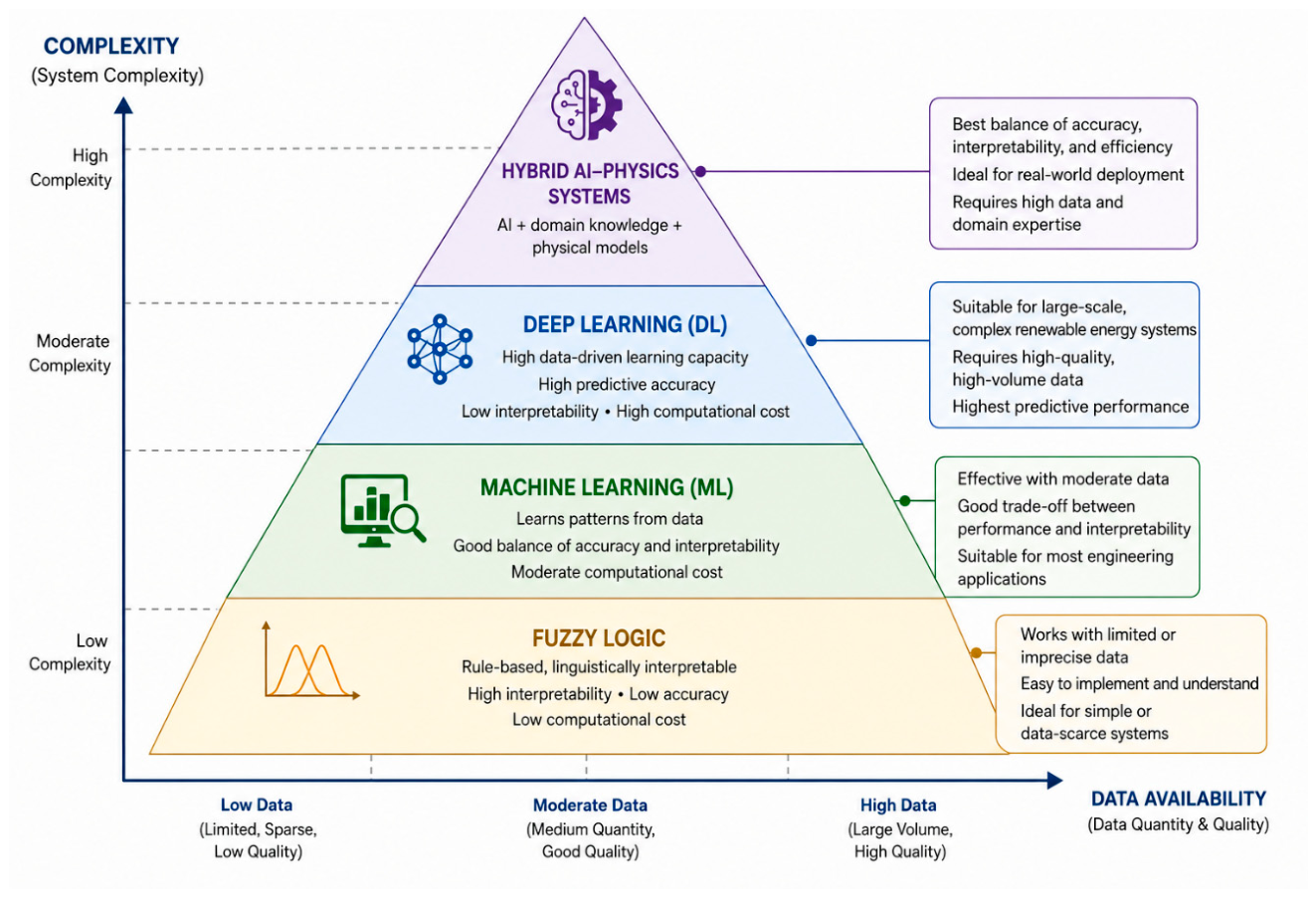
As illustrated in Figure 10, AI techniques can be selected according to system complexity and data availability. Fuzzy logic approaches remain suitable for relatively simple systems with limited data availability due to their interpretability and ease of implementation [35,36]. Machine learning techniques are appropriate for systems with moderate data resources and forecasting requirements [23,81], while deep learning approaches are most effective in data-rich environments where high forecasting accuracy is required [17,27]. At the highest level of system complexity, hybrid AI–physics models provide scalable, interpretable solutions that support advanced forecasting, optimization, control, and decision-making [13,40,55].
This framework provides a practical guide for engineers, researchers, and decision-makers by linking AI selection to system requirements and resource constraints. Consequently, the proposed adoption pathway offers a realistic transition from experimental AI applications toward fully operational intelligent renewable energy systems capable of supporting future energy demands.
6. Future Directions of AI Implementation and Recommendations
6.1. Explainable AI
As AI models become increasingly integrated into renewable energy systems, ensuring transparency and interpretability is becoming as important as improving predictive accuracy. Many advanced AI models operate as “black boxes,” making it difficult for operators, engineers, and policymakers to understand how decisions are made. This challenge is particularly significant in safety-critical and large-scale energy applications where trust, accountability, and regulatory acceptance are essential.
The future direction of AI implementation in energy system modeling focuses on developing more reliable, explainable, sustainable, and adaptive AI frameworks that can operate effectively in real-world renewable energy environments [79]. Future AI applications are expected to move beyond improving forecasting accuracy alone and instead address broader challenges related to environmental sustainability, governance, system resilience, and social inclusion. Additionally, emerging trends in robotics, human–machine interaction, and intelligent automation underscore the growing need for explainable and adaptive AI systems. These insights are particularly relevant for the development of reliable and transparent renewable energy modeling frameworks [82,83,84,85]. Future research, therefore, emphasizes developing explainable, energy-efficient AI models to support more transparent decision-making and facilitate practical deployment [80,84,85].
6.2. Hybrid AI–Physics Models and Digital Twins
While explainability focuses on improving transparency, future renewable energy systems must also improve adaptability and operational intelligence. One promising direction is the integration of hybrid AI–physics models that combine data-driven learning with established engineering principles to improve prediction, optimization, and control.
Emerging approaches such as hybrid AI–physics models, digital twins, deep reinforcement learning, and LSTM networks are being developed to improve the adaptability of energy systems to changing weather conditions, fluctuating energy demand, storage variability, and grid instability [36,79]. Digital twins, in particular, provide virtual representations of physical energy systems that continuously integrate operational and environmental data to support real-time monitoring, simulation, and decision-making. These approaches aim to enhance real-time energy management, optimize renewable energy integration, reliability, and improve predictive maintenance while maintaining greater alignment with real-world operating conditions [36,79].
6.3. AI for LMIC Renewable Energy Systems
Although advanced AI technologies demonstrate significant potential, their successful deployment depends on the availability of data, infrastructure, and technical expertise. These limitations are particularly evident in Low and Middle-income countries (LMICs), where energy infrastructure and data availability remain limited [80].
AI-driven renewable energy systems have the potential to improve energy planning, system reliability, and resource utilization in developing regions. However, implementation continues to face challenges, including insufficient high-quality datasets, unreliable communication systems, limited digital infrastructure, and inadequate technical expertise [79]. Future research therefore, emphasizes the establishment of open-access datasets and increased investments in local technical capacity-building to improve the practical deployment of AI-driven renewable energy systems in LMICs [18,36]. Addressing these challenges is essential for achieving more effective, sustainable, and inclusive energy systems.
6.4. Cybersecurity and Governance
As renewable energy systems become increasingly interconnected, digitalized, and reliant on AI-driven decision-making, concerns about cybersecurity, governance, and operational transparency grow in importance. Ensuring the secure and responsible deployment of AI technologies is essential for maintaining system reliability and public trust.
Despite the growing potential of AI-driven renewable energy systems, several challenges continue to hinder large-scale implementation, including cybersecurity concerns and weak governance frameworks [79]. Future research highlights the need to strengthen AI governance frameworks, improve transparency, and increase cybersecurity awareness for AI architectures used in grid-connected renewable energy systems [80,86,87].
6.5. Prioritization of Future Research Needs
Among the identified challenges, three priorities are considered most critical for accelerating real-world adoption of AI-driven renewable energy systems:
- Standardized, high-quality datasets for cross-site model transferability;
- Explainable and computationally efficient AI suitable for regulatory and resource-constrained contexts
- Cybersecurity awareness for AI architectures used in grid-connected renewable energy systems.
7. Conclusion
AI has become a critical component in advancing renewable energy system modeling by providing data-driven, adaptive, and intelligent approaches to handle the complex behavior of modern energy systems. This review examined the application of AI techniques across solar, hydropower, and wind energy sectors. The findings demonstrate that AI significantly improves forecasting accuracy, optimization capability, predictive maintenance, fault detection, and real-time operational control compared to conventional model-based approaches. The reviewed studies showed that AI-driven frameworks, such as ANN-based MPPT systems, CNN-based fault-detection models, digital twin architectures, and hybrid deep learning forecasting models, enhance energy systems’ ability to capture nonlinear relationships, adapt to changing environmental conditions, and support intelligent decision-making. These capabilities contribute to improved grid stability, optimized energy dispatch, reduced operational costs, enhanced equipment reliability, and more efficient integration of renewable energy into smart grid infrastructures. The convergence of AI with renewable energy system modeling reflects a broader shift toward intelligent engineering systems capable of autonomous adaptation and optimization. Insights from cross-domain applications—including energy systems, robotics, and advanced materials—demonstrate that AI-driven approaches consistently enhance efficiency, reliability, and scalability, reinforcing their transformative role in next-generation energy infrastructures.
Despite these advantages, several challenges continue to hinder the large-scale implementation of AI-driven renewable energy systems, including limited data availability, high computational requirements, infrastructure constraints, and the lack of standardized frameworks for data sharing and real-world deployment. Future research should therefore focus on developing scalable and explainable AI frameworks, strengthening collaborative data collection initiatives, establishing supportive implementation policies, and conducting broader real-world validation studies. Overall, AI’s use in energy system modeling offers significant potential to enable more sustainable, resilient, and intelligent renewable energy systems capable of meeting future global energy demands.
Supplementary Materials
The following supporting information can be downloaded at the website of this paper posted on Preprints.org.
Author Contributions
Conceptualization, methodology, writing-original draft preparation, J.V.S; overall review of manuscript, supervision, visualization, and recommendations, A.C., J.M., B.O.; All authors have read and agreed to the published version of the manuscript.
Funding
This research received no external funding.
Data Availability Statement
Not applicable.
Acknowledgments
During the preparation of this manuscript/study, the authors used ChatGPT Pro, Grammarly, ScopusAI, and FigurelabsAI for the purposes of generating text, data, or graphics for study design, data collection, analysis, or interpretation of data, and alteration of grammatical errors for this journal review. The authors have reviewed and edited the output and take full responsibility for the content of this publication.
Conflicts of Interest
The authors declare no conflicts of interest.
References
- S. Kolosok, Y. Bilan, T. Vasylieva, A. Wojciechowski, and M. Morawski, “A scoping review of renewable energy, sustainability and the environment,” Energies, vol. 14, no. 15, 2021. [CrossRef]
- In International Energy Agency (IEA), “Renewables 2023: Analysis and Forecast to 2028,” Paris, France: IEA, 2023.
- R. E. Agency, Renewable Capacity Statistics 2023. Abu Dhabi, UAE: IRENA, 2023.
- M. Z. Jacobson, “100% clean and renewable wind, water, and sunlight energy systems,” Energy Env. Sci, vol. 8, pp. 2093-2117, 2015.
- E. Arslan Tuncar, Ş. Sağlam, and B. Oral, “A review of short-term wind power generation forecasting methods in recent technological trends,” Energy Rep., vol. 12, pp. 197–209, 2024. [CrossRef]
- N. E. R. Mateo, A. D. Calderon, S. C. Agrupis, C. C. Baga, and A. S. Fagaragan, “Performance Compatibility Assessment of Selected Motorcycles Using Nipa Bioethanol as Alternative Fuel Blend,” in E3S Web of Conferences, 2026, p. 02004,.
- L. Zhang and A. D. Calderon, “Particle Swarm Optimization-Based Hazardous Configuration Identification and Dynamic Analysis for Industrial Robots,” Int. J. Mech. Eng. Robot. Res., vol. 15, no. 1, pp. 38-49, 2026.
- X. Liu, A. D. Calderon, and X. Wu, “Optimization of small submersible pressure hull based on MOGA,” Future Technol., vol. 4, no. 3, pp. 216-226, 2025.
- S. Wang, E. Farantatos, and K. Tomsovic, “Wind turbine generator modeling considerations for stability studies of weak systems.” 2017. [CrossRef]
- N. E. Mateo, A. Calderon, S. Agrupis, K. C. Acidera, and L. F. Manzano, “Performance of a nipa-based fuel blend on a multi-blend capable engine test motorcycle towards renewable biofuel solutions,” Combust. Engines, vol. 205, no. 2, pp. 139-147, 2026.
- G. A. D. Pineda and A. D. Calderon, “The Electric Vehicle Industry Development Act (RA 11697 EVIDA): A Review of Its Implementation and Contribution to the Philippine Energy Plan,” Energies, vol. 18, no. 17, p. 4669, 2025.
- N. E. R. Mateo, A. D. Calderon, S. C. Agrupis, C. C. Baga, and L. F. T. Manzano, “Engine Performance Testing Using Hydrous Bioethanol Fuel Blend to an SI Engine with Retrofitted Fuel System,” Green Energy Technol., pp. 539-552, 2025.
- Y. Wang, “Artificial intelligence applications in power systems,” Appl. Energy, vol. 158, pp. 129-146, 2015.
- Z. Ullah, “A review of artificial intelligence applications in renewable energy systems,” Renew. Sustain. Energy Rev., vol. 119, 2020.
- L. E. P. Reyes and A. D. Calderon, “Compliance, Coordination, and Conflict: Examining Renewable Energy Policy Mechanisms in the Philippine Energy Plan,” Energies, vol. 18, no. 17, p. 4683, 2025.
- D. Calderon, “Development of the National Cooling Action Plan of the Philippines,” IOP Conf. Ser. Earth Environ. Sci., vol. 1395, no. 1, p. 012042, 2024.
- N. E. Benti, M. D. Chaka, and A. G. Semie, “Forecasting Renewable Energy Generation with Machine Learning and Deep Learning: Current Advances and Future Prospects,” Sustain. Switz., vol. 15, no. 9, 2023. [CrossRef]
- H. Togun, “Artificial intelligence in renewable energy: comprehensive insights into challenges, opportunities, and future trends,” J. Therm. Anal. Calorim., vol. 151, no. 1, pp. 143-173, 2026. [CrossRef]
- Seghiour, H. A. Abbas, A. Chouder, and A. Rabhi, “Deep learning method based on autoencoder neural network applied to faults detection and diagnosis of photovoltaic system,” Simul. Model. Pract. Theory, vol. 123, 2023. [CrossRef]
- X. Liu, A. Calderon, and R. Tian, “Optimization Analysis of Ship Windlass Drum Based on RSM,” SSRG Int. J. Mech. Eng., vol. 12, no. 8, pp. 20-27, 2025.
- L. Wei, A. D. Calderon, and P. Tian, “Research on Ultrasonic Nondestructive Testing Algorithm for Metal Materials,” in E3S Web of Conferences, 2024, p. 03016,.
- M. Wigger, P. Burggräf, F. Steinberg, A. Becher, and B. Heinbach, “Integrating artificial intelligence into energy management: A case study on energy consumption data analysis and forecasting in a German manufacturing company,” Energy AI, vol. 21, p. 100576, 2025. [CrossRef]
- Sekhi, S. Kovács, and K. Nehéz, “Enhancing Decision-making in Uncertain Domains through Optimized Fuzzy Logic Systems,” Period. Polytech. Electr. Eng. Comput. Sci., vol. 69, no. 1, pp. 63–78, 2025. [CrossRef]
- L. Zhang and A. D. Calderon, “Monte Carlo-Based Kinematic Modeling and Workspace Visualization Analysis of KUKA Robot,” in 2025 4th International Conference on Intelligent Mechanical and Human Computer Interaction Technology IHCIT 2025, 2025, pp. 101–106.
- X. Tao and A. D. Calderon, “Research on Target Detection Technology of Industrial Robot Based on Deep Learning,” in 2025 8th International Conference on Computer Information Science and Application Technology CISAT 2025, 2025, pp. 1191–1194.
- L. Zhang, A. D. Calderon, and W. Cui, “Research Progress and Prospect of Industrial Robot,” Mech. Mach. Sci., vol. 156, pp. 355-368, 2024.
- G. Ala et al., “Deep Learning for Smart Grid and Energy Context,” in Conference Proceedings 2023 IEEE Asia Meeting on Environment and Electrical Engineering EEE AM 2023, 2023. [CrossRef]
- S. F. Bello, I. U. Wada, O. B. Ige, E. C. Chianumba, and S. A. Adebayo, “AI-Driven Predictive Maintenance and Optimization of Renewable Energy Systems for Enhanced Operational Efficiency and Longevity,” Int J Sci Res Arch, vol. 13, pp. 2823–2837, 2024.
- X. Tao and A. D. Calderon, “Research on Positioning and Grasping Technology of Industrial Robot Based on Visual Recognition,” in Proceedings of the 2nd International Conference on Image Processing Machine Learning and Pattern Recognition IPMLP 2025, 2025, pp. 220–224.
- R. Tian, A. D. Calderon, Q. Fang, and X. Liu, “Data-Driven Optimization and Mechanical Assessment of Perovskite Solar Cells via Stacking Ensemble and SHAP Interpretability,” Materials, vol. 18, no. 18, p. 4429, 2025.
- R. Tian, A. D. Calderon, Q. Fang, and X. Liu, “Dual Enhancement of Optoelectronic and Mechanical Performance in Perovskite Solar Cells Enabled by Nanoplate-Structured FTO Interfaces,” Nanomaterials, vol. 15, no. 18, p. 1430, 2025.
- D. Latoń, J. Grela, and A. Ożadowicz, “Applications of Deep Reinforcement Learning for Home Energy Management Systems,” Rev. Energ., vol. 17, no. 24, 2024. [CrossRef]
- J. R. Vázquez-Canteli and Z. Nagy, “Reinforcement learning for demand response: A review of algorithms and modeling techniques,” Appl. Energy, vol. 235, pp. 1072–1089, 2019. [CrossRef]
- T. Tambouratzis, J. Giannatsis, A. Kyriazis, and P. Siotropos, “Applying the computational intelligence paradigm to nuclear power plant operation: A review (1990-2015,” in Research Anthology on Artificial Intelligence Applications in Security, vol. Vols. 3–4, 2020. [CrossRef]
- D. Muñoz-Valero, J. Moreno-Garcia, J. A. López-Gómez, E. A. Villarrubia-Martin, and L. Jimenez-Linares, “A knowledge-driven fuzzy logic framework for supporting decision-making entities,” Appl. Soft Comput., vol. 181, p. 113415, 2025. [CrossRef]
- M. Terkes, A. Demirci, I. Dagal, E. Gokalp, and U. Cali, “Comparative analysis of AI-based regression models for solar power forecasting: Techniques, preprocessing, and evaluation,” Energy Rep., vol. 15, 2026. [CrossRef]
- B. Xu and A. D. Calderon, “Intelligent optimization of double-helix oil cooling system for outer rotor in-wheel motors based on multi-physics coupling simulation,” Future Technol., vol. 4, no. 4, pp. 85-99, 2025.
- B. Xu and A. D. Calderon, “Research on the Optimization of the Temperature Field of an Outer Rotor In-wheel Motor Based on Oil Cooling,” in 2025 International Conference on Electrical Engineering Automation, and Information Science EEAIS, 2025, pp. 145–148.
- L. Liu and A. D. Calderon, “Optimization Design of Air Filter Housing Structure Based on Computational Fluid Dynamics,” in Proceedings of SPIE - The International Society for Optical Engineering, 2024, p. 130810 ,.
- K. S. Singh, “Artificial Intelligence-Driven Flow Optimization for Enhanced Efficiency in Renewable Energy Systems,” in Artificial Intelligence and Computational Modeling in Heat Transfer and Fluid Dynamics, 2026. [CrossRef]
- Mellit and S. A. Kalogirou, “Machine learning and deep learning for photovoltaic applications,” in Artificial Intelligence for Smart Photovoltaic Technologies, 2022. [CrossRef]
- M. A. Malkawi et al., “Maximum power point tracking enhancement for PV in microgrids systems using dual artificial neural networks to estimate solar irradiance and temperature,” Results Eng., vol. 25, p. 104275, 2025. [CrossRef]
- R. Ochoa-Barragán, “Artificial Intelligence Enabling Intelligent Solar Energy Systems: Integration and Emerging Directions,” Processes, vol. 14, no. 7, 2026. [CrossRef]
- Belmonte and A. Calderon, “AI-Driven Energy Auditing for Solar Heat Exchanger Optimization in Hybrid Geothermal-Solar Thermal Systems: A Review,” in E3S Web of Conferences, 2025, p. 03003,.
- R. Tian, A. D. Calderon, and X. Liu, “Discovery of Quaternary Perovskites via Stacked Machine Learning and Generative Models,” Eng. Sci., vol. 35, p. 1561, 2025.
- K. S. Q. Qassab, R. R. O. Al-Nima, M. Salem, and H. Shutari, “A survey on detecting and diagnosing of electrical faults for photovoltaic panel systems utilizing artificial intelligence techniques,” Eng. Res. Express, vol. 8, no. 5, 2026. [CrossRef]
- M. Q. Obaidi and N. Derbel, “IoT-based monitoring and shading faults detection for a PV water pumping system using deep learning approach,” Bull. Electr. Eng. Inform., vol. 12, no. 5, pp. 2673-2681, 2023. [CrossRef]
- S. R. Madeti and S. N. Singh, “A comprehensive study on different types of faults and detection techniques for solar photovoltaic system,” Sol. Energy, vol. 158, pp. 161–185, 2017. [CrossRef]
- E. Garoudja, F. Harrou, Y. Sun, K. Kara, A. Chouder, and S. Silvestre, “Statistical fault detection in photovoltaic systems,” Sol. Energy, vol. 150, pp. 485–499, 2017. [CrossRef]
- J. C. P. Bajaro and A. D. Calderon, “A Review of Three-Dimensional RGB Images and Drone Thermal Camera Images Merged for Building Information Modeling for Energy Audit,” Key Eng. Mater., vol. 987, pp. 93-108, 2024.
- N. Kushwaha, V. K. Yadav, and R. Saha, “Advancing Solar Energy Through Artificial Intelligence: A Focus on Optimization and Forecasting,” in 1st International Conference on Advances in Computer Science Electrical Electronics and Communication Technologies Ce2ct, 2025, pp. 639–644. [CrossRef]
- R. Maity, A. Srivastava, S. Sarkar, and M. I. Khan, “Revolutionizing the future of hydrological science: Impact of machine learning and deep learning amidst emerging explainable AI and transfer learning,” Appl. Comput. Geosci., vol. 24, 2024. [CrossRef]
- M. Urian and A. D. Calderon, “A Review of Full Biomass-Fired Conversion in a Large-Scale Circulating Fluidized Bed Boiler Using Palm Kernel Shells and Woodchips,” Green Energy Technol., pp. 107-117, 2025.
- B. Gonzales, R. Tayactac, R. Umali, J. Honra, and A. Calderon, “CFD Simulation of a Circulating Fluidized Bed Boiler to Improve Air Distribution for Satisfactory Fluidization,” Adv. Sci. Technol., vol. 155, pp. 87-92, 2024.
- B. Wu, J. Shi, J. Yang, H. Zhang, Z. Liu, and L. Tan, “A Deep Reinforcement Learning Approach for Real-time Optimization Scheduling of Large Capacity Pelton Turbines,” J. Phys. Conf. Ser., vol. 3150, no. 1, 2025. [CrossRef]
- R. Castro-Freibott, Á. García-Sánchez, F. Espiga-Fernández, and G. Cruz, “Deep Reinforcement Learning for Intraday Multireservoir Hydropower Management,” Mathematics, vol. 13, no. 1, 2025. [CrossRef]
- B. Naidu, K. B. Sambaru, G. P. Pasumarthi, R. V. Srinivas, K. S. Krishna, and V. P. K. Pechetty, “Optimizing Hydropower Resources for Maximum Power Generation Efficiency in Environmentally Sustainable Electrical Energy Production,” J. Environ. Earth Sci., vol. 7, no. 6, pp. 381–394, 2025. [CrossRef]
- Li, F. Chen, and J. Lin, “Real-Time Rolling Optimization Scheduling Technology for Cascade Hydropower Stations,” in 2025 4th Asia Power and Electrical Technology Conference Apet 2025, 2025, pp. 678–682. [CrossRef]
- X. Liu, X. Wu, and A. D. Calderon, “Optimization of reduction gear in anchor winch based on modal analysis,” Vibroengineering Procedia, vol. 56, pp. 62-67, 2024.
- X. Liu, R. Tian, and A. D. Calderon, “Lightweight Research on Anchor Machinery and Chain Wheel Assembly,” in 2024 10th International Conference on Mechanical and Electronics Engineering ICMEE 2024, 2024, pp. 402–407.
- L. Liu and A. D. Calderon, “Optimization Design of Semi-active Suspension for Vehicles Based on LQR Optimal Control,” J. Phys. Conf. Ser., vol. 2785, no. 1, p. 012005, 2024.
- B. Han, Z. Han, Z. Huang, H. Fan, and S. Li, “LSTM-TST: A Decoder-Enhanced Hybrid Model for Photovoltaic Power Forecasting,” in Lecture Notes in Networks and Systems: 1734 LNNS, 2026. [CrossRef]
- B. Teixeira, L. Carvalhais, T. Pinto, and Z. Vale, “Explainable AI framework for reliable and transparent automated energy management in buildings,” Energy Build., vol. 347, p. 116246, 2025. [CrossRef]
- H. Tang, Y. Wang, and X. Yuan, “Prediction of electricity consumption and hydropower production in the smart power grid based on the gated recurrent unit neural network and modified future search algorithm,” Sci Rep, vol. 15, p. 45062, 2025. [CrossRef]
- G. E. Robles, E. C. R. Luna, R. G. Tayactac, J. P. Honra, and A. D. Calderon, “Design and Aerodynamic Analysis of a Bio-inspired HAWT with Albatross and Stork Airfoil for Low Wind Velocity using CFD,” in 2022 6th International Conference on Power and Energy Engineering, ICPEE 2022, 2022, pp. 37–46.
- M. A. Satiada and A. Calderon, “Comparative analysis of existing waste-to-energy reference plants for municipal solid waste,” Clean. Environ. Syst., vol. 3, p. 100063, 2021.
- H. Wu and A. D. Calderon, “A Summary of the Development of Autonomous Vehicle,” in 2023 6th International Conference on Robotics Control and Automation Engineering RCAE 2023, 2023, pp. 174–180.
- H. Wu and A. D. Calderon, “Research on the Layout of Electric Vehicle Charging Stations on Jiangsu Intercity Expressway (G15,” in 2023 2nd International Conference on Mechanical Engineering and Power Engineering, MEPE 2023, 2023, pp. 85–94.
- M. Bošnjaković, M. Martinović, and K. Đokić, “Application of Artificial Intelligence in Wind Power Systems,” Appl. Sci. Switz., vol. 15, no. 5, 2025. [CrossRef]
- K. F. Sayeh, S. Tamalouzt, D. Ziane, A. Bekhiti, and Y. Belkhier, “Utilizing Fuzzy Logic Control and Neural Networks Based on Artificial Intelligence Techniques to Improve Power Quality in Doubly Fed Induction Generator-Based Wind Turbine System,” Int. J. Energy Res., vol. 2025, no. 1, 2025. [CrossRef]
- P. Moshtaghi, N. Hajialigol, and B. Rafiei, “A comprehensive review of artificial intelligence applications in wind energy power generation,” Sustain. Futur., vol. 9, p. 100638, 2025. [CrossRef]
- J. Zhu, W. Chen, L. Su, B. Lan, T. Pei, and L. Jin, “Predictive maintenance for wind turbines: A physics-driven reinforcement learning strategy with economic-reliability collaborative optimization,” Energy AI, vol. 22, p. 100620, 2025. [CrossRef]
- A. Ewees, M. A. A. Al-Qaness, A. Alshahrani, and M. Abd Elaziz, “Machine Learning Model for Wind Power Forecasting Using Enhanced Multilayer Perceptron,” Comput. Mater. Contin., vol. 83, no. 2, pp. 2287–2303, 2025. [CrossRef]
- H. Wu and A. D. Calderon, “Research on the Layout of Urban-decentralized Charging Facilities Based on Classification Research Method,” Open Transp. J., vol. 19, p. 26671212369547, 2025.
- L. Zhang and A. D. Calderon, “Research and prospects of CNC lathe,” Cogent Eng., vol. 11, no. 1, p. 2299043, 2024.
- Z. Zhang, A. D. Calderon, X. Huang, and A. Huang, “Research Status and Prospect of Finger Rehabilitation Machinery,” Med. Devices Evid. Res., vol. 17, pp. 1-22, 2024.
- Y. H. Mi and A. D. Calderon, “Research Status and Trend of 3D Printing Technology,” Lect. Notes Mech. Eng., pp. 151-162, 2024.
- H. Lijun and A. D. Calderon, “Study of the shift process of a hydrodynamic automatic transmission considering the vehicle driveline system,” in Proceedings of SPIE - The International Society for Optical Engineering, 2024, p. 131637 ,.
- M. M. Mundu, M. Basajja, E. Kweyu, V. S. Manjula, and D. E. Uti, “Harnessing AI in renewable energy systems: driving environmental and socio-economic transformation,” Energy Inform., vol. 9, no. 1, 2026. [CrossRef]
- G. Sarin, A. Srivastava, I. Srivastava, S. Bhattacharjee, S. Gujaran, and Y. Yogendra Sai Reddy, “Renewable microgrid optimization using AI: A B-SLR approach and future research directions,” Energy Rep., vol. 14, pp. 4963–4975, Dec. 2025. [CrossRef]
- J. Zhu, H. Dong, W. Zheng, S. Li, Y. Huang, and L. Xi, “Review and prospect of data-driven techniques for load forecasting in integrated energy systems.” 2022. [CrossRef]
- Y. Mi and A. D. Calderon, “Current Status and Perspectives of Research on Upper Limb Rehabilitation Robots,” in 2024 10th International Conference on Electrical Engineering Control and Robotics EECR 2024, 2024, pp. 129–133.
- Z. Zhang, A. D. Calderon, X. Huang, G. Wu, and C. Liang, “Design and Driving Performance Study of Soft Actuators for Hand Rehabilitation Training,” Med. Devices Evid. Res., vol. 17, pp. 237-260, 2024.
- S. Li and A. D. Calderon, “Review of the Current Research Status and Constraints of Wall-climbing Robots,” in 2023 6th International Conference on Robotics Control and Automation Engineering RCAE 2023, 2023, pp. 44–49.
- M. R. Shadi, H. Mirshekali, and H. R. Shaker, “Explainable artificial intelligence for energy systems maintenance: A review on concepts, current techniques, challenges, and prospects,” Renew. Sustain. Energy Rev., vol. 216, p. 115668, Jul. 2025. [CrossRef]
- “Through Technology, Institutions, and Equity. Sustainable Development.”. [CrossRef]
- Mohamed, H. Aly, and T. Little, “Transforming Libya’s Future: The Role of AI in Promoting Sustainability and Reliability,” in Studies in Computational Intelligence: 1229 SCI, 2026. [CrossRef]
- Q. Wang, T. Sun, and R. Li, “Artificial Intelligence for Alleviating Energy Poverty: Pathways Toward Sustainable and Renewable Energy Transitions,” Sustain. Dev., vol. 34, no. S2, pp. 1324–1347, 2026.
Figure 1.
Artificial Intelligence (AI) Driven Energy System Model.
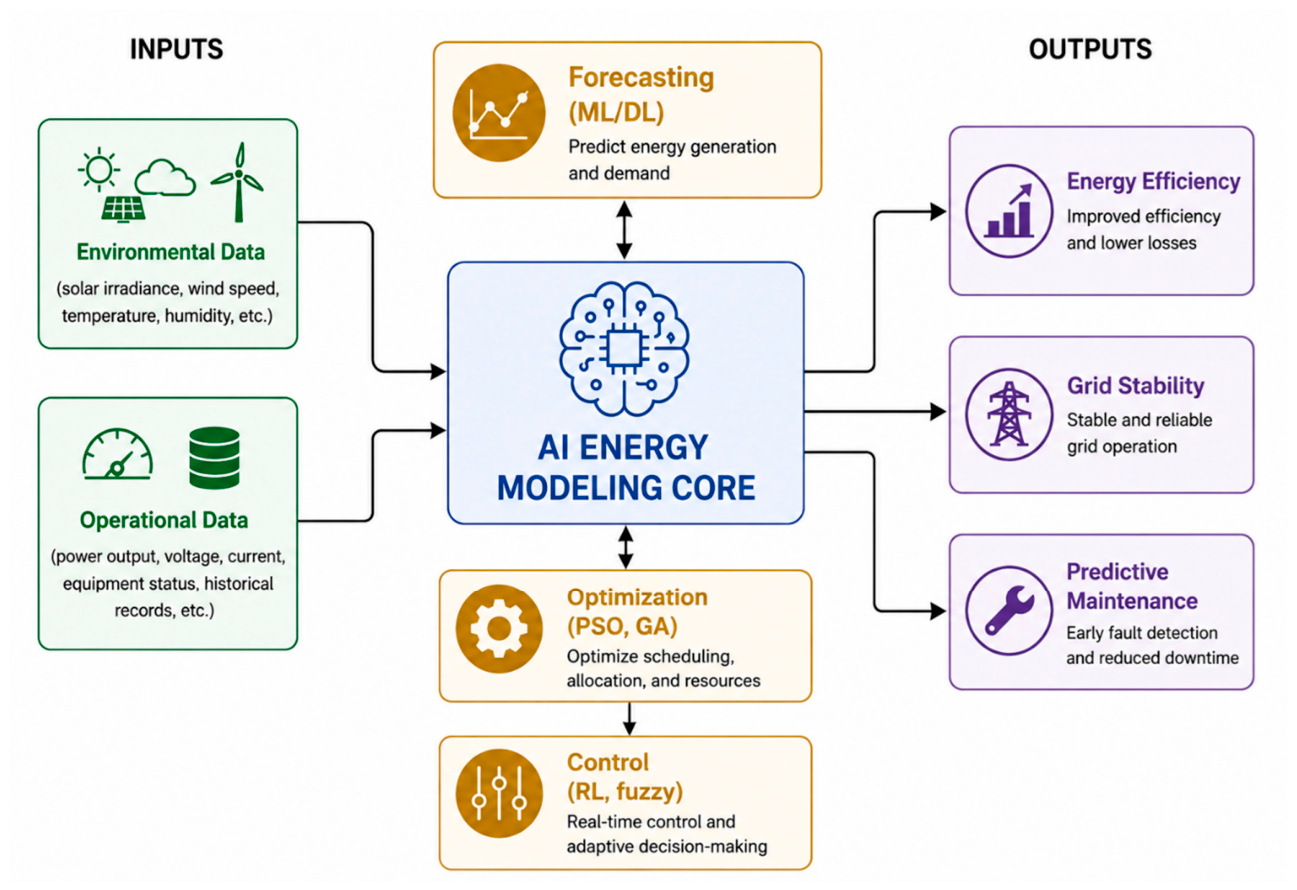
Figure 2.
AI-enabled renewable energy system modeling framework linking forecasting, optimization, control, and maintenance across solar, hydropower, and wind systems.
Figure 2.
AI-enabled renewable energy system modeling framework linking forecasting, optimization, control, and maintenance across solar, hydropower, and wind systems.
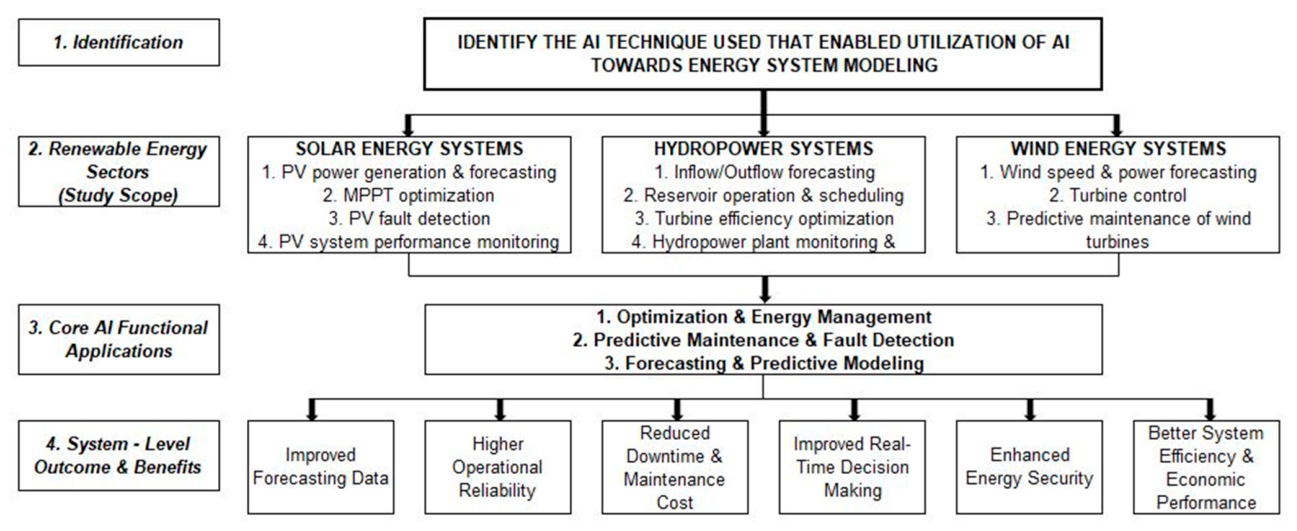
Figure 3.
PRISMA-style workflow of literature identification, screening, eligibility, and inclusion.
Figure 3.
PRISMA-style workflow of literature identification, screening, eligibility, and inclusion.
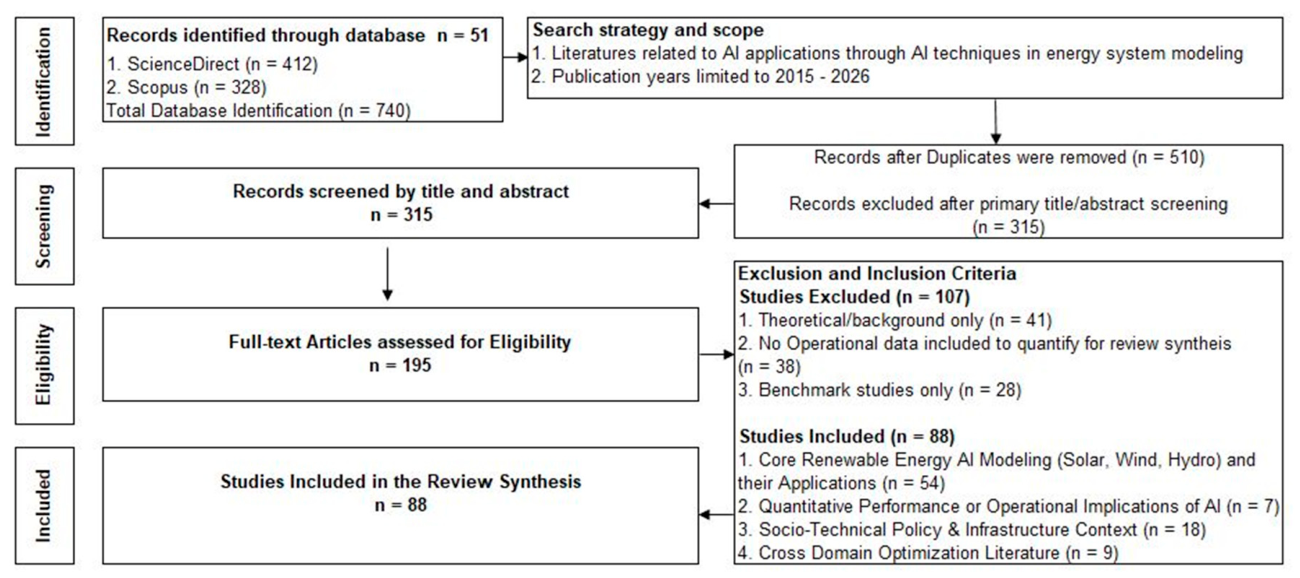
Figure 4.
Trade-offs Across Different AI Techniques.
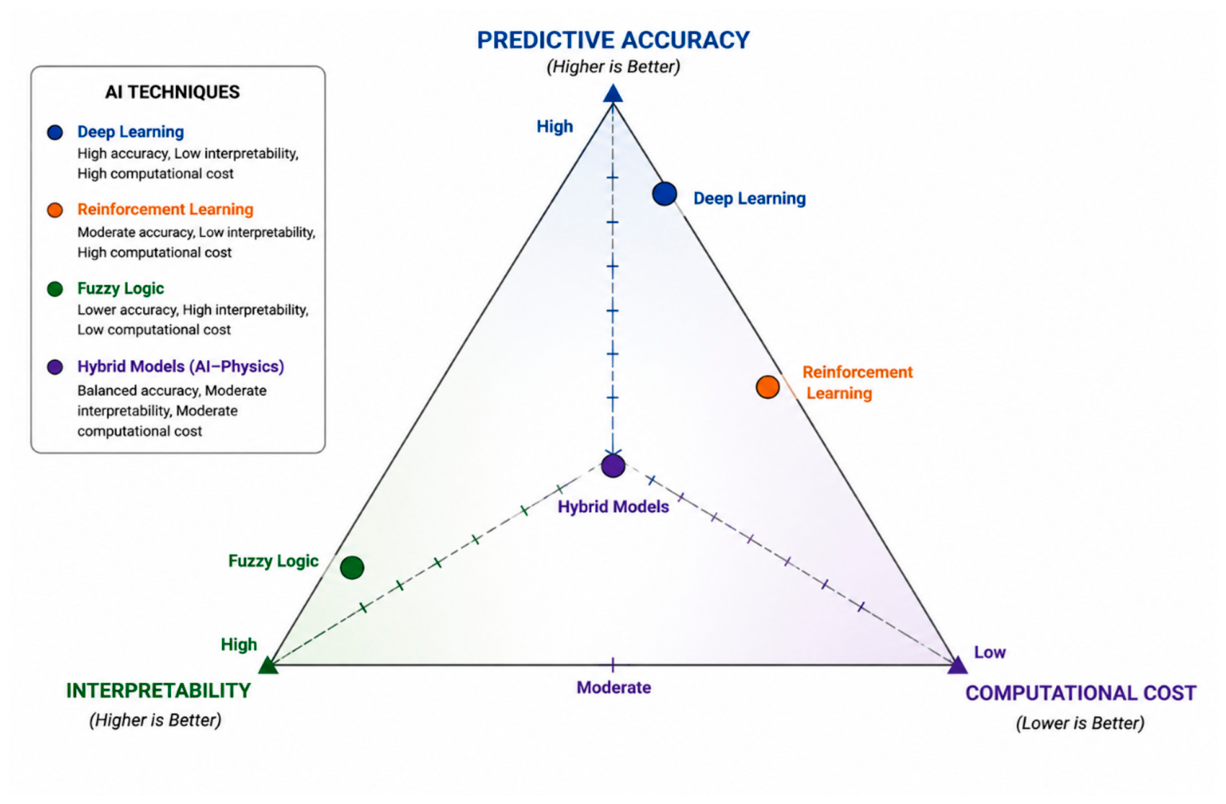
Figure 5.
Determining MPP using Dual ANN in Estimating Irradiance and Temperature of PV Systems.
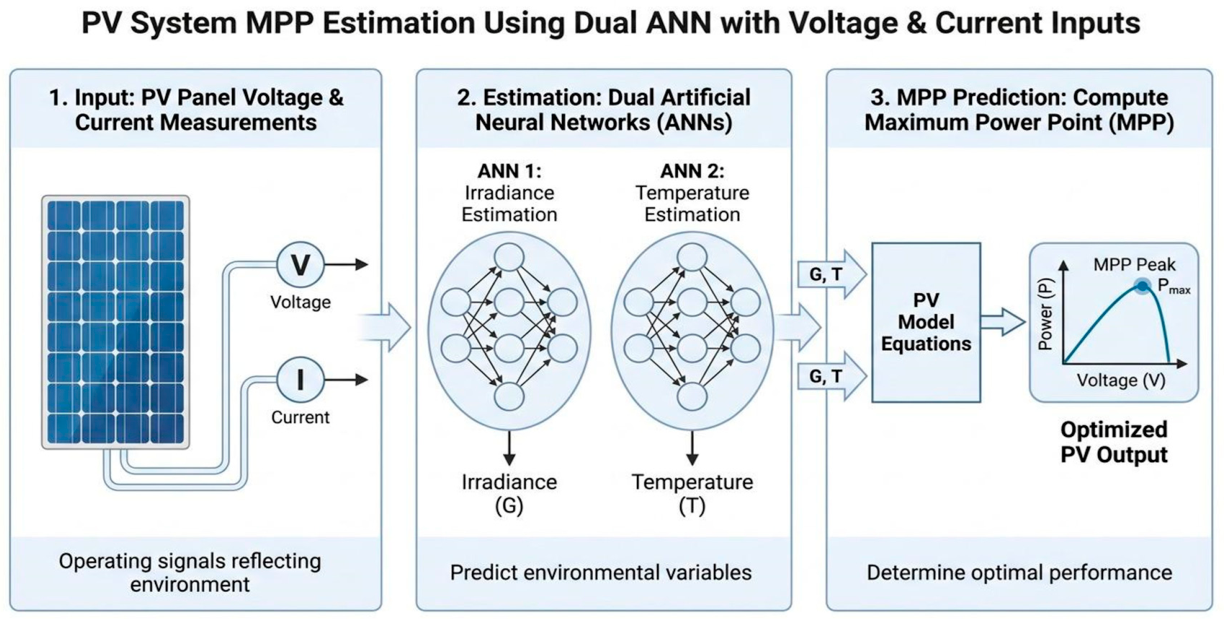
Figure 6.
Process Flow of Deep Learning Algorithm.
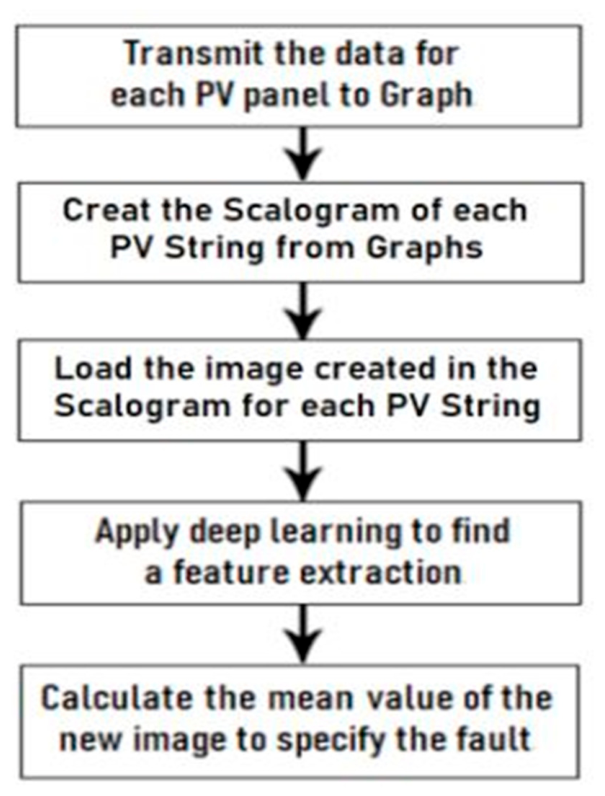
Figure 7.
Hybrid Modeling Workflow for AI-Driven Digital Twins in Renewable Energy Grids.
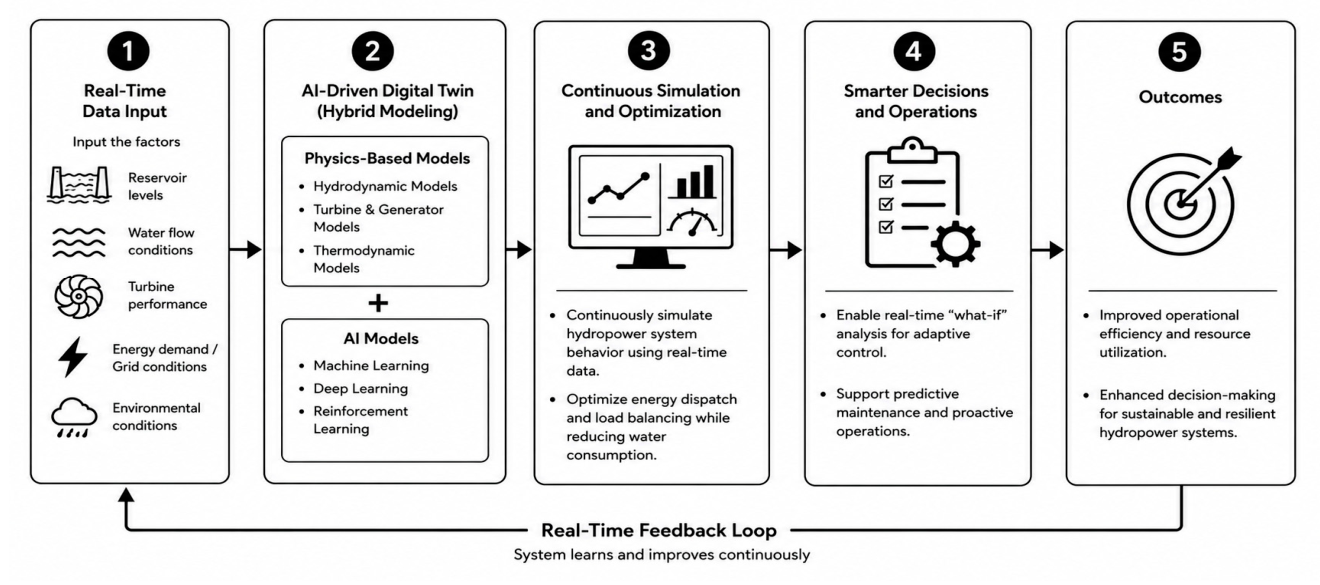
Figure 8.
Process Flow for AI Utilization of Predictive Maintenance for Wind Turbines.
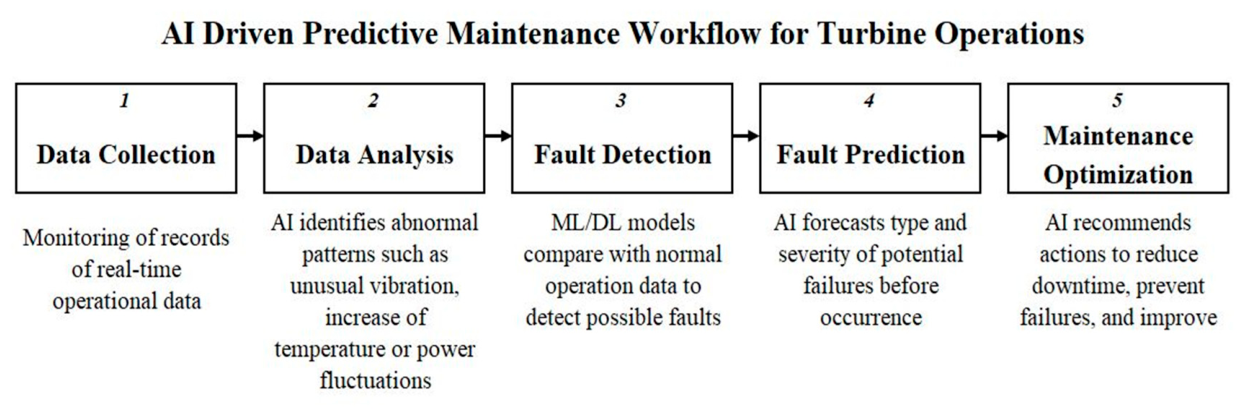
Figure 10.
Structured Pathway for Selecting AI Techniques based on System Complexity and Data Availability.
Figure 10.
Structured Pathway for Selecting AI Techniques based on System Complexity and Data Availability.
Disclaimer/Publisher’s Note: The statements, opinions and data contained in all publications are solely those of the individual author(s) and contributor(s) and not of MDPI and/or the editor(s). MDPI and/or the editor(s) disclaim responsibility for any injury to people or property resulting from any ideas, methods, instructions or products referred to in the content. |
© 2026 by the authors. Licensee MDPI, Basel, Switzerland. This article is an open access article distributed under the terms and conditions of the Creative Commons Attribution (CC BY) license (http://creativecommons.org/licenses/by/4.0/).
Copyright: This open access article is published under a Creative Commons CC BY 4.0 license, which permit the free download, distribution, and reuse, provided that the author and preprint are cited in any reuse.


