

Submitted:
29 June 2026
Posted:
30 June 2026
You are already at the latest version
Abstract
Amyotrophic Lateral Sclerosis (ALS) is a progressive neurodegenerative disorder where systemic pathophysiological alterations significantly contribute to disease progression and non-motor manifestations, such as depression and anxiety. The microbiota-gut-brain axis represents a critical bidirectional pathway where intestinal dysbiosis and epithelial barrier disruption catalyze central neuroinflammation. This scoping review synthesizes evidence from 43 empirical and analytical studies across 28 countries, mapping the findings under the WHO International Classification of Functioning (ICF) framework. Pathophysiological data reveal a profound taxonomic shift in ALS patients, characterized by a severe depletion of neuroprotective, butyrate-producing genera (Akkermansia and Prevotella) and an enrichment of pro-inflammatory Enterobacteriaceae. This dysbiotic state leads to structural damage of the intestinal mucosa, alteration of Paneth cells, and down-regulation of tight junction proteins (zonulin), triggering a "leaky gut" phenomenon. The subsequent systemic translocation of lipopolysaccharides (LPS) induces TLR4-mediated endotoxemia, microglial hyperactivation, and accelerated motor neuron apoptosis. Conversely, therapeutic modulation via Fecal Microbiota Transplantation (FMT), psychobiotics, and metabolic interventions (ketogenic or Mediterranean diets) demonstrates significant efficacy in restoring epithelial integrity, mitigating mitochondrial hypermetabolism, and reducing emotional distress scales. This review identifies a critical research gap in the microstructural characterization of the enteric nervous system in ALS. Integrating microbiome-targeted biomarkers into clinical protocols is essential for a stratified, multi-systemic therapeutic approach to improve patient prognosis and psychological well-being.
Keywords:
Amyotrophic Lateral Sclerosis
; pathophysiology
; microbiota-gut-brain axis
; intestinal permeability
; neuroinflammation
; psychobiotics
1. Introduction
Amyotrophic Lateral Sclerosis (ALS) is a progressive, disabling neurodegenerative disorder with a high mortality rate [1], characterized by the selective loss of upper and lower motor neurons [2]. Although traditionally defined by its motor symptomatology, it is now recognized to include non-motor manifestations, including mood alterations such as depression and anxiety [3,4]. Emotional distress, ranging from major depressive episodes and generalized anxiety to pseudobulbar affect (emotional lability) [5,6], affects a considerable proportion of patients [7]. This distress negatively influences not only their quality of life but also disease progression and survival [8]. Despite efforts to understand the etiology of these manifestations, the underlying biological mechanisms remain a subject of intense scientific debate [9,10].
In the last decade, the study of ALS pathogenesis has shifted beyond the central nervous system (CNS) to explore systemic communication. In this context, the microbiota-gut-brain (MGB) axis has emerged as a critical modulator of neurological and emotional health [11,12]. This bidirectional signaling system integrates neural pathways (such as the vagus nerve), neuroendocrine routes, and peripheral immunological signals [13,14]. The intestinal microbiota not only regulates metabolic homeostasis but also synthesizes neurotransmitters [15] and bioactive metabolites—including short-chain fatty acids (SCFAs) [16], tryptophan precursors, and gamma-aminobutyric acid (GABA) [17]—which possess the capacity to cross the blood-brain barrier or signal through afferent projections to brain areas involved in affective regulation, such as the prefrontal cortex and the amygdala [18].
Recent translational evidence suggests that intestinal dysbiosis plays an active role in the neuroinflammation characteristic of ALS [19,20]. It has been observed that alterations in intestinal permeability (the “leaky gut” phenomenon) allow the translocation of lipopolysaccharides and other pathogen-associated molecular patterns into the systemic circulation [21,22,23]. This immunogenic response triggers microglial activation and the recruitment of pro-inflammatory monocytes into the CNS, exacerbating oxidative stress and neuronal apoptosis [24,25,26]. While it has been hypothesized that this chronic inflammatory state is a determining factor for psychological distress and psychiatric vulnerability in neurodegenerative diseases, specific evidence in ALS patients is currently scattered and lacks an integrative synthesis [27,28].
The objective of this study was to identify and characterize the determining factors of emotional distress in ALS through the MGB axis, using a scoping review. Given the heterogeneity of study protocols and the emerging nature of this field, a scoping review is the most robust methodological framework to address this issue [29], as it allows for mapping the extent, range, and nature of research activity in an area where evidence has not yet been consolidated [30]. This approach is fundamental not only to identify the common molecular mediators between the microbiota and emotional well-being but also to highlight methodological gaps and voids in knowledge that prevent the transition toward microbiome-based clinical interventions.
2. Materials and Methods
2.1. Research Design
A scoping review was conducted following the conceptual framework proposed by Arksey and O’Malley and the recommendations from the Joanna Briggs Institute (JBI) Evidence Synthesis Manual [31,32]. The study was structured to map the influence of the microbiota-gut-brain axis on the development and modulation of emotional distress in patients with ALS. The reporting of this review adheres to the Preferred Reporting Items for Systematic Reviews and Meta-Analyses extension for Scoping Reviews (PRISMA-ScR) checklist [33].
The research question was formulated following the PCC structure (Table 1): What is the influence of the microbiota-gut-brain axis on the development and modulation of emotional distress in patients with ALS?
2.2. Protocol and Registration
The protocol for this review was defined a priori and registered on the Open Science Framework (OSF) platform [34] (https://osf.io/mbr59/), following international standards to ensure the transparency and reproducibility of the methodological process.
2.3. Search Strategy and Information Sources
Literature identification was conducted through a systematic search across the PubMed/MEDLINE, Web of Science (WoS), Scopus, and EMBASE databases, covering the period from January 2016 to April 2026. A Boolean search strategy was designed, combining MeSH terms with free-text keywords, structured around three conceptual axes: (1) the primary pathology (“Amyotrophic Lateral Sclerosis” OR “Motor Neuron Disease”), (2) the non-motor domains of interest (“Psychological Distress” OR “ Depression” OR “Anxiety”), and (3) the intestinal interaction (“Gastrointestinal Microbiome OR Gut Microbiota OR Dysbiosis”). Additionally, a manual search of the reference lists of the selected articles was performed (snowballing technique) [35] to identify key studies that may have been omitted by the database algorithms.
2.4. Evidence Selection Procedure
The selection process was carried out in a systematic and transparent manner to ensure replicability. In the initial phase, duplicate records were removed using bibliographic management software (Mendeley). Subsequently, two independent reviewers performed a screening of titles and abstracts based on predefined inclusion criteria using the Rayyan web app (https://www.rayyan.ai). Articles that raised doubts or met the criteria proceeded to the full-text review phase. At this stage, the suitability of the studies was evaluated, specifically considering the use of structural equation modeling or path analysis. Any discrepancies between reviewers during the selection process were resolved through the intervention of a third reviewer or by consensus following a technical discussion [36,37,38,39].
2.5. Evidence Analysis and Synthesis
Given the nature of the included studies, the synthesis of results was conducted through a qualitative thematic analysis supported by quantitative evidence. The findings were categorized into different critical axes: ALS biomarkers, gastrointestinal function, nutrition, and emotional distress.
2.6. Risk of Bias and Methodological Quality Assessment
Although scoping reviews do not always mandate a formal assessment of evidence quality (unlike systematic reviews), this study opted to perform one to strengthen the validity of the findings. The Joanna Briggs Institute (JBI) Critical Appraisal Tool for cross-sectional and analytical studies was utilized [39]. This tool allows for the scoring of bias risk across critical areas, such as internal validity (whether the sample is representative of the ALS population; for instance, considering bulbar vs. spinal onset distribution), measurement validity (the use of validated psychometric scales and the precision of biomarkers), confounding factors, and statistical analysis (the appropriate identification of confounding variables such as age and sex, and the correct use of multivariate models for predictive modeling). The included studies were classified according to their risk of bias (Low, Moderate, or High) (Table S1).
3. Results
3.1. Study Selection Procedure
The primary search identified a total of 534 records. Concurrently, 7 additional articles of interest were identified through manual review or “snowballing.” Following the removal of 120 duplicates, 414 unique records proceeded to the screening phase. The screening of titles and abstracts against the selection criteria resulted in the exclusion of 357 records.
Regarding the inclusion criteria, population was assessed by selecting research involving adults with a confirmed diagnosis of ALS, encompassing both bulbar and spinal onset. Concerning the central concept, studies were required to analyze the taxonomic composition of the microbiota or gastrointestinal functionality, linking these findings to mental health variables. Furthermore, the use of validated psychometric instruments for the quantification of anxiety and depression was required, such as the Beck Anxiety Inventory (BAI) or the ALS Depression Inventory-12 (ADI-12). Likewise, studies exploring mediating factors such as dietary intake (fiber and vitamins B/C) or markers of oxidative stress were considered.
The following conditions were excluded as they could introduce significant bias in the assessment of distress or microbiome composition. We discarded: (i) studies involving patients with severe cognitive impairment or frontotemporal dementia, given the inability to ensure the validity of self-report instruments; (ii) studies with patients presenting severe systemic comorbidities (such as inflammatory bowel disease) or substance dependence.
The remaining 57 articles from the primary search were retrieved and merged with the 7 articles obtained manually, resulting in 64 studies for the eligibility phase. A detailed full-text evaluation led to the definitive exclusion of 14 additional studies which, despite the initial perspective, only addressed the core dietary or psychological interventions of this review in a residual or insufficient manner. Consequently, this scoping review was consolidated based on a robust final sample of 43 empirical and analytical studies (Table S1).
3.2. Evidence Distribution
The included evidence base exhibits a broad international distribution, spanning a total of 28 countries across five continents. Scientific production is predominantly led by the United States, Italy, and China—nations that concentrate the bulk of cutting-edge research on interventions such as Fecal Microbiota Transplantation (FMT), advanced metabolomics, and large-cohort longitudinal studies. Furthermore, a consistent contribution from various European and Asian centers is observed, along with a notable representation of studies from emerging economies. This geographical heterogeneity is of great methodological relevance, as it provides solid ecological validity to the global findings on the intricate interaction between dietary patterns, cultural environment, and microbiota modulation (Figure 2).
The geographical and thematic analysis of the scientific literature reveals that research on the microbiota-gut-brain axis in ALS is a global, multidisciplinary, and highly stratified endeavor. Table 3 illustrates how different regions have assumed leadership roles in specific niches of the disease’s pathogenesis, diagnosis, and treatment, thereby establishing a complementary knowledge network.
In the United States, research has focused predominantly on methodological innovation. These teams are distinguished by the use of advanced sequencing techniques (shotgun metagenomics) and multi-omic integration models (microbiome and plasma lipid metabolome) to identify specific metabolic alterations. Furthermore, there is a primary interest in characterizing the “exposome,” evaluating how environmental toxins throughout a patient’s life interact with genetic susceptibilities.
Italy has consolidated strong leadership in the clinical and translational spheres. Italian groups have pioneered the execution of multicenter clinical trials, notably the FETR-ALS protocol, designed to evaluate the safety and impact of Fecal Microbiota Transplantation (FMT).
In China, the approach has been highly pragmatic, oriented toward the direct clinical application of microbiome-based therapies. Evidence shows a rapid implementation of controlled clinical trials and case reports evaluating the efficacy of FMT and Washed Microbiota Transplantation (WMT) in sporadic ALS patients, monitoring the direct impact of these therapies on functional disease progression (via the ALSFRS-R scale) and gastrointestinal symptomatology.
In Spain, research lines have focused on the early characterization of protective metabolites, such as short-chain fatty acids (SCFAs), differentiating between bulbar and spinal onset phenotypes. Additionally, there is a strong dedication to therapeutic modulation through nutritional interventions based on bioactive plant molecules and polyphenols (e.g., curcumin and resveratrol), aiming to attenuate oxidative damage and neuroinflammation within the enteric nervous system.
Other regions in Central and Eastern Europe (such as Romania, Poland, and the Czech Republic) have contributed pioneering longitudinal studies evaluating specific interventions, such as the Mediterranean Diet, to track the evolution of plasma SCFAs. They are also recognized for publishing comprehensive critical reviews that assess the global feasibility and limitations of intestinal modulation therapies.
Australian research provides a fundamental preclinical and epidemiological perspective. Through the use of advanced animal models (such as the SOD1G93A transgenic mouse), it has been demonstrated that the molecular machinery responsible for intestinal absorption and drug metabolism is altered in a markedly sex-dependent manner. In parallel, they lead population-based epidemiological analyses supporting the hypothesis of ALS as a multi-step damage process exacerbated by environmental toxins and lifestyle factors such as smoking.
Finally, contributions from the Middle East and South Asia stand out for their focus on precision medicine and exhaustive reviews regarding the relationship between the microbiota and specific genetic mutations. Critically, these groups are responsible for evaluating and discussing the cultural, ethical, and regulatory barriers that hinder the universal acceptance and implementation of emerging therapies such as FMT (Table 2).
3.3. Methodological and Population Heterogeneity
Regarding study design, the evidence is highly heterogeneous, following a pattern similar to that observed in reviews of complex chronic conditions. The body of evidence is primarily divided into:
Narrative and Systematic Reviews: These synthesize the biological mechanisms underlying the gut-brain axis.
Observational and Cohort Studies: These link taxonomic composition (e.g., levels of Bacteroides or Akkermansia) with clinical progression as measured by the ALSFRS-R scale.
Clinical Trials and Interventions: There is a growing interest in Fecal Microbiota Transplantation (FMT) and modified diets (ketogenic or Mediterranean) to modulate affective states and neuroinflammation.
Study samples focus on adults with ALS, with specific attention given to the phenotypic differentiation between bulbar and spinal onset. This distinction is crucial, as the clinical context (e.g., swallowing difficulties or gastric motility) directly conditions the nutritional and psychological variables analyzed in this review (Table 3).
3.4. Thematic Mapping Using the WHO ICF Framework
Current research on the microbiota-gut-brain axis in ALS necessitates the implementation of hybrid methodological protocols to reconcile scientific rigor and the technical complexity of the hospital environment with ambulatory monitoring strategies. This approach results in a reduced burden for a patient population experiencing progressive deterioration of mobility [41].
The hospital environment centralizes the execution of invasive interventions, the collection of systemic biological samples, and safety monitoring. Microbiome neuromodulation procedures, such as fecal microbiota transplantation (FMT) and washed microbiota transplantation (WMT), demand specialized clinical infrastructure, as fecal preparations from healthy donors are administered via colonoscopy, endoscopy, or the use of transendoscopic enteral tubes [42,43,44]. Similarly, longitudinal clinical evaluation necessitates periodic in-person visits for the application of standardized functional scales (e.g., ALSFRS-R), respiratory function assessments (spirometry), and the extraction of serum or cerebrospinal fluid intended for the quantification of biomarkers such as neurofilaments [42,45].
On the other hand, in order to maximize adherence and capture data representative of the patients’ baseline state, a significant proportion of data collection and therapeutic interventions has shifted to the home setting. An example of this is found in microbiomic protocols, where patients are instructed to perform autonomous collection of their fecal samples at home using standardized kits [41,46]. Aiming to expand epidemiological reach, several studies allow for the screening and enrollment of participants remotely through web platforms and telephone assessments, thereby reducing geographical and mobility barriers [41]. Finally, addressing hypermetabolism and dysbiosis through nutrition requires sustained execution in the patient’s daily life. Strategies such as adherence to a normocaloric ketogenic diet, Mediterranean diets, or the intake of pre- and probiotic supplements are implemented and evaluated in an ambulatory manner [45,47]. Adherence to these therapies is monitored at home through dietary records, with patients attending clinics or care networks only for metabolic and nutritional control reassessments.
The systematic analysis of the literature allowed for the categorization of symptomatology, pathophysiological alterations, and risk factors associated with ALS using the standardized framework of the WHO International Classification of Functioning, Disability and Health (ICF) (WHO, 2001) [48]. The results are divided into three major dimensions that articulate the complexity of the disease (Table 4): (1) Body Functions (b-codes), ranging from motor and respiratory deficits to neurocognitive and gut-brain axis alterations; (2) Body Structures (s-codes), focused on neurodegeneration and the integrity of the intestinal barrier; and (3) Environmental Factors (e-codes), which integrate both therapeutic nutritional support and the impact of the exposome.
3.4.1. Body Functions: Multisystemic Involvement
At the neuromuscular level, patients present a profound impairment of muscle power functions (b730), characterized by progressive weakness and paralysis that compromises both the limbs and the bulbar musculature [47,49,50,51]. This clinical presentation is accompanied by intrinsic alterations in muscle tone functions (b735), evidenced by spasticity, rigidity, hypertonia, and fasciculations derived from the degenerative process [49,51,52]. The involvement of the bulbar segment directly impacts ingestion functions (b510), manifesting through severe dysphagia and sialorrhea [49,50,53], as well as articulation of speech functions (b320), leading to cases of dysarthria [41,49]. Critically for survival, there is a relentless deterioration of respiratory functions (b440), leading to progressive respiratory failure marked by a decrease in forced vital capacity or FVC [42,45,47,49].
Within the context of the gut-brain axis, a general deterioration of digestive functions and peristalsis (b515) was established, encompassing delayed gastric emptying, anomalies in bile acid metabolism, and a pathological increase in intestinal permeability or leaky gut [54,55,56]. This gastrointestinal dysfunction is closely related to alterations in defecation functions (b525), with reports of severe chronic constipation mediated by intestinal dysbiosis [41,42,56]. Simultaneously, a marked deficit is observed in weight maintenance functions (b530) due to an underlying hypermetabolic state, which promotes accelerated loss of body mass and clinical malnutrition, predicting shorter survival [45,53,57].
In the neuropsychological sphere, impairment of higher-level cognitive functions (b164) was identified, manifesting as cognitive decline and behavioral alterations, with a demonstrated clinical and genetic overlap with Frontotemporal Dementia [46,58,59]. Additionally, there is a deterioration of emotional functions (b152), characterized by the presence of emotional instability, anxiety, and clinical signs of depression that severely impact quality of life [42,47,49].
3.4.2. Body Structures
The morphological substrate of the disease is reflected in direct cellular damage, atrophy, and localized degeneration within the structure of the brain and spinal cord (s110/s120), specifically affecting the upper motor neurons of the cerebral cortex and the lower motor neurons of the brainstem and spinal cord [47,49,50,51]. In parallel, evidence underscores severe extraneurological damage to the structure of the intestine (s540), characterized by damage to the intestinal mucosa, alteration of Paneth cells, destruction of tight junctions (zonulin), and involvement of the Enteric Nervous System [53,55,56].
3.4.3. Environmetal Factors
The pathogenesis and clinical course of ALS are strongly modulated by contextual factors. The findings highlight the key impact of products or substances for personal consumption (e110), evidencing the prognostic relevance of interventions focused on clinical nutrition (such as ketogenic and Mediterranean diets, and pre/probiotics) and Fecal Microbiota Transplantation (FMT) [45,47,57]. Conversely, the analysis of the exposome reveals that determinants of the physical environment (e250/e260), such as historical patient exposure to heavy metals, pesticides, electromagnetic radiation, and specific environmental toxins, confer significant exogenous risk [51,60,61].
Figure 3 illustrates the evidence mapping based on the ICF domains. A methodological asymmetry is observed, where classic motor and respiratory functions predominate in current literature. Conversely, a significant knowledge gap is identified in domains such as the articulation of speech (b320), along with a need for a more profound structural characterization of the intestine (s540) as opposed to its mere functional description. This analysis justifies the necessity of integrating multidimensional evaluations that include environmental factors (exposome) and intestinal health as transversal axes in the study of ALS.
3.5. Facilitating Factors and Barriers in the Clinical and Methodological Approach to ALS (Table 5)
Facilitating Factors
Strategies oriented toward the modulation of the intestinal environment and the optimization of research protocols have demonstrated significant positive impacts on ALS patients, allowing for a more effective multidisciplinary approach [41,57]. At the clinical level, the implementation of therapeutic diets, such as the normocaloric ketogenic diet and the Mediterranean diet, acts as a potent metabolic facilitator against underlying hypermetabolism [45,53]. On one hand, the ketogenic diet provides motor neurons with alternative energy sources by inducing the biosynthesis of ketone bodies, such as 3-hydroxybutyrate, which compensate for the cellular energy crisis [45,62]. On the other hand, dietary patterns rich in fiber, polyphenols, and healthy fats—typical of the Mediterranean diet—favorably modify the diversity of the microbial ecosystem [47,57]. Collectively, these dietary interventions substantially improve the integrity of the epithelial and blood-brain barriers, limiting damage caused by intestinal permeability (leaky gut) and drastically attenuating the neuroinflammation cascade [55,63].
Complementarily, the targeted administration of prebiotics, probiotics, and bioactive plant molecules or antioxidant compounds—particularly polyphenols such as resveratrol, curcumin, and epigallocatechin gallate—exerts a strong immunomodulatory and dysbiosis-correcting action [49,54,56]. These compounds directly promote the proliferation of beneficial bacterial strains that increase the synthesis of neuroprotective metabolites, most notably short-chain fatty acids (SCFAs) such as butyrate, propionate, and acetate [46,47,62]. Due to the transcriptomic and anti-inflammatory action of these metabolites, the rapid restoration of tight junction proteins in the intestine is facilitated, sealing the mucosal barrier, promoting peripheral immune tolerance, and conferring a high degree of neuroprotection against neurotoxicity and the propagation of the neurodegenerative cascade [64,65].
Likewise, FMT is emerging as a therapeutic intervention with significant potential in the comprehensive management of the disease. Data from clinical trials and systematic reviews indicate that this approach facilitates the restoration of microbial ecosystem diversity, promoting, for example, an increase in beneficial strains such as Bifidobacterium [42]. Although its impact on long-term motor progression requires further investigation, FMT results in significant clinical improvement of non-motor symptoms in ALS. Specifically, its efficacy has been demonstrated in alleviating gastrointestinal alterations such as chronic constipation and notably reducing markers of emotional distress, as assessed by anxiety and depression scales [42,57,66].
On the contrary, several pathogenic, environmental, and methodological variables act as direct obstacles to patient well-being and the consolidation of clinical evidence [67].
In the context of the environmental exposome, historical and cumulative exposure to toxic xenobiotics—such as heavy metals, agrochemical pesticides, and the numerous harmful compounds present in tobacco smoke—along with the bioaccumulation of specific neurotoxins like b-methylamino-L-alanine (BMAA), constitutes a fundamental exogenous pathogenic determinant in the development of Amyotrophic Lateral Sclerosis (ALS) [51,61]. Epidemiological and preclinical evidence demonstrates that these environmental pollutants operate as potent disruptors of cellular homeostasis. Specifically, smoking and exposure to metals and pesticides drastically exacerbate the systemic burden of oxidative stress, inducing mitochondrial dysfunction and severely compromising the integrity of critical physiological barriers, such as the blood-brain and blood-spinal cord barriers [68,69].
Furthermore, neurotoxins such as BMAA, produced by cyanobacteria and present in certain food chains, interact with the gut microbiota and can be anomalously incorporated into host cell polypeptide chains. This mechanism promotes protein misfolding, activates glutamate receptors—triggering excitotoxicity—and initiates a marked neuroinflammatory response [53,58,70].
This convergence of environmental alterations synergistically exacerbates accumulated neurotoxic risk, catalyzing glia-mediated inflammation and accelerating the irreversible process of motor neuron degeneration [55,57].
The presence of bulbar and gastrointestinal symptomatology constitutes one of the primary physiological barriers to the effective implementation of supportive therapies in ALS patients. Specifically, progressive severe dysphagia—frequently accompanied by anorexia, chewing impairments, and orofacial dysfunction (ICF domain: b510)—drastically compromises voluntary caloric intake, imposing mechanical and behavioral impediments that severely limit adherence to oral nutritional interventions [50,53,57].
Concurrently, this nutritional depletion aggravates the basal hypermetabolism characteristic of the disease (b530), triggering an underlying energy deficit cascade. This imbalance accelerates the depletion of lean body mass and body fat, precipitating a state of clinical malnutrition that is widely recognized as an independent risk factor and a negative prognostic predictor strongly associated with faster disease progression and lower overall survival [57,58,61].
At the tissue and immunological levels, these alterations converge with marked dysbiosis and the structural deterioration of the gastrointestinal epithelium’s tight junctions, causing a pathological increase in mucosal permeability (leaky gut (b515)). This disruption of mucosal barrier integrity facilitates the systemic translocation of pathogenic microorganisms and bacterial toxins—particularly lipopolysaccharides—into the bloodstream. The resulting endotoxemia aberrantly feeds back into the peripheral immune response and exacerbates systemic neuroinflammation through Toll-like receptor 4 (TLR4)-mediated microglial hyperactivation, damage to the blood-brain barrier, and the amplification of neurotoxic cascades that accelerate motor neuron degeneration [55,66,70,71,72].

Table 5.
Summary of facilitating factors and barriers in the clinical management of ALS.
| Type | Category (ICF Domain) | Specfic Factor | Description and Impact |
|---|---|---|---|
| Facilitator | Nutritional y and Dietary(e110) | Therapeutic diets (Ketogenic, Mediterranean) | Provide alternative energy sources (ketone bodies), improve intestinal integrity, and reduce systemic inflammation. |
| Probiotics, prebiotics, and antioxidants (Polyphenols) | Interventions with these compounds and metabolites (such as butyrate) help restore intestinal tight junctions and protect against neurodegeneration. | ||
| Clinical and Therapeutic (e110) | Fecal Microbiota Transplantation (FMT) | Key intervention that facilitates the restoration of microbiome diversity and significantly improves non-motor symptoms such as chronic constipation, depression, and anxiety. | |
| Research and Methodology | Home-based adaptations | The use of standardized kits for at-home fecal sample collection and remote recruitment facilitates the participation of patients with progressive mobility issues. | |
| Barrier | Environmental and Exposome (e250/e260) | Toxins, pollutants, and smoking | Historical exposure to heavy metals, pesticides, tobacco smoke, and neurotoxins (such as BMAA) severely increases oxidative stress and neurotoxic risk. |
| Physiological and Clinical (b510) | Dysphagia and loss of appetite | Severe difficulty swallowing (dysphagia) and anorexia act as direct obstacles to adequate ingestion and adherence to oral nutritional therapies. | |
| Physiological and Clinical (b530) | Hypermetabolism | This underlying state accelerates malnutrition and patient body mass loss, acting as a clear predictor of shorter survival. | |
| Physiological and Clinical (b515) | Dysbiosis and leaky gut | Alteration of the intestinal ecosystem allows the entry of pathogens and toxins (such as LPS) into the bloodstream, feeding back into and accelerating neuroinflammation. | |
| Research and Regulation | Lack of standardization and FMT biosafety | The absence of uniform protocols, regulatory limitations in trials, and the risk of cross-infections limit more widespread and rapid clinical adoption. | |
| Methodological | Confounding factors in clinical studies | The impact of variables that are difficult to isolate (such as genetics, history of antibiotic use, and previous heterogeneous diets) in small samples makes it difficult to establish strict causality. |
3.6. Characterization of Dysbiosis and Its Correlation with Neuropsychiatric Symptomatology
ALS is currently recognized as a multisystem disorder in which non-motor symptoms have a substantial impact; specifically, the prevalence of depression reaches approximately 44%, and anxiety 33% [42]. This neuropsychiatric symptomatology occurs in concurrence with marked intestinal dysbiosis, which exhibits a profile partially distinct from that of other neurodegenerative diseases [66].
In ALS, an alteration in the Firmicutes/Bacteroidetes ratio is observed, alongside a severe depletion of butyrate-producing taxa—such as Eubacterium rectale and Roseburia spp. —and a concomitant enrichment of pro-inflammatory bacterial families [66]. Furthermore, a high abundance of potentially pathogenic microorganisms, including Escherichia coli and various species of the Enterobacteriaceae family, has been established [54]. Conversely, the presence of certain beneficial bacteria correlates with improvements in emotional state; for instance, the abundance of Akkermansia muciniphila is linked to increases in the hippocampal GABA/glutamate ratio [54], while an increase in the Actinobacteria phylum is associated with improvements in inflammation models related to depression.
3.7. Pathogenic Pathways of the Microbiota-Gut-Brain Axis
The influence of the microbiome on the emotional distress of ALS patients is mediated by a complex bidirectional communication network involving neuroendocrine, immunological, and metabolic factors.
On one hand, responses to emotional stress impact the limbic system and activate the hypothalamic-pituitary-adrenal (HPA) axis, triggering the release of cortisol [59]. This process exacerbates the increase in intestinal permeability (leaky gut syndrome), allowing the translocation of lipopolysaccharides and other bioactive molecules into the systemic circulation [59,73].
On the other hand, dysbiosis favors the production of pathogen-associated molecular patterns that stimulate the release of pro-inflammatory cytokines such as IL-1β, IL-6, and TNF-α [59,66]. Upon crossing the blood-brain barrier, these mediators promote the polarization of microglia toward a neurotoxic M1 phenotype, feeding back into the neural circuits associated with anxiety and depression [66].
In conjunction with the aforementioned factors, the gut microbiota synthesizes metabolites critical for neurological homeostasis. The loss of Bifidobacterium and Lactobacillus strains compromises the production of gamma-aminobutyric acid (GABA) and the availability of serotonin and dopamine precursors, thereby promoting excitotoxicity and mood dysfunction [59,66].
Likewise, the deficiency of short-chain fatty acids (SCFAs), particularly butyrate, eliminates their protective effect as histone deacetylase (HDAC) inhibitors, which is essential for promoting the differentiation of regulatory T cells (Tregs) and fostering an anti-inflammatory M2 microglial state [66].
3.8. Therapeutic Modulation of Emotional Distress Through Microbiome Interventions
The management of emotional distress in ALS through the modification of the microbiota-gut-brain axis shows promising preclinical and clinical results. Randomized controlled trials have demonstrated that FMT induces significant and quantifiable improvements in psychiatric symptoms, with a observed decrease in Hamilton Depression Rating Scale and anxiety scale scores [42]. This psychological benefit correlates with sustained changes in the community microbial composition, most notably marked by an increase in the abundance of the genus Bifidobacterium, known for its “psychobiotic” potential to attenuate depression [42].
Furthermore, the use of bioactive compounds favorably modulates microbial ecology. The literature highlights the therapeutic potential of epigallocatechin gallate (EGCG), curcumin, and resveratrol [74]. In particular, the administration of EGCG significantly promotes the growth of Akkermansia muciniphila and the Verrucomicrobia phyla, inducing a reduction in systemic inflammatory cytokines and improving the neurobiological environment related to mood [74].
3.9. Impact of Biological Sex on Nutritional and Pharmacological Bioavailability During ALS Progression: Animal Models
Recent scientific evidence, based on proteomic analysis of animal models (SOD1G93A mutation mice), reveals that biological sex has a profound and highly specific impact on intestinal absorption alterations during the progression of ALS [75]. Notably, changes in the molecular machinery regulating absorption and metabolism within the small intestine affect males almost exclusively. While significant alterations in the small intestine proteome are scarcely detected in females—isolating only an increase in copper chaperone protein (CCS)—males with ALS exhibit significantly altered expression of multiple transporters and enzymes [75].
Specifically, a significant overexpression of the SLC5A1 and NPC1L1 transporters, responsible for the dietary absorption of glucose and cholesterol, respectively, has been observed in males. Likewise, they exhibit an increase in the SLC5A4A and ANO6 transporters, which could directly alter the uptake of ions such as calcium, chloride, or sodium through the intestinal epithelium.
Regarding drug absorption and metabolism, males show a significant increase in the SLC15A1 transporter (also known as PEPT1)—a key pathway for the absorption of oral medications and peptides—and the overexpression of metabolizing enzymes such as CYP4B1 and GLUD1.
4. Discussion
The objective of this study was to identify and characterize the determining factors of emotional distress in ALS through the MIC axis. This scoping review highlights that emotional distress and neuropsychiatric symptomatology (such as anxiety and depression) in the ALS population should not be addressed in isolation as a mere reactive epiphenomenon to progressive motor impairment. Instead, they possess a tangible biological and neurochemical substrate mediated, in part, by the alteration of the microbiota-gut-brain axis [18,42,74], findings that are in line with other studies [21,76,77].
Unlike other cohorts with neurodegenerative diseases (such as Alzheimer’s or Parkinson’s), the evidence demonstrates that ALS patients present a critical and distinctive dysbiotic phenotype [66]. Recent human studies agree in describing a differential microbial pattern compared to healthy controls and other neurological pathologies, reinforcing the hypothesis of a specific dysbiotic “signature” associated with the disease [78].
This dysbiosis is characterized by a significant alteration in the Firmicutes/Bacteroidetes ratio and a severe depletion of key short-chain fatty acid (SCFA)-producing strains, notably the pathological decrease in butyrate-producing taxa such as Roseburia intestinalis and Eubacterium rectale [41,70,76].
At a pathogenic level, this microbial ecosystem dysfunction interacts synergistically with the underlying hypermetabolism state characteristic of the disease. This convergence fosters a systemic energy deficit which, combined with the deprivation of neuroprotective metabolites and intestinal permeability, not only accelerates the patient’s clinical and motor decline but also feeds back into systemic neuroinflammation and profoundly exacerbates neuropsychiatric symptomatology [57,58].
In accordance, recent reviews on the brain-gut-microbiota axis in ALS and affective disorders describe how dysbiosis, increased intestinal permeability, and the translocation of lipopolysaccharides induce chronic low-grade neuroinflammation associated with both disease progression and the onset of depressive and anxiety symptoms [12,79].
Regarding the core concept of the study, the evidence consolidates that the disruption of the microbiota-gut-brain axis acts as a primary catalyst for systemic neuroinflammation, which underlies the etiology of the neuropsychiatric symptomatology frequently observed in ALS [69,71]. The dysbiotic environment promotes a pathological increase in epithelial barrier permeability, thereby facilitating the systemic translocation of lipopolysaccharides (LPS) and other bacterial endotoxins into the bloodstream [47,55,73].
Consequently, this endotoxemia feeds back into the neuroinflammatory cascade by triggering microglial hyperactivation, promoting their polarization toward neurotoxic M1 phenotypes in brain areas involved in affective regulation and exacerbating neuronal damage [73,80]. These findings are in line with studies conducted by Chen et al. [12], Cheng et al. [81], and Evrensel [82].
Our findings are congruent with recent research linking the abundance of specific strains, particularly Akkermansia muciniphila, to a significant increase in the hippocampal GABA/glutamate ratio [83,84,85], outlining a clear psychobiotic mechanism of action capable of attenuating excitotoxicity and emotional dysfunction [50,54].
From this perspective, the integration of the International Classification of Functioning, Disability and Health (ICF) framework is revealing: while the impact of the disease on muscle power functions (domain b730) has traditionally dominated the scientific literature [49,51], the prognostic correlation between the loss of integrity of the intestinal structure (domain s540) and the development of emotional distress constitutes a pressing knowledge gap that demands further clinical and translational exploration [42,53,56].
From an integrative clinical and ecological perspective, current evidence justifies the need to incorporate microbiome modulation into clinical practice guidelines and advanced ALS care, both in hospital and home settings [57]. The preliminary efficacy of emerging interventions, such as FMT and the prescription of therapeutic diets (ketogenic and Mediterranean), has revealed a promising dual impact.
On one hand, these strategies modulate the course of neurodegeneration by providing alternative energy substrates to counter the hypermetabolic deficit [45]. On the other hand, they achieve an objective impact on neuropsychiatric and emotional involvement; while FMT intervention has been shown to significantly attenuate anxiety and depression as assessed by standardized scales [42], interventions based exclusively on the Mediterranean diet have succeeded in maintaining stable symptomatology, with a slight downward trend according to the Beck Depression Inventory [47].
Nevertheless, the provision of these cares faces complex pathophysiological barriers intrinsic to ALS. The progression of severe dysphagia (ICF domain: b510) and the development of anorexia drastically complicate the viability of and adherence to any nutritional or symbiotic therapy administered orally [55,57]. This functional limitation underscores the urgency of adopting adapted and innovative administration protocols.
The use of transendoscopic enteral tubes emerges as a highly effective logistic and therapeutic mechanism to bypass bulbar impairment, ensuring the safe and sustained delivery of both nutritional support and therapeutic fecal infusions directly into the intestinal tract [22,44].
Finally, to achieve a truly holistic, stratified, and personalized therapeutic approach, it is essential to integrate the analysis of the patient’s historical exposome. Accumulated exposure to environmental toxins, heavy metals, or previous antibiotic treatments not only exacerbates neurotoxic risk but also fundamentally alters the intestinal ecosystem, introducing considerable statistical noise and confounding factors that must be strictly monitored in the design of future clinical trials [55,61].
In this regard, various reviews have highlighted that both exposure to environmental pollutants and heavy metals, as well as the repeated use of antibiotics, can induce persistent dysbiosis, modify microbiota composition, and be associated with neurocognitive and affective alterations, reinforcing the need to consider the exposome as a key modulator of the microbiota-gut-brain axis [86,87,88,89,90].
Methodological Limitations and Barriers
The substantial heterogeneity in study designs, variations in sequencing techniques (the predominant use of 16S rRNA gene sequencing versus the higher resolution offered by shotgun metagenomics), and the frequently small sample sizes in microbiota modulation clinical trials, such as those involving FMT, hinder the establishment of definitive causal inferences and diminish statistical power [41,42,49,57,72].
Likewise, the presence of multiple extrinsic and intrinsic confounding variables—such as prior antibiotic exposure, marked variations in dietary patterns, and historical exposome exposure (e.g., environmental toxins like the neurotoxin BMAA or heavy metals such as lead and cadmium)—introduces considerable statistical noise into multivariate models. These factors must be strictly controlled in future longitudinal research [49,51,53,61].
5. Conclusions
ALS is no longer conceived exclusively as a motor disease but is understood as a highly complex multisystem disorder, in which the disruption of the microbiota-gut-brain axis plays a fundamental pathogenic role.
Ultimately, the purpose of addressing ALS from this integrative perspective underscores the urgency of redefining clinical practice guidelines. Future research must focus on conducting large-scale multicenter clinical trials supported by multi-omic approaches (metagenomics and metabolomics) and considering the patient’s historical exposome, sex, and genetics. Only through a truly stratified, personalized, and holistic medicine—one that views the microbiome not merely as a biomarker but as a direct therapeutic target—will it be possible to improve functional prognosis and survival in Amyotrophic Lateral Sclerosis.
Supplementary Materials
The following supporting information can be downloaded at the website of this paper posted on Preprints.org, Table S1: Results of the main studies and assessment of the risk of bias.
Author Contributions
Conceptualization, D.S.-C.; methodology, J.C.-M.; validation, all authors.; formal analysis, C.S.-S.; investigation, C.C.-P.; writing—original draft preparation, D.S.-C. and JE dlR; writing—review and editing, all authors; visualization, D.S.-C. All authors have read and agreed to the published version of the manuscript.
Funding
This research received no external funding.
Institutional Review Board Statement
Not applicable.
Informed Consent Statement
Not applicable.
Data Availability Statement
Data is contained within the article or Supplementary Material.
Acknowledgments
The authors would like to thank the Catholic University of Valencia for funding the Article Processing Charges (APCs).
Conflicts of Interest
The authors declare no conflicts of interest.
Abbreviations
The following abbreviations are used in this manuscript:
| AD | Alzheimer’s Disease |
| ALS | Amyotrophic Lateral Sclerosis |
| ALSFRS-R | Amyotrophic Lateral Sclerosis Functional Rating Scale-Revised |
| BMAA | β-Methylamino-L-alanine |
| CNS | Central Nervous System |
| CSF | Cerebrospinal Fluid |
| FMT | Fecal Microbiota Transplantation |
| FTD | Frontotemporal Dementia |
| FVC | Forced Vital Capacity |
| GABA | Gamma-aminobutyric acid |
| GI | Gastrointestinal |
| GWAS | Genome-Wide Association Study |
| ICF | International Classification of Functioning, Disability and Health |
| IL-6 | Interleukin-6 |
| LPS | Lipopolysaccharide |
| MGB | Microbiota-Gut-Brain axis |
| MR | Mendelian Randomization |
| PD | Parkinson’s Disease |
| ROS | Reactive Oxygen Species |
| SCFA | Short-Chain Fatty Acids |
| SOD1 | Superoxide Dismutase 1 |
| TNF-α | Tumor Necrosis Factor-alpha |
| WMT | Washed Microbiota Transplantation |
| WT | Wild-Type |
References
- Al-Chalabi, A.; Hardiman, O. The epidemiology of ALS: A conspiracy of genes, environment and time. Nat. Rev. Neurol. 2013, 9, 617–628. [Google Scholar] [CrossRef] [PubMed]
- Kiernan, M.C.; Vucic, S.; Cheah, B.C.; Turner, M.R.; Eisen, A.; Hardiman, O.; et al. Amyotrophic lateral sclerosis. Lancet 2011, 377, 942–955. [Google Scholar] [CrossRef] [PubMed]
- Simon, N.; Goldstein, L.H. Screening for cognitive and behavioral change in amyotrophic lateral sclerosis/motor neuron disease: A systematic review of validated screening methods. Amyotroph. Lateral Scler. Front. Degener. 2019, 20, 1–11. [Google Scholar]
- Bjelica, B.; Bartels, M.B.; Hesebeck-Brinckmann, J.; Günther, R.; Hermann, A. Non-motor symptoms in patients with amyotrophic lateral sclerosis: Current state and future directions. J. Neurol. 2024, 271, 3953–3977. [Google Scholar] [CrossRef] [PubMed]
- Strowd, R.E.; Cartwright, M.S.; Okun, M.S.; Haq, I.; Siddiqui, M.S. Pseudobulbar affect: Prevalence and quality of life impact in movement disorders. J. Neurol. 2010, 257, 1382–1387. [Google Scholar] [CrossRef] [PubMed]
- Ahmed, A.; Simmons, Z. Pseudobulbar affect: Prevalence and management. Ther. Clin. Risk Manag. 2013, 9, 483–489. [Google Scholar] [CrossRef] [PubMed]
- Rusina, R.; Vandenberghe, R.; Bruffaerts, R. Cognitive and Behavioral Manifestations in ALS: Beyond Motor System Involvement. Diagnostics 2021, 11, 624. [Google Scholar] [CrossRef] [PubMed]
- Sohanpal, R.; Pinnock, H.; Steed, L.; Heslop-Marshall, K.; Kelly, M.J.; et al. A tailored psychological intervention for anxiety and depression management in people with chronic obstructive pulmonary disease: TANDEM RCT and process evaluation. Health Technol. Assess. 2024, 28, 1–129. [Google Scholar] [CrossRef] [PubMed]
- Calma, A.D.; Pavey, N.; Menon, P.; Vucic, S. Neuroinflammation in amyotrophic lateral sclerosis: Pathogenic insights and therapeutic implications. Curr. Opin. Neurol. 2024, 37, 585–592. [Google Scholar] [CrossRef] [PubMed]
- Sellier, C.; Corcia, P.; Vourc’h, P.; Dupuis, L. C9ORF72 hexanucleotide repeat expansion: From ALS and FTD to a broader pathogenic role? Rev. Neurol. 2024, 180, 417–428. [Google Scholar] [CrossRef] [PubMed]
- Blacher, E.; Bashiardes, S.; Shapiro, H.; Rothschild, D.; Mor, U.; Dori-Bachash, M.; et al. Potential roles of gut microbiome and metabolites in modulating ALS in mice. Nature 2019, 572, 474–480. [Google Scholar] [CrossRef] [PubMed]
- Chen, S.; Cai, X.; Lao, L.; Wang, Y.; Su, H.; Sun, H. Brain-Gut-Microbiota Axis in Amyotrophic Lateral Sclerosis: A Historical Overview and Future Directions. Aging Dis. 2024, 15, 74–95. [Google Scholar] [PubMed]
- Steyn, F.J.; Ioannides, Z.A.; van Eijk, R.P.A.; Hegbie, S.; Thorpe, K.A.; et al. Hypermetabolism in ALS is associated with greater functional decline and shorter survival. J. Neurol. Neurosurg. Psychiatry 2018, 89, 1016–1023. [Google Scholar] [CrossRef] [PubMed]
- Beers, D.R.; Appel, S.H. Immune dysregulation in amyotrophic lateral sclerosis: Mechanisms and emerging therapies. Lancet Neurol. 2019, 18, 211–220. [Google Scholar] [CrossRef] [PubMed]
- O’Mahony, S.M.; Clarke, G.; Borre, Y.E.; Dinan, T.G.; Cryan, J.F. Serotonin, tryptophan metabolism and the brain-gut-microbiome axis. Behav. Brain Res. 2015, 277, 32–48. [Google Scholar] [CrossRef] [PubMed]
- Silva, Y.P.; Bernardi, A.; Frozza, R.L. The Role of Short-Chain Fatty Acids From Gut Microbiota in Gut-Brain Communication. Front. Endocrinol. 2020, 11, 25. [Google Scholar] [CrossRef]
- Strandwitz, P.; Kim, K.H.; Terekhova, D.; et al. GABA-modulating bacteria of the human gut microbiota. Nat. Microbiol. 2019, 4, 396–403. [Google Scholar] [PubMed]
- Aljeradat, B.; Kumar, D.; Abdulmuizz, S.; et al. Neuromodulation and the Gut-Brain Axis: Therapeutic Mechanisms and Implications for Gastrointestinal and Neurological Disorders. Pathophysiology 2024, 31, 244–268. [Google Scholar] [PubMed]
- Zhang, R.; Miller, R.G.; Gascon, R.; et al. Circulating endotoxin and systemic immune activation in sporadic amyotrophic lateral sclerosis (sALS). J. Neuroimmunol. 2009, 206, 121–124. [Google Scholar] [CrossRef] [PubMed]
- Guo, K.; Figueroa-Romero, C.; Noureldein, M.H.; et al. Gut microbiome correlates with plasma lipids in amyotrophic lateral sclerosis. Brain 2024, 147, 665–679. [Google Scholar] [PubMed]
- Chen, C.; Wang, G.Q.; Li, D.D.; Zhang, F. Microbiota-gut-brain axis in neurodegenerative diseases: Molecular mechanisms and therapeutic targets. Mol. Biomed. 2025, 6, 64. [Google Scholar] [PubMed]
- Piccoli, T.; Castro, F.; La Bella, V.; et al. Role of the immune system in amyotrophic lateral sclerosis. Analysis of the natural killer cells and other circulating lymphocytes in a cohort of ALS patients. BMC Neurol. 2023, 23, 222. [Google Scholar] [CrossRef] [PubMed]
- Sun, J.; Huang, T.; Debelius, J.W.; Fang, F. Gut microbiome and amyotrophic lateral sclerosis: A systematic review of current evidence. J. Intern. Med. 2021, 290, 758–788. [Google Scholar] [CrossRef] [PubMed]
- Zondler, L.; Müller, K.; Khalaji, S.; et al. Peripheral monocytes are functionally altered and invade the CNS in ALS patients. Acta Neuropathol. 2016, 132, 391–411. [Google Scholar] [CrossRef] [PubMed]
- Liu, J.; Wang, F. Role of Neuroinflammation in Amyotrophic Lateral Sclerosis: Cellular Mechanisms and Therapeutic Implications. Front. Immunol. 2017, 8, 1005. [Google Scholar] [CrossRef] [PubMed]
- Cunha-Oliveira, T.; Montezinho, L.; Mendes, C.; et al. Oxidative Stress in Amyotrophic Lateral Sclerosis: Pathophysiology and Opportunities for Pharmacological Intervention. Oxid. Med. Cell. Longev. 2020, 2020, 5021694. [Google Scholar] [CrossRef] [PubMed]
- Larsson, B.J.; Nordin, K.; Nygren, I. Symptoms of anxiety and depression in patients with amyotrophic lateral sclerosis and their relatives during the disease trajectory. J. Neurol. Sci. 2023, 455, 122780. [Google Scholar] [CrossRef] [PubMed]
- Turner, M.R.; Goldacre, R.; Talbot, K.; Goldacre, M.J. Psychiatric disorders prior to amyotrophic lateral sclerosis. Ann. Neurol. 2016, 80, 935–938. [Google Scholar] [CrossRef] [PubMed]
- Levac, D.; Colquhoun, H.; O’Brien, K.K. Scoping studies: Advancing the methodology. Implement. Sci. 2010, 5, 69. [Google Scholar] [CrossRef] [PubMed]
- Munn, Z.; Peters, M.D.J.; Stern, C.; et al. Systematic review or scoping review? Guidance for authors when choosing between a systematic or scoping review approach. BMC Med. Res. Methodol. 2018, 18, 143. [Google Scholar] [CrossRef] [PubMed]
- Arksey, H.; O’Malley, L. Scoping studies: Towards a methodological framework. Int. J. Soc. Res. Methodol. 2005, 8, 19–32. [Google Scholar] [CrossRef]
- Peters, M.D.J.; Godfrey, C.; McInerney, P.; et al. Chapter 11: Scoping Reviews. In JBI Manual for Evidence Synthesis; Aromataris, E., Munn, Z., Eds.; JBI: Adelaide, Australia, 2020. [Google Scholar]
- Tricco, A.C.; Lillie, E.; Zarin, W.; et al. PRISMA Extension for Scoping Reviews (PRISMA-ScR): Checklist and Explanation. Ann. Intern. Med. 2018, 169, 467–473. [Google Scholar] [CrossRef] [PubMed]
- Foster, E.D.; Deardorff, A. Open Science Framework (OSF). J. Med. Libr. Assoc. 2017, 105, 203–206. [Google Scholar] [CrossRef]
- Wohlin, C. Guidelines for snowballing in systematic literature studies and a replication. In Proceedings of the 18th International Conference on Evaluation and Assessment in Software Engineering; ACM: New York, NY, USA, 2014; pp. 1–10. [Google Scholar]
- Higgins, J.P.T.; Thomas, J.; Chandler, J. (Eds.) Cochrane Handbook for Systematic Reviews of Interventions, 2nd ed.; Wiley: Chichester, UK, 2019. [Google Scholar]
- Bramer, W.M.; Giustini, D.; de Jonge, G.B.; et al. De-duplication of database search results for systematic reviews in EndNote. J. Med. Libr. Assoc. 2016, 104, 240–243. [Google Scholar] [CrossRef] [PubMed]
- Lefebvre, C.; Glanville, J.; Briscoe, S.; et al. Technical Supplement to Chapter 4: Searching for and selecting studies. In Cochrane Handbook for Systematic Reviews of Interventions; Cochrane: London, UK, 2023. [Google Scholar]
- Moola, S.; Munn, Z.; Tufanaru, C.; et al. Chapter 7: Systematic reviews of etiology and risk. In JBI Manual for Evidence Synthesis; JBI: Adelaide, Australia, 2020. [Google Scholar]
- Papadakos, J.K.; Hasan, S.M.; Barnsley, J.; et al. Health Literacy and Cancer Self-management Behaviors: A Scoping Review. Cancer 2018, 124, 4202–4210. [Google Scholar] [PubMed]
- Nicholson, K.; Bjornevik, K.; Abu-Ali, G.; et al. The human gut microbiota in people with amyotrophic lateral sclerosis. Amyotroph. Lateral Scler. Front. Degener. 2021, 22, 186–194. [Google Scholar]
- Feng, R.; Zhu, Q.; Wang, A.; et al. Effect of fecal microbiota transplantation on patients with sporadic amyotrophic lateral sclerosis: A randomized, double-blind, placebo-controlled trial. BMC Med. 2024, 22, 566. [Google Scholar] [PubMed]
- Mandrioli, J.; Amedei, A.; Cammarota, G.; et al. FETR-ALS Study Protocol: A Randomized Clinical Trial of Fecal Microbiota Transplantation in Amyotrophic Lateral Sclerosis. Front. Neurol. 2019, 10, 1021. [Google Scholar] [CrossRef] [PubMed]
- Wrigth, M.; et al. Potential role of the gut microbiome in ALS: A systematic review. Biol. Res. Nursing. 2018, 20, 513–521. [Google Scholar] [CrossRef]
- De Marchi, F.; Collo, A.; Scognamiglio, A.; et al. Study protocol on the safety and feasibility of a normocaloric ketogenic diet in people with amyotrophic lateral sclerosis. Nutrition 2022, 94, 111525. [Google Scholar] [CrossRef] [PubMed]
- Fontdevila, L.; Povedano, M.; Domínguez, R.; et al. Examining the complex interplay between gut microbiota abundance and short-chain fatty acid production in amyotrophic lateral sclerosis patients shortly after onset of disease. Sci. Rep. 2024, 14, 23497. [Google Scholar] [CrossRef] [PubMed]
- Moțățăianu, A.; Ion, V.; Dumitreasă, M.; et al. Short-Chain Fatty Acid Profiles in Amyotrophic Lateral Sclerosis: Longitudinal Effects of Disease and Mediterranean Diet Intervention. Biomolecules 2025, 15, 1025. [Google Scholar] [CrossRef] [PubMed]
- Organización Mundial de la Salud. Clasificación Internacional del Funcionamiento, de la Discapacidad y de la Salud: CIF; OMS: Ginebra, Suiza, 2001. [Google Scholar]
- Kiecka, A.; Szczepanik, M. Modulación de la microbiota a través de dieta y probióticos en la neuroinflamación de la ELA. Pharmacol. Rep. 2025, 77, 440–456. [Google Scholar]
- Kurdi, M.; et al. Comprehensive review of the gut dysbiosis, TDP-43 overlap, and personalized medicine in ALS. Int. J. Mol. Sci. 2026, 27, 1978. [Google Scholar] [PubMed]
- López-Pingarrón, L.; et al. Oxidative stress and enteric nervous system alterations in the gut-brain axis of ALS. Curr. Issues Mol. Biol. 2023, 45, 3123–3142. [Google Scholar]
- Kutlubaev, M.A. Clinical and pharmacological review: Hypercaloric therapy, vitamins, and microbiota in ALS. Zhurnal Nevrol. Psikhiatrii Im. S.S. Korsakova 2024, 124, 113. [Google Scholar]
- D’Antona, G.; et al. Epidemiological and nutritional review: Hypermetabolism, diet, and gut barrier in ALS. Foods 2021, 10, 3128. [Google Scholar] [PubMed]
- Casani-Cubel, J.; et al. Impact of natural antioxidants (polyphenols) on microbiota and neuroprotection in ALS. Metabolites 2021, 11, 120. [Google Scholar] [PubMed]
- Martin, S.; et al. Gastrointestinal physiology and pre-motor symptoms (leaky gut) in amyotrophic lateral sclerosis. Front. Cell. Infect. Microbiol. 2022, 12, 839526. [Google Scholar] [PubMed]
- Pribac, G.; et al. Plant bioactive molecules and essential oils for restoring gut dysbiosis and motility in ALS. Curr. Issues Mol. Biol. 2024, 46, 4512–4530. [Google Scholar]
- Cuffaro, L.; et al. Review on personalized diet, malnutrition, and gut interventions in ALS. Nutrients 2025, 17, 102. [Google Scholar]
- McCombe, P.A.; et al. Expert review on the gut microbiome, hypermetabolism, and phylogenic diversity in ALS. Expert Rev. Neurother. 2019, 19, 623–635. [Google Scholar]
- Nabakhteh, M.; et al. Ketogenic diet, frontotemporal dementia overlap, and symbiotics in the clinical management of ALS. Mol. Neurobiol. 2025, 62, 1045. [Google Scholar]
- Eisen, A.; Kiernan, M. Sporadic ALS, brain development, and the gut-brain axis in the first 1000 days of life. Brain Sci. 2025, 15, 195. [Google Scholar] [PubMed]
- Goutman, S.A.; et al. The ALS exposome: Gene-time-environment hypothesis and microbiota alterations. Nat. Rev. Neurol. 2023, 19, 455–471. [Google Scholar]
- Salgado-García, F.; et al. Non-motor Symptoms in Amyotrophic Lateral Sclerosis: A Comprehensive Review of Clinical Manifestations and Pathophysiological Mechanisms. Mol. Neurobiol. 2025, 62, 221. [Google Scholar]
- Zuo, X.; Jiao, B.; Tang, B.; Shen, L. The Genetic and Clinical Characteristics of Non-Motor Symptoms in Amyotrophic Lateral Sclerosis. Genes 2022, 13, 865. [Google Scholar]
- Erber, A.C.; Cetin, H.; Berry, D.; Schernhammer, E.S. The Role of Gut Microbiota, Butyrate and Proton Pump Inhibitors in Amyotrophic Lateral Sclerosis: A Systematic Review. Int. J. Neurosci. 2020, 130, 727–735. [Google Scholar] [PubMed]
- Ptáček, O.; Musil, Z.; Guarnieri, G.; et al. Amyotrophic Lateral Sclerosis: The State of the Art on Treatments and the Therapeutic Role of the Intestinal Microbiome in Human Studies. Int. J. Mol. Sci. 2026, 27, 1655. [Google Scholar] [CrossRef] [PubMed]
- Varadharaj, N.K.; Fayaz, F.H.; Mann, G.S.; et al. Exploring the role of fecal microbiota transplantation in amyotrophic lateral sclerosis. Discov. Neurosci. 2026, 21, 18. [Google Scholar] [CrossRef]
- Bedlack, R.; Li, X.; Evangelista, B.A.; et al. The Scientific and Therapeutic Rationale for Off-Label Treatments in Amyotrophic Lateral Sclerosis. Ann. Neurol. 2025, 97, 15–27. [Google Scholar]
- Menounos, S.; Hansbro, P.M.; Diwan, A.D.; Das, A. Pathophysiological Correlation between Cigarette Smoking and Amyotrophic Lateral Sclerosis. NeuroSci 2021, 2, 120–134. [Google Scholar] [CrossRef]
- Sharma, V.K. Dysbiosis and Neurodegeneration in ALS: Unraveling the Gut–Brain Axis. Neuromol. Med. 2025, 27, 50. [Google Scholar] [CrossRef]
- Calvo, A.C.; Valledor-Martín, I.; Moreno-Martínez, L.; et al. Lessons to Learn from the Gut Microbiota: A Focus on Amyotrophic Lateral Sclerosis. Genes 2022, 13, 865. [Google Scholar] [CrossRef] [PubMed]
- Hong, D.; Zhang, C.; Wu, W.; Lu, X.; Zhang, L. Modulation of the gut–brain axis via the gut microbiota: A new era in treatment of amyotrophic lateral sclerosis. Front. Neurol. 2023, 14, 1133546. [Google Scholar] [CrossRef] [PubMed]
- Oriquat, G.; Maharana, L.; et al. The Gut Microbiome in Amyotrophic Lateral Sclerosis: Emerging Mechanisms and Therapeutic Potential. Mol. Neurobiol. 2026, 63, 549. [Google Scholar] [CrossRef] [PubMed]
- Mudda, N.S.; Zhang, L.; Sampelli, P. Targeting gut-brain-immune axis in amyotrophic lateral sclerosis. Front. Immunol. 2026, 16, 1637976. [Google Scholar] [CrossRef] [PubMed]
- Casani-Cubel, J.; Benlloch, M.; et al. The Impact of Microbiota on the Pathogenesis of Amyotrophic Lateral Sclerosis and the Possible Benefits of Polyphenols. Metabolites 2021, 11, 120. [Google Scholar] [CrossRef] [PubMed]
- Koehn, L.M.; et al. Sex-Dependent Changes to the Intestinal and Hepatic Abundance of Drug Transporters and Metabolizing Enzymes in the SOD1G93A Mouse Model of Amyotrophic Lateral Sclerosis. Mol. Pharm. 2024, 21, 1756–1767. [Google Scholar] [PubMed]
- Loh, J.S.; Mak, W.Q.; Tan, L.K.S.; et al. Microbiota–gut–brain axis and its therapeutic applications in neurodegenerative diseases. Sig. Transduct. Target. Ther. 2024, 9, 37. [Google Scholar]
- Kaul, M.; Mukherjee, D.; Weiner, H. Gut microbiota immune cross-talk in amyotrophic lateral sclerosis. Neurotherapeutics 2024, 21, 44. [Google Scholar] [CrossRef]
- Özaydin Aksun, Z.; Erdoğan, S.; Kalkanci, A.; et al. Is gut microbiota of patients with ALS different from that of healthy individuals? Turk. J. Med. Sci. 2024, 54, 5825. [Google Scholar] [CrossRef]
- De Marchi, F.; et al. Interplay between immunity and amyotrophic lateral sclerosis: Clinical impact. Neurosci. Biobehav. Rev. 2021, 127, 958–978. [Google Scholar] [CrossRef] [PubMed]
- Jiang, S.; Xu, R. The Current Potential Pathogenesis of Amyotrophic Lateral Sclerosis. Mol. Neurobiol. 2025, 62, 221–232. [Google Scholar] [PubMed]
- Cheng, J.; Hu, H.; Ju, Y.; et al. Gut microbiota-derived short-chain fatty acids and depression: Deep insight into biological mechanisms and potential applications. Gen. Psych. 2024, 37, e101374. [Google Scholar]
- Evrensel, A.; et al. Neuroinflammation, Gut-Brain Axis and Depression. Psychiatry Investig. 2019, 16, 645–654. [Google Scholar]
- Konstanti, P.; Ligthart, K.; Fryganas, C.; et al. Physiology of γ-aminobutyric acid production by Akkermansia muciniphila. Appl. Environ. Microbiol. 2024, 90, e01121-23. [Google Scholar] [CrossRef] [PubMed]
- Lei, W.; Cheng, Y.; Gao, J.; et al. Akkermansia muciniphila in neuropsychiatric disorders: Friend or foe? Front. Cell. Infect. Microbiol. 2023, 13, 1224155. [Google Scholar]
- Zhang, F.; Wang, D. Potential of Akkermansia muciniphila and its outer membrane proteins as therapeutic targets for neuropsychological diseases. Front. Microbiol. 2023, 14, 1191445. [Google Scholar] [CrossRef] [PubMed]
- Claus, S.; Guillou, H.; Ellero-Simatos, S. The gut microbiota: A major player in the toxicity of environmental pollutants? npj Biofilms Microbiomes 2016, 2, 16003. [Google Scholar] [CrossRef] [PubMed]
- Fishbein, S.R.S.; Mahmud, B.; Dantas, G. Antibiotic perturbations to the gut microbiome. Nat. Rev. Microbiol. 2023, 21, 772–788. [Google Scholar] [CrossRef] [PubMed]
- Giambò, F.; Italia, S.; Teodoro, M.; et al. Influence of toxic metal exposure on the gut microbiota (Review). World Acad. Sci. J. 2021, 3, 19. [Google Scholar] [CrossRef]
- Porru, S.; Esplugues, A.; Llop, S.; Delgado-Saborit, J.M. The effects of heavy metal exposure on brain and gut microbiota: A systematic review of animal studies. Environ. Pollut. 2024, 348, 123732. [Google Scholar] [CrossRef] [PubMed]
- Singh, S.; Sharma, P.; Pal, N.; et al. Impact of Environmental Pollutants on Gut Microbiome and Mental Health via the Gut–Brain Axis. Microorganisms 2022, 10, 1457. [Google Scholar] [CrossRef] [PubMed]
Figure 1.
PRISMA flowchart depicting the search results.
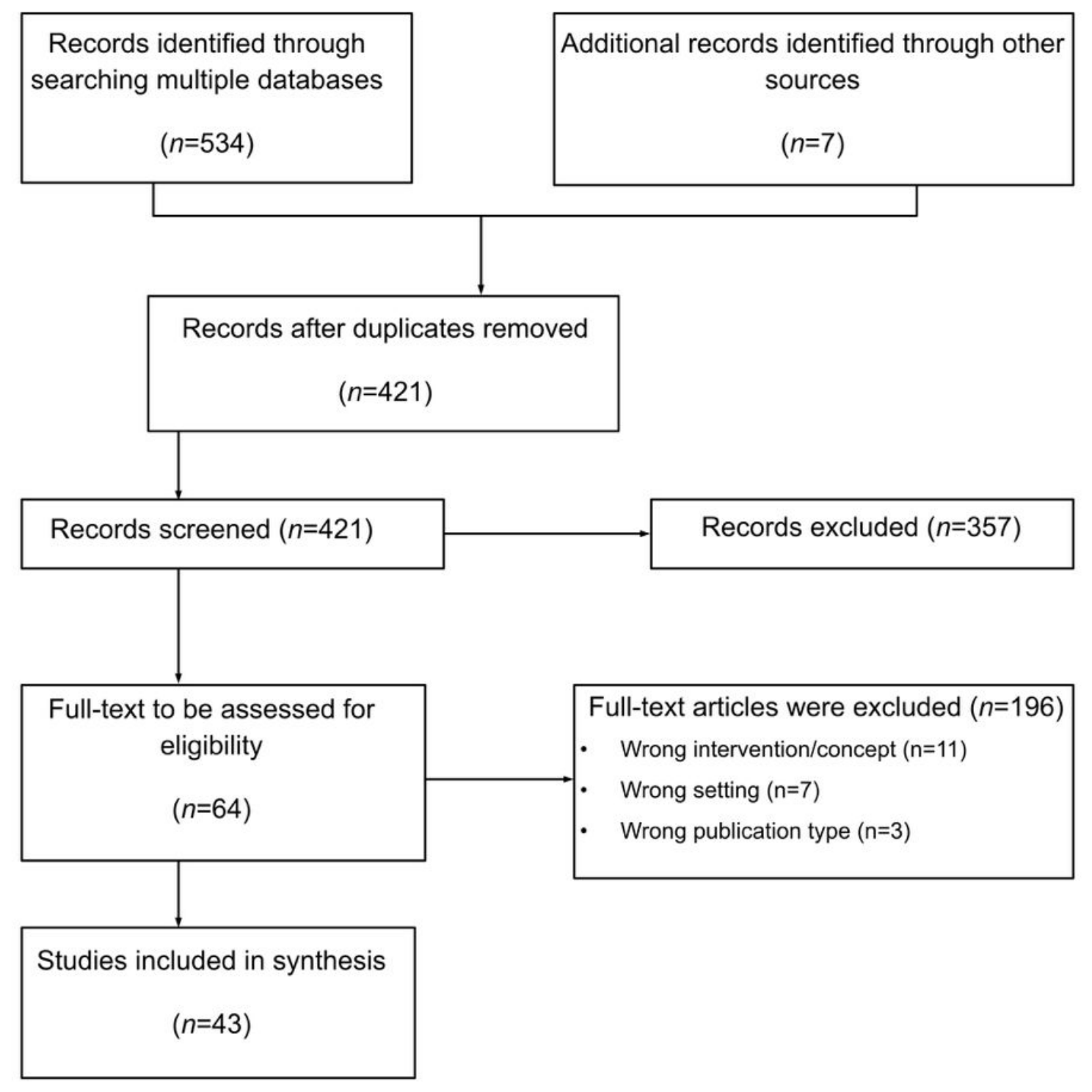
Figure 2.
Distribution of selected studies by country.
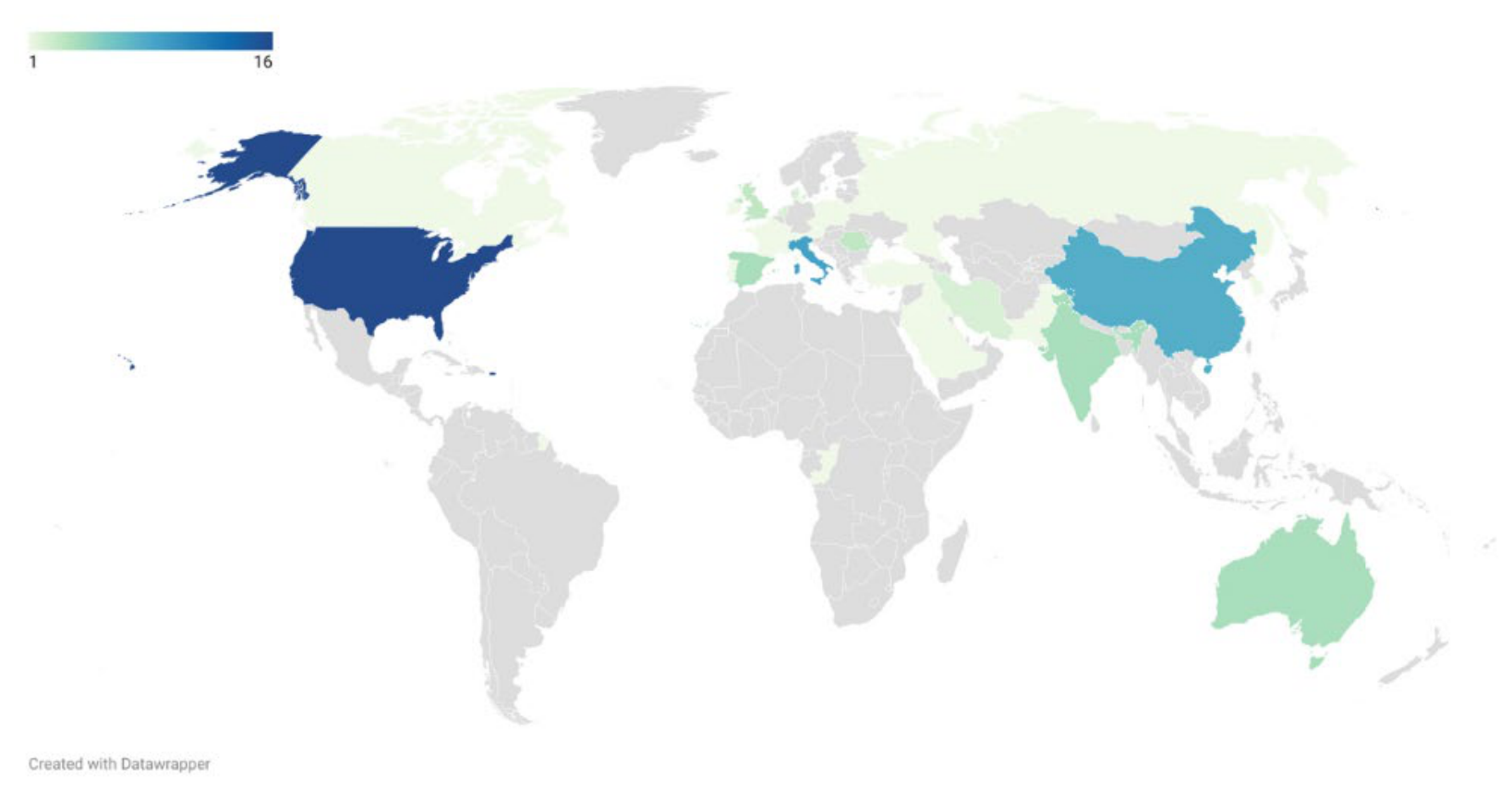
Figure 3.
Densometric Mapping of Scientific Evidence in ALS according to ICF Domains. The size of each bubble is proportional to the number of independent studies identified in the systematic review supporting each domain. Colours group the domains by functional systems. A saturation of evidence is observed in respiratory, motor, and nutritional functions, while critical domains such as the articulation of speech (b320) present a significant knowledge gap.
Figure 3.
Densometric Mapping of Scientific Evidence in ALS according to ICF Domains. The size of each bubble is proportional to the number of independent studies identified in the systematic review supporting each domain. Colours group the domains by functional systems. A saturation of evidence is observed in respiratory, motor, and nutritional functions, while critical domains such as the articulation of speech (b320) present a significant knowledge gap.
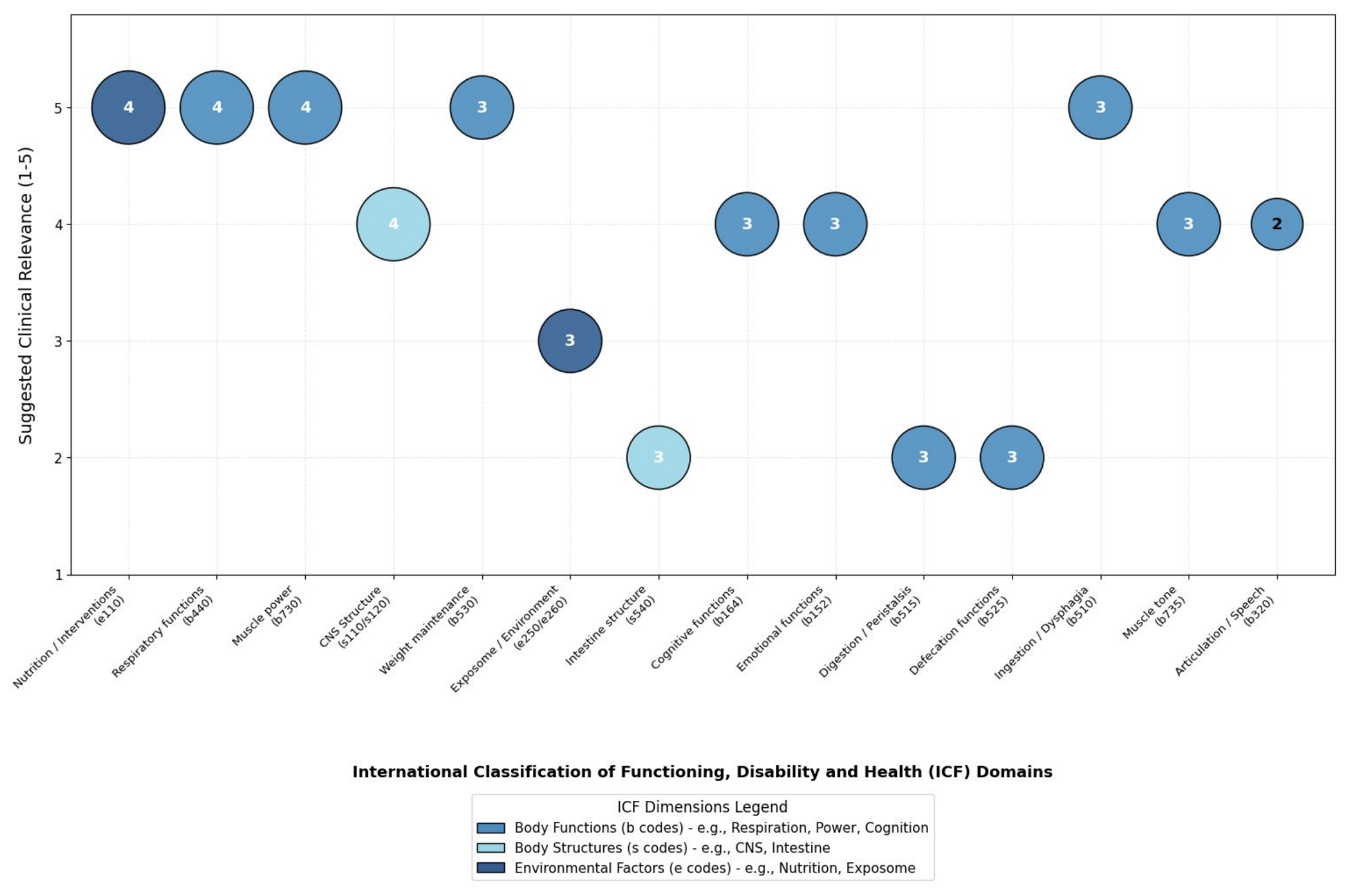
Table 1.
Breakdown of the research question according to the PCC framework.
| Population (P) | Concept (C) | Context (C) |
|---|---|---|
| Adult patients with Amyotrophic Lateral Sclerosis (ALS) | Interaction between the gut microbiota (composition and function) and emotional distress (anxiety and depression). | Clinical and home settings, including nutritional factors and oxidative stress. |
Table 2.
Primary Research Interests and Focus Areas by Geographical Region.
| Region/Country | Primary Research Focus and Key Contributions | References |
|---|---|---|
| United States | Advanced sequencing, exposome, and biomarkers: Pioneers in metagenomic sequencing (shotgun), multi-omic analysis (microbiome and lipidome), and environmental “exposome” research (toxins, BMAA). Innovative designs utilizing spouses as healthy controls. | [20,41,55,61] |
| Italy | Multicenter clinical trials and immunological profiling: Translational leadership with the FETR-ALS protocol (first controlled FMT trials). In-depth analysis of the neuroimmune axis (Treg cells) and ALS modulation through therapeutic diets (ketogenic). | [45,53,57] |
| China | Direct clinical application of Microbiota Transplantation: Rapid implementation of clinical trials and case reports evaluating FMT and Washed Microbiota Transplantation (WMT) in sporadic ALS, measuring the impact on functional scales (ALSFRS-R) and gastrointestinal symptomatology. | [42,71,80] |
| Spain | Bioactive molecules, SCFAs, and the enteric system: Characterization of short-chain fatty acids (SCFAs) in the early stages of the disease. Therapeutic modulation via polyphenols (curcumin, resveratrol) and their impact on intestinal neuroinflammation. | [46,51,54,70] |
| Australia | Preclinical animal models, pharmacokinetics, and epidemiology: Advanced studies in mice (SOD1G93A) regarding sex-dependent absorption barriers. Epidemiological research on smoking and the conceptualization of ALS as a sequential (“multi-step”) process. | [58,68] |
| Central and Eastern Europe (Romania, Poland, R. Czech Republic, Austria) | Therapeutic diets and clinical integration of the microbiome: Longitudinal studies evaluating the Mediterranean Diet and metabolites (SCFAs). Critical reviews of FMT clinical trials and the global impact of dysbiosis. | [49,56,64,65] |
| Middle East and South Asia (India, Iran, Jordan, Saudi Arabia) | Genetics, precision medicine, and regulatory barriers: Comprehensive reviews on emerging therapies, epigenetic factors, the use of probiotics/diets (ketogenic), and the analysis of cultural, ethical, and regulatory barriers to FMT. | [50,59,66,72] |
Table 3.
Summary of clinical and preclinical studies and reviews regarding the impact of gut microbiota and nutritional interventions on ALS.
Table 3.
Summary of clinical and preclinical studies and reviews regarding the impact of gut microbiota and nutritional interventions on ALS.
| Intervention Type/Design | References | Estimated Population/Sample Size | Key Characteristics | Main Findings at the Group Level |
|---|---|---|---|---|
| Clinical Trial (FMT) | [42] | 27 ALS patients (14 FMT, 13 placebo). | Fecal Microbiota Transplantation (FMT) from a healthy donor versus placebo (6 months). | FMT did not improve motor ALSFRS-R scores, but significantly improved non-motor symptoms (constipation, anxiety, depression) and increased Bifidobacterium levels. |
| Clinical Trial (Probiotics) | [45] | 100 participants (50 ALS, 50 controls). | Longitudinal probiotic supplementation. | Positive modulation of the microbiota and intergroup changes influencing the progression of impairment. |
| Longitudinal Study (Diet) | [47] | 84 participants (44 ALS, 40 controls). | 6-month Mediterranean Diet intervention and measurement of short-chain fatty acids (SCFAs). | The diet reduced plasma acetic and propanoic acid; acetic acid correlated with depression and fine motor dysfunction. |
| Clinical Protocol (FMT) | [43] | 42 planned patients. | FETR-ALS trial involving healthy fecal microbiota infusion versus placebo. | Protocol: Aims to evaluate whether ketosis reduces neuroinflammation without causing weight loss and malnutrition. |
| Clinical Protocol (Diet) | [45] | 25 planned ALS patients. | Normocaloric Ketogenic Diet for 8 weeks. | Protocol: Aims to evaluate whether ketosis reduces neuroinflammation without causing weight loss and malnutrition. |
| Observational/Microbiome | [11] | 40 participants (10 ALS, 10 spouses, 20 healthy). | Fecal analysis controlling for environment/diet by using partners as controls. | Higher alpha diversity in ALS patients, but with a marked deficiency of the protective Prevotella spp. |
| Observational/Multi-omics | [20] | 185 participants (75 ALS, 110 controls). | 16S sequencing and interaction with plasma lipid metabolome. | Decrease in butyrate-producing strains (Lachnospiraceae); strong correlation between bacteria and plasma lipid/acylcarnitine profiles. |
| Observational/Metagenomics | [41] | 139 participants (66 ALS, 61 healthy, 12 other pathologies). | Deep shotgun sequencing; evaluation of clinical variables and constipation. | Lower presence of butyrate-generating strains (Eubacterium rectale, Roseburia); correlation with chronic constipation. |
| Observational/Microbiome | [46] | 28 participants (16 recent ALS, 12 controls). | Recent symptom onset (<6–15 months), differentiating between bulbar and spinal phenotypes. | Early dysbiosis with increased Fusobacteria; microbiological changes restricted according to the ALS onset subtype. |
| Observational/Metabolomics | [84] | 40 participants (20 ALS, 20 controls). | 16S rRNA and stool metabolite chromatography. | Decrease in Firmicutes/Bacteroidetes ratio and intracellular metabolic alteration. |
| Mendelian Randomization | [85] | Large-scale genetic GWAS data (thousands of patients). | Bidirectional analysis between microbiota and lipid metabolomics. | Causal confirmation: microbiome alterations modify ALS risk using certain lipids as direct mediators. |
| Preclinical (Probiotic) | [90] | C. elegans nematode model (ALS). | Exposure to Enterococcus faecium. | Strong neuroprotection through the activation of the NHR-86 gene, mitigating reactive oxygen species (ROS) stress. |
| Reviews | [50,51,53,54,55,56,57,58,59,60,61,64,66,67,68,69,70,71,73,80,90] | Bibliographic consolidation and meta-analysis of thousands of human, in vivo, and in vitro cases. | Massive analysis of ALS pathogenesis linked to gut microbiome and integrative therapies. Focus on barrier dysfunction (leaky gut), neuro-systemic inflammation (mediated by LPS and cross-translocation), gut-brain axis modulation, and the direct impact of ALS hypermetabolism. Studies the effects of FMT, diets (Ketogenic/Mediterranean/Hypercaloric), SCFAs (butyrate), pro/prebiotics, and vitamins on patient prognosis and progression. | The reviewed literature unanimously agrees that ALS presents with a preclinical and symptomatic state of profound dysbiosis characterized by an increase in toxins and a loss of anti-inflammatory and neuroprotective butyrate-producing strains (e.g., Akkermansia, Prevotella, Roseburia). The resulting damage to the intestinal wall allows for the passage of pathogens and pro-oxidative molecules that induce neuroinflammation and motor neuron destruction. It is concluded that early holistic management combining nutritional interventions (antioxidants, polyphenols, hypercaloric diet) and direct restoration of the microbiota (probiotics or FMT) emerges as a promising complementary field (and imminent in clinical guidelines) to mitigate deterioration, oxidative stress, and substantially improve patient prognosis and quality of life. |
Table 4.
Distribution of studies according to WHO ICF codes.
| ICF Code | ICF Domain/Concept | Description of Involvement in ALS Articles | References |
|---|---|---|---|
| b730 | Muscle power functions | Progressive loss of strength, muscle weakness, and paralysis affecting the limbs and bulbar muscles. | [49,50,51] |
| b735 | Muscle tone functions | Emergence of spasticity, rigidity, hypertonia, and muscle fasciculations characteristic of neuronal degeneration. | [49,50,52] |
| b440 | Respiratory functions | Progressive respiratory failure and critical decrease in forced vital capacity (FVC), which constitutes the main cause of mortality. | [42,49] |
| b510 | Ingestion functions | Presence of dysphagia (severe difficulty swallowing) and sialorrhea (drooling) associated with the involvement of bulbar muscles. | [49,50,52] |
| b525 | Defecation functions | Severe chronic constipation (assessed with scales such as Wexner or CSS), often related to intestinal dysbiosis. | [41,42,56] |
| b515 | Digestive functions and peristalsis | General alteration of gastrointestinal function, including delayed gastric emptying, altered bile acid metabolism, and increased intestinal permeability (leaky gut). | [54,55,56] |
| b530 | Weight maintenance functions | Underlying hypermetabolic state, accelerated loss of body mass, and clinical malnutrition that predicts shorter survival. | [55,56] |
| b152 | Emotional functions | Presence of emotional instability, clinical signs of depression (Beck or HAMD scales), and anxiety that severely impact quality of life. | [42,49] |
| b164 | Higher-level cognitive functions | Cognitive impairment and behavioral alterations, with a demonstrated clinical and genetic overlap with Frontotemporal Dementia (FTD). | [46,58,59] |
| b320 | Articulation of speech functions | Dysarthria or severe speech problems caused by the bulbar onset of the disease. | [41,49] |
| s110/s120 | Structure of the brain and spinal cord | Direct cellular damage, atrophy, and degeneration of upper motor neurons (cerebral cortex) and lower motor neurons (spinal cord and brainstem). | [49,50,51] |
| s540 | Structure of the intestine | Damage at the level of the intestinal mucosa, alteration of Paneth cells, destruction of tight junctions (zonulin), and involvement of the Enteric Nervous System. | [53,55,56] |
| e110 | Products or substances for personal consumption | Key impact of nutrition and therapeutic dietary interventions (e.g., ketogenic diet, Mediterranean diet, pre/probiotics, FMT). | [45,47,55,57] |
| e250/e260 | Physical environment and Exposome | Exogenous risk conferred by historical patient exposure to heavy metals, environmental toxins (e.g., BMAA), pesticides, and electromagnetic radiation (exposome concept) | [51,60,61] |
Disclaimer/Publisher’s Note: The statements, opinions and data contained in all publications are solely those of the individual author(s) and contributor(s) and not of MDPI and/or the editor(s). MDPI and/or the editor(s) disclaim responsibility for any injury to people or property resulting from any ideas, methods, instructions or products referred to in the content. |
© 2026 by the authors. Licensee MDPI, Basel, Switzerland. This article is an open access article distributed under the terms and conditions of the Creative Commons Attribution (CC BY) license (http://creativecommons.org/licenses/by/4.0/).
Copyright: This open access article is published under a Creative Commons CC BY 4.0 license, which permit the free download, distribution, and reuse, provided that the author and preprint are cited in any reuse.


