

Submitted:
28 June 2026
Posted:
30 June 2026
You are already at the latest version
Abstract
Milk production in Europe is set at a high level; although a large share of milk is produced in industrial facilities in the valleys, mountain farms contribute a high‑quality portion of milk that is important for processing, while also helping to maintain settlement and cul-tivated mountain landscapes. In recent years, mountain farmers have been facing in-creasing challenges in maintaining production, among which damage caused by wildlife on grassland areas poses a major problem. This leads to a loss of forage volume, which in turn limits milk production, and in the context of declining milk purchase prices further worsens production conditions. The research presents the economic aspects of wildlife damage on grasslands and its impact on milk production, based on calculated production costs of forage and milk. It examines the production loss and its implications for the fi-nancial performance of a mountain farm, as well as the economic efficiency coefficient of milk production on such farms. A SWOT analysis outlines the key aspects of the damage. The study is supported by a Monte Carlo model. Based on the population dynamics of red deer, we additionally present the structure of damage as the population increases. The negative impact of red deer damage on milk production and consequently on the farm’s financial result increases with population growth, and even the presence of 10 individuals significantly affects the farm’s economic performance. The research provides a suitable basis for understanding the issue in agriculture and the impact of wildlife damage on milk production on grassland areas. It includes methods that allow for objective and rapid assessment of production loss and financial damage and serves as a foundation for ex-panding the analysis to larger areas with calculations for multiple farms. It is designed in a way that makes it applicable to any dairy‑oriented farm.
Keywords:
economic
; milk production
; wildlife
; income lass
; mountain farming
1. Introduction
Milk production is one of the central branches of European agriculture, contributing to food security, rural incomes and the stability of agricultural markets. Although the largest production volumes originate from more intensive lowland systems, dairy farming in mountain regions remains important because it combines food production with landscape maintenance, prevention of land abandonment and the preservation of settlement in less favoured areas [1,2].
Wildlife is increasingly recognised as an important pressure in grassland agroecosystems, with red deer (Cervus elaphus) and wild boar (Sus scrofa) among the most relevant species. Through grazing, browsing, rooting and trampling, these species reduce grassland biomass, damage the sward and alter plant composition, while repeated disturbance can also promote soil compaction, lower infiltration capacity and greater exposure to parasites or disease vectors. The recent increase in large herbivore populations in Europe has therefore intensified the pressure on agricultural land [3,4,5,6].
Such pressures are especially relevant in mountain farming systems, where milk production depends strongly on permanent grasslands, terrain relief, short vegetation periods and limited possibilities for mechanised management. Around 10% of EU milk production originates from mountain areas, while in Slovenia these areas account for about one quarter of national milk production; Slovenian milk production itself remains economically important, with around 609,000 tonnes produced in 2024 and about 7,900 holdings involved [7,8]. Because feed costs are a key component of dairy economics, any reduction in roughage availability can quickly affect production decisions and farm resilience [7].
Permanent grasslands provide the basic forage resource for dairy cattle and deliver wider ecosystem services, including biodiversity conservation, carbon storage, water regulation, erosion control, pollination and cultural landscape values [9,10]. Wildlife damage to these areas reduces both the quantity and quality of forage [11]. When the available forage no longer meets the energy and protein requirements of the herd, milk synthesis and metabolic efficiency decline, while nutritional stress may increase health risks [12,13].
From an economic perspective, wildlife damage affects farms through both cost and revenue channels. Lower roughage yields increase the need for purchased feed or force reductions in herd size; at the same time, reduced milk output lowers sales revenue and increases the unit cost of production. Transport costs, variable feed prices, and repeated damage further increase uncertainty [14,15]. Empirical studies show that deer grazing can cause substantial dry forage losses, with estimated additional costs of €182-344/ha depending on impact intensity [16].
Compensation systems may partly offset direct losses, but they often do not reflect indirect effects such as reduced milk production, additional labour, lower investment willingness or opportunity costs borne by the farm [17,18,19]. Although wildlife damage in agriculture has been widely studied, most work focuses on crop damage or wildlife population management. More detailed analyses that connect grassland damage, forage loss and the economics of milk production are still limited, particularly for mountain farms, where production systems are more sensitive and less adaptable [20,21].
Accordingly, the aim of this paper is to evaluate the impact of wildlife on the economics of milk production on a mountain farm. The analysis links grassland damage to forage availability, milk yield, production costs, and the economic efficiency coefficient. Using economic modelling and a classical cost-benefit analysis (CBA), the study compares a theoretical scenario without damage with the actual situation on a long-established dairy farm in the Pohorje region. The study is based on the assumption that wildlife affects milk production economics through several interrelated direct and indirect mechanisms. We assume:
- -
- As the number of wildlife (deer) increases, the value of damage to grassland areas increases in a statistically significant manner.
- -
- Reduced production of roughage affects livestock capacity, which consequently results in lower milk production.
- -
- Damage leads to a lower economic efficiency coefficient of milk production in mountainous areas.
2. Materials and Methods
2.1. Study Area and Description of the Production System
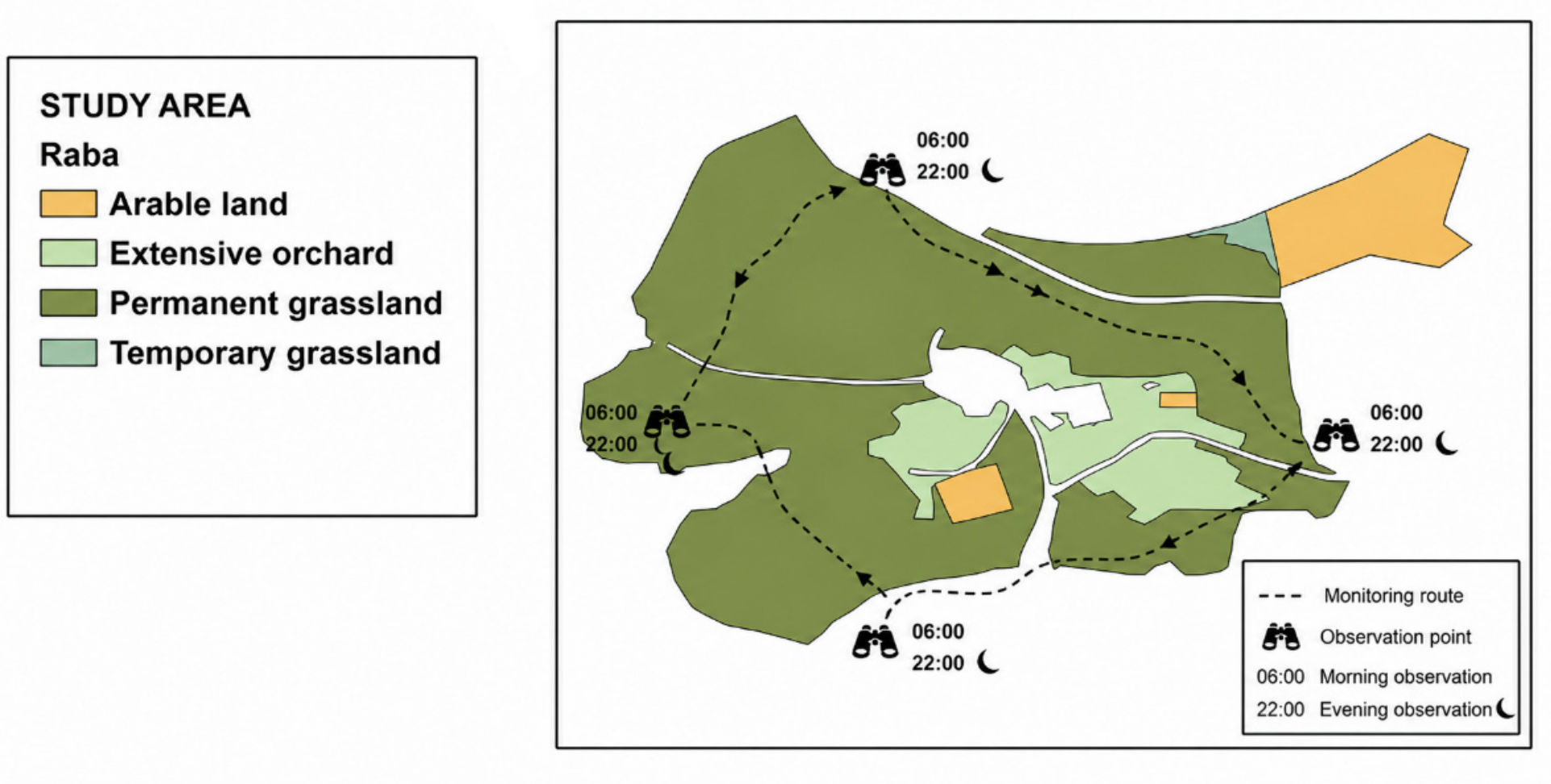
The study was conducted at the Kajžer farm, a mountain farm located at approximately 800 m above sea level on the northern slopes of the Pohorje region in northern Slovenia (46.57° N, 15.26° E; Figure 1). The first records of a celk (a farm whose land is consolidated into a single, continuous unit) date back to the year 1600, although such structures were established as early as the 11th century. In the study area, milk production has been carried out continuously for 56 years and represents 40% of the farm’s total income. The farm raises dairy cattle breeds for the purpose of milk production and sale for further processing. The average herd consists of 20 dairy cows and 15 heifers for herd replacement, with an annual milk output of 150,000 liters. Most of the roughage is produced on the farm, while purchased feed mainly consists of maize silage used to supplement the ration, along with feed additives. In the late 1970s, deer began appearing in the area; initially, their presence was barely noticeable. Over the years, the population gradually increased, but it was not until around 2020 that a sharp rise in the number of male deer was observed. During this period, the number of deer recorded on the grassland areas of the Kajžer farm never fell below 10 adult individuals and typically ranges between 8 and 12 animals per night. Due to the increasing population, the resulting loss of income, and what is perceived as inadequate management by the local hunting association, this study was undertaken to demonstrate the actual impact of deer-related damage on grassland areas and its effect on the economic efficiency of milk production in mountainous regions.
The agricultural area of the Kajžer mountain farm is dominated by permanent grassland, which reflects the importance of dairy production in the mountain farming system (Table 1). The parcels average 792 m above sea level and have an average slope of 14.4°, indicating relatively demanding terrain.
2.2. Data Collection
Data were collected on 13.16 hectares of permanent grasslands and orchard-meadow systems at the Kajžer farm. The deer population was monitored daily at 6 a.m. and 10 p.m. using night-vision equipment, ensuring that their behavior was not disturbed and that the surrounding environment remained unaffected. Based on the collected data, the modal number of deer individuals appearing on the grasslands was determined. Using data from the local hunting association on culling, the average live weight of a harvested deer was estimated at 250 kg, corresponding to 0.5 livestock units (LU). The economic data used in the analysis were obtained from the accounting records of the Kajžer farm (purchase prices, costs, and feed rations).
Figure 2.
Study area of Kajžer Farm showing land use categories and locations of morning (06:00) and evening (22:00) monitoring observations. Observation points represent daily monitoring surveys conducted using night-vision equipment without disturbing wildlife behaviour.
Figure 2.
Study area of Kajžer Farm showing land use categories and locations of morning (06:00) and evening (22:00) monitoring observations. Observation points represent daily monitoring surveys conducted using night-vision equipment without disturbing wildlife behaviour.
2.3. Simulation Model with Economic Evaluation
Based on own-cost calculations, the unit cost (UC) of fresh grass production on grasslands and the unit cost of milk production on a mountain farm for achieving 8,000 liters of milk per standard lactation were calculated. The unit cost is defined as the ratio of total costs (TC) to the quantity of output (Y).
These unit costs serve as the basis for a detailed breakdown of damage, presented separately, caused on permanent grasslands due to grazing and deep (winter) overgrazing/trampling, as well as the resulting loss of revenue from milk production. The impact on milk production is further substantiated in the analysis by incorporating the reduction in roughage production as an actual decrease in available feed for cattle, which is reflected in lower milk yield per animal. Based on economic parameters, the financial outcome of such production is presented, along with a comparison between production with and without subsidies, including the corresponding economic efficiency coefficient for milk production in mountainous areas.
For the purposes of the research, a simulation model was developed in Excel, based on a sequence of steps as shown in Figure 3.
The first phase involves entering basic farm data (land area, purchase prices, labor costs, machinery costs, annual quantities). Based on this input, unit costs are automatically calculated and then used in the calculation of revenues, costs, and damage. By entering the number of deer, the model automatically recalculates the quantities of grazed grass and the costs associated with deep (winter) overgrazing, which represents a loss of feed and the resulting reduction in milk production. This reduction is expressed both quantitatively (in liters) and in monetary terms (loss of revenue in €). The economic result, based primarily on income from milk sales, is burdened by general costs of crop production, livestock production costs, and the reduction in milk yield. Subsidies are not linked to production quantity but rather to land area and the number of animals; therefore, they bypass the production system and primarily influence the financial result. Finally, the model calculates the economic efficiency coefficient, defined as the ratio of total revenues to total costs. Two efficiency coefficients are calculated: one including subsidies as part of revenues, and one excluding them.
2.4. Financial Analysis
The financial analysis is based on the loss of revenue from milk sales due to a reduced quantity of milk sold, which results from lower milk production caused by deer-related damage to grassland areas. For the purposes of the study, two models were developed:
- -
- a theoretical model that does not account for damage under standard production conditions
- -
- an actual model that includes damage caused by deer on grasslands and the resulting loss of production
Both scenarios are simulated under actual conditions, based on purchase and selling prices from March 2026.
Using model data, a theoretical financial result is calculated for a farm specialized in milk production under standard conditions, which is then compared to the financial result of the model that includes damage. The difference is expressed in monetary terms (in €) and as a percentage loss of the financial result due to damage (lost potential or opportunity cost).
The economic efficiency coefficient is used to present the relationship between revenues and costs in milk production and how this relationship changes with increasing levels of damage. In addition, the role of subsidies is examined, highlighting their significance in influencing the economic efficiency coefficient.
2.5. SWOT Analysis
SWOT analysis is one of the most widely used analytical tools in the field of business studies. The main advantage of this type of analysis lies in its comprehensive perspective on a given topic, as it brings together in one place the key factors that may influence a particular issue, idea, strategic direction, or any other activity, thereby supporting strategic decision-making [22].
In a SWOT analysis, strengths and weaknesses are considered internal factors, while opportunities and threats are regarded as external factors. The key difference between internal and external factors is that internal factors can be adjusted or developed, whereas external factors cannot be directly influenced and therefore require adaptation. When examining specific characteristics, the analysis focuses on:
- Strengths – core competencies and strong points, including areas in which an organization has advantages over others and strategically important capabilities.
- Weaknesses – limitations and areas for improvement; these may be divided into weaknesses that must be addressed urgently, weaknesses that can be partially improved, and weaknesses that can realistically be disregarded.
- Opportunities – factors outside the internal framework that positively affect performance or are expected to create favorable conditions in the external environment in the future.
- Threats – low barriers to entry, strong competition, and uncertainty [22].
2.6. Monte Carlo Simulation System
Monte Carlo simulation was used to assess the impact of uncertainty related to deer-induced damage on the economics of milk production. This approach enables a comprehensive assessment of risk and uncertainty, which deterministic models cannot adequately capture. In this way, not just a single financial result is presented, but rather a range of possible outcomes depending on damage levels, market conditions, and potential favorable or unfavorable combinations within the production process. The following formula was used to calculate the financial result:
-
-
-
-
-
-
-
-
Feed loss is defined by the following equation:
-
-
-
-
-
-
-
3. Results
A review of the scientific literature indicates interactions between wildlife and livestock production at both indirect and direct levels, with these interactions resulting in ecological, production, and economic consequences. Most studies focus on the impact of large herbivores (deer) and wild boar on grassland ecosystems, with the most significant negative effects occurring in areas where agricultural production and high wildlife density strongly overlap. Our finding are confirned by previous research [25,26,27,28,29].
Research indicates that conflicting interests in areas with high wildlife density—primarily in higher-altitude (mountain) regions—significantly affect livestock farming, with damage increasing closer to forest edges. Particularly in mountainous areas, the potential purchase of feed to maintain production due to deer and other wild life damage represents a significant financial burden due to transport costs, if feed is even available at all. As a result of such losses, farms become more vulnerable to fluctuations in the prices of basic and consumable inputs, while competitiveness and motivation for farming also decline. Interactions between wildlife and livestock also pose epidemiological risks, increasing the likelihood of transmission of infectious diseases at the micro-local level, which represents an additional production risk.
The system for reporting and assessing damages does not capture all indirect losses resulting from the damage incurred; therefore, the actual damage is higher than the compensation paid. Additionally, problems arise in the assessment of primary damages due to a lack of knowledge and professional expertise in carrying out evaluations, which often leads to damages going unreported and consequently to an unrealistic picture of wildlife-related damage in a given environment.
Mountain farms, due to the combination of livestock production and wildlife habitat, are among the most exposed to damage, as a result of the strong overlap between these environments. Despite this, they have maintained their farming traditions for centuries and are traditionally oriented toward milk production. A particular challenge arises from limited farming opportunities, more difficult diversification of production, lower production intensity, reduced labor productivity, and an aging farming population. Nevertheless, any form of damage in these areas has a significant impact on the economic stability of agricultural holdings and already threatens their very existence.
Although this is certainly an issue affecting many farmers internationally, the literature suggests that it has not yet been recognized as causing significant economic losses, or that its full implications are not yet sufficiently acknowledged.
Figure 4 presents a schematic representation of the impact of wildlife on the economics of milk production on a mountain farm, highlighting the critical points that indirectly affect the final milk yield and, consequently, the financial result of milk production. Proposed responses and mitigation measures are also presented.
The study began with a theoretical assessment of milk production in a mountainous area, where the unit cost of pasture grass was calculated at €0.07 per kg of fresh matter. This cost is based on a higher share of manual labor for maintenance mowing, more demanding application of organic fertilizers, and the need for specialized machinery for work on sloping terrain. These findings confirm previously reported values, where the cost of pasture grass ranges between €0.05 and €0.08 per kilogram [25].
Animals graze for half of the year and are fed a winter ration in the barn during the remaining half. Based on this system, the calculated unit cost of milk production is €0.34 per liter, assuming a standard lactation period of 305 days and a total production of 8,000 liters per lactation. The ration consists of grass silage and hay produced on the farm, supplemented with purchased maize silage and concentrate feed. The purchase price of milk in March 2026 was €0.40 per liter. Compared to data from a study conducted in the Alpine region of South Tyrol, where the unit cost of milk production ranges between €0.40 and €0.50 per liter, it can be concluded that the conditions of this study at 800 meters above sea level are more favorable, resulting in a lower production cost. In the case of the cost levels reported in that study, the production cost would be equal to or even exceed the purchase price, implying economic unviability of milk production even without accounting for damage [26].
From the perspective of damage assessment, the modal value of the deer population was set at 10 individuals, which served as the basis for the entire model. The model is further supported by a dynamic population framework that incorporates varying deer densities and the corresponding economic impact of damage resulting from these population levels within the study area. An adult deer weighs on average 250 kg, which corresponds to 0.5 livestock units (LU). One livestock unit requires approximately 40 kg of fresh biomass per day. It was assumed that 60% of the daily feed requirement of deer is grazed on the farm’s grassland areas, while the remaining 40% is obtained from forests or forest edges (which also represents damage to the farm, although it is not directly linked to milk production and is accounted for under forest damage). Based on these assumptions, an adult deer consumes on average 12 kg of fresh grass per day, which is fully consistent with findings reported in hunting-related literature [27,28]. Over a 180-day vegetation period, this amounts to 2,160 kg of grass per adult deer. In financial terms, the grazing damage caused by a single deer corresponds to €150.57.
In the case of deep grazing and trampling, which occur during the dormancy period of grassland vegetation (from October to March), the main issue is intensive browsing of higher-quality grasses, leading to the destruction of growth points. Due to deep defoliation, plant tissues are more susceptible to frost damage, resulting in gaps within the grass sward. Furthermore, increased trampling pressure leads to mechanical damage of the grass cover, which requires restoration and reseeding prior to the start of the vegetation period. From the perspective of this type of damage, the cost per individual deer is estimated at €24.70, including both the restoration of the grass sward and the loss of yield during the first harvest following the damage [27,28,29].
Milk production in the theoretical scenario is based on a professionally formulated ration for dairy cows. For half of the year, cows are fed a winter ration in the barn, where the cost of the basic roughage ration amounts to €3.50 per animal per day, with an additional €1.79 per animal per day for concentrate feed and feed supplements. The expected milk yield is set at 27.40 liters per animal per day, resulting in a unit cost of milk from the winter ration of €0.19/l.
The annual ration is somewhat more expensive due to grazing on steep slopes, where mechanized farming is not possible. The basic ration amounts to €4.29 per animal per day, while supplementary feed and concentrates required to balance the ration reach €2.46 per animal per day. The expected milk yield is 26.28 liters per animal per day, resulting in a unit cost of €0.26/l in this case. The final unit cost of milk production, including additional operations, is €0.3368/l, which is consistent with studies for mountainous areas. An adult deer consumes 2,160 kg of fresh grass per season, which corresponds to 0.6 kg of fresh grass per grazing day for cattle. Based on this, it is estimated that milk production per cow is reduced by 11.9 liters during lactation due to insufficient grazing. At the herd level, this results in a loss of 238.13 liters of milk per grazing season, which represents a financial loss of €95.25 per animal per grazing season.
In the case of pasture yield loss due to deer grazing, a single deer consumes 2,160 kg of pasture grass over the entire season, which corresponds to €150.75. Adding the cost of damage caused by winter trampling (€24.70) and the additional loss due to reduced milk production (€95.25), the total damage caused by one deer amounts to €270.52. As a result, the financial outcome is reduced by 0.87% compared to the theoretical model.
Assuming that an average of 10 adult deer most frequently occupy the studied area, the total damage amounts (as presented in Table 1) to €1,505.74 due to grazing (21,600 kg of fresh grass), €246.98 due to damage during the plant dormancy phase, and €352.52 due to reduced cattle grazing and the resulting loss in milk production. The total damage caused by 10 deer is therefore calculated at €2,705.24. This damage reduces the financial result of milk production by 8.69% compared to the theoretical model. It also lowers the economic efficiency coefficient from 1.45 to 1.41 (including subsidies), while in the case without subsidies, the coefficient decreases from the theoretical 1.34 to 1.30. The results are consistent with the values reported in the study by Udovč, which estimates damage at €182–344 per hectare. When our calculated total damage (€2,705.24) is distributed across the total area (13 ha), the result is €208.10/ha, which falls within the range indicated by the study. We can therefore conclude that the results are consistent and that the damage estimation model is appropriately designed, enabling a realistic assessment of damage based on the number of wildlife individuals present in the given area.
Table 2. Results of the Economic Assessment Based on the Developed Simulation Model for Damage Estimation.
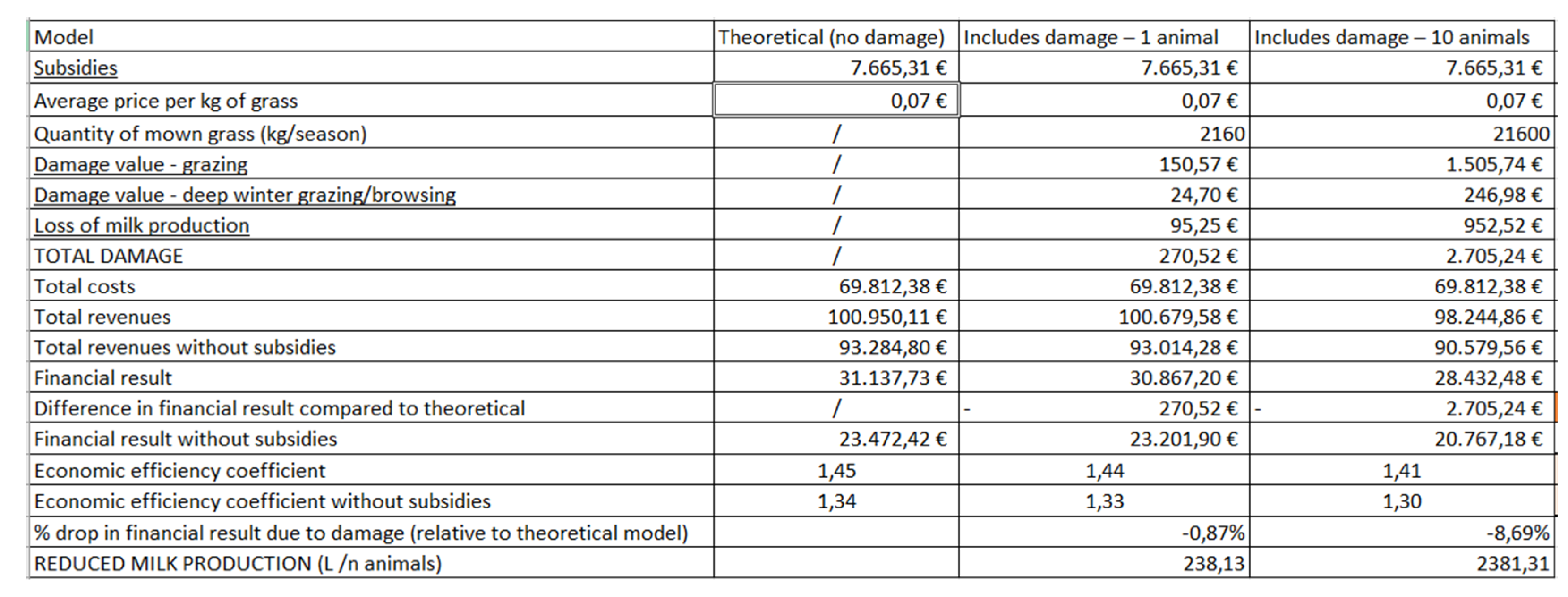
Figure 5 illustrates the increase in the value of damage with the growth of the wildlife population. Although a number of 20 individuals may seem high, under exponential population growth and in the absence of stakeholder action or proper damage reporting, this level can be reached relatively quickly. Consequently, the extent of damage, as well as its impact on milk production, would increase significantly.
The total damage caused by 20 individuals would amount to €5,410.48, which corresponds to the annual milk production of approximately one and a half animals. Such population levels could therefore begin to affect herd size, potentially leading to a gradual decline and eventual abandonment of already vulnerable mountain farming systems.
Monte Carlo simulation was applied to analyze the range of possible financial outcomes for the farm, taking into account uncertainty related to deer-induced damage as well as fluctuations in feed and milk prices. The simulation model enabled the estimation of a distribution of positive financial outcomes rather than a single deterministic value, thereby capturing the variability of economic conditions.
The simulation results show that most realizations are concentrated in the range of moderately positive financial outcomes, confirming the economic viability of basic milk production. The expected value of the financial result is close to the calculated outcome, indicating that the simulation realistically reflects average farm conditions. At the same time, the dispersion of results suggests that significant deviations from the average can also be expected. These findings are consistent with other studies based on damage estimation without monitoring, where the results are comparable in magnitude [30,31].
The cumulative distribution of financial results provides an additional probabilistic interpretation. The cumulative distribution curve shows a gradual increase in probability with higher financial results, meaning that lower positive outcomes are relatively common, while very high outcomes are less frequent. Such a distribution pattern is typical for systems where the final result is influenced by multiple random factors with varying levels of impact.
As shown in Figure 6, the right side of the distribution gradually flattens, indicating a limited but present potential for above-average favorable outcomes in cases of low deer-related damage and favorable market conditions. Conversely, the steeper initial part of the distribution highlights the sensitivity of the financial result to unfavorable combinations of biological and price-related factors.
The distribution of financial results with indicated quantiles illustrates the range of possible outcomes. The first quantile (25%) represents scenarios where most simulations achieve higher financial results. The median (50%) indicates the typical outcome of milk production under uncertain conditions, while the third quantile (75%) reflects the upper part of the distribution, corresponding to favorable combinations of low damage and advantageous market conditions. Such a representation allows for a better understanding of the relationship between risk and return compared to analyzing only the average value.
The results of the Monte Carlo simulation therefore confirm that deer-related damage does not only affect the average economic performance of milk production but, more importantly, increases uncertainty and the range of possible financial outcomes. This probabilistic approach provides deeper insight into both risks and opportunities in farm operations and represents an important complement to traditional analytical methods.
Within the SWOT analysis framework, several factors were identified that influence the functioning of the model and its impact on milk production in areas where livestock farming overlaps with wildlife habitats. The use of SWOT analysis is particularly valuable for facilitating the interpretation of factors that indirectly and directly affect the economics of milk production. Although these factors are often overlooked, our findings demonstrate that, in certain combinations, they can significantly influence the economic performance of milk production.

Table 3.
SWOT Analysis.
Strengths
|
Weaknesses
|
Opportunities
|
Threats
|
Therefore, our objective was to integrate deer-related damage on pastures with the resulting loss in milk production and present the findings in a clear and structured manner. The focus was placed on identifying strengths, weaknesses, opportunities, and threats within this interconnected sequence of factors included in the model, which significantly affect daily life in mountainous areas. Following the approach of studies that combine SWOT analysis with damage assessment [9,10,11,12,13,15,16,17,18,19,20,21,22,23,24,25,26,27], we developed a comprehensive overview of responses to both the model and the damage itself, based on the reviewed literature. The results indicate that the model is well designed and that its outcomes can be used as an argument in shaping guidelines and future wildlife management strategies., A limitation of the model is that it is based on data from a single farm; however, its structure is sufficiently flexible to allow application to other similar farms by adjusting the input parameters.
However, by comparing our findings with other studies [29,30,31,32,33,34], we demonstrate consistency in results, thereby increasing the broader relevance of the data. It is therefore reasonable to expect that the wider professional community, through the use of SWOT analysis, would better recognize the importance of such simulation approaches and be encouraged to address this issue more systematically. The problem is not limited to a national level but is present globally; however, no comparable simulation models have yet been developed that comprehensively capture wildlife damage and present it through its impact on the financial performance of milk production on a mountain farm.
4. Discussion
The results indicate that damage caused by a single deer does not represent a particularly large value that would threaten the functioning and development of a mountain farm; however, it does mark the beginning of an impact on the farm’s economics. As the population increases, the value of damage rises linearly, along with its influence on both production economics and the quantity of milk produced, while pasture productivity simultaneously declines.
Assuming that the damage at a population level of 10 individuals amounts to €2,705.24, this value exceeds the average monthly gross salary in Slovenia for March 2026 (which was €2,606.09). Of this, €952.52 is attributed to reduced milk production due to insufficient grazing. Although the animals have a higher production potential, they are unable to reach it, meaning that this can be interpreted as an opportunity cost resulting from wildlife activity on grassland areas, which directly affects milk production.
In addition to reducing forage quantity and quality, wildlife pressure may have broader implications for the provisioning, regulating, supporting, and cultural ecosystem services of permanent grasslands, as presented in Table 4.
The analysis is based on classical calculations of average values, while the Monte Carlo model enables the simulation to present a possible range of outcomes and the probabilities of given economic results. This is particularly important in our model, as it depends on several unpredictable variables, such as the intensity of grazing, trampling, fluctuations in milk prices, and the number of animals. The financial outcome of the farm is primarily determined by the combination of these factors. In rare cases, it may be high (when conditions are favorable) or very low (even negative) in the case of an unfavorable combination of all influencing factors.
Existing studies do not link wildlife-induced damage to reduced milk production and the resulting loss of farm income, particularly not in mountainous areas, where farmers are even more exposed to deer-related damage and where such regions are considered primary milk-producing areas. The relationship is based on two steps. First, the farmer must carry out all routine tasks on the grasslands, but the yield is reduced. In the second step, this is reflected in a lower intake of feed per animal, which leads to reduced milk production. This, in turn, affects farm income and ultimately the overall financial result.
Based on all the collected data, model results, and the SWOT analysis, we believe that these findings can serve as a valuable guideline for planning wildlife (deer) management at both the national and broader levels. Decision-makers may recognize not only the importance of ensuring the survival of mountain and other farms, but also the significance of preserving mountainous cultural landscapes and maintaining settlement in higher-altitude areas. These landscapes are primarily maintained by mountain farmers, enabling the general public to enjoy a well-managed natural environment. With increasing damage and consequently poorer financial results, we may expect an even greater abandonment of agricultural holdings in mountainous regions. This would lead to land overgrowth and the loss of cultural landscapes, which represent an important heritage and pride of every country.
Farmers can use the developed model to calculate the impact of deer on their financial results and present well-founded, professional arguments when reporting damage to hunting and governmental organizations responsible for wildlife-related damage. Hunting and other agricultural organizations can use the model and its simulations to establish a basis for wildlife management and to implement potential adjustments aimed at reducing damage, both at local levels and in broader problem areas.
Agricultural policy will need to focus on supporting farmers and preserving agricultural holdings, especially in dispersed mountainous areas where farmers cannot cultivate large areas due to demanding terrain. It will be necessary to reach a compromise between the desire to maintain this type of farming—with high-quality products originating from an unspoiled natural environment—and wildlife, which continuously interferes with the daily functioning of these farms, with the situation deteriorating over time. Possible measures include adapting wildlife management practices, introducing different incentives within environmental and climate policy measures, or developing alternative motivational approaches to support the continuation of farming in mountainous areas.
5. Conclusions
Based on the presented findings, we conclude that wildlife-induced damage on grassland areas is often assessed too superficially, while its indirect impacts are considerably more complex than they may appear at first glance and represent a significant economic factor. It may therefore be appropriate to develop comprehensive guidelines from both agronomic and agro-economic perspectives that would address the issue holistically. Such guidelines should be adopted by wildlife management planners, relevant ministries, and other stakeholders in order to safeguard overall agricultural production, particularly in these challenging and uncertain times.
The Monte Carlo approach demonstrates that, although the average financial outcome is positive, the presence of unpredictable factors introduces a non-negligible risk that the financial result may be significantly lower or even negative.
We believe that this study addresses a previously underexplored issue by establishing a link between wildlife-induced damage and milk production in mountainous areas. In doing so, it provides a foundation for further research by various stakeholders within their respective fields and contributes to the continued development of this topic toward a more comprehensive understanding and potential resolution of the problem.
Author Contributions
Conceptualization, I.P, Č.R. T.L. and K.P.; methodology I.P, Č.R. T.L. and K.P.; formal analysis, I.P, Č.R. T.L. and K.P.; investigation, I.P. and T.L.; resources, I.P. and T.L.; data curation, I.P. and T.L.; writing—original draft preparation, I.P.; writing—review and editing, I.P, Č.R. T.L. and K.P.; visualization, I.P. and T.L.; supervision, Č.R and K.P.; project administration, I.P. and K. P. All authors have read and agreed to the published version of the manuscript.
Funding
This research received no external funding.
Data Availability Statement
All the data generated or analysed during this study are available within the article or upon request from the corresponding author.
Acknowledgments
The author would like to thank their co-authors and supervisor for their valuable cooperation in the preparation of this scientific paper. During the preparation of this manuscript, the author used Copilot for the purposes of graphs, and translate. The authors have reviewed and edited the output and take full responsibility for the content of this publication.”.
Conflicts of Interest
The authors declare no conflicts of interest.
Abbreviations
The following abbreviations are used in this manuscript:
| LU | Livestock units |
| UC | Unit cost |
| TC | Total cost |
| Y | Output |
References
- Cozzi, G.; et al. The effects of wild ungulates on agricultural systems and management approaches. Ann. Fac. Med. Vet. Di Parma 2015, 35, 1–15. [Google Scholar]
- Nori, M.; et al. Managing rangelands: Impacts of wildlife grazing on pastoral systems. Pastoralism 2017, 7, 1–12. [Google Scholar]
- Mauri, L.; et al. Impact of wild ungulates on forest and pasture ecosystems in Europe. For. Ecol. Manag. 2020, 458, 117743. [Google Scholar]
- Wangchuk, S.; et al. Grazing patterns and forage utilization by wild ungulates in mountain ecosystems. Rangel. J. 2017, 39, 1–10. [Google Scholar]
- Gortázar, C.; et al. Wildlife-livestock interactions: Implications for ecosystem services and agricultural production. Sci. Total Environ. 2023, 857, 159416. [Google Scholar]
- Reimoser, F.; Putman, R. Impacts of wild ungulates on vegetation: costs and benefits. In Ungulate Management in Europe: Prob-lems and Practices; Putman, R., Apollonio, M., Andersen, R., Eds.; Cambridge University Press: Cambridge, UK, 2011; pp. 144–191. [Google Scholar]
- Republic of Slovenia; Government of the Republic of Slovenia. Cattle Farming, Milk and Dairy Products. Available online: https://www.gov.si/teme/govedoreja-mleko-in-mlecni-proizvodi/.
- Consulting, S.L.R. Ecosystem Services of Grasslands. SLR Consulting. 2023. Available online: https://www.slrconsulting.com.
- Wangchuk, K.; et al. Grazing Competition and Grassland Degradation in Mixed Livestock–Wildlife Systems. Rangel. Ecol. Manag. 2017, 70(5), 612–620. [Google Scholar]
- Elser, J. L.; Adams-Progar, A. L.; Steensma, K. M. M. Economic and Livestock Health Impacts of Birds on Dairies. PLoS ONE Available online. 2019, 14(9), e0222398. [Google Scholar] [CrossRef] [PubMed]
- Gortázar, C.; Díez-Delgado, I.; Barasona, J. A.; Vicente, J.; De la Fuente, J.; Boadella, M. The Coexistence of Wildlife and Livestock. Front. Vet. Sci. Available online. 2023, 10, 10873016. [Google Scholar] [CrossRef]
- McKee, J.; et al. Economic implications of forage loss in livestock production systems affected by wildlife. Agric. Econ. Rev. 2025, 46(2), 211–229. [Google Scholar]
- Mauri, L.; Masin, R.; Tarolli, P. Wildlife Impact on Cultivated Lands: A Multi-Temporal Spatial Analysis. Agric. Syst. Available online. 2020, 184, 102890. [Google Scholar] [CrossRef]
- Rondeau, D.; Bulte, E. H. Wildlife damage and agriculture: A dynamic analysis of compensation schemes. Ecol. Econ. 2007, 63(2–3), 376–389. [Google Scholar]
- Ren, Y.; et al. Agricultural investment behavior under wildlife-related production risks. J. Rural Stud. 2025, 102, 55–68. [Google Scholar]
- Li, X.; et al. Compensation systems and economic losses associated with wildlife damage in agriculture. Ecol. Econ. 2024, 218, 108056. [Google Scholar]
- Herrero, M.; Thornton, P. K.; Notenbaert, A. M.; Wood, S.; Msangi, S.; Freeman, H. A.; Bossio, D. Smart Investments in Sustainable Food Production: Revisiting Mixed Crop–Livestock Systems. Science Available online. 2010, 327(5967), 822–825. [Google Scholar] [CrossRef] [PubMed]
- Olaizola, A.; Bernués, A.; Blasco, I. Economic viability of mountain livestock systems. Agric. Syst. 2015, 135, 1–12. [Google Scholar] [CrossRef]
- Kos, B. SWOT analiza. Inhouse Consulting. Available online: https://inhouse-consulting.si/swot-analiza/.
- Kenton, W. Monte Carlo Simulation: What It Is, How It Works. Investopedia. 2026. Available online: https://www.investopedia.com.
- Martin, M. Uncertainty at the Farm-Level: Monte-Carlo Simulations for Farm Planning. U.S. International Trade Commission, 2020. Available online: https://www.usitc.gov.
- European Commission (EC). Grassland Ecosystems and Their Ecosystem Services. European Commission. 2014. Available online: https://ec.europa.eu/environment/nature/rbaps/grassland/index_en.htm.
- Consulting, S.L.R. Ecosystem Services of Grasslands. SLR Consulting. 2023. Available online: https://www.slrconsulting.com.
- McKee, S.; Shwiff, S. A.; Anderson, A. M. Estimation of Wildlife Damage from Federal Crop Insurance Data. Pest Manag. Sci. 2021, 77, 406–416. Available online: https://digitalcommons.unl.edu/icwdm_usdanwrc/2399/. [PubMed]
- Kühl, S.; Flach, L.; Gauly, M. Economic Assessment of Small-Scale Mountain Dairy Farms in South Tyrol Depending on Feed Intake and Breed. Ital. J. Anim. Sci. Available online. 2020, 19(1), 41–50. [Google Scholar] [CrossRef]
- Garrett, K.G.; Beck, M.R.; Froehlich, K.; Fleming, A.; Thompson, B.R.; Stevens, D.R.; Gregorini, P. A Comparison of Methods for Estimating Forage Intake, Digestibility, and Fecal Output in Red Deer (Cervus elaphus). J. Anim. Sci. 2020, 98(3). [Google Scholar] [CrossRef] [PubMed]
- Hofmann, R.R. Evolutionary Steps of Ecophysiological Adaptation and Diversification of Ruminants. Oecologia 1989, 78, 443–457. [Google Scholar] [CrossRef] [PubMed]
- Trdan, S.; Laznik, Ž.; Udov, A.; Bohinc, T.; Sinkovič, T.; Vidrih, M.; Jakovac Strajn, B.; Tav Kalcher, G. Quantitative and Qualitative Yield Loss Caused by Red Deer (Cervus elaphus L.) Grazing on Permanent Organic Grasslands. Acta Agric. Scand. Sect. B—Soil Plant Sci. 2024, 74(1), 2321847. [Google Scholar] [CrossRef]
- Hjermann, T.K.S.; Bilet, N.A.; Rivrud, I.M.; Meisingset, E.L.; Thorvaldsen, P.; Mysterud, A. Red deer grazing pressure on agricultural grass meadows from broad to local scale. Wildl. Biol. 2025, p. e01312. Available online: https://nsojournals.onlinelibrary.wiley.com/doi/epdf/10.1002/wlb3.01312.
- Trdan, S.; Laznik, Ž.; Udov, A.; Bohinc, T.; Sinkovič, T.; Vidrih, M.; Jakovac Strajn, B.; Tav Kalcher, G. Quantitative and qualitative yield loss caused by red deer (Cervus elaphus L.) grazing on permanent organic grasslands. Acta Agric. Scand. Sect. B Soil Plant Sci. 2024, 74, 2321847. Available online: https://www.tandfonline.com/doi/pdf/10.1080/09064710.2024.2321847. [CrossRef]
- Praznik, I. Economic Assessment of Deer Caused Damage in a Pole Stage Forest. Master’s Thesis, University of Maribor, Maribor, Slovenia, 2025. Available online: https://dk.um.si/IzpisGradiva.php?id=92974.
- Ramljak, L.M. Harmful Effects of Deer on Grasslands. Bachelor’s Thesis, University of Ljubljana, Ljubljana, Slovenia, 2022. Available online: https://repozitorij.uni-lj.si/IzpisGradiva.php?id=140949.
- Kuka, A.; Czyż, K.; Smoliński, J.; Cholewińska, P.; Wyrostek, A. The Interactions between Some Free-Ranging Animals and Agriculture—A Review. Agriculture 2022, 12, 628. [Google Scholar] [CrossRef]
- Trdan, S.; Vidrih, M. Quantifying the damage of red deer (Cervus elaphus) grazing on grassland production in south-eastern Slovenia. 2008. [Google Scholar] [PubMed]
- FAO. Grassland and Rangeland Management; Food and Agriculture Organization of the United Nations, 2015. [Google Scholar]
- Putman, R.; Apollonio, M.; Andersen, R. Ungulate Management in Europe. 2011. [Google Scholar] [CrossRef] [PubMed]
- Côté, S. D.; Rooney, T. P.; Tremblay, J. P.; Dussault, C.; Waller, D. M. Ecological impacts of deer overabundance. Annu. Rev. Ecol. Evol. Syst. 2004, 35, 113–147. [Google Scholar] [CrossRef]
- Allan, E.; Weisser, W. W.; Fischer, M.; et al. A comparison of the strength of biodiversity effects across multiple functions. Oecologia 2013, 173, 223–237. [Google Scholar] [CrossRef] [PubMed]
- Conant, R. T.; Paustian, K.; Elliott, E. T. Grassland management and conversion into grassland: effects on soil car-bon. Ecol. Appl. 2001, 11, 343–355. [Google Scholar]
- Ripple, W. J.; Beschta, R. L. Trophic cascades in Yellowstone: The first 15 years after wolf reintroduction. Biol. Conserv. 2012, 145, 205–213. [Google Scholar]
- Potts, S. G.; Biesmeijer, J. C.; Kremen, C.; et al. Global pollinator declines: trends, impacts and drivers. Trends Ecol. Evol. 2010, 25, 345–353. [Google Scholar] [CrossRef] [PubMed]
- Bhattarai, P. Threats on Grassland Ecosystem Services: A Case from Shuklaphanta Wildlife Reserve. Nepal J. Sci. Technol. 2012, 13(2), 159–166. [Google Scholar]
Figure 1.
Study area and land-use structure of the Kajžer mountain farm in northern Slovenia.
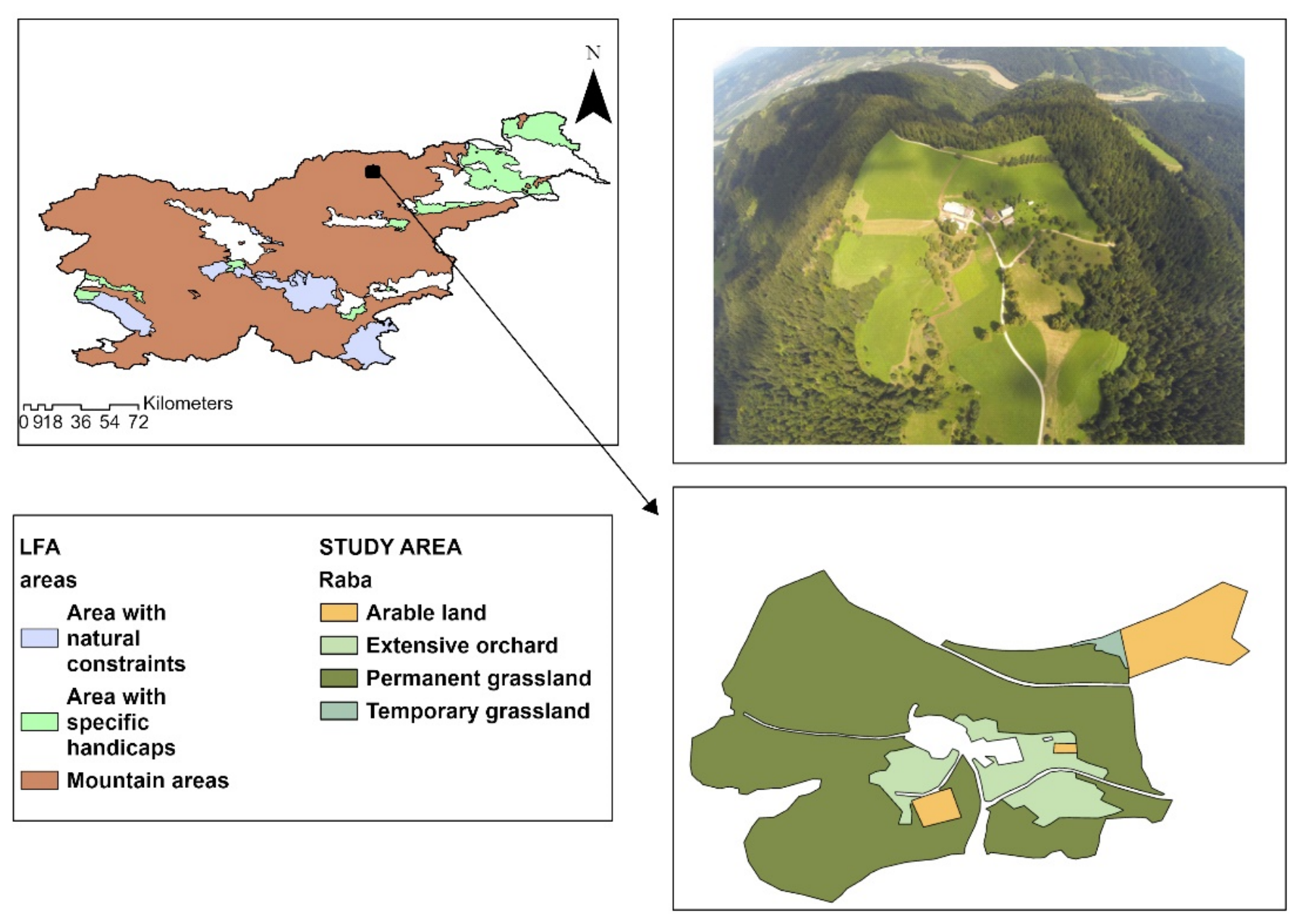
Figure 3.
Scheme of the Simulation Model for the Analyzed Case Study.
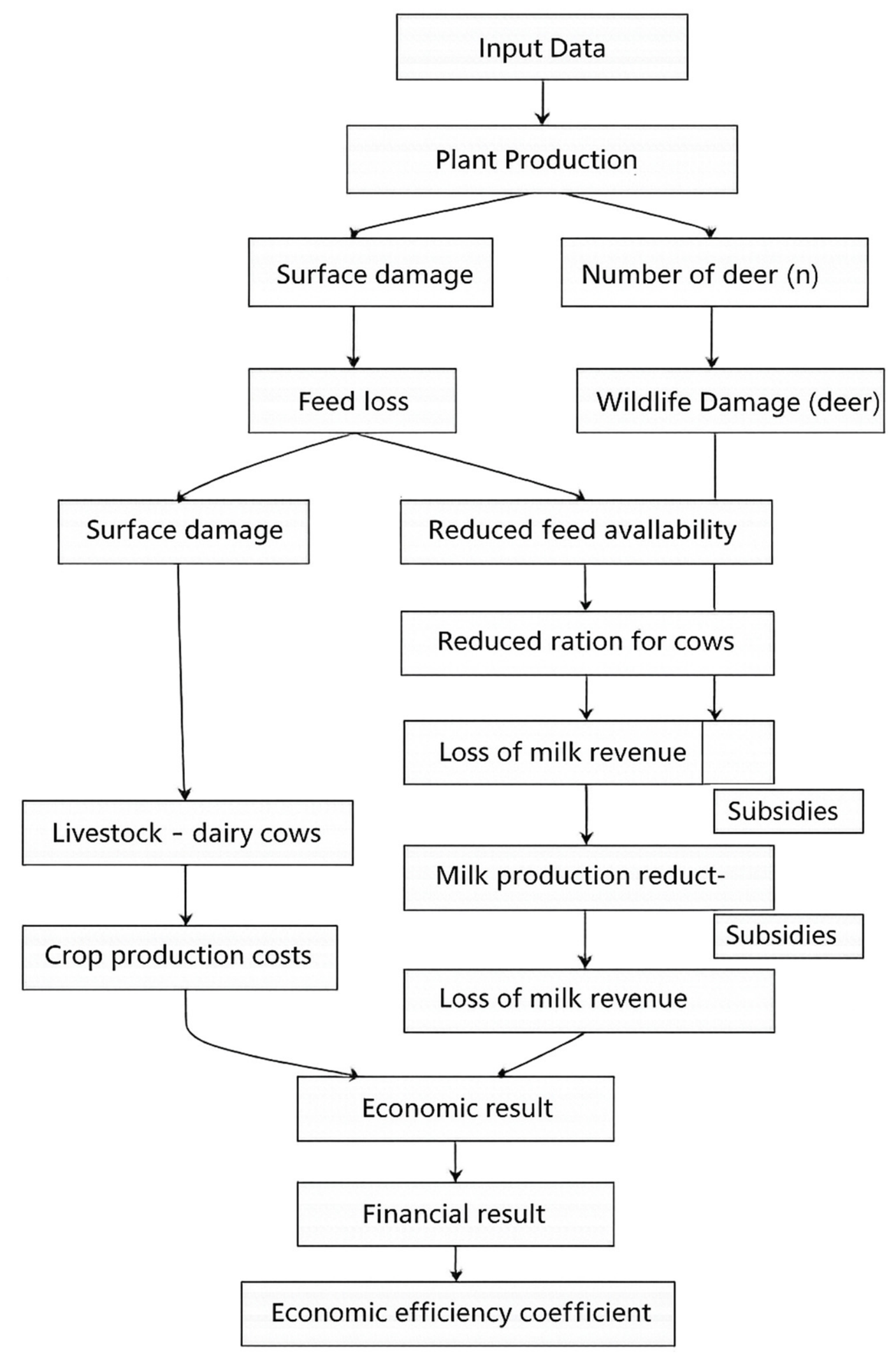
Figure 4.
Damage Scheme.
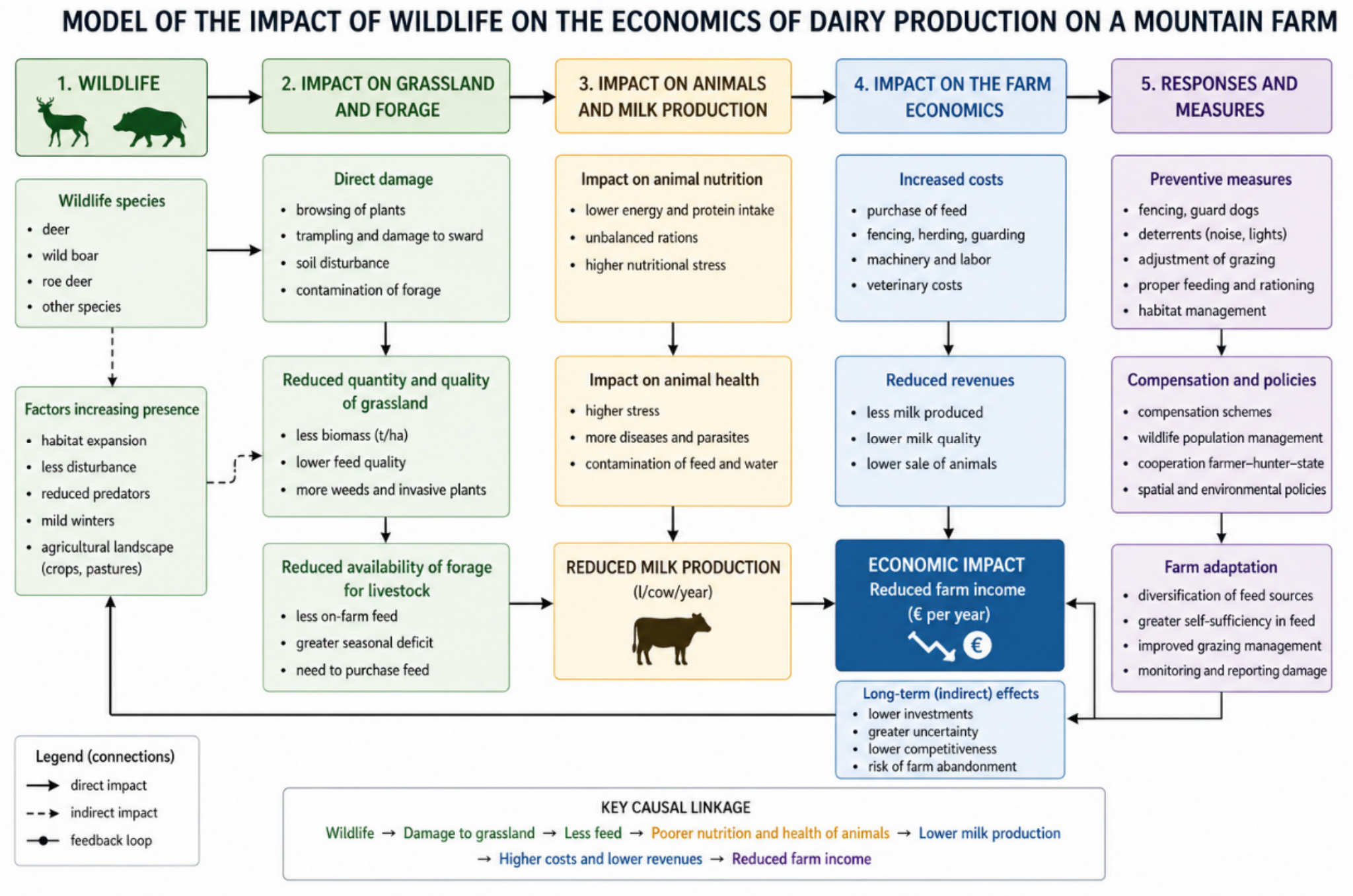
Figure 5.
Graph of Increasing Damage.
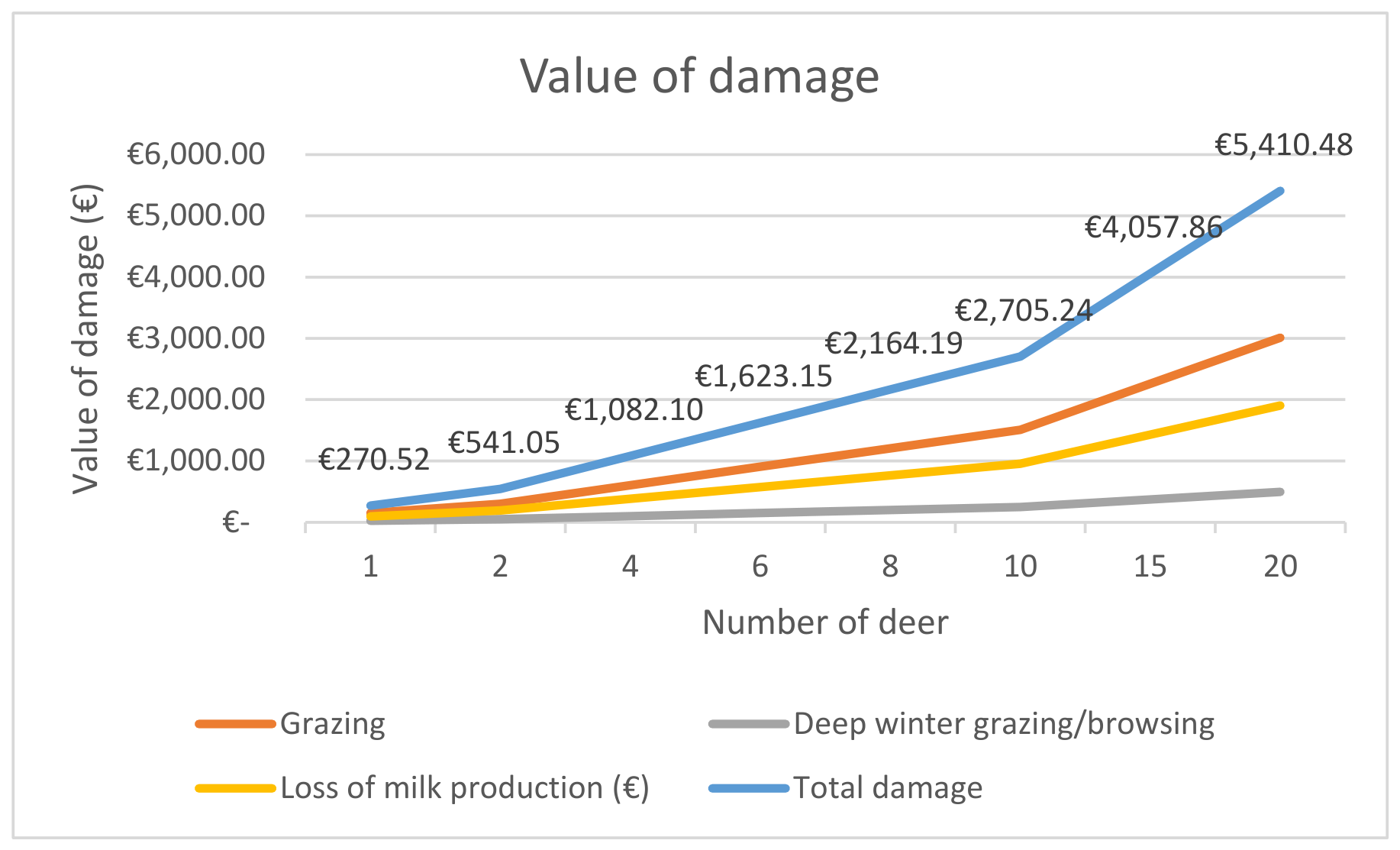
Figure 6.
Box plot.
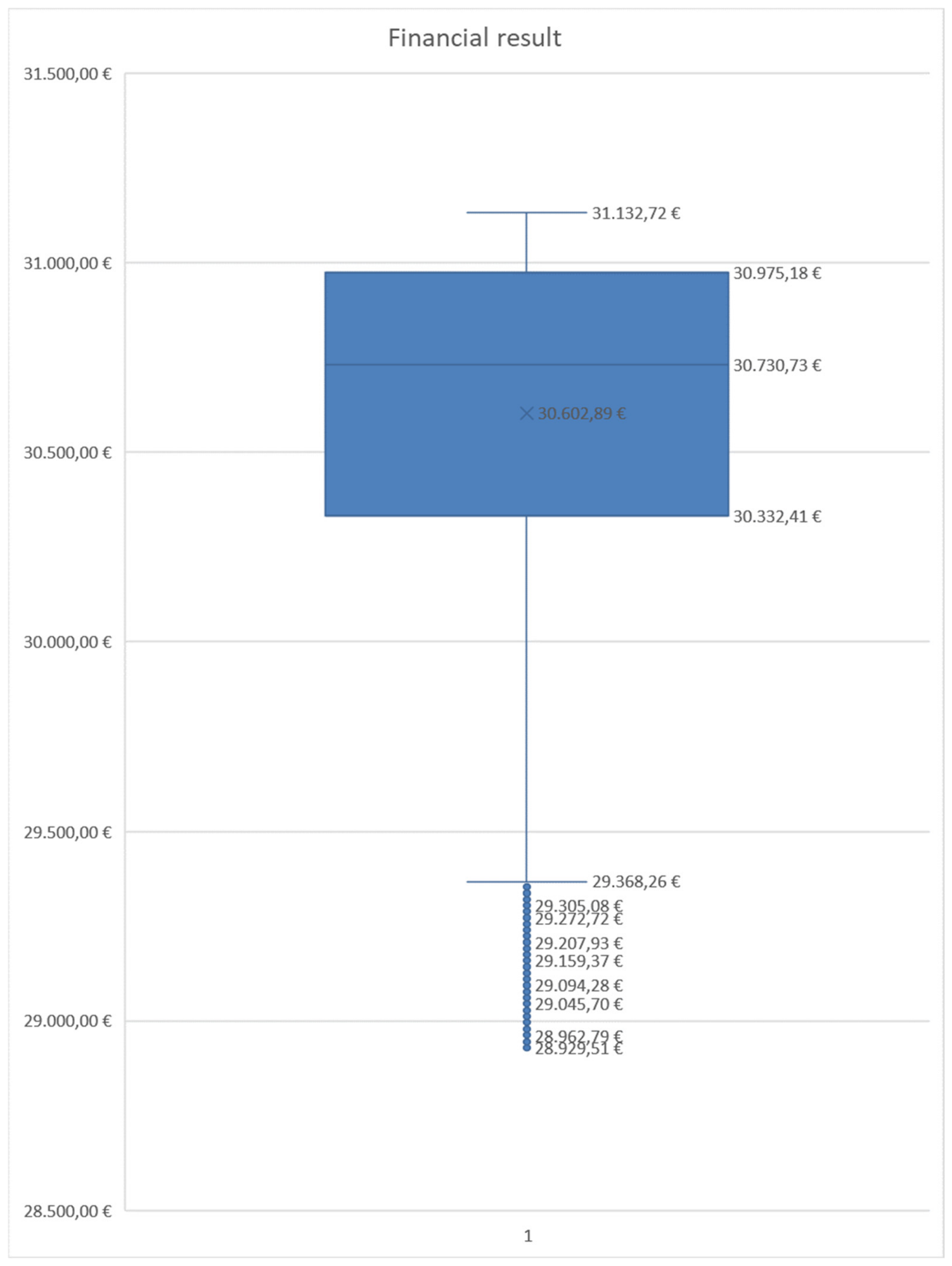
Table 1.
Land-use structure and topographic characteristics of agricultural parcels at the Kajžer mountain farm.
Table 1.
Land-use structure and topographic characteristics of agricultural parcels at the Kajžer mountain farm.
| Land use type | Area (ha) | Average elevation (m) | Average slope (°) |
| Permanent grassland | 0.94 | 770.6 | 22.3 |
| Permanent grassland | 9.6 | 781.9 | 14.9 |
| Permanent grassland | 0.71 | 814.3 | 9.3 |
| Arable land | 0.18 | 778.1 | 9 |
| Arable land | 0.03 | 791 | 13.2 |
| Extensive orchard | 0.66 | 790.4 | 16 |
| Extensive orchard | 0.47 | 779.4 | 12 |
| Extensive orchard | 0.53 | 768.3 | 23 |
| Arable land | 1.05 | 826.5 | 13 |
| Overgrown agricultural land | 0.1 | 819.5 | 11.7 |
Table 4.
Ecosystem services provided by permanent grasslands and the potential impacts of wildlife pressure.
Table 4.
Ecosystem services provided by permanent grasslands and the potential impacts of wildlife pressure.
| Ecosystem service category | Ecosystem service | Importance of grasslands | Potential impacts of wildlife pressure | Source |
| Provisioning services | Forage production | Production of hay, silage, and pasture biomass for livestock production | Grazing, trampling, and rooting reduce biomass yield and forage quality | [35,36,37] |
| Milk and meat production | Basis for dairy and livestock farming systems | Reduced feed availability may decrease animal productivity and farm income | ||
| Regulating services | Soil protection | Prevention of soil erosion and maintenance of soil structure | Mechanical damage and trampling increase soil compaction and erosion risk | [37,38,39,40] |
| Water regulation | Water retention and infiltration capacity of grasslands | Disturbed vegetation cover may reduce infiltration and increase runoff | ||
| Carbon sequestration | Storage of carbon in vegetation and soils | Vegetation degradation may reduce carbon storage capacity | ||
| Supporting services | Biodiversity conservation | Habitat for numerous plant and animal species | Intensive grazing pressure may alter floristic composition and habitat quality | [38,39,40,41] |
| Pollination support | Habitat and food source for pollinators | Reduced plant diversity may negatively affect pollinator communities | ||
| Nutrient cycling | Maintenance of ecosystem productivity and soil fertility | Soil disturbance may influence nutrient dynamics and regeneration processes | ||
| Cultural services | Landscape and recreation | Preservation of traditional rural landscapes and tourism potential | Visible wildlife damage may reduce aesthetic and recreational value | [37,38,42] |
| Cultural heritage | Maintenance of traditional grassland management systems | Long-term degradation may threaten traditional agricultural landscapes |
Disclaimer/Publisher’s Note: The statements, opinions and data contained in all publications are solely those of the individual author(s) and contributor(s) and not of MDPI and/or the editor(s). MDPI and/or the editor(s) disclaim responsibility for any injury to people or property resulting from any ideas, methods, instructions or products referred to in the content. |
© 2026 by the authors. Licensee MDPI, Basel, Switzerland. This article is an open access article distributed under the terms and conditions of the Creative Commons Attribution (CC BY) license.
Copyright: This open access article is published under a Creative Commons CC BY 4.0 license, which permit the free download, distribution, and reuse, provided that the author and preprint are cited in any reuse.


