
Submitted:
27 June 2026
Posted:
30 June 2026
You are already at the latest version
Abstract
Ovarian cancer is one of the most lethal gynecological diseases owing to its poor prognosis and lack of clear symptoms. Cisplatin is commonly used as the primary chemotherapeutic drug for ovarian cancer. However, chemoresistance to cisplatin in advanced ovarian cancer is a major factor contributing to chemotherapy failure. Pyruvate kinase M2 (PKM2) is significantly upregulated in ovarian cancer tissues, thereby contributing to cisplatin resistance. Despite this, its therapeutic role remains unclear. This study aimed to evaluate whether shikonin and compound 3K, PKM2 inhibitor, could enhance anticancer effects in cisplatin-resistant ovarian cancer SKOV-3 cells by regulating autophagic pathways. Cytotoxicity assays using MTT and colony formation assays demonstrated that shikonin or compound 3K treatment significantly reduced PKM2 expression in SKOV-3 cells. Shikonin and compound 3K inhibited PKM2-mediated glycolysis and induced autophagic cell death in cisplatin-resistant ovarian cancer cells, resulting in significant suppression of cell proliferation and survival. Additionally, Shikonin and compound 3K treatment suppressed PKM2-mediated glycolysis and induced autophagic cell death in cisplatin-resistant ovarian cancer cells, as evidenced by increased LC3-II expression, autophagosome formation, and reduced cell viability. These findings strongly suggest that PKM2 overexpression plays a key role in cisplatin resistance in ovarian cancer. Thus, PKM2 inhibitors use may be a highly effective strategy for overcoming chemoresistance and improving outcomes in patients with advanced ovarian cancer.
Keywords:
shikonin
; pyruvate kinase M2
; cisplatin resistance
; ovarian cancer
; glycolysis pathway
1. Introduction
Ovarian cancer is often referred to as a silent killer because of the difficulties in early diagnosis and treatment. According to the latest estimates from the American Cancer Society, approximately 2,114,850 new cancer cases and 626,140 cancer-related deaths are expected to occur in the United States in 2026, underscoring the persistent global burden of cancer despite significant advances in diagnosis and treatment [1]. The symptoms of ovarian cancer, including abdominal bloating, indigestion, and lower abdominal pain, are often mistaken for non-cancer-related issues [2]. Consequently, ovarian cancer is typically diagnosed at advanced stages (stage 3 or 4). Studies have shown that the survival rate is significantly lower when ovarian cancer is diagnosed at advanced stages than at earlier stages 1 and 2 [3].
Although ovarian cancer is not as prevalent as other cancers, its high mortality rate underscores the importance of research focusing on effective diagnosis and treatment. In addition to cytoreductive surgery and platinum-based chemotherapy, poly (ADP-ribose) polymerase (PARP) inhibitors have emerged as an important therapeutic strategy for ovarian cancer. In particular, patients with BRCA mutations or homologous recombination deficiency derive substantial clinical benefit from PARP inhibitor therapy, with significant improvements in progression-free survival and outcomes during maintenance treatment [4,5]. Currently, a combination of pharmacological therapy with paclitaxel and carboplatin is the standard treatment approach [6]. However, a significant challenge in treatment is the development of drug resistance, particularly when ovarian cancer progresses and patients continue to be exposed to platinum-based drugs [7,8]. To increase anticancer efficacy, long-term administration at high concentrations is one potential strategy [9,10]. However, this approach often leads to side effects, including kidney toxicity and gastrointestinal issues. Therefore, research has focused on enhancing the anticancer effects of these chemotherapeutic drugs without increasing their concentrations [11]. Cisplatin is typically used as the primary drug for treating patients with ovarian cancer. It interacts with nucleophilic components, such as ribosomal RNA, spliceosomes, and telomerase, accumulating not only in the nucleus but also in the mitochondria, cell membrane, and endoplasmic reticulum [12,13]. This accumulation disrupts the double-helical DNA structure, causing DNA damage, inhibiting DNA replication, and inducing G2 phase cell cycle arrest, ultimately leading to apoptosis [14].
Pyruvate kinase M2 (PKM2), a key regulator of cellular metabolism, is involved in the final step of glycolysis where it converts phosphoenolpyruvate into pyruvate [15,16]. PKM2 exists in two forms: a dimer and a tetramer, with the tetramer being the active form. In its dimeric form, PKM2 regulates the rate-limiting step of glycolysis, shifting glucose metabolism from the normal oxidative phosphorylation pathway to lactate production, which is a hallmark of tumor metabolism [16]. Therefore, a potent and selective PKM2 inhibitor was designed to directly target overexpressed PKM2. Previous studies have demonstrated that modulation of the AKT/AMPK/mTOR signaling pathway plays a critical role in the regulation of autophagy and cellular metabolism in cancer cells, thereby contributing to the antitumor effects of metabolic-targeting agents [17]. Shikonin, a natural product derived from the roots of the perennial herb Lithospermum erythrorhizon, possesses wound-healing, antibacterial, anti-inflammatory, and antitumor properties [18,19,20]. Extensive research on shikonin has explored its potential as an anticancer agent, with its mechanism of action linked to multiple pathways involved in targeting the PI3K/AKT signaling pathway [21,22]. The SKOV-3 ovarian cancer cell line used in this study. SKOV-3 cells are a cisplatin-resistant ovarian cancer cell line characterized by the absence of functional p53 expression (p53-null phenotype), making them a useful model for investigating therapeutic strategies against treatment-resistant ovarian cancer [23,24]. Several approaches have been explored to overcome cisplatin resistance in ovarian cancer, including combination therapies with targeted agents, regulation of apoptosis and autophagy pathways, and inhibition of metabolic reprogramming such as PKM2-mediated glycolysis. These strategies aim to restore chemosensitivity and improve treatment outcomes [25,26]. Given the enhanced anticancer effects observed following combined treatment with cisplatin and PKM2 inhibitors, we next investigated whether these effects were associated with changes in cellular migratory capacity.
2. Results
2.1. Targeting PKM2 Inhibition Effectively Reduced SKOV-3 Cell Proliferation
The chemical structures of compound 3k and shikonin are shown in Figure 1A,B. In this study, compound 3K was used as a positive PKM2 inhibitor. Upon entry into the cells, cisplatin is hydrated and becomes positively charged (Figure 1C). This activated form binds to purine bases in DNA, forming DNA adducts that interfere with DNA replication and transcription, ultimately leading to cell death.
To evaluate the effectiveness of targeting PKM2 in SKOV-3 cells (Figure 1D), PKM2 expression levels were assessed in various ovarian cancer cell lines. In addition to SKOV-3, PKM2 expression levels were analyzed in other ovarian cancer cell lines, including TOV-21G, CAOV-3, and OVCAR-3, using western blotting (Figure 2A). Data presents a bar graph quantifying the band intensities. The results indicated that PKM2 expression was the highest in SKOV-3 cells, followed by those in TOV-21G, CAOV-3, and OVCAR-3 cells, respectively. PKM2 expression was elevated in SKOV-3 cells, suggesting a potential association between PKM2 expression and the biological characteristics of these cells. However, protein expression alone does not establish a causal role in cell growth (Figure 2B). Targeting PKM2 in SKOV-3 cells may enhance sensitivity to anticancer drugs.
2.2. Cytotoxicity of PKM2 Inhibitors in Cisplatin-Resistant SKOV-3 Cells
To confirm cisplatin resistance in the ovarian cancer cell line SKOV-3, PKM2 expression was elevated in SKOV-3 cells, suggesting a potential association between PKM2 expression and the biological characteristics of these cells. However, protein expression alone does not establish a causal role in cell growth. The IC50 values for SKOV-3 and OVCAR-3 were 56.84 and 15.97 μM, respectively, indicating that SKOV-3, representing advanced-stage ovarian cancer, is more resistant to cisplatin than OVCAR-3 (Figure 3A and B). Based on these cell viability results, 20 μM cisplatin was selected for subsequent experiments.
To assess the cytotoxicity of compound 3 K, SKOV-3 cells were treated for 24 h (Figure 3C). Figure 3D shows the results of combination treatment of compound 3 K with cisplatin. No significant changes were observed with 10 μM compound 3 K as a single treatment. As shown in Figure 3C and D, a statistically significant reduction in cell viability of approximately 20% was first observed at 10 μM, indicating the threshold concentration at which measurable cytotoxic effects became apparent. The combination treatment displayed a dose-dependent reduction in cell viability, particularly at 10 μM compound 3K, where its combination with cisplatin enhanced its effect in SK-OV-3 cells. To directly evaluate cisplatin sensitization, cell viability following treatment with cisplatin alone was compared with viability following combined treatment with cisplatin and PKM2 inhibitors at each cisplatin concentration. Both shikonin and Compound 3K significantly enhanced the cytotoxic effects of cisplatin, supporting a role for PKM2 inhibition in overcoming cisplatin resistance in SKOV-3 cells. Figure 3E and F show the cell viability results after treatment with varying shikonin concentrations and combination treatment with cisplatin. Similar to compound 3K, combination treatment with shikonin and cisplatin showed more effective anticancer activity in SKOV-3 cells than single treatments.
2.3. Cisplatin Treatment with PKM2 Inhibitors Induces Apoptosis in SKOV-3 Cells
The rate of apoptotic cell death following the combination treatment was assessed using Annexin V–FITC/PI staining and flow cytometry. After the drug treatment, significant morphological changes were observed in the cells. Compared with the single-treatment groups, treatment with PKM2 inhibitors resulted in a marked reduction in cell density and confluency, accompanied by an increase in detached and rounded cells, indicating decreased cell viability (Figure 4A). Apoptosis was further analyzed using flow cytometry following treatment with PKM2 inhibitors and cisplatin (Figure 4B and 4C). The highest-dose combination of PKM2 inhibitors and cisplatin resulted in a statistically significant increase in the apoptotic cell population compared with the control group. However, the magnitude of apoptosis induction was relatively modest, suggesting that apoptosis contributes only partially to the anticancer effects of the PKM2 inhibitor–cisplatin combination. Therefore, additional cell death mechanisms are likely involved in mediating the overall therapeutic response. The bar graphs in Figure 4D and 4E summarize the percentages of early and late apoptotic cell death. Compared with the rate observed in single treatments, the combination of PKM2 inhibitors and cisplatin significantly increased the rate of apoptotic cell death.
2.4. Combination Treatment with PKM2 Inhibitors and Cisplatin Induces Cell Cycle G2/M Phase Arrest
Cell cycle analysis was conducted to examine drug treatment-induced cell cycle arrest. Histograms analyzed by flow cytometry showed a G2/M phase arrest (Figure 5A). The bar graphs display the proportion of cells in the G1, S, and G2/M phases, with the combination treatment groups indicated by the slashed bars. Compounds 3 K and shikonin induced G2/M phase arrest in both single and combination treatment groups (Figure 5B). Combination treatment with cisplatin and PKM2 inhibitors resulted in an increase in the G2/M cell population compared with individual treatments; however, the magnitude of this effect was modest and should be interpreted cautiously (Figure 5C and 5D). This suggests that PKM2 inhibition enhances the anticancer activity of cisplatin by promoting a higher level of cell cycle arrest.
2.5. Effect of Cisplatin and PKM2 Inhibitors on SKOV-3 Cell Metastasis
To assess the impact of PKM2 inhibitors and cisplatin on SKOV-3 cell migration, a cell migration assay was conducted. Cells were seeded in a 96-well plate, scratched to create a wound, and cell migration was monitored under a microscope. The results showed that the cell migration rate was significantly lower in the combination treatment of compound 3K and shikonin than in the single-drug treatment group (Figure 6A and B). The graph illustrates the wound closure area as a percentage of the total scratch area, with 100% indicating complete wound closure. When observed at 12-h intervals over 24 h, the control group exhibited complete closure (100%), while the highest concentration group showed approximately 50% closure. This indicated a significant reduction in cell migration ability in the combination treatment group, demonstrating the enhanced effect of PKM2 inhibitors in combination with cisplatin (Figure 6C and D).
2.6. PKM2 Inhibitors Regulate the Autophagy Pathway in SKOV-3 Cells
An acridine orange fluorescence staining assay was performed to assess autophagic cell death induced by compound 3K and shikonin. Autophagosomes, which are acidic vacuoles, were stained with orange fluorescence. Shikonin or compound 3K in combination with cisplatin was used to evaluate autophagosome formation in SKOV-3 cells (Figure 7A and B). The combination treatment group showed more autophagosomes than the single treatment group. Both shikonin and compound 3K induced autophagic responses in SKOV-3 cells. Quantitative analysis demonstrated a significant increase in autophagic markers and autophagosome formation following treatment with either compound, supporting the interpretation presented in the revised manuscript.
2.7. PKM2 Inhibition Influences Glycolytic Functional Stress, as Assessed by ECAR Measurements
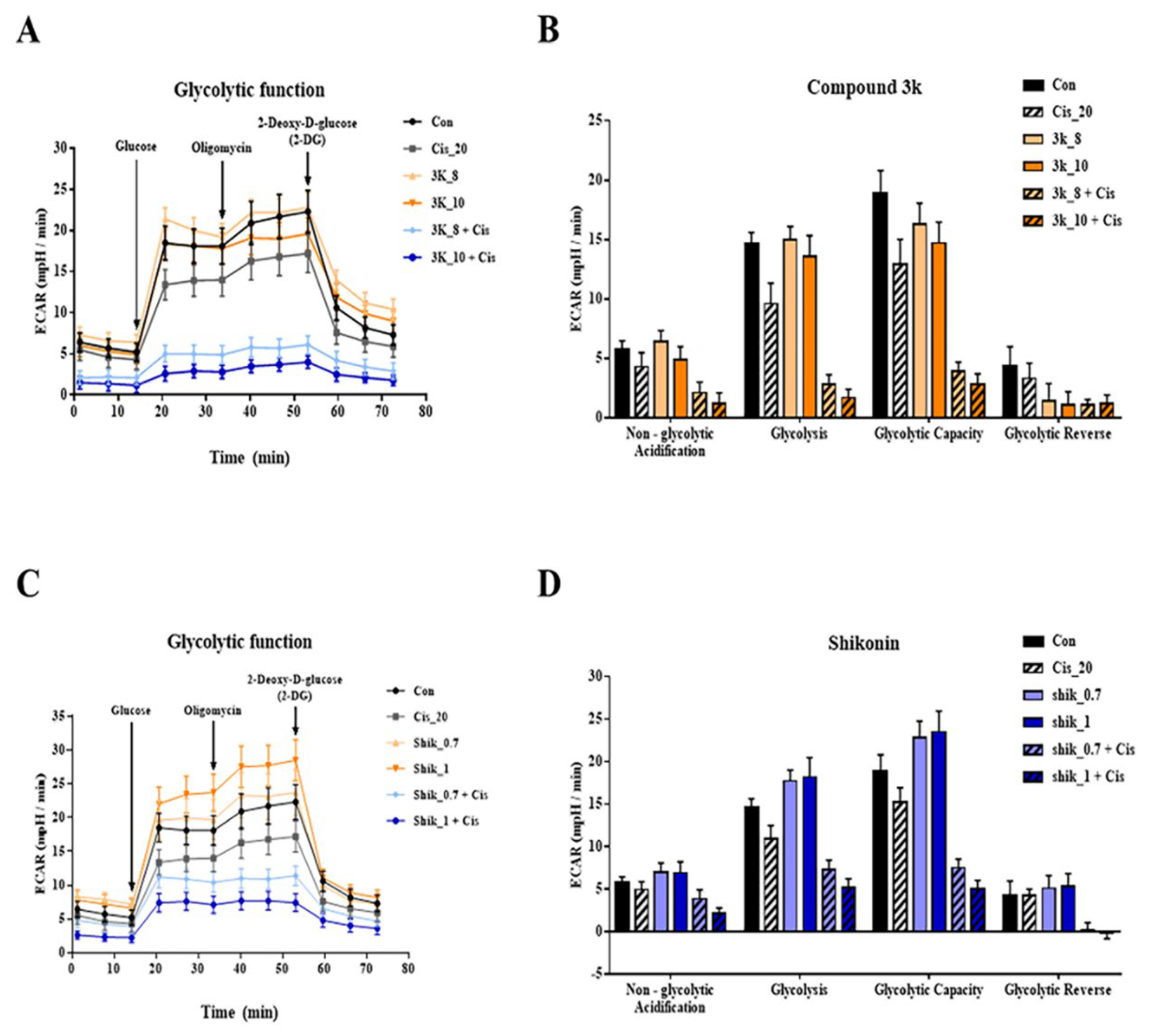
Extracellular acidification was measured using the Seahorse assay to evaluate glycolytic functional stress. The glycolysis pathway was assessed by sequentially adding glucose, oligomycin, and 2-DG to the cells and altering the conditions to identify the changes in glycolysis (Figure 8A and C) Compound 3 K and cisplatin were applied both individually and in combination. Glycolytic stress was present in the single-drug treatment group but was significantly increased in the combination treatment group. The data from Figure 8B are represented as bar graphs, categorizing non-glycolytic acidification, glycolysis, glycolytic capacity, and glycolytic reserves. Both glycolysis and glycolytic capacity decreased in the combination treatment groups. Similar to compound 3 K, the combination treatment with shikonin and cisplatin induced greater glycolytic functional stress than single-drug treatment (Figure 8D).
3. Discussion
This study demonstrates the potential of targeting PKM2 as a therapeutic strategy for regulating cell proliferation and overcoming cisplatin resistance in SKOV-3 ovarian cancer cells. The SKOV-3 cell line derived from serous ovarian cancer cells exhibits cisplatin resistance. Unlike other ovarian cancer cell lines, SKOV-3 harbors a mutated p53 gene. As previously mentioned, p53 normally prevents cancer cell development by detecting and repairing intracellular damage. However, this protective mechanism is impaired in SKOV-3 cells with p53 mutation, indicating that even cell damage by cisplatin does not significantly affect their survival, proliferation, or metastasis. This contributes to the drug resistance observed in SKOV-3 cells.
PKM2, a key enzyme in the glycolytic pathway, is implicated in cancer cell metabolism and proliferation. Our data indicated that PKM2 expression was significantly higher in SKOV-3 cells than in other ovarian cancer cell lines (TOV-21G, CAOV-3, and OVCAR-3), suggesting a critical role for PKM2 in their growth. These findings are consistent with those of previous studies showing elevated PKM2 expression in various cancers, correlating with aggressive tumor behavior and resistance to chemotherapy [27,28,29]. Thus, targeting PKM2 may enhance the sensitivity of SKOV-3 cells to chemotherapy.
This study also investigated the possible role of PKM2 in regulating cisplatin-resistant chemotherapy in SKOV-3 cells, which is commonly observed in advanced ovarian cancer. Our results demonstrated that SKOV-3 cells exhibited a higher IC50 value for cisplatin than OVCAR-3 cells, confirming their resistance to cisplatin treatment. The ability to bypass cisplatin-induced DNA damage and subsequent apoptosis is a major challenge in ovarian cancer treatment. However, the combination of shikonin, a PKM2 inhibitor, and cisplatin synergistically reduced cell viability, suggesting that PKM2 inhibition enhances the effectiveness of cisplatin in overcoming drug resistance. Further investigation of the underlying mechanisms of this synergy revealed a marked increase in apoptosis after the combination treatment, as demonstrated by Annexin V–FITC/PI staining and flow cytometry. Shikonin alone did not significantly induce apoptosis, but when combined with cisplatin, it significantly increased apoptosis in both early and late apoptotic cells in a dose-dependent manner. This suggests that PKM2 inhibition primes cells for cisplatin-induced apoptosis. These results support the idea that PKM2 plays a role in cellular survival mechanisms and its inhibition can potentiate the pro-apoptotic effects of chemotherapeutic agents. Additionally, the combination treatment with shikonin and cisplatin caused G2/M phase cell cycle arrest in SKOV-3 cells, which is a hallmark of DNA damage response and promotes cell death [30,31]. This enhanced cell cycle arrest may be due to PKM2 inhibition-induced increased oxidative stress and mitochondrial dysfunction, as previous studies have reported the role of PKM2 in regulating mitochondrial metabolism and oxidative balance [32,33].
The combination treatment effectively suppressed the metastatic potential of SKOV-3 cells. Migration assays demonstrated that cells treated with both PKM2 inhibitors and cisplatin exhibited significantly reduced migratory ability compared to cells treated with either compound. This reduction in migration suggests that PKM2 inhibition not only enhances the sensitivity of SKOV-3 cells to cisplatin, but also impairs their ability to invade and spread, which is a major concern in the clinical management of ovarian cancer [34]. Although the combination of shikonin and cisplatin significantly reduced the migratory capacity of SKOV-3 cells, this effect may be partially attributable to the enhanced cytotoxicity induced by the combined treatment. Therefore, the observed decrease in migration should be interpreted with caution, as reduced cell viability may contribute to the apparent anti-migratory effect. Additional studies using conditions that minimize cytotoxicity or employing proliferation-independent migration assays would be required to distinguish direct effects on cell motility from secondary effects resulting from reduced cell survival.”
We explored the effects of PKM2 inhibition on autophagy in SKOV-3 cells. Autophagy, a process that maintains cellular homeostasis, plays a dual role in cancer by promoting survival or inducing cell death under stressful conditions [35,36]. Although shikonin and Compound 3K both induced autophagic responses, the molecular mechanisms underlying their potentially different effects remain unclear. Because AMPK and mTOR signaling were not directly examined in the present study, conclusions regarding the involvement of these pathways cannot be drawn. Future studies evaluating autophagy-regulating signaling pathways will be necessary to clarify the mechanistic basis of the differential responses observed between the two PKM2 inhibitors.
Our results showed that when used in combination with cisplatin, shikonin significantly increased autophagosome formation, suggesting that PKM2 inhibition may trigger autophagic cell death in response to chemotherapy. Therefore, autophagic response may be a key mechanism by which PKM2 inhibitors potentiate cisplatin-mediated anticancer activity. Finally, the effect of PKM2 inhibition on cellular metabolism was assessed by measuring the extracellular acidification rate (ECAR), a proxy for glycolytic activity [37]. The combination of PKM2 inhibitors and cisplatin significantly increased glycolytic functional stress, as evidenced by reduced glycolytic capacity and reserves. Interestingly, shikonin alone appeared to increase glycolytic parameters under certain experimental conditions, whereas Compound 3K did not produce a similar effect. This observation may reflect a compensatory metabolic response to cellular stress or the pleiotropic biological activities of shikonin beyond PKM2 inhibition. Given the complexity of metabolic regulation in cancer cells, further studies are required to elucidate the mechanisms underlying these differential effects. This suggests that PKM2 inhibition disrupts the metabolic adaptation of cancer cells, making them more reliant on glycolysis and thus more vulnerable to treatments that further impair their metabolic processes. These findings underscore the importance of metabolic reprogramming in cancer therapy, and suggest that targeting PKM2 could potentially induce a metabolic crisis in resistant cancer cells, thereby improving the therapeutic efficacy of cisplatin.
Although both shikonin and compound 3K target PKM2, the combination of shikonin and cisplatin produced a more pronounced anticancer effect than cisplatin combined with compound 3K. This finding suggests that additional mechanisms beyond PKM2 inhibition may contribute to the activity of shikonin. Previous studies have demonstrated that shikonin can modulate multiple cellular processes, including oxidative stress, mitochondrial function, apoptosis, autophagy, and survival-related signaling pathways [38,39]. Therefore, the enhanced efficacy of the shikonin–cisplatin combination may result from the simultaneous regulation of multiple molecular targets. Further studies are warranted to identify the specific pathways responsible for these effects
In summary, the data presented in this study highlighted the potential of PKM2 inhibitors in combination with cisplatin as a promising therapeutic strategy to overcome cisplatin resistance in ovarian cancer. By inducing apoptosis and G2/M phase arrest, inhibiting migration, and disrupting cellular metabolism, PKM2 inhibition enhances the anticancer activity of cisplatin in SKOV-3 cells. These findings warrant further preclinical and clinical investigations to explore the therapeutic potential of PKM2-targeted therapies in ovarian cancer.
4. Materials and Methods
4.1. Reagents
Cisplatin and shikonin were purchased from Sigma-Aldrich (St. Louis, MO, USA). Cisplatin was prepared in Dulbecco’s phosphate-buffered saline (DPBS) at 2 mM concentration and stored at 4 °C. Shikonin was dissolved in sterile dimethyl sulfoxide (DMSO) and stored at −20 °C. Stock solutions of shikonin were prepared at 10 mM concentration. RPMI 1640 medium (Roswell Park Memorial Institute) and certified heat-inactivated fetal bovine serum (FBS) were obtained from Welgene (Daegu, South Korea). Antibiotic–antimycotics were purchased from Gibco Invitrogen Corporation (Carlsbad, CA, USA). 3-(4,5-dimethylthiazol-2-yl)-2,5-diphenyl-tetrazolium bromide (MTT) was obtained from Alfa Aesar (Ward Hill, MA, USA). Acridine orange was purchased from Sigma-Aldrich.
4.2. Cell Lines and Culture Condition
Human ovarian cancer epithelial cells (SKOV-3) were purchased from the American Type Culture Collection (ATCC, HTB-77, Manassas, VA, USA) and cultured using RPMI 1640 medium supplemented with 10% FBS and 1% antibiotic–antimycotics in a humidified incubator at 37 °C with 5% CO2. Subculturing was performed every 2–3 d. Additional ovarian cancer cell lines, including TOV-21G (CRL-3577), CAOV-3 (HTB-75), and OVCAR-3 (HTB-161), were obtained from the ATCC (Manassas, VA, USA).
4.3. Cytotoxicity Assay
Cytotoxicity was assessed using the MTT assay. Cells (3 × 10³ per well) were seeded into a 96-well plate. After incubation for 24 h, the cells were treated with the drugs and incubated for another 24 h. The MTT solution was prepared (1 mg/mL) in DPBS and stored at −20 °C until use. At the endpoint, 100 μL 1× MTT (1 mg/mL) solution was added to each well. The plate was covered and incubated for 3 h in a humidified incubator at 37 °C. After removing the old media, DMSO was added to dissolve the formazan crystals, and the plate was incubated for another 20 min at 37 °C incubator. The absorbance at 540 nm was measured using a VERSA Max Microplate Reader (Molecular Devices Corp., CA, USA). All cytotoxicity experiments were performed in triplicate, and the IC50 values were calculated using the GraphPad software.
4.4. Annexin V–FITC/Propidium Iodide Staining Assay
The Annexin V–FITC binding assay was performed using the Annexin V–FITC Staining Kit I (BD Biosciences, San Diego, CA, USA). SKOV-3 cells (2 × 10⁵) were incubated in a 60 mm cell culture dish for 24 h and treated with shikonin (1 and 1.5 μM), or 0.1% DMSO (vehicle control) for 24 h. Then, the cells were harvested, and 5 μL Annexin V–FITC and propidium iodide (PI) were added to 100 μL binding buffer per sample, according to the manufacturer’s instructions. The samples were then incubated in dark for 30 min at 24 °C, diluted with 500 μL DPBS, and analyzed using the Novocyte Flow Cytometer (ACEA Biosciences, USA).
4.5. Cell Cycle Analysis
Cells (6 × 10⁵) were seeded in a 100 mm cell culture dish at 70% confluency and incubated for 24 h. The cells were then treated with shikonin (1 and 1.5 μM), or 0.1% DMSO (vehicle control). After 24 h, the cells were harvested and fixed overnight with 70% ethanol at −20 °C. For staining, 5 μL 1 mg/mL PI and 10 μL 10 mg/mL RNase A were added to 500 μL DPBS per sample. The samples were then incubated in dark for 30 min at room temperature. Cell cycle analysis was performed using the Novocyte Flow Cytometer.
4.6. Wound Healing Assay
Cells (2 × 10⁴ cells) were seeded in a 96-well culture plate to achieve 100% confluency during treatment. After 24 h, a single scratch was made in the middle of each well using a 96-well pin round marker. The scratched area was washed with DPBS, and the cells were treated with various shikonin concentrations. The same spots on the plates were photographed every 12 h using a Cytation Cell Imaging Reader. After each use, the scratched device was cleaned with 1% Virkon and 0.5% Alconox. For data analysis, the initial scratched area was considered 0% and the completely closed area was set to 100%. The extent of cell migration filling the scratch area over time was analyzed using Cytation, and the data were graphed using GraphPad Prism7.
4.7. Acridine Orange Staining
Cells (1.5 × 10⁴ cells/well) were seeded in a confocal dish to achieve 70% confluency and incubated for 24 h. The cells were treated with shikonin (1 μM) or 0.1% DMSO (vehicle control). After 24 h, the cells were fixed with 4% paraformaldehyde for 15 min and washed with DPBS. The cells were stained with 1 μg/mL acridine orange for 15 min, followed by washing with cold DPBS to remove any excess dye from the background. The stained cells were examined under a K1-Fluo microscope (Nanoscope Systems, Daejeon, Korea) at 400× magnification.
4.8. Seahorse XF Glycolysis Stress Test
Cells (2 × 10³ cells) were seeded in a Seahorse 96-well XF cell culture microplate. After 24 h, the cells were treated with shikonin (0.5 and 1 μM), cisplatin (20 μM), or 0.1% DMSO and 1% DPBS (vehicle control) for 24 h. The sensor cartridge of the Seahorse XFe96 Extracellular Flux Assay Kit was hydrated the day before the assay by placing it in sterile water at 37 °C. On the day of the assay, the sensor cartridge was calibrated using a calibrant solution following the manufacturer’s instructions. For the assay, 10 mM glucose, 1.0 μM oligomycin, and 50 mM 2-deoxyglucose (2-DG) were loaded to the sensor wells. The calibrated sensor cartridge was then placed on a cell culture microplate and inserted into an Agilent Seahorse XF analyzer. A graph of the extracellular acidification rate (ECAR) was obtained to provide insight into the cellular metabolic activity.
4.9. Western Blot Analysis
Cells (4.5 × 10⁵) were seeded in a 100 mm cell culture dish. After 24 h, the cells were treated with shikonin, cisplatin, or 0.1% DMSO and 1% DPBS (vehicle control) and incubated at 37 °C for 24 h. The cells were harvested, washed with cold DPBS to remove any remaining media, and resuspended in Pro-Prep lysis buffer to extract the total protein. The protein concentration was quantified using the BCA protein assay, with bovine serum albumin (BSA) as the standard. Protein samples were adjusted to 10 μg/mL for loading, separated by sodium dodecyl sulfate–polyacrylamide gel electrophoresis (SDS–PAGE), and transferred on a polyvinylidene difluoride (PVDF) membrane. After transfer, the membrane was incubated in a blocking solution (BSA or skim milk) for 1 h at room temperature and then incubated overnight at 4 °C with the primary antibody with gentle agitation on a shaker. After incubation with the primary antibody, the membrane was washed with Tris-buffered saline containing 0.1% Tween 20 (TBST) and incubated with a horseradish peroxidase-conjugated secondary antibody for 2 h at room temperature on a shaker. The membrane was washed again with TBST, and the protein bands were visualized by spraying with Immobilon HRP Substrate Forte. Luminescent signals were detected using the ChemiDoc Imaging System. Protein expression levels were quantified using ImageJ software, and band intensity was expressed as a bar graph.
4.10. Statistical Analysis
Data are expressed as mean ± standard deviation (SD). Statistical analyses were conducted using GraphPad Prism software (version 8.0). Statistical significance was determined by one-way ANOVA followed by Tukey’s post hoc test. Survival curves were compared using the log-rank (Mantel–Cox) test. A p value of less than 0.05 was considered statistically significant.
Author Contributions
Hae Eun Park: Data curation, Formal analysis, Visualization and validation. Haeun Lee: Methodology, Writing-review & Editing. Ju Ri Kim: Data curation, Investigation, Methodology. Eunah Lee: Data curation, Investigation, Methodology. Jae Hyeon Park: Resources, Project administration. Hyung Sik Kim: Project administration, Writing-editing draft, Conceptualization.
Funding
This work was supported by a grant from the National Research Foundation (NRF) of Korea (grant numbers: NRF-2025-02223576; RS-2025-00517385; RS-2024-00356179).
Informed Consent Statement
Not applicable.
Availability of data and materials
The datasets used and/or analyzed during the current study are available from the corresponding author upon reasonable request.
Conflicts Interests
The authors declare that they have no known competing financial interests or personal relationships that could have appeared to influence the work reported in this paper.
Abbreviations
The following abbreviations are used in this manuscript
| AMPK | AMP-activated protein kinase |
| DMSO | Dimethyl sulfoxide |
| DPBS | Dulbecco’s Phosphate Buffered Saline |
| ECAR | Extracellular Acidification Rate |
| FBS | Fetal bovine serum |
| PKM2` | Pyruvate kinase M2 |
| PVDF | polyvinylidene difluoride (PVDF) |
| PI | Propidium iodide |
| mTOR | mammalian/mechanistic Target of Rapamycin |
References
- Siegel, R.L.; Miller, K.D.; Wagle, N.S.; Jemal, A. Cancer Statistics, 2026. CA Cancer J. Clin. 2026, 76. [Google Scholar] [CrossRef]
- Wikborn, C.; Pettersson, F.; Silfversward, C.; Moberg, P.J. Symptoms and diagnostic difficulties in ovarian epithelial cancer. Int. J. Gynaecol. Obstet. 1993, 42(3), 261–264. [Google Scholar] [CrossRef] [PubMed]
- He, T.; Li, H.; Zhang, Z. Differences of survival benefits brought by various treatments in ovarian cancer patients with different tumor stages. J. Ovarian Res. 2023, 16, 92. [Google Scholar] [CrossRef] [PubMed]
- Rose, P.G. First-line chemotherapy for ovarian cancer: Inferences from recent studies. Oncologist 2016, 21(11), 1286–1290. [Google Scholar] [CrossRef] [PubMed]
- Franzese, E.; Centonze, S.; Diana, A.; Carlino, F.; Guerrera, L.P.; DiNapoli, M.; Vita, F.D.; Pignata, S.; Ciardiello, F.; Orditura, M. PARP inhibitors in ovarian cancer. Cancer Treat. Rev. 2019, 73, 1–9. [Google Scholar] [CrossRef] [PubMed]
- Maene, C.; Salihi, R.R.; Nieuwenhuysen, E.V.; Han, S.N.; Concin, N.; Vergote, I. Combination of weekly paclitaxel-carboplatin plus standard bevacizumab as neoadjuvant treatment in stage IB-IIB cervical cancer. Int. J. Gynecol. Cancer 2011, 31(6), 824–828. [Google Scholar]
- Ai, Z.; Lu, Y.; Qiu, S.; Fan, Z. Overcoming cisplatin resistance of ovarian cancer cells by targeting HIF-1-regulated cancer metabolism. Cancer Lett. 2016, 373(1), 36–44. [Google Scholar] [CrossRef] [PubMed]
- Cooke, S.L.; Brenton, J.D. Evolution of platinum resistance in high-grade serous ovarian cancer. Lancet Oncol. 2011, 12(12), 1169–1174. [Google Scholar] [CrossRef] [PubMed]
- Sahoo, D.; Deb, P.; Basu, T.; Bardhan, S.; Patra, S.; Sukul, P.K. Advancements in platinum-based anticancer drug development: A comprehensive review of strategies, discoveries, and future perspectives. Bioorg. Med. Chem. 2024, 112, 117894. [Google Scholar] [CrossRef] [PubMed]
- Akter, S.; Rahman, M.A.; Hasan, M.N.; Akhter, H.; Noor, P.; Islam, R.; Shin, Y.; Rahman, M.D.H.; Gazi, M.S.; Huda, M.N.; Nam, N.M.; Chung, J.; Han, S.; Kim, B.; Kang, I.; Ha, J.; Choe, W.; Choi, T.G.; Kim, S.S. Recent advances in ovarian cancer: Therapeutic strategies, potential biomarkers, and technological improvements. Cells 2022, 11(4), 650. [Google Scholar] [CrossRef] [PubMed]
- Browning, R.J.; Reardon, P.J.T.; Parhizkar, M.; Pedley, R.B.; Edirisinghe, M.; Knowles, J.C.; Stride, E. Drug delivery strategies for platinum-based chemotherapy. ACS Nano 2017, 11(9), 8560–8578. [Google Scholar] [CrossRef] [PubMed]
- Mandic, A.; Hansson, J.; Linder, S.; Shoshan, M.C. Cisplatin induces endoplasmic reticulum stress and nucleus-independent apoptotic signaling. J. Biol. Chem. 2003, 278(11), 9100–9106. [Google Scholar] [CrossRef] [PubMed]
- Hu, J.; Lieb, J.D.; Sancar, A.; Adar, S. Cisplatin DNA damage and repair maps of the human genome at single-nucleotide resolution. Proc. Nati. Acad. Sci. USA 2016, 113(41), 11507–11512. [Google Scholar] [CrossRef]
- Elmorsy, E.A.; Saber, S.; Hamad, R.S.; Abdel-Reheim, M.A.; Youssef, M.E. Advances in understanding cisplatin-induced toxicity: Molecular mechanisms and protective strategies. Eur. J. Pharma. Sci. 2024, 203, 106939. [Google Scholar] [CrossRef]
- Wong, N.; Ojo, D.; Yan, J.; Tang, D. PKM2 contributes to cancer metabolism. Cancer Lett. 2015, 356, 184–191. [Google Scholar] [CrossRef] [PubMed]
- Zahra, K.; Dey, T.; Ashish; Mishra, S.P.; Pandey, U. Pyruvate kinase M2 and cancer: The role of PKM2 in promoting tumorigenesis. Front. Oncol. 2020, 10, 159. [Google Scholar] [CrossRef] [PubMed]
- Yu, Y.; Hou, L.; Song, H.; Xu, P.; Sun, Y.; Wu, K. Akt/AMPK/mTOR pathway was involved in the autophagy induced by vitamin E succinate in human gastric cancer SGC-7901 cells. Mol. Cell Biochem. 2017, 424(1-2), 173–183. [Google Scholar] [PubMed]
- Thonsri, U.; Seubwai, W.; Waraasawapati, S.; Wongkham, S.; Boonmars, T.; Cha’on, U.; Wongkham, C. Antitumor effect of shikonin, a PKM2 Inhibitor, in cholangiocarcinoma cell lines. Anticancer Res. 2020, 40(9), 5115–5124. [Google Scholar] [CrossRef] [PubMed]
- Park, J.H.; Kundu, A.; Lee, S.H.; Jiang, C.; Lee, S.H.; Kim, Y.S.; Kyung, S.Y.; Park, S.H.; Kim, H.S. Specific pyruvate kinase M2 inhibitor, compound 3K, induces autophagic cell death through disruption of the glycolysis pathway in ovarian cancer cells. Int. J. Biol. Sci. 2021, 17(8), 1895–1908. [Google Scholar] [CrossRef] [PubMed]
- Jiang, C.; Zhao, X.; Jeong, T.; Kang, J.Y.; Park, J.H.; Kim, I.S.; Kim, H.S. Novel specific pyruvate kinase M2 inhibitor, compound 3h, induces apoptosis and autophagy through suppressing Akt/mTOR signaling pathway in LNCaP cells. Cancers 2023, 15(1), 265. [Google Scholar] [PubMed]
- Wang, Q.; Wang, J.; Wang, J.; Ju, X.; Zhang, H. Molecular mechanism of shikonin inhibiting tumor growth and potential application in cancer treatment. Toxicol. Res. 2021, 10(6), 1077–1084. [Google Scholar] [CrossRef]
- Qi, K.; Li, J.; Hu, Y.; Qiao, Y.; Mu, Y. Research progress in mechanism of anticancer action of shikonin targeting reactive oxygen species. Front. Pharmacol. 2024, 15, 1416781. [Google Scholar] [CrossRef] [PubMed]
- Liang, X.; Guo, Y.; Figg, W.D.; Fojo, A.T.; Mueller, M.D.; Yu, J.J. The role of wild-type p53 in cisplatin-induced Chk2 phosphorylation and the inhibition of platinum resistance with a Chk2 inhibitor. Chemother. Res. Pract. 2011, 2011, 715469. [Google Scholar] [PubMed]
- Dai, L.; Pan, Q.; Peng, Y.; Huang, S.; Liu, J.; Chen, T.; Wang, X.; Chen, D.; Wang, J.; Zhu, Y.; Wang, H.; Liu, Y.; Ou, Y.; Yu, X.; Cao, K. p53 plays a key role in the apoptosis of human ovarian cancer cells induced by adenovirus-mediated CRM197. Hum. Gene Ther. 2018, 29(8), 916–926. [Google Scholar] [CrossRef] [PubMed]
- Wang, X.; Zhang, H.; Chen, X. Drug resistance and combating drug resistance in cancer. Cancer Drug Resist. 2019, 2(2), 141–160. [Google Scholar] [CrossRef] [PubMed]
- Garg, P.; Malhotra, J.; Kulkarni, P.; Horne, D.; Salgia, R.; Singhal, S.S. Emerging therapeutic strategies to overcome drug resistance in cancer cells. Cancers 2024, 16(13), 2478. [Google Scholar] [CrossRef] [PubMed]
- Chiavarina, B.; Whitaker-Menezes, D.; Ubaldo, E.; Martinez-Outschoorn, M.; Witkiewicz, A.K.; Birbe, R.; Howell, A.; Pestell, R.G.; Smith, D.J.; Aniel, R.; Sotgia, F.; Lisanti, M.P. Pyruvate kinase expression (PKM1 and PKM2) in cancer-associated fibroblasts drives stromal nutrient production and tumor growth. Cancer Biol. Ther. 2011, 12(12), 1101–13. [Google Scholar] [CrossRef] [PubMed]
- Song, M.; Cui, M.; Liu, K. Therapeutic strategies to overcome cisplatin resistance in ovarian cancer. Eu. J. Med. Chem. 2022, 232, 114205. [Google Scholar] [CrossRef]
- Shiroki, T.; Yokoyama, M.; Tanuma, N.; Maejima, R.; Tamai, K.; Yamaguchi, K.; Oikawa, T.; Noguchi, T.; Miura, K.; Fujiya, T.; Shima, H.; Sato, I.; Murata-Kamiya, N.; Hatakeyama, M.; Iijima, K.; Shimosegawa, T.; Satoh, K. Enhanced expression of the M2 isoform of pyruvate kinase is involved in gastric cancer development by regulating cancer-specific metabolism. Cancer Sci. 2017, 108(5), 931–940. [Google Scholar] [PubMed]
- Gire, V.; Vjekoslav Dulić, V. Senescence from G2 arrest, revisited. Cell Cycle 2015, 14(3), 297–304. [Google Scholar] [CrossRef] [PubMed]
- Salanci, S.; Vilková, M.; Martinez, L.; Mirossay, L.; Michalková, R.; Mojžiš, J. The induction of G2/M phase cell cycle arrest and apoptosis by the chalcone derivative 1C in sensitive and resistant ovarian cancer cells is associated with ROS generation. Int. J. Mol. Sci. 2024, 25(14), 7541. [Google Scholar] [CrossRef] [PubMed]
- Liang, J.; Cao, R.; Wang, X.; Zhang, Y.; Wang, P.; Gao, H.; Li, C.; Yang, F.; Zeng, R.; Wei, P.; Li, D.; Li, W.; Yang, W. Mitochondrial PKM2 regulates oxidative stress-induced apoptosis by stabilizing Bcl2. Cell Res. 2017, 27, 329–351. [Google Scholar] [PubMed]
- Ren, J.; Ren, B.; Fu, T.; Ma, Y.; Tan, Y.; Zhang, S.; Li, Y.; Wang, Q.; Chang, X.; Tong, Y. Pyruvate kinase M2 sustains cardiac mitochondrial integrity in septic cardiomyopathy by regulating PHB2-dependent mitochondrial biogenesis. Int. J. Med. Sci. 2024, 21(6), 983–993. [Google Scholar] [CrossRef] [PubMed]
- Miao, Y.; Lu, M.; Yan, Q.; Li, S.; Feng, Y. Inhibition of proliferation, migration, and invasion by knockdown of pyruvate kinase-M2 (PKM2) in ovarian cancer SKOV3 and OVCAR3 cells. Oncol. Res. 2016, 24(6), 463–475. [Google Scholar] [CrossRef] [PubMed]
- Mathew, R.; Karantza-Wadsworth, V.; White, E. Role of autophagy in cancer. Nat. Rev. Cancer 2007, 7(12), 961–967. [Google Scholar] [CrossRef] [PubMed]
- Liu, S.; Yao, S.; Yang, H.; Liu, S.; Wang, Y.J. Autophagy: Regulator of cell death. Cell Death Dis. 2023, 14(10), 648. [Google Scholar] [CrossRef] [PubMed]
- Nieborak, A.; Lukauskas, S.; Capellades, J.; Heyn, P.; Santos, G.S.; Motzler, K.; Zeigerer, A.; Bester, R.; Protzer, U.; Schelter, F.; Wagner, M.; Carell, T.; Hruscha, A.; Schmid, B.; Yanes, O.; Schneider, R. Depletion of pyruvate kinase (PK) activity causes glycolytic intermediate imbalances and reveals a PK-TXNIP regulatory axis. Mol. Metab. 2023, 74, 101748. [Google Scholar] [CrossRef] [PubMed]
- Wang, Z. Cell cycle progression and synchronization: an overview. Methods Mol. Biol. 2022, 2579, 3–23. [Google Scholar] [CrossRef] [PubMed]
- Jamasbi, E.; Hamelian, M.; Hossain, M.A.; Varmira, K. The cell cycle, cancer development and therapy. Mol. Biol. Rep. 2022, 49(11), 10875–10883. [Google Scholar] [CrossRef] [PubMed]
Figure 1.
Chemical structures of pyruvate kinase M2 (PKM2) inhibitors and cisplatin and SKOV-3 cell morphology. (A), (B) The chemical structure of PKM2 inhibitors, compound 3K and shikonin. (C) The chemical structure of anticancer drug, cisplatin. (D) Representative microscopic images are shown with scale bars indicating the corresponding dimensions. Magnification information has been verified and corrected where necessary. Scale bar, 200 μm (40×), 100 μm (100×).
Figure 1.
Chemical structures of pyruvate kinase M2 (PKM2) inhibitors and cisplatin and SKOV-3 cell morphology. (A), (B) The chemical structure of PKM2 inhibitors, compound 3K and shikonin. (C) The chemical structure of anticancer drug, cisplatin. (D) Representative microscopic images are shown with scale bars indicating the corresponding dimensions. Magnification information has been verified and corrected where necessary. Scale bar, 200 μm (40×), 100 μm (100×).
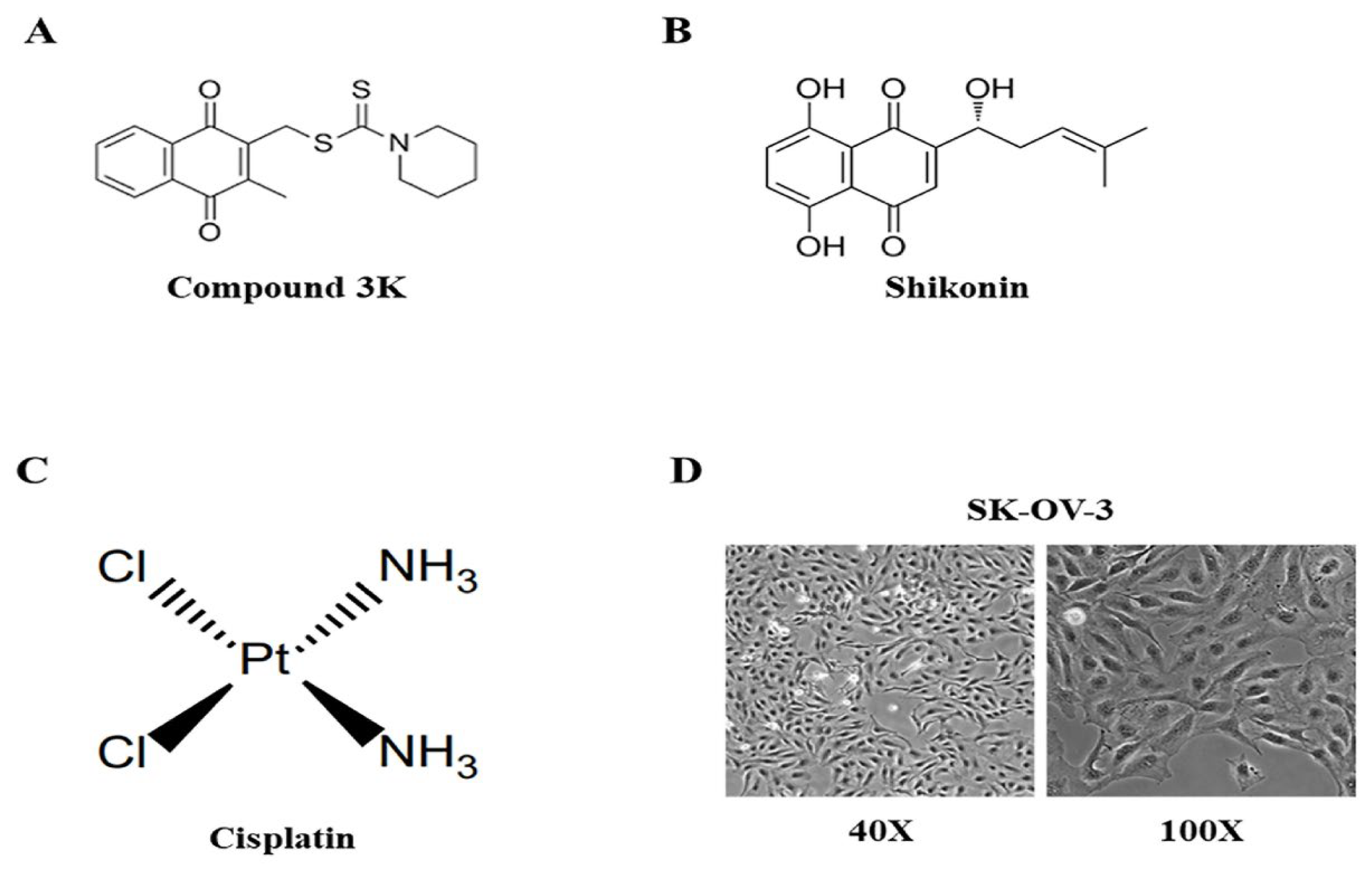
Figure 2.
Pyruvate kinase M2 (PKM2) expression levels in various ovarian cancer cell lines. (A) PKM2 protein expression levels in ovarian adenocarcinoma cell lines were analyzed by western blot. Wild-type ovarian cancer cell lines, including SKOV-3, TOV-21G, CAOV-3, and OVCAR-3 show different PKM2 expression levels. (B) The band intensities from (A) are quantified and presented as a bar graph, expressed as the ratio of PKM2 normalized to β-actin. All data are expressed as mean ± standard deviation (SD) of three independent experiments. Statistical significance was determined by one-way ANOVA followed by Tukey’s post hoc test *p < 0.05, **p < 0.01.
Figure 2.
Pyruvate kinase M2 (PKM2) expression levels in various ovarian cancer cell lines. (A) PKM2 protein expression levels in ovarian adenocarcinoma cell lines were analyzed by western blot. Wild-type ovarian cancer cell lines, including SKOV-3, TOV-21G, CAOV-3, and OVCAR-3 show different PKM2 expression levels. (B) The band intensities from (A) are quantified and presented as a bar graph, expressed as the ratio of PKM2 normalized to β-actin. All data are expressed as mean ± standard deviation (SD) of three independent experiments. Statistical significance was determined by one-way ANOVA followed by Tukey’s post hoc test *p < 0.05, **p < 0.01.
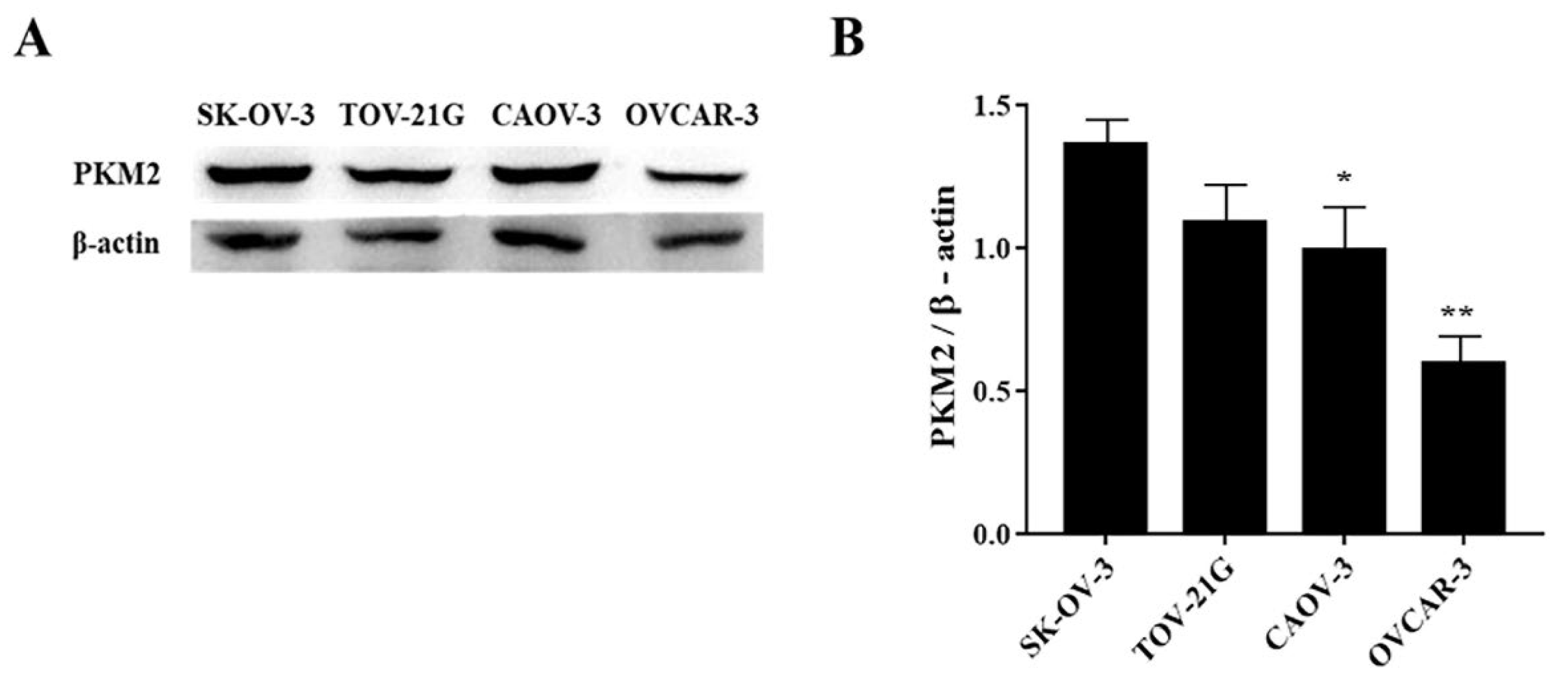
Figure 3.
Cytotoxicity of pyruvate kinase M2 (PKM2) inhibitors against SKOV-3, a cisplatin-resistant ovarian cancer cell line. IC₅₀ values were calculated from cell viability data using nonlinear regression with a four-parameter logistic dose–response model in GraphPad Prism. Values were derived from normalized viability data obtained from at least three independent experiments. (A) SKOV-3 cells were treated with 6.25–90 μM cisplatin for 24 h and IC50 for cisplatin was determined depending on the cell viability assay using MTT. (B) OVCAR-3 cells, another ovarian cancer cell line, were treated with 6.25–80 μM cisplatin for 24 h and IC50 for cisplatin was determined depending on the cell viability assay. (C) SKOV-3 cells were treated with 2.5–20 μM compound 3K for 24 h. The cytotoxicity of compound 3K was confirmed based on the percentage of cell viability compared with that of the control (0.1% DMSO). (D) This bar graph shows cell viability after combination treatment with compound 3K and cisplatin for 24 h. Cisplatin drug concentration was fixed at 20 μM depending on the single treatment. (E) SKOV-3 cells were treated with 0.625–5 μM shikonin for 24 h. The cytotoxicity of shikonin was determined by the cell viability ratio with that of the control. (F) The percentage of cell viability after combination treatment with 1–4 μM shikonin and 20 μM cisplatin for 24 h. Data are expressed as mean ± standard deviation (SD) of three independent experiments. Statistical significance was determined by one-way ANOVA followed by Tukey’s post hoc test *p < 0.05, **p < 0.01.
Figure 3.
Cytotoxicity of pyruvate kinase M2 (PKM2) inhibitors against SKOV-3, a cisplatin-resistant ovarian cancer cell line. IC₅₀ values were calculated from cell viability data using nonlinear regression with a four-parameter logistic dose–response model in GraphPad Prism. Values were derived from normalized viability data obtained from at least three independent experiments. (A) SKOV-3 cells were treated with 6.25–90 μM cisplatin for 24 h and IC50 for cisplatin was determined depending on the cell viability assay using MTT. (B) OVCAR-3 cells, another ovarian cancer cell line, were treated with 6.25–80 μM cisplatin for 24 h and IC50 for cisplatin was determined depending on the cell viability assay. (C) SKOV-3 cells were treated with 2.5–20 μM compound 3K for 24 h. The cytotoxicity of compound 3K was confirmed based on the percentage of cell viability compared with that of the control (0.1% DMSO). (D) This bar graph shows cell viability after combination treatment with compound 3K and cisplatin for 24 h. Cisplatin drug concentration was fixed at 20 μM depending on the single treatment. (E) SKOV-3 cells were treated with 0.625–5 μM shikonin for 24 h. The cytotoxicity of shikonin was determined by the cell viability ratio with that of the control. (F) The percentage of cell viability after combination treatment with 1–4 μM shikonin and 20 μM cisplatin for 24 h. Data are expressed as mean ± standard deviation (SD) of three independent experiments. Statistical significance was determined by one-way ANOVA followed by Tukey’s post hoc test *p < 0.05, **p < 0.01.
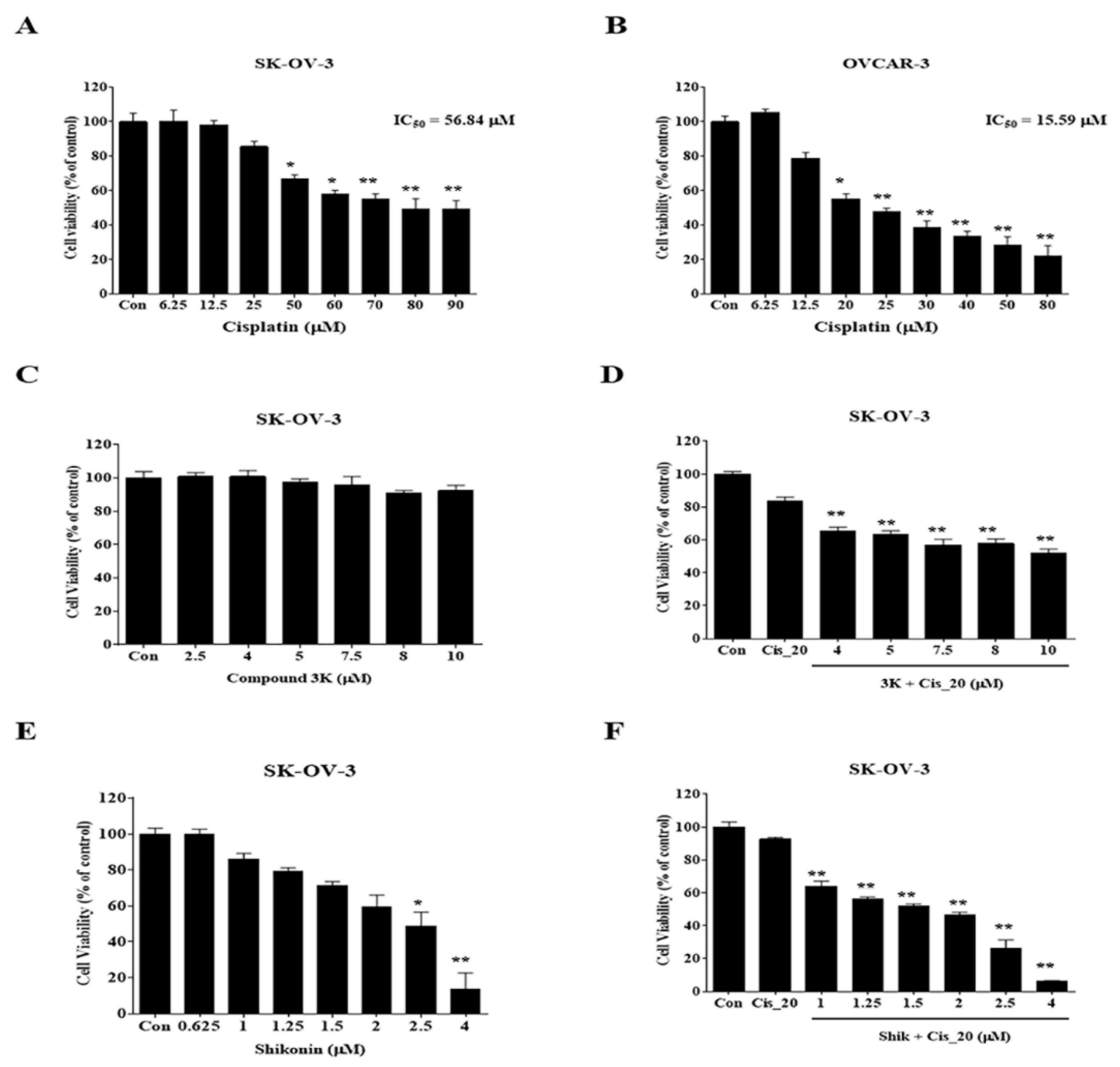
Figure 4.
Annexin V–FITC/propidium iodide (PI) staining assay after treatment with pyruvate kinase M2 (PKM2) inhibitors and cisplatin in SKOV-3 cells. (A) The cell morphological images under light microscope after treatment with compound 3K (10 or 12 μM), shikonin (1 or 1.5 μM), and cisplatin (20 μM) depending on the given conditions. Representative microscopic images are shown with scale bars indicating the corresponding dimensions. Scale bars = 200 μm (40×) and 100 μm (100×). (B) Cells were treated with compound 3K and cisplatin for 24 h and then analyzed by flow cytometry. The x-axis represents a value stained with Annexin V–FITC, and the y-axis represents a value stained with PI. (C) Flow cytometry is performed after treatment with shikonin and cisplatin for 24 h. (D and E) The percentages represent the total apoptotic cell population, calculated as the sum of early apoptotic (Annexin V-positive/PI-negative) and late apoptotic (Annexin V-positive/PI-positive) cells. Data are expressed as mean ± SD of three independent experiments. Statistical significance was determined by one-way ANOVA followed by Tukey’s post hoc test *p < 0.05, **p < 0.01.
Figure 4.
Annexin V–FITC/propidium iodide (PI) staining assay after treatment with pyruvate kinase M2 (PKM2) inhibitors and cisplatin in SKOV-3 cells. (A) The cell morphological images under light microscope after treatment with compound 3K (10 or 12 μM), shikonin (1 or 1.5 μM), and cisplatin (20 μM) depending on the given conditions. Representative microscopic images are shown with scale bars indicating the corresponding dimensions. Scale bars = 200 μm (40×) and 100 μm (100×). (B) Cells were treated with compound 3K and cisplatin for 24 h and then analyzed by flow cytometry. The x-axis represents a value stained with Annexin V–FITC, and the y-axis represents a value stained with PI. (C) Flow cytometry is performed after treatment with shikonin and cisplatin for 24 h. (D and E) The percentages represent the total apoptotic cell population, calculated as the sum of early apoptotic (Annexin V-positive/PI-negative) and late apoptotic (Annexin V-positive/PI-positive) cells. Data are expressed as mean ± SD of three independent experiments. Statistical significance was determined by one-way ANOVA followed by Tukey’s post hoc test *p < 0.05, **p < 0.01.
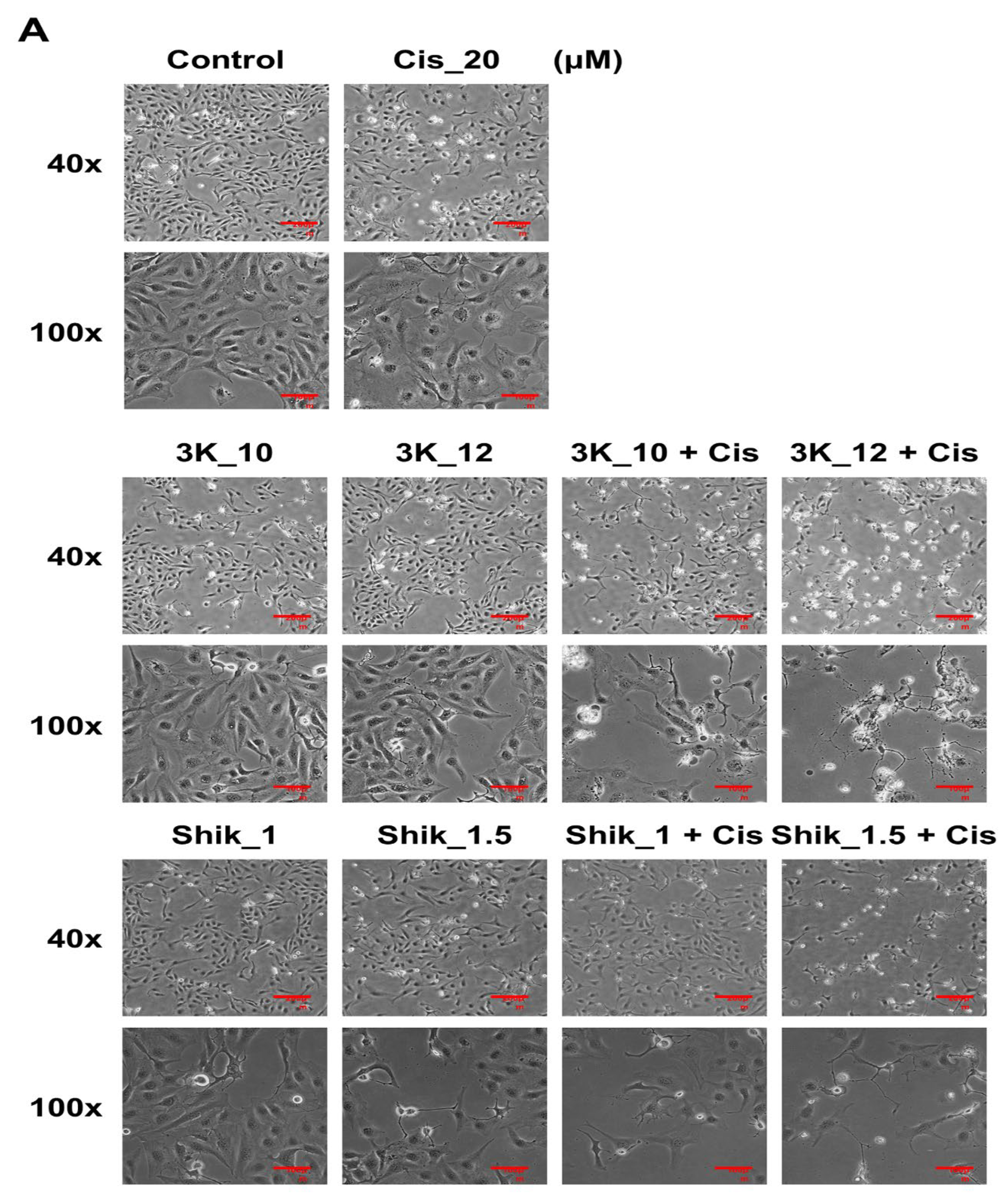
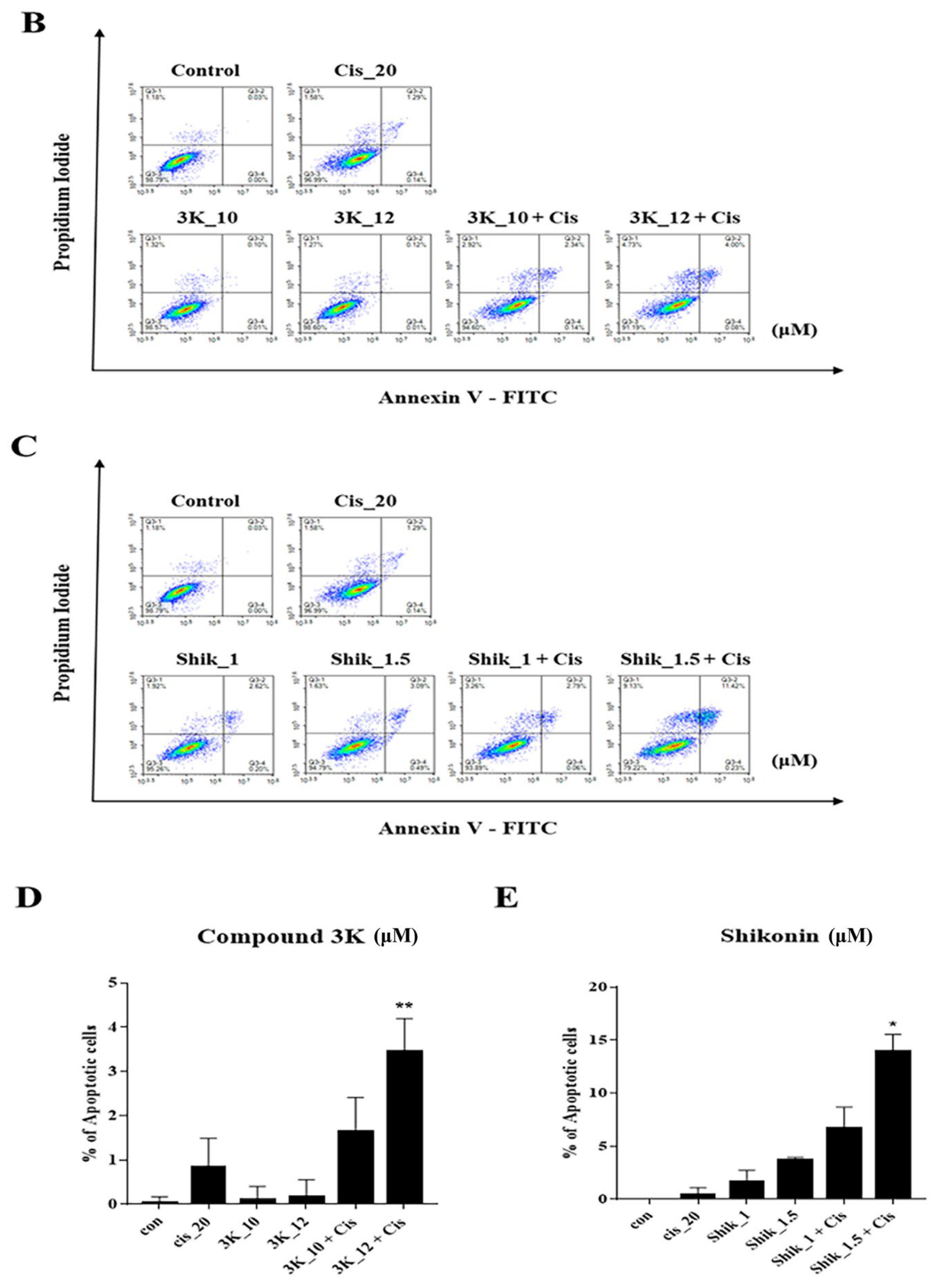
Figure 5.
Cell cycle G2/M phase arrest after combination treatment with PKM2 inhibitors and cisplatin. (A) Flow cytometric analysis after treatment with compound 3K (8, 10 μM) and cisplatin (20 μM). Cells were stained with propidium iodide for 30 min and y-axis is the cell numbers. (B) In the same method with (A), the results were shown in a histogram after treatment with shikonin (1, 1.5 μM) and cisplatin (20 μM). (C) The bar graph shows the proportion of the cells in different cell cycle phases. From left, the cells in the G1, S, and G2/M phase are represented. Data are expressed as mean ± standard deviation (SD) of three independent experiments.
Figure 5.
Cell cycle G2/M phase arrest after combination treatment with PKM2 inhibitors and cisplatin. (A) Flow cytometric analysis after treatment with compound 3K (8, 10 μM) and cisplatin (20 μM). Cells were stained with propidium iodide for 30 min and y-axis is the cell numbers. (B) In the same method with (A), the results were shown in a histogram after treatment with shikonin (1, 1.5 μM) and cisplatin (20 μM). (C) The bar graph shows the proportion of the cells in different cell cycle phases. From left, the cells in the G1, S, and G2/M phase are represented. Data are expressed as mean ± standard deviation (SD) of three independent experiments.
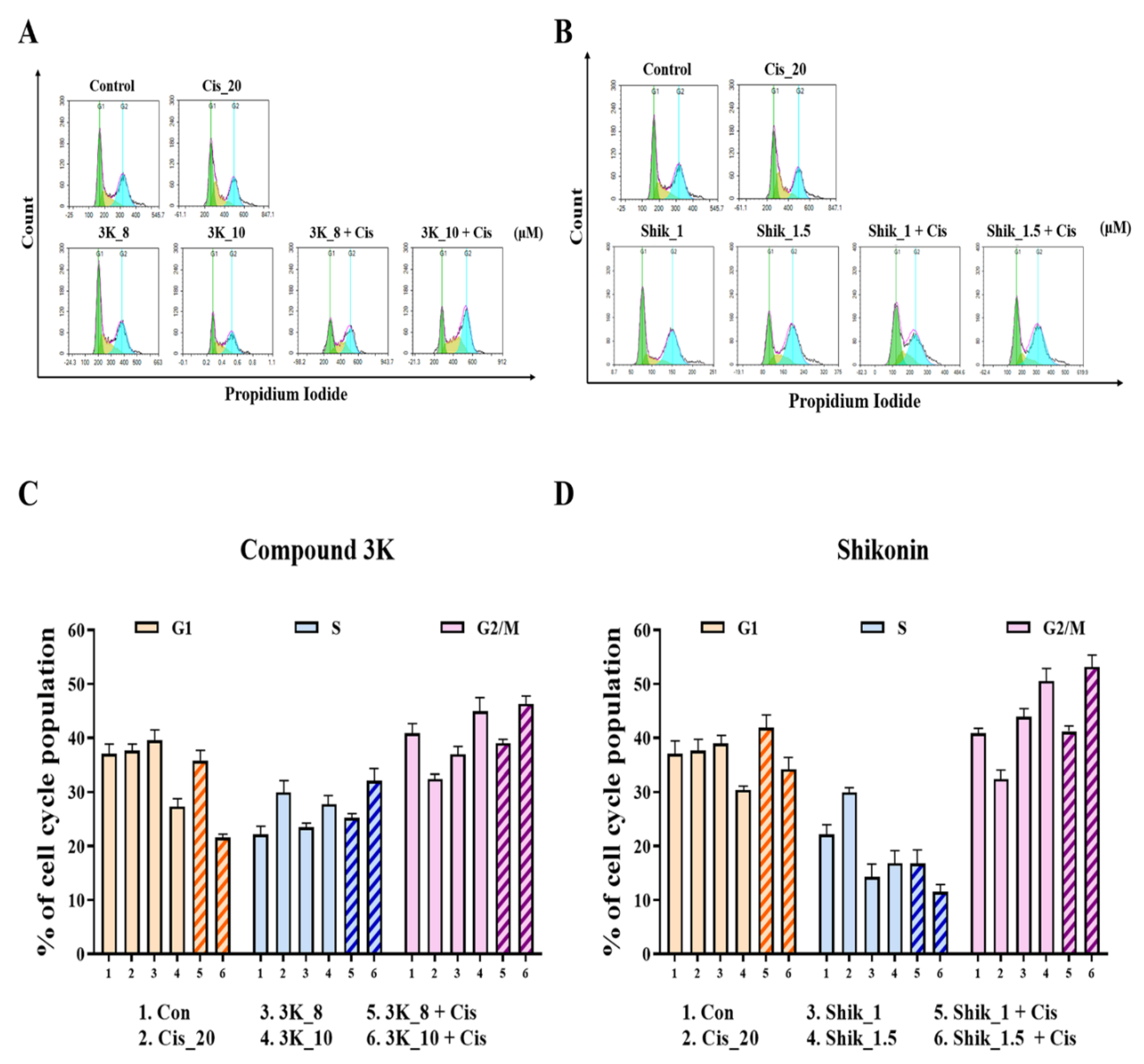
Figure 6.
SKOV-3 cell migration assay after treatment with pyruvate kinase M2 (PKM2) inhibitors and cisplatin. Representative wound-healing images are shown with preserved aspect ratios and scale bars. Images were acquired using a Cytation imaging system at 200× magnification. Wound boundaries are indicated for visualization purposes and have been adjusted to minimize obstruction of the underlying image. (A) Cells were treated with the compound 3K (10 or 15 μM) and cisplatin (20 μM). The cell migration ability was confirmed at 12 h intervals for 24 h. (B) Cells were treated with the shikonin (1 or 1.5 μM) and cisplatin (20 μM). (C and D) Quantitative migration data are presented as mean ± SD from three independent experiments. Statistical significance was determined by one-way ANOVA followed by Tukey’s post hoc test *p < 0.05, **p < 0.01. Scale bars = 100 μm.
Figure 6.
SKOV-3 cell migration assay after treatment with pyruvate kinase M2 (PKM2) inhibitors and cisplatin. Representative wound-healing images are shown with preserved aspect ratios and scale bars. Images were acquired using a Cytation imaging system at 200× magnification. Wound boundaries are indicated for visualization purposes and have been adjusted to minimize obstruction of the underlying image. (A) Cells were treated with the compound 3K (10 or 15 μM) and cisplatin (20 μM). The cell migration ability was confirmed at 12 h intervals for 24 h. (B) Cells were treated with the shikonin (1 or 1.5 μM) and cisplatin (20 μM). (C and D) Quantitative migration data are presented as mean ± SD from three independent experiments. Statistical significance was determined by one-way ANOVA followed by Tukey’s post hoc test *p < 0.05, **p < 0.01. Scale bars = 100 μm.
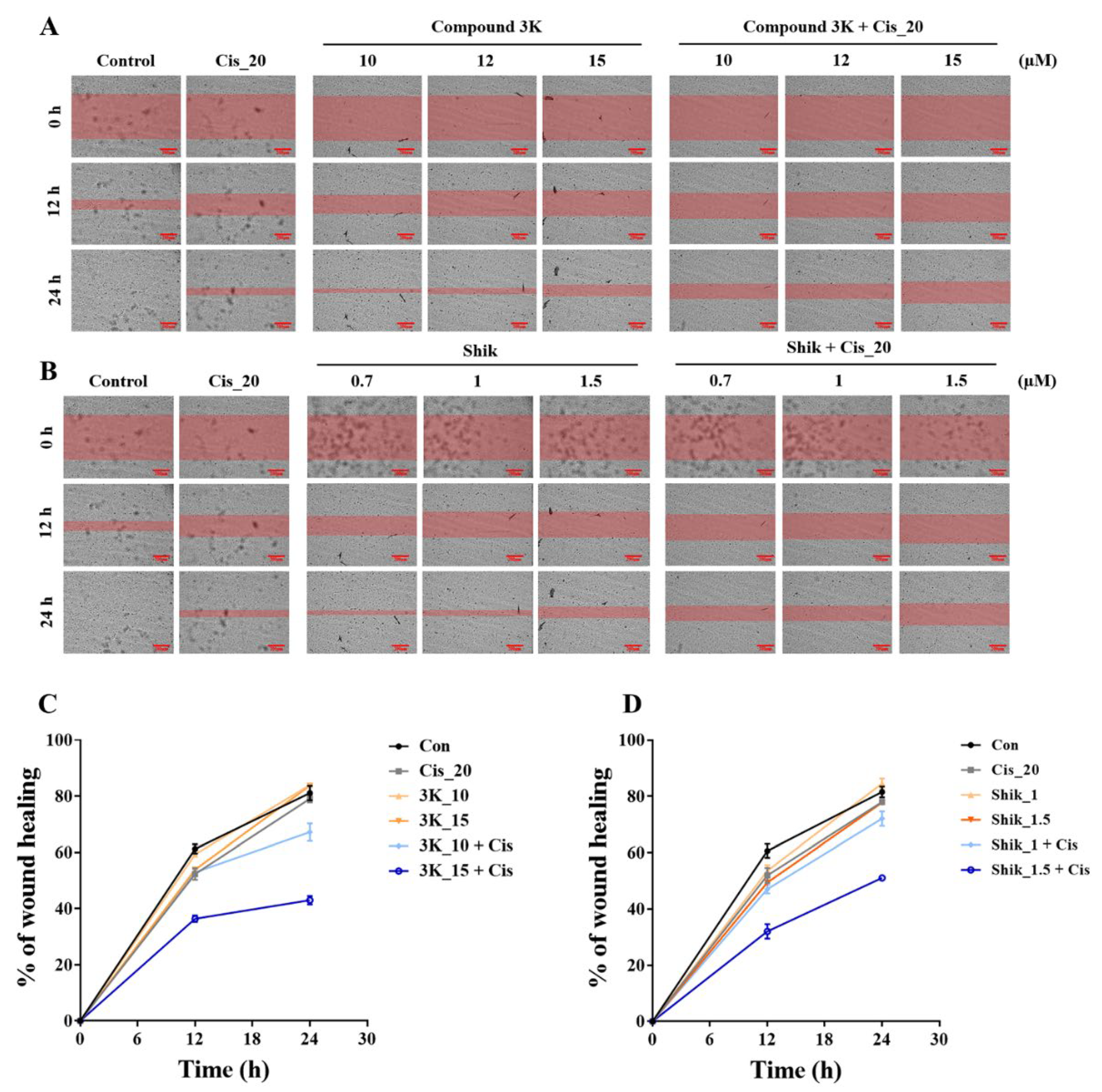
Figure 7.
Acridine orange staining after treatment with pyruvate kinase M2 (PKM2) inhibitors and cisplatin to identify autophagic cell death in SKOV-3 cells. (A), (B) Cells were stained with acridine orange to detect autophagosome formation after treatment with compound 3K (10 μM), shikonin (1 μM), and cisplatin (20 μM) for 24 h. Nuclei and cytosol are shown as a green fluorescence, and the acidic vacuoles are represented as red. Images are taken by confocal microscope (400×). Representative confocal microscopy images are shown with preserved aspect ratios. Scale bars = 100 μm.
Figure 7.
Acridine orange staining after treatment with pyruvate kinase M2 (PKM2) inhibitors and cisplatin to identify autophagic cell death in SKOV-3 cells. (A), (B) Cells were stained with acridine orange to detect autophagosome formation after treatment with compound 3K (10 μM), shikonin (1 μM), and cisplatin (20 μM) for 24 h. Nuclei and cytosol are shown as a green fluorescence, and the acidic vacuoles are represented as red. Images are taken by confocal microscope (400×). Representative confocal microscopy images are shown with preserved aspect ratios. Scale bars = 100 μm.
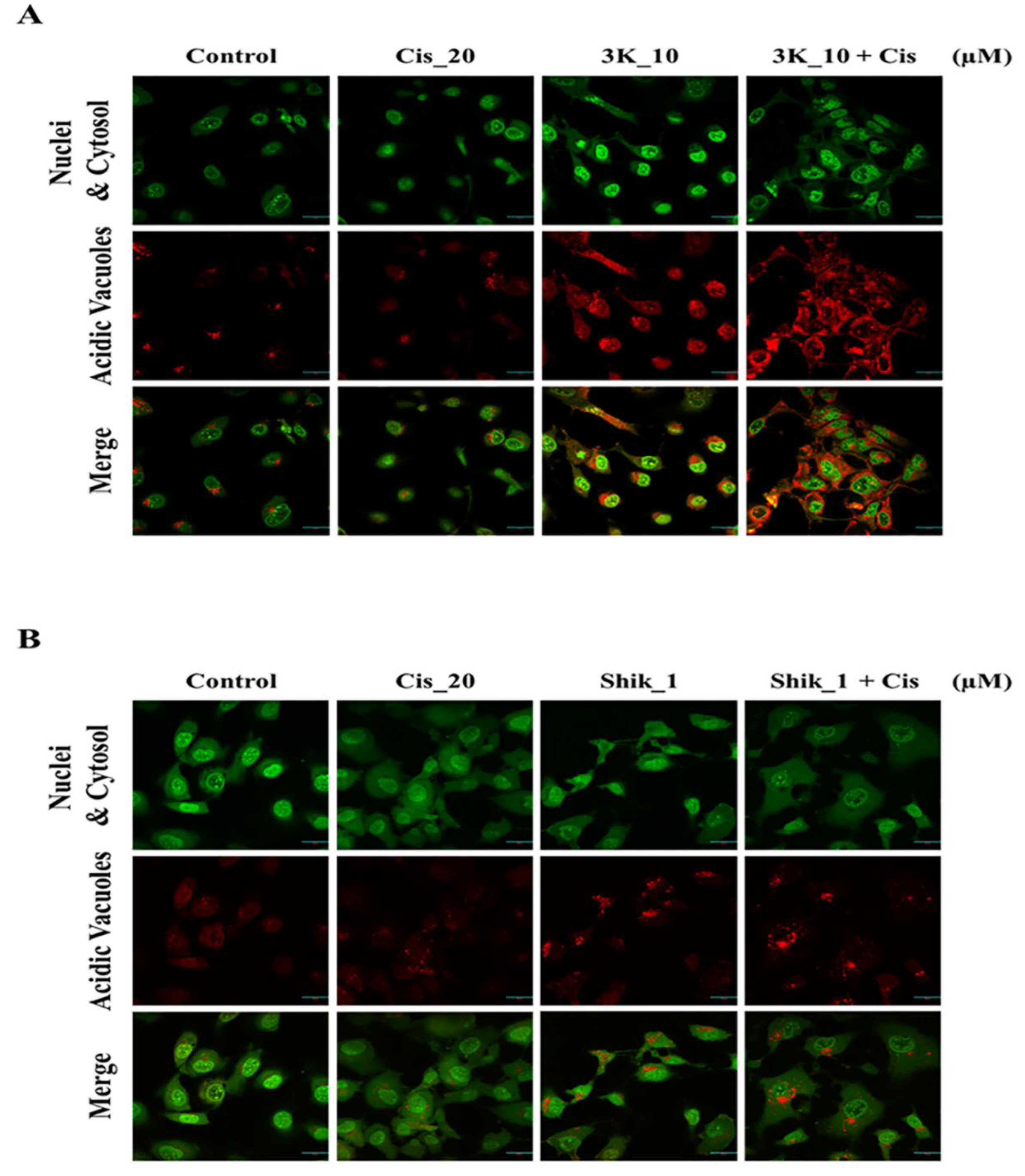
Figure 8.
Measurement of the extracellular acidification rate (ECAR) for glycolytic functional stress after pyruvate kinase M2 (PKM2) inhibition. (A) ECAR measurement shows the glycolysis functional stress after the treatment with compound 3K (8 or 10 μM) and cisplatin (20 μM) for 24 h. Glucose, oligomycin, and 2-DG were injected to the 96-well cell culture plate automatically. (B) From the left, the bar graph shows the non-glycolytic acidification, glycolysis ability, glycolytic capacity, and glycolytic reverse. (C) ECAR measurement after treatment with shikonin (0.7 or 1 μM) and cisplatin (20 μM) for 24 h. (D) ECAR measurement shows the glycolytic functional stress after combination. Data are expressed as mean ± SD of three independent experiments.
Figure 8.
Measurement of the extracellular acidification rate (ECAR) for glycolytic functional stress after pyruvate kinase M2 (PKM2) inhibition. (A) ECAR measurement shows the glycolysis functional stress after the treatment with compound 3K (8 or 10 μM) and cisplatin (20 μM) for 24 h. Glucose, oligomycin, and 2-DG were injected to the 96-well cell culture plate automatically. (B) From the left, the bar graph shows the non-glycolytic acidification, glycolysis ability, glycolytic capacity, and glycolytic reverse. (C) ECAR measurement after treatment with shikonin (0.7 or 1 μM) and cisplatin (20 μM) for 24 h. (D) ECAR measurement shows the glycolytic functional stress after combination. Data are expressed as mean ± SD of three independent experiments.
Disclaimer/Publisher’s Note: The statements, opinions and data contained in all publications are solely those of the individual author(s) and contributor(s) and not of MDPI and/or the editor(s). MDPI and/or the editor(s) disclaim responsibility for any injury to people or property resulting from any ideas, methods, instructions or products referred to in the content. |
© 2026 by the authors. Licensee MDPI, Basel, Switzerland. This article is an open access article distributed under the terms and conditions of the Creative Commons Attribution (CC BY) license.
Copyright: This open access article is published under a Creative Commons CC BY 4.0 license, which permit the free download, distribution, and reuse, provided that the author and preprint are cited in any reuse.


