

Submitted:
26 June 2026
Posted:
29 June 2026
You are already at the latest version
Abstract
The sustainable management of stingless bees is fundamental for biodiversity conservation, food security, and the ecological balance of terrestrial ecosystems. Nevertheless, technological solutions for monitoring native species, such as Tetragonisca Angustula (Jataí bee), remain scarce, often relying on manual, traditional bee management methods that may induce stress and reduce productivity. Although Apis Mellifera management has been equipped with Internet of Things (IoT) solutions for smart beekeeping, there are no commercial solutions to support the smart monitoring of native species. The purpose of this research is to develop a conceptual design for smart beekeeping for native species, considering economic, social, environmental, and scientific issues. Considering this range of intentions, the research team opted for making a comprehensive bibliometric analysis of global research integrating embedded systems, the Internet of Things, and artificial intelligence (AI) into sustainable beekeeping and meliponiculture as a starting point. Data were collected from the Scopus, Web of Science, and IEEE Xplore databases, covering publications from 2012 to 2024. A total of 237 articles were retrieved, and 41 were selected for in-depth analysis using the Bibliometrix and Biblioshiny tools. Results reveal a rising global interest in precision beekeeping, with Brazil and Malaysia emerging as leading contributors. The major thematic clusters were identified, and a set of key articles and books on smart beekeeping was reviewed to adapt the concept to stingless bees. The requirement list pointed to humidity, temperature, sound, and weight monitoring, but also to population counting by small cameras from the outside that also helps to understand defensive, pollen, and nectar search, and intrusion analysis in the meliponiculture practice for different stingless bee species. A framework for the conceptual design was built considering the main commercial Brazilian stingless bee specie.
Keywords:
stingless bees
; precision beekeeping
; biodiversity conservation
; bibliometric analysis
; meliponiculture
; internet of things (IoT)
; embedded systems
; artificial intelligence
; Tetragonisca Angustula
1. Introduction
Meliponiculture, a branch of beekeeping dedicated to the rearing of stingless bees, stands out for the ecological relevance of these species and their considerable social and economic potential, particularly in biodiversity conservation and crop pollination within family farming systems. Among these species, Tetragonisca Angustula, commonly known as the Jataí bee, is widely recognized for its docility, adaptability to both urban and rural environments, and its crucial role in pollinating native plant species essential to ecosystem maintenance, as well as commercial crops such as Brazilian strawberry [9,45].
However, the gradual disappearance of native stingless bee populations threatens ecological balance and directly affects agricultural productivity, given their importance in pollination worldwide [5]. Traditional hive monitoring, typically performed manually through visual inspections, requires frequent field visits and entails high operational costs. Moreover, these methods impose significant stress on the colonies, reducing productivity and hindering early disease detection [5]. Studies indicate that frequent handling of hives can decrease average honey productivity by up to 20% per season in Apis Melifera [30]. Although commercial monitoring systems are available for conventional apiculture, recent research highlights a substantial technological gap regarding embedded systems specifically adapted to the biological and behavioral characteristics of native Brazilian bees [9,45]. Monitoring in meliponiculture still relies on these invasive manual methods that disrupt natural colony dynamics and reduce management efficiency.
In this context, intelligent sensing technologies emerge as promising alternatives for sustainable hive management. Sensors strategically distributed within the hive—such as in the brood area, honeycombs, and queen’s chamber—allow real-time monitoring of key environmental and behavioral variables, including temperature, humidity, sound, light, and weight, such as in [31]. Whether processed through artificial intelligence algorithms, these data can provide predictive insights and enable early detection of disturbances in the colony’s internal microenvironment [9]. The concept of precision beekeeping, introduced by [44], demonstrates how sensing, automation, and data analytics can enable continuous assessment of colony conditions, thereby reducing losses and enhancing productivity.
Given the growing demand for sustainable economic practices in rural areas, non-invasive management of native stingless bees, monitoring their hives with intelligent embedded technologies, has become interesting to plan pollination practices and inquire into the economic potential of meliponiculture in general. Therefore, this study aims to develop a conceptual framework for smart beekeeping applied to the sustainable monitoring of Tetragonisca Angustula (Jataí), the most economically important known Brazilian Stingless bee species for honey commercialization. Through a bibliometric analysis, this research aims to identify technological trends, research networks, and knowledge gaps in intelligent hive monitoring. Following a bibliometric analysis, a systematic literature search of the most relevant references enabled the construction of a list of monitoring requirements for the design of a specific beehive for Jataí bees, and the conceptual design was developed to advance sustainable meliponiculture and biodiversity conservation.
This study contributes to advancing the discussion on how low-cost, energy-efficient sensing technologies can support sustainable rural livelihoods, enhance pollination services, enable ecosystem role identification, and contribute directly to the achievement of the United Nations Sustainable Development Goals— SDG 9 (Industry, Innovation and Infrastructure), SDG 12 (Responsible Consumption and Production), and SDG 15 (Life on Land). The next section presents our theoretical background, followed by the methodology, findings, discussion, and conclusions with the research limitations and possible future endeavors.
2. Theoretical Background
2.1. The Importance of Bees for Sustainability and Innovation in the Brazilian Context
Bees, belonging to the Anthophila group, comprise more than 20,000 species, with social or solitary behavior, and are essential for pollination and the maintenance of terrestrial ecosystems [2]. Studies indicate that Apis Melifera, for example, emerged approximately 120 million years ago in Western Gondwana and played a fundamental role in the evolution of angiosperms [1]. Moreover, bees' complex communication, based on dances and chemical signals, has inspired biomimetic research aimed at developing communication and organizational systems in engineering [38].
In Brazil, bees play a vital role in agriculture and in maintaining plant biodiversity. It is estimated that pollination services provided by these insects add approximately $200 billion annually to the global economy [15]. Nationally, the preservation of bees is a strategic element to ensure food security and ecosystem resilience in the face of climate change [14]. However, factors such as environmental degradation, indiscriminate pesticide use, and deforestation have drastically reduced bee populations [14,17]. Sustainable management technologies and agroecological practices are emerging as solutions to mitigate these impacts and conserve these pollinators [14,43].
Honey produced by bees, composed mainly of fructose, glucose, and bioactive compounds, stands out for its antimicrobial, anti-inflammatory, and antioxidant properties [3,8,36]. In Brazil, the use of honey is expanding in various areas, including functional foods, cosmetics, and pharmaceuticals, thereby strengthening the bioeconomy and valuing local biodiversity [14,30,37]. Producing honey sustainably contributes to both economic and environmental benefits, positioning apiculture and meliponiculture as strategic activities for sustainable development in the country [14,30,40].
Apis Mellifera is exogenous to Brazil, having been introduced during Brazilian colonization [30]. Brazilian bees are stingless ones, and their production is called meliponiculture—the breeding of stingless bees, such as Tetragonisca Angustula. In recent years, meliponiculture has gained prominence for its sustainability and economic benefits, especially in family agriculture in Brazil [17,30]. These bees are crucial in tropical ecosystems, producing honey, propolis, and pollen of high added value [17,40]. Proper management requires specific techniques to minimize environmental impact, benefiting small producers and traditional communities [17,37,40]. When combined with technological innovations, this activity enhances income generation and biodiversity preservation and strengthens the national bioeconomy [9,37,43].
Although apiculture and meliponiculture share similarities, they differ in focus. Apiculture employs intensive techniques to maximize honey production, whereas meliponiculture prioritizes conservation-oriented practices to preserve native species and focus on pollination [30,40]. In Brazil, the recognition of the ecological and economic value of stingless bees has driven the development of innovative solutions for their sustainable management [9,14].
2.2. Evolution of Interest in Hive Monitoring and Precision Beekeeping
Hive monitoring is a fundamental step in beekeeping, traditionally performed through visual inspections and manual interventions [43,45]. These practices, while helpful in verifying the presence of pests, the amount of food, and colony behavior, can cause significant stress to the bees [11,43]. Methods such as smoke or intense light to contain the swarm, although effective, temporarily alter bee behavior [29,35].
Recent studies have investigated the impacts of these interventions. Scott et al. [34], using data from over 4,000 hives monitored for five years, observed that colonies with more frequent inspections exhibited higher winter survival rates. Conversely, Lebedev [22] warns that excessive manipulations can increase bee stress and reduce honey production. This lack of consensus on the optimal management frequency underscores the need for technologies that balance monitoring with colony well-being.
Inspired by precision agriculture (PA), precision beekeeping (PB) employs sensors and electronic devices to continuously and individually monitor hives [43,45]. This approach reduces stress associated with frequent interventions by providing real-time data to support decision-making, without entirely replacing traditional management [1,15]. In Brazil, PB shows strong potential to optimize the control of environmental and behavioral variables in colonies, thereby promoting sustainability and productivity [30,31,40].
International projects, such as “Swarmonitor,” which utilizes vibrational sensors for hive monitoring, exemplify the technological advancements in the field [29,43]. However, adapting such technologies to the Brazilian context is still incipient [30,43]. The research literature reports a concept developed at a Brazilian university in which a smart beehive was proposed and prototyped with sensors for temperature, humidity, noise, weight, and illumination, along with a monitoring webpage, but it has not yet been field-tested [31]. The body of literature analyzed on smart beekeeping with Apis Mellifera demonstrates high potential for advancing beekeeping productivity and suggests that integrating environmental sensors with artificial intelligence may be a promising strategy to overcome the technical and economic challenges of national meliponiculture [5,40].
2.3. Embedded Systems as a Technological Solution for Sustainable Meliponiculture
In summary, embedded systems are designed to perform specific functions with high reliability and low energy consumption, and are increasingly used in agricultural and environmental applications [9,11]. With the advent of the Internet of Things (IoT), it has become possible to integrate sensors, actuators, and connectivity into compact and autonomous solutions [9,29,31,45].
In the context of meliponiculture, the use of embedded systems is particularly challenging given the characteristics of stingless native bees, in which colony sizes are small, and honey containers are fragile [9,30,45]. Sensors distributed at strategic points in the hive can enable monitoring of variables such as temperature, humidity, sound, luminosity, and weight, but the interference with the bees' natural behavior would be well-determined [43,45]. In Apis Mellifera boxes, we have well-defined bee spaces; for stingless bees, we need to study optimal positions and invest in modifications to bee boxes to accommodate all sensing elements. Moreover, stingless bees are environmentally protected organisms in Brazil [6], which implies a need for more information on their role in ecosystems and their impacts. These elements must be considered when planning and designing a specific solution for native bees.
These elements motivate our methodological procedures presented next.
3. Methodological Procedures
As the monitoring of native bees is a poorly defined design problem, the methodology began with a systematic literature review using bibliometric analysis to identify, evaluate, and interpret relevant scientific literature on the topic, thereby providing a comprehensive overview of the current state of the art [9,45]. Bibliometric analysis applies quantitative techniques to map the structure and dynamics of a knowledge area, allowing the identification of trends, gaps, and collaboration networks [11,45]. This approach was chosen for its ability to synthesize large volumes of information, provide evidence to support scientific decision-making [11,43], and identify relevant literature for qualitative analysis.
The general methodological background is a hypothetical-deductive method, beginning with theoretical premises on precision beekeeping and embedded systems, and then analyzing their practical applications to build a conceptual framework for the design problem [28]. The objective of the research is exploratory, focusing first on characterizing environmental variables within the hive and relevant behavioral patterns, and then exploring the most relevant literature to identify design requirements and derive conceptual design decisions based on them. This methodological framework is supported by studies that demonstrate the effectiveness of automated environmental data collection in hives [5,11,45]. The species Tetragonisca Angustula presents specific challenges, including its small size and high sensitivity to external perturbations.
The bibliographic collection was conducted using Scopus, Web of Science, and IEEE Xplore databases, covering the period from 2012 to 2024, to ensure the relevance and timeliness of the references. Filters were applied for language (English), subject area (engineering, agriculture, computer science), and publication type (peer-reviewed articles). Exclusion criteria included duplicate studies, general works without agricultural applications, and publications lacking practical evidence of embedded-systems use. Only articles with experimental data or systematic reviews relevant to the topic were retained [11,45].
The search strategy employed combinations of terms such as “precision beekeeping”, “embedded systems”, “sensor monitoring”, and “stingless bees”, using Boolean operators (AND, OR) to refine the results. The Bibliometrix (R) and Biblioshiny software were used for data organization and processing, as well as for generating term co-occurrence maps. The selection of articles was conducted in three stages: (i) title screening; (ii) abstract analysis; and (iii) full-text reading. Initially, 237 articles were identified, and 41 were selected for the final analysis. During the process, search descriptors were refined to include terms such as “bee colony sensors” and “IoT in agriculture,” thereby expanding the research coverage and connectivity [5,45].
The methodological process in this quantitative phase followed the PRISMA (Preferred Reporting Items for Systematic Reviews and Meta-Analyses) guidelines [27] to ensure transparency, replicability, and methodological rigor throughout the bibliometric analysis. The PRISMA flow diagram (Figure 1) summarizes the main stages of this phase: identification, screening, eligibility, and inclusion. A total of 237 documents were retrieved from the Scopus, Web of Science, and IEEE Xplore databases. After removing duplicates and non-relevant studies, 173 records remained for screening. Following the title and abstract screening, 74 articles were excluded for not meeting the inclusion criteria. Ultimately, 41 articles were selected for bibliometric mapping. This process ensured a systematic, evidence-based selection of studies aligned with the research objectives.
After the bibliometric analysis, a full reading of the 41 articles enabled us to select 18 articles for review to identify specific requirements for monitoring stingless bees, thereby informing the concept presented at the end of this paper. These 18 articles have focused on specific elements of hive monitoring and stingless bees. The specific questions on stingless bees were addressed in two main references, [17] and [30]. The product conception was developed by the authors in a series of design meetings.
Our results present the full scope of the bibliometric analysis, relate our findings to the United Nations Sustainable Development Goals, and provide a summary of our requirements list and conceptual framework, along with discussions.
4. Results
The findings highlight the growing interdisciplinary interest in precision beekeeping as a technological and ecological strategy that aligns sustainability goals, biodiversity preservation, and food security.
4.1. Main Findings of the Sample
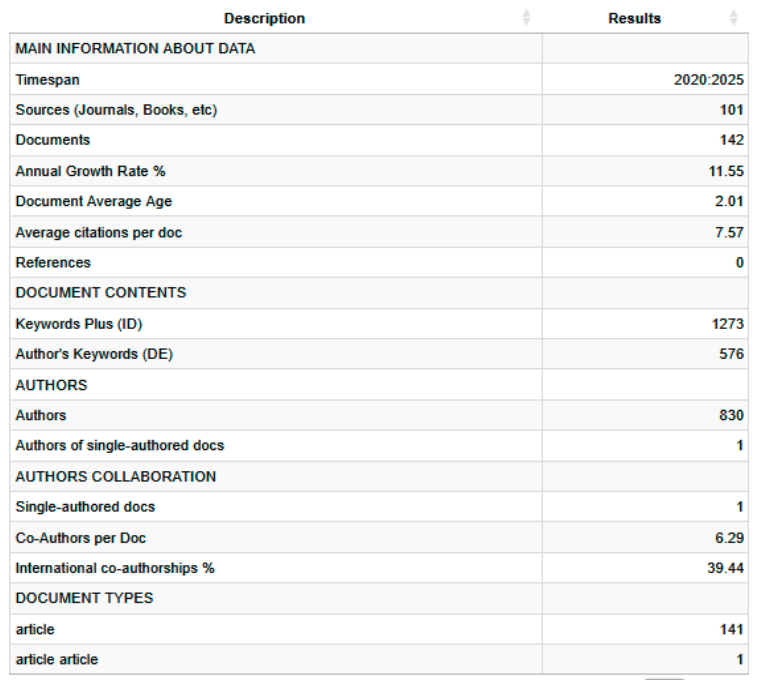
The results reveal an annual growth rate of 11.55% in scientific production and an average of 7.57 citations per document, reflecting the consolidation of this research field. A total of 830 authors were identified, with a mean of 6.29 co-authors per publication, indicating an increasingly collaborative and international research environment.
This growth reflects how technological innovation has enabled environmental sustainability by promoting more efficient, non-invasive pollinator management. The findings also suggest that integrating IoT and artificial intelligence supports data-driven environmental management, directly contributing to SDG 9 (Industry, Innovation, and Infrastructure) and SDG 15 (Life on Land).
Figure 2.
Main information about the analysis.
4.2. Sankey Diagram
The Sankey diagram (Figure 3) illustrates the relationships among countries, journals, and keywords, providing a visual representation of knowledge flow in precision beekeeping and sustainable hive monitoring. Unlike traditional flowcharts, the Sankey diagram clearly depicts proportional contributions, with the width of each link indicating the relative volume of scientific production associated with a given country or topic.
As shown in Figure 3, Brazil and Malaysia dominate publications on stingless bees and precision beekeeping, accounting for the largest share of studies in this analysis. Germany is also noteworthy for its significant contributions to publications on honey quality, bioactive compounds, and machine learning applications in beekeeping management.
Among journals with the highest concentrations of publications, Foods and Apidologie stand out, both international journals—the first published by the Swiss publisher MDPI and the second a collaboration between French and German institutions. Other journals, primarily European, show a minor concentration of publications in the field.
From a sustainability perspective, this network of scientific production underscores the global integration of technological innovation and ecological preservation. Countries with strong biodiversity and agricultural sectors, such as Brazil and Malaysia, are leading research that combines IoT-based monitoring, AI-driven data analytics, and ecological management practices. These technological advances are essential for achieving sustainable apiculture, as they promote resource efficiency, pollinator conservation, and environmental traceability—key aspects of SDG 9 (Industry, Innovation and Infrastructure), SDG 12 (Responsible Consumption and Production), and SDG 15 (Life on Land).
4.3. Clustering by Bibliographic Coupling
The degree of bibliographic coupling measures the extent to which shared references connect two articles — that is, coupling occurs when two studies cite one or more sources in common. In this study, the coupling analysis was conducted across two analytical dimensions: centrality and impact. Centrality reflects the level of interaction between thematic clusters, based on keyword co-occurrence and citation networks, following the approach proposed by Aria and Cuccurullo (2017). Impact, on the other hand, was measured using the Normalized Global Citation Score (NGCS), which quantifies each cluster's influence within the scientific ecosystem.
The clustering was performed using keywords extracted from abstracts, aggregated into trigrams to capture semantic specificity and reduce noise. The resulting distribution (Figure 4) positions each thematic cluster in a two-dimensional plane, with the X-axis representing centrality and the Y-axis representing impact. The first quadrant comprises the most central and influential research themes, whereas the third quadrant comprises peripheral or emerging topics.
The analysis revealed that the terms with the highest levels of impact and centrality were “stingless bee honey”, “bee monitoring system”, “honey bee colonies”, and “behavior antioxidant activity”. These clusters indicate a robust research focus on technological innovation for sustainable hive management, as well as on the biochemical and ecological analysis of bee products. Conversely, the term “abundance species individuals” had the least impact, reflecting niche or localized studies with limited global visibility.
From a sustainability perspective, the clusters located in the first quadrant represent the most promising research directions. They integrate environmental monitoring, data analytics, and bioproduct characterization, contributing to SDG 2 (Zero Hunger), through pollination and sustainable agricultural productivity; SDG 9 (Industry, Innovation and Infrastructure), by advancing sensor-based and IoT-driven monitoring solutions; SDG 12 (Responsible Consumption and Production), through quality assurance and traceability of honey and related products; and SDG 15 (Life on Land), by supporting biodiversity and pollinator preservation.
4.4. Scientific Collaboration Clustering
The scientific collaboration network (Figure 5) illustrates the interconnectedness of researchers in precision beekeeping and sustainable hive monitoring. Figure 5 shows that Abdel-Rahman E.M. stands out as the most collaborative author, acting as a central connector across multiple research groups. The red cluster emerges as the most cohesive and active network, indicating strong internal collaboration and a shared focus on the technological development of hive monitoring systems. In contrast, the purple, green, and blue clusters appear as smaller, more specialized subgroups focused on bee product chemistry, ecological modeling, or machine learning for pollinator monitoring.
From a sustainability standpoint, the observed pattern of international collaboration is particularly relevant. The presence of strong co-authorship links among researchers from Brazil, Malaysia, Germany, and China demonstrates a global commitment to sustainable bee management. These partnerships foster the exchange of open data, sensor-based technologies, and artificial intelligence methodologies, thereby strengthening interdisciplinary approaches crucial to addressing environmental challenges.
Therefore, the co-authorship network demonstrates that sustainability-oriented innovation is being driven by global scientific collaborations, which catalyze the transition toward data-driven, ecologically conscious beekeeping systems.
4.5. Co-Occurrence Network
The co-occurrence network (Figure 6) visualizes the conceptual relationships among the studies analyzed, identifying clusters of keywords that co-occur across multiple studies. The color coding differentiates clusters, each representing a distinct line of research or thematic emphasis.
In the resulting network, the red cluster emerges as the largest and most cohesive, representing the field's core research front. This cluster consolidates studies on precision beekeeping, sensor networks, and IoT applications, emphasizing how digital technologies are transforming hive management and environmental monitoring. At its center, the article by Milla I. (2022, Ecological Solutions and Evidence) serves as a highly connected reference, highlighting the integration of ecological monitoring frameworks with digital sensing tools for sustainable resource management. Similarly, the article by Ramirez-Diaz J. (2025, Insects) belongs to the blue cluster, yet maintains several interconnections with the central group, indicating its emerging influence on machine learning and behavioral modeling in stingless bee colonies.
The peripheral clusters represent specialized subthemes, such as bioactive compound analysis, antioxidant properties of honey, or species-specific ecological interactions. Although these subfields are less interconnected, they signify areas of diversification and emerging opportunities for interdisciplinary research.
From a sustainability perspective, this co-occurrence network indicates a convergence among environmental science, data analytics, and engineering innovation. The interconnectedness among keywords such as “precision beekeeping,” “IoT,” “biodiversity,” “pollination,” and “honey quality” indicates that the scientific community is moving toward a holistic, systems-based approach to bee management.
In essence, the co-occurrence network represents a transition from fragmented studies toward an integrated framework, in which artificial intelligence, IoT, and biosensing technologies enable ecological resilience and intelligent environmental management. These conceptual linkages affirm that sustainable meliponiculture is not only a biological or agricultural challenge but a technological frontier within the science of sustainability.
4.6. Conceptual Structure Map Through Factorial Analysis
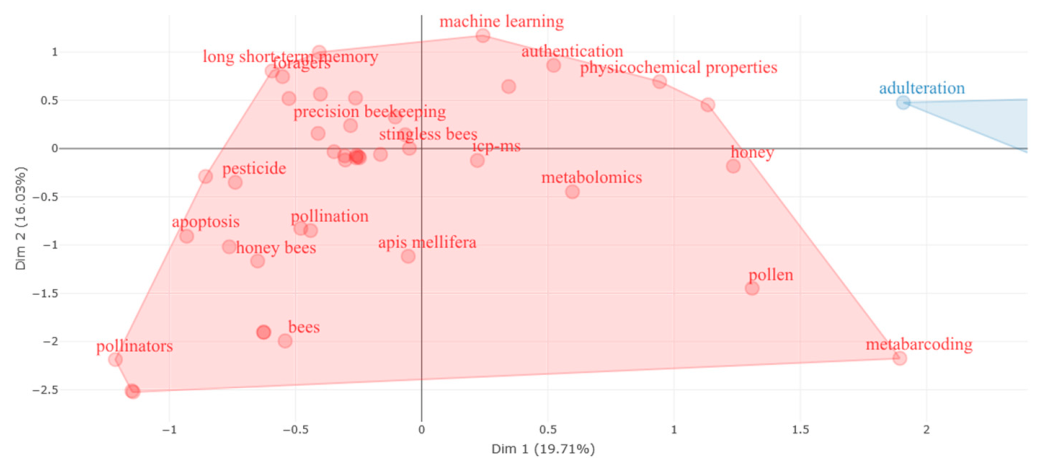
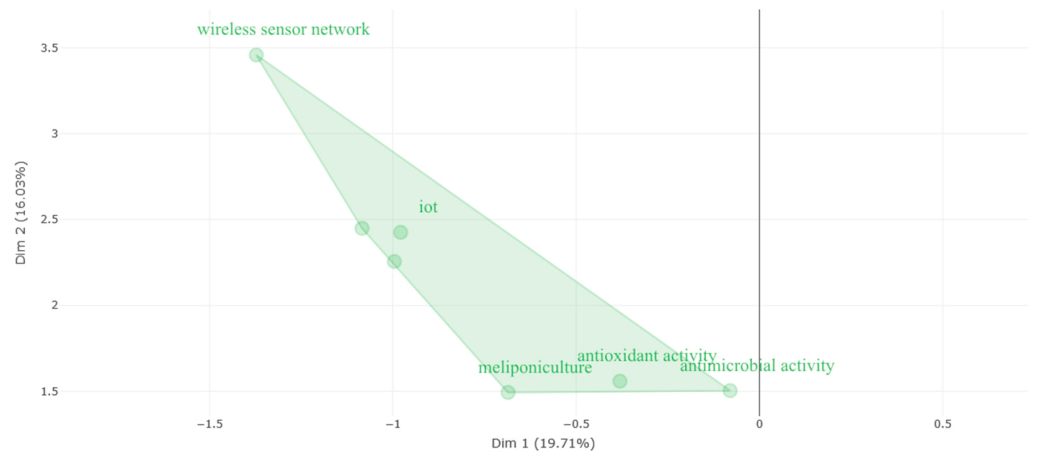
An additional bibliometric analysis consisted of the conceptual structure map (Figure 7), derived from Multiple Correspondence Analysis (MCA), which provides an integrated view of the interrelationships among research themes in precision beekeeping and sustainable monitoring. The analysis was conducted using author keywords, grouped by frequency and co-occurrence in the reviewed literature. To enhance interpretability and visual clarity, the representation was limited to the 30 most relevant terms, forming three well-defined conceptual clusters
The factorial distribution in Figure 7 highlights the intellectual architecture of the field, revealing how distinct research domains converge toward sustainability-oriented innovation. Each cluster represents a specific dimension of inquiry, but together they delineate a holistic framework that connects technological development, environmental conservation, and bioeconomic value creation.
The first conceptual cluster, represented in red, encompasses technological innovation and precision beekeeping. It includes terms such as “IoT,” “embedded systems,” “data acquisition,” and “sensor networks.” This group represents the digital transformation of bee management, emphasizing low-cost, energy-efficient monitoring solutions that enable real-time, noninvasive hive management. The integration of smart sensors and artificial intelligence enhances the precision of environmental data collection, supporting predictive decision-making. These developments contribute directly to SDG 9 (Industry, Innovation and Infrastructure) by advancing sustainable technologies and to SDG 15 (Life on Land) by promoting biodiversity monitoring and conservation practices.
Figure 8.
Conceptual structure map through factorial analysis – Cluster 1.
The second cluster, shown in green, relates to honey characterization and bioactive properties. It brings together keywords such as “antioxidant activity,” “honey quality,” and “functional foods.” This research domain addresses the bioeconomic dimension of sustainable beekeeping by exploring the chemical, nutritional, and therapeutic potential of stingless bee products. Studies in this area strengthen local economies, foster responsible production practices (SDG 12), and enhance food security (SDG 2) by developing natural, high-value products.
Figure 9.
Conceptual structure map through factorial analysis – Cluster 2.
Finally, the third cluster, depicted in blue, focuses on sustainability and environmental impact. It includes concepts such as “pollination,” “biodiversity,” “ecosystem services,” and “climate change.” This cluster represents the ecological and social dimensions of the field, positioning bee management as both a biodiversity preservation strategy and a bioindicator of environmental health. Research within this domain links precision beekeeping to global sustainability, especially SDG 13 (Climate Action) and SDG 15 (Life on Land), by emphasizing climate resilience, ecosystem balance, and pollinator protection.
Figure 10.
Conceptual structure map through factorial analysis – Cluster 3.
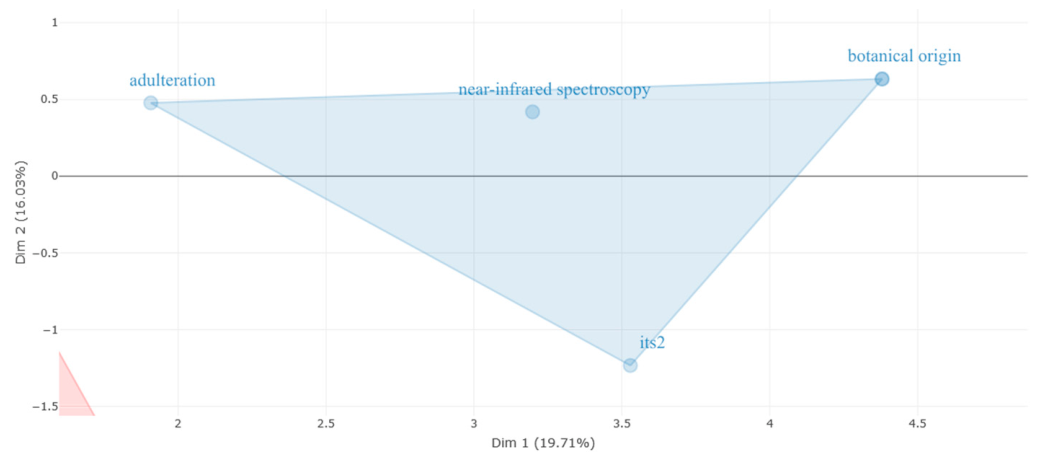
The factorial analysis confirms that technological innovation is not decoupled from ecological responsibility; rather, it serves as a catalyst for sustainable transformation in agriculture, biodiversity, and rural development.
5. Conceptual Framework for Smart Stingless Bee Management and Discussion
5.1. General Issues
The research highlights the consistent progress in the convergence of embedded systems, the Internet of Things (IoT), artificial intelligence, and various biological studies applied to precision meliponiculture. The bibliometric analysis revealed the growing interest of the scientific community in adopting non-invasive monitoring technologies for beehives. However, the exploration of these technologies, with a focus on native species such as Tetragonisca Angustula, remains underrepresented in commercial solutions [9,43]. The potential of environmental and behavioral sensors for tracking internal hive conditions is evident, enabling early interventions in cases of stress or disease [5,45] and a better understanding of the ecosystem role that stingless bees play.
The formation of thematic clusters, such as “precision beekeeping” and “stingless bees,” demonstrates not only technological evolution in the field but also the need for interdisciplinary approaches that integrate engineering, animal science, and data analysis. As noted in [9,43], technological advances in precision beekeeping have expanded the possibilities for non-invasive hive monitoring. The results of the bibliometric analysis indicate trends and directions for developing innovative solutions to monitor stingless bee hives, including those of the Jataí species. This can directly contribute to colony health, loss prevention, and optimized management, thereby meeting the growing demand for traceability, quality control, and productivity in the beekeeping sector.
Solutions with this approach are directly aligned with the United Nations (UN) 2030 Agenda and its Sustainable Development Goals (SDGs). Among the SDGs addressed by the proposed solutions are:
- SDG 9 – Industry, Innovation, and Infrastructure, through the digitalization of agriculture enabled by remote IoT monitoring;
- SDG 2 – Zero Hunger and Sustainable Agriculture, by strengthening pollination and ensuring food security;
- SDG 15 – Life on Land, by preserving natural pollinators and their habitats; and
- SDGs 1 and 8 – No Poverty and Decent Work and Economic Growth, since the adoption of such technologies in rural communities can foster income generation and inclusive production [26].
Therefore, intelligent monitoring systems not only address the technical demands of precision beekeeping but also act as catalysts for socio-environmental and economic transformation, promoting innovation and long-term sustainability. However, a significant gap was identified in monitoring native Brazilian bee hives, such as Tetragonisca Angustula, whose biological and behavioral characteristics necessitate specific adaptations that existing technological solutions have not yet fully addressed. This gap underscores the originality and relevance of the present study, which focuses on an underserved species and advances precision meliponiculture [21].
5.2. Requirements for a Stingless Hive Monitoring System
Bibliometric evidence confirmed the hypothesis that intelligent hive monitoring is directly related to increased productivity and improved management in beekeeping. Technologies such as temperature, humidity, weight, and sound sensors allow real-time data collection, supporting proactive decisions that reduce losses and enhance colony health. Specifically, studies indicate that alterations in hive sound can serve as early indicators of disease, stress, or queenlessness, enabling rapid and effective interventions [5,31]. Thus, the integration of data science and biotechnology represents a qualitative leap in bee management, contributing to production sustainability, the preservation of native species, and the promotion of more innovative and efficient beekeeping practices [10].
The new product development effort related to designing a solution for stingless bee monitoring, involving IoT, Cloud Computing, Embedded Systems, and Mobile Applications, can be considered a complex mechatronic design [4]. As the present article aims to present a useful conceptual framework, only the core elements for the specification and conceptual design phases are required, starting with the requirements list and linking it to the main elements of the design conception.
To gather additional elements for a general specification for monitoring stingless bees, a qualitative analysis was also conducted on the main articles in the dataset. The set of analyzed articles is summarized in the following table, in which requirements and current solutions are cross-referenced and tailored to create a digital architecture for stingless bees monitoring. The meaning of each variable for stingless bees are based on the referenced paper and specificities presented in [17,30].
Table 1 presents the most discussed parameters for Apis Mellifera smart monitoring, down to the least frequently reported variable in the reference literature. We identified 21 variables in the selected references. For each variable, we checked the condition in stingless bees according to [17] and [30], respectively: a reference international book on the subject and a Brazilian systematic study from EMBRAPA. This information is in the third column in the table.
As with Apis Mellifera, the literature emphasizes the need to monitor temperature, humidity, sound, and weight as indicators of health and productivity. The literature also reports substantial variation in temperature ranges among stingless bee species. The parameters for humidity depend on the fungal growth limits, which are similar to the Apis Melifera ranges, but Jataí honey is more humid than Apis´s honeys, which suggests they can apply other fungal control strategies, an issue to be studied. Outside humidity is also a driver of humidity limits inside the beebox and has been affected by the health of the stingless bee colony.
Intrusions and threats, such as Varroa destructor, ants, other mites, and vertebrates, are documented. Vertebrates, such as small foxes, marsupials, and others, are considered more threatened than honeybees because of the defensive fragility of stingless bees [30]. The missing queen and swarming processes are well-documented problems [17], but elements such as intensive brood rearing, CO2 mixtures, and pollen-carrying analysis are rarely discussed, suggesting they are not concerns in stingless bee management. Polem collection, population size, hive openness/closeness, traffic, and predominant nectar sources in honey are always questions to be calibrated to the specific territory where the colony is nesting, and its defensive practices. Chemical elements as pheromone signals and drivers of honey color are also open questions.
5.2. Conceptual Design for a Stingless Hive Monitoring System
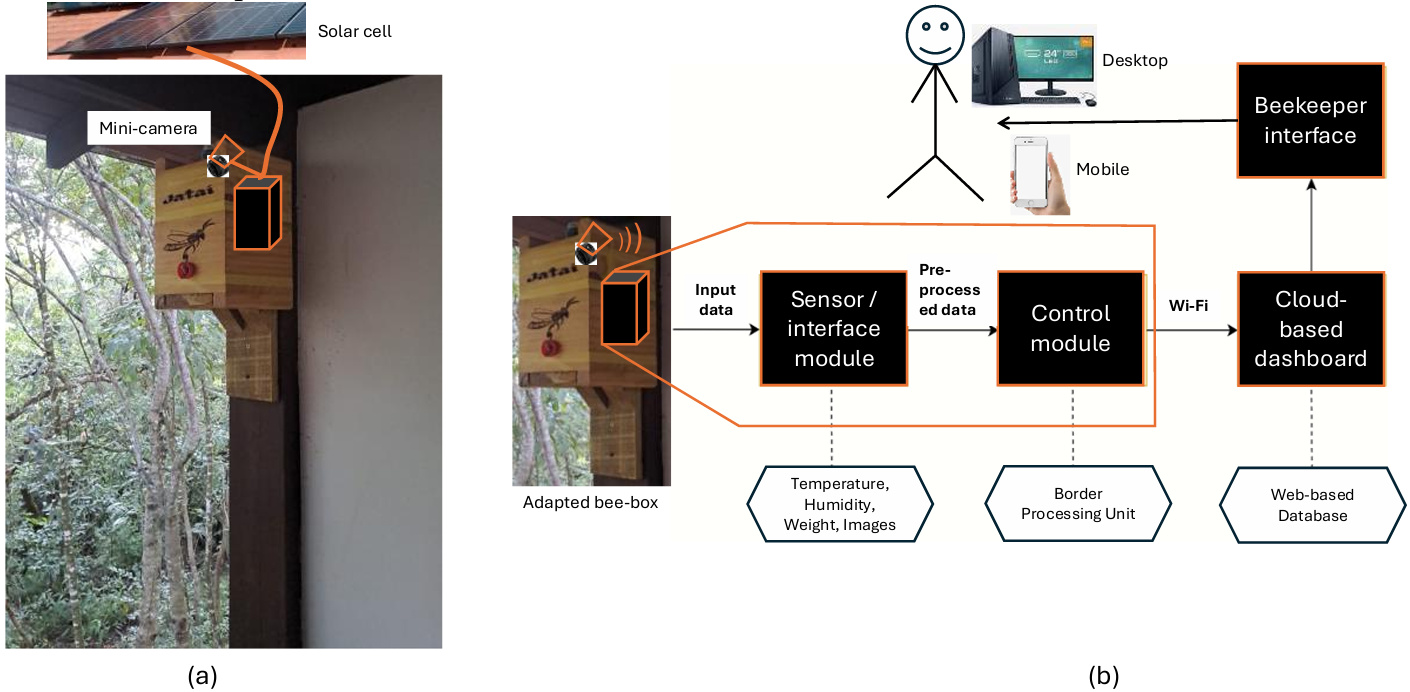
This project proposes an architecture based on the ESP32 microcontroller, with Wi-Fi connectivity and solar power derived from an Apis Melifera smart beebox project [9,31,45]. Sensors such as the DHT22, BME280, and HX711 can be selected for their accuracy, low cost, and ease of integration [9,11]. This solution aims to provide a low-power technological alternative for the continuous monitoring of Tetragonisca Angustula colonies, adapted to Brazilian conditions [17,30,40].
The whole concept involves some changes in traditional Brazilian stingless bee-boxes in form to adapt a 3D-printed module with connections for the sensors, and a control unit with their interfaces and drivers. The system will monitor temperature, humidity, and weight, as is common practice in smart beekeeping [31]. However, unlike Apis Mellifera, stingless bees require monitoring for intrusions and for bee behaviors related to traffic, defense, and vertebrate predation [17,31].
Despite Figure 11 presents a bee box in a well-structured place close to a house, we planned to make this monitoring process in a wilder situation with the structure for placing a solar panel, but without close communication to a house which can be seen as a location that can deter natural predators by being close to humans. A mini-camera will monitor traffic at the colony entrance and potential predatory behaviors to understand the ecosystem roles these bees play.
5.3. Artificial Intelligence Demands
In recent years, the literature has increasingly converged toward data-driven solutions that integrate environmental sustainability, operational efficiency, and social engagement. In the energy domain, optimization and machine learning techniques have enhanced the performance and reliability of renewable systems—from photovoltaic parameter estimation [41] and fault detection in PV arrays [39] to optimal management of isolated microgrids using hybrid metaheuristics [20]. In agricultural and ecological management, low-impact approaches such as slow-release formulations for pest control [16] and, more directly linked to pollinators, biomonitoring of hive air volatiles as indicators of contamination [18] or the valuation of pollination ecosystem services through beekeeping models [13,31] have emerged. Even in extractive industries, predictive models are being utilized to enhance safety and mitigate environmental externalities [12].
Against this backdrop, the present study advances the field by systematically mapping the knowledge frontier in precision beekeeping, with a particular focus on stingless bees (Tetragonisca Angustula) and by identifying technological gaps for native species. We search for specific applications of artificial intelligence in this endeavor, but the identified literature has not addressed neural networks or other AI algorithms. Our conceptual design, presented in the previous section, requires a training step using micro-camera images to identify the foraging practices of Jataí bees, as well as their predatory and ecosystem roles in their natural habitat. Future articles will address the AI training and results, as well as the impact of these intrusions and traffic on the monitoring elements of temperature, humidity, and weight. AI algorithms will be used in this research.
6. Conclusions
Product development has changed in recent years. The easy access to dispersed data and the availability of literature-based methods for identifying state-of-the-art procedures in science and technology have enabled the assessment of top-aligned works across many fields. In this article, a bibliometric analysis was used to investigate how intelligent embedded systems can contribute to monitoring stingless bee hives. Once stingless bees are few, approached under a smart technology lens, our search strings aimed to integrate smart beekeeping and stingless bees literature to gather a broad understanding of the possibilities and current technologies for monitoring bees.
The results enabled the identification of the central thematic axes related to precision beekeeping, including the use of sensors, wireless networks, and artificial intelligence. The analysis also revealed a growing trend in studies focused on colony health, loss prevention, production certification, and the impact of environmental factors. Furthermore, the publications demonstrate international collaborations and interdisciplinary approaches, underscoring the field's innovative potential.
This study contributes to the academic literature by presenting a solution designed explicitly for Tetragonisca Angustula, a species that currently lacks technical approaches tailored to its behavior and hive structure. The bibliometric analysis, using descriptors such as “precision beekeeping,” “stingless bees,” and “sensor monitoring,” reinforces the originality of this research by highlighting gaps in the international literature. The findings, aligned with studies such as [4], advance the field by integrating environmental sensors and data analytics, pushing the boundaries of knowledge on the application of embedded systems in meliponiculture.
The research methodology allowed us to identify the major requirements for smart monitoring of stingless bees. These bees, in addition to their potential to produce honey at higher prices (five or six times that of Apis Mellifera honey in Brazil [17]), have a significant impact on horticultural production, including strawberries, oranges, melons, watermelons, and other commercially important crops. The potential, however, goes beyond the economic value, given that these bees have ecosystem behaviors and roles that are not yet well understood. Their relationships with vertebrates warrant further study, and a monitored beebox could contribute to this effort. Derived from this understanding, a design concept for a smart beehive for Tetragonisca Angustula, the most widely accepted Brazilian stingless bee for honey production, was proposed.
As possible results from this research effort, after implementation, some practical contributions can be made:
- Promotion of colony health and loss prevention: through environmental and behavioral monitoring using sensors.
- Education and technological extension: use of embedded systems as a tool for training and knowledge dissemination for beekeepers.
- Environmental conservation: protection of native pollinators and the use of bees as bioindicators.
- Opportunities for innovation and sustainable businesses: possibilities for expansion of technology-based startups and applications in the agri-environmental sector.
These factors demonstrate that the adoption of intelligent technologies in beekeeping not only meets technical demands but also aligns with sustainable development agendas, driving regional innovation and socioeconomic growth.
Another promising direction involves applying machine learning techniques to develop predictive models from collected data, thereby increasing the potential for proactive, data-driven interventions for these beekeeping practices. Our literature analysis did not identify AI applications as predictive tools for beekeeping, a lack of future research.
Despite the relevance and contributions of the present study, it is essential to note some limitations encountered during the research. The limited number of studies specifically focusing on Tetragonisca Angustula suggests that this is still a developing research area, reinforcing the need for continued investigation. Future research should expand the proposed conceptual design to incorporate additional sensors that monitor parameters not yet explored, such as CO₂ concentration, volatile compounds, and internal hive vibrations, to enhance early detection of colony disturbances. These sensors are not yet used in honeybees, and as stingless bees are a more fragile species, we suggest these monitoring efforts for future development.
From a broader perspective, this research advances the dialogue between technological innovation and sustainable development, reinforcing the role of digital transformation in ecological management and rural innovation. The convergence of embedded systems, IoT, and artificial intelligence in meliponiculture can promote not only operational efficiency but also the environmental resilience and socioeconomic inclusion of communities involved in beekeeping. By providing real-time environmental insights, these technologies can support evidence-based decision-making, improve pollinator conservation strategies, and foster bioeconomic initiatives aligned with global sustainability agendas. Moreover, unlike Apis Mellifera, stingless bees have less well-known ecosystem roles, and advances in life sciences can be achieved by monitoring these insects.
Author Contributions
Conceptualization, Marcelo Carneiro Gonçalves, Sanderson César Macêdo Barbalho; methodology, Marcelo Carneiro Gonçalves, Sanderson César Macêdo Barbalho; software, Danilo Carrasco Abrão, Filipe Barreto Tomé, Mateus Felipe Massa Pereira, Nikson Bernardes Ferreira; validation, Marcelo Carneiro Gonçalves, Danilo Carrasco Abrão, Filipe Barreto Tomé, Mateus Felipe Massa Pereira, Nikson Bernardes Ferreira, Sanderson César Macêdo Barbalho and Maria Gabriela Mendonça Peixoto; formal analysis, Danilo Carrasco Abrão, Filipe Barreto Tomé, Mateus Felipe Massa Pereira, Nikson Bernardes Ferreira; investigation, Danilo Carrasco Abrão, Filipe Barreto Tomé, Mateus Felipe Massa Pereira, Nikson Bernardes Ferreira, Sanderson César Macêdo Barbalho; resources, Marcelo Carneiro Gonçalves; data curation, Danilo Carrasco Abrão, Filipe Barreto Tomé, Mateus Felipe Massa Pereira and Nikson Bernardes Ferreira; writing—original draft preparation; writing—review and editing, Marcelo Carneiro Gonçalves, Sanderson César Macêdo Barbalho; visualization, Maria Gabriela Mendonça Peixoto; supervision, Marcelo Carneiro Gonçalves; project administration, Marcelo Carneiro Gonçalves; funding acquisition, Maria Gabriela Mendonça Peixoto.
Funding
This research received no external funding.
Institutional Review Board Statement
Not applicable.
Informed Consent Statement
Not applicable.
Data Availability Statement
The data presented in this study are available on request from the corresponding author. The data are not publicly available due to privacy restrictions.
Acknowledgments
The authors would like to thank the University of Brasília (UnB) and the Fundação de Apoio à Pesquisa do Distrito Federal (FAPDF) for their institutional support during the development of this research.
Conflicts of Interest
The authors declare no conflicts of interest.
References
- Almeida, E.A.B.; et al. The Evolutionary History of Bees in Time and Space. Curr. Biol. 2023, 33(16), 3409–3422.e6. [CrossRef]
- Bahgt, I. The Role of Bees in Pollination and Food Security: A Critical Review. Ukrainian J. Ecol. 2023, 13, 41–43.
- Ball, D.W. The Chemical Composition of Honey. J. Chem. Educ. 2007, 84(10), 1643.
- Barbalho, S.; Rodríguez-Gasca, M. Mechatronic Reference Model for Innovation: Connecting Complex Design to Business Issues Through the Concepts of Cycles and Revisions. Appl. Syst. Innov. 2026, 9, 54. [CrossRef]
- Braga, D.; et al. An Intelligent Monitoring System for Assessing Bee Hive Health. IEEE Access 2021, 9, 89009–89019. [CrossRef]
- BRASIL. CONAMA. Resolução nº 496/2020: Estabelece diretrizes para o manejo sustentável, o resgate e o transporte de abelhas nativas, e o incentivo à meliponicultura. Diário Oficial da União 2020, 163, 70.
- Chazette, L.; Becker, M.; Szczerbicka, H. Basic algorithms for bee hive monitoring and laser-based mite control. In Proceedings of the 2016 IEEE Symposium Series on Computational Intelligence (SSCI). Athens, Greece, 2016; pp. 1–8. [CrossRef]
- Cianciosi, D.; et al. Phenolic Compounds in Honey and Their Associated Health Benefits: A Review. Molecules 2018, 23(9), 2322. [CrossRef]
- Cota, D.; et al. BHiveSense: An Integrated Information System Architecture for Sustainable Remote Monitoring and Management of Apiaries Based on IoT and Microservices. J. Open Innov. Technol. Mark. Complex. 2023, 9(3), 100110. [CrossRef]
- da Silva, E.C.M.; Lira, M.A.T.; Gonçalves, M.C.; da Silva, O.A.V.D.O.L.; Jean, W.; [Outro autor]. The Role of Renewable Energies in Combating Poverty in Brazil: A Systematic Review. Sustainability 2024, 16(13), 5584. [CrossRef]
- Danieli, P.P.; et al. Precision Beekeeping Systems: State of the Art, Pros and Cons, and Their Application as Tools for Advancing the Beekeeping Sector. Animals 2024, 14(1), 70. [CrossRef]
- Ding, X.; Jamei, M.; Hasanipanah, M.; Abdullah, R.A.; Le, B.N. Optimized Data-Driven Models for Prediction of Flyrock Due to Blasting in Surface Mines. Sustainability 2023, 15(10), 8424. [CrossRef]
- Feketéné Ferenczi, A.; Szűcs, I.; Bauerné Gáthy, A. Evaluation of the Pollination Ecosystem Service of the Honey Bee (Apis Mellifera) Based on a Beekeeping Model in Hungary. Sustainability 2023, 15(13), 9906. [CrossRef]
- Freitas, B.M.; Silva, C.I. Agricultura e Polinizadores. In Agricultura e Polinização; Assad, A.L., Ed.; A.B.E.L.H.A.: São Paulo, Brasil, 2010; pp. 7–14.
- Gallai, N.; et al. Economic Valuation of the Vulnerability of World Agriculture Confronted with Pollinator Decline. Ecol. Econ. 2009, 68(3), 810–821. [CrossRef]
- Gogi, M.D.; Naveed, W.A.; Abbasi, A.; Atta, B.; Farooq, M.A.; et al. Field Evaluation of Slow-Release Wax Formulations: A Novel Approach for Managing Bactrocera zonata (Saunders) (Diptera: Tephritidae). Sustainability 2023, 15(19), 14470. [CrossRef]
- Grüter, C. Stingless Bees: An Overview. In Stingless Bees: Their Behaviour, Ecology and Evolution; Grüter, C., Ed.; Springer: Cham, 2020; pp. 1–42.
- Ilić, D.; Brkić, B.; Sekulić, M.T. Biomonitoring: Developing a Beehive Air Volatiles Profile as an Indicator of Environmental Contamination Using a Sustainable In-Field Technique. Sustainability 2024, 16(5), 1713. [CrossRef]
- Kulyukin, V.; Mukherjee, S.; Amlathe, P. Toward Audio Beehive Monitoring: Deep Learning vs. Standard Machine Learning in Classifying Beehive Audio Samples. Applied Sciences 2018, 8(9), 1573. [CrossRef]
- Kumar, D.; Chauhan, Y.K.; Pandey, A.S.; Srivastava, A.K.; Vijayaraghavan, R.R.; et al. Optimal Sustainable Energy Management for Isolated Microgrid: A Hybrid Jellyfish Search–Golden Jackal Optimization Approach. Sustainability 2025, 17(11), 4801. [CrossRef]
- L.V.; Gonçalves, M.C.; Dias, I.C.P.; Nara, E.O.B. Application of a Production Planning Model Based on Linear Programming and Machine Learning Techniques. J. Eng. Technol. Ind. Appl. 2024, 10(45), 17–29. [CrossRef]
- Lebedev, V.I. Correlation between Strength and Productivity of Colonies and Frequency and Duration of Inspection. Apiculture 1978, 1(1), 2–3.
- Meikle, W.G.; Holst, N. Application of continuous monitoring of honeybee colonies. Apidologie 2015, 46(1), 10–22. [CrossRef]
- Ngo, T.N.; Wu, K.-C.; Yang, E.-C.; Lin, T.-T. A real-time imaging system for multiple honey bee tracking and activity monitoring. Computers and Electronics in Agriculture 2019, 163, 104841. [CrossRef]
- Nolasco, I.; Benetos, E. To bee or not to bee: Investigating machine learning approaches for beehive sound recognition. In Proceedings of the Detection and Classification of Acoustic Scenes and Events Workshop (DCASE). Woking, U.K.: WWF Living Planet Centre, 2018.
- Organização das Nações Unidas. Objetivos de Desenvolvimento Sustentável. Brasília: ONU Brasil, 2015. Available online: https://brasil.un.org/pt-br/sdgs (accessed on 24 June 2025).
- Page, M.J.; McKenzie, J.E.; Bossuyt, P.M.; Boutron, I.; Hoffmann, T.C.; Mulrow, C.D.; Shamseer, L.; Tetzlaff, J.M.; Akl, E.A.; Brennan, S.E.; et al. The PRISMA 2020 Statement: An Updated Guideline for Reporting Systematic Reviews. BMJ 2021, 372, n71. [CrossRef]
- Popper, K. The Logic of Scientific Discovery. Syst. Zool. 1977, 26, 361. [CrossRef]
- Ramsey, M.T.; et al. The Prediction of Swarming in Honeybee Colonies Using Vibrational Spectra. Sci. Rep. 2020, 10, 9798. [CrossRef]
- Ribeiro, L. A.; Araujo, V. M. F.; Barbalho, S. C. M. Mechatronic Framework for Smart Beehives: Prototyping and Applications Perspective. Springer Proceedings in Mathematics & Statistics. 483ed.: Springer Nature Switzerland, 2025, v., p. 41-53.
- Ribeiro, M.F.; et al. Apicultura e Meliponicultura. In Agricultura Familiar Dependente de Chuva no Semiárido; Melo, R.F.; Voltolini, T.V., Eds.; Embrapa: Brasília, DF, Brasil, 2019; pp. 333–362.
- Robustillo, M.C.; Pérez, C.J.; Parra, M.I. Predicting internal conditions of beehives using precision beekeeping. Biosystems Engineering 2022, 221, 19–29. [CrossRef]
- Schurischuster, S.; Zambanini, S.; Kampel, M. Sensor study for monitoring Varroa mites on honey bees (Apis mellifera). In Proceedings of the 23rd International Conference on Pattern Recognition (ICPR). Cancún, México, 2016.
- Scott, A.; et al. Data Mining Hive Inspections: More Frequently Inspected Honey Bee Colonies Have Higher Over-Winter Survival Rates. J. Apic. Res. 2023, 62(5), 983–991. [CrossRef]
- Seshadri, A.; Walker, T. Integrated Hive Management for Colorado Beekeepers: Strategies for Identifying and Mitigating Pests and Diseases Affecting Colorado’s Honey Bees. Colorado Environmental Pesticide Education Program (CEPEP), 2nd ed., 2019.
- Sharma, S.; Chauhan, A.; Okeke, E.S. Honey as Potential Cosmeceutical Agent and Functional Food. In Honey in Food Science and Physiology; Springer: Singapore, 2024; pp. 57–87.
- Singh, N.; et al. Beekeeping: A Scientific Approach to Biodiversity Conservation and Pollinator Protection. In Beekeeping for Sustainable Livelihood; Behera, B.R., Ed.; Springer: Singapore, 2024; pp. 69–88.
- Slessor, K.N.; Winston, M.L.; Le Conte, Y. Pheromone Communication in the Honeybee (Apis Mellifera L.). J. Chem. Ecol. 2005, 31(11), 2731–2745. [CrossRef]
- Suliman, F.; Anayi, F.; Packianather, M. Electrical Faults Analysis and Detection in Photovoltaic Arrays Based on Machine Learning Classifiers. Sustainability 2024, 16(3), 1102. [CrossRef]
- Tomaz, A.; et al. Toxicity of Botanical Insecticides on the Stingless Bee Jataí (Tetragonisca Angustula). Res. Sq. 2024. [CrossRef]
- Touabi, C.; Ouadi, A.; Bentarzi, H.; Recioui, A. Photovoltaic Panel Parameter Estimation Enhancement Using a Modified Quasi-Opposition-Based Killer Whale Optimization Technique. Sustainability 2025, 17(11), 5161. [CrossRef]
- Utah State University. BeePi_Audio_Classification. 2019. https://usu.app.box.com/v/BeePiAudioData.
- Zacepins, A.; Brusbardis, V.; Meitalovs, J.; Stalidzans, E. Challenges in the Development of Precision Beekeeping. Biosyst. Eng. 2015, 130, 60–71. [CrossRef]
- Zacepins, A.; Stalidzans, E.; Meitalovs, J. Application of Information Technologies in Precision Apiculture. In Proceedings of the 13th International Conference on Precision Agriculture (ICPA), 2012; pp. xx–xx.
- Zaman, A.; Dorin, A. A Framework for Better Sensor-Based Beehive Health Monitoring. Comput. Electron. Agric. 2023, 210, 107906. [CrossRef]
Figure 1.
PRISMA flow diagram illustrating the selection process of the studies included in the bibliometric analysis.
Figure 1.
PRISMA flow diagram illustrating the selection process of the studies included in the bibliometric analysis.
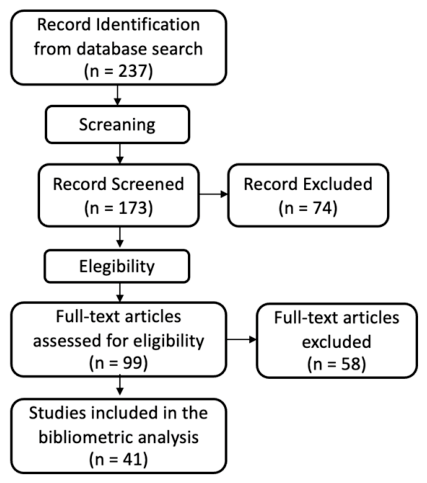
Figure 3.
Sankey diagram – Relationship between countries, keywords, and journals.
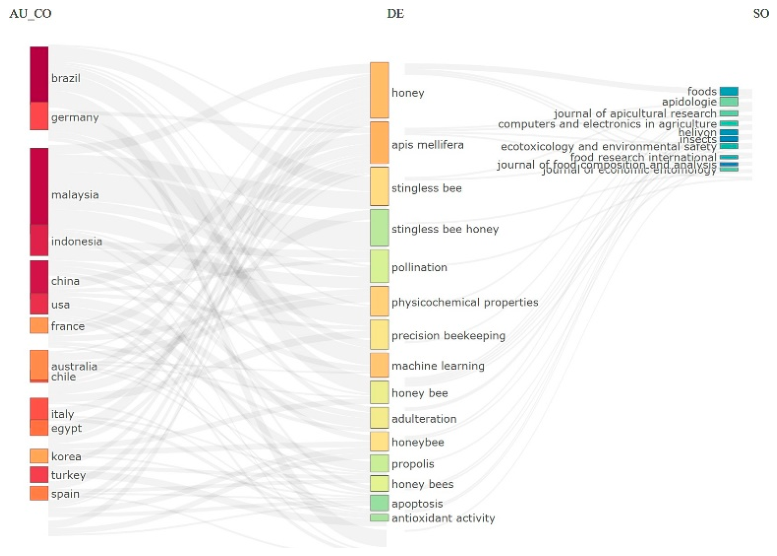
Figure 4.
Clustering by bibliographic coupling.
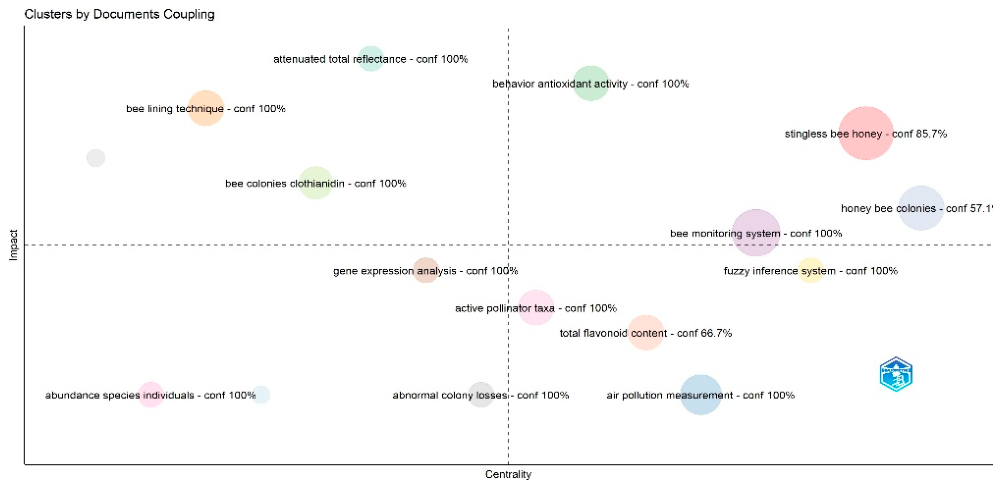
Figure 5.
Scientific collaboration clustering.
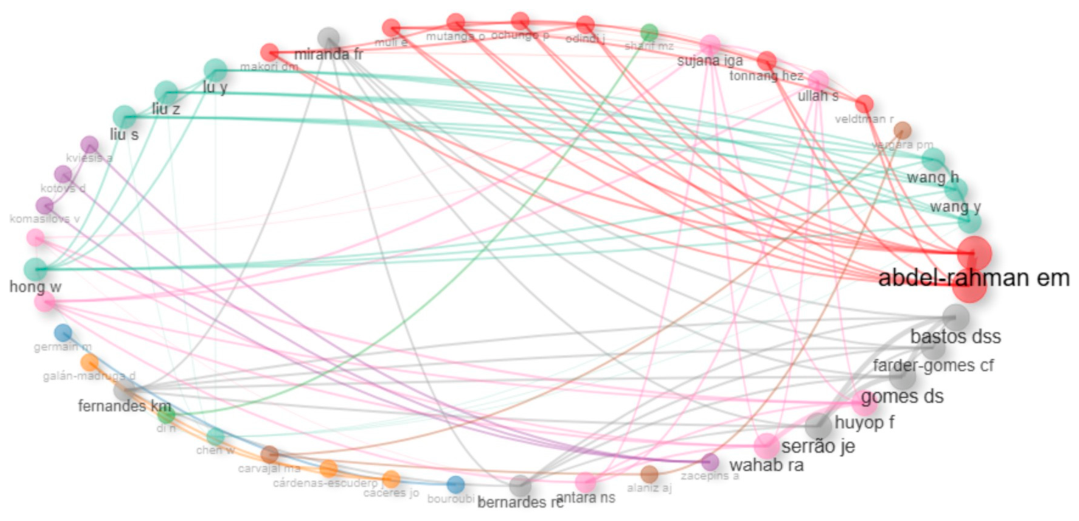
Figure 6.
Co-occurrence network.
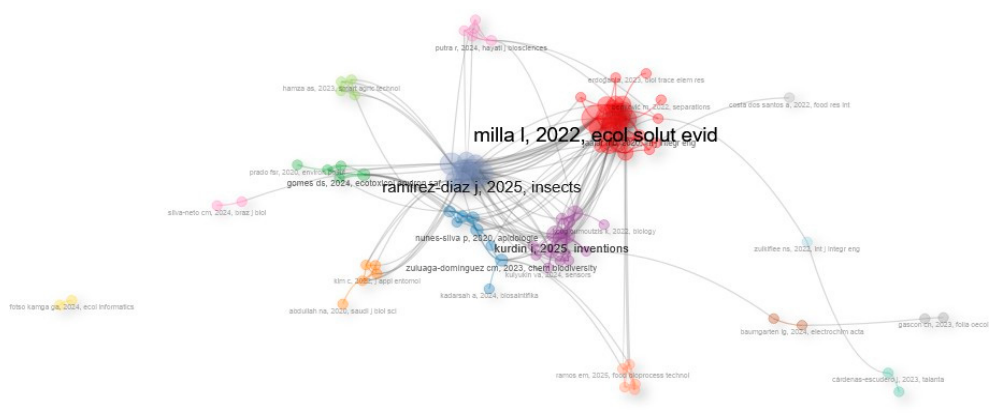
Figure 7.
Conceptual structure map through factorial analysis.
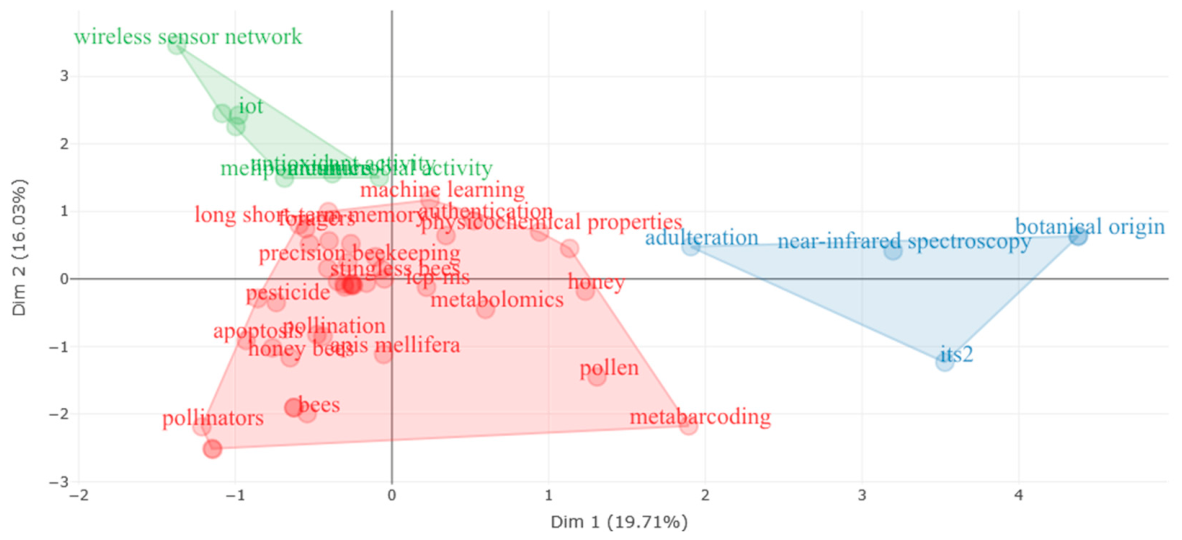
Figure 11.
Conceptual design for the Stingless bees monitoring.
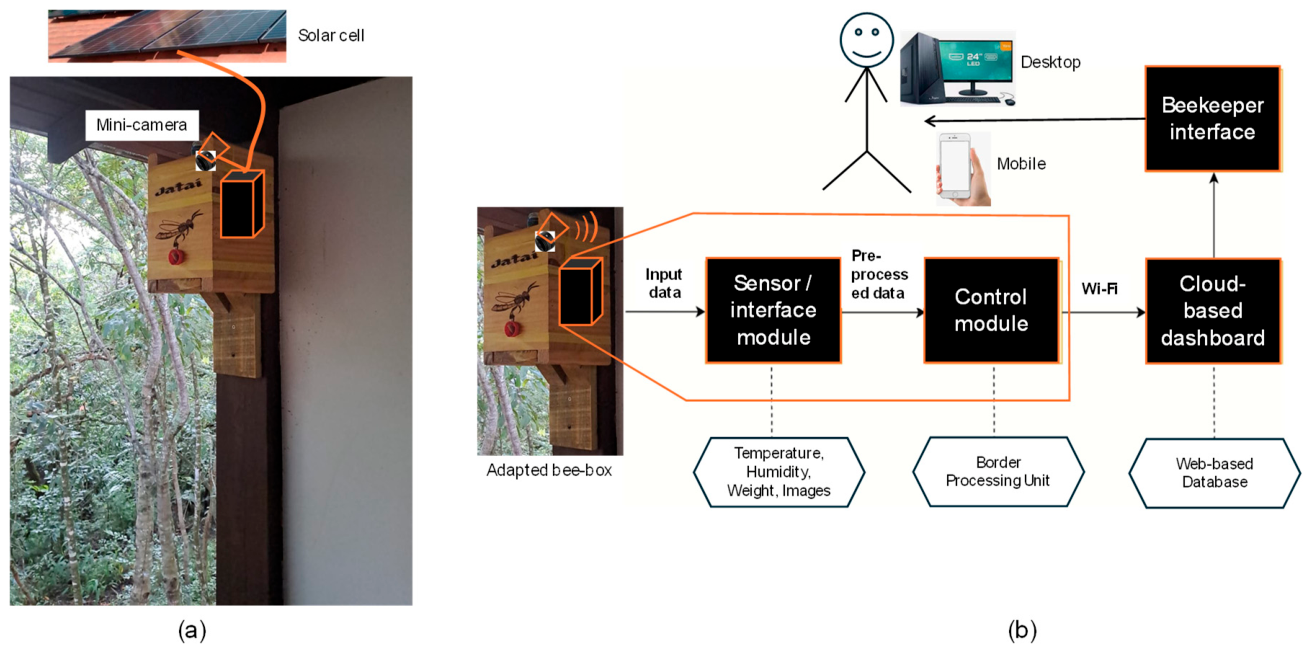

Table 1.
Literature-based requirements for Stingless bees monitoring.
| Variables to be monitored | References | Application for stingless bees |
|---|---|---|
| Internal humidity | [3,5,9,11,45] | Authors have reported that bees actively reduce humidity to ~65%, even in cold weather, to control fungal growth. |
| Internal temperature | [5,9,11,43,45] | Authors have discussed various procedures that stingless bees have been observed to employ to avoid temperature increases from 34 °C to 45 °C, depending on the species. Low temperature has also been managed. Some stingless bees are capable of living in 12-24 °C, according to the literature. |
| Bee sounds | [9,11,19,25,42,43,45] | Sounds are used for an infinitude of conditions and contextual elements in a bee colony, such as in Apis Mellifera, including stress. |
| Hive’s weight | [9,11,32,43,45] | Despite being in a small proportion compared to the Apis Melifera honey, the weight of the produced honey impacts the whole weight of the bee colony, and can disturb some internal structures when they are not in nature. |
| Signs of Varroa destructor | [5,7,19,25,33] | Not Varroa destructor, but, similarly to Apis Mellifera, mites can pose a major health problem for stingless bees. |
| Ant Problems | [5,23] | Among the most important enemies of stingless bees are ants, according to the literature. |
| Missing Queen | [5] | Also, a complex condition in the colony once bees depend on a new queen to progress. |
| Intensive brood rearing | [5] | Brood rearing is very different in Stingless bees and Apis Mellifera, and it's carried out in close coordination between the queen and workers, with the queen acting as a pacemaker. It is not a problem as in honeybees. |
| Population Size | [24,45] | The number of adult bees, and also the number of forage bees, has a relation to the brood and the total colony population. |
| Hive open / closed | [9,45] | In meliponiculture, the opening and closing of hives interfere with bee production and health. |
| Honeybee “traffic” | [11,43] | Traffic is a driver of colony size, but it is also related to the defensive practices of stingless bees, such as controlling traffic and reducing income sizes, to avoid natural enemies. |
| CO2 detection | [11,45] | Not discussed for stingless bees. |
| Swarming process | [29,43] | As in Apis Mellifera, stingless bees swarm. It is a well-documented process with phases identified as occurring due to climate and foraging conditions. |
| Predominant nectar in the beehive stocks | [3] | Identifying nectar sources is as important as Apis Mellifera, since the colony produces honey. |
| Processes related to honey color | [3] | The honey color depends on the main forage, but the number of visited species is large; for stingless bees, the honey color shows few variations. |
| Detection of mites | [5] | Mites can represent a major health problem for stingless bees. |
| Pollen_carrying index | [5] | Not discussed for stingless bees. |
| Subspecies | [5] | There is a possibility of finding uncataloged species. |
| Outside Humidity | [9] | Stingless bees try to maintain the humidity inside below that found outside to prevent fungal proliferation. |
| Pheromone communication | [38] | Well-recognized practices of pheromone communication in Stingless bees, but the understanding of these practices is limited. |
| Pollen collection | [43] | As in Apis Mellifera, stingless bees made shorter flights for pollen collection, lasting less than 5 minutes, implying reduced traffic at the colony entrance. |
| Vertebrates' threats | [17,31] | Authors have documented the robbery of stingless bees' honey by vertebrates. |
Disclaimer/Publisher’s Note: The statements, opinions and data contained in all publications are solely those of the individual author(s) and contributor(s) and not of MDPI and/or the editor(s). MDPI and/or the editor(s) disclaim responsibility for any injury to people or property resulting from any ideas, methods, instructions or products referred to in the content. |
© 2026 by the authors. Licensee MDPI, Basel, Switzerland. This article is an open access article distributed under the terms and conditions of the Creative Commons Attribution (CC BY) license (http://creativecommons.org/licenses/by/4.0/).
Copyright: This open access article is published under a Creative Commons CC BY 4.0 license, which permit the free download, distribution, and reuse, provided that the author and preprint are cited in any reuse.


