

Submitted:
25 June 2026
Posted:
26 June 2026
You are already at the latest version
Abstract
Objective: Neonatal sepsis is a major cause of morbidity and mortality. Vitamin D modulates immune responses and influences the risk and outcomes of neonatal sepsis. Therefore, we aimed to systematically outline the role of vitamin D in neonatal sepsis, including its effects on incidence, severity, treatment outcomes, and underlying mechanisms. Methods: A systematic search was conducted in the MEDLINE and EMBASE databases with English language restrictions and no date limit. Eligible sources included experimental, observational, and descriptive studies as well as reviews addressing vitamin D status, supplementation, and mechanisms in neonatal sepsis. This review followed the PRISMA Extension for Scoping Reviews guidelines. Results: Forty-five studies were selected and analyzed. Vitamin D deficiency was globally prominent among neonates and may be correlated with an increased risk or severity of sepsis. Most studies were observational, primarily case-control or cross-sectional, and conducted in South Asia and the Middle East, with increasing research activity after 2018. The number of term infants were higher than that of preterm infants. Recently, innate immune mechanisms, including antimicrobial peptides and toll-like receptor signaling, were highlighted. However, comparisons across studies were limited by inconsistencies in design, vitamin D cut-offs, timing of blood sampling, and sepsis definitions. Only six studies included patients with culture-proven sepsis, whereas others included clinically suspected cases. Few studies assessed the long-term outcomes, immune maturation, or neurodevelopmental consequences. Conclusions: Vitamin D deficiency may be associated with neonatal sepsis; however, the findings remain inconsistent because of methodological variability. Therefore, high-quality, standardized, multicenter studies are needed.
Keywords:
infant
; newborn
; immune system
; vitamin D deficiency
1. Introduction
Neonatal sepsis is a major cause of neonatal morbidity and mortality worldwide. Neonatal sepsis is a systemic inflammatory response syndrome associated with a proven or suspected infection. It is particularly prevalent among extremely low birth weight (ELBW, < 1000 g) neonates at significantly higher risk due to their immunological immaturity and frequent reliance on invasive medical interventions, such as mechanical ventilation, central venous catheterization, and parenteral nutrition [1]. Both early-onset sepsis (EOS), occurring within the first 72 h of life, and late-onset sepsis (LOS), which occurs after 72 h of life, are critical challenges in neonatal care [2]. This constitutes a substantial public health challenge for low- and middle-income countries (LMICs). According to a meta-analysis, the incidence of neonatal sepsis is substantially higher in LMICs than in high-income countries. The highest burden was observed in Africa and South-East Asia. EOS occurred approximately 2.6-fold more frequently than LOS, particularly among preterm and very low birthweight neonates, whereas the overall mortality associated with neonatal sepsis was 17.6%, underscoring the severe clinical and epidemiological impact of this condition in resource-limited settings [3].
The impact of neonatal sepsis extends far beyond the acute phase; survivors are at a heightened risk of long-term neurodevelopmental impairments, including cerebral palsy, cognitive deficits, and visual or hearing loss. Recurrent or persistent episodes of sepsis are associated with increased mortality, prolonged hospital stays, and substantial healthcare costs [4]. Therefore, novel biomarkers and therapeutic strategies to mitigate the risk of sepsis and improve neonatal outcomes are required.
Vitamin D is a crucial immunomodulatory molecule with the potential to influence neonatal susceptibility to infections, such as sepsis. Traditionally recognized for its role in calcium and bone metabolism, vitamin D plays a key role in regulating the immune system. The active form of vitamin D, 1,25-dihydroxyvitamin D, exerts its effects through the vitamin D receptor (VDR), a transcription factor that modulates the expression of genes involved in immune function [5]. Notably, vitamin D enhances the production of antimicrobial peptides, including cathelicidin and β-defensins, which are first-line defense mechanisms against several pathogens. Additionally, vitamin D influences the differentiation and activation of various immune cell types, including macrophages, dendritic cells, and T lymphocytes, thereby shaping both innate and adaptive immune responses [6,7].
Despite its critical role in immune regulation, vitamin D deficiency is concerning. The maternal vitamin D status directly affects neonatal vitamin D reserves; maternal vitamin D deficiency leads to inadequate vitamin D stores in infants [8]. Vitamin D deficiency occurred in more than half of pregnant women and newborns in five global regions [8]. This is particularly problematic in ELBW neonates, who are more likely to exhibit severe vitamin D deficiency at birth due to limited placental transfer and insufficient sun exposure [9]. Furthermore, preterm infants hospitalized in NICU settings are particularly vulnerable to vitamin D deficiency owing to limited stores, prolonged hospitalization, and delayed establishment of enteral supplementation, which may contribute to increased susceptibility to LOS and immune dysfunction. [10,11].
Vitamin D may play a role in the neonatal sepsis risk. A meta-analysis of observational studies demonstrated a significant association between low serum vitamin D levels and an increased incidence of sepsis in critically ill children, including neonates [12]. Genetic variations in the VDR gene have been implicated in susceptibility to infectious diseases. Polymorphisms, such as FokI, BsmI, TaqI, and ApaI, may influence VDR function and modulate host immune responses to bacterial and viral pathogens [13]. A recent meta-analysis further confirmed the relationship between VDR polymorphisms and increased sepsis risk in neonates, suggesting that genetic factors may interact with environmental variables, such as vitamin D status, to influence infection outcomes [14].
Current study findings on the relationship between vitamin D status and neonatal sepsis are inconsistent. The studies considerably vary with respect to vitamin D assessment methods, population characteristics, definitions, diagnostic criteria for sepsis, and outcome reporting. This variability limits the establishment of robust conclusions. A scoping review enables the systematic mapping of key concepts, identification of knowledge gaps, and characterization of methodological approaches across a diverse studies.
In this scoping review, we examine the current state of vitamin D supplementation practices in NICU settings, with a particular focus on the challenges associated with delayed supplementation in ill infants and the potential benefits of early intervention. We aim to systematically outline the relationship between neonatal vitamin D levels and the risk of sepsis using available information. The following research questions were used to guide the review:1. What research exists on vitamin D status or supplementation in relation to sepsis in neonates?2. What is known about the relationship between maternal and neonatal vitamin D levels or supplementation and the occurrence of EOS or LOS in neonates?3. What biological mechanisms have been proposed to explain the relationship between vitamin D levels and neonatal immune function and susceptibility to sepsis?4. What differences in vitamin D status, immune responses, and sepsis risk have been reported between preterm and term neonates?5. What progress has been made in the study of vitamin D levels and neonatal sepsis over time?6. What are the gaps, limitations, or underexplored areas in the current literature regarding vitamin D and sepsis in the neonatal population?
2. Materials and Methods
This review was conducted in accordance with the methodological framework originally proposed by Arksey and O’Malley and subsequently refined by the Joanna Briggs Institute [15,16]. Furthermore, the reporting of this review followed the Preferred Reporting Items for Systematic Reviews and Meta-Analyses Extension for Scoping Reviews (PRISMA–ScR) guidelines to ensure transparency, reproducibility, and methodological rigor [17]. The review protocol was developed and registered in the Open Science Framework under the registration number 10.17605/OSF.IO/69ZK7, thereby enhancing the transparency of the review process and minimizing the risk of reporting bias.
2.1. Literature Search and Selection
An initial exploratory search was conducted to familiarize the authors with the scope and characteristics of the existing literature, identify relevant terminology, and develop a comprehensive search strategy. Based on this preliminary assessment, search terms and information sources were selected using established keywords and controlled vocabulary (e.g., MeSH and Emtree terms) commonly applied in research on vitamin D and neonatal outcomes. The final search strategy was reviewed, refined, and executed in collaboration with an experienced research librarian to ensure completeness and methodological rigor.
A systematic search was performed using two electronic databases: MEDLINE (via PubMed) and EMBASE. No publication date restrictions were applied; however, the search included studies published up to October 2025 (Appendix A). Gray literature and unpublished studies were excluded. Additionally, records from ClinicalTrials.gov were screened, along with peer-reviewed publications, to identify ongoing or recently completed studies. Trials without available results were retained for descriptive mapping purposes only, whereas records that did not meet the inclusion criteria or had a withdrawal or termination status were excluded.
Following the removal of duplicate records using EndNote, all the remaining citations were imported into Covidence (https://www.covidence.org/) for screening. Two reviewers independent screened the titles and abstracts. Eligibility was limited to studies involving preterm or term neonates aged ≤ 28 days. Irrelevant studies were excluded from the analysis. Given that abstracts frequently lack detailed information on participant characteristics, studies were excluded at this stage only if they explicitly indicated a non-neonatal population or an older age group. Full-text articles were retrieved from all potentially relevant records and independently assessed by two reviewers using predefined inclusion and exclusion criteria (Table 1). Disagreements between reviewers were resolved through discussion and, when necessary, consultation with a third reviewer. The primary reason for exclusions was recorded for each full-text article (Appendix B), in accordance with PRISMA-ScR recommendations to ensure transparency and reproducibility of the study selection process.
2.2. Data Extraction
Data were charted using a pre-established data extraction form developed within Covidence and structured in accordance with the population-conceptual-context framework recommended for scoping reviews. The extraction form captured key study characteristics (e.g., study design, setting, and population), details on vitamin D exposure (including measurement methods and cut-off values), neonatal sepsis outcomes (definitions and diagnostic criteria), reported biological mechanisms, emerging research trends, and knowledge gaps.
The data-charting form was iteratively refined throughout the review process to ensure completeness, clarity, and consistency of data capture across studies. Data extraction was independently performed by two reviewers using a standardized approach, with discrepancies resolved through discussion and, where necessary, consultation with a third reviewer.
To avoid evidence duplication, primary studies included in the two eligible systematic reviews and meta-analyses were not re-extracted. Instead, data from these sources were charted only at the review level, consistent with the objective of mapping the existing evidence base rather than synthesizing individual study outcomes.
Consistent with the methodological purpose of a scoping review, no formal risk of bias or methodological quality assessments were conducted. The extracted data were descriptively established by summarizing the study characteristics and mapping the reported associations between vitamin D status and neonatal sepsis, as well as highlighting patterns, inconsistencies, and gaps in the literature.
3. Results
3.1. Selection of Sources of Evidence
After the selected records were imported into the reference management software Covidence and duplicates were removed, 457 records were established. After de-duplication and title and abstract screening, 384 records remained. Sixty full-text articles were retrieved and assessed for eligibility. Of them, 45 met the predefined inclusion criteria and were included in the scoping review.
All the included studies involved neonatal populations and examination of the association between vitamin D status and neonatal sepsis or sepsis-related outcomes. The evidence primarily consisted of original research articles and two systematic reviews. The study selection process is presented in Figure 1 in accordance with PRISMA guidelines.
3.2. Characteristics of Sources of Evidence
The included studies were predominantly observational. Case-control studies constituted the largest proportion (n = 20, 44.4%), followed by cross-sectional studies (n = 9, 20.0%); cohort studies, including prospective and retrospective designs (n = 7, 15.6%); non-randomized experimental studies (n = 4, 8.9%); and randomized controlled trials and systematic reviews with meta-analyses (n = 2 each, 4.4% each). Case reports were the least frequently used study design, with only one study (2.2%) included. Overall, the distribution of the study designs indicates that the current literature is largely based on analytical observational approaches, with relatively few randomized investigations (Figure 2).
Geographically, studies were predominantly conducted in India (n = 9, 20.0%) and Turkey (n = 9, 20.0%), followed by Egypt (n = 7, 15.6%), Iran (n = 4, 8.9%), Pakistan, and China (n = 3, 6.7%). Single studies were conducted in Indonesia, the Czech Republic, the Russian Federation, the United States, Ethiopia, Spain, Nigeria, and Bangladesh. This distribution indicated a predominance of studies from South Asia and the Middle East, with limited representation from Western Europe and North America (Figure 3).
The highest research activity was observed in 2021 and 2024 (n = 8 each; 17.8%). A significant increase was also observed in 2020 (n = 6; 13.3%) and 2019 (n = 5; 11.1%). Overall, the data demonstrate a marked upward trend in research output after 2018, suggesting a recent increasing scientific interest in the topic (Figure 4). A detailed description of the selected studies is provided in the Appendix C.
Most studies were conducted in tertiary-care or university-affiliated hospital settings and included neonates diagnosed with sepsis or evaluated for sepsis risk, as well as healthy control groups [18,20,21,22,23,24,25,26,27,28,29,30,31,32,33,34,35,36,37,38,39,40,41,42,43,44,45,46,47,48,49,50,51,52,53,54,55,56,57,58,59,60,61,62,63]. Both term and preterm neonates were reported, although many studies focused primarily on term infants [20,21,22,23,25,27,30,34,39,40,46]. The outcomes investigated included EOS, LOS, culture-confirmed sepsis, and clinically diagnosed sepsis. The sample sizes substantially varied between studies, ranging from one case report to small single-center cohorts to larger observational populations [18,20,21,22,23,24,25,26,27,28,29,30,31,32,33,34,35,36,37,38,39,40,41,42,43,44,45,46,47,48,49,50,51,52,53,54,55,56,57,58,59,60,61,62,63]. Only six investigations included culture-proven sepsis cases, whereas others included neonates with clinically suspected sepsis, contributing to methodological heterogeneity [21,24,29,35,42,47].
Several studies demonstrated that severe vitamin D deficiency is more frequent among neonates with confirmed sepsis and is associated with less favorable clinical outcomes, including positive blood cultures, septic shock, increased inflammatory response, and high mortality [24,32,43,56,58]. Associations between lower vitamin D concentrations and disease severity indicators, including immune dysregulation, elevated inflammatory markers, prolonged hospitalization, and worse clinical course, have also been reported [24,30,33,39,43,49,63]. However, these outcomes were not consistently assessed across all included studies [44].
Considerable heterogeneity was observed in the definitions of vitamin D deficiency, with thresholds ranging from <10 ng/mL to <30 ng/mL across studies [18,20,21,22,23,24,25,26,27,28,29,30,31,32,33,34,35,36,37,38,39,40,41,42,43,44,45,46,47,48,49,50,51,52,53,54,55,56,57,58,59,60,61,62,63]. Interventional approaches were evaluated less frequently than observational associations and only a limited number of studies assessed maternal or neonatal vitamin D supplementation [24,27,28,33,34,35,37,44,48,50,54,59,63].
3.3. Maternal and Neonatal Vitamin D Status
A key theme emerging from the included studies was the strong relationship between maternal and neonatal vitamin D status. Several studies suggested that maternal vitamin D deficiency may contribute directly to an impaired neonatal vitamin D status, as positive correlations between maternal and neonatal 25(OH)D concentrations was consistently observed [23,26,34,62]. Most of the included studies reported low maternal, cord blood, or neonatal vitamin D concentrations associated with neonates with sepsis compared to those of healthy controls [20,21,23,25,34,39,40,46,55,56,58,61,62]. Maternal vitamin D supplementation during pregnancy was also associated with a low EOS risk [27].
Associations between vitamin D deficiency and EOS and LOS was described in multiple studies [20,21,25,26,29,41,50,57]. Vitamin D concentrations <20 ng/mL are frequently observed in preterm infants who developed sepsis [50]. Low vitamin D concentrations were also associated with greater disease severity, septic shock, impaired immune markers, and high mortality [24,32,43].
However, the results were not entirely consistent. Some studies did not identify a significant association between vitamin D concentration and neonatal sepsis [22,35,42,45,48], whereas others reported mixed or inconclusive results [47,52]. One review concluded that available evidence was insufficient to establish a causal relationship [44]. Recent studies expanded the analysis beyond total 25(OH)D concentrations by evaluating vitamin D metabolites and vitamin D receptor polymorphisms that are potentially associated with neonatal susceptibility to infection [53,60].
3.4. Biological Mechanisms Linking Vitamin D and Neonatal Immunity
The included literature provided increasing insight into the biological plausibility underlying the association between vitamin D deficiency and neonatal sepsis. Vitamin D was consistently implicated in the modulation of innate immune responses, particularly through its role in inducing antimicrobial peptides, such as cathelicidin and β-defensins, which are critical components of the host defense [64]. This mechanism was described in multiple studies that evaluated neonatal innate immunity and antimicrobial peptide regulation [20,21,22,26,28,33,34,41,46,49,51,54,56,57,58,61,62,63]. Additionally, several studies demonstrated that vitamin D influences cytokine regulation by suppressing pro-inflammatory mediators, including interleukin-6 and tumor necrosis factor-alpha, and promoting anti-inflammatory pathways [21,25,27,43,45,63]. This immunomodulatory effect were particularly relevant in neonates whose immune systems are inherently immature and prone to dysregulated inflammatory responses. Additional biological mechanisms proposed across studies included TLR signaling modulation, neutrophil and macrophage function enhancement, epithelial barrier integrity maintenance, and autophagy pathway regulation [23,35,40,51,56]. Associations between low vitamin D levels and elevated inflammatory biomarkers, such as C-reactive protein and procalcitonin, were reported in multiple studies, further supporting the link between vitamin D deficiency and exaggerated inflammatory responses during sepsis. Elevated vitamin D levels during acute sepsis were also reported, suggesting that dynamic alterations in serum 25(OH)D levels may reflect the activation of inflammatory and immune pathways during infection [18]. Interventional evidence remains limited but suggests potential therapeutic effects. Vitamin D supplementation was associated with improved sepsis scores and reduced levels of inflammatory markers in neonates [33].
3.5. Differences Between Preterm and Term Neonates
Many studies included both term and preterm neonates, although direct comparisons between these groups were relatively uncommon [20,23,26,32,34,39,40,41,49,50,56]. Preterm infants consistently exhibited lower vitamin D concentrations than that of term neonates, likely due to reduced placental transfer during the third trimester, lower body stores, and limited postnatal intake [20,26,34,50]. Premature birth was also an independent risk factor for neonatal sepsis, particularly EOS and LOS [20,41,50,57,59]. Several studies have suggested that premature birth and vitamin D deficiency may have additive effects on infection susceptibility [26,32,49,50,56]. Preterm infants with vitamin D concentrations <20 ng/mL showed high rates of LOS and inflammatory complications [50]. Low gestational age was also associated with low vitamin D levels, impaired immune parameters, and increased infection risk [26,30,49,56]. However, most studies did not stratify immune responses or vitamin D metabolism according to gestational age, and detailed subgroup analyses remained limited [30,38,49].
3.6. Temporal Trends and Advances in the Field
Earlier studies were predominantly descriptive and focused on the association between vitamin D levels and sepsis incidence [18], whereas more recent studies have incorporated prospective designs, multivariate analyses, and mechanistic investigations. Since 2015, studies introduced more comprehensive analyses of innate immune mechanisms, including antimicrobial peptides and TLR signaling [20,21]. Subsequent investigations had expanded scopes that included include adaptive immunity, lymphocyte subsets, placental inflammation, and cytokine regulation [30,31,49,63].
Advances in laboratory methodologies, including more standardized assays for 25(OH)D measurement, improved the comparisons across studies. The 3-epi-25(OH)D3 metabolites and VDR polymorphisms associated with immune regulation were examined in recent studies [53,60]. The interest in vitamin D supplementation increased over time. Maternal supplementation during pregnancy and as an adjunctive intervention for neonatal sepsis was also been investigated [27,33]. Despite these advancements, randomized controlled trials remained limited and the field continues to heavily rely on observational evidence.
3.7. Summary of Findings
Lower serum 25(OH)D concentrations in neonates with sepsis than that in healthy controls was consistent across studies [20,21,23,25,34,39,40,46,55,56,58,61,62]. The association between vitamin D deficiency and increased risk of neonatal sepsis was reported in both case-control and cohort studies involving both EOS and LOS [20,21,25,26,29,41,50,57]. Low vitamin D concentrations was also linked with disease severity, septic shock, impaired immune markers, prolonged hospitalization, and high mortality in several studies [24,32,43]. Multiple studies also reported relationships between vitamin D status and inflammatory or immunological biomarkers, including CRP, IL-6, TNF-α, white blood cell count, procalcitonin, platelet count, lymphocyte subsets, and antimicrobial peptides, such as LL-37 [21,24,30,33,43,49,54,63]. Inverse associations between serum 25(OH)D concentrations and inflammatory markers were frequently observed, suggesting a potential relationship between vitamin D deficiency and dysregulated inflammatory responses during neonatal sepsis [21,24,33,43,63]. Despite these findings, the magnitude and independence of the reported associations vary among studies [22,35,42,45,47,48,52]. Considerable heterogeneity was observed in study design, vitamin D deficiency thresholds, sepsis definitions, and adjustments for potential confounding factors [18,20,21,22,23,24,25,26,27,28,29,30,31,32,33,34,35,36,37,38,39,40,41,42,43,44,45,46,47,48,49,50,51,52,53,54,55,56,57,58,59,60,61,62,63]. Due to the predominance of observational designs and limited randomized evidence, causality cannot be established based on the current literature.
3.8. Gaps Identified
Several important gaps were identified in the literature. Observational case-control or cross-sectional designs and relatively small cohorts (<100 septic neonates) were used in most studies. Interventional evidence remains scarce, with only two randomized controlled trials in the dataset [24,54]. Additionally, supplementation strategies were evaluated in a limited number of studies [24,27,28,33,34,35,37,44,48,50,54,59,63]. Substantial heterogeneity existed in definition of vitamin D deficiency, laboratory methods, timing of blood sampling, and diagnostic criteria for EOS and LOS. Third, relatively few studies involved long-term neonatal outcomes, immune maturation, and neurodevelopmental consequences of vitamin D deficiency and neonatal infection. Data regarding optimal vitamin D supplementation regimens during pregnancy or the neonatal period was also limited. The geographic concentration of the studies in specific regions may limit the generalizability of the findings to larger populations (Figure 4). Finally, the mechanistic evidence remains incomplete. Although multiple studies proposed pathways involving antimicrobial peptides, cytokine modulation, and VDR signaling, most findings were based on indirect biomarker analyses rather than functional immune assays or longitudinal mechanistic studies. Therefore, standardized diagnostic criteria, harmonized laboratory methodologies, multicenter prospective designs, and adequately powered randomized controlled trials are required to evaluate maternal and neonatal vitamin D interventions.
4. Discussion
This scoping review provides a comprehensive overview of the current evidence regarding the relationship between vitamin D status and neonatal sepsis. Most available studies are observational and geographically concentrated, with many reporting an association between vitamin D deficiency and an increased risk of neonatal sepsis, particularly among preterm infants and LOS cases. However, the substantial heterogeneity across studies, including differences in study design, patient populations, diagnostic criteria for sepsis, and laboratory methods, limits the comparability of findings and prevents definitive conclusions.
One of the main methodological challenges was inconsistencies in vitamin D assessment. Different analytical techniques, cut-off values for deficiency, and timing of blood sampling were used. Immunoassays were most commonly used, despite their susceptibility to inter-assay variability and measurement bias, whereas the more accurate LC-MS/MS reference method was used less frequently. These differences emphasize the need for standardized protocols in future research.
Interpretation of the findings is also complicated by potential confounding factors, such as prematurity, severity of illness, maternal health, nutritional status, and infection susceptibility. Although some studies used multivariable analyses to adjust for these variables, the extent of the adjustment considerably varied and residual confounding factors could not be excluded. Furthermore, the limited number of randomized controlled trials restricts the ability to establish a causal relationship between vitamin D deficiency and neonatal sepsis.
Vitamin D supplementation studies were limited and heterogeneous. Although some studies suggest possible protective effects, variations in supplementation regimens, timing of administration (maternal versus neonatal), and study methodology make the results difficult to interpret. Therefore, the current evidence is insufficient to support routine vitamin D supplementation, specifically for the prevention of neonatal sepsis. Future well-designed randomized controlled trials with standardized supplementation protocols and clearly defined outcomes are warranted.
The biological plausibility of this association is supported by experimental studies demonstrating the role of vitamin D in regulating innate and adaptive immune responses, including antimicrobial peptide production, cytokine regulation, and inflammatory signaling pathways. Some studies have also reported associations between vitamin D status and inflammatory biomarkers, although these findings are inconsistent across the literature.
The strengths of this review include its comprehensive search strategy, inclusion of a broad range of study designs, and systematic identification of methodological gaps. However, the studies were limited to English-language publications and lacked formal critical appraisals. Additionally, a universally accepted cut-off value for vitamin D deficiency and definition for sepsis were not established. Overall, this review highlights the important gaps in the current evidence and underscores the need for methodological standardization and high-quality randomized studies to better understand the role of vitamin D in neonatal sepsis.
5. Conclusions
The current literature indicates a potential association between vitamin D status and the risk of neonatal sepsis, which is supported by both observational findings and biologically plausible mechanisms related to immune modulation. Vitamin D influences the innate and adaptive immune responses, including the regulation of antimicrobial peptides and inflammatory pathways, which may be particularly relevant in neonatal immune imbalances. Despite these findings, the available evidence remains insufficient to establish a causal relationship. Future randomized trials should be based on a clear and standardized sepsis definition that can better clarify the temporal relationships and account for key confounders. Additionally, mechanistic studies are needed to further clarify the immunological pathways through which vitamin D influences susceptibility to infection in neonates. Importantly, randomized controlled trials are essential to evaluate the efficacy and safety of vitamin D supplementation in both mothers and neonates, particularly in high-risk populations, such as preterm infants. Collectively, these research efforts can be used to determine whether optimizing vitamin D status can play a meaningful role in the prevention of neonatal sepsis or low vitamin D levels primarily reflect broader determinants of maternal and neonatal health.
Author Contributions
DP and AKN were involved in the study conception, preliminary literature review, writing, and editing of the review, scoping review framework and analysis, design of the search strategy, and content expert input. KW was involved in preliminary literature review, design of the search strategy, and content expert input. RB was involved in editing of the protocol, provided general guidance to the research team, and content expert input. All the authors have made substantial intellectual contributions to the development of this protocol. All authors have read and approved the manuscript.
Funding
This research received no external funding.
Institutional Review Board Statement
Not applicable.
Informed Consent Statement
Not applicable.
Data Availability Statement
The datasets generated and/or analyzed during the present study are available from the corresponding author on reasonable request.
Acknowledgments
The authors would like to express their sincere gratitude to the authors of the scientific works cited and utilized in this study. Their valuable contributions provided the theoretical foundation and inspiration for the present research.
Conflicts of Interest
The authors declare no conflicts of interest.:.
Abbreviations
The following abbreviations are used in this manuscript:
| ELBW | Extremely low birth weight |
| EOS | Early-onset sepsis |
| LOS | Late-onset sepsis |
| LMIC | Low- and middle-income countries |
| NICU | Neonatal intensive care units |
| PRISMA-ScR | Preferred Reporting Items for Systematic Reviews and Meta-Analyses Extension for Scoping Reviews |
| VDR | Vitamin D receptor |
Appendix A. Search Strategy

Table A1.
MEDLINE (via PubMed) 26.11.2025.
| Concept, domain | Search term, query |
| MeSH terms for: vitamin D | “Vitamin D”[Mesh] OR “Vitamin D Deficiency”[Mesh] |
| Natural terms for: vitamin D (title/abstract/keywords) |
“vitamin D”[tiab] OR “hypovitaminosis D”[tiab] OR cholecalciferol[tiab] OR 25-hydroxyvitamin[tiab] OR 25-hydroxycholecalciferol[tiab] |
| MeSH terms for: sepsis | “Sepsis”[Mesh] |
| Natural terms for: sepsis (title/abstract/keywords) |
sepsis[tiab] |
| MeSH terms for: neonate | “Infant”[Mesh] |
| Natural terms for: neonate (title/abstract/keywords) |
Infant*[tiab] OR newborn*[tiab] OR neonate*[tiab] OR neonatal[tiab] OR postnatal[tiab] |
| MeSH terms for: neonate + sepsis | “Neonatal Sepsis”[Mesh] |
| Combined search blocks | (#1 OR #2) AND {[(#3 OR #4) AND (#5 OR #6)] OR #7} |
| Search filter | NOT (“animals”[Mesh] NOT “humans”[Mesh]) |
Total search, items found: 98 (“Vitamin D”[Mesh] OR “Vitamin D Deficiency”[Mesh] OR “vitamin D”[tiab] OR “hypovitaminosis D”[tiab] OR cholecalciferol[tiab] OR 25-hydroxyvitamin[tiab] OR 25-hydroxycholecalciferol[tiab]) AND (((“Sepsis”[Mesh] OR sepsis[tiab]) AND (“Infant”[Mesh] OR Infant*[tiab] OR newborn*[tiab] OR neonate*[tiab] OR neonatal[tiab] OR postnatal[tiab])) OR “Neonatal Sepsis”[Mesh]) NOT (“animals”[Mesh] NOT „humans”[Mesh])
Table A2.
EMBASE (via Emboss) 26.11.2025.
| Concept, domain | Search term, query |
| Emtree terms for: vitamin D | ‘vitamin D’/exp OR ‘vitamin D deficiency’/exp |
| Natural terms for: vitamin D (title/abstract/keywords) |
‘vitamin d’:ti,ab,kw OR ‘hypovitaminosis d’:ti,ab,kw OR ‘cholecalciferol’:ti,ab,kw OR ‘25-hydroxyvitamin’:ti,ab,kw OR ‘25-hydroxycholecalciferol’:ti,ab,kw |
| MeSH terms for: sepsis | ‘sepsis’/exp |
| Natural terms for: sepsis (title/abstract/keywords) |
‘sepsis’:ti,ab,kw |
| MeSH terms for: neonate | ‘infant’/exp |
| Natural terms for: neonate (title/abstract/keywords) |
‘infant*’:ti,ab,kw OR ‘newborn*’:ti,ab,kw OR ‘neonate*’:ti,ab,kw OR ‘neonatal’:ti,ab,kw OR ‘postnatal’:ti,ab,kw |
| MeSH terms for: neonate + sepsis | ‘newborn sepsis’/exp |
| Combined search blocks | (#1 OR #2) AND {[(#3 OR #4) AND (#5 OR #6)] OR #7} |
| Search filter | NOT (‘conference abstract’/it OR ‘conference review’/it) NOT (‘animal’/exp NOT ‘human’/exp) |
Total search, items found: 385 (‘vitamin D’/exp OR ‘vitamin D deficiency’/exp OR ‘vitamin d’:ti,ab,kw OR ‘hypovitaminosis d’:ti,ab,kw OR ‘cholecalciferol’:ti,ab,kw OR ‘25-hydroxyvitamin’:ti,ab,kw OR ‘25-hydroxycholecalciferol’:ti,ab,kw) AND (((‘sepsis’/exp OR ‘sepsis’:ti,ab,kw) AND (‘infant’/exp OR ‘infant*’:ti,ab,kw OR ‘newborn*’:ti,ab,kw OR ‘neonate*’:ti,ab,kw OR ‘neonatal’:ti,ab,kw OR ‘postnatal’:ti,ab,kw)) OR ‘newborn sepsis’/exp) NOT (‘conference abstract’/it OR ‘conference review’/it) NOT (‘animal’/exp NOT ‘human’/exp)
Appendix B. Excluded Articles with Reasons for Exclusion
| Author, Year | Title | Reasons for exclusion |
| Delrue C et al.; 2023 | Vitamin D deficiency: an underestimated factor in sepsis? | Wrong patient population |
| Anand Asati A et al.; 2023 | To determine the correlation of 25-OH Vitamin D levels between newborns with their mothers in case of sepsis. | No article found |
| Prasad R et al.; 2018 | Vitamin D levels in late pre-term neonates and its association with sepsis. | No article found |
| Yi X et al.; 2023 | Neonatal 25-hydroxy vitamin D levels after birth and 2 to 4 weeks after vitamin D supplementation and their impacts on complications. | Due to language restrictions |
| Eren E et al.; 2025 | Effect of 1,25-dihydroxy vitamin D3 on inflammation, antimicrobial peptide, and D-dimer levels in Escherichia coli-induced sepsis in neonatal calves. | Wrong patient population |
| Grant WB; 2010 | Vitamin D supplementation of mother and infant could reduce risk of sepsis in premature infants. | Wrong study design |
| Yang LR et al.; 2016 | Relationship between vitamin D deficiency and early-onset neonatal sepsis. | Due to language restrictions |
| Shuang L et al.; 2019 | Effects of fat-soluble vitamins supplementation in early life on common complications and neural development in very low birth weight infants. | Wrong intervention |
| Agrawal P et al.; 2023 | To determine the maternal and neonatal plasma vitamin D levels and the possible effect of the severity of vitamin D deficiency on early onset sepsis. | No article found |
| Asati AA et al.; 2023 | To evaluate the impact of vitamin D status at birth and in the mother’s plasma on the risk of sepsis. | No article found |
| Grant WB; 2010 | Vitamin D supplementation could reduce risk of sepsis in infants. | Wrong study design |
| Abdelmaksoud SR et al.; 2021 | Lower vitamin D level as a risk factor for late onset neonatal sepsis: an observational case-control study. | No article found |
| Tekgündüz KŞ et al.; 2015 | Is vitamin D deficiency alone sufficient to increase the incidence of neonatal sepsis? | Wrong study design |
| Elbehery MYM et al.; 2025 | Serum 25-Hydroxyvitamin D concentration status and neonatal immune function: new perspectives in anticipating late onset sepsis among preterm neonates at tertiary care centres (a prospective study). | No article found |
Appendix C. Comprehensive Characteristics of Studies Included in the Scoping Review
Owing to its size, the table has been split into two supplementary files; readers are encouraged to examine both files to obtain the complete information.
The following abbreviations are used in the table: LOS- late-onset sepsis; EOS- early-onset sepsis; PROM- premature rupture of membranes; LC-MS/MS- liquid chromatography-tandem mass spectrometry; CRP- C-reactive protein; PCT- procalcitonin; PLT- platelet count; WBC- white blood cell count; CBC- complete blood count; I/T- immature-to-total neutrophil ratio; TLC- Total leukocyte count; ANC- absolute neutrophil count; GLR- granulocyte-to-leukocyte ratio; LL-37- Cathelicidin; VDR- Vitamin D receptors; RR- relative risk; CI- 95% confidence interval
References
- Wynn, J.L.; Wong, H,R. Pathophysiology and treatment of septic shock in neonates. Clin Perinatol. 2010, 37(2):439-479. [CrossRef]
- Stoll, B.J.; Hansen, N.I.; Bell, E.F. et al. Neonatal outcomes of extremely preterm infants from the NICHD Neonatal Research Network. Pediatrics. 2010, 126(3):443-456. [CrossRef]
- Fleischmann, C.; Reichert, F.; Cassini, A. et al. Global incidence and mortality of neonatal sepsis: a systematic review and meta-analysis. Archives of Disease in Childhood. 2021; 106:745-752. [CrossRef]
- Shane, A.L.; Sánchez, P.J.; Stoll, B.J. Neonatal sepsis. Lancet. 2017, 390(10104):1770-1780. [CrossRef]
- Hewison, M. Vitamin D and the immune system: new perspectives on an old theme. Endocrinol Metab Clin North Am. 2010; 39(2):365-379. [CrossRef]
- Liu, P.T.; Stenger, S.; Li, H. et al. Toll-like receptor triggering of a vitamin D-mediated human antimicrobial response. Science. 2006, 311(5768):1770-1773. [CrossRef]
- Chun, R.F.; Liu, P.T.; Modlin, R.L.; Adams, J.S.; Hewison, M. et al. Impact of vitamin D on immune function: lessons learned from genome-wide analysis. Front Physiol. 2014, 5:151. [CrossRef]
- Saraf, R.; Morton, S.M.; Camargo, C.A.; Jr, & Grant, C.C. Global summary of maternal and newborn vitamin D status - a systematic review. Maternal & child nutrition. 2016, 12(4), 647-668. [CrossRef]
- Dawodu, A.; Wagner, C.L. Mother-child vitamin D deficiency: an international perspective. Arch Dis Child. 2007; 92(9):737-740. [CrossRef]
- McCarthy, R.A.; McKenna, M.J.; Oyefeso, O. Et al. Vitamin D nutritional status in preterm infants and response to supplementation. Br J Nutr. 2013, 110(1):156-63. [CrossRef]
- Dogan, P.; Ozkan, H.; Koksal, N.; Celebi, S. Et al. The Role of Low 25-Hydroxyvitamin D Levels in Preterm Infants with Late-Onset Sepsis. Fetal Pediatr Pathol. 2021, 40(6):571-580. [CrossRef]
- McNally, J.D.; Nama, N.; O’Hearn, K. et al. Vitamin D deficiency in critically ill children: a systematic review and meta-analysis. Crit Care. 2017 ,21(1):287. [CrossRef]
- Zacharioudaki, M.; Messaritakis, I.; Galanakis, E. Vitamin D receptor, vitamin D binding protein and CYP27B1 single nucleotide polymorphisms and susceptibility to viral infections in infants. Sci Rep. 2021, 11(1):13835. [CrossRef]
- Darnifayanti, D.; Rizki, D.R.; Amirah, S.; Abdurrahman, M.F. et al. Association between vitamin D receptor gene variants and neonatal sepsis: A systematic review and meta-analysis. J Infect Public Health. 2024 ,17(3):518-526. [CrossRef]
- Levac, D.; Colquhoun, H.; O’Brien, K.K. Scoping studies: advancing the methodology. Implement Sci. 2010 ,5:69. [CrossRef]
- Peters, M.D.; Godfrey, C.M.; Khalil, H.; McInerney, P.; Parker, D.; Soares, C.B. Guidance for conducting systematic scoping reviews. Int J Evid Based Healthc. 2015 ,13(3):141-6. [CrossRef]
- Tricco, A.C.; Lillie, E.; Zarin, W.; O’Brien, K.K.; Colquhoun, H.; Levac, D. et al. PRISMA Extension for Scoping Reviews (PRISMA-ScR): Checklist and Explanation. Ann Intern Med. 2018, 169(7):467-73. [CrossRef]
- Çekmez, F.; Aydemir, S.; Yildirim, Ö. Diagnostic Value of 25-Hydroxyvitamin D Level and New Cytokines in Neonatal Sepsis. Europ J of Inflammation 2014 ,12(2):297-304. [CrossRef]
- Gitto, E.; Karbownik, M; Reiter, R.J. et al. Effects of melatonin treatment in septic newborns. Pediatr Res. 2001, 50:756-60. [CrossRef]
- Cizmeci, M.N.; Kanburoglu, M.K.; Akelma, A.Z.; Ayyildiz, A.; Kutukoglu, I.; Malli, D.D.; Tatli, M.M. Cord-blood 25-hydroxyvitamin D levels and risk of early-onset neonatal sepsis: a case-control study from a tertiary care center in Turkey. Eur J Pediatr. 2015, 174(6):809-15. [CrossRef]
- Cetinkaya, M.; Cekmez, F.; Buyukkale, G.; Erener-Ercan, T.; Demir, F.; Tunc, T.; Aydın, F.N.; Aydemir, G. Lower vitamin D levels are associated with increased risk of early-onset neonatal sepsis in term infants. J Perinatol. 2015, 35(1):39-45. [CrossRef]
- Say, B.; Uras, N.; Sahin, S.; Degirmencioglu, H.; Oguz, S.S.; Canpolat, F.E. Effects of cord blood vitamin D levels on the risk of neonatal sepsis in premature infants. Korean J Pediatr. 2017, 60(8):248-253. [CrossRef]
- Gamal, T.S.; Madiha, A.S.; Hanan, M.K.; Abdel-Azeem, M.E.; Marian, G.S. Neonatal and Maternal 25-OH Vitamin D Serum Levels in Neonates with Early-Onset Sepsis. Children (Basel). 2017, 4(5). [CrossRef]
- Zheng, G.; Pan, M.; Li, Z.; Xiang, W.; Jin, W. Effects of vitamin D on apoptosis of T-lymphocyte subsets in neonatal sepsis. Exp Ther Med. 2018, 16(2):629-634. [CrossRef]
- El-Kader, M.A.A.; El-Azab, G.A.E.-K.; El-Rifaey, S.M. Relation between vitamin D level and some inflammatory cytokines in full-term newborns with early onset sepsis. International Journal of Pharmaceutical Sciences Review and Research. 2018, 49(2):64-70. https://www.semanticscholar.org.
- Dhandai, R.; Jajoo, M.; Singh, A.; Mandal, A.; Jain, R. Association of vitamin D deficiency with an increased risk of late-onset neonatal sepsis. Paediatr Int Child Health. 2018, 38(3):193-197. [CrossRef]
- Saboute, M.; Yavar, R.; Kashaki, M.; Khaledi, F. K.; Khalesi, N.; Rohani, F. Investigation of association between maternal 25-OH vitamin D serum levels and neonatal early onset sepsis in newborns by evaluating key factors. Lipids Health Dis. 2019, 18(1):153. [CrossRef]
- Ozdemir, A.A.; Cag, Y. Neonatal Vitamin D status and the risk of neonatal sepsis. Pak J Med Sci. 2019, 35(2):420-425. [CrossRef]
- Agrawal, A.; Gupta, A.; Shrivastava, J. Role of Vitamin-D Deficiency in Term Neonates with Late-Onset Sepsis: A Case-Control Study. J Trop Pediatr. 2019, 65(6):609-616. [CrossRef]
- Youssef, M.A.M.; Zahran, A.M.; Hussien, A.M.; Elsayh, K.I.; Askar, E.A.; Farghaly, H. S. In neonates with vitamin D deficiency, low lymphocyte activation markers are risk factors for infection. Paediatr Int Child Health. 2019, 39(2):111-118. [CrossRef]
- Zhang, Q.; Chen, H.; Wang, Y.; Zhang, C.; Tang, Z.; Li, H.; Huang, X.; Ouyang, F.; Huang, H.; Liu, Z. Severe vitamin D deficiency in the first trimester is associated with placental inflammation in high-risk singleton pregnancy. Clin Nutr. 2019, 38(4):1921-1926. [CrossRef]
- Singh, P.; Chaudhari, V. Association of Early-Onset Sepsis and Vitamin D Deficiency in Term Neonates. Indian Pediatr. 2020, 57(3):232-234. https://pubmed.ncbi.nlm.nih.gov/32198863/.
- Hagag, A. A.; El Frargy, M. S.; Houdeeb, H. A. Therapeutic Value of Vitamin D as an Adjuvant Therapy in Neonates with Sepsis. Infect Disord Drug Targets. 2020, 20(4):440-447. [CrossRef]
- Bilgin, B.S.; Gonulal, D. Association between vitamin D level and community-acquired late-onset neonatal sepsis. Arch Argent Pediatr. 2020, 118(4):265-272. [CrossRef]
- Matejek, T.; Zemankova, J.; Malakova, J.; Cermakova, E.; Skalova, S.; Palicka, V. Severe vitamin D deficiency in preterm infants: possibly no association with clinical outcomes? Journal of Maternal-Fetal and Neonatal Medicine. 2022, 35(8):1562-1570. [CrossRef]
- Behera, C.K.; Sahoo, J.P.; Patra, S.D.; Jena, P.K. Is Lower Vitamin D Level Associated with Increased Risk of Neonatal Sepsis? A Prospective Cohort Study. Indian J Pediatr. 2020, 87(6):427-432. [CrossRef]
- Choudhury, K.A.; Kumar, M.; Tripathi, S.; Singh, S.N.; Singh, K.; Singh, V.K. Vitamin D Status of Very Low Birth Weight Neonates at Baseline and Follow-up after Daily Intake of 800 IU Vitamin D. J Trop Pediatr. 2021, 67(1). [CrossRef]
- Workneh Bitew, Z.; Worku, T.; Alemu, A. Effects of vitamin D on neonatal sepsis: A systematic review and meta-analysis. Food Sci Nutr. 2021, 9(1):375-388. [CrossRef]
- Helmy, A.S.; Elmeneza, S.A.; Elbagoury, I.M. Early onset sepsis risk calculator and Vitamin D level in newborn exposed to premature rupture of membranes. Systematic Reviews in Pharmacy. 2021, 12(1):1375-1380. [CrossRef]
- Jeengar, B.; Gothwal, S.; Meena, K.K.; Garg, V.K. et al. Vitamin D Levels and Early Onset Sepsis in Newborns. Journal of Neonatology. 2021, 35(2):64-69. [CrossRef]
- Dogan, P.; Ozkan, H.; Koksal, N.; Celebi, S.; Bagci, O.; Topcu, M.; Guney Varal, I. The Role of Low 25-Hydroxyvitamin D Levels in Preterm Infants with Late-Onset Sepsis. Fetal Pediatr Pathol. 2021, 40(6):571-580. [CrossRef]
- Kamsiah, K.; Hasibuan, B.S.; Arto, K.S. The relationship between vitamin d levels and clinical outcomes of neonatal sepsis in Haji Adam Malik Hospital Medan, Indonesia. Macedonian Journal of Medical Sciences. 2021, 9:698-703. [CrossRef]
- Mahmoud, N.M.S.; Elela, M.A.E.S.A.A. 25-hydroxy Vitamin D deficiency-A potential risk factor neonatal sepsis correlation with biochemical markers and neonatal sequential organ failure assessment score. Journal of Clinical Neonatology. 2021, 10(3):152-159. [CrossRef]
- Moore, R.L.; Lorenz, M.L.; Fredette, M.E.; Topor, L.S. Bacteremia in a Newborn with Hypocalcemic Seizures and Vitamin D Deficiency. Case Rep Endocrinol. 2021, 2021:9925707. [CrossRef]
- Ahmad, M.S.; Farooq, H.; Fatima, R.; Maham, S.N. Granulocyte to Lymphocyte Ratio among Different Categories of Neonatal Sepsis according to their Vitamin D Status. J Coll Physicians Surg Pak. 2021, 31(7):871-872. [CrossRef]
- Naseh, A.; Shabani, A.; Ghane, H. Association Between Maternal and Neonatal Serum Vitamin D Levels and the Incidence of Early-Onset Sepsis. Journal of Comprehensive Pediatrics. 2022, 13(1). [CrossRef]
- Kumar, P.; Bhanbhro, B.A.; Khuhro, A.A.; Haider, I.; Bharo, M.A.; Bahalkani, U. Evaluation of the Relationship Between Vitamin D Deficiency and Early-Onset Neonatal Sepsis in Neonates: A Cross-Sectional Analytical Study. Pakistan Journal of Medical and Health Sciences. 2022, 6(1):1092-1095. [CrossRef]
- Ahmed, M.S.; Mahm, S.N.; Farooq, H.; Fatima, R. Prevalence of Vitamin D Deficiency among Cases of Neonatal Sepsis and its Association with Mortality. Pakistan Paediatric Journal. 2022, 46(2):237-239.
- Wang, H.; Du, Y.; Wu, Z.; Geng, H.; Zhu, X. Serum Vitamin D Insufficiency in Hospitalized Full-Term Neonates at a Tertiary Hospital in Eastern China. Front Pediatr. 2022, 10:878992. [CrossRef]
- Tofe-Valera, I.; Pérez-Navero, J.L.; Caballero-Villarraso, J. et al. Vitamin d deficiency with high parathyroid hormone levels is related to late onset SEPSIS among preterm infants. BMC Pregnancy Childbirth. 2023, 23(1):23. [CrossRef]
- Zakerihamidi, M.; Boskabadi, H.; Faramarzi, R. Comparison of the level of vitamin D in preterm infected and uninfected infants. Russian J of Infection and Immunity. 2023, 13(4):754-760. [CrossRef]
- Toptan, H.H.; Karadag, N.; Topcuoglu, S. et al. Relationship between respiratory problems and vitamin D levels in very low birth weight infants: Vitamin D levels and respiratory problems in preterm infants. Annals of Clinical and Analytical Medicine. 2023, 14(7):655-659. [CrossRef]
- Darnifayanti, D.; Rizki, D.R.; Amirah, S.; Abdurrahman, M.F. et al. Association between vitamin D receptor gene variants and neonatal sepsis: A systematic review and meta-analysis. J Infect Public Health. 2024, 17(3):518-526. [CrossRef]
- Toaima, N.N.; Ali, M.R.; Abdelsattar, H.A.; Ahmad, M.A.M.; Abdelaal, N.-D.M. Role of Vitamin D Therapy in Recovery from Early Onset Neonatal Sepsis- A Randomized Controlled Trial. J of Nepal Paediatric Society. 2024, 44(2):36-42. [CrossRef]
- Obayed, A.; Mondal, S.; Barik, K.L.; Patra, D.; Laha, S. Study of Serum 25-OH Vitamin D Levels in Term Neonates with Early Onset Sepsis in a Tertiary Care Hospital. Research J of Med Sciences. 2024, 18(6):302-305. [CrossRef]
- Mohamed, S.A.; Kamel, N.R.; Fouda, A.E.; Elhawary, R.E.; Abdelmegeid, M.A. Association of low vitamin D level and full-term early-onset neonatal sepsis; a case-control study. Ital J Pediatr. 2024, 50(1):101. [CrossRef]
- Dua, J.; Jadhav, R. S.; Bahal, M.; Mane, S.; Kale, S.; et al. Association Between Vitamin D Deficiency and Sepsis in Term Neonates: A Case-Control Study. Cureus. 2024, 16(10):e72468. [CrossRef]
- Sharma, K.D.; Meena, C.L.; Bagri, D.R.; Meena, K.K.; Katara, R.; Sharma, C. Vitamin D Level in Term Neonates and the Incidence of Late-Onset Sepsis. Perinatology. 2024, 25(3):216-222. https://static1.squarespace.com.
- Ergon, E.Y.; Dorum, B.A.; Balki, H.G.; Bako, D.; Alkan Ozdemir, S. A Prospective Cross-Sectional Study on the Vitamin D Status of Neonates and the Impact of Neonates’ Standard Vitamin D Supplementation on Neonatal Morbidities. Children (Basel). 2024, 11(5). [CrossRef]
- Delair, S.; Anderson-Berry, A.; Olateju, E. et al. Vitamin D Metabolites in Mother-Infant Dyads and Associated Clinical Outcomes in a Population of Nigerian Women. Nutrients. 2024, 16(12). [CrossRef]
- Kaveh, M.; Noury, M.; Kaji Yazdi, M.; Jeiroodi, S. Determining the Relationship Between Maternal and Neonatal Vitamin D Serum Levels in Term Infants With and Without Sepsis. J Family Reprod Health. 2025, 19(1):14-18. [CrossRef]
- Rabbany, M.A.; Islam, M.N.; Akhter, M. et al. Association of Vitamin D Deficiency with Late Onset Neonatal Sepsis in Term and Late Preterm Neonates. Mymensingh Med J. 2025, 34(1):13-20. https://pubmed.ncbi.nlm.nih.gov/39739463/.
- Verisokina, N.E.; Klimov, L.Ya.; Obedin, A.N.; Zhetishev, R.A. et al. Pro-inflammatory cytokine and cathelicidin profiles in preterm infants receiving cholecalciferol supplementation. Medical News of North Caucasus. 2025, 20(2):119-124. [CrossRef]
- Bishop, E.; Ismailova, A.; Dimeloe, S.; Hewison, M.; & White, J. H. Vitamin D and Immune Regulation: Antibacterial, Antiviral, Anti-Inflammatory. JBMR plus. 2020, 5(1), e10405. [CrossRef]
Figure 1.
Literature search and study selection process.
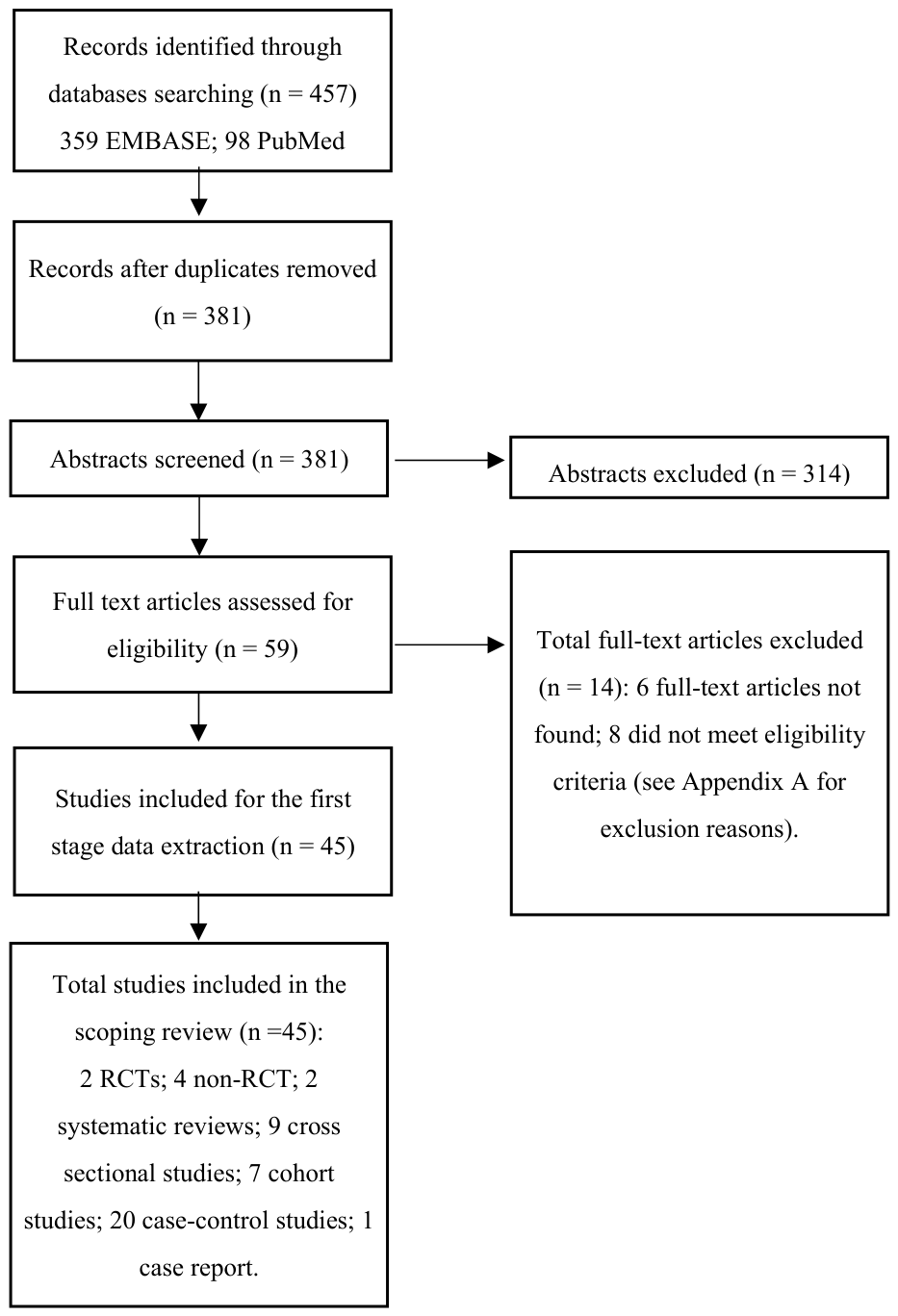
Figure 2.
Distribution of selected studies by research design.
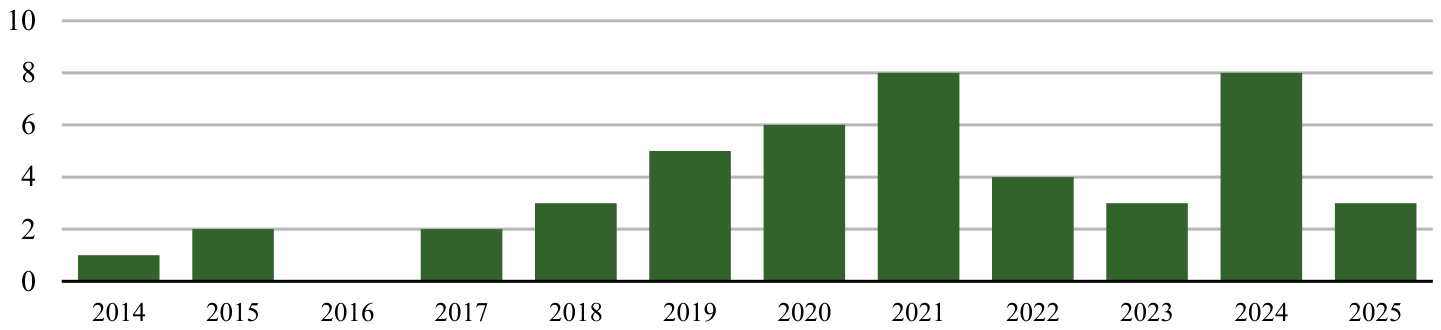
Figure 3.
Distribution of selected studies by publication year.
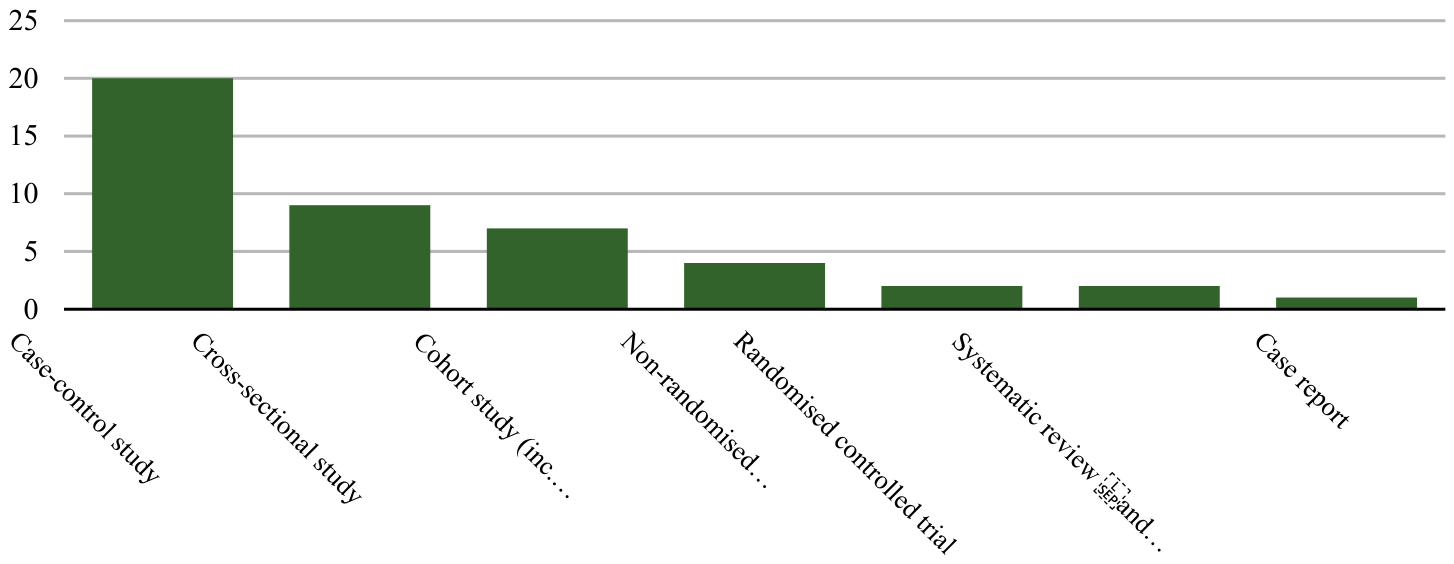
Figure 4.
Distribution of selected studies by research origin.
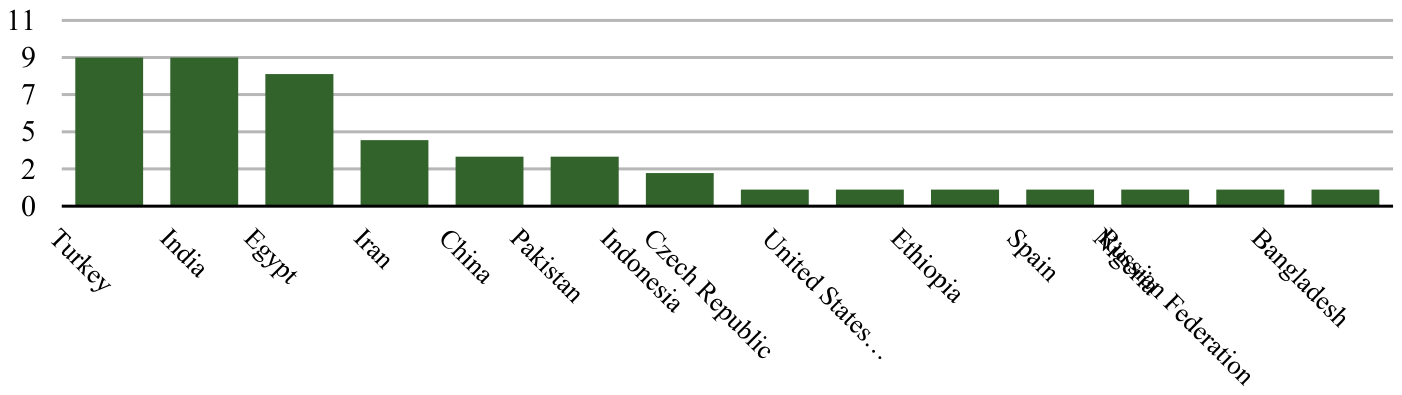
Table 1.
Study eligibility criteria for full-text screening.
| Inclusion criteria | Exclusion criteria | |
| Populations of interest |
|
|
| Interventions or exposures of interest |
|
|
| Outcomes of interest |
|
|
| Study designs of interest |
|
|
| Language of interest | English | Other than English |
| Timeframe of publication | No time restrictions on publication date |
Disclaimer/Publisher’s Note: The statements, opinions and data contained in all publications are solely those of the individual author(s) and contributor(s) and not of MDPI and/or the editor(s). MDPI and/or the editor(s) disclaim responsibility for any injury to people or property resulting from any ideas, methods, instructions or products referred to in the content. |
© 2026 by the authors. Licensee MDPI, Basel, Switzerland. This article is an open access article distributed under the terms and conditions of the Creative Commons Attribution (CC BY) license (http://creativecommons.org/licenses/by/4.0/).
Copyright: This open access article is published under a Creative Commons CC BY 4.0 license, which permit the free download, distribution, and reuse, provided that the author and preprint are cited in any reuse.


