
Submitted:
17 June 2026
Posted:
22 June 2026
You are already at the latest version
Abstract
Background/Objectives: Hidradenitis Suppurativa (HS) is a chronic inflammatory skin disease associated with a significant impairment in patients’ quality of life (QoL). However, evidence on QoL assessment in HS remains fragmented, with heterogeneous instruments and domains reported. This scoping review aimed to map the assessment of QoL in individuals with HS, identify the instruments used, and describe the domains explored. Methods: This scoping review was conducted in accordance with the Arksey and O’Malley framework, as refined by Levac et al. and the Joanna Briggs Institute. A systematic search of six databases was performed between November 2025 and March 2026 to identify studies reporting QoL or patient-reported outcomes (PROs) in individuals with HS. Data were extracted and analysed using a narrative synthesis approach. Results: A total of 21 studies met the inclusion criteria. HS was consistently associated with substantial QoL impairment across multiple domains, including physical, psychological, social, sexual, and occupational aspects. Symptom burden was a major determinant of reduced QoL, particularly pain, pruritus, malodor, and discharge. A wide range of instruments was used, with the Dermatology Life Quality Index (DLQI) being the most frequently applied. However, most tools did not adequately capture the multidimensional impact of HS. The use of HS-specific instruments was limited, and most studies adopted cross-sectional designs. Conclusions: QoL in HS is markedly compromised, but current assessment approaches are inconsistent and incomplete. Further research using comprehensive, disease-specific instruments and longitudinal designs is needed to better capture disease burden and support patient-centred care.
Keywords:
Hidradenitis Suppurativa
; quality of life
; scoping review
; patient-reported outcomes
; dermatology
; symptoms
1. Introduction
Hidradenitis suppurativa (HS) is a chronic, recurrent inflammatory skin disease characterised by painful nodules, abscesses, sinus tracts, and scarring, typically affecting intertriginous areas such as the axillae, groin, and anogenital region [1]. Lesions may rupture, producing malodorous discharge that contributes to pain, functional limitations, and marked psychosocial distress [2,3]. In Europe, the prevalence of HS ranges from 0.03% to 1%, with disease onset most commonly in early adulthood and a higher incidence among women [4,5,6,7].
The chronic, painful, and unpredictable course of HS, combined with the sensitive localisation of lesions and the limited availability of curative treatments, results in a substantial disease burden. Previous studies have consistently shown that HS has a greater negative impact on quality of life (QoL) than many other chronic dermatological conditions [8,9,10]. Patients frequently report persistent pain, social stigmatisation, emotional distress, impaired body image, difficulties in intimate relationships, and reduced work ability [11,12]. Psychiatric comorbidities, including depression and anxiety, are also more prevalent in individuals with HS compared with the general population [13,14].
Despite the recognised impact of HS on patients’ lives, assessing QoL remains challenging. A wide variety of instruments have been used across studies, resulting in fragmented and heterogeneous evidence. Generic dermatology-related measures, such as the Dermatology Life Quality Index (DLQI), are the most commonly applied tools; however, they may not adequately capture HS-specific features [15,16]. Although several HS-specific QoL instruments have been developed, many still present limitations related to validation, sensitivity, or recall periods, and their use in clinical research remains limited [17,18].
International initiatives, such as the Hidradenitis Suppurativa Core Outcomes Set (HISTORIC), have emphasised the importance of evaluating QoL through a multidimensional framework encompassing physical, psychological, social, emotional, and work-related domains [19]. Nevertheless, these dimensions have not yet been systematically mapped across the existing literature. Given the heterogeneity of study designs, outcomes, and assessment tools, this scoping review aimed to provide a comprehensive synthesis of how QoL has been assessed in patients living with HS, to identify the instruments used, describe the domains explored, and highlight the remaining gaps in the evidence base [20,21].
2. Materials and Methods
2.1. Desing
This scoping review was conducted in accordance with established methodological frameworks for evidence mapping studies. The review followed the framework originally proposed by Arksey and O’Malley [22], as further refined by Levac et al. [23] and the methodological guidance provided by the Joanna Briggs Institute (JBI) [24,25]. Reporting followed the PRISMA extension for scoping reviews (PRISMA-ScR) [26].
In line with the scope of this review, both QoL/Health-Related Quality of Life (HRQoL) instruments and patient-reported outcome measures (PROs) focusing on specific symptoms were considered. QoL instruments were defined as measures capturing the multidimensional impact of HS on daily life. At the same time, symptom-specific PROs were included when they explicitly explored patient-reported experiences closely linked to QoL impairment. These two categories were analytically distinguished throughout the review. The review protocol was registered with Open Science Framework https://doi.org/10.17605/OSF.IO/AUEPJ.
2.2. Eligibility Criteria
Peer-reviewed quantitative and qualitative studies involving patients diagnosed with HS were eligible for inclusion if they reported QoL outcomes, PROs, or instruments used to assess symptoms or QoL. No restrictions were applied regarding publication year or language. Studies were excluded if they focused exclusively on therapeutic interventions without reporting PRO or QoL data, if they were limited to the psychometric validation of instruments without application to HS populations, or if they addressed conditions other than HS. Grey literature and non-empirical publications (e.g., editorials, commentaries) were excluded to maintain a focus on peer-reviewed evidence. In line with scoping review methodology, eligibility criteria were iteratively refined as familiarity with the literature increased.
2.3. Information Sources
A comprehensive literature search was conducted across six electronic databases: PubMed, Cochrane Library, CINAHL, Web of Science, Scopus, and PsycInfo (Ovid). These databases were selected to capture biomedical, nursing, psychological, and health-related literature relevant to QoL and PRO assessment in HS. The search was performed between November 2025 and March 2026, with no restrictions on study design, publication year, or language.
2.4. Search Strategy
Search strategies were developed using a combination of Medical Subject Headings (MeSH), controlled vocabulary, and free-text terms related to HS and QoL. Search strings were tailored to the syntax of each database (Table 1). Reference lists of included full-text articles were also screened to identify additional relevant studies. Retrieved records were managed using Rayyan to facilitate screening, organisation, and duplicate removal.
2.5. Study Selection
Study selection was conducted in two stages. First, two reviewers independently screened titles and abstracts against the eligibility criteria. Potentially relevant articles were subsequently assessed through full-text review. Disagreements were resolved through discussion with a third reviewer to ensure consensus.
2.6. Data Extraction
Data were extracted using a structured charting form developed in Microsoft Excel, in line with JBI guidance [24]. Two reviewers independently extracted data from each included study, with discrepancies resolved by discussion. Extracted data included author, year of publication, country, study design, study objectives, and the QoL or PRO instruments used.
2.7. Critical Appraisal of Individual Sources of Evidence
Consistent with the purpose of scoping reviews, no formal critical appraisal of individual studies was performed [27]. All eligible peer-reviewed studies were included to provide a comprehensive overview of the available evidence.
2.8. Synthesis of Results
A narrative synthesis was used to summarise and present the findings of this scoping review, consistent with established methodological frameworks for scoping studies [22]. Included studies were grouped according to whether they reported QoL outcomes or other patient-reported measures in patients with HS. Findings are presented descriptively and supported, where appropriate, by tables and visual summaries to facilitate the interpretation of patterns across study designs, assessment instruments, and QoL domains.
3. Results
This section may be divided by subheadings. It should provide a concise and precise description of the experimental results, their interpretation, as well as the experimental conclusions that can be drawn.
3.1. Selection of Sources of Evidence
The search strategy yielded 407 records. After removal of duplicates, 234 unique citations were screened at the title and abstract level. Full-text assessment was subsequently performed, resulting in the inclusion of 21 studies that met the eligibility criteria. The study selection process and reasons for exclusion at each stage are presented in the PRISMA flow diagram (Figure 1) [28].
In accordance with scoping review methodology, secondary sources (systematic and narrative reviews) were included when relevant to QoL assessment, instruments, and frameworks, complement findings from primary research.
3.2. Characteristics of Sources of Evidence
The included studies were conducted across eight countries and spanned six geographical macro-regions. Most were carried out in Europe (n = 14, 67%), followed by North America (n = 2, 9.5%), the Middle East/Asia (n = 1, 5%), and international multicentre settings (n = 3, 9.5%). One study did not report the country of origin (n = 1, 5%). Germany was the most represented country, contributing four studies (19%) (Figure 2). Most articles were published in English (n = 20, 95%), and one in Spanish (n = 1, 5%).
3.3. Study Design and Temporal Distribution
Publications increased over the past decade, peaking in 2021 (Figure 3). Most included studies were primary research (n = 15, 71.4%), predominantly cross-sectional (n = 11, 52.4%). Prospective multicentre observational studies were fewer in number (n = 2, 9.5%), and only one quantitative study was identified (n = 1, 5%).
Secondary research comprised six studies (29%), four systematic reviews (19%), and two narrative reviews (9.5%). Study designs and publication characteristics are detailed in Table 2.
3.4. Study Objectives
The objectives were heterogeneous and reflected the multidimensional burden of HS. Several studies aimed to assess the overall impact of HS on patients’ QoL and its association with clinical severity or demographic factors. Other studies focused on specific symptoms, most commonly pain, pruritus, malodor, and sleep disturbances, and their contribution to QoL impairment. Additional research explored psychosocial dimensions, including anxiety, depression, body image, sexual health, work productivity, and emotional burden. Finally, a subset of studies synthesised existing evidence or addressed the broader burden of HS, including diagnostic pathways and patient activation. The main characteristics of the included studies are summarised in Table 2.
3.5. Overview of QoL Assessment in Hidradenitis Suppurativa
Across the included studies, QoL and HRQoL in patients with HS were assessed using a heterogeneous range of validated patient-reported instruments (e.g., [30,31,32,33,34,35,36,37,38,39,40,41,42,43,44,45,46,47,48,49]). The tools employed varied considerably in scope, dimensionality, and disease specificity, reflecting the lack of a standardised approach to QoL assessment in HS.
Dermatology-specific instruments were the most commonly used tools, with the Dermatology Life Quality Index (DLQI) being applied in the majority of primary studies (e.g., [29,30,31,32,33,34,35,36,40,41,42,43,45,46,47]). Multidimensional dermatology-specific measures, such as Skindex-29 and Skindex-17, were used less frequently but allowed a broader evaluation of emotional, psychosocial, and symptom-related domains (e.g., [33,34,35,36,39]).
Generic HRQoL instruments, including the EQ-5D and the SF-36, were employed in a limited number of studies, mainly to assess overall health status and enable comparisons with the general population (e.g., [41,43,46]). Disease-specific QoL instruments for HS were used infrequently, indicating limited uptake of tailored tools in the existing literature (e.g., [48]).
An overview of the QoL and HRQoL instruments used across the included studies and the domains assessed is provided in Table 3. The QoL domains reported in this table reflect the domains explicitly addressed by the original instruments and, where necessary, a thematic grouping derived from instrument subscales or item content, in line with their original validation frameworks.
3.6. QoL and HRQoL Instruments
The DLQI was the most frequently used instrument across the included studies and was consistently applied to capture the overall impact of HS on patients’ daily lives [29,30,31,32,36,40,41,42,43,45,46,47]. Across studies, DLQI-based findings uniformly indicated a marked impairment in QoL. Several studies employed multidimensional dermatology-specific instruments, including Skindex-29 and Skindex-17 [33,34,35,39], which enabled a broader assessment of emotional, psychosocial, and symptom-related domains. These measures allowed a more detailed exploration of patients’ experiences compared with single-score instruments. Disease-specific QoL instruments for HS were used infrequently. Among these, the HS-specific QoL questionnaire was applied in a limited number of studies to assess the overall burden of the disease using a tailored approach [48]. Generic HRQoL instruments, such as the Short Form-36 (SF-36) and the EuroQol-5D (EQ-5D), were employed in a small subset of studies [41,43,46] to evaluate overall health status and health-related disutility, mainly to allow comparisons with the general population. An overview of the QoL and HRQoL instruments used and the domains assessed across the included studies is presented in Table 3.
3.7. Symptom-Related Measures and Their Relationship with QoL
In addition to QoL instruments, several studies assessed key HS-related symptoms, using simple patient-reported scales [36,38,49]. Although these tools do not constitute QoL measures per se, the evidence consistently indicates that symptom burden plays a central role in driving QoL impairment. Pain emerged as the most influential symptom, followed by pruritus and malodor, which were frequently associated with emotional distress, social avoidance, and reduced daily functioning [30,40]. Sleep disturbance was also commonly reported and appeared closely linked to symptom severity [38,49].
3.8. Factors Associated with Poorer QoL
Across the included studies, several factors were consistently associated with poorer QoL in patients with HS. Higher disease severity and greater lesion burden were among the most frequently reported correlates of QoL impairment, although clinical severity scores did not fully explain patients’ perceived burden [31]. Lesion location also emerged as an important factor. Involvement of anogenital areas or other visible and sensitive body sites was associated with increased psychosocial distress and greater impairment in sexual function in [29,33,44]. Demographic and lifestyle factors, including female sex, higher body mass index, obesity, and smoking, were reported to be associated with worse QoL outcomes in several studies [31,36]. Psychological comorbidities, particularly anxiety and depression, frequently co-occurred with severe QoL impairment, highlighting the close relationship between emotional distress and the overall burden of HS [33,39].
3.9. QoL Domains Most Affected
Several QoL domains were consistently reported as being most affected in patients with HS. Physical functioning and daily activities were frequently impaired, largely due to pain, recurrent inflammation, and limitations in mobility and self-care [35,40,47]. Feelings of emotional distress, reduced self-esteem, and perceived stigma were repeatedly described, and often co-occurred with physical symptoms, amplifying overall QoL impairment [29,39]. Social relationships and sexual health emerged as particularly vulnerable domains. Difficulties in social interaction, intimacy, and sexual functioning were commonly reported and contributed to social withdrawal and impaired interpersonal relationships [29,33,44]. Work-related functioning represented another domain of substantial impact. Reduced work ability, absenteeism, and decreased productivity were frequently observed [35,40,47].
4. Discussion
Authors should discuss the results and how they can be interpreted from the perspective of previous studies and of the working hypotheses. The findings and their implications should be discussed in the broadest context possible. Future research directions may also be highlighted.
This scoping review mapped the evidence on QoL and HRQoL amongpatients with HS, focusing on affected domains, assessment instruments, and literature gaps. Overall, the evidence depicts HS as a condition associated with a pervasive, multidimensional burden, across physical functioning, emotional well-being, social relationships, sexual health, and work-related functioning [35,37,44]. A central finding is the marked heterogeneity in QoL assessment approaches. Studies used a wide range of validated tools, with variability in scope, dimensionality, and disease specificity, limiting comparability [30,37,44]. Dermatology-specific instruments, most frequently the DLQI, were widely adopted, but may not fully capture HS-specific concerns [30,36,44]. The use of multidimensional dermatology-specific tools, such as Skindex-29 and Skindex-17, and domain-specific measures like the Body Image Quality of Life Inventory (BIQLI), suggests that single global instruments are insufficient to represent the lived experience of HS [29,33,34,39]. Disease-specific tools such as the HSQoL were used only in a small subset of studies, indicating continued reliance on generic or dermatology-focused measures [37,48]. This gap is relevant because HS combines inflammatory activity, chronic pain, and stigmatising symptoms not fully captured by generic questionnaires [30,44]. Generic HRQoL instruments, including the SF-36 and EQ-5D, were used in some studies to enable broader comparisons and estimate health-related disutility [41,43,46]. However, while useful for cross-condition comparisons, they appear less sensitive to the psychosocial and symptom-driven burden of HS, reinforcing the need for combined measurement strategies. Symptom burden consistently emerged as a key driver of QoL impairment. These findings suggest that QoL in HS cannot be understood through clinical severity alone but must be considered alongside symptom experience and psychosocial context [30,31]. Mental health and psychosocial well-being appear central, with studies highlighting psychological distress, anxiety, depression, impaired self-esteem, and body image disruption as major correlates of QoL impairment [29,33,39]. Lesion location further modulates this burden, as involvement of anogenital or visible areas strongly affects sexuality and intimate relationships [29,33,44]. Work-related functioning is another consistently domain productivity, work limitations, and restrictions in daily activities commonly reported, underscoring the broader socioeconomic burden [35,40,47]. Occupational outcomes were often assessed alongside, rather than integrated within, QoL instruments, reflecting fragmentation in outcome measurement [35,47]. This review also highlights important evidence gaps. Most studies were cross-sectional, limiting understanding of QoL trajectories over time and the impact of symptom fluctuations, disease progression, or care pathways [31,37]. Instrument variability further hampers comparisons across settings and populations, emphasising the need for more consistent and HS-specific measurement strategies [30,34,48].
The identified gaps fall into three areas: (i) methodological gaps, including the predominance of cross-sectional designs and limited longitudinal evidence; (ii) measurement gaps, related to the heterogeneous and often non–HS-specific instruments used to assess QoL; and (iii) clinical gaps, reflecting the limited integration of psychosocial, sexual, and occupational domains into routine assessment strategies.
In conclusion, HS substantially compromises QoL across multiple domains, with symptom burden and psychosocial distress playing a pivotal role. A patient-centred approach should integrate validated QoL instruments with structured symptom evaluation and attention to mental health, sexual wellbeing, and occupational functioning. Future research should prioritise longitudinal designs and improved standardisation of outcome measures [30,35,44].
Limitations
This scoping review has several methodological limitations. First, the quality of included studies was not formally assessed. Second, heterogeneity of study designs, populations, and outcome measures, particularly about QoL instruments and symptom-specific tools, limited comparability and precluded quantitative synthesis. Third, although the search strategy was comprehensive, relevant studies may have been missed, especially unpublished or not indexed data. Finally, the predominance of cross-sectional studies limits interpretation of temporal trends and prevents causal inferences between disease severity, symptoms, and QoL outcomes. Despite these limitations, this review provides a structured overview of current evidence and highlights key gaps for future research.
5. Conclusions
This scoping review shows that HS has a substantial impact on QoL across multiple domains QoL impairment is driven not only by disease severity but also by symptom burden, psychosocial distress, and the lesion location. The findings highlight marked heterogeneity in the instruments used to assess QoL and related outcomes. Dermatology-specific tools are widely used but often fail to capture HS-specific concerns. HS-specific QoL instruments remain underutilised, and most evidence comes from cross-sectional studies, limiting insight into changes over time. Overall, the results underscore the need for more comprehensive and standardised approaches to QoL assessment in HS. Improved integration of multidimensional and HS-specific measures, together with longitudinal study designs, would strengthen the evidence base and better reflect patients’ lived experiences.
6. Implications for Nursing Practice
The findings of this scoping review highlight several implications for nursing and clinical practice. Given the strong association between symptom burden QoL impairment, routine symptom assessment using patient-reported measures may support a more comprehensive understanding of patients’ experiences. As clinical severity does not fully reflect the burden of HS, integrating QoL and PRO measures into clinical care may help identify individual needs beyond disease activity. Attention to psychosocial aspects may further support person-centred care. Overall, a holistic, multidisciplinary approach, where nurses contribute through symptom monitoring, patient education, emotional support, and care coordination, may improve patient management. The use of multidimensional tools may help capture disease complexity and guide care planning.
Author Contributions
C.M., F.G. and L.I. were responsible for shaping the overall conceptualisation of the study. F.G., V.L. and T.B. took care of organising and managing the data. R.L., S.M. and F.Pa. carried out the formal analyses, ensuring the rigour of the findings. C.M., L.I. and F.Pe. conducted the investigative work that supported the study’s development. F.G., V.L. and L.I. designed the methodological framework guiding the research. F.G. and L.I. oversaw the work and provided essential supervision throughout. N.P., R.L., F.DF., and S.M. contributed by creating the visual elements that supported the presentation of the results. C.M., F.G., S.M., and L.I. collaborated in preparing the original draft of the manuscript. N.P., T.B., F.Pe., F.DF., and L.I. participated in writing, reviewing, and refining the final text. All authors reviewed and approved the final version of the manuscript.
Funding
This research received no specific grant from any funding agency in the public, commercial, or not-for-profit sectors.
Data Availability Statement
No new data were created or analysed in this study. Data sharing does not apply to this article.
Public Involvement Statement
No public involvement in any aspect of this research.
Guidelines and Standards Statement
This manuscript was drafted in accordance with the Preferred Reporting Items for Systematic Reviews and Meta-Analyses extension for Scoping Reviews (PRISMA-ScR) guidelines for scoping review research.
Use of Artificial Intelligence
Artificial intelligence (AI) was used in the preparation of this manuscript exclusively for English language editing and grammar correction. No AI tools were used to generate scientific content, analyses, or conclusions, and all authors reviewed and approved the final version of the manuscript.
Acknowledgments
None.
Conflicts of Interest
The authors declare no conflicts of interest.
References
- Jemec, G.B.; Heidenheim, M.; Nielsen, N.H. Hidradenitis suppurativa—characteristics and consequences. Clin. Exp. Dermatol. 1996, 21, 419–423. [Google Scholar] [CrossRef] [PubMed]
- Saunte, D.M.L.; Jemec, G.B.E. Hidradenitis suppurativa: Advances in diagnosis and treatment. JAMA 2017, 318, 2019–2032. [Google Scholar] [CrossRef] [PubMed]
- Zouboulis, C.C.; Del Marmol, V.; Mrowietz, U.; et al. Hidradenitis suppurativa/acne inversa: Criteria for diagnosis, severity assessment, classification and disease evaluation. Dermatology 2015, 231, 184–190. [Google Scholar] [CrossRef] [PubMed]
- Kirsten, N.; Petersen, J.; Hagenström, K.; et al. Epidemiology of hidradenitis suppurativa in Germany: An observational cohort study. J. Eur. Acad. Dermatol. Venereol. 2020, 34, 174–179. [Google Scholar] [CrossRef] [PubMed]
- Jemec, G.B.; Heidenheim, M.; Nielsen, N.H. The prevalence of hidradenitis suppurativa. J. Am. Acad. Dermatol. 1996, 35, 191–194. [Google Scholar] [CrossRef] [PubMed]
- Goldburg, S.R.; Strober, B.E.; Payette, M.J. Hidradenitis suppurativa: Epidemiology, clinical presentation, and pathogenesis. J. Am. Acad. Dermatol. 2020, 82, 1045–1058. [Google Scholar] [CrossRef] [PubMed]
- Garg, A.; Kirby, J.S.; Lavian, J.; et al. Prevalence estimates for hidradenitis suppurativa in the United States. JAMA Dermatol. 2017, 153, 760–764. [Google Scholar] [CrossRef] [PubMed]
- Esmann, S.; Jemec, G.B. Psychosocial impact of hidradenitis suppurativa. Acta Derm. Venereol. 2011, 91, 328–332. [Google Scholar] [CrossRef] [PubMed]
- Nikolakis, G.; Kokolakis, G.; Kaleta, K.; et al. Pathogenesis of hidradenitis suppurativa/acne inversa. Hautarzt 2021, 72, 658–665. [Google Scholar] [CrossRef] [PubMed]
- Wolkenstein, P.; Loundou, A.; Barrau, K.; et al. Quality of life impairment in hidradenitis suppurativa. J. Am. Acad. Dermatol. 2007, 56, 621–623. [Google Scholar] [CrossRef] [PubMed]
- Kirby, J.S. Disease damage matters in hidradenitis suppurativa. J. Am. Acad. Dermatol. 2016, 74, 1269–1270. [Google Scholar] [CrossRef] [PubMed]
- Schneider-Burrus, S.; Jost, A.; Peters, E.M.J.; et al. Association with body image. JAMA Dermatol. 2018, 154, 447–451. [Google Scholar] [CrossRef] [PubMed]
- Shavit, E.; Dreiher, J.; Freud, T.; et al. Psychiatric comorbidities in hidradenitis suppurativa. J. Eur. Acad. Dermatol. Venereol. 2015, 29, 371–376. [Google Scholar] [CrossRef] [PubMed]
- Mavrogiorgou, P.; Juckel, G.; Reimelt, A.; et al. Psychiatric comorbidities in HS. Hautarzt 2021, 72, 426–434. [Google Scholar] [CrossRef] [PubMed]
- Zouboulis, C.C.; Chernyshov, P.V. HS-specific patient-reported outcomes. J. Eur. Acad. Dermatol. Venereol. 2021, 35, 1420–1421. [Google Scholar] [CrossRef] [PubMed]
- Finlay, A.Y.; Khan, G.K. Dermatology Life Quality Index (DLQI). Clin. Exp. Dermatol. 1994, 19, 210–216. [Google Scholar] [CrossRef] [PubMed]
- Pinard, J.; Vleugels, R.A.; Joyce, C.; et al. Disease-specific QoL questionnaire. J. Am. Acad. Dermatol. 2018, 78, 215–217.e2. [Google Scholar] [CrossRef] [PubMed]
- Chiricozzi, A.; Bettoli, V.; De Pità, O.; et al. HIDRAdisk tool. J. Eur. Acad. Dermatol. Venereol. 2019, 33, e24–e26. [Google Scholar] [CrossRef] [PubMed]
- Thorlacius, L.; Ingram, J.R.; Villumsen, B.; et al. Core outcome set for HS. Br. J. Dermatol. 2018, 179, 642–650. [Google Scholar] [CrossRef] [PubMed]
- von der Werth, J.M.; Jemec, G.B. Morbidity in HS. Br. J. Dermatol. 2001, 144, 809–813. [Google Scholar] [CrossRef] [PubMed]
- Wolkenstein, P.; Loundou, A.; Barrau, K.; et al. Quality of life impairment (duplicate). J. Am. Acad. Dermatol. 2007, 56, 621–623. [Google Scholar] [CrossRef] [PubMed]
- Arksey, H.; O’Malley, L. Scoping studies framework. Int. J. Soc. Res. Methodol. 2005, 8, 19–32. [Google Scholar] [CrossRef]
- Levac, D.; Colquhoun, H.; O’Brien, K.K. Advancing methodology. Implement. Sci. 2010, 5, 69. [Google Scholar] [CrossRef] [PubMed]
- Peters, M.D.J.; Marnie, C.; Tricco, A.C.; et al. Scoping review guidance. JBI Evid. Synth. 2020, 18, 2119–2126. [Google Scholar] [CrossRef] [PubMed]
- Pollock, D.; Davies, E.L.; Peters, M.D.J.; et al. Practical guide. J. Adv. Nurs. 2021, 77, 2102–2113. [Google Scholar] [CrossRef] [PubMed]
- Moher, D.; Liberati, A.; Tetzlaff, J.; et al. PRISMA statement. PLoS Med. 2009, 6, e1000097. [Google Scholar] [CrossRef] [PubMed]
- Tricco, A.C.; Lillie, E.; Zarin, W.; et al. PRISMA-ScR. Ann. Intern. Med. 2018, 169, 467–473. [Google Scholar] [CrossRef] [PubMed]
- Page, M.J.; McKenzie, J.E.; Bossuyt, P.M.; et al. Updated guideline. BMJ 2020, 372, n71. [Google Scholar] [CrossRef]
- Andersen, P.L.; Nielsen, R.M.; Sigsgaard, V.; et al. Body image QoL. Acta Derm. Venereol. 2020, 100, adv00107. [Google Scholar] [CrossRef] [PubMed]
- Montero-Vilchez, T.; Diaz-Calvillo, P.; Rodriguez-Pozo, J.A.; et al. Systematic review. Int. J. Environ. Res. Public Health 2021, 18, 6709. [Google Scholar] [CrossRef] [PubMed]
- Schneider-Burrus, S.; Tsaousi, A.; Barbus, S.; et al. QoL features. Front. Med. 2021, 8, 676241. [Google Scholar] [CrossRef]
- Krajewski, P.K.; Matusiak, Ł.; von Stebut, E.; et al. QoL impairment. Life 2021, 11, 34. [Google Scholar] [CrossRef] [PubMed]
- Quinto, R.M.; Mastroeni, S.; Sampogna, F.; et al. Sexuality in HS. Front. Psychiatry 2021, 12, 729104. [Google Scholar] [CrossRef] [PubMed]
- Galvañ Mas, P.M.; López-Casanova, P.; Verdú-Soriano, J.; et al. Revisión de la literatura. Gerokomos 2022, 33, 38–44. [Google Scholar] [CrossRef] [PubMed]
- Schneider-Burrus, S.; Kalus, S.; Fritz, B.; et al. Professional life impact. Br. J. Dermatol. 2023, 188, 122–130. [Google Scholar] [CrossRef] [PubMed]
- Molina-Leyva, A.; Cuenca-Barrales, C. Pruritus and malodour. Dermatology 2020, 236, 59–65. [Google Scholar] [PubMed]
- Mac Mahon, J.; Kirthi, S.; Byrne, N.; et al. PROs update. Patient Relat. Outcome Meas. 2020, 11, 21–26. [Google Scholar] [CrossRef] [PubMed]
- Kaaz, K.; Szepietowski, J.C.; Matusiak, Ł. Sleep quality. Acta Derm. Venereol. 2018, 98, 757–761. [Google Scholar] [CrossRef] [PubMed]
- Frings, V.G.; Bauer, B.; Glöditzsch, M.; et al. Psychological burden. Eur. J. Dermatol. 2019, 29, 294–301. [Google Scholar] [CrossRef] [PubMed]
- Matusiak, Ł.; Bieniek, A.; Szepietowski, J.C. QoL decrease. J. Am. Acad. Dermatol. 2010, 62, 706–708.e1. [Google Scholar] [CrossRef] [PubMed]
- Riis, P.T.; Vinding, G.R.; Ring, H.C.; et al. EuroQoL-5D study. Acta Derm. Venereol. 2016, 96, 222–226. [Google Scholar] [CrossRef] [PubMed]
- Matusiak, Ł.; Bieniek, A.; Szepietowski, J.C. Psychophysical aspects. Acta Derm. Venereol. 2010, 90, 264–268. [Google Scholar] [CrossRef] [PubMed]
- Alavi, A.; Anooshirvani, N.; Kim, W.B.; et al. Canadian study. Am. J. Clin. Dermatol. 2015, 16, 61–65. [Google Scholar] [CrossRef] [PubMed]
- Gooderham, M.; Papp, K. Psychosocial impact. J. Am. Acad. Dermatol. 2015, 73, S19–S22. [Google Scholar] [CrossRef] [PubMed]
- Alamri, A.M.; Alzahrani, A.A.; Aldakhil, A.M.; et al. QoL in Saudi Arabia. Cureus 2021, 13, e20234. [Google Scholar] [CrossRef]
- Kimball, A.B.; Kirby, J.; Ingram, J.R.; et al. Systematic review. Dermatol. Ther. 2024, 14, 83–98. [Google Scholar] [CrossRef] [PubMed]
- Kimball, A.B.; Crowley, J.J.; Papp, K.; et al. UNITE registry. J. Eur. Acad. Dermatol. Venereol. 2020, 34, 1302–1308. [Google Scholar] [CrossRef] [PubMed]
- Kokolakis, G.; et al. HS Uncovered survey. J. Venom. Anim. Toxins Incl. Trop. Dis. 2025, 4, 920–929. [Google Scholar] [CrossRef]
- Yeroushalmi, S.; Ildardashty, A.; Elhage, K.G.; et al. HS and sleep. Arch. Dermatol. Res. 2023, 315, 1409–1415. [Google Scholar] [CrossRef] [PubMed]
Figure 1.
PRISMA flowchart illustrating the selection process and the number of sources included and excluded.
Figure 1.
PRISMA flowchart illustrating the selection process and the number of sources included and excluded.
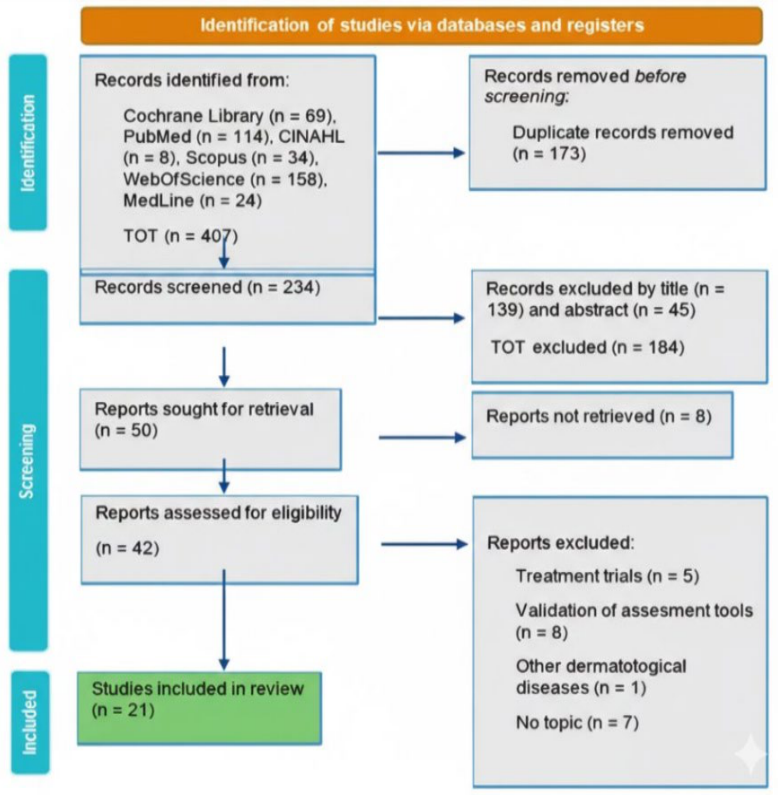
Figure 2.
Map of included records per country.
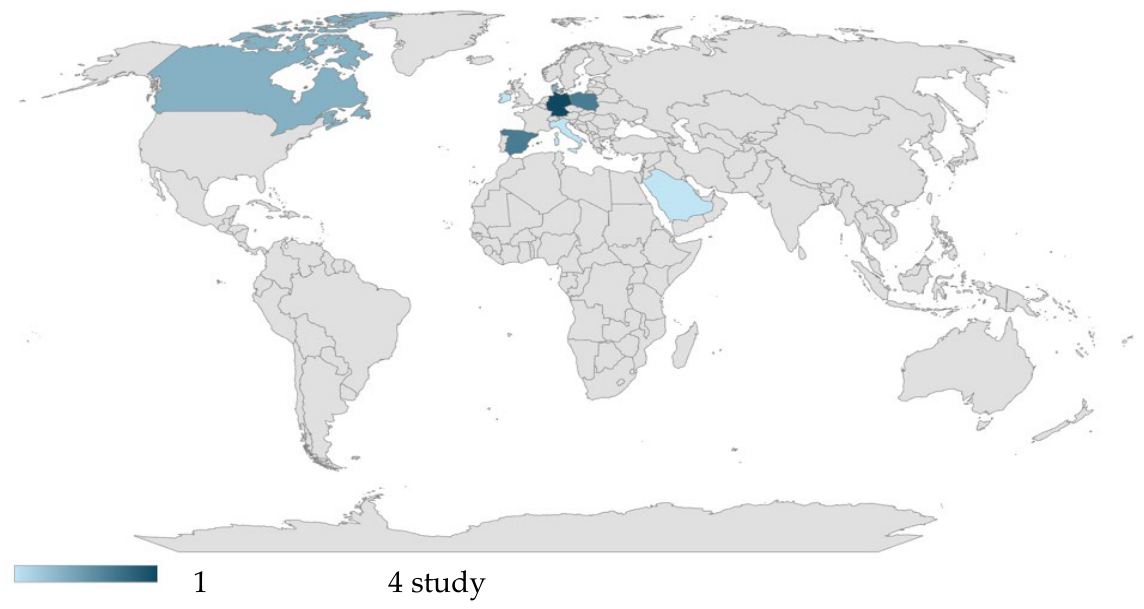
Figure 3.
Number of included records per year of publication.
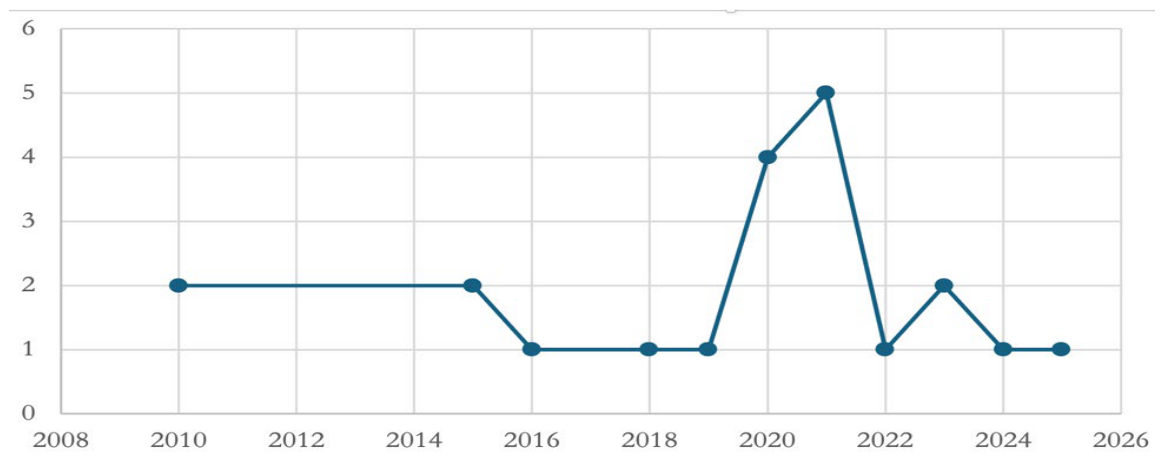

Table 1.
Queries with keywords, Boolean operators, and Mesh terms were used for each database.
| Query | Database | |
|---|---|---|
| “Hidradenitis Suppurativa"[Mesh] OR "hidradenitis suppurativa"[Title/Abstract] OR "acne inversa"[Title/Abstract]) AND ("Quality of Life"[Mesh] OR "quality of life"[Title/Abstract] OR QoL[Title/Abstract] OR HRQoL[Title/Abstract] OR "health-related quality of life"[Title/Abstract] OR "life satisfaction"[Title/Abstract] OR "life quality"[Title/Abstract] OR well-being[Title/Abstract] OR wellness[Title/Abstract] OR "standard of living"[Title/Abstract] OR "daily functioning"[Title/Abstract] OR "routine activities"[Title/Abstract] OR "social functioning"[Title/Abstract] OR "functional status"[Title/Abstract] OR "HiSQOL"[Title/Abstract] OR "DLQI"[Title/Abstract] OR "Skindex"[Title/Abstract] OR "EQ-5D"[Title/Abstract] OR "SF-36"[Title/Abstract]) AND ("subjective"[Title/Abstract] OR "self-reported"[Title/Abstract] OR "patient-reported"[Title/Abstract]) |
PubMed | |
| ([mh "Hidradenitis Suppurativa"] OR "hidradenitis suppurativa":ti,ab OR "acne inversa":ti,ab) AND ([mh "Quality of Life"] OR "quality of life":ti,ab OR QoL:ti,ab OR HRQoL:ti,ab OR "health-related quality of life":ti,ab OR "life satisfaction":ti,ab OR "life quality":ti,ab OR well-being:ti,ab OR wellness:ti,ab OR "standard of living":ti,ab OR "daily functioning":ti,ab OR "routine activities":ti,ab OR "social functioning":ti,ab OR "functional status":ti,ab OR HiSQOL:ti,ab OR DLQI:ti,ab OR Skindex:ti,ab OR EQ-5D:ti,ab OR SF-36:ti,ab) AND (subjective:ti,ab OR self-reported:ti,ab OR patient-reported:ti,ab) |
Cochrane library |
|
| ((MH "Hidradenitis Suppurativa+") OR (TI "hidradenitis suppurativa" OR AB "hidradenitis suppurativa") OR (TI "acne inversa" OR AB "acne inversa")) AND ((MH "Quality of Life+") OR (TI "quality of life" OR AB "quality of life") OR (TI QoL OR AB QoL) OR (TI HRQoL OR AB HRQoL) OR (TI "health-related quality of life" OR AB "health-related quality of life") OR (TI "life satisfaction" OR AB "life satisfaction") OR (TI "life quality" OR AB "life quality") OR (TI well-being OR AB well-being) OR (TI wellness OR AB wellness) OR (TI "standard of living" OR AB "standard of living") OR (TI "daily functioning" OR AB "daily functioning") OR (TI "routine activities" OR AB "routine activities") OR (TI "social functioning" OR AB "social functioning") OR (TI "functional status" OR AB "functional status") OR (TI HiSQOL OR AB HiSQOL) OR (TI DLQI OR AB DLQI) OR (TI Skindex OR AB Skindex) OR (TI EQ-5D OR AB EQ-5D) OR (TI SF-36 OR AB SF-36)) AND ((TI subjective OR AB subjective) OR (TI self-reported OR AB self-reported) OR (TI patient-reported OR AB patient-reported)) |
Cinahl | |
| ("Hidradenitis Suppurativa" OR "hidradenitis suppurativa" OR "acne inversa") AND ("Quality of Life" OR "quality of life" OR QoL OR HRQoL OR "health-related quality of life" OR "life satisfaction" OR "life quality" OR well-being OR wellness OR "standard of living" OR "daily functioning" OR "routine activities" OR "social functioning" OR "functional status" OR HiSQOL OR DLQI OR Skindex OR EQ-5D OR SF-36) AND (subjective OR self-reported OR patient-reported) |
WOS | |
| ("Hidradenitis Suppurativa" OR "hidradenitis suppurativa" OR "acne inversa") AND ("Quality of Life" OR "quality of life" OR QoL OR HRQoL OR "health-related quality of life" OR "life satisfaction" OR "life quality" OR well-being OR wellness OR "standard of living" OR "daily functioning" OR "routine activities" OR "social functioning" OR "functional status" OR HiSQOL OR DLQI OR Skindex OR EQ-5D OR SF-36) AND (subjective OR self-reported OR patient-reported) |
Scopus | |
| (exp "Hidradenitis Suppurativa"/ OR "hidradenitis suppurativa".ti,ab. OR "acne inversa".ti,ab.) AND (exp "Quality of Life"/ OR "quality of life".ti,ab. OR QoL.ti,ab. OR HRQoL.ti,ab. OR "health-related quality of life".ti,ab. OR "life satisfaction".ti,ab. OR "life quality".ti,ab. OR well-being.ti,ab. OR wellness.ti,ab. OR "standard of living".ti,ab. OR "daily functioning".ti,ab. OR "routine activities".ti,ab. OR "social functioning".ti,ab. OR "functional status".ti,ab. OR HiSQOL.ti,ab. OR DLQI.ti,ab. OR Skindex.ti,ab. OR EQ-5D.ti,ab. OR SF-36.ti,ab.) AND (subjective.ti,ab. OR self-reported.ti,ab. OR patient-reported.ti,ab.) |
PsycInfo (Ovid) | |
Table 2.
Characteristics of the included studies.
| Author | Year | Country | Study design | Objective |
|---|---|---|---|---|
| Gooderham & Papp [44] | 2015 | Canada | Narrative review | To summarize existing evidence on the impact of hidradenitis suppurativa on quality of life. |
| Kaaz et al. [38] | 2018 | Germany | Case–control observational study | To evaluate the impact of pain and pruritus on sleep quality in patients with HS. |
| Frings et al. [39] | 2019 | Germany | Prospective observational study | To examine psychological burden, including anxiety, depression, and body image concerns, in patients with HS. |
| Quinto et al. [33] | 2021 | Italy | Cross-sectional study | To assess the impact of HS on sexual health and its association with quality of life. |
| Kokolakis et al. [48] | 2025 | Multinational (Europe) | Cross-sectional multicenter study | To explore patient activation, diagnostic delay, and their relationship with quality of life in HS. |
| Montero-Vilchez et al. [30] | 2021 | Spain | Systematic review | To synthesize evidence on the impact of HS symptoms (pain, pruritus, malodor) on quality of life. |
| Galvañ-Mas et al. [34] | 2022 | Spain | Systematic review | To examine the biopsychosocial impact of HS and its implications for quality of life. |
| Schneider-Burrus et al. [35] | 2023 | Germany | Multicenter observational study | To evaluate work productivity impairment and functional limitations associated with HS. |
| Schneider-Burrus et al. [31] | 2021 | Germany | Cross-sectional study | To identify factors associated with quality-of-life impairment in patients with HS. |
| Molina-Leyva et al. [36] | 2020 | Spain | Cross-sectional study | To analyze the impact of pruritus and malodor on quality of life and clinical characteristics in HS. |
| Alavi et al. [43] | 2015 | Canada | Case series | To describe quality-of-life impairment and its relationship with clinical severity in HS. |
| Yeroushalmi et al. [49] | 2023 | USA | Systematic review | To examine the association between HS and sleep disturbances. |
| Matusiak et al. [40] | 2010 | Poland | Cross-sectional study | To evaluate the impact of HS on quality of life and work activity. |
| Alamri et al. [45] | 2021 | Saudi Arabia | Cross-sectional study | To assess quality of life and its association with disease severity and anatomical distribution. |
| Kimball et al. [47] | 2020 | USA | Multicenter observational study | To examine the impact of HS symptoms on quality of life and work productivity. |
| Krajewski et al. [32] | 2021 | Poland | Cross-sectional study | To evaluate quality of life and demographic or clinical factors associated with QoL impairment. |
| Andersen et al. [29] | 2020 | Denmark | Cross-sectional comparative study | To compare body-image-related quality of life in HS versus other dermatological conditions. |
| Kimball et al. [46] | 2024 | USA | Systematic review | To synthesize evidence on the overall burden of HS, including quality of life. |
| Riis et al. [41] | 2016 | Denmark | Cross-sectional study | To assess health-related quality of life and disutility in patients with HS. |
| Matusiak et al. [42] | 2010 | Poland | Cross-sectional study | To examine psychophysical burden and its impact on quality of life. |
| Mac Mahon et al. [37] | 2020 | UK | Narrative review | To synthesize evidence on HRQoL and patient-reported outcomes in HS. |
Table 3.
QoL/HRQoL instruments used across included studies and domains assessed (QoL-only).
| Author, Year | QoL/HRQoL instrument(s) | QoL domains captured (as reported) | Instrument category |
|---|---|---|---|
| Gooderham & Papp, 2015 [44] | DLQI | Global QoL; physical; emotional; social | Dermatology-specific |
| Kaaz et al., 2018 [38] | DLQI | Physical symptoms; emotional | Dermatology-specific |
| Frings et al., 2019 [39] | DLQI; Sk-29; BIQLI | Psychological; body image; social | Dermatology-specific; Domain-specific |
| Quinto et al., 2021 [33] | Sk-17 | Psychosocial; physical; sexuality | Dermatology-specific |
| Kokolakis et al., 2025 [48] | HSQoL | Global QoL | HS-specific |
| Montero-Vilchez et al., 2021 [30] | DLQI | Physical symptoms; emotional | Dermatology-specific |
| Galvañ-Mas et al., 2022 [34] | DLQI; Sk-29 | Biopsychosocial; emotional; social | Dermatology-specific |
| Schneider-Burrus et al., 2023 [35] | DLQI | Global QoL; functional | Dermatology-specific |
| Schneider-Burrus et al., 2021 [31] | DLQI | Global QoL; emotional; physical | Dermatology-specific |
| Molina-Leyva et al., 2020 [36] | DLQI | Physical symptoms; emotional | Dermatology-specific |
| Alavi et al., 2015 [43] | DLQI; SF-36 | Global QoL; physical; emotional | Dermatology-specific; Generic HRQoL |
| Yeroushalmi et al., 2023 [49] | DLQI | Physical; emotional (QoL) | Dermatology-specific |
| Matusiak et al., 2010 [40] | DLQI | QoL; work; psychophysical | Dermatology-specific |
| Alamri et al., 2021 [45] | DLQI | Global QoL; physical | Dermatology-specific |
| Krajewski et al., 2021 [32] | DLQI | Global QoL; severity associations | Dermatology-specific |
| Andersen et al., 2020 [29] | BIQLI | Body image; relational; emotional | Domain-specific |
| Riis et al., 2016 [41] | EQ-5D | HRQoL; disutility | Generic HRQoL |
| Kimball et al., 2024 [46] | DLQI; EQ-5D | Global QoL; HRQoL; disutility | Dermatology-specific; Generic HRQoL |
| Mac Mahon et al., 2020 [37] | DLQI; SF-36; EQ-5D | HRQoL; global QoL; PROs overview | Dermatology-specific; Generic HRQoL |
|
Abbreviations QoL = Quality of Life; HRQoL = Health-Related Quality of Life; DLQI = Dermatology Life Quality Index; Sk-29 = Skindex-29; Sk-17 = Skindex-17; HSQoL = Hidradenitis Suppurativa Quality of Life questionnaire; SF-36 = Short Form-36 Health Survey; EQ-5D = EuroQol 5-Dimensions questionnaire; BIQLI = Body Image Quality of Life Inventory. | |||
Disclaimer/Publisher’s Note: The statements, opinions and data contained in all publications are solely those of the individual author(s) and contributor(s) and not of MDPI and/or the editor(s). MDPI and/or the editor(s) disclaim responsibility for any injury to people or property resulting from any ideas, methods, instructions or products referred to in the content. |
© 2026 by the authors. Licensee MDPI, Basel, Switzerland. This article is an open access article distributed under the terms and conditions of the Creative Commons Attribution (CC BY) license (http://creativecommons.org/licenses/by/4.0/).
Copyright: This open access article is published under a Creative Commons CC BY 4.0 license, which permit the free download, distribution, and reuse, provided that the author and preprint are cited in any reuse.


