Preprint
Review

This version is not peer-reviewed.

Monascus Yellow Pigments as Functional Food Ingredients

Submitted:

10 June 2026

Posted:

11 June 2026

You are already at the latest version

Abstract

The application of Monascus-fermented products is undergoing a notable transition from traditional red pigments and monacolin K to Monascus yellow pigments, in response to reported myopathic and hepatotoxic risks associated with monacolin K. This comprehensive review elucidates the structural diversity, biosynthetic pathways, and multi-target pharmacological mechanisms of key Monascus yellow pigments, including monascin, ankaflavin, and the recently characterized derivative monascinol. Advanced metabolic engineering and precision fermentation have enabled high-yield production of these chemically stable azaphilone compounds. Mechanistically, monascin and ankaflavin act as selective peroxisome proliferator-activated receptor (PPAR-α/γ) agonists and AMP-activated protein kinase activators. They exhibit hypolipidemic, anti-diabetic, and cardiovascular-protective effects without the creatine phosphokinase elevation associated with statin-related muscle toxicity. Furthermore, emerging evidence highlights the capacity of monascinol to modulate the gut-liver axis by enriching probiotic taxa, notably Akkermansia muciniphila and butyrate-producing bacteria, suggesting potential prebiotic- and postbiotic-like metabolic benefits. Conclusively, supported by robust in vitro, in vivo, and clinical evidence, Monascus yellow pigments offer a substantially superior safety margin compared to monacolin K, positioning them as highly promising, candidate precision functional ingredients for the management of metabolic syndrome.

Keywords: 
;  ;  ;  ;  ;  ;  ;  

1. Evolution of Monascus Fermentation from Traditional Colorants to Bioactive Yellow Pigments

1.1. Historical Background and Industrial Transition of Monascus Fermentation

Monascus species have been utilized in Asian food and pharmaceutical sectors for over a millennium, producing red, orange, and yellow pigments alongside pharmacologically active compounds such as monacolin K [1,2,3]. While industrial production historically favored Monascus red pigments, recent scientific focus has shifted toward Monascus yellow pigments due to their favorable biological activities, physicochemical stability, and safety profiles. Specifically, natural Monascus yellow pigments such as monascin and ankaflavin exhibit high physiological efficacy and remarkably low cytotoxicity. Studies demonstrate their hypolipidemic efficacy surpasses that of monacolin K, while avoiding the hepatotoxic and myopathic side effects typically associated with statin-like drugs [4]. Consequently, monascin and ankaflavin have emerged as promising functional components for developing natural therapeutics aimed at modulating lipid metabolism and mitigating systemic inflammation [5,6,7,8].
Recent reviews also describe monascin and ankaflavin as central yellow-pigment metabolites with relevance to biosynthesis, production, pharmacology, and functional-food development [9,10].

1.2. Physicochemical Stability and Precision Fermentation Control

Monascus yellow pigments exhibit high physicochemical stability and can outperform red and orange pigments in their tolerance to light, thermal stress, and extreme pH, which enhances their commercial viability [11,12]. To further improve systemic bioavailability, recent research has successfully introduced nanoliposomal encapsulation to protect these pigments within the gastrointestinal tract [13]. Concurrently, precision fermentation has empowered researchers to manipulate secondary metabolic fluxes; for instance, the addition of calcium chloride (CaCl2) strongly upregulates the mppE gene, effectively redirecting biosynthesis toward the overproduction of yellow pigments [14]. Furthermore, utilizing specific nitrogen sources, optimizing pH levels, and applying mineral-rich deep ocean water (DOW) can increase Monascus yellow pigment proportions while concurrently curtailing the generation of the mycotoxin citrinin [6,15,16]. This metabolic optimization addresses important safety bottlenecks, establishing a reliable foundation for toxin-free mass production [17].

1.2. Outstanding and Multi-Targeted Molecular Bioactivities

The biological relevance of Monascus yellow pigments stems from their multi-targeted molecular bioactivities. Natural monascin and ankaflavin exhibit notable hypolipidemic, anti-inflammatory, and antihypertensive effects by functioning as selective peroxisome proliferator-activated receptor modulators (SPPARMs) that concurrently activate peroxisome proliferator-activated receptor gamma (PPAR-γ), peroxisome proliferator-activated receptor alpha (PPAR-α), and nuclear factor erythroid 2-related factor 2 (Nrf2) pathways [18]. In vivo studies confirm they inhibit CCAAT/enhancer-binding protein beta (C/EBPβ) expression to block adipogenesis and specifically suppress the intestinal Niemann-Pick C1-Like 1 (NPC1L1) protein to reduce exogenous lipid absorption [19]. Regarding anti-diabetic interventions, Monascus pigments suppress fructose-mediated bovine serum albumin glycation by trapping methylglyoxal (MGO), while monascin attenuates methylglyoxal- and hyperglycemia-related toxicity through Nrf2 activation and PPARγ agonist activity [20,21]. Beyond metabolic regulation, monascin and ankaflavin show neuroprotective potential in amyloid-β infusion, amyloid-β toxicity, and Parkinson-related neurotoxicity models [22,23,24]. Yellow Monascus pigments also exhibit antioxidant and antitumor activities in fermentation-derived pigment studies [25].

1.2. Clinical Translational Evidence and Future Perspectives

These preclinical mechanisms have begun to be evaluated in human clinical studies. In a randomized, double-blind, placebo-controlled study, patients with mild-to-moderate hypertension and borderline hypercholesterolemia consumed Monascus extracts enriched with monascin and ankaflavin (Ankascin 568 plus) for four to eight weeks. Subjects exhibited measurable improvements in cardiovascular risk profiles, with serum total cholesterol (TC) and low-density lipoprotein cholesterol (LDL-C) levels significantly reduced by 11.9% and 19.0%, respectively, alongside effective blood pressure control [7,26]. The treatment did not induce rhabdomyolysis or hepatic impairment, supporting the short-term safety and translational relevance of these yellow pigments. In conclusion, academic research on Monascus yellow pigments has evolved from empirical crude extract applications to the precise mechanistic validation of purified active components. Future endeavors leveraging genetic engineering and precision fermentation will further optimize productivity, transforming Monascus yellow pigments into next-generation natural pharmaceuticals for managing metabolic syndrome and chronic inflammatory diseases (Figure 1) [1].

2. Chemical Identity and Diversity: Structures of Monascin, Ankaflavin, and the Derivative Monascinol

2.1. Monascus Produced Yellow Pigments

Pigments produced by Monascus species are a major class of fungal secondary metabolites with significant chemical diversity and biological activity [27]. Among these, monascin and ankaflavin are the principal yellow azaphilone pigments, while monascinol is a structurally related derivative. These compounds are biosynthesized via polyketide pathways and share a common azaphilone core structure, which is responsible for their distinct chromophoric characteristics and high chemical reactivity. With advancements in analytical chemistry, researchers have isolated and elucidated the precise structural characteristics of these yellow pigments from extracts of Monascus pilosus and Monascus purpureus using two-dimensional nuclear magnetic resonance (2D NMR) and spectral analysis [28,29]. To establish a standardized chemical identification procedure, [5] developed a method using reversed-phase high-performance liquid chromatography (RP-HPLC) for the simultaneous separation and quantification of monascin, ankaflavin, and other metabolites in complex fermentation matrices [5].
Additional analytical studies have strengthened the chemical characterization of Monascus yellow pigments through separation and identification of yellow/orange pigment fractions and water-soluble derivatives [30,31].
Monascin is a typical azaphilone compound characterized by a highly oxygenated bicyclic (pyranoquinone) core. It contains hydroxyl and carbonyl functional groups, possesses a relatively shorter alkyl side chain, and displays moderate polarity. Monascin has the chemical formula C21H26O5, and its crystal structure belongs to the orthorhombic P212121 space group [32]. Single-crystal X-ray diffraction and Hirshfeld surface analysis indicate that intermolecular C-H...O hydrogen bonds play a key role in maintaining its 2D and 3D network structures. Furthermore, molecular electrostatic potential (MEP) mapping reveals that four oxygen atom regions within the monascin molecule possess strong negative charges, which act as preferential binding sites for positively charged amino acid residues during molecular recognition.
Ankaflavin shares the same azaphilone backbone and chromophore core as monascin, but it differs structurally by having a longer hydrophobic alkyl side chain. This variance significantly increases its lipophilicity, which consequently alters its interactions with cellular membranes. In the Monascus fermentation process, monascin and ankaflavin are typically co-produced as the major yellow pigments.
Monascinol is a reduced derivative of monascin, generated via the reduction of carbonyl groups, differing mainly in the oxidation state of its functional chemistry. Although it features only minor structural modifications while maintaining the core scaffold, monascinol exhibits enhanced biological activity in certain assays compared to monascin. Furthermore, the Monascus genus exhibits substantial variability in metabolite structures. For instance, previous study isolated not only monascin but also novel azaphilone pigments, such as Monascusone A and B, from a yellow mutant of Monascus kaoliang [33]. Studies on purified Monascus pigments further indicate that derivative series (monaphilols) display significant differences in bioactivity; for example, monascinol D exhibits notable anti-inflammatory activity with a very low half-maximal inhibitory concentration (IC50) of 1.7 μM, whereas monascinol A and C demonstrate cytotoxicity and anti-tumor activities [34]. A detailed summary of the chemical identity and structure-activity relationships of these major pigments is presented in Table 1.

2.2. Structural Diversity and Structure–Function Relationship

The structural diversity of these compounds directly dictates the multifaceted nature of their biological activities. Their shared azaphilone scaffold not only confers yellow pigmentation but also provides high chemical reactivity, enabling them to interact with biological targets such as enzymes and receptors to exert pharmacological potential. Variations in alkyl side chain length (e.g., monascin vs. ankaflavin) and changes in oxidation states (e.g., monascin vs. monascinol) significantly affect their physicochemical properties, such as solubility and biological interactions. Even minor modifications in hydroxyl or carbonyl groups can drastically alter their physiological efficacy. Although monascin and ankaflavin are structural analogues, ankaflavin often demonstrates stronger effects due to its higher lipophilicity. A previous study found that ankaflavin exhibits selective cytotoxicity against human liver cancer (Hep G2) and human lung cancer (A549) cells, inducing apoptosis through chromatin condensation; conversely, the structurally similar monascin lacks such toxicity [35]. In contrast, novel derivatives such as Monascusone A showed no significant antimalarial, antitubercular, or antifungal activities, and lacked cytotoxicity against breast and human epidermoid carcinoma cell lines. In regulating lipid metabolism pathways, monascin and ankaflavin exhibit highly consistent functional trends, effectively inhibiting the proliferation and differentiation of 3T3-L1 preadipocytes. Experimental studies confirmed that these compounds downregulate key adipogenic transcription factors, including peroxisome proliferator-activated receptor gamma (PPAR-γ), CCAAT/enhancer-binding protein beta (C/EBPβ), and CCAAT/enhancer-binding protein alpha (C/EBPα), and reduce intestinal lipid absorption by inhibiting Niemann-Pick C1-Like 1 (NPC1L1) protein [19,36,37]. They are as effective as the clinical lipid-lowering drug monacolin K in reducing total cholesterol, triglycerides, and low-density lipoprotein cholesterol (LDL-C). Additional studies reported that these pigments lower serum LDL-C levels in high-fat diet models and display antioxidant capacity at specific concentrations [34]. Uniquely, monascin has the specific ability to elevate high-density lipoprotein cholesterol (HDL-C) [37]. Unlike monacolin K, the administration of monascin and ankaflavin does not increase creatine phosphokinase (CPK) activity, suggesting a lower likelihood of statin-associated muscle toxicity in the cited models. This safety profile supports their potential use in functional supplements with a lower statin-like toxicity signal [38].
Monascin, ankaflavin, and their derivative monascinol represent a group of structurally related azaphilone compounds characterized by a shared chemical backbone. Precise variations in alkyl side chains and oxidation states yield significant differences in their physicochemical properties and biological activities. Current academic research has developed efficient methods for their structural identification and analysis, confirming their multiple benefits in cardiovascular disease prevention and metabolic disease management. These findings underscore the core role of structural diversity in determining the functional capabilities of Monascus yellow pigments. As the research focus shifts from basic structural identification to in-depth profiling of molecular mechanisms, future studies that explore the pharmacological mechanisms and structure-activity relationships (SAR) of derivatives such as monascinol will be critical for advancing the development of natural functional foods and therapeutic agents.

3. Biosynthetic Pathways: Molecular Mechanisms of Azaphilone Synthesis in Monascus Species

3.1. Biosynthetic Gene Cluster and Core Enzymatic Machinery

The biosynthesis of Monascus azaphilone pigments is directed by a specialized biosynthetic gene cluster (BGC), experimentally delimited from mrpigA to mrpigP [39,40]. At the core of this pathway is a non-reducing polyketide synthase (nrPKS) that constructs the pyranoquinone bicyclic scaffold, utilizing its starter unit acyltransferase (SAT) domain to selectively incorporate acetyl-CoA [41]. Concurrently, a dedicated fatty acid synthase (FAS) supplies essential short-chain fatty acyl moieties for essential side-chain decoration [42]. The structural diversification of these pigments is precisely guided by specific enzymes; notably, Mpp7 controls the regioselective Knoevenagel condensation during biosynthesis, highlighting the strict enzymatic coordination required for structural complexity in azaphilone assembly [43].

3.2. Stepwise Formation of Yellow, Orange, and Red Azaphilones

Azaphilone scaffold diversification occurs through a branched pathway involving sequential reduction, oxidation, and acylation reactions [44,45,46]. The reductive branch, predominantly involving the mppE gene, is required for synthesizing yellow pigments such as monascin and ankaflavin, whereas oxidative tailoring governed by the mppG oxidase gene produces orange pigments [47]. Inactivating mppG selectively abolishes orange pigments while preserving yellow ones, proving they arise from diverging branches rather than simple linear conversion [47]. Furthermore, major red azaphilones are often generated non-enzymatically when orange intermediates react spontaneously with amine-containing compounds, significantly expanding the pigment spectrum established by the primary biosynthetic machinery [48].

3.3. Metabolic Flux and Precursor Supply

The supply of primary metabolites from the tricarboxylic acid (TCA) cycle and glycolysis is vital for determining overall pigment yield [49,50,51]. While protein S-nitrosylation inhibits TCA cycle enzymes and restricts pigment synthesis [49], supplementing cultures with isopropyl myristate significantly upregulates primary metabolic pathways, while extractive fermentation and oxidoreduction-potential control provide additional process strategies for improving yellow pigment output [52,53,54]. Proteomic analyses by Pan and colleagues have further elucidated these metabolic shifts; profiling Monascus pilosus under nitrogen or rice starch limitation revealed marked proteomic reconfigurations that effectively channel primary precursors into targeted pigment synthesis while reducing undesired byproducts such as monascorubramine [55,56].
Beyond precursor supply, liquid-culture studies show that fermentation conditions, high-glucose stress, and integrated culture systems can alter mycelial morphology and improve yellow pigment production [57,58,59].

3.4. Genetic and Epigenetic Regulation

Genetic and epigenetic factors play a central regulatory role in secondary metabolism [60]. Historically, safe strain development relied on modified mutation methods to screen for Monascus purpureus mutants with natively low citrinin production profiles [61]. Modern molecular techniques have identified specific regulators, such as the VeA gene, whose deletion completely halts both pigment and citrinin production; transcriptomic, epigenetic, and gene-cluster studies further clarify how pigment, citrinin, and monacolin pathways are co-regulated [60,62,63,64]. Epigenetic modifications also significantly impact pathway activation; altering histone acetylation via inhibitors or targeted deletion of specific genes (e.g., mpdh) can selectively suppress the citrinin pathway [65,66]. To decouple beneficial pigment production from toxic citrinin synthesis, researchers have overexpressed specific histone acetyltransferases (such as MrEsa1) to compensate for reduced pigment yields when toxin-producing genes are deleted, establishing a novel strategy for safe production [41].
Comparative transcriptional and gene-function studies further indicate that pigment diversity is strongly shaped by transcriptional regulation and that citrinin-linked genes such as ctnF and ctnA influence both toxin control and pigment production [67,68,69].

3.5. Environmental Stress, Compartmentalization, and Pathway Branching

Azaphilone synthesis is spatially organized and responsive to environmental stressors, with specific biosynthetic enzymes compartmentalized across the mitochondria, cytosol, and cell wall [70]. External elicitors such as acidic stress, silicon dioxide (SiO2) microparticles, nitrate supplementation, and related stress responses can significantly boost yellow pigment production [34,71,72,73]. Temperature shifts, food-grade modifiers, and specific organic nitrogen sources also alter pigment output and mycelial morphology [74,75,76]. Importantly, the modulation of environmental conditions presents a practical strategy for pathway branching [77,78]. Lee et al. demonstrated that optimizing specific environmental parameters—such as pH conditions and ethanol addition—can markedly improve the production ratio of beneficial metabolites against mycotoxins [77]. Proteomic insights confirm that ethanol stress directly represses the citrinin biosynthesis pathway in Monascus purpureus NTU 568, providing a distinct molecular basis for leveraging external stressors to ensure the safety and purity of fermented products [79].
From a quality-control perspective, isolate selection and citrinin-reduction strategies remain essential because Monascus strains vary substantially in citrinin occurrence, detection, and reduction during red fermented rice production [80].
Process-oriented studies also show that nitrate addition, pH/nitrogen balance, and taurine-mediated transcriptional and membrane effects can reshape Monascus pigment output and related fermentation behavior [81,82,83].
In Monascus species, azaphilone biosynthesis is a sophisticated network controlled by a specialized BGC featuring a nrPKS and a dedicated FAS [39,43,84]. Recent advances highlight a paradigm shift toward a comprehensive systems biology approach involving multi-omics, epigenetic regulation, and metabolic flux engineering [41,70]. These integrated strategies aim to maximize the targeted production of highly stable and bioactive Monascus yellow pigments while minimizing citrinin contamination, paving the way for efficient and safe applications in functional foods and pharmaceuticals [85]. The integrated mechanisms and key components regulating Monascus azaphilone biosynthesis are comprehensively summarized in Table 2.

4. Regulation of Lipid Metabolism: Hypolipidemic Effects Involving Apo A1 and PPAR Modulation (In Vivo and Clinical Evidence)

Secondary metabolites derived from Monascus fermentation, particularly the yellow azaphilone pigments monascin and ankaflavin, play a pivotal role in regulating lipid metabolism and ameliorating metabolic diseases. Extensive research demonstrates that these compounds exert hypolipidemic and anti-inflammatory effects through multi-target regulatory mechanisms. The comprehensive evidence base, spanning in vitro cellular mechanisms, in vivo animal models, and human clinical trials, confirms their therapeutic potential in preventing and treating metabolic syndrome and non-alcoholic fatty liver disease (NAFLD).

4.1. Core Regulatory Mechanisms: PPAR Signaling and AMPK Activation

A central mechanism underlying the comprehensive lipid-regulating capacity of monascin and ankaflavin is their function as natural modulators of peroxisome proliferator-activated receptors (PPARs) and their synergistic activation of AMP-activated protein kinase (AMPK). In murine models of NAFLD, monascin and ankaflavin have been shown to act as specific peroxisome proliferator-activated receptor alpha (PPAR-α) agonists and AMPK activators, thereby suppressing hepatic fatty acid uptake and lipogenesis while significantly promoting fatty acid β-oxidation [18]. These molecular actions lead to a marked reduction in plasma levels of total cholesterol (TC), triglycerides (TG), free fatty acids (FFA), and low-density lipoprotein cholesterol (LDL-C). Furthermore, this process is accompanied by the upregulation of farnesoid X receptor (FXR) and peroxisome proliferator-activated receptor-gamma coactivator 1-alpha (PGC-1α), demonstrating a robust hepatoprotective effect. Beyond PPAR-α, monascin and ankaflavin also exhibit extraordinary efficacy in modulating the peroxisome proliferator-activated receptor gamma (PPAR-γ) pathway [19]. In fructose-induced obese and diabetic mouse models, monascin functions as an effective PPAR-γ agonist that significantly improves insulin sensitivity, ameliorates hyperglycemia and hyperinsulinemia, and downregulates lipogenic transcription factors, including sterol regulatory element-binding protein-1c (SREBP-1c) and carbohydrate-responsive element-binding protein (ChREBP). The reliance on this specific metabolic pathway was further corroborated when the administration of a PPAR-γ antagonist explicitly blunted these anti-lipogenic and hypoglycemic benefits, confirming the targeted receptor dependency [16].

4.2. Lipoprotein Assembly and Intestinal Absorption Modulation: Apo A1 and NPC1L1

In addition to nuclear receptor signaling, the hypolipidemic efficacy of monascin and ankaflavin is profoundly mediated through the regulation of apolipoprotein expression and the suppression of intestinal lipid absorption; independent pigment studies also support broader metabolic effects in high-fat-diet models [86]. A critical regulatory target is apolipoprotein A1 (Apo A1), the primary structural component of high-density lipoprotein (HDL) [87]. Experimental evidence indicates that monascin and ankaflavin significantly stimulate the hepatic expression of Apo A1, thereby promoting HDL formation and enhancing reverse cholesterol transport, which accelerates the efflux of cholesterol from peripheral tissues. Concurrently, these azaphilone compounds suppress the assembly of low-density lipoproteins, effectively reducing LDL-C accumulation while maintaining or even elevating HDL levels to restore systemic lipoprotein homeostasis [4,34]. In the context of anti-obesity mechanisms, monascin and ankaflavin actively inhibit the expression of CCAAT/enhancer-binding protein beta (C/EBPβ) and its downstream targets, PPAR-γ and CCAAT/enhancer-binding protein alpha (C/EBPα), thereby effectively blocking the early differentiation of preadipocytes and subsequent lipid accumulation. Furthermore, these compounds directly downregulate the expression of Niemann-Pick C1-Like 1 (NPC1L1) protein in the small intestine, efficiently curtailing the absorption of exogenous lipids at the gastrointestinal source [19].

4.3. Antioxidant and Anti-Inflammatory Efficacy in Disease Models

In vivo models provide compelling translational evidence regarding the capacity of monascin and ankaflavin to counteract systemic inflammation and oxidative stress, while independent studies of Monascus yellow pigments further document antioxidant and protein-protective effects in biochemical models [88,89,90]. In experimental models of alcoholic liver disease, monascin and ankaflavin have been shown to mitigate hepatic accumulation of TC and TG while significantly enhancing the hepatic antioxidant defense system [91]. This protective effect is achieved by elevating PPAR-γ expression, which subsequently activates the nuclear factor erythroid 2-related factor 2 (Nrf-2) and heme oxygenase-1 (HO-1) pathways, leading to a substantial reduction in reactive oxygen species (ROS) production. Additionally, these compounds exert potent anti-inflammatory effects by markedly suppressing the nuclear factor kappa B (NF-κB) signaling pathway and decreasing the excessive production of pro-inflammatory cytokines, such as tumor necrosis factor-alpha (TNF-α) and interleukin-6 (IL-6). This dual functionality underscores their exceptional pharmacological value in regulating inflammatory responses and alleviating hepatic lipotoxicity.
Complementary formulation and protein-interaction studies broaden this evidence base by examining Monascus yellow pigment delivery systems and ankaflavin/monascin interactions with amyloidogenic protein models [92,93].

4.4. Clinical Evidence and Superior Safety Profile

Clinical evaluation of Monascus purpureus NTU 568-derived functional extracts has focused particularly on preparations enriched with monascin and ankaflavin. A 12-week randomized, double-blind, placebo-controlled clinical trial evaluated the efficacy of Ankascin 568 plus in 40 subjects presenting with borderline hypercholesterolemia characterized by elevated TC and LDL-C levels [7]. Following daily supplementation with 500 mg of the extract for 4 weeks, TC levels decreased by 11.9%, and LDL-C was reduced by 19.0% compared with baseline. Monitoring of hepatic, renal, and thyroid functions, glycemic indices, and CPK activity supported the short-term tolerability of the extract. The absence of abnormal CPK elevation is clinically relevant because monacolin K, as a statin-like compound, is associated with muscle-toxicity concerns. These findings support the potential of monascin- and ankaflavin-rich preparations as lipid-regulating functional ingredients, although additional larger and longer-term human studies remain necessary.
In summary, the yellow azaphilone pigments monascin and ankaflavin establish a comprehensive and multi-tiered metabolic regulatory network (Table 3). This integrated framework encompasses Apo A1-mediated lipoprotein modulation, PPAR-dependent nuclear receptor signaling for lipid oxidation and glycemic control, and the synergistic activation of AMPK coupled with the targeted inhibition of lipid absorption pathways. Through these multi-target actions, monascin and ankaflavin successfully orchestrate a paradigm shift in organismal metabolism—transitioning from pathological lipid accumulation toward highly efficient lipid utilization. Supported by in vivo and clinical evidence, these natural Monascus-derived functional agents present a compelling, highly safe, and scientifically validated solution for the therapeutic management of hyperlipidemia and the long-term prevention of cardiometabolic disorders.

5. Glucose Homeostasis: Amelioration of Insulin Resistance and Protective Effects on Pancreatic RINm5F Cells

Monascus-derived azaphilone compounds, particularly monascin and ankaflavin, are increasingly recognized for their critical role in regulating glucose homeostasis. Beyond their hypolipidemic effects, these compounds exhibit significant anti-diabetic properties, including the improvement of insulin resistance, enhancement of glucose uptake, and protection of pancreatic β-cells. Evidence from cellular, animal, and clinical studies indicates that these effects are mediated through the coordinated regulation of peroxisome proliferator-activated receptor (PPAR) signaling, oxidative stress pathways, and glucose transporter expression [95].

5.1. Molecular Mechanisms of Ameliorating Insulin Resistance

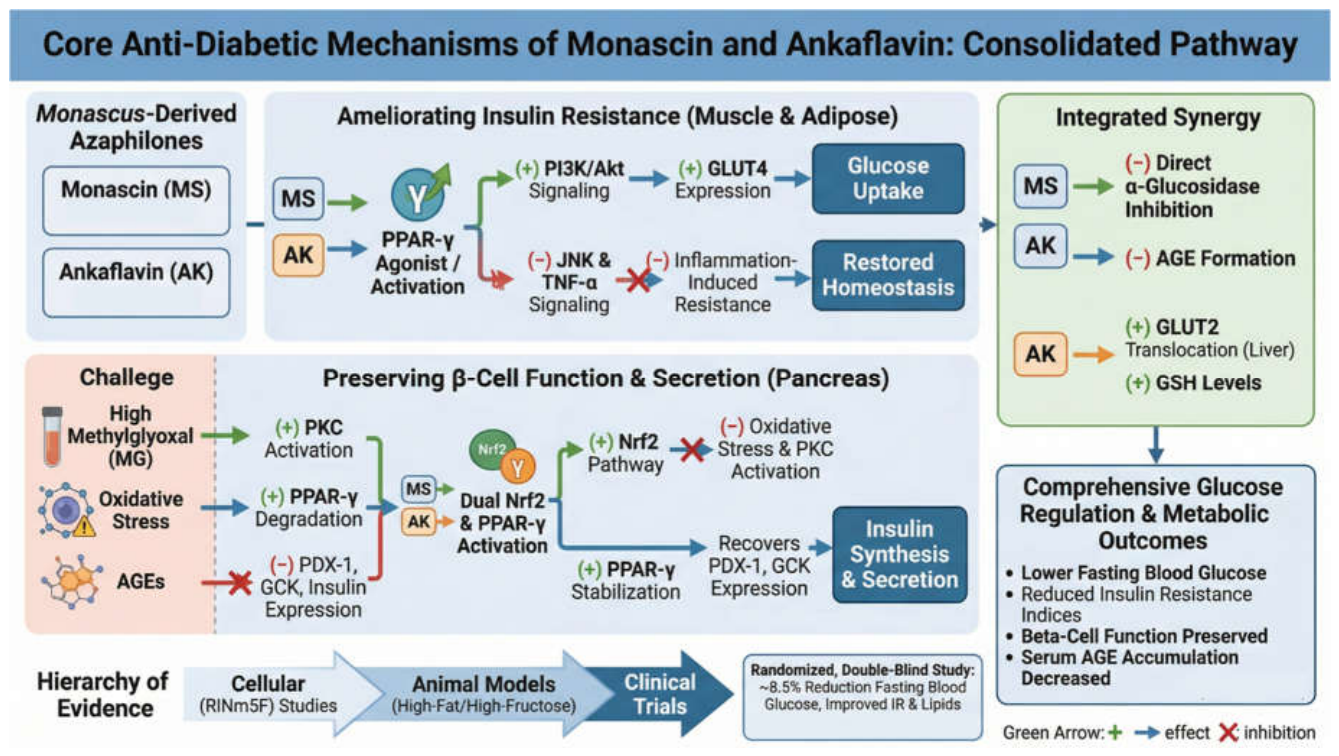
As comprehensively reviewed by Shi and Pan, chronic inflammation and oxidative stress are major drivers of insulin resistance, and Monascus yellow pigments reverse these pathological states through targeted pathways [96]. Monascin has been explicitly identified as a peroxisome proliferator-activated receptor gamma (PPAR-γ) agonist, playing a central role in mitigating insulin resistance. Experimental studies demonstrate that in muscle cells, monascin enhances glucose uptake, activates the phosphoinositide 3-kinase/protein kinase B (PI3K/Akt) signaling pathway, and prevents the phosphorylation and subsequent inactivation of PPAR-γ. This stabilization of PPAR-γ leads to improved insulin signaling and responsiveness [97]. Furthermore, monascin effectively suppresses inflammatory signaling pathways by inhibiting c-Jun N-terminal kinase (JNK) activation and reducing tumor necrosis factor-alpha (TNF-α)-mediated signaling, thereby preventing the disruption of insulin signaling cascades and restoring glucose homeostasis [97]. In vivo, animal studies indicate that monascin and ankaflavin lower fasting blood glucose and reduce insulin resistance indices, particularly in high-fat and high-fructose diet models, by increasing the expression of glucose transporter 2 (GLUT2) and glucose transporter 4 (GLUT4) [98]. Functionally, monascin exerts a stronger glucose-lowering effect, whereas ankaflavin demonstrates stronger anti-inflammatory and lipid-regulating capacities.

5.2. Protective Effects on Pancreatic β-Cells: Evidence from the RINm5F Model

Pancreatic β-cells are highly susceptible to oxidative stress and advanced glycation end products (AGEs). In the pancreatic RINm5F cell line, the abnormal accumulation of the dicarbonyl metabolite methylglyoxal (MG) induces protein kinase C (PKC) activation, which leads to the phosphorylation and subsequent degradation of PPAR-γ. This degradation downregulates pancreatic and duodenal homeobox-1 (PDX-1), glucokinase (GCK), and insulin expression. Monascin and ankaflavin act as dual PPAR-γ and nuclear factor erythroid 2-related factor 2 (Nrf2) activators; through the Nrf2 signaling pathway, they reduce oxidative stress damage, inhibit PKC activation, and prevent MG-induced cytotoxicity [21,79]. By protecting PPAR-γ from phosphorylation-dependent degradation, monascin recovers the normal expression levels of PDX-1 and GCK, which supports insulin production and prevents pancreatic dysfunction, helping to preserve β-cell function under diabetic stress conditions [99]. Furthermore, ankaflavin promotes hepatic GLUT2 translocation and elevates glutathione (GSH) levels, significantly reducing the accumulation of serum AGEs [100].

5.3. Comprehensive Glucose Regulation and Clinical Evidence

Monascus yellow pigments also control blood glucose through multiple synergistic peripheral pathways, and studies on red yeast rice pigments have linked ankaflavin and monascin to α-glucosidase inhibition and anti-glycation capacity [101]. Monascin and ankaflavin contribute to glucose control by directly inhibiting α-glucosidase activity and reducing the formation of AGEs [101]. Clinical trials utilizing Monascus-fermented products, such as Ankascin 568 plus, confirm these mechanisms in humans, where a randomized, double-blind study demonstrated a significant reduction in fasting blood glucose by approximately 8.5%, alongside improved insulin resistance markers and lipid profiles [102]. Ultimately, monascin and ankaflavin play a crucial role in glucose homeostasis and metabolic regulation through multi-target mechanisms, including improving insulin sensitivity via PPAR-γ activation and PI3K/Akt signaling, protecting pancreatic β-cells from oxidative and glycation damage through Nrf2-mediated antioxidant pathways, and enhancing overall glucose metabolism via GLUT2 and GLUT4 upregulation and α-glucosidase inhibition. Supported by comprehensive cellular, animal, and clinical evidence, these compounds represent highly promising functional agents for the prevention and adjunctive management of insulin resistance, type 2 diabetes, and metabolic syndrome (Figure 2).

6. Cardiovascular Health: Blood Pressure Control and Vascular Protection in SHR Models and Human Trials

Cardiovascular diseases (CVDs), particularly hypertension and atherosclerosis, are strongly associated with endothelial dysfunction and vascular remodeling. In recent years, Monascus-fermented products, commonly known as red yeast rice (red mold rice), have gained significant attention as complementary strategies for cardiovascular prevention. While the cholesterol-lowering effects of monacolins are well-documented, emerging research led by Pan and colleagues highlights that the azaphilone pigments monascin and ankaflavin contribute significantly to vascular protection, anti-inflammatory responses, and comprehensive blood pressure regulation.

6.1. Blood Pressure Control in Spontaneously Hypertensive Rat (SHR) Models

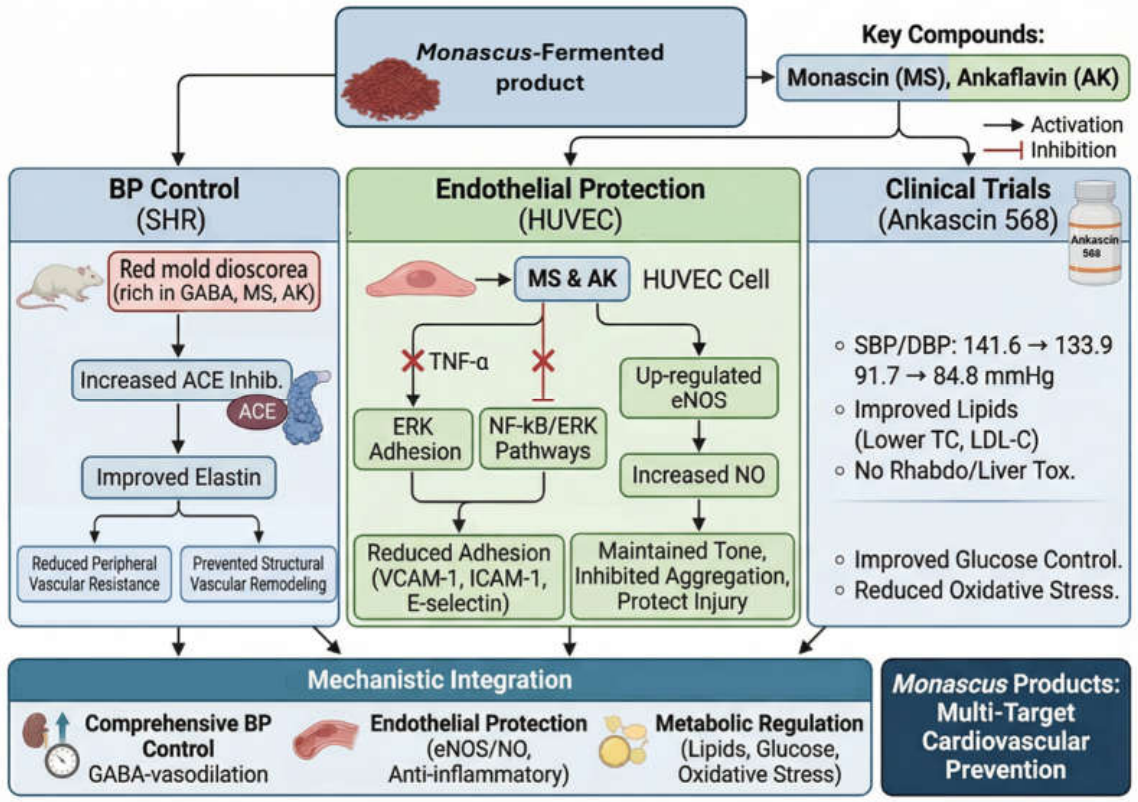
In spontaneously hypertensive rat (SHR) models, research demonstrates that red mold dioscorea (RMD)—a Monascus-fermented product enriched with bioactive metabolites—exhibits a significantly stronger antihypertensive effect compared to traditional red mold rice. This enhanced efficacy is attributed to its higher concentrations of γ-aminobutyric acid (GABA) and the anti-inflammatory pigments monascin and ankaflavin. Mechanistically, these compounds act by increasing angiotensin-converting enzyme (ACE) inhibitory activity and improving vascular elastin integrity, thereby not only reducing vascular resistance but also preventing hypertensive structural remodeling of the blood vessels [8].

6.2. Vascular Protection and Endothelial Function

Endothelial dysfunction is a major hallmark of cardiovascular disease, characterized by reduced nitric oxide (NO) bioavailability and elevated inflammatory activation. Hsu et al. demonstrated that monascin and ankaflavin exert direct protective effects on human umbilical vein endothelial cells (HUVECs) exposed to tumor necrosis factor-alpha (TNF-α) [103]. These pigments significantly suppress the expression of endothelial adhesion molecules, such as vascular cell adhesion molecule-1 (VCAM-1), intercellular adhesion molecule-1 (ICAM-1), and E-selectin, by inhibiting the phosphorylation of extracellular signal-regulated kinase (ERK) and the nuclear translocation of nuclear factor kappa B (NF-κB). Furthermore, they upregulate endothelial nitric oxide synthase (eNOS) expression, leading to increased NO production which is essential for maintaining vascular tone, inhibiting platelet aggregation, and protecting against endothelial injury [103].

6.3. Clinical Evidence for Blood Pressure and Metabolic Improvement

The translational relevance of these cardiovascular benefits has been evaluated in human clinical trials. A randomized, double-blind, placebo-controlled trial evaluated Ankascin 568, a Monascus-fermented product rich in monascin and ankaflavin, in patients with mild-to-moderate hypertension [26]. After receiving a dose of 500 mg twice daily for 8 weeks, the subjects' systolic blood pressure significantly decreased from 141.6 mmHg to 133.9 mmHg, and diastolic blood pressure dropped from 91.7 mmHg to 84.8 mmHg. The treatment simultaneously improved lipid profiles by lowering total cholesterol and low-density lipoprotein cholesterol (LDL-C), notably without causing adverse effects such as rhabdomyolysis or hepatorenal impairment [26]. Additionally, Ankascin 568 plus was reported to improve blood glucose regulation and insulin resistance, providing indirect vascular protection by reducing the systemic oxidative and inflammatory burden associated with metabolic syndrome [102].
The cardiovascular protective effects of monascin and ankaflavin function through a highly integrated, multi-level regulatory network (Figure 3). This system achieves blood pressure regulation through ACE inhibition, GABA-mediated vasodilation, and reduced peripheral vascular resistance. Concurrently, endothelial protection is driven by the upregulation of eNOS and NO production, paired with the suppression of inflammatory adhesion molecules. Furthermore, metabolic regulation is supported by concurrent improvements in lipid profiles, glucose homeostasis, and oxidative stress reduction. Evidence comprehensively gathered from cellular models, SHR animal models, and human clinical trials consistently supports the safety and efficacy of Monascus-fermented products. These findings support their potential as promising, multi-targeted functional agents for the prevention and integrated management of CVDs.

7. Safety Profile: Comparative Toxicological Analysis Between Yellow Pigments and Monacolin K

Red mold rice contains a wide array of secondary metabolites, with the two most prominent active components being the yellow azaphilone pigments (primarily monascin and ankaflavin) and monacolin K. Although both groups exhibit the potential to regulate lipid metabolism, their safety profiles differ significantly. Existing evidence establishes that monacolin K is chemically and pharmacologically identical to the prescription statin drug lovastatin, and thus, its toxicological risks heavily overlap with those of statins. Conversely, current studies indicate that monascin and ankaflavin exhibit a significantly lower toxicity signal, with no apparent hepatic, renal, or muscular toxicity observed in animal models and several clinical trials. However, it must be noted that direct, standardized head-to-head toxicological comparisons between yellow pigments and monacolin K remain limited, and the safety evaluation of red mold rice is often complicated by severe variations in monacolin K content and product mislabeling on the market [83,104].

7.1. Toxicological Concerns Associated with Monacolin K

Monacolin K is the most renowned lipid-lowering component in red mold rice, yet it is also the subject of the greatest safety controversy. Its primary toxicological risks revolve around muscle toxicity, such as myopathy and rhabdomyolysis, and hepatotoxicity. The European Food Safety Authority (EFSA) warned that monacolin K exposure from dietary supplements often falls within the therapeutic dose range of lovastatin [105]. Extensive adverse event data support that an intake of 10 mg/day poses significant safety concerns, and severe adverse reactions have been reported at doses as low as 3 mg/day [105]. Clinical case studies continue to report incidents of fulminant red mold rice-associated rhabdomyolysis, acute liver injury, and hyperkalemia [106,107]. Consequently, EFSA and the European Commission have strictly recommended limiting the daily intake of monacolin K in red mold rice products to under 3 mg. Furthermore, adverse event reporting systems and available meta-analyses continue to associate red yeast rice extract use with muscle symptoms and liver dysfunction [108]. Animal studies offer biological plausibility for these adverse effects; acute administration of red mold rice significantly depletes coenzyme Q10 (CoQ10) levels in murine liver and heart tissues, a phenomenon perfectly aligning with the statin-induced suppression of the mevalonate pathway [109]. Additionally, research demonstrates that monacolin K exerts an inhibitory effect on cytochrome P450 (CYP450) and P-glycoprotein (P-gp) that is even stronger than pure lovastatin, substantially increasing the risk of drug-drug interactions [110].
Systematic safety analyses and medication-safety reviews likewise emphasize that red yeast rice adverse-event risk cannot be evaluated only by traditional-use history; dose, product quality, and patient susceptibility remain central considerations [111,112].
Clinical and review literature on red yeast rice further supports the need for careful monacolin K standardization, because efficacy in mild dyslipidemia must be balanced against supplement variability and statin-like safety concerns [113,114,115].

7.2. Safety Profile of Yellow Pigments: Monascin and Ankaflavin

In stark contrast to monacolin K, yellow pigments such as monascin and ankaflavin exhibit a significantly milder and safer toxicological profile. The most critical safety advantage of these yellow pigments is their lack of statin-associated muscle toxicity. Unlike monacolin K, the administration of monascin and ankaflavin does not elevate creatine phosphokinase (CPK) activity—a key clinical marker for rhabdomyolysis—indicating that they do not possess the typical muscle-damaging mechanisms of statins [19]. A 12-week double-blind clinical trial evaluating Ankascin 568 plus, a red mold rice extract rich in these pigments, reported no significant abnormalities in liver, kidney, or thyroid functions, electrolytes, or CPK levels, confirming excellent short-term clinical tolerability [7,26]. Importantly, comprehensive 13-week subchronic toxicity and genotoxicity studies on the red mold rice extract Ankascin 568-R have explicitly confirmed the absence of mutagenicity and systemic toxicity, thoroughly reinforcing its safety as a functional food ingredient [116]. Furthermore, animal studies suggest that yellow pigments tend to exert organ-protective effects rather than toxicity. In alcoholic liver injury models, treatment with monascin and ankaflavin significantly reduced serum aspartate aminotransferase (AST) and alanine aminotransferase (ALT) activities, prevented hepatic lipid accumulation, and mitigated inflammation and oxidative stress [91]. Comparative diabetic-model studies indicate that monascin and monascinol can modulate pro-inflammatory factors and liver/kidney histopathological alterations [117]. Separately, Monascus yellow pigments lower uric acid through xanthine oxidase (XOD) inhibition and uric acid transporter modulation [118]. In vitro safety assessments reveal no significant cytotoxicity to normal human keratinocytes (HaCaT), and chicken embryo toxicity tests demonstrate that ankaflavin possesses an exceptionally low embryotoxicity with a median effective dose (ED50) of 28 μg/embryo [13].

7.3. Comparative Toxicological Interpretation and Quality Control

The marked safety disparity between Monascus yellow pigments and monacolin K is rooted in their distinct chemical and pharmacological mechanisms. Monacolin K directly inhibits 3-hydroxy-3-methylglutaryl coenzyme A reductase (HMGR), intrinsically linking its efficacy to statin-like side effects. In contrast, medicinal-chemistry and molecular-docking analyses have evaluated Monascus-fermented rice pigments as anti-hyperlipidemic candidates [119]. Instead, they function primarily as selective peroxisome proliferator-activated receptor modulators (SPPARMs) and nuclear factor erythroid 2-related factor 2 (Nrf2) activators, mechanisms that generally provide a wider safety margin in treating metabolic syndrome [18]. Interestingly, comparative evaluations reveal that the red mold rice phytocomplex exhibits lower skeletal muscle toxicity than pure lovastatin, implying that secondary compounds such as polyphenols and pigments might offer synergistic protective effects that partially offset the toxicity of monacolin K [110]. However, the safety of red mold rice products cannot rely on a single component; the complexity of the product and the control of the mycotoxin citrinin must be strictly addressed. Different Monascus strains exhibit systematic differences in their production capacities for monacolin K, Monascus yellow pigments, and citrinin [120]. Additionally, a 90-day rat feeding study indicated that while red mold rice exhibits low overall systemic toxicity, it may cause thyroid hypertrophy and reduced growth, warranting caution for specific populations [121]. Therefore, establishing unified national and international quality standards, along with advanced omics-based taxonomic models, is essential for ensuring product safety [122,123]. Current literature confirms that monacolin K carries clear and substantial safety concerns, prompting regulatory agencies worldwide to impose strict dosage limitations. In contrast, monascin and ankaflavin present a highly favorable safety profile, do not increase CPK activity, show potential hepatoprotective effects, and exert strong metabolic regulation. Underscoring this safety advantage, Ankascin 568—a product utilizing Monascus yellow pigments rather than monacolin K as its core active ingredient—has already been approved by the United States Food and Drug Administration (US FDA) as a New Dietary Ingredient (NDI). For the future development of functional foods and preventive medicine, shifting the active focus from monacolin K to Monascus yellow pigments provides a significantly superior safety margin.

9. Conclusion: The Impact of Monascus Yellow Pigments on Next-Generation Functional Foods

9.1. Paradigm Shift: From Traditional Colorants to Precision Functional Ingredients

Monascus species have been utilized in Asian food and medicinal applications for over a millennium. Historically, large-scale industrial production was highly concentrated on traditional red pigments used as food colorants and monacolin K, an active compound with potent cholesterol-lowering effects [1]. However, as the scientific community and regulatory bodies increasingly demand clearer metabolic mechanisms and stringent food safety profiles, the Monascus industry is undergoing a profound paradigm shift. The research focus has comprehensively transitioned from traditional red pigments and monacolin K to Monascus yellow pigments—specifically monascin, ankaflavin, and the emerging derivative monascinol—which are characterized by high physicochemical stability, diverse biological activities, and notably low toxicity [4]. These yellow azaphilone pigments have successfully overcome the instability and fading issues typical of natural colorants, demonstrating immense potential that surpasses traditional ingredients in the development of preventive medicine and functional foods [11].

9.2. Multi-Target Metabolic Regulation and Safety Advantages

The core reason Monascus yellow pigments are positioned as the foundation for next-generation functional foods lies in their unique multi-target and low-toxicity pharmacological profile. Monascin and ankaflavin have been reported to act as natural peroxisome proliferator-activated receptor (PPAR-γ/PPAR-α) agonists and AMP-activated protein kinase (AMPK) activators [99]. In lipid metabolism, they effectively suppress lipogenesis, promote fatty acid β-oxidation, and stimulate apolipoprotein A1 (Apo A1) expression to elevate high-density lipoprotein (HDL) cholesterol, achieving hypolipidemic effects comparable to monacolin K [7,19]. For glucose homeostasis, they protect pancreatic β-cells from oxidative and glycation damage via the nuclear factor erythroid 2-related factor 2 (Nrf2) pathway and improve insulin resistance [18]. Furthermore, these pigments exhibit the ability to inhibit angiotensin-converting enzyme (ACE) and improve endothelial function, offering integrated protection against hypertension and cardiovascular diseases [26]. Traditional monacolin K is chemically identical to the prescription drug lovastatin, carrying an inherent high risk of inducing rhabdomyolysis and hepatotoxicity, which prompted the European Food Safety Authority (EFSA) to strictly limit its daily intake [105]. In stark contrast, while Monascus yellow pigments exert potent metabolic regulatory effects, they do not elevate creatine phosphokinase (CPK) activity, completely circumventing the muscle toxicity unique to statins. Demonstrating potential hepatorenal protective effects in both animal and clinical trials, Monascus yellow pigments offer a more favorable safety profile, supporting their potential as functional alternatives to monacolin K [94,131].

9.3. Gut Microbiota and New Opportunities for Postbiotic Applications

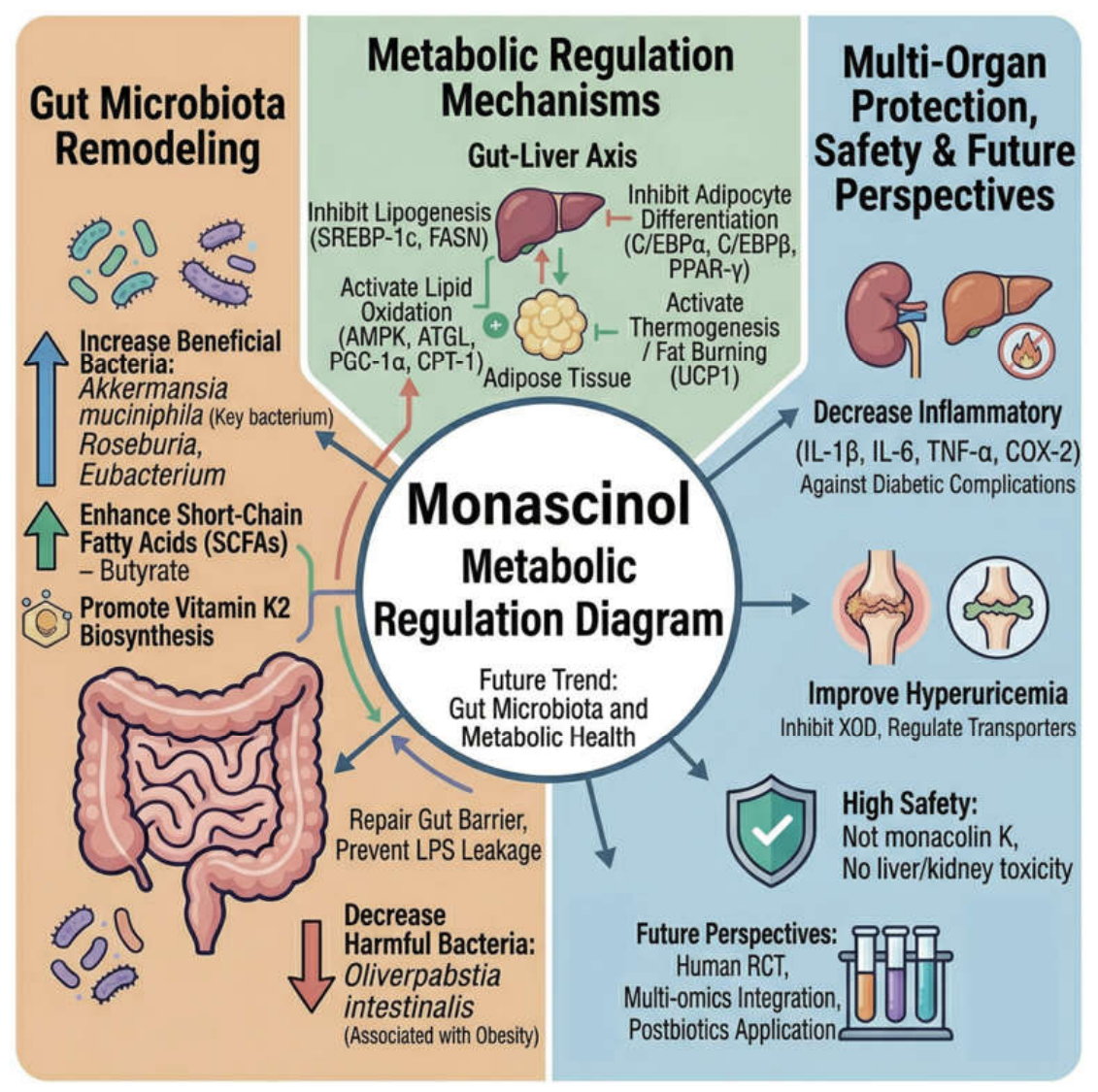
The recent discovery of the yellow pigment derivative monascinol has elevated the development of Monascus functional foods to a broader scope, particularly concerning the gut-liver axis. Evidence confirms that monascinol can precisely remodel the gut microbiota, significantly enriching the relative abundance of Akkermansia muciniphila and butyrate-producing bacteria such as Roseburia [130]. By increasing the production of intestinal short-chain fatty acids (SCFAs) and strengthening the intestinal barrier to reduce endotoxin leakage, monascinol not only mitigates systemic inflammation at its source but also synergizes with the AMPK-ATGL pathway to significantly ameliorate non-alcoholic fatty liver disease (NAFLD) and obesity [124]. As a natural compound exhibiting dual prebiotic-like and postbiotic-like properties, monascinol opens a new avenue for precision nutritional interventions targeting metabolic syndrome.

9.4. Process Optimization and Development Prospects for Next-Gen Functional Foods

To meet growing market demand, the large-scale production technologies for Monascus yellow pigments are continuously advancing. Through precision fermentation approaches—such as supplementing specific nitrogen sources, adding calcium chloride, and utilizing mineral-rich deep ocean water (DOW)—the industry can redirect metabolic flux toward yellow pigment synthesis [6,14,132]. Additional process strategies, including dual mutagenesis, CRISPR-based strain engineering, and low-cost substrate use, further support scalable pigment production [133,134,135].
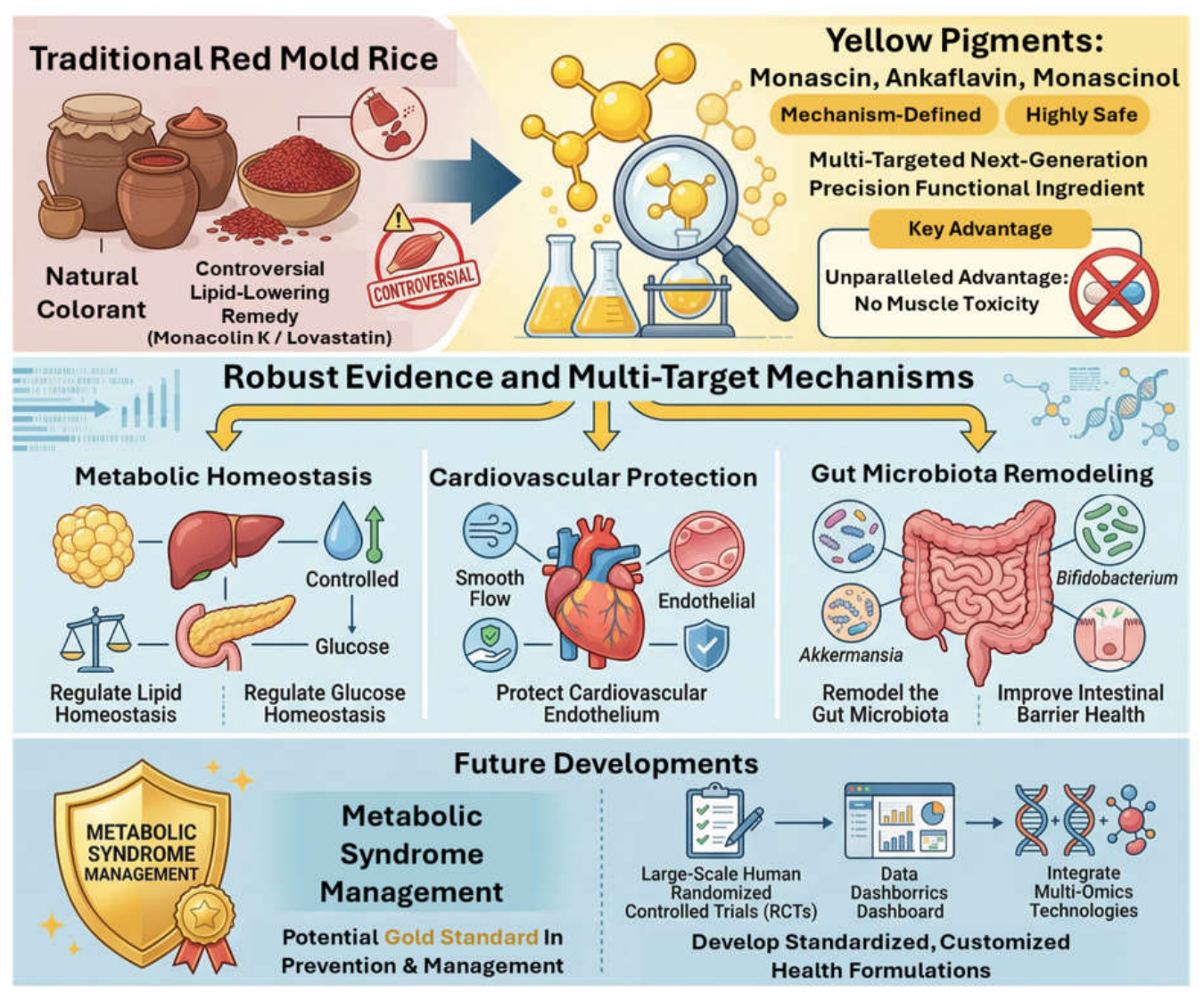
In summary, in-depth research into Monascus yellow pigments, including monascin, ankaflavin, and monascinol, has reframed red mold rice from a traditional natural colorant and controversial lipid-lowering remedy into a mechanism-defined and multi-target functional ingredient with a favorable safety profile. With accumulating evidence supporting their efficacy in regulating lipid and glucose homeostasis, protecting cardiovascular endothelium, and remodeling the gut microbiota—combined with the advantage of lacking muscle toxicity—Monascus yellow pigments possess the potential as candidate strategies for the prevention and management of metabolic syndrome (Figure 5). Future developments should continue to drive large-scale randomized controlled trials in humans and integrate multi-omics technologies to develop standardized, customized health formulations, supporting rigorous evaluation of this long-standing East Asian fermentation practice in modern evidence-based preventive medicine.

Author Contributions

Conceptualization, C.-L.L. and T.-M.P.; writing—original draft preparation, C.-L.L.; writing—review and editing, C.-L.L. and T.-M.P.; supervision, T.-M.P. All authors have read and agreed to the published version of the manuscript.

Funding

This research received no external funding.

Institutional Review Board Statement

Not applicable.

Data Availability Statement

Data sharing is not applicable to this article because no new datasets were generated or analyzed.

Conflicts of Interest

The authors declare no conflicts of interest.

References

  1. Hong, X.; Deng, J.; Liu, J.; Zhong, H.; Ren, J.; Zhou, B. Research advances in yellow pigments derived from Monascus, an edible filamentous fungus. Adv. Appl. Microbiol. 2025, 132, 83–122. [Google Scholar]
  2. Patakova, P. Monascus secondary metabolites: production and biological activity. J. Ind. Microbiol. Biotechnol. 2013, 40((2)), 169–81. [Google Scholar] [CrossRef] [PubMed]
  3. Feng, Y.; Shao, Y.; Chen, F. Monascus pigments. Appl. Microbiol. Biotechnol. 2012, 96((6)), 1421–40. [Google Scholar] [CrossRef]
  4. Lin, C. H.; Lin, T. H.; Pan, T. M. Alleviation of metabolic syndrome by monascin and ankaflavin: The perspective of Monascus functional foods. Food Funct. 2017, 8((6)), 2102–2109. [Google Scholar] [CrossRef] [PubMed]
  5. Wu, C. L.; Kuo, Y. H.; Lee, C. L.; Hsu, Y. W.; Pan, T. M. Synchronous high-performance liquid chromatography with a photodiode array detector and mass spectrometry for the determination of citrinin, monascin, ankaflavin, and the lactone and acid forms of monacolin K in red mold rice. J. AOAC Int. 2011, 94((1)), 179–190. [Google Scholar] [CrossRef]
  6. Lee, C. L.; Kung, Y. H.; Wang, J. J.; Lung, T. Y.; Pan, T. M. Enhanced hypolipidemic effect and safety of red mold dioscorea cultured in deep ocean water. J. Agric. Food Chem. 2011, 59((15)), 8199–8207. [Google Scholar] [CrossRef] [PubMed]
  7. Liu, S. F.; Wang, Y. R.; Shen, Y. C.; Chen, C. L.; Huang, C. N.; Pan, T. M.; Wang, C. K. A randomized, double-blind clinical study of the effects of Ankascin 568 plus on blood lipid regulation. J. Food Drug Anal. 2018, 26((1)), 393–400. [Google Scholar] [CrossRef]
  8. Wu, C. L.; Lee, C. L.; Pan, T. M. Red mold dioscorea has a greater antihypertensive effect than traditional red mold rice in spontaneously hypertensive rats. J. Agric. Food Chem. 2009, 57((11)), 5035–5041. [Google Scholar] [CrossRef] [PubMed]
  9. Adin, S. N.; Gupta, I.; Panda, B. P.; Mujeeb, M. Monascin and ankaflavin-Biosynthesis from Monascus purpureus, production methods, pharmacological properties: A review. Biotechnol. Appl. Biochem. 2023, 70((1)), 137–147. [Google Scholar] [CrossRef]
  10. He, J.; Jia, M.; Li, W.; Deng, J.; Ren, J.; Luo, F.; Bai, J.; Liu, J. Toward improvements for enhancement the productivity and color value of Monascus pigments: a critical review with recent updates. Crit. Rev. Food Sci. Nutr. 2022, 62((26)), 7139–7153. [Google Scholar] [CrossRef]
  11. Chen, G.; Wu, Z. Production and biological activities of yellow pigments from Monascus fungi. World J. Microbiol. Biotechnol. 2016, 32((8)). [Google Scholar] [CrossRef] [PubMed]
  12. Vendruscolo, F.; Meinicke Bühler, R. M.; Cesar de Carvalho, J.; de Oliveira, D.; Moritz, D. E.; Schmidell, W.; Ninow, J. L. Monascus: a Reality on the Production and Application of Microbial Pigments. Appl. Biochem. Biotechnol. 2016, 178((2)), 211–23. [Google Scholar] [CrossRef] [PubMed]
  13. Dudek, A.; Pietrzak, M.; Benkowska-Biernacka, D.; Pruchnik, H.; Boratynski, F.; El-Sayed, E. R. Nanoliposomal Encapsulation of Red, Yellow, and Orange Natural Pigments from Monascus ruber: Characterization, Stability, and Biological Activities. Curr. Microbiol. 2025, 82((6)), 259. [Google Scholar] [CrossRef]
  14. Bai, Y.; Zhang, W.; Guo, R.; Yu, J.; Wang, Y. Enhancement of yellow pigments production via high CaCl2 stress fermentation of Monascus purpureus. FEMS Microbiol. Lett. 2024, 371. [Google Scholar] [CrossRef]
  15. Liu, H.; Zhang, J.; Lu, G.; Wang, F.; Shu, L.; Xu, H.; Li, Z.; Wang, Y.; Guo, Q.; Wu, S.; Jiang, L.; Wang, C.; Huang, D.; Liu, B. Comparative metabolomics analysis reveals the metabolic regulation mechanism of yellow pigment overproduction by Monascus using ammonium chloride as a nitrogen source. Appl. Microbiol. Biotechnol. 2021, 105((16-17)), 6369–6379. [Google Scholar] [CrossRef]
  16. Wang, L. C.; Lung, T. Y.; Kung, Y. H.; Wang, J. J.; Tsai, T. Y.; Wei, B. L.; Pan, T. M.; Lee, C. L. Enhanced anti-obesity activities of red mold dioscorea when fermented using deep ocean water as the culture water. Mar. Drugs 2013, 11((10)), 3902–3925. [Google Scholar] [CrossRef]
  17. Zhang, C.; Sun, Q.; Yang, L.; Ablimit, A.; Dong, H.; Wang, H.; Wang, C.; Wang, C. Mutation breeding of Monascus to produce a high yield of orange pigment and low citrinin content using the ARTP method. J. Fungi 2024, 10((8)). [Google Scholar] [CrossRef]
  18. Hsu, W. H.; Chen, T. H.; Lee, B. H.; Hsu, Y. W.; Pan, T. M. Monascin and ankaflavin act as natural AMPK activators with PPARα agonist activity to down-regulate nonalcoholic steatohepatitis in high-fat diet-fed C57BL/6 mice. Food Chem. Toxicol. 2014, 64, 94–103. [Google Scholar] [CrossRef]
  19. Lee, C. L.; Wen, J. Y.; Hsu, Y. W.; Pan, T. M. Monascus-fermented yellow pigments monascin and ankaflavin showed antiobesity effect via the suppression of differentiation and lipogenesis in obese rats fed a high-fat diet. J. Agric. Food Chem. 2013, 61((7)), 1493–1500. [Google Scholar] [CrossRef] [PubMed]
  20. Dong, C.; Cheng, Y.; Zhang, M.; Chen, M.; Yan, Z.; Zhou, S.; Yang, B.; Guo, Q.; Wang, C.; Wu, S. Monascus pigments suppress fructose-mediated BSA glycation by trapping methylglyoxal and covalent binding to proteins. Int. J. Biol. Macromol. 2024, 280 (Pt 2). [Google Scholar] [CrossRef]
  21. Hsu, W. H.; Lee, B. H.; Chang, Y. Y.; Hsu, Y. W.; Pan, T. M. A novel natural Nrf2 activator with PPARγ-agonist (monascin) attenuates the toxicity of methylglyoxal and hyperglycemia. Toxicol. Appl. Pharmacol. 2013, 272((3)), 842–851. [Google Scholar] [CrossRef]
  22. Lee, C. L.; Lin, P. Y.; Hsu, Y. W.; Pan, T. M. Monascus-fermented monascin and ankaflavin improve the memory and learning ability in amyloid β-protein intracerebroventricular-infused rat via the suppression of Alzheimer’s disease risk factors. J. Funct. Foods 2015, 18, 387–399. [Google Scholar] [CrossRef]
  23. Shi, Y. C.; Pan, T. M.; Liao, V. H. Monascin from Monascus-fermented products reduces oxidative stress and amyloid-β toxicity via DAF-16/FOXO in Caenorhabditis elegans. J. Agric. Food Chem. 2016, 64((38)), 7114–7120. [Google Scholar] [CrossRef] [PubMed]
  24. Tseng, W. T.; Hsu, Y. W.; Pan, T. M. The ameliorative effect of Monascus purpureus NTU 568-fermented rice extracts on 6-hydroxydopamine-induced neurotoxicity in SH-SY5Y cells and the rat model of Parkinson’s disease. Food Funct. 2016, 7((2)), 752–762. [Google Scholar] [CrossRef]
  25. Tan, H.; Xing, Z.; Chen, G.; Tian, X.; Wu, Z. Evaluating antitumor and antioxidant activities of yellow Monascus pigments from Monascus ruber fermentation. Molecules 2018, 23, 12. [Google Scholar] [CrossRef]
  26. Chen, C. L.; Tseng, J. H.; Pan, T. M.; Hsiao, S. H. A randomized, double-blind clinical study on blood pressure reduction and blood lipid profile amelioration on treatment with Ankascin 568. Chin. J. Physiol. 2017, 60((3)), 158–165. [Google Scholar] [CrossRef]
  27. Liu, L.; Zhao, J.; Huang, Y.; Xin, Q.; Wang, Z. Diversifying of Chemical Structure of Native Monascus Pigments. Front. Microbiol. 2018, 9, 3143. [Google Scholar] [CrossRef] [PubMed]
  28. Cheng, M. J.; Wu, M. D.; Chen, I. S.; Chen, C. Y.; Lo, W. L.; Yuan, G. F. Secondary metabolites from the red mould rice of Monascus purpureus BCRC 38113. Nat. Product. Res. 2010, 24((18)), 1719–1725. [Google Scholar] [CrossRef] [PubMed]
  29. Cheng, M. J.; Wu, M. D.; Chen, I. S.; Yuan, G. F. A new sesquiterpene isolated from the extracts of the fungus Monascus pilosus-fermented rice. Nat. Product. Res. 2010, 24((8)), 750–758. [Google Scholar] [CrossRef]
  30. Chen, S.; Su, D. X.; Gao, M. X.; Zhang, J. L.; Liu, Y. B.; Wu, Q. H.; Yang, H. L.; Li, L. A facile macroporous resin-based method for separation of yellow and orange Monascus pigments. Food Sci. Biotechnol. 2021, 30((4)), 545–553. [Google Scholar] [CrossRef]
  31. Yang, H.; Li, J.; Wang, Y.; Gan, C. Identification of water-soluble Monascus yellow pigments using HPLC-PAD-ELSD, high-resolution ESI-MS, and MS-MS. Food Chem. 2018, 245, 536–541. [Google Scholar] [CrossRef]
  32. Xu, J. Y.; Li, H. Q.; Chen, J. M.; Chen, F. Z. Crystal structure and characterization of monascin from the extracts of Monascus purpureus-fermented rice. Acta Crystallogr. Sect. C 2024, 80 (Pt 8), 425–433. [Google Scholar] [CrossRef]
  33. Jongrungruangchok, S.; Kittakoop, P.; Yongsmith, B.; Bavovada, R.; Tanasupawat, S.; Lartpornmatulee, N.; Thebtaranonth, Y. Azaphilone pigments from a yellow mutant of the fungus Monascus kaoliang. Phytochemistry 2004, 65((18)), 2569–2575. [Google Scholar] [CrossRef]
  34. Husakova, M.; Patakova, P. Purified Monascus pigments: Biological activities and mechanisms of action. J. Nat. Prod. 2025, 88((2)), 607–615. [Google Scholar] [CrossRef]
  35. Su, N. W.; Lin, Y. L.; Lee, M. H.; Ho, C. Y. Ankaflavin from Monascus-fermented red rice exhibits selective cytotoxic effect and induces cell death on Hep G2 cells. J. Agric. Food Chem. 2005, 53((6)), 1949–1954. [Google Scholar] [CrossRef] [PubMed]
  36. Jou, P. C.; Ho, B. Y.; Hsu, Y. W.; Pan, T. M. The effect of Monascus secondary polyketide metabolites, monascin and ankaflavin, on adipogenesis and lipolysis activity in 3T3-L1. J. Agric. Food Chem. 2010, 58((24)), 12703–12709. [Google Scholar] [CrossRef] [PubMed]
  37. Lee, C. L.; Kung, Y. H.; Wu, C. L.; Hsu, Y. W.; Pan, T. M. Monascin and ankaflavin act as novel hypolipidemic and high-density lipoprotein cholesterol-raising agents in red mold dioscorea. J. Agric. Food Chem. 2010, 58((16)), 9013–9019. [Google Scholar] [CrossRef]
  38. Hsu, W. H.; Pan, T. M. Monascus purpureus-fermented products and oral cancer: a review. Appl. Microbiol. Biotechnol. 2012, 93((5)), 1831–1842. [Google Scholar] [CrossRef]
  39. Liu, Q.; Zhong, S.; Wang, X.; Gao, S.; Yang, X. L.; Chen, F.; Molnár, I. An integrated approach to determine the boundaries of the azaphilone pigment biosynthetic gene cluster of Monascus ruber M7 grown on potato dextrose agar. Front. Microbiol. 2021, 12. [Google Scholar] [CrossRef] [PubMed]
  40. Duan, Y.; Ma, H.; Wei, X.; Li, M. Dynamic regulation of Monascus azaphilones biosynthesis by the binary MrPigE-MrPigF oxidoreductase system. Appl. Microbiol. Biotechnol. 2022, 106((22)), 7519–7530. [Google Scholar] [CrossRef]
  41. Zhang, J.; Yang, S.; Wang, Q.; Liu, Q.; Chen, J.; Gong, Y.; Xu, R.; Shao, Y. Enhancement of Monascus azaphilone pigments production without citrinin contamination by targeting overexpression of histone acetyltransferase MrEsa1 and deletion of polyketide synthase PksCT. J. Fungi 2026, 12((2)). [Google Scholar] [CrossRef]
  42. Balakrishnan, B.; Kim, H. J.; Suh, J. W.; Chen, C. C.; Liu, K. H.; Park, S.; Kwon, H. Monascus azaphilone pigment biosynthesis employs a dedicated fatty acid synthase for short chain fatty acyl moieties. J. Korean Soc. Appl. Biol. Chem. 2014, 57, 191–196. [Google Scholar] [CrossRef]
  43. Balakrishnan, B.; Chen, C. C.; Pan, T. M.; Kwon, H. J. Mpp7 controls regioselective Knoevenagel condensation during the biosynthesis of Monascus azaphilone pigments. Tetrahedron Lett. 2014, 55((10)), 1640–1643. [Google Scholar] [CrossRef]
  44. Chen, W.; Feng, Y.; Molnár, I.; Chen, F. Nature and nurture: Confluence of pathway determinism with metabolic and chemical serendipity diversifies Monascus azaphilone pigments. Nat. Product. Rep. 2019, 36((4)), 561–572. [Google Scholar] [CrossRef] [PubMed]
  45. Zhen, Z.; Xiong, X.; Liu, Y.; Zhang, J.; Wang, S.; Li, L.; Gao, M. NaCl Inhibits Citrinin and Stimulates Monascus Pigments and Monacolin K Production. Toxins 2019, 11((2)). [Google Scholar] [CrossRef]
  46. Li, L.; Chen, S.; Gao, M.; Ding, B.; Zhang, J.; Zhou, Y.; Liu, Y.; Yang, H.; Wu, Q.; Chen, F. Acidic conditions induce the accumulation of orange Monascus pigments during liquid-state fermentation of Monascus ruber M7. Appl. Microbiol. Biotechnol. 2019, 103((20)), 8393–8402. [Google Scholar] [CrossRef]
  47. Balakrishnan, B.; Park, S.; Kwon, H. Inactivation of the oxidase gene mppG results in the selective loss of orange azaphilone pigments in Monascus purpureus. Appl. Biol. Chem. 2017, 60, 437–446. [Google Scholar] [CrossRef]
  48. Pavesi, C.; Flon, V.; Mann, S.; Leleu, S.; Prado, S.; Franck, X. Biosynthesis of azaphilones: A review. Nat. Product. Rep. 2021, 38((6)), 1058–1071. [Google Scholar] [CrossRef]
  49. Meng, Z.; Tan, Y.; Duan, Y.; Li, M. Metabolic modulation of TCA cycle by S-nitrosylation in Monascus spp. Synth. Syst. Biotechnol. 2026, 12, 490–501. [Google Scholar] [CrossRef]
  50. Nie, M.; Liu, T.; Qiu, X.; Yang, J.; Liu, J.; Ren, J.; Zhou, B. Regulation mechanism of lipids for extracellular yellow pigments production by Monascus purpureus BWY-5. Appl. Microbiol. Biotechnol. 2023, 107((16)), 5191–5208. [Google Scholar] [CrossRef]
  51. Liu, J.; Du, Y.; Ma, H.; Pei, X.; Li, M. Enhancement of Monascus yellow pigments production by activating the cAMP signalling pathway in Monascus purpureus HJ11. Microb. Cell Fact. 2020, 19((1)), 224. [Google Scholar] [CrossRef]
  52. Wan, R.; Wang, Z.; Li, Y.; Zeng, X.; Xin, B.; Qiao, J.; Zeng, H.; Zhang, L. Mechanistic insights into isopropyl myristate-stimulated Monascus pigment biosynthesis via untargeted metabolomics. World J. Microbiol. Biotechnol. 2026, 42((1)). [Google Scholar] [CrossRef]
  53. Xiong, X.; Zhang, X.; Wu, Z.; Wang, Z. Accumulation of yellow Monascus pigments by extractive fermentation in nonionic surfactant micelle aqueous solution. Appl. Microbiol. Biotechnol. 2015, 99((3)), 1173–80. [Google Scholar] [CrossRef]
  54. Huang, T.; Tan, H.; Lu, F.; Chen, G.; Wu, Z. Changing oxidoreduction potential to improve water-soluble yellow pigment production with Monascus ruber CGMCC 10910. Microb. Cell Fact. 2017, 16((1)), 208. [Google Scholar] [CrossRef]
  55. Lin, W. Y.; Chang, J. Y.; Hish, C. H.; Pan, T. M. Proteome response of Monascus pilosus during rice starch limitation with suppression of monascorubramine production. J. Agric. Food Chem. 2007, 55((22)), 9226–9234. [Google Scholar] [CrossRef] [PubMed]
  56. Lin, W. Y.; Chang, J. Y.; Hish, C. H.; Pan, T. M. Profiling the Monascus pilosus proteome during nitrogen limitation. J. Agric. Food Chem. 2008, 56((2)), 433–441. [Google Scholar] [CrossRef] [PubMed]
  57. Lv, J.; Zhang, B. B.; Liu, X. D.; Zhang, C.; Chen, L.; Xu, G. R.; Cheung, P. C. K. Enhanced production of natural yellow pigments from Monascus purpureus by liquid culture: The relationship between fermentation conditions and mycelial morphology. J. Biosci. Bioeng. 2017, 124((4)), 452–458. [Google Scholar] [CrossRef]
  58. Wang, M.; Huang, T.; Chen, G.; Wu, Z. Production of water-soluble yellow pigments via high glucose stress fermentation of Monascus ruber CGMCC 10910. Appl. Microbiol. Biotechnol. 2017, 101((8)), 3121–3130. [Google Scholar] [CrossRef] [PubMed]
  59. Lv, J.; Qian, G. F.; Chen, L.; Liu, H.; Xu, H. X.; Xu, G. R.; Zhang, B. B.; Zhang, C. Efficient Biosynthesis of Natural Yellow Pigments by Monascus purpureus in a Novel Integrated Fermentation System. J. Agric. Food Chem. 2018, 66((4)), 918–925. [Google Scholar] [CrossRef]
  60. Kuang, L.; Ma, P.; He, X.; Wang, L.; Xie, Q.; He, Y.; Tan, H. Effects of VeA gene on the growth, pigment and citrinin synthesis of Monascus ruber M7. Microorganisms 2026, 14((1)). [Google Scholar] [CrossRef]
  61. Wang, J. J.; Lee, C. L.; Pan, T. M. Modified mutation method for screening low citrinin-producing strains of Monascus purpureus on rice culture. J. Agric. Food Chem. 2004, 52((23)), 6977–6982. [Google Scholar] [CrossRef]
  62. Liang, B.; Du, X. J.; Li, P.; Sun, C. C.; Wang, S. Investigation of Citrinin and Pigment Biosynthesis Mechanisms in Monascus purpureus by Transcriptomic Analysis. Front. Microbiol. 2018, 9, 1374. [Google Scholar] [CrossRef] [PubMed]
  63. Zhang, C.; Wang, H.; Sun, Q.; Ablimit, A.; Dong, H.; Wang, C.; Zhai, D.; Zhang, B.; Hu, W.; Liu, C.; Wang, C. Improvement of Monacolin K and Pigment Production in Monascus by 5-Azacytidine. J. Fungi 2024, 10, 12. [Google Scholar] [CrossRef]
  64. Liu, A.; Juan Chen, A.; Liu, B.; Wei, Q.; Bai, J.; Hu, Y. Investigation of citrinin and monacolin K gene clusters variation among pigment producer Monascus species. Fungal Genet. Biol. FG B 2022, 160, 103687. [Google Scholar] [CrossRef]
  65. Feng, S.; Liu, M.; Wang, X.; Wang, L.; Li, T.; Sun, C.; Han, R.; Liang, B. Functional characterization of mpdh as a key dehydratase in citrinin biosynthesis in M. purpureus YY-1. Food Chem. 2026, 502. [Google Scholar] [CrossRef]
  66. Li, R. Y.; Zhang, C. Y.; Xiao, S.; Liu, X. Y.; Li, R. X.; Li, J.; Li, H.; Liu, J. Exploring the multifaceted roles of histone deacetylase inhibitor vorinostat in the cell growth, mycelial morphology, pigments, and citrinin biosynthesis of Monascus purpureus. Arch. Microbiol. 2025, 207((4)). [Google Scholar] [CrossRef]
  67. Guo, X.; Li, Y.; Zhang, R.; Yu, J.; Ma, X.; Chen, M.; Wang, Y. Transcriptional regulation contributes more to Monascus pigments diversity in different strains than to DNA sequence variation. World J. Microbiol. Biotechnol. 2019, 35((9)), 138. [Google Scholar] [CrossRef] [PubMed]
  68. Li, Y.; Wang, N.; Jiao, X.; Tu, Z.; He, Q.; Fu, J. The ctnF gene is involved in citrinin and pigment synthesis in Monascus aurantiacus. J. Basic Microbiol. 2020, 60((10)), 873–881. [Google Scholar] [CrossRef]
  69. Zhang, X.; Chen, W.; Wang, C. Regulation of citrinin biosynthesis in Monascus purpureus: Impacts on growth, morphology, and pigments production. Food Microbiol. 2025, 127, 104698. [Google Scholar] [CrossRef] [PubMed]
  70. Xiong, F.; Wei, J.; Zhou, Y.; Shao, Y.; Liu, J.; Chen, F. Exploring the subcellular localization of Monascus pigments biosynthases: Preliminary unraveling of the compartmentalization mechanism. J. Fungi 2024, 10((1)). [Google Scholar] [CrossRef]
  71. Wang, X.; Zhao, H.; Ding, C.; Ding, W.; Guo, Q.; Wang, C. Cell wall remodeling and pH stress coordinately regulate Monascus pigment biosynthesis through transcriptional reprogramming. Foods 2025, 14, 21. [Google Scholar] [CrossRef] [PubMed]
  72. Xiong, L. Q.; Li, Y. Z.; Liang, S. P.; Zhang, C.; Hu, W. L.; Yang, Q. Q.; Molnár, I.; Zhang, B. B. Efficient production of natural yellow azaphilone pigments from Monascus purpureus regulated by microparticle-triggered stress. J. Agric. Food Chem. 2025, 73((35)), 21947–21958. [Google Scholar] [CrossRef]
  73. Huang, J.; Guan, H. W.; Huang, Y. Y.; Lai, K. S.; Chen, H. Y.; Xue, H.; Zhang, B. B. Evaluating the effects of microparticle addition on mycelial morphology, natural yellow pigments productivity, and key genes regulation in submerged fermentation of Monascus purpureus. Biotechnol. Bioeng. 2021, 118((7)), 2503–2513. [Google Scholar] [CrossRef]
  74. Yang, S. Z.; Huang, Z. F.; Liu, H. Q.; Hu, X.; Wu, Z. Q. Improving mycelial morphology and adherent growth as well as metabolism of Monascus yellow pigments using nitrate resources. Appl. Microbiol. Biotechnol. 2020, 104((22)), 9607–9617. [Google Scholar] [CrossRef]
  75. Huang, T.; Tan, H.; Chen, G.; Wang, L.; Wu, Z. Rising temperature stimulates the biosynthesis of water-soluble fluorescent yellow pigments and gene expression in Monascus ruber CGMCC10910. AMB Express 2017, 7((1)), 134. [Google Scholar] [CrossRef]
  76. Huang, Z. F.; Yang, S. Z.; Liu, H. Q.; Tian, X. F.; Wu, Z. Q. Sodium starch octenyl succinate facilitated the production of water-soluble yellow pigments in Monascus ruber fermentation. Appl. Microbiol. Biotechnol. 2021, 105((18)), 6691–6706. [Google Scholar] [CrossRef]
  77. Lee, C. L.; Hung, H. K.; Wang, J. J.; Pan, T. M. Improving the ratio of monacolin K to citrinin production of Monascus purpureus NTU 568 under dioscorea medium through the mediation of pH value and ethanol addition. J. Agric. Food Chem. 2007, 55((16)), 6493–6502. [Google Scholar] [CrossRef]
  78. Wang, J. J.; Pan, T. M. Improvement of monacolin K, γ-aminobutyric acid and citrinin production ratio as a function of environmental conditions of Monascus purpureus NTU 601. J. Ind. Microbiol. Biotechnol. 2003, 30((11)), 669–676. [Google Scholar] [CrossRef] [PubMed]
  79. Tan, Y. Y.; Hsu, W. H.; Shih, T. W.; Lin, C. H.; Pan, T. M. Proteomic insight into the effect of ethanol on citrinin biosynthesis pathway in Monascus purpureus NTU 568. Food Res. Int. 2014, 64, 733–742. [Google Scholar] [CrossRef] [PubMed]
  80. Farawahida, A. H.; Palmer, J.; Flint, S. Monascus spp. and citrinin: Identification, selection of Monascus spp. isolates, occurrence, detection and reduction of citrinin during the fermentation of red fermented rice. Int. J. Food Microbiol. 2022, 379, 109829. [Google Scholar] [CrossRef]
  81. Huang, Z.; Hu, T.; Yang, S.; Tian, X.; Wu, Z. Genetic responses to adding nitrates to improve hydrophilic yellow pigment in Monascus fermentation. Appl. Microbiol. Biotechnol. 2023, 107((4)), 1341–1359. [Google Scholar] [CrossRef]
  82. Patrovsky, M.; Sinovska, K.; Branska, B.; Patakova, P. Effect of initial pH, different nitrogen sources, and cultivation time on the production of yellow or orange Monascus purpureus pigments and the mycotoxin citrinin. Food Sci. Nutr. 2019, 7((11)), 3494–3500. [Google Scholar] [CrossRef] [PubMed]
  83. Farkouh, A.; Baumgartel, C. Mini-review: medication safety of red yeast rice products. Int. J. Gen. Med. 2019, 12, 167–171. [Google Scholar] [CrossRef] [PubMed]
  84. Chen, W.; Chen, R.; Liu, Q.; He, Y.; He, K.; Ding, X.; Kang, L.; Guo, X.; Xie, N.; Zhou, Y.; Lu, Y.; Cox, R. J.; Molnár, I. G.; Li, M.; Shao, Y.; Chen, F. Orange, red, yellow: Biosynthesis of azaphilone pigments in Monascus fungi. Chem. Sci. 2017, 8, 4917–4925. [Google Scholar] [CrossRef]
  85. Gong, Z.; Lin, Q.; Liu, J. A review of yellow Monascus pigments with recent updates: Separation and identification, biosynthesis, biological activities, production and application. Food Chem. 2026, 505. [Google Scholar] [CrossRef] [PubMed]
  86. Zhou, W.; Guo, R.; Guo, W.; Hong, J.; Li, L.; Ni, L.; Sun, J.; Liu, B.; Rao, P.; Lv, X. Monascus yellow, red and orange pigments from red yeast rice ameliorate lipid metabolic disorders and gut microbiota dysbiosis in Wistar rats fed on a high-fat diet. Food Funct. 2019, 10((2)), 1073–1084. [Google Scholar] [CrossRef]
  87. Lee, C. L.; Wen, J. Y.; Hsu, Y. W.; Pan, T. M. The blood lipid regulation of Monascus-produced monascin and ankaflavin via the suppression of low-density lipoprotein cholesterol assembly and stimulation of apolipoprotein A1 expression in liver. J. Microbiol. Immunol. Infect. 2018, 51((1)), 27–37. [Google Scholar] [CrossRef]
  88. Wu, L.; Zhou, K.; Chen, F.; Chen, G.; Yu, Y.; Lv, X.; Zhang, W.; Rao, P.; Ni, L. Comparative Study on the Antioxidant Activity of Monascus Yellow Pigments From Two Different Types of Hongqu-Functional Qu and Coloring Qu. Front. Microbiol. 2021, 12, 715295. [Google Scholar] [CrossRef]
  89. Wu, S.; Sun, Y.; Chen, D.; Liu, H.; Li, Z.; Chen, M.; Wang, C.; Cheng, L.; Guo, Q.; Peng, X. The noncovalent conjugations of human serum albumin (HSA) with MS/AK and the effect on anti-oxidant capacity as well as anti-glycation activity of Monascus yellow pigments. Food Funct. 2021, 12((8)), 3692–3704. [Google Scholar] [CrossRef]
  90. Wu, S.; Wang, W.; Lu, J.; Deng, W.; Zhao, N.; Sun, Y.; Liu, H.; Li, Z.; Chen, M.; Cheng, L.; Guo, Q.; Wang, C.; Peng, X. Binding of ankaflavin with bovine serum albumin (BSA) in the presence of carrageenan and protective effects of Monascus yellow pigments against oxidative damage to BSA after forming a complex with carrageenan. Food Funct. 2023, 14((5)), 2459–2471. [Google Scholar] [CrossRef]
  91. Lai, J. R.; Hsu, Y. W.; Pan, T. M.; Lee, C. L. Monascin and ankaflavin of Monascus purpureus prevent alcoholic liver disease through regulating AMPK-mediated lipid metabolism and enhancing both anti-inflammatory and anti-oxidative systems. Molecules 2021, 26, 20. [Google Scholar] [CrossRef] [PubMed]
  92. El-Far, S. W.; Helmy, M. W.; Khattab, S. N.; Bekhit, A. A.; Hussein, A. A.; Elzoghby, A. O. Phytosomal bilayer-enveloped casein micelles for codelivery of monascus yellow pigments and resveratrol to breast cancer. Nanomedicine 2018, 13((5)), 481–499. [Google Scholar] [CrossRef]
  93. Lu, J.; Dong, C.; Cheng, Y.; Zhang, M.; Pang, Q.; Zhou, S.; Yang, B.; Peng, X.; Wang, C.; Wu, S. Ankaflavin and Monascin Prevent Fibrillogenesis of Hen Egg White Lysozyme: Focus on Noncovalent and Covalent Interactions. J. Phys. Chem. B 2024, 128((41)), 10051–10062. [Google Scholar] [CrossRef]
  94. Chen, C. L.; Pan, T. M. Beneficial effects of Monascus purpureus NTU 568-fermented products on cholesterol in vivo and clinical trial: A review. Integr. Clin. Med. 2019, 3, 1–3. [Google Scholar] [CrossRef]
  95. Lin, C. W.; Lin, C. H.; Hsu, Y. W.; Pan, T. M.; Lee, C. L. Monascin and ankaflavin prevents metabolic disorder by blood glucose regulatory, hypolipidemic, and anti-inflammatory effects in high fructose and high fat diet. J. Funct. Foods 2023, 104. 105537. [Google Scholar] [CrossRef]
  96. Shi, Y. C.; Pan, T. M. Red mold, diabetes, and oxidative stress: a review. Appl. Microbiol. Biotechnol. 2012, 94((1)), 47–55. [Google Scholar] [CrossRef] [PubMed]
  97. Lee, B. H.; Hsu, W. H.; Liao, T. H.; Pan, T. M. The Monascus metabolite monascin against TNF-alpha-induced insulin resistance via suppressing PPAR-gamma phosphorylation in C2C12 myotubes. Food Chem. Toxicol. 2011, 49((10)), 2609–17. [Google Scholar] [CrossRef]
  98. Lin, C. W.; Lin, C. H.; Hsu, Y. W.; Pan, T. M.; Lee, C. L. Monascin and ankaflavin prevent metabolic disorder by regulating glucose metabolism. J. Funct. Foods 2023, 104. [Google Scholar]
  99. Hsu, W. H.; Pan, T. M. A novel PPARγ agonist monascin's potential application in diabetes prevention. Food Funct. 2014, 5((7)), 1334–1340. [Google Scholar] [CrossRef]
  100. Lee, B. H.; Hsu, W. H.; Chang, Y. Y.; Kuo, H. F.; Hsu, Y. W.; Pan, T. M. Ankaflavin: a natural novel PPARγ agonist upregulates Nrf2 to attenuate methylglyoxal-induced diabetes in vivo. Free Radic. Biol. Med. 2012, 53((11)), 2008–2016. [Google Scholar] [CrossRef]
  101. Wu, S.; Dong, C.; Zhang, M.; Cheng, Y.; Cao, X.; Yang, B.; Li, C.; Peng, X. Revealing the Hypoglycemic Effect of Red Yeast Rice: Perspectives from the Inhibition of α-Glucosidase and the Anti-Glycation Capability by Ankaflavin and Monascin. Foods 2024, 13, 10. [Google Scholar] [CrossRef]
  102. Wang, Y. R.; Liu, S. Y.; Shen, Y. C.; Chen, C. L.; Huang, C. N.; Pan, T. M.; Wang, C. K. A randomized, double-blind clinical study of Ankascin 568 plus on blood glucose regulation. J. Food Drug Anal. 2017, 25((2)), 409–416. [Google Scholar] [CrossRef]
  103. Hsu, W. H.; Lee, B. H.; Lu, I. J.; Pan, T. M. Ankaflavin and monascin regulate endothelial adhesion molecules and endothelial NO synthase (eNOS) expression induced by tumor necrosis factor-α (TNF-α) in human umbilical vein endothelial cells (HUVECs). J. Agric. Food Chem. 2012, 60((7)), 1666–1672. [Google Scholar] [CrossRef]
  104. Gordon, R. Y.; Cooperman, T. Marked variability of monacolin levels in commercial red yeast rice products. JAMA Intern. Med. 2010, 170((19)), 1722–1723. [Google Scholar] [CrossRef]
  105. Younes, M.; Aggett, P.; Aguilar, F.; Crebelli, R.; Dusemund, B.; Filipic, M.; Frutos, M. J.; Galtier, P.; Gott, D.; Gundert-Remy, U.; Kuhnle, G. G.; Lambre, C.; Leblanc, J. C.; Lillegaard, I. T.; Moldeus, P.; Mortensen, A.; Oskarsson, A.; Stankovic, I.; Waalkens-Berendsen, I.; Woutersen, R. A.; Andrade, R. J.; Fortes, C.; Mosesso, P.; Restani, P.; Pizzo, F.; Smeraldi, C.; Wright, M.; Additives, E. P. o. F. Nutrient Sources added to, F., Scientific opinion on the safety of monacolins in red yeast rice. EFSA J. 2018, 16((8)), e05368. [Google Scholar]
  106. Banach, M.; Norata, G. D. Rhabdomyolysis or severe acute hepatitis associated with the use of red yeast rice extracts: An update from the adverse event reporting systems. Curr. Atheroscler. Rep. 2023, 25, 859–869. [Google Scholar] [CrossRef]
  107. Kurnik, M.; Markelj, T. Ž. B.; Hudournik, B. M. M.; Podbregar, M. Fulminant red yeast rice-associated rhabdomyolysis with acute liver injury and hyperkalemia treated with extracorporeal blood purification. Drug Healthc. Patient Saf. 2025, 17, 109–120. [Google Scholar] [CrossRef]
  108. Norata, G. D.; Banach, M. The Impact of Red Yeast Rice Extract Use on the Occurrence of Muscle Symptoms and Liver Dysfunction: An Update from the Adverse Event Reporting Systems and Available Meta-Analyses. Nutrients 2024, 16((3)). [Google Scholar] [CrossRef]
  109. Yang, H. T.; Lin, S. H.; Huang, S. Y.; Chou, H. Acute administration of red yeast rice (Monascus purpureus) depletes tissue coenzyme Q10 levels in ICR mice. Br. J. Nutr. 2005, 93, 131–135. [Google Scholar] [CrossRef]
  110. Rigillo, G.; Baini, G.; Bruni, R.; Puja, G.; Miraldi, E.; Pani, L.; Tascedda, F.; Biagi, M. Red yeast rice or lovastatin? A comparative evaluation of safety and efficacy through a multifaceted approach. Phyther. Res. 2025, 39((1)), 264–281. [Google Scholar] [CrossRef]
  111. Fogacci, F.; Banach, M.; Mikhailidis, D. P.; Bruckert, E.; Toth, P. P.; Watts, G. F.; Reiner, Ž.; Mancini, J.; Rizzo, M.; Mitchenko, O.; Pella, D.; Fras, Z.; Sahebkar, A.; Vrablik, M.; Cicero, A. F. G. Lipid; Blood Pressure Meta-analysis Collaboration, G.; International Lipid Expert, P., Safety of red yeast rice supplementation: A systematic review and meta-analysis of randomized controlled trials. Pharmacol. Res. 2019, 143, 1–16. [Google Scholar] [CrossRef] [PubMed]
  112. Zhu, B.; Qi, F.; Wu, J.; Yin, G.; Hua, J.; Zhang, Q.; Qin, L. Red Yeast Rice: A Systematic Review of the Traditional Uses, Chemistry, Pharmacology, and Quality Control of an Important Chinese Folk Medicine. Front. Pharmacol. 2019, 10, 1449. [Google Scholar] [CrossRef]
  113. Nguyen, T.; Karl, M.; Santini, A. Red Yeast Rice. Foods 2017, 6, 3. [Google Scholar] [CrossRef]
  114. Minamizuka, T.; Koshizaka, M.; Shoji, M.; Yamaga, M.; Hayashi, A.; Ide, K.; Ide, S.; Kitamoto, T.; Sakamoto, K.; Hattori, A.; Ishikawa, T.; Kobayashi, J.; Maezawa, Y.; Kobayashi, K.; Takemoto, M.; Inagaki, M.; Endo, A.; Yokote, K. Low dose red yeast rice with monacolin K lowers LDL cholesterol and blood pressure in Japanese with mild dyslipidemia: A multicenter, randomized trial. Asia Pac. J. Clin. Nutr. 2021, 30((3)), 424–435. [Google Scholar] [PubMed]
  115. Cicero, A. F. G.; Fogacci, F.; Zambon, A. Red Yeast Rice for Hypercholesterolemia: JACC Focus Seminar. J. Am. Coll. Cardiol. 2021, 77((5)), 620–628. [Google Scholar] [CrossRef] [PubMed]
  116. Lin, C. W.; Chen, H. L.; Chen, Y. H.; Chen, Y. Y.; Hsu, Y. W.; Pan, T. M. Toxicological evaluation of the red mold rice extract, ANKASCIN 568-R: 13-week chronic toxicity, and genotoxicity studies. Toxicol. Rep. 2022, 9, 356–365. [Google Scholar] [CrossRef]
  117. Yang, P. X.; Hsu, Y. W.; Pan, T. M.; Lee, C. L. Comparative effects of monascin and monascinol produced by Monascus pilosus SWM-008 on pro-inflammatory factors and histopathological alterations in liver and kidney tissues in a streptozotocin-nicotinamide-induced rat model. J. Fungi 2024, 10((12)). [Google Scholar] [CrossRef]
  118. Xue, F.; Zhu, R.; Li, J.; Liu, Z.; Niu, L.; Chen, W.; Wang, C.; Zheng, J. Monascus yellow pigments ameliorate hyperuricemia via dual mechanisms: Xanthine oxidase inhibition and uric acid transporter modulation. Foods 2025, 14, 16. [Google Scholar] [CrossRef]
  119. Sun, N.; Agyei, D.; Ji, D. Medicinal chemistry friendliness of pigments from Monascus-fermented rice and the molecular docking analysis of their anti-hyperlipidemia properties. Fermentation 2020, 6((4)). [Google Scholar] [CrossRef]
  120. Lin, T. S.; Chiu, S. H.; Chen, C. C.; Lin, C. H. Investigation of monacolin K, yellow pigments, and citrinin production capabilities of Monascus purpureus and Monascus ruber (Monascus pilosus). J. Food Drug Anal. 2023, 31((1)), 85–94. [Google Scholar] [CrossRef]
  121. Lee, H.; Do, B.; Kwon, H. Effect of red yeast rice on the growth of male SD rats: a 90-day feeding study. Toxicol. Res. 2025, 41((5)), 503–513. [Google Scholar] [CrossRef] [PubMed]
  122. Ma, Y.; Gao, H. M.; Zhang, Y. B.; Li, L. Y.; Liu, X. Q.; Wang, Z. M. Suggestions for revision of quality standards of red yeast rice for medicinal and edible purposes in China. Zhongguo Zhong Yao Za Zhi 2024, 49((20)), 5659–5673. [Google Scholar] [PubMed]
  123. Wu, Y. W.; Feng, R.; Zhou, H.; Pan, H. Q.; Ji, S.; Hu, Q. Research advances and prospects in taxonomy of Monascus. Zhongguo Zhong Yao Za Zhi 2025, 50((23)), 6571–6582. [Google Scholar]
  124. Liu, C. F.; Chuang, H. T.; Wang, C. S.; Hsu, Y. W.; Pan, T. M.; Lee, C. L. Monascus pilosus SWM-008 red mold rice and its components, monascinol and monascin, reduce obesity in a high-fat diet-induced rat model through synergistic modulation of gut microbiota and anti-lipogenesis. Food Funct. 2025, 16, 966–985. [Google Scholar] [CrossRef]
  125. Yang, P. X.; You, C. R.; Lin, Y. H.; Wang, C. S.; Hsu, Y. W.; Pan, T. M.; Lee, C. L. Effects of Monascus pilosus SWM 008-fermented red mold rice and its functional components on gut microbiota and metabolic health in rats. Foods 2025, 14((4)). [Google Scholar] [CrossRef]
  126. Yang, P. X.; Hsu, Y. W.; Pan, T. M.; Lee, C. L. Monascinol from Monascus pilosus-fermented rice exhibits hypolipidemic effects by regulating cholesterol and lipid metabolism. J. Funct. Foods 2024, 119. [Google Scholar] [CrossRef]
  127. Gao, F.; Cheng, C.; Li, R.; Chen, Z.; Tang, K.; Du, G. The role of Akkermansia muciniphila in maintaining health: a bibliometric study. Front Med. 2025, 12, 1484656. [Google Scholar] [CrossRef]
  128. Gao, W.; Chen, X.; Wu, S.; Jin, L.; Chen, X.; Mao, G.; Wan, X.; Xing, W. Monascus red pigments alleviate high-fat and high-sugar diet-induced NAFLD in mice by modulating the gut microbiota and metabolites. Food Sci. Nutr. 2024, 12((8)), 5762–5775. [Google Scholar] [CrossRef]
  129. Huang, Y. P.; Li, P.; Du, T.; Du, X. J.; Wang, S. Protective effect and mechanism of Monascus-fermented red yeast rice against colitis caused by Salmonella enterica serotype Typhimurium ATCC 14028. Food Funct. 2020, 11((7)), 6363–6375. [Google Scholar] [CrossRef]
  130. Hsieh, C. P.; Liu, C. F.; Chuang, H. T.; Wang, C. S.; Hsu, Y. W.; Pan, T. M.; Lee, C. L. Monascus pilosus SWM-008–fermented red mold rice and its monascinol ameliorate non-alcoholic fatty liver disease via activation of the AMPK–ATGL pathway and enrichment of butyrate-producing bacteria. Mol. Nutr. Food Res. 2026, 70((1)). [Google Scholar] [CrossRef]
  131. Shaleha, R.; Yuliana, A.; Amin, S.; Levita, J.; Sumiwi, S. Monascus purpureus red yeast rice: A review of the in vitro and in vivo pharmacological activities, studies in humans, and case reports. Clin. Pharmacol. Adv. Appl. 2025, 17, 269–289. [Google Scholar] [CrossRef] [PubMed]
  132. Jiang, X.; Qiu, X.; Yang, J.; Zhang, S.; Liu, J.; Ren, J.; Lu, D.; Zhou, X.; Zhou, B. A mutant of Monascus purpureus obtained by carbon ion beam irradiation yielded yellow pigments using various nitrogen sources. Enzym. Microb. Technol. 2023, 162, 110121. [Google Scholar] [CrossRef]
  133. Bai, J.; Gong, Z.; Shu, M.; Zhao, H.; Ye, F.; Tang, C.; Zhang, S.; Zhou, B.; Lu, D.; Zhou, X.; Lin, Q.; Liu, J. Increased Water-Soluble Yellow Monascus Pigment Productivity via Dual Mutagenesis and Submerged Repeated-Batch Fermentation of Monascus purpureus. Front. Microbiol. 2022, 13, 914828. [Google Scholar] [CrossRef]
  134. Ree Yoon, H.; Han, S.; Chul Shin, S.; Cheong Yeom, S.; Jin Kim, H. Improved natural food colorant production in the filamentous fungus Monascus ruber using CRISPR-based engineering. Food Res. Int. 2023, 167, 112651. [Google Scholar] [CrossRef] [PubMed]
  135. Chen, X.; Yan, J.; Chen, J.; Gui, R.; Wu, Y.; Li, N. Potato pomace: An efficient resource for Monascus pigments production through solid-state fermentation. J. Biosci. Bioeng. 2021, 132((2)), 167–173. [Google Scholar] [CrossRef] [PubMed]
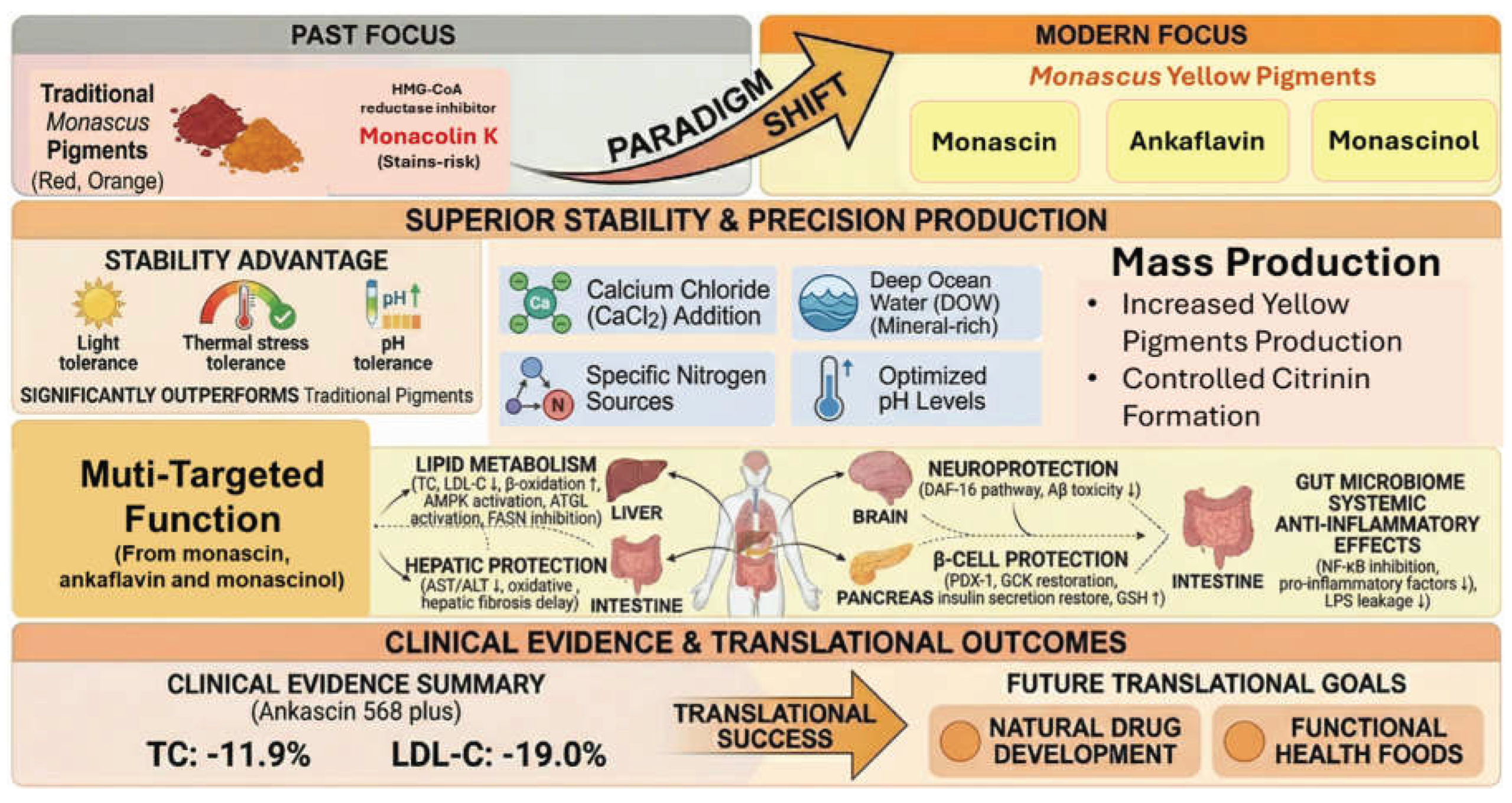
Figure 1. Evolution of Monascus Fermentation from Traditional Colorants to Bioactive Yellow Pigments.
Preprints 217962 g001
Figure 2. Regulation of glucose homeostasis and pancreatic protection by monascin and ankaflavin.
Preprints 217962 g002
Figure 3. Integrated mechanisms of Monascus yellow pigments in multi-target cardiovascular prevention.
Preprints 217962 g003
Figure 4. Schematic overview of the multi-targeted mechanisms of monascinol in gut microbiota remodeling, metabolic regulation, and multi-organ protection.
Preprints 217962 g004
Figure 5. Integrated overview of the therapeutic potential and future development of Monascus yellow pigments.
Preprints 217962 g005
Table 1. Chemical identity and structure–activity relationships of Monascus yellow pigments.
Compound Formula Structure Structural Features Molecular Property Reference
Monascin Orthorhombic crystal Azaphilone core.
Short alkyl side chain
Moderate polarity 4 negative oxygen atoms act as precise binding sites for targets [32]
Ankaflavin Analogue of monascin Azaphilone core
Longer hydrophobic alkyl chain.
↑ Lipophilicity.
Enables selective apoptosis in cancer cells (Hep G2, A549)
[35]
Monascinol Reduced derivative of monascin Azaphilone core
Altered oxidation state via reduced carbonyls
Drives functional divergence.
Transforms into potent anti-inflammatory or anti-tumor agents
[34]
Table 2. Integrated mechanisms regulating Monascus azaphilone biosynthesis.
Category Key Components Mechanism / Function Representative Genes/Enzymes Key Findings References
Biosynthetic Gene Cluster (BGC) mrpigA–mrpigP Encodes complete azaphilone pathway nrPKS, SAT domain, FAS nrPKS builds pyranoquinone scaffold; FAS supplies side chains [39]
Core Enzymatic Machinery nrPKS + FAS Scaffold formation + side-chain decoration Mpp7 Controls regioselective Knoevenagel condensation [43]
Pigment Branch Pathway Yellow / Orange / Red pigments Branching biosynthesis mppE, mppG mppE → yellow; mppG → orange; red formed non-enzymatically [84]
Non-enzymatic Reaction Orange → Red pigments Amine-mediated conversion Expands pigment diversity [48]
Metabolic Flux Regulation TCA cycle, glycolysis Precursor supply control Nitrosylation inhibits pigment; isopropyl myristate enhances yield [49]
Proteomic Reprogramming Nutrient limitation Redirects carbon flux Suppresses byproducts (monascorubramine) [55,56]
Genetic Regulation Regulatory genes Global pathway control VeA Deletion stops pigment and citrinin [60]
Epigenetic Regulation Histone modification Pathway activation/suppression mpdh, MrEsa1 Selective suppression of citrinin [65]
Environmental Regulation pH, ethanol, nitrogen Alters pathway branching Ethanol suppresses citrinin production [77]
Compartmentalization Mitochondria / cytosol Spatial control Enzymes distributed across organelles [70]
Elicitors Acid stress, SiO₂ Signal activation Enhance yellow pigment production [34]
Table 3. Summary of lipid metabolism regulation by Monascus yellow pigments.
Category Molecular Targets and Mechanisms Physiological and Clinical Impact References
Hepatic Lipid Metabolism PPAR-alpha Agonism and AMPK Activation: Suppresses SREBP-1c, CD36, and FASN; promotes fatty acid beta-oxidation. Significantly reduces hepatic fat accumulation and prevents Non-Alcoholic Fatty Liver Disease [18]
Glucose and Insulin Signaling PPAR-gamma Modulation: Functions as a natural agonist to enhance insulin sensitivity and glucose uptake. Ameliorates hyperglycemia and hyperinsulinemia; improves metabolic flexibility in diabetic models. [19]
Lipoprotein Homeostasis Apo A1 Upregulation: Stimulates the primary structural protein of HDL, enhancing Reverse Cholesterol Transport (RCT). Increases protective HDL-C levels while concurrently reducing systemic LDL-C and total cholesterol. [4,87]
Intestinal Absorption NPC1L1 Inhibition: Directly downregulates the Niemann-Pick C1-Like 1 protein in the small intestine. Effectively blocks the absorption of exogenous dietary lipids at the gastrointestinal source. [19]
Inflammatory Modulation Nrf-2/HO-1 Activation and NF-kappaB Inhibition: Reduces oxidative stress and pro-inflammatory cytokines (TNF-alpha, IL-6). Mitigates systemic inflammation and prevents hepatic lipotoxicity and fibrosis. [91]
Clinical Safety and Efficacy Non-Statin Pathway: Does not inhibit HMG-CoA reductase directly; no impact on CoQ10 or CPK levels. LDL-C reduced by 19.0% in 4 weeks; no statin-associated creatine phosphokinase elevation was reported. [7,94]
Disclaimer/Publisher’s Note: The statements, opinions and data contained in all publications are solely those of the individual author(s) and contributor(s) and not of MDPI and/or the editor(s). MDPI and/or the editor(s) disclaim responsibility for any injury to people or property resulting from any ideas, methods, instructions or products referred to in the content.
Copyright: This open access article is published under a Creative Commons CC BY 4.0 license, which permit the free download, distribution, and reuse, provided that the author and preprint are cited in any reuse.
Prerpints.org logo

Preprints.org is a free preprint server supported by MDPI in Basel, Switzerland.

Subscribe

Disclaimer

Terms of Use

Privacy Policy

Privacy Settings

© 2026 MDPI (Basel, Switzerland) unless otherwise stated