

Submitted:
10 June 2026
Posted:
11 June 2026
You are already at the latest version
Abstract
Background/Objectives: The growing burden of multidrug-resistant tuberculosis (MDR-TB), driven by poor treatment adherence and limited diagnostic access, has complicated disease control efforts. The recent introduction of shorter, less toxic regimens offers renewed hope for improving treatment outcomes. This study aimed to evaluate shorter versus conventional treatment regimens for MDR-TB. Methods: This retrospective cross-sectional study analyzed medical records of MDR-TB patients treated between January 2020 and December 2024 at selected rural healthcare facilities within the OR Tambo District Municipality, Eastern Cape Province. Data were analyzed using SPSS version 29, with p-values < 0.05 considered statistically significant. Results: A total of 288 patients who received either a shorter or a conventional MDR-TB treatment regimen were included, with 235 (81.8%) receiving a shorter regimen and 53 (18.2%) a conventional regimen. There was no significant association between regimen type and treatment success (p = 0.600). Sociodemographic factors, including gender and younger age, influenced outcomes (p = 0.002; 0.004, respectively), and patients with regular income achieved higher success than those on disability grants (p = 0.004). Adverse drug reactions occurred in 38% of patients and were strongly associated with poor outcomes (p < 0.001). Conclusions: Short and conventional MDR-TB regimens achieved comparable treatment outcomes, suggesting that shorter regimens may provide an effective alternative to conventional treatment while reducing treatment duration and patient burden. These findings support the continued use of short regimens in eligible patients and highlight the need for further studies to assess long-term outcomes and programmatic effectiveness.
Keywords:
multidrug-resistant tuberculosis
; treatment regimen
; treatment outcome
; short regimen
; conventional regimen
; adverse drug reactions
1. Introduction
Drug-resistant tuberculosis (DR-TB) has become a significant clinical and public health concern in sub-Saharan Africa (SSA), particularly in regions with a high prevalence of HIV infection [1]. In addition to limited access to tuberculosis (TB) diagnosis and treatment, the incidence of multidrug-resistant tuberculosis (MDR-TB), defined as infection with Mycobacterium tuberculosis resistant to both rifampicin and isoniazid, the two most potent first-line anti-TB drugs, continues to pose a significant public health crisis, a threat to global health security, and a major barrier to the effective control and elimination of TB [2]. According to the World Health Organization (WHO), MDR-TB continues to contribute significantly to morbidity, mortality, and healthcare expenditures worldwide, particularly in low- and middle-income countries with high TB burdens [3]. Despite progress in TB diagnosis and treatment, the emergence and transmission of DR-TB strains have complicated disease management and threatened progress toward the WHO End TB Strategy targets [4].
The WHO 2016 guidelines included the option of treating RR/MDR-TB with a conventional 9–12-month regimen instead of an individualized regimen of ≥20 months [5]. These regimens are often associated with severe adverse drug reactions (ADRs), high pill burden, prolonged hospitalization, poor adherence, treatment interruptions, and low treatment success rates [6,7,8]. The complexity and toxicity of these regimens have contributed to unfavorable outcomes, including treatment failure, loss to follow-up, relapse, and death [6]. Furthermore, patients with coexisting conditions such as HIV infection often experience even poorer outcomes because of immunosuppression and drug interactions [9,10].
To address these challenges, the WHO introduced shorter MDR-TB regimens lasting approximately 9–12 months for eligible patients without fluoroquinolone resistance. These regimens were designed to shorten treatment duration, improve adherence, minimize adverse drug effects, reduce costs, and ultimately improve treatment success rates. More recently, the WHO has also recommended novel all-oral shorter regimens, such as the 6-month BPaLM regimen, for selected MDR/RR-TB patients. Evidence from a systematic review by Abraham et al. [9] suggests that shorter regimens achieve significantly higher cure and treatment completion rates than the standard, longer MDR/RR-TB regimen. A meta-analysis by Abidi et al. [11] reported higher pooled treatment success rates among patients treated with shorter regimens (80.0%) than with longer regimens (75.3%), with lower rates of loss to follow-up among those receiving shorter regimens. Similarly, recent studies from Guinea and other high-burden settings have shown that all-oral, bedaquiline-containing, shorter regimens are associated with improved treatment success and lower mortality [12,13].
Although these results are insightful, findings on the treatment outcomes comparing short and conventional regimens vary across different settings. Factors such as patient populations, HIV co-infection rates, resistance patterns, healthcare infrastructure, and treatment monitoring can influence their effectiveness. Some studies indicate better success with shorter regimens, while others show only slight differences. As a result, uncertainty remains regarding the relative effectiveness of short versus standard regimens in real-world, resource-limited settings.
In many countries with high MDR-TB burdens, local evidence on the real-world effectiveness of short regimens remains limited. This evidence gap poses a challenge for clinicians, policymakers, and national TB control programs seeking to optimize MDR-TB management strategies. Therefore, retrospective cohort studies are needed to evaluate and compare treatment outcomes among patients receiving short versus standard MDR-TB regimens. Such evidence is important for informing treatment guidelines, improving patient-centered care, strengthening TB control programs, and reducing the burden of MDR-TB.
Therefore, this study aimed to compare treatment outcomes between short and standard regimens in patients with MDR-TB and to identify factors associated with treatment success.
2. Materials and Methods
2.1. Study Design and Setting
This was a retrospective cross-sectional study that reviewed records of MDR-TB patients who attended healthcare facilities in the O.R Tambo District Municipality in the Eastern Cape from January 2020 to December 2024. These facilities provide primary and district-level TB services and represent rural health service delivery in the region.
2.2. Study Population
The study population consisted of adult patients diagnosed with MDR-TB who had undergone either short or conventional treatment regimens.
2.3. Study Sample, Inclusion, and Exclusion Criteria
A convenience sampling method was used to include all eligible medical records of MDR-TB patients who initiated treatment during the study period. The study included patients on both short- and conventional-treatment regimens, patients with complete treatment records, and patients diagnosed with MDR-TB who initiated treatment between 2022 and 2024. The study excluded patients with an XDR-TB diagnosis.
2.4. Operational Definition
According to WHO guidelines, treatment outcomes are classified as successful when the TB patient completes the treatment regimen, indicating cure and completion, while unsuccessful outcomes are classified as treatment failure, treatment defaulters, and patients who have died. According to the South African guidelines, the short regimen comprises a 6-month all-oral BPaL-L regimen, comprising bedaquiline, pretomanid, linezolid (600 mg), and levofloxacin, while the conventional regimen is an individualized regimen > 6 months offered to persons with documented resistance to pretomanid and/or bedaquiline and/or linezolid, with the composition of the regimen depending on the drug resistance pattern, prior drug exposure, and toxicity.
2.5. Data Management and Processing
Data was collected using a pre-designed tool to extract relevant information from the medical records of all MDR-TB patients managed from January 2021 to December 2024. The data extraction form captured sociodemographic details (gender, age, education, and employment) as well as clinical features and MDR-TB treatment outcomes. Information on ADRs was also extracted. Before data collection, all data collectors (postgraduate students) received training in record retrieval and use of the extraction tool. The Principal Investigator (PI) supervised ten students. The extraction forms were pretested to ensure consistency and completeness. Any necessary adjustments to the tool were made before final data collection.
The collected data were imported into an Excel sheet, then exported to SPSS V 29 for cleaning, validation, and analysis. The data were checked for inconsistencies, coding errors, completeness, and missing information. To maintain data integrity, backups were saved on external hard drives and flash drives, with access protected by passwords. All procedures adhered to the Declaration of Helsinki and applicable ethical standards.
2.6. Data Collection and Analysis
Data was coded and entered into an Excel spreadsheet; all personal identifiers were removed to maintain confidentiality, and the data were then transferred to SPSS version 29 for analysis. Categorical data were summarized as frequencies and percentages. Continuous data were summarized as means and standard deviations. Statistical significance was assessed at the 0.05 level. Successful and unsuccessful treatment outcomes were determined using the chi-square test.
3. Results
3.1. Demographic Characteristics of the Study Population
The study included 233 patients with a mean age of 38 ± 10.6 years. Males accounted for 60% (n = 140), yielding a male-to-female ratio of 1.5:2. Three-quarters of the population had secondary education (Table 1).
3.2. Treatment Regimen and Success
Among the study participants, 81.8% received the short treatment regimen, while 18.2% received the long treatment regimen. Statistical analysis showed no significant association between regimen type and treatment outcome (χ2 = 0.275, p = 0.600).
3.3. Sociodemographic and Clinical Factors
In Figure 1, several sociodemographic and clinical factors were identified as influencing treatment outcomes among patients with DR-TB. Gender showed a significant association (p = 0.002), with males achieving a higher treatment success rate (82.7%) compared to females (60%). Income was also strongly associated with outcomes (p = 0.004), with patients with a regular income (salary or wages) achieving markedly better outcomes (95%) than those dependent on disability grants (25%). Age demonstrated a significant relationship (p = 0.010), with younger patients showing higher treatment success. A marginal trend was observed for comorbidities (p = 0.079), where patients with additional health conditions had lower success rates (70.5%) than those without (83.7%). In contrast, education level, occupation, HIV status, CD4 count, and BMI were not significantly associated with treatment outcomes (p > 0.05).
3.4. Patient Category and Drug Resistance Profiles
The patient category showed a significant association (p = 0.017), with newly diag-nosed patients achieving higher success rates than those with relapse or treatment failure. Similarly, LPA results were significantly associated (p = 0.033), indicating that resistance patterns, particularly to rifampicin and isoniazid, influenced treatment response.
3.5. Adverse Drug Reactions
Adverse drug reactions (ADRs) were reported in 37.7% of patients and were strongly associated with treatment outcomes (χ2 = 19.98, p < 0.001). The blue bar in the figure represents the observed p-value for the association between ADRs and treatment success, while the red dashed vertical line marks the statistical significance threshold (p = 0.05) (Figure 2). Patients who experienced ADRs were substantially less likely to complete treatment successfully compared to those without such events.
4. Discussion
The findings of this study highlight the multifactorial determinants of treatment success among patients with MDR-TB. Treatment outcomes were shaped by regimen characteristics, patient-level sociodemographic and clinical factors, resistance dynamics, and ADRs.
4.1. Sociodemographic Characteristics of the Study Population
The patterns observed in this cross-sectional study have important implications for case-finding, adherence support, and the design of patient-centered services. The male predominance aligns with global and South African studies showing that TB disproportionately affects adult men. Gender differentials in TB burden are reported worldwide, with men more likely than women to be diagnosed with TB and a global male-to-female ratio of 1.6:1. This pattern stems from multiple factors, including sociobehavioral and biological differences in disease and disease presentation, as well as unequal access to health care, particularly in developing countries, which influence the risk of exposure to Mycobacterium tuberculosis, either directly or indirectly [14,15]. The biological hypothesis proposes that greater genetic susceptibility to TB, along with sex hormone-influenced immune responses, may account for the observed gender differences [16]. According to WHO’s 2024 global report, 5.8 million men and 3.7 million women developed TB [17]. Men often present late, experience higher loss-to-follow-up, and have poorer outcomes, reflecting patterns linked to health-seeking behavior, occupational exposures, and social norms [17]. Although male predominance is often reported in MDR-TB settings in sub-Saharan Africa, studies from India and Pakistan show a higher proportion of females [18,19,20]. Variations in healthcare access and case-finding strategies may explain these observed gender patterns, underscoring the need to interpret gender differences within specific cultural and health system contexts.
The majority of participants in the current study were 20–49 years old, placing the disease burden in the most economically productive years. This age profile magnifies the socioeconomic impact of TB (income loss, household vulnerability) and supports interventions that protect employment and facilitate treatment continuity [21]. Similar to this study, epidemiological studies indicate a clear association between MDR-TB and age, with young adults, especially those between 26 and 45 years, showing increased susceptibility [22,23].
Most participants had completed secondary education (76.7%). Recent studies from South Africa suggest that higher levels of education are associated with greater knowledge about TB and protective behaviors, whereas lower levels are linked to misconceptions and stigma [24,25]. This underscores the importance of health literacy programs, even for those with secondary education, particularly in rural areas where misinformation and stigma remain prevalent [Kipp et al., 2025]. The high percentage of participants with no income (81.4%) highlights the significant social determinants affecting TB in South Africa. Evidence shows that TB is linked to catastrophic costs, employment loss, and ongoing household hardship [26]. A global report states that 50% of people affected by TB face catastrophic costs, defined as TB care costs exceeding 20% of a household’s annual pre-TB income [27]. Such financial burdens often delay healthcare seeking, leading to late diagnosis, poor treatment adherence, and unfavorable TB outcomes [26]. Recent policies also emphasize the role of social protection measures, such as transport vouchers, nutrition support, and grants, in TB care, especially in rural areas [28]. These findings affirm that socioeconomic support should be a standard part of TB programs [28,29].
4.2. Treatment Regimen and Treatment Success
Our study shows that the shorter DR-TB regimen performs comparably to the conventional regimen, with no statistically significant difference in treatment success. Similar results were reported by Lotz et al. [30], showing that a shorter (9–11-month) regimen did not differ from a longer (>18-month) regimen in success (aOR 1.19, 95% CI 0.39–3.63) or mortality (aOR 1.02, 95% CI 0.23–4.51). This aligns with global programmatic data indicating that well-implemented, shorter regimens, particularly bedaquiline-containing all-oral regimens, can achieve outcomes comparable to longer treatment courses when delivered within robust clinical supervision frameworks [31,32]. As stated in the recently updated WHO guidelines, safer, shorter, simpler, all-oral regimens for MDR/RR-TB are now being investigated worldwide. These efforts demonstrate that these medications hold promise as effective treatments for MDR-TB [33]. This finding aligns with recent programmatic evaluations in South Africa and other high-burden settings, which demonstrate the non-inferiority of short regimens. These regimens offer the advantages of reduced treatment duration, lower pill burden, and improved adherence [34,35].
From a clinical governance perspective, these results reinforce WHO’s recommendations that the short regimen can be safely adopted for most eligible DR-TB patients, provided resistance to key drugs, such as fluoroquinolones, is ruled out [27]. Similar success rates across regimens also underscore the importance of supportive measures, including adherence counseling, patient follow-up, and treatment literacy, which are likely to improve outcomes regardless of regimen type [34]. Therefore, the continued scale-up of shorter, patient-centered regimens should be prioritized to improve programmatic efficiency and patient satisfaction.
4.3. Association of Sociodemographic and Clinical Factors with Treatment Success
Sociodemographic and clinical characteristics significantly influenced treatment outcomes. Low monthly household income, poverty, and unemployment are frequently cited in the literature as indicators of poor treatment outcomes among MDR-TB patients. Similarly, the present study shows that patients with a regular income have significantly better outcomes. Income was a strong determinant of treatment success, with those with a regular income (salary or wages) achieving markedly better outcomes (95%) than those reliant on social grants (25%), highlighting the structural barriers to DR-TB management [36]. Patients reliant on disability grants, informal employment, or unstable financial support may struggle with transport, nutrition, and daily adherence, underscoring the importance of integrated social protection strategies within DR-TB programs. According to Chen et al. [37], patients who benefited from subsidy schemes and had a regular income had significantly higher treatment success rates (up to 95%) than those without a regular income. Another study found that financial hardship hindered access to high-quality therapy and follow-up care, thereby increasing treatment failure rates [38]. This demonstrates the role of economic stability in sustaining adherence by improving access to nutrition, transport, and health services.
Male gender was significantly associated with better outcomes, and younger patients were more likely to be cured (p = 0.010) (82.7% vs 60%; p = 0.002). This pattern has been observed in some DR-TB settings, where males may have fewer caregiving responsibilities or less socioeconomic vulnerability than females [39], and is consistent with the finding that younger patients typically respond better to therapy [38]. These findings align with other studies in sub-Saharan Africa linking male gender and younger age to better adherence and fewer barriers to care [36,40]. However, the gender disparity may also reflect structural and social barriers faced by women, including stigma, economic dependence, and caregiving responsibilities [41]. The patient category was significantly associated with outcomes (p = 0.017), with new patients achieving higher success rates than those with relapse or failure, reflecting the challenges of retreatment, entrenched resistance, or prior adherence challenges [42].
In a study of DR-TB patients in rural Eastern Cape, Faye et al. [Faye et al., 2024] reported that conditions such as HIV and hypertension were associated with reduced success and increased mortality, whereas comorbidities showed only a minor statistical association with treatment outcomes. In a study conducted in Poland, Nowiński et al. [43] reported that comorbidities such as diabetes, HIV, and cancer were associated with decreased treatment success and increased mortality among TB patients. These results underscore the interdependence of social, clinical, and economic determinants in achieving optimal treatment outcomes and reinforce the need for integrated management of coexisting diseases within TB programs. In a retrospective case-control study of DR-TB patients in Malaysia, Zaman et al. [44] showed that, in addition to clinical factors such as disease severity and drug resistance profiles, complex social factors such as residence status, household income, and behavioral risks were linked to unfavorable treatment outcomes. In another study from Limpopo in South Africa, Rukasha et al. [45] reported that treatment outcomes were significantly affected by the use of bedaquiline-containing regimens, as well as by clinical factors such as age and HIV status.
4.4. Patient Category and Drug Resistance Profiles
The patient category was significantly associated with outcomes (p = 0.017), with newly diagnosed patients showing better outcomes than those with relapse or treatment failure. In Ethiopia, Abera et al. [46] reported that patients initially diagnosed with TB had notably higher treatment success rates than those undergoing retreatment. New patients experienced higher cure rates and lower default rates, whereas poorer outcomes among retreatment cases were associated with clinical complications and prior treatment failure. Similarly, Anderson et al. [47] observed that DR-TB patients with treatment failure or relapse were more likely to experience treatment interruptions and had lower cure rates than new cases. This highlights the importance of timely diagnosis and early intervention to prevent escalation of drug resistance and treatment fatigue. Furthermore, changes in drug resistance during treatment strongly predicted failure (p = 0.011), emphasizing the need for ongoing microbiological surveillance and prompt adjustments to treatment regimens when resistance develops. Enhancing precision diagnostics, regular resistance testing, and personalized therapy are crucial to reducing treatment failure.
4.5. Association of ADRs with Treatment Success
Nearly 38% of patients experienced ADRs, and these were significantly associated with poor outcomes. Patients experiencing ADRs were significantly less likely to complete treatment successfully because of interruptions, dose adjustments, or premature discontinuation. This is consistent with well-documented challenges in DR-TB care, where adverse reactions ranging from hepatotoxicity to neurotoxicity and QT prolongation can disrupt adherence, require regimen modification, or result in irreversible treatment interruptions [Andriani et al., 2021]. Early discontinuation of MDR- TB treatment, often driven by serious drug side effects, can be hazardous because it allows resistant germs to proliferate and generate new drug-resistant strains [48]. In Pakistan, MDR- TB patients had a high rate of adverse medication events (50. 8%) [49]. The Global TB Report further highlights that drug toxicity remains a significant obstacle despite advancements and the availability of newer medications and shorter regimens [27]. This reflects challenges in resource-constrained settings and real-world programmatic scenarios where monitoring may be inadequate. These findings underscore the need for intensive pharmacovigilance, early management of side effects, and patient education to mitigate non- adherence related to toxicity. Transitioning to shorter, all- oral regimens that eliminate injectable agents is particularly beneficial for reducing severe adverse reactions and improving tolerability. Overall, the results demonstrate that successful DR- TB management extends beyond pharmacologic optimization. It depends on the interplay among effective regimen design, social stability, adherence support, and resistance monitoring [50]. Integrating clinical governance frameworks with community-based support systems, including social protection measures, gender-responsive outreach, and pharmacovigilance networks, can enhance adherence, mitigate the development of resistance, and improve overall treatment outcomes [51].
4.6. Limitations of the Study
This study has several limitations that should be considered when interpreting the findings. First, the retrospective design relied on routinely collected medical records, which may have contained incomplete, missing, or inaccurately recorded data. Consequently, some potentially important clinical and socioeconomic variables that could influence treatment outcomes may not have been available for analysis. Second, because treatment allocation was not randomized, patients receiving short and standard regimens may have differed in baseline characteristics, introducing selection bias and residual confounding. Third, the study was conducted within a specific geographic setting and healthcare context, which may limit the generalizability of the findings to other regions with different patient populations, healthcare systems, and MDR-TB management practices. Fourth, information on treatment adherence, nutritional status, socioeconomic conditions, and behavioral risk factors such as smoking and alcohol use was not consistently available in the medical records. The absence of these variables may have limited a more comprehensive assessment of factors influencing treatment outcomes. Finally, the study evaluated treatment outcomes under routine programmatic conditions and was unable to assess long-term outcomes such as post-treatment relapse, recurrence, or long-term survival. Prospective multicenter studies with longer follow-up periods are needed to validate and extend these findings.
5. Conclusions
The study offers a detailed understanding of the complex factors that influence treatment outcomes among patients with DR-TB. Overall, the evidence indicates that both regimens achieved comparable outcomes under routine programmatic conditions. Younger age, male gender, and stable income were strongly associated with better outcomes, underscoring the need to address social determinants alongside clinical care. Conversely, comorbidities and socioeconomic instability hindered treatment completion, underscoring the importance of integrated care and social support. ADRs had the greatest negative impact, demonstrating that treatment toxicity remains a major barrier to sustained success. Strengthening pharmacovigilance, enhancing patient education, and adopting safer all-oral regimens can greatly improve tolerability and adherence. These findings confirm that improving DR-TB outcomes requires a holistic, patient-focused, and governance-aware approach that integrates social support, clinical vigilance, and resistance surveillance. Implementing these strategies within community-based efforts and national TB programs will improve treatment outcomes and support broader goals of equity, sustainability, and resilience in TB care and public health systems.
Author Contributions
Conceptualization, L.N.; N.D. and M.C.H.; methodology, L.N.; validation, N.D. and M.C.H.; formal analysis, L.N., N.D. and M.C.H.; investigation, L.N.; resources, N.D. and M.C.H.; data curation, L.N., and M.C.H.; writing—original draft preparation, L.N.; writing—review and editing, N.D. and M.C.H.; visualization, M.C.H.; supervision, N.D. and M.C.H.; project administration, M.C.H. All authors have read and agreed to the published version of the manuscript.
Funding
This research received no external funding, and the APC was funded by IYunivesithi Walter Sisulu.
Institutional Review Board Statement
The study was conducted in accordance with the Declaration of Helsinki, and approved by the IYunivesithi Walter Sisulu Health Sciences Research Ethics Committee (protocol code WSU HREC 147/2025 and date of approval 04/09/2025).
Informed Consent Statement
This study reviewed medical records of patients and had no direct contact with patients; therefore, informed consent was not required.
Data Availability Statement
Data is available from the corresponding author upon request.
Acknowledgments
The authors are grateful to the healthcare professionals in the facilities where the patient files were reviewed.
Conflicts of Interest
The authors declare no conflicts of interest.
Abbreviations
The following abbreviations are used in this manuscript:
| ADRs | Adverse drug reactions |
| DR-TB | Drug-resistant tuberculosis |
| MDR-TB | Multidrug-resistant tuberculosis |
| SSA | Sub-Saharan Africa |
| TB | Tuberculosis |
| WHO | World Health Organization |
References
- Nyasulu, P.S.; Doumbia, C.O.; Ngah, V.; Togo, A.C.G.; Diarra, B.; Chongwe, G. Multidrug-resistant tuberculosis: latest opinions on epidemiology, rapid diagnosis and management. Curr. Opin. Pulm. Med. 2024, 30(3), 217–228. [Google Scholar] [CrossRef] [PubMed]
- Wahid, A.; Ghafoor, A.; Khan, A.W.; Al-Worafi, Y.M.; Latif, A.; Shahwani, N.A.; Atif, M.; Saleem, F.; Ahmad, N. Comparative effectiveness of individualized longer and standardized shorter regimens in the treatment of multidrug resistant tuberculosis in a high burden country. Front Pharmacol. 2022, 13, 973713. [Google Scholar] [CrossRef]
- World Health Organization (WHO). Global tuberculosis report 2025; World Health Organization: Geneva, 2025; Available online: https://iris.who.int/server/api/core/bitstreams/e97dd6f4-b567-4396-8680-717bac6869a9/content (accessed on 19 March 2026).
- Ayenew, B.; Belay, D.M.; Gashaw, Y.; Gimja, W.; Gardie, Y. WHO’s end of TB targets: unachievable by 2035 without addressing under nutrition, forced displacement, and homelessness: trend analysis from 2015 to 2022. BMC Public Health 2024, 24(1), 961. [Google Scholar] [CrossRef] [PubMed]
- World Health Organization. WHO Treatment Guidelines for Drug-resistant Tuberculosis—2016 Update. Geneva, WHO, 2016. Available online: https://iris.who.int/server/api/core/bitstreams/4e7a8b78-928d-4e94-9511-8132ba48be36/content (accessed on 27 May 2026).
- Weng, T.; Sun, F.; Li, Y.; Chen, J.; Chen, X.; Li, R.; Ge, S.; Zhao, Y.; Zhang, W. Refining MDR-TB treatment regimens for ultra short therapy (TB-TRUST): study protocol for a randomized controlled trial. BMC Infect. Dis. 2021, 21(1), 183. [Google Scholar] [CrossRef]
- Lecai, J.; Mijiti, P.; Chuangyue, H.; Qian, G.; Weiguo, T.; Jihong, C. Treatment outcomes of multidrug-resistant tuberculosis patients receiving ambulatory treatment in Shenzhen, China: a retrospective cohort study. Front Public Health 2023, 11, 1134938. [Google Scholar] [CrossRef]
- Mereškevičienė, R.; Danila, E. The adverse effects of tuberculosis treatment: a comprehensive literature review. Medicina 2025, 61(5), 911. [Google Scholar] [CrossRef]
- Abraham, Y.; Assefa, D.G.; Hailemariam, T.; Gebrie, D.; Debela, D.T.; Geleta, S.T.; Tesfaye, D.; Joseph, M.; Manyazewal, T. Efficacy and safety of shorter multidrug-resistant or rifampicin-resistant tuberculosis regimens: a network meta-analysis. BMC Infect. Dis. 2024, 24(1), 1087. [Google Scholar] [CrossRef]
- Sossen, B.; Kubjane, M.; Meintjes, G. Tuberculosis and HIV coinfection: progress and challenges towards reducing incidence and mortality. Int J. Infect. Dis 2025, 155, 107876. [Google Scholar] [CrossRef]
- Abidi, S.; Achar, J.; Assao Neino, M.M.; Bang, D.; Benedetti, A.; Brode, S.; Campbell, J.R.; Casas, E.C.; Conradie, F.; Dravniece, G.; du Cros, P. Standardised shorter regimens versus individualised longer regimens for rifampin-or multidrug-resistant tuberculosis. Eur Resp. J 2020, 55(3), 1901467. [Google Scholar] [CrossRef]
- Hassane-Harouna, S.; Cherif, G.F.; Ortuno-Gutierrez, N.; Cisse, D.; Camara, L.M.; Diallo, B.D.; Camara, S.; Bangoura, A.M.; Lynen, L.; Decroo, T. Better programmatic outcome with the shorter regimen for the treatment of multidrug-resistant tuberculosis (MDR-TB) in Guinea: a retrospective cohort study. PLoS ONE 2020, 15(8), e0237355. [Google Scholar] [CrossRef] [PubMed]
- Diallo, B.D.; Diallo, A.; Diallo, O.H.; Magassouba, A.S.; Camara, L.M. Comparative effectiveness of shorter regimen with oral bedaquiline or injectable on treatment outcomes and mortality among patients with multidrug-resistant tuberculosis in Guinea: A retrospective cohort study. J. Pan Afr. Thorac. Soc. 2024, 5(3), 122–126. [Google Scholar] [CrossRef]
- Marçôa, R.; Ribeiro, A.I.; Zão, I.; Duarte, R. Tuberculosis and gender–Factors influencing the risk of tuberculosis among men and women by age group. Pulmonology 2018, 24(3), 199–202. Available online: https://www.journalpulmonology.org/en-tuberculosis-gender-factors-influencing-articulo-S2531043718300667. [CrossRef]
- Kubjane, M.; Cornell, M.; Osman, M.; Boulle, A.; Johnson, L.F. Drivers of sex differences in the South African adult tuberculosis incidence and mortality trends, 1990–2019. Sci. Rep. 2023, 13(1), 9487. [Google Scholar] [CrossRef]
- Humayun, M.; Chirenda, J.; Ye, W.; Mukeredzi, I.; Mujuru, H.A.; Yang, Z. Effect of gender on clinical presentation of tuberculosis (TB) and age-specific risk of TB, and TB-human immunodeficiency virus coinfection. Open Forum Infect. Dis. 2022, 9(10), ofac512. [Google Scholar] [CrossRef]
- World Health Organization (WHO). Global tuberculosis report 2024; World Health Organization: Geneva, 2025; Available online: https://www.who.int/teams/global-programme-on-tuberculosis-and-lung-health/tb-reports/global-tuberculosis-report-2024 (accessed on 19 May 2026).
- Ahmad, N.; Javaid, A.; Basit, A.; Afridi, A.K.; Khan, M.A.; Ahmad, I.; Sulaiman, S.A.S.; Khan, A.H. Management and treatment outcomes of MDR-TB: results from a setting with high rates of drug resistance. Int. J. Tuberc. Lung Dis. 2015, 9(9), 1109–1114. [Google Scholar] [CrossRef]
- Khan, M.A.; Bilal, W.; Asim, H.; Rahmat, Z.S.; Essar, M.Y.; Ahmad, S. MDR-TB in Pakistan: Challenges, efforts, and recommendations. Ann. Med. Surg. 2022, 79, 104009. [Google Scholar] [CrossRef]
- Dhakulkar, S.; Das, M.; Sutar, N.; Oswal, V.; Shah, D.; Ravi, S.; Vengurlekar, D.; Chavan, V.; Rebello, L.; Meneguim, A.C.; Iyer, A. Treatment outcomes of children and adolescents receiving drug-resistant TB treatment in a routine TB programme, Mumbai, India. PLoS ONE 2021, 16(2), e0246639. [Google Scholar] [CrossRef] [PubMed]
- Meghji, J.; Gregorius, S.; Madan, J.; Chitimbe, F.; Thomson, R.; Rylance, J.; Banda, N.P.; Gordon, S.B.; Corbett, E.L.; Mortimer, K.; Squire, S.B. The long term effect of pulmonary tuberculosis on income and employment in a low income, urban setting. Thorax 2021, 76(4), 387–395. [Google Scholar] [CrossRef]
- Dan, D.; Lei, Z.; Xue, W.; Ze-Xin, L. Global, regional, and national burdens of MDR-TB attributable to smoking from 1990 to 2021 with a prediction from 2022 to 2050. Front Public Health 2025, 13, 1634772. [Google Scholar] [CrossRef] [PubMed]
- Dlatu, N.; Faye, L.M.; Sineke, N.; Apalata, T. Predictors of drug-resistant TB outcomes: Body mass index, HIV, and comorbidities. Afr. J. Prim. Health Care Fam. Med. 2025, 17(1), a4953. [Google Scholar] [CrossRef]
- Sebothoma, K.J.; Peu, M.D.; Moagi, M.M.; Mshunqane, N. Experiences of families living with tuberculosis patients in the North West province, South Africa. Health SA Gesondheid 2024, 29(1). Available online: https://hsag.co.za. [CrossRef]
- Kipp, A.M.; Olivier, D.; Skonje, N.; Majiza, L.; Free, E.; Preacher, K.J.; Daftary, A.; Ngcelwane, N.; Medina-Marino, A. Community variability in TB-related stigma in South Africa: an ecologic analysis from the MISSED TB Outcomes Study. medRxiv 2025, 2025, 04. [Google Scholar] [CrossRef]
- D’Silva, O.A.; Lancione, S.; Ananthakrishnan, O.; Addae, A.; Shrestha, S.; Alsdurf, H.; Thavorn, K.; Mzizi, N.; Vasilu, A.; Kay, A.; Mandalakas, A.M. The catastrophic cost of TB care: Understanding costs incurred by individuals undergoing TB care in low-, middle-, and high-income settings–A systematic review. PLoS Glob. Public Health 2025, 5(4), e0004283. [Google Scholar] [CrossRef] [PubMed]
- World Health Organization (2022) Global tuberculosis report 2022. Available online: https://www.who.int/publications/i/item/9789240061729 (accessed on 24 March 2026).
- National Department of Health (NDoH); South Africa. National TB Recovery Plan 4.0: April 2025—March 2026; National Department of Health: Pretoria, 2025; Available online: https://www.health.gov.za (accessed on 24 March 2026).
- Vanleeuw, L.; Zembe-Mkabile, W.; Atkins, S. Falling through the cracks: Increased vulnerability and limited social assistance for TB patients and their households during COVID-19 in Cape Town, South Africa. PLoS Glob. Public Health 2022, 2(7), e0000708. [Google Scholar] [CrossRef]
- Lotz, J.K.; Porter, J.D.; Conradie, H.H.; Boyles, T.H.; Gaunt, C.B.; Dimanda, S.; Cort, D. Treating drug-resistant tuberculosis in an era of shorter regimens: Insights from rural South Africa. S Afr. Med. J. 2023, 113(11), 1491–1500. [Google Scholar] [CrossRef]
- Saktiawati, A.M.I.; Vasiliu, A.; Saluzzo, F.; Akkerman, O.W. Strategies to enhance diagnostic capabilities for the new drug-resistant tuberculosis (DR-TB) drugs. Pathogens 2024, 13(12), 1045. Available online: https://www.mdpi.com/3064108. [CrossRef] [PubMed]
- Fekadu, G.; Tolossa, T.; Bekele, F.; Chen, X.; He, Y.; Yu, J.; Yi, X.; Liu, M.; Fetensa, G.; Dugassa, D.; Turi, E.; Regassa, F.; Chaiyakunapruk, N. Impact of all-oral bedaquiline-based shorter regimens in the treatment of drug-resistant tuberculosis: a systematic review and meta-analysis. BMJ Glob. Health 2025, 10(4), e018220. [Google Scholar] [CrossRef]
- Gao, J.; Gao, M.; Du, J.; Pang, Y.; Mao, G.; Lounis, N.; Bakare, N.; Jiang, Y.; Zhan, Y.; Liu, Y.; Li, L. A pragmatic randomised controlled trial to evaluate the efficacy and safety of an oral short-course regimen including bedaquiline for the treatment of patients with multidrug-resistant tuberculosis in China: study protocol for PROSPECT. Trials 2024, 25(1), 227. [Google Scholar] [CrossRef]
- Karnan, A.; Jadhav, U.; Ghewade, B.; Ledwani, A.; Shivashankar, P.; JADHAV, U. A comprehensive review on long vs. short regimens in multidrug-resistant tuberculosis (MDR-TB) under programmatic management of drug-resistant tuberculosis (PMDT). Cureus 2024, 16(1). [Google Scholar] [CrossRef]
- Wekesa, C.; Sekaggya-Wiltshire, C.; Muyanja, S.Z.; Lume, I.; Nabaggala, M.S.; Parkes-Ratanshi, R.; Akello, S.A. Comparing adherence to MDR-TB treatment among patients on self-administered therapy and those on directly observed therapy: non-inferiority randomized controlled trial. Trials 2023, 24(1), 326. [Google Scholar] [CrossRef]
- Faye, L. M.; Hosu, M. C.; Apalata, T. Drug-Resistant Tuberculosis in Rural Eastern Cape, South Africa: A Study of Patients’ Characteristics in Selected Healthcare Facilities. Int. J. Env. Res. Public Health 2024, 21(12), 1594. [Google Scholar] [CrossRef]
- Chen, Y.; Shen, X.; Zhang, Y.; Wu, Z.; Xu, B.; Chen, J.; Sha, W.; Liu, X.; Ning, C. Impact of financial support on treatment outcomes of multidrug resistant tuberculosis: A population based, retrospective cohort study in Shanghai, China. J. Clin. Tuberc. Mycobac Dis. 2024, 37, 100500. [Google Scholar] [CrossRef]
- Kherabi, Y.; Skouvig Pedersen, O.; Lange, C.; Bénézit, F.; Chesov, D.; Codecasa, L.R.; et al. Treatment outcomes of extensively drug-resistant tuberculosis in Europe: a retrospective cohort study. Lancet Reg. Heal. 2025, 56, 101380. [Google Scholar] [CrossRef]
- Nangombe, V.; Amkongo, M.; Godman, B.; Kibuule, D. Drug-resistant tuberculosis treatment success predictors in Namibia. JAC-Antimicrob. Resist 2024, 6(6), dlae211. [Google Scholar] [CrossRef]
- Leketa, M.M.; Zondi, S.; Cele, L.; Mathibe, M.; Ngwepe, P. Factors associated with unfavourable treatment outcomes among tuberculosis patients at health facilities of Maseru, Lesotho. S Afr. Fam. Pract. 2024, 66(1), 6004. [Google Scholar] [CrossRef] [PubMed]
- Muttamba, W.; Omongot, S.; Najjingo, I.; Nuwarinda, R.; Buregyeya, E.; Del Barrio, M.O.; Morgan, R.; Kirenga, B.; Ssali, S. Using intersectional gender analysis to identify challenges in tuberculosis care at four health care facilities in Uganda. Infect. Dis. Poverty 2024, 13(1), 2. [Google Scholar] [CrossRef] [PubMed]
- Panford, V.; Kumah, E.; Kokuro, C.; Adoma, P.O.; Baidoo, M.A.; Fusheini, A.; Ankomah, S.E.; Agyei, S.K.; Agyei-Baffour, P. Treatment outcomes and associated factors among patients with multidrug-resistant tuberculosis in Ashanti Region, Ghana: a retrospective, cross-sectional study. BMJ Open 2022, 12(7), e062857. [Google Scholar] [CrossRef]
- Nowiński, A.; Wesołowski, S.; Korzeniewska Koseła, M. The impact of comorbidities on tuberculosis treatment outcomes in Poland: a national cohort study. Front Public Health 2023, 11, 1253615. [Google Scholar] [CrossRef]
- Zaman, M.F.K.; Rosmawati, N.N.; Yusof, S.M.; Bakar, Z. A Determinants of unfavourable treatment outcomes of drug resistant tuberculosis cases in Malaysia: a case control study. BMJ Open 2025, 15(2), e093391. [Google Scholar] [CrossRef] [PubMed]
- Rukasha, I.; Kaapu, K.G.; Fortune, S.M.; Lekalakala Mokaba, M. Treatment outcomes for drug resistant tuberculosis patients on bedaquiline based regimens in a mostly rural South Africa: a retrospective cohort study. Infect. Drug Resist 2025, 18, 1819–1829. [Google Scholar] [CrossRef]
- Abera, E.G.; Yeshitla, W.; Kene, K.; Gerema, U.; Assefa, Y. Comparing the treatment outcomes of tuberculosis patients in a private clinic with a governmental health center in Jimma city, Ethiopia: retrospective study. Infect. Drug Resist 2022, 2491–2511. [Google Scholar] [CrossRef]
- Anderson, K.; Pietersen, E.; Dheda, K.; van der Heijden, Y.F. Comparison of treatment outcome definitions in drug-resistant tuberculosis patients with high incidence of acquired second-line drug resistance. Afr. J. Thorac. Crit. Care Med. 2022, 28(2), 59–66. [Google Scholar] [CrossRef]
- Tola, H.; Holakouie-Naieni, K.; Mansournia, M.A.; Yaseri, M.; Gamtesa, D.F.; Tesfaye, E.; Mahamed; Z. Sisay, M.M. National treatment outcome and predictors of death and treatment failure in multidrug-resistant tuberculosis in Ethiopia: a 10-year retrospective cohort study. BMJ Open 2021, 11(8), e040862. [Google Scholar] [CrossRef]
- Khan, F.U.; Khan, A.; Khan, F.U.; Hayat, K.; Rehman, A.U.; Chang, J.; Khalid, W.; Noor, S.; Khan, A.; Fang. Assessment of adverse drug events, their risk factors, and management among patients treated for multidrug-resistant TB: A prospective cohort study from Pakistan. Front Pharmacol. 2022, 13, 876955. [Google Scholar] [CrossRef] [PubMed]
- Taylor, H.A.; Dowdy, D.W.; Searle, A.R.; Stennett, A.L.; Dukhanin, V.; Zwerling, A.A.; Merritt, M.W. Disadvantage and the experience of treatment for multidrug-resistant tuberculosis (MDR-TB). SSM-Qual. Res. Health 2022, 2, 100042. [Google Scholar] [CrossRef] [PubMed]
- Magaji, A.; Kwarau, N.L.; Babayo, M.K.; Mahmud, Z.; Jibo, A.A.; Liyo, H.I.; Maradun, R.S.; Aminu, S.; Zamo, A.B.; AM; Z. Yakubu, N. Drug-Resistant Tuberculosis in Northern Nigeria: Burden, Barriers, and Health System Challenges. Sci. World J. 2025, 20(3), 1098–1106. [Google Scholar] [CrossRef]
Figure 1.
Sociodemographic and clinical factors associated with treatment success.
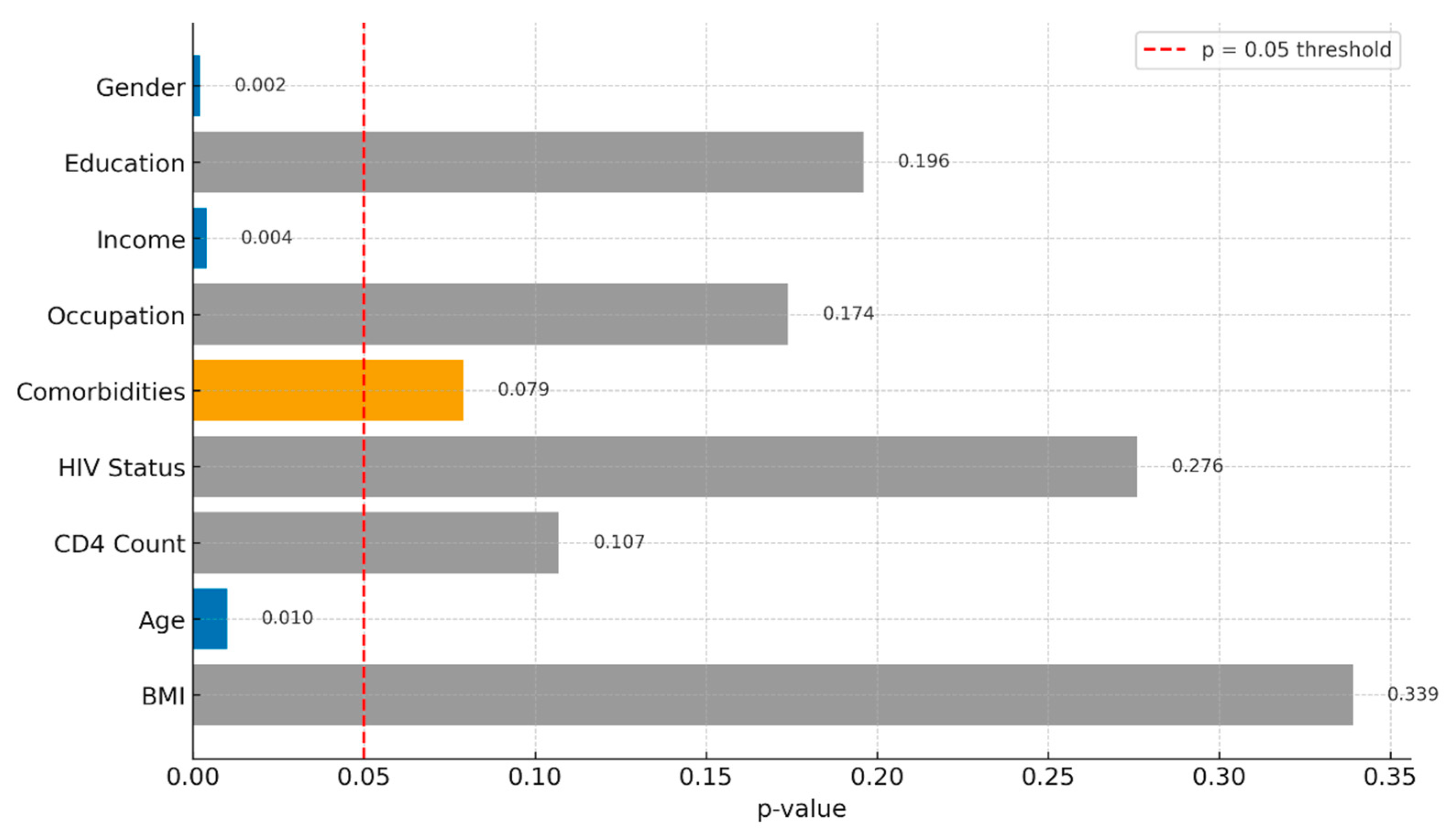
Figure 2.
Adverse drug reactions and treatment success.
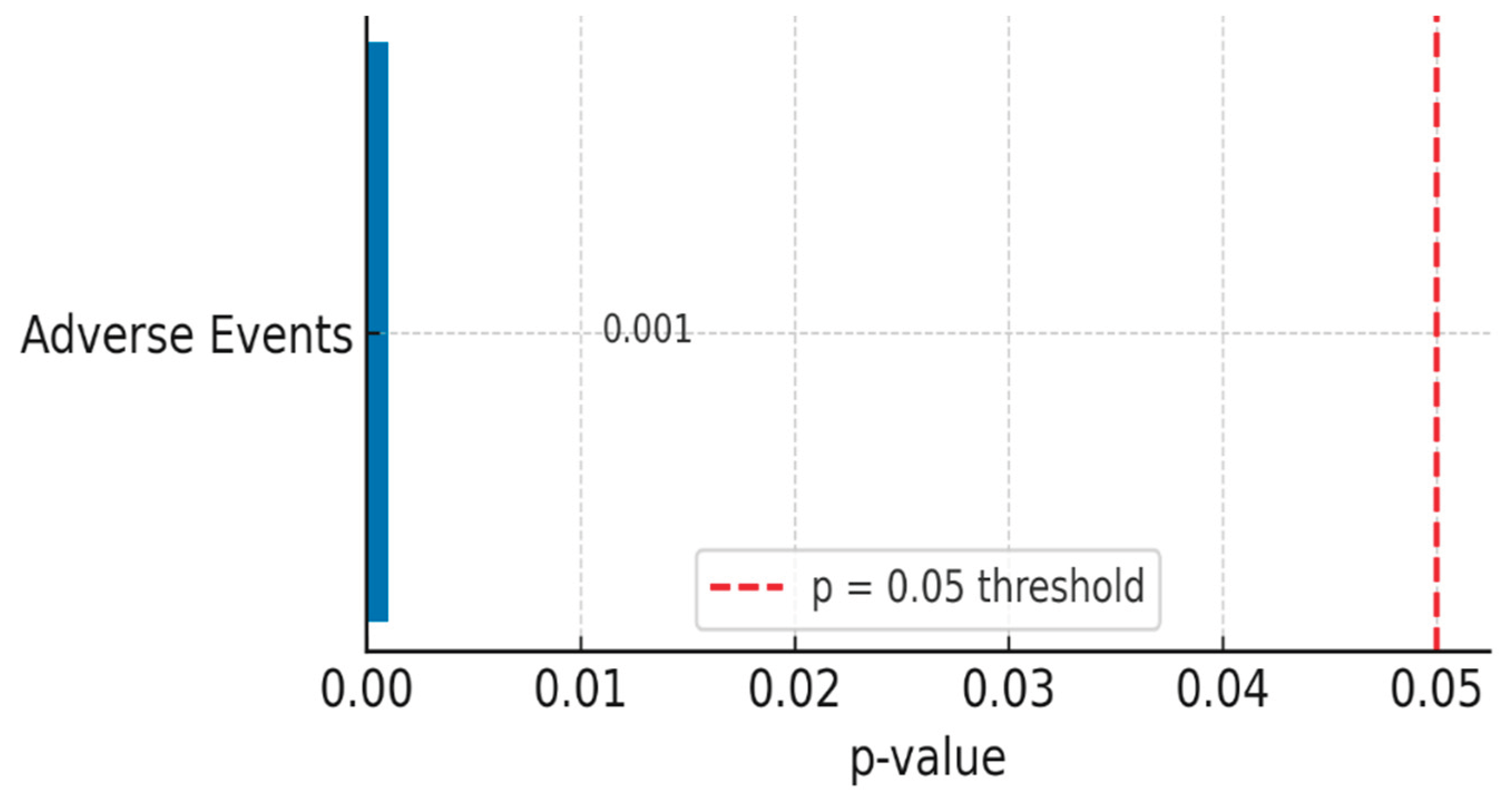

Table 1.
Sociodemographic characteristics of the study population.
| Variable | Frequency (n) | Percentage (%) |
|---|---|---|
| Gender (n=233) | ||
| Males | 140 | 60.1 |
| Females | 93 | 39.9 |
| Age group (n=233) | ||
| ≤19 | 16 | 6.9 |
| 20–29 | 45 | 19.3 |
| 30–39 | 86 | 36.9 |
| 40–49 | 44 | 18.9 |
| 50–59 | 23 | 9.9 |
| ≥60 | 19 | 8.2 |
| Residence (n=231) | ||
| Rural | 215 | 93.1 |
| Peri-urban | 16 | 6.9 |
| Education Level (n=227) | ||
| No Education | 6 | 2.6 |
| Primary | 33 | 14.5 |
| Secondary | 174 | 76.7 |
| Tertiary | 14 | 6.2 |
| Income source (n=231) | ||
| No Income | 188 | 81.4 |
| Salary/wages | 19 | 8.2 |
| Disability grant | 14 | 6.1 |
| Casual Work | 6 | 2.6 |
| Self-employed | 2 | 0.9 |
| Unemployment Insurance fund (UIF) | 2 | 0.9 |
Disclaimer/Publisher’s Note: The statements, opinions and data contained in all publications are solely those of the individual author(s) and contributor(s) and not of MDPI and/or the editor(s). MDPI and/or the editor(s) disclaim responsibility for any injury to people or property resulting from any ideas, methods, instructions or products referred to in the content. |
© 2026 by the authors. Licensee MDPI, Basel, Switzerland. This article is an open access article distributed under the terms and conditions of the Creative Commons Attribution (CC BY) license (http://creativecommons.org/licenses/by/4.0/).
Copyright: This open access article is published under a Creative Commons CC BY 4.0 license, which permit the free download, distribution, and reuse, provided that the author and preprint are cited in any reuse.


