

Submitted:
07 June 2026
Posted:
09 June 2026
You are already at the latest version
Abstract
This review consolidates current knowledge on the phytochemical composition, traditional uses, pharmacological properties, and industrial application of Ricinus communis L. This plant belongs to the Euphorbiaceae family and is a globally distributed plant of considerable medicinal and industrial importance. It is rich in bioactive compounds, notably ricinoleic acid as the dominant fatty acid in seed oil, as well as ricin, ricinine, phenolic acids and flavonoids distributed across different plant parts. Variations in phytochemical profiles among cultivars and tissues are influenced by genetic and environmental influences. Traditional medicinal uses of the leaves, roots, seeds, and oil particularly for inflammatory conditions, pain, infections, wound healing, and gastrointestinal disorders are critically examined in relation to experimental pharmacological evidence. Castor oil extracted from the R. communis plant remains central to the plant’s industrial value, serving as a renewable feedstock for pharmaceuticals, cosmetics, polymers, lubricants, and biofuels due to the unique hydroxyl functionality of ricinoleic acid. However, the presence of the highly toxic protein ricin in unprocessed seeds necessitates strict processing and safety controls. Overall, R. communis emerges as a chemically versatile species with significant therapeutic and industrial potential, warranting further research into cultivar-specific chemistry, standardisation of extraction and testing methods, and safe value-adding applications.
Keywords:
1. Introduction
2. Botanical Description and Geographic Distribution of R. communis L.
3. Cultivars of R. communis L.
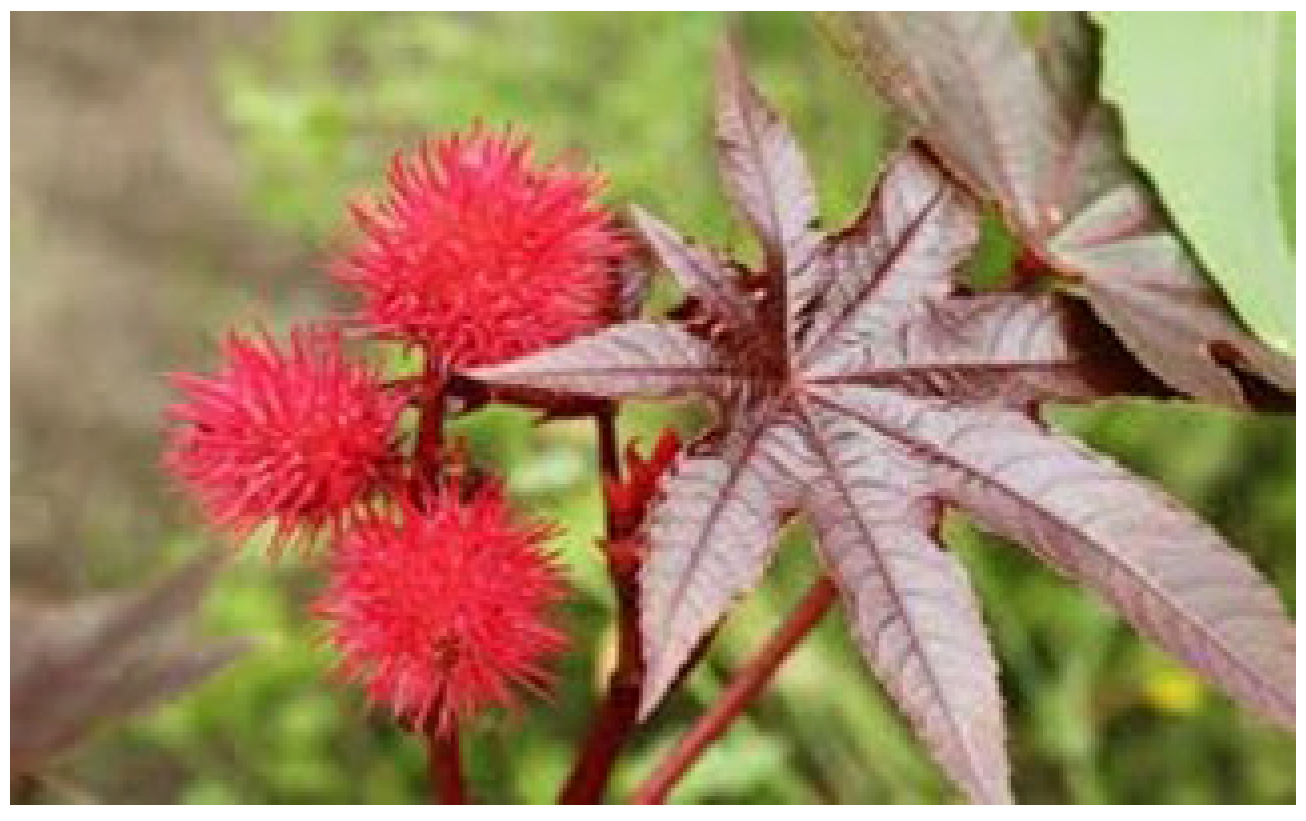
3.1. Carmencita Bright Red
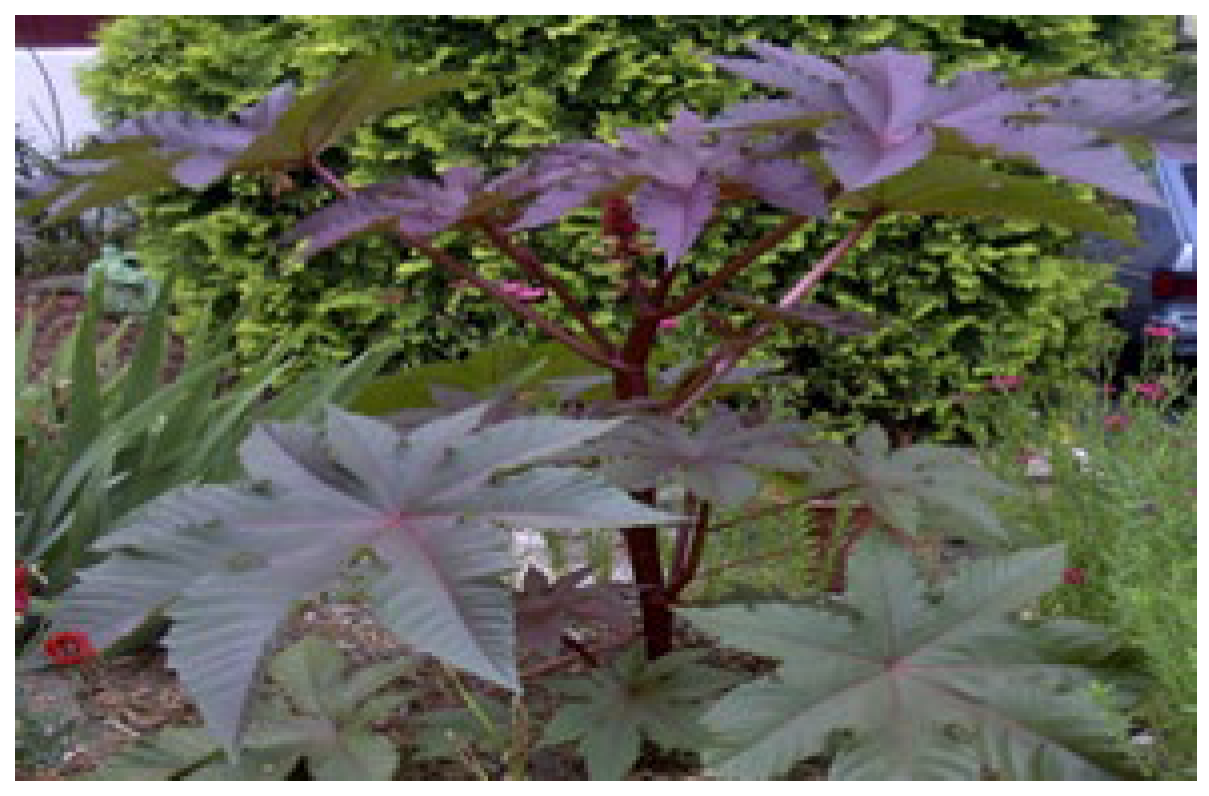
3.2. Gibsonii
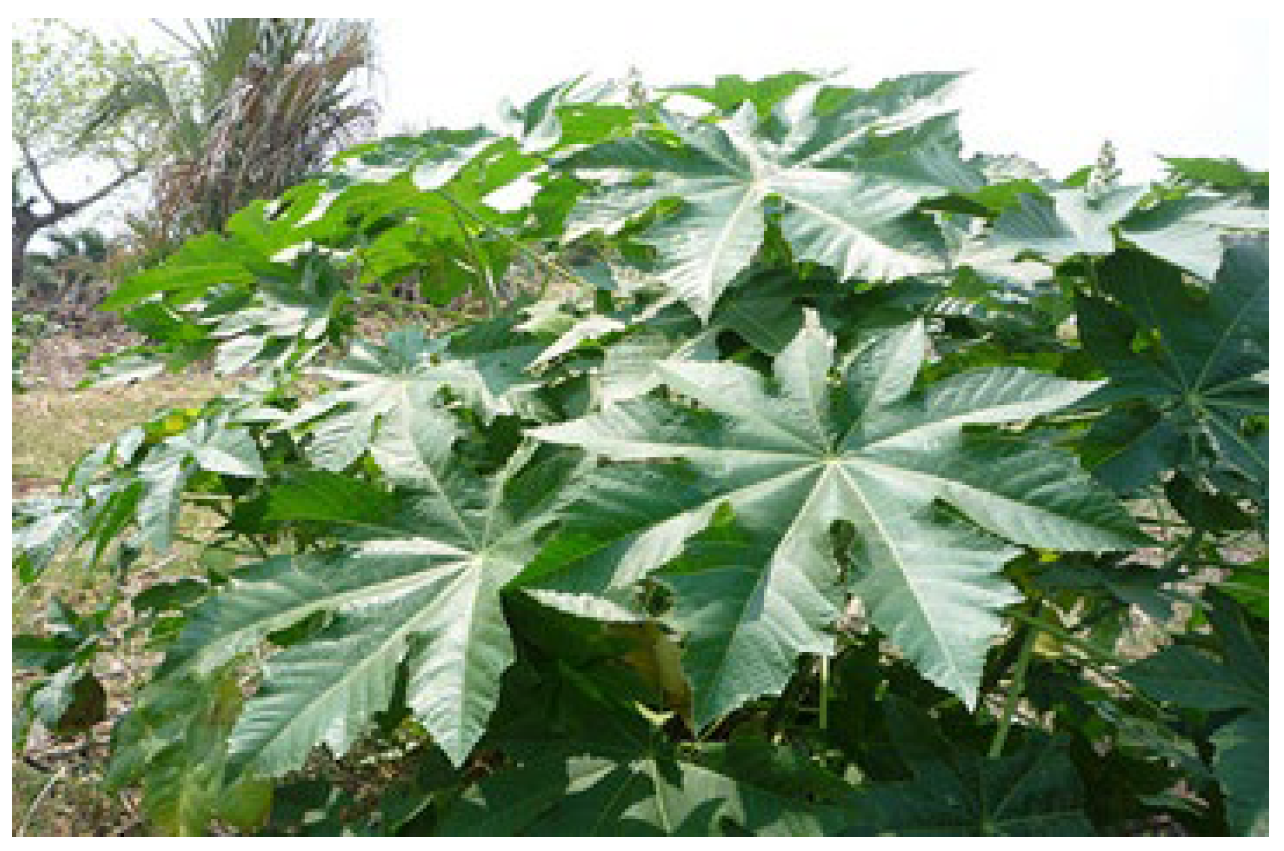
3.3. Zanzibarensis
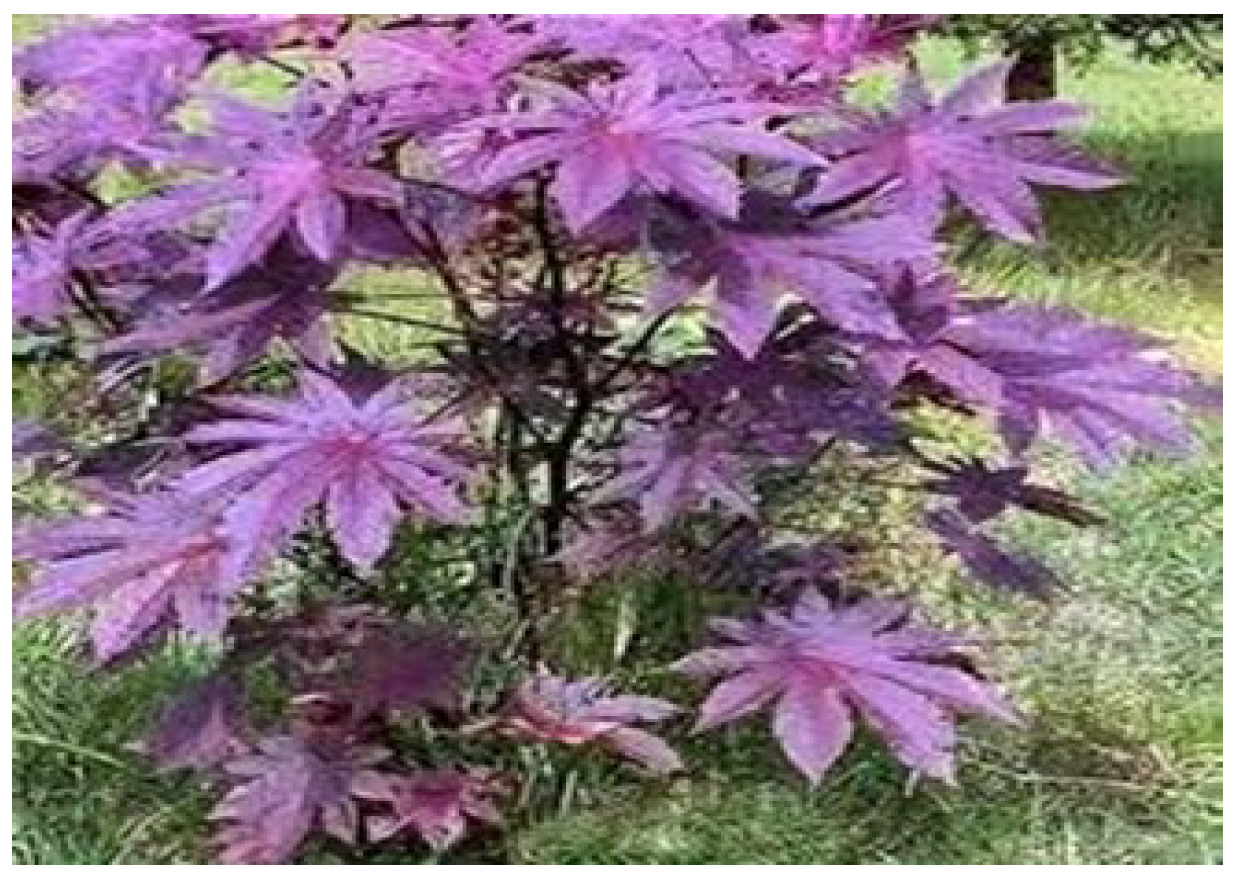
3.4. New Zealand Purple
3.5. Impala
4. Phytochemical Profile of R. communis L.
5. Traditional Uses of R. communis L.
6. Pharmacological Properties of Ricinus communis L.
6.1. Antioxidant Activity
6.2. Anti-Inflammatory Activity
6.3. Antimicrobial Activity
6.4. Wound Healing Activity
6.5. Anticancer Activity
6.6. Hepatoprotective Activity
6.7. Antidiabetic Activity
6.8. Analgesic (Pain Receptor Modulation)
7. Industrial Applications of R. communis L.
8. Additional Applications of R. communis L.
8.1. Weed Control (Herbicidal/Allelopathic) Applications
8.2. Tick Control (Acaricidal) Activity
8.3. Phytoremediation of soil
9. Clinical Studies of R. communis L.
10. Toxicity of R. communis L.
11. Future Directions and Research Gaps for R. communis L.
12. Materials and Methods
13. Conclusions
Author Contributions
Funding
Conflicts of Interest
Abbreviations
| ABTS | 2,2'-azinobis (3-ethylbenzothiazoline-6-sulfonic acid) |
| ALP | Alkaline phosphatase |
| ALT | Alanine aminotransferase |
| AST | Aspartate aminotransferase |
| As | Arsenic |
| B. bipinnata | Bidens bipinnata |
| Ca²⁺ | Calcium ion |
| CA | Citric acid |
| Cd | Cadmium |
| CFA | Complete Freund’s adjuvant |
| COX | Cyclooxygenase |
| COX-2 | Cyclooxygenase-2 |
| CRP | C-reactive protein |
| Cu | Copper |
| DNA | Deoxyribonucleic acid |
| DPPH | 2,2-diphenyl-1-picrylhydrazyl |
| EDDS | Ethylenediamine disuccinic acid |
| EDTA | Ethylenediaminetetraacetic acid |
| ER⁺ | Oestrogen receptor positive |
| Fe | Iron |
| GABA(_A) | Gamma-aminobutyric acid A receptor |
| GC-MS | Gas chromatography–mass spectrometry |
| GSH | Reduced glutathione |
| IC₅₀ | Half maximal inhibitory concentration |
| IFN-γ | Interferon gamma |
| IL-1β | Interleukin-1 beta |
| IL-4 | Interleukin-4 |
| IL-6 | Interleukin-6 |
| IL-17a | Interleukin-17a |
| LOX | Lipoxygenase |
| LCA | Life cycle assessment |
| MCF-7 | Michigan Cancer Foundation-7 breast cancer cell line |
| MDA | Malondialdehyde |
| MDA-MB-231 | MD Anderson metastatic breast cancer-231 cell line |
| MERCL | Methanolic extract of Ricinus communis leaves |
| MIC | Minimum inhibitory concentration |
| Mn | Manganese |
| MTT | 3-(4,5-dimethylthiazol-2-yl)-2,5-diphenyltetrazolium bromide |
| NMDA | N-methyl-D-aspartate |
| NO | Nitric oxide |
| NSAID | Non-steroidal anti-inflammatory drug |
| NTA | Nitrilotriacetic acid |
| Pb | Lead |
| PGE₂ | Prostaglandin E₂ |
| POPs | Persistent organic pollutants |
| QE | Quercetin equivalents |
| RCA | Ricinus communis agglutinin |
| RCA₁₂₀ | Ricinus communis agglutinin 120 |
| RF | Rheumatoid factor |
| RIP2 | Type-2 ribosome-inactivating protein |
| ROS | Reactive oxygen species |
| RANKL | Receptor activator of nuclear factor kappa-B ligand |
| R. communis | Ricinus communis |
| SOD | Superoxide dismutase |
| STZ | Streptozotocin |
| TF | Translocation factor |
| TFC | Total flavonoid content |
| TNF-α | Tumour necrosis factor alpha |
| TPC | Total phenolic content |
| TRPV1 | Transient receptor potential vanilloid 1 |
| Zn | Zinc |
References
- Salmerón-Manzano, E.; Garrido-Cardenas, J.A.; Manzano-Agugliaro, F. Worldwide research trends on medicinal plants. Int. J. Environ. Res. Public Health 2020, 17(10), 3376. [Google Scholar] [CrossRef] [PubMed]
- Miranda, J.J.M. Medicinal plants and their traditional uses in different locations. Phytomedicine 2021, 207–223. [Google Scholar] [CrossRef]
- Goel, V.; Kumar, V.; Bajaj, S.; Garg, K.; Kamboj, M.; Chopra, B. Ricinus communis: unlocking the potential of a medicinal powerhouse. Curr. Funct. Foods 2025. [Google Scholar] [CrossRef]
- Semenov, S.; Ismail, M.S.; O'Hara, F.; Sihag, S.; Ryan, B.; O'Connor, A.; O'Donnell, S.; McNamara, D. Addition of castor oil as a booster in colon capsule regimens significantly improves completion rates and polyp detection. World J. Gastrointest. Pharmacol. Ther. 2021, 12(6), 103. [Google Scholar] [CrossRef]
- Mubofu, E.B. Castor oil as a potential renewable resource for the production of functional materials. Sustain. Chem. Process. 2016, 4(1), 11. [Google Scholar] [CrossRef]
- Landoni, M.; Bertagnon, G.; Ghidoli, M.; Cassani, E.; Adani, F.; Pilu, R. Opportunities and challenges of castor bean (Ricinus communis L.) genetic improvement. Agronomy 2023, 13(8), 2076. [Google Scholar] [CrossRef]
- Kumar, M. A review on phytochemical constituents and pharmacological activities of Ricinus communis L. Plant. Int. J. Pharmacogn. Phytochem. Res. 2017, 9(4), 466–472. [Google Scholar] [CrossRef]
- Setayeshnasab, M.; Sabzalian, M.R.; Rahimmalek, M. The relation between apomictic seed production and morpho-physiological characteristics in a world collection of castor bean (Ricinus communis L.). Sci. Rep. 2024, 14(1), 5013. [Google Scholar] [CrossRef]
- Yeboah, A.; Ying, S.; Lu, J.; Xie, Y.; Amoanimaa-Dede, H.; Boateng, K. G. A. Chemical composition of castor oil. Food Sci. Technol. 2020, 41(2), 399–413. [Google Scholar] [CrossRef]
- Rasetti-Escargueil, C.; Avril, A. Medical countermeasures against ricin intoxication. Toxins 2023, 15(2), 100. [Google Scholar] [CrossRef]
- Guerra Sierra, B.E.; Muñoz Guerrero, J.; Sokolski, S. Phytoremediation of Heavy Metals in Tropical Soils an Overview. Sustainability 2021, 13, 2547. [Google Scholar] [CrossRef]
- Chakrabarty, S. Castor (Ricinus communis): An Underutilized Oil Crop in the. Agroecosystems Very Complex Environ. Syst. 2021, 61. [Google Scholar] [CrossRef]
- Foxcroft, L.C.; Moodley, D.; Nichols, G.R.; Pyšek, P. Naturalized and invasive alien plants in the Kruger National Park, South Africa. Biol. Invasions 2023, 25(10), 3049–3064. [Google Scholar] [CrossRef]
- Aremu, A.O.; Pendota, S.C. Medicinal plants for mitigating pain and inflammatory-related conditions: an appraisal of ethnobotanical uses and patterns in South Africa. Front. Pharmacol. 2021, 12, 783. [Google Scholar] [CrossRef] [PubMed]
- Iatan, E.L. Abandoned Mine Sites Restoration Using an Industrially Important Crop, Ricinus communis L. Ricinus Communis: A Climate Resilient Commercial Crop for Sustainable Environment 2025, 155–192. [Google Scholar] [CrossRef]
- Mahdieh, M.; Talebi, S.M.; Dehghan, T.; Tabaripour, R.; Matsyura, A. Molecular genetics, seed morphology and fatty acids diversity in castor (Ricinus communis L., Euphorbiaceae) Iranian populations. Mol. Biol. Rep. 2023, 50(12), 9859–9873. [Google Scholar] [CrossRef] [PubMed]
- Claßen-Bockhoff, R.; Frankenhäuser, H. The ‘male flower’of Ricinus communis (Euphorbiaceae) interpreted as a multi-flowered unit. Front. Cell Dev. Biol. 2020, 8, 313. [Google Scholar] [CrossRef]
- Zhang, H.; Guo, Q.; Yang, J.; Shen, J.; Chen, T.; Zhu, G.; Chen, H.; Shao, C. Subcellular cadmium distribution and antioxidant enzymatic activities in the leaves of two castor (Ricinus communis L.) cultivars exhibit differences in Cd accumulation. Ecotoxicol. Environ. Saf. 2015, 120, 184–192. [Google Scholar] [CrossRef]
- Cafaro, V.; Alexopoulou, E.; Cosentino, S.L.; Patanè, C. Germination response of different castor bean genotypes to temperature for early and late sowing adaptation in the mediterranean regions. Agriculture 2023, 13(8), 1569. [Google Scholar] [CrossRef]
- Alexandrov, O.S.; Petrov, N.R.; Varlamova, N.V.; Khaliluev, M.R. An optimized protocol for in vitro indirect shoot organogenesis of impala bronzovaya and zanzibar green Ricinus communis L. Varieties. Horticulturae 2021, 7(5), 105. [Google Scholar] [CrossRef]
- Schieltz, D.M.; McWilliams, L.G.; Kuklenyik, Z.; Prezioso, S.M.; Carter, A.J.; Williamson, Y.M.; McGrath, S.C.; Morse, S.A.; Barr, J.R. Quantification of ricin, RCA and comparison of enzymatic activity in 18 Ricinus communis cultivars by isotope dilution mass spectrometry. Toxicon. 2015. [Google Scholar] [CrossRef] [PubMed]
- García-González, P.; Morales, D.; Álvarez, L. Oil quality assessment of ornamental castor bean cultivars under temperate conditions. HortScience 2020, 55(4), 517–524. [Google Scholar] [CrossRef]
- BBC Gardners Worlds Magazine, 2024. https://www.gardenersworld.com/plants/ricinus-communis/?srsltid=AfmBOooeHi9DiCvyieAPcAKZjdI2p_r2T_-L8PtbSImCIrmLqZnWSnMe (accessed on 10 April 2026).
- Ramanjaneyulu, A.V.; Anudradha, G.; Ramana, M.V.; Reddy, A.; Gopal, N.M. Multifarious uses of castor (Ricinus communis L.). Int. Journal. Econ. Plants 2017, 4(04), 170–176. https://krishikosh.egranth.ac.in/server/api/core/bitstreams/8ad790e2-3bd1-4123-8f6f-751ae5c3a6e3/content.
- Gardenia creating gardens. https://www.gardenia.net/plant/ricinus-communis-carmencita-castor-oil-plant (accessed on 22 May 2026).
- Adenaiya, A.O.; Ogunsanwo, O.Y.; Onakpoma, I. Weight loss and compressive strength of castor oil-treated Pinus caribaea (Morelet) wood exposed to fungi. Pro Ligno 2016, 12(4). [Google Scholar]
- Amazon. https://www.amazon.ca/Gibson-Castor-Bean-10-Seeds/dp/B002QC2LDE (accessed on 22 May 2026).
- Mbatha, M.; Nkoana, S.; Mogale, A. Phytochemical screening and oil yield analysis of Ricinus communis Zanzibarensis grown in KwaZulu-Natal. J. Med. Plants Res. 2022, 16(2), 42–50. [Google Scholar] [CrossRef]
- Prezioso, S.M.; Carter, A.J.; Williamson, Y.M.; McGrath, S.C.; Morse, S.A.; Barr, J.R. Quantification of ricin, RCA and comparison of enzymatic activity in 18 Ricinus communis cultivars by isotope dilution mass spectrometry. Toxicon 2015, 30, 1e12. [Google Scholar] [CrossRef]
- iNaturalist. https://www.inaturalist.org/guide_taxa/274961 (accessed on 22 May 2026).
- Lin, J.; Carter, L.; Tupara, H. Performance of ornamental castor bean (Ricinus communis ‘New Zealand Purple’) under urban horticultural settings. N. Z. J. Crop Hortic. Sci. 2021, 49(3), 225–234. [Google Scholar] [CrossRef]
- Ribeiro, J.E.D.S.; Côelho, E.D.S.; Lopes, W.D.A.R.; Silva, E.F.D.; Oliveira, A.K.S.D.; Oliveira, P.H.D.A.; Silva, A.G.C.D.; Jardim, A.M.D.R.F.; Silva, D.V.; Barros, A.P.; Silveira, L.M.D. Allometric equations to predict the leaf area of castor bean cultivars. Ciência Rural 2024, 55(1), e20230550. [Google Scholar] [CrossRef]
- Shoot gardening. https://www.shootgardening.com/plants/ricinus-communis-new-zealand-purple (accessed on 22 May 2026).
- González, M. A.; Ortega, J.; Rivera, A. Assessment of Ricinus communis cv. ‘Impala’ for aesthetic and bio-oil purposes in Mediterranean landscapes. Span. J. Ornam. Plants 2019, 23(3), 153–160. [Google Scholar] [CrossRef]
- Sbihi, H.M.; Nehdi, I.A.; Mokbli, S.; Romdhani-Younes, M.; Al-Resayes, S.I. Hexane and ethanol extracted seed oils and leaf essential compositions from two castor plant (Ricinus communis L.) varieties. Ind. Crops Prod. 2018, 122, 174–181. [Google Scholar] [CrossRef]
- Canterbury plantation. https://canterburyplantation.com/annuals/genus-variety-d6bxg-4fjaf (accessed on 22 May 2026).
- Gupta, R.; Chaudhary, A.K.; Sharma, R. Analgesic and anti-inflammatory potential of Ricinus communis Linn.: evidence from pharmacology to clinical studies. Curr. Pharmacol. Rep. 2024, 10(1), 27–67. [Google Scholar] [CrossRef]
- Talwan, P.; Gautam, D.; Kumar, R.; Sharma, S.; Dhiman, S.; Gill, R.; Thakur, A.; Sharma, D.; Sharma, S.; Kumar, A. A review of the chemical composition, modification, and biomedical application of Ricinus communis. Indian J. Nat. Prod. Resour. 2024, 15(1), 21–42. [Google Scholar] [CrossRef]
- Cheikhyoussef, N.; Cheikhyoussef, A. Bioactive phytochemicals from castor (Ricinus communis Linneo) seed oil processing by-products. Bioact. Phytochem. From Veg. Oil Oilseed Process. By-Prod. 2023, 703–722. [Google Scholar] [CrossRef]
- Nitbani, F.O.; Tjitda, P.J.P.; Wogo, H.E.; Detha, A.I.R. Preparation of ricinoleic acid from castor oil: a review. J. Oleo Sci. 2022, 71(6), 781–793. [Google Scholar] [CrossRef]
- Franke, H.; Scholl, R.; Aigner, A. Ricin and Ricinus communis in pharmacology and toxicology-from ancient use and “Papyrus Ebers” to modern perspectives and “poisonous plant of the year 2018”. Naunyn-Schmiedeberg's Arch. Pharmacol. 2019, 392(10), 1181–1208. [Google Scholar] [CrossRef]
- Pham, N.K.T.; Tran, T.T.L.; Duong, T.H.; Trung, N.T.; Phan, D.C.T.; Mai, D.T.; Nguyen, V.K.; Huynh, B.L.C.; Nguyen, T.A.T.; Tran, T.D.; Tran, T.N.M. Ricicomin A, a new alkaloid from the leaves of Ricinus communis Linn. Nat. Product. Res. 2022, 36(8), 1973–1979. [Google Scholar] [CrossRef]
- Safdar, A.; Bibi, R.; Ilyas, I.; Irum, S.; Fatima, S.; Sikandar, R.; Qasim, M. Botany, ethnopharmacology, phytochemistry and toxicology of Ricinus communis L. A comprehensive. J. Xi’an Shiyou Univ. Nat. Sci. Ed. 2024, 20, 284–320. https://www.researchgate.net/profile/Muhammad-Qasim-207/publication/381190724_Botany_ethnopharmacology_phytochemistry_and_toxicology_of_Ricinus_communis_L_A_comprehensive_review/.
- Alqahtani, A.S.; Ullah, R.; Shahat, A.A. Bioactive constituents and toxicological evaluation of selected antidiabetic medicinal plants of Saudi Arabia. Evid.-Based Complement. Altern. Med. 2022, 2022(1), 7521. [Google Scholar] [CrossRef]
- Masiala, A.; Vingadassalon, A.; Aurore, G. Polyphenols in edible plant leaves: an overview of their occurrence and health properties. Food Funct. 2024, 15(13), 6847–6882. [Google Scholar] [CrossRef] [PubMed]
- Karimkhani, M.M.; Nasrollahzadeh, M.; Maham, M.; Jamshidi, A.; Kharazmi, M.S.; Dehnad, D.; Jafari, S.M. Extraction and purification of α-pinene; a comprehensive review. Crit. Rev. Food Sci. Nutr. 2024, 64(13), 4286–4311. [Google Scholar] [CrossRef] [PubMed]
- Wang, Y.; Li, X.; Jiang, Q.; Sun, H.; Jiang, J.; Chen, S.; Guan, Z.; Fang, W.; Chen, F. GC-MS analysis of the volatile constituents in the leaves of 14 compositae plants. Molecules 2018, 23(1), 166. [Google Scholar] [CrossRef]
- Veeramani, P.; Subrahmaniyan, K.; Harisudan, C.; Vijayan, R.; Saravanan, P.A.; Velmurugan, M.; Ravichandran, V. Exploring the medicinal potential of Castor (Ricinus communis L.): a comprehensive review. Ann. Phytomed. Int. J. 2024, 13(2), 199–205. [Google Scholar] [CrossRef]
- Elachouri, M.; Ouasti, M.; Ouasti, I.; Bussmann, R.W. Ricinus communis L. Euphorbiaceae. Ethnobot. North. Afr. Levant. 2024, 1759–1768. [Google Scholar] [CrossRef]
- Said-Al Ahl, H.A.; Hikal, W. Antileishmanial derivates of natural products from Ricinus communis. Aswan Univ. J. Environ. Stud. 2022, 3(1), 41–75. [Google Scholar] [CrossRef]
- Kim, S.J.; Egbuna, C.; Oh, H.G. Ethnopharmacological properties of african medicinal plants for the treatment of neglected tropical diseases. Res. J. Pharmacogn. 2022, 9(4), 59–72. [Google Scholar] [CrossRef]
- Matlala, M.E.; Lubisi, N.P.; Chauke, S.; Kola, E.; Ramarumo, L.J.; Ndhlovu, P.T. Plant species used to treat various ailments of the North-West Province, South Africa: A systematic review. Next Res. 2025, 100446. [Google Scholar] [CrossRef]
- Ramothloa, T.P.; Mkolo, N.M.; Motshudi, M.C.; Mphephu, M.M.; Makhafola, M.A.; Naidoo, C.M. Phytochemical Composition and Multifunctional Applications of Ricinus communis L.: Insights into Therapeutic, Pharmacological, and Industrial Potential. Molecules 2025, 30(15), 3214. [Google Scholar] [CrossRef] [PubMed]
- Khodja, Y.K.; Bachir-bey, M.; Zernouh, A. Therapeutic Potential of Traditional Medicinal Plants from the Central Algerian Steppe for Treating Common Digestive Disorders. Jordan J. Pharm. Sci. 2025, 18(3), 694–712. [Google Scholar] [CrossRef]
- Setshego, M.V.; Aremu, A.O.; Mooki, O.; Otang-Mbeng, W. Natural resources used as folk cosmeceuticals among rural communities in Vhembe district municipality, Limpopo province, South Africa. BMC Complement. Med. Ther. 2020, 20(1), 81. [Google Scholar] [CrossRef]
- Subramaniyan, V. Therapeutic importance of caster seed oil. Nuts Seeds Health Dis. Prev. 2020, 485–495. [Google Scholar] [CrossRef]
- Vartak, A.; Sonawane, S.; Alim, H.; Patel, N.; Hamrouni, L.; Khan, J.; Ali, A. Medicinal and aromatic plants in the cosmetics industry. In Medicinal and Aromatic Plants of India l. 1; 2022; pp. 341–364. [Google Scholar] [CrossRef]
- Chouhan, H.S.; Swarnakar, G.; Jogpal, B. Medicinal properties of Ricinus communis: A review. Int. J. Pharm. Sci. Res. 2021, 12(7), 3632–3642. [Google Scholar] [CrossRef]
- Hassanpour, S.H.; Doroudi, A. Review of the antioxidant potential of flavonoids as a subgroup of polyphenols and partial substitute for synthetic antioxidants. Avicenna J. Phytomed. 2023, 13(4), 354. [Google Scholar] [CrossRef]
- Martemucci, G.; Portincasa, P.; Centonze, V.; Mariano, M.; Khalil, M.; D'Alessandro, A.G. Prevention of oxidative stress and diseases by antioxidant supplementation. Med. Chem. 2023, 19(6), 509–537. [Google Scholar] [CrossRef]
- Abbas, M.; Ali, A.; Arshad, M.; Atta, A.; Mehmood, Z.; Tahir, I.M.; Iqbal, M. Mutagenicity, cytotoxic and antioxidant activities of Ricinus communis different parts. Chem. Cent. J. 2018, 12(1), 3. [Google Scholar] [CrossRef]
- Ahmed, F.; Iqbal, M. Antioxidant activity of Ricinus communis. Org. Med. Chem. Int. J. 2018, 5(4), 107–112. [Google Scholar] [CrossRef]
- Vasco-Leal, J.F.; Cuellar-Nuñez, M.L.; Luzardo-Ocampo, I.; Ventura-Ramos, E., Jr.; Loarca-Piña, G.; Rodriguez-García, M.E. Valorization of Mexican Ricinus communis L. leaves as a source of minerals and antioxidant compounds. Waste Biomass Valorization 2021, 12(4), 2071–2088. [Google Scholar] [CrossRef]
- Ziaei, A.; Sahranavard, S.; Gharagozlou, M. J.; Faizi, M. Anti-inflammatory effects of Ricinus communis. DARU J. Pharm. Sci. 2016, 24(1), 12. [Google Scholar] [CrossRef] [PubMed]
- Hussain, A.; Aslam, B.; Muhammad, F.; Faisal, M.N.; Kousar, S.; Mushtaq, A.; Bari, M.U. Anti-arthritic activity of Ricinus communis L. and Withania somnifera L. extracts in adjuvant-induced arthritic rats via modulating inflammatory mediators and subsiding oxidative stress. Iran. J. Basic Med. Sci. 2021, 24(7), 951. [Google Scholar] [CrossRef] [PubMed]
- Arya, A.K.; Kumar, G.; SIngh, V.; Afaq, N.; Shukla, S.; Singh, S.; Ratna, P.; Yadav, M.; Pandey, S.; Yadav, A.N. Unveiling the Antimicrobial Potential of Ricinus communis: A Comprehensive Review of Its Relevance to Surgical Site Infection (SSI) Pathogens. Cureus 2025, 17(12), 557. [Google Scholar] [CrossRef]
- Hajrah, N.; Abdul, W.M.; Sabir, J.; Al-Garni, S.M.S.; Sabir, M.; El-hamidy, S.M.; Saini, K.S.; Bora, R.S. Anti-bacterial activity of Ricinus communis L. against bacterial pathogens Escherichia coli and Klebsiella oxytoca as evaluated by Transmission electron microscopy. Biotechnol. Biotechnol. Equip. 2018, 32(3), 686–691. [Google Scholar] [CrossRef]
- Suurbaar, J.; Mosobil, R.; Donkor, A. M. Antimicrobial activity of Ricinus communis. BMC Res. Notes 10 2017, 660. [Google Scholar] [CrossRef]
- Kebede, B.; Shibeshi, W. In vitro antibacterial and antifungal activities of extracts and fractions of leaves of Ricinus communis Linn against selected pathogens. Vet. Med. Sci. 2022, 8(4), 1802–1815. [Google Scholar] [CrossRef] [PubMed]
- Pang, Z.; Raudonis, R.; Glick, B.R.; Lin, T.J.; Cheng, Z. Antibiotic resistance in Pseudomonas aeruginosa: mechanisms and alternative therapeutic strategies. Biotechnol. Adv. 2019, 37(1), 177–192. [Google Scholar] [CrossRef]
- Reddy, N.D.; Elias, A.J. Chlorine and the Chemistry of Disinfectants: A Fascinating Journey—18th Century to the COVID Times. Resonance 2021, 26(3), 341–366. [Google Scholar] [CrossRef]
- Mohammed, N.I.; Albozachri, J.M.K. Use of iraqi castor (Ricinus communis) leaf extract as anti-inflammatory in treatment of skin wounds in rabbits. Jinu. M, Thankamma. P. George, NA Balaram, Sujisha. SS 2. Profile of Burn Deaths: A Study Based on Postmortem Examination of Burn Cases at RNT. 2020, 20, p. 642. https://www.researchgate.net/profile/Haitham-Abdulhadi-2/publication/350124731_Estimation_of_Some_Genetic_and_Physiological_Variables_of_Iraqi_Desert_Snake_Cerastes_gasperettii_469/links/6052711a458515e834518b9e/Estimation-of-Some-Genetic-and-Physiological-Variables-of-Iraqi-Desert-Snake-Cerastes-gasperettii-469.pdf#page=655.
- Patel, V.R.; Dumancas, G.G.; Viswanath, L.C.K.; Maples, R.; Subong, B.J.J. Castor oil: properties, uses, and optimization of processing parameters in commercial production. Lipid Insights 2016, 9, 40233. [Google Scholar] [CrossRef]
- Ashraf Ashfaq, M.; Soma Sekhar Reddy, P.; Anil Kumar, C.; Selvaraj, V.M.; Dinesh Kumar, V. Ricin and RCA—the enemies within castor (Ricinus communis L.): a perspective on their biogenesis, mechanism of action, detection methods and detoxification strategies. Castor Bean Genome 2019, 215–235. [Google Scholar] [CrossRef]
- Zafar, S.; Zafar, A.; Jabeen, F.; Siddiq, M.A. Biological synthesis of silver nanoparticles and their biomedical activity: a review. Curr. Green Chem. 2021, 8(3), 222–241. [Google Scholar] [CrossRef]
- Shah, T.I.; Sharma, E.; Shah, G.A. Inhibitory property of aqueous extract of Ricinus communis leaves on proliferation of melanoma treated against A375 cell lines. World J. Pharm. Sci. 2015, 758–761. https://wjpsonline.com/index.php/wjps/article/view/ricinus-communis-leaves-proliferation-melanoma.
- Polito, L.; Bortolotti, M.; Battelli, M. G.; Calafato, G.; Bolognesi, A. Ricin toxin review. Toxins 2019, 11(6), 324. [Google Scholar] [CrossRef]
- Herawati, I.E.; Levita, J.; Lesmana, R.; Subarnas, A. Ricin in Castor Bean (Ricinus communis L.) Seeds: A Review on its anticancer activity and the role of cytotoxicity enhancers. Res. J. Pharm. Technol. 2022, 15(1), 405–408. [Google Scholar] [CrossRef]
- Majumder, M.; Debnath, S.; Gajbhiye, R.L.; Saikia, R.; Gogoi, B.; Samanta, S.K.; Das, D.K.; Biswas, K.; Jaisankar, P.; Mukhopadhyay, R. Ricinus communis L. fruit extract inhibits migration/invasion, induces apoptosis in breast cancer cells and arrests tumour progression in vivo. Sci. Rep. 2019, 9(1), 14493. [Google Scholar] [CrossRef]
- Naveen, A.; Shankar, J.; John, P.; Venkatanarayana, N. Evaluation of hepatoprotective activity of aqueous extract of Ricinus communis in wistar rats. Int. J. Basic Clin. Pharmacol. 2016, 5, 358–361. [Google Scholar] [CrossRef]
- Babu, P. P.; Kumar, R.; Sharma, A. Potential of Ricinus communis oil as a sustainable biodiesel feedstock. J. Clean. Prod. 2023, 286, 125–134. [Google Scholar] [CrossRef]
- Gad-Elkareem, M.A.; Abdelgadir, E.H.; Badawy, O.M.; Kadri, A. Potential antidiabetic effect of ethanolic and aqueous-ethanolic extracts of Ricinus communis leaves on streptozotocin-induced diabetes in rats. PeerJ 2019, 7, 6441. [Google Scholar] [CrossRef] [PubMed]
- Abdul, W.M.; Hajrah, N.H.; Sabir, J.S.; Al-Garni, S.M.; Sabir, M.J.; Kabli, S.A.; Saini, K.S.; Bora, R.S. Therapeutic role of Ricinus communis L. and its bioactive compounds in disease prevention and treatment. Asian Pac. J. Trop. Med. 2018, 11(3), 177–185. [Google Scholar] [CrossRef]
- Abomughaid, M.M.; Teibo, J.O.; Akinfe, O.A.; Adewolu, A.M.; Teibo, T.K.A.; Afifi, M.; Al-Farga, A.M.H.; Al-kuraishy, H.M.; Al-Gareeb, A.I.; Alexiou, A.; Papadakis, M. A phytochemical and pharmacological review of Ricinus communis L. Discov. Appl. Sci. 2024, 6(6), 315. [Google Scholar] [CrossRef]
- Esfandyari, Z.; Mirazi, N.; Sarihi, A.; Rafieian-Kopaei, M. Antinociceptive activity of Ricinus communis seed’s hydroethanolic extract on male Balb/C mice. Ciência Rural 2018, 48(6), e20170384. [Google Scholar] [CrossRef]
- Singh, S.; Sharma, S.; Sarma, S.J.; Brar, S.K. A comprehensive review of castor oil-derived renewable and sustainable industrial products. Environ. Prog. Sustain. Energy 2023, 42(2), 14008. [Google Scholar] [CrossRef]
- Farooq, U.; Khan, A.; Naz, S.; Rauf, A.; Khan, H.; Khan, A.; Ullah, I.; Bukhari, S.M. Sedative and antinociceptive activities of two new sesquiterpenes isolated from Ricinus communis. Chin. J. Nat. Med. 2018, 16(3), 225–230. [Google Scholar] [CrossRef]
- Rajalakshmi, P.; Marie, J.M.; Xavier, A.J.M. Castor oil-derived monomer ricinoleic acid based biodegradable unsaturated polyesters. Polym. Degrad. Stab. 2019, 170, 1016. [Google Scholar] [CrossRef]
- Lee, J.H.; Kim, S.H. Synthesis and characterization of biopolyurethane crosslinked with castor oil-based hyperbranched polyols as polymeric solid–solid phase change materials. Sci. Rep. 2022, 12(1), 14646. [Google Scholar] [CrossRef] [PubMed]
- Ntsako, P.C.; Hembe, E.M.; Nkazi, D.B. Chemical modifications of castor oil: A review. Sci. Prog. 2019, 102(3), 199–217. [Google Scholar] [CrossRef]
- Iskandar, B.; Liu, T.W.; Mei, H.C.; Kuo, I.C.; Surboyo, M.D.C.; Lin, H.M.; Lee, C.K. Herbal nanoemulsions in cosmetic science: A comprehensive review of design, preparation, formulation, and characterization. J. Food Drug Anal. 2024, 32(4), 428. [Google Scholar] [CrossRef]
- Gebrehiwot, H.; Zelelew, D. Ricinus communis seed oils as a source of biodiesel; a renewable form of future energy. J. Turk. Chem. Soc. Sect. A Chem. 2022, 9(2), 339–354. [Google Scholar] [CrossRef]
- Bello, K.; Airen, F.; Akinola, A.O.; Bello, E.I. A Study of the Lipid Structure of Castor Seed Oil (Ricinus communis L), Biodiesel and Its Characterization. Curr. J. Appl. Sci. Technol. 2020, 38(6), 1–11. https://hal.science/hal-05354695v1. [CrossRef]
- Osorio-González, C.S.; Gómez-Falcon, N.; Sandoval-Salas, F.; Saini, R.; Brar, S.K.; Ramírez, A.A. Production of biodiesel from castor oil: A review. Energies 2020, 13(10), 2467. [Google Scholar] [CrossRef]
- Amouri, M.; Mohellebi, F.; Zaïd, T.A.; Aziza, M. Sustainability assessment of Ricinus communis biodiesel using LCA Approach. Clean. Technol. Environ. Policy 2017, 19(3), 749–760. [Google Scholar] [CrossRef]
- Mishra, A.; Gupta, R.; Singh, R. Industrial applications of castor oil and its derivatives. J. Ind. Chem. 2021, 85(2), 175–186. [Google Scholar] [CrossRef]
- Fraile, J.M.; Garcia, J.I.; Herrerias, C.I.; Pires, E. Synthetic transformations for the valorization of fatty acid derivatives. Synthesis 2017, 49(07), 1444–1460. [Google Scholar] [CrossRef]
- Rani, R.; Sharma, A.; Kumari, S. Castor oil as a natural resource for cosmetics: A review. Int. J. Cosmet. Sci. 2021, 43(3), 233–241. [Google Scholar] [CrossRef]
- Ghosh, S.; Dutta, S.; Chakraborty, S. Applications of castor oil in food and industrial sectors: A review. Food Sci. Technol. Int. 2019, 25(6), 450–462. [Google Scholar] [CrossRef]
- Singh, S.; Srivastava, R.; Bauddh, K. Ricinus communis: An Abiotic Stress-Tolerant Crop for Reclamation of Wasteland Reclamation. Ricinus Communis: A Climate Resilient Commercial Crop for Sustainable Environment 2025, 135–153. [Google Scholar] [CrossRef]
- Heitzmann, M.T.; Veidt, M.; Ng, C.T.; Lindenberger, B.; Hou, M.; Truss, R.; Liew, C.K. Single-plant biocomposite from Ricinus communis: Preparation, properties and environmental performance. J. Polym. Environ. 2013, 21(2), 366–374. [Google Scholar] [CrossRef]
- Ghosh, A.; Reja, M.; Kanthal, S.; Nalia, A.; Nath, R. Climate smart agriculture. J. Environ. Ecol. 2019, 37(4), 1221–122. https://d1wqtxts1xzle7.cloudfront.net/84240993/Climate_Smart_Agriculture_Annanya_Ghosh_-libre.pdf?1650088314=&response-content-.
- Anwar, S.; Naseem, S.; Karimi, S.; Asi, M.R.; Akrem, A.; Ali, Z. Bioherbicidal activity and metabolic profiling of potent allelopathic plant fractions against major weeds of wheat—Way forward to lower the risk of synthetic herbicides. Front. Plant Sci. 2021, 12, 632390. [Google Scholar] [CrossRef]
- Lopes, A.M.; Ribeiro, L.K.; Cogo, M.R.D.M.; Frescura, L.M.; da Rosa, M.B.; Schulz, A.; Mayer, F.D.; Abaide, E.R.; Tres, M.V.; Zabot, G.L. Ricinus communis L. Leaf Extracts as a Sustainable Alternative for Weed Management. Sustainability 2025, 17(15), 6942. [Google Scholar] [CrossRef]
- Ribeiro, L.K.; Lopes, A.M.; Cogo, M.R.D.M.; Frescura, L.M.; da Rosa, M.B.; Schulz, A.; Mayer, F.D.; Abaide, E.R.; Tres, M.V.; Zabot, G.L. Ricinus communis L. Leaf Extracts as a Sustainable Alternative for Weed Management. Sustainability 2025, 17(15), 6942. [Google Scholar] [CrossRef]
- Ramgunde, V.; Chaturvedi, A. Allelopathic effect of Ricinus communis L. and Vitex negundo L. on morphological attributes of invasive alien weed: Cassia uniflora Mill. IRA-Int. J. Appl. Sci. 2016, 3(3), 438–447. [Google Scholar] [CrossRef]
- El-Seedi, H.R.; Azeem, M.; Khalil, N.S.; Sakr, H.H.; Khalifa, S.A.; Awang, K.; Saeed, A.; Farag, M.A.; AlAjmi, M.F.; Pålsson, K.; Borg-Karlson, A.K. Essential oils of aromatic Egyptian plants repel nymphs of the tick Ixodes ricinus (Acari: Ixodidae). Exp. Appl. Acarol. 2017, 73(1), 139–157. [Google Scholar] [CrossRef]
- Islam, S.; Talukder, S.; Ferdous, J.; Hasan, M.M.; Sarker, Y.A.; Sachi, S.; Alim, M.A.; Sikder, M.H. In-vitro efficacy of verenda (Ricinus communis) leaves extract against ticks in cattle. Bangladesh J. Vet. Med. 2018, 16(1), 81–86. [Google Scholar] [CrossRef]
- Kiran, B.R.; Prasad, M.N.V. Ricinus communis L. (Castor bean), a potential multi-purpose environmental crop for improved and integrated phytoremediation. EuroBiotech J. 2017, 1(2), 101–116. [Google Scholar] [CrossRef]
- Nand, S.; Neeraj, A.; Patel, A.; Shukla, S.; Srivastava, P.K. Plant and Environment Interaction: Special Reference to Phytoremediation of Heavy Metals Using Ricinus communis L. Ricinus Communis: A Climate Resilient Commercial Crop for Sustainable Environment 2025, 1–18. [Google Scholar] [CrossRef]
- Yao, H.; Shi, W.; Wang, X.; Li, J.; Chen, M.; Li, J.; Chen, D.; Zhou, L.; Deng, Z. The root-associated Fusarium isolated based on fungal community analysis improves phytoremediation efficiency of Ricinus communis L. in multi metal-contaminated soils. Chemosphere 2023, 324, 138377. [Google Scholar] [CrossRef]
- Palanivel, T.M.; Pracejus, B.; Victor, R. Phytoremediation potential of castor (Ricinus communis L.) in the soils of the abandoned copper mine in Northern Oman: implications for arid regions. Environ. Sci. Pollut. Res. 2020, 27(14), 17359–17369. [Google Scholar] [CrossRef] [PubMed]
- Rissato, S.R.; Galhiane, M.S.; Fernandes, J.R.; Gerenutti, M.; Gomes, H.M.; Ribeiro, R.; Almeida, M.V.D. Evaluation of Ricinus communis L. for the phytoremediation of polluted soil with organochlorine pesticides. BioMed Res. Int. 2015, 2015(1), 549863. [Google Scholar] [CrossRef] [PubMed]
- Jha, A.B.; Misra, A.N.; Sharma, P. Phytoremediation of heavy metal-contaminated soil using bioenergy crops. Phytoremediation Potential Bioenergy Plants 2017, 63–96. [Google Scholar] [CrossRef]
- Salles, M.M.; Badaró, M.M.; Arruda, C.N.F.D.; Leite, V.M.F.; Silva, C.H.L.D.; Watanabe, E.; Oliveira, V.D.C.; Paranhos, H.D.F.O. Antimicrobial activity of complete denture cleanser solutions based on sodium hypochlorite and Ricinus communis–a randomized clinical study. J. Appl. Oral Sci. 2015, 23(6), 637–642. [Google Scholar] [CrossRef]
- Nisargandha, M. Clinical evaluation of Nitya Virechana in Hepato cellular Jaundice–A Case Study. Int. J. Res. Pharm. Sci. [CrossRef]
- Megharaj, K.V.; Shekhar, T.V.; Pavithra, M.R.; Sarfaraz, M.M. A systematic review on phytochemical constituents and pharmacological activities Ricinus communis plant. Res. J. Pharmacol. Pharmacodyn. 2025, 17(1), 47–51. [Google Scholar] [CrossRef]
- Kendra, D.U.; Mahendragarh, H.I. Effect of Ricinus communis L on microorganisms: advantages and disadvantages. J. Homepage 2019, 8(04), 2019. [Google Scholar] [CrossRef]
- Mboyazi, S.N.; Nqotheni, M.I.; Maliehe, T.S.; Shandu, J.S. In Vitro Antibacterial and In Silico Toxicity Properties of Phytocompounds from Ricinus Communis Leaf Extract. Pharmacogn. J. 2020, 12(5). [Google Scholar] [CrossRef]
- Hayoun, M.A.; Kong, E.L.; Smith, M.E.; King, K.C. Ricin toxicity. StatPearls. 2023. https://www.ncbi.nlm.nih.gov/sites/books/NBK441948/ (accessed on 20 April 2026).
- Moshiri, M.; Hamid, F.; Etemad, L. Ricin toxicity: clinical and molecular aspects. Rep. Biochem. Mol. Biol. 2016, 4(2), 60. https://pmc.ncbi.nlm.nih.gov/articles/PMC4986263/.
- Abbes, M.; Montana, M.; Curti, C.; Vanelle, P. Ricin poisoning: A review on contamination source, diagnosis, treatment, prevention and reporting of ricin poisoning. Toxicon 2021, 195, 86–92. [Google Scholar] [CrossRef]
- Mansoor, S.; Khan, I.; Fatima, J.; Saeed, M.; Mustafa, H. Anti-bacterial, antioxidant and cytotoxicity of aqueous and organic extracts of Ricinus communis. Afr. J. Microbiol. Res. 2016, 10(8), 260–270. [Google Scholar] [CrossRef]
- Khalid, A.; Algarni, A.S.; Homeida, H.E.; Sultana, S.; Javed, S.A.; Rehman, Z.U.; Abdalla, H.; Alhazmi, H.A.; Albratty, M.; Abdalla, A.N. Phytochemical, cytotoxic, and antimicrobial evaluation of Tribulus terrestris L., Typha domingensis pers., and Ricinus communis L.: Scientific evidences for folkloric uses. Evid.-Based Complement. Altern. Med. 2022, 2022(1), 6519712. [Google Scholar] [CrossRef] [PubMed]
- Kheni, J.; Tomar, R.S. Nutraceutical usages and nutrigenomics of Castor. In Compendium of crop genome designing for nutraceuticals; 2023; pp. 503–517. [Google Scholar] [CrossRef]
- Gul, A.; Fozia; Shaheen, A.; Ahmad, I.; Khattak, B.; Ahmad, M.; Ullah, R.; Bari, A.; Ali, S.S.; Alobaid, A.; Asmari, M.M. Green synthesis, characterization, enzyme inhibition, antimicrobial potential, and cytotoxic activity of plant mediated silver nanoparticle using Ricinus communis leaf and root extracts. Biomolecules 2021, 11(2), 206. [Google Scholar] [CrossRef] [PubMed]


| Sector | Industrial use | Description | Reference |
|---|---|---|---|
| Pharmaceutical Industry | Castor oil | Used as laxative and in topical applications for anti-inflammatory properties. | [96] |
| Cosmetics and Personal Care | Emollients | Act as a moisturizer and skin conditioner in cosmetic products. | [97,98] |
| Food Industry | Food additives | Occasionally used as a food additive and in flavoring. | [99] |
| Agriculture | Pesticides and herbicides | Used to develop natural pesticides and herbicides for sustainable agriculture. | [100] |
| Manufacturing | Lubricants, plastic and resins | Utilized in producing high-performance lubricants due to its viscosity and stability and key ingredients in biodegradable plastics and synthetic resins. | [101] |
| Textile industry | Textile fishing agents | Used in textile processing as softeners and finishing agents. | [102] |
| Plant Part / Form | Cell Line(s) Tested | IC₅₀ Value | Key Findings | Reference |
|---|---|---|---|---|
| Crude ricin (seed protein) | A549 (lung cancer) | 918 ± 2.05 µg/m | Induced apoptosis via caspase pathways; inhibited migration and autophagy | [123] |
| Seed extract | MCF-7, A2780, HT29 (breast cancer, ovarian cancer, colorectal cancer) | 1.52, 3.04, 3.95 µg/mL | Strong cytotoxicity; highest activity against MCF-7; good selectivity toward cancer cells | [124] |
| Leaf/root-mediated Ag nanoparticles | RBCs (haemolysis assay) | <20 µg/mL (safe range) | Low cytotoxicity at lower concentrations; indicates good biocompatibility | [125] |
Disclaimer/Publisher’s Note: The statements, opinions and data contained in all publications are solely those of the individual author(s) and contributor(s) and not of MDPI and/or the editor(s). MDPI and/or the editor(s) disclaim responsibility for any injury to people or property resulting from any ideas, methods, instructions or products referred to in the content. |
© 2026 by the authors. Licensee MDPI, Basel, Switzerland. This article is an open access article distributed under the terms and conditions of the Creative Commons Attribution (CC BY) license (http://creativecommons.org/licenses/by/4.0/).