
Submitted:
08 June 2026
Posted:
09 June 2026
You are already at the latest version
Abstract
Patients with inflammatory bowel disease (IBD) require long-term immunosuppressive therapy, raising concerns about treatment associated malignancy risk. The comparative ma-lignancy profiles of biologic and advanced small-molecule therapies remain incompletely characterized. A systematic review was conducted following PRISMA guidelines. PubMed, Embase, Cochrane Library, and Web of Science were searched from inception through June 2025, with supplementary screening via Google Scholar. Eligible studies included randomized controlled trials and observational cohort studies evaluating malignancy outcomes in adult IBD patients receiving anti-tumor necrosis factor (TNF) agents, anti-integrin therapies, anti-interleukin (IL)-12/23 and IL-23 inhibitors, Janus kinase (JAK) inhibitors, or sphingosine-1-phosphate (S1P) receptor modulators. Studies evaluating thiopurines alone or in combination with biologic therapy were included when malignancy risk was specifically assessed. The Newcastle-Ottawa Scale was used for quality assessment of observational studies and the Cochrane risk-of-bias tool for randomized trials. A formal quantitative meta-analysis was not performed due to heterogeneity in study designs, populations, comparators, outcome definitions, and follow-up durations. Twenty-eight studies met the inclusion criteria. Thiopurines showed the most consistent malignancy association, including lymphoma (pooled SIR 4.92; 95% CI, 3.10–7.78), NMSC, acute myeloid leukemia/myelodysplastic syndrome, and urinary tract cancers. Anti-TNF monotherapy showed no significant increase in overall cancer incidence but carried a modest lymphoma risk (aHR 2.41; 95% CI, 1.60–3.64). Combination anti-TNF plus thiopurine therapy was associated with the highest lymphoma risk (aHR 6.11; 95% CI, 3.46–10.8). Vedolizumab and ustekinumab showed no increased malignancy risk, including in patients with prior cancer. JAK inhibitor data from rheumatoid arthritis (ORAL Surveillance: HR 1.48; 95% CI, 1.04–2.09 for tofacitinib vs. TNF inhibitors) have not been replicated in IBD-specific studies through 9.2 years of follow-up. S1P receptor modulators showed low malignancy rates (0.4 per 100 patient years over 10 years for ozanimod). Malignancy risk with IBD therapies is heterogeneous and drug class dependent. Thiopurines and combination therapy carry the highest risk. Gut-selective agents (vedolizumab, ustekinumab) have the most favorable safety profiles and are preferred in patients with prior malignancy. JAK inhibitor and S1P modulator data in IBD are reassuring but require continued long-term surveillance.
Keywords:
inflammatory bowel disease
; vedolizumab
; thiopurine
; JAK inhibitor
; ozanimod
; infliximab
; malignancy
1. Introduction
Inflammatory bowel disease (IBD) encompasses two principal forms of chronic intestinal inflammation: ulcerative colitis (UC) and Crohn's disease (CD).[1] In the United States alone, an estimated 2.4 to 2.8 million individuals are affected.[2] The pathogenesis involves an interaction between immune responses, altered gut microbiota, genetic susceptibility, and environmental triggers. Activated macrophages and dendritic cells produce interleukin (IL)-12 and IL-23, which signal through Janus kinase (JAK) and signal transducer and activator of transcription (STAT) pathways to drive the inflammatory cascade. Downstream activation of naïve T cells leads to production of interferon (IFN)-γ and tumor necrosis factor (TNF).[1] IFN-γ exerts direct cytotoxic and antiangiogenic effects on tumor cells, while IL-23 plays a dual role, contributing to antitumor surveillance through IFN-γ production but also potentially promoting tumorigenesis via IL-17/STAT3 signaling. TNF participates in antitumor surveillance by promoting CD8+ T-cell priming and enabling recognition and destruction of malignant cells.
Infliximab and adalimumab are monoclonal antibodies (mAbs) that neutralize TNF-α, also suppressing IFN-γ production. Both are approved for CD and UC. Certolizumab pegol and golimumab are additional antiTNF mAbs approved for CD and UC, respectively. Mirikizumab targets IL-23 and is approved for moderate-to-severe UC [3,4]. Ustekinumab blocks the shared p40 subunit of IL-12 and IL-23 and is used in moderate-to severe CD. Risankizumab, brazikumab, and guselkumab selectively inhibit IL-23 and are used in CD management [4]. Vedolizumab, an anti-α4β7 integrin mAb, blocks lymphocyte trafficking to the gut by preventing binding to mucosal addressing cell adhesion molecule-1 (MAdCAM-1), thereby reducing inflammation. It is approved for induction and maintenance of remission in both UC and CD [3,4].
Tofacitinib is a JAK1/3 inhibitor approved for UC. Upadacitinib, a selective JAK1 inhibitor, is approved for both CD and UC. Two sphingosine-1-phosphate (S1P) receptor modulators, ozanimod (selective for S1P1 and S1P5) and etrasimod (selective for S1P1, S1P4, and S1P5) are approved for UC [5].
As treatment extends the lifespan of patients with IBD, malignancies are increasingly encountered, which can be related to therapy or the natural aging process. IBD itself, through chronic colonic inflammation, independently raises the risk of colorectal cancer roughly 2-fold compared with the general population. This background risk must be weighed when evaluating malignancy risks attributed to specific therapies. This review systematically examines the available evidence on malignancy incidence in patients receiving biologic and advanced small-molecule therapy for IBD.
2. Methods
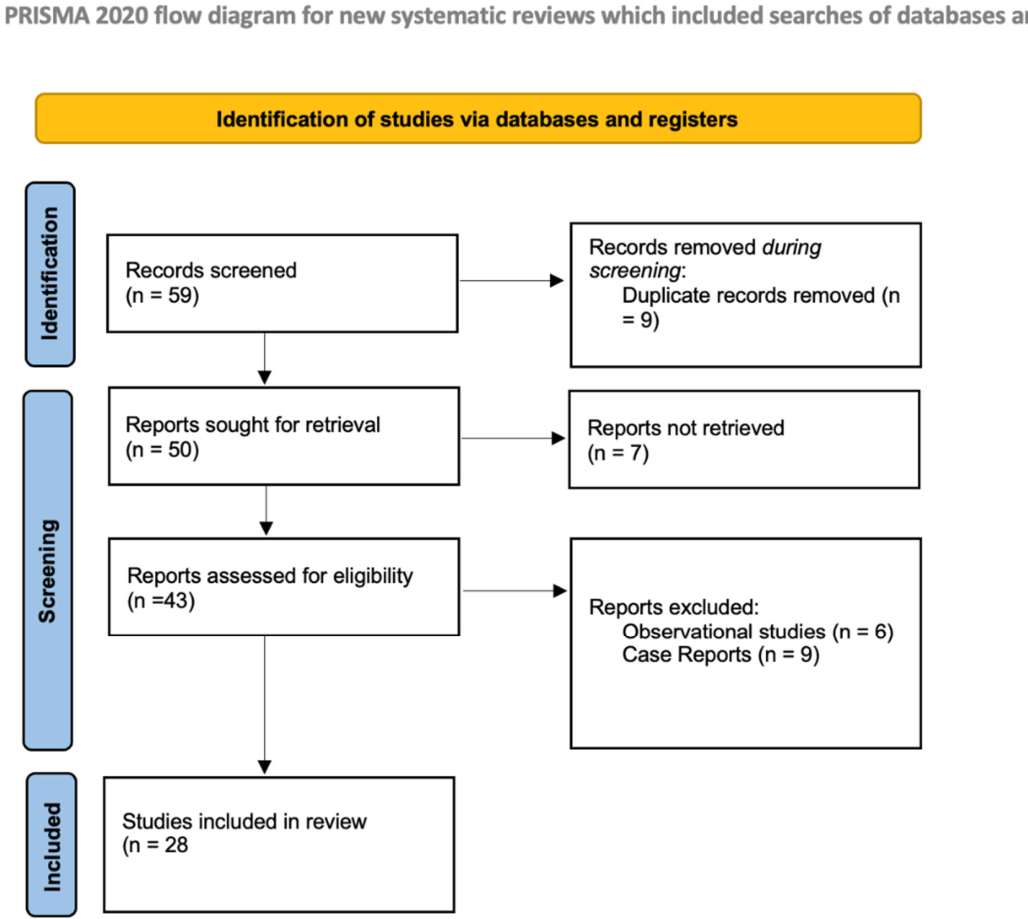
This systematic review was conducted following the Preferred Reporting Items for Systematic Reviews and Meta-Analyses (PRISMA) guidelines [6].
The protocol was not prospectively registered.
PubMed, Embase, Cochrane Library, and Web of Science were searched from database inception through March 2026. Google Scholar was used for supplementary screening only. The search was restricted to English-language publications.
Search terms included combinations of "inflammatory bowel disease,"
"Crohn's disease," "ulcerative colitis," "biologics," "anti-TNF," "vedolizumab," "ustekinumab," "risankizumab," "mirikizumab," "JAK inhibitors," "tofacitinib," "upadacitinib," "ozanimod," "etrasimod," "malignancy," "cancer," "lymphoma," and "non-melanoma skin cancer." Reference lists of relevant reviews and eligible studies were manually screened for additional articles.
Eligible studies included randomized controlled trials and prospective or retrospective cohort studies evaluating malignancy outcomes in adult IBD patients receiving biologic or advanced small-molecule therapies. Studies examining anti-TNF agents, anti-integrin therapies, anti-IL-12/23 and IL-23 inhibitors, JAK inhibitors, and S1P receptor modulators were eligible. Studies evaluating thiopurines alone or in combination with biologics were included when malignancy risk was specifically assessed.
Case reports, case series with fewer than 10 patients, pediatric-only studies, conference abstracts without full-text availability, narrative reviews, editorials, and non-English publications were excluded.
Two reviewers independently screened titles and abstracts, followed by full-text review of potentially relevant studies. Disagreements were resolved by discussion and consensus.
Extracted data included study design, geographic setting, patient population, sample size, follow-up duration, therapeutic exposure, malignancy outcomes, incidence rates, hazard ratios, and major conclusions. Emphasis was placed on lymphoma, NMSC, and the overall incidence of malignancy.
Given the substantial heterogeneity in study designs, patient populations, comparator groups, outcome definitions, and follow-up durations, a formal quantitative meta-analysis was not performed. A qualitative synthesis was conducted instead, with results organized by drug class and malignancy type.
Figure 1.
PRISMA Flow Diagram.
3. Results
Thiopurine-Associated Malignancy

| Study | Year | Design | Country | N | Population | Follow-up | Drug Exposure | Comparator |
| Beaugerie et al. (CESAME) | 2009 | Prospective cohort | France | 19,486 | IBD | Median 35 mo | Thiopurines | Never-users |
| Lemaitre et al. | 2017 | Population-based cohort | France | 189,289 | IBD (>18 yrs) | Median 6.7 yrs | Thiopurine monotherapy | Unexposed IBD |
| Pasternak et al. | 2013 | Population-based cohort | Denmark | 45,986 | IBD | Up to 13 yrs | Azathioprine | Non-users |
| Beigel et al. | 2014 | Retrospective cohort | Germany | 666 | IBD | Variable | Thiopurines | Anti-TNF |
Table 2.
Studies evaluating malignancy in Thiopurines- Results.
| Study | Primary Malignancy Outcome | Effect Measure | Estimate (95% CI) | P-value | Key Subgroup Findings |
| Beaugerie et al. (CESAME) | Lymphoproliferative disorders | aHR | 5.28 (2.01–13.9) | 0.0007 | IR 0.90/1000 PY (receiving) vs 0.26/1000 PY (never-users) |
| Lemaitre et al. | Lymphoma | aHR | 2.60 (1.96–3.44) | 0.001 | 336 lymphoma cases total; combo therapy aHR 6.11 (3.46–10.8) |
| Pasternak et al. | Overall cancer | Rate ratio | 1.41 (1.15–1.74) | - | Lymphoid tissue cancer RR 2.40 (1.13–5.11); urinary tract cancer RR 2.84 (1.24–6.51) |
| Beigel et al. | All malignancy | HR | 4.15 (1.82–9.44) | 0.0007 | Age ≥50: 18.2% (thiopurine) vs 6.5% (anti-TNF) developed malignancy |
The CESAME prospective cohort followed 19,486 IBD patients and found that the incidence of lymphoproliferative disorders was 0.90 per 1000 patient-years (95% CI, 0.50–1.49) among those receiving thiopurines, compared with 0.26 per 1000 patient-years (95% CI, 0.10–0.57) in those who had never received them (multivariate aHR 5.28; 95% CI, 2.01–13.9; P = 0.0007) [7]. Lemaitre et al. studied 189,289 IBD patients from the French National Health Insurance databases over a median of 6.7 years and identified 336 lymphoma cases; thiopurine monotherapy carried an aHR of 2.60 (95% CI, 1.96–3.44; P 0.001) for lymphoma versus unexposed patients [8]. Kotlyar et al. similarly found this in a meta-analysis, with a pooled SIR of 4.92 (95% CI, 3.10–7.78) for lymphoma in thiopurine-treated patients, higher among current users (SIR 5.71; 95% CI, 3.72–10.1) than former users (SIR 1.42; 95% CI, 0.86–2.34) [11]. The relative risk was greatest in younger patients (under 30 years; SIR 6.99; 95% CI, 2.99– 16.4. Men were at significantly higher risk than women (SIR 4.50 vs. 2.29). Kandiel et al. had earlier reported a pooled SIR of 4.18 (95% CI, 2.07–7.51; P = 0.03) for lymphoma. Pasternak et al. reproduced the overall cancer risk with azathioprine (rate ratio 1.41; 95% CI, 1.15–1.74), with subgroup analyses showing increased risks for lymphoid tissue cancer (rate ratio 2.40; 95% CI, 1.13–5.11) and urinary tract cancer (rate ratio 2.84; 95% CI, 1.24–6.51) [9].
Khan et al. showed that current thiopurine use for less than 2 years was associated with increased AML/MDS risk (aHR 3.05; 95% CI, 1.54–6.06; P = 0.0014), with the risk persisting for exposure of 2 years or longer (aHR 2.32; 95% CI, 1.22–4.41; P = 0.0101) [13]. The CESAME cohort also reported an elevated SIR for urinary tract cancer in thiopurine recipients (SIR3.40; 95% CI, 1.47–6.71; P = 0.006) [7].
Beigel et al. compared malignancy rates between thiopurine and antiTNF groups in 666 IBD patients and found 20 malignancies in 18 thiopurine-treated patients versus 8 malignancies in 7 anti-TNF-treated patients (HR 4.15; 95% CI, 1.82–9.44; P = 0.0007). Age 50 years or older was a significant risk factor in both groups [10].
Anti-TNF Monotherapy
| Study | Year | Design | Country | N | Population | Follow-up | Drug Exposure | Comparator |
| Nyboe Andersen et al. | 2014 | Population-based cohort | Denmark | 56,146 | IBD (≥15 yrs) | Median 3.7 yrs (exposed) | TNF-α antagonists | Unexposed IBD |
| Lichtenstein et al. (TREAT) | 2018 | Prospective registry | USA | 6,273 | Crohn's disease | Up to 13 yrs | Infliximab | Non-infliximab-treated CD |
| Lemaitre et al. | 2017 | Population-based cohort | France | 189,289 | IBD (>18 yrs) | Median 6.7 yrs | Anti-TNF monotherapy | Unexposed IBD |
Table 4.
Studies evaluating malignancy in Anti-TNF therapy- Results.
| Study | Primary Malignancy Outcome | Effect Measure | Estimate (95% CI) | P-value | Key Subgroup Findings |
| Nyboe Andersen et al. | Overall cancer | Adjusted RR | 1.07 (0.85–1.36) | NS | No excess risk at any specific cancer site; adjusted for age, sex, disease duration |
| Lichtenstein et al. (TREAT) | Overall malignancy | IR | 0.69 vs 0.71 per 100 PY | NS | Real-world registry; no difference in malignancy rates |
| Lemaitre et al. | Lymphoma | aHR | 2.41 (1.60–3.64) | 0.001 | Comparable to thiopurine monotherapy (aHR 2.60); combo aHR 6.11 |
In the Danish nationwide registry, Nyboe Andersen et al. followed 56,146 IBD patients (median 3.7 years for the TNF-α antagonist-exposed group) and found an adjusted relative risk of cancer of 1.07 (95% CI, 0.85–1.36) in exposed versus unexposed patients, no statistically significant difference [14]. The TREAT registry analysis of 6,273 Crohn's disease patients similarly showed no meaningful difference in malignancy rates between infliximab-treated and non-infliximab-treated patients (0.69 vs. 0.71 per 100 patient-years).
However, Lemaitre et al. found that anti-TNF monotherapy carried a lymphoma risk comparable to thiopurine monotherapy (aHR 2.41; 95% CI, 1.60–3.64; P 0.001 vs. unexposed) [8]. The Chupin et al. meta-analysis of 261,689 patients found a statistically significant lymphoma risk with anti-TNF monotherapy (IRR 1.52; 95% CI, 1.06–2.19; P = 0.023), though the risk did not differ significantly from thiopurine monotherapy (IRR 0.72; 95% CI, 0.48–1.07; P = 0.107) [16].
Combination Anti-TNF Plus Thiopurine Therapy
Table 5.
Studies evaluating malignancy in Anti-TNF and Thiopurine combination therapy- Demographics [7,8,17,18,19].
| Study | Year | Design | Country | N | Population | Follow-up | Drug Exposure | Comparator |
| Lemaitre et al. | 2017 | Population-based cohort | France | 189,289 | IBD (>18 yrs) | Median 6.7 yrs | Anti-TNF + thiopurine combo | Unexposed IBD |
| Kirchgesner et al. | - | Cross-sectional | France | 75,673 | IBD | Variable | Thiopurine + anti-TNF combo | Total treated IBD |
| Osterman et al. | - | Retrospective cohort | - | 1,594 | Crohn's disease | Variable | Adalimumab combo vs mono | Adalimumab monotherapy |
| Axelrad et al. | 2024 | Retrospective cohort | USA | 54,919 | IBD | Variable | Thiopurine | 5-ASA |
| Beaugerie et al. | - | Cohort | France | 16,023 | IBD | Variable | Anti-TNF ± thiopurine | General population |
Table 6.
Studies evaluating malignancy in Anti-TNF and Thiopurine combination therapy- Results.
| Study | Primary Malignancy Outcome | Effect Measure | Estimate (95% CI) | P-value | Key Subgroup Findings |
| Lemaitre et al. | Lymphoma | aHR | 6.11 (3.46–10.8) | 0.001 | Combo vs thiopurine mono: 2.35 (1.31–4.22); combo vs anti-TNF mono: 2.53 (1.35–4.77) |
| Kirchgesner et al. | NMSC | HR | 5.08 | 0.001 | Thiopurine ± anti-TNF not associated with NHL |
| Osterman et al. | NMSC; non-NMSC malignancy | RR | NMSC: 3.46 (1.08–11.06); non-NMSC: 2.82 (1.07–7.44) | Significant | Both NMSC and non-NMSC malignancies significantly increased with combo |
| Axelrad et al. | Recurrent BCC | aHR | 1.65 (1.24–2.19) | 0.0005 | No increased recurrent BCC risk with anti-TNF, VDZ, or UST vs 5-ASA |
Lemaitre et al. reported an aHR of 6.11 (95% CI, 3.46–10.8; P 0.001) for lymphoma with combination therapy versus unexposed patients; the risk was 2.35-fold (95% CI, 1.31–4.22) and 2.53-fold (95% CI, 1.35–4.77) higher than thiopurine and anti-TNF monotherapy, respectively. The Chupin et al. meta-analysis suggested this multiplicative effect (pooled IRR 3.71; 95% CI, 2.30–6.00) [16]. Yang et al. similarly reported that combination therapy significantly increased lymphoma risk (IRR 3.36; 95% CI, 2.23–5.05; P 0.001)[20].
A cross-sectional analysis of 75,673 IBD patients found that combined thiopurine/anti-TNF prescription was significantly associated with increased NMSC risk (HR 5.08; P = 0.001) [17]. Osterman study of 1,594 Crohn's disease patients treated with adalimumab showed increased risks of both NMSC (RR 3.46; 95% CI, 1.08–11.06) and non-NMSC malignancies (RR 2.82; 95% CI, 1.07–7.44) with combination versus monotherapy [18]. A retrospective study of 108,579 IBD patients showed that biologicals used with thiopurines for one year or longer carried a significantly increased NMSC risk (adjusted OR 3.89; 95% CI, 2.33–6.46) [21]. Axelrad et al. analyzed 54,919 IBD patients and found that the adjusted hazard ratio for recurrent BCC in patients on thiopurine versus 5-ASA was 1.65 (95% CI, 1.24–2.19; P = 0.0005), with no increased risk observed with other drug classes [19]. CESAME cohort of 16,023 IBD patients showed that the standardized incidence rate ratio of lymphoma when patients were prescribed anti-TNF with or without thiopurine was 5.5 for past use (95% CI, 4.5–6.6) and 4.4 for current use (95% CI, 3.4–5.4), with diffuse large B-cell lymphoma (44%) being the most common subtype [7]. Kotlyar et al. studied the association between HSTCL and anti-TNF/ thiopurine therapies in IBD, finding that 20 patients were treated with azathioprine and anti-TNF and 16 with azathioprine alone [11].
Vedolizumab
| Study | Year | Design | Country | N | Population | Follow-up | Comparator |
| Singh et al. | 2022 | Retrospective cohort | USA | 5,566 | IBD | Median 2 yrs | TNF-α antagonists |
| Card et al. (GEMINI LTS) | 2020 | Open-label extension | International | 2,343 | IBD (UC and CD) | Up to 7 yrs | Background rates |
| Colombel et al. | 2017 | Integrated safety analysis | International | 2,830 | IBD (UC and CD) | Up to 5 yrs | Placebo (induction) |
Table 8.
Studies evaluating malignancy in Vedolizumab- Results.
| Study | Primary Malignancy Outcome | Effect Measure | Estimate (95% CI) | P-value | Key Findings |
| Singh et al. | Overall malignancy | HR | 1.15 (0.61–2.19) | NS | No difference after adjusting for age, sex, race; IR 11.6 vs 9.0/1000 PY |
| Card et al. (GEMINI LTS) | Overall malignancy | IR | UC: 9.8/1000 PY; CD: 8.3/1000 PY | — | Rates consistent with background IBD population |
| Colombel et al. | Overall malignancy | Descriptive | 1% (18/2,830) | - | No clustering by malignancy type |
Singh et al. compared vedolizumab with TNF-α antagonists in IBD patients using administrative claims data (4,807 TNF-α antagonist-treated vs. 759 vedolizumab-treated patients). After adjusting for age, sex, and race, there was no significant difference in malignancy incidence (HR 1.15; 95% CI, 0.61–2.19) [22[. The GEMINI long-term safety study of 2,343 patients reported malignancy rates of 9.8 per 1000 per year in UC and 8.3 per 1000 per year in Crohn's disease, consistent with background rates [23]. Colombel et al. found that less than 1% (18 of 2,830) of vedolizumab-treated patients developed malignancy [24].
Ustekinumab
Table 9.
Studies evaluating malignancy in Ustekinumab- Demographics[25].
Table 9.
Studies evaluating malignancy in Ustekinumab- Demographics[25].
| Study | Year | Design | Country | N | Population | Follow-up | Comparator |
| Sandborn et al. (pooled phase 2/3) | 2021 | Pooled RCT analysis | International | 2,574 | IBD | Variable | Placebo |
Table 10.
Studies evaluating malignancy in Ustekinumab- Results.
| Study | Primary Malignancy Outcome | Effect Measure | Estimate (95% CI) | P-value | Key Findings |
| Sandborn et al. (pooled phase 2/3) | Overall malignancy | IR per 100 PY | Placebo: 0.34 (0.04–1.21); UST: 0.40 (0.16–0.83) | NS | Low and similar rates between groups |
A pooled analysis of phase 2/3 studies involving 2,574 patients showed low and similar malignancy rates between placebo (0.34 per 100 PY; 95% CI, 0.04–1.21) and ustekinumab (0.40 per 100 PY; 95% CI, 0.16–0.83) [25].
Vedolizumab and Ustekinumab in Patients with Prior Malignancy
Table 11.
Studies evaluating malignancy in Vedolizumab/Ustekinumab with prior malignancy- Demographics [26,27,28].
| Study | Year | Design | Country | N | Population | Follow-up | Drug Exposure | Comparator |
| Vedamurthy et al. | 2022 | Retrospective cohort | USA | 463 | IBD + prior cancer | Median 6.2 PY | VDZ; anti-TNF | No IS |
| Hong et al. | Retrospective cohort | 390 | IBD + prior cancer | Variable | VDZ; UST | No IS | ||
| Holmer et al. | Retrospective cohort | Variable | IBD + active/recent cancer | Variable | TNF-α antagonists | Non-TNF biologics |
Table 12.
Studies evaluating malignancy in Vedolizumab/Ustekinumab with prior malignancy- Results.
| Study | Primary Malignancy Outcome | Effect Measure | Estimate (95% CI) | P-value | Key Findings |
| Vedamurthy et al. | New/recurrent cancer | HR | VDZ: 1.38 (0.72–2.64); anti-TNF: 1.03 (0.65–1.64) | NS | CI corrected from original manuscript (0.38–1.36); no increased recurrence risk |
| Hong et al. | Subsequent cancer | aHR | VDZ: 1.36 (0.27–7.01); UST: 0.96 (0.17–5.41) | NS | Confirms safety in prior malignancy setting |
| Holmer et al. | PFS; RFS | HR | PFS: 0.76 (0.25–2.30); RFS: 0.94 (0.24–3.77) | NS | Comparable cancer outcomes regardless of biologic class |
Vedamurthy et al. studied 463 IBD patients with prior cancer and found no increase in the risk of new or recurrent cancer with vedolizumab (HR 1.38; 95% CI, 0.72–2.64) or anti-TNF therapy (HR 1.03; 95% CI, 0.65– 1.64) compared with no immunosuppression [26]. Hong et al. saw these findings in 390 patients, reporting no increased risk of subsequent cancer with vedolizumab (aHR 1.36; 95% CI, 0.27–7.01) or ustekinumab (aHR 0.96; 95% CI, 0.17–5.41) [27]. The updated meta-analysis by Gupta et al. of 24,328 persons across immune-mediated diseases found numerically lower cancer recurrence rates with ustekinumab (21 per 1000 PY; 95% CI, 0–44) and vedolizumab (16 per 1000 PY; 95% CI, 5–26) compared with no immunosuppression (35 per 1000 PY; 95% CI, 27–43), anti-TNF agents (32 per 1000 PY; 95% CI, 25–38), or combination immunosuppression (56 per 1000 PY; 95% CI, 31–81) [29]. Holmer et al. compared TNF-α antagonists with non-TNF biologics in IBD patients with active or recent cancer, finding comparable progression-free survival (HR 0.76; 95% CI, 0.25–2.30) and recurrence-free survival (HR 0.94; 95% CI, 0.24–3.77) [28].
JAK Inhibitors
| Study | Year | Design | Country | N / PY | Population | Drug | Comparator |
| Panés et al. (tofacitinib UC program) | 2024 | Integrated clinical program | International | 1,157 pts / 3,202 PY | UC | Tofacitinib | - |
| Sands et al. | 2022 | RCT analysis | International | Variable | UC | Tofacitinib | Placebo |
Table 14.
Studies evaluating malignancy in JAK inhibitors- Results.
| Study | Primary Malignancy Outcome | Effect Measure | Estimate (95% CI) | P-value | Key Findings |
| Panés et al. (tofacitinib UC program) | Malignancy excl. NMSC | IR per 100 PY | 0.88 (0.59–1.26) | - | No dose-dependent increase; 20 malignancies in 1,124 pts; no clustering by type; all NMSC cases had prior thiopurine exposure |
| Sands et al. | NMSC | IR per 100 PY | 5 mg: 0.82 (0.47–1.34); 10 mg: 0.45 (0.09–1.30) | NS | Prior TNFi failure HR 4.27 (1.42–12.87; P = 0.01) significant risk factor |
The completed tofacitinib UC clinical program, encompassing 1,157 patients with up to 9.2 years of drug exposure (3,202 patient-years), showed a malignancy incidence rate (excluding NMSC) of 0.88 per 100 patient-years (95% CI, 0.59–1.26) [30]. Twenty adjudicated malignancies were identified across 1,124 patients, with no dominant malignancy pattern; 17 of 20 occurred in patients on 10 mg twice daily, but over 80% of patients predominantly received that dose. For NMSC, 19 cases were identified (IR 0.71/100 PY), with significant independent risk factors being prior NMSC history (HR 9.09, P = 0.0001), prior TNF inhibitor failure (HR 3.32, P = 0.04), and older age (HR 2.03 per 10-year increase, P = 0.0004); all NMSC cases in the pivotal trials had prior thiopurine exposure. The Bezzio et al. meta-analysis found no difference in overall cancer risk between tofacitinib and placebo (RR 1.06; 95% CI, 0.86–1.31), though a slightly higher risk was observed versus TNF inhibitors (RR 1.40; 95% CI, 1.06–2.08; P = 0.02) [32]. The Russel et al. meta-analysis similarly found an increased malignancy risk for JAK inhibitors versus TNF inhibitors (IRR 1.50; 95% CI, 1.16– 1.94), but no difference versus placebo (IRR 0.71; 95% CI, 0.44–1.15) or methotrexate (IRR 0.77; 95% CI, 0.35–1.68). Curtis et al. reported that the overall malignancy rate excluding NMSC in tofacitinib-treated RA patients was 0.85 per 100 PY (95% CI, 0.70–1.02), with no dose-dependent increase [33]. Rubbert-Roth et al. reported that malignancy rates (excluding NMSC) with upadacitinib in RA ranged from 0.2 to 1.1 per 100 PY [34]. Sands et al. analyzed NMSC risk in the tofacitinib UC program and found no significant difference between tofacitinib 5 mg (IR 0.82; 95% CI, 0.47–1.34) or 10 mg (IR 0.45; 95% CI, 0.09–1.30) versus placebo, though prior TNF inhibitor failure (HR 4.27; 95% CI, 1.42–12.87; P = 0.01) was a significant independent risk factor [31].
S1P Receptor Modulators
| Study | Year | Design | Country | N / PY | Population | Drug | Comparator |
| Sandborn et al. (True North) | 2021 | Phase 3 RCT | International | 1,012 | UC | Ozanimod | Placebo |
| True North OLE | - | Open-label extension | International | Variable | UC | Ozanimod | — |
| Rubin et al. | 2026 | Integrated long-term safety | International | 3,652 pts / 16,144 PY | UC + relapsing MS | Ozanimod | — |
| ELEVATE UC 52/12 | - | Phase 3 RCTs | International | Variable | UC | Etrasimod | Placebo |
| ENLIGHT UC | - | Phase 3 RCT | East Asia | Variable | UC (East Asian) | Etrasimod | Placebo |
Table 16.
Studies evaluating malignancy in S1P Receptor Molecules- Results.
| Study | Primary Malignancy Outcome | Effect Measure | Estimate (95% CI) | Key Findings |
| Sandborn et al. (True North) | Overall malignancy | Descriptive | 1 (induction); 4 (maintenance) | BCC, rectal adenocarcinoma, colon adenocarcinoma, breast cancer; incidences low |
| True North OLE | Overall malignancy | Descriptive | Infrequent | No new safety associations through ~3 yrs continuous treatment |
| Rubin et al. | Overall malignancy | IR per 100 PY | 0.4 | Low and stable over 10 years; largest S1P dataset |
| ELEVATE UC 52/12 | Overall malignancy | Descriptive | 0 malignancies | No malignancies in either trial |
| ENLIGHT UC | Overall malignancy | Descriptive | 0 malignancies | No malignancies; confirms safety in East Asian population |
In the phase 3 True North trial of ozanimod, cancer was diagnosed in 1 patient during induction (BCC) and 4 patients during maintenance (BCC, rectal adenocarcinoma, colon adenocarcinoma, and breast cancer), with low incidences [35]. The True North open-label extension through approximately 3 years of continuous treatment showed that malignancy occurred infrequently with no new safety associations [36]. The data from Rubin et al., pooled 3,652 patients with UC or relapsing MS across 16,144 patient-years of ozanimod exposure over 10 years and found a malignancy rate of 0.4 per 100 PY that remained low and stable throughout the observation period [37]. For etrasimod, the phase 3 ELEVATE UC 52 and ELEVATE UC 12 trials reported no malignancies across either trial. The ENLIGHT UC trial in East Asian patients similarly reported no malignancies [38,39].
4. Discussion
Of all the therapies used in IBD, thiopurines have the most consistent malignancy association. The link between thiopurines and lymphoma is well understood. These drugs impair EBV-specific natural killer and cytotoxic T cells, allowing unchecked proliferation of EBV-infected B lymphocytes and giving rise to post-transplant-like lymphoproliferative disorders. The CESAME cohort established the association, with a more than 5-fold increase in lymphoproliferative disorders among thiopurine users (aHR 5.28; P = 0.0007) [7]. Lemaitre et al. similarly suggested this in the largest population-based study to date (aHR 2.60 for thiopurine monotherapy vs. unexposed), and Kotlyar et al. reported a pooled SIR of 4.92 in their meta-analysis [8,11]. The relative risk was highest in younger patients (SIR 6.99 for those under 30), while the absolute risk was greatest in older patients (1 per 354 patient-years for those over 50), and men were at significantly higher risk than women (SIR 4.50 vs. 2.29).
HSTCL, a rare but almost uniformly fatal lymphoma, predominantly affects young men after 2 or more years of thiopurine exposure. In a systematic review of HSTCL cases in IBD, Shah et al. found that nearly all patients had prior thiopurine exposure, with a median survival of only 5 months and an overall mortality exceeding 85%. The risk of T-cell NHL was significantly increased with the combination TNF-α inhibitor plus thiopurine therapy and with thiopurine monotherapy, but not with TNF-α inhibitor monotherapy alone [40].
Beyond lymphoma, thiopurines are associated with roughly a 2-fold increase in NMSC, elevated urinary tract cancer risk (SIR 3.40 in the CESAME cohort), and AML/MDS [7]. Khan et al. found that past thiopurine exposure was not associated with AML/MDS, whereas the CESAME cohort reported a higher SIR for past exposure (SIR 6.98), suggesting that the relationship between duration, recency, and myeloid malignancy risk may be more complex [7,14]. Regardless, thiopurines carry a cancer risk, particularly for older men and EBV-seropositive patients.
The malignancy risk attributable to anti-TNF monotherapy is more controversial, and the literature gives variable associations depending on the outcome. The Danish nationwide cohort of 56,146 IBD patients showed no significant increase (RR 1.07; 95% CI, 0.85–1.36), and the TREAT registry found virtually identical malignancy rates between infliximab-treated and non-infliximab-treated Crohn's disease patients (0.69 vs. 0.71 per 100 patient-years) [14,15]. For lymphoma, Lemaitre et al. showed that anti-TNF monotherapy carried a lymphoma risk comparable to thiopurine monotherapy (aHR 2.41; P 0.001 vs. unexposed) [8]. The Chupin et al. meta-analysis similarly found this association (IRR 1.52; P = 0.023), as did Yang et al. (IRR 1.65; P = 0.006) [16,20].
One retrospective study of 11,228 IBD cases found that anti-TNF monotherapy was associated with higher risks of BCC (HR 1.76; P = 0.024) and melanoma (HR 4.1; P = 0.015) compared with thiopurines in Crohn's disease patients. Yet a meta-analysis by Esse et al. found no statistically significant association between biological treatment and melanoma in IBD (pooled RR 1.20; 95% CI, 0.60–2.40) [41]. The Nyboe Andersen et al. study added an important finding [14]. The significant association initially observed among TNF-α antagonist users was largely explained by concomitant azathioprine use, underscoring the complexity to distinguish monotherapy effects from combination therapy effects when interpreting these data.
Combination anti-TNF plus thiopurine therapy carries the highest lymphoma risk of any IBD treatment strategy, and the magnitude of the increase suggests a synergistic rather than merely additive interaction between the two drug classes. Lemaitre et al. reported an aHR of 6.11 (95% CI, 3.46–10.8) for lymphoma with combination therapy versus unexposed patients, with the risk being 2.35-fold and 2.53-fold higher than thiopurine and anti-TNF monotherapy, respectively [8]. The Chupin et al. meta-analysis found this (pooled IRR 3.71; 95% CI, 2.30–6.00), and Yang et al. reported a similar finding (IRR 3.36; 95% CI, 2.23–5.05) [16]. A cross-sectional analysis of 75,673 IBD patients found that combined thiopurine/anti-TNF prescription was associated with an HR of 5.08 (P = 0.001). Additional studies have reproduced this association. A study of 1,594 Crohn's disease patients treated with adalimumab showed increased risks of both NMSC (RR 3.46) and non-NMSC malignancies (RR 2.82) with combination versus monotherapy [21]. A retrospective study of 108,579 IBD patients showed that biologicals used with thiopurines for one year or longer carried a significantly increased NMSC risk (adjusted OR 3.89; 95% CI, 2.33–6.46) [21].
The SONIC and UC-SUCCESS trials demonstrated that combination therapy is more effective than either agent alone for inducing remission, particularly for patient subgroups at highest risk: older males, EBV-seropositive patients, and those with prior skin cancer [24]. For these patients, optimized anti-TNF monotherapy with therapeutic drug monitoring may represent a more prudent strategy, trading a modest reduction in efficacy for a meaningful reduction in malignancy risk.
In contrast to the associations seen with thiopurines and anti-TNF agents, vedolizumab and ustekinumab have shown reassuring safety profiles. Singh et al. compared vedolizumab with TNF-α antagonists using administrative claims data (4,807 anti-TNF-treated vs. 759 vedolizumab-treated patients) and found no significant difference in malignancy incidence after adjusting for age, sex, and race (HR 1.15; 95% CI, 0.61–2.19) [23,24,25]. The GEMINI long-term safety study of 2,343 patients reported malignancy rates of 9.8 per 1000 per year in UC and 8.3 per 1000 per year in Crohn's disease [23]. Colombel et al. showed that less than 1% (18 of 2,830) of vedolizumab-treated patients developed malignancy [24].
For ustekinumab, a pooled analysis of phase 2/3 studies involving 2,574 patients showed low and similar malignancy rates between placebo (0.34 per 100 PY; 95% CI, 0.04–1.21) and ustekinumab (0.40 per 100 PY; 95% CI, 0.16–0.83) [25]. The AGA Clinical Practice Update explicitly states that current evidence does not show an increased risk of malignancy in patients with IBD treated with vedolizumab, ustekinumab, risankizumab, mirikizumab, ozanimod, or etrasimod, although long-term data remain limited.
Gut-selective agents also appear safe in patients who have already had cancer. Vedamurthy et al. studied 463 IBD patients with prior malignancy and found no increase in the risk of new or recurrent cancer with vedolizumab (HR 1.38; 95% CI, 0.72–2.64) or anti-TNF therapy (HR 1.03; 95% CI, 0.65–1.64) compared with no immunosuppression [26]. Hong et al. suggested these findings in 390 patients, reporting no increased risk with vedolizumab (aHR 1.36; 95% CI, 0.27–7.01) or ustekinumab (aHR 0.96; 95% CI, 0.17–5.41) [27]. The updated meta-analysis by Gupta et al. of 24,328 persons across immune-mediated diseases found numerically lower cancer recurrence rates with ustekinumab (21 per 1000 PY; 95% CI, 0–44) and vedolizumab (16 per 1000 PY; 95% CI, 5–26) compared with no immunosuppression (35 per 1000 PY), anti-TNF agents (32 per 1000 PY), or combination immunosuppression (56 per 1000 PY) [29]. Holmer et al. compared TNF-α antagonists with non-TNF biologics in IBD patients with active or recent cancer and found comparable progression-free survival (HR 0.76; 95% CI, 0.25–2.30) and recurrence-free survival (HR 0.94; 95% CI, 0.24–3.77) [28].
The JAK inhibitor malignancy, ORAL Surveillance trial, compared tofacitinib (5 and 10 mg twice daily) with TNF-α inhibitors in 4,362 RA patients aged 50 years or older with at least one cardiovascular risk factor. Over a median follow-up of 4.0 years, tofacitinib was associated with a significantly higher incidence of malignancy (excluding NMSC) compared with TNF-α inhibitors (4.2% vs. 2.9%; HR 1.48; 95% CI, 1.04–2.09), with lung cancer and lymphoma among the most frequently observed malignancies [42]. The incidence was higher in patients aged 65 years or older and more common in North America than in other regions.
The ORAL Surveillance cohort was substantially older (mean age 61 vs. 41 years in the UC program), had multiple cardiovascular comorbidities, and received concomitant methotrexate, a combination not used in IBD. In the IBD trial, across 1,157 patients with up to 9.2 years of drug exposure (3,202 patient-years), the malignancy incidence rate (excluding NMSC) was 0.88 per 100 patient-years (95% CI, 0.59–1.26) with no dose-dependent increase, no temporal trend suggesting cumulative risk, and no clustering by malignancy type. Dedicated NMSC analyses identified prior NMSC history (HR 9.09), prior TNF-α inhibitor failure (HR 3.32), and older age (HR 2.03 per 10-year increase) as independent risk factors, all NMSC cases in the pivotal trials had prior thiopurine exposure [29,30].
Solitano et al. compared JAK inhibitors with TNF-α antagonists across immune-mediated inflammatory diseases and found no statistically significant difference in malignancy risk (OR 1.07; 95% CI, 0.81–1.42) [43]. The Bezzio et al. meta-analysis found no difference in overall cancer risk between tofacitinib and placebo (RR 1.06; 95% CI, 0.86–1.31), though a slightly higher risk emerged when compared specifically with TNF inhibitors (RR 1.40; 95% CI, 1.06–2.08; P = 0.02) [32]. The Russel et al. meta-analysis similarly found an increased malignancy risk for JAK inhibitors versus TNF inhibitors (IRR 1.50; 95% CI, 1.16–1.94), but no difference versus placebo (IRR 0.71; 95% CI, 0.44–1.15) or methotrexate (IRR 0.77; 95% CI, 0.35–1.68) [33]. Curtis et al. reported that the overall malignancy rate excluding NMSC in tofacitinib-treated RA patients was 0.85 per 100 PY (95% CI, 0.70–1.02), with no dose-dependent increase [42]. Rubbert-Roth et al. reported that malignancy rates (excluding NMSC) with upadacitinib in RA ranged from 0.2 to 1.1 per 100 PY [34].
This suggests that the malignancy association from ORAL Surveillance likely reflects the unique risk profile of the older, comorbid RA population compared to a younger IBD patients. Still, caution remains warranted in patients aged 65 years or older, those with prior malignancy, and those with other risk factors, a position reflected in current FDA labeling and AGA guidance.
S1P receptor modulators are the newest therapeutic class for UC. In the phase 3 True North trial of ozanimod, cancer was diagnosed in 1 patient during induction (BCC) and 4 patients during maintenance (BCC, rectal adenocarcinoma, colon adenocarcinoma, and breast cancer), incidences described as low [35]. The True North open-label extension through approximately 3 years of continuous treatment found that malignancy occurred infrequently with no new safety associations [36]. The most comprehensive data come from Rubin et al., who pooled 3,652 patients with UC or relapsing MS across 16,144 patient-years of ozanimod exposure over 10 years and found a malignancy rate of 0.4 per 100 PY that remained low and stable throughout the observation period [37].
Fingolimod, the first-generation S1P modulator used in multiple sclerosis, has been associated with BCC, SCC, melanoma, Kaposi's sarcoma, Merkel cell carcinoma, and lymphoma. Ozanimod's selectivity for S1P1/S1P5 (sparing S1P3) may confer a more favorable profile than first-generation agents [44]. A systematic review and meta-analysis of S1P modulators across immune-mediated diseases by Lasa et al. (9,604 patients) found no statistically significant increase in malignancy with S1P modulators versus placebo or active comparator [45]. For etrasimod, the phase 3 ELEVATE UC 52 and ELEVATE UC 12 trials reported no malignancies across either trial [38]. The ENLIGHT UC trial in East Asian patients similarly reported no malignancies [39]. These are reassuring numbers, but the follow-up remains short relative to the latency of most solid tumors, and continued surveillance will be essential.
The heterogeneity of malignancy risk across IBD therapies makes a uniform approach difficult. Several patient-specific factors should guide treatment selection. Age is the most consistent risk modifier: older patients (65 years or older) have the highest absolute risk of thiopurine-associated lymphoma, the greatest malignancy association with JAK inhibitors, and the highest overall cancer incidence across all drug classes. Male sex is an independent risk factor for lymphoma and HSTCL. Prior malignancy history, while not consistently associated with increased recurrence risk on immunosuppressive therapy, warrants preferential use of gut-selective agents per AGA guidance. EBV serostatus is increasingly recognized as a clinically actionable risk modifier: EBV-seronegative young patients are at risk for fatal post-mononucleosis lymphoproliferative disease on thiopurines, while EBV-seropositive patients are at risk for post-transplant-like B-cell lymphomas.
The AGA Clinical Practice Update on IBD and Malignancy provides a practical framework for therapy selection in patients who develop cancer while on IBD medications. Thiopurines should be stopped if lymphoma or recurrent NMSC develops. Anti-TNF agents should be stopped if melanoma develops. Gut-selective agents (anti-integrin, anti-IL-12/23, anti-IL-23) generally require no change regardless of malignancy type. For patients with prior malignancy requiring IBD therapy, vedolizumab and ustekinumab are preferred, given their favorable safety profiles, though anti-TNF agents and even immunomodulators have not been shown to significantly increase cancer recurrence risk in available studies.
Several limitations of the current evidence base deserve a mention. There is a near-complete absence of race and ethnicity data across included studies.. Most evidence derives from European (predominantly French and Danish) and North American cohorts with limited representation of non-White populations. The follow-up duration for JAK inhibitors in IBD, while extending to 9.2 years in the tofacitinib program, remains insufficient to detect malignancies with long latency periods. Prospective comparative data for newer agents risankizumab, guselkumab, mirikizumab, ozanimod, and etrasimod are sparse, and long-term safety data are lacking. Many included studies relied on administrative claims databases or registry data, which may underascertain malignancy events and lack granular clinical detail.
5. Conclusions
Malignancy risk with IBD therapies is heterogeneous and drug class dependent. Thiopurines carry the most consistent and well-characterized malignancy association lymphoma, NMSC, AML/MDS, and urinary tract cancers with the risk amplified substantially by combination with anti-TNF agents. Anti-TNF monotherapy shows no significant increase in overall cancer incidence but carries a modest lymphoma risk that should not be dismissed. Vedolizumab and ustekinumab have the most favorable safety profiles and are preferred in patients with prior malignancy. The malignancy association from ORAL Surveillance has not been replicated in IBD-specific studies, and the available data suggest it reflects the unique risk profile of the older, comorbid RA population rather than a class-wide JAK inhibitor effect. S1P receptor modulators show reassuring early data but require continued long-term surveillance. Ultimately, individualized risk stratification, accounting for age, sex, EBV serostatus, prior malignancy history, is essential for optimizing IBD therapy.
Institutional Review Board Statement (IRB): IRB approval was not required for this review.
Funding
This research received no external funding.
Informed Consent Statement
Informed consent was not required for this review.
Conflicts of Interest
The authors declare no conflicts of interest.
Abbreviations
aHR = adjusted hazard ratio; BCC = basal cell carcinoma; CD = Crohn's disease; CI = confidence interval; EBV = Epstein-Barr virus; HR = hazard ratio; HSTCL = hepatosplenic T-cell lymphoma; IBD = inflammatory bowel disease; IR = incidence rate; IRR = incidence rate ratio; MDS = myelodysplastic syndrome; NMSC = non-melanoma skin cancer; PY = patient-years; RA = rheumatoid arthritis; RR = relative risk; SCC = squamous cell carcinoma; SIR = standardized incidence ratio; UC = ulcerative colitis; VDZ = vedolizumab.
References
- Chang JT. Pathophysiology of inflammatory bowel diseases. N Engl J Med. 2020;383(27):2652-2664. [CrossRef]
- Lewis JD, Parlett LE, Jonsson Funk ML, et al. Incidence, prevalence, and racial and ethnic distribution of inflammatory bowel disease in the United States. Gastroenterology. 2023;165(5):1197-1205.e2. [CrossRef]
- Kobayashi T, Siegmund B, Le Berre C, et al. Ulcerative colitis. Nat Rev Dis Primers. 2020;6(1):74. [CrossRef]
- Roda G, Chien Ng S, Kotze PG, et al. Crohn's disease. Nat Rev Dis Primers. 2020;6(1):22. [CrossRef]
- Salas A, Hernandez-Rocha C, Duijvestein M, et al. JAK-STAT pathway targeting for the treatment of inflammatory bowel disease. Nat Rev Gastroenterol Hepatol. 2020;17(6):323-337. [CrossRef]
- Page MJ, McKenzie JE, Bossuyt PM, et al. The PRISMA 2020 statement: an updated guideline for reporting systematic reviews. BMJ. 2021;372:n71. [CrossRef]
- Beaugerie L, Brousse N, Bouvier AM, et al. Lymphoproliferative disorders in patients receiving thiopurines for inflammatory bowel disease: a prospective observational cohort study. Lancet. 2009;374(9701):1617-1625. [CrossRef]
- Lemaitre M, Kirchgesner J, Rudnichi A, et al. Association between use of thiopurines or tumor necrosis factor antagonists alone or in combination and risk of lymphoma in patients with inflammatory bowel disease. JAMA. 2017;318(17):1679-1686. [CrossRef]
- Pasternak B, Svanström H, Schmiegelow K, Jess T, Hviid A. Use of azathioprine and the risk of cancer in inflammatory bowel disease. Am J Epidemiol. 2013;177(11):1296-1305. [CrossRef]
- Beigel F, Steinborn A, Schnitzler F, et al. Risk of malignancies in patients with inflammatory bowel disease treated with thiopurines or anti-TNF alpha antibodies. Pharmacoepidemiol Drug Saf. 2014;23(7):735-744. [CrossRef]
- Kotlyar DS, Lewis JD, Beaugerie L, et al. Risk of lymphoma in patients with inflammatory bowel disease treated with azathioprine and 6-mercaptopurine: a meta-analysis. Clin Gastroenterol Hepatol. 2015;13(5):847-858.e4. [CrossRef]
- Kandiel A, Fraser AG, Korelitz BI, Brensinger C, Lewis JD. Increased risk of lymphoma among inflammatory bowel disease patients treated with azathioprine and 6-mercaptopurine. Gut. 2005;54(8):1121-1125. [CrossRef]
- Khan N, Abbas AM, Lichtenstein GR, Loftus EV Jr, Bazzano LA. Risk of lymphoma in patients with ulcerative colitis treated with thiopurines: a nationwide retrospective cohort study. Gastroenterology. 2013;145(5):1007-1015.e3. [CrossRef]
- Nyboe Andersen N, Pasternak B, Basit S, et al. Association between tumor necrosis factor-α antagonists and risk of cancer in patients with inflammatory bowel disease. JAMA. 2014;311(23):2406-2413. [CrossRef]
- Lichtenstein GR, Feagan BG, Cohen RD, et al. Infliximab for Crohn's disease: more than 13 years of real-world experience. Inflamm Bowel Dis. 2018;24(3):490-501. [CrossRef]
- Chupin A, Perduca V, Meyer A, et al. Systematic review with meta-analysis: comparative risk of lymphoma with anti-tumour necrosis factor agents and/or thiopurines in patients with inflammatory bowel disease. Aliment Pharmacol Ther. 2020;52(8):1289-1297. [CrossRef]
- Kirchgesner J, Lemaitre M, Rudnichi A, et al. Therapeutic management of inflammatory bowel disease in real-life practice in the current era of anti-TNF agents: analysis of the French administrative health databases 2009-2014. Aliment Pharmacol Ther. 2019;49(12):1524-1535. [CrossRef]
- Osterman MT, Haynes K, Brensinger CM, et al. Effectiveness of immunomodulator therapy in reducing the risk of surgical resection in Crohn's disease patients treated with adalimumab. Inflamm Bowel Dis. 2015;21(10):2442-2449.
- Axelrad JE, Bernstein CN, Engel T, et al. Recurrence of basal cell carcinoma in patients with inflammatory bowel disease. Inflamm Bowel Dis. 2024;30(3):456-463.
- Yang H, Bhatt DL, Engel T, et al. Risk of lymphoma in patients with inflammatory bowel disease treated with anti-tumour necrosis factor agents: a meta-analysis. Aliment Pharmacol Ther. 2018;48(5):525-533.
- Long MD, Martin CF, Pipkin CA, et al. Risk of melanoma and nonmelanoma skin cancer among patients with inflammatory bowel disease. Gastroenterology. 2012;143(2):390-399.e1.
- Singh S, Heien HC, Sangaralingham LR, Shah ND, Sandborn WJ. Risk of malignancy with vedolizumab versus tumor necrosis factor-α antagonists in patients with inflammatory bowel diseases. Dig Dis Sci. 2022;67(6):2510-2516. [CrossRef]
- Card T, Ungaro R, Bhayat F, et al. Vedolizumab use is not associated with increased malignancy incidence: GEMINI LTS study results and post-marketing data. Aliment Pharmacol Ther. 2020;51(1):149-157. [CrossRef]
- Colombel JF, Sands BE, Rutgeerts P, et al. The safety of vedolizumab for ulcerative colitis and Crohn's disease. Gut. 2017;66(5):839-851. [CrossRef]
- Sandborn WJ, Rebuck R, Wang Y, et al. Five-year efficacy and safety of ustekinumab treatment in Crohn's disease: the IM-UNITI trial. Clin Gastroenterol Hepatol. 2022;20(3):578-590.e4. [CrossRef]
- Vedamurthy A, Gangasani N, Ananthakrishnan AN. Vedolizumab or tumor necrosis factor antagonist use and risk of new or recurrent cancer in patients with inflammatory bowel disease with prior malignancy: a retrospective cohort study. Clin Gastroenterol Hepatol. 2022;20(1):88-95. [CrossRef]
- Hong SJ, Galati J, Engel T, et al. Risk of subsequent cancer with vedolizumab and ustekinumab in patients with inflammatory bowel disease and prior malignancy. Inflamm Bowel Dis. 2023;29(7):1079-1086.
- Holmer AK, Luo J, Russ KB, et al. Comparative safety of biologic agents in patients with inflammatory bowel disease with active or recent malignancy: a multi-center cohort study. Clin Gastroenterol Hepatol. 2023;21(6):1598-1606.e5. [CrossRef]
- Gupta A, Peyrin-Biroulet L, Ananthakrishnan AN. Risk of cancer recurrence in patients with immune-mediated diseases with use of immunosuppressive therapies: an updated systematic review and meta-analysis. Clin Gastroenterol Hepatol. 2024;22(3):499-512.e6. [CrossRef]
- Panés J, D'Haens GR, Sands BE, et al. Analysis of tofacitinib safety in ulcerative colitis from the completed global clinical developmental program up to 9.2 years of drug exposure. United European Gastroenterol J. 2024;12(6):802-819.
- Sands BE, Taub PR, Armuzzi A, et al. Tofacitinib treatment is associated with modest and reversible increases in serum lipids and no increase in cardiovascular risk in patients with ulcerative colitis. Inflamm Bowel Dis. 2022;28(7):1049-1059.
- Bezzio C, Della Corte C, Vernero M, et al. Safety profile of tofacitinib in patients with ulcerative colitis: a systematic review and meta-analysis of randomized controlled trials. Dig Liver Dis. 2023;55(9):1178-1186.
- Russel MD, Stovin C, Hobbs F, et al. JAK inhibitors and malignancy: a meta-analysis across immune-mediated inflammatory diseases. Ann Rheum Dis. 2023;82(8):1059-1067.
- Rubbert-Roth A, Enejosa J, Engel T, et al. Malignancy rates with upadacitinib in rheumatoid arthritis: integrated safety analysis. Ann Rheum Dis. 2023;82(Suppl 1):1234.
- Sandborn WJ, Feagan BG, D'Haens G, et al. Ozanimod as induction and maintenance therapy for ulcerative colitis. N Engl J Med. 2021;385(14):1280-1291. [CrossRef]
- Danese S, Panaccione R, Abreu MT, et al. Efficacy and safety of approximately 3 years of continuous ozanimod in moderately to severely active ulcerative colitis: interim analysis of the True North open-label extension. J Crohns Colitis. 2024;18(2):264-274. [CrossRef]
- Rubin DT, Danese S, Nakase H, et al. Integrated long-term safety of 10-year ozanimod treatment: results from clinical trials in patients with moderate-to-severe ulcerative colitis or relapsing multiple sclerosis. Inflamm Bowel Dis. 2026;32(5):954-962. [CrossRef]
- Sandborn WJ, Vermeire S, Peyrin-Biroulet L, et al. Etrasimod as induction and maintenance therapy for ulcerative colitis (ELEVATE): two randomised, double-blind, placebo-controlled, phase 3 studies. Lancet. 2023;401(10383):1159-1171. [CrossRef]
- Wu K, Zheng C, Cao Q, et al. Etrasimod as induction and maintenance treatment for patients with moderately to severely active ulcerative colitis in East Asia (ENLIGHT UC): a randomised, double-blind, placebo-controlled, multicentre, phase 3 study. Lancet Gastroenterol Hepatol. 2025;10(12):1089-1103. [CrossRef]
- Shah ED, Coburn ES, Nayyar A, et al. Systematic review: hepatosplenic T-cell lymphoma on biologic therapy for inflammatory bowel disease, including data from the Food and Drug Administration Adverse Event Reporting System. Aliment Pharmacol Ther. 2020;51(5):527-533. [CrossRef]
- Esse S, Mason KJ, Green AC, Warren RB. Melanoma risk in patients treated with biologic therapy for common inflammatory diseases: a systematic review and meta-analysis. JAMA Dermatol. 2020;156(7):787-794. [CrossRef]
- Curtis JR, Lee EB, Kaplan IV, et al. Tofacitinib, an oral Janus kinase inhibitor: analysis of malignancies across the rheumatoid arthritis clinical development programme. Ann Rheum Dis. 2016;75(5):831-841. [CrossRef]
- Solitano V, Ahuja D, Lee HH, et al. Comparative safety of JAK inhibitors vs TNF antagonists in immune-mediated inflammatory diseases. JAMA Netw Open. 2025;8(3):e250841.
- Food and Drug Administration. Fingolimod (Gilenya) prescribing information. Updated April 2026.
- Lasa JS, Olivera PA, Bonovas S, Danese S, Peyrin-Biroulet L. Safety of S1P modulators in patients with immune-mediated diseases: a systematic review and meta-analysis. Drug Saf. 2021;44(6):645-660. [CrossRef]
Disclaimer/Publisher’s Note: The statements, opinions and data contained in all publications are solely those of the individual author(s) and contributor(s) and not of MDPI and/or the editor(s). MDPI and/or the editor(s) disclaim responsibility for any injury to people or property resulting from any ideas, methods, instructions or products referred to in the content. |
© 2026 by the authors. Licensee MDPI, Basel, Switzerland. This article is an open access article distributed under the terms and conditions of the Creative Commons Attribution (CC BY) license (http://creativecommons.org/licenses/by/4.0/).
Copyright: This open access article is published under a Creative Commons CC BY 4.0 license, which permit the free download, distribution, and reuse, provided that the author and preprint are cited in any reuse.


