

Submitted:
01 June 2026
Posted:
02 June 2026
You are already at the latest version
Abstract
Buckwheat, a prevalent pseudo-cereal from the Polygonaceae family, has a global yield of approximately 2.2 million tonnes. It has a balanced nutritional profile and a substantial amount of bioactive compounds. Buckwheat contains phenolic acids, tannins, phytosterols, and other antioxidants. The bioactive components of buckwheat confer notable health benefits, including antioxidant, anti-inflammatory, antidiabetic, and cardioprotective effects. Therefore, the extraction of these compounds is essential for their effective incorporation into various products. Traditional solvent-based extraction techniques for buckwheat can recover valuable bioactive compounds; however, they frequently have major drawbacks. Subsequently, greener extraction methods are being developed using green solvents, creating less hazardous processes, thereby minimizing environmental impact and reducing the ecological footprint. The implementation of various greener techniques assists in the efficient extraction of bioactive compounds from buckwheat using optimum technical parameters. The temperature, choice of solvent, and characteristics of the food matrix significantly influence the extraction efficiency of bioactive compounds. Furthermore, these extracted bioactive compounds have wide-ranging applications in nutraceuticals, functional foods, and pharmaceutical products.
Keywords:
bioactive compounds
; supercritical-fluid extraction
; pressurised liquid extraction
; microwave-assisted extraction
; enzyme-assisted extraction
; ultrasound-assisted extraction
1. Introduction
Buckwheat has recently drawn attention to itself due to being a popular functional food worldwide based on its biologically active components and many healing properties [1]. Buckwheat is one of the most prominent pseudo-cereals and is a member of the Polygonaceae family. The majority of buckwheat is produced in cold and mountainous areas worldwide, specifically in China and Russia. According to the 2023 figure from the Food and Agricultural Organization, the total production of buckwheat on a global scale was estimated to be approximately 2.2 million metric tons. Russia maintained the top position with a production quantity of approximately 1.15 million metric tons, followed by China with a production quantity of approximately 0.50 million metric tons. Among the principal producers of this crop are Ukraine, with an output of approximately 210,720 metric tons; France, with approximately 86,679 metric tons; and Poland, with approximately 83,491 metric tons. Russia and China together produce more than 75 % of the worldwide buckwheat production, as shown in Figure 1. Increased production of buckwheat facilitates its utilization in diverse forms. This led to the production of larger quantities of buckwheat waste (BW), such as husks, leaves, and stalks [1]. During buckwheat processing, husk by-products constitute approximately 30–40 % of the processed material, highlighting the significant generation of agro-industrial residues associated with global buckwheat production [2].
This is the main crop grown in the higher Himalayan region of India at 4500 amsl, occupying approximately 90 % of the land as a single crop in India [4]. Buckwheat cultivation ranges from Arunachal Pradesh in the east, Jammu and Kashmir in the north, and Tamil Nadu in the south of India [5]. However, the states where large productions of buckwheat are obtained are Jammu and Kashmir, Uttarakhand, Himachal Pradesh, West Bengal mainly in Kalimpong, Cooch-Behar, New Jalpaiguri, and Darjeeling region), Sikkim (Upper Assam) Arunachal Pradesh, Nagaland, Meghalaya in elevated zones, Manipur, Kerala, Tamil Nadu mainly in the districts of Nilgiris and hills of Palni, and Chhattisgarh. Among the 20 Fagopyrum species, only two have been reported as field crops. Fagopyrum esculentum is known as Common Buckwheat, and Fagopyrum tataricum is Tartary Buckwheat, in India. Other names for Tartary Buckwheat are "India Wheat" and "Duck Wheat" as quoted in [6,7].
Buckwheat is rich in various essential bioactive substances and has a good nutritional profile [8,9]. Fagopyrum esculentum, and Fagopyrum tataricum, are commonly employed in human food, and Fagopyrum cymosum is used in medicine, with Fagopyrum dibotrys, commonly called Golden Buckwheat, used in Chinese ethnomedicine [3].
This reinforces its primary role in the synthesis and delivery of nutrient-rich, gluten-free pseudocereals. Owing to its high nutritional value and high content of biologically active compounds such as rutin, quercetin, and superior proteins, common buckwheat (Fagopyrum esculentum) has proved to be a potential constituent of diverse cuisines globally. Buckwheat is appropriate for consumption by those with celiac disease or who display signs of gluten intolerance. Moreover, buckwheat contains significant amounts of dietary fiber and necessary minerals, such as manganese and magnesium. The primary nutritional property of buckwheat has been acknowledged to relate to its high phenolic content and antioxidant activity [11,12]. Bioactive compounds are naturally occurring substances present in small quantities in plants and foods prepared from them, contributing to their functional properties. Unhulled buckwheat possesses approximately 2-5 times greater concentrations of phenolic compounds than oats and barley, while its bran and hulls exhibit antioxidant activity 2-7 times superior to that of barley, triticale, and oats [13]. The principal antioxidant compounds in buckwheat include rutin, quercetin, hyperin, and catechins [14]. Antioxidants can be further classified as hydrophilic (also known as water-loving or water-soluble) antioxidants like vitamins C and E, and phenolics; and lipophilic (also known as water-hating or lipophilic) antioxidants such as carotenoids [15]. Essential amino acids are found in both germinated and ungerminated Tartary buckwheat flours [16]. Bioactive compounds are natural elements or compounds that are normally found at trace levels in specific diets and/or plants. These bioactive substances can be categorized as flavonoids (e.g., rutin and quercetin) or phenolic acids and tannins. The biological effects of bioactive compounds may pose a risk to human health, as they are not considered essential nutrients. However, owing to its chemical similarities and high potential as a functional food, it has attracted increasing attention from food scientists in recent years. The health benefits of buckwheat are broad and include the following: antioxidants, cardiovascular protection, anticancer activity, hepatoprotectivity, antihypertensive effects, antitumor effects, anti-inflammatory properties, anti-diabetic effects, neuroprotection, cholesterol reduction, and memory improvement. The health benefits have, to some extent or in total, been ascribed to the presence of a series of bioactive compounds. These include polyphenols, flavonoids, proteins, carbohydrates, fatty acids, dietary fiber, vitamins, and minerals.
2. Key Bioactive Compounds in Buckwheat and Its By-Product and Their Health Benefits
Numerous buckwheat species contain bioactive compounds in their leaves, seeds, roots, and other plant parts. A wide range of biological chemicals that are frequently found in BW as secondary metabolites are known as bioactive components [8,17]. Benzene is their fundamental structure, with several hydroxyl groups affixed at various locations. The outer layer of the grain, which is the bran and dark outer shell (hull) of buckwheat, contains the majority of these compounds. [18]. While some are bound to the cell wall, the majority exist in a free form. These substances include flavonoids, tannins, phenolic acids, fagopyrin, triterpenoids, steroids, stilbenes, and other molecules [8].
Buckwheat bioactive compounds are diverse phytochemicals, including flavonoids (rutin, quercetin, and orientin), phenolic acids, D-chiro-inositol, proteins, dietary fiber, and fagopyrins, that provide significant health advantages via anti-inflammatory, antioxidant, antidiabetic, and cardiovascular protective mechanisms [8,19].
The evidence base primarily consists of in vitro and animal studies demonstrating the biological activities of these compounds, with limited human clinical data [20]. However, clinical studies have specifically shown “remarkable antidiabetic activities” for Tartary buckwheat, leading to commercialized products as “fat and blood glucose-lowering agents” [19]. These compounds exhibit measurable effects, including plasma cholesterol reduction, neuroprotection, and anti-inflammatory responses, in controlled studies [21,22]. While the mechanistic evidence is strong across multiple research groups, more human clinical trials are needed to fully establish therapeutic efficacy and optimal dosing protocols.
According to Martín-García et al. [18], bran flour had the highest concentration of free phenolic compounds (1249.49 mg/kg dry weight basis), whereas middling flour had the highest bound phenolic content (704.47 mg/kg dry weight basis). The upper gastrointestinal tract absorbs free phenolics, which can protect liposomes and low-density lipoprotein (LDL) cholesterol from oxidation. Owing to its anti-inflammatory and antioxidant capabilities, once in the colon, the bound fraction reduces absorption and prevents colon cancer [23].
2.1. Flavonoids
Flavonoids, the most common class of secondary metabolites of polyphenols, are found mostly in plants and food and have an aromatic ring with at least one hydroxyl group. Buckwheat’s most prominent bioactive class is flavonoids, with rutin as the dominant glycoside and quercetin and C-glycosyl flavones also present; these flavonoids are strongly implicated in antioxidant, anti-inflammatory, and cardiometabolic actions. The flavonoid content is affected by various factors, including the development of the plant phase, organ, farmed buckwheat variety, season of growth, and where it grows [24]. The flavonoid content in Tartary buckwheat is often higher (~40 mg/g) than that in common buckwheat (~10 mg/g), with an estimated concentration of approximately 100 mg/g found in the flowers, leaves, and stems of Tartary buckwheat [25]. Additionally, common buckwheat flowers and leaves possess flavonoid concentrations ranging from 8.3 to10 % and 1.2 to 2.6 %, respectively [26]. Flavonoids can be broken down into many classes, including Flavones, Flavonols, Flavanones, Flavanols, Fagopyrins, Anthocyanins, Proanthocyanidins, Flavonolignans and Isoflavones, and Rutin (quercetin-3-O-rutinoside), quercetin, orientin, isoorientin, vitexin, isovitexin are repeatedly reported as key buckwheat flavonoids [27,28].
2.2. Phenolic Acids
According to Giménez-Bastida and Zieliński [21], phenolic acids exist in both bound and free forms and are associated with biological and antioxidant properties. They are primarily found in the bran of BW grains and prevent seeds from deteriorating over time [16,21].
Tannins are bitter phenolic substances that are found in buckwheat. Tannins are substances that may protect against a variety of biotic and environmental stresses. Consequently, buckwheat bran is ingested in large quantities for nutritional and therapeutic purposes. Typically, during the growth of buckwheat seedlings, the tannin concentration progressively increases [9].
2.3. D-Chiro-Inositol and Fagopyritols (Anti-Diabetic Compounds)
D-chiro-inositol (DCI) and related small molecules in buckwheat have been highlighted as contributors to its hypoglycemic potential; the literature emphasizes mechanistic and experimental support more than large clinical trials. This class of compounds is implicated in insulin signalling modulation and has been used as a rationale for using buckwheat in glycemic management research. D-chiro-inositol (DCI) is the principal inositol derivative emphasized in buckwheat studies [28,29]. DCI is proposed to act as an insulin mediator or insulin-sensitizing agent, participating in intracellular signalling pathways that enhance glucose uptake and glycogen synthesis, thereby lowering blood glucose levels in experimental models. Therefore, buckwheat shows hypoglycemic actions, including improved insulin signalling and reduced postprandial glycemia [29].
2.4. Proteins and Peptides with Bioactivity
Buckwheat is a protein-rich pseudocereal with balanced amino acids and a meaningful fiber fraction. Buckwheat contains high-quality proteins, dietary fibers, and bioactive peptides that confer metabolic and cardiovascular benefits. These macronutrient components complement smaller-molecule phytochemicals in producing physiological effects on the body. Buckwheat proteins (BWP), dietary fiber, and the resultant bioactive peptides generated during digestion or processing have been repeatedly noted as functional components. The Associated effects include cholesterol lowering, prebiotic modulation of gut microbiota, improved satiety, and contributions to anti-obesity actions when included in the diet [21,27,28].
3. Extraction Techniques for Buckwheat Bioactive Compounds
Several extraction procedures have been investigated to obtain rutin from various plant sources. This endeavor is driven by a renewed interest in plant-derived rutin. These approaches encompass traditional solvent extraction and contemporary technologies, including supercritical fluid extraction, pressurized liquid extraction, microwave-assisted extraction, solid-phase microextraction, and ultrasound-assisted extraction. The extraction process has two stages: the liquid (solvent) and solid (plant matrix) phases. Solid-liquid extraction, regardless of the extraction technique used, consists of two steps: (1) hydration and swelling of the plant matrix and (2) mass transfer of solute from the plant components to the bulk solvent by osmotic pressure and diffusion. Every technique has unique benefits and limitations, as is often known. The yield and purity of bioactive compounds have a major impact on the chosen strategies [30].
3.1. Conventional Methods
Conventional extraction methods for buckwheat typically involve heating, boiling, or refluxing in organic solvents and include maceration, Soxhlet extraction, and heat-assisted solvent extraction. These approaches have long served as the baseline for recovering buckwheat phytochemicals, especially flavonoids such as rutin, quercetin, catechins, and diverse phenolic acids, and remain widely used in analytical and comparative studies [31]. The choice of solvent strongly affects extraction performance. For example, 80% methanol yields 64-fold higher total phenolics and four times higher antioxidant activity than water [32]. Among the different solvents, acetone was the most effective solvent for the extraction of total phenolics, whereas methanol extracts possessed maximum antioxidant activity [33]. Although maceration provides a simple, low-tech means of solubilizing phenolics at mild temperatures, Soxhlet extraction enables exhaustive recovery under continuous reflux, and heat-assisted solvent extraction accelerates mass transfer, these methods are generally slow, solvent-intensive, and less efficient than modern assisted techniques. Conventional ethanol or acidified methanol extractions consistently recover rutin, quercetin derivatives, catechins, and multiple phenolic acids across buckwheat matrices, including groats, flour, and leaves, with studies reporting catechins and rutin as abundant contributors to antioxidant activity [34,35].
Conventional solvent-based extraction methods for buckwheat can yield useful amounts of bioactives but are consistently reported to have significant constraints, such as high solvent consumption, long extraction time, and the possibility of thermal degradation of heat-sensitive phenolics owing to elevated processing temperatures. These techniques also tend to show lower efficiency and selectivity than modern assisted techniques, often requiring additional purification, and rely on large solvent volumes and prolonged heating.
3.2. Advanced Green Techniques
3.2.1. Ultrasound-Assisted Extraction (UAE)
Today, ultrasound has become a highly useful form of energy and has been successfully applied in many areas, such as food, medicine, navigation, and various industries. It refers to sound waves with frequencies higher than (>20 kHz) that the human ear can normally hear (20 Hz to 20 kHz) [36]. The use of ultrasound as a laboratory technique to enhance the extraction of compounds from plant materials has been extensively reported in various studies [37]. Ultrasonic waves consist of alternating cycles of compression and rarefaction and can propagate through solid, liquid, or gaseous media, resulting in the displacement of molecules from their initial positions. High-intensity sound waves can produce negative pressure during the rarefaction phase that surpasses the cohesive forces between molecules, resulting in their separation and the formation of cavitation bubbles. These bubbles enlarge by coalescence and eventually collapse during the compression phase, producing localized hot spots and extreme conditions [38].
Three major flavonoids, quercetin, rutin, and kaempferol, were targeted for extraction from tartary buckwheat (Fagopyrum tataricum). The researchers applied UAE and the results revealed that the most effective extraction conditions involved using 72% methanol as the solvent, with an extraction temperature of 60 °C and an extraction time of 21 min. Under these optimized parameters, the process yielded 3.94 % total flavonoids, demonstrating the efficiency of UAE for the extraction of bioactive compounds from tartary buckwheat [39].
Deep eutectic solvents (DESs) were used along with ultrasonic extraction for the efficient recovery of major flavonoids from common buckwheat sprouts. DESs are commonly prepared using heating and stirring and exhibit water-miscible characteristics, along with low volatility and non-toxicity [40]. The researchers initially assessed 18 choline chloride (CC)-based deep eutectic solvent (DES) formulations and identified an 80% CCTG solution, comprising triethylene glycol, choline chloride, and 20% water, as yielding significantly higher flavonoid outputs than the other DESs examined, even surpassing methanol in the extraction of quercetin-3-O-robinobioside and Vitexin. The extraction parameters were fine-tuned, with an optimal temperature of 56 °C and extraction time of 40 min. The optimized procedure demonstrated reliability and efficiency for the extraction of major flavonoids from the sprouts. Moreover, they demonstrated that flavonoids could be extracted from deep eutectic solvent (DES) extracts with high efficiency, achieving over 97 % recovery using solid-phase extraction by C18 [41]. UAE extraction (UAE) was applied to tartary buckwheat hulls, a by-product rich in phenolic compounds, to enhance polyphenol recovery. The process was tested at two temperatures: 40 °C and 50 °C. At 50 °C, the ultrasound-assisted enzymatic method boosted the total phenolic yield by an impressive 91.3% compared to traditional extraction methods, that is, 207 mg per 100 g [42]. UAE has also proven to be an effective strategy for recovering phenolic compounds from buckwheat hulls. Ultrasound treatment under cold conditions at 4 °C for 10-minute yielded 12.30 ± 0.14 g/100 g, which was nearly double the recovery achieved through microwave-assisted extraction. Similarly, extending the extraction to 30 min at 4 °C resulted in a total phenolic content of 16.14 ± 0.06 mg GAE/100 mg DW, a value far higher than that of the control (4.92 ± 0.07 mg GAE/100 mg DW) and conventional methods such as stirring and shaking. The efficiency of UAE can be attributed to acoustic cavitation, which disrupts the cell matrix, increases surface porosity, and improves solvent penetration, thereby enhancing the release of the phenolic compounds. These findings highlight that low-temperature UAE not only prevents the degradation of sensitive bioactives but also provides the most effective non-thermal method for phenolic recovery, ranking just below High-Pressure Processing (HPP) and enzyme-assisted extraction [31].
3.2.2. Microwave-Assisted Extraction (MAE)
Microwave-assisted extraction (MAE) employs microwave energy to promptly heat solvents in contact with the sample, thereby enhancing the leaching of target compounds from the sample matrix into the solvent [43]. Microwave-assisted water extraction (MAE) was found to be significantly superior to normal hot water extraction for the extraction of valuable phenolic compounds from buckwheat. Without using water alone, the contents of catechin, quercetin, and rutin were extremely low, but the use of microwaves amplified their quantities substantially. Although alcohol solvents provided higher overall yields, MAE using water alone produced a noticeable improvement. The extracts were also more bioactive, that is, the process not only increased the recovery of phenolics but also improved their functional properties of the extracts. Water, being a green, safe, and inexpensive solvent, makes MAE an effective and sustainable method for extracting health-promoting compounds from buckwheat [44]. Researchers used water, 50% aqueous ethanol, and 100% ethanol as solvents to assess the antioxidant activity and phenolic content of whole buckwheat (Fagopyrum esculentum Möench) extracts cooked by microwave irradiation and water bath heating. The study revealed that the phenolic content increased with temperature across all solvents, with microwave-assisted extraction consistently yielding higher amounts than water bath methods. The highest phenolic extraction of 18.5 ± 0.2 mg/g buckwheat was recorded using 50% aqueous ethanol at 150°C by microwave irradiation. The antioxidant activity, quantified as Trolox equivalents, showed no variation between the two heating procedures, with maximal values ranging from 5.61 ± 0.04 to 5.73 ± 0.00 µmol Trolox equivalents/g buckwheat for 100% ethanol extractions at 100°C and 150°C. These results imply that microwave irradiation is a more effective method for extracting phenolic compounds from buckwheat without loss of antioxidant potential, which is encouraging for the food and nutraceutical industries [45].
3.2.3. Enzyme-Assisted Extraction (EAE)
Enzyme-assisted extraction (EAE) is an environmentally sustainable and effective technique for recovering bioactive molecules from plant materials. This technique involves utilizing the enzymatic activity of specific enzymes, such as pectinases, hemicellulases, proteases, and cellulases, to dismantle plant cell wall structural components [46]. Scientists are working on optimizing multienzyme-assisted extraction (EAE) of bioactive molecules from Fagopyrum esculentum M. using a non-starch polysaccharide (NSP) enzyme cocktail of cellulase, xylanase, and Trichoderma reesei-derived β-glucanase. The scientists used a response surface study based on a model for the interactions of the following independent variables: extraction period (2–24 h), temperature (60–80°C), and volume of the enzyme mixture prep (0.10, 0.55, and 1.00 mL). The optimality for maximal extractable yield and phenolic content was 2 h at 65°C with 8.6 CellG5 units/mL activity of cellulase. Under these conditions, enzymatic cleavage adequately breached the plant cell wall matrix, and consequently, phenolics and other water-soluble bioactives were efficiently desorbed. Further characterization of the extracts revealed that a prolonged extraction time (24 h) lowered the water contact angle by approximately 3–7° in lyophilized water extracts and 2–7° in solid fractions, which represented improved hydrophilicity in the solid phase. This alteration was due to the enzymatic cleavage of glycosidic linkages that set free hydrophilic entities to the aqueous desorption medium and altered the surface properties of the surviving solids. The second characterization discovery was that rutin content, a major buckwheat flavonoid, was analyzed using HPLC and supported the discovery that multienzyme-assisted extraction boosts the recovery of valuable bioactives [47]. EAE has also been reported for the extraction of phenolic compounds from buckwheat hulls (Fagopyrum esculentum) and the recovery of antioxidant activity. This process involves the use of specific enzymes to cleave structural polysaccharides from inside the plant cell, thereby releasing bound phenolics within the solvent used. In the present study, EAE yielded 9.94 ± 0.02 mg gallic acid equivalents (GAE)/100 mg DW total phenolic content, which was reasonable in comparison with other physical technologies such as high-pressure processing (HPP) and ultrasound-assisted extraction (UAE). Despite the lower yield, the extracts from EAE exhibited high antioxidant activity, primarily in DPPH radical scavenging test systems, indicating that functional bioactivity was conserved by the regained molecules. The weak nature of enzymatic treatment also helps to preserve sensitive phytochemicals and bias the greener extraction process. Overall, the green extraction technique of EAE is a selective and green approach for isolating buckwheat hull bioactive-enriched extracts that have been used for future applications in food, nutraceutical, and cosmetic products [31].
3.2.4. Supercritical Fluid Extraction (SFE)
Supercritical Fluid Extraction (SFE) is an advanced separation technique that utilizes fluids at high temperatures and pressures, surpassing the critical threshold, to extract valuable compounds from various matrices. Under these conditions, the fluid acquires unique properties that combine the density of a liquid and the diffusion ability of a gas, allowing it to penetrate materials more efficiently and dissolve target molecules with superior efficiency. Carbon dioxide (CO₂) is the most popular supercritical fluid for SFE applications because of its favorable critical temperature (31.1°C) and pressure (73.8 bar), non-toxicity, and simplicity of removal from the final extractant. The principle of SFE entails pressurizing and heating CO₂ up to its critical point, after which it is passed through the material of the samples. Supercritical CO₂ functions as a solvent and dissolves selected unwanted and wanted elements with solubility- and affinity-based selectivity. By modulating the temperature and pressure, the solvating ability of the fluid can be continuously tailored for selective extractions of target elements. The extract is obtained, and the pressure is reduced such that the CO₂ returns to its gaseous form, and the extract containing no traces of solvents remains as the final extractant. This technique is highly effective, environmentally friendly, and suitable for extracting temperature-sensitive bioactive molecules, and thus has vast applications in the pharmaceutical, food, cosmetics, and natural products industries [48]. This technique significantly increases the extraction of phenolic compounds from buckwheat leaves and enhances antioxidant activity by utilizing the enhanced solvent properties of water under subcritical conditions. As the temperature increases, the dielectric constant of water decreases, allowing it to act as an organic solvent and effortlessly dissolve a wide range of bioactive molecules. In the experiment, SWE occurred at temperatures ranging from 100 to 220°C, with 180°C providing the optimum results. At this temperature, the total phenolic content was 41.1 mg gallic acid equivalents per gram, and the total flavonoid content was 26.9 mg quercetin equivalents per gram. The extraction provided optimum results with shorter extraction times, particularly at approximately 10 min, because longer extraction times caused the degradation of phenolic compounds. The phenolic content of the extract consisted of effective antioxidants, such as protocatechuic acid, gallic acid, and quercetin. Correspondingly, the antioxidant activity was significantly enhanced with DPPH radical scavenging activity at 46.4 mg ascorbic acid equivalent/g and 72.3 mmol Fe²⁺ per 100 g for the ferric reducing ability of plasma. Notably, SWE reduced the phototoxic fagopyrin content by 92.5% to 95.7%, significantly improving the safety of the extract for use in therapies and as a functional food. This technique demonstrates excellent synergy between green chemistry and functional food development, with a scalable and selective functional food and bioactive compound extraction method [44].
3.2.5. Pressurised Liquid Extraction (PLE)
Pressurized Liquid Extraction (PLE), also known as Accelerated Solvent Extraction (ASE), is a modern and environmentally friendly method conceived as a solution to the limitations associated with classical extraction procedures. The PLE mechanism is based on the use of high pressure (commonly 10–15 MPa) and temperature (typically 50–200°C) on solvents, which enables them to be in the liquid state even beyond their boiling points. In this environment, the viscosity and surface stress of the solvent decrease, whereas its diffusivity and solubility increase, and consequently, deeper and more effective penetration of the plant matrix is allowed. This optimizes the penetration and extraction rates, thereby significantly decreasing the time and amount of solvents used. This technique is especially useful for extracting thermolabile and polar compounds, such as polyphenols, flavonoids, alkaloids, and essential oils, from complex matrices, such as herbs, fruits, and seeds. PLE can also be coupled with in-cell cleanup with the aid of adsorbents to eliminate interfering entities, making it highly selective and variable [49]. Multi-stage buckwheat flower phytochemical studies using pressurized liquid and supercritical fluid extraction methods have provided evidence for an extremely efficient and green technique for isolating bioactive molecules. Supercritical Fluid extraction was carried out using ethanol as co-solvents with carbon dioxide, and pressurized liquid extraction used solvents of incremental polarity hexane, acetone, ethanol/water, and water at controlled temperatures and pressure terms. The total extraction yield was 37.02–64.05%, with the maximum yield obtained using ethanol/water solvents. Antioxidant activity was profoundly boosted and maximized with total phenolic content and Trolox equivalent antioxidant capacity in PLE extracts at 140°C. The oxygen radical absorbance capacity (ORAC) ranged from 672 to 2114 μmol Trolox equivalents/g and was maximum with SFE–CO₂/PLE extract-based antioxidant capacity. The lipophilic fraction, although with limited antioxidant activity, had a high tocopherol content of up to 392 μg/g dw extract. Seven prominent phytochemicals were characterized, and rutin was the predominant compound, ranging from 70 to 110 mg/g, quercitrin from 6.4 to 88.0 mg/g, and citric acid from 0.31 to 31.3 mg/g. The extracts also enhanced the oxidative stability of rapeseed oil and emulsions, as verified by Oxipres and Rancimat studies. A new high-pressure fractionation approach for buckwheat flowers with potential applications in the food, cosmetic, and pharmaceutical sectors was proposed [4]. The biorefining of buckwheat (Fagopyrum esculentum) hulls using supercritical fluid extraction (SFE), Soxhlet extraction, pressurized liquid extraction (PLE), and enzyme-assisted extraction provides a comparative model for assessing the green and efficient retrieval of phytochemicals. Among these, Pressurized Liquid Extraction (PLE) has been found to be the most efficient technique for retrieving polar bioactive entities, especially phenolics and flavonoids. Using solvents of different polarities, such as hexane, acetone, ethanol/water, and water, at elevated temperature and pressure, PLE achieved extraction robin of 1.78% to 35.6%, with ethanol/water having the maximum robin of 35.6%. The maximum multistage retrieval of 64.05% was achieved by the total extraction of all four solvents. Antioxidant activity was also significantly superior in PLE extracts, with an ORAC value of 2114 μmol Trolox equivalents/g, which was a 214% increase over the lowest value of SFE (672 μmol/g). In addition, PLE extracts had elevated concentrations of rutin (up to 110 mg/g dw), quercitrin (up to 88 mg/g), and citric acid (up to 31.3 mg/g), all of which contribute to their robust antioxidant and health-benefiting activities.
Conversely, Supercritical Fluid Extraction (SFE), carried out with CO₂ and ethanol as co-solvents, was selective for lipophilic molecules such as tocopherols, up to 392 μg/g dry weight. Nevertheless, SFE was less effective in recovering polar molecules and provided less antioxidant activity than PLE. Although SFE has the benefit of extracting without solvents and is appropriate for thermolabile molecules, its reduced polarity does not enable comprehensive use for phytochemical recovery. Importantly, a study revealed that the combination of SFE and PLE as a multi-stage biorefining approach enables the sequential extraction of both non-polar and polar molecules, thereby optimizing yield and functional value. This multistage approach meets green chemistry targets and enables scalable applications in the cosmetic, food, and pharmaceutical sectors, thereby turning buckwheat hulls into a rich source of bioactive ingredients that can promote human health and aid in disease prevention [50].
Each technique demonstrates distinct efficiencies for the isolation and recovery of bioactive compounds. Table 1 presents a comparative analysis of various extraction techniques.
4. Key Parameters Influencing the Extraction of Bioactive Compounds from Buckwheat and Their Byproducts
The active constituents of buckwheat frequently undergo cross-linking with structural compounds through the formation of chemical bonds. Biomass structures can be formed, including lignin, which is predominantly composed of phenolic components [52,53]. Interconnections with other structural components hinder the isolation and recovery of bioactive compounds from buckwheat. The complexity of buckwheat, along with the solvents used, temperature conditions, and the inherent instability of bioactive compounds, serves as antagonistic factors in the isolation and recovery of bioactive substances. Figure 2 depicts the challenges associated with the extraction and effective utilization of bioactive compounds.
4.1. Impact of Extracting Solvent
The extraction efficiency of any specific plant bioactive compound is contingent upon the extraction solvent, the chemical properties of the targeted component, and the attributes of the extraction method employed. When other variables are held constant, the extraction solvent is pivotal in achieving the goal elements for both quality and quantity of the target analytes. The chemical features of solvents, including polarity, can variably influence the efficiency of extracting various bioactive chemicals from foods, potentially resulting in discrepancies in the estimated biological activity, such as antioxidant capacity [54].
Most solvents used in the extraction process are organic solvents [55]. Despite their essential applications, most organic solvents are hazardous and contribute to environmental issues [56]. The toxicity of organic solvents has been examined, and recommendations for their storage, recovery, and disposal exist. Organic solvents (methanol, ethanol, acetonitrile, acetone, hexane, and diethyl ether) and water are commonly used to extract bioactive chemicals from plant sources. The United States Food and Drug Administration (USFDA) recommends the use of class III solvents (ethanol, acetone, ethyl acetate, and ethyl ether) because of their reduced toxicity and lower potential health hazards. Acetonitrile, chloroform, hexane, and methanol, which are class II solvents, should be restricted for pharmaceutical products because of their innate toxicity (FDA, 2012). Nonetheless, consistent exposure to organic solvents during research and manufacturing continues to pose potential health hazards [39,57].
An organic solvent, specifically subcritical ethanol solution, was used for the efficient extraction of bioactive compounds from buckwheat waste at a pilot scale. The findings indicated that the total phenolic yield exhibited greater sensitivity to the addition of solvent (i.e., ethanol) than to temperature variations. Water and ethanol demonstrated synergistic effects under subcritical conditions, leading to the degradation of a greater amount of lignin and the extraction of more bioactive components than hydrothermal extraction. The total yields of phenolics and flavonoids were 29.8 ± 0.1 and 13.9 ± 0.5 g/kg, respectively [58]. Similarly, the application of aqueous ethanol and acetone (both at 50 %, v/v) as extraction solvents resulted in the maximum recovery of rutin, yielding 936.0 and 936.2 mg/100 g of dry buckwheat plant, respectively. The differences in extraction yields with different solvents can be attributed to both rutin solubility in the solvent and the effect of the solvent on the interactions between rutin and starch present in buckwheat [59].
The different solvents employed for extraction significantly influenced the degradation rate of various bioactive compounds, potentially leading to a reduced extraction yield. Reduced polarity in solvents results in the extraction of reduced quantities of phenolic compounds, consequently leading to extracts with decreased free radical scavenging capacity [60]. Phenolic compounds in highly hydroxylated aglycone forms are generally soluble in water, alcohols (including methanol and ethanol), and their combinations. Conversely, less polar solvents, such as ethyl acetate, acetone, and chloroform, are used to extract highly methoxylated and less polar aglycone forms [61,62]. The hydroxy groups present in phenolic compounds play a significant role in antioxidant activity, indicating that more polar extracts typically exhibit enhanced antioxidant activity. One study indicated that the three-solvent extraction method assessed the phenolic profile more thoroughly than the single-solvent extraction method for Tartary buckwheat. The 80 % acetone is effective for extracting free phenolics, while ethyl acetate is appropriate for extracting bound phenolics. In addition, 70 % ethanol is suitable for extracting quercetin and rutin from Tartary buckwheat [63]. This outlines the criteria for identifying an appropriate solvent for the extraction of bioactive components from buckwheat flour.
4.2. Temperature-Dependent Extraction Efficiency
The elevation of extraction temperature may result in enhanced solubility, augmented mass transfer, diminished solvent viscosity, and reduced surface tension, thereby facilitating the solvent’s access to the sample matrices and refining the extraction process. Nonetheless, prolonged extraction durations and elevated temperatures enhance the oxidation of phenolic compounds, thereby diminishing the extract yield. Consequently, it is imperative to choose the most suitable extraction method tailored to the specific sample being analyzed [64]. Subjecting rutin to subcritical water at temperatures ranging from 120 to 220 °C in two distinct atmospheres (N2 and CO2) in a reactor resulted in the formation of quercetin from the degradation of rutin. Moreover, quercetin degraded into 3,4-dihydroxybenzoic acid and catechol, illustrating the influence of the solvent on the degradation process of rutin [65]. This indicates that at temperatures exceeding 130 °C, rutin undergoes hydrothermal degradation, resulting in the formation of compounds such as quercetin and protocatechuic acid. Rutin was isolated from the aerial components of common buckwheat through the application of subcritical water in a semi-continuous manner. At a temperature of 120 °C and a flow rate of 3 ml/min, the highest yield attained was 91.0%. At flow rates of 1, 2, and 3 ml/min, the yields of rutin at 120 °C were 14.5, 9.6, and 6.7 times higher than those recorded at ambient temperature. At higher temperatures, the viscosity of water is reduced, allowing it to penetrate solid particles more deeply and increasing the mass transfer rate, which in turn encourages the dissociation of chemicals from a complex matrix [44].
The distinct boiling points and vapor pressures of different solvents are critical for optimizing the extraction temperature. The meticulous choice of an appropriate solvent facilitates extraction processes conducted at temperatures that prevent the degradation or alteration of the bioactive compounds [66]. Utilizing solvents with lower boiling points facilitates extraction at reduced temperatures, thereby minimizing the potential for thermal degradation of flavonoids [67]. The extraction of thermostable phytoconstituents, such as tannins and alkaloids, may necessitate the use of solvents with higher boiling points [68]. Consequently, temperature regulation is essential for achieving optimal yields.
4.3. Navigating Complex Matrix Interactions
The food matrix is characterized by a complicated arrangement of nutrients and non-nutrients that engage in physical and chemical interactions. Hence, the food matrix influences the extraction, mass transfer, accessibility, digestibility, and stability of food compounds [69]. Buckwheat contains carbohydrates, proteins, vitamins, minerals, and bioactive compounds. Phenolic compounds in buckwheat exist in either a free state or are bound to the cell walls of the grain. The predominant free phenolic compounds identified were rutin and epiafzelchin–epicatechin-O-dimethylgallate, whereas the most prevalent bound phenolic compounds were catechin and epicatechin across all buckwheat flours [18]. Bound phenols frequently associate with macromolecular entities, including proteins and dietary fibers, via non-covalent or covalent interactions [70]. Among these, bound phenols exhibit remarkable physiological activity and constitute a significant component of the diet of humans [71]. Bound phenols can exist naturally within plant tissues via biosynthetic pathways, and they can also be formed during processing [72].
Research findings suggest that albumin exhibits a greater propensity to form complexes with polyphenols via non-covalent interactions than globulins; nonetheless, under specific conditions, albumin may also participate in covalent interactions with polyphenols [73]. Recent investigations have focused on ternary covalent complexes comprising proteins, polyphenols, and polysaccharides. Free phenolics are typically extracted from plant samples using several organic solvents. In contrast, bound phenolics are generally isolated through a process of acid and alkaline hydrolysis, followed by solvent extraction. The alkaline, heating, and ultrasonic treatment methods have been shown to facilitate the covalent binding of proteins to polyphenols and carbohydrates in buckwheat [74]. However, free phenolics exhibit superior antioxidant activities in DPPH, ABTS+, OH•, and FRAP assays compared to bound phenolics [75]. The interplay between bioactives and various food matrices lowers extraction efficiency, necessitating more extreme conditions to disrupt these bonds.
5. Opportunities and Future Directions
With its rising reputation as a nutritional powerhouse, buckwheat is expected to play a transformative role in future foods and medicines. Realising this potential calls for an integrated strategy that harnesses advanced technologies, prioritises sustainability, and aligns with evolving market trends across key areas of innovation.
5.1. Use of Sustainable and Food-Grade Solvents
The conventional extraction of bioactive compounds from buckwheat relies on organic solvents, which pose significant environmental, health, and safety challenges. Consequently, research trends are shifting toward greener and more sustainable extraction alternatives. Deep eutectic solvents (DES) have emerged as promising alternatives. Studies have shown that specific natural DES (NADES), notably choline chloride/ethylene glycol (ChCl/EG), demonstrate superior efficiency in extracting flavonoids, especially rutin, from buckwheat husks, achieving up to 30% higher yields than conventional ethanol or water extractions, while being biodegradable and non-toxic. Moreover, extracts obtained using NADES exhibit enhanced antioxidant activity compared to those produced using traditional solvents [76]. No single extraction technique can optimally recover the full spectrum of bioactive compounds in buckwheat. Therefore, Feng et al. [77] introduced a novel triphase dynamic extraction system designed for the simultaneous extraction and separation of flavonoids and oils from Tartary buckwheat. The system combined a magnetic nanofluid based on a deep eutectic solvent (N888-Cl/lauric acid, 1:2), an ionic liquid ( [C4mim]Br) aqueous phase, and solid raw material powders, enabling synergistic solvent interactions enhanced by magnetic-assisted separation (MAS). Optimization of physicochemical parameters yielded outstanding extraction efficiencies of 35.29 mg/g of oil and 41.17 mg/g of flavonoids, surpassing conventional extraction methods. Similarly, Kraujalienė et al. [51] demonstrated the effectiveness of high-pressure extraction methods, such as supercritical fluid extraction with carbon dioxide and ethanol (SFE–CO₂/EtOH) and pressurized liquid extraction (PLE) using solvents of varying polarities (hexane, acetone, ethanol/water, and water) for recovering bioactive compounds from Fagopyrum esculentum flowers. These advanced methods achieved total yields of up to 64.05%, producing rutin-, quercitrin-, and tocopherol-rich extracts with notably high antioxidant activity, particularly when using EtOH/W and high-temperature PLE. The integration of deep eutectic solvents, ionic liquids, and high-pressure extraction techniques marks a significant advancement in green biorefining of buckwheat. These eco-friendly and efficient approaches not only improve the extraction yield and antioxidant potency but also align with the principles of green chemistry and clean-label production. By minimizing environmental impact and ensuring food-grade safety, these methods pave the way for the development of sustainable, high-quality buckwheat-derived ingredients suited for functional foods, nutraceuticals, and natural health products.
5.2. Valorization of Buckwheat Processing By-Products
Buckwheat waste (BWW), comprising husks, leaves, and straw, is a valuable yet underutilized biomass rich in cellulose, hemicellulose, sugars, and antioxidants. Recent studies have demonstrated the potential of subcritical water treatments for saccharide recovery, subcritical ethanol for bioactive extraction, and subcritical seawater for fertilizer production to enhance BWW valorization. These methods effectively depolymerize structural polymers, increase the yield of phenolics, flavonoids, and sugars, and generate hydrolysates that promote plant growth. Overall, this study offers a sustainable and scalable approach for transforming BWW into high-value bioproducts, thereby improving the economic and environmental efficiency of buckwheat cultivation [78]. Buckwheat stover, along with other agro-waste residues, was valorized into biochar and evaluated for its potential in heavy metal remediation from wastewater. The buckwheat-derived biochar exhibited a strong adsorption capacity for As, Cd, Pb, Zn, Cu, and Ni, with as showing the highest removal efficiency. Increasing the biochar dosage further enhanced metal adsorption and improved the wastewater quality by reducing the COD, TSS, and nutrient concentrations. Thus, the valorization of buckwheat waste into biochar is a sustainable and low-cost strategy for environmental remediation, promoting effective wastewater treatment and circular resource utilization [79]. Buckwheat husks (BHS) were valorized as a natural filler in biodegradable polylactide (PLA) composites in this study. Alkali and organosilicon treatments enhanced the BHS surface properties, improving the adhesion, strength, and water resistance of the PLA/BHS composites. The optimized formulation (PLA 68 % / BHS 32 %) exhibited superior mechanical performance and durability. Overall, the incorporation of modified buckwheat husks into PLA represents a sustainable valorization pathway, transforming agricultural waste into high-performance, eco-friendly biocomposites for industrial applications [80].
Incorporating bioactive-rich plant by-products into staple foods offers a sustainable approach to improve their nutritional and functional value. The addition of buckwheat husks (1.5–4.5%) to wheat and wholemeal breads significantly enhanced antioxidant activity, particularly in the lipid-soluble fraction, and increased total phenolic content (TPC), with wholemeal breads showing up to a 35.2% increase at 4.5% enrichment. Syringic acid dominated the phenolic profile, whereas rutin, catechin, and orientin were the major flavonoids. Increasing the husk content also deepened the bread color and slightly altered the aroma and texture; however, the sensory acceptability remained high, especially at 1.5% and 4.5% levels. Overall, buckwheat husk fortification improves the nutritional and functional properties of bread, supporting its use as a natural ingredient for developing health-promoting bakery products [81]. The valorization of buckwheat by-products represents a paradigm shift from a linear "take-make-dispose" model to a circular economy. By transforming waste into wealth, the industry can significantly improve its profitability and environmental footprint, turning what was once a cost center into a primary source of high-value bioactive ingredients.
6. Application in Functional Foods, Nutraceuticals, and Pharmaceuticals
Buckwheat (Fagopyrum spp.) is an emerging raw material of industrial significance for functional foods, nutraceuticals, and pharmaceuticals because of its rich composition of macronutrients and bioactive compounds. The main anatomical parts of the seed, namely the hull, endosperm, and germ, collectively contribute to its nutritional value [82]. Its starch (58–73%) exhibits small granules and resistant starch, which are beneficial for glycemic control and gut health [83]. Proteins (8.5–19%) possess a balanced amino acid profile and are gluten-free, supporting cardiovascular and metabolic health [84]. Dietary fiber, ranging from 7% to 23.8%, promotes lipid regulation and bowel health [85], whereas lipids (1.5–4.7%) are rich in unsaturated fatty acids that aid in obesity prevention [86]. Buckwheat also provides essential vitamins and minerals, such as choline, tocopherol, and niacin, which are concentrated in the hull and aleurone layers [87]. Its bioactive compounds, including rutin, quercetin, and orientin, exhibit antioxidant, antidiabetic, and anticancer activities [88]. Processing techniques such as extrusion, germination, and steam explosion enhance bioactivity while maintaining stability [89]. Overall, the multidimensional composition of buckwheat underlines its potential for developing disease-preventive functional foods and therapeutic formulations. Future valorization strategies should integrate food, nutraceutical, and pharmaceutical applications with green processing and clinical validation to fully harness its bioactive potential.
7. Conclusion
Buckwheat is a major pseudo-cereal that is consumed worldwide. The presence of a balanced nutritional profile and various bioactive compounds makes it more preferable to consumers. These bioactive compounds have beneficial effects on human health. Subsequently, these compounds can be extracted using both conventional and greener extraction techniques. Various greener technologies, such as supercritical fluid, pressurized liquid, microwave-assisted, solid-phase microextraction, and ultrasound-assisted extraction, are used for the extraction of bioactive compounds from buckwheat and its by-products. These techniques are sufficiently efficient compared to conventional techniques. Moreover, the extracted compounds can be incorporated into various food formulations to enhance the nutritional profile of the products.
Author Contributions
Conceptualization and supervision, S.K.S. and S.R.; writing—original draft preparation, P. M., C.B., S.S., N.R.; writing—review and editing, S.K.S., P.M., C.B.; visualization, S.S. and N.R. All authors have read and agreed to the published version of the manuscript.
Funding
This review was funded by the Department of Biotechnology, Government of India.
Data Availability Statement
No new data were created or analysed in this study. Data sharing is not applicable to this article.
Acknowledgments
The authors express their gratitude to the Department of Biotechnology (DBT), Government of India, for its encouragement and contribution toward scientific advancement. Furthermore, the authors appreciate the valuable contributions of researchers and scientists whose published studies formed the foundation of this review.
Conflicts of Interest
The authors declare no conflicts of interest.
References
- Singh, B.; Oberoi, S.; Kaur, A. Phenolic Composition, Antioxidant Activity and Health Benefits of Tartary (Fagopyrum Tataricum Gaerth) and Common (F. Esculentum Moench) Buckwheat Grains: A Review. Food Chemistry Advances 2024, 5, 100820. [CrossRef]
- Yuan, Y.; Shimizu, N.; Li, F.; Magaña, J.; Li, X. Buckwheat Waste Depolymerization Using a Subcritical Ethanol Solution for Extraction of Bioactive Components: From the Laboratory to Pilot Scale. J. Environ. Chem. Eng. 2023, 11, 109807. [CrossRef]
- Sinkovič, L.; Kokalj Sinkovič, D.; Meglič, V. Milling Fractions Composition of Common (Fagopyrum Esculentum Moench) and Tartary (Fagopyrum Tataricum (L.) Gaertn.) Buckwheat. Food Chem. 2021, 365, 130459. [CrossRef]
- Joshi, B.D.; Paroda, R. Buckwheat in India; Buckwheat_in_India.; National Bureau of Plant Genetic Resources, Regional Station, Phagli: Shimla, India, 1991;
- Rana, J.C.; Rajinder, •; Chauhan, C.; Sharma, T.R.; Gupta, N. The European Journal of Plant Science and Biotechnology Analyzing Problems and Prospects of Buckwheat Cultivation in India; 2010;
- Babu, S.; Yadav, G.S.; Singh, R.; Avasthe, R.; Das, A.; Mohapatra, K.; Tahashildar, M.; Kumar, K.; Thoithoi Devi, M.; Rana, D.; et al. Production Technology and Multifarious Uses of Buckwheat (Fagopyrum Spp.): A Review; 2018; Vol. 63;.
- Chauhan, R.S.; Gupta, N.; Sharma, S.K.; Rana, J.C.; Sharma, T.R.; Jana, S. The European Journal of Plant Science and Biotechnology Genetic and Genome Resources in Buckwheat-Present Status and Future Perspectives; 2010;
- Huda, M.N.; Lu, S.; Jahan, T.; Ding, M.; Jha, R.; Zhang, K.; Zhang, W.; Georgiev, M.I.; Park, S.U.; Zhou, M. Treasure from Garden: Bioactive Compounds of Buckwheat. Food Chem. 2021, 335. [CrossRef]
- Joshi, D.C.; Zhang, K.; Wang, C.; Chandora, R.; Khurshid, M.; Li, J.; He, M.; Georgiev, M.I.; Zhou, M. Strategic Enhancement of Genetic Gain for Nutraceutical Development in Buckwheat: A Genomics-Driven Perspective. Biotechnol. Adv. 2020, 39.
- Jha, R.; Zhang, K.; He, Y.; Mendler-Drienyovszki, N.; Magyar-Tábori, K.; Quinet, M.; Germ, M.; Kreft, I.; Meglič, V.; Ikeda, K.; et al. Global Nutritional Challenges and Opportunities: Buckwheat, a Potential Bridge between Nutrient Deficiency and Food Security. Trends Food Sci. Technol. 2024, 145.
- Alvarez-Jubete, L.; Arendt, E.K.; Gallagher, E. Nutritive Value of Pseudocereals and Their Increasing Use as Functional Gluten-Free Ingredients. Trends Food Sci. Technol. 2010, 21, 106–113.
- Wijngaard, H.H.; Arendt, E.K. Buckwheat. Cereal Chem. 2006, 83, 391–401.
- Holasova, M.; Fiedlerova, V.; Smrcinova, H.; Orsak, M.; Lachman, J.; Vavreinova, S. Buckwheat-the Source of Antioxidant Activity in Functional Foods; 2002;
- Morishita, T.; Yamaguchi, H.; Degi, K. The Contribution of Polyphenols to Antioxidative Activity in Common Buckwheat and Tartary Buckwheat Grain. Plant Prod. Sci. 2007, 10, 99–104. [CrossRef]
- Inglett, G.E.; Chen, D.; Berhow, M.; Lee, S. Antioxidant Activity of Commercial Buckwheat Flours and Their Free and Bound Phenolic Compositions. Food Chem. 2011, 125, 923–929. [CrossRef]
- Bhinder, S.; Singh, B.; Kaur, A.; Singh, N.; Kaur, M.; Kumari, S.; Yadav, M.P. Effect of Infrared Roasting on Antioxidant Activity, Phenolic Composition and Maillard Reaction Products of Tartary Buckwheat Varieties. Food Chem. 2019, 285, 240–251. [CrossRef]
- Li, N.; Zhang, G.; Zhang, D. Phenolic Compounds and Antioxidant Activity of Rice-Tartary Buckwheat Composite as Affected by In Vitro Digestion. J. Chem. 2022, 2022. [CrossRef]
- Martín-García, B.; Pasini, F.; Verardo, V.; Gómez-Caravaca, A.M.; Marconi, E.; Caboni, M.F. Distribution of Free and Bound Phenolic Compounds in Buckwheat Milling Fractions. Foods 2019, 8. [CrossRef]
- Zou, L.; Wu, D.; Ren, G.; Hu, Y.; Peng, L.; Zhao, J.; Garcia-Perez, P.; Carpena, M.; Prieto, M.A.; Cao, H.; et al. Bioactive Compounds, Health Benefits, and Industrial Applications of Tartary Buckwheat ( Fagopyrum Tataricum ). Crit. Rev. Food Sci. Nutr. 2023, 63, 657–673. [CrossRef]
- Giménez-Bastida, J.A.; Zielinski, H.; Piskula, M.; Zielinska, D.; Szawara-Nowak, D. Buckwheat Bioactive Compounds, Their Derived Phenolic Metabolites and Their Health Benefits. Mol. Nutr. Food Res. 2017, 61. [CrossRef]
- Giménez-Bastida, J.A.; Zieliński, H. Buckwheat as a Functional Food and Its Effects on Health. J. Agric. Food Chem. 2015, 63, 7896–7913. [CrossRef]
- Trotsenko, V.; Nesmachna, M.; Zhatova, H.; Kabanets, V.; Melnyk, A. STUDY OF BUCKWHEAT COLLECTION SUITABLE FOR SUMMER SOWING. AgroLife Scientific Journal 2020.
- Acosta-Estrada, B.A.; Gutiérrez-Uribe, J.A.; Serna-Saldívar, S.O. Bound Phenolics in Foods, a Review. Food Chem. 2014, 152, 46–55.
- Matsui, K.; Walker, A.R. Biosynthesis and Regulation of Flavonoids in Buckwheat. Breed. Sci. 2020, 70, 74–84.
- Li, B.; Li, Y.; Hu, Q. Antioxidant Activity of Flavonoids from Tartary Buckwheat Bran. Toxicol. Environ. Chem. 2016, 98, 429–438. [CrossRef]
- Borovaya, S.A.; Klykov, A.G. Some Aspects of Flavonoid Biosynthesis and Accumulation in Buckwheat Plants. Plant Biotechnol. Rep. 2020, 14, 213–225.
- Sadauskiene, I.; Liekis, A.; Bernotiene, R.; Sulinskiene, J.; Kasauskas, A.; Zekonis, G. The Effects of Buckwheat Leaf and Flower Extracts on Antioxidant Status in Mouse Organs. Oxid. Med. Cell. Longev. 2018, 2018. [CrossRef]
- Sharma, S.; Kumar, S.; Singh, R.K. A Recent Advance on Phytochemicals, Nutraceutical and Pharmacological Activities of Buckwheat. Comb. Chem. High Throughput Screen. 2024, 27, 2654–2666. [CrossRef]
- Sonawane, S.; Shams, R.; Dash, K.K.; Patil, V.; Pandey, V.K.; Dar, A.H. Nutritional Profile, Bioactive Properties and Potential Health Benefits of Buckwheat: A Review. eFood 2024, 5. [CrossRef]
- Chua, L.S. A Review on Plant-Based Rutin Extraction Methods and Its Pharmacological Activities. J. Ethnopharmacol. 2013, 150, 805–817.
- Noore, S.; Joshi, A.; Kumari, B.; Zhao, M.; O’donnell, C.; Tiwari, B.K. Effects of Novel Extraction Strategies on the Recovery of Phenolic Compounds and Associated Antioxidant Properties from Buckwheat Hull (Fagopyrum Esculentum). Processes 2022, 10. [CrossRef]
- Zieliński, H.; Kozłowska, H. Antioxidant Activity and Total Phenolics in Selected Cereal Grains and Their Different Morphological Fractions. J. Agric. Food Chem. 2000, 48, 2008–2016. [CrossRef]
- Sun, T.; Ho, C.T. Antioxidant Activities of Buckwheat Extracts. Food Chem. 2005, 90, 743–749. [CrossRef]
- Mansur, A.R.; Lee, S.G.; Lee, B.H.; Han, S.G.; Choi, S.W.; Song, W.J.; Nam, T.G. Phenolic Compounds in Common Buckwheat Sprouts: Composition, Isolation, Analysis and Bioactivities. Food Sci. Biotechnol. 2022, 31, 935–956.
- Zhang, Z.L.; Zhou, M.L.; Tang, Y.; Li, F.L.; Tang, Y.X.; Shao, J.R.; Xue, W.T.; Wu, Y.M. Bioactive Compounds in Functional Buckwheat Food. Food Research International 2012, 49, 389–395.
- Lavilla, I.; Bendicho, C. Fundamentals of Ultrasound-Assisted Extraction. In Water Extraction of Bioactive Compounds; Elsevier, 2017; pp. 291–316.
- Vilkhu, K.; Mawson, R.; Simons, L.; Bates, D. Applications and Opportunities for Ultrasound Assisted Extraction in the Food Industry - A Review. Innovative Food Science and Emerging Technologies 2008, 9, 161–169. [CrossRef]
- Kumar, K.; Srivastav, S.; Sharanagat, V.S. Ultrasound Assisted Extraction (UAE) of Bioactive Compounds from Fruit and Vegetable Processing by-Products: A Review. Ultrason. Sonochem. 2021, 70.
- Peng, L.X.; Zou, L.; Zhao, J.L.; Xiang, D.B.; Zhu, P.; Zhao, G. Response Surface Modeling and Optimization of Ultrasound-Assisted Extraction of Three Flavonoids from Tartary Buckwheat (Fagopyrum Tataricum). Pharmacogn. Mag. 2013, 9, 210–215. [CrossRef]
- Negi, T.; Kumar, A.; Sharma, S.K.; Rawat, N.; Saini, D.; Sirohi, R.; Prakash, O.; Dubey, A.; Dutta, A.; Shahi, N.C. Deep Eutectic Solvents: Preparation, Properties, and Food Applications. Heliyon 2024, 10, e28784. [CrossRef]
- Mansur, A.R.; Song, N.E.; Jang, H.W.; Lim, T.G.; Yoo, M.; Nam, T.G. Optimizing the Ultrasound-Assisted Deep Eutectic Solvent Extraction of Flavonoids in Common Buckwheat Sprouts. Food Chem. 2019, 293, 438–445. [CrossRef]
- Shi, Y.; Ma, Y.; Li, R.; Zhang, R.; Song, Z.; Lu, Y.; Chen, Z.; Wang, Y.; Wu, Y. Deep Learning Enabled Optimization and Mass Transfer Mechanism in Ultrasound-Assisted Enzymatic Extraction of Polyphenols from Tartary Buckwheat Hulls. Foods 2025, 14, 2915. [CrossRef]
- Cecilia, ¨; Eskilsson, S.; Bjorklund, E. Analytical-Scale Microwave-Assisted Extraction; 2000; Vol. 902;.
- Kim, D.S.; Lim, S. Bin Subcritical Water Extraction of Rutin from the Aerial Parts of Common Buckwheat. Journal of Supercritical Fluids 2019, 152. [CrossRef]
- Inglett, G.E.; Rose, D.J.; Chen, D.; Stevenson, D.G.; Biswas, A. Phenolic Content and Antioxidant Activity of Extracts from Whole Buckwheat (Fagopyrum Esculentum Möench) with or without Microwave Irradiation. Food Chem. 2010, 119, 1216–1219. [CrossRef]
- Puri, M.; Sharma, D.; Barrow, C.J. Enzyme-Assisted Extraction of Bioactives from Plants. Trends Biotechnol. 2012, 30, 37–44.
- Štreimikytė, P.; Urbonavičienė, D.; Balčiūnaitienė, A.; Viškelis, P.; Viškelis, J. Optimization of the Multienzyme-Assisted Extraction Procedure of Bioactive Compounds Extracts from Common Buckwheat (Fagopyrum Esculentum M.) and Evaluation of Obtained Extracts. Plants 2021, 10, 2567. [CrossRef]
- Herrero, M.; Mendiola, J.A.; Cifuentes, A.; Ibáñez, E. Supercritical Fluid Extraction: Recent Advances and Applications. J. Chromatogr. A 2010, 1217, 2495–2511.
- Mustafa, A.; Turner, C. Pressurized Liquid Extraction as a Green Approach in Food and Herbal Plants Extraction: A Review. Anal. Chim. Acta 2011, 703, 8–18.
- Mackėla, I.; Andriekus, T.; Venskutonis, P.R. Biorefining of Buckwheat (Fagopyrum Esculentum) Hulls by Using Supercritical Fluid, Soxhlet, Pressurized Liquid and Enzyme-Assisted Extraction Methods. J. Food Eng. 2017, 213, 38–46. [CrossRef]
- Kraujalienė, V.; Pukalskas, A.; Venskutonis, P.R. Multi-Stage Recovery of Phytochemicals from Buckwheat (Fagopyrum Esculentum Moench) Flowers by Supercritical Fluid and Pressurized Liquid Extraction Methods. Ind. Crops Prod. 2017, 107, 271–280. [CrossRef]
- Hu, X.; Zhang, G.; Hamaker, B.R.; Miao, M. The Contribution of Intact Structure and Food Processing to Functionality of Plant Cell Wall-Derived Dietary Fiber. Food Hydrocoll. 2022, 127.
- Zhou, Z.; Liu, D.; Zhao, X. Conversion of Lignocellulose to Biofuels and Chemicals via Sugar Platform: An Updated Review on Chemistry and Mechanisms of Acid Hydrolysis of Lignocellulose. Renewable and Sustainable Energy Reviews 2021, 146.
- Bae, H.; Jayaprakasha, G.K.; Crosby, K.; Jifon, J.L.; Patil, B.S. Influence of Extraction Solvents on Antioxidant Activity and the Content of Bioactive Compounds in Non-Pungent Peppers. Plant Foods for Human Nutrition 2012, 67, 120–128. [CrossRef]
- Altemimi, A.; Lakhssassi, N.; Baharlouei, A.; Watson, D.; Lightfoot, D. Phytochemicals: Extraction, Isolation, and Identification of Bioactive Compounds from Plant Extracts. Plants 2017, 6, 42. [CrossRef]
- Bakirtzi, C.; Triantafyllidou, K.; Makris, D.P. Novel Lactic Acid-Based Natural Deep Eutectic Solvents: Efficiency in the Ultrasound-Assisted Extraction of Antioxidant Polyphenols from Common Native Greek Medicinal Plants. J. Appl. Res. Med. Aromat. Plants 2016, 3, 120–127. [CrossRef]
- Nam, M.W.; Zhao, J.; Lee, M.S.; Jeong, J.H.; Lee, J. Enhanced Extraction of Bioactive Natural Products Using Tailor-Made Deep Eutectic Solvents: Application to Flavonoid Extraction from Flos Sophorae. Green Chemistry 2015, 17, 1718–1727. [CrossRef]
- Yuan, Y.; Shimizu, N.; Li, F.; Magaña, J.; Li, X. Buckwheat Waste Depolymerization Using a Subcritical Ethanol Solution for Extraction of Bioactive Components: From the Laboratory to Pilot Scale. J. Environ. Chem. Eng. 2023, 11, 109807. [CrossRef]
- Kim, K.H.; Lee, K.W.; Kim, D.Y.; Park, H.H.; Kwon, I.B.; Lee, H.J. Optimal Recovery of High-Purity Rutin Crystals from the Whole Plant of Fagopyrum Esculentum Moench (Buckwheat) by Extraction, Fractionation, and Recrystallization. Bioresour. Technol. 2005, 96, 1709–1712. [CrossRef]
- González-Montelongo, R.; Gloria Lobo, M.; González, M. Antioxidant Activity in Banana Peel Extracts: Testing Extraction Conditions and Related Bioactive Compounds. Food Chem. 2010, 119, 1030–1039. [CrossRef]
- Dorta, E.; Lobo, M.G.; Gonzalez, M. Reutilization of Mango Byproducts: Study of the Effect of Extraction Solvent and Temperature on Their Antioxidant Properties. J. Food Sci. 2012, 77. [CrossRef]
- Lafka, T.I.; Sinanoglou, V.; Lazos, E.S. On the Extraction and Antioxidant Activity of Phenolic Compounds from Winery Wastes. Food Chem. 2007, 104, 1206–1214. [CrossRef]
- Chen, Y.; Qin, L.; Wen, A.; Mazhar, M.; Wang, H.; Zhu, Y. Three-Solvent Extracting Method Comprehensively Evaluates Phenolics Profile and Antioxidant Activities of Tartary Buckwheat. J. Food Process. Preserv. 2021, 45. [CrossRef]
- Peixoto, F.B.; Raimundini Aranha, A.C.; Nardino, D.A.; Defendi, R.O.; Suzuki, R.M. Extraction and Encapsulation of Bioactive Compounds: A Review. J. Food Process Eng. 2022, 45.
- Ravber, M.; Pečar, D.; Goršek, A.; Iskra, J.; Knez, Ž.; Škerget, M. Hydrothermal Degradation of Rutin: Identification of Degradation Products and Kinetics Study. J. Agric. Food Chem. 2016, 64, 9196–9202. [CrossRef]
- Ranjha, M.M.A.N.; Kanwal, R.; Shafique, B.; Arshad, R.N.; Irfan, S.; Kieliszek, M.; Kowalczewski, P.Ł.; Irfan, M.; Khalid, M.Z.; Roobab, U.; et al. A Critical Review on Pulsed Electric Field: A Novel Technology for the Extraction of Phytoconstituents. Molecules 2021, 26, 4893. [CrossRef]
- Vandenburg, H.J.; Clifford, A.A.; Bartle, K.D.; Zhu, S.A.; Carroll, J.; Newton, I.D.; Garden, L.M. Factors Affecting High-Pressure Solvent Extraction (Accelerated Solvent Extraction) of Additives from Polymers. Anal. Chem. 1998, 70, 1943–1948. [CrossRef]
- Subba, A.; Mandal, P. Pharmacognostic Studies and In Vitro Antioxidant Potential of Traditional Polyherbal Formulation of West Sikkim with Asparagus Spp. Pharmacognosy Journal 2015, 7, 348–355. [CrossRef]
- Crowe, K.M. Designing Functional Foods with Bioactive Polyphenols: Highlighting Lessons Learned from Original Plant Matrices; 2013; Vol. 1;.
- Wang, Z.; Li, S.; Ge, S.; Lin, S. Review of Distribution, Extraction Methods, and Health Benefits of Bound Phenolics in Food Plants. J. Agric. Food Chem. 2020, 68, 3330–3343.
- Yan, X.; Gao, Y.; Liu, S.; Zhang, G.; Zhao, J.; Cheng, D.; Zeng, Z.; Gong, X.; Yu, P.; Gong, D. Covalent Modification by Phenolic Extract Improves the Structural Properties and Antioxidant Activities of the Protein Isolate from Cinnamomum Camphora Seed Kernel. Food Chem. 2021, 352. [CrossRef]
- Rawel, H.M.; Huschek, G.; Sagu, S.T.; Homann, T. Cocoa Bean Proteins-Characterization, Changes and Modifications Due to Ripening and Post-Harvest Processing. Nutrients 2019, 11. [CrossRef]
- Tang, C.-H.; Wang, X.-Y. Physicochemical and Structural Characterisation of Globulin and Albumin from Common Buckwheat (Fagopyrum Esculentum Moench) Seeds. Food Chem. 2010, 121, 119–126. [CrossRef]
- Lin, M.; Chen, S.; Dong, G.; Kan, J.; Wu, D.; Liu, J.; Cui, Z.; Fu, C.; Kong, Y.; Wu, Q. Buckwheat Protein Covalent Complexes: Formation, Biological Activities, and Advances in Processing. Food Innovation and Advances 2025, 4, 159–173.
- Zhu, H.; Liu, S.; Yao, L.; Wang, L.; Li, C. Free and Bound Phenolics of Buckwheat Varieties: HPLC Characterization, Antioxidant Activity, and Inhibitory Potency towards α-Glucosidase with Molecular Docking Analysis. Antioxidants 2019, 8, 606. [CrossRef]
- Ll, L.L.; Zhao, Y.; An, Y.; LEI, Y.W.; SU, J.Y.; Han, Y.; ZHANG, J. Optimization of Process for Extraction of Flavonoids from Buckwheat Husk Using Polyol-Based Deep Eutectic Solvents and Their Bioactivity Evaluation and Component Identification. Journal of Food Measurement and Characterization 2025, 19, 8941–8951. [CrossRef]
- Feng, X.; Cao, Y.; Qin, Y.; Zhao, S.; Toufouki, S.; Yao, S. Triphase Dynamic Extraction System Involved with Ionic Liquid and Deep Eutectic Solvent for Various Bioactive Constituents from Tartary Buckwheat Simultaneously. Food Chem. 2023, 405. [CrossRef]
- Yuan, Y. Route Exploration of Valorization of Buckwheat Waste Based on Subcritical Liquid Treatment, 2023.
- Das, S.K. Agro-Waste Based Biomass Residues Valorization for Effective Adsorption of Heavy Metal. Environ. Monit. Assess. 2024, 196. [CrossRef]
- Cherkashina, N.I.; Kuprieva, O. V.; Pushkarskaya, D. V.; Kashibadze, N. V.; Shrubchenko, L.F. Modification of Buckwheat Husk Powder and Creation of Composite Material on Its Basis. Phys. Scr. 2024, 99. [CrossRef]
- Mumtaz, W.; Czarnowska-Kujawska, M.; Klepacka, J. Effect of Buckwheat Husk Addition on Antioxidant Activity, Phenolic Profile, Color, and Sensory Characteristics of Bread. Molecules 2025, 30. [CrossRef]
- Liu, F.; He, C.; Wang, L.; Wang, M. Effect of Milling Method on the Chemical Composition and Antioxidant Capacity of Tartary Buckwheat Flour. Int. J. Food Sci. Technol. 2018, 53, 2457–2464. [CrossRef]
- Skřivan, P.; Chrpová, D.; Klitschová, B.; Švec, I.; Sluková, M. Buckwheat Flour (Fagopyrum Esculentum Moench)—A Contemporary View on the Problems of Its Production for Human Nutrition. Foods 2023, 12, 3055. [CrossRef]
- Lițoiu, A.A.; Păucean, A.; Lung, C.; Zmuncilă, A.; Chiș, M.S. An Overview of Buckwheat—A Superfood with Applicability in Human Health and Food Packaging. Plants 2025, 14.
- Sofi, S.A.; Ahmed, N.; Farooq, A.; Rafiq, S.; Zargar, S.M.; Kamran, F.; Dar, T.A.; Mir, S.A.; Dar, B.N.; Mousavi Khaneghah, A. Nutritional and Bioactive Characteristics of Buckwheat, and Its Potential for Developing Gluten-free Products: An Updated Overview. Food Sci. Nutr. 2023, 11, 2256–2276. [CrossRef]
- Golijan, J.; Milinčić, D.D.; Petronijević, R.; Pešić, M.B.; Barać, M.B.; Sečanski, M.; Lekić, S.; Kostić, A. The Fatty Acid and Triacylglycerol Profiles of Conventionally and Organically Produced Grains of Maize, Spelt and Buckwheat. J. Cereal Sci. 2019, 90. [CrossRef]
- Kumar, H.; Guleria, S.; Kimta, N.; Dhalaria, R.; Nepovimova, E.; Dhanjal, D.S.; Alomar, S.Y.; Kuca, K. Amaranth and Buckwheat Grains: Nutritional Profile, Development of Functional Foods, Their Pre-Clinical Cum Clinical Aspects and Enrichment in Feed. Curr. Res. Food Sci. 2024, 9.
- Wang, L.; Zhao, J.; Mao, Y.; Liu, L.; Li, C.; Wu, H.; Zhao, H.; Wu, Q. Tartary Buckwheat Rutin: Accumulation, Metabolic Pathways, Regulation Mechanisms, and Biofortification Strategies. Plant Physiology and Biochemistry 2024, 208, 108503. [CrossRef]
- Ma, Q.; Yu, Y.; Zhou, Z.; Wang, L.; Cao, R. Effects of Different Treatments on Composition, Physicochemical and Biological Properties of Soluble Dietary Fiber in Buckwheat Bran. Food Biosci. 2023, 53. [CrossRef]
Figure 1.
Global Buckwheat Production.
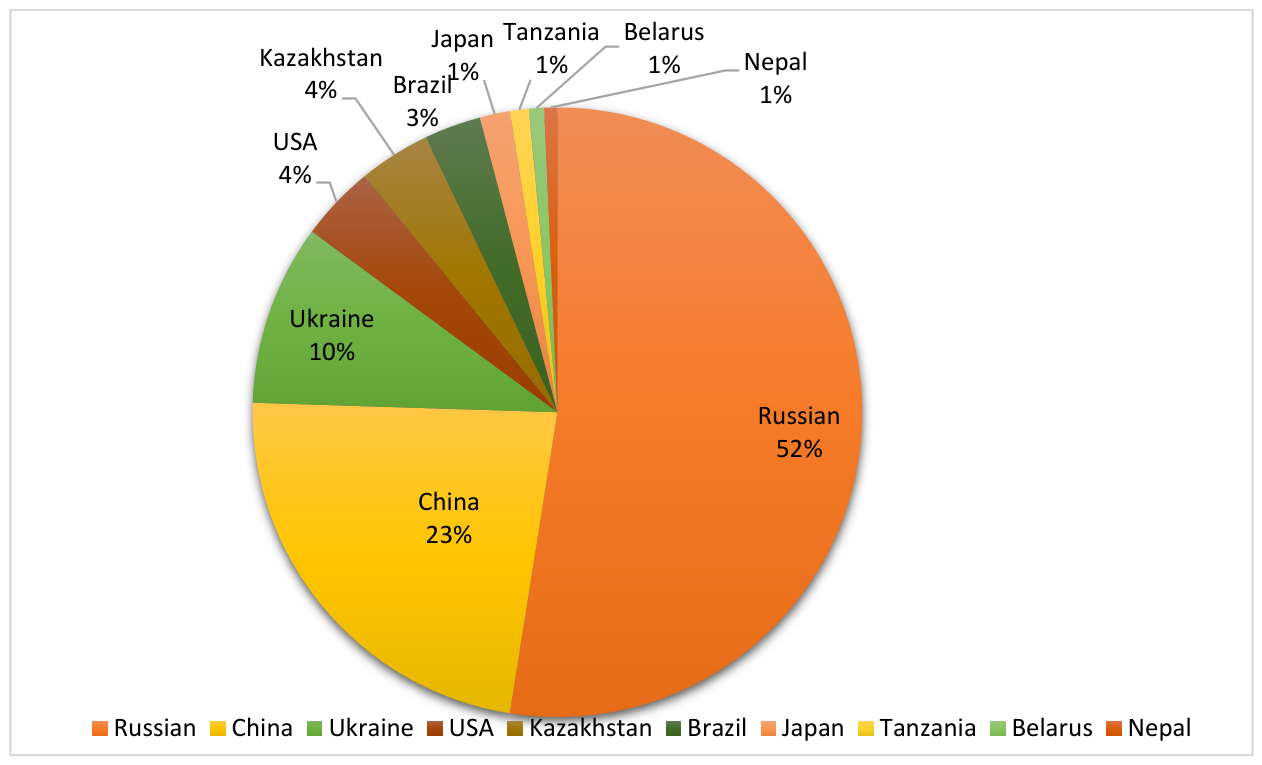
Figure 2.
Existing challenges for the extraction and utilization of bioactive compounds.
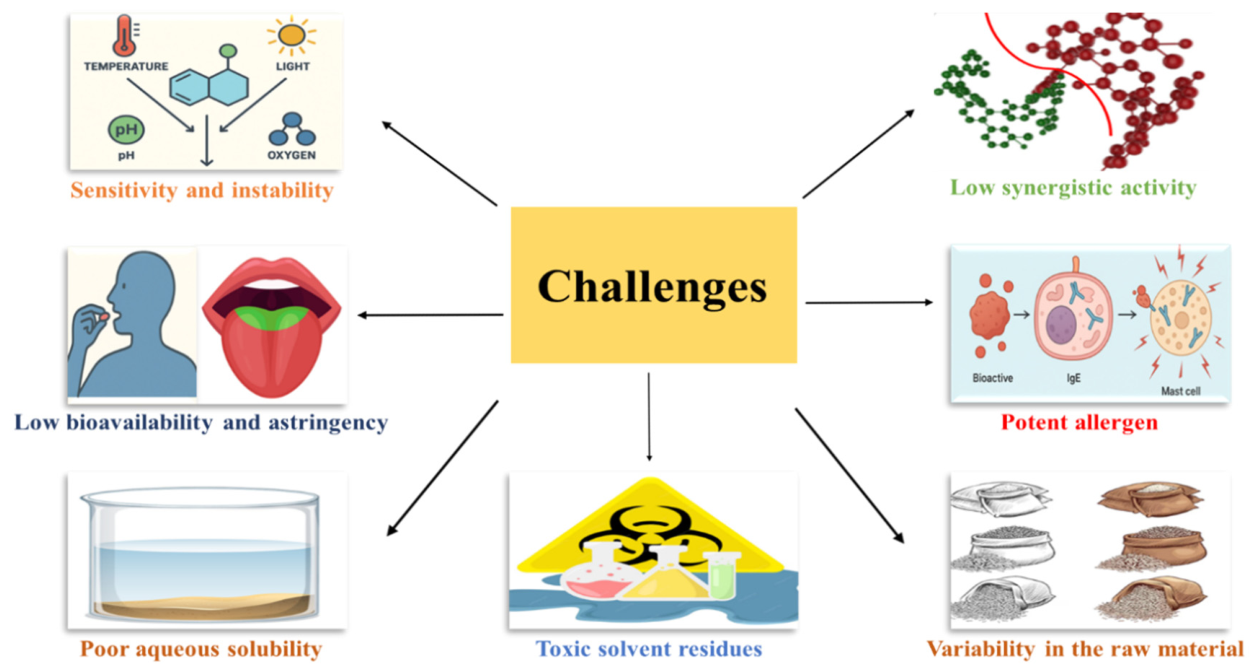

Table 1.
Comparison of various techniques on the basis extraction efficiency of bioactive compounds from buckwheat and its by-product.
Table 1.
Comparison of various techniques on the basis extraction efficiency of bioactive compounds from buckwheat and its by-product.
| Extraction Technique | Matrix / Sample | Optimized Conditions | Key Bioactive Recovered | Extraction Yield / Efficiency Indicators | References |
| Ultrasound-Assisted Extraction (UAE) | Tartary buckwheat | 72% MeOH, 60 °C, 21 min | Quercetin, rutin, kaempferol | 3.94% total flavonoids | [5] |
| UAE + DES | Buckwheat sprouts | Choline chloride–TEG DES (80% CCTG), 56 °C, 40 min | Vitexin, quercetin-3-O-robinobioside | Higher flavonoids than methanol; >97% recovery via SPE | [6] |
| Ultrasound-Assisted Enzymatic Extraction (UAEE) | Tartary hulls | Enzymes + ultrasound at 50 °C | Total phenolics | +91.3% increase vs. traditional (≈207 mg/100 g) | [7] |
| Low-temperature UAE | Buckwheat hulls | 4 °C for 10–30 min | Polyphenols | 12.30 ± 0.14 g/100 g (10 min) → 16.14 ± 0.06 mg GAE/100 mg (30 min) | [8] |
| Microwave-Assisted Extraction (MAE) | Buckwheat | 50% EtOH, 150 °C | Phenolics (catechin, quercetin, rutin) | 18.5 ± 0.2 mg/g phenolics | [9] |
| MAE (Water) | Buckwheat | Microwave-heated water | Phenolics | Much higher phenolics than hot-water extraction | [9] |
| Enzyme-Assisted Extraction (EAE) | Whole grain | 2 h, 65 °C; cellulase/xylanase/β-glucanase | Phenolics; rutin | Enhanced hydrophilicity; strong rutin release | [10] |
| EAE (Hulls) | Buckwheat hulls | Polysaccharidases | Total phenolics | 9.94 ± 0.02 mg GAE/100 mg DW | [8] |
| Subcritical Water Extraction (SWE) | Buckwheat leaves | 180 °C, 10 min | Phenolics, flavonoids | 41.1 mg GAE/g phenolics; 26.9 mg QE/g flavonoids | [11] |
| Supercritical Fluid Extraction (SFE-CO₂) | Buckwheat hulls/leaves | CO₂ + ethanol | Tocopherols | Up to 392 μg/g tocopherols | [4] |
| Pressurized Liquid Extraction (PLE / ASE) | Buckwheat flowers | 140 °C; solvents of increasing polarity | Rutin, quercitrin, citric acid | Extraction yield 37.02–64.05% (max with EtOH/water); Rutin 70–110 mg/g; Quercitrin 6.4–88 mg/g; ORAC 672–2114 μmol TE/g | [4] |
| SFE vs. PLE (Comparative) | Buckwheat hulls | SFE: CO₂ + EtOH | Lipophilic antioxidants | SFE: lower phenolics, high tocopherols, ORAC 672 μmol/g | [12] |
Disclaimer/Publisher’s Note: The statements, opinions and data contained in all publications are solely those of the individual author(s) and contributor(s) and not of MDPI and/or the editor(s). MDPI and/or the editor(s) disclaim responsibility for any injury to people or property resulting from any ideas, methods, instructions or products referred to in the content. |
© 2026 by the authors. Licensee MDPI, Basel, Switzerland. This article is an open access article distributed under the terms and conditions of the Creative Commons Attribution (CC BY) license (http://creativecommons.org/licenses/by/4.0/).
Copyright: This open access article is published under a Creative Commons CC BY 4.0 license, which permit the free download, distribution, and reuse, provided that the author and preprint are cited in any reuse.


