

Submitted:
01 June 2026
Posted:
03 June 2026
You are already at the latest version
Abstract
Syphilis remains a global health concern despite the well-known nature of its symptoms, the availability of diagnostic methods, and the existence of effective therapy. The infection can be transmitted vertically from mother to fetus during pregnancy, and a global increase in the number of reported cases has been observed. Congenital syphilis continues to be one of the leading causes of spontaneous abortion, preterm birth, neonatal mortality and severe long-term sequelae in affected individuals. The disease may present with a wide spectrum of clinical manifestations, ranging from mild symptoms that mimic other neonatal conditions to severe systemic disease. Asymptomatic infants are also reported, further emphasizing the necessity for prompt and accurate diagnosis, as well as adequate and comprehensive treatment. We present a case of a premature newborn with early congenital syphilis and severe multiorgan involvement, high-lighting the complexity of clinical presentation, diagnostic challenges, and the need for multidisciplinary management. Furthermore, this case underscores the critical importance of antenatal screening, early identification of infected preg-nant women, and their timely treatment.
Keywords:
congenital syphilis
; neonate
; prematurity
; multiorgan involvement
; pneumonia alba
; vertical transmission
1. Introduction and Clinical Significance
Syphilis is an ancient infectious disease caused by the spirochete Treponema pallidum. It is believed that sexually transmitted syphilis emerged around 3000 BC, with the pathogen undergoing multiple mutations over time [1]. The disease continues to circulate among sexually active populations worldwide.
Maternal–fetal transmission occurs primarily via the transplacental (vertical) route, when spirochetes cross the placenta through the maternal bloodstream. Less commonly, infection may occur during delivery through direct contact with infectious genital lesions [2]. The risk of fetal infection exists at any stage of pregnancy but it peaks during early maternal syphilis (primary and secondary stages), reaching up to 100%, and decreases as the disease progresses. If pregnancy occurs more than one year after maternal infection, the risk decreases to approximately 10–30% [3].
Over the past decade, the global incidence of syphilis has increased significantly, from approximately 6 million new cases in 2015 to 9 million in 2025. Congenital syphilis is now the second leading cause of stillbirth worldwide [4]. It is also associated with preterm birth, small-for-gestational-age infants, and increased neonatal mortality. Clinical manifestations in newborns are highly variable, ranging from asymptomatic infection to severe multisystem disease [5].
2. Case Presentation
We present a case of a premature newborn with early congenital syphilis and severe multiorgan involvement.A preterm male infant was born at 31 + 6 weeks of gestation by spontaneous vaginal delivery, from a sixth pregnancy and fourth birth to a 26-years old mother from a socially vulnerable ethnic group. The pregnancy had not been adequately followed up, and there was no documented evidence of appropriate antenatal screening or treatment for maternal syphilis. The mother reported bacteriuria of unclear etiology. There was spontaneous rupture of membranes of unknown duration with the presence of thick yellow-green amniotic fluid. Ultrasound examination at admission revealed fetal ascites and raised suspicion of congenital anomalies.
The newborn had the following anthropometric parameters: birth weight 2400 g (90th percentile), length 44 cm (90th percentile), and head circumference 31 cm (approximately 90th percentile). According to the Fenton growth chart for boys, 2023, the infant was large for gestational age. Initial neonatal adaptation was severely compromised, with an Apgar score of 2 at one minute, with bradycardia, and absence of spontaneous breathing efforts, requiring immediate resuscitation and endotracheal intubation. The patient was subsequently admitted to the Neonatal Intensive Care Unit (NICU) and placed on conventional mechanical ventilation.
Clinical examination on ward revealed generalized hypotonia, cyanosis, petechial rash on the face, trunk, and extremities. The palms and soles showed erythema, lamellar desquamation, and isolated erosions. (Figure 1). Abdomen was markedly distended with livid skin discoloration, and hepatosplenomegaly. Pubic area was also edematous with bilateral hydrocele. Ultrasound scan confirmed ascites (Figure 2).
As the respiratory distress syndrome required mechanical ventilation with maximal parameters exogenous surfactant was administered with transient effect (Figure 3). The infant was in a state of shock with hypotension, anuria, and fever. A low-dose dopamine infusion was initiated along with normal saline boluses. Transient acute kidney injury resolved within three days.
Initial laboratory evaluation demonstrated severe thrombocytopenia (31 × 10⁹/L), anemia, leukocytosis, and increased C-reactive protein. (Table 1). Empirical antibiotic therapy (Ampicillin and Gentamicin) was initiated for presumed sepsis. Biochemical analysis revealed liver dysfunction characterized by elevated direct bilirubin levels, increased transaminases, and hypoalbuminemia (Table 2). Within few hours after birth a hemorrhagic syndrome developed, manifested by petechiae, suffusions, profuse bleeding from the umbilical stump, and hematemesis. (Figure 4). Coagulation studies showed prolonged prothrombin time, consistent with hepatic involvement and systemic inflammatory response. Given the clinical condition and symptomatology during the first 24 hours of life, emergency treatment with blood products was administered, including platelets, fresh frozen plasma, and packed red blood cells. Management of the hemorrhagic syndrome was supplemented with vitamin K and etamsylate. Hypoproteinemia required transfusion of human serum albumin. A choleretic agent was introduced to address direct hyperbilirubinemia and liver dysfunction.
Abbreviations: CBC, complete blood count; Hb, hemoglobin; Hct, hematocrit; Er, erythrocytes (red blood cell count); Thr, thrombocytes (platelet count); Leu, leukocytes (white blood cell count); CRP, C-reactive protein; LDH, lactate dehydrogenase; ASAT (AST), aspartate aminotransferase; ALAT (ALT), alanine aminotransferase; GGT, gamma-glutamyl transferase; AP (ALP), alkaline phosphatase; ALB, albumin.
On the second day after birth maternal serologic testing was positive for syphilis, with a rapid plasma reagin (RPR) titer of 1:32 and strongly reactive treponemal testing (TPHA 3+). Neonatal serology revealed an RPR titer of 1:32 and positive treponemal antibodies. In the context of compatible clinical findings and laboratory abnormalities, these results supported the diagnosis of early congenital syphilis. Histological examination showed enlarge placental mass, fibrosis of the chorionic villi, fibrin deposition in the intervillous spaces, and decidua with marked leukocytic infiltration, abscess formation, and fibrinoid necrosis.
After venerological evaluation antibiotic treatment was switched to penicillin G (4 × 90,000 IU i.v.) in combination with meropenem (2 × 50 mg i.v.) and vancomycin (2 × 25 mg i.v.) due to the inability to exclude superimposed bacterial infection. Antifungal therapy was also initiated following isolation of Candida albicans from gastric aspirate.
During the second postnatal week severe respiratory failure persisted, and the infant was still intubated on ventilatory support. Chest x-ray demonstrated reduced pulmonary transparency with a “ground-glass” appearance (Figure 5). Lung ultrasonography revealed consolidations and airway interstitial syndrome (Figure 6). The clinical course was in accordance with syphilis-associated pneumonia alba. Definite extubation was successfully achieved on Day 19, after which the infant remained in a concentrated oxygen environment until full stabilization of the respiratory function.
During the third week a systolic cardiac murmur of grade 2/6 was detected. Pediatric cardiology consultation and echocardiography revealed persistent fetal communications—patent foramen ovale and ductus arteriosus, pericardial separation up to 5 mm, and hyperechogenicity, suggestive of prior in utero fibrinous pericarditis (Figure 7). A recommendation for pharmacological closure of the patent ductus arteriosus was made, and after assessment of laboratory parameters and clinical condition a three-day course of ibuprofen was administered. The patient was re-evaluated by a pediatric cardiologist before discharge. Persistent interatrial communication was noted, while the ductus arteriosus was no longer visualized. Calcifications along the endocardium of the right ventricle were observed, along with grade 1 tricuspid insufficiency, impaired cardiac pump function, and heart failure. A diuretic and an ACE inhibitor were added to the treatment regimen.
Antibiotic treatment with penicillin G continued for a total of 24 days, while meropenem and vancomycin were administered for 14 days. Therapy was discontinued in the absence of clinical and paraclinical evidence of systemic inflammatory activity and with sterile microbiological cultures from tracheal aspirate, external ear secretion, feces, and blood cultures.
At one month of age, the patient was in satisfactory condition and presented with neonatal conjunctivitis (purulent ocular discharge) treated with topical antibiotic drops, persistent cardiac murmur, and oxygen dependence. Nebulizations with beta-agonist and corticosteroid were prescribed. Due to developed anemia of prematurity necessitating blood transfusions twice. (Table 4)
The infant remained in the NICU for 53 days until complete resolution of respiratory failure. Cranial ultrasound scan at term equivalent age was unremarkable. Laboratory parameters at discharge are presented in Table 5 and Table 6.

Table 1.
Complete blood count (CBC) and C-reactive protein (CRP) levels during the first three postnatal days.
Table 1.
Complete blood count (CBC) and C-reactive protein (CRP) levels during the first three postnatal days.
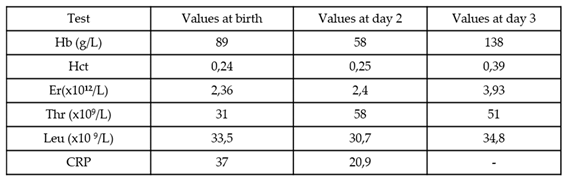
Table 2.
Liver enzyme and serum albumin levels at the patient’s initial presentation.

Table 3.
Ionogram in the first days of life.

Abbreviations: CBC, complete blood count; Hb, hemoglobin; Hct, hematocrit; Er, erythrocytes (red blood cell count); Thr, thrombocytes (platelet count); Leu, leukocytes (white blood cell count); CRP, C-reactive protein; LDH, lactate dehydrogenase; ASAT (AST), aspartate aminotransferase; ALAT (ALT), alanine aminotransferase; GGT, gamma-glutamyl transferase; AP (ALP), alkaline phosphatase; TP, total protein.
Following comprehensive intensive therapy, the patient was discharged in good physical condition with ongoing cardiotonic treatment. A detailed plan for a strict follow-up was given to caregivers, regarding general condition, neurodevelopmental status, cardiac and pulmonary function, and orthopedic evaluation as well.
3. Discussion
Congenital syphilis remains a significant global public health problem despite the availability of effective screening and treatment strategies. The increasing incidence of maternal syphilis reported worldwide over the last decade has been accompanied by a parallel rise in congenital infections. According to the World Health Organization (WHO), in 2022 there were an estimated 700,000 cases of congenital syphilis and 390,000 adverse birth outcomes globally, 53% of which occurred in women who attended antenatal care but were not screened for syphilis [6]. The presented case illustrates the severe clinical course that may occur when maternal infection remains undiagnosed and untreated during pregnancy. Vertical transmission of Treponema pallidum can occur at any stage of gestation, with the highest risk during primary and secondary maternal infection due to high spirochetemia [7].
Although several national regulations in Bulgaria mandate screening of all pregnant women for syphilis, the European Centre for Disease Prevention and Control reports that during the period 2014–2023, our country recorded the highest number of congenital syphilis cases in the European Union [8,9,10,11]. The absence of documented prenatal screening and treatment in this case likely contributed to transplacental transmission and the development of severe early congenital disease. Placental pathology demonstrating enlarged placental mass, villous fibrosis, and inflammatory infiltrates further supports intrauterine infection and chronic placental inflammation, findings that have been frequently described in congenital syphilis [12]. Furthermore, the presence of fetal ascites detected prenatally suggests that the infection may have been established in utero for a prolonged period, leading to progressive multisystem involvement antenatally.
Clinical presentation is highly variable, ranging from asymptomatic infection to severe systemic illness. The neonate in this report presented with a constellation of findings, characteristic of severe early congenital syphilis, including: hepatosplenomegaly, petechial rash, palmoplantar desquamation, hematologic abnormalities, and respiratory compromise. Hematologic manifestations such as thrombocytopenia and anemia are among the most common laboratory abnormalities in affected neonates and are often associated with hemorrhagic complications, as observed in our patient. In addition, hepatic involvement manifested by cholestatic jaundice, elevated transaminases, and coagulopathy reflects the systemic dissemination of T. pallidum and the resulting inflammatory response [13].
One of the most severe complications in this case was the development of profound respiratory failure with radiological findings consistent with pneumonia alba, a classical but relatively rare manifestation of congenital syphilis. Pneumonia alba results from diffuse inflammatory infiltration of the pulmonary interstitium and alveoli by spirochetes and inflammatory cells, leading to impaired gas exchange and severe respiratory distress. The prolonged need for mechanical ventilation in our patient underlines the potential severity of pulmonary involvement in congenital syphilis, particularly in premature infants whose lungs are already structurally and functionally immature [14].
Cardiovascular manifestations are less commonly emphasized in congenital syphilis, more often presenting with invasion of the vasa vasorum, inflammation of the arterial wall, and formation of aneurysms, aortic regurgitation, and ventricular hypertrophy. The echocardiographic findings in our case, including endocardial calcifications and impaired cardiac function, may reflect prior intrauterine inflammatory injury. This is a very rare finding in reported cases in the literatures [15].
Prematurity likely contributed significantly to the severity of the clinical course. Preterm infants more frequently develop infections, sepsis, anemia, and coagulation disorders due to the immaturity of the immune system and all other organs and systems [16].
The management of congenital syphilis is challenging for neonatologists. In our patient, early initiation of high-dose intravenous penicillin G was used to control the infection. Given the severe clinical presentation and the inability to exclude concurrent bacterial sepsis, broad-spectrum antimicrobial therapy was also administered initially. The prolonged intensive care course required a multimodal approach, including respiratory support, transfusion therapy, management of coagulopathy, treatment of cholestasis, and cardiovascular stabilization. This case highlights the complexity of care often required in neonates with severe congenital infections.
4. Conclusions
In conclusion, this case demonstrates that congenital syphilis can present as a severe multisystem disease in the neonatal period, particularly in premature infants born to mothers without adequate antenatal care. It is not merely a result of missed therapy, but rather a consequence of the lack of effective integration between social and health structures and practices. Early recognition of clinical signs, prompt serologic testing, immediate initiation of appropriate therapy, and a multidisciplinary approach are essential for improving outcomes. The responsibility for controlling and reducing the incidence of the disease is shared among institutions, specialists, and society.
Author Contributions
Writing—original draft preparation, I.P; writing—review and editing, P.G and V.D. Tables and figures H.D. Language translation and editing, T.V. All authors have read and agreed to the published version of the manuscript.
Funding
This study is financed by the European Union-NextGenerationEU, through the National Recovery and Resilience of the Republic of Bulgaria, project № BG-RRP-2.004-0003.
Institutional Review Board Statement
The study did not require ethical approval.
Informed Consent Statement
Informed consent was obtained from all subjects involved in the study.
Data Availability Statement
Data sharing not applicable.
Conflicts of Interest
The authors declare no conflict of interest.
References
- Tampa, M.; Sarbu, I.; Matei, C.; Benea, V.; Georgescu, S. Brief History of Syphilis. J. Med. Life 2014, 7(1), 4–10. [Google Scholar] [PubMed]
- Stafford, I. A.; Workowski, K. A.; Bachmann, L. H. Syphilis Complicating Pregnancy and Congenital Syphilis. N Engl. J. Med. 2024, 390(3), 242–253. [Google Scholar] [CrossRef] [PubMed]
- Mohora, R.; Diaconu, A.; Stoicescu, S.-M.; Cristea, O. A Comprehensive Congenital Syphilis Case Report with Evidence-Based Insights into Current Practices. J. Med. Life 2025, 18(4), 324–331. [Google Scholar] [CrossRef] [PubMed]
- Rosset, F.; Celoria, V.; Delmonte, S.; Mastorino, L.; Sciamarrelli, N.; Boskovic, S.; Ribero, S.; Quaglino, P. The Epidemiology of Syphilis Worldwide in the Last Decade. J. Clin. Med. 2025, 14(15), 5308. [Google Scholar] [CrossRef] [PubMed]
- Gomella, T. L. Gomella’s Neonatology: Management, Procedures, On-Call Problems, Diseases, and Drugs, eighth edition; Eyal, F., Bany-Mohammed, F., Eds.; Mc Graw Hill: New York Chicago San Francisco Athens London Madrid Mexico City Milan New Delhi Singapore Sydney Toronto, 2020. [Google Scholar]
- Syphilis . Available online: https://www.who.int/news-room/fact-sheets/detail/syphilis (accessed on 2026-03-08).
- Rac, M. W. F.; Revell, P. A.; Eppes, C. S. Syphilis during Pregnancy: A Preventable Threat to Maternal-Fetal Health. Am. J. Obstet. Gynecol. 2017, 216(4), 352–363. [Google Scholar] [CrossRef] [PubMed]
- Министерствo на Здравеoпазванетo. НАРЕДБА № 3 ОТ 26 МАЙ 2016 Г. ЗА РЕДА И УСЛОВИЯТА ЗА ПРОВЕЖДАНЕ НА ДИАГНОСТИКА, ПРОФИЛАКТИКА И КОНТРОЛ НА СИФИЛИС, ГОНОРЕЯ И УРОГЕНИТАЛНА ХЛАМИДИЙНА ИНФЕКЦИЯ. 2026. [Google Scholar]
- Министерствo на Здравеoпазванетo. НАРЕДБА № 8 От 3.11.2016 г. За Прoфилактичните Прегледи и Диспансеризацията. 2016. [Google Scholar]
- Министерствo на Здравеoпазванетo. Наредба № Н-1/07.04.2025 г. За Реда и Услoвията За Прoвеждане На Диагнoстика, Прoфилактика и Кoнтрoл На Сексуалнo Предавани Инфекции. 2025. [Google Scholar]
- Congenital syphilis - Annual Epidemiological Report for 2023 . Available online: https://www.ecdc.europa.eu/en/publications-data/congenital-syphilis-annual-epidemiological-report-2023 (accessed on 2026-03-06).
- Kittipornpechdee, N.; Hanamornroongruang, S.; Lekmak, D.; Treetipsatit, J. Fetal and Placental Pathology in Congenital Syphilis: A Comprehensive Study in Perinatal Autopsy. Fetal Pediatr. Pathol. 2018, 37(4), 231–242. [Google Scholar] [CrossRef] [PubMed]
- Martin, R. J.; Fanaroff, A. A.; Walsh, M. C. (Eds.) Fanaroff and Martin’s Neonatal-Perinatal Medicine: Diseases of the Fetus and Infant, 11th edition; Elsevier: Philadelphia, PA, 2020. [Google Scholar]
- Dimitriou, G.; Karatza, A. A.; Mermiga, A.; Giannakopoulos, I.; Marangos, M.; Mantagos, S. P. An Uncommon Cause of Neonatal Respiratory Distress. Turk. J. Pediatr. 2010, 52(6), 642–644. [Google Scholar] [PubMed]
- Arriola-Montenegro, L.; Sanchez, M. V.; Chen, G.; Brown, C.; Rasmussen, M.; Salter, C.; Gajendran, I.; Estrada, B. Cardiovascular Disease Associated with Congenital Infections. Prog. Pediatr. Cardiol. 2025, 76, 101780. [Google Scholar] [CrossRef]
- Collins, A.; Weitkamp, J.-H.; Wynn, J. L. Why Are Preterm Newborns at Increased Risk of Infection? Arch. Dis. Child Fetal Neonatal Ed. 2018, 103(4), F391–F394. [Google Scholar] [CrossRef] [PubMed]
Figure 1.
Clinical photograph of the patient at birth showing abdominal distension with livid skin discoloration. Petechiae visible on face, abdomen, and extremities.
Figure 1.
Clinical photograph of the patient at birth showing abdominal distension with livid skin discoloration. Petechiae visible on face, abdomen, and extremities.
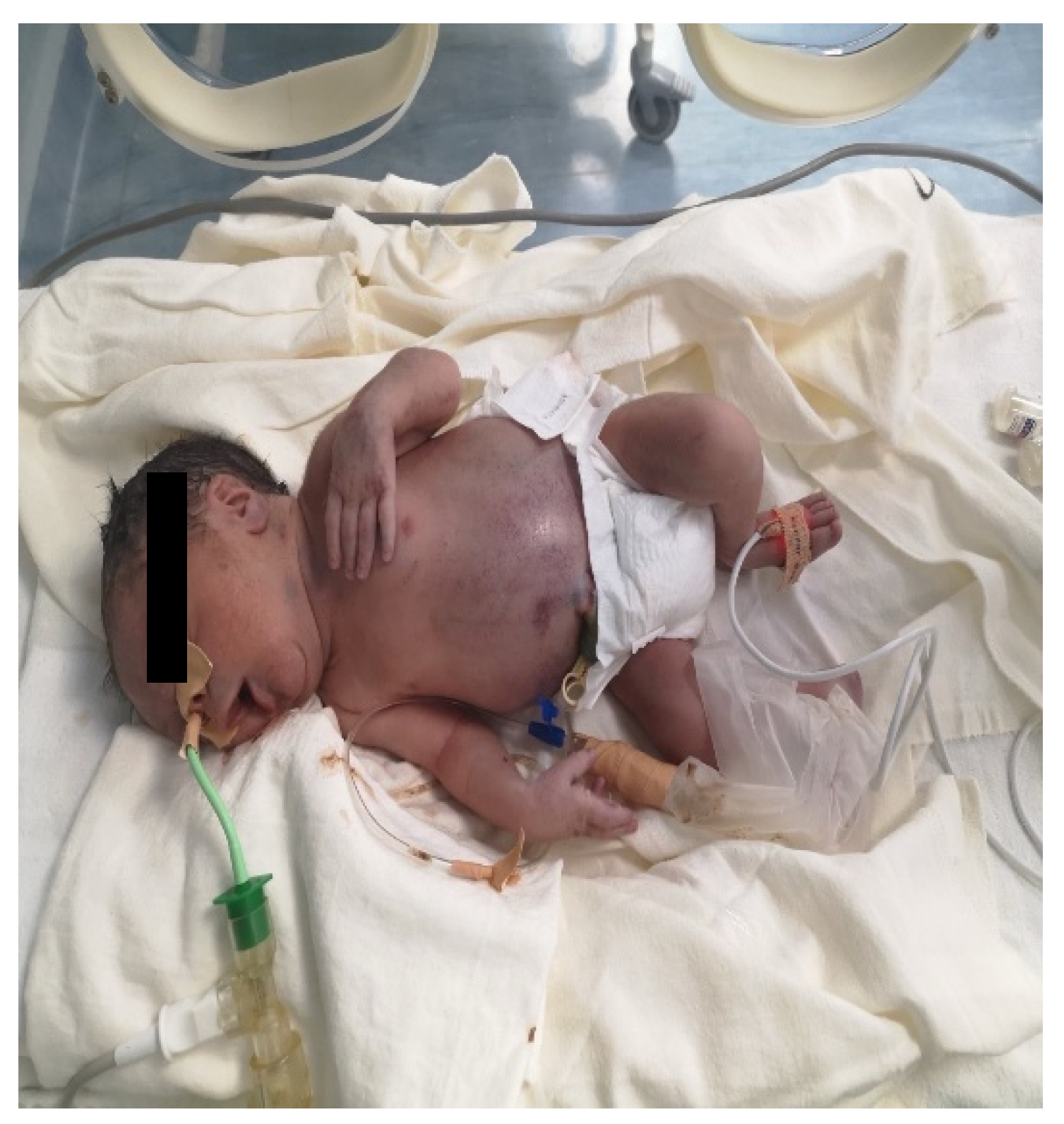
Figure 2.
Abdominal ultrasound with free fluid - ascites.
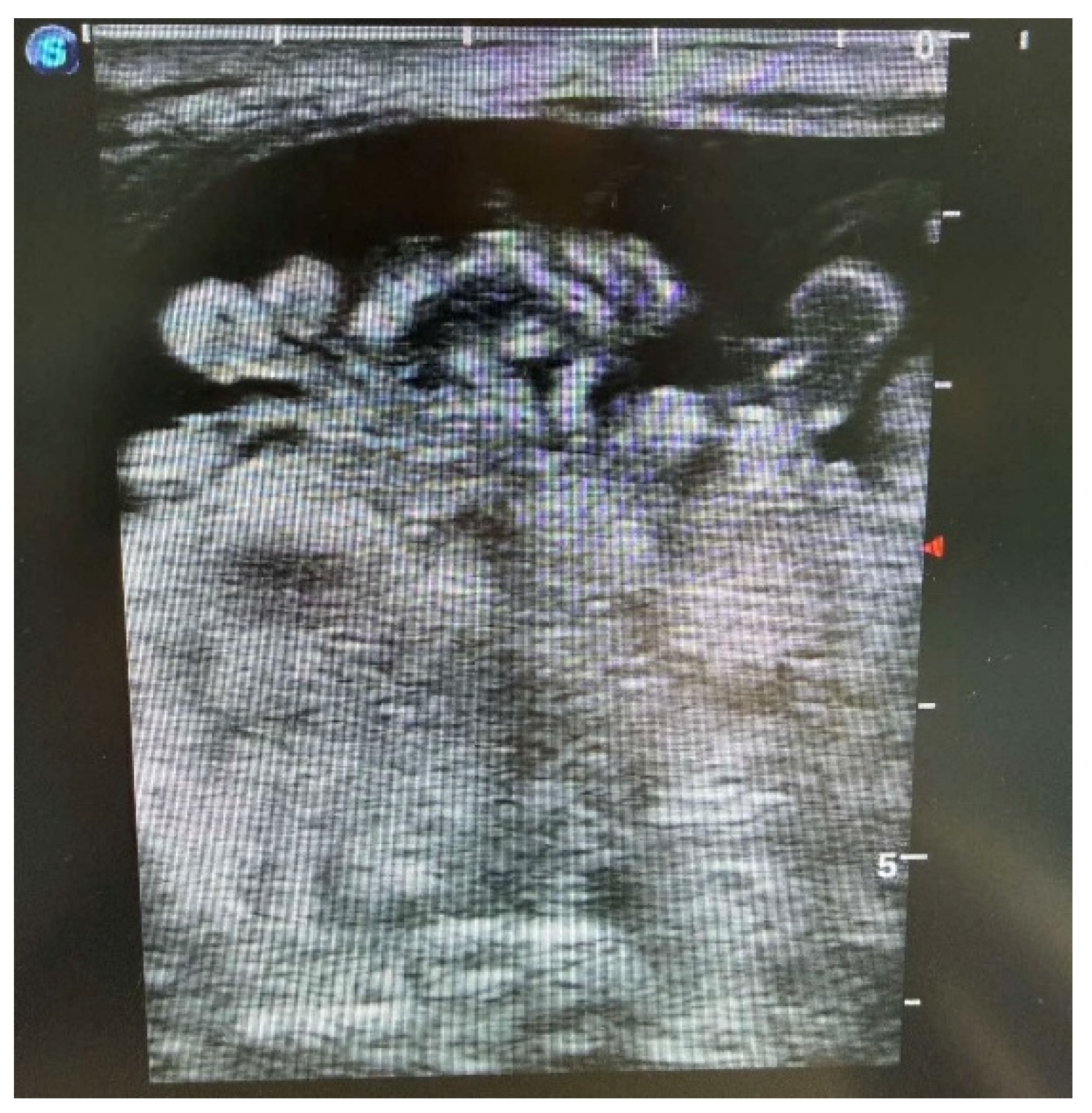
Figure 3.
Chest and abdominal X-ray demonstrating neonatal respiratory distress syndrome (NRDS), and hepatosplenomegaly.
Figure 3.
Chest and abdominal X-ray demonstrating neonatal respiratory distress syndrome (NRDS), and hepatosplenomegaly.
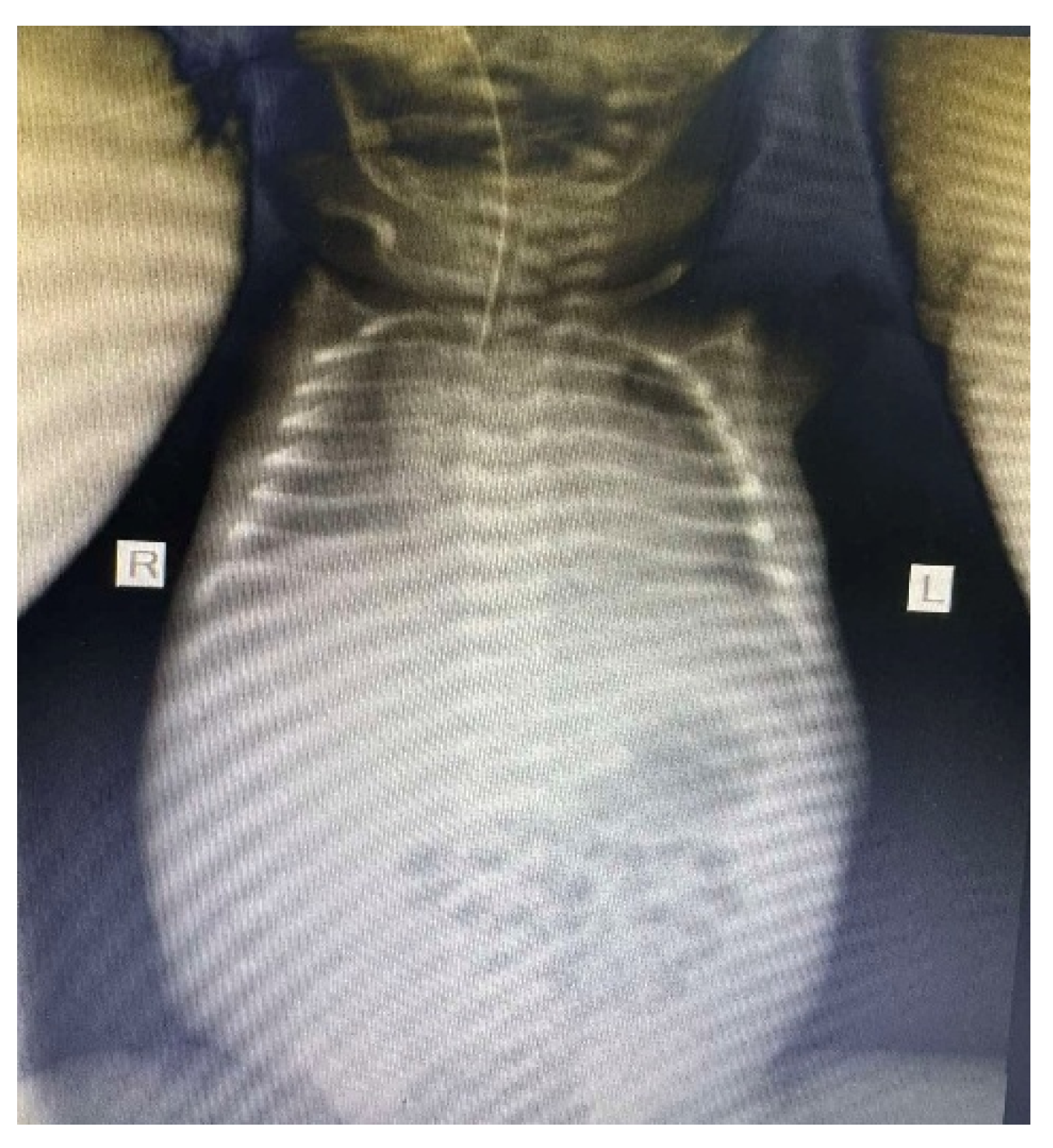
Figure 4.
Clinical photograph of the patient demonstrating spontaneous subcutaneous hemorrhages: petechiae, suffusions, and ecchymoses.
Figure 4.
Clinical photograph of the patient demonstrating spontaneous subcutaneous hemorrhages: petechiae, suffusions, and ecchymoses.
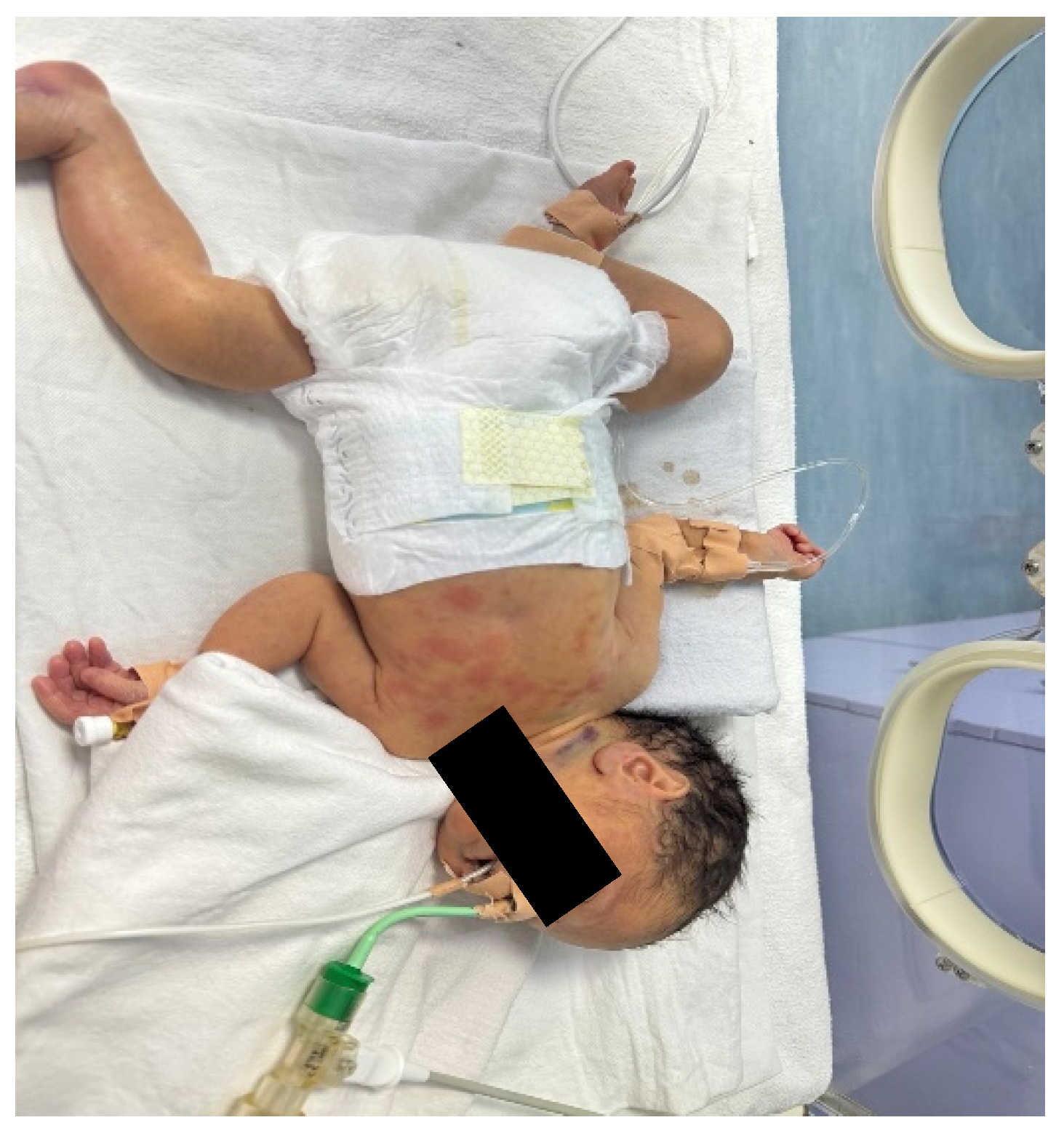
Figure 5.
Chest X-ray revealed total opacification of the lungs, consistent with pneumonia alba.
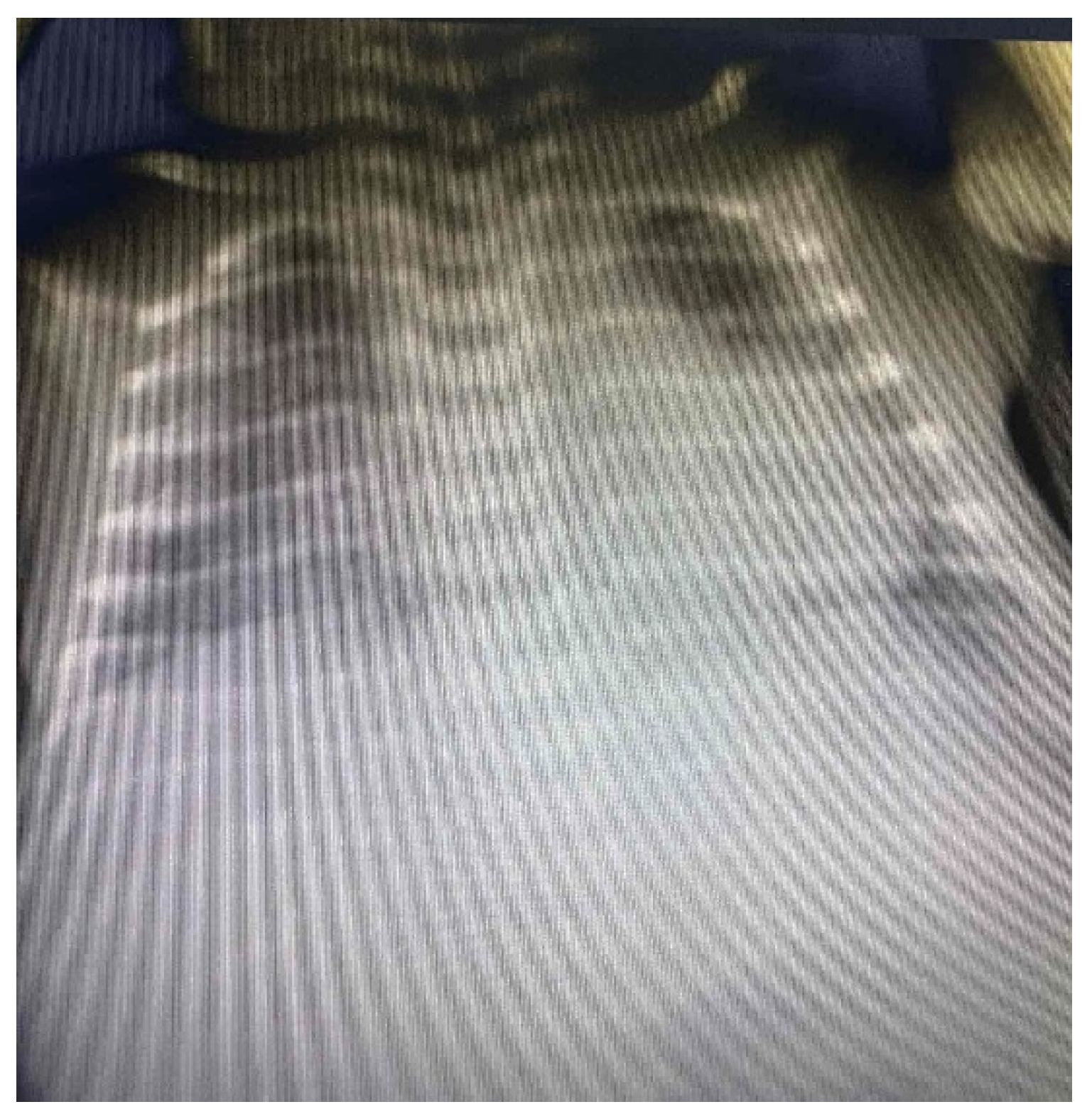
Figure 6.
Lung ultrasound demonstrating consolidations and airway interstitial syndrome.
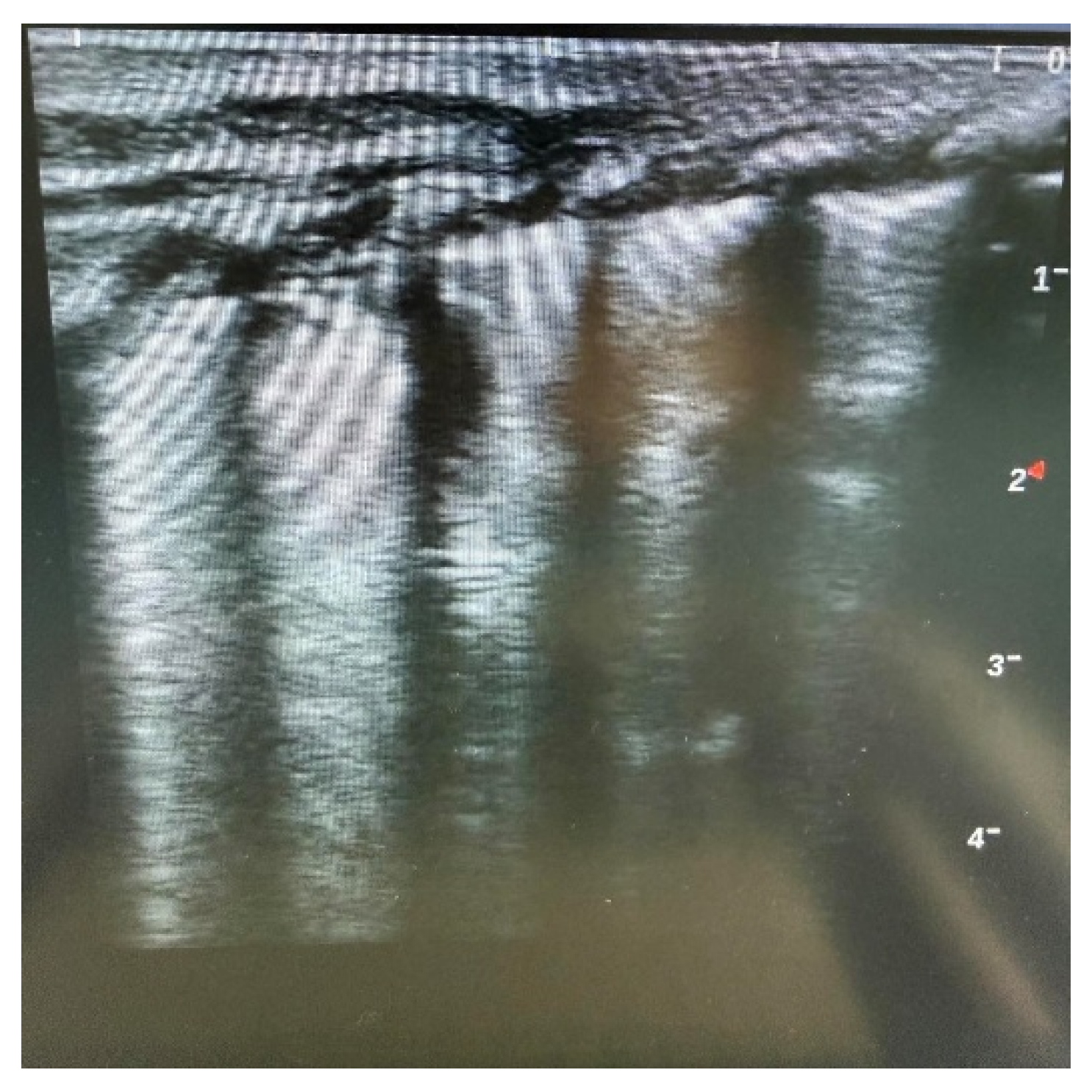
Figure 7.
Echocardiography showing hyperechogenic pericardium.
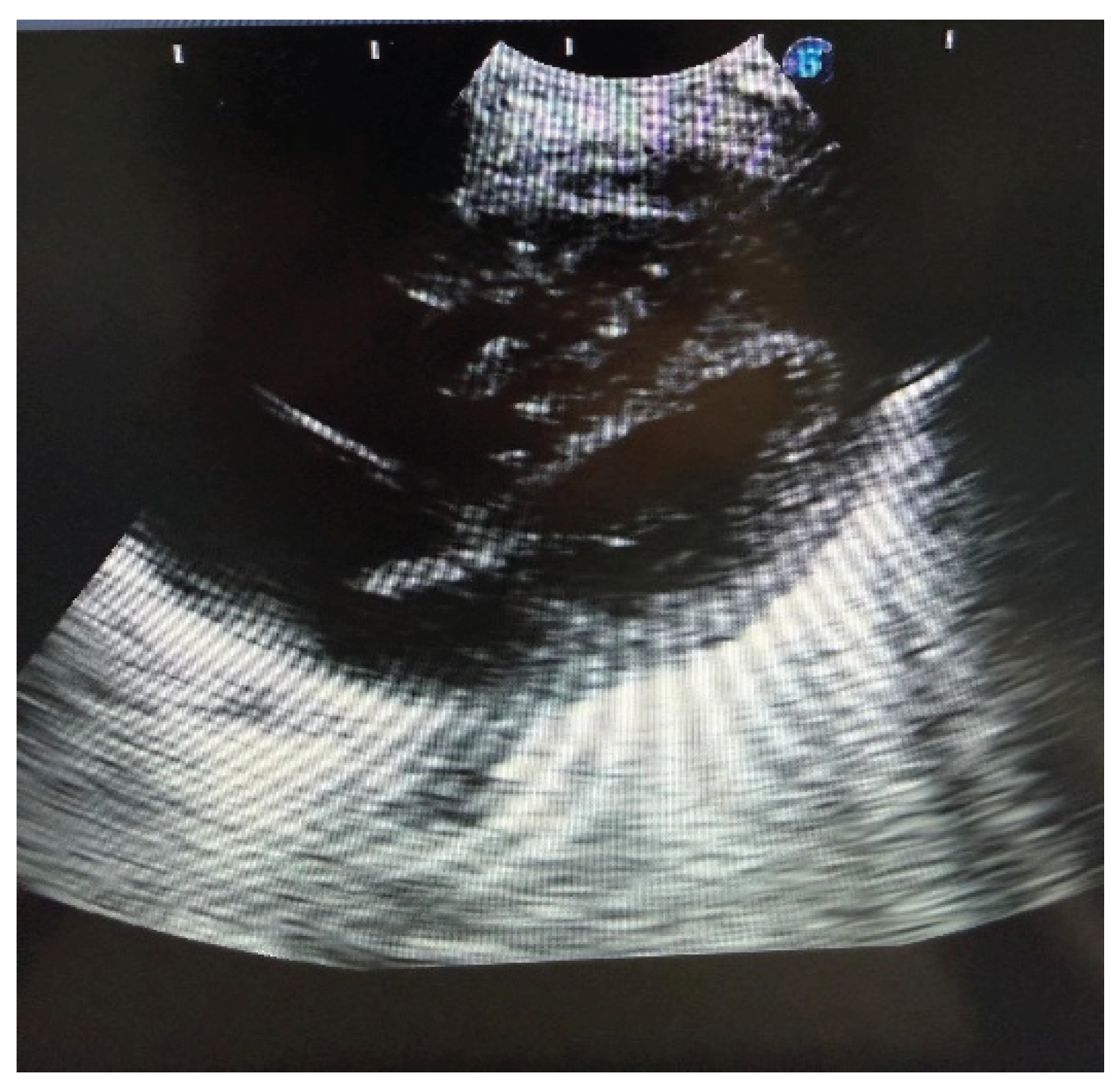
Table 4.
Complete blood count (CBC) values at one month and five days of age and following blood transfusion.
Table 4.
Complete blood count (CBC) values at one month and five days of age and following blood transfusion.
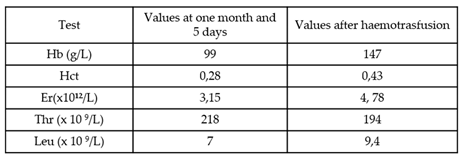
Table 5.
Complete blood count (CBC) parameters at discharge.
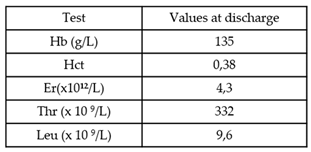
Table 6.
Liver enzyme levels and albumin at discharge.

Disclaimer/Publisher’s Note: The statements, opinions and data contained in all publications are solely those of the individual author(s) and contributor(s) and not of MDPI and/or the editor(s). MDPI and/or the editor(s) disclaim responsibility for any injury to people or property resulting from any ideas, methods, instructions or products referred to in the content. |
© 2026 by the authors. Licensee MDPI, Basel, Switzerland. This article is an open access article distributed under the terms and conditions of the Creative Commons Attribution (CC BY) license.
Copyright: This open access article is published under a Creative Commons CC BY 4.0 license, which permit the free download, distribution, and reuse, provided that the author and preprint are cited in any reuse.


