

Submitted:
01 June 2026
Posted:
02 June 2026
You are already at the latest version
Abstract
Background and Aims: Whey proteins, traditionally recognized as a high-quality source of amino acids, have recently attracted increasing scientific attention due to their bio functional properties. In clinical nutrition - particularly within foods for special medical purposes (FSMPs) - they may play a pivotal role not only in supporting protein synthesis, but also in modulating metabolic, immune and antioxidant processes. This narrative review aims to examine whether whey proteins should be considered as more than merely a source of amino acids and to evaluate their potential clinical applications in various patient populations. The available literature was explored using major scientific databases, including PubMed, Scopus and Web of Science, with a focus on studies addressing the preclinical and clinical effects of whey proteins. Current evidence indicates that whey proteins demonstrate high biological value and digestibility and are particularly rich in branched-chain amino acids, especially leucine, which plays a key regulatory role in muscle protein synthesis. Moreover, whey-derived bioactive peptides exhibit anti-inflammatory, antioxidant and immunomodulatory and insulinotropic properties. These findings suggest that whey proteins may support muscle mass maintenance, enhance glycemic control, promote wound healing, and modulate gut microbiota. Beyond their nutritional role, whey proteins have emerged as a promising component of therapeutic nutrition strategies. Their diverse biological activities may contribute to the optimization of clinical outcomes in various protein population. The incorporation of whey proteins into FSMP formulations should therefore consider not only their amino acid composition but also their functional properties. Nevertheless, important limitations remain, including the lack of large, well-designed randomized trials, particularly those addressing optimal dosing strategies and dose-response relationships. Future research should focus on these aspects, as well as on the long-term assessment of efficacy and safety.
Keywords:
whey proteins
; bioactive peptides
; muscle metabolism
; clinical nutrition
; food special medical purpose
; sarcopenia
1. Introduction
Enteral nutrition (EN) is widely recognized as the preferred method of nutritional support for patients requiring artificial feeding. Compared to parenteral nutrition, it is associated with reduced mortality, shorter hospital stays and lower healthcare costs. These benefits are largely attributed to the physiological route of nutrient delivery, which supports the integrity of the intestinal mucosa, helps prevents dysbiosis and bacterial translocation, and plays an important role in immune modulation [1].
Foods for special medical purposes (FSMPs) are commonly used in enteral nutrition and are strictly regulated in terms of composition and safety. However, their clinical effectiveness depends not only on appropriate administration and monitoring, but also on the quality and type of nutrients used - particularly protein. As a macronutrient, protein is fundamental to numerous physiological processes including structural support, regulation, transport and immune function [2]. It is essential for tissue repair, muscle preservation, hormone and enzyme synthesis, and immune defense [3]. Therefore, both the quantity and quality of protein included in FSMPs should be carefully considered, especially in patients for whom these products represent the sole source of nutrition.
Various protein sources are used in medical nutrition products, including both plant- and animal - based. The nutritional quality of protein depends largely on its amino acid profile and digestibility. An optimal protein source is one that provides all essential amino acids in adequate proportions to effectively support protein synthesis in muscles, organs and other tissues [4]. In this context, the presence of branched - chain amino acids (BCAAs), particularly leucine, is considered a key factor in anabolic stimulation [5].
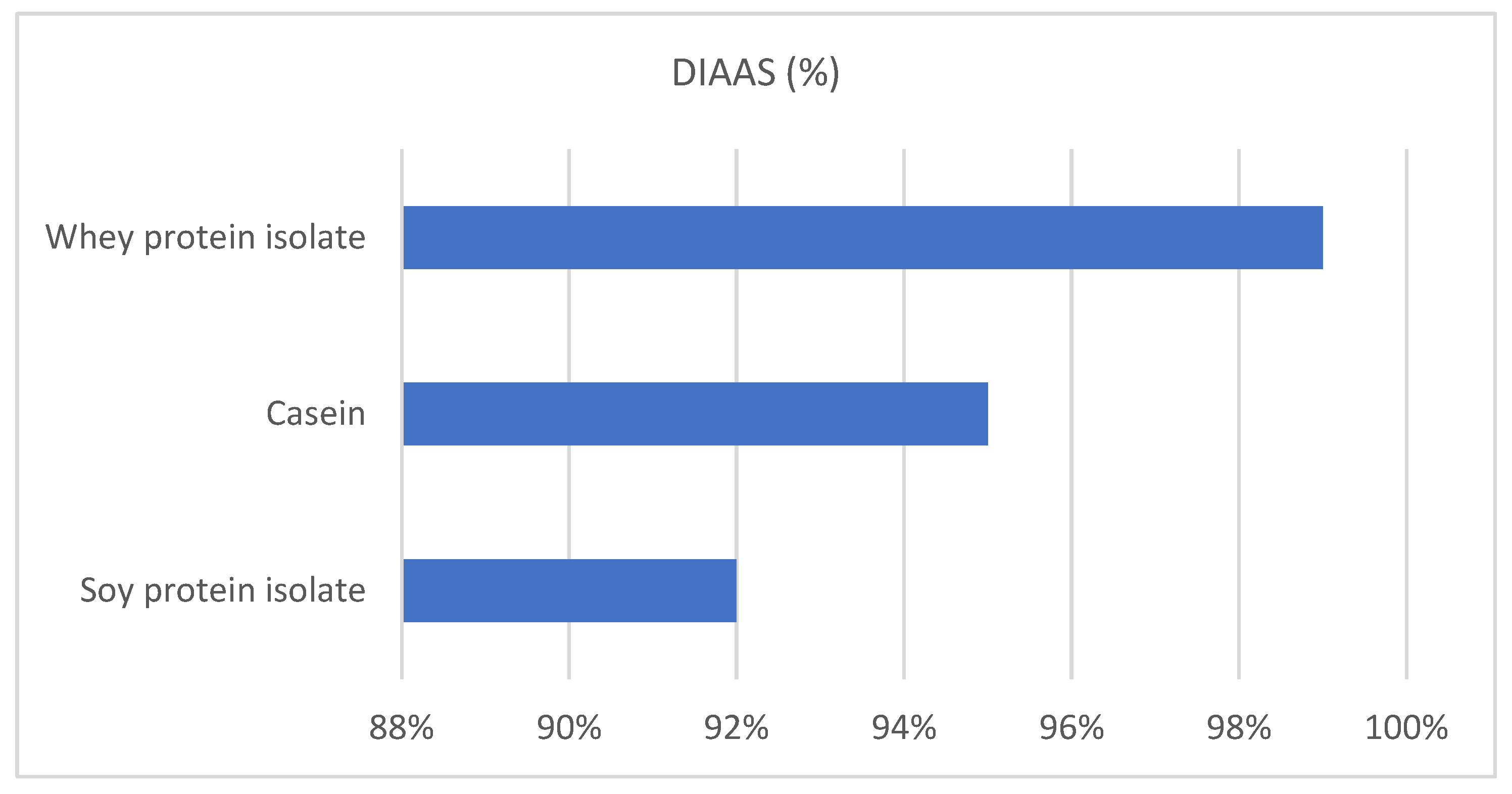
Compared to soy proteins or casein, cow’s milk proteins exhibit a higher Digestible Indispensable Amino Acid Score (DIAAS) (Figure 1), which is currently recommended by the Food and Agriculture Organization (FAO) as a method for evaluating protein quality. This approach accounts for the true ileal digestibility of each indispensable amino acid [6]. Therefore, awareness of the protein source in commercially available formulas is of particular relevance, as it may influence not only dietary tolerance but also the rate of absorption and the efficiency of protein utilization [7,8].
Despite well - established nutritional and functional advantages of cow’s milk proteins, soy protein isolates are widely used in the production of FSMPs due to their favorable cost, partly resulting from the high protein yield obtained from of soybeans. It is estimated that the production cost of soy protein is approximately five times lower than that of whey proteins, which may explain differences observed between FSMPS products based on various protein sources. Nevertheless, soy-based formulas remain a valuable alternative for patients with cow’s milk protein allergy requiring enteral nutrition. Soybeans contain two major storage proteins - β-conglycinin and glycinin - which together account for approximately 65–89% of total soy protein content and are classified as globulins [9]. Compared to whey or casein proteins, soy protein is inferior in certain aspects, particularly in terms of methionine content, which is lower than the reference pattern established by FAO and World Health Organization (WHO) experts [10,11].
In recent years, increasing attention has been paid the potential bio functional properties of WPs. These include their effects on glycemic response [12], wound healing, muscle anabolism [3], antioxidant defense [13], immune modulation [3] or sarcopenia. Beyond being a source of high-quality amino acids, WPs contain peptides and metabolites that may exert direct physiological actions. Given their multifunctional profile, whey proteins are increasingly recognized as a valuable component in therapeutic nutrition [14].
This review aims to evaluate the nutritional and bio functional properties of WPs and to explore whether they should be regarded as more than just a protein source - particularly in the context of FSMPs and clinical care. The following sections provide a structured narrative overview of current evidence, with a focus on clinically relevant mechanisms and potential applications.
2. Muscle Protein Synthesis and Sarcopenia Prevention
Whey proteins are widely regarded as one of the most effective dietary proteins for stimulating muscle protein synthesis (MPS). Their rapid digestibility, high biological value, and rich content of BCAAs - particularly leucine - make them especially well - suited for supporting the maintenance of muscle mass, particularly in catabolic states such as aging, immobilization, malnutrition, and illness [15].
2.1. Mechanistic Basis
Leucine acts as a key nutrient signal that stimulates MPS primarily through activation of the mammalian target of rapamycin complex 1 (mTORC1) pathway. WPs contain approximately 14% leucine, making them one of the richest known protein sources of this key anabolic amino acid [16,17].
In contrast to casein, which forms gastric clots and is digested more slowly, WPs are rapidly hydrolyzed and absorbed in the small intestine. This results in a rapid and pronounced postprandial increase in plasma amino acid concentrations, which is closely associated with a strong stimulation of muscle protein synthesis [8,17].
2.2. Evidence from Experimental and Human Studies
Accumulating evidence indicates that that WPs may be more effective than other commonly used protein sources, such as casein or soy, in stimulating MPS both at rest and following exercise [8,17,18]. Clinical and experimental findings consistently suggest that the rapid availability of amino acids and high leucine content contribute to a more pronounced anabolic response.
This effect appears to be particularly relevant in older adults, in whom anabolic resistance reduces the efficiency of muscle protein synthesis. In this context, whey proteins have been shown to enhance postprandial muscle protein accretion more effectively than slower-digesting proteins [8,18].
Taken together, these observations emphasize that not only the quantity but also the quality, composition ad timing of protein intake are critical determinants of muscle protein metabolism, especially in populations at risk of sarcopenia.
2.3. Clinical Application in Sarcopenia and FSMPs
Given the anabolic properties, whey proteins have been increasingly incorporated into FSMPs designed for older adults or patients at risk of muscle wasting.
Clinical data suggest that supplementation with hey protein - enriched formulations, particularly when combined with leucine and vitamin D, may improve muscle strength and functional outcomes individuals [19].
The counteract anabolic resistance, an intake of approximately 25 - 30 g of high-quality protein per meal, providing at least 2.5 - 3 g of leucine, is often recommended - targets readily achieved using WP - based formulations [20].
In addition, WP - enriched FSMPs have shown potential in supporting muscle preservation during intentional weight loss in obese elderly individuals [21], as well as in enhancing recovery following surgery or hospitalization [22].
Notably, emerging evidence suggest that WPs may stimulate greater muscle anabolism than an equivalent amount of free essential amino acids, indicating that bioactive peptides and protein-derived micro fractions may contribute to their overall anabolic effect [7].
2.4. Broader Implications
Beyond sarcopenia, whey protein - based interventions are increasingly being explored in other conditions associated with muscle catabolism, including cancer cachexia, critical illness and chronic inflammatory states. Their capacity to support functional recovery, mobility, and overall nutritional status further highlights their clinical relevance as a key component of muscle-targeted medical nutrition strategies [23,24,25].
3. Glycemic Control and Metabolic Regulation
WPs have gained increasing scientific interest due to their ability to influence postprandial glycemic response and support glucose - insulin homeostasis, particularly in individuals with insulin resistance, prediabetes, or type 2 diabetes mellitus (T2DM). Their metabolic effects appear to be mediated through a combination of hormonal, digestive, and cellular mechanisms [26,27].
3.1. Incretin Hormone Stimulation
One of the key mechanisms underlying the glycemic effects of WPs is the stimulation of incretin hormones, particularly glucagon - like peptide-1 (GLP-1) and glucose - dependent insulinotropic polypeptide (GIP). These hormones enhance postprandial insulin secretion, suppress glucagon release, and delay gastric emptying, thereby reducing the rate of glucose absorption [28,29].
Evidence from clinical studies indicates that consumption of WPs - either as a preload or as part of a meal - is associated with increased circulating levels of GLP-1 and GIP, leading to enhanced insulin secretion and attenuated postprandial glucose excursions in both healthy individuals and patients with T2DM [29,30,31].
3.2. Rapid Digestibility and Amino Acid Response
Whey protein is rapidly digested and absorbed, resulting in a pronounced rise in plasma amino acid concentrations, especially BCAAs such as leucine, isoleucine, and valine. These amino acids contribute to the stimulation of pancreatic insulin secretion, both directly and through incretin-mediated pathways [32,33,34].
Leucine, in particular, activates mTOR signaling in pancreatic β-cells, thereby promoting glucose-stimulated insulin secretion (GSIS). Consistent findings indicate that WP preloads can reduce the area under the glucose curve (AUC) and improve early-phase insulin response following carbohydrate intake [29,30].
3.3. DPP-IV Inhibition
Another mechanism that may contribute to the glycemic effects of WPs involves inhibition of dipeptidyl peptidase IV (DPP - IV), an enzyme responsible for the rapid degradation of incretin hormones. Hydrolyzed WP peptides have demonstrated DPP-IV inhibitory activity in vitro, potentially prolonging incretin action and improving glucose tolerance [28,35,36]. Notably, this effect appears to be more pronounced in hydrolyzed forms of whey protein than in native preparations.
3.4. Clinical Implications and Human Trials
Accumulating clinical evidence supports the beneficial effects of WPs on postprandial glycemia. Available data suggest that WP supplementation may reduce postprandial blood glucose levels, particularly through delayed gastric emptying and enhanced incretin responses [30,31]. Similar effects have been observed in individuals with impaired glucose tolerance, where whey protein intake has been associated with improved glycemic control and additional cardiometabolic benefits [37]. Furthermore, WPs appear to enhance GSIS through both amino acid-dependent mechanisms and incretin-mediated pathways [12]. These properties are particularly relevant in the context of medical nutrition products, where WP - based formulations may support glycemic management in patients with diabetes, metabolic syndrome, or obesity.
4. Antioxidant and Immunomodulatory Effects
Whey proteins exert significant antioxidant and immunomodulatory effects, largely attributable to their amino acid composition and the presence of bioactive peptides. A key component in this context is cysteine, which serves as a precursor for glutathione (GSH) -the most abundant intracellular antioxidant, essential for maintaining redox homeostasis and protection against oxidative stress [38,39].
The sulfhydryl (–SH) group of cysteine acts as a potent reducing agent, enabling GSH to neutralize reactive oxygen species (ROS) and maintain cellular thiol-disulfide balance. Compared to other dietary proteins, such as casein or soy, whey proteins contain higher levels of sulfur-containing amino acids essential for GSH biosynthesis [32,38].
Available evidence for both clinical and preclinical studies indicates that whey protein supplementation may increase GSH levels and improve oxidative status in various populations. This has been associated with reductions in pro-inflammatory cytokines including IL-1βm IL-6 and TNF-α, alongside increased levels of anti-inflammatory mediators such as IL-10 [1,37,39]. In vitro findings further support these observations, demonstrating cytoprotective effects of whey protein through enhanced intracellular antioxidant capacity [38].
Collectively, these findings suggest that WPs may enhance immune function by modulating inflammatory responses, supporting innate immunity and improving cellular resilience under conditions of metabolic stress, such as aging, obesity or chronical illness.
5. Wound Healing and Tissue Regeneration
Wound healing is a complex, energy - and nutrient - dependent process involving inflammation, cellular proliferation, angiogenesis, collagen synthesis, and tissue remodeling. Adequate protein intake - particularly from high-quality sources - is essential for optimal healing, especially in malnourished, post-operative, or elderly patients.
Due to their rapid digestibility and favorable amino acid profile, whey proteins play an important role in supporting tissue repair and regeneration.
5.1. Amino Acid Composition Supporting Tissue Repair
WPs provide several amino acids essential for wound healing and collagen synthesis. Glycine and proline serve as key structural components of collagen, the primary protein of the extracellular matrix. Arginine contributes to nitric oxide production, thereby supporting angiogenesis and local blood flow. BCAAs, particularly leucine are involved in anabolic signaling and cellular proliferation, while cysteine supports glutathione synthesis and local antioxidant defense.
This unique amino acid profile compositions supports the use of WPs as a targeted nutritional strategy in wound management, particularly in patients receiving enteral nutrition.
5.2. Experimental Evidence
Experimental and preclinical data suggest that whey protein supplementation may accelerate wound healing process. Observed effects include reduced inflammatory infiltration, modulation of cytokine profiles, and enhanced formation of granulation tissue and re-epithelialization [31,37]. Hydrolyzed forms of whey protein may further enhance these effects due to faster amino acid availability and improved support of collagen synthesis and angiogenic signaling.
5.3. Clinical Relevance
In clinical practice, impaired wound healing is commonly observed in elderly individuals, patients with pressure ulcers or diabetic wounds, and those recovering fro surgery. In this populations, whey protein - enriched oral nutritional supplements (ONS) and FSMPs may help address protein deficits while delivering key amino acids that support tissue repair.
In addition to providing structural substrates, the antioxidant and immunomodulatory properties of WPs may further facilitate wound healing by modulating inflammation, reducing oxidative damage, and supporting immune during tissue repair.
6. Anticancer and Microbiota-Modulating Properties
Among the most intriguing finds in this area are whey protein - derived complexes that exhibit selective cytotoxicity against cancer cells. Notably, complexes such as HAMLET (Human Alpha - lactalbumin Made Lethal to Tumor Cells), formed by α-lactalbumin and oleic acid, have been shown to induce tumor-selective apoptosis in both in vitro and in vivo models. HAMLET is capable of triggering cell death across a broad range of tumor cell lines - including glioblastoma, bladder cancer and colon cancer - while sparing healthy, differentiated cells [13,41]. Similar cytotoxic properties have been described for related complexes such as BAMLET (Bovine Alpha-lactalbumin Made Lethal to Tumor cells) and BLAGLET, derived from β-lactoglobulin. These complexes promote chromatin condensation, mitochondrial membrane depolarization, and activation of caspase-dependent apoptosis. Mechanistically, these protein-lipid complexes appear to penetrate tumor cell membranes and induce cell death through multiple pathways, including disruption of calcium homeostasis, mitochondrial dysfunction, generation of active oxygen species (ROS) and autophagic mechanisms [40,41].
Evidence from animal models, further supports their therapeutic potential, as oral administration of HAMLET has been associated with delayed tumor progression and improved survival without systemic toxicity. Although clinical application remains at an early stage, preliminary studies in patients with bladder cancer have reported reductions in tumor burden following intravesical administration of HAMLET [42].
6.1. Immunomodulatory and Antioxidant Synergy in Cancer Contexts
Beyond direct cytotoxic effects, whey proteins may contribute to cancer related defense mechanisms through immunomodulatory and antioxidant pathways. Their high cysteine content supports glutathione synthesis, which may protect normal cells from oxidative DNA damage while simultaneously immune functions. Available evidence suggest that WPs may increase natural killer cell activity, regulate T-cell proliferation, and attenuate chronic inflammatory signaling associated with tumor initiation and progression [32,43,44].
6.2. Modulation of Gut Microbiota and the Gut–Immune–Brain Axis
In addition to their potential anticancer effects, WPs have been shown to influence gut microbiota composition, a key regulator of host metabolism, immunity, and disease susceptibility. Both clinical and preclinical studies indicate that WPs and their hydrolysates may promote the growth of beneficial bacterial genera, such as Bifidobacterium and Lactobacillus, while suppressing opportunistic pathogens [45]. Furthermore, whey proteins appear to modulate the production of short - chain fatty acid, particularly butyrate, which is known for its anti-inflammatory and anti - proliferative properties. These effects may contribute to improved mucosal integrity and enhanced systemic immune competence through modulation of gut - immune axis. [46].
Emerging evidence also suggest a potential influence on the gut - brain axis, as WP-induced alterations in microbiota composition have been associated with improved cognitive function and reduced anxiety-like behavior in preclinical models, although clinical validation remains limited.
6.3. Future Perspectives
While current findings are promising, the anticancer and microbiota-modulating roles of WPs require further validation in large, well - designed, randomized clinical trials. Variability in study design, protein gorm and dosing strategies currently limits the generalizability of available data.
Nevertheless, the favorable safety profile, high nutritional quality, and broad spectrum of biological effects of WPs suggest considerable potential for their integration into therapeutic nutrition strategies across multiple clinical fields, including oncology, geriatrics and gastroenterology.
Taken together, the multifunctional properties of whey proteins extend well beyond their role as a source of amino acids, supporting their recognition as bioactive components of medical nutrition product aimed at enhancing immune resilience, metabolic stability, and potentially even onco-preventive support.
7. Clinical Relevance in FSMPs
Given their multifunctional properties, whey proteins incorporated into FSMP formulations may contribute to improved clinical outcomes across a range of patient populations. Their use has been associated with enhanced recovery, potential reduction in hospital stays, and support for both and metabolic function.
In clinical practice whey proteins may server as a strategic component of nutritional therapy in conditions such as sarcopenia, diabetes, post-surgical recovery and malnutrition. Their favorable amino acid profile and bio functional properties make them particularly suitable for patients with increased metabolic demands or impaired nutritional status.
Furthermore, available evidence suggests that whey - protein based formulations may offer advantages over plant - based or collagen - only protein sources, particularly in term of anabolic potential an overall functional effects.
These observations support a shift in the perception of whey proteins - from a purely nutritional.
8. Discussion
The available evidence supports a growing recognition of why proteins as mote then a source of essential amino acids, highlighting their role as multifunctional components of clinical nutrition.
Compared with other protein sources used in FSMPs - such as casein, soy, or collagen - whey proteins exhibit distinct functional advantages. Their rapid digestibility and absorption result in a swift postprandial rise in plasma amino acid concentrations, which is critical for effective anabolic signaling. In particular, their high content of branched-chain amino acids, especially leucine, plays a central role in the activation of muscle protein synthesis via the mTOR pathway. Additionally, whey proteins provide significant amounts of sulfur-containing amino acids, including cysteine and methionine, which serve as a precursors for glutathione, a key element of cellular antioxidant defense.
These properties translate into clinically relevant effects across a range of patient populations . In the context of sarcopenia and age-related muscle loss, where WP-enriched nutritional strategies have been associated with improvements in muscle mass and functional performance. In metabolic disorders such as type 2 diabetes and prediabetes, whey proteins may contribute to improved glycemic control though mechanisms involving incretin stimulation and delayed gastric emptying. Similarly, in critical ill or post-operative patients, their immunomodulatory and antioxidant properties may support recovery processes and enhance host defense. These effects are particularly relevant in elderly and malnourished patients, where improved protein quality may contribute to better nitrogen tissue repair and overall functional status.
Notably, accumulating evidence suggest that whey protein may promote greater muscle protein accrual than an equivalent amount of free amino acids, indicating that matrix effects - such as the presence of bioactive peptides and associated compounds - play a significant role beyond amino acid composition alone.
Beyond intact proteins, bioactive peptides released during digestion or through enzymatic hydrolysis are likely responsible for many of the observed physiological effects. These include peptides with ACE - inhibitory activity, opioid - like peptides influencing gastrointestinal function and DPP - IV inhibitory peptides that may prolong incretin action and support glycemic regulation. In addition, components such as immunoglobulins and lactoferrin contribute to antimicrobial and immunoregulatory functions.
Emerging evidence from experimental models also point to the anticancer potential of protein-lipid complexes such as HAMLET and BAMLET, although their clinical relevance remains to be fully established.
Despite these promising findings, several limitations should be acknowledged. The heterogeneity of available studies limits direct comparisons and preclude robust quantitative synthesis. Furthermore, there is a lack of large-scale randomized controlled trials in certain clinical areas, including wound healing and oncology support. Variability in the form of whey protein (e.g., isolate, concentrate, hydrolysate), as well as differences in dosing strategies, complicates the interpretation and generalization of results. Mechanisms related to gut microbiota modulation and neuroendocrine interactions also remain insufficiently explored. In addition, there is no clear consensus regarding optimal dosing regimens or the long-term safety of high-dose WP supplementation in specific patient populations. From practical and formulation perspective, these findings suggest that whey proteins should be considered a key component of FSMPs aimed at supporting muscle metabolism, metabolic regulation, and immune function. Their effectiveness may be further enhanced through combination with other functional ingredients such as leucine, vitamin D, or prebiotics to achieve synergistic effects. At the same time, careful formulation strategies are required to avoid dilution of their bio functional potential, particularly through excessive inclusion of lower-quality protein sources.
Overall, whey-protein based formulations should emphasize not only nutritional adequacy but also their broader therapeutic functionality, especially in populations with those with increased physiological demands.
Taken together, the available evidence supports a shift in the perception of whey proteins - from a purely nutritional substrate to a biologically active and clinically relevant component of modern therapeutic nutrition.
9. Conclusions
Whey proteins, long regarded as a nutritionally complete source of essential amino acids, are increasingly recognized for their broad bio functional potential in clinical nutrition. Owing to their rapid digestibility and high content of branched-chain and sulfur - containing amino acids, as well as the presence of bioactive peptides, they exer multiple physiological effects, including stimulation of muscle protein synthesis, modulation of glycemic response, enhancement of immune function, and support of antioxidant defense.
The available body of evidence suggests that whey proteins provide therapeutic benefits beyond their nutritional role. This is particularly relevant in the context of FSMPs designed for aging individuals, malnourished patients, and those with metabolic or inflammatory conditions. When appropriately formulated, whey protein-based interventions may contribute to improved clinical outcomes, enhanced functional recovery, and overall quality of life.
Nevertheless, future research, also based on preclinical studies as a direction is required to better define the clinical applications of whey proteins. Future studies should aim to clarify dose-response relationships across different patient populations, identify the specific bioactive components responsible for observed effects, and evaluate long-term efficacy and safety in well-designed randomized clinical trials.
From a broader perspective, the evolving understanding of why proteins highlights the need to integrate functional protein quality into the design of modern clinical nutrition strategies. In summary, the accumulated evidence supports a shift perception of whey proteins. Recognizing their multidimensional biological activity may contribute to more targeted, mechanism-based nutritional interventions in diverse patient populations.
Author Contributions
Conceptualization, M.P, S.B.; methodology, M.P.; formal analysis, M.P., S.B., K.T.; investigation, M.P., S.B.; data curation, M.P.; writing - original draft preparation, M.P.; writing - review and editing, M.P., S.B., K.T.; visualization, M.P., S.B., K.T.; supervision, M.P.; project administration, M.P. All authors have read and agreed to the published version of the manuscript.
Funding
This research received no external funding.
Institutional Review Board Statement
Not applicable.
Informed Consent Statement
Not applicable.
Data Availability Statement
The data presented in this study is available on request from the corresponding author. The data is not publicly available due to ethical restrictions.
Conflicts of Interest
Author Miroslaw Perlinski and Sandra Banasiak were employed by the company Fresenius Kabi Poland. The remaining authors declare that the research was conducted in the absence of any commercial or financial relationships that could be construed as a potential conflict of interest.
References
- De Aguilar-Nascimento, J.E.; Kudsk, K.A. Early nutritional therapy: The role of enteral and parenteral routes. Curr. Opin. Clin. Nutr. Metab. Care 2008, 11(3), 255–60. [Google Scholar] [CrossRef] [PubMed]
- Savino, P. Knowledge of Constituent Ingredients in Enteral Nutrition Formulas Can Make a Difference in Patient Response to Enteral Feeding. Nutr. Clin. Pract. 2018, 33(1), 90–8. [Google Scholar] [CrossRef]
- Tomé, D. Protein: what’s on in research on clinical nutrition. Eur. J. Clin. Nutr. 2018, 72(9), 1215–20. [Google Scholar] [CrossRef] [PubMed]
- Ochoa Gautier, J.B.; Martindale, R.G.; Rugeles, S.J.; Hurt, R.T.; Taylor, B.; Heyland, D.K.; in, i. How Much and What Type of Protein Should a Critically Ill Patient Receive? Nutr. Clin. Pract. 2017, 32((1_) suppl, 6S–14S. [Google Scholar] [CrossRef] [PubMed]
- Fürst, P.; Stehle, P. What Are the Essential Elements Needed for the Determination of Amino Acid Requirements in Humans? J. Nutr. 2004, 134(6), 1558S–1565S. [Google Scholar] [CrossRef]
- Berrazaga, I.; Micard, V.; Gueugneau, M.; Walrand, S. The role of the anabolic properties of plant-versus animal-based protein sources in supporting muscle mass maintenance: a critical review. Nutrients 2019, 11(8). [Google Scholar] [CrossRef]
- Katsanos, C.S.; Chinkes, D.L.; Paddon-Jones, D.; Zhang X jun; Aarsland, A.; Wolfe, R.R. Whey protein ingestion in elderly persons results in greater muscle protein accrual than ingestion of its constituent essential amino acid content. Nutr. Res. 2008, 28(10), 651–8. [Google Scholar] [CrossRef]
- Pennings, B.; Boirie, Y.; Senden, J.M.G.; Gijsen, A.P.; Kuipers, H.; Van Loon, L.J.C. Whey protein stimulates postprandial muscle protein accretion more effectively than do casein and casein hydrolysate in older men. Am. J. Clin. Nutr. 2011, 93(5), 997–1005. [Google Scholar] [CrossRef]
- Thrane, M.; Paulsen, P. V.; Orcutt, M.W.; Krieger, T.M. Soy Protein: Impacts, Production, and Applications. In Sustainable Protein Sources; Elsevier Inc., 2017; pp. 21–46 s. [Google Scholar]
- Report of a Joint WHO/FAO/UNU Expert Consultation WHO/FAO/UNU Expert Consultation WHO/FAO/UNU Expert Consultation. Protein and Amino Acid Requirements in Human Nutrition. 2007; p. T. 935.
- Liu, J.; Klebach, M.; Visser, M.; Hofman, Z. Amino Acid Availability of a Dairy and Vegetable Protein Blend Compared to Single Casein, Whey, Soy, and Pea Proteins: A Double-Blind, Cross-Over Trial Jue. Nutrients 2019, 11, 2613. [Google Scholar] [CrossRef]
- Salehi, A.; Gunnerud, U.; Muhammed, S.J.; Stman, E.; Holst, J.J.; Björck, I.; in, i. The insulinogenic effect of whey protein is partially mediated by a direct effect of amino acids and GIP on β-cells. Nutr. Metab. 2012, 9, 1–7. [Google Scholar] [CrossRef]
- Weinberg, E.D. The role of iron in cancer. Eur. J. Cancer Prev. Off. J. Eur. Cancer Prev. Organ. 1996, 5(1), 19–36. [Google Scholar]
- Madureira, A.R.; Tavares, T.; Gomes, A.M.P.; Pintado, M.E.; Malcata, F.X. Invited review: Physiological properties of bioactive peptides obtained from whey proteins. J. Dairy Sci. 2010, 93(2), 437–55. [Google Scholar] [CrossRef]
- Preiser, J.C. High protein intake during the early phase of critical illness: Yes or no? Crit. Care 2018, 22(1), 1–6. [Google Scholar] [CrossRef]
- Marik, P.E. Feeding critically ill patients the right ‘whey’: thinking outside of the box. A personal view. Ann. Intensive Care 2015, 5(1). [Google Scholar] [CrossRef]
- Tang, J.E.; Moore, D.R.; Kujbida, G.W.; Tarnopolsky, M.A.; Phillips, S.M. Ingestion of whey hydrolysate, casein, or soy protein isolate: Effects on mixed muscle protein synthesis at rest and following resistance exercise in young men. J. Appl. Physiol. 2009, 107(3), 987–92. [Google Scholar] [CrossRef]
- Burd, N.A.; Yang, Y.; Moore, D.R.; Tang, J.E.; Tarnopolsky, M.A.; Phillips, S.M. Greater stimulation of myofibrillar protein synthesis with ingestion of whey protein isolate v. micellar casein at rest and after resistance exercise in elderly men. Br. J. Nutr. 2012, 108(6), 958–62. [Google Scholar] [CrossRef]
- Sufficient levels of 25-hydroxyvitamin D and protein intake required to increase muscle mass in sarcopenic older adults—The PROVIDE study. Clin. Nutr. 2018, 37, 551–557. [CrossRef] [PubMed]
- Cereda, E. Whey Protein, Leucine- and Vitamin-D-Enriched Oral Nutritional Supplementation for the Treatment of Sarcopenia. Nutriens 2022. [Google Scholar] [CrossRef] [PubMed]
- Verreijen, A.M.; Verlaan, S.; Engberink, M.F.; Swinkels, S.; De Vogel-Van Den Bosch, J.; Weijs, P.J.M. A high whey protein-, leucine-, and vitamin D-enriched supplement preserves muscle mass during intentional weight loss in obese older adults: A double-blind randomized controlled trial. Am. J. Clin. Nutr. 2015, 101(2), 279–86. [Google Scholar] [CrossRef] [PubMed]
- Chitti, W. World J. Oncol. 2025, Volume 16(Number 1), 70–82. [CrossRef]
- Cereda, E.; Turri, A.; Klersy, C.; et al. Whey protein isolate supplementation improves body composition, muscle strength, and treatment tolerance in malnourished advanced cancer patients undergoing chemotherapy. In Cancer Medicine; 2019. [Google Scholar]
- Tedeshi_Jockers, F.; et al. A new high protein-to-energy enteral formula with a whey protein hydrolysate. Eur. J. Clin. Nutr. 2022, 76(3), 419–427. [Google Scholar]
- Rondanelli, M.; wsp, i. Improving rehabilitation in sarcopeniautilizing a muscle-targeted FSMP. J. Cachexia Sarcopenia Muscle 2020. [Google Scholar]
- Nauck, M.A.; Heimesaat, M.M.; Orskov, C.; Holst, J.J.; Ebert, R.; Creutzfeldt, W. Preserved incretin activity of glucagon-like peptide 1 [7-36 amide] but not of synthetic human gastric inhibitory polypeptide in patients with type- 2 diabetes mellitus. J. Clin. Invest. 1993, 91(1), 301–7. [Google Scholar] [CrossRef]
- Nathan, D.M.; Buse, J.B.; Davidson, M.B.; Ferrannini, E.; Holman, R.R.; Sherwin, R.; in, i. Medical management of hyperglycemia in type 2 diabetes: A consensus algorithm for the initiation and adjustment of therapy. Diabetes Care 2009, 32(1), 193–203. [Google Scholar] [CrossRef]
- Lacroix, I.M.E.; Li-Chan, E.C.Y. Isolation and characterization of peptides with dipeptidyl peptidase-IV inhibitory activity from pepsin-treated bovine whey proteins. Peptides 2014, 54, 39–48. [Google Scholar] [CrossRef]
- Cava, Edda. (Investigating the Health Implications of Whey Protein Consumption: A Narrative Review of Risks, Adverse Effects, and Associated Health Issues. Healthcare 2024, 12(2), 246. [Google Scholar] [CrossRef]
- Blagosklonny, M. V. Hypoxia, MTOR and autophagy Converging on senescence or quiescence. Autophagy 2013, 9(2), 260–2. [Google Scholar] [CrossRef] [PubMed]
- Garraud, O.; Hozzein, W.N.; Badr, G. Wound healing: time to look for intelligent, ‘ natural ’ immunological approaches ? BMC Immunol. 2017, 18 (Suppl 1:23), 39–46. [Google Scholar]
- Sousa, G.T.; Lira, F.S.; Rosa, J.C.; De Oliveira, E.P.; Oyama, L.M.; Santos, R. V.; in, i. Dietary whey protein lessens several risk factors for metabolic diseases: A review. Lipids Health Dis. 2012, 11(1), 1. [Google Scholar] [CrossRef] [PubMed]
- Forbes, S.C.; McCargar, L.; Jelen, P.; Bell, G.J. Dose response of whey protein isolate in addition to a typical mixed meal on blood amino acids and hormonal concentrations. Int. J. Sport Nutr. Exerc Metab. 2014, 24(2), 188–95. [Google Scholar]
- Bendtsen, L.Q.; Lorenzen, J.K.; Bendsen, N.T.; Rasmussen, C.; Astrup, A. Effect of Dairy Proteins on Appetite, Energy Expenditure, Body Weight, and Composition: a Review of the Evidence from Controlled Clinical Trials. Adv. Nutr. 2013, 4(4), 418–38. [Google Scholar]
- Adams, R.L.; Broughton, K.S. Insulinotropic Effects of Whey: Mechanisms of Action, Recent Clinical Trials, and Clinical Applications. Ann. Nutr. Metab. 2016, 69(1), 56–63. [Google Scholar] [CrossRef]
- Silveira, S.T.; Martínez-Maqueda, D.; Recio, I.; Hernández-Ledesma, B. Dipeptidyl peptidase-IV inhibitory peptides generated by tryptic hydrolysis of a whey protein concentrate rich in β-lactoglobulin. Food Chem. 2013, 141(2), 1072–7. [Google Scholar] [CrossRef] [PubMed]
- Goudarzi, M.; Madadlou, A. Influence of whey protein and its hydrolysate on prehypertension andpostprandial hyperglycaemia in adult men. Int. Dairy J. 2013, 33(1), 62–6. [Google Scholar] [CrossRef]
- Kent, K.D.; Harper, W.J.; Bomser, J.A. Effect of whey protein isolate on intracellular glutathione and oxidant-induced cell death in human prostate epithelial cells. Toxicol. Vitr. 2003, 17(1), 27–33. [Google Scholar] [CrossRef]
- Keri Marshall, M.S.; ND, M. Therapeutic Applications of Whey Protein. Altern. Med. Rev. 2004, 9(2), 136–56. [Google Scholar]
- Rammer, P.; Groth-pedersen, L.; Kirkegaard, T.; Daugaard, M.; Rytter, A.; Szyniarowski, P.; in, i. BAMLET Activates a Lysosomal Cell Death Program in Cancer Cells. Mol. Cancer Ther. 2010, 9, 24–33. [Google Scholar] [CrossRef]
- Liskova, K.; Kelly, A.; O’Brien, N.; Brodkorb, A. Effect of Denaturation of r -Lactalbumin on the Formation of BAMLET ( Bovine r -Lactalbumin Made Lethal to Tumor Cells ). J. Agric. Food Chem. 2010, 58, 4421–7. [Google Scholar] [CrossRef]
- Brinkmann, C.R.; Wu, C.; Petersen, T.E.; Christian, J. The toxicity of bovine a -lactalbumin made lethal to tumor cells is highly dependent on oleic acid and induces killing in cancer cell lines and noncancer-derived primary cells. FEBS J. 2011, 278, 1955–67. [Google Scholar] [CrossRef]
- Bounous, G. Whey protein concentrate (WPC) and glutathione modulation in cancer treatment. Anticancer Res. 2000, 20(6C), 4785–92. [Google Scholar]
- Walzem, R.L.; Dillard, C.J.; German, J.B. Whey components: Millennia of evolution create functionalities for mammalian nutrition: What we know and what we may be overlooking. Crit. Rev. Food Sci. Nutr. 2002, 42(4), 353–75. [Google Scholar] [CrossRef] [PubMed]
- Fang, B.; Zhang, M.; Jiang, L. Influence of pH on the Structure and Oleic Acid Binding Ability of Bovine a -Lactalbumin. Protein J. 2012, 31, 564–72. [Google Scholar] [CrossRef] [PubMed]
- Xiao, Z.; Mak, A.; Koch, K.; Moore, R.B. A molecular complex of bovine milk protein and oleic acid selectively kills cancer cells in vitro and inhibits tumour growth in an orthotopic rat bladder tumour model. In BJU Int.; 2013; pp. 1–10. [Google Scholar]
Figure 1.
Comparison of protein quality depending on its source. Own elaboration based on Savino (2018).
Figure 1.
Comparison of protein quality depending on its source. Own elaboration based on Savino (2018).
Disclaimer/Publisher’s Note: The statements, opinions and data contained in all publications are solely those of the individual author(s) and contributor(s) and not of MDPI and/or the editor(s). MDPI and/or the editor(s) disclaim responsibility for any injury to people or property resulting from any ideas, methods, instructions or products referred to in the content. |
© 2026 by the authors. Licensee MDPI, Basel, Switzerland. This article is an open access article distributed under the terms and conditions of the Creative Commons Attribution (CC BY) license (http://creativecommons.org/licenses/by/4.0/).
Copyright: This open access article is published under a Creative Commons CC BY 4.0 license, which permit the free download, distribution, and reuse, provided that the author and preprint are cited in any reuse.


