

Submitted:
31 May 2026
Posted:
02 June 2026
You are already at the latest version
Abstract
Stress urinary incontinence (SUI) is conventionally viewed as a peripheral mechanical disorder, but the growing evidence has highlighted the significant psychological burden. This kind of narrative integrative review has examined SUI through a chronic stress framework and this has linked clinical outcomes with epigenetic and neuroendocrine mechanisms. Evidence has suggested that SUI-related experiences can activate the HPA axis and contribute to allostatic load, and might also induce an epigenetic alteration in stress-related genes such as FKBP5 and NR3C1. These are linked with consistent effective symptoms even after the treatment.
In addition to this, the review has highlighted the important function of anticipatory anxiety, behavioural avoidance, and social evaluative threat in the sustenance of chronic stress exposure among individuals who have SUI. These psychosocial mechanisms have interacted dynamically with other biological processes, and it has reinforced a feedback loop which has contributed to psychological vulnerability and persistence. The evidence has highlighted the heterogeneity of patient outcomes, and it has suggested the presence of distinctive vulnerability and resilience profiles which are shaped by individualistic differences in the responsivity to stress and coping strategies.
Collectively, this thorough integrative perspective has highlighted the requirement of moving beyond solely biomedical models towards a more interdisciplinary approach that can incorporate biological and psychological assessment. Such a framework has crucial implications for targeted interventions, early identification, and the development of more exhaustive management strategies for SUI. This review has proposed a stress-epigenetic model which integrates psychosocial and biological pathways, thereby offering new types of insights into SUI as a condition with translational and systemic relevance to psychiatry.
Keywords:
stress urinary incontinence
; epigenetics
; NR3C1
; FKBP5
; HPA axis
; depression
; chronic stress
; translational psychiatry
1. Introduction
1.1. Overview of Stress Urinary Incontinence
Stress urinary incontinence (SUI) is a popular pelvic floor disorder which is characterised by involuntary leakage of urine when a person is engaged in activities that can increase pressure on the intra-abdominal region such as sneezing, coughing, laughing or physical exertion. It represents the most prevalent subtype of urinary incontinence among women, and it is reported to affect somewhere between 10 to 40% of adult females, and this prevalence increases with parity, age, and menopausal status [1]. Even though SUI is not associated with direct mortality, its critical importance is in the undeniable impact on overall well-being and functional capacity.
The pathophysiology of SUI is mostly attributed towards the dysfunction of the pelvic floor musculature and impaired urethral support which is a result of trauma related to childbirth, neuromuscular weakening, or connective tissue changes [2]. The standard management strategies include conservative interventions such as various types of muscle training for pelvic floor and complex surgical procedures, specifically mid-urethral sling techniques which can demonstrate a high rate of success in restoring the continence.
Even after such advances, SUI cannot be understood fully as a purely mechanical issue. This condition is incorporated inside the broader context of biopsychosocial well-being, where the symptoms experienced is extending beyond the physiological dysfunction. Increasing focus has thereby been directed towards comprehending the multidimensional burden of SUI, specifically its social and psychosocial implications.
1.2. Psychosocial Burden and Quality of Life Impact
The impacts of SUI have extended beyond the physical symptoms which encompass a significant psychosocial effect and this adversely impact the quality of life for the patient. Women who have SUI report reduced self-esteem, embarrassment, and social withdrawal because of the fear leakage and the perceived stigma attached to it [3]. The daily activities which include occupational function, exercise, and intimate relationships can be restricted, and this can contribute towards a reduced sense of well-being and autonomy. More importantly, the different experiences of symptom can often outweigh the objective severity of determining the impairment in the quality of life. This has highlighted the main role of social and psychological factors in shaping the experience of SUI, thereby reinforcing the requirement for a broader conceptual framework.
1.3. Link Between SUI and Mental Health Outcomes
A large body of clinical and epidemiological research has stated that there is a strong relationship between adverse mental health outcomes and stress urinary incontinence. These adverse mental health outcomes are generally related to anxiety and depression. Various cross-sectional studies have constantly showed a high rate of prevalence of depressive symptoms among women who have SUI, as compared to contingent controls and the severity have often correlated with burden of symptom and perceived stress. The longitudinal evidence has also suggested that this kind of relationship might be bidirectional as psychological distress can be a result of urinary symptoms, and it can contribute towards it as well [4].
A number of mechanisms have been recommended for explaining this relationship. The unsettling unpredictability of leakage, perceived loss of bodily control, and the fear of public embarrassment can contribute towards the persistent emotional strain and anticipatory anxiety [5]. Over a stretch of time, these factors lead to maladaptive coping behaviours which includes social isolation and avoidance. These are established risk factors for depressive symptomatology.
Most importantly, while conservative and surgical treatments have improved continence, a clinically important subset of patients have continued to go through psychological distress even after successful resolution of symptoms [6]. This kind of dissociation between physical recovery of the patient and their emotional outcomes has suggested that there is an underlying mechanism which might extend beyond the physiological dysfunction, and this warrants a thorough exploration inside the stress-based framework.
1.4. Rationale for a Stress-Based Conceptualisation
Traditional models have conceptualised SUI mostly as a localised mechanical disorder. However, these approaches might capture its broader biological and psychosocial dimensions inadequately. The often unpredictable and chronic nature of experiences relating to SUI which are characterised by social evaluative threat, anticipatory anxiety, and perceived loss of control can align with various established models of chronic psychosocial stress. From this perspective, SUI can be thoroughly restructured as a stressor which is capable of engaging the central stress regulatory systems which includes neuroendocrine pathways. This shift can enable the incorporation of clinical observations with various emerging insights from stress biology, thereby providing a more detailed comprehension of the condition.
1.5. Aim and Scope of the Review
The aim of this review is to synthesise the interdisciplinary evidence which links SUI and psychological distress, emerging epigenetic mechanisms, and chronic stress physiology. Particularly, this review will seek to analyse if SUI can be conceptualised as a chronic condition of peripheral stress, and to also understand how the sustained stress might interact with molecular and neuroendocrine pathways which are implicated in such affective disorders. Through integration of physiological, clinical, and biological perspectives, this paper will propose a framework which is situated inside translational psychiatry. The scope of this research is not to form causality, but it is to determine a plausible mechanism, and to also inform directions for research in the future.
2. Methodological Approach
2.1. Narrative and Integrative Review Design
The study has adopted an integrative and narrative review design for synthesising the interdisciplinary evidence which relates to stress urinary incontinence, stress-related biological mechanisms and psychological distress. This review will be different from a systematic review which tend to employ inflexible protocols for selection of study and quantitative synthesis. This will be a narrative review which is suited particularly for exploration of multifactorial and complex phenomena where the conceptual integration throughout diverse domains is needed. Due to the exploratory nature of this study, the approach has enabled the integration of findings from epidemiology, clinical research, psychiatric epigenetics, and neuroendocrinology.
An integrative framework has been employed for bridging the traditionally distinct fields which includes translational psychiatry and urogynaecology. This has allowed for the analysis of SUI not only as a peripheral mechanical condition, but also as a chronic stressor which has systemic implications. The methodology is thereby of hypothesis-generating nature, instead of confirmatory which aims to identify theoretical linkages, patterns, and biologically acceptable mechanisms instead of establishing causal relationships. This approach will be consistent with the growing trends in translational research where complicated health conditions are understood increasingly by using multi-level models which can incorporate psychological, biological, and social dimensions. This kind of narrative integrative design can provide the necessary methodological foundation for development of a conceptual stress epigenetic framework.
2.2. Literature Selection and Narrative Synthesis of Evidence
Relevant literature has been identified by making targeted searches of various academic databases which includes Scopus, PubMed, and Google scholar and it has focused on studies which have been published from 2020 onwards. Keywords have included combinations of “depression”, “stress unitary incontinence”, “epigenetics”, “HPA axis”, and “FKBP5”. Priority has been given to peer-reviewed articles which includes systematic reviews, observational studies, and mechanistic research in psychiatric epigenetics and stress biology. A narrative synthesis strategy has been utilised for integrating findings throughout studies. Instead of meta-analysis or formal coding, evidence has been interpreted in a thematic manner for identification of converging patterns and theoretical relationships which are suitable to the proposed framework.
2.3. Conceptual Model Development
The conceptual model to be presented in this review will be developed by using iterative synthesis of biological and clinical evidence. The main domains which include HPA axis regulation, psychosocial stress, and epigenetic modification have been examined for potential points of interaction. The model has aimed at showing how symptom-related stress linked with SUI might engage stress-responsive biological systems, and might also contribute towards persist vulnerabilities in the susceptible individuals. More importantly, the model has been intended as an important theoretical construct, instead of being an empirically validated pathway. It has served as a form of hypothesis and as a guide for further research in the future by integrating endocrine, psychometric, and molecular strategies inside a longitudinal framework.
3. Stress Urinary Incontinence and Depression: Clinical Evidence
3.1. Epidemiology of Depression in SUI
Epidemiological evidence which are published in the past five years have demonstrated a consistently strong and clinically important link between SUI and depressive symptomatology. Meta analyses and systematic reviews have indicated that women who have urinary incontinence have exhibited alarmingly higher rates of prevalence of depression as compared to the continent populations, and this kind of relationship has persisted throughout diverse demographic and geographical contexts. Population-based studies have also suggested that this kind of linkage is not minor, but it has reflected a coherent comorbidity which can contribute to the overall burden of disease [7].
Large-scale observational studies have also reinforced such findings. As an example, community-based research has demonstrated that urinary incontinence is linked significantly with increased levels of stress, depression, and reduced self-esteem, even after making adjustments for confounding variables such as socio-economic status, age, and commodities [8]. More importantly, these relationships have appeared to be graded, as more and severe forms of incontinence have been demonstrating better linkages with depressive symptoms. The recent cohort evidence has also highlighted the overall clinical impact of this burden. In a few particular populations, such as women in postpartum state, the rates of moderate-to-severe depression have been reported among nearly one-fifth of women who have been experiencing urinary incontinence. The severity of their symptoms has predicted depressive outcomes.
3.2. Anxiety, Distress, and Quality of Life
Looking beyond depressive symptomatology, SUI has been also strongly linked with broader dimensions of psychological distress which includes reduced self-esteem anxiety and impaired quality of life. Recent observational and cross-sectional studies have demonstrated that woman who have SUI have reported alarmingly higher levels of psychological distress and anxiety as compared to those without the condition of incontinence. This clearly indicates that the burden of this condition has extended throughout multiple domains of mental health [9]. It should be noted that symptoms of anxiety are not only secondary outcomes, but they are intertwined closely with the lived experiences of unpredictability of symptoms and social embarrassment.
Figure 1.
Prevalence of SUI among Women. [10]
Figure 1.
Prevalence of SUI among Women. [10]
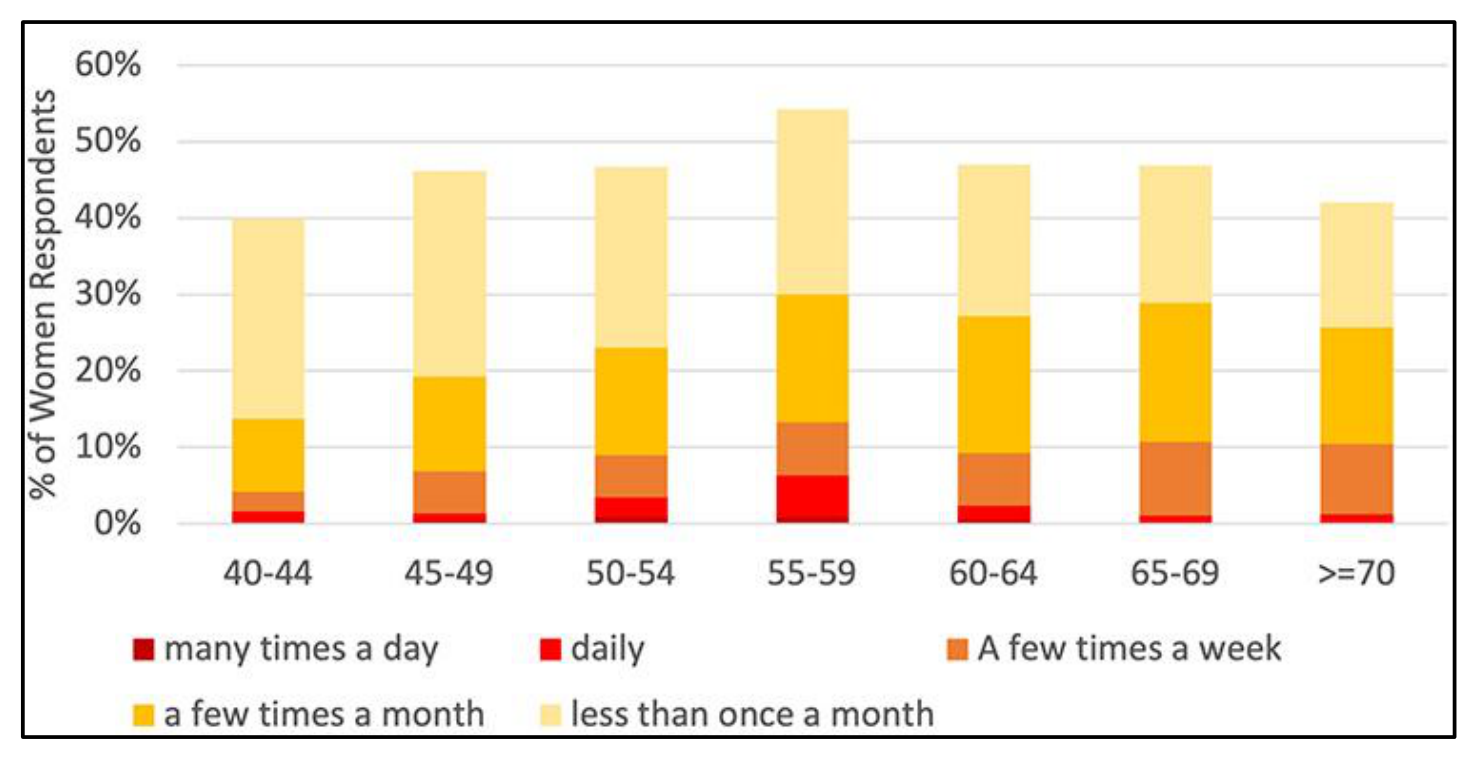
Impairments in quality of life are specifically pronounced in occupational, social, and physical domains. The large studies based on population have shown that SUI is related with reduced mental well-being, social participation, work productivity, and this reflects the pervasive impacts of this condition on daily functioning [10]. Such effects are also compounded by underreporting and stigma, which might also delay the process of seeking help, and thereby increase the exposure towards psychological distress. It should be further noted that the growing body of evidence has suggested that subjective symptom experience instead of objective clinical severity has been more strongly linked with emotional distress and anxiety. This kind of distinction has underscored the important role of the psychosocial context and perception in shaping the outcomes of mental health in SUI populations. This has reinforced the requirement for an integrative model which can move beyond biomedical interpretations of the condition.
3.3. Symptom Severity vs Perceived Burden
A critical difference and the clinical understanding of SUI is in the divergence between subjective perceived burden and objective symptom severity. While clinical measures such as volume of leakage and frequency can provide the quantifiable indicators of severity of the disease, the accumulating evidence have suggested that such metrics might not predict the psychological impact or health-related quality of life consistently [11]. Instead, the subjective experience of bother has emerged as a much more reliable determinant of stress and impairments in functionality.
Figure 2.
Beliefs about Prognosis of Urinary Incontinence. [12]
Figure 2.
Beliefs about Prognosis of Urinary Incontinence. [12]
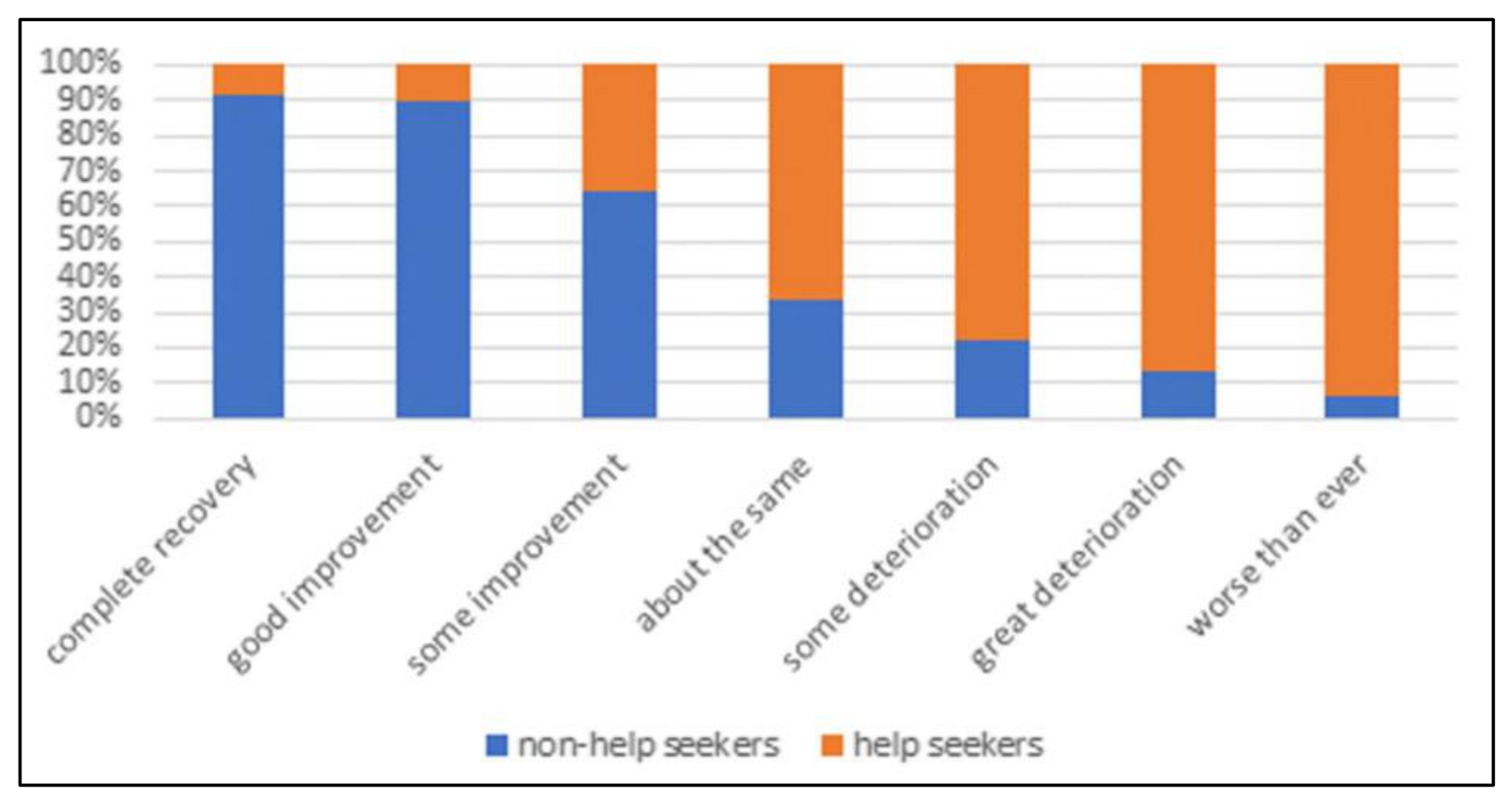
The studies based on population have demonstrated that a few urinary symptoms such as mixed incontinence and stress are perceived disproportionately as being highly disturbing, irrespective of the measured severity. This has indicated that the type of symptom and contextual interpretation might outweigh the merely clinical indices. In a similar way, research which examined patient perceptions have highlighted that expectations, individual beliefs, and attitudes towards incontinence can shape the perceived impact of the condition significantly, thereby impacting satisfaction and decision-making in the treatment [13]. More evidence has suggested that the perceived burden has played an integral role in shaping behavioural outcomes which includes seeking help. Studies have also demonstrated that women have been more likely to seek medical care on the basis of how distressing or disruptive the symptoms are, instead of their clinical severity [12]. This kind of disconnect has personified the limitations of a pure biomedical, and it has also reinforced the significance of integrating subjective experiences into both theoretical frameworks and clinical assessment of SUI-related psychological outcomes.
3.4. Psychological Outcomes Following Treatment
An exhaustive body of recent clinical research hesitated that the treatment of SUI specifically through surgical interventions can be related with notable improvements in psychological outcomes. Prospective research which evaluated mid-urethral sling procedures have consistently reported reductions in both depressive and anxiety symptoms after successful restoration of continence. As an example, the longitudinal evidence demonstrated that improvements in the urinary symptoms can be correlated strongly with reductions in the scores of depression, which suggests a rather close relationship between psychological recovery and symptom resolution [14].
In a similar way, more recent studies of intervention have confirmed that the successful treatment of SUI has been related with notable improvements in domains of mental health which includes depression, anxiety, and well-being. It should be noted that psychological distress might appear to mirror subjective improvements in urinary symptoms, and this indicates that the recovery perceived by patients can play an important role in emotional outcomes. Such findings can support the belief that SUI-related psychological burden is in part reversible, if the fundamental condition is managed effectively [15]. However, the outcomes of the treatment are not always positive uniformly across all types of individuals. Many patients do experience considerable psychological benefits, but there is variability in responses which indicates that there are additional factors such as coping mechanisms, mental health status, and psychosocial context which might have an influence on trajectories of recovery. Emerging qualitative evidence have also highlighted that some of the individuals have continued to experience functional challenges or residual emotional challenges after the treatment [16].
3.5. Persistent Affective Symptoms
While the treatment of SUI is linked frequently with improvements in psychological outcomes, a constant finding throughout recent research show that a critical subset of patients has continued to go through persistent affective symptoms after successful intervention. The evidence has showed that even though the rates of anxiety and depression have declined in the post-operative time period, residual symptoms continue to be a problem among certain population of patients after restoration of continence [17]. As an instance, longitudinal data has indicated that nearly 8-10% individuals have continued to meet the criteria for anxiety or depression symptoms a year after mid-urethral sling surgery, even after experiencing thorough improvements in the urinary function [14].
Figure 3.
Urinary Incontinence and Depression Prevalence. [18]
Figure 3.
Urinary Incontinence and Depression Prevalence. [18]
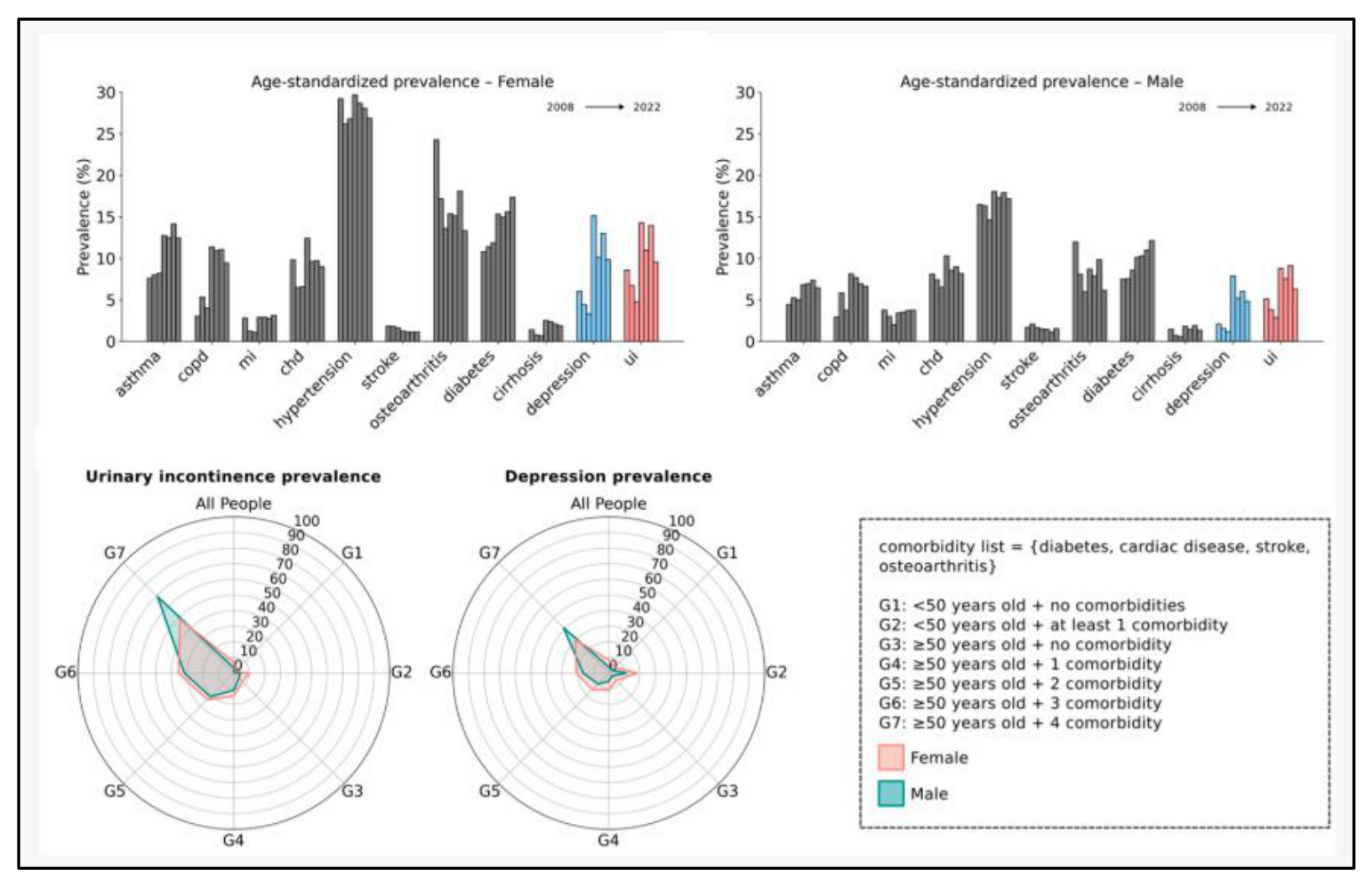
This sort of persistence has suggested that psychological distress in SUI is not solely a result of the ongoing physical symptoms. Instead, it might reflect much more complicated interactions between pre-existing vulnerability, chronic stress exposure, and sustained alterations in stress regulatory systems. In support of this interpretation, large-scale epidemiological evaluations have demonstrated that urinary incontinence is incorporated inside the broader network of comorbidity, where conditions of depression can be impacted by cumulative socio-economic health and psychosocial factors [18].
In addition, emerging bidirectional and longitudinal models have proposed that depression might follow and precede urinary symptoms simultaneously which indicates that psychological vulnerability might persist in an independent state with respect to symptom resolution [19].
3. Stress Urinary Incontinence and Depression: Clinical Evidence
3.1. Epidemiology of Depression in SUI
Epidemiological evidence which are published in the past five years have demonstrated a consistently strong and clinically important link between SUI and depressive symptomatology. Meta analyses and systematic reviews have indicated that women who have urinary incontinence have exhibited alarmingly higher rates of prevalence of depression as compared to the continent populations, and this kind of relationship has persisted throughout diverse demographic and geographical contexts. Population-based studies have also suggested that this kind of linkage is not minor, but it has reflected a coherent comorbidity which can contribute to the overall burden of disease [7].
Large-scale observational studies have also reinforced such findings. As an example, community-based research has demonstrated that urinary incontinence is linked significantly with increased levels of stress, depression, and reduced self-esteem, even after making adjustments for confounding variables such as socio-economic status, age, and commodities [8]. More importantly, these relationships have appeared to be graded, as more and severe forms of incontinence have been demonstrating better linkages with depressive symptoms. The recent cohort evidence has also highlighted the overall clinical impact of this burden. In a few particular populations, such as women in postpartum state, the rates of moderate-to-severe depression have been reported among nearly one-fifth of women who have been experiencing urinary incontinence. The severity of their symptoms has predicted depressive outcomes.
3.2. Anxiety, Distress, and Quality of Life
Looking beyond depressive symptomatology, SUI has been also strongly linked with broader dimensions of psychological distress which includes reduced self-esteem anxiety and impaired quality of life. Recent observational and cross-sectional studies have demonstrated that woman who have SUI have reported alarmingly higher levels of psychological distress and anxiety as compared to those without the condition of incontinence. This clearly indicates that the burden of this condition has extended throughout multiple domains of mental health [9]. It should be noted that symptoms of anxiety are not only secondary outcomes, but they are intertwined closely with the lived experiences of unpredictability of symptoms and social embarrassment.
Figure 1.
Prevalence of SUI among Women. [10]
Figure 1.
Prevalence of SUI among Women. [10]
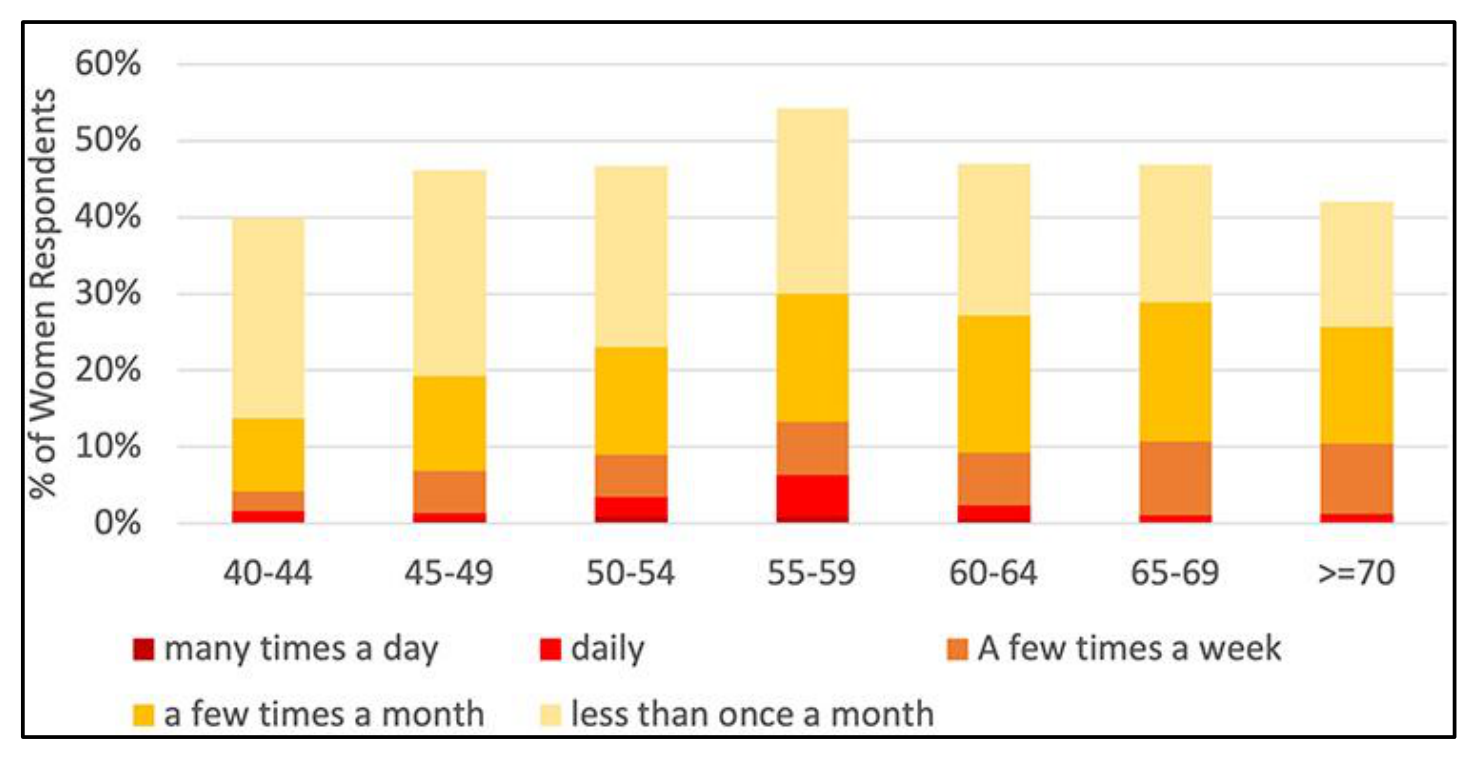
Impairments in quality of life are specifically pronounced in occupational, social, and physical domains. The large studies based on population have shown that SUI is related with reduced mental well-being, social participation, work productivity, and this reflects the pervasive impacts of this condition on daily functioning [10]. Such effects are also compounded by underreporting and stigma, which might also delay the process of seeking help, and thereby increase the exposure towards psychological distress. It should be further noted that the growing body of evidence has suggested that subjective symptom experience instead of objective clinical severity has been more strongly linked with emotional distress and anxiety. This kind of distinction has underscored the important role of the psychosocial context and perception in shaping the outcomes of mental health in SUI populations. This has reinforced the requirement for an integrative model which can move beyond biomedical interpretations of the condition.
3.3. Symptom Severity vs Perceived Burden
A critical difference and the clinical understanding of SUI is in the divergence between subjective perceived burden and objective symptom severity. While clinical measures such as volume of leakage and frequency can provide the quantifiable indicators of severity of the disease, the accumulating evidence have suggested that such metrics might not predict the psychological impact or health-related quality of life consistently [11]. Instead, the subjective experience of bother has emerged as a much more reliable determinant of stress and impairments in functionality.
Figure 2.
Beliefs about Prognosis of Urinary Incontinence. [12]
Figure 2.
Beliefs about Prognosis of Urinary Incontinence. [12]
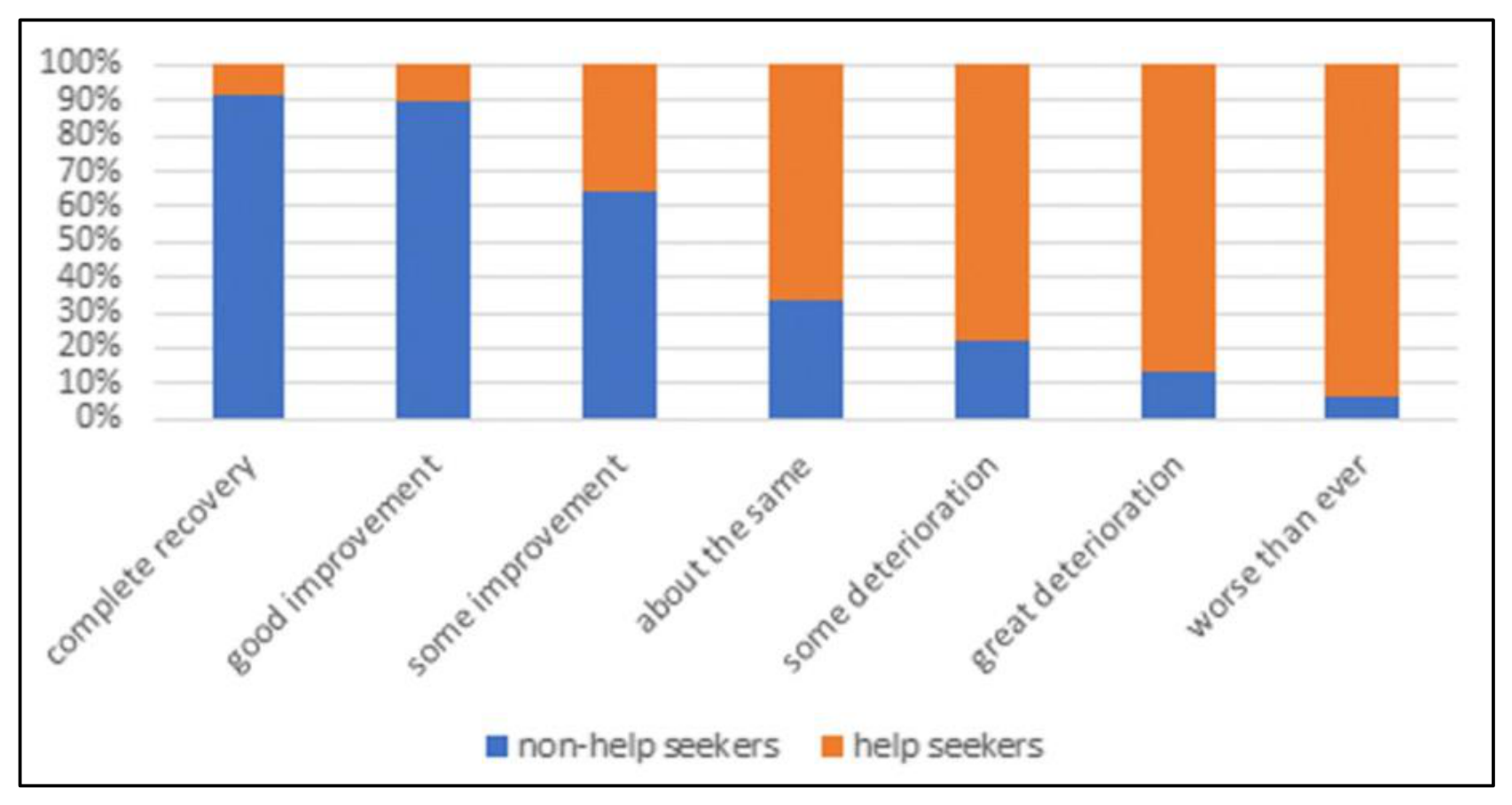
The studies based on population have demonstrated that a few urinary symptoms such as mixed incontinence and stress are perceived disproportionately as being highly disturbing, irrespective of the measured severity. This has indicated that the type of symptom and contextual interpretation might outweigh the merely clinical indices. In a similar way, research which examined patient perceptions have highlighted that expectations, individual beliefs, and attitudes towards incontinence can shape the perceived impact of the condition significantly, thereby impacting satisfaction and decision-making in the treatment [13]. More evidence has suggested that the perceived burden has played an integral role in shaping behavioural outcomes which includes seeking help. Studies have also demonstrated that women have been more likely to seek medical care on the basis of how distressing or disruptive the symptoms are, instead of their clinical severity [12]. This kind of disconnect has personified the limitations of a pure biomedical, and it has also reinforced the significance of integrating subjective experiences into both theoretical frameworks and clinical assessment of SUI-related psychological outcomes.
3.4. Psychological Outcomes Following Treatment
An exhaustive body of recent clinical research hesitated that the treatment of SUI specifically through surgical interventions can be related with notable improvements in psychological outcomes. Prospective research which evaluated mid-urethral sling procedures have consistently reported reductions in both depressive and anxiety symptoms after successful restoration of continence. As an example, the longitudinal evidence demonstrated that improvements in the urinary symptoms can be correlated strongly with reductions in the scores of depression, which suggests a rather close relationship between psychological recovery and symptom resolution [14].
In a similar way, more recent studies of intervention have confirmed that the successful treatment of SUI has been related with notable improvements in domains of mental health which includes depression, anxiety, and well-being. It should be noted that psychological distress might appear to mirror subjective improvements in urinary symptoms, and this indicates that the recovery perceived by patients can play an important role in emotional outcomes. Such findings can support the belief that SUI-related psychological burden is in part reversible, if the fundamental condition is managed effectively [15]. However, the outcomes of the treatment are not always positive uniformly across all types of individuals. Many patients do experience considerable psychological benefits, but there is variability in responses which indicates that there are additional factors such as coping mechanisms, mental health status, and psychosocial context which might have an influence on trajectories of recovery. Emerging qualitative evidence have also highlighted that some of the individuals have continued to experience functional challenges or residual emotional challenges after the treatment [16].
3.5. Persistent Affective Symptoms
While the treatment of SUI is linked frequently with improvements in psychological outcomes, a constant finding throughout recent research show that a critical subset of patients has continued to go through persistent affective symptoms after successful intervention. The evidence has showed that even though the rates of anxiety and depression have declined in the post-operative time period, residual symptoms continue to be a problem among certain population of patients after restoration of continence [17]. As an instance, longitudinal data has indicated that nearly 8-10% individuals have continued to meet the criteria for anxiety or depression symptoms a year after mid-urethral sling surgery, even after experiencing thorough improvements in the urinary function [14].
Figure 3.
Urinary Incontinence and Depression Prevalence. [18]
Figure 3.
Urinary Incontinence and Depression Prevalence. [18]
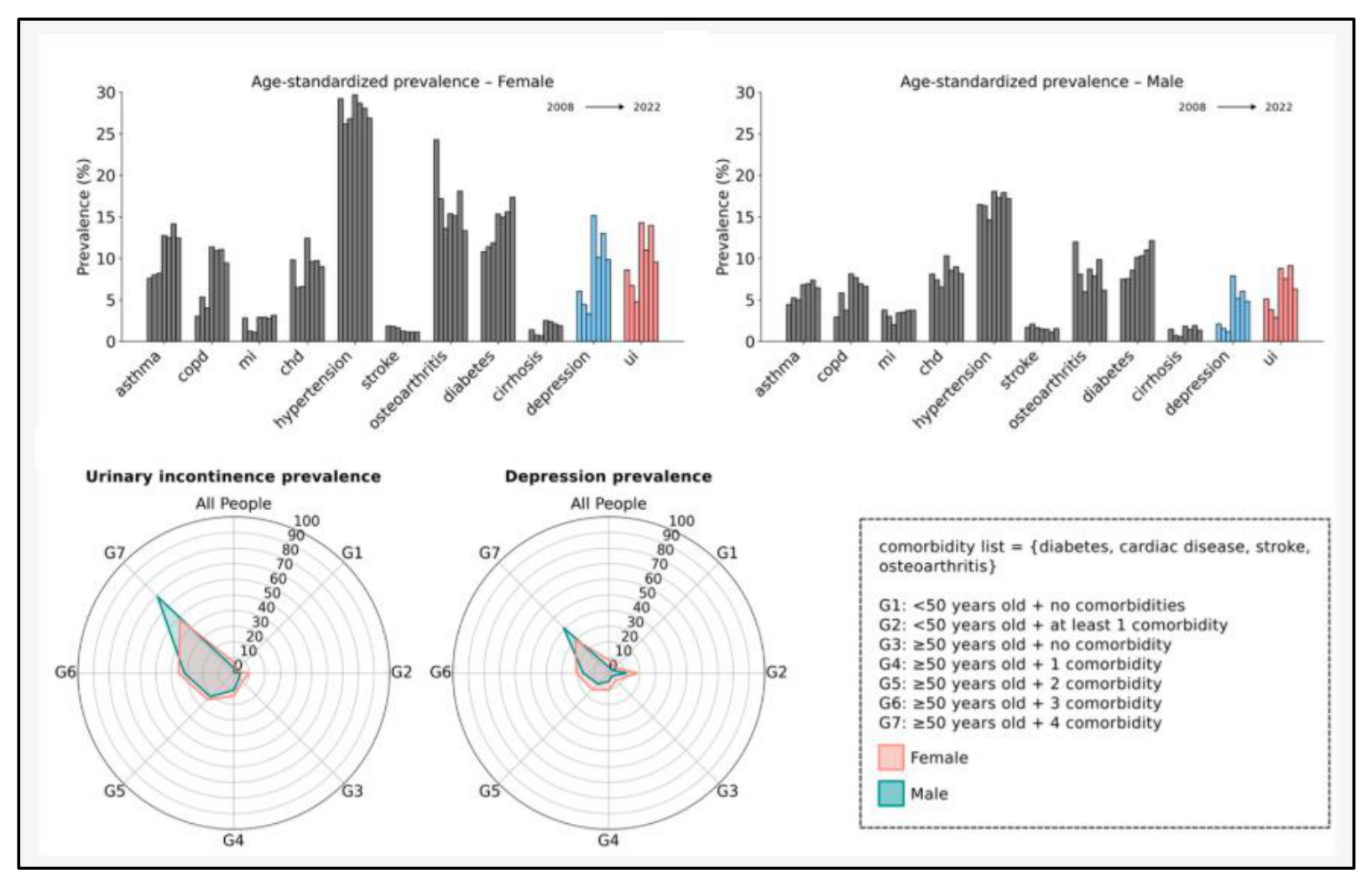
This sort of persistence has suggested that psychological distress in SUI is not solely a result of the ongoing physical symptoms. Instead, it might reflect much more complicated interactions between pre-existing vulnerability, chronic stress exposure, and sustained alterations in stress regulatory systems. In support of this interpretation, large-scale epidemiological evaluations have demonstrated that urinary incontinence is incorporated inside the broader network of comorbidity, where conditions of depression can be impacted by cumulative socio-economic health and psychosocial factors [18].
In addition, emerging bidirectional and longitudinal models have proposed that depression might follow and precede urinary symptoms simultaneously which indicates that psychological vulnerability might persist in an independent state with respect to symptom resolution [19].
4. SUI as a Model of Chronic Psychosocial Stress
4.1. Characteristics of Chronic Stress in SUI
SUI can be conceptualised as a chronic psychosocial stressor because of its recurrent persistent and context-dependent nature. This is different from acute stress, which is more stimulus-bound and transient. Stress related to SUI can be characterised by consistent exposure towards situations which can trigger the symptoms, and these triggers can be embedded within everyday activities of the individual. Episodes of leakage can be completely unpredictable, and thereby socially salient which creates a consistent state anticipatory concern and vigilance [20]. This kind of pattern has aligned with established models relating to chronic stress. Considerable but repeated stressors can accumulate over a period of time for sustained physiological and psychological effects.
Figure 4.
Schematic Drawing of Different Animal Models to Study Chronic Psychological Stress-Induced Bladder Dysfunction. [21]
Figure 4.
Schematic Drawing of Different Animal Models to Study Chronic Psychological Stress-Induced Bladder Dysfunction. [21]
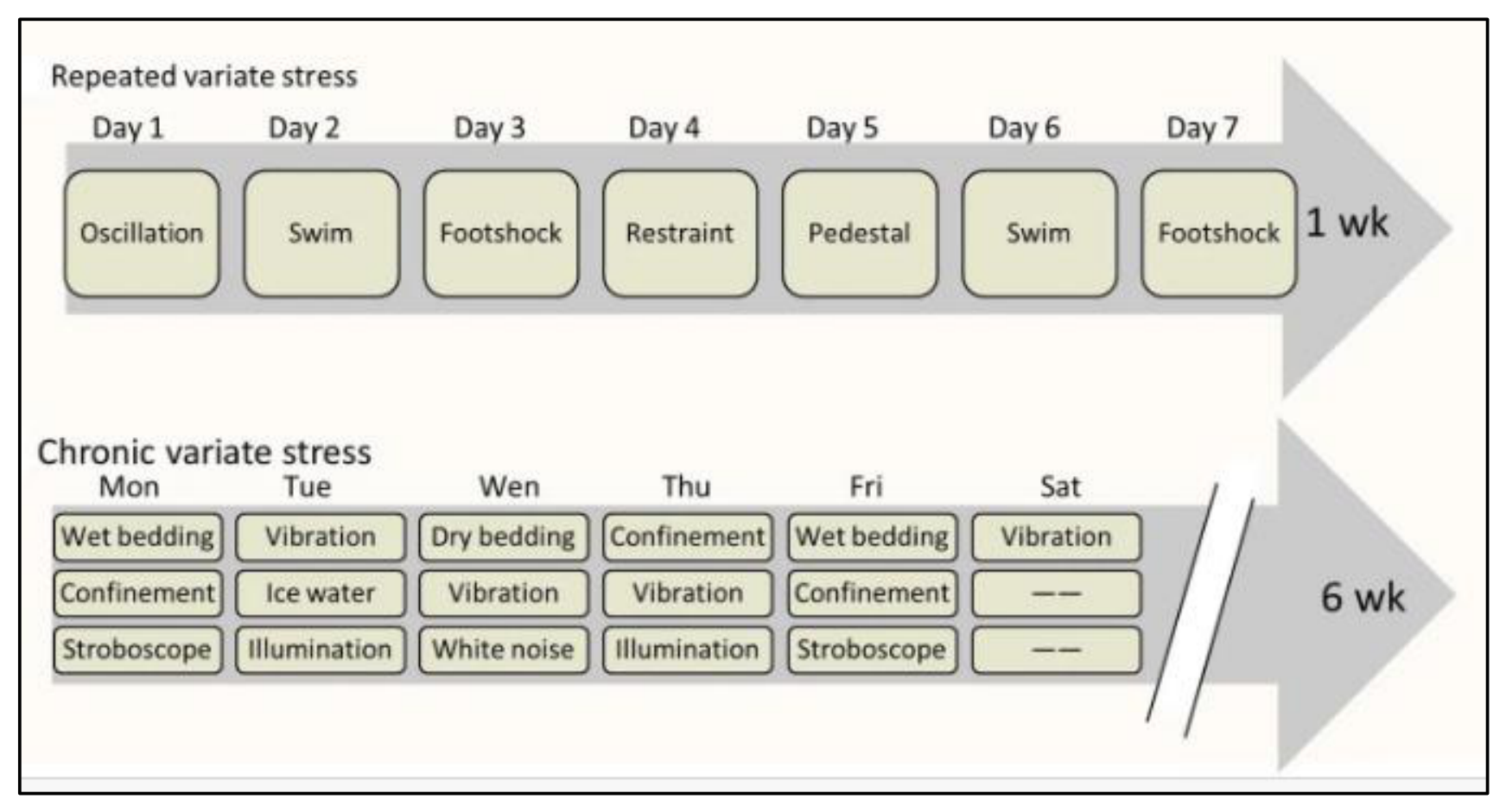
Experimental evidence has supported the overall biological relevance of this kind of stress exposure. Animal model studies have demonstrated that chronic psychological stress can have a direct impact on the lower urinary tract function through autonomic and new endocrine pathways which suggests bidirectional interactions between bladder physiology and stress systems [21]. From a clinical standpoint, observational research has indicated that factors related with SUI such as comorbidities, age, and lifestyle variables can easily coexist within the broader vulnerabilities related to stress, and this reinforces multifaceted characteristics of this condition. In addition to this, severity-based analysis has showed that increased burden of symptom is also linked with more functional limitations and psychosocial strain, which indicates an overall cumulative stress effect over a stretch of time [22].
4.2. Anticipatory Anxiety and Social Evaluative Threat
An important feature of SUI as a chronic stressor is the presence of anticipatory anxiety which is moderated by the consistent expectation of occurrence of the symptoms in socially sensitive contexts. Women who have SUI have reported a continuous heightened state of vigilance frequently, where routine activities such as exercising, walking, or even engaging in social interactions can be accompanied by an unnerving concern about a potential leakage [23]. This kind of anticipatory element can transform SUI from a mere episodic condition into a continuous psychological burden, since the fear of the future events can be extremely impactful, almost as much as the symptoms themselves.
Qualitative evidence has highlighted that this phenomenon can be called as a state of “constant worry” where individuals describe the ongoing mental preoccupation, maintaining control in public settings and avoiding embarrassment. This has aligned closely with the definition of social evaluative threat where stress responses can be magnified by the overall perceived risks of humiliation or negative judgement. Observational studies have demonstrated that SUI can be linked significantly with higher anxiety levels, thereby reinforcing the roles of psychological anticipation in shaping an innate feeling of distress [24].
Figure 5.
Proportions of women with OAB reporting compensatory coping behaviors. [25]
Figure 5.
Proportions of women with OAB reporting compensatory coping behaviors. [25]
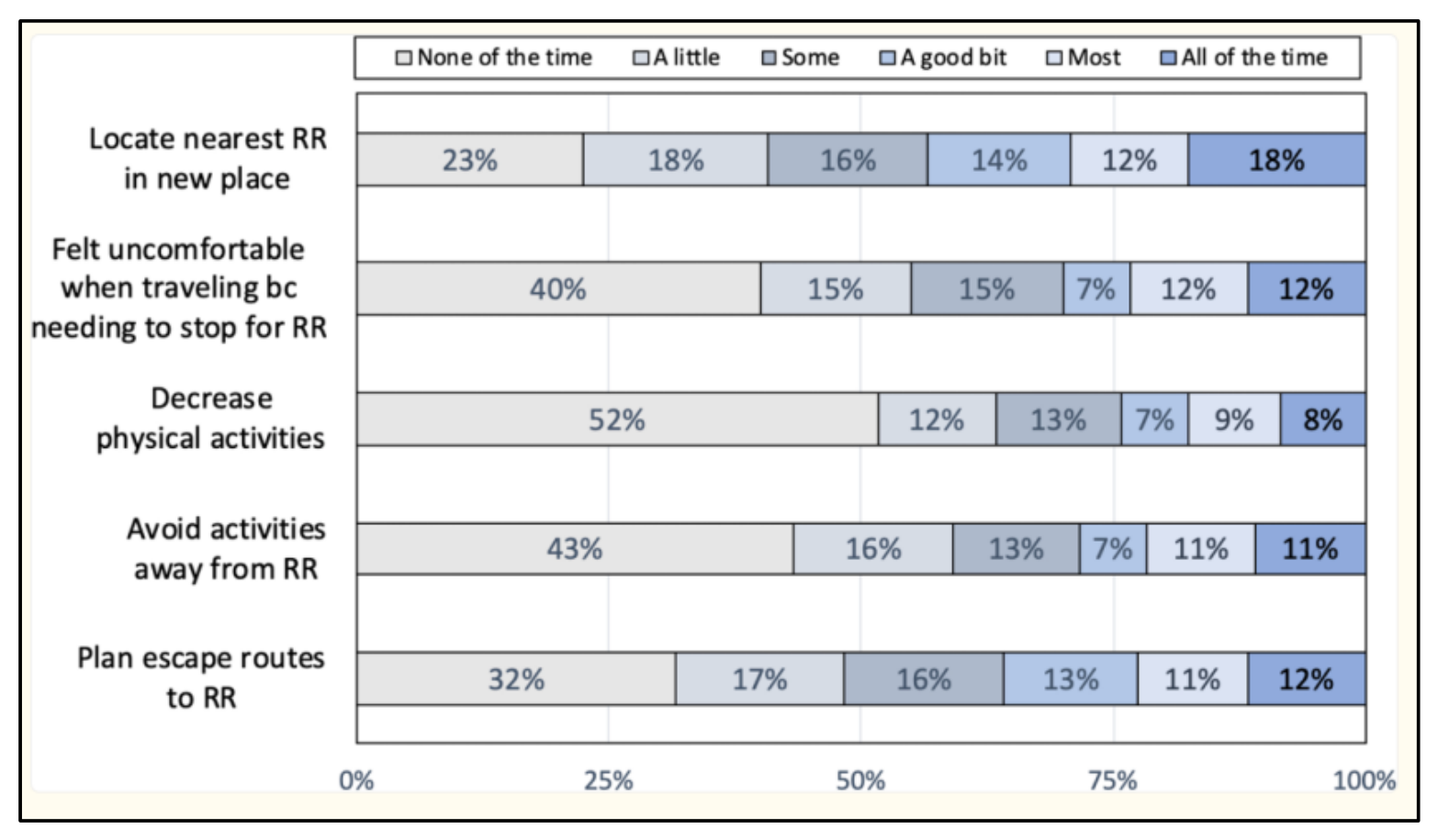
As a response, individuals have often adopted coping behaviours or compensatory behaviours such as fluid restriction, pre-emptive voiding, or a complete avoidance of specific environments for mitigating the perceived risks [25]. These strategies do provide short-term control, but they also reinforce anxiety even more as the individual is needed to maintain a heightened perception of threat. From a collective standpoint, social evaluative threat and anticipatory anxiety can be the core mechanisms through which SUI contributes towards this sustained state of psychological stress.
4.3. Behavioural Avoidance and Stress Reinforcement
Behavioural avoidance has represented an important mechanism through which SUI has contributed to the magnification and sustenance of chronic psychological stress. Individuals have frequently restricted or modified their daily activities such as social participation, exercise, or travel for minimising the risks of leakage and the related embarrassment. Evidence has also indicated that these kinds of avoidance behaviours are common among women even among the younger populations, where perspectives regarding impaired bladder control can have an impact on seeking help and making adaptations to lifestyle [26].
Emerging real-time data has further demonstrated that activity avoidance can be linked dynamically to anticipation of symptoms as individuals have reduced engagement in routine behaviours as a response to perceived risks [27]. While these kinds of strategies might offer control in the short term, they might also reinforce anxiety by sustaining the cognition of threat and also by limiting the exposure towards corrective experiences.
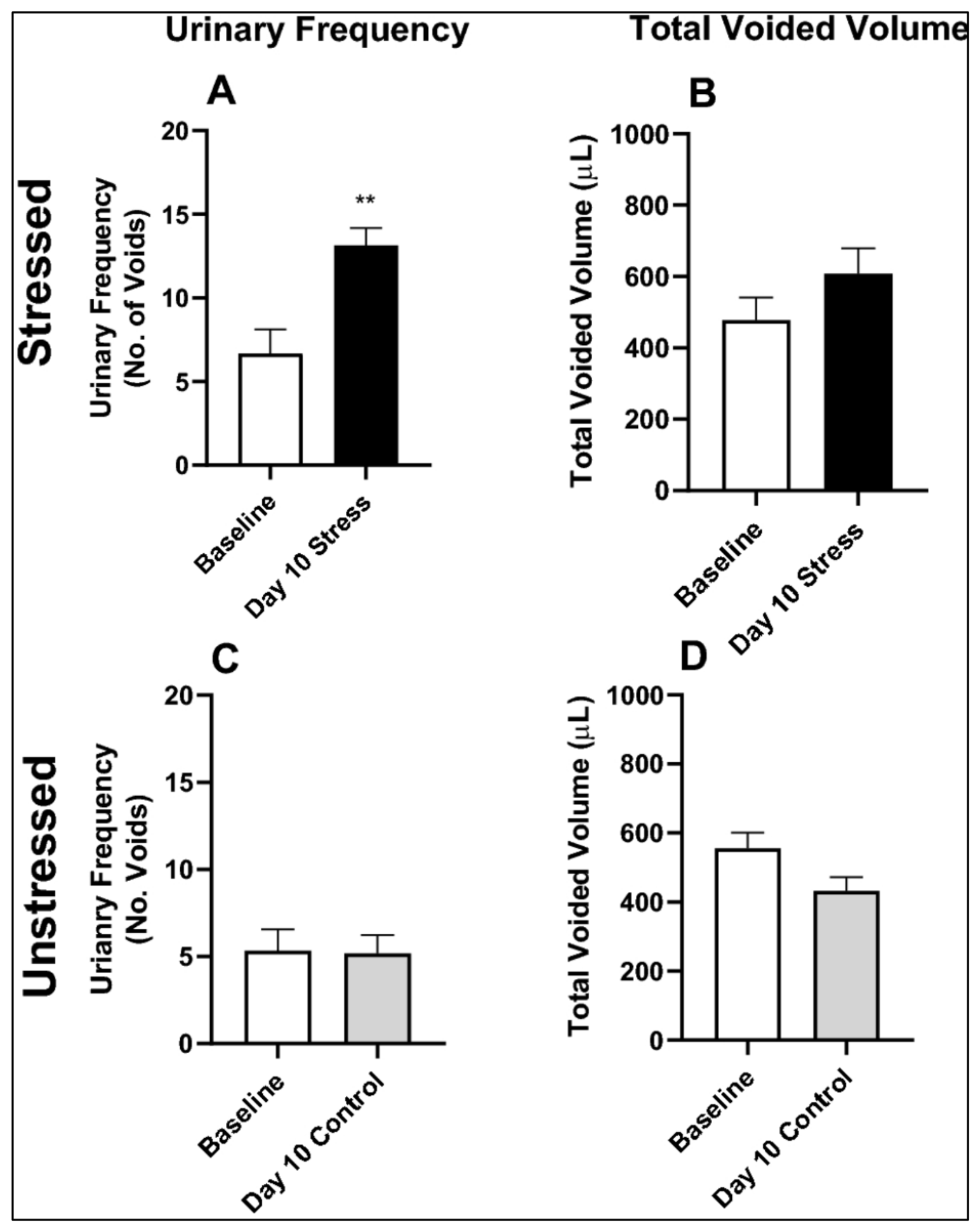
From a physiological standpoint, chronic psychological stress has been linked with adverse behaviours, and these might also exacerbate bladder dysfunction since experimental models have showed stress-induced increase in terms of neural activity and bladder sensitivity [28]. Altogether, data as painted a picture which shows a clear feedback loop in which behaviours of avoidance have perpetuated both symptoms severity and psychological distress.
Figure 6.
Urinary Frequency (Number of Spots) and Total Urine Volume (ml) at Baseline (Day 0) and After 10 Days of WAS. [28]
Figure 6.
Urinary Frequency (Number of Spots) and Total Urine Volume (ml) at Baseline (Day 0) and After 10 Days of WAS. [28]
4.4. Comparison with Other Chronic Stress Conditions
The psychosocial profile of SUI has shared a few important features with other types of chronic stress-related conditions, specifically in its nature of persistent impact on the emotional well-being, and the regular functioning of the patient. Similar to the chronic illnesses such as chronic pain or other types of long-term health disorders, SUI has been linked with sustained increase in anxiety, stress, and other depressive symptoms, and this reflects an ongoing dialogue between psychological response and psychological dysfunction. Population-based studies have indicated that urinary incontinence can be linked consistently with elevated levels of reduced self-esteem and stress, even after health-related and demographic variables are controlled for [8].
More importantly, the bidirectional link which is observed between lower urinary tract symptoms and mental health disorders have mirrored the patterns which are observed in other types of chronic stress conditions, where psychological distress can contribute to and also result from the processes of these diseases [4]. In addition to this, research on disorders of the pelvic floor has demonstrated more broadly the comparable influence on the quality of life and emotional well-being of women, thereby further placing SUI in a wider spectrum of conditions related to stress [9].
5. HPA Axis Dysregulation in Chronic Stress
5.1. Physiology of the HPA Axis
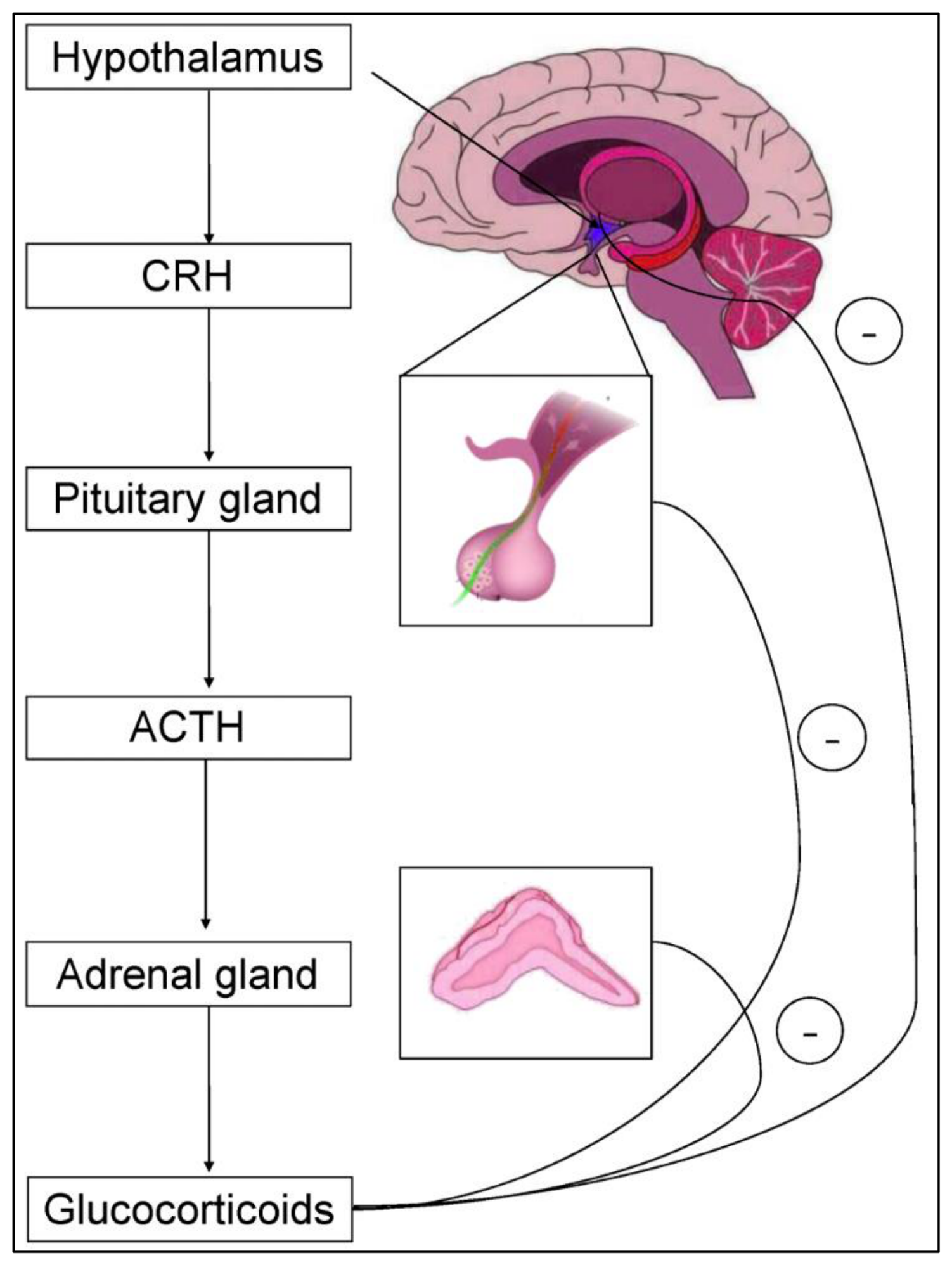
The hypothalamic-pituitary-adrenal (HPA) axis is the integral neuroendocrine system which regulates the physiological responses to stress. The activation starts in the hypothalamus with the release of the cortico-releasing hormone (CRH), and this stimulates the anterior pituitary gland to secrete adrenocorticotropic hormone (ACTH). This ACTH then triggers the cortisol to release from the adrenal cortex, thereby facilitating immune, metabolic, and behavioural adaptations to stress. Cortisol has exerted its effects through the glucocorticoid receptors [29].
Figure 7.
HPA axis showcasing the relationship between CRH, ACTH, and Cortisol. [29]
Figure 7.
HPA axis showcasing the relationship between CRH, ACTH, and Cortisol. [29]
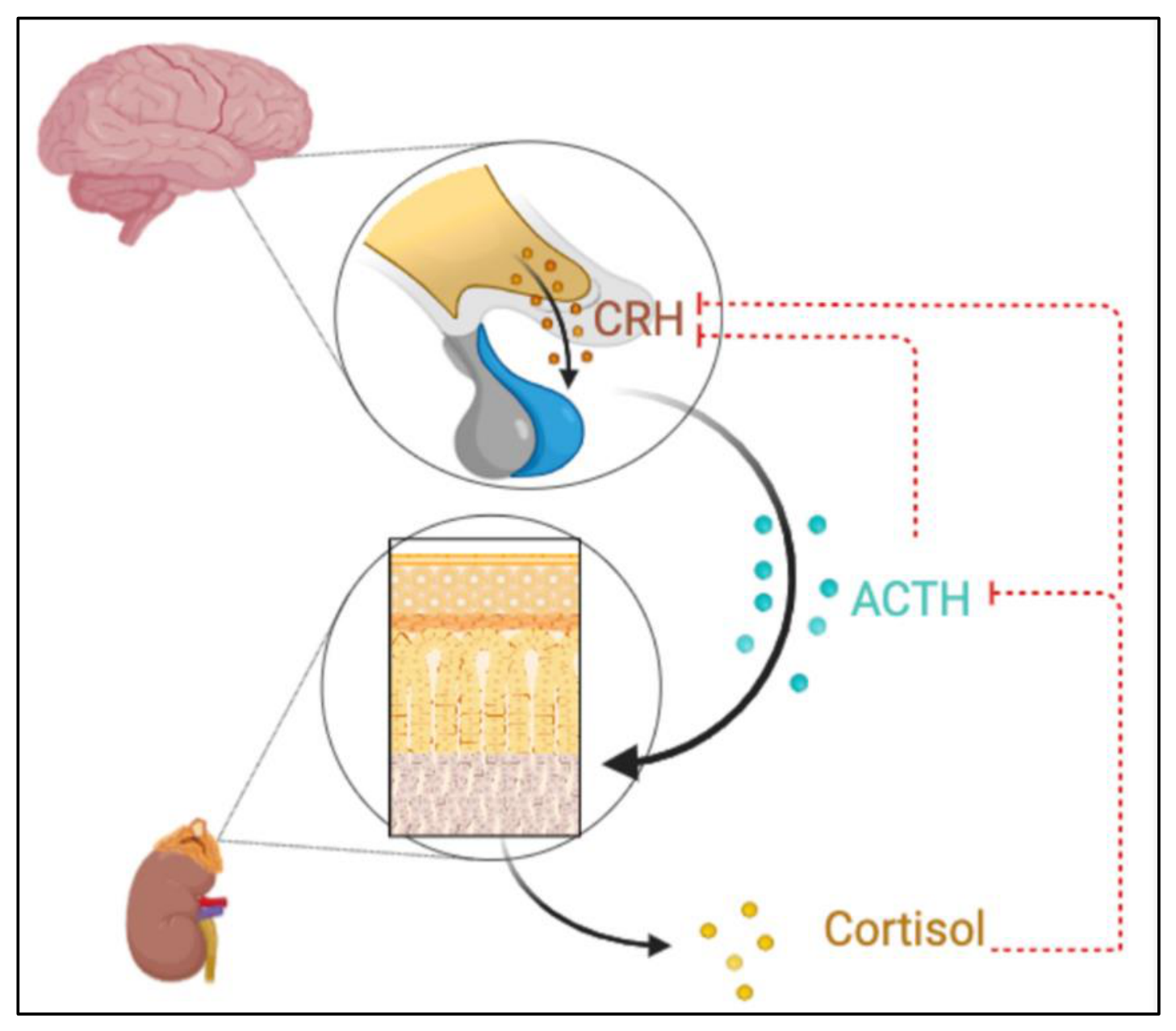
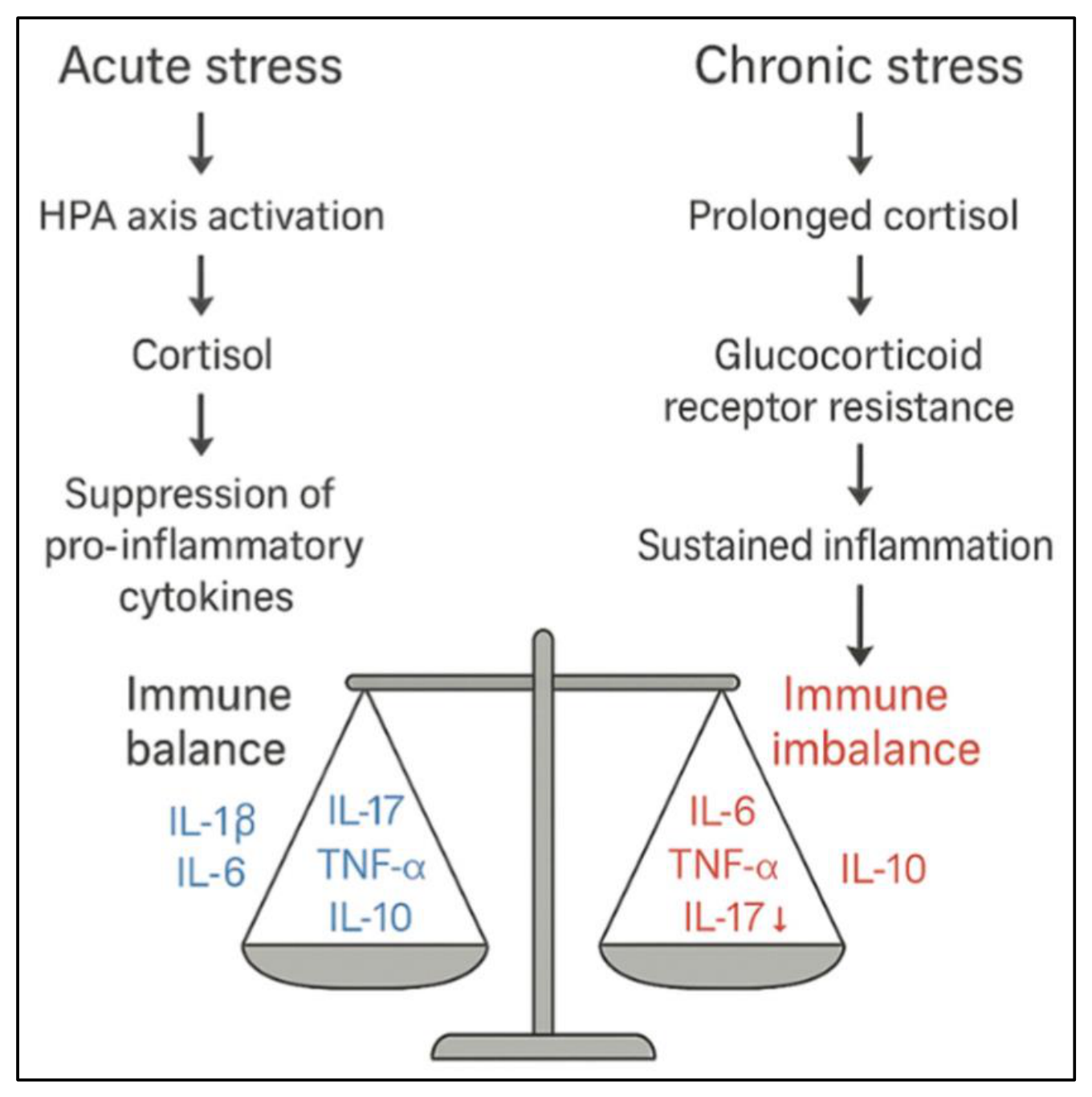
Figure 8.
Acute vs. chronic stress. [29]
Figure 8.
Acute vs. chronic stress. [29]
Cortisol has also exerted its impacts through glucocorticoid receptors which are distributed throughout the body and brain, specifically in the regions such as the hippocampus, where it can modulate the stress feedback mechanisms [29]. Under normal circumstances, the HPA axis is regulated strictly through the negative feedback, and this ensures transient form of activation. However, the integrative models have emphasised that the dysregulation might occur when this kind of feedback system is disrupted, thereby altering homeostasis and stress responsivity [30].
5.2. Cortisol Dynamics and Stress Response
Cortisol is known as the primary effector hormone of the HPA axis and it can play a central role in coordinating the physiological response towards stress. Acute stress can trigger a fast surge in secretion of cortisol, thereby facilitating mobilisation of energy, adaptive behavioural responses, and modulation of immune functions [31]. Under idealised situations, the release of cortisol can follow a strictly regulated circadian rhythm, and it is also governed by negative feedback mechanisms, which ensures that the recovery is timely after exposure to stress. However, chronic stress can alter these dynamics. Biological and mathematical models can demonstrate the continuous activation of HPA axis, and this can lead to a continuous dysregulation of cortisol on timescales that extend beyond the immediate exposure to stress, which may result in sustained hormonal imbalance [32]. This kind of dysregulation can be related with impaired sensitivity to feedback, and it has also been linked to a host of neurological and psychological disorders, which includes cognitive dysfunction and depression [33].
5.3. Allostatic Load and Chronic Activation
Allostatic load has referred to the cumulative physiological burden which can be imposed by chronic or repeated activation of various stress-response systems, specifically the HPA axis. Instead of representing adaptive regulation, prolonged activation has led to wear and tear throughout numerous biological systems, and which has included immune, neuroendocrine, and metabolic pathways [34]. Over a stretch of time, this kind of dysregulation can reflect a clear shift from effective stress adaptation towards a thorough maladaptive functioning. Empirical evidence has also demonstrated that heightened allostatic load is closely related with adverse outcomes of mental health, and which includes anxiety and depression, along with broader patterns of physiological dysregulation [35]. In addition to this, clinical studies have also indicated that individuals having depressive disorders have exhibited higher allostatic load, and it is accompanied with metabolic disturbances, which highlights the systemic results of exposure to chronic stress [36].
5.4. Stress Sensitisation and Affective Vulnerability
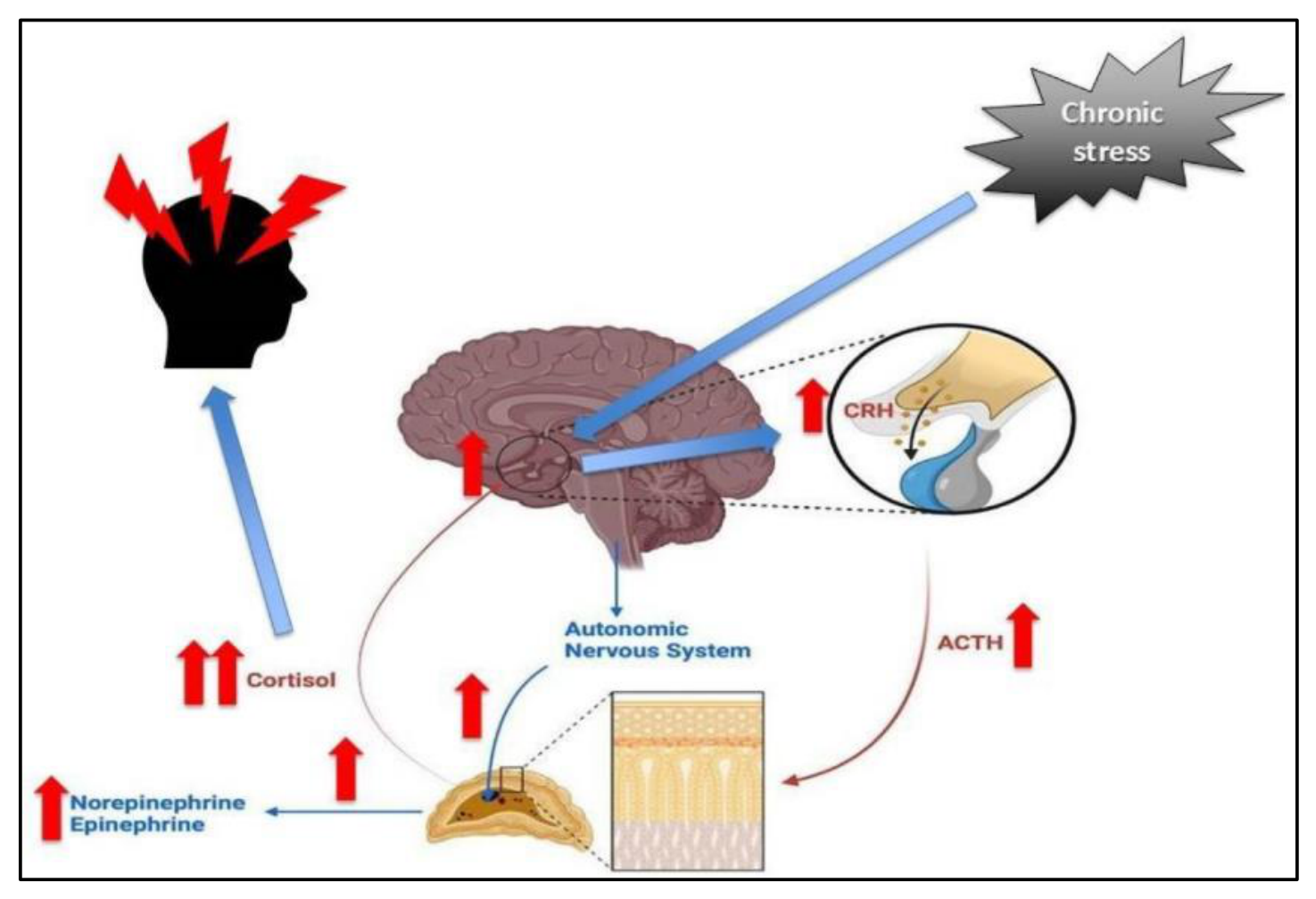
Sensitisation towards stress can be referred to as the process by which early life exposure to stress can lower the threshold for future responses to stress, and this increases the vulnerability towards affective disorders. Evidence has indicated that this sort of regulation of the HPA axis can play an integral role in this procedure, as prior stress exposure can lead to prolonged or exaggerated physiological responses towards later stressors [38]. This kind of heightened reactivity can contribute towards the development of vulnerability, even when there is an absence of ongoing stress. Conditions of chronic stress can also reinforce this kind of sensitisation. Studies have revealed that persistent activation of the stress-response dynamic, which includes both autonomic and HPA axis pathways, can be related with the elevated susceptibility towards mood disturbances, pain, and emotional dysregulation [37; 39). Collectively, these findings indicate that repeated exposure towards stress can recalibrate stress systems, thereby predisposing individuals towards sustained form of affective vulnerability.
Figure 9.
Dysregulation of the HPA axis in headaches influenced by chronic stress. [37]
Figure 9.
Dysregulation of the HPA axis in headaches influenced by chronic stress. [37]
6. Molecular and Epigenetic Mechanisms in Stress-Related Disorders
6.1. Epigenetic Regulation and Environmental Stress
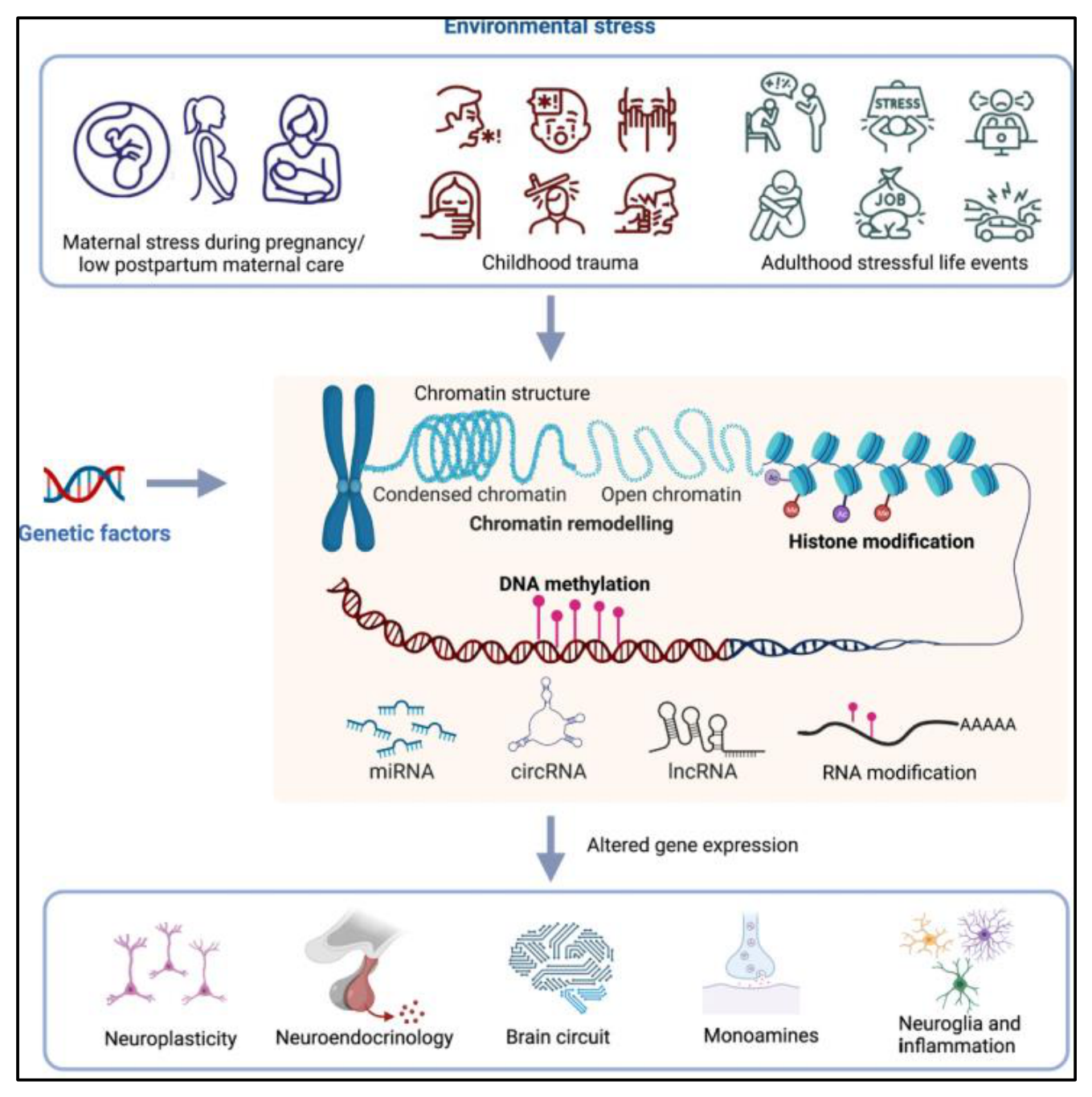
Epigenetic regulation can provide an important mechanism through which environmental stressors can exert long-term effects on expression of gene, without making alterations in the DNA sequence. Processes such as histone modification, DNA methylation, and non-coding RNA activity can enable exposure to stress for producing sustained changes in physiological and neural functioning [40]. More importantly, stress-related alterations in which genes are involved in neuroplasticity, including brain-derived neurotrophic factor (BDNF), have also been implicated in development of various affective disorders [41]. These mechanisms can emphasise how chronic stress can quickly become biologically incorporated, thereby contributing towards consistent vulnerability towards psychological dysfunction.
Figure 10.
Overview of the Role of Epigenetic Processes on the Pathophysiology of Stress-related Disorders. [40]
Figure 10.
Overview of the Role of Epigenetic Processes on the Pathophysiology of Stress-related Disorders. [40]
6.2. Glucocorticoid Signalling: NR3C1
Glucocorticoid signalling is integral to regulation of stress, and it is mediated mostly by the glucocorticoids receptors which is encoded by the NR3C1 gene. This receptor can play an important role in HPA axis feedback, thereby modulating cortisol responses and maintaining homeostasis. Epigenetic alterations, specifically the DNA methylation of NR3C1, have been linked with disrupted responsivity towards stress and elevated vulnerability towards disorders relating to stress [42]. Genome-wide studies have also demonstrated that dysregulated NR3C1 expression can be linked to altered cortico-limbic function, thereby reinforcing its function in stress adaptation and emotional regulation [43].
Figure 11.
The Hypothalamic–Pituitary–Adrenal (HPA) Axis in Stress Response. [42]
Figure 11.
The Hypothalamic–Pituitary–Adrenal (HPA) Axis in Stress Response. [42]
6.3. FKBP5 and Stress Reactivity
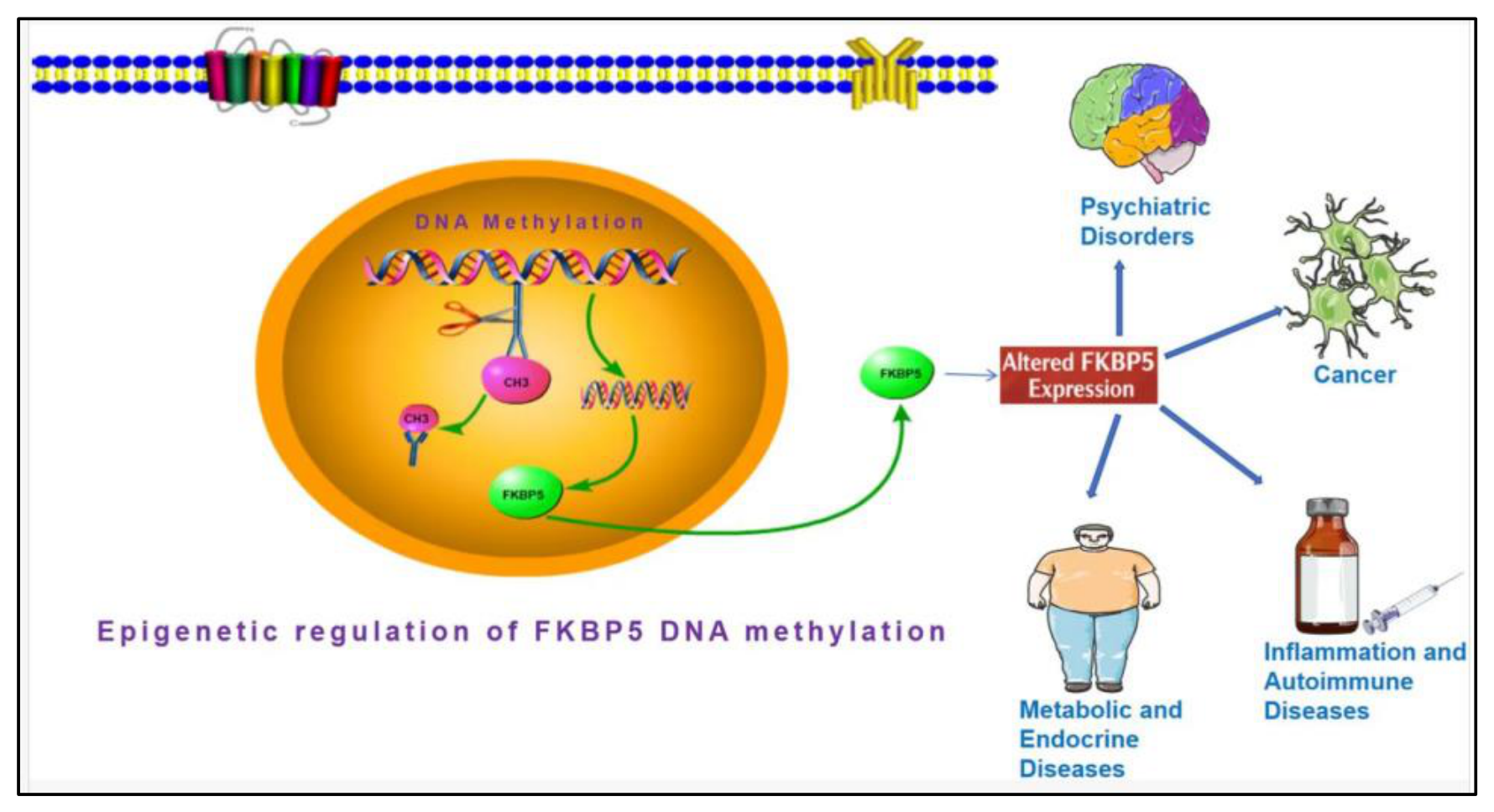
FKBP5 is a core regulator of glucocorticoid receptor sensitivity, and it has played a crucial role in the modulation of stress reactivity in the HPA axis. Increase in the expression of FKBP5 can reduce affinity of receptor for cortisol, and this can impair negative feedback while prolonging stress responses. Epigenetic modifications, specifically stress-induced methylation alterations of DNA, have been associated with altered responsivity towards stress, and increased susceptibility towards metabolic and psychiatric disorders [44]. These types of alterations can also contribute towards dysregulated stress signalling, and thereby are implicated in the overall development of central nervous system disorders [45].
Figure 12.
Schematic Diagram of the Scientific Hypothesis of Epigenetic Regulation of FKBP5 DNA Methylation. [44]
Figure 12.
Schematic Diagram of the Scientific Hypothesis of Epigenetic Regulation of FKBP5 DNA Methylation. [44]
7. Neuroplasticity and Inflammatory Pathways
7.1. BDNF and Neuroplasticity in Depression
BDNF has been a crucial regulator of neuroplasticity which influences synaptic connectivity, neuronal survival, and adaptive brain function. In depression, reduced expression of BDNF has been linked consistently with impaired neuroplastic procedures, specifically within the prefrontal cortex and hippocampus, the regions which are integral for mood regulation [46]. Chronic stress has been an important factor which has contributed towards this kind of reduction, and it has linked environmental exposure to functional and structural changes in the brain. Integrative models of depression can also emphasise that disrupted neuroplasticity can be a reason for emotional and cognitive dysfunction, and BDNF can play a central mediating role in this process [47]. These findings have demonstrated neuroplasticity as an important biological substrate in affective disorders related to stress.
Figure 13.
Process Map of BDNF. [46]
Figure 13.
Process Map of BDNF. [46]
7.2. Inflammation and Stress Signalling
Chronic stress has been recognised increasingly for activating the inflammatory pathways which can interact with the endocrine and neural stress systems closely. Evidence has showed that prolonged psychosocial stress induces immune responses in specific regions, thereby altering the cytokine activity, and also contributing towards changes in gut-brain signalling and neuroplasticity [48]. These kinds of inflammatory procedures are not peripheral phenomena solely, but these are linked closely to the functions of central nervous system. Experimental studies have also showed that oxidative stress, neuroinflammation, and apoptotic pathways are surged under conditions of chronic stress, and are linked with depression [49]. Altogether, it can be said that these findings have highlighted inflammation as an important mediator which links exposure of stress to affective disorders and neural dysfunction.
7.3. Integrated Biological Pathways
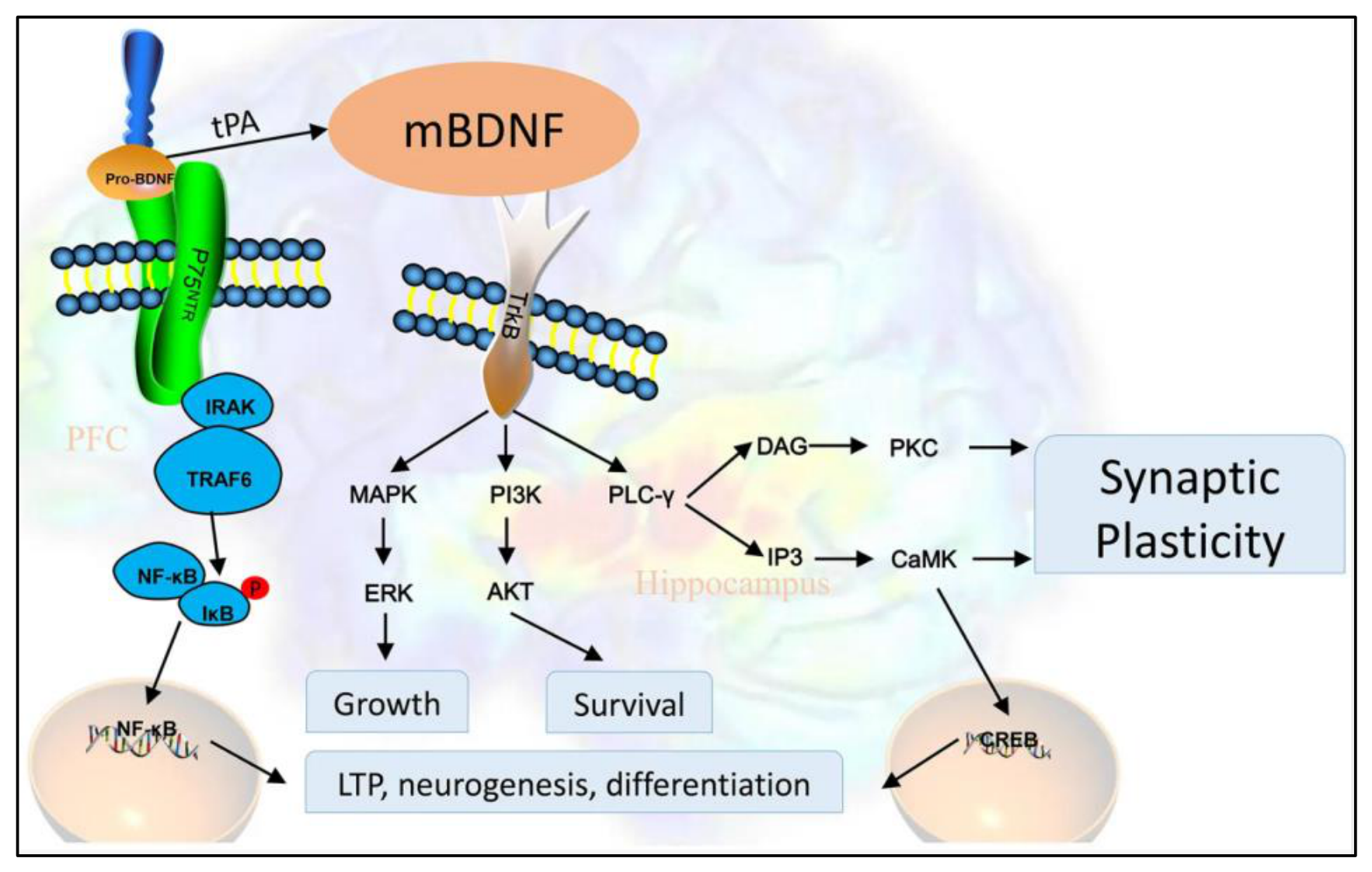
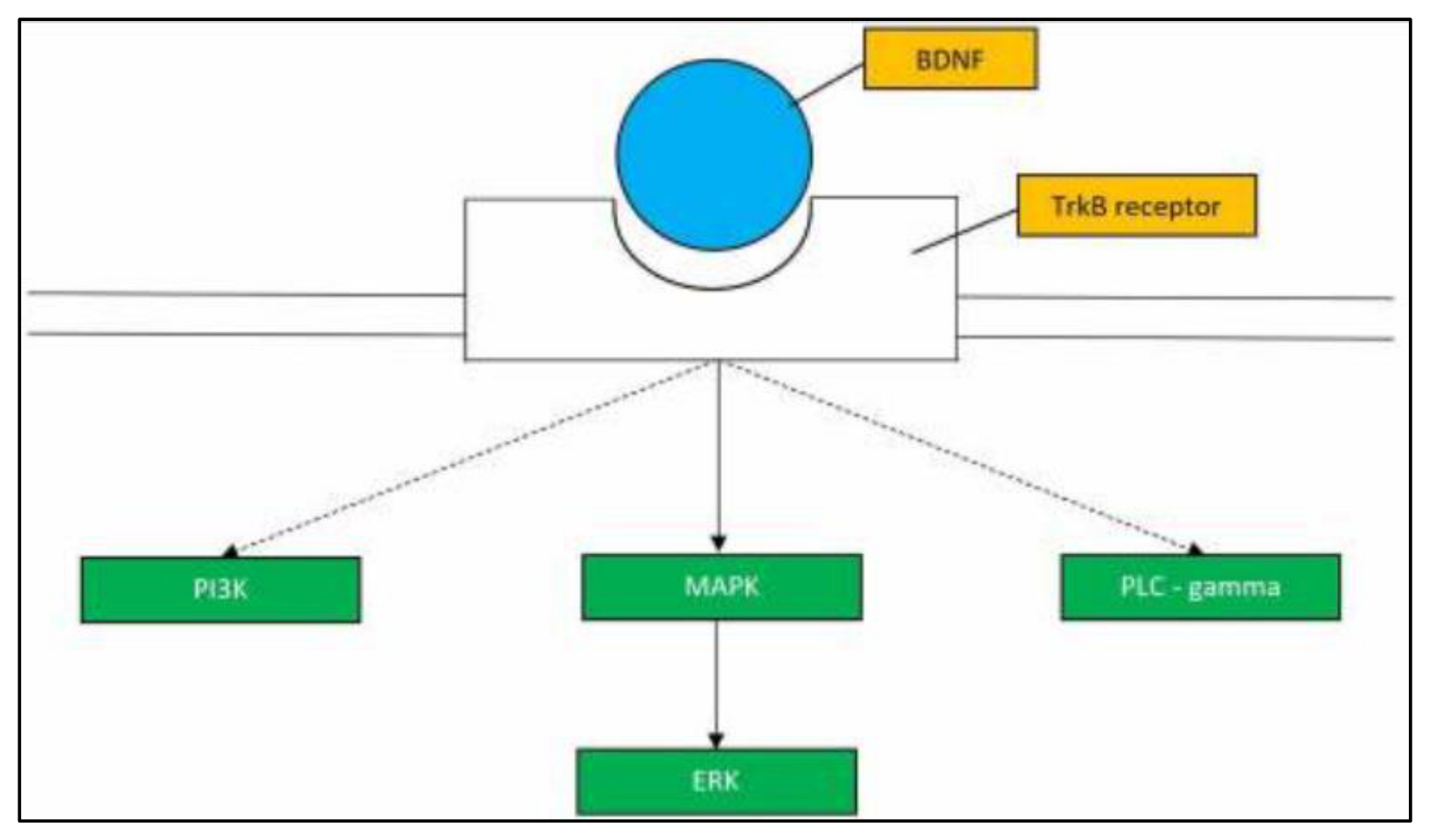
Inflammatory processes and neuroplasticity cannot operate in isolation, but these develop interconnected biological pathways that can underpin disorders related to stress. Chronic stress can induce coordinated alterations throughout immune, neural, and molecular systems where inflammatory signalling can impair neuroplasticity and also disrupt mechanisms of neuronal recovery [50]. BDNF is central to this integration as it links cellular resilience with exposure to environmental stress, and this is modulated by both neuroendocrine and inflammatory processes [50]. These kinds of interactions have a systems-level framework where inflammation, stress, and neuroplasticity have converged, thereby contributing towards the persistence and development of depressive pathology.
Figure 14.
BDNF-TrkB Signaling Pathways. [50]
Figure 14.
BDNF-TrkB Signaling Pathways. [50]
8. Integrating SUI into a Translational Psychiatry Framework
8.1. From Peripheral Disorder to Central Stress Processing
Fundamentally, urinary incontinence has been understood as a peripheral mechanical disorder which primarily involves this function of the pelvic floor and urethral support. The cumulative evidence has supported a basic reconceptualization of SUI as a condition with stress-processing implications, which can be central to this new understanding. The unpredictable, chronic, and evaluative nature of experiences related with SUI has positioned it as a consistent psychosocial stressor which is capable of engaging systems which regulate stress (20; 23). The repeated activation of stress pathways, such as HPA axis, along with procedures such as behavioural avoidance, anticipatory anxiety, and perceived loss of control, have suggested that SUI might contribute towards sustained affective and neuroendocrine dysregulation (21; 32). More importantly, the persistence of psychological symptoms after successful physical treatment has also supported the belief that the central mechanisms, instead of peripheral dysfunction, can play the most critical role in shaping outcomes in the long term.
8.2. Biopsychosocial Integration Model
A biopsychosocial integration model can provide an exhaustive framework for comprehending SUI as a multi-dimensional condition which arises from the dialogue between psychological, biological, and social factors. From a biological standpoint, SUI can involve dysfunction in the pelvic floor, alongside dysregulation of stress-responsive systems which includes associated neuroendocrine pathways and HPA axis (21; 32). Psychologically, factors such as perceived loss of control, anticipatory anxiety, and maladaptive coping behaviours can contribute towards sustained distress (23; 25). Socially, embarrassment stigma and restriction on activity can also reinforce this kind of burden. More importantly, these cannot operate independently, but they do interact dynamically, thereby creating feedback loops that can sustain both psychological vulnerability and symptom perception. The integrative model has highlighted SUI as a condition which is shaped by consistent interplay between central stress processing and peripheral dysfunction.
8.3. Vulnerability vs Resilience Profiles
The heterogeneity of psychological outcomes in SUI has suggested the presence of resilience profiles and distinct vulnerability among affected individuals. While some of the patients have experienced persistent and significant affective symptoms, others have demonstrated psychological stability and adaptive coping even after having symptoms of comparable severity. This kind of variability has indicated that individual differences in stress responsivity, biological sensitivity, and coping strategies can play an important role in shaping outcomes. From a biological standpoint, the variations in HPA axis regulation, and stress sensitisation might predispose individuals towards increased affective vulnerability [33,38]. Psychologically, maladaptive behaviours such as heightened threat perception and avoidance can also reinforce this kind of vulnerability [25]. On the other hand, resilience might be supported by lower perceived burden and effective coping mechanisms, thereby highlighting the significance of differences on an individual level in the proposed framework.
8.4. Proposed Stress-Epigenetic Model
Building on the previous evidence, this review has proposed a stress-epigenetic model where SUI acts as a chronic psychosocial stressor which has the capability of inducing sustained biological alterations. Repeated activation of stress pathways, specifically HPA axis, might lead to dysregulated dynamics of cortisol, and thereby increased allostatic load (Karin et al., 2020; Doan, 2021). Over a stretch of time, these procedures might be biologically incorporated through epigenetic mechanisms which include altered DNA methylation of stress-responsive genes such as FKBP5 and NR3C1 [42,44]. These kinds of molecular changes might also have an influence on pathways of inflammatory signalling and neuroplasticity, thereby contributing towards persistent vulnerability [40,50]. This model has therefore integrated peripheral symptoms with central biological procedures, and it has provided a viable pathway which links chronic symptom-related stress to psychological outcomes in the long term.
9. Translational and Clinical Implications
9.1. Risk Stratification and Screening
Effective management of SUI might need early recognition of individuals who are at high risk of both psychological and physical complications. The growing body of evidence has suggested that depression and SUI can share common risk profiles, which include factors such as comorbid conditions, poor self-reported health, and lifestyle variables, thereby enabling identification of high-risk groups for the purpose of targeted screening [51]. In addition to this, systematic evidence has highlighted the significance of integrating mental health assessment into routine assessment of urinary incontinence, due to the strong linkages between depressive outcomes and SUI [7]. The screening approaches should thereby extend beyond detection of symptoms for including validated tools for assessing psychological distress, as this can facilitate early interventions and thereby improve patient outcomes.
9.2. Role of Psychological and Biological Markers
The integration of biological and psychological markers can offer promising approach for understanding individual variability in the outcomes of SUI. Psychological markers which include anxiety, perceived symptom burden, and coping style can predict treatment response and quality of life in a more effective manner as compared to objective symptom severity [9]. Concurrently, biological markers such as epigenetic modifications and cortisol in stress-related genes have been recognised increasingly as indicators of effective vulnerability and stress-system involvement [18]. Collectively, these markers can provide a multi-dimensional assessment framework, and it has enabled a more in-depth identification of individuals who are at risk, and it has strategies of personalised management.
9.3. Interdisciplinary Management Strategies
Due to the multifaceted nature of SUI, effective management might require an interdisciplinary strategy which can integrate psychological, urogynaecological, and behavioural interventions. Conventional treatments, surgical procedures, and pelvic floor muscle training might address the mechanical facets of SUI, but evidence has also indicated that incorporation of psychological support can improve outcomes, specifically in patients who have elevated distress levels and maladaptive patterns of coping [16]. Behavioural interventions which target avoidance and anxiety, along with counselling and patient education, can also assist in reducing perceived burden, and thereby improve adherence towards treatment. This kind of integrated strategy recognises both central and peripheral components of SUI.
10. Limitations and Conceptual Boundaries
This review is subject to a few limitations which are inherent to its integrative and narrative design. As a hypothesis generating framework, it has not established causal relationships between chronic stress mechanisms, stress urinary incontinence, and epigenetic alterations, but it has proposed a theoretically probable linkage. The dependence on heterogeneous evidence from experimental, clinical, and molecular studies have introduced variability in its interpretation. In addition to this, empirical studies which have specifically linked SUI to epigenetic modifications have remained limited, thereby constraining assured conclusions. From a conceptual standpoint, the proposed model might oversimplify the complicated bidirectional interactions. These boundaries have also highlighted the requirement for multi-level and longitudinal research for refining and validating the framework.
11. Future Research Directions
Future research needs to prioritise multi-level and longitudinal studies for empirically validating the proposed stress-epigenetic framework in SUI. The prospective cohort designs which integrate psychological assessments, epigenetic profiling, and HPA axis biomarkers are important for establishing causal and temporal relationships. In addition to this, the research has also explored individual variability through vulnerability resilience models by incorporating environmental behaviour and genetic moderators. Intervention-based and experimental studies which examine if behavioural or psychological treatments can modulate biological stress markers can also bolster translational relevance. Finally, interdisciplinary strategies which bridge psychiatry and urogynaecology are required for developing mechanism driven and integrated cleaning strategies.
12. Conclusion
The review has reconceptualized SUI as a chronic psychosocial stressor which has significant implications even beyond peripheral dysfunction. Through the integration of psychological, clinical, and biological evidence, it has integrated the understanding that SUI is linked with sustained stimulation of stress response systems, which includes dysregulation of HPA axis, epigenetic modifications, and neuroplastic alterations. The persistence of affective symptoms, even after a successful treatment, have also supported the integral function of central mechanisms in shaping patient outcomes. The proposed stress-epigenetic framework has offered a new perspective which links symptom-related stress to the long-term vulnerability in terms of patient psychology. This approach has also advanced the comprehension about SUI, and it has provided a backdrop for a more mechanism-informed, integrated, and clinical management strategy.
Supplementary Materials
The following supporting information can be downloaded at the website of this paper posted on Preprints.org.
References
- Lugo, T.; Leslie, S.W.; Mikes, B.A.; Riggs, J. Stress urinary incontinence. In InStatPearls [internet]; StatPearls Publishing, 31 Aug 2024. [Google Scholar]
- Zhuo, Z.; Ye, Z.; Zhang, J.; Yu, H. Correlation between three-dimensional transperineal ultrasound and pelvic floor electromyography in women with stress urinary incontinence. Ginekol. Pol. 2023, 94(1), 25–32. [Google Scholar] [CrossRef] [PubMed]
- AlQuaiz, A.M.; Kazi, A.; AlYousefi, N.; Alwatban, L.; AlHabib, Y.; Turkistani, I. Urinary incontinence affects the quality of life and increases psychological distress and low self-esteem. Healthcare 2023, 11(12), 1772. [Google Scholar] [CrossRef]
- Joinson, C.; Drake, M.J.; Fraser, A.; Tilling, K.; Heron, J. Bidirectional relationships between depression, anxiety and urinary symptoms in women: A prospective cohort study. J. Affect. Disord. 2025, 369, 516–522. [Google Scholar] [CrossRef]
- Rodríguez-Almagro, J.; Hernández Martínez, A.; Martínez-Vázquez, S.; Peinado Molina, R.A.; Bermejo-Cantarero, A.; Martínez-Galiano, J.M. A qualitative exploration of the perceptions of women living with pelvic floor disorders and factors related to quality of life. J. Clin. Med. 2024, 13(7), 1896. [Google Scholar] [CrossRef]
- Petca, A.; Fotă, A.; Petca, R.C.; Rotar, I.C. Modern conservative management strategies for female stress urinary incontinence: A systematic review. J. Clin. Med. 2025, 14(10), 3268. [Google Scholar] [CrossRef] [PubMed]
- Abebe, S.A.; Gashaw, F.; Tsegaye, A.; Abebaw, D.; Kindie, E.A.; Dejen, A.M. Prevalence and determinants of depression among women with urinary incontinence: a systematic review and meta-analysis worldwide. BMC Women’s Health 2024, 24(1), 591. [Google Scholar] [CrossRef] [PubMed]
- Lee, H.Y.; Rhee, Y.; Choi, K.S. Urinary incontinence and the association with depression, stress, and self-esteem in older Korean women. Sci. Rep. 2021, 11(1), 9054. [Google Scholar] [CrossRef]
- Kalata, U.; Pomian, A.; Jarkiewicz, M.; Kondratskyi, V.; Lippki, K.; Barcz, E. Influence of stress urinary incontinence and pelvic organ prolapse on depression, anxiety, and insomnia—a comparative observational study. J. Clin. Med. 2023, 13(1), 185. [Google Scholar] [CrossRef]
- Chow, P.M.; Chuang, Y.C.; Hsu, K.C.P.; Shen, Y.C.; Liu, S.P. Impact of female stress urinary incontinence on quality of life, mental health, work limitation, and healthcare seeking in China, Taiwan, and South Korea. Int. J. Women’s Health 2022, 1871–1880. [Google Scholar] [CrossRef]
- Steibliene, V.; Aniuliene, R.; Aniulis, P.; Raskauskiene, N.; Adomaitiene, V. Affective symptoms and health-related quality of life among women with stress urinary incontinence. Neuropsychiatr. Dis. Treat. 2020, 535–544. [Google Scholar] [CrossRef]
- Moossdorff-Steinhauser, H.F.; Berghmans, B.C.; Spaanderman, M.E.; Bols, E.M. Urinary incontinence during pregnancy: prevalence, experience of bother, beliefs, and help-seeking behavior. Int. Urogynecology J. 2021, 32(3), 695–701. [Google Scholar] [CrossRef] [PubMed]
- Osse, N.J.; Engberts, M.K.; van Eijndhoven, H.W.; Brand, P.L.; Blanker, M.H. Patients’ perceptions of stress urinary incontinence treatment: a scoping review. Int. Urogynecology J. 2025, 36(6), 1149–1162. [Google Scholar] [CrossRef]
- Kinjo, M.; Masuda, K.; Nakamura, Y.; Taguchi, S.; Tambo, M.; Okegawa, T.; Fukuhara, H. Effects on depression and anxiety after mid-urethral sling surgery for female stress urinary incontinence. Res. Rep. Urol. 2020, 495–501. [Google Scholar] [CrossRef]
- Kalata, U.; Jarkiewicz, M.; Pomian, A.; Zwierzchowska, A.J.; Horosz, E.; Majkusiak, W.; Rutkowska, B.; Barcz, E.M. The influence of successful treatment of stress urinary incontinence on depression, anxiety, and insomnia. J. Clin. Med. 2024, 13(6), 1528. [Google Scholar] [CrossRef] [PubMed]
- Taylor-Phillips, F.; O’Cathain, A.; Connell, J.; Price, M.; Brooke, C.; Jha, S.; Doumouchtsis, S.; Gray, T.; Radley, S.; Fisher, V.; Forshall, G. A qualitative study to inform the development of a new quality of life measure. Front. Glob. Women’s Health 2026, 7, 1643835. [Google Scholar] [CrossRef]
- Mikos, T.; Roussos, N.; Theodoulidis, I.; Anthoulakis, C.; Grimbizis, G.F. Does pre-operative grade of stress urinary incontinence severity affect the post-operative outcome? Int. Urogynecology J. 2025, 36(10), 1935–1949. [Google Scholar] [CrossRef]
- Dasdelen, M.F.; Dasdelen, Z.B.; Almas, F.; Cokkececi, B.; Laguna, P.; De la Rosette, J.; Kocak, M. Exploring the association between urinary incontinence and depression. J. Clin. Med. 2025, 14(15), 5213. [Google Scholar] [CrossRef]
- Anderson, D.J.; Aucoin, A.; Toups, C.R.; Cormier, D.; McDonald, M.; Hasoon, J.; Viswanath, O.; Kaye, A.D.; Urits, I. Lower urinary tract symptoms in depression: a review. Health Psychol. Res. 2023, 11, 81040. [Google Scholar] [CrossRef] [PubMed]
- Wei, D.; Meng, J.; Zhang, Y.; Chen, Y.; Li, J.; Niu, X. Identification of potential associated factors for stress urinary incontinence in women. Ann. Transl. Med. 2022, 10(18), 965. [Google Scholar] [CrossRef]
- Gao, Y.; Rodríguez, L.V. The effect of chronic psychological stress on lower urinary tract function: an animal model perspective. Front. Physiol. 2022, 13, 818993. [Google Scholar] [CrossRef]
- Li, S.; Wang, Z.; Yang, L.; Liu, S.; Jing, L.; Hong, L. Factors associated with the severity of stress urinary incontinence in elderly women. Clin. Exp. Obstet. Gynecol. 2025, 52(1). [Google Scholar] [CrossRef]
- Klein, A.J.; Eisenhauer, C.; Mollard, E.; Alappattu, M.; Shade, M.Y.; Struwe, L.; Berger, A.M. “The constant worry”: Urinary incontinence self-management in rural women. Res. Nurs. Health 2023, 46(6), 603–615. [Google Scholar] [CrossRef]
- Kalata, U.; Pomian, A.; Jarkiewicz, M.; Kondratskyi, V.; Lippki, K.; Barcz, E. Influence of stress urinary incontinence and pelvic organ prolapse on depression, anxiety, and insomnia—a comparative observational study. J. Clin. Med. 2023, 13(1), 185. [Google Scholar] [CrossRef] [PubMed]
- Reynolds, W.S.; Kaufman, M.R.; Bruehl, S.; Dmochowski, R.R.; McKernan, L.C. Compensatory bladder behaviors in women with overactive bladder. Neurourol. Urodyn. 2022, 41(1), 195–202. [Google Scholar] [CrossRef]
- Başgöl, Ş.; Yücetürk, S.; Koç, E. A comparison of healthy lifestyle behaviors in pregnant women with and without stress urinary incontinence. Int. Urogynecology J. 2025, 36(9), 1801–7. [Google Scholar] [CrossRef]
- Hensel, D.J.; Young, A.I.; Szymanski, K.M. Daily activity avoidance in urinary and fecal incontinence. PLoS ONE 2026, 21(2), e0341057. [Google Scholar] [CrossRef]
- Mills, K.A.; West, E.G.; Sellers, D.J.; Chess-Williams, R.; McDermott, C. Psychological stress induced bladder overactivity in female mice. Sci. Rep. 2021, 11(1), 17508. [Google Scholar] [CrossRef]
- Nunez, S.G.; Rabelo, S.P.; Subotic, N.; Caruso, J.W.; Knezevic, N.N. Chronic stress and autoimmunity: the role of HPA axis and cortisol dysregulation. Int. J. Mol. Sci. 2025, 26(20), 9994. [Google Scholar] [CrossRef]
- Ring, M. An integrative approach to HPA axis dysfunction: From recognition to recovery. Am. J. Med. 2025. [Google Scholar] [CrossRef]
- Sitorus, H.P.; Silitonga, M. The role of cortisol in the stress response. Int. J. Ecophysiol. 2025, 7(1), 48–58. [Google Scholar] [CrossRef]
- Karin, O.; Raz, M.; Tendler, A.; Bar, A.; Korem Kohanim, Y.; Milo, T.; Alon, U. A new model for the HPA axis explains dysregulation of stress hormones. Mol. Syst. Biol. 2020, 16(7). [Google Scholar] [CrossRef]
- Knezevic, E.; Nenic, K.; Milanovic, V.; Knezevic, N.N. The role of cortisol in chronic stress. Cells 2023, 12(23), 2726. [Google Scholar] [CrossRef] [PubMed]
- Pfaltz, M.C.; Schnyder, U. Allostatic load and allostatic overload: preventive and clinical implications. Psychother. Psychosom. 2023, 92(5), 279–82. [Google Scholar] [CrossRef] [PubMed]
- Carbone, J.T. Allostatic load and mental health. Stress. 2021, 24(4), 394–403. [Google Scholar] [CrossRef] [PubMed]
- Osei, F.; Wippert, P.M.; Block, A. Allostatic load and metabolic syndrome in depressed patients. In Depression and Anxiety; 2024. [Google Scholar] [CrossRef]
- Sic, A.; Bogicevic, M.; Brezic, N.; Nemr, C.; Knezevic, N.N. Chronic stress and headaches. Biomedicines 2025, 13(2), 463. [Google Scholar] [CrossRef] [PubMed]
- Simon, L.; Admon, R. From childhood adversity to latent stress vulnerability. Neuropsychopharmacology 2023, 48(10), 1425–1435. [Google Scholar] [CrossRef]
- Wyns, A.; Hendrix, J.; Lahousse, A.; De Bruyne, E.; Nijs, J.; Godderis, L.; Polli, A. The biology of stress intolerance. J. Clin. Med. 2023, 12(6), 2245. [Google Scholar] [CrossRef]
- Yuan, M.; Yang, B.; Rothschild, G.; Mann, J.J.; Sanford, L.D.; Tang, X.; Huang, C.; Wang, C.; Zhang, W. Epigenetic regulation in major depression. Signal Transduct. Target. Ther. 2023, 8(1), 309. [Google Scholar] [CrossRef]
- Miao, Z.; Wang, Y.; Sun, Z. The relationships between stress and epigenetic regulation of BDNF. Int. J. Mol. Sci. 2020, 21(4), 1375. [Google Scholar] [CrossRef]
- Mourtzi, N.; Sertedaki, A.; Charmandari, E. Glucocorticoid signaling and epigenetic alterations. Int. J. Mol. Sci. 2021, 22(11), 5964. [Google Scholar] [CrossRef]
- Gatta, E.; Grayson, D.R.; Auta, J.; Saudagar, V.; Dong, E.; Chen, Y.; Krishnan, H.R.; Drnevich, J.; Pandey, S.C.; Guidotti, A. Genome-wide methylation in alcohol use disorder subjects. Mol. Psychiatry 2021, 26(3), 1029–1041. [Google Scholar] [CrossRef]
- Wang, C.; Xia, Z. The mechanism and clinical significance of FKBP5 gene DNA methylation. Front. Genet. 2026, 17, 1734673. [Google Scholar] [CrossRef] [PubMed]
- Udalov, Y.; Kochenkova, Y.; Kasymova, O.; Astrelina, T.; Pustovoit, V. Epigenetic basis of stress-induced CNS disorders. Biology 2026, 15(5), 378. [Google Scholar] [CrossRef] [PubMed]
- Yang, T.; Nie, Z.; Shu, H.; Kuang, Y.; Chen, X.; Cheng, J.; Yu, S.; Liu, H. The role of BDNF on neural plasticity in depression. Front. Cell. Neurosci. 2020, 14, 82. [Google Scholar] [CrossRef]
- Price, R.B.; Duman, R. Neuroplasticity in depression. Mol. Psychiatry 2020, 25(3), 530–543. [Google Scholar] [CrossRef]
- Lobo, B.; Tramullas, M.; Finger, B.C.; Lomasney, K.W.; Beltran, C.; Clarke, G.; Santos, J.; Hyland, N.P.; Dinan, T.G.; Cryan, J.F. The stressed gut. J. Neurogastroenterol. Motil. 2023, 29(1), 72. [Google Scholar] [CrossRef]
- Li, J.; Wu, X.; Yan, S.; Shen, J.; Tong, T.; Aslam, M.S.; Zeng, J.; Chen, Y.; Chen, W.; Li, M.; You, Z. Understanding antidepressant mechanisms of acupuncture. Mol. Neurobiol. 2025, 62(4), 4221–4236. [Google Scholar] [CrossRef]
- Chakrapani, S.; Eskander, N.; Lorenzo, A.; Omisore, B.A.; Mostafa, J.A. Neuroplasticity and the biological role of BDNF. Cureus 2020, 12(11). [Google Scholar] [CrossRef]
- Jurášková, M.; Piler, P.; Kukla, L.; Švancara, J.; Daňsová, P.; Hruban, L.; Kandrnal, V.; Pikhart, H. Association between SUI and depressive symptoms after birth. Sci. Rep. 2020, 10(1), 6233. [Google Scholar] [CrossRef] [PubMed]
Disclaimer/Publisher’s Note: The statements, opinions and data contained in all publications are solely those of the individual author(s) and contributor(s) and not of MDPI and/or the editor(s). MDPI and/or the editor(s) disclaim responsibility for any injury to people or property resulting from any ideas, methods, instructions or products referred to in the content. |
© 2026 by the authors. Licensee MDPI, Basel, Switzerland. This article is an open access article distributed under the terms and conditions of the Creative Commons Attribution (CC BY) license.
Copyright: This open access article is published under a Creative Commons CC BY 4.0 license, which permit the free download, distribution, and reuse, provided that the author and preprint are cited in any reuse.


