

Submitted:
26 May 2026
Posted:
27 May 2026
You are already at the latest version
Abstract
Universities possess a unique capacity to influence a more sustainable future through both educational content and operational practices. This study examines how students at Cypriot universities experience, perceive, and engage with environmental sustainability and energy efficiency on their campuses. To gain insight into student perspectives, a survey was conducted with 149 students from five public and private higher education institutions, assessing their awareness of and attitudes toward campus sustainability and energy-saving initiatives. Our findings reveal that while students care deeply about environmental issues and support the idea of greener campuses, many are not fully aware of the sustainability efforts, energy management systems, or environmental strategies that their universities have already put in place. Limited communication and the low visibility of these initiatives seem to make it harder for students to get involved or participate meaningfully. Based on the survey, it is evidenced that universities can foster a stronger culture of sustainability by making their efforts more visible, improving communication, and actively involving students in projects around campus. Integrating sustainability into courses, encouraging hands-on participation, and introducing practical tools like real-time energy monitoring could help students develop more environmentally responsible habits.
Keywords:
energy efficiency
; behavior
; university campuses
; awareness
; sustainability
; higher education
; Sustainable Environmental Management (SEM)
1. Introduction
Sustainability is now at the heart of the mission for many higher education institutions, which are playing a growing role in shaping the values, behaviors, and skills needed for a more environmentally responsible society. While research and academic initiatives are crucial, there is a growing consensus that universities need to lead by example, demonstrating sustainability in their own day-to-day operations, before they can truly inspire future generations. This is particularly true when it comes to energy efficiency and resource conservation. Because universities operate at the intersection of education and campus management, they are uniquely positioned to foster sustainable behaviors and promote environmental responsibility within their communities [1].
The global movement toward sustainability, shaped by the United Nations’ 2030 Agenda and the Sustainable Development Goals (SDGs), has made Education for Sustainable Development (ESD) a key force in changing the way society thinks and acts. Universities support these goals not only through teaching and research, but also by making their campuses more energy efficient, managing resources and waste responsibly, and using renewable energy in their operations [2]. In Cyprus, national initiatives like the Unit for Education for the Environment and Sustainable Development (EESD) have stepped up efforts to promote ESD in both formal and informal education. However, consistently weaving these practices into higher education remains an ongoing challenge [3].
Even with strong global momentum, universities are still inconsistent in how they bring sustainability into everyday practice. While many institutions publicly commit to sustainability and support research in this area, only a small number actually succeed in weaving these principles throughout their governance, operations, and campus culture [4,5,6]. This reality holds true in Cyprus as well, where there’s very little concrete evidence about what’s actually happening on campuses. Most of what we know comes from institutional websites, rather than independent research or real-world case studies [7].
One of the main challenges facing Cypriot universities is the disconnect between sustainability initiatives and student awareness. Our survey of 149 students from five different institutions found that, although students care deeply about environmental issues, most have little or no knowledge about their campus’s environmental management systems, energy-saving measures, or even whether sustainable operations exist at all [7]. When these efforts aren’t visible or clearly communicated, students are less likely to get involved, leading to lower engagement and uneven sustainability habits. This pattern matches what’s been seen internationally: when sustainability initiatives are fragmented or poorly explained, it’s hard to achieve real cultural change on campus [8].
With higher education expanding quickly in Cyprus and universities increasingly aligning with European sustainability policies, there’s a real opportunity to foster environmental citizenship on campus. Greener universities—with energy-efficient buildings, sustainable real estate practices, and integrated environmental management systems—provide hands-on ways for students to learn, build practical skills, and develop new habits. These changes don’t just improve campus life; they help drive lasting cultural transformation by shaping how students think and act long after they leave university [9].
This study explores how students at Cypriot universities perceive, experience, and engage with sustainability efforts related to the environment and energy use on their campuses. By looking at the visibility and impact of these practices from the student point of view, our goal is to offer insights that can help shape policy, improve university strategies, and build a more holistic culture of sustainability in higher education.
2. Literature Review
Over the past two decades, sustainability has become a much bigger focus in higher education, reflecting widespread concern about environmental damage, constantly rising energy use, and actual climate change phenomena. Universities are at the heart of this transition, not only because they educate future leaders, but because they can influence society, conduct practical research, and prove what sustainable operations look like in action. This transition isn’t just about adding new topics to the curriculum; the shift it’s about making sustainability a part of everyday campus life, from how resources are managed to how everyone on campus thinks and acts [10]. Studies consistently highlight that for universities to truly lead in sustainability, they need to weave environmental values into both their teaching curriculums as well as the way they design and manage their facilities, covering everything from buildings use, energy and waste to transport, purchasing and awareness [11].
2.1. Sustainability and Environmental Management in Higher Education
Early research on sustainable universities often highlighted the importance of environmental management systems (EMS) as a starting point for making sustainability a lasting part of campus life. For example, Alshuwaikhat and Abubakar [10] suggest that putting an EMS in place, especially when it’s paired with inclusive governance and real stakeholder involvement, gives a campus a strong foundation for sustainability. Their approach shows that technical fixes, like cutting pollution or reducing waste, aren’t enough on their own; what really matters is creating lasting changes in how the institution operates and thinks. More recent studies back this up, arguing that true sustainability in higher education needs a coordinated effort that brings together governance, day-to-day operations, teaching, and partnerships with the wider community [11,12].
Universities are gradually turning to formal certification systems like ISO 14001 or the European Eco-Management and Audit Scheme (EMAS) to help organize their environmental responsibilities and meet compliance standards. According to Díaz de Junguitu and Allur [13], universities often implement these environmental management systems (EMS) to stay in line with regulations, boost their reputation, and improve overall performance. But how effective these systems are can really depend on the university’s culture, the resources they have, and how committed their leadership is. Salcă-Rotaru [14] also points out that while EMS initiatives in universities can go “beyond regulations” and offer a way to make real strategic improvements, they often run into hurdles like weak monitoring, scattered responsibilities, and not enough involvement from faculty.
Apart from formal systems, more general sustainability integration into university governance has been investigated extensively as well. Hernández-Díaz et al. [12] stress the importance of embedding sustainability into all levels of the institution, policy, curriculum, research and campus operations, in order to create impact. The results show that the resources management and stakeholder engagement is much better in the universities where sustainability governance frameworks exist. In literature, leadership as a necessary lever in moving sustainability forward is a consistent theme as senior administrators and dedicated sustainability officers serve as primary change agents for institutions [11,12].
2.2. Energy Efficiency, Campus Operations, and Behavioral Drivers
Energy consumption in university campuses is a large portion of the environmental footprint and focuses much of sustainability strategies. The characteristics of higher education buildings also mean a different operational profile, including various occupancy patterns, specialized laboratory facilities, and extended operating hours. Consequently, university buildings tend to consume more energy than other institutional buildings of similar size [15]. Soares et al. However, technical interventions rarely achieve anticipated savings when not complemented with user engagement; [16] demonstrate how retrofitting measures (e.g., optimized HVAC systems, building envelope upgrades, and LED lighting) can lead to improvements in building performance.
Behavioral factors play a major role in how much energy is used on campus, but they’re often overlooked. Studies on student energy use show that things like awareness, social norms, a sense of control, and personal responsibility all have a strong impact on the choices students make about saving energy [17,18]. For instance, Li et al. [19] uses the Theory of Planned Behavior (TPB) to show that students are more likely to adopt energy-saving habits when their university makes sustainability visible, communicates clearly, and shows that student values align with campus priorities. Similarly, Rebelatto et al. [20] find that energy efficiency programs, like feedback tools, awareness campaigns, or hands-on training, work best when students feel like active participants, not just passive users of campus resources.
Beyond just behavior, factors like thermal comfort and students’ sense of control over their environment also affect how energy is used in campus buildings. Ma et al. [21] found that when students feel they have control over things like temperature and air quality, they’re more willing to be flexible and adopt energy-saving habits. Their research suggests that using user-friendly control systems, real-time feedback tools, and adaptive ventilation can improve both comfort and energy efficiency.
But student engagement with sustainability goes beyond just energy use. While many students say they care about environmental issues, studies show this concern doesn’t always lead to real action [22]. Research points out that clear communication and making sustainability efforts visible are crucial if universities want students to get involved—otherwise, low awareness can create a gap between what institutions say they value and what actually happens day to day [5,8,18]. This pattern shows up in international research and fits what we see in Cyprus too, where many students aren’t sure what environmental management systems exist on their campuses or how they make a difference [7].
2.3. Assessment Frameworks and the Need for Integrated Sustainability Approaches
A variety of tools and frameworks are currently existing to help universities measure, compare, and improve their sustainability efforts. One of the most popular is the Sustainability Tracking, Assessment & Rating System (STARS), which is run by the Association for the Advancement of Sustainability in Higher Education (AASHE) [23]. STARS looks at four main areas: academics, engagement, operations, planning and administration. It’s become a go-to resource for universities that want a clear structure for reporting on their progress and seeing how they stack up against others.
Another well-known framework is the UI GreenMetric World University Ranking, which assesses universities based on factors like campus infrastructure, energy use and climate policies, waste and water management, transportation, and sustainability education [24]. Still, some researchers have pointed out issues with the way GreenMetric works. For example, Lauder et al. [24] note that its scoring system and heavy reliance on self-reported data can make it hard to fairly compare universities, and others have argued that it doesn’t always reflect regional or institutional differences.
Other frameworks suggest going beyond just environmental numbers by including things like governance, education, research, and community engagement in the mix. Dawodu et al. [25], in a review of campus sustainability indicators, identify 15 key areas universities should pay attention to when building their strategies, stressing how environmental, social, and economic factors all connect. Similarly, Oliveira and Proença [26] argue that running a truly sustainable campus means focusing not only on carbon neutrality, waste, water, and transportation, but also on circular economy ideas, strong leadership, and getting everyone involved.More recently, Horan and O’Regan [27] propose a streamlined set of sustainability indicators for HEIs that enable meaningful international comparisons while minimizing data collection burdens. Their framework focuses on seven domains: on-site energy use, carbon emissions, waste, travel, education, research, and governance. This approach supports monitoring and policy decision-making across diverse institutional contexts. Even with all these frameworks available, there are still loopholes when it comes to putting sustainability into actual practice, reporting on progress, and involving everyone who should have a stake. Many universities make bold statements about their commitment to sustainability, but there’s often a noticeable difference between what they say and what’s happening on the ground. Especially in how campus operations run and how many students and staff are involved [5,7,17,19]. These gaps tend to be made worse by things like tight finances, a lack of coordinated leadership, poor communication, and sustainability efforts that aren’t well connected across the university [12,14,24].
In Cyprus, there’s still not much concrete evidence about how sustainability is actually put into practice on university campuses. While it’s clear that universities take part in research collaborations, update their curricula, and run some sustainability projects, campus-wide environmental management systems and energy-saving initiatives often aren’t very visible or thoroughly evaluated [7]. With Cyprus aligning more closely with European sustainability goals and its higher education sector growing, it’s especially important to have research that focuses on students’ awareness, perceptions, and involvement in campus sustainability and energy-efficient practices.
2.4. Conceptual Framework
This study is based on the Theory of Planned Behavior (TPB), a framework often used in sustainability and energy research to understand what influences people to act in environmentally responsible ways [19]. TPB suggests that people are more likely to adopt sustainable habits when they have positive attitudes toward the environment, feel supported by their institution and peers, and believe their actions can actually make a difference. On university campuses, these intentions are shaped not just by what students think and feel, but also by how visible sustainability efforts are and how clearly the university communicates its goals and actions.
Building on TPB, this study also looks at how the visibility of sustainability initiatives and the way sustainability is governed at the institutional level affect student engagement with environmental and energy-saving practices. Sustainability governance in higher education isn’t just about having policies on paper—it’s about putting those policies into practice, keeping everyone informed, involving students and staff in decision-making, and making sure environmental management systems are part of everyday campus life [10,11,12]. However, earlier studies have shown that these efforts often fall short if students don’t see them in action or if they feel disconnected from their daily experience on campus [5,8].
The framework behind this study starts from the belief that having good intentions about the environment isn’t enough on its own to create real, lasting changes in how students act. What really tips the balance is whether sustainability efforts, like energy-saving measures or environmental strategies, are visible, well-communicated, and woven into daily campus life. When students can see and understand what’s being done, they’re much more likely to get involved. That kind of engagement not only encourages individual action, but also helps build a stronger, more sustainable campus culture overall.
Figure 1 lays out this framework. It shows how students’ attitudes toward the environment can shape their behavior, but also highlights the crucial roles played by institutional visibility and effective sustainability governance. Together, these elements help spark student involvement and lay the foundation for a lasting culture of sustainability in higher education.
3. Materials and Methods
3.1. Research Design, Data Collection and Sampling
This study uses a quantitative research design, following a positivist approach that focuses on collecting measurable data to better understand how students see sustainability on their campuses. This method builds on the foundation set out in the original thesis and is in line with what’s commonly done in research on environmental behavior and higher education [30]. To gather data, we sent out a structured online questionnaire to students at five Cypriot universities: Cyprus University of Technology, University of Nicosia, European University Cyprus, Frederick University, and Neapolis University Pafos. These universities were chosen because of their size and because they make information about their sustainability efforts publicly available. While students from all five institutions took part, we present the overall results together to protect the anonymity of each university.
The survey asked 20 questions in total, covering things like student demographics, awareness of sustainability issues, and opinions about how well their campus manages environmental matters. There was also an open-ended question where students could share their own ideas for improvement. The questionnaire was developed using established research in both sustainability and higher education, and we tested it out with six people first to make sure the questions were clear and relevant [31].
Since we didn’t have access to the full lists of all students, we used convenience sampling to collect our data. Based on standard sample-size calculations for finite populations and using the latest mapping study from the Cyprus Ministry of Education, Sports and Youth (2022) we determined that the ideal sample size would have been 378 students. In the end, we received 149 complete and validated responses, giving us a response rate of about 40%. This is in line with what similar exploratory studies on sustainability awareness in higher education have achieved.
To make the study as robust as possible, we grouped the survey questions into themes: sustainability awareness, institutional visibility, student engagement, and energy-related behaviors, following the structure of established research in this field [22,32]. The questionnaire itself was developed using insights from existing literature and improved through pilot testing, which helped us make sure the questions were clear, consistent, and covered the right content [30,31]. While this study focuses mainly on descriptive and exploratory analysis, future research could build on this work by testing the survey instrument’s reliability and validity with larger groups of students.
3.2. Survey Instrument, Analysis and Ethical Approval
The questionnaire was designed based on established sustainability survey models and campus operations frameworks, incorporating elements commonly utilized in research on environmental awareness, student engagement, and energy behavior [32]. Likert-scale items were structured to capture student attitudes regarding (a) institutional sustainability efforts, (b) the visibility of environmental and energy-efficiency measures, and (c) personal engagement in environmentally responsible behavior.
Data were analyzed using descriptive statistics (frequencies, percentages, and cross-tabulations), allowing for the identification of awareness levels, engagement patterns, and perceptions of institutional performance. Qualitative comments from the open-ended question were thematically categorized to complement the quantitative findings, though the study remained primarily statistical in nature.
Ethical approval was obtained from the Cyprus National Bioethics Committee prior to data collection, and all responses were collected anonymously and voluntarily, in accordance with standard guidelines for ethical educational research [33].
3.3. Study Scope, Criteria, and Limitations
Only students who were currently enrolled at the participating institutions, completed all questionnaire items, and provided informed consent were included in the study. Partial, duplicate, or inconsistent responses were excluded during the data-cleaning process. The scope of the research is focused on student perceptions, with institutional sustainability practices being evaluated as they were experienced and interpreted by students, rather than through direct institutional audits.
Several methodological limitations should be acknowledged. First, the use of convenience sampling restricts the representativeness of the findings, although this approach is commonly employed in higher-education perception studies and was necessitated by access constraints. Second, the cross-sectional design of the study means that perceptions were captured at a single point in time, without accounting for seasonal or annual variations in sustainability initiatives or energy use. Third, reliance on self-reported data may introduce risks of socially desirable responses or varying interpretations of sustainability terminology. Finally, the availability of institutional sustainability information in Cyprus remains inconsistent, with many universities providing only partial or promotional material online, thereby limiting deeper triangulation regarding operational practices.
Despite these limitations, the methodology is considered to provide a robust and structured overview of student awareness and engagement in sustainability and energy-efficiency practices across Cypriot university campuses, offering a solid foundation for the empirical findings presented in the subsequent sections.
4. Results & Discussion
In this section, the empirical findings obtained from 149 student responses across five Cypriot universities are presented, accompanied by an integrated discussion that links these results to international research. The analysis is focused on sustainability awareness, sustainable and energy-related behavioral patterns, and perceptions of institutional sustainability initiatives. All referenced figures and tables are listed at the end of the section.
4.1. Student Demographics
The demographic profile of respondents is summarized in Table 1. The sample was predominantly composed of undergraduate students aged 18–25, representing a wide range of academic fields including humanities, business, engineering, and science. This distribution is considered to broadly reflect the composition of the tertiary education population in Cyprus and is regarded as ensuring sufficient diversity for the analysis of sustainability perceptions across faculties. In addition, a significant portion of respondents (60%) indicated a satisfactory level of presence in university premises daily.
4.2. Sustainability Awareness and Environmental Concern
To offer a more cohesive understanding of the survey results, composite sustainability indicators were created. These indicators were formed by grouping related questionnaire items into broader categories representing environmental concern, institutional awareness, behavioral engagement, and perceived sustainability visibility. This approach aligns with established methods for assessing sustainability perceptions in higher education research [22,32]. The indicators were calculated using the average scores from responses on a five-point Likert scale [30], which allowed for a comparative analysis of student perceptions across these key sustainability dimensions. Furthermore, the utilization of grouped behavioral dimensions is consistent with research on sustainability behavior in higher education that is based on the Theory of Planned Behavior (TPB) [19,34]. (Table 2).
The study's results indicate that students exhibit a strong concern for the environment, particularly in relation to how environmental damage negatively affects human health. As depicted in Figure 2, a substantial majority expressed agreement or strong agreement with this assertion. Nevertheless, despite these firm attitudes, their understanding of sustainability concepts was inconsistent; many students expressed uncertainty regarding specific sustainability concepts or terminology related to environmental management systems. This contrast, characterized by robust environmental values coupled with a variable level of sustainability knowledge, aligns with trends observed internationally among university student populations [34]. These findings suggest that universities in Cyprus have not yet fully integrated sustainability effectively into their curricula or communication strategies.
4.3. Sustainable Lifestyle Behaviors and Energy Practices
Mixed engagement in sustainable daily practices was reported by students. As shown in Figure 3, the most common energy-saving behavior was identified as switching off electrical appliances when not in use, with over 70% of students indicating that this was done “often” or “always.” Water-saving practices were found to be moderately consistent, while behaviors requiring financial investment, such as the purchase of energy-efficient appliances (Figure 4), were reported less frequently, with many students indicating inconsistent or occasional adoption. These results exemplify the widely recognized attitude–behavior gap, in which support for environmental protection is expressed but sustainable practices are not consistently adopted when barriers related to cost, convenience, or effort are present [35]. Recycling behavior was also observed to vary significantly, and transportation choices were found to reflect structural constraints, such as inadequate public transport infrastructure.
4.4. Awareness of University Sustainability Initiatives
A significant finding revealed is the limited awareness of sustainability operations within Cypriot universities. Over half of the students surveyed indicated they had minimal to no knowledge regarding their institution's environmental strategies, sustainability initiatives, or energy-efficiency measures. Specifically, students reported a lack of information and communication concerning environmental missions, details about academic research activities, conferences, workshops, and volunteer opportunities. This deficit in awareness is visually represented in Figure 5.
It turns out that students had a pretty low awareness of energy-efficiency measures happening on their campus. Many didn’t even know if the buildings were using efficient systems, if the school kept track of energy use, or if there were any renewable technologies in place. This lack of awareness isn’t just a Cyprus issue; studies from around the world show that without clear reporting and communication across the campus, energy-efficiency efforts often go unnoticed by students [37,38]. The absence of visible energy data really undermines the behavioral cues that are crucial for fostering a culture of energy conservation. Studies indicate that when users can access real-time energy dashboards, building performance labels, or comparative energy displays, their energy-saving behaviors tend to improve significantly [34]. Unfortunately, the lack of these tools in Cyprus leads to minimal engagement. In their qualitative responses to the open-ended question, students expressed a strong desire for:
- clearer sustainability communication,
- energy-monitoring dashboards in common buildings,
- workshops or seminars on energy saving,
- incentives for participation,
- visible sustainability signage and campaigns.
Such suggestions align with global best practices in higher education energy management [38]. This disconnect shows some serious communication and governance gaps. Studies from around the world indicate that sustainability actions fall short when they’re carried out but not effectively communicated to the campus community, students, academic and administrative staff [36,38]. The findings observed in Cyprus are found to support and align with this recognized pattern. Sustainability efforts that are not visible or not integrated into daily student routines are unlikely to be recognized or supported. It is generally perceived by students that Cypriot institutions are in the early stages of environmental sustainability in comparison to others, and a stronger emphasis on eco-friendly activities on campus is desired. Both of the above are presented in Figure 6 below:
A high proportion of students indicated that the implementation of environmentally sustainable operations should be prioritized by universities, relative to commitments to academic research and the delivery of greener syllabi. The results of this study are consolidated in Table 3.
Table 4 presents a summary of the main sustainability gaps within the institution as indicated by student responses. The findings suggest that the most substantial deficiencies relate not necessarily to environmental attitudes, but rather to the visibility, communication, and operational transparency of sustainability practices within university campuses. Students generally demonstrated strong support for environmentally responsible universities; however, many perceived sustainability practices as insufficiently communicated or disconnected from daily campus experience. The findings support the position that higher education institutions need to move sustainability governance past mere policy formulation to embrace more transparent and inclusive implementation strategies. In particular, the findings indicate that institutional visibility functions as a critical enabling condition influencing student awareness, engagement, and energy-conscious behavior. This supports emerging literature emphasizing that operational sustainability measures achieve greater behavioral impact when students can directly observe, understand, and participate in environmental actions within campus environments [36,37,38]. This observation is also relevant to international university sustainability assessment frameworks, such as STARS and UI Green Metric, which increasingly emphasize stakeholder engagement, campus operations, communication transparency, and participatory sustainability governance as core dimensions of institutional sustainability performance [39].
4.5. Student-Priorities on Sustainability Actions
When students were asked about what sustainability actions they wanted the institution to focus on, many clearly favored adopting more eco-friendly operational practices. They really believe these changes could help shift attitudes and encourage everyone to act in more environmentally friendly ways. There was also a strong desire for academic integration; initiatives such as adding sustainability modules, offering coursework centered on Education for Sustainable Development (ESD), and sharing more info on ESD practices. It is stated that about 11.4% of those surveyed suggested that hosting sustainability events on campus could really help raise awareness and build a sense of community engagement (Figure 7).
All these findings are consistent with the current literature indicating that sustainable universities are characterized by the implementation of both operational and campus initiatives, as well as ESD teaching and research, with campus environmental sustainability serving as the link between the two. Furthermore, it has been shown that curriculum-based engagement yields a more sustained behavioral and cultural impact than isolated operational initiatives [37].
4.6. Synthesis of Key Findings
The findings have been found to provide a comprehensive outline, which carries significant implications for sustainability governance in Cyprus:
- Strong environmental attitudes but limited sustainability literacy
Students care about environmental protection but lack structured exposure to sustainability concepts and campus policies. This supports established research demonstrating that institutional integration of sustainability into teaching is essential for meaningful knowledge development [37].
- 2.
- Moderate, selective sustainable behavior
Sustainable behaviors that require only minimal effort are widely adopted, while adoption rates for behaviors that rely on associated costs and supporting infrastructure are far lower. This aligns with the classic conclusions of behavioral energy research[35].
- 3.
- Severe institutional visibility gaps
Although some sustainability actions are being undertaken by universities, communication has been found to be insufficient, resulting in a perception among students that “nothing is happening.” In the absence of visibility, energy-conscious norms cannot be modeled or reinforced by students.
- 4.
- Students actively seek curricular and participatory engagement
The demand for academic integration of sustainability is regarded as a missed opportunity. It is suggested that this demand could be leveraged in Cyprus to advance Education for Sustainable Development (ESD), thereby aligning with EU targets for sustainability competencies.
- 5.
- Energy-efficiency culture is underdeveloped
The absence of visible energy-management practices is identified as a major barrier. To achieve alignment with European energy transition objectives, it is recommended that transparent SEM/EMS frameworks and student-centered engagement tools be institutionalized within Cypriot universities.
To consolidate the main outcomes of the analysis, Figure 8 presents a simplified conceptual model illustrating how the three dominant factors identified in this study, environmental attitudes, sustainable behaviors, and institutional visibility, interact to shape the development of a campus sustainability culture within Cypriot universities. The vertical flow structure highlights that although students demonstrate strong pro-environmental attitudes, these do not automatically translate into consistent sustainable behaviors. As shown in the earlier sections, behavioral engagement remains highly selective and influenced by cost, convenience, and infrastructural limitations. The model further emphasizes the critical mediating role of institutional visibility, representing the extent to which universities communicate, demonstrate, and operationalize sustainability and energy-efficiency initiatives. Low visibility weakens the translation of attitudes into behavior by reducing opportunities for students to recognize, emulate, or participate in sustainability practices. When these three elements operate sequentially, they collectively determine the maturity of a university’s campus sustainability culture, suggesting that improvements in communication, transparency, and student-facing sustainability governance may significantly strengthen behavioral adoption and energy-conscious practices across Cypriot campuses and lifelong students’ ESD norms. Figure 8 illustrates the proposed pathway through which sustainability governance practices may influence the development of campus sustainability culture within university environments. The framework suggests that institutional governance, operational practices, and sustainability communication strategies contribute to increasing the visibility of sustainability initiatives on campus. Greater visibility may enhance student awareness and encourage participation in sustainability-related activities, ultimately supporting more energy-conscious and environmentally responsible behaviors. The model further highlights the importance of continuous feedback and improvement processes in strengthening long-term sustainability engagement and institutional sustainability culture within higher education settings.
5. Conclusions
An evidence-based assessment of students’ awareness, perceptions, and engagement with sustainability and energy-efficiency initiatives across Cypriot university campuses has been provided by this study. Drawing on survey data collected from 149 students across five higher education institutions, several structural and behavioral challenges that constrain the development of a robust campus sustainability culture in Cyprus have been identified.
First, a high level of concern regarding environmental degradation was observed to contrast with limited understanding of sustainability concepts, governance systems, and energy-efficiency practices. This gap highlights the need for more systematic integration of sustainability into both teaching and curricular development, as well as operational practices. Research has shown that embedding sustainability across academic programs is essential for strengthening competencies and fostering long-term environmental responsibility among university students, but such efforts cannot be effective in isolation [40].
Second, student behaviors were found to reflect moderate but selective sustainability practices. Low-effort pro-environmental behaviors, such as switching off appliances, were widely adopted, whereas cost- or effort-intensive behaviors were less frequent, pointing to well-documented psychological and structural barriers. These findings are in alignment with studies indicating that environmental intention alone is insufficient to sustain behavioral change when convenience, cost, or infrastructure act as limiting factors [41].
Third, a major institutional visibility gap was identified. Many students were unaware of sustainability strategies, operational initiatives, or energy-efficiency measures implemented by their universities. This lack of communication and transparency was found to weaken the perceived relevance of sustainability in daily campus life and inhibit the formation of energy-conscious behaviors. It has been demonstrated that effective sustainability governance requires not only internal implementation, but also highly visible, student-centered communication practices [42,43]. The limited visibility observed across Cypriot universities appears to reduce opportunities for engagement and to undermine the potential impact of operational initiatives.
Fourth, an underdeveloped energy-efficiency culture within Cypriot higher education institutions was highlighted. Students reported limited awareness of energy monitoring, efficient building operations, and renewable energy installations. Given the importance of energy efficiency in EU policy and climate goals, it is suggested that strengthening institutional visibility and adopting standardized SEM/EMS frameworks may help bridge this gap. Transparent energy reporting, real-time dashboards, and participatory energy-saving initiatives have been shown to enhance user engagement and operational performance [44].
Despite limited visibility, a strong preference for curriculum-based and participatory sustainability engagement was expressed by students. This includes involvement in the implementation of operational on-campus practices as well as requests for sustainability-focused modules, seminars, research topics, and active participation in sustainability initiatives. This demand is interpreted as an indication of untapped potential for universities to cultivate sustainability leadership and align with European frameworks such as the EU Green Competencies for Lifelong Learning [43].
Overall, it has been demonstrated that advancing sustainability in Cypriot universities requires a comprehensive and integrated approach, combining curriculum enhancement, transparent communication, visible operational practices, and participatory governance structures. By strengthening these elements, a more resilient sustainability culture may be built, and progress toward energy-efficient, environmentally responsible campus environments aligned with European and global sustainability objectives may be accelerated.
Ethics Statement
This study involved voluntary participation from university students through an anonymous online questionnaire. Ethical approval was obtained from the Cyprus National Bioethics Committee prior to data collection. All participants provided informed consent, and no personally identifiable information was collected.
Abbreviations
The following abbreviations are used in this manuscript
| AASHE: | Association for the Advancement of Sustainability in Higher Education |
| EESD: | Education for the Environment and Sustainable Development |
| EMS: | Environmental Management System |
| EMAS: | Eco-Management and Audit Scheme |
| ESD: | Education for Sustainable Development |
| EU: | European Union |
| HVAC: | Heating, Ventilation, and Air Conditioning |
| IEQ: | Indoor Environmental Quality |
| ISO: | International Organization for Standardization |
| SDGs: | Sustainable Development Goals |
| SEM: | Sustainable Environmental Management |
| SMEs: | Small and Medium-Sized Enterprises |
| STARS: | Sustainability Tracking, Assessment & Rating System |
| TPB: | Theory of Planned Behavior |
| UI GreenMetric: | University of Indonesia GreenMetric, World University Ranking |
| UN: | United Nations |
| UNESCO: | The UN agency focused on education, science, and culture, including global sustainability education. |
References
- Purcell, W.M.; Henriksen, H.; Spengler, J.D. Universities as Agents of Social Change: Sustainability, Education and Behaviour. Sustainability 2019, 11, 1–15. [Google Scholar]
- United Nations. Transforming Our World: The 2030 Agenda for Sustainable Development; United Nations: New York, NY, USA, 2015. [Google Scholar]
- UNESCO. UNECE Strategy for Education for Sustainable Development: National Implementation Report—Cyprus; UNESCO: Paris, France, 2024. [Google Scholar]
- Filho, W.L.; Shiel, C.; Paço, A. Implementing and Operationalising Integrated Approaches to Sustainability in Higher Education: The Role of Leadership. J. Clean. Prod. 2018, 170, 119–130. [Google Scholar]
- Too, L.; Bajracharya, B. Sustainable Campus: Engaging the Community in Sustainability. Int. J. Sustain. High. Educ. 2015, 16, 57–70. [Google Scholar] [CrossRef]
- Disterheft, A.; Caeiro, S.; Ramos, T.B.; Azeiteiro, U.M. Environmental Management Systems (EMS) Implementation Processes in European Higher Education Institutions: Top-Down vs. Participatory Approaches. J. Clean. Prod. 2012, 31, 80–90. [Google Scholar] [CrossRef]
- Aftzaki, M. Environmentally Sustainable Practices in Cypriot University Campuses: Perspectives from Student Communities. Master’s Thesis, Neapolis University Pafos, Pafos, Cyprus, 2024. [Google Scholar]
- Evangelinos, K.; Jones, N. Barriers to the Implementation of Sustainable Management in Higher Education Institutions. Int. J. Sustain. High. Educ. 2009, 10, 134–145. [Google Scholar]
- Brandli, L.; Leal Filho, W.; Kury, M.; Vargas, L. The Contribution of Campus Sustainability to Environmental Performance: A Systematic Review. J. Clean. Prod. 2020, 261, 121–156. [Google Scholar]
- Alshuwaikhat, H.M.; Abubakar, I. An Integrated Approach to Achieving Campus Sustainability: Assessment of the Current Campus Environmental Management Practices. J. Clean. Prod. 2008, 16, 1777–1785. [Google Scholar] [CrossRef]
- Filho, W.L.; Shiel, C.; Paço, A. Implementing and Operationalising Integrated Approaches to Sustainability in Higher Education: The Role of Leadership. J. Clean. Prod. 2018, 170, 119–130. [Google Scholar]
- Hernández-Díaz, P.M.; Polanco, J.A.; Escobar-Sierra, M.; Leal Filho, W. Holistic Integration of Sustainability at Universities: Evidence from Colombia. J. Clean. Prod. 2021, 305, 127145. [Google Scholar] [CrossRef]
- Díaz de Junguitu, A.; Allur, E. The Adoption of Environmental Management Systems Based on ISO 14001, EMAS, and Alternative Models for SMEs: A Qualitative Empirical Study. Sustainability 2019, 11, 7015. [Google Scholar] [CrossRef]
- Salcă-Rotaru, I. Environmental Management Systems in Higher Education Institutions, beyond Regulations. Bull. Transilv. Univ. Brașov Ser. VII. 2020, 13, 153–162. [Google Scholar] [CrossRef]
- Soares, N.; Pereira, L.D.; Ferreira, J.; Conceição, P.; Costa, J.J. Energy Efficiency of Higher Education Buildings: A Case Study. Int. J. Sustain. High. Educ. 2015, 16, 669–691. [Google Scholar] [CrossRef]
- Ürge-Vorsatz, D.; Kelemen, A.; Tirado-Herrero, S.; Thomas, S.; Thema, J.; et al. Measuring Impacts of Energy Efficiency: A Concise Review. Energy Res. Soc. Sci. 2016, 32, 77–89. [Google Scholar]
- Horhota, M.; Hodler, S.; Gresky, A.; Walker, M.; Mullen, E. Identifying Behavioral Barriers to Campus Sustainability: A Multi-Method Approach. Int. J. Sustain. High. Educ. 2014, 15, 343–358. [Google Scholar] [CrossRef]
- Bakar, M.N.A.; Salleh, H.M.; Rahim, N.M.; Ne’matullah, K.F.; Idris, Z. Sustainable Campus: An Integrated Student Knowledge and Practice Model. Selangor Hum. Rev. 2021, 5, 93–101. [Google Scholar]
- Li, J.; Zeng, Y.; Gu, Z.; Chen, X.; Deng, L.; et al. Research on the Energy Saving Behaviors of University Students Based on TPB. Heliyon 2024, 10, e36995. [Google Scholar] [CrossRef]
- Rebelatto, D.A.N.; Gasparotto, A.; Cazarotto, E.; Carneiro, M.A.; Oliveira, L.B.; De Souza, C. Energy Efficiency Initiatives and the Academic Community’s Behaviour: A Brazilian Experience. Discov. Sustain. 2022, 3, 11. [Google Scholar] [CrossRef]
- Ma, Z.; Zuo, J.; Rameezdeen, R.; Xu, L.; Du, H. Survey Data on University Students’ Experience of Energy Control and Comfort. Energy Inform. 2022, 5, 7. [Google Scholar] [CrossRef]
- Dagiliūtė, R.; Liobikienė, G.; Minelgaitė, A. Sustainability at universities: Students’ perceptions from Green and Non-Green universities. J. Clean. Prod. 2018, 181, 473–482. [Google Scholar] [CrossRef]
- AASHE. STARS Technical Manual, Version 2.2; Association for the Advancement of Sustainability in Higher Education: Philadelphia, PA, USA, 2019. [Google Scholar]
- Lauder, A.; Sari, R.F.; Suwartha, N.; Tjahjono, G. Critical Review of a Global Campus Sustainability Ranking: GreenMetric. J. Clean. Prod. 2015, 108, 852–863. [Google Scholar] [CrossRef]
- Dawodu, A.; Dai, H.; Zou, T.; Zhou, H.; Lian, W.; Oladejo, J.; Osebor, F. Campus Sustainability Research: Indicators and Dimensions. Heliyon 2022, 8, e11864. [Google Scholar] [CrossRef] [PubMed]
- Oliveira, M.C.; Proença, J. Sustainable Campus Operations in Higher Education Institutions: A Systematic Literature Review. Sustainability 2025, 17, 607. [Google Scholar] [CrossRef]
- Horan, W.; O’Regan, B. Developing a Practical Framework of Sustainability Indicators Relevant to All Higher Education Institutions. Sustainability 2021, 13, 629. [Google Scholar] [CrossRef]
- Franco, M.A.; Garrido-Yserte, R.; Gallo-Rivera, M.T. Energy Savings in University Buildings: The Potential Role of the Academic Community. Sustainability 2024, 16. article in press. [Google Scholar]
- Putra, A.K.; Ulkhaq, M.M.; Setyawan, W.; Rahmawati, R.; Halim, A.; et al. Student Perceptions of Environmental Sustainability in Green Campus Initiatives. Vis. Sustain. 2024, 21, 51–66. [Google Scholar]
- Creswell, J.W. Educational Research: Planning, Conducting, and Evaluating Quantitative and Qualitative Research, 6th ed.; Pearson: London, UK, 2023. [Google Scholar]
- Tuckman, B.W. Conducting Educational Research; Harcourt Brace: Fort Worth, TX, USA, 1994. [Google Scholar]
- Emanuel, R.; Adams, J.N. College Students’ Perceptions of Campus Sustainability. Int. J. Sustain. High. Educ. 2011, 12, 79–92. [Google Scholar] [CrossRef]
- BERA. Ethical Guidelines for Educational Research, 5th ed.; British Educational Research Association: London, UK, 2024. [Google Scholar]
- Du, J.; Pan, W. Gender differences in reasoning energy-saving behaviors of university students. Energy Build. 2022, 275, 112458. [Google Scholar] [CrossRef]
- Horhota, M.; Hodler, S.; Gresky, A.; Walker, M.; Mullen, E. Identifying Behavioral Barriers to Campus Sustainability: A Multi-Method Approach. Int. J. Sustain. High. Educ. 2014, 15(3), 343–358. [Google Scholar] [CrossRef]
- Too, L.; Bajracharya, B. Sustainable Campus: Engaging the Community in Sustainability. Int. J. Sustain. High. Educ. 2015, 16(1), 57–70. [Google Scholar] [CrossRef]
- Emanuel, R.; Adams, J. College Students’ Perceptions of Campus Sustainability. Int. J. Sustain. High. Educ. 2011, 12(1), 79–92. [Google Scholar] [CrossRef]
- Filho, W.L.; Brandli, L.; Becker, L.; Vasconcelos, C.R.; et al. The Role of Campuses in the Transition to Sustainability: A Systematic Review of Campus Sustainability Performance. J. Clean. Prod. 2020, 261, 121–156. [Google Scholar]
- Galleli, B.; Teles, N. E. B.; Santos, J. A. R. D.; Freitas-Martins, M. S.; Hourneaux Junior, F. Sustainability university rankings: a comparative analysis of UI green metric and the times higher education world university rankings. Int. J. Sustain. High. Educ. 2022, 23(2), 404–425. [Google Scholar] [CrossRef]
- Barth, M.; Rieckmann, M. Academic Staff Development as a Catalyst for Curriculum Change in Education for Sustainable Development. J. Clean. Prod. 2016, 122, 196–204. [Google Scholar]
- Gifford, R. The Dragons of Inaction: Psychological Barriers That Limit Climate Change Mitigation and Adaptation. Am. Psychol. 2011, 66(4), 290–302. [Google Scholar] [CrossRef]
- Lozano, R. A Holistic Perspective on Education for Sustainable Development: Integrating Sustainability into University Frameworks. Curr. Opin. Environ. Sustain. 2010, 2, 69–74. [Google Scholar]
- European Commission. GreenComp: The European Sustainability Competence Framework; Publications Office of the European Union: Luxembourg, 2022. [Google Scholar]
- Brown, M.A.; Soni, A.; Lapsa, M.V. Energy Efficiency in Higher Education Institutions: Best Practices and Technology Integration. Energy Effic. 2020, 13, 2033–2052. [Google Scholar]
Figure 1.
Conceptual framework showing the links between sustainability governance, institutional visibility, and student engagement on university campuses.
Figure 1.
Conceptual framework showing the links between sustainability governance, institutional visibility, and student engagement on university campuses.
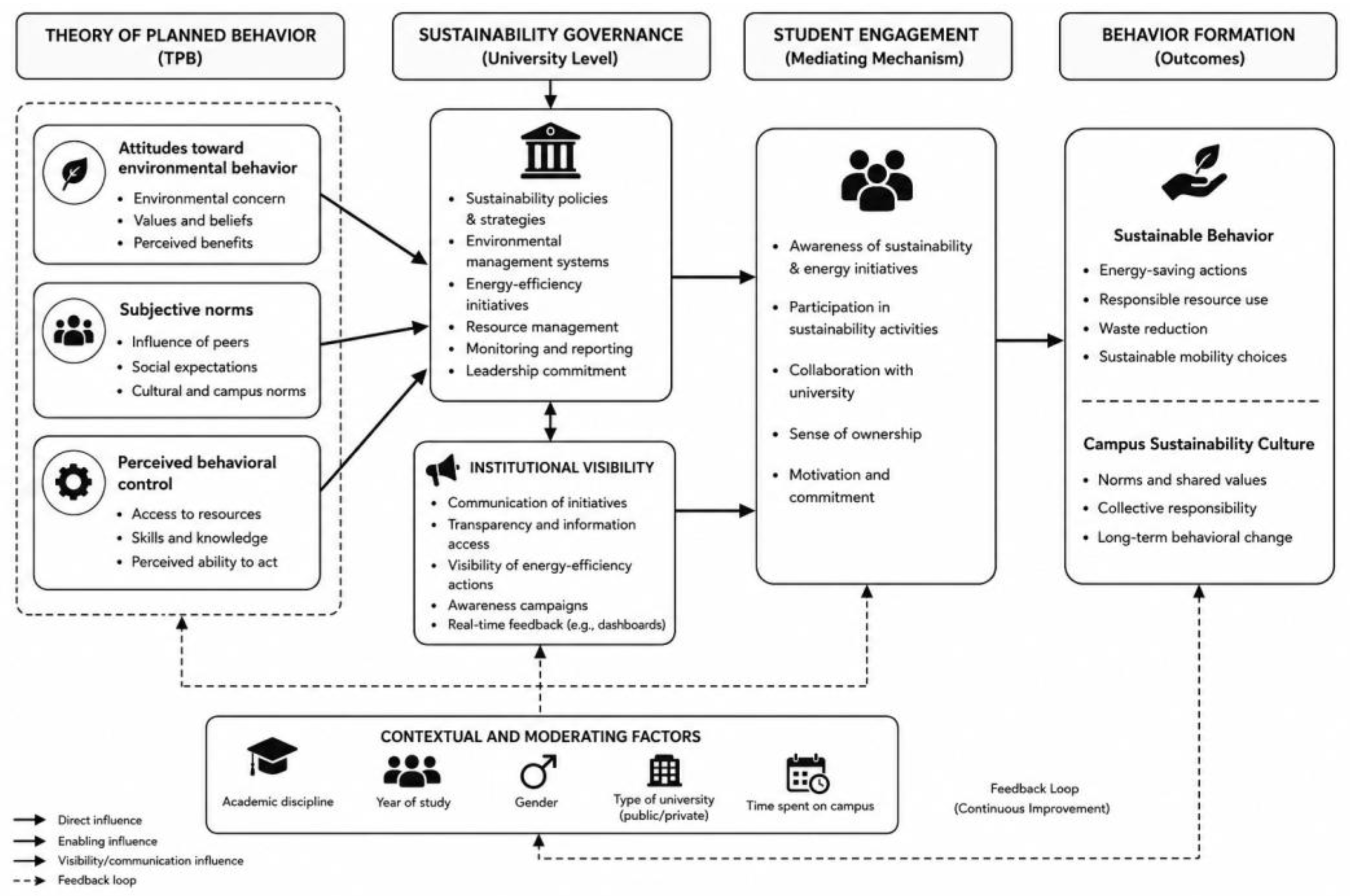
Figure 2.
Student concern about environmental impacts on human health.
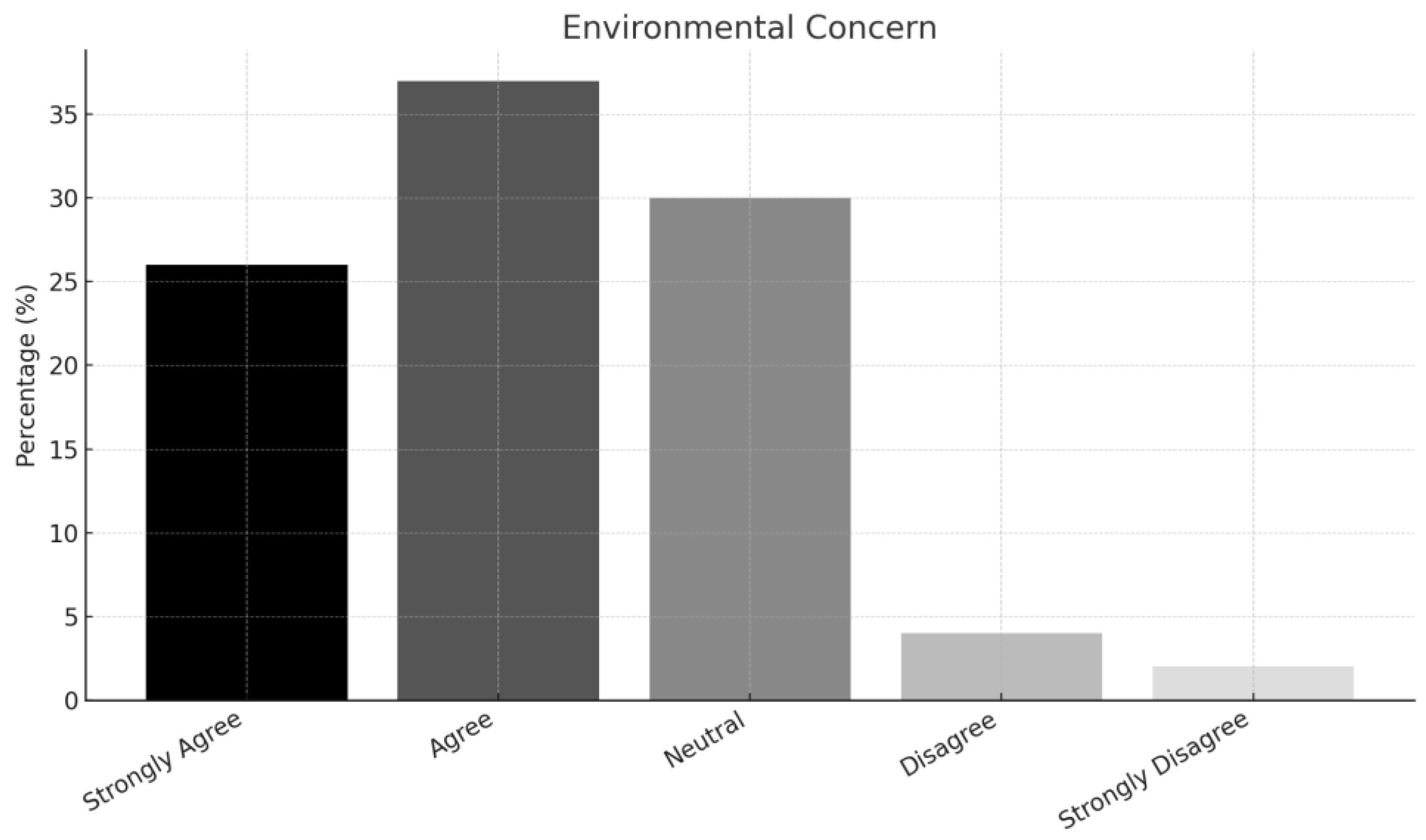
Figure 3.
Frequency of switching off electrical appliances when not in use.
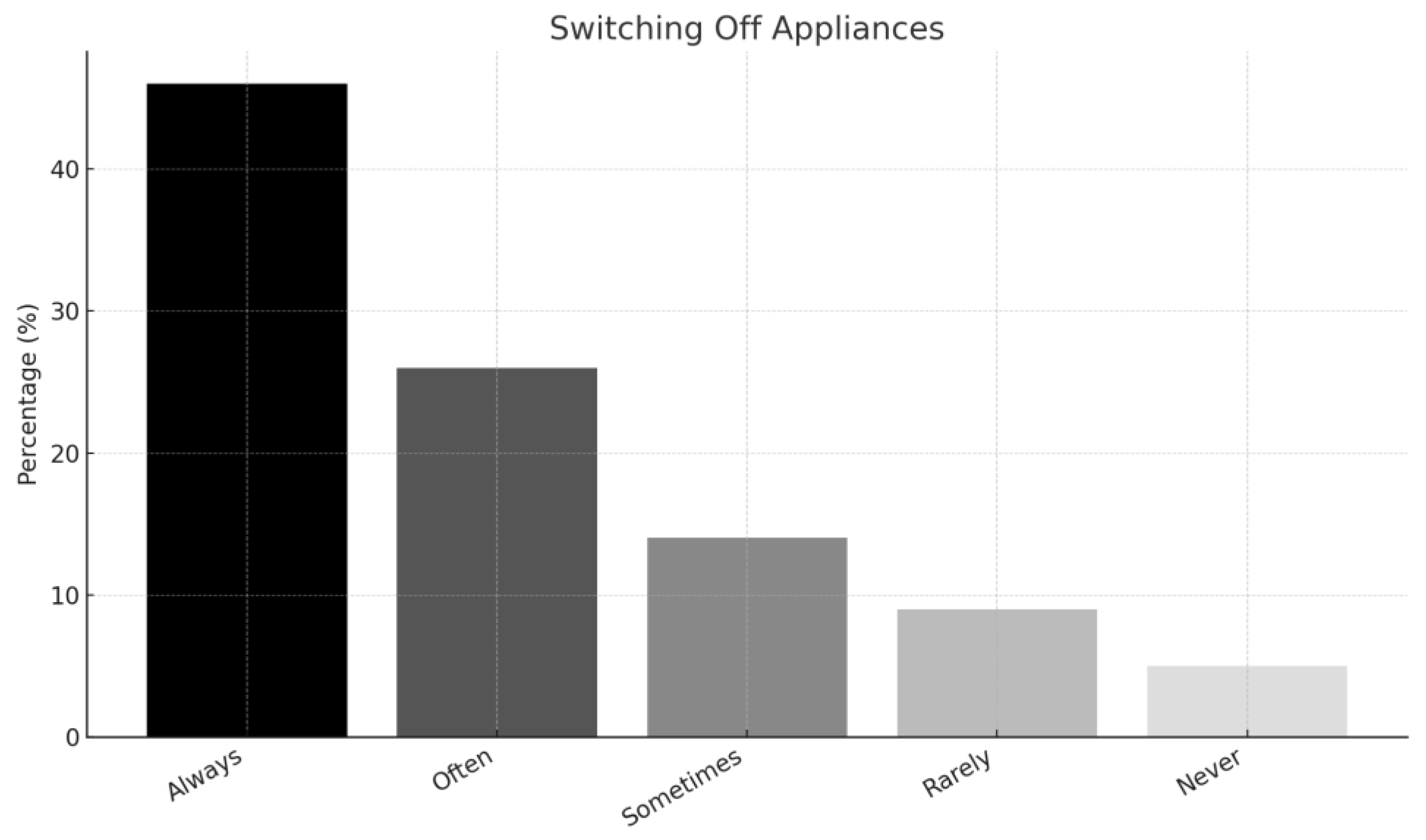
Figure 4.
Frequency of purchasing energy-efficient household or electronic products.
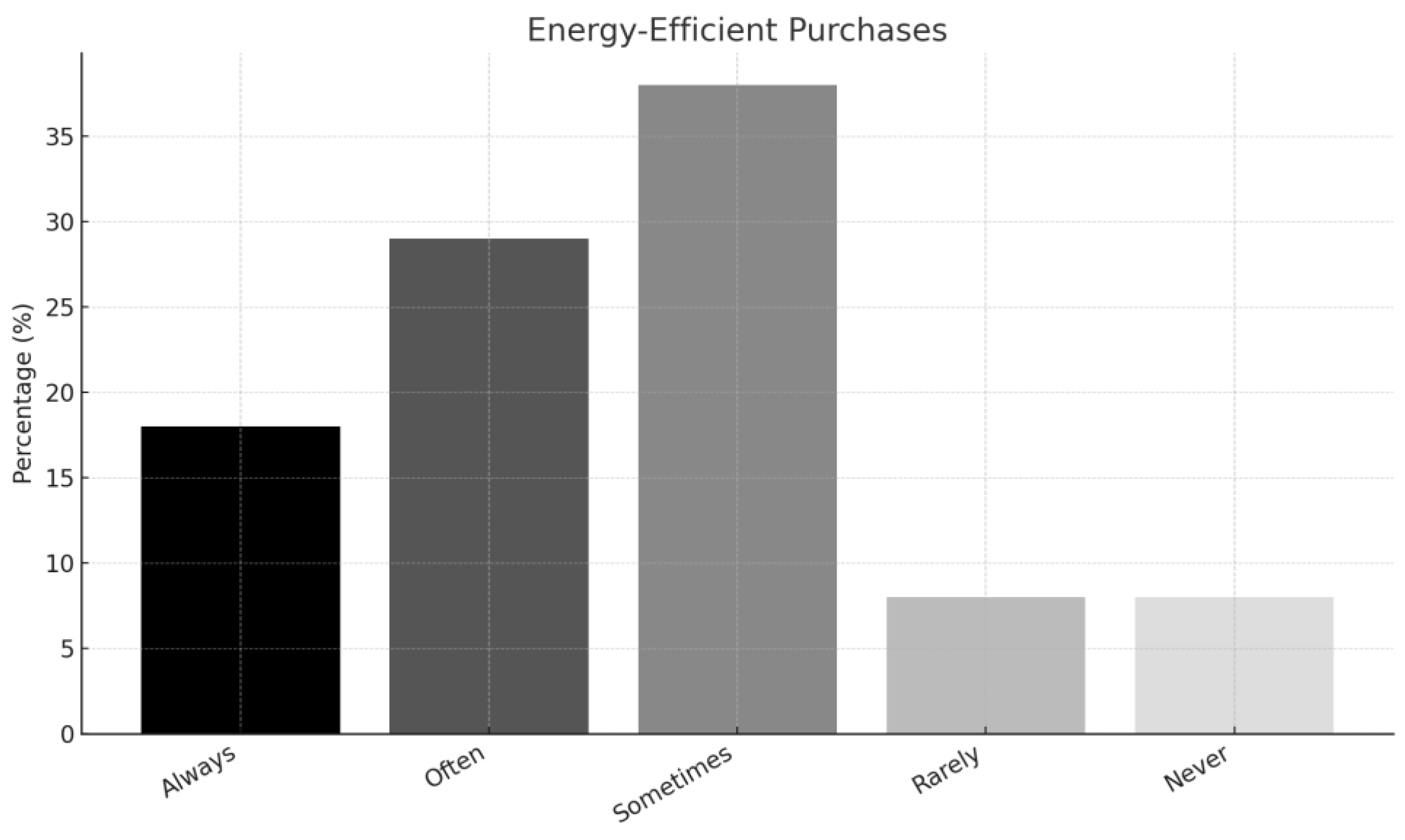
Figure 5.
Student awareness of university sustainability strategies and initiatives.
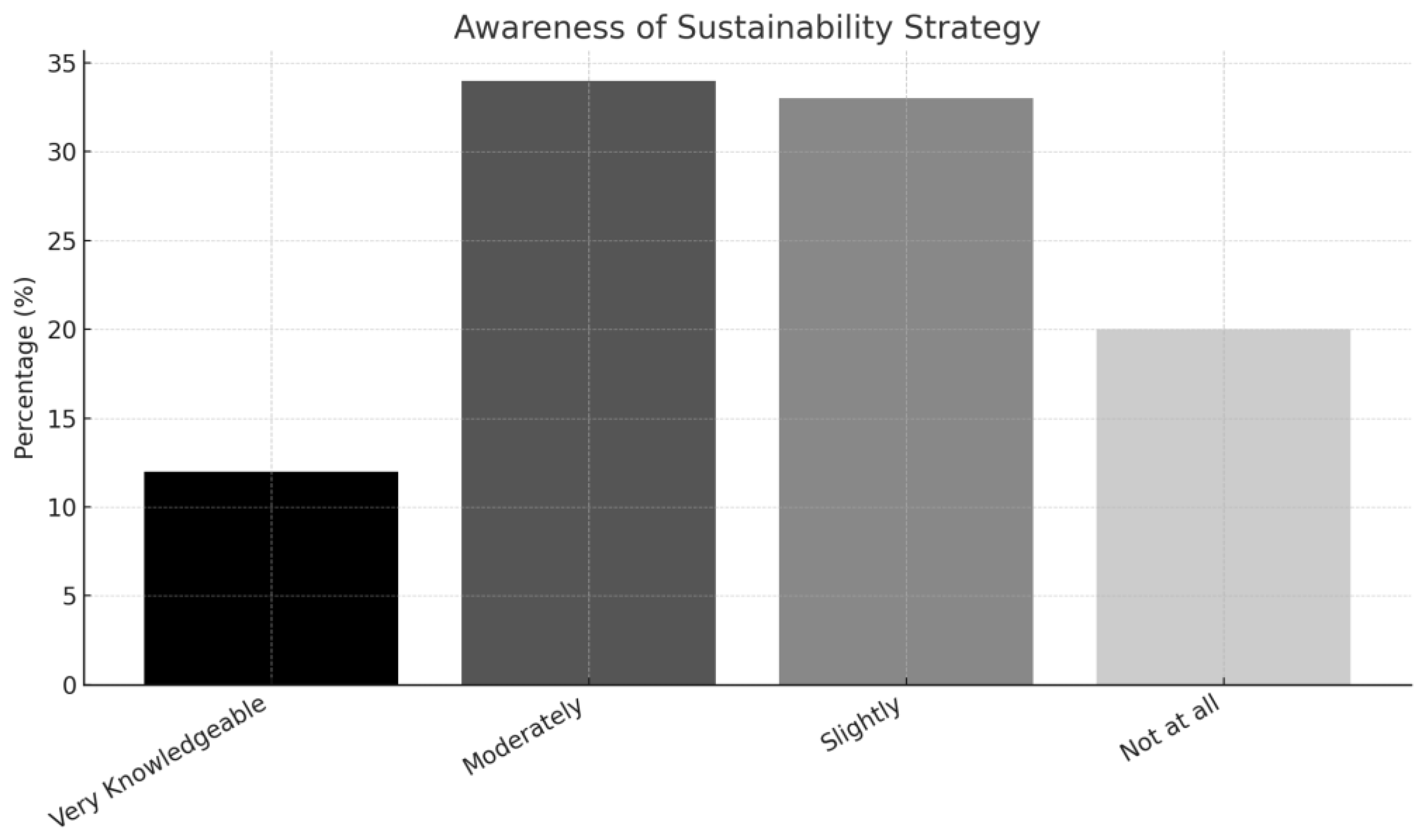
Figure 6.
Student opinion on the improvement of university environmental sustainability practices.
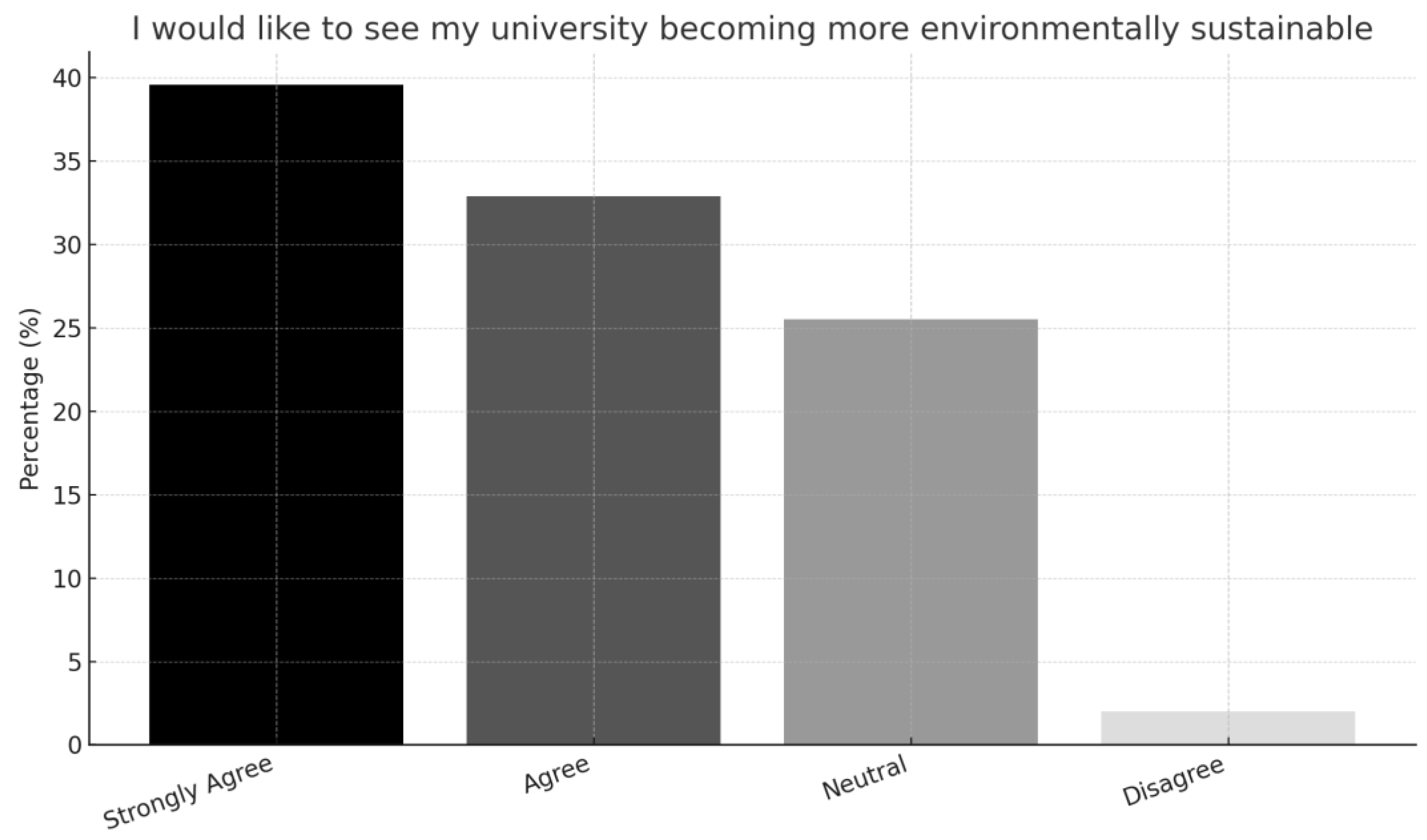
Figure 7.
Priority levels assigned by students to proposed university sustainability measures.
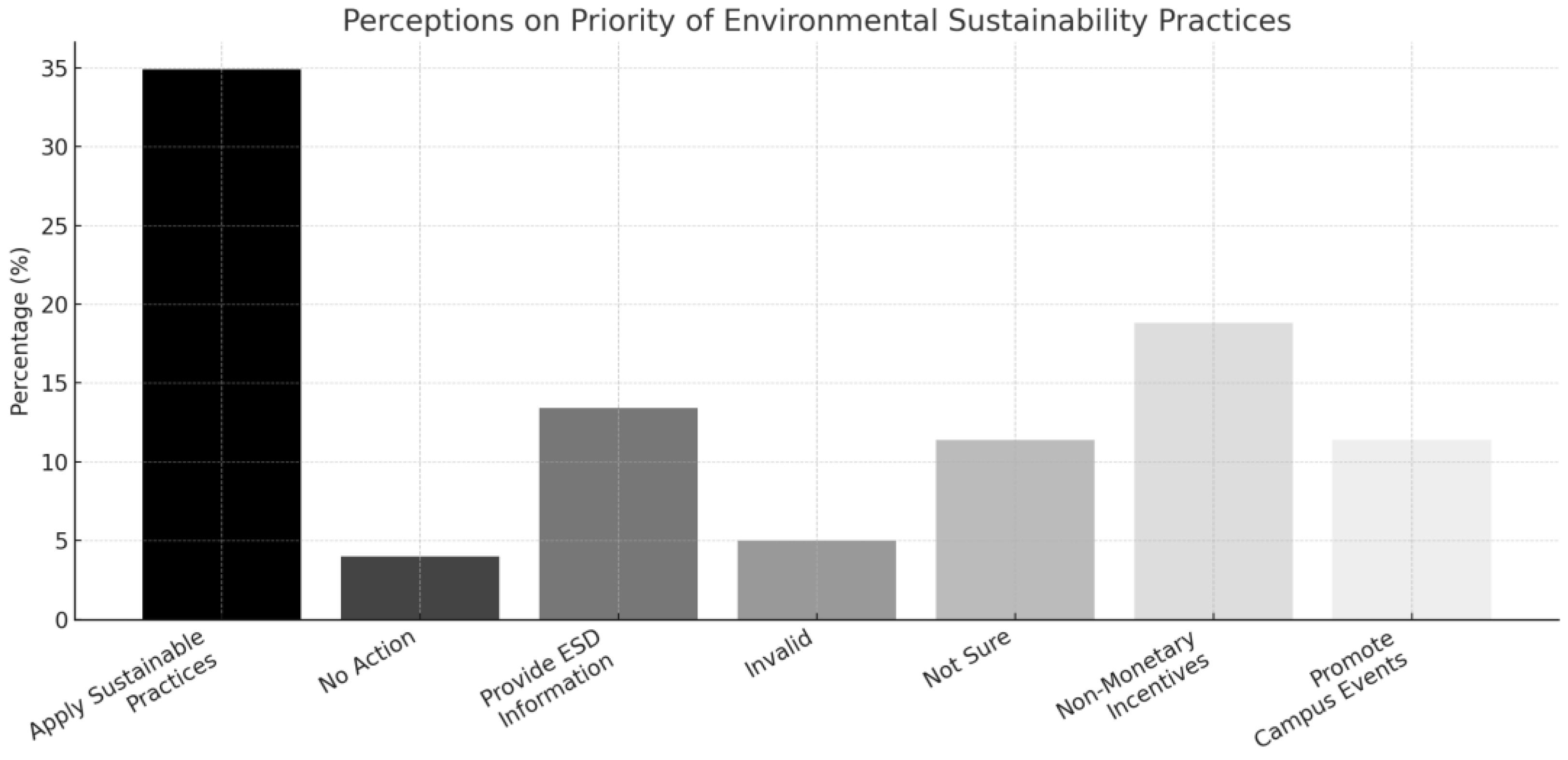
Figure 8.
Sustainability Governance Pathway Linking Institutional Visibility, Student Engagement, and Campus Sustainability Culture.
Figure 8.
Sustainability Governance Pathway Linking Institutional Visibility, Student Engagement, and Campus Sustainability Culture.
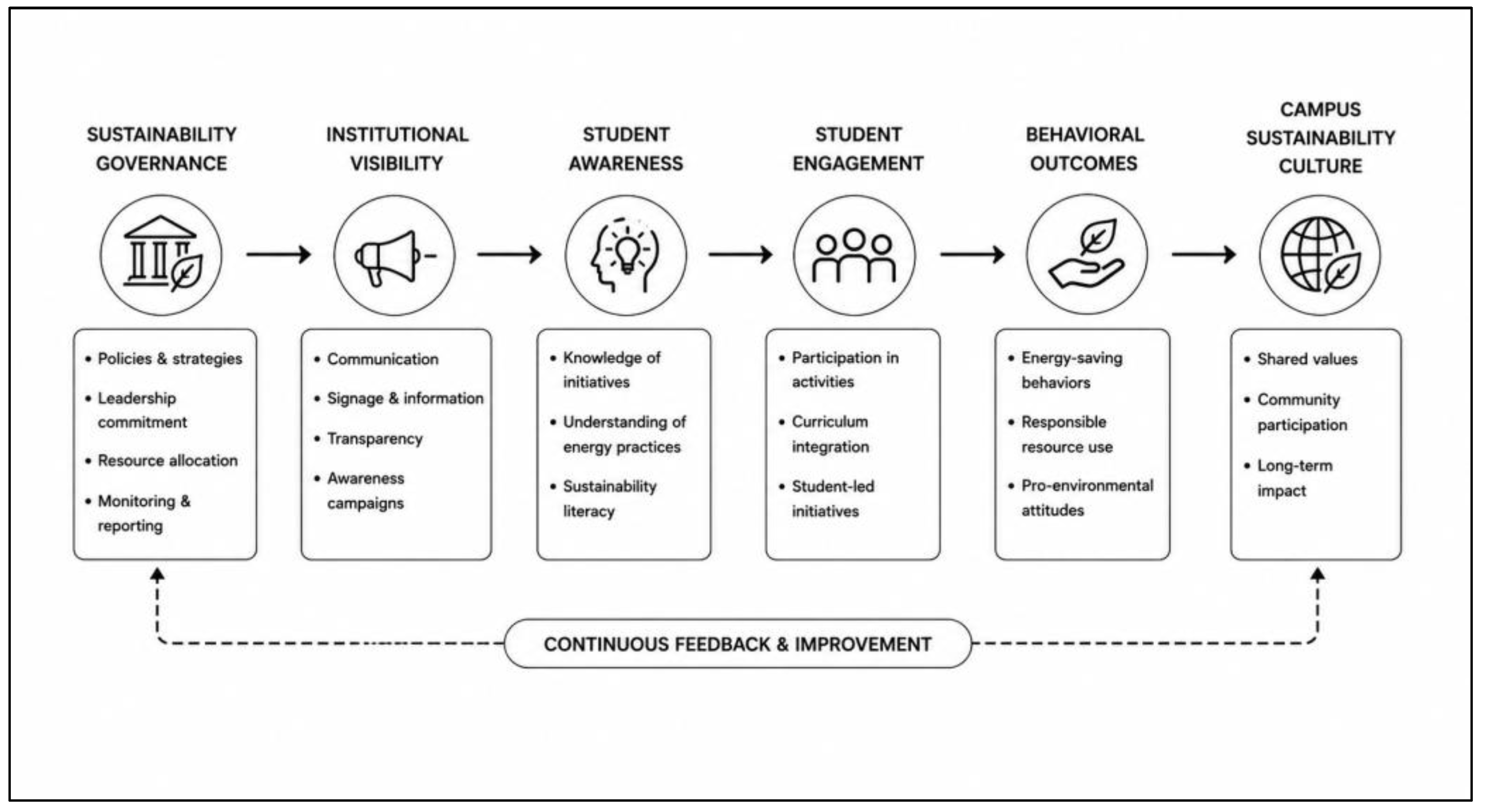

Table 1.
Respondent Demographic Profile.
| Variable | Category | Percentage (%) |
|---|---|---|
| Gender | Male | 55.7 |
| Female | 44.3 | |
| Age | 18–25 | 93.3 |
| 26–35 | 5.4 | |
| 36+ | 1.3 | |
| Study Level | Undergraduate | Majority |
| Field of Study | Humanities/Social Sciences | 32.9 |
| Business | 15.4 | |
| Engineering | 12.1 |
Table 2.
Composite Sustainability Awareness and Engagement Indicators.
| Indicator | Mean Score (1–5) | Interpretation |
|---|---|---|
| Environmental concern | 4.3 | High |
| Sustainability literacy | 2.8 | Moderate |
| Awareness of university sustainability initiatives | 2.4 | Low |
| Awareness of energy-efficiency measures | 2.2 | Low |
| Personal energy-saving behavior | 3.7 | Moderate–High |
| Willingness to participate in sustainability activities | 4.0 | High |
| Perceived institutional communication effectiveness | 2.3 | Low |
| Perceived visibility of sustainability actions | 2.1 | Low |
Table 3.
Student opinion of greener campus practices.
| Response Category | Percentage (%) |
|---|---|
| Strongly Agree | 28.9% |
| Agree | 33.6% |
| Neutral | 25.5% |
| Disagree | 12.1% |
Table 4.
Institutional Sustainability Visibility and Engagement Gaps Identified from Student Perceptions.
Table 4.
Institutional Sustainability Visibility and Engagement Gaps Identified from Student Perceptions.
| Sustainability Dimension | Student Expectations | Observed Student Perception | Identified Gap |
|---|---|---|---|
| Sustainability communication | Clear and regular communication | Limited awareness of sustainability initiatives | Significant |
| Energy-efficiency visibility | Visible operational practices and monitoring | Low awareness of energy systems and measures | Significant |
| Student participation opportunities | Active involvement in sustainability actions | Limited engagement opportunities reported | Moderate–Significant |
| Sustainability education | Integration into courses and campus life | Inconsistent sustainability literacy | Moderate |
| Institutional transparency | Accessible sustainability information | Low familiarity with strategies and policies | Significant |
| Campus sustainability culture | Visible environmental commitment | Perception of early-stage sustainability development | Significant |
Disclaimer/Publisher’s Note: The statements, opinions and data contained in all publications are solely those of the individual author(s) and contributor(s) and not of MDPI and/or the editor(s). MDPI and/or the editor(s) disclaim responsibility for any injury to people or property resulting from any ideas, methods, instructions or products referred to in the content. |
© 2026 by the authors. Licensee MDPI, Basel, Switzerland. This article is an open access article distributed under the terms and conditions of the Creative Commons Attribution (CC BY) license (http://creativecommons.org/licenses/by/4.0/).
Copyright: This open access article is published under a Creative Commons CC BY 4.0 license, which permit the free download, distribution, and reuse, provided that the author and preprint are cited in any reuse.


