

Submitted:
21 May 2026
Posted:
26 May 2026
You are already at the latest version
Abstract
The concept of allogenic tooth transplantation has been known since the early stages of modern oral surgery. Despite numerous successful clinical cases, a deeper understanding of the biological and technical aspects of this method is still required to enable its safe and effective implementation in routine clinical practice. In this case report, we describe an allogenic tooth transplantation performed between a mother and her son. In the mother, teeth 14 and 24 had been extracted more than 10 years earlier due to failed endodontic treatment. Only minimal spontaneous space closure between adjacent teeth occurred, and therefore orthodontic space reopening was not required prior to transplantation. The donor teeth were the son’s maxillary first premolars, which were indicated for extraction for orthodontic reasons. The procedure was preceded by a detailed CBCT analysis, establishment of a surgical plan, and definition of the transplantation protocol. Using CAD/CAM-based 3D printing, replicas of the donor teeth were fabricated and used intraoperatively as guides during preparation of the recipient sites within the alveolar bone. The recipient sockets were prepared using instruments from an implant surgical kit. The 3D tooth models enabled precise adaptation of the recipient bed to the morphology of the donor roots, thereby minimizing the extra-alveolar time. Following atraumatic extraction, the donor teeth were immediately transplanted into the recipient. This report presents a case combining 3D printing technology with allogenic tooth transplantation. This approach allows reduction of extra-alveolar time, minimizes unnecessary alveolar bone loss, and improves primary stability of the transplant. The aim of this study is to expand current knowledge regarding the potential use of allogenic tooth transplantation in combination with 3D printing and to support its broader application in clinical dental practice, similarly to other medical fields where transplantation procedures demonstrate high success rates.
Keywords:
tooth transplantation
; allograft
; dental implants
; 3D printing
1. Introduction
The history of allogenic tooth transplantation dates back to the 16th century, with more significant development occurring during the second half of the 20th century. While organ transplantation between individuals has become a routine practice in human medicine, tooth transplantation remains relatively uncommon in stomatology. Innovations arising from clinical research have led to improvements in donor–recipient compatibility testing as well as refinement of surgical techniques [1,2]. Allogenic tooth transplantation is defined as the transfer of a tooth between two individuals of the same species, whereas autogenic transplantation refers to the repositioning of a tooth within the same organism [3]. As early as the 1970s, Atkinson distinguished autotransplants as orthotopic (in the natural anatomical position) and heterotopic (in a different anatomical site). In general, allografts may be rejected by the host immune system, resulting in chronic inflammatory infiltration of the transplanted tissue [4]. Nevertheless, several successful cases of allogenic tooth transplantation have been reported [5].
The wider adoption of this method has been limited primarily by immunological complications and the increasing use of titanium dental implants [6]. Despite these limitations, allografts may function long term and remain asymptomatic. Several case reports have documented favourable outcomes, with a mean functional survival of transplanted teeth of 6.8 years and a maximum reported follow-up period of 28.5 years [7]. These findings suggest the potential for long-term survival of allogenic transplants, which is influenced by multiple biological and technical factors. In previous reports, surgeons frequently encountered discrepancies in root length and morphology, requiring repeated adjustment of the donor tooth within the recipient socket and additional remodeling of the recipient site using standard implant drills [8]. This process prolonged surgical time and increased the risk of excessive bone loss. These limitations may be addressed through the use of 3D printing technology. At present, 3D printing is widely applied in many areas of regenerative and reconstructive medicine (9–17). The typical workflow of 3D printing includes data acquisition, model analysis, structural design, and manufacturing. Data may be obtained using computed tomography (CT), digital scanning, magnetic resonance imaging, or other imaging modalities [18]. A digital model is created using CAD software and subsequently fabricated through computer-controlled additive manufacturing (CAM). The principal advantages of 3D printing include precise control of material distribution, speed, scalability, and cost-effectiveness, making it an ideal tool for both medical and dental applications. One of the major benefits of 3D printing in tooth transplantation is the ability to create individualized replicas of donor teeth that accurately reproduce the three-dimensional root morphology [19]. This enables optimal integration of the transplant without excessive compression of surrounding tissues, minimizes unnecessary bone loss, and improves primary stability [20,21]. Concurrently, allogenic tooth transplantation may represent a cost-effective alternative to titanium implants, as it eliminates the need for expensive components such as the implant body, abutment, and final prosthetic crown. The present case report contributes to this field by combining 3D printing technology with allogenic tooth transplantation and aims to stimulate further research in this still relatively underexplored area.
2. Material and Methods
The clinical case was conducted in a structured manner and received approval from the institutional Ethics Committee (approval No. 2026/EK/03029) prior to implementation. The case was performed in February 2025 and involved allogenic transplantation of teeth 14 and 24 from the son to his mother, who shared the same blood group. The donor (son) underwent extraction of the indicated teeth for orthodontic reasons. The recipient (mother) had lost these teeth more than 10 years earlier. The transplantation was performed using 3D-printed replicas of the donor teeth for preparation of the recipient sockets.
Preoperation Planing and Examinations
The donor was a 17-year-old male, the recipient’s son, with no significant systemic disease and excellent oral hygiene. The recipient was a 48-year-old female, the donor’s mother, also overally healthy. Both patients underwent comprehensive preoperative clinical and radiological examinations with emphasis on individual oral cavity conditions. Genetic and microbiological periodontal assessment was performed in both patients using the Dental GEN test (Table 1 and Table 2), focusing on DNA polymorphism analysis. Both the donor and the recipient had the same genetics and an increased risk of pro-inflammatory cytokines IL1, but at the same time they have an increased production of inhibitory cytokines IL1RN, so the inflammation was more under control. The risk was represented by IL-19 and GLT6D1, which inhibit the inflammatory response and can be the cause of an allergic reaction. No dangerous and potentially risky strains were isolated from the donor. The recipient had low values of risky Aggregatibacter a., which, however, was not localized in the alveoli where the transplantation itself was performed. Nevertheless, an antibiotic shield was indicated as a preventive measure.
In the donor, physiological completion of permanent tooth and root development was confirmed. The teeth were vital, free of carious lesions, and associated with a healthy periodontium without evidence of alveolar ridge resorption (Figure 1). The patient underwent orthodontic treatment at the age of 14 due to anomalies in tooth position. The diagnosis included Angle Class II division 2 malocclusion, characterized by a deep bite and a retroclined position of the upper central incisors. A slight midline deviation was observed, with the lower central incisors shifted 0.5 mm to the left. Additionally, dental arch discrepancies were present, including crowding and compression. Lip closure was competent. Clinical examination also revealed lingual inclination of the dental crowns and a profile with anterior inclination. Extractions of teeth 14 and 24 were indicated as compensation for the development of a large incisal step as a result of the anomaly and orthodontic therapy. Based on CBCT examination of the maxilla and mandible in both donor and recipient and subsequent detailed analysis, tooth 14 was designated for transplantation into the position of tooth 24, and tooth 24 into the site of the missing tooth 14 (Figure 2). Replicas of teeth 14 and 24 were fabricated from CBCT data using 3D modeling of the teeth indicated for extraction. Stereolithographic (SLA) 3D printing was used for manufacturing, based on photopolymerization of liquid resin by ultraviolet light with high layer resolution (Figure 3). This technique enabled fabrication of models with high dimensional accuracy and a smooth surface, which was essential for precise preparation of the recipient sockets and reduction of extra-alveolar time. A biocompatible photopolymer resin approved for medical and dental use was utilized. After printing, the replicas were mechanically cleaned, rinsed in isopropyl alcohol, and post-cured in a UV chamber according to the manufacturer’s recommendations to ensure adequate mechanical and surface properties. Prior to surgical use, the models were sterilized.
The procedure was performed under local anesthesia, beginning with the recipient, specifically with the preparation of the alveolar socket for the transplanted teeth. Recipient socket preparation was carried out using an implant surgical kit and bone drills under continuous external irrigation with sterile saline solution. The objective of the preparation was to create a recipient bed that reproduced the root morphology of the donor teeth while minimizing the risk of periodontal damage and thermal injury to the bone.After securing the surgical field and raising a full-thickness mucoperiosteal flap at the planned transplantation site, an initial entry into the alveolus was created using a 2.0 mm pilot drill, with the axis of preparation controlled according to the CBCT data (Figure 4). The osteotomy was then gradually enlarged using implant drills and round bone burs of increasing diameter, with continuous irrigation and removal of bone debris by suction. Preparation was performed progressively, with emphasis on preservation of the cortical bone walls and avoidance of excessive pressure. At different stages, a sterilized 1:1 3D-printed replica of the donor tooth was repeatedly inserted into the prepared socket to assess shape conformity, depth, spatial orientation, and occlusal relationships (Figure 5).
Final refinement of the apical portion of the socket was performed using fine bone burs to eliminate sharp bony edges. After achieving the optimal socket shape, the replica was removed and the site was thoroughly irrigated with sterile saline solution.Atraumatic extraction of the donor tooth was subsequently performed using premolar forceps (Figure 6). After extraction, the extra-alveolar time was minimized, thanks to the 3D-printed replica and the pre-prepared alveolar socket in the recipient. For better anatomical proportions tooth 14 was transplanted into the position of tooth 24. The transplanted tooth was relieved from occlusion, the mucoperiosteal flap was sutured, and the tooth was stabilized using a fiber-reinforced splint bonded to adjacent teeth 23 and 25 (Figure 7). The same procedure was performed for transplantation of tooth 24 into the site of tooth 14. In the donor, the extraction wounds were treated and sutured with resorbable sutures. Both patients received detailed postoperative instructions. The recipient was prescribed antibiotics and advised to maintain a soft diet for one month and to avoid mobilizing or touching the transplanted teeth. Post-surgical instructions included a soft diet for one month and to avoid mobilizing or touching the ‘new teeth’ as much as possible. Medical prescription included antibiotics: Metronidazole 500 mg (tablet 3 times a day for 7 days) and Amoxicillin 1 g (capsule 3 times a day for 7 days), a non-steroidal anti-inflammatory drug: Diclofenac potassium 50 mg (tablet 3 times a day for 3 days), and mouthwash with chlorhexidine gluconate 0.12% (twice a day for 10 days). The patient must be compliant and adhere to post-operative instructions.
During the healing phase, no significant complications were observed, except for the expected swelling and manageable pain, primarily on the recipient’s side. After ten days, the clinical examination showed primary healing of the tissues surrounding the transplanted teeth, with the soft tissues and papillae exhibiting no signs of resorption, dehiscence, or other pathological changes. Radiographic follow-up was performed at eight weeks, and endodontic therapy was indicated in the third month (Figure 8). The teeth remained splinted during this period. The splints were definitively removed two weeks after the completion of the endodontic treatment, at which time no clinical signs or complications were noted in the patient.
3. Results and Follow up
The use of precise 3D-printed replicas of the donor teeth enabled preoperative preparation of the recipient sockets with a high degree of accuracy, reduced surgical trauma, and significantly shortened the extra-alveolar time of the transplanted teeth. This represents a critical factor for preservation of periodontal ligament vitality and long-term transplant success. During the observation period, no clinical or radiographic signs of pathological root resorption, ankylosis, or inflammatory complications were detected. Soft tissue healing proceeded uneventfully, with a satisfactory esthetic outcome and full functional integration of the transplanted teeth into the recipient’s dentition (Figure 9). Planned and appropriately timed endodontic treatment, together with temporary splinting, contributed to stabilization of the transplants during the critical healing phase. One-year follow-up confirmed a favourable prognosis of the transplanted teeth from both functional and esthetic perspectives.Genetic analysis in both individuals demonstrated a similar pro-inflammatory genetic profile associated with an increased risk of periodontal disease, with a comparatively higher genetic risk identified in the donor. Despite this finding, no adverse biological reactions were observed in the region of the transplanted teeth during follow-up. These observations suggest that genetic relatedness may contribute to favourable immunological tolerance of the transplant, which is consistent with previously published reports on allogenic dental transplantation within family members.
4. Discussion
Allogenic tooth transplantation represents a biologically oriented therapeutic approach that, in carefully selected cases, may serve as a viable option for replacement of missing teeth. This method has a long historical tradition in dental practice, with documented applications predating the introduction of modern prosthetic and implantological solutions. Despite its gradual decline in favour of dental implants, allogenic transplantation retains biological advantages, particularly the preservation of natural anatomical, functional and periodontal relations. Similarly to autogenous replantation, allogeneic tooth transplantation is also associated with several limitations that affect its clinical success and long-term prognosis. The main limiting factors include the risk of a host immunological reaction, the limited availability of a suitable donor tooth, and an increased risk of postoperative complications. In recent years, a greater number of experimental and clinical studies have been conducted focusing on these aspects, demonstrating that dental tissues may exhibit antigenic properties and are capable of inducing an immune response in the recipient patient [22]. These findings have significantly expanded the understanding of the biological mechanisms influencing the acceptance or rejection of the transplanted tooth, particularly in the case of allogeneic transplantations.
Among the most common complications of tooth transplantation are root resorption and infectious processes in the periodontal region and the periodontal ligament. These complications most frequently manifest in the early postoperative period, particularly within the first weeks after the surgical procedure, and have a decisive impact on the long-term viability of the transplant. Some studies suggest that the use of an autogenous tooth, compared with an allogeneic one, significantly contributes to a reduction in apoptosis of odontoblast-lineage cells, which may lead to more favourable healing and a higher rate of preservation of the vitality of dental and periodontal tissues [23]. On the other hand, certain publications indicate that immunological rejection of the transplanted tooth may not be directly conditioned by the response of periodontal tissues, suggesting the complex nature of the immune mechanisms involved in this process [24]. At present, a substantial portion of both basic and applied research is focused on the regeneration of whole teeth through tissue engineering approaches, stem cells, and biomaterials. Despite promising experimental results, however, the clinical application of these approaches in routine practice remains an as yet unattained goal. Advances in molecular biology, experimental embryology, developmental biology, and bioengineering represent a potential avenue for overcoming the current biological and technical limitations of tooth transplantation in the future.
Despite these perspectives, it must be stated that the issue of tooth transplantation remains considerably less explored compared with the field of dental implantology. The number of clinically performed tooth transplantations has not increased over the long term, and modern insights from bioengineering, as well as findings from immunological research, are only rarely implemented into transplantation research in stomatology. For this reason, case reports in this area have particular importance, as they provide valuable insight into the possible future direction of research and the clinical application of tooth transplantation. A key prerequisite for the success of allogeneic tooth transplantation is the inhibition of alloimmune rejection.Basic preventive measures include thorough donor–recipient compatibility testing, minimization of trauma and movement of the periodontal tissues of the transplanted tooth, and adequate endodontic treatment performed either before or after transplantation [25]. Particular importance is also attached to minimizing the extra-alveolar time, which should be reduced to an absolute minimum—ideally to a matter of seconds—in order to preserve the vitality of the periodontal ligament and increase the likelihood of successful integration of the transplant.
5. Conlusion
The presented case report demonstrates that allogeneic tooth transplantation between relatives, in combination with digital planning and 3D printing, represents a favourable therapeutic alternative to prosthetic or implantological solutions. This aspect is consistent with previous clinical observations suggesting that transplantations performed between family members may exhibit more favourable biological tolerance compared with allogeneic transplantations between unrelated individuals. Genetic testing in the present case demonstrated partial genetic compatibility in the analyzed parameters between the donor and the recipient, which may represent one of the factors contributing to a favourable healing course and the absence of clinical and radiological signs of pathological resorption or ankylosis during the observation period. A significant element of this case report is the use of digital planning in combination with 3D-printed replicas of the donor teeth. The use of accurate physical replicas enabled pre-preparation of the alveolar socket prior to the actual extraction of the donor teeth, thereby significantly reducing the extra-alveolar time of the transplants. Several studies indicate that prolonged extra-alveolar time is one of the most important risk factors leading to root resorption and transplantation failure [26]. Based on the presented results, it can be concluded that allogeneic tooth transplantation supported by 3D printing is a feasible, safe, and clinically effective method. However, further studies with a larger number of patients and a longer follow-up period are required to unequivocally confirm its long-term success and broader clinical applicability.
Conflicts of Interest
The authors declare no conflict of interest, and this research received no external funding.
References
- Andreasen, J.O.; Paulsen, H.U.; Yu, Z.; Bayer, T.; Schwartz, O. A long-term study of 370 autotransplanted premolars. Part II. Tooth survival and pulp healing subsequent to transplantation. Eur. J. Orthod. 1990, 12, 14–24. Available online: https://pubmed.ncbi.nlm.nih.gov/2318259/. [CrossRef] [PubMed]
- Adell, R. Tissue-integrated prostheses in clinical dentistry. Int. Dent. J. 1985, 35, 259–265. Available online: https://pubmed.ncbi.nlm.nih.gov/3912327/.
- Atkinson, M.E. Histopathological and immunological aspects of tooth transplantation. J. Oral. Pathol. 1978, 7, 43–61. Available online: https://pubmed.ncbi.nlm.nih.gov/96235/. [CrossRef] [PubMed]
- Gem, H.; Ebadi, M.; Sebastian, G.; Abasaed, R.; Lloid, M.; Minot, S.; Dean, D.; Rashidi, A. Dental plaque microbiota following allogeneic hematopoietic cell transplantation and risk of chronic graft-versus-host disease. Haematol. Vol. 2026, Volume 111(Issue 2), 620–631. [Google Scholar] [CrossRef]
- Revathy, V.; Suryakanth, M.; Poornima, P.; Subba Reddy, V.V. Allotransplantation of tooth: a case report. J. Clin. Pediatr. Dent. 2012, 37, 1–4. Available online: https://pubmed.ncbi.nlm.nih.gov/23342558/. [CrossRef]
- Meffert, R.M.; Langer, B.; Fritz, M.E. Dental implants: a review. J. Periodontol. 1992, 63, 859–870. Available online: https://pubmed.ncbi.nlm.nih.gov/1453301/. [CrossRef]
- Wang, Z.; Qunxing, L.; Chunyan, Ch.; Manyu, L.; Donghui, W. Improving autologous tooth transplantation: A novel approach using digital technology and a positioning adhesive guide. J. Stomatol. Oral. Maxillofac. Surg. 2026, 102784 Volume 127(Issue 5). [Google Scholar] [CrossRef]
- Herrera, H.; Herrera, H.; Leonardo, M.R.; de Paula e Silva, F.W.; da Silva, L.A. Treatment of external inflammatory root resorption after autogenous tooth transplantation: case report. Oral. Surg. Oral. Med. Oral. Pathol. Oral. Radiol. Endod. 2006, 102, e51–e54. Available online: https://pubmed.ncbi.nlm.nih.gov/17138168/. [CrossRef] [PubMed]
- Xiang Gu, G.; Su, I.; Sharma, S.; Voros, J.L.; Qin, Z.; Buehler, M.J. Three-dimensional printing of bio-inspired composites. J. Biomech. Eng. 2016, 138, 021006. Available online: https://pubmed.ncbi.nlm.nih.gov/26747791/. [CrossRef]
- Seunarine, K.; Gadegaard, N.; Tormen, M.; Meredith, D.O.; Riehle, M.O.; Wilkinson, C.D. 3D polymer scaffolds for tissue engineering. Nanomedicine (Lond) . 2006, 1, 281–296. Available online: https://pubmed.ncbi.nlm.nih.gov/17716159/. [CrossRef]
- Rasperini, G.; Pilipchuk, S.P.; Flanagan, C.L.; Park, C.H.; Pagni, G.; Hollister, S.J.; Giannobile, W.V. 3D-printed bioresorbable scaffold for periodontal repair. J. Dent. Res. 2015, 94, 153S–157S. Available online: https://pubmed.ncbi.nlm.nih.gov/26124215/. [CrossRef]
- Wang, X.; Ao, Q.; Tian, X.; Fan, J.; Wei, Y.; Hou, W.; Tong, H.; Bai, S. 3D bioprinting technologies for hard tissue and organ engineering. Materials . 2016, 9, 802. Available online: https://pubmed.ncbi.nlm.nih.gov/28773924/. [CrossRef] [PubMed]
- Murphy, S.V.; Atala, A. 3D bioprinting of tissues and organs. Nat. Biotechnol. 2014, 32, 773–785. Available online: https://pubmed.ncbi.nlm.nih.gov/25093879/. [CrossRef] [PubMed]
- Mandrycky, C.; Wang, Z.; Kim, K.; Kim, D.H. 3D bioprinting for engineering complex tissues. Biotechnol. Adv. 2016, 34, 422–434. Available online: https://pubmed.ncbi.nlm.nih.gov/26724184/. [CrossRef]
- Bajaj, P.; Schweller, R.M.; Khademhosseini, A.; West, J.L.; Bashir, R. 3D biofabrication strategies for tissue engineering and regenerative medicine. Annu Rev. BioMed Eng. 2014, 16, 247–276. Available online: https://pubmed.ncbi.nlm.nih.gov/24905875/. [CrossRef]
- Boyle, I.; Rong, Y.M.; Brown, D.C. A review and analysis of current computer-aided fixture design approaches. Robot Cim.-Int. Manuf. 2011, 27, 1–12. [Google Scholar] [CrossRef]
- Legemate, K.; Tarafder, S.; Jun, Y.; Lee, C.H. Engineering human TMJ discs with protein-releasing 3D-printed scaffolds. J. Dent. Res. 2016, 95, 800–807. Available online: https://pubmed.ncbi.nlm.nih.gov/27053116/. [CrossRef]
- Shao, H.; Sun, M.; Zhang, F.; Liu, A.; He, Y.; Fu, J.; Yang, X.; Wang, H.; Gou, Z. Custom repair of mandibular bone defects with 3D printed bioceramic scaffolds. J. Dent. Res. 2018, 97, 68–76. Available online: https://pubmed.ncbi.nlm.nih.gov/29020507/. [CrossRef] [PubMed]
- Jung, J.W.; Lee, J.S.; Cho, D.W. Computer-aided multiple-head 3D printing system for printing of heterogeneous organ/tissue constructs. Sci. Rep. 2016, 6, 21685. Available online: https://pubmed.ncbi.nlm.nih.gov/26899876/. [CrossRef]
- Atsumi, M.; Park, S.H.; Wang, H.L. Methods used to assess implant stability: current status. Int. J. Oral. Maxillofac. Implant. 2007, 22, 743–754. Available online: https://pubmed.ncbi.nlm.nih.gov/17974108/.
- Mesa, F.; Muñoz, R.; Noguerol, B.; de Dios Luna, J.; Galindo, P.; O'Valle, F. Multivariate study of factors influencing primary dental implant stability. Clin. Oral. Implant. Res. 2008, 19, 196–200. Available online: https://pubmed.ncbi.nlm.nih.gov/18039335/. [CrossRef]
- Feitosa, V.; Mota, M.; Savoldi, R.; Rifane, T.; Paula, D.; Borges, L.; Solheiro, L.; Neto, M.; Vieira, L.; Moreira, A.; Sauro, S. The Allogenic Dental Pulp Transplantation from Son/Daughter to Mother/Father: A Follow-Up of Three Clinical Cases. Bioengineering 2022, 9(11), 699. [Google Scholar] [CrossRef] [PubMed]
- Unno, H.; Suzuki, H.; Nakakura-Ohshima, K.; Jung, H.S.; Ohshima, H. Pulpal regeneration following allogenic tooth transplantation into mouse maxilla. Anat. Rec. . 2009, 292, 570–579. Available online: https://pubmed.ncbi.nlm.nih.gov/19226618/. [CrossRef] [PubMed]
- Saito, K.; Nakatomi, M.; Kenmotsu, S.; Ohshima, H. Allogenic tooth transplantation inhibits the maintenance of dental pulp stem/progenitor cells in mice. Cell Tissue Res. 2014, 356, 357–367. Available online: https://pubmed.ncbi.nlm.nih.gov/24671256/. [CrossRef] [PubMed]
- Schwartz, O.; Frederiksen, K.; Klausen, B. Allotransplantation of human teeth. A retrospective study of 73 transplantations over a period of 28 years. Int. J. Oral. Maxillofac. Surg. 1987, 16, 285–301. Available online: https://pubmed.ncbi.nlm.nih.gov/3112258/. [CrossRef]
- Tsukiboshi, M. Autotransplantation of teeth: requirements for predictable success. Dent. Traumatol. 2002, 18(4), 157–180. [Google Scholar] [CrossRef]
Figure 1.
Donor teeth No. 14 et 24 and recipient site.
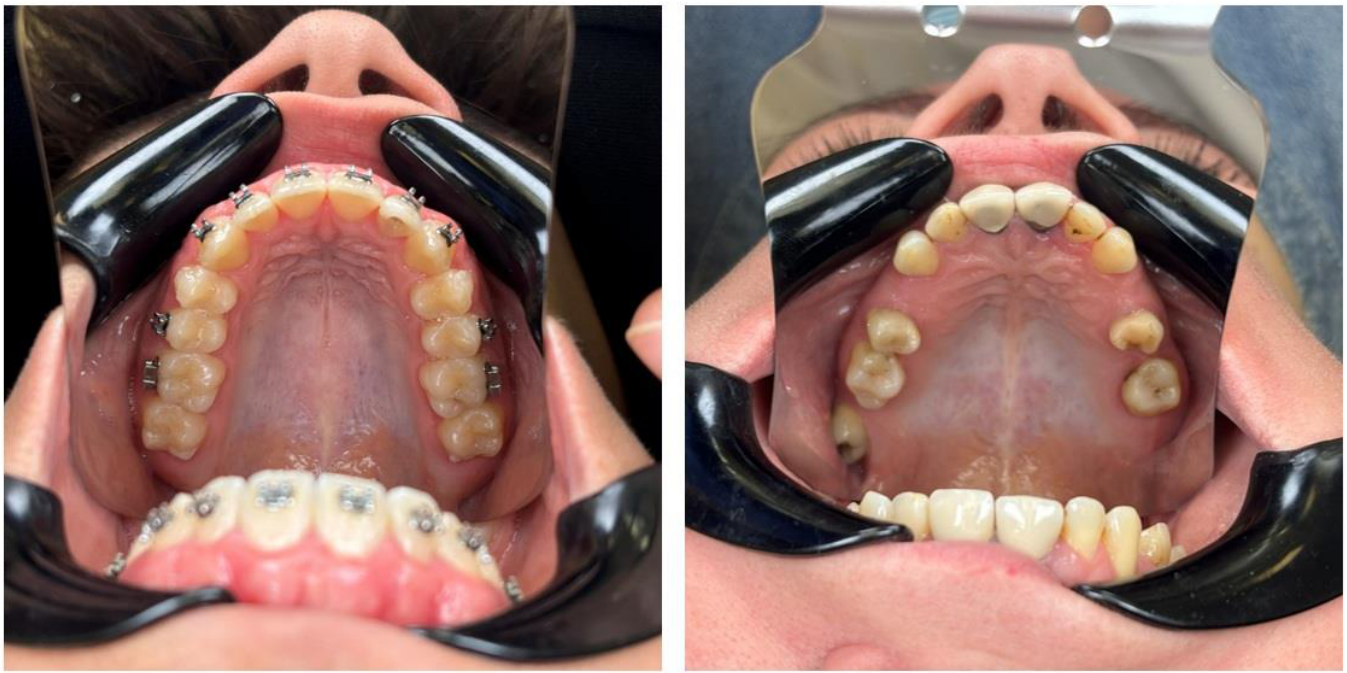
Figure 2.
CBCT analysis of donor teeth.
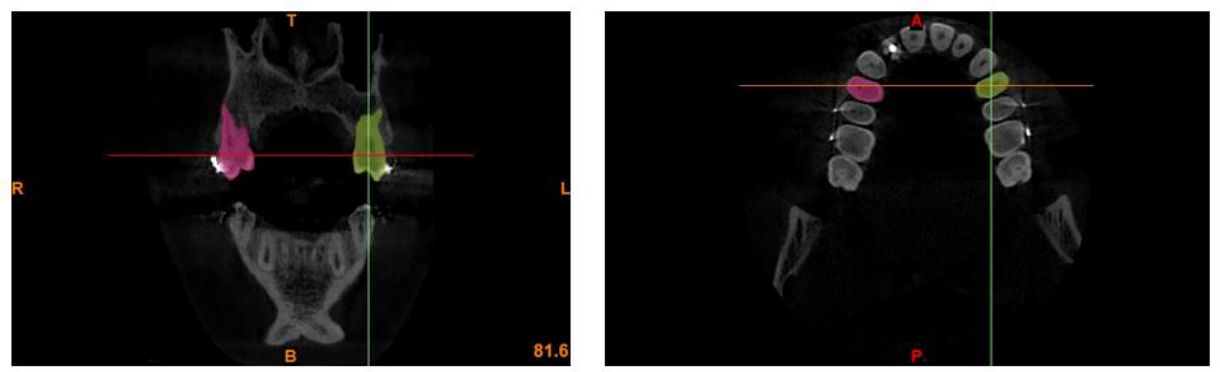
Figure 3.
Donor teeth after segmentation and 3D replicas with high dimensional accuracy and smooth surface.
Figure 3.
Donor teeth after segmentation and 3D replicas with high dimensional accuracy and smooth surface.
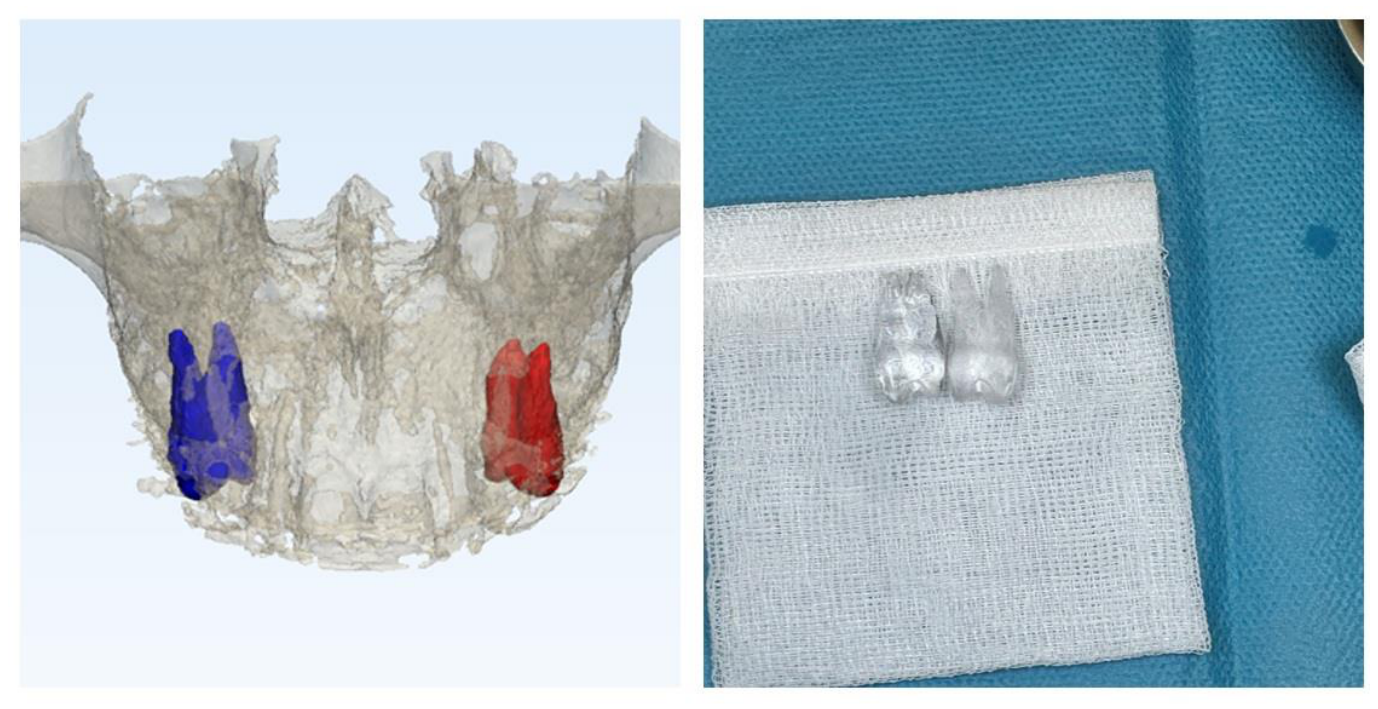
Figure 4.
Approach to the alveolar ridge and preparation using a pilot drill.
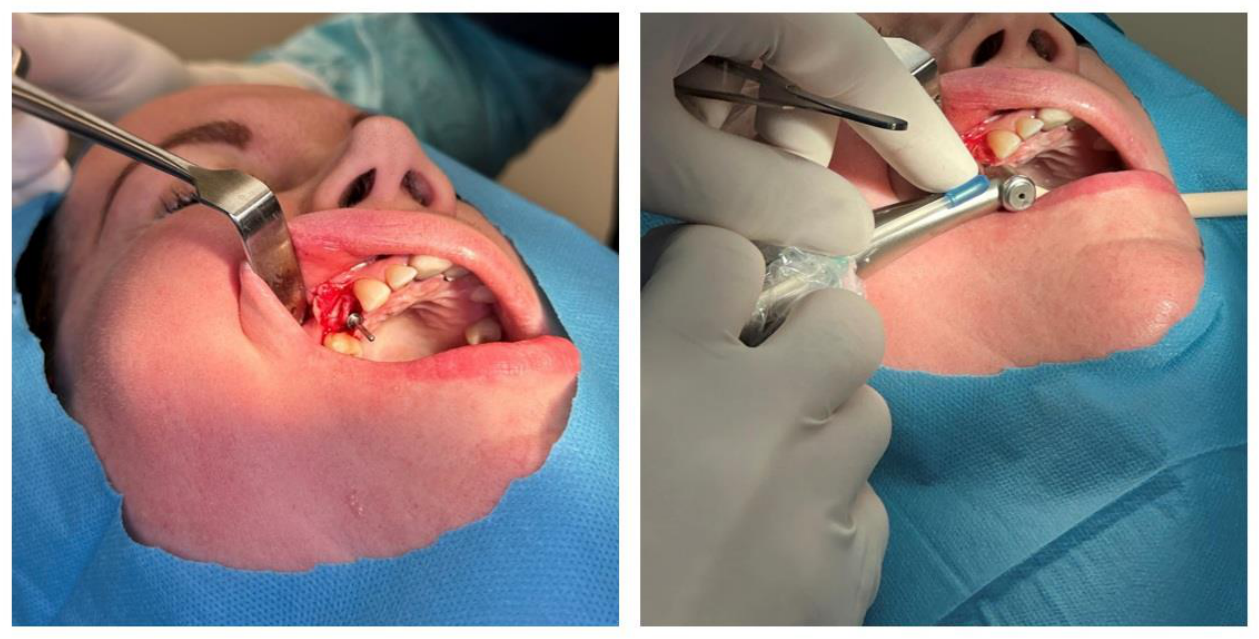
Figure 5.
Replica application.
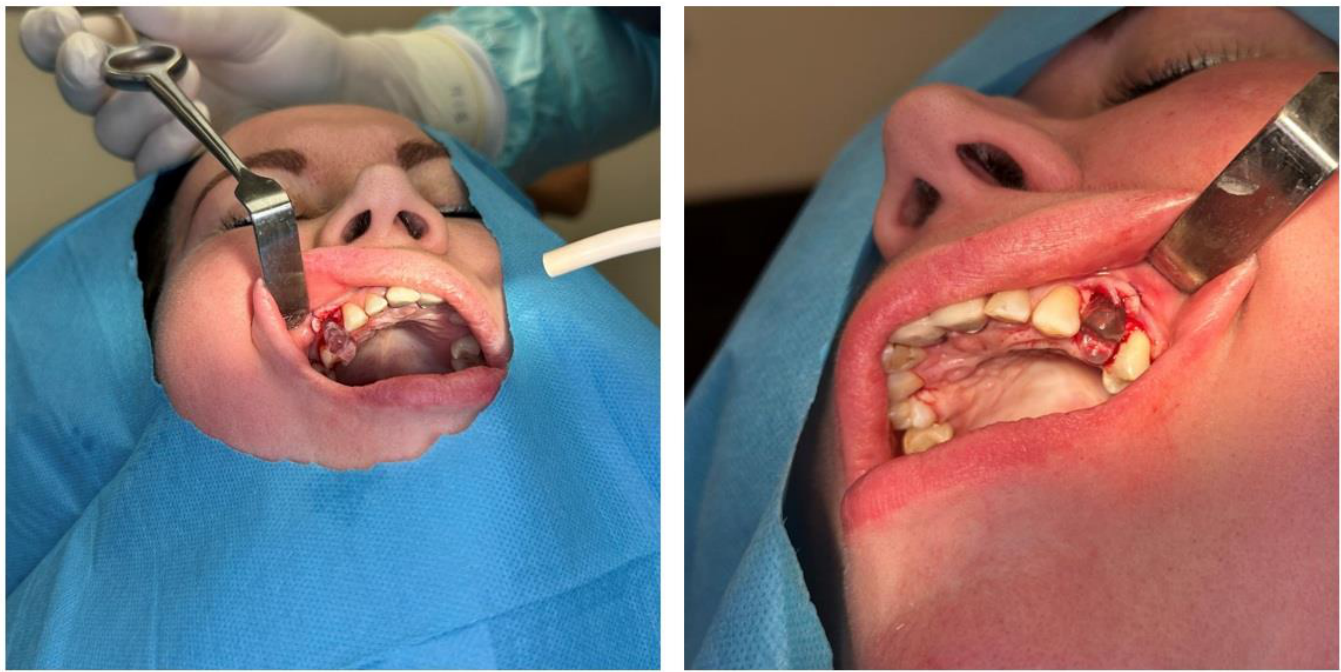
Figure 6.
Atraumatic, gentle tooth extraction and tooth replantation with minimal extraalveolar time using a 3D replica.
Figure 6.
Atraumatic, gentle tooth extraction and tooth replantation with minimal extraalveolar time using a 3D replica.
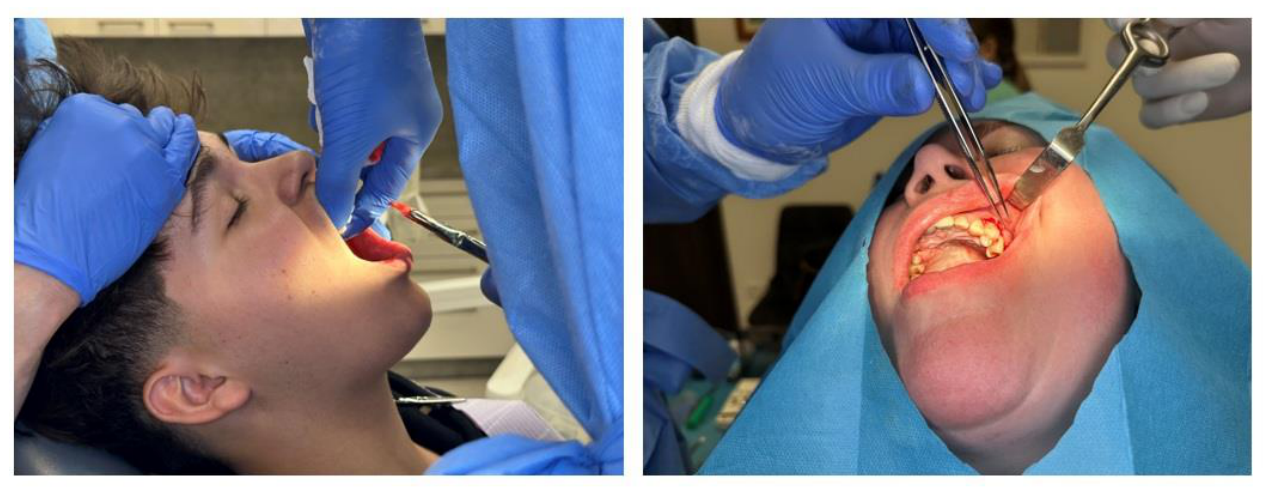
Figure 7.
Before and after transplantation.
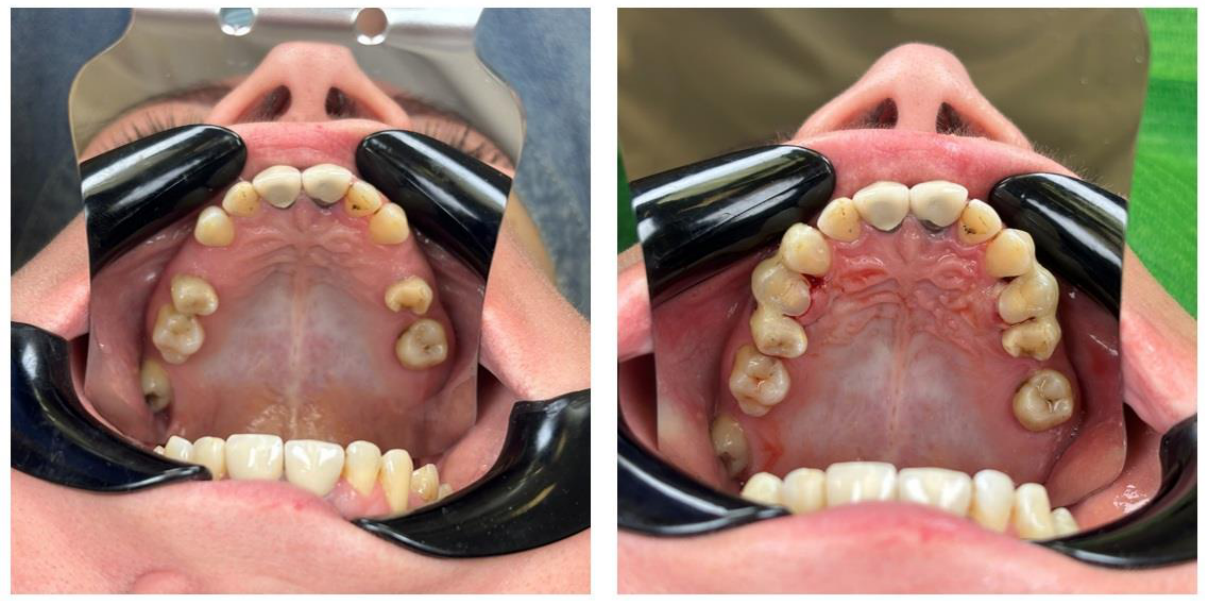
Figure 8.
X rays.
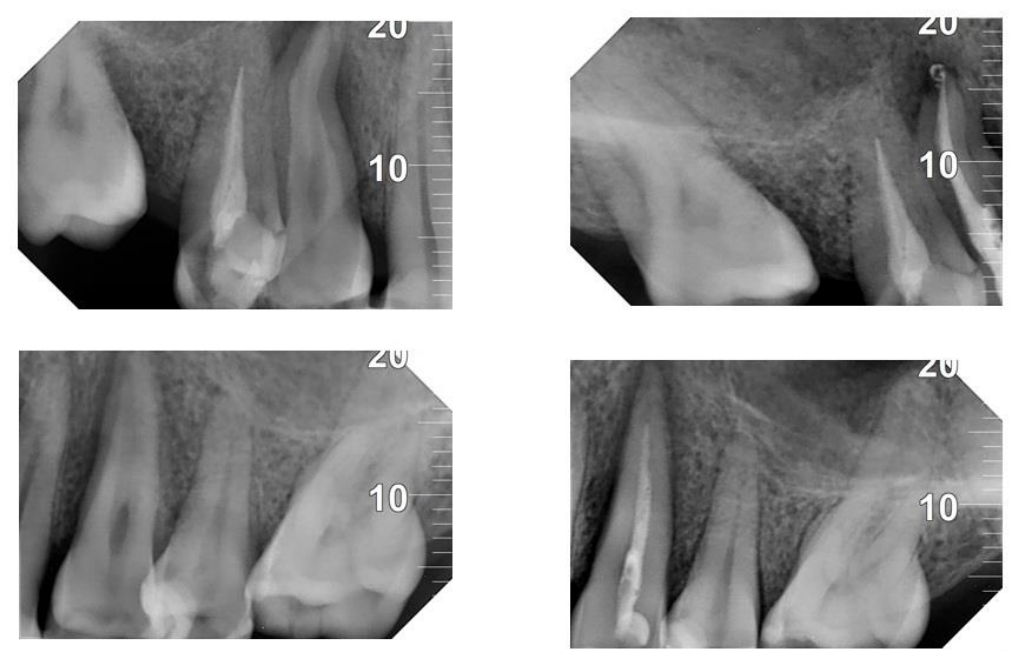
Figure 9.
Status after a year.
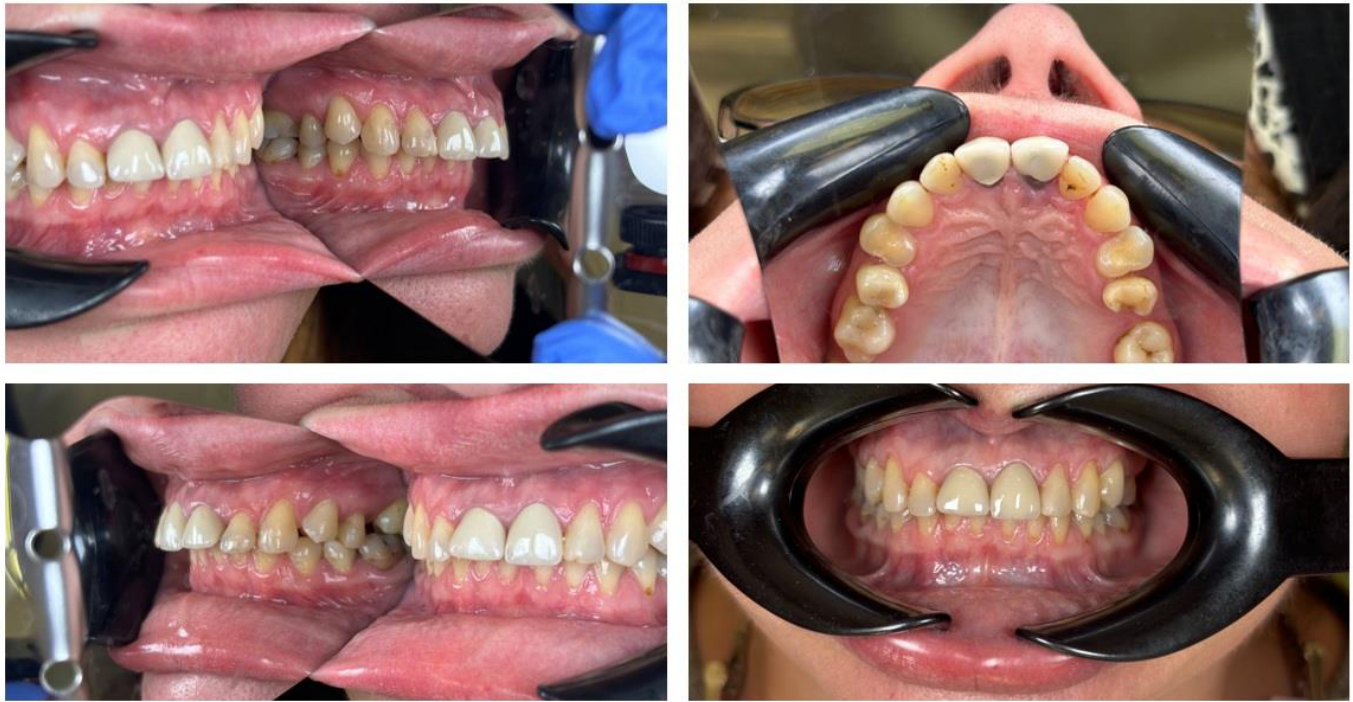

Table 1.
Genetic and microbiological examination of the recipient's periodontium.
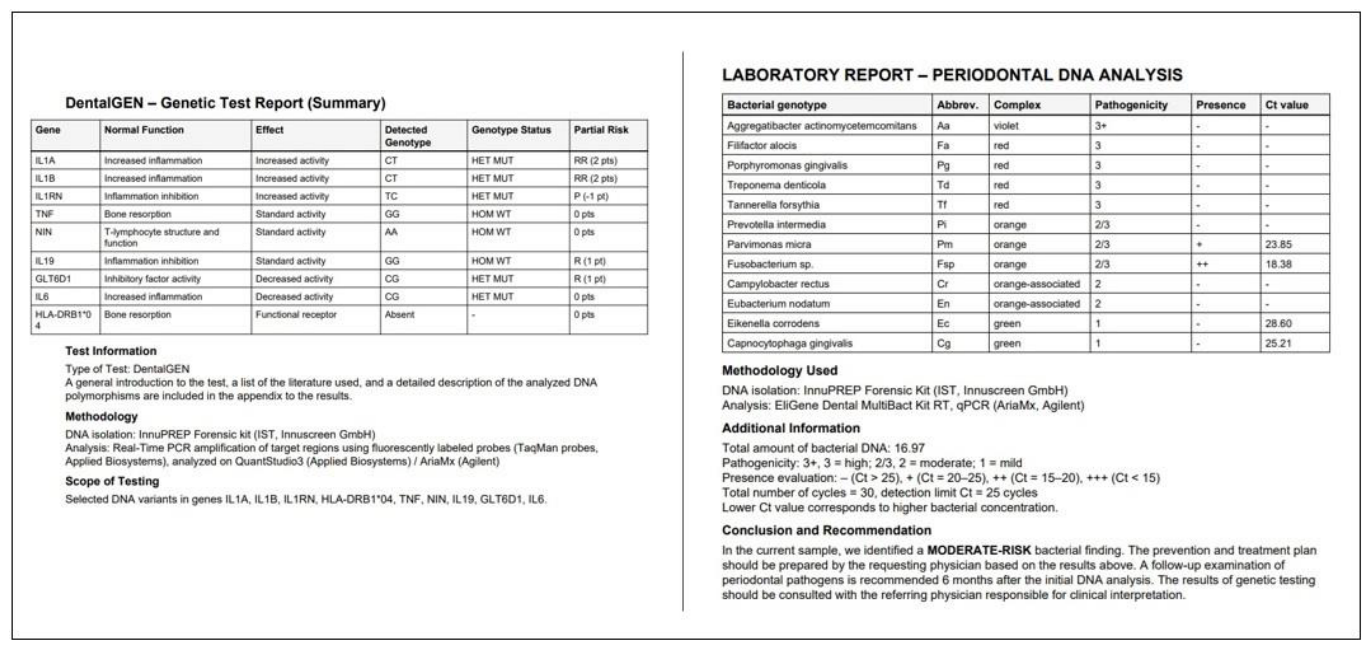 |
Table 2.
Genetic and microbiological examination of the donor's periodontal tissue.
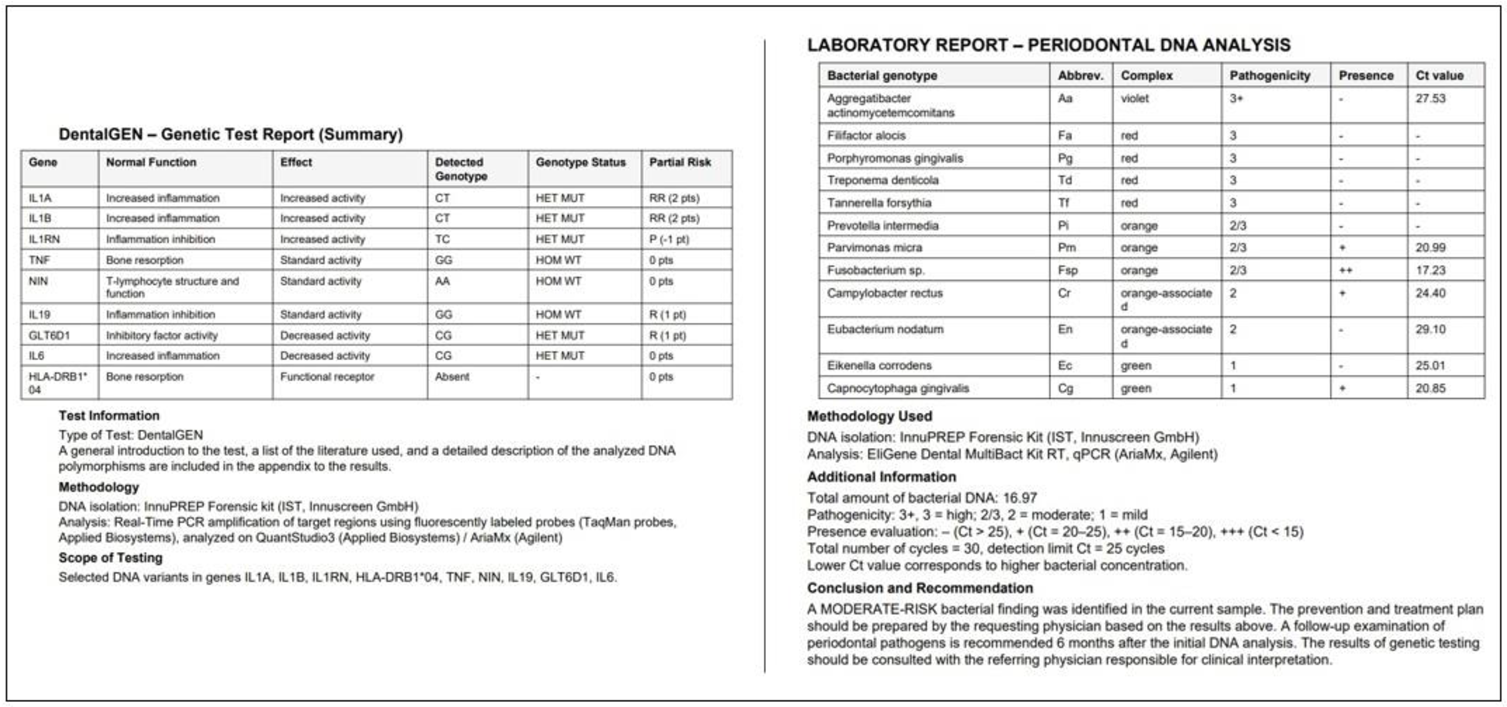 |
Disclaimer/Publisher’s Note: The statements, opinions and data contained in all publications are solely those of the individual author(s) and contributor(s) and not of MDPI and/or the editor(s). MDPI and/or the editor(s) disclaim responsibility for any injury to people or property resulting from any ideas, methods, instructions or products referred to in the content. |
© 2026 by the authors. Licensee MDPI, Basel, Switzerland. This article is an open access article distributed under the terms and conditions of the Creative Commons Attribution (CC BY) license.
Copyright: This open access article is published under a Creative Commons CC BY 4.0 license, which permit the free download, distribution, and reuse, provided that the author and preprint are cited in any reuse.


