

Submitted:
20 May 2026
Posted:
22 May 2026
You are already at the latest version
Abstract
United Kingdom (UK) public health policy increasingly emphasises integrated, community-based whole-system approaches that prioritise social prescribing to promote mental wellbeing and support individuals awaiting formal clinical services. While yoga is known to improve personal wellbeing, its specific social value remains under-researched. This study evaluated the social impact of a five-week Dru Yoga Wellbeing (DYW) Programme for UK participants with mild-to-moderate mental health challenges.Adopting a Social Return on Investment (SROI) framework, this study evaluated a five-week social prescribing intervention. The programme was developed through a collaborative design process with nine regional instructors to ensure local relevance and then subsequently delivered across nine UK locations between July and October 2025. Quantitative outcomes (n = 59; 41 complete cases) were monetised via the UK Social Value Bank and UK Mental Wellbeing Bank. To provide a holistic perspective, the quantitative data were triangulated with qualitative insights from questionnaires (n = 40) and semi-structured interviews (n = 9), which were analysed using a thematic biopsychosocial framework. The SROI analysis for the DYW Programme adhered to the standard Cabinet Office methodology, incorporating adjustments for deadweight, attribution, displacement, and drop-off to ensure the robustness of the findings.Quantitative analysis revealed substantial pre- to post-intervention improvements across all measured outcomes, including life satisfaction, mental wellbeing, and anxiety reduction. Qualitatively, thematic analysis identified key biopsychosocial outcomes: psychological improvement, enhanced social connection, and improved physical wellbeing. Qualitative data provided a deeper narrative of how the programme mitigated anxiety and increased wellbeing.Overall, the DYW Programme delivered a positive return on investment, generating between £3.11 and £3.60 in social value for every £1 spent. The alignment of quantitative SROI ratios with qualitative biopsychosocial outcomes suggests the programme can be a high-value preventative service, well-suited for integration into regional social prescribing pathways. By shifting the focus from clinical pathology toward participant empowerment, the DYW Programme applies community psychological principles to support local mental health.
Keywords:
yoga
; wellbeing
; SROI
; social value
; social prescribing
1. Introduction
In the United Kingdom (UK), common mental disorders remain a significant public health challenge, with approximately one in six adults (17%) reporting symptoms in any given week (NHS England, 2024). This contributes to a broader national crisis, with an estimated 1.9 million individuals currently awaiting formal mental health support (Royal College of Psychiatrists, 2024). At the regional level, Integrated Care Boards, the statutory bodies responsible for local health planning, frequently manage backlogs of 20,000 to 50,000 individuals awaiting secondary care or NHS Talking Therapies (BACP, 2023).
In response to rising mental health diagnoses and lengthy waiting times for specialist care, public health policy in the UK is shifting toward integrated, community-based solutions. NHS England, through the Long-Term Plan (NHS England. 2019), has introduced initiatives to expand access to services and improve signposting to local, needs-based support (Baker & Kirk-Wade, 2024). The adoption of a whole-system framework drives the integration of community mental health services, with social prescribing serving as a key delivery mechanism. By bypassing traditional clinical paths, social prescribing allows primary care providers to connect patients experiencing sub-clinical mental health issues with wellbeing-focused activities like yoga, effectively bridging the gap between medical intervention and community support. There is a substantial and growing body of scientific evidence indicating that engagement with yoga practices can significantly improve personal wellbeing (Gothe et al., 2019; Pascoe et al., 2017). Research shows that increased time spent practicing yoga can enhance mental wellbeing, yielding benefits such as reductions in stress and anxiety, increased positive mood, and better sleep quality (Conboy et al., 2010; Moliver et al., 2013; Shin, 2021).
Recent systematic reviews support the effectiveness of yoga as an intervention for enhancing mental wellbeing. Indeed, yoga-based interventions have been shown to be more effective than standard care or no treatment in alleviating symptoms for individuals with both clinical anxiety disorders and general elevated stress levels (Martínez-Calderon et al. (2023); Cramer et al. (2018). These findings contribute to a growing body of evidence supporting yoga’s role in enhancing psychological resilience across diverse populations (Park & Slattery, 2021),
Provided by a UK social enterprise, the Dru Yoga Wellbeing (DYW) Programme offers yoga-based programmes across the UK. Previous research on Dru Yoga has demonstrated its effectiveness for improving wellbeing and reducing back pain in occupational settings (Hartfiel et al., 2011). The DYW Programme for Social Prescribing is designed to harness the body-breath-brain connection to ease anxiety, improve mental resilience, and build self-confidence through a relaxed and supportive social atmosphere.
Aligned with the policy shift toward integrated community mental health provision and the expanding evidence base for yoga as an effective intervention for enhancing mental wellbeing, this study evaluated the social value experienced by UK participants with mild mental health challenges following a social prescription to the DYW Programme. Furthermore, it examined the social and economic impact of the intervention to determine its viability for a potential wider commissioned roll out.
2. Methods
This study utilised a Social Return on Investment (SROI) framework, underpinned by a participatory research design, to evaluate the social value generated by a five-week social prescribing intervention. Central to the research design was a co-production model involving nine DYW-certified instructors from diverse UK locations. These practitioners were instrumental in the iterative design of the DYW Programme, ensuring the intervention was grounded in local expertise and community needs prior to its delivery across nine regional sites between July and October 2025.
2.1. DYW Programme
The DYW Programme consisted of five, 60-minute sessions delivered once per week. The programme was designed to be upbeat and welcoming, with a primary focus on empowerment and personal choice. Each session incorporated a balanced mix of activities taught progressively, including activations, Energy Block Release sequences, therapeutic postures, harmonising sequences, and relaxing floor work (Appendix 1). All practices started with simpler movements and gradually offered more challenging options. Instructors provided modifications to accommodate individual needs, such as arthritis or back pain, ensuring all participants remained comfortable and safe.
2.2. Participant Recruitment
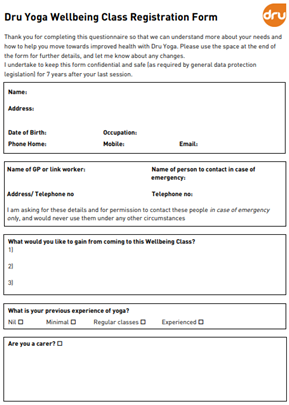
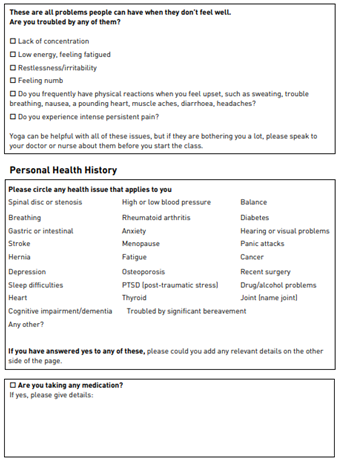
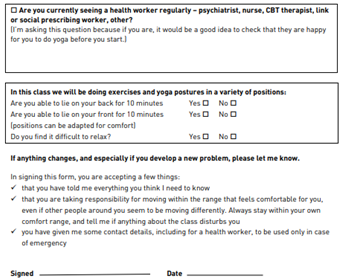
A target sample of 60 adult participants across the nine locations was established, which is consistent with recommendations for pilot studies exploring health-related interventions (Hertzog, 2008). Recruitment was achieved through a combination of self-referral via general advertising and social prescribing referral from health professionals in primary care or community mental health services. All participants were required to complete a health questionnaire (Appendix 2), which collected essential information, including contact details of a responsible healthcare worker. Inclusion criteria were limited to those experiencing mild-to-moderate mental health challenges (e.g., anxiety and depression). Participants attended an initial face-to-face interview with the DYW instructor, which served as a screening opportunity to identify and, where necessary, refer individuals with more serious mental health issues to appropriate healthcare professionals.
2.3. Instructor Qualifications
All nine DWY instructors had successfully completed a 30-hour Dru Yoga Back Care and Wellbeing Course, verified by a certificate and a successful assessment of class delivery and reflection. Instructor training emphasised safeguarding practices in alignment with the Care Act 2014 and the Mental Capacity Act 2005. Training protocols also covered establishing clear professional boundaries (conduct, confidentiality, consent), creating a safe and supportive environment by offering choices in movement, and implementing a comprehensive safeguarding policy with defined procedures for responding to mental health disclosures or crises, including a formal referral pathway to responsible healthcare workers.
2.4. SROI Methodology
To measure the costs and benefits of the DYW Programme, a SROI methodology was chosen (Nicholls et al., 2012). SROI is a specialised form of social cost-benefit analysis. It provides a principles-based framework to measure and account for the broader social and economic value created by an intervention. The aim of SROI analysis is to develop a programme-level Theory of Change that establishes how inputs (e.g., costs and staffing investment) are converted into immediate outputs (e.g., number of participants and sessions offered), and subsequently into meaningful, stakeholder outcomes (e.g., improved mental wellbeing, reduced anxiety).
The social value resulting from these outcomes was estimated by assigning financial proxies through wellbeing valuation. This methodology enabled a calculation of the social value generated per pound sterling invested, similar to a cost-benefit analysis.
2.5. Applying the SROI Framework
The SROI analysis for the DYW Programme was executed through the standard methodology outlined by the UK Cabinet Office (Nicholls et al., 2012): identifying stakeholders, developing a Theory of Change, evidencing outcomes, valuing outcomes, calculating inputs and estimating the SROI ratio.
2.5.1. Identifying Stakeholders
The initial stage involved identifying the key stakeholders who experienced change. For this evaluation, the DYW Programme participants were defined as the primary stakeholders. While DYW instructors may have also experienced change through the delivery of the programme, they were excluded from the formal stakeholder group as their involvement was a professional, salaried role. Similarly, the NHS was not included as a stakeholder as the 5-week duration of the intervention was considered an insufficient timeframe to measure or attribute significant changes in healthcare service use.
2.5.2. Developing a Theory of Change
A Theory of Change was developed to map the causal links between inputs, outputs, and desired outcomes. This framework illustrates how investment in the programme leads to the achieved social value (Figure 1):
2.5.3. Evidencing Outcomes
Following ethical approval from the Bangor University Medical and Health Sciences Academic Ethics Committee (ref.:0853) on 23 July 2025, primary data were collected via baseline and five-week follow-up questionnaires distributed to all DYW Programme participants. The questionnaires measured outcomes such as mental wellbeing, life satisfaction, feeling worthwhile, happiness, and anxiety. Mental wellbeing was assessed using the Short Warwick Edinburgh Mental Wellbeing Scale (SWEMWBS) (Appendix 2). Four measures of personal wellbeing (i.e., life satisfaction, feeling worthwhile, happiness, and anxiety) were assessed using the ONS4 (Office of National Statistics, 2011).
2.5.4. Valuing Outcomes
After the quantity of change was determined from baseline and follow-up questionnaires, the SROI analysis assigned monetary values to the stakeholder outcomes. This valuation was conducted using the Housing Association Charitable Trust (HACT) Social Value Insight Tool, which contains the UK Social Value Bank and the UK Mental Wellbeing Bank. Monetary values were calculated using wellbeing valuation, which draws on data from the British Household Panel Survey to isolate the specific impact of outcomes, such as improved mental wellbeing, on an individual's overall life satisfaction (Trotter et al., 2014).
To ensure a conservative estimate of impact and prevent overclaiming, follow-up questionnaires asked participants specific questions to determine the SROI adjustments for deadweight (outcomes that would have occurred regardless), attribution (impact from external factors), displacement (loss of other social value), and drop-off (longevity of effects) (Table 1).
2.5.4.1. Valuing Outcomes Through the UK Social Value Bank
To avoid double-counting benefits within the ONS4, analysis was restricted to the anxiety domain. Participants were asked: "On a scale of 0 to 10, where 0 is 'not at all anxious' and 10 is 'completely anxious', how anxious did you feel yesterday?" To calculate the social value, we applied the UK Social Value Bank proxy for ‘Relief from Anxiety’ (£19,991). Using HACT’s methodology, social value impact was assigned to participants demonstrating a substantial change, defined as an improvement of three points or more on the 10-point scale. These individual values were then aggregated to determine the total social value for this outcome.
2.5.4.2. Valuing Outcomes Through the UK Mental Wellbeing Bank
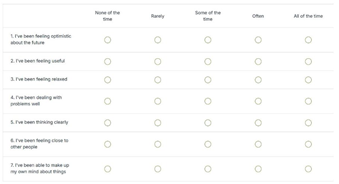
The SWEMWBS questionnaire was administered to participants before and after the yoga programme to measure changes in mental wellbeing. This validated scale covers several key areas of mental health, including optimism, usefulness, and feeling relaxed (Appendix 3).
Following data collection, participant responses were coded on a 5-point Likert scale (1: None of the time; 5: All of the time). Summed scores were calculated for both baseline and post-intervention time points to determine the individual change in wellbeing. These scores were then processed using the UK Mental Wellbeing Bank, which assigns a monetary proxy based on the change in SWEMWBS scores. The model accounts for both positive and negative outcomes.
2.5.5. Calculating Inputs and Estimating the SROI Ratio
Financial inputs for the DYW Programme were calculated, encompassing key cost categories such as recruitment, administration, venue hire, teaching preparation, teaching delivery, equipment, and travel costs. The SROI ratio was then calculated by dividing the total estimated social impact of outcomes by the total value of inputs. The resulting ratio represented the amount of social value generated for every one-pound sterling invested in the programme.
2.5.6. Qualitative Methodology
All study participants were invited to provide feedback via an open-ended question in the follow-up questionnaire: "Please describe your experience of the Yoga Wellbeing Programme." To gain deeper insight, a subset of participants (n=9) engaged in a semi-structured interview conducted online with a member of the research team. These interviews were transcribed verbatim to ensure an accurate record of participant testimony. Qualitative data from follow-up questionnaires and semi-structured interviews were collated and underwent content analysis by the research team. This process aimed to identify outcomes aligned with the wellbeing indicators defined by the SWEMWBS and ONS4 frameworks. A thematic analysis of the qualitative data was also carried out to reflect participants’ accounts of how the programme contributed to their wellbeing using a biopsychosocial framework.
3. Results
The initial study sample consisted of 59 participants with a mean age of 54. The cohort was predominantly female (93%) and of White ethnicity (93%), with the remaining 7% identifying as Asian or Mixed ethnicity. A comparative analysis of the 41 complete cases (mean age 56; 93% female; 93% White) and the 18 non-completers (mean age 48; 94% female; 89% White) revealed no substantial demographic disparities, indicating that attrition was relatively uniform across the groups and did not introduce significant selection bias into the final sample.
Among the 41 complete cases, referral sources were primarily friends (27%) and social prescribing pathways (22%), followed by yoga teachers and advertisements (17% each), self-referrals (12%), and social media (5%). Attendance was reported for 36 of the 41 participants with a mean attendance of 4.2 out of 5 sessions (84% adherence).
3.1. Quantifying Outcomes: Pre and Post SWEMWBS and ONS4
Comparative analysis of pre- and post-intervention data indicated marked improvements across all primary outcomes, including mental wellbeing, life satisfaction, feeling worthwhile, happiness, and anxiety (Table 2). Participants demonstrated an average increase of 4.6 points on the SWEMWBS over the 5-week programme. Given that a change of 1 to 3 points on SWEMWBS is established as the threshold for meaningful clinical improvement (Shah et al., 2018), a 4.6-point shift across a cohort of 41 participants indicates a substantial intervention impact (Table 2).
Financial values were assigned to the observed pre- and post-intervention changes in SWEMWBS and ONS Anxiety scores (Table 3). Social values were derived using the UK Mental Wellbeing Bank for SWEMWBS and the UK Social Value Bank’s standardised proxy of £19,991 for significant anxiety reduction. The analysis identified a total social value of £218,653 (£5,333 per participant) for improvements in mental wellbeing. The value generated within the anxiety domain was slightly lower, totalling £179,919 (£4,613 per participant).
3.3. Deadweight, Attribution, Displacement, and Drop off
To ensure a conservative estimate of impact, the social value was adjusted for deadweight, attribution, displacement, and drop-off based on participant feedback in the follow-up questionnaire. Responses (n=41) indicated a mean deadweight of 34% (outcomes that would have occurred anyway) and a mean attribution of 37% (outcomes linked to other factors). Additionally, a 5% mean displacement rate and a 53% mean drop-off rate (reflecting the expectation that benefits would last approximately six months) were applied based on participant follow-up questionnaires (Table 4).
3.4. Valuing Inputs
Each of the nine DYW Programme instructors maintained a cost diary to record the resources allocated to the delivery of the yoga sessions. These primary data, capturing time spent on various activities, were monetised using appropriate economic proxies (Table 5). For example, time spent on recruitment, administration, and preparation was valued based on the cost of labour. This was benchmarked against a living wage proxy of £13 per hour, representing a conservative estimate of the value of the instructors' time.
3.5. Calculating the SROI Ratio
The SROI ratio was determined by dividing the net social value per participant by the total intervention cost per participant. Based on the SWEMWBS-derived social value, the ratio is £3.60:1, indicating that every £1 invested generates £3.60 in social impact. Using the ONS Anxiety social value approach, the ratio is £3.11:1, indicating that every £1 invested generates £3.11 in social impact. These figures demonstrate a positive return across both measurement frameworks (Table 6).
3.6. Qualitative Outcomes
Representative quotes illustrating SWEMBS and ONS4 related wellbeing outcomes are organised in the table below (Table 7).
3.6.1. Biopsychosocial Outcomes from Thematic Analysis
Thematic analysis of qualitative data indicated four important biopsychosocial outcomes.
Psychological Impact: Participants reported a decrease in anxiety and negative thought patterns alongside an increase in mental wellbeing, positive affect and mood (Table 7). These improvements were noted in interviews both immediately following sessions and as a benefit over the duration of the five-week programme.
Social Connection: The DWY Program demonstrated a positive impact on social wellbeing, specifically regarding interpersonal relationships and daily functioning. Participants reported feeling more capable of navigating social environments, suggesting that the benefits of the yoga sessions extended into their broader social interactions and community engagement. One participant said: It’s opened me up to just being more relaxed and freer…in an environment with other people…it’s beneficial for the social sides of it and being with other people (SSI, 06).
Physical Wellbeing: Participants reported improvements in physical relaxation and a heightened ability to recognise signs of bodily stress. By applying the techniques learned during the sessions, participants were able to independently manage their physical tension and self-regulate more effectively. Participants reported how these physical benefits supported them in managing significant longer term physical health conditions, such as chronic back pain and mobility issues. One participant stated: I have a lot of back pain and discomfort. Doing the exercises helped enormously and I can now stand and sit easily. I can get up in the morning with no pain and a straight back (FUQ, 07).
Biopsychosocial Holistic Integration: The most detailed responses highlighted how mental, social and physical factors were deeply interconnected. This holistic approach was particularly beneficial for participants managing complex or long-term wellbeing challenges, as well as those who initially felt apprehensive about participating in a group-based intervention. The following quote illustrates how the DYW Programme acted as a catalyst for personal change: I really enjoyed it. I rarely commit to things… [Regarding an] uncomfortable shoulder one night, I actually used one of the movements I’d learned in yoga… it works beautifully… I went to sleep. I find mindfulness really hard, but I could do it here. There’s certainly been a shift in my mindset… Since doing this yoga, I’ve started a degree, which this time last year I wouldn’t even have thought about. Something’s released, something’s changed. It’s so holistic… not just about your body… it helped my brain. I think it’s life-changing, it genuinely is (SSI – 09).
4. Discussion
To quantify the social impact of the DYW Programme, wellbeing valuation was applied to both mental wellbeing improvements and anxiety reduction. These outcomes were monetised using the UK Social Value Bank (for anxiety reduction) and the UK Mental Wellbeing Bank (for mental wellbeing). The decision to value these specific outcomes was supported by evidence from systematic reviews (e.g., Cramer et al., 2018; Martínez-Calderon et al., 2023), which confirm yoga’s efficacy in improving mental wellbeing and reducing state anxiety. By aligning these outcomes with the UK Social Value and Mental Wellbeing Banks, this study quantifies the socioeconomic impact of the DYW Programme on participants.
Comparison with other studies
The findings of this study align with a growing body of evidence regarding the social value of mind-body interventions. In the UK, SROI has become a primary framework for evaluating social prescribing initiatives, where clinical providers refer patients to community-based programmes. An evaluation of a 10-week Yoga4Health programme by the University of Westminster demonstrated that for every £1 invested, a return of £2.19 was generated, primarily from a measurable reduction in primary and secondary healthcare utilisation (Cartwright et al., 2019).
When placed in a broader context, the results from our study are substantiated by Sport England (2025), which reports an average SROI of £4.38 for community-based physical activity, a sector contributing over £1.4 billion in annual NHS savings. The SROI ratios generated for the DYW Programme (£3.11 – £3.60) were broadly consistent with these national benchmarks. The variance between these figures may be attributable to the broader scope of the Sport England model, which incorporated a wider range of societal outcomes, such as long-term reductions in healthcare utilisation, which were outside the immediate parameters of our pilot study.
Across these evaluations, the core drivers of social value are consistently identified as enhanced mental wellbeing (typically validated via the SWEMWBS framework) and a decrease in the demand for healthcare resources. By achieving comparable SROI ratios, the data suggests that the DYW Programme can be a cost-effective intervention for improving public health and community resilience.
Strengths of this study
The SROI analysis for the DYW Programme adhered to the standard Cabinet Office methodology, incorporating adjustments for deadweight, attribution, displacement, and drop-off to ensure the credibility of the findings. As a pilot study, this research represents the first SROI evaluation to quantify the social value generated for individuals with mild-to-moderate mental health challenges referred to a five-week social prescribing yoga intervention.
The DYW Programme balanced co-produced content from the nine regional instructors with standardised delivery to ensure methodological rigour. While the uniform curriculum provided a consistent framework for evaluation, instructors retained the flexibility to adapt the course content to local contexts. The combination of co-production and standardisation ensured that the social value ratios captured the impact of a core design that remained responsive to participant needs.
The validity of the study was also strengthened by a mixed-methods approach, integrating quantitative and qualitative data from approximately 40 pairs of baseline and follow-up questionnaires and from nine in-depth interviews with yoga participants.
To provide a standardised economic estimate, social value was calculated using two recognised frameworks: the UK Social Value Bank for anxiety reduction and the UK Mental Wellbeing Bank for mental wellbeing. Both value sets employed wellbeing valuation, a robust approach recommended in HM Treasury’s Green Book (2022) for conducting social Cost-Benefit Analysis.
Limitations of this study
In line with standard SROI methodologies, the absence of a control group presents a potential limitation to the study's reliability, as external factors may have influenced participant responses between the baseline and follow-up stages. To mitigate this risk, the final impact figures were adjusted using participant-reported data to account for deadweight, attribution, displacement, and drop-off. This approach ensures a conservative and realistic representation of the programme’s direct social value.
To quantify the economic impact of the programme using the UK Social Value Bank, a financial proxy of £19,991 was applied to participants demonstrating a significant reduction in anxiety. This was measured via the ONS4 subjective wellbeing framework, which asks: "On a scale of 0-10, how anxious did you feel yesterday?" Following a conservative approach to valuation, this proxy was only assigned to participants who reported an improvement of three points or more. This methodology aligns with the economic principles used in the Yoga4Health study, which utilised the Treasury-sanctioned Wellbeing Year (WELLBY) metric. In that framework, a one-point improvement on the ONS4 Life Satisfaction scale over 12 months was valued at £15,900 (in 2024 prices). By applying a stricter three-point threshold for the anxiety proxy, our analysis ensures a robust and defensible representation of social value that remains consistent with current HM Treasury Green Book guidelines for wellbeing valuation.
The results of the DYW Programme demonstrated a substantial shift in participant wellbeing, with quantitative data revealing a marked reduction in anxiety alongside a corresponding increase in overall mental wellbeing. When individual outcomes were aggregated and adjusted for deadweight, attribution, displacement, and drop-off, the programme yielded a SROI ratio of £3.11 to £3.60 for every £1 invested. These financial findings are further validated by qualitative feedback, which indicated that the participants reported enhanced relaxation, improved problem-solving, greater mental clarity, feeling more positive, and a reduction in anxiety. The data suggest that the five-week yoga intervention served as an effective catalyst for helping equip participants with self-regulation tools to manage their wellbeing independently of primary clinical services.
Although this study focused on psychological outcomes via the SWEMWBS and ONS4 scales, qualitative data suggested physical improvement that was not directly measured or valued. Future evaluations could incorporate a multi-dimensional approach by tracking physical, psychological, and social outcomes to provide a more comprehensive assessment of the programme's efficacy.
5. Conclusions
These robust SROI ratios provide evidence to support the case for wider commissioning of the DYW Programme to be integrated more formally into regional Social Prescribing pathways. Given that the programme generated between £3.11 and £3.60 of social value for every £1 invested, commissioners may be interested in this five-week yoga protocol as an evidence-based preventative programme.
The DYW Programme exemplifies community psychological principles by shifting mental health support from a clinical pathology model to a holistic empowerment approach, encouraging individuals to move from passive recipients of care to active contributors to their own resilience. The DWY Programme can foster social connectedness, using the group environment to build a collective sense of community promoting longer term wellbeing.
By providing a community-based intervention for those with mild-to-moderate mental health challenges, the DWY programme can prevent the escalation of mental health symptoms. If the DYW Programme were scaled to reach 5% of those currently on regional mental health waiting lists, it could potentially divert hundreds of individuals away from overstretched clinical services. Based on a conservative treatment cost of £800 per person (average cost for a course of treatment in primary mental health services), this diversion represents a direct cost saving of £400,000 per 10,000 individuals, while simultaneously improving community resilience and self-management (National Audit Office, 2023).
Future implementation of the DYW Programme could focus on scaling the model within Primary Care Networks to mitigate the rising demand on GP surgeries and secondary mental health services. To evidence its long-term viability, follow-up assessments could be extended to twelve months. Such longitudinal data would provide a more robust evaluation of the programme’s capacity to reduce healthcare service use and deliver lasting financial savings.
Future evaluations could also expand the implementation of the DYW Programme into the public and third sectors to assess its scalability. Investigating social value within these environments will further define the programme's role as a preventative intervention for occupational burnout and a strategic tool for fostering broader organisational resilience.
Supplementary Materials
Figure 1: Theory of Change. Table 1: Deadweight, Attribution, Displacement, Drop Off. Table 2: Quantifying outcomes for SWEMWBS and ONS Anxiety. Table 3: Valuing outcomes for SWEMWBS and ONS Anxiety. Table 4: Deadweight, attribution, displacement and drop-off. Table 5: Valuing Inputs. Table 6: Calculating the SROI ratio. Table 7: Representative Quotes.
Author Contributions
Conceptualization, NH.; Methodology, NH, HLW & DS; Formal Analysis, NH, HLW & DS.; Investigation, NH, HLW & DS; Writing – Original Draft Preparation, NH, HLW & DS.; Writing – Review & Editing, RTE, AF & LV.; Supervision, RTE.
Funding
This research received no external funding.
Institutional Review Board Statement
Ethical approval from the Bangor University Medical and Health Sciences Academic Ethics Committee (ref.:0853) was granted on 23 July 2025.
Data availability
Dataset available on request from the authors - the raw data supporting the conclusions of this article will be made available by the authors on request.
Conflicts of Interest
The authors declare no conflict of interest.
Appendix A. Generic Timetable for a Dru Yoga Wellbeing Session
| Generic timetable for a 60-minute Dru Yoga Wellbeing session | |||
| Timing | Activity | Resources needed | Considerations/Modifications |
| 3-5 minutes | Welcome & introduction What to expect |
All participants have access to a yoga mat, cushion, blanket, chair and water to drink | Invite participants to be as dynamic as they wish to be and as gentle as their body needs them to be. |
| 10-12 minutes | Fun activating movements This is typically the most dynamic part of the session. |
Everyone to determine their own pace in line with their physical ability and personal needs in the moment. | |
| 15 minutes | Energy Block Release A series of gentle movements releasing myofascial tension. |
Typically, the Energy Block Release is done standing. Parts or all of it can be done seated on a chair. Instructor will indicate this at the start. | |
| 5 minutes | Constructive Rest Pose Breath awareness – abdomen. |
Can be done with lower legs resting on chair. | |
| 10 minutes | Floor work: Gentle movements on the mat – either kneeling, seated, lying prone or lying supine. The intention is to keep focussed on the movement and the breath. |
If working on the floor is not an option, the floor work can be adapted and practised seated on a chair. | |
| 10 minutes | Waves of Peace relaxation Finding ease and stillness through synchronising micro movements with the breath. |
Covering the body with a lightweight blanket may help the relaxation process. | Can be done with lower legs resting on chair or a pillow underneath the knees to ease the back. Often there is too much effort in the movements. Encourage micro movements. ‘Let the breath move the body’, |
| 5 minutes | Conclusion - Brief discussion of benefits experienced. Encouragement to pick one movement to practise at home. |
A handout with pictures/stick figures plus short description of the main practices is a good reminder. | |
Appendix B. DWY Health Questionnaire Prior to Enrolment
Appendix C. Swemwbs
Below are some statements about feelings and thoughts. Please tick the box that best describes your experience of each over the last 2 weeks
References
- NHS England. Adult Psychiatric Morbidity Survey: Mental Health and Wellbeing in England, 2024. In Official National Statistics; 2024. [Google Scholar]
- Royal College of Psychiatrists. The hidden waiting list: Addressing the backlog in mental health care. 2024. Available online: https://www.rcpsych.ac.uk/docs/default-source/improving-care/better-mh-policy/policy-reports/the-hidden-waiting-list.pdf.
- British Association for Counselling and Psychotherapy. Mental health statistics: The state of the nation's mental health. 2023. Available online: https://www.bacp.co.uk/news/news-from-bacp/2023/10-october-mental-health-statistics-the-state-of-the-nation-s-mental-health/.
- NHS England. The NHS Long Term Plan. 2019. Available online: https://www.longtermplan.nhs.uk/publication/nhs-long-term-plan/.
- Baker, C.; Kirk-Wade, E. Mental health statistics: prevalence, services and funding in England. In House of commons Library; 2024. [Google Scholar]
- Pascoe, M.C., Thompson, D.R. and Ski, C.F., Yoga, mindfulness-based stress reduction and stress-related physiological measures: A meta-analysis. Psychoneuroendocrinology, 2017 86, pp.152-168.
- Conboy, L.A.; Wilson, A.; Braun, T. Moving beyond health to flourishing: the effects of yoga teacher training. Sci. World J. 2010, 10(1), 788–795. [Google Scholar] [CrossRef] [PubMed]
- Moliver, N.; Mika, E.M.; Chartrand, M.S.; Haussmann, R.E.; Khalsa, S.B.S. Yoga experience as a predictor of psychological wellness in women over 45 years. Int. J. Yoga 2013, 6(1), 11–19. [Google Scholar] [CrossRef] [PubMed]
- Shin, S. Meta-analysis of the effect of yoga practice on physical fitness in the elderly. Int. J. Environ. Res. Public Health 2021, 18(21), 11663. [Google Scholar] [CrossRef] [PubMed]
- Martínez-Calderon, J.; Casuso-Holgado, M.J.; Muñoz-Fernandez, M.J.; Garcia-Muñoz, C.; Heredia-Rizo, A.M. Yoga-based interventions may reduce anxiety symptoms in anxiety disorders and depression symptoms in depressive disorders: a systematic review with meta-analysis and meta-regression. Br. J. Sports Med. 2023, 57(22), 1442–1449. [Google Scholar] [CrossRef] [PubMed]
- Cramer, H.; Lauche, R.; Anheyer, D.; Pilkington, K.; de Manincor, M.; Dobos, G.; Ward, L. Yoga for anxiety: A systematic review and meta-analysis of randomized controlled trials. Depress. Anxiety 2018, 35(9), 830–843. [Google Scholar] [CrossRef] [PubMed]
- Park, C.L.; Slattery, J.M. Yoga as an integrative therapy for mental health concerns: An overview of current research evidence. Psychiatry Int. 2021, 2(4), 386–401. [Google Scholar] [CrossRef]
- Hartfiel, N.; Havenhand, J.; Khalsa, S.B.; Clarke, G.; Krayer, A. The effectiveness of yoga for the improvement of well-being and resilience to stress in the workplace. Scand. J. Work Environ. Health 2011, 70–76. [Google Scholar] [CrossRef] [PubMed]
- Hertzog, M. A. Considerations in determining sample size for pilot studies. Res. Nurs. Health 200831, 2, 180–191. [Google Scholar] [CrossRef] [PubMed]
- Nicholls, J.; Lawlor, E.; Neitzert, E.; Goodspeed, T. A guide to Social Return on Investment. In 2012 The SROI Network/Cabinet Office, Revised ed.
- Office for National Statistics. Measuring subjective well-being in the UK. 2011. [Google Scholar]
- Trotter, L.; Vine, J.; Leach, M.; Fujiwara, D. Measuring the social impact of community investment: A guide to using the wellbeing valuation approach. In HACT; 2014. [Google Scholar]
- Shah, N.; Cader, M.; Andrews, W. P.; Wijesekera, D.; Stewart-Brown, S. Responsiveness of the Short Warwick Edinburgh Mental Well-Being Scale (SWEMWBS): evaluation a clinical sample. Health Qual. Life Outcomes 2018, 16(1), 239. [Google Scholar] [CrossRef] [PubMed]
- OriGym. Yoga Instructor Salary Explained: UK Guide. 2025. Available online: https://www.origym.co.uk/blog/yoga-instructor-salary/.
- Payscale. Average Yoga Teacher Hourly Pay in United Kingdom. 2025. Available online: https://www.payscale.com/research/UK/Job=Yoga_Teacher/Hourly_Rate.
- Tagvenue. Yoga Studio Hire Rates: Regional UK Analysis. 2025. Available online: https://www.tagvenue.com.
- Yogamatters. Yoga Equipment & Props: 2025 Price List. 2025A. Available online: https://www.yogamatters.com (accessed on July 2025).
- Startups.co.uk. How to become a yoga instructor: Costs and Earnings. 2025. Available online: https://startups.co.uk/guides/how-to-become-a-yoga-instructor/.
- Communities 1st Community Centre Hire Rates (Effective July 2025). 2025. Available online: https://www.communities1st.org.uk.
- Cartwright, T.; Richards, R.; Edwards, A.; Cheshire, A. Yoga4Health on social prescription: A mixed methods evaluation; University of Westminster, 2019; p. 25. [Google Scholar]
- Sport England.. The Social and Economic Value of Sport and Physical Activity in England; Sport England: London, 2025.
- HM Revenue; Customs. Travel, mileage and fuel rates and allowances. 2025. Available online: https://www.gov.uk/government/publications/rates-and-allowances-travel-mileage-and-fuel-allowances.
- HM Treasury. The Green Book. HM Treasury. 2022. Available online: https://www.gov.uk/government/publications/the-green-book-appraisal-and-evaluation-in-central-government.
Figure 1.
Theory of Change.


Table 1.
Deadweight, Attribution, Displacement, Drop Off.
| Deadweight | How much of the positive change in mental wellbeing that you may have experienced from the Dru Yoga Wellbeing Programme would have happened anyway (if you had not participated in the programme)? | None = 0% Small amount = 25% Moderate amount = 50% Large amount = 75% Very large amount = 100% |
| Attribution | Thinking about who else helped to create the positive changes you have experienced (such as family, friends and other organisations), how much is a result of their contribution? | None = 0% Small amount = 25% Moderate amount = 50% Large amount = 75% Very large amount = 100% |
| Displacement | By participating in Dru Yoga Wellbeing programme over the last several months, how much have you had to give up other activities that benefitted your health and wellbeing? | None = 0% Small amount = 25% Moderate amount = 50% Large amount = 75% Very large amount = 100% |
| Drop off | When the Dru Yoga Wellbeing programme finishes, how long do you think the benefits of the programme will last? | Less than one month = 100% Three months = 75% Six months = 50% One year = 0%* More than one year = 0%* |
* A 0% drop-off was applied if participants indicated benefits would last for at least one year. This is aligned with Social Value Bank and Mental Wellbeing Bank protocols which utilise one-year monetary values for outcomes.
Table 2.
Quantifying outcomes for SWEMWBS and ONS Anxiety.
| Outcomes | Number of complete cases | Pre Intervention | Post Intervention | Difference in mean | Percentage improvement | ||
| Median | Mean | Median | Mean | ||||
| Mental Wellbeing (SWEMWBS) | 41 | 22 | 21.42 | 26 | 26.02 | 4.60 | 16.4% |
| Life Satisfaction (ONS) | 41 | 6 | 5.53 | 7 | 6.49 | 0.96 | 9.6% |
| Feeling Worthwhile (ONS) | 41 | 6 | 5.88 | 7 | 6.71 | 0.83 | 8.3% |
| Happiness (ONS) | 41 | 6 | 5.47 | 7 | 6.56 | 1.09 | 10.9% |
| Anxiety (ONS) | 39 | 5 | 5.49 | 3 | 4.00 | -1.49 | 14.9% |
Table 3.
Valuing outcomes for SWEMWBS and ONS Anxiety.
| ID | Pre SWEMWBS | POST SWEMWBS | Wellbeing Value | ID | Pre ONS (Anxiety) | Post ONS (Anxiety) | Difference in Anxiety | Wellbeing Value* |
| 1 | 13 | 22 | £21,049 | 1 | 8 | 3 | 5 | £19,991 |
| 2 | 16 | 21 | £11,410 | 2 | 8 | 8 | 0 | |
| 3 | 15 | 19 | £7,922 | 3 | 8 | 3 | 5 | £19,991 |
| 4 | 23 | 22 | -£1,895 | 4 | 5 | 3 | 2 | |
| 5 | 19 | 21 | £3,488 | 5 | 8 | 3 | 5 | £19,991 |
| 6 | 21 | 23 | £1,895 | 7 | 10 | 8 | 2 | |
| 7 | 24 | 31 | £2,912 | 8 | 5 | 2 | 3 | £19,991 |
| 8 | 25 | 23 | -£1,281 | 9 | 9 | 7 | 2 | |
| 9 | 21 | 26 | £3,176 | 10 | 2 | 1 | 1 | |
| 11 | 25 | 25 | £0 | 12 | 8 | 6 | 2 | |
| 13 | 25 | 26 | £0 | 14 | 1 | 3 | -2 | |
| 14 | 15 | 24 | £13,305 | 15 | 6 | 6 | 0 | |
| 18 | 22 | 29 | £4,431 | 20 | 5 | 6 | -1 | |
| 19 | 21 | 21 | £0 | 21 | 5 | 7 | -2 | |
| 21 | 26 | 24 | -£1,281 | 23 | 3 | 1 | 2 | |
| 22 | 27 | 24 | -£1,933 | 24 | 5 | 4 | 1 | |
| 24 | 21 | 26 | £3,176 | 26 | 7 | 1 | 6 | £19,991 |
| 25 | 14 | 26 | £24,225 | 27 | 8 | 4 | 4 | £19,991 |
| 26 | 18 | 32 | £13,601 | 28 | 8 | 7 | 1 | |
| 27 | 24 | 26 | £1,281 | 29 | 2 | 5 | -3 | -£19,991 |
| 28 | 28 | 29 | £603 | 30 | 2 | 2 | 0 | |
| 30 | 23 | 28 | £1,933 | 32 | 6 | 9 | -3 | -£19,991 |
| 31 | 17 | 21 | £8,794 | 33 | 7 | 6 | 1 | |
| 32 | 22 | 35 | £5,744 | 34 | 7 | 2 | 5 | £19,991 |
| 33 | 12 | 21 | £21,049 | 35 | 8 | 6 | 2 | |
| 34 | 20 | 23 | £5,383 | 36 | 7 | 5 | 2 | |
| 35 | 22 | 28 | £3,828 | 37 | 5 | 5 | 0 | |
| 36 | 23 | 31 | £2,912 | 38 | 5 | 3 | 2 | |
| 37 | 20 | 31 | £8,295 | 39 | 5 | 2 | 3 | £19,991 |
| 38 | 21 | 24 | £1,895 | 40 | 5 | 6 | -1 | |
| 39 | 19 | 28 | £7,316 | 41 | 9 | 8 | 1 | |
| 40 | 26 | 35 | £2,568 | 42 | 4 | 1 | 3 | £19,991 |
| 41 | 17 | 33 | £13,920 | 43 | 5 | 1 | 4 | £19,991 |
| 44 | 26 | 26 | £0 | 45 | 0 | 2 | -2 | |
| 45 | 21 | 26 | £3,176 | 47 | 4 | 3 | 1 | |
| 46 | 25 | 25 | £0 | 48 | 8 | 9 | -1 | |
| 49 | 20 | 28 | £7,316 | 54 | 0 | 0 | 0 | |
| 52 | 21 | 26 | £3,176 | 60 | 8 | 3 | 5 | £19,991 |
| 53 | 23 | 26 | £1,281 | 62 | 1 | 1 | 0 | |
| 58 | 16 | 25 | £14,586 | Total | £179,919 | |||
| 60 | 29 | 27 | -£603 | 39 participants = £4,613 per participant | ||||
| Total | £218,653 | |||||||
| 41 participants = £5,333 per participant | ||||||||
Table 4.
Deadweight, attribution, displacement and drop-off.
| Outcomes | Total social value per participant | Deadweight | Attribution | Displacement | Drop-off | Total social value per person |
|
Relief from anxiety/depression SWEMWBS |
£4,613 £5,333 |
34% (x 0.66) 34% (x 0.66) |
37% (x 0.63) 37% (x 0.63) |
5% (x 0.95) 5% (x 0.95) |
53% (x 0.47) 53% (x 0.47) |
£856 £990 |
Table 5.
Valuing Inputs.
| Cost Component | Units | Unit Price | Source | Total cost |
| Recruitment | 2 hours total | £13 per hour | Low Pay Commission (2025). The National Minimum Wage in 2025. GOV.UK. Available at: https://www.gov.uk/government/publications/the-national-minimum-wage-in-2025 | £26 |
| Admin | 1 hour per week | £13 per hour (5 weeks) |
Low Pay Commission (2025). The National Minimum Wage in 2025. GOV.UK. Available at: https://www.gov.uk/government/publications/the-national-minimum-wage-in-2025 | £65 |
| Venue hire | 2 hours per week | £30 per hour (5 weeks) |
The cost of venue hire was valued at a proxy rate of £30 per hour, reflecting the 2025 market average for community-based exercise spaces and dedicated yoga studios in the UK (Tagvenue, 2025; Communities 1st, 2025). | £300 |
| Teaching Preparation | 2 hours per week | £20 per hour (5 weeks) |
Teacher preparation time was valued at a conservative rate of £20 per hour, which sits below the national average teaching rate of £25.12 to reflect the non-contact nature of the task (Payscale, 2025). | £200 |
| Room Prep | 2 hour per week | £13 per hour (5 weeks) |
Low Pay Commission (2025). The National Minimum Wage in 2025. GOV.UK. Available at: https://www.gov.uk/government/publications/the-national-minimum-wage-in-2025 | £130 |
| Delivery of Session | 2 hour per week | £40 per hour (5 weeks) |
The delivery of the yoga sessions was valued at a proxy rate of £40 per hour. This figure is consistent with 2025 UK market rates for experienced freelance instructors, which typically range between £40 and £60 per hour (OriGym, 2025; Startups.co.uk, 2025) | £400 |
| Travel | 10 miles per week | £0.45 per mile | Travel expenses were valued at the standard HMRC Approved Mileage Allowance rate of £0.45 per mile, which reflects the recognized cost of fuel and vehicle maintenance for business-related travel in the UK for the 2025/26 tax year (HMRC, 2025). | £22.50 |
| Equipment per Instructor | 6 yoga mats 6 bolsters 6 blankets 6 blocks |
£20 per mat £38 per bolster £18 per blanket £8 per block |
Equipment costs were valued using 2025 market rates from leading UK supplier Yogamatters. This included yoga mats at a proxy of £20, bolsters at £38, cotton blankets at £18 and yoga blocks at £8 (Yogamatters, 2025) | £120 £228 £108 £48 |
| Total Cost | £1,648 per site | |||
| Cost per participant | 6 participants per site | £275 per participant | ||
Table 6.
Calculating the SROI ratio.
| Total social value per participant (SWEMWBS) | £990 |
| Total social value per participant (ONS) | £856 |
| Total cost per participant (one five-week sessions per year) | £275 |
| Social value ratio (SWEMWBS) | £3.60: £1 |
| Social value ratio (ONS) | £3.11: £1 |
Table 7.
Representative Quotes.
| Framework | Category | Quotes (Source, participant ID) |
| SWEMWBS | Feeling Relaxed |
|
| SWEMWBS | Dealing with Problems Well |
|
| SWEMWBS | Thinking Clearly |
|
| ONS | Happiness |
|
| ONS | Anxiety Reduction |
|
| FUQu – Follow up questionnaire participant SSI – semi-structured interview participant | ||
Disclaimer/Publisher’s Note: The statements, opinions and data contained in all publications are solely those of the individual author(s) and contributor(s) and not of MDPI and/or the editor(s). MDPI and/or the editor(s) disclaim responsibility for any injury to people or property resulting from any ideas, methods, instructions or products referred to in the content. |
© 2026 by the authors. Licensee MDPI, Basel, Switzerland. This article is an open access article distributed under the terms and conditions of the Creative Commons Attribution (CC BY) license (http://creativecommons.org/licenses/by/4.0/).
Copyright: This open access article is published under a Creative Commons CC BY 4.0 license, which permit the free download, distribution, and reuse, provided that the author and preprint are cited in any reuse.


