

Submitted:
30 April 2026
Posted:
01 May 2026
You are already at the latest version
Abstract
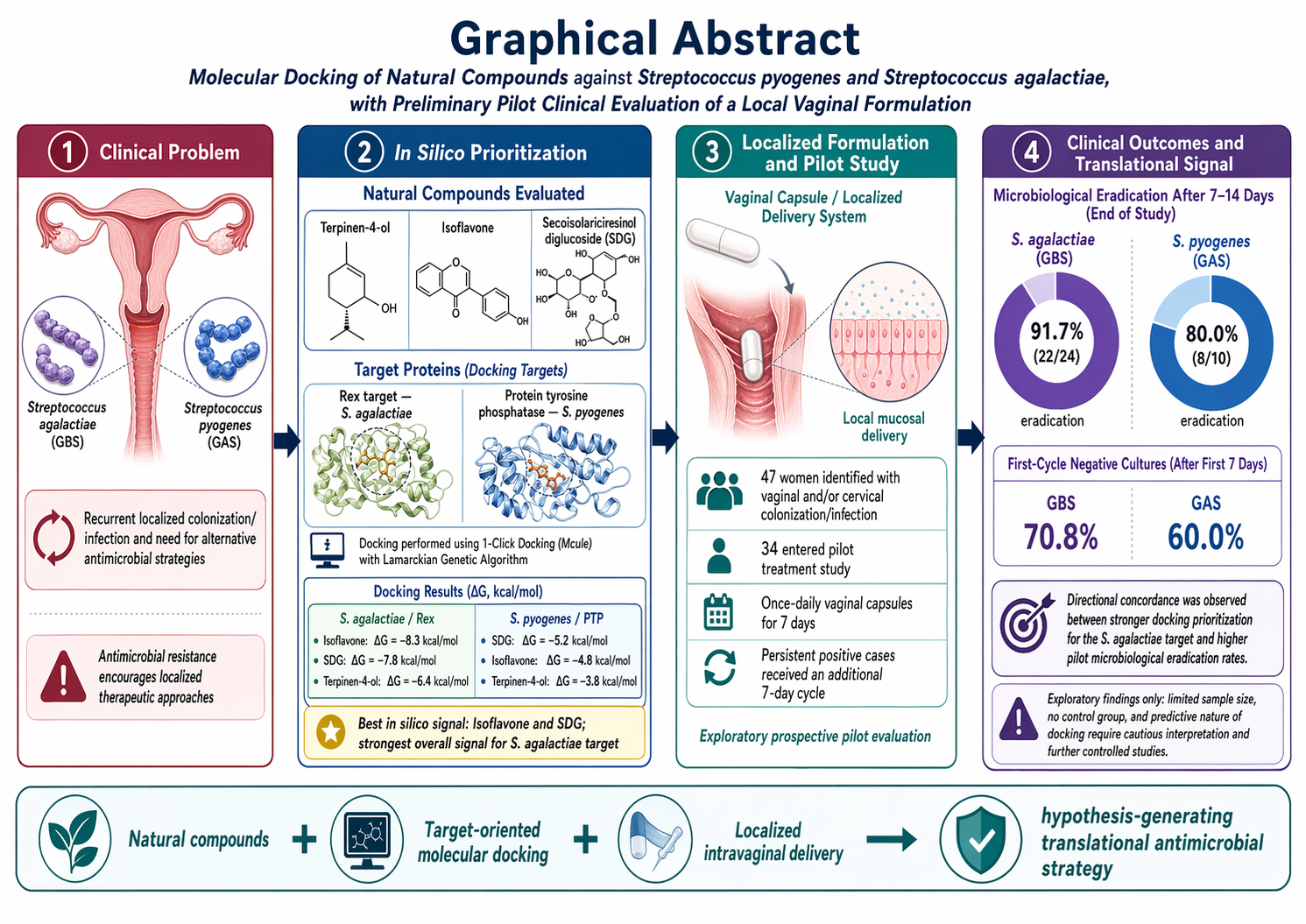
Streptococcus pyogenes and Streptococcus agalactiae are major Gram-positive patho-gens implicated in recurrent and invasive genital infections, and the rise of antimicrobial resistance underscores the need for alternative localized therapies. This study combined molecular docking with a prospective pilot clinical evaluation of an essential-oil-based vaginal capsule formulation intended for localized intravaginal administration. Terpinen-4-ol, isoflavone, and secoisolariciresinol diglucoside (SDG) were analyzed against two bacterial targets - the redox-sensing transcriptional repressor Rex from S. agalactiae and the protein tyrosine phosphatase from S. pyogenes - using the 1-Click Docking platform and the Lamarckian Genetic Algorithm. In parallel, 47 women aged 19-27 years were identified with vaginal and/or cervical colonization or infection caused by S. agalactiae or S. pyogenes, and 34 of them entered a prospective pilot treatment study with once-daily vaginal capsules for 7 days; persistent positive cases received an additional 7-day course. Isoflavone and SDG showed the most favorable interactions against the S. agalactiae target, while SDG also displayed comparatively favorable interaction against the S. pyogenes target. In the clinical pilot cohort, microbiological eradication after completion of therapy reached 91.7% for S. agalactiae and 80.0% for S. pyogenes. The parallel trend between stronger in silico prioritization for the S. agalactiae-directed target and higher clinical eradication in the pilot cohort supports a cautious translational hypothesis, but the absence of a control group, the limited sample size, and the exploratory nature of the clinical dataset require restrained interpretation. Overall, these findings support further controlled studies designed to test whether the computationally prioritized phytocompounds contribute to measurable in vivo benefit within localized antimicrobial strategies.
Keywords:
molecular docking
; pilot clinical study
; vaginal capsule formulation
; localized therapy
; Streptococcus pyogenes
; Streptococcus agalactiae
; phytocompounds
; translational correlation
; antimicrobial resistance
1. Introduction
Streptococcus pyogenes (Group A Streptococcus, GAS) and Streptococcus agalactiae (Group B Streptococcus, GBS) are major human Gram-positive pathogens that cause a spectrum of disease ranging from superficial infections to fulminant invasive syndromes with substantial morbidity and mortality [1,2,3,4]. Their pathogenicity is underpinned by a broad arsenal of virulence determinants and by growth in organized communities (biofilms) that enhance mucosal colonization, immune evasion, and persistence within the host and on abiotic surfaces [5,6,7,8,9]. In gynecological practice, both organisms may be detected in women presenting with discharge, irritation, burning, and recurrent symptoms, thereby creating a clinically relevant setting in which localized antimicrobial strategies may complement conventional systemic management.
Advances in microbial genomics have refined our understanding of evolutionary history, population structure, host adaptation, and molecular epidemiology in both species. For GBS in particular, real-time PCR-based assays and molecular serotyping now complement or replace conventional methods, improving surveillance and clinical decision-making [10,11]. In parallel, the selective pressure exerted by antimicrobial use and the mobility of resistance determinants necessitate continuous monitoring and harmonized definitions of multidrug resistance; the global burden of antimicrobial resistance (AMR) mandates targeted stewardship and prevention strategies [12,13,14]. In neonates, intrapartum antibiotic prophylaxis remains the cornerstone of early-onset GBS disease prevention and is integrated with screening programs and ongoing vaccine development [15]. These considerations are particularly relevant when exploring non-systemic local formulations that may reduce bacterial burden at the mucosal level while limiting unnecessary systemic exposure.
In the search for novel anti-streptococcal interventions and opportunities for drug repositioning, in silico methods have become integral. Molecular docking provides tractable, structure-informed estimates of binding compatibility and affinity between small molecules and essential bacterial targets and is now standard in structure-based drug discovery workflows [16,17]. Concomitantly, there is growing interest in bioactive constituents of medicinal plants - especially essential-oil components - with in vitro activity against streptococci, including GAS and related species [18,19]. Among these, terpinen-4-ol exhibits antibacterial and anti-biofilm effects and represents a promising scaffold for optimization and repurposing [20]. Nutraceutical phenolics such as secoisolariciresinol diglucoside (SDG) and selected isoflavones offer additional prospects owing to their biocompatibility and pleiotropic molecular targets [21,22]. Nanostructured delivery systems can further improve stability, bioavailability, and penetration into biofilms, potentially enhancing pharmacodynamic performance at infection sites [23]. Volatile monoterpenes, for example 1,8-cineole (eucalyptol), may attenuate biofilm formation and virulence-factor output in GAS, supporting anti-virulence strategies that complement conventional antibiotic therapy [24]. The phytochemical pipeline against GAS is consolidated by dedicated reviews and lends itself to in vitro/in vivo validation guided by computational prioritization [25].
The rapid evolutionary dynamics of GAS/GBS and their flexible regulatory circuits (e.g., Rgg quorum-sensing modules in GAS; redox-sensitive Rex regulation in GBS) define a catalog of vulnerable, functionally essential targets for rational intervention [9,28]. Accordingly, the objective of this study was twofold: first, to evaluate via molecular docking the interactions of terpinen-4-ol, an isoflavone scaffold, and secoisolariciresinol diglucoside with key proteins of S. pyogenes and S. agalactiae; and second, to integrate these in silico findings with a preliminary prospective pilot clinical evaluation of a localized vaginal capsule formulation used in women with vaginal and/or cervical streptococcal colonization or infection. The working hypothesis was that compounds showing more favorable ligand-target compatibility might align with species-specific differences observed in the pilot clinical eradication data, thereby providing a cautious translational bridge between computational prioritization and in vivo observation.
2. Materials and Methods
This study integrated a structure-based molecular docking workflow with a prospective pilot clinical evaluation of a localized vaginal formulation. The in silico component compared selected phytocompounds and conventional antibiotics against two streptococcal molecular targets, whereas the clinical component explored short-term microbiological outcomes after local treatment in women with vaginal and/or cervical colonization or infection caused by Streptococcus agalactiae or Streptococcus pyogenes.
Source of Natural Compounds and Formulation Rationale:
The phytochemical panel comprised terpinen-4-ol, an isoflavone scaffold, and secoisolariciresinol diglucoside (SDG), selected on the basis of their documented antimicrobial, anti-biofilm, nutraceutical, and translational relevance. These compounds were conceptually linked to a local vaginal capsule formulation developed for localized delivery in the lower genital tract, where prolonged direct contact with the mucosal surface may support local antimicrobial action.
Docking Targets and Comparator Agents:
Redox-sensing transcriptional repressor Rex from S. agalactiae and the protein tyrosine phosphatase target from S. pyogenes were selected because of their relevance to bacterial regulatory processes and pathogenic fitness. Penicillin, ampicillin, cefazolin, clindamycin, and vancomycin were included as comparator antibiotics for docking-based contextualization.
Molecular Docking Workflow:
Molecular docking simulations were performed with the 1-Click Docking platform (Mcule) using the Lamarckian Genetic Algorithm. Binding affinities were expressed as Gibbs free energy values (DeltaG, kcal/mol), with more negative values interpreted as more favorable predicted ligand-target interactions. The docking analysis was used as a prioritization tool rather than as a standalone predictor of therapeutic efficacy.
Clinical Population and Pilot Study Design:
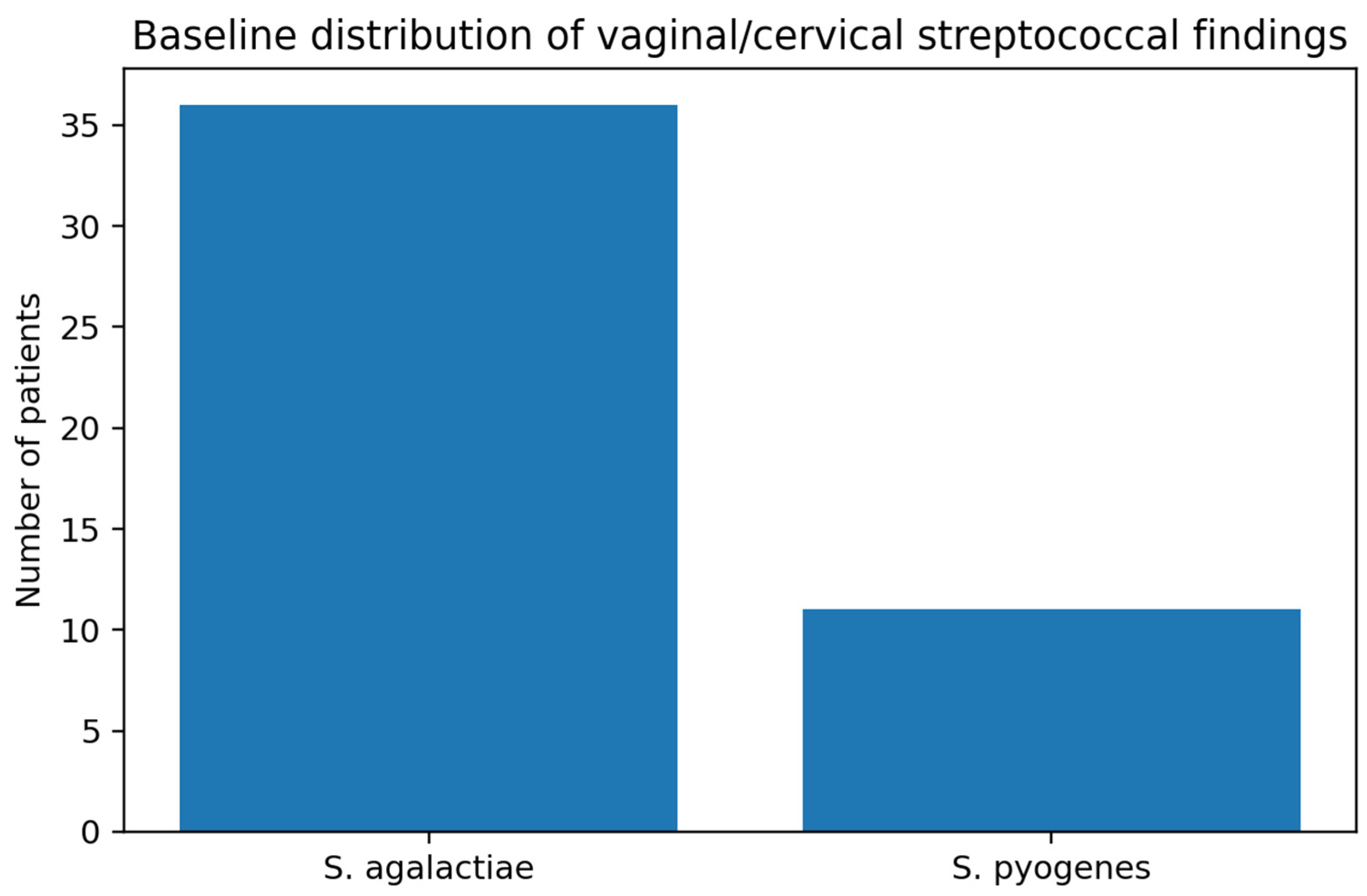
A total of 47 female patients aged 19-27 years were identified with vaginal and/or cervical colonization or infection caused by S. agalactiae or S. pyogenes. All presented with mild symptoms, including vaginal discharge, irritation, and burning sensation. Of the overall cohort, 36 patients (76.6%) were positive for S. agalactiae and 11 (23.4%) for S. pyogenes. From this population, 34 patients entered a prospective pilot treatment study, including 24 patients with S. agalactiae and 10 with S. pyogenes.
Intervention and Follow-Up:
All patients in the pilot clinical cohort received vaginal capsules administered once daily in the evening for 7 consecutive days. A follow-up vaginal swab was obtained after the first treatment cycle. Patients with persistent positive findings received an additional 7-day course, followed by repeat microbiological reassessment.
Clinical Endpoints:
The primary clinical endpoint was microbiological negativization on follow-up culture after local therapy. Secondary descriptive endpoints included species-specific response after the first 7-day cycle, conversion after an additional 7-day cycle in persistent cases, and overall eradication at completion of treatment.
Statistical Strategy and Data Interpretation:
Given the exploratory nature of the pilot clinical dataset and the absence of a randomized control arm, the analysis was primarily descriptive. Percentages were calculated for baseline distribution, response after the initial 7-day course, conversion after extended treatment, and final eradication by species. Formal causal inference was not attempted. The docking-clinical comparison was therefore interpreted as hypothesis-generating and directional rather than confirmatory.
Ethics, Consent, and Reporting Considerations:
The source clinical dataset provided to the authors did not include a formal trial registration number, quantitative bacterial load measurements, or a reported randomized control framework. Accordingly, the present manuscript reports the clinical component as a pilot prospective observational treatment study. Before journal submission, the authors should ensure that institution-specific ethics and consent details are inserted in the final metadata fields if required by the local regulatory framework and the target journal.
Quality Assurance and Translational Framing:
Microbiological follow-up was based on repeat vaginal swab assessment after treatment. The combined analytical strategy was designed to explore whether species-specific computational prioritization of phytocompounds might correspond to observed differences in local clinical eradication, while explicitly recognizing that docking scores, formulation exposure, host factors, and mucosal ecology cannot be collapsed into a single mechanistic conclusion.
3. Results
Docking analysis identified differences in the predicted binding behavior of the tested phytocompounds and comparator antibiotics against the two selected streptococcal targets. For the S. agalactiae Rex target, isoflavone showed the most favorable docking score among the tested natural compounds (DeltaG = -8.3 kcal/mol), followed by SDG (DeltaG = -7.8 kcal/mol), whereas terpinen-4-ol showed a less favorable value (DeltaG = -6.4 kcal/mol). For the S. pyogenes protein tyrosine phosphatase target, SDG yielded the most favorable score among the natural compounds (DeltaG = -5.2 kcal/mol), followed by isoflavone (DeltaG = -4.8 kcal/mol), while terpinen-4-ol showed a lower predicted affinity (DeltaG = -3.8 kcal/mol). When these computational findings were examined alongside the pilot clinical dataset, a directional correspondence emerged: the stronger in silico signal observed for the S. agalactiae-directed target paralleled the higher overall eradication rate documented clinically for S. agalactiae compared with S. pyogenes.

Table 1.
Representation of the bond strength, expressed in kcal/mol, of conventional and natural molecules against the Streptococcus agalactiae target.
Table 1.
Representation of the bond strength, expressed in kcal/mol, of conventional and natural molecules against the Streptococcus agalactiae target.
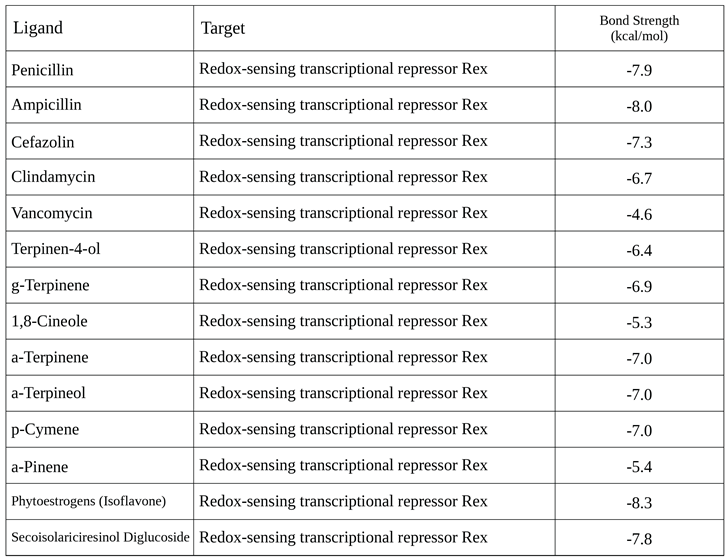 |
Table 2.
Representation of the bond strength, expressed in kcal/mol, of conventional and natural molecules against the Streptococcus pyogenes target.
Table 2.
Representation of the bond strength, expressed in kcal/mol, of conventional and natural molecules against the Streptococcus pyogenes target.
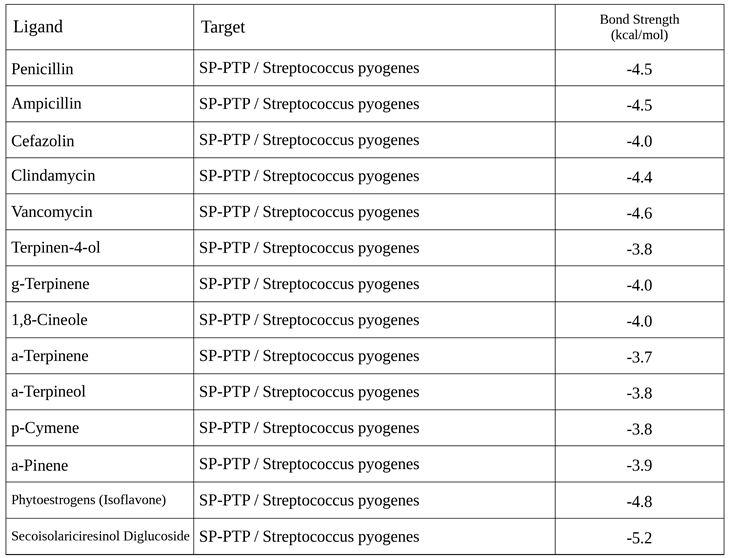 |
Figure 1.
Representation of structure formula of Secoisolariciresinol Diglucoside.
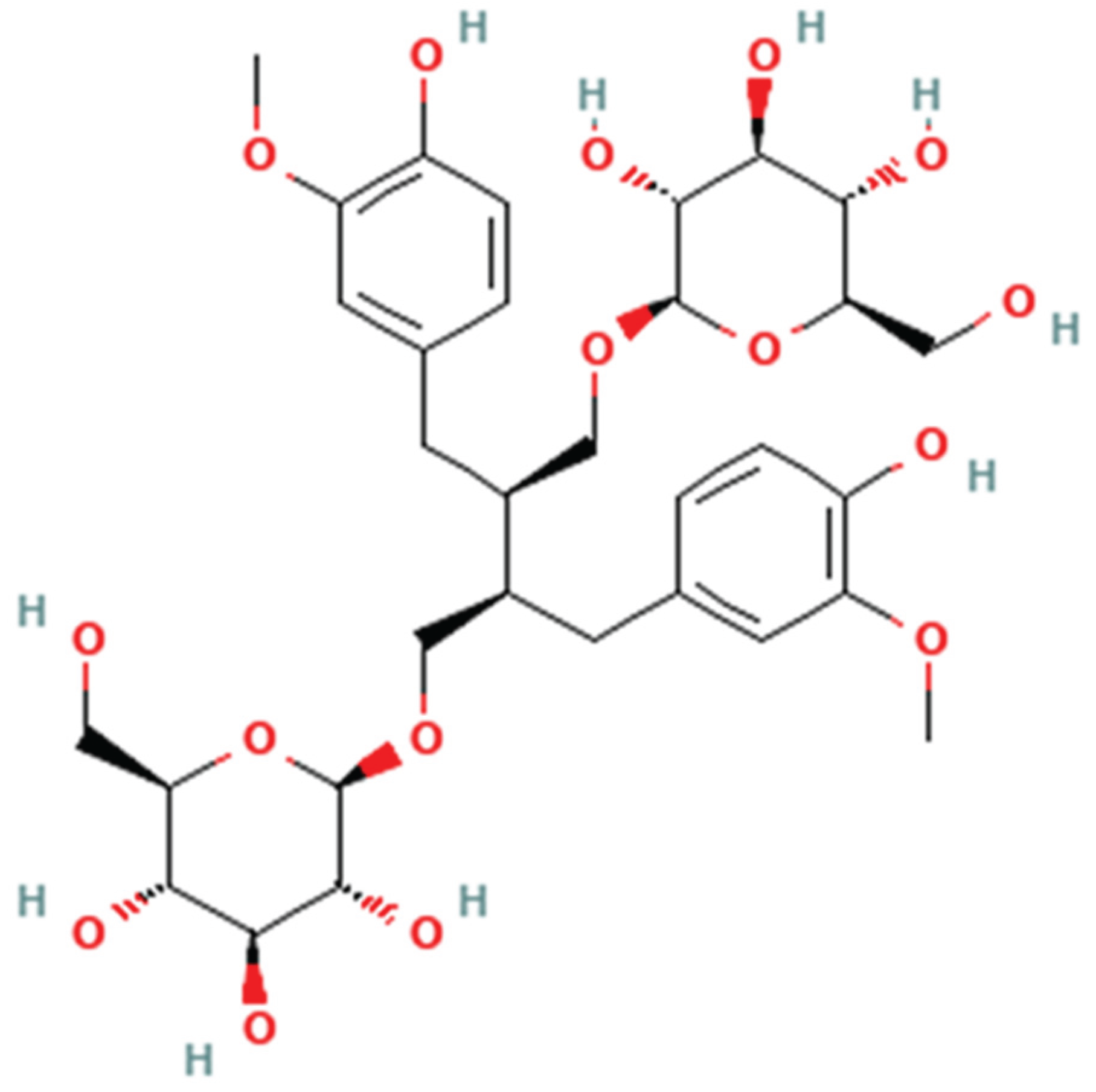
Figure 2.
Representation of structure formula of Isoflavone.
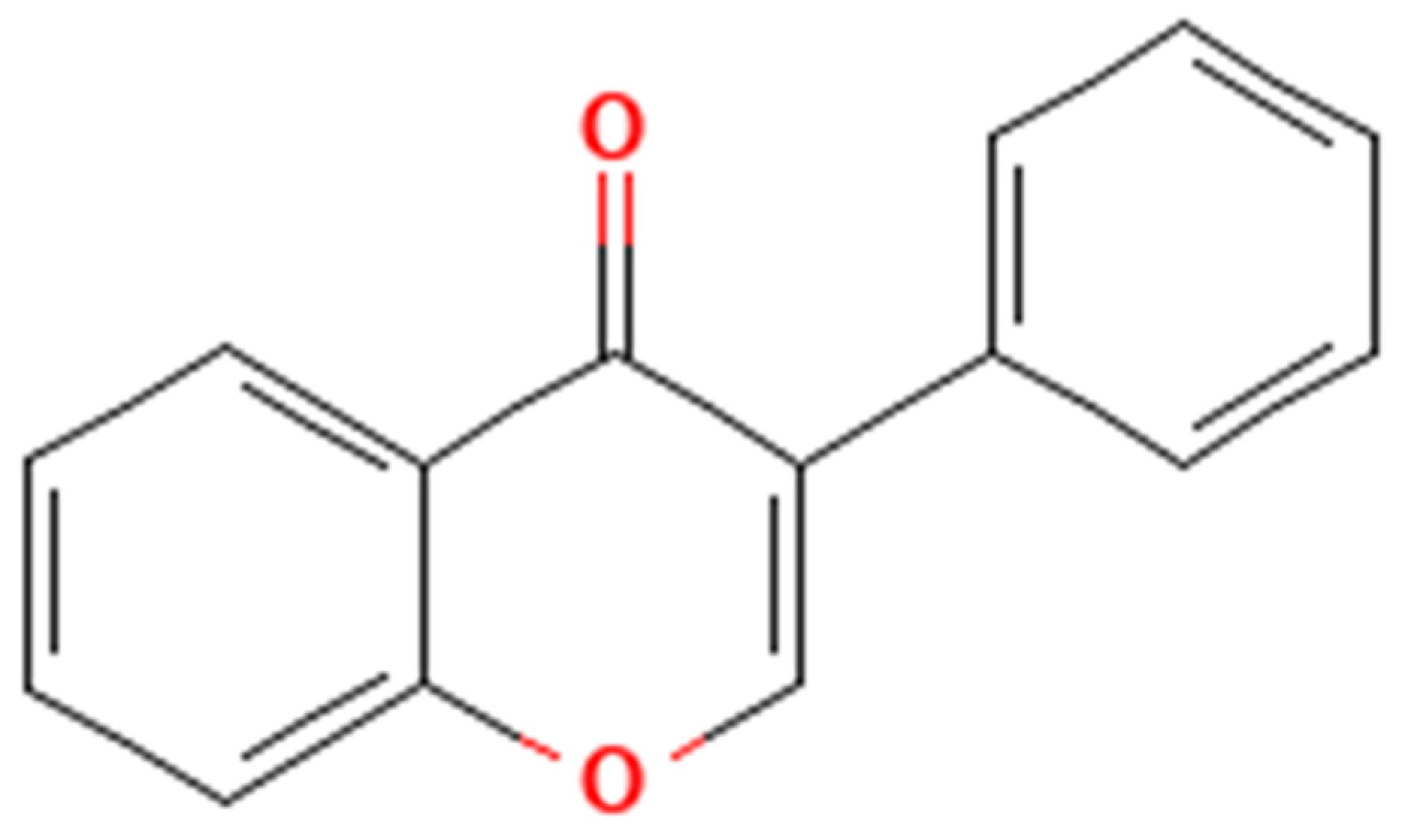
Figure 3.
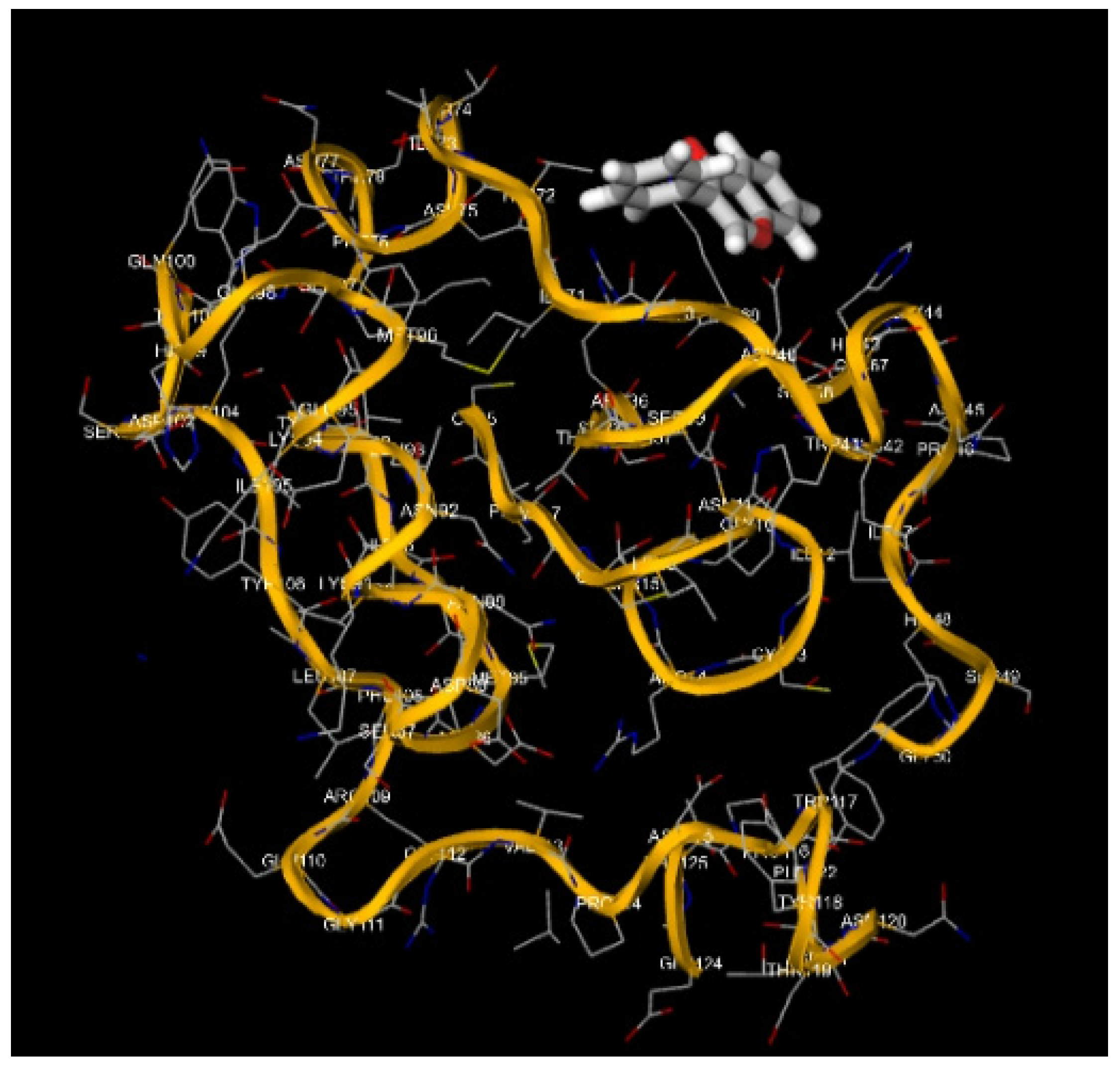
Representation with graphic 3D elaboration, with software 1-Click-Docking, of the binding site of Secoisolariciresinol Diglucoside on the molecule of Redox-sensing transcriptional repressor Rex of Streptococcus agalactiae.
Figure 3.
Representation with graphic 3D elaboration, with software 1-Click-Docking, of the binding site of Secoisolariciresinol Diglucoside on the molecule of Redox-sensing transcriptional repressor Rex of Streptococcus agalactiae.
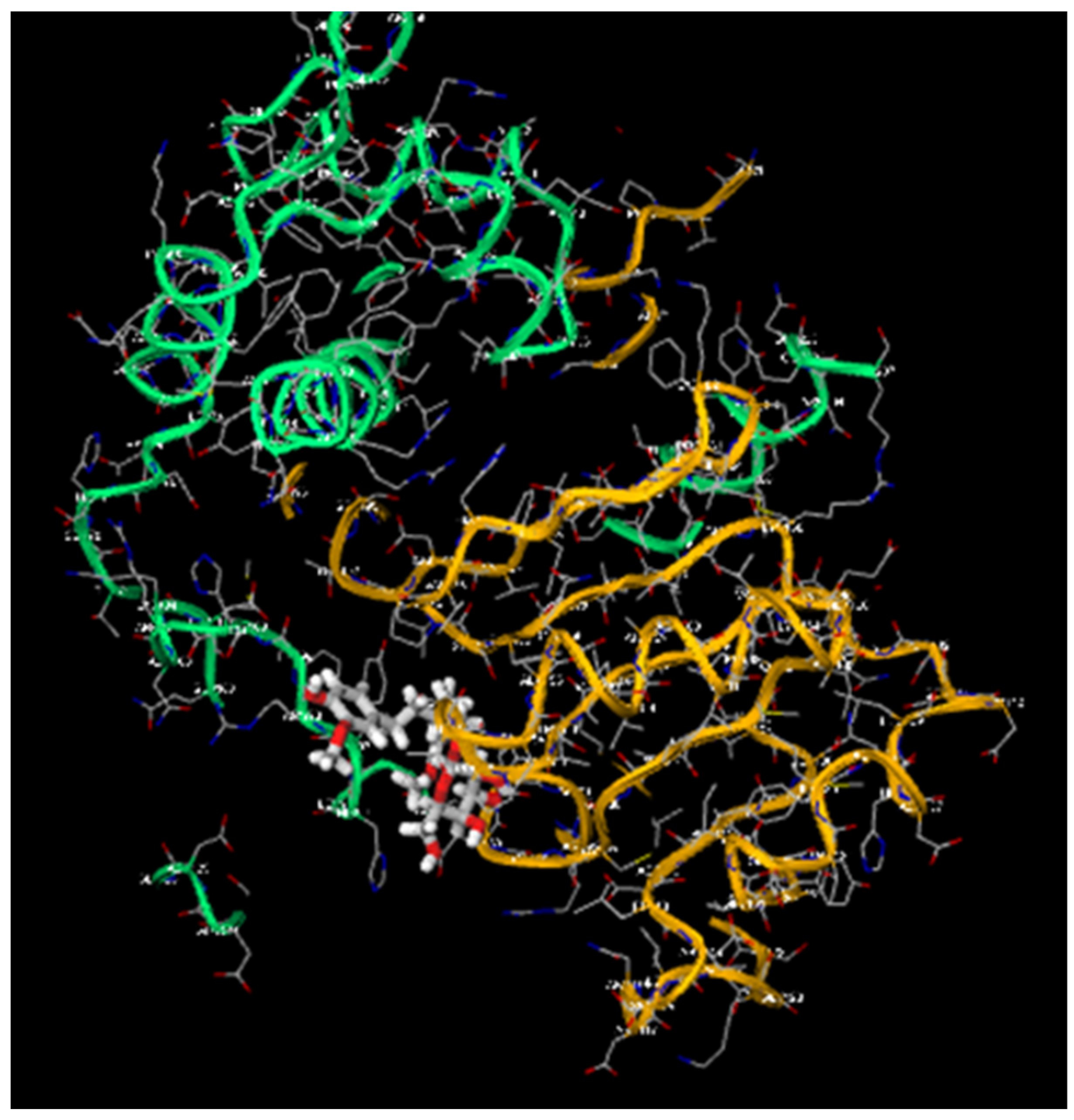
Figure 4.
Representation with graphic 3D elaboration with software 1-Click-Docking of the binding site of Isoflavone on the molecule of Redox-sensing transcriptional repressor Rex of Streptococcus agalactiae.
Figure 4.
Representation with graphic 3D elaboration with software 1-Click-Docking of the binding site of Isoflavone on the molecule of Redox-sensing transcriptional repressor Rex of Streptococcus agalactiae.
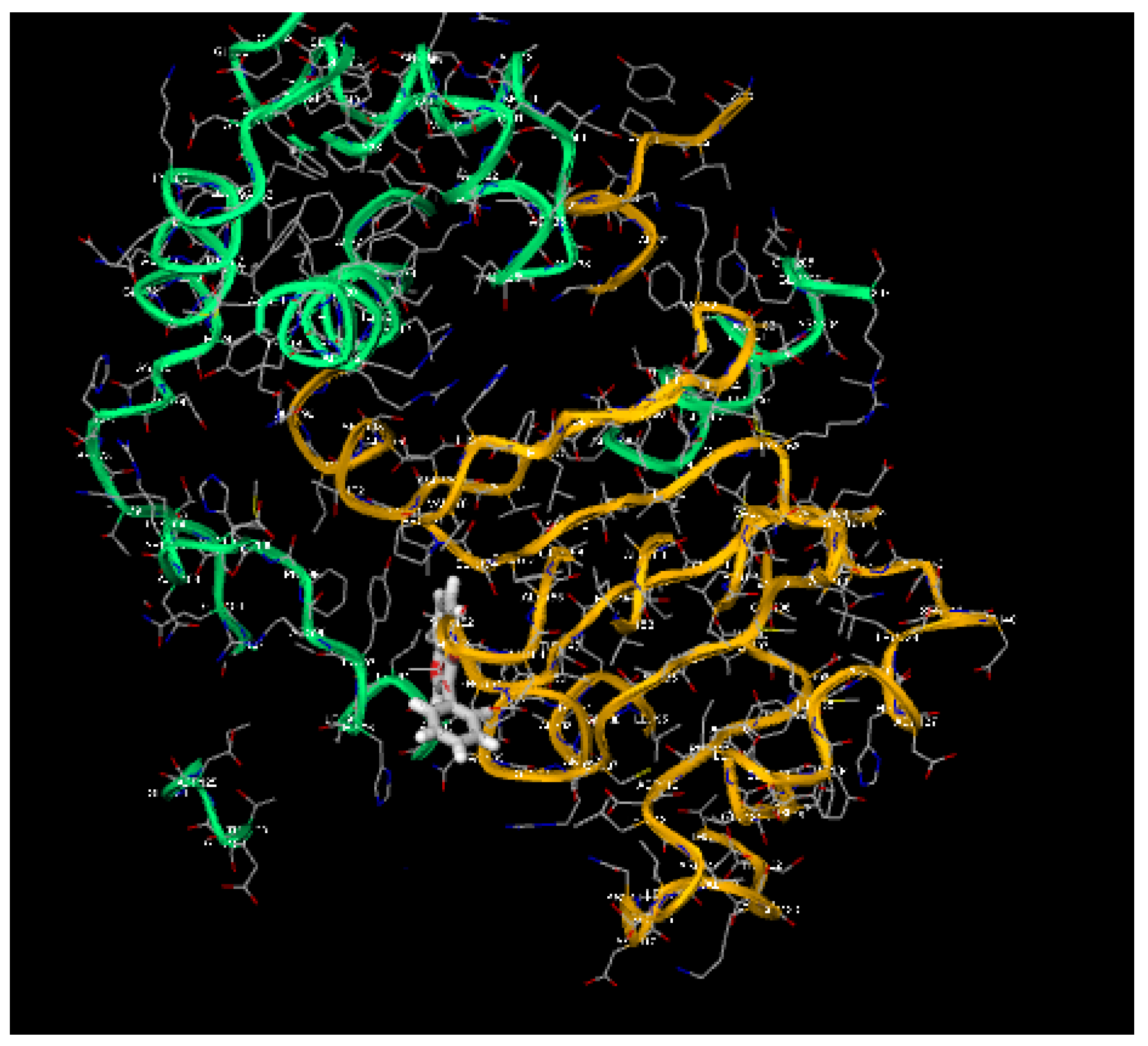
Figure 5.
Representation with graphic 3D elaboration with software 1-Click-Docking of the binding site of Secoisolariciresinol Diglucoside on the molecule Protein Tyrosin Phosphatase of Streptococcus pyogenes.
Figure 5.
Representation with graphic 3D elaboration with software 1-Click-Docking of the binding site of Secoisolariciresinol Diglucoside on the molecule Protein Tyrosin Phosphatase of Streptococcus pyogenes.
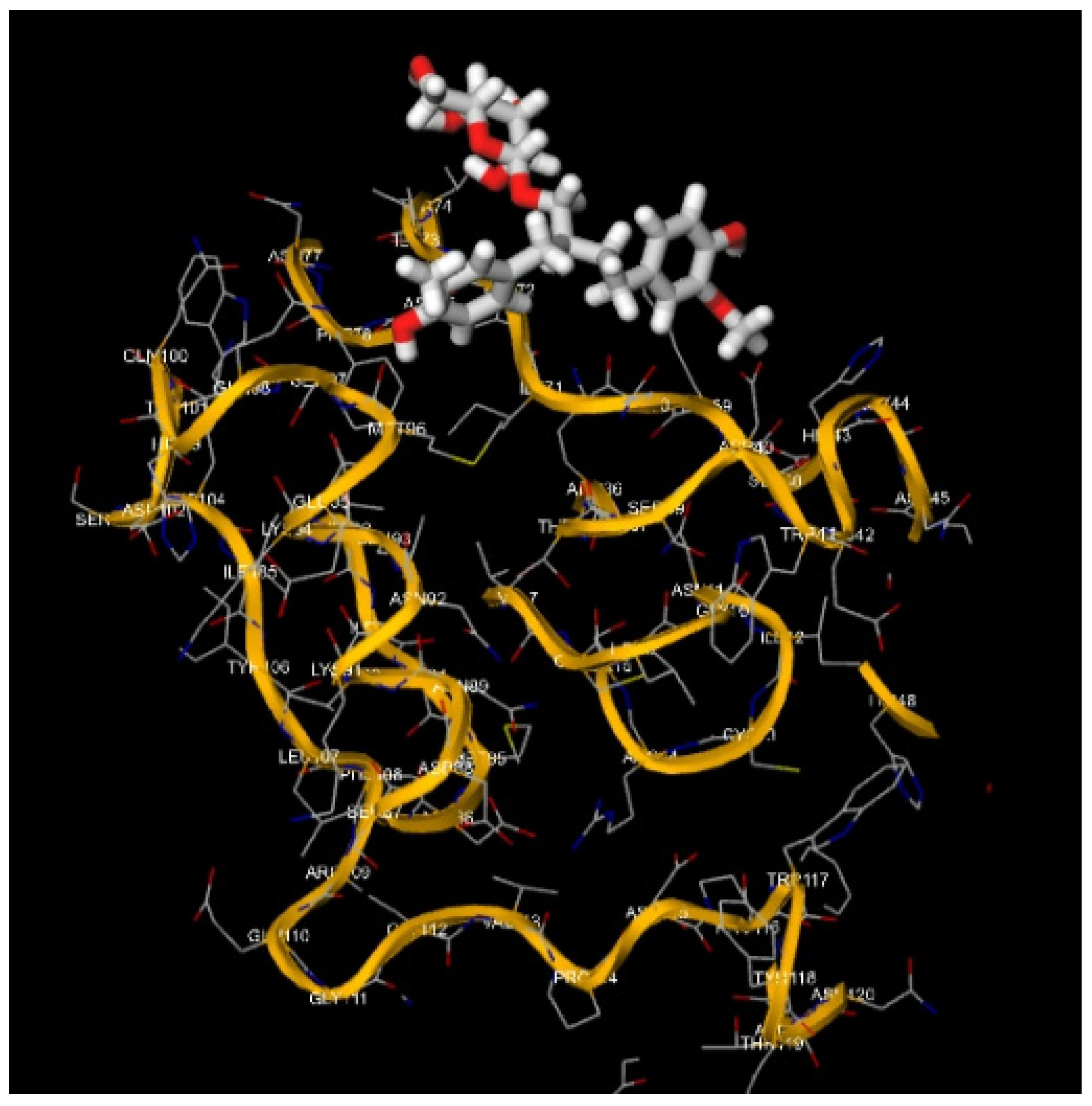
Figure 6.
Representation with graphic 3D elaboration with software 1-Click-Docking of the binding site of Isoflavone on the molecule Protein Tyrosin Phosphatase of Streptococcus pyogenes.
Figure 6.
Representation with graphic 3D elaboration with software 1-Click-Docking of the binding site of Isoflavone on the molecule Protein Tyrosin Phosphatase of Streptococcus pyogenes.
Interpretation
Within the limits of docking-based analysis and a non-randomized pilot clinical dataset, the combined results suggest that isoflavone and SDG interact more favorably than terpinen-4-ol with the selected targets and that this computational prioritization may have translational relevance. Against the S. agalactiae Rex target, isoflavone showed a docking score comparable to or slightly more favorable than several comparator antibiotics, whereas SDG also showed a relatively favorable score. In the clinical pilot cohort, the S. agalactiae subgroup showed the highest overall eradication rate (91.7%), thereby providing a species-level signal that is directionally consistent with the stronger in silico profile for that organism.
Against the S. pyogenes protein tyrosine phosphatase target, SDG and isoflavone showed moderately favorable docking values, although the differences versus conventional antibiotics were smaller than those observed for the S. agalactiae target. Clinically, S. pyogenes also showed a lower overall eradication rate (80.0%) than S. agalactiae, which may reflect a weaker formulation-target match, species-specific pathogenic behavior, mucosal persistence, or host-microenvironment effects not captured by docking alone.
These observations should be interpreted cautiously. Docking scores provide a computational estimate of ligand-target compatibility, and the clinical pilot study lacked randomization, a control group, bacterial-load quantification, and formal mechanistic validation. Accordingly, neither the docking results nor the pilot eradication data establish superiority over standard therapy, but together they define a coherent exploratory framework for subsequent translational studies.
3.1. Clinical Pilot Study Outcomes
Among 47 women identified with vaginal and/or cervical colonization or infection, S. agalactiae predominated (36/47; 76.6%), whereas S. pyogenes accounted for 11/47 cases (23.4%). Thirty-four patients entered the prospective pilot treatment study and received StreptoVag vaginal capsules once daily for 7 days, with a second 7-day cycle reserved for persistently positive cases. Baseline distribution and treatment-flow data are summarized below.
Table 3. Baseline distribution of streptococcal species in the identified clinical cohort.
Figure 7.
Baseline species distribution in the overall clinical cohort.
After the initial 7-day treatment cycle, 17/24 patients with S. agalactiae (70.8%) and 6/10 patients with S. pyogenes (60.0%) showed negative follow-up cultures. Persistent positivity remained in 7/24 and 4/10 cases, respectively, indicating an early but incomplete response after the first treatment cycle.
Table 4. Microbiological outcomes after the first 7-day treatment cycle.
Figure 8.
Negative follow-up culture rates after the first treatment cycle and after completion of therapy.
Figure 8.
Negative follow-up culture rates after the first treatment cycle and after completion of therapy.
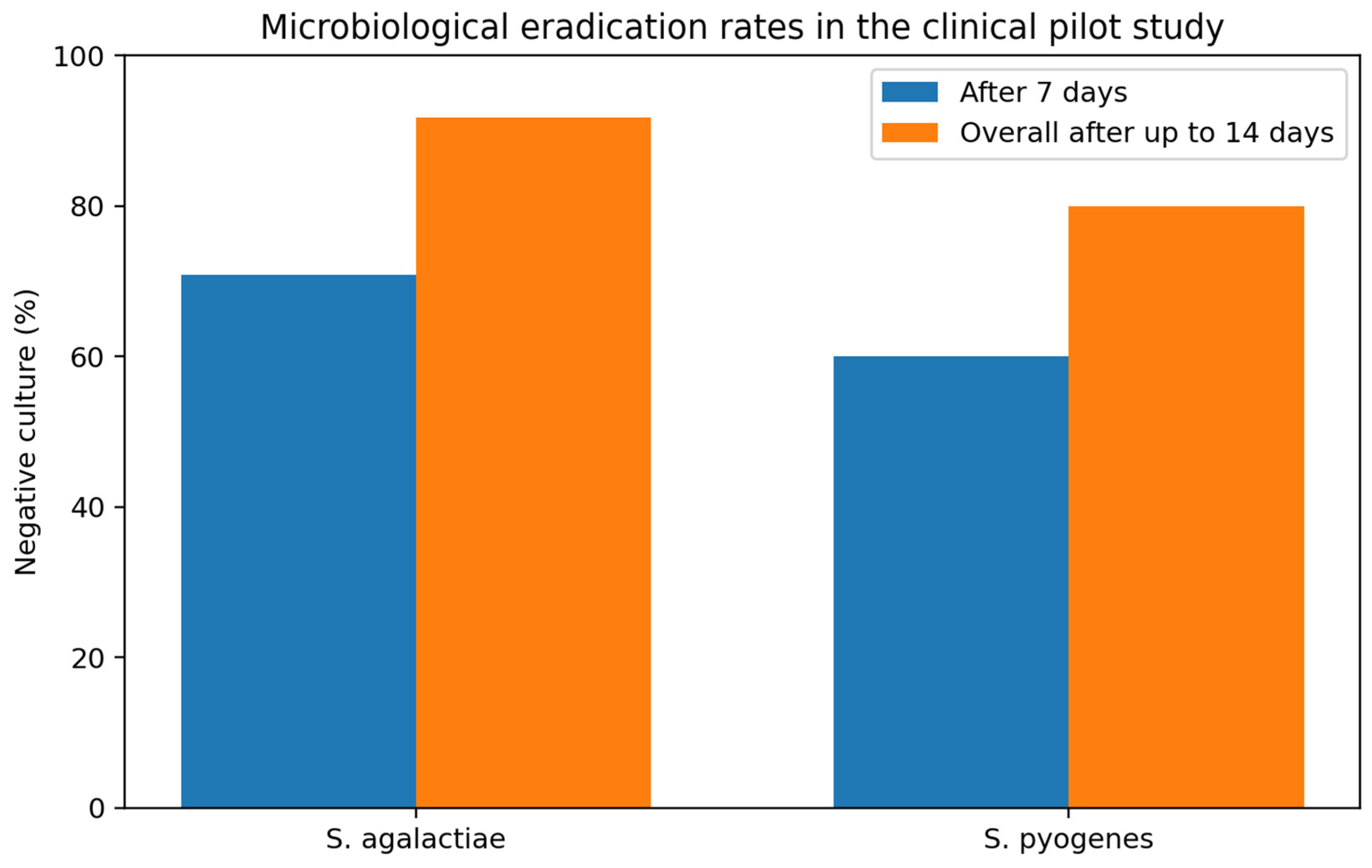
Among patients with persistent positivity after the initial cycle, the additional 7-day course produced further culture conversion. In the S. agalactiae subgroup, 5/7 initially persistent cases (71.4%) became negative, leaving 2/7 persistently positive. In the S. pyogenes subgroup, 2/4 initially persistent cases (50.0%) became negative, whereas 2/4 remained positive after extended treatment.
Table 5. Microbiological outcomes in initially persistent cases after the additional 7-day treatment cycle.
Figure 9.
Clinical pilot-study flow diagram and species-specific microbiological outcomes.
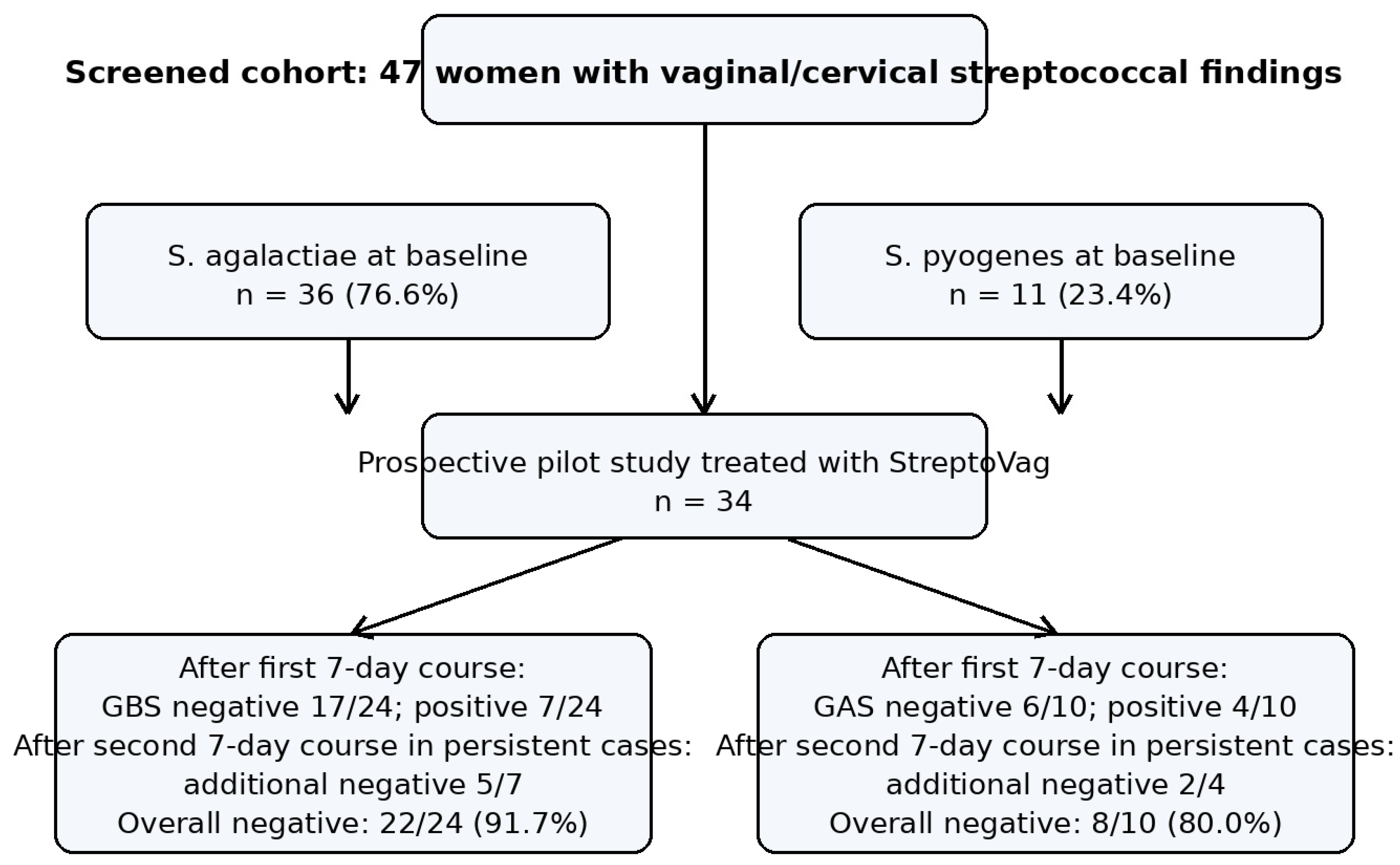
Overall eradication reached 22/24 cases (91.7%) for S. agalactiae and 8/10 cases (80.0%) for S. pyogenes. Although the clinical pilot study was not designed to establish causality or comparative efficacy, the numerically better response observed in the S. agalactiae subgroup is directionally concordant with the more favorable docking pattern documented for the S. agalactiae Rex target. This cross-domain correspondence should be considered exploratory and primarily useful for generating mechanistic and clinical hypotheses for future controlled studies.
Table 6.
Overall microbiological eradication at the completion of therapy.
| Species | Total Negative n (%) | Persistent Positive n (%) |
|---|---|---|
| S. agalactiae | 22 (91.7) | 2 (8.3) |
| S. pyogenes | 8 (80.0) | 2 (20.0) |
| Species | Negative Culture n (%) | Positive Culture n (%) |
| S. agalactiae (n = 7) | 5 (71.4) | 2 (28.6) |
| S. pyogenes (n = 4) | 2 (50.0) | 2 (50.0) |
| Species | Negative Culture n (%) | Positive Culture n (%) |
| S. agalactiae (n = 24) | 17 (70.8) | 7 (29.2) |
| S. pyogenes (n = 10) | 6 (60.0) | 4 (40.0) |
| Species | Number of Patients | Percentage (%) |
| S. agalactiae | 36 | 76.6 |
| S. pyogenes | 11 | 23.4 |
| Total | 47 | 100.0 |
4. Discussion
The present integrated analysis suggests that the tested compounds do not behave uniformly across the two selected bacterial targets and that this target-specific heterogeneity may have a clinically relevant echo in the pilot treatment data. In particular, the more favorable docking values observed for isoflavone and SDG against the S. agalactiae Rex target are notable because the clinical cohort also showed the highest final eradication rate in the S. agalactiae subgroup. Although this parallel does not demonstrate mechanism or causality, it supports the working hypothesis that computational prioritization may help identify formulation-component profiles more likely to translate into a measurable in vivo signal.
From a translational perspective, the pilot clinical data are encouraging because a substantial proportion of patients became culture-negative after only one 7-day cycle, and an additional subset converted after a second treatment cycle. The incremental conversion observed after extended treatment suggests a possible cumulative local effect, which is compatible with the concept of sustained mucosal exposure to phytochemical components within a localized delivery system. At the same time, the weaker clinical response observed in S. pyogenes underscores that not all streptococcal species are equally susceptible to the same local strategy and that pathogenicity, adherence behavior, tissue interaction, and microenvironmental adaptation may all influence outcome.
The combined dataset also offers a pragmatic message for future development. Molecular docking can help rank compounds and formulate mechanism-oriented hypotheses, whereas pilot clinical observations can identify whether species-specific trends are worth pursuing in more rigorous trials. In this study, the convergence between the stronger S. agalactiae-directed docking profile and the numerically superior S. agalactiae eradication rate strengthens the rationale for deeper investigation of the formulation against GBS-associated vaginal colonization. However, the present evidence remains exploratory and should not be overinterpreted as proof that the docked compounds alone drove the clinical response.
Several limitations must be emphasized. The clinical component involved a small sample size, lacked a parallel control group, and did not include randomization, blinding, quantitative microbiological burden assessment, microbiome profiling, or direct pharmacokinetic confirmation of local exposure. In addition, the docking analysis examined selected targets rather than the full complexity of bacterial physiology, host response, and mucosal ecology. Consequently, the apparent correspondence between in silico and in vivo findings should be considered hypothesis-generating rather than confirmatory.
Overall, the integrated findings support continued investigation of localized phytochemical formulations for gynecological streptococcal colonization or mild infection states. The most scientifically defensible interpretation is that the study provides an initial translational signal linking target-oriented docking prioritization with promising pilot microbiological outcomes, thereby justifying larger controlled studies designed to validate efficacy, define mechanism, and clarify which species are most likely to benefit.
5. Conclusions
In this combined docking and pilot clinical study, isoflavone and SDG showed the most favorable predicted interactions with the selected streptococcal targets, particularly against the S. agalactiae Rex protein, while local treatment with StreptoVag was associated with overall microbiological eradication rates of 91.7% for S. agalactiae and 80.0% for S. pyogenes in the pilot cohort. The directional concordance between the stronger S. agalactiae docking signal and the higher S. agalactiae eradication rate provides a plausible translational hypothesis linking computational prioritization with preliminary in vivo observation. Nevertheless, because the clinical component was a small uncontrolled pilot study and the docking component is inherently predictive, the findings should be regarded as exploratory. Larger controlled studies are required before any definitive conclusions can be drawn regarding efficacy, mechanism, or comparative clinical utility.
Author Contributions
Conceptualization, Mo.D. and S.T.; methodology (molecular docking design and target/ligand selection), S.T. and Z.J.; methodology (localized capsule formulation concept and pilot clinical integration), Mo.D., S.T. and L.N.; software, S.T.; validation, S.T. and T.N.; formal analysis, S.T. and T.N.; clinical investigation, Mo.D., L.N., Ma.D. and K.D.; resources, Mo.D., L.N. and K.D.; data curation, K.D. and L.N.; visualization, S.T. and K.D.; writing-original draft preparation, S.T.; writing-review and editing, Mo.D., S.T., T.N., L.N., Z.J., Ma.D. and K.D.; supervision, Mo.D. and S.T.; project administration, Mo.D.; funding acquisition, not applicable. Mo.D. and S.T. contributed equally to this work. All authors have read and agreed to the published version of the manuscript.
Funding
This research received no external funding.
Institutional Review Board Statement
The pilot clinical component was reported from the source dataset as a prospective observational treatment study; a formal ethics approval identifier was not supplied in the provided material and should be inserted here before submission if required by the responsible institution and the target journal.
Informed Consent Statement
The source clinical dataset did not provide an explicit consent statement for publication. This information should be specified in the final submitted version in accordance with local requirements and journal policy.
Data Availability Statement
The data supporting the docking analysis and the summarized pilot clinical outcomes are contained within the article. Additional underlying clinical-source details were not included in the material made available for the present manuscript integration.
Acknowledgments
The authors extend their sincere gratitude to the members of the Alma Mater Europaea in Maribor, Slovenia, for their invaluable contributions to this research endeavor. While not directly involved in the execution of the study, their substantial support in data collection proved instrumental in facilitating the completion of this work. The collaborative spirit and commitment to scientific inquiry demonstrated by the Alma Mater Europaea significantly enriched the quality of the information presented in this article. This acknowledgment underscores the importance of collaborative efforts in the scientific community and emphasizes the symbiotic relationship between research institutions. The authors express their deep appreciation for the Alma Mater Europaea role in contributing to the data collection phase, which, in turn, played a pivotal role in shaping the outcomes and insights presented in this scientific work. In recognizing the Alma Mater Europaea support, the authors affirm their commitment to fostering continued collaboration and knowledge exchange for the betterment of scientific inquiry and healthcare advancement.
Conflicts of Interest
This research article is declared to have no conflicts of interest with respect to other research groups or entities. The authors involved in this scientific endeavor affirm that the data presented herein solely originates from the experimentation conducted by the mentioned individuals and collaborators, as explicitly acknowledged in this scientific work. The authors wish to emphasize that there are no financial, professional, or personal affiliations that could potentially influence the objectivity or integrity of the findings and interpretations presented in this research. No competing interests, either financial or non-financial, exist that could compromise the impartiality of the authors or the validity of the reported results. Furthermore, the authors affirm that the study adheres strictly to ethical standards and research guidelines. All contributors to this work have been duly acknowledged, and their roles in the experimental process have been transparently outlined. This ensures that the information disseminated in this article is a faithful representation of the research outcomes achieved through the collaborative efforts of the named individuals. In summary, there are no conflicts of interest associated with this research, and the data presented is a product of the diligent and unbiased scientific investigation carried out by the authors and their collaborators. This declaration is made in accordance with the highest standards of transparency, professionalism, and ethical conduct in scientific research.
Legend
Mo.D. = Momir Dunjic
S.T. = Stefano Turini
T.N. = Tatjana Novakovic
L.N. = Lazar Nejkovic
Z.J. = Zhao Jing
Ma.D. = Marija Dunjic
K.D. = Katarina Dunjic
References
- Furfaro, Lucy L; Chang, Barbara J; Payne, Matthew S. Perinatal Streptococcus agalactiae Epidemiology and Surveillance Targets. Clin. Microbiol. Rev. Print. 2018, 31(4), e00049-18. [Google Scholar] [CrossRef] [PubMed] [PubMed Central]
- Hamada, Shigeyuki; Kawabata, Shigetada; Nakagawa, Ichiro. Molecular and genomic characterization of pathogenic traits of group A Streptococcus pyogenes. Proc. Jpn. Acad. Ser. B Phys. Biol. Sci. 2015, 91(10), 539–59. [Google Scholar] [CrossRef] [PubMed] [PubMed Central]
- Bessen, Debra E. Population biology of the human restricted pathogen, Streptococcus pyogenes. Infect. Genet Evol. 2009, 9(4), 581–93. [Google Scholar] [CrossRef] [PubMed] [PubMed Central]
- McIver, Kevin S. Stand-alone response regulators controlling global virulence networks in streptococcus pyogenes. Contrib. Microbiol. 2009, 16, 103–119. [Google Scholar] [CrossRef] [PubMed]
- Rosini, Roberto; Margarit, Immaculada. Biofilm formation by Streptococcus agalactiae: influence of environmental conditions and implicated virulence factors. Front Cell Infect. Microbiol. 2015, 5:6. [Google Scholar] [CrossRef] [PubMed] [PubMed Central]
- Marks, Laura R; Mashburn-Warren, Lauren; Federle, Michael J; Hakansson, Anders P. Streptococcus pyogenes biofilm growth in vitro and in vivo and its role in colonization, virulence, and genetic exchange. J. Infect. Dis. 2014, 210(1), 25–34. [Google Scholar] [CrossRef] [PubMed] [PubMed Central]
- Armistead, B.; Whidbey, C.; Iyer, L.M.; Herrero-Foncubierta, P.; Quach, P.; Haidour, A.; Aravind, L.; Cuerva, J.M.; Jaspan, H.B.; Rajagopal, L. The cyl Genes Reveal the Biosynthetic and Evolutionary Origins of the Group B Streptococcus Hemolytic Lipid, Granadaene. Front. Microbiol. 2020, 10, 32038561. [Google Scholar] [CrossRef] [PubMed]
- Leclercq, S.Y.; Sullivan, M.J.; Ipe, D.S.; Smith, J.P.; Cripps, A.W.; Ulett, G.C. Pathogenesis of Streptococcus urinary tract infection depends on bacterial strain and β-hemolysin/cytolysin that mediates cytotoxicity, cytokine synthesis, inflammation and virulence. Sci. Rep. 2016, 6, 29000. [Google Scholar] [CrossRef] [PubMed]
- Parashar, Vijay; Aggarwal, Chaitanya; Federle, Michael J; Neiditch, Matthew B. Rgg protein structure-function and inhibition by cyclic peptide compounds. Proc. Natl. Acad. Sci. U S A 2015, 112(16), 5177–82. [Google Scholar] [CrossRef] [PubMed] [PubMed Central]
- Breeding, Kathleen M; Ragipani, Bhavana; Lee, Kun-Uk David; Malik, Martin; Randis, Tara M; Ratner, Adam J. Real-time PCR-based serotyping of Streptococcus agalactiae. Sci. Rep. 2016, 6, 38523. [Google Scholar] [CrossRef] [PubMed] [PubMed Central]
- Kapatai, Georgia; Patel, Darshana; Efstratiou, Androulla; Chalker, Victoria J. Comparison of molecular serotyping approaches of Streptococcus agalactiae from genomic sequences. BMC Genom. 2017, 18(1), 429. [Google Scholar] [CrossRef] [PubMed] [PubMed Central]
- Magiorakos, A.P.; Srinivasan, A.; Carey, R.B.; Carmeli, Y.; Falagas, M.E.; Giske, C.G.; et al. Multidrug-resistant, extensively drug-resistant and pandrug-resistant bacteria: an international expert proposal for interim standard definitions for acquired resistance. Clin. Microbiol. Infect. 2012, 18(3), 268–281. [Google Scholar] [CrossRef] [PubMed]
- Haenni, Marisa; Lupo, Agnese; Madec, Jean-Yves. Antimicrobial Resistance in Streptococcus spp. Microbiol. Spectr. 2018, 6(2). [Google Scholar] [CrossRef] [PubMed]
- Murray, Christopher J L.; et al. Global burden of bacterial antimicrobial resistance in 2019: a systematic analysis. Lancet 2022, 399(10325), 629–655. [Google Scholar] [CrossRef] [PubMed]
- Rodriguez-Granger, J.; Alvargonzalez, J.C.; Berardi, A.; Berner, R.; Kunze, M.; Hufnagel, M.; Melin, P.; Decheva, A.; Orefici, G.; Poyart, C.; Telford, J.; Efstratiou, A.; Killian, M.; Krizova, P.; Baldassarri, L.; Spellerberg, B.; Puertas, A.; Rosa-Fraile, M. Prevention of group B streptococcal neonatal disease revisited. The DEVANI European project. Eur. J. Clin. Microbiol. Infect. Dis. 2012, 31(9), 2097–2114. [Google Scholar] [CrossRef] [PubMed] [PubMed Central]
- Meng, Xuan-Yu; Zhang, Hong-Xing; Mezei, Mihaly; Cui, Meng. Molecular Docking: A powerful approach for structure-based drug discovery. Curr Comput Aided Drug Des. Author manuscript; available in PMC 2012 Jun 1. Published in final edited form as: Curr Comput Aided Drug Des. 2011 Jun 1. 7(2), 146–157. [CrossRef] [PubMed] [PubMed Central]
- Bender, Brian J.; Gahbauer, Stefan; Luttens, Andreas; Lyu, Jiankun; Webb, Chase M.; Stein, Reed M.; Fink, Elissa A.; Balius, Trent E.; Carlsson, Jens; Irwin, John J.; Shoichet, Brian K. A practical guide to large-scale docking. Nat. Protoc. 2021, 16, 4799–4832. [Google Scholar] [CrossRef]
- Sfeir, Julien; Lefrançois, Corinne; Baudoux, Dominique; Derbré, Séverine; Licznar, Patricia. In Vitro Antibacterial Activity of Essential Oils against Streptococcus pyogenes. Evid. Based Complement Altern. Med. Published online. 2013, 2013, 269161. [Google Scholar] [CrossRef] [PubMed] [PubMed Central]
- de Aguiar, Fabiana C.; Solarte, Ana Lucía; Tarradas, Carmen; Luque, Inmaculada; Maldonado, Alfonso; Galán-Relaño, Ángela; Huerta, Belén. Antimicrobial activity of selected essential oils against Streptococcus suis isolated from pigs. Microbiologyopen Published online. 2018, 7(6), e00613. [Google Scholar] [CrossRef] [PubMed] [PubMed Central]
- Cordeiro, Laísa; Figueiredo, Pedro; Souza, Helivaldo; Sousa, Aleson; Andrade-Júnior, Francisco; Medeiros, Daianne; Nóbrega, Jefferson; Silva, Daniele; Martins, Evandro; Barbosa-Filho, José; Lima, Edeltrudes. Terpinen-4-ol as an Antibacterial and Antibiofilm Agent against Staphylococcus aureus. Int. J. Mol. Sci. 2020, 21(12), 4531. [Google Scholar] [CrossRef] [PubMed] [PubMed Central]
- Kezimana, Parfait; Dmitriev, Alexey A; Kudryavtseva, Anna V; Romanova, Elena V; Melnikova, Nataliya V. Secoisolariciresinol Diglucoside of Flaxseed and Its Metabolites: Biosynthesis and Potential for Nutraceuticals. Front Genet 2018, 9:641. [Google Scholar] [CrossRef] [PubMed] [PubMed Central]
- Imran, Muhammad; Ahmad, Nazir; Muhammad Anjum, Faqir; Kamran Khan, Muhammad; Mushtaq, Zarina; Nadeem, Muhammad; Hussain, Shahzad. Potential protective properties of flax lignan secoisolariciresinol diglucoside. Nutr. J. 2015, 14:71. [Google Scholar] [CrossRef] [PubMed]
- Dupuis, Victoria; Cerbu, Constantin; Witkowski, Lucjan; Potarniche, Adrian-Valentin; Timar, Maria Cristina; Żychska, Monika; Sabliov, Cristina M. Nanodelivery of essential oils as efficient tools against antimicrobial resistance: a review of the type and physical-chemical properties of the delivery systems and applications. Drug Deliv. 2022, 29(1), 1007–1024. [Google Scholar] [CrossRef] [PubMed] [PubMed Central]
- Vijayakumar, Karuppiah; Manigandan, Vajravelu; Jeyapragash, Danaraj; Bharathidasan, Veeraiyan; Anandharaj, Balaiyan; Sathya, Madhavan. Eucalyptol inhibits biofilm formation of Streptococcus pyogenes and its mediated virulence factors. J. Med. Microbiol. 2020, 69(11), 1308–1318. [Google Scholar] [CrossRef] [PubMed]
- Adil, Mohd; Khan, Rosina; Vasantha Rupasinghe, H. P. Application of Medicinal Plants as a Source for Therapeutic Agents Against Streptococcus pyogenes Infections. Curr. Drug Metab. 2018, 19(8), 695–703. [Google Scholar] [CrossRef] [PubMed]
- Aziz, R.K.; Kansal, R.; Aronow, B.J.; Taylor, W.L.; Rowe, S.L.; Kubal, M.; Chhatwal, G.S.; Walker, M.J.; Kotb, M. Microevolution of Group A Streptococci In Vivo: Capturing Regulatory Networks Engaged in Sociomicrobiology, Niche Adaptation, and Hypervirulence. In PLoS ONE; Ahmed, N., Ed.; 2010; Volume 5, 4, p. 20418946. p. 20418946. [Google Scholar] [CrossRef]
- Yan, Jia; Qiu, Panda; Zhang, Xinyu; Zhang, Yuanyuan; Mi, Linjing; Peng, Cheng; Pan, Xiaoqi; Peng, Fu. Biochanin A from Chinese Medicine: An Isoflavone with Diverse Pharmacological Properties. Am. J. Chin. Med. Epub. 2021, 49(7), 1623–1643. [Google Scholar] [CrossRef]
- Franza, Thierry; Rogstam, Annika; Thiyagarajan, Saravanamuthu; Sullivan, Matthew J; Derré-Bobillot, Aurelie; Bauer, Mikael C; Goh, Kelvin G K; Da Cunha, Violette; Glaser, Philippe; Logan, Derek T; Ulett, Glen C; von Wachenfeldt, Claes; Gaudu, Philippe. NAD+ pool depletion as a signal for the Rex regulon involved in Streptococcus agalactiae virulence. PLoS Pathog. 2021, 17(8), e1009791. [Google Scholar] [CrossRef] [PubMed] [PubMed Central]
- Plainvert, Céline; Rosinski-Chupin, Isabelle; Weckel, Antonin; Lambert, Clara; Touak, Gérald; Sauvage, Elisabeth; Poyart, Claire; Glaser, Philippe; Fouet, Agnès. A Novel CovS Variant Harbored by a Colonization Strain Reduces Streptococcus pyogenes Virulence. J. Bacteriol. 2023, 205(4), e0003923. [Google Scholar] [CrossRef] [PubMed] [PubMed Central]
- Morris, Garrett M.; Lim-Wilby, Marguerita. Molecular Docking. In Molecular Modeling of Proteins. Methods Molecular Biology™; Kukol, A., Ed.; Humana Press; vol 443. [CrossRef]
Disclaimer/Publisher’s Note: The statements, opinions and data contained in all publications are solely those of the individual author(s) and contributor(s) and not of MDPI and/or the editor(s). MDPI and/or the editor(s) disclaim responsibility for any injury to people or property resulting from any ideas, methods, instructions or products referred to in the content. |
© 2026 by the authors. Licensee MDPI, Basel, Switzerland. This article is an open access article distributed under the terms and conditions of the Creative Commons Attribution (CC BY) license (http://creativecommons.org/licenses/by/4.0/).
Copyright: This open access article is published under a Creative Commons CC BY 4.0 license, which permit the free download, distribution, and reuse, provided that the author and preprint are cited in any reuse.