
Submitted:
24 April 2026
Posted:
24 April 2026
You are already at the latest version
Abstract
Background: Neo-adjuvant chemotherapy (NACT) has shown promise in reducing tumor size and in rendering onco-logically safe resections in borderline resectable head and neck cancers. In patients with squamous cell carcinoma (SCC) of the tongue, NACT may facilitate less extensive surgeries and preserve critical structures, one such being the hypo-glossal nerve. Methods: A retrospective audit was conducted of patients with tongue SCC who underwent NACT followed by surgery at our centre between May 2022 and December 2024. Outcomes of interest included tumor response, hypoglossal nerve preservation, and pathological response. Results: 31 patients requiring potential bilateral hypoglossal nerve sacrifice having a median age of 48 years were included in the analysis. All patients presented with advanced stage (Stage IVa/IVb/III) and 80.6% had clinical nodal involvement. Following NACT, 45.2% (14/31) of these patients showed sufficient tumor regression to allow for unilateral hypoglossal nerve preservation. The most common chemo-therapy regimen was DCF, with 83.9% of patients experiencing no grade III/IV toxicities. Post-NACT histopathology showed that 32.3% of patients had no residual tumor, and 93.6% achieved uninvolved margins. 32.3% of the patients achieved complete regression (Mandard Grade I). Conclusion: Functional preservation of at least one hypoglossal nerve in advanced OSCC of the tongue is feasible. In this study hypoglossal nerve preservation in nearly half of the patients with midline-crossing tumors was achieved by NACT. The favourable histopathological outcomes and manageable toxicity profiles suggest that NACT may be a viable approach for improving functional outcomes in locally advanced squamous cell carcinoma of the tongue.
Keywords:
locally advanced tongue cancer
; functional preservation
; neo-adjuvant chemotherapy
1. Introduction
Advanced tongue cancers requiring a total glossectomy or a near-total glossectomy have been shown to have dismal survival rates, ranging from 19% to 48%. [1,2] Primary resection of advanced tongue cancers crossing the midline often requires the transection of bilateral hypoglossal nerves, leading to significant functional morbidity and poor quality of life outcomes with regards to speech, swallowing, mastication and possible aspiration of oral secretions. [3]
The current standard of care for these locally advanced tumors is upfront surgery (Ansarin Type IVb or V glossectomy). [4] Based on the disease extent, the contralateral hypoglossal nerve is seldom preserved in its true function, albeit technically at times leaving a small sleeve of tongue tissue. Hence, a significant loss of function in these patients is unavoidable. A survey conducted by the Dutch Head and Neck Cooperative Group in 2009 revealed that 79% of head and neck surgeons agree that a total glossectomy requiring the sacrifice of both hypoglossal nerves deems the disease functionally inoperable. [5]
Keeping in mind the adverse consequences of these mutilating surgeries and poor overall survival2, it may be argued that a shift in treatment protocol towards functional preservation to ensure a better quality of life is required. Neo-adjuvant chemotherapy (NACT) may cause reduction in the tumor volume, help achieve the balance between radical clearance and surgical morbidity, and may lead to a probable survival benefit. [6,7] We present data on contralateral hypoglossal nerve preservation seen amongst patients who received NACT for advanced tongue cancers due to functional inoperability, where the reason for NACT was rather to render the tumor safely resectable from the hyoid or mucosally at the vallecula as practiced at our institution.
2. Materials and Methods
A retrospective audit of our prospectively maintained database was conducted, to identify patients who underwent neo-adjuvant chemotherapy followed by surgery for the treatment of squamous cell carcinoma (SCC) of the tongue, between May 2022 and December 2024. The inclusion criteria were patients with biopsy proven, previously untreated oral tongue cancer who would potentially require resection of bilateral hypoglossal nerves. As per the institution practice, all patients had a contrast enhanced magnetic resonance imaging as a part of the workup, followed by an examination under anaesthesia (EUA) with fiber optic laryngoscopy to map the disease. The mapping process involves an image driven approach to access the clinical extent of disease and its potential resectability by using bimanual palpation and retraction.
As practiced in our country, NACT is considered only in borderline unresectable cases where disease was reaching the vallecula or the tongue disease had significant involvement close to the hyoid bone jeopardizing the margins at the hyoid bone. For this review we consecutively selected only those patients requiring a sacrifice of the bilateral hypoglossal nerve. Post NACT a response assessment scan was advised to all patients, EUA performed. Once operability was confirmed, patients were planned for the ablative surgery. Surgery was planned as per the response assessed by imaging, examination, and palpation. Surgery was performed using the post NACT margins with due diligence and tactical guidance in cases of post response changes. Similar surgical margin time out as practiced in our institution was utilized to assess the intra-operative margin status and specimens were sent for histopathological examination.
Post-surgery, we assessed the residual tongue volume as well as the status of the contralateral hypoglossal nerve. If the contralateral hypoglossal nerve was preserved anatomically, it was documented as contralateral hypoglossal nerve preserved in the operative notes. Preservation was defined as anatomic continuity of the contralateral hypoglossal nerve with its associated extrinsic musculature. Reconstruction was decided on a case-to-case basis as per the operating surgeon. Patients received adjuvant therapy in the form of concurrent chemo-radiotherapy with bilateral opposing fields using weekly cisplatin 40mg/m2.
The primary hypothesis was that neo-adjuvant chemotherapy may help in the preservation of contralateral hypoglossal nerve. The primary endpoint of the study was to assess the rate of contralateral hypoglossal nerve preservation. We also evaluated the demographic profile, various agents administered, toxicity profile, tube dependency and oncological and functional outcomes. Disease-free survival (DFS) was defined as the time from registration to the date of recurrence or death, whichever occurred first, and Overall Survival (OS) was defined as the time from registration to the date of last follow-up or death. Speech and swallowing objective evaluations were done using the Functional Oral Intake Scale (FOIS) and the Performance Status Scale for Head and Neck cancer patients (PSS-HN).
All statistical analyses were performed using SPSS version 26.0 (IBM Corp., Armonk, NY, USA). Survival outcomes were estimated using the Kaplan–Meier method, and differences between groups were compared using the log-rank test. Median survival times were reported with 95% confidence intervals (CI). Categorical variables were summarized as frequencies and percentages, while continuous variables were expressed as medians with ranges. A p-value <0.05 was considered statistically significant.
3. Results
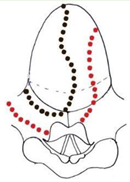
Out of the 53 patients with advanced squamous cell carcinoma of the tongue who received NACT during the study period, partial response (PR) or stable disease (SD) based on RECIST 1.1 was noted in 31 patients. These patients underwent surgery followed by adjuvant therapy at our center. (Fig 1) The remaining 22 patients who reported with progressive disease underwent treatment using non-surgical modalities. A majority of the patients who underwent surgery after NACT (n=31) were male (26) and the median age was 48 years. The most commonly noted indications for NACT in the surgical cohort were technically unresectable disease (20) or advanced nodal disease (11). Most patients (17) underwent the three weekly three-drug regimen of docetaxel, cisplatin and 5-fluorouracil (DCF). All patients had disease crossing the midline, the resection of which would require sacrifice of bilateral hypoglossal nerve if attempted upfront. Patients with SD or PR underwent surgery with margins based on post NACT disease status. Post NACT, reduction in the extent of the tumor such that it no longer involved midline was noted in 14 patients. Thus, in 45.2% of these patients, we were able to downsize the lesion to be able to save the contralateral hypoglossal nerve. Table 1 and Table 2 summarize the baseline patient and histopathological characteristics respectively. Table A1 (Appendix A) provides a summary of the pre and post NACT disease status, chemotherapy regimen and response rates for our cohort. Table 3 and Table 4 describe oncological outcomes and functional outcomes respectively. Figure 1 represents the Kaplan Meier survival curves for our cohort. The difference in overall survival between the post NACT surgical and non-surgical groups was statistically significant (log-rank p = 0.01), indicating a robust survival advantage associated with surgical intervention after NACT.
4. Discussion
Advanced resections of SCC of the tongue, albeit a challenge for the surgeon, tend towards being not only morbid but also significantly disfiguring. The compartment resection performed via a pull-through approach remains the most common technique, with reported functional and survival outcomes ranging between 19–50% at 5 years for stage III–IV disease. [1,8] In type IV and V glossectomies, sacrifice of bilateral hypoglossal nerve function is inevitable. [4] Within a disease cohort characterized by poor survival outcomes, the futility of such extensive glossectomies, whether performed with or without laryngectomy, combined with the severe morbidity they impose, warrants serious reconsideration.
Similar to the principles of pancreatic surgery, resectability becomes challenging not by the technicality but also the morbidity associated with resection of adjacent vital structures. A true ‘unresectability’ in advanced tongue cancers, therefore, may be limited or extremely rare for its local extent alone. A rather pragmatic way to limit these resections is to consider resectability till the vallecula, up to the level of hyoid, as followed at our institution and widely across India. [9] Moreover, this functional unresectability is widely accepted worldwide, case in point the 2009 a Dutch survey revealed that most surgeons would deem the disease unresectable if resection of both lingual arteries and hypoglossal nerves was indicated. [5]
The use of neoadjuvant chemotherapy (NACT) has seen significant strides in organ preservation for cancers of various sites and organs. In oral cavity, the advantage of NACT in terms of outcomes in operable oral cancer remains largely questionable, however benefits in terms of response, reduced surgical morbidity, biologic selection (systemic therapy sensitivity), reduced distant metastasis and organ preservation have been documented. Beginning with Licitra et al’s seminal work in 2003 and Zhong et al’s trial in 2013, there has always been an interest in adopting organ preservation strategies in oral cavity cancers. [10,11] Both studies had some glaring concerns in terms of unrealistic expectations of 20 % absolute survival improvement, inadequate accrual in the former, limited number of patients having stage IVa/ IVb disease; thus not quite making a convincing point in favour of the use of chemotherapy in the neoadjuvant setting. Yet, it cannot be disputed that the authors did achieve a clinical complete response rate of up to 27%, and that there is a role of NACT in preservation of organ and function and an improved post-treatment quality of life.
Similarly, a randomized phase II trial conducted by Chaukar et al concluded that NACT using two cycles of the standard three-drug regimen (TPF) at three weekly intervals is a feasible option for mandibular preservation in cancers of the oral cavity in 47% cases. [12] Table 5 summarizes the available literature evaluating the relevance of NACT in oral cancers. Organ preservation in oral cavity has multiple inter-dependent components. Preservation of bone, preservation of competence, preservation of oro-pharyngeal inlet, geniohyoid complex, tongue volume and muscle strength are known to contribute. Tongue being a midline structure has bilateral motor innervation by the hypoglossal nerve; the supplied paired extrinsic muscles contribute substantially to its function. One such attempt to quantify tongue function is to evaluate the resection of the hypoglossal nerve and associated extrinsic muscles supplied by the same.
In this study we tried to objectively assess the rates of hypoglossal nerve preservation in advanced tongue cancers who received NACT essentially due to the institutional guidelines of borderline resectability or functional resectability. [13] The result of 45.2% unilateral hypoglossal nerve preservation seen in this retrospective series, is intriguing and perhaps a possible strategy worth exploring. It is well accepted that the difference in functional outcomes of a unilateral hypoglossal nerve preservation as opposed to a bilateral hypoglossal sacrifice is significant, regardless of the best reconstruction or rehabilitation strategies used. A prospective study assessing speech and swallowing outcomes in 100 predominantly T3/T4 tongue cancers reaffirmed the same, with better functional outcomes associated with less extensive glossectomies rather than the type of reconstruction. [14]
The surgical margin after neoadjuvant therapy in oral cancer is often a point of debate, however multiple large series now suggest a more pragmatic approach to this issue and have proven safety of post NACT margins. [15] The margin positivity rates of our series is <4 percent which justifies the evolving concept of surgical margins in a post-NACT setting and yet again confirms the oncologic safety of this approach. Needless to say, the radical pre-NACT based margin approach at best remains impractical, theoretical and counterintuitive in these areas of extreme functional vulnerability.
Median PSS-HN scores in our cohort were 61.1 for diet normalcy, 66.3 for speech understandability, and 72.2 for eating in public, with a FOIS mode of 5. Clinically, these values indicate that most patients were able to maintain a soft or regular diet, communicate intelligibly in daily interactions, and eat socially without major restrictions. When compared to published outcomes after total glossectomy, where PSS-HN diet scores often fall below 40 and speech understandability below 503, our results suggest a meaningful functional advantage associated with unilateral hypoglossal nerve preservation. Importantly, only 2 of 31 patients (6.45%) remained tube-dependent at 6 months’ post-treatment. This is a strikingly low rate compared to historical series of total glossectomy, where long-term tube dependency frequently exceeds 30–40%1. This finding strongly supports the narrative that neo-adjuvant therapy enabling contralateral hypoglossal nerve preservation translates into tangible improvements in swallowing function and quality of life.
Our results demonstrate that neo-adjuvant chemotherapy can meaningfully downsize advanced tongue tumors, enabling unilateral hypoglossal nerve preservation and thereby improving speech and swallowing outcomes. Building on this principle of tumor cytoreduction to achieve functional preservation, emerging strategies now combine chemotherapy with immune checkpoint blockade. Neo-adjuvant immune-chemotherapy has shown high rates of major pathologic and complete responses, translating into improved surgical feasibility and R0 resections. [16] The NeoLOCUS study from CMC Vellore reported that a triple regimen (nab-paclitaxel, carboplatin, low-dose nivolumab plus metronomic therapy) enabled R0 resections in 77% of borderline resectable oral cavity SCC. [17] Similarly, the KEYNOTE-689 trial demonstrated that peri-operative pembrolizumab improved event-free survival (median 51.8 vs. 30.4 months, HR 0.73), particularly in PD-L1 CPS ≥10 tumors, while reducing distant metastases without compromising surgical outcomes. [18] These findings reinforce the relevance of systemic therapy not only for oncologic control but also for functional preservation, suggesting that future protocol shifts may incorporate immune-chemotherapy to further enhance quality of life in patients with locally advanced tongue cancers.
5. Limitations
We do not have a pre-operative swallowing function evaluation for all our patients, and hence that data remains missing. However, there is general consensus that, despite the subjectivity involved in speech and swallowing assessment, preservation of a functioning unilateral hypoglossal nerve significantly improves postoperative function. Another limitation is the lack of uniformity in chemotherapy regimens across our cohort, which may have influenced response rates and reflects the retrospective nature of the study.
In addition, the relatively small sample size (n=31) limits statistical power and restricts the generalizability of our findings. The retrospective design introduces potential selection bias, and the median follow-up of 16 months is relatively short for assessing long-term oncologic and functional outcomes. Finally, this is a single-institution experience, which may limit external applicability.
Despite these constraints, the study provides important preliminary evidence supporting the feasibility of functional preservation with neo-adjuvant therapy in advanced tongue cancers. A prospective, multi-institutional trial with larger sample size and standardized chemotherapy regimens, incorporating both oncologic and functional endpoints, is planned to validate these findings.
6. Conclusions
Neo-adjuvant chemotherapy or immunotherapy offers a promising strategy for functional preservation in advanced tongue cancers that would otherwise require bilateral hypoglossal nerve sacrifice. In our cohort, nearly half of the patients achieved sufficient tumor regression to allow unilateral nerve preservation, translating into meaningful improvements in speech and swallowing outcomes. Prospective, randomized studies with functional endpoints are warranted to validate these results and establish neo-adjuvant chemo/ immunotherapy as a standard component of care in this setting.
Author Contributions
Conceptualization, Meghna Kumar and Burhanuddin Qayyumi; methodology, Meghna Kumar and Srinjeeta Garg ; validation, Meghna Kumar, Srinjeeta Garg, and Gaurav Kumar; formal analysis, Burhanuddin Qayyumi; investigation, Meghna Kumar and Srinjeeta Garg; data curation, Zikki Hasan Fatima; writing—original draft preparation, Meghna Kumar; writing—review and editing, Meghna Kumar and Burhanuddin Qayyumi; visualization, Burhanuddin Qayyumi; supervision, Vanita Noronha , Pankaj Chaturvedi; Kumar Prabhash. All authors have read and agreed to the published version of the manuscript.
Funding
This research received no external funding.
Institutional Review Board Statement
The study was conducted in accordance with the Declaration of Helsinki. The study protocol was approved by the Institutional Ethics Committee of Sri Krishna Medical College (Ref No 03/23) on 20.1.2023.
Informed Consent Statement
Patient consent was waived due to retrospective nature of the study.
Data Availability Statement
The anonymized SPSS dataset generated and analyzed during the current study can be obtained from the corresponding author upon reasonable request.
Conflicts of Interest
The authors declare no conflicts of interest.
Abbreviations
The following abbreviations are used in this manuscript:
| NACT | Neoadjuvant Chemotherapy |
| OSCC | Oral Squamous Cell Carcinoma |
| HN | Hypoglossal Nerve |
| SCC | Squamous Cell Carcinoma |
| DCF | Docetaxel, Cisplatin, 5-Fluorouracil regimen |
| DC | Docetaxel, Cisplatin regimen |
| PC | Paclitaxel, Cisplatin regimen |
| OMCT | Oral Metronomic Chemotherapy |
| CCRT | Concurrent Chemoradiotherapy |
| RT | Radiotherapy |
| RECIST 1.1 | Response Evaluation Criteria in Solid Tumors, version 1.1 |
| FOIS | Functional Oral Intake Scale |
| PSS-HN | Performance Status Scale for Head and Neck Cancer |
| WDSCC | Well-Differentiated Squamous Cell Carcinoma |
| MDSCC | Moderately Differentiated Squamous Cell Carcinoma |
| HPR | Histopathology Report |
| TPF | Docetaxel, Cisplatin, 5-Fluorouracil regimen (alternate abbreviation often used in literature) |
| IA | Intervention Arm |
| CI | Confidence Interval |
Appendix A
Appendix A.1

Table A1.
Summary of the pre and post NACT disease status, chemotherapy regimen and response rates for the NACT followed by surgery cohort.
Table A1.
Summary of the pre and post NACT disease status, chemotherapy regimen and response rates for the NACT followed by surgery cohort.
| Pre-NACT Disease Mapping | Status of contralateral HN based on pre-NACT margin |
Reason for NACT | NACT regimen | Response (RECIST 1.1) |
Post-NACT Disease Mapping | Status of contralateral HN based on post-NACT margin | |
|---|---|---|---|---|---|---|---|
| 1 | 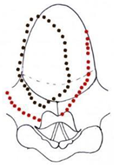 |
Sacrificed | Technically unresectable | OMCT | SD | 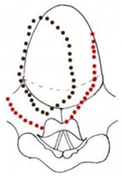 |
Sacrificed |
| 2 | 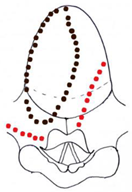 |
Sacrificed | Technically unresectable | 2 CYCLES DCF | SD | 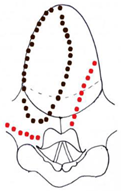 |
Sacrificed |
| 3 | 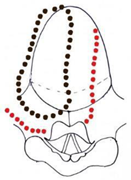 |
Sacrificed | Technically unresectable | 2 CYCLES DCF | PR | 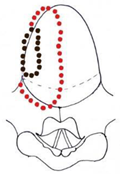 |
Preserved |
| 4 | 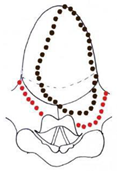 |
Sacrificed | Technically unresectable | 3 CYCLES DC | PR | 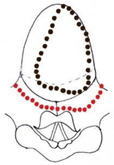 |
Sacrificed |
| 5 | 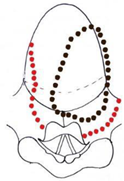 |
Sacrificed | Technically unresectable | 3 CYCLES DCF | PR | 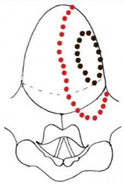 |
Preserved |
| 6 | 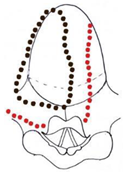 |
Sacrificed | Technically unresectable | 3 CYCLES DCF | SD | 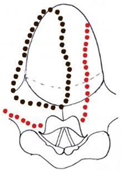 |
Sacrificed |
| 7 | 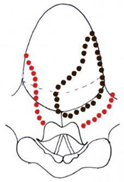 |
Sacrificed | Technically unresectable | 3 CYCLES DCF | PR | 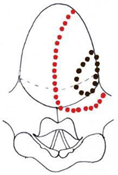 |
Preserved |
| 8 | 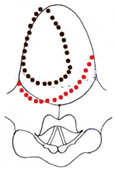 |
Sacrificed | Advanced nodal disease | 2CYCLES PC+OMCT | PR | 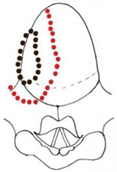 |
Preserved |
| 9 | 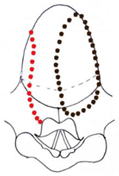 |
Sacrificed | Technically unresectable | 3 CYCLES DCF | PR | 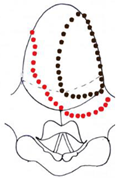 |
Sacrificed |
| 10 |
 |
Sacrificed | Technically unresectable | 2 CYCLES DCF | PR | 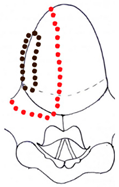 |
Preserved |
| 11. |
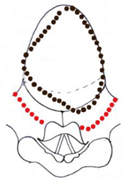 |
Sacrificed | Technically unresectable | 3 CYCLES DCF | PR | 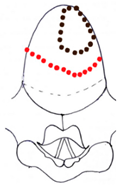 |
Preserved |
| 12 | 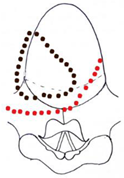 |
Sacrificed | Advanced nodal disease | 3 CYCLES DC | SD | 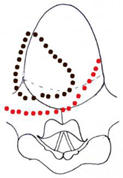 |
Sacrificed |
| 13 | 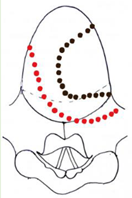 |
Sacrificed | Advanced nodal disease | 3 CYCLES DCF | PR | 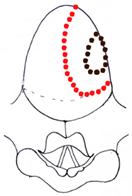 |
Preserved |
| 14 | 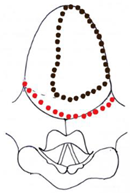 |
Sacrificed | Advanced nodal disease | 3 CYCLES NIVOLUMAB+ OMCT |
SD | 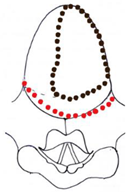 |
Sacrificed |
| 15 | 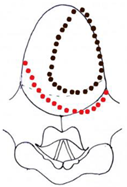 |
Sacrificed | Advanced nodal disease | 1 CYCLE PC | PR | 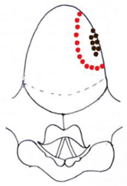 |
Preserved |
| 16 | 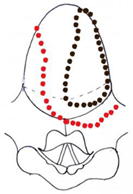 |
Sacrificed | Advanced nodal disease | 3 CYCLES DCF | PR | 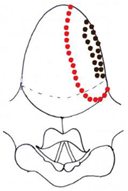 |
Preserved |
| 17 | 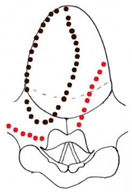 |
Sacrificed | Technically unresectable | 3 CYCLES DC | SD | 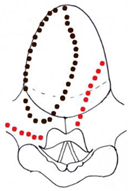 |
Sacrificed |
| 18 | 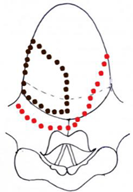 |
Sacrificed | Advanced nodal disease | 2 CYCLES NIVOLUMAB+ OMCT |
SD | 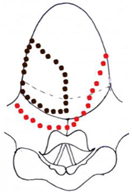 |
Sacrificed |
| 19 | 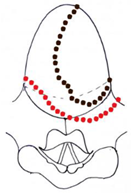 |
Sacrificed | Advanced nodal disease | 3 CYCLES DC | SD | 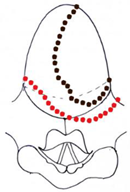 |
Sacrificed |
| 20 | 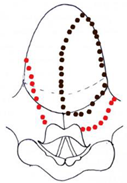 |
Sacrificed | Technically unresectable | 2 CYCLES DCF | SD | 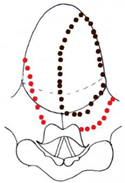 |
Sacrificed |
| 21 | 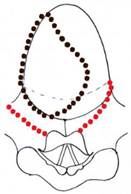 |
Sacrificed | Technically unresectable | 2 CYCLES DCF | SD | 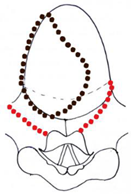 |
Sacrificed |
| 22 | 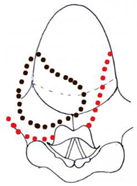 |
Sacrificed | Technically unresectable | 3 CYCLES DCF | PR | 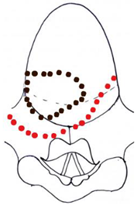 |
Sacrificed |
| 23 | 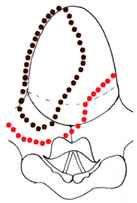 |
Sacrificed | Technically unresectable | 3 CYCLES DCF | PR | 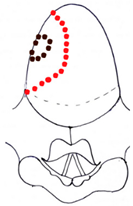 |
Preserved |
| 24 | 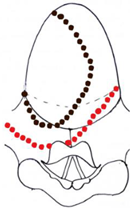 |
Sacrificed | Technically unresectable | 3 CYCLES DC | PR | 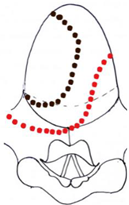 |
Sacrificed |
| 25 | 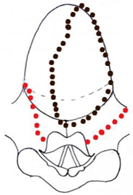 |
Sacrificed | Technically unresectable | 3 CYCLES DCF | SD | 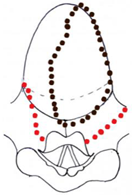 |
Sacrificed |
| 26 | 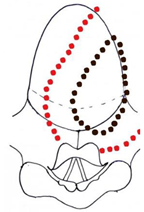 |
Sacrificed | Technically unresectable | 2 CYCLES DC | SD | 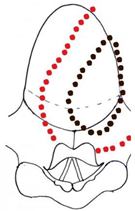 |
Sacrificed |
| 27 | 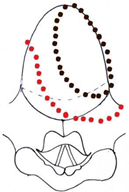 |
Sacrificed | Advanced nodal disease | 3 CYCLES DCF | PR | 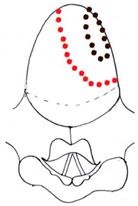 |
Preserved |
| 28 | 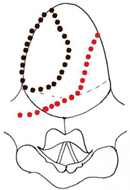 |
Sacrificed | Advanced nodal disease | 2 CYCLES DC | PR | 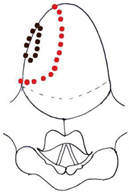 |
Preserved |
| 29 | 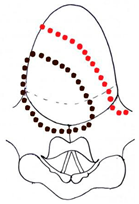 |
Sacrificed | Technically unresectable | 3 CYCLES DCF | PR | 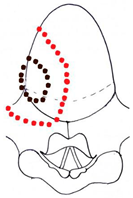 |
Preserved |
| 30 | 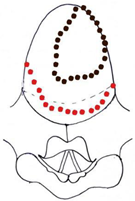 |
Sacrificed | Advanced nodal disease | 2 CYCLES PC | PR | 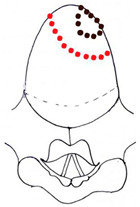 |
Preserved |
| 31 | 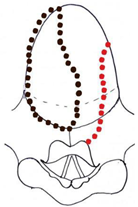 |
Sacrificed | Technically unresectable | OMCT | SD | 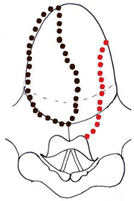 |
Sacrificed |
References
- Nemade H, Chaitanya S A, Kumar S, A AK, Rao TS, Rao S LMCS. Oncological outcomes of total glossectomy procedure for advanced tongue cancer: a single-centre experience. Int J Oral Maxillofac Surg. 2022 Feb;51(2):152-158. [CrossRef] [PubMed]
- Thiagarajan S, Dhar H, Bhattacharjee A, Fatehi KS, Shah SB, Chaukar D, Nair D, Deshmukh A, Prabhash K, Joshi A, Patil V, Noronha V, Laskar SG, Cruz AKD. Patterns of failure and outcomes in cT4 Oral squamous cell carcinoma (OSCC) undergoing upfront surgery in comparison to Neo-Adjuvant Chemotherapy (NACT) followed by surgery: A Matched Pair analysis. Oral Oncol. 2020 Jan;100:104455. [CrossRef] [PubMed]
- Elfring T, Boliek CA, Winget M, Paulsen C, Seikaly H, Rieger JM. The relationship between lingual and hypoglossal nerve function and quality of life in head and neck cancer. J Oral Rehabil. 2014 Feb;41(2):133-40. [CrossRef] [PubMed]
- Ansarin M, Bruschini R, Navach V, Giugliano G, Calabrese L, Chiesa F, Medina JE, Kowalski LP, Shah JP. Classification of GLOSSECTOMIES: Proposal for tongue cancer resections. Head Neck. 2019 Mar;41(3):821-827. [CrossRef] [PubMed]
- Kreeft A, Tan IB, van den Brekel MW, Hilgers FJ, Balm AJ. The surgical dilemma of 'functional inoperability' in oral and oropharyngeal cancer: current consensus on operability with regard to functional results. Clin Otolaryngol. 2009 Apr;34(2):140-6. [CrossRef] [PubMed]
- Goel, Alok & Singla, Anshul & Prabhash, Kumar. (2020). Neoadjuvant chemotherapy in oral cancer: Current status and future possibilities. Cancer Research, Statistics, and Treatment. 3. 51. [CrossRef]
- Chaukar, Devendra & Thiagarajan, Shivakumar. (2020). Neoadjuvant chemotherapy in oral cancer: Current status and future possibilities - Its benefit for T4 oral cancer is yet to be tested. Volume 3. 389-90. [CrossRef] [PubMed]
- Ansarin M, De Berardinis R, Corso F, Giugliano G, Bruschini R, De Benedetto L, Zorzi S, Maffini F, Sovardi F, Pigni C, Scaglione D, Alterio D, Cossu Rocca M, Chiocca S, Gandini S, Tagliabue M. Survival Outcomes in Oral Tongue Cancer: A Mono-Institutional Experience Focusing on Age. Front Oncol. 2021 Apr 12;11:616653. [CrossRef] [PubMed]
- Noronha V, Patil V, Chaturvedi P, Mathrudev V.Phase 3 RCT comparing docetaxel-platinum with docetaxel-platinum-5FU as neoadjuvant chemotherapy in borderline resectable oral cancer. Eur J Cancer. 2024 Mar;200:113560. [CrossRef] [PubMed]
- Licitra L, Grandi C, Guzzo M, Mariani L, Lo Vullo S, Valvo F, Quattrone P, Valagussa P, Bonadonna G, Molinari R, Cantù G. Primary chemotherapy in resectable oral cavity squamous cell cancer: a randomized controlled trial. J Clin Oncol. 2003 Jan 15;21(2):327-33. [CrossRef] [PubMed]
- Zhong LP, Zhang CP, Ren GX, Guo W, William WN Jr, Sun J, Zhu HG, Tu WY, Li J, Cai YL, Wang LZ, Fan XD, Wang ZH, Hu YJ, Ji T, Yang WJ, Ye WM, Li J, He Y, Wang YA, Xu LQ, Wang BS, Kies MS, Lee JJ, Myers JN, Zhang ZY. Randomized phase III trial of induction chemotherapy with docetaxel, cisplatin, and fluorouracil followed by surgery versus up-front surgery in locally advanced resectable oral squamous cell carcinoma. J Clin Oncol. 2013 Feb 20;31(6):744-51. [CrossRef] [PubMed]
- Chaukar D, Prabash K, Rane P, Patil VM, Thiagarajan S, Ghosh-Laskar S, Sharma S, Pai PS, Chaturvedi P, Pantvaidya G, Deshmukh A, Nair D, Nair S, Vaish R, Noronha V, Patil A, Arya S, D'Cruz A. Prospective Phase II Open-Label Randomized Controlled Trial to Compare Mandibular Preservation in Upfront Surgery With Neoadjuvant Chemotherapy Followed by Surgery in Operable Oral Cavity Cancer. J Clin Oncol. 2022 Jan 20;40(3):272-281. [CrossRef] [PubMed]
- Patil VM, Prabhash K, Noronha V, Joshi A, Muddu V, Dhumal S, Arya S, Juvekar S, Chaturvedi P, Chaukar D, Pai P, Kane S, Patil A, Agarwal JP, Ghosh-Lashkar S, Dcruz A. Neoadjuvant chemotherapy followed by surgery in very locally advanced technically unresectable oral cavity cancers. Oral Oncol. 2014 Oct;50(10):1000-4. [CrossRef] [PubMed]
- https://ascopubs.org/doi/10.1200/JCO.2025.43.16_suppl.11113.
- Sahu P, Patil VM, Joshi A, Noronha V, Dhumal S, Kane S, D'Cruz A, Prabhash K. Neoadjuvant chemotherapy and surgical margin in technically unresectable buccal mucosa cancers. Oral Oncol. 2015 Dec;51(12):e91-2. [CrossRef] [PubMed]
- Zinner R, Zhang J, et al. Neoadjuvant immunochemotherapy in resectable oral cavity squamous cell carcinoma: Phase II trial results. J Clin Oncol. 2020;38(15_suppl):6003.
- Bhattacharya S, Thankappan K, et al. NeoLOCUS: Neoadjuvant immunochemotherapy with nab-paclitaxel, carboplatin, low-dose nivolumab, and oral metronomic therapy in borderline resectable oral cancers. Oral Oncol. 2024;148:106789.
- Uppaluri R, Campbell KM, Egloff AM, et al. Perioperative pembrolizumab in resectable locally advanced head and neck squamous cell carcinoma: KEYNOTE-689. N Engl J Med. 2025;392(12):1125-1136.
Figure 1.
Overall Survival of both cohorts.
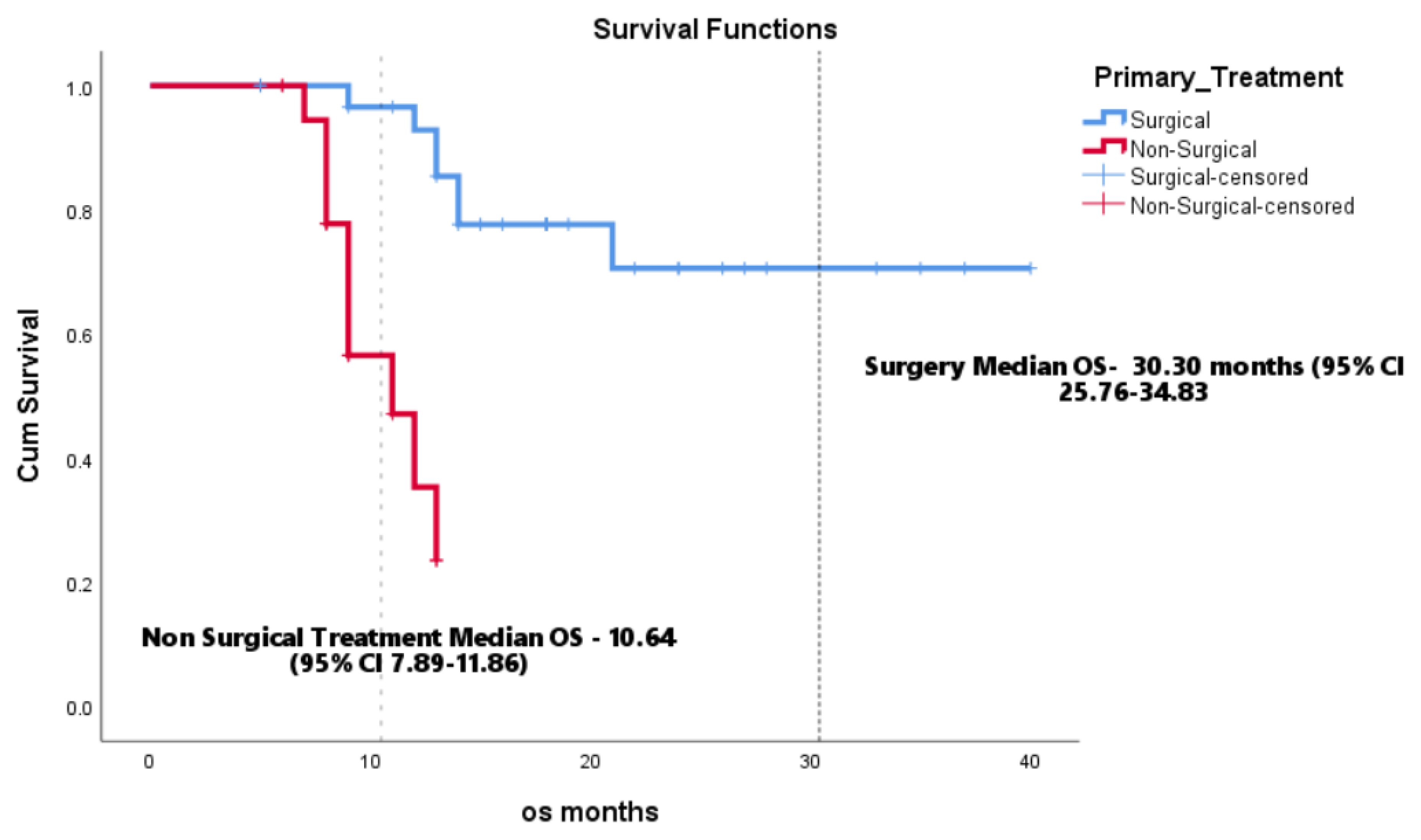
Table 1.
Baseline patient characteristics of the NACT followed by surgery cohort (n=31).
| Patient characteristics | n(%) | |
|---|---|---|
| Sex | Male Female |
26 (83.9) 5 (16.1) |
| Age | Median | 48 |
| cT stage | T1 T2 T3 T4a, T4b |
02(6.5) 10(32.3) 19 (61.3) |
| cN stage | N0 N1 N2a N2b N2c N3a,N3b |
6 (19.4) 5 (16.1) 2 (6.5) 11 (35.5) 5 (16.1) 2 (6.5) |
| Reason for NACT | Technically unresectable Advanced nodal disease |
20 (64.5) 11 (35.5) |
| Chemotherapy regimen | OMCT DC DCF PC Nivo+OMCT |
2 (6.45) 8 (25.8) 17 (54.8) 3 (9.7) 2 (6.45) |
| Grade III / IV toxicities | Yes No |
5 (16.1) 26 (83.9) |
| Post NACT surgery | Total glossectomy Near total glossectomy Extended hemiglossectomy Hemiglossectomy Ant 2/3rd glossectomy Wide excision |
6 (19.4) 8 (25.8) 2 (6.45) 7 (22.6) 1 (3.2) 7 (22.6) |
| Reconstruction | Raw Primary closure Regional flap |
022 (71) 9 (29) |
Table 2.
Histopathological features post-surgery.
| Histopathological features | n(%) | |
|---|---|---|
| Margins on final HPR | Positive Close Free |
2 (6.5) 6 (19.4) 23 (74.2) |
| Histology | No residual tumor identified WDSCC MDSCC |
10 (32.3) 9 (29) 12 (38.7) |
| Tumor Regression Grade (Mandard et al) | Grade I Grade II Grade III Grade IV Grade V |
10 (32.3)05 (16.1) 7 (22.6) 9 (29.0) |
| pT stage | T0 T1 T2 T3 T4a, T4b |
10 (32.3) 3 (9.7) 3 (9.7) 8 (25.8) 7 (22.6) |
| pN stage | N0 N1 N2a N2b N2c N3a, N3b |
10 (32.3) 5 (16.1) 4 (12.9) 4 (12.9) 3 (9.7) 5 (16.1) |
| Adjuvant therapy | CCRT RT Observation |
30 (96.8)01 (3.2) |
Table 3.
Oncological Outcomes.
| Median follow-up | 16 months |
|---|---|
| Overall Survival | NACT + Surgery: 30.30 months (95% CI 25.76-34.83) NACT + Non-surgical Modalities: 10.64 months (95% CI 7.89-11.86) |
| Patterns of Recurrence in the NACT followed by surgery group | Local 1 Regional 4 Distant 2 Salvageable 1 Non-salvageable 6 |
Table 4.
Functional Outcomes among survivors in the NACT followed by surgery.
| PSS-HN | Normalcy of Diet | 61.1 (median) |
| Understandability of speech | 66.3 (median) | |
| Eating in Public | 72.2 (median) | |
| FOIS | 5 (mode) | |
| Tube Dependency (Retained nasogastric/percutaneous endoscopic gastrostomy tube) at least 6 months post completion of treatment. | 2/31 (6.5%) | |
Table 5.
Review of Literature on NACT in Oral Cancers.
| Author | Cohort | Intervention Arm | Key Results |
|---|---|---|---|
| Licitra et al. [10] | 195 Stage III–IVA OSCC, resectable | 3 cycles Cisplatin + 5-Fluorouracil | • No survival benefit • Higher rate of mandibular preservation and reduced need for adjuvant therapy in intervention arm |
| Zhong et al. [11] | 256 Stage III–IVA OSCC, resectable | 2 cycles TPF | • No survival benefit • Reduced distant metastasis • Subset analysis: better OS in cN2 disease and tongue primaries |
| Patil et al. [9] | 3,266 Stage IV OSCC, technically unresectable | 50.2% TP regimen 29% TPF regimen 2.5% TP + OMCT |
• Overall response rate 35.2% (TPF > TP) • 46.8% patients offered curative treatment after NACT |
| Thiagarajan et al. [2] | 497 Stage IV OSCC, technically unresectable | 72% TP regimen 25.6% TPF regimen |
• Benefit of NACT prior to surgery in cT4b OSCC • Trend favoring NACT use in oral tongue primaries |
| Chaukar et al. [12] | 68 OSCC, cT2–T4 and N0/N1 | TPF at 3-week intervals | • Mandibular preservation achieved in 47% of patients • Similar survival outcomes compared to upfront surgery |
Disclaimer/Publisher’s Note: The statements, opinions and data contained in all publications are solely those of the individual author(s) and contributor(s) and not of MDPI and/or the editor(s). MDPI and/or the editor(s) disclaim responsibility for any injury to people or property resulting from any ideas, methods, instructions or products referred to in the content. |
© 2026 by the authors. Licensee MDPI, Basel, Switzerland. This article is an open access article distributed under the terms and conditions of the Creative Commons Attribution (CC BY) license (http://creativecommons.org/licenses/by/4.0/).
Copyright: This open access article is published under a Creative Commons CC BY 4.0 license, which permit the free download, distribution, and reuse, provided that the author and preprint are cited in any reuse.


