

Submitted:
10 April 2026
Posted:
14 April 2026
You are already at the latest version
Abstract
Soil salinization is a major global issue that inhibits plant growth, disrupts rhizosphere microbial ecology, and compromises plant health. Utilizing salt-tolerant, plant-growth-promoting microorganisms offers a promising strategy for mitigating salt stress and improving soil productivity. In this study, a salt-tolerant, phosphate-solubilizing fungal strain was isolated from coastal saline-alkaline soil and designated as Penicillium oxalicum PF1. Its salt tolerance and phosphorus mobilizing capacity were characterized, and pot experiments were conducted to elucidate its effects on plant salt tolerance and the underlying mechanisms. The results showed it could survive up to 17 % (w/v) NaCl in culture medium and solubilized different insoluble phosphorus sources in the order Ca-P > Mg-P > Fe-P, with a maximum solubilization of 980.09 mg/L when Ca-P was supplied. Pot experiments and metagenomic analysis revealed that PF1 significantly promoted alfalfa growth in saline soil, it triggered significant restructuring of the alfalfa rhizosphere microbiome, promoting the functional transformation of rhizosphere microbial communities, thereby alleviating salt stress imposed on alfalfa. In summary, P. oxalicum PF1 exhibits robust salt tolerance and high phosphate-solubilizing activity, restructures the alfalfa rhizosphere microbiome, enhances host stress resistance, mitigates salt-induced physiological damage, and ultimately promotes plant growth in saline soil.
Keywords:
saline soil
; phosphate-solubilizing fungus
; metagenomics
; rhizosphere microbial
1. Introduction
Soil salinization is a typical land degradation problem. Globally, over 20% of the one billion hectares of salt-affected land is arable cropland, severely constraining the sustainable development of agriculture and forestry[1]. Excess Na⁺ and Cl⁻ in salinized soils not only disrupt the ionic homeostasis of plant cells but also induce osmotic imbalance and oxidative damage in plants, thereby reducing their stress tolerance and productivity[2,3,4]. Therefore, the amelioration and comprehensive utilization of salinized soils are of great significance for the sustainable development of agriculture and forestry.
Phosphorus (P), as an essential macronutrient for plant growth, plays a vital role in key physiological processes such as energy metabolism, photosynthesis, root development, and signal transduction. Although soils are rich in total phosphorus (TP), the majority is sequestered by minerals in the form of insoluble phosphates (e.g., Ca₃(PO₄)₂, AlPO₄, and FePO4), with the available phosphorus (AP) directly accessible to plants typically being extremely low[5,6]. Saline soils generally exhibit high pH values, which further exacerbates phosphorus deficiency[7]. Traditional agricultural practices rely on chemical phosphate fertilizers, however, less than one-quarter of the applied phosphorus is effectively absorbed by plants. This not only leads to resource wastage but can also trigger water eutrophication and further deterioration of soil physicochemical properties[8]. Therefore, the development of efficient and environmentally friendly phosphorus activation strategies has become one of the key directions for saline soil amelioration. In recent years, biological amelioration utilizing plant growth-promoting microorganisms (PGPMs) in the rhizosphere has gradually emerged as a preferred approach. Among these, functional microorganisms with both salt tolerance and phosphate-solubilizing capabilities can convert insoluble phosphorus into plant-available forms such as H₂PO₄⁻ or HPO₄²⁻ by secreting organic acids (e.g., acetic acid, citric acid), active enzymes (e.g., alkaline phosphatase PhoD, glucose dehydrogenase Gcd), or chelating metal ions[9,10,11]. Zhang et al.[12] demonstrated that phosphate-solubilizing strains generally carry the phoD and gcd genes, and soil salinization can lead to a reduction in the abundance of these microorganisms. Ait-Ouakrim et al.[13] isolated 24 phosphate-solubilizing bacterial strains from the rhizosphere of olive trees grown on phosphate sludge, most of which exhibited salt tolerance and the ability to inhibit pathogen growth. And they were able to significantly increase plant height, root length, and dry biomass. Metagenomic sequencing is a powerful tool for revealing the composition and functional potential of microbial communities, and their interactions with environmental factors[14,15]. Wang et al.[16] employed metagenomic analysis to elucidate the changes in the structure and function of the rhizosphere microbial community of grapevines under salt stress. The plants enhanced their stress tolerance by recruiting specific microbials and enriching functional pathways related to sulfur metabolism and bacterial chemotaxis. In summary, screening and utilizing novel salt-tolerant, phosphate-solubilizing microorganisms is a key strategy for increasing available phosphorus content in saline soils and mitigating the effects of salt stress on plants.
Based on this, we isolated salt-tolerant, phosphate-solubilizing microorganism from coastal saline-alkali soils, evaluated its salt tolerance and phosphate solubilizing capacity through culture experiments, and investigated their growth-promoting mechanisms via cultivation experiments combined with metagenomic sequencing, thereby elucidating the effects of the strain on the growth of alfalfa (Medicago sativa L.) and the structural composition of its rhizosphere microbial community. The work is expected to provide a theoretical basis and germplasm resource for the subsequent development and application of microbial inoculants for the amelioration of saline soils.
2. Materials and Methods
2.1. Study Area
In this experiment, the soil samples used for strain screening were collected from Comprehensive Experimental Center in Yellow River Delta of Chinese Academy of Forestry, located within the Dongying Modern Agricultural Demonstration Area in the Yellow River Delta region (118°54’28”E, 37°41’27”N). This area is classified as moderately to severely saline-alkali land, and the relevant soil physicochemical properties are presented in Table 1.
2.2. Screening of the Target Strain
Five grams of soil sample was added to 45 mL of sterile water and shaken at 30 °C and 120 rpm for 30 minutes to prepare a soil suspension. After standing for 15 minutes, the suspension was serially diluted (10⁻¹, 10⁻², 10⁻³, 10⁻⁴, 10⁻⁵, 10⁻⁶). 0.1 mL soil suspension from each dilution was spread onto PVK medium plates. Three replicates were set for each dilution. The plates were incubated at 28 °C for 5–7 d. The single colonies with obvious phosphate-solubilizing zones were selected and purified. After three rounds of purification, single colonies were cultured for 2–3 d and preserved for further use.
2.3. Determination of Salt Tolerance of the Strain
The strain was inoculated into LB liquid medium and cultured at 28 °C with shaking at 180 rpm until the OD600 value reached 0.7. The PDA media supplemented with NaCl at concentrations of 0, 2, 4, 6, 8, 10, 12, 14, 15, 16, 17, and 18% (w/v) were prepared. For each NaCl concentration, 20 μL of the spore suspension was inoculated onto the center of the plates, with three replicates per treatment. The colony growth was observed daily, and the colony diameter was measured after 10 d of incubation.
2.4. Determination of Phosphate Solubilizing Capacity of the Strain
Phosphate-dissolving zone assay:
Inorganic phosphorus solid media supplemented with Ca₃(PO₄)₂, FePO₄, and Mg₃(PO₄)₂ as phosphorus sources were prepared, each at a concentration of 5 g/L. 20 μL of the spore suspension was inoculated onto the center of each plate. The plates were incubated at 28 °C for 10 d, with three replicates for each phosphorus source. The colony growth was observed, and the ratio of the transparent halo diameter (D) to the colony diameter (d) was measured to evaluate the phosphate solubilizing capacity of the strain.
Molybdenum blue method: Inorganic phosphorus liquid media containing Ca₃(PO₄)₂, FePO₄, or Mg₃(PO₄)₂ as phosphorus sources were prepared, each at a concentration of 5 g/L. The spore suspension was inoculated into the media at 1% (V/V). The cultures were incubated at 28 °C with shaking at 180 rpm for 7 d, with three replicates for each phosphorus source. The supernatant was collected daily to measure the pH and soluble phosphorus content [17,18].
2.5. The Pot Culture Experiment Design
Three treatment groups were established: b
lank control
group (Y0, without plants), n
egative control
group (
CK,
with plants and sterile culture solution), and treatment group (PF1, with plants and PF1 spore suspension). Each group had three replicates. Alfalfa (Medicago sativa) was selected as the test plant. The growth substrate consisted of a mixture of peat soil and perlite at a ratio of 3:1 (W/W), with 600g per pot. Additionally, 1.8 g Ca₃(PO₄)₂ powder was added to each pot and mixed thoroughly.
Fifty alfalfa seeds of uniform size were selected, sterilized, and placed in petri dishes lined with moist filter paper. The seeds were germinated in a constant temperature incubator at 25 °C until the sprouts reached approximately 2 cm in length. Then the seedlings were transplanted into pots, with eight seedlings per pot [19]. At 14 d after sowing, 10 mL of spore suspension (adjusted to the OD600nm value at 0.7) and sterile culture solution were inoculated into the pots of the PF1 and CK groups respectively. A second inoculation was performed at 28 d after sowing to ensure successful colonization of the strain. During the early stage of cultivation, a progressive salt stress treatment was applied using NaCl solutions. The plants were irrigated with 300 mL NaCl solution per pot every 3 d, with the concentration increasing weekly (1, 2, and 3 g/L). The NaCl concentration was finally maintained at 3.5 g/L until the end of the cultivation period [20]. The amount of Ca₃(PO₄)₂ and the concentration of NaCl solution were determined based on the relevant data of the tested soil.
2.6. Rhizosphere Soil and Plant Sampling and Chemical Analysis
At 30 d after the first inoculation, the plants were harvested intact with roots to ensure the root system remained undamaged. Soil attached to the roots was gently shaken off, and rhizosphere soil within 2 mm of the root surface was carefully collected using a sterile brush. Plant height and root length were measured. Proline content in the aboveground parts was determined using the ninhydrin colorimetric method. Soil TP and AP were determined using the molybdenum-antimony colorimetric method. Na⁺ and K⁺ contents in plant tissues, as well as soluble Ca²⁺ and Mg²⁺ contents in soil, were determined using an inductively coupled plasma mass spectrometer (ICP-MS, Avio 200, PerkinElmer, USA). SOM content was determined by spectrophotometry. Soil TK, AK, and soluble Na⁺ were determined using a flame photometer (M410, Sherwood, UK). Soil TN was determined using a Kjeldahl apparatus (KDN-520). Soil pH was measured with a pH meter (PB-10). EC was measured with a conductivity meter (STARTER 3100C). Soil TS content was determined by the gravimetric method [21,22,23].
2.7. Metagenomic Analysis
Raw sequencing data were filtered and converted using Bcl2fastq (v2.17.1.14) and Cutadapt (v1.9.1) to control sequence quality. The cleaned reads were assembled using MEGAHIT (v1.2.9). Redundancy removal was performed with MMseq2. Gene abundance analysis was conducted using SoapAligner (version 2.21), and protein sequence alignment was carried out using BLAST (version 2.2.31+). Alpha diversity indices, including ACE, Chao1, Shannon, and Simpson, were calculated using QIIME 2. Beta diversity analysis, including non-metric multidimensional scaling (NMDS) and construction of UPGMA trees, was performed using the vegan package in R software to assess the microbial community structure. To test the significance of differences between groups, PERMANOVA was used to identify genera with significant differences in abundance between groups.
2.8. Statistical Analysis
Data processing and significance analysis were performed using Excel 2019 and SPSS (V21.0). Data visualization was conducted using Origin 2025 and R software (v3.3.1) with packages such as ggplot2, VennDiagram, and ape.
3. Results
3.1. Identification of the Screening Strain
In the early stage of culture, the colony appeared white and fluffy. With prolonged incubation, the colony produced abundant green or yellowish-green spores (Figure 1.). The colony expanded radially across the entire medium, with white mycelia at the margin during the mature stage. The strain was preliminarily identified as a member of the genus Penicillium. The strain was subjected to ITS gene sequencing. The obtained sequence was compared against the database, and a phylogenetic tree was constructed (Figure 2.). Based on the phylogenetic analysis, the strain was finally identified as P. oxalicum and designated as PF1, where “P” indicates its phosphate-solubilizing function and “F” denotes its fungal origin.
3.2. Salt Tolerance and Phosphate Solubilizing Capacity of PF1
After 10 d of incubation on
plates
with NaCl concentrations ranging from 0% to 18%, the colony diameter and growth status of the strain are shown in
Table 2
and
Figure 3
. The results showed that on
the plates
with 0%–12% NaCl, the strain grew vigorously and spread across the entire plate. At 14% and 15% NaCl, colony growth was significantly inhibited, but the strain still produced green spores. At 16% and 17% NaCl, the strain remained viable but showed severe growth inhibition, with only white mycelia visible at the inoculation site. At 18% NaCl, no colony formation was observed, indicating that the strain was unable to survive under this level of salt stress.
The p
hosphate
solubilizing capacity of strain PF1 against different phosphorus sources was qualitatively assessed using the phosphate-dissolving zone assay. Three phosphorus sources, namely Ca₃(PO₄)₂, FePO₄, and Mg₃(PO₄)₂, were tested. The ratios of the halo diameter to the colony diameter (D/d) for each treatment are shown in
Figure 4
. Based on the results of the phosphate-dissolving zone assay, the p
hosphate
solubilizing capacity of the strain followed the order: Ca-P > Mg-P > Fe-P.
The phosphate solubilizing capacity of strain PF1 against different phosphorus sources was quantitatively determined using the molybdenum-antimony colorimetric method. The same three phosphorus sources as described above were tested (Figure 5.).
During the 7 incubation d , the pH of the culture medium containing Ca-P remained stable between 2 and 3, and the soluble phosphate content reached a maximum of 980.09 mg/L, which was 1,507.23% higher than the maximum value of the CK group. In the medium containing Mg-P, the pH remained stable between 7 and 8, and the maximum soluble phosphate content reached 267.20 mg/L, representing a 927.30% increase compared to the CK group. In the medium containing Fe-P, the pH remained stable between 2 and 3, and the maximum soluble phosphate content reached 17.83 mg/L, which was 60.92% higher than that of the CK group.
Based on the results of the liquid culture experiment, the phosphate solubilizing capacity of the strain PF1 varied considerably among different phosphorus sources. During the solubilization process, the pH of the culture media in all treatment groups decreased substantially compared to the CK group. The order of phosphate solubilizing capacity against different phosphorus sources was consistent with the results of the phosphate-dissolving zone assay.
3.3. The Pot Experiment of P. oxalicum PF1
T
he
AP
content in the PF1 treatment group was significantly higher than that in the
CK
group
(
Table 3
)
. No significant difference in
AK
content was observed between the two groups. The pH value of the
CK
group was significantly higher than that of the PF1 group. There were no significant differences in EC or SAR between the two groups.
The plant height of alfalfa in the PF1 treatment group was significantly higher than that in the CK group (Table 4 and Figure 6). However, no significant difference in root length was observed between the two groups. Physiological datas showed that the proline content in the aboveground parts of alfalfa in the PF1 group was significantly higher than that in the CK group. Although the PF1 group exhibited slightly higher values in TP and K⁺/Na⁺ ratio, the differences between the two groups were not statistically significant.
3.3. Species Composition and Diversity Analysis of the Rhizosphere Microorganisms of Alfalfa
3.4.1. Species Composition Analysis of the Rhizosphere Microbial Community
At the fungal genus level, the relative abundance of Penicillium in the PF1 group (7%) was significantly higher than that in the
CK
group (0.7%) and the Y0 group (0.2%). This indicates that the inoculated strain P. oxalicum PF1 successfully colonized the rhizosphere of alfalfa and became dominant. Under its influence, the species composition of the rhizosphere microbial community exhibited distinct characteristics among the three groups.
At the phylum level (Figure 7), Pseudomonadota, Bacteroidota, Acidobacteriota, and Actinobacteriota were the dominant phyla across all groups, with relatively high abundances. Pseudomonadota was the most dominant phylum in all three groups. After alfalfa cultivation, the relative abundance of Pseudomonadota increased to 61%. Following inoculation with PF1, the abundance of Pseudomonadota further increased to 68%, Bacteroidota increased from 21% to 25%, and Acidobacteriota decreased from 16% to 13%.
At the genus level (Figure 7), Niastella[24] was the most dominant genus in the Y0 group, accounting for 12% of the relative abundance. The second most dominant genus was Rhizomicrobium, which is involved in nitrogen fixation, accounting for 7%. Following inoculation with P. oxalicum PF1, the relative abundances of Pseudolabrys and Rhizomicrobium decreased slightly from 4% in the CK group to 3%. In contrast, Dongiaceae, which accelerates nutrient cycling, increased from 2% to 4%, and Sphingopyxis [25], known for its ability to degrade pollutants and toxic compounds, increased from 0.7% to 2%. These results indicate that alfalfa cultivation reshaped the soil microbial community structure, and the exogenous introduction of P. oxalicum PF1 further intensified this restructuring effect.
3.4.2. Diversity Analysis of Rhizosphere Microorganisms of Alfalfa
Alpha diversity of each sample was assessed using the ACE, Chao1, Shannon, and Simpson indices (Table 5). All indices in the CK and PF1 groups were significantly higher than those in the Y0 group. Compared with the Y0 group, the ACE and Chao1 indices increased by 21.8% in the PF1 group and by 20.7% in the CK group. The Shannon and Simpson indices increased by 15.2% and 2.3% in the PF1 group, and by 14.4% and 2.1% in the CK group. Although all diversity indices in the PF1 group were slightly higher than those in the CK group, the differences between the two groups were not statistically significant.
The results of non-metric multidimensional scaling (NMDS) analysis are shown in Figure 9. Based on species composition (Figure 8a), the samples from the CK, PF1, and Y0 groups were clearly separated. The three replicates in the PF1 group clustered closely together, while in the CK group, sample CK-1 was relatively distant from the other two replicates, indicating greater variability within the CK group. These results demonstrate that the introduction of PF1 altered the species composition of the microbial community. From a functional perspective (Figure 8b), the samples in the Y0 group clustered tightly together, while some samples from the PF1 and CK groups were relatively close. However, sample PF1-2 showed a noticeable shift, suggesting a trend toward functional changes in the PF1 group. In the PF1 group, samples PF1-1 and PF1-2 were similar in both species composition and functional profile. In contrast, the CK group exhibited variability in both species composition and functional characteristics (Figure 8c,8d).
3.4.2. Differences in Rhizosphere Microbial Species and Functions of Alfalfa
The results of significance analysis of species composition differences between groups and LefSe (LDA Effect Size) analysis are shown in Figure 9. In the CK group, species with relatively high abundance mainly included p__Acidobacteriota, p__Gemmatimonadota, f__Bryobacteraceae, and o__Bryobacterales, which are characterized by slow growth and metabolic rates and are capable of degrading complex organic compounds. Additionally, o__Nitrosomonadales, f__Comamonadaceae, c__Betaproteobacteria, and Dendronalium, which are involved in photosynthesis, nitrogen fixation, and soil nutrient cycling, were also enriched. Furthermore, p__Planctomycetota and o__Tepidisphaerales, which typically adhere to soil particle surfaces, showed higher abundances in the CK group.
In the PF1 group, the dominant species were predominantly those with functions related to pollutant degradation and plant growth promotion via hormone production, including g__Sphingobium, g__Sphingopyxis, and g__Pseudomonas. Candidatus_Limisoma, which can efficiently utilize small-molecule carbon sources, was also enriched. Additionally, g__Rhizobium, g__Shinella, g__Mucilaginibacter, and Enterospora, which are involved in rhizosphere interactions and microbial cross-talk, showed higher abundances. Furthermore, c__Alphaproteobacteria and o__Caulobacterales, which play important roles in microbial motility and chemotaxis and can rapidly perceive recruitment signals from the rhizosphere, were also dominant in the PF1 group.
These results indicate that the dominant microorganisms in the
CK
group were mainly involved in traditional material cycling, whereas those in the PF1 group were primarily associated with nutrient transformation, plant growth promotion, and pollutant degradation. This suggests that the introduction of PF1 induced selective enrichment of specific microorganisms in the alfalfa rhizosphere, leading to a shift in the core functions of the rhizosphere microbial community.
4. Discussion
Plant growth-promoting rhizosphere microorganisms play important roles in enhancing plant stress resistance, alleviating stress-induced damage, and improving saline soil conditions. In this study, a salt-tolerant phosphate-solubilizing fungus, P. oxalicum PF1, was isolated and characterized. Through pure culture, pot experiments, and metagenomic analysis, the mechanisms by which this strain affects alfalfa growth and the rhizosphere microbial community under salt stress were investigated.
Regarding salt tolerance and phosphate solubilization, the strain PF1 remained viable on media containing up to 17% (W/V) NaCl. The phosphate solubilizing capacity in liquid culture with Ca-P was nearly 15 times higher than that of the CK group at the same time point. Both the salt tolerance threshold and the Ca-P solubilizing capacity of PF1 were at a high level, outperforming some previously reported phosphate solubilizing strains [26,27,28]. The results of the liquid culture experiment also showed that the pH of the culture medium decreased substantially during the phosphate solubilization process. This is attributed to the secretion of various organic acids by the microorganisms, leading to a rapid increase in acidic compounds in the culture medium [29,30]. Furthermore, the release of cations such as Ca²⁺ following the dissolution of insoluble phosphates can exchange with Na⁺ adsorbed on soil colloids, converting it into a free state. This process facilitates the subsequent reduction of soil Na⁺ content through methods such as leaching. On the other hand, alfalfa can also effectively alleviate sodium toxicity in saline soil through various mechanisms, such as exporting excess Na⁺ via ion pumps [31]. The pot experiment results showed that the soil AP content in the PF1 treatment group increased significantly, and the proline content in alfalfa was significantly higher than that in the CK group. The TP content was also slightly elevated. These findings indicate that PF1 activated the osmotic regulation pathway in alfalfa, promoting the accumulation of solutes such as proline to maintain cell turgor, while ensuring an effective supply of phosphorus. This demonstrates that PF1 can effectively enhance the soil’s nutrient supply for alfalfa and improve the plant’s own stress resistance.
The analysis of rhizosphere microbial community composition and functional profiles revealed that the microbial community structure in the PF1 group had diverged to some extent from that in the CK group. The alfalfa rhizosphere was significantly enriched with fast-growing microbial groups such as Pseudomonas, which are involved in organic matter degradation and nutrient cycling. In contrast, the relative abundance of oligotrophic bacterial groups and numerous unclassified species originally present in the soil decreased [32]. Meanwhile, the alpha diversity indices in the PF1 group were only slightly higher than those in the CK group, with no statistically significant differences. This indicates that the introduction of PF1 did not lead to a substantial increase in the diversity of the rhizosphere microbial community. Furthermore, previous studies have found that the introduction of exogenous single strain can aggressively compete for nutritional resources and ecological niches. While this may manifest as a growth-promoting effect, it can also lead to a decline in the abundance of native soil microbiota and a reduction in the diversity of the rhizosphere microbial community [33]. This indicates that the introduction of exogenous strains can not only increase the diversity and abundance of rhizosphere microorganisms but also, in some cases, lead to their decline, reflecting a functionally selective reshaping process. This process drives the shift of the rhizosphere microbial community from a slow metabolic state to an ecologically active one characterized by rapid material cycling. These findings are consistent with the study by Hu et al. [34], which reported that inoculation with beneficial bacteria led to a decrease in the abundance of resident microorganisms.
The results suggest the existence of a synergistic regulatory network among microorganisms, plants, and soil. PGPMs, through their phosphate-solubilizing and nitrogen-fixing capacities, directly supply available nutrients to plants. Meanwhile, their rhizosphere activity alters the root microenvironment to some extent, thereby influencing the quantity and composition of root exudates. In response, plants continuously and selectively recruit functional microbial strains [35,36]. However, this plant-mediated process can also lead to the enrichment of certain soil-borne pathogens due to changes in soil properties [37]. The specifically enriched functional microorganisms, together with resident microbes, form a new, functionally complementary rhizosphere microbial community, collectively constituting a complex microbial–plant–soil interaction network [38].
5. Conclusions
A salt-tolerant phosphate-solubilizing fungus, P. oxalicum PF1, was isolated from the rhizosphere of plants grown in coastal saline soil in Dongying. The strain remained viable on media containing up to 17% (W/V) NaCl. When cultured in liquid medium with Ca₃(PO₄)₂ as the phosphorus source, its phosphate solubilizing capacity reached a peak of 980.09 mg/L on the 5th day of incubation. In the alfalfa pot experiment, inoculation with PF1 spore suspension effectively increased the soil AP content and significantly enhanced the plant height of alfalfa. Metagenomic analysis revealed that the introduction of P. oxalicum PF1 facilitated the recruitment of beneficial microbial groups such as Pseudomonas and Dongiaceae, thereby restructuring the rhizosphere microbial community and improving the stress resistance of alfalfa. These findings provide a theoretical basis for the development and application of microbial inoculants and for the improvement of saline soils.
6. Patents
The work reported in this manuscript is resulted from the following patent:
Z.R.; X.S.; Y.X.; Z.J.; W.Y.; L.Z. A Salt-Tolerant, Phosphate-Solubilizing Penicillium oxalicum Strain and Its Product and Application. Chinese Patent ZL202510759789.7, 9 June 2025. (Z.R. and X.S. are also authors of this manuscript)
Author Contributions
Conceptualization, S.L.; methodology, S.X. and R.Z.; Software, W.Z.; validation, S.X., R.Z.; formal analysis, S.X.; investigation, S.X.; resources, R.Z. and H.W.; data curation, W.Z.; writing—original draft preparation, S.X.; writing—review and editing, R.Z., W.Z. and S.X.; visualization, W.Z. and S.X.; supervision, S.L.; project administration, R.Z. and H.W.; funding acquisition, R.Z.
Funding
This research was funded by the Key R&D Program of Shandong Province,China (2023CXPT026) and the Fundamental Research Funds for the Central Non-profit Research Institutions (CAFYBB2021MB005).
Institutional Review Board Statement
Not applicable.
Informed Consent Statement
Not applicable.
Conflicts of Interest
The authors declare no conflicts of interest.
References
- Negacz, K.; Malek, Z.; de Vos, A.; Vellinga, P. Saline soils worldwide: identifying the most promising areas for saline agriculture. J Arid Environ 2022, 203, 9. [Google Scholar] [CrossRef]
- Balasubramaniam, T.; Shen, G.; Esmaeili, N.; Zhang, H. Plants’ response mechanisms to salinity stress. Plants (Basel) 2023, 12, 22. [Google Scholar] [CrossRef] [PubMed]
- Chu, S.; Xu, T.; Feng, Y.; Ma, X.; Shu, R.; Wang, R.; Wang, Y.; Jin, D.; Chi, Y.; Zhou, P.; et al. Synergistic alleviation effects of salt - tolerant plant growth - promoting rhizobacteria and hydrogen - rich water on salt stress in pennisetum giganteum. Front Plant Sci 2025, 16, 15. [Google Scholar] [CrossRef] [PubMed]
- Rio, L.A.D. Ros and rns in plant physiology: an overview. J Exp Bot 2015, 66, 2827–2837. [Google Scholar] [PubMed]
- Helfenstein, J.; Pistocchi, C.; Oberson, A.; Tamburini, F.; Goll, D.S.; Frossard, E. Estimates of mean residence times of phosphorus in commonly considered inorganic soil phosphorus pools. Biogeosciences 2020, 17, 441–454. [Google Scholar] [CrossRef]
- He, X.; Augusto, L.; Goll, D.S.; Ringeval, B.; Wang, Y.; Helfenstein, J.; Huang, Y.; Hou, E. Global patterns and drivers of phosphorus fractions in natural soils. Biogeosciences 2023, 20, 4147–4163. [Google Scholar] [CrossRef]
- Ganapati, R.K.; Naveed, S.A.; Zafar, S.; Wang, W.; XU, J. Saline-alkali tolerance in rice: physiological response, molecular mechanism, and qtl identification and application to breeding. Rice Sci 2022, 29, 412–434. [Google Scholar] [CrossRef]
- Etesami, H.; Beattie, G.A. Mining halophytes for plant growth-promoting halotolerant bacteria to enhance the salinity tolerance of non-halophytic crops. Front Microbiol 2018, 9, 148. [Google Scholar] [CrossRef]
- Pathak, R.; Paudel, V.; Shrestha, A.; Dwards, J. Isolation of phosphate solubilizing bacteria and their use for plant growth promotion in tomato seedling and plant. Engineering Science and Technology 2018, 13, 61–70. [Google Scholar] [CrossRef]
- Carmo, T.S.D.; Moreira, F.S.; Cabral, B.V.; Dantas, R.C.C.; DE RESENDE, M.M.; CARDOSO, V.L.; RIBEIRO, E.J. Phosphorus recovery from phosphate rocks using phosphate-solubilizing bacteria. Geomicrobiol J 2019, 36, 195–203. [Google Scholar] [CrossRef]
- Zhao, W.; Zhang, Y.; Xie, X.; Li, H.; Zhang, J. Organic acid-mediated phosphorus mobilization in black soils: differential effects of maize root exudates on alfisols and mollisols in northeast china. PLoS One 2025, 20, 14. [Google Scholar] [CrossRef]
- Zhang, Y.; Cui, Z.; Cao, C. Effects of secondary salinization on soil phosphorus fractions and microbial communities related to phosphorus transformation in a meadow grassland, northeast china. Agronomy (Basel) 2025, 15, 18. [Google Scholar] [CrossRef]
- Ait-Ouakrim, E.H.; Chakhchar, A.; Modafar, C.E.; Douira, A.; Amir, S.; Ibnsouda-Koraichi, S.; Belkadi, B.; Filali-Maltouf, A. Assessment of potent phosphate-solubilizing bacteria isolated from the olive tree rhizosphere grown on phosphate sludge and their effect on common bean growth. Geomicrobiol J 2023, 40, 605–617. [Google Scholar] [CrossRef]
- Rout, A.K.; Rout, S.S.; Panda, A.; Tripathy, P.S.; Kumar, N.; Parida, S.N.; Dey, S.; Dash, S.S.; Behera, B.K.; Pandey, P.K. Potential applications and future prospects of metagenomics in aquatic ecosystems. Gene 2025, 967, 23. [Google Scholar] [CrossRef]
- Saggu, S.K.; Kumar, M.; Kumar, S. Metagenomics and its impact on environmental and therapeutic microbiology. Arch Microbiol 2025, 208, 29. [Google Scholar] [CrossRef] [PubMed]
- Wang, B.; Wang, X.; Wang, Z.; Zhu, K.; Wu, W. Comparative metagenomic analysis reveals rhizosphere microbial community composition and functions help protect grapevines against salt stress. Front Microbiol 2023, 14, 17. [Google Scholar] [CrossRef]
- Fiske, C.H.; Subbarow, Y. A colorimetric determination of phosphorus. Biochem J 1925, 66, 375–400. [Google Scholar] [CrossRef]
- Liu, F.; Liu, H.; Zhou, H.; Dong, Z.; Bai, X.; Bai, P.; Qiao, J. Isolation and characterization of phosphate-solubilizing bacteria from betel nut ( areca catechu ) and their effects on plant growth and phosphorus mobilization in tropical soils. Biol Fertil Soils 2014, 50, 927–937. [Google Scholar] [CrossRef]
- Hafeez, K.; Atif, M.; Perveen, S.; Parveen, A.; Akhtar, F.; Yasmeen, N. Unraveling the contribution of copper seed priming in enhancing chromium tolerance in wheat by improving germination, growth, and grain yield. Environmental science and pollution research international 2024, 31, 39549–39569. [Google Scholar] [CrossRef]
- Hariadi, Y.; Marandon, K.; Tian, Y.; Jacobsen, S.; Shabala, S. Ionic and osmotic relations in quinoa ( chenopodium quinoa willd.) Plants grown at various salinity levels. J Exp Bot 2011, 62, 185–193. [Google Scholar] [CrossRef]
- Golestanifard, A.; Puschenreiter, M.; Manglberger, R.; Gotthard, M.; Eigner, H.; Spangl, B.; Wenzel, W.; Santner, J. Correlation of dgt-p and conventional soil p tests with rye shoot biomass and p uptake across temperate soils with differential soil properties. Plant Soil Environ 2025, 71, 621–637. [Google Scholar] [CrossRef]
- Ng, W.K.P.; Crew, A.P.; Maxfield, P.J.; Teixeira, D.L.; Bevan, T.; Bell, M.J. Real-time measurement of soil organic carbon and related properties across agricultural land types using mobile near-infrared spectroscopy. Soil Use Manag 2026, 42, 12. [Google Scholar] [CrossRef]
- Gasecka, M.; Magdziak, Z.; Mocek-Plociniak, A.; Blonska, E.; Lasota, J. The influence of land use on seasonal variation in soil properties, microbial activity, and bioactive acid accumulation in taraxacum officinale and plantago major. Sustainability 2025, 18, 22. [Google Scholar] [CrossRef]
- Lian, T.; Wang, G.; Yu, Z.; Li, Y.; Liu, X.; Zhang, S.; Herbert, S.J.; Jin, J. Bacterial communities incorporating plant-derived carbon in the soybean rhizosphere in mollisols that differ in soil organic carbon content. Appl Soil Ecol 2017, 119, 375–383. [Google Scholar] [CrossRef]
- Sharma, M.; Khurana, H.; Singh, D.N.; Negi, R.K. The genus sphingopyxis: systematics, ecology, and bioremediation potential - a review. J Environ Manage 2021, 280, 12. [Google Scholar] [CrossRef] [PubMed]
- Luo, B.; Liu, F.; Yang, R.; Li, W.; Xu, A.; Huang, Q.; Wu, R.; Yi, Y.; Zhong, S.; Qin, F.; et al. Decoupling the effects of organic acid and eps in phosphorus activation by phosphate solubilizing bacteria: from screening to morphological transformation analysis. Environ Technol Innov 2025, 40, 19. [Google Scholar] [CrossRef]
- Santana, C.A.; Piccirillo, C.; Pereira, S.I.A.; Pullar, R.C.; Lima, S.M.; Castro, P.M.L. Employment of phosphate solubilising bacteria on fish scales - turning food waste into an available phosphorus source. JOURNAL OF ENVIRONMENTAL CHEMICAL ENGINEERING 2019, 7, 7. [Google Scholar] [CrossRef]
- Srinivasan, R.; Yandigeri, M.S.; Kashyap, S.; Alagawadi, A.R. Effect of salt on survival and p-solubilization potential of phosphate solubilizing microorganisms from salt affected soils. Saudi J Biol Sci 2012, 19, 427–434. [Google Scholar] [CrossRef]
- Solans, M.; Messuti, M.I.; Reiner, G.; Boenel, M.; Vobis, G.; Wall, L.G.; Scervino, J.M. Exploring the response of actinobacteria to the presence of phosphorus salts sources: metabolic and co-metabolic processes. J Basic Microbiol 2019, 59, 487–495. [Google Scholar] [CrossRef]
- de Almeida Leite, R.; Costa, E.M.D.; Michel, D.C.; Leite, A.D.A.; de Oliveira-Longatti, S.M.; de Lima, W.; Konstantinidis, K.T.; de Souza Moreira, F.M. Genomic insights into organic acid production and plant growth promotion by different species of phosphate-solubilizing bacteria. World J Microbiol Biotechnol 2024, 40, 14. [Google Scholar] [CrossRef]
- Fan, J.; Lv, Q.; Zhou, T.; Wang, T.; Gao, H.; Zhou, W.; Ren, X.; Hu, S. Calcium lactate as a soil amendment: mechanistic insights into its effect on salinity, alkalinity, and aggregation in saline-alkaline soils. Soil Tillage Res 2025, 248, 10. [Google Scholar] [CrossRef]
- Chang, W.; Chen, W.; Hu, Y.; Wang, Z. Bacillus altitudinis lzp02 improves rice growth by reshaping the rhizosphere microbiome. Plant Soil 2024, 498, 279–294. [Google Scholar] [CrossRef]
- Song, J.; Guan, X.; Chen, L.; Han, Z.; Cui, H.; Ma, S. Cooperative interplay between pgpr and trichoderma longibrachiatum reprograms the rhizosphere microecology for improved saline alkaline stress resilience in rice seedlings. Microorganisms 2025, 13, 18. [Google Scholar] [CrossRef]
- Hu, J.; Yang, T.; Friman, V.; Kowalchuk, G.A.; Hautier, Y.; Li, M.; Wei, Z.; Xu, Y.; Shen, Q.; Jousset, A. Introduction of probiotic bacterial consortia promotes plant growth via impacts on the resident rhizosphere microbiome. Proc Biol Sci 2021, 288, 10. [Google Scholar] [CrossRef]
- Zhou, X.; Zhang, J.; Shi, J.; Rahman, M.; Liu, H.; Wei, Z.; Wu, F.; Dini-Andreote, F. Volatile-mediated interspecific plant interaction promotes root colonization by beneficial bacteria via induced shifts in root exudation. Microbiome 2024, 12, 18. [Google Scholar] [CrossRef]
- Shafi, Z.; Shahid, M. Root exudates as molecular architects shaping the rhizobacterial community: a review. Rhizosphere 2025, 36, 11. [Google Scholar] [CrossRef]
- Zhao, S.; Sun, Y.; Su, L.; Yan, L.; Lin, X.; Long, Y.; Zhang, A.; Zhao, Q. Significant enrichment of potential pathogenic fungi in soil mediated by flavonoids, phenolic acids, and organic acids. J Fungi (Basel) 2025, 11, 16. [Google Scholar] [CrossRef]
- Han, M.; Han, Y.; Liu, X.; Li, G.; Li, P. Rhizosphere microbiomes altered by environmental stresses and agronomic practices: implications for plant adaptation and soil biogeochemical processes. Plant Stress 2025, 18, 10. [Google Scholar] [CrossRef]
Figure 1.
Colony of P. oxalicum PF1.
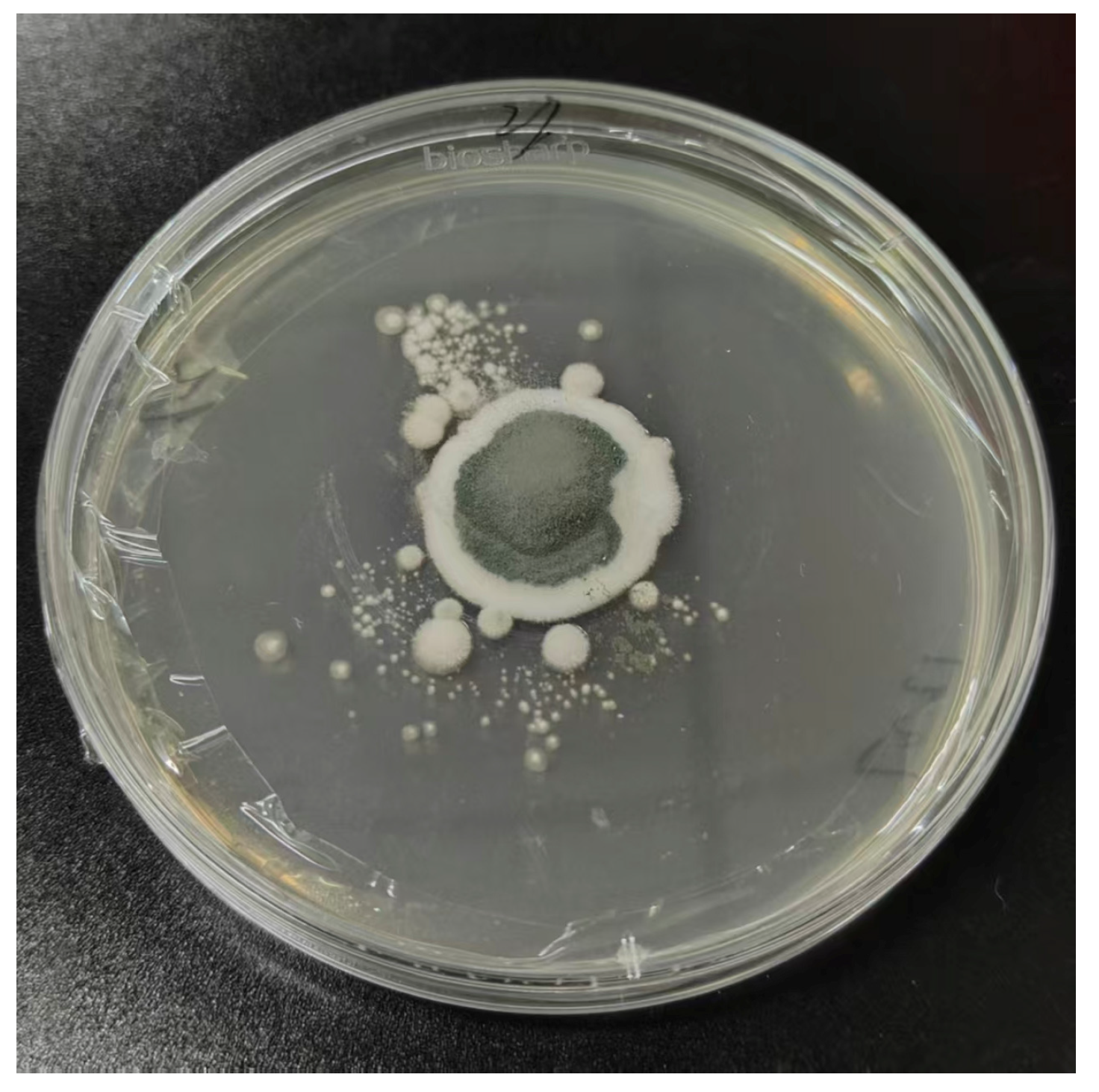
Figure 2.
Phylogenetic tree of strain PF1 based on rDNA sequences.
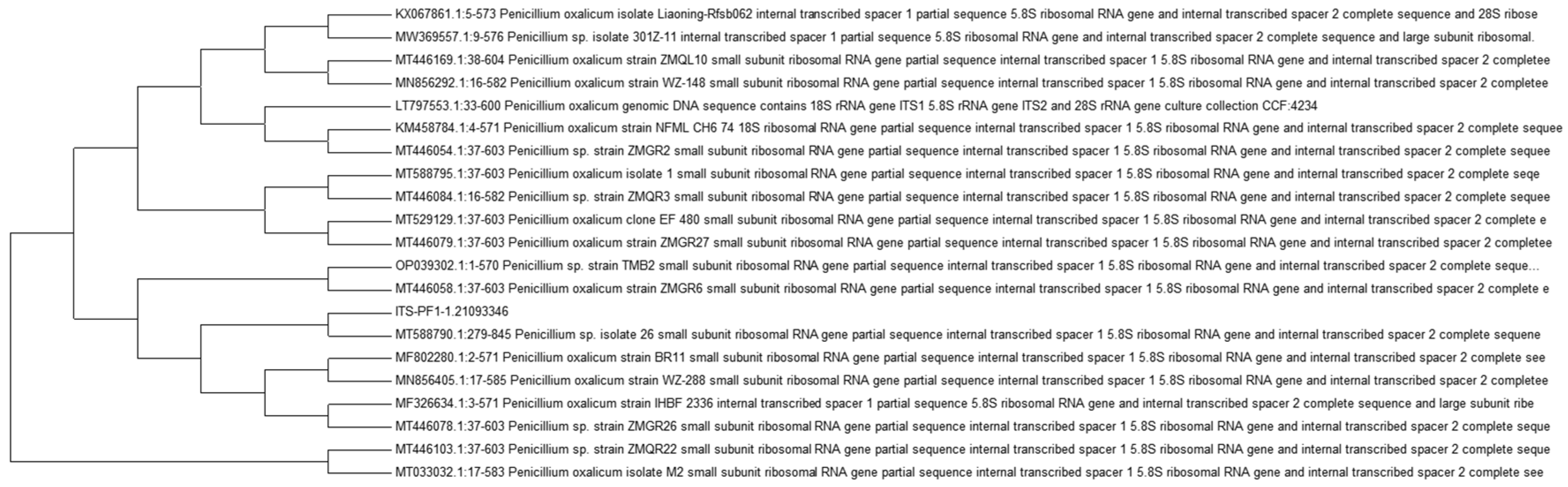
Figure 3.
Growth of PF1 on plates with different NaCl concentrations.
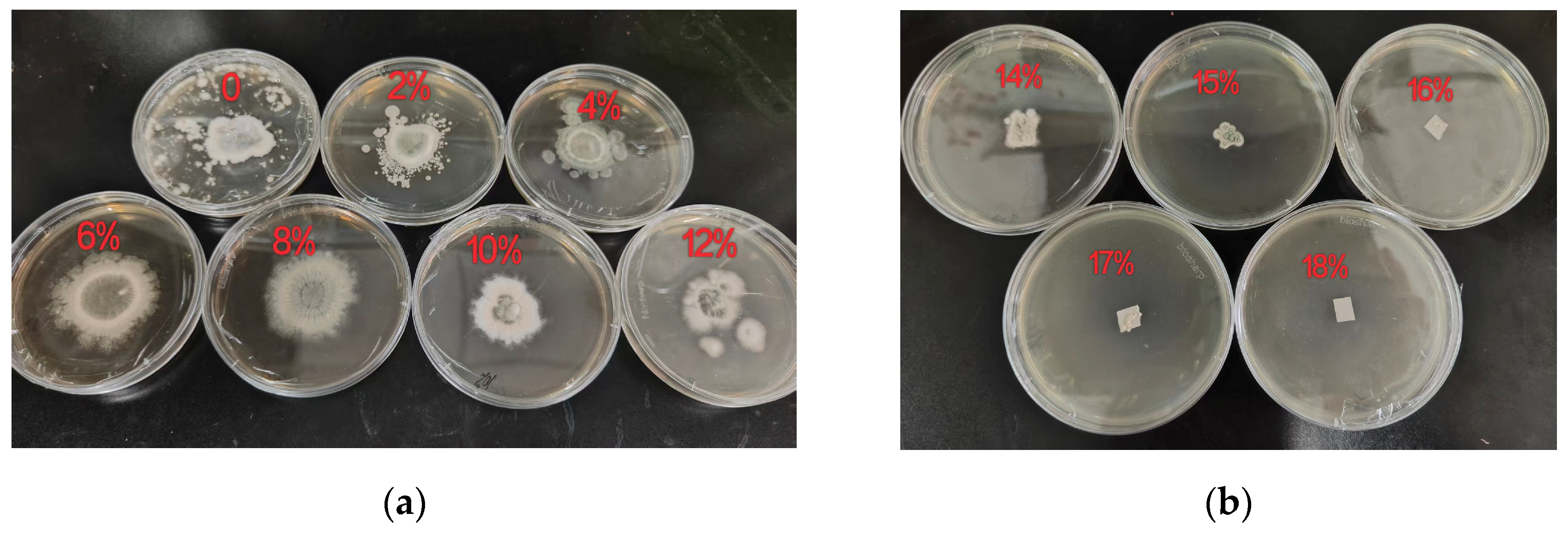
Figure 4.
Phosphate dissolving zone assay of P. oxalicum PF1.
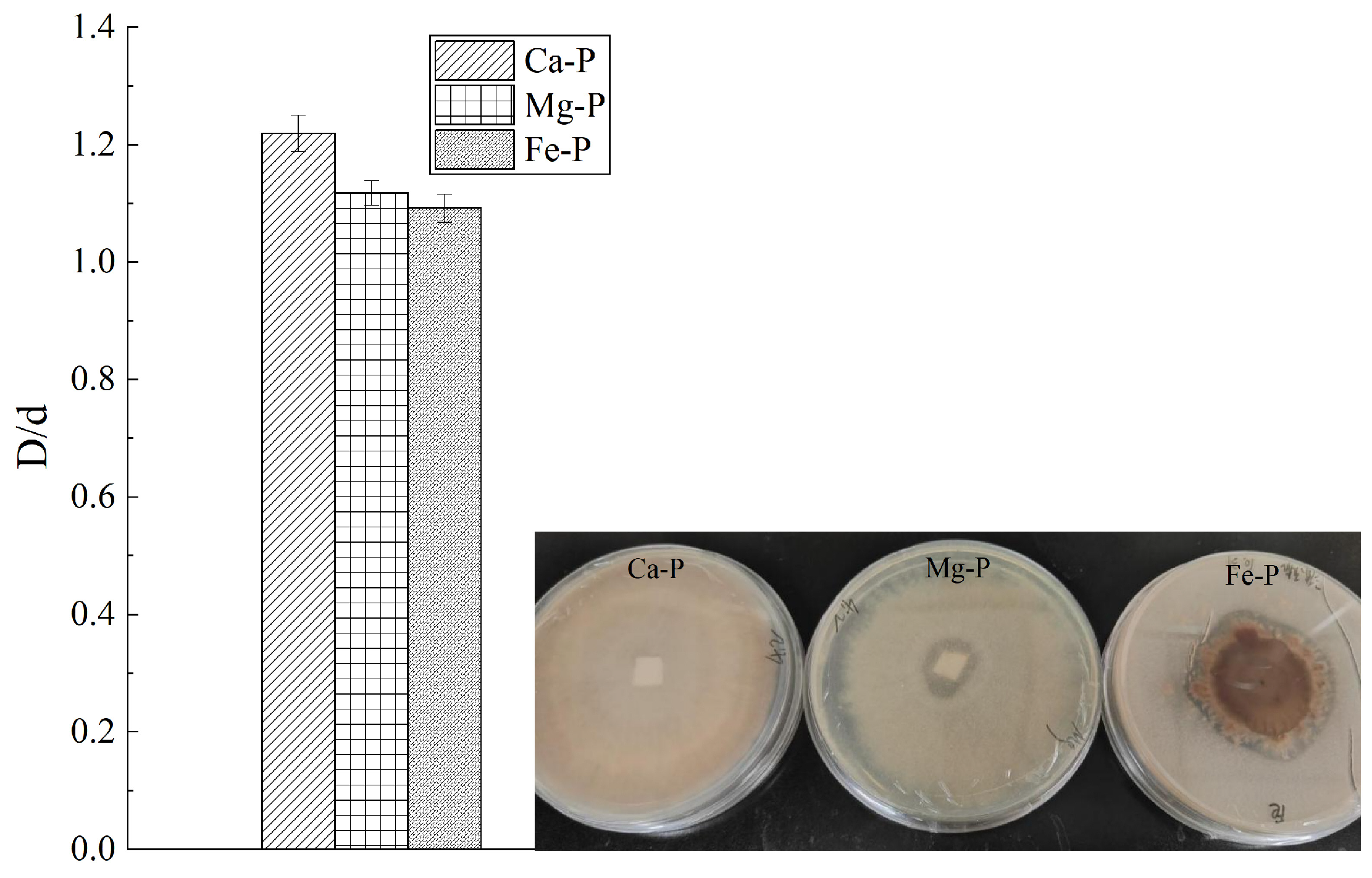
Figure 5.
Changes in soluble phosphate content and pH during liquid culture of P. oxalicum PF1. (a) Ca-P. (b) Mg-P. (c) Fe-P.
Figure 5.
Changes in soluble phosphate content and pH during liquid culture of P. oxalicum PF1. (a) Ca-P. (b) Mg-P. (c) Fe-P.
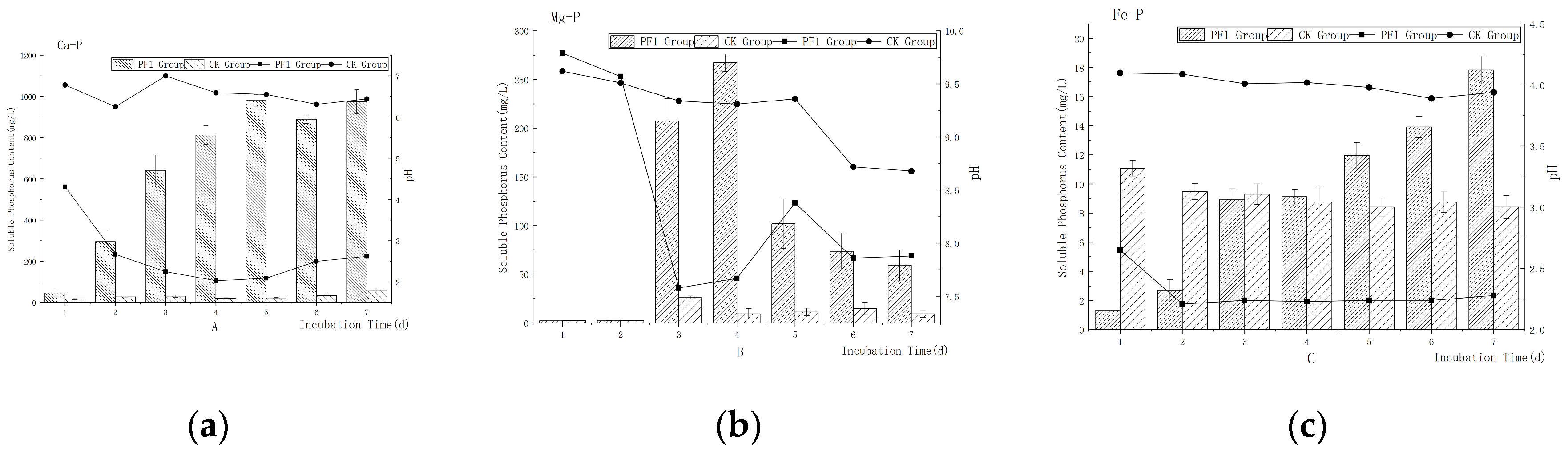
Figure 6.
Growth of alfalfa in the pot experiment. (a) Plants in the PF1 treatment group. (b) Comparison of plant growth between CK (left) and PF1 (right) groups.
Figure 6.
Growth of alfalfa in the pot experiment. (a) Plants in the PF1 treatment group. (b) Comparison of plant growth between CK (left) and PF1 (right) groups.
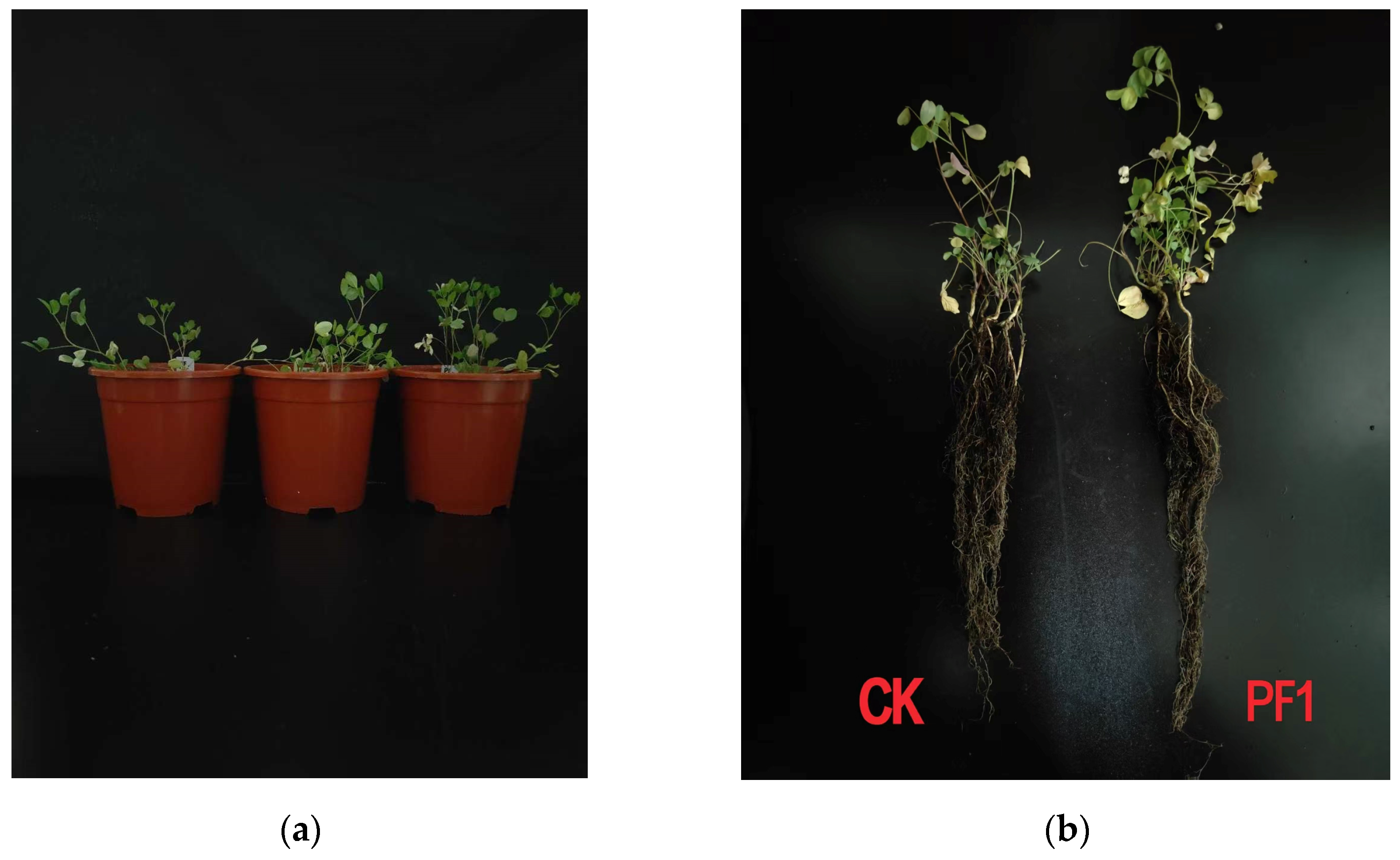
Figure 7.
Species composition of the rhizosphere microbial community of alfalfa. (a) At the phylum level. (b) At the genus level.
Figure 7.
Species composition of the rhizosphere microbial community of alfalfa. (a) At the phylum level. (b) At the genus level.
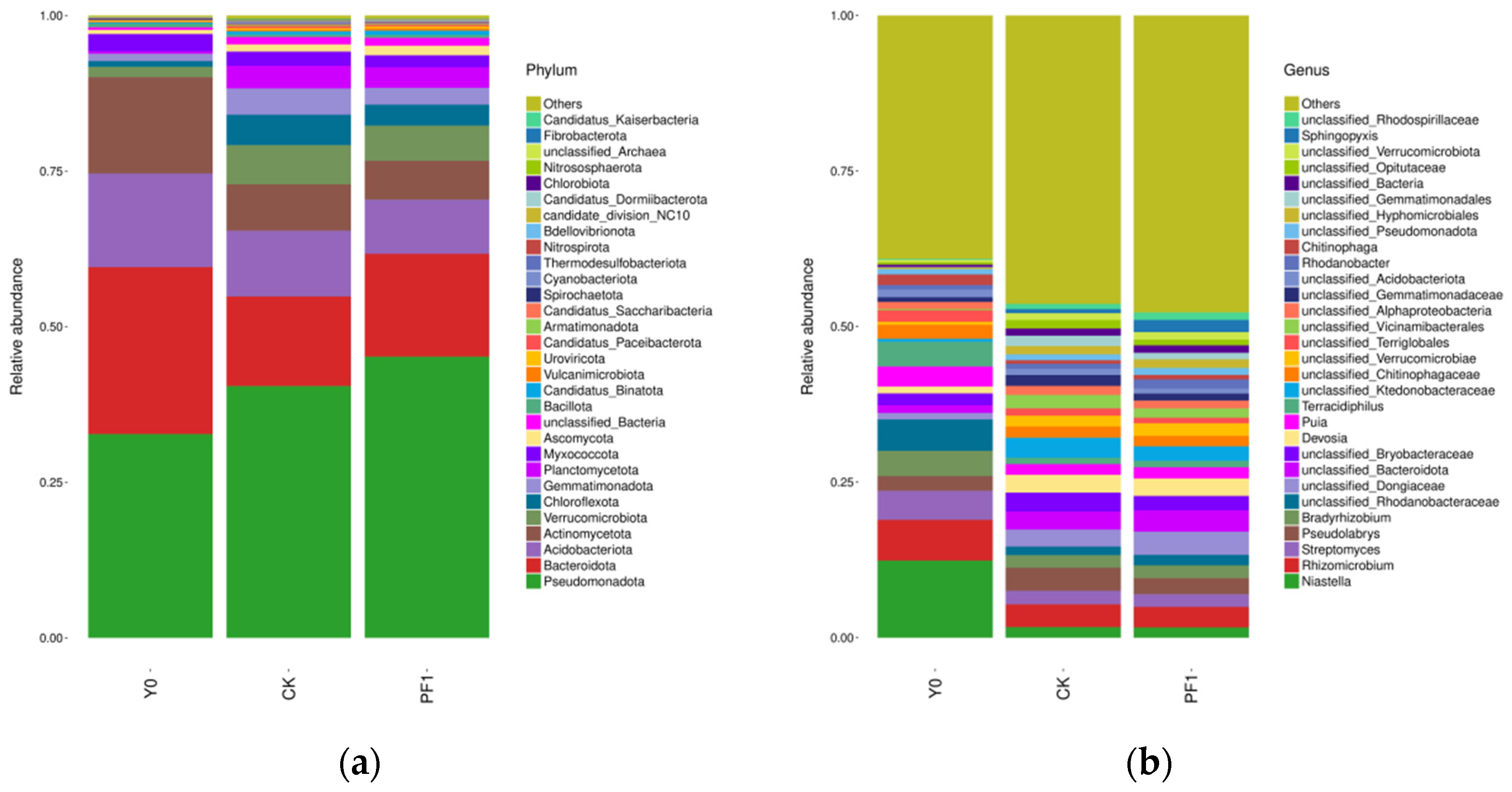
Figure 8.
NMDS plots and UPGMA-Tree based on species composition and functional profiles. (a) NMDS plots based on species composition. (b) NMDS plots based on functional profiles. (c) UPGMA-Tree based on species composition. (d) UPGMA-Tree based on functional profiles.
Figure 8.
NMDS plots and UPGMA-Tree based on species composition and functional profiles. (a) NMDS plots based on species composition. (b) NMDS plots based on functional profiles. (c) UPGMA-Tree based on species composition. (d) UPGMA-Tree based on functional profiles.
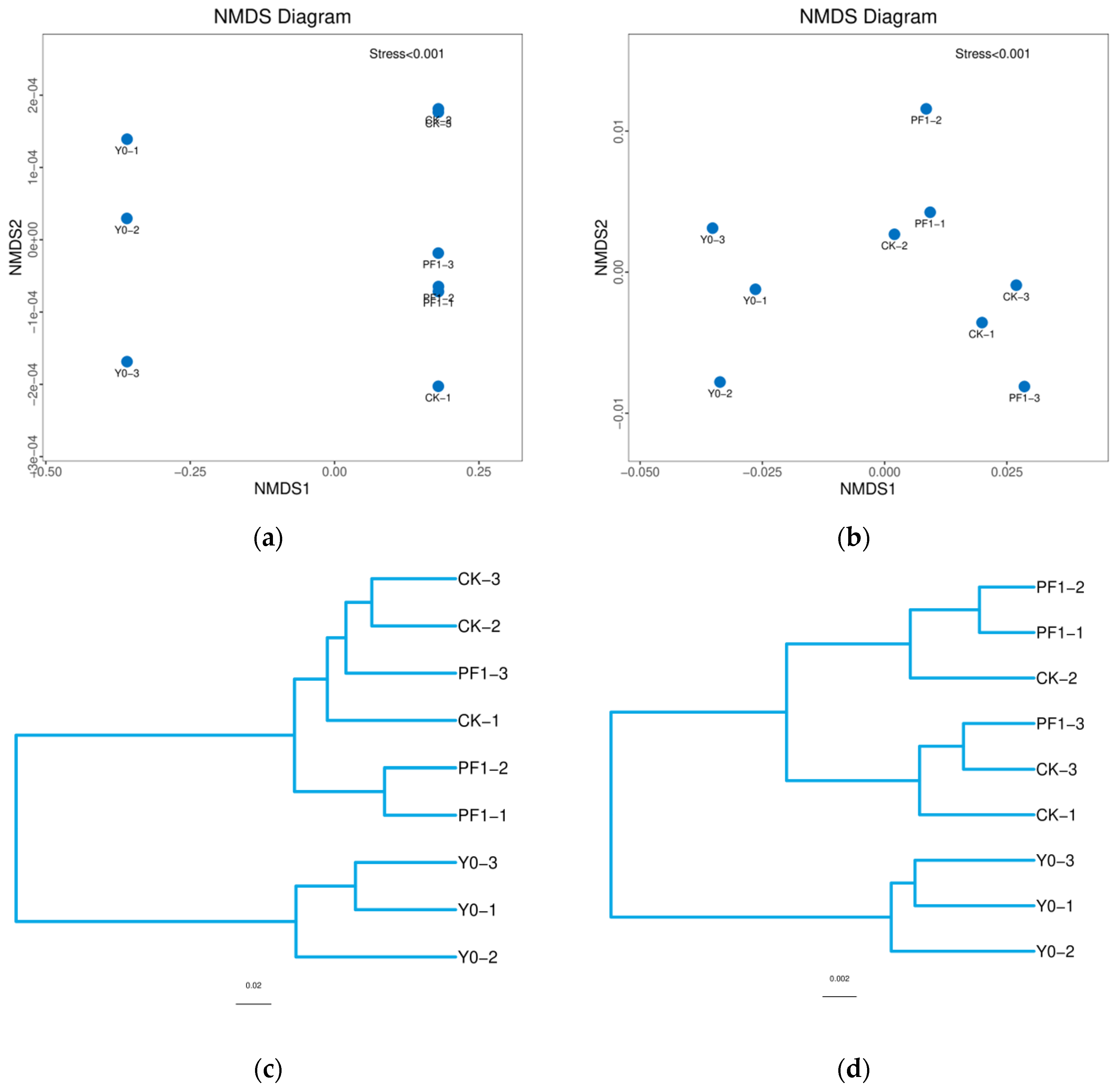
Figure 9.
Differences in rhizosphere microbial species and functions of alfalfa. (a)cComparison of species abundance differences. (b) LDA score distribution of rhizosphere microbial species.
Figure 9.
Differences in rhizosphere microbial species and functions of alfalfa. (a)cComparison of species abundance differences. (b) LDA score distribution of rhizosphere microbial species.
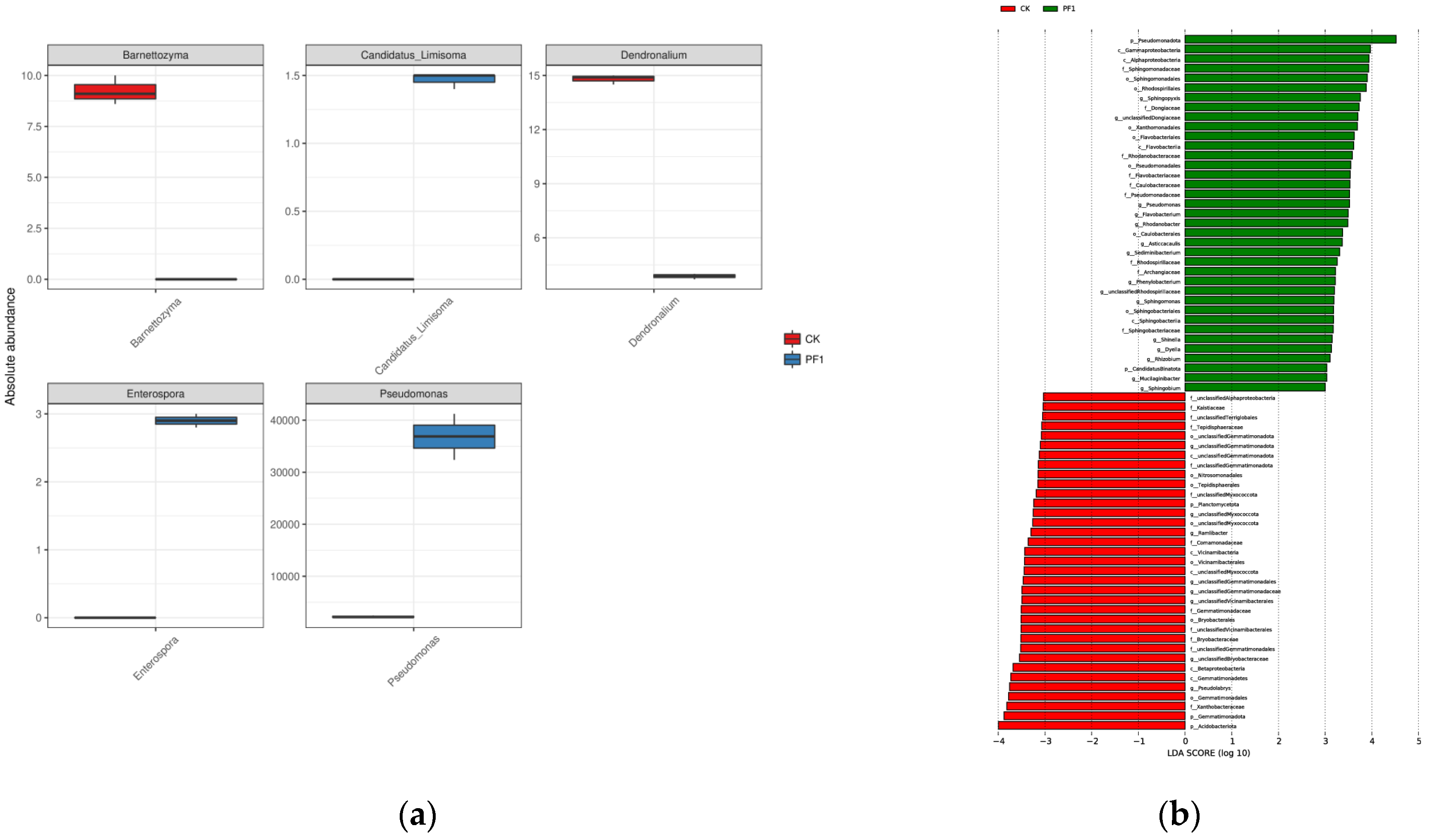

Table 1.
Basic physicochemical properties of the tested soil.
| pH |
TS g/kg |
EC μs /cm |
SOM
g/kg |
AP mg/kg |
AK mg/kg |
TN g/kg |
TP g/kg |
TK g/kg |
| 8.99±0.03 | 3.43±0.02 | 1219±10 | 18.67±1.30 | 51.19±0.63 | 247.48±4.40 | 0.40±0.05 | 0.86±0.02 | 7.16±0.13 |
1 TS: total salt; EC: electrical conductivity; SOM: soil organic matter; AP: available P; AK: available K; TN: total N; TP: total P; TK: total K. Different letters indicate significant differences, n = 3, p< 0.05.
Table 2.
Colony diameters of PF1 under different NaCl concentrations.
| NaCl concentration/% | 0 | 2 | 4 | 6 | 8 | 10 | 12 | 14 |
| Colony diameter/cm | 2.90±0.17 | 2.62±0.15 | 2.77±0.15 | 2.58±0.16 | 2.15±0.05 | 1.68±0.06 | 1.28±0.05 | 1.03±0.03 |
Table 3.
Soil Physicochemical Properties in the Pot Experiment.
| Groups |
SOM (g/kg) |
AP (mg/kg) |
AK (mg/kg) |
pH |
EC (μs/cm) |
SAR |
| Y0 | 810.36±1.87 a | 152.91±0.76 c | 114.37±0.69 b | 6.63±0.01 c | 152±2 b | 0.31±0.01 b |
| CK | 813.54±41.69a | 191.41±48.84 b | 100.68±40.07ab | 7.44±0.54 a | 3097±111 a | 2.13±0.28 a |
| PF1 | 738.06±37.61a | 224.55±40.79 a | 205.81±41.84 a | 6.33±0.11 b | 3393±299 a | 1.98±0.34 a |
1 SAR: Sodium Adsorption Ratio. Different letters indicate significant differences, n = 3, p< 0.05.
Table 4.
Growth Parameters of Alfalfa in the Pot Experiment.
| Groups |
Plant height
(cm) |
Root length
(cm) |
Proline
(µg/g) |
TP (g/100g) |
K+/Na+ ratio |
| CK | 12.549 ± 1.217 b | 28.235 ± 3.866 a | 337.584±56.563 b | 0.13±0.01 a | 27.087±8.090 a |
| PF1 | 17.384 ± 1.252 a | 29.330 ± 3.651 a | 613.634±48.847 a | 0.22±0.01 a | 32.090±10.230 a |
1 Different letters indicate significant differences, n = 3, p< 0.05.
Table 5.
Alpha Diversity Indices.
| Groups | Ace | Chao1 | Shannon | Simpson |
| Y0 | 3949.49 ± 126.98 a | 3953.26 ± 121.34 a | 6.40 ± 0.17 a | 0.966 ± 0.008 a |
| CK | 4768.72 ± 36.45 b | 4768.86 ± 40.38 b | 7.32 ± 0.08 b | 0.986 ± 0.001 b |
| PF1 | 4810.47 ± 103.71 b | 4811.40 ± 80.73 b | 7.37 ± 0.05 b | 0.988 ± 0.001 b |
1 Different letters indicate significant differences, n = 3, p< 0.05.
Disclaimer/Publisher’s Note: The statements, opinions and data contained in all publications are solely those of the individual author(s) and contributor(s) and not of MDPI and/or the editor(s). MDPI and/or the editor(s) disclaim responsibility for any injury to people or property resulting from any ideas, methods, instructions or products referred to in the content. |
© 2026 by the authors. Licensee MDPI, Basel, Switzerland. This article is an open access article distributed under the terms and conditions of the Creative Commons Attribution (CC BY) license (http://creativecommons.org/licenses/by/4.0/).
Copyright: This open access article is published under a Creative Commons CC BY 4.0 license, which permit the free download, distribution, and reuse, provided that the author and preprint are cited in any reuse.


