

Submitted:
08 April 2026
Posted:
09 April 2026
You are already at the latest version
Abstract
Background/Objectives: Vaccine development pipelines are forward-looking indicators of public health preparedness, reflecting the capacity to address unmet medical needs and emerging threats. This analysis aims to characterise the 2025 clinical-stage pipeline of infectious disease vaccines and prophylactic monoclonal antibodies developed by Vaccines Europe member companies and to assess how it aligns with evolving public health priorities. Methods: A descriptive analysis was conducted using publicly available data compiled in the Vaccines Europe Pipeline Review 2025, with validation by participating companies. Candidates in clinical development or regulatory review were classified using a standardised framework by pathogen, target population, public health priority, and technology platform. Results: The pipeline comprises 91 candidates across clinical development phases predominantly targeting respiratory pathogens (75%), with a strong life-course focus (85% evaluated in adults and/or older adults), and sustained activity in bacterial pathogens relevant to antimicrobial resistance. Notably, 41% of candidates address diseases for which there is no immunisation solution available. The pipeline shows high technological diversity (12 technologies), dominated by RNA approaches and multivalent candidates, with growing focus on climate-sensitive, zoonotic, and pandemic-prone pathogens. Conclusions: This analysis reflects a shift toward broader, prevention-oriented, platform-based innovation for long-term preparedness. As a structured and recurring assessment, the Vaccines Europe Pipeline Review supports horizon scanning and evidence-based dialogue between industry and vaccine ecosystem stakeholders. Translating this innovation into public health impact requires predictable investment, streamlined trial and regulatory pathways, strong surveillance and real-world data systems, coordinated decision-making to enable timely and equitable access, and complementary incentive and procurement reforms.
Keywords:
infectious diseases
; vaccines
; prophylactic mAbs
; pipeline
; immunisation
; innovation
; public health
; horizon scanning
; emerging pathogens
; AMR
1. Introduction
1.1. The Transformative Impact of Fifty Years of Vaccine Innovation
Immunisation has fundamentally reshaped global health and social stability over the last century by preventing infectious diseases, reducing long-term complications, and supporting economic and social systems. Routine vaccination programmes targeting 14 diseases have saved an estimated 154 million lives in the past 50 years [1], representing 40% of the global improvement in infant survival, with the measles vaccine alone accounting for 60% of these lives saved [1]. In recent years, new respiratory syncytial virus (RSV) vaccines and monoclonal antibodies (mAbs) [2,3] have significantly reduced pediatric hospitalisations and healthcare strain. These achievements underscore immunisation as a cornerstone of both public health and broader societal resilience.
Over the past decades, immunisation’s impact has been expanding beyond childhood diseases. The human papillomavirus (HPV) vaccine can reduce cervical cancer risk by over 80% [4] when given in early adolescence and, together with screening, offers a real prospect of eliminating HPV-related cancers. The COVID-19 pandemic demonstrated that adult immunisation at scale is both feasible and effective, achieving high coverage among healthcare workers and older adults worldwide [5,6].
Additionally, there is growing evidence of the impact of infection prevention on downstream complications, including cardiovascular [7], respiratory [8], oncologic [9], neurodegenerative [10], and autoimmune diseases [11]. These broader effects are being explored in ongoing research, and while they currently do not constitute established vaccine indications, they could be considered for their potential longer-term public health implications.
1.2. Evolving Infectious Disease Threats and the Expanding Value of Prevention
Demographic and epidemiological shifts are reshaping infectious disease risk and driving the evolution of immunisation programmes. Globally, older adults now outnumber children under five, with those aged ≥60 years projected to reach over 2 billion by 2050 [12]; in the European Union, the median age has already reached 44.7 years [13]. Ageing populations face increased susceptibility to infections, higher rates of hospitalisation and long-term disability, and elevated risks of downstream non-communicable sequelae. These demographic shifts increase the importance of adult immunisation programmes, yet uptake of routine adult vaccines (e.g., against influenza and pneumococcal disease) remains suboptimal, reflecting immunisation systems that are still largely structured around paediatric delivery and therefore leaving a substantial burden of vaccine-preventable morbidity and mortality.
Alongside demographic change, the acceleration of microbial evolution is contributing to the growing burden of antimicrobial resistance (AMR), which is associated with rising mortality, escalating healthcare costs, and deepening socioeconomic inequalities; it also threatens modern healthcare by reducing the effectiveness of antibiotics needed for routine surgery, cancer treatment, neonatal care, and the management of immunocompromised patients. Vaccination is a critical prevention strategy that complements antimicrobial stewardship and infection prevention and control by reducing the incidence of infections that lead to antibiotic prescribing. It contributes through direct effects, preventing bacterial disease and transmission, including infections caused by resistant strains, and indirect effects, reducing inappropriate antibiotic use for viral respiratory illnesses and lowering the risk of secondary bacterial infections following viral disease [14]. Recent World Health Organization (WHO) estimates suggest that existing vaccines could avert up to 515,000 deaths annually, prevent 2.5 billion antibiotic doses, and save up to USD 30 billion in hospital costs [15], underscoring immunisation as a scalable upstream intervention to mitigate AMR while strengthening health system resilience.
In parallel, climate change is altering infectious disease dynamics and driving the need for adapted prevention strategies. Rising temperatures and changing environmental conditions are expanding the geographic range of vectors such as ticks and mosquitoes, increasing transmission of diseases including Lyme disease, West Nile virus, dengue, chikungunya, malaria, and yellow fever [16,17]. Climate-related disruption of food and water systems heightens the risk of water- and food-borne infections, while displacement and urban crowding amplify transmission in vulnerable populations. Meanwhile, zoonotic pathogens, responsible for around 60% of human infectious diseases and causing an estimated 2.7 million deaths and 2.5 billion [18] illnesses, continue to pose significant pandemic risks, as illustrated by COVID-19 and the resurgence of mpox [19].
In response to these evolving threats, many European countries are reviewing and expanding their routine immunisation schedules across age groups. This includes the introduction of new vaccines, extension of existing indications, and adjustments to schedules in line with evolving epidemiology and emerging evidence. These changes reflect a gradual shift towards more comprehensive immunisation strategies that better align with changing disease patterns and population needs.
Together, these trends reinforce that immunisation is not only a tool for infectious disease control, but a strategic investment in long-term population health, health system sustainability, and social and economic resilience [20]. By preventing illness, hospitalisation, and long-term complications across the life course, vaccines protect healthcare capacity, reduce productivity losses, and help mitigate the economic disruption associated with outbreaks and pandemics. Evidence suggests that adult immunisation programmes can result in a 19-fold return on investment to society [21] when broad economic and social benefits are included. Ensuring that preventive health is adequately prioritised in budget decisions and embedding life-course immunisation as a routine and permanent element of health systems is therefore essential to address evolving demographic and environmental risks, strengthen preparedness, and maximise the full health and societal value of vaccination.
1.3. Innovation Pathways: Breakthrough Discoveries and Incremental Progress
Vaccine innovation has historically progressed through a combination of breakthrough scientific discoveries and sustained incremental advances, both of which are essential in addressing evolving infectious disease threats and their long-term impact. Transformative breakthroughs often stem from fundamental insights in immunology, structural biology, or pathogen biology that unlock previously inaccessible targets or mechanisms of protection. One example is the elucidation of the prefusion conformation of the RSV F protein [22], which enabled the rational design of stabilised antigens capable of eliciting potent neutralising immune response. This led to the rapid licensure of multiple RSV vaccines and monoclonal antibodies for use across the life-course and informed antigen design principles applied to other viral vaccines, including during the COVID-19 pandemic.
Concurrently, genome-based antigen discovery approaches such as reverse vaccinology have broadened the range of bacterial pathogens that can be targeted through vaccination, including those characterised by high antigenic variability and advanced immune evasion mechanisms, which are highly relevant in the context of AMR. At the same time, incremental innovation in antigen composition, formulation, adjuvants, delivery platforms, manufacturing, and immunisation strategies, illustrated by multivalent and combination vaccines, has cumulatively expanded vaccine effectiveness, programmatic efficiency, and population coverage. These breakthrough and incremental pathways are complementary, jointly shaping how scientific advances are translated into vaccines that address diverse and changing public health needs. They also highlight the importance of sustained investment and predictable innovation ecosystems to ensure preparedness for both known and emerging infectious disease threats.
1.4. Horizon Scanning and the Role of Vaccine Pipelines
Vaccine development pipelines are forward-looking indicators of public health preparedness, with their composition, maturity, and technological diversity reflecting a health system’s capacity to anticipate emerging threats and reduce unmet infectious disease burdens. Systematic monitoring of those pipelines enables earlier alignment between innovation trajectories and public health planning, helping to anticipate gaps, prioritise investments, and coordinate surveillance, regulatory, and manufacturing preparedness before threats fully materialise or new interventions become available.
Combined with global frameworks led by WHO such as the 2024 Bacterial Priority Pathogens List [23] and the list of priority endemic pathogens, pipeline assessments can help guide EU research funding (e.g., Horizon Europe, the Health Emergency Preparedness and Response Authority (HERA)) towards remaining areas of high unmet medical need, including vaccines targeting antibiotic-resistant bacteria, high-burden endemic diseases (e.g., human immunodeficiency virus (HIV), tuberculosis, malaria), and pathogens with epidemic or pandemic potential (including coronaviruses, influenza viruses, dengue, Nipah, Lassa, Ebola, and “Disease X”). In this sense, horizon scanning shifts vaccine portfolios from reactive responses to proactive preparedness strategies.
Vaccines Europe (VE), the vaccine-specialised group of the European Federation of Pharmaceutical Industries and Associations (EFPIA), represents vaccine companies operating in Europe. In 2022, VE launched its annual pipeline reviews, published on the organisation’s website [24] to systematically track and transparently present the evolution of vaccine innovation among its member companies (i.e., these reviews do not cover the entire vaccine industry). To our knowledge, this is the first structured, longitudinal review of clinical-stage infectious disease vaccine and prophylactic monoclonal antibody candidates across multiple vaccine companies operating in Europe. The objective is to support horizon scanning and early dialogue between the vaccine industry and health authorities by aggregating evidence on platforms, targets, stages, and public-health priorities, thereby informing value assessment, immunisation financing, and national preparedness.
2. Materials and Methods
2.1. Data Source and Scope
This article is based on publicly available data analysed and compiled in the Vaccines Europe Pipeline Review 2025 edition [25]. In its fourth edition, published on December 1st, 2025, the pipeline review provides updated data collected and validated through August 31st, 2025, from Vaccines Europe’s 16 member companies at the time (Abbott, AstraZeneca, Bilthoven Biologicals, CSL Seqirus, CureVac, GSK, HIPRA, Johnson&Johnson, Moderna, MSD, Novavax, Pfizer, Sanofi, Takeda, Valneva, Vaxcyte).
The scope includes vaccines and prophylactic mAbs addressing infectious diseases and their consequences. Candidates against non-infectious targets (e.g., cancer) are considered out of scope.
This review focuses on candidates in clinical development (Phase I–III) as well as those under regulatory review at the time of data collection. Candidates in preclinical development and authorised products were excluded. The highest global development status was considered for the analysis (e.g., candidates in Phase I/II clinical trials were counted as Phase II). Furthermore, candidates under active review by any Regulatory Authority (not necessarily in Europe) were counted as under ‘Regulatory Review’, and products that have received marketing authorisation in any region in the world are no longer included in the VE Pipeline Review.
2.2. Data Collection and Classification
Pipeline candidates were classified using a structured framework to enable consistent aggregation and interpretation of clinical-stage innovation across company pipelines. Classification was applied across four main dimensions:
- Classification by target population. Candidates were categorised according to the clinical trial population(s) in which they were being evaluated. Population groups included paediatric, adult, and older adult populations, and candidates spanning multiple age groups were counted under each applicable population category. Maternal immunisation candidates were captured within adult populations and described separately where applicable.
- Classification by pathogen / disease area. Each candidate was categorised according to its primary pathogen target or disease indication, enabling analysis by infectious disease area and comparison across pipeline segments (e.g., transmission routes, travel-related, zoonotic threats). Candidates addressing multiple pathogens or diseases were captured under each relevant section.
- Classification by public health challenge addressed. To support horizon scanning and policy relevance, candidates were additionally labelled according to the public health challenges they address. Standardised labels were assigned to reflect thematic priorities such as AMR (i.e., priority pathogens as defined by WHO [23] or climate change-related threats, zoonoses, and pandemic preparedness (i.e., mentioned by GAVI [26]).
- Classification by technology. Candidates were classified by immunisation technology to analyse innovation trends and the diversity of scientific approaches represented in clinical pipelines.
This analysis provides an anonymised, aggregated overview of candidates in the clinical pipelines of the companies listed above. The data included in the annual publication were collected from public sources: company websites, quarterly reports, and the intelligence platforms Citeline Pharmaprojects [27] and Citeline Trialtrove [28]. All collected data were individually verified by each company prior to aggregation and publication.
2.3. Longitudinal Comparison
To assess the evolution of the clinical vaccine pipeline over time (2022–2025), a structured longitudinal analysis was conducted using publicly available data analysed and compiled in the Vaccines Europe Pipeline Review 2022, 2023, 2024, and 2025 editions [25]. Four predefined annual metrics were considered: attrition rate, registration rate, progression rate, and pipeline entry rate. These indicators were calculated for each year from 2023 to 2025, assessing change from the previous year (i.e., 2022–2023, 2023–2024, and 2024–2025), to enable consistent year-to-year comparison of pipeline dynamics.
The annual attrition rate was defined as the percentage of candidates discontinued during a given annual period relative to the previous year’s pipeline. Discontinuations included candidates formally terminated at any stage of clinical development. Note this does not include candidates removed from the pipeline because the company was no longer a member of Vaccines Europe.
The annual registration rate was defined as the percentage of candidates that received marketing approval during a given annual period relative to the previous year’s pipeline. Of note, candidates receiving approval from any regulatory authority globally (including non-EU) were considered registered.
The annual progression rate was defined as the percentage of candidates that advanced to a higher stage of development (e.g., Phase I to Phase II, Phase II to Phase III, or Phase III to regulatory review) during a given annual period relative to the previous year’s pipeline. For candidates spanning combined phases (e.g., Phase I/II), advancement to the next highest distinct phase was considered progression.
The annual pipeline entry rate was defined as the percentage of new candidates entering clinical development (Phase I or higher) during a given annual period relative to the previous year’s pipeline.
3. Results
3.1. Overview of the European Vaccine Development Pipeline
Overall, this analysis identified a total of 91 candidates, comprising 95% (86) prophylactic and 2% (2) therapeutic vaccines, and 3% (3) prophylactic mAbs, all targeting infectious agents.
Of those, 28% (26) candidates were in Phase I, 46% (42) in Phase II and 19% (17) in Phase III of clinical development (Figure 1). Additionally, 7% (6) were undergoing regulatory review.
While most candidates are aimed at combating viral infections - 74% (67), a substantial portion focus on bacterial pathogens - 26% (24) (Figure 2). In this analysis, there were no candidates targeting fungal or protozoan pathogens.
As illustrated in Figure 3, 41% of the candidates (37) aim at addressing diseases, combinations of diseases, or infectious syndromes, for which no vaccine or prophylactic mAbs has been registered anywhere in the world. In contrast, 59% (54) of the pipeline aims at further developing existing vaccines or finding new approaches to address a disease, thereby broadening the spectrum of interventions available to health professionals and populations. This includes developments such as improving formulations, expanding vaccine use to new populations, developing multivalent or combination vaccines.
3.2. Public Health Priorities Reflected in the 2025 Pipeline
The clinical pipeline reflects a clear life-course immunisation orientation. Most candidates, 85% (77), are evaluated in adult and/or older-adult populations consistent with expanding prevention beyond childhood programmes and addressing the disproportionate burden of severe disease in older adults and individuals with comorbidities (Figure 4). Maternal immunisation is represented in the 2025 portfolio, with one Phase III vaccine candidate targeting Group B Streptococcus (GBS).
Approximately 51% (46) of the candidates in development are intended for routine immunisation in Europe. Several candidates are being evaluated in both paediatric and adult populations (Figure 4). Targeted pathogens include seasonal influenza virus (20), respiratory syncytial virus (RSV) (10), varicella-zoster virus (4), human papillomavirus (HPV) (1), measles, mumps, rubella, and varicella (MMRV combination vaccine) (1), as well as pneumococcal (8) and meningococcal (2) pathogens.
In 2025, among the 91 candidates, 29% (26) involved transmission through infectious body fluids, 17% (15) through direct contact (physical and surface contact), 8% (7) were vector-borne, and approximately 7% each were associated with sexually transmitted (6) and food-/water-borne infections (6). These categories are not mutually exclusive, as some pathogens fall under multiple transmission routes.
Respiratory-transmitted infections constitute the largest proportion, accounting for 75% (68) of all candidates. As shown in Figure 5, this group includes vaccines targeting influenza (seasonal and pandemic), RSV, coronaviruses, and major bacterial respiratory diseases. Development efforts also include combination vaccines targeting multiple respiratory viruses simultaneously, reflecting a shift toward broader prevention of respiratory illnesses rather than single pathogen approaches. Ten such combination vaccines are currently in development (Figure 5), including six COVID-19 + seasonal influenza candidates, two RSV + human metapneumovirus (hMPV) candidates, one RSV + hMPV + human parainfluenza type 3 (PIV3) candidate, and one seasonal influenza + RSV candidate.
The 2025 pipeline included 17 candidates targeting eight bacterial pathogens associated with significant AMR, with candidates distributed among all clinical phases (Figure 6). These targets align with international priorities, as seven of the eight pathogens are included in the WHO 2024 Bacterial Priority Pathogens list [23]. This distribution underscores the role of vaccination as a preventive strategy aimed at reducing infection incidence and, consequently, the need of antimicrobial treatment.
Vaccine innovation is also responding to shifting disease ecology and environmental changes. The pipeline includes candidates targeting climate-sensitive risks, specifically vector-borne and food-borne/water-borne pathogens (Figure 7). Many of these candidates, including those for dengue and yellow fever, are being developed to address substantial and longstanding burdens in endemic regions, while also recognising that climate change, global travel, migration, and expanding vector ranges are extending these risks to new, previously non-endemic populations.
The clinical pipeline includes a significant focus on emerging threats, with 34% (31) of candidates targeting diseases with zoonotic or pandemic potential. VE members are addressing the challenge of zoonotic diseases by researching vaccines against coronaviruses, dengue fever, pandemic influenza, Lyme disease, rabies, Nipah virus disease, salmonellosis, and yellow fever (Figure 7). These candidates are critical components of EU horizon scanning, serving as indicators for future public health countermeasures and for building rapid-response capabilities.
3.3. Technological Innovation Strategies
In 2025, candidates in the VE members’ clinical pipeline were based on 12 distinct vaccine technologies (Figure 8), reflecting the diversity of scientific approaches represented at the clinical stage.
RNA-based vaccines constituted the largest technology category, with 48 candidates (53% of the pipeline), primarily targeting viral pathogens, with a smaller number directed against bacterial pathogens. Protein subunit vaccines accounted for 12 candidates (13%), including three nanoparticle-based formulations. Nine candidates were glycoconjugates (10%), five were live-attenuated vaccines (5%), and four were whole-inactivated vaccines (4%). Toxoids, Generalised Modules for Membrane Antigens (GMMA), Multiple Antigen Presenting Systems (MAPS), and Virus-like Particles (VLPs) were each represented by one candidate. Three candidates were based on combinations of multiple technologies. Finally, three candidates were prophylactic monoclonal antibodies.
Many vaccine candidates include adjuvants to enhance the immune response. These range from established adjuvants to company-developed innovative formulations and may contain natural or synthetic substances such as oils, bacterial lipids, salts, surfactants, saponins, liposomes, and proteins.
Some of these technologies enable the development of multivalent vaccines (targeting multiple strains of the same pathogen) and combination vaccines (targeting multiple pathogens). Across the reviewed pipeline, there are 32 monovalent, 9 bivalent, and 46 multivalent (three or more strains) candidates. Strain valency data were unavailable for four candidates (Figure 9).
3.4. Pipeline Evolution over Time (2022–2025)
This section summarises year-to-year changes in the VE clinical-stage pipeline between 2022 and 2025, using the longitudinal indicators defined in Section 2.3 (i.e., attrition, registration, progression, and entry rates), alongside descriptive trends in pipeline composition.
Overall Pipeline Size and Composition
Across the period, the total number of candidates was 100 in 2022, 103 in 2023, 98 in 2024, and 91 in 2025, while VE membership varied from 15 in 2022, 16 in 2023, 14 in 2024, and 16 in 2025.
Each year, the vast majority (95%) of the pipeline focused on prophylactic approaches, with the remaining 5% designed for therapeutic use. All stages of clinical development were represented throughout the period, although the share of late-stage candidates (Phase III and regulatory review) decreased from 42% in 2022 to 31% in 2023 and 22% in 2024, before rising to 25% in 2025.
Across 2022–2025, the pipeline remained consistently composed of approximately 40-45% of candidates targeting diseases, disease combinations, or infectious syndromes for which no vaccine or prophylactic mAb had been registered globally. The remaining candidates represented further development of existing interventions, as defined in the previous section.
Pipeline Flow Dynamics
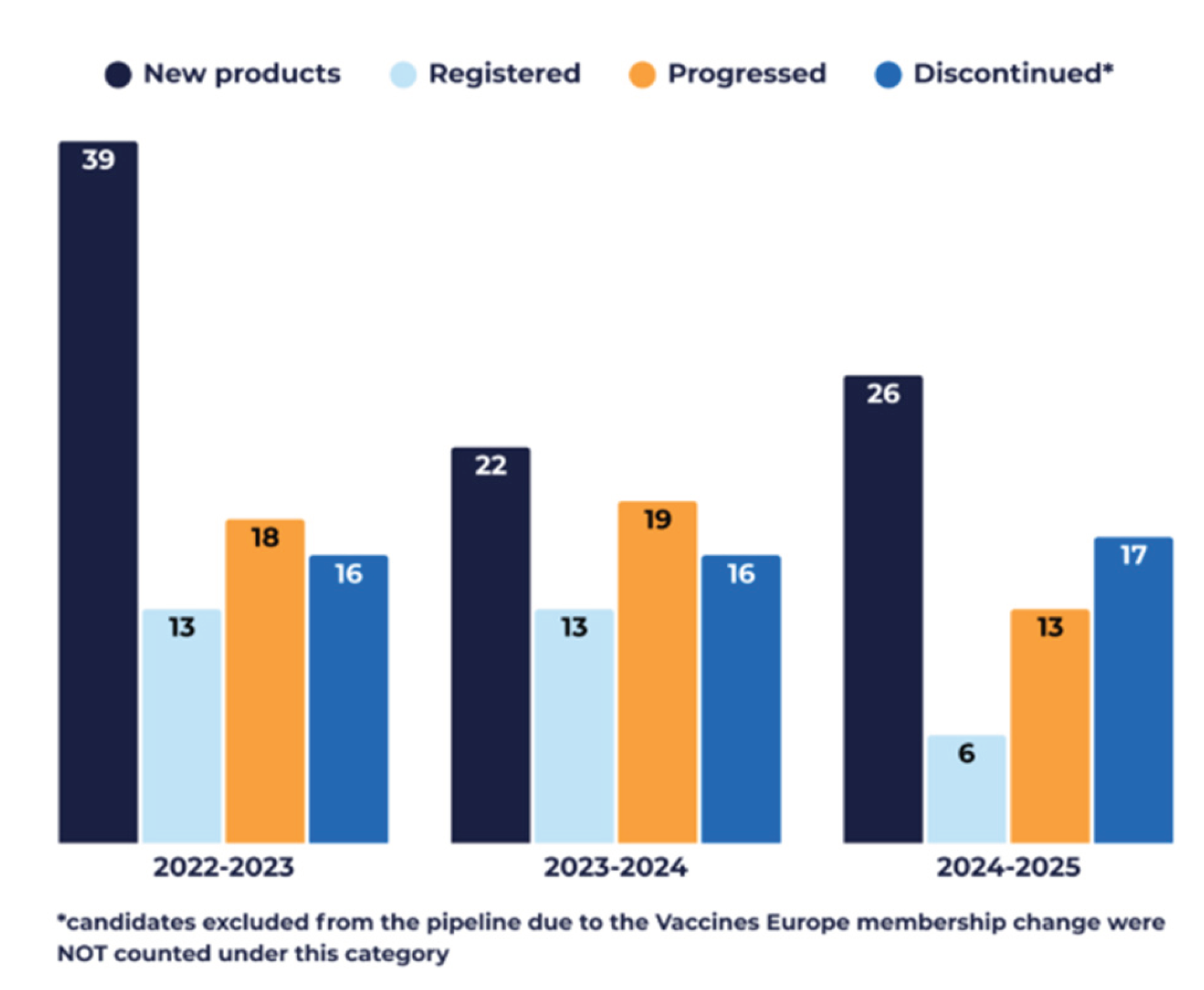
Since 2022, the pipeline has been actively reshaped through candidate discontinuations, regulatory approvals, progression across development phases, and the entry of new candidates. Cumulatively, 49 development programmes were discontinued (note this does not include candidates from companies no longer members of VE and therefore no longer accounted for in the pipeline), 32 candidates received marketing authorisation, 50 candidates progressed through clinical development phases, and 87 new candidates entered the pipeline (Figure 10). Year-to-year changes were assessed using four annual indicators, calculated as described in Section 2.3.
- The annual attrition rate remained relatively stable across the period at approximately 17% (range: 15.5–17.4%).
- Over the same timeframe, the annual registration rate averaged approximately 9% (range: 6.6–12.6%), reflecting the proportion of candidates receiving marketing authorisation each year.
- Progression across clinical development phases also remained consistent, with an average of 17% (range: 13.3–18.8%) of the pipeline advancing annually, indicating continued movement of candidates through the pipeline despite discontinuations.
- Pipeline entry was highest in the 2022–2023 interval, with 38% (39) new candidates entering clinical development, reflecting accelerated activity in the context of the COVID-19 pandemic. In subsequent years, entry stabilised, with 24% (24) candidates entering the pipeline in 2023–2024 and 29% (26) in 2024–2025.
Despite the caveat that VE membership changes over the years may impact numbers, these indicators collectively point to a sustained pipeline turnover, characterised by steady attrition and progression, ongoing regulatory output, and continued entry of new clinical-stage candidates (Figure 10).
Shifts in Portfolio Focus over Time
Between 2022 and 2025, most candidates (approximately 75% over the period) targeted infectious diseases caused by viruses. A smaller but stable proportion (approximately 23% over the period) targeted bacterial infections, and only 2% targeted protozoal infections in 2022–2024, with none represented in 2025. In 2022, 5% of the candidates had no disclosed target microorganism.
Between 2022 and 2025, most candidates targeted adults, representing the largest share throughout the period (35-40% range, averaging 38%). A consistent but smaller proportion focused exclusively on paediatric populations, remaining relatively stable (14-18% range, averaging 15%). Programmes targeting both adults and older adults increased steadily over time, rising from 19% in 2022 to 30% in 2025, indicating a growing emphasis on broader adult age coverage.
Sexually transmitted infections remained a small part of the portfolio, but the number of candidates has been increasing from four candidates in 2023 to six in 2025 (around 7% of the 2025 pipeline). These programmes included vaccines targeting chlamydia, HSV, HIV, HPV, and mpox. Infection-associated cancer prevention was also present in the pipeline, with four prophylactic candidates in 2025 (EBV n=3; HPV n=1).
Respiratory pathogens remained the dominant focus throughout the period, accounting for approximately 75-80% of candidates. Candidates targeting SARS-CoV-2, alone or in combination, or other coronaviruses, decreased as a share of the pipeline from 40% in 2022 to 19% in 2025. Conversely, candidates targeting seasonal or pandemic influenza increased from 12% in 2022 to 33% in 2025.
In proportional terms, AMR-relevant candidates represented 11% of the total pipeline in 2022, 15% in 2023, 14% in 2024, and reaching 19% in 2025. This suggests an upward trend in the relative importance of AMR-focused development over the 2022-2025 period.
Between 2022 and 2025, the number of candidates targeting vector-borne diseases showed a gradual decline, decreasing from ten in 2022 and 2023 to eight in 2024 and seven in 2025, although it is to be noted that two vector-borne disease vaccines were registered over this period. In contrast, candidates targeting food-borne and water-borne diseases remained very limited in 2022 and 2023 (one candidate each year), but increased substantially in 2024 and 2025, reaching eight candidates in 2024 and six in 2025.
Technology Trends
The pipeline continued to reflect a broadening technology base. Candidates using mRNA and subunit approaches represented approximately 80% of the pipeline on average across 2022–2025. Over the period, the share of mRNA candidates increased (from 37% in 2022 to 45% in 2025), while the share of subunit approaches (including protein, toxoid, glycoconjugate, and virus-like particle strategies) decreased (from 41% in 2022 to 29% in 2025). Emerging approaches such as GMMA, MAPS, and prophylactic monoclonal antibodies appeared from 2023 onwards and accounted for approximately 5% of candidates in 2025, comparable to the share represented by live-attenuated and whole-inactivated vaccines.
4. Discussion
4.1. Interpretation of Pipeline Trends
The composition of a clinical-stage pipeline provides an important signal of how vaccine innovation priorities align with evolving public health needs. While pipeline data do not predict licensure outcomes, they offer a structured view of where current development efforts are concentrated and where gaps or unmet needs may persist. Current trends in the European vaccine development pipeline indicate a progressive shift toward innovative approaches that enhance prevention, preparedness, and health system resilience. While 59% of candidates focus on improving or expanding existing vaccines, an important 41% (n = 37) are directed at disease targets with no registered preventive biologic.
Beyond sustained efforts in the further development of candidates for which vaccines or prophylactic mAbs already exist (59%), the pipeline also includes other priority areas where advances in vaccine development have the potential to deliver meaningful impact such as endemic diseases, infections that can lead to cancers, and therapeutic approaches against infectious agents. This balance highlights both incremental advances (e.g., formulation, population expansion, multivalency) and a robust effort to open new prevention frontiers offering major public-health opportunities but also underscoring the scientific and regulatory challenges inherent to first-in-class development.
Protecting people at all stages of life through life-course immunisation has emerged as a central feature of the current pipeline. In 2025, 85% of the candidates in VE members’ pipeline were being evaluated in adults and/or older adults, reflecting a shift from childhood-focused immunisation toward broader lifespan prevention. This distribution aligns with demographic trends in Europe and the growing burden of severe infectious disease in ageing populations.
Respiratory-transmitted pathogens consistently account for the largest share of candidates in the pipeline. This reflects their substantial and recurrent public health burden, as well as the experience of the COVID-19 pandemic, which underscored both vulnerability to outbreaks and the importance of scalable vaccine platforms. Beyond individual pathogens, the pipeline also signals a shift toward syndromic and combination approaches, for example vaccines targeting multiple respiratory agents. Such strategies may enhance programmatic efficiency, improve uptake, and support integrated prevention efforts, particularly in older adults and other high-risk groups. Continued development of next-generation and potentially universal influenza vaccines further illustrates a preparedness-oriented approach, aiming to address antigenic drift and pandemic potential.
AMR is widely recognised as a major global health threat, with drug-resistant infections associated with longer hospital stays, higher healthcare costs, and increased mortality [29] . In this context, the presence in the pipeline of multiple candidates targeting bacterial pathogens identified by the WHO as priorities [23] for AMR is notable, given the scientific and commercial challenges associated with bacterial vaccine development, such as antigenic variability, complex correlates of protection, and the need to demonstrate impact beyond direct disease prevention. Vaccination can support AMR mitigation by preventing infections and reducing antibiotic exposure at population level, both by lowering the burden of bacterial disease and by reducing antibiotic prescribing linked to viral respiratory infections and secondary bacterial complications [15]. Translating this pipeline activity into measurable AMR impact will depend on sustained investment, appropriate incentive mechanisms, and value assessment frameworks that capture outcomes beyond immediate clinical endpoints, including avoided antibiotic use and reduced transmission of resistant strains.
A subset of candidates in the pipeline target vector-borne, zoonotic, or environmentally mediated pathogens whose transmission dynamics are influenced by climate conditions, ecosystem disruption, and cross-species spillover. These pathogens include agents with epidemic or pandemic potential, as well as diseases whose geographic distribution may shift as environmental conditions change. While several, such as dengue or chikungunya, have historically been associated with tropical or subtropical regions, they are increasingly relevant to Europe as reflected by reports from the European Centre for Disease Prevention and Control (ECDC) [30], which recently strengthened surveillance of vector-borne diseases. Robust surveillance and early warning systems are essential to inform timely public health decision-making and to support the adaptation of national immunisation programmes should such diseases become established or endemic in new settings. The development of candidates targeting these pathogens indicates increasing alignment between vaccine research priorities and evolving epidemiological risks in Europe and globally.
VE members’ clinical pipeline is characterised by a large number of vaccine technologies, with 12 distinct approaches represented in 2025. At the same time, over half of the candidates are based on RNA approaches, reflecting sustained development activity and the continued use of platform technologies that were rapidly advanced during the COVID-19 pandemic. The presence of a broad mix of established and emerging approaches suggests that innovation is progressing along multiple scientific pathways, supporting efforts to address pathogens with different biological characteristics and to meet diverse population needs. In parallel, the pipeline shows a strong emphasis on broadened antigen coverage through multivalent approaches, which represent approximately 60% of vaccine candidates in 2025. This trend reflects ongoing efforts to strengthen protection in the context of pathogen diversity, geographic variation, and antigenic evolution, particularly for diseases where multiple strains or serotypes circulate or where immune escape is an ongoing concern.
Finally, the pipeline includes candidates reflecting mechanism-driven and preparedness-oriented innovation. Examples include Lyme disease vaccines targeting outer surface protein A (OspA) [24], which aim to interrupt Borrelia transmission at the vector level before human infection. Similarly, RSV vaccines and extended half-life monoclonal antibodies are broadening protection for both infants [2] and older adults, while universal influenza vaccine candidates aim to achieve cross-strain immunity to mitigate seasonal and pandemic threats. Ongoing advances in tuberculosis vaccines, next-generation COVID-19 vaccines, and candidates targeting antimicrobial-resistant pathogens further highlight an increasing focus on complex infectious disease challenges. Collectively, these developments illustrate a transition toward integrated and forward-looking immunisation strategies designed to strengthen long-term public health preparedness.
4.2. Limitations of the Analysis
This review has several limitations related to its scope, the data selection criteria, and the nature of the data collection methodology.
First, the analysis is limited to publicly available information on infectious disease vaccines and prophylactic mAbs in clinical development reported by VE member companies as of the data collection cut-off (end of August of the given year). Preclinical development was excluded, as early-stage programmes are often not publicly disclosed for strategic and competitive reasons.
Second, the analysis reflects the activities of VE member companies only, and VE membership has evolved over time, which may influence year-on-year comparisons. Membership changed from 15 companies in 2022, to 16 in 2023, 14 in 2024, and 16 in 2025, with a core of 12 companies serving as constant members since 2022.
Finally, the review focuses on infectious disease prevention and does not capture candidates targeting non-infectious indications, including therapeutic vaccines for cancer or vaccines and immunotherapies under development for rare diseases.
Despite these limitations, and the fact that clinical development of a candidate, even in advanced stage, does not necessarily guarantee success of programme or eventual availability of a licensed vaccine, this analysis provides a yearly snapshot of vaccine innovation within the industry.
4.3. Drivers and Constraints Shaping the Pipeline
The global vaccine research environment continuously evolves in response to a changing health landscape, with cutting-edge science driving the development of innovative immunisation solutions. This adaptability is key to addressing a diversity of pathogens and broadening the range of available immunisation tools, allowing prevention strategies to better match population needs across settings.
Vaccine development is shaped by multiple factors beyond clinical study outcomes. High attrition remains an inherent feature of vaccine development, and inclusion of a candidate in the clinical pipeline does not imply eventual licensure. Vaccine development is typically long and resource-intensive: timelines commonly span a decade or more from early development to approval, reflecting the complexity of generating robust safety, immunogenicity, and efficacy evidence across populations. Published cost estimates vary widely depending on assumptions and failure rates, with clinical development accounting for a substantial share of total R&D investment [31]. Scientific complexity remains a key driver of feasibility and attrition, including the need to bridge gaps in antigen and epitope discovery, improve understanding of pathogen structure and pathogen–host interactions, and identify immune mechanisms and correlates of protection that can guide candidate selection. These challenges are particularly relevant for pathogens characterised by antigenic variability or complex host–pathogen dynamics.
A further scientific challenge lies at the interface between preclinical and clinical phases. Evidence-based selection of candidates for clinical trials relies on preclinical models that do not always predict human immune responses. Bridging the knowledge gap between mechanisms of immunisation in experimental systems and in clinical trial participants is therefore critical to improve translatability and reduce attrition. Advances in human challenge studies, developments in New Approach Methodologies (NAMs), improved biomarker discovery and validation, including the identification of correlates of protection, and the application of computational and data-driven modelling approaches, including machine learning–enabled analyses, are increasingly important tools to strengthen candidate selection and optimise trial design.
Operational and epidemiological realities also influence pipeline composition. Vaccine clinical trials often require large populations, extended follow-up periods, and complex multi-site coordination. These challenges are amplified for pathogens with seasonal transmission, geographically variable incidence, or outbreak-driven epidemiology, where trial feasibility may depend on rapidly changing local contexts. Clinical development is further affected by regulatory, bureaucratic and logistical complexity in multinational studies, resource constraints (including funding, research infrastructure, and trained personnel), and the need to adapt to shifting pathogen circulation patterns and antigenic evolution. Beyond clinical trial execution, vaccine development and deployment pathways must also account for practical requirements linked to scale-up and supply, including manufacturing scalability, quality assurance systems aligned with regulatory standards, and distribution logistics, and an innovation-enabling policy framework that supports and incentivises research and development, all of which can influence development decisions and timelines.
4.4. Implications for Policy and Public Health Strategy
Translating a diverse clinical pipeline into public health impact depends on the strength of the broader innovation and access environment. Europe’s vaccine R&D ecosystem is under pressure: the share of global immunisation clinical trials conducted in Europe fell from 17% in 2018 to 8% in 2023 [32], signalling declining attractiveness for developers and trial sponsors. This highlights the importance of multiyear, predictable investment, expanded research infrastructure and workforce capacity, alongside streamlined and more predictable regulatory and clinical trial processes (e.g., simplified multi-country trials, reduced administrative burden) to sustain innovation, de-risk development, and maintain Europe’s competitiveness in vaccine R&D.
Robust surveillance and evidence generation capabilities are essential to inform development choices and support lifecycle assessment of value. However, persistent challenges in timely and standardised data reporting across national and EU level can limit the generation of reliable real-world evidence and delay assessment of vaccine performance and value. Addressing these gaps through greater digitalisation, interoperable information systems, and high-quality immunisation registries, will be important to support both research and policy.
Fragmentation across Member States in areas such as clinical trial approvals, regulatory authorisation, health technology assessment (HTA), and procurement can result in divergent evidence requirements, heterogeneous funding decisions, and unpredictable access pathways, particularly for innovative vaccines targeting new indications or populations. Greater EU-level coordination of scientific development and regulatory approaches, together with more coherent and predictable HTA processes including expert NITAGs (National Immunisation Technical Advisory Groups) involvement in the EU Joint Clinical Assessment process for vaccines from 2030 could support more predictable pathways, accelerate access, and improve equity across the region, while respecting national competencies. In parallel, agreed evidentiary standards and enhanced real-world data generation can support lifecycle value demonstration, post-authorisation evidence needs, and more consistent HTA outcomes. Improved procurement practices at national level, including the use of multi-year, value-based and resilience-oriented approaches, and tender designs that avoid a sole focus on lowest price and recognise the broader value and security of supply of vaccines, could further reduce uncertainty for manufacturers and support sustainable supply.
The pipeline also reinforces the importance of assessment and incentive frameworks that reflect the broader societal value of vaccines, including life-course protection, health system resilience (including in the context of climate changes), AMR mitigation, and preparedness for outbreaks and pandemics. Equally important is attention to vaccine acceptance, as public confidence can influence uptake across immunisation programmes. Integrating effective risk communication, community engagement, and transparent information about safety and regulatory processes into deployment strategies will be essential to maximise uptake and public health impact. Such considerations may be particularly relevant for socially valuable yet commercially challenging development areas, including bacterial vaccines relevant to AMR. Incentive approaches may include a mix of pull and push mechanisms, complemented by regulatory guidance and HTA frameworks able to account for outcomes such as avoided infections, reduced antibiotic use, and prevented resistance. Aligning these frameworks with the EU’s broader competitiveness and innovation agenda, including initiatives such as the EU Biotech and industrial strategies, will be important to ensure that Europe remains an attractive location for vaccine R&D, manufacturing, and deployment.
Finally, the pipeline’s strong orientation toward adult and older adult populations underscores the need to institutionalise life-course immunisation through aligned and sustainable financing, access, and delivery systems. In particular, strengthening vaccination infrastructure, including efficient delivery systems, a trained healthcare workforce across care settings, and effective digital tools (e.g., for scheduling, reminder–recall, coverage monitoring) will be critical to achieving high and equitable uptake of vaccines across the life-course.
5. Conclusions
The VE 2025 Pipeline Review provides a structured, annual overview of clinical-stage vaccines and prophylactic monoclonal antibodies targeting infectious diseases and their consequences being developed by VE member companies. As the first initiative of its kind to consolidate and transparently track European industry clinical pipeline activity using a consistent methodology, it offers a forward-looking signal of innovation priorities and emerging areas of focus. The 2025 pipeline is characterised by a predominance of candidates targeting respiratory-transmitted pathogens, increasing emphasis on adult and older adult populations, sustained activity in bacterial pathogens relevant to antimicrobial resistance, and continued diversification of vaccine technologies. The inclusion of candidates addressing climate-sensitive and zoonotic threats further reflects alignment with evolving epidemiological risks.
Collectively, these trends suggest that vaccine development is increasingly shaped by preparedness considerations and long-term prevention strategies across the life course. By providing a recurring, comparable snapshot of clinical-stage innovation, this review highlights both the breadth of ongoing development activity and the scientific and translational challenges associated with complex pathogens, including bacterial threats and diseases with shifting epidemiology.
VE’s role as a convenor and catalyst for this effort supports regular horizon scanning and evidence-based dialogue between the vaccine industry and health authorities. Continuous exchange between developers and public health institutions, including the European Centre for Disease Prevention and Control (ECDC) and Health Authorities, is essential to ensure alignment between evolving epidemiological trends, surveillance data, and vaccine development priorities. Sustaining and translating innovation into public health impact will require predictable investment, robust surveillance and evidence generation, and policy environments that support timely access and uptake. Continued systematic monitoring of pipeline trends can help strengthen strategic preparedness planning and reinforce immunisation as a core component of Europe’s long-term health security.
Author Contributions
Conceptualisation, C.V., K.K., A.C., E.C., R.D., J.PG., V.V.; Methodology, C.V., K.K.; Formal Analysis, C.V., K.K., A.C., E.C., R.D., J.PG., V.V.; Data Curation, K.K.; Writing - Original Draft Preparation, C.V., K.K., A.C., E.C., R.D., J.PG., V.V.; Writing - Review and Editing: C.V., K.K., A.C., E.C., R.D., J.PG., V.V.; Visualisation, K.K., C.V.; Supervision, C.V.; Project Administration, C.V., K.K.. All authors have read and agreed to the published version of the manuscript.
Funding
This research was performed as part of Vaccines Europe’s activities and received no external funding.
Institutional Review Board Statement
Not applicable.
Informed Consent Statement
Not applicable.
Data Availability Statement
Not applicable.
Acknowledgments
The authors thank Vaccines Europe members, in particular the Vaccines Europe Research, Innovation, and Medical Working Group, for their contributions to data validation of the pipeline information, as well as for their input and critical review of the manuscript. The authors also acknowledge Nelly Rollet (Sanofi) for project management support and Jean-Sébastien Bolduc (Sanofi) for his contributions to the review and proofreading of the manuscript.
Conflicts of Interest
Charlotte Vernhes is currently employed by the trade association Vaccines Europe and may hold Sanofi shares as a former employee. Kateryna Khmilevska is currently employed by the trade association Vaccines Europe. Alexis Caron is an employee of Sanofi and may hold financial interests in the company. Sanofi is a member company of Vaccines Europe. Emanuele Ciglia is a current employee of Seqirus S.r.l. and may hold shares and stock options in CSL. Rosybel Drury is a current employee of Merck Sharp & Dohme LLC, a subsidiary of Merck & Co., Inc., Rahway, NJ, USA, and may own stock and/or options in Merck & Co, Inc., Rahway, NJ, USA. Judith Perez-Gomez reports a relationship with Valneva SE, France, that includes employment. Volker Vetter is an employee of GlaxoSmithKline (GSK) and holds financial interests in GSK. GSK is a member company of Vaccines Europe. His contribution to this manuscript was made in his capacity as a GSK employee.
Abbreviations
The following abbreviations are used in this manuscript:
AMR Antimicrobial Resistance
ECDC European Centre for Disease Prevention and Control
EFPIA European Federation of Pharmaceutical Industries and Associations
GAVI Global Alliance for Vaccines and Immunization
GBS Group B Streptococcus
GMMA Generalised Modules for Membrane and
HERA Health Emergency Preparedness and Response Authority
HIV Human Immunodeficiency Virus
HPV Human Papillomavirus
HTA Health Technology Assessment
hMPV human Metapneumovirus
MAPS Multiple Antigen Presenting Systems
NITAG National Immunization Technical Advisory Group
mAbs monoclonal Antibodies
OspA Outer surface protein A
PIV3 Parainfluenza type 3
RNA Ribonucleic acid
RSV Respiratory Syncytial Virus
VE Vaccines Europe
VLPs Virus-like Particles
WHO World Health Organization
References
- Global immunization efforts have saved at least 154 million lives over the past 50 years. Available online: https://www.who.int/news/item/24-04-2024-global-immunization-efforts-have-saved-at-least-154-million-lives-over-the-past-50-years/ (accessed on 06 February 2026).
- Razzini, J.L.; Giné-Vázquez, I.; Jin, J.; Santiago-Pérez, M.I.; Pérez-Martínez, O.; Otero-Barrós, M.T.; Suárez-Gaiche, N.; Kramer, R.; Platero-Alonso, L.; Álvarez-Gil, R.M.; et al. Impact of universal nirsevimab prophylaxis in infants on hospital and primary care outcomes across two respiratory syncytial virus seasons in Galicia, Spain (NIRSE-GAL): a population-based prospective observational study. Lancet Infect Dis 2026. [Google Scholar] [CrossRef] [PubMed]
- Venkatesan, P. Advances in preventing RSV in children. Lancet Microbe 2024, 5, e421. [Google Scholar] [CrossRef] [PubMed]
- Falcaro, M.; Soldan, K.; Ndlela, B.; Sasieni, P. Effect of the HPV vaccination programme on incidence of cervical cancer and grade 3 cervical intraepithelial neoplasia by socioeconomic deprivation in England: population based observational study. Bmj 2024, 385, e077341. [Google Scholar] [CrossRef] [PubMed]
- WHO. Vaccinating at every age is key to unlocking the full potential of immunization. Available online: https://www.who.int/news/item/05-06-2025-vaccinating-at-every-age-is-key-to-unlocking-the-full-potential-of-immunization (accessed on 06 February 2026).
- WHO. COVID-19 Vaccination Insights Report - 4 March 2024. Available online: https://www.who.int/publications/m/item/covid-19-vaccination-insights-report-4-march-2024 (accessed on 06 February 2026).
- Heidecker, B.; Libby, P.; Vassiliou, V.S.; Roubille, F.; Vardeny, O.; Hassager, C.; Gatzoulis, M.A.; Mamas, M.A.; Cooper, L.T.; Schoenrath, F.; et al. Vaccination as a new form of cardiovascular prevention: a European Society of Cardiology clinical consensus statement: With the contribution of the European Association of Preventive Cardiology (EAPC), the Association for Acute CardioVascular Care (ACVC), and the Heart Failure Association (HFA) of the ESC. European Heart Journal 2025, 46, 3518–3531. [Google Scholar] [PubMed]
- Tsanani, S.E.; Yorav, S.; Yaron, S.; Razi, T.; Yechezkel, M.; Arbel, R.; Yamin, D. Effectiveness of influenza vaccination in preventing severe COPD exacerbations and pneumonia before, during, and after the COVID-19 pandemic: a retrospective cohort study. Lancet Reg Health Eur 2025, 53, 101307. [Google Scholar] [CrossRef] [PubMed]
- de Martel, C.; Georges, D.; Bray, F.; Ferlay, J.; Clifford, G.M. Global burden of cancer attributable to infections in 2018: a worldwide incidence analysis. Lancet Glob Health 2020, 8, e180–e190. [Google Scholar] [CrossRef] [PubMed]
- Onisiforou, A.; Zanos, P. From Viral Infections to Alzheimer’s Disease: Unveiling the Mechanistic Links Through Systems Bioinformatics. J Infect Dis 2024, 230, S128–s140. [Google Scholar] [CrossRef] [PubMed]
- Bjornevik, K.; Münz, C.; Cohen, J.I.; Ascherio, A. Epstein-Barr virus as a leading cause of multiple sclerosis: mechanisms and implications. Nat Rev Neurol 2023, 19, 160–171. [Google Scholar] [CrossRef] [PubMed]
- WHO. Ageing and health. Available online: https://www.who.int/news-room/fact-sheets/detail/ageing-and-health (accessed on 09 February 2026).
- Eurostat. Demography of Europe – 2025 edition. Available online: https://ec.europa.eu/eurostat/web/interactive-publications/demography-2025 (accessed on 09 February 2026).
- Klugman, K.P.; Black, S. Impact of existing vaccines in reducing antibiotic resistance: Primary and secondary effects. Proc Natl Acad Sci U S A 2018, 115, 12896–12901. [Google Scholar] [CrossRef] [PubMed]
- WHO. Estimating the impact of vaccines in reducing antimicrobial resistance and antibiotic use. Available online: https://www.who.int/teams/immunization-vaccines-and-biologicals/product-and-delivery-research/anti-microbial-resistance (accessed on 13 February 2026).
- Bluedot Intelligence Report Year-to-Year Event-Based Surveillance Overview 2024 & 2025. Available online: https://mcusercontent.com/ab84a833923e562d0999bf440/files/0df69ebb-2773-6cc9-af24-d6452d12ae44/BlueDot_Year_to_Year_EBS_Overview_2024_2025_.pdf (accessed on 09 February 2026).
- de Souza, W.M.; Weaver, S.C. Effects of climate change and human activities on vector-borne diseases. Nat Rev Microbiol 2024, 22, 476–491. [Google Scholar] [CrossRef] [PubMed]
- Carpenter, A.; Waltenburg, M.A.; Hall, A.; Kile, J.; Killerby, M.; Knust, B.; Negron, M.; Nichols, M.; Wallace, R.M.; Behravesh, C.B.; et al. Vaccine Preventable Zoonotic Diseases: Challenges and Opportunities for Public Health Progress. Vaccines (Basel) 2022, 10. [Google Scholar] [CrossRef] [PubMed]
- Hossain, A.; Monem, M.A.; Rahman, M.; Raza, R. Mpox (monkeypox): a comprehensive updated of current epidemic evidence. Sci One Health 2025, 4, 100100. [Google Scholar] [CrossRef] [PubMed]
- The Value of Prevention for Economic Growth and the Sustainability of Healthcare, Social, and Welfare Systems. Available online: https://www.ambrosetti.eu/en/news/the-value-of-prevention-for-economic-growth-and-the-sustainability-of-healthcare-social-and-welfare-systems/ (accessed on 17 March 2026).
- Socio-Economic Value of Adult Immunisation Programmes. Available online: https://www.ohe.org/publications/the-socio-economic-value-of-adult-immunisation-programmes/ (accessed on 24 February 2026).
- McLellan, J.S.; Ray, W.C.; Peeples, M.E. Structure and function of respiratory syncytial virus surface glycoproteins. Curr Top Microbiol Immunol 2013, 372, 83–104. [Google Scholar] [PubMed]
- WHO bacterial priority pathogens list, 2024: Bacterial pathogens of public health importance to guide research, development and strategies to prevent and control antimicrobial resistance. Available online: https://www.who.int/publications/i/item/9789240093461 (accessed on 18 February 2026).
- Europe, Vaccines. Vaccines Europe reveals its first pipeline review. Available online: https://www.vaccineseurope.eu/media-hub/blogs/vaccines-europe-reveals-its-first-pipeline-review/ (accessed on February 2026).
- Europe, Vaccines. Vaccines Europe pipeline review. Available online: https://www.vaccineseurope.eu/vaccines-ecosystem/vaccines-pipeline/ (accessed on 17 March 2026).
- GAVI. Six global health threats to watch in 2026. Available online: https://www.gavi.org/sites/default/files/2026/gavi-insight-paper-global-health-threats.pdf (accessed on 26 February 2026).
- Pharmaprojects® Citeline 2026. Available online: https://www.citeline.com/en (accessed on 12 February 2026).
- Trialtrove®Citeline 2026. Available online: https://www.citeline.com/en/products-services/clinical/trialtrove (accessed on 18 February 2026).
- Global burden of bacterial antimicrobial resistance 1990-2021: a systematic analysis with forecasts to 2050. Lancet 2024, 404, 1199–1226. [CrossRef] [PubMed]
- ECDC. World Mosquito Day 2025: Europe sets new records for mosquito-borne diseases. Available online: https://www.ecdc.europa.eu/en/news-events/world-mosquito-day-2025-europe-sets-new-records-mosquito-borne-diseases (accessed on 20 March 2026).
- Gouglas, D.; Thanh Le, T.; Henderson, K.; Kaloudis, A.; Danielsen, T.; Hammersland, N.C.; Robinson, J.M.; Heaton, P.M.; Røttingen, J.A. Estimating the cost of vaccine development against epidemic infectious diseases: a cost minimisation study. Lancet Glob Health 2018, 6, e1386–e1396. [Google Scholar] [CrossRef] [PubMed]
- EFPIA; Vaccines Europe. Assessing the clinical trial ecosystem in Europe. Available online: https://www.vaccineseurope.eu/wp-content/uploads/2024/10/EFPIA-VE-CT-Report-221024-final.pdf (accessed on 18 March 2026).
Figure 1.
Vaccines Europe 2025 pipeline at a glance.
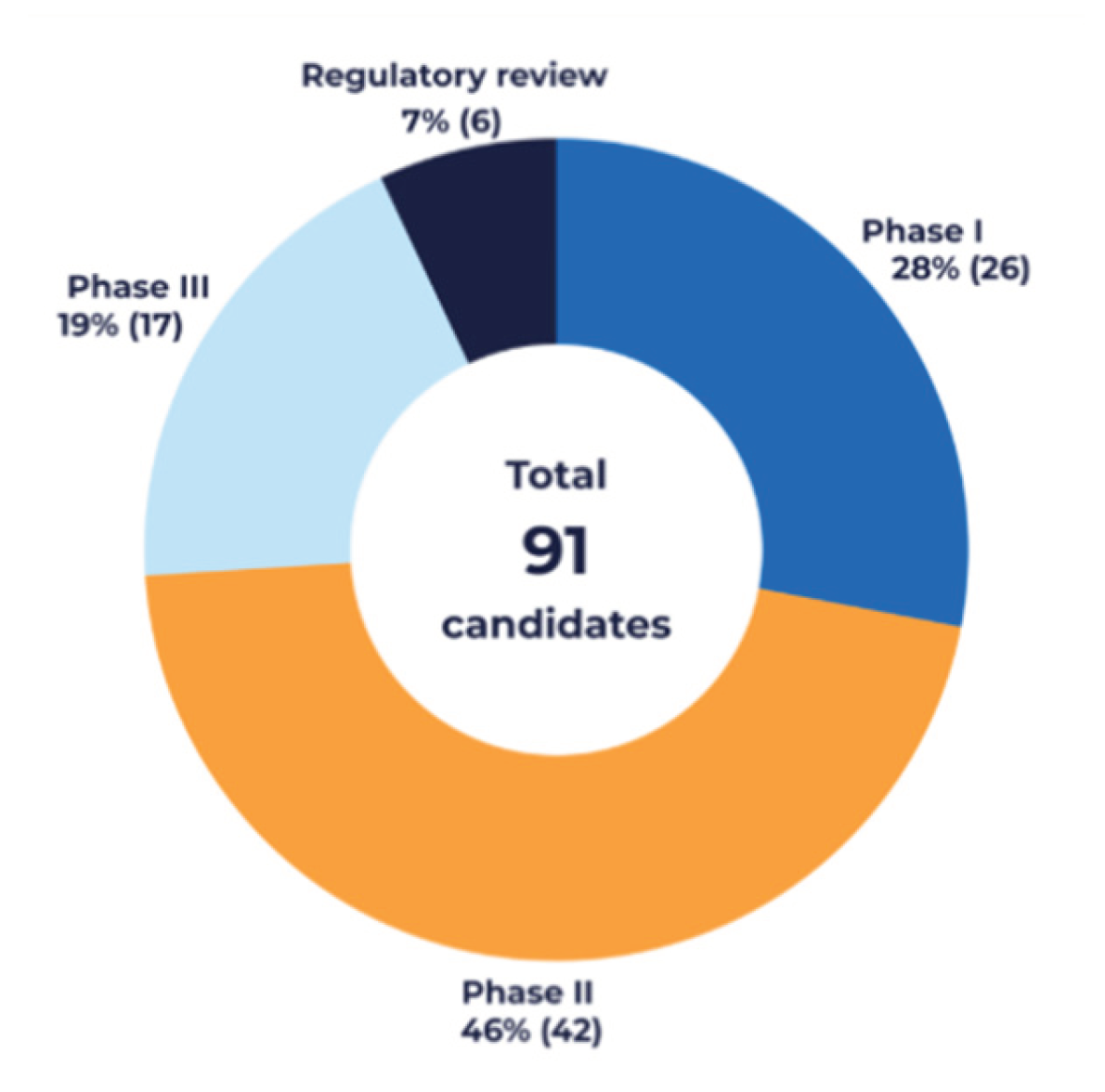
Figure 2.
Target microorganisms in Vaccines Europe’s 2025 pipeline.
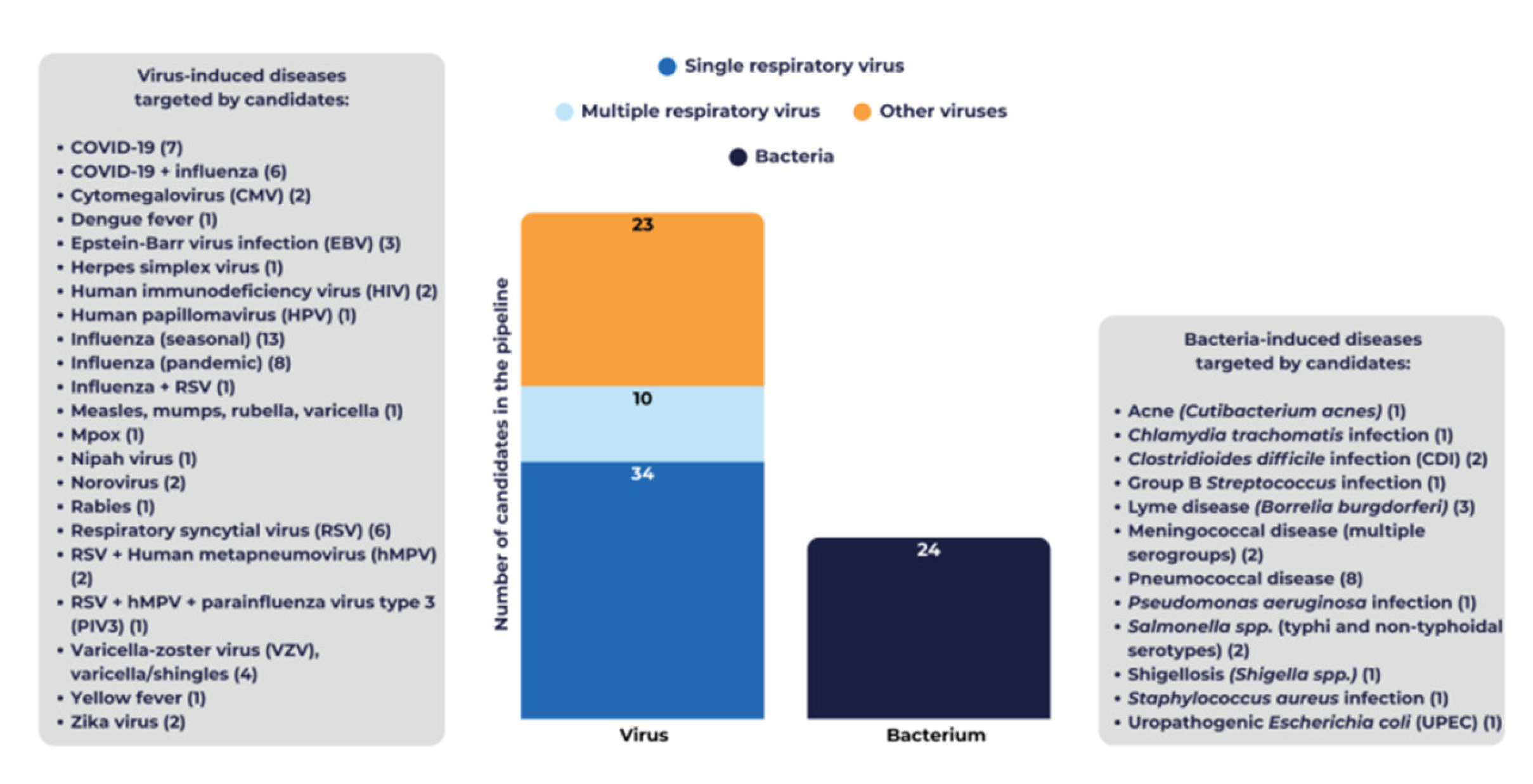
Figure 3.
Candidates within Vaccines Europe’s pipeline targeting diseases for which there is no registered vaccine or prophylactic mAb (blue) vs those further developing existing products (dark blue). Note: Therapeutic candidates were classified as “new targets” if only a preventive vaccine is licensed. The “new targets” category applies for combination candidates for which a vaccine is licensed for individual pathogens, but not in combination (e.g., COVID-19 + seasonal influenza).
Figure 3.
Candidates within Vaccines Europe’s pipeline targeting diseases for which there is no registered vaccine or prophylactic mAb (blue) vs those further developing existing products (dark blue). Note: Therapeutic candidates were classified as “new targets” if only a preventive vaccine is licensed. The “new targets” category applies for combination candidates for which a vaccine is licensed for individual pathogens, but not in combination (e.g., COVID-19 + seasonal influenza).
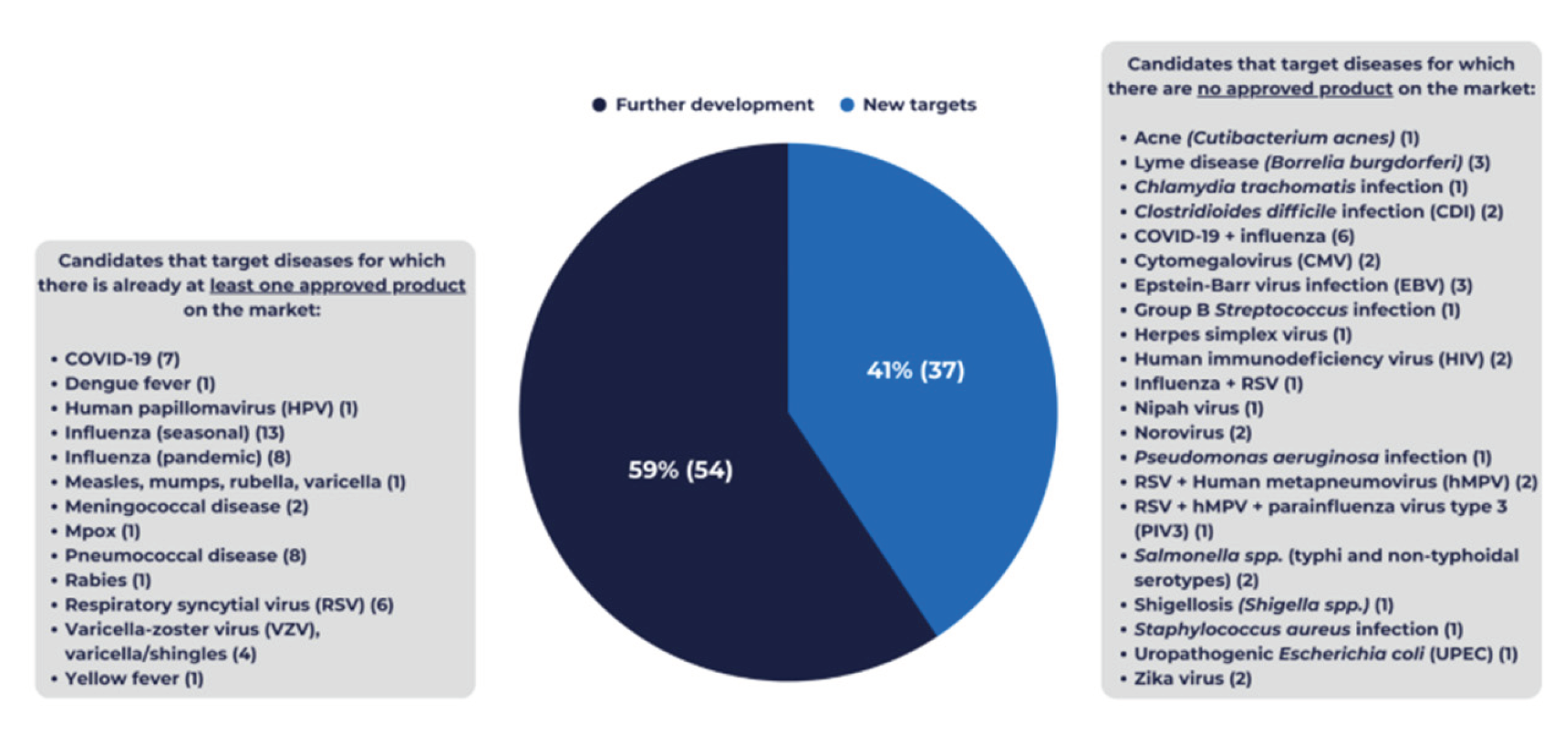
Figure 4.
Life-course immunisation: target populations in Vaccines Europe’s pipeline. *Includes one candidate for maternal immunisation. **Includes combination candidates for influenza (seasonal) and RSV.
Figure 4.
Life-course immunisation: target populations in Vaccines Europe’s pipeline. *Includes one candidate for maternal immunisation. **Includes combination candidates for influenza (seasonal) and RSV.
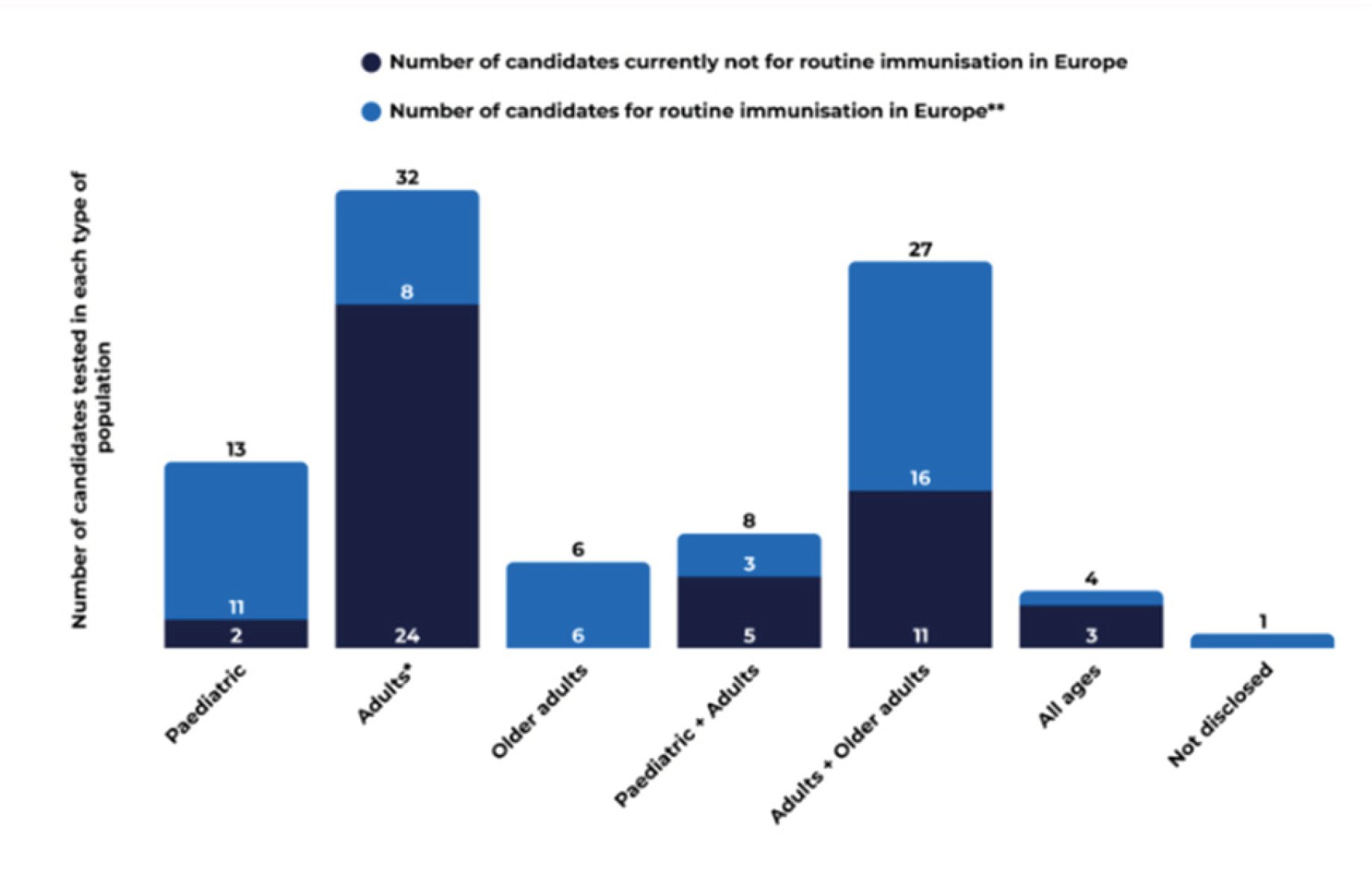
Figure 5.
Respiratory vaccine landscape: syndromic and combination strategies in Vaccines Europe’s pipeline.
Figure 5.
Respiratory vaccine landscape: syndromic and combination strategies in Vaccines Europe’s pipeline.
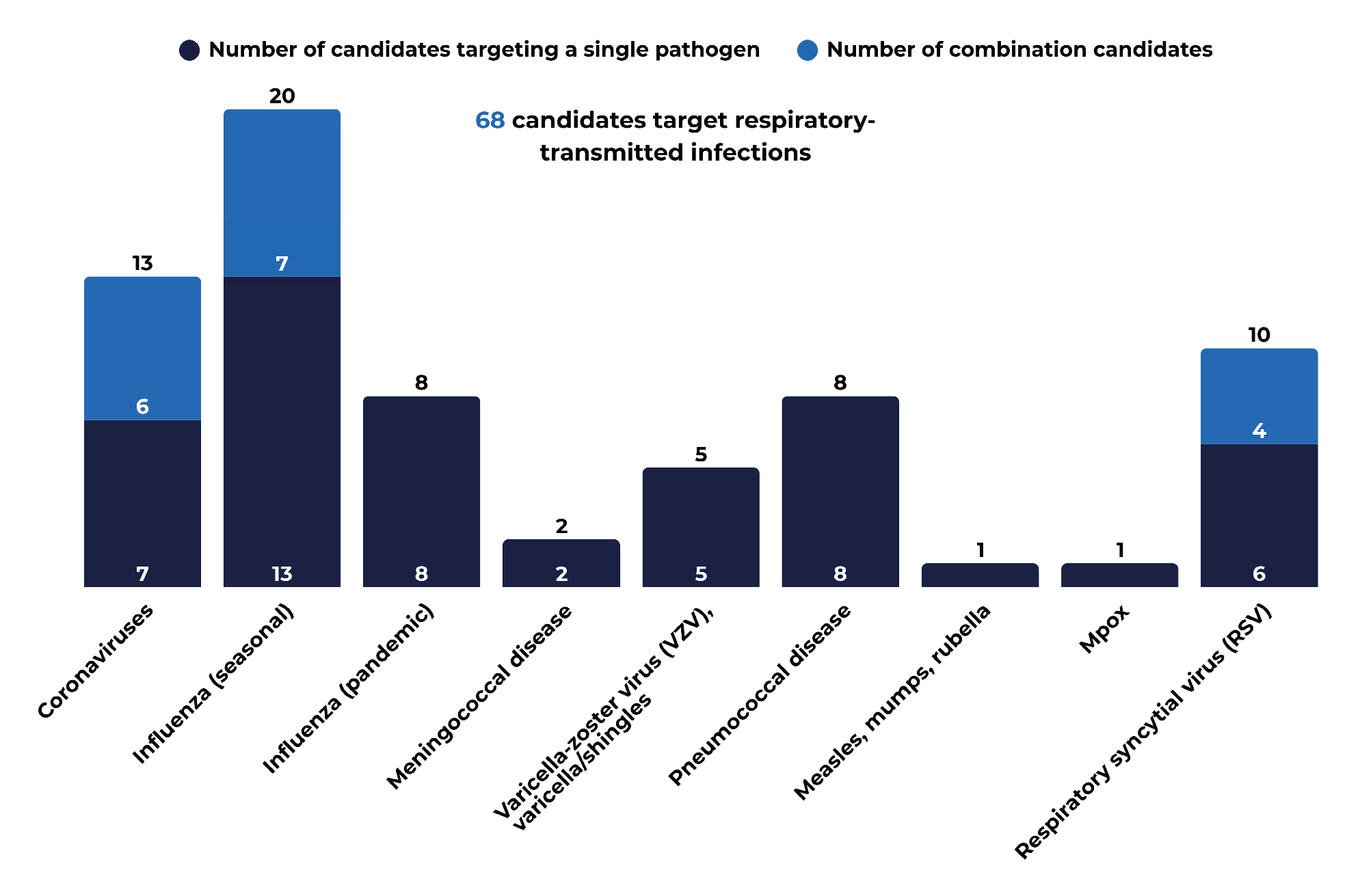
Figure 6.
AMR-relevant bacterial vaccines in the Vaccines Europe’s pipeline.
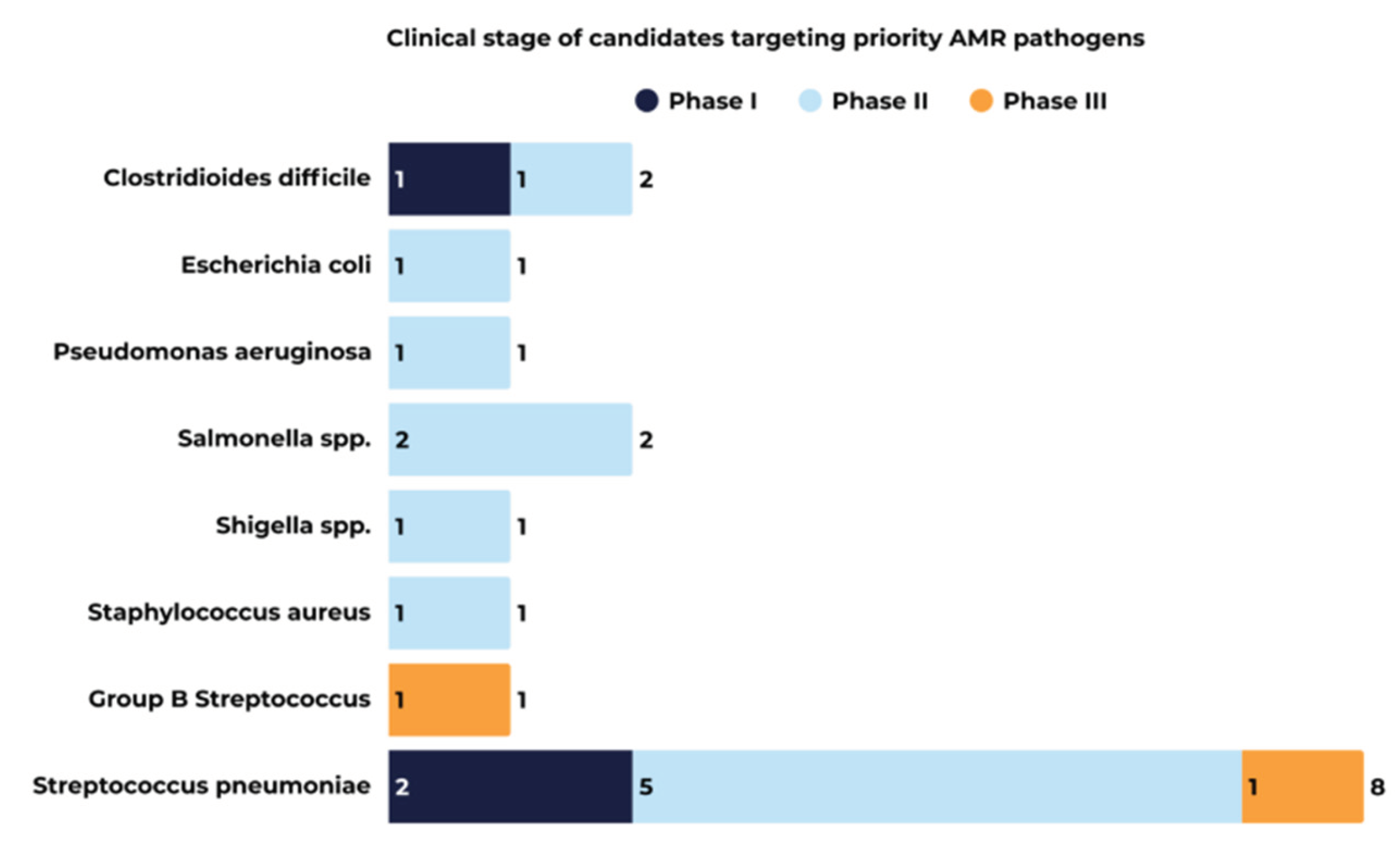
Figure 7.
Climate-sensitive and zoonotic threats addressed in Vaccines Europe’s pipeline.
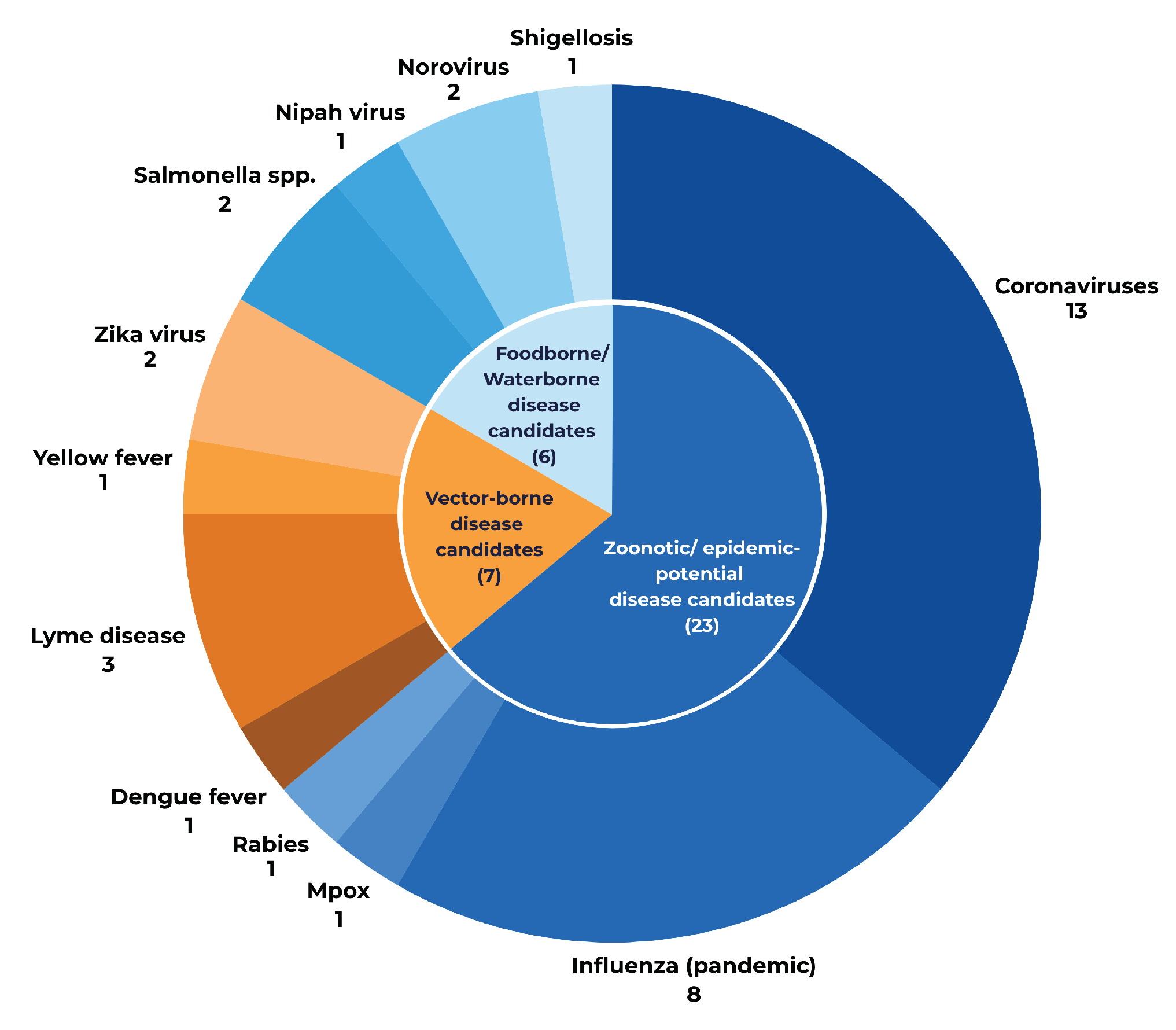
Figure 8.
Technology platforms in the Vaccines Europe’s 2025 pipeline.
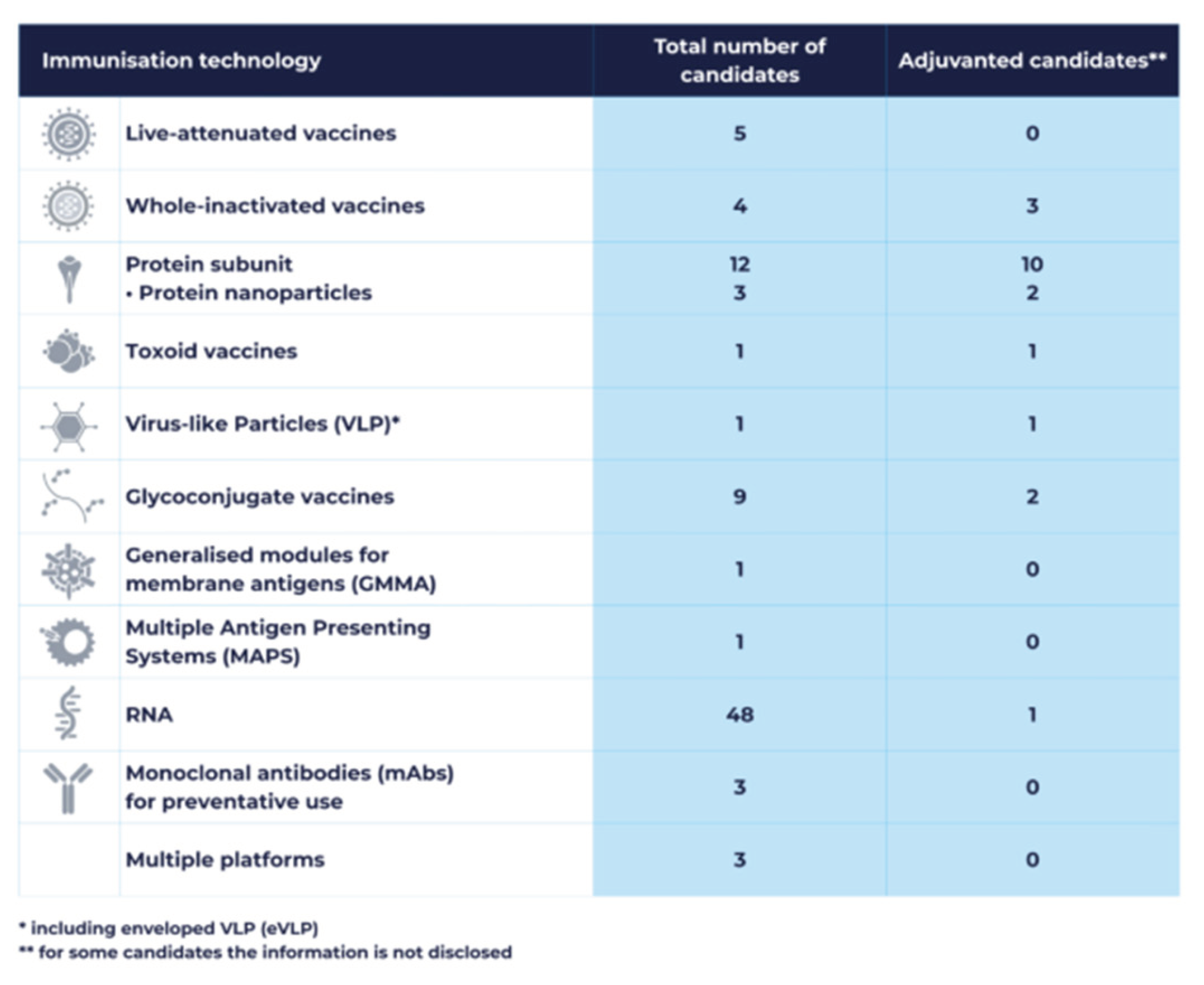
Figure 9.
Valency (number of strains of the same pathogen) of the candidates in development in Vaccines Europe’s pipeline.
Figure 9.
Valency (number of strains of the same pathogen) of the candidates in development in Vaccines Europe’s pipeline.
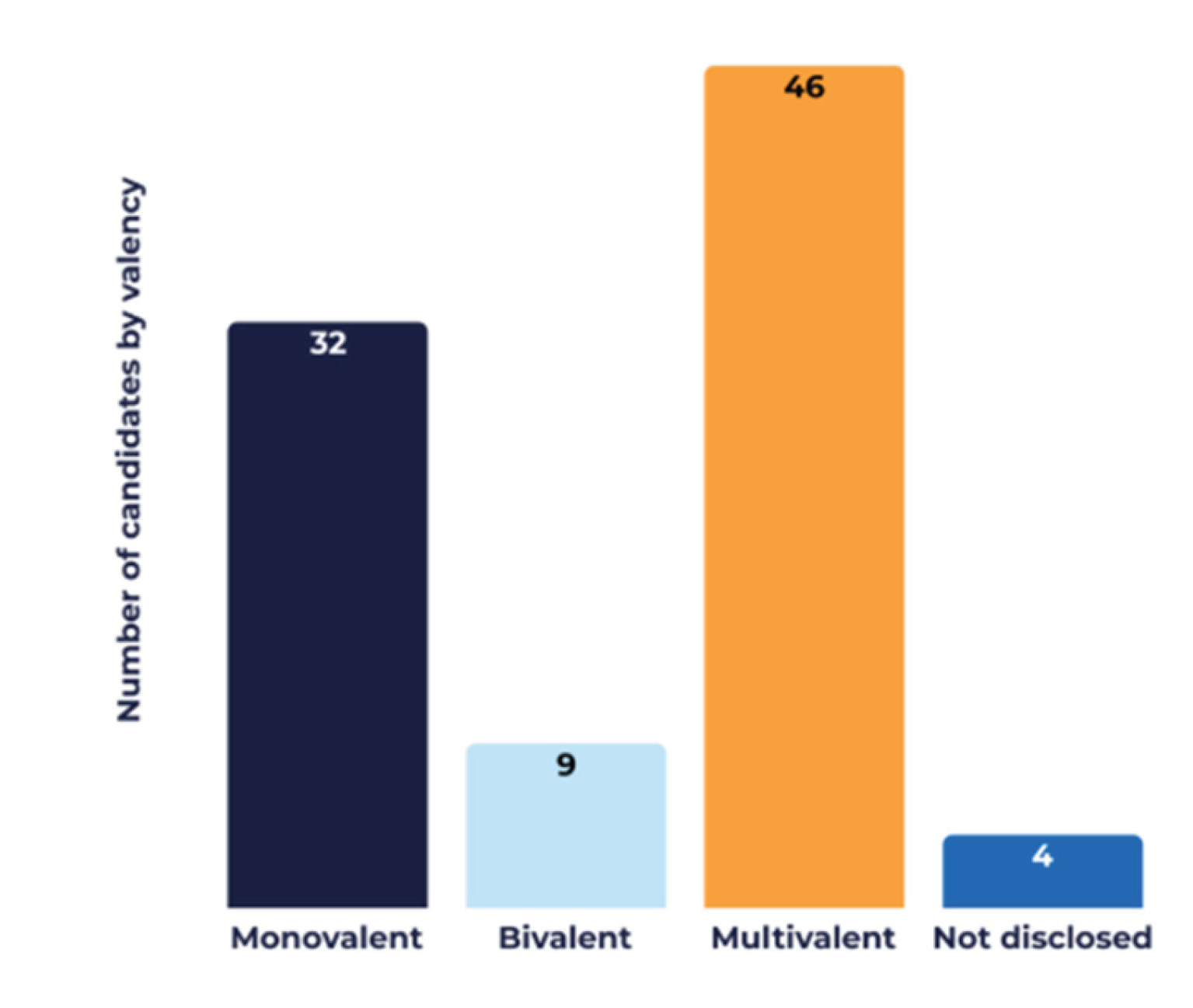
Figure 10.
Evolution of the pipelines of Vaccines Europe members companies between 2022 and 2025.
Disclaimer/Publisher’s Note: The statements, opinions and data contained in all publications are solely those of the individual author(s) and contributor(s) and not of MDPI and/or the editor(s). MDPI and/or the editor(s) disclaim responsibility for any injury to people or property resulting from any ideas, methods, instructions or products referred to in the content. |
© 2026 by the authors. Licensee MDPI, Basel, Switzerland. This article is an open access article distributed under the terms and conditions of the Creative Commons Attribution (CC BY) license.
Copyright: This open access article is published under a Creative Commons CC BY 4.0 license, which permit the free download, distribution, and reuse, provided that the author and preprint are cited in any reuse.


