

Submitted:
07 April 2026
Posted:
08 April 2026
You are already at the latest version
Abstract
By integrating the Norm Activation Model (NAM) with cognitive and behavioral variables, the study reveals mechanisms that translate into increased waste reduction intention. Data from 382 domestic tourists in Vientiane, Laos were analyzed using ordinary least squares regression. The results reveal that ascription of responsibility (AR) is the strongest predictor of intention, followed by personal norms (PN) and actual waste management behavior. Environmental knowledge and awareness of consequences show no significant influence. The findings confirm that fostering internalized moral sentiments, such as AR and PN, is more crucial in enhancing tourists’ waste reduction intention than mere cogni-tive awareness. Environmental campaigns and education to increase knowledge and heighten awareness of the negative impacts caused by poorly managed waste at popular destinations cannot guarantee an increase in tourists’ waste reduction intention.
Keywords:
waste reduction intention
; Norm Activation Model (NAM)
; responsibility
; sustainable tourism
; waste management behavior
; Laos
1. Introduction
Tourism is widely recognized as a key driver of economic development, particularly in developing economies where it supports income generation and social mobility [1]. With global tourist arrivals expected to approach 1.4 billion [2], preserving environmental quality has become essential for sustaining destination competitiveness [3,4,5]. However, rapid tourism growth often accelerates environmental degradation, which is most visible through the rising volumes of solid waste that result in local management systems being frequent overwhelmed [6]. In popular destinations, this pressure further intensifies during peak seasons when infrastructure is strained. Some tourists fail to properly implement waste-sorting practices and are not committed to waste reduction [7]. To cope with this challenge, an urgent investigation into the psychological mechanism that can minimize waste generation in tourist destinations is required.
Among diverse triggers, environmental knowledge is commonly viewed as a key driver of pro-environmental behavior. Based on the assumption that greater ecological awareness encourages individuals to minimize waste, well-informed tourists would naturally adopt more sustainable practices while travelling [8,9]. However, empirical evidence remains mixed. For example, a knowledge–intention gap means that while tourists are aware of good and bad aspects of harming the environment, they do not act consistently and responsibly [10]. This inconsistency suggests that knowledge alone rarely translates into behavioral change.
Actual waste management behavior can also be a key explanatory factor. Drawing on the principle of behavioral consistency, past actions tend to shape future intentions by reinforcing personal identity [11]. Tourists who routinely sort waste in daily life may internalize a responsible self-image that persists during travel. For this reason, incorporating tourists’ previous behavioral tendencies can lead to a mechanism by which moral obligation along with habitual practice may help supplement the well-known knowledge-intention gap in behavior [9].
Previous studies [12,13] applying the Norm Activation Model (NAM) typically emphasize on the sequential pathway wherein awareness of consequences (AC) and ascription of responsibility (AR) contribute to increasing personal norm (PN), thereby ultimately influencing tourist behavior (e.g., waste reduction intention). However, less attention has been paid to investigate the relative influence of AC, AR, and PN simultaneously. In other words, tourists might not necessarily follow the sequential path; however, the three variables may contribute to the decision-making process at the same time, albeit differently.
Despite increasing environmental pressures at tourism destinations, there is a need to understand the psychological mechanisms that effectively reduce the waste generated by tourists. Thus, this study aims to examine the variables related to tourists’ waste reduction intentions through environmental knowledge, actual waste management behavior, and NAM constructs. Specifically, this study assesses the relative influence of these variables to obtain scientific evidence that can effectively and efficiently encourage waste reduction behavior at tourist destinations.
2. Literature Review and Hypothesis Development
2.1. Waste Reduction Intention at Tourism Destinations
Waste reduction intention refers to a person’s deliberate willingness to minimize waste generation during daily life or travel [14]. In behavioral research, intention is widely recognized as the most immediate precursor of action and a key motivational link between attitudes and behavior [11,15]. In environmental contexts, it reflects an individual’s readiness to translate ecological concern into practical waste-minimizing choices while traveling.
Although tourists tend to exhibit a pro-environment behavior in their daily life, they do not necessary apply their environmental behavior during their trip, implying they are likely to behave hedonically or irrationally [16]. Limited knowledge or less familiarity with tourist destinations could lead to inconsistency in waste reduction practices [17]. Therefore, spreading awareness is not only ethically desirable but more crucial for sustainably protecting the environment of tourist destinations [18]. Existing studies indicate that waste reduction intentions emerge from the interaction of moral values, knowledge, and perceived responsibility [13,19].
2.2. Actual Waste Management Behavior
Actual behavior refers to observable actions performed by individuals, providing a concrete reference point beyond stated intentions [20]. Although many behavioral models treat intention as the primary antecedent of action. However, recent research suggests that previous pro-environmental practices can also shape future intentions because individuals tend to maintain consistency with established habits and identities [21]. Because regular participation in activities, such as recycling or waste sorting, at home can contribute to environmentally responsible behavior, these habits may work while travelling. In other words, because tourists have a habit to implement waste reduction efforts in their daily environment, there is scope to improve their behavior while travelling [22]. The following hypothesis is proposed:
H1:
Actual waste management behavior positively influences waste reduction intention at tourist destinations.
2.3. Environmental Knowledge
Environmental knowledge refers to an individual’s understanding of ecological processes, human impacts, and potential mitigation measures. People with the such knowledge can better recognize environmental problems and consider appropriate responses [23,24]. Previous research [8,9] frequently identifies environmental literacy as an important contributor to sustainable tourism intentions. Informed travelers are more likely to adopt responsible practices, such as recycling and avoiding single-use materials, even when navigating unfamiliar destinations [10].
Although knowledge does not always translate directly into action, it remains an important foundation for environmentally responsible decision-making including waste reduction efforts. A stronger understanding of environmental problems enables individuals to evaluate the consequences of their behavior and recognize the value of mitigation efforts [25,26]. This becomes much relevant in environments where large number of tourists visit within a short period. In such cases, tourists’ tacit knowledge may allow them to exhibit an intention to reduce waste. Based on this reasoning, the following hypothesis is proposed:
H2:
Environmental knowledge positively influences waste reduction intention at tourist destinations.
2.4. Norm Activation Model (NAM)
The NAM developed by Schwartz [27] offers a widely adopted framework for explaining pro-environmental behavior through moral obligation. The model centers on three psychological components: AC, AR, and PN. While the original formulation describes a sequential process (see Figure 1), some researchers do not immediately follow the traditional approach [12,13]. Overall, AC, AR, and PN should be studied simultaneously to reveal their relative importance.
Within this framework, AC refers to tourists’ recognition of the environmental damage caused by waste at destinations. AR reflects the extent to which individuals feel personally accountable for those impacts. PN represents the internal moral standard that motivates action based on AC and AR.
2.4.1. Awareness of Consequences (AC)
Those who understand the ecological damage associated with improper waste disposal are generally more inclined to support sustainable alternatives [29,30]. In tourism settings, such awareness becomes particularly relevant because tourists directly encounter the environmental conditions of the places they visit.
Awareness heightens the perceived seriousness of environmental problems. Previous studies show that greater recognition of ecological consequences strengthens pro-environmental intentions and behaviors [31,32]. In the NAM framework, this cognitive realization represents the initial step that can motivate further moral engagement. As tourists become more conscious of the damage linked to waste, their willingness to minimize such impacts is expected to increase. The following hypothesis is proposed:
H3:
Awareness of consequences positively influences waste reduction intention at tourist destinations
2.4.2. Ascription of Responsibility (AR)
This perception marks a shift from recognizing environmental issues to acknowledging one’s role in addressing them. When tourists believe their actions contribute to environmental outcomes, they are more likely to adopt responsible behaviors [33,34].
Empirical studies confirm that perceived responsibility strongly influences intentions related to recycling and waste management [35,36]. Tourists who accept accountability for their environmental footprint are more inclined to take corrective action. By identifying themselves as both contributors to and potential mitigators of environmental problems, travelers could develop stronger motivation to reduce waste during their travel. As such, the following hypothesis is proposed:
H4:
Ascription of responsibility positively influences waste reduction intention at tourist destinations.
2.4.3. Personal Norms
Unlike social norms, which depend on external expectations, personal norms arise from self-imposed obligations and are often strong predictors of pro-environmental intention. For example, Esfandiar et al. [37] found that personal norms strongly influenced proper waste disposal in national parks. D’Arco et al. [38] and Wang et al. [39] also reported that internalized moral obligations shape responsible travel behavior and recycling intentions. However, it is unclear whether those findings are applicable to waste reduction behavior. The following hypothesis is proposed:
H5:
Personal norms positively influence waste reduction intention at tourist destinations.
2.5. Relationship Between Respondent Characteristics and Waste Management
Beyond psychological drivers emphasized in the NAM, socio-demographic characteristics can also shape pro-environmental behavior. Waste-related practices are influenced by such factors as age, education, income, and gender, which reflect individuals’ experiences and social contexts [40]. Higher education often corresponds with stronger environmental awareness.
Previous research suggests that education and income frequently support environmentally responsible behaviors, including recycling and waste sorting [41]. Age and gender can also influence environmental attitudes, though their effects vary across cultural contexts [42]. While such characteristics are often examined in household settings, they may also shape decisions in tourism environments. Therefore, this study includes respondent characteristics as control variables to enhance the generalizability of the findings.
3. Methodology
3.1. Measurement Items and Survey Design
This study used a structured quantitative questionnaire based on previously validated scales to ensure measurement reliability. Items measuring actual waste management behavior were adapted from Wu et al. [43], environmental knowledge from Kim et al. [44], and NAM constructs—including waste reduction intention—from Wang et al. [13]. The questionnaire consisted of three sections: an introductory statement outlining the study purpose and anonymity assurance, a core section measuring psychological variables, and a final segment collecting demographic information. This structure was intended to maintain respondent attention and reduce survey fatigue.
A pilot test with 20 participants was conducted before the main survey to confirm clarity and contextual relevance. After this, minor wording adjustments were made to avoid ambiguity. All constructs were measured using five-point Likert scales (e.g., 1 = strongly disagree to 5 = strongly agree). Demographic and socio-economic information was collected as categorical variables. All analyses were performed by IBM SPSS Statistics.
3.2. Sample and Data Collection
Vientiane, the capital of Laos, faces significant waste management challenges, producing roughly 7,200 tons of waste each day while urban collection services cover only 40–60% of generated waste [45]. Limited waste segregation and continued reliance on open dumping intensify the burden on tourism areas [46]. Although national policies promote green growth, they often emphasize infrastructure rather than the behavioral factors influencing tourist practices [47]. Understanding tourists’ waste reduction intentions is therefore essential for improving local environmental management.
Data were collected in Hay Soke Village, a well-known tourism district in Vientiane (see Figure 2). Covering approximately 70,049 m², the area contains numerous hotels, temples, and restaurants and hosts major events such as the Lao New Year festival [48]. The site attracts high visitor density but faces recurring waste overflow during peak periods due to limited waste infrastructure and staff (see Figure 3. Tourist arrivals in Laos exceeded 1.1 million in the first half of 2024, with Hay Soke Village receiving around 1,500 visitors per month.
On-site data collection was undertaken in January 2025. Convenience sampling was used at the main entrance of the village. Participants were domestic tourists aged 18 years or older who voluntarily agreed to participate. Of the 400 questionnaires collected, incomplete responses were removed, leaving 382 valid observations for analysis.
3.3. Data Analysis
Data analyses were performed through following procedure. First, descriptive statistics summarized respondents’ demographic and socio-economic characteristics. Second, measurement reliability and validity were assessed using Cronbach’s alpha and Exploratory Factor Analysis (EFA). Items with weak loadings or high cross-loadings were removed to strengthen the measurement structure. Third, independent-sample t-tests examined differences in waste reduction intention between groups, such as gender, marital status, and whether respondents traveled with children. Associations between interval variables were confirmed by Pearson correlation analysis.
Finally, ordinary least squares (OLS) regression was applied to test the proposed hypotheses. Through this analysis, we can simultaneously examine the influence of independent variables, while controlling for respondents’ characteristics. Qualitative variables were transformed to dummy variables. For instance, female tourists were coded as 0 and male tourists as 1.
4. Results
4.1. Characteristics of Respondents
Table 1 presents the demographic and socio-economic characteristics of the 382 respondents. The sample consisted mainly of females (67.0%, n = 256), while males represented 33.0% (n = 126). Most participants were relatively young: 33.0% (n = 126) were aged 20–29, followed by 25.7% (n = 98) aged 30–39 and 25.4% (n = 97) aged 18–19. Regarding marital status, 65.4% (n = 250) were single and 34.6% (n = 132) were married. A smaller portion of respondents (16.5%, n = 63) reported traveling with children under 12 years old.
Educational attainment was highest among bachelor’s degree holders (39.0%, n = 149), followed by high school graduates (29.6%, n = 113) and master’s degree holders (20.7%, n = 79). Income levels showed a split distribution: 30.6% (n = 117) reported annual earnings above 48,000,000 Kip, whereas 28.5% (n = 109) earned below 24,000,000 Kip. Travel patterns indicated that half of the respondents (50.3%, n = 192) had visited Hay Soke Village two to three times, and 50.8% (n = 194) stayed for two to three days.
4.2. Reliability and Validity of Measures
Reliability results showed that all Cronbach’s alpha values exceeded the recommended threshold of 0.70 [50], indicating satisfactory internal consistency. EFA and reliability tests were conducted to evaluate the measurement scales. The Kaiser–Meyer–Olkin (KMO) value was 0.870, indicating strong sampling adequacy [51]. Bartlett’s Test of Sphericity was also significant, χ²(276) = 4310.066, p < 0.001, confirming that the dataset was appropriate for factor analysis.
One item from actual waste management behavior (“I conserved resources and energy”) was removed because of low factor loading. After this adjustment, six factors with eigenvalues above 1 were extracted, explaining 66.03% of the total variance. Factor loadings for the retained items ranged from 0.51 to 0.79, supporting the proposed six-factor structure (Table 2). Overall, the findings confirm that the measurement scales demonstrate adequate reliability and construct validity for further analysis.
4.3. Differences in Waste Reduction Intention Between Groups
Independent sample t-tests were conducted to examine significant differences in waste reduction intention between groups. The results revealed no significant differences between male and female tourists (t = -1.137, p = 0.646), single and married respondents (t = 1.284, p = 0.844), and tourists traveling with and without children aged under 12 years (t = -1.022, p = 0.537).
4.4. Results of Correlation Analysis
Pearson correlation analysis reveals significant associations between variables measured by interval or Likert-scale (Table 3). In terms of waste reduction intentions, PN was the most strongly correlated (r = 0.365, p < 0.01), followed by AR (r = 0.353, p < 0.01), actual waste management behavior (r = 0.331, p < 0.01), environmental knowledge (r = 0.317, p < 0.01), and AC (r = 0.208, p < 0.01). Among control variables, only frequency of visit (r = 0.147, p < 0.01) and income level (r = 0.117, p < 0.05) were significantly correlated with waste reduction intention. By using variables that significantly correlated with waste reduction intention, a regression analysis was conducted to examine the relationship between independent variables (i.e., AC, AR, PN, actual waste management behavior, environmental knowledge), the dependent variable (i.e., waste reduction intention), and control variables (i.e., income level and frequency of visit).
4.5. Results of Regression Analysis
Multiple regression using OLS assessed the determinants of waste reduction intention while controlling for income level and frequency of visit. The model was statistically significant (F = 16.338, p < 0.001) and explained 23.4% of the variance (R² = 0.234). The Durbin–Watson statistic (1.885) indicated independent residuals, and VIF values (1.119–1.956) confirmed the absence of multicollinearity (Table 4).
Among independent variables, three variables (i.e., actual waste management behavior, AR, and PN) were significantly and positively related to waste reduction intention (supporting H1, H4, and H5, respectively). For instance, AR was the most strongly related (β = 0.219, t = 4.081, p < 0.001), indicating that tourists who feel personally accountable are more likely to reduce waste while travelling. PN (β = 0.173, t = 3.098, p = 0.002) and actual waste management behavior (β = 0.167, t = 2.635, p = 0.009) were also significantly related. The results reveal that not all variables of the NAM can always contribute to a better behavioral intention.
H2 and H3 were not supported, implying that environmental knowledge and AC do not significantly contribute to an increase in waste reduction intention during a trip. The control variables (i.e., income level and frequency of visit) were not significantly related. As a result, this study demonstrates that actual waste management behavior and internalized moral obligation—rather than cognitive awareness alone—are the main drivers of waste reduction intention. Table 5 summarizes the hypothesis results.
5. Discussion
This study explored the psychological mechanisms underlying tourists’ waste reduction intentions in Vientiane, Laos. However, the implications of this study should not be limited within this specific location when conducting an OLS regression analysis while controlling for respondents’ demographic, socio-economic, and travel-related characteristics. The findings reveal that internal moral drivers along with their environmental behavior habit exert stronger influence than knowledge or respondents’ socio-economic and travel characteristics. Therefore, this study demonstrates that tourists should internalize a sense of personal responsibility regarding waste generation at destinations. It confirms that waste management habits developed in tourists’ residence areas could effectively carry over into waste reduction behavior during travel.
While many NAM studies emphasize their sequential manner, meaning AC and AR contribute to PN, this research assessed their relative influence among the three variables within a single model by simultaneously examining the three variables of the NAM. In other words, AR has the strongest impact on increasing waste reduction intention. This suggests that recognizing personal accountability is a more immediate motivator of waste reduction intention than general environmental understanding.
This study confirms that AR and PN can function as the principal drivers of behavioral intention for waste reduction during a trip. Rather than limited knowledge being the main constraint, the evidence suggests that sustainable behavior depends on activating a sense of personal responsibility and their habit. In this context, waste reduction appears less dependent on factual awareness, but more on internal moral motivation. This study contributes to ongoing discussions about whether cognitive knowledge or moral commitment plays a stronger role in pro-environmental behavior such as waste reduction. By demonstrating the importance of responsibility and personal norms in the context of waste management, the study further supports additional evidence to further validate the worth of the NAM, which is in line with Wang et al. [13].
Although many behavioral frameworks highlight the importance of increasing or strengthening awareness, this study indicates that intention can be strengthen primarily when individuals accept responsibility for their environmental impact. Awareness alone does not necessarily translate into behavioral intention; the effect depends on whether individuals internalize responsibility for environmental outcomes. Consequently, destination-level interventions should much emphasize personal accountability rather than relying exclusively on informational messaging. At Hay Soke Village, where waste management challenges are visible (see Figure 3), tourists who perceive themselves as responsible actors rather than passive observers show stronger commitment to waste reduction. This supports earlier arguments that linking problem recognition with personal accountability is essential for activating moral behavior [27,35].
Personal norms act as a key self-regulating mechanism. Tourism environments are temporary and often lack consistent social monitoring. Under such conditions, internal moral standards become the main guide for behavior [52]. The findings suggest that tourists’ willingness to minimize waste reflects personal ethical commitment rather than external pressure, reinforcing earlier observations in sustainable tourism research [18,53].
The significance of actual waste management behavior suggests that sustainable practices at home can be transferred into waste reduction behavior during trips. For example, individuals who regularly engage in responsible disposal may gradually develop a self-image as environmentally responsible travelers, which can strengthen future intentions [54]. This indicates that behavioral change can evolve through repeated practice, linking identity and action in a reinforcing cycle.
Another notable finding is the lack of significant relationship of environmental knowledge and AC regarding waste reduction intention. This outcome can reflect the persistent knowledge–intention gap, where mere awareness of environmental problems does not necessarily produce intention for behavioral change [30]. In the case of Vientiane, recognizing environmental problems alone appears insufficient to motivate waste reduction without a corresponding sense of responsibility. In conclusion, this study advocates that effective waste reduction behavior requires a dual approach that triggers immediate moral responsibility while reinforcing long-term environmental habits.
6. Limitations and Suggestions for Future Research
Despite its contributions, this study has several limitations that suggest directions for future research. First, future studies may consider diverse spatial settings covering from rural to urban destinations as well as account for destinations’ life cycle to test whether the findings observed in this study can be supported. For example, the impact of frequency of visit on the intentions of travelers in this study was not consistent. From the correlation analysis (Table 3), frequency of visit was significantly associated with intention, but when frequency of visit as one of the control variables was applied into the OLS regression, it was not significant (Table 4). While frequency of visit reinforces pro-environmental behavior, this relationship may be contingent upon the spatial characteristics of the destination (e.g., nature-based vs. urban-based). Huang et al. [55] demonstrated that frequent visits to nature-based sites significantly enhance pro-environmental behavior, suggesting the importance of “where” when tourists’ plan their travel. However, the current study was conducted in Vientiane, the urban capital of Laos. This urban setting may provide clues regarding why the frequency of visits does not significantly influence waste reduction intentions. Future research could conduct comparative studies covering diverse spatial characteristics and contexts.
Second, the study relied on self-reported questionnaires, which may introduce social desirability bias. Participants may subject to exaggerate their waste reduction intentions to align with perceived social expectations and environmental norms. To address the potential gap between reported intentions and actual (realized) behavior regarding waste reduction, future research could compare behaviors at home versus during a trip. By revealing differences, it may be possible to implement better approaches to strengthen tourists’ pro-environmental behavior, such as waste reduction while travelling.
Finally, geographical approach may be considered. Tourists’ waste reduction behavior may depend on geographical structure, such as the locations of trash boxes, or specific places may be used for pouring or throwing away waste/trash. For this reason, spatial patterns may exist to explain where and why more waste is generated in tourism destinations. By identifying those patterns using spatial theories and spatial method analysis techniques, destination authorities may be able to develop better strategies to boost waste reduction behavior, which may finally result in reducing waste generation at destinations.
Author Contributions
For research articles with several authors, a short paragraph specifying their individual contributions must be provided. The following statements should be used “Conceptualization, L.B. and S.K.; methodology, L.B. and S.K; software, L.B.; validation, S.K.; formal analysis, L.B.; investigation, L.B.; data curation, L.B.; writing—original draft preparation, L.B. and S.K.; writing—review and editing, L.B. and S.K.; visualization, L.B.; supervision, S.K.; project administration, S.K. All authors have read and agreed to the published version of the manuscript.” Please turn to the CRediT taxonomy for the term explanation. Authorship must be limited to those who have contributed substantially to the work reported.
Funding
The APC was funded by Dong-A University.
Institutional Review Board Statement
This study is waived for ethical review as the survey items were non-sensitive, professional topics, where participants were not from a vulnerable population and no sensitive personal information was collected.
Informed Consent Statement
Informed consent was obtained from all subjects involved in the study.
Data Availability Statement
The data can be available from the first author on reasonable request.
Acknowledgments
This manuscript is revised version of the first author’s Master’s thesis.
Conflicts of Interest
The authors declare no conflicts of interests.
References
- Thullah, A.; Jalloh, S. A. A review of the economic, social and environmental impacts of tourism development. Am. J. Theor. Appl. Bus. 2021, 7(2), 39-46. [CrossRef]
- UN Tourism. World tourism barometer. Available online: https://www.untourism.int/un-tourism-world-tourism-barometer-data (accessed on 4 March 2026).
- Ermekbaeva, I.; Kang, S. What encourages pro-environmental behavior by tourists? Insights from the protection motivation theory. Environ. Dev. Sustain. 2024, 1-19. [CrossRef]
- Khan, N.; Hassan, A.; Fahad, S.; Naushad, M. Factors affecting tourism Industry and its impacts on global economy of the world. SSRN Electron. J. 2020. [CrossRef]
- Zhang, S.; Xia, Z.; Zhang, C.; Tian, X.; Xie, J. Green illusions in self-reporting? Reassessing the intention-behavior gap in waste recycling behaviors. Waste Manag. 2023, 166, 171-180. [CrossRef]
- Juvan, E.; Dolnicar, S. Measuring environmentally sustainable tourist behavior. Ann. Tour. Res. 2016, 59, 30-44. [CrossRef]
- Obersteiner, G.; Gollnow, S.; Eriksson, M. Carbon footprint reduction potential of waste management strategies in tourism. Environ. Dev. 2021, 39, 100617. [CrossRef]
- Ribeiro, M. A.; Seyfi, S.; Elhoushy, S.; Woosnam, K. M.; Patwardhan, V. Determinants of generation Z pro-environmental travel behaviour: The moderating role of green consumption values. J. Sustain. Tour. 2025, 33(6), 1079-1099. [CrossRef]
- Wu, L.; Zhu, Y.; Zhai, J. Understanding waste management behavior among university students in China: Environmental knowledge, personal norms, and the theory of planned behavior. Front. Psychol. 2022. 12, 771723. [CrossRef]
- Kurokawa, H.; Igei, K., Kitsuki, A.; Kurita, K.; Managi, S.; Nakamuro, M.; Sakano, A. Improvement impact of nudges incorporated in environmental education on students’ environmental knowledge, attitudes, and behaviors. J. Environ. Manag. 2023, 325, 116612. [CrossRef]
- Liu, P.; Teng, M.; Han, C. How does environmental knowledge translate into pro-environmental behaviors? The mediating role of environmental attitudes and behavioral intentions. Sci. Total Environ. 2020, 728, 138126. [CrossRef]
- Fenitra, R. M.; Premananto, G. C.; Sedera, R. M. H.; Abbas, A.; Laila, N. Environmentally responsible behavior and knowledge-belief-norm in the tourism context: The moderating role of types of destinations. Int. J. Geoheritage Parks 2022, 10(2), 273-288. [CrossRef]
- Wang, S.; Ji, C.; He, H.; Zhang, Z.; Zhang, L. Tourists’ waste reduction behavioral intentions at tourist destinations: An integrative research framework. Sustain. Prod. Consum. 2021, 25, 540-550. [CrossRef]
- Akhter, S.; Rather, M. I.; Zargar, U. R. Understanding the food waste behaviour in university students: An application of the theory of planned behaviour. J. Clean. Prod. 2024, 437, 140632. [CrossRef]
- Al Mamun, A.; Hayat, N.; Masud, M. M.; Makhbul, Z. K. M.; Jannat, T.; Salleh, M. F. M. Modelling the significance of Value-Belief-Norm theory in predicting solid waste management intention and behavior. Front. Environ. Sci. 2022, 10, 906002. [CrossRef]
- MacInnes, S.; Grün, B.; Dolnicar, S. Habit drives sustainable tourist behaviour. Ann. Tour. Res. 2022, 92, 103329. [CrossRef]
- Puiu, S.; Velea, L.; Udristioiu, M. T.; Gallo, A. A behavioral approach to the tourism consumer decisions of generation Z. Behav. Sci. 2022, 12(9), 320. [CrossRef]
- Han, H.; Yu, J.; Kim, W. Youth travelers and waste reduction behaviors while traveling to tourist destinations. J. Travel Tour. Mark. 2018, 35(9), 1119-1131. [CrossRef]
- Sathatip, P. Triggers for reducing waste and disposable packaging: Insights from food truck consumers in Thailand. ABAC J. 2024, 44(2), 77-93. [CrossRef]
- Viglia, G.; Dolnicar, S.; Acuti, D.; Nicolau, J. L. If you want to learn about real behaviour, measure real behaviour. J. Sustain. Tour. 2024, 32(11), 2245-2257. [CrossRef]
- Schneider, S. M.; Sanguinetti, A. Positive reinforcement is just the beginning: Associative learning principles for energy efficiency and climate sustainability. Energy Res. Soc. Sci. 2021, 74, 101958. [CrossRef]
- Becken, S.; Coghlan, A. Knowledge alone won’t “fix it”: Building regenerative literacy. J. Sustain. Tour. 2024, 32(2), 385-401. [CrossRef]
- He, Z.; Liu, Y.; Liu, X.; Wang, F.; Zhu, H. Influence of multi-dimensional environmental knowledge on residents' waste sorting intention: Moderating effect of environmental concern. Front. Psychol. 2022, 13, 957683. [CrossRef]
- Xie, J.; Lu, C. Relations among pro-environmental behavior, environmental knowledge, environmental perception, and post-materialistic values in China. Int. J. Environ. Res. Public Health 2022, 19(1), 537. [CrossRef]
- Wang, J.; Dai, J.; Gao, W.; Yao, X.; Dewancker, B. J.; Gao, J.; Wang, Y.; Zeng, J. Achieving sustainable tourism: Analysis of the impact of environmental education on tourists’ responsible behavior. Sustainability, 2024, 16(2), 552. [CrossRef]
- Zeng, Z.; Zhong, W.; Naz, S. Can environmental knowledge and risk perception make a difference? The role of environmental concern and pro-environmental behavior in fostering sustainable consumption behavior. Sustainability, 2023, 15(6), 4791. [CrossRef]
- Schwartz, S. H. Normative influences on altruism. Adv. Exp. Soc. Psychol. 1977, 10, 221-279. [CrossRef]
- Gao, J.; Huang, Z.; Zhang, C. Tourists' perceptions of responsibility: An application of norm-activation theory. J. Sustain. Tour. 2017, 25(2), 276-291. [CrossRef]
- Sun, H.; Zhang, Q.; Guo, W.; Lin, K. Hikers’ pro-environmental behavior in national park: Integrating theory of planned behavior and norm activation theory. Front. For. Glob. Change. 2022, 5, 1068960. [CrossRef]
- Wu, J.; Wu, H. C.; Hsieh, C. M.; Ramkissoon, H. Face consciousness, personal norms, and environmentally responsible behavior of Chinese tourists: Evidence from a lake tourism site. J. Hosp. Tour. Manag. 2022. 50, 148-158. [CrossRef]
- Aman, S.; Hassan, N. M.; Khattak, M. N.; Moustafa, M. A.; Fakhri, M.; Ahmad, Z. Impact of tourist’s environmental awareness on pro-environmental behavior with the mediating effect of tourist’s environmental concern and moderating effect of tourist’s environmental attachment. Sustainability. 2021, 13(23), 12998. [CrossRef]
- Sahabuddin, M.; Alam, M. S.; Nekmahmud, M. How do perceived and environmental values influence tourist satisfaction, loyalty, and environmental awareness?. Environ. Dev. Sustain. 2024. [CrossRef]
- Dong, Z.; He, C.; Hu, T.; Jiang, T. Integrating values, ascribed responsibility and environmental concern to predict customers’ intention to visit green hotels: The mediating role of personal norm. Front. Psychol. 2024, 14, 1340491. [CrossRef]
- Wahid, N. A.; Fadzil, S. F. S.; Ariffin, S. K. Influences of problem awareness, awareness of consequences and ascription of responsibility on consumer’s personal norm to prevent water wastage behavior. Environ. Ecol. Res. 2022, 10(2), 275-283. [CrossRef]
- Li, Q.; Wang, Y.; Shan, W.; Guan, J. Dual trust, emotional bond, and tourists’ on-site pro-environmental behavior at nature-based destinations: Extending norm-activation theory from the perspective of social dilemma. J. Outdoor Recreat. Tour. 2025, 49, 100839. [CrossRef]
- Sajid, M.; Zakkariya, K. A.; Surira, M. D.; Peethambaran, M. Flipping the script: How awareness of positive consequences outweigh negative in encouraging tourists’ environmentally responsible behavior? J. Sustain. Tour. 2024, 32(7), 1350-1369. [CrossRef]
- Esfandiar, K.; Dowling, R.; Pearce, J.; Goh, E. What a load of rubbish! The efficacy of theory of planned behaviour and norm activation model in predicting visitors’ binning behaviour in national parks. J. Hosp. Tour. Manag. 2021, 46, 304-315. [CrossRef]
- D’Arco, M.; Marino, V.; Resciniti, R. Exploring the pro-environmental behavioral intention of Generation Z in the tourism context: The role of injunctive social norms and personal norms. J. Sustain. Tour. 2025, 33(6), 1100-1121. [CrossRef]
- Wang, J.; Li, M.; Li, S.; Chen, K. Understanding consumers’ food waste reduction behavior: A study based on extended norm activation theory. Int. J. Environ. Res. Public Health 2022, 19(7), 4187. [CrossRef]
- Fasihi, H.; Parizadi, T. Analyzing household's environmental behavior on solid waste management and its relations with population and housing characteristics (The case: Amlash city, Iran). J. Environ. Manag. 2021, 292, 112686. [CrossRef]
- Bishnoi, M. M.; Verma, A.; Kushwaha, A.; Goswami, S. Social factors influencing household waste management. Emerg. Trends Approaching Zero Waste. 2022, 197-213. [CrossRef]
- Ikiriko, T. D.; Enwin, A. D.; Johnbull, S. W.; Udom, M. E. L.; Nwokaeze, E. C. Assessing residents' satisfaction with waste management approaches in Port Harcourt Metropolis. Int. J. Res. Rev. 2023, 10(11), 382-392. [CrossRef]
- Wu, J. S.; Font, X.; Liu, J. The elusive impact of pro-environmental intention on holiday on pro-environmental behaviour at home. Tour. Manag. 2021, 85, 104283. [CrossRef]
- Kim, M.; Kim, J.; Thapa, B. Influence of environmental knowledge on affect, nature affiliation and pro-environmental behaviors among tourists. Sustainability, 2018, 10(9), 3109. [CrossRef]
- Ounphouvong, S. Solid waste management in Luang Prabang capital, Lao PDR. J. Appropr. Technol. 2023, 9(3), 176-190. [CrossRef]
- Vongthavilay, K.; Andres, M.; Sattler, R. Reducing plastic waste to get “clean and green” in Lao PDR. https://www.worldbank.org/ (accessed on 19 March 2026).
- World Bank. Developing nature-based tourism as a strategic sector for green growth in Lao PDR. https://www.worldbank.org/en/country/lao/publication/developing-nature-based-tourism-as-a-strategic-sector-for-green-growth-in-lao-pdr (accessed on 4 March 2026).
- Hay Soke Village Administration Office. Hay Soke Village Information. Vientiane Capital, Lao PDR., 2024.
- Worldometers.info. https://www.worldometers.info/ (accessed on 4 March 2026). .
- Nunnally, J. C. Psychometric Theory, Second ed. McGraw-Hill, 1978.
- Kaiser, H. F. An index of factorial simplicity. Psychometrika, 1974, 39, 31–36. [CrossRef]
- Dolnicar, S. Designing for more environmentally friendly tourism. Ann. Tour. Res. 2020, 84,102933. [CrossRef]
- Han, H.; Yu, J.; Kim, H. C.; Kim, W. Impact of social/personal norms and willingness to sacrifice on young vacationers’ pro-environmental intentions for waste reduction and recycling. J. Sustain. Tour. 2018, 26(12), 2117-2133. [CrossRef]
- Gong, Y.; Guo, Y. P.; Zhai, S. S.; Wong, P. P. W.; Wang, L. Factors influencing tourists’ intention to adopt classified garbage cans in tourism destination. Environ. Soc. Psychol, 2024, 9(1), 1860. [CrossRef]
- Huang, H., Yang, F. X., & Gu, M. (2026). Frequent travel, responsible tourists? The role of travel frequency in tourists’ pro-environmental behaviors. Tourism Management, 116, 105438. [CrossRef]
Figure 1.
Conceptual framework based on the Norm Activation Model (NAM). Source: Cao et al. [28].
Figure 1.
Conceptual framework based on the Norm Activation Model (NAM). Source: Cao et al. [28].
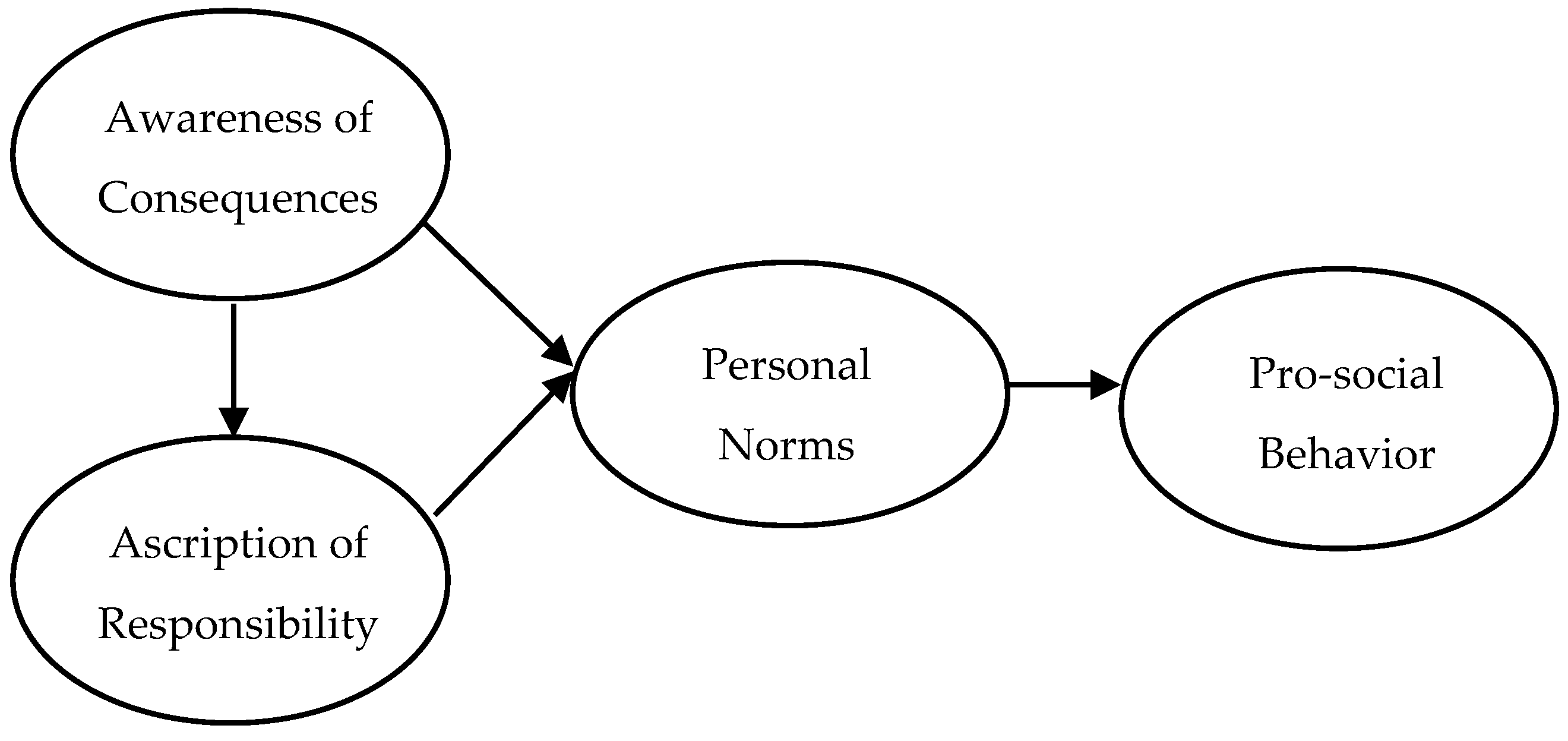
Figure 2.
Geographical location of the study area: Vientiane, Lao PDR. Source: Worldometers.info (2018) [49].
Figure 2.
Geographical location of the study area: Vientiane, Lao PDR. Source: Worldometers.info (2018) [49].
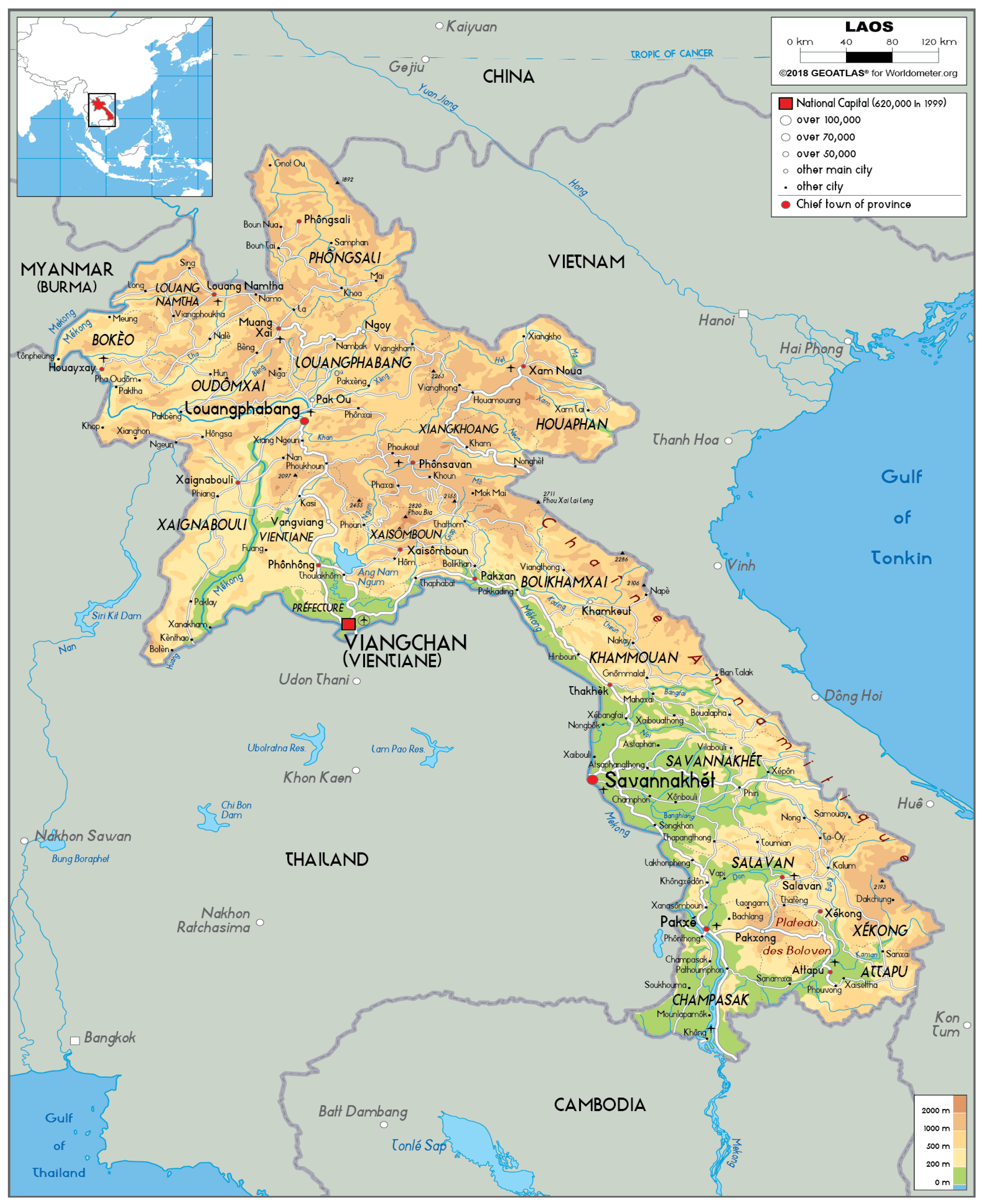
Figure 3.
Current waste management conditions in Hay Soke Village. Source: The first author (2025.01.13).
Figure 3.
Current waste management conditions in Hay Soke Village. Source: The first author (2025.01.13).
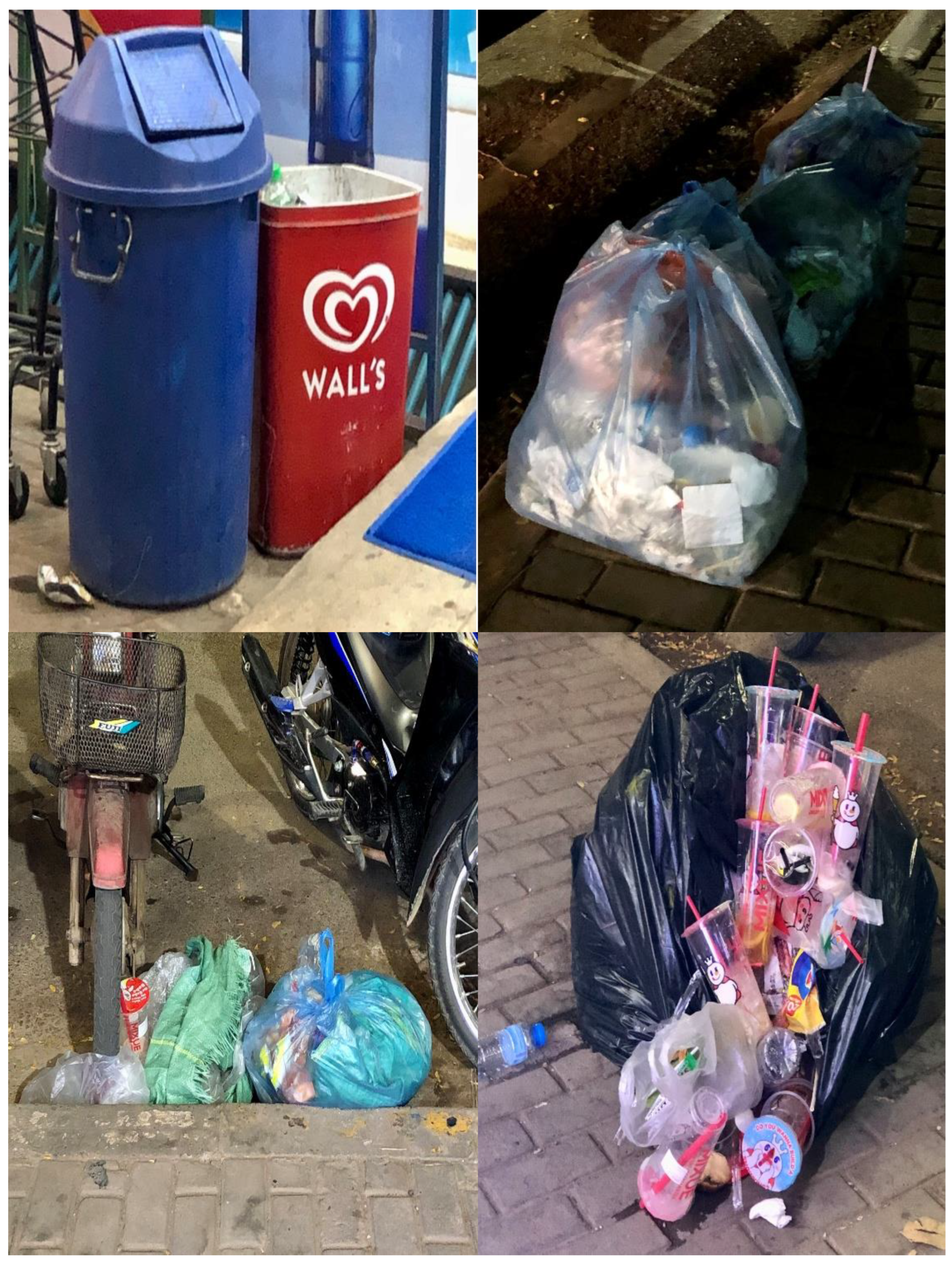

Table 1.
Characteristics of respondents.
| Frequency | Percentage | |
|
Sex Male Female |
126 256 |
33.0 67.0 |
|
Age 18 and 19 Years old 20-29 Years old 30-39 Years old 40-49 Years old 50-59 Years old Older than 60 Years old |
97 126 98 50 10 1 |
25.4 33.0 25.7 13.1 2.6 0.3 |
|
Marital Status Single Married |
250 132 |
65.4 34.6 |
|
Traveling with children under 12-year-old Yes No |
63 72 |
16.5 18.8 |
|
Education Level High school Bachelor degree Master’s degree Doctoral degree Other |
113 149 79 24 17 |
29.6 39.0 20.7 6.3 4.5 |
|
Income Level (KIP/Year) Under 24,000,000KIP 24,000,000KIP-30,000,000KIP 30,000,000KIP-36,000,000KIP 36,000,000KIP-42,000,000KIP 42,000,000KIP-48,000,000KIP Higher than 48,000,000KIP |
109 29 41 52 34 117 |
28.5 7.6 10.7 13.6 8.9 30.6 |
|
Frequency of Visit 1 time 2-3 times 4-5 times More than 5 times |
39 192 64 87 |
10.2 50.3 16.8 22.8 |
|
Length of stay 1 day 2-3 days 4-5 days More than 5 days |
56 194 73 59 |
14.7 50.8 19.1 15.4 |
Note: KIP is Lao currency.
Table 2.
Results of exploratory factor analysis and reliability tests1.
| Construct | Items | M (SD) |
Factor loading | Eigen value | Variance | Cronbach’s α | |
| Actual waste management behavior | I volunteered my time to projects that helped the environment. | 3.87 (0.98) |
0.789 | 30.790 | 16.900 | 0.879 | |
| I looked for environmental information on TV, in documents, or on the Internet. | 3.96 (0.82) |
0.779 | |||||
| I reminded others to avoid doing environmentally harmful behaviors. | 4.07 (0.81) |
0.701 | |||||
| I donated money to support environmental conservation. | 3.87 (0.78) |
0.674 | |||||
| I used ‘green’ (non-plastic) shopping bags. | 4.23 (0.86) |
0.656 | |||||
| I sorted garbage. | 4.33 (0.74) |
0.641 | |||||
| I recycled. | 4.20 (0.79) |
0.637 | |||||
| Environmental knowledge | I know that I buy products that are environmentally safe. | 4.24 (0.74) |
0.767 | 12.068 | 11.459 | 0.831 | |
| I understand the environmental phrases and symbols noted on product packages. | 4.20 (0.76) |
0.682 | |||||
| I am very knowledgeable about environmental issues, such as pollution, global warming, etc. | 4.20 (0.74) |
0.669 | |||||
| I know more about waste reduction than the average person. | 4.18 (0.73) |
0.627 | |||||
| I know more about sorting waste than the average person. | 4.18 (0.73) |
0.621 | |||||
| Awareness of consequences | Waste generated at tourist destinations will threaten the sustainable development of tourist destinations. | 4.36 (0.78) |
0.870 | 7.440 | 10.145 | 0.825 | |
| Waste generated at tourist destinations will damage the natural environment of tourist destinations. | 4.29 (0.74) |
0.811 | |||||
| Waste generated at tourist destinations will affect the local tourism economy. | 4.31 (0.71) |
0.780 | |||||
| Personal norms | I feel obliged to reduce waste generation while travelling to a tourist destination. | 4.14 (0.65) |
0.771 | 5.633 | 9.904 | 0.796 | |
| Reducing waste generation while travelling to a tourist destination is driven by my moral rules. | 4.02 (0.77) |
0.737 | |||||
| I think I have a moral obligation to reduce waste generation while travelling to a tourist destination. | 4.07 (0.72) |
0.610 | |||||
| Ascription of responsibility | I deem that every tourist should be responsible for the environmental problems caused by the large amount of waste generated at tourist destinations. | 4.35 (0.64) |
0.829 | 5.571 | 9.217 | 0.759 | |
| Reducing waste generation while travelling to a tourist destination is the responsibility for every tourist. | 4.40 (0.64) |
0.731 | |||||
| I feel jointly responsible for reducing waste generation while travelling to a tourist destination. | 4.31 (0.64) |
0.680 | |||||
| Waste reduction intention at tourist destinations | I am willing to reduce waste generation while travelling to a tourist destination in the near future. | 4.49 (0.60) |
0.784 | 4.530 | 8.407 | 0.703 | |
| I will try my best to reduce waste generation while travelling to a tourist destination in the near future. | 4.50 (0.62) |
0.774 | |||||
| I am planning to reduce waste generation while travelling to a tourist destination in the near future. | 4.37 (0.61) |
0.681 | |||||
| KMO = 0.870; Chi-square = 4310.066; p > 0.001; Total variance = 66.032% | |||||||
1All items were measured by 5-point Likert scale (1= Strongly disagree to 5 = Strongly agree).
Table 3.
Results of correlation analysis.
| M (SD) | AB | EK | AC | AR | PN | IT | Age | EL | IL | FoV | LoS | |
| AB | 4.10 (0.59) |
|||||||||||
| EK | 4.20 (0.57) |
0.669** | ||||||||||
| AC | 4.32 (0.63) |
0.319** | 0.272** | |||||||||
| AR | 4.35 (0.52) |
0.179** | 0.252** | 0.317** | ||||||||
| PN | 4.08 (0.60) |
0.353** | 0.334** | 0.348** | 0.499** | |||||||
| IT | 4.45 (0.48) |
0.331** | 0.317** | 0.208** | 0.353** | 0.365** | ||||||
| Age | 2.35 (1.09) |
-0.043 | 0.037 | -0.078 | -0.092 | -0.075 | -0.049 | |||||
| EL | 3.17 (1.06) |
0.070 | 0.132** | -0.040 | -0.074 | -0.077 | -0.062 | 0.573** | ||||
| IL | 3.59 (2.03) |
0.125* | 0.115* | 0.079 | -0.041 | -0.031 | 0.117* | 0.434** | 0.406** | |||
| FoV | 2.52 (0.95) |
0.113* | 0.203** | 0.156** | 0.151** | 0.125* | 0.147** | 0.092 | 0.096 | 0.284** | ||
| LoS | 2.35 (0.91) |
0.141** | 0.159** | 0.186** | 0.104* | 0.207** | 0.076 | 0.080 | 0.138** | 0.261** | 0.520** |
Note: *p < 0.05, **p < 0.01. AB = Actual waste management behavior; EK = Environmental knowledge; AC = Awareness of consequences; AR = Ascription of responsibility; PN = Personal norms; IT = Waste reduction intention at tourist destinations; EL = Education level; IL = Income level; FoV = Frequency of visit; LoS = Length of stay.
Table 4.
OLS regression results for waste reduction intention with control variables.
| Independent Variable | B | SE | β | t | p | VIF |
| Actual waste management behavior | 0.136 | 0.052 | 0.167 | 2.635 | 0.009 | 1.956 |
| Environmental knowledge | 0.065 | 0.053 | 0.077 | 1.223 | 0.222 | 1.924 |
| Awareness of consequences | -0.006 | 0.038 | -0.008 | -0.162 | 0.872 | 1.252 |
| Ascription of responsibility | 0.201 | 0.049 | 0.219 | 4.081 | <0.001 | 1.411 |
| Personal norms | 0.139 | 0.045 | 0.173 | 3.098 | 0.002 | 1.524 |
| Income level | 0.022 | 0.011 | 0.093 | 1.944 | 0.053 | 1.119 |
| Frequency of visit | 0.016 | 0.025 | 0.032 | 0.664 | 0.507 | 1.154 |
Dependent variable = Waste reduction intention at tourist destinations.
Table 5.
Summary of the hypothesis testing results.
| Hypothesis | Result |
| H1: Actual waste management behavior positively influences waste reduction intention at tourist destinations. | Supported |
| H2: Environmental knowledge positively influences waste reduction intention at tourist destinations. | Not Supported |
| H3: Awareness of consequences positively influences waste reduction intention at tourist destinations. | Not Supported |
| H4: Ascription of responsibility positively influences waste reduction intention at tourist destinations. | Supported |
| H5: Personal norms positively influence waste reduction intention at tourist destinations. | Supported |
Disclaimer/Publisher’s Note: The statements, opinions and data contained in all publications are solely those of the individual author(s) and contributor(s) and not of MDPI and/or the editor(s). MDPI and/or the editor(s) disclaim responsibility for any injury to people or property resulting from any ideas, methods, instructions or products referred to in the content. |
© 2026 by the authors. Licensee MDPI, Basel, Switzerland. This article is an open access article distributed under the terms and conditions of the Creative Commons Attribution (CC BY) license (http://creativecommons.org/licenses/by/4.0/).
Copyright: This open access article is published under a Creative Commons CC BY 4.0 license, which permit the free download, distribution, and reuse, provided that the author and preprint are cited in any reuse.


