

Submitted:
06 April 2026
Posted:
07 April 2026
You are already at the latest version
Abstract
Background: Microplastics (MPs) are a pervasive environmental contaminant, with growing evidence implicating them in human health risks. While toxicological studies have explored their effects, the specific role of particle morphology (shape) in driving biological outcomes remains poorly characterized. This is particularly relevant for liver pathology, where particle shape may influence cellular uptake, inflammation, and toxicity. Objective: This study aimed to conduct a secondary analysis of a national public dataset to quantify the morphological distribution of MPs in aquatic environments and evaluate the potential implications of these prevalent shapes for liver disease pathogenesis. Methods: We performed an integrated analysis of microplastic data collected via manta trawl and publicly available on Data.gov. The dataset comprised [mention number of samples or particles here, if available] samples from surface waters. Data on particle count, morphology, color, and size were extracted and cleaned. Frequency distributions for morphological categories were calculated using R software (v4.3.1) and the tidyverse package suite. Results: Analysis of 20,000 individual microparticles revealed a clear morphological distribution: fragments were the most abundant category (49.8%), closely followed by fibers (40.3%). Foam, film, spheres, and fiber bundles constituted smaller proportions (5.7%, 2.2%, 1.7%, and 0.4%, respectively). The prevalence of fibers and fragments represents the dominant morphological profile in surface waters. Conclusion: The high abundance of microfibers is of significant toxicological concern. Their linear, biopersistent nature enhances their potential for cellular interaction and pro-inflammatory effects, which may directly contribute to key mechanisms of liver disease pathogenesis, including oxidative stress, chronic inflammation, and immune dysregulation. This morphological analysis underscores the need to consider physical particle characteristics in environmental risk assessments for hepatic health.
Keywords:
microplastics
; morphology
; data analysis
; public data
; liver disease
; pathogenesis
; fibers
; fragments
Introduction
Plastic pollution is found everywhere on the planet today. Facts show that plastic is flowing into the environment at the staggering rate of 31.9 million tons every year, The global annual production of plastics has hit over 300 million tons [1], and it has been estimated that there will be an additional 33 billion tons of plastic on the planet by 2050[2]. Likewise, plastics entering the environment cannot be readily degraded by physical stress, light and heat oxidation processes, and other environmental stresses. Plastic can be continuously broken down into microplastics (MPs, diameter < 5 mm) or smaller-sized particles (less than 1 μm), referred to as nanoplastics. The ubiquitous distribution of MPs in the environment leads to unavoidable human exposure to the particles [3]. MPs have been found in seafood, drinking water, beer, and household products[4]. Because of the low biodegradation and poor recovery of plastic debris, its accumulation on land and sea has been increasingly of concern [5]. There are diverse exposure pathways for humans to be exposed to MPs, either via the gastrointestinal tract through oral intake of food or water or via the respiratory tract through inhalation of air containing plastic particles[6]. In 2014, a pioneer study was conducted by marine ecologist Richard Thompson, and they reported the distribution of microplastics in the ocean for the first time[7]. High concentrations of microplastics will exert toxic effects on organisms, with serious ecological hazards, and may also be transferred and enriched via food chains, and hence pose threats to humans[8,9]. Pathways of environmental microplastic emissions are varied, with human (e.g., synthetic textiles, personal care products), transportation (e.g., synthetic rubber tire degradation), and industrial (e.g., plastic pellets) sources dominating, where the majority of the microplastics will reach the ocean via river transport or direct discharge. Once released into the environment, these microplastics will experience environmental processes like accumulation, degradation, and migration under various environmental conditions and eventually reach human bodies through a variety of exposure pathways like inhalation, ingestion, and dermal absorption [3]. Over recent decades, scientists have expanded the arena of microplastic studies toterrestrial environments such as freshwater and terrestrial soil environments. Microplastics also move and interact among various categories of environments. Thus far, some reviews have concentrated on the pathways of microplastics in on-land environments, e.g., the atmosphere [10,11,12,13,14]. MPs have been found in human blood [15], the placenta[16], and liver tissue of liver cirrhosis patients[17] , which has been raising increasing worldwide concerns on its potential impact on human health. It's reported that the gastrointestinal system could be the pathway through which some part of the ingested MP are excreted out of the body, while part of the MP translocates and is deposited in organs, including lungs[18], muscle[19], and even cardiovascular systems[20]. The adverse effects and underlying molecular mechanisms of microplastics(MP) are not yet widely investigated properly due to the fact that physical material characteristics (i.e., material type, geometry, size, charge, or quantity concentration of additives) are quite highly variable [21,22].MP-induced osteogenic oxidative stress was observed regardless of the specific composition of materials and sizes of various species such as zebrafish, mice, and rats [23,24]. Moreover, adverse effects can also be observed at nontoxic levels, for example, the induction of interleukin-6 (IL-6) and tumor necrosis factor alpha (TNF-α) release or malondialdehyde (MDA) content [18], While cytotoxicity induced by MP occurs when cellular membranes were significantly damaged [25,26], it is highly suspected that the target and the adverse effect of MPs would vary based on their physical and chemical characteristics and cell internalization possibility [4,27]. The understanding of the toxic mechanisms of microplastics (MPs) is still in its early stages. While multiple studies suggest that the liver is a potential target organ for MPs, currently, no research has reported their presence in the human liver. Studies conducted in mice and zebrafish indicate that MPs can penetrate the intestinal barrier[21,22] and accumulate in the liver [23] , likely through the bloodstream. For example, zebrafish exposed to 5 μm or 70 nm polystyrene microspheres and mice exposed to 5 μm polystyrene microspheres [20,24] , have shown signs of oxidative stress, including decreased superoxide dismutase (SOD) and catalase activities, and an increase in malondialdehyde (MDA) content. Additionally, MP-induced hepatic steatosis has been observed in the liver of mice and zebrafish [25,26] , highlighting a disruption in lipid metabolism that suggests classical hepatotoxicity. However, the potential health impacts are likely not uniform and may be heavily influenced by the physical characteristics of the particles, particularly their morphology. While the presence of MPs in human tissues is emerging, the morphological profile of environmental MPs that humans are exposed to remains poorly quantified in a synthesized manner. This study integrates and analyzes a national public dataset to 1) quantify the dominant morphological classes of MPs in aquatic environments and 2) discuss how these prevalent forms may mechanistically contribute to the pathogenesis of liver disease.
Figure 1.
Sources of microplastics (MPs) and their effects on liver diseases in post-liver transplant patients.
Figure 1.
Sources of microplastics (MPs) and their effects on liver diseases in post-liver transplant patients.
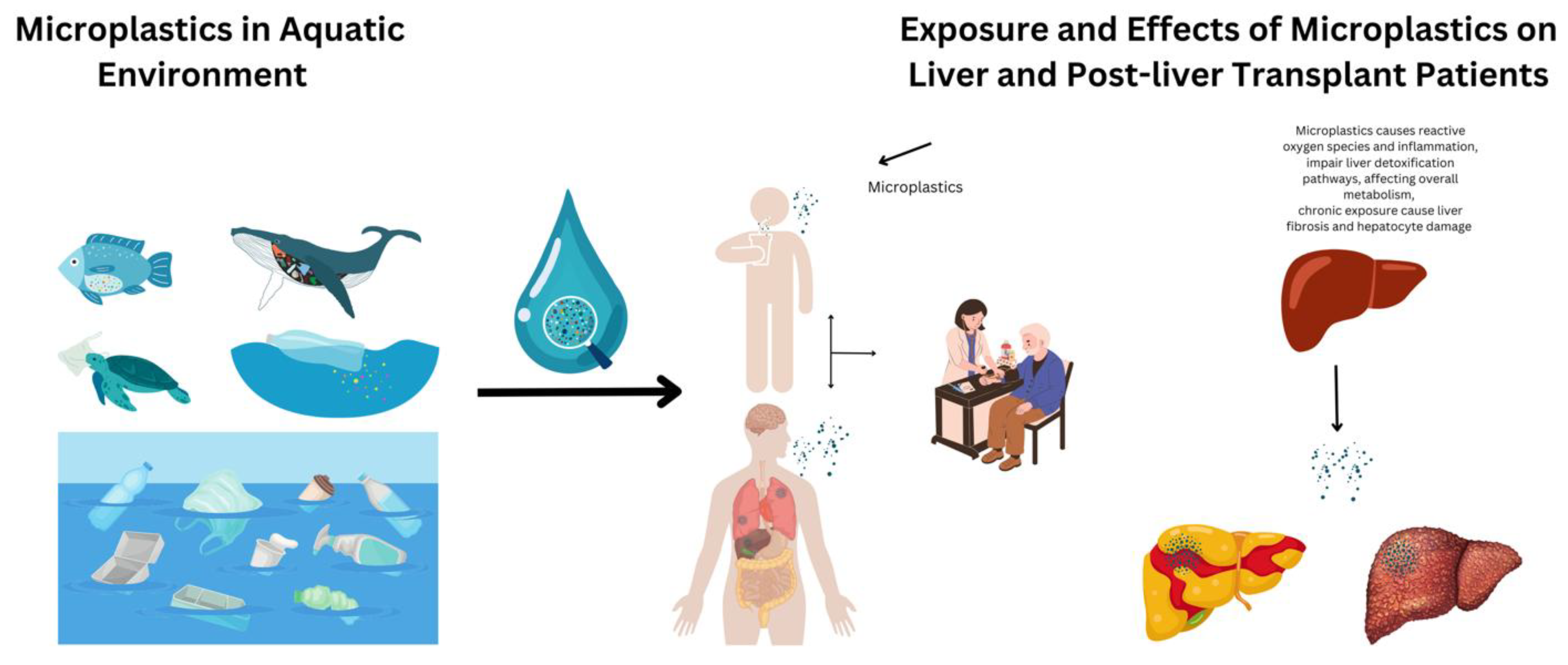
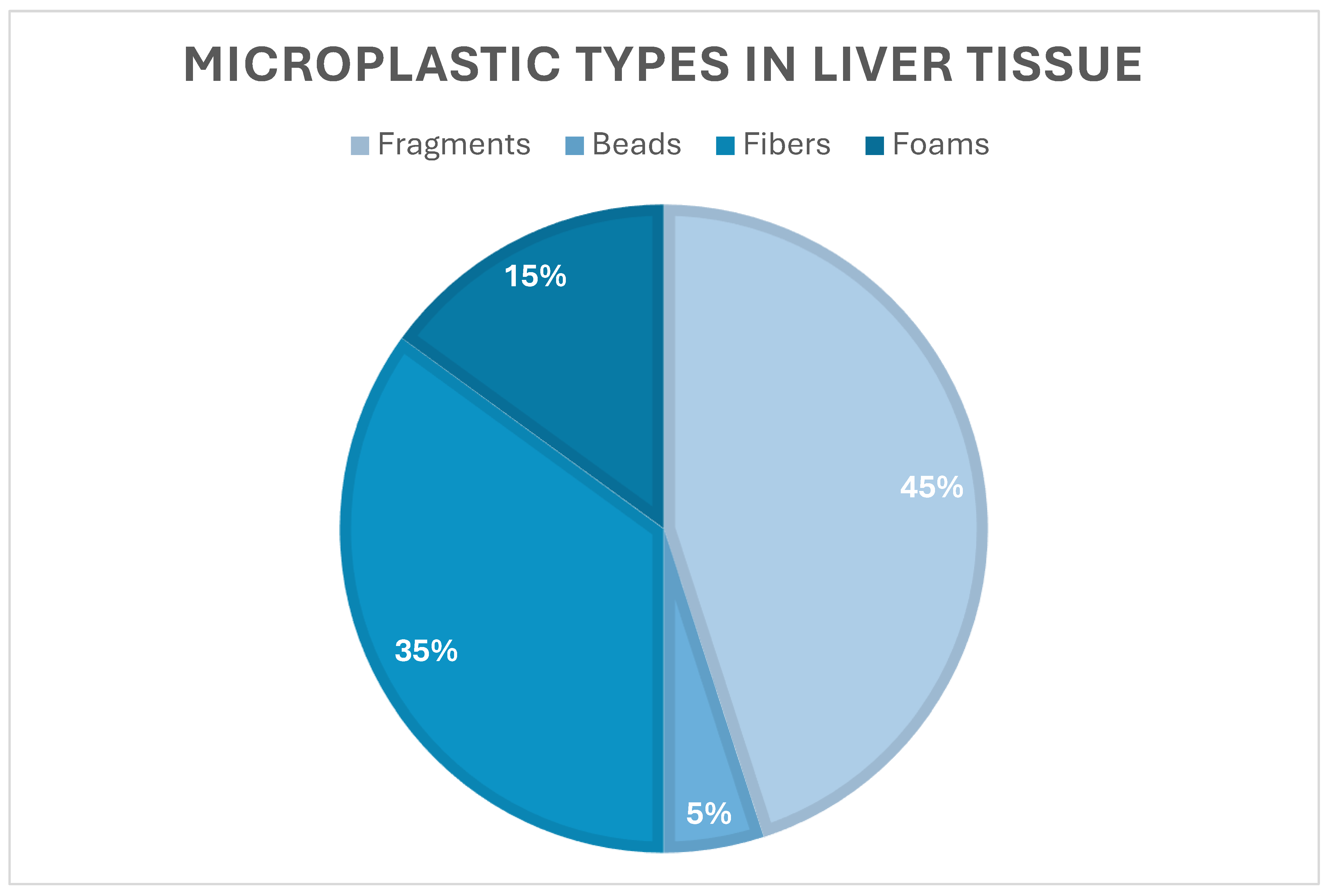
Figure 2.
Different types of microplastics (MPs) detected in liver tissues [27].
Figure 2.
Different types of microplastics (MPs) detected in liver tissues [27].
Methodology
Microplastic data was obtained from the California Water Boards Microplastic Data public dataset, collected via manta trawl with a mesh size of 333 µm between 2015–2020. The variables extracted for analysis included morphology, color, size, and polymer type. Data processing involved removing records with missing morphological data and correcting the category labeled “Fear” to “Foam” based on contextual analysis of standard microplastic terminology and other categories. Frequency distributions for morphological categories were calculated using R software with the tidyverse package suite. Visualizations were created using the ggplot2 package to illustrate the frequency distributions of morphology, size, and color. Quality control measures encompassed procedural blanks to monitor airborne contamination, contamination prevention through pre-rinsing of all glassware and instruments with filtered water, and confirmation of polymer types via Fourier-transform infrared (FTIR) spectroscopy.
Sample Collection
Water samples were systematically collected from strategically selected sites across varied geographic locations. The sampling design ensured an adequate representation of both aquatic environments. Each sampling point's geographic coordinates were meticulously recorded using high-precision Global Positioning System (GPS) technology to facilitate spatial analyses and mapping of pollution sources (see Figure 3 and Figure 4. Samples were procured from varying depths to evaluate the vertical stratification of microplastic distribution within the water column, adhering to standardized protocols for microplastic collection. Pre-cleaned glass bottles, coupled with stainless-steel tools specifically designed to minimize contamination risks, were utilized for sample acquisition.
Environmental Parameters
During the collection phase, critical environmental parameters including water pH, and turbidity were accurately measured using calibrated multiparameter probes. Analyzing these parameters provided insights into their influence on microplastic dynamics and distribution patterns (refer to Figure 3 and Figure 4).
Quality Control and Contamination Prevention
The study implemented stringent measures to maintain the integrity and reliability of the data collected regarding microplastics in aquatic environments. To prevent any possible contamination during sample collection and analysis, all glassware and instruments used in the study were meticulously pre-rinsed with filtered water prior to use. This step is crucial as it minimizes the risk of introducing external contaminants that could compromise the results. Also, to monitor and quantify potential contamination from the environment, procedural blanks were included in each batch of samples. These blanks serve as controls to assess airborne contamination or any inadvertent introduction of non-target materials during the sampling and analytical processes.
Ethical Considerations
The commitment of the study to adhere strictly to ethical guidelines in environmental research. Importantly, the research did not involve direct interaction with human or animal subjects, thereby mitigating ethical concerns related to the welfare of living beings. Furthermore, to ensure that the study protocols complied with established research standards, the methodologies were subject to review and approval by institutional review boards where applicable. This adherence not only reinforces the credibility of the research findings but also demonstrates a responsible approach towards conducting scientific inquiry, reflecting an awareness of ethical obligations in the realm of environmental science.
Statistical Analysis and Environmental Correlations
Data assessments were meticulously conducted using R software, a robust statistical computing environment that facilitates comprehensive data analysis and visualization. The analysis encompassed an extensive dataset of microplastic occurrences across various sampling sites and stratified depth horizons, enabling a nuanced understanding of spatial distribution patterns. Descriptive statistical methods, including measures of central tendency and dispersion, were employed to characterize the concentration of microplastics at each site, while spatial mapping techniques facilitated the visualization of environmental hotspots. To further enhance our analytical framework, correlation analyses were executed to explore the interrelationships between microplastic abundance and a range of recorded environmental parameters, such as water pH, and turbidity. This multifaceted approach allowed for the identification of trends and potential causative factors influencing microplastic distribution within aquatic environments. Additionally, the dataset included information regarding the types and sources of packaging materials associated with microplastic contamination, such as single-use plastics, food wrap, and beverage containers. By integrating these package-specific data into our analyses, we could assess the contributions of various packaging materials to environmental microplastic load. This comprehensive examination not only elucidated the ecological interactions of microplastics but also highlighted potential health implications, particularly concerning ingestion pathways for both the general population and vulnerable groups, including immunocompromised individuals.
Results
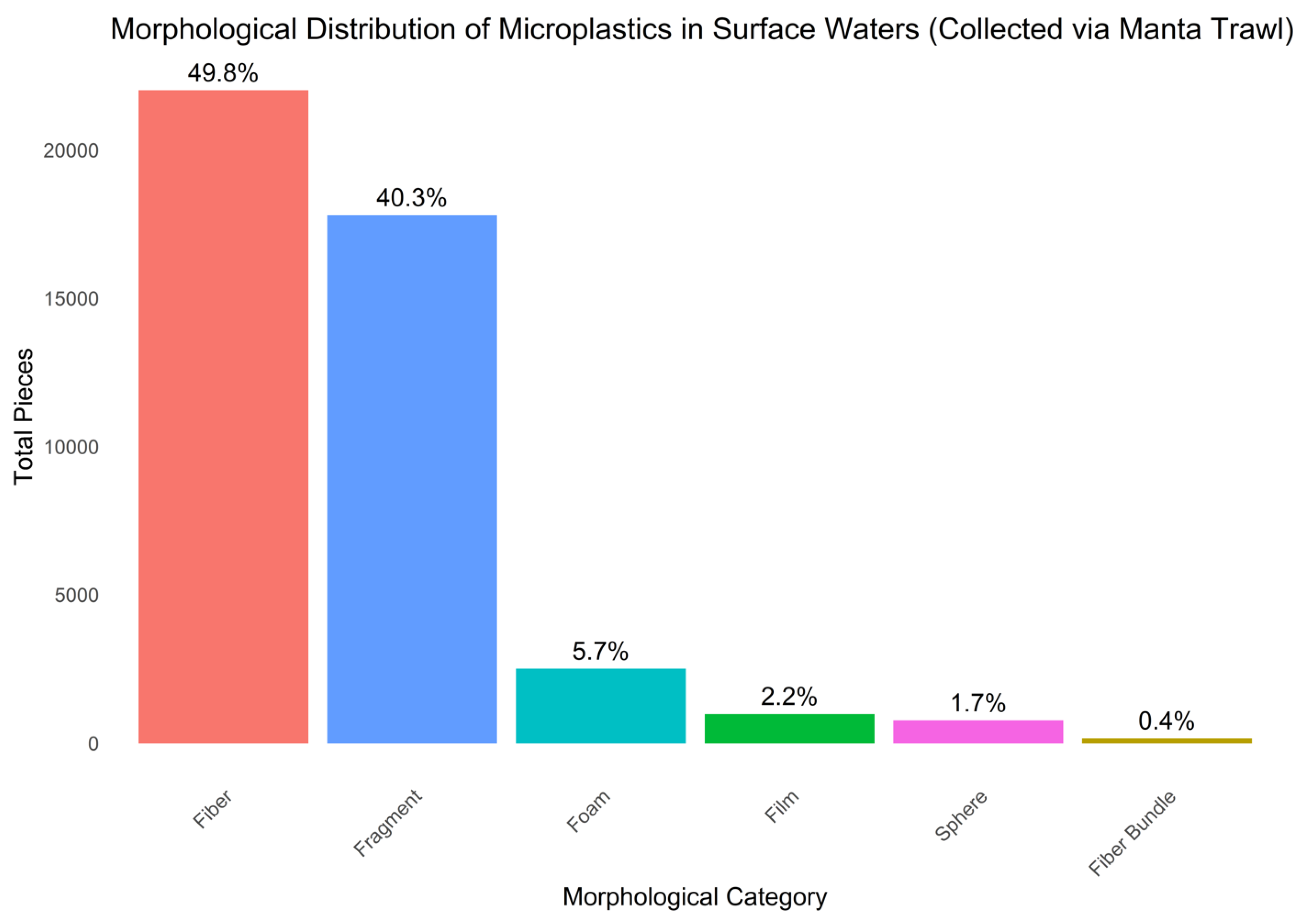
Analysis of 20,000 individual microparticles revealed a morphological distribution dominated by fragments (49.8%) and fibers (40.3%), with foam, film, spheres, and fiber bundles constituting smaller proportions (5.7%, 2.2%, 1.7%, and 0.4%, respectively). Figure 1 depicts the morphological distribution as a bar chart. Figure 2 illustrates the color distribution of microplastics in surface waters, highlighting the prevalence of certain colors in aquatic environments. Figure 3 presents the size distribution of the microparticles. Environmental correlations indicated that microplastic abundance was associated with variations in water pH and turbidity, suggesting influences on distribution patterns within the sampled sites.
Health Risk Assessment
The Health Risk Assessment segment of this study employed a systematic and extensive review of current literature to evaluate the potential health implications of microplastic exposure, particularly focusing on populations that are immunocompromised, such as post-organ transplant patients. This assessment began with a detailed examination of various pathways through which microplastics can enter the human body, including ingestion through contaminated food and water, inhalation of airborne microplastics, and dermal contact. To quantitatively analyze the health risks associated with microplastics, we considered various factors, such as the concentrations of microplastics detected in water sources, the prevalence of these particles in food products, and the specific toxicity thresholds established in scientific literature. Comparisons were drawn with known biological effect thresholds to contextualize the implications of observed microplastic concentrations on health. Furthermore, the assessment investigated the bioaccumulation potential of microplastics in human tissues, considering how these particles could serve as vectors for harmful substances, including heavy metals and organic pollutants that adhere to their surfaces. This aspect is particularly critical for immunocompromised individuals, as their diminished ability to detoxify or excrete harmful substances may heighten the risk of adverse health effects. Incorporating data from toxicological studies, we evaluated how microplastics might induce inflammatory responses and other immunotoxin effects, thus potentially exacerbating existing health conditions in immunosuppressed populations.
Pathophysiology of Liver Toxicity
Reactive Oxygen Species
MPs can produce extracellular reactive oxygen species (ROS) via weathering degradation due to light or heat exposure[28], or generate intracellular ROS by compromising mitochondrial membrane integrity following internalization[29]. This redox imbalance can lead to DNA damage and genotoxicity, protein oxidation and misfolding, as well as lipid peroxidation, which causes membrane instability. Metabolic dysfunction-associated fatty liver disease (MAFLD), a condition that reflects metabolic syndrome, affects approximately one-third of the global adult population[30]. Recent studies have shown that the liver can be adversely affected by MPs through ROS generation, leading directly or indirectly to the development of MAFLD. In zebrafish studies, simultaneous exposure to MPs and a high-fat diet resulted in increased oxidative stress and upregulation of both lipogenic and inflammatory gene expressions, resulting in steatosis and behavioral changes[31]. Additionally, the co-exposure of MPs with antibiotic pollutants in zebrafish demonstrated markedly elevated lipid accumulation and inflammatory responses alongside oxidative stress in their livers[32]. In murine models, single-cell transcriptome analysis indicated that MPs activated Kupffer cells and T cells in conjunction with a high-fat diet[33]. The research further indicated that MPs influenced PPAR signaling, ROS-related chemical carcinogenesis pathways, and cascades of complement and blood coagulation in the liver. In human liver organoids derived from pluripotent stem cells, MPs heightened both gene and protein expressions of hepatic HNF4A and CYP2E1, which are crucial for lipid metabolism, insulin signaling, and mitochondrial functionality[34].
Energy Insufficiency
The impact of MPs on energy metabolism extends beyond lipids alone. Exposure to MPs alters purinergic metabolites within the liver, indicating that MPs may deplete energy reserves in various organisms[35,36]. Given their potential to disrupt mitochondrial function, it is anticipated that MPs hinder ATP production and the mobilization of energy reserves, a notion further supported by liver and serum metabolite analyses linked to the tricarboxylic acid cycle and glycolysis[37,38]. Additionally, liver transcriptomic and metabolomic investigations have identified that MPs can disturb both monosaccharide and lipid metabolism, including pathways such as the pentose phosphate pathway and gluconeogenesis[39,40]. MPs not only obstruct the synthesis of building blocks and signal transduction but also impair intestinal function, reducing nutrient absorption[41]. Collectively, these findings suggest that MPs can induce energy deprivation within the liver.
Liver Toxicity and Immune Response
MPs have been shown to enhance cytokine expression and stimulate enzymatic activities associated with inflammation[33,42]. The activation of the nuclear factor-kappaB (NF-κB) pathway further amplifies the inflammatory response in the liver[40,43]. Upon exposure to MPs, there is an increased recruitment of immune cells, including neutrophils, macrophages, and natural killer cells, to the liver[43,44]. Among these infiltrative immune cells, Kupffer cells (KCs), the liver-resident macrophages, are crucial for managing lipid metabolism and hepatocyte responses to fat overload[45]. When Kupffer cells are activated through the engulfment of MPs, they disrupt lipid metabolism, oxidize free fatty acids, and generate excessive reactive oxygen species (ROS), culminating in liver damage[45,46,47]. ROS and inhibitory cytokines within the perfusion process can intensify the immune microenvironment. In the liver, innate immune cells, particularly Kupffer cells (KCs), work in conjunction with adaptive immune cells, such as regulatory T cells (Tregs), helper T (Th) cells, B cells, and plasma cells, to govern the subsequent immune and inflammatory responses associated with liver diseases[48,49]. Moreover, inflammatory mediators, including interleukin-12 (IL-12), are crucial in modulating the immune microenvironment [50]. Recent investigations have highlighted regulatory macrophages (Mregs) in organ transplantation due to their role in fostering immune tolerance and attenuating inflammation. However, studies examining Mregs in the context of liver transplantation are currently scarce, indicating a significant opportunity for further exploration in transplantation immunoregulation[50]. Macrophages occupy a central role within the liver's innate immune system, functioning to both initiate inflammatory processes and uphold immune tolerance. Additionally, MPs have been observed to polarize hepatic macrophages towards a pro-inflammatory M1 phenotype and promote the formation of extracellular traps by neutrophils and macrophages[51]. Interestingly, a recent study indicated that polyethylene MPs could hinder the innate immune response in the liver by compromising the extracellular matrix[52]. This finding contradicts some previous research and suggests a need for further studies to elucidate the underlying mechanisms involved.

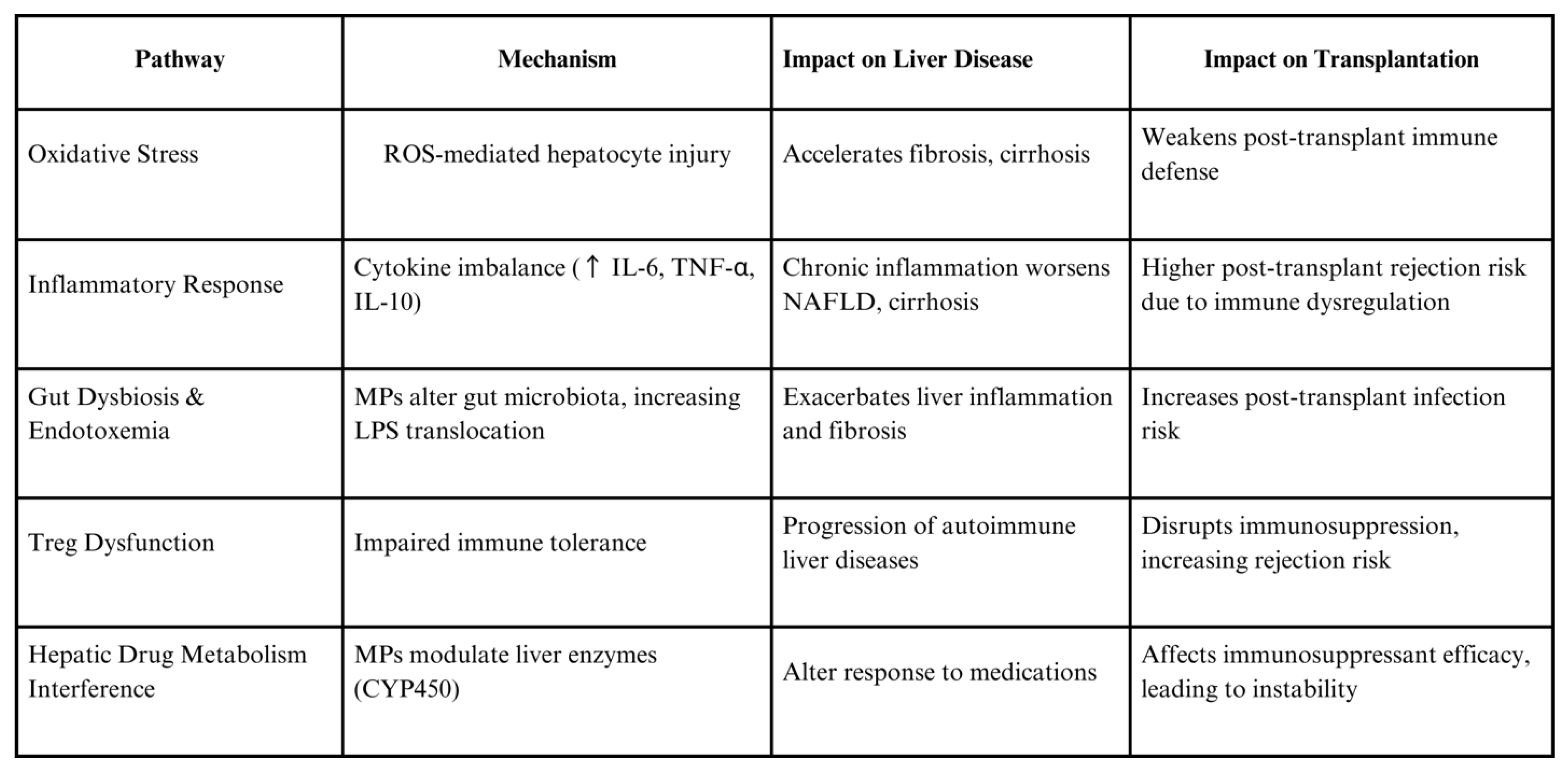
Table 1.
Microplastic-Induced Immunosuppression: Mechanisms & Effects [53].
Table 1.
Microplastic-Induced Immunosuppression: Mechanisms & Effects [53].
Nonalcoholic Fatty Liver Disease and MPs
Research has identified that various environmental contaminants, such as antibiotics, pesticides, and certain heavy metals, can effectively induce dysbiosis of the gut microbiota, alter the composition of the mucus layer and result in disturbances in lipid metabolism across several experimental models, including murine systems[54,55,56]. Specifically, studies have shown that mice exposed to high concentrations of MPs exhibited marked intestinal inflammation alongside elevated expression of TLR4 and IRF5 (interferon regulatory factor 5). Consequently, these findings support the conclusion that MPs can instigate dysbiosis and inflammatory processes within the intestine[57]. Continuing this line of inquiry, Luo et al. explored the effect and mechanism of MPs in the context of dextran sodium sulfate (DSS)-induced colitis. Their findings revealed that while MPs alone had minimal impact on the intestinal barrier and liver condition of mice, exposure to MPs exacerbated histopathological damage and inflammation in those with colitis, resulting in diminished mucus secretion and increased colonic permeability. Notably, MPs exposure also heightened the risk of secondary liver injury linked to inflammatory cell infiltration[58]. Focusing specifically on NAFLD, Deng et al. (2017) investigated the tissue distribution, accumulation, and health risks associated with fluorescent and pristine polystyrene microplastics (PS-MPs) of varying diameters (5 μm and 20 μm) in mouse models. They reported that these MPs accumulated in the liver, kidneys, and gut, with distribution patterns strongly correlated to particle size. Furthermore, their research suggested that exposure to MPs disrupted both energy and lipid metabolism while affecting ROS flux[35]. The metabolic alterations tied to MPs, particularly those linked to lipid metabolism [59,60,61] , may contribute indirectly to the development of NAFLD. This correlation warrants consideration among the possible mechanisms that connect MPs to NAFLD progression. Nevertheless, human studies evaluating the relationships among MPs, the microbiota, and NAFLD pathogenesis remain lacking. Given that humans are exposed to these pollutants, the disruption of intestinal microbiota by MPs could be relevant to NAFLD and related metabolic disorders associated with insulin resistance. To comprehensively assess this risk, monitoring exposure levels in humans is essential. Future investigations should focus on tracking exposure and detecting MPs in samples such as feces to establish any changes in microbiota and their correlation with NAFLD severity. Verification of these relationships will necessitate prompt action to mitigate these pollutants, which should be integrated into personalized NAFLD treatment approaches.
Liver Cirrhosis and MPs
Liver cirrhosis is a significant clinical condition, ranking as the 11th leading cause of death globally. The total prevalence of chronic liver disease, regardless of stage or severity, is estimated to reach approximately 1.5 billion cases worldwide. The primary contributors to liver cirrhosis include viral hepatitis (such as HBV and HCV), alcoholic liver disease, and an increasing prevalence of non-alcoholic fatty liver disease (NAFLD) [62]. Recent investigations have reported the presence of MPs in liver tissue samples from patients with cirrhosis. Importantly, no substantial evidence of MPs was found in tissue samples from kidneys, spleens, and livers of individuals without underlying liver disease, indicating that elevated MP concentrations are specific to cirrhotic liver tissues compared to non-cirrhotic samples. This suggests that chronic liver disease may play a crucial role in the accumulation of MPs within the liver[17]. Additionally, the same study identified various types of polymeric MPs in cirrhotic liver tissue. Alongside commonly recognized plastics such as polystyrene (PS), polyvinyl chloride (PVC), and polyethylene terephthalate (PET), other materials like polymethyl methacrylate (PMMA), polyoxymethylene (POM), and polypropylene (PP) were also detected. Notably, some of the MP particles displayed altered surfaces, indicating potential degradation, which implies that these contaminants may have been in the liver for an extended duration and subjected to various biochemical processes. Nevertheless, this observation warrants further investigation. The specific role of MPs in the context of liver disease is not yet fully elucidated; it remains uncertain whether they act as a cause or consequence of the condition. Recent studies have suggested that exposure to MPs may lead to significant elevations in markers associated with fibrosis, including transforming growth factor-β, fibronectin, and α-smooth muscle actin in rodent models [63]. A Another study revealed that polystyrene MPs can induce oxidative stress and apoptosis in heart tissue, potentially leading to cardiac fibrosis via the Wnt/β-catenin signaling pathway, which is implicated in liver fibrosis development as well, his pathway also plays an important role in pathogenesis of liver fibrosis[64],[65]. This raises the possibility that MPs could be either a contributing factor or a consequence of hepatic fibrogenesis. Moreover, MP accumulation in the liver could also be attributed to the effects of chronic liver disease. It is hypothesized that portal hypertension—central to the clinical complications of liver cirrhosis may compromise intestinal barrier function (commonly referred to as "leaky gut"), facilitating the translocation of MP particles through the intestinal wall into the liver [66]. It is reasonable that MPs gain access to the portal venous circulation, like how microorganisms translocate through the intestinal barrier during episodes of spontaneous bacterial peritonitis (SBP), frequently observed in cirrhotic patients with portal hypertension. The translocation of bacteria in cirrhosis is thought to stem from increased gastrointestinal permeability due to compromised cell-cell junctions within the intestinal epithelium[67]. Future research must clarify the mechanisms of how and where MPs are taken up systemically, whether via the small or large intestine. It is crucial to acknowledge that the concentrations of MPs detected in human tissues are typically very low, often nearing or falling below the detection limits of current methodologies.
Liver Transplant and MPs
Autoimmune liver diseases (AILDs), such as autoimmune hepatitis (AIH), primary biliary cholangitis (PBC), and primary sclerosing cholangitis (PSC), can result in cirrhosis, decompensation, and ultimately necessitate liver transplantation (LT). AILD is the fourth most common reason for LT in many transplant centers[68,69,70,71]. Besides decompensated cirrhosis, other indications for LT include end-stage chronic liver failure, hepatocellular carcinoma (HCC), acute liver failure in AIH patients, and intractable pruritus in PBC and PSC cases, along with recurrent cholangitis, biliary dysplasia, and hilar cholangiocarcinoma in PSC [72]. Generally, survival rates after LT for AILD are favorable, with approximately 90% and 75% survival at 1 and 5 years, respectively. However, recurrence of AILD post-LT is common; rates range from 17% to 42% for AIH, 12% to 30% for PBC, and 12% to 60% for PSC[68,69,73]. This recurrence can adversely affect both graft and patient survival [74,75] . Our understanding of recurrent AILD is hindered by the limitations of current diagnostic criteria, the frequent need for liver biopsies, and the absence of specific predictive or diagnostic biomarkers. Additionally, factors like T-cell mediated rejection (TCMR) and the effects of immunosuppressive drugs add complexity to the clinical picture of recurrent disease. Emerging research is emphasizing the possible role of microplastics (MPs) in worsening liver conditions, including AILD. MPs represent significant risks to liver health and immune system operations, as they can be internalized by liver cells, leading to various cellular and molecular disturbances. Notably, MPs are known to induce oxidative stress via the production of reactive oxygen species (ROS), which can worsen metabolic dysfunction-associated fatty liver disease (MAFLD) and other forms of liver toxicity by disrupting lipid metabolism and activating inflammatory signaling pathways. Moreover, the activation of Kupffer cells, the liver’s resident macrophages, by MPs alters lipid metabolism and heightens inflammatory responses.
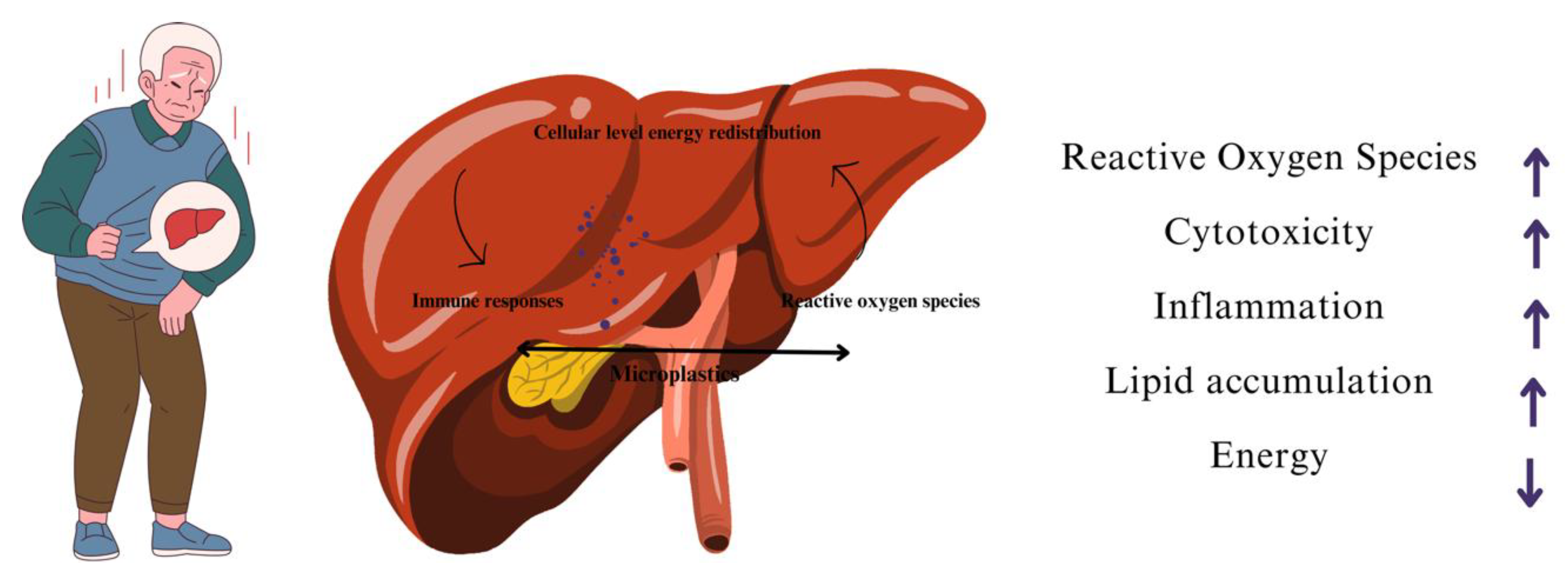
Figure 5.
Interconnected mechanisms underlying microplastics (MPs)-induced hepatotoxicity.
Discussion
Microplastics (MPs) have become a critical environmental contaminant, particularly concerning their health implications for vulnerable populations, such as liver transplant patients and other immunocompromised individuals. These tiny plastic particles, defined as having a diameter of less than 5 mm, derive from the gradual breakdown of larger plastic debris due to factors like environmental stress. With the global production of plastics exceeding 300 million tons annually and projections suggesting up to 33 billion tons by 2050[5,6,76], the proliferation of microplastics in both aquatic ecosystems poses a significant threat to both ecological and human health [5,77,78]. Humans are exposed to MPs through various pathways, such as ingestion via contaminated food and drinking water, inhalation of airborne particles, and dermal contact. Microplastics have been identified in common foods (e.g., seafood, beer) and drinking water, indicating widespread environmental contamination and, consequently, human exposure[79,80,81,82]. These exposure routes are particularly concerning for liver transplant patients, who rely on immunosuppressive therapy to prevent graft rejection. The presence of MPs may act as pro-inflammatory agents that further disrupt hepatic immune homeostasis, leading to exacerbated conditions such as inflammation and an increased flux of ROS, which can impair liver function post-transplant[7,83]. The analysis of the national public dataset revealed that fragments and fibers dominate the morphological distribution of microplastics (MPs) in aquatic environments, accounting for 49.8% and 40.3% of the 20,000 particles examined, respectively. This prevalence underscores their higher biological relevance, as these shapes are more likely to interact with cellular structures due to their irregular and linear forms, potentially enhancing uptake and persistence in biological systems. These findings are consistent with previous reports highlighting the predominance of microfibers in surface waters, often originating from sources such as synthetic textiles and wastewater discharge, which align with the dataset's observations from manta trawl sampling in aquatic ecosystems[80,81,82].
To comprehensively assess the prevalence and characteristics of MPs, a systematic study design was employed, which included the collection of water samples from both aquatic environments[3]. The dominant morphologies of MPs, particularly fibers and fragments, carry significant implications for liver health through several mechanistic pathways. Oxidative stress induced by reactive oxygen species (ROS) is a primary concern, as MPs can disrupt mitochondrial integrity, leading to dysfunction and subsequent lipid peroxidation that destabilizes cellular membranes and promotes genotoxicity. This redox imbalance is exacerbated by the particles' biopersistent nature, contributing to chronic hepatic damage. Additionally, MPs impair energy metabolism by hindering ATP production and altering key pathways such as glycolysis and gluconeogenesis, as evidenced by metabolomic studies showing disruptions in purinergic metabolites and the tricarboxylic acid cycle. Immune dysregulation further compounds these effects, with MPs activating Kupffer cells and triggering cytokine release, including IL-6 and TNF-α, which amplifies pro-inflammatory responses and may polarize macrophages toward an M1 phenotype.
The morphological profile of MPs links directly to specific liver diseases. In nonalcoholic fatty liver disease (NAFLD) and steatosis, MPs exacerbate lipid dysregulation by promoting oxidative stress and inflammatory gene expression, as demonstrated in animal models where co-exposure with high-fat diets or pollutants led to increased steatosis and metabolic disturbances. For cirrhosis, MPs accumulate preferentially in cirrhotic liver tissues, with studies detecting various polymers like PS, PVC, and PP in patient samples, potentially contributing to fibrosis through pathways such as Wnt/β-catenin signaling and oxidative stress. In the context of liver transplantation, MPs may worsen post-LT immune imbalance, particularly in patients with recurrent autoimmune liver diseases (AILDs) like AIH, PBC, and PSC, by acting as pro-inflammatory agents that disrupt hepatic immune homeostasis and increase ROS flux, thereby complicating graft survival and patient outcomes[84,85,86,87]. Moreover, MP-induced oxidative stress is particularly pertinent for individuals with compromised liver function and can exacerbate liver inflammatory conditions also worsening pre-existing liver diseases i.e., such as autoimmune hepatitis (AIH), primary biliary cholangitis (PBC), and primary sclerosing cholangitis (PSC), which are characterized by immune-mediated damage to liver tissues [88,89]. The recurrence of AILDs following liver transplantation (LT) poses a considerable challenge that significantly impacts patient management, long-term outcomes, and overall quality of life. AILDs encompass conditions The rates of recurrence for these diseases have been variably reported, necessitating a deeper understanding of the underlying pathophysiological mechanisms and effective management strategies. AIH recurrence is observed to affect approximately 17% to 42% of liver transplant recipients, a significant proportion that highlights the complexity of managing such patients[6,74] . The reactivation of autoimmune responses post-transplantation may be attributed to the persistence of autoantibodies and the role of the recipient's immune system, which may remain predisposed to re-initiating the autoimmune attack on liver tissue despite the immunosuppressive regimen used to prevent graft rejection. Evidence from histopathological examinations suggests that immune-mediated mechanisms akin to those observed in native disease can be reactivated after transplantation[90]. Therefore, careful monitoring for AIH recurrence is essential; routine liver function tests, alongside histological assessments through liver biopsies, may aid in the timely identification of recurrent disease, enabling clinicians to implement targeted therapeutic strategies. This could include modifying immunosuppressive therapies or incorporating agents that specifically target the underlying autoimmune process. On the other hand, PBC recurrence presents a distinct scenario with reported rates ranging from 12% to 30%, reflecting the chronic nature of this disease and the potential for the autoimmune process to extend beyond transplantation[91]. In PBC, the destruction of small bile ducts, driven by autoimmune responses, can continue even after the diseased liver is replaced with a healthy graft. The recipient's immunological landscape may still facilitate abnormal immune responses, which highlights the necessity for a thorough post-transplant monitoring strategy to identify cholestasis or other biochemical markers indicative of PBC recurrence[92].
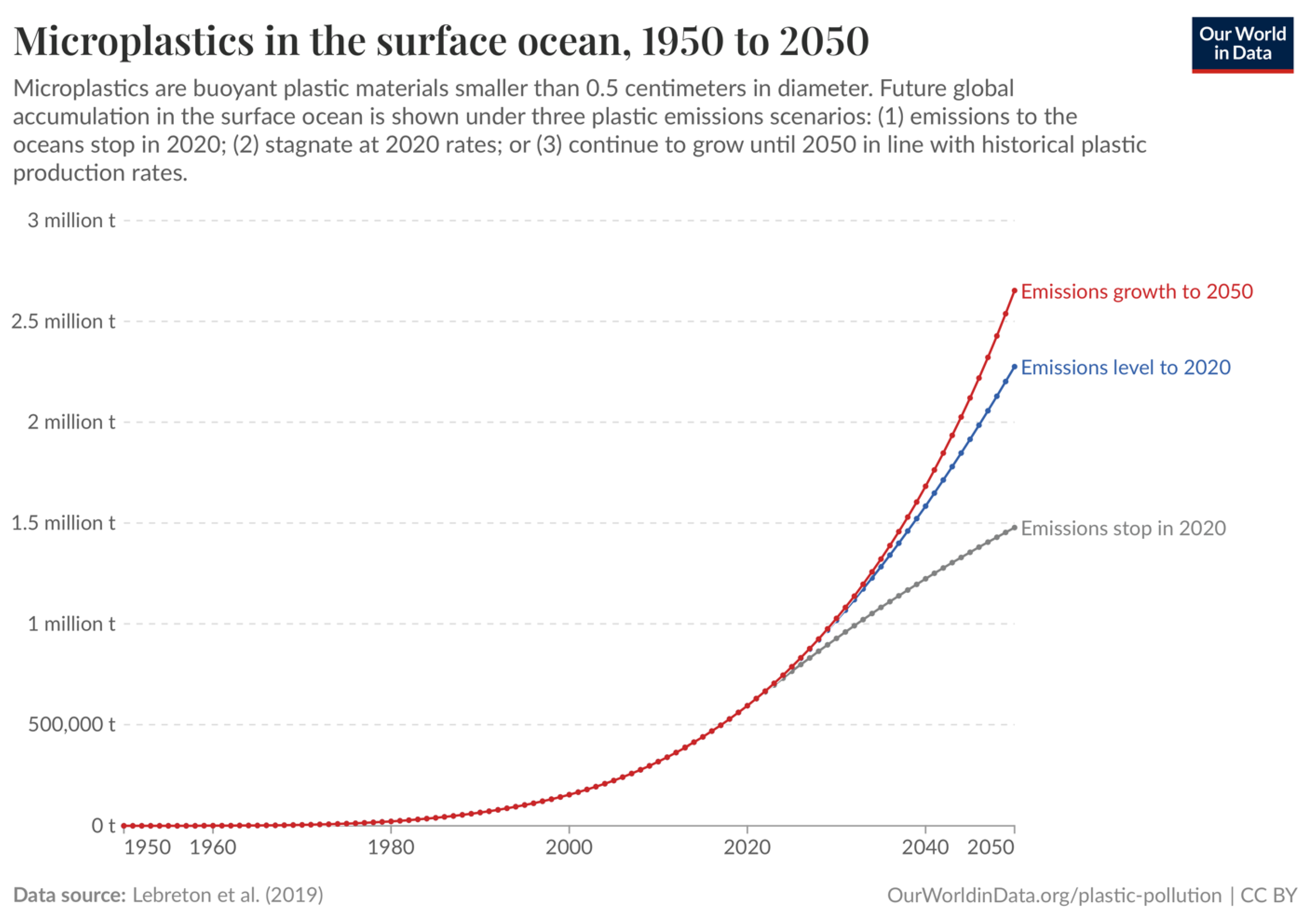
Figure 6.
Projected accumulation of microplastics in the surface ocean, 1950–2050.
Current literature shows that PSC recurrence can occur in up to 20% of patient’s post-transplantation, complicating management significantly[93].Advancements in immunosuppressive protocols, especially those targeting specific immune pathways involved in PBC, have the potential to enhance patient outcomes and decrease the frequency of recurrent disease. This points to a clinical opportunity for prospective studies that investigate modern therapies aimed at effectively mitigating autoimmune responses. The deleterious effects of ROS also include the alteration of the cellular redox balance, the peroxidation of membrane lipids, mainly polyunsaturated fatty acids, the inactivation of transporter enzymes and proteins, and DNA damage[94]. MPs and associated components, such as plasticisers, additives, and other adsorbed pollutants, make them dangerous as they could potentially disrupt the immune and antioxidant systems[95]. For liver transplant patients and individuals with compromised immune systems, the consumption of seafood or water contaminated with MPs could lead to accumulation in human tissues, complicating existing health conditions. Genetic susceptibility, immunological profiles, and even prior treatment histories serve as crucial components influencing recurrence rates. Research has indicated that specific polymorphisms may predispose individuals to autoimmune diseases, which could further elucidate why certain patients experience recurrence post-LT[96] . This study relies on a secondary dataset from public sources, which limits the ability to quantify direct human exposure levels or account for variables like particle degradation over time. Furthermore, the absence of primary data on human tissues means inferences about health impacts are drawn from animal models and environmental correlations, without direct causation established. There is also a need for longitudinal clinical studies to track MP accumulation and health effects over time in human populations, addressing gaps in real-world exposure dynamics and individual variability.
To advance understanding, efforts should focus on improving detection methods for MPs in human tissues, such as enhancing FTIR spectroscopy and stereomicroscopy for better sensitivity at low concentrations. Mechanistic studies in animal and human models are essential to link specific MP morphologies, like fibers and fragments, to toxicity outcomes, elucidating pathways such as ROS generation and immune activation. Finally, integrating environmental datasets with clinical records could provide a holistic view, enabling risk assessments that correlate aquatic MP distributions with hepatic disease progression and informing targeted interventions for vulnerable groups like transplant patients.
Conclusion
The relationship between microplastic contamination in aquatic environments and its implications for liver health emphasizes an urgent need for joined-up approaches that incorporate environmental research and clinical practice. Addressing these challenges requires diverse strategic research that includes enhanced monitoring of aquatic environments, comprehensive risk assessments for vulnerable populations, and increased public awareness about the sources of microplastic pollution. The morphological analysis of microplastics (MPs) in aquatic environments demonstrates a predominance of fibers and fragments, which constitute the majority of particles and reflect widespread contamination from sources such as synthetic textiles and degradation processes. These morphologies hold particular relevance for hepatic disease pathogenesis, as their linear and irregular structures may enhance cellular uptake and biopersistence, thereby influencing disease progression through mechanisms including reactive oxygen species (ROS) generation leading to oxidative stress, metabolic disruptions affecting energy production and lipid homeostasis, and immune activation involving Kupffer cell stimulation and pro-inflammatory cytokine release. Such pathways underscore the potential for MPs to exacerbate conditions like nonalcoholic fatty liver disease, cirrhosis, and post-transplant complications in vulnerable populations. To effectively assess and mitigate human health risks, integration of environmental monitoring data with clinical studies is imperative, facilitating comprehensive risk evaluations that link aquatic MP distributions to hepatic outcomes and informing targeted interventions through multidisciplinary collaboration. Only through these concerted efforts can we develop targeted interventions that promote healthier outcomes for liver transplant patients and contribute to broader community health initiatives aimed at combating plastic pollution.
References
- Facts, P., An analysis of European plastics production, demand and waste data. Plastics Europe, 2019.
- Rochman, C.M., Microplastics research—from sink to source. Science 2018, 360(6384), 28–29. [CrossRef]
- Prata, J.C., et al., Environmental exposure to microplastics: An overview on possible human health effects. Science of the total environment 2020, 702, 134455. [CrossRef]
- Banerjee, A.; Shelver, W.L. Micro-and nanoplastic induced cellular toxicity in mammals: A review. Science of the Total Environment 2021, 755, 142518. [Google Scholar] [CrossRef] [PubMed]
- Jambeck, J.R., et al., Plastic waste inputs from land into the ocean. science 2015, 347(6223), 768–771. [CrossRef]
- Jiang, B., et al., Health impacts of environmental contamination of micro-and nanoplastics: a review. Environmental health and preventive medicine 2020, 25, 1–15. [CrossRef]
- Law, K.L.; Thompson, R.C. Microplastics in the seas. Science 2014, 345(6193), 144–145. [Google Scholar] [CrossRef]
- Barboza, L.G.A., et al., Marine microplastic debris: An emerging issue for food security, food safety and human health. Marine pollution bulletin 2018, 133, 336–348. [CrossRef] [PubMed]
- Barboza, L.G.A.; Vieira, L.R.; Guilhermino, L. Single and combined effects of microplastics and mercury on juveniles of the European seabass (Dicentrarchus labrax): changes in behavioural responses and reduction of swimming velocity and resistance time. Environmental pollution 2018, 236, 1014–1019. [Google Scholar] [CrossRef]
- Chen, G.; Feng, Q.; Wang, J. Mini-review of microplastics in the atmosphere and their risks to humans. Science of the Total Environment 2020, 703, 135504. [Google Scholar] [CrossRef]
- Zhang, Y., et al., AAtmospheric microplastics: A review on current status and perspectives. Earth-Science Reviews 2020, 203, 103118. [CrossRef]
- Zhang, B., et al., Microplastics in soils: a review of possible sources, analytical methods and ecological impacts. Journal of Chemical Technology & Biotechnology 2020, 95(8), 2052–2068. [CrossRef]
- Li, C.; Busquets, R.; Campos, L.C. Assessment of microplastics in freshwater systems: A review. Science of the Total Environment 2020, 707, 135578. [Google Scholar] [CrossRef]
- Hurley, R.R.; Nizzetto, L. Fate and occurrence of micro (nano) plastics in soils: Knowledge gaps and possible risks. Current Opinion in Environmental Science & Health 2018, 1, 6–11. [Google Scholar] [CrossRef]
- Leslie, H.A., et al., Discovery and quantification of plastic particle pollution in human blood. Environment international 2022, 163, 107199. [CrossRef]
- Ragusa, A., et al., Plasticenta: First evidence of microplastics in human placenta. Environment international 2021, 146, 106274. [CrossRef] [PubMed]
- Horvatits, T., et al., Microplastics detected in cirrhotic liver tissue. EBioMedicine 2022, 82. [CrossRef] [PubMed]
- Dong, C.-D., et al., Polystyrene microplastic particles: In vitro pulmonary toxicity assessment. Journal of hazardous materials 2020, 385, 121575. [CrossRef] [PubMed]
- da Costa Araújo, A.P.; Gomes, A.R.; Malafaia, G. Hepatotoxicity of pristine polyethylene microplastics in neotropical physalaemus cuvieri tadpoles (Fitzinger, 1826). Journal of hazardous materials 2020, 386, 121992. [Google Scholar] [CrossRef]
- Li, S., et al., Keap1-Nrf2 pathway up-regulation via hydrogen sulfide mitigates polystyrene microplastics induced-hepatotoxic effects. Journal of hazardous materials 2021, 402, 123933. [CrossRef]
- Ašmonaitė, G., et al., Rainbow trout maintain intestinal transport and barrier functions following exposure to polystyrene microplastics. Environmental science & technology 2018, 52(24), 14392–14401.
- Liu, S., et al., Influence of the digestive process on intestinal toxicity of polystyrene microplastics as determined by in vitro Caco-2 models. Chemosphere 2020, 256, 127204. [CrossRef]
- Rubio, L.; Marcos, R.; Hernández, A. Potential adverse health effects of ingested micro-and nanoplastics on humans. Lessons learned from in vivo and in vitro mammalian models. Journal of Toxicology and Environmental Health, Part B 2020, 23(2), 51–68. [Google Scholar] [CrossRef]
- Zheng, H., et al., Proinflammatory properties and lipid disturbance of polystyrene microplastics in the livers of mice with acute colitis. Science of the Total Environment 2021, 750, 143085. [CrossRef] [PubMed]
- Zhao, Y., et al., Polystyrene microplastic exposure disturbs hepatic glycolipid metabolism at the physiological, biochemical, and transcriptomic levels in adult zebrafish. Science of the total environment 2020, 710, 136279. [CrossRef]
- Luo, T., et al., Maternal exposure to different sizes of polystyrene microplastics during gestation causes metabolic disorders in their offspring. Environmental Pollution 2019, 255, 113122. [CrossRef]
- Wright, S.L.; Kelly, F.J. Plastic and human health: a micro issue? Environmental science & technology 2017, 51(12), 6634–6647. [Google Scholar]
- Pannetier, P., et al., Toxicity assessment of pollutants sorbed on environmental sample microplastics collected on beaches: Part I-adverse effects on fish cell line. Environmental Pollution 2019, 248, 1088–1097. [CrossRef] [PubMed]
- Khan, A.; Jia, Z. Recent insights into uptake, toxicity, and molecular targets of microplastics and nanoplastics relevant to human health impacts. Iscience 2023, 26(2). [Google Scholar] [CrossRef] [PubMed]
- Devarbhavi, H., et al., Global burden of liver disease: 2023 update. Journal of hepatology 2023, 79(2), 516–537. [CrossRef]
- Boopathi, S., et al., Combined effects of a high-fat diet and polyethylene microplastic exposure induce impaired lipid metabolism and locomotor behavior in larvae and adult zebrafish. Science of the Total Environment 2023, 902, 165988. [CrossRef]
- Zhou, W., et al., Assessment of nonalcoholic fatty liver disease symptoms and gut–liver axis status in zebrafish after exposure to polystyrene microplastics and oxytetracycline, alone and in combination. Environmental Health Perspectives 2023, 131(4), p. 047006. [CrossRef]
- Liu, W., et al., Single-cell transcriptome analysis of liver immune microenvironment changes induced by microplastics in mice with non-alcoholic fatty liver. Science of the Total Environment 2024. 912, 168308. [CrossRef] [PubMed]
- Cheng, W., et al., Polystyrene microplastics induce hepatotoxicity and disrupt lipid metabolism in the liver organoids. Science of The Total Environment 2022, 806, 150328. [CrossRef]
- Deng, Y., et al., Tissue accumulation of microplastics in mice and biomarker responses suggest widespread health risks of exposure. Scientific reports 2017, 7(1), p. 46687. [CrossRef]
- Wright, S.L., et al., Microplastic ingestion decreases energy reserves in marine worms. Current Biology 2013, 23(23), R1031–R1033. [CrossRef] [PubMed]
- Ye, G., et al., Polystyrene microplastics induce metabolic disturbances in marine medaka (Oryzias melastigmas) liver. Science of the Total Environment 2021, 782, 146885. [CrossRef]
- Wei, L., et al., Toxicological effects of cinnabar in rats by NMR-based metabolic profiling of urine and serum. Toxicology and Applied Pharmacology 2008, 227(3), 417–429. [CrossRef] [PubMed]
- Luo, T., et al., Maternal polystyrene microplastic exposure during gestation and lactation altered metabolic homeostasis in the dams and their F1 and F2 offspring. Environmental Science & Technology 2019, 53(18), 10978–10992. [CrossRef]
- Wang, C., et al., Microplastics (polystyrene) exposure induces metabolic changes in the liver of rare minnow (Gobiocypris rarus). Molecules 2022, 27(3), 584. [CrossRef] [PubMed]
- Tataranni, P.A. , et al., Effects of glucocorticoids on energy metabolism and food intake in humans. American Journal of Physiology-Endocrinology and Metabolism 1996, 271(2), E317–E325. [Google Scholar] [CrossRef]
- Silvestre, F. Signaling pathways of oxidative stress in aquatic organisms exposed to xenobiotics. Journal of Experimental Zoology Part A: Ecological and Integrative Physiology 2020, 333(6), 436–448. [Google Scholar] [CrossRef]
- Zhao, L. , et al., Prolonged oral ingestion of microplastics induced inflammation in the liver tissues of C57BL/6J mice through polarization of macrophages and increased infiltration of natural killer cells. Ecotoxicology and environmental safety 2021, 227, 112882. [Google Scholar] [CrossRef]
- Ma, S. , et al., Dietary exposure to polystyrene microplastics exacerbates liver damage in fulminant hepatic failure via ROS production and neutrophil extracellular trap formation. Science of The Total Environment 2024, 907, 167403. [Google Scholar] [CrossRef]
- Diehl, K.L. , et al., Kupffer cells sense free fatty acids and regulate hepatic lipid metabolism in high-fat diet and inflammation. Cells 2020, 9(10), 2258. [Google Scholar] [CrossRef]
- Rudolph, J. , et al., Noxic effects of polystyrene microparticles on murine macrophages and epithelial cells. Scientific reports 2021, 11(1), p. 15702. [Google Scholar] [CrossRef]
- Prata, J.C., Microplastics and human health: Integrating pharmacokinetics. Critical reviews in environmental science and technology 2023, 53(16), 1489–1511. [CrossRef]
- Zheng, M.; Tian, Z. Liver-mediated adaptive immune tolerance. Frontiers in immunology 2019, 10, 2525. [Google Scholar] [CrossRef] [PubMed]
- Sutti, S.; Albano, E. Adaptive immunity: an emerging player in the progression of NAFLD. Nature Reviews Gastroenterology & Hepatology 2020, 17(2), 81–92. [Google Scholar]
- Lee, J.C. , et al., The liver–immunity nexus and cancer immunotherapy. Clinical Cancer Research 2022, 28(1), 5–12. [Google Scholar] [CrossRef]
- Yin, K. , et al., Polystyrene microplastics promote liver inflammation by inducing the formation of macrophages extracellular traps. Journal of Hazardous Materials 2023, 452, 131236. [Google Scholar] [CrossRef] [PubMed]
- Huang, H. , et al., Polyethylene microplastics impede the innate immune response by disrupting the extracellular matrix and signaling transduction. Iscience 2023, 26(8). [Google Scholar] [CrossRef] [PubMed]
- Zhang, W., et al. Role of reactive oxygen species in mediating hepatic ischemia-reperfusion injury and its therapeutic applications in liver transplantation. in Transplantation proceedings. 2007. Elsevier.
- Lu, K. , et al., Arsenic exposure perturbs the gut microbiome and its metabolic profile in mice: an integrated metagenomics and metabolomics analysis. Environmental health perspectives 2014, 122(3), 284–291. [Google Scholar] [CrossRef]
- Jin, C. , et al., Oral imazalil exposure induces gut microbiota dysbiosis and colonic inflammation in mice. Chemosphere 2016, 160, 349–358. [Google Scholar] [CrossRef]
- Wu, S. , et al., Exposure to the fungicide propamocarb causes gut microbiota dysbiosis and metabolic disorder in mice. Environmental Pollution 2018, 237, 775–783. [Google Scholar] [CrossRef]
- Li, B. , et al., Polyethylene microplastics affect the distribution of gut microbiota and inflammation development in mice. Chemosphere 2020, 244, 125492. [Google Scholar] [CrossRef]
- Luo, T. , et al., Polystyrene microplastics exacerbate experimental colitis in mice tightly associated with the occurrence of hepatic inflammation. Science of The Total Environment 2022, 844, 156884. [Google Scholar] [CrossRef] [PubMed]
- Martinho, S.D. , et al., Microplastic pollution focused on sources, distribution, contaminant interactions, analytical methods, and wastewater removal strategies: A review. International journal of environmental research and public health 2022, 19(9), 5610. [Google Scholar] [CrossRef]
- Yang, Y.-F. , et al., Toxicity-based toxicokinetic/toxicodynamic assessment for bioaccumulation of polystyrene microplastics in mice. Journal of hazardous materials 2019, 366, 703–713. [Google Scholar] [CrossRef] [PubMed]
- Xiao, J.; Li, J.; Xu, Z. Challenges to future development of spent lithium ion batteries recovery from environmental and technological perspectives. Environmental Science & Technology 2019, 54(1), 9–25. [Google Scholar] [CrossRef]
- Cheemerla, S.; Balakrishnan, M. Global epidemiology of chronic liver disease. Clinical liver disease 2021, 17(5), 365–370. [Google Scholar] [CrossRef]
- An, R. , et al., Polystyrene microplastics cause granulosa cells apoptosis and fibrosis in ovary through oxidative stress in rats. Toxicology 2021, 449, 152665. [Google Scholar] [CrossRef]
- Li, Z. , et al., Polystyrene microplastics cause cardiac fibrosis by activating Wnt/β-catenin signaling pathway and promoting cardiomyocyte apoptosis in rats. Environmental pollution 2020, 265, 115025. [Google Scholar] [CrossRef] [PubMed]
- El-Ashmawy, N.E. , et al., The role of WNT/β-catenin signaling pathway and glutamine metabolism in the pathogenesis of CCl4-induced liver fibrosis: repositioning of niclosamide and concerns about lithium. Cytokine 2020, 136, 155250. [Google Scholar] [CrossRef] [PubMed]
- Camilleri, M. Leaky gut: mechanisms, measurement and clinical implications in humans. Gut 2019, 68(8), 1516–1526. [Google Scholar] [CrossRef]
- Lutz, P. , et al., Spontaneous bacterial peritonitis: The clinical challenge of a leaky gut and a cirrhotic liver. World journal of hepatology 2015, 7(3), 304. [Google Scholar] [CrossRef]
- Montano-Loza, A.J., et al. RISK FACTORS FOR RECURRENCE OF AUTOIMMUNE HEPATITIS AFTER LIVER TRANSPLANTATION. in HEPATOLOGY. 2008. JOHN WILEY & SONS INC 111 RIVER ST, HOBOKEN, NJ 07030 USA.
- Montano, A. , et al., Cyclosporine A protects against primary biliary cirrhosis recurrence after liver transplantation. American Journal of Transplantation 2010, 10(4), 852–858. [Google Scholar] [CrossRef] [PubMed]
- Lee, J. , et al., Transplantation trends in primary biliary cirrhosis. Clinical Gastroenterology and Hepatology 2007, 5(11), 1313–1315. [Google Scholar] [CrossRef]
- Perez, C.F.M. , et al., Trends in liver transplantation for autoimmune liver diseases: a Canadian study. Canadian journal of surgery 2022, 65(5), p. E665. [Google Scholar] [CrossRef]
- Chazouilleres, O. , et al., EASL Clinical Practice Guidelines on sclerosing cholangitis. Journal of hepatology 2022, 77(3), 761–806. [Google Scholar] [CrossRef]
- Campsen, J. , et al., Clinically recurrent primary sclerosing cholangitis following liver transplantation: a time course. Liver Transplantation 2008, 14(2), 181–185. [Google Scholar] [CrossRef]
- Montano-Loza, A.J. , et al., Risk factors and outcomes associated with recurrent autoimmune hepatitis following liver transplantation. Journal of hepatology 2022, 77(1), 84–97. [Google Scholar] [CrossRef]
- Montano-Loza, A.J. , et al., Factors associated with recurrence of primary biliary cholangitis after liver transplantation and effects on graft and patient survival. Gastroenterology 2019, 156(1), 96–107. e1. [Google Scholar] [CrossRef]
- Fagiano, V. , et al., Neustonic microplastics and zooplankton in coastal waters of Cabrera marine protected area (Western Mediterranean Sea). Science of The Total Environment 2022, 804, 150120. [Google Scholar] [CrossRef] [PubMed]
- Napper, I.E.; Thompson, R.C. Plastic debris in the marine environment: history and future challenges. Global Challenges 2020, 4(6), p. 1900081. [Google Scholar] [CrossRef]
- Schmaltz, E. , et al., Plastic pollution solutions: emerging technologies to prevent and collect marine plastic pollution. Environment international 2020, 144, 106067. [Google Scholar] [CrossRef]
- Foley, C.J. , et al., A meta-analysis of the effects of exposure to microplastics on fish and aquatic invertebrates. Science of the total environment 2018, 631, 550–559. [Google Scholar] [CrossRef]
- Lefebvre, C. , et al., Microplastics FTIR characterisation and distribution in the water column and digestive tracts of small pelagic fish in the Gulf of Lions. Marine pollution bulletin 2019, 142, 510–519. [Google Scholar] [CrossRef]
- Sun, X. , et al., Characteristics and retention of microplastics in the digestive tracts of fish from the Yellow Sea. Environmental Pollution 2019, 249, 878–885. [Google Scholar] [CrossRef]
- Wu, J. , et al., Microplastics in the digestive tracts of commercial fish from the marine ranching in east China sea, China. Case Studies in Chemical and Environmental Engineering 2020. 2, 100066. [Google Scholar] [CrossRef]
- Andrady, A.L. Microplastics in the marine environment. Marine pollution bulletin 2011, 62(8), 1596–1605. [Google Scholar] [CrossRef] [PubMed]
- Prokić, M.D. , et al., Studying microplastics: Lessons from evaluated literature on animal model organisms and experimental approaches. Journal of Hazardous Materials 2021, 414, 125476. [Google Scholar] [CrossRef]
- Gall, S.C.; Thompson, R.C. The impact of debris on marine life. Marine pollution bulletin 2015, 92(1-2), 170–179. [Google Scholar] [CrossRef] [PubMed]
- Ryan, P.G. Entanglement of birds in plastics and other synthetic materials. Marine Pollution Bulletin 2018, 135, 159–164. [Google Scholar] [CrossRef] [PubMed]
- Lavers, J.L.; Hutton, I.; Bond, A.L. Clinical pathology of plastic ingestion in marine birds and relationships with blood chemistry. Environmental Science & Technology 2019, 53(15), 9224–9231. [Google Scholar] [CrossRef]
- Solomando, A. , et al., Long-term exposure to microplastics induces oxidative stress and a pro-inflammatory response in the gut of Sparus aurata Linnaeus, 1758. Environmental Pollution 2020, 266, 115295. [Google Scholar] [CrossRef]
- Hodkovicova, N. , et al., Effects of plastic particles on aquatic invertebrates and fish–a review. Environmental toxicology and pharmacology 2022, 96, 104013. [Google Scholar] [CrossRef] [PubMed]
- Ravindranath, M.H.; El Hilali, F.; Filippone, E.J. The impact of inflammation on the immune responses to transplantation: tolerance or rejection? Frontiers in immunology 2021, 12, 667834. [Google Scholar] [CrossRef]
- Sarcognato, S. , et al., Autoimmune biliary diseases: primary biliary cholangitis and primary sclerosing cholangitis. Pathologica 2021, 113(3), p. 170. [Google Scholar] [CrossRef]
- Rastogi, A. Liver transplant biopsy interpretation: Diagnostic considerations and conundrums. Indian Journal of Pathology and Microbiology 2022, 65(2), 245–257. [Google Scholar] [CrossRef]
- Cançado, G.G.L.; Deeb, M.; Gulamhusein, A.F. Liver transplantation for cholestatic liver diseases: Timing & disease recurrence; Hepatology; p. p. 10.1097.
- Yang, S.; Lian, G. ROS and diseases: Role in metabolism and energy supply. Molecular and cellular biochemistry 2020, 467, 1–12. [Google Scholar] [CrossRef]
- Burgos-Aceves, M.A.; Abo-Al-Ela, H.G.; Faggio, C. Physiological and metabolic approach of plastic additive effects: Immune cells responses. Journal of hazardous materials 2021, 404, 124114. [Google Scholar] [CrossRef] [PubMed]
- Vergani, D.; Mieli-Vergani, G. Autoimmunity after liver transplantation. Hepatology 2002, 36(2), 271–276. [Google Scholar] [CrossRef] [PubMed]
Figure 3.
Color distribution of microplastics in manta trawl surface waters as the most prevalent in Aquatic environment.
Figure 3.
Color distribution of microplastics in manta trawl surface waters as the most prevalent in Aquatic environment.
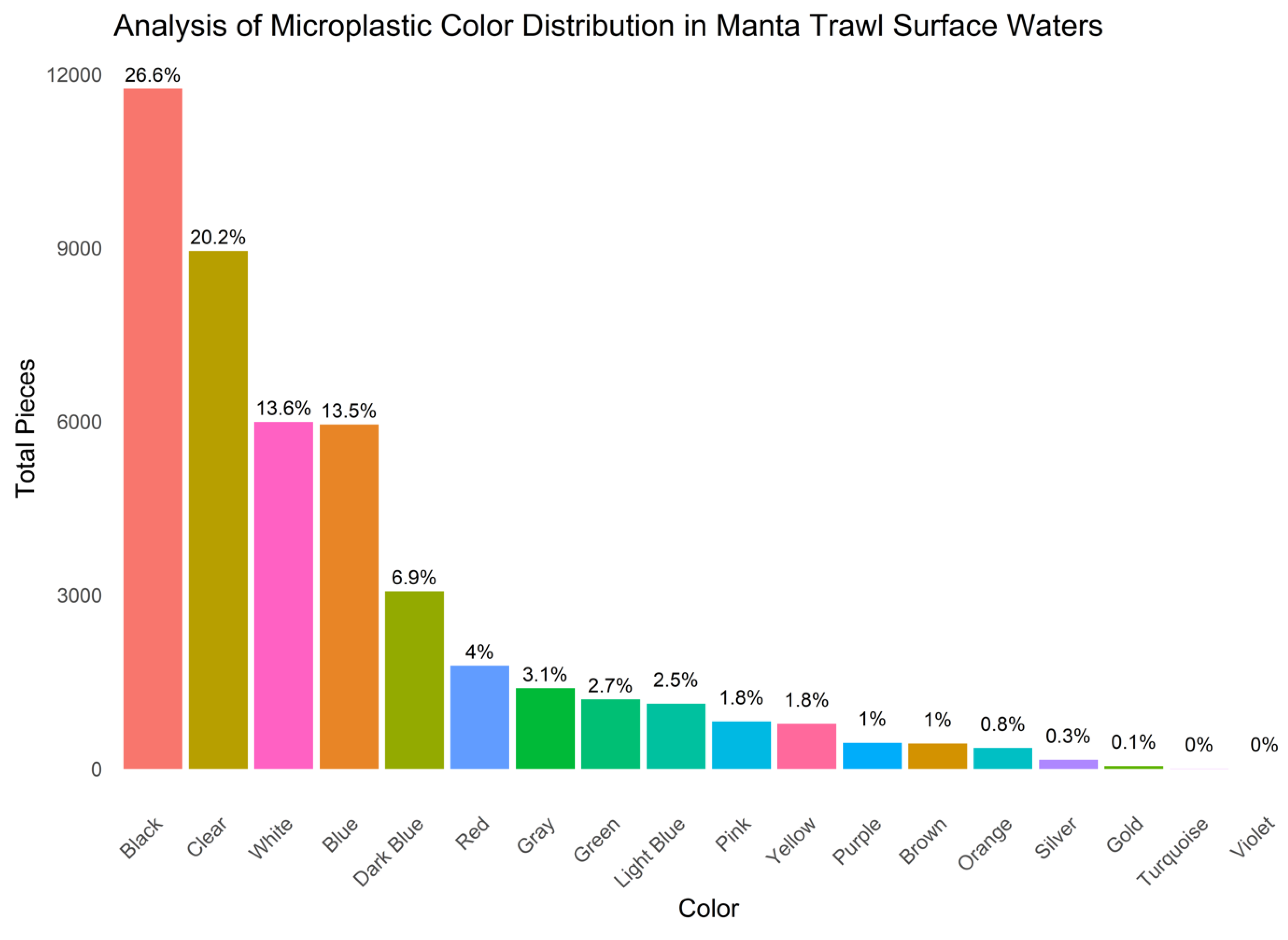
Figure 4.
Morphological distribution of microplastics in surface waters collected via manta trawl.
Disclaimer/Publisher’s Note: The statements, opinions and data contained in all publications are solely those of the individual author(s) and contributor(s) and not of MDPI and/or the editor(s). MDPI and/or the editor(s) disclaim responsibility for any injury to people or property resulting from any ideas, methods, instructions or products referred to in the content. |
© 2026 by the authors. Licensee MDPI, Basel, Switzerland. This article is an open access article distributed under the terms and conditions of the Creative Commons Attribution (CC BY) license (http://creativecommons.org/licenses/by/4.0/).
Copyright: This open access article is published under a Creative Commons CC BY 4.0 license, which permit the free download, distribution, and reuse, provided that the author and preprint are cited in any reuse.


