Preprint
Review

This version is not peer-reviewed.

A Narrative Review on the Influence of Electromagnetic Fields Below 100 kHz on the Endocrine System

A peer-reviewed article of this preprint also exists.

Submitted:

25 March 2026

Posted:

26 March 2026

You are already at the latest version

Abstract

Background: Extremely low-frequency electromagnetic fields (ELF-EMFs), generated mainly by power infrastructure and household devices, have raised scientific interest due to their potential impact on the endocrine system. Animal research consistently shows effects on melatonin secretion, stress hormone levels, thyroid activity, and reproductive function—largely mediated by oxidative stress and calcium ion imbalance. In contrast, human studies remain inconsistent, often hindered by methodological limitations and insufficient exposure characterization. Objective: This review synthesizes experimental and epidemiological studies examining ELF-EMF exposure (≤100 kHz) and its influence on hormonal regulation. Methods: A bibliometric analysis highlights focused interest on specific endocrine targets, particularly the pineal gland. Importantly, many experimental studies use field strengths above those found near high-voltage power lines, limiting direct applicability. Conclusions: While a definitive causal link has not been established, the widespread exposure justifies precautionary considerations. There are several key research gaps (of whom many are identified by this review); the topic of ELF EMF effect on endocrine system calls for more rigorous, long-term human studies with accurate exposure assessment.

Keywords: 
;  ;  ;  ;  

1. Introduction

Extremely low-frequency electromagnetic fields (ELF-EMFs) are non-ionizing radiation with frequencies ranging from 1 to 100 Hz [1]. They are typically associated with alternating current (AC) electrical systems and are characterized by long wavelengths and low photon energy. The most common sources of ELF-EMFs include power transmission and distribution lines, electrical substations, household wiring, and appliances such as refrigerators, hair dryers, and induction cooktops. Occupational environments may present higher exposure levels, especially near welding equipment, electric motors, or magnetic resonance imaging (MRI) systems. Although generally considered safe at low intensities, ongoing research explores potential biological effects of prolonged ELF-EMF exposure. The non-ionizing character of that radiation means that it does not possess sufficient energy to dislodge electrons from atomic orbits or directly disrupt molecular bonds in biological tissues [2]. Its biological effects are therefore not attributed to direct ionization, but rather to other, more subtle interaction mechanisms [3]. The abundance of ELF-EMFs from multiple sources in modern society means that humans are constantly exposed to them in their daily lives [2] (see Figure 1). The ubiquitous presence of these fields, often imperceptible to humans, suggests they may constitute a persistent, low-level environmental factor. This continuous exposure, even at intensities considered moderate, can place chronic adaptive demands on biological systems, potentially leading to the restoration of physiological baselines, or “set points,” over extended periods of time [4]. This perspective shifts attention from acute, high-intensity effects to the long-term, low-level “background noise” of modern life, suggesting a subtle but significant environmental influence on physiological homeostasis.
The endocrine system is an extensive network of glands, including the pituitary gland, thyroid and parathyroid glands, adrenal glands, pineal gland, hypophysis and gonads, that produce and secrete hormones directly into the bloodstream [5]. Another component of this system are various secreting cells that are dispersed around the body. Examples of such cells are pancreatic islet cells (α,β, δ) that secrete glucagon, insulin and somatostatin, the APUD system with various gastro-intestinal hormones (gastrin, secretin, cholecystokinin) or the paraganglia cells that secrete adrenalin (their function is similar to adrenal medulla that also secretes adrenalin; the adrenal cortex secretes steroid hormones instead); while they do not constitute separate organs, they are of tremendous importance. Hormonal activity occurs even in the kidneys (EPO) and in the thymus (thymopoietin) – these hormones are responsible for hematopoiesis (i.e. formation of new red and white blood cells).
Hormones act as chemical messengers, regulating a number of essential body functions, such as metabolism, growth, development, reproduction, and the crucial stress response [4]. The system operates through complex feedback loops, exemplified by the hypothalamic-pituitary-adrenal (HPA) axis, which regulates stress responses, and the hypothalamic-pituitary-thyroid (HPT) axis, which controls metabolism and development [6]. Disturbances at any level of these interconnected pathways can cascade, leading to widespread physiological disturbances; in fact, the majority of endocrine diseases include the dysregulation of these feedback loops. Regulatory systems, including the nervous system and the endocrine system, exhibit a high degree of sensitivity to external environmental factors e.g. ELF-EMFs [7]. The innate sensitivity of the endocrine system, combined with its role in mediating stress responses and maintaining homeostasis, makes it a prime candidate for manifesting subtle yet significant biological responses to environmental disturbances such as ELF-EMFs. Its ability to adapt and respond to internal and external stimuli through precise hormonal regulation means that even minor disturbances can be early indicators of the biological effects of environmental factors. Therefore, studying this system (and especially the hormone-receptor interactions, as they are deemed essential for understanding of ELF effects on the whole endocrine system [7]) provides valuable insight into the body’s adaptive and potentially maladaptive responses to chronic or acute exposure to ELF-EMFs.
The primary objective of this review is to examine the current state of knowledge regarding the effects of ELF-EMFs on the endocrine system and to identify the research gaps that encourage further exploration and can yield potential real-life uses in the prevention of ELF-related harms on the human body. To strengthen the scientific rigor of the review, a traditional literature analysis was complemented by a bibliometric study, aimed at identifying key trends and influential works in the field. For this purpose, data were retrieved and analyzed from both the Web of Science (WoS) and Scopus databases. These databases were chosen due to their broad coverage of various domains of science - they include both medical and engineering entries, with a significant body of articles about physics and technology; as the topic of our Review transcends traditional borders between scientific areas it requires examination of sources from various domains of science. This combined approach enhances the depth and reliability of the review by broadening literature coverage, minimizing publication bias, improving citation tracking, and ensuring a more comprehensive and multidisciplinary perspective.

2. Bibliometric Analysis

The Web of Science (WoS) and Scopus databases were searched using the following query:
TS = ( ( Extremely Low Frequency ) OR ( ELF ) ) AND ( ( Electromagnetic Field ) OR ( EMF ) OR ( magnetic field ) OR ( electric field ) ) AND ( ( endocrine ) OR ( thyroid ) OR ( Pineal Gland ) OR ( HPA Axis ) OR ( Gonads ) OR ( Pituitary Gland ) ).
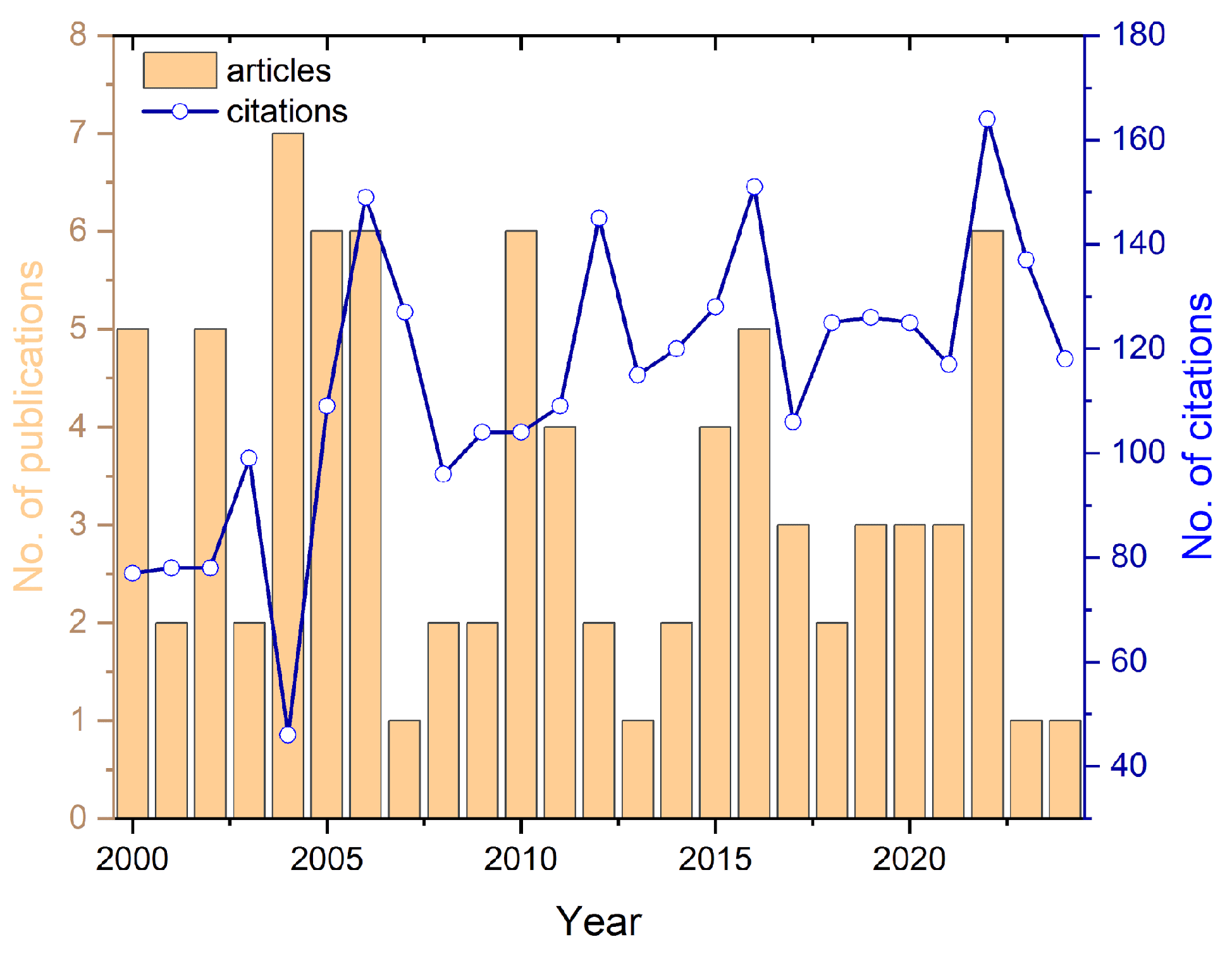
The initial search yielded 134 records from WoS and 129 from Scopus. After removing duplicates using Rayyan [40], a web-based tool for systematic review management, the remaining dataset was screened and refined, resulting in 178 unique records [8]. Of these, 80.6% were original research articles, while review papers and conference proceedings constituted 9.3% and 7.8%, respectively. The remaining entries consisted of book chapters and editorial notes. Figure 2 illustrates the annual trend in the number of publications and citations concerning the impact of ELF-EMFs on the endocrine system. Over the past 25 years, interest in this topic has shown fluctuating but sustained engagement. Although the number of new publications on this subject has decreased in recent years, the citation rate has remained consistently high, exceeding 110 citations per year, indicating continued relevance and interest in the scientific community.
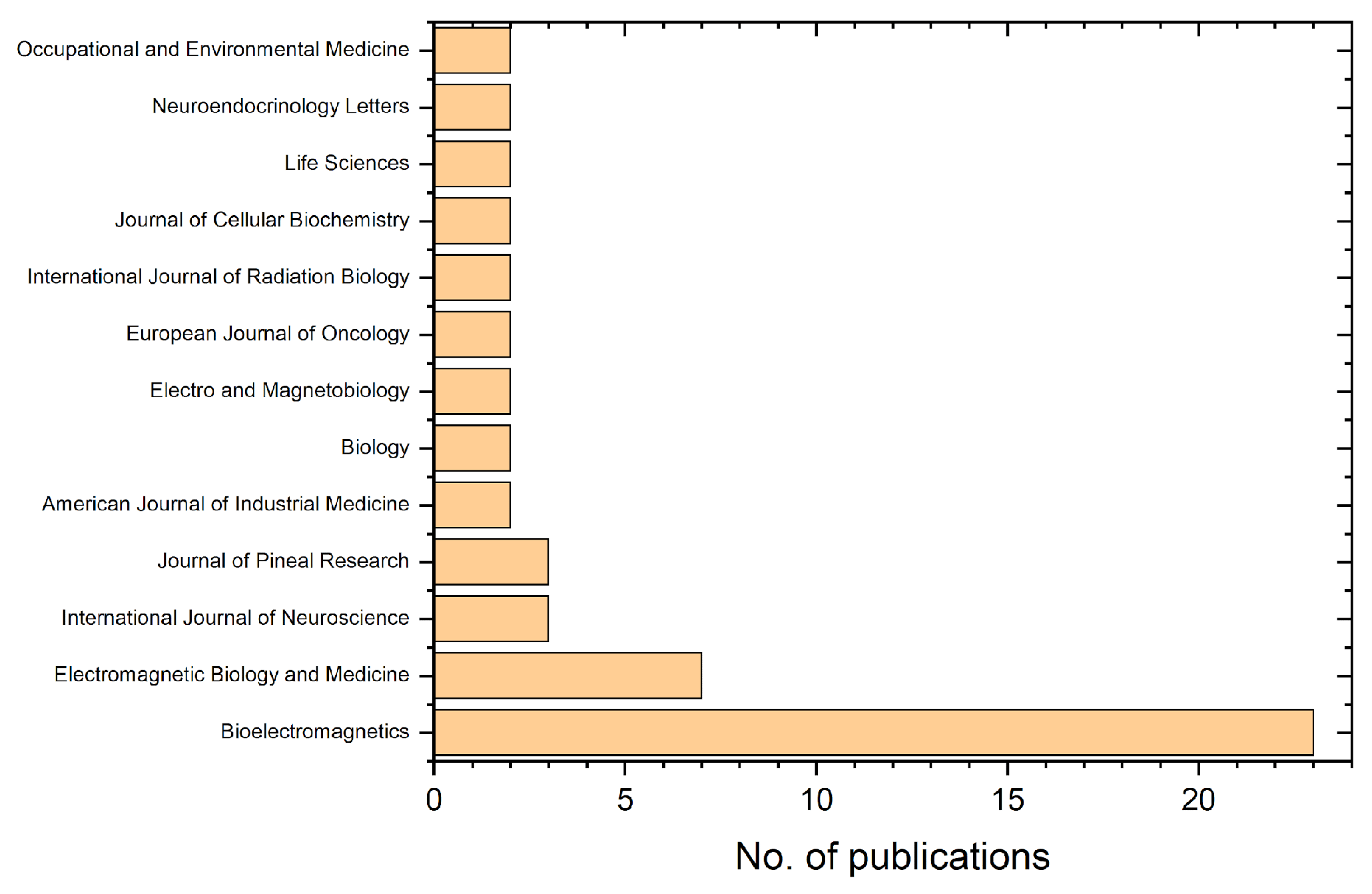
Metadata analysis of the selected articles revealed that research on the effects of ELF-EMFs on the endocrine system has been published predominantly in specialized journals focusing on bioelectromagnetics, such as Bioelectromagnetics and Electromagnetic Biology and Medicine. In contrast, articles addressing this topic appeared much less frequently in mainstream medical journals. This publication pattern suggests that the subject remains primarily within the domain of interdisciplinary or niche scientific communities, rather than being widely integrated into conventional medical research discourse (see Figure 3).
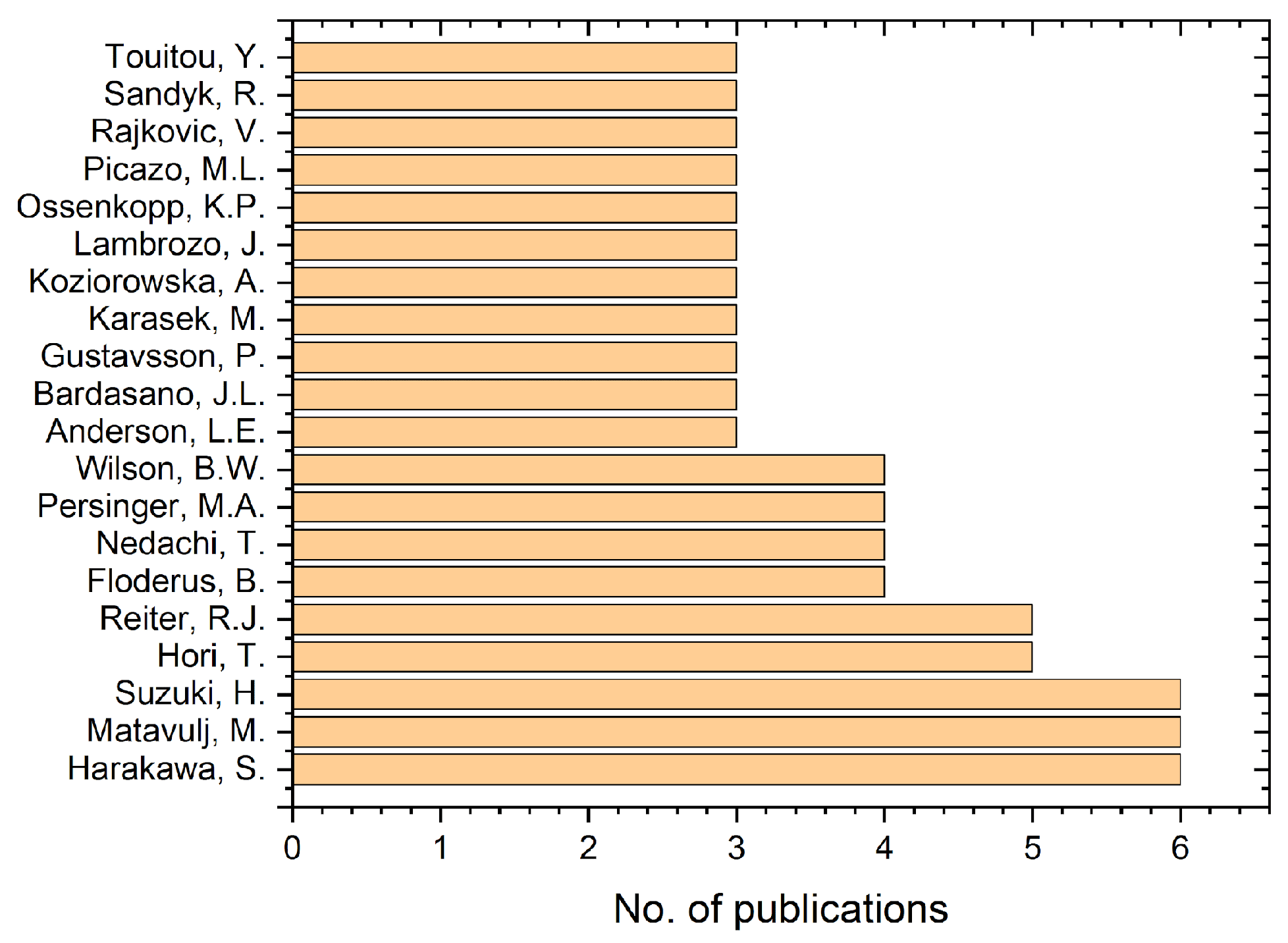
The most prolific authors in this field are Shinji Harakawa from Obihiro University of Agriculture and Veterinary Medicine in Japan, Milan Matavulj (Matavuly) from University of Novi Sad in Serbia and Hiromichi Suzuki employed at National Cancer Center, Japan. An analysis of the scientific profiles of the leading authors in the Scopus database indicates that their primary research interests lie in the fields of biochemistry and medicine, areas closely aligned with the study of EMFs influence on biological systems. Moreover, these researchers are affiliated with well-established institutions known for their specialization in medical and biological sciences. Additional information on other prominent contributors to the field of ELF-EMF research in relation to the endocrine system is presented in Figure 4.
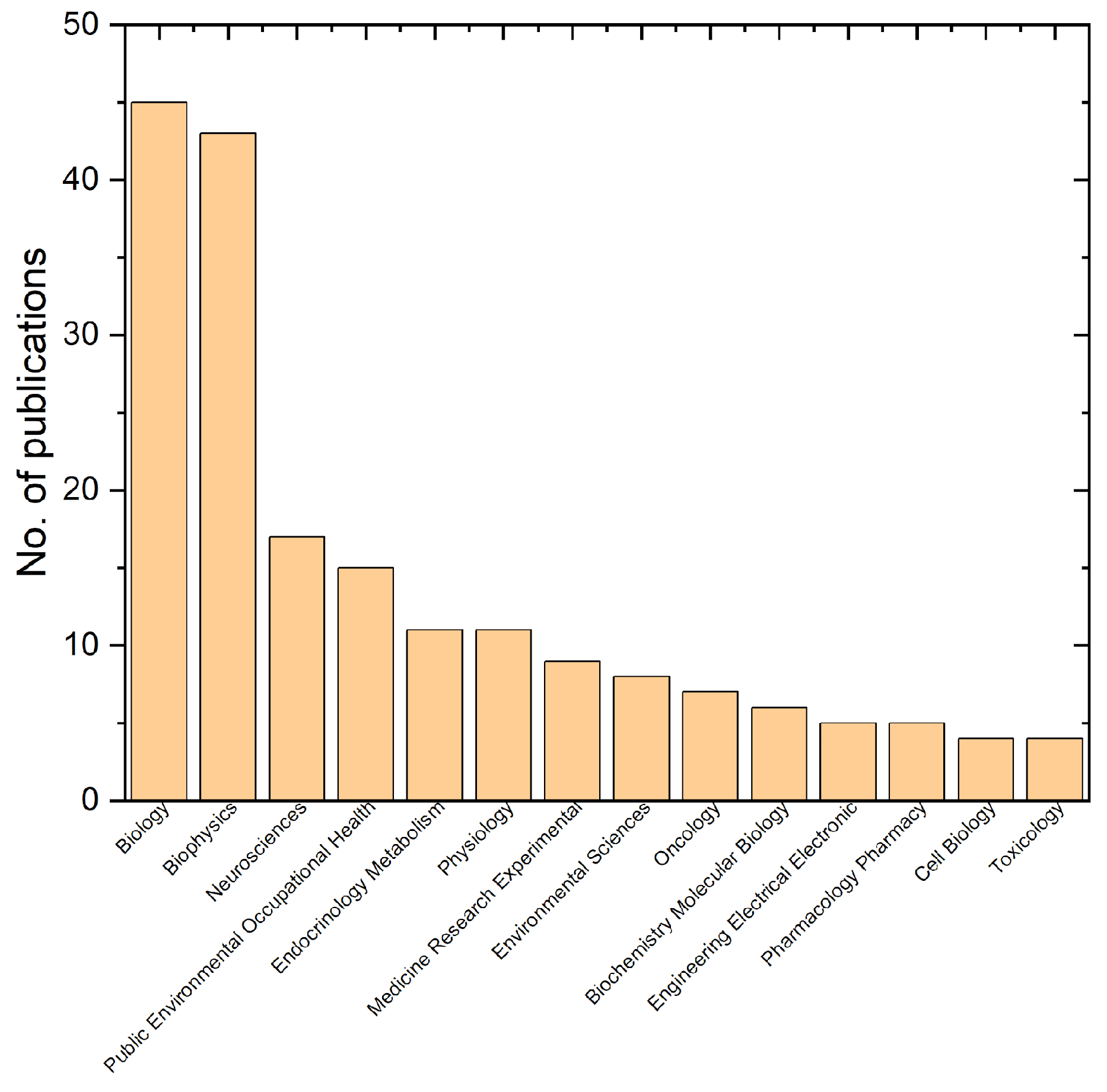
Based on metadata such as titles, abstracts, and keywords, the WoS database categorizes articles into specific thematic research areas. As illustrated in Figure 5, the majority of publications addressing the impact of ELF-EMFs on the endocrine system were classified within fields related to biology and biophysics. In contrast, a significantly smaller proportion of articles were assigned to domains such as medicine and engineering. This distribution highlights the predominantly biological focus of current research in this area, with comparatively limited integration into clinical or technical disciplines.
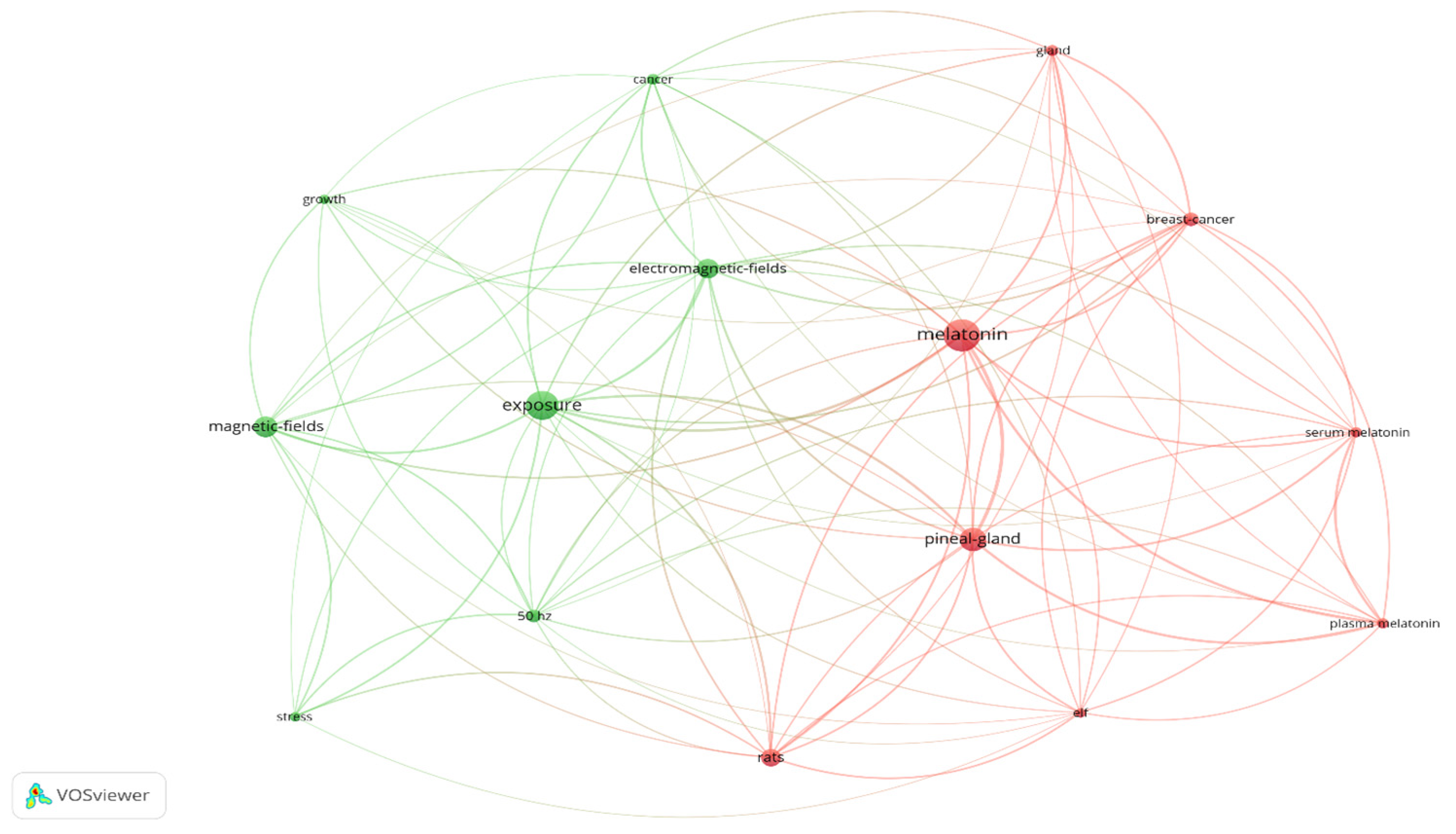
Figure 6 presents a keyword co-occurrence network that illustrates the relationships among frequently used terms across the analyzed publications. The analysis was conducted using VOS viewer software [41], applying a co-occurrence threshold of at least 10 appearances to ensure the relevance and strength of associations. Given the high repetition of EMF-related terminology, a relatively high threshold was set to focus on more distinctive patterns. The resulting visualization reveals that the keywords “exposure,” “pineal gland,” and “melatonin” appeared most frequently, and were closely linked to terms such as “electromagnetic fields” and “magnetic fields.” Additionally, the term “rats” appeared with notable frequency, suggesting that a substantial portion of the studies involved animal models. This keyword analysis highlights the predominant research focus on melatonin-related outcomes and experimental animal studies within the field of ELF-EMF effects on the endocrine system.

3. EMF Impact on Hormones and Glands

Scientific studies on the effects of ELF-EMFs on the endocrine system have shown varying effects on various glands and their associated hormones. Although animal studies provide a more consistent picture, epidemiological data from humans often demonstrate complexity and inconsistency.

3.1. Pineal Gland and Melatonin Secretion

The pineal gland and its primary hormone, melatonin, have been a significant focus of research concerning neuroendocrine responses to ELF-EMFs exposure [9]. Melatonin is crucial for regulating circadian rhythms, including sleep-wake cycles, and acts as a potent antioxidant [10]. Experimental animal studies, particularly involving mice, have demonstrated that exposure to ELF-EMFs, such as 50 Hz and 100 Hz pulsed EMF, can significantly attenuate the nocturnal rise in melatonin and reduce nocturnal pineal melatonin concentrations to diurnal levels [11]. This observed effect on melatonin synthesis in the pineal gland of some species suggests a direct interference with a fundamental biological rhythm [12]. Interestingly, these disruptions appear reversible, with normal circadian rhythm re-established within a week following the cessation of pulsed ELF-EMF exposure [11]. Furthermore, cellular mechanisms linked to non-ionizing EMF exposure, including low frequencies, that are implicated in thyroid abnormalities also point to decreased levels of melatonin as a consequence [3]. However, not all studies yield consistent results. Some experimental paradigms, such as acute exposure to magnetic flux density B = 10-5 T or 10-4 T continuous magnetic fields for 15 minutes, failed to disrupt the nocturnal rise in pineal or serum melatonin [11]. This variability underscores the complexity of EMF-biological interactions, which can be highly dependent on specific exposure parameters like intensity, duration, and waveform. Authoritative bodies, such as the Scientific Committee on Emerging and Newly Identified Health Risks (SCENIHR), have noted the absence of systematic reviews and meta-analyses specifically addressing the “melatonin hypothesis” in connection with ELF-EMFs, indicating a gap in comprehensive evidence synthesis [13]. The sensitivity of the pineal gland to ELF-EMFs and the resulting melatonin disruption suggests a two-fold impact. Firstly, there is a direct interference with neuroendocrine rhythms, which are essential for numerous physiological processes. Secondly, and equally important, is the potential indirect weakening of the body’s intrinsic antioxidant defense system. Melatonin’s role as a free radical scavenger means its suppression could compromise the body’s ability to counteract EMF-induced oxidative stress, creating a feedback loop where reduced melatonin exacerbates cellular vulnerability to damage. This implies that the influence on melatonin is not merely a disruption of sleep patterns but a broader compromise of cellular protective mechanisms.

3.2. Hypothalamic-Pituitary-Adrenal (HPA) Axis and Stress Hormones

The Hypothalamic-Pituitary-Adrenal (HPA) axis is a critical neuroendocrine pathway responsible for regulating the body’s response to stress. It involves a cascade of hormonal signals: corticotropin-releasing hormone (CRH) from the hypothalamus stimulates adrenocorticotrophic hormone (ACTH) secretion from the anterior lobe of pituitary gland, which in turn prompts the adrenal glands cortex to release cortisol (or corticosterone in rodents) [4]. Experimental studies in animals have consistently indicated that exposure to ELF-EMFs, such as 50 Hz fields, can modify crucial neuronal processes and act as a mild stressor, contributing to disturbances within the HPA axis. Research in rats exposed to 50 Hz EMF (at B =10-3 T and 7∙10-3 T) demonstrated that such exposure could establish a new “set-point” for HPA axis activity. Specifically, a field with B = 10-3 T induced an adaptive stress response, while a field with B = 7∙10-3 T led to sensitization, highlighting a dose- and exposure-dependent effect on the stress response.
In mice, ELF-EMFs exposure has been shown to significantly increase corticosterone secretion [18]. Intriguingly, this increase occurred without a corresponding enhancement of the overall hypothalamic-pituitary-adrenal axis activity, suggesting a direct stimulation of adrenal steroidogenesis, bypassing the typical central feedback mechanisms [14]. Further supporting this, ELF-EMF exposure (with frequency 1 and 5 Hz) in rats increased proopiomelanocortine (POMC) mRNA in the anterior pituitary, which correlated with elevated ACTH and corticosterone levels [15]. It is noteworthy that POMC is also involved in melatonin synthesis - an elegant example of intertwining hormonal axes, where exposure on ELF alters many hormonal processes simultaneously. While studies on radiofrequency (RF) radiation at thermogenic levels have also reported increased plasma corticosterone [16], findings for ELF-EMFs are less consistent, with reports of increases, decreases, or no change in plasma steroid hormones. A threshold of over 10 kV/m for a 60-Hz electric field was suggested to induce changes in corticosterone or testosterone in dogs and rats. In human studies, direct measurement of HPA axis hormones in response to low-frequency EMFs is less common. However, indirect evidence from occupational studies indicates potential impacts. For instance, chronic occupational exposure to ELF-EMF among power plant workers was significantly associated with increased self-reported stress, depression, and anxiety, alongside poorer sleep quality [17]. These symptoms are widely recognized as manifestations of HPA axis dysregulation, suggesting a potential link. The influence of ELF-EMFs on the HPA axis appears complex, potentially exhibiting a biphasic or non-linear dose-response. This means that EMFs may not simply trigger a generalized stress response; instead, they could directly modulate peripheral endocrine glands, leading to a “new set-point” of activity. This re-calibration of the stress system could be either adaptive or contribute to chronic stress-related pathologies, even without overt activation of the central HPA axis, underscoring a nuanced interaction beyond simple linear effects.

3.3. Thyroid Gland Function and Thyroid Hormones

The thyroid gland plays a crucial role in metabolism, growth, and development, and its superficial location makes it susceptible to external radiation, including non-ionizing EMFs, particularly from sources like cellular phones [3]. Animal studies have provided evidence of EMF impact on thyroid function. For example, exposure to a 50 Hz ELF-EMFs for 30 days in mice led to a significant increase in fT4 (thyroxine) and TSH (thyroid-stimulating hormone) concentrations, indicating an activation of thyroid hormone production [18]. While a similar trend for fT3 (triiodothyronine) was observed, it did not reach statistical significance. Furthermore, decreased thyroid hormone levels have been noted in response to thermogenic levels of RF radiation, which was associated with an inhibition of thyrotropin secretion by the pituitary gland [16]. Although this specific finding pertains to RF, it highlights the HPT axis as a potential target for various EMF frequencies.
Review articles, which often synthesize data across different non-ionizing EMF frequencies, have highlighted more comprehensive impacts. A systematic review on non-ionizing EMF and thyroid dysfunctions identified hypothyroidism as the most frequently reported functional abnormality [3]. Beyond hormonal changes, the review also detailed significant morphological abnormalities in the thyroid gland, including increased follicular epithelial and interfollicular tissue, decreased colloid volume, changes in lysosomes, granular endoplasmic reticulum, cell nuclei, and alterations in glandular structures such as cell hypotrophy, glandular hypertrophy, and increased apoptosis via caspase-dependent pathways. Observational studies cited in these reviews also reported an increase in thyroid cancer incidence and changes in the diameter of the thyroid gland, with a medical hypothesis suggesting a potential association between thyroid cancer and EMF exposure [3] and cancer in general [19]. Despite these findings, significant research gaps remain. Critical elements, such as the precise effects and mechanisms of EMF exposure on thyroid hormone transporters, genomic and non-genomic actions, the specific conditions required to trigger these effects, and the resultant adapted responses, have not been fully explored [3]. The observed morphological alterations in the thyroid gland, beyond simple fluctuations in hormone levels, suggest that EMFs may affect not only the production or secretion of hormones but also the structural integrity and fundamental cellular processes within the gland itself. These structural changes could form the basis for functional abnormalities like hypothyroidism and potentially contribute to long-term pathological outcomes, including oncogenesis. This indicates a more profound impact on thyroid health than initially suggested by hormonal changes alone.

3.4. Gonadal Function and Reproductive Hormones

The potential influence of EMFs on reproductive health has been a significant area of investigation, with numerous studies exploring their effects on gonadal function and reproductive hormones. Many in vivo (animal) and in vitro (cell culture) studies consistently indicate that EMF exposure can alter reproductive function and fetal development across various animal systems [2]. Reported alterations include male germ cell death, disruptions in the estrous cycle, changes in reproductive endocrine hormone levels, modifications in reproductive organ weights, reduced sperm motility, impacts on early embryonic development, and decreased pregnancy success rates. More specifically, exposure to a 20 kHz sawtooth ELF-EMFs in female mice was found to affect the normal cycling of the estrous cycle by disrupting female reproductive endocrine physiology [20]. Additionally, ELF EMF exposure of rat granulosa cells has been shown to induce DNA damage. Studies also suggest that a 60-Hz electric field exceeding 10 kV/m can lead to changes in blood testosterone concentrations in dogs and rats [16]. However, human epidemiological research presents a more complex and often conflicting picture. A recent umbrella review and meta-analysis, which synthesizes findings from multiple systematic reviews, reported significant adverse effects of low-frequency EMF (up to 300 Hz) exposure on reproductive health outcomes [21,22]. This included particular concerns regarding sperm quality (decreased motility and increased DNA damage) and birth outcomes (an increased risk of low birth weight). Conversely, other human studies, including epidemiological data on birth defects and miscarriages among pregnant office workers, have generally been unsuccessful in demonstrating such effects [20]. Furthermore, a study on power plant workers exposed to ELF magnetic fields concluded that there was “no relationship” between exposure and reproductive hormone levels (such as testosterone, LH, and FSH), though it acknowledged limitations in definitively assessing male fertility without more precise methods [23]. This study also highlighted the existing conflicting results between human and animal studies on reproductive hormones. Adding to this inconsistency, the SCENIHR opinion stated that available systematic reviews and meta-analyses have not shown an association between ELF-EMF exposure and pregnancy or reproductive outcomes [13]. A risk of miscarriages dependent on ELF-EMF exposure is also reported [19]. The stronger evidence for reproductive impact, particularly from animal studies, contrasts sharply with the contradictory human data. While animal models consistently demonstrate a range of reproductive disruptions, the human epidemiological evidence remains contentious. The emergence of a recent meta-analysis suggesting significant adverse reproductive effects warrants serious consideration, but its direct contradiction by other high-level reviews underscores the urgent need for more robust, standardized, and transparent human epidemiological studies to resolve this critical public health concern. The disparity suggests that the complexities of human exposure, lifestyle, and genetic variability may obscure effects that are more readily observed in controlled laboratory settings.

3.5. Other Endocrine System Components

Beyond the major endocrine axes (pineal, HPA, thyroid, and gonadal), research indicates that low-frequency EMFs may influence other components of the endocrine system, suggesting a broader systemic vulnerability. For instance, studies on rats exposed to ELF-EMF ( f = 60 Hz, B = 10-4 T) revealed alterations in the distribution and occurrence of gastrin, ghrelin, and somatostatin-positive endocrine cells within the stomach [12]. While the changes in the secretion of these hormones into the bloodstream were not statistically significant, the observed cellular alterations suggest an influence on the intrinsic regulatory system of the digestive tract. This indicates that EMFs might affect the local neuroendocrine cells that play a role in gastrointestinal function, even if systemic hormonal levels are not immediately impacted. More broadly, ELF-EMF exposure has been linked to general “alterations in hormonal regulation” [24]. This general statement points to a diffuse impact that may not be confined to specific, well-defined endocrine pathways. Direct morphological and potentially functional impacts on the pituitary gland have also been reported. ELF-EMF exposure was shown to reduce the sizes of ACTH-producing cells, the volume of their nuclei, and the overall mass of the pituitary gland in rats [18]. This observation suggests a direct effect on the pituitary, independent of its role within the HPA axis, indicating a potential for structural changes that could lead to altered hormonal output. The observed effects on diverse endocrine cells, such as those in the gastrointestinal tract, and direct morphological changes in the pituitary, suggest a systemic vulnerability of the endocrine system to ELF-EMFs. This implies that the influence of these fields is not limited to the major, well-characterized endocrine axes but may extend to a wider array of hormone-producing cells and glands throughout the body. An extreme example is increased concentration of histamine in the blood of patients who were exposed to ELF [38]. This broad impact warrants further investigation into other endocrine glands and their specific hormonal secretions, as current research may only be revealing a fraction of the full scope of EMF-endocrine interactions. A brief summary is shown in Table 1.

4. Mechanisms of EMF-Endocrine Interaction

Understanding how ELF-EMFs influence the endocrine system necessitates an exploration of the underlying cellular and molecular pathways. Several mechanisms have been proposed, with oxidative stress and ion channel modulation emerging as prominent hypotheses.

4.1. Role of Oxidative Stress and Reactive Oxygen Species (ROS)

Oxidative stress (OS) is a state where the production of reactive oxygen species (ROS)—highly reactive molecules containing oxygen—overwhelms the body’s antioxidant defense system, leading to cellular damage [25]. While anthropogenic EMFs are non-ionizing and cannot directly break molecular bonds, they are hypothesized to trigger the biosynthesis of ROS in biological tissues, thereby indirectly causing damage to biomolecules, including DNA [19,26]. Evidence supporting EMF-induced oxidative stress is substantial. Numerous studies report that exposure to EMFs results in oxidative stress across various tissues, increasing free radical concentrations and influencing radical pair recombination processes [25]. The overproduction of ROS and the subsequent oxidative stress are often linked to the irregular gating of Voltage-Gated Ion Channels (VGICs) in cell membranes [26]. This disruption can lead to ROS generation through cellular systems and enzymes such as the electron transport chain (ETC) in mitochondria, NADPH/NADH oxidases (NOXs), and Nitric Oxide synthases (NOS) [26]. For example, ELF-EMF exposure has been shown to elevate the expression of NOS and superoxide (O2-), a type of ROS, although these effects were sometimes countered by compensatory increases in antioxidant enzyme activity like catalase (CAT) [27]. Moreover, increased free radicals and intracellular calcium ([Ca2+]i) are proposed to mediate EMF effects, potentially leading to cell growth inhibition, protein misfolding, and DNA breaks [2]. Recent human observational studies and meta-analyses have also suggested increased oxidative stress as a clinical pattern of toxic health effects associated with EMF exposure [28]. Oxidative stress thus serves as a central, downstream pathway. Multiple lines of evidence converge on oxidative stress as a key mechanism, with detailed explanations illustrating how EMFs, through non-thermal means like ion channel modulation, can lead to ROS overproduction, which subsequently causes cellular damage. This positions oxidative stress not as the initial interaction, but as a critical consequence that mediates a wide array of observed biological effects, including disruptions to the endocrine system. Understanding how EMFs trigger this overproduction of ROS is crucial for developing targeted interventions or protective strategies against their potential health impacts.

4.2. Ion Channel Modulation and Calcium Homeostasis

A leading proposed mechanism for EMF-biological interaction, particularly for low frequencies, involves the modulation of ion channels and subsequent disruption of calcium homeostasis. The “Ion Forced Oscillation (IFO)-VGIC mechanism” posits that mobile ions within Voltage-Gated Ion Channels (VGICs) are compelled to oscillate by the applied ELF/ULF EMFs [26]. This forced oscillation exerts forces on the voltage sensors of these channels, leading to their irregular gating. The dysfunction of ion channels, particularly through irregular gating, disrupts intracellular ionic concentrations, most notably leading to an increase in intracellular calcium ([Ca2+]i) [2]. This disruption of calcium homeostasis is considered a critical trigger for the overproduction of reactive oxygen species (ROS), linking this mechanism directly to oxidative stress [26]. Direct experimental evidence suggests that low-frequency fields are highly bioactive, causing forced vibration of free ions on the cell’s plasma membrane, which in turn leads to irregular gating of electrosensitive channels and a disruption of the cell’s electrochemical balance [29]. This mechanism can also provide an explanation for why pulsed EMFs might be more bioactive than continuous fields of similar characteristics. Furthermore, non-ionizing EMF exposure, including low frequencies, has been specifically linked to an increase in calcium (Ca2+) efflux [3]. Ion channel modulation, particularly involving calcium, appears to be a fundamental and primary biophysical mechanism by which low-frequency EMFs interact with biological systems. This understanding is crucial for elucidating the root cause of many observed effects. It suggests that EMFs do not merely cause oxidative stress but rather initiate a cascade of events via ion channel disruption that then leads to oxidative stress and subsequent endocrine effects. This foundational knowledge could guide the development of strategies to mitigate EMF impacts by targeting these initial cellular responses.

4.3. Non-Linear Dose-Response Relationships and Hormesis

Traditional toxicology often assumes a linear relationship between the dose of a substance and the magnitude of the biological effect; however, studies on low-frequency EMFs challenge this assumption, suggesting that their effects may not exhibit a conventional, linear dose-effect relationship and can instead be non-linear [30]. A key concept in understanding this non-linearity is hormesis. Hormesis describes a phenomenon where low doses of a stressor can induce an adaptive or even beneficial biological response, while higher doses of the same stressor become detrimental [4]. This implies that EMF effects can be bidirectional, depending on the intensity and duration of exposure. For example, in rat studies, a EMF with f = 50 Hz and B = 10-3 T induced an adaptive stress response in the HPA axis, whereas a EMF with B = 7∙10-3 T caused sensitization. Similarly, low-intensity EMFs have been reported to exert neuroprotective influences, such as promoting the production of protective proteins (e.g., Hsp70 or BDNF) or increasing the activity of antioxidant enzymes. The hormetic dose-response relationship can occur after an initial disruption of homeostasis, necessitating gene expression and protein synthesis to re-establish biological balance. The presence of non-linear dose-response relationships and hormesis in EMF-endocrine interactions necessitates a paradigm shift in research design and interpretation. This means that studies reporting “no effect” at certain levels, or even “beneficial effects” at very low levels (consistent with therapeutic applications of EMFs [15,19]), might not contradict observations of harmful effects at other, higher intensities or different durations. Instead, it suggests a complex interplay where the biological response is highly dependent on the precise parameters of exposure (intensity, frequency, duration, waveform) and even the initial “set-point” or physiological state of the biological system. This complexity underscores the need for future studies to meticulously control and report exposure parameters, explore a wider range of intensities, and consider the cumulative and adaptive responses of biological systems, moving beyond simplistic linear models to accurately assess both health risks and potential therapeutic applications.

4.4. Other Cellular and Molecular Pathways

Beyond oxidative stress and ion channel modulation, research indicates that ELF-EMFs can influence the endocrine system through a multi-faceted impact on fundamental cellular processes. EMF exposure has been shown to alter general cellular homeostasis, potentially leading to effects such as cell growth inhibition, protein misfolding, and DNA breaks [2,26]. At the genetic level, EMFs may alter transcription and translation processes, including the expression of stress-response genes like hsp70, myc, jun, and fos [12]. They can also modulate gene expression, influence cell differentiation, and affect the survival of neural cell populations [27]. Enzyme activity is another target. EMFs can stimulate the activity of numerous enzymes [12]. Specifically, non-ionizing EMF exposure has been linked to increased activities of ornithine decarboxylase (ODC) and protein kinase C (PKC), as well as disturbances in Na+/K+ phosphatase activities [3]. Furthermore, EMFs are known to stimulate oxidation-reduction processes within cells [12]. At a foundational level, the effects of EMFs may be related to primary disorders occurring in cellular and mitochondrial membranes [31]. In terms of neurological impact, chronic exposure to EMF with f = 60 Hz in monkeys has indicated a decrease in neurotransmitter concentrations [16]. The observed influence of ELF-EMFs on the endocrine system is mediated by a complex interplay of cellular and molecular mechanisms that extend beyond direct hormonal synthesis or secretion. These mechanisms, such as altered gene expression of hormone-synthesizing enzymes or changes in membrane receptor function, can indirectly but profoundly influence endocrine function, even if the gland itself is not overtly “damaged.” Understanding these broader cellular targets, including gene regulation, enzyme kinetics, and membrane integrity, is crucial for a holistic comprehension of EMF bioactivity and for identifying potential biomarkers of exposure and effect. An overview of the mentioned above mechanisms of EMF-Endocrine interactions are shown in Table 2.

5. Animal vs. Human Study Findings

A comprehensive understanding of EMF influence on the endocrine system requires a critical evaluation of findings from diverse research methodologies, particularly distinguishing between controlled laboratory studies (animal and in vitro) and complex human epidemiological investigations.

5.1. Key Findings from In Vivo and In Vitro Studies

Experimental animal studies and in vitro (cell culture) investigations constitute the majority of the research indicating that EMFs can influence hormone secretion and alter various cellular processes [2]. These controlled environments offer significant advantages, allowing for precise control over exposure conditions, including frequency, intensity, duration, and waveform, and enabling detailed investigation of underlying biological mechanisms at the cellular and molecular levels [4].
Consistent observations from these models include:
  • disruption of melatonin secretion from the pineal gland [11],
  • alterations in HPA axis activity and levels of stress hormones such as corticosterone and ACTH [4],
  • changes in thyroid hormone production, specifically fT4 [18],
  • adverse impacts on reproductive function, encompassing disruptions to the estrous cycle, changes in sperm quality, and altered hormone levels [2],
  • identification of underlying cellular changes, such as increased oxidative stress, altered ion channel activity, and DNA damage, which provide mechanistic explanations for the observed endocrine disruptions [3].
The consistency of findings across numerous animal and in vitro studies, particularly regarding specific endocrine disruptions and underlying cellular mechanisms like oxidative stress and ion channel modulation, establishes a strong mechanistic plausibility for ELF-EMF effects on the endocrine system. While direct extrapolation of these findings to humans is not always straightforward due to species differences and the complexity of human physiology, these studies provide the foundational biological understanding of how such effects could occur. They are instrumental in generating hypotheses and demonstrating that EMFs are indeed biologically active, even if the direct human health implications remain a subject of ongoing debate.

5.2. Challenges and Inconsistencies in Human Epidemiological Research

In contrast to the relatively consistent findings in controlled laboratory settings, data on the effects of EMFs on the human endocrine system are often scarce, inconsistent, or contradictory [31]. This disparity represents a critical “translational gap” between preclinical and human studies. A notable example of this inconsistency lies in the area of reproductive health. One recent umbrella review and meta-analysis suggested significant adverse effects of ELF-EMF exposure (up to 300 Hz) on reproductive outcomes, specifically citing decreased sperm quality and an increased risk of low birth weight [21]. However, this contrasts with conclusions from authoritative reviews, such as those by SCENIHR and ICNIRP, which state that available systematic reviews have not demonstrated an association between ELF-EMF exposure and pregnancy or reproductive outcomes [13]. Furthermore, some human studies, including epidemiological data on birth defects and miscarriages among pregnant office workers, have generally been unsuccessful in demonstrating such effects [20]. Official agencies frequently highlight the limited and conflicting nature of EMF research, maintaining that at current exposure levels, low and extremely low-frequency EMFs are not consistently associated with increased health risks [5]. For Intermediate Frequency (IF) fields, experimental and epidemiological data are particularly sparse, making a robust assessment of acute health risks challenging. Several methodological limitations inherent to human epidemiological studies contribute to these conflicting results:
  • exposure assessment: a major challenge is the difficulty in accurately assessing long-term, low-level human exposure to EMFs in real-world settings. Many studies lack personal measurements, relying instead on residential or occupational proximity, which may not reflect actual individual exposure [32],
  • confounding factors: human studies struggle to adequately control for the myriad of other environmental, lifestyle, and genetic factors that significantly influence endocrine health, making it difficult to isolate the specific effects of EMFs [21],
  • lack of standardization: inconsistent methodologies, varying exposure parameters, and diverse outcome measures across studies hinder comparability and contribute to the observed inconsistencies [3,6],
  • ethical constraints: the ethical limitations of conducting controlled experimental human exposure studies restrict the ability to investigate dose-response relationships or specific mechanisms in humans [6].
The stark contrast between the relatively consistent findings in controlled animal and in vitro studies and the highly inconsistent or scarce human epidemiological data represents a critical “translational gap.” This gap is not necessarily indicative of an absence of effect in humans, but rather highlights the inherent complexities of human epidemiological research. The biological signal of EMF effects might be real, but it is challenging to detect consistently amidst the high “noise” of real-world human variability, numerous confounding factors, and imprecise exposure measurements. The conflicting meta-analyses on reproductive health further underscore the need for methodological rigor and transparency in synthesizing human evidence. Drawing definitive conclusions about human health risks from low-frequency EMFs on the endocrine system is severely hampered by these limitations. Addressing this requires a concerted effort to implement more rigorous, standardized methodologies, including improved exposure assessment, longitudinal studies, and potentially novel approaches to account for individual variability and cumulative exposures, to bridge this translational gap.

6. Knowledge Gaps and Research Priorities

The scientific understanding of the influence of ELF-EMFs on the endocrine system is complex, characterized by compelling mechanistic insights from laboratory studies and significant inconsistencies in human epidemiological data.

6.1. Summary of Consistent and Contradictory Evidence

Preclinical studies using animal models consistently demonstrate that ELF-EMFs can influence the function of various endocrine glands. These effects include suppression of melatonin production in the pineal gland [11], modulation of stress hormone levels via the hypothalamic-pituitary-adrenal (HPA) axis [4], alterations in thyroid hormone levels and gland morphology [18], and disruptions in reproductive hormones and fertility parameters in the gonads [2]. At the cellular level, two primary mechanisms have been widely proposed and supported: the induction of oxidative stress through elevated reactive oxygen species (ROS) production, and the modulation of ion channels, particularly those regulating calcium homeostasis. Mechanistic studies further suggest that the relationship between EMF exposure and biological effects may follow a non-linear, hormetic pattern—where low-dose exposures may trigger adaptive or even beneficial responses, while higher exposures are detrimental [4]. In contrast to the consistent findings in animal and in vitro models, human epidemiological data remain limited and often contradictory [31]. Some recent meta-analyses have reported associations between ELF-EMF exposure and adverse reproductive outcomes, such as reduced sperm quality or unfavorable birth outcomes [21]. However, other authoritative reviews fail to confirm these associations consistently across studies [13]. While certain observational studies hint at general endocrine disruption in exposed populations [28], major health agencies and expert bodies generally adopt a cautious interpretation due to the scarcity, variability, and methodological limitations of available human data [5]. The consistent mechanistic and animal findings, when contrasted with the inconsistent human epidemiological data, point to a “signal-to-noise” problem in human studies. The biological signal of EMF effects, while potentially real, appears difficult to detect consistently amidst the high variability inherent in real-world human populations, the multitude of confounding factors, and the imprecision of exposure measurements. This situation does not necessarily refute the existence of an effect but rather indicates the formidable complexity of studying it in free-living human populations.

6.2. Methodological Limitations and Need for Standardized Research

The recurring theme of “limited and conflicting data” in human studies highlights fundamental methodological challenges that must be addressed to advance the field.
A major limitation is the difficulty in accurately assessing long-term, low-level human exposure to EMFs in real-world environments [32]. Most studies lack personal measurements, relying on proxies that may not precisely reflect individual exposure levels. Furthermore, human studies struggle to adequately control for the myriad of other environmental, lifestyle, and genetic factors that significantly influence endocrine health, making it challenging to isolate the specific effects attributable to EMFs [21]. The lack of standardization in methodologies, exposure parameters, and outcome measures across studies further contributes to the conflicting results, hindering comparability and the ability to synthesize findings effectively [6]. The inherent complexity of non-linear and hormetic EMF effects [4] also means that simple linear dose-response models are often inadequate, complicating accurate risk assessment. Specific research gaps have been identified, including the need to understand the effects of EMF exposure on thyroid hormone transporters, genomic and non-genomic actions, and adapted biological responses [3]. More research is also needed to firmly establish interaction mechanisms, utilizing standardized exposure conditions and optimized cell lines, with the ultimate goal of enabling extrapolation to in vivo models [13].
Overcoming these challenges requires not merely an increase in the number of studies, but the implementation of more sophisticated and integrated research approaches. This includes developing improved personal exposure monitoring technologies, designing robust longitudinal cohort studies with detailed health tracking, and potentially integrating “omics” approaches (e.g., genomics, proteomics, metabolomics) to identify subtle biological changes and biomarkers of exposure and effect. Furthermore, to fully characterize the “set-point” changes and hormesis phenomena, experimental designs must explore a wider range of doses and exposure patterns, moving beyond simplistic high-vs-low comparisons. Future research must prioritize interdisciplinary approaches, combining advanced bioengineering for precise exposure assessment with sophisticated biological and epidemiological methods. This includes developing standardized protocols, exploring non-linear dose-response models, and focusing on long-term, low-level exposures to provide more definitive answers regarding the influence of ELF-EMFs on the human endocrine system.

6.3. Implications for Public Health and Regulatory Considerations

The scientific uncertainty surrounding the influence of ELF-EMFs on the endocrine system presents a significant challenge for public health policy and regulatory bodies. There is widespread public concern regarding the potential health consequences of EMFs [33], often fueled by media coverage and findings from animal studies. However, official agencies, such as the Scientific Committee on Emerging and Newly Identified Health Risks (SCENIHR) and the International Commission on Non-Ionizing Radiation Protection (ICNIRP), often maintain that no health effect has been consistently demonstrated at exposure levels below established limits [34]. A notable regulatory aspect is the absence of health-based standards for long-term human exposure to VLF and ELF fields in the United States. The International Agency for Research on Cancer (IARC) has classified ELF magnetic fields as “possibly carcinogenic to humans” (Group 2B), primarily based on observations related to childhood leukemia [35]. While this classification raises concerns, it reflects limited evidence and acknowledges the inconsistency and imprecision of the underlying data [39]. The precautionary principle is often invoked by some agencies and studies, which raise concerns about current exposure limits due to factors such as co-exposures to other agents, individual sensitivities to EMFs, and the cumulative impact of widespread EMF exposures [37]. This perspective suggests that even in the absence of definitive proof of harm, a cautious approach to exposure reduction may be warranted given the pervasive nature of these fields and the mechanistic plausibility of their biological activity. Adding to the complexity is the dual nature of EMFs: while concerns exist about potential harm, ELF-EMFs are also utilized in physiotherapy for various diseases due to their beneficial effects [9]. This therapeutic application, often at low intensities that might induce hormetic responses, further complicates the public health narrative and regulatory decision-making. The divergence between public concern and regulatory caution, coupled with the potential for both adverse and beneficial effects depending on exposure parameters, creates a complex landscape for policymakers. They must balance potential risks with the benefits of modern technology, often in the absence of absolute scientific consensus. Therefore, a cautious approach, incorporating the precautionary principle, may be warranted given the pervasive exposure and mechanistic plausibility. Simultaneously, continued investment in robust, transparent research is essential to provide clearer evidence for refined risk assessment and the development of evidence-based guidelines that protect public health while leveraging the beneficial applications of EMFs.

7. Conclusions

The scientific literature on the influence of electromagnetic fields smaller than 100 kHz on the endocrine system reveals a complex and evolving understanding. Preclinical studies, encompassing in vivo animal models and in vitro cellular experiments, consistently demonstrate that ELF-EMFs are biologically active and can induce a range of effects on various endocrine glands. These effects include disruptions to melatonin secretion from the pineal gland, alterations in the hypothalamic-pituitary-adrenal (HPA) axis and stress hormone levels, changes in thyroid hormone production and gland morphology, and adverse impacts on gonadal function and reproductive hormones. Underlying these observations, proposed mechanisms such as oxidative stress (via reactive oxygen species generation) and ion channel modulation (particularly affecting calcium homeostasis) provide a plausible cellular basis for EMF-endocrine interactions. The concept of non-linear dose-response relationships, including hormesis, further complicates the picture, suggesting that biological responses can vary significantly with the precise parameters of exposure, potentially leading to adaptive, detrimental, or even therapeutic outcomes. Despite the compelling mechanistic and animal findings, human epidemiological research presents a less clear and often contradictory picture. The scarcity of consistent human data, coupled with significant methodological limitations—such as challenges in accurate, long-term exposure assessment, controlling for numerous confounding factors, and the inherent ethical constraints of human experimentation—creates a substantial translational gap. This leads to conflicting conclusions, even among high-level reviews, regarding the direct health risks of low-frequency EMF exposure on the human endocrine system.
The current scientific uncertainty poses a considerable challenge for public health policy and regulatory bodies. While public concern exists, official agencies generally maintain that consistent health effects have not been definitively demonstrated at current exposure levels, and health-based standards for long-term ELF-EMF exposure are often lacking. The classification of extremely low-frequency magnetic fields as “possibly carcinogenic to humans” by the IARC underscores the ongoing debate and the need for more conclusive evidence. To bridge the existing knowledge gaps and provide more definitive answers, future research must adopt more rigorous and innovative methodologies. This includes developing advanced technologies for personal exposure monitoring, conducting comprehensive longitudinal human studies, and integrating multi-omics approaches to identify subtle biological changes. A deeper exploration of non-linear dose-response curves and the specific conditions that elicit different biological outcomes is also critical. Ultimately, continued, well-designed scientific inquiry is essential to clarify the influence of ELF-EMFs on the human endocrine system, enabling the development of evidence-based public health guidelines and informed risk assessments.

Author Contributions

Conceptualization, P.M.T., L.S.L.; methodology, P.M.T., L.S.L.; validation, P.M.T., L.S.L..; formal analysis, P.M.T., L.S.L., G.R., M.C.; investigation, P.M.T., L.S.L.; software, L.S.L.; resources, P.M.T., L.S.L., G.R.; data curation, P.M.T., L.S.L., M.C.; writing—original draft preparation, P.M.T.; writing—review and editing, P.M.T., L.S.L, G.R., M.C.; visualization, L.S.L.; supervision, G.R.; project administration, G.R.; All authors have read and agreed to the published version of the manuscript.

Funding

This research received no external funding.

Institutional Review Board Statement

Not applicable.

Data Availability Statement

Since this work is a review article, no new primary data were generated while writing this article. Basic data included within the manuscript are derived from publicly available repositories, such as “Web of Science” or “SCOPUS”.

Use of Generative AI

The Authors declare no generative AI was used while writing this review.

Conflicts of Interest

The Authors have no conflicts of interest.

Abbreviations

The following abbreviations are used in this manuscript:
ELF-EMF Extremely Low-Frequency Electromagnetic Fields
AC Alternative Current
MRI Magnetic Resonance Imaging
HPA Hypothalamic-Pituitary-Adrenal Axis
HPT Hypothalamic-Pituitary-Thyroid Axis
WoS Web of Science
SCENIHR Scientific Committee on Emerging and Newly Identified Health Risks
CRH Corticotropin-Releasing Hormone
ACTH Adrenocorticotrophic Hormone
POMC Proopiomelanocortin
(f)T4 (free) Thyroxine
(f)T3 (free) Triiodothyronine
TSH Thyroid Stimulating Hormone
APUD Amine Precursor Uptake and Decarboxylation
EPO Erythropoietin
RF Radio Frequency
LH Luteinizing Hormone
FSH Follicle Stimulating Hormone
DNA Deoxyribonucleic Acid
ROS Reactive Oxygen Species
OS Oxidative Stress
CAT Catalase
VGIC Voltage-Gated Ion Channel
ETC Electron Transport Chain
NOXs NADPH/NADH Oxidases
NOS Nitric Oxide Synthase
IFO Ion Forced Oscillation
ULF EMF Ultra-Low-Frequency Electromagnetic Fields
ODC Ornithine Decarboxylase
PKC Protein C Kinase
IF Intermediate Frequency
ICNIRP International Commission on Non-Ionizing Radiation Protection
IARC International Agency for Research on Cancer

References

  1. Litzbarski, L. S.; et al. The Assessment of the Influence of Low-Frequency Electromagnetic Fields Originated from the Power Infrastructure on Humans’ Health. Applied Sciences 2024, 14(21). [Google Scholar] [CrossRef]
  2. Gye, M. C.; Park, C. J. Effect of electromagnetic field exposure on the reproductive system. Clin Exp Reprod Med 2012, 39(1), 1–9. [Google Scholar] [CrossRef] [PubMed]
  3. Zufry, H.; et al. Do electromagnetic fields significantly affect thyroid cells and their functions? A systematic review [version 1; peer review: awaiting peer review]. F1000Res 2024, 13(12). [Google Scholar] [CrossRef]
  4. Klimek, A.; et al. New View on the Impact of the Low-Frequency Electromagnetic Field (50 Hz) on Stress Responses: Hormesis Effect. Neuroendocrinology 2023, 113(4), 423–441. [Google Scholar] [CrossRef]
  5. Ahlbom, A.; et al. Possible effects of electromagnetic fields (EMF) on human health–opinion of the scientific committee on emerging and newly identified health risks (SCENIHR). Toxicology 2008, 246(2–3), 248–250. [Google Scholar]
  6. Kim, H.-Y.; et al. Effects of 4G Long-Term Evolution Electromagnetic Fields on Thyroid Hormone Dysfunction and Behavioral Changes in Adolescent Male Mice. Int J Mol Sci 2024, 25(20). [Google Scholar] [CrossRef]
  7. Miro, L. BIOLOGICAL EFFECTS OF ELECTRO MAGNETIC FIELDS. In 12th International Wroclaw Symposium and Exhibition on Electromagnetic Compatibility EMC 1994; 1994; pp. 6–12. [Google Scholar] [CrossRef]
  8. Ouzzani, M.; Hammady, H.; Fedorowicz, Z.; Elmagarmid, A. Rayyan—a web and mobile app for systematic reviews. Syst Rev 2016, 5(1), 210. [Google Scholar] [CrossRef]
  9. Karasek, M.; Woldanska-Okonska, M. Electromagnetic fields and human endocrine system. ScientificWorldJournal 2004, 4 Suppl 2, 23–28. [Google Scholar] [CrossRef]
  10. Jammoul, M.; Lawand, N. Melatonin: A Potential Shield against Electromagnetic Waves. Curr Neuropharmacol 2022, 20(3), 648–660. [Google Scholar] [CrossRef]
  11. Manda, D.; Ionescu, M.; Vladoiu, S.; Ianaş, O. Effects of low frequency electromagnetic fields on pineal melatonin in mouse. Rom J Endocrinol 2000, 38(1–2), 11–16. [Google Scholar]
  12. M. E. Hong, K. H. Yoon, Y. Y. Jung, E. S. Lee Tae Jin and Park, U. D. Sohn, and J. H. Jeong, Influence of Exposure to Extremely Low Frequency Magnetic Field on Neuroendocrine Cells and Hormones in Stomach of Rats. KOREAN JOURNAL OF PHYSIOLOGY & PHARMACOLOGY 2011, 15(3), 137–142. [CrossRef]
  13. E. and E. R. P. health effects of exposure to electromagnetic fields (EMF) SCHEER (Scientific Committee on Health, “ Update with regard to frequencies between 1 Hz and 100 kHz – final opinion,” Luxembourg, 2024.
  14. Kitaoka, K.; Kitamura, M.; Aoi, S.; Shimizu, N.; Yoshizaki, K. Chronic exposure to an extremely low-frequency magnetic field induces depression-like behavior and corticosterone secretion without enhancement of the hypothalamic-pituitary-adrenal axis in mice. Bioelectromagnetics 2013, 34(1), 43–51. [Google Scholar] [CrossRef] [PubMed]
  15. Mahdavi, S. M.; Sahraei, H.; Yaghmaei, P.; Tavakoli, H. Effects of Electromagnetic Radiation Exposure on Stress-Related Behaviors and Stress Hormones in Male Wistar Rats. Biomol Ther (Seoul) 2014, 22(6), 570–576. [Google Scholar] [CrossRef] [PubMed]
  16. Assessment of the possible health effects of Ground Wave Emergency Network; National Academy Press, 1993.
  17. Bagheri Hosseinabadi, M.; Khanjani, N.; Ebrahimi, M.; Haji, B.; Abdolahfard, M. The effect of chronic exposure to extremely low-frequency electromagnetic fields on sleep quality, stress, depression and anxiety. Electromagn Biol Med 2018, 38, 1–6. [Google Scholar] [CrossRef]
  18. Reza Ebrahimi, M.; Seraj, M.; Majidzadeh-A, K.; Khoshdel, A.; Shahmiri, H. The effects of extremely low-frequency electromagnetic field on depression, anxiety, thyroid hormones, and gene expression in mice. Activitas Nervosa Superior Rediviva 2019, 61, 2019. [Google Scholar]
  19. Karimi, A.; Moghaddam, F.; Valipour, M. Insights in the biology of extremely low-frequency magnetic fields exposure on human health. Mol Biol Rep 2020, 47. [Google Scholar] [CrossRef]
  20. Jung, K.-A.; Ahn, H.-S.; Lee, Y.-S.; Gye, M.-C. Effect of a 20 kHz sawtooth magnetic field exposure on the Estrous cycle in mice. J Microbiol Biotechnol 2007, 17, 398–402. [Google Scholar]
  21. Lamzouri, O.; Laamara, R. Health Risks of Low-Frequency Electromagnetic Fields (LF-EMF) and Radio Waves: An Umbrella Review and Meta-Analysis, 2024. [CrossRef]
  22. Asghari, A.; Khaki, A. A.; Rajabzadeh, A.; Khaki, A. A review on Electromagnetic fields (EMFs) and the reproductive system. Electron Physician 2016, 8(7), 2655–2662. [Google Scholar] [CrossRef]
  23. Suri, S.; et al. Relationship between exposure to Extremely Low-Frequency (ELF) magnetic field and the level of some reproductive hormones among power plant workers. J Occup Health 2020, 62, 12173. [Google Scholar] [CrossRef]
  24. Eskandani, R.; Zibaii, M. I. Unveiling the biological effects of radio-frequency and extremely-low frequency electromagnetic fields on the central nervous system performance. Bioimpacts 2024, 14(4), 30064. [Google Scholar] [CrossRef] [PubMed]
  25. Kıvrak, E. G.; Yurt, K. K.; Kaplan, A. A.; Alkan, I.; Altun, G. Effects of electromagnetic fields exposure on the antioxidant defense system. J Microsc Ultrastruct 2017, 5(4). Available online: https://journals.lww.com/jmcu/fulltext/2017/05040/effects_of_electromagnetic_fields_exposure_on_the.2.aspx. [CrossRef] [PubMed]
  26. Panagopoulos, D. J.; Yakymenko, I.; De Iuliis, G. N.; Chrousos, G. P. A comprehensive mechanism of biological and health effects of anthropogenic extremely low frequency and wireless communication electromagnetic fields. Front Public Health 2025, 13-2025. [Google Scholar] [CrossRef] [PubMed]
  27. Reale, M.; et al. Neuronal Cellular Responses to Extremely Low Frequency Electromagnetic Field Exposure: Implications Regarding Oxidative Stress and Neurodegeneration. PLoS One 2014, 9(8), e104973. [Google Scholar] [CrossRef]
  28. The Institute for Functional Medicine. Available online: https://www.ifm.org/articles/emf-health-reducing-exposures.
  29. Panagopoulos, D.; Karabarbounis, A.; Margaritis, L. Mechanism of action of electromagnetic fields on cells. Biochem Biophys Res Commun 2002, 298, 95–102. [Google Scholar] [CrossRef]
  30. Marino, A.; et al. Coincident Nonlinear Changes in the Endocrine and Immune Systems due to Low-Frequency Magnetic Fields. Neuroimmunomodulation 2001, 9, 65–77. [Google Scholar] [CrossRef]
  31. Popov, P. EFFECTS OF LOW FREQUENCY ELECTROMAGNETIC FIELD ON THE HUMAN BODY. Scientific Bulletin of Naval Academy 2016, 19, 256–259. [Google Scholar] [CrossRef]
  32. Recommendation and others, Limitation of exposure of the general public to electromagnetic fields (0 hz to 300 ghz). Official Journal of the European Communities 1999, 199.
  33. Redlarski, G.; et al. The Influence of Electromagnetic Pollution on Living Organisms: Historical Trends and Forecasting Changes. Biomed Res Int 2015, 2015, 234098. [Google Scholar] [CrossRef]
  34. I. C. on Non-Ionizing Radiation Protection and others, Guidelines for limiting exposure to time-varying electric and magnetic fields (1 Hz to 100 kHz). Health Phys 2010, 99(6), 818–836. [CrossRef]
  35. Available online: https://www.iarc.who.int (accessed on 10 March 2026).
  36. IARC Classification of Static and Extremely Low Frequency Electric and Magnetic Fields (Volume 80 of the IARC Monographs Series). Journal of Radiological Protection 2001, 21(3), 313. [CrossRef]
  37. Boehmert; Verrender, A.; Pauli, M.; Wiedemann, P. Does precautionary information about electromagnetic fields trigger nocebo responses? An experimental risk communication study. Environmental Health 2018, 17(1), 36. [Google Scholar] [CrossRef]
  38. Belpomme, D.; Campagnac, C.; Irigaray, P. Reliable disease biomarkers characterizing and identifying electrohypersensitivity and multiple chemical sensitivity as two etiopathogenic aspects of a unique pathological disorder. Reviews on environmental health 2015, 30(4), 251–271. [Google Scholar] [CrossRef]
  39. IARC Classification of Static and Extremely Low Frequency Electric andMagnetic Fields (Volume 80 of the IARC Monographs Series, 2001).
  40. Rayyan. (n.d.). Available online: https://www.rayyan.ai/ (accessed on 10 February 2026).
  41. van Eck, Waltman. Vosviewer Online VOSviewer Online. 2010. Available online: https://web.vosviewer.com/ (accessed on 20 February 2026).
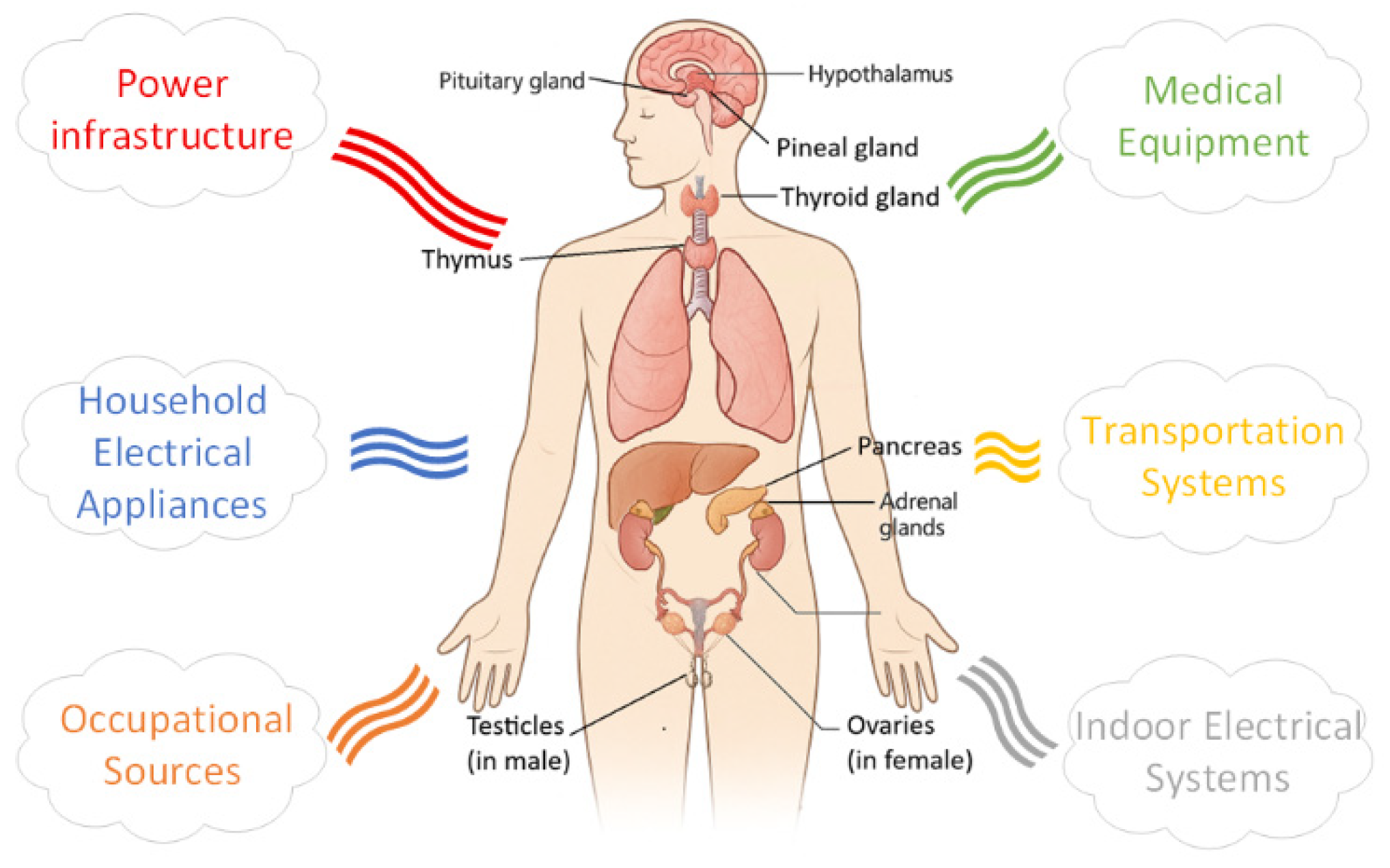
Figure 1. Schematic representation of the potential influence of different sources of extremely low-frequency electromagnetic fields (ELF-EMFs) on the human endocrine system.
Preprints 205144 g001
Figure 2. Evolution per year in the number of publications and citations related to ELF-EMFs impact on endocrine system.
Preprints 205144 g002
Figure 3. Most relevant journals for publishing in the field of ELF-EMFs impact on the endocrine system.
Preprints 205144 g003
Figure 4. Most productive authors in the field of ELF-EMFs impact on the endocrine system.
Preprints 205144 g004
Figure 5. Most popular WoS topics in the field of ELF-EMFs impact on the endocrine system.
Preprints 205144 g005
Figure 6. Co-occurrence of keywords (minimum of 10 occurrences)—Figure generated in VOSviewer [41].
Preprints 205144 g006
Table 1. Summary of Reported Endocrine System Effects by Gland/Hormone.
Endocrine Gland/Hormone Observed Effect Frequency Range Study Type Consistency of Findings References
Pineal Gland / Melatonin Attenuated nocturnal rise; reduced nocturnal concentrations; decreased levels ELF (50-100 Hz pulsed) Animal in vivo Consistent (animal), Inconsistent (overall) [3,11]
HPA Axis / Corticosterone, ACTH Altered “set-point” of activity; increased corticosterone (direct adrenal stim.); increased POMC mRNA, ACTH, corticosterone ELF (50 Hz, 1-7 mT; 1-5 Hz) Animal in vivo Consistent (animal) [4,14,15]
Thyroid Gland / FT3, FT4 Increased FT4; decreased FT3, FT4 (RF); hypothyroidism, morphological changes, increased cancer incidence (reviews) ELF (50 Hz); RF (general); Non-ionizing (general) Animal in vivo, Review, Observational Mixed (animal), Consistent (review of morphological) [3,16,18]
Gonads / Reproductive Hormones Male germ cell death, estrous cycle changes, altered hormone levels, reduced sperm motility, birth outcomes; estrous cycle disruption; increased risk low birth weight, sperm DNA damage (meta-analysis) VLF (20 kHz sawtooth); ELF (60 Hz); LF (general) Animal in vivo, in vitro, Human Meta-analysis Consistent (animal), Contradictory (human) [2,19,20,21]
Gastrointestinal Endocrine Cells Altered distribution/occurrence of gastrin, ghrelin, somatostatin cells ELF (60 Hz, 0.1 mT) Animal in vivo Scarce [12]
Pituitary Gland Reduced size of ACTH cells, nuclei volume, gland mass ELF (general) Animal in vivo Scarce [18]
Mast cells Increased histamine ejection ELF (general) Human Scarce [38]
Table 2. Summary of Reported Endocrine System Effects by Gland/Hormone.
Mechanism Category Key Molecular/Cellular Events Consequences for Endocrine Function References
Oxidative Stress (OS) Biosynthesis of Reactive Oxygen Species (ROS); increased free radical concentrations; compromise of antioxidant defense

Cellular damage, protein misfolding, DNA breaks; disrupted cellular homeostasis; increased vulnerability to other pathologies [2,10,25,26]
Ion Channel Modulation Irregular gating of Voltage-Gated Ion Channels (VGICs); forced oscillation of mobile ions; disruption of intracellular ionic concentrations
Disrupted calcium homeostasis (increased [Ca2+]i); trigger for ROS overproduction [26]
Non-linear Dose-Response (Hormesis) Bidirectional action depending on intensity; adaptive vs. sensitizing responses; requires gene expression/protein synthesis for re-establishment of homeostasis
Complex, non-monotonic effects on HPA axis and other systems; potential for therapeutic applications at low intensities [4,9]
Other Cellular Pathways Altered cellular homeostasis; altered gene expression (e.g., hsp70); modulated enzyme activity (ODC, PKC, Na+/K+ ATPase); stimulated oxidation-reduction processes; membrane disorders Dysfunctional hormone production/signaling; disrupted cellular communication; altered physiological responses [3,12,31]
Disclaimer/Publisher’s Note: The statements, opinions and data contained in all publications are solely those of the individual author(s) and contributor(s) and not of MDPI and/or the editor(s). MDPI and/or the editor(s) disclaim responsibility for any injury to people or property resulting from any ideas, methods, instructions or products referred to in the content.
Copyright: This open access article is published under a Creative Commons CC BY 4.0 license, which permit the free download, distribution, and reuse, provided that the author and preprint are cited in any reuse.
Prerpints.org logo

Preprints.org is a free preprint server supported by MDPI in Basel, Switzerland.

Subscribe

Disclaimer

Terms of Use

Privacy Policy

Privacy Settings

© 2026 MDPI (Basel, Switzerland) unless otherwise stated