

Submitted:
24 March 2026
Posted:
25 March 2026
You are already at the latest version
Abstract
Background. Benign prostatic hyperplasia (BPH) is a common condition in aging men that causes urinary symptoms. Current treatments have limitations, necessitating new approaches. Single-cell RNA sequencing (scRNA-seq) provides detailed insights into cellular activity, while Artificial Intelligence (AI) techniques such as large language models (LLMs) can analyze complex queries to identify natural substances that may downregulate overexpressed genes, providing a novel approach for the treatment of BPH. Method. Single-cell RNA sequencing (scRNA-seq) data (GSE226237) were obtained from the National Institutes of Health (NIH) Gene Expression Omnibus (GEO) repository. Gene expression profiles from three large prostates were compared with those from three small prostates to identify differentially expressed genes associated with larger prostate tissue. These genes were evaluated as potential therapeutic targets. Candidate natural compounds that may modulate the activity of overexpressed genes were generated using a structured prompt submitted to the large language model ChatGPT. Results. Single-cell RNA sequencing analysis comparing three large prostates with three small prostates identified distinct gene expression differences associated with prostate enlargement. Several genes involved in immune regulation and cellular structure were downregulated in large BPH, while genes related to epithelial integrity, protein synthesis, and proliferation such as SLC14A1, KRT5, KRT14, KRT15, PRAC1, CSTA, RPL36A, GABARAP, RPS17, and FXYD3 were upregulated. To explore potential therapeutic interventions, these overexpressed genes were analyzed using ChatGPT 5.4 to identify candidate natural compounds capable of modulating their activity. The resulting gene/compound associations include natural products such as resveratrol, curcumin, epigallocatechin gallate (EGCG), genistein, quercetin, sulforaphane, berberine, ashwagandha, and lycopene, highlighting promising directions for natural product based modulation of BPH-associated gene expression. Conclusions. These findings highlight molecular changes in BPH progression and show how single-cell transcriptomics reveals gene expression linked to epithelial proliferation, immune modulation, and metabolism. Integrating AI with omics data offers a framework for identifying potential natural therapeutics, though these AI-generated recommendations remain hypothesis-generating rather than definitive.
Keywords:
benign prostatic hyperplasia
; large language models
; natural products
; single-cell RNA sequencing
Introduction
Benign prostatic hyperplasia (BPH) is a common condition in aging males, marked by the non-cancerous enlargement of the prostate gland. This often results in urinary symptoms that can significantly diminish quality of life. Existing treatments, ranging from medications to invasive procedures, are frequently limited by side effects and inconsistent effectiveness, highlighting the pressing need for innovative therapeutic strategies. Recent breakthroughs in single-cell RNA sequencing (scRNA-seq) have transformed our understanding of cellular heterogeneity and the molecular mechanisms driving diseases like BPH. By offering a high-resolution view of gene expression at the single-cell level, scRNA-seq enables the identification of critical cellular populations and molecular pathways involved in disease progression. At the same time, advances in large language models (LLMs) in Artificial Intelligence (AI) provide robust tools for analyzing complex datasets and generating insights for drug repurposing. This study investigates the integration of scRNA-seq data and LLMs to enhance drug repurposing for BPH treatment. By combining the precision of scRNA-seq with the analytical power of LLMs, we aim to uncover novel therapeutic targets and reposition existing drugs to address unmet clinical needs. Building on this approach, we also explore the potential of integrating omics data with LLM to identify natural compounds capable of downregulating overexpressed genes, demonstrating a promising pathway for the development of safe and effective treatments for conditions such as BPH.
Data
We obtained scRNA-seq data (GSE226237) from the NIH/NCBI GEO repository to compare gene expression in the single-cell sequencing data from three small prostates (<80mL volume) and three large prostates (>80mL volume). Human prostate transition zone tissue resected during Thulium laser enucleation of the prostate (ThuLEP) were mechanically and enzymatically digested, scRNA-seq was performed for all 6 samples. We applied a t-test to log-normalized scRNA-seq expression data to compare cells from small and large prostate samples.
Figure 1.
– Prostate gland zones [1].
Figure 1.
– Prostate gland zones [1].
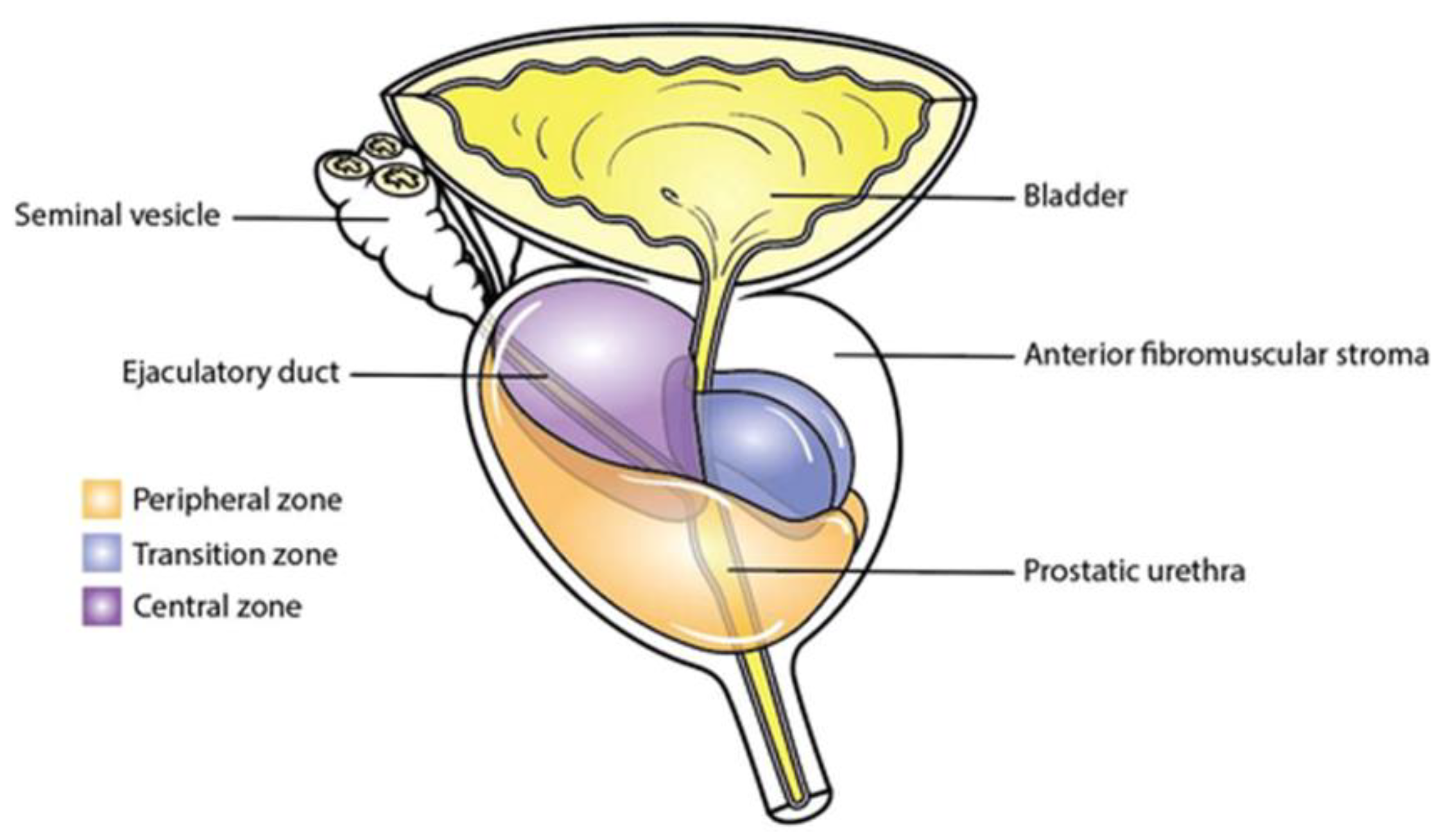
Figure 2.
GSE226237 contains 23351 small BPH and 23448 large BPH single cells.
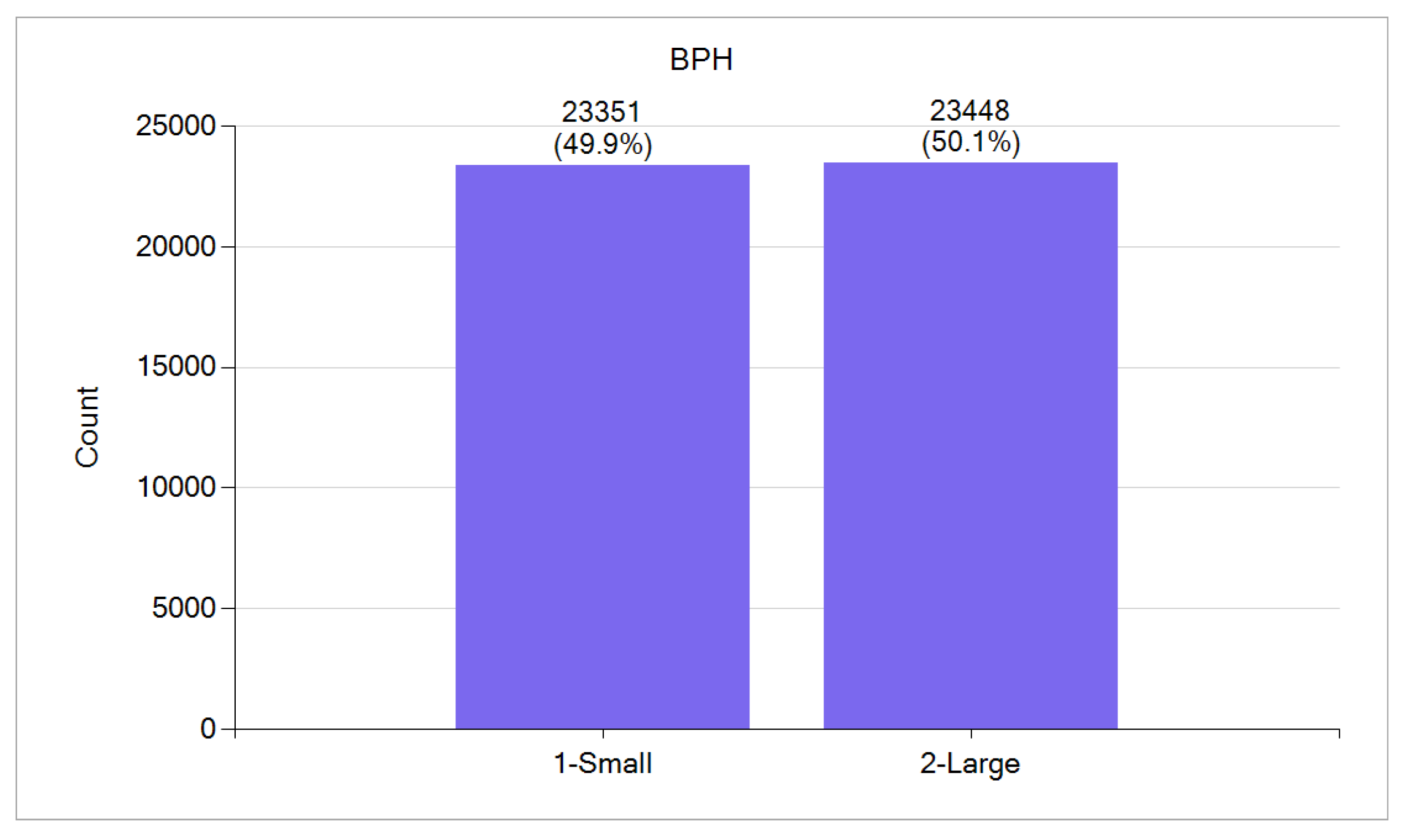
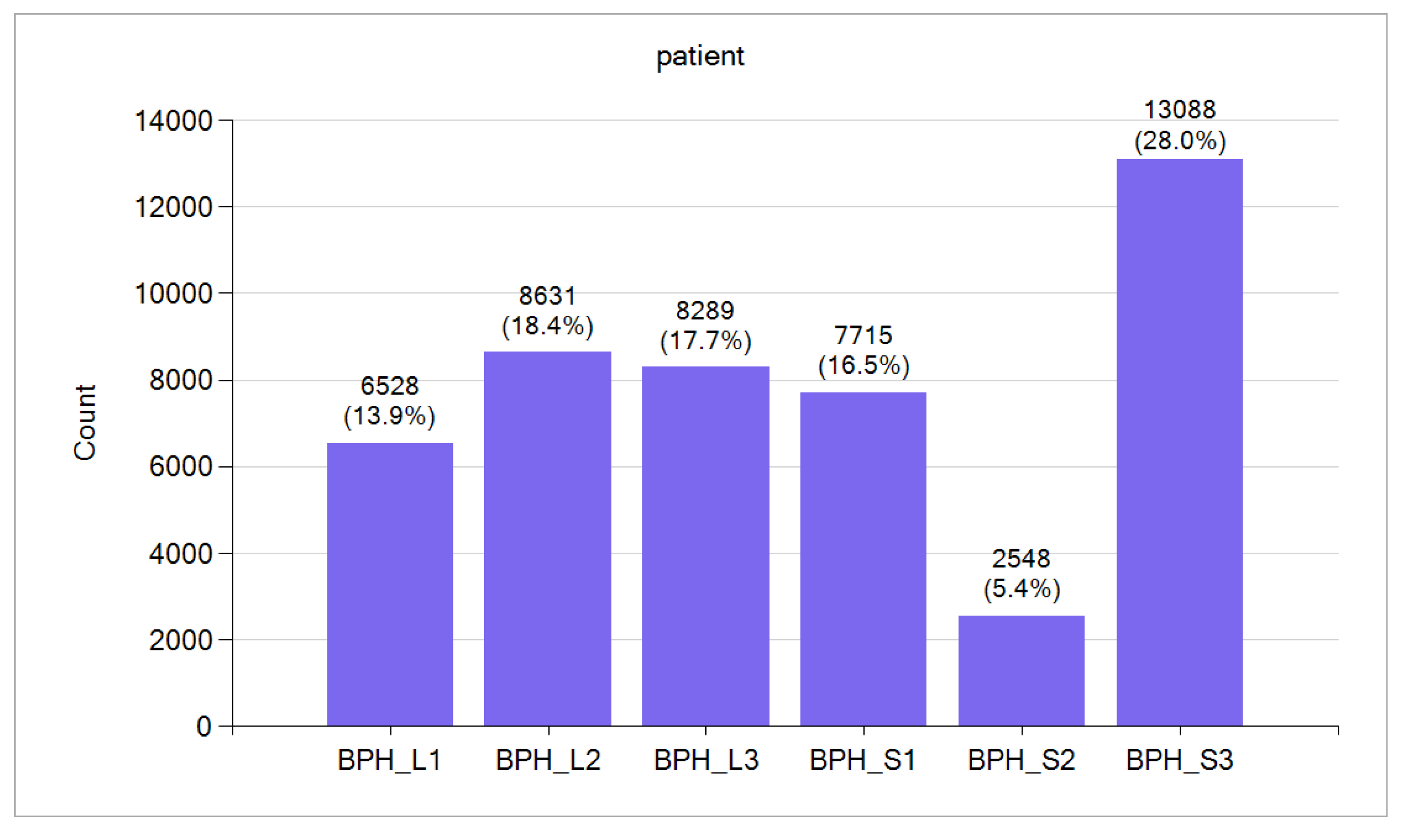
Figure 3.
the GSE226237 single-cell data were obtained from three patients with small BPH and three patients with large BPH.
Figure 3.
the GSE226237 single-cell data were obtained from three patients with small BPH and three patients with large BPH.
Differential Gene Expression – Small BPH compared to Large BPH single cells
Table 1 presents the top 10 genes that are either downregulated or upregulated when comparing small BPH and large BPH single cells. Downregulation and upregulation refer to the decrease or increase in gene expression, respectively.
In large BPH, several genes are downregulated, indicating a potential reduction in their activity as the condition progresses. Among them are the HLA-A, HLA-B, HLA-C and HLA-E genes, which are key components of the major histocompatibility complex (MHC) class I system, responsible for presenting intracellular antigens to the immune system. Studies have demonstrated a marked upregulation of HLA-DR expression, notably in prostate epithelial cells and infiltrating CD45+ immune cells, in BPH, in contrast to its minimal expression in normal prostate tissue [2]. The glucocorticoid-induced leucine zipper (TSC22D3-2) is a widely expressed dexamethasone-induced transcript that has been proposed to be important in immunity, adipogenesis, and renal sodium handling based on in vitro studies [3]. AHNAK a nucleoprotein plays a critical role in the regulation of calcium channels, blood-brain barrier formation, embryonic development, lipid metabolism, membrane repair, inflammatory responses and other processes [4]. Conversely, it has been reported that the pathogenesis of BPH is associated with a unique type of myosin heavy chain proliferation [5] and the mesenchymal marker vimentin (VIM) is expressed at higher levels in hyperplastic human prostatic epithelium compared to normal tissue [6]. Modulating adhesion molecule expression such as integrin (ITGA1) can regulate cell proliferation, apoptosis, EMT, and fibrotic processes, engaged in the development of prostatic hyperplasia [7]. The role of TXNIP is not clear in BPH but acts as a tumor suppressor in human prostate cancer [8].
Genes upregulated in large BPH reflect enhanced activity of structural and regulatory proteins. SLC14A1, involved in urea transport, becomes more active, perhaps in response to increased metabolic demands in the larger prostate tissue. However, it has been shown that the expression of SLC14A1 is significantly reduced in prostate cancer cells and tissue comparing to normal prostate epithelial cell and para-cancerous tissue [9]. The keratin genes KRT5, KRT14, and KRT15, all associated with epithelial cell structure and integrity, show increased expression, possibly indicating greater structural reinforcement as the tissue expands [10]. Selective expression of KRT13 and PRAC1 was also documented in prostate stem cells relative to progenitors and knockdown experiments confirmed their critical role in maintaining stemness properties [11]. Cystatins (CSTA) are a family of protease inhibitors, found both inside and outside cells, that specifically inhibit cysteine cathepsins. These lysosomal cysteine proteases play a role in various biological processes, such as protein degradation and post-translational modifications [12]. Additionally, prostate cells require a constant supply of proteins for growth and division. Ribosomal proteins (RPL36A and RPS17) facilitate this process by ensuring adequate protein synthesis [13].
Overexpressed Genes in BPH and AI-Driven Natural Therapeutics
Table 2 highlights the top 10 overexpressed genes in BPH and the corresponding natural compounds proposed to regulate their activity. The compounds were identified using ChatGPT with the following prompt:
“Act as an expert in naturopathic medicine, nutrigenomics, and molecular biology. A list of genes is overexpressed in benign prostatic hyperplasia (BPH). For each gene, recommend one natural compound (such as a phytochemical, plant extract, vitamin, mineral, or natural metabolite) that may downregulate the gene’s expression or inhibit its biological pathway. Base your recommendations on known molecular mechanisms, signaling pathways, or published experimental evidence when possible. Prioritize compounds known to influence inflammation, androgen signaling, cell proliferation, oxidative stress, or prostate biology, as these are relevant to BPH. If direct evidence for a specific gene is unavailable, suggest a compound that modulates the closest relevant pathway or transcriptional regulator. Output format (table): Gene | Natural Substance | Proposed Mechanism of Downregulation | Supporting Evidence (if known) Rules: Provide exactly one natural substance per gene. Prefer well-known bioactive compounds over vague herbal mixtures. Keep explanations concise (1–2 sentences per mechanism).”
Discussion
Benign prostatic hyperplasia (BPH) is a multifactorial condition characterized by progressive enlargement of the prostate gland driven by complex interactions between epithelial cells, stromal cells, immune signaling, and metabolic pathways. The present single-cell transcriptomic analysis comparing small and large BPH tissues reveals distinct gene expression patterns that provide insight into molecular mechanisms associated with disease progression. Specifically, the observed differential expression suggests that large BPH is characterized by changes in immune regulation, cytoskeletal remodeling, epithelial proliferation, and increased protein synthesis, all of which may contribute to the expansion of prostate tissue.
A notable finding is the downregulation of several major histocompatibility complex (MHC) class I genes, including HLA-A, HLA-B, HLA-C, and HLA-E, in large BPH. These genes play an essential role in antigen presentation and immune surveillance. Their reduced expression may reflect alterations in immune signaling within hyperplastic prostate tissue. Previous studies have reported increased expression of other immune markers, such as HLA-DR, in prostate epithelial cells and infiltrating immune cells in BPH, indicating that immune regulation in the prostate may shift during disease progression. Such changes could contribute to a chronic inflammatory microenvironment that supports tissue remodeling and cellular proliferation. Other downregulated genes identified in large BPH include TSC22D3, AHNAK, MYH9, VIM, ITGA1, and TXNIP, each of which plays roles in cellular signaling, structural organization, or metabolic regulation. TSC22D3 is a glucocorticoid-responsive gene implicated in immune modulation and cellular stress responses. AHNAK has been associated with calcium channel regulation and membrane repair, processes important for cellular homeostasis. The reduction of MYH9 and VIM expression is notable because both proteins are involved in cytoskeletal organization and cellular motility, which may reflect altered structural dynamics in enlarged prostate tissue. Additionally, ITGA1, an integrin involved in cell adhesion and extracellular matrix interactions, has been implicated in regulating cell proliferation, apoptosis, and epithelial-mesenchymal transition (EMT), all processes relevant to tissue remodeling in BPH. Although the role of TXNIP in BPH remains unclear, its established tumor-suppressive function in prostate cancer suggests that its downregulation could influence redox regulation and metabolic pathways within hyperplastic prostate cells.
In contrast, the genes upregulated in large BPH largely reflect enhanced epithelial structure, increased cellular proliferation, and elevated biosynthetic activity. For example, SLC14A1, a urea transporter, may be upregulated in response to increased metabolic activity within enlarged prostate tissue. Interestingly, previous studies have shown that SLC14A1 expression is reduced in prostate cancer compared with normal prostate tissue, suggesting that its expression may differ between benign and malignant prostate conditions. Several keratin genes, including KRT5, KRT14, and KRT15, were also significantly upregulated in large BPH. These genes encode intermediate filament proteins that contribute to epithelial cell structure and integrity. Their increased expression may reflect expansion of basal epithelial cell populations or enhanced structural reinforcement as prostate tissue grows. Keratin expression is often associated with stem and progenitor cell populations, and previous studies have demonstrated that keratin-associated genes and prostate-associated transcripts such as PRAC1 are selectively expressed in prostate stem cells and contribute to the maintenance of stemness properties. The increased expression of these genes in large BPH may therefore indicate expansion of progenitor-like epithelial populations within hyperplastic tissue. Additional upregulated genes include CSTA, RPL36A, GABARAP, RPS17, and FXYD3, which are associated with protease regulation, protein synthesis, autophagy, and ion transport. CSTA encodes a cysteine protease inhibitor that regulates cathepsin activity and may influence extracellular matrix remodeling and inflammatory processes. The upregulation of ribosomal proteins such as RPL36A and RPS17 suggests increased translational activity to support cell growth and proliferation within enlarged prostate tissue. GABARAP is involved in intracellular trafficking and autophagy, processes that help maintain cellular homeostasis under stress conditions. Meanwhile, FXYD3 regulates ion transport through Na⁺/K⁺-ATPase modulation and has been implicated in epithelial cell physiology and proliferation.
In addition to characterizing gene expression changes associated with BPH progression, this study also explored the potential use of artificial intelligence to generate hypotheses for natural therapeutics targeting overexpressed genes. Using a structured prompt, a large language model was queried to identify natural compounds that may downregulate or modulate the activity of genes upregulated in BPH. The proposed compounds, including resveratrol, curcumin, epigallocatechin gallate (EGCG), genistein, quercetin, sulforaphane, berberine, ashwagandha, and lycopene, have previously been reported to influence biological pathways relevant to prostate health, such as inflammation, oxidative stress, androgen signaling, and cellular proliferation.
Several of these compounds have well-documented biological activities that may be relevant to BPH pathophysiology. For example, resveratrol exhibits anti-inflammatory and antioxidant properties and has been shown to modulate epithelial cell proliferation. Curcumin and EGCG are known to regulate inflammatory pathways such as NF-κB signaling and have demonstrated anti-proliferative effects in various epithelial tissues. Genistein, a soy isoflavone, can influence estrogen receptor signaling and has been investigated for its potential protective effects in prostate disorders. Sulforaphane, derived from cruciferous vegetables, activates the Nrf2 antioxidant pathway and may modulate protease activity and inflammatory signaling. Similarly, berberine has been shown to regulate metabolic and protein synthesis pathways, while lycopene, a carotenoid abundant in tomatoes, has long been associated with prostate health and reduced oxidative stress.
It is important to emphasize that the AI-generated compound recommendations presented in this study should be considered hypothesis-generating rather than definitive therapeutic suggestions. While many of the identified compounds have documented biological activities and potential benefits for prostate health, direct experimental validation is necessary to confirm whether these substances can specifically regulate the expression of the identified genes in BPH tissue. Nonetheless, this approach illustrates the potential value of integrating transcriptomic data with artificial intelligence tools to accelerate the identification of candidate therapeutic compounds.
Summary
Benign prostatic hyperplasia (BPH) is a multifactorial condition involving complex interactions between epithelial, stromal, immune, and metabolic processes that lead to progressive prostate enlargement. In this study, single-cell transcriptomic analysis comparing small and large BPH tissues revealed distinct gene expression patterns associated with disease progression. Large BPH was characterized by downregulation of immune-related and structural genes, including several MHC class I genes and regulators of cytoskeletal organization and cellular signaling, alongside upregulation of genes related to epithelial structure, basal cell expansion, protein synthesis, and metabolic activity. These findings suggest that immune modulation, epithelial proliferation, and increased biosynthetic activity contribute to prostate tissue growth in advanced BPH. In addition, an artificial intelligence–based hypothesis generation approach was used to identify natural compounds that may modulate overexpressed genes, highlighting several bioactive substances with known anti-inflammatory, antioxidant, and anti-proliferative properties. Although these compounds require experimental validation, the study demonstrates how integrating single-cell transcriptomics with AI tools can provide new insights into BPH biology and generate potential therapeutic hypotheses.
References
- Figiel, S.; Cancel-Tassin, G.; Mills, I.G.; Lamb, A.D.; Fromont, G.; Cussenot, O. Molecular Anatomy of Prostate Cancer and Its Implications in Active Surveillance and Early Intervention Strategies. Anatomia 2023, 2, 300–319. [Google Scholar] [CrossRef]
- Theyer, G; Kramer, G; Assmann, I; Sherwood, E; Preinfalk, W; Marberger, M; Zechner, O; Steiner, GE. Phenotypic characterization of infiltrating leukocytes in benign prostatic hyperplasia. Lab Invest 1992, 66(1), 96–107. [Google Scholar] [PubMed]
- Suarez, PE; Rodriguez, EG; Soundararajan, R; Mérillat, AM; Stehle, JC; Rotman, S; Roger, T; Voirol, MJ; Wang, J; Gross, O; Pétrilli, V; Nadra, K; Wilson, A; Beermann, F; Pralong, FP; Maillard, M; Pearce, D; Chrast, R; Rossier, BC; Hummler, E. The glucocorticoid-induced leucine zipper (gilz/Tsc22d3-2) gene locus plays a crucial role in male fertility. Mol Endocrinol 2012, 26(6), 1000–13. [Google Scholar] [CrossRef]
- Sundararaj, S; Shishmarev, D; Lin, Y; Aditya, S; Casarotto, MG. 1H, 13C and 15N backbone NMR chemical shift assignments of the C-terminal P4 domain of Ahnak. Biomol NMR Assign 2018, 12(2), 253–257. [Google Scholar] [CrossRef]
- Lin, VK; Wang, D; Lee, IL; Vasquez, D; Fagelson, JE; McConnell, JD. Myosin heavy chain gene expression in normal and hyperplastic human prostate tissue. Prostate 2000, 44(3), 193–203. [Google Scholar] [CrossRef] [PubMed]
- Fraga, CH; True, LD; Kirk, D. Enhanced expression of the mesenchymal marker, vimentin, in hyperplastic versus normal human prostatic epithelium. J Urol. 1998, 159(1), 270–4. [Google Scholar] [CrossRef]
- Liu, J; Zhang, J; Fu, X; Yang, S; Li, Y; Liu, J; DiSanto, ME; Chen, P; Zhang, X. The Emerging Role of Cell Adhesion Molecules on Benign Prostatic Hyperplasia. Int J Mol Sci. 2023, 24(3), 2870. [Google Scholar] [CrossRef]
- Xie, M; Xie, R; Xie, S; Wu, Y; Wang, W; Li, X; Xu, Y; Liu, B; Zhou, Y; Wang, T; Gao, L; Pan, T. Thioredoxin interacting protein (TXNIP) acts as a tumor suppressor in human prostate cancer. Cell Biol Int. 2020, 44(10), 2094–2106. [Google Scholar] [CrossRef]
- Ye, B; Ding, K; Li, K; Zhu, Q. Study on the role of SLC14A1 gene in biochemical recurrence of prostate cancer. Sci Rep. 2022, 12(1), 17064. [Google Scholar] [CrossRef]
- Moll, R; Divo, M; Langbein, L. The human keratins: biology and pathology. Histochem Cell Biol. 2008, 129(6), 705–33. [Google Scholar] [CrossRef]
- Hu, Wen-Yang; Hu, Dan-Ping; Xie, Lishi; Li, Ye; Majumdar, Shyama; Nonn, Larisa; Hu, Hong; Shioda, Toshi; Prins, Gail S. Isolation and functional interrogation of adult human prostate epithelial stem cells at single cell resolution. Stem Cell Research 2017, Volume 23, Pages 1–12. [Google Scholar] [CrossRef]
- Zhang, Z; Zhan, F. Type 2 Cystatins and Their Roles in the Regulation of Human Immune Response and Cancer Progression. Cancers (Basel) 2023, 15(22), 5363. [Google Scholar] [CrossRef]
- Zhou, X; Liao, WJ; Liao, JM; Liao, P; Lu, H. Ribosomal proteins: functions beyond the ribosome. J Mol Cell Biol. 2015, 7(2), 92–104. [Google Scholar] [CrossRef] [PubMed]
- Jang, J; Song, J; Lee, J; Moon, SK; Moon, B. Resveratrol Attenuates the Proliferation of Prostatic Stromal Cells in Benign Prostatic Hyperplasia by Regulating Cell Cycle Progression, Apoptosis, Signaling Pathways, BPH Markers, and NF- κB Activity. Int J Mol Sci. 2021, 22(11), 5969. [Google Scholar] [CrossRef]
- Liu, Y; Wang, Z; Gan, Y; Chen, X; Zhang, B; Chen, Z; Liu, P; Li, B; Ru, F; He, Y. Curcumin attenuates prostatic hyperplasia caused by inflammation via up-regulation of bone morphogenetic protein and activin membrane-bound inhibitor. Pharm Biol. 2021, 59(1), 1026–1035. [Google Scholar] [CrossRef]
- Tepedelen, BE; Soya, E; Korkmaz, M. Epigallocatechin-3-gallate reduces the proliferation of benign prostatic hyperplasia cells via regulation of focal adhesions. Life Sci. 2017, 191, 74–81. [Google Scholar] [CrossRef]
- Geller, J; Sionit, L; Partido, C; Li, L; Tan, X; Youngkin, T; Nachtsheim, D; Hoffman, RM. Genistein inhibits the growth of human-patient BPH and prostate cancer in histoculture. Prostate 1998, 34(2), 75–9. [Google Scholar] [CrossRef]
- Jafari, A; Panahi, N; Hesaraki, S; Akbari, G. Protective and Antioxidant Effects of Quercetin Loaded Black Cumin (Nigella sativa L) Seed Oil-Based Nanoemulsion in Testosterone-Induced Benign Prostatic Hyperplasia: An Experimental Study. Arch Razi Inst. 2024, 79(5), 1065–1074. [Google Scholar] [PubMed]
- Myzak, MC; Hardin, K; Wang, R; Dashwood, RH; Ho, E. Sulforaphane inhibits histone deacetylase activity in BPH-1, LnCaP and PC-3 prostate epithelial cells. Carcinogenesis 2006, 27(4), 811–9. [Google Scholar] [CrossRef]
- Youn, DH; Park, J; Kim, HL; Jung, Y; Kang, J; Lim, S; Song, G; Kwak, HJ; Um, JY. Berberine Improves Benign Prostatic Hyperplasia via Suppression of 5 Alpha Reductase and Extracellular Signal-Regulated Kinase in Vivo and in Vitro. Front Pharmacol 2018, 9, 773. [Google Scholar] [CrossRef]
- Sarbishegi, M; Khani, M; Salimi, S; Valizadeh, M; Sargolzaei Aval, F. Antiproliferative and Antioxidant Effects of Withania coagulans Extract on Benign Prostatic Hyperplasia in Rats. Nephrourol Mon. 2016, 8(1), e33180. [Google Scholar] [CrossRef] [PubMed]
- Schwarz, S; Obermüller-Jevic, UC; Hellmis, E; Koch, W; Jacobi, G; Biesalski, HK. Lycopene inhibits disease progression in patients with benign prostate hyperplasia. J Nutr. 2008, 138(1), 49–53. [Google Scholar] [CrossRef] [PubMed]

Table 1.
Top 10 downregulated and upregulated genes through single-cell gene analysis in large BPH compared to small BPH single cells.
Table 1.
Top 10 downregulated and upregulated genes through single-cell gene analysis in large BPH compared to small BPH single cells.
| Small BPH compared to Large BPH single cells | |||
| Downregulated in Large BPH | Upregulated in Large BPH | ||
| Gene Symbol | Gene Name | Gene Symbol | Gene Name |
| HLA-B | Major Histocompatibility Complex, Class I, B | SLC14A1 | Solute Carrier Family 14 Member 1 (Kidd Blood Group) |
| HLA-A | Major Histocompatibility Complex, Class I, A | KRT5 | Keratin 5 |
| HLA-E | Major Histocompatibility Complex, Class I, E | KRT14 | Keratin 14 |
| TSC22D3 | TSC22 Domain Family Member 3 | KRT15 | Keratin 15 |
| AHNAK | AHNAK Nucleoprotein | PRAC1 | PRAC1 Small Nuclear Protein |
| MYH9 | Myosin Heavy Chain 9 | CSTA | Cystatin A |
| VIM | Vimentin | RPL36A | Ribosomal Protein L36a |
| ITGA1 | Integrin Subunit Alpha 1 | GABARAP | GABA Type A Receptor-Associated Protein |
| HLA-C | Major Histocompatibility Complex, Class I, C | RPS17 | Ribosomal Protein S17 |
| TXNIP | Thioredoxin Interacting Protein | FXYD3 | FXYD Domain Containing Ion Transport Regulator 3 |
Table 2.
Top 10 overexpressed genes in the large BPH and the recommended natural products by ChatGPT.
Table 2.
Top 10 overexpressed genes in the large BPH and the recommended natural products by ChatGPT.
| Overexpressed Genes in BPH and Natural Compounds Recommended by ChatGPT | ||
| Gene | Natural Compound | Rationale |
| SLC14A1 | Resveratrol from red grapes | Experimental studies show resveratrol reduces inflammatory signaling and alters gene expression profiles in prostate and epithelial cells. [14] |
| KRT5 | Curcumin from turmeric | Multiple in-vitro studies show curcumin suppresses keratinocyte proliferation and downregulates keratin-associated pathways. [15] |
| KRT14 | Epigallocatechin gallate (EGCG) from green tea | EGCG shown to regulate keratinocyte gene expression and reduce epithelial hyperplasia in experimental models. [16] |
| KRT15 | Genistein from soy | Studies in prostate and epithelial cells show genistein alters differentiation markers and suppresses proliferation. [17] |
| PRAC1 | Quercetin from onions or apples | Quercetin reported to inhibit prostate cell proliferation and modulate androgen-responsive gene pathways. [18] |
| CSTA | Sulforaphane from broccoli sprouts | Sulforaphane from cruciferous vegetables widely shown to regulate cysteine-protease inhibitor pathways and antioxidant genes. [19] |
| RPL36A | Berberine from Berberis species | Evidence shows berberine downregulates ribosome biogenesis and protein synthesis pathways in proliferating cells. [20] |
| GABARAP | Ashwagandha | Resveratrol is widely reported to regulate autophagy signaling and associated gene expression. [21] |
| RPS17 | Epigallocatechin gallate (EGCG) from green tea | Experimental studies demonstrate EGCG inhibits ribosome biogenesis and cell growth signaling. [16] |
| FXYD3 | Lycopene from tomatoes | Lycopene has been reported to influence prostate epithelial gene expression and reduce proliferation in prostate models. [22] |
Disclaimer/Publisher’s Note: The statements, opinions and data contained in all publications are solely those of the individual author(s) and contributor(s) and not of MDPI and/or the editor(s). MDPI and/or the editor(s) disclaim responsibility for any injury to people or property resulting from any ideas, methods, instructions or products referred to in the content. |
© 2026 by the authors. Licensee MDPI, Basel, Switzerland. This article is an open access article distributed under the terms and conditions of the Creative Commons Attribution (CC BY) license (http://creativecommons.org/licenses/by/4.0/).
Copyright: This open access article is published under a Creative Commons CC BY 4.0 license, which permit the free download, distribution, and reuse, provided that the author and preprint are cited in any reuse.


