Preprint
Review

This version is not peer-reviewed.

Metabolomic Biomarkers for Monitoring Tuberculosis Treatment Response: A Comprehensive Literature Review

A peer-reviewed version of this preprint was published in:
Diagnostics 2026, 16(9), 1278. https://doi.org/10.3390/diagnostics16091278

Submitted:

24 March 2026

Posted:

25 March 2026

You are already at the latest version

Abstract

Background: Tuberculosis (TB) remains a major global cause of morbidity and mortality. Current tools for monitoring treatment response rely on sputum-based microscopy and culture, which may be insensitive, time-consuming, and impractical in extrapulmonary or pediatric TB and in individuals unable to produce sputum. Metabolomics has emerged as a promising approach to identify host-derived biomarkers reflecting treatment-associated immunometabolic changes, but evidence remains heterogeneous and incompletely synthesized. Methods: We conducted a comprehensive literature review of metabolomic biomarkers associated with TB treatment response. PubMed, Scopus, and Web of Science were searched for human studies evaluating targeted or untargeted metabolomics (NMR, LC-MS, GC-MS, CE-MS) in relation to treatment response or outcomes. Two reviewers independently screened studies, extracted data, and assessed risk of bias using QUIPS and PROBAST. Findings were synthesized using a structured framework across treatment stages and outcomes. Results: Of 218 records identified, 139 titles/abstracts were screened and 42 full texts assessed; 15 studies met inclusion criteria. Recurrent signals involved amino acid metabolism, particularly the tryptophan–kynurenine pathway, and vitamin/cofactor metabolites (pyridoxate, nicotinamide, trigonelline). Plasma studies frequently reported lipid remodeling and bile acid perturbations, while urine studies highlighted polyamine metabolism (e.g., N¹,N¹²-diacetylspermine) and fatty acid β-oxidation markers. Common limitations included inadequate adjustment for confounders and, in prediction models, small sample sizes and limited external validation. Conclusions: Metabolomic reveals reproducible but heterogeneous immunometabolic changes during TB therapy. Key pathways include tryptophan-kynurenine metabolism, vitamin/cofactor metabolism, lipid remodeling, and urine polyamine pathways. Standardization and prospective multicenter validation are needed for clinical translation.

Keywords: 
;  ;  ;  ;  

1. Introduction

Tuberculosis (TB) remains one of the leading causes of death from infectious disease worldwide, with an estimated 10.7 million new cases and 1.23 million deaths reported in 2024 [1,2]. Although effective treatment regimens exist, timely and accurate monitoring of treatment response remains a major clinical and public health challenge, particularly in settings with limited laboratory infrastructure [1,3,4,5,6,7]. Reliable treatment monitoring is essential for confirming cure, detecting non-response outcomes, and identifying individuals at risk of relapse or treatment failure.
Current tools for monitoring TB treatment response rely primarily on sputum smear microscopy and mycobacterial culture. However, smear microscopy lacks sensitivity and does not reliably reflect bacterial clearance, while culture is time consuming, resource-intensive, and unavailable in all routine care settings [1,3,8,9]. These limitations are particularly evident in individuals who cannot expectorate sputum, those with extrapulmonary TB, or those are children and adolescents, where microbiological confirmation and monitoring are extremely difficult. With all of those limitations of the existing tools, there is a strong interest in host-based biomarkers that can provide earlier and better indicators of treatment response across diverse patient populations.
Metabolomics offers a promising approach for biomarker discovery by enabling comprehensive profiling of small molecules that reflect host immune activation, inflammation, tissue remodeling, and metabolic recovery during therapy [10,11,12,13,14,15]. Because TB is characterized by complex host–pathogen interactions, metabolomic signatures may capture both systemic immunometabolic perturbations and treatment-associated normalization across multiple biological pathways. Several studies have reported candidate metabolite or multimetabolite signatures associated with treatment response indicators, including early microbiological response (e.g., culture conversion) as well as final treatment outcome such as treatment success, failure or relapse, using diverse biospecimens (e.g. plasma or urine) and analytical platforms (e.g. liquid chromatography-mass spectrometry (LC-MS), gas chromatography-mass spectrometry (GC-MS), nuclear magnetic resonance (NMR), and capillary electrophoresis–mass spectrometry (CE–MS) [16,17,18,19,20,21,22,23,24,25,26,27,28,29,30]
Despite these promising findings, the evidence base remains heterogeneous. Studies vary in biospecimen type, metabolomic workflows, sampling schedules, metabolite identification confidence levels, statistical modeling strategies, and definitions of treatment response. Furthermore, key clinical factors such as HIV infection and diabetes mellitus, both of which influence metabolic pathways implicated in TB, are inconsistently represented across cohorts. This variability complicates comparison across studies and currently limits the translation of metabolomic biomarkers into clinically actionable monitoring tools [31].
To address these gaps, we conducted a comprehensive literature review to synthesize metabolomic biomarkers associated with TB treatment response. While previous reviews summarized metabolomic alterations in active TB, only a few specially examined metabolomic changes linked to treatment dynamics and clinical outcomes during therapy. In this review, we focused on human studies using targeted or untargeted metabolomic approaches to investigate both longitudinal metabolic changes during treatment and metabolites measured at treatment initiation that may predict subsequent outcomes such as treatment failure or relapse. By integrating evidence across studies, we aimed to identify recurrent metabolites and biological pathways associated with treatment response and to highlight promising candidates for future validation and translation to clinical practice.

2. Materials and Methods

2.1. Literature Search Strategy and Study Selection

This study was conducted as a comprehensive literature review using structured search and study selection procedures informed by Preferred Reporting Items for Systematic Reviews and Meta-Analyses (PRISMA) reporting guidance [32]. The review protocol was prospectively registered in the International Prospective Register of Systematic Reviews (PROSPERO) under registration number CRD420251266516. The objective was to synthesize evidence on metabolomic biomarkers associated with TB treatment response by examining both longitudinal changes across treatment stages (e.g. baseline, intensive phase, and end of treatment) and metabolite signatures associated with treatment outcomes such as treatment failure or relapse.

2.2. Eligibility Criteria (PECOS Framework)

2.2.1. Population

We included studies involving human participants of any age with microbiologically or clinically diagnosed TB (pulmonary or extrapulmonary), including drug-susceptible and drug-resistant TB. Studies enrolling HIV-positive and/or HIV-negative participants were eligible.

2.2.2. Exposure/Intervention

We included studies using targeted or untargeted metabolomics, including NMR, LC–MS, GC–MS, and CE–MS platforms. Lipidomics studies were included when metabolite-level biomarkers were reported.

2.2.3. Comparators

Eligible comparisons included treatment responders versus non-responders; culture converters versus non-converters; and treatment success versus treatment failure or relapse. We also included longitudinal within-person comparisons during therapy (e.g., baseline vs intensive phase and/or baseline vs end of treatment). Studies focusing solely on TB diagnosis (TB vs non-TB controls) without treatment monitoring or treatment-outcome prediction were not included in the treatment-phase synthesis; when such studies reported signatures explicitly linked to treatment response or outcome prediction, they were retained for descriptive analysis.

2.2.4. Outcomes

The primary outcome was TB treatment response, defined by the original studies using microbiological, clinical, or composite endpoints (e.g., culture conversion, treatment success, treatment failure, relapse).

2.2.5. Study Design

We included randomized and non-randomized study designs evaluating metabolomic biomarkers in relation to TB treatment response. Eligible designs included prospective or retrospective cohort studies, nested case-control studies within defined cohorts, randomized controlled trial (RCT) sub-studies, and cross-sectional analyses reporting treatment-stage comparisons. Case-control analyses were included when derived from well-defined clinical cohorts or longitudinal studies of TB treatment. Reviews, editorials, letters, case reports/series, and conference abstracts without full-text publication were excluded.

2.3. Information Sources and Search Strategy

A systematic literature search was conducted in PubMed, Scopus, and Web of Science from inception to 26 November 2025. The search strategy combined controlled vocabulary and free-text terms related to tuberculosis, metabolomics, biomarkers, and treatment response.
To maximize sensitivity, search terms included variations of “tuberculosis”, “Mycobacterium tuberculosis”, “metabolomics”, “metabonomics”, “lipidomics”, “biomarker”, “treatment”, “therapy”, “response”, “monitoring”, “outcome”, “failure”, and “cure”. Reference lists of included studies and relevant reviews were also screened to identify additional eligible publications.

2.4. Study Selection

All records retrieved from database searches were exported to a reference management software and deduplicated prior to screening. Two reviewers independently screened titles and abstracts to identify potentially eligible studies. Full-text articles were then retrieved and assessed independently by the same reviewers against the predefined eligibility criteria (PECOS framework). Disagreements at any stage were resolved through discussion; when consensus could not be reached, a third reviewer was consulted.
Reasons for full-text exclusion were documented. The study selection process is summarized using a PRISMA flow diagram (Figure 1).

2.5. Data Extraction

Data were extracted independently by two reviewers using a standardized extraction form. Extracted variables included: author and year; country/setting; study design; participant characteristics (e.g. age group, HIV status, and comorbidities when reported); sample size; type of TB and diagnostic criteria; biological specimen (e.g., urine or plasma); metabolomics platform and analytical approach (targeted or untargeted); sampling timepoints during treatment; definition of treatment response and outcomes; statistical methods; and key reported metabolites or metabolite panels associated with treatment response. Where available, directionality of metabolite change (increase or decrease) was recorded for each comparison category.
Any discrepancies in extracted data were resolved by discussion and consensus between reviewers. When required, corresponding authors were contacted for clarification.

2.6. Risk of Bias Assessment

Risk of bias was assessed independently by two reviewers. Studies that developed, validated, or externally evaluated multivariable prediction models (including machine learning classifiers) were evaluated using the Prediction Model Risk Of Bias Assessment Tool (PROBAST). Observational studies reporting metabolite-outcome associations or longitudinal metabolite changes without a formal prediction model were evaluated using the Quality In Prognostic Studies (QUIPS) tool. Studies were categorized as prognostic association studies or prediction model studies based on whether multivariable predictive models were developed and internally or externally validated. Disagreements were resolved by discussion and consensus.
For PROBAST, risk of bias was assessed across four domains (participants, predictors, outcome, and analysis), and applicability was assessed across three domains (participants, predictors, and outcome). For QUIPS, risk of bias was assessed across study participation, prognostic factor measurement, outcome measurement, confounding, and statistical analysis/reporting. Overall ratings were derived using a conservative rule: if any domain was rated high risk, the overall risk of bias was rated high; otherwise, if any domain was unclear/moderate, the overall rating was unclear/moderate; otherwise, the study was rated low risk of bias.
The use of these tools follows established guidance for prediction and prognostic studies [27,28].

2.7. Data Synthesis and Analysis

Due to substantial heterogeneity in study design, sampling timepoints, analytical platforms, metabolite identification, and statistical reporting, a quantitative meta-analysis was not performed. Instead, findings were synthesized narratively and summarized using a structured comparison framework.
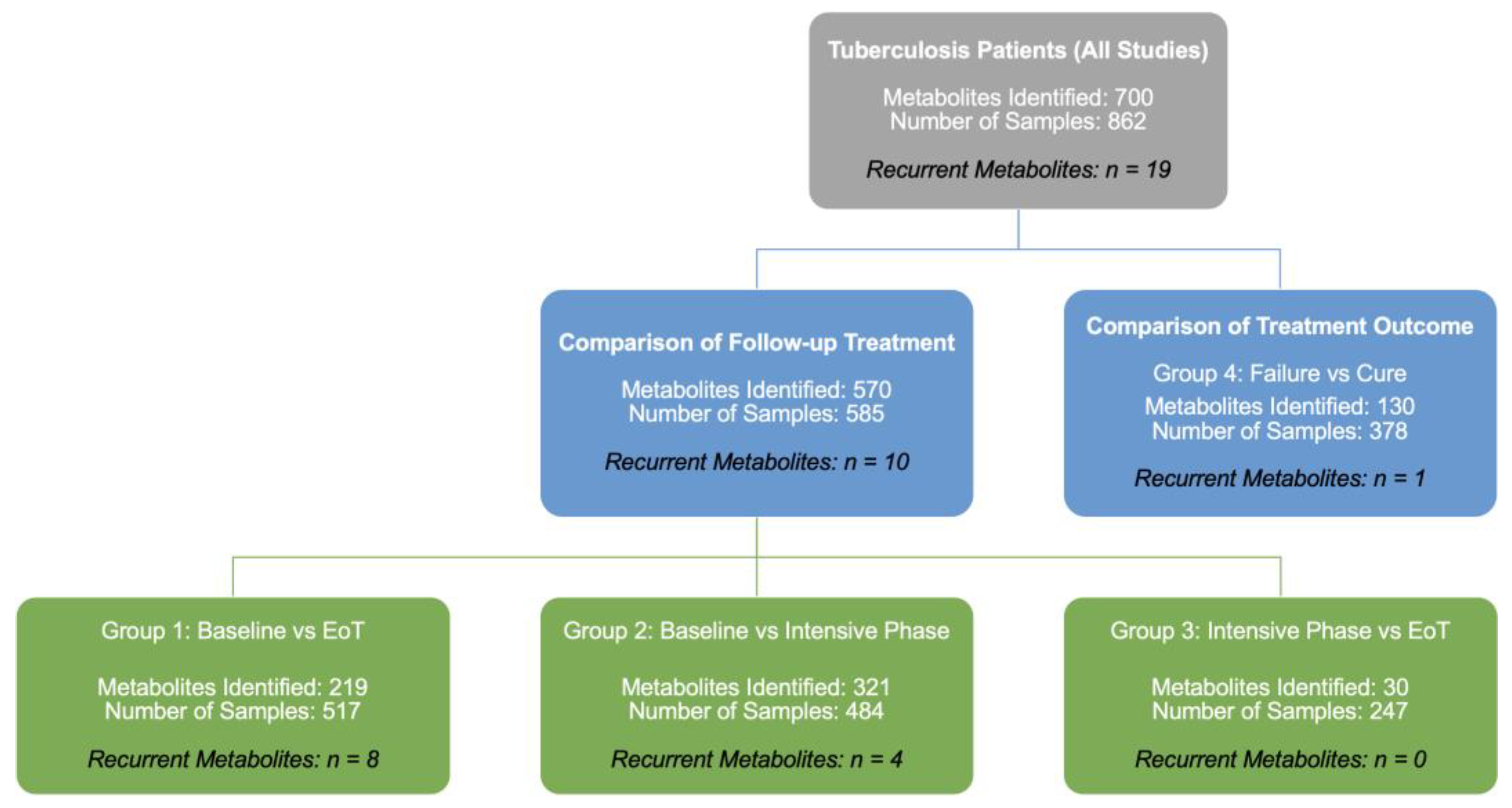
Comparisons were classified into four predefined groups: (Group 1) baseline vs end of treatment; (Group 2) baseline vs intensive phase; (Group 3) intensive phase vs end of treatment; and (Group 4) treatment failure vs cure.
Where reported, directionality of metabolite change (increase or decrease) was summarized within each comparison group. Metabolites were considered recurring when reported in at least two studies within the same comparison category. Recurrence was defined within the same comparison category and biofluid. Results were further stratified by biological specimens (urine vs plasma) and metabolomics approach (targeted vs untargeted) when data permitted.

3. Results

3.1. Study Selection

The database search identified 218 records. After removal of duplicates, 139 records were screened at the title and abstract stage, of which 97 were excluded. A total of 42 full-text reports were retrieved and assessed for eligibility; 27 were excluded, most commonly because the study did not evaluate metabolomic biomarkers in relation to TB treatment response. In total, 15 studies met the inclusion criteria and were included in the qualitative synthesis (Figure 1).

3.2. Study Characteristics

Characteristics, biospecimens and analytical platforms of the included studies are summarized in Table 1. Overall, the evidence base comprised heterogeneous study designs, including longitudinal cohort studies, nested case–control analyses, and prediction model studies. Studies were conducted across multiple geographic settings, including South Africa, Uganda, Ethiopia, Haiti, China, Thailand, India, Brazil, and Korea. Populations included adults and children, and several studies evaluated cohorts with key comorbidities such as HIV infection or diabetes mellitus.

3.3. Biospecimens and Metabolomic Platforms

Across the 15 included studies, metabolomic profiling was performed using both plasma and urine biospecimens. The majority of studies employed LC–MS-based workflows, while fewer used GC–MS or GC×GC–MS or UPLC platforms (Table 1). Both untargeted and targeted metabolomic approaches were represented, including targeted lipidomics and targeted quantification of immune-related metabolites such as markers within the tryptophan–kynurenine pathway.

3.4. Treatment Response Comparison Group

To facilitate synthesis across heterogeneous study designs and sampling schedules, included studies were categorized into four clinically relevant comparison groups (Figure 2): (1) baseline versus end of treatment (EoT), (2) baseline versus intensive phase, (3) intensive phase versus EoT, and (4) treatment failure versus cure outcome. This grouping enabled structured comparison of longitudinal treatment-associated changes and baseline signatures associated with unfavorable outcomes.

3.5. Summary of Metabolites by Comparison Group

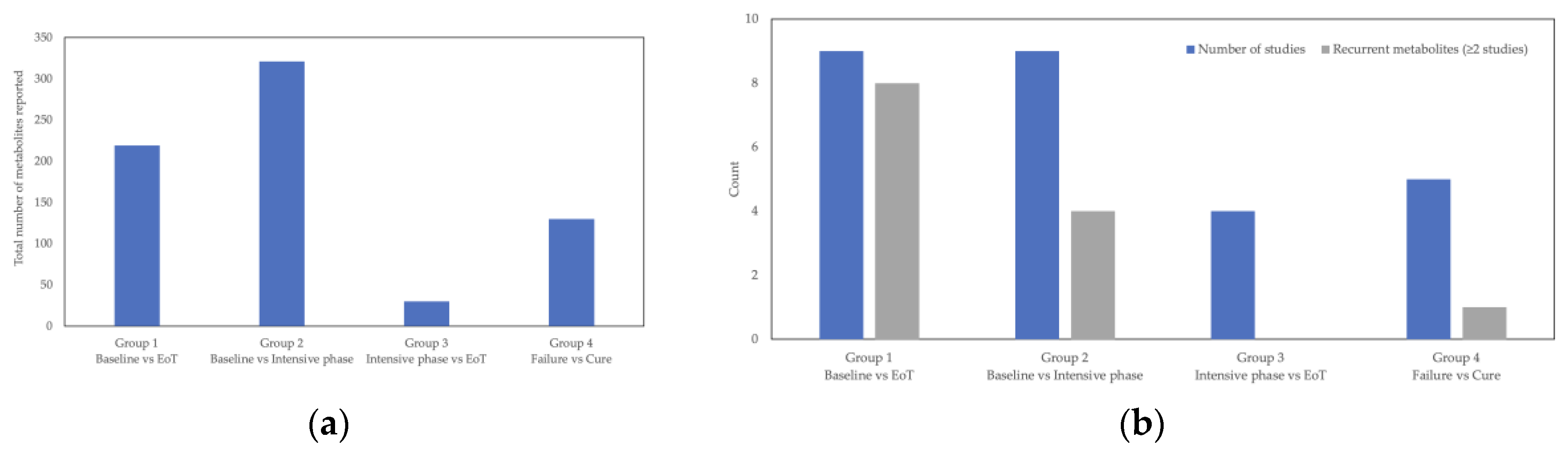
A total of 700 metabolites were reported across all comparison groups (Table 2). Metabolite counts are not directly comparable across studies due to differences in analytical coverage, metabolite identification workflows, statistical thresholds, and reporting practices. Metabolite totals are not additive across groups because individual studies may contribute to multiple comparison categories and the same metabolite may be reported in more than one group. The distribution of studies and metabolites by comparison group is summarized in Figure 3A-B, and recurrent metabolites within each subgroup are summarized in Table 2.
Group 1 (baseline vs EoT) included nine studies reporting 219 metabolites, comprising 157 plasma metabolites across six studies and 62 urine metabolites across three studies (Table 2). Eight metabolites were recurrent across ≥2 studies in this group, including 4-pyridoxate, glutamine, glycochenodeoxycholate, lysine, N¹,N¹²-Diacetylspermine (DiAcSpm), nicotinamide, quinolinic acid, and trigonelline. Only N¹,N¹²-Diacetylspermine (DiAcSpm) were identified across urine studies in this group.
Group 2 (baseline vs intensive phase) included nine studies reporting 321 metabolites, comprising 138 plasma metabolites across five studies and 183 urine metabolites across four studies (Table 2). Four recurrent metabolites were identified in this group, including 4-pyridoxate, glycochenodeoxycholate, nicotinamide, and trigonelline.
Group 3 (intensive phase vs EoT) included four studies reporting 18 plasma metabolites and 12 urine metabolites, with no recurrent metabolites identified across studies (Table 2).
Group 4 (treatment failure vs cure) included five studies reporting 130 metabolites, comprising 62 plasma metabolites from one study and 68 urine metabolites from four studies (Table 2). One recurrent urine metabolite, cis-4-decene-1,10-dioic acid, was reported in ≥2 studies, while no recurrent plasma metabolites were identified.
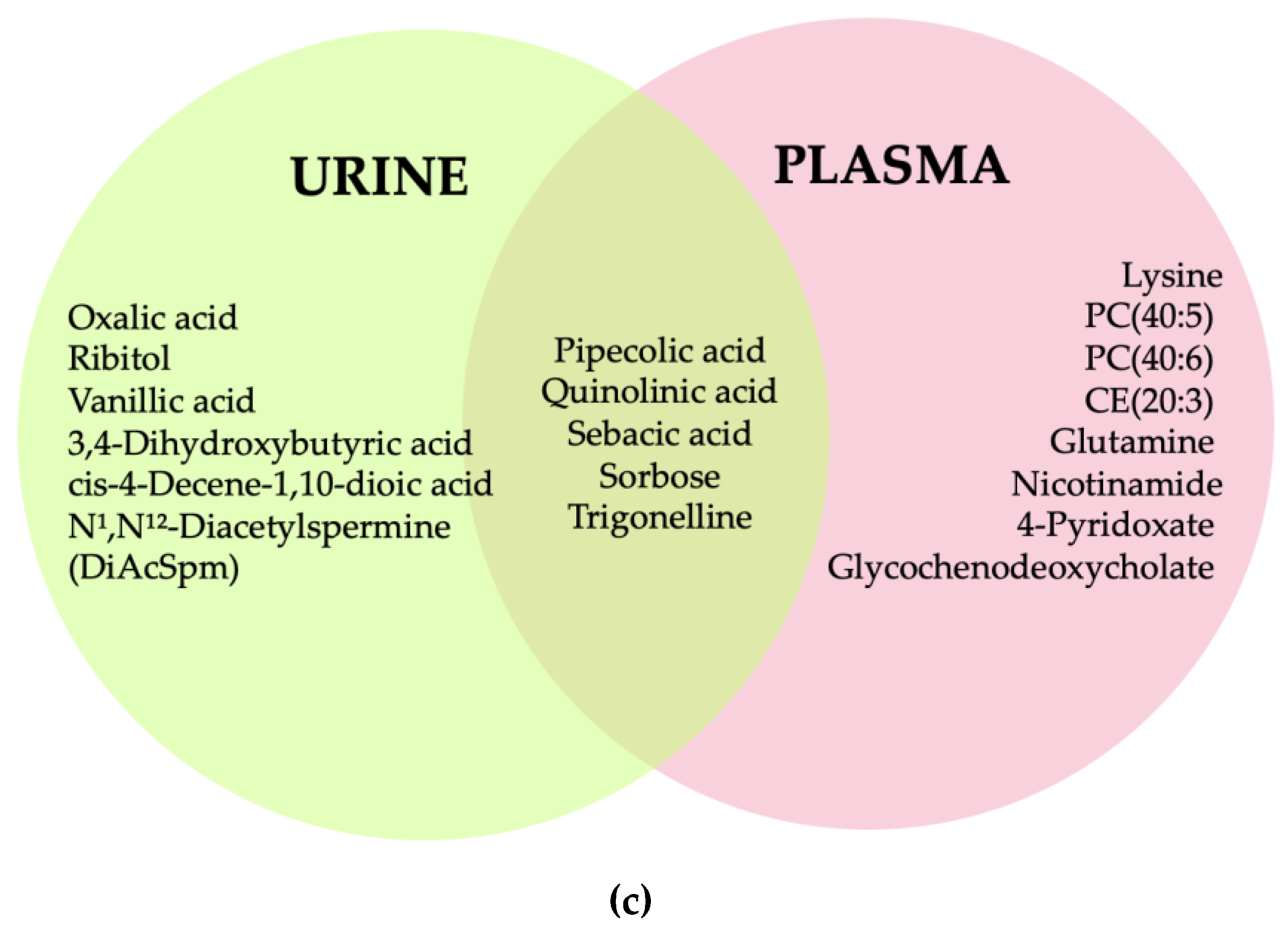
Across comparison groups, overlap between plasma and urine metabolite findings was limited, indicating that metabolomic treatment-response signatures were strongly biofluid-dependent (Figure 3C).

3.6. Risk of Bias Assessment

Risk of bias assessments are summarized in Table 3. Prediction model studies (including machine learning classifiers) were assessed using PROBAST, while prognostic association studies were assessed using QUIPS. Overall, 7 studies were classified as prediction model studies and 8 studies as prognostic association studies.
Among the 7 prediction model studies assessed using PROBAST, 6 were judged to have high risk of bias, while 1 study was judged low risk of bias (Table 3A). The most frequent PROBAST concerns were within the analysis domain, driven by small sample sizes relative to model complexity, high overfitting risk, incomplete reporting of model development steps, and limited internal or external validation.
Among the 8 prognostic association studies assessed using QUIPS, 3 were judged low risk of bias, 3 moderate risk, and 2 high risk (Table 3B). The most common QUIPS concerns were related to confounding control (particularly incomplete adjustment for HIV status, diabetes mellitus, and drug resistance), and analysis/reporting, including incomplete reporting of missing data handling and variability in outcome definitions and sampling schedules across cohorts.
Given these methodological limitations, particularly heterogeneity in analytical workflows and the high risk of bias in most prediction model studies, we therefore focused the synthesis on recurrent pathway-level signals that were consistently observed across independent cohorts and study designs.
Table 3. Risk of bias assessment of included studies. Prediction model studies (including machine learning classifiers) were evaluated using PROBAST. Prognostic factor/ association studies were evaluated using QUIPS.
Table 3. A. Prediction model studies (PROBAST).
Study (Year) [Ref] Study classification Participants Predictors Outcome Analysis Overall RoB Overall applicability Key concern(s)
Collins et al., 2025 [17] Prediction model (external evaluation) Low Low Low Low Low Low Externally evaluated; clear modeling
Nguyen et al., 2023 [23] Prediction model / ML classifier Unclear Low Low High High Unclear Small N vs predictors; limited validation
Mahapatra et al., 2014 [16] Prediction model / ML classifier High High Unclear High High Unclear Feature-level reporting; unclear model handling
Luies et al., 2017 [30] Prediction model / ML classifier High Low Low High High Unclear Small N; overfitting risk
Dutta et al., 2020 [28] Prediction model / ML classifier Unclear Unclear Low High High Unclear Complex integrated analysis; limited validation
Shivakoti et al., 2022 [27] Prediction model / ML classifier Unclear Unclear Unclear High High Unclear Confounding; limited model reporting
Tornheim et al., 2022 [18] Prediction model / ML classifier Unclear Unclear Unclear High High Unclear Small cohort; limited performance reporting
Table 3. B. Prognostic factor/ association studies (QUIPS).
Study (Year) [Ref] Study classification Participation Factor measurement Outcome measurement Confounding Analysis/reporting Overall RoB
Luies et al., 2017a [29] Association / longitudinal metabolite study Moderate Moderate Low Moderate Moderate Moderate
Nguyen et al., 2024 [24] Association / longitudinal metabolite study Moderate Low Low Moderate Moderate Moderate
Fitzgerald et al., 2019 [26] Association / longitudinal metabolite study Moderate Low Low High High High
Combrink et al., 2019 [20] Association / longitudinal metabolite study High Low Moderate Moderate Moderate High
Xia et al., 2020 [21] Association / longitudinal metabolite study Low Low Low Low Low Low
Gatechompol et al., 2024 [19] Association / longitudinal metabolite study Moderate Low Moderate Moderate Moderate Moderate
Yang et al., 2024 [22] Association / longitudinal metabolite study Low Low Low High High High
Arriaga et al., 2022 [25] Association / longitudinal metabolite study Low Low Low Low Low Low
Abbreviations: RoB, risk of bias; ML, machine learning. PROBAST was applied only to studies that developed, validated, or externally evaluated multivariable prediction models (including machine learning classifiers). QUIPS was applied to studies reporting metabolite–outcome associations without a formal prediction model.

3.7. Metabolic Pathway Synthesis

Across comparison groups, recurrent metabolites converged on four principal pathway domains: (i) amino acid metabolism, particularly the tryptophan–kynurenine axis; (ii) vitamin and cofactor metabolism; (iii) lipid remodeling and bile acid metabolism; and (iv) polyamine and β-oxidation–related pathways.
In longitudinal treatment comparisons (Groups 1–3), the most consistent signals involved treatment-associated modulation of the tryptophan–kynurenine pathway and vitamin/cofactor metabolites, reflecting shifts in systemic immune activation and redox balance during therapy. Plasma-based analyses repeatedly highlighted the kynurenine/tryptophan ratio, quinolinic acid, pyridoxate, and nicotinamide as representative markers of metabolic recovery.
In contrast, baseline comparisons linked to unfavorable outcomes (Group 4) more frequently implicated lipidomic perturbations, including altered ceramides, sphingomyelins, and cholesteryl esters, suggesting that host lipid remodeling and inflammatory lipid mediators may contribute to risk stratification.
Urine-based studies highlighted polyamine metabolism (notably N¹,N¹²-diacetylspermine) and dicarboxylic acids associated with β-oxidation, supporting the concept that urinary metabolites reflect downstream excretory and microbiome-associated metabolic processes distinct from plasma immune–metabolic signatures.
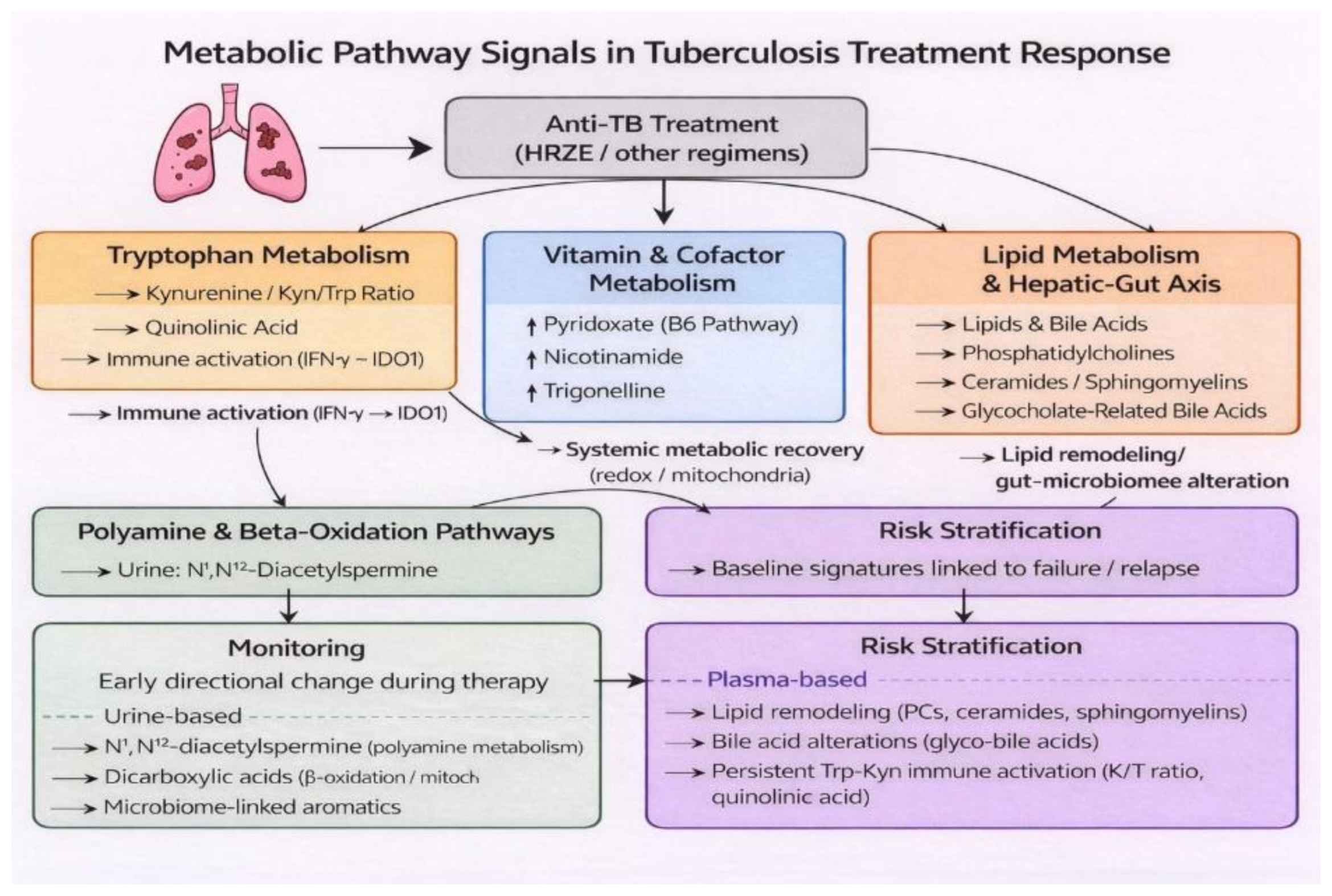
Pathway-level findings extracted from individual studies are summarized in Table 4, and an integrated schematic distinguishing monitoring-related versus risk-stratification–related metabolic signals is presented in Figure 4.

4. Discussion

This review synthesizes evidence from 15 human studies evaluating metabolomic biomarkers for monitoring tuberculosis (TB) treatment response, including longitudinal plasma- and urine-based metabolomics, lipidomics investigations, adult and pediatric populations, and outcome-focused prognostic and prediction model studies [16,17,18,19,20,21,22,23,24,25,26,27,28,29,30]. Across studies, anti-TB therapy was consistently associated with metabolic perturbations; however, the specific metabolites reported varied substantially by biospecimen, analytical platform, sampling schedule, and reporting practices. By organizing findings according to treatment-stage and outcome comparisons (Figure 2) and prioritizing cross-study recurrence rather than single-study signals, this review identifies a limited set of metabolites and pathways that show convergent evidence of change during therapy, while also highlighting key methodological limitations that currently constrain direct clinical translation [11,12,33,34].
Across comparison groups, the most consistent treatment-response signal involved amino acid metabolism, particularly the tryptophan–kynurenine pathway. Multiple plasma-based studies reported dynamic changes in the kynurenine/tryptophan (K/T) ratio and downstream metabolites such as quinolinic acid across treatment timepoints [16,17,21,22,23,24,27,28]. In general, elevated K/T ratios and quinolinic acid levels were observed at baseline in active TB and declined during successful therapy, with several studies reporting reductions during treatment consistent with resolution of systemic immune activation. Conversely, persistent elevation of these markers was associated with unfavorable outcomes in treatment-outcome comparisons (Group 4; Table 2) and in prediction-oriented analyses [17,22,23,27]. These findings are biologically plausible, as interferon-γ-driven activation of indoleamine 2,3-dioxygenase promotes tryptophan catabolism during chronic infection and immune activation [35,36,37,38]. The consistent observation of this pathway across studies conducted in different TB patient populations, including adult and pediatric cohorts, and populations with major comorbidities such as HIV infection and diabetes mellitus, suggests that the tryptophan-kynurenine axis reflects a recurrent host immunometabolism response during TB treatment rather than a cohort-specific phenomenon [18,19,22,25]. Nevertheless, because this pathway is not TB-specific and may be influenced by other inflammatory conditions, its most appropriate clinical role is likely within a multimetabolite panel rather than as a stand-alone biomarker [10,37,39,40].
In addition to amino acid metabolism, vitamin- and cofactor-related metabolites emerged as recurrent features of treatment response. Pyridoxate (a vitamin B6 catabolite), nicotinamide, and trigonelline were repeatedly reported in longitudinal comparisons, particularly between baseline and intensive-phase or end-of-treatment timepoints (Table 2) [16,21,22,23,24]. Across studies, these metabolites generally showed directional changes consistent with metabolic recovery during therapy, although the magnitude and timing of change varied across cohorts and analytical platforms. These metabolites plausibly reflect recovery of host nutritional status, redox balance, and mitochondrial function, which are disrupted during active TB and may progressively normalize with an effective therapy [5,11,12,33]. Although the direction and timing of change were not fully consistent across studies, repeated detection of these metabolites across independent cohorts supports their potential relevance as markers of systemic metabolic recovery during treatment.
Lipid and bile acid metabolism constituted another prominent theme, particularly in plasma-based studies and analyses focused on treatment outcomes. Lipidomic profiling identified treatment-associated remodeling of phosphatidylcholines and sphingolipids, while baseline lipid signatures-including altered ceramide and sphingomyelin profiles-were associated with subsequent treatment failure in some cohorts [17,23,24,27]. Recurrent alterations in bile acids such as glycochenodeoxycholate and glycocholate were also reported [21,23], potentially reflecting interactions among host metabolism, antimicrobial therapy, hepatic function, and gut–liver axis biology [41,42]. However, lipid and bile acid markers are sensitive to diet, liver disease, and antibiotic exposure, and therefore may be most informative when interpreted in combination with other metabolic and clinical indicators [43,44,45,46,47].
Urine-based metabolomic studies highlighted additional pathways relevant to treatment monitoring, particularly polyamine metabolism and fatty acid β-oxidation. Urinary N¹,N¹²-diacetylspermine was one of the few metabolites consistently associated with early treatment response and changes in bacterial burden across multiple studies (Table 2) [16,20,21]. In most reports, levels of this metabolite declined during therapy, consistent with reduced inflammatory and proliferative metabolic activity as treatment progresses. Other urinary markers, including dicarboxylic acids and aromatic compounds, were linked to unfavorable outcomes and were hypothesized to reflect impaired mitochondrial β-oxidation or host-microbial metabolic interactions [25,30]. The limited overlap between urine and plasma metabolites observed in Figure 3C underscores that treatment-response signatures are strongly biofluid-dependent. Plasma appears to better capture systemic immune-metabolic and lipid remodeling, whereas urine reflects excreted metabolic end-products and polyamine-related immune-metabolic signals [12,48,49,50]. These findings emphasize the importance of defining the intended clinical use-case, systemic monitoring versus non-invasive screening, when developing metabolomic biomarkers for TB treatment response.
From a translational perspective, the findings summarized in Figure 3 and Figure 4 and Table 2 and Table 3 suggest two potential applications of metabolomic biomarkers in TB. First, longitudinal markers that demonstrate early and reproducible directional change during therapy may support adjunctive monitoring of treatment response, particularly in settings where microbiological assessments are delayed, limited, or unavailable [16,20,21,23,24]. Second, baseline metabolic signatures associated with later treatment failure raise the possibility of pre-treatment risk stratification to guide intensified monitoring or tailored interventions [17,23,24,27]. However, reported performance metrics varied widely across studies, external validation was uncommon, and several prediction models were developed in relatively small cohorts. These limitations indicate that most proposed biomarker panels remain investigational and are not yet suitable for clinical implementation [10,11,12,50].
For metabolomics-based biomarkers to become clinically actionable in TB treatment monitoring, the most realistic near-term approach is likely a targeted quantitative assay rather than untargeted discovery workflows. In practice, this would most plausibly take the form of a targeted LC–MS/MS panel measuring a small number of recurrent metabolites (e.g., 3–6 markers), selected to represent complementary biological domains such as immune activation (Trp–Kyn markers), metabolic recovery (pyridoxate, nicotinamide), and host lipid remodeling (selected lipid or bile acid features) [11,37,40,42,43,45,47]. Such panels are technically feasible, potentially cost-effective, and compatible with standardized calibration procedures, quality control frameworks, and inter-laboratory reproducibility.
Plasma-based assays may be better suited for capturing systemic immune–metabolic shifts and lipid remodeling, whereas urine-based assays offer advantages in non-invasive sampling and feasibility for longitudinal monitoring in resource-limited settings. However, given the limited overlap between urine and plasma metabolites (Figure 3C), plasma and urine panels should be developed for distinct clinical applications rather than assumed to be interchangeable. Urine-based candidates such as N¹,N¹²-diacetylspermine remain particularly attractive for early treatment monitoring, but require additional validation across diverse cohorts and standardized normalization strategies [16,20,21].
Across both matrices, translation will require (i) standardized biospecimen collection and processing protocols, (ii) clear reporting of metabolite identification confidence (e.g., MSI levels), (iii) harmonized clinical endpoints and sampling schedules aligned to treatment milestones, (iv) prospective multicenter external validation using pre-specified panels rather than post hoc feature selection, and (v) standardized inclusion and exclusion criteria that account for populations vulnerable to metabolic variability, including individuals with HIV infection, diabetes mellitus, or pediatric TB [5,11,12,31,48]. Without these steps, reported biomarkers are likely to remain context-specific and vulnerable to poor reproducibility across settings.
Several sources of heterogeneity complicate interpretation of the existing evidence. Included studies differ substantially in analytical platforms, metabolite identification confidence, preprocessing pipelines, statistical methods, sampling schedules, and definitions of treatment response [5,11,12,31]. Many studies excluded or incompletely accounted for key comorbidities such as HIV infection or diabetes mellitus, despite their known influence on metabolic pathways repeatedly implicated in this review [19,22]. Risk-of-bias assessment (Table 3) identified common concerns related to participant selection, confounding control, and analytical transparency, particularly in prediction model studies [51,52]. In addition, several studies used nested case-control designs within larger cohorts, which may introduce spectrum or selection bias and potentially inflate biomarker performance estimates compared with fully prospective cohort analyses. These limitations underscore the need for standardized metabolomic workflows, harmonized outcome definitions, and rigorous validation strategies.
This review has several strengths, including comprehensive synthesis of longitudinal and outcome-focused metabolomic studies, structured subgroup analyses aligned to treatment stages and biospecimens (Figure 2 and Figure 3), and pathway-level integration of recurrent findings (Figure 4; Table 4). Limitations include the inability to perform quantitative effect-size meta-analysis due to heterogeneity, reliance on recurrence-based synthesis rather than pooled estimates, and the potential for publication bias. Accordingly, the metabolites and pathways highlighted here should be interpreted as candidate signals rather than definitive clinical biomarkers [5,11,12,31].
In summary, metabolomic profiling captures reproducible immunometabolic perturbations during TB therapy, with convergent evidence implicating the tryptophan-kynurenine axis, vitamin/cofactor metabolism, lipid remodeling, and urine polyamine-related pathways in treatment response. While these findings support the biological plausibility of metabolomics-based monitoring, substantial methodological heterogeneity and limited validation currently preclude routine clinical implementation. Prospective, multicenter studies using standardized protocols, harmonized outcome definitions, and rigorous validation frameworks will be essential to translate these promising metabolic signatures into clinically actionable tools for monitoring TB treatment response [5,11,12,31].

5. Conclusions

This review synthesizes current evidence on metabolomic biomarkers associated with tuberculosis (TB) treatment response. Across 15 human studies, reproducible but heterogeneous metabolic perturbations were observed during therapy, with convergent evidence implicating the tryptophan–kynurenine pathway, vitamin/cofactor metabolism, lipid remodelling, and urine polyamine-related pathways. These findings support the biological plausibility of metabolomics-based approaches to capture dynamic host immunometabolic changes during TB treatment. However, substantial heterogeneity in biospecimens, analytical platforms, sampling schedules, and outcome definitions, together with limited external validation, currently preclude routine clinical implementation. Future studies should prioritize standardized metabolomic workflows, harmonized definitions of treatment response, and prospective multicenter validation across key populations, including individuals with HIV infection and metabolic comorbidities. Such efforts will be essential to translate promising metabolomic signatures into clinically actionable tools for monitoring TB treatment response.

Author Contributions

T.K.B.-N., C.Q.N, H.T.M.D, T.K.T., N.T.T.H., and H.M.N. contributed to study collection, screening, data extraction, and data synthesis, and participated in manuscript preparation. H.T.T.N., T.K.B.-N., C.Q.N., and V.L.-Q. performed the data analysis and drafted the manuscript. A.K. contributed to critical revision of the manuscript. H.T.T.N. and L.N.N. contributed to the initial conception and study design, supervised the research, and coordinated the overall project. All authors contributed to refining the study design, discussed interpretation of the results, and contributed intellectual input to the manuscript. All authors have read and agreed to the published version of the manuscript.

Funding

This research received no external funding.

Institutional Review Board Statement

Not applicable.

Data Availability Statement

No new datasets were generated or analyzed during this study. All data analyzed in this systematic review are derived from previously published studies cited in the manuscript.

Conflicts of Interest

The authors declare no conflicts of interest.

Abbreviations

The following abbreviations are used in this manuscript:
TB Tuberculosis
LC Liquid chromatography
LC-MS Liquid chromatography-mass spectrometry
MS Mass spectrometry
MS/MS Tandem mass spectrometry
GC Gas chromatography
GC-MS Gas chromatography-mass spectrometry
GC×GC–MS Two-dimensional gas chromatography time-of-flight
CE Capillary electrophoresis
CE–MS Capillary electrophoresis–mass spectrometry
NMR Nuclear magnetic resonance
PRISMA Preferred Reporting Items for Systematic Reviews and Meta-Analyses
PROSPERO International Prospective Register of Systematic Reviews
RCT Randomized controlled trial
GenAI Generative artificial intelligence
PROBAST Prediction Model Risk Of Bias Assessment Tool
QUIPS Quality In Prognostic Studies
ELISA Enzyme-linked immunosorbent assay
EoT End of treatment
ML Machine learning
MRM Multiple Reaction Monitoring
TOF Time of flight
GC×GC–TOFMS Two-dimensional gas chromatography time-of-flight mass spectrometry
UPLC Ultra performance liquid chromatography
K/T ratio Kynurenine/tryptophan ratio
Trp–Kyn Tryptophan-kynurenine

References

  1. Team, W.; Global Programme on Tuberculosis and Lung Health (GTB) Global Tuberculosis Report 2025; 2025;
  2. Goletti, D.; Meintjes, G.; Andrade, B.B.; Zumla, A.; Shan Lee, S. Insights from the 2024 WHO Global Tuberculosis Report – More Comprehensive Action, Innovation, and Investments Required for Achieving WHO End TB Goals. Int. J. Infect. Dis. 2025, 150, 107325. [CrossRef]
  3. Pai, M.; Behr, M.A.; Dowdy, D.; Dheda, K.; Divangahi, M.; Boehme, C.C.; Ginsberg, A.; Swaminathan, S.; Spigelman, M.; Getahun, H.; et al. Tuberculosis. Nat. Rev. Dis. Prim. 2016.
  4. MacLean, E.L.H.; Zimmer, A.J.; den Boon, S.; Gupta-Wright, A.; Cirillo, D.M.; Cobelens, F.; Gillespie, S.H.; Nahid, P.; Phillips, P.P.; Ruhwald, M.; et al. Tuberculosis Treatment Monitoring Tests during Routine Practice: Study Design Guidance. Clin. Microbiol. Infect. 2024, 30, 481–488. [CrossRef]
  5. Zimmer, A.J.; Lainati, F.; Vasquez, N.A.; Chedid, C.; McGrath, S.; Benedetti, A.; MacLean, E.; Ruhwald, M.; Denkinger, C.M.; Kohli, M. Biomarkers That Correlate with Active Pulmonary Tuberculosis Treatment Response: A Systematic Review and Meta-Analysis. J. Clin. Microbiol. 2022, 60. [CrossRef]
  6. WHO 2022 Update; 2022; ISBN 9789240065093.
  7. Organization, W.H. Companion Handbook; 2014; ISBN 9789241548441.
  8. Wallis, R.S.; Wang, C.; Doherty, T.M.; Onyebujoh, P.; Vahedi, M.; Laang, H.; Olesen, O.; Parida, S.; Zumla, A. Biomarkers for Tuberculosis Disease Activity, Cure, and Relapse. Lancet Infect. Dis. 2010, 10, 68–69. [CrossRef]
  9. Babu, S. Biomarkers for Treatment Monitoring in Tuberculosis: A New Hope. EBioMedicine 2017, 26, 13–14. [CrossRef]
  10. Tounta, V.; Liu, Y.; Cheyne, A.; Larrouy-Maumus, G. Metabolomics in Infectious Diseases and Drug Discovery. Mol. Omi. 2021, 17, 376–393. [CrossRef]
  11. Yu, Y.; Jiang, X.X.; Li, J.C. Biomarker Discovery for Tuberculosis Using Metabolomics. Front. Mol. Biosci. 2023, 10, 1–23. [CrossRef]
  12. Dalamaga, M. Clinical Metabolomics: Useful Insights, Perspectives and Challenges. Metab. Open 2024, 22, 100290. [CrossRef]
  13. Abuawad, A.; Romero, M.; Jarquin, S.M.; Ghaemmaghami, A.M.; Kim, D.-H. Metabolomic Profiling of Host–Pathogen Interactions: Differential Effects of Gram-Positive and Gram-Negative Bacterial Secretomes on THP-1 Macrophage Metabolism. RSC Adv. 2025, 15, 40607–40618. [CrossRef]
  14. Ahmadi, S.; Sedaghat, F.R.; Memar, M.Y.; Yekani, M. Metabolomics in the Diagnosis of Bacterial Infections. Clin. Chim. Acta 2025, 565, 120020. [CrossRef]
  15. Ogger, P.P.; Murray, P.J. Dissecting Inflammation in the Immunemetabolomic Era. Cell. Mol. Life Sci. 2025, 82. [CrossRef]
  16. Mahapatra, S.; Hess, A.M.; Johnson, J.L.; Eisenach, K.D.; DeGroote, M.A.; Gitta, P.; Joloba, M.L.; Kaplan, G.; Walzl, G.; Boom, W.H.; et al. A Metabolic Biosignature of Early Response to Anti-Tuberculosis Treatment. BMC Infect. Dis. 2014, 14, 1–11. [CrossRef]
  17. Collins, J.M.; Bobosha, K.; Narayanan, N.; Gandhi, N.R.; Day, C.L.; Rengarajan, J.; Kempker, R.R.; Lau, M.S.Y.; Nellis, M.; Tukvadze, N.; et al. A Plasma Metabolic Signature to Diagnose Pulmonary Tuberculosis and Monitor Treatment Response. J. Infect. Dis. 2025, 232, 578–587. [CrossRef]
  18. Tornheim, J.A.; Paradkar, M.; Zhao, H.; Kulkarni, V.; Pradhan, N.; Kinikar, A.; Kagal, A.; Gupte, N.; Mave, V.; Gupta, A.; et al. The Kynurenine/Tryptophan Ratio Is a Sensitive Biomarker for the Diagnosis of Pediatric Tuberculosis Among Indian Children. Front. Immunol. 2022, 12, 1–6. [CrossRef]
  19. Gatechompol, S.; Lutter, R.; Vaz, F.M.; Ubolyam, S.; Avihingsanon, A.; Kerr, S.J.; van Leth, F.; Cobelens, F. The Plasma Kynurenine-to-Tryptophan Ratio as a Biomarker of Tuberculosis Disease in People Living with HIV on Antiretroviral Therapy: An Exploratory Nested Case–Control Study. BMC Infect. Dis. 2024, 24, 1–11. [CrossRef]
  20. Combrink, M.; Du Preez, I.; Ronacher, K.; Walzl, G.; Loots, D.T. Time-Dependent Changes in Urinary Metabolome before and after Intensive Phase Tuberculosis Therapy: A Pharmacometabolomics Study. Omi. A J. Integr. Biol. 2019, 23, 560–572. [CrossRef]
  21. Xia, Q.; Lee, M.H.; Walsh, K.F.; McAulay, K.; Bean, J.M.; Fitzgerald, D.W.; Dupnik, K.M.; Johnson, W.D.; Pape, J.W.; Rhee, K.Y.; et al. Urinary Biomarkers of Mycobacterial Load and Treatment Response in Pulmonary Tuberculosis. JCI Insight 2020, 5, 1–16. [CrossRef]
  22. Yang, M.; Wang, W.; Zhang, P.; Chen, X.; Liu, G.; Lu, H.; He, M.; Deng, G. Variations in Quinolinic Acid Levels in Tuberculosis Patients with Diabetes Comorbidity: A Pilot Prospective Cohort Study. Infect. Drug Resist. 2024, 17, 2975–2985. [CrossRef]
  23. Anh, N.K.; Phat, N.K.; Yen, N.T.H.; Jayanti, R.P.; Thu, V.T.A.; Park, Y.J.; Cho, Y.S.; Shin, J.G.; Kim, D.H.; Oh, J.Y.; et al. Comprehensive Lipid Profiles Investigation Reveals Host Metabolic and Immune Alterations during Anti-Tuberculosis Treatment: Implications for Therapeutic Monitoring. Biomed. Pharmacother. 2023, 158, 114187. [CrossRef]
  24. Anh, N.K.; Yen, N.T.H.; Tien, N.T.N.; Phat, N.K.; Park, Y.J.; Kim, H.S.; Vu, D.H.; Oh, J.Y.; Kim, D.H.; Long, N.P. Metabolic Phenotyping and Global Functional Analysis Facilitate Metabolic Signature Discovery for Tuberculosis Treatment Monitoring. Biochim. Biophys. Acta - Mol. Basis Dis. 2024, 1870, 167064. [CrossRef]
  25. Arriaga, M.B.; Karim, F.; Queiroz, A.T.L.; Araújo-Pereira, M.; Barreto-Duarte, B.; Sales, C.; Moosa, M.Y.S.; Mazibuko, M.; Milne, G.L.; Maruri, F.; et al. Effect of Dysglycemia on Urinary Lipid Mediator Profiles in Persons With Pulmonary Tuberculosis. Front. Immunol. 2022, 13, 1–12. [CrossRef]
  26. Fitzgerald, B.L.; Islam, M.N.; Graham, B.; Mahapatra, S.; Webb, K.; Boom, W.H.; Malherbe, S.T.; Joloba, M.L.; Johnson, J.L.; Winter, J.; et al. Elucidation of a Human Urine Metabolite as a Seryl-Leucine Glycopeptide and as a Biomarker of Effective Anti-Tuberculosis Therapy. ACS Infect. Dis. 2019, 5, 353–364. [CrossRef]
  27. Shivakoti, R.; Newman, J.W.; Hanna, L.E.; Queiroz, A.T.L.; Borkowski, K.; Gupte, A.N.; Paradkar, M.; Satyamurthi, P.; Kulkarni, V.; Selva, M.; et al. Host Lipidome and Tuberculosis Treatment Failure. Eur. Respir. J. 2022, 59, 1–13. [CrossRef]
  28. Dutta, N.K.; Tornheim, J.A.; Fukutani, K.F.; Paradkar, M.; Tiburcio, R.T.; Kinikar, A.; Valvi, C.; Kulkarni, V.; Pradhan, N.; Shivakumar, S.V.B.Y.; et al. Integration of Metabolomics and Transcriptomics Reveals Novel Biomarkers in the Blood for Tuberculosis Diagnosis in Children. Sci. Rep. 2020, 10, 1–11. [CrossRef]
  29. Luies, L.; Reenen, M. Van; Ronacher, K.; Walzl, G.; Loots, D.T. Predicting Tuberculosis Treatment Outcome Using Metabolomics. Biomark. Med. 2017, 11, 1057–1067. [CrossRef]
  30. Luies, L.; Mienie, J.; Motshwane, C.; Ronacher, K.; Walzl, G.; Loots, D.T. Urinary Metabolite Markers Characterizing Tuberculosis Treatment Failure. Metabolomics 2017, 13, 0. [CrossRef]
  31. Kirwan, J.A. Translating Metabolomics into Clinical Practice. Nat. Rev. Bioeng. 2023, 1, 228–229.
  32. Page, M.J.; McKenzie, J.E.; Bossuyt, P.M.; Boutron, I.; Hoffmann, T.C.; Mulrow, C.D.; Shamseer, L.; Tetzlaff, J.M.; Akl, E.A.; Brennan, S.E.; et al. The PRISMA 2020 Statement: An Updated Guideline for Reporting Systematic Reviews. Bmj 2021, 372. [CrossRef]
  33. Scalbert, A.; Brennan, L.; Fiehn, O.; Hankemeier, T.; Kristal, B.S.; van Ommen, B.; Pujos-Guillot, E.; Verheij, E.; Wishart, D.; Wopereis, S. Mass-Spectrometry-Based Metabolomics: Limitations and Recommendations for Future Progress with Particular Focus on Nutrition Research. Metabolomics 2009, 5, 435–458. [CrossRef]
  34. Long, N.P.; Heo, D.Y.; Park, S.; Yen, N.T.H.; Cho, Y.S.; Shin, J.G.; Oh, J.Y.; Kim, D.H. Molecular Perturbations in Pulmonary Tuberculosis Patients Identified by Pathway-Level Analysis of Plasma Metabolic Features. PLoS One 2022, 17, 1–13. [CrossRef]
  35. Mellor, A. Indoleamine 2,3 Dioxygenase and Regulation of T Cell Immunity. Biochem. Biophys. Res. Commun. 2005, 338, 20–24. [CrossRef]
  36. Suzuki, Y.; Miwa, S.; Akamatsu, T.; Suzuki, M.; Fujie, M.; Nakamura, Y.; Inui, N.; Hayakawa, H.; Chida, K.;; Suda, T.; Indoleamine 2,3-Dioxygenase in the Pathogenesis of Tuberculous Pleurisy. Int. J. Tuberc. Lung Dis. 2013, 17, 1501–1506, doi:DOI: 10.5588/ijtld.13.0082.
  37. Badawy, A.A.B. Kynurenine Pathway of Tryptophan Metabolism: Regulatory and Functional Aspects. Int. J. Tryptophan Res. 2017, 10. [CrossRef]
  38. Adu-Gyamfi, C.G.; Savulescu, D.; George, J.A.; Suchard, M.S. Indoleamine 2, 3-Dioxygenase-Mediated Tryptophan Catabolism: A Leading Star or Supporting Act in the Tuberculosis and HIV Pas-de-Deux? Front. Cell. Infect. Microbiol. 2019, 9, 1–12. [CrossRef]
  39. Cervenka, I.; Agudelo, L.Z.; Ruas, J.L. Kynurenines: Tryptophan’s Metabolites in Exercise, Inflammation, and Mental Health. Science (80-. ). 2017, doi:DOI: 10.1126/science.aaf9794.
  40. Seo, S.K.; Kwon, B. Immune Regulation through Tryptophan Metabolism. Exp. Mol. Med. 2023, 55, 1371–1379. [CrossRef]
  41. Russell, D.G.; Cardona, P.-J.; Kim, M.-J.; Allain, S.; Altare, F. Foamy Macrophages and the Progression of the Human Tuberculosis Granuloma. Nat. Immunol. 2009, 10, 943–948.
  42. Lovewell, R.R.; Sassetti, C.M.; VanderVen, B.C. Chewing the Fat: Lipid Metabolism and Homeostasis during M. Tuberculosis Infection. Curr. Opin. Microbiol. 2016, 29, 30–36. [CrossRef]
  43. Fleishman, J.S.; Kumar, S. Bile Acid Metabolism and Signaling in Health and Disease: Molecular Mechanisms and Therapeutic Targets. Signal Transduct. Target. Ther. 2024, 9. [CrossRef]
  44. Tamber, S.S.; Bansal, P.; Sharma, S.; Singh, R.B.; Sharma, R. Biomarkers of Liver Diseases. Mol. Biol. Rep. 2023, 50, 7815–7823. [CrossRef]
  45. Qi, L.; Chen, Y. Circulating Bile Acids as Biomarkers for Disease Diagnosis and Prevention. J. Clin. Endocrinol. Metab. 2023, 108, 251–270. [CrossRef]
  46. Zou, P.; Wang, L. Dietary Pattern and Hepatic Lipid Metabolism. Liver Res. 2023, 7, 275–284. [CrossRef]
  47. Kang, S.; Jeong, D.Y.; Seo, J.; Daily, J.W.; Park, S. Microbiota-Mediated Bile Acid Metabolism as a Mechanistic Framework for Precision Nutrition in Gastrointestinal and Metabolic Diseases. Cells 2025, 15, 1–30. [CrossRef]
  48. González-Domínguez, R.; González-Domínguez, Á.; Sayago, A.; Fernández-Recamales, Á. Recommendations and Best Practices for Standardizing the Pre-Analytical Processing of Blood and Urine Samples in Metabolomics. Metabolites 2020, 10, 1–18. [CrossRef]
  49. Ali, A.M.; Monaghan, C.; Muggeridge, D.J.; Easton, C.; Watson, D.G. LC/MS-Based Discrimination between Plasma and Urine Metabolomic Changes Following Exposure to Ultraviolet Radiation by Using Data Modelling. Metabolomics 2023, 19, 1–15. [CrossRef]
  50. Qiu, S.; Cai, Y.; Yao, H.; Lin, C.; Xie, Y.; Tang, S.; Zhang, A. Small Molecule Metabolites: Discovery of Biomarkers and Therapeutic Targets. Signal Transduct. Target. Ther. 2023, 8, 1–37. [CrossRef]
  51. Wolff, R.F.; Moons, K.G.M.; Riley, R.D.; Whiting, P.F.; Westwood, M.; Collins, G.S.; Reitsma, J.B.; Kleijnen, J.; Mallett;, S.; Group, P. PROBAST: A Tool to Assess the Risk of Bias and Applicability of Prediction Model Studies. Ann. Intern. Med. 2019, 170.
  52. Hayden, J.A.; Windt, D.A. van der; Cartwright, J.L.; Côté, P.; Bombardier, C. Assessing Bias in Studies of Prognostic Factors. Ann. Intern. Med. 2013, 158.
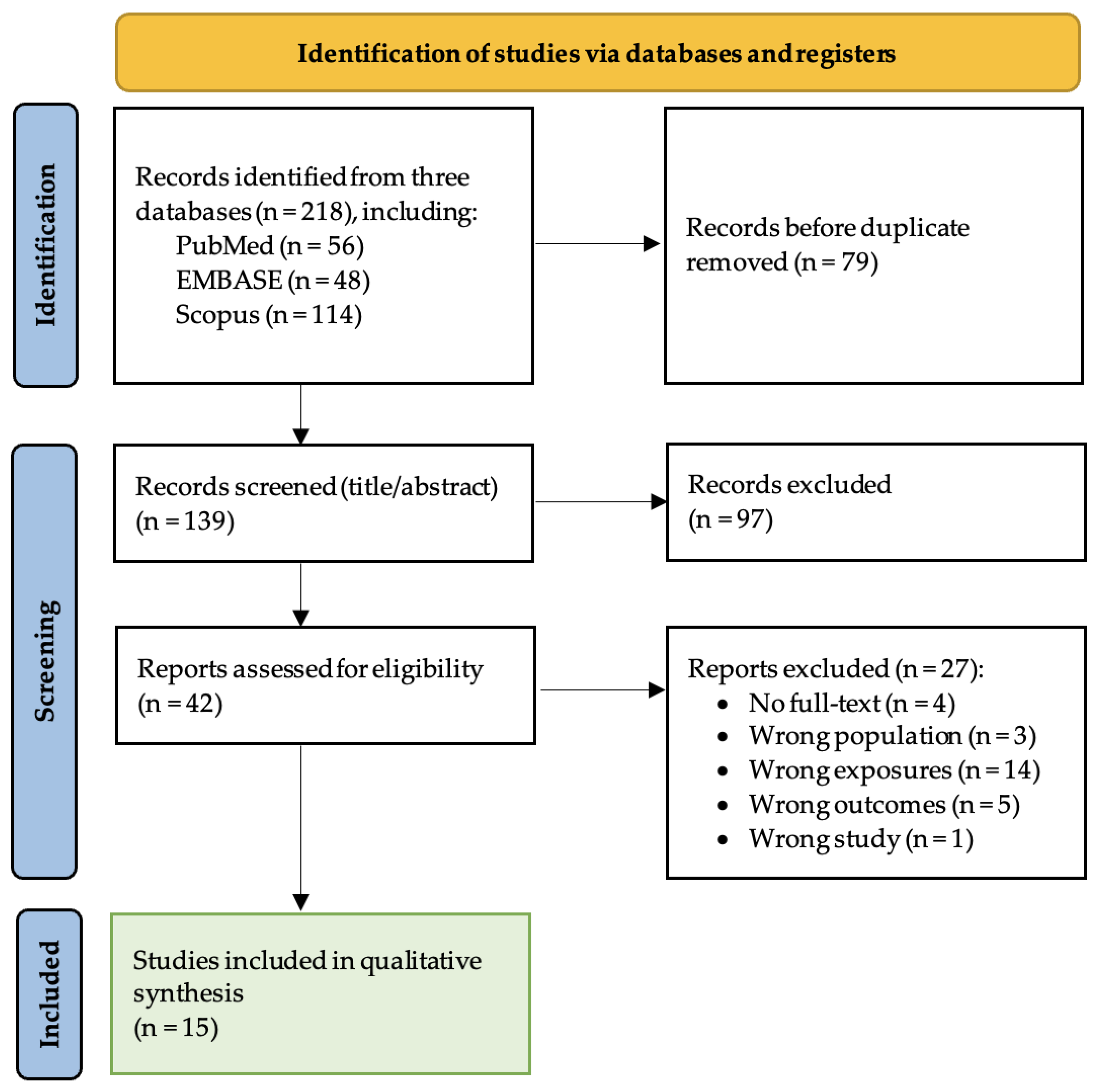
Figure 1. PRISMA flow diagram. *Consider, if feasible to do so, reporting the number of records identified from each database or register searched (rather than the total number across all databases/registers). **If automation tools were used, indicate how many records were excluded by a human and how many were excluded by automation tools. Source: Page MJ, et al. BMJ 2021;372:n71. doi: 10.1136/bmj.n71. This work is licensed under CC BY 4.0. To view a copy of this license, visit https://creativecommons.org/licenses/by/4.0/.
Preprints 204849 g001
Figure 2. Study synthesis workflow and comparison-group framework used for narrative integration. The included studies were organized into four comparison groups based on treatment stage and outcome definitions: (Group 1) baseline vs end of treatment (EoT), (Group 2) baseline vs intensive phase, (Group 3) intensive phase vs EoT, and (Group 4) treatment failure/relapse vs cure. Metabolite-level findings were synthesized using a structured narrative approach and recurrence-based vote counting across studies within each comparison group. Quantitative effect-size meta-analysis was not performed due to heterogeneity in study designs, biospecimens, analytical platforms, sampling schedules, and reporting formats.
Preprints 204849 g002
Figure 3. Summary of study distribution and recurrent metabolites across comparison groups and sample types. (a) Total number of metabolites reported across studies within each comparison group: Group 1 (baseline vs end of treatment [EoT]), Group 2 (baseline vs intensive phase), Group 3 (intensive phase vs EoT), and Group 4 (treatment failure vs cure); (b) Number of included studies contributing to each comparison group and the number of recurrent metabolites (defined as metabolites reported in ≥2 independent studies) within that group; (c) Venn diagram showing the overlap of recurrent metabolites (≥2 studies) identified in urine and plasma, highlighting biofluid-specific signatures and limited cross-matrix overlap.
Preprints 204849 g003aPreprints 204849 g003b
Figure 4. Metabolic pathway signals in tuberculosis treatment response. Schematic overview of recurrent metabolic pathways and representative metabolites associated with tuberculosis (TB) treatment response, synthesized from the 15 included studies and pathway-level findings (Table 2 and Table 4). Anti-TB therapy (HRZE or other regimens) is linked to coordinated immunometabolic changes across multiple biological domains. The most consistently reported pathway involved tryptophan catabolism through the kynurenine axis, reflecting immune activation (IFN-γ–IDO1). Vitamin and cofactor metabolites (e.g., pyridoxate, nicotinamide, trigonelline) suggest systemic metabolic recovery during therapy. Lipid remodeling and bile acid perturbations reflect host lipid regulation and potential hepatic–gut axis influences. Urine-based studies additionally highlighted polyamine metabolism (e.g., N¹,N¹²-diacetylspermine) and β-oxidation/excreted end-products, including dicarboxylic acids and microbiome-linked aromatics. The lower panels illustrate two potential translational applications: (i) longitudinal monitoring based on early directional changes during treatment and (ii) baseline risk stratification using metabolite signatures linked to failure/relapse. Arrows indicate conceptual relationships rather than quantitative effect sizes.
Preprints 204849 g004
Table 1. Characteristics, biospecimens and metabolomic platforms used in included studies.
Author, Publication Year [Ref] Setting and population Study Design Biospeciment Platform and approach Sample size Sampling timpoints Metabolite focus Outcome comparison
TB Non-TB
Luies et all., 2017 [30] Adults with pulmonary TB; South Africa Prospective longitudinal cohort Urine GC–MS/GC×GC–MS, Untargeted 41 0 Baseline Global metabolites Group 4
Nguyen Ky Anh et al., 2024 [24] Adults with pulmonary TB; diabetes (17.1%); Korea Prospective observational longitudinal cohort Plasma LC–MS, Untargeted & targeted 41 0 Baseline; intensive (between week 6 & 11); EoT (between week 18 & 26) Polar and bile acids/ lipids Group 1 and Group 2
Nguyen Ky Anh et al., 2023 [23] Adults with pulmonary TB; diabetes (17.1%); Korea Longitudinal cohort study Plasma LC–MS, Targeted lipidomics 41 0 Baseline; intensive (between week 6 & 11); EoT (between week 18 & 26) Lipids Group 1 and Group 2
Fitzgerald BL et al., 2019 [26] Adults with pulmonary TB; HIV (-); Multi-center (Uganda & South Africa) Uganda cohort (KCHS): Cohort subset / case-contact study
South Africa cohort (Catalysis Study): Longitudinal outcome cohort
Urine LC–MS, Untargeted 45 39 Baseline; week 1/2/4/8, EoT Global metabolites Group 2 andGroup 4
Dutta NK et al., 2020 [28] Children with pulmonary and extrapulmonary TB; India Longitudinal nested case–control study (within the CTRIUMPH cohort) Plasma LC–MS/MS, Untargeted 16 16 Baseline; month 1; month 6 (EoT) Polar metabolites Group 1 andGroup 2 and Group 3
Combrink M et al., 2019 [20] Adults with pulmonary TB; South Africa Prospective longitudinal pharmacometabolomics study Urine GC×GC–TOFMS, Untargeted 23 0 Baseline; week 1/2/4 Global metabolites Group 2
Collins JM et al., 2025 [17] Adults with pulmonary TB; Ethiopia Case-control + longitudinal follow-up Plasma LC–MS (panel) & ML, Targeted & ML 82 104 Baseline; Month 2/6/12 after treatment 153-metabolite panel Group 1 and Group 2 and Group 3
Xia Q et al., 2020 [21] Adults with pulmonary TB; HIV (Africa 11.8% & Haiti 0%); Multi-center (Africa & Haiti) Prospective longitudinal cohort analysis (2 cohorts) Urine LC–MS & ELISA, Targeted 69 0 Baseline; weeks 2/4/8/17/26; week 52 post-treatment) DiAcSpm Group 1 and Group 4
Shivakoti R et al., 2022 [27] Adults with pulmonary TB; diabetes (32%), HIV (2%); India Case-control study, nested within a prospective cohort Plasma LC–MS, Untargeted 192 0 Baseline Global metabolites Group 4
Mahapatra S et al., 2014 [16] Adults with pulmonary TB; HIV (-); Multi-center (Uganda & South Africa) Prospective observational cohort of TB patients with longitudinal treatment sampling Urine LC–MS, Untargeted 87 0 Baseline; month 1/2/6 Global metabolites Group 1 and Group 2
Gatechompol S et al., 2024 [19] Adults with pulmonary TB; HIV (+); Thailand Nested case-control (within prospective HIV cohort on ART) Plasma LC–MS/MS, Targeted 13 13 Pre-TB (6 months before TB diagnosis); diagnosis (baseline); EoT (6 months after TB treatment) Tryptophan–Kynurenine pathway Group 1 and Group 4
Yang et al., 2024 [22] Adults with pulmonary TB; type 2 diabetes mellitus (50%), HIV (-); China Prospective cohort (targeted metabolite quantification) Plasma UPLC–MRM, Targeted 32 32 Baseline; month 6 of post-treatment Quinolinic acid panel Group 1
Luies et al., 2017 [29] Adults with pulmonary TB; South Africa Prospective observational cohort study Urine GC×GC–TOFMS, Untargeted 31 0 Baseline Global metabolites Group 4
Tornheim JA et al., 2022 [18] Children with pulmonary and extrapulmonary TB; HIV (-); India Targeted diagnostic accuracy analysis (secondary analysis from cohort biorepository) Plasma LC–MS/MS, Targeted 16 32 Baseline; month 1; EoT Tryptophan–Kynurenine pathway
Group 1 and Group 2
Arriaga MB et al., 2022 [25] Adults with pulmonary TB; dysglycemia (31.1%), HIV (22.3%); Multi-center (Brazil & South Africa) Prospective longitudinal cohort Urine UPLC–MS/MS, Targeted 133 60 Baseline; month 2; month 6 (EoT) Eicosanoids Group 1 and Group 2 and Group 3
1 HIV (-): Confirmed HIV-negative status; other comorbidities were not reported (NR). Specific Conditions: Listed with prevalence (%) where applicable (e.g., Diabetes (17.1%), HIV (2%)). Abbreviations: DiAcSpm, N¹,N¹²-Diacetylspermine; ELISA, enzyme-linked immunosorbent assay; EoT, end of treatment; GC, gas chromatography; Group 1, Baseline vs EoT; Group 2, Baseline vs intensive phase; Group 3, Intensive phase vs EoT; Group 4, Treatment failure vs cure; LC, liquid chromatography; ML, machine learning; MRM, Multiple Reaction Monitoring; MS, mass spectrometry; MS/MS, tandem mass spectrometry; TOF, time of flight; TB, tuberculosis; UPLC, ultra performance liquid chromatography.
Table 2. Summary of recurrent metabolites by treatment-response comparison group and biospecimen.
Comp. group Definition Biospecimen No. studies Total metabolite No. recurrent Recurrent metabolites (≥2 studies)1 Predominant direction with successful therapy Supporting studies [Ref]
Group 1 Baseline vs EoT Plasma 6 157 7 4-Pyridoxate; Glutamine; Glycochenodeoxycholate; Lysine; Nicotinamide; Quinolinic acid; Trigonelline (N’-methylnicotinate) Mostly ↓ from baseline to EoT (normalization) [17,18,22,24,28]
Urine 3 62 1 N¹,N¹²-Diacetylspermine (DiAcSpm) Mostly ↓ from baseline to EoT (normalization) [16,21,25]
Group 2 Baseline vs intensive phase Plasma 5 138 4 4-Pyridoxate; Glycochenodeoxycholate; Nicotinamide; Trigonelline (N’-methylnicotinate) Mostly ↓ early during intensive phase [17,18,23,24,28]
Urine 4 183 0 NR [16,20,25,26]
Group 3 Intensive phase vs EoT Plasma 3 18 0 NR [17,18,28]
Urine 1 12 0 NR [25]
Group 4 Treatment failure vs cure Plasma 1 62 0 NR [27]
Urine 4 68 1 cis-4-Decene-1,10-dioic acid Higher in failure/non-response (unfavorable outcome) [21,26,29,30]
1 Recurrent metabolites were defined as those reported in ≥2 included studies within the same comparison group and biospecimen. Direction of change reflects the predominant trend reported across studies. Abbreviations: EoT, end of treatment; NR, no recurrent. Total metabolite counts represent unique reported metabolites extracted from each subgroup and are not directly comparable across studies due to differences in analytical coverage and reporting.
Table 4. Key metabolites reported across studies, organized by biospecimen and comparison group. This table summarizes representative metabolites reported in ≥1 study within each subgroup.
Comparison group Plasma (representative metabolites) Urine (representative metabolites) Key pathway theme(s) Key supporting studies [Ref] Clinical relevance
Group 1 (baseline vs EoT) K/T ratio; quinolinic acid; nicotinamide; glutamine; glycochenodeoxycholate N¹,N¹²-diacetylspermine Trp–Kyn; vitamin/cofactor; bile acids [16,17,18,21,22,24,25,28] Treatment monitoring
Group 2 (baseline vs intensive) K/T ratio; 4-Pyridoxate; nicotinamide; trigonelline; bile acids NR; multiple unique features Trp–Kyn; Early immunometabolic shift; polyamines; β-oxidation [16,17,18,20,23,24,25,26,28] Treatment monitoring
Group 3 (intensive vs EoT) K/T ratio NR Trp–Kyn; Late-phase metabolic normalization (heterogeneous) [17,18,25,28] Treatment monitoring
Group 4 (failure vs cure) NR cis-4-Decene-1,10-dioic acid; aromatic metaboloties Lipid remodeling; β-oxidation; microbiome-related aromatics [21,26,27,29,30] Risk stratification
Abbreviations: K/T: kynurenine/tryptophan; NR: no recurrent; Trp–Kyn: tryptophan-kynurenine.
Disclaimer/Publisher’s Note: The statements, opinions and data contained in all publications are solely those of the individual author(s) and contributor(s) and not of MDPI and/or the editor(s). MDPI and/or the editor(s) disclaim responsibility for any injury to people or property resulting from any ideas, methods, instructions or products referred to in the content.
Copyright: This open access article is published under a Creative Commons CC BY 4.0 license, which permit the free download, distribution, and reuse, provided that the author and preprint are cited in any reuse.
Prerpints.org logo

Preprints.org is a free preprint server supported by MDPI in Basel, Switzerland.

Subscribe

Disclaimer

Terms of Use

Privacy Policy

Privacy Settings

© 2026 MDPI (Basel, Switzerland) unless otherwise stated