

Submitted:
09 March 2026
Posted:
10 March 2026
You are already at the latest version
Abstract
Background: Delusional Infestation is a well-documented, psychodermatological condition where patients falsely believe themselves to be parasitized. It responds well to psychiatric treatment, but the delusion causes patients to seek dermatologists or entomologists for help. Publications denying the psychological component of the illness, often without evidence, harm public health by negatively affecting patient treatment. This paper addresses a novel form of such denial called “neurocutaneous syndrome," whose proponents reject both the psychological and parasitological etiology, and instead attribute the symptoms to common dental sealants. Methods: A critical, scoping review of all relevant literature without other exclusion criteria was completed in 2026 following PRISMA guidelines to determine where this concept originated and how far it has spread. Conclusions: The results show that "neurocutaneous syndrome" as a denial of delusional infestations entered the scientific literature primarily via predatory, non-peer-reviewed, and clone journals, but also peer-reviewed dentistry journals. Valid evidence for it is nonexistent. While not accepted by the medical community, uncritical acceptance of neurocutaneous syndrome features prominently in alternative health publications. The academic literature has been slow to counter such misinformation, especially for conditions like delusional infestations that straddle the disparate fields of dermatology, psychiatry, and entomology.
Keywords:
delusory parasitosis
; Morgellons
; parasitology
; psychiatry
; scientific misconduct
1. Introduction
Delusional or delusory infestations (DI), also known as Ekbom’s syndrome or delusional parasitosis, is a condition in which sufferers experience real sensations of formication and pruritis, which may have organic underlying causes like diabetes or neurological disorders, yet which the patients incorrectly yet adamantly attribute to “parasites” or other nonexistent infestants [1,2,3,4,5]. Delusions of infestations are specifically listed as a variant of delusional disorders in their associated DSM-V Diagnostic Criteria [6]. Rather than psychiatrists, DI patients are more likely to seek out dermatologists or entomologists, often carrying “samples” of their infestants for identification—a behavior diagnostic of the condition referred to as “specimen sign” [2,7] or “digital pics sign” [8]. When told by a doctor, entomologist, or parasitologist that no parasites are present, sufferers often respond poorly (if not violently) and doctor-hop to find alternative opinions that validate their delusional beliefs [9,10]. Delusory Infestation appears most frequently in older, Caucasian women [1,8], but is also a known side effect of recreational drug abuse [11,12]. The root cause of non-drug related DI is unknown, but psychiatric comorbidity is common [5,13]. The medical community has determined that the best practice is to screen for and treat any underlying conditions, and to treat the delusion early with first- and second-generation antipsychotics like amisulpride and risperidone, which yield high rates of remission [5,11,14,15,16,17,18,19].
The intensity of the delusion and the determined behavior of patients to find confirmation of their beliefs [14] mean that authority figures who publicly insist the “infestations” are real have an eager and grateful audience. The internet and the age of “cyberchondria” have exacerbated the problem [20,21] by validating patients’ beliefs that the infestants exist and providing forums for parasite conspiracy theorists as well as for unscrupulous dealers in treatments for these “infestations” that range from homeopathic remedies to expensive and unnecessary fumigations. The extent of the problem is so extensive that several authors have referred to DI as an “internet-transmitted disease” [2,21,22] or “folie à Internet” [23]. Denial of DI—defined here as when an authority (a doctor, scientist, organization, celebrity, author, or influencer) fully rejects the medical consensus that the condition has a psychological or psychiatric component and instead argues that the cause is either a real infestant or some other external cause that can be eliminated with non-psychological or non-psychiatric treatment—can have profound costs not only to patients that delay or decline correct treatment, but also to greater society when public health resources are needed to investigate the alleged “true” causes of DI, with the results often still rejected by DI patients.
An example is “Morgellons Syndrome,” the term coined by a layperson in an online essay claiming that DI is neither psychiatric nor caused by parasites, but by nondescript “fibers” [24]. The medical community correctly identified “Morgellons syndrome” as delusory parasitosis, but alternative health practitioners and online media touted the new diagnosis as true. These publications had a measurable effect, as DI patients exposed to such digital media frequently embraced “fibers” as their infestant rather than “parasites” [2,7,25]. This “web-based pandemic” [26] waned somewhat after large-scale studies by the CDC and Mayo Clinic confirming that “Morgellons Syndrome” is DI were published [27,28,29]. However, references to “Morgellons” by DI deniers and alternative medicine practitioners persist today [22], and the prevalence of the belief that “fibers” are infesting a person led to “delusional parasitosis” being renamed as “delusional infestations” to encompass the self-described “Morgellons” patients [30]. Other authors [22,31] have noted links between DI and “chronic Lyme disease”—another thoroughly discredited diagnosis not recognized by the medical community but similarly linked to psychiatric disorders [32] and to the Internet [33].
Despite lacking validity, DI denials have been published in peer-reviewed scientific journals surprisingly often, albeit usually in small, regional publications. In at least one such case [34], the author, who was an academic and likely a DI sufferer herself, incorrectly claimed to be infested with Dermatophagoides mites [35]. In other cases, authors were from independent, non-academic organizations, as in the case of a paper [36] published under the auspices of the “National Pediculosis Association” (NPA) that falsely claimed springtails cause DI [37]. The original creator of “Morgellons syndrome” has since penned several papers in peer-reviewed journals denying the very existence, let alone conclusions, of the CDC investigation and report [38,39,40]. In other words, the scientific literature is a vehicle for DI denial. While peer-review and self-correcting via retractions are supposed to protect the scientific literature, unfortunately peer-reviewed papers expounding pseudoscience are published surprisingly often [41] and rarely if ever retracted, even in cases when the authors themselves request retraction or when they contain overt scientific misconduct or fraud [42]. Retracted papers can remain influential and be repeatedly cited long afterwards [43]. An extreme amount of effort and time, often involving many rejections and rounds of peer review, is needed to publish rebuttals of even the most glaringly obvious forms of published pseudoscience [44]. Nonetheless, evidence-based discrediting of pseudoscience, including DI denial, is necessary to preserve scientific integrity and protect the public from medical disinformation.
With springtails, mites, and “Morgellons” fibers now thoroughly debunked, a new form of DI denial has emerged in the scientific literature: “Neurocutaneous Syndrome (NCS),” sometimes written “Neuro-cutaneous Syndrome.” [This use of the term is not to be confused with its more common usage as a synonym of “phakomatoses,” a group of congenital skin and nerve disorders unrelated to DI [45,46]. In this paper, the abbreviation NCS is used to refer to the alternative medicine term, and not the accepted use.] NCS as first described [47] attributes the symptoms of DI not to infestation, but to commonplace dental sealants. Because NCS accepts the reality that no infestants are involved in DI patients, but nonetheless denies the psychological component of the condition, it represents a distinct modality of DI denial that warrants separate scrutiny. The goal of the present paper is not only to critically analyze the evidence for this argument, but also to map the extent and nature of the literature on NCS to determine where and why this idea originated, and how it has been received both within and outside of the scientific community. The research questions to be answered are: what are the origin of NCS as an alternative to DI, what are the propagation channels and publication venues of this idea, who are the authors pushing this denial, what might their motives or conflicts of interest be, how widely accepted it is among the scientific community and among DI patients, and what evidence if any is there for patient harm from this false diagnosis?
2. Materials and Methods
This review used a scoping review approach [48,49] and the PRISMA [50] extension protocol for scoping reviews [51]. The full protocol followed had been registered at https://osf.io/5mz8e/ along with a checklist and PRISMA diagram (Figure 1). Google Scholar, PubMed, Web of Science, and Scopus were chosen as the source databases. Because the concept of NCS as an alternative to DI was first described by Amin in 2001, meaning that paper should be cited in any works relevant for this review, the search string for text anywhere in the publication was [“neurocutaneous syndrome” “Amin”]. This search string successfully recovered records that included a hyphen in “neuro-cutaneous,” while also excluding papers that exclusively used a lowercase “amin” as found in words like “amino” or “examine.” The four databases were mined on 26 February 2026, searching within all articles published in any kind of journal, including non-peer reviewed periodicals and predatory journals [52], plus books, book chapters, theses, and patents. No exclusion criteria were used other than to remove duplicates and republications.
An initial screening of title and abstract was done to exclude articles using the term “neurocutaneous syndrome” with the medically accepted meaning of genetic or congenital disorders affecting the skin and nerves [45], and to remove duplicates. From this initial screening, all resulting records were downloaded and read in full to screen for relevance to the topic, here defined as not being related to phakomatoses and instead addressing NCS as a condition with DI or DI-like symptoms. Any and all relevant papers they cited that were not initially identified in the database searches were also added to the review, as well as any and all relevant papers that cited these papers as identified using Google Scholar’s “Cited By” tool. All reports were reviewed by the same reviewer, and no automation tools or artificial intelligence were used. This methodology is fully acceptable and allowed within the scoping review approach [49], and would include papers that cite the primary literature NCS papers, be it favorably or critically. All relevant PRISMAScR requirements are duly met [51].
For study quality appraisal [which was not used as an exclusion criterium, but rather provided integral data for answering the research questions about the acceptance and propagation channels of NCS], sources were defined as non-journals (books, patents, etc.), peer-reviewed journals, and predatory journals in known predatory publishers. Readers who are unaware of how to identify a predatory journal are advised to read the extensive literature on the subject, as this is an important basic skill every academic should have [52,53]. Briefly summarizing, predatory journals can be identified by aggressive yet unprofessional solicitations for papers, poor quality websites, mismatches between where the journal claims to be published and the country associated with payment or other attributes, false claims in the website, lack of indexing with reputable websites, manuscripts that do not match the topic of the journal, impossibly short “peer-review,” manuscript withdrawal fees, and listing on known databases of predatory publishers.
The data was analyzed by narrative synthesis, as defined by Popay et al. [54], which uses a textual approach to build an explanatory narrative where statistical methods are unwarranted. Readers who are unfamiliar with narrative synthesis publications may find the results section of this manuscript different from the statistics-heavy results sections they are used to. Such reviewers are advised to read papers on what narrative synthesis is for and what narrative synthesis papers look like. Statistical analysis would be wholly inappropriate for the research questions this review was designed to answer, and so narrative synthesis is employed where formal and quantitative pooling of data is neither possible nor needed [55].
3. Results
3.1. Scoping Review Summary
This scoping review was exhaustive: few enough papers have been written on the subject to allow for all to be analyzed without exception, with no need for exclusion criteria regarding type or date of publication. In total 265 records were found with the initial search at the time of the review (Table 1), nearly all from Google Scholar and Scopus, with 17 intra-database duplicates and 22 inter-database duplicates. Only one Pubmed and two Web of Science records were identified, all redundant with Google Scholar. Although PRIMSA guidelines do not require sharing these initial lists of initially identified records [50], in the interest of maximum transparency, the full lists of the Google Scholar and Scopus results are available in Supplementary Tables S1 and S2 respectively. Selection screening of titles and abstracts led to 199 papers being excluded for being widely off-topic. All remaining records sought for retrieval were present in the Google Scholar search. Another 15 references were added to the review either from the references cited by the remaining papers or from the papers that cited them, leading to 45 papers for full-text screening. Ten of these were duplicates of prior publications that had been combined into an edited book, and three were patents that had been officially continued into one. The results were 19 journal articles, 1 book, and 1 patent describing NCS as an alternative to DI, for example as case reports or research papers [47,56,57,58,59,60,61,62,63,64,65,66,67,68,69,70,71,72,73,74,75]; and another eight secondary literature papers citing the 21 primary NCS sources [76,77,78,79,80,81,82,83]. Supplementary Table S3 contains their bibliographic information in tabular format.
Although the neutral and objective tone of scholarly writing tends to avoid naming individual researchers, it would be unavoidable in any critique of NCS to state the fact that all existing primary literature publications about NCS as an alternative to DI [47,56,57,58,59,60,61,62,63,64,65,66,67,68,69,70,71,72,73,74,75] were written by the same, individual author who first coined the concept: O. M. Amin, a parasitologist whose listed affiliation on the publications is the Parasitology Center, Inc. (PCI) in Scottsdale, Arizona. This includes the one book where he reprinted his prior papers [75] and the patent [72]. Although Amin’s name was included in the search criteria, thus biasing the results, the inclusion of all papers that cited his works into this review would have identified any other papers describing NCS as a diagnosis for DI-like conditions if they existed. While Amin’s works were cited by other works, none of those not also written by him were primary literature papers on NCS. In other words, outside of Amin himself, no other academic is researching NCS or treating alleged NCS cases.
What follows below are the results of the narrative synthesis analysis of the papers identified in this scoping review, separated as per the research questions stated in the Introduction.
3.2. Origin and Description of NCS as an Alternative to DI
NCS is first described as “a new disorder” in a 2001 paper attributing the formication symptoms to “mucoid cutaneous lesions” from which the author claims to have isolated both springtails and fibers [47], two since-debunked examples of “infestants” from other DI-denying publications. The author also mentions fungal involvement of the lesions that may be causal or secondary. This work describes a disease with all the symptoms of DI, but without any mention of the psychological involvement and given a different name.
Subsequent papers on NCS claim that the symptoms are unrelated to parasites and “actually caused by nerve damage” attributed to “dental toxins” [71,73], thus distinguishing NCS from both DI and Morgellons. Originally, three specific brands of calcium hydroxide dental sealants—Dycal, Life, and Sealapex—are blamed without any supporting evidence [56]. Two later papers [61,63] respectively list 360 and 644 widely used and unrelated dental materials as causes of NCS, again without any evidence for any of these claims.
The most recent journal article on NCS identified in the results of this review was a report in the predatory journal Clinical Microbiology & Case Reports [71]. The paper describes eight people reported to appear at the PCI believing that they were infested with parasites. Most had been previously diagnosed with DI and showed typical DI symptoms such as doctor-hopping and self-treatment. The author states that these infestations are not real, and that reports of organisms in such patients (including springtails) represent opportunistic infestations and do not cause the primary symptoms. However, the author also rejects the diagnosis of DI, claiming both it and “Morgellons” actually represent “a new pathological disorder that we [sic] called Neurocutaneous Syndrome” [71]. This is a clear example the novel denial modality of NCS compared to prior denials like Morgellons. It denies both the “delusional” and “infestation” part of “delusional infestations,” instead blaming an entirely new etiologic agent for the disease: dentistry.
3.3. Propagation Channels of NCS
A large number of NCS papers are self-plagiarizing duplications. Identical versions of the 2003 paper where NCS is first blamed on dental sealants were republished in at least three journals, all with the same, sole author [57,58,62]. Such duplicate publication is a form of research misconduct that would normally be considered grounds for retraction [84]. The NCS works also show a high level of self-citation. Fifteen out of the 25 papers cited in the last journal paper on NCS [71] share its same, sole author.
One reason why the self-citation and duplicate publication issues, to say nothing of the content problems, had not been caught by publishers or resulted in retraction is the nature of the journals. Many of the NCS papers were published in Explore! for the Professional [47,56,60,61,63,64,65,66,67,68,85], which was an alternative medicine magazine that no longer appears to exist [not to be confused with EXPLORE: The Journal of Science & Healing, published by Elsevier]. Other periodicals used are the Holistic Dental Association Journal, where the article ended with a paid advertisement for the author’s parasitology clinic [58]; Townsend Letter, an alternative medicine magazine [62]; Journal of Life Sciences by the predatory David Publishing [69]; and Clinical Microbiology & Case Reports by the predatory publisher Scient Open Access [71,73]. One NCS paper [70] was published in the Journal of Parasitology published by the predatory Photon Foundation, which is a clone journal [86] of the peer-reviewed Journal of Parasitology published by the American Society of Parasitologists. The only peer-reviewed journal that published any NCS papers was the Journal of the California Dental Association [57,59].
Since 2015, no NCS papers were published in journals, but instead a book was published [75] entitled “Morgellon’s Disease and Neurocutaneous Syndrome (NCS): Cases and Recovery” in which all the previous papers were simply reprinted.
3.4. Acceptance of NCS Among the Medical and Alternative Medical Communities
Few peer-reviewed papers have ever cited any of the papers on NCS. Among those that have, two cited them favorably. One is a review of psychosomatic and somatopsychic diseases that denies the scientific consensus on Morgellons and uncritically accepts long discredited papers linking Morgellons and chronic Lyme [76]. The second [77] is a review of skin aging in an aesthetic nursing journal that also uncritically accepts Morgellons as valid and cites an NCS paper as a source that 80% of North Americans have undiagnosed parasite infestations that must be considered as causes of “oxidative stressstatus” [sic]. The most recent paper citing NCS did so in passing when describing oral symptoms in a Morgellons patient, correctly describing Morgellons as a delusional disorder [78]. The remainder are highly critical. Three [79,80,81] are responses to the Journal of the California Dental Association papers [57,59] in the same journal. Another [82] is a critique of the debunked Altschuler et al. [36] paper on springtails, which also cites an NCS paper [56] as one that “lacked the necessary scientific rigor to be taken seriously.” Another [83] is a dental education paper describing a course on critical thinking that uses a Journal of the California Dental Association NCS paper [57] in the lesson plan. In other words, promoters of DI denial and related medical pseudosciences or controversies support NCS, while dental professionals and DI researchers reject NCS completely.
3.5. Motives, Conflicts of Interest, and Possible Patient Harm
In the last journal paper on the subject of NCS, the author claims to have developed a protocol and successful treatment of “dental rehabilitation and detoxification using homeopathic remedies” that must be followed “to the letter” to work [71]. A later paper in a predatory journal on the subject of “natural remedies of common human parasites and pathogens” mentions NCS in passing in one line, but also links to the European distributor of the author’s products [74]. Abandoned patent applications filed by the sole author of the NCS papers for treatment of “Neurocutaneous Syndrome” show a convoluted and variable treatment, involving xanthone, mangosteen, herbal, vitamin, and massage therapy components [72]. The evidence thus suggests a financial conflict of interest: by denying both DI and alternative diagnoses that involve infestants, patients can be directed to the author’s clinic and to online stores that sell his treatment.
The sole proponent of NCS, Amin, is not a psychologist, dental professional, or medical doctor, although he claims to have become an “Honorary Naturopathic doctor at the University of Natural Medicine in Albuquerque, New Mexico”—an unaccredited online degree mill and alternative medicine retailer. However, the NCS works claim he has “treated over 1,000 patients” [75]. The book and some papers [67] allegedly contain photographs and testimonials from nearly 200 “patients,” including direct quotes. In the patent applications [72], a treatment protocol mentions “examining patient,” “examining dental and related records,” “swabbing patient’s skin,” and treating “compromised teeth.” There is no evidence that proper ethical review by an institutional review board or any form of patient protection guidelines were ever followed for any of these works.
4. Discussion
4.1. Limitations and Strengths
Because this review is a scoping review relying on narrative synthesis, it does not use quantitative methods to asses bias, which some may incorrectly perceive as a limitation of the review process. Rather, because the papers reviewed do not have quantitative data, quantitative appraisal tools could never be used in the first place, and so the review process is fully appropriate [54,55,87,88,89,90]. Because much of the literature examined consists of non–peer-reviewed, predatory, or duplicate publications authored by a single individual, the evidentiary base is inherently limited and homogenous. In other contexts that would be perceived as a limitation of the evidence included in the review, but in this case it is a finding of the review itself: absolutely zero evidence for NCS as an alternative to DI exists outside of a single author’s writings in predominantly predatory journals. The relatively small total body of work on this subject also allowed for a thorough review, as no on-topic paper needed to be excluded for any reason other than being a re-publication. The search strategy, while systematic and PRISMA-guided [50], was anchored to the name of its sole proponent, which may have introduced selection bias for that author. However, this potential limitation was successfully mitigated with forward and backward citation tracking, and so the risk of relevant papers on NCS written by a different author being missed is effectively zero. The selection screening and full-text screening were also robust enough to exclude irrelevant articles, including a paper using the medically-accepted definition of NCS as a phakomatosis with an author of a similar name [46].
4.2. Is NCS Legitimate or Pseudoscience
Because NCS denies the well-proven psychological component of DI while also denying any role to parasites, it represents a new form of DI denial. The medical community has long known that the dermatological symptoms of DI can have real, underlying causes that must be addressed as part of and in addition to treating the delusions [14,15,91]. The claims in the NCS papers that toxicity from dental compounds causes both the skin symptoms and the delusions are not supported by any evidence, however, nor do the papers provide such evidence. The papers acknowledge that dental records were not received for all of the “patients” [71]. No explanation, reasoning, or evidence is provided for why the three brands of dental sealant are blamed for NCS in 2003 [56], or why the list of causal agents is later expanded to 360 [61] and then 644 dental products [68]. Besides other NCS papers by the same author, only one paper is ever cited for allegedly supporting the dental toxin theory: Kal et al. [92] in the peer-reviewed British Dental Journal, which reported on a rare, acute reaction to a mercury amalgam restoration associated with a widespread rash and trouble breathing. However, mercury is not calcium hydroxide, plus the symptoms and timing described there do not match NCS, nor do the photos of the skin involvement there resemble in any way the photos published in the NCS works. Sufficient causal or even correlative evidence for NCS’s anti-dentism thus does not exist, nor have any of the many reviews and clinical trials done on the safety of dental sealants like calcium hydroxide ever reported any dermatological, neurological, or psychological symptoms resembling “NCS” or delusional infestations [93,94,95,96,97]. The hypothesis that dental sealants correlate with DI-like symptoms has no supporting evidence and must be rejected. By all definitions of the terms, NCS is not a new disorder, but rather a pseudoscience and a medical quackery [98,99,100,101].
Accepting the fact that the diagnosis of NCS is wrong, and DI is indeed a psychodermatological condition as the medical community agrees, is there any evidence that the proposed treatments nonetheless work? Once again, none is provided in the publications or patent application. There is no scientific reason to believe that herbs and massage can treat DI under any name, and the fact that the patents were abandoned suggests that the US patent office did not accept that the treatments work, that NCS exists, or both. Even the PCI website (http://www.parasitetesting.com/) discloses that the treatments it sells are “not intended to diagnose, prevent, or cure any disease.” The published papers that link to the author’s website can drive visitors with DI who do not accept psychiatric treatment to purchase the author’s products instead: an undeclared financial conflict of interest that would justify retractions or letters of concern for all the NCS papers, on top of the aforementioned issues.
Note that Amin, the sole proponent of NCS, is a Ph.D. holder in parasitology and a taxonomic authority on acanthocephalans [102]. Although his promotion of “NCS” should not cast doubt on the quality of his taxonomy research, neither should his parasitology background legitimize his denial of DI and promotion of NCS and his “treatments.”
4.3. Is There Evidence of Harm to Patients?
The Parasitology Center, Inc., listed as the affiliated institute on the NCS papers, does not appear to have a physical office, which contradicts the published claims that patients were examined and treated there. A recent Amin paper in a predatory journal that only briefly mentions NCS has photographs of people testing blood samples [74], which, if an actual photo of the activities at the PCI, would suggest the “diagnoses” and “treatments” are done remotely. The only named PCI employees are Amin and another invertebrate taxonomist, Rubtsova, who has not co-authored any of the NCS papers. As neither is an accredited dental or medical professional, or even an accredited naturopath, they should not be practicing medicine, and any persons so treated could arguably be said to be harmed [98].
Untreated or incorrectly treated delusional infestations carries a high risk of serious self-harm, ranging from skin damage caused by intense itching or abuse of cleaning agents [103], to suicide [9]. DI sufferers can also pose risks to others, with rare cases of euthanizing pets [104] and poisoning or even killing their children in their efforts to destroy the “parasites” [105,106]. The recommended course of care following diagnosis and alongside treatment of underlying dermatological or other conditions is to start patients on antipsychotics as early as possible [15,18,19], but patients are much more likely to delay or forego proper treatment if a relevant authority figure confirms their delusion [107,108]. The NCS misdiagnosis could thus harm anyone who is diagnosed or self-diagnosed with it, as they may use the NCS literature as “evidence” to justify their delusion and avoid treatment [98].
4.4. Why a Critical Review Is Needed
NCS is almost unheard of outside of alternative medicine circles, and is less prevalent in the scientific literature than the equally invalid diagnosis of Morgellons. One may ask, therefore, why this review was needed if most of the medical and parasitological community correctly rejected its claims.
The answer is that this review is not intended for academics, but for the benefit of the patients. Today, many people get their medical information [and misinformation] from the internet and, increasingly, AI chatbots [109]. Unsubstantiated scientific literature combined with cyberchondria [110,111] are directly implicated in the spread and acceptance of DI denial and false diagnoses such as chronic Lyme and Morgellons [22,24,26,33,111]. While the NCS articles and book are freely available online, and some of his peer-reviewed papers are indexed on PubMed [57,59], not one article arguing against NCS’s false claims, including the critical responses to his Journal of the California Dental Association paper [79,80,81], existed online at the time of writing. No sources existed for any individuals seeking unbiased and fact-based information about NCS, nor would any artificial intelligence chatbots have had accessible evidence to mine for arguments to refute NCS claims [110,112], until now. Academic literature is not read solely by academics, and the harm to the public when misinformation does not get corrected in a timely manner is not easily measured.
In the worst-case scenario, NCS could become another web-based pandemic like Morgellons [26], with proponents demanding a costly set of research studies to test the myth around dental compound toxicity [27]. Indulgent investigations into NCS or dental compounds and DI are neither needed nor warranted, however. The science on these matters is already clear and thoroughly settled [79,80,81,82,83], and new studies would not convince NCS believers anyway. All that was needed over the past two decades where NCS went relatively unchallenged was for the existing evidence for and against his claims to be laid out in a single document and made publicly available and accessible, as this review does.
On the subject of harm, scientific journals have an ethical obligation to refuse to print pseudoscientific works or works with suspected medical ethical violations or undeclared conflicts of interest [113]. In instances in which such papers are published, journals have an obligation to retract the papers, and the associated retraction notices should be made publicly available without a paywall [42,113]. The financial conflict of interest Amin has in promoting NCS to sell his treatments would justify retraction of his NCS papers, as has been suggested in similar instances involving misinformation surrounding vaccines [114]. Unfortunately, defunct or predatory journals such as those in which the majority of the NCS works were published are unlikely to do so [42,52]. In such cases, it falls to other journals to publish statements of concern. Timely rebuttal of pseudoscience is essential for protecting both scientific integrity and public health, but the slow pace and high expense of publishing scientific rebuttals currently cannot match the high speed in which medical misinformation can be published and read for free. One may never know how many people have been harmed directly or indirectly because they accepted NCS as a diagnosis instead of DI, but that number is not necessary: the existence of unchallenged, published pseudoscience should be enough of a call to action. Researchers have a duty to publish critical commentary of problematic papers regardless of how accepted the pseudoscience is among the scientific community
5. Conclusions
This review finds that NCS is not a valid diagnosis. NCS lacks any supporting evidence, to the point that it poses no threat to the scientific consensus on DI. The greater concern is that DI patients rejecting their true diagnosis may turn to NCS as an alternative, avoiding effective psychodermatological treatment in lieu of ineffective remedies, as is a hallmark of the condition. Dermatologists, psychiatrists, parasitologists, and other academics [to say nothing of dentists] must thus be more vocal about NCS’s fraudulent nature, and medical practitioners must be aware of the kind of misinformation their DI patients may be exposed to online. A growing number of scientists studying DI have begun to recognize the importance of professional debunking of sources that validate delusions as real or, in the case of NCS, replace the delusions with new falsehoods like toxic dental compounds. The longer such pseudoscience goes unchallenged, the worse the impact on public health becomes and the harder efforts to counter such misinformation become.
Supplementary Materials
The following supporting information can be downloaded at the website of this paper posted on Preprints.org, Table S1: The initial results of searching Google Scholar with the search string [“neurocutaneous syndrome” “Amin”] on 26 Feb 2026, with no exclusion criteria.; Table S2: The initial results of searching Scopus with the search string [“neurocutaneous syndrome” “Amin”] on 26 Feb 2026, with no exclusion criteria.; Table S3: Bibliographic information of the 29 relevant papers ultimately included in the review.
Author Contributions
Conceptualization, M.S..; methodology, M.S.; formal analysis, M.S.; investigation, M.S.; resources, M.S.; data curation, M.S.; writing—original draft preparation, M.S.; writing—review and editing, M.S.; visualization, M.S.; project administration, M.S. All authors have read and agreed to the published version of the manuscript.
Funding
This research received no external funding.
Institutional Review Board Statement
Not applicable
Data Availability Statement
Data availability is not applicable to this article as no new data were created or analysed in this study. The protocol for this review has been registered and is publicly available on https://osf.io/5mz8e/.
Acknowledgments
None.
Conflicts of Interest
The authors declare no conflicts of interest.
Abbreviations
The following abbreviations are used in this manuscript:
| APA | American Psychiatric Association |
| DI | Delusional Infestations |
| DSM-V | Diagnostic and Statistical Manual of Mental Disorders, Fifth Edition |
| NCS | Neurocutaneous Syndrome |
| PCI | Parasitology Center, Inc. |
References
- Trabert, W. 100 years of delusional parasitosis. Meta-analysis of 1,223 case reports. Psychopathology 1995, 28, 238-246.
- Freudenmann Roland, W.; Lepping, P. Delusional Infestation. Clinical Microbiology Reviews 2009, 22, 690-732. [CrossRef]
- Hinkle, N.C. Ekbom Syndrome: A Delusional Condition of “Bugs in the Skin”. Current Psychiatry Reports 2011, 13, 178-186. [CrossRef]
- Torales, J.; García, O.; Barrios, I.; O’Higgins, M.; Castaldelli-Maia, J.M.; Ventriglio, A.; Jafferany, M. Delusional infestation: Clinical presentations, diagnosis, and management. Journal of Cosmetic Dermatology 2020, 19, 3183-3188. [CrossRef]
- Kansal, N.K.; Rawat, V.S.; Bhatia, R.; Chawla, O.; Gupta, S.K. Delusional infestation: An update. CosmoDerma 2025, 5, 114. [CrossRef]
- American Psychiatric Association. Schizophrenia Spectrum and Other Psychotic Disorders. In Diagnostic and Statistical Manual of Mental Disorders, Fifth Edition, Text Revision (DSM-5-TR) ed.; American Psychiatric Association Publishing: 2022; pp. 101-138.
- Freudenmann, R.W.; Lepping, P.; Huber, M.; Dieckmann, S.; Bauer-Dubau, K.; Ignatius, R.; Misery, L.; Schollhammer, M.; Harth, W.; Taylor, R.E.; et al. Delusional infestation and the specimen sign: a European multicentre study in 148 consecutive cases. British Journal of Dermatology 2012, 167, 247-251.
- Romiti, F.; Magliano, A.; Del Lesto, I.; Filugelli, L.; Montarsi, F.; Carlin, S.; De Liberato, C. Delusional parasitosis: an entomological perspective after a 20-years-experience in two public medical and veterinary entomology laboratories. Acta Tropica 2022, 234, 106614. [CrossRef]
- Reichenberg, J.S.; Magid, M.; Jesser, C.A.; Hall, C.S. Patients labeled with delusions of parasitosis compose a heterogenous group: a retrospective study from a referral center. Journal of the American Academy of Dermatology 2013, 68, 41-46, 46 e41-42. [CrossRef]
- Shelomi, M. Delusional infestation/parasitosis and the law: a review. Psychology, Crime & Law 2015, 21, 747-763. [CrossRef]
- Kemperman, P.M.J.H.; Bruijn, T.V.M.; Vulink, N.C.C.; Mulder, M.M.C. Drug-induced Delusional Infestation. Acta dermato-venereologica 2022, 102, adv00663. [CrossRef]
- Trigo, M.P.; Rogrigues, J.C.; Luz, B.; Couto, J.S.; Oliveira, M.M. Psychotic Risk Associated With Cannabinoid Use: A Case Report of Ekbom-Like Delusional Infestation. Cureus 2026, 18, e100945. [CrossRef]
- Norberg, J.; Lonne-Rahm, S.B.; Lönndahl, L. Delusional Infestation, Psychiatric Comorbidity, and Dementia: A Review of 146 Swedish Patients. Acta dermato-venereologica 2025, 105, adv43823. [CrossRef]
- Lepping, P.; Russell, I.; Freudenmann, R.W. Antipsychotic treatment of primary delusional parasitosis: Systematic review. British Journal of Psychiatry 2007, 191, 198-205. [CrossRef]
- Ahmed, A.; Affleck, A.G.; Angus, J.; Assalman, I.; Baron, S.E.; Bewley, A.; Goulding, J.M.R.; Jerrom, R.; Lepping, P.; Mortimer, H.; et al. British Association of Dermatologists guidelines for the management of adults with delusional infestation 2022. British Journal of Dermatology 2022, 187, 472-480. [CrossRef]
- Lu, J.D.; Gotesman, R.D.; Varghese, S.; Fleming, P.; Lynde, C.W. Treatments for Primary Delusional Infestation: Systematic Review. JMIR Dermatology 2022, 5, e34323. [CrossRef]
- Coetzee, S.; Mahajan, C.; França, K. The Diagnostic Workup, Screening, and Treatment Approaches for Patients with Delusional Infestation. Dermatology and Therapy 2023, 13, 2993-3006. [CrossRef]
- Tang, P.K.; Lepping, P.; Lepping, S.G.; Noorthoorn, E.O.; Squire, S.B.; Mohandas, P.; Bewley, A. Efficacy of antipsychotics in delusional infestation. Journal of the European Academy of Dermatology and Venereology 2025, 39, 815-822. [CrossRef]
- Kemperman, P.M.H.J.; Vulink, N.C.C.; Feikema, F.E.; Bewley, A.; Lepping, P.; Gkini, M.-A.; Waalboer-Spuij, R.; Rie, M.A.d. The management of patients with delusional infestation across Europe. Journal of the European Academy of Dermatology and Venereology 2025, 39, e514-515. [CrossRef]
- Starcevic, V.; Berle, D.; Arnáez, S. Recent Insights Into Cyberchondria. Current Psychiatry Reports 2020, 22, 56. [CrossRef]
- Nunziato, C.A.; Egeland, B.M.; Gurman, A.; Henry, S.L. Morgellons Disease: The Spread of a Mass Psychogenic Illness via the Internet and Its Implications in Hand Surgery. Hand (N Y) 2021, 16, Np5-np9. [CrossRef]
- Kemperman, P.M.J.H.; Vulink, N.C.C.; Smit, C.; Hovius, J.W.; de Rie, M.A. Review of literature and clinical practice experience for the therapeutic management of Morgellons disease. Journal of the European Academy of Dermatology and Venereology 2024, 38, 1300-1304. [CrossRef]
- Reich, A.; Kwiatkowska, D.; Pacan, P. Delusions of Parasitosis: An Update. Dermatology and Therapy 2019, 9, 631-638. [CrossRef]
- Hylwa, S.A.; Ronkainen, S.D. Delusional infestation versus Morgellons disease. Clinics in Dermatology 2018, 36, 714-718. [CrossRef]
- Freudenreich, O.; Kontos, N.; Tranulis, C.; Cather, C. Morgellons disease, or antipsychotic-responsive delusional parasitosis, in an HIV patient: beliefs in the age of the Internet. Psychosomatics 2010, 51, 453-457. [CrossRef]
- Lustig, A.; Mackay, S.; Strauss, J. Morgellons disease as internet meme. Psychosomatics 2009, 50, 90. [CrossRef]
- Pearson, M.L.; Selby, J.V.; Katz, K.A.; Cantrell, V.; Braden, C.R.; Parise, M.E.; Paddock, C.D.; Lewin-Smith, M.R.; Kalasinsky, V.F.; Goldstein, F.C.; et al. Clinical, epidemiologic, histopathologic and molecular features of an unexplained dermopathy. PLoS One 2012, 7, e29908. [CrossRef]
- Dokuz, G.; Salman, A.; Yorguner, N. Morgellons Disease as a Delusional Parasitosis: A Case Presenting with Dermatological and Ocular Symptoms. Journal of Psychiatric Practice 2025, 31, 227-229. [CrossRef]
- Alhendi, F.; Burahmah, A. Delusional Parasitosis or Morgellons Disease: A Case of an Overlap Syndrome. Case Reports in Dentistry 2023, 2023, 3268220. [CrossRef]
- Harth, W.; Hermes, B.; Freudenmann, R.W. Morgellons in dermatology. JDDG: Journal der Deutschen Dermatologischen Gesellschaft 2010, 8, 234-242. [CrossRef]
- Kemperman, M.M.; Bakken, J.S.; Kravitz, G.R. Dispelling the chronic Lyme disease myth. Minnesota Medicine 2008, 91, 37-41.
- Hassett, A.L.; Radvanski, D.C.; Buyske, S.; Savage, S.V.; Sigal, L.H. Psychiatric comorbidity and other psychological factors in patients with “chronic Lyme disease”. The American journal of medicine 2009, 122, 843-850.
- Kopsco, H.L.; Krell, R.K.; Mather, T.N.; Connally, N.P. Identifying Trusted Sources of Lyme Disease Prevention Information Among Internet Users Connected to Academic Public Health Resources: Internet-Based Survey Study. JMIR Formative Research 2023, 7, e43516. [CrossRef]
- Traver, J. Unusual Scalp Dermatitis in Humans Caused by the Mite, Dermatophagoides (Acarina, epidermoptidae). Proceedings of the Entomological Society of Washington 1951, 53, 1-25.
- Shelomi, M. Mad Scientist: Should Traver 1951 Be Retracted and How. The International Journal of Science in Society 2013, 4, 111-115. [CrossRef]
- Altschuler, D.Z.; Crutcher, M.; Dulceanu, N.; Cervantes, B.A.; Terinte, C.; Sorkin, L.N. Collembolla (Springtails) (Arthropoda: Hexapoda: Entognatha) Found in Scrapings from Individuals Diagnosed with Delusory Parasitosis. Journal of the New York Entomological Society 2004, 112, 87-95.
- Shelomi, M. Evidence of Photo Manipulation in a Delusional Parasitosis Paper. Journal of Parasitology 2013, 99, 583-585. [CrossRef]
- Savely, G.; Leitao, M.M. Skin lesions and crawling sensations: disease or delusion? Adv Nurse Pract 2005, 13, 16-17.
- Savely, V.R.; Leitao, M.M.; Stricker, R.B. The Mystery of Morgellons Disease. American Journal of Clinical Dermatology 2006, 7, 1-5. [CrossRef]
- Harvey, W.T.; Bransfield, R.C.; Mercer, D.E.; Wright, A.J.; Ricchi, R.M.; Leitao, M.M. Morgellons disease, illuminating an undefined illness: a case series. Journal of Medical Case Reports 2009, 3, 8243. [CrossRef]
- Swire-Thompson, B.; Lazer, D. Reducing Health Misinformation in Science: A Call to Arms. The ANNALS of the American Academy of Political and Social Science 2022, 700, 124-135. [CrossRef]
- Shelomi, M. Editorial Misconduct—Definition, Cases, and Causes. Publications 2014, 2, 51-60. [CrossRef]
- Bar-Ilan, J.; Halevi, G. Post retraction citations in context: a case study. Scientometrics 2017, 113, 547-565. [CrossRef]
- Barrière, J.; Frank, F.; Besançon, L.; Samuel, A.; Saada, V.; Billy, E.; Al-Ahmad, A.; Seitz-Polski, B.; Robert, J. Scientific Integrity Requires Publishing Rebuttals and Retracting Problematic Papers. Stem Cell Reviews and Reports 2023, 19, 568-572. [CrossRef]
- Klar, N.; Cohen, B.; Lin, D.D.M. Chapter 27 - Neurocutaneous syndromes. In Handbook of Clinical Neurology, Masdeu, J.C., González, R.G., Eds.; Elsevier: 2016; Volume 135, pp. 565-589.
- Parker, A.P.J.; Wilkinson, F.J.; O’Callaghan, F.J.; Amin, S. Improving Quality of Life in the Neurocutaneous Syndromes. In Neurocutaneous Disorders: A Clinical, Diagnostic and Therapeutic Approach, Panteliadis, C.P., Benjamin, R., Hagel, C., Eds.; Springer International Publishing: Cham, 2022; pp. 539-550.
- Amin, O.M. Neuro-Cutaneous Syndrome (NCS): A New Disorder. Explore! 2001, 10, 1-2.
- Grant, M.J.; Booth, A. A typology of reviews: an analysis of 14 review types and associated methodologies. Health Information & Libraries Journal 2009, 26, 91-108. [CrossRef]
- Mak, S.; Thomas, A. Steps for Conducting a Scoping Review. Journal of Graduate Medical Education 2022, 14, 565-567. [CrossRef]
- Page, M.J.; McKenzie, J.E.; Bossuyt, P.M.; Boutron, I.; Hoffmann, T.C.; Mulrow, C.D.; Shamseer, L.; Tetzlaff, J.M.; Akl, E.A.; Brennan, S.E.; et al. The PRISMA 2020 statement: an updated guideline for reporting systematic reviews. BMJ 2021, 372, n71. [CrossRef]
- Tricco, A.C.; Lillie, E.; Zarin, W.; O’Brien, K.K.; Colquhoun, H.; Levac, D.; Moher, D.; Peters, M.D.J.; Horsley, T.; Weeks, L.; et al. PRISMA Extension for Scoping Reviews (PRISMA-ScR): Checklist and Explanation. Annals of Internal Medicine 2018, 169, 467-473. [CrossRef]
- Cook, F.; Govender, R.; Brennan, P.A. Greetings from your predatory journal! What they are, why they are a problem, how to spot and avoid them. British Journal of Oral and Maxillofacial Surgery 2023, 61, 245-247. [CrossRef]
- Talari, K.; Ravindran, V. Predatory journals: How to recognise and keep clear! Journal of the Royal College of Physicians of Edinburgh 2023, 53, 232-236. [CrossRef]
- Popay, J.; Roberts, H.; Sowden, A.; Petticrew, M.; Britten, N.; Arai, L.; Roen, K.; Rodgers, M. Developing guidance on the conduct of narrative synthesis in systematic reviews. J Epidemiol Community Health. 2005, 59, A7.
- Lisy, K.; Porritt, K. Narrative Synthesis: Considerations and challenges. JBI Evidence Implementation 2016, 14, 201. [CrossRef]
- Amin, O.M. On the Diagnosis and Management of Neurocutaneous Syndrome (NCS), A Toxicity Disorder from Dental Sealants. Explore! 2003, 12, 21-28.
- Amin, O.M. On the diagnosis and management of neurocutaneous syndrome, a toxicity disorder from dental sealants. Journal of the California Dental Association 2004, 32, 657-663.
- Amin, O.M. Dental Sealant Toxicity: Neurocutaneous Syndrome (NCS), a dermatological and neurological disorder. Holistic Dental Association Journal 2004, 2004, 1-15.
- Amin, O.M. How common is NCS? Journal of the California Dental Association 2004, 32, 956-957.
- Amin, O.M. On the course of Neurocutaneous Syndrome (NCS) and its pseudo-diagnosis by medical professionals. Explore! 2004, 13, 4-9.
- Amin, O.M. Dental products causing Neuro-cutaneous Syndrome (NCS) symptoms in NCS patients. Explore! 2005, 14, 57-64.
- Amin, O.M. On the diagnosis and management of neurocutaneous syndrome (NCS), a toxicity disorder from dental sealants. Townsend Letter: The Examiner of Alternative Medicine 2006, 276, 85-91.
- Amin, O.M. An Overview of Neuro-cutaneous Syndrome (NCS) with a special reference to symptomology. Explore! 2006, 15, 41-49.
- Amin, O.M. The face of Neuro-cutaneous Syndrome (NCS): new cases, recovery, and perspectives. Explore! 2007, 16, 54-64.
- Amin, O.M. Recovery from Morgellons and Neuro-Cutaneous Syndrome (NCS): patients’ perspectives. Explore! 2009, 18, 25-33.
- Amin, O.M. Detecting Microbes. Explore! 2009, 18, 10-13.
- Amin, O.M. In their own words OR: symptoms of Morgellons and Neurocutaneous Syndrome (NCS) upon first examination at the Parasitology Center, Inc. (PCI). Explore! 2010, 19, 24-31.
- Amin, O.M. A comprehensive study of dental materials and their toxic ingredients associated with Neuro-cutaneous Syndrome (NCS) and Morgellons, with notes on research background. Explore! 2012, 21, 14-23.
- Amin, O.M. The case against delusional parasitosis. Journal of Life Sciences 2014, 8, 731-739. [CrossRef]
- Amin, O.M. The misdiagnosis of “delusional parasitosis.”. Journal of Parasitology - Photon 2014, 104, 139-144.
- Amin, O.M. Disseminated dermatological symptoms in chronic cases of Neurocutaneous Syndrome (NCS) or Morgellons. Clinical Microbiology & Case Reports 2015, 1, 9-13.
- Amin, O.M. Treatment of neurocutaneous syndrome, including compositions, methods and uses thereof US20150297658A1, 22 October 2015.
- Amin, O.M. The delusion of “delusional parasitosis”. Journal of Clinical Microbiology & Case Reports 2015, 1, 007.
- Amin, O.M. Natural Remedies of Common Human Parasites and Pathogens. Acta Scientific Microbiology 2019, 2, 67-77.
- Amin, O.M. Morgellon’s Disease and Neurocutaneous Syndrome (NCS): Cases and Recovery; B P International: Tarakeswar, India, 2021; p. 127.
- Bransfield, R.C.; Friedman, K.J. Differentiating Psychosomatic, Somatopsychic, Multisystem Illnesses and Medical Uncertainty. Healthcare 2019, 7, 114. [CrossRef]
- Varga, R.; Gross, J. Oxidative Stress Status and Its Relationship to Skin Aging. Plastic and Aesthetic Nursing 2023, 43, 141-148. [CrossRef]
- Stiernhuvud, F.; Caixeta, L.; Herrera-Martinez, M.; Abalos-Labruzzi, C. Oral manifestations of Morgellons disease: current understanding of a psychiatric condition - a case series. Quintessence International 2025, 56, 394-400. [CrossRef]
- Azama, A. Controversial manuscript contained inaccuracies. Journal of the California Dental Association 2004, 32, 957-958.
- Dixon, S.T. Cause and effect not substantiated. Journal of the California Dental Association 2004, 32, 957.
- Wyatt, T.K. Poison label unwarranted. Journal of the California Dental Association 2004, 32, 956.
- Christiansen, K.A.; Bernard, E.C. Critique of the Article “Collembolla (Springtails) (Arthropoda: Hexapoda: Entognatha) Found in Scrapings from Individuals Diagnosed with Delusory Parasitosis”. Entomological News 2008, 119, 537-540. [CrossRef]
- Chambers, D.W. Lessons from Students in a Critical Thinking Course: A Case for the Third Pedagogy. Journal of Dental Education 2009, 73, 65-82. [CrossRef]
- Amos, K.A. The ethics of scholarly publishing: exploring differences in plagiarism and duplicate publication across nations. Journal of the Medical Library Association: JMLA 2014, 102, 87.
- Amin, O.M. Facial cutaneous dermatitis associated with arthropod presence. Explore! 1996, 7, 62-64.
- Naqvi, W.M. The Rise of Fake and Clone Journals in Medical Sciences: A Threat to Research Integrity. European Journal of Therapeutics 2023, 29, e14-e15. [CrossRef]
- Popay, J.; Roberts, H.; Sowden, A.; Petticrew, M.; Arai, L.; Rodgers, M.; Britten, N.; Roen, K.; Duffy, S. Guidance on the conduct of narrative synthesis in systematic reviews. A product from the ESRC methods programme Version 2006, 1, b92.
- Agarwal, S.; Charlesworth, M.; Elrakhawy, M. How to write a narrative review. Anaesthesia 2023, 78, 1162-1166. [CrossRef]
- Theile, C.M.; Beall, A.L. Narrative Reviews of the Literature: An overview. Journal of Dental Hygiene 2024, 98, 78-82.
- Sukhera, J. Narrative reviews: flexible, rigorous, and practical. Journal of Graduate Medical Education 2022, 14, 414-417.
- Baptista Gonçalves, R.; Goulding, J.M.; Mughal, F. Delusional infestation: an evidence-informed approach for general practice. British Journal of General Practice 2025, 75, 485-487. [CrossRef]
- Kal, B.I.; Evcin, O.; Dundar, N.; Tezel, H.; Unal, I. An unusual case of immediate hypersensitivity reaction associated with an amalgam restoration. British Dental Journal 2008, 205, 547-550. [CrossRef]
- Desai, S.; Chandler, N. Calcium Hydroxide–Based Root Canal Sealers: A Review. Journal of Endodontics 2009, 35, 475-480. [CrossRef]
- Estrela, C.; Holland, R. Calcium hydroxide: study based on scientific evidences. Journal of Applied Oral Science 2003, 11, 269-282. [CrossRef]
- Hensten-Pettersen, A.; Jacobsen, N. Possible side effects related to dental hygienists’ treatment. Acta Odontologica Scandinavica 1994, 52, 157-161. [CrossRef]
- Schedle, A.; Örtengren, U.; Eidler, N.; Gabauer, M.; Hensten, A. Do adverse effects of dental materials exist? What are the consequences, and how can they be diagnosed and treated? Clinical Oral Implants Research 2007, 18, 232-256. [CrossRef]
- Piszko, A.; Piszko, P.J.; Lubojański, A.; Grzebieluch, W.; Szymonowicz, M.; Dobrzyński, M. Brief Narrative Review on Commercial Dental Sealants—Comparison with Respect to Their Composition and Potential Modifications. Materials 2023, 16, 6453. [CrossRef]
- Mehlman, M.J. Quackery. American Journal of Law & Medicine 2005, 31, 349-363. [CrossRef]
- Bárdos, D.; Tuboly, A.T. Science, Pseudoscience, and the Demarcation Problem. 2025, doi:DOI: 10.1017/9781009429597.
- Hansson, S.O. Demarcating, defining, and diagnosing pseudoscience. Philosophy of Science 2025, 92, 922-937.
- Farmer, R.L.; Zaheer, I.; Schulte, M. Disentangling low-value practices from pseudoscience in health service psychology. Philosophical Psychology 2024, 37, 2331-2354. [CrossRef]
- Amin, O.M. Key to the Families and Subfamilies of Acanthocephala, with the Erection of a New Class (Polyacanthocephala) and a New Order (Polyacanthorhynchida). Journal of Parasitology 1987, 73, 1216-1219. [CrossRef]
- Yan, X.; Anselmi-Stith, K.; Bourgeois, J.A. Undiagnosed Delusional Infestation Leading to Severe Self-Inflicted Injuries: A Case Report. Case Reports in Psychiatry 2025, 2025, 8626785. [CrossRef]
- Lepping, P.; Rishniw, M.; Freudenmann, R.W. Frequency of delusional infestation by proxy and double delusional infestation in veterinary practice: observational study. British Journal of Psychiatry 2015, 206, 160-163. [CrossRef]
- Diaz, J.H.; Nesbitt Jr, L.T. Delusional infestations: case series, differential diagnoses, and management strategies. The Journal of the Louisiana State Medical Society 2014, 166, 154-160.
- Commonwealth v. Herd. NE 2d 1992, 604, 1294.
- Lee, C.S. Delusions of parasitosis. Dermatologic Therapy 2008, 21, 2-7. [CrossRef]
- Ridge, G.E. A Matter of Time. Somatic Illness and Evolved Delusion. How Time Plays a Critical Role in Delusional Infestation. In The Physician’s Guide to Delusional Infestation, Ridge, G.E., Ed.; Springer International Publishing: Cham, 2024; pp. 279-300.
- Clark, M.; Bailey, S. Chatbots in Health Care: Connecting Patients to Information. Canadian Journal of Health Technologies 2024, 4, 1-21.
- Yan, M.J.; Koo, J.Y. Designing chatbots that can be trusted for patients with delusional infestation in the age of artificial intelligence. British Journal of Dermatology 2025, 194, 148-149. [CrossRef]
- Potluru, A.; Nikookam, Y.; Guckian, J. ‘Folie à SoMe?’ Patient-centred delusional infestation care should consider the role of social media. Clinical and Experimental Dermatology 2025, 50, 2076-2077. [CrossRef]
- Rose, L.; Bewley, S.; Payne, M.; Colquhoun, D.; Perry, S. Using artificial intelligence (AI) to assess the prevalence of false or misleading health-related claims. Royal Society Open Science 2024, 11, 240698. [CrossRef]
- Wager, E. The Committee on Publication Ethics (COPE): Objectives and achievements 1997–2012. La Presse Médicale 2012, 41, 861-866. [CrossRef]
- Flaherty, D.K. The vaccine-autism connection: a public health crisis caused by unethical medical practices and fraudulent science. The Annals of pharmacotherapy 2011, 45, 1302-1304. [CrossRef]
Figure 1.
PRISMA 2020 flow diagram [50] for this scoping review of NCS as an alternative to DI.
Figure 1.
PRISMA 2020 flow diagram [50] for this scoping review of NCS as an alternative to DI.
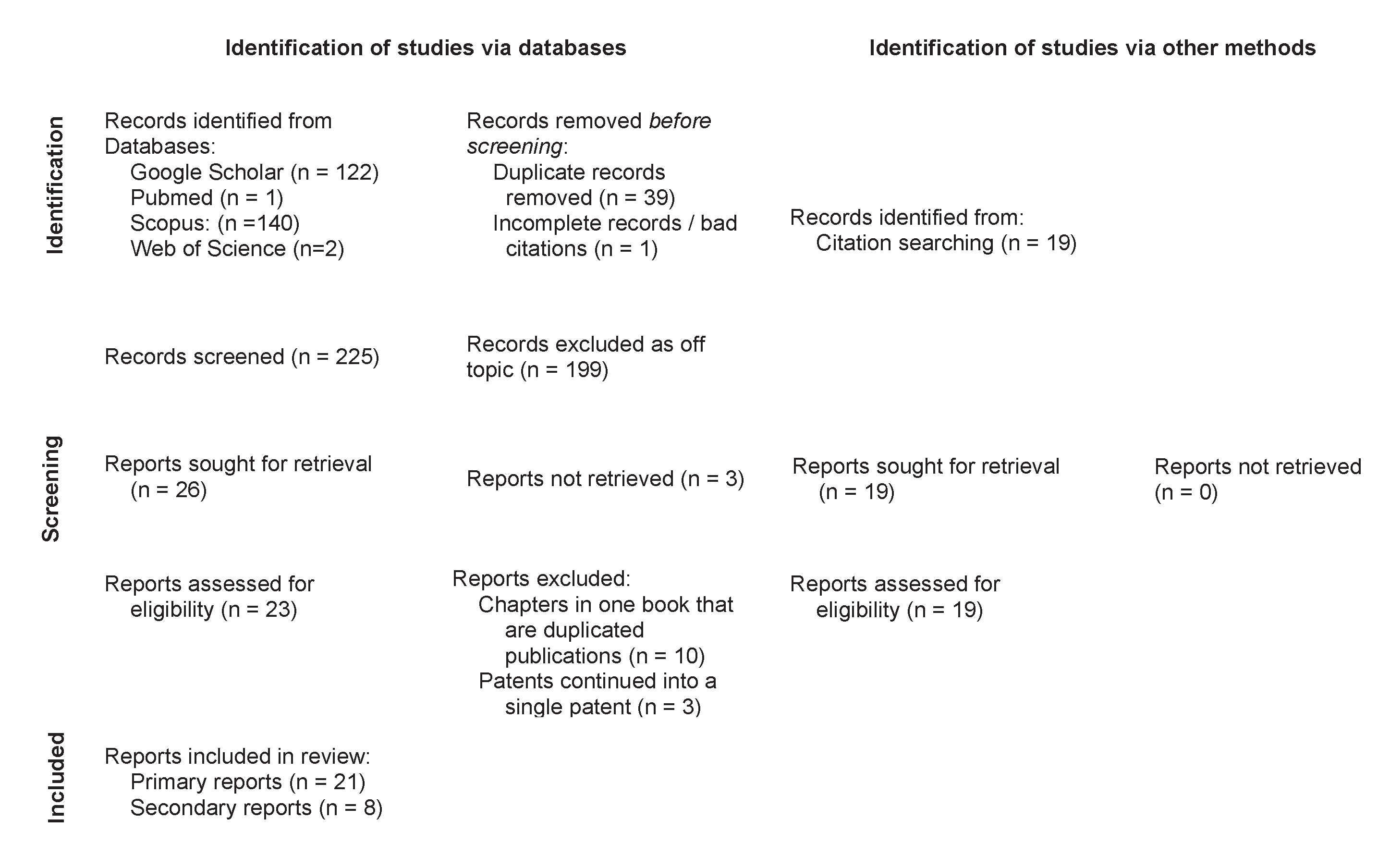

Table 1.
The searched databases, search strings, and results based on a 26 February 2026 search of the following search string: “neurocutaneous syndrome” “Amin”.
Table 1.
The searched databases, search strings, and results based on a 26 February 2026 search of the following search string: “neurocutaneous syndrome” “Amin”.
| Database | Search String | Initial Hits |
Redundant with Google Scholar |
Internal Duplicates |
| Google Scholar | “neurocutaneous syndrome” “Amin” | 122 | [NA] | 5 |
| PubMed | 1 | 1 | - | |
| Scopus | 140 | 19 | 12 | |
| Web of Science | 2 | 2 | - |
Disclaimer/Publisher’s Note: The statements, opinions and data contained in all publications are solely those of the individual author(s) and contributor(s) and not of MDPI and/or the editor(s). MDPI and/or the editor(s) disclaim responsibility for any injury to people or property resulting from any ideas, methods, instructions or products referred to in the content. |
© 2026 by the authors. Licensee MDPI, Basel, Switzerland. This article is an open access article distributed under the terms and conditions of the Creative Commons Attribution (CC BY) license (http://creativecommons.org/licenses/by/4.0/).
Copyright: This open access article is published under a Creative Commons CC BY 4.0 license, which permit the free download, distribution, and reuse, provided that the author and preprint are cited in any reuse.