
Submitted:
01 March 2026
Posted:
03 March 2026
You are already at the latest version
Abstract
Background: Dentists constitute one of the most heavily burdened groups of healthcare professionals, experiencing high levels of musculoskeletal disorders, occupational stress, burnout, and diminished quality of life. Although extensive literature addresses these issues, no study has directly examined biological age or epigenetic markers of aging in this population. This narrative review, informed by systematic methodological principles seeks to fill this gap by connecting established occupational stressors with contemporary concepts of biological aging and chronomedicine, ultimately proposing a preventive well-being framework specifically for dentists.Methods: A narrative review informed by systematic methodology was conducted following PRISMA 2020 guidelines. Searches in PubMed, Scopus, and the Cochrane Library (2015–2025) used combined keywords and MeSH terms related to lifestyle factors, occupational stress, musculoskeletal disorders, quality of life, and wellness among dentists. Of the 943 records identified, 15 met the inclusion criteria and were assessed for outcomes, methodological quality, and relevant risk factors. Results: The included studies consistently indicated a significant occupational burden, with musculoskeletal pain, emotional exhaustion, anxiety, and depersonalization as frequent findings. Quality of life was generally moderate to low, especially regarding mental health. Lifestyle patterns were characterized by inadequate sleep, limited physical activity, irregular eating habits, and insufficient recovery. These conditions-chronic stress, poor sleep, inactivity, and suboptimal nutrition-are recognized accelerators of biological aging, implying that the professional demands of dentistry may adversely influence the biological clock. Although none of the studies measured biological age directly, the collective evidence underscores the need for preventive strategies informed by chronomedicine. Conclusions: This review highlights a critical gap in the dental literature: the complete absence of biological-age assessment in a professional population exposed to multiple aging accelerators. Integrating occupational health data with modern concepts of biological aging and chronomedicine, the study proposes a targeted preventive framework to regulate biological rhythms, reduce cumulative biological deterioration, and improve the long-term quality of life and professional sustainability of dentists.
Keywords:
anti-aging in dentistry
; biological clock
; chronomedical approach
; biological age
; quality of life
; dentists
; occupational health
; burnout
; musculoskeletal disorders
; lifestyle medicine
1. Introduction
Dentists constitute one of the most heavily burdened healthcare professions, routinely exposed to demanding working conditions, psychosomatic strain, and chronic stress that deteriorate performance and well-being [1]. Prolonged static postures, repetitive movements, precision tasks, and continuous clinical and interpersonal pressures contribute to fatigue, musculoskeletal disorders, burnout, and reduced quality of life [2,3,4]. In parallel, biological aging-driven by cumulative cellular damage, epigenetic alterations, chronic low-grade inflammation, oxidative stress, and mitochondrial decline [5,6] is strongly influenced by long-term stress and unhealthy lifestyle patterns. Although biomarkers such as DNA methylation age or epigenetic age acceleration have not yet been applied to dentists, the profession’s inherent demands suggest heightened susceptibility to accelerated aging [6].
Occupational stress is a major driver of biological deterioration. Chronic HPA-axis activation elevates cortisol and disrupts immune, hormonal, and restorative functions, while psychological overload has been associated with telomere shortening and faster cellular aging [7,8]. High levels of burnout, anxiety, and exhaustion-exacerbated during COVID-19-are well documented among dentists [2,9,10]. Musculoskeletal disorders affecting the neck, back, and wrists further contribute to systemic inflammation and reduced job satisfaction [11,12].
Lifestyle patterns common in the profession, including insufficient sleep, low physical activity, irregular eating habits, and inadequate recovery, exacerbate inflammation, impair physiological repair, and negatively affect biological age [13,14,15]. Pandemic-related pressures intensified these risks by increasing workload, uncertainty, and psychological strain [2,10]. Evidence demonstrates the protective health impact of Mediterranean diet adherence, regular exercise, and adequate sleep-each associated with reduced inflammation, slower epigenetic aging, and enhanced cellular regeneration [15,16,17]. However, research directly connecting anti-aging strategies to dentists’ biological age remains scarce [13,14,18].
Despite numerous studies documenting musculoskeletal disorders, burnout, and reduced quality of life among dentists, a significant conceptual and methodological gap persists. The existing literature primarily describes symptoms and psychosocial consequences, without examining the cumulative biological effects of these occupational burdens. To date, there are no studies assessing the biological or epigenetic age of dentists, nor approaches that integrate chronomedicine as an interpretative and preventive framework in occupational dental health. This gap is particularly important, given that the main stressors of dental practice-chronic stress, sleep disorders, physical inactivity, irregular diet, and prolonged musculoskeletal strain-are well-documented mechanisms of accelerated biological aging in other populations. Filling this gap is essential to transition from a descriptive approach to problems to a proactive, mechanistic model of long-term health and functional resilience in dentistry.
2. Materials and Methods
This work was designed as a narrative review informed by systematic methodological principles. Although structured search strategies, predefined inclusion and exclusion criteria, and transparent study selection procedures were applied, the multifactorial and interdisciplinary nature of the research question did not allow for the strict application of a fully systematic review protocol. Rather than aiming to provide pooled quantitative estimates or meta-analytic outcomes, this review offers a structured narrative synthesis. Specifically, the investigation of the relationship between occupational burden, quality of life, lifestyle, and biological aging in dentists requires an interdisciplinary, synthetic approach that goes beyond the limitations of a unidimensional systematic question. The concepts of antiaging and chronomedicine encompass biological, psychosocial, and behavioral mechanisms that have not yet been investigated using a unified methodology in this specific professional population. For this reason, a narrative review structured according to systematic principles was chosen, with the aim of synthesizing heterogeneous data, highlighting research gaps, and developing a proactive, chronomedical framework for interpretation and future research.
This review investigates how lifestyle-based anti-aging strategies may influence dentists’ biological age and, consequently, their quality of life and long-term professional sustainability. It examines (a) lifestyle factors such as sleep, physical activity, nutrition, and stress management in relation to dentists’ mental, physical, and occupational health; (b) documented levels of occupational stress, burnout, musculoskeletal disorders, and quality of life; and (c) how these burdens relate to mechanisms of biological aging, including low-grade inflammation, oxidative stress, epigenetic age acceleration, and impaired recovery. The review also evaluates whether targeted wellness interventions can reduce occupational stress, enhance resilience, and improve overall functioning, while identifying research gaps and proposing future directions for biological-age assessment in dentistry.
This is a systematic attempt to connect dental occupational demands with contemporary theories and biomarkers of biological aging. By focusing exclusively on primary studies involving dentists, it documents the lifestyle-related, physical, and psychological burdens of the profession through the lens of accelerated biological deterioration. Existing research has described stress and musculoskeletal problems but has not integrated these findings into a preventive or chronomedical model [19]. This review contributes by highlighting key health burdens, emphasizing the need for structured preventive strategies, introducing chronomedicine as a practical framework for regulating biological rhythms through lifestyle modification, and synthesizing fragmented evidence into a unified analysis of wellness and professional sustainability tailored to dentists.
The study was conducted in alignment with relevant PRISMA 2020 guidelines (Preferred Reporting Items for Systematic Reviews and Meta-Analyses) (https://www.prisma-statement.org/, accessed on 17 October 2025) to enhance transparency in reporting search strategies, study selection, and data synthesis, while maintaining the methodological flexibility of a narrative review. It aimed to identify and synthesize primary research on lifestyle behaviours, occupational health, burnout, musculoskeletal disorders, sleep, nutrition, and quality of life among dentists. A comprehensive search of PubMed/MEDLINE, Scopus, and the Cochrane Library (2015–2025) used free-text terms and MeSH headings related to dentists, musculoskeletal diseases, occupational stress, burnout, quality of life, sleep, exercise, diet, well-being, lifestyle, and mental health [20]. Eligible designs included cross-sectional, cohort, epidemiological, and interventional studies focusing exclusively on dentists; reviews, commentaries, and non-clinical populations were excluded to ensure reliance on original empirical data.
Inclusion criteria required studies to examine licensed dentists and address at least one domain related to musculoskeletal disorders, occupational stress, burnout, sleep or fatigue, physical activity, dietary habits, occupational quality of life, or general lifestyle patterns. Only English-language studies (2015–2025) with accessible full texts were included. Dental students, patients, and non-dental healthcare workers were excluded.
In addition to the formal application of the inclusion and exclusion criteria, it was deemed necessary to document the conceptual and methodological relevance of the selected studies to the objectives of this review.
The selection of studies was based on predefined conceptual and methodological criteria to ensure the relevance and comparability of the data. Specifically, studies were included that: (a) concerned active dental professionals, (b) assessed indicators of occupational health, quality of life, or occupational burnout, (c) used clearly defined and validated measurement tools, and (d) provided adequate methodological description and analysis of results. Classic foundational studies were included to support core biological mechanisms.
Studies that did not meet the above inclusion criteria, such as articles with an exclusively theoretical or conceptual focus, limited methodological documentation, or a focus on student populations, were excluded, even when they addressed occupational health, quality of life, or occupational burnout. In contrast, the studies included in this review provided primary data from an active professional population of dentists, with a clearly described design and the use of validated assessment tools. For example, the study by Eddhaoui and Syed [12] was included because it clearly documented the incidence of musculoskeletal disorders among active clinical dentists and their association with functional outcomes, such as sick leave. Accordingly, the study by Badrasawi et al. [21] was selected because of its systematic assessment of occupational stress and burnout using validated psychometric instruments and its investigation of remedial factors, such as sleep. In addition, the analytical study by Díaz-Caballero and Evaristo-Chiyong [22] was included because it provided a detailed quantitative analysis of risk factors for occupational burnout in an active dental population, enabling a comparative and synthetic evaluation of the findings. The remaining studies met the methodological adequacy and thematic relevance criteria for this review.
Study selection followed a three-stage process: duplicate removal, independent title/abstract screening by two reviewers, and full-text assessment to confirm eligibility. This ensured methodological consistency and transparency [23]. Data extraction captured country, sample size, design, assessment tools, prevalence of musculoskeletal disorders and burnout, quality-of-life outcomes, and associations between lifestyle factors and occupational health. Methodological quality was evaluated using the Joanna Briggs Institute (JBI) Critical Appraisal Tool, assessing population clarity, sampling, measurement validity, management of confounders, and statistical adequacy, allowing studies to be classified by risk of bias (https://jbi.global/critical-appraisal-tools accessed on 25 October 2025).
Sensitivity analyses further tested robustness by examining how overall trends changed when removing thematic study categories, grouping lifestyle factors into broader domains, or assessing the influence of geographic overrepresentation. These analyses improved internal validity, highlighted evidence gaps, and demonstrated the need for more balanced and representative research on dentists’ health and well-being.
The PRISMA flow diagram (Figure 1) summarizes all stages of the search and study selection process, including the number of retrieved records, removed duplicates, and exclusions during title and abstract screening due to irrelevance or unsuitable populations. It also presents the full-text assessment phase, identifying articles excluded because of insufficient data, unclear methodology, or unverifiable information. As shown in Table 1, the initial search identified 657 records; after removing 113 duplicates, 544 records were screened, and 640 were excluded. Eighty full-text articles were assessed, of which 65 were excluded for reasons such as non-dentist samples, absence of primary empirical data, or inadequate reporting. Ultimately, 15 primary studies fulfilled all inclusion criteria and were incorporated into the final synthesis. The PRISMA framework ensures transparency, reproducibility, and methodological rigor aligned with international reporting standards.
3. Results
In total, 15 studies from different geographical regions were included in the review, examining various dimensions of dental professionals’ occupational health. The main characteristics of the studies are summarized in Table 1.
The methodological rigor and reliability of the included studies were evaluated using standardized appraisal criteria, with the full assessment provided in Table 1.
The included studies covered a broad range of themes, encompassing (a) musculoskeletal disorders, (b) occupational burnout and work-related stress, (c) quality of life, and (d) lifestyle factors influencing occupational health. Geographically,as shown in Figure 2, the evidence base spanned Europe (Germany, Lithuania), the Middle East (Saudi Arabia, Jordan, Palestine, Qatar, UAE, Turkey, Israel), Asia (Iran), the Far East (South Korea), Latin America (Brazil, Peru), and North Africa (Morocco), demonstrating strong external validity and notable international consistency in the findings.

Table 2.
Sensitivity Analysis Summary for detailed outcomes.
| Sensitivity Condition | Impact on Findings | Effect Description |
|---|---|---|
| Excluding MSD-focused studies | Overall estimates of occupational burden decrease | Removal of high-prevalence MSD data (78–100%) lowers the apparent physical strain but does not alter the conclusion that dentists experience significant workload-related health risks. |
| Excluding burnout-focused studies | Stress-related trends weaken | Without burnout data (emotional exhaustion >60% in several samples), the psychological burden appears less severe, though still present due to QoL and lifestyle findings. |
| Grouping studies by lifestyle factors | Associations with mental health become more pronounced | Clustering variables (sleep, physical activity, alcohol, smoking) strengthens the pattern that lifestyle behaviors substantially affect psychological well-being and resilience. |
| Removing studies from specific regions (e.g., Middle East) | Minimal change in overall direction of results | Despite geographic differences, findings remain internationally consistent, indicating strong external validity of stress and MSD patterns. |
| Focusing exclusively on full WHOQOL-BREF outcomes | Slight reduction in observed burnout intensity | QoL scores often mask underlying emotional exhaustion and depersonalization, suggesting that burnout-specific tools capture the problem more sensitively. |
| Excluding small-sample studies (e.g., n<50) | Reduced statistical variability | Larger studies maintain the same direction of effects, but associations (e.g., age, gender) become more stable and less sample-dependent. |
| Combining ergonomic and workload-related variables | Stronger identification of risk factors | Extended working hours, patient load, and insufficient ergonomic practice consistently predict MSDs and mental fatigue. |
The sensitivity analysis indicates that, although the magnitude of effects varies across analytical scenarios, the overall direction of the findings remains consistent. Excluding specific categories of studies attenuates certain estimates but does not alter the conclusion that dentists face substantial physical and psychological workload-related risks. The influence of ergonomic and lifestyle-related factors emerges as particularly robust, strengthening associations with musculoskeletal disorders and mental strain. Overall, the results demonstrate strong methodological robustness and external validity of the review findings.
3.1. Musculoskeletal Disorders
Musculoskeletal disorders (MSDs) emerged as the most frequent and consistent occupational health problem among dentists, regardless of geographical region or type of work environment. The overall studies demonstrate a particularly high incidence of pain in the neck, back, and upper extremities, suggesting that musculoskeletal burden is a structural feature of dental practice [12,24,25,26,27].
The severity and frequency of symptoms showed a clear exposure-response relationship. Increased daily clinical workload, high patient volumes, prolonged static postures, and limited physical activity were repeatedly associated with more severe symptoms and functional limitations [24,25,26,27]. In contrast, regular exercise, work breaks, and ergonomic training were protective, although their implementation in daily practice was often insufficient [12]. Overall, the findings suggest that MSDs act as a chronic and cumulative occupational stressor. Although no study directly assessed biomarkers of biological aging, the pattern of chronic pain, reduced function, and work-related fatigue is consistent with mechanisms of accelerated physiological wear and tear associated with prolonged musculoskeletal strain.
3.2. Burnout and Psychological Stress
Burnout and psychological stress were the second dominant theme, with converging evidence of high levels of emotional exhaustion, depersonalization, and perceived stress in dentists [2,21,22,28,29].
The intensity of burnout was mainly influenced by rehabilitation factors. Insufficient sleep duration and quality, limited physical activity, and lack of rest time were consistently associated with increased levels of psychological burden [2,21,29]. In contrast, healthy lifestyle behaviors appeared to partially mitigate the risk. Demographic and occupational factors, such as gender and years of experience, influenced vulnerability, but did not overshadow the role of workload and lifestyle [2].
The organizational environment proved to be decisive. Higher levels of burnout were recorded in structures with increased demands, limited autonomy, and low job satisfaction [28]. In particular, the study by Meyerson et al. [30] showed that neurobiological sensitivity can intensify burnout, but can also be transformed into a source of job satisfaction in supportive environments. Overall, the complex of chronic stress, sleep disturbance, and emotional fatigue aligns with mechanisms of cumulative physiological load (allostatic load).
3.3. Quality of Life
Quality of life (QoL) was investigated directly in four studies and indirectly in several others through functional and psychosocial indicators. Overall, dentists reported lower quality-of-life scores, especially in the domains of mental health, social functioning, and environment [13,31,32,33].
Working conditions and workload emerged as the main determinants of QoL variation, while specialty alone did not appear to play a decisive role [31]. Social support factors, such as marital status, served as protective factors in some populations [13]. The observed differences in quality of life reflect the cumulative effect of chronic occupational stress and not individual work exposures.
3.4. Lifestyle Factors
Lifestyle factors were a cross-cutting theme that affected both physical and mental health. Insufficient physical activity, reduced sleep, unhealthy eating habits, and alcohol or tobacco consumption were consistently associated with increased burnout, psychological distress, and reduced quality of life [2,13,14,29].
Conversely, adopting healthy behaviors appeared to enhance occupational resilience. Lifestyle factors did not operate in isolation, but interacted with occupational demands, enhancing or moderating the overall risk burden. The findings highlight modifiable behavioral factors as critical intervention targets for dentists’ long-term occupational well-being.
4. Discussion
Rather than depicting isolated occupational or lifestyle-related problems, the findings synthesized in this review reveal a coherent and interrelated pattern of physical, psychological, and behavioral burdens that characterize contemporary dental practice. Across diverse geographic regions and healthcare systems, dentists consistently exhibit high musculoskeletal strain, elevated levels of occupational stress and burnout, disrupted sleep and recovery patterns, and compromised quality of life. Importantly, these factors do not operate independently but interact dynamically, reinforcing one another and generating cumulative physiological load over time. When interpreted through the lens of biological aging and chronomedicine, this constellation of occupational stressors aligns with well-established mechanisms of accelerated biological deterioration, including chronic low-grade inflammation, neuroendocrine dysregulation, impaired circadian regulation, and reduced regenerative capacity. Thus, the present findings support a shift from a descriptive understanding of dentists’ occupational health challenges toward an integrative, mechanistic framework that conceptualizes dentistry as a profession with heightened vulnerability to premature functional aging.
This review demonstrates that dentists are exposed to a complex, multifactorial, and cumulative occupational burden, which includes high levels of musculoskeletal strain, occupational stress, emotional exhaustion, psychological overload, and systematically reduced quality of life. The findings of the fifteen included studies do not describe isolated or fragmented problems, but reflect a coherent pattern of interacting factors that simultaneously affect the physical, mental, and functional health of dentists. The above findings are in line with data from the Greek dental population, which has documented a high incidence of occupational burnout, with a decisive role for factors such as increased workload, uncertainty, and disruption of professional balance, both before and during the COVID-19 pandemic [3].
These mechanisms are discussed to contextualize the findings biologically. Of particular note is the fact that, despite extensive documentation of these burdens, no studies have been identified that directly assess markers of biological age, epigenetic deterioration, or molecular aging in the dental population. This gap is critical, given that the dominant risk factors that emerge-sleep disturbances, chronic stress, limited physical activity, inadequate nutrition, and inadequate rehabilitation-have been internationally recognized as powerful accelerators of biological aging [6,34,35,36]. This discussion interprets the findings in light of modern biological, epigenetic, and chronomedical theories, proposing a unified framework for anti-aging interventions tailored to the specificities of the dental profession [37].
4.1. Sleep, Circadian Rhythm, and Biological Aging
Sleep is a fundamental regulator of homeostasis, immune balance, and biological aging. Chronic sleep deprivation is associated with accelerated telomere shortening, increased oxidative stress, impaired metabolic regulation and dysregulation of the hypothalamic–pituitary–adrenal axis [15,38]. In addition, circadian dysregulation and fragmented sleep have been associated with accelerated epigenetic aging and metabolic dysfunction [39].
Studies by Slabšinskienė et al. [2], Badrasawi et al. [21], and Yuh et al. [29] converge on the finding that dentists systematically sleep fewer hours than recommended, have difficulty de-stressing after work, and experience fragmented or non-restorative sleep. These findings are associated with increased emotional exhaustion, higher levels of perceived stress, reduced professional resilience, and increased musculoskeletal risk [40]. Given that sleep supports critical processes such as immune repair, inflammation regulation, and mitochondrial renewal [41], chronic disruption may accelerate biological deterioration among dentists.
In addition to duration, circadian rhythm integrity influences neuroendocrine, metabolic, and immunological mechanisms, including through the brain-gut axis [42]. The gut microbiome exhibits circadian oscillations, which are influenced by the timing of food intake, sleep quality, and light exposure. Disruption of this “chronobiome” is associated with metabolic and neuroendocrine dysregulation [43], suggesting increased chronobiological vulnerability in dentists. Chronomedically oriented interventions, such as limiting extended clinical hours, reducing evening digital exposure, and establishing consistent sleep routines, are biologically meaningful prevention strategies [44,45,46]. The interactions between sleep, circadian rhythms, and biological aging should be conceptualized as components of a unified, dynamic regulatory system rather than as independent physiological processes [15,38]. Sleep and circadian rhythms are tightly interconnected and operate through an integrated regulatory network that orchestrates neuroendocrine signaling, metabolic homeostasis, immune surveillance, and microbial activity across multiple biological levels [15,38,39]. This system functions as a temporal organizer of physiological processes, ensuring that energy metabolism, cellular repair, immune responses, and hormonal secretion occur in optimal synchrony with environmental and behavioral cues [39].
Central to this regulatory architecture is the bidirectional communication between the central nervous system, the gastrointestinal tract, and the gut microbiome, commonly referred to as the brain–gut–microbiome axis [42,43]. This axis integrates neural, endocrine, immune, and microbial signaling pathways, allowing circadian information to be transmitted across organ systems [42]. The gut microbiome itself exhibits circadian oscillations in composition and metabolic activity, which are influenced by sleep–wake patterns, feeding timing, and stress exposure. In turn, microbial metabolites modulate neuroendocrine signaling, inflammatory tone, and metabolic efficiency, reinforcing the systemic nature of circadian regulation [42,43].
Circadian cues—shaped primarily by sleep–wake cycles, light exposure, and the timing of food intake—play a pivotal role in synchronizing hormonal secretion, immune function, and microbial rhythms [41,44,45]. Proper alignment of these cues supports cellular repair mechanisms, maintains inflammatory balance, optimizes mitochondrial function, and preserves metabolic flexibility. For example, nocturnal sleep promotes immune restoration and anti-inflammatory signaling, while appropriately timed meals reinforce peripheral clock gene expression in metabolic tissues, collectively contributing to biological resilience and longevity [41,44,45].
When this finely tuned system is disrupted, circadian misalignment ensues. Chronic sleep deprivation, irregular or extended working schedules, and sustained psychological stress conditions frequently observed in demanding healthcare professions such as dentistry interfere with circadian signaling at both central and peripheral levels [34,35]. This disruption leads to dysregulated cortisol rhythms, impaired immune responses, altered gut microbiome composition, and increased oxidative and inflammatory burden [6,34,35,36]. Over time, these alterations compromise physiological recovery processes and accelerate mechanisms of biological aging, including epigenetic age acceleration, mitochondrial dysfunction, and chronic low-grade inflammation.
Within this context, the integrative chronobiological framework illustrated in Figure 3 provides a mechanistic lens through which the occupational stressors of dental practice can be understood. Prolonged exposure to circadian disruption may destabilize biological rhythms, amplify cumulative biological load, and contribute to progressive functional deterioration over time. Rather than acting as isolated stressors, sleep disruption, circadian misalignment, and occupational strain interact synergistically, reinforcing pathways of accelerated aging. This perspective underscores the importance of chronomedically informed preventive strategies aimed at restoring rhythmic integrity as a means of preserving long-term biological health and professional sustainability in dentists.
From a chronomedical perspective, sleep dysfunction in dentists should not be interpreted merely as a secondary consequence of stress, but as a central biological pathway through which occupational demands may accelerate aging processes. Persistent circadian disruption compromises immune surveillance, metabolic efficiency, and cellular repair mechanisms, thereby amplifying vulnerability to chronic disease and functional decline. In this sense, impaired sleep acts as both a marker and a mediator of cumulative biological load, reinforcing the importance of sleep-centered interventions as foundational elements of any preventive anti-aging strategy in dentistry. Disruptions in circadian regulation also interact closely with dietary patterns, influencing metabolic efficiency and inflammatory balance.
4.2. Diet, Antioxidant Protection, and Metabolic Load
Although none of the primary studies directly assessed dietary habits, the international literature demonstrates a clear link between diet, inflammation, and biological aging [47]. Nutritional patterns rich in antioxidants and anti-inflammatory components, such as the Mediterranean diet, have been associated with reduced epigenetic acceleration and lower levels of chronic inflammation [48]. Conversely, frequent consumption of fast food, skipping meals, and low intake of antioxidants increase oxidative and metabolic load [49].
The findings of Abraham et al. [13] and Alrayes et al. [14] show that dentists exhibit irregular dietary patterns, frequent meal skipping, and poor nutritional quality, mainly due to increased workload. These habits align with data from other health professionals, which indicate that poor nutrition undermines both cognitive and physical performance [50]. Interventions aimed at enhancing antioxidant defenses, increasing omega-3 fat intake, and ensuring structured meals emerge as functional countermeasures [18,51,52,53].
The dietary patterns observed among dentists appear to represent adaptive, workload-driven responses rather than deliberate, evidence-based nutritional choices, highlighting the structural and occupational nature of metabolic risk within this profession [51]. High clinical demands, time pressure, irregular schedules, and limited recovery periods frequently lead to meal skipping, reliance on energy dense but micronutrient-poor foods, and insufficient intake of antioxidant-rich nutrients [18,51]. These patterns are not merely behavioral deviations but reflect systemic constraints imposed by the professional environment, which shape long-term metabolic exposure [18,51].
Over time, repeated engagement in irregular eating patterns and diets low in antioxidants, omega-3 fatty acids, and bioactive micronutrients may exacerbate oxidative stress, impair glucose and lipid metabolism, and disrupt mitochondrial efficiency [52]. These metabolic disturbances are closely associated with chronic low-grade inflammation and have been increasingly linked to epigenetic age acceleration through alterations in DNA methylation patterns, histone modifications, and dysregulated metabolic signaling pathways. Such mechanisms provide a biological explanation for how seemingly modest, daily nutritional stressors can accumulate into measurable biological aging trajectories [51,52].
Within this framework, nutritional behavior emerges not simply as a modifiable lifestyle factor but as a biologically meaningful determinant of long-term functional resilience in dental professionals [47,49,51]. Adequate nutritional intake supports antioxidant defense systems, immune regulation, and cellular repair processes, whereas persistent nutritional imbalance contributes to metabolic overload and impaired physiological recovery [51,52]. The absence of structured nutritional routines may therefore compromise the organism’s capacity to counteract occupational stressors at the molecular and systemic levels [49,51].
Importantly, metabolic load resulting from suboptimal dietary patterns does not act in isolation. It intersects synergistically with physical inactivity and chronic musculoskeletal strain—both prevalent features of dental practice thereby amplifying systemic inflammatory signaling [52]. Reduced physical activity limits anti-inflammatory myokine release and mitochondrial renewal, while sustained musculoskeletal stress contributes to persistent inflammatory input [51,52]. In combination, these factors create a biological environment conducive to “inflammaging,” reinforcing pathways of accelerated functional decline and reduced occupational longevity [52].
Taken together, these observations position nutrition as a central, integrative component of the biological aging process in dentists. Rather than serving solely as a behavioral variable, dietary patterns should be conceptualized as a modifiable biological lever capable of influencing metabolic efficiency, inflammatory balance, and epigenetic stability [47,49]. This perspective underscores the need for occupationally tailored, chronomedically informed nutritional strategies that align dietary timing, quality, and composition with the physiological demands and circadian constraints of dental practice [52].
4.3. Physical Activity, Musculoskeletal Strain, and “Inflammaging”
Physical activity is one of the strongest protective factors against accelerated biological aging, exerting pleiotropic effects on metabolic, inflammatory, and cellular repair pathways [54,55,56]. Regular exercise improves mitochondrial function, enhances cellular energy metabolism, and reduces chronic low-grade inflammation, thereby supporting systemic homeostasis and resilience against age-related physiological decline [54,55]. In addition, growing evidence links systematic physical activity to slower epigenetic aging, as reflected by reduced DNA methylation age acceleration and improved molecular aging profiles [56,78].
Empirical studies by Alghadir et al. [27], Ohlendorf et al. [57], Alsoleihat et al. [25], and Eddhaoui and Syed [12] consistently demonstrate that dentists engage in insufficient physical activity, maintain static or flexed working postures for prolonged periods, and take minimal movement breaks during clinical practice, leading to a high prevalence of musculoskeletal pain and functional limitations. Musculoskeletal disorders in this population are not merely localized mechanical conditions but contribute to systemic inflammatory activation, a process commonly described as “inflammaging,” which constitutes a central mechanism of accelerated biological aging [58].
Consequently, interventions such as frequent active breaks, targeted strengthening of postural and stabilizing muscle groups, and low- to moderate-intensity aerobic exercise acquire biological significance beyond their ergonomic value, as they directly modulate inflammatory pathways and mitochondrial health [54,59]. The central importance of physical activity as a moderator of occupational resilience is further supported by a recent systematic review, which demonstrates that regular exercise reduces occupational stress, improves psychological well-being, and preserves functional capacity among dentists in the post-pandemic professional environment [60].
The high prevalence of musculoskeletal disorders among dentists therefore reflects more than localized biomechanical overload, signaling the presence of a chronic inflammatory state with systemic physiological implications [58,67]. Recurrent pain, neuromuscular fatigue, and reduced mobility contribute to sustained inflammatory signaling and impaired recovery processes, reinforcing a biological environment conducive to accelerated aging and functional decline [58,61]. In this context, physical activity and ergonomic interventions assume a dual role, acting simultaneously as mechanical countermeasures and as biological modulators capable of attenuating age-related inflammatory trajectories and cumulative physiological burden [59,70]. Persistent physical strain frequently coexists with psychological stress in dental practice, further reinforcing both somatic and emotional pathways of occupational load and amplifying allostatic and inflammatory stress responses [2,21,29].
4.4. Stress Management and Psychological Resilience
Chronic psychological stress has been consistently shown to accelerate biological aging by several years through sustained neuroendocrine dysregulation, immune system activation, and persistent low-grade inflammatory responses, which collectively disrupt cellular homeostasis and repair mechanisms [8,61]. Prolonged activation of the hypothalamic–pituitary–adrenal (HPA) axis leads to altered cortisol rhythms, impaired immune surveillance, and increased oxidative stress, all of which are key drivers of biological deterioration and age-related disease risk [8,34].
In agreement with these mechanistic insights, empirical evidence from occupational studies indicates that dentists experience disproportionately high levels of psychological burden, including anxiety, emotional exhaustion, depersonalization, and depressive symptoms [2,21,28,29]. Specifically, Slabšinskienė et al. [2] and Badrasawi et al. [21] report strong associations between chronic occupational stress, insufficient recovery, and burnout dimensions, while Ciğerim et al. [28] and Yuh et al. [29] demonstrate that demanding work environments and unhealthy lifestyle patterns further exacerbate psychological vulnerability among dental professionals.
Importantly, chronic psychological stress has been directly associated with biological markers of accelerated aging, including telomere shortening and epigenetic age acceleration, highlighting its role as a systemic biological stressor rather than a purely psychological phenomenon [7,8,61]. Sustained emotional exhaustion and depersonalization reflect prolonged exposure to stressors that exceed adaptive capacity, leading to cumulative physiological burden commonly conceptualized as increased allostatic load [61,78].
Interventions such as mindfulness-based practices and controlled breathing techniques have been shown to attenuate stress-related biological damage by reducing markers of epigenetic acceleration, modulating inflammatory gene expression, and restoring autonomic balance [62,63]. Similarly, interventions emphasizing empathy, emotional awareness, and self-compassion have demonstrated efficacy in reducing burnout symptoms and improving psychological resilience among healthcare professionals, including dentists [64,65].
At a practical level, brief breathing exercises, structured relaxation practices, and organizational psychosocial support systems can effectively limit the biological wear and tear associated with chronic stress exposure by dampening neuroendocrine hyperactivation and inflammatory signaling [65,66]. These strategies are particularly relevant in dentistry, where time constraints and workload intensity often preclude prolonged recovery periods, necessitating feasible, workplace-integrated stress-management approaches [21,29].
Overall, chronic psychological stress in dentistry appears to function as a pervasive biological stressor, exerting long-term effects on neuroendocrine regulation, immune balance, and inflammatory tone [8,61]. The persistence of emotional exhaustion and depersonalization suggests that stress exposure in this profession frequently surpasses adaptive thresholds, thereby contributing to sustained allostatic load and accelerated biological aging trajectories [61,78]. Interventions targeting psychological resilience may therefore exert protective effects not only on mental health outcomes but also on the biological processes underlying aging, supporting long-term functional capacity and professional sustainability [62,64].
Finally, psychological stress in dentistry is compounded by ergonomic constraints and chronic musculoskeletal strain, creating a synergistic interaction between mental and physical stressors that amplifies both somatic and emotional pathways of occupational burden [27,57,58]. This interaction further underscores the necessity of integrated interventions that simultaneously address psychological resilience, physical strain, and organizational factors in order to mitigate cumulative biological deterioration over time [59,60].
4.5. Ergonomics, Functional Capacity, and Aging
Musculoskeletal disorders in dentists are not exclusively mechanical in nature. Chronic strain contributes to neuromuscular fatigue, reduced endurance, and systemic inflammation, creating a physiological environment that mimics early functional aging [58,67]. The data in this review show that prolonged ergonomic strain accelerates functional decline [68,69].
Ergonomic optimization, combined with systematic physical activity, reduces pro-inflammatory cytokines and preserves functional capacity [70,71].
Functional decline associated with prolonged ergonomic strain mirrors early aging-related changes in muscular strength, physical endurance, and neuromuscular coordination, reflecting mechanisms commonly observed in age-associated functional deterioration [68,69]. When accumulated over years of professional practice, these impairments may substantially limit occupational longevity, reduce adaptive capacity, and compromise the ability of dentists to sustain demanding clinical workloads over time [68,69].
Ergonomic optimization, particularly when integrated with movement-based and exercise-oriented interventions, represents a critical strategy for preserving functional capacity, maintaining neuromuscular efficiency, and delaying age-associated functional decline in dentists [70,71]. Such integrated interventions not only reduce biomechanical load but also modulate inflammatory signaling, support musculoskeletal resilience, and enhance long-term functional performance [70,71].
Beyond purely physical determinants, psychosocial environments play a decisive role in moderating both stress responses and functional outcomes, as supportive organizational contexts and adequate psychosocial resources have been shown to attenuate physiological stress reactivity and improve occupational sustainability [69,71].
4.6. Psychosocial Factors and Social Support
Psychosocial factors have a decisive influence on both mental health and biological aging. Social isolation is associated with accelerated aging, increased inflammation, and reduced stress resilience [72,73]. Abraham et al. [13] and Afshar et al. [32] show that dentists with limited support networks experience lower quality of life and higher levels of burnout, a finding that is also supported by more recent data [74]. Social support acts protectively, reducing the neuroendocrine and inflammatory response to stress [75,76,77]. The importance of psychosocial support and the work environment for quality of life is also confirmed by studies among academic health professionals, which show that burnout and reduced well-being are associated with chronic stress and inadequate support mechanisms [4].
Psychosocial support operates as a powerful buffer against occupational stress by modulating physiological stress responses, neuroendocrine regulation, and inflammatory activity, thereby reducing cumulative biological burden [72,73]. The association between reduced social support and poorer quality of life among dentists underscores the critical role of relational and organizational contexts in shaping vulnerability to stress-related biological deterioration [73,74].
From an aging perspective, social connectedness emerges as a protective factor capable of mitigating stress-induced biological wear, attenuating inflammatory signaling, and enhancing long-term psychological and functional resilience [72,73]. These psychosocial influences ultimately converge with core biological mechanisms that regulate the pace of aging, including immune modulation, neuroendocrine stability, and allostatic load dynamics [73,74].
4.7. Connection with the Biological Clock
According to López-Otín et al. [6], biological aging is determined by interconnected mechanisms, such as genomic instability, epigenetic alterations, chronic inflammation, mitochondrial dysfunction, metabolic dysregulation, and disrupted intercellular communication [78,79]. The predominant occupational burdens recorded in dentists - chronic stress, sleep disorders, low physical activity, poor diet, and prolonged musculoskeletal strain - directly affect these mechanisms [80,81,82,83].
Overall, the data suggest that the dental profession may be associated with accelerated biological deterioration, making it imperative to develop chronomedically oriented, integrated strategies to maintain dentists’ long-term health, functional capacity, and professional sustainability.
Viewed collectively, the occupational exposures and lifestyle patterns identified in this review converge on core biological mechanisms that regulate the biological clock, including neuroendocrine signaling, inflammatory balance, mitochondrial function, and epigenetic regulation [80,81]. Dentistry therefore represents a professional environment in which multiple accelerators of biological aging—such as chronic stress, circadian disruption, physical inactivity, metabolic imbalance, and prolonged musculoskeletal strain—co-occur and interact, potentially compounding their deleterious effects over time [81,82].
This convergence highlights the cumulative and synergistic nature of occupational risk in dentistry, where repeated exposure to aging-related stressors may progressively destabilize biological rhythms and amplify physiological wear beyond the impact of any single factor [82,83]. Consequently, these findings underscore the urgency of adopting chronomedically informed preventive frameworks that conceptualize biological aging as a modifiable and dynamic outcome, rather than an inevitable consequence of long-term professional engagement [80,83].
4.8. Final Considerations
In conclusion, the findings of the large-scale epidemiological study by Stamatakis et al. [84] demonstrate a strong concordance with the conclusions of the present review, supporting a unified and biologically coherent interpretation of lifestyle-related health risk [80,83,84]. Both lines of evidence consistently indicate that adverse health outcomes and accelerated biological deterioration do not result from isolated behaviors, but from the cumulative and synergistic interaction of disrupted sleep, insufficient physical activity, and suboptimal dietary patterns. Importantly, the study by Stamatakis et al. [84] shows that even moderate, yet concurrent, improvements across these three domains are associated with a substantial reduction in all-cause mortality, highlighting that the health benefit is multiplicative rather than merely additive.
Within the context of this review, these findings acquire particular relevance for dentists, a professional population exposed to sustained occupational stress, circadian disruption, musculoskeletal strain, and irregular lifestyle habits. Our synthesis indicates that sleep quality, habitual physical activity, and dietary structure function as key regulators of biological age, modulating inflammatory load, neuroendocrine balance, metabolic regulation, and functional resilience. The convergence between population-level mortality data and profession-specific evidence strengthens the biological and clinical validity of an integrated, chronomedical preventive framework. Overall, the evidence supports the conclusion that long-term adherence to adequate and consistent daily behaviors represents a more effective and biologically meaningful strategy for preserving longevity, functional capacity, and sustainable quality of life than the pursuit of isolated, extreme, or short-term lifestyle interventions [84].
4.9. Future Directions
The findings underscore the need for research that: (a) directly assesses the epigenetic age of dentists; (b) employs longitudinal designs to track the progression of biological deterioration over time; (c) conducts interventional trials targeting sleep, nutrition, physical activity, and ergonomic practices; (d) explores the impact of relaxation techniques and mindfulness on biological aging; and (e) develops a specialized “Dentist Biological Age Index” (DBAI) to quantify and monitor aging trajectories in this professional population.
4.10. Limitations and Risk of Bias
This narrative review possesses several notable strengths. It follows a rigorous PRISMA-based methodology, includes exclusively primary studies conducted on dentists, synthesizes findings across diverse geographic and socioeconomic settings, and explicitly connects the evidence to contemporary scientific knowledge on biological aging. These elements enhance the robustness, relevance, and interdisciplinary value of the review.
However, certain limitations must be acknowledged. None of the included primary studies measured epigenetic or biological aging markers, creating a substantial evidence gap. The heterogeneity of measurement tools across studies limits comparability, while the predominance of cross-sectional designs restricts causal inference. Additionally, the reliance on self-reported data introduces potential recall and reporting biases.
The main risks of bias identified include selection bias from convenience samples, self-reporting, and recall bias in self-reported data; limitations of the cross-sectional study design; inadequate control of confounding factors; and possible publication bias.
5. Conclusions
This narrative review shows that dentists are among the most biologically and psychologically burdened health professionals, presenting high rates of musculoskeletal disorders, burnout, mood disturbances, and reduced quality of life. Dysfunctional lifestyle patterns-insufficient sleep, low physical activity, skipped meals, and limited recovery-were also common. A major gap is the absence of studies assessing dentists’ biological age through epigenetic, inflammatory, oxidative, mitochondrial, or metabolic markers, despite these being known accelerators of aging. The findings highlight the need for a chronomedically informed anti-aging framework integrating sleep optimization, anti-inflammatory nutrition, regular exercise, ergonomic retraining, and stress-reduction practices. Such interventions could enhance dentists’ functional capacity and long-term professional sustainability. Overall, future research must directly measure biological age and evaluate targeted anti-aging strategies specific to the dental profession.
Author Contributions
Conceptualization, T.K.; methodology, T.K.; software, T.K..; validation, T.K.; formal analysis, T.K.; investigation, T.K.; resources, T.K.; data curation, T.K.; writing-review and editing, T.K.; visualization, T.K.; supervision, T.K.; project administration, T.K. All authors have read and agreed to the published version of the manuscript.
Funding
This research received no external funding.
Institutional Review Board Statement
Not applicable.
Informed Consent Statement
Not applicable.
Data Availability Statement
No new data were created or analyzed in this study. Data sharing is not applicable to this article.
Conflicts of Interest
The authors declare no conflicts of interest.
References
- Kelly, D.; Shorthouse, F.; Roffi, V.; Tack, C. Exercise therapy and work-related musculoskeletal disorders in sedentary workers. Occup. Med. (Lond.) 2018, 68, 262–272. [Google Scholar] [CrossRef]
- Slabšinskienė, E.; Gorelik, A.; Kavaliauskienė, A.; Zaborskis, A. Burnout, lifestyle and relaxation among dentists in Lithuania: A cross-sectional study. BMC Health Serv. Res. 2021, 21, 1098. [Google Scholar] [CrossRef] [PubMed]
- Antoniadou, M. Estimation of factors affecting burnout in Greek dentists before and during the COVID-19 pandemic. Dent. J. 2022, 10, 108. [Google Scholar] [CrossRef] [PubMed]
- Antoniadou, M.; Mangoulia, P.; Myrianthefs, P. Quality of life and wellbeing parameters of academic dental and nursing personnel vs. quality of services. Healthcare 2023, 11, 2792. [Google Scholar] [CrossRef] [PubMed]
- López-Otín, C.; Blasco, M.A.; Partridge, L.; Serrano, M.; Kroemer, G. The hallmarks of aging. Cell 2013, 153, 1194–1217. [Google Scholar] [CrossRef]
- López-Otín, C.; Blasco, M.A.; Partridge, L.; Serrano, M.; Kroemer, G. Hallmarks of aging: An expanding universe. Cell 2023, 186, 243–278. [Google Scholar] [CrossRef]
- McEwen, B.S. Stress, adaptation, and disease. Allostasis and allostatic load. Ann. N. Y. Acad. Sci. 1998, 840, 33–44. [Google Scholar] [CrossRef]
- Epel, E.S.; Blackburn, E.H.; Lin, J.; Dhabhar, F.S.; Adler, N.E.; Morrow, J.D.; Cawthon, R.M. Accelerated telomere shortening in response to life stress. Proc. Natl. Acad. Sci. U.S.A. 2004, 101, 17312–17315. [Google Scholar] [CrossRef]
- Adams, J. G.; Walls, R. M. Supporting the health care workforce during the COVID-19 global epidemic. JAMA 2020, 323(15), 1439–1440. [Google Scholar] [CrossRef]
- Knights, J.; Young, L.; Humphris, G.; Newton, T.; UK Dental Team Mental Health Research and Implementation Group. Burnout and depression in the UK dental workforce: Findings from a cross-sectional survey. Br. Dent. J. 2025, 239, 189–196. [Google Scholar] [CrossRef]
- Alexopoulos, E.C.; Stathi, I.-C.; Charizani, F. Prevalence of musculoskeletal disorders in dentists. BMC Musculoskelet. Disord. 2004, 5, 16. [Google Scholar] [CrossRef]
- Eddhaoui, A.; Syed, M.A. Prevalence of musculoskeletal disorders among dentists in primary healthcare settings in Qatar: A cross-sectional study. Cureus 2025, 17, e87257. [Google Scholar] [CrossRef]
- Abraham, S.B.; Amini, A.M.A.; Khorshed, N.E.; Awad, M. Quality of life of dentists. Eur. J. Dent. 2018, 12, 111–115. [Google Scholar] [CrossRef]
- Alrayes, N.; Alshammary, H.; Alamoudi, M.; Alfardan, B.; Alhareky, M.; Nazir, M. Evaluation of quality of life among dental professionals by using the WHOQOL-BREF instrument in Eastern Province of Saudi Arabia. Sci. World J. 2020, 2020, 5654627. [Google Scholar] [CrossRef] [PubMed]
- Irwin, M.R. Sleep and inflammation: Partners in sickness and in health. Nat. Rev. Immunol. 2019, 19, 702–715. [Google Scholar] [CrossRef]
- Estruch, R.; Ros, E.; Salas-Salvadó, J.; Covas, M.-I.; Corella, D.; Arós, F.; Gómez-Gracia, E.; et al. Primary prevention of cardiovascular disease with a Mediterranean diet. N. Engl. J. Med. 2013, 368, 1279–1290. [Google Scholar] [CrossRef] [PubMed]
- Antoniadou, M.; Manta, G.; Kanellopoulou, A.; Kalogerakou, T.; Satta, A.; Mangoulia, P. Managing stress and somatization symptoms among students in demanding academic healthcare environments. Healthcare 2024, 12, 2522. [Google Scholar] [CrossRef] [PubMed]
- Kalogerakou, T.; Antoniadou, M. The role of dietary antioxidants, food supplements and functional foods for energy enhancement in healthcare professionals. Antioxidants 2024, 13, 1508. [Google Scholar] [CrossRef]
- Caron, R.M.; Noel, K.; Reed, R.N.; Sibel, J.; Smith, H.J. Health promotion, health protection, and disease prevention: Challenges and opportunities in a dynamic landscape. Focus 2024, 3, 100167. [Google Scholar] [CrossRef]
- De Lisser, R.; Dietrich, M.S.; Spetz, J.; Ramanujam, R.; Lauderdale, J.; Stolldorf, D.P. Psychological safety is associated with better work environment and lower levels of clinician burnout. Health Aff. Sch. 2024, 2, qxae091. [Google Scholar] [CrossRef]
- Badrasawi, T.; Nazzal, Z.; Massad, N.; Salameh, E.; Ibdah, A. Stress and occupational burnout levels among Palestinian dentists, and associated factors: A cross-sectional study in 2023. Heliyon 2024, 10, e32034. [Google Scholar] [CrossRef] [PubMed]
- Díaz-Caballero, M.H.; Evaristo-Chyong, T.A. Burnout syndrome and associated factors among dentists working in hospitals of the Ministry of Health in the Lima Metropolitan Area, Peru. Rev. Fac. Med. 2022, 70, Article number. [Google Scholar] [CrossRef]
- Page, M.J.; McKenzie, J.E.; Bossuyt, P.M.; Boutron, I.; Hoffmann, T.C.; Mulrow, C.D.; et al. The PRISMA 2020 statement: An updated guideline for reporting systematic reviews. BMJ 2021, 372, n71. [Google Scholar] [CrossRef]
- Benfaida, S.; Hachami, I.; Chafik, R.; Hamza, M.; Bennani, A. Musculoskeletal disorders among dentists in the private sector. Eur. J. Med. Health Sci. 2024, 6, 1–? [Google Scholar] [CrossRef]
- Barghout, N.H.; Sabrah, A.H.; Abu Zaghlan, R.; Al-Kayed, A.; Hamdan, M.; Alsoleihat, F. The prevalence of musculoskeletal disorders among Jordanian dentists after 10 years of an initial survey and the associated risk factors. Jordan J. Dent. 2025, 2, 17–? [Google Scholar] [CrossRef]
- Boreak, N.; Shabi, A.Y.; Alshawkani, H.A.A.; Ageeli, W.A.; Madhhali, Z.M.; Al Juman, A.S.; Shibli, A.A.; Najmi, H.H. Assessment of quality of life among dental practitioners using magnification devices during nonsurgical root canal treatment in the Kingdom of Saudi Arabia: A cross-sectional study. Saudi Endod. J. 2023, 13, 36–? [Google Scholar] [CrossRef]
- Alghadir, A.; Zafar, H.; Iqbal, Z.A. Work-related musculoskeletal disorders among dental professionals in Saudi Arabia. J. Phys. Ther. Sci. 2015, 27, 1107–1112. [Google Scholar] [CrossRef]
- Ciğerim, L.; Orhan, Z.D.; Doğru, İ.; Kahraman, N.H.; Hussein, A.; Baş, H. Factors influencing burnout syndrome and depression in dentists across various institutions. Medicina 2024, 60, 517. [Google Scholar] [CrossRef]
- Yuh, C.; Yoon, S.; Song, K.; Lee, H.J.; Lee, Y.M.; Cho, C.H. Mental health status profiles of dentists in South Korea: A latent profile analysis approach. Psychiatry Investig. 2024, 21, 1193–1202. [Google Scholar] [CrossRef]
- Meyerson, J.; Gelkopf, M.; Eli, I.; Uziel, N. Burnout and professional quality of life among Israeli dentists: the role of sensory processing sensitivity. International Dental Journal 2020, 70(1), 29–37. [Google Scholar] [CrossRef]
- Salehi Zeinabadi, M.; Safaian, G.; Mirmohammadkhani, O.; Mirmohammadkhani, M.; Ameli, N. Evaluation of health-related quality of life among dentists in Semnan, Iran, 2015–2016. Middle East Journal of Rehabilitation and Health Studies 2018, 5(4), e83626. [Google Scholar] [CrossRef]
- Afshar, M.K.; Faryabi, R.; Afshar, M.K.; Torabi, M. Evaluation of the frequency of occupational hazards among a group of Iranian general dentists and its prevention criteria. Pesquisa Brasileira em Odontopediatria e Clínica Integrada 2022, 22, e210076. [Google Scholar] [CrossRef]
- Noormohammadi, R.; Ghoflgari, T.; Faghfouri, M.; Maleki, A. A study of professionals’ quality of life among dentists in public and private healthcare facilities. Journal of Human Environment and Health Promotion 2024, 10, 217–222. [Google Scholar] [CrossRef]
- Horvath, S.; Raj, K. DNA methylation-based biomarkers and the epigenetic clock theory of ageing. Nature Reviews Genetics 2018, 19(6), 371–384. [Google Scholar] [CrossRef]
- Kaźmierczak-Barańska, J.; Boguszewska, K.; Adamus-Grabicka, A.; Karwowski, B.T. Two faces of vitamin C—antioxidative and pro-oxidative agent. Nutrients 2020, 12(5), 1501. [Google Scholar] [CrossRef] [PubMed]
- Cena, H.; Calder, P.C. Defining a healthy diet: evidence for the role of contemporary dietary patterns in health and disease. Nutrients 2020, 12(2), 334. [Google Scholar] [CrossRef] [PubMed]
- Wang, K.; Lou, X.; Wang, S.; Huang, Q.; Liu, L.; Lin, J.; Wu, L.; Gao, C. Dietary antioxidant intake and sleep quality: combined effects on chronic obstructive pulmonary disease in NHANES 2005–2008 and Mendelian randomization analysis. Food Science & Nutrition 2025, 13(11), e71209. [Google Scholar] [CrossRef] [PubMed]
- Jackowska, M.; Hamer, M.; Carvalho, L.A.; Erusalimsky, J.D.; Butcher, L.; Steptoe, A. Short sleep duration is associated with shorter telomere length in healthy men: findings from the Whitehall II cohort study. PLoS ONE 2012, 7(10), e47292. [Google Scholar] [CrossRef]
- Carroll, J.E.; Irwin, M.R.; Levine, M.; Seeman, T.E.; Absher, D.; Assimes, T.; Horvath, S. Epigenetic aging and immune senescence in women with insomnia symptoms: findings from the Women’s Health Initiative Study. Biological Psychiatry 2017, 81(2), 136–144. [Google Scholar] [CrossRef]
- Durmer, J.S.; Dinges, D.F. Neurocognitive consequences of sleep deprivation. Seminars in Neurology 2005, 25(1), 117–129. [Google Scholar] [CrossRef]
- Irwin, M.R.; Opp, M.R. Sleep health: reciprocal regulation of sleep and innate immunity. Neuropsychopharmacology 2017, 42(1), 129–155. [Google Scholar] [CrossRef]
- Li, Y.; Tian, X.; Luo, J.; Bao, T.; Wang, S.; Wu, X. Molecular mechanisms of aging and anti-aging strategies. Cell Communication and Signaling 2024, 22, 285. [Google Scholar] [CrossRef] [PubMed]
- Lu, X.; Chen, Y.; Shi, Y.; Shi, Y.; Su, X.; Chen, P.; Wu, D.; Shi, H. Exercise and exerkines: mechanisms and roles in anti-aging and disease prevention. Experimental Gerontology 2025, 200, 112685. [Google Scholar] [CrossRef] [PubMed]
- Kim, N.; Ka, S.; Park, J. Effects of exercise timing and intensity on physiological circadian rhythm and sleep quality: a systematic review. Physical Activity and Nutrition 2023, 27(3), 52–63. [Google Scholar] [CrossRef]
- Zhang, X.; Englund, D.A.; Aversa, Z.; Jachim, S.K.; White, T.A.; LeBrasseur, N.K. Exercise counters the age-related accumulation of senescent cells. Exercise and Sport Sciences Reviews 2022, 50(4), 213–221. [Google Scholar] [CrossRef]
- Bautista, J.; López-Cortés, A. Chronobiome medicine: circadian regulation of host–microbiota crosstalk in systemic physiology. Frontiers in Endocrinology 2025, 16, 1691172. [Google Scholar] [CrossRef]
- Yang, J.; Luo, J.; Tian, X.; Zhao, Y.; Li, Y.; Wu, X. Progress in understanding oxidative stress, aging, and aging-related diseases. Antioxidants 2024, 13, 394. [Google Scholar] [CrossRef]
- Yi, S.Y.; Steffen, L.M.; Jacobs, D.R., Jr.; Joyce, B.; Guan, W.; Duprez, D.; Lakshminarayan, K.; Zheng, Y.; Hou, L. Dietary carbohydrate quality is associated with epigenetic age acceleration: a cross-sectional study of the CARDIA cohort. The Journal of Nutrition 2025, 155(4), 1210–1217. [Google Scholar] [CrossRef]
- Ruutu, K.; Wasenius, N.S.; Narasimhan, K.; Mikkola, T.M.; Laine, M.K.; Eriksson, J.G. Associations between leisure-time physical activity and metabolomics-based markers of biological aging in late midlife: short-term and long-term follow-up. Aging Cell 2025, 24(6), e70033. [Google Scholar] [CrossRef] [PubMed]
- Utter, J.; McCray, S.; Denny, S. Eating behaviours among healthcare workers and their relationships with work-related burnout. American Journal of Lifestyle Medicine 2023, 19(6), 863–869. [Google Scholar] [CrossRef]
- Jomova, K.; Raptova, R.; Alomar, S.Y.; Alwasel, S.H.; Nepovimova, E.; Kuca, K.; Valko, M. Reactive oxygen species, toxicity, oxidative stress, and antioxidants: chronic diseases and aging. Archives of Toxicology 2023, 97(10), 2499–2574. [Google Scholar] [CrossRef]
- Muscolo, A.; Mariateresa, O.; Giulio, T.; Mariateresa, R. Oxidative stress: the role of antioxidant phytochemicals in the prevention and treatment of diseases. International Journal of Molecular Sciences 2024, 25(6), 3264. [Google Scholar] [CrossRef]
- Zhou, L.; Xiong, J.Y.; Chai, Y.Q.; Huang, L.; Tang, Z.Y.; Zhang, X.F.; Liu, B.; Zhang, J.T. Possible antidepressant mechanisms of omega-3 polyunsaturated fatty acids acting on the central nervous system. Frontiers in Psychiatry 2022, 13, 933704. [Google Scholar] [CrossRef]
- Karami, M.; Drouri, S.; Al Jalil, Z.; Ettaki, S.; Jabri, M. Musculoskeletal disorders and stress among Moroccan dentists: a cross-sectional study. Integrative Journal of Medical Sciences 2023. [Google Scholar] [CrossRef]
- Barzilai, N.; Huffman, D.M.; Muzumdar, R.H.; Bartke, A. The critical role of metabolic pathways in aging. Diabetes 2012, 61(6), 1315–1322. [Google Scholar] [CrossRef] [PubMed]
- Ammous, F.; Peterson, M.D.; Mitchell, C.; Faul, J.D. Physical activity is associated with decreased epigenetic aging: findings from the Health and Retirement Study. Journal of Cachexia, Sarcopenia and Muscle 2025, 16(3), e13873. [Google Scholar] [CrossRef]
- Ohlendorf, D.; Naser, A.; Haas, Y.; Haenel, J.; Fraeulin, L.; Holzgreve, F.; Erbe, C.; Betz, W.; Wanke, E.M.; Brueggmann, D.; Nienhaus, A.; Groneberg, D.A. Prevalence of musculoskeletal disorders among dentists and dental students in Germany. International Journal of Environmental Research and Public Health 2020, 17(23), 8740. [Google Scholar] [CrossRef] [PubMed]
- Mulimani, P.; Hoe, V.C.; Hayes, M.J.; Idiculla, J.J.; Abas, A.B.; Karanth, L. Ergonomic interventions for preventing musculoskeletal disorders in dental care practitioners. Cochrane Database of Systematic Reviews 2018, 10, CD011261. [Google Scholar] [CrossRef]
- Lietz, J.; Kozak, A.; Nienhaus, A. Prevalence and occupational risk factors of musculoskeletal diseases and pain among dental professionals in Western countries: a systematic literature review and meta-analysis. PLoS ONE 2018, 13(12), e0208628. [Google Scholar] [CrossRef]
- Kalogerakou, T.; Antoniadou, M. Enhancing dentists’ resilience and occupational sustainability through physical activity: a systematic review in the post-pandemic context. Healthcare 2025, 13, 1985. [Google Scholar] [CrossRef]
- Juster, R.P.; McEwen, B.S.; Lupien, S.J. Allostatic load biomarkers of chronic stress and impact on health and cognition. Neuroscience and Biobehavioral Reviews 2010, 35(1), 2–16. [Google Scholar] [CrossRef]
- Chaix, R.; Alvarez-López, M.J.; Fagny, M.; Lemee, L.; Regnault, B.; Davidson, R.J.; Lutz, A.; Kaliman, P. Epigenetic clock analysis in long-term meditators. Psychoneuroendocrinology 2017, 85, 210–214. [Google Scholar] [CrossRef]
- Ferrari, M.; Hunt, C.; Harrysunker, A.; Abbott, M.J.; Beath, A.P.; Einstein, D.A. Self-compassion interventions and psychosocial outcomes: a meta-analysis of RCTs. Mindfulness 2019, 10(8), 1455–1473. [Google Scholar] [CrossRef]
- Pontes, C.C.; Stanley, K.; Molayem, S. Understanding the dental profession’s stress burden: prevalence and implications. Compendium of Continuing Education in Dentistry 2024, 45(5), 236–241. [Google Scholar]
- Harris, M.; Eaton, K. Exploring dental professionals’ perceptions of resilience to dental environment stress: a qualitative study. British Dental Journal 2025, 238(6), 395–402. [Google Scholar] [CrossRef]
- McColl, E.; Paisi, M.; Plessas, A.; Ellwood, F.; Witton, R. An individual-level approach to stress management in dentistry. BDJ Team 2022, 9(10), 13–16. [Google Scholar] [CrossRef]
- Teisberg, E.; Wallace, S.; O’Hara, S. Defining and implementing value-based health care: a strategic framework. Academic Medicine 2020, 95(5), 682–685. [Google Scholar] [CrossRef] [PubMed]
- Fernandez de Grado, G.; Denni, J.; Musset, A.M.; Offner, D. Back pain prevalence, intensity and associated factors in French dentists: a national study among 1004 professionals. European Spine Journal 2019, 28(11), 2510–2516. [Google Scholar] [CrossRef] [PubMed]
- Koh, E.Y.H.; Koh, K.K.; Renganathan, Y.; et al. Role modelling in professional identity formation: a systematic scoping review. BMC Medical Education 2023, 23, 194. [Google Scholar] [CrossRef] [PubMed]
- Pedersen, B.K.; Febbraio, M.A. Muscle as an endocrine organ: focus on muscle-derived interleukin-6. Physiological Reviews 2008, 88(4), 1379–1406. [Google Scholar] [CrossRef]
- Gao, G.; Xie, Z.; Huang, H. Mitochondrial function maintenance and mitochondrial training in ageing and related diseases. Journal of Holistic Integrative Pharmacy 2025, 6, 159–174. [Google Scholar] [CrossRef]
- Hawkley, L.C.; Cacioppo, J.T. Loneliness matters: a theoretical and empirical review of consequences and mechanisms. Annals of Behavioral Medicine 2010, 40(2), 218–227. [Google Scholar] [CrossRef] [PubMed]
- McDonald, J.M.; Paganelli, C. Exploration of mental readiness for enhancing dentistry in an inter-professional climate. International Journal of Environmental Research and Public Health 2021, 18, 7038. [Google Scholar] [CrossRef]
- Harris, K.M.; Levitt, B.; Gaydosh, L.; Martin, C.; Meyer, J.M.; Mishra, A.A.; Kelly, A.L.; Aiello, A.E. Sociodemographic and lifestyle factors and epigenetic aging in US young adults: NIMHD Social Epigenomics Program. JAMA Network Open 2024, 7(7), e2427889. [Google Scholar] [CrossRef]
- Uchino, B.N. Social support and health: a review of physiological processes potentially underlying links to disease outcomes. Journal of Behavioral Medicine 2006, 29(4), 377–387. [Google Scholar] [CrossRef]
- Calvo, J.M.; Kwatra, J.; Yansane, A.; Tokede, O.; Gorter, R.C.; Kalenderian, E. Burnout and work engagement among US dentists. Journal of Patient Safety 2021, 17(5), 398–404. [Google Scholar] [CrossRef]
- Woo, D.; Shafiee, R.; Manton, J.W.; Huang, J.; Fa, B.A. Self-care and wellness in dentistry: a mini review. Journal of Oral and Maxillofacial Anesthesia 2024, 3, 5. [Google Scholar] [CrossRef]
- Desai, D.; Momin, A.; Hirpara, P.; Jha, H.; Thaker, R.; Patel, J. Exploring the role of circadian rhythms in sleep and recovery: a review article. Cureus 2024, 16(6), e61568. [Google Scholar] [CrossRef] [PubMed]
- Papagerakis, S.; Zheng, L.; Schnell, S.; Sartor, M.A.; Somers, E.; Marder, W.; McAlpin, B.; Kim, D.; McHugh, J.; Papagerakis, P. The circadian clock in oral health and diseases. Journal of Dental Research 2014, 93(1), 27–35. [Google Scholar] [CrossRef]
- Gallagher, J.E.; Colonio-Salazar, F.B.; White, S. Supporting dentists’ health and wellbeing: a qualitative study of coping strategies in ‘normal times’. British Dental Journal 2021, 231, 1–9. [Google Scholar] [CrossRef]
- Basso, J.C.; Suzuki, W.A. The effects of acute exercise on mood, cognition, neurophysiology, and neurochemical pathways: a review. Brain Plasticity 2017, 2(2), 127–152. [Google Scholar] [CrossRef] [PubMed]
- Gkintoni, E.; Vassilopoulos, S.P.; Nikolaou, G.; Boutsinas, B. Digital and AI-enhanced cognitive behavioral therapy for insomnia: neurocognitive mechanisms and clinical outcomes. Journal of Clinical Medicine 2025, 14(7), 2265. [Google Scholar] [CrossRef] [PubMed]
- Mangoulia, P.; Kanellopoulou, A.; Manta, G.; Chrysochoou, G.; Dimitriou, E.; Kalogerakou, T.; Antoniadou, M. Exploring the levels of stress, anxiety, depression, resilience, hope, and spiritual well-being among Greek dentistry and nursing students in response to academic responsibilities two years after the COVID-19 pandemic. Healthcare 2024, 13(1), 54. [Google Scholar] [CrossRef]
- Stamatakis, E.; Koemel, N.A.; Biswas, R.K.; Ahmadi, M.N.; Allman-Farinelli, M.; Trost, S.G.; Inan-Eroglu, E.; Del Pozo Cruz, B.; Bin, Y.S.; Postnova, S.; Duncan, M.J.; Dumuid, D.; Brown, H.; Maher, C.; Fontana, L.; Simpson, S.; Cistulli, P.A. Minimum and optimal combined variations in sleep, physical activity, and nutrition in relation to all-cause mortality risk. BMC Medicine 2025, 23(1), 111. [Google Scholar] [CrossRef] [PubMed]
Figure 1.
Flowchart for the results of the search strategy.
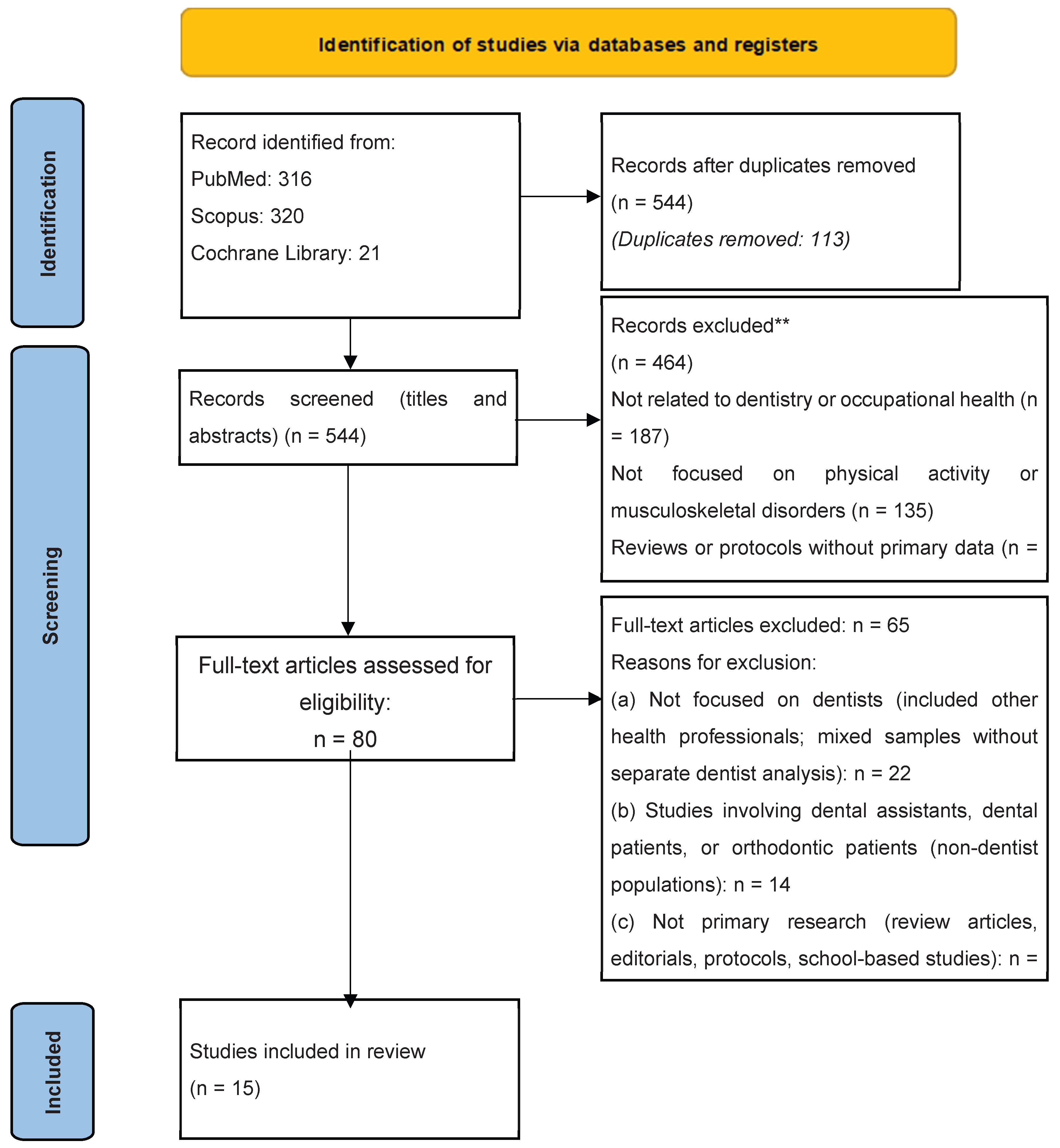
Figure 2.
Geographical Distribution of Study Countries.
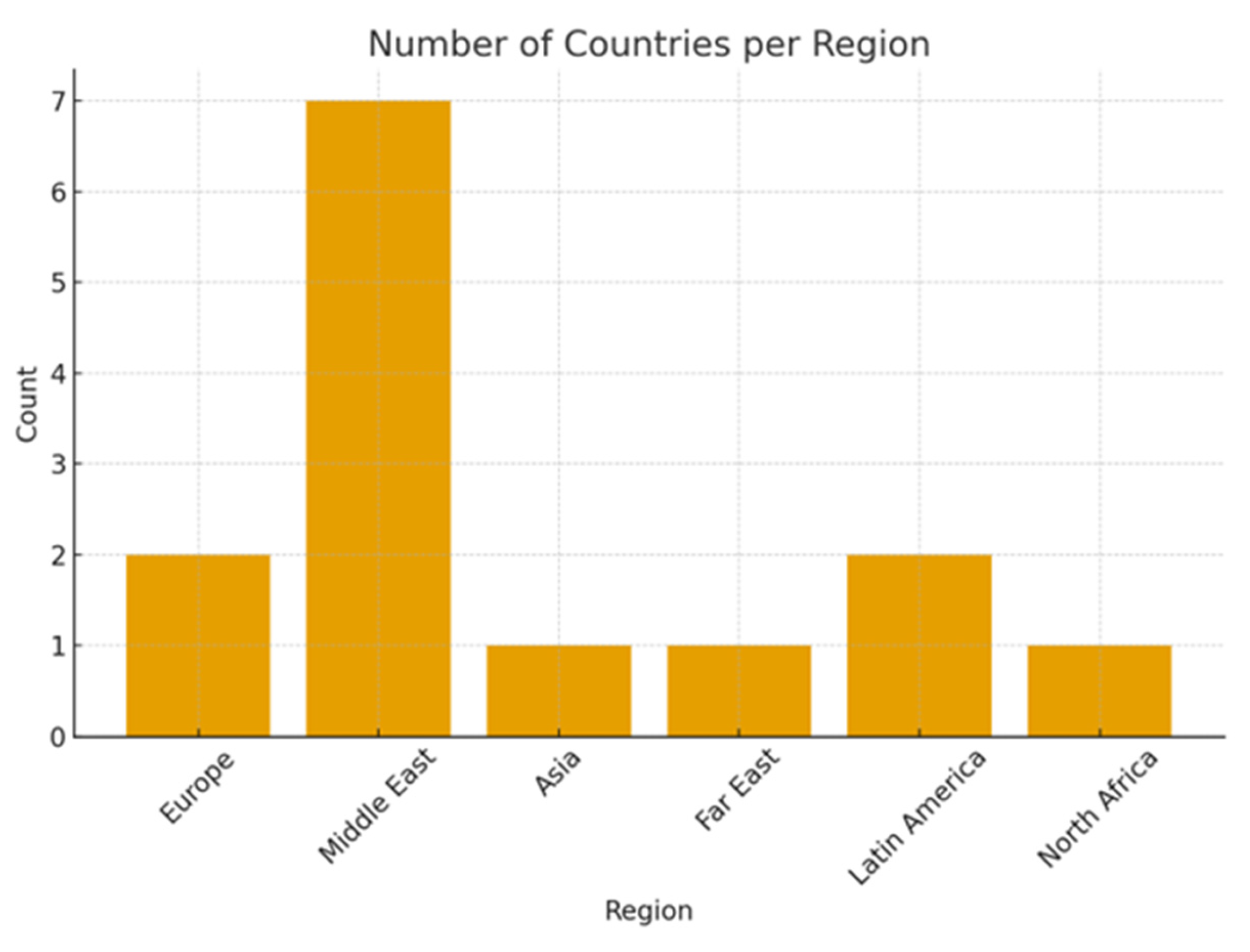
Figure 3.
Circadian Regulation and the Brain–Gut–Microbiome Axis.
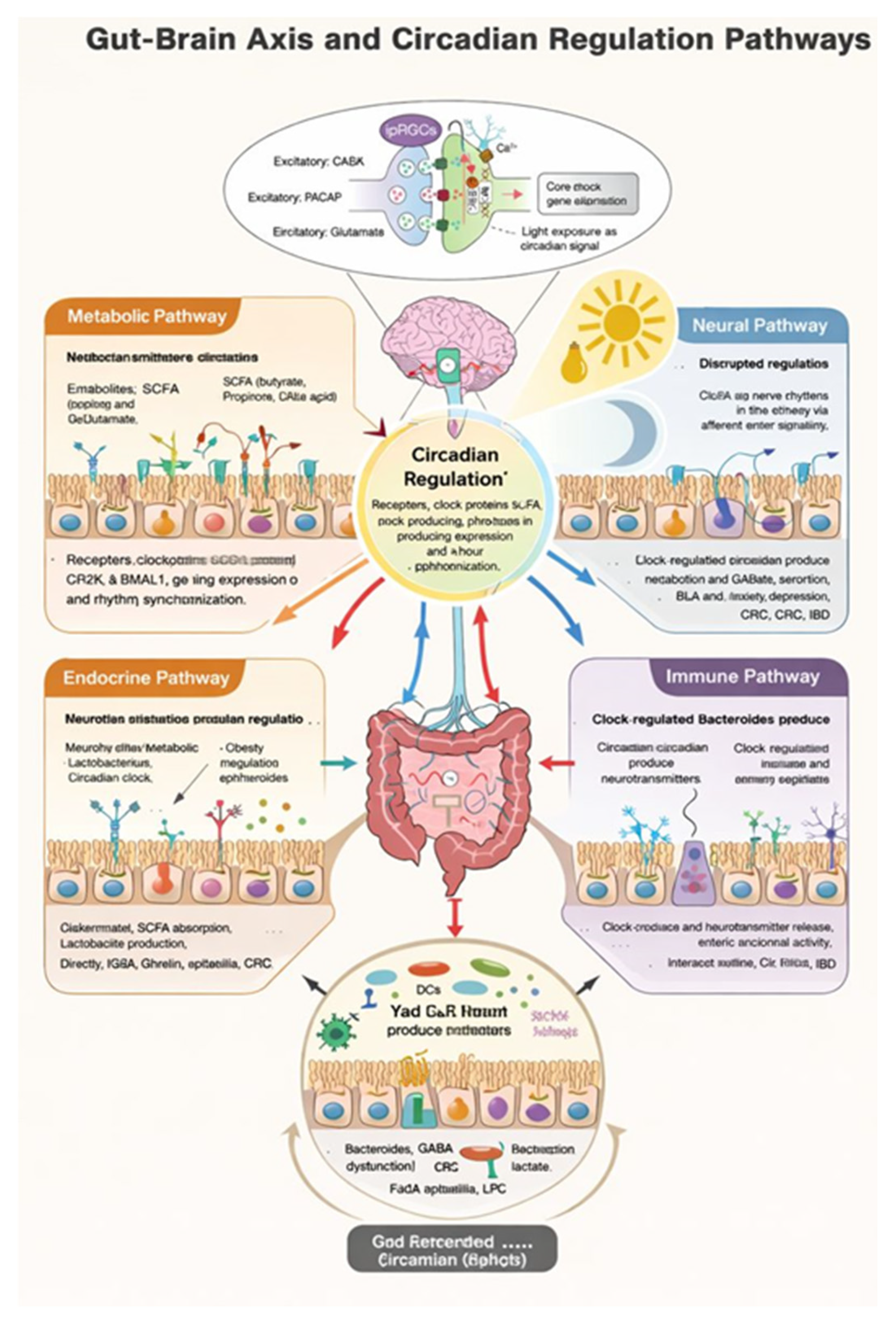
Table 1.
Study characteristics and key findings/outcomes of included studies (n = 15).
| Author (s), Country, Year | Study Design | Sample & Population | Setting | Exposure | Comparator | Statistical Significance | Limitations | Outcomes & Key Findings |
|---|---|---|---|---|---|---|---|---|
| 1. Eddhaoui & Syed, Qatar, 2025 [12] | Cross-sectional | n = 330 dentists in primary care | Primary health care | MSDs, ergonomics | None | Significant | Self-reported, cross-sectional | MSD prevalence 78.6%; 45.5% required sick leave. Despite high ergonomic knowledge (>70%), actual practice <60%. Emphasizes need for routine exercise & applied ergonomic training. |
| 2.Benfaida et al., Morocco, 2024 [24] | Cross-sectional | n = 210 private dentists | Clinical | MSDs, workload, inactivity | Working hours, patients/day | Significant | Convenience sample | Very high MSD prevalence. Strong correlations with working hours, number of patients/day, and physical inactivity. Calls for ergonomic training & physical activity programs. |
| 3.Alsoleihat et al., Jordan, 2024 [25] | Cross-sectional | n = 450 dentists | Mixed | MSDs, overtime, inactivity | Exercise vs no exercise | Significant | Cross-sectional | High prevalence of pain in upper limbs, neck & lower back. Strong associations with overtime work and lack of exercise. Ergonomic interventions urgently needed. |
| 4.Badrasawi et al., Palestine, 2024 [21] | Cross-sectional | n = 320 dentists | Clinical | Stress, sleep duration | Sleep duration groups | Significant (p < 0.05) | Self-reported | 81% reported moderate/high stress; 48% high emotional exhaustion. Sleep duration significantly related to burnout (p < 0.05). Recommendations: sleep-optimization programs & stress-management training. |
| 5.Ciğerim et al., Turkey, 2024 [28] | Cross-sectional | n = 517 dentists in 3 service types | Clinical | Burnout, workload | Service type | Significant | Cross-sectional | Higher burnout & depression in dentists working in ODHCs. Key factors: limited free time, low income satisfaction, heavy workload. Need for structural reorganization and mental health support. |
| 6.Yuh et al., South Korea, 2024 [29] | Nationwide cross-sectional | n = 1,028 dentists | National sample | Lifestyle behaviors | Healthy vs unhealthy | Significant | Self-reported | Anxiety, depression & burnout linked to low exercise, increased alcohol/smoking, poor sleep. Healthy lifestyle behaviors reduce psychological distress. |
| 7. Ohlendorf et al., Germany, 2020 [57] | Cross-sectional | dentists | Clinical | Ergonomic load, working posture, clinical tasks | None | Significant | Cross-sectional design; inclusion of dental students; self-reported data | High prevalence of musculoskeletal disorders, particularly in the neck and lower back, associated with prolonged static postures and inadequate ergonomic practices. Dentists not applying ergonomic principles experienced higher physical strain. The study highlights the importance of ergonomic training and regular movement breaks as preventive strategies to reduce cumulative occupational load and long-term functional deterioration. |
| 8.Boreak et al., Saudi Arabia, 2023 [26] | Cross-sectional | n = 260 dentists | Clinical (public & private) | Endodontic workload | Loupes vs no loupes | Significant | Cross-sectional | MSDs in 61.5% of dentists performing endodontics. 80% reported magnification improved manual skills. Loupes reduced psychological stress (49.2%) and physical strain (64.6%). |
| 9.Afshar et al., Brazil, 2022 [32] | Cross-sectional | n = 403 public-sector dentists | Public health clinics | Occupational hazards | High vs low risk | Significant | Self-reported | High exposure to chemical, ergonomic & psychosocial hazards. Lower QoL observed in those reporting high occupational risk. Exercise & preventive measures linked to better outcomes. |
| 10.Díaz-Caballero & Evaristo-Chiyong, Peru, 2022 [22] | Cross-sectional analytic | n = 168 dentists | Clinical | Burnout | Gender, experience | Significant | Sample size | Burnout prevalence: 28.57%. High emotional exhaustion (90.47%) & depersonalization (98.09%). Lower burnout risk in females (aPR = 0.53, p = 0.044) and dentists with 11–20 years experience (aPR = 0.30, p = 0.017). |
| 11.Slabšinskienė et al., Lithuania, 2021 [2] | Cross-sectional | n = 380 dentists | Mixed | Sleep, activity, recovery | Lifestyle groups | Significant | Cross-sectional | Burnout positively associated with poor sleep, low physical activity & low recovery time. Exercise & relaxation activities were protective factors. |
| 12.Meyerson et al., Israel, 2020 [30] | Cross-sectional | n = 235 dentists | Clinical | Sensory sensitivity | High vs low SPS | Mixed | Self-reported | High sensory processing sensitivity associated with higher burnout but also greater job satisfaction in supportive environments. Highlights need for individualized stress-management interventions. |
| 13.Abraham et al., UAE, 2018 [13] | Cross-sectional | n = 135 dentists | Clinical/Private practice | Specialty, marital status | Specialists vs general | Significant (p < 0.05) | Small sample | Specialists had significantly higher QoL than general practitioners (p < 0.05). Married dentists scored higher in social & environmental domains. Work–life balance essential for improving QoL. |
| 14.Zeinabadi et al., Iran, 2018 [31] | Cross-sectional | n = 288 dentists (public & private sectors) | Mixed | Workload, rest time | Specialists vs general | Not significant | Cross-sectional | No major QoL differences between general dentists and specialists. Workload and rest time more influential than specialty. Importance of schedule restructuring emphasized. |
| 15.Alghadir et al., Saudi Arabia, 2015 [27] | Cross-sectional | n = 250 dentists (various specialties) | Clinical | MSDs, clinical hours | Gender, specialty | Significant | Self-reported | High prevalence of MSDs (neck, back, upper limbs). Significant associations with gender, age, specialty, clinical hours. Ergonomic training & physical activity proposed as preventive factors. |
Disclaimer/Publisher’s Note: The statements, opinions and data contained in all publications are solely those of the individual author(s) and contributor(s) and not of MDPI and/or the editor(s). MDPI and/or the editor(s) disclaim responsibility for any injury to people or property resulting from any ideas, methods, instructions or products referred to in the content. |
© 2026 by the author. Licensee MDPI, Basel, Switzerland. This article is an open access article distributed under the terms and conditions of the Creative Commons Attribution (CC BY) license.
Copyright: This open access article is published under a Creative Commons CC BY 4.0 license, which permit the free download, distribution, and reuse, provided that the author and preprint are cited in any reuse.


