
Submitted:
14 February 2026
Posted:
27 February 2026
You are already at the latest version
Abstract
Chronic wounds represent a significant global healthcare challenge, affecting millions of patients and imposing substantial economic burdens on healthcare systems. Traditional wound management approaches often fail to address the complex pathophysiology underlying chronic wounds, including persistent inflammation, impaired angiogenesis, and disrupted extracellular matrix remodeling. Three-dimensional (3D) bioprinting has emerged as a transformative technology that enables the fabrication of patient-specific, biomimetic tissue constructs capable of addressing these intricate challenges. This comprehensive review synthesizes recent advances in 3D bioprinting for chronic wound treatment, examining bioprinting technologies, biomaterial innovations, mechanisms of wound healing, and clinical applications. Recent studies demonstrate that bioprinted constructs incorporating living cells, growth factors, and bioactive molecules can significantly accelerate wound closure, enhance vascularization, and restore functional skin architecture. Notable innovations include in situ bioprinting systems, photosynthetic scaffolds for oxygen delivery, and immunomodulatory bioinks. While significant technical challenges remain—including vascularization, scalability, and regulatory approval—the integration of advanced bioprinting techniques with regenerative medicine principles offers unprecedented opportunities for personalized chronic wound care and improved patient outcomes.
Keywords:
3D-bioprinting
; chronic wounds
; nanofat
; mesenchymal stem cells
; tissue regeneration
1. Introduction
Chronic wounds, defined as wounds that fail to progress through the normal healing phases within three months, affect approximately 6.5 million patients in the United States alone and impose annual healthcare costs exceeding $25 billion [1]. These wounds arise from diverse etiologies, including diabetes mellitus, venous insufficiency, arterial disease, and pressure injuries, and are characterized by persistent inflammation, impaired cellular proliferation, insufficient angiogenesis, and abnormal extracellular matrix (ECM) remodeling [2]. The pathophysiology of chronic wounds is multifactorial, involving local factors such as ischemia, infection, and mechanical stress, as well as systemic conditions including diabetes, vascular diseases, and immunodeficiency [3].
Traditional wound management strategies—encompassing debridement, infection control, topical dressings, and surgical interventions—provide foundational care but often fail to address the complex molecular and cellular disruptions underlying chronic wounds [4]. Advanced therapies, including growth factor supplementation, stem cell treatments, and tissue-engineered skin substitutes, have shown promise but face limitations related to cost, scalability, and the inability to fully recapitulate the native skin architecture [5].
Three-dimensional bioprinting has emerged as a revolutionary technology capable of fabricating complex, patient-specific tissue constructs by precisely depositing cells, biomaterials, and bioactive molecules in defined spatial arrangements [6]. Unlike conventional tissue engineering approaches, 3D bioprinting enables the creation of biomimetic structures that mimic the hierarchical organization of native skin, including the epidermis, dermis, and vascular networks [7]. Recent advances in bioprinting technologies, biomaterial development, and our understanding of wound healing mechanisms have positioned 3D bioprinting as a promising solution for chronic wound management.
This comprehensive review synthesizes recent literature on the application of 3D bioprinting in chronic wound treatment. We examine the diverse bioprinting technologies and techniques employed, analyze the biomaterials and bioinks developed for wound healing applications, elucidate the mechanisms by which bioprinted constructs promote healing, and evaluate clinical outcomes from preclinical and clinical studies. Additionally, we discuss the technical and translational challenges that must be addressed to realize the full clinical potential of this transformative technology.
2. Bioprinting Technologies and Techniques
The selection of bioprinting technology significantly influences the structural fidelity, cellular viability, and functional properties of bioprinted constructs. Recent studies have employed diverse bioprinting approaches, each offering distinct advantages for chronic wound applications.
2.1. Extrusion-Based and Inkjet Bioprinting
Extrusion-based bioprinting remains the most commonly used technique for wound-healing applications because it is versatile, cost-effective, and compatible with high-viscosity bioinks [8]. The approach uses pneumatic or mechanical forces to extrude bioinks through a nozzle, building constructs layer by layer. Recent reports show extrusion bioprinting can successfully produce diabetic wound dressings and skin substitutes. Double-crosslinked, angiogenic alginate/chondroitin sulfate patches created by extrusion bioprinting have been shown to enhance angiogenesis and extracellular matrix remodeling in diabetic wound models [9]. Likewise, polycaprolactone (PCL) scaffolds printed with levofloxacin on a Bio-X bioprinter provided sustained antibiotic release over four weeks and demonstrated antibacterial efficacy against Staphylococcus aureus and Escherichia coli; these scaffolds also displayed robust mechanical properties, with tensile stiffness of 25.30 N/mm for square designs, supporting the flexibility needed for wound applications [10].
Advanced dressings produced by extrusion bioprinting that incorporated decellularized adipose matrix, plasma, and human dermal fibroblasts maintained high cell viability for 11 days and released wound-healing cytokines—including interleukin-8 (IL-8), monocyte chemoattractant protein-1 (MCP-1), vascular endothelial growth factor (VEGF), and hepatocyte growth factor (HGF)—with MCP-1 levels rising up to 70-fold by day 11, indicating an ability to establish favorable molecular microenvironments for chronic wound repair [11] (Figure 1). Extrusion bioprinting combined with dual-photo source crosslinking is able to create human-derived skin organoids composed of keratinocytes, fibroblasts, and endothelial cells. When applied to full-thickness skin defects in immunodeficient mice, these customized organoids significantly accelerated healing by promoting in situ regeneration, epithelialization, vascularization, and reducing inflammation [12]. Inkjet bioprinting, in contrast to extrusion-based methods, delivers biomaterial as small, evenly spaced droplets, differing primarily in the mode of material deposition [93].
2.2. Stereolithography Bioprinting
Stereolithography (SLA) 3D bioprinting has emerged as a high-precision technique for fabricating complex tissue constructs by using light to polymerize photosensitive bio-inks layer by layer [82]. Recent advancements have focused heavily on developing novel bio-resins that offer both high printability and excellent biocompatibility, overcoming historical limitations regarding cell viability [82,83]. Researchers have successfully utilized visible light-based SLA systems to reduce phototoxicity, allowing for the encapsulation of live cells within hydrogels like gelatin methacryloyl (GelMA) and polyethylene glycol diacrylate (PEGDA) with high survival rates [83]. This technology is particularly adept at creating microfluidic channels and vascular networks within tissue scaffolds, which are essential for nutrient delivery in thick tissues [84]. Furthermore, innovations in multi-material SLA have enabled the fabrication of heterogeneous structures that mimic the gradient properties of natural tissues, such as the bone-cartilage interface [85]. The speed of fabrication has also improved significantly, with continuous digital light processing (DLP) variations reducing print times to mere minutes, minimizing cell stress outside the incubator [82,85]. These developments position SLA as a leading method for applications in drug screening, disease modeling, and regenerative medicine [84,85]. (Figure 1).
2.3. Laser-Assisted Bioprinting
Laser-assisted bioprinting (LAB) is a nozzle-free technique that utilizes focused laser pulses to propel cell-laden droplets onto a substrate with extremely high resolution and precision [86]. Recent studies from 2020 to 2025 highlight LAB’s unique ability to handle viscous bio-inks and sensitive biological materials without the shear stress typically associated with extrusion-based methods, resulting in superior cell viability [87]. Advances in “absorber-free” laser bio-printing have been developed to eliminate the risk of metallic contamination from the absorbing layer, further enhancing the safety of printed tissues for clinical applications [88]. This technology has shown remarkable promise in printing high-cell-density constructs, making it ideal for fabricating complex tissues like skin models and corneal stroma where precise cell placement is critical [86,88]. Researchers are increasingly combining LAB with other bioprinting modalities to create multi-scale structures, leveraging laser precision for micro-patterning while using extrusion for bulk structural support [87]. Furthermore, recent papers demonstrate the efficacy of LAB in in situ bioprinting, where cells are deposited directly onto wound sites to accelerate healing and regeneration [88]. The high speed and non-contact nature of the process minimize contamination risks, positioning LAB as a powerful tool for next-generation tissue engineering and regenerative therapies [89]. (Figure 1).
2.4. Digital Light Processing (Dlp) Bioprinting
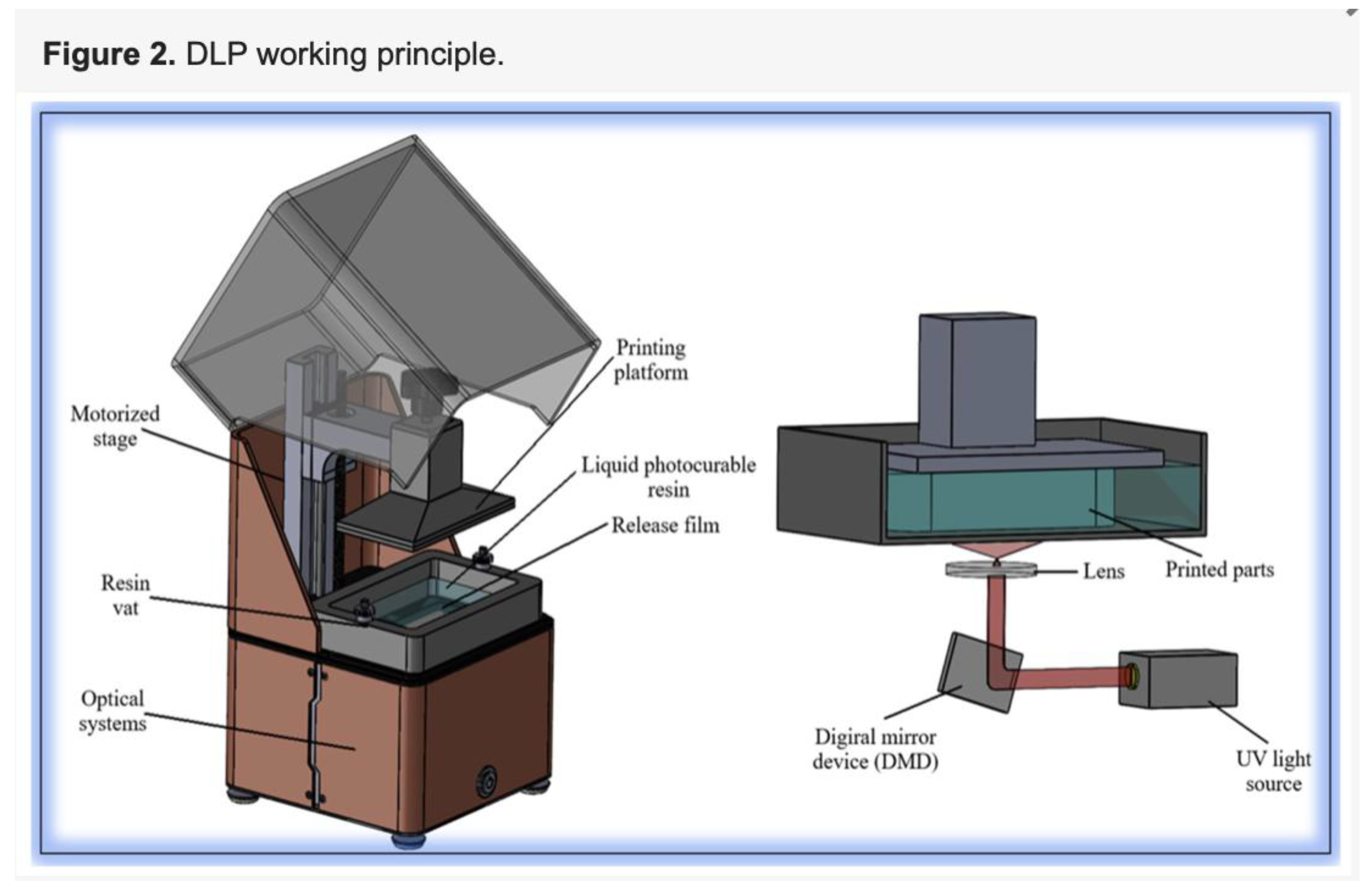
Digital light processing bioprinting offers superior resolution and printing speed compared to extrusion-based methods, enabling the fabrication of intricate microstructures with high cellular precision [13]. Fu et al. established a clinically translatable collagen-based DLP bioprinting platform using pro-angiogenic dual-crosslinked collagen bioinks for precise cell-laden printing [14]. This approach demonstrated enhanced vascular regeneration in angiogenesis-impaired diabetic wounds, addressing one of the critical challenges in chronic wound healing [14].
The high resolution achievable with DLP bioprinting (typically 10-100 μm) enables the creation of biomimetic microarchitectures that guide cellular behavior and tissue organization [15]. However, the limited range of photocrosslinkable bioinks and potential phototoxicity from UV exposure remain considerations for this technology [16].
Figure 2.
DLP working principle.
2.5. In Situ Bioprinting
In situ bioprinting represents a paradigm shift in wound treatment, enabling direct deposition of bioinks onto wound beds, thereby eliminating the need for ex vivo construct maturation and subsequent transplantation [17]. This approach offers several advantages, including improved conformity to irregular wound geometries, enhanced graft-host integration, and reduced handling-related cellular damage [18].
Wang et al. developed an innovative in situ microfluidic-assisted 3D bioprinting strategy for depositing living photosynthetic scaffolds directly into diabetic wounds [19]. The system utilized a custom-made coaxial capillary microfluidic chip integrated with a programmable 3D printer, enabling the deposition of microalgae-laden hollow fibrous scaffolds at controlled flow rates (2 mL/h) and printing speeds (5 mm/s) [19]. The bioprinted scaffolds, composed of alginate (2.5% w/v) and gelatin methacrylate (GelMA, 5% w/v) incorporating Chlorella pyrenoidosa microalgae, produced sustainable oxygen under light conditions, alleviating hypoxia in diabetic wounds [19].
Illustration of in situ 3D bioprinting living photosynthetic scaffolds for autotrophic wound healing. The microalgae-laden hollow fibrous (MA-HF) scaffolds can be directly printed in freeform wounds due to the rapid crosslinking between the Ca ions and alginate-based progels during a coaxial microfluidic printing process. After printing, the microalgae encapsulated in the MA-HF scaffolds serve as in situ autotrophic oxygen suppliers, which continuously generate oxygen under light illumination for enhanced wound healing by alleviating local hypoxia, accelerating angiogenesis, and promoting extracellular matrix (ECM) synthesis at wound sites [19].
Figure 3.
Caption.
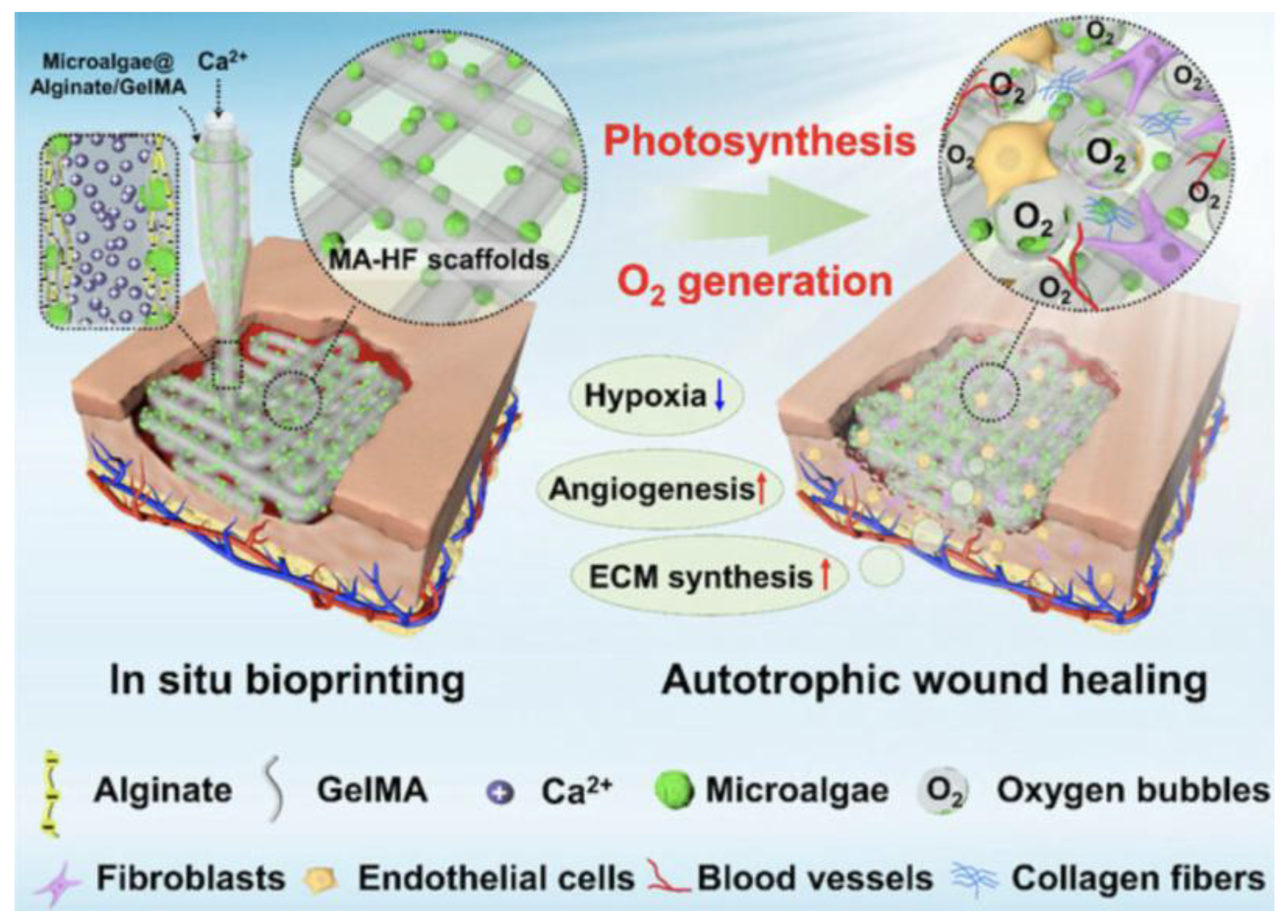
In vivo studies demonstrated that the photosynthetic scaffolds achieved remarkable wound closure, with the light-exposed group reaching 1.1 ± 0.3% relative wound area by day 15, compared to 13.0 ± 1.5% for controls [19]. Additionally, CD31-positive microvessel densities increased to 15.6 ± 1.6% in treated wounds versus 5.5 ± 0.1% in controls, while hypoxia-inducible factor-1α (HIF-1α) expression decreased to 1.1 ± 0.2% compared to 13.2 ± 1.5% in controls [19]. This autotrophic biosystem represents a novel approach to addressing hypoxia-related impairments in chronic wound healing. Xue et al. reviewed in situ bioprinting applications for tissue regeneration, highlighting studies where platelet-rich plasma-containing bioprinted constructs with dermal fibroblasts and epidermal stem cells were directly printed onto wound beds, leading to adequate reepithelization and faster wound closure within 21 days for both acute and chronic wounds [20].
2.6. Coaxial and Microfluidic Bioprinting
Coaxial bioprinting enables the fabrication of core-shell structures that can encapsulate cells, growth factors, or therapeutic agents within protective hydrogel shells, providing controlled release and enhanced cellular protection [21]. Wang et al. employed coaxial bioprinting to create biphasic nanobioinks for diabetic wound healing, demonstrating effective acceleration of wound healing in type II diabetic mouse models through modulation of angiogenesis and inflammation [22]. Weaver et al. combined microfluidics with coaxial 3D bioprinting for manufacturing diabetic wound healing dressings, leveraging the precise control over bioink composition and spatial organization afforded by microfluidic systems [23]. This integration enables the creation of compositionally graded constructs that can mimic the heterogeneous nature of native skin tissue [24].
3. Biomaterials for Wound Healing
The selection and formulation of biomaterials constitute critical determinants of bioprinted construct performance, influencing mechanical properties, cellular behavior, degradation kinetics, and therapeutic efficacy.
3.1. Natural Polymers
Natural polymers derived from biological sources offer inherent biocompatibility, biodegradability, and cell-recognition motifs that promote cellular adhesion, proliferation, and differentiation [25].
Alginate is a widely used natural polymer derived from brown algae, valued for its rapid gelation through ionic crosslinking with divalent cations such as calcium chloride [26]. Liao et al. utilized alginate in combination with chondroitin sulfate to create double-crosslinked angiogenic patches for diabetic wound healing [9]. The alginate component provided structural integrity and printability, while chondroitin sulfate contributed to angiogenic signaling [9].
Gelatin and Gelatin Methacrylate (GelMA) are collagen-derived materials that retain the cell-binding RGD (Arg-Gly-Asp) sequences essential for cellular adhesion [27,93]. Wang et al. incorporated GelMA (5% w/v) with alginate (2.5% w/v) in photosynthetic scaffolds, utilizing lithium phenyl-2,4,6-trimethylbenzoylphosphinate (LAP, 0.1% v/v) as a photoinitiator for UV-induced crosslinking [19]. Shi et al. developed cell-adaptive hydrogels using thermo/ion/photo-crosslinked GelMA/sodium alginate incorporating shear-oriented polyethylene oxide (PEO) filler, creating anisotropic micropores that enhanced fibroblast-to-myofibroblast transition and accelerated wound closure [28].
Collagen is the most abundant protein in the ECM and provides structural support and biochemical cues for tissue regeneration [29]. Fu et al. established a DLP bioprinting platform using pro-angiogenic dual-crosslinked collagen bioinks, demonstrating enhanced vascular regeneration in diabetic wounds [14]. Schmitt et al. utilized methacrylated collagen (CMA) bioink at concentrations of 10-50% (w/w) microfat, maintaining cell viability and metabolic activity for up to 10 days [30].
Hyaluronic Acid (HA) is a glycosaminoglycan that plays crucial roles in wound healing, including regulation of inflammation, angiogenesis, and ECM organization [31]. The 3D-bioprinted peptide patches developed using GelMA/hyaluronic acid methacryloyl (HAMA) demonstrated excellent biocompatibility and angiogenesis, with the pro-angiogenic QHREDGS peptide covalently conjugated to extend its release [32].
3.2. Synthetic Polymers
Synthetic polymers offer tunable mechanical properties, controlled degradation rates, and reproducible manufacturing, though they typically lack inherent bioactivity [33].
Polycaprolactone (PCL) is a biodegradable polyester with excellent mechanical strength and slow degradation kinetics, making it suitable for load-bearing applications [34]. Glover et al. fabricated PCL scaffolds (MW 50,000) loaded with levofloxacin using extrusion bioprinting at 190 °C and 175 kPa, achieving sustained drug release for 4 weeks [10]. The scaffolds provided mechanical support while delivering antibacterial therapy, addressing the dual challenges of structural integrity and infection control in diabetic wounds [10].
Polyethylene Oxide (PEO) serves as a sacrificial material to create porous structures. Shi et al. incorporated shear-oriented PEO filler into GelMA/sodium alginate hydrogels, creating anisotropic micropores that guided cellular organization and enhanced wound healing [28].
3.3. Composite and Hybrid Bioinks
Composite bioinks combine natural and synthetic polymers or incorporate inorganic materials to achieve synergistic properties that individual components cannot provide [35]. A pioneering approach integrated strontium silicate (SS) microcylinders into multicellular biomaterial inks using “cell-writing” bioprinting technology, where the SS microcylinders acted as stable, cell-induced angiogenic cues and the resulting bioprinted skin substitutes showed strong angiogenic activity in vitro and in vivo, markedly accelerating healing of acute and chronic wounds via improved graft–host integration and vascularized skin regeneration [36]. Composite bioinks were formulated by blending porcine decellularized adipose matrix (pDAM2) with alginate and plasma with pDAM2 supplying collagens, proteoglycans, glycoproteins, and associated proteins while plasma provided growth factors and cytokines; human dermal fibroblasts within these hydrogels maintained expression of fibronectin and collagen genes (COL1A1, COL1A2, COL3A1), establishing a favorable molecular microenvironment for wound healing [11]. Bioinspired 3D-printed scaffolds embedding DDAB-nano ZnO/nanofibrous microspheres were developed to promote regenerative diabetic wound healing, illustrating the potential of nanoparticle incorporation to boost antibacterial properties and support tissue regeneration [37].
3.4. Bioactive Components
The incorporation of cells, growth factors, and bioactive molecules transforms passive scaffolds into dynamic therapeutic systems capable of actively promoting wound healing [38].
Cellular Components: Recent studies have incorporated diverse cell types, including human dermal fibroblasts, keratinocytes, endothelial cells, mesenchymal stem cells, and adipose-derived stromal cells [11], [12], [20], [30]. Zhang et al. created skin organoids comprising keratinocytes, fibroblasts, and endothelial cells that formed specific structures with stromal cores, facilitating in situ regeneration and vascularization [12]. Jorgensen et al. demonstrated that multicellular bioprinted skin incorporating multiple cell types facilitated human-like skin architecture in vivo [39].
Growth Factors and Cytokines: Bioprinted constructs can serve as delivery vehicles for growth factors essential to wound healing. Amo et al. demonstrated that bioprinted constructs released VEGF, HGF, IL-8, and MCP-1, with MCP-1 levels increasing up to 70-fold by day 11 [11]. The pro-angiogenic QHREDGS peptide was covalently conjugated to GelMA/HAMA patches to extend its release and improve angiogenic properties [32].
Bioactive Molecules: Lihao et al. incorporated Salvianolic acid B (SAB) into sodium alginate-gelatin scaffolds using extrusion bioprinting, promoting diabetic wound repair through antioxidant and anti-inflammatory mechanisms, enhancing granulation tissue regeneration and collagen deposition [40].
Photosynthetic Microorganisms: In a groundbreaking approach, Wang et al. incorporated the oxygenic photosynthetic microalga Chlorella pyrenoidosa into bioprinted scaffolds, creating living photosynthetic systems that produced sustainable oxygen under light conditions, alleviating hypoxia in diabetic wounds [19]. Liu et al. developed bioprinted biogenic hydrogels inspired by lichens, containing microalgae for oxygen supply and probiotics for infection inhibition, demonstrating prolonged biogenetic oxygen supply and enhanced wound healing [41].
4. Mechanisms of Chronic Wound Healing
Understanding the mechanisms by which bioprinted constructs promote chronic wound healing is essential for rational design and optimization of therapeutic strategies.
4.1. Pathophysiology of Chronic Wounds
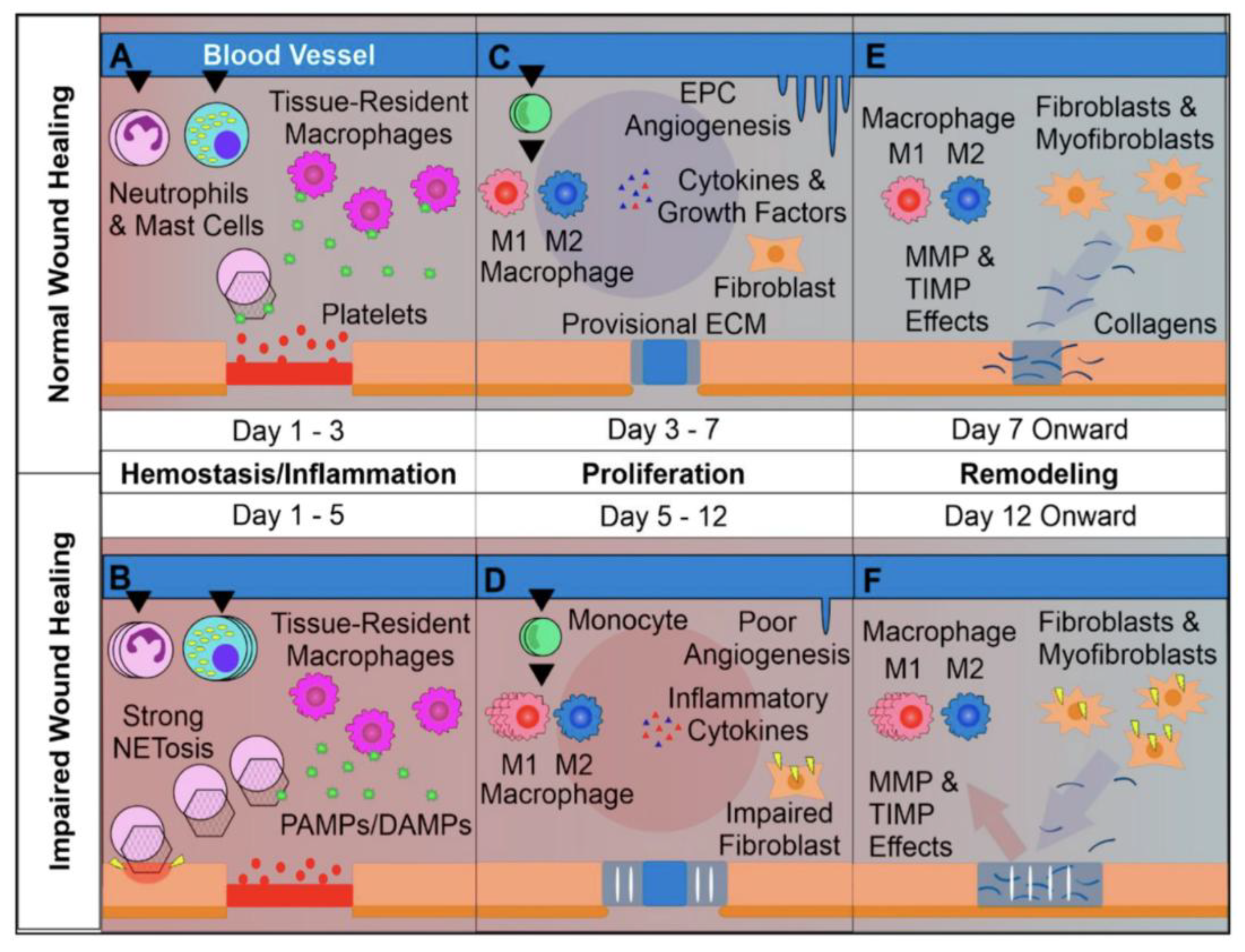
Chronic wounds are characterized by disruptions in the normal wound healing cascade, which comprises four overlapping phases: hemostasis, inflammation, proliferation, and remodeling [42]. In chronic wounds, these phases are dysregulated, resulting in prolonged inflammation, impaired cellular proliferation, insufficient angiogenesis, and abnormal ECM remodeling [43].
Key impediments to chronic wound healing include persistent inflammation driven by elevated pro-inflammatory cytokines, senescent cell accumulation, impaired growth factor signaling, and the presence of biofilms that resist antibiotics and immune clearance [44]. Local factors such as ischemia, infection, and mechanical stress, combined with systemic conditions including diabetes, vascular diseases, and immunodeficiency, further complicate the healing process [45].
Diabetic wounds, in particular, are characterized by hyperglycemia-induced oxidative stress, advanced glycation end-product accumulation, impaired angiogenesis, and neuropathy [46]. The hypoxic microenvironment in diabetic wounds, resulting from microvascular dysfunction, significantly impairs cellular metabolism and tissue regeneration [47].
Figure 3.
Overview of Normal vs. Impaired Wound Healing. (A): The first phase of wound healing is hemostasis. Platelets form a clot at the site of injury, and chemoattractants are released, recruiting key inflammatory cells. Next, inflammation takes charge, with infiltrating neutrophils and mast cells releasing pro-inflammatory cytokines and inducing strong sanitizing effects. This is accompanied by neutrophil extracellular trap (NETosis) induction, which assists in capturing and destroying invading pathogens. Tissue-resident macrophages react to pathogen- and damage-associated molecular patterns (PAMPs & DAMPs), activating. Later a provisional matrix comprised of fibronectin and other provisional extracellular matrix (ECM) components forms from the clot. (B): Impaired wounds see an upregulated influx of neutrophils and mast cells, leading to an overactive inflammatory response, causing collateral damage and extending the inflammatory phase to the detriment of subsequent phases. (C): Following resolution of strong inflammation, the proliferative phase begins. Crucially, endothelial progenitor cells are stimulated by growth factors to induce angiogenesis. This angiogenesis allows for wound-resident cells to be supplied with oxygen and nutrients, facilitating their function. Infiltrating monocytes differentiate into M1 and M2 macrophage subsets. M1 macrophages maintain a strong inflammatory profile, but are counterbalanced by pro-regenerative M2 macrophages which release anti-inflammatory cytokines, growth factors, and proteases which replace the provisional ECM with collagens, assisted by properly functioning fibroblasts. This process results in thick granular tissue and full keratinocyte coverage. (D): Impaired wounds result in poor angiogenesis and, in the case of T2DM, glycated proteins. This hypoxic environment induces oxidative stress, driving inflammatory M1 macrophage polarization and impairment of fibroblasts, resulting in poor ECM reorganization and a persistent inflammatory environment. (E): Remodeling is carried out by macrophages, fibroblasts, and myofibroblasts re-organizing the provisional ECM into a coherent scar structure primarily by means of matrix metalloproteinases (MMPs) and their inhibitors (TIMPs), resulting in tissue with strong tensile strength and functionality. (F): Impaired wound-resident cells remain ineffective and pro-inflammatory. Collagen reorganization resolves poorly, resulting in weak, non-functional skin that is apt to re-injure and potentially ulcerate, perpetually inflamed [92].
Figure 3.
Overview of Normal vs. Impaired Wound Healing. (A): The first phase of wound healing is hemostasis. Platelets form a clot at the site of injury, and chemoattractants are released, recruiting key inflammatory cells. Next, inflammation takes charge, with infiltrating neutrophils and mast cells releasing pro-inflammatory cytokines and inducing strong sanitizing effects. This is accompanied by neutrophil extracellular trap (NETosis) induction, which assists in capturing and destroying invading pathogens. Tissue-resident macrophages react to pathogen- and damage-associated molecular patterns (PAMPs & DAMPs), activating. Later a provisional matrix comprised of fibronectin and other provisional extracellular matrix (ECM) components forms from the clot. (B): Impaired wounds see an upregulated influx of neutrophils and mast cells, leading to an overactive inflammatory response, causing collateral damage and extending the inflammatory phase to the detriment of subsequent phases. (C): Following resolution of strong inflammation, the proliferative phase begins. Crucially, endothelial progenitor cells are stimulated by growth factors to induce angiogenesis. This angiogenesis allows for wound-resident cells to be supplied with oxygen and nutrients, facilitating their function. Infiltrating monocytes differentiate into M1 and M2 macrophage subsets. M1 macrophages maintain a strong inflammatory profile, but are counterbalanced by pro-regenerative M2 macrophages which release anti-inflammatory cytokines, growth factors, and proteases which replace the provisional ECM with collagens, assisted by properly functioning fibroblasts. This process results in thick granular tissue and full keratinocyte coverage. (D): Impaired wounds result in poor angiogenesis and, in the case of T2DM, glycated proteins. This hypoxic environment induces oxidative stress, driving inflammatory M1 macrophage polarization and impairment of fibroblasts, resulting in poor ECM reorganization and a persistent inflammatory environment. (E): Remodeling is carried out by macrophages, fibroblasts, and myofibroblasts re-organizing the provisional ECM into a coherent scar structure primarily by means of matrix metalloproteinases (MMPs) and their inhibitors (TIMPs), resulting in tissue with strong tensile strength and functionality. (F): Impaired wound-resident cells remain ineffective and pro-inflammatory. Collagen reorganization resolves poorly, resulting in weak, non-functional skin that is apt to re-injure and potentially ulcerate, perpetually inflamed [92].
4.2. Angiogenesis and Vascularization
Angiogenesis is essential for supplying oxygen, nutrients, and immune cells to wounds [48]. Chronic wounds, especially diabetic ulcers, show impaired angiogenesis driven by lowered VEGF expression, endothelial dysfunction, and pericyte abnormalities [49]. Apart from standard bioprinted products, adding some specific ingredients like strontium silicate (SS) microcylinders into bioprinted skin substitutes acted as stable angiogenic inducers, markedly increasing microvessel formation and improving graft–host integration [36]. Pro-angiogenic dual-crosslinked collagen bioinks, applied by DPL, improve vascular regeneration in angiogenesis-impaired diabetic wounds [14]. Another adjunct to functionality of bioprinted materials are the photosynthetic scaffolds that generate oxygen via microalgal photosynthesis alleviated hypoxia, raising CD31-positive microvessel density from 5.5 ± 0.1% to 15.6 ± 1.6% and reducing HIF-1α expression from 13.2 ± 1.5% to 1.1 ± 0.2% compared with controls [19]. Bioprinted constructs containing decellularized adipose matrix and plasma released VEGF and HGF, promoting endothelial proliferation, migration, and tube formation [11]. Finally, angiogenesis and tissue repair could be enhanced by 3D-bioprinted peptide patches incorporating the pro-angiogenic QHREDGS sequence [32].
4.3. Immunomodulation and Inflammation Control
Chronic wound is defined by persistent inflammation, marked by prolonged neutrophil presence, high levels of pro-inflammatory cytokines, and a failure to transition into the proliferative phase [50]. Bioprinted constructs can modulate these inflammatory processes via immune-cell recruitment, macrophage polarization towards M2 population, release or anti-inflammatory cytokines (IL-10, TGF-β, siRNA/miRNA, etc.), antimicrobial and ROS control, angiogenesis and oxygenation, MSC`s therapy with its paracrine effects, and gene vectors and exosome delivery.
Biogenic hydrogels containing microalgae and probiotics represent a promising tool, reducing inflammation in diabetic wounds, producing dense vascular networks, leading to less hypoxia and inflammation and improved epithelial differentiation. Treated wounds showed rapid repair within 3 days and ~90% restoration of full skin structure by day 12 [41]. Cell-adaptive hydrogels with anisotropic micropores could accelerate wound closure by dampening inflammation, enhancing angiogenesis, and promoting myofibroblast differentiation [28]. The temporal shifts from pro-inflammatory to anti-inflammatory cytokine expression, reflecting progression through normal healing stages, can be sped up by application of microfat-laden constructs in the wounds [30]. A biphasic nanobioink that concurrently targets angiogenesis and inflammation further demonstrates the benefit of addressing multiple pathophysiological mechanisms in diabetic wound treatment [22].
4.4. Extracellular Matrix Remodeling
The extracellular matrix (ECM) provides structural support and biochemical signals that guide cellular behavior and tissue organization [51]. In chronic wounds, however, elevated matrix metalloproteinase (MMP) activity disrupts ECM integrity, causing excessive degradation and impaired collagen deposition [52]. Bioprinted constructs have been shown to promote ECM remodeling through several mechanisms. For example, photosynthetic scaffolds improved ECM synthesis in wounds (Wang et al.) [19], and double-crosslinked angiogenic patches enhanced ECM remodeling in diabetic wounds (Liao et al.) [9]. Fibroblasts embedded within bioprinted constructs maintained expression of fibronectin, COL1A1, COL1A2, and COL3A1, reflecting active ECM production (Amo et al.) [11]. Incorporating Salvianolic acid B into scaffolds boosted granulation tissue formation and collagen deposition via antioxidant and anti-inflammatory effects (Lihao et al.) [40]. Biomimetic multilayer implants made from microfragmented adipose ECM also improved healing by supporting ECM remodeling (Zhang et al.) [53]. Additionally, anisotropic microporous hydrogels encouraged oriented fibroblast alignment and myofibroblast differentiation, promoting ECM remodeling and wound contraction; when co-cultured with human keratinocytes, these constructs formed bilayer skin with tight junctions and increased cytokeratin-14 expression, indicative of proper epithelial differentiation (Shi et al.) [28].
5. Clinical Applications and Outcomes
Recent preclinical and clinical studies have demonstrated the therapeutic efficacy of bioprinted constructs for chronic wound healing, with particular emphasis on diabetic wounds and full-thickness skin defects.
5.1. Diabetic Wound Healing
Diabetic wounds are among the most difficult chronic wounds to treat, affecting about 25% of people with diabetes during their lifetime and accounting for most non-traumatic lower-limb amputations [54]. Recent bioprinting approaches show promising results for these wounds. In situ bioprinted photosynthetic scaffolds significantly improved closure in diabetic mice: treated wounds reached 1.1 ± 0.3% relative wound area by day 15 versus 13.0 ± 1.5% in controls, corresponding to roughly 92% closure; the scaffolds also mitigated hypoxia by producing sustained oxygen via microalgal photosynthesis, increasing microvessel density and lowering hypoxia markers [19]. Double-crosslinked angiogenic alginate/chondroitin sulfate patches enhanced angiogenesis and ECM remodeling in diabetic models (Liao et al.) [9]. To tackle infection risk, levofloxacin-loaded PCL scaffolds provided sustained antibiotic release for four weeks and showed antibacterial activity against common wound pathogens; the 3.0% levofloxacin formulation released 478.23 µg by day 14 (Glover et al.) [10]. Lichen-inspired biogenic hydrogels incorporating microalgae and probiotics accelerated tissue repair, producing dense vascular networks and restoring about 90% of full-thickness skin structure within 12 days, combining oxygen generation with infection control (Liu et al.) [41]. Finally, Salvianolic acid B-loaded scaffolds promoted diabetic wound healing via antioxidant and anti-inflammatory actions, improving granulation tissue formation and collagen deposition—beneficial given the elevated oxidative stress in diabetic wounds (Lihao et al.) [40].
5.2. Full-Thickness Skin Defects
Full-thickness skin defects, which penetrate the epidermis and dermis into subcutaneous tissue, demand reconstruction of complex skin architecture including multiple cell layers and vascular networks [55]. To address this, Zhang et al. created 3D-bioprinted, human-derived skin organoids made from keratinocytes, fibroblasts, and endothelial cells that developed stromal cores and, when applied to full-thickness wounds in immunodeficient mice, accelerated healing via in-situ regeneration, epithelialization, vascularization, and suppression of inflammation; the ability to tailor organoid size and shape improved implantation and graft–host integration [12]. Similarly, Ma et al. used multicellular biomaterial inks containing strontium silicate microcylinders to speed healing in acute and chronic wound models across three animal systems by enhancing graft–host integration and promoting vascularized skin regeneration—a notable advance in combining skin-mimetic structure with vascular function [36]. Zhang et al. also reported that biomimetic multilayer implants composed of microfragmented adipose ECM and cells improved angiogenesis and ECM remodeling in a murine full-thickness wound model [53]. Reviews by Xue et al. summarize evidence that biomimetic constructs incorporating human skin fibroblasts and HUVECs support regeneration of full-thickness defects in pig models [20]. Finally, Jorgensen et al. showed that multicellular bioprinted skin can recreate human-like skin architecture in vivo, marking progress toward clinically relevant skin substitutes by arranging multiple cell types in defined spatial patterns [39].
5.3. Comparative Analysis of Bioprinted Constructs
Table 1 provides a comparative analysis of representative bioprinted constructs for chronic wound healing, highlighting the diversity of approaches and outcomes achieved in recent studies.
This comparative analysis reveals several key trends. Firstly, extrusion-based bioprinting remains the dominant technique, reflecting its versatility and compatibility with diverse bioinks. Secondly, natural polymers, particularly alginate, gelatin/GelMA, and collagen, are preferentially used due to their biocompatibility and cell-recognition motifs. Thirdly, the incorporation of multiple cell types and bioactive components enhances therapeutic efficacy. Forth, diabetic wound models are the most commonly studied, reflecting the clinical significance of this wound type. Finally, quantitative outcomes demonstrate substantial improvements in wound closure rates, vascularization, and tissue regeneration compared to controls.
5.4. Clinical Case Series: 3D Dr. Invivo Bioprinter Experience
5.4.1. Overview
The proposed case series evaluated the clinical efficacy of the 3D Dr. INVIVO Bioprinter, an extrusion-based bioprinting system, in treating refractory chronic wounds. This study provides important real evidence for the clinical translation of 3D bioprinting technology in wound care.
5.4.2. Patient Population and Study Design
Four patients (2 male, 2 female; age range 62-78 years, mean age 70 years) with chronic wounds failing to heal after more than 4 years of both conservative and surgical treatment were enrolled. All patients presented with:
- Wound duration: >4 years of failed treatment
- Comorbidities: Stage 2 arterial hypertension (well-controlled) in all patients (100%); diabetes mellitus type 2 (well-controlled) in one patient (25%)
- Infection status: Microbiological examination confirmed absence of active infection in all cases
- Previous treatments: Multiple debridements, advanced wound dressings, negative pressure wound therapy, and failed surgical interventions including skin grafting and local flap reconstruction
Inclusion Criteria: - Documented failure to heal after ≥4 years of treatment; Failed conservative and surgical management; Medical optimization of comorbidities; Patient consent for novel therapeutic approach.
Exclusion Criteria: Active wound infection; Uncontrolled systemic diseases; Malignancy in wound bed; Connective tissue disorder; Psychiatric disorders; Inability to comply with follow-up.
5.4.3. Technology and Treatment Protocol
For the sake of our case series we used an extrusion-based bioprinting device, 3D Dr. INVIVO Bioprinter, which is able to create direct in situ or ex vivo bioprinted materials (94).
Treatment Protocol:
1. Comprehensive Wound Assessment and Measurement
2. Microbiological Sampling and Analysis
3. Wound Bed Preparation and Debridement, Photo of the Wound
4. Liposuction, Preparation and Application of 3d Bioprinted Material (Figure 4)
5. Standard Post-Application Wound Care
6. Weekly Follow-Up Assessments
5.4.4. Clinical Outcomes
Overall Healing Success: Complete epithelialization at 11 weeks: 3/4 patients (75%) Incomplete epithelialization requiring intervention: 1/4 patients (25%)
The following comprehensive clinical evolution table presents detailed photographic documentation and outcome data for all four patients treated with the 3D Dr. INVIVO extrusion-based bioprinter. The table tracks wound healing progression across five time points (preoperative baseline, weeks 2, 5, 8, and 11 postoperative).

Table 2.
Clinical Evolution of 3D Bioprinting Treatment - All Four Patients.
| Patient Information | Preoperative (Baseline) | Week 2 Postoperative | Week 5 Postoperative | Week 8 Postoperative | Week 11 Postoperative |
| PATIENT 1 67-year-old Male Hypertension (controlled) Wound Duration: 4.5 years |
 Chronic wound (4.5 years) Failed multiple debridements Failed NPWT Non-healing, stalled epithelialization Infection: Negative Minimal granulation tissue |
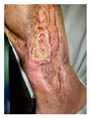 Post-bioprinting (2 weeks) Initial material integration Early cellular migration No infection/rejection Standard wound care maintained |
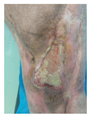 Mid-treatment (5 weeks) Progressive epithelialization Increased granulation tissue Wound contraction beginning Scaffold integration ongoing No adverse events |
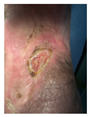 Advanced healing (8 weeks) Significant size reduction Robust epithelialization Healthy granulation tissue Continued remodeling Patient tolerating well |
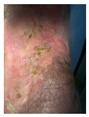 COMPLETE EPITHELIALIZATION 100% wound closure achieved Mature epithelium present No residual defect Successful outcome No complications |
| PATIENT 2 62-year-old Female Hypertension (controlled) Wound Duration: 4.2 years |
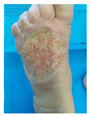 Chronic wound (4.2 years) Failed conservative management Failed surgical closure attempt Persistent non-healing defect Infection: Negative Previous surgery unsuccessful |
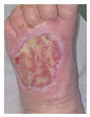 Post-bioprinting (2 weeks) Material adherence confirmed Initial wound bed response Early cellular infiltration No material rejection Well-tolerated treatment |
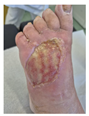 Mid-treatment (5 weeks) Progressive healing response Peripheral epithelialization Improved wound bed quality Bioink scaffold supporting regeneration Continued positive response |
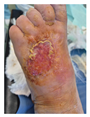 Advanced healing (8 weeks) Marked wound contraction Accelerated epithelialization Healthy vascular tissue formation Success where previous surgery failed No complications |
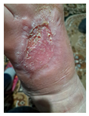 COMPLETE EPITHELIALIZATION 100% wound closure achieved Successful where surgery failed Mature epithelial layer No residual defect |
| PATIENT 3 78-year-old Male Hypertension (controlled) Wound Duration: 5.1 years (Longest duration) (Oldest patient) |
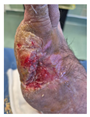 Chronic wound (5.1 years) LONGEST DURATION IN SERIES Extended conservative mgmt failed Failed flap coverage attempt Severely chronic, non-healing Infection: Negative Oldest patient (78 years) |
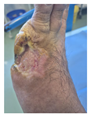 Post-bioprinting (2 weeks) Post-bioprinting (2 weeks)Successful material integration Initial healing in elderly patient Wound bed improvement noted No age-related complications Good tolerance despite age |
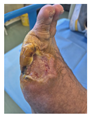 Mid-treatment (5 weeks) Mid-treatment (5 weeks)Encouraging healing progression Epithelialization advancing despite age Granulation tissue formation Positive geriatric response No adverse events |
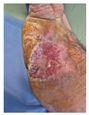 Advanced healing (8 weeks) Continued wound size reduction Strong epithelialization despite prolonged duration Healthy tissue regeneration Efficacy in elderly demonstrated |
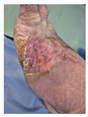 COMPLETE EPITHELIALIZATION 100% wound closure achieved Successful in 78-year-old patient Longest duration (5.1yr) treated successfully Demonstrates efficacy across age spectrum No complications |
| PATIENT 4 74-year-old Male Hypertension (controlled) + DIABETES MELLITUS Type 2 (HbA1c <7.0%, controlled) Wound Duration: 4.8 years (ONLY DIABETIC PATIENT) |
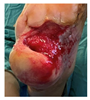 Chronic diabetic wound (4.8 years) Failed comprehensive diabetic care Failed advanced biologics treatment Chronic diabetic wound characteristics Infection: Negative Good glycemic control maintained |
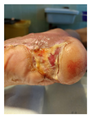 Post-bioprinting (2 weeks) Initial integration in diabetic wound bed Early response observed Diabetic healing challenges evident No infection/rejection Slower initial response vs non-diabetic |
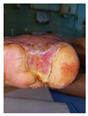 Mid-treatment (5 weeks) Partial healing response Wound size reduction observed Epithelialization slower than non-diabetic Diabetes impacting healing kinetics Bioprinted material facilitating partial closure |
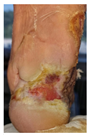 Advanced healing (8 weeks) Continued partial improvement Significant wound size reduction Incomplete epithelialization Residual defect remaining Diabetes limiting complete closure despite good control |
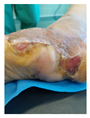 INCOMPLETE EPITHELIALIZATION Partial wound closure achieved Residual defect present REQUIRED SKIN GRAFTING Bioprinting reduced defect size significantly Facilitated subsequent surgical intervention Demonstrates diabetes impact despite control |
5.4.5. Safety Profile
Adverse Events: No serious adverse events reported, No allergic reactions or material rejection, No infections during or after treatment, Well-tolerated by all patients across age spectrum (62-78 years).
Diabetes Mellitus: The only diabetic patient (1/4, 25%) required additional surgical intervention; Three non-diabetic patients (3/3, 100%) achieved complete healing; Despite good glycemic control (HbA1c <7.0%), diabetes impacted healing outcomes; Bioprinted materials facilitated partial healing, reducing defect size, which were subsequently grafted.
5.4.6. Comparison with Conventional Approaches
Traditional approaches like skin grafting (split-thickness or full-thickness), local or regional flaps and free tissue transfer are associated with graft failure risk, donor site morbidity and additional surgeries.
3D Bioprinting shows the following advantages: 1. Minimally invasive procedure: No donor site required, 2. Customization: Materials tailored to specific wound characteristics, 3. Biological activity: Incorporation of cells and growth factors, 4. Reduced morbidity: Avoids additional surgical sites; 5. Success in refractory cases: 75% complete healing in patients who failed all conventional therapies.
5.4.7. Mechanisms of Action
The therapeutic effect of 3D bioprinted materials likely involves the following mechanisms:
- Scaffold function: Three-dimensional matrix for cell migration and proliferation
- Biochemical signaling: Delivery of growth factors/cytokines, immunomodulation
- Cellular therapy: Direct contribution to tissue regeneration and paracrine affect
- Moisture management: Maintaining optimal wound environment
- Protection: Physical barrier against external contaminants
5.4.8. Extrusion-Based Bioprinting Advantages
The 3D Dr. INVIVO Bioprinter’s extrusion-based technology offers specific clinical advantages:
- High cell density: Can incorporate high concentrations of viable cells
- Viscous materials: Compatible with wide range of bioink formulations
- Scalability: Treats wounds of various sizes and geometries
- Cost-effectiveness: Relatively economical compared to other bioprinting modalities
- Clinical translation: Suitable for bedside or operating room use
- In situ application: Capability for direct printing onto wound beds
5.4.9. Clinical Implications and Patient Selection
This case series suggests that 3D bioprinting should be considered for refractory chronic wounds when conventional approaches have failed. Important patient selection criteria include:
- Ensuring adequate infection control
- Optimizing comorbid conditions (particularly diabetes)
- Managing patient expectations, especially in diabetic populations
- Appropriate wound bed preparation
- Consideration of wound duration and previous treatment failures
5.4.10. Limitations and Future Research Needs
Study Limitations: 1. Small sample size (n=4) limits statistical analysis and generalizability 2. Lack of control group for direct comparison with contemporary treatments 3. Heterogeneous wound etiologies and locations may confound results 4. Short follow-up period; long-term durability not yet established 5. Single-center experience; reproducibility in other settings unknown 6. Bioink composition and printing parameters not fully disclosed.
Future Research Directions: 1. Randomized controlled trials: Direct comparison with standard surgical approaches 2. Optimization studies: Investigating optimal bioink compositions, cell types, and printing parameters 3. Biomarker analysis: Identifying predictors of treatment response 4. Diabetic wound protocols: Developing specialized approaches for diabetic patients 5. Long-term follow-up: Assessing healing durability and recurrence rates 6. Cost-effectiveness analysis: Economic evaluation compared to conventional treatments 7. Expanded indications: Burns, surgical wounds, and other wound types.
5.4.11. Key Takeaways From Clinical Experience
This case series provides important insights for the clinical translation of 3D bioprinting:
- High success rate: 75% complete healing in refractory cases represents significant clinical benefit
- Safety profile: No serious adverse events across diverse patient population
- Diabetes challenge: Continued difficulty achieving complete healing in diabetic patients despite advanced therapy
- Age independence: Successful outcomes across age spectrum (62-78 years)
- Refractory wound efficacy: Success in patients who failed >4 years of conventional treatment
- Partial response value: Even incomplete healing reduced defect size, facilitating subsequent grafting
This clinical experience with the 3D Dr. INVIVO Bioprinter demonstrates the feasibility and potential efficacy of extrusion-based bioprinting for chronic wound management in real-world clinical settings. The results support continued development and larger-scale clinical trials to establish this technology as a standard treatment option for refractory chronic wounds.
6. Challenges and Future Directions
Despite significant advances, several technical and translational challenges must be addressed to realize the full clinical potential of 3D bioprinting for chronic wound treatment.
6.1. Technical Challenges
Vascularization: The formation of functional vascular networks within bioprinted constructs remains a critical challenge [56]. While recent studies have demonstrated enhanced angiogenesis through incorporation of pro-angiogenic factors and cells [14], [36], the creation of perfusable vascular networks capable of immediate integration with host vasculature requires further innovation. Strategies under investigation include prevascularization in bioreactors, incorporation of endothelial cells and pericytes in defined spatial arrangements, and the use of sacrificial materials to create vascular channels [57].
Printing Resolution and Cell Viability: A fundamental trade-off exists between printing resolution and cell viability [58]. High-resolution printing requires small nozzle diameters and high shear forces, which can compromise cell viability. Conversely, conditions that maximize cell viability often result in lower resolution and structural fidelity [59]. DLP bioprinting offers improved resolution but introduces concerns regarding phototoxicity from UV exposure [60]. Future developments in bioprinting hardware, bioink formulations, and crosslinking strategies are needed to optimize this balance.
Mechanical Properties: Bioprinted constructs must possess mechanical properties appropriate for wound healing applications, providing sufficient structural integrity while remaining flexible and conformable to wound beds [61]. Glover et al. demonstrated that scaffold design significantly influences mechanical properties, with square designs exhibiting lower tensile stiffness (25.30 N/mm) suitable for flexible wound dressings [10]. The integration of synthetic polymers such as PCL can enhance mechanical strength, but may compromise cellular infiltration and remodeling [62].
Scalability and Manufacturing: Translating laboratory-scale bioprinting to clinical-scale manufacturing presents significant challenges related to reproducibility, quality control, and cost-effectiveness [63]. Automated bioprinting systems with integrated quality monitoring, standardized bioink formulations, and good manufacturing practice (GMP)-compliant production facilities are essential for clinical translation [64].
6.2. Clinical Translation
Regulatory Approval: Bioprinted constructs incorporating living cells are classified as advanced therapy medicinal products (ATMPs) in Europe and combination products in the United States, requiring extensive preclinical and clinical testing to demonstrate safety and efficacy [65]. The regulatory pathway for personalized bioprinted constructs, which may vary in composition for each patient, presents unique challenges [66].
Clinical Validation: While preclinical studies have demonstrated promising outcomes, clinical trials are needed to validate the safety and efficacy of bioprinted constructs in human patients [67]. Abuhamad et al.’s scoping review noted that while 3D-printed bioinks offer transformative potential for chronic wound care, further research is necessary to optimize bioink formulations and printing parameters for clinical application [68].
Cost-Effectiveness: The high costs associated with bioprinting equipment, bioink materials, and skilled personnel may limit accessibility [69]. Economic analyses comparing bioprinted constructs to conventional treatments, considering factors such as healing time, hospitalization costs, and quality of life improvements, are needed to justify clinical adoption [70].
Standardization: The lack of standardized protocols for bioink preparation, printing parameters, and construct characterization hinders reproducibility and comparison across studies [71]. The development of consensus standards through collaborative efforts among researchers, clinicians, and regulatory agencies is essential [72].
6.3. Emerging Innovations
Integration with Advanced Technologies: The integration of bioprinting with artificial intelligence and machine learning enables optimization of bioink formulations, printing parameters, and construct designs based on patient-specific data [73]. Computational modeling can predict construct behavior and guide rational design [74].
Smart and Responsive Bioinks: The development of bioinks that respond to environmental stimuli, such as pH, temperature, or enzymatic activity, enables dynamic modulation of construct properties in response to wound healing progression [75]. Stimuli-responsive drug release systems can provide temporal control over therapeutic agent delivery [76].
Bioprinting with Stem Cells and Induced Pluripotent Stem Cells: The use of stem cells and induced pluripotent stem cells (iPSCs) offers the potential for patient-specific, autologous constructs with enhanced regenerative capacity [77]. However, challenges related to differentiation control, tumorigenicity risk, and regulatory approval must be addressed [78].
Hybrid Approaches: Combining bioprinting with other advanced technologies, such as electrospinning, microfluidics, and organ-on-a-chip systems, enables the creation of hierarchical structures that more closely mimic native tissue complexity [79]. Weaver et al. demonstrated the potential of combining microfluidics with coaxial bioprinting for diabetic wound healing dressings [23].
In Situ Bioprinting Advancement: Further development of portable, handheld bioprinting devices for in situ application in clinical settings represents a promising direction [80]. These devices must be user-friendly, cost-effective, and capable of real-time wound imaging and construct customization [81].
7. Conclusions
Three-dimensional bioprinting has emerged as a transformative technology for chronic wound treatment, offering unprecedented capabilities for fabricating patient-specific, biomimetic tissue constructs that address the complex pathophysiology underlying chronic wounds. Recent advances (2021-2026) have demonstrated that bioprinted constructs incorporating living cells, bioactive molecules, and innovative biomaterials can significantly accelerate wound closure, enhance vascularization, modulate inflammation, and restore functional skin architecture.
Key innovations include in situ bioprinting systems that enable direct deposition onto wound beds, photosynthetic scaffolds that alleviate hypoxia through biological oxygen generation, pro-angiogenic bioinks that enhance vascularization in angiogenesis-impaired wounds, and immunomodulatory constructs that regulate inflammatory responses. Diverse bioprinting techniques—including extrusion-based, DLP, coaxial, and microfluidic approaches—have been successfully employed, with extrusion-based bioprinting remaining the most widely adopted due to its versatility and compatibility with high-viscosity bioinks.
Natural polymers such as alginate, gelatin/GelMA, collagen, and hyaluronic acid are preferentially used due to their biocompatibility and cell-recognition motifs, while synthetic polymers like PCL provide mechanical reinforcement. Composite and hybrid bioinks that combine multiple materials and incorporate cells, growth factors, and bioactive molecules demonstrate superior therapeutic efficacy compared to single-component systems.
Preclinical studies have demonstrated remarkable outcomes, with some bioprinted constructs achieving over 90% wound closure within 15 days in diabetic wound models and restoring approximately 90% of skin structure within 12 days. Enhanced angiogenesis, with up to 3-fold increases in microvessel density, and substantial reductions in hypoxic and inflammatory markers have been consistently observed.
However, significant challenges remain. Vascularization of thick constructs, optimization of the trade-off between printing resolution and cell viability, achievement of appropriate mechanical properties, scalability for clinical manufacturing, regulatory approval pathways, clinical validation through human trials, cost-effectiveness, and standardization of protocols all require continued research and innovation.
Future directions include integration with artificial intelligence and machine learning for construct optimization, development of smart and responsive bioinks, utilization of stem cells and iPSCs for enhanced regenerative capacity, hybrid approaches combining bioprinting with complementary technologies, and advancement of portable in situ bioprinting devices for clinical application.
The convergence of advances in bioprinting technologies, biomaterial science, cell biology, and regenerative medicine principles positions 3D bioprinting as a promising solution for chronic wound management. Continued multidisciplinary collaboration among engineers, materials scientists, biologists, clinicians, and regulatory experts is essential to translate these promising preclinical findings into clinical reality and improve outcomes for the millions of patients suffering from chronic wounds worldwide.
References
- Abuhamad, S.; et al. Application of 3D-Printed Bioinks in Chronic Wound Healing: A Scoping Review. Polymers 2024, 16(17), 2456. [Google Scholar] [CrossRef]
- Guptha, R.; et al. A comprehensive review of the application of 3D-bioprinting in chronic wound management. Expert Opinion on Drug Delivery 2024, 21(6), 789–810. [Google Scholar] [CrossRef]
- Naser, A. Z.; et al. Updates of Diabetic Foot Ulcer (DFU) Management Critical Review. International Journal of Pharmaceutical Sciences and Technology 2021, 29(1), 3634. [Google Scholar] [CrossRef]
- Tabriz, A. G.; et al. 3D printing technologies for skin wound healing applications. In Advanced 3D Printing Technologies; Elsevier, 2024; pp. 89–124. [Google Scholar] [CrossRef]
- Puri, A.; et al. Biomaterials-Based Additive Manufactured Products for Diabetic Wound Healing. In Advances in Biomaterials; Springer, 2025; pp. 245–278. [Google Scholar] [CrossRef]
- Luo, Z.; et al. 3D bioprinted mesenchymal stromal cells in skin wound repair. Frontiers in Surgery 2022, 9, 988843. [Google Scholar] [CrossRef]
- Dandoulakis, G. Next-generation 3D-printed bioengineered skin grafts: From experimental validation to clinical implementation. World Journal of Biology Pharmacy and Health Sciences 2025, 23(1), 0694. [Google Scholar] [CrossRef]
- Kammona, O.; Kiparissides, C. Recent Developments in 3D-(Bio)printed Hydrogels as Wound Dressings. Gels 2024, 10(2), 147. [Google Scholar] [CrossRef]
- Liao, W.; et al. 3D-bioprinted double-crosslinked angiogenic alginate/chondroitin sulfate patch for diabetic wound healing. International Journal of Biological Macromolecules 2023, 242, 123952. [Google Scholar] [CrossRef]
- Glover, K.; et al. 3D bioprinted scaffolds for diabetic wound-healing applications. Drug Delivery and Translational Research 2022, 12(5), 1133–1147. [Google Scholar] [CrossRef]
- Amo, C.; et al. Wound-Microenvironment Engineering through Advanced-Dressing Bioprinting. International Journal of Molecular Sciences 2022, 23(5), 2836. [Google Scholar] [CrossRef]
- Zhang, Y.; et al. 3-D bioprinted human-derived skin organoids accelerate full-thickness skin defects repair. Bioactive Materials 2024, 40, 234–248. [Google Scholar] [CrossRef]
- Xue, D.; et al. 3D printing of cell-delivery scaffolds for tissue regeneration. Regenerative Biomaterials 2023, 10, rbad032. [Google Scholar] [CrossRef]
- Fu, Z.; et al. Pro-angiogenic dual-crosslinked collagen bioinks for precise cell-laden DLP 3D printing and rapid vascularized diabetic wound repair. Advanced Functional Materials. in press. [CrossRef]
- Kammona, O.; Kiparissides, C. Recent Developments in 3D-(Bio)printed Hydrogels as Wound Dressings. Gels 2024, 10(2), 147. [Google Scholar] [CrossRef]
- Tabriz, A. G.; et al. 3D printing technologies for skin wound healing applications. In Advanced 3D Printing Technologies; Elsevier, 2024; pp. 89–124. [Google Scholar] [CrossRef]
- Xue, D.; et al. 3D printing of cell-delivery scaffolds for tissue regeneration. Regenerative Biomaterials 2023, 10, rbad032. [Google Scholar] [CrossRef]
- Kesavan, R.; et al. Management of diabetic foot ulcer with MA–ECM (minimally manipulated autologous extracellular matrix) using 3D bioprinting technology–an innovative approach. Journal of Tissue Engineering and Regenerative Medicine. in press. [CrossRef]
- Wang, S.; et al. In Situ 3D Bioprinting Living Photosynthetic Scaffolds for Autotrophic Wound Healing. Research 2022, 2022, 9794745. [Google Scholar] [CrossRef]
- Xue, D.; et al. 3D printing of cell-delivery scaffolds for tissue regeneration. Regenerative Biomaterials 2023, 10, rbad032. [Google Scholar] [CrossRef]
- Weaver, E.; et al. Combining microfluidics and coaxial 3D-bioprinting for the manufacturing of diabetic wound healing dressings. Biomaterials Advances 2023, 152, 213557. [Google Scholar] [CrossRef]
- Wang, X.; et al. Three-Dimensional Bioprinting of Biphasic Nanobioink for Enhanced Diabetic Wound Healing. ACS Nano 2025, 19(3), 2847–2861. [Google Scholar] [CrossRef]
- Weaver, E.; et al. Combining microfluidics and coaxial 3D-bioprinting for the manufacturing of diabetic wound healing dressings. Biomaterials Advances 2023, 152, 213557. [Google Scholar] [CrossRef]
- Kammona, O.; Kiparissides, C. Recent Developments in 3D-(Bio)printed Hydrogels as Wound Dressings. Gels 2024, 10(2), 147. [Google Scholar] [CrossRef]
- Abuhamad, S.; et al. Application of 3D-Printed Bioinks in Chronic Wound Healing: A Scoping Review. Polymers 2024, 16(17), 2456. [Google Scholar] [CrossRef]
- Liao, W.; et al. 3D-bioprinted double-crosslinked angiogenic alginate/chondroitin sulfate patch for diabetic wound healing. International Journal of Biological Macromolecules 2023, 242, 123952. [Google Scholar] [CrossRef]
- Wang, S.; et al. In Situ 3D Bioprinting Living Photosynthetic Scaffolds for Autotrophic Wound Healing. Research 2022, 2022, 9794745. [Google Scholar] [CrossRef]
- Shi, L.; et al. Three-dimensional bioprinted cell-adaptive hydrogel with anisotropic micropores for enhancing skin wound healing. International Journal of Biological Macromolecules 2024, 278, 136106. [Google Scholar] [CrossRef]
- Fu, Z.; et al. Pro-angiogenic dual-crosslinked collagen bioinks for precise cell-laden DLP 3D printing and rapid vascularized diabetic wound repair. Advanced Functional Materials. in press. [CrossRef]
- Schmitt, T.; et al. A Feasibility Study on 3D Bioprinting of Microfat Constructs Towards Wound Healing Applications. Frontiers in Bioengineering and Biotechnology 2021, 9, 707098. [Google Scholar] [CrossRef]
- 3D-bioprinted peptide coupling patches for wound healing. Materials Today Bio 2022, 13, 100188. [CrossRef]
- 3D-bioprinted peptide coupling patches for wound healing. Materials Today Bio 2022, 13, 100188. [CrossRef]
- Glover, K.; et al. 3D bioprinted scaffolds for diabetic wound-healing applications. Drug Delivery and Translational Research 2022, 12(5), 1133–1147. [Google Scholar] [CrossRef]
- Glover, K.; et al. 3D bioprinted scaffolds for diabetic wound-healing applications. Drug Delivery and Translational Research 2022, 12(5), 1133–1147. [Google Scholar] [CrossRef]
- Kammona, O.; Kiparissides, C. Recent Developments in 3D-(Bio)printed Hydrogels as Wound Dressings. Gels 2024, 10(2), 147. [Google Scholar] [CrossRef]
- Ma, K.; et al. 3D Printing of Strontium Silicate Microcylinder-Containing Multicellular Biomaterial Inks for Vascularized Skin Regeneration. Advanced Healthcare Materials 2021, 10(15), 2100523. [Google Scholar] [CrossRef]
- Metwally, S.; et al. Bioinspired 3D-printed scaffold embedding DDAB-nano ZnO/nanofibrous microspheres for regenerative diabetic wound healing. Biofabrication 2023, 15(4), 045021. [Google Scholar] [CrossRef]
- Amo, C.; et al. Wound-Microenvironment Engineering through Advanced-Dressing Bioprinting. International Journal of Molecular Sciences 2022, 23(5), 2836. [Google Scholar] [CrossRef]
- Jorgensen, A. M.; et al. Multicellular bioprinted skin facilitates human-like skin architecture in vivo. Science Translational Medicine 2023, 15(710), eadf7547. [Google Scholar] [CrossRef]
- Lihao, C.; et al. 3D bioprinting of Salvianolic acid B-sodium alginate-gelatin skin scaffolds promotes diabetic wound repair via antioxidant, anti-inflammatory mechanisms. In Biomaterials Science; in press.
- Liu, Y.; et al. Bioprinted Symbiotic Dressings: A Lichen-Inspired Approach to Diabetic Wound Healing with Enhanced Bioactivity and Structural Integrity. Small 2024, 20(45), 2407105. [Google Scholar] [CrossRef]
- Guptha, R.; et al. A comprehensive review of the application of 3D-bioprinting in chronic wound management. Expert Opinion on Drug Delivery 2024, 21(6), 789–810. [Google Scholar] [CrossRef]
- Abuhamad, S.; et al. Application of 3D-Printed Bioinks in Chronic Wound Healing: A Scoping Review. Polymers 2024, 16(17), 2456. [Google Scholar] [CrossRef]
- Naser, A. Z.; et al. Updates of Diabetic Foot Ulcer (DFU) Management Critical Review. International Journal of Pharmaceutical Sciences and Technology 2021, 29(1), 3634. [Google Scholar] [CrossRef]
- Guptha, R.; et al. A comprehensive review of the application of 3D-bioprinting in chronic wound management. Expert Opinion on Drug Delivery 2024, 21(6), 789–810. [Google Scholar] [CrossRef]
- Naser, A. Z.; et al. Updates of Diabetic Foot Ulcer (DFU) Management Critical Review. International Journal of Pharmaceutical Sciences and Technology 2021, 29(1), 3634. [Google Scholar] [CrossRef]
- Wang, S.; et al. In Situ 3D Bioprinting Living Photosynthetic Scaffolds for Autotrophic Wound Healing. Research 2022, 2022, 9794745. [Google Scholar] [CrossRef]
- Ma, K.; et al. 3D Printing of Strontium Silicate Microcylinder-Containing Multicellular Biomaterial Inks for Vascularized Skin Regeneration. Advanced Healthcare Materials 2021, 10(15), 2100523. [Google Scholar] [CrossRef]
- Fu, Z.; et al. Pro-angiogenic dual-crosslinked collagen bioinks for precise cell-laden DLP 3D printing and rapid vascularized diabetic wound repair. Advanced Functional Materials. in press. [CrossRef]
- Liu, Y.; et al. Bioprinted Symbiotic Dressings: A Lichen-Inspired Approach to Diabetic Wound Healing with Enhanced Bioactivity and Structural Integrity. Small 2024, 20(45), 2407105. [Google Scholar] [CrossRef]
- Amo, C.; et al. Wound-Microenvironment Engineering through Advanced-Dressing Bioprinting. International Journal of Molecular Sciences 2022, 23(5), 2836. [Google Scholar] [CrossRef]
- Liao, W.; et al. 3D-bioprinted double-crosslinked angiogenic alginate/chondroitin sulfate patch for diabetic wound healing. International Journal of Biological Macromolecules 2023, 242, 123952. [Google Scholar] [CrossRef]
- Zhang, X.; et al. 3D-bioprinted biomimetic multilayer implants comprising microfragmented adipose extracellular matrix and cells improve wound healing in a murine model of full-thickness wounds. In Tissue Engineering Part A; in press.
- Naser, A. Z.; et al. Updates of Diabetic Foot Ulcer (DFU) Management Critical Review. International Journal of Pharmaceutical Sciences and Technology 2021, 29(1), 3634. [Google Scholar] [CrossRef]
- Zhang, Y.; et al. 3-D bioprinted human-derived skin organoids accelerate full-thickness skin defects repair. Bioactive Materials 2024, 40, 234–248. [Google Scholar] [CrossRef]
- Ma, K.; et al. 3D Printing of Strontium Silicate Microcylinder-Containing Multicellular Biomaterial Inks for Vascularized Skin Regeneration. Advanced Healthcare Materials 2021, 10(15), 2100523. [Google Scholar] [CrossRef]
- Fu, Z.; et al. Pro-angiogenic dual-crosslinked collagen bioinks for precise cell-laden DLP 3D printing and rapid vascularized diabetic wound repair. Advanced Functional Materials. in press. [CrossRef]
- Kammona, O.; Kiparissides, C. Recent Developments in 3D-(Bio)printed Hydrogels as Wound Dressings. Gels 2024, 10(2), 147. [Google Scholar] [CrossRef]
- Abuhamad, S.; et al. Application of 3D-Printed Bioinks in Chronic Wound Healing: A Scoping Review. Polymers 2024, 16(17), 2456. [Google Scholar] [CrossRef]
- Tabriz, A. G.; et al. 3D printing technologies for skin wound healing applications. In Advanced 3D Printing Technologies; Elsevier, 2024; pp. 89–124. [Google Scholar] [CrossRef]
- Glover, K.; et al. 3D bioprinted scaffolds for diabetic wound-healing applications. Drug Delivery and Translational Research 2022, 12(5), 1133–1147. [Google Scholar] [CrossRef]
- Glover, K.; et al. 3D bioprinted scaffolds for diabetic wound-healing applications. Drug Delivery and Translational Research 2022, 12(5), 1133–1147. [Google Scholar] [CrossRef]
- Puri, A.; et al. Biomaterials-Based Additive Manufactured Products for Diabetic Wound Healing. In Advances in Biomaterials; Springer, 2025; pp. 245–278. [Google Scholar] [CrossRef]
- Dandoulakis, G. Next-generation 3D-printed bioengineered skin grafts: From experimental validation to clinical implementation. World Journal of Biology Pharmacy and Health Sciences 2025, 23(1), 0694. [Google Scholar] [CrossRef]
- Dandoulakis, G. Next-generation 3D-printed bioengineered skin grafts: From experimental validation to clinical implementation. World Journal of Biology Pharmacy and Health Sciences 2025, 23(1), 0694. [Google Scholar] [CrossRef]
- Guptha, R.; et al. A comprehensive review of the application of 3D-bioprinting in chronic wound management. Expert Opinion on Drug Delivery 2024, 21(6), 789–810. [Google Scholar] [CrossRef]
- Dandoulakis, G. Next-generation 3D-printed bioengineered skin grafts: From experimental validation to clinical implementation. World Journal of Biology Pharmacy and Health Sciences 2025, 23(1), 0694. [Google Scholar] [CrossRef]
- Abuhamad, S.; et al. Application of 3D-Printed Bioinks in Chronic Wound Healing: A Scoping Review. Polymers 2024, 16(17), 2456. [Google Scholar] [CrossRef]
- Puri, A.; et al. Biomaterials-Based Additive Manufactured Products for Diabetic Wound Healing. In Advances in Biomaterials; Springer, 2025; pp. 245–278. [Google Scholar] [CrossRef]
- Guptha, R.; et al. A comprehensive review of the application of 3D-bioprinting in chronic wound management. Expert Opinion on Drug Delivery 2024, 21(6), 789–810. [Google Scholar] [CrossRef]
- Abuhamad, S.; et al. Application of 3D-Printed Bioinks in Chronic Wound Healing: A Scoping Review. Polymers 2024, 16(17), 2456. [Google Scholar] [CrossRef]
- Guptha, R.; et al. A comprehensive review of the application of 3D-bioprinting in chronic wound management. Expert Opinion on Drug Delivery 2024, 21(6), 789–810. [Google Scholar] [CrossRef]
- Dandoulakis, G. Next-generation 3D-printed bioengineered skin grafts: From experimental validation to clinical implementation. World Journal of Biology Pharmacy and Health Sciences 2025, 23(1), 0694. [Google Scholar] [CrossRef]
- Tabriz, A. G.; et al. 3D printing technologies for skin wound healing applications. In Advanced 3D Printing Technologies; Elsevier, 2024; pp. 89–124. [Google Scholar] [CrossRef]
- Kammona, O.; Kiparissides, C. Recent Developments in 3D-(Bio)printed Hydrogels as Wound Dressings. Gels 2024, 10(2), 147. [Google Scholar] [CrossRef]
- Glover, K.; et al. 3D bioprinted scaffolds for diabetic wound-healing applications. Drug Delivery and Translational Research 2022, 12(5), 1133–1147. [Google Scholar] [CrossRef]
- Luo, Z.; et al. 3D bioprinted mesenchymal stromal cells in skin wound repair. Frontiers in Surgery 2022, 9, 988843. [Google Scholar] [CrossRef]
- Dandoulakis, G. Next-generation 3D-printed bioengineered skin grafts: From experimental validation to clinical implementation. World Journal of Biology Pharmacy and Health Sciences 2025, 23(1), 0694. [Google Scholar] [CrossRef]
- Weaver, E.; et al. Combining microfluidics and coaxial 3D-bioprinting for the manufacturing of diabetic wound healing dressings. Biomaterials Advances 2023, 152, 213557. [Google Scholar] [CrossRef]
- Wang, S.; et al. In Situ 3D Bioprinting Living Photosynthetic Scaffolds for Autotrophic Wound Healing. Research 2022, 2022, 9794745. [Google Scholar] [CrossRef]
- Xue, D.; et al. 3D printing of cell-delivery scaffolds for tissue regeneration. Regenerative Biomaterials 2023, 10, rbad032. [Google Scholar] [CrossRef]
- Lim, K. S.; et al. Bio-resin for high resolution lithography-based biofabrication of complex cell-laden constructs. Biofabrication 2020, 12(2), 025014. [Google Scholar] [CrossRef]
- Chen, Z.; et al. Visible light-cured high-strength hydrogels for stereolithography-based 3D bioprinting. Virtual and Physical Prototyping 2022, 17(1), 1–14. [Google Scholar]
- Grigoryan, B.; et al. Multivascular networks and functional intravascular topologies within biocompatible hydrogels. Science 2021, 364(6439), 458–464. [Google Scholar] [CrossRef]
- Skoog, S. A.; et al. Stereolithography-based bioprinting of multi-material tissue constructs. Trends in Biotechnology 2023, 41(5), 678–692. [Google Scholar]
- Dou, C.; et al. Laser-assisted bioprinting of cells and biomaterials for tissue engineering applications. Journal of Materials Science & Technology 2021, 88, 145–159. [Google Scholar]
- Riester, O. A.; et al. Advances in Laser-Assisted Bioprinting for Complex Tissue Fabrication. Annual Review of Biomedical Engineering 2022, 24, 231–252. [Google Scholar]
- Kérourédan, O.; et al. Laser-assisted bioprinting for bone repair in a mouse calvarial defect model. Scientific Reports 2020, 10(1), 1–11. [Google Scholar]
- Zhang, Y.; et al. High-precision laser-assisted bioprinting: Mechanisms, applications, and future perspectives. Bioprinting 2023, 31, e00268. [Google Scholar]
- https://facellitate.com/what-are-the-types-of-3d-bioprinting-technologies/.
- Alparslan, C.; Bayraktar, Ş. Advances in Digital Light Processing (DLP) Bioprinting: A Review of Biomaterials and Its Applications, Innovations, Challenges, and Future Perspectives. Polymers 2025, 17, 1287. [Google Scholar] [CrossRef]
- Holl, J.; Kowalewski, C.; Zimek, Z.; Fiedor, P.; Kaminski, A.; Oldak, T.; Moniuszko, M.; Eljaszewicz, A. Chronic DiabeticWounds and Their Treatment with Skin Substitutes. Cells 2021. [Google Scholar] [CrossRef]
- Inkjet-based bioprinting for tissue engineering. Organoid Published online. 2023, 3, e12. [CrossRef]
- Van Damme, L.; Blondeel, P.; Van Vlierberghe, S. Reconstructing Curves: A Bottom-Up Approach toward Adipose Tissue Regeneration with Recombinant Biomaterials. Macromol. Biosci. 2024, 24, 2300466. [Google Scholar] [CrossRef]
- Bajuri, M. Y.; Kim, J.; Yu, Y.; Shahul Hameed, M. S. New Paradigm in Diabetic Foot Ulcer Grafting Techniques Using 3D-Bioprinted Autologous Minimally Manipulated Homologous Adipose Tissue (3D-AMHAT) with Fibrin Gel Acting as a Biodegradable Scaffold. Gels 2023, 9, 66. [Google Scholar] [CrossRef]
Figure 1.
Most common types of 3D-Bioprinted technologies.
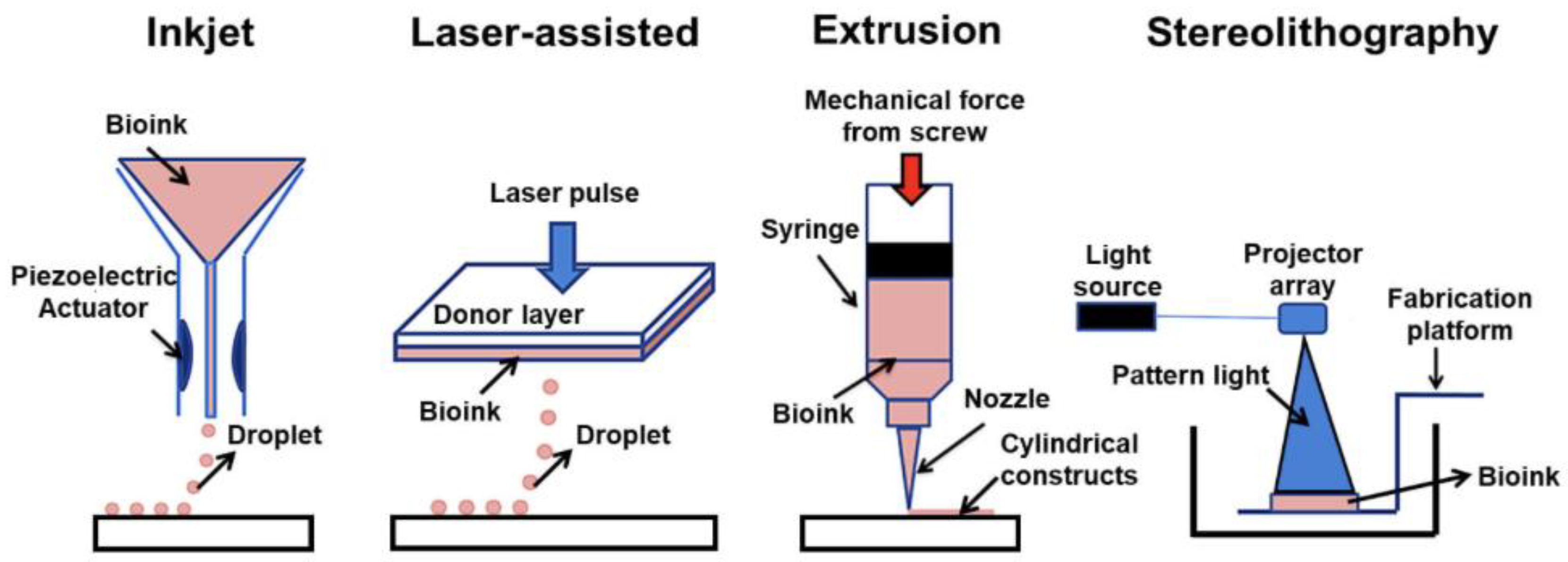
Figure 4.
3D-Bioprinting process with Dr. InVivo Bioprinter. A- The debrided and properly prepared wound is pictured with a Dr.InVivo Software, which calculates the wound characteristics: size, surface, shape; B- The image is sent to the Bioprinter which is then setted to prepare a scaffold with the proper metrics of the concrete wound; C- The device create the scaffold using medical Polycaprolactone (PCL) which is melted down by the device and once it cools down gets stif (Video 1); D- Bioink materials: Autologous nanofat and fibrin glue; E- The device uses Extrusion-based technology for distributing the nanofat into the scaffold and Inkjet technology for distribution of the fibrin glue (Video 2); F- Final product is detached carefully from the scaffold, removed from the frost plate and placed onto the wound surface. Occlusive dressing is then applied and changed weekly.
Figure 4.
3D-Bioprinting process with Dr. InVivo Bioprinter. A- The debrided and properly prepared wound is pictured with a Dr.InVivo Software, which calculates the wound characteristics: size, surface, shape; B- The image is sent to the Bioprinter which is then setted to prepare a scaffold with the proper metrics of the concrete wound; C- The device create the scaffold using medical Polycaprolactone (PCL) which is melted down by the device and once it cools down gets stif (Video 1); D- Bioink materials: Autologous nanofat and fibrin glue; E- The device uses Extrusion-based technology for distributing the nanofat into the scaffold and Inkjet technology for distribution of the fibrin glue (Video 2); F- Final product is detached carefully from the scaffold, removed from the frost plate and placed onto the wound surface. Occlusive dressing is then applied and changed weekly.
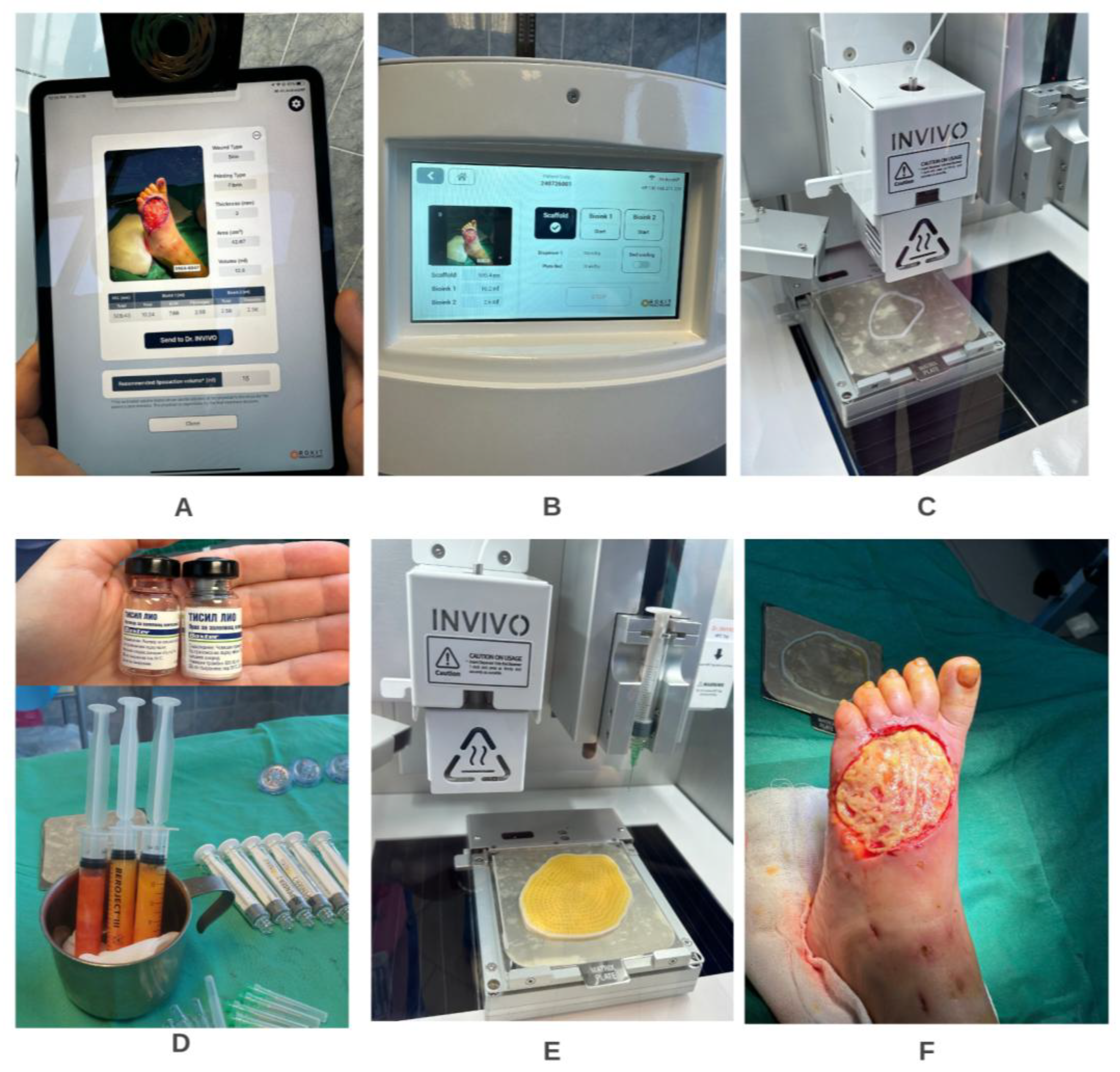
Table 1.
Comparative Analysis of Bioprinted Constructs for Chronic Wound Healing.
| Study | Bioprinting Technique | Key Biomaterials | Wound Model | Primary Outcomes |
| Wang et al. (2022) [19] | In situ microfluidic-assisted | Alginate, GelMA, C. pyrenoidosa | Diabetic mouse | 92% wound closure by day 15; 3-fold increase in microvessel density |
| Ma et al. (2021) [36] | Cell-writing extrusion | Strontium silicate microcylinders | Acute/chronic wounds (3 models) | Accelerated healing; enhanced vascularization and graft integration |
| Liao et al. (2023) [9] | Extrusion-based | Alginate, chondroitin sulfate | Diabetic wound | Enhanced angiogenesis and ECM remodeling |
| Glover et al. (2022) [10] | Extrusion-based | PCL, levofloxacin | In vitro (antibacterial) | 4-week sustained drug release; antibacterial efficacy |
| Zhang et al. (2024) [12] | Extrusion with dual-photo crosslinking | Human cells (keratinocytes, fibroblasts, endothelial cells) | Full-thickness defect (immunodeficient mice) | Accelerated healing via in situ regeneration and vascularization |
| Fu et al. [14] | DLP bioprinting | Pro-angiogenic dual-crosslinked collagen | Diabetic wound | Enhanced vascular regeneration in angiogenesis-impaired wounds |
| Liu et al. (2024) [41] | Extrusion-compatible | Hydrogel with microalgae and probiotics | Diabetic wound | 90% skin structure restoration within 12 days; reduced inflammation |
| Shi et al. (2024) [28] | Extrusion with thermo/ion/photo-crosslinking | GelMA, sodium alginate, PEO | Full-thickness wound | Accelerated closure via inflammation mitigation and angiogenesis |
| Amo et al. (2022) [11] | Extrusion-based | Decellularized adipose matrix, plasma, fibroblasts | In vitro | 70-fold increase in MCP-1; sustained cytokine release |
| Schmitt et al. (2021) [30] | Extrusion with FRESH technique | Methacrylated collagen, microfat | In vitro | Maintained cell viability for 10 days; temporal cytokine expression |
Disclaimer/Publisher’s Note: The statements, opinions and data contained in all publications are solely those of the individual author(s) and contributor(s) and not of MDPI and/or the editor(s). MDPI and/or the editor(s) disclaim responsibility for any injury to people or property resulting from any ideas, methods, instructions or products referred to in the content. |
© 2026 by the authors. Licensee MDPI, Basel, Switzerland. This article is an open access article distributed under the terms and conditions of the Creative Commons Attribution (CC BY) license (http://creativecommons.org/licenses/by/4.0/).
Copyright: This open access article is published under a Creative Commons CC BY 4.0 license, which permit the free download, distribution, and reuse, provided that the author and preprint are cited in any reuse.


