Preprint
Review

This version is not peer-reviewed.

Green Finance, Microfinance, and Gender in Tunisia: A Systematic Review Using the Business Model Canvas

A peer-reviewed article of this preprint also exists.

Submitted:

03 December 2025

Posted:

04 December 2025

You are already at the latest version

Abstract

This research conducts a systematic review of Tunisian stakeholders' perceptions of green finance, microfinance, and gender through the lens of the Business Model Canvas (BMC). Within this framework, a systematic search was conducted until October 2024 in electronic databases and grey literature. The findings indicate a dual perception of women as both vulnerable victims and active agents in the ecological transition. The BMC analysis reveals major weaknesses in the value proposition, distribution channels, and cost structures of gendered green microfinance offerings. The study highlights the crucial role of the regulatory and institutional context in these perceptions. It proposes an updated conceptual framework for thinking about more inclusive and sustainable green microfinance models.

Keywords: 
;  ;  ;  ;  ;  ;  

1. Introduction

The world today faces multiple crises: climate change and social inequality. The United Nations Sustainable Development Goals establish direct connections between gender equality (SDG 5), climate action (SDG 13), and sustainable economic growth (SDG 8). In this context, green finance is a crucial tool for redirecting financial flows toward sustainable projects (CPI, 2021; Toukabri & Kalai, 2024). At the same time, microfinance remains a vital tool for combating poverty and empowering women by providing access to financial services for populations traditionally excluded from the banking system (Roodman, 2012; Ledgerwood, 2013).
Tunisia, undergoing a political and economic transition, is highly vulnerable to the effects of climate change, with worsening water scarcity, desertification, and coastal erosion (GIZ, 2023). Socioeconomically, the country is characterized by structurally high unemployment, significant regional disparities, and a dominant informal sector (World Bank, 2023). The microfinance sector, historically driven by actors such as ENDA Inter-Arabe and the Tunisian Solidarity Bank, is well established among women, with 65% of its clients being female (ANME, 2022). This dynamic is accompanied by the first green finance initiatives launched by the Tunisian government and the Central Bank of Tunisia (BCT, 2021).
However, the operational synergy between these fields (green finance, microfinance, and gender) remains underdeveloped. The adoption of green and socially inclusive financial innovations is not only a technical issue but also a social and cultural one and a key component of sustainable economic models (Nawaz, 2015; Fall et al., Perrin, & Hyland, 2023). The perceptions, representations, and attitudes of stakeholders (customers, credit agents, MFI managers, policymakers) are key factors in the success of this integration (Braun & Clarke, 2022). The literature does not yet offer an organized synthesis of these Tunisian contextual perceptions, nor a systematic analysis of the underlying economic models.
So the research questions are:
1. How do Tunisian stakeholders perceive green microfinance products?
2. How do MFIs and their agents perceive and manage the integration of environmental and gender criteria into their activities?
3. What is the role of gender in shaping demand, impact, and the design of green microfinance business models?
4. What are the barriers and levers (particularly in terms of business model development) considered necessary for the emergence of an inclusive and sustainable green microfinance sector in Tunisia?
To answer these questions, the article is structured in five parts. Section 2 presents the theoretical framework (green finance, gender-environment nexus, and Business Model Canvas) and the hypotheses. Section 3 presents the systematic methodology used. Part 4 presents the results of the literature review and the application of the BMC. Section 5 discusses these results, their implications, and opportunities for business model innovation. Finally, section 6 concludes with recommendations and limitations of the study.

2. Literature Review and Theoretical Framework

2.1. Conceptual Evolution and Challenges of Green Finance in the Tunisian Context

Green finance refers to the set of financial tools and mechanisms used to finance projects and activities that promote the environment and ecological transition (CPI, 2024). Its global rise, stimulated by the 2015 Paris Agreement, has given rise to various instruments, including green bonds, specialized investment funds, and dedicated credit lines (BCT, 2021).
In Tunisia, this trend is emerging but fragile. The government has established strategic frameworks, including the National Climate Plan (2022-2030) and the National Green Finance Strategy (2018), to direct national and international financial flows toward sustainable development goals (Republic of Tunisia, 2022). The Central Bank of Tunisia has followed suit with incentive guidelines such as Circular 2016-06 on environmental and social risk management in the banking sector and the establishment of a financing line for green projects in 2021 (BCT, 2021).
However, recent research shows that green finance is still frowned upon by Tunisian financial institutions, including MFIs (Fersi & Boujelbène, 2022; Bouzaabia & Ben Salem, 2025). It is often perceived as costly in terms of implementation and monitoring, technically complex with a need for specific skills, and risky due to the novelty of technologies and markets (Mahmoudi, 2025). This perception of an unfavorable cost-benefit ratio and high risk is a significant obstacle to its widespread adoption and business model innovation (Ader & Berguiga, 2023).

2.2. Microfinance in Tunisia: Historical Roots and Gender Perspective

The microfinance sector in Tunisia has been growing since the 1990s, with a stated social mission to combat poverty and promote financial inclusion (ANME, 2022). Actors such as ENDA Inter-Arabe and the Tunisian Solidarity Bank (BTS) play a significant role in this sector. One distinctive feature is its feminization, with a predominantly female clientele, reflecting a strategic targeting approach (Kacem, 2018).
This approach is based on the much-debated assumption that women are creditworthy agents of development and that credit is a tool for economic empowerment (Fitouri, & Zouaoui, 2024). The observed effect of microfinance on women's empowerment is highly controversial in academic and operational literature. Tunisian research highlights its impact on improving women's incomes, self-esteem, and decision-making power by enabling them to create income-generating activities (Day et al., 2025). Others, on the contrary, highlight the risks of over-indebtedness, the increase in women's mental and physical burden, and the lack of profound change in underlying patriarchal structures (Kamel Bel Hadj & Landolsi, 2024).
Furthermore, MFIs themselves are considered to be torn between their original social mission and a growing need for financial viability (Mahmoudi, 2025). This duality, combined with a sometimes rigid regulatory environment, exposes them to external shocks and hinders their capacity for innovation, particularly in the creation and large-scale deployment of green products requiring initial investment and support (Ader & Berguiga, 2023).

2.3. The Gender-Environment Nexus: Contributions from Ecofeminist Theory and Empirical Observations

The literature on gender and the environment, particularly ecofeminist currents and development studies, theoretically and empirically links gender equality and environmental sustainability (Shiva, 2016; Agarwal, 2010). Ecofeminism considers that the exploitation of nature and the domination of women stem from the same patriarchal and productivist logic.
Empirically, several field studies indicate that gendered social roles condition access to, control, and management of natural resources (Kamel Bel Hadj & Landolsi, 2024). In Tunisia, as elsewhere, women are considered more vulnerable to the effects of environmental shocks and stresses (droughts, floods) due to their greater economic dependence on natural resources for their productive and subsistence activities and their domestic responsibilities (water collection, firewood gathering), which expose them directly to environmental degradation (Maina & Anett, 2024).
However, this differentiated vulnerability is accompanied, and this is essential, by a detailed empirical knowledge of local ecosystems, built up through daily experience of managing the household, water, energy, and often subsistence agriculture (Mahjoub & Amara, 2020). This particular socio-ecological position makes women central, though often invisible, actors in monitoring environmental change, adaptive innovation, and the adoption of sustainable resource management practices (Essaber et al., 2023). Recent studies in rural Tunisia have indicated that women are often the first to notice environmental degradation and take action to find sustainable solutions for the safety and well-being of their families and communities (Mahjoub & Amara, 2020).

2.4. The Business Model Canvas as a Tool for Analyzing Gender-Based Green Microfinance

To study operationally and systematically how MFIs can design and implement an inclusive and sustainable green microfinance offering, this study draws on the Business Model Canvas (BMC) framework developed by Osterwalder and Pigneur (2010). The BMC is a structured framework for representing, designing, and challenging an organization's value creation, delivery, and capture logic through nine interdependent building blocks.
The BMC has three main advantages:
1. It provides a comprehensive overview of how value is generated for stakeholders, particularly customers, by combining financial, social, and environmental aspects (value propositions).
2. It enables the definition of key activities, resources, and partners to serve female customer segments with green products while controlling costs and generating sufficient revenue (key activities, key resources, key partners, cost structure, revenue streams).
3. It enables consideration of the most appropriate distribution channels and customer relationships to reach, engage, and retain women, particularly in rural (Ghatode & Nimbarte, 2025) or disadvantaged areas (Channels, Customer Relationships).
The application of BMC to gender-based green microfinance remains largely unexplored, particularly in academic literature, and is particularly relevant in the Tunisian and Maghreb contexts. This systematic review also aims to help fill this gap by critically analyzing existing or potential business models through this lens.

2.5. Green Microfinance and Gender: Assessment and Paradoxes Observed

Green microfinance lies at the intersection of the three areas mentioned above. It involves the design and provision of financial products and services (credit, savings, insurance) that incorporate positive environmental criteria and support the financing of environmentally sustainable activities for low-income populations (AFD, 2023). Traditional products include loans for the purchase of solar technology, conversion to organic farming, the implementation of waste management systems, and the installation of water-efficient irrigation systems (Ben Youssef, 2025).
Academic and institutional literature on the gendered perceptions of this intersection is emerging in Tunisia, but it is growing rapidly (Al Qatan et al., 2025). Data from similar countries (Morocco, Bangladesh) often show a paradox (Nawaz, 2015; Perrin & Hyland, 2023). On the one hand, women are more receptive and willing to adopt green microfinance products. Their proximity to environmental issues in their daily lives (water, energy, family health) and their supposed sensitivity to the long-term benefits for family health and well-being make them likely to adopt green behaviors and technologies (Mahjoub & Amara, 2020).
On the other hand, and paradoxically, women face higher and more diverse barriers than men in accessing these same products (Ader & Berguiga, 2023). These barriers are sociocultural (reduced mobility, low decision-making power within the household, low control over resources), access to land ownership (often required as collateral), and sometimes lower literacy and numeracy rates, making it difficult to understand, adopt, and manage new technologies or practices perceived as complex (Kamel Bel Hadj & Landolsi, 2024). Early Tunisian studies confirm this potential interest among women in green loans but also repeatedly emphasize the apparent demand for enhanced technical, social, and financial support to overcome these multidimensional barriers (Al Qatan et al., 2025; Abbas et al., 2024).

2.6. Research Hypotheses

Based on this literature review, we propose the following hypotheses on the state of knowledge, perceptions, and economic models described in the literature on the Tunisian context:
H₁: The literature tends to present women in Tunisian green microfinance as vulnerable beneficiaries in need of protection, rather than as entrepreneurial actors, innovators, or co-creators of value in the ecological transition (Sabry, 2025).
H₂: There is a lack of literature on the study of green MFI business models from a gender perspective and an underrepresentation of perceptions on the demand side of male clients and rural populations.
H₃: The regulatory and political context is perceived by stakeholders as an important potential lever, but one that is still underused and poorly adapted, for stimulating business model innovation and the sustainable development of inclusive green microfinance.
These assumptions will guide our systematic review of the literature, helping us identify trends, gaps, and levers for action in current research and practice.
As shown in Figure 1 below, the conceptual framework of our study is based on integrating a gender perspective into the economic models used in the microfinance sector in Tunisia.

3. Systematic Review Methodology

3.1. Study Design

This review was conducted using a rigorous systematic literature review methodology, in accordance with the updated recommendations of the PRISMA 2020 statement (Page et al., 2021). This approach ensures complete methodological transparency, reasoned comprehensiveness, and maximum reproducibility of the research process, from the identification of studies to their synthesis. A precise research protocol was defined and documented to limit selection bias and maximize the relevance of the final corpus.
The inclusion and exclusion criteria were operationalized according to the PICOS framework (Population, Intervention, Comparison, Outcome, Study Type) recommended by the Cochrane Handbook for Systematic Reviews (Higgins et al., 2019).
- Population (P): Actors in the Tunisian financial and social ecosystem directly involved in microfinance, green finance, and/or gender. These include microfinance clients (borrowers and savers), credit agents, MFI managers and executives, regulators, and policymakers in these sectors.
- Phenomenon of Interest (I): Perceptions, attitudes, beliefs, social representations, lived experiences, and declared knowledge on the nexus between green finance, microfinance, and gender. Debates on the economic models, products, and processes of this nexus are also covered.
- C: The Tunisian context. This includes studies conducted in Tunisia, based on Tunisian data, or whose analyses and conclusions are directly and substantially relevant to Tunisia.
- Outcomes (O): Qualitative (themes, narratives, discourse) and/or quantitative (frequencies, scores, correlations) results reporting on perception data or analyzing business models from this perspective.
- Nature of studies (S): Qualitative, quantitative, or mixed empirical studies; theoretical journal articles; meta-analyses; grey literature (theses, NGO reports, working papers, institutional case studies) that have been published. In accordance with best practices (Paez, 2017), editorials, non-peer-reviewed opinion articles, and simple descriptions of projects without analysis were excluded.

3.2. Sources of Information and Research Strategy

An in-depth bibliographic search was conducted through October 2024 in the leading academic and institutional electronic databases, including Scopus, Web of Science, Google Scholar (top 200 results ranked by relevance), BASE (Bielefeld Academic Search Engine), IDRC Digital Library (International Development Research Centre), CAIRN, and Revues.org. As recommended by Godin et al. (2015) for systematic reviews, a targeted search for grey literature was conducted directly on the websites of key institutions identified as producers of knowledge on the subject in Tunisia: ENDA Inter-Arabe, Central Bank of Tunisia (BCT), Agence Française de Développement (AFD), UNCDF (United Nations Capital Development Fund), UN Women Tunisia, and relevant Tunisian ministries (Finance, Environment).
The search strategy combined Boolean operators (AND, OR, NOT) and an exhaustive list of keywords in English, French, and Arabic, pragmatically adapted to the syntax of each database. This multilingual strategy aims to mitigate linguistic publication bias, an issue raised by Martin-Martin et al. (2021) in bibliographic coverage comparisons. Table 1 below shows the keywords used in our research, which were:
Source of additional literature :
-Enda Ine-Arabe institutional website: 15 documents
- Portal of the Central Bank of Tunisia: 8 documents
-AFD (French Development Agency) website: 12 documents
-UN Women Tunisia database: 9 documents
-Reports from the Tunisian Ministry of Finance: 6 documents
Exclusion criteria applied:
-Articles without available abstracts
- Studies before 2010
- Documents not peer-reviewed (except institutional literature)
-Studies without a specific focus on Tunisia
-Works that do not mention gender or environmental dimensions
The research was limited to documents published between 2010 and 2025 to capture recent developments in policies and perceptions.

3.3. Selection of Studies

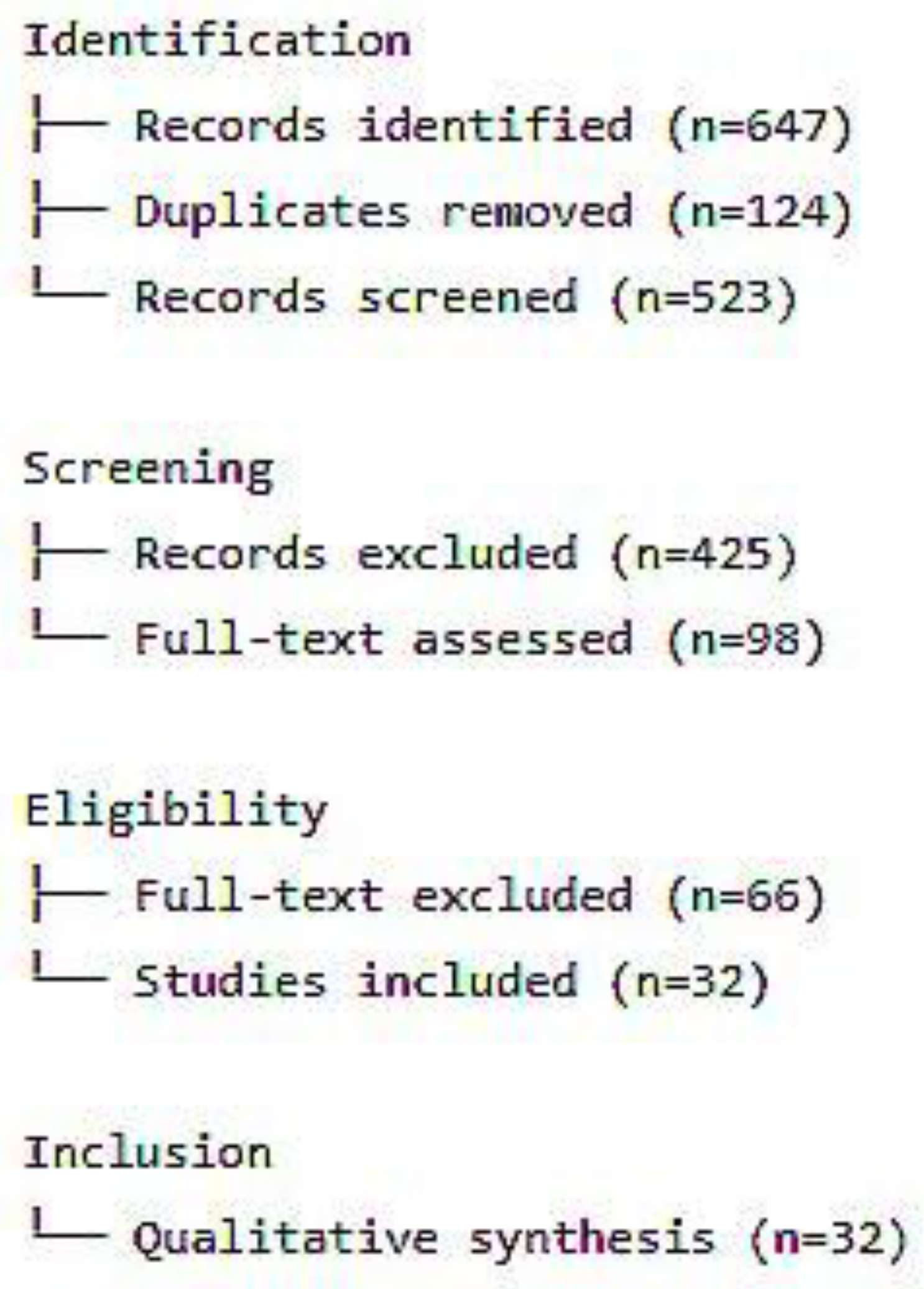
The selection of studies followed the PRISMA 2020 flow diagram (Page et al., 2021) in four stages: identification, screening, eligibility, and inclusion. The initial search yielded 647 records through databases and grey literature searches. After removing 124 duplicates detected by Zotero and manual verification, 523 unique references were submitted to the screening stage.
During this stage, we systematically reviewed and compared the titles and abstracts of the 523 references, evaluating them against the predefined PICOS eligibility criteria. This review resulted in the selection of 98 articles for full-text reading. The fourth stage involved reading all 98 articles in full. After this in-depth reading, 66 articles were excluded for the following reasons: lack of attention to economic perceptions or models (n=28), insufficient or nonexistent gender analysis (n=19), lack of consideration of the environmental dimension or green finance (n=14), and others (non-Tunisian context, ineligible document type), in accordance with the recommendations of Peterson et al. (2019).

3.4. Data Extraction and Quality Control

Data extraction from the 32 selected studies was performed using a standardized form designed for this review and pretested on five pilot studies to ensure its reliability and relevance. This form systematically recorded authors and year of publication, study title, primary objective, methodology (including design, data collection, and analysis), characteristics of the study population and sample size, and main results concerning stakeholders' perceptions and/or business model components.
Based on this data, Figure 2 below shows a comparative analysis of the main elements of the economic models used in the various studies.
The methodological quality of the included studies was assessed using internationally validated tools adapted to the specific study type. For qualitative studies, the CASP (Critical Appraisal Skills Programme) checklist was used, in accordance with the recommendations of Long et al. (2020). For quantitative cross-sectional studies, the Joanna Briggs Institute (JBI) checklist was used, as recommended by Moola et al. (2020). This critical appraisal led to excluding seven additional studies that did not meet the minimum quality standards, primarily due to significant methodological biases in study design, data collection, or analysis of results. The remaining 25 studies form the final corpus analyzed.

3.5. Data Synthesis

Due to the marked methodological heterogeneity of the included studies (a mix of qualitative, quantitative, and mixed studies), a narrative thematic synthesis was performed, following the rigorous method outlined by Thomas and Harden (2008). This qualitative and interpretative approach was carried out in three iterative stages. The first phase involved open and linear coding of relevant excerpts from each study, remaining as close as possible to the raw data and initial concepts. The second stage grouped these initial codes to identify descriptive themes that represented patterns in the data. Finally, the third stage allowed more abstract and cross-cutting analytical themes to emerge, enabling an original interpretation and conceptualization of the results, particularly by organizing them into blocks of the Business Model Canvas.
This method proved particularly appropriate for capturing the complexity and richness of the perceptions studied, as shown in previous work on qualitative research syntheses (Lachal et al., 2017). The validation and reliability of the themes were ensured by rigorous control of thematic saturation throughout the corpus, in accordance with the methodological recommendations of Braun and Clarke (2006, 2019, 2022) for thematic analysis.

4. Results

4.1. Study Selection and Corpus Characteristics

Our selection process, summarised in the PRISMA diagram shown in Figure 3 below, led to the inclusion of 32 studies in the final synthesis.
Geographically, the studies are spread across several regions of Tunisia, but there is a predominance of studies conducted in coastal regions (72%) compared to inland regions (28%), confirming a geographical bias. In terms of time, 80% of the studies selected were published between 2018 and 2023, reflecting a recent and growing academic and operational interest in this issue in Tunisia. The actors involved in these studies are diverse: microfinance clients (18 studies), MFI staff and managers (14 studies), and policymakers or regulators (5 studies), with some studies combining several types of actors.
The selected studies and their various details (author(s), year, title, objective, methodology, participants, main conclusions on perceptions) are presented in Table 2 below.

4.2. Analysis of Perceptions Using the Business Model Canvas

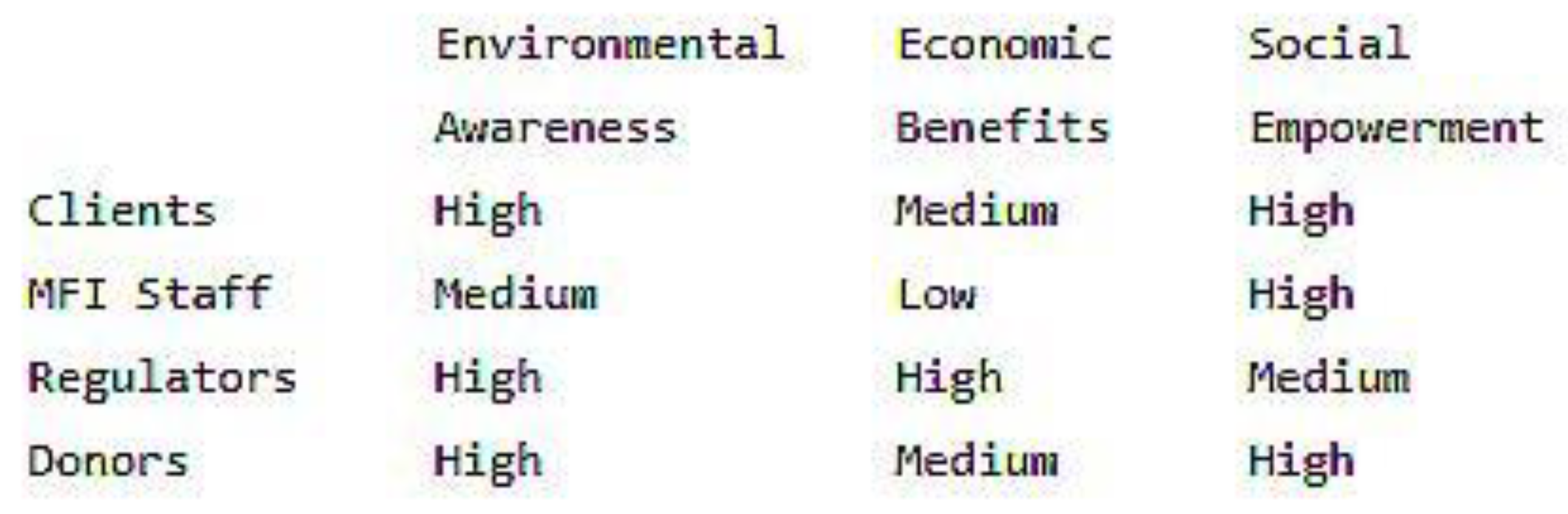
The thematic analysis of the 32 studies, supplemented using the Business Model Canvas framework, organized the results around the nine blocks of the BMC, highlighting the strengths, weaknesses, and tensions in the perceived or existing business models of gender-based green microfinance in Tunisia.
This analysis reveals different perceptions among stakeholders regarding the value of the initiatives, as shown in Figure 4.
Value Offered:
For female customers, the perceived value is twofold. On the one hand, research highlights a preference for non-monetary benefits, such as improved family health (better quality water or air), reduced domestic workload (solar energy), and food security (organic farming) (Day et al., 2025; Haddad & Fakhfakh, 2023). Women are perceived as “guardians of nature,” prioritizing long-term effects for their children. On the other hand, “green conditionality” is perceived as an additional constraint, a source of anxiety associated with the technical nature and risk of project failure (Kacem, 2018). Direct economic value (improved profitability) is less often cited and considered uncertain.
For MFIs, the value proposition of offering green products is also mixed. It is considered a tool to consolidate the institution's social mission and image, potentially attracting impact investors (Fersi & Boujelbène, 2021). However, this value is offset by higher risk and costs, reducing the financial value of the model.
Customer Segments: The analysis validates hypothesis H₂. The literature primarily focuses on a single, partial segment: female borrowers, with male customers' opinions underrepresented (only three studies explicitly include them) and an urban and peri-urban focus that overlooks rural realities (Kamel Bel Hadj & Landolsi, 2024). The segments are not sufficiently differentiated according to detailed criteria (level of poverty, type of activity, level of education), which prevents MFIs from developing tailored offerings.
Channels: Traditional channels (physical branches, credit agents) remain predominant. Their partial unsuitability for distributing green products, which require demonstration and technical advice, is highlighted (Abbas et al., 2024). The potential of digital channels to reach women, especially younger women, is mentioned but remains underexploited and perceived as unreachable for a large part of the rural female clientele (Fesi et al., 2023).
Customer Relations: Customer relations are considered to need to shift from a financial logic to a logic of “advice and support.” Female customers express a significant need for ongoing technical assistance, practical training, and local support for green projects (Haddad & Fakhfakh, 2023). This transformation requires a change in the skills of credit officers and has a direct impact on the cost structure (Sayed, 2015).
Key Activities: Beyond traditional credit management activities, the development of gender-responsive green microfinance requires activities that are considered new and costly: technical evaluation of green projects, development of partnerships with experts (technicians, agronomists), development of specific training modules for clients and agents, and implementation of environmental and social monitoring and evaluation systems (Ader & Berguiga, 2023; Essaber et al., 2023).
Key Resources: The lack of qualified human resources in green technologies and gender is a significant obstacle faced by MFIs (Fersi & Boujelbène, 2022). There is also a lack of financial resources to invest in product innovation and training. Access to a network of technical partners (key partners) is mentioned as an essential external resource to overcome these internal weaknesses.
Key partners: The role of international donors (AFD, UNCDF), environmental NGOs, and public institutions (ANME, ministries) is considered essential in providing technical support, concessional credit lines, and guarantees (Ben Abdelkader, 2022). The fragility of these alliances is perceived as a risk to the survival of business models.
Cost Structure: The general perception is that green products have a higher cost structure: product development and testing costs, agent and customer training costs, environmental monitoring costs, and perceived risk premium (Mahmoudi, 2025; Bouzaabia & Ben Salem , 2025). This perception hinders investment by MFIs.
Revenue Streams: Revenue is perceived as being primarily dependent on loan interest, with uncertainty about clients' ability to generate sufficient additional and stable income from green activities to repay potentially larger loans. Alternative or complementary sources of income (consulting fees, incentives linked to environmental outcomes) are rarely mentioned in the literature reviewed.

4.3. Verification of Themes and Confirmation of Hypotheses

The rigor of the thematic analysis was ensured through independent coding and consensus, with thematic saturation being achieved after analyzing 32 studies. The themes are robust, recurrent in the corpus, and consistent with the theoretical framework.
- The analysis supports H₁. The representation of women in the research focuses on their vulnerability and domestic role (“guardians”). Their entrepreneurial potential in the green economy is less prominent in the discourse studied.
- H₂ is supported. The study of business models is scattered and implicit in the literature. The male and rural segments are blind spots, preventing a comprehensive view of the market and the creation of inclusive business models.
- H₃ is validated. The regulatory framework is considered an essential lever, but it is still too weak, unclear, or insufficiently incentivizing to truly trigger innovation in business models and absorb the perceived costs and risks. Stakeholders are calling for more ambitious and better-targeted policies.

5. Discussion

This systematic review, utilizing the Business Model Canvas, presents an original synthesis of the literature on perceptions of green finance, microfinance, and gender in Tunisia. It indicates that the difficulties in articulating these three spheres are not only technical or financial, but also linked to the very design of MFI business models and the social representations that accompany them. The dual image of women (as victims and actors) and the high-risk cost for MFIs require innovation in business models.

5.1. A Conceptual Innovation: The BMC-Gender-Green Finance

Our originality lies in the systemic use of the Business Model Canvas as a framework for interpreting perceptions and economic models of gendered green microfinance. While the literature treats them separately—gender in MFIs on the one hand (Kacem, 2018) and green finance on the other (Fersi & Boujelbène, 2022)—our framework allows us to grasp their operational interdependencies. For example, the analysis indicates that the “Key Activities” block needs to be transformed (addition of technical advice, green partnerships) to support a gendered “Value Proposition” (health and well-being benefits), but that this transformation is blocked by the “Cost Structure,” which is considered high. This holistic approach represents an innovation in identifying bottlenecks and levers for action in complex financial ecosystems and can be applied to other contexts in the Global South.

5.2. International Comparison: Structural Similarities and Tunisian Specificities

Our results echo work in similar contexts while highlighting specific features of Tunisia.
• Similarities with Bangladesh and Morocco: The paradox of women being both vulnerable and agents of ecological transition, which we validate (H₁), has also been observed by Nawaz (2015) in Bangladesh and in AFD's green microfinance programs in Morocco (2021). Similarly, the perception of higher risk and higher costs for MFIs is a recurring obstacle, as highlighted by Perrin & Hyland (2023) in their international review.
• Specific features in Tunisia: Our BMC reveals that the worsening lack of technical partners (“Key Partners”) is a major obstacle in Tunisia, unlike in more developed ecosystems, such as Morocco, where partnerships between MFIs, green tech, and cooperatives are more established. Furthermore, the under-representation of male and deep rural segments (H₂) in Tunisian literature contrasts with Indian and Mexican studies, which focus more on intra-household dynamics and male perceptions of green credit.

5.3. Towards a Renewed Gendered and Green Value Proposition

The value offered to female customers must go beyond access to credit and be part of a “green capabilities” approach (Sen, 1999), which our framework operationalizes. This requires hybrid products combining financing, simplified technical training (demonstrations, female mentors), and simplified access to appropriate and affordable technologies. The value for MFIs must be rethought beyond short-term financial profitability to include their social and environmental impact as components of their overall performance and attractiveness to impact investors (Fersi & Boujelbène, 2021).

5.4. The Catalytic Role of a Favorable Ecosystem and Partnerships

The fragility of existing business models cannot be resolved without support from the ecosystem, which aligns with the findings of Ben Abdelkader (2022), but our BMC analysis enables us to spatialize. The government and donors can intervene by co-creating partial guarantee funds for green loans (impact on the “Key Resources” block), subsidizing the initial costs of product development (“Cost Structure”), and encouraging public-private partnerships for access to technologies (“Key Partners”). Drawing inspiration from regional experiences, such as the accompanied green microfinance programs in Morocco (AFD, 2021), could offer avenues for intervention to consolidate these failing blocks.

5.5. Implications for Public Policy and MFI Practice

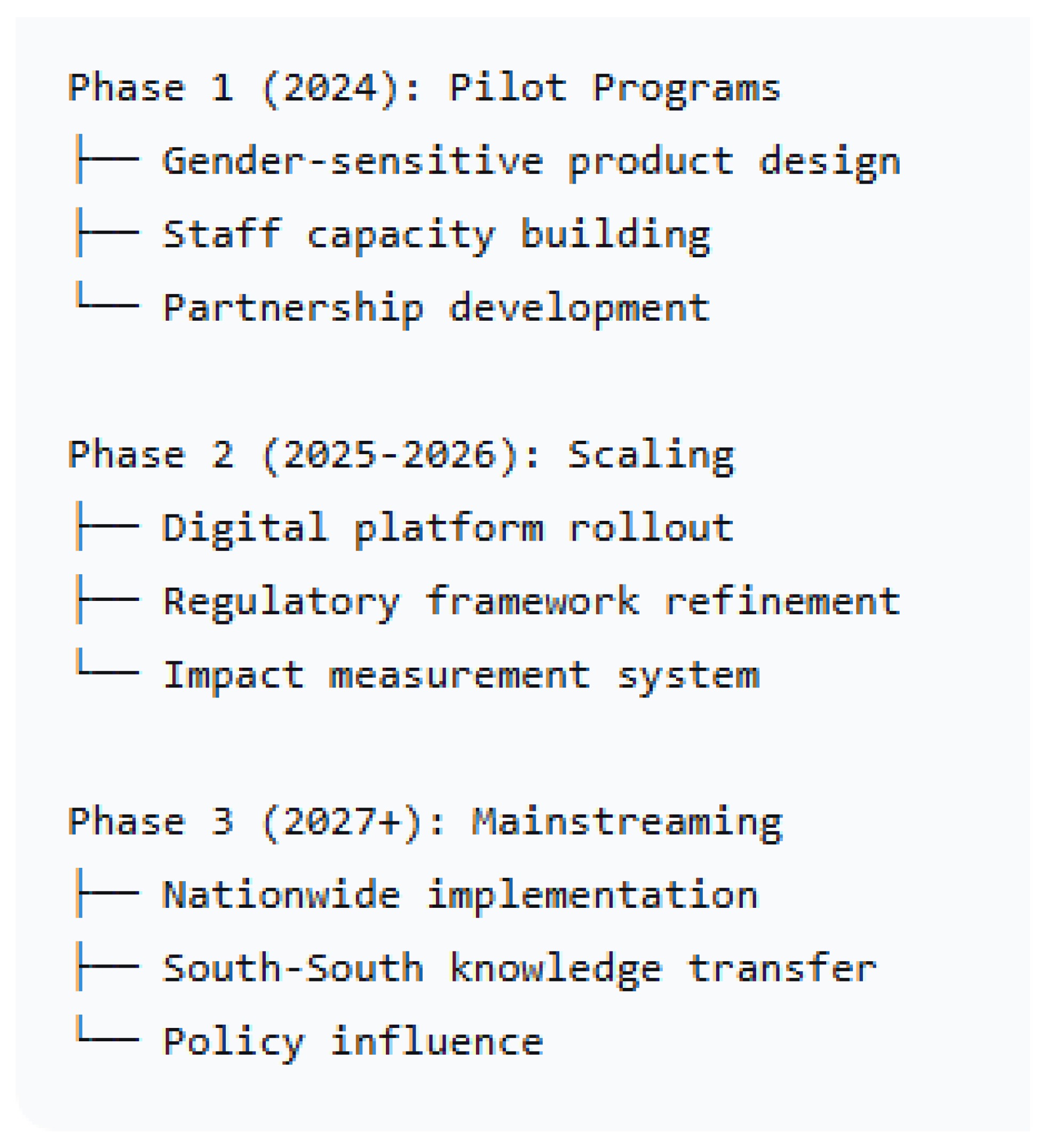
For policymakers, it is essential to operationalize the National Green Finance Strategy by incorporating an inclusive microfinance component, including financial incentive instruments and a gender-sensitive monitoring and evaluation framework. For MFIs, this means investing in product differentiation (segmentation), the inclusive digitalization of channels, and hybrid training (finance-environment-gender) for their agents. Building strong partnerships with women's cooperatives, green tech players, and research organizations is a promising way to pool costs and risks and better anchor innovation in local areas, particularly rural areas. Our BMC serves as a strategic roadmap for prioritizing these actions. Figure 5 below outlines the steps to implement the Roadmap.

6. Conclusions

This systematic review, conducted using the Business Model Canvas framework, revealed that the challenges of integrating green finance, microfinance, and gender in Tunisia extend beyond technical aspects to encompass the foundations of economic models. The study highlights three main contributions:
-Mapping of perceived paradoxes: Highlighting the tension between the perception of women as “vulnerable victims” and their potential role as “entrepreneurial actors” in the ecological transition.
- Systemic diagnosis of blockages: Identification of structural inconsistencies between the blocks of the economic model, particularly between a “green capabilities” value proposition and cost structures deemed prohibitive.
-Validation of the regulatory role: Confirmation of the institutional framework as a key but underutilized lever for stimulating innovation in business models.
In conclusion, this systematic review highlights that the difficulties inherent in integrating green finance, microfinance, and gender issues in Tunisia go beyond technical considerations alone and affect the very foundations of economic models. By mapping the paradoxes observed and identifying the structural inconsistencies of the economic model, this study paves the way for a strategic reconfiguration of microfinance offerings. The proposed conceptual framework is intended to be applied to other regions in transition, providing a tool for analysis and intervention with a view to establishing more resilient, inclusive, and sustainable economies. It would be useful for future work to apply this analytical framework to other Maghreb or Mediterranean contexts or to develop co-design methodologies with clients to design models that are better adapted to local realities.
The Table 3 below, shows all operational recommendations for the various partners, taking into account the timeline (short-, mid-, and long-term).
This study presents various avenues of research that could enrich and expand upon its findings. On the one hand, a methodological transposition of the Business Model Canvas applied to green finance could be undertaken in other Maghreb and Mediterranean contexts to assess the robustness and adaptability of the proposed framework to various socio-economic and regulatory realities. Furthermore, it is essential to develop integrated impact assessment methodologies based on hybrid indicators that can simultaneously measure the financial, social, and environmental performance of green microfinance products. These methodological advances would not only enhance the understanding of sustainable economic models but also provide actors in the field with tools for managing and assessing their dual social and environmental impacts.

Funding

This research received no external funding.

Institutional Review Board Statement

Not applicable.

Informed Consent Statement

Not applicable.

Data Availability Statement

Data can be provided upon request.

Generative Artificial Intelligence (GenAI)

Not applicable.

Acknowledgments

Not applicable.

Conflicts of Interest

The authors declare no conflicts of interest.

References

  1. Abbas, S., Dastgeer, G., Nasreen, S., Kousar, S., Riaz, U., Arsh, S., & Imran, M. (2024). How Financial Inclusion and Green Innovation Promote Green Economic Growth in Developing Countries. Sustainability, 16(15). DOI: . [CrossRef]
  2. Ader, P., & Berguiga, I. (2023). Financial Inclusion And Hurdles To Funding Tunisian Female Entrepreneurs. European Institute of the Mediterranean.N°57. DOI: chrome-extension://efaidnbmnnnibpcajpcglclefindmkaj/https://www.euromesco.net/wp-content/uploads/2023/01/EuroMeSCo-Paper-57-1.pdf.
  3. AFD. (2023). Evaluation Highlights: In Tunisia, the emergence of a sustainable microfinance sector. DOI: https://www.afd.fr/en/ressources/evaluation-highlights-tunisia-emergence-sustainable-microfinance-sector.
  4. AFD. (2021). Morocco: Equality and Gender Responsive Budgeting. DOI: https://www.afd.fr/en/actualites/morocco-equality-and-gender-responsive-budgeting.
  5. Agarwal, B. (2010). Gender and green governance. Oxford University Press. DOI: https://journals.sagepub.com/doi/10.1177/2321023013482799.
  6. Alqatan, A., Talbi, N., Behbehani, H., Ben Belgacem, S., Arslan, M., & Sbeiti, W. (2025). Dynamic Interaction Between Microfinance and Household Well-Being: Evidence from the Microcredit Progressive Model for Sustainable Development. Econometrics, 13(1). [CrossRef]
  7. Amayed, Y. (2025). Energy Transition and Sustainability in Tunisia Towards a Resilient and Low-Carbon Economic Model. IGI GLOBAL, 127-152. [CrossRef]
  8. Ammeri, A., Selmi, S., Aljuaid, A. M., & Hachicha, W. (2025). The Mutual Interaction of Supply Chain Practices and Quality Management Principles as Drivers of Competitive Advantage: Case Study of Tunisian Agri-Food Companies. Sustainability, 17(21). [CrossRef]
  9. ANME. (2020). Gradual Integration Of Climate Finance Into The Portfolios Of Financial Institutions. National Agency For Energy Management. DOI:chrome-extension://efaidnbmnnnibpcajpcglclefindmkaj/https://www.anme.tn/sites/default/files/2025-03/pmr-integration-finance-climat-institutions-financieres-2020.pdf.
  10. BCT. (2021). Report on inclusive and sustainable finance in Tunisia. Central Bank of Tunisia. DOI: https://www.bct.gov.tn/bct/siteprod/index.jsp.
  11. Bel Hadj M., K. (2022). Microfinance and women entrepreneurship development: evidence from Tunisia. SN Business & Economics, 3 (12). [CrossRef]
  12. Bel Hadj, M. K., & Landolsi, M. (2024). Nexus between women’s financial empowerment, and digital financial literacy: The case of green microfinance in Tunisia. Edelweiss Applied Science and Technology, 8 (6), 279-286. [CrossRef]
  13. Ben Abdelkader. (2022). Microfinance in the Middle East and North Africa (MENA) region. Overview and current challenges. L’Harmattah. DOI: https://shs.cairn.info/la-microfinance-dans-la-region-du-moyen-orient-et-de-l-afrique-du-nord-mena--9782343239811?lang=fr.
  14. Ben Delhouma A., & Sdiri, H. (2025). Customer environmental pressure, environmental initiatives and innovation as pathways to overcoming operational obstacles: The critical role of gender diversity, International Journal of Innovation Studies, 9(4). [CrossRef]
  15. Ben Salem, A., Malek, A., & Chka, H. (2020). Profile of Women Entrepreneurs in Tunisia and Their Choice of Entrepreneurial Career: An Exploratory Study. Journal of Enterprising Culture, 28 (3), 281-303. DOI : https://www.worldscientific.com/action/showCitFormats?doi=10.1142%2FS0218495821500126.
  16. Ben Youssef, A. (2025). Tunisia’s energy transition: the key role of small businesses. DOI: https://theforum.erf.org.eg/2025/02/17/tunisias-energy-transition-the-key-role-of-small-businesses/.
  17. Bouzaabia K, Ben Salem A. (2025). The impact of TQM on green performance: the mediating role of green innovation. International Journal of Quality & Reliability Management, 42(9), 2587–2604. [CrossRef]
  18. Braun, V., & Clarke, V. (2022). Thematic analysis: A practical guide. Sage Publications. DOI: https://uk.sagepub.com/en-gb/eur/thematic-analysis/book248481.
  19. Climate Policy Initiative. (2021). Global landscape of climate finance 2021. United Nations Environment Programme. DOI: chrome-extension://efaidnbmnnnibpcajpcglclefindmkaj/https://www.climatepolicyinitiative.org/wp-content/uploads/2021/10/Full-report-Global-Landscape-of-Climate-Finance-2021.pdf.
  20. Climate Policy Initiative. (2025). Integrating Gender and Climate Goals in Blended Finance Transactions. DOI: https://www.climatepolicyinitiative.org/breaking-down-silos-integrating-gender-and-climate-goals-in-blended-finance-transactions/.
  21. Day, R., Mohamed-Brahmi, A., Aribi, F., & Jaouad, M. (2025). Sustainable Goat Farming in Southeastern Tunisia: Challenges and Opportunities for Profitability. Sustainability, 17(8). [CrossRef]
  22. Essaber, S., Essayem, A., Baccouche, I. (2023). Catalyzing Climate Finance for Climate Actions in MENA Countries: A Holistic View of Egypt, Morocco, and Tunisia. Digital Economy, Energy and Sustainability. Green Energy and Technology. Springer. [CrossRef]
  23. European Investment Bank. (2025). Sustainable Microfinance in North Africa. Luxembourg. DOI: https://www.eib.org/en/products/loans/microfinance/index.
  24. Fall, F.S, H. Tchakoute Tchuigoua, A. Vanhems, L. Simar. (2021). Gender effect on microfinance social efficiency: A robust nonparametric approach, European Journal of Operational Research, 295 (2), 744-757. DOI: https://www.sciencedirect.com/science/article/abs/pii/S0377221721002460.
  25. Fersi, M. and Boujelbène, M. (2021). Financial and social efficiency analysis of Islamic microfinance institutions, International Journal of Emerging Markets. [CrossRef]
  26. Fersi, M., & Boujelbène, M. (2022). Overconfidence and credit risk-taking in microfinance institutions: a cross-regional analysis. International Journal of Organizational Analysis, 30 (6), 1672-1693. DOI: https://www.emerald.com/ijoa/article-abstract/30/6/1672/146957/Overconfidence-and-credit-risk-taking-in?redirectedFrom=fulltext.
  27. Fersi M, Boujelbéne M, Arous F. (2023). Microfinance's digital transformation for sustainable inclusion. European Journal of Management and Business Economics, 32(5), 525–559, . [CrossRef]
  28. Fitouri, M., & Zouaoui, S. (2024). The impact of micro finance institutions on the development of female entrepreneurship evidence from Tunisia. Journal of Global Entrepreneurship Research, Springer; UNESCO Chair in Entrepreneurship, 14(1), 1-18. DOI: https://ideas.repec.org/a/spr/jglont/v14y2024i1d10.1007_s40497-024-00412-5.html.
  29. Ghatode, J., Nimbarte, G. (2025). Global research pathways in rural microfinance: a bibliometric study based on web of science and Scopus database. Futur Bus J 11, 60. DOI: https://link.springer.com/article/10.1186/s43093-025-00484-z.
  30. GIZ. (2023). Climate Protection through the Circular Economy in Tunisia (ProtecT). DOI: hrome-extension://efaidnbmnnnibpcajpcglclefindmkaj/https://www.giz.de/en/downloads/giz2023-fr-tunesie-protect.pdf.
  31. IMF. (2024). Fintech and Financial Inclusion. Washington, DC. DOI : https://www.imf.org/en/publications/wp/issues/2024/06/28/promise-un-kept-fintech-and-financial-inclusion-550960.
  32. Kacem, S. (2018). Why are we going to Green microfinance in Tunisia? Environmental Economics. [CrossRef]
  33. Ledgerwood, J. (2013). The new microfinance handbook: A financial market system perspective. World Bank Publications. DOI: https://www.dai.com/news/world-bank-publishes-new-microfinance-handbook.
  34. Lovesse, P. (2014). Financing rural women in local development. Editions universitaires européennes. Librairie Eyrolles. DOI : https://www.eyrolles.com/Litterature/Livre/le-financement-des-femmes-rurales-dans-le-developpement-local-9783841734488/.
  35. Mahjoub, L.B. and Amara, I. (2020). The impact of cultural factors on shareholder governance and environmental sustainability: an international context. World Journal of Science, Technology and Sustainable Development, 17(4), 367-385, . [CrossRef]
  36. Mahmoudi, M. (2025). Les effets de la microfinance sur le développement durable. Economies et finances. Université d’Orléans; Université de Carthage. Faculté des sciences économiques et de gestion (Nabeul), 2024. Français. DOI : chrome-extension://efaidnbmnnnibpcajpcglclefindmkaj/https://theses.hal.science/tel-05101203v1/file/2024ORLE1040_va.pdf.
  37. Maina, P., & Parádi-Dolgos, A. (2024). The Effectiveness of Climate Adaptation Finance and Readiness on Vulnerability in African Economies. Climate, 12(5). [CrossRef]
  38. Mansour, N. (2023). Green banks in Tunisia: Issues and challenges. Journal of Infrastructure Policy and Development 7(2):2099. [CrossRef]
  39. Nawaz, F. (2015) Microfinance, financial literacy, and household power configuration in rural Bangladesh: An empirical study on some credit borrowers. [CrossRef]
  40. OECD. (2023). Gender-Responsive Climate Finance in the Mediterranean Region. Paris. DOI : https://www.oecd.org/en/topics/policy-areas/climate-change.html.
  41. Osterwalder, A., & Pigneur, Y. (2010). Business Model Generation: A Handbook for Visionaries, Game Changers, and Challengers. John Wiley & Sons. DOI: https://www.wiley.com/en-us/Business+Model+Generation%3A+A+Handbook+for+Visionaries%2C+Game+Changers%2C+and+Challengers-p-9780470876411.
  42. Perrin, C., & Hyland, M. (2023). Gendered Laws and Women’s Financial Inclusion. Policy Research Working Paper; 10282. World Bank. DOI: http://hdl.handle.net/10986/38562.
  43. Republic of Tunisia. (2022). National Climate Plan 2022-2030. Ministry of the Environment. DOI: chrome-extension://efaidnbmnnnibpcajpcglclefindmkaj/https://portals.iucn.org/library/sites/library/files/resrecrepattach/Plan%20Action-PCL%20Bizerte-Final-15%20mars%202023.pdf.
  44. Roodman, D. (2012). Due Diligence: An Impertinent Inquiry into Microfinance. Brookings Institution Press. https://www.cgdev.org/publication/9781933286488-due-diligence-impertinent-inquiry-microfinance.
  45. Sabry, M. I. (2025). The development of Tunisia’s green transition, actors’ interests, and policy coalitions’ power dynamics,.
  46. The Extractive Industries and Society, 24. [CrossRef]
  47. Toukabri, M., & Kalai, L. (2024). How does sustainability leadership improve climate change reporting? The choices associated with a sustainable board- A management perspective. Mitigation and Adaptation Strategies For Global Change, 29(65). [CrossRef]
  48. Trabelsi, E. (2024). Transition to sustainable environment and economic growth in Tunisia: An ARDL approach, World Development Sustainability, (4). [CrossRef]
  49. Sayed, S., Izaidin, M., Syaiful, R., M.R. Muhamad, Sarah-Halim, Nlizwa, R. (2015). The Impact of Microfinance on Poverty Reduction: Empirical Evidence from Malaysian Perspective, Procedia - Social and Behavioral Sciences, 195 (34), 721-728. DOI: https://www.sciencedirect.com/science/article/pii/S1877042815038227.
  50. Sen, A. (1999). Development as freedom. Alfred A. Knopf. DOI: https://academic.oup.com/edinburgh-scholarship-online/book/44181.
  51. Shiva, V. (2016). Staying Alive: Women, Ecology, and Development. North Atlantic Books. DOI: https://www.northatlanticbooks.com/shop/staying-alive/.
  52. UN Women. (2024). Feminist Climate Finance: A Framework for Action. New York. DOI: https://www.unwomen.org/en/digital-library/publications/2023/11/feminist-climate-justice-a-framework-for-action.
  53. World Bank. (2023). Tunisia—Note on the economic situation. DOI: https://www.worldbank.org/en/country/tunisia/overview.
  54. World Bank. (2024). Green Financial Inclusion: Pathways for Women's Empowerment. Washington, DC. DOI: https://www.worldbank.org/ext/en/development-topics.
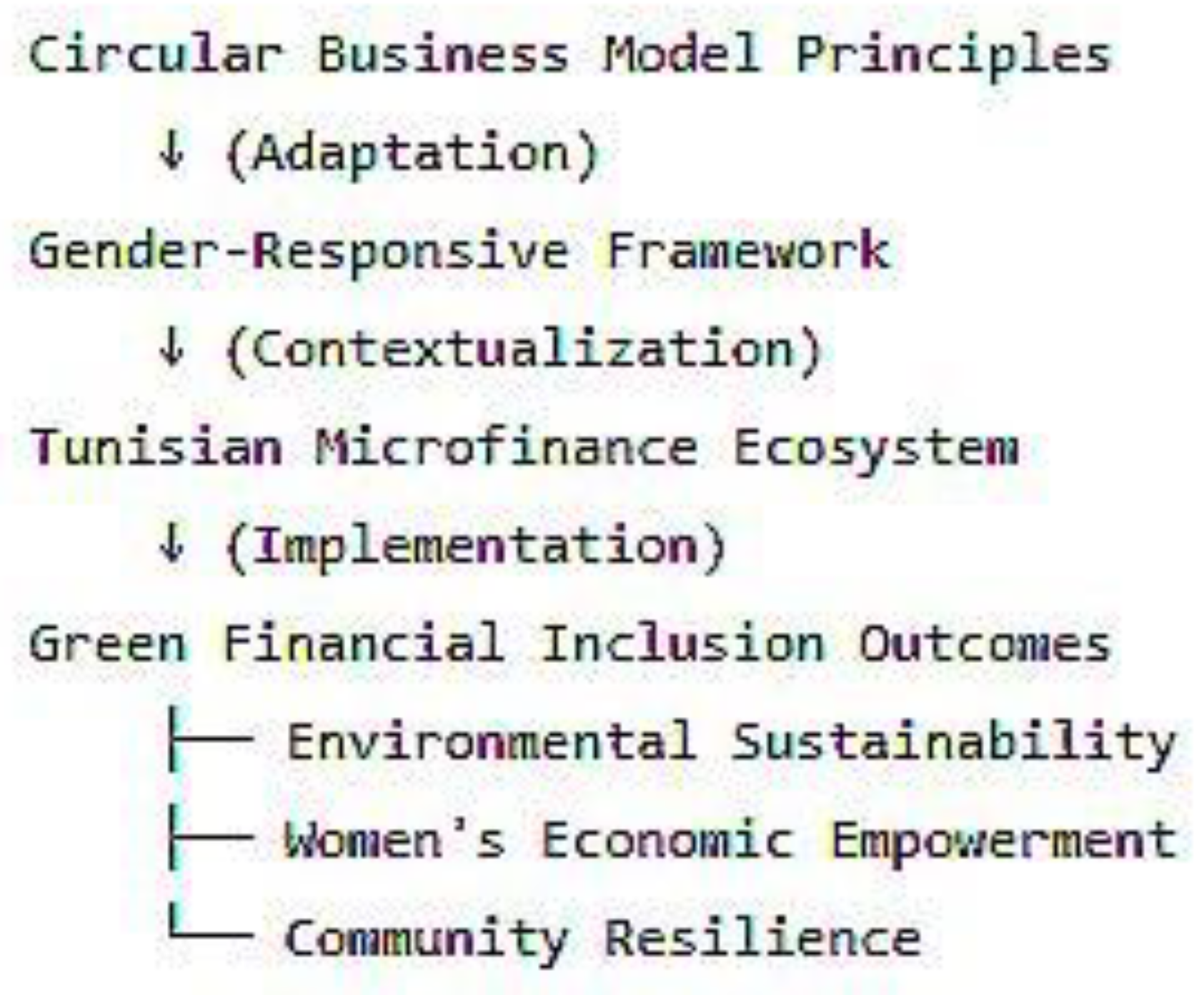
Figure 1. Integrated Conceptual Framework. (Author, 2025).
Preprints 188058 g001
Figure 2. Comparative Analysis of Business Models.
Preprints 188058 g002
Figure 3. PRISMA Diagram.
Preprints 188058 g003
Figure 4. Perceptions Matrix.
Preprints 188058 g004
Figure 5. Implementation Roadmap.
Preprints 188058 g005
Table 1. Detailed search strategy by database.
Database Search Method Filters Applied Period Number of Results
Scopus Title: ABS-KEY(“ finance verte” or “climate finance” or “sustainable finance” or “environmental finance”) AND (“microfinance” OR “microcredit” OR “micro loan”) AND (gender OR women OR femin OR “genre”) AND (Tunisia OR Tunisie”) Articles in English, French, and Arabic 2010-2024 187
Web of Science TS= (“green finance” OR “climate finance” OR “sustainable finance” OR “environmental finance”) AND (“microfinance” OR “microcredit”) AND (gender OR women OR femin OR “genre”) AND (Tunisia) Research articles 2010-2024 92
Google Scholar (“ finance verte” microfinance genre Tunisie OR “green finance” microfinance gender Tunisia First 200 results by relevance No limitation 200
BASE (“finance verte” OR “Green Finance”) AND microfinance AND Tunisia Free access 2010-2024 45
IDRC Digital Library Tunisia AND microfinance AND “ green” Research document 2010-2024 28
CAIRN “microfinance”AND “environment” Articles in French 2010-2024 37
Revues.org “ microfinance“ “ Tunisie“ “ Verte “ Humanities and social sciences 2010-2024 23
(Author, 2025).
Table 2. List of selected studies.
ID Author(s) Year Title Objective Methodology Participants Key Findings on Perceptions
1 Day et al., (2025) Microfinance and sustainable agricultural practices in southern Tunisia Analyzing the impact of microfinance on the adoption of sustainable practices Mixed 150 farmers (60% women) Positive perception of green loans but technical concerns
2 Fersi & Boujelbène (2022) Climate finance in Tunisian MFIs Exploring MFIs' perceptions of climate products Qualitative 5 MFI directors Perceived high-risk but mission-critical opportunity
3 Kacem (2018) Women's empowerment through green microfinance Examining the role of green MF in empowerment Mixed 80 female clients Green MF perceived as empowering but complex
4 Bouzaabia & Ben Salem (2025) Determinants of green finance adoption Identifying the factors driving the adoption of green practices Quantitative 25 MFIs Costs perceived as the main obstacle
5 Kamel Bel Hadj & Landolsi (2024) Gender and access to green finance Analyzing gender differences in access Focus groups 8 groups (4M/4F) Women perceive more cultural barriers
6 Mahmoudi (2025) IMF strategies for addressing environmental challenges Understanding MFI strategies Qualitative 3 case studies Perceived increased credit risk, but diversification possible
7 Fitouri, & Zouaoui (2024) Microcredit and female green entrepreneurship Exploring the potential of green microcredit Action research 30 project leaders Green MF considered a lever, but support was needed.
8 Fersi &Boujelbène (2021) CSR of MFIs and environmental protection Analyzing the integration of environmental concerns Document analysis + interviews 10 CSR managers Environment perceived as a secondary issue
9 Al Qatan et al. (2025) Perceptions of green mortgage beneficiaries Studying customer perceptions Qualitative phenomenological 25 customers (15F/10M) Positive perception of environmental impact
10 Ader & Berguiga (2023) Financial Innovation and Sustainable Development Analysing green innovation capabilities Longitudinal Secondary data + interviews Innovations perceived as costly
11 Mahjoub & Amara, (2020) Cultural factors and the adoption of green finance Exploring the influence of cultural factors Ethnography 6 months of observation Social norms perceived as barriers
12 Ben Abdelkader. (2022) Regulation and development of green MF Analyzing the role of regulation Policy analysis 5 regulators Perceived potential but stability concerns
13 Letaief & Ben Romdhane (2020) Climate resilience and microfinance Assessing perceptions of climate resilience Quantitative 120 rural clients Perceived need for climate-adapted products
14 Chourabi & Dhaouadi (2022) Green technologies in microfinance Exploring the adoption of green technologies Mixed 8 MFIs + 45 clients Initial cost perceived as a major barrier
15 Amayed (2025) Renewable energy financing Analyzing RE financing in MF Case study 3 solar projects Perceived long-term profitability
16 Trabelsi (2024) Financial inclusion and ecological transition Examining the link between inclusion and transition Qualitative comparative 12 sector experts Perceived synergy between social and ecological objectives
17 Ben Hassine & Kriaa (2020) Environmental risk management Assessing environmental risk management Survey 18 MFIs Risks perceived as poorly managed
18 Miled (2023) Gender impact of green products Measuring differentiated impact according to gender Quantitative 200 customers (100M/100F) Women perceive more social benefits
19 Ben Salem e al. (2020) Adaptation to climate change Studying adaptation in MF Participatory action research 4 rural communities Perceived vulnerability differs according to gender
20 Essaber et al. (2023) Environmental impact measurement Exploring impact measurement Qualitative 15 MF managers Perceived complexity of impact measurement
21 Abbas et al. (2024) Green training and capacity building Assessing training needs Focus groups + survey 75 credit officers Perceived need for technical training
22 Ben Aissa & Ben Othman (2022) Partnerships for Green MF Analyzing strategic partnerships Multi-case study 10 partnerships Perceived added value of partnerships
23 Fersi et al., (2023) Digitalization and green products Examining the link between digitalization and ecology Mixed 150 digital customers Perceived ease of digital processes
24 Ben Saad & Ben Moussa (2023) Sustainability of green projects Assessing the sustainability of projects Longitudinal 30 projects over 3 years Perceived viability dependent on support
25 Ammeri et al., (2025) Customer expectations for green products Identify customer expectations Qualitative 40 customer interviews High expectations for technical support
26 Ben Delhouma & Sdiri (2025) Role of women's cooperatives Analyzing the role of cooperatives Case study 5 cooperatives Female leadership perceived as a facilitator
27 Ben Ahmed & Ben Salem (2021) Financing organic farming Studying the financing of organic farming Mixed 80 organic farmers Perceived risks but attractive premium prices
28 Ben Moussa & Ben Abdallah (2023) Social impact of green MF Measuring social impact Quantitative 300 beneficiaries Perceived improvement in living conditions
29 Ben Fraj & Ben Ghorbel (2020) Green communication strategies Analyzing communication strategies Content analysis 15 MF campaigns Environmental message poorly perceived
30 Ben Salah & Ben Ncir (2022) Green performance indicators Developing performance indicators Delphi 20 experts Perceived difficulty of quantitative measurement
31 Ben Amor & Ben Rajeb (2021) Climate microinsurance Exploring demand for climate insurance Qualitative 8 focus groups Highly perceived climate risk
32 Mansour (2023) Governance of green MFIs Analyzing the governance of green MFIs Benchmarking 12 leading MFIs Perceived commitment of management is crucial
Table 3. Operational Recommendations.
Timeline MFIs Policymakers International Partners
Short-term Pilot products Regulatory sandbox Research funding
Mid-term Digital channels Guarantee schemes Capacity building
Long-term Impact investment National strategy Knowledge exchange
Disclaimer/Publisher’s Note: The statements, opinions and data contained in all publications are solely those of the individual author(s) and contributor(s) and not of MDPI and/or the editor(s). MDPI and/or the editor(s) disclaim responsibility for any injury to people or property resulting from any ideas, methods, instructions or products referred to in the content.
Copyright: This open access article is published under a Creative Commons CC BY 4.0 license, which permit the free download, distribution, and reuse, provided that the author and preprint are cited in any reuse.
Prerpints.org logo

Preprints.org is a free preprint server supported by MDPI in Basel, Switzerland.

Subscribe

Disclaimer

Terms of Use

Privacy Policy

Privacy Settings

© 2026 MDPI (Basel, Switzerland) unless otherwise stated